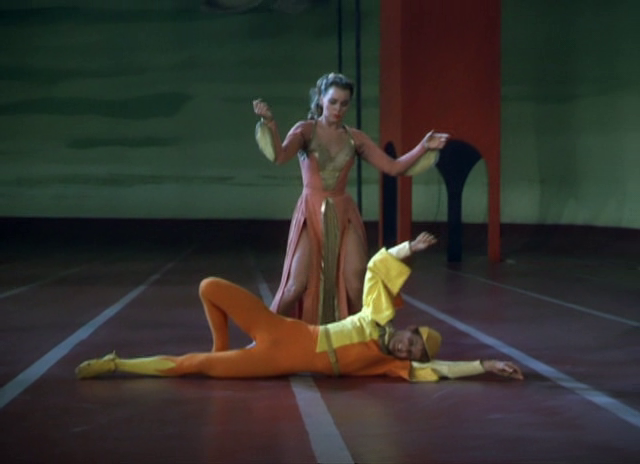
Stranger on Horseback (1955)
“That’s the funny thing about the Bannermans: folks are always picking on ’em.”
“I don’t want help — I pays my way.”
|
Synopsis: |
|
Genres, Themes, Actors, and Directors:
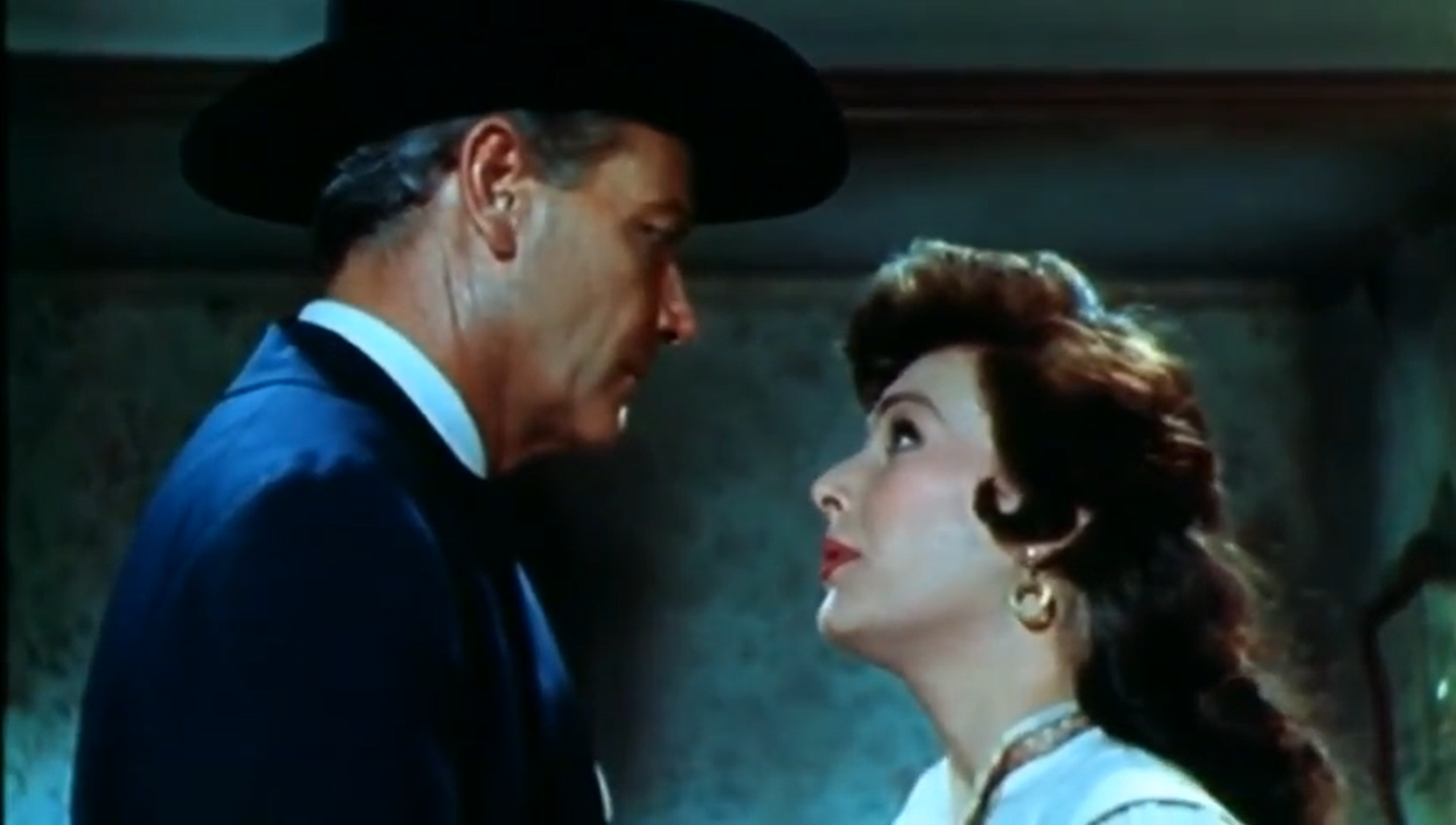
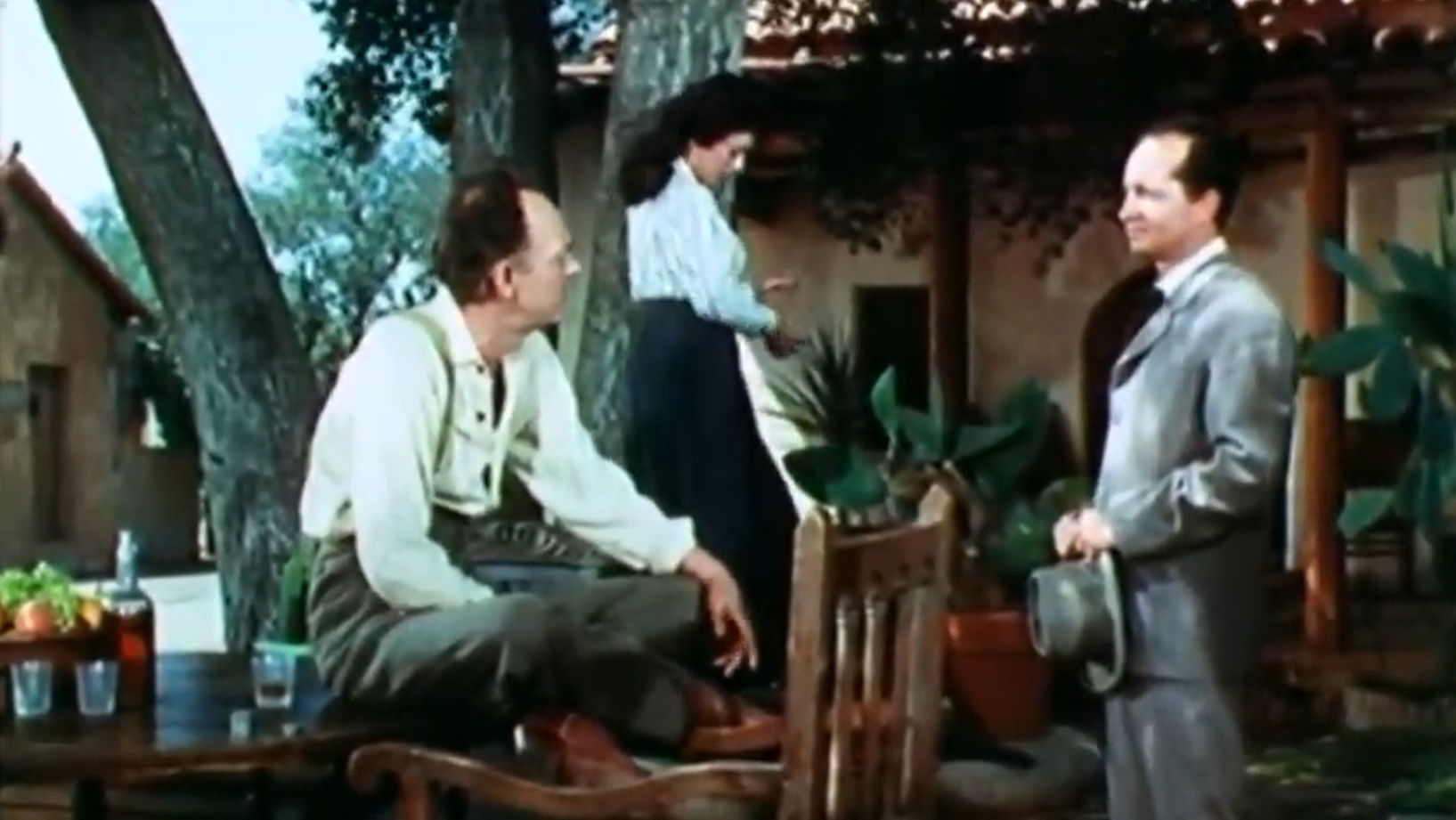
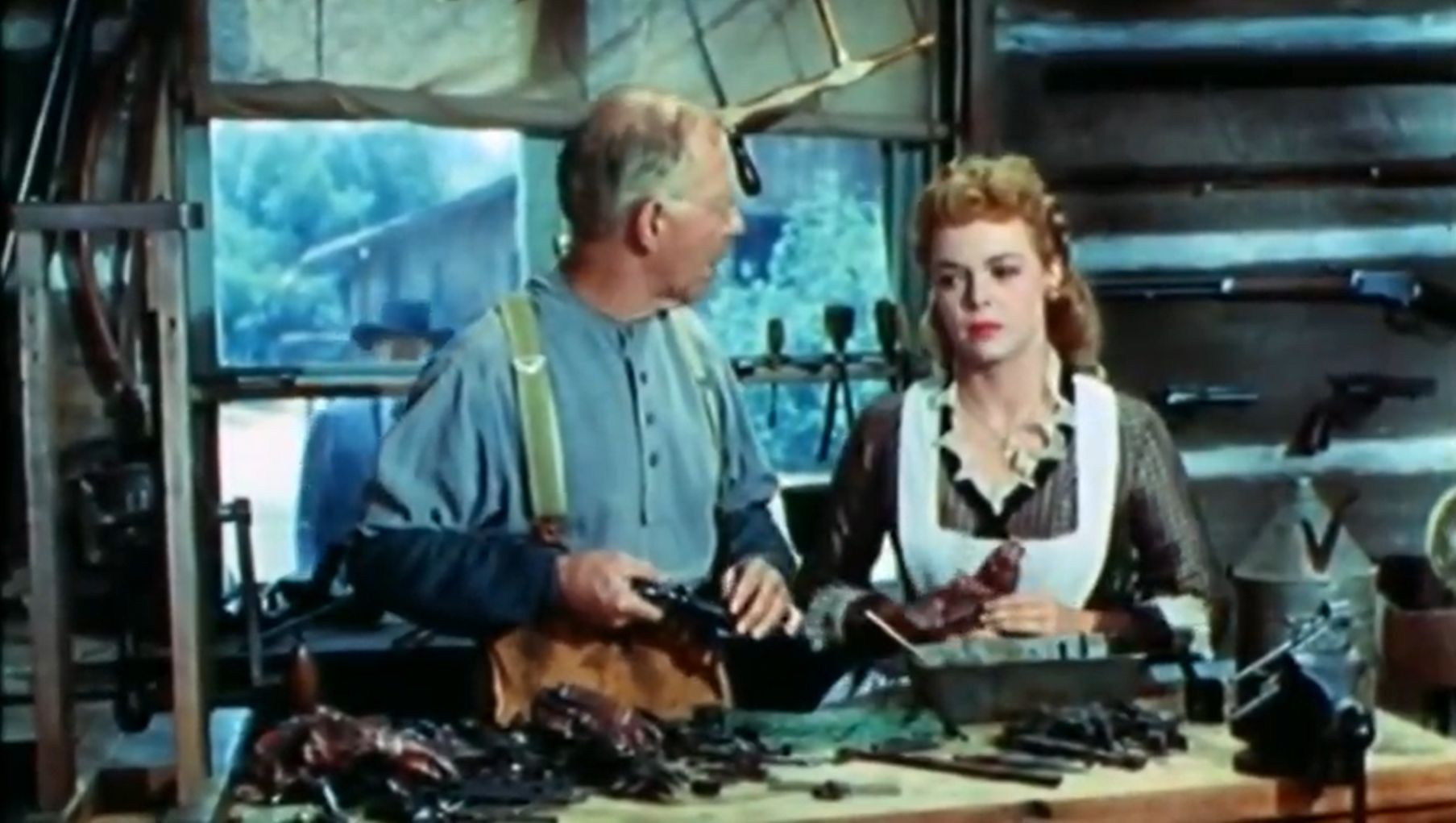
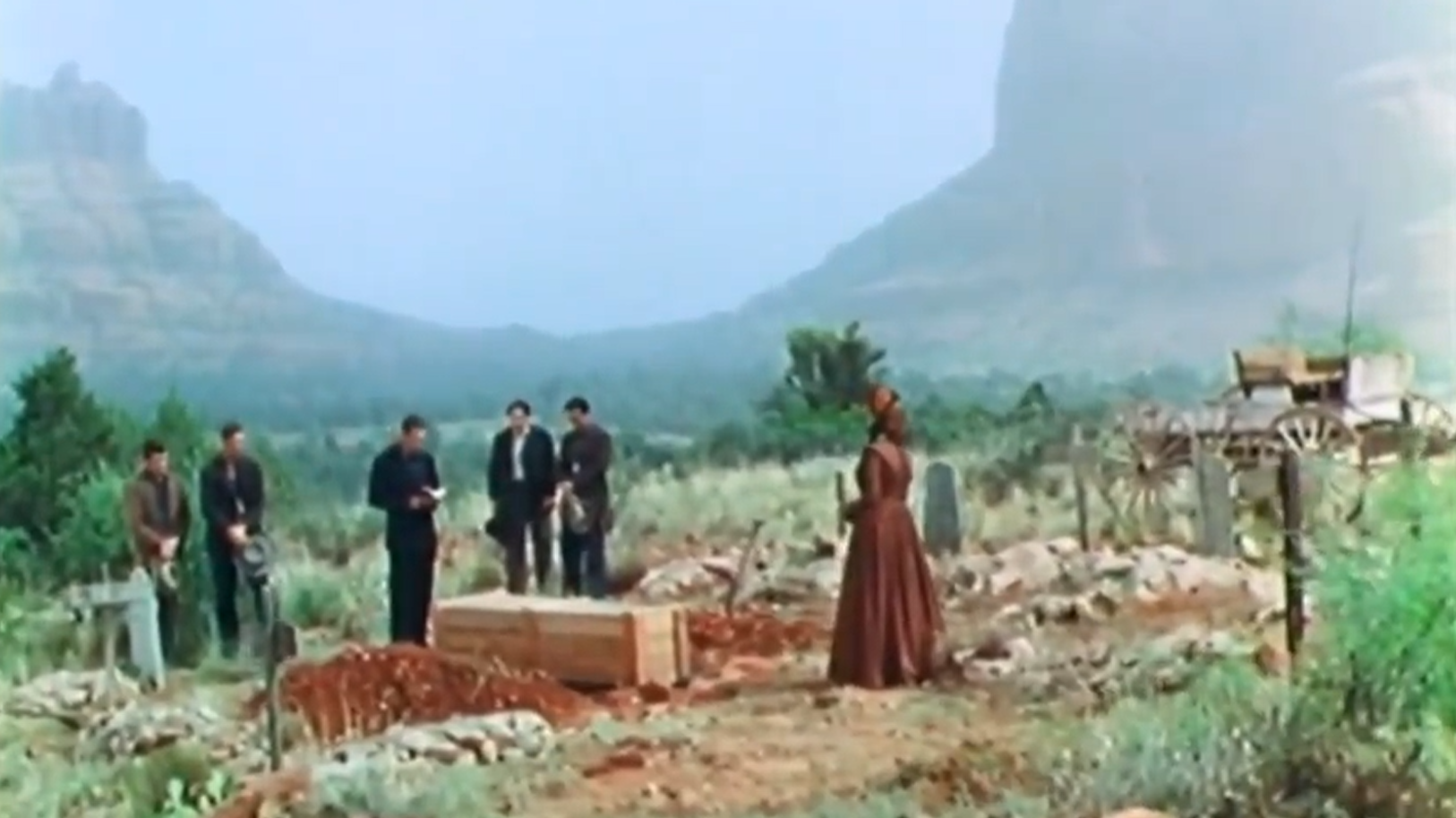
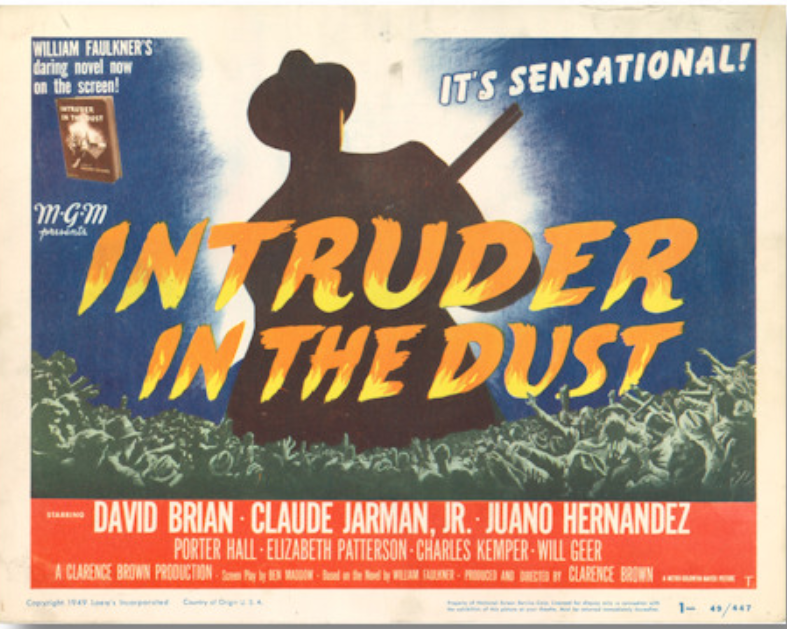
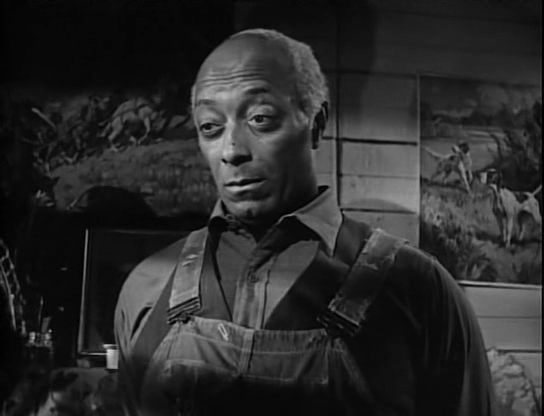
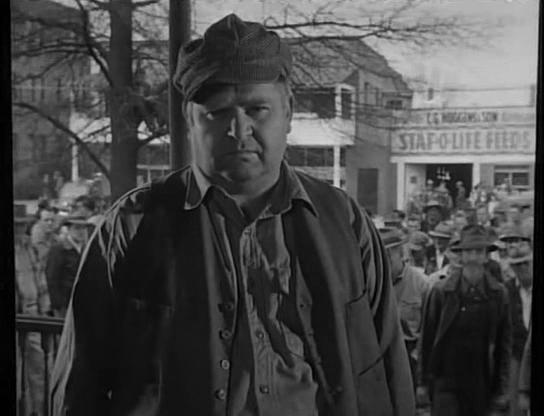
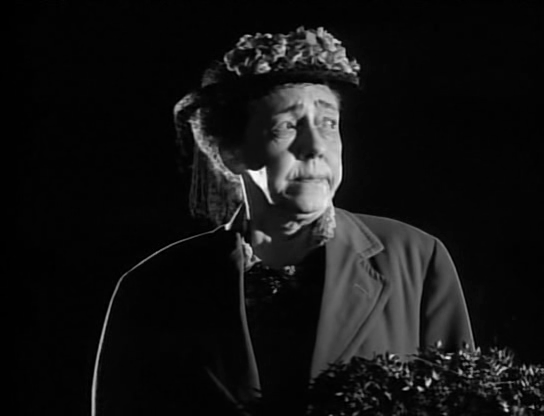
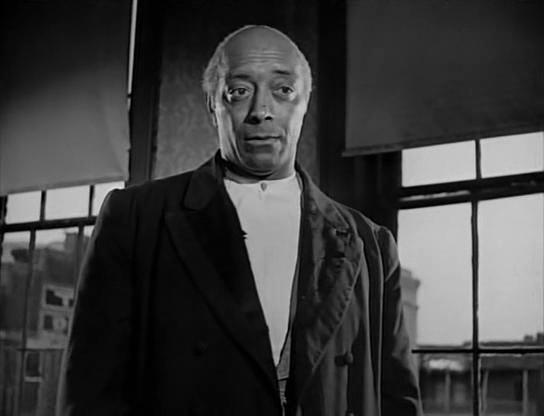
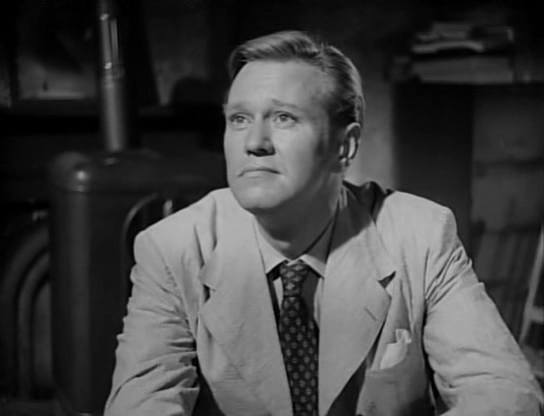
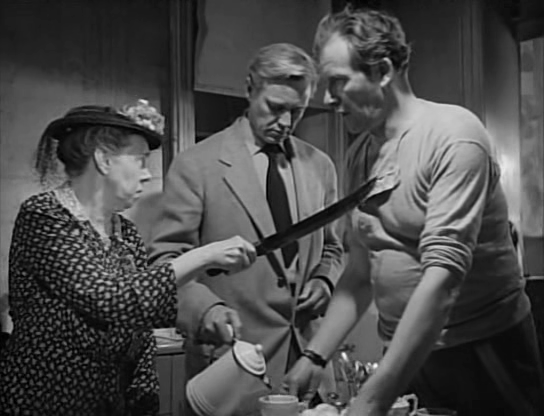
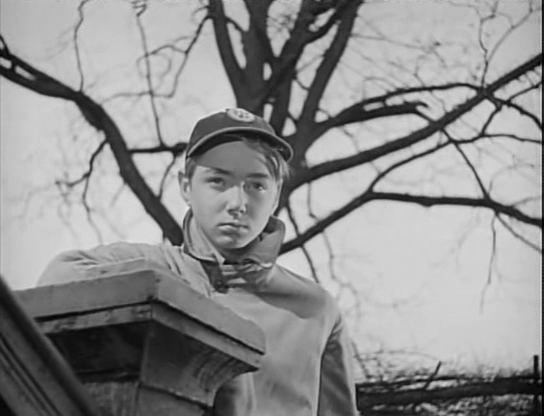
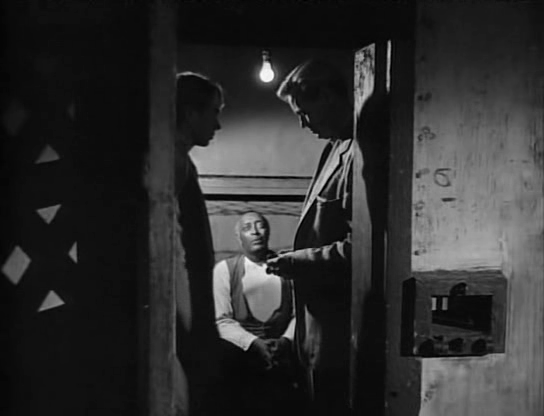
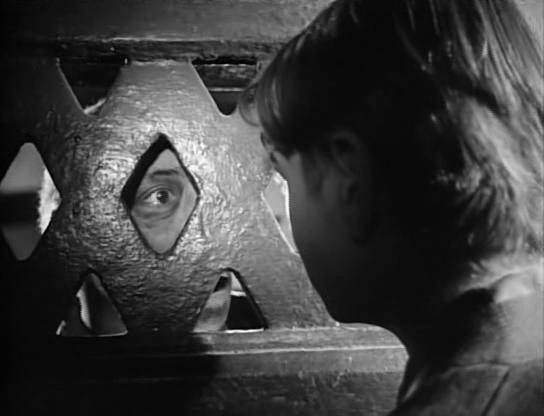
Review: The film centers on a young man (Jarman) steeped in his town’s culture of white supremacy, forced to acknowledge and deal with the cognitive distortions that arise when his life is saved by Hernandez and Hernandez rejects payment of any kind. Jarman’s anger at Hernandez — including his desire for the “revenge” of paying Hernandez to complete their “transaction” — is a bold narrative choice, refusing to sugarcoat the intensely personal and challenging process of dismantling racism. Indeed, the entire film could be viewed as an exercise in revealing and exposing racism on every level — from the overtly murderous cries of the lynch-happy white mob, to Jarman’s internalized fury, to Brian’s initial conviction that nothing can ultimately save Hernandez, regardless of his guilt or innocence. The storyline is atmospherically filmed (by Robert Surtees) throughout, with the very-real threat of white violence present around every corner, adding to the film’s authentic sense of danger — yet there are pleasant surprises as well, primarily the inclusion of a feisty old woman (Patterson) who accepts that it’s her responsibility to help out in whatever way she can. Indeed, without Patterson’s seemingly random presence as Jarman is talking about the matter with Brian, the film wouldn’t progress as it does. The scene of Patterson and Elzie Emanuel (playing the teenage son of Jarman’s family servants) driving along in her rickety jalopy to the cemetery while Jarman rides a horse in front of them is a truly surreal one: as is the entire scene that ensues. The gradual discovery of proof exonerating Hernandez is simultaneously miraculous and numbingly mundane — a vivid anecdote of how many black men in American have been killed on circumstantial “evidence” alone. Redeeming Qualities and Moments:
Must See? Categories
Links: |
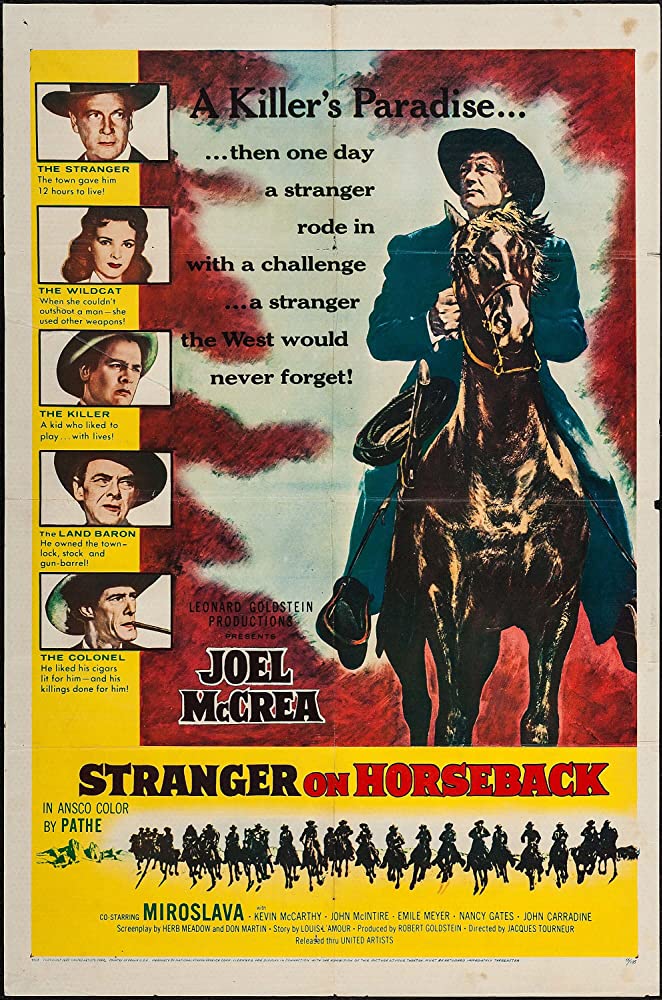
“No matter what happens on the ball field, you can’t fight back.”
|
Synopsis: |
|
Genres, Themes, Actors, and Directors:
Review: The following exchange early on — between Watson (as Branch Rickey) and Robinson — demonstrates his willingness to put his life and dignity on the line for a chance at an authentically remunerated career (“Negro” leagues were infamously low-paying and non-contracted):
While it’s a modestly made flick, all film fanatics should watch this movie for its historical value as a film which dared to show at least some of the truth of what Robinson experienced during his path to well-earned fame. Redeeming Qualities and Moments: Must See? Categories
Links: |
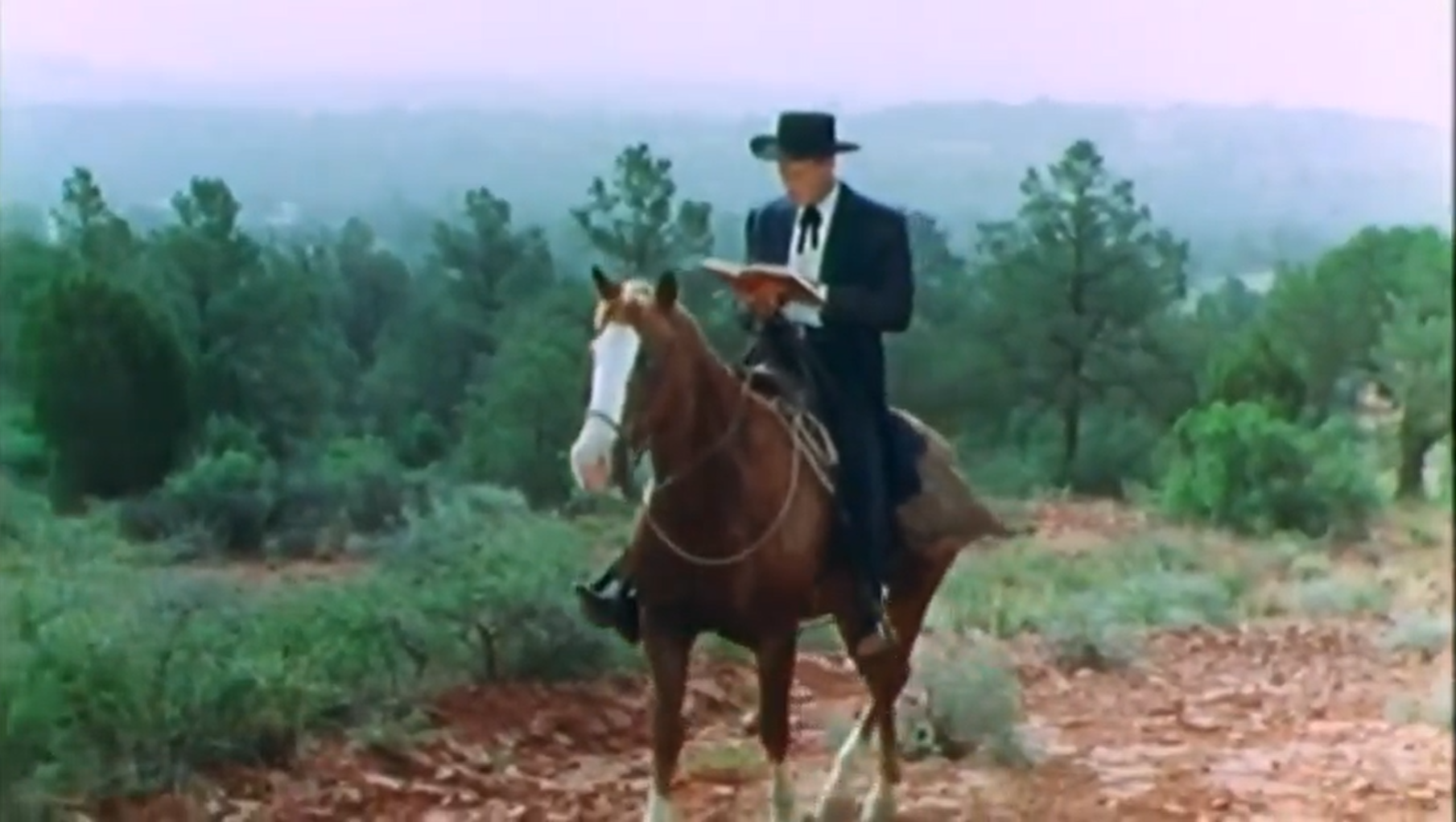
“I’m not interested in dogs, women, or children — in the order of their importance.”
|
Synopsis: |
|
Genres, Themes, Actors, and Directors:
Review: The script does little to elevate the basic storyline of a man whose devotion to his career trumps all else, even leading him to miss the news that his wife is dying (!). It’s no wonder poor Clarke is so pissed off, though she’s never given a chance to emerge as anything other than a dour killjoy. The most famous sequence shows Hope and Jimmy Cagney (starring once again as George M. Cohan) dancing together on a tabletop at the Friar’s Club — but considering the scene that comes immediately after this, it’s simply more evidence of Foy’s misguided loyalties. The ending wraps things up in a conveniently Hollywoodized bow, but isn’t convincing for a second. Redeeming Qualities and Moments:
Must See? Links: |
“Johnny’s a normal American boy, and he wanted to see the game today. I’m glad I made that possible.”
|
Synopsis: |
|
Genres, Themes, Actors, and Directors:
Review: The majority of the storyline focuses on the drama of Johnny, an “all American” boy acting out against his new stepfather in ways that seem destined to land him in juvenile detention (or worse). To the film’s credit, there’s plenty of authentic tension around what will happen next with Johnny — starting with a plot twist early on, and ending with an unexpected conclusion. However, the entire affair is handled and acted with far too much earnest heavy-handedness to recommend. Redeeming Qualities and Moments: Must See? Links: |
“Living is an art; it’s not bookkeeping.”
|
Synopsis: |
|
Genres, Themes, Actors, and Directors:
Review: Unfortunately, it hasn’t stood the test of time very well, coming across as a well-meaning yet insistently quirky snapshot-look at diverse lives in San Francisco, all centering around an annoyingly self-satisfied “central hub” (Joe) — presumably meant to represent Saroyan himself. Joe micro-manages every movement made by mentally challenged Morris while attempting to save the life of a suicidal prostitute (Jeanne) and milking the remaining characters’ tales and woes for his own enjoyment. This is fine as long as one enjoys dipping into these particular individuals’ travails, but they’re not overly compelling; an exception is Barton’s wonderfully loquacious cowpoke with a penchant for, shall we say, exaggeration — he lights up the screen. Redeeming Qualities and Moments: Must See? Links: |
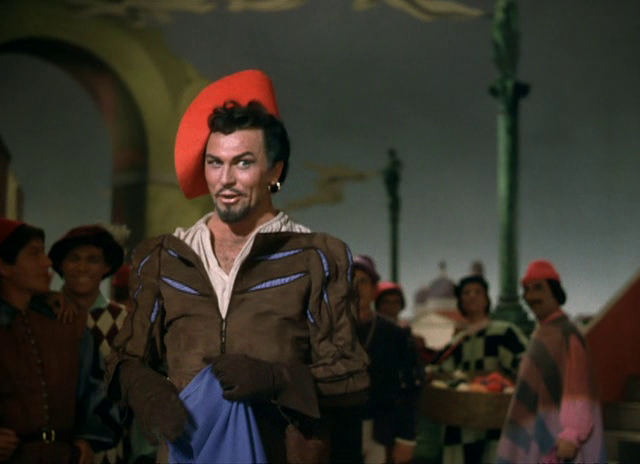
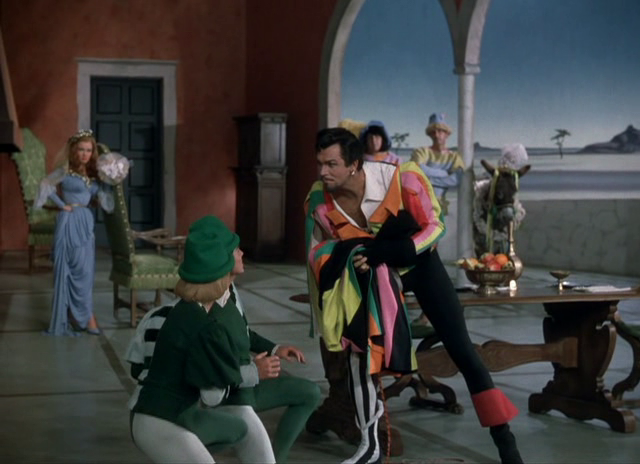
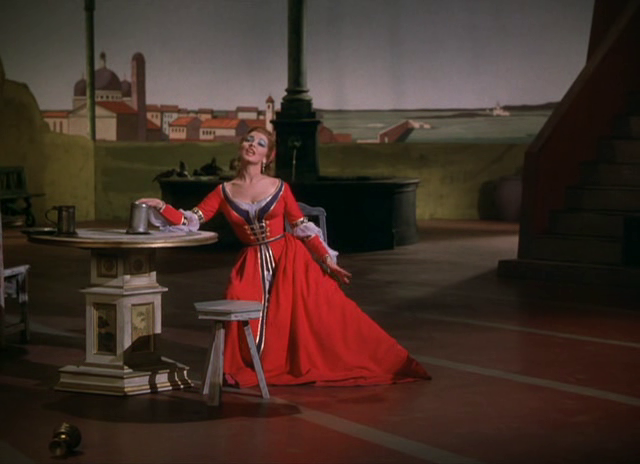
“You’d make a perfect shrew!”
|
Synopsis: |
|
Genres, Themes, Actors, and Directors:
Review: Redeeming Qualities and Moments:
Must See? Categories
Links: |
“That’s the trouble with being innocent: you don’t know what really happened.”
|
Synopsis: |
|
Genres, Themes, Actors, and Directors:
Review: Note: Watch and listen carefully for Thelma Ritter in an uncredited role as a secretary; you should be able to recognize her distinctive voice. Redeeming Qualities and Moments:
Must See? Categories
Links: |
“This lady’s here to catch a train.”
|
Synopsis: |
|
Genres, Themes, Actors, and Directors:
Review: Note: Check out Criterion’s DVD for a comparison of both the American (72 minutes) and Italian (89 minutes) version; with that said, the version I found online was only 63 minutes (?). Redeeming Qualities and Moments: Must See? Links: |
“I simply don’t see what’s so wonderful about getting into a fifty year old car and driving to Brighton and back.”
|
Synopsis: |
|
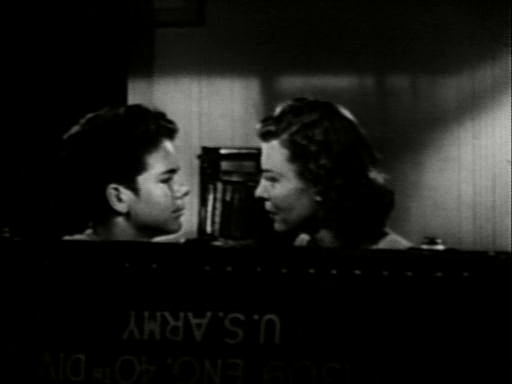
Genres, Themes, Actors, and Directors:
Review: Note: A highly memorable moment — featured in the film’s poster and the still below — demonstrates Kendall’s surprising trumpet skills, in a scene which is now “an icon of British comedy.” Redeeming Qualities and Moments:
Must See? Categories
Links: |