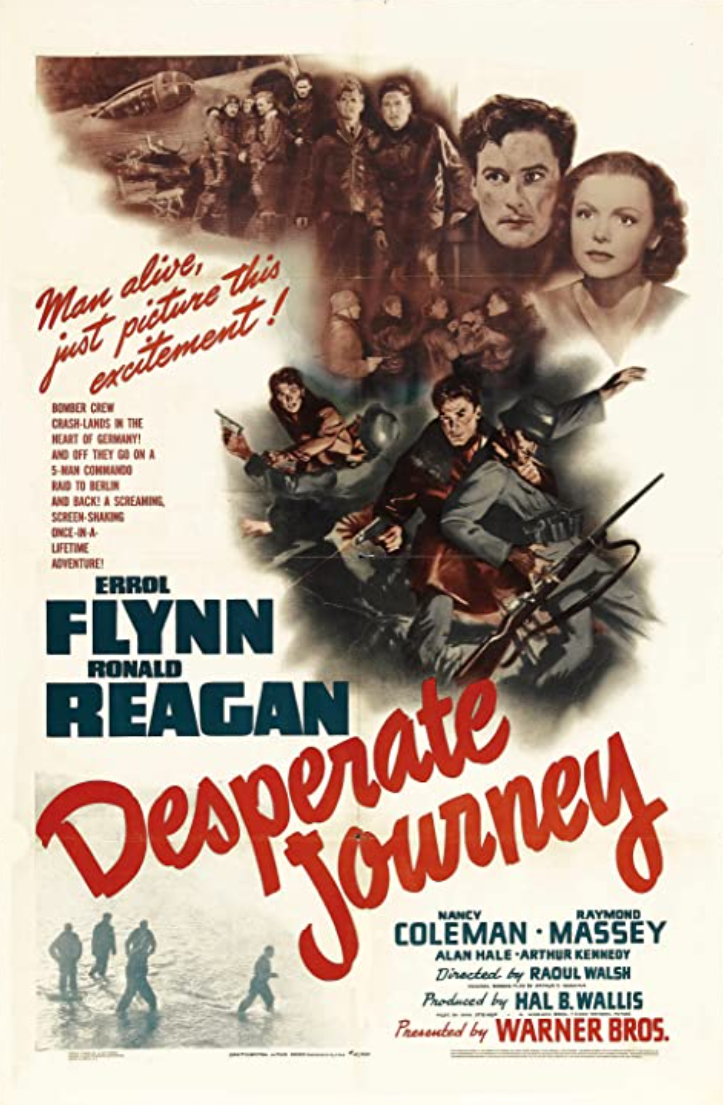
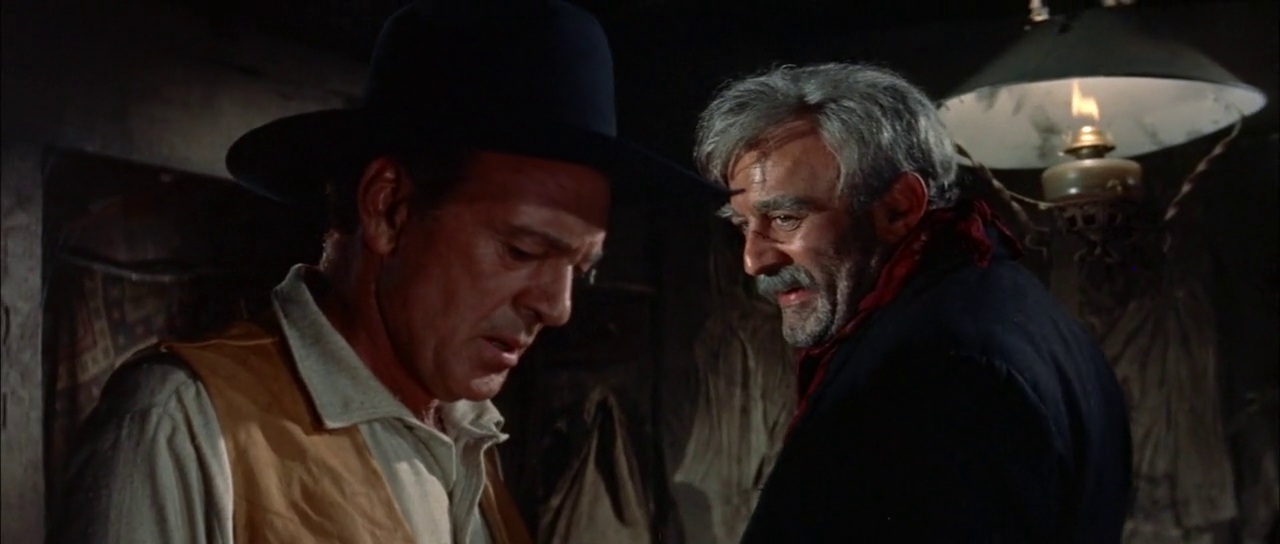
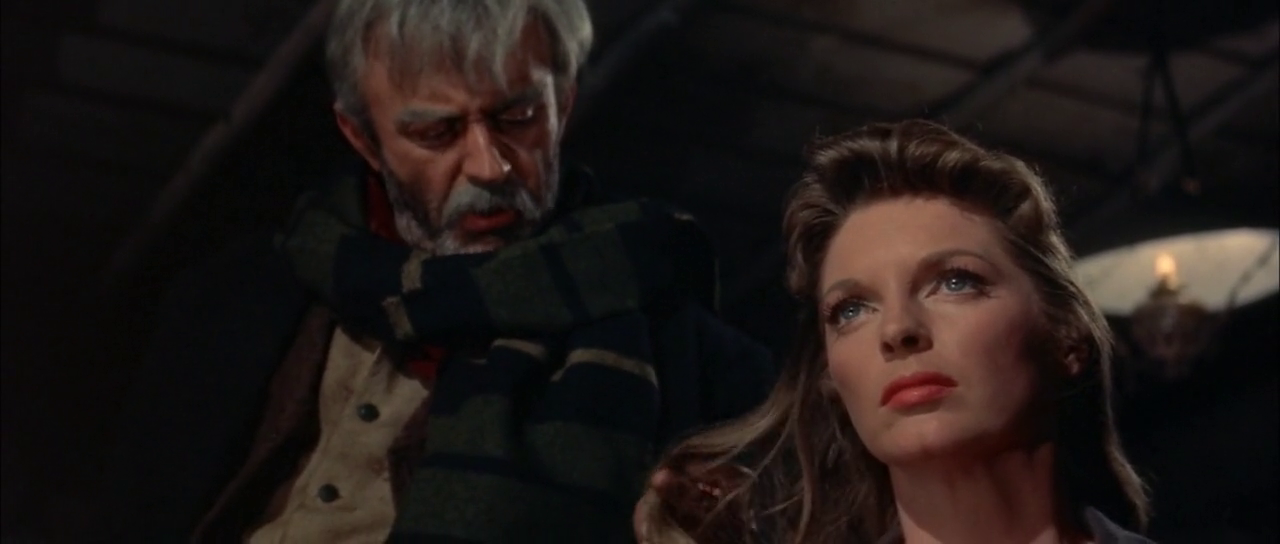
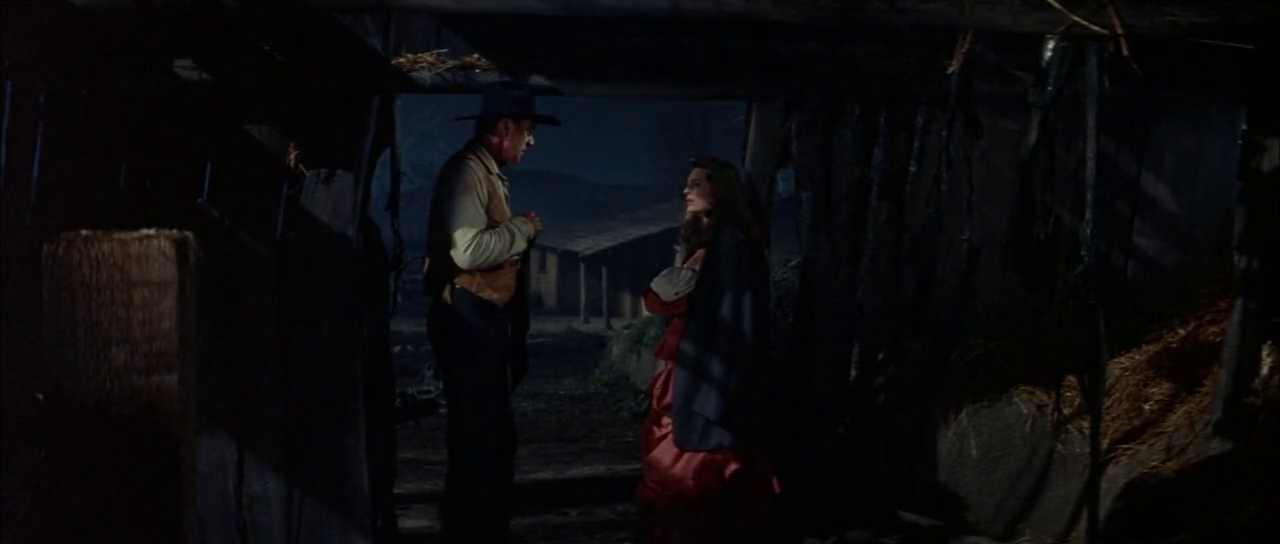
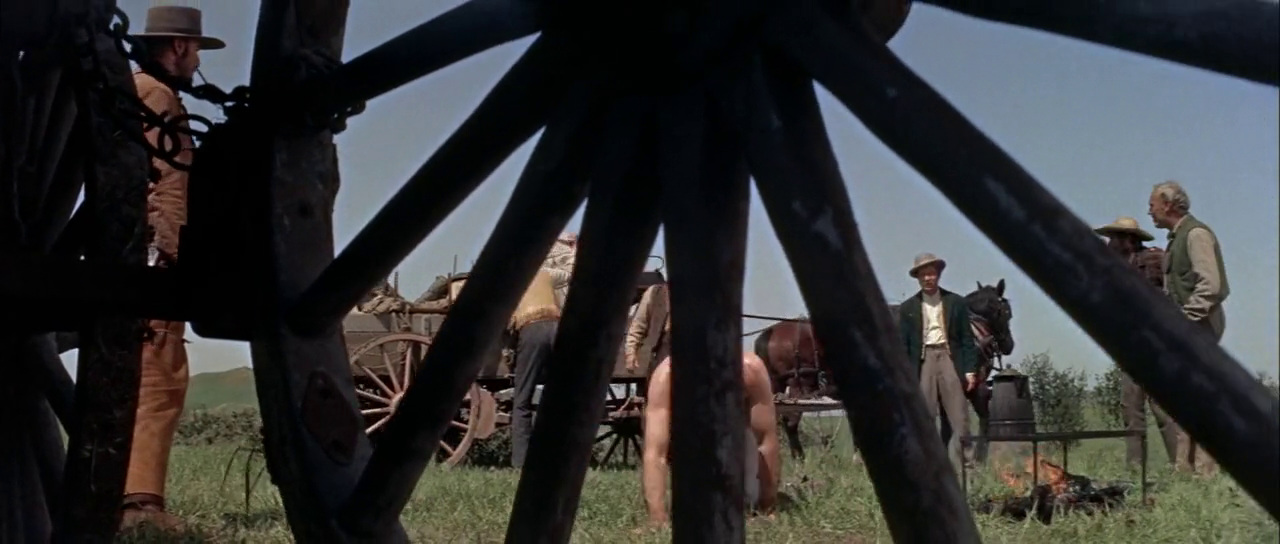
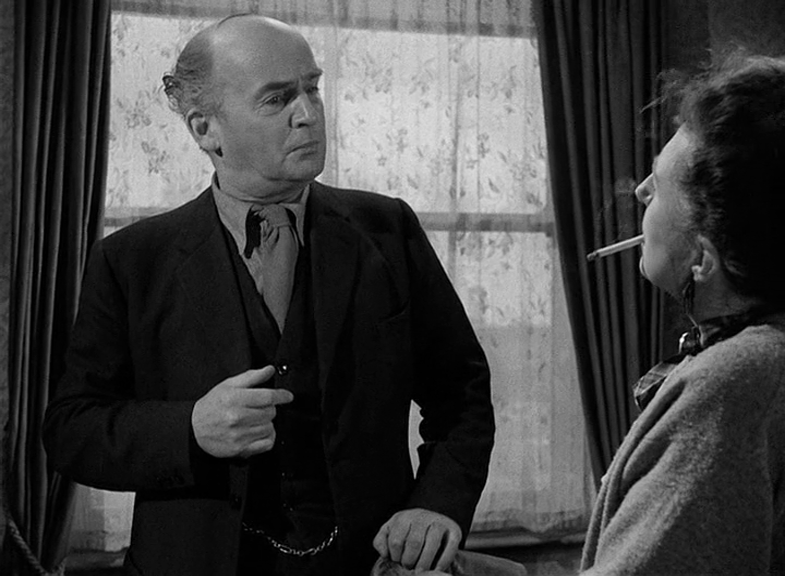
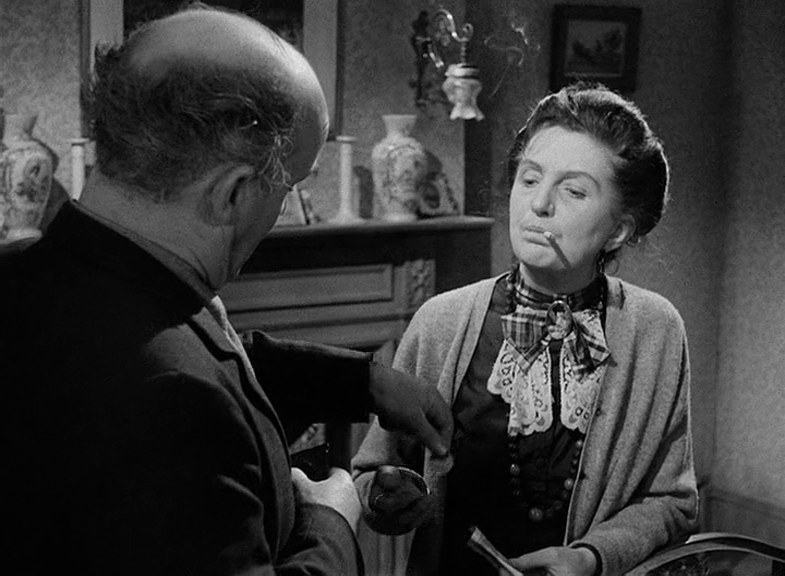
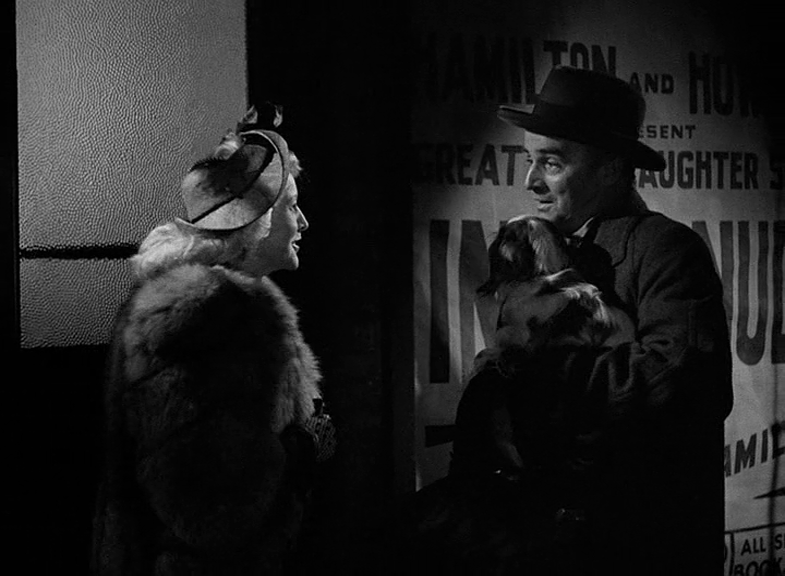
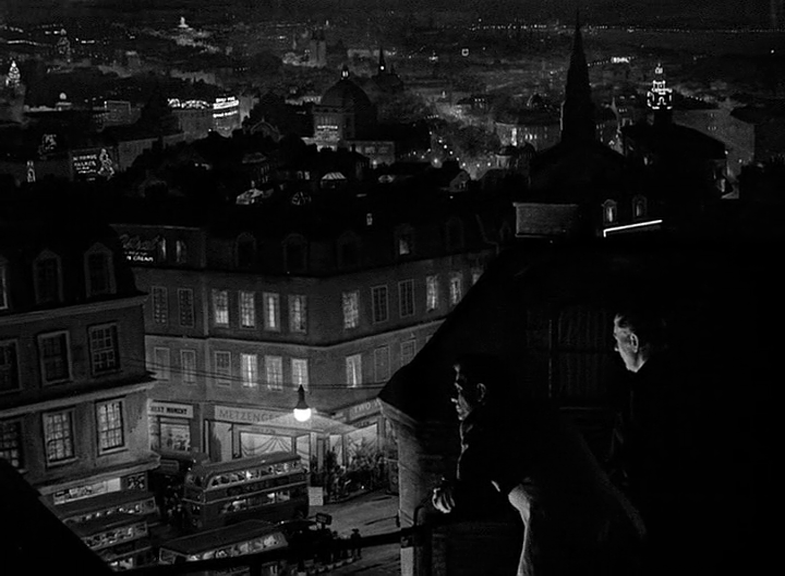
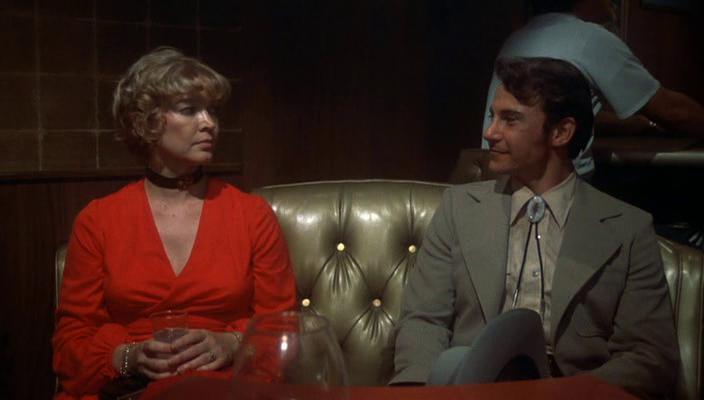
Desperate Journey (1942)
“We must all do our work before we can go back to doing what we love.”
|
Synopsis: |
|
Genres, Themes, Actors, and Directors:
Review: Redeeming Qualities and Moments:
Must See? Links: |
“We must all do our work before we can go back to doing what we love.”
|
Synopsis: |
|
Genres, Themes, Actors, and Directors:
Review: Redeeming Qualities and Moments:
Must See? Links: |
“Eddie, you’re a born loser.”
|
Synopsis: |
|
Genres, Themes, Actors, and Directors:
Response to Peary’s Review: In Alternate Oscars, Peary gives Newman the Best Actor award he was expecting (and deserved). He writes that “as the brash, smart-ass hustler — a combination of a cocky gunslinger and a boxer willing to sell out friends in order to get a title shot — Newman has surprising authority on the screen, using not only a strong voice and that devil’s grin to hold our attention but also a confident pool player’s dramatic and imposing body language.” Thankfully, while “his character is a bundle of energy and anger,” Newman “wisely doesn’t try to overpower the role by acting hyper or using too many mannerisms.” Equally impressive is Laurie, who Peary nominates as one of the Best Actresses of the Year; her troubled, needy, yet distant character seems exactly like someone Eddie might fall for, and her trajectory is tragic indeed. Meanwhile, Scott (in just his third movie role) dominates whenever he’s on screen, perfectly embodying “a rich bastard who likes ‘action'” and “thinks Eddie is a loser… but knows he has talent”; and Gleason is perfectly cast as the “fat man” with impeccable pool skills. Also of note are Eugene Shuftan’s b&w cinematography, Kenyon Hopkins’ jazzy score, Dede Allen’s editing, Harry Horner’s production design, and a smart screenplay. While it’s hard to watch at times, this dark classic remains must-see viewing. Redeeming Qualities and Moments:
Must See? Categories
(Listed in 1001 Movies You Must See Before You Die) Links: |
“There’s a point where you either grow up and become a human being, or you rot like that bunch.”
|
Synopsis: |
|
Genres, Themes, Actors, and Directors:
Response to Peary’s Review:
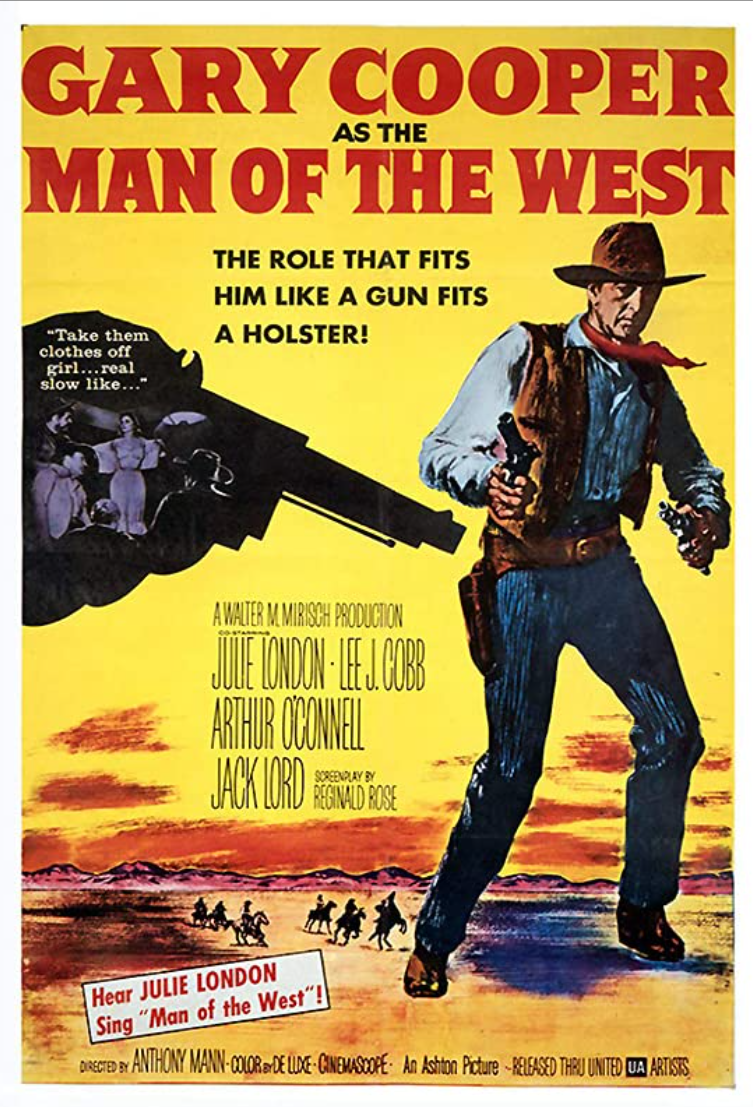
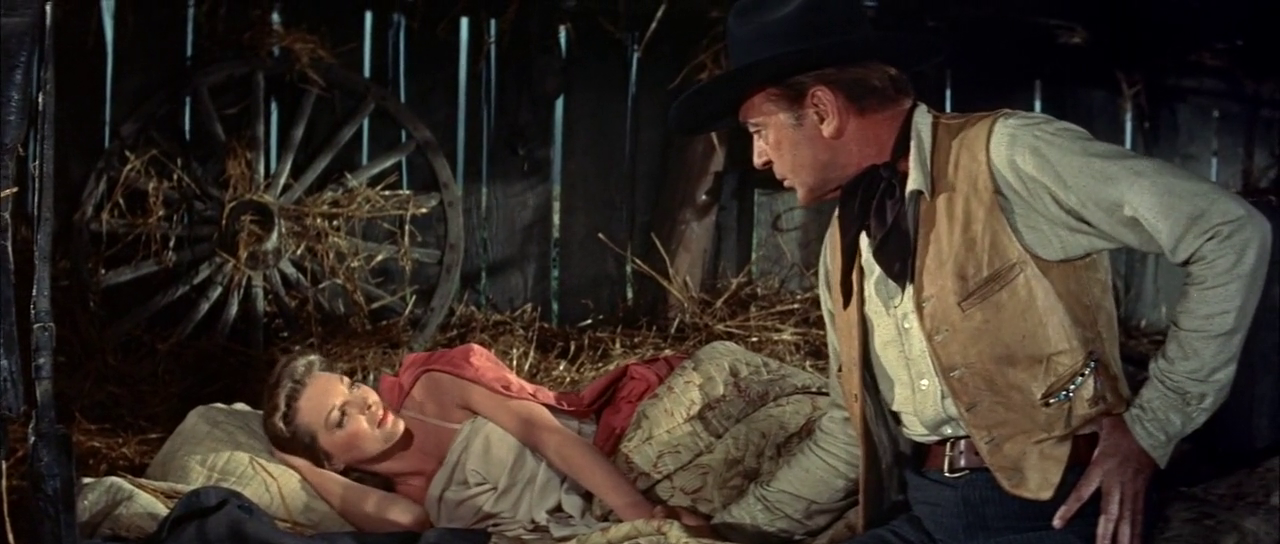
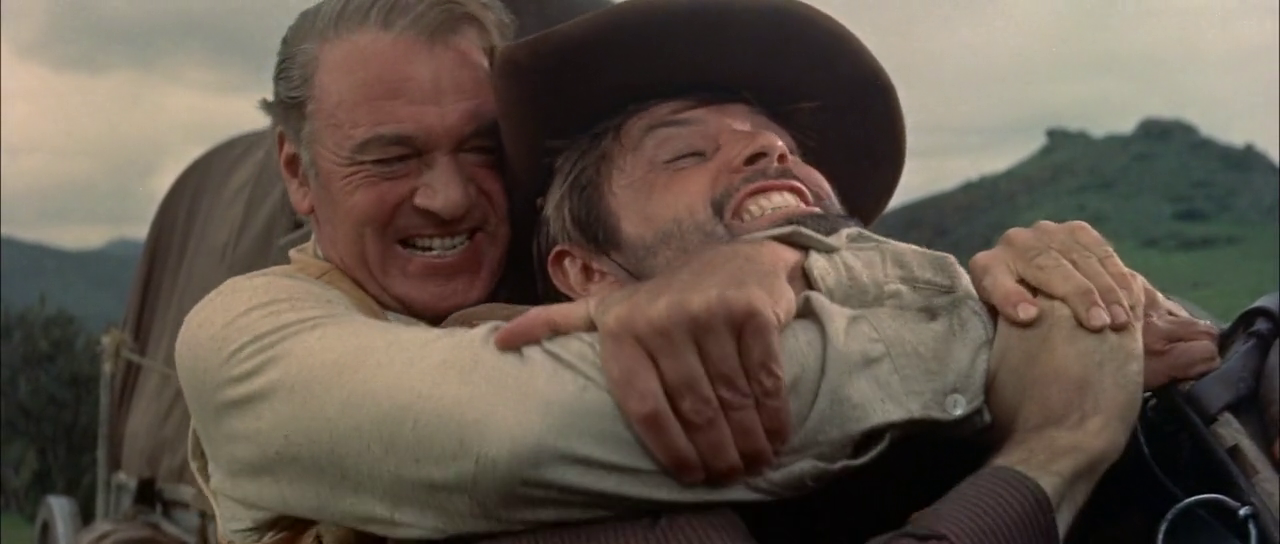
He adds that the “shootouts are inevitable and exciting,” and points out that “Cooper is not happy to fight [John] Dehner because he is the man Cooper would have been if he hadn’t deserted Cobb years before.”
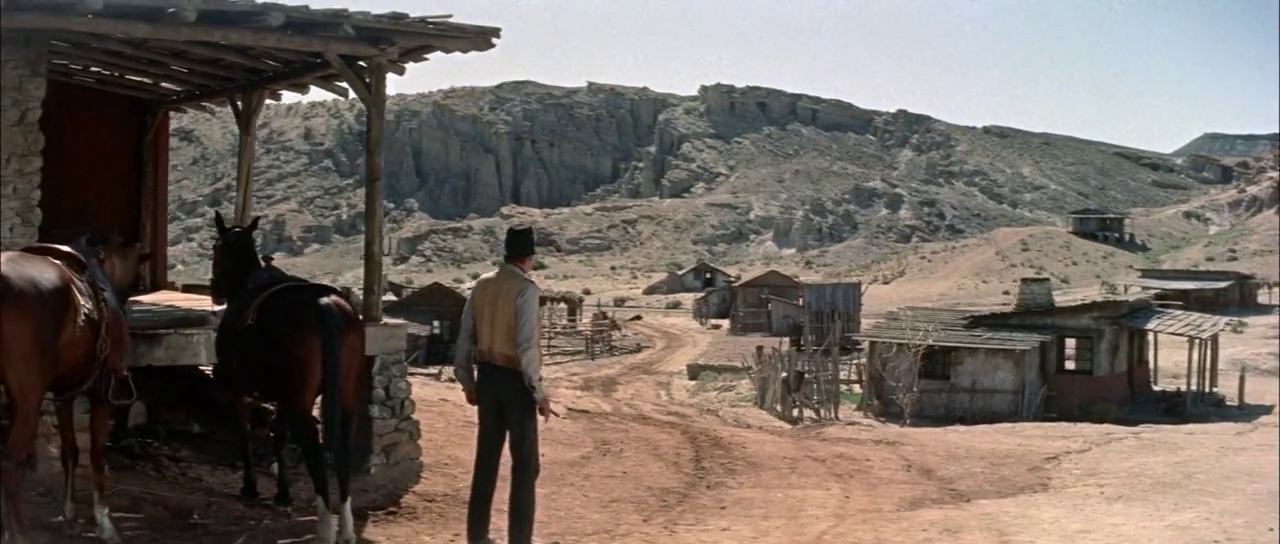
He writes that “as in most Mann films, there are two men with similar backgrounds, one who chose to put away his guns as the West became civilized and one who chose to keep being an outlaw, which, in Mann’s films, made his demise inevitable.” Peary goes on to write that “this picture is also similar to other Mann films because the rugged outdoor landscapes provide the characters with the appropriate environment for uncivilized behavior.”
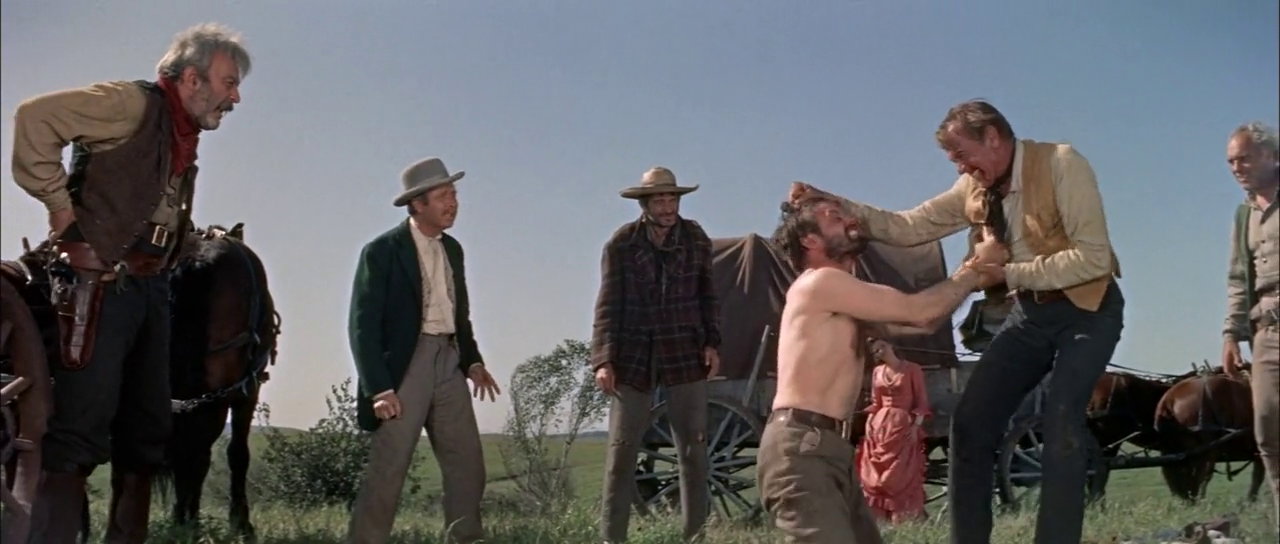
He points out that “the film’s most notorious, most publicized scene has [Jack] Lord forcing [Julie] London to strip to her underwear” — and, as “an enlightened hero, Cooper realizes London’s humiliation… and gets revenge on Lord later by making him strip while she watches.”
Peary concludes his GFTFF review by noting that this remains “a solid, smart western” with “impressive CinemaScope photography” by Ernest Haller, but he argues that “Cooper shouldn’t be a ‘hick’ in the opening scene.” Peary elaborates on his thoughts about this film in his first Cult Movies book, where he describes it as a “beautifully filmed, bloody, unsparing western, replete with interesting, complex characters and exciting situations,” and notes that “if it has a major flaw it comes at the beginning,” given that Cooper plays these scenes “as if he were Longfellow Deeds once again.” He adds, “Having [Cooper] come across as being so gullible and innocent that Sam [O’Connell)] and Billie [London] would attempt to wheedle him out of [his] money… is completely deceptive on Mann’s part.”
“If this naive-chump bit were an act by Link to cover up his identity” (which is how I ended up interpreting it) “it would make sense, but it’s for real” (how does Peary know?), and “when we discover that Link used to be a hardened criminal, these early scenes come across as ridiculous.” While “Mann might have been trying to get us to believe Link a weakling so we would be pleasantly surprised later in the film when we see him do heroic deeds,” he asserts that the “change here is too drastic.” I would ultimately agree; regardless of Mann’s motivation, the character shift for Cooper isn’t seamless — though it’s easy enough to forget about the earlier scenes once we enter the “tense melodrama” of “the cabin scenes,” which Mann likened to “those in Key Largo (1948).” Unfortunately, less easy to forgive is Cobb’s overly theatrical performance as the psychotic head honcho of the Tobin gang. Not helping matters any is the fact that 57-year-old Cooper was 10 years older than 47-year-old Cobb in real life, despite playing his adopted son.
However, there’s enough to recommend in this dark western by master-director Mann to make it worthy as once-must viewing. Redeeming Qualities and Moments:
Must See? Categories
(Listed in 1001 Movies You Must See Before You Die) Links: |
“Jake is never gonna be a champ. Too many people hate him.”
|
Synopsis: |
|
Genres, Themes, Actors, and Directors:
Response to Peary’s Review:
… [and] his boxing sequences are surreal.”
Peary notes that “as always, Martin Scorsese’s direction is powerful and his characters are natural and real, but, as is too often the case, he has chosen to film a script whose lead character is a thoroughly unlikable figure.” He argues that “eventually you may give up trying to figure out what makes La Motta tick and just get fed up with his antics.” However, he concedes that “scene by scene, the film has impact; particularly strong are those scenes with De Niro and Pesci… and the scene in which La Motta reacts to having thrown a fight for the only time in his career.”
However, Peary asserts that “when the film ends, you realize it has no core, no real theme. It’s just about a louse.” (I disagree, as I’ll explain in a bit.) In Alternate Oscars, Peary insists he’s still not a fan of the film but, given its positive critical reception and beloved status by “the most astute film cultists,” he concedes it deserves to win Best Picture of the Year. He also agrees with Robert De Niro’s win as Best Actor of the Year, noting that “De Niro was great playing a character who, despite having stone hands and jaw, has no personality.” He writes that “La Motta comes across as just another of Scorsese’s inarticulate, incorrigible, misogynistic, violent, self-destructive Italian punks” who “seems to have no pride, except that he cries after throwing a fight and after winning the title.” He adds that “what La Motta likes to do — and he does it sometimes instead of sex — is beat up people, in the ring and at home. He expresses himself with his fists… All he does is eat, argue with Joey and Vickie, and fight.” However, despite detecting “no motivation for his jealous tantrums and abusiveness” we “keep watching… because De Niro is so powerful that we are paralyzed in our seats.” He notes that “what’s amazing is that while De Niro is trapped in a character who barely changes over the years, he still gives a performance that is excitingly unpredictable.” I’m much less concerned than Peary about the apparent “lack of motivation” for La Motta’s abusive, self-loathing personality. This film is not about why La Motta became so paranoid and vicious, but rather about the impact that his inability to control his mental demons had on himself and those around him. Because the people he lashes out at are either in the ring or (eventually) have the sense to walk away from him (and he doesn’t stalk them), we know that his actions and volatile personality — which become tamer as he ages and gains more weight — have tragically cost him a lifetime of happiness. It’s brutal to watch, but this one rings really true, and does indeed remain powerful viewing. Redeeming Qualities and Moments:
Must See? Categories
(Listed in 1001 Movies You Must See Before You Die) Links: |
“Since when did hired guns get choosy?”
|
Synopsis: |
|
Genres, Themes, Actors, and Directors:
Response to Peary’s Review:
… given that “he and Wayne respect each other, since both are professionals with a code of honor.” Finally, Peary points out that the “picture has exciting action sequences and a great deal of humor,” with “Caan… particularly funny.”
There’s not much more to say about this remake of Rio Bravo (yes, that’s essentially what it is) except that it’s competently filmed and handles aging and infirmity with aplomb, not shying away from showing how much harder life is in the rugged west when your body starts failing you. Mitchum’s character is played for laughs rather than pathos, but undergoes a refreshing transformation; and it’s interesting seeing Caan in one of his earliest films, bridging the era of classical filmmaking with a burgeoning new sensibility in cinema. However, this one isn’t must-see other than for Hawks fans. Redeeming Qualities and Moments:
Must See? Links: |
“Next time they’ll shoot first and laugh afterwards.”
|
Synopsis: |
|
Genres, Themes, Actors, and Directors:
Response to Peary’s Review: He adds that “Hawks’s men are allowed to be scared, but, like Dude, they must put themselves on the line when scared to prove they are worthy men to themselves and their male friends.” For Hawks, “a man is defined not by how well he relates to women — he is mystified by them — but by how well he handles pressure and reacts to danger. It’s okay that Dude (the film’s pivotal character) wants help from his friends, but when the chips are down and they need his assistance, Dude must be dependable. Along with the word ‘proficient,’ ‘dependable’ is how Hawks defines ‘good,’ the highest rating a person can have in a Hawks film.” Peary points out that Rio Bravo “has many terrific scenes,” and asserts it remains “one of the all-time great westerns.” I’m essentially in agreement with Peary’s review (excerpted from his longer analysis in his first Cult Movies book), and I consider this a must-see film on numerous levels. However, it’s a film I admire more than enjoy — perhaps because I tend to prefer more economical westerns that pack a punch in ~1.5 hours (Rio Bravo is a leisurely 141 minutes). I’m most impressed by Martin’s performance: he shows true depth of character as an alcoholic wracked by hand-shaking nerves and tremens, who knows his reputation has gone down the drain and is willing to push past his own failings to step up to the work that needs doing.
It’s also enormously refreshing to know a happy ending awaits our motley crew; this makes watching the suspenseful, well-filmed final shoot-out just that much more exciting. Redeeming Qualities and Moments:
Must See? Categories
(Listed in 1001 Movies You Must See Before You Die) Links: |
Welcome, CMBA members! I’m happy to be participating in the Classic Movie Blog Association’s “Hidden Classics” blogathon. If you’re new to my site, please click here to read more.
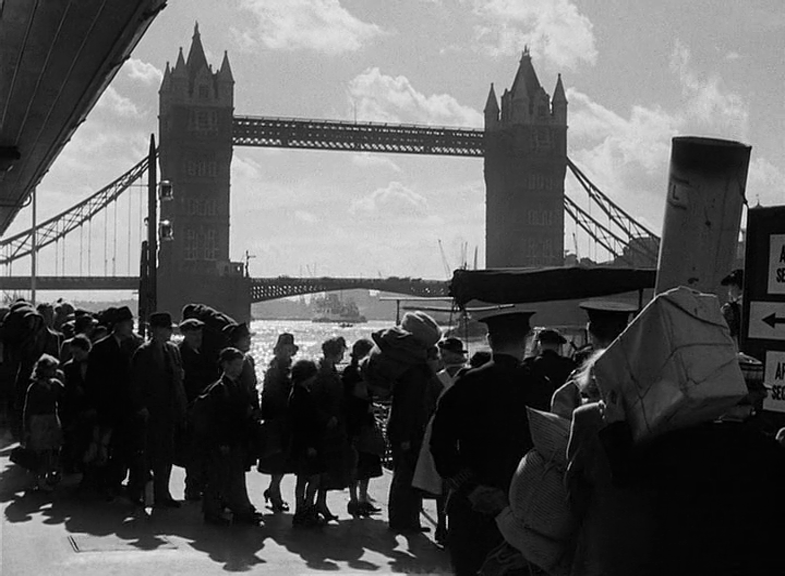
For my entry in this blogathon, I chose to re-post my review of a film I discovered with pure delight last summer: John and Ray Boulting’s Seven Days to Noon (1950). This tense, well-scripted movie about a justifiably unhinged scientist threatening to destroy London unless politicians halt all production of Weapons of Mass Destruction remains as potent today as it must surely have been during the Cold War. It’s well worth a look on numerous levels, including atmospheric cinematography and impressive use of on-location shooting across London. I’m puzzled as to why it’s not more widely known and appreciated. I hope you enjoy my review and the film itself! – Sylvia (FilmFanatic)
P.S. If you’d like to post a comment, please send me an email at filmfanatic.org@gmail.com and I will create an account for you.
“What would you do if you were convinced the results of your life work were being put to an evil purpose?”
|
Synopsis: |
|
Genres:
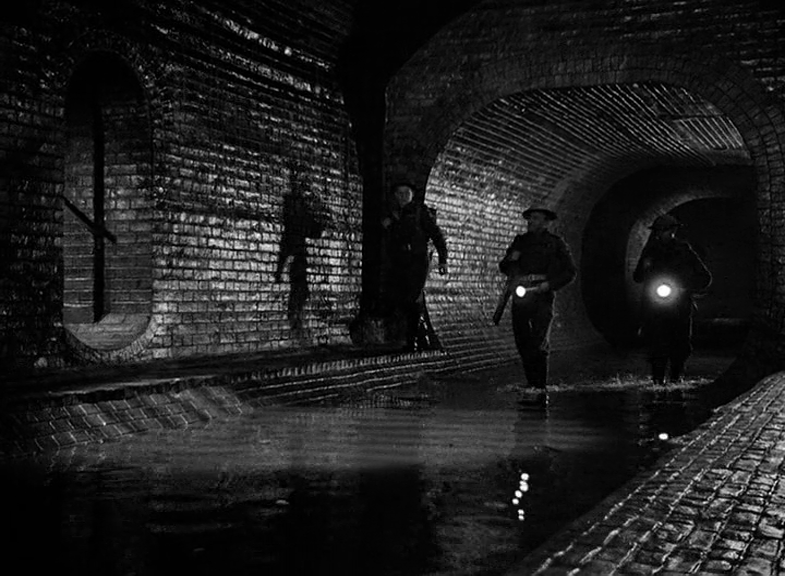
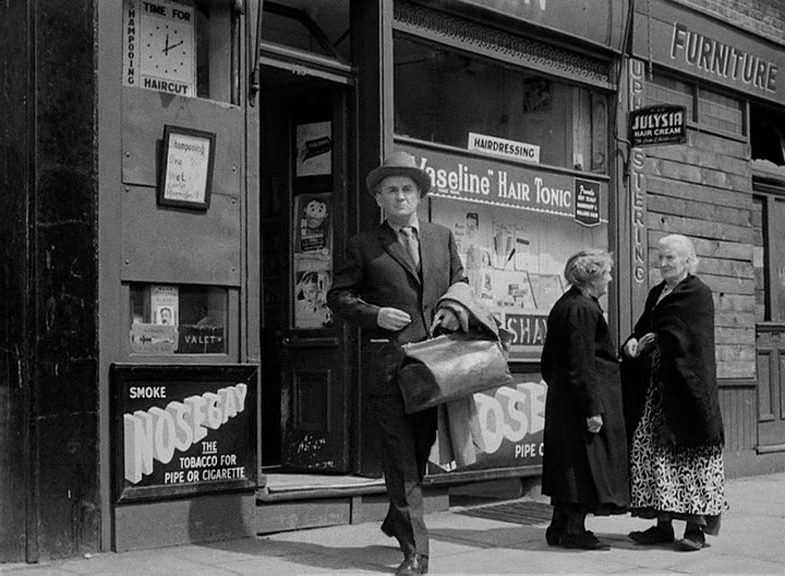
Review: From its opening moments until its almost unspeakably tension-filled finale, we’re held on the edge of our seats during this film, feeling anxiety, dread, and a surprising amount of sympathy for the man (clearly unhinged — can you blame him?) about to annihilate one of the world’s largest cities. Fine attention is paid to small details and ambiance throughout the movie, including effective supporting characters (both speaking and silent) and use of authentic locations and extras. Gilbert Taylor’s atmospheric cinematography perfectly captures both the broad scope of a city at risk, as well as the shadowy underworld Jones is pulled into. Most definitely check this one out. Note: It’s fascinating to read that both Boulting twins married numerous times (John four times, Ray five) and had a total of 13 kids between them (!). They were busy. Redeeming Qualities and Moments:
Must See? Categories
Links: |
“He’s a man that can go crazy-wild — and I intend to be there in case he does!”
|
Synopsis: |
|
Genres, Themes, Actors, and Directors:
Response to Peary’s Review:
In Alternate Oscars, where he names The Searchers Best Movie of the Year, Peary adds that this is a “splendidly directed film full of action, humor, intriguing relationships, and, to build tension, interrupted rituals (funerals, weddings, dinners, and so on).”
He notes that “images of settlers, Indians, and the landscape evoke emotional responses,” thanks in large part to beautiful cinematography by Winston C. Hoch.
Although The Searchers isn’t a personal see-again classic for me as it is for Peary (who shares it was his favorite movie as a kid), I agree it’s a masterfully filmed saga which boldly addresses challenging topics, never shying away from presenting Wayne’s character as a monstrously bigoted anti-hero who can’t be trusted. Hunter quickly becomes endearing as the 1/8th-Cherokee adoptee who accepts that Wayne refuses to fully acknowledge his humanity, yet is willing to spend years — and risk his life — rescuing his kidnapped sister. While I’m not a fan of Ford’s characteristic humor — here primarily embodied by Miles’ oafish suitor (Ken Curtis) but also somewhat in the addle-brained character “Mose” (Hank Worden), who helps bring The Search to a close:
… I can understand the desire for a bit of levity in the midst of such darkness. Thank goodness Ford — via Frank Nugent’s adaptation of Alan Le May’s novel — allows us a relatively happy (if inevitably bittersweet) ending. Redeeming Qualities and Moments:
Must See? Categories
(Listed in 1001 Movies You Must See Before You Die) Links: |
“I know what I’m doing; I know EXACTLY what I’m doing!”
|
Synopsis: |
|
Genres, Themes, Actors, and Directors:
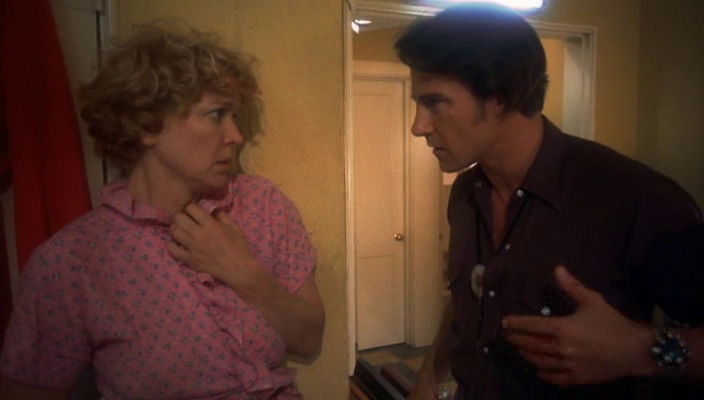
Response to Peary’s Review: He notes that “Visually, Scorsese’s greatest accomplishment is that he conveys that people in America don’t stand on firm ground, are never comfortable in their settings, feel disoriented and unsettled.” He points out that the “film has much humor, especially in the scenes between Alice and her son, but it is hard-edged throughout,” and “Keitel is terrifying.”
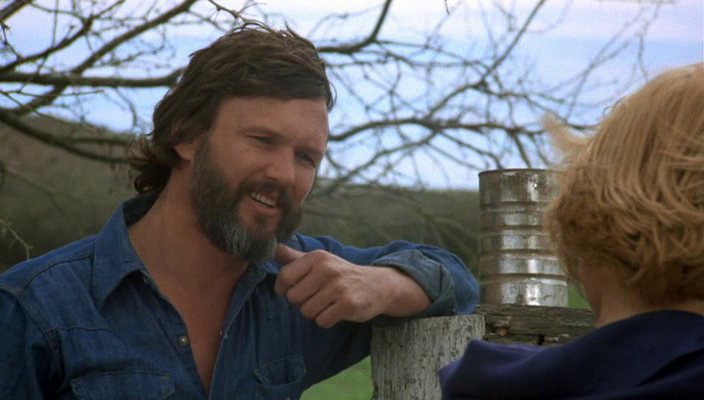
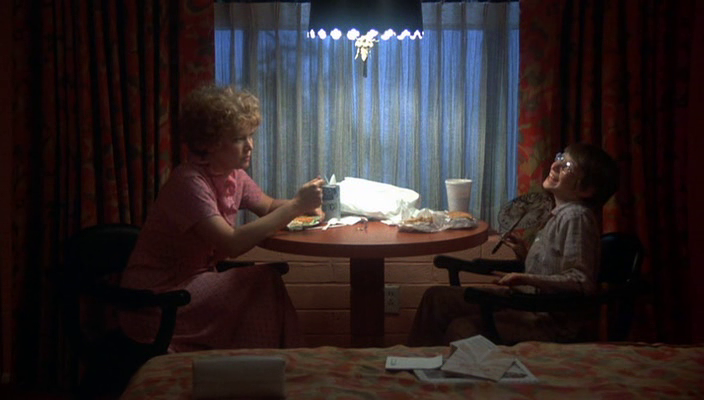
In Alternate Oscars, Peary elaborates on Burstyn’s performance, noting that she provides a “superb, thoroughly convincing characterization” that “lets us see many facets of Alice, the bad as well as the good, the fragile and the resilient. At various times she is funny, goofy, angry, scared, sexy, pathetic, calm, hysterical, optimistic, pessimistic, patient, intolerant, hard (not too often), and soft… [And] there is one consistency: Alice always reacts emotionally to anything anyone says or does. Nothing passes her by, [and] nothing is taken casually.” I agree that Burstyn’s work here is impressive and authentic — though I’m less taken with the film as a whole. While I appreciate and admire Scorsese’s efforts, I’m annoyed by Alice’s thoroughly unrealistic dream of simply wandering into various bars and finding a job as a lounge singer, and feel sorry for her put-upon son (who at least gives her plenty of grief in return). Keitel’s character is among the most interesting in the film, but (appropriately) she flees from him as soon as we learn that he’s far more brutally complicated than he seems. Kristofferson is pleasant but too-good-to-be-true, and merely a convenient plant.
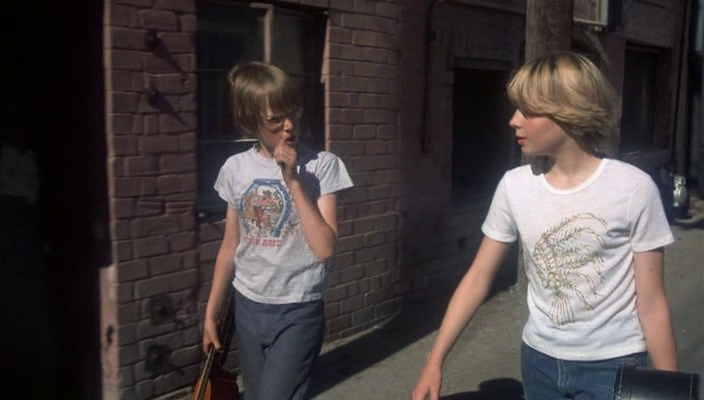
Meanwhile, a sub-plot between Lutter III and Jodie Foster as precocious juvenile delinquent Audrey gives us a heads up on the more fleshed-out role Foster would play for Scorsese in Taxi Driver (1976).
Note: This film is also notable for being “the basis for the long-running television series,” which I watched regularly as a kid. Redeeming Qualities and Moments:
Must See? Categories
Links: |
“We’ve always gotten along splendidly with the Apache.”
|
Synopsis: |
|
Genres, Themes, Actors, and Directors:
Response to Peary’s Review:
He points out that “Wayne and Page are well cast,” and that Page “proves to be one of Wayne’s best leading ladies — she doesn’t overmatch him despite her theatrical acting experience.”
Finally, he notes that “Wayne, who didn’t get to play with children very often, is quite good with Aaker as well” — and “particularly memorable” (if perhaps traumatizing for kids at the time whose parents followed Wayne’s suit) “is the scene in which he teaches the boy to swim.”
I’m in agreement with Peary’s review of this simple yet powerful western, which manages to portray both an authentically budding romance between seasoned adults, and a reasonably nuanced perspective on Apache members, whose way of life Hondo can relate to given that he lived with them for years.
Wayne’s final lines in the film speak to the (welcome) complexity of his views on white settlement of Indian land. Redeeming Qualities and Moments:
Must See? Categories
Links: |