Glenn Miller Story, The (1954)
“It’s funny how you can miss a person even before he’s gone.”
“This is the garbage can of the educational system.”
|
Synopsis: |
|
Genres, Themes, Actors, and Directors:
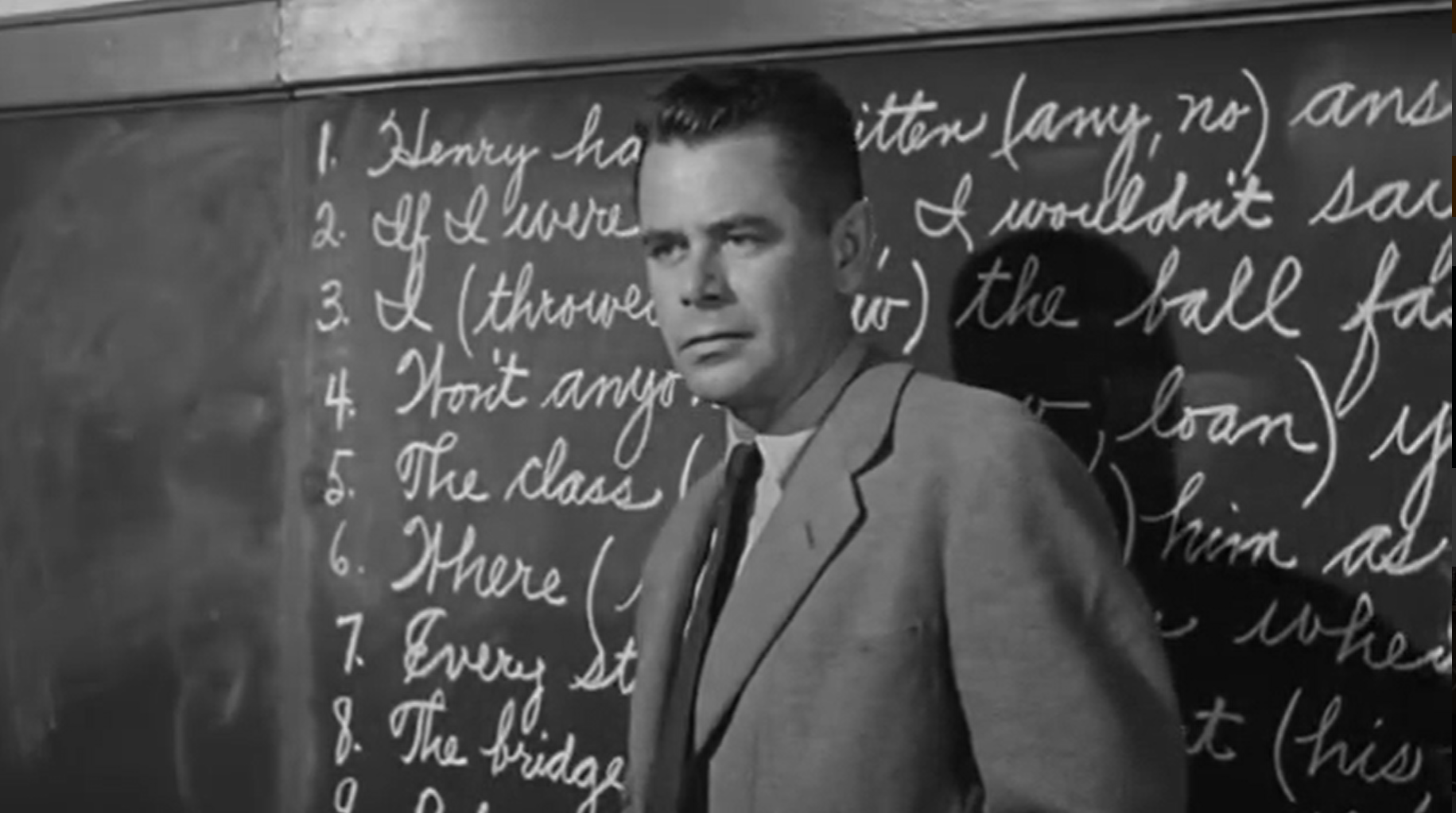
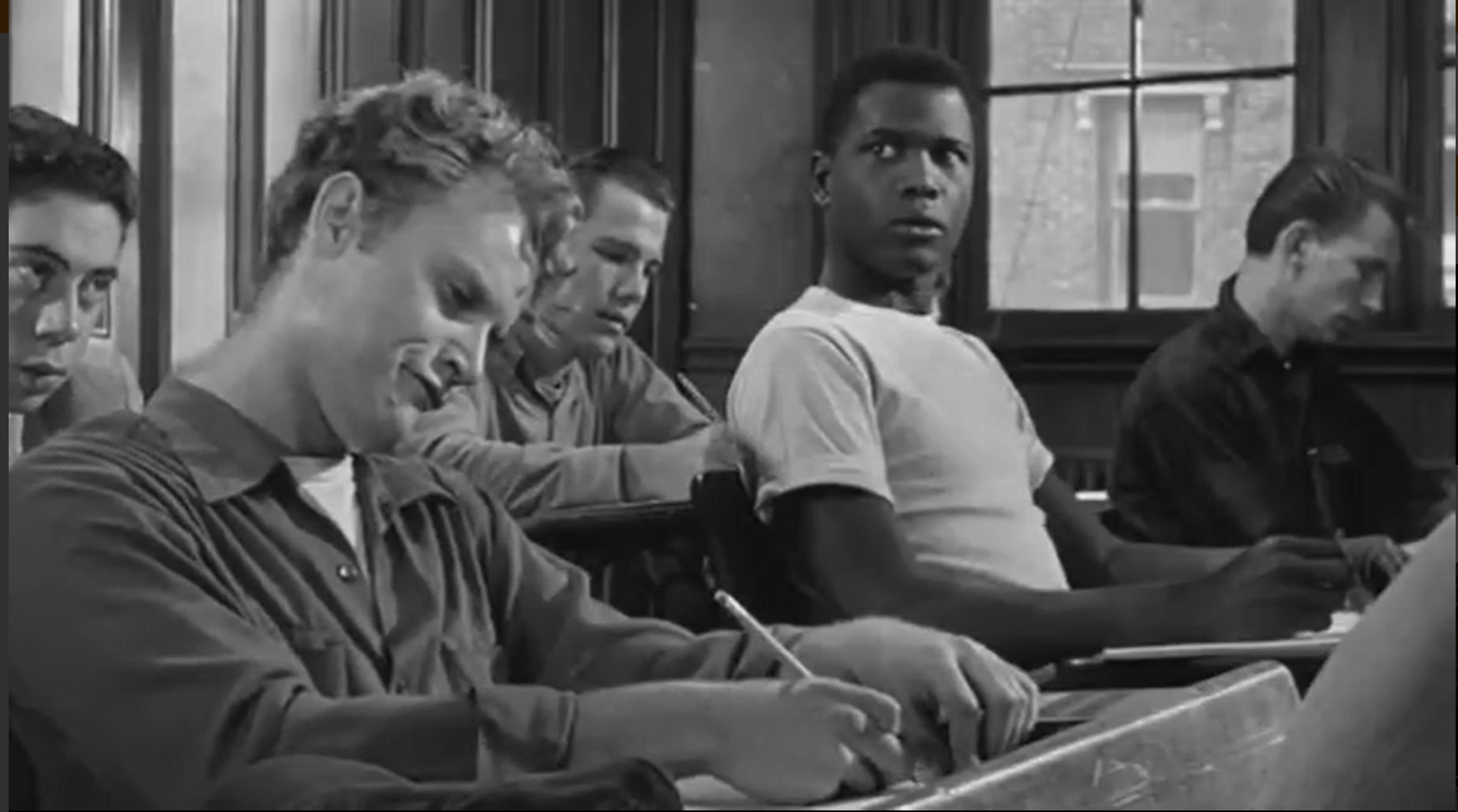
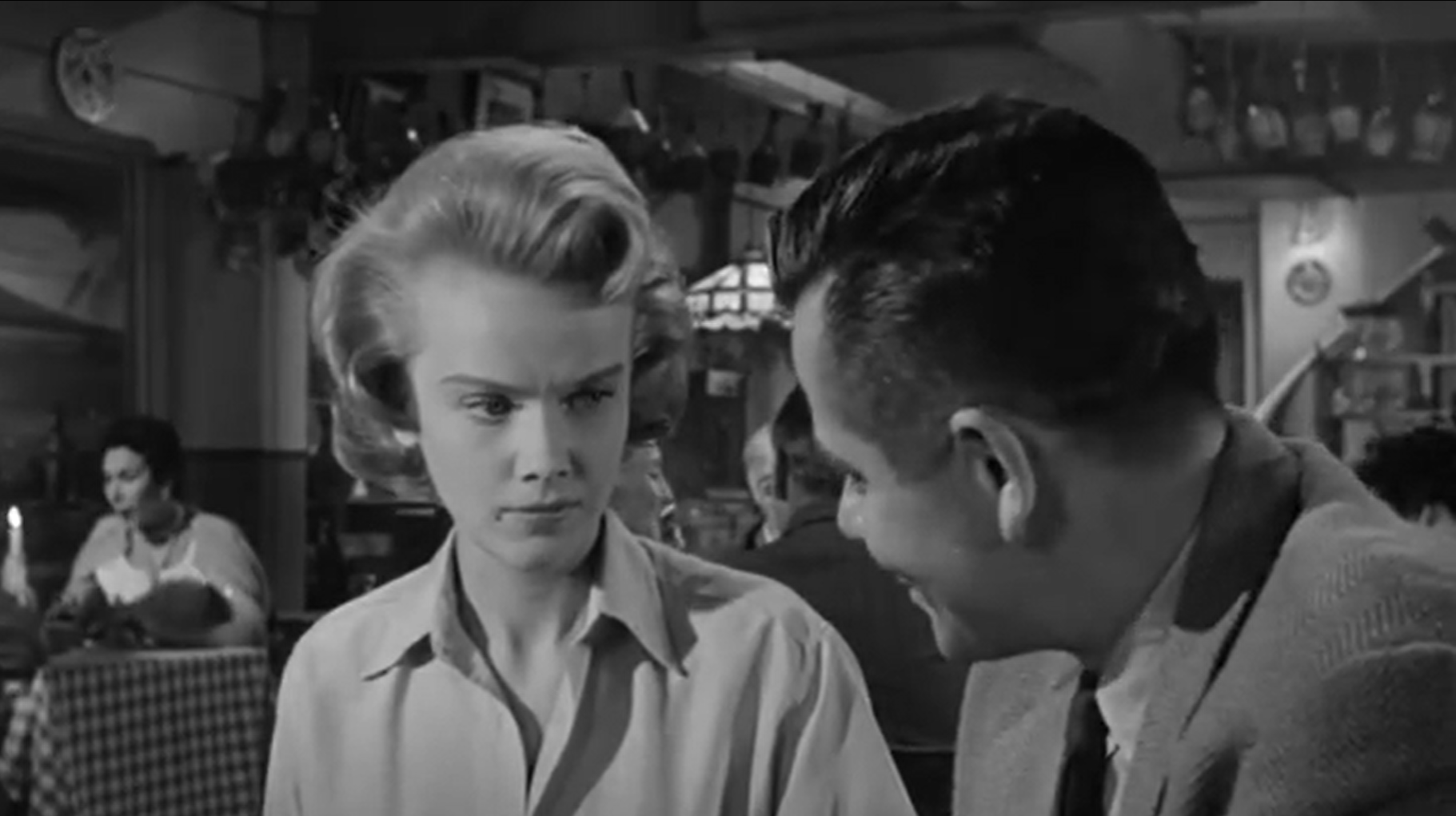
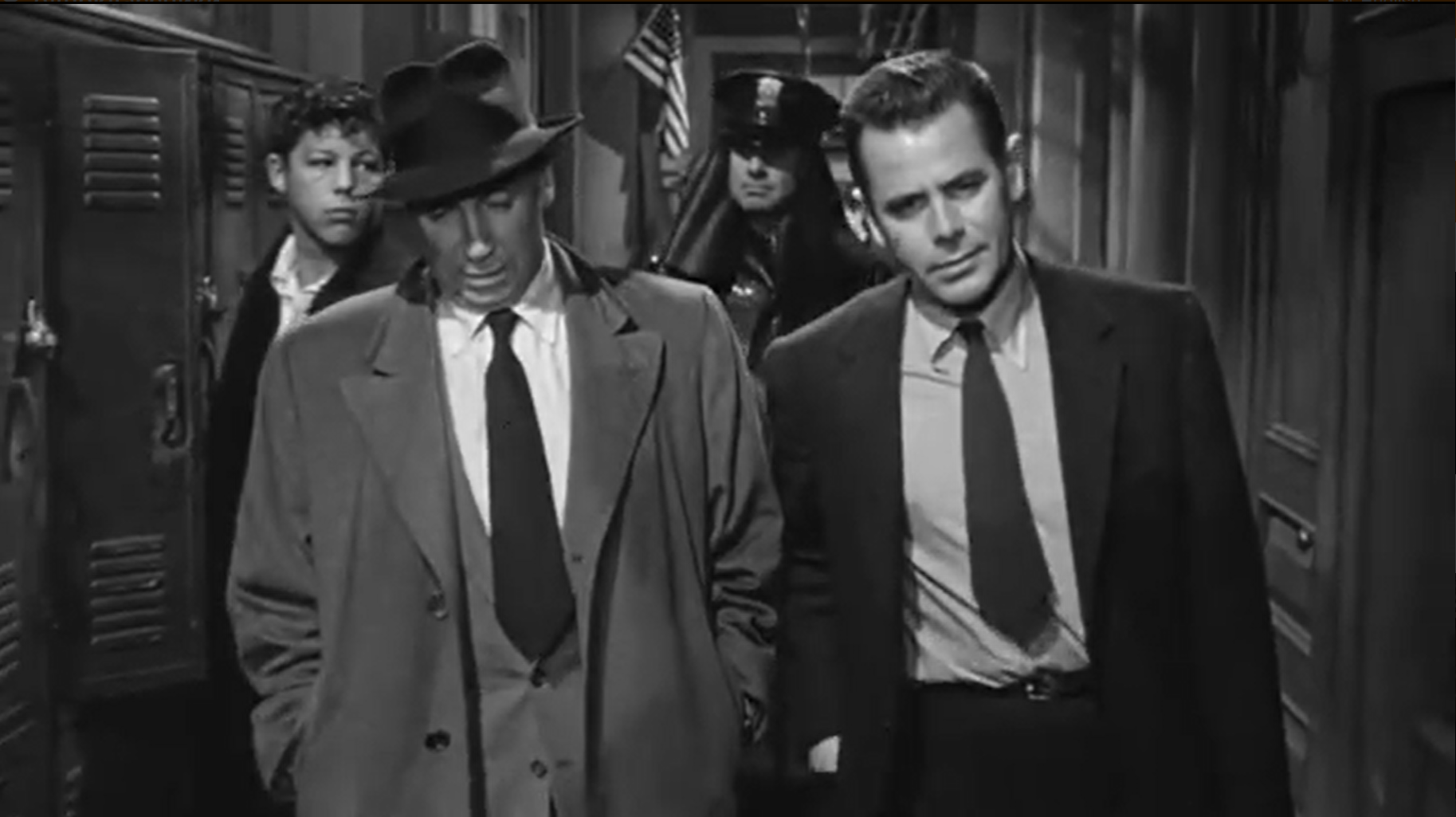
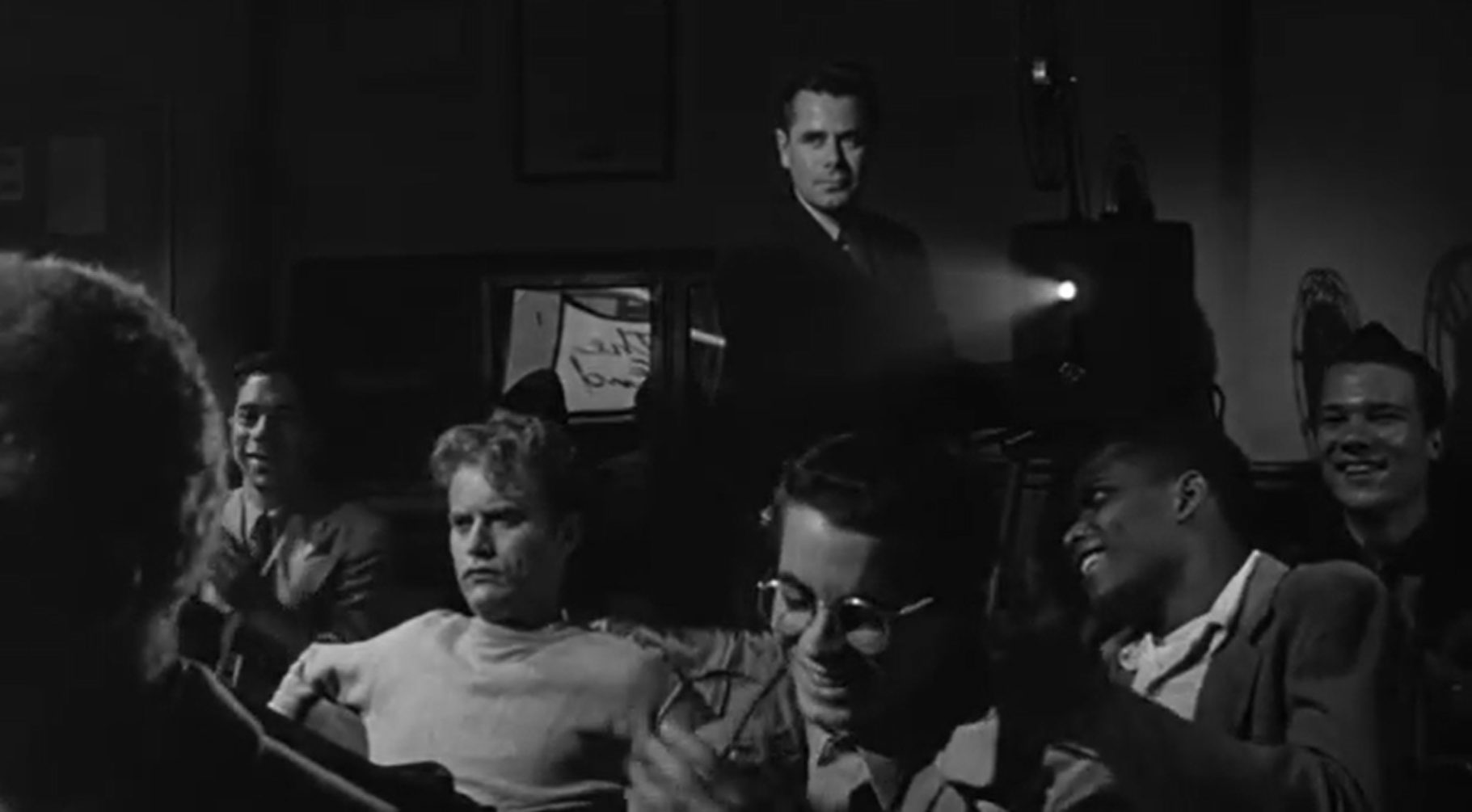
Review: The film is notable for its influential rock ‘n roll soundtrack (including Bill Haley and the Comets’ “Rock Around the Clock” as its theme song), for its alleged source as inspiration for youth violence, and for Sidney Poitier’s early performance as one of the only black students at the school. While dated and cliched in some ways (“It’s gonna have your looks and my brains” Ford reassures his pregnant wife about their future child): … the film continues to pack a surprising punch. Ford’s character is both sympathetic and realistic, and it’s enjoyable to watch his genuine respect for the students yielding gradual positive effects. The dialogue is often punchy (“They don’t even know their multiplication tables.” “Of course not; all they can multiply is themselves.”), and Russell Harlan’s cinematography is top-notch. Note: The Blackboard Jungle was selected in 2016 for preservation in the United States National Film Registry by the Library of Congress as being “culturally, historically, or aesthetically significant”. Redeeming Qualities and Moments: Must See? Categories
Links: |
“Die the way you lived — all of a sudden. That’s the way to go. Don’t drag it out.”
“It would have pleased me very much more if YOU could have had the horse.”
|
Synopsis: |
|
Genres:
Review:
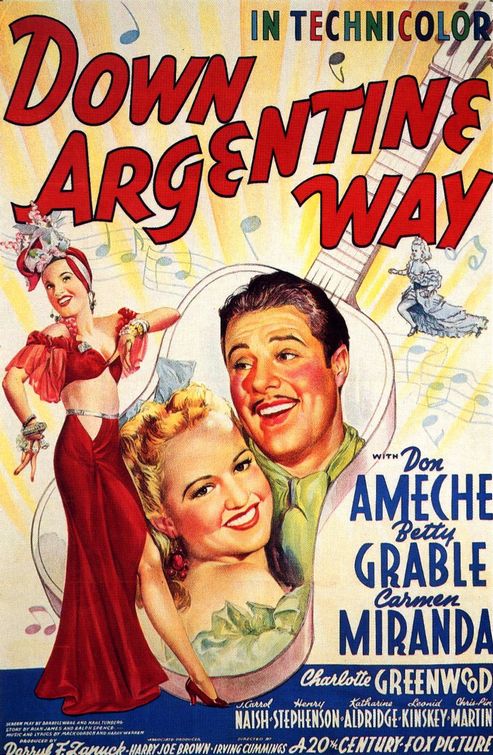
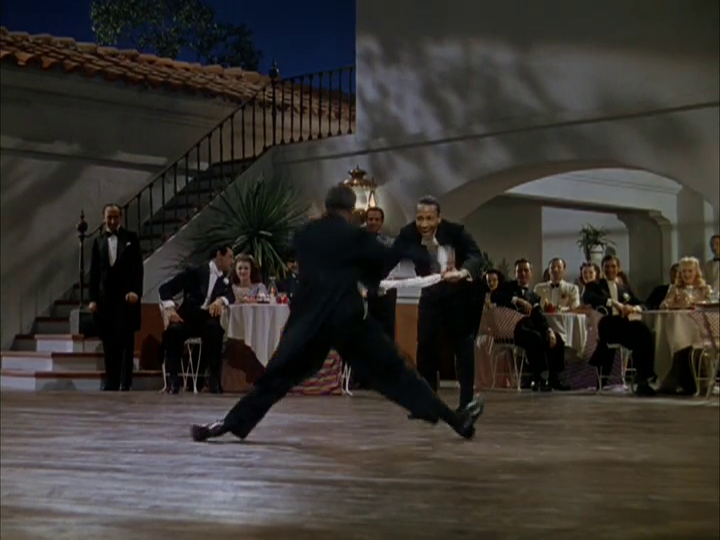
This is true enough, but wasn’t sufficient to hold my interest; and the final scenes revolving around race track shenanigans are pure filler. Skip this one unless you’re a diehard Grable or Miranda fan. Redeeming Qualities and Moments: Must See? Links: |
“Neither man nor his machines are able to stop this creature.”
|
Synopsis: |
|
Genres:
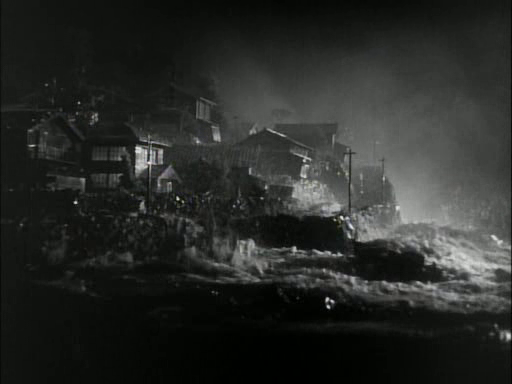
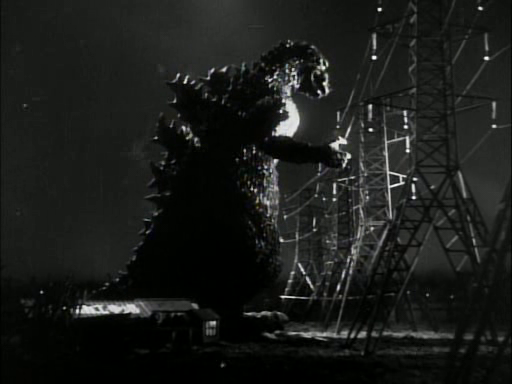
Response to Peary’s Review: Peary writes about the film at length in his Cult Movies 2 book, where he notes that “even with the popularity of campy (as in bad) movies, [he is] at a loss to explain the cult in American for Japanese monster movies”. He describes how beloved Godzilla — or Gojira — is in Japan, and cites Ed Godziszewski in noting it “is considered… by many to be the second greatest Japanese film ever made, next to Kurosawa’s The Seven Samurai” — and that because of its success, “Toho [Studios] produced a wave of science fiction and fantasy films until the mid-’70s”. Peary spends the bulk of his Cult Movies review comparing the two versions of the film (which have been re-released through Criterion with plenty of extras), noting inconsistencies and pointing out ways in which many (but not all) references to the A bomb were deleted in the Americanized version. In GFTFF, Peary concludes that “The Honda version ends gloomily, the Morse version optimistically” — but adds that “only Honda’s version makes a plea for peace and no more bomb-testing”. Note: As a major cult movie, Godzilla has many fans who have written volumes about it and its many sequels (see Moria’s review for a run-down). Redeeming Qualities and Moments: Must See? Categories
Links: |
“Dr. Lambert, I wish there had never been any such thing as Aztec Indians! Father does nothing but think, dream and talk Aztecs!”
|
Synopsis: |
|
Genres:
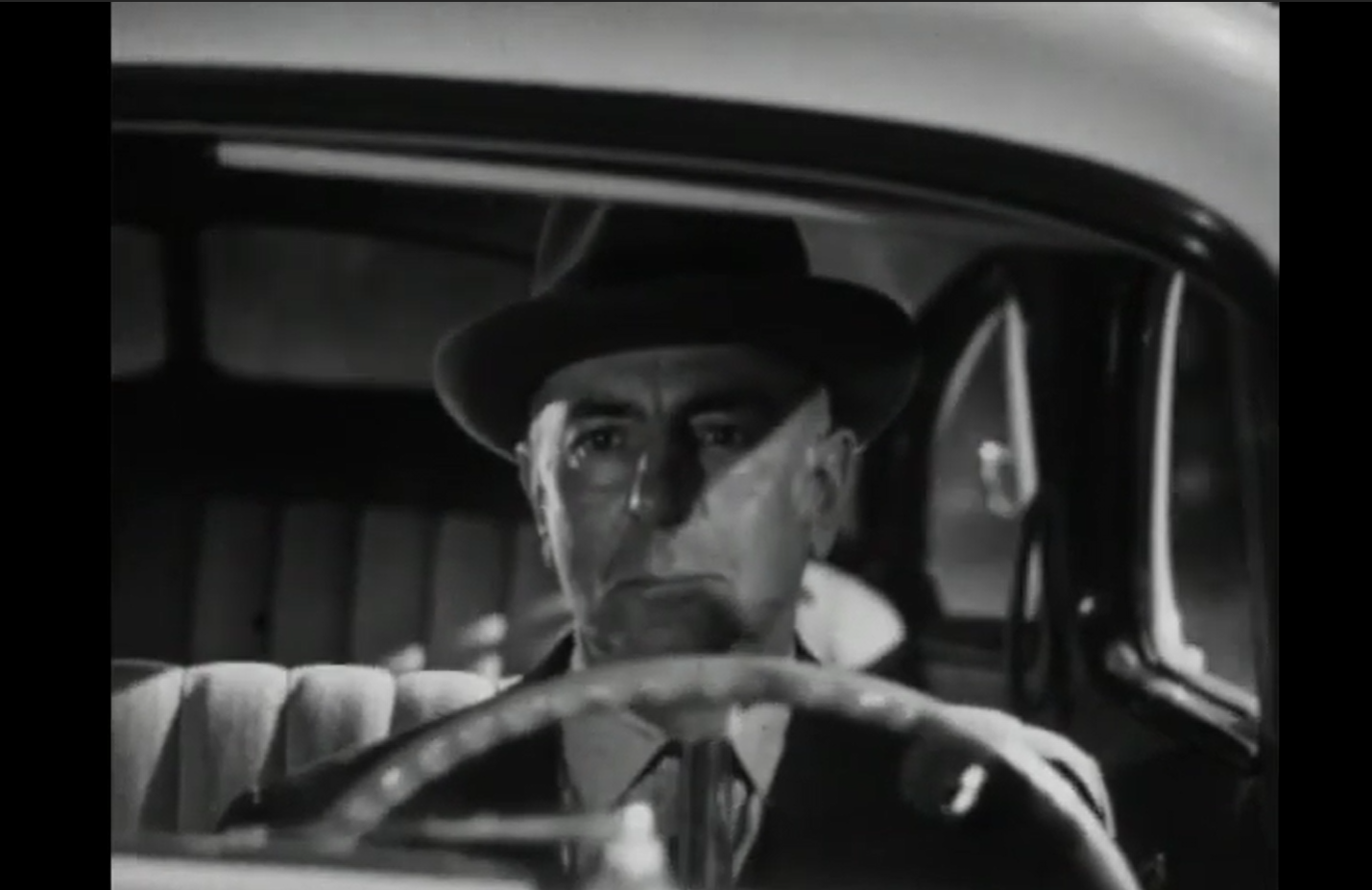
Review: However, the acting overall is tepid: … the dialogue laughable:
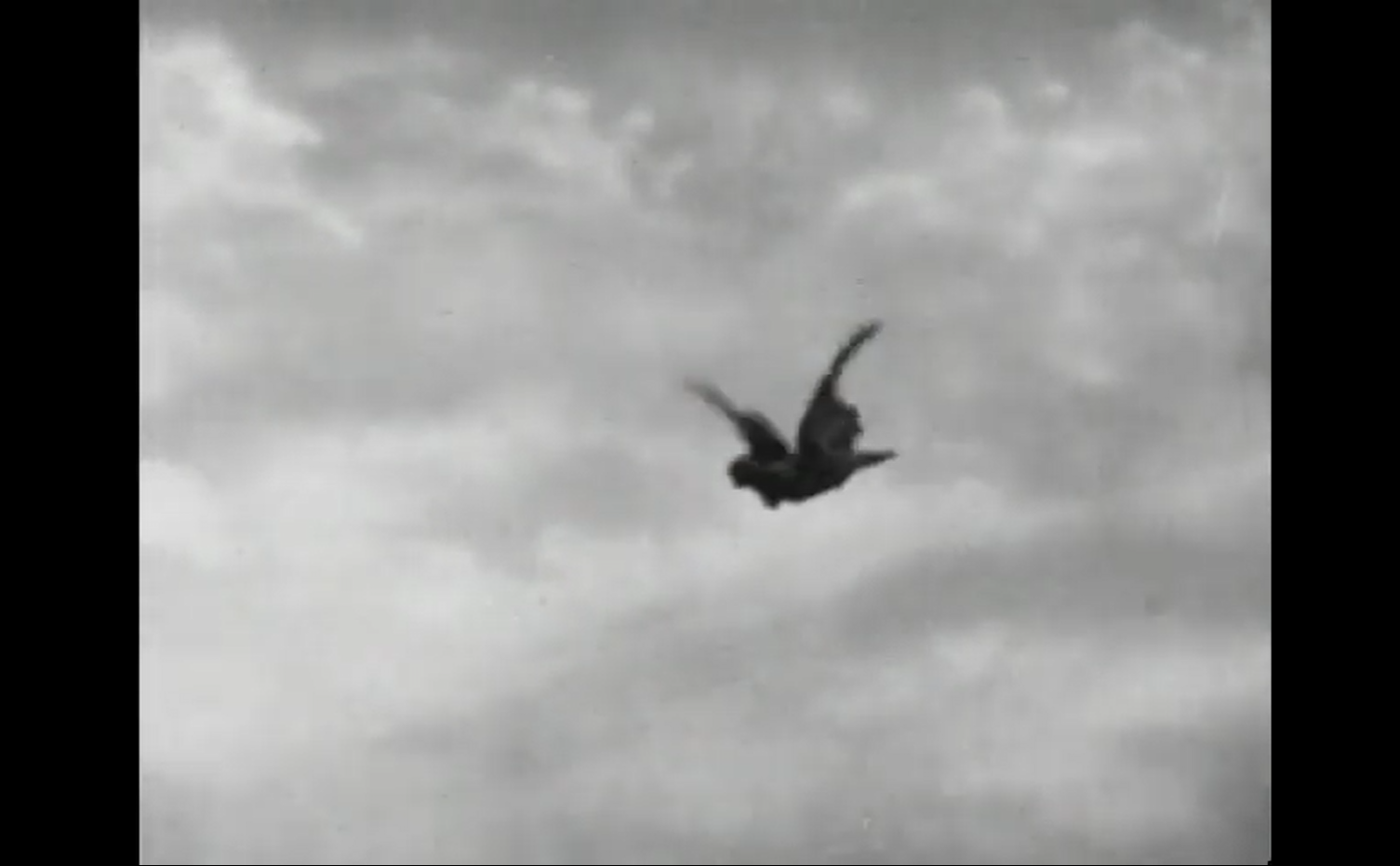
… the tiny winged serpent clearly a stringed puppet: … and the narrative — involving Zucco’s attempts to knock off various interlopers by strategically leaving one of Quetzalcoatl’s feathers to be discovered, knowing she’ll go insane and kill the holder — is, in a word, silly. The existence of an intrepid radio show host (Ralph Lewis) determined to solve the mystery is novel but unconvincing. At least the whole thing clocks in at under an hour. Redeeming Qualities and Moments: Must See? Links: |
“Congratulations, Carl — you’re still a lucky man. You must have been kissed in your cradle by a vulture.”
|
Synopsis: |
|
Genres:
Review: Redeeming Qualities and Moments:
Must See? Categories
Links: |

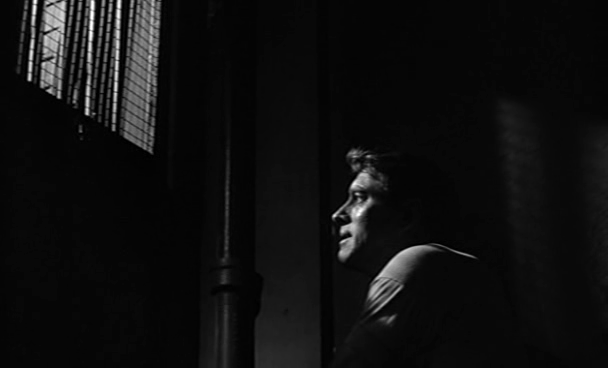
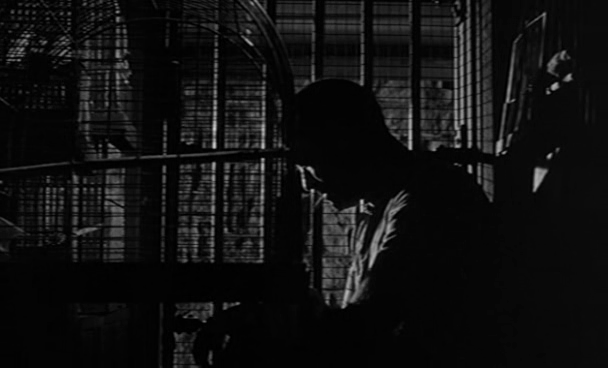
“Even a convict’s got a right to breathe.”
|
Synopsis: |
|
Genres:
Review: Redeeming Qualities and Moments:
Must See? Categories
Links: |
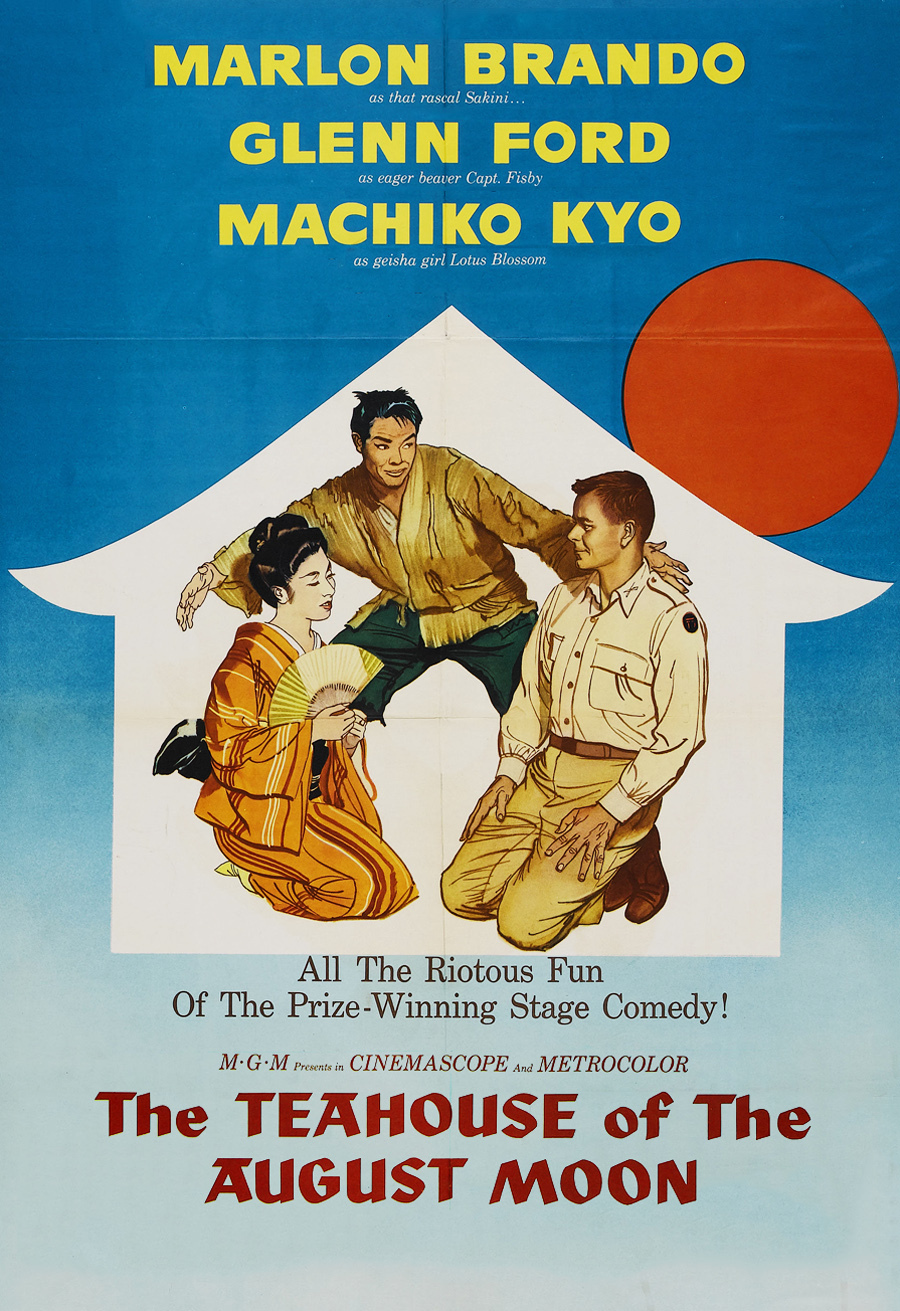
“It’s my job to teach these Okinawans democracy — and they’re going to learn democracy if I have to shoot every last one of them!”
|
Synopsis: |
|
Genres, Themes, Actors, and Directors:
Review:
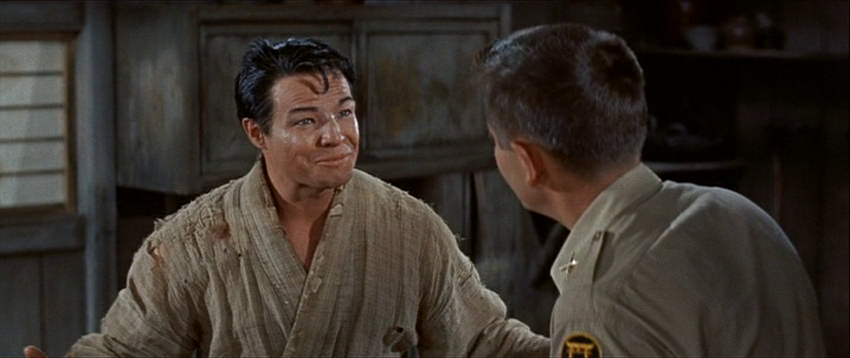
Meanwhile, DVD Savant writes that Brando’s character is “a natural prankster who uses his charm and guile to completely derail Captain Fisby’s [Ford’s] mission. He completely manipulates the situation by selectively interpreting, or misinterpreting, Fisby’s words.” Indeed, the entire film handily mocks America for trying to impose democracy wholesale onto a different culture, and it’s refreshing watching the villagers quietly and insistently get what they want. As Savant — who argues the film “takes a bit of getting used to” — notes:
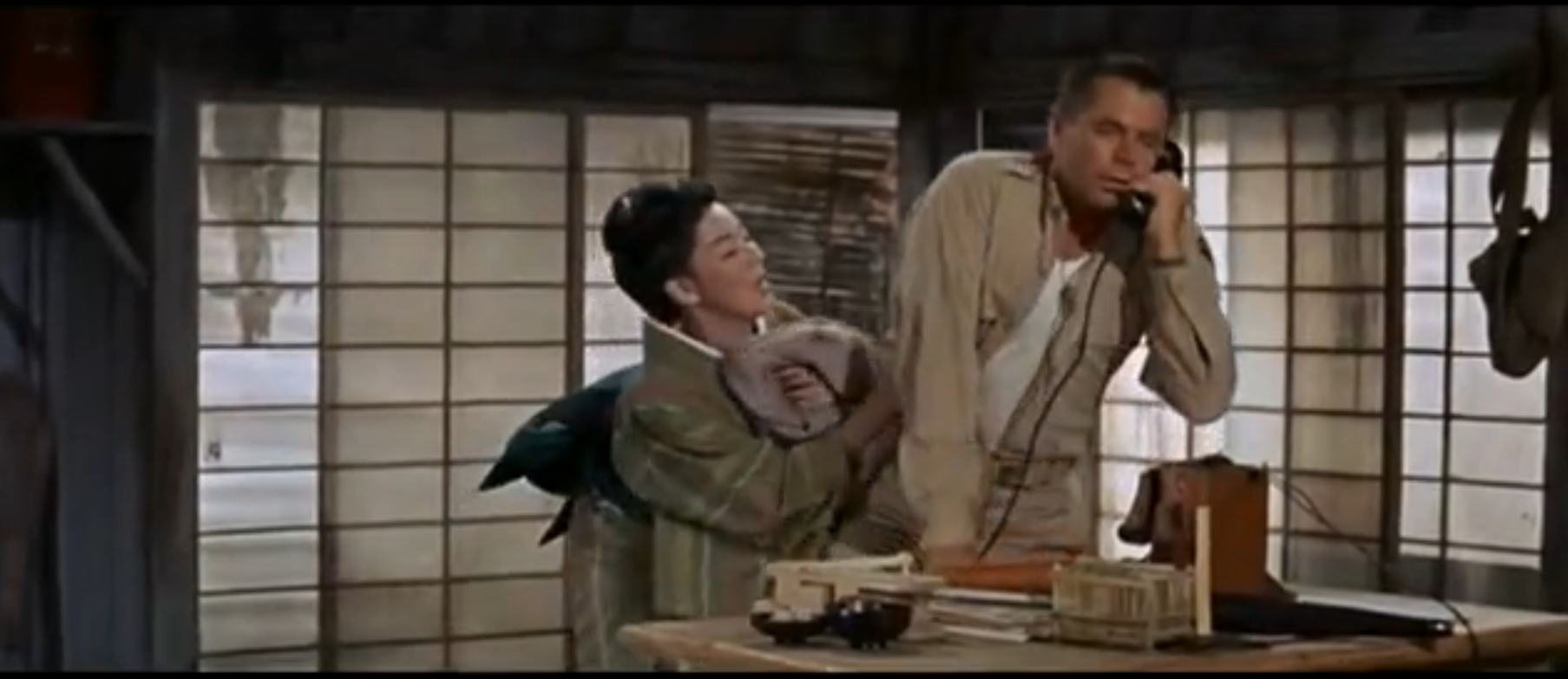
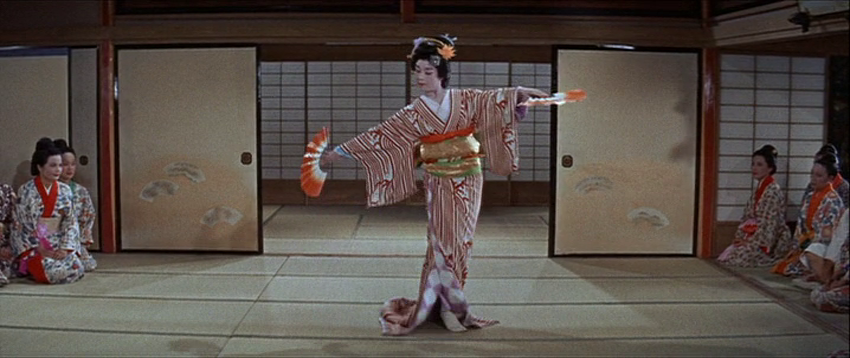
Beautiful Machiko Kyo — star of Akira Kurosawa’s Rashomon (1950); the Academy Award-winning Best Foreign Picture Gate of Hell (1953); Kenzi Mizoguchi’s Ugetsu (1953), Princess Yang Kwei Fei (1955), and Street of Shame (1956); Yasujiro Ozu’s Floating Weeds (1959); and Kon Ichikawa’s Kagi (1961) — acquits herself very nicely, and is especially delightful during an initial tussle with Ford as she struggles to get his clothes off. Redeeming Qualities and Moments: Must See? Links: |
“Why would anyone want to kill a nice person like the doctor?”
|
Synopsis: |
|
Genres, Themes, Actors, and Directors:
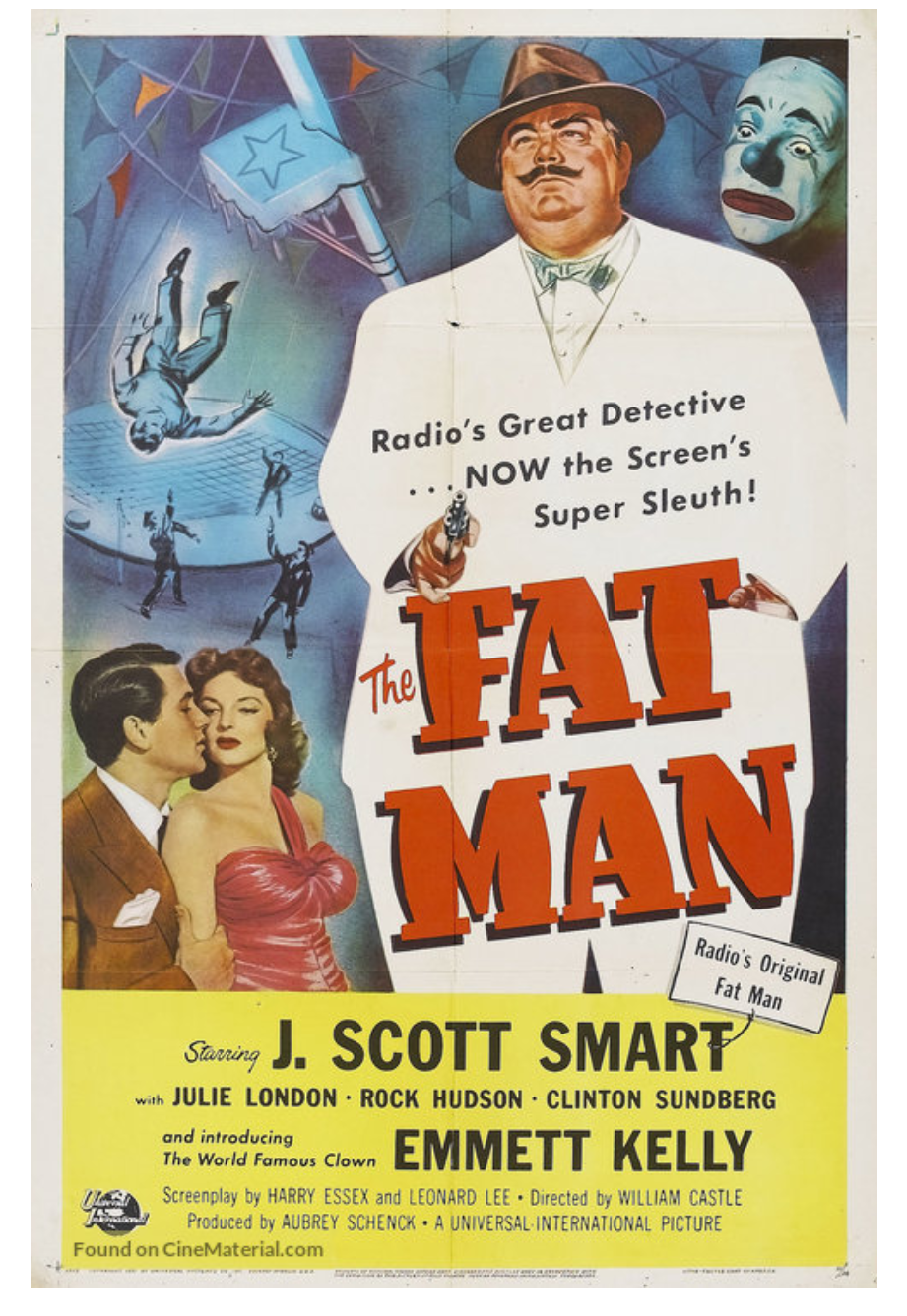
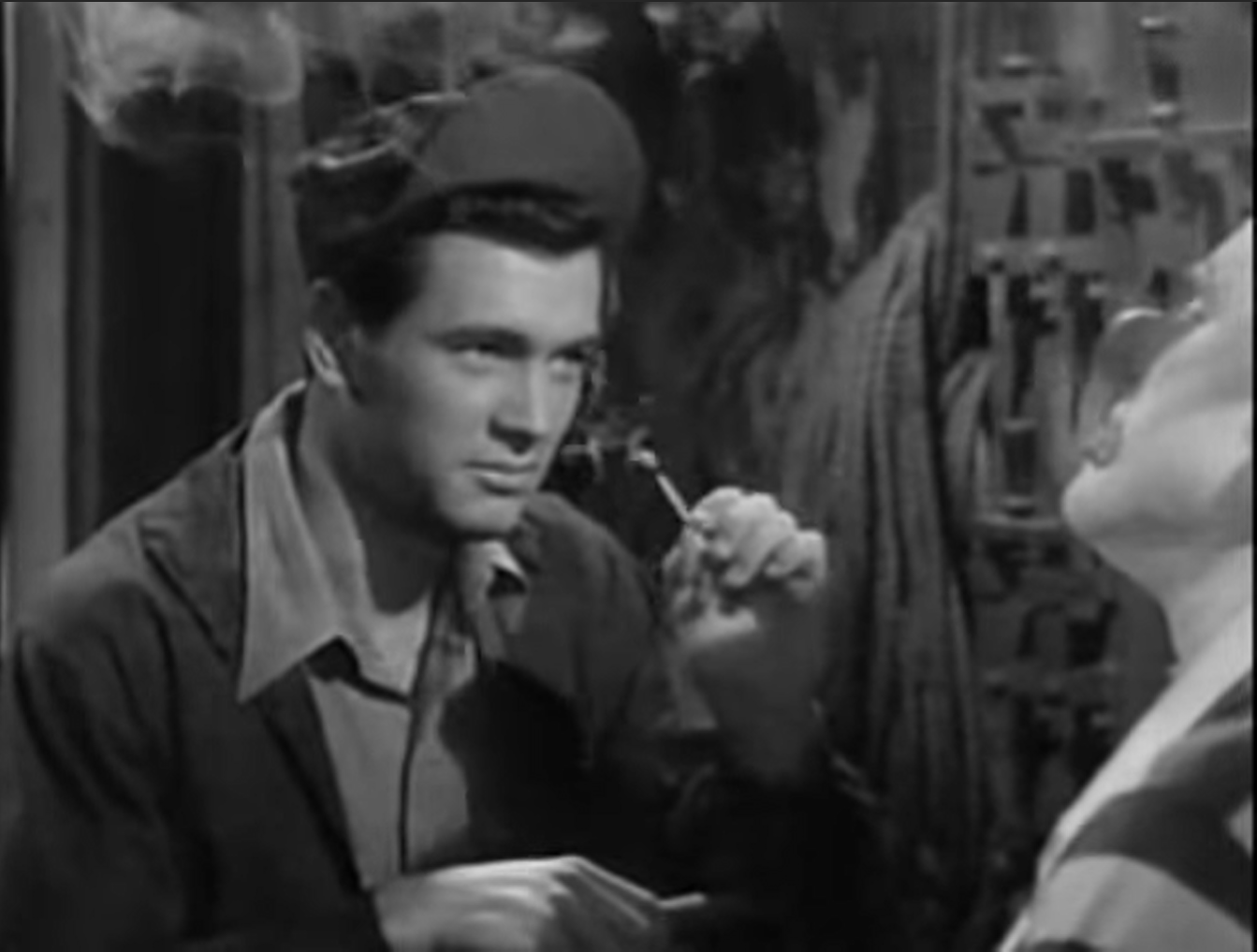
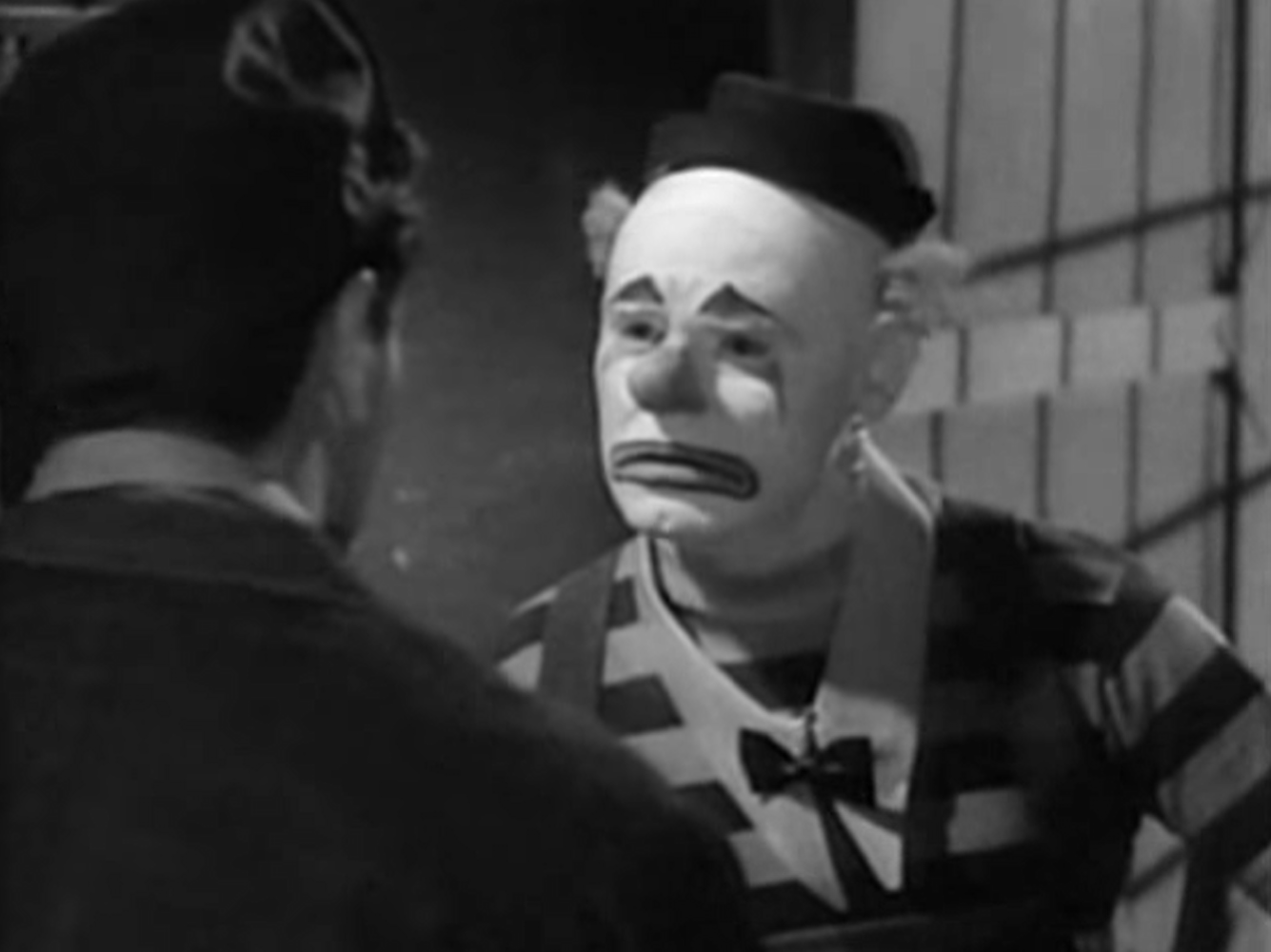
Review: and for featuring the screen debut of world-famous clown Emmett Kelly (Ed Deets): … who would co-star in The Greatest Show on Earth (1952) the following year. Unfortunately, Smart isn’t all that distinctive as a private dick; the fact that he enjoys eating isn’t particularly relevant or interesting. However, the film as a whole is well-produced, and is worth a look for fans of the genre and era. Redeeming Qualities and Moments: Must See? Links: |