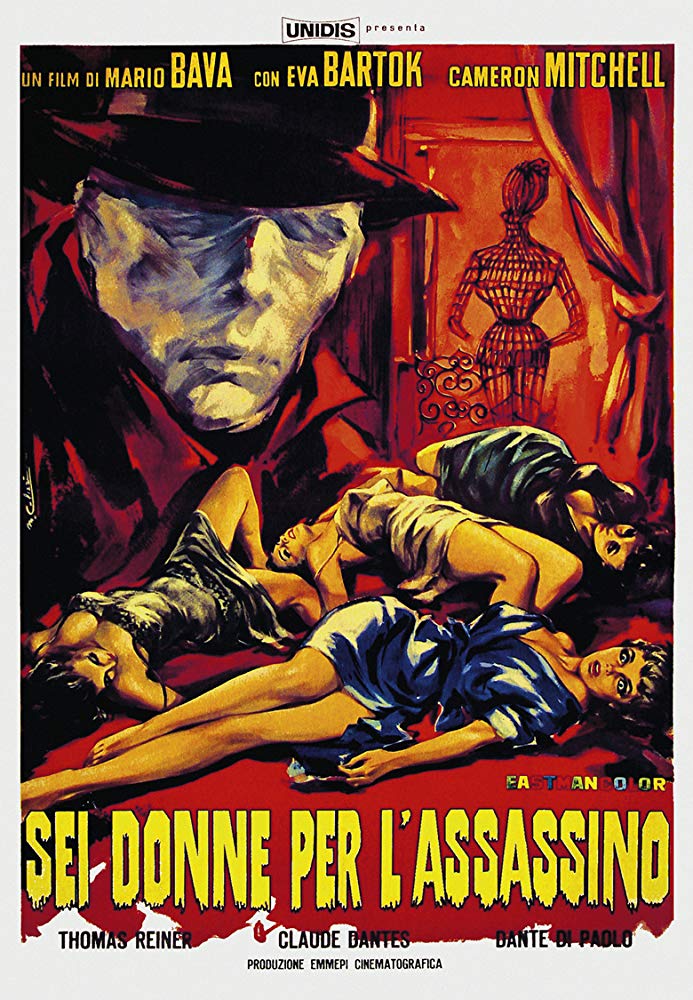
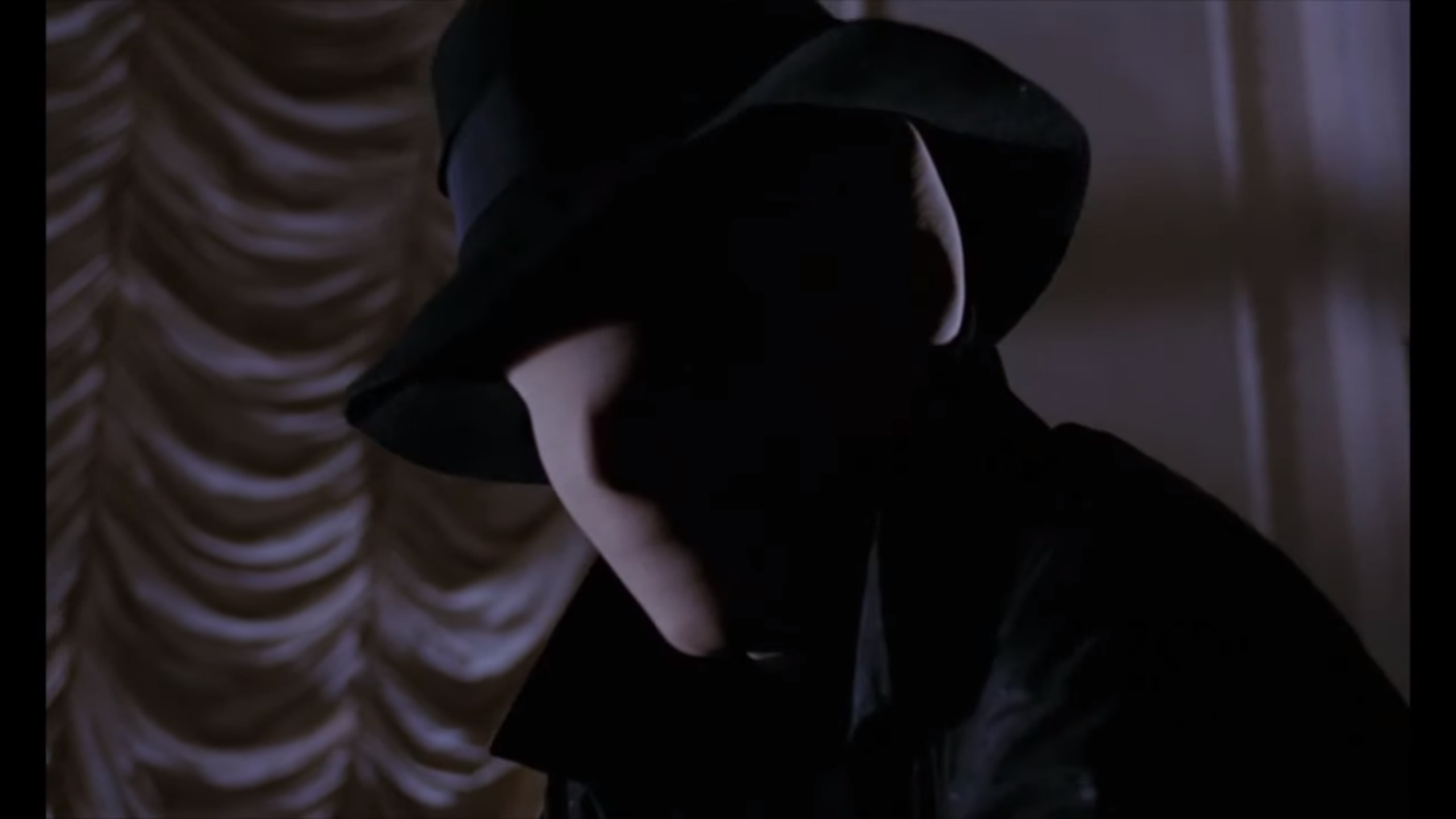
Blood and Black Lace (1964)

Blood and Black Lace (1964)

“The diary, the diary… If it hadn’t been for that damned diary!”

Synopsis:
The owner (Eva Bartok) and manager (Cameron Mitchell) of a haute couture fashion salon attempt to figure out the identity of a masked killer brutally murdering their models.

Genres, Themes, Actors, and Directors:

  • Cameron Mitchell Films
  • Horror Films
  • Mario Bava Films
  • Models
  • Murder Mystery
  • Serial Killer

Review:
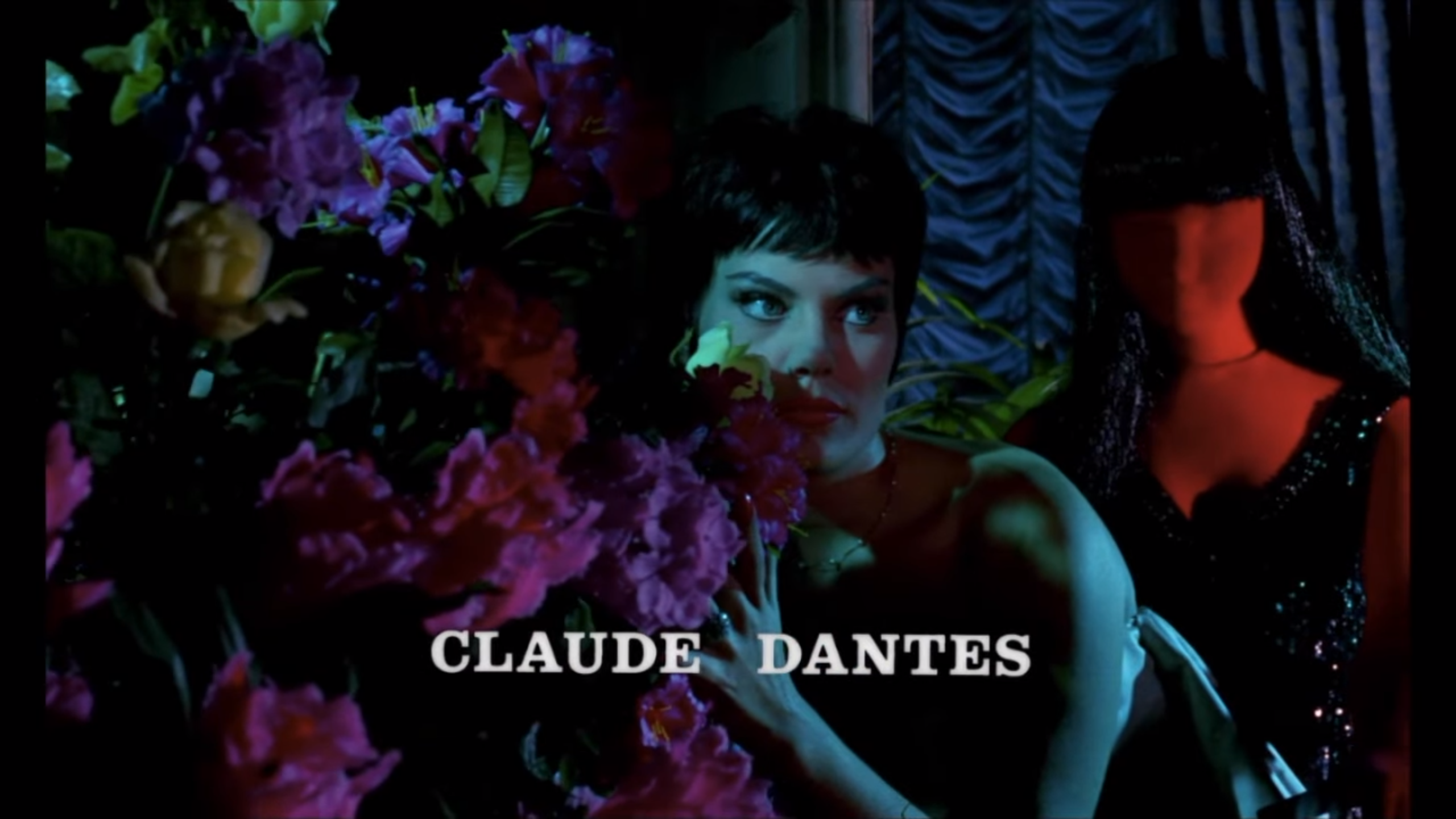
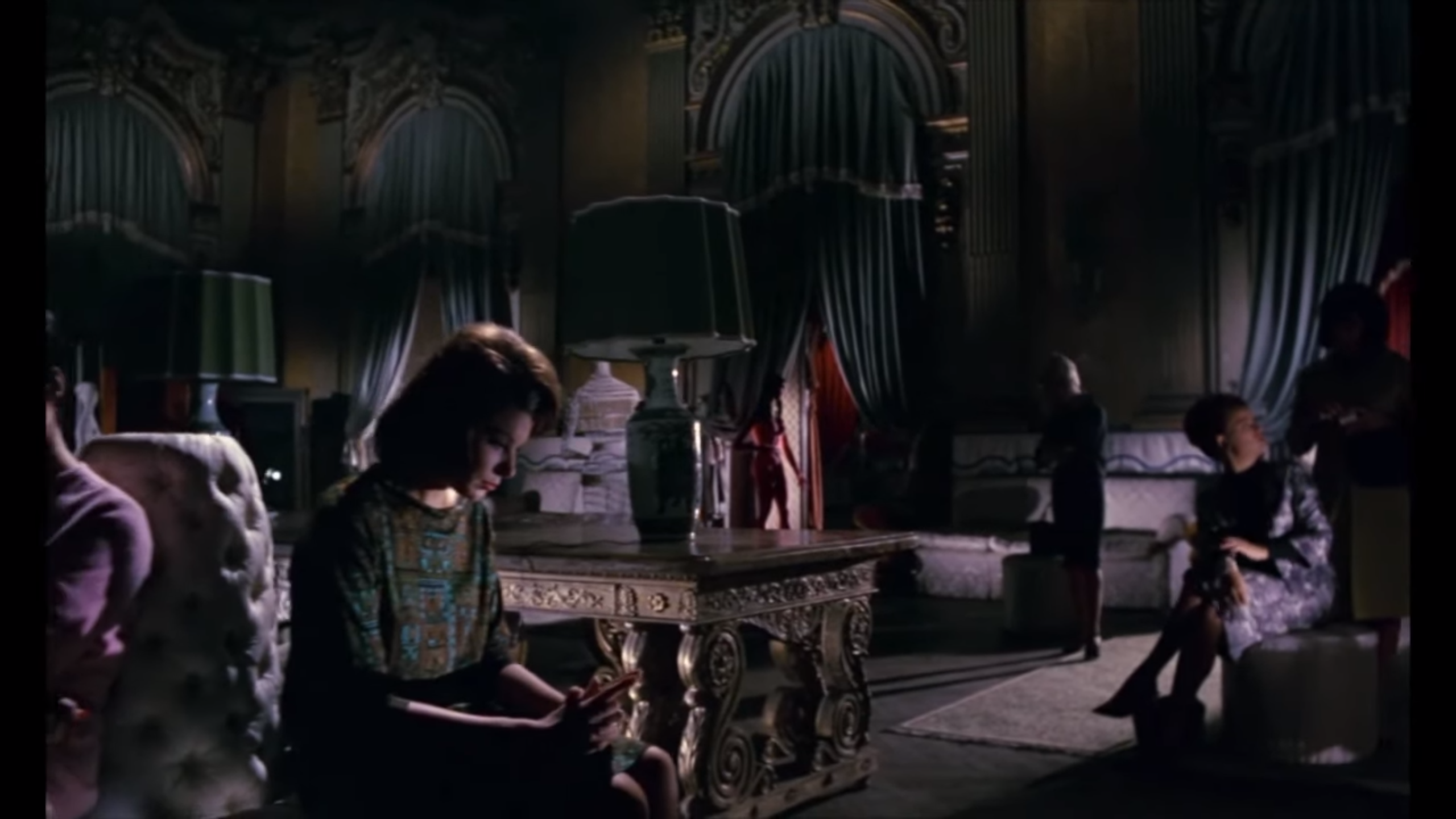
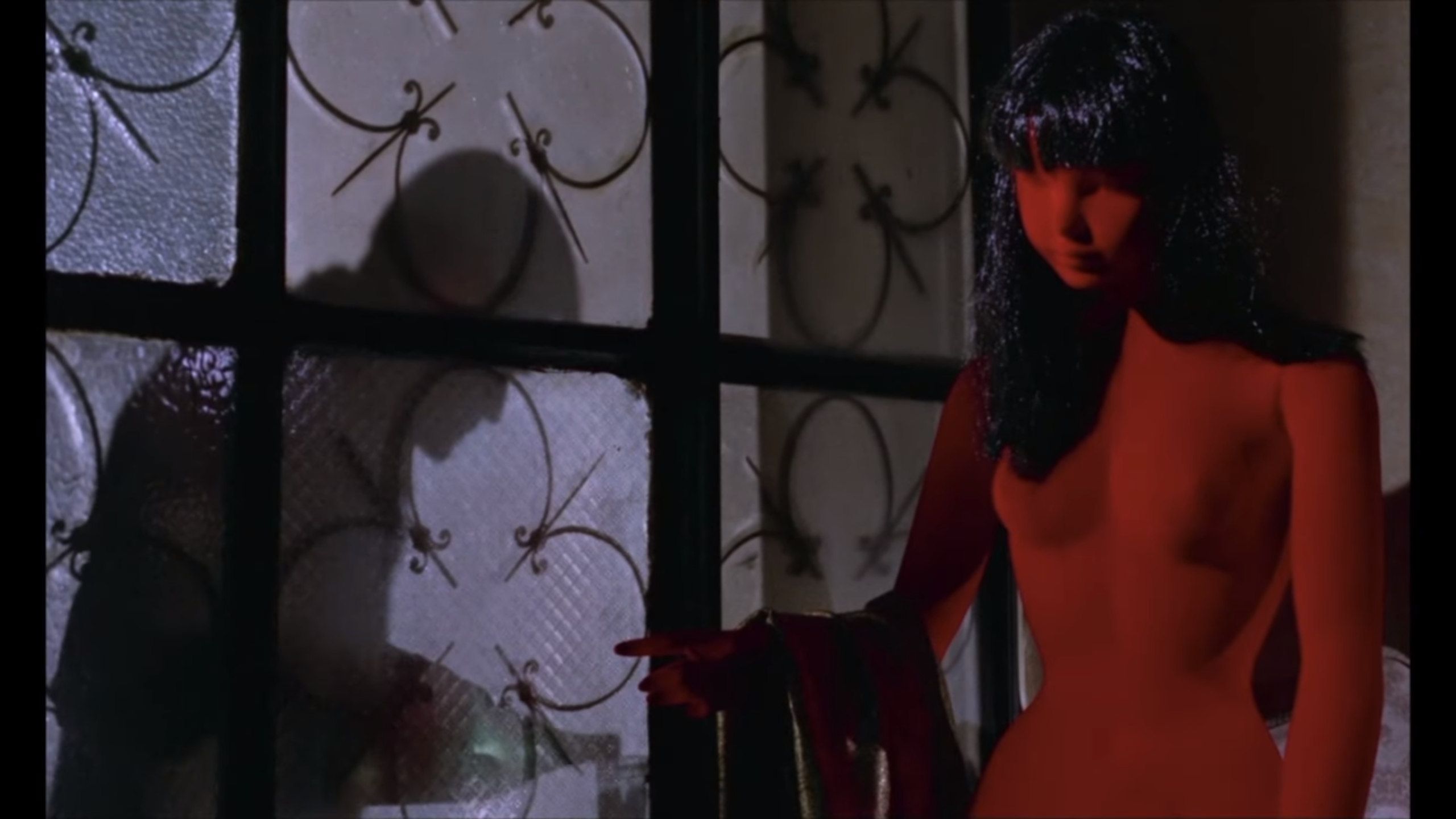
After his breakthrough success with Black Sunday (1960), Mario Bava went on to become a cult favorite of the thriller-horror giallo genre — with this film generally considered the first to feature many of its distinctive elements (shocking horror, a shadowy killer, and grisly deaths). The problem with this and other giallo films — and so many, many horror films to come — is that it viscerally glorifies the murder of sexualized, beautiful women. If one can move past that, there’s certainly much to appreciate here in terms of Bava’s cinematography and overall cinematic style — this is aesthetic eye candy from start to finish. DVD Savant — a huge Bava fan — argues:

“Bava’s powerful images are never simply decorative, never just pretty pictures or art direction… Although there’s a lot to be said for understatement, Bava overturns that applecart by veering in the opposite direction — cruelty and sadism are the commodities on display… The sensually charged images encourage us to anticipate the next gruesome killing, briefly converting us all into sex killers.”

So — consider yourself forewarned. For a quick video overview of giallo films and how this title fits into its history, click here.

Redeeming Qualities and Moments:

  • Vibrant cinematography and imagery


  • Carlo Rustichelli’s score

Must See?
Yes, once, for its visuals and historical relevance as an influential giallo flick. Listed as a Cult Movie in the back of Peary’s book.

Categories

  • Historically Relevant

Links:

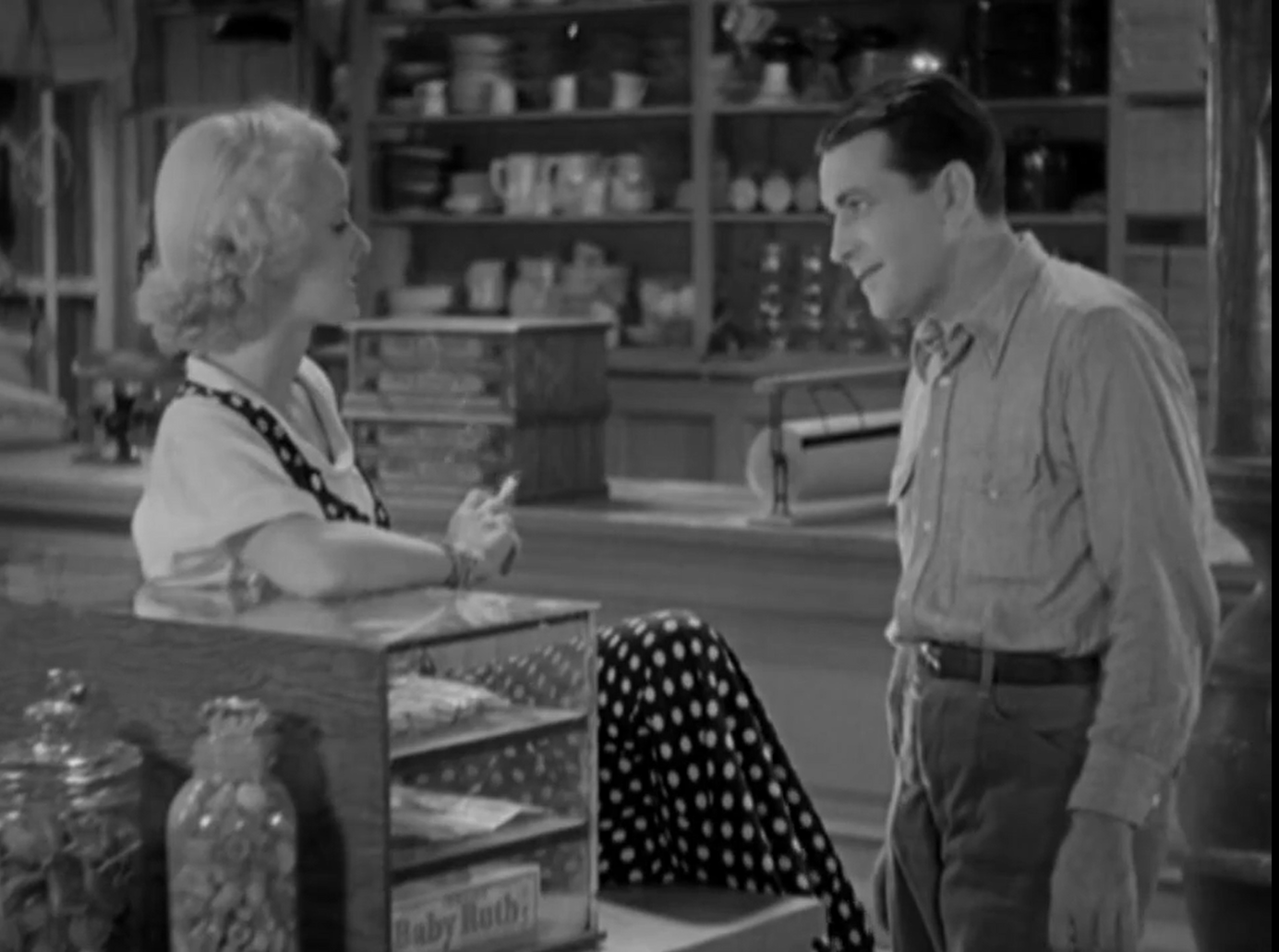
Cabin in the Cotton, The (1932)

Cabin in the Cotton, The (1932)

“You’re sort of on the planters’ side now, and we’re the people who keep the country going.”

Synopsis:
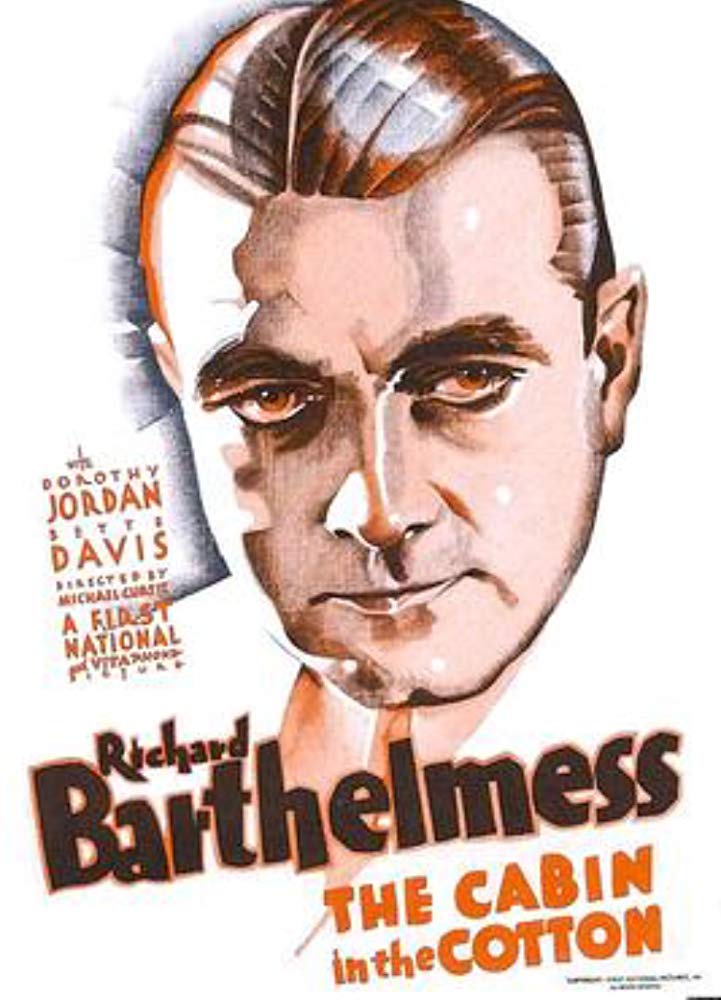
The son (Richard Barthelmess) of a sharecropper is employed by a cotton plantation owner (Berton Churchill) whose daughter (Bette Davis) has eyes for him — but will Barthelmess join ranks with his new social class, or stay loyal to his hard-scrabble community?

Genres, Themes, Actors, and Directors:

  • Bette Davis Films
  • Class Relations
  • Cross Class Romance
  • Deep South
  • Michael Curtiz Films

Review:
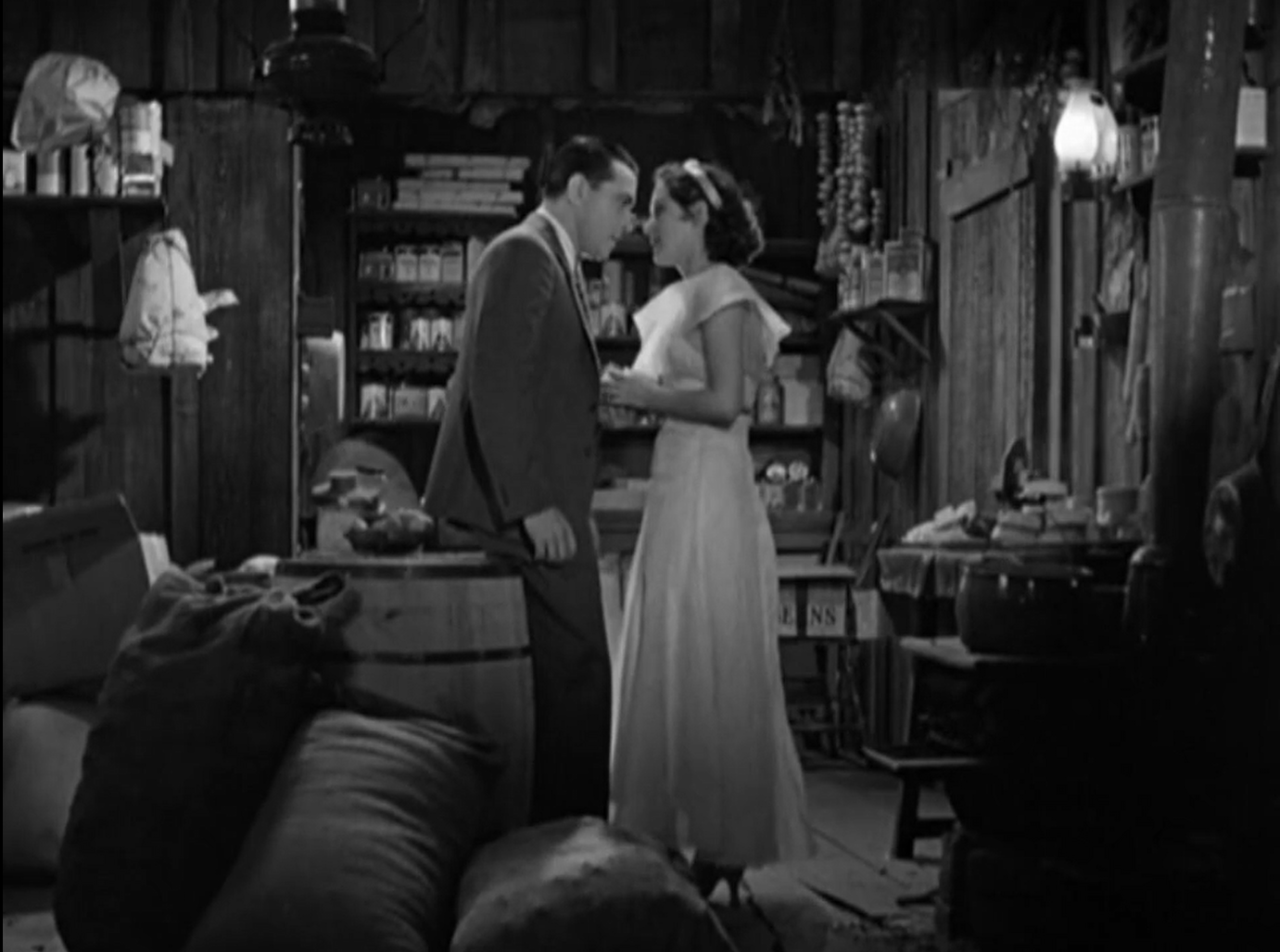
This pre-Code film by director Michael Curtiz is most notable for featuring Bette Davis in her breakthrough role, being seductively suggestive and mouthing a notorious line: “I’d like to kiss you, but I just washed my hair.”

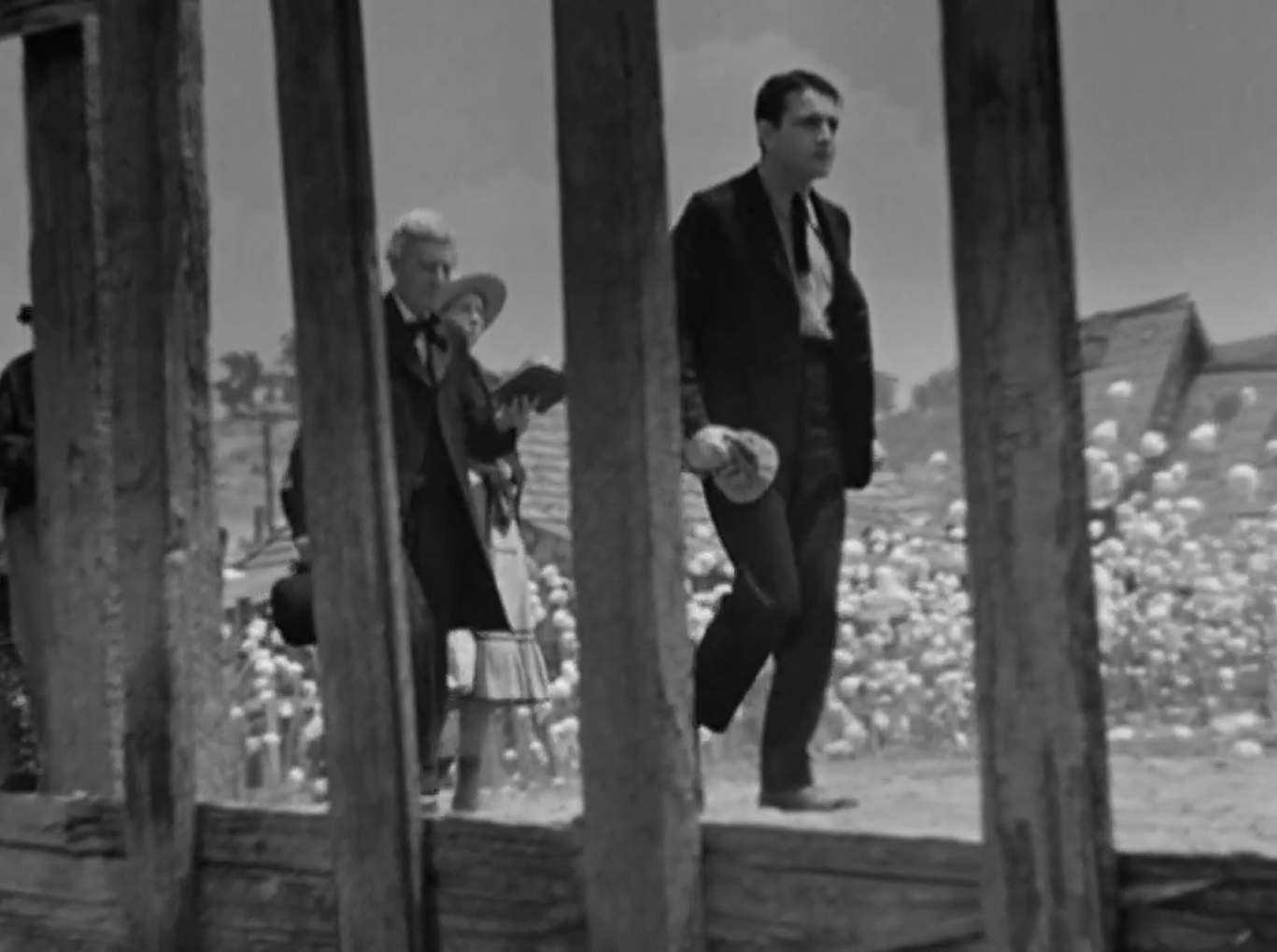
The storyline itself is an old but still-valid one of class conflict in a working town with — surprise, surprise — the owners of a cotton plantation taking systemic advantage of their employees to the point of generational destitution.

Racial issues are notably muted; this is about whites versus whites, with Barthelmess literally a malleable pawn passed back and forth between two equally icky social groups. Of course, we’re meant to sympathize with the put-upon workers, who turn to theft and arson out of desperation — but it doesn’t help that they’re played (in several notable instances) as backwoods caricatures. Barthelmess’s performance is as wooden as they come, and we don’t learn enough about his hometown sweetheart (Dorothy Jordan) to root for their success as a couple.

Davis really does stand out as the notable feature of this film; she would go on to be nominated for an Oscar two years and 12 films (!) later in Of Human Bondage (1934).

Redeeming Qualities and Moments:

  • Notably racy pre-Code content (with Davis)

Must See?
No, though it’s worth a look for its relevance as Davis’s breakthrough role. Listed as a film with Historical Importance in the back of Peary’s book.

Links:

Wee Willie Winkie (1937)

Wee Willie Winkie (1937)

“Fear God, honor the queen, shoot straight, and keep clean!”

Synopsis:
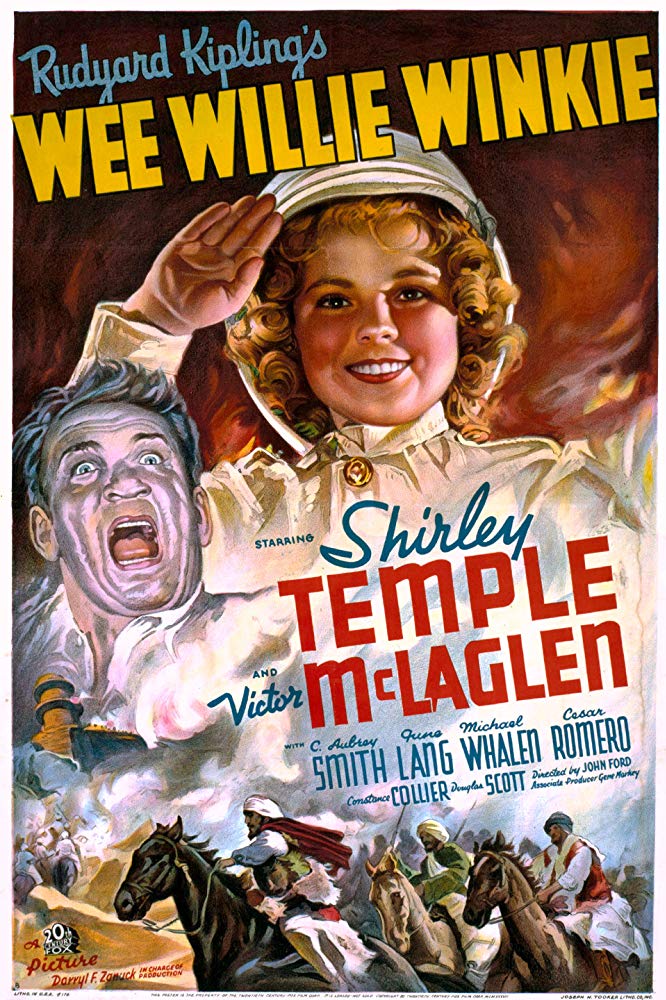
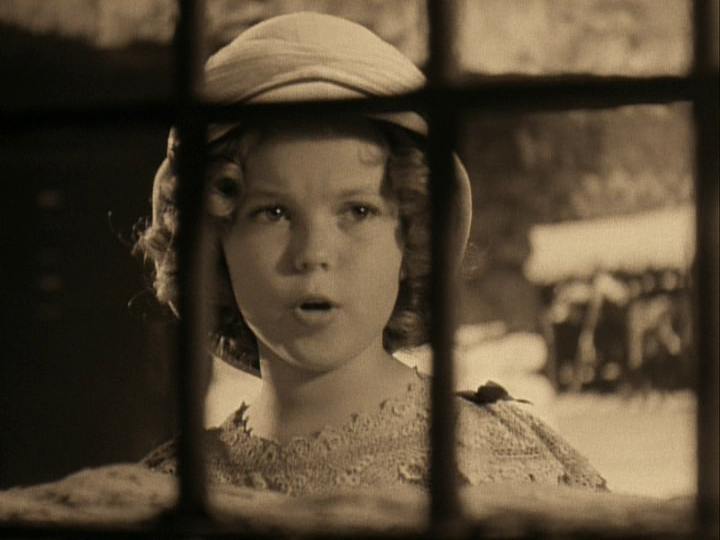
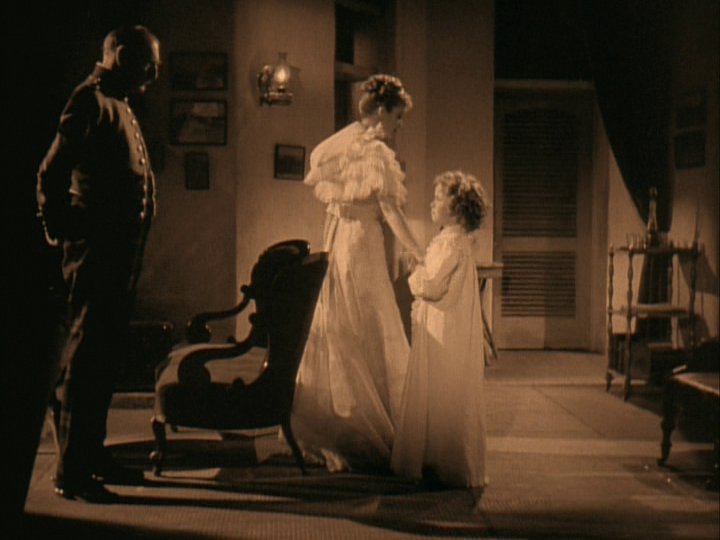
A young girl (Shirley Temple) and her widowed mother (June Lang) go to British-controlled India in the early 1900s to live with Lang’s crusty father-in-law, Colonel Williams (C. Aubrey Smith), at a military outpost. Once there, Temple befriends both a kilt-wearing sergeant (Victor McLaglen) and an imprisoned rebel (Cesar Romero), eventually helping to bring peace to her region.

Genres, Themes, Actors, and Directors:

  • Cesar Romero Films
  • India
  • John Ford Films
  • Military
  • Peacemakers
  • Shirley Temple Films
  • Victor McLaglen Films

Response to Peary’s Review:
Peary writes that while this “enjoyable period piece” was “not a pivotal work in John Ford’s illustrious career”, it was “one of Shirley Temple’s finest films.” He argues that “if you ever wondered what qualified the adult Shirley Temple to be an ambassador,” you should “just take a look at her films in which the little girl repeatedly pacified gruff adults” — including this one, in which she “tames two indomitable warriors and brings about peace between their warring nations” while forming “what is essentially a comedy team with rough but sentimental Sergeant Victor McLaglen.” He notes that the “film has visual beauty, exciting action scenes, humor, [and] strong characterizations”, and asserts that it “has warmth rather than the sentimentality one usually associates with both Ford and Temple”. Peary’s uniformly positive review reveals his own partiality for both Ford and Temple — and while I appreciate that these figures are each undeniably essential components of cinematic history, this film (which, I’m afraid, is overly sentimental) isn’t a collective must-see. Ford made many other must-watch classics viewers should turn to first — and those hoping to see Temple at her most charming can seek out The Littlest Rebel (1935) instead.

Redeeming Qualities and Moments:

  • Fine performances by Temple and her supporting cast

  • Arthur C. Miller’s cinematography

Must See?
No, though of course Shirley Temple fans will want to see it.

Links:

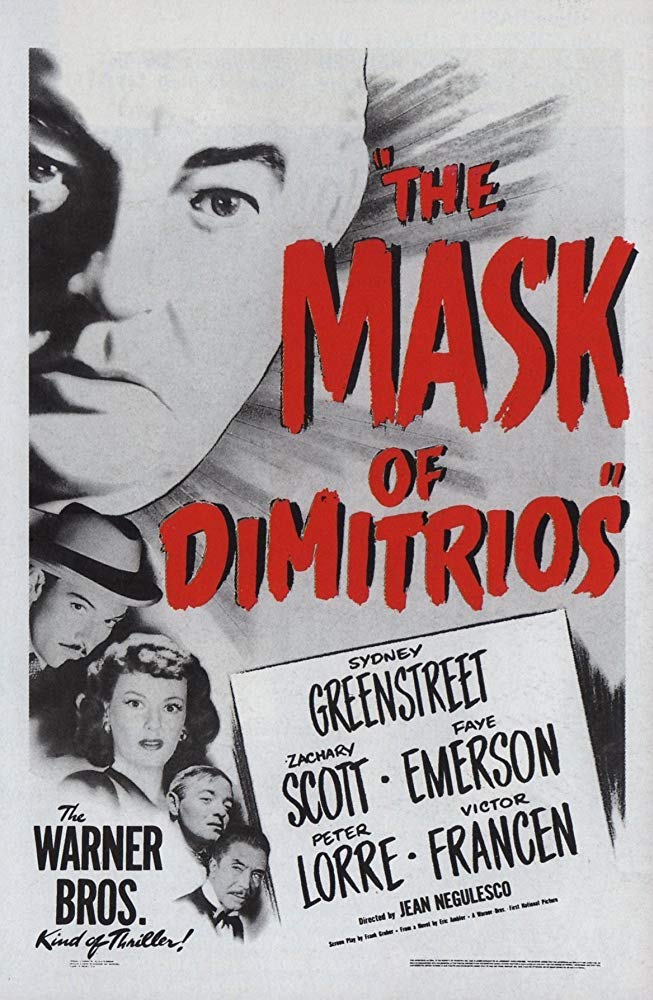
Mask of Dimitrios, The (1944)

Mask of Dimitrios, The (1944)

“Ingenuity is never a substitute for intelligence.”

Synopsis:
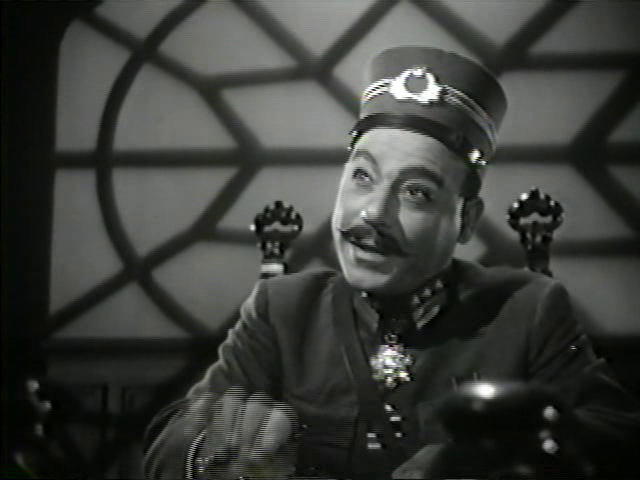
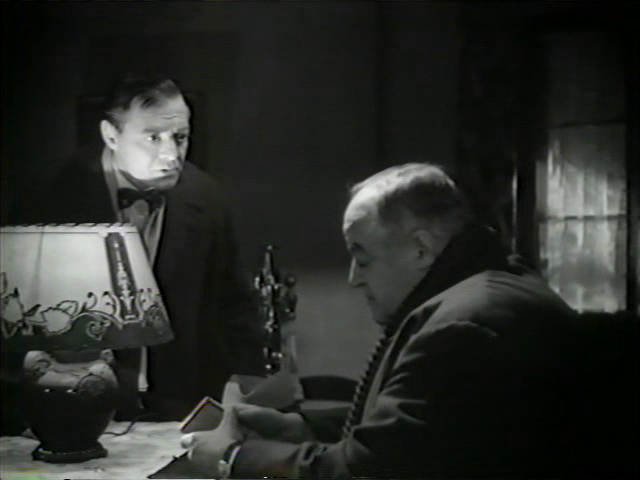
A Dutch mystery writer (Peter Lorre) travelling in Istanbul meets a local policeman (Kurt Hatch) who tells him the story of Dimitrios Makropolous (Zachary Scott), a now-deceased criminal who betrayed many. As Lorre travels across Europe to learn more about Dimitrios’ life (with the intent of crafting a new novel), he meets Dimitrios’s embittered ex-lover (Faye Emerson), a fleeced gambler (Steven Gergay), and a vengeance-seeking former accomplice (Sydney Greenstreet) willing to pay Lorre to help him out.

Genres, Themes, Actors, and Directors:

  • Flashback Films
  • Jean Negulesco Films
  • Peter Lorre Films
  • Revenge
  • Sydney Greenstreet Films
  • Writers
  • Zachary Scott Films

Review:
Peter Lorre and Sydney Greenstreet paired up in quite a few films during the 1940s, beginning with The Maltese Falcon (1941) and Casablanca (1942), then later teaming up in the Peary-listed Three Strangers (1946) (directed by Jean Negulescu) and The Verdict (1946) (directed by Don Siegel). This earlier outing by Negulescu — based on a novel by Eric Ambler — is another atmospheric, unusual flick, notable for allowing Lorre to play a non-creepy guy for once. The flashback-filled, cross-continental narrative weaves a complex tale of betrayal and vengeance, one which accurately portrays the wary mood of this war-time era; as DVD Savant writes in his review, “everybody looks potentially suspicious but nobody is immediately identifiable as a conspirator.” A major identity-based plot twist shifts everything into a different gear later on, and the ending is quite satisfying.

Redeeming Qualities and Moments:

  • Atmospheric cinematography


Must See?
Yes, once, as an unusual and atmospherically filmed outing.

Categories

  • Good Show

Links:

Moon Over Miami (1941)

Moon Over Miami (1941)

“Nobody knows anything about anybody.”

Synopsis:
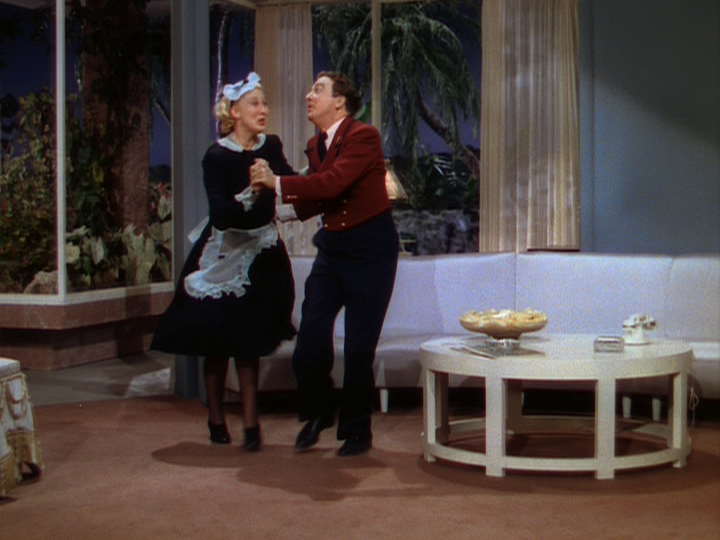
A waitress (Betty Grable), her sister (Carole Landis), and her aunt (Charlotte Greenwood) travel undercover to Miami with plans to find a rich husband for Grable — but Grable falls for a penniless salesman (Don Ameche), Landis (posing as Grable’s secretary) falls for a millionaire (Robert Cummings), and Greenwood falls for a waiter (Jack Haley) intent on preventing gold diggers from achieving their goals.

Genres, Themes, Actors, and Directors:

  • Betty Grable Films
  • Carole Landis Films
  • Don Ameches Films
  • Gold Diggers
  • Love Triangle
  • Mistaken or Hidden Identities
  • Musicals
  • Robert Cummings Films
  • Romantic Comedy

Review:
Betty Grable sparkles in this vibrantly filmed but dully scripted Technicolor musical, based on the slightest of mistaken identity/love triangle premises and designed to showcase escapist fantasies in Miami-for-the-rich. It’s fun to see Jack Haley (the Tin Man from The Wizard of Oz) in a non-metallic role, and the dance numbers are catchy. But it’s tough watching Grable fall for Ameche after their initial meet-not-so-cute:

Ameche: (Yawning with boredom at a late night party) “You know… you’re not very pretty… No, it’s not a beautiful face by a long ways. Cute, maybe, for people who like cuteness… I’ve been noticing your figure… It’s practically perfect, but it has no poetry. It’s built on architectural principles, like the sculpture on radiator caps. Your voice isn’t pitched very nicely, either — it suits your personality, but that doesn’t make it good.”

I suppose the point is to call him out as worthy of someone (Grable) who would stoop to deception and golddigging, but he’s simply not a likable character.

Redeeming Qualities and Moments:

  • Vibrant Technicolor cinematography

  • Some fun musical numbers, dances, and costumes

Must See?
No, though it’s worth a one-time look as fluffy escapist fare.

Links:

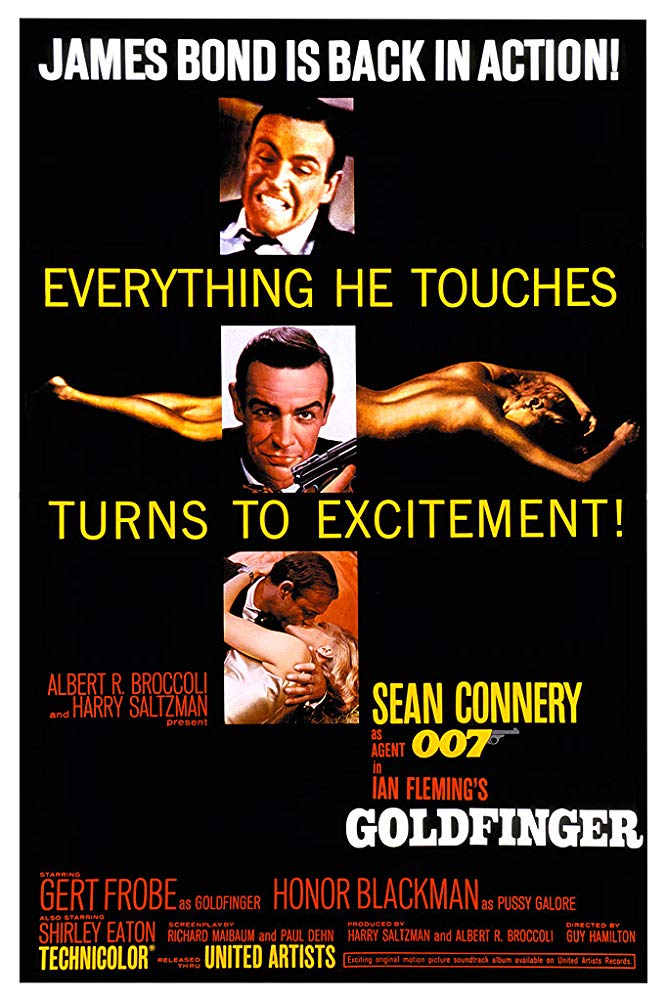
Goldfinger (1964)

Goldfinger (1964)

“No, Mr. Bond — I expect you to die!”

Synopsis:
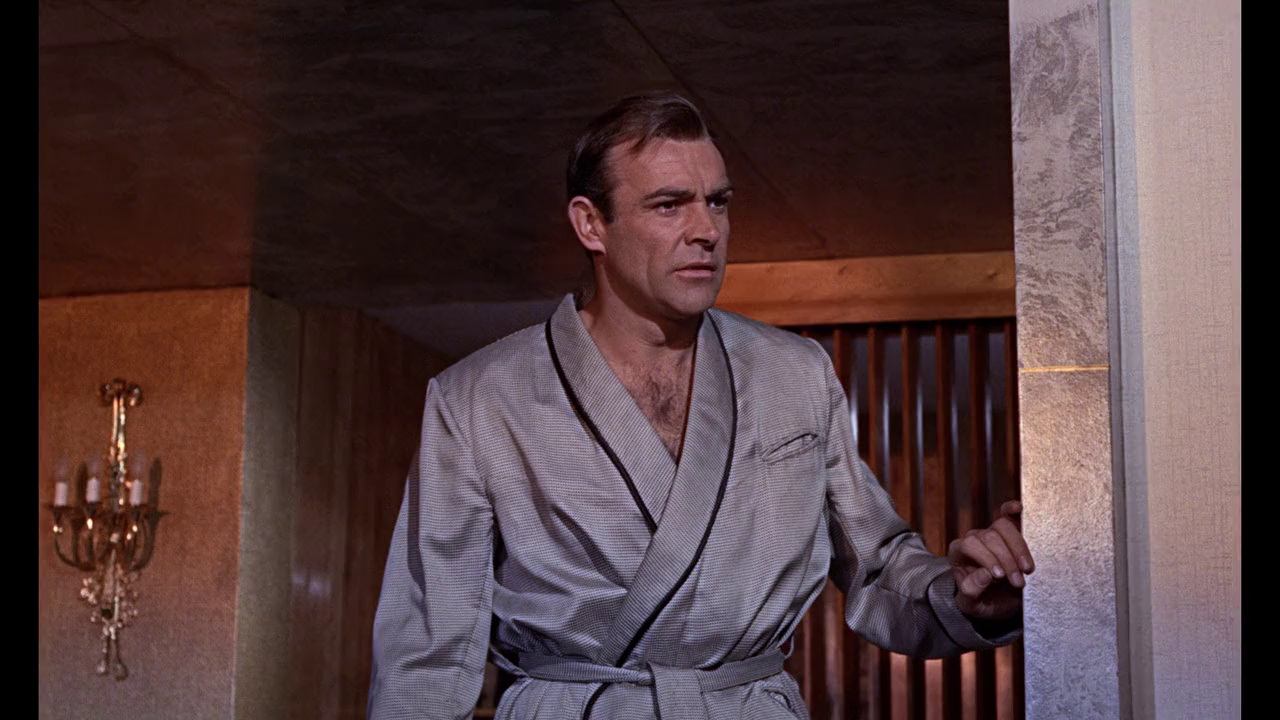
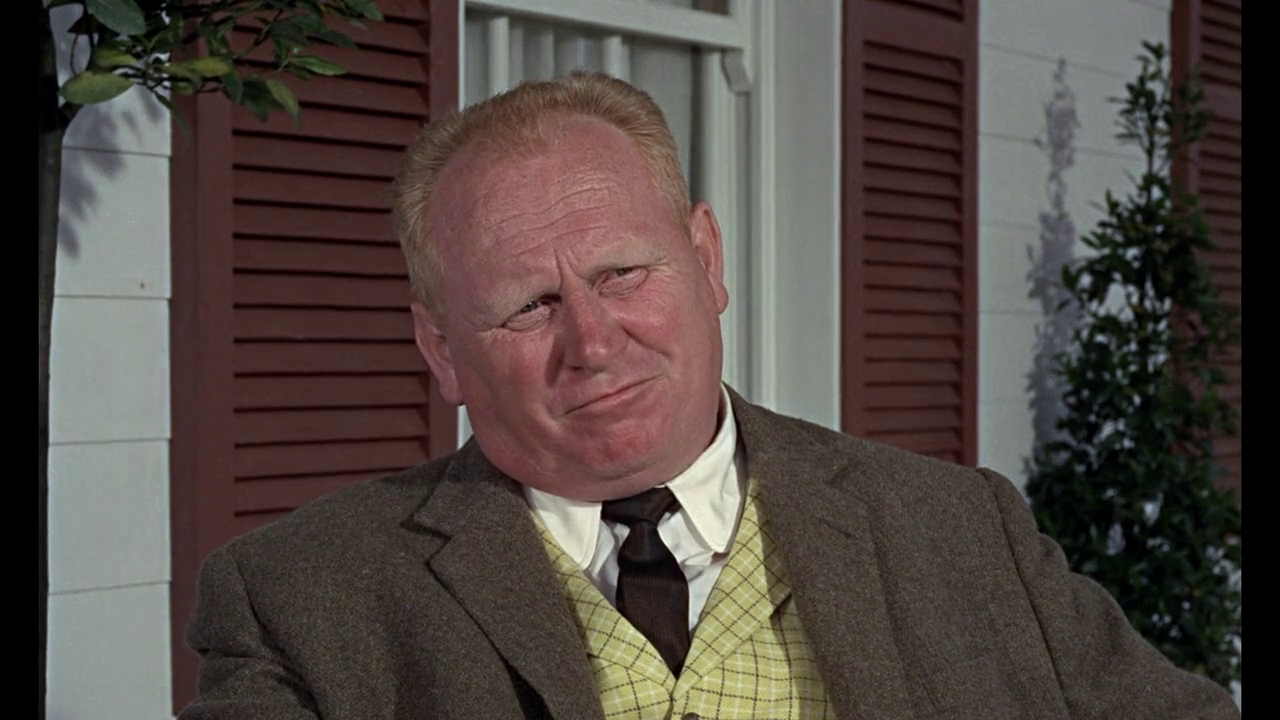
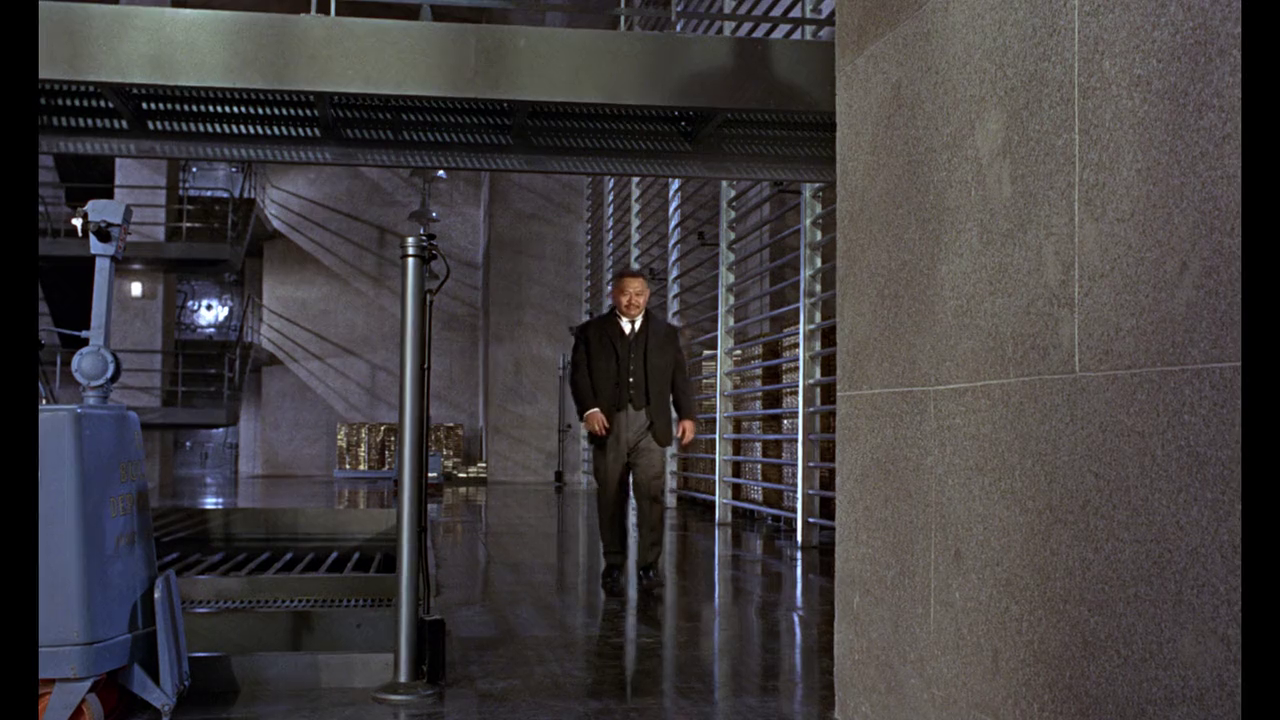
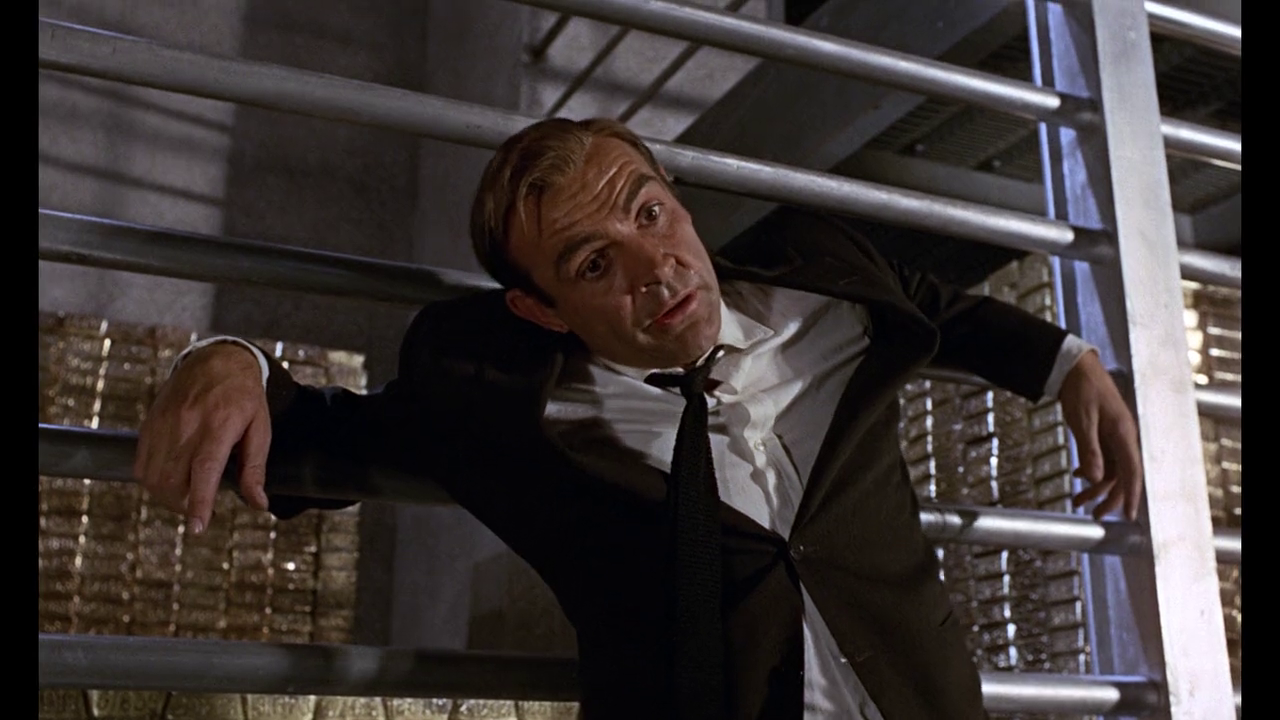
British special agent James Bond (Sean Connery) battles against a megalomaniac millionaire named Goldfinger (Gert Frobe) who receives assistance from a Korean henchman named Odd Job (Harold Sakata) and a judo-fighting pilot named Pussy Galore (Honor Blackman) as he plans to radiate all the gold in Fort Knox.

Genres, Themes, Actors, and Directors:

  • Cold War
  • James Bond Films
  • Sean Connery Films
  • Spies
  • World Domination

Response to Peary’s Review:
Peary writes that this “third and best of the James Bond films starring Sean Connery” stars “two diabolical villains” (“gold-mad Auric Goldfinger… and his invincible henchman, Oddjob”) and features “two sexy women (both of whom work for Goldfinger) to seduce: blonde Jill Masterson (Shirley Eaton), who dies when Frobe covers her with gold paint, and brunette ‘Pussy’ Galore (Honor Blackman), a lesbian pilot who falls for Bond’s charms.”

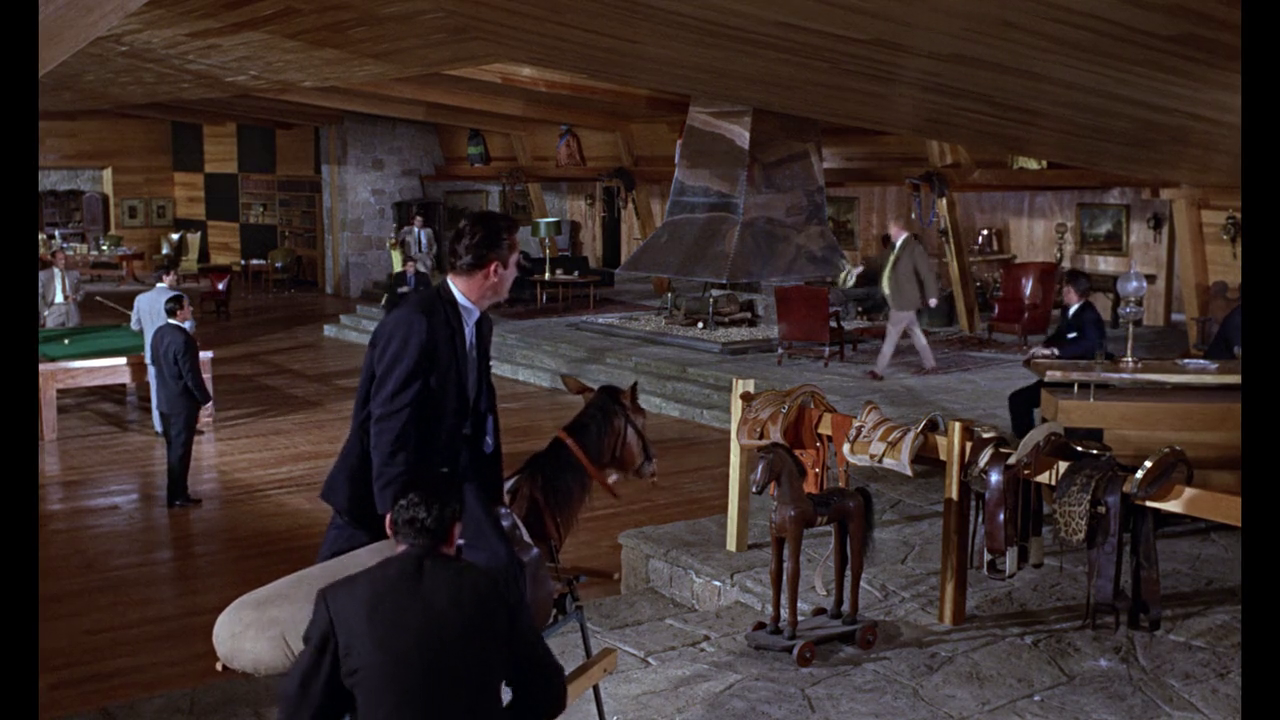
He points out that the film is filled with “lots of humor, gimmicks (Bond uses his Aston-Martin’s passenger-ejection seat to get rid of one of the villains), excitement (captured Bond watches a laser beam rip through the table he lies on, nearly zapping his crotch), an amusing yet tense golf contest between Bond and Goldfinger, thrilling fights to the death between Bond and Oddjob and Bond and Goldfinger, and a fascinating central crime: Goldfinger wants to destroy all the gold in Fort Knox to both ruin America’s economy and greatly increase the value of his own gold.”

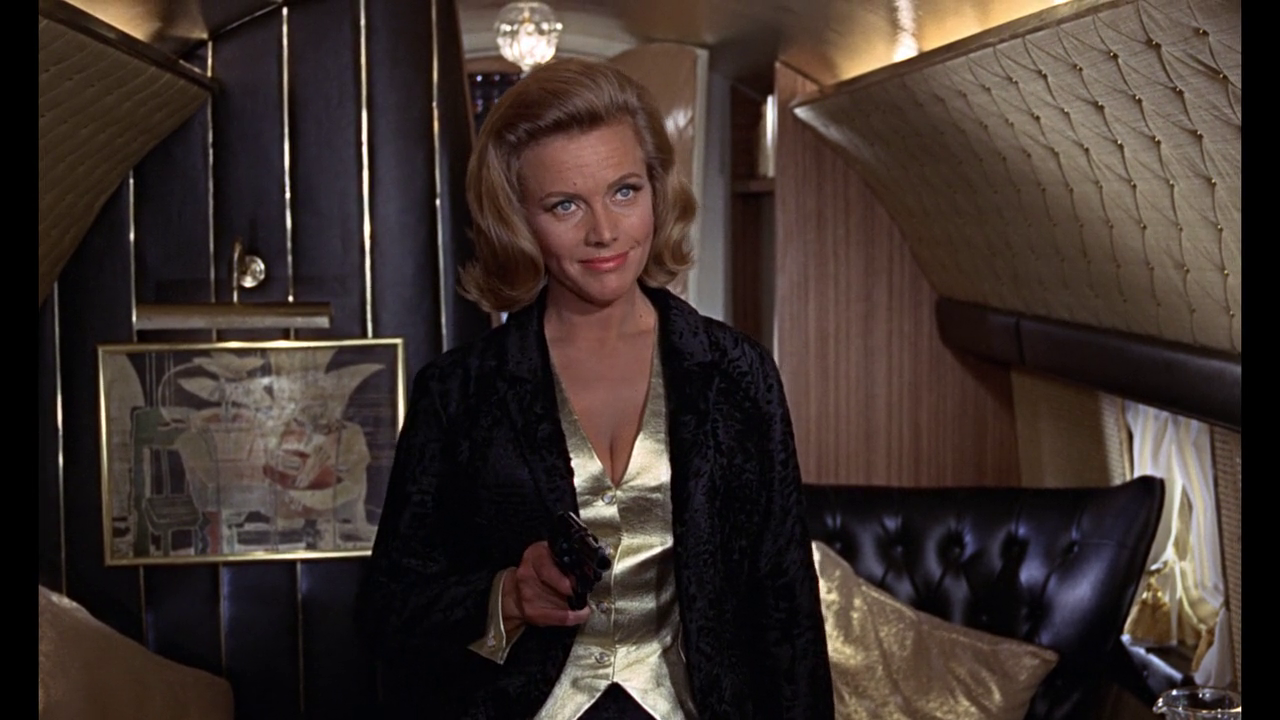
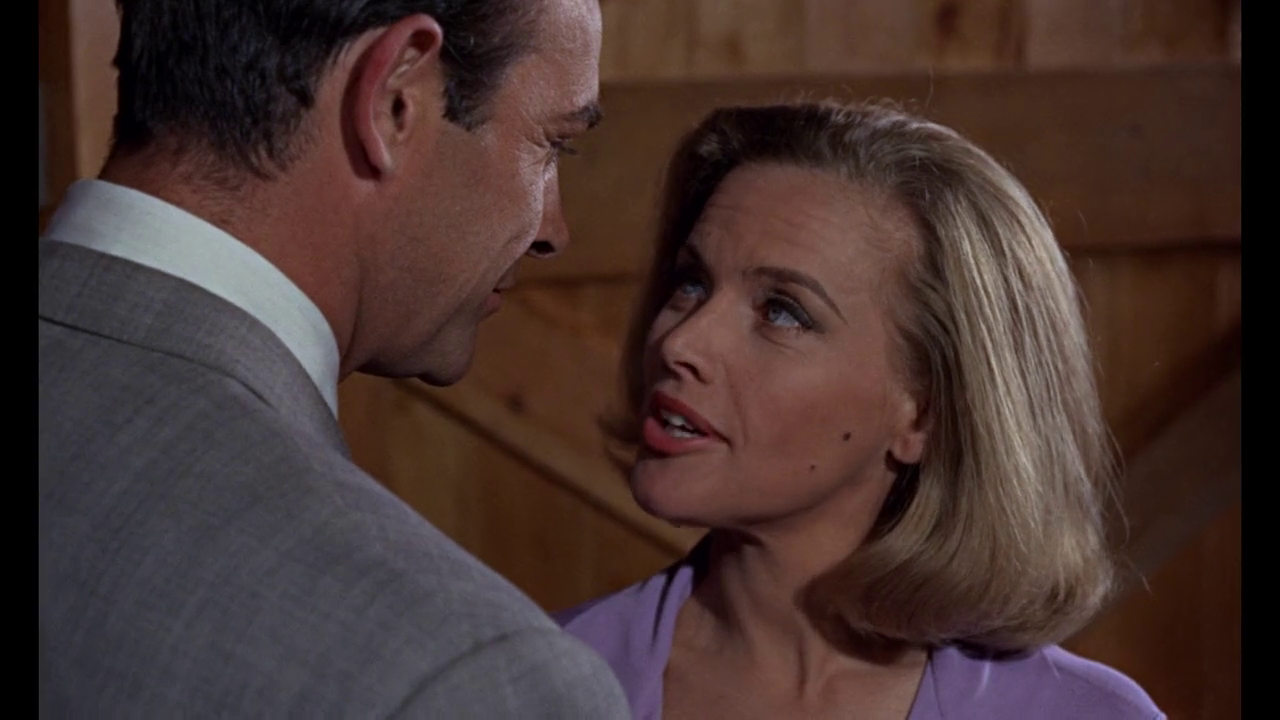
Peary adds that while this film is “most enjoyable”, it’s “too bad Eaton’s part isn’t longer and that Frobe’s Goldfinger, a heavy but nimble intellectual in the Sydney Greenstreet tradition, never appeared in another Bond film.” Regardless, there’s no denying that this film succeeds on just about every count — though modern viewers will want to be forewarned about the infamously disturbing “consensual rape” scene, and use caution if watching this movie with kids or teens. (Be prepared for a challenging but important discussion, not only about sex and women but about racial depictions.) With that said, Pussy Galore remains one of the delights of powerful women in cinema — she’s mesmerizing in every scene, and she can’t help the screenplay developments her character is saddled with. Best of all, however, are the many seat-clenching action sequences — zowie, is this film filled with them!

Redeeming Qualities and Moments:

  • Sean Connery as James Bond (nominated as one of the Best Actors of the Year in Peary’s Alternate Oscars)
  • Honor Blackman as Pussy Galore
  • Gert Frobe as Goldfinger
  • Harold Sakata as Oddjob
  • Ted Moore’s cinematography
  • Many memorable, exciting sequences and locales


  • The thrilling finale
  • John Barry’s score
  • Shirley Bassey’s rendition of the title song

Must See?
Yes, as one of the most enjoyable entries in the Bond franchise.

Categories

  • Good Show

(Listed in 1001 Movies You Must See Before You Die)

Links:

Conquest (1937)

Conquest (1937)

“Perhaps you have been made beautiful, that Poland might be made free.”

Synopsis:
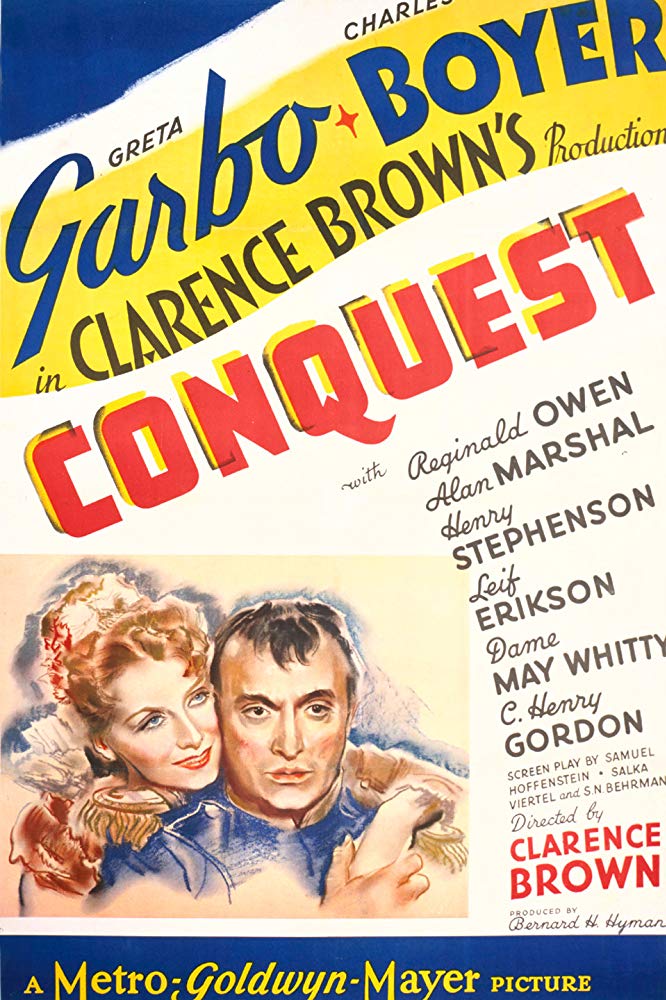
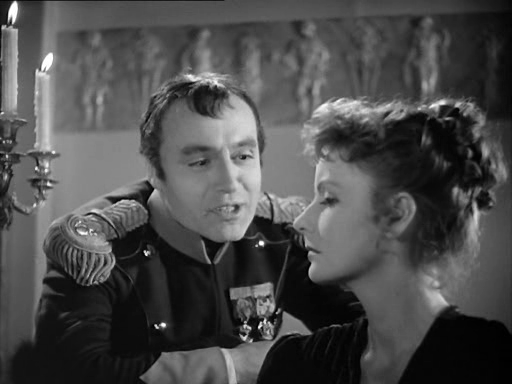
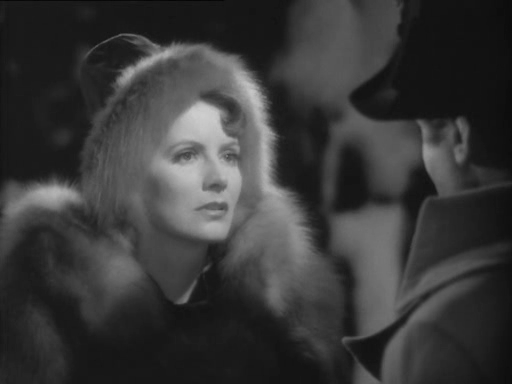
Despite the disapproval of her much-older husband (Henry Stephenson), a young Polish countess (Greta Garbo) heeds a romantic call from Napoleon Bonaparte (Charles Boyer) on behalf of her nation.

Genres, Themes, Actors, and Directors:

  • Clarence Brown Films
  • Charles Boyer Films
  • Greta Garbo Films
  • Historical Drama
  • Infidelity
  • Romance
  • Royalty and Nobility

Review:
Greta Garbo’s final dramatic role was this biographical portrayal of Countess Marie Walewska, notorious for being Napoleon Bonaparte’s long-time lover out of patriotism (and eventually bearing one of his children). Boyer is satisfyingly convincing as Napoleon, embodying the emperor’s bearing with aplomb: this is a man unabashedly assured of his own importance on the world stage as well as his appeal to women. (Given that Boyer was 5’9 in real life and Garbo was 5’7.5, clever blocking and camerawork was also clearly done to make the physical impersonation even more convincing.) The storyline itself is fairly standard melodrama, if perhaps a bit more interesting than usual given it’s based on a true story — and Cedric Gibbons’ Oscar-nominated art direction is noteworthy (as are Adrian’s gowns). However, this film — which purportedly “lost more money for MGM than any other of its films during the period from 1920 to 1949” — is only must-see for diehard Garbo or Boyer fans.

Redeeming Qualities and Moments:

  • Charles Boyer as Napoleon Bonaparte
  • Greta Garbo as Countess Marie
  • Fine period sets and costumes

Must See?
No, though it’s worth a one-time look.

Links:

From Russia With Love (1963)

From Russia With Love (1963)

“Training is useful, but there is no substitute for experience.”

Synopsis:
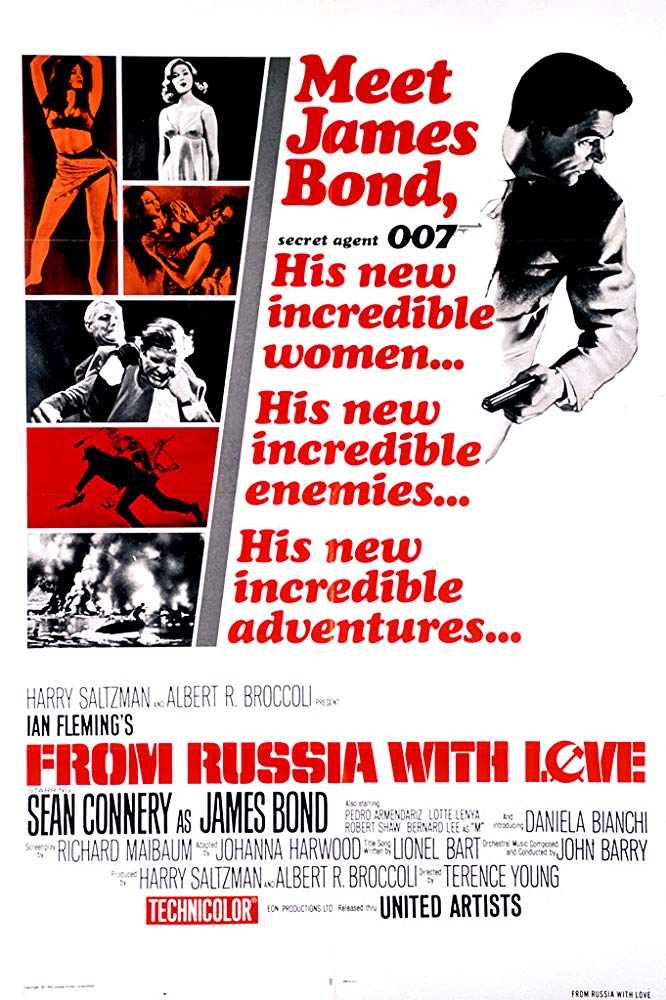
Secret agent James Bond (Sean Connery) is sent to retrieve a decoding box known as the Lektor from a beautiful Russian (Daniela Bianchi), not knowing he’s being stalked by a psychopathic British traitor (Robert Shaw).

Genres, Themes, Actors, and Directors:

  • Cold War
  • James Bond
  • Robert Shaw Films
  • Sean Connery Films
  • Spies

Response to Peary’s Review:
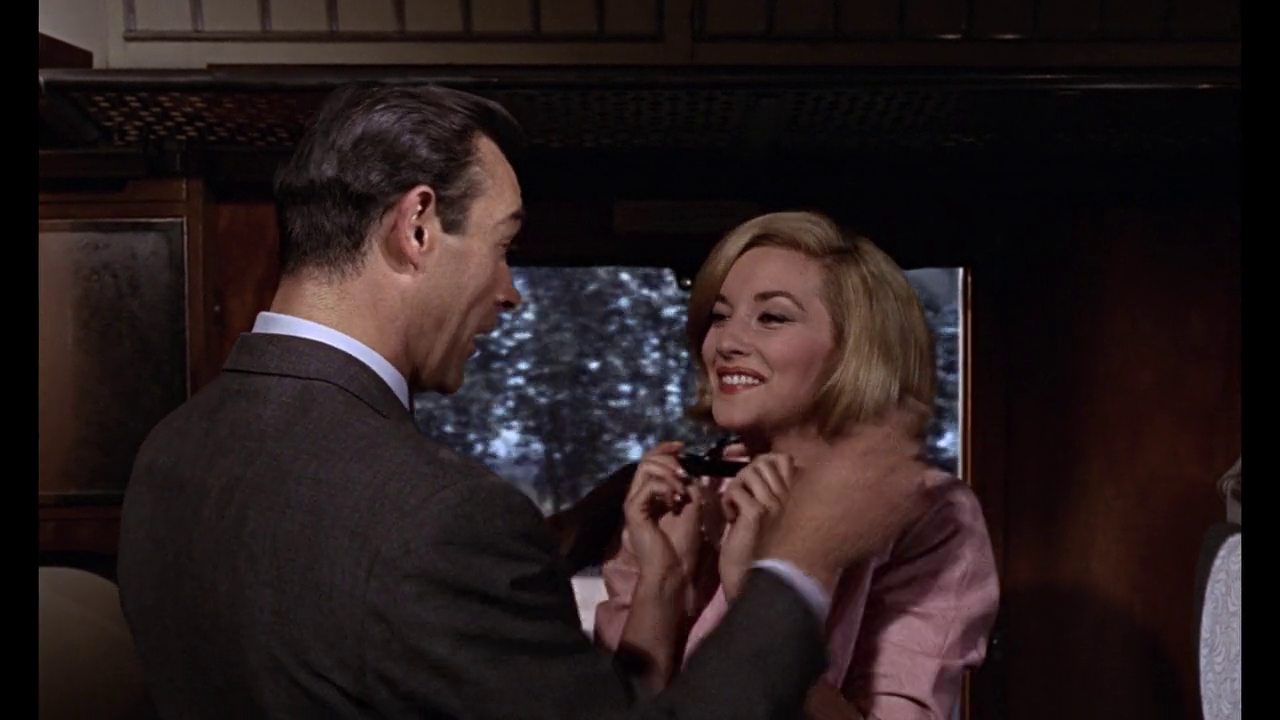
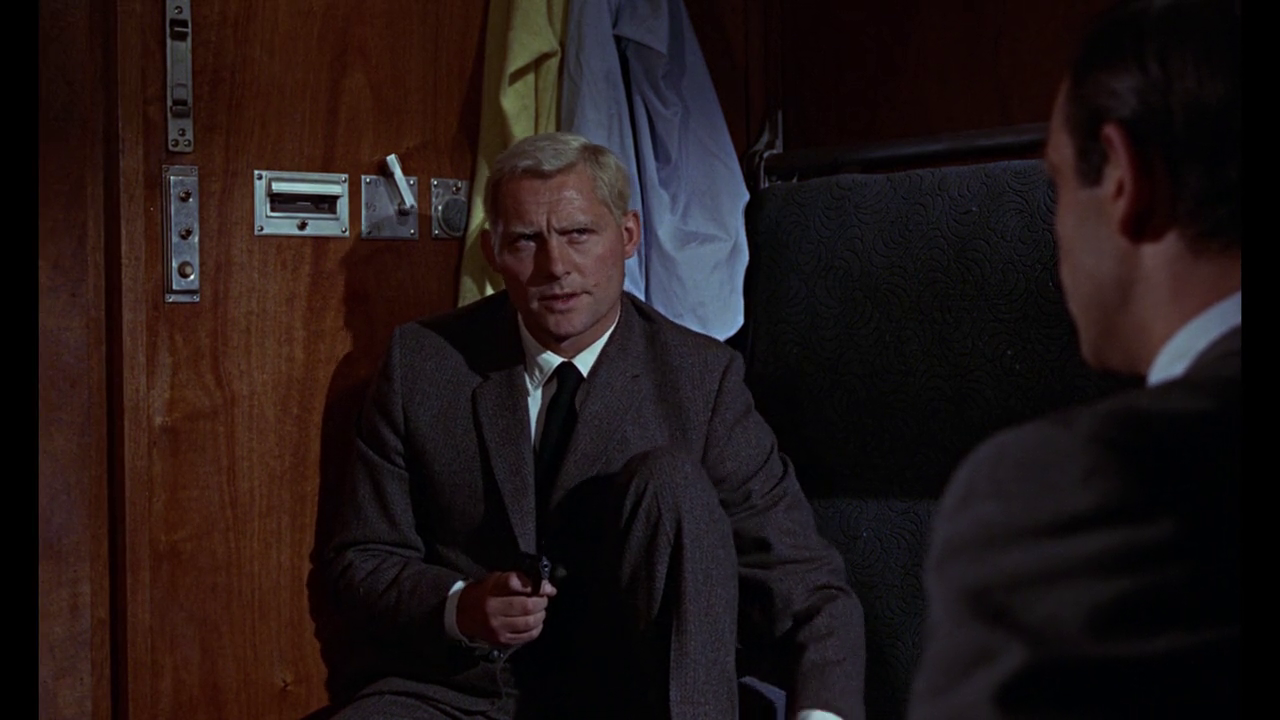
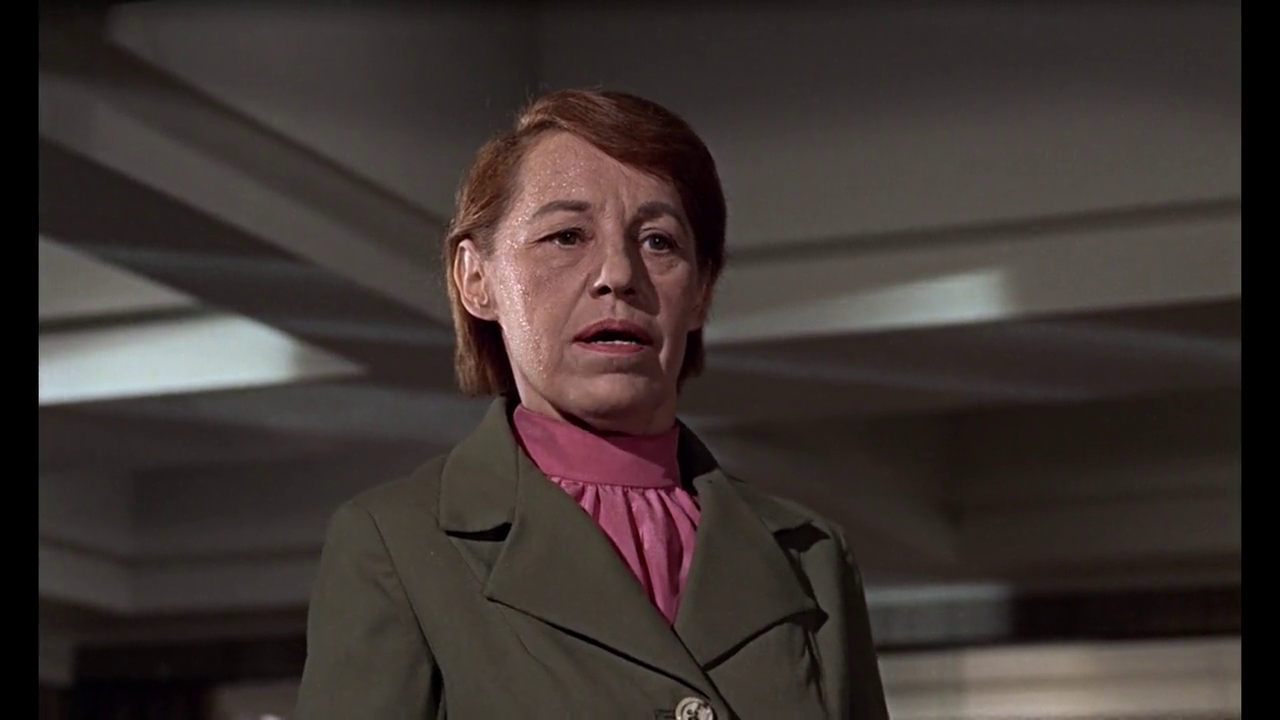
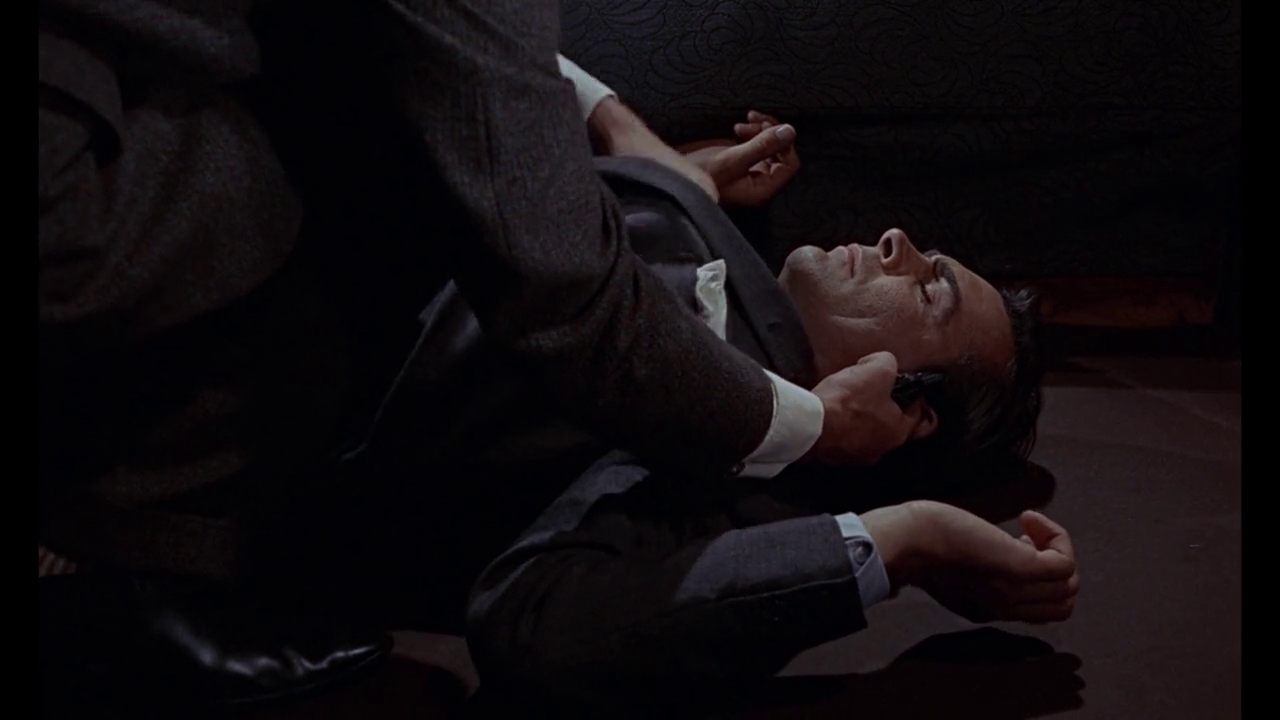
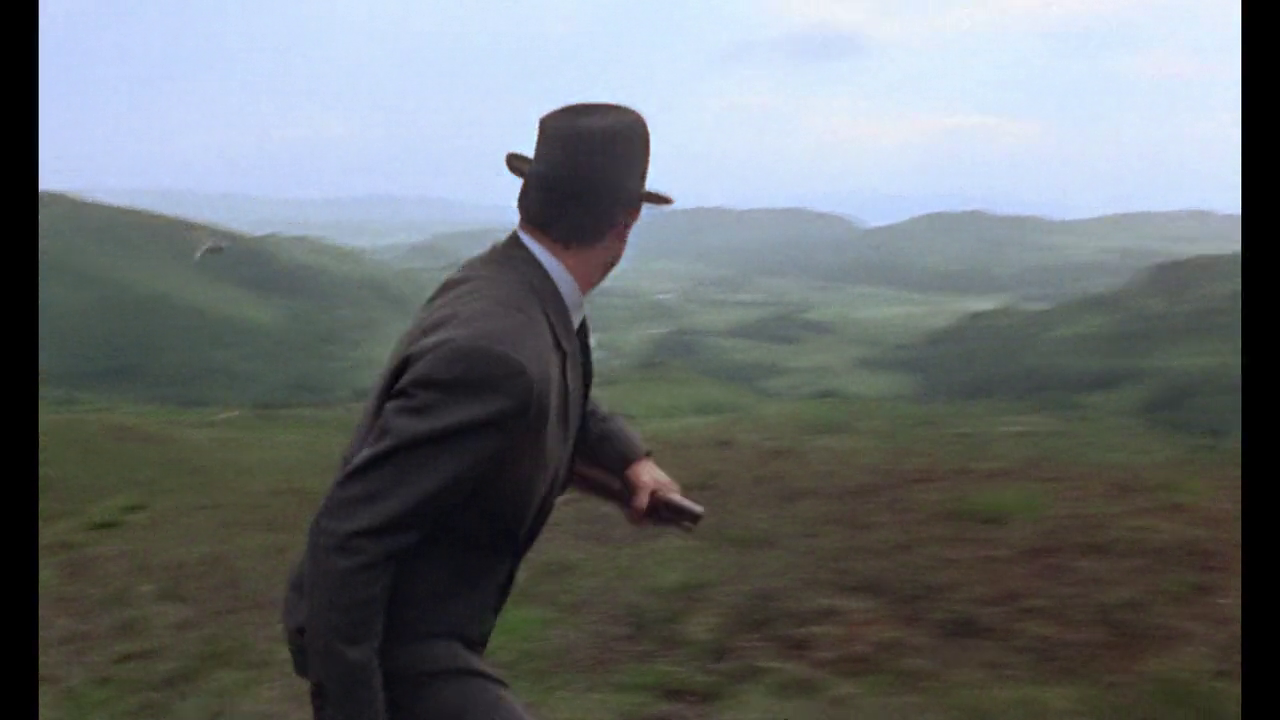
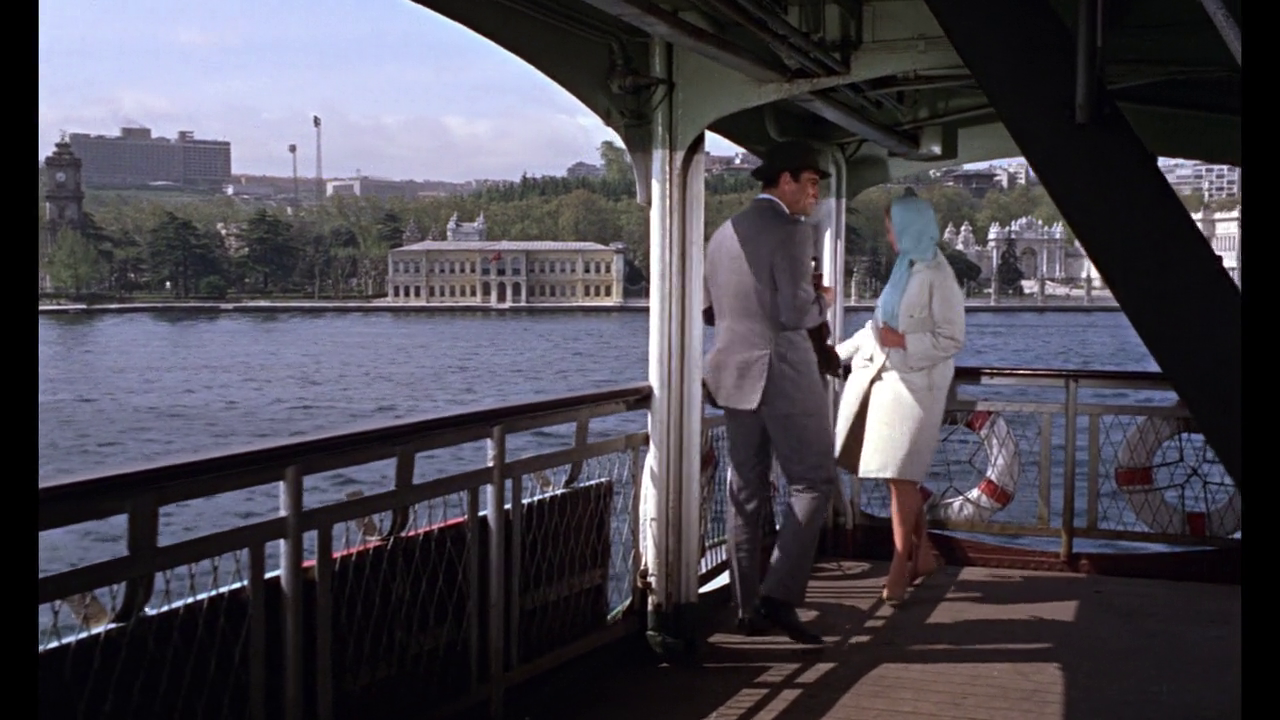
Peary writes that this sequel to Dr. No (1962) remains an “excellent, surprisingly tough and gritty James Bond film”, one that is “refreshingly free of the gimmickry that would characterize the later Bond films.” He notes his appreciation that “Connery and Bianchi play real people,” and accurately writes that “Shaw and Lotte Lenya (as the diabolical Krebb) are splendid villains”, both engaging in “exciting, well-choreographed fights with Connery.” Peary argues that “the lovely Bianchi” — a Miss Universe runner-up — “should have been a bigger star” given that her Tatiana is “one of the most appealing Bond heroines”, and he points out that the film’s direction by Terence Young is “solid”, especially during the “train sequence”. I agree with most critics and viewers that this film is among the best of the Bond franchise, with plenty of excitement and exotic locales — though I was surprised (should I have been?) by how much this is really a male fantasy fulfillment: we hear Bond’s insecurities (?!) continually allayed by Tatiana (“Will you make love to me all the time in England?”); watch a “cat fight” in which two beautiful gypsies literally fight each other for the privilege of sleeping with Bond; and listen to corny double entendres between Tatiana (who helpfully tries on a wardrobe of lingerie during their “honeymoon” on the train) and Bond:

Tatiana: “I think my mouth is too big.”
Bond: “No, it’s the right size… for me, that is.

Oh boy. I know he’s Bond, and all women love him… and Connery is undeniably a beefcake. But it’s a bit much.

Note: This and all Bond films appear to have quite a specialized and fanatical following, as evidenced by DVD Savant’s essay devoted entirely to a mysterious jump-cut in the final sequence of the film.

Redeeming Qualities and Moments:

  • Fine performances by the entire cast


  • Many exciting sequences

  • Excellent use of on-location shooting (in Istanbul and elsewhere)

Must See?
Yes, as another solid entry in the cult series.

Categories

  • Cult Movie

Links:

Midnight (1939)

Midnight (1939)

“When I was a child, they daren’t leave me in a room with an armchair.”

Synopsis:
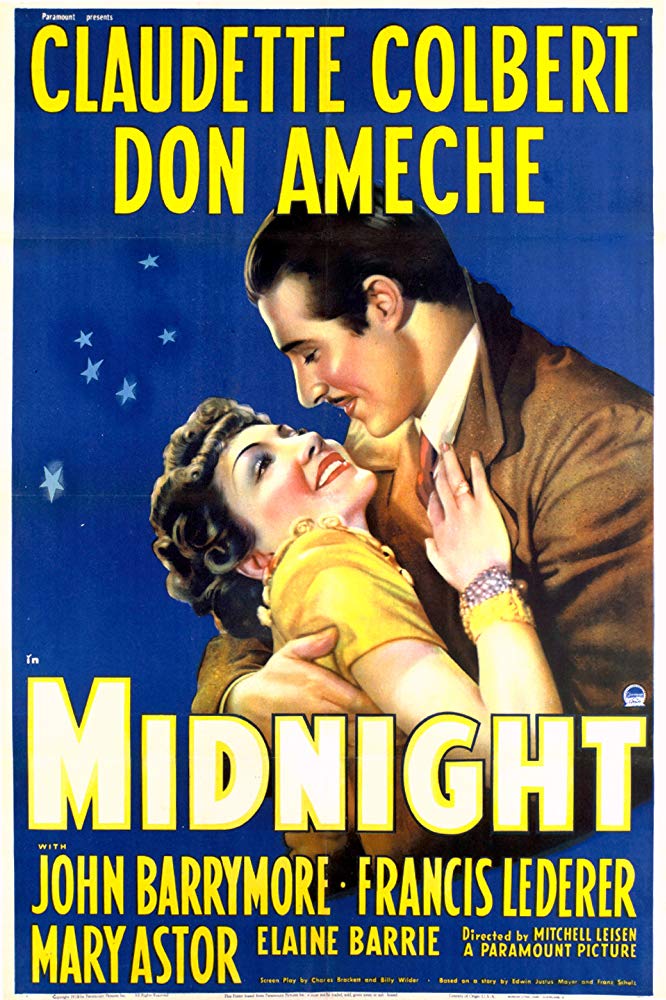
A penniless showgirl (Claudette Colbert) posing as a baroness in Paris accepts an offer from a wealthy man (John Barrymore) to be seduced by his wife’s (Mary Astor’s) lover (Francis Lederer). Meanwhile, a taxi driver (Don Ameche) in love with Colbert does everything he can to find her.

Genres, Themes, Actors, and Directors:

  • Claudette Colbert Films
  • Don Ameche Films
  • John Barrymore Films
  • Love Triangle
  • Mary Astor Films
  • Mistaken or Hidden Identities
  • Mitchell Leisen Films
  • Monty Woolley Films
  • Romantic Comedy

Review:
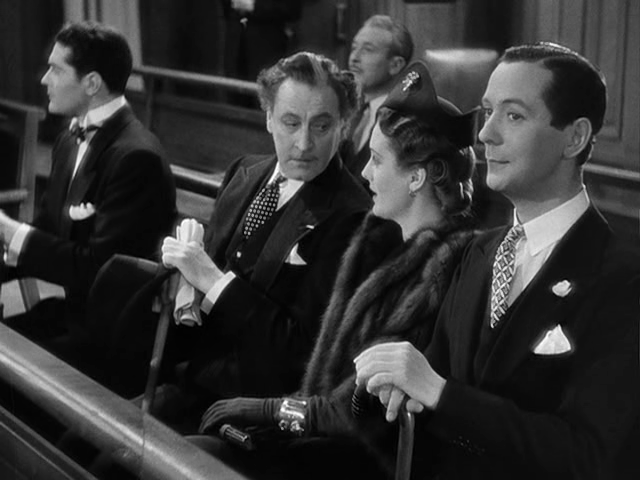
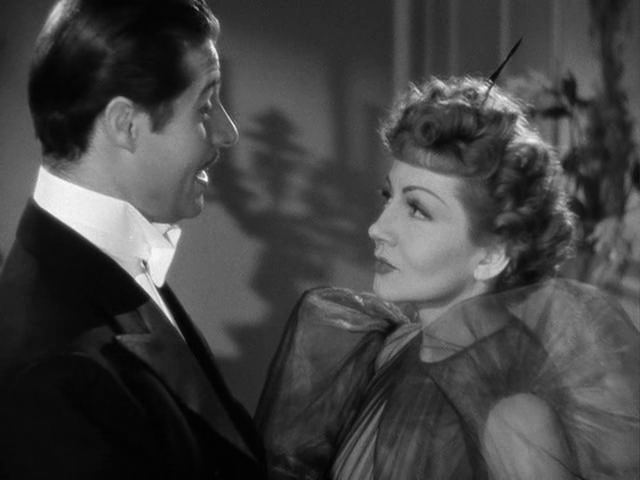
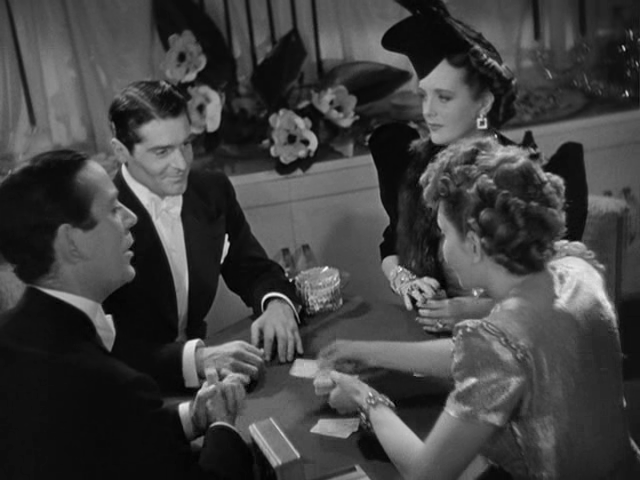
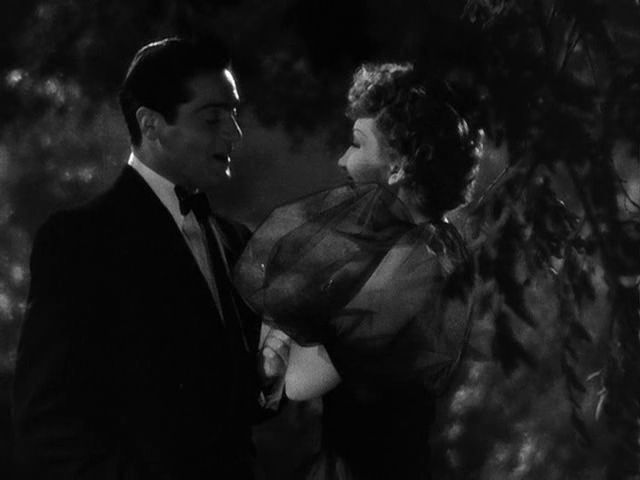
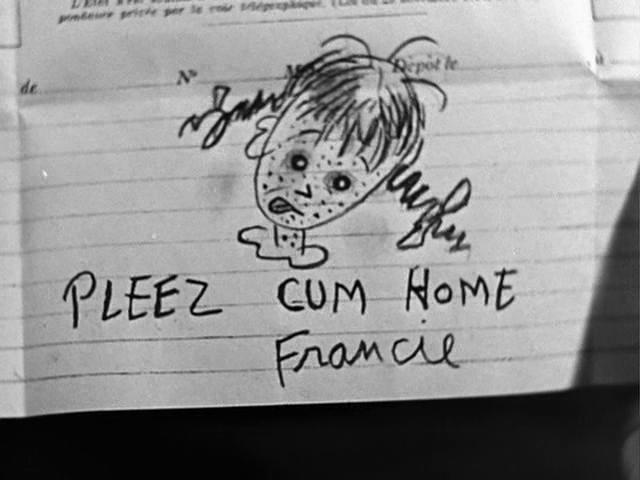
Mitchell Leisen directed this sparkling romantic comedy, released during what is commonly referred to as Hollywood’s Golden Year (1939) — and perhaps overlooked as a result. The screenplay by Charles Brackett and Billy Wilder — their second after the disappointing Bluebeard’s Eighth Wife (1938) — shows ample evidence of their potential for collaborative genius, which would later result in award-winning films such as The Lost Weekend (1945) and Sunset Boulevard (1950). The performances are all spot-on, but it’s really the script that deserves most credit, moving us quickly and engagingly into a milieu filled with posers, rivalry, self-preservation, and enormous hats.

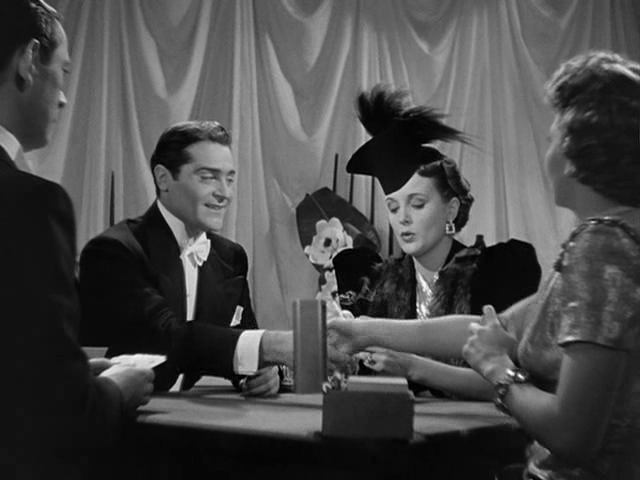
We’re never sure where each scene will lead to, and — like the characters — are consistently surprised by what comes next out of each person’s mouth. Colbert and Ameche (not to mention Rex O’Malley as Astor’s droll, fey sidekick):

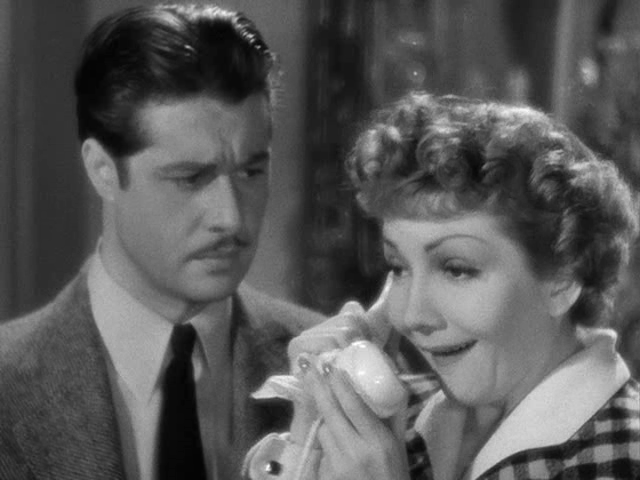
… prove themselves more than capable of surviving in a world of extreme snobbery and classism: working-class Ameche draws upon collective strength in motivating his fellow cab drivers to help him find Colbert:

… while Colbert relies on both her beauty (Lederer is amusingly smitten the second he lays eyes on her) and quick wit to come up with on-the-spot rationales and back-stories for her newly adopted persona — including plenty of hilariously left-field (yet convincing) one-liners: “And yet, I had warning… Why else should his grandfather have sent me as an engagement present one roller skate covered with Thousand Island dressing?” This film is a treat to rediscover.

Note: For a detailed overview of Brackett and Wilder’s contentious yet successful decade-plus collaboration, click here.

Redeeming Qualities and Moments:

  • Claudette Colbert as Eleanor
  • Fine supporting performances across the board
  • Charles Lang’s cinematography
  • Many memorably zany moments
  • Charles Brackett and Billy Wilder’s consistently amusing screenplay:

    “I think [that hat is] a dream on you. You know, it does something for your face — it gives you a chin.”

Must See?
Yes, as an all-around good show and classic screwball.

Categories

  • Genuine Classic

Links:

Midsummer Night’s Dream, A (1935)

Midsummer Night’s Dream, A (1935)

“Lovers and madmen have such seething brains — such wild imaginings that apprehend more than cool reason ever comprehends.”

Synopsis:
In mythical Greece, several storylines intersect to wreak magical havoc: beautiful Hermia (Olivia de Havilland) is in love with Lysander (Dick Powell), but has been told by her father (Grant Mitchell) that she must marry Demetrius (Ross Alexander), who is pursued by lovestruck Hermia (Jean Muir); a team of actors, including Bottom the Weaver (Jimmy Cagney), gather to rehearse a play in honor of the upcoming marriage between a duke (Ian Hunter) and his fiancee (Verree Teasdale); and when the king of the fairies (Victor Jory) is displeased by his wife Titania’s (Anita Louise) disobedience, he orders the fairy Puck (Mickey Rooney) to cast naughty spells — including turning Bottom into a donkey and causing Titania to fall in love with a literal ass.

Genres, Themes, Actors, and Directors:

  • Actors and Actresses
  • Dick Powell Films
  • Fantasy
  • Ian Hunter Films
  • Jimmy Cagney Films
  • Living Nightmare
  • Love Triangle
  • Mickey Rooney Films
  • Mistaken or Hidden Identities
  • Olivia de Havilland Films
  • Play Adaptations
  • Royalty and Nobility
  • Shakespeare
  • Star Crossed Lovers
  • William Dieterle Films

Review:
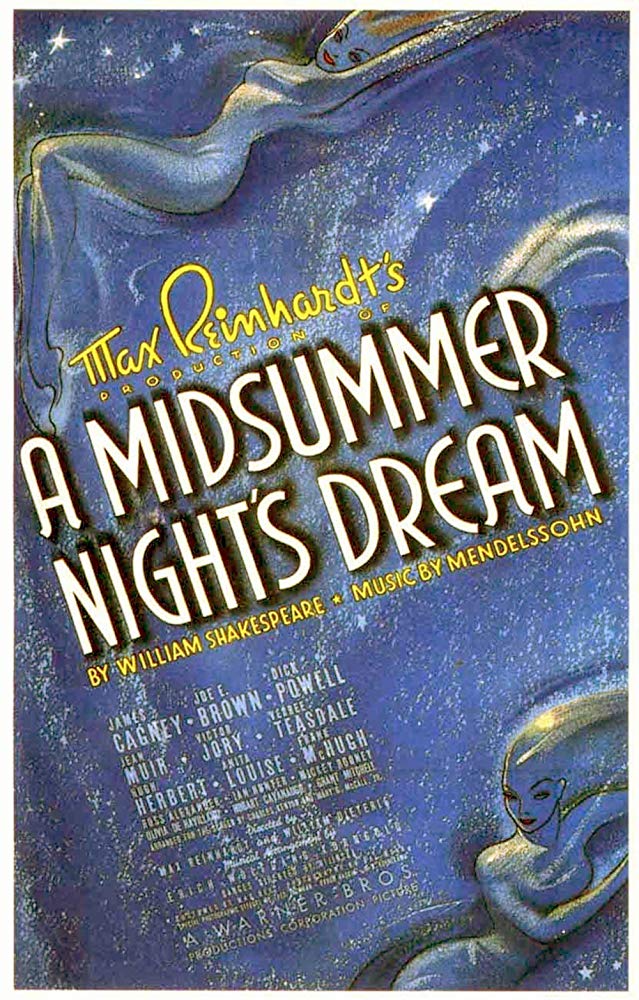
William Dieterle directed this adaptation of Max Reinhardt‘s famed theatrical production of Shakespeare’s romantic comedy featuring lovers, actors, nobility, fairies, mixed identities, sleep, dream, and mischief. It’s about an hour too long, rambles, and doesn’t always cohere — but it remains an entirely unique cinematic outing on numerous counts. The sets, costumes, and special effects transport us to an ethereal, almost undefinable time and space, and we’re frequently shown images and characters — i.e., the big-eared bald creatures (who are they?) — unlike anything else seen in movies of this period. Rooney, while annoying, is well-cast as Puck; Cagney has a field day getting hyper and hee-hawing as Bottom; and earnest de Havilland (in her movie debut) sparkles with angst and love. Fans of Some Like it Hot (1959) will surely enjoy seeing Joe E. Brown in an early role (cross-dressing, no less) — and while the final theatrical performance put on by Cagney’s troupe at the wedding feels like a lengthy addendum to an already-overlong show, it’s an invaluable glimpse at what broad comedy during Shakespeare’s time might have looked like. Be sure to check out TCM’s article for more information on this unusual production, which opened to mixed reviews but was critically lauded for its artistic elements (including the dance numbers and numerous dream-like sequences).

Redeeming Qualities and Moments:

  • Luminous sets and costumes

  • Byron Haskin’s special effects

  • Hal Mohr’s cinematography

Must See?
Yes, once, as an unusual Hollywood outing. Listed as a film with Historical Importance in the back of Peary’s book.

Categories

  • Historically Relevant

Links: