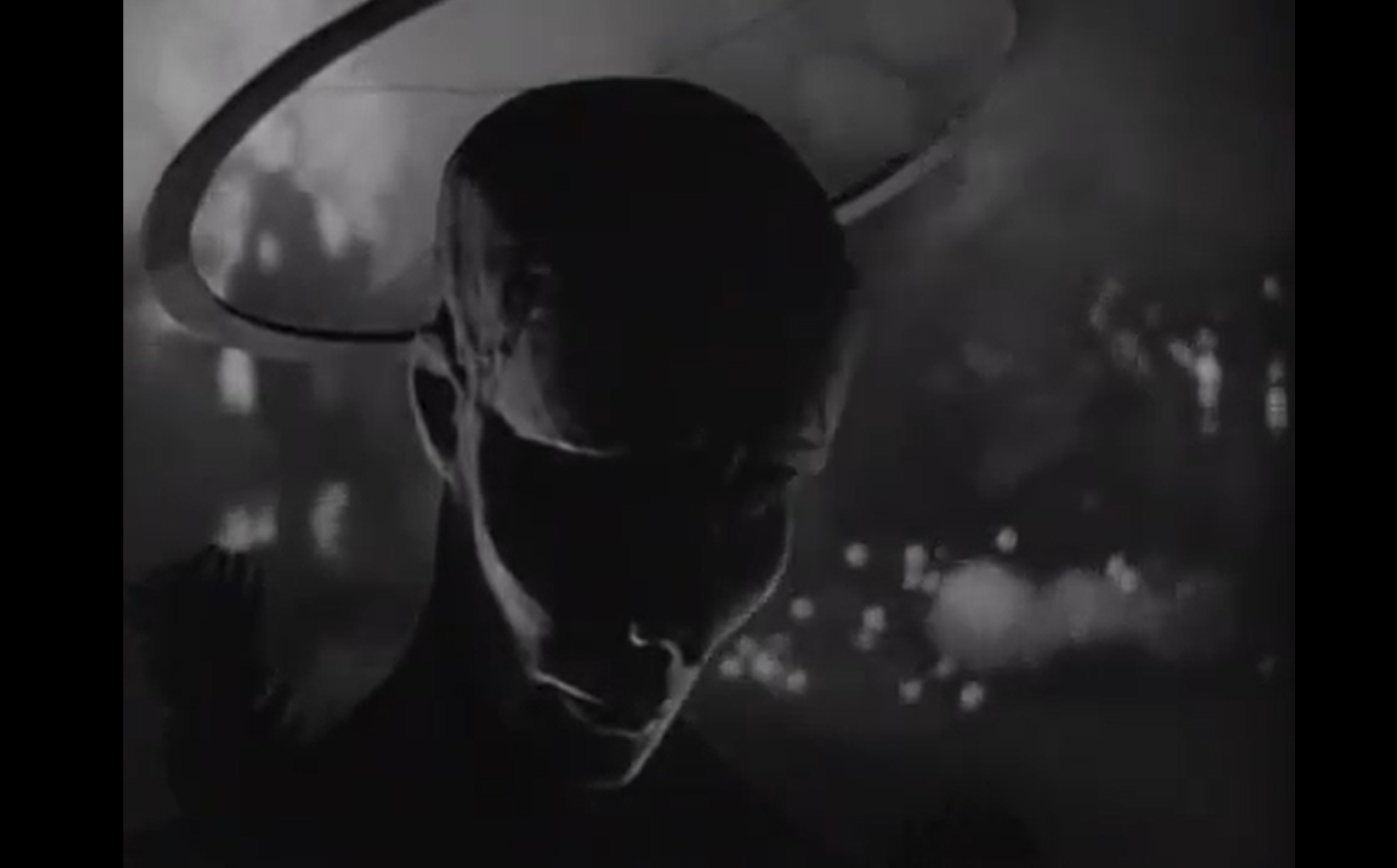
Woman’s Secret, A (1949)

Woman’s Secret, A (1949)

“I want you to get this straight once and for all: you’re not going to give up your career!”

Synopsis:
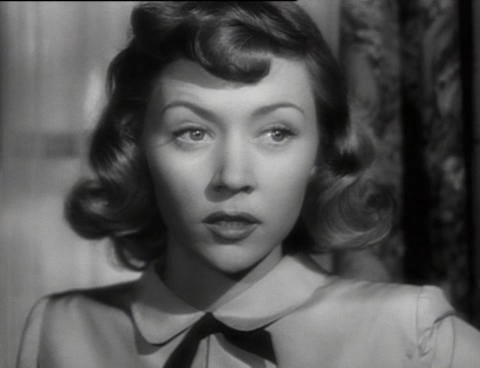
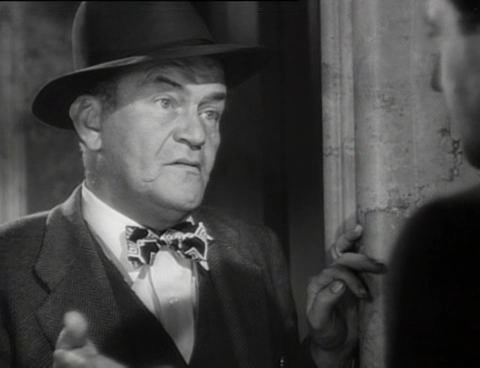
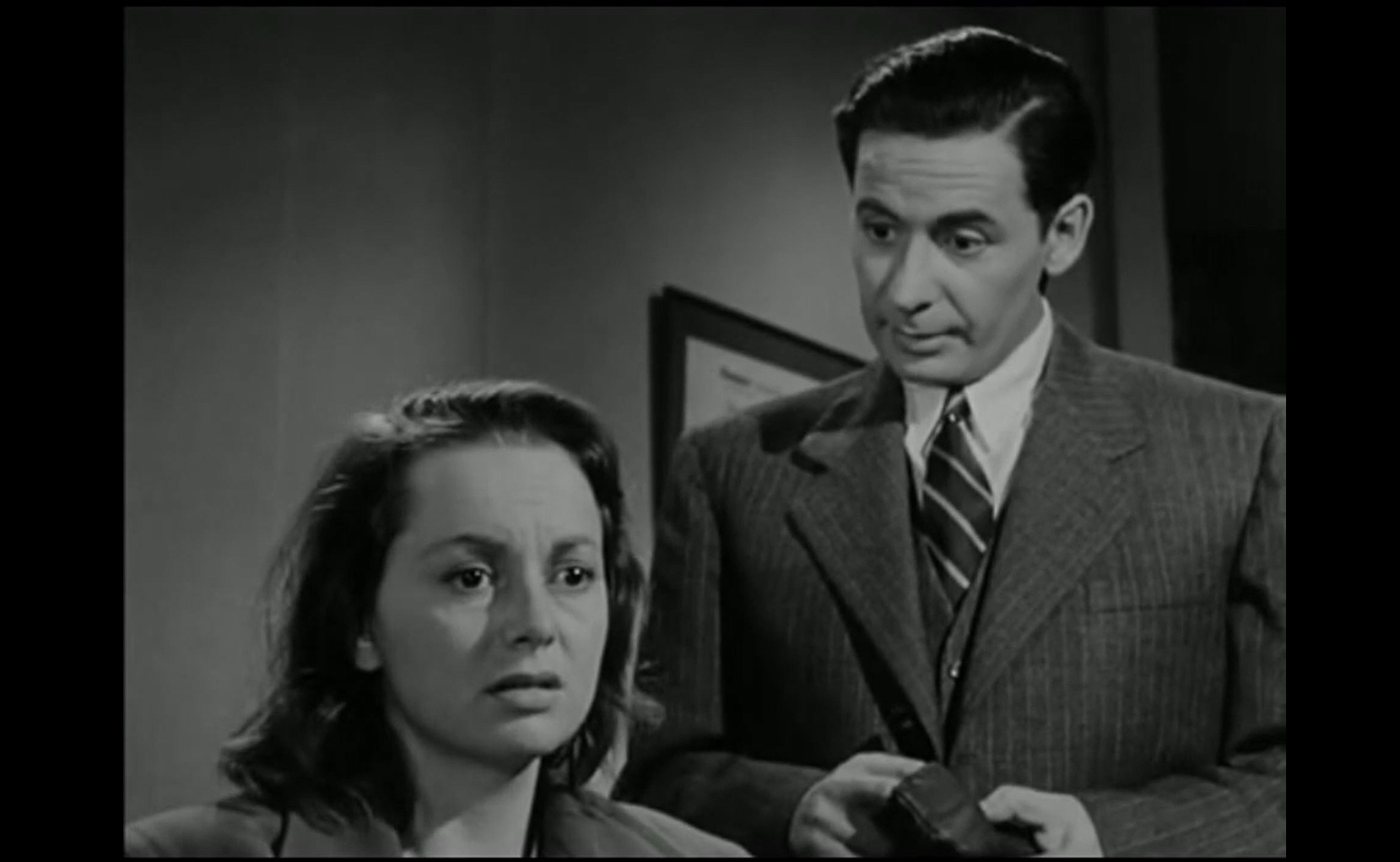
When former singer Marian Washburn (Maureen O’Hara) confesses to shooting her young protegee (Gloria Grahame), Marion’s pianist-friend (Melvyn Douglas) tries to convince police detective Jim Fowler (Jay C. Flippen) that she’s lying.

Genres, Themes, Actors, and Directors:

  • Criminal Investigation
  • Flashback Films
  • Gloria Grahame Films
  • Maureen O’Hara Films
  • Melvyn Douglas Films
  • Mentors
  • Nicholas Ray Films
  • Singers

Review:
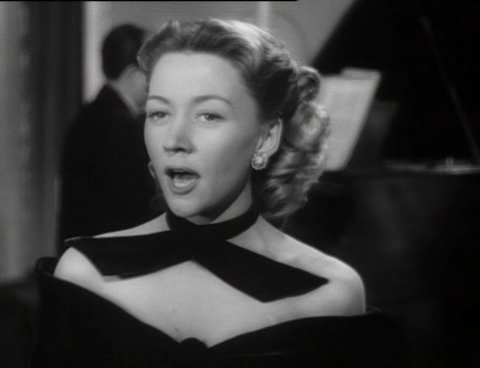
This melodramatic flashback film — written by Citizen Kane‘s Herman Mankiewicz, and directed by Nicholas Ray — bears a vague resemblance to All About Eve (1950) in its tale of quibbling mentor/protegee, but is ultimately much less satisfying: because the characters (particularly O’Hara) are underdeveloped, we never quite believe or understand their motivations, and the entire narrative drifts along without much defining energy. Fortunately, O’Hara and Douglas are both fine (albeit unexceptional) in their roles, and Grahame gives a typically eccentric performance as loopy Susan — though it’s undeniably strange to hear her dubbed voice (in real life, she was tone deaf) crooning beautiful melodies. I was most impressed by Edward Stevenson’s lovely gowns; both leading ladies look gorgeous in them.

Redeeming Qualities and Moments:

  • Gloria Grahame as Susan
  • Jay C. Flippen as droll Inspector Fowler
  • Edward Stevenson’s gowns

Must See?
No, but it’s worth viewing once.

Links:

Murder at the Gallop (1963)

Murder at the Gallop (1963)

“A wealthy old gentleman with a weak heart had a pathological horror of cats: what easier than for some interested party to slip a cat into the house, a cat that the old man will come upon unexpectedly? Yes — old Enderby was frightened to death!”

Synopsis:
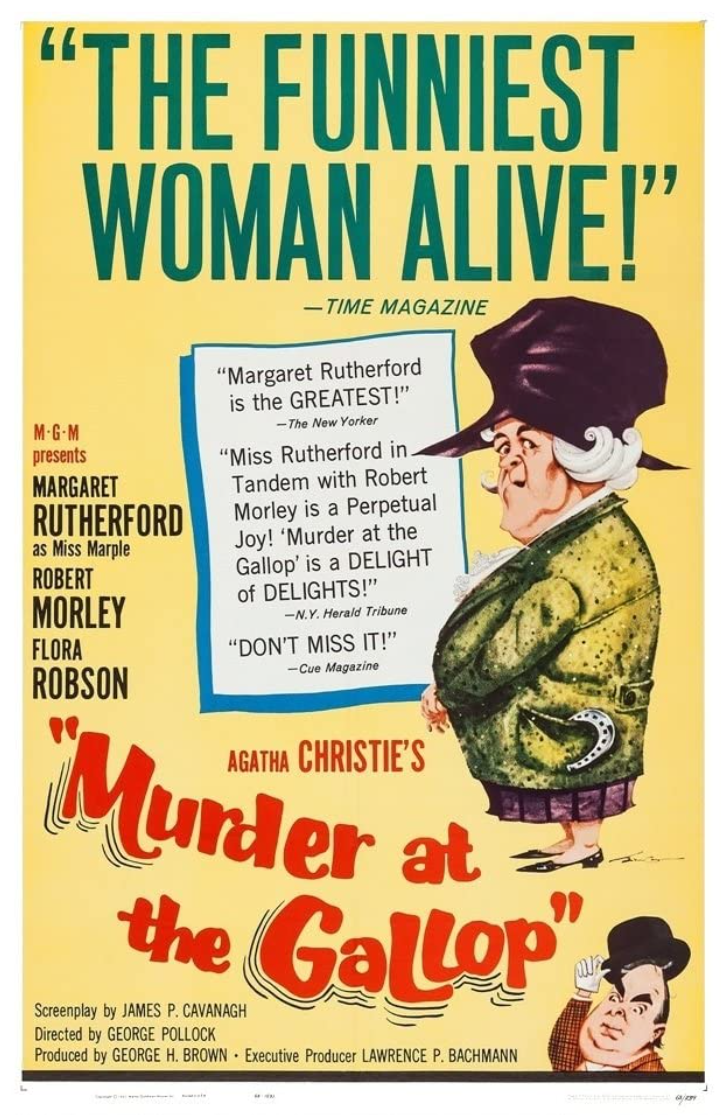
When wealthy Mr. Enderby (Finlay Currie) falls dead from a heart attack, plucky Miss Marple (Margaret Rutherford) suspects foul play, and tries to determine who among his greedy heirs is the murderer.

Genres, Themes, Actors, and Directors:

  • Amateur Sleuths
  • Inheritance
  • Margaret Rutherford Films
  • Murder Mystery
  • Robert Morley Films

Review:
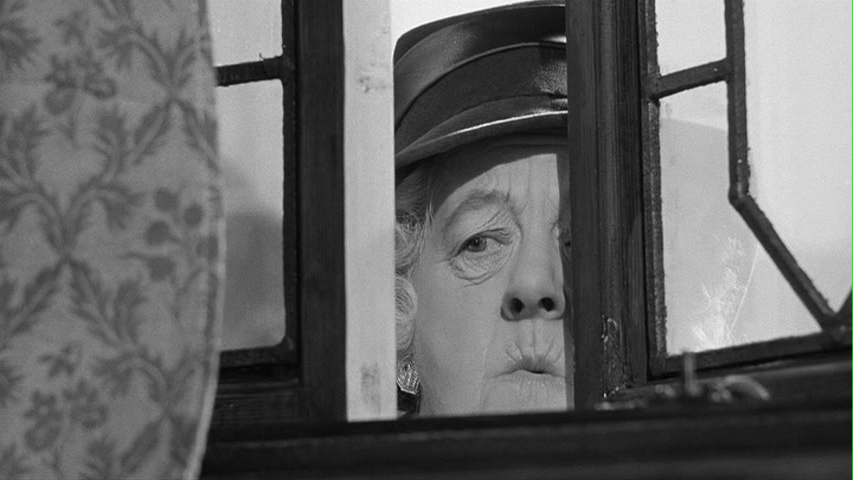
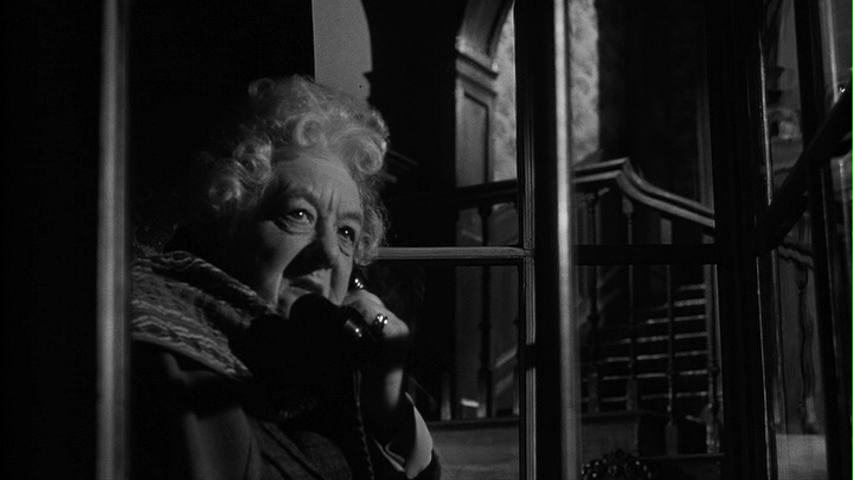
British comedic actress Margaret Rutherford is primarily known for two eccentric characterizations: medium Madame Arcati in Noel Coward’s Blithe Spirit (1945) (originally a stage play), and amateur sleuth Miss Marple in George Pollock’s four screen adaptations of Agatha Christie’s novels; of the latter, Murder at the Gallop is the only one listed in Peary’s book, and thus is the only one I’ve seen (so far). While purists have complained that jowly Rutherford doesn’t fit Christie’s description of prim, spinsterish Miss Marple, the inimitable actress brings her own unique charm and energy to the role, and the result is sheer delight: with her otherworldly facial grimaces and her indomitable lust for sleuthing (and snooping), Rutherford carries the film with ease. The mystery itself is well-plotted (I was unable to guess the true culprit), the supporting performances are all fine, and Ron Goodwin’s lilting thematic score provides a welcome touch of humor to the proceedings.

Redeeming Qualities and Moments:

  • Margaret Rutherford as Miss Marple
  • Atmospheric b&w cinematography

Must See?
Yes, simply for Rutherford’s performance — but it’s likely that any of the other three films in the series (Murder She Said, Murder Most Foul, or Murder Ahoy) would suffice as well.

Categories

  • Noteworthy Performance(s)

Links:

Glorifying the American Girl (1929)

Glorifying the American Girl (1929)

“I’ve gotta dance now. I’ve waited all my life for this opportunity, and I’m not going to let it get away from me!”

Synopsis:
An aspiring dancer (Mary Eaton) leaves behind her small-town sweetheart (Edward Crandall) for a chance at fame in New York; meanwhile, her corrupt partner (Dan Healy) takes advantage of her, and her best friend (Gloria Shea) hopes Crandall will fall for her instead.

Genres, Themes, Actors, and Directors:

  • Aspiring Stars
  • Career-versus-Marriage
  • Dancers
  • Love Triangle

Review:
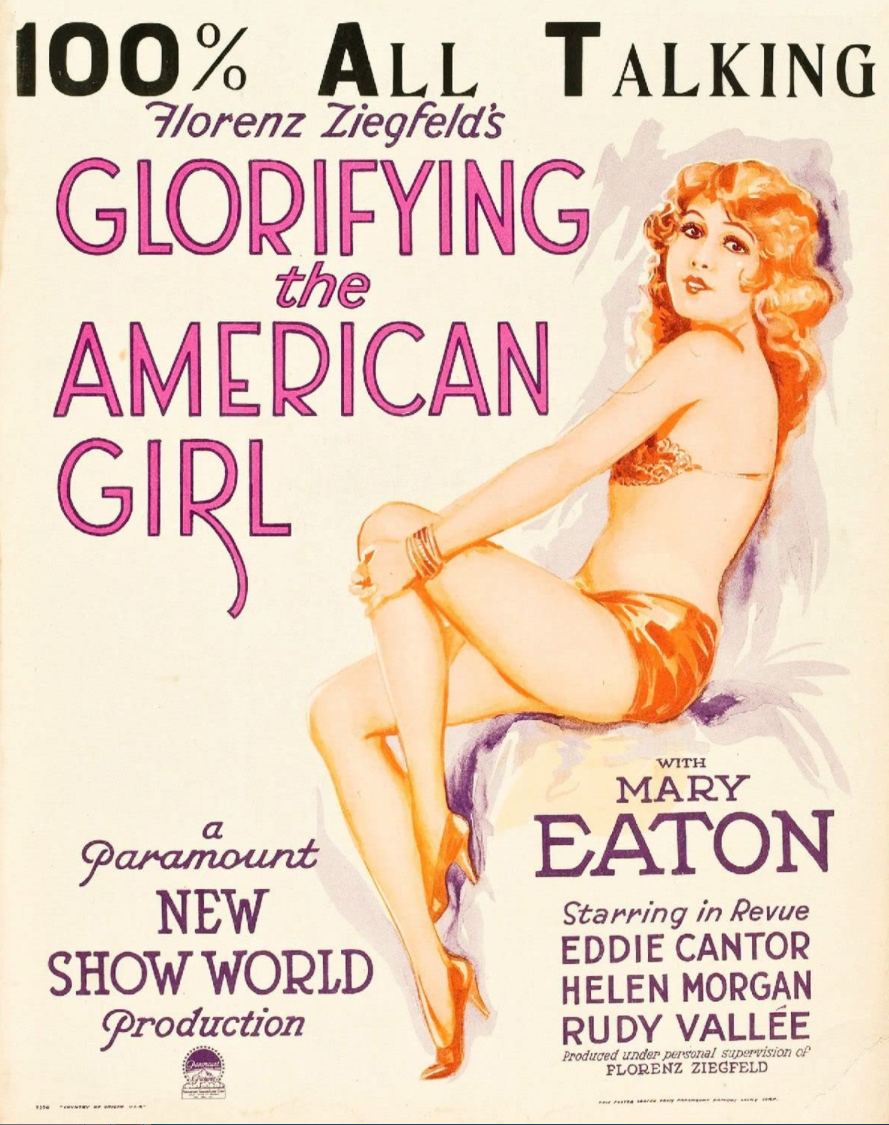
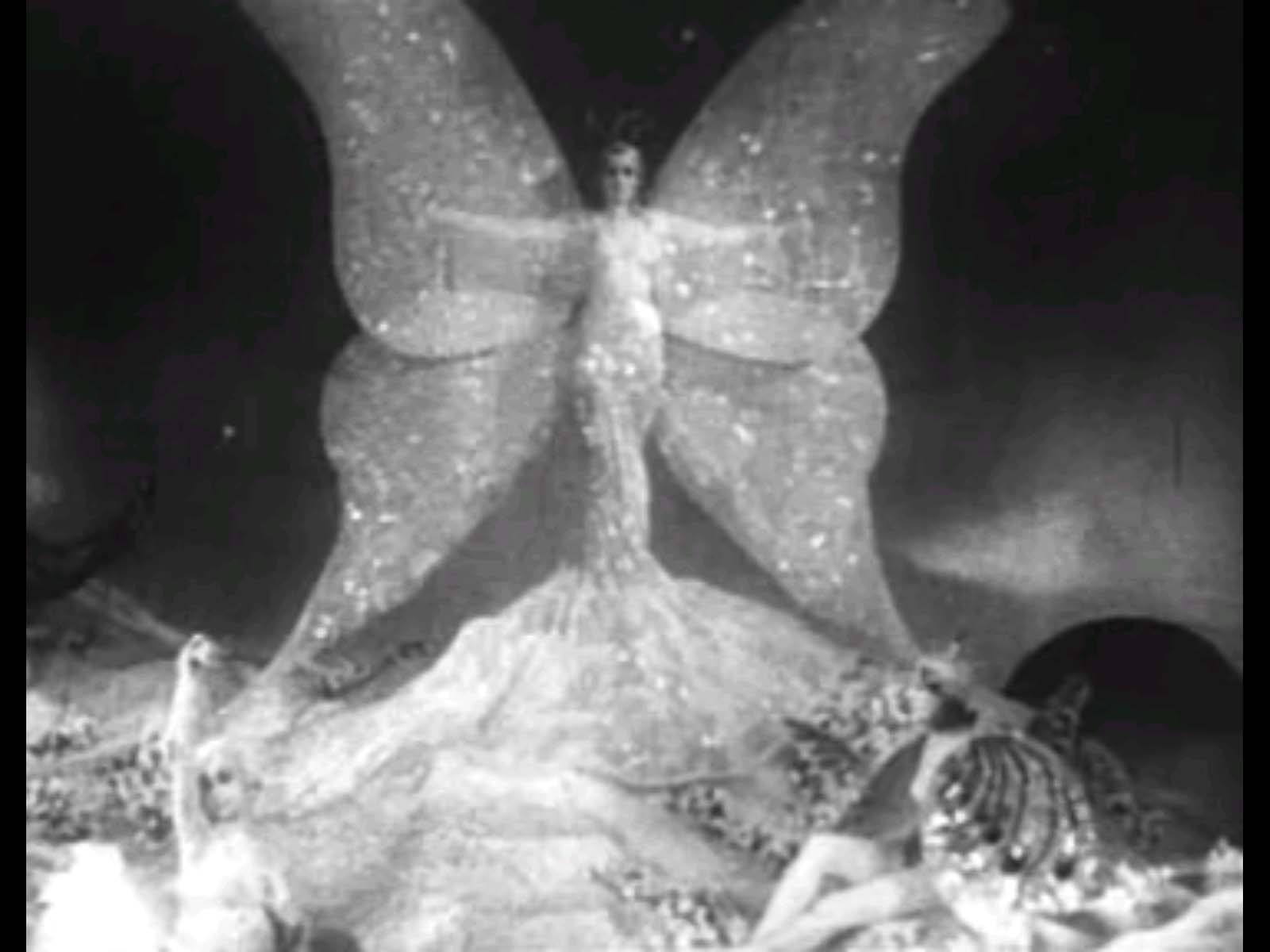
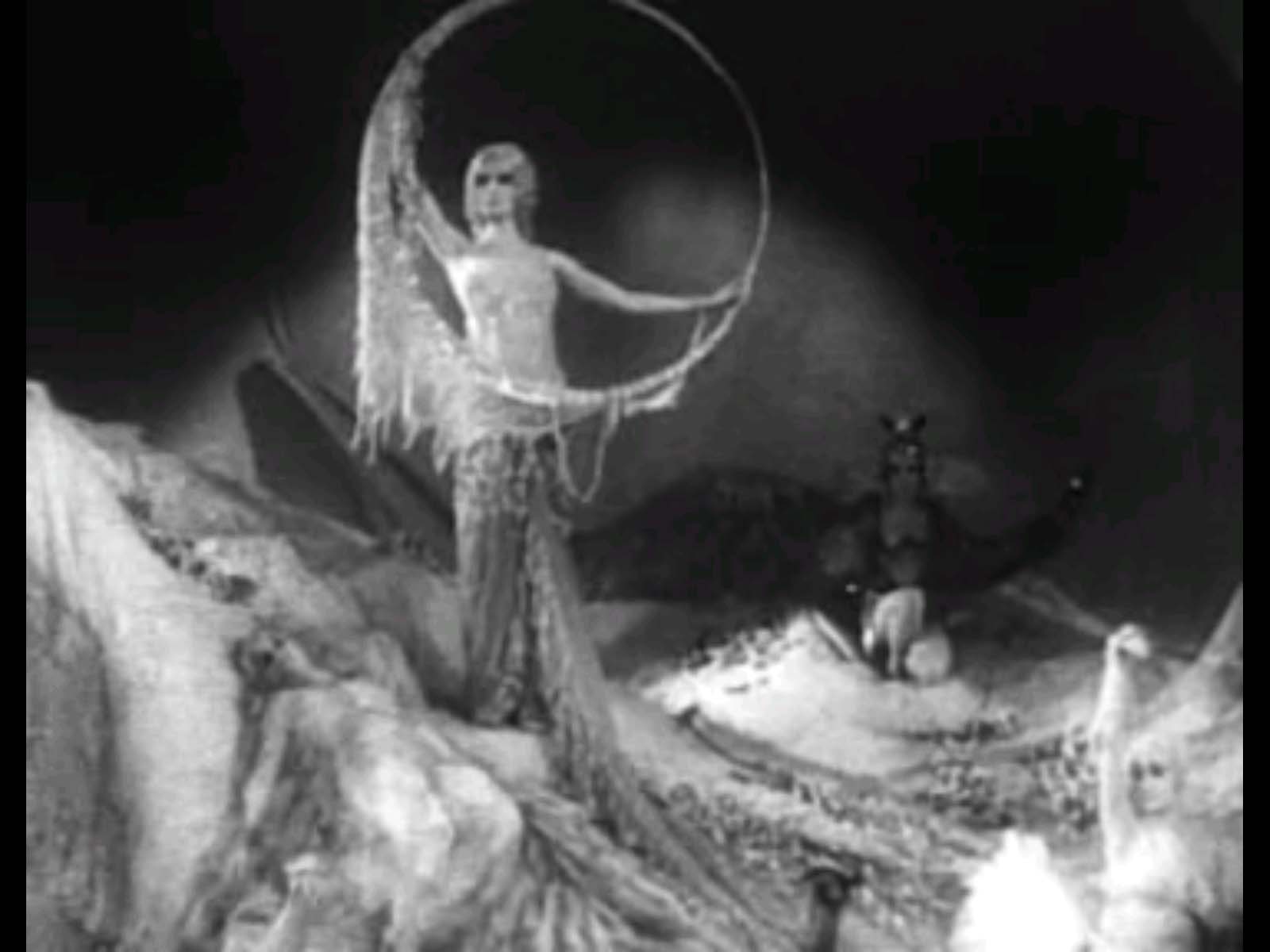
This early variation on the cinematic trope of marriage-versus-career — with an enormous dollop of “I want to be a star!” thrown in — received decidedly lukewarm reviews upon its release, for good reason. The performances are sub-par (most of the actors lean towards the over-emoting techniques of silent cinema), while the narrative is full of cliches — including a tepid “unrequited-love” triangle, an overbearing stage mother, and a lecherous Broadway cad. One scene in particular — in which poor Gloria Shea is run over by a car after being left behind by Crandall and Eaton — is so ridiculous it nearly approaches camp. Glorifying the American Girl is primarily notable these days for showcasing a handful of famous performers (including Eddie Cantor and Helen Morgan) in their prime, and for its cinematically innovative opening sequence; it’s too bad the rest of the film fails to live up to this early potential.

Redeeming Qualities and Moments:

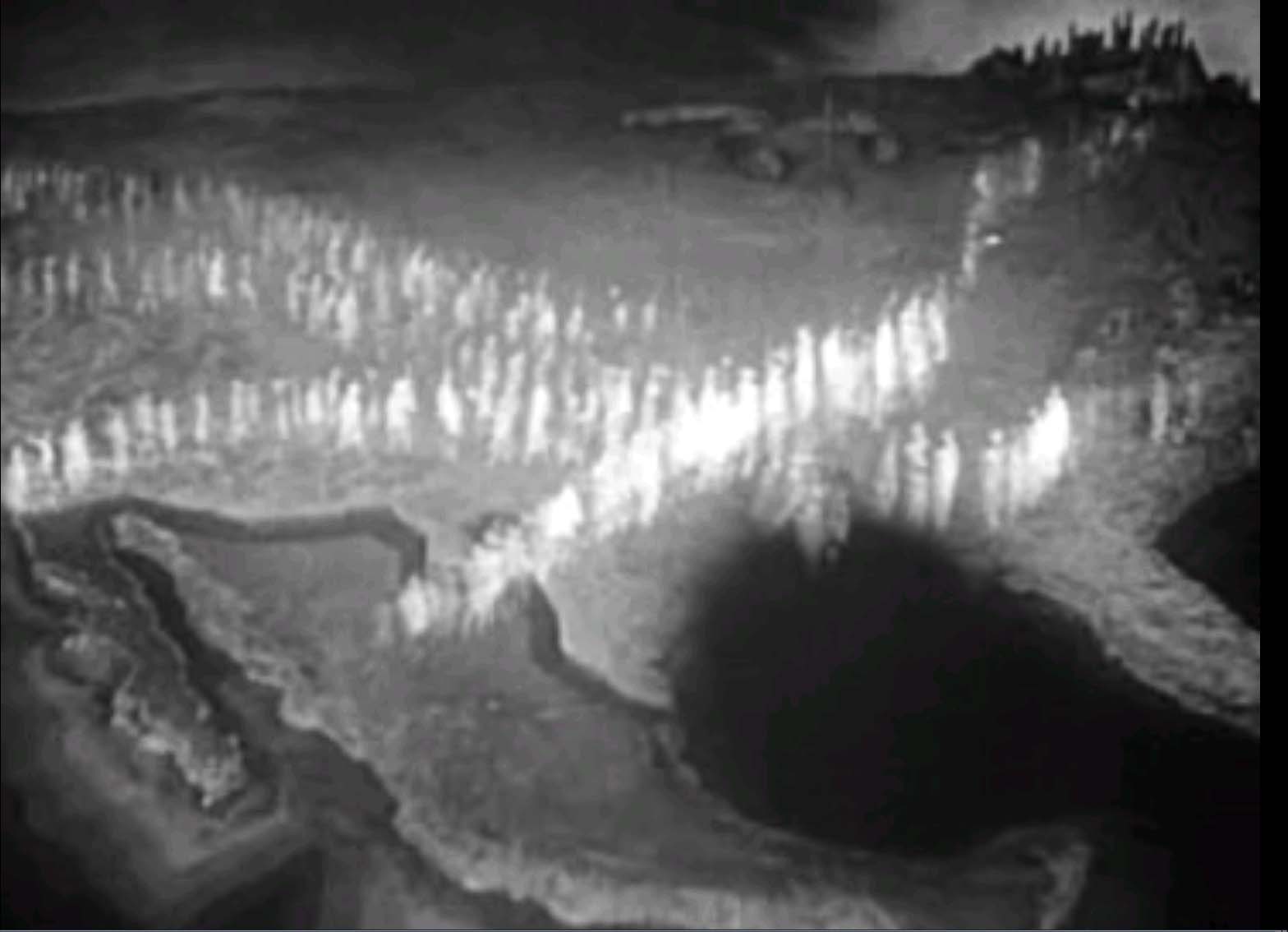
  • The creative opening sequence, depicting streams of hopeful starlets heading across the United States towards New York
  • The dazzling “Follies” finale

Must See?
No.

Links:

Burroughs (1983)

Burroughs (1983)

“My whole life has been resistance to the ugly spirit.”

Synopsis:
Famed writer William Burroughs reads excerpts from his novels and shares anecdotes about his tumultuous, drug-filled life.

Genres, Themes, Actors, and Directors:

  • Biopics
  • Documentaries
  • Writers

Review:
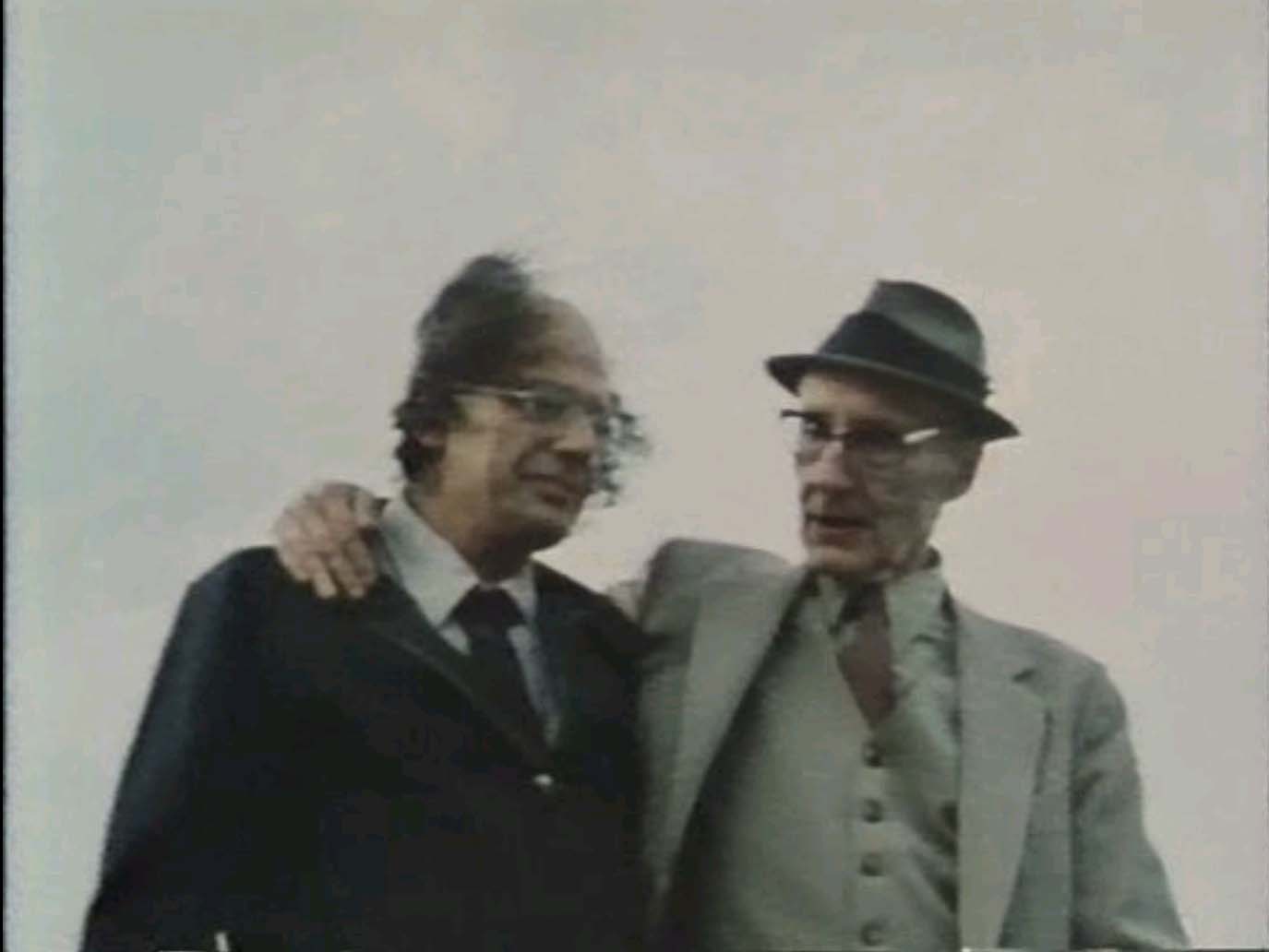
Made when its titular subject was 69 years old, and appearing to be on the brink of death — though the tenacious coot lived another 14 years — this bio-doc offers a gritty, first-hand glimpse into the past and personality of one of America’s strangest novelists. Through extensive interviews with Burroughs himself, as well as other key figures in his life — including his good friend (and erstwhile lover) Allen Ginsberg, his sycophantic personal assistant, and his aloof, dismissive brother — one gradually discovers the seemingly limitless number of personal demons Burroughs fought against all his life (including the accidental shooting of his wife, a heroin addiction, and the premature death of his drug-addicted son). While Burroughs remains indispensable as a cultural document, however, it’s not particularly innovative cinema, and thus isn’t must-see viewing for film fanatics.

Redeeming Qualities and Moments:

  • An intriguing overview of Burroughs’ tragic life
  • Fun banter between lifelong friends Burroughs and Allen Ginsberg
  • Burroughs describing his technique of “cut-ups”

Must See?
No; while interesting, this one is only must-see for Burroughs fans.

Links:

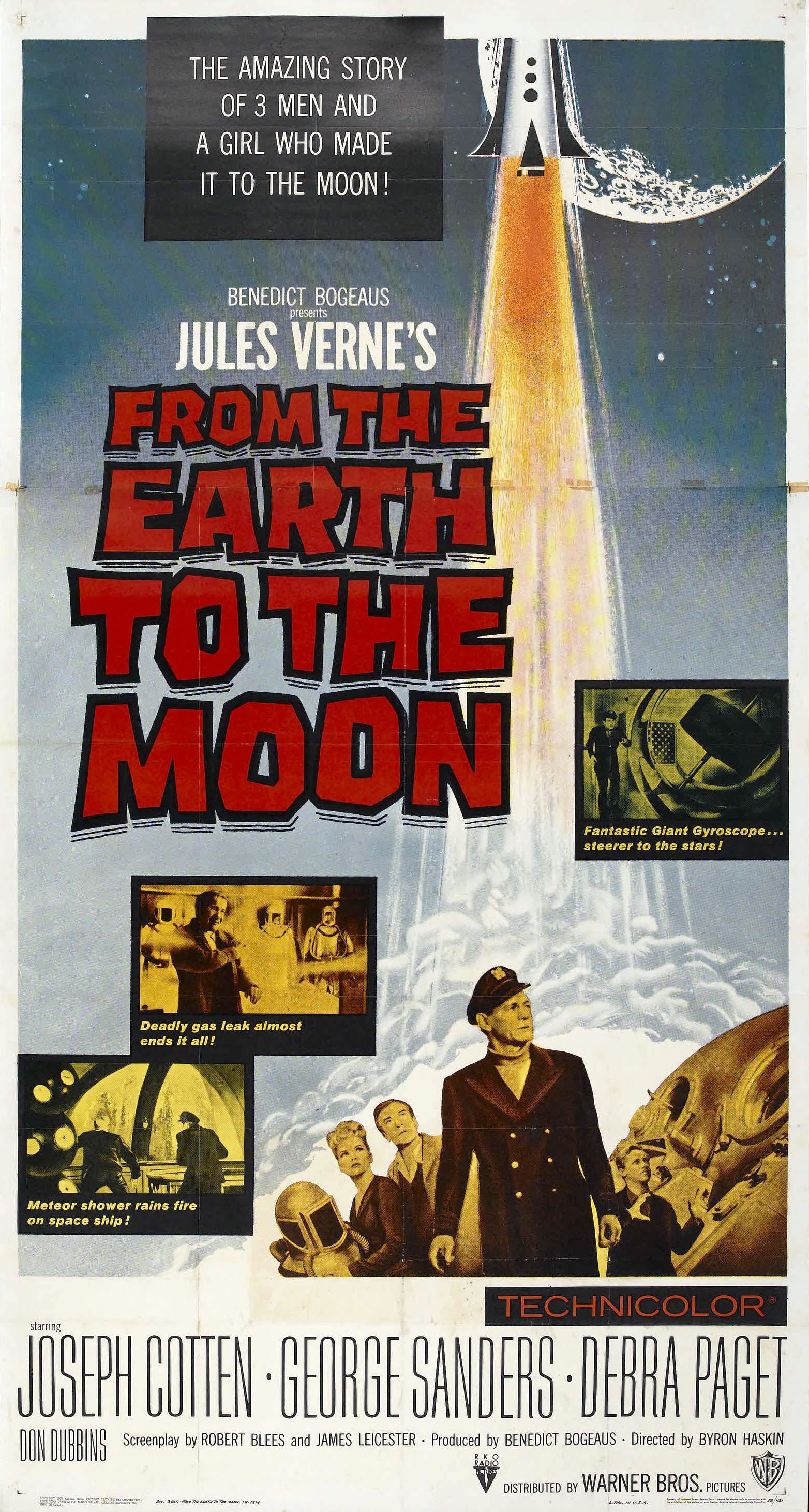
From the Earth to the Moon (1958)

From the Earth to the Moon (1958)

“No one on this Earth will ever know the secret of Power X!”

Synopsis:
In post-Civil War America, ambitious munitions manufacturer Victor Barbicane (Joseph Cotten) develops a source of power strong enough to propel a rocket. He enlists the help of rival scientist Stuyvesant Nicholls (George Sanders) in building a rocket to the moon — but Nicholls believes Barbicane’s intentions are ultimately evil, and sabotages their trip.

Genres, Themes, Actors, and Directors:

  • Debra Paget Films
  • George Sanders Films
  • Historical Drama
  • Joseph Cotten Films
  • Jules Verne Adaptations
  • Rivalry
  • Science Fiction
  • Space Exploration

Review:
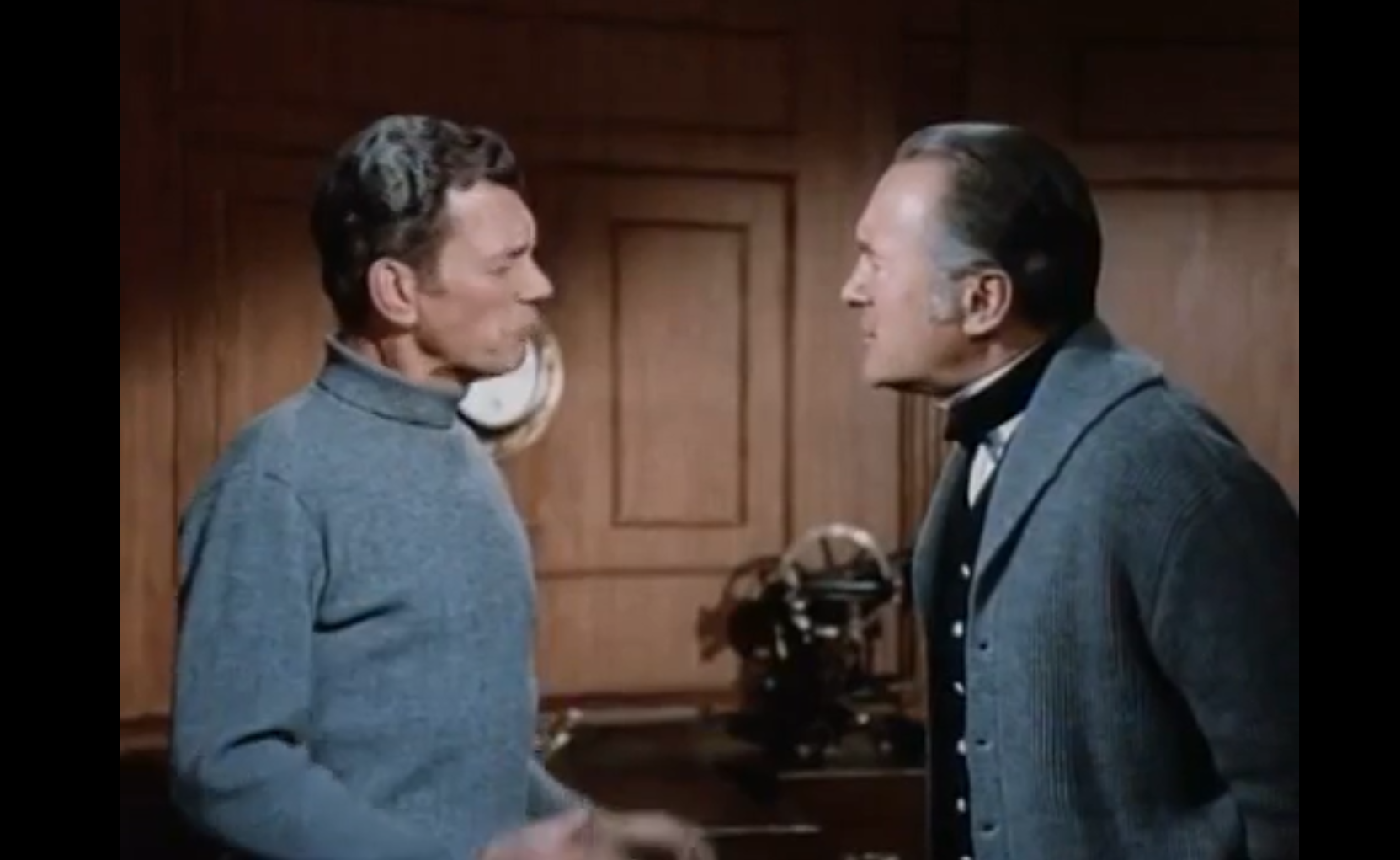
Widely acknowledged as one of the least inspired Jules Verne adaptations to come out of 1950s Hollywood, From the Earth to the Moon (directed by special effects guru Byron Haskin, though his talents are wasted) is disappointing from start to finish. Screenwriters Robert Blees and James Leicester deviate substantially from the source material: in Verne’s story, Barbicane and Nicholls are friendly academic rivals who spend most of their trip politely arguing over engineering issues; in the film, this rivalry is beefed up to catastrophic proportions simply to add drama to the narrative.

(Naturally, a romance — involving an impossibly made-up Debra Paget — is included as well.)

Making matters worse, the science is both sloppily handled and inconsistent: for instance, an elaborate, presumably essential centrifugal spinner is used during take-off to “counterbalance gravity”, yet stowaway Paget emerges perfectly fine from the limp space suit she’s hidden out in. Don’t bother seeking this one out.

Redeeming Qualities and Moments:

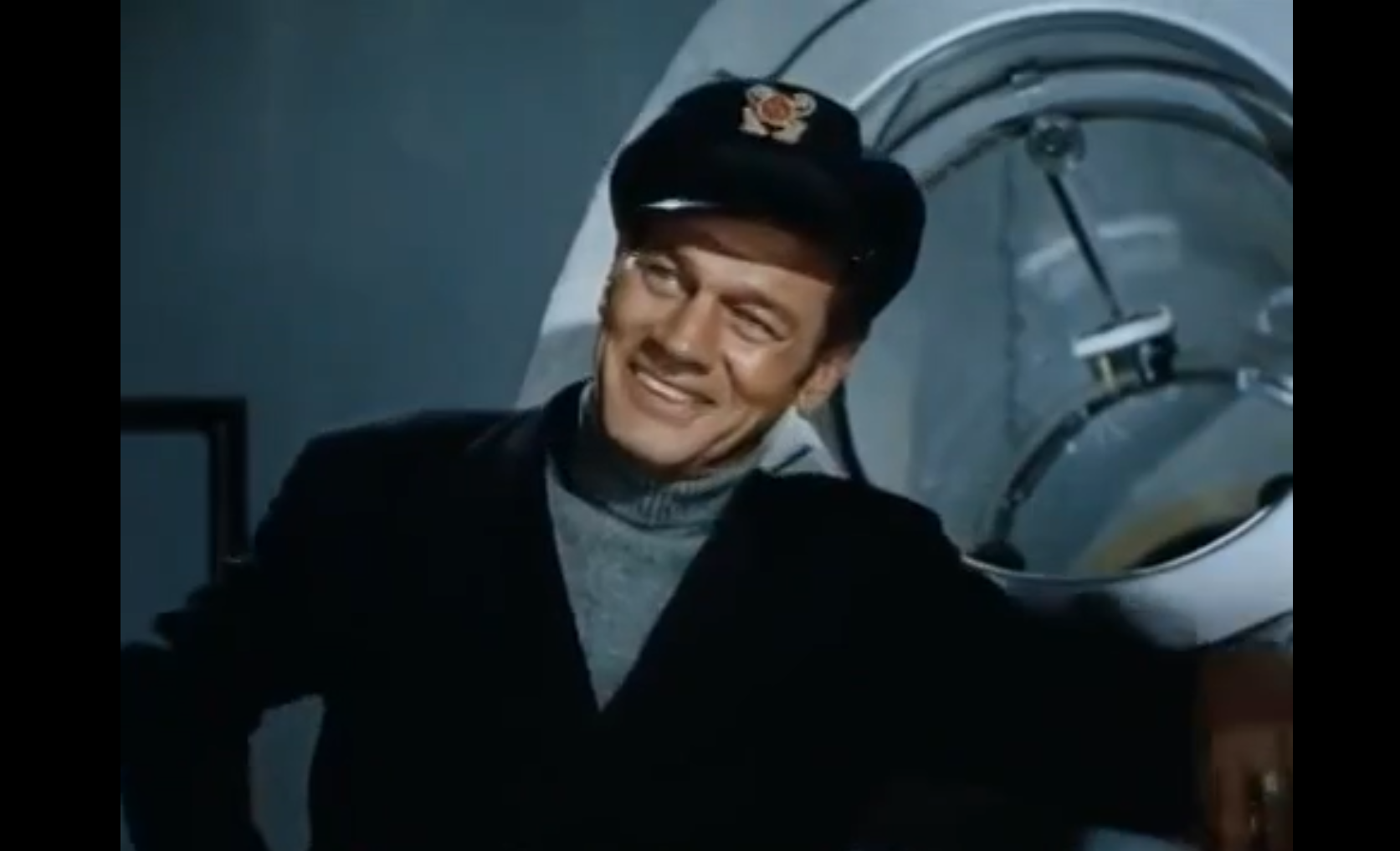
  • Joseph Cotten as Victor Barbicane

Must See?
No; this one is only for die-hard Jules Verne fans — and even they will likely be disappointed.

Links:

Strangler, The (1964)

Strangler, The (1964)

“Everyone has to grow up, Mrs. Kroll — even your son.”

Synopsis:
An overweight lab technician (Victor Buono) strangles a series of women, due to sublimated rage towards his overbearing mother (Ellen Corby).

Genres, Themes, Actors, and Directors:

  • Criminal Investigation
  • Grown Children
  • Serial Killers

Review:
Made during the midst of the infamous Boston Strangler killings, this reasonably effective exploitation flick (much less “authentic” than 1968’s The Boston Strangler, starring Tony Curtis) primarily serves as a vehicle for the inimitable Victor Buono, whose portrayal as a psychotic Mama’s boy is utterly creepy. Much like Laird Cregar’s “Jack the Ripper” in The Lodger (1944), Buono hulks around the screen like a wounded, petulant animal, his beady eyes betraying the deep-seated love-hate relationship he possesses with his abusive mother. While the narrative itself is fairly standard fare — frustrated detectives sigh each time a new strangling takes place, and vow to “catch the bastard” — Buono keeps us involved and eager to see what happens next.

Redeeming Qualities and Moments:

  • Victor Buono as Leo Kroll
  • Diane Sayer in a bit role as a carny

Must See?
No, but it’s worth a look.

Links:

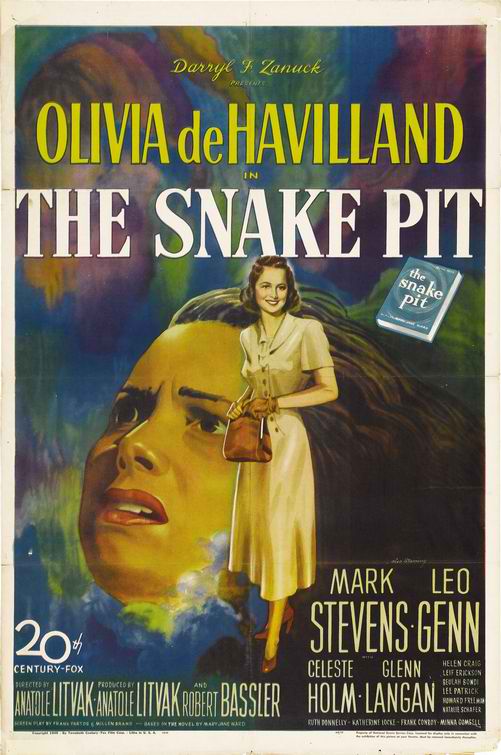
Snake Pit, The (1948)

Snake Pit, The (1948)

“The whole place seemed to me like a deep hole, and the people down in it were strange animals — snakes! And I’d been thrown into it, as though I were a snake, too.

Synopsis:
Upon experiencing a sudden nervous breakdown, troubled newlywed Virginia Cunningham (Olivia de Havilland) is sent by her concerned husband (Mark Stevens) to a state mental institution, where kindly Dr. Kik (Leo Genn) tries to help her uncover the reasons for her distress.

Genres, Themes, Actors, and Directors:

  • Betsy Blair Films
  • Beulah Bondi Films
  • Celeste Holm Films
  • Leo Genn Films
  • Mental Breakdown
  • Mental Illness
  • Olivia de Havilland Films
  • Psychotherapy

Response to Peary’s Review:
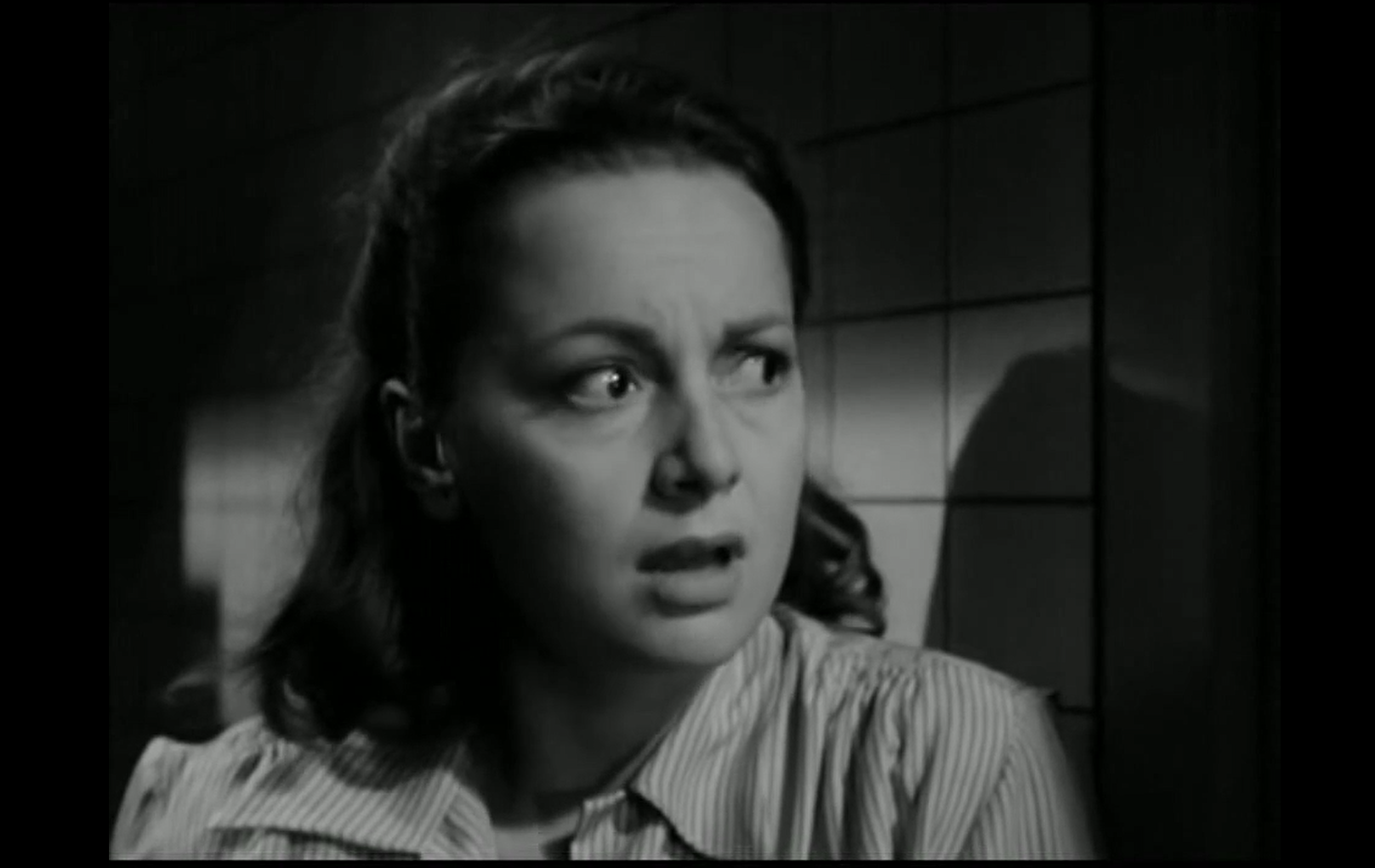
Olivia de Havilland — “whose strong performance,” Peary notes, “still holds up” —

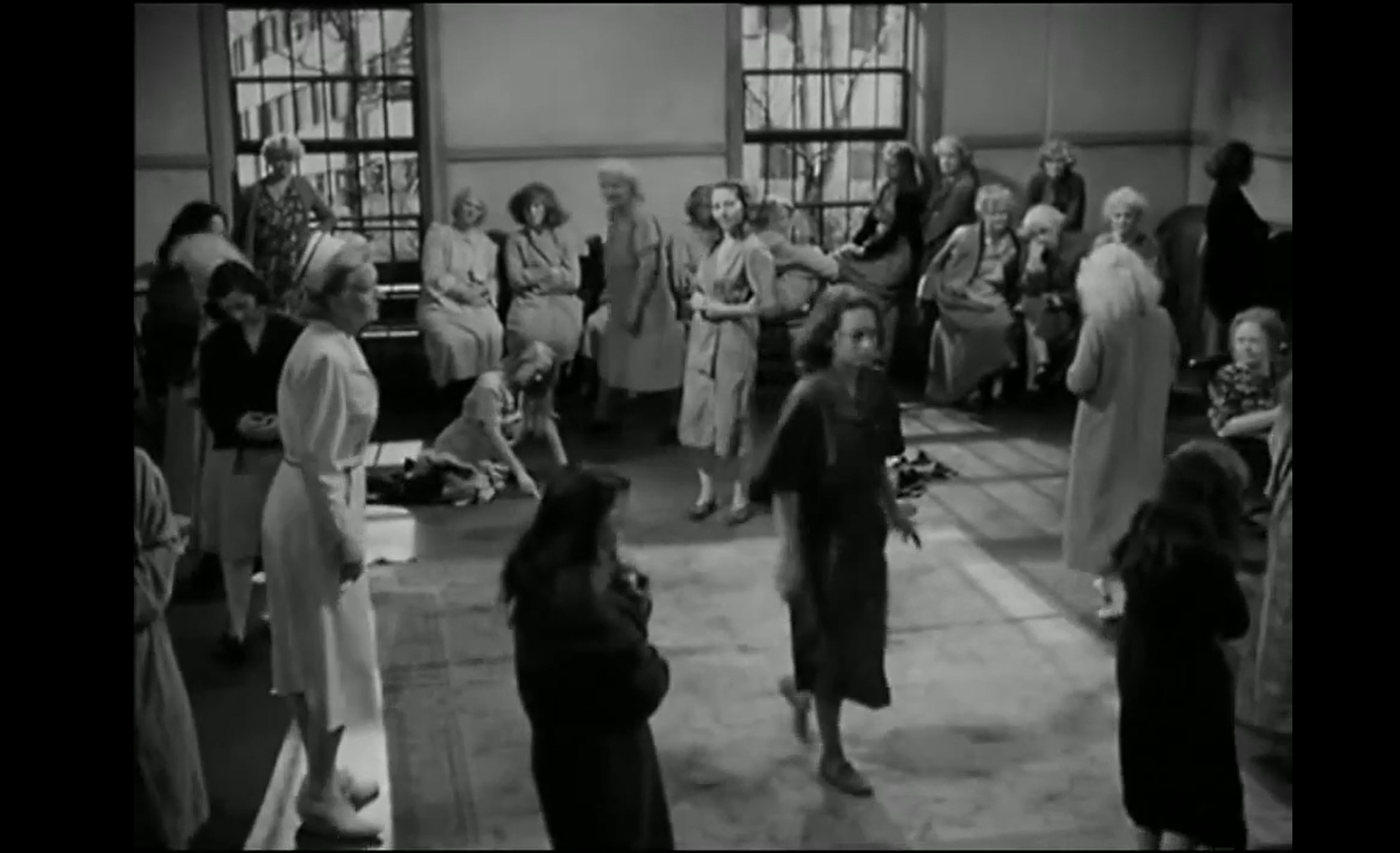
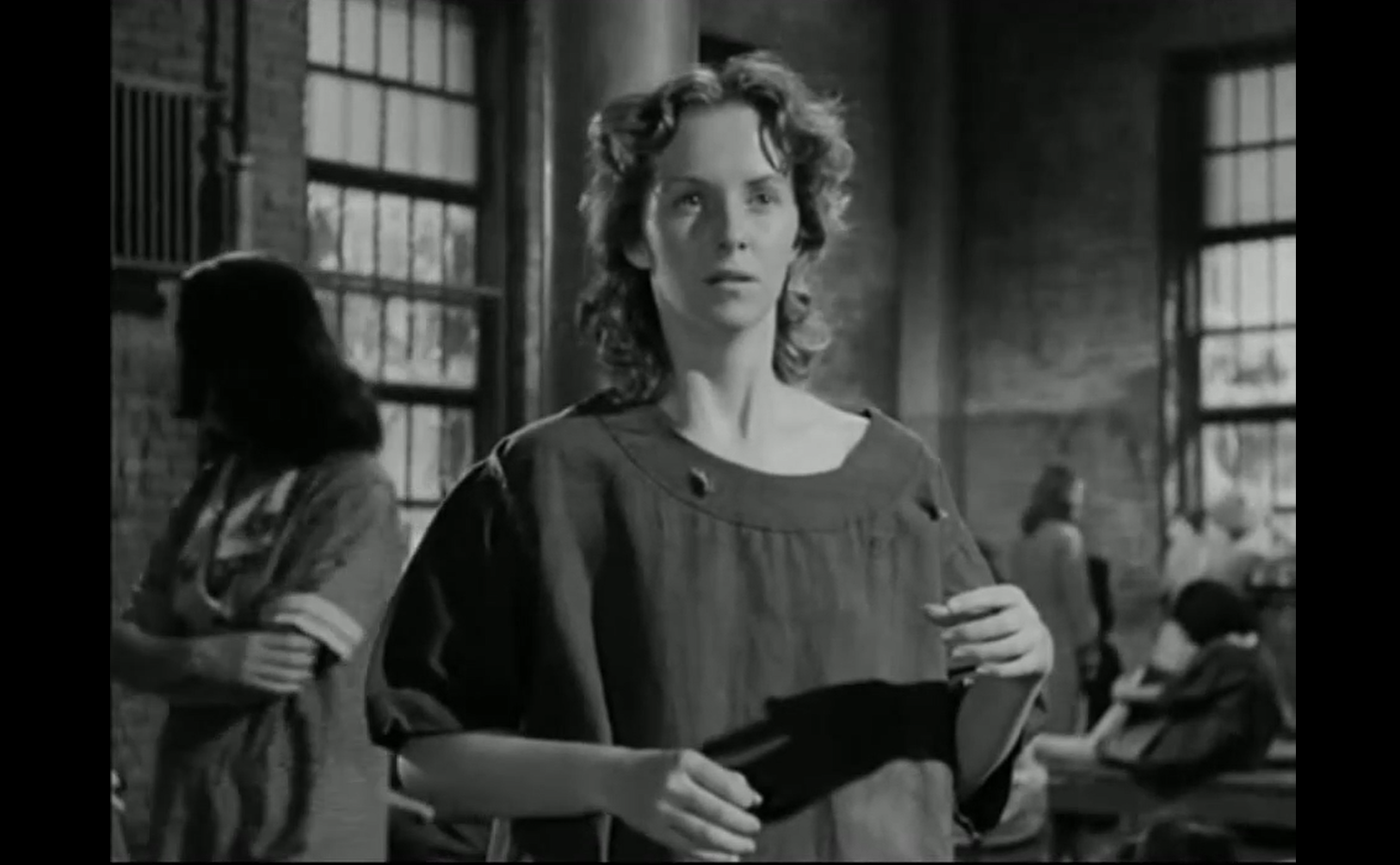
is the primary reason to watch this sincere yet dated adaptation of Mary Jane Ward’s bestselling, semi-autobiographical novel. In the wake of One Flew Over the Cuckoo’s Nest (1975), nothing in The Snake Pit comes across as particularly shocking, but audiences at the time must have been horrified by its depiction of inhumane overcrowding (the didactic script makes sure we’re aware of the impossibly mounting number of inmates):

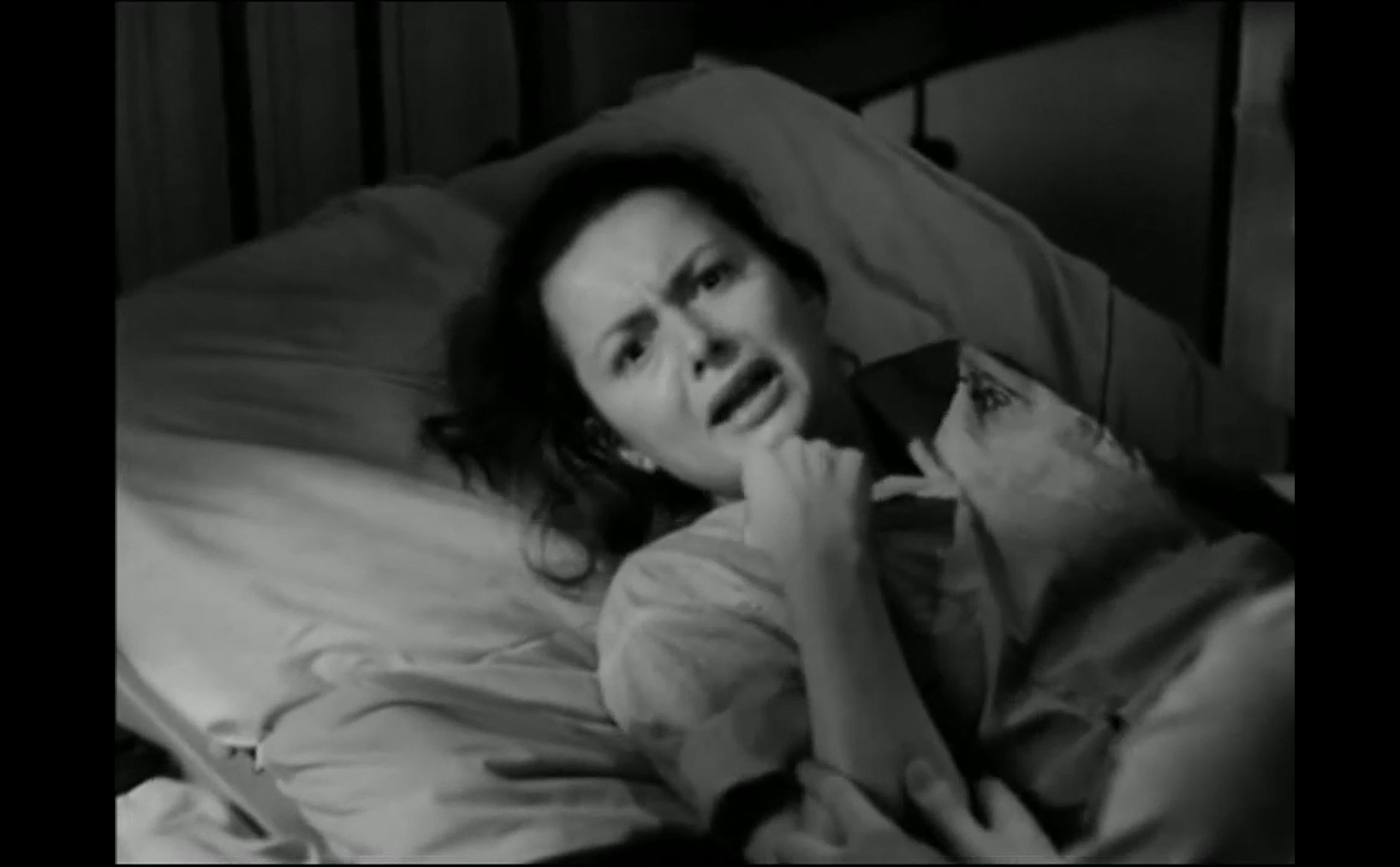
… seemingly abusive treatment methods (including shock therapy):

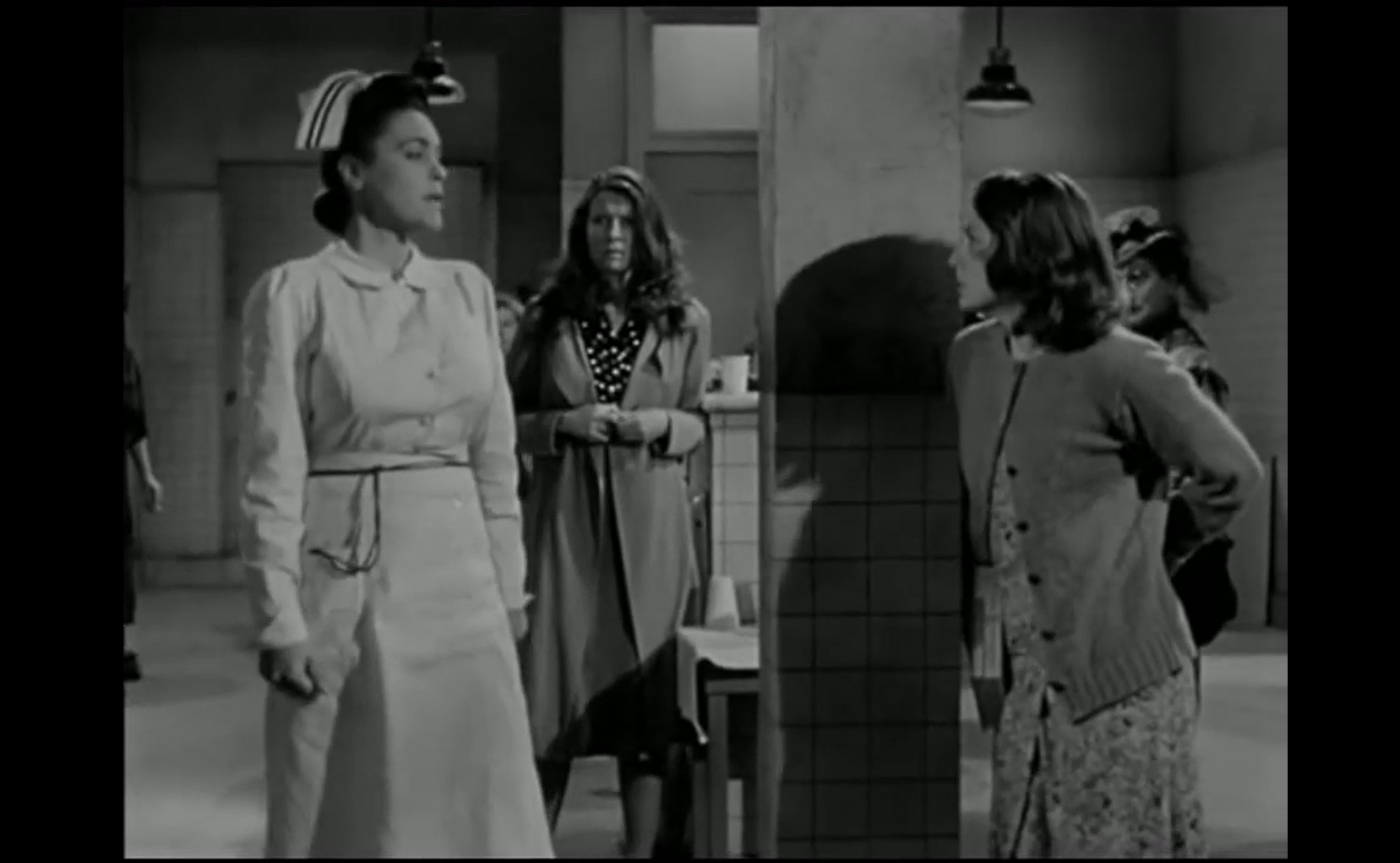
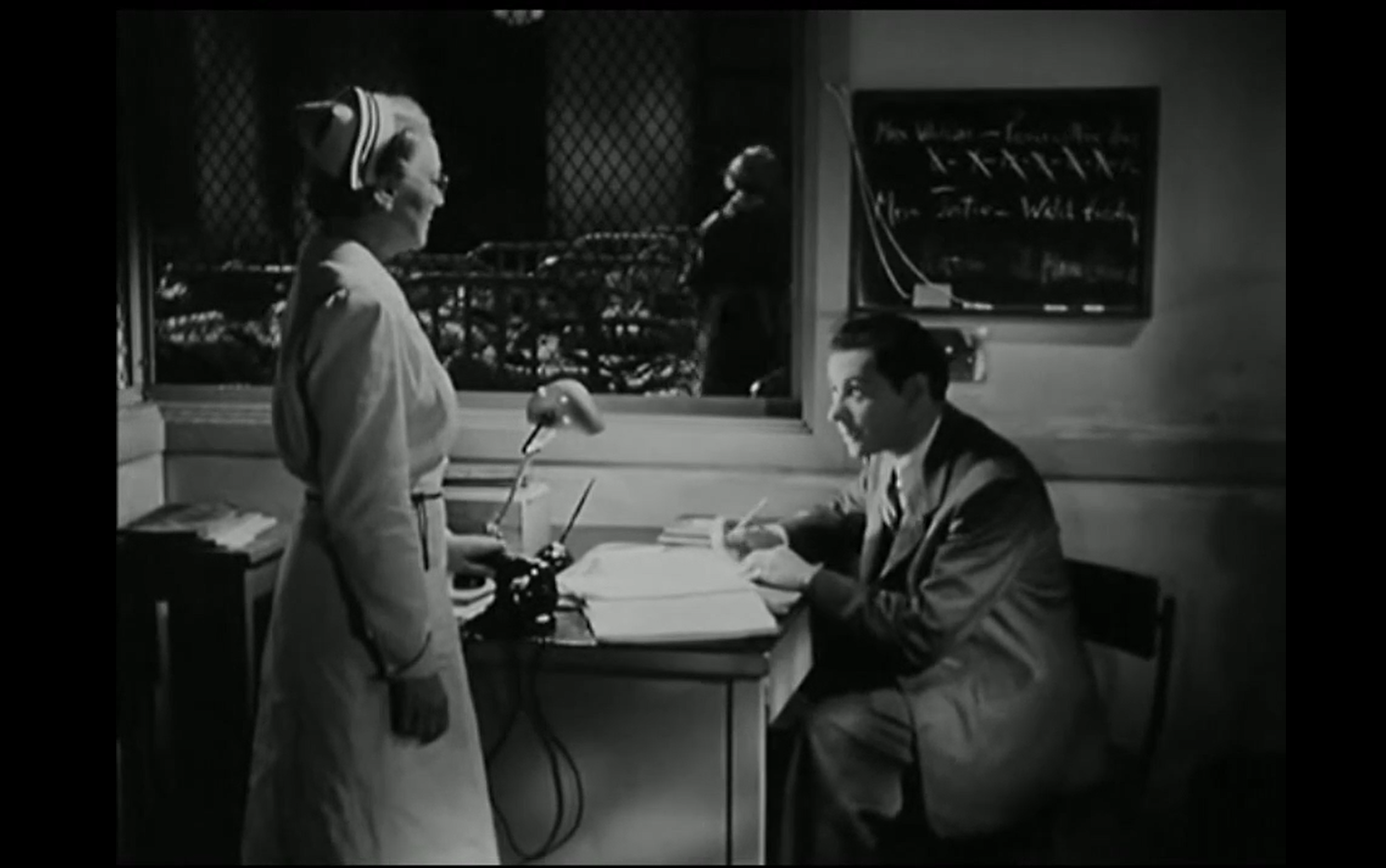
… and power-playing nurses (Helen Craig’s evil Nurse Davis is an eerie precursor to Nurse Ratched).

Leo Genn’s saintly “Dr. Kik” conveniently mitigates much of this impersonal horror, emerging as Virginia’s literal savior:

While his Freudian analysis of Virginia’s childhood is ridiculously simplistic:

… it’s hard not to feel for de Havilland’s highly sympathetic protagonist, and wish her well.

Redeeming Qualities and Moments:

  • Olivia de Havilland as Virginia Cunningham
  • The creepy “snake pit” shot
  • Fine supporting performances by Betsy Blair and others as female inmates
  • Atmospheric cinematography

Must See?
Yes, simply for its historical importance.

Categories

  • Historically Relevant
  • Oscar Winner or Nominee

(Listed in 1001 Movies You Must See Before You Die)

Links:

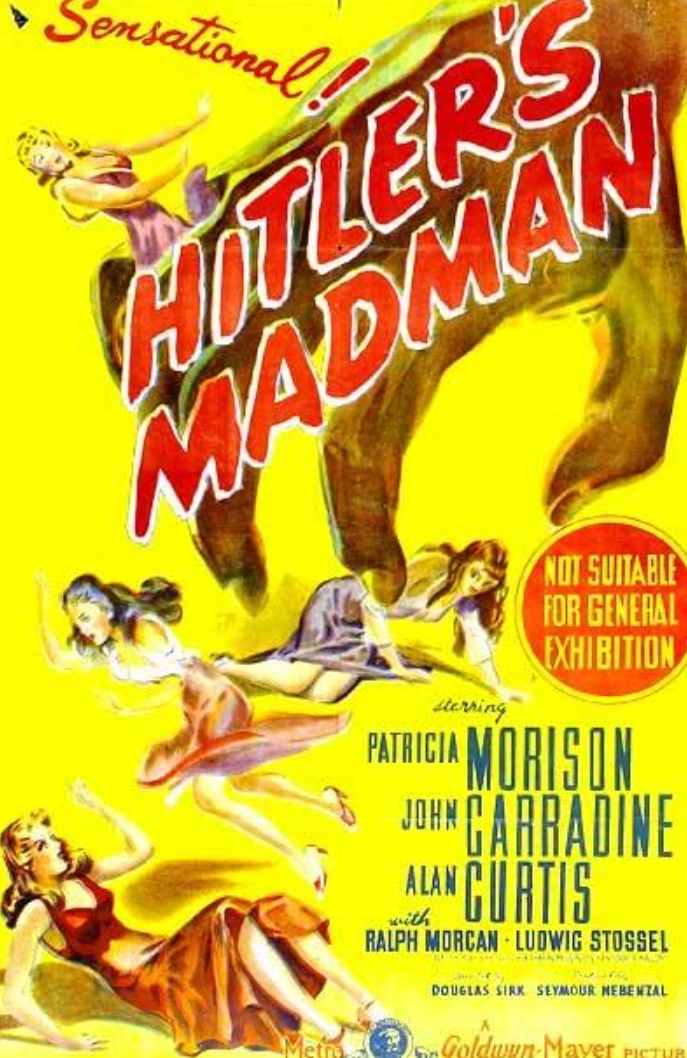
Hitler’s Madman (1943)

Hitler’s Madman (1943)

“You think words will stop the Nazis?”

Synopsis:
During World War II, Czechoslovakian resistance fighters — led by paratrooper Karel Vavra (Alan Curtis) — plot to assassinate Nazi Commander Reinhard Heydrich (John Carradine), with devastating consequences.

Genres, Themes, Actors, and Directors:

  • Assassination
  • Douglas Sirk Films
  • John Carradine Films
  • Nazis
  • Resistance Fighters<
  • World War Two

Review:
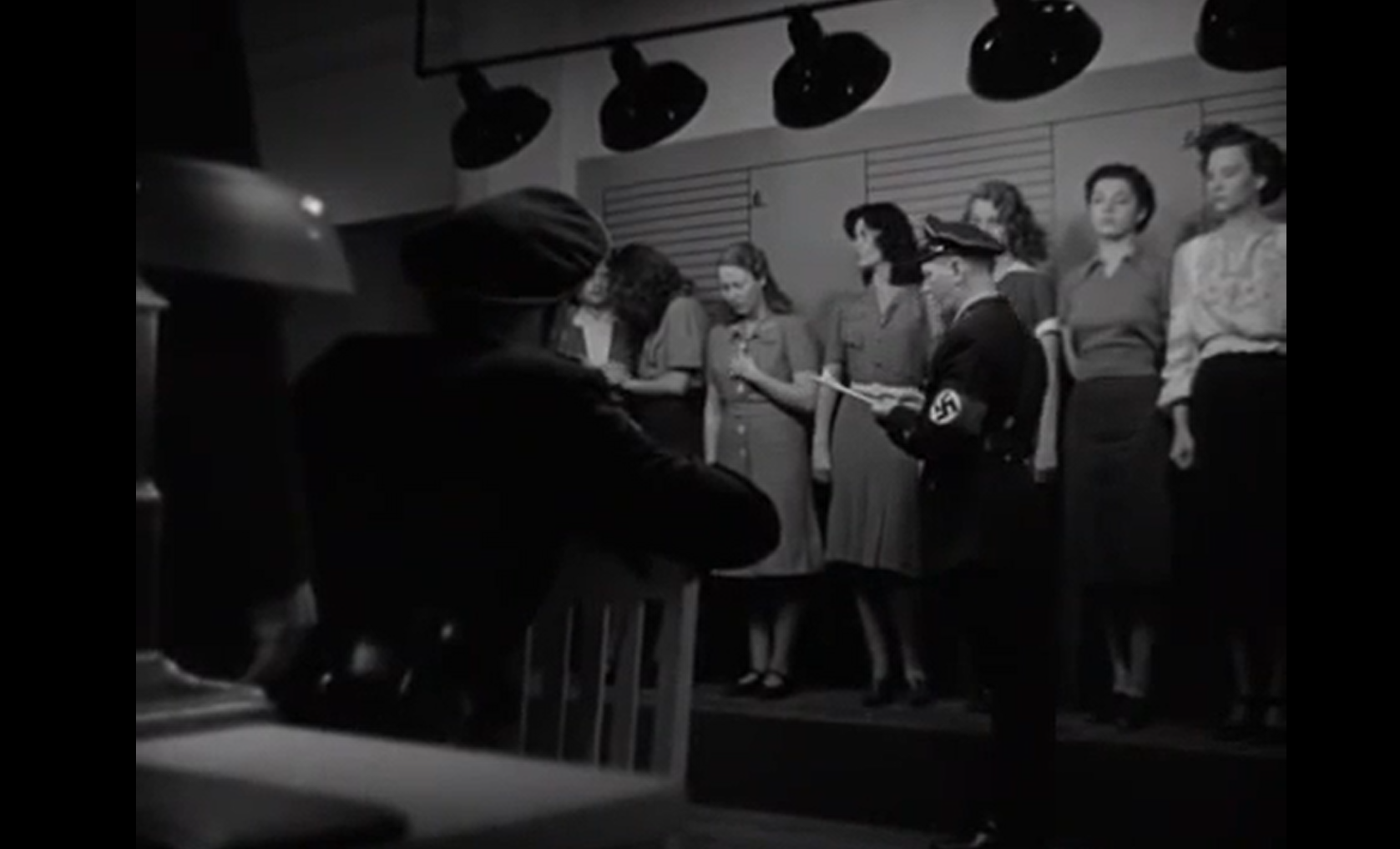
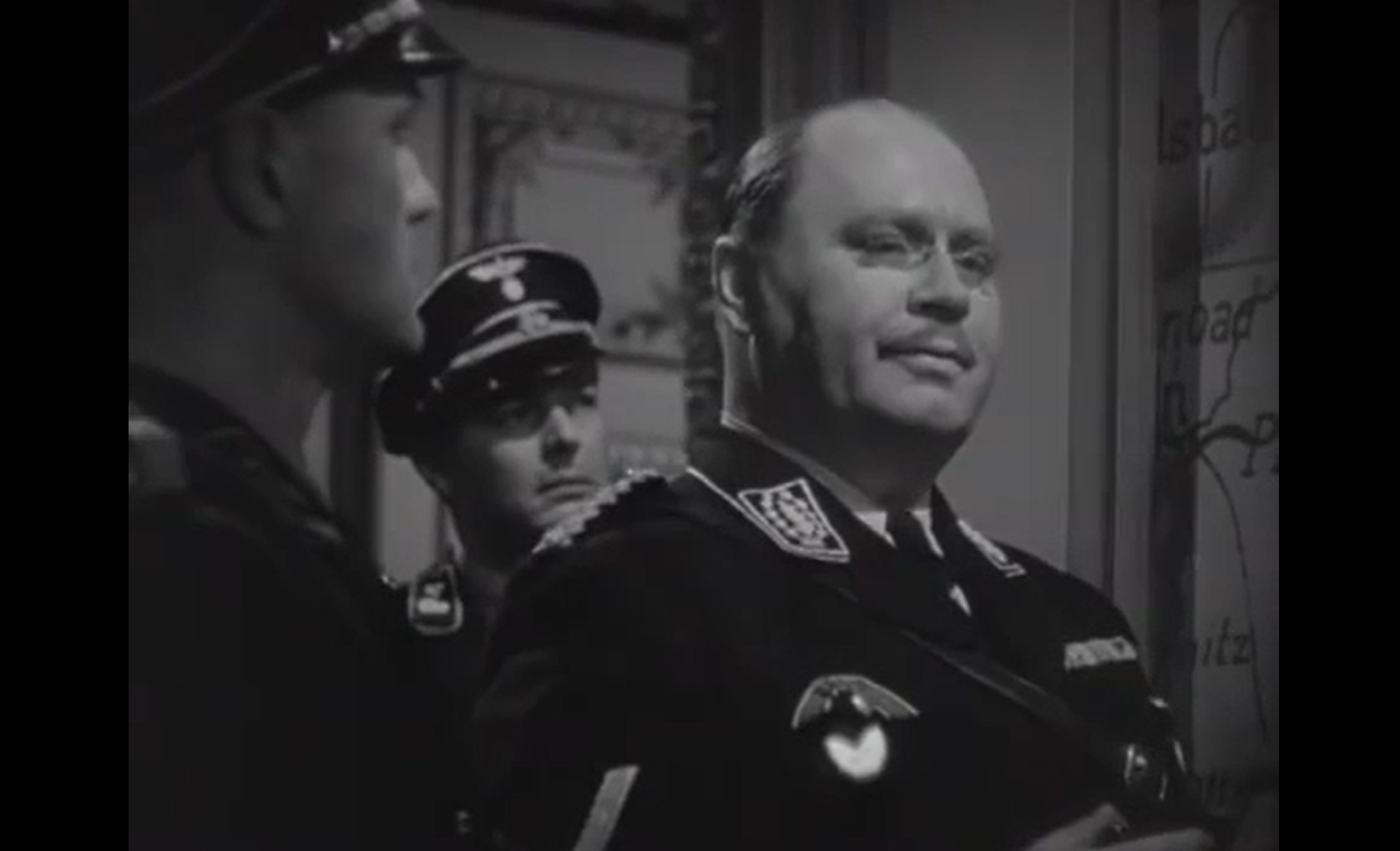
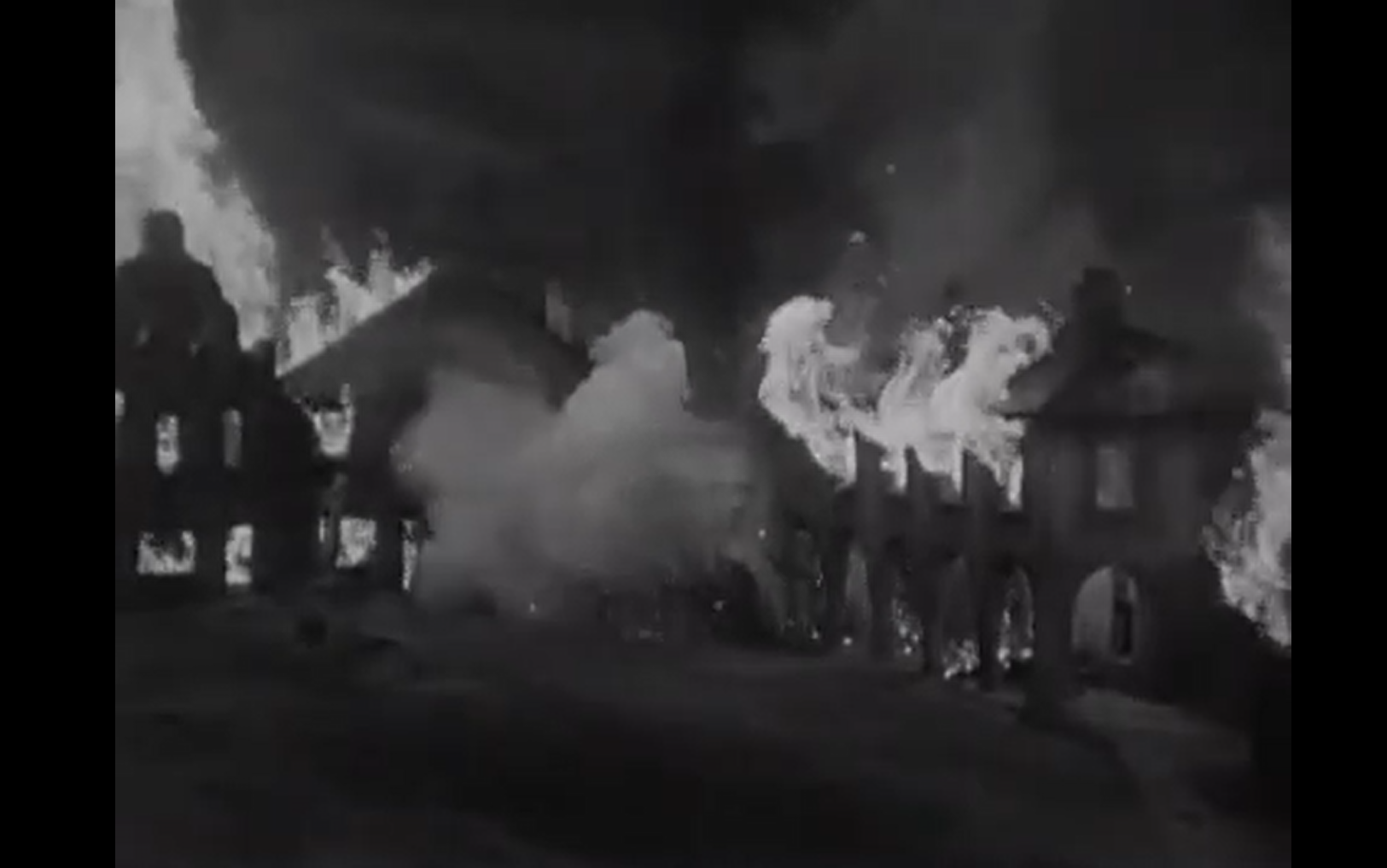
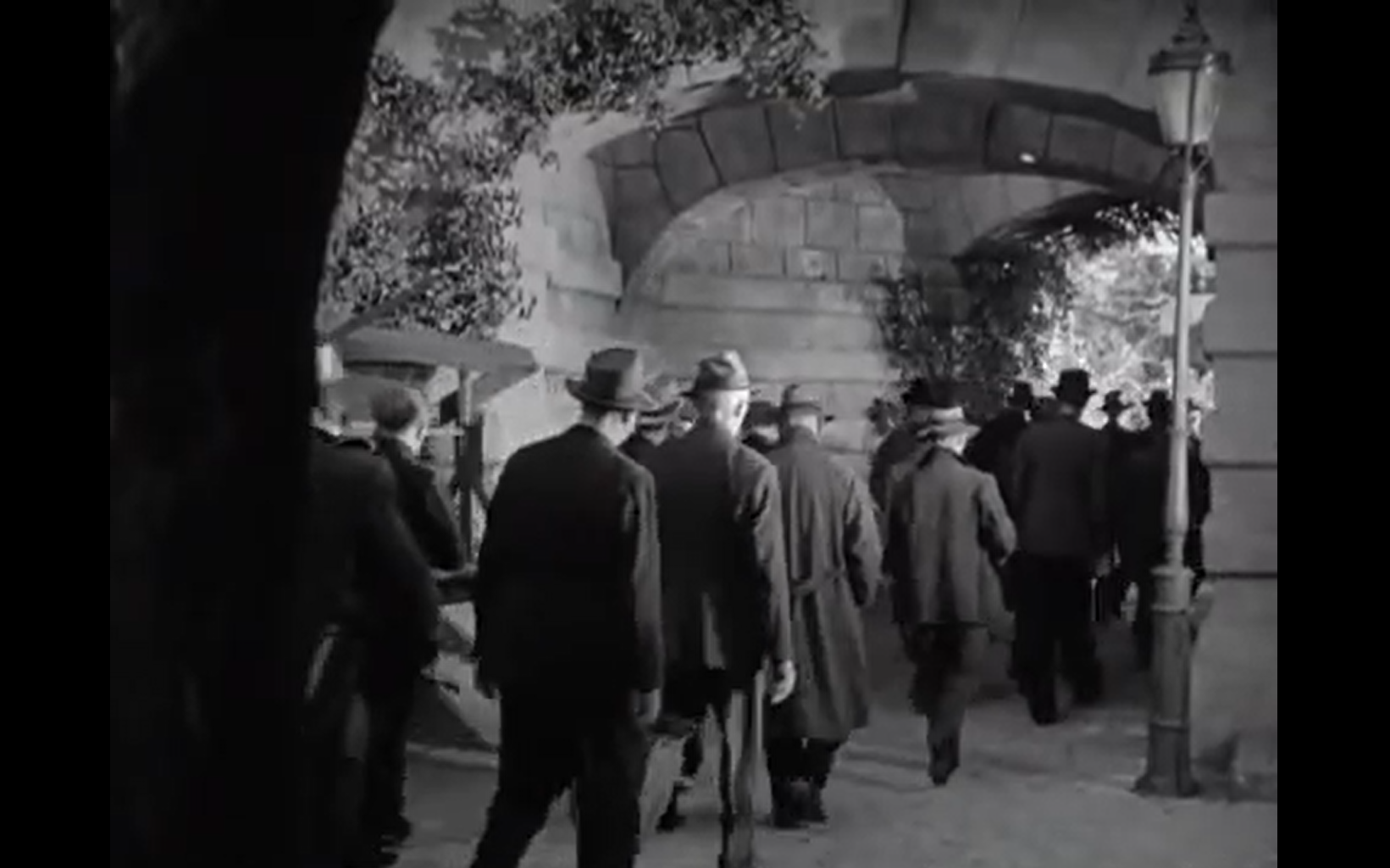
Notorious as both Douglas Sirk’s American directorial debut, and perhaps the best film to come out of Poverty Row’s Producers Releasing Corporation (PRC), Hitler’s Madman has, unfortunately, not held up very well. Functioning largely as wartime propaganda, it does manage to effectively highlight the many atrocities carried out by Nazis in Czechoslovakia:

(particularly the brutal finale — an infamous crime against humanity):


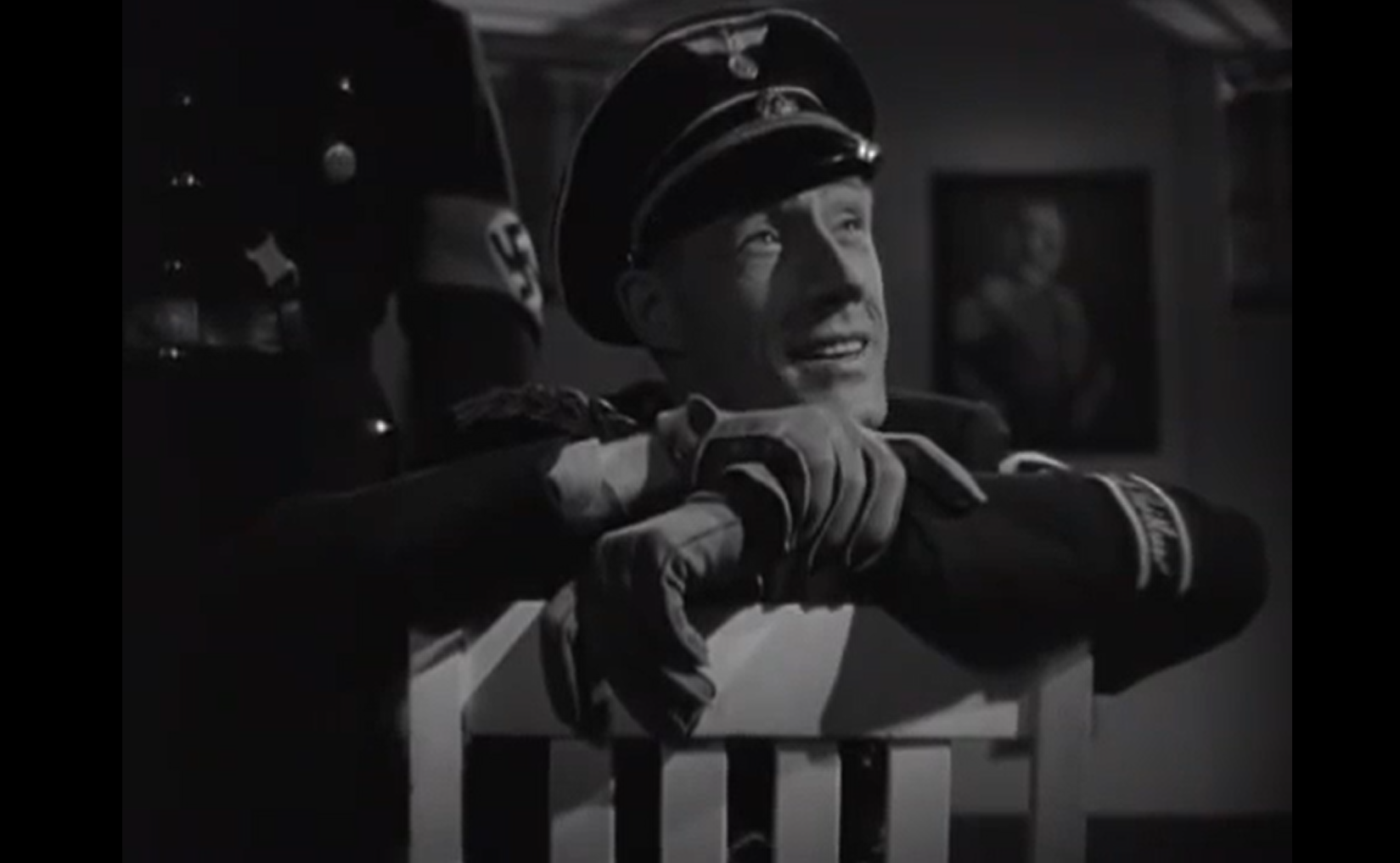
… but it suffers from trite dialogue (“Hope — I’d forgotten there was such a word”), wooden acting (particularly by Alan Curtis in the lead):

… and an overall production air of “Hollywood Studio as Europe”. Evidence of Sirk’s visual genius emerges every now and then (particularly in the use of extreme angles), and John Carradine is well-cast as villainous Heydrich (Peary nominates his performance for an Alternate Oscar!), but the limited script and cast prevent this from being anything more than simply dated entertainment.

Redeeming Qualities and Moments:

  • John Carradine as Heydrich
  • Early evidence of Sirk’s talent with composition

Must See?
No. While it’s listed as a film with historical importance in the back of Peary’s book, I don’t think film fanatics need to see it.

Links:

When a Woman Ascends the Stairs (1960)

When a Woman Ascends the Stairs (1960)

[Note: The following review is of a non-Peary title; click here to read more.]

“Bars in the daytime are like women without make-up.”

Synopsis:
A widowed bar hostess (Hideko Takamine) struggling to survive in post-war Japan must decide whether to remarry or open an establishment of her own.

Genres, Themes, Actors, and Directors:

  • Character Studies
  • Feminism and Women’s Issues
  • Japanese Films
  • Survival
  • Widows and Widowers

Review:
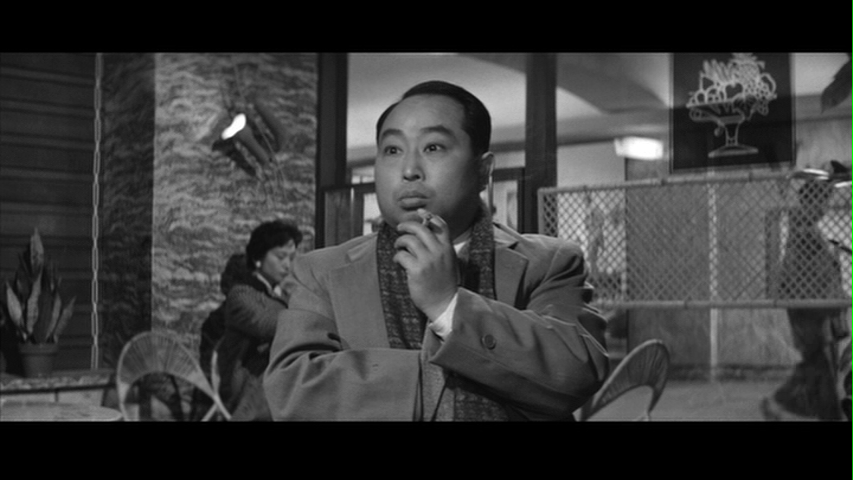
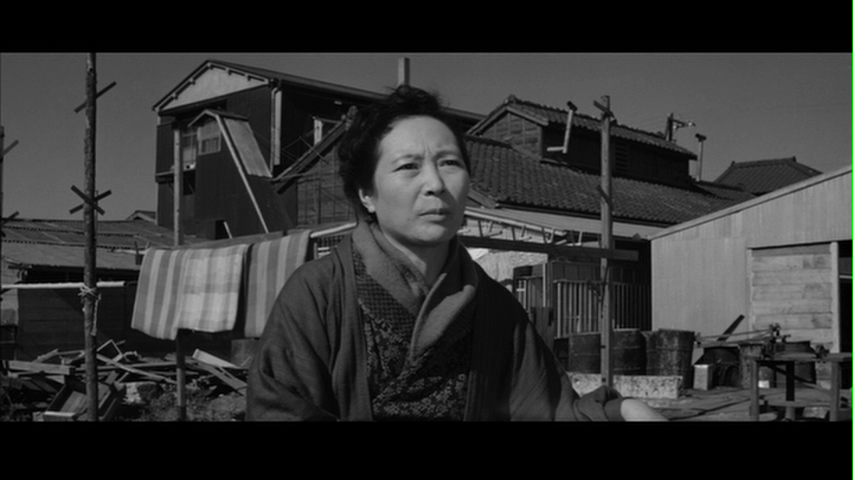
Only two of little-known Japanese director Mikio Naruse’s films (Late Chrysanthemums [1954] and Floating Clouds [1955]) are listed in Peary’s book, but this later Naruse movie remains must-see viewing as well. Widowed Keiko (Takamine) — approaching thirty (!) — is stuck in a dead-end job with little chance to move “up”. While in the midst of seriously considering opening her own bar, she witnesses her “rival” trying the same thing and failing miserably — and, though a married male suitor is willing to loan Keiko money in return for “favors”, Keiko refuses to compromise herself. Having made a vow of lifelong loyalty to her dead husband, she’s remained celibate since his death, and is unable to act upon her desire for romance (or sex) without guilt; when she finally does give in to men’s solicitations (twice), she’s badly burnt both times. Despite its decidedly grim storyline, however, When a Woman… remains eminently watchable, thanks in large part to Takamine’s sensitive portrayal as Keiko: she manages to exude both integrity and vulnerability at once, making us believe she’ll be alright despite the odds against her.

Note: When a Woman… evokes Mizoguchi’s post-war work — particularly A Geisha (1953) and Street of Shame (1955) — but with a decidedly “jazzy” twist, thanks to Toshiro Mayuzumi’s xylophone-heavy score and Satoshi Chuko’s “modern” interiors.

Redeeming Qualities and Moments:

  • Hideko Takamine as Keiko
  • Masayuki Mori as Keiko’s married love interest
  • Tatsuya Nakadai as Kenichi Komatsu
  • Daisuke Kato as Keiko’s roly-poly suitor
  • Masao Tamai’s gorgeous b&w cinematography
  • A devastating look at female survival in a patriarchal society
  • Toshiro Mayuzumi’s jazzy score

Must See?
Yes. This unsung masterpiece should definitely be seen by all film fanatics.

Categories

  • Foreign Gem
  • Important Director

Links:

Bonnie and Clyde (1967)

Bonnie and Clyde (1967)

“Bonnie and Clyde are the Barrow gang, I’m sure you all have read / How they rob and steal, and those who squeal, are usually found dyin’ or dead.”

Synopsis:
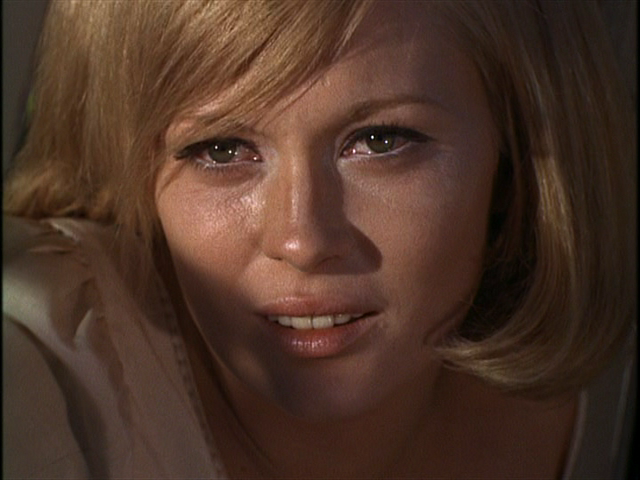
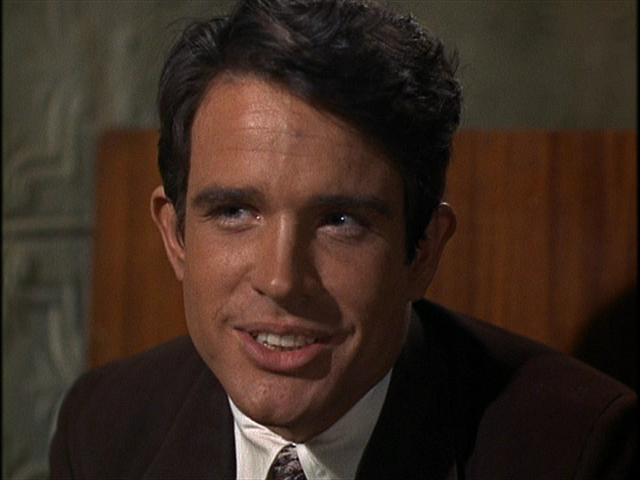
When Bonnie Parker (Faye Dunaway) meets young criminal Clyde Barrow (Warren Beatty), sparks immediately fly; soon the two are on a cross-country rampage, robbing banks and shooting anyone who gets in their way.

Genres, Themes, Actors, and Directors:

  • Arthur Penn Films
  • Criminal Couples on the Run
  • Depression Era
  • Faye Dunaway Films
  • Gene Hackman Films
  • Gene Wilder Films
  • Outlaws
  • Warren Beatty Films

Review:
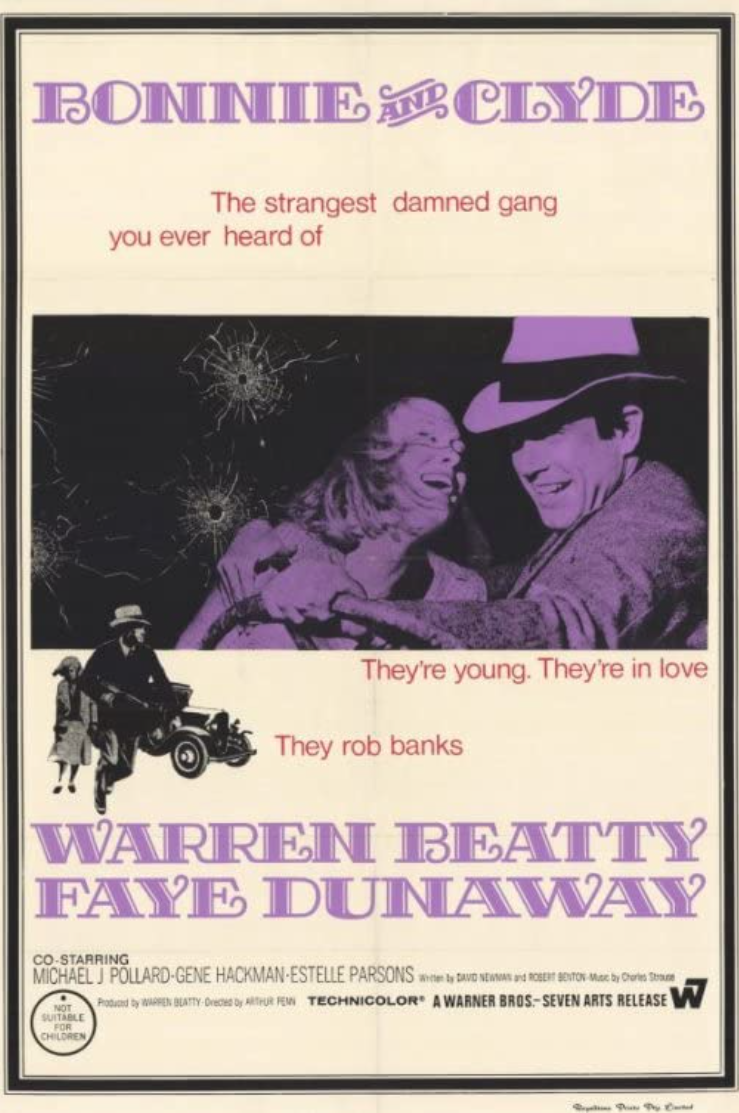
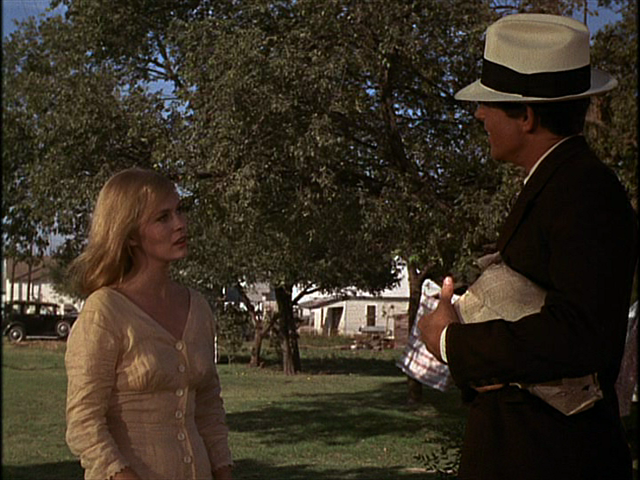
Arthur Penn’s Bonnie and Clyde remains one of the most highly regarded and influential post-war American films ever made. Inspired by French New Wave cinematic techniques, Penn’s unapologetic portrayal of young gangsters who rob banks on a lark and become national celebrities for their efforts helped pave the way for countless other tales of “romantic couples on the run”. While old-school film critic Bosley Crowther of the New York Times infamously labeled it “a cheap piece of bald-faced slapstick comedy that treats the hideous depredations of that sleazy, moronic pair as though they were… full of fun and frolic”, audiences at the time — particularly young audiences — were thoroughly captivated, and most critics quickly realized what a watershed American film they had on their hands.

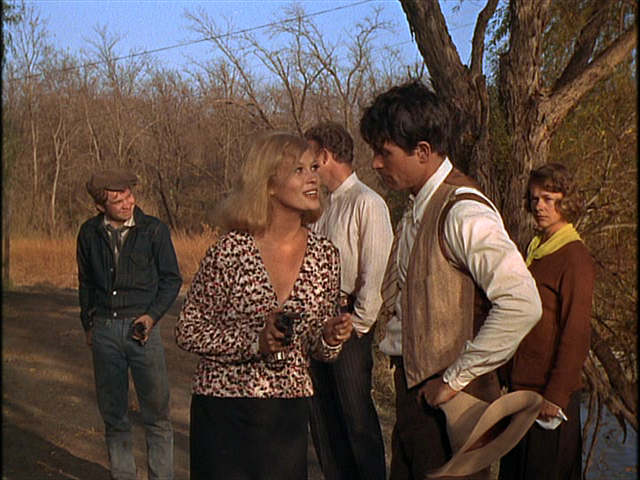
Notoriety aside, Bonnie and Clyde is a creative, well-acted drama, one which effectively portrays the alienation and frustration felt by many during the Great Depression. Dunaway (who’s never looked more beautiful) and Beatty (young and studly) are perfectly cast as the titular leads, who come together out of a desperate need for mutual recognition. They’re surrounded by a host of fine supporting actors — including Gene Wilder in a hilarious bit part, and the inimitable Michael Pollard in a role seemingly tailor-made for him. Ironically, Estelle Parsons’ Academy Award-winning performance as Beatty’s shrill sister-in-law is the least impressive of the bunch.

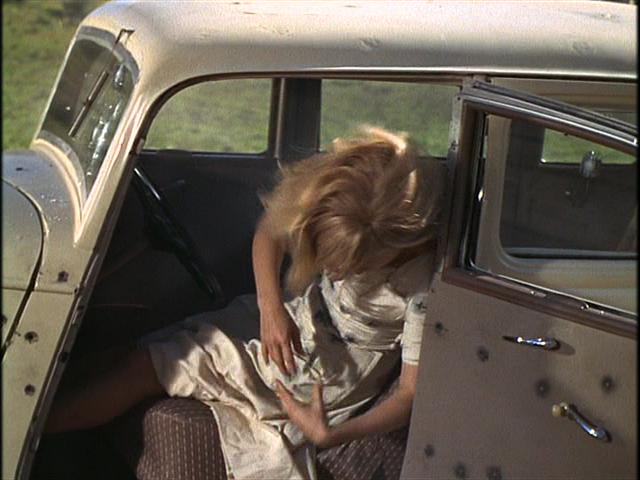
Those looking for historical accuracy should read a book about Parker and Darrow instead: Bonnie and Clyde is just barely more authentic than its ’50s predecessor, The Bonnie Parker Story (starring sassy Dorothy Provine). For instance, while Penn’s inclusion of Clyde’s sexual “issues” was a daring move for the time, it’s nonetheless inaccurate (Barrow was reportedly bisexual, not impotent); and the real Bonnie and Clyde (both short) looked nothing like glamorous Dunaway and Beatty. Ultimately, Bonnie and Clyde is more of a tragic romantic fable than a biopic, with the infamous final shoot-out (featuring superb, oft-analyzed editing by Dede Allen) providing a shocking yet appropriate end to this warped fairy tale — how else could Bonnie and Clyde go out but violently, together?

Redeeming Qualities and Moments:

  • Faye Dunaway as Bonnie Parker
  • Warren Beatty as Clyde Barrow
  • Michael Pollard as C.W. Moss
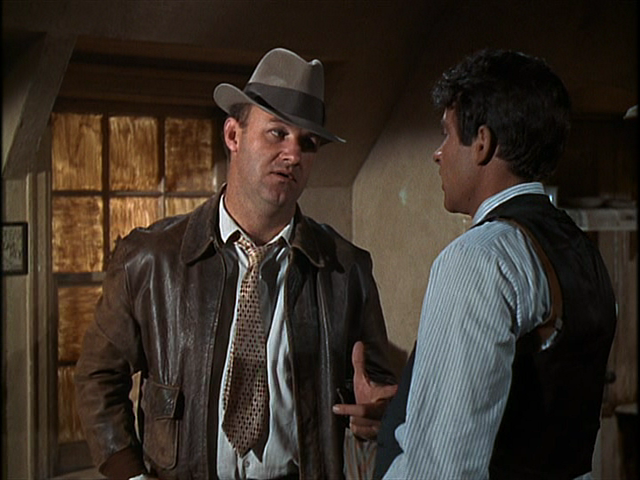
  • Gene Hackman as Buck Barrow
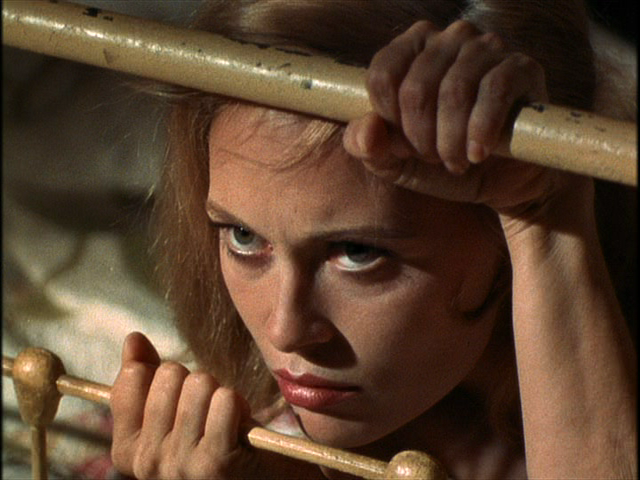
  • The gripping opening sequence, which effectively “frames” Bonnie as longing to emerge from the cage of her small-town existence
  • Bonnie and Clyde’s initial meet-cute, as they gradually divulge their mutual interest in each other
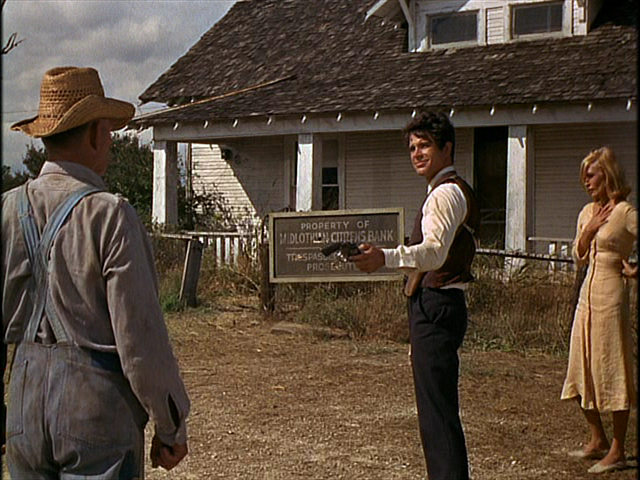
  • The satisfying outcome of Bonnie and Clyde’s encounter with an itinerant farmer whose house has been taken over by a bank
  • The surprisingly humorous sequence featuring Gene Wilder (in his debut) and Evans Evans as his fiancee
  • Burnett Guffey’s cinematography
  • The horrific closing sequence
  • Masterful editing, particularly in the final shootout

Must See?
Definitely; every film fanatic should see Bonnie and Clyde at least once in their lifetime.

Categories

  • Genuine Classic
  • Historically Relevant
  • Noteworthy Performance(s)
  • Oscar Winner or Nominee

(Listed in 1001 Movies You Must See Before You Die)

Links: