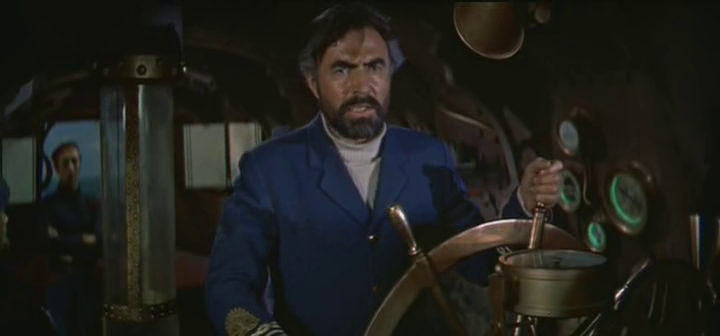
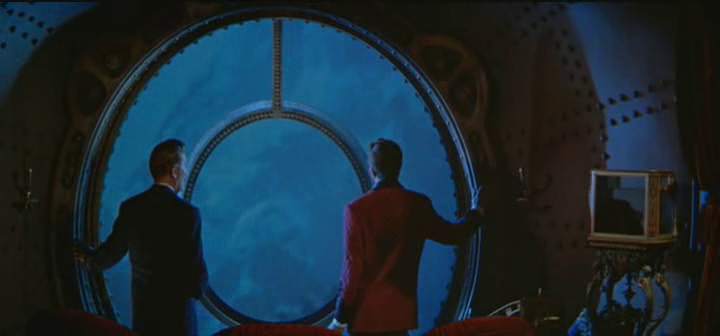
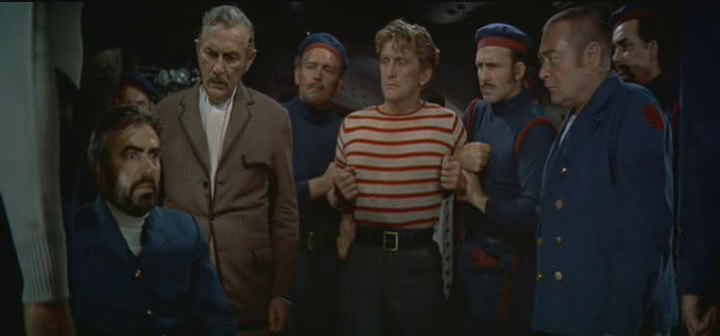
20,000 Leagues Under the Sea (1954)
“If we could go deep enough, we’d all be surprised at the creatures down there!”
“What you want is your town back again.”
|
Synopsis: |
|
Genres, Themes, Actors, and Directors:
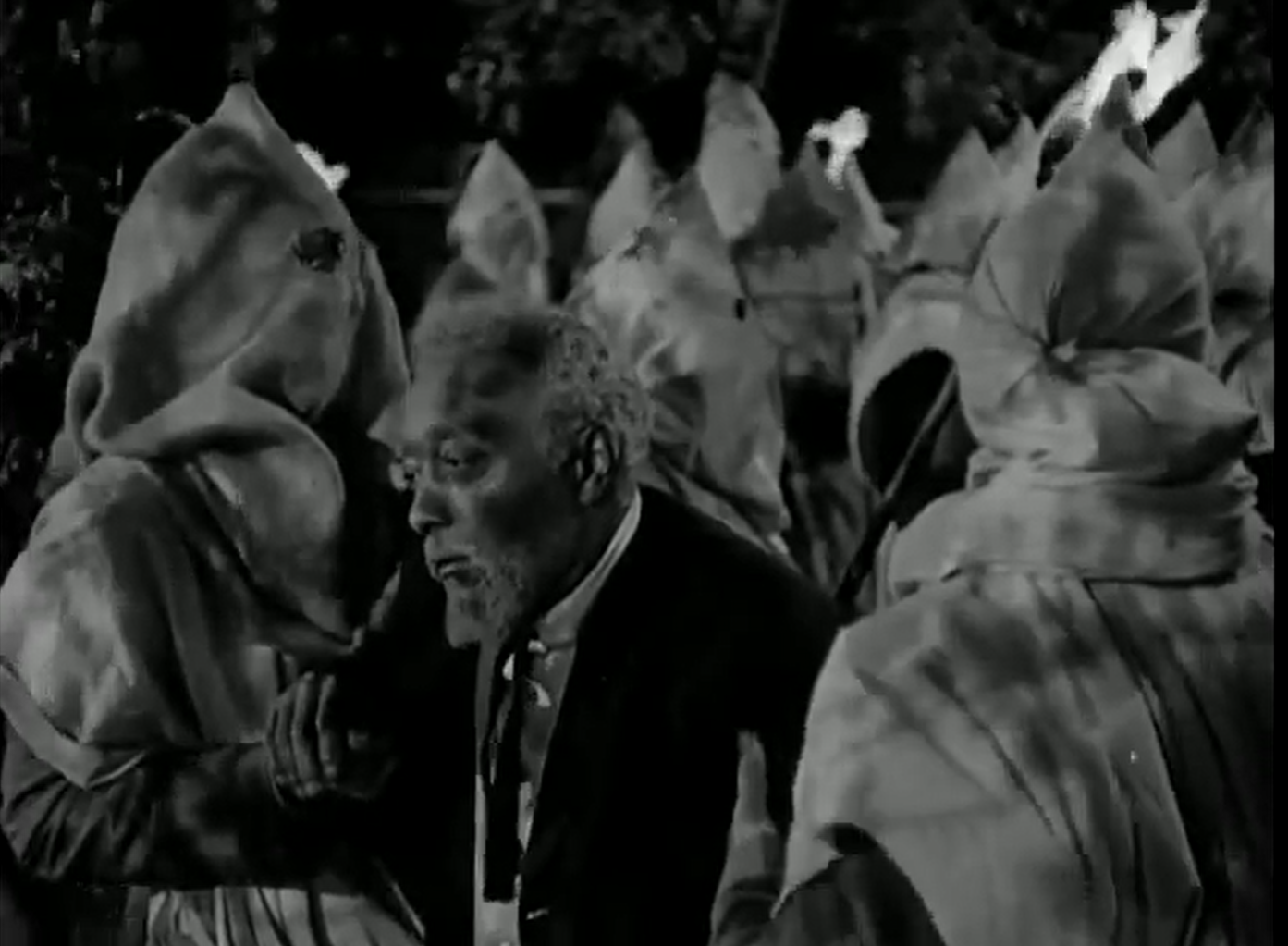
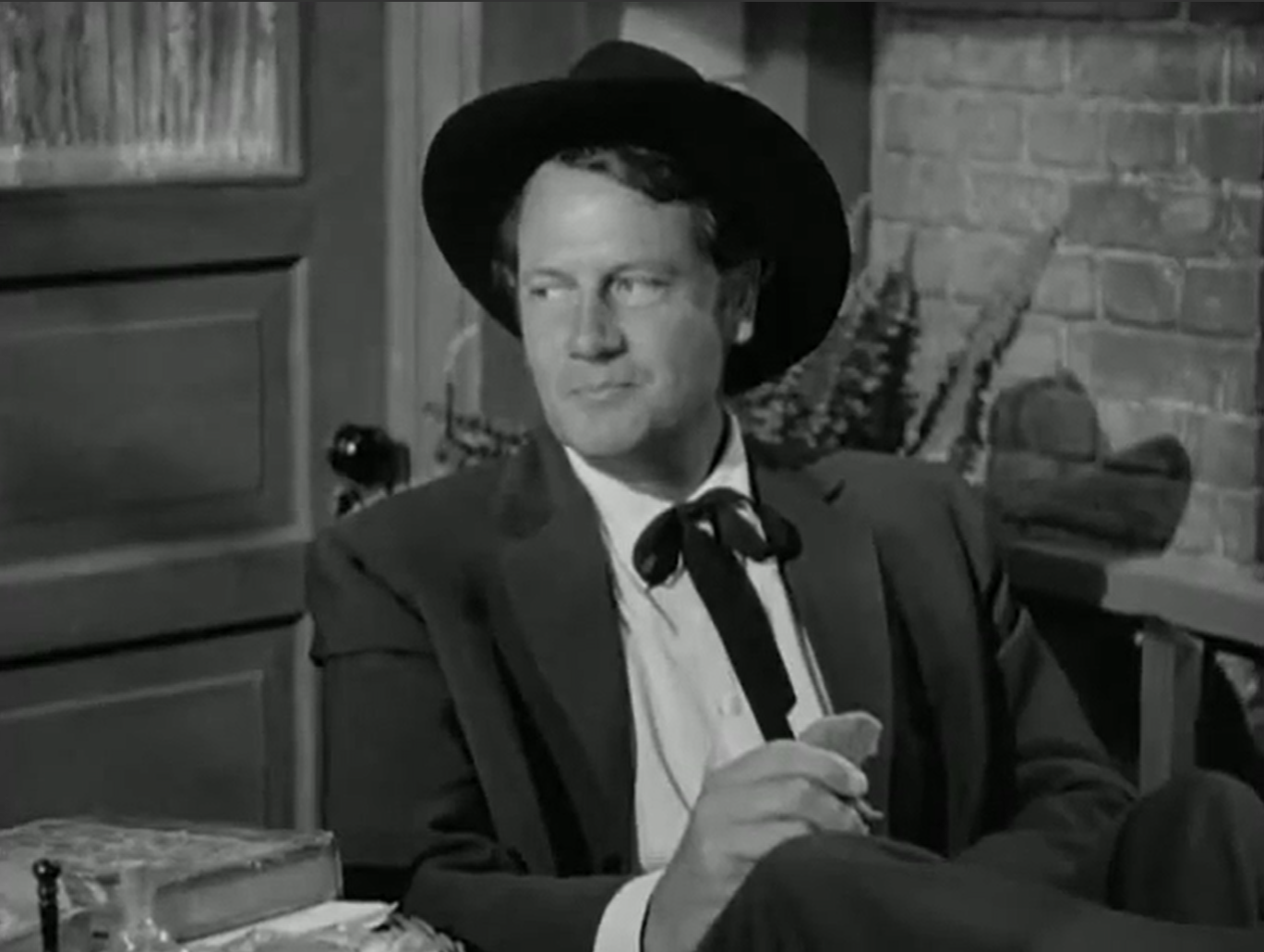
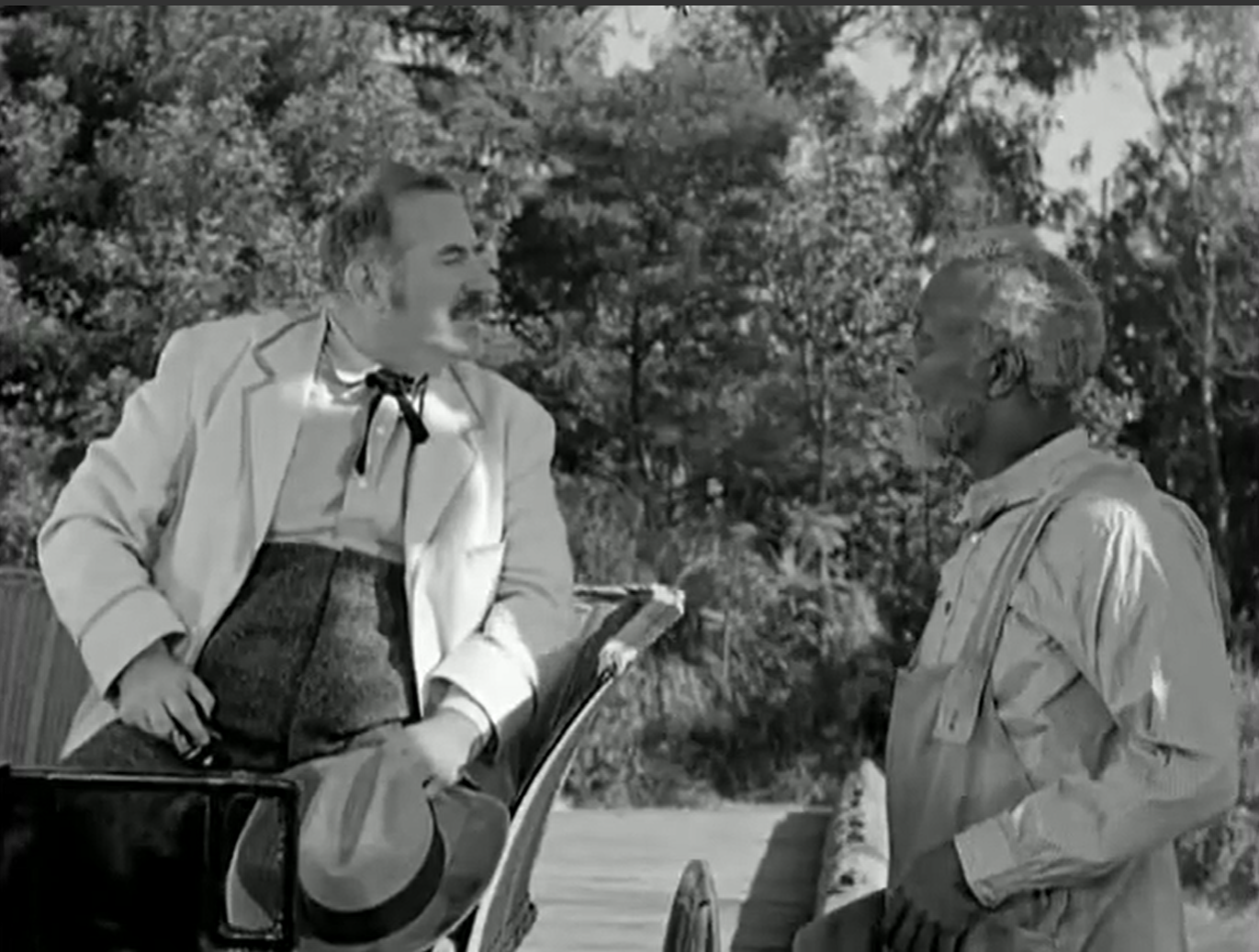
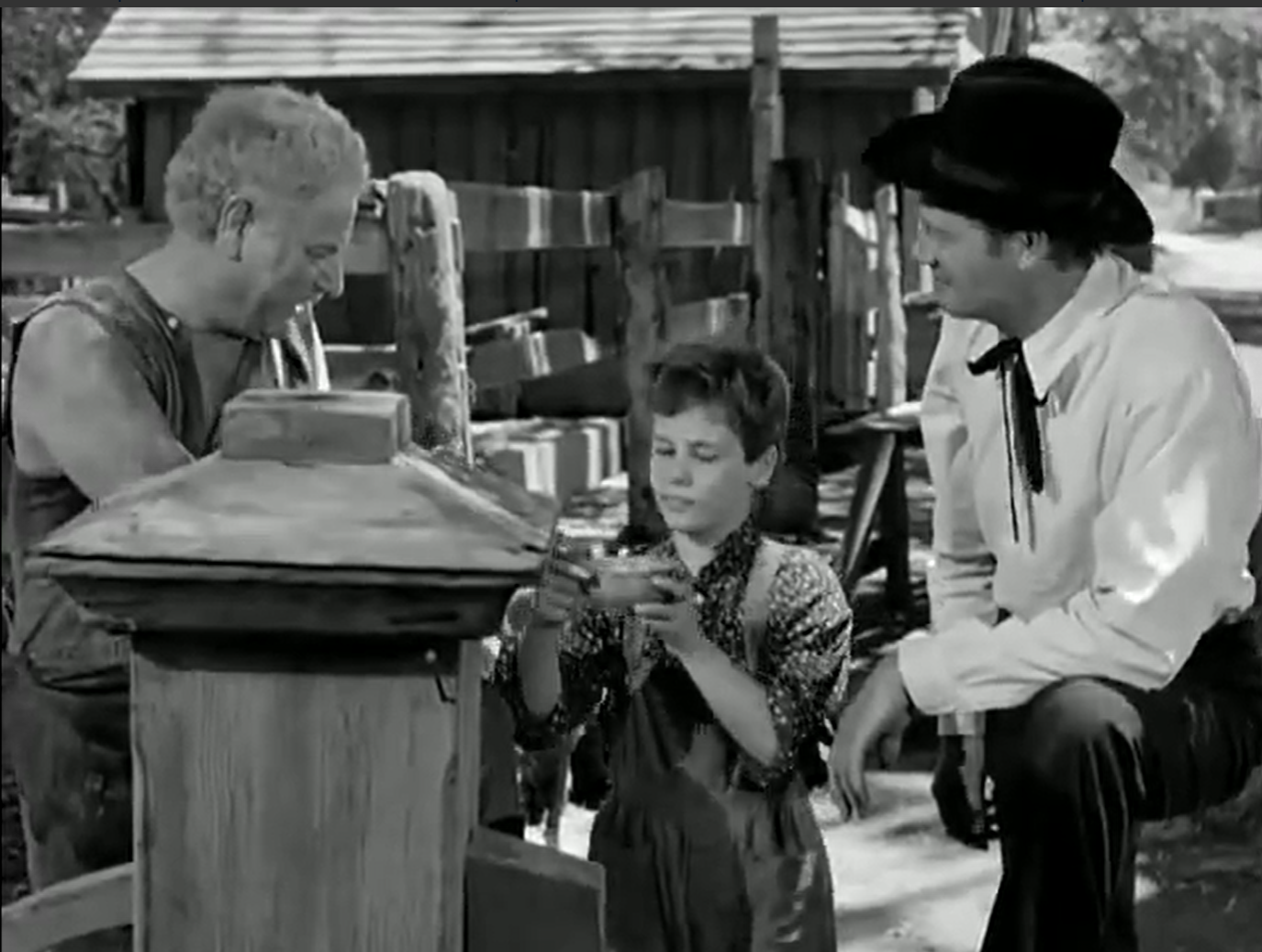
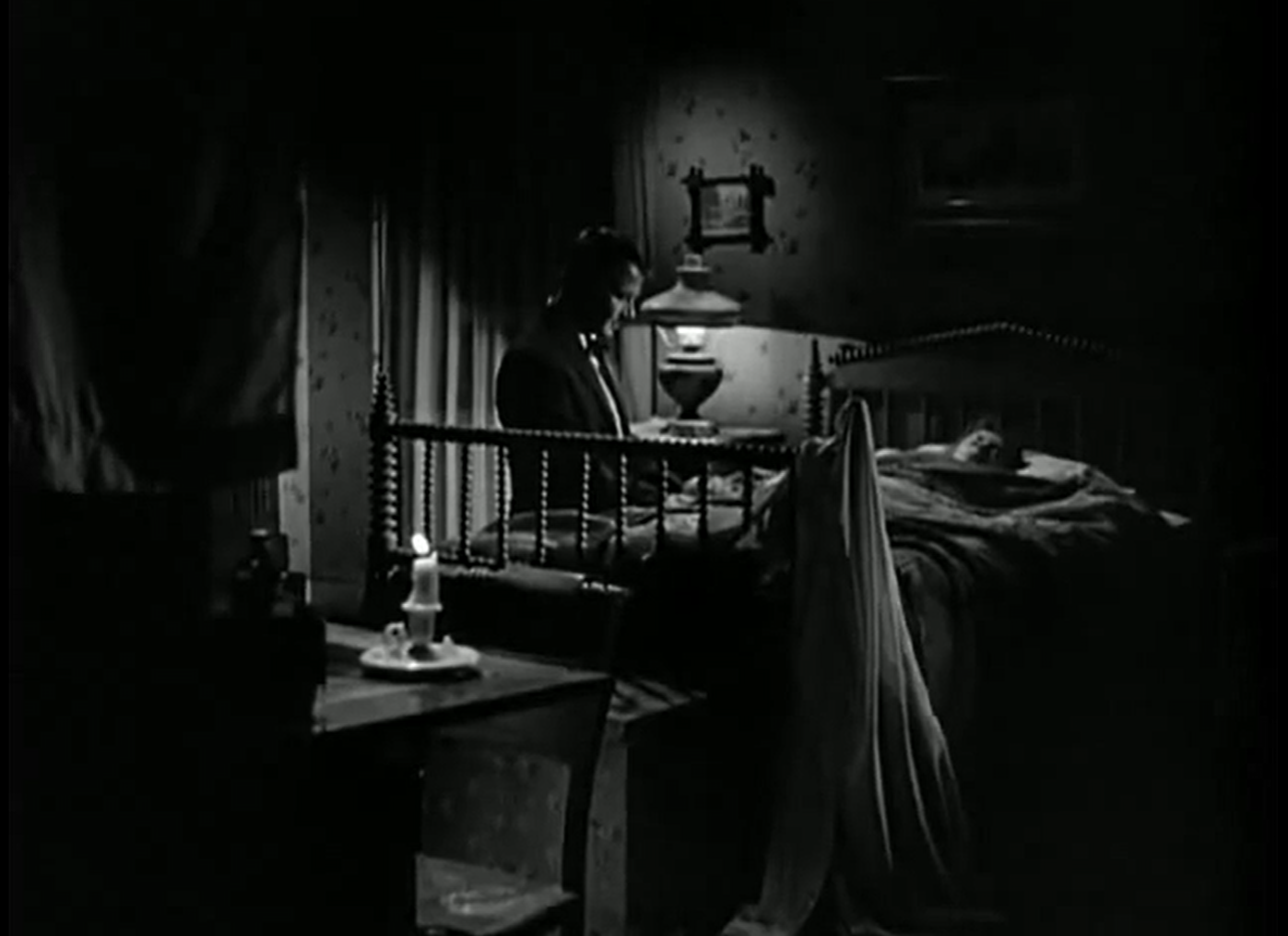
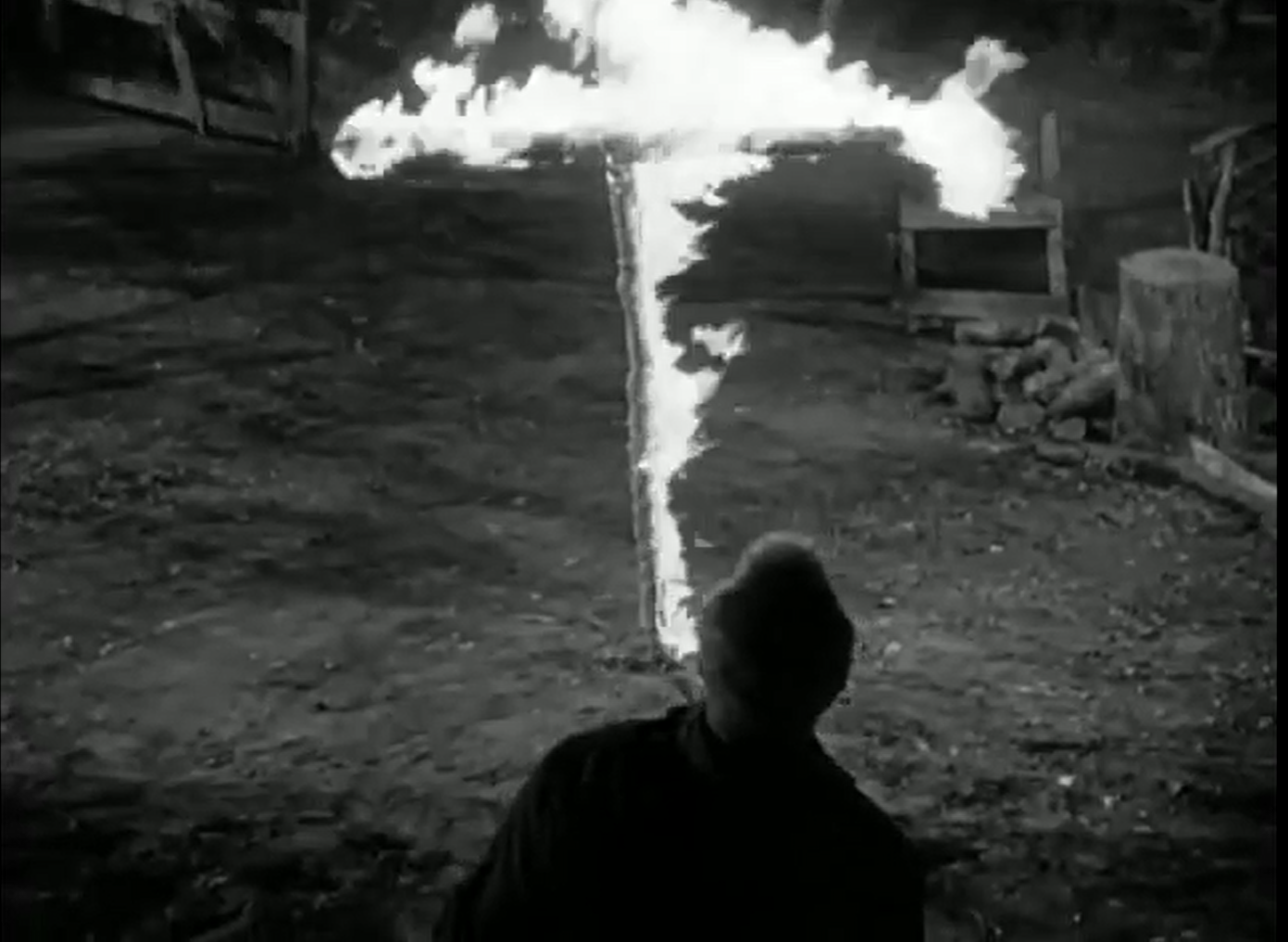
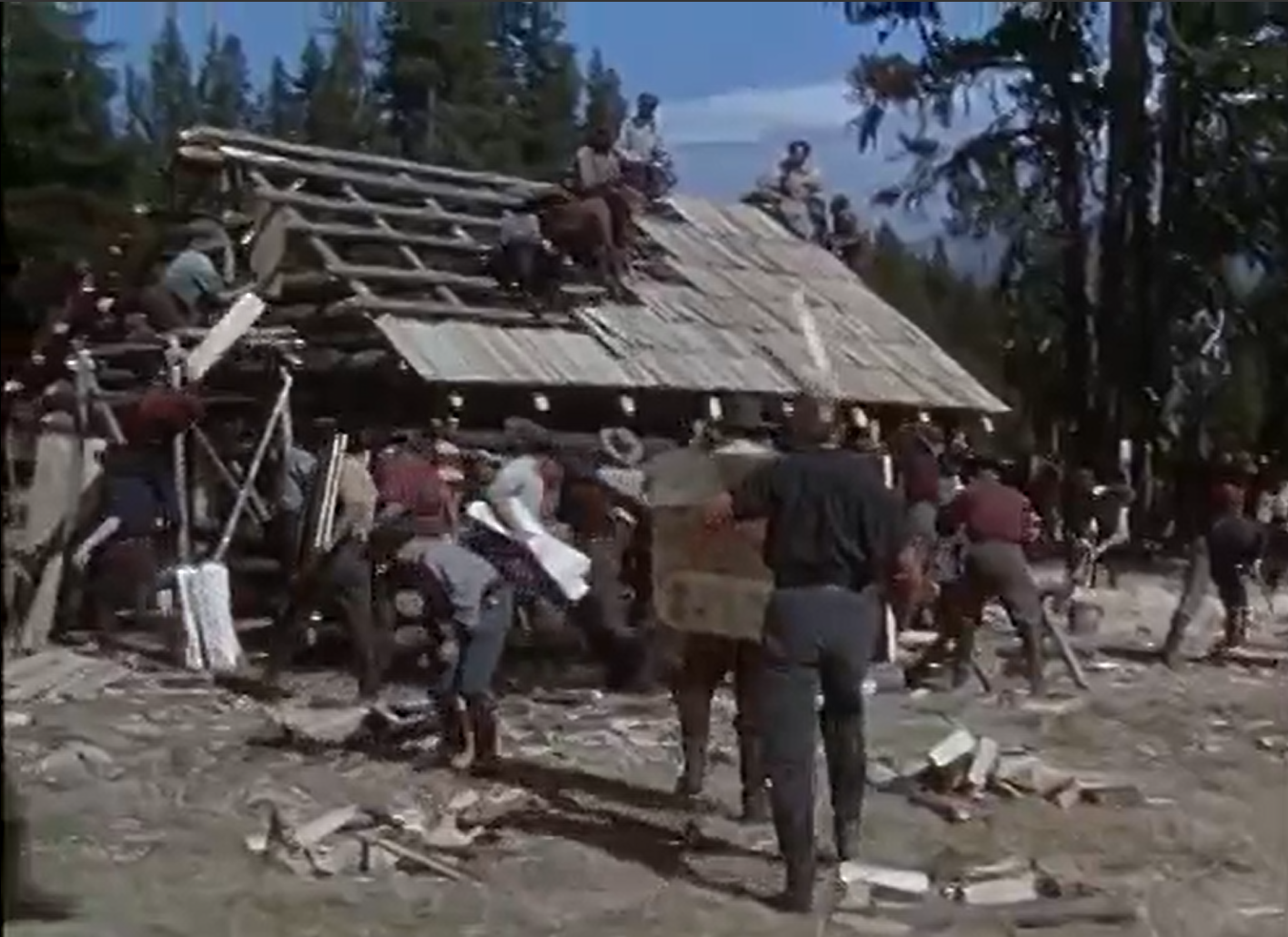
Review: … a man so convinced of the goodness and rightness of Christian values that he attempts to persuade all townsfolk — including a former war buddy (Alan Hale) and his bustling family — to come to services regularly: The most disturbing (and problematic) aspect of the film by far is the recurring subplot about Hernandez standing firm in his rejection of an offer to buy his land. He doesn’t back down from vile Begley and his henchmen, but must continually kowtow to local whites, and nearly sacrifices his life to murderous Klansmen for his principles: … until: [SPOILERS ALERT] … McCrea saves the day in a seriously unrealistic sequence that many have taken issue with. Indeed, those who rankle at seeing tales of “white saviors” should be forewarned that this is very much a story along the lines of To Kill a Mockingbird (1962); viewers wanting to see Hernandez standing up more forcefully for himself in the face of racism should check out Intruder in the Dust (1949). Meanwhile, the film’s other significant subplot — about the sudden emergence and transmission of typhoid among the town’s children — is a scary reminder about our human vulnerabilities, one that hits all too close to home these days. Redeeming Qualities and Moments: Must See? Categories
Links: |
“I’ll tell you what I know: nothing. I don’t know where we are, I don’t know where we’re going.”
|
Synopsis: |
|
Genres, Themes, Actors, and Directors:
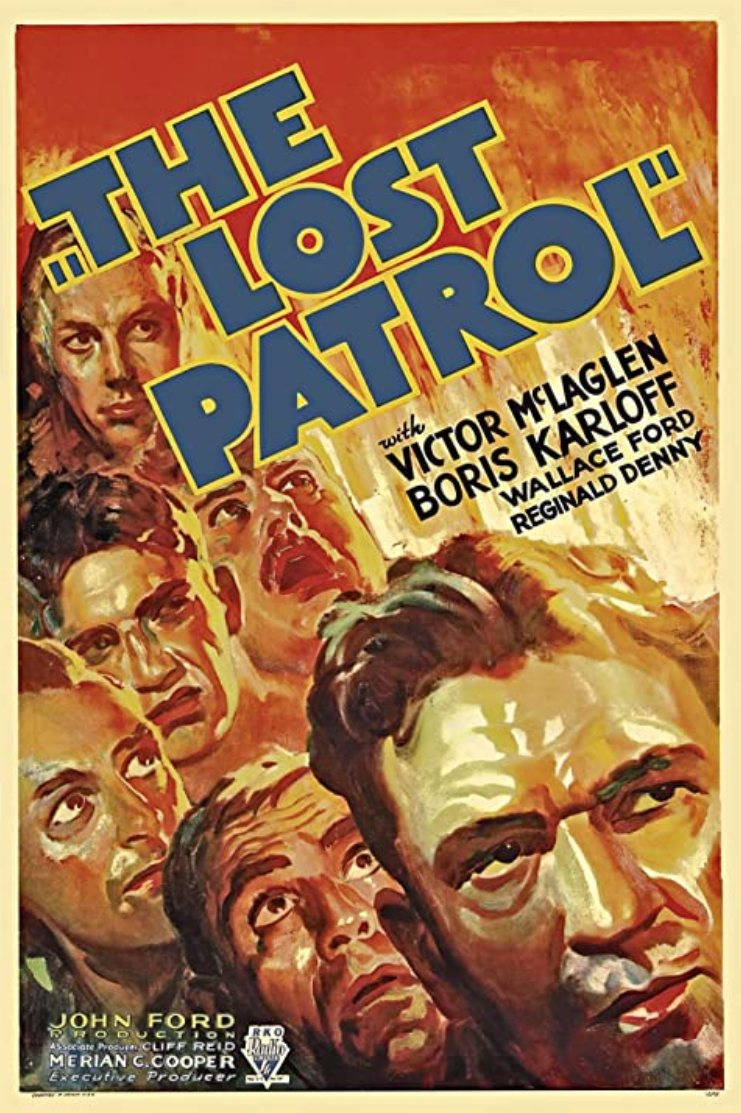
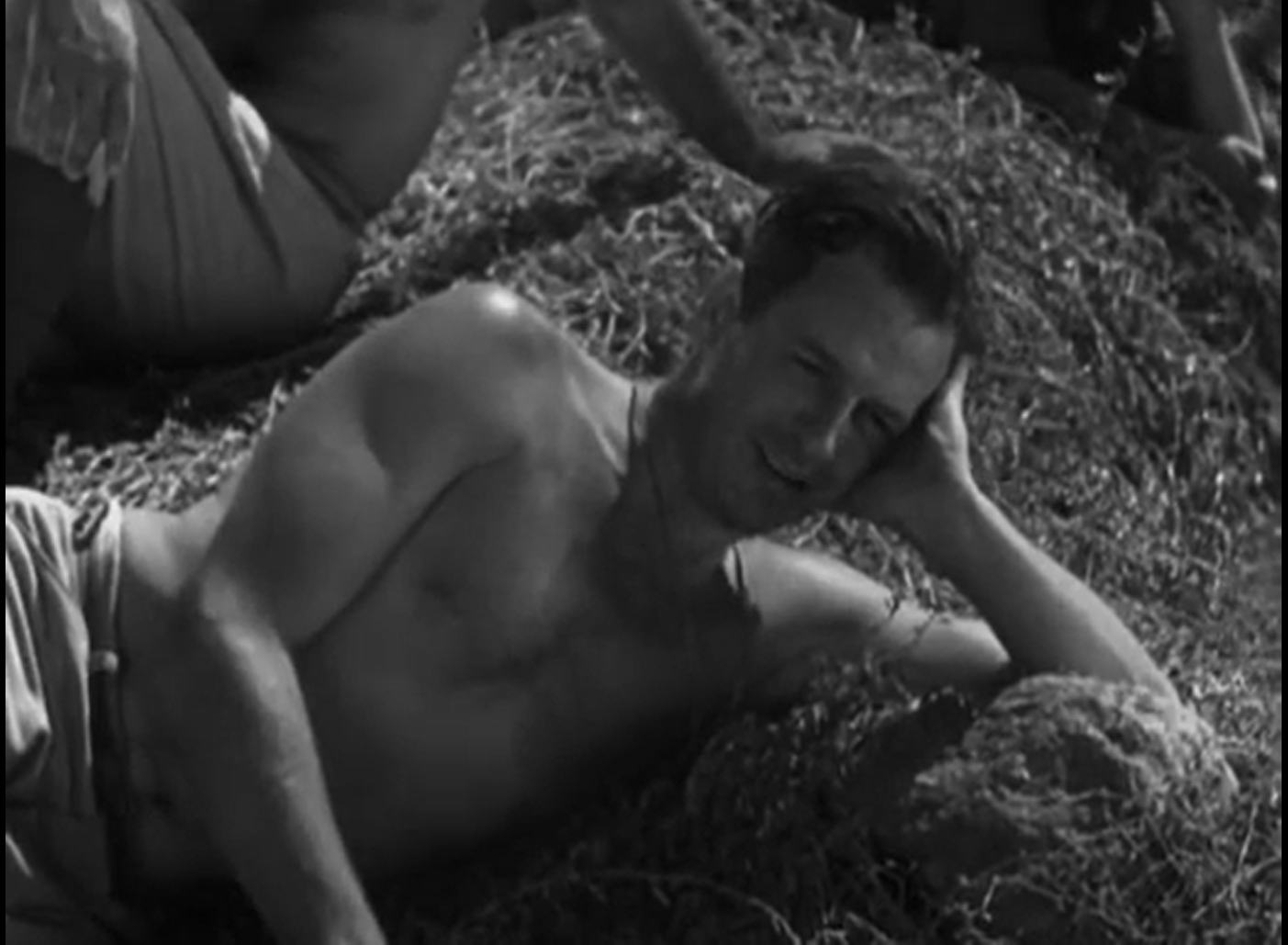
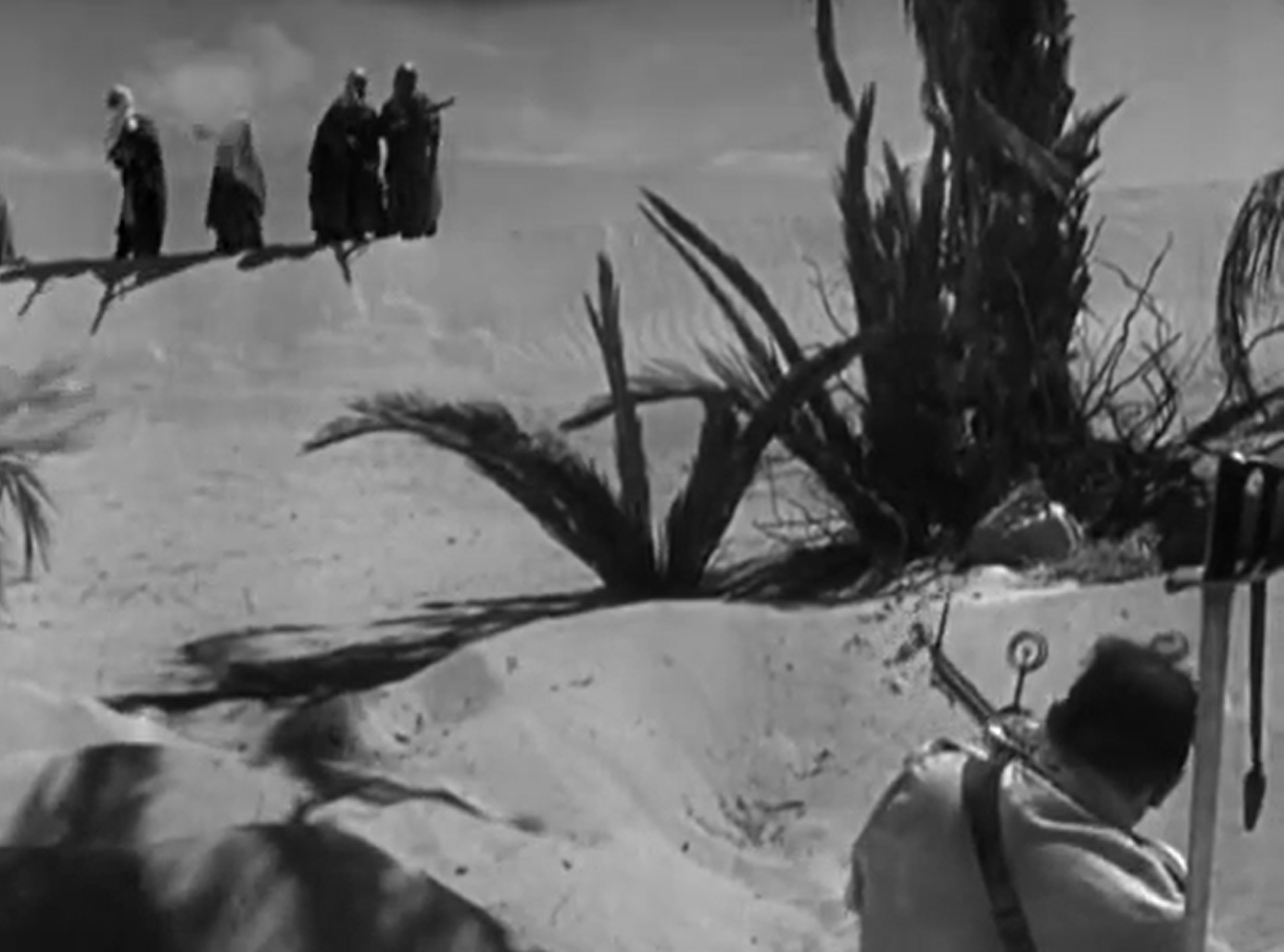
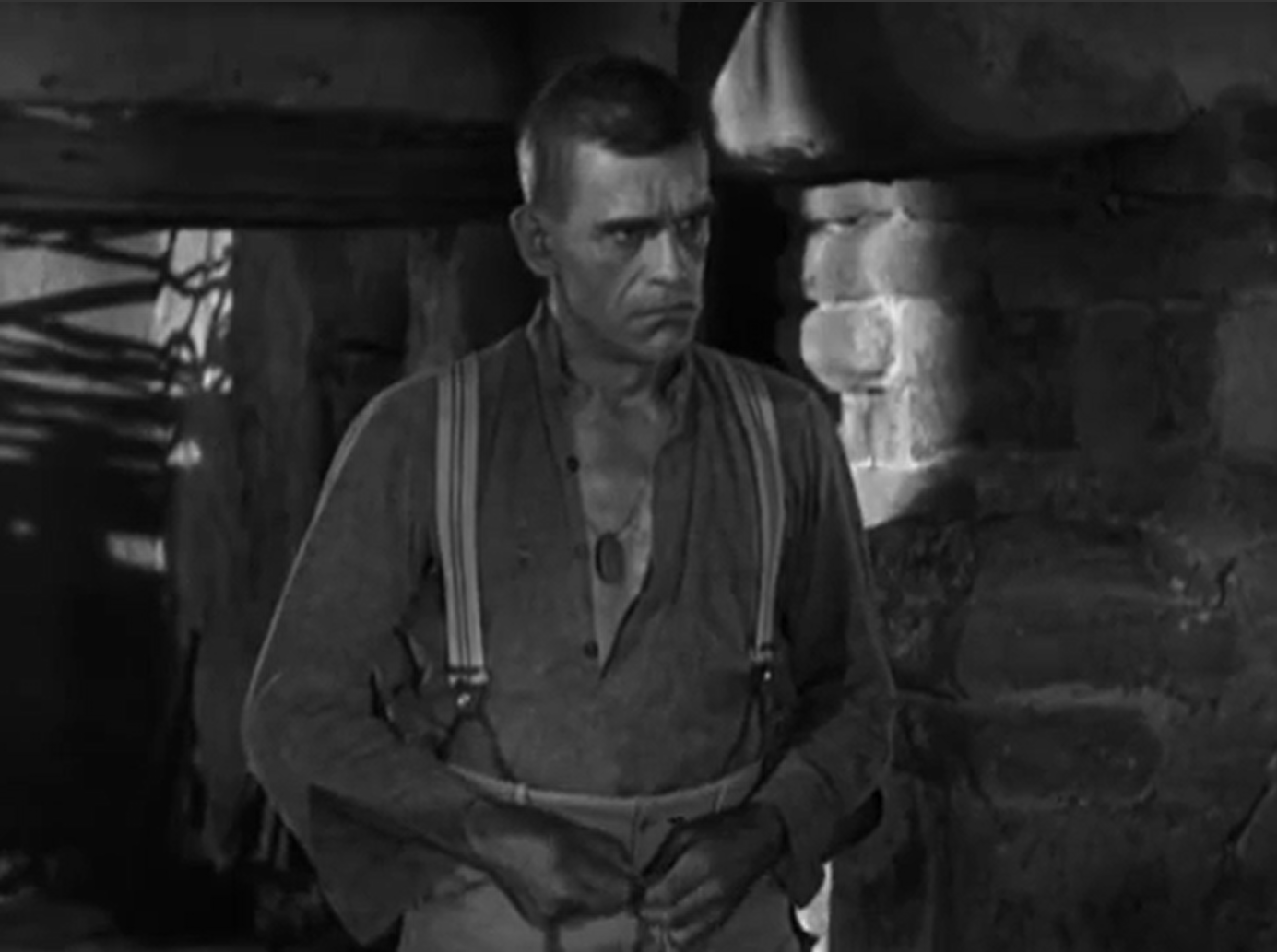
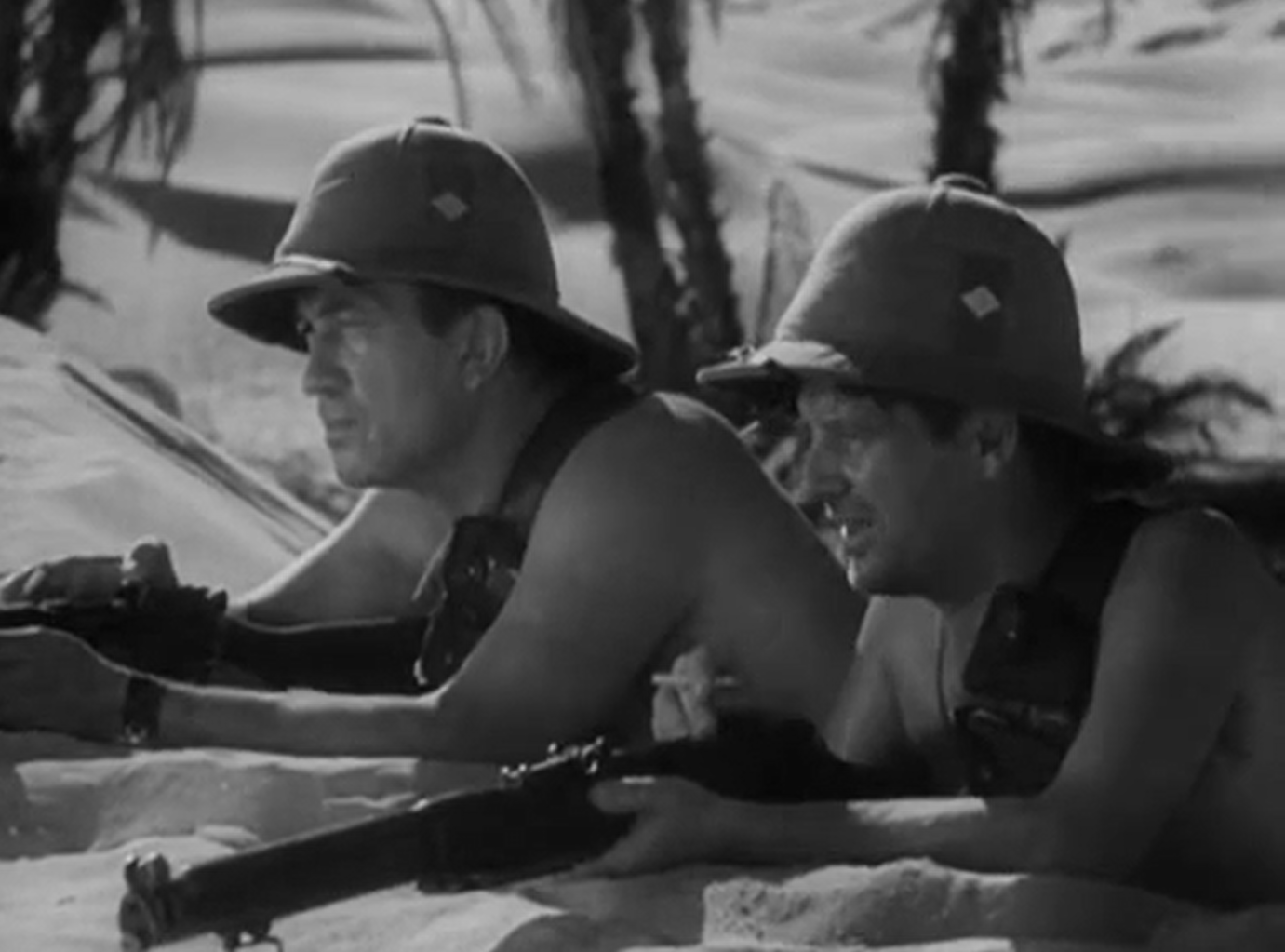
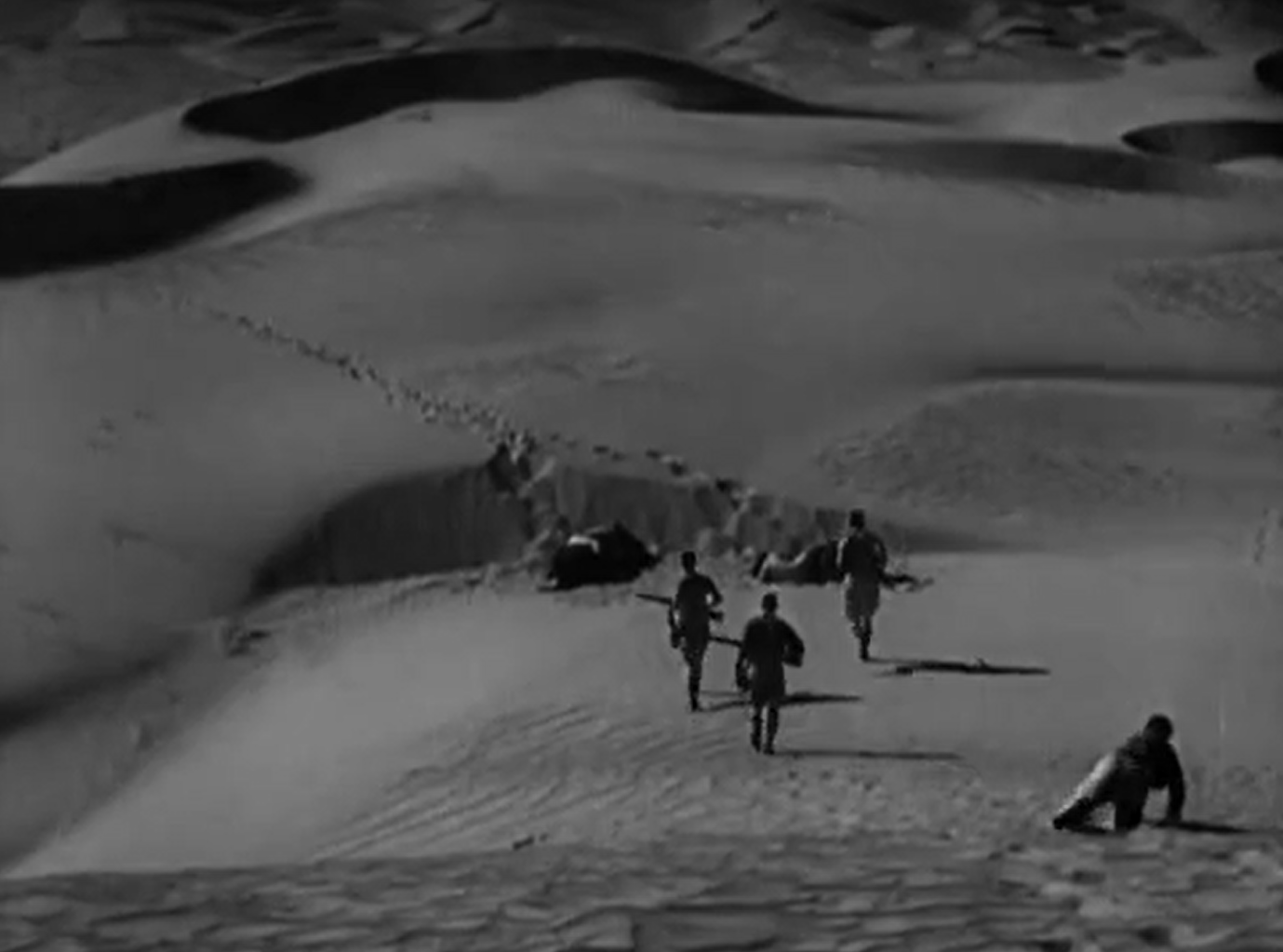
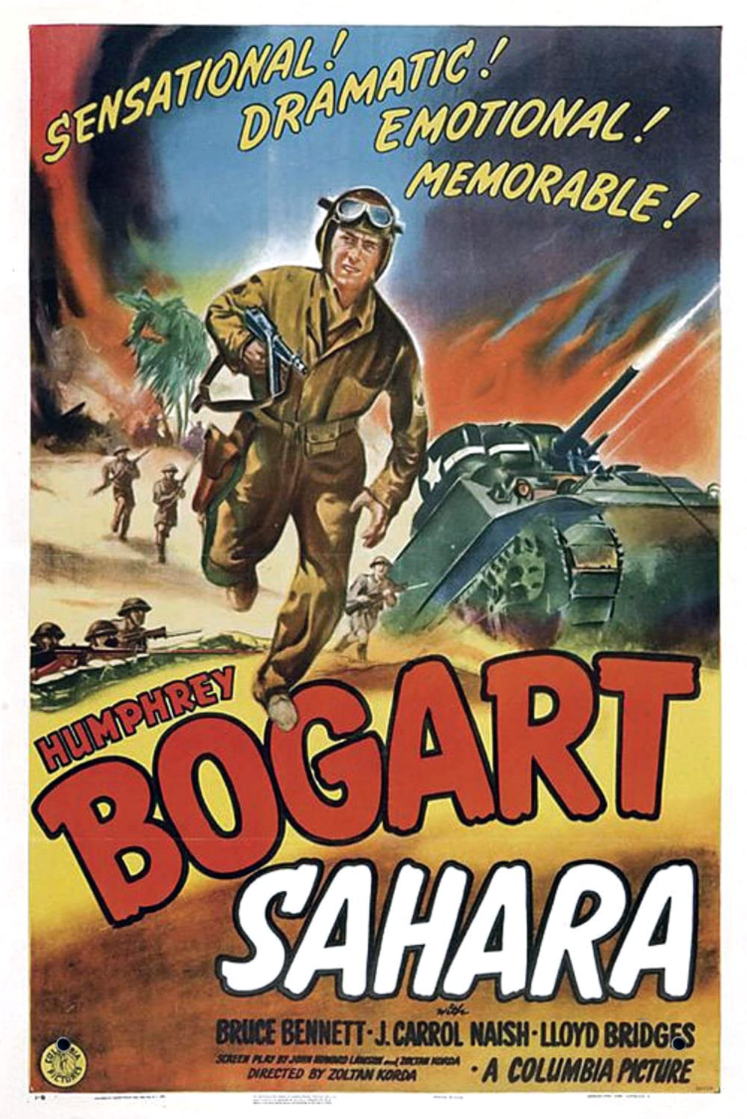
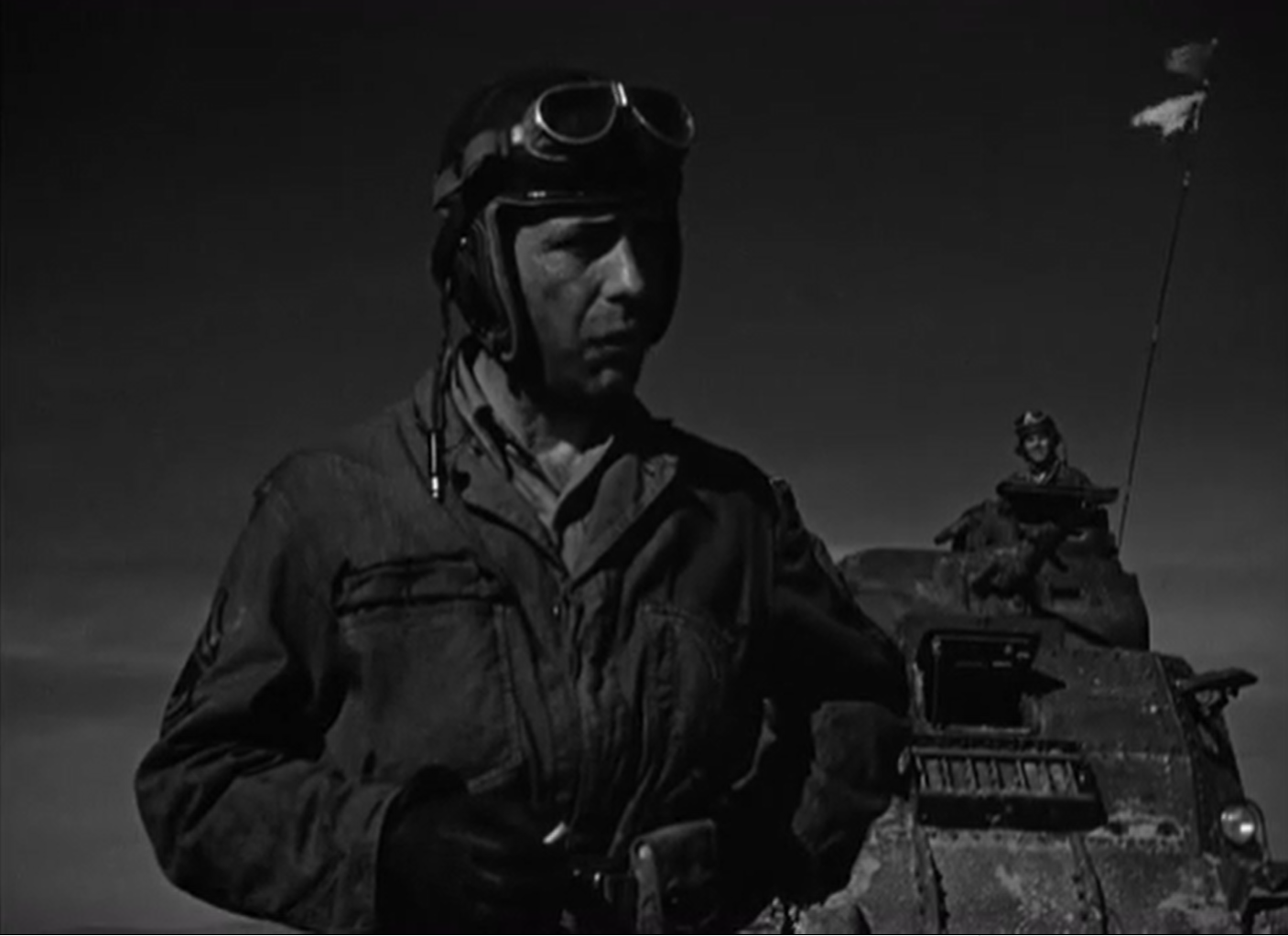
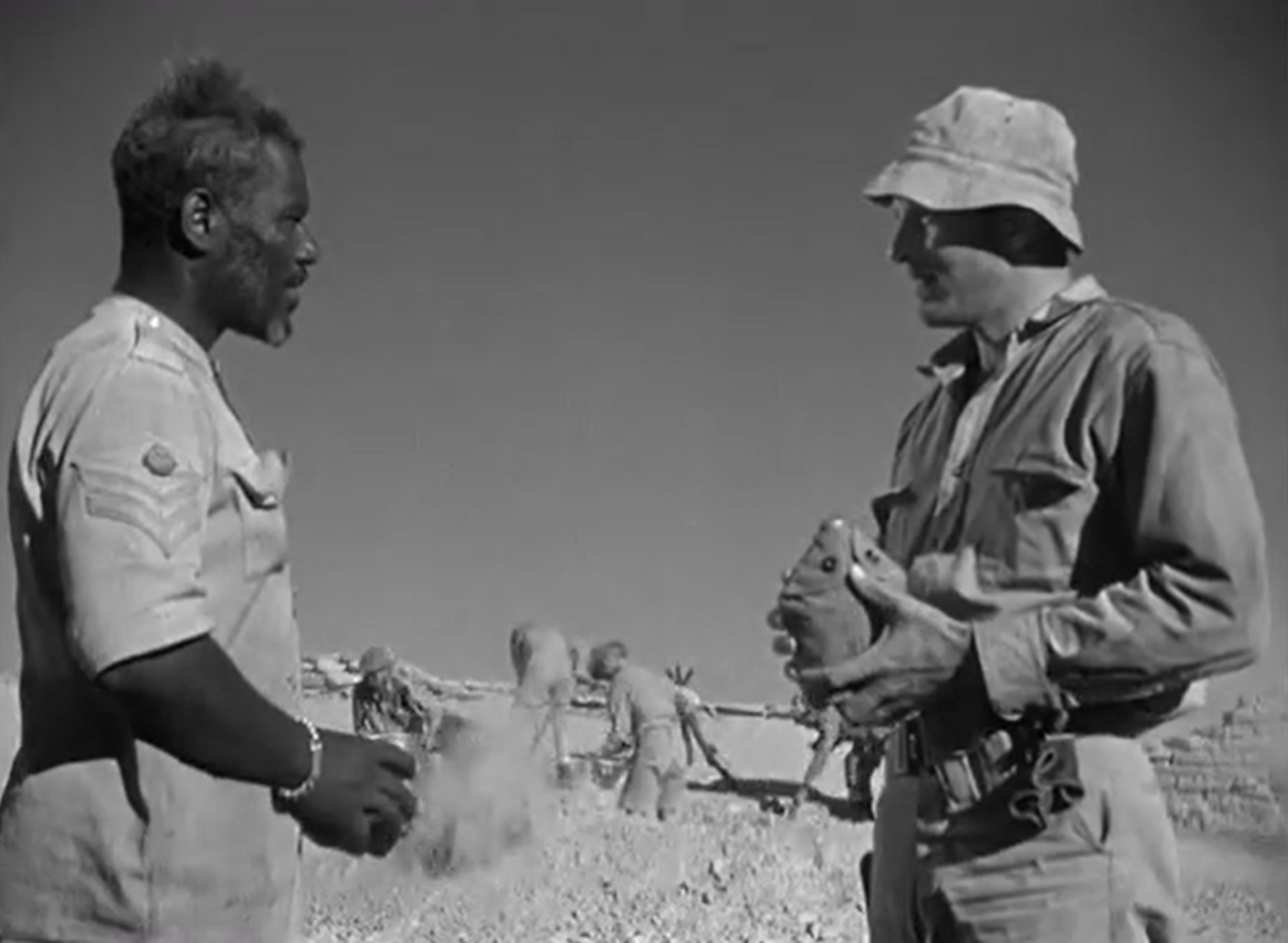
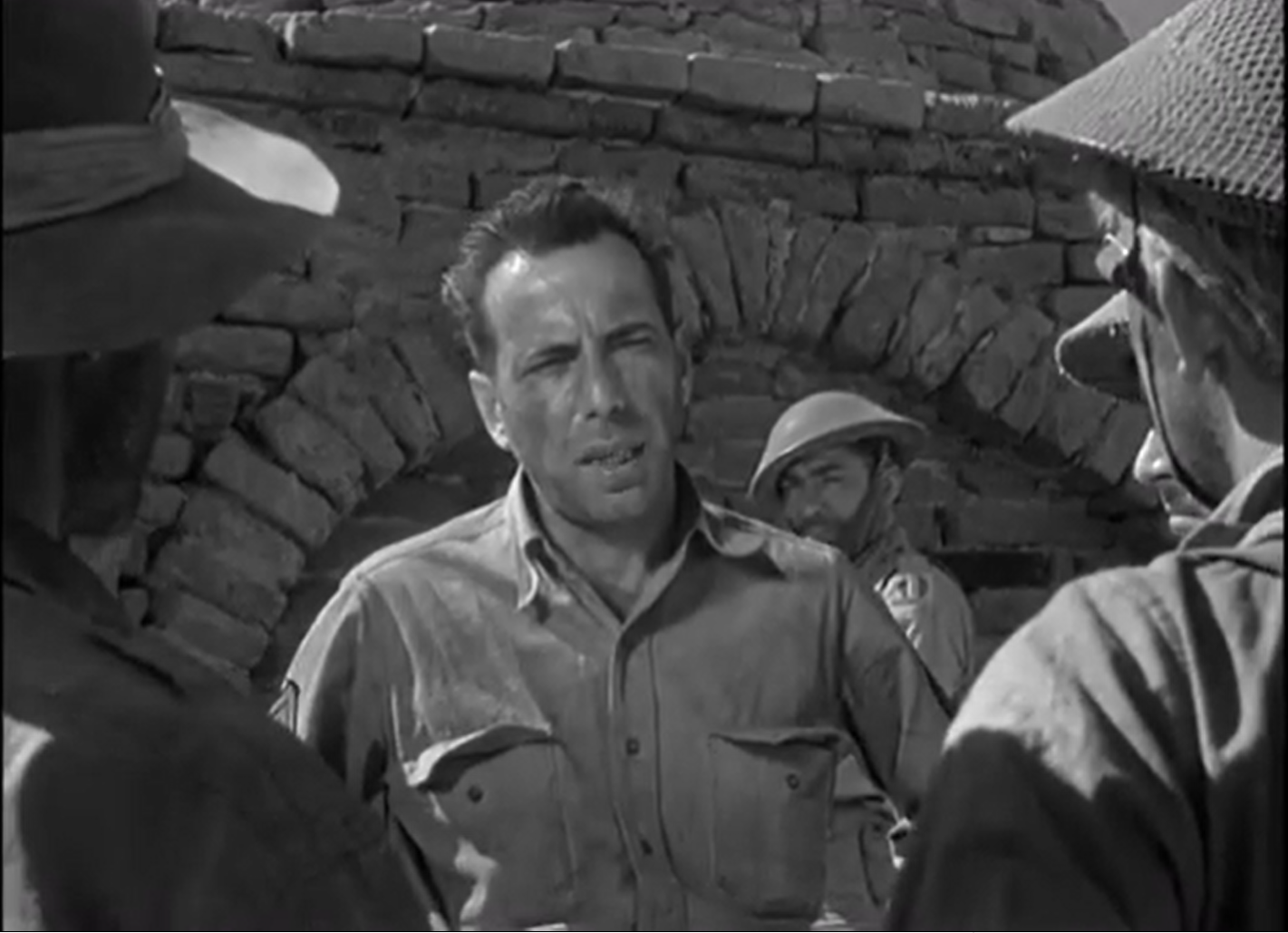
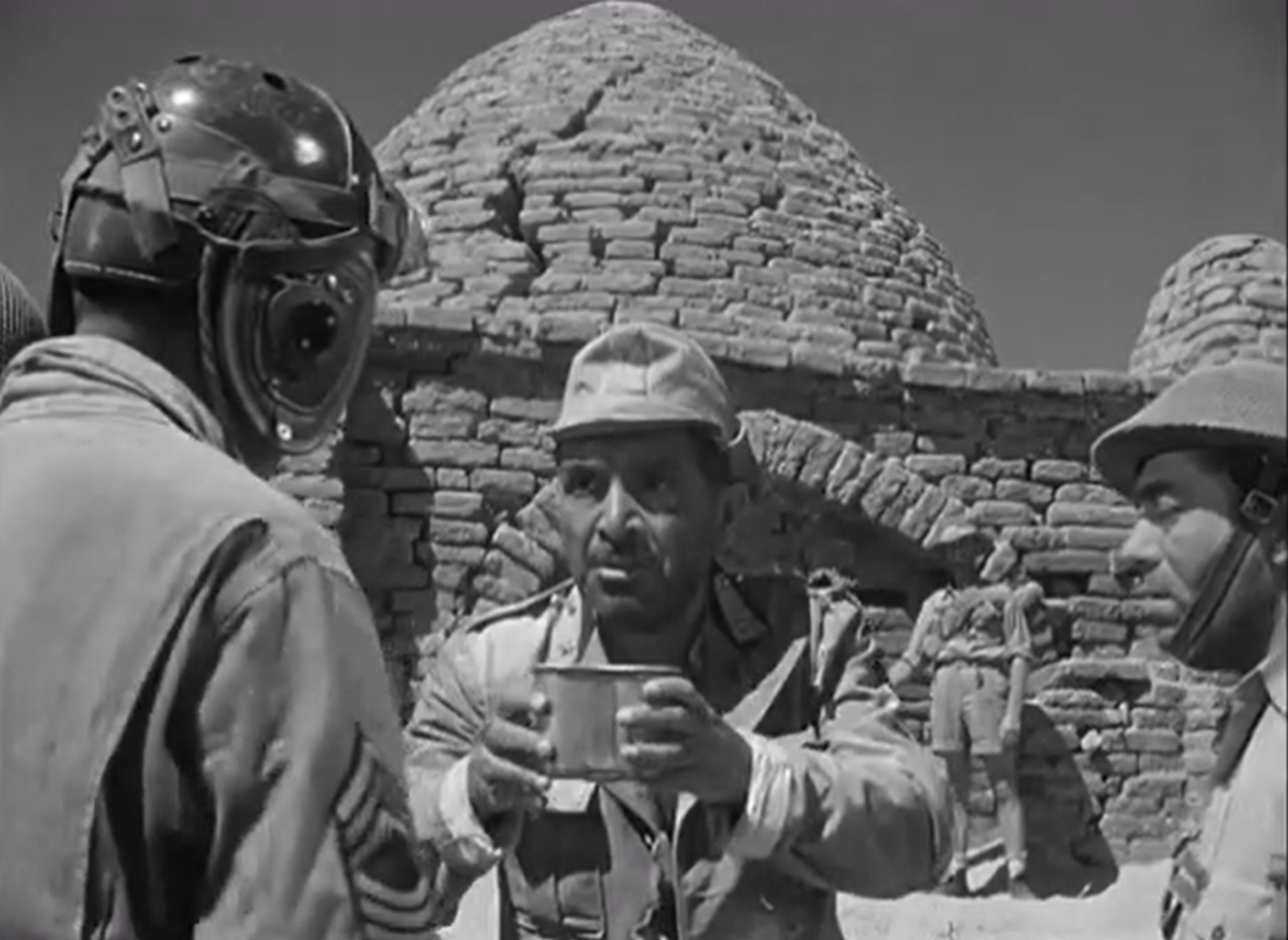
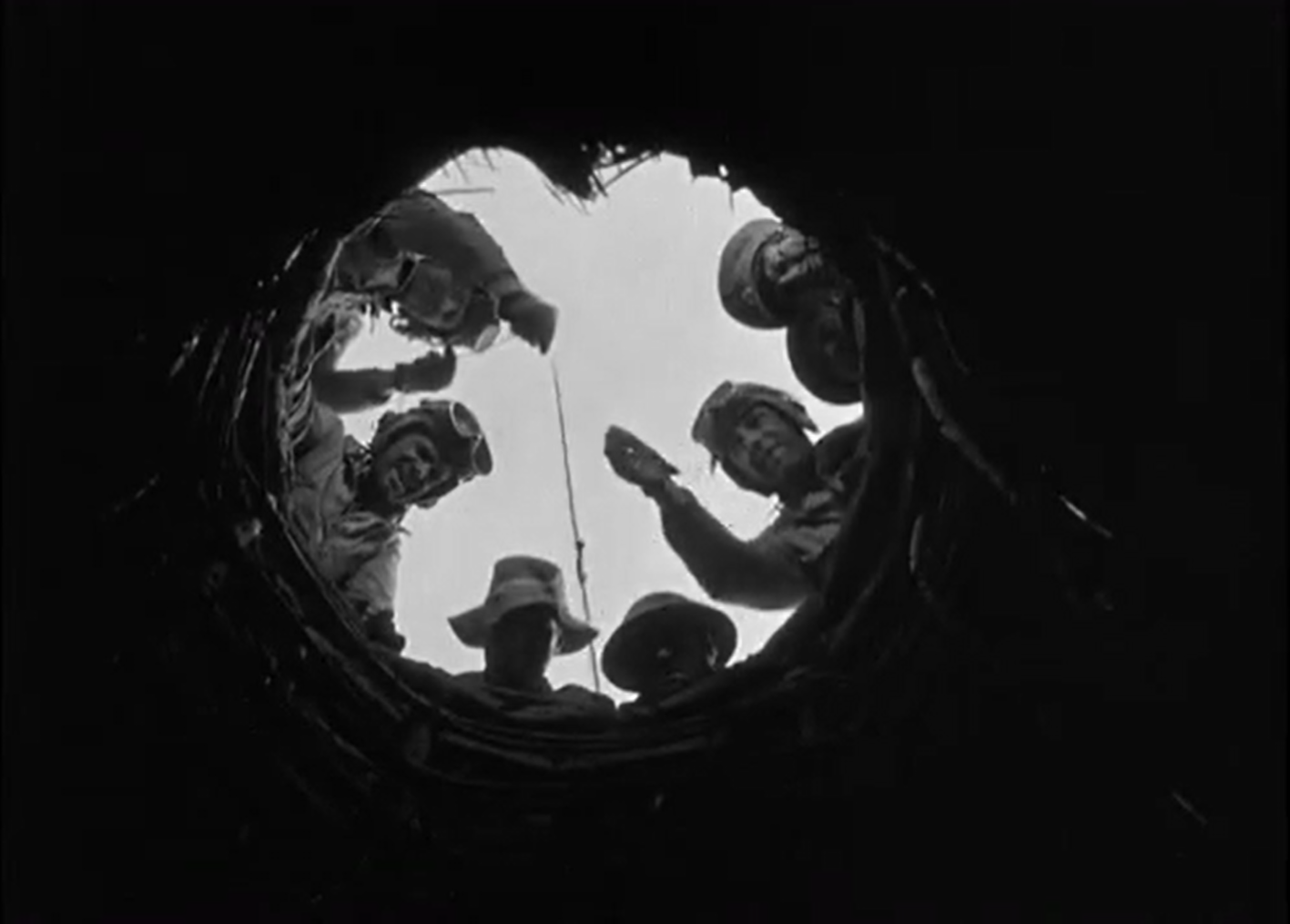
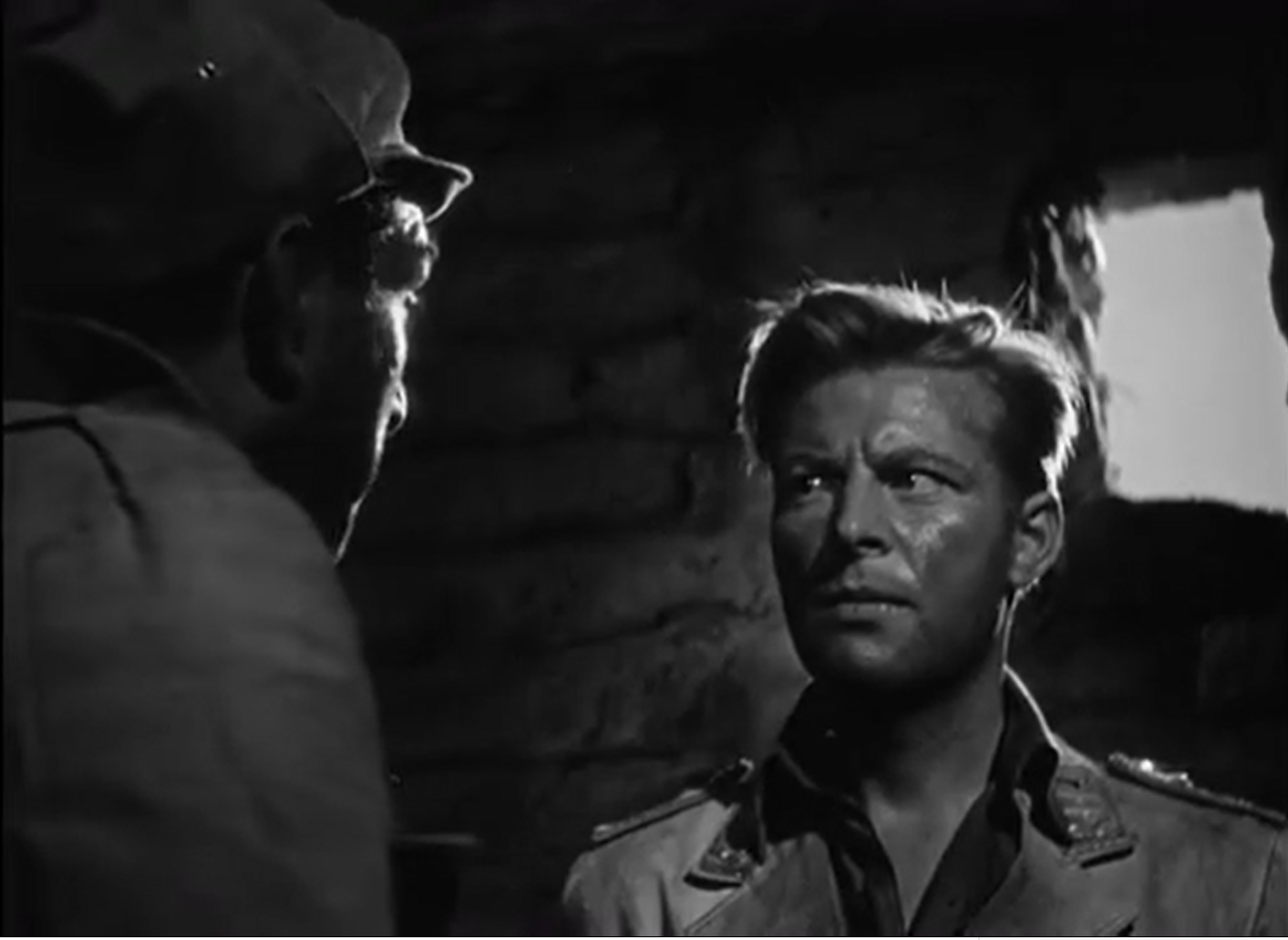
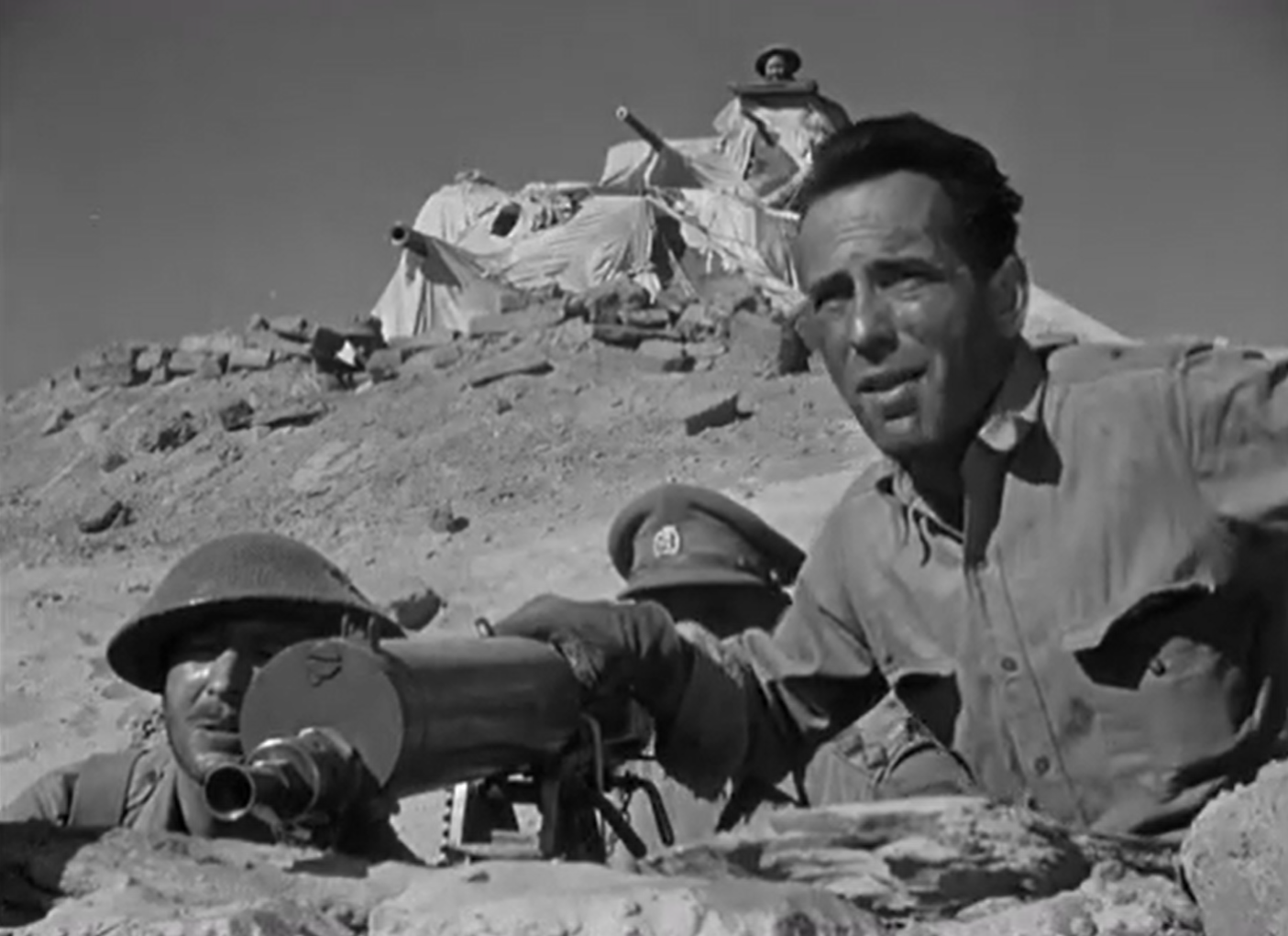
Response to Peary’s Review: He notes that “these themes are most evident in [Ford’s] westerns” and that this film is “very similar to Stagecoach in that it also intermingles dialogue scenes with sequences that rely strictly on visuals and music (Max Steiner won an Oscar) and recall the silent cinema.” He calls out the “strong characterizations, especially by Victor McLaglen as the sergeant” (McLaglen has never been sexier): … “and Boris Karloff as a skinny religious fanatic who goes insane in the intense heat” (though Karloff overplays his role): Ford builds tremendous tension by not showing the shooters until the very end; bullets seem to come literally out of nowhere, ensuring we understand that this group is trapped between a rock and a hard place. A particularly heart-wrenching moment comes when a bi-plane lands nearby and the cheery British pilot is about to rescue them but barely makes it a few steps from his plane before being shot dead, despite vain attempts by the soldiers to prevent him from moving forth. Steiner’s score is used to particularly jarring effect in this sequence. Despite its utterly bleak setting and narrative, this film remains surprisingly engaging and is well worth a look. It would make a good double bill with Zoltan Korda’s WWII-era desert survival flick, Sahara (1943). Note: Peary points out that “in some ways [this film] predates Aguirre: The Wrath of God,” which is an intriguing if not entirely apt comparison. Redeeming Qualities and Moments:
Must See? Categories
Links: |
“You gave me your word you’d quit poker!”
|
Synopsis: |
|
Genres, Themes, Actors, and Directors:
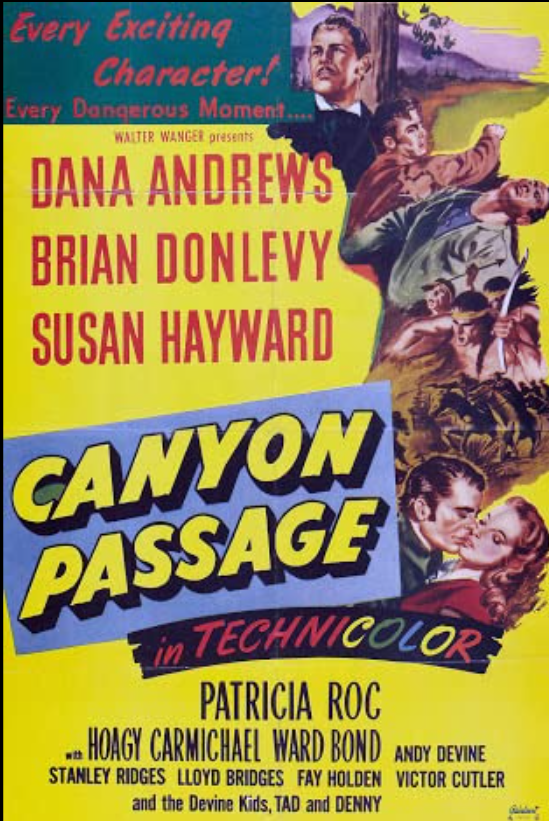
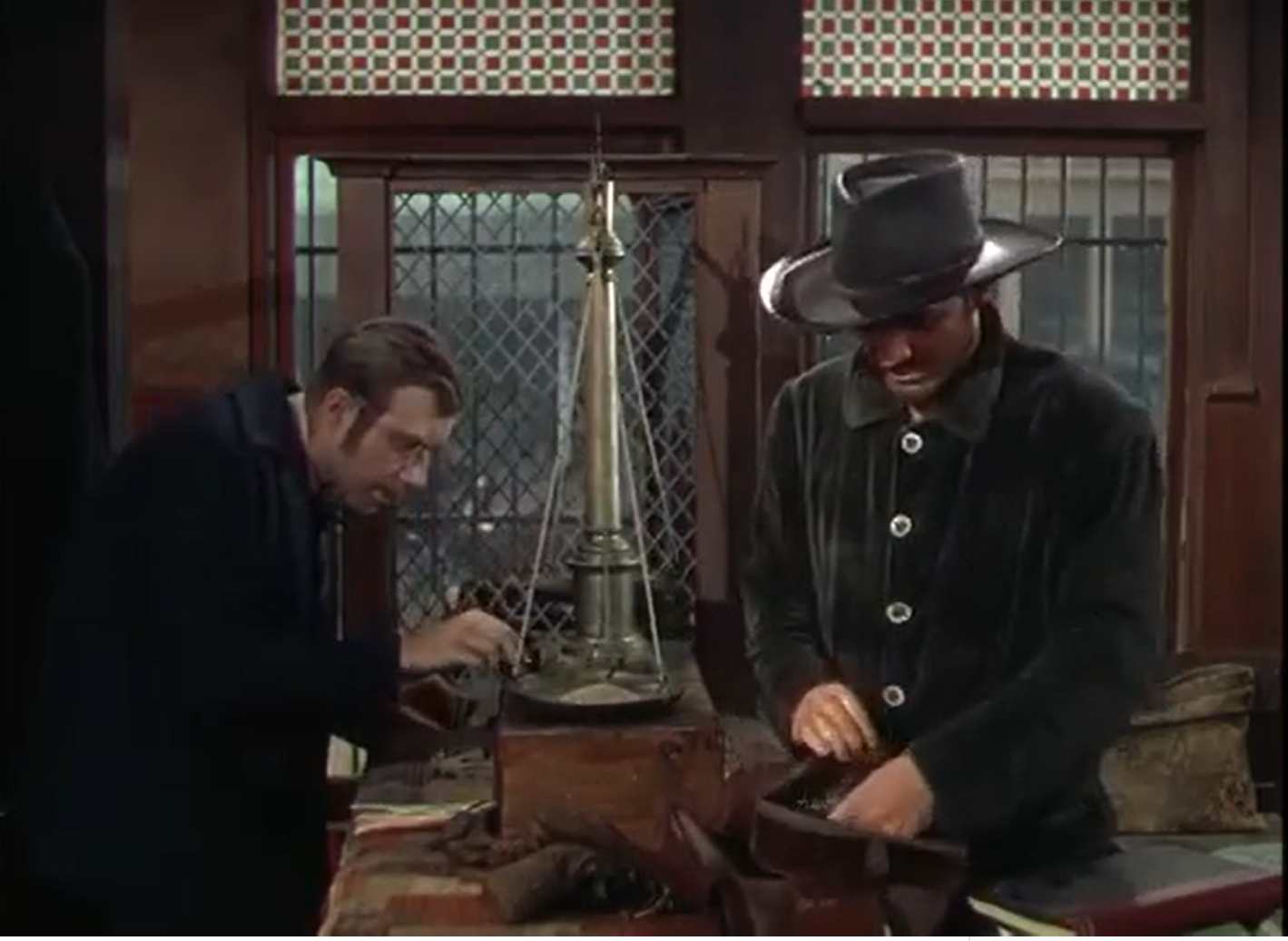
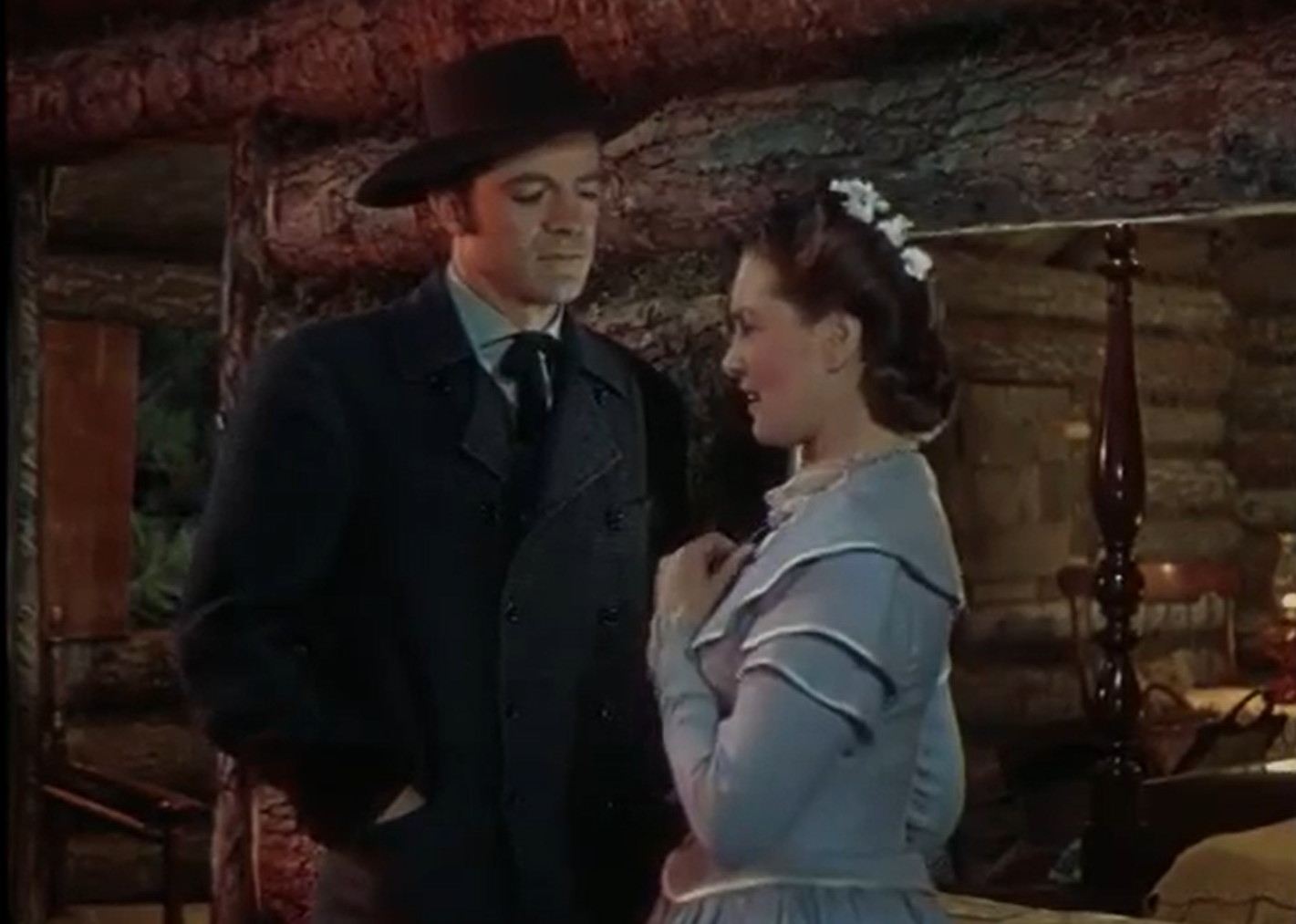
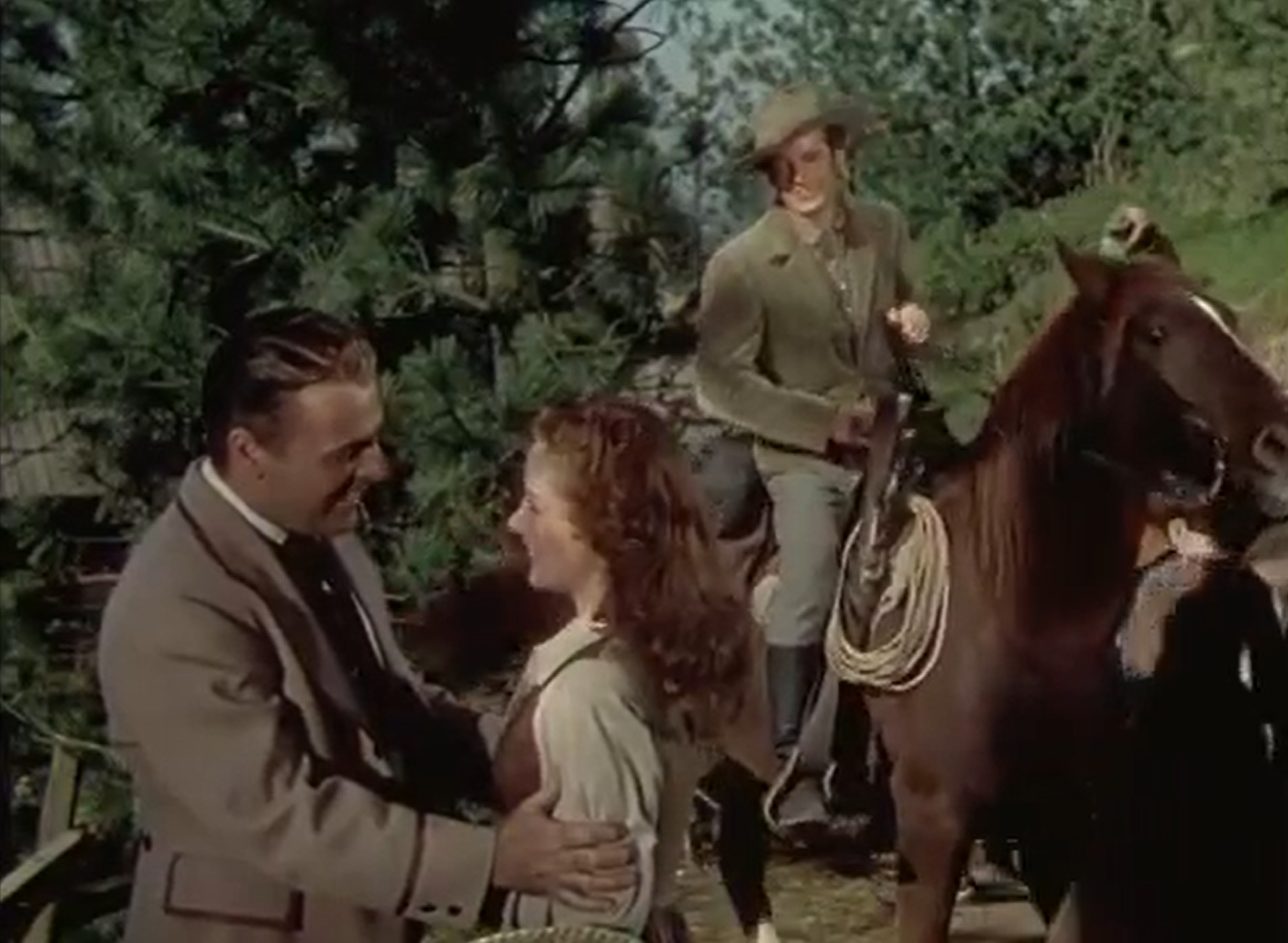
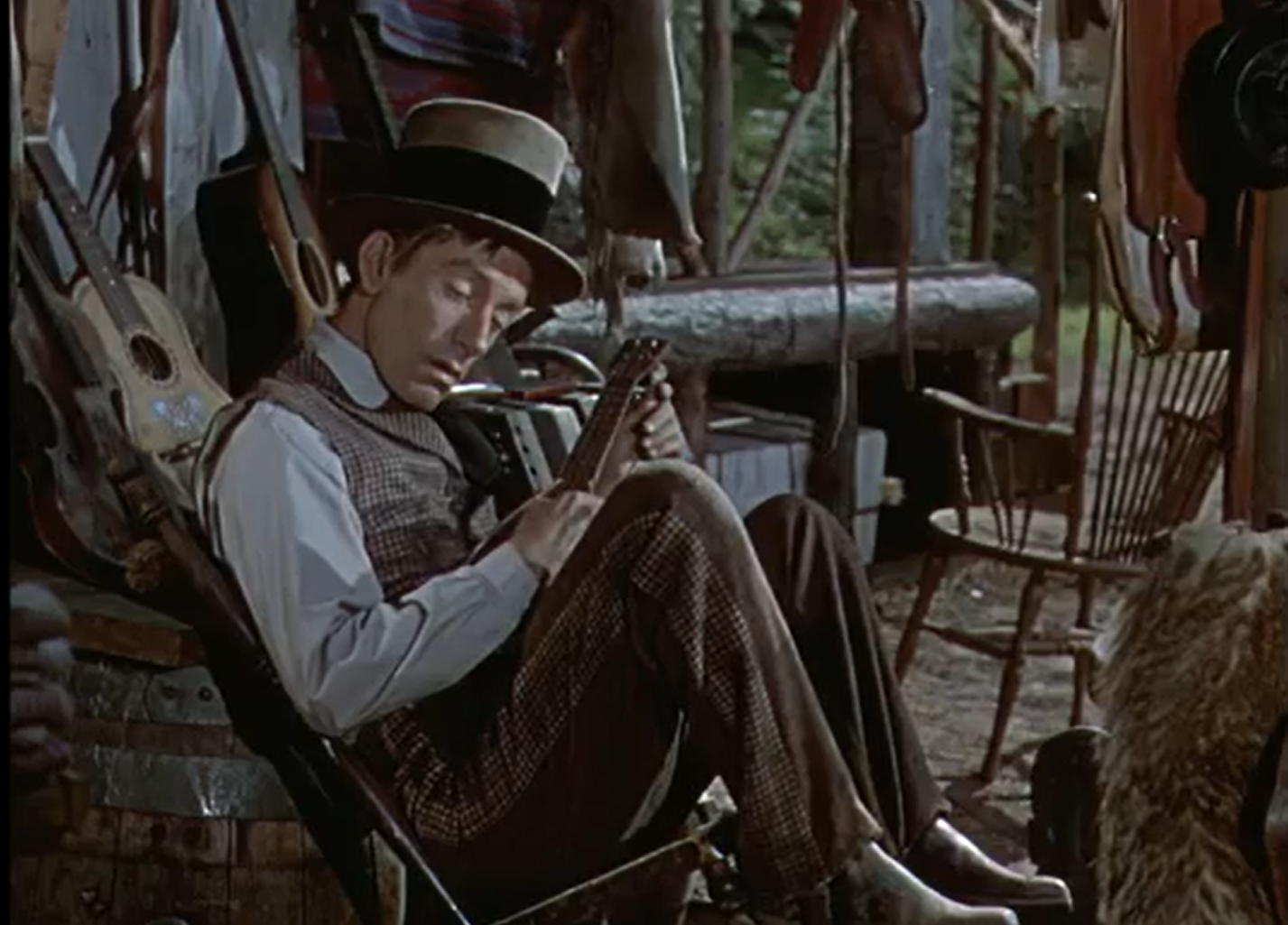
Review: … and willing (but not eager) to marry beautiful, kind, though incompatible Roc: He’s clearly most attracted to the woman (Hayward) already engaged to his best friend (Donlevy): … thus setting up a complex love quadrangle. Without knowing more of their back story, it’s hard to know why Hayward is committed to Donlevy — who we have a hard time liking or sympathizing with given his self-proclaimed aversion to working hard for his money: … not to mention the fact — as shown in a couple of scenes with the solemn wife (Rose Hobart) of a professional gambler (Onslow Stevens) — that he’s far from faithful: Meanwhile, bullying Bond is sufficiently menacing but one-dimensional as the local fight-loving thug: … and the inclusion of Carmichael as a “minstrel” lurking on the sidelines is a curious one (though clearly designed to allow him to sing a few of his own ditties and provide some minor comedic relief): Thankfully, Andy Devine is given a refreshingly candid line to speak regarding the local Indians: “It’s their land and we’re on it, and they don’t forget it.” … though the Indians are reduced to nameless, faceless baddies as usual by the end: I’m curious how much Ernest Haycox’s source novel (adapted by Ernest Pascal) might elaborate on some of my questions and concerns above. Redeeming Qualities and Moments:
Must See? Links: |
“We must get water.”
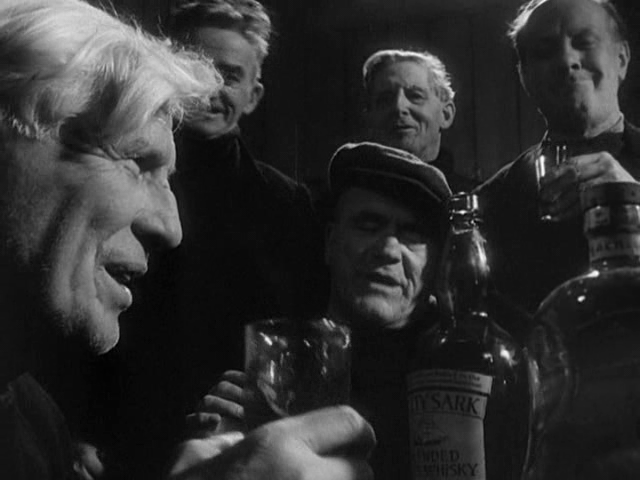
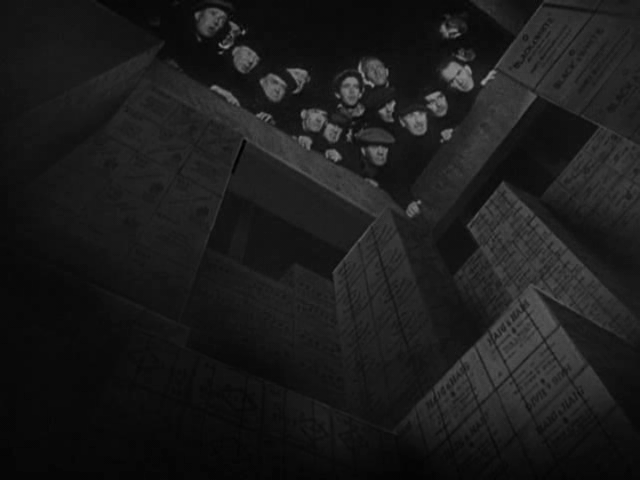
“Any man who stands between us and the whiskey is an enemy!”
|
Synopsis: |
|
Genres, Themes, Actors, and Directors:
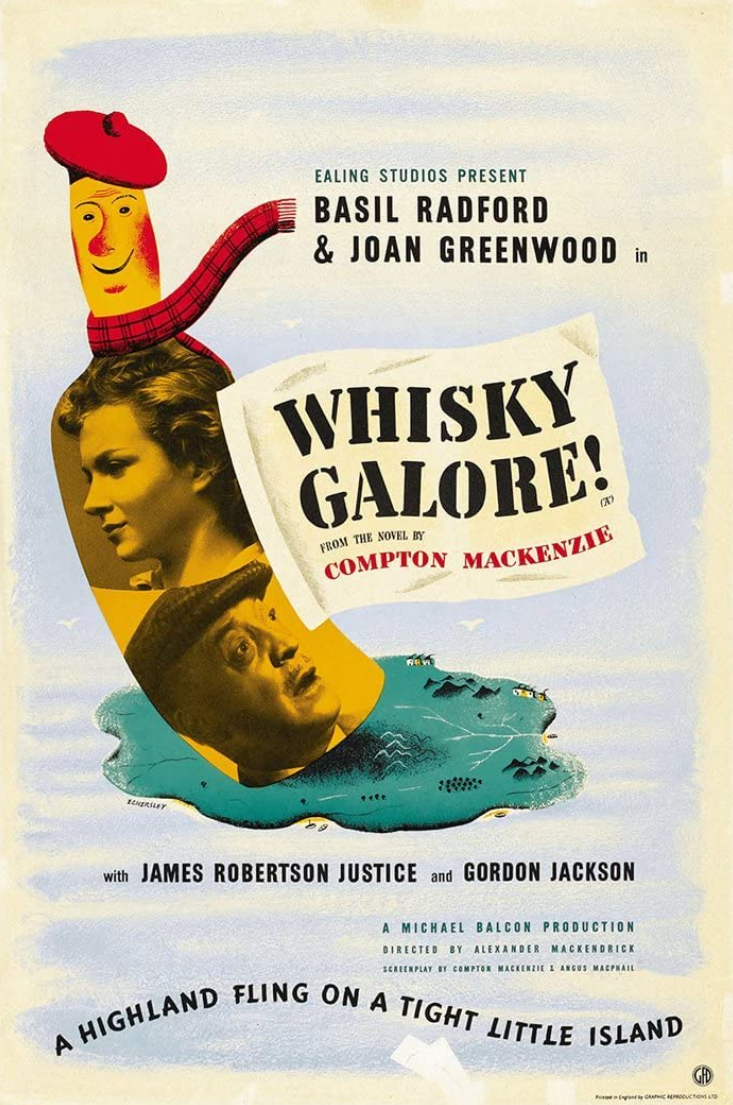
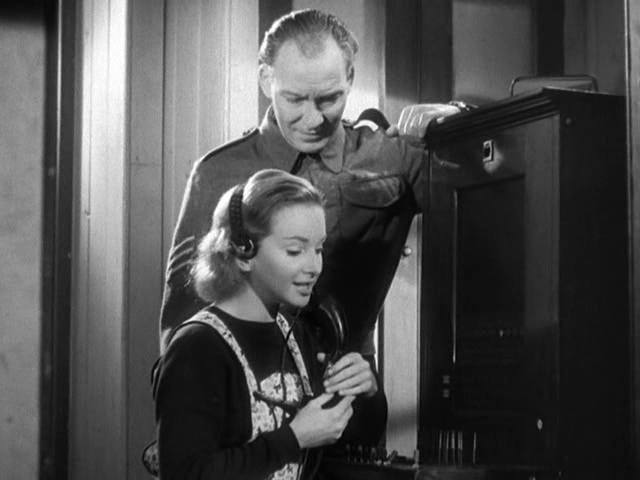
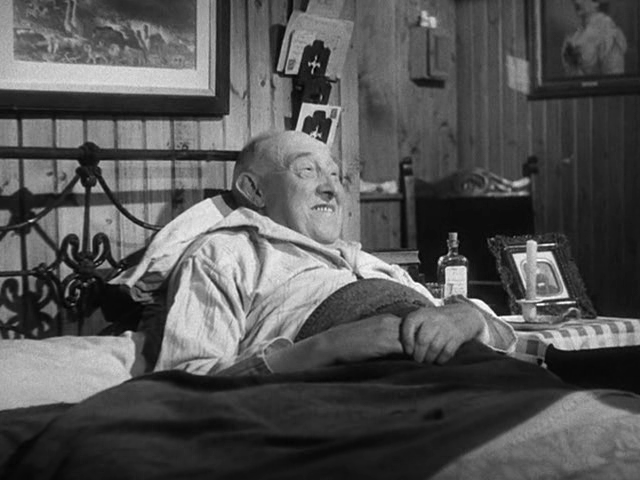
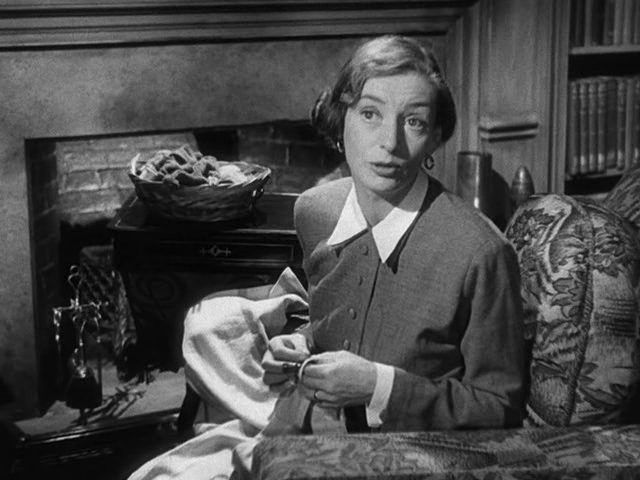
Review: banding together against Customs and Excise men (as personified by Home Guard C.O. Radford): … and also the impact that drinking has on a young man (Gordon Jackson) smothered by his overbearing mother (Jean Cadell): Thanks to a bit of drink, Jackson finally works up the courage to tell Cadell he’s going to marry to his girlfriend (Gabrielle Blunt). Meanwhile, Blunt’s sister (Joan Greenwood) is romanced by a returning sergeant (Bruce Seton) much older than her: … and a dying man (James Anderson) is resurrected by the presence of his favorite libation. Favorite random line: “Mother, where is my helmet? You were using it to feed the hens!” Note: Film fanatics will likely be tickled to see Catherine Lacey from Michael Reeves’ The Sorcerers (1967) in an earlier role here. Redeeming Qualities and Moments: Must See? (Listed in 1001 Movies You Must See Before You Die) Links: |
“Anything could happen in Baltimore — it’s a nest of secessionists!”
|
Synopsis: |
|
Genres, Themes, Actors, and Directors:
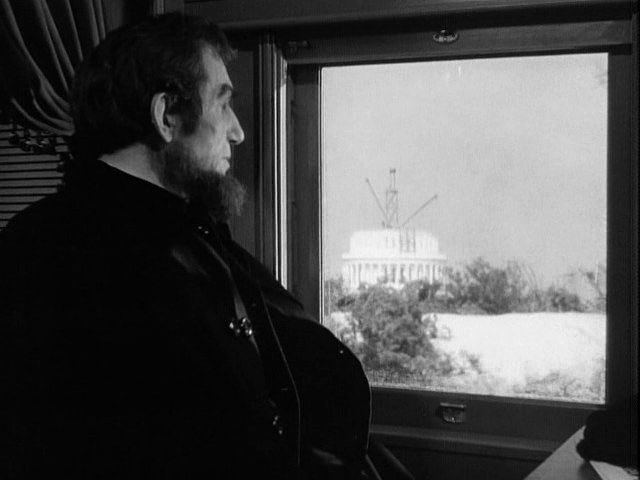
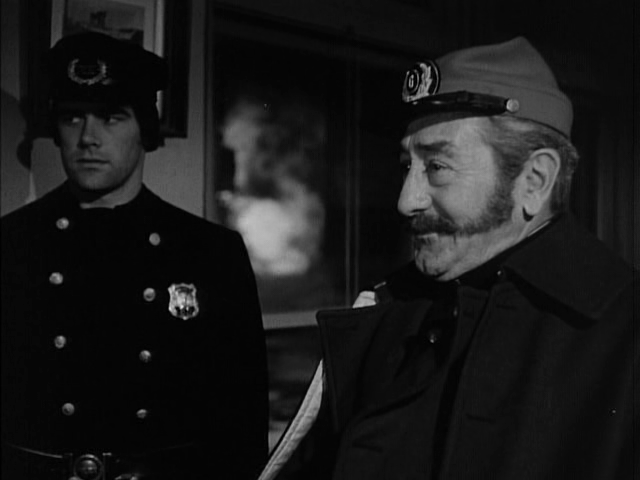
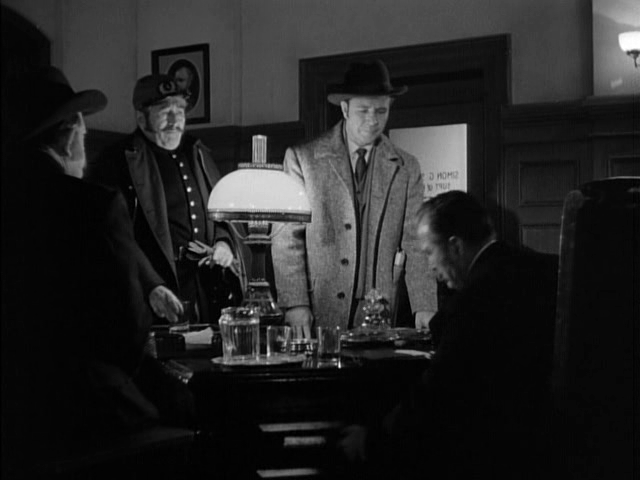
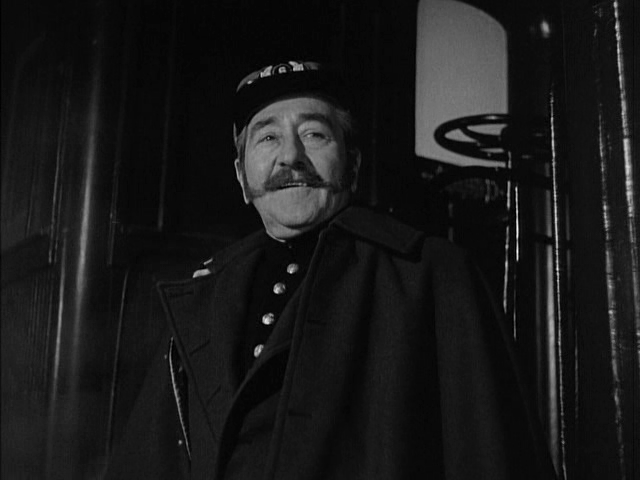
Review: … and it’s no spoiler to say, of course, that he survived this initial attempt at taking his life — but the storyline remains surprisingly gripping until then, despite knowing this outcome. Mann (working with DP Paul Vogel) creates an impressively claustrophobic atmosphere on board the train, with shadowy figures literally lurking around every corner, and violence a possibility at all times. We don’t quite understand at first who each of the characters is or what they stand for, but this suits the narrative perfectly: only gradually do we understand the complex web of deceit being carried out (thank goodness for Powell’s tenacity!). A subplot involving a slave (Dee) is handled especially well, allowing her to give a surprisingly nuanced performance for such a minor role. Meanwhile, smarmy Menjou is perfectly cast as a supportive colonel with more up his sleeve than he first reveals: … and Bates is memorable as a blunt-speaking abolitionist who thinks nothing of asking Dee outright, with gleeful anticipation, “Tell me, my dear: how does it feel being beaten? They did beat you, of course?” Perhaps most eerie of all is how powerfully the storyline here echoes our current polarized political landscape: It’s easy enough to believe in a story of complex sedition like this given… Well, given recent events. Enough said. Redeeming Qualities and Moments:
Must See? Categories
Links: |
“How do you account for it — this terrific success?”
|
Synopsis: |
|
Genres, Themes, Actors, and Directors:
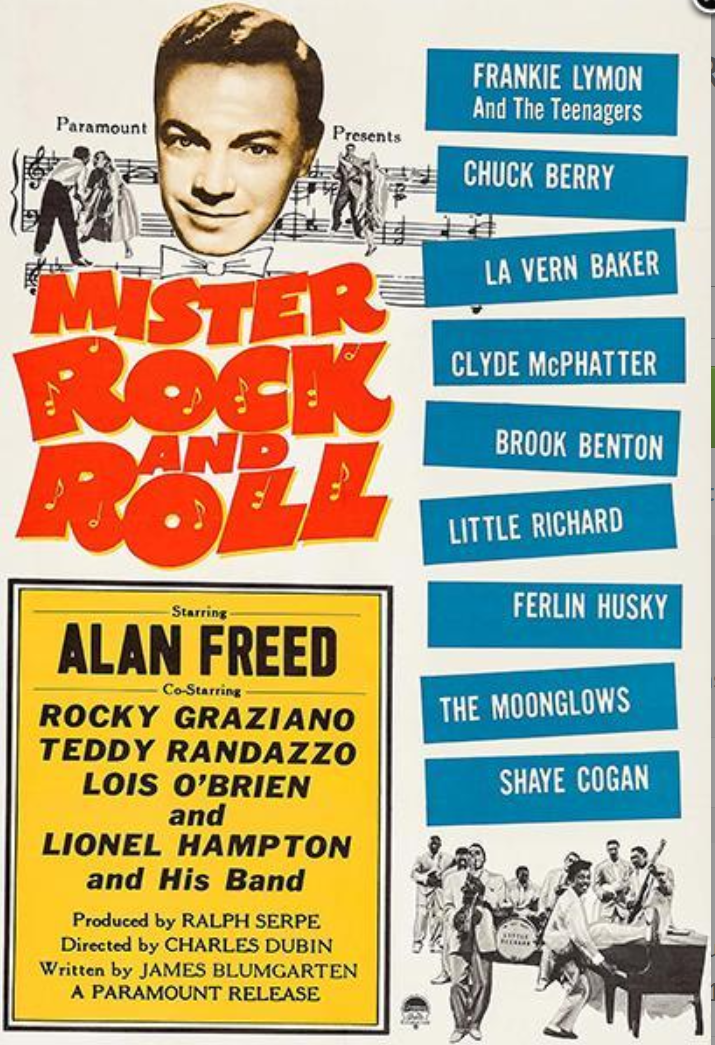
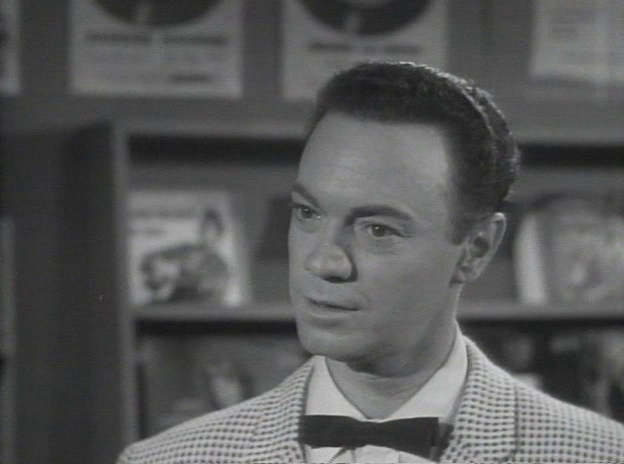
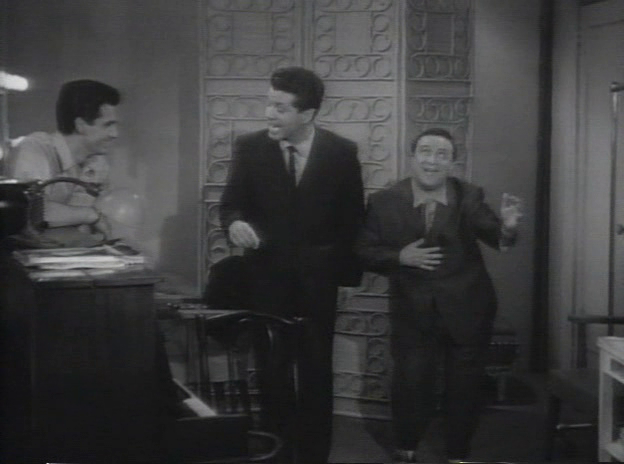
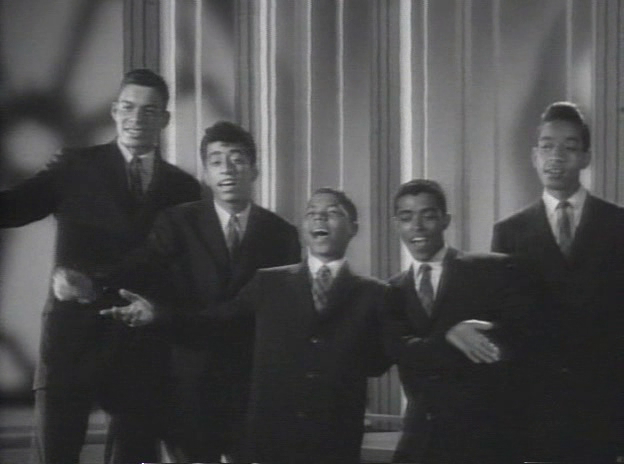
Review: … but was really just one more excuse for a variety of then-popular stars to perform. It’s listed as a Camp Classic in the back of Peary’s book — likely no longer true, but this designation makes sense given how trite and stilted the dialogue and storyline are: boy (Randazzo) meets girl (O’Brien), they have a misunderstanding, boy croons a couple of songs, and the couple reunites by the end. We’re treated to perhaps the worst ever attempt by a singer (Randazzo) to pretend he’s playing the piano: … and numerous painful (unsuccessful) attempts at injecting humor: Meanwhile, one can’t help wondering, what in the heck is that photo of a handsome young guy doing in the top right corner of Randazzo’s dressing room mirror? Thankfully, the film culminates in a suitably raucous, socks-knocking dance sequence: … and check out the Black female saxophonist! Could she have been a member of the International Sweethearts of Rhythm? Redeeming Qualities and Moments: Must See? Links: |
“I just came here for the fun of it.”
|
Synopsis: |
|
Genres, Themes, Actors, and Directors:
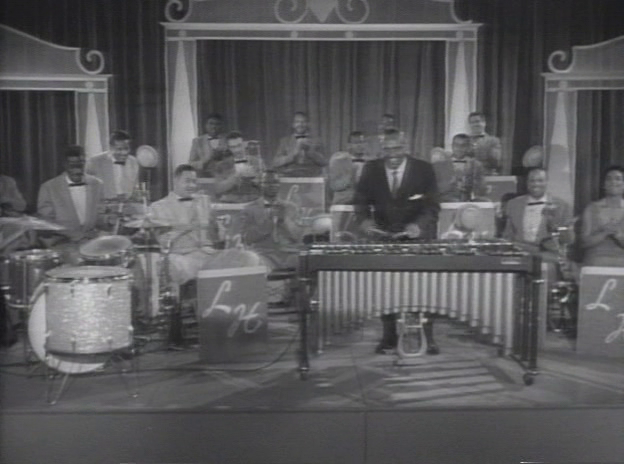
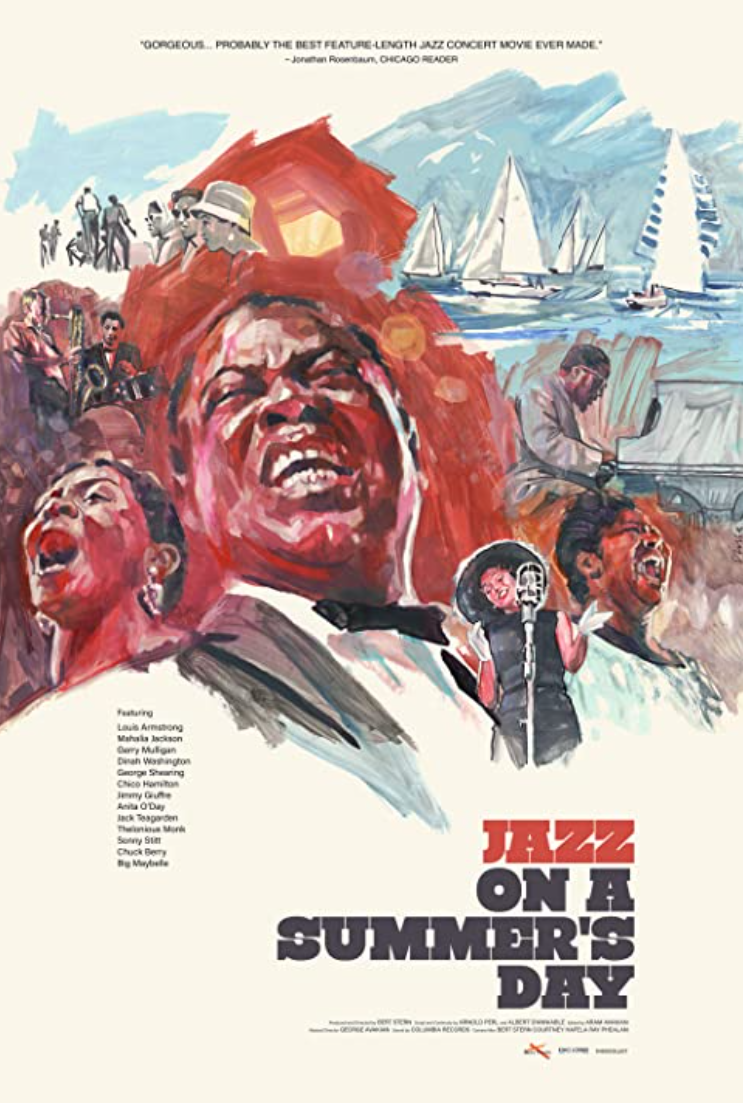
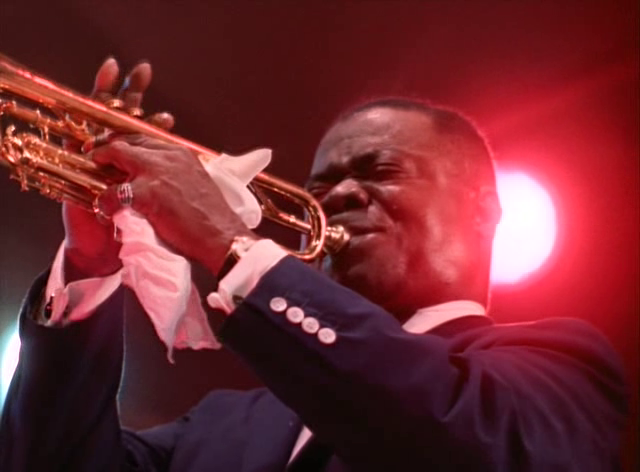
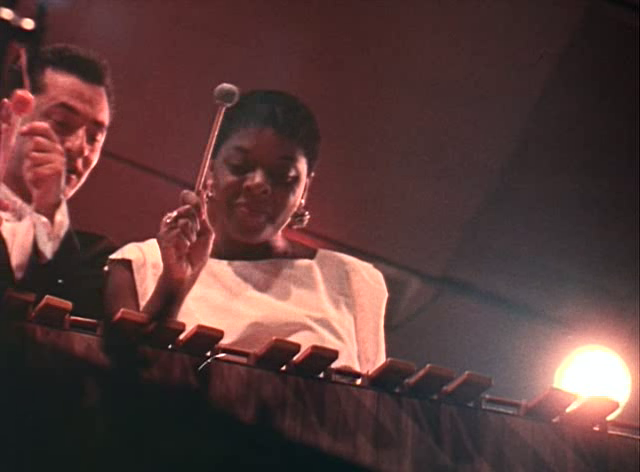
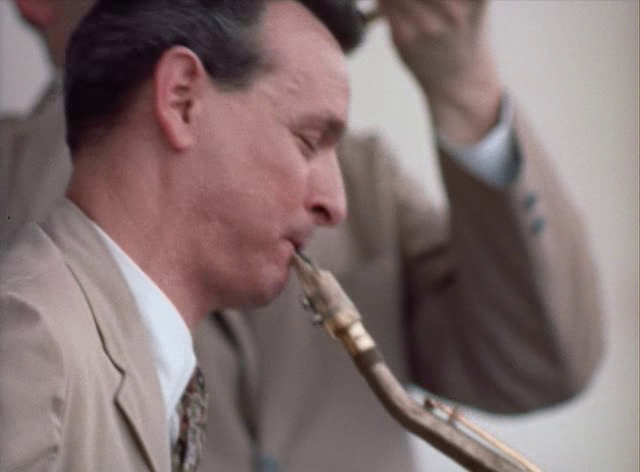
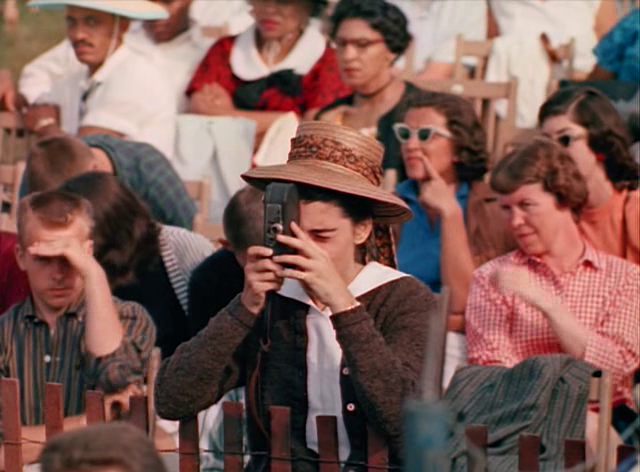
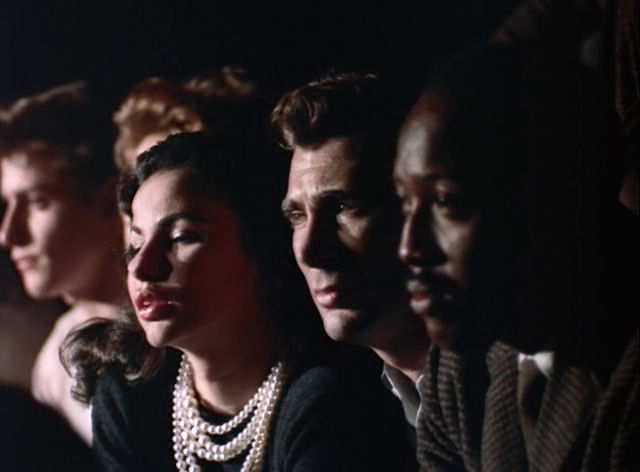
Review: … Anita O’Day (high on heroin at the time, as she later admitted) scatting away skillfully: … the cellist from the Chico Hamilton Quintet (Nate Gersham) privately playing the Prelude to Bach’s Cello Suite No. 1: … and (of course) Louis Armstrong and his All-Stars performing with characteristic verve and joy: But the carefully edited interstitial footage is often just as illuminating, beautiful, or (unintentionally) amusing: This musical treat will likely be a repeat favorite for jazz-loving film fanatics, and should be viewed once by all simply for its historical relevance. Redeeming Qualities and Moments: Must See? Categories
Links: |
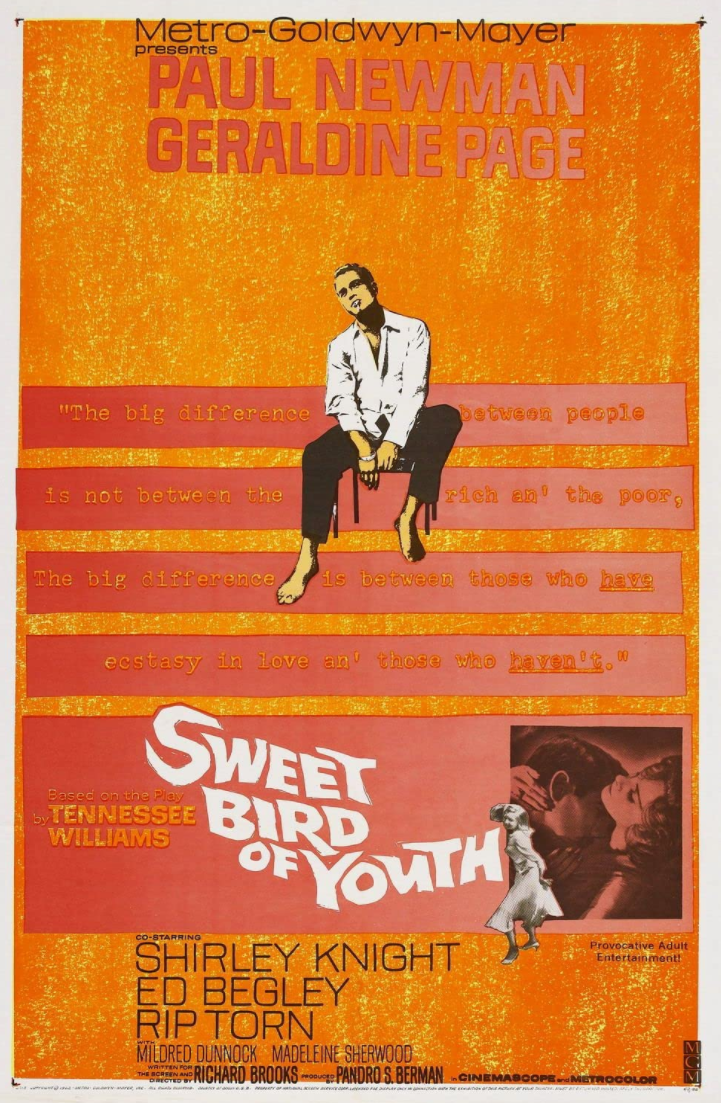
“I’m gonna have to remove Chance Wayne from your life finally, and for the last time!”
|
Synopsis: |
|
Genres, Themes, Actors, and Directors:
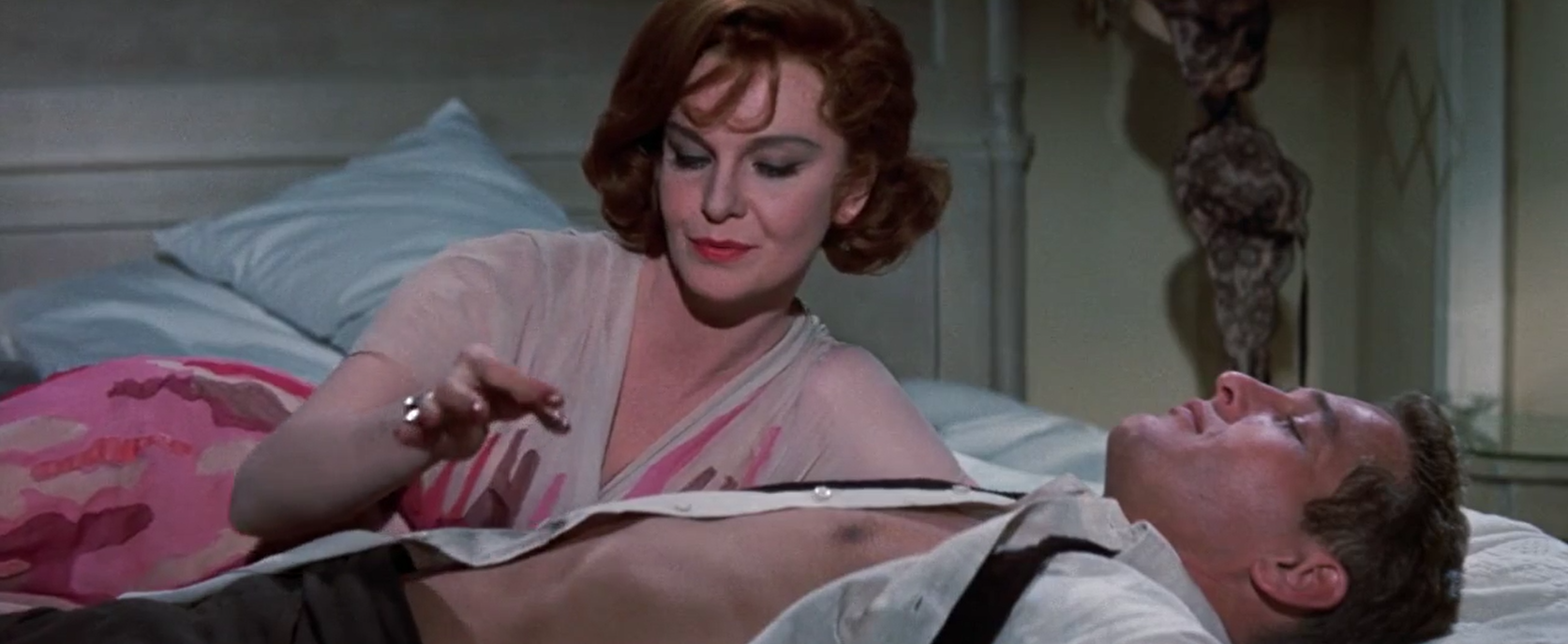
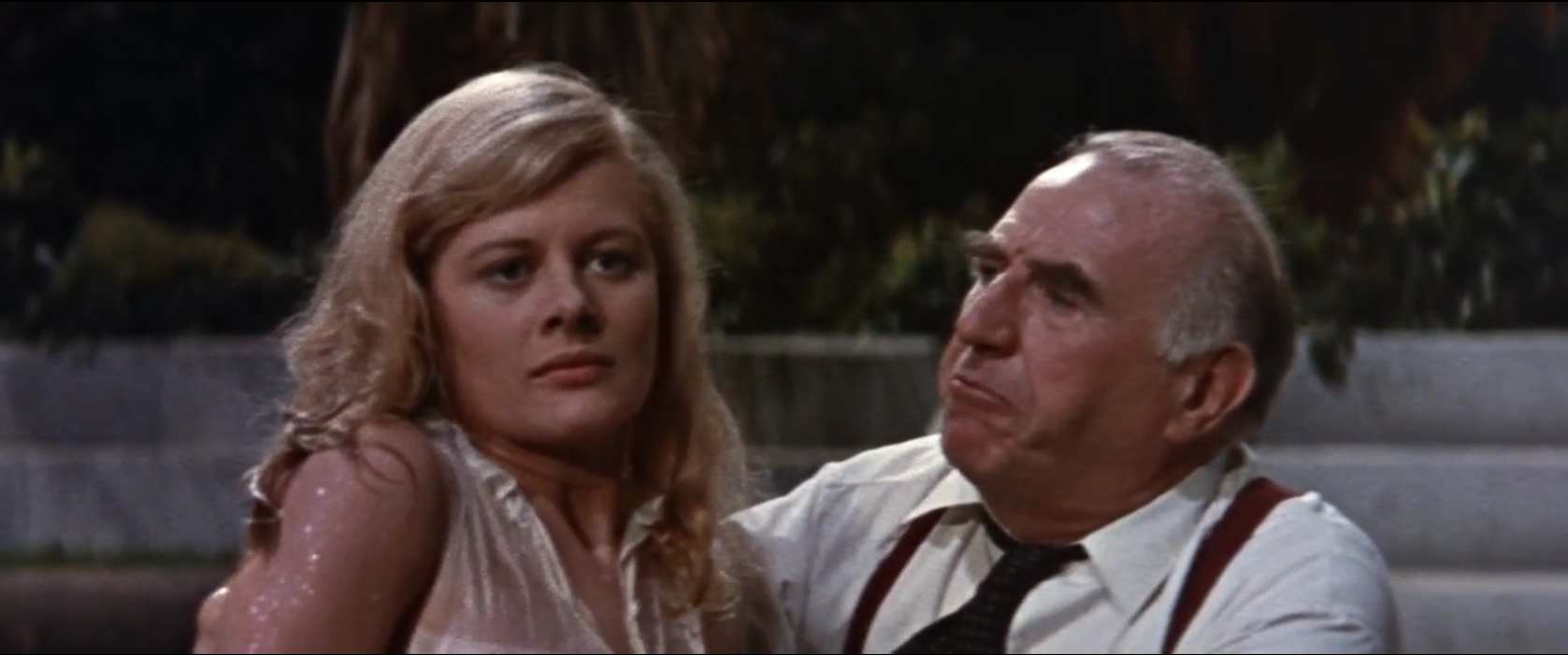
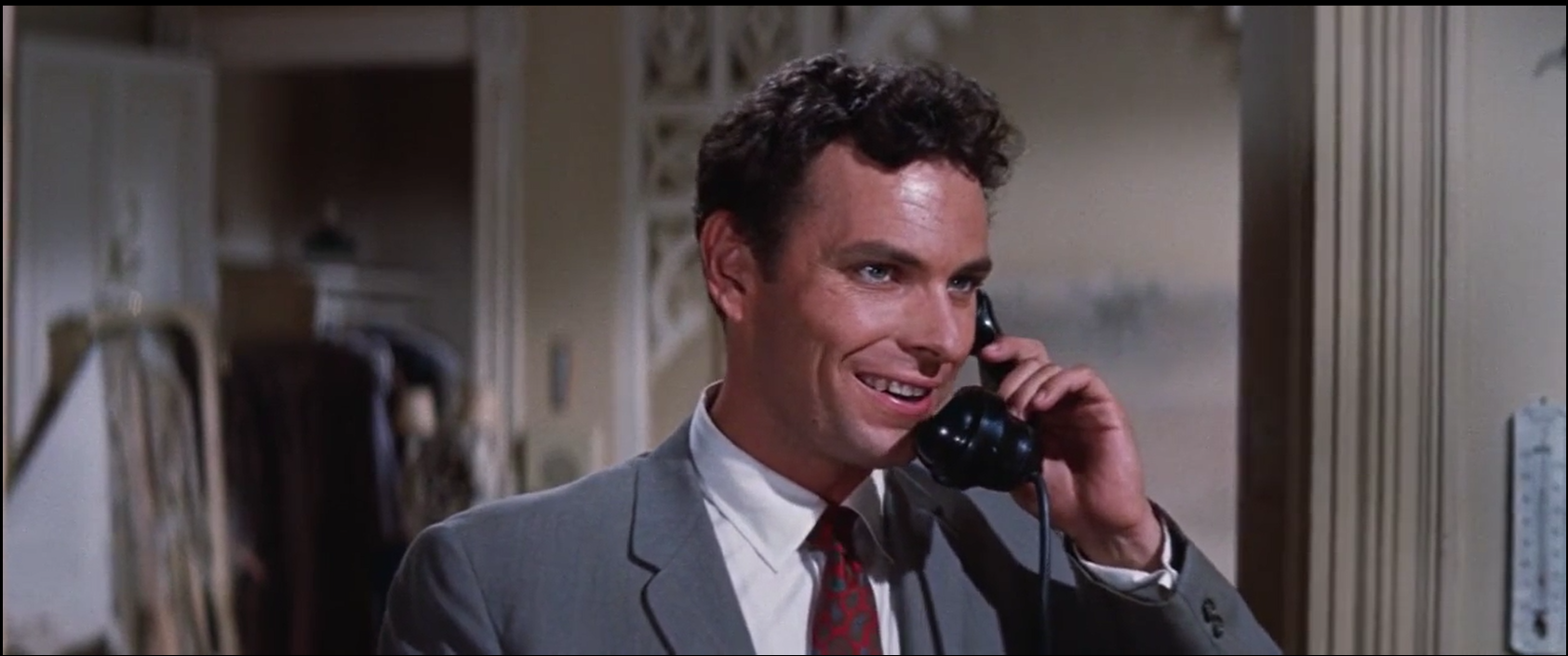
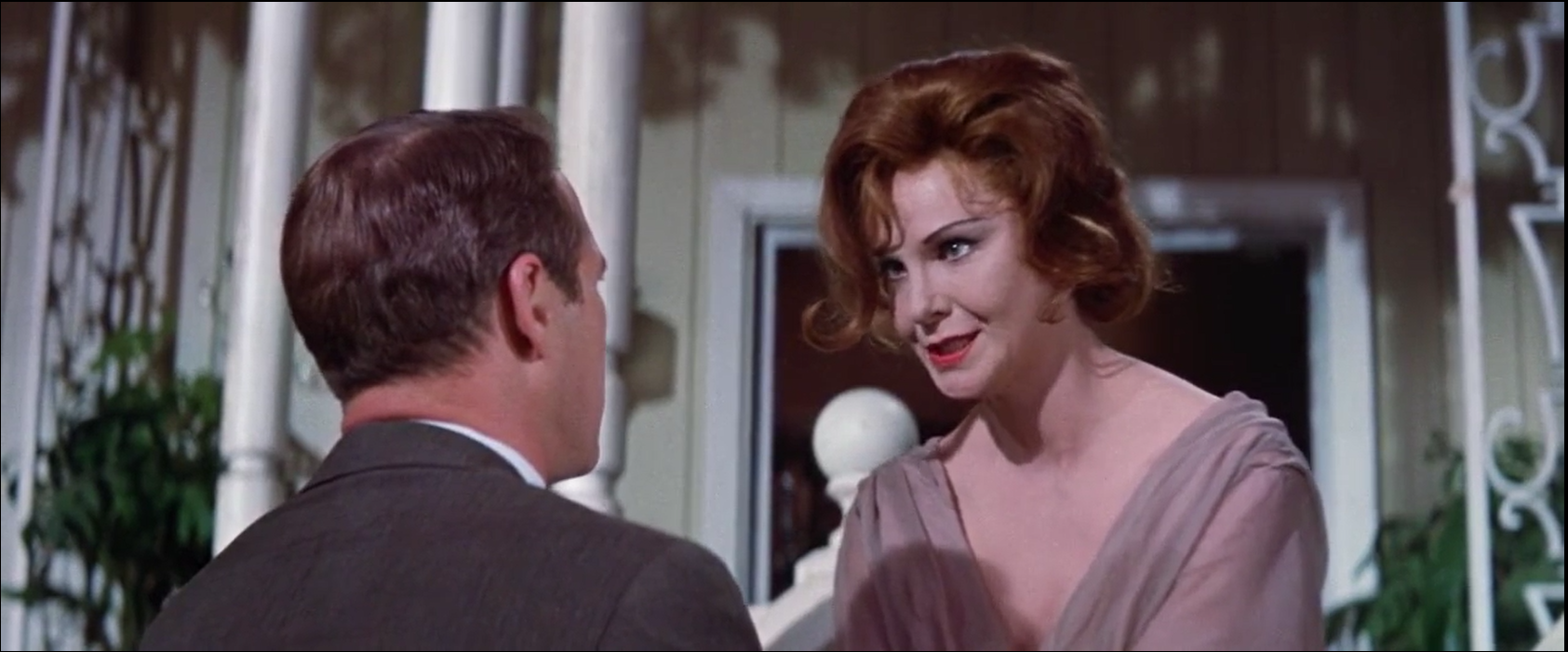
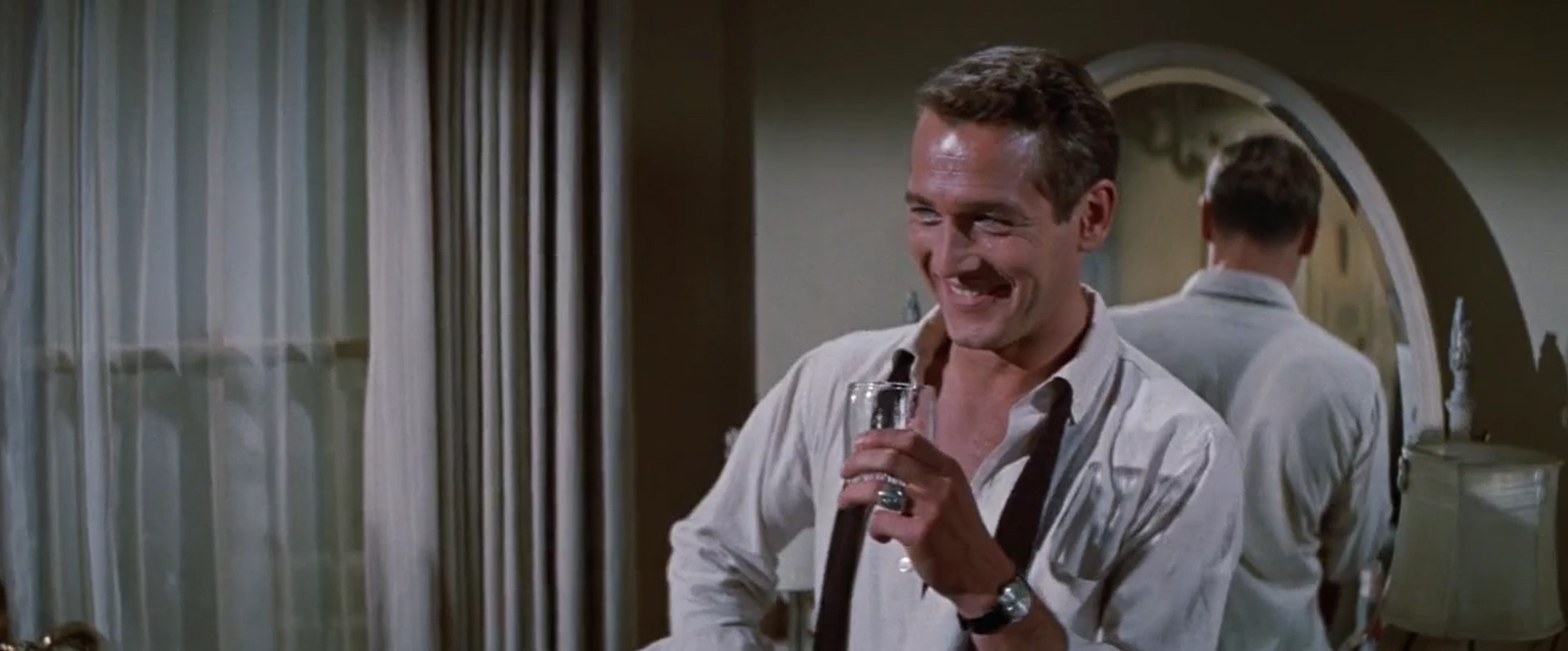
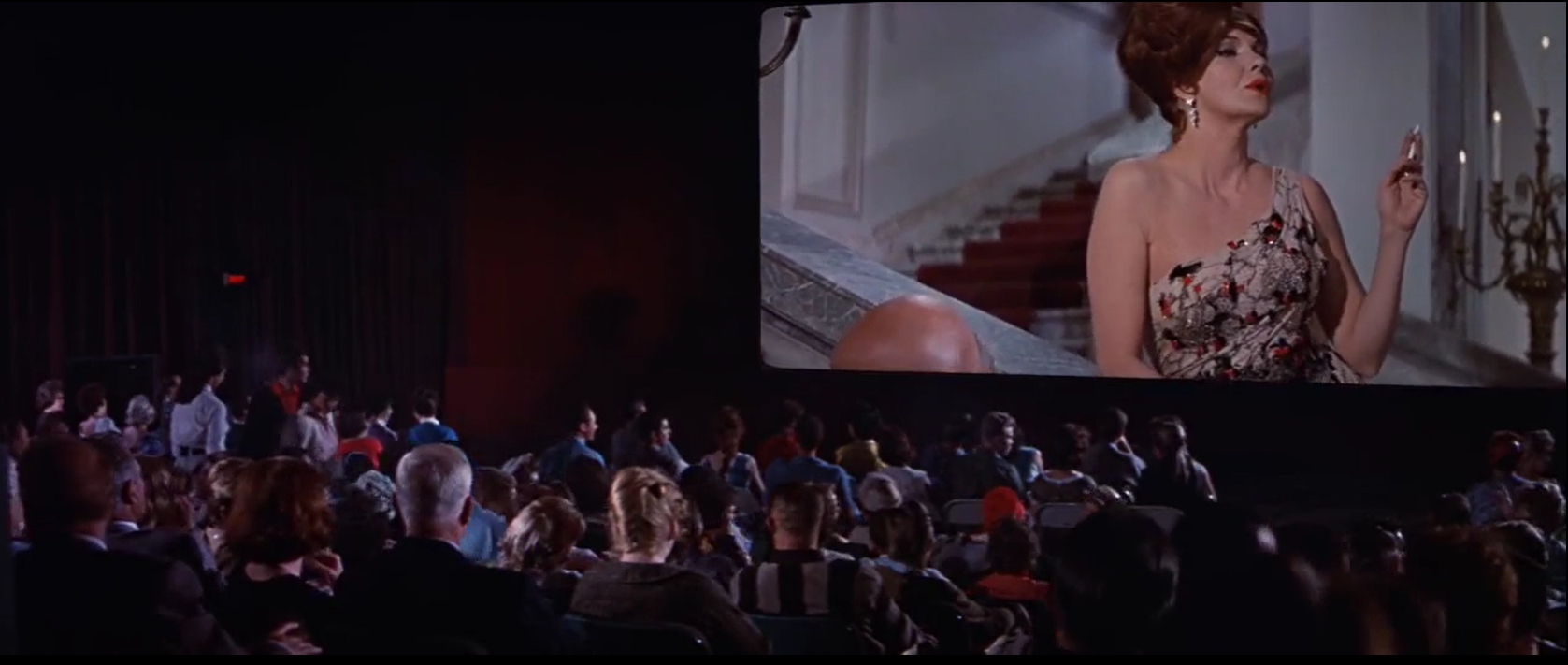
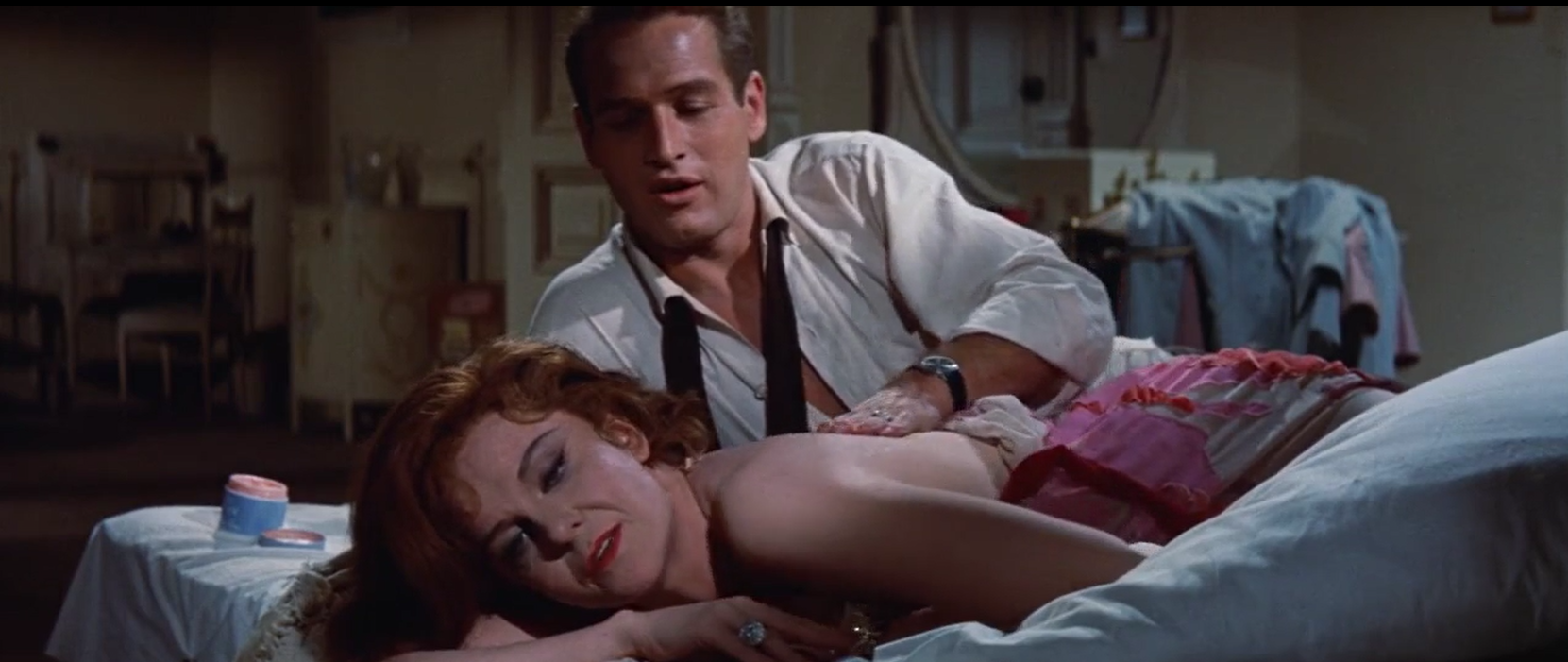
Review: Newman is at his hunkiest (is that even possible to distinguish?): … and Page is note-perfect as an insecure, narcissistic diva, still gorgeous and alluring, but clearly about to pass her prime. The rest of the storyline — primarily centered on venal Begley’s outsized political and personal influence in his town — is a tough pill to swallow but, sadly, all too believable. It’s gut-wrenching watching him bully and mistreat everyone around him, including his daughter (Knight): … his sister (Mildred Dunnock), his staffers, and — most infamously — his mistress (Sherwood): … not to mention seeing the ripple effect this has on his son (Torn), who it seems will follow in his footsteps: As Bosley Crowther wrote in his amusing assessment for the New York Times:
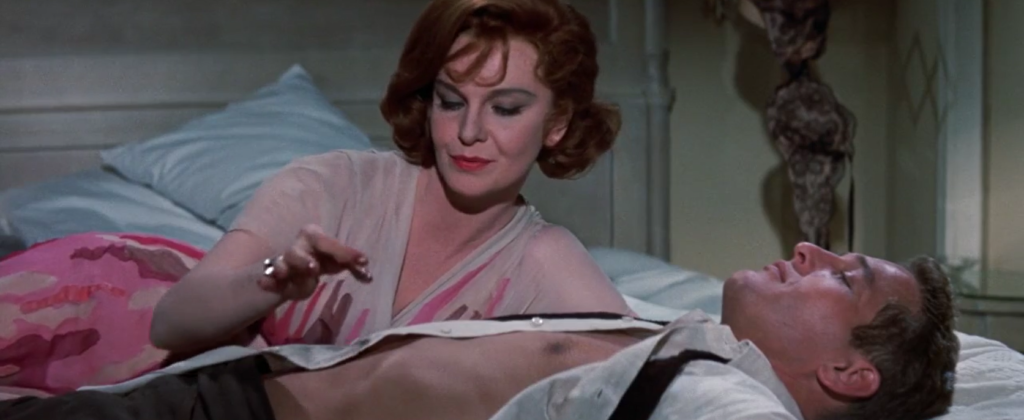

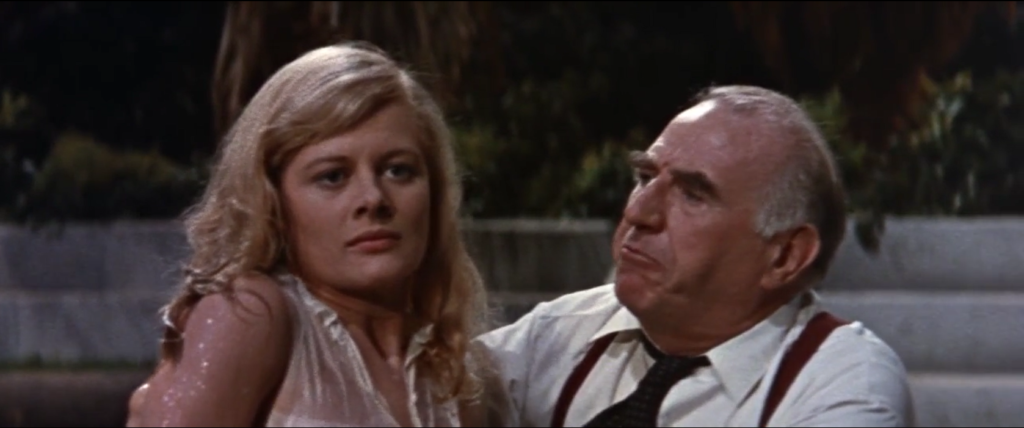

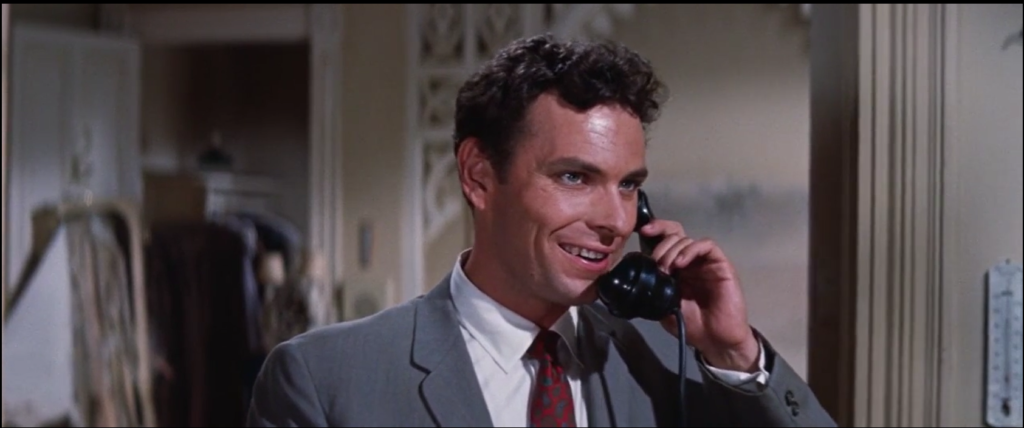
Mostly, however, we’re eager to see how things will play out between Newman and Page: each is cockily confident they will get what they want from the other, and weirdly enough, we can’t help rooting for both of them in turn. As CineSavant writes in his review for Trailers From Hell, “Not all Tennessee Williams film adaptations are successful, but Richard Brooks’ blend of romance, show biz venality and political thuggery is just too entertaining to dismiss.” Note: Thankfully, censors demanded that the utterly bleak ending of Williams’ play be altered somewhat, leaving us with an unexpected sense of hope by the end. Redeeming Qualities and Moments:
Must See? Categories
Links: |