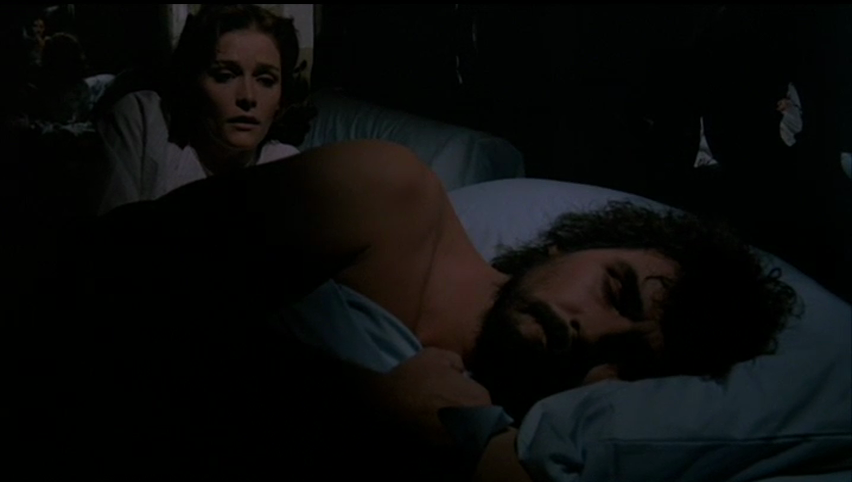
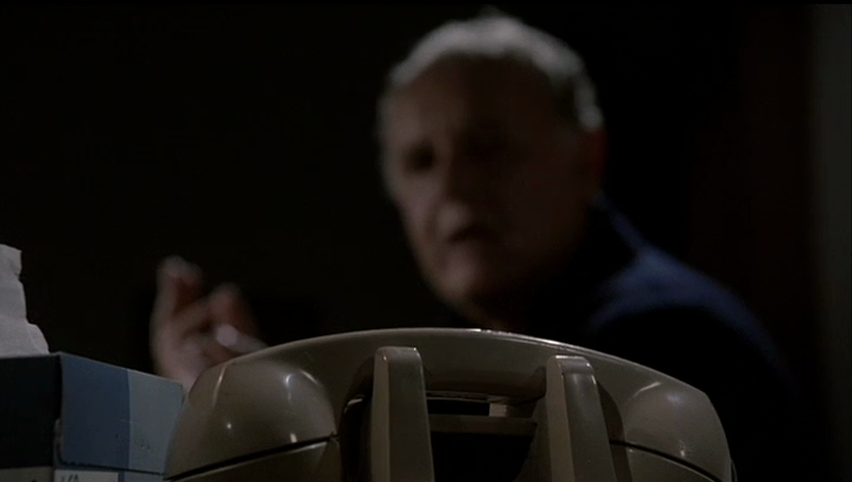
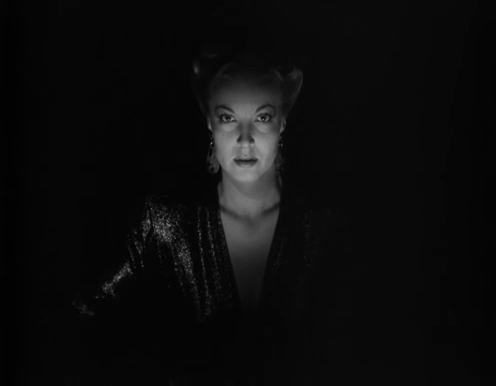
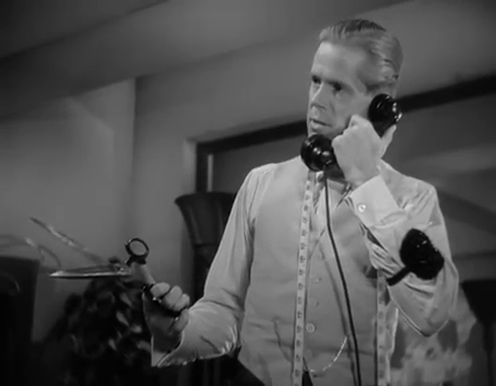
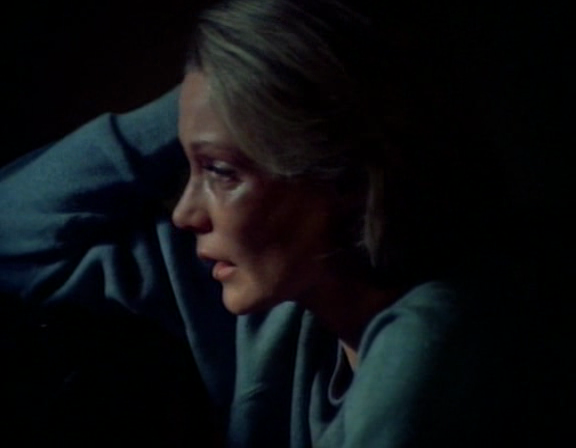
They Might Be Giants (1971)

They Might Be Giants (1971)

“No coaching, please — I work by pure deduction.”

Synopsis:
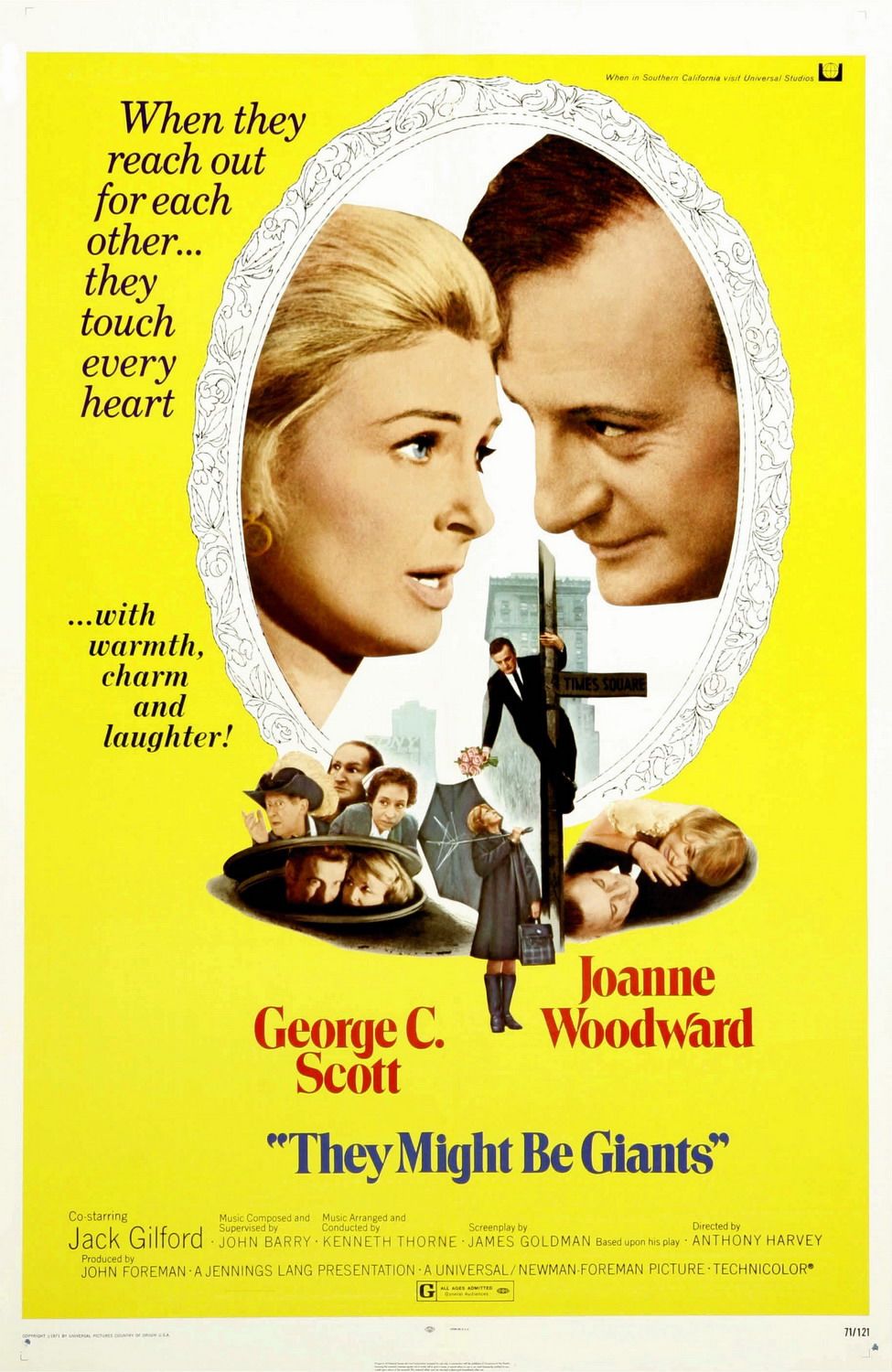
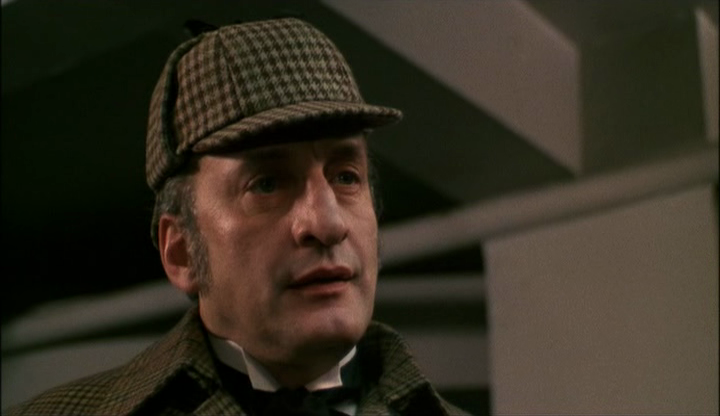
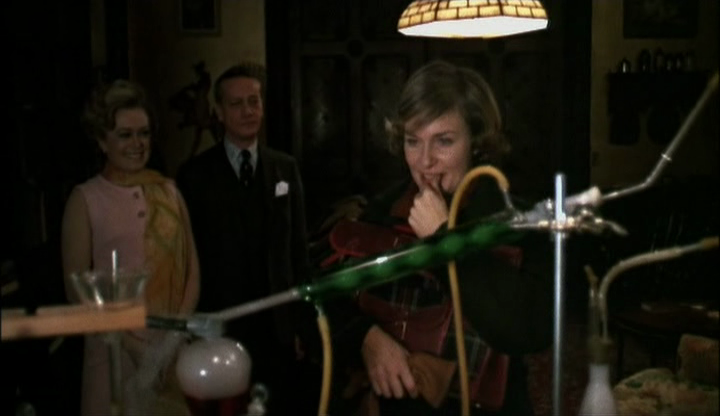
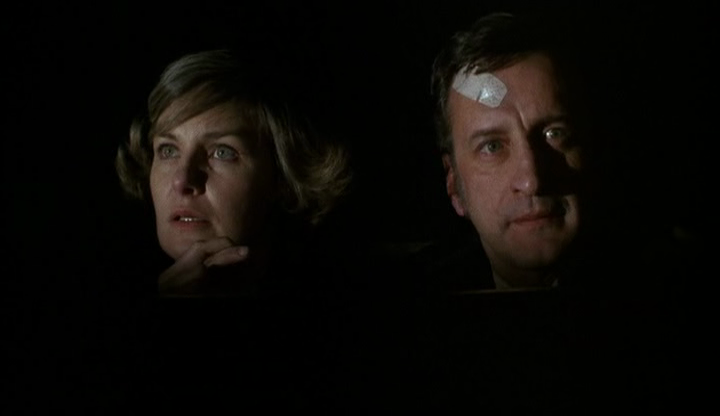
A “paranoiac” (George C. Scott) convinced he’s Sherlock Holmes befriends a psychoanalyst named Dr. Watson (Joanne Newman), and the pair gradually fall in love.

Genres, Themes, Actors, and Directors:

  • Detectives and Private Eyes
  • George C. Scott Films
  • Joanne Newman Films
  • Mental Illness
  • Mistaken or Hidden Identities
  • Nonconformists
  • Play Adaptation
  • Psychotherapy
  • Romantic Comedy

Response to Peary’s Review:
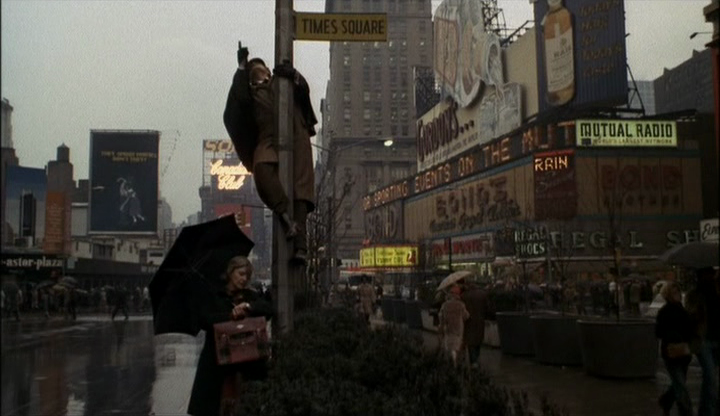
Peary writes that this “uplifting comedy about a brilliant man” takes on “a special dimension” as Woodward’s Dr. Watson “follows Holmes on his adventurous trail through New York City in search of his possibly imaginary Moriarty”, and “begins to believe that he really is Holmes”. He notes that “it becomes irrelevant whether or not [Scott] is Holmes”, given that “we have instead the story of two lonely people who find their ideal companions, who see the grand qualities in each other that no one else is aware of”. He argues that while the film “runs out of steam toward the end” and “has its fill of silly and pretentious moments”, it “is really quite touching” — and he further notes that the “pairing of heavyweights Scott and Woodward is to be treasured”; indeed, it’s challenging to imagine this film being nearly as enjoyable or watchable without its big-name leads, who bring substance and conviction to their “non-conformist” characters. Fine use is made of authentic New York City settings, and Victor Kemper’s atmospheric cinematography perfectly suits the story.

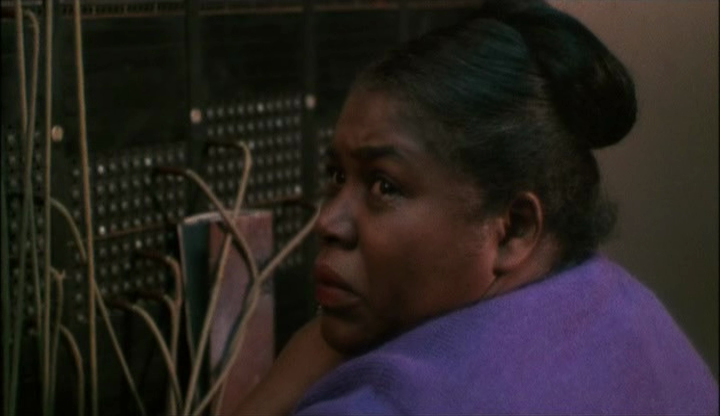
An unexpectedly moving moment: A telephone operator (Theresa Merritt) jeopardizes her job to help an inconsolable young woman (Kitty Winn) locate her suicidal boyfriend.

Redeeming Qualities and Moments:

  • George C. Scott as “Holmes”
  • Joanne Newman as “Dr. Watson”
  • Several unexpectedly touching scenes
  • Victor Kemper’s cinematography

  • Good use of NYC locales

Must See?
Yes, as an enjoyable and finely acted cult favorite.

Categories

  • Cult Movie

Links:

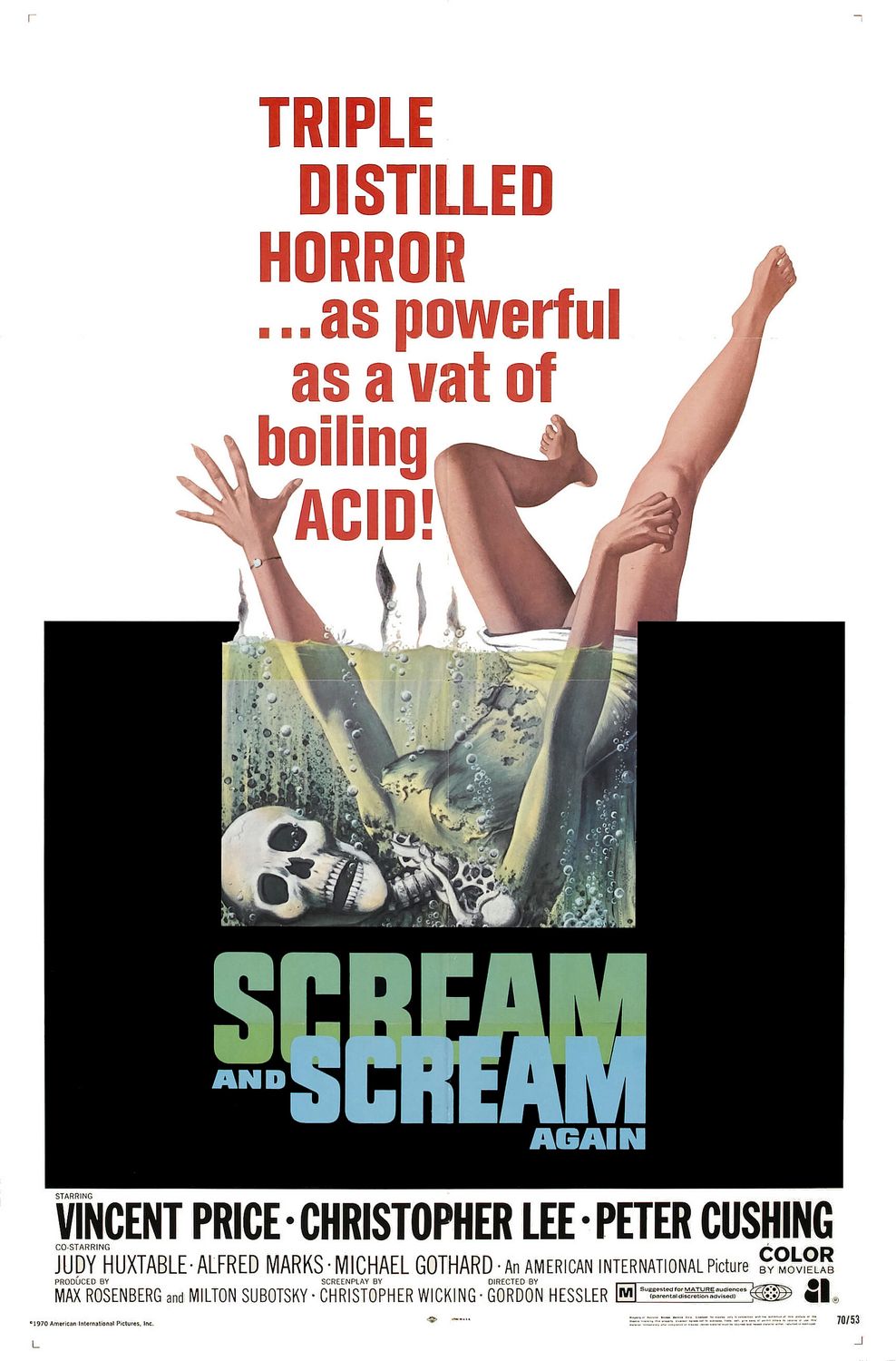
Scream and Scream Again (1970)

Scream and Scream Again (1970)

“When you feel nothing, not even pain, the body and spirit are capable of limitless things.”

Synopsis:
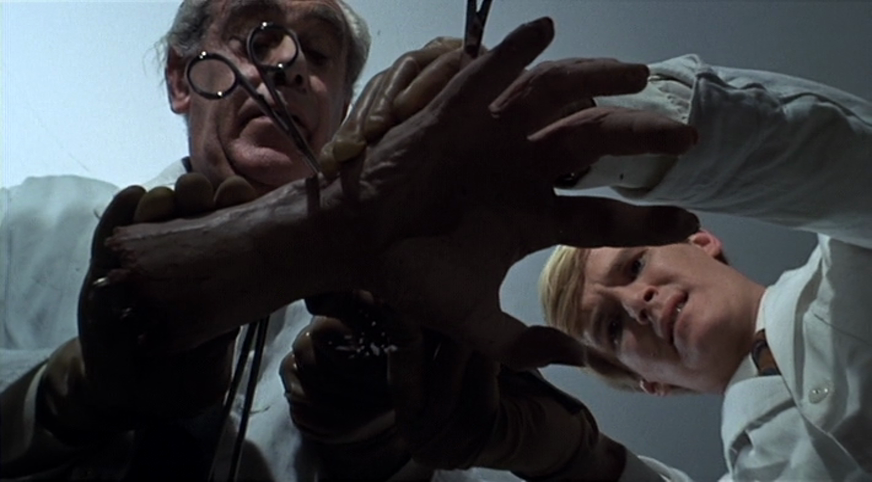
In the near-future, a jogger collapses and finds himself gradually losing limbs in a hospital while a nurse attends to him; a London detective (Alfred Marks) searches for a “vampire killer” (Michael Gothard) who is terrorizing beautiful young women; an Eastern European official (Marshall Jones) silently kills anyone who questions his “brutal tactics” when interrogating political prisoners; and a limb-transplant surgeon (Vincent Price) lurks menacingly in the background.

Genres, Themes, Actors, and Directors:

  • Androids and Clones
  • Christopher Lee Films
  • Dystopia
  • Horror Films
  • Mad Doctors and Scientists
  • Murder Mystery
  • Peter Cushing Films
  • Science Fiction
  • Vincent Price Films

Response to Peary’s Review:
Peary writes that this “fascinating British horror film which Fritz Lang admired because of its political subtext” remains “still undiscovered by repertory-theater owners”. He argues that the “direction by Gordon Hessler is clever”, and notes how interesting it is that “this picture, earlier than Alien or Android, advances the spooky notion that egocentric scientists will someday create ‘synthetic’ scientists”. Unfortunately, it takes far too long for the confusing (albeit effectively filmed) storylines to mesh together in a comprehensible way; a little more coherence would have gone a long way. And, as Peary notes, Vincent Price “gets a bit hammy in the unfortunately hokey finale”, while Christopher Lee’s role (as the head of an intelligence agency) is minimal, and Peter Cushing only shows up in cameo. This one will primarily be of interest to hardcore fans of futuristic sci-fi, and/or British horror flicks.

Note: The title theme song, sung in a club visited by the “vampire killer”, will stick in your head for a long, long time after viewing; be forewarned.

Redeeming Qualities and Moments:

  • Some effectively shocking, well-filmed sequences

Must See?
No, but it’s worth a one-time look for its (minimal) cult status.

Links:

Misfits, The (1961)

Misfits, The (1961)

“You have the gift for life, Roslyn.”

Synopsis:
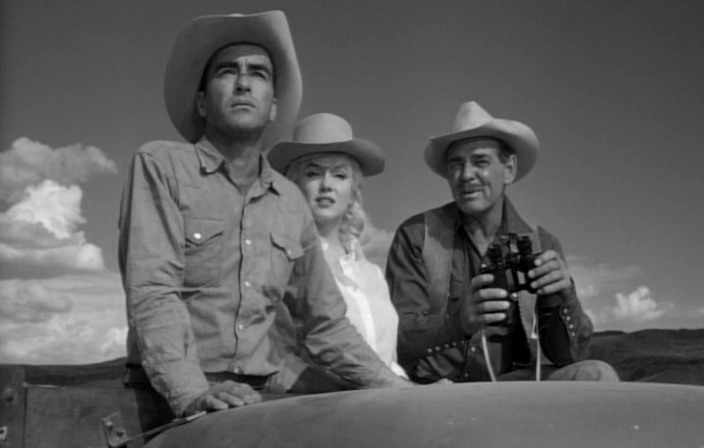
A dancer (Marilyn Monroe) divorcing her husband (Kevin McCarthy) in Reno befriends a divorcee (Thelma Ritter) and becomes involved with an aging cowboy (Clark Gable) living on property owned by a widowed tow-truck driver (Eli Wallach). The arrival of a down-and-out rodeo rider (Montgomery Clift) — and the three men’s plans to corral nearby wild mustangs — further complicate romantic and ethical tensions among the group.

Genres, Themes, Actors, and Directors:

  • Arthur Miller Films
  • Clark Gable Films
  • Cowboys
  • Divorce
  • Eli Wallach Films
  • John Huston Films
  • Kevin McCarthy Films
  • Love Triangle
  • Marilyn Monroe Films
  • Masculinity
  • Misfits
  • Montgomery Clift Films
  • Thelma Ritter Films
  • Westerns

Response to Peary’s Review:
Peary argues that while this “last film of Marilyn Monroe and Clark Gable” will be of “more than passing interest”, it’s “not the classic that it should have been, considering that Monroe, Gable, and Montgomery Clift were its stars, John Huston directed, and Arthur Miller wrote the script (he adapted it from an article he wrote for Esquire).” He writes that Miller “laments the disappearance of the heroic Age of Cowboys, suggesting that today’s ‘cowboys’ (misfits) can’t retain their manly pride by riding in rodeos on spooked horses and bulls or capturing mustangs for dogfood dealers”; however, he argues that “Miller’s script is overwritten, without being insightful” and too “full of gloom and doom”. He also asserts that John Wayne would have been better-cast than Gable (I disagree), and that “it’s a shame” “Clift and Monroe, both known for their sensitivity”, “didn’t have more scenes with each other” (true).
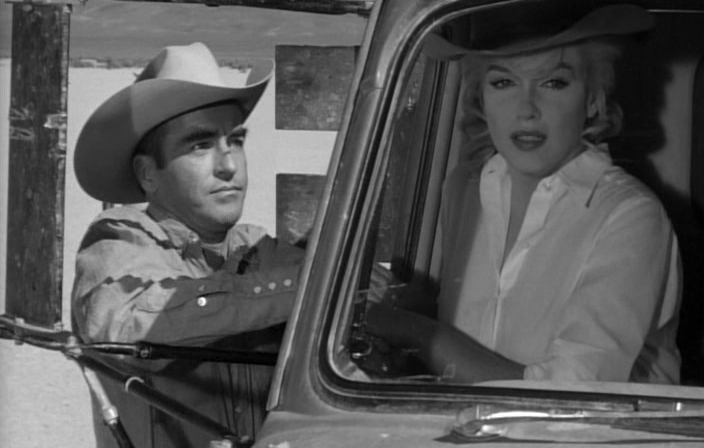
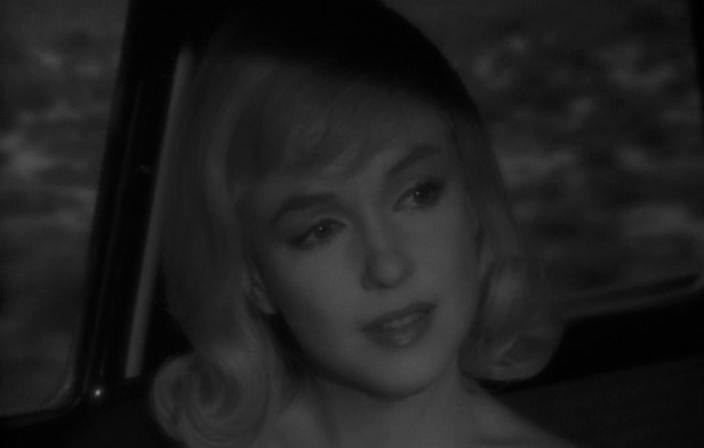
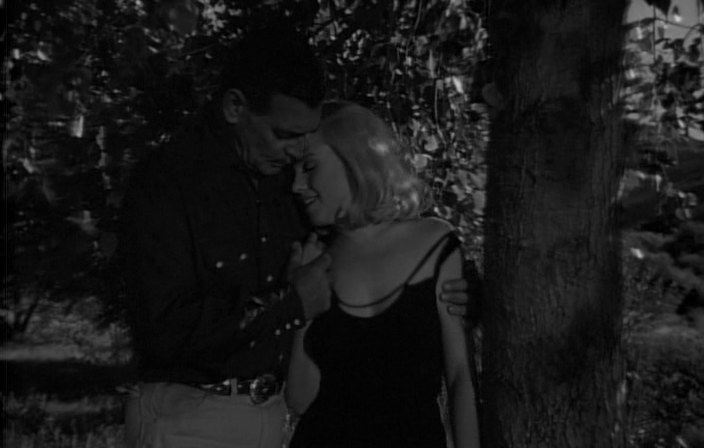
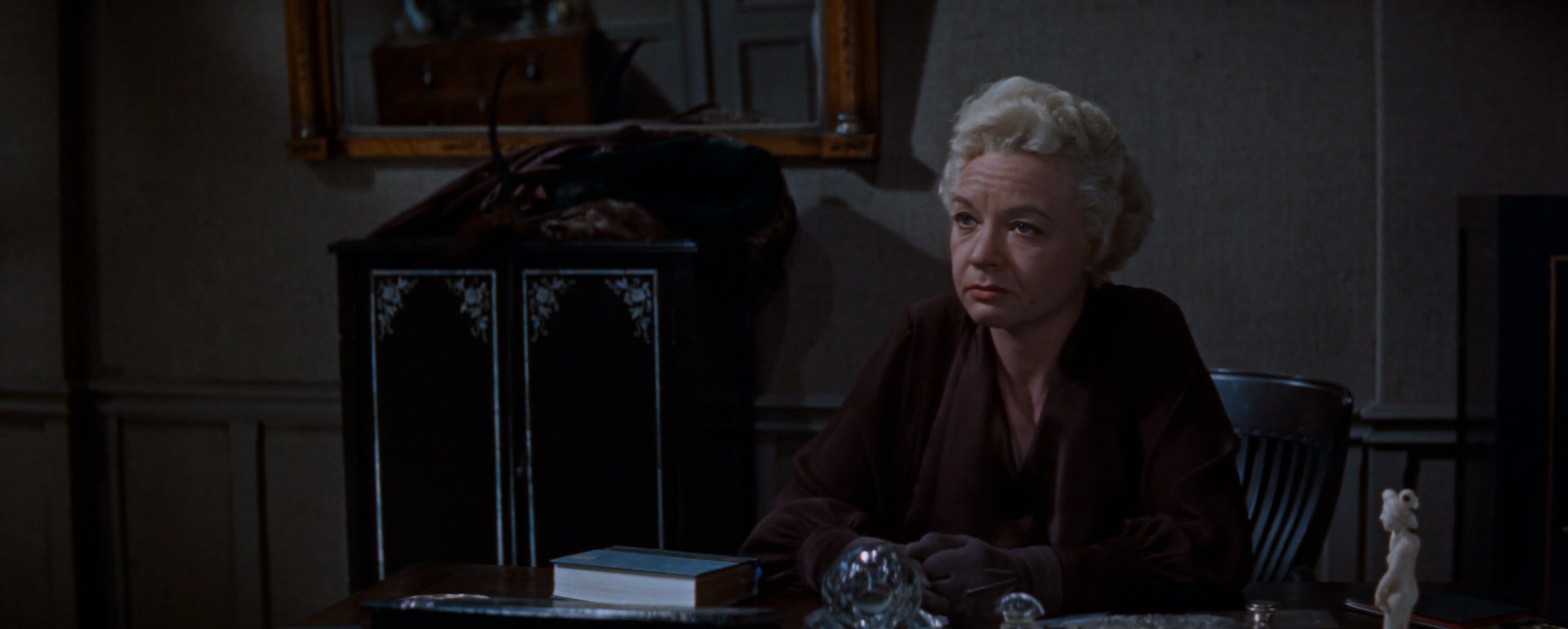
Despite all those caveats, Peary points out how “amazing” it is “what a wonderful performance [Monroe] gives”, given the fact that she was “having tremendous psychological problems during the filming”. He writes that she’s “beautiful, angelic, vulnerable, assertive, wise beyond her education, unhappy, [and] the sufferer for all creatures (man or animal) that hurt”, and he states that he’d “like to think that this role comes closest to the real Marilyn Monroe”. Monroe’s performance is truly noteworthy: it’s literally impossible to keep your eyes off of her, and we instantly understand why all the other characters want to be near her. Ritter, meanwhile, is wonderfully droll in one of her many stand-out supporting performances:
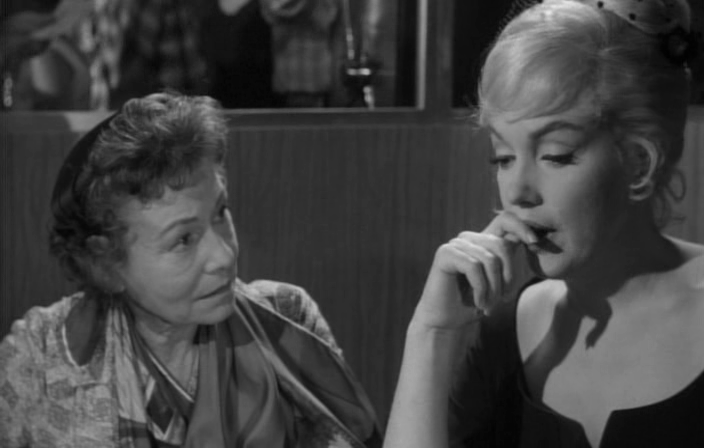
and all three men do fine ensemble work together.
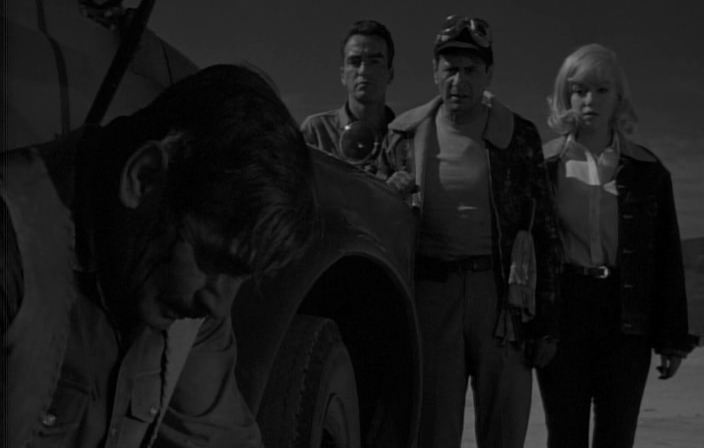
While the overly dense storyline may not pack as much of a punch as it could, there’s no denying that this remains an impactful, affecting film on many levels, and is worth viewing by all film fanatics at least once.

Note: Check out this recent NY Times article for an update on the status of wild horses across the United States.

Redeeming Qualities and Moments:

  • Marilyn Monroe as Roslyn
  • Fine performances by the ensemble cast
  • Russell Metty’s cinematography

Must See?
Yes, as a poignant film by a master director.

Categories

  • Historically Relevant
  • Important Director

Links:

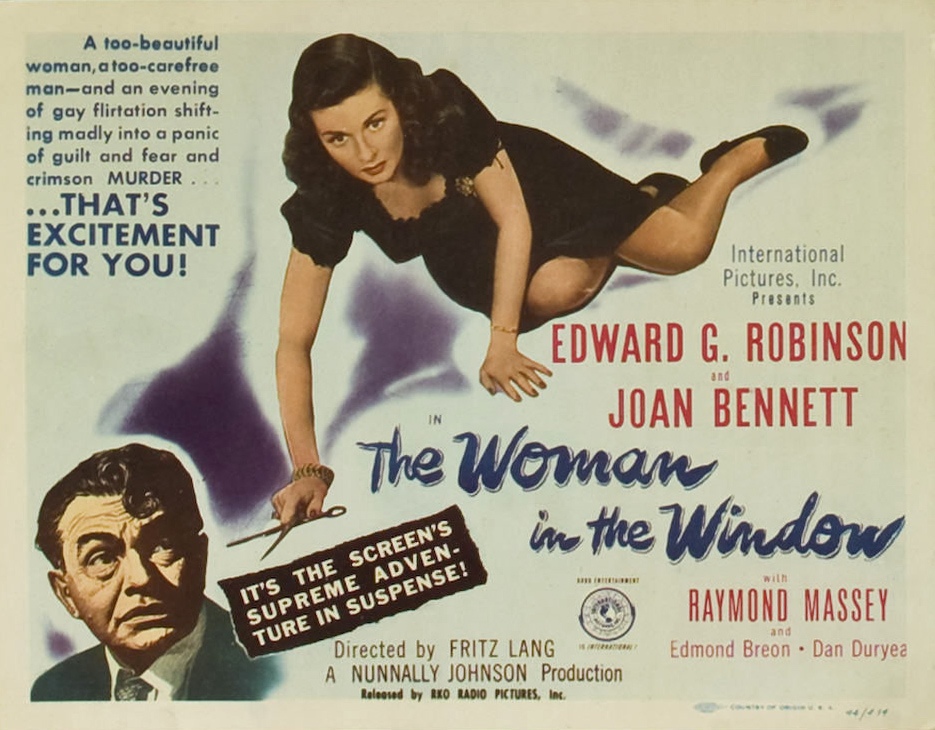
Woman in the Window, The (1944)

Woman in the Window, The (1944)

“The flesh is still strong, but the spirit grows weaker by the hour.”

Synopsis:
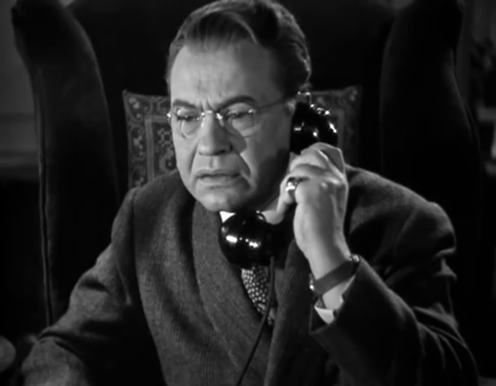
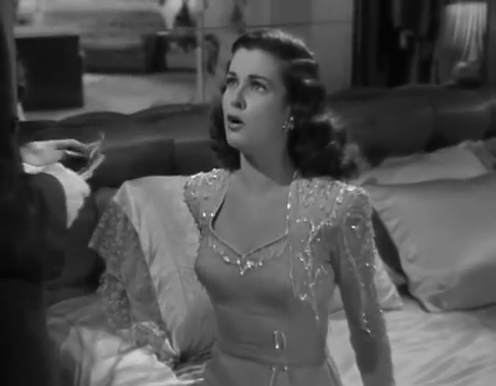
When his wife and kids go away for the summer, a middle-aged professor (Edward G. Robinson) becomes intrigued by the real-life model (Joan Bennett) of a portrait near his office and accompanies her to her apartment, where he kills her jealous lover (Arthur Loft) in self-defense. They arrange to dump the body, but soon Robinson’s friends — a D.A. (Raymond Massey) and a doctor (Edmund Breon) — involve him in the case, while Bennett is blackmailed by a menacing man (Dan Duryea).

Genres, Themes, Actors, and Directors:

  • Blackmail
  • Dan Duryea Films
  • Edward G. Robinson Films
  • Femmes Fatales
  • Fritz Lang Films
  • Joan Bennett Films
  • Living Nightmare
  • Raymond Massey Films

Response to Peary’s Review:
As Peary writes, the opening sequence of this Fritz Lang film — like many others in Lang’s oeuvre, including the same year’s Ministry of Fear (1944) — “opens up his trap for another innocent man to fall into.” In Lang’s films, “it doesn’t matter whether or not you’re guilty of a crime — you still have to pay for it.” Peary notes that this “superlative melodrama” is “smoothly written by Nunnally Johnson” and “masterfully builds tension”, with Lang focusing “on Robinson’s guilt so he’s almost giving himself away, and on his paranoia so he can feel the web of the law closing in on him”. He ends his review by noting that this is a “fine companion piece to Lang’s Scarlet Street (1945)” — indeed, comparisons are inevitable, given the reappearance of Robinson, Bennett, AND Duryea in key roles. While both films represent living nightmares for middle-aged men, Robinson’s culpability differs: he’s so miserably henpecked in Scarlet Street that we don’t blame him for being lured into Bennett’s web, while his character in Woman in the Window simply suffers from boredom, naivete, and momentary stupidity (going to a beautiful woman’s apartment to look at art work? yeah, right). To that end, the “hokey and familiar” but “crowd-pleasing” “twist ending” feels appropriate for Woman in the Window:

MINOR SPOILER ALERT

Robinson learns his lesson, but isn’t unduly punished.

Redeeming Qualities and Moments:

  • Edward G. Robinson as the professor (nominated by Peary as one of the Best Actors of the Year in his Alternate Oscars)
  • Joan Bennett as Alice Reed
  • Milton Krasner’s cinematography

Must See?
Yes, as another fine flick by Lang.

Categories

  • Good Show

Links:

Pursued (1947)

Pursued (1947)

“What you don’t remember doesn’t matter.”

Synopsis:
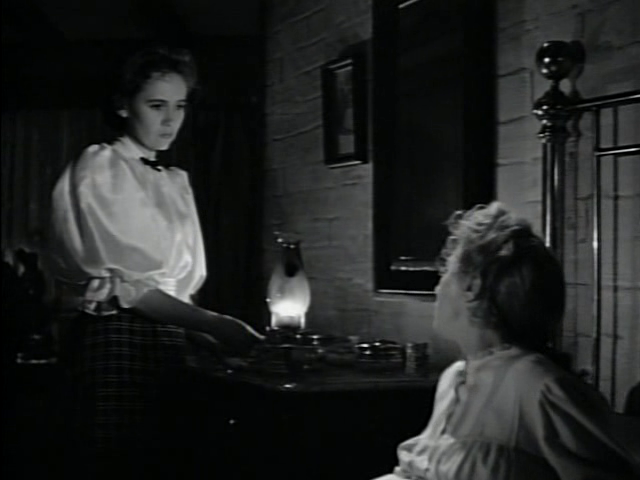
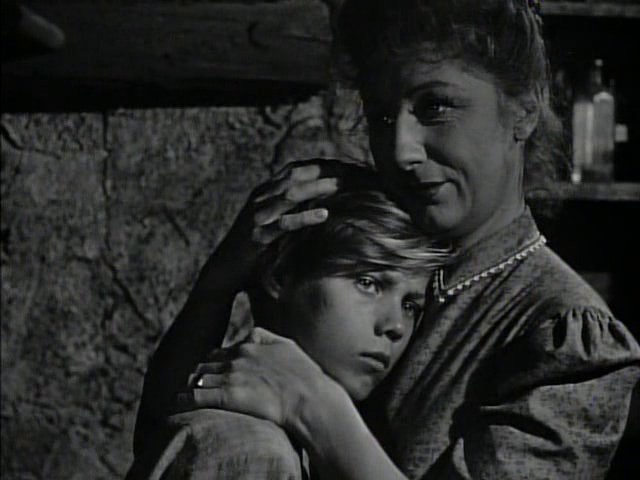
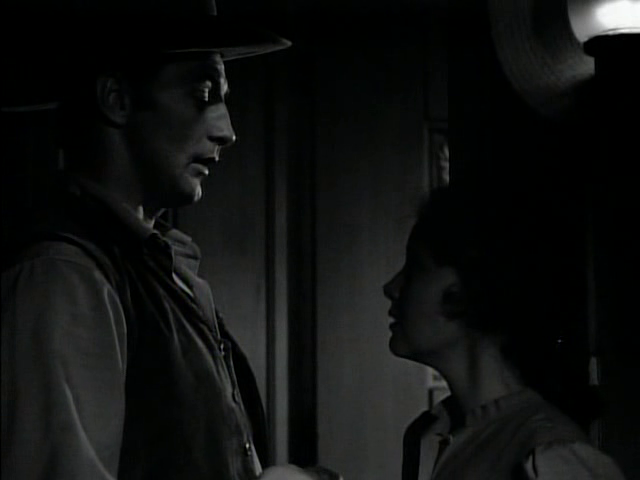
After witnessing a traumatic event, an orphaned boy named Jeb (Ernest Severn) comes to live with his aunt (Judith Anderson) and cousins, Thor (Peggy Miller) and Adam (Charles Bates). Jeb (Robert Mitchum) and Adam (John Rodney) quickly become lifelong rivals, while Jeb and Thor (Teresa Wright) fall in love — but the presence of a menacing relative (Dean Jagger) threatens Jeb’s happiness, while fragmented memories from Jeb’s childhood continue to disturb his peace of mind.

Genres, Themes, Actors, and Directors:

  • Dean Jagger Films
  • Flashback Films
  • Judith Anderson Films
  • Orphans
  • Raoul Walsh Films
  • Revenge
  • Robert Mitchum Films
  • Teresa Wright Films
  • Westerns

Response to Peary’s Review:
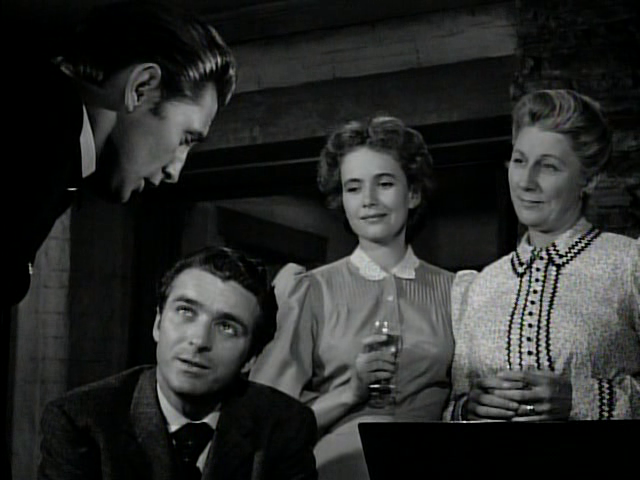
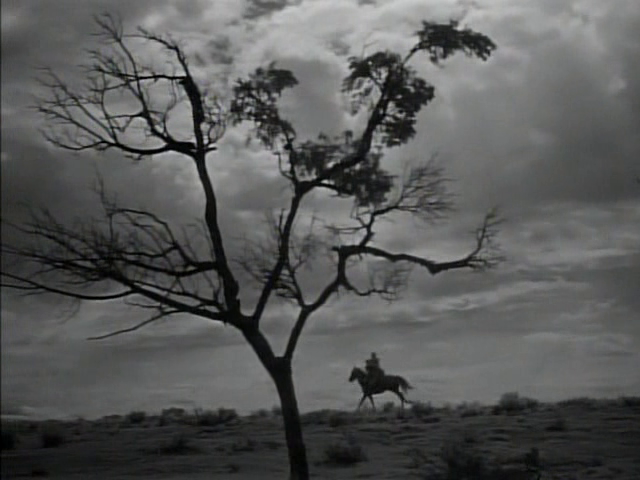
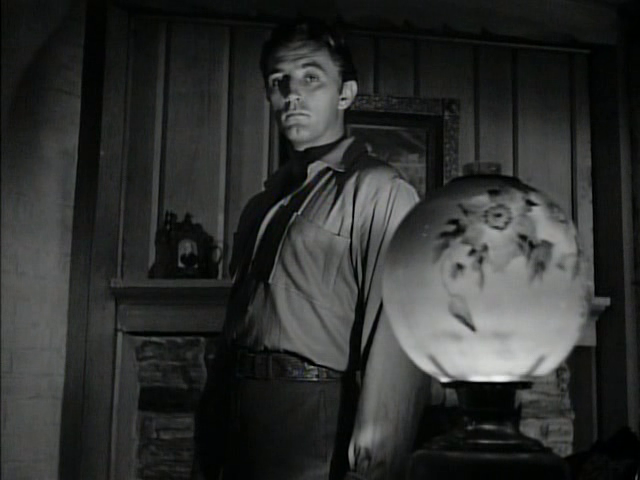
As Peary writes, the plot of this “engrossing, exceptionally well-made Raoul Walsh western” — written by screenwriter Niven Busch — has “traces of Wuthering Heights, Greek tragedies, and psychological thrillers”. The enduring question of why Jagger (“a great villain”) is so “obsessed with killing Mitchum” drives the menace-filled screenplay:

— and Anderson gives one of her most nuanced performances as the woman who possesses the carefully guarded answer to this question.

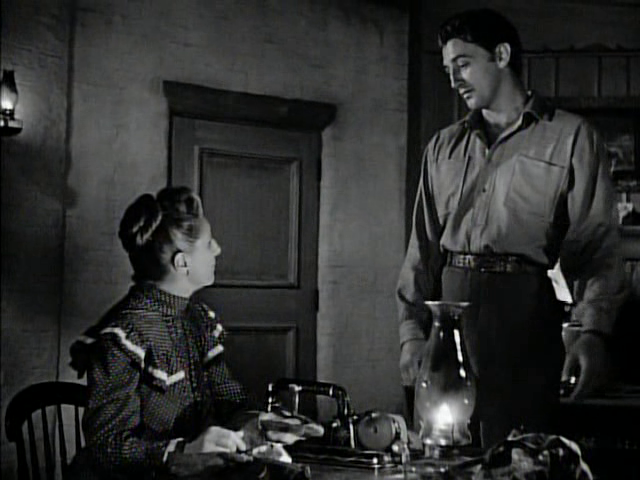
As Peary points out, the “film benefits from a strong cast, well-rounded characters who have interesting motives for what they do, intelligent dialogue…, [and] believable period (late 1890s/early 1900s) flavor,” as well as “fast pacing” and exciting action sequences. While some scenes and performances (i.e., Wright’s) come across as overly melodramatic:

… they fit well within the overall spirit of this most “unusual western”, one reflective of growing cultural interest in psychology and the impact of childhood trauma on one’s later life.

Redeeming Qualities and Moments:

  • Judith Anderson as Mrs. Callum
  • James Wong Howe’s cinematography


Must See?
Yes, as an affecting and unusual noir-western.

Categories

  • Important Director

Links:

East of Eden (1955)

East of Eden (1955)

“Some day, he’s going to know who his real son is.”

Synopsis:
In pre-WWI California, troubled Cal (James Dean) competes against his twin brother Aron (Richard Davalos) — engaged to a nurturing young woman named Abra (Julie Harris) — for the love and approval of his demanding father (Raymond Massey), while attempting to make contact with his long-lost mother (Jo Van Fleet) who works as a madam in a nearby town.

Genres, Themes, Actors, and Directors:

  • Burl Ives Films
  • Elia Kazan Films
  • Father and Child
  • Historical Drama
  • James Dean Films
  • Julie Harris Films
  • Lois Smith Films
  • Prostitutes and Gigolos
  • Raymond Massey Films
  • Rivalry
  • Siblings

Response to Peary’s Review:
In his review of this adaptation of “the last part” of John Steinbeck’s sprawling novel, Peary notes that salient themes include “misunderstood youth (a Dean specialty); the search for love; and rejection — every character is rejected by someone they love and in return rejects someone who loves them.” He argues that director Elia Kazan’s “audacious camera impositions no longer work” — indeed, the intentionally askew angles and movements feel awfully forced — but that “his handling of actors is still impressive” (Van Fleet won an Oscar for her supporting role as Cal and Aron’s wayward mother).

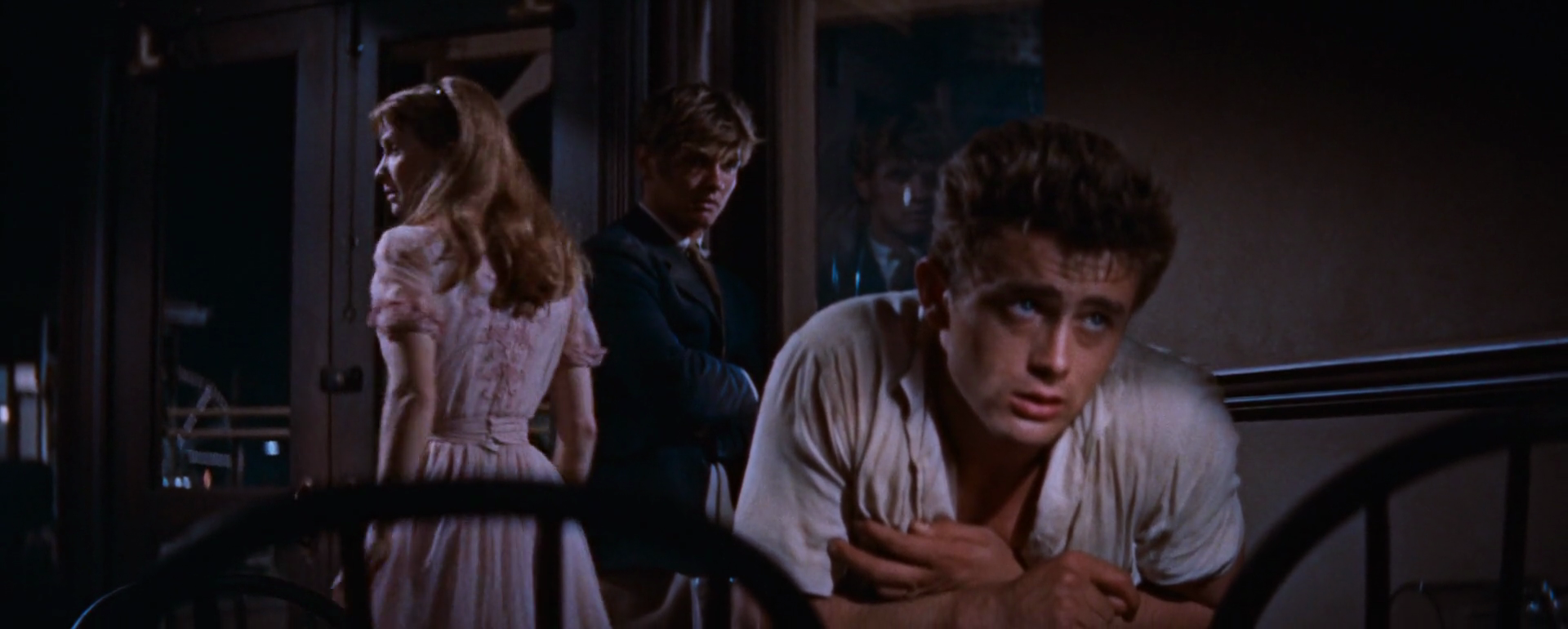
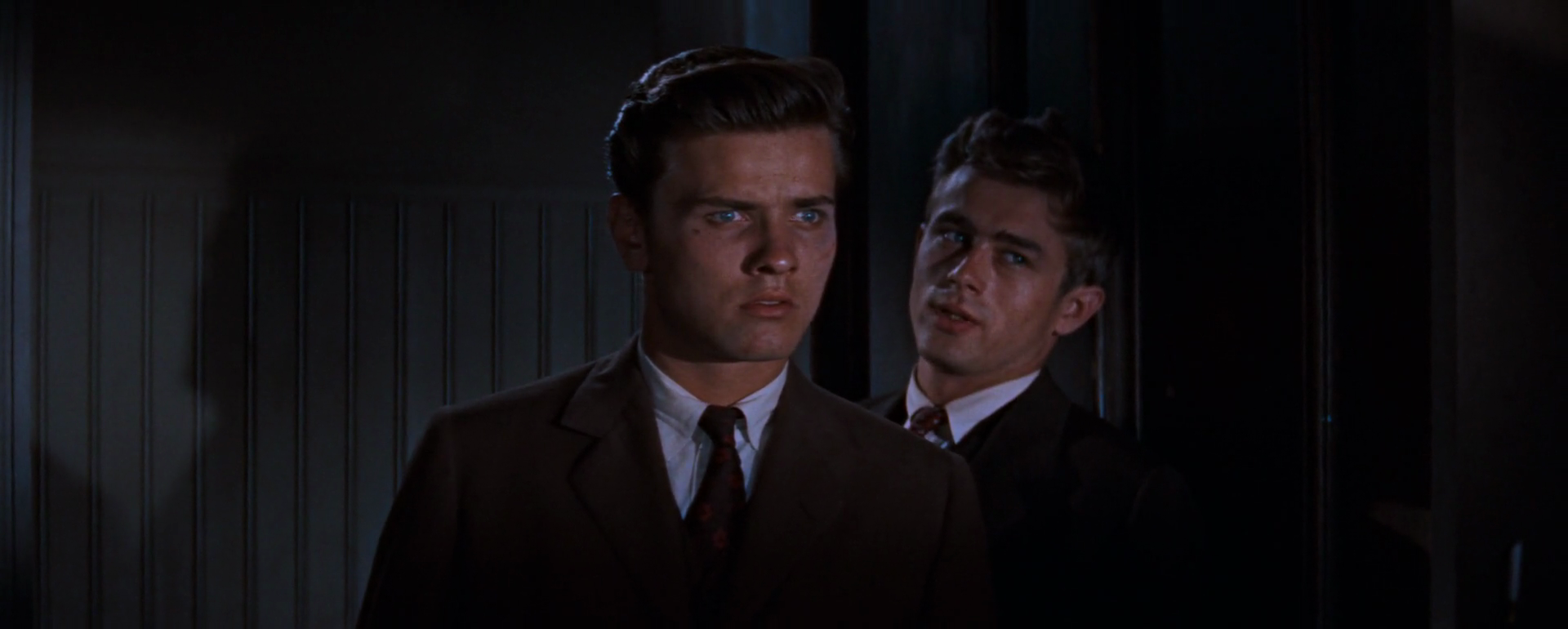
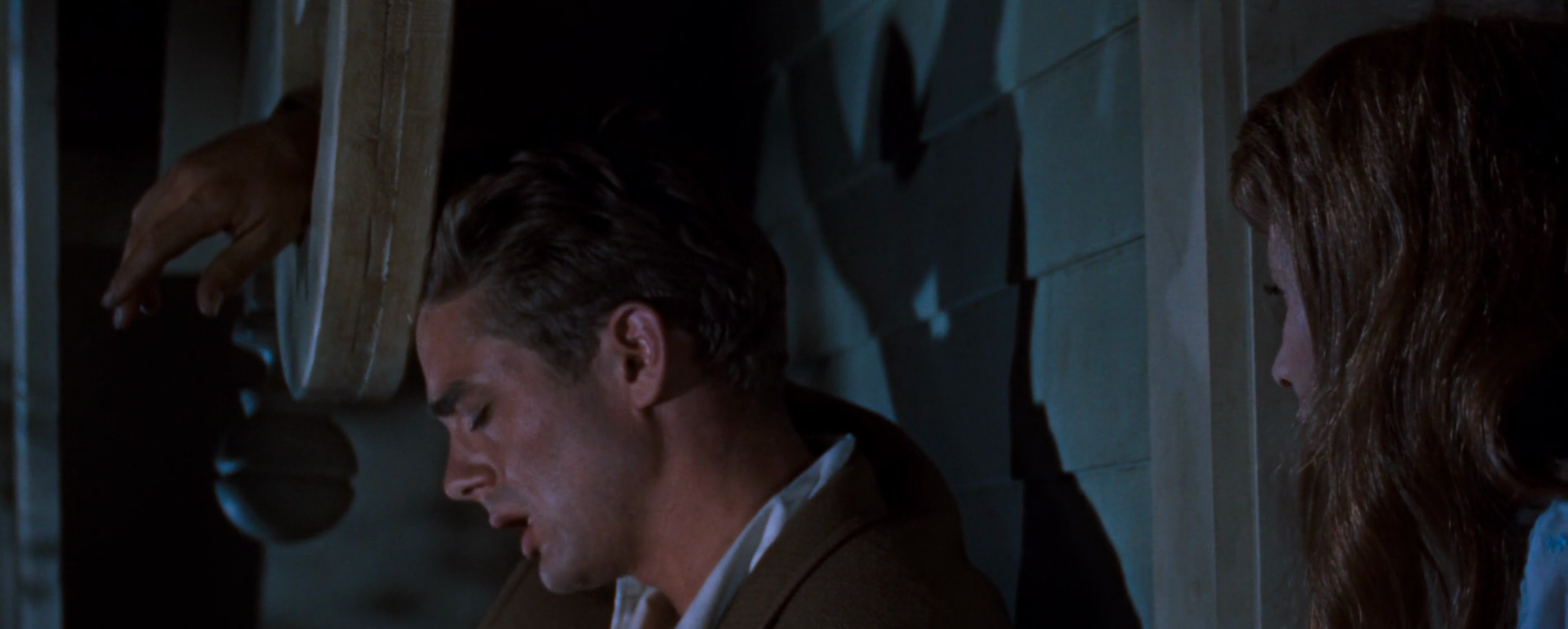
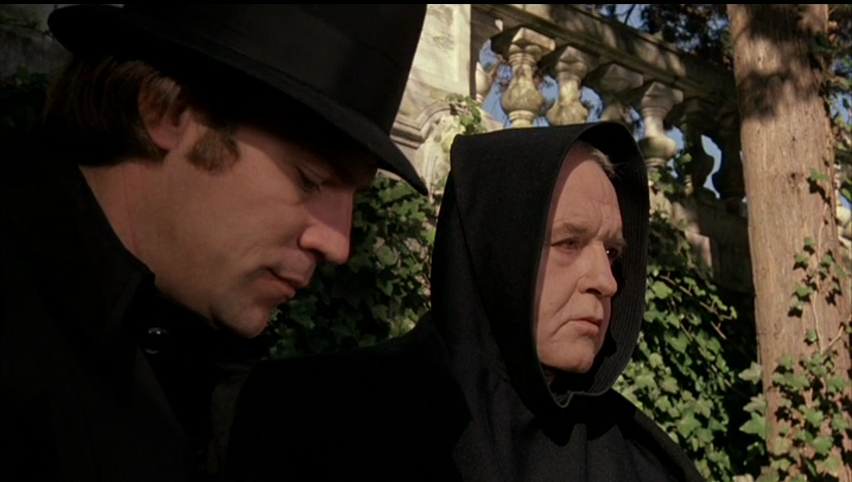
East of Eden is best known as one of only three movies Dean starred in before his untimely death at the age of 24, and quite a bit has been written about his involvement in the film — including his initial casting; his method-informed acting style (as well as his awe for Brando); his challenging interactions with the more-traditional Massey (which Kazan milked for all its on-screen potential):

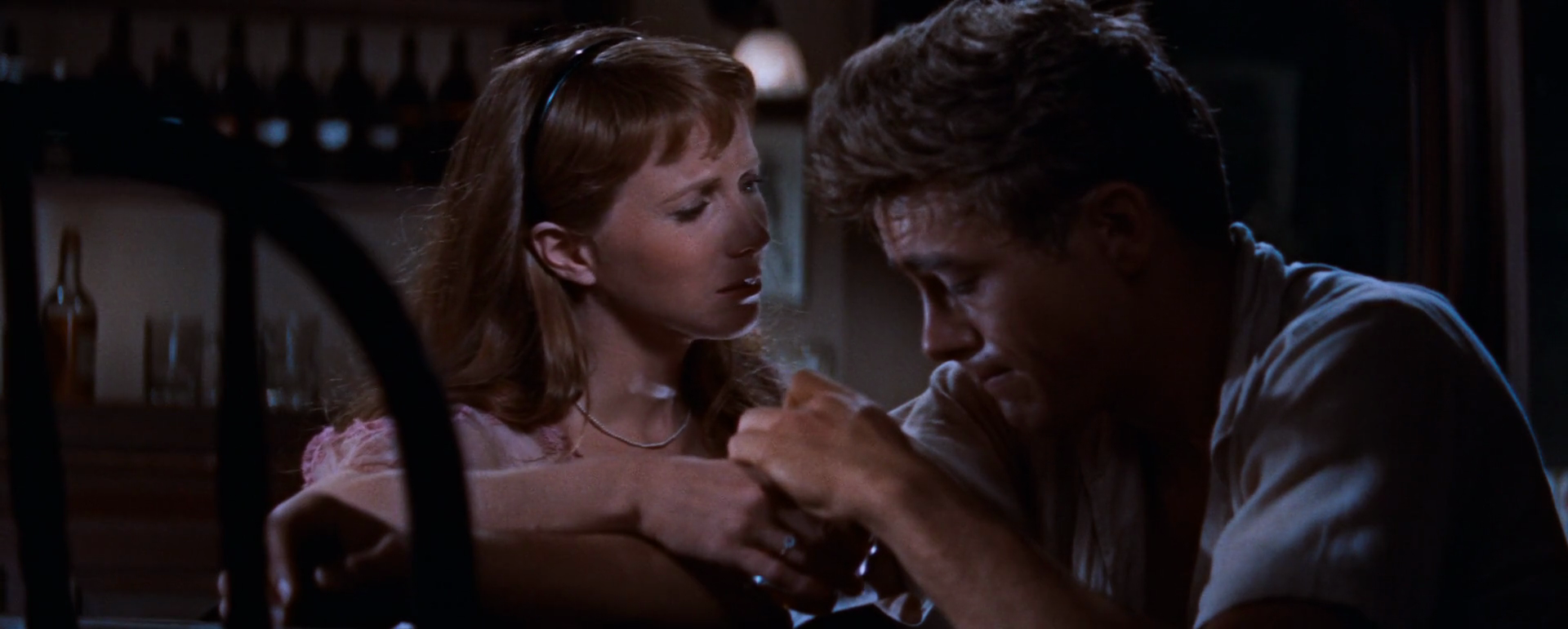
… and his deep emotionality both on and off set (Harris reports he sobbed for hours after shooting was over).

Today, unfortunately, Dean’s performance comes across as distractingly hyper-kinetic. In his review for the New York Times, Bosley Crowther referred to Dean as “a mass of histrionic gingerbread”, and this wry description holds somewhat true: Dean’s all-pervasive angst means he’s literally never still or untroubled.

Ironically, his role within such a broadly melodramatic, biblically-inspired narrative ultimately feels less convincing than his similar turn in the more intimately-themed Rebel Without a Cause (1955) (though Peary disagrees with me, nominating his performance here as one of the best of the year in his Alternate Oscars). Top-billed Harris gives a highly emotional and affecting performance (she’s also nominated by Peary), but one that — like Dean’s — simply never lets up.

Davalos, meanwhile, is bland and forgettable; it’s too bad Paul Newman, who tested for the part, wasn’t cast instead!

Redeeming Qualities and Moments:

  • Jo Van Fleet as Kate
  • Fine CinemaScope cinematography

Must See?
No, though of course it’s recommended for one-time viewing, given how few films Dean appeared in during his short life. Nominated by Peary as one of the Best Movies of the Year in his Alternate Oscars.

Links:

On the Yard (1978)

On the Yard (1978)

“You run the yard — everybody knows that.”

Synopsis:
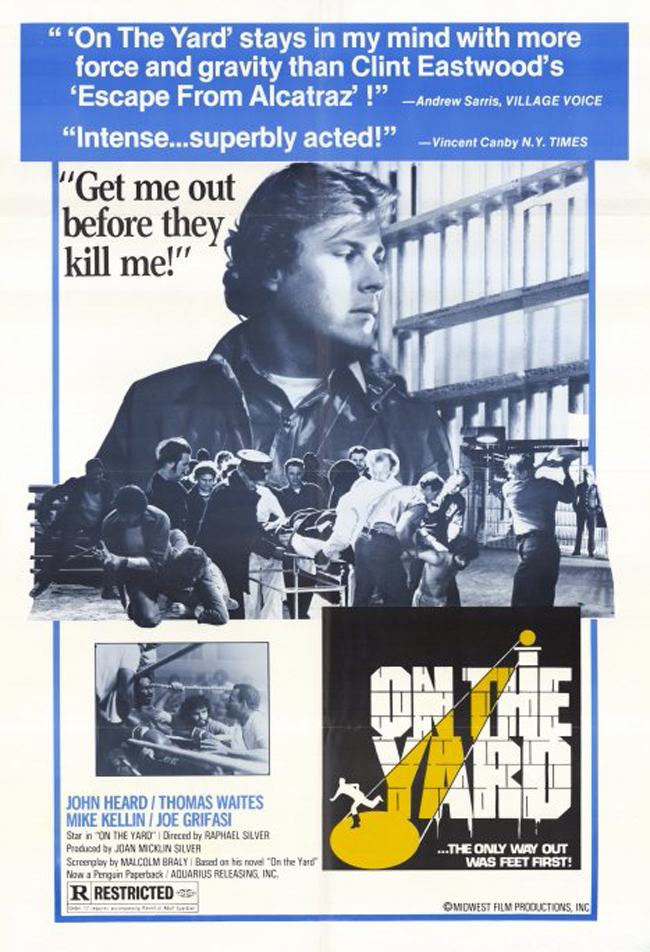
A convicted wife-murderer (John Heard) buys cigarettes on credit from a top-dog inmate (Thomas G. Waites), but finds his life at risk when he can’t pay Waites back on time, and refuses to collude with a captain (Lane Smith) determined to nail Waites. Meanwhile, Waites’ right-hand man (Mike Kellin) hopes the parole board will grant him early release, and an optimistic inmate (Joe Grifasi) attempts to sew an escape-worthy hot air balloon.

Genres, Themes, Actors, and Directors:

  • Bullies
  • John Heard Films
  • Prisoners

Review:
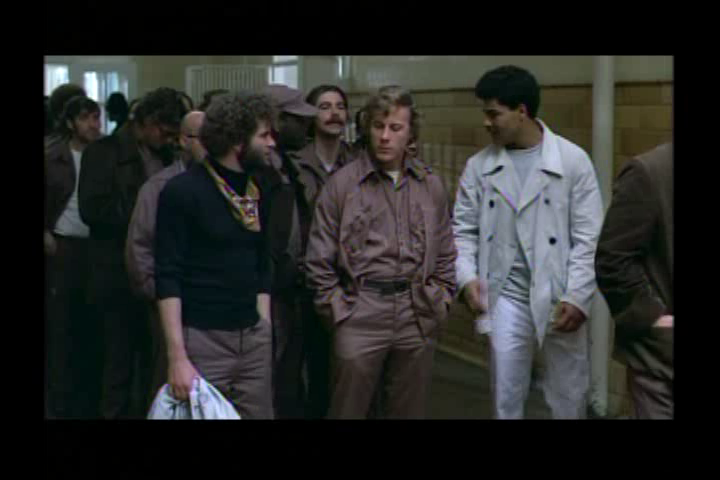
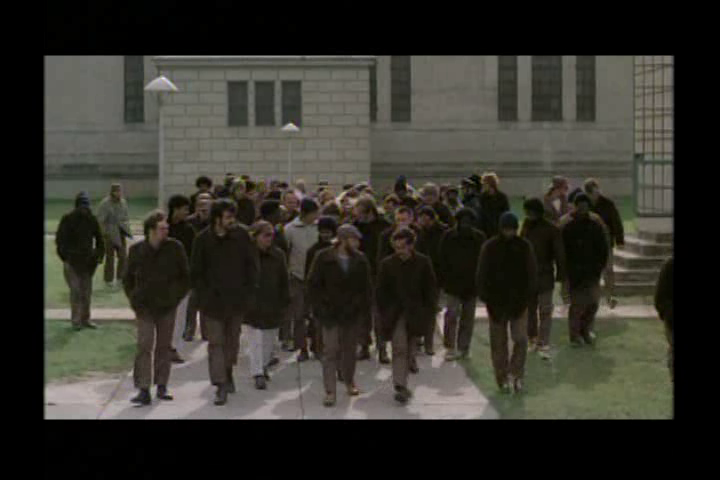
Based on a novel by an ex-con (Malcolm Braly), and co-produced and directed by husband-wife team Raphael D. Silver and Joan Micklin Silver, this downbeat but realistic glimpse of life in a men’s prison (filmed on-site at the State Correctional Institution at Rockview, Pennsylvania) offers a refreshingly authentic portrayal of survival “on the inside”, where existence is predicated on careful navigation of power dynamics among prisoners and correctional staff. While Heard’s stubbornness is foolishly naive, he at least maintains his morals at all costs, and his decisions shift the storyline in unexpected directions.

The sub-plot involving Grifasi’s hoped-for escape a la The Wizard of Oz (1939) strains credibility, but Kellin is a likable supporting character, and Waites gives a quietly convincing lead performance.

Redeeming Qualities and Moments:

  • Mike Kellin as Red
  • An authentic glimpse at power dynamics and survival in prison

Must See?
No, though it’s strongly recommended. Listed as a Sleeper and a Personal Recommendation in the back of Peary’s book.

Links:

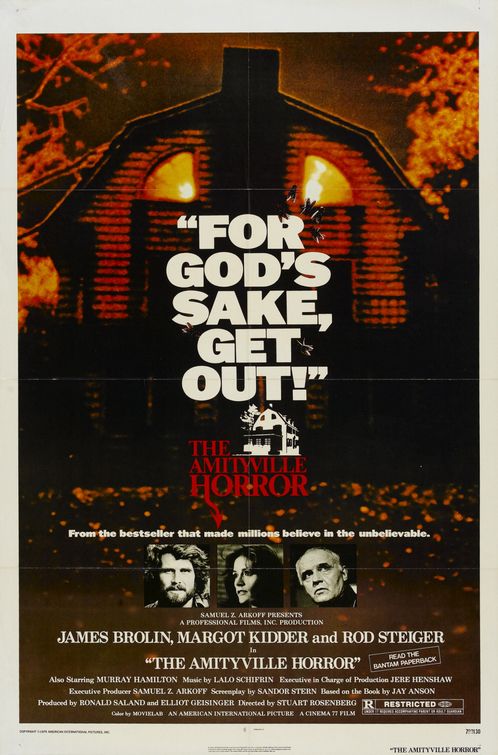
Amityville Horror, The (1979)

Amityville Horror, The (1979)

“I’m telling you there was a presence in that house!”

Synopsis:
A recently married couple (Margot Kidder and James Brolin) move with Kidder’s three kids (Natasha Ryan, K.C. Martel, and Meeno Peluce) into a house tainted by the murders of its last inhabitants at the hands of their own son. A priest (Rod Steiger) attempting to ‘purify’ the house begins experiencing mysterious symptoms, while Brolin becomes increasingly obsessed by chopping wood; the family’s dog barks incessantly at the basement; and Ryan develops an invisible imaginary friend who tells her about the house’s past.

Genres, Themes, Actors, and Directors:

  • Horror Films
  • Margot Kidder Films
  • Possession
  • Priests and Ministers
  • Rod Steiger Films

Response to Peary’s Review:
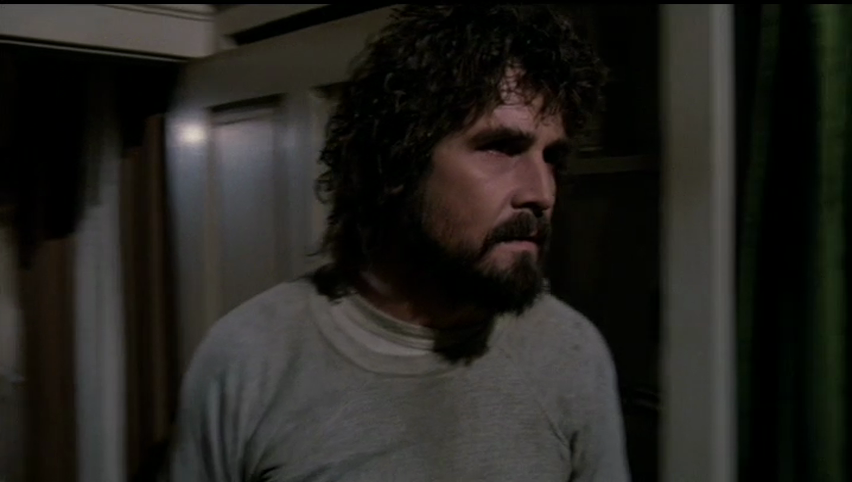
Peary writes that this “adaptation of Jay Anson’s ‘fact’-based book isn’t nearly as ‘convincing’ or as much fun”. He notes that while the “two leads try hard, [the] material becomes increasingly stupid”, and that the “filmmakers were hampered by [the] fact that nothing really terrible happened to the Lutzes during their tenure”. Indeed, while there’s atmosphere to spare, the storyline is painfully slow, and neither Kidder (wearing kid-like piggy tails) nor Brolin (menacingly one-note) is particularly sympathetic.

Peary rags on Rod Steiger for giving “what may be the worst performance in horror-movie history”, arguing that he’s “incredibly awful”, but I can’t agree; I think Steiger’s sincere performance is simply misplaced in a film that asks him to become hysterical without good enough cause.

Several sequels followed, and the film was remade in 2005, though I haven’t seen that version.

Redeeming Qualities and Moments:

  • Effectively atmospheric cinematography

  • Lalo Schifrin’s score

Must See?
No; skip this one unless you’re curious.

Links:

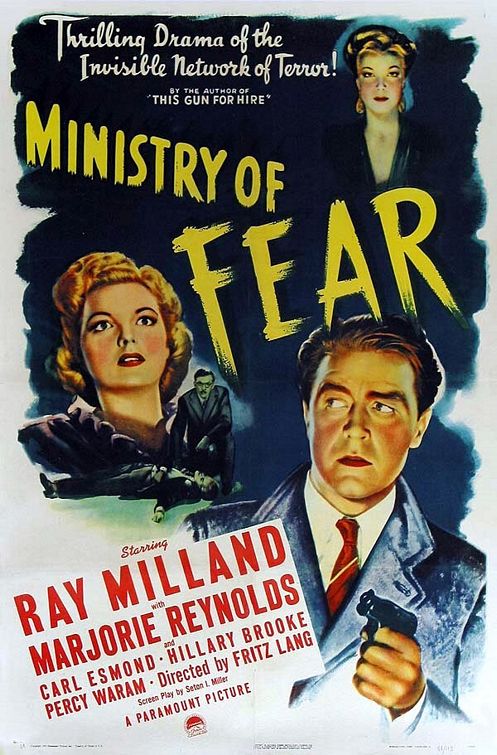
Ministry of Fear (1944)

Ministry of Fear (1944)

“Forget the past — just tell me the future.”

Synopsis:
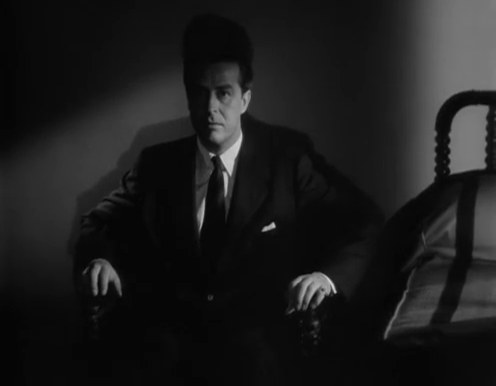
A man (Ray Milland) released from serving a two-year sentence in an asylum heads to blitz-filled London, where he finds himself caught up in a nightmarish situation involving a fortune teller (Aminta Dyne), a highly desirable cake, a “murdered” man (Dan Duryea) who returns to life, a beautiful Austrian woman (Marjorie Reynolds) and her patriotic brother (Carl Esmond), and Nazi spies.

Genres, Themes, Actors, and Directors:

  • Dan Duryea Films
  • Falsely Accused
  • Fritz Lang Films
  • Nazis
  • Ray Milland Films
  • Spies
  • World War II

Response to Peary’s Review:
Peary writes that this Fritz Lang-directed “espionage tale” — based on a novel by Graham Greene — is disappointing on numerous levels: “It’s confusing, Reynolds is a weak heroine (and Milland isn’t so exciting either), Milland convinces [a Scotland Yard inspector] of his innocence too early in the film, and Lang doesn’t fully exploit Milland’s paranoia so that this former mental patient begins to mistrust his perceptions about what’s happening around him”. While the film is “enjoyable due to some slimy Nazis and interesting minor characters and some offbeat moments”, it’s ultimately pretty forgettable.

Redeeming Qualities and Moments:

  • Henry Sharp’s cinematography

  • Several tense moments

Must See?
No, though Lang fans will probably be curious to check it out.

Links:

Jackson County Jail (1976)

Jackson County Jail (1976)

“I was born dead.”

Synopsis:
After leaving her philandering boyfriend and going on a cross-country road trip, a woman (Yvette Mimieux) is robbed by a pair of hitchhikers (Robert Carradine and Marciee Drake), nearly raped by a bartender (Britt Leach), thrown in jail by a suspicious sheriff (Severn Darden), brutally savaged by a lecherous guard (Frederic Cook), and “rescued” by a murderous inmate (Tommy Lee Jones) who takes pity on her.

Genres, Themes, Actors, and Directors:

  • Falsely Accused
  • Feminism and Women’s Issues
  • Living Nightmare
  • Prisoners
  • Rape
  • Road Trip
  • Tommy Lee Jones Films
  • Yvette Mimieux Films

Response to Peary’s Review:
Peary writes that while this “overrated” “film has [a] cult reputation based on its feminist themes”, the “rape is hard to watch rather than titillating” (!). He rightfully argues that “under the secure cover of a feminist facade, it includes many of the raunchy elements found in typical New World exploitation pictures”, and that “except for a couple of well-done action sequences”, “Michael Miller’s direction is sloppy and self-consciously arty”. He asserts that the film is “well acted” and “worth seeing if only because it allows Mimieux a rare starring role”, but concedes that “the storyline is pretty standard stuff” and “we’ve seen enough Southern yokels in other films”. Skip this one.

Redeeming Qualities and Moments:

  • Yvette Mimieux as Dinah Hunter
  • Tommy Lee Jones as Coley Blake

Must See?
No, though you may be mildly curious given its cult status.

Links: