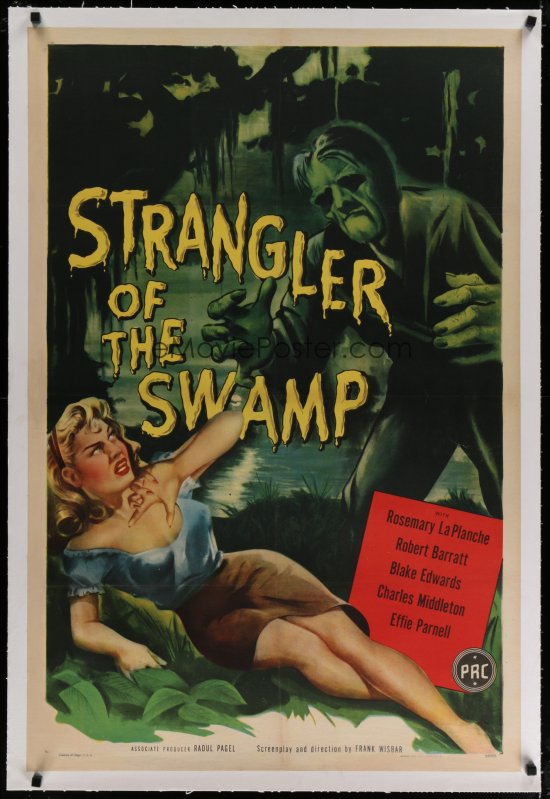
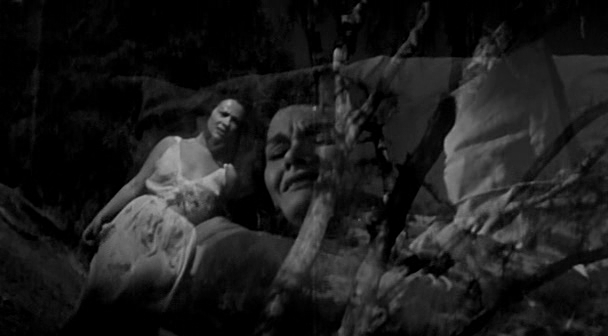
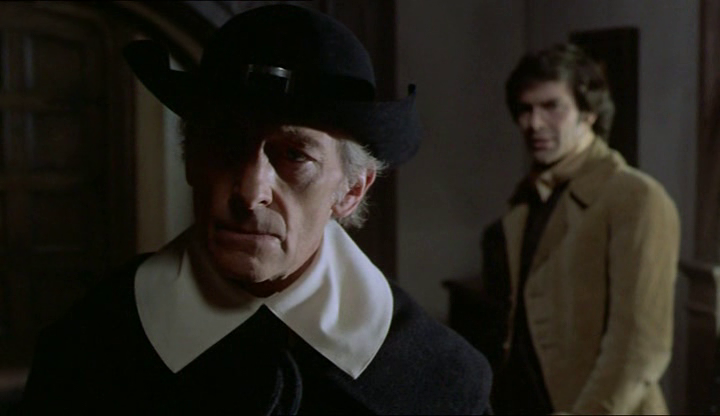
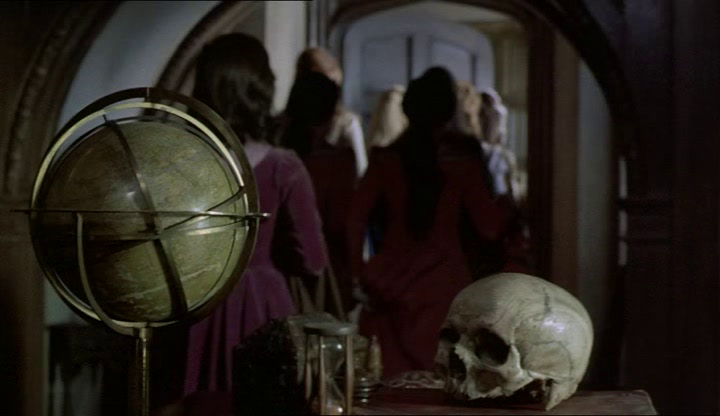
Strangler of the Swamp (1946)
“The swamp — things have happened out there that are not natural…”
|
Synopsis: |
|
Genres, Themes, Actors, and Directors:
Review: Redeeming Qualities and Moments:
Must See? Links: |
“The swamp — things have happened out there that are not natural…”
|
Synopsis: |
|
Genres, Themes, Actors, and Directors:
Review: Redeeming Qualities and Moments:
Must See? Links: |
“You mustn’t let these ridiculous superstitions get the best of you!”
|
Synopsis: |
|
Genres, Themes, Actors, and Directors:
Review:
With all that said, this is a swiftly paced B-flick with atmospheric cinematography, and worth a one-time look by fans of Ulmer’s work. Redeeming Qualities and Moments:
Must See? Links: |
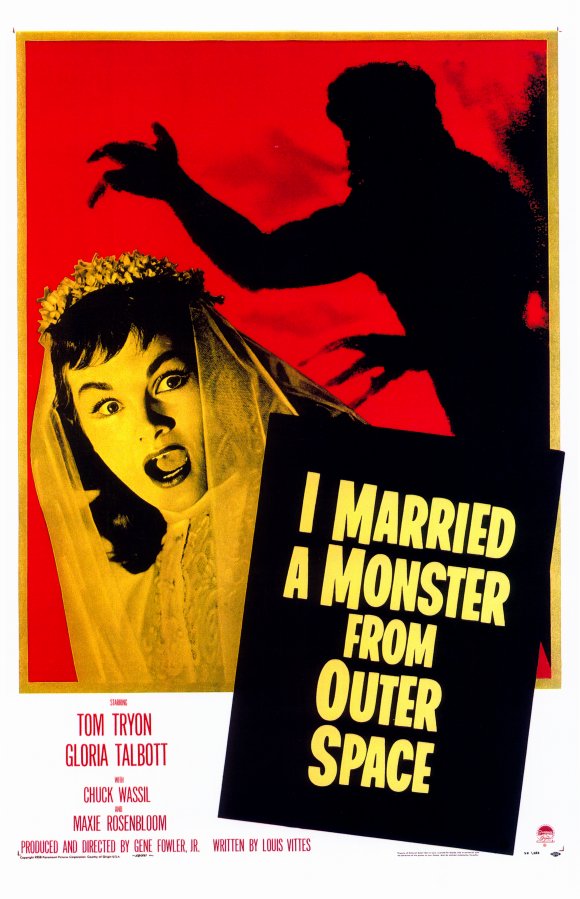
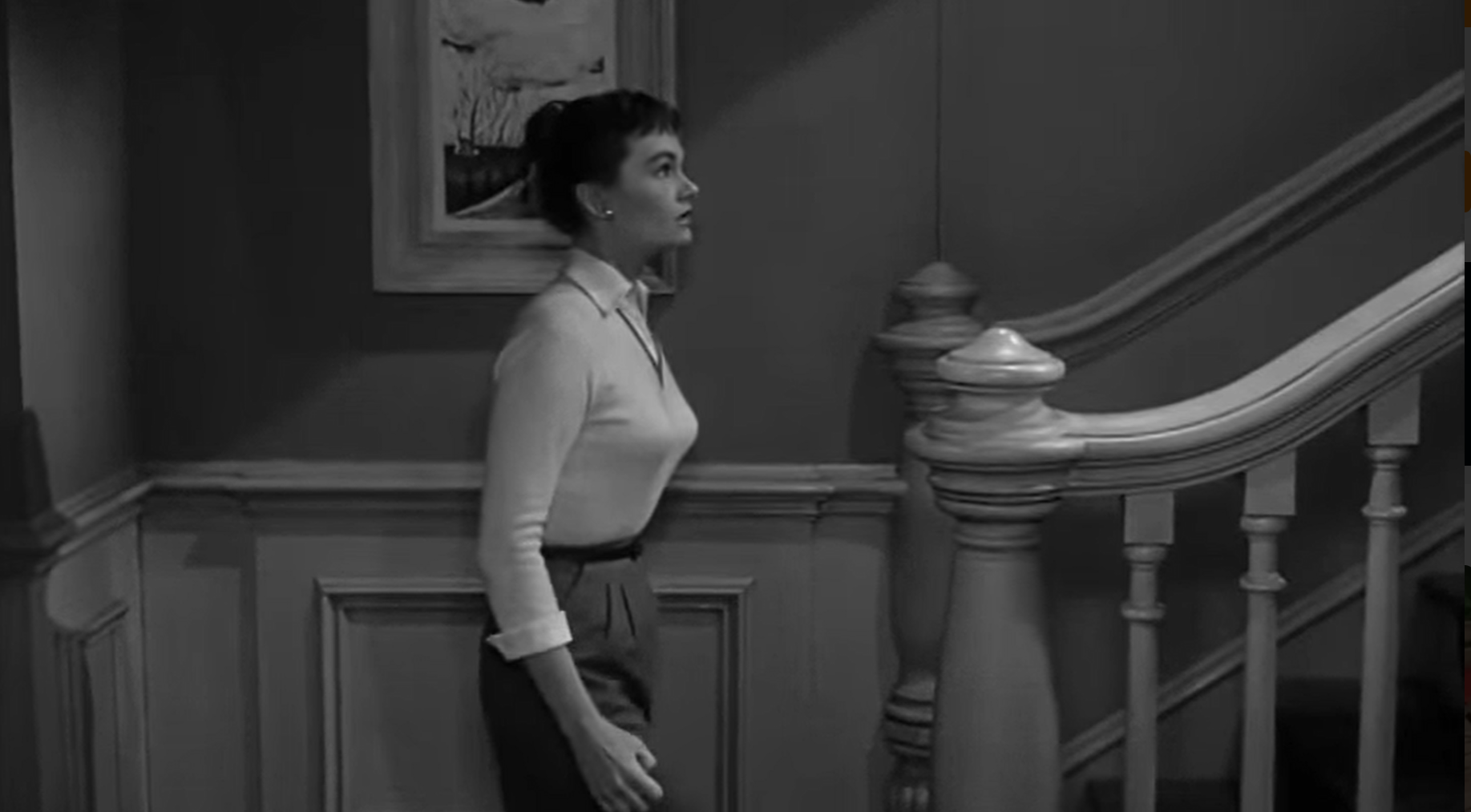
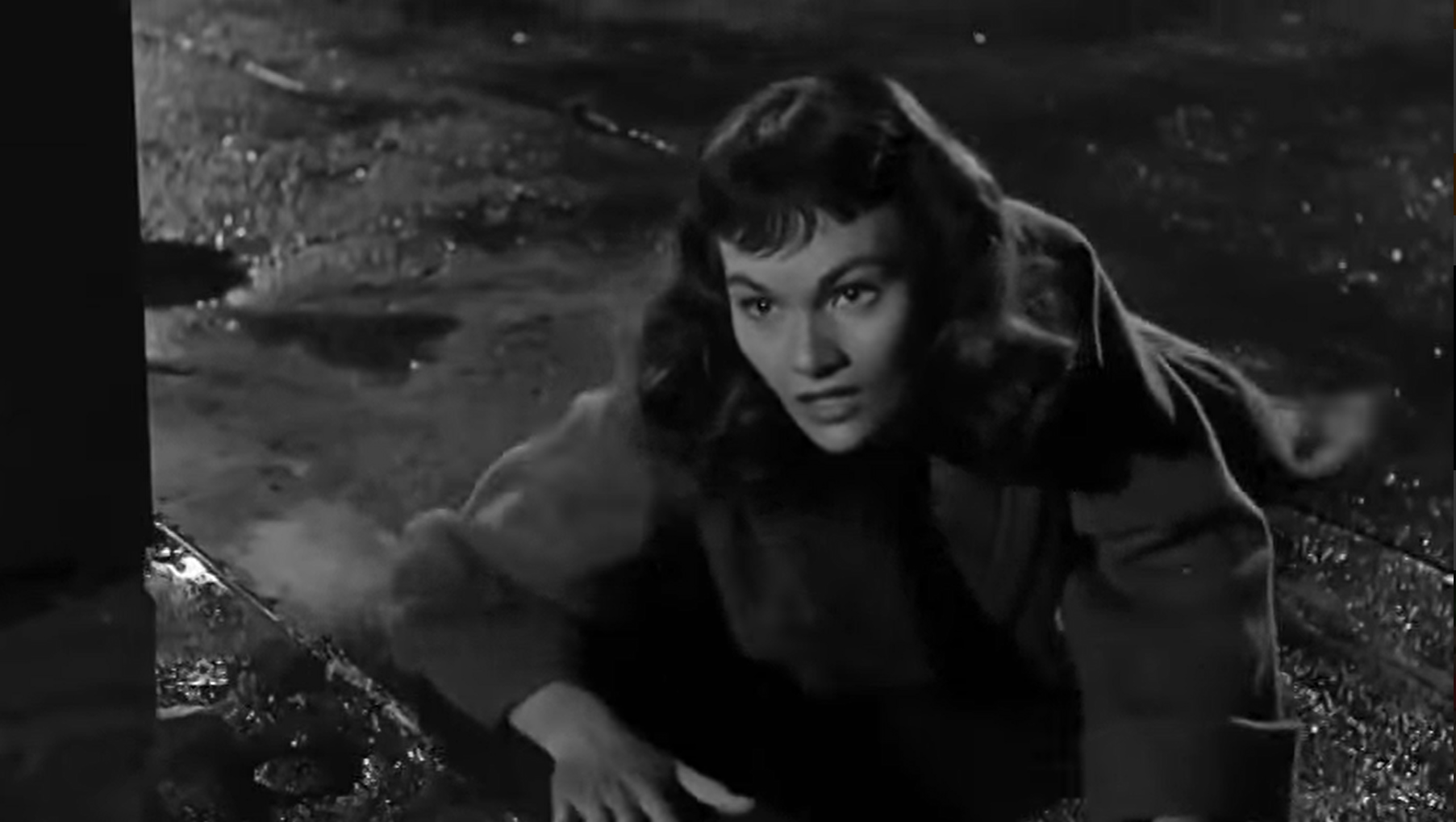
“Is pride something monsters don’t understand?”
|
Synopsis: |
|
Genres, Themes, Actors, and Directors:
Response to Peary’s Review:
but he argues that “Tryon, years before becoming a best-selling author, is better as the alien than as the human counterpart”.
(The fact that Tryon was gay in real life, thus truly lacking a desire for sexual intimacy with women, adds an interesting spin to this assertion.) To that end, some viewers have pointed out the subtle “gay undertones” to the film, given that Talbott is continuously sexually frustrated (she can’t get Tryon interested in sex or reproduction) and the men are more eager to spend time with each other than with their wives. Finally, I agree with Peary that this film’s “outrageous title is unsuited” for it: Tryon and his fellow aliens are devious and determined, but not particularly monstrous in their actions; why not call it I Married an Alien From Outer Space instead? Note: The final shot in the film (of Tryon) seems inexplicable, but I suppose it was a necessary if illogical concession for a happy ending. Redeeming Qualities and Moments:
Must See? Categories
Links: |
“Medicine isn’t perfect — we all know that, don’t we?”
|
Synopsis: |
|
Genres, Themes, Actors, and Directors:
Response to Peary’s Review: In his review, Peary writes that while the “hospital atmosphere and operation-room scenes” are “very true to life”, “you’ll have to suspend your disbelief at every turn” — which is somewhat true but not really a problem, given how innately appealing Bujold is. (Cinematic heroines almost always manage to discover elusive information and escape by the skin of their teeth, don’t they?) Meanwhile, I disagree with Peary’s assertion that the “dialogue relating to Bujold being a woman in a man’s world” is “now trite”: regardless of how gender relations currently function in modern hospitals (and I’m sure they’re still far from ideal), there is no doubt that female doctors in the 1970s dealt with many of the patronizing and sexist attitudes Dr. Wheeler faces but refuses to accept. Note: Watch for Tom Selleck in a pre-“Magnum, P.I.” role as a doomed patient and Ed Harris in a small role as a pathology resident. Redeeming Qualities and Moments:
Must See? Categories
Links: |
“Do you realize, comrade, the implications of the weapon that has been placed at your disposal?”
|
Synopsis: |
|
Genres, Themes, Actors, and Directors:
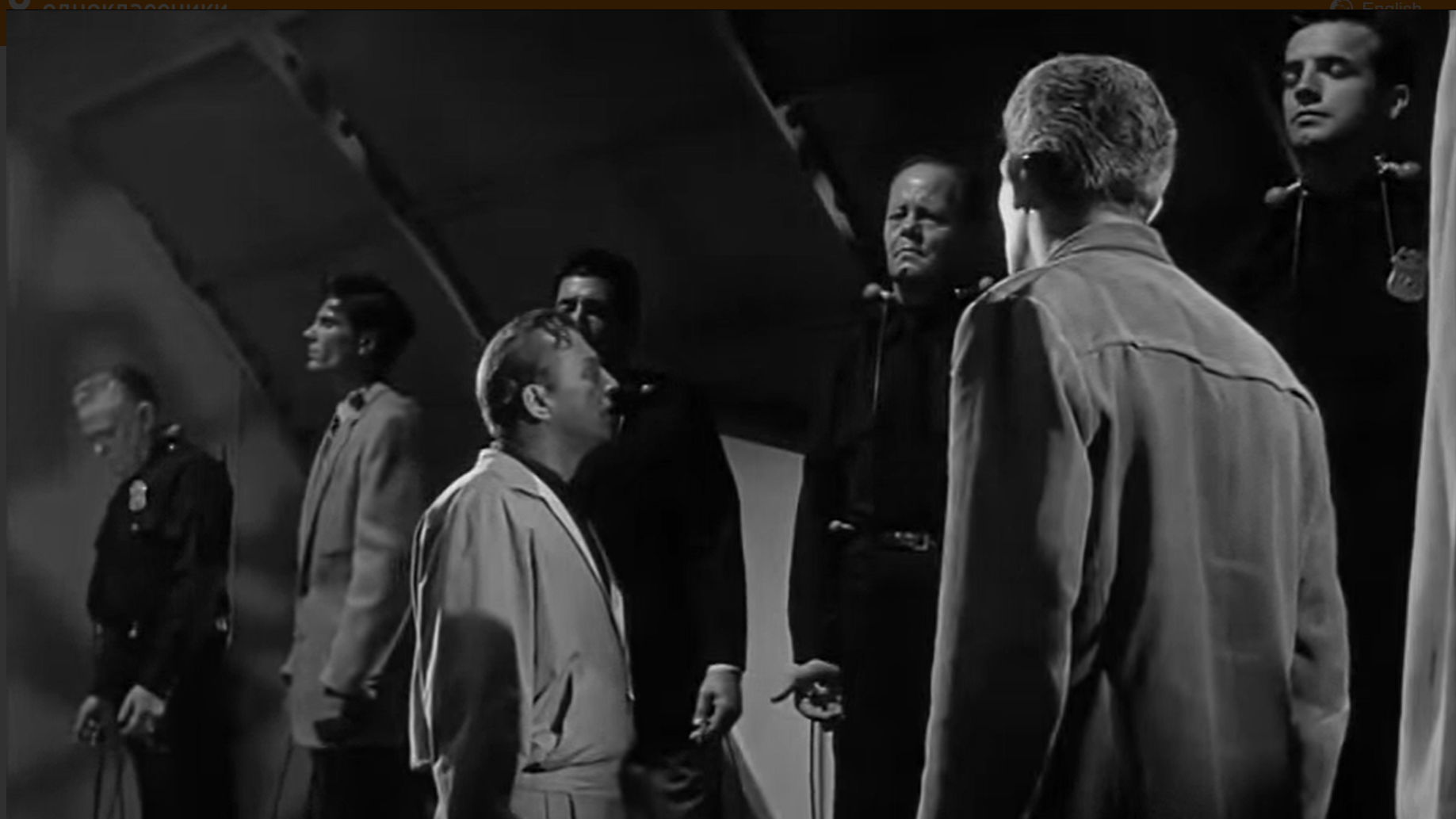
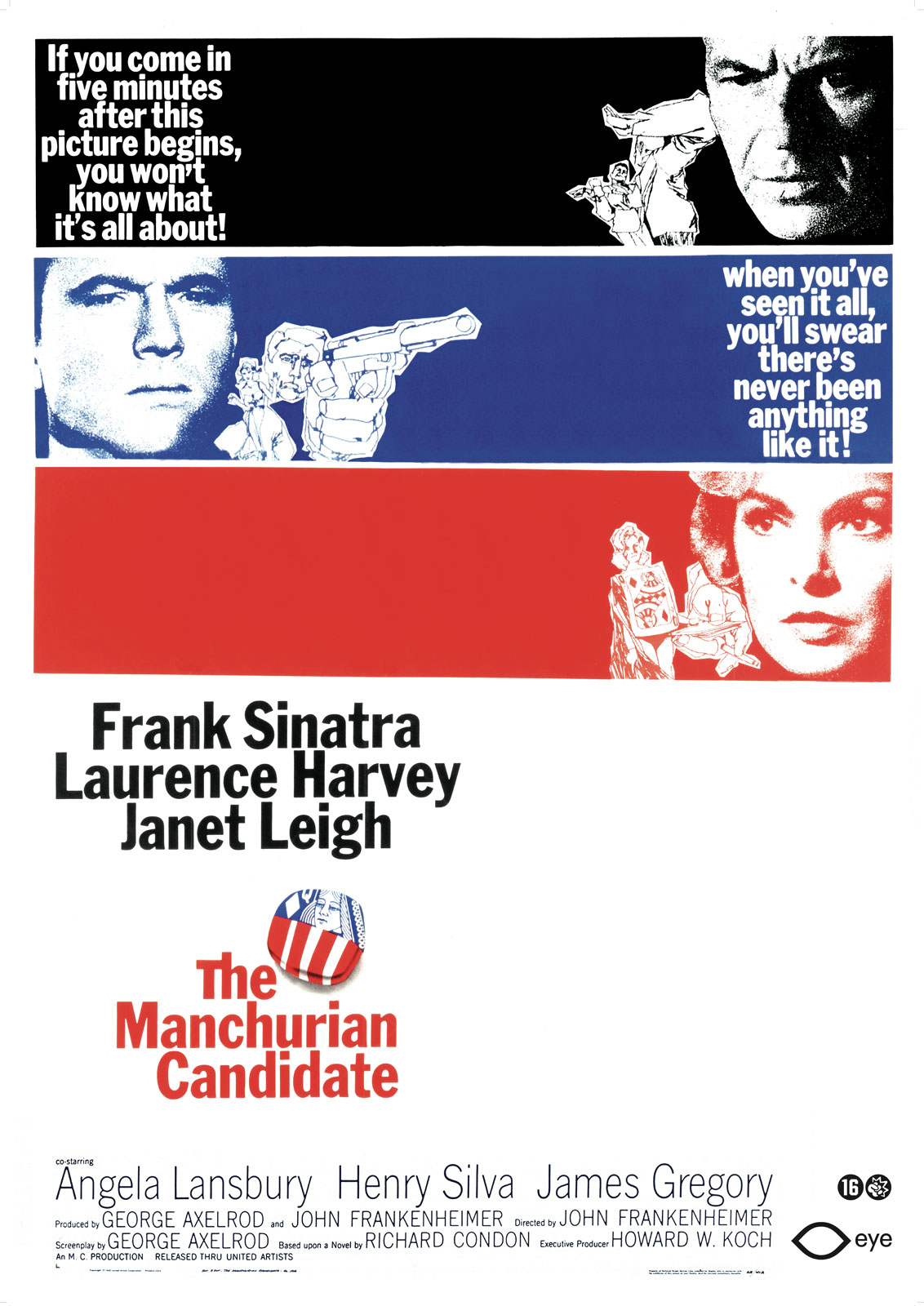
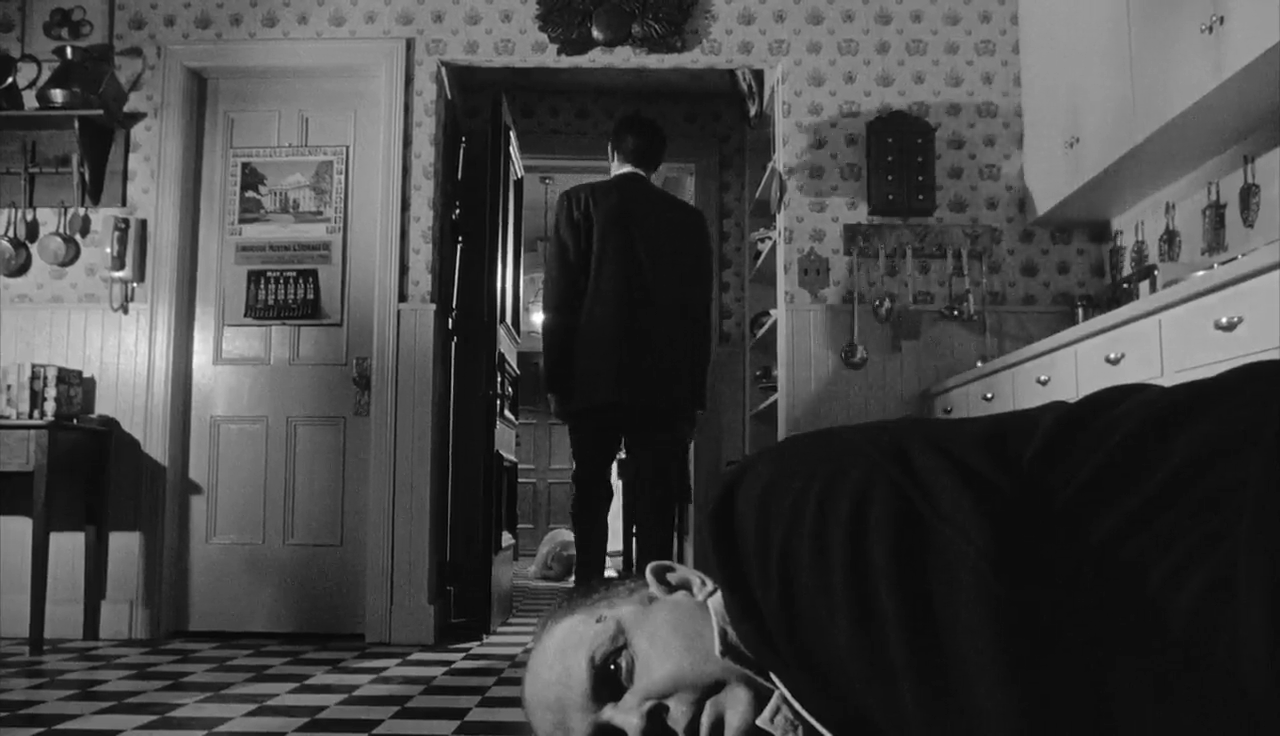
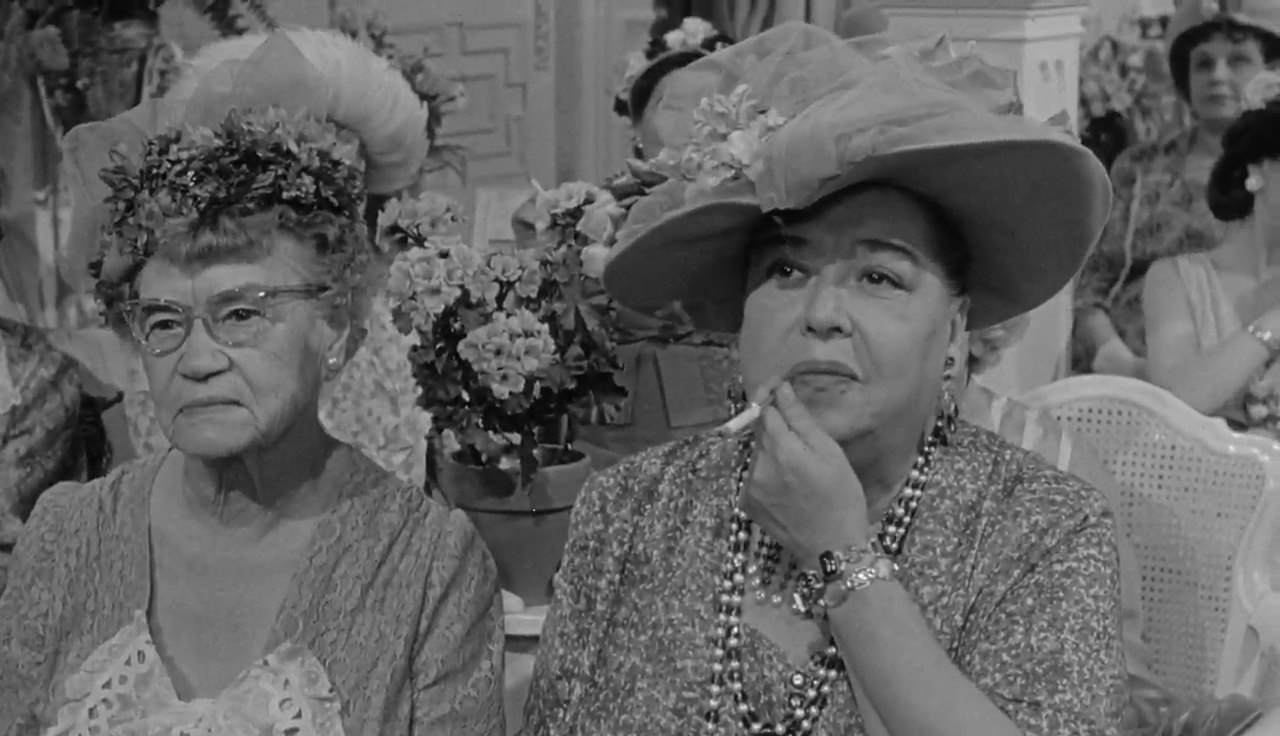
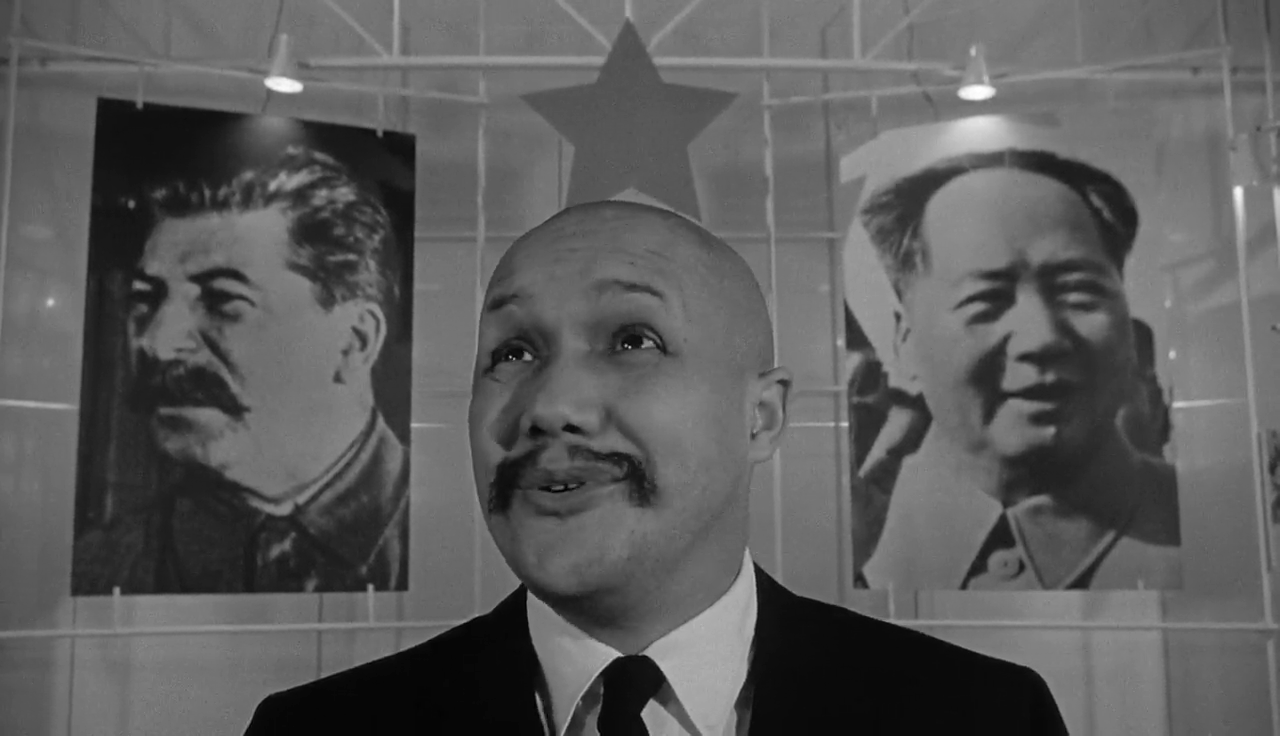
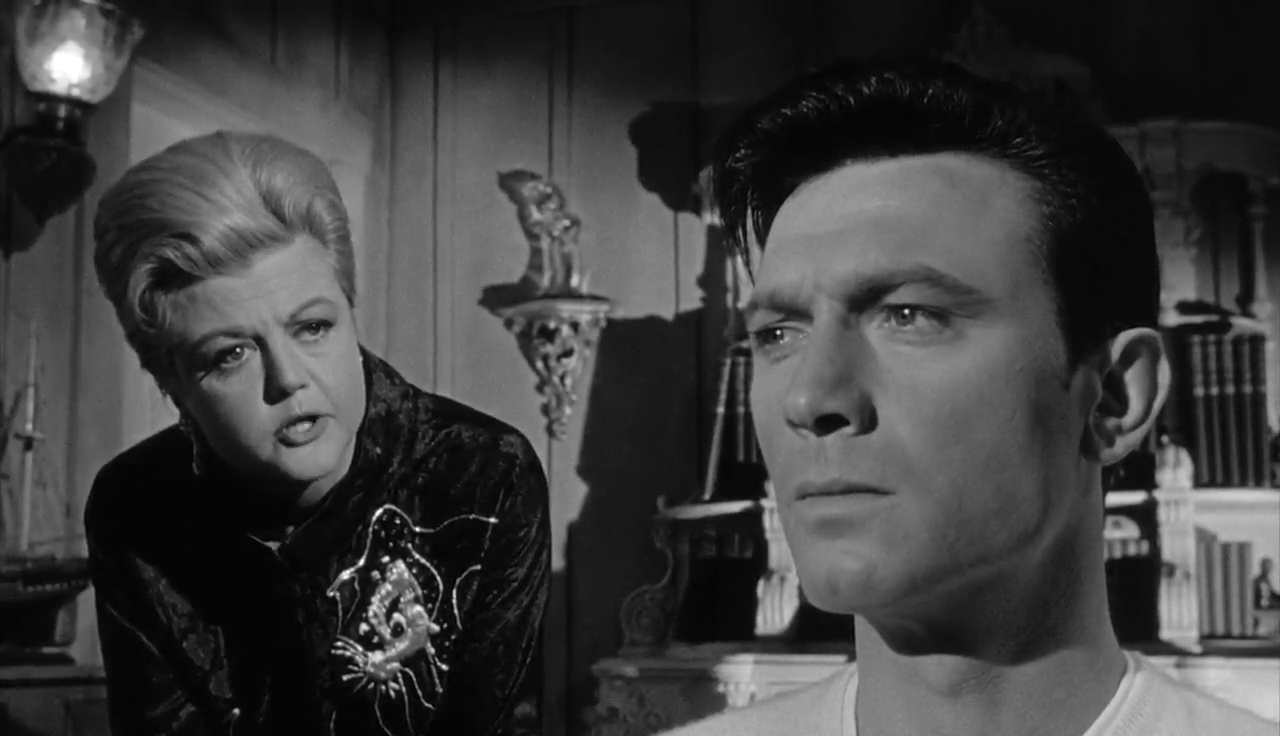
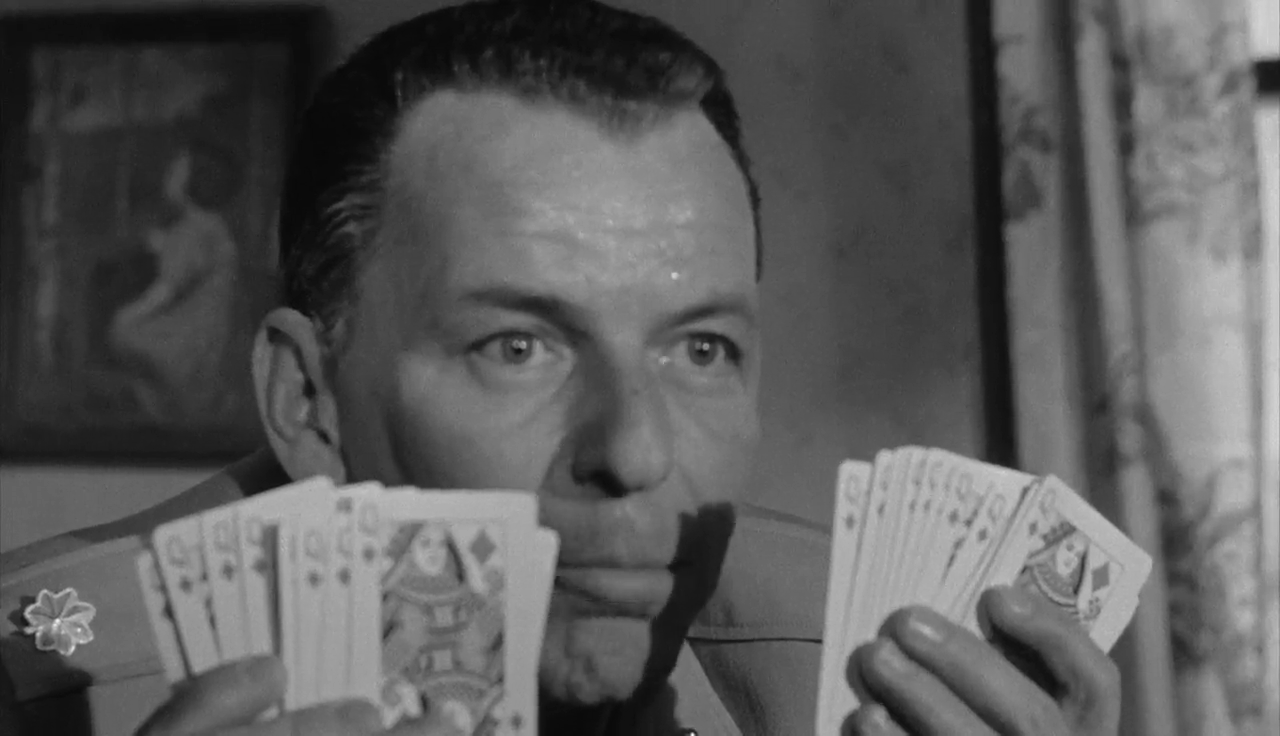
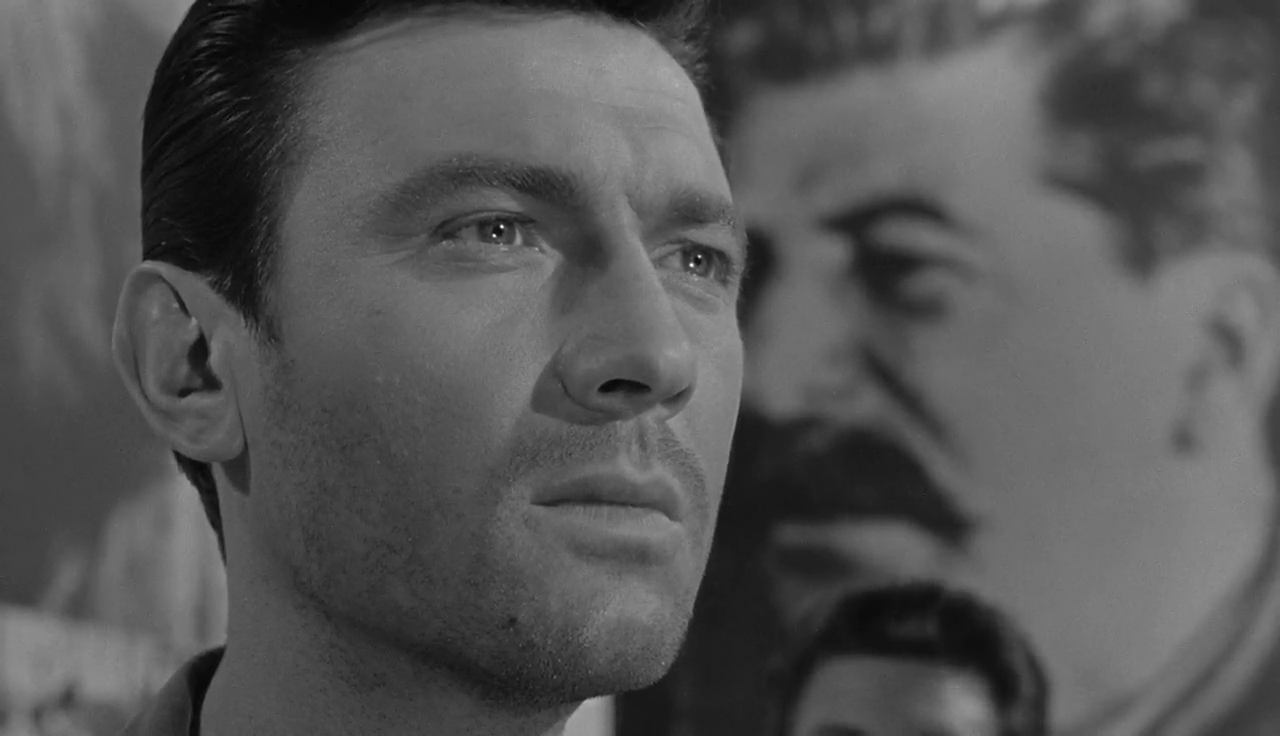
Review: With that said, the screenplay isn’t without flaws. My least favorite characters are Lansbury’s political rival (John McGiver) and his gorgeous daughter (Leslie Parrish), who Harvey is immediately smitten with; I can’t quite get a read on how they’re meant to be viewed, though they clearly serve an integral function in the storyline. Meanwhile, Janet Leigh as Sinatra’s love interest is oddly opaque: she approaches the distressed Sinatra with motherly compassion, speaking in what can only be interpreted as some sort of mysterious code — “I was one of the original Chinese workmen who laid the track on this train.” — then becomes simply a mother-figure Sinatra can lean on for unconditional support during a time of crisis. However, it’s likely she serves a more important function than appearances would indicate (see DVD Savant’s review for an outline of various theories about her character). The film is quite dark — at times satirically so (as in the depiction of Gregory as a spineless political puppet), and at times much more violently (i.e., the disturbing finale to the brainwashing flashbacks, as well as the cold-blooded assassination scenes). This shifting between tones — along with the continuous edits back and forth in time and between perspectives — add to the overall sense of paranoia and unease. Also instrumental to the film’s success are atmospheric cinematography and strategic direction, including good use of extreme close-ups and deep focus to exaggerate the surrealism of the nightmarish situation. Sinatra’s real-life friendship with the Kennedy family simply adds to its historical intrigue. Redeeming Qualities and Moments:
Must See? Categories
Links: |
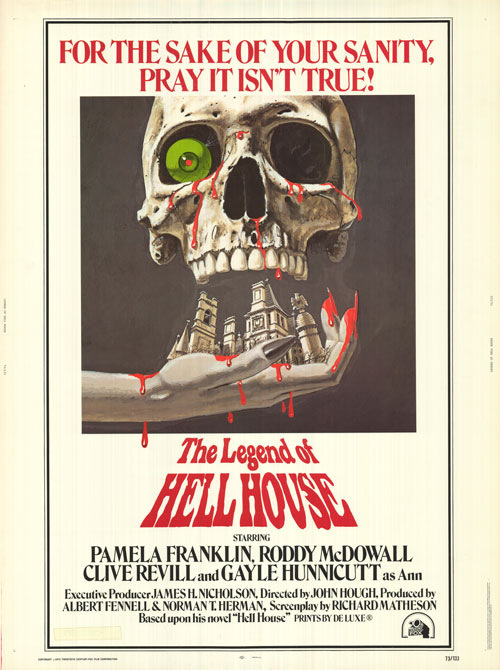
“This house… It knows we’re here.”
|
Synopsis: |
|
Genres, Themes, Actors, and Directors:
Review: Redeeming Qualities and Moments:
Must See? Categories
Links: |
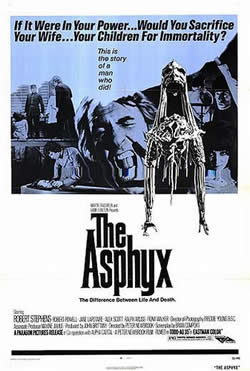
“This is your chance for immortality! You don’t need to worry, because there is a duplicate of you!”
|
Synopsis: |
|
Genres, Themes, Actors, and Directors:
Review: Redeeming Qualities and Moments:
Must See? Links: |
“I am a night bird; I am not much good in the daytime.”
|
Synopsis: |
|
Genres, Themes, Actors, and Directors:
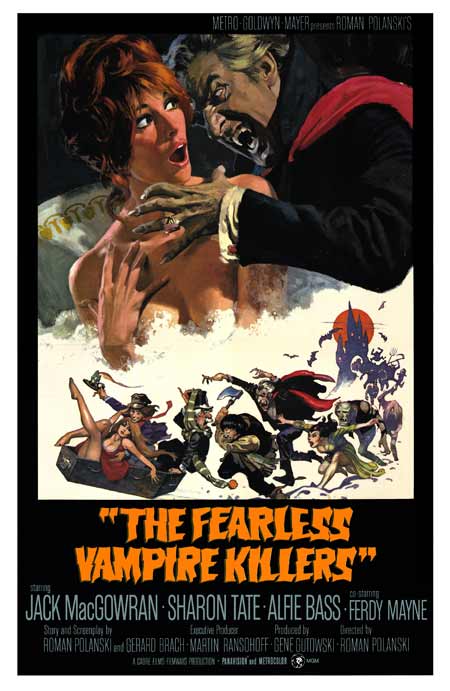
Review: With that said, I do appreciate Douglas Slocombe’s gorgeous cinematography — much shot in the snowy outdoors, which lends a unique atmosphere to the proceedings — and I also admire Polanski’s attempts at satirizing a beloved genre. The culminating vampire ball is quite a sight to behold, with the presence of decrepit and decaying aristocrats making one question the trope of vampires as invariably gorgeous young men and women. And Krystov Komeda’s score is mesmerizing. But none of this can make up for the inane slapstick and nincompoop leads. As a final thought, I will cite Time Out’s reviewer, who writes that “With all its faults, [it’s] an engaging oddity”; ultimately, all film fanatics should see it once to craft their own opinion. Redeeming Qualities and Moments:
Must See? Categories
Links: |
“Having lost Clyde, your brother, I must never lose you.”
|
Synopsis: |
|
Genres, Themes, Actors, and Directors:
Review:
Speaking of risks, the presence of a guillotine at one point is explained away as allowing the (immensely likable) would-be victim to “feel fear” (!) — but couldn’t another, less vicious method have been secured for her near-death experience? In the film’s favor are lovely sets, vibrant Todd-AO cinematography, and some nifty special effects — but overall, this one is a disappointment. Redeeming Qualities and Moments:
Must See? Links: |
“They are all slaves to Count Karnstein — and he is their evil master!”
|
Synopsis: |
|
Genres, Themes, Actors, and Directors:
Review:
Meanwhile, Cushing has never been more sober or skeletal:
and Thomas is effectively sociopathic as a playboy count with truly sadistic tastes.
Given its atmospheric sets and fine cinematography, Twins of Evil will certainly appeal to fans of period horror flicks, though the script fails to elevate the material above predictable fare with plenty of gaps in logic. Watch the extended documentary The Flesh and the Fury: X-posing Twins of Evil (2012) for more background information than you ever thought possible about this cult flick (and its two predecessors). Redeeming Qualities and Moments:
Must See? Links: |