Browsed by
Month: October 2007

Harvey (1950)

Harvey (1950)

“I’ve wrestled with reality for 35 years, doctor, and I’m happy to state I finally won out over it.”

Synopsis:
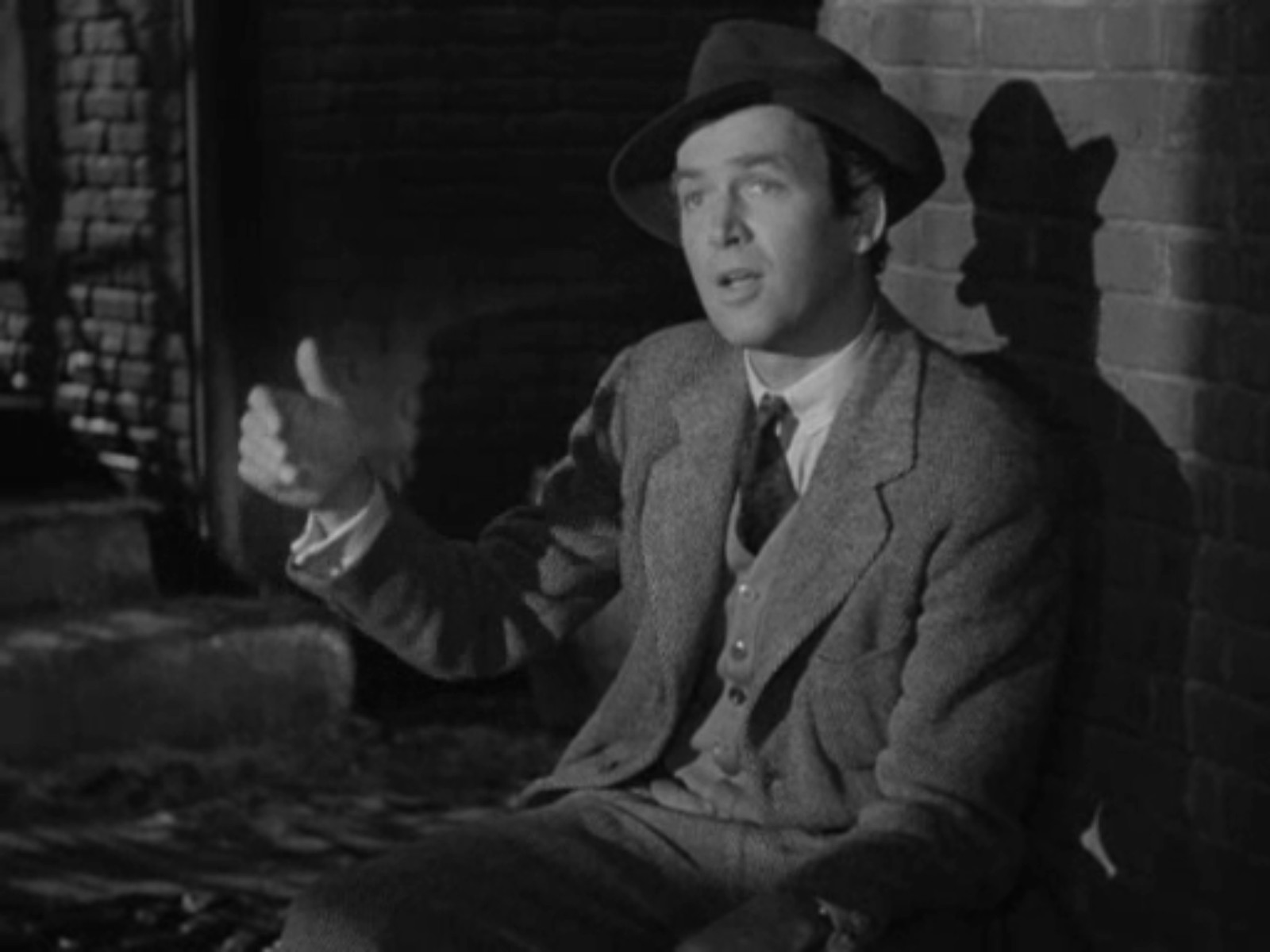
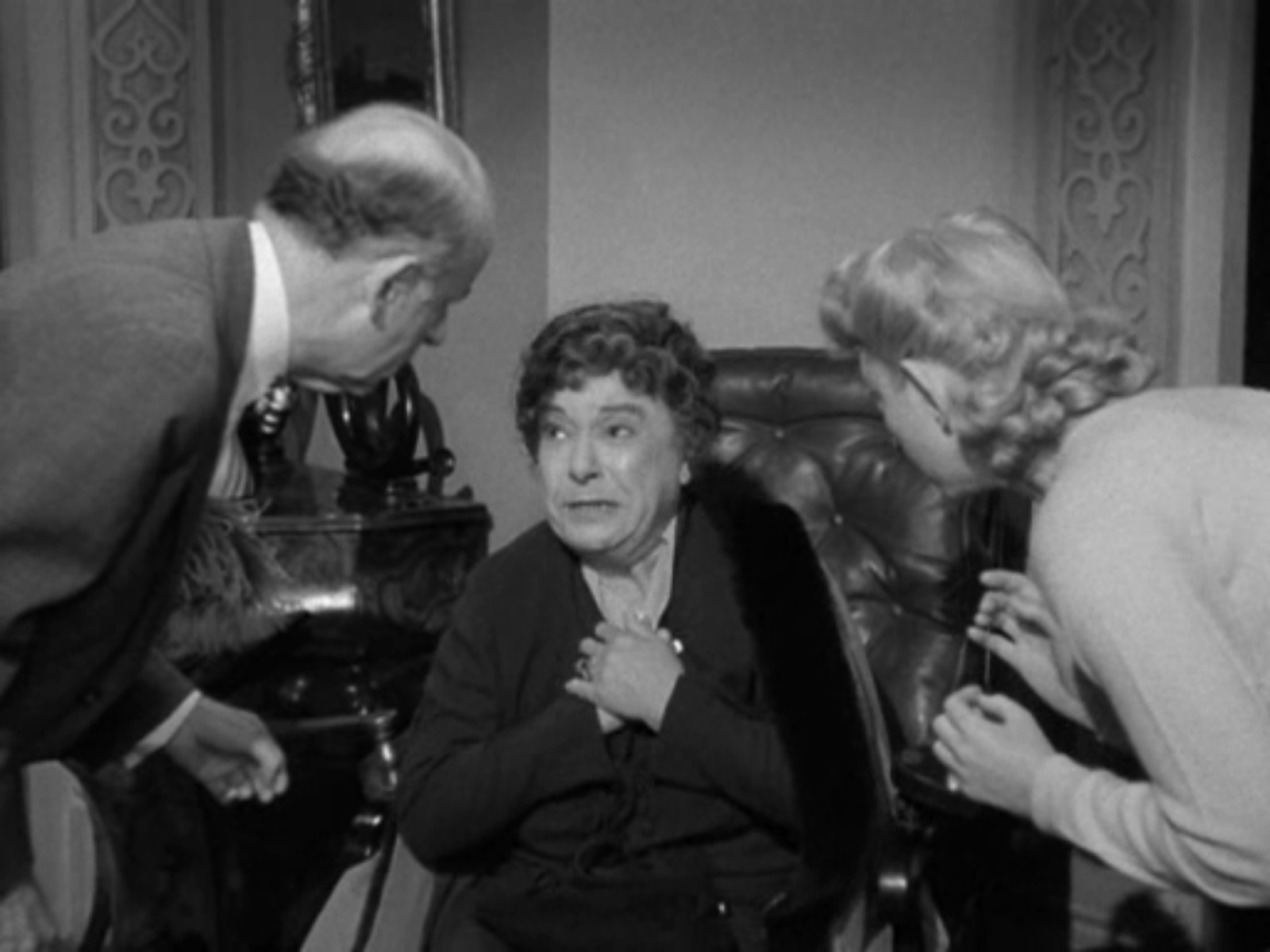
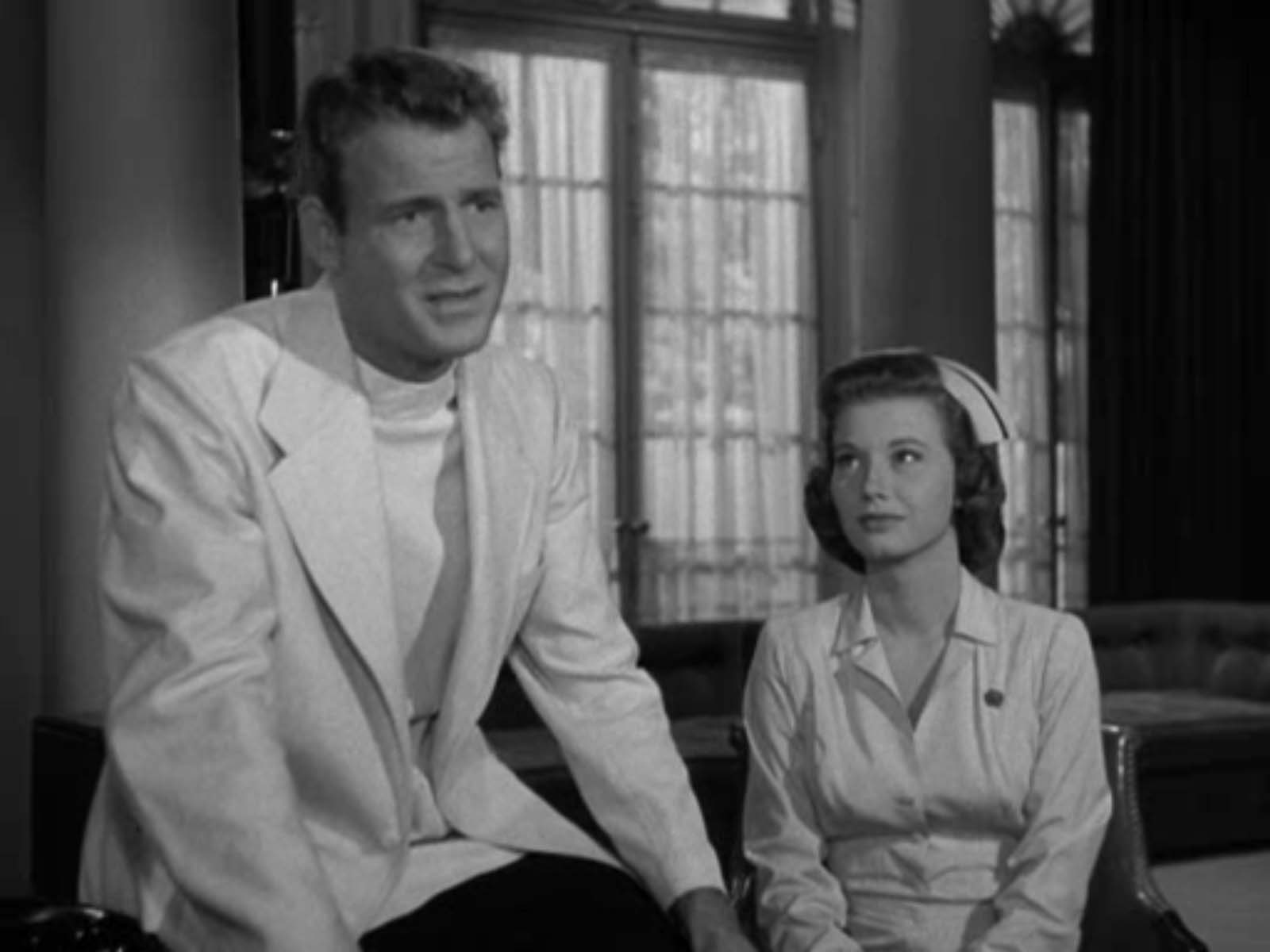
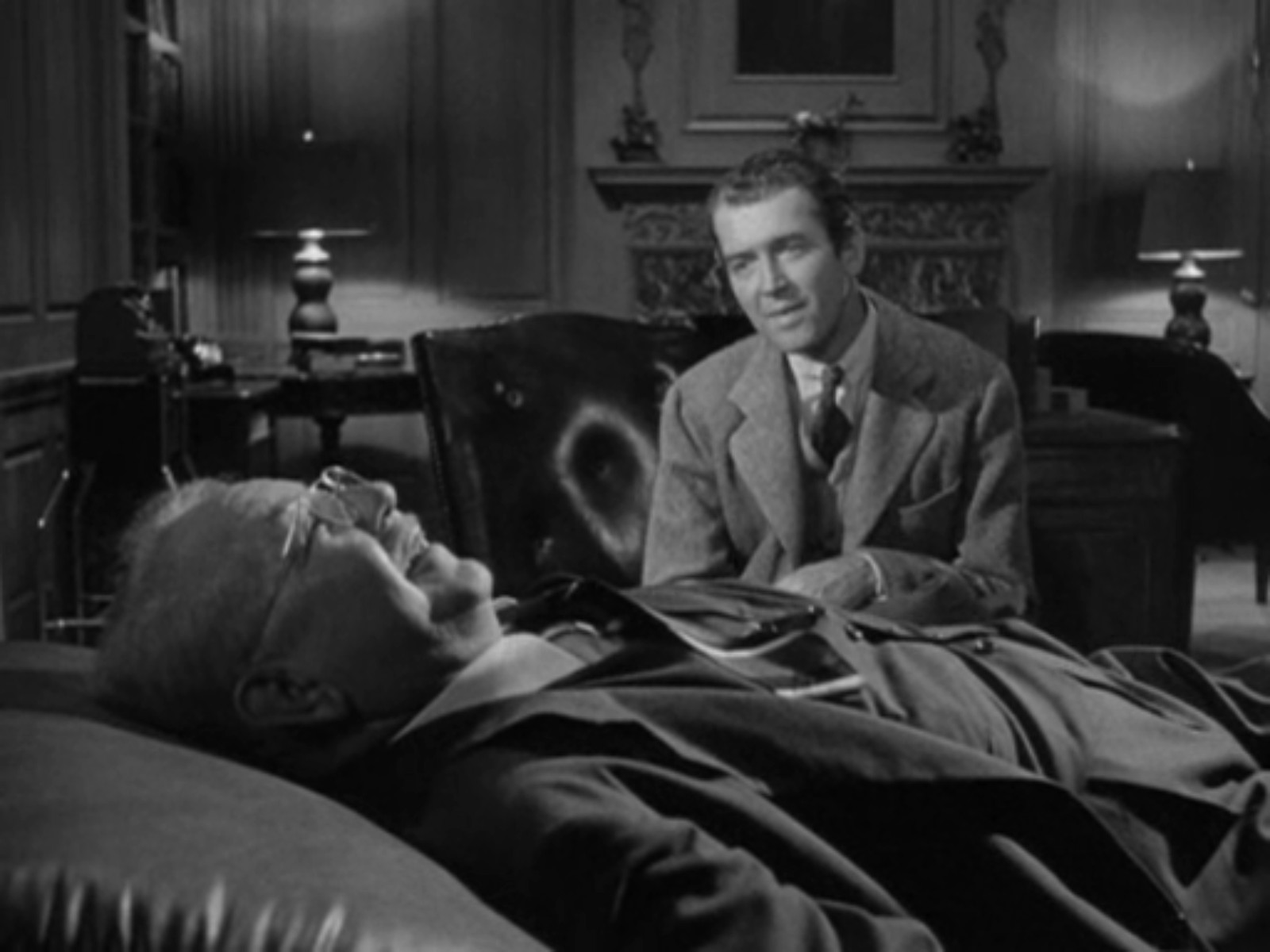
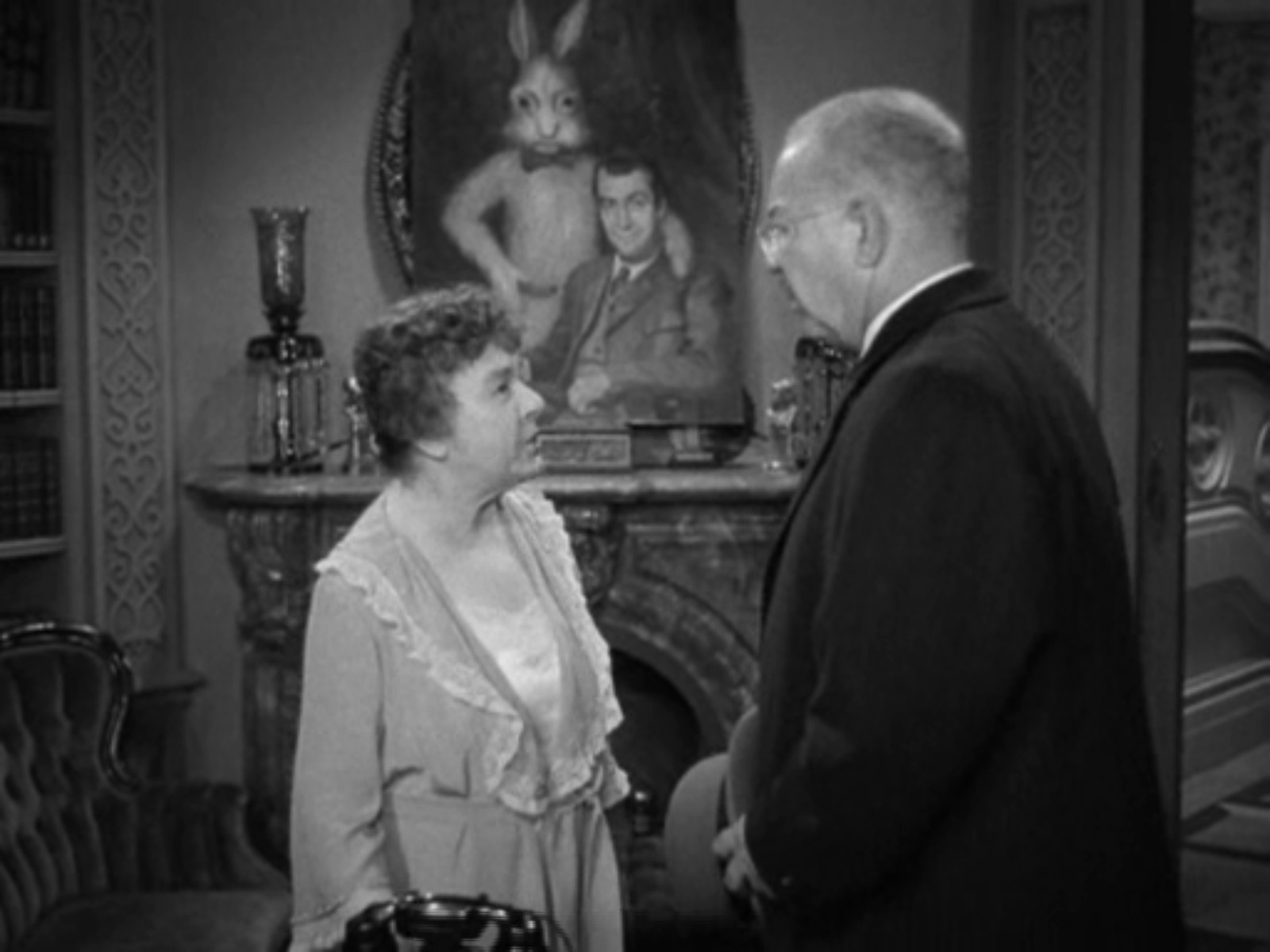
Noncomformist Elwood P. Dowd (Jimmy Stewart) spends his days drinking in bars and chatting with his invisible rabbit friend, Harvey. When Elwood’s sister (Josephine Hull) becomes convinced that his quirky behavior is preventing her grown daughter (Victoria Horne) from finding a suitable husband, she takes him to Chumley’s Rest Home, where a well-meaning young doctor (Charles Drake) targets her as the delusional one instead; meanwhile, Elwood befriends the asylum’s founder (Cecil Kellaway), who soon believes that Harvey is real.

Genres:

  • Cecil Kellaway Films
  • Comedy
  • Friendship
  • Jimmy Stewart Films
  • Mental Illness
  • Nonconformists
  • Play Adaptation

Review:
Mary Chase’s Pulitzer Prize-winning play was an enormous hit with post-war audiences, opening in 1944 and running for 5 years before finally closing and re-emerging as a feature film. It’s an unusual, whimsical fable which poses the enduring philosophical question of who’s really crazy in this world — those who live life peacefully while talking to an imaginary 6’3″ rabbit, or those who care more about social status than inner happiness? Because Elwood is ultimately not the only person who “sees” Harvey, it’s difficult to know just what to make of him; he should perhaps be viewed as simply a fantastic reminder that attitude is the essential key to happiness. Elwood, for instance, likes to invite anyone and everyone he meets to “come have a drink” with him, and this open-minded acceptance of all humans — rich (the asylum owner’s wife) or poor (the asylum’s gate-keeper) — is a poignant, important lesson.

With that said, despite its cult status, I don’t find Harvey all that compelling as a film; considering that it’s a comedy, there aren’t nearly enough laugh-out-loud moments or lines. The central dilemma of whether or not Elwood will get committed to Chumley’s is self-evident (how can we not know the outcome ahead of time?); and the unrequited “love affair” between stodgy Dr. Sanderson (Charles Drake) and loopy Nurse Kelly (Peggy Dow) — which supplements the central story — is amusing but ultimately beside the point. It’s the performers rather than the story who make Harvey worth watching: Jimmy Stewart — who lobbied for the role, and reprised it again years later — is perfectly cast as the nonconforming, good-natured Elwood; Josephine Hull, who won an Oscar playing Elwood’s frantic sister, is appropriately ditzy (though I prefer her more subdued performance in Frank Capra’s Arsenic and Old Lace, where she’s the “crazy” one); and the remaining supporting actors — particularly Dow, Kelloway, and Horne — are all fun to watch.

Redeeming Qualities and Moments:

  • Jimmy Stewart as Elwood P. Dowd
  • Josephine Hull as Veta Louise
  • Peggy Dow as pining Nurse Kelly
  • Cecil Kellaway as “Harvey convert” Dr. Chumley
  • An intriguing premise for a comedic fantasy

Must See?
Yes, for its status as an Oscar-nominated crowd pleaser. Listed as a cult movie in the back of Peary’s book.

Categories

  • Oscar Winner or Nominee

Links:

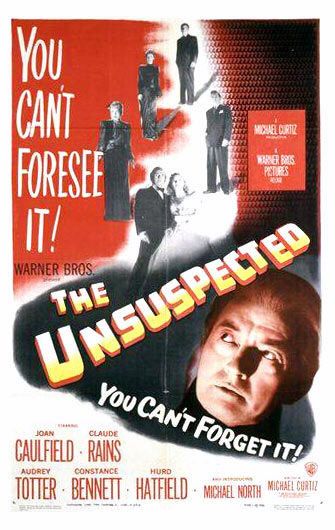
Unsuspected, The (1947)

Unsuspected, The (1947)

“His day of reckoning must come. He is tormented by fear that someday he will make one false move, one slip that will betray him, and when he does, the lightning of justice will strike… the unsuspected.”

Synopsis:
When the assistant (Barbara Woodell) of suave radio host Victor Grandison (Claude Rains) is murdered, a mysterious man (Michael North) appears on his doorstep, claiming to be the short-lived husband of Grandison’s wealthy young ward (Joan Caulfield); a web of lies, greed, and deceit is soon revealed.

Genres, Themes, Actors, and Directors:

  • Amateur Sleuths
  • Amnesia
  • Audrey Totter Films
  • Claude Rains Films
  • Constance Bennett Films
  • Hurd Hatfield Films
  • Michael Curtiz Films
  • Murder Mystery

Response to Peary’s Review:
While acknowledging its shortcomings, Peary seems to be an enormous fan of this atmospheric murder mystery, referring to it as a “really exceptional noir melodrama”. Unfortunately, The Unsuspected — based on a novella by Charlotte Armstrong — is prevented from being a true classic due to its highly convoluted plot, which only begins to make sense more than halfway through (as Peary notes, the “plot has clever twists, but there are so many of them that it becomes confusing”). At the same time, it possesses “sharp” dialogue, a “spooky, tense atmosphere” (Michael Curtiz’s direction is memorable), and “interesting characterizations” by everyone except “the miscast North” (and, I think, the beautiful but bland Caulfield). Rains’s performance is particularly noteworthy — despite learning his “secret” early on, we continue to watch his character with fascination, especially as he expertly uses technology to further his goals.

Redeeming Qualities and Moments:

  • Claude Rains as Victor Grandison
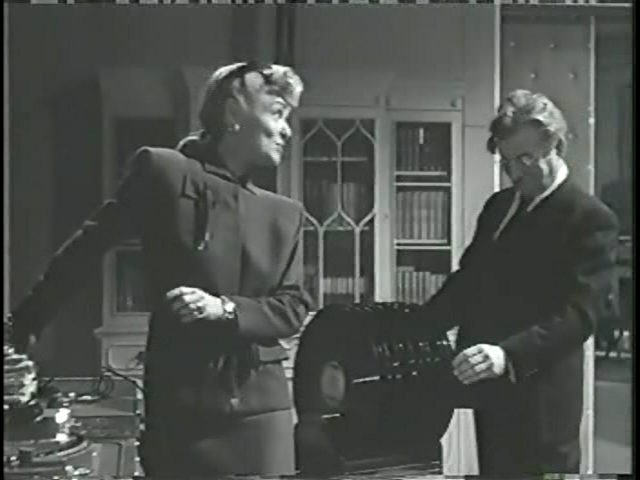
  • Constance Bennett as Grandison’s wisecracking assistant: “You’re as limp as an old girdle.”
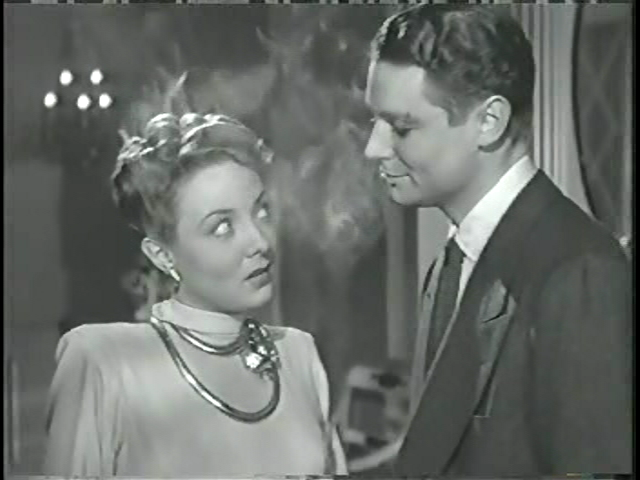
  • Audrey Totter as Grandison’s scheming niece
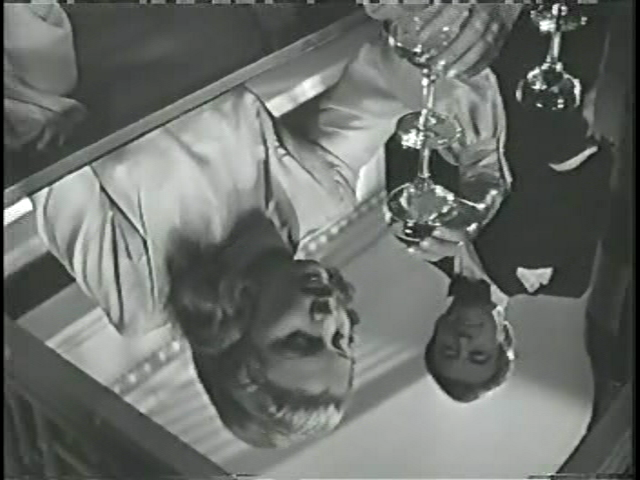
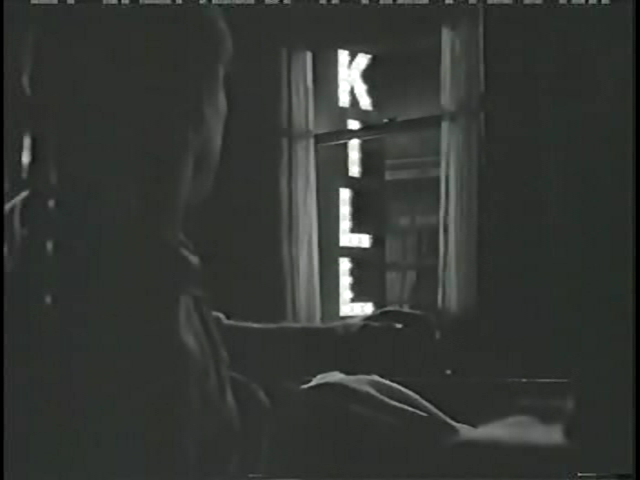
  • The highly atmospheric opening murder
  • Director Michael Curtiz’s innovative camerawork and direction
  • Woody Bredell’s noirish cinematography

Must See?
Yes, simply for Rains’ performance.

Categories

  • Important Director
  • Noteworthy Performance(s)

Links:

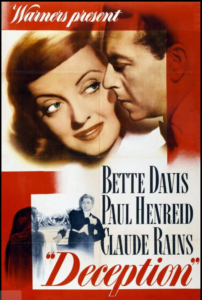
Deception (1946)

Deception (1946)

[Note: The following review is of a non-Guide for the Film Fanatic title; click here to read more.]

“Sooner or later you’ll come back to your old teacher. You’ll realize that nothing matters except music; everything passes, except music — and me.”

Synopsis:
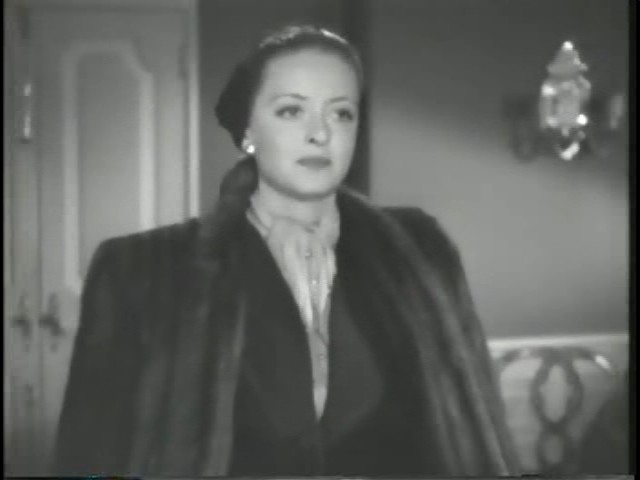
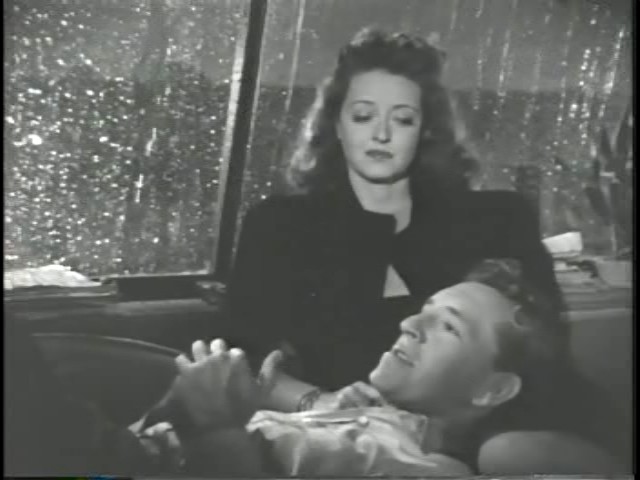
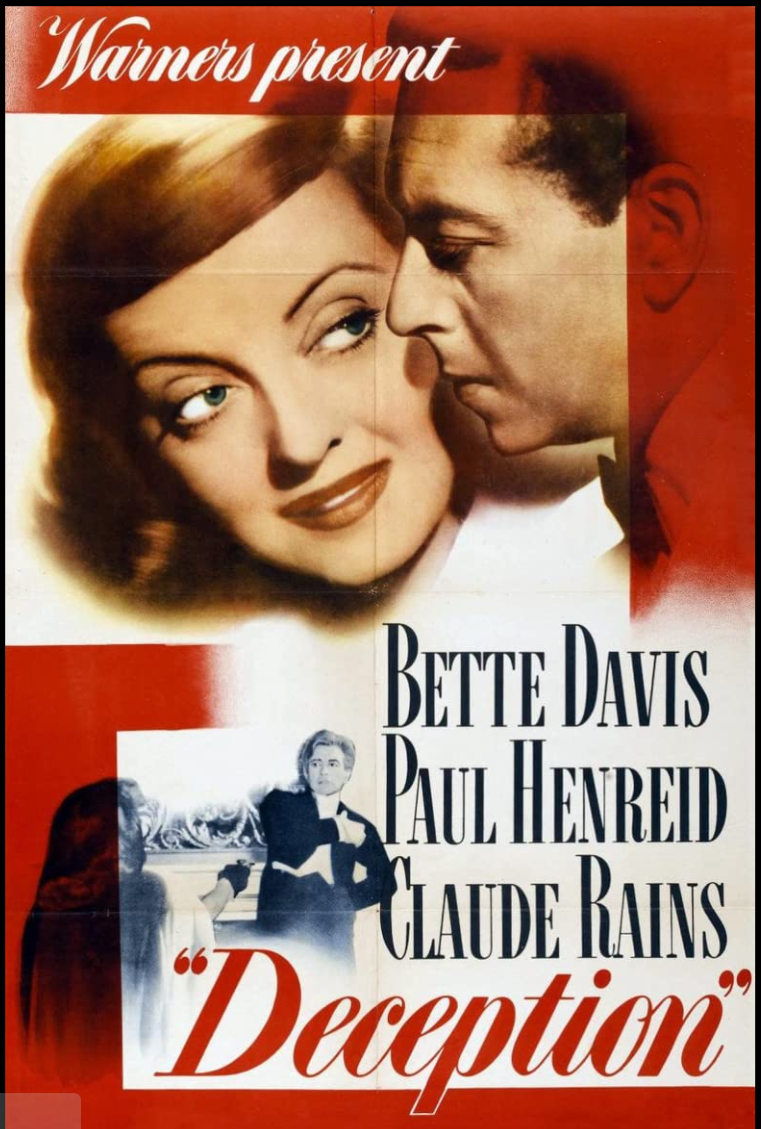
Aspiring pianist Christine Radcliffe (Bette Davis) — who believes her fiance Karel (Paul Henreid) has died in the war — is thrilled to find him performing in a cello concert in New York. Soon the two are married, but trouble arises when Davis’s wealthy mentor — composer Alexander Hollenius (Claude Rains) — learns about his protegee’s romantic “betrayal”.

Genres, Themes, Actors, and Directors:

  • Bette Davis Films
  • Claude Rains Films
  • Composers
  • Irving Rapper Films
  • Jealousy
  • Love Triangle
  • Musicians
  • Play Adaptation

Review:
Based on Louis Verneuil’s 1928 play Jealousy, this atmospheric melodrama (directed by Irving Rapper) received negative reviews upon its release, and is generally considered to be merely an “operatic rehash” of its source material — an assessment which doesn’t do this enjoyable film justice. The three leads (who starred together in Rapper’s earlier Now, Voyager) are all wonderful, with Bette Davis perfectly cast as the duplicitous yet well-meaning Christine, and Paul Heinreid appropriately handsome and moody as Karel. Yet it’s third-billed Claude Rains who most impresses: his portrayal of the egomaniacal Hollenius contains intriguing hints of closeted homosexuality, making his obsessive “love” for Christine seem more like a desire for control than a manifestation of lust or romance. Indeed, music itself is the true love interest in this sticky triangle, with murder eventually committed in its name; and while the film’s violent denouement seems to come out of nowhere, it’s fairly easy to forgive this melodramatic plot device considering the clever script that’s come before.

P.S. Interestingly (but perhaps not surprisingly), Christine’s own musical ambitions are dropped as soon as Heinreid appears on the scene; she’s relegated to performing for guests at her own wedding celebration.

Redeeming Qualities and Moments:

  • Claude Rains as Hollenius
  • Bette Davis as Christine
  • Paul Henreid as Karel
  • John Abbott in a bit role as a cellist
  • Atmospheric settings and backdrops
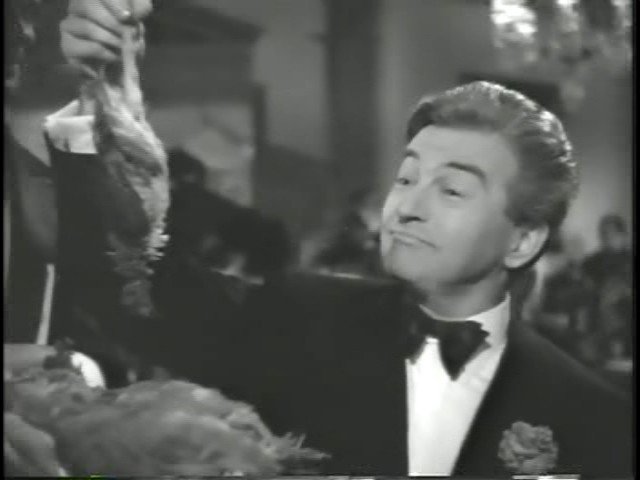
  • Hollenius taking his sweet time ordering a fancy dinner at a restaurant
  • Clever dialogue: “Extraordinary, isn’t it, that music can exist in the same world as the basest treachery and ingratitude?”
  • Erich Korngold’s score

Must See?
Yes, simply for Rains’s performance.

Categories

  • Noteworthy Performance(s)

Links: