Browsed by
Category: Response Reviews

My comments on Peary’s reviews in Guide for the Film Fanatic (Simon & Schuster, 1986).

Star Wars (1977)

Star Wars (1977)

“The force will be with you, always.”

Synopsis:
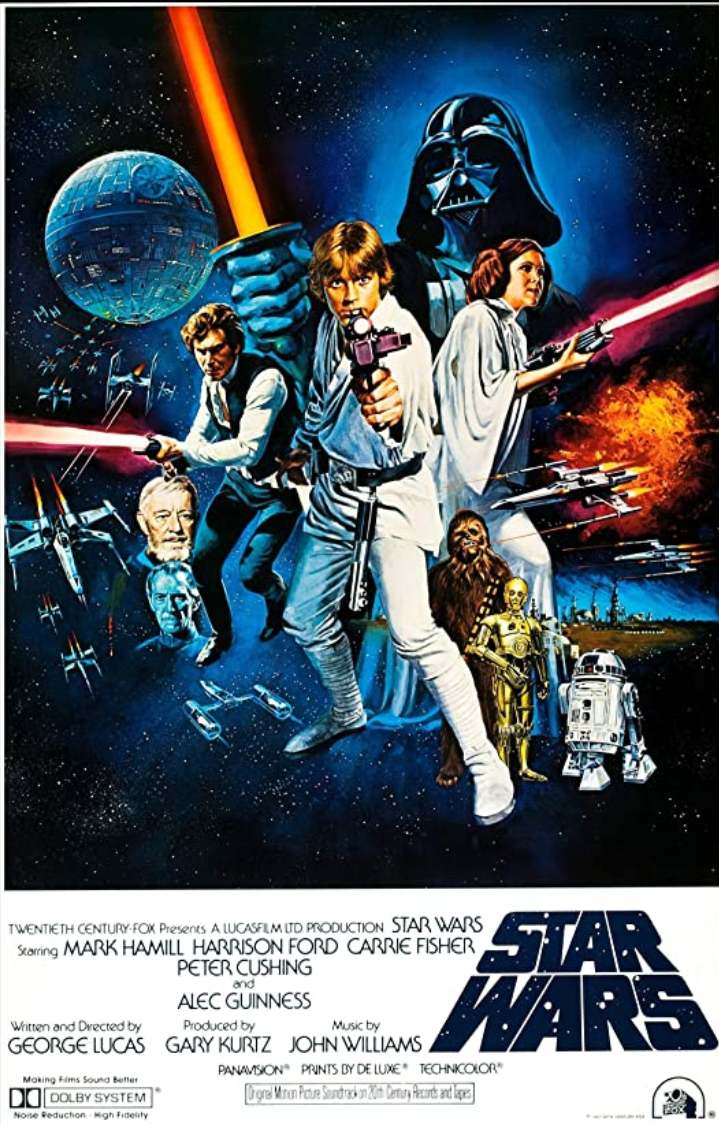
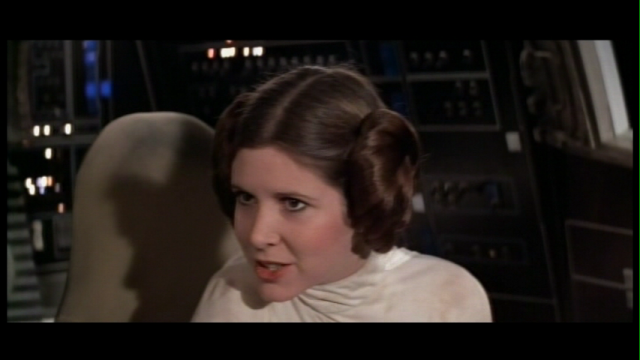
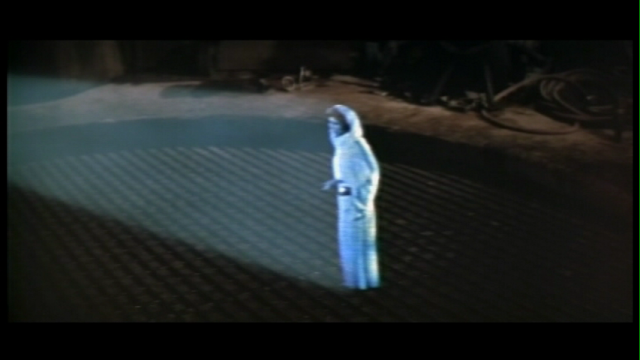
In a galaxy far, far away, Luke Skywalker (Mark Hamill) joins the rebellion against the Empire by teaming up with Jedi master Obi-Wan Kanobi (Alec Guinness) and rogue pilot Han Solo (Harrison Ford) to rescue kidnapped Princess Leia (Carrie Fisher) from the clutches of evil Darth Vader (David Prowse/James Earl Jones).

Genres, Themes, Actors, and Directors:

  • Alec Guinness Films
  • Androids
  • Harrison Ford Films
  • Kidnapping
  • Peter Cushing Films
  • Revolutionaries
  • Science Fiction
  • Space Opera

Response to Peary’s Review:
As Peary notes, writer-director George Lucas’s Star Wars — which borrows liberally from countless other films (including Kurosawa’s The Hidden Fortress and The Wizard of Oz) and pop culture references (serials such as “Flash Gordon” and “Buck Rogers”) — is “arguably the most influential film ever made, although one can legitimately question whether its profound effect on future movie product [design], in Hollywood and worldwide, has been positive”, given that we’ve all “overdosed on special effects, toys, and intergalactic wars”. Peary (ever the ’70s liberal!) accurately argues that the film unfortunately “makes war look like fun”, and that the characters are, regrettably, designed to be shallow — Mark Hamill is particularly annoying as callow, whiny Luke Skywalker (though it could be argued that he’s well-suited for the role).

Sophisticated modern viewers seeing Star Wars for the first time may actually wonder what all the fuss is about, given that much of it comes across today as either campy (i.e., the infamous “cantina scene”) or dated, and the special effects — while revolutionary at the time, and still largely impressive — have since been surpassed.

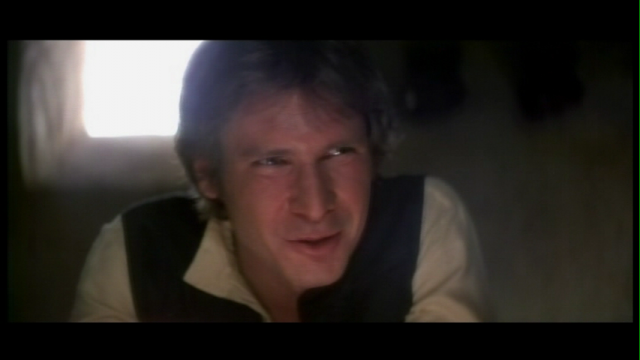
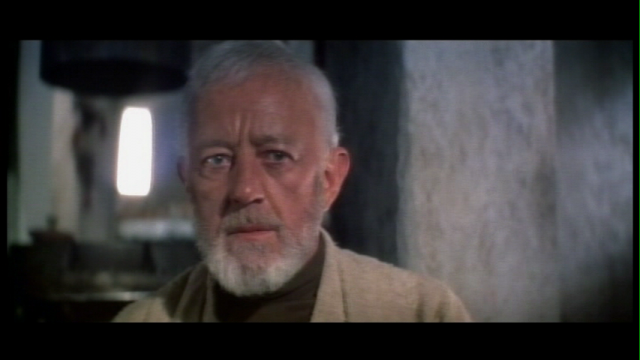
With that said, the film is, as Peary notes, both “craftily made”, and (with the possible exception of Hamill as Skywalker) “brilliantly cast”, effectively balancing veteran and young actors. It deservedly won a passel of Oscars: for special effects (the final battle sequence — while it goes on for too long — is especially well done), costume design, sound effects, art direction, editing, and best original score (by John Williams). Harrison Ford is hunky and memorable in his breakthrough role as Han Solo; Carrie Fisher (only 17 years old!) is effectively spunky as Princess Leia (those buns!); and Alec Guinness couldn’t have been better cast as the “wise and noble Jedi warrior Ben ‘Obi-Wan’ Kenobi”. Film fanatics, regardless of their personal connection with the movie, will doubtless agree that its “tremendous spirit, sense of fun and adventure, excitement, hip humor, imaginative characters, and fast-paced, uncomplicated story” deservedly “touched a universal nerve”, and that Star Wars remains indispensable “must see” viewing.

Redeeming Qualities and Moments:

  • Harrison Ford as Han Solo
  • Alec Guinness as Obi Wan
  • Carrie Fisher as Princess Leia
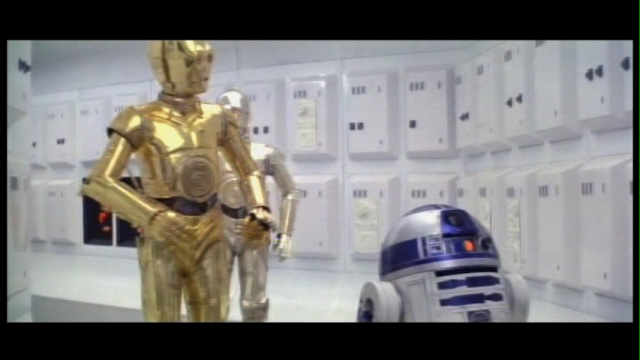
  • C3PO (Anthony Daniels) and R2D2 (Kenny Baker)
  • Memorable sets
  • Groundbreaking special effects
  • John Williams’ rousing score

Must See?
Of course.

Categories

  • Cult Movie
  • Historically Relevant
  • Oscar Winner or Nominee

(Listed in 1001 Movies You Must See Before You Die)

Links:

Monterey Pop (1968)

Monterey Pop (1968)

“We all love each other, right?”

Synopsis:
Some of the world’s most notable musicians perform at the historic 1967 Monterey International Festival in Northern California.

Genres, Themes, Actors, and Directors:

  • Concert Films
  • Counterculture

Response to Peary’s Review:
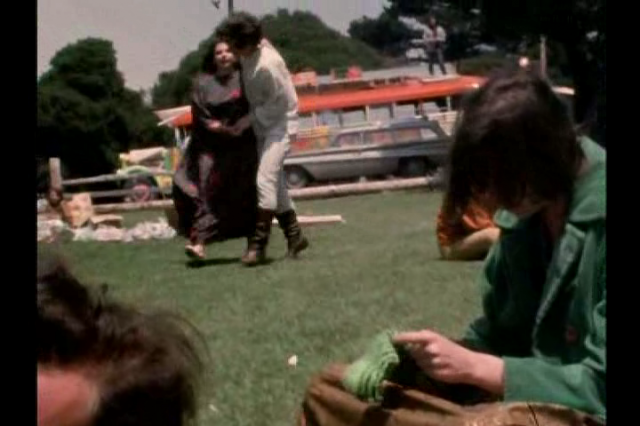
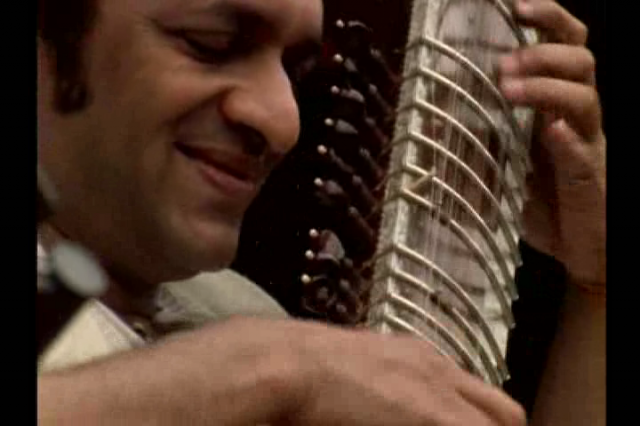
Widely acknowledged as “the first major rock concert film”, Monterey Pop gives us “a chance to see some of the greatest rock-music acts in the world”, and accurately captures a “time when music was so central to the counterculture”. While we may be familiar with many of the types of images presented here (either from other concert films, or from random documentary footage), it nonetheless remains an invaluable time capsule in its own right, as creatively conceived and captured by D.A. Pennebaker and his team of six cinematographers, who were given homemade cameras and told to shoot whatever they saw of interest, cinema verite style. If you’re a fan of music from this era at all, you’re guaranteed to enjoy many of the performances; my personal favorite (after Janis Joplin’s heartfelt rendition of “Ball and Chain”) is Ravi Shankar’s lengthy, rousing finale.

Redeeming Qualities and Moments:

  • A priceless document of late 1960s counterculture

  • Janis Joplin performing “Ball and Chain”
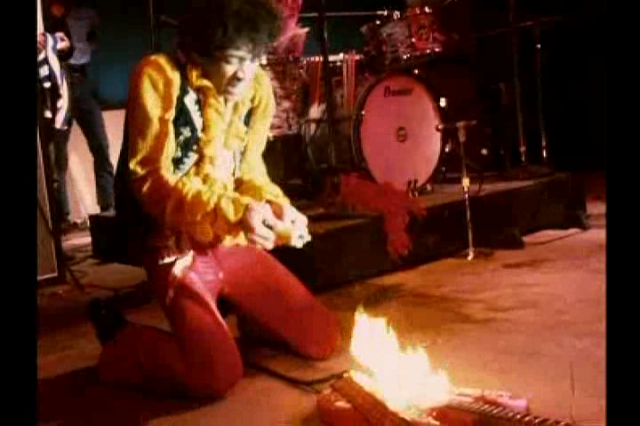
  • Jimi Hendrix’s memorable guitar-burning performance of “Wild Thing”
  • The Mamas and the Papas performing “California Dreamin'”
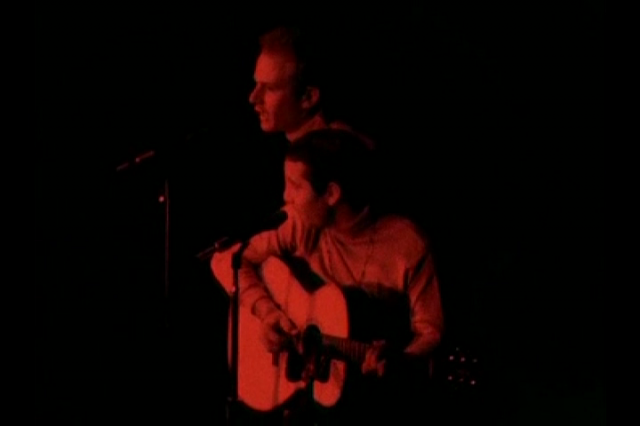
  • Simon and Garfunkel singing “The 59th Street Bridge Song”
  • Ravi Shankar’s joyous finale performance

Must See?
Yes, as an historically important, most enjoyable concert film.

Categories

  • Good Show
  • Historically Relevant

Links:

Atomic Cafe, The (1982)

Atomic Cafe, The (1982)

“When not close enough to be killed, the atomic bomb is one of the most beautiful sights in the world.”

Synopsis:
Archival footage documents Cold War America’s attitudes towards nuclear threat.

Genres, Themes, Actors, and Directors:

  • Documentary
  • Nuclear Threat
  • Propaganda

Response to Peary’s Review:
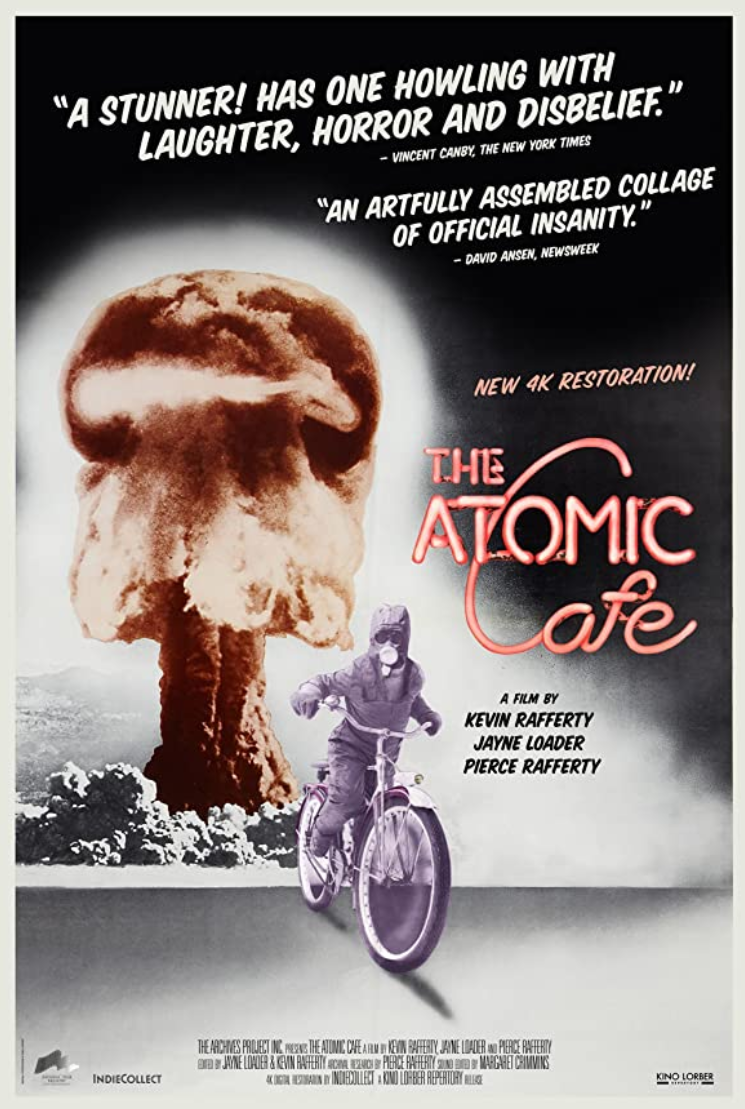
As Peary notes, this immensely popular documentary (made during the height of anti-nuclear-energy demonstrations in the early 1980s) “serves up a powerful smorgasbord of mind-blowing clips” from mid-century newsreels and governmental, military, and educational films which “both warned us about the Russian menace and eased our fears about the effects of nuclear fallout”. Audiences in 1982 were rightfully thrilled to revisit the media images and messages that most had naively accepted as legitimate and true just a few decades back; while such historical clips are now widely available on websites such as YouTube, the work of compilers Jayne Loader and Kevin and Pierce Rafferty at the time was clearly a lengthy labor of archival love.

I disagree with Peary, however, that the “picture would have even more impact and import if we learned whether these ridiculous propaganda films were the result of government naivete or were fully intended to deceive the public about the dangers of a nuclear build-up”; adding any kind of voice-of-God narration or commentary would disrupt the film’s remarkably effective approach of simply presenting the clips as-is, and leaving viewers to decide what to think about them. With that said, Loader et al. do utilize creative editing and juxtaposition to highlight some of the most egregious mistruths perpetuated by officials: as we hear government spokesmen talking about the lack of effects of nuclear testing in the South Seas, for instance, we see deeply disturbing footage of burned natives. Whether Americans today are any less deceived by “official” government statements is debatable; despite our presumed 21st century media savvy, it could be argued that we’re just as gullible and susceptible as we were in the 1950s.

Note: If you can stomach it, watch the recent, highly disturbing documentary Countdown to Zero (2010) for an update on the state of nuclear threat in our world.

Redeeming Qualities and Moments:

  • A powerful montage of archival footage from diverse sources


  • Strikingly horrific imagery of nuclear explosions

Must See?
Yes, as an effective and historically relevant documentary.

Categories

  • Historically Relevant

Links:

Zero de Conduite / Zero for Conduct (1933)

Zero de Conduite / Zero for Conduct (1933)

“War is declared! Down with teachers! Up with revolution!”

Synopsis:
A group of boys (Louis Lefebvre, Gilbert Pruchon, Gerard de Bedarieux, and Constantin Goldstein-Kehler) at a repressive boarding school rebel against their teachers and midget headmaster (Delphin).

Genres, Themes, Actors, and Directors:

  • Boarding School
  • French Films
  • Rebellion
  • Surrealism

Response to Peary’s Review:
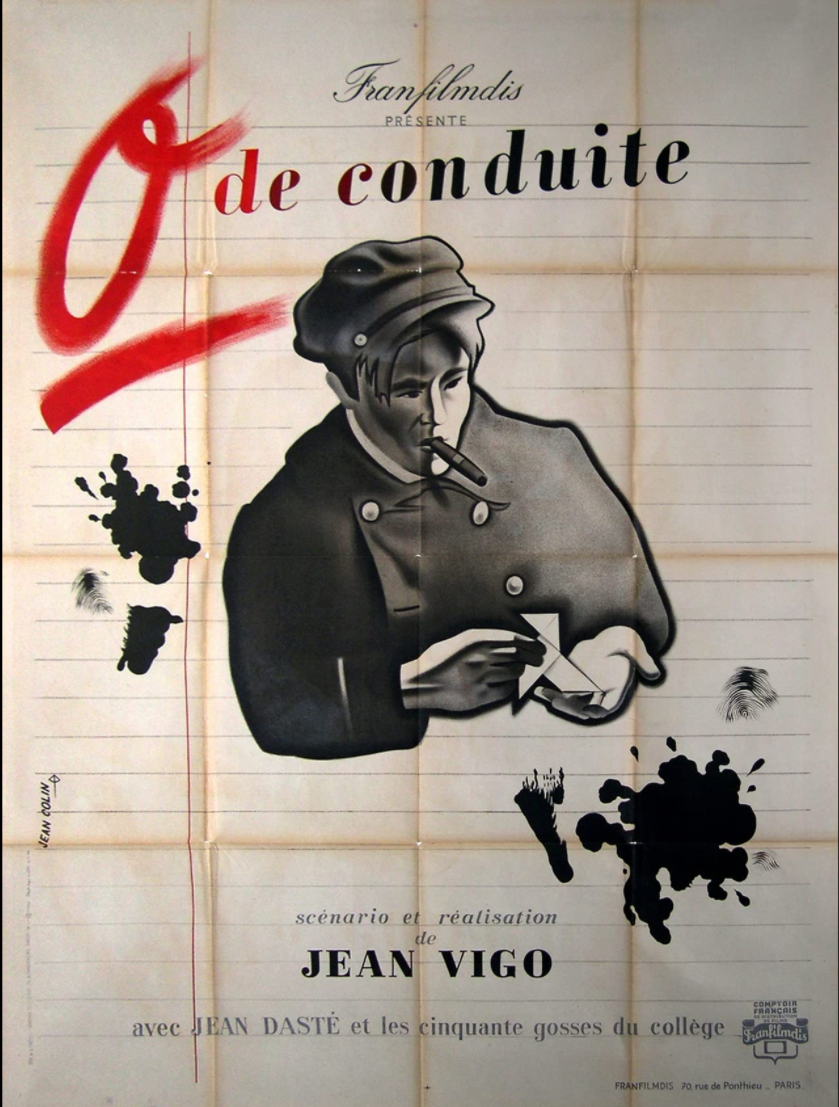
As Peary notes, this “remarkably subversive film” by writer/director Jean Vigo, which was banned by French censors until after World War II, is “poetic, surreal, and wildly comical.” Peary argues that “it’s a tribute to the honest spontaneity of children, their creativity, and their anarchical… spirit that causes them to wage war against the repressive rules of the hypocritical bourgeoisie”; whether or not one agrees with this broader Marxist reading of the boys’ action, Zero de Conduite certainly represents the rebellious spirit most of us wish we were brave enough to express during our own schooling. Indeed, the film managed to strike such a common nerve that it had a tremendous effect on future filmmakers — including Francois Truffaut and Lindsay Anderson, whose The 400 Blows (1959) and If… (1969), respectively, are each unique homages to this earlier film.

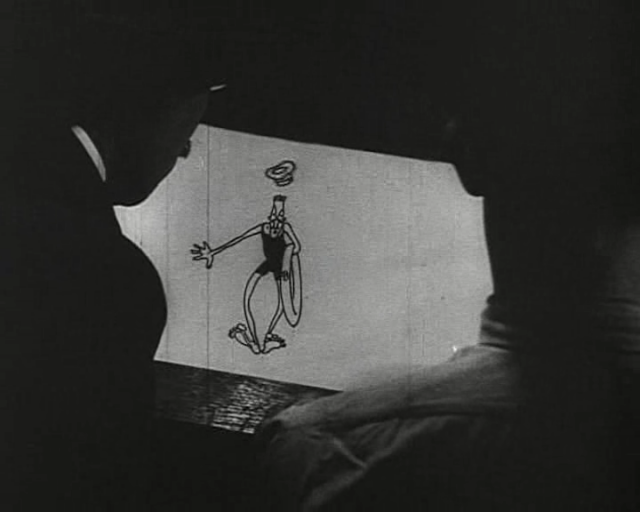
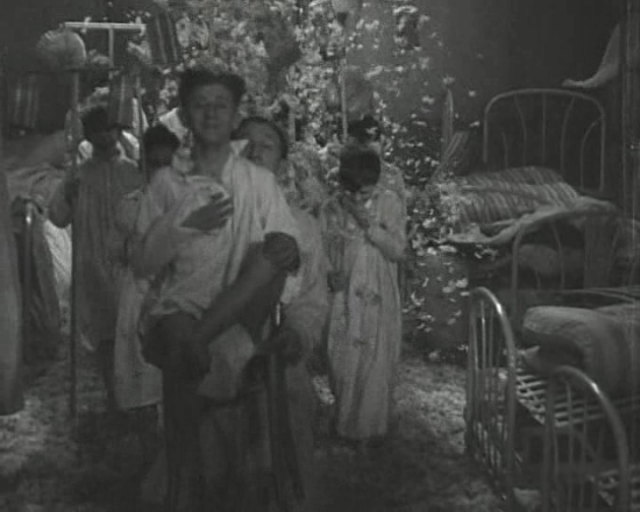
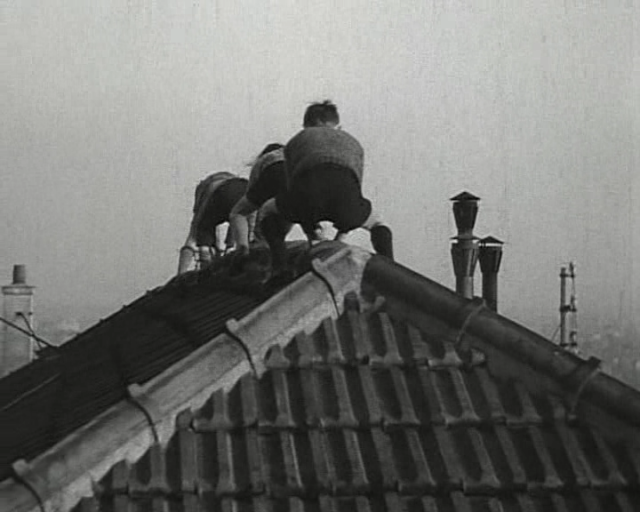
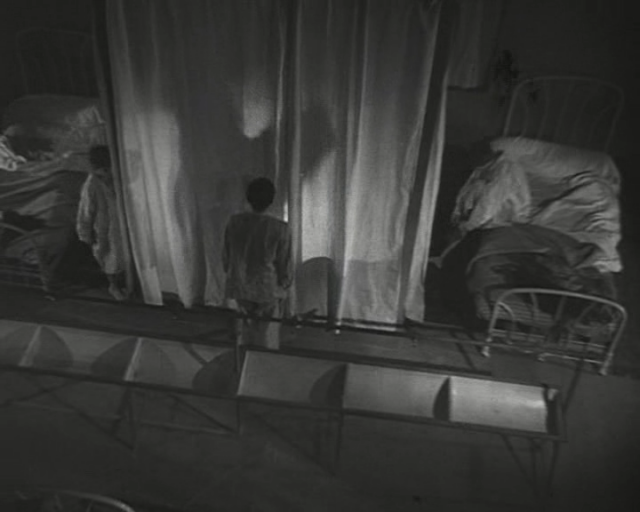
At only 41 minutes long, Zero de Conduite is more a series of loosely cohesive vignettes than a traditional narrative. Vigo’s primary concern is with establishing a specific milieu — a seedy boarding school somewhere in France, where fat old teachers feel free to fondle pretty young boys, the headmaster is a tyrannical midget, his assistant steals food from the boys, and the chef cooks beans for dinner night after night. As the “story” progresses, it heads in an increasingly surreal direction — but unlike Bunuel’s L’Age d’Or (1930), for instance, Vigo’s screenplay only gradually reveals its fantastical turn, in a few delightfully select moments (a teacher’s drawing comes to animated life; the boys are somehow able to completely upturn a teacher’s bed while he’s sleeping). As with his only feature-length film, L’Atalante (1934), Vigo collaborated with cinematographer Boris Kaufman and composer Maurice Jaubert to create a number of provocative images and sequences — including the infamous “feather pillow fight” (watch for a surprising bit of frontal nudity as the boys progress in a slow motion parade afterward — Vigo was fearless), and the liberating finale.

Redeeming Qualities and Moments:

  • Vigo’s surreal screenplay

  • Many memorable images and sequences

  • Boris Kaufman’s cinematography
  • Maurice Jaubert’s score

Must See?
Yes, as an historically important classic of French cinema.

Categories

  • Controversial Film
  • Foreign Gem
  • Historically Relevant

(Listed in 1001 Movies You Must See Before You Die)

Links:

Monty Python and the Holy Grail (1975)

Monty Python and the Holy Grail (1975)

“That rabbit has a vicious streak a mile wide.”

Synopsis:
In medieval England, King Arthur (Graham Chapman) and his servant (Terry Gilliam) solicit help from a group of knights — Sir Lancelot (John Cleese), Sir Robin (Eric Idle), Sir Belvedere (Terry Jones), and Sir Galahad (Michael Palin) — in finding the Holy Grail.

Genres, Themes, Actors, and Directors:

  • Historical Drama
  • Medieval Times
  • Monty Python Films
  • Royalty and Nobility
  • Satires and Spoofs
  • Search

Response to Peary’s Review:
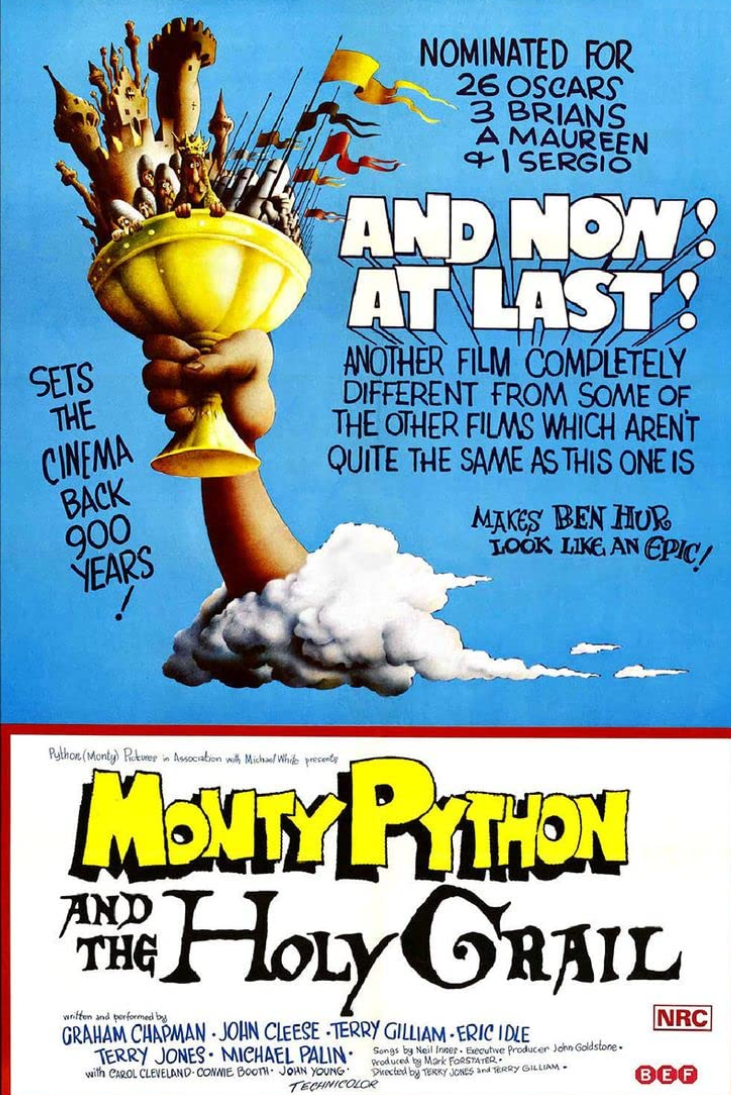
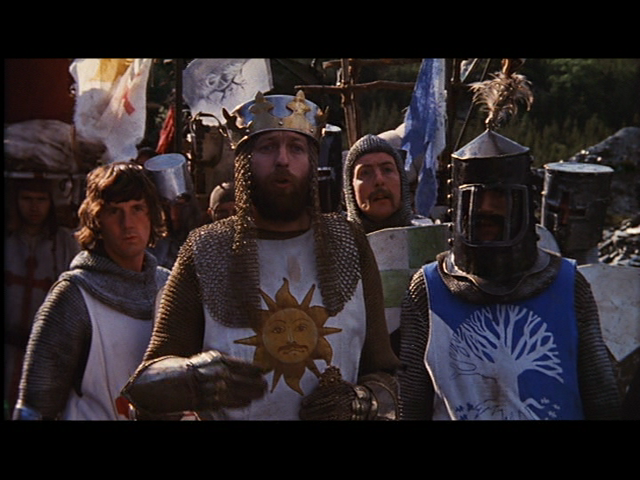
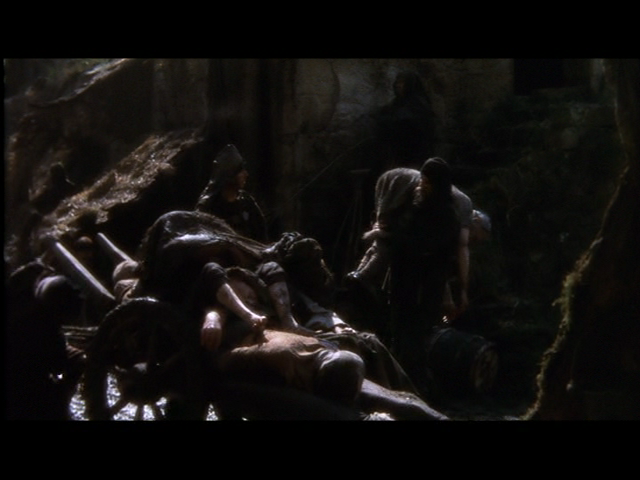
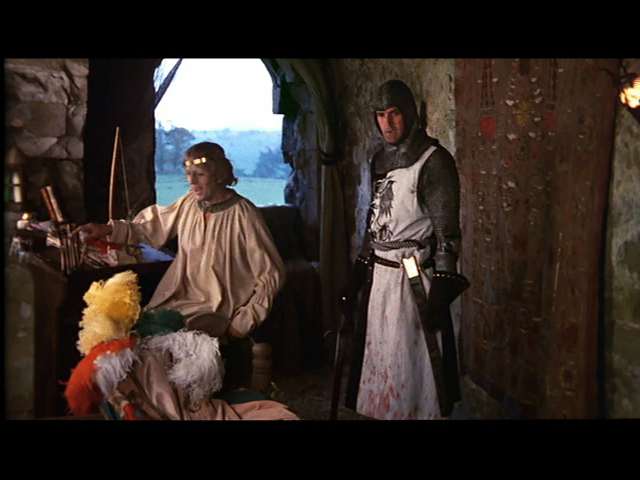
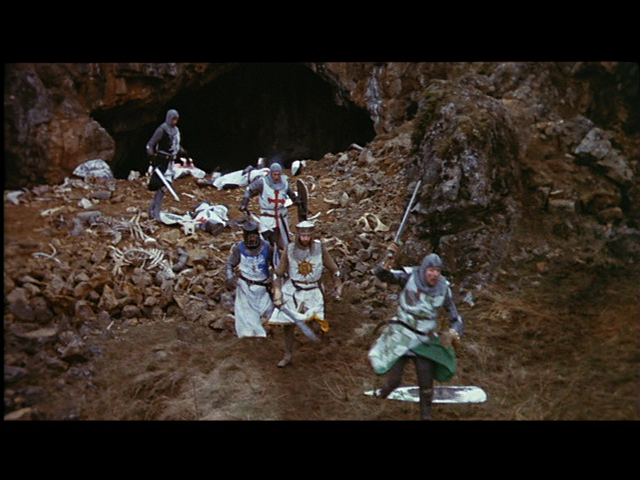
Peary argues that this “side-splitting comedy by England’s premier comedy troupe” is, “despite a rushed ending”, the group’s “best film to date, the one that made converts out of those… who never watched their cult TV series.” He notes that “we laugh because of the crazy characters, foolish dialogue, and ridiculous incidents that occur, but also because someone… had the gall to make a historical picture with such shoddy production values that all [the] horses are invisible and the sound of galloping steeds is made by… striking coconuts together”. Indeed, given their rather severe budget limitations, it’s genuinely impressive how much of the “look” of medieval England the troupe was able to achieve — complete with “mist, mud, peasants living in squalor, forest lakes, colorful costumes, and castles”.

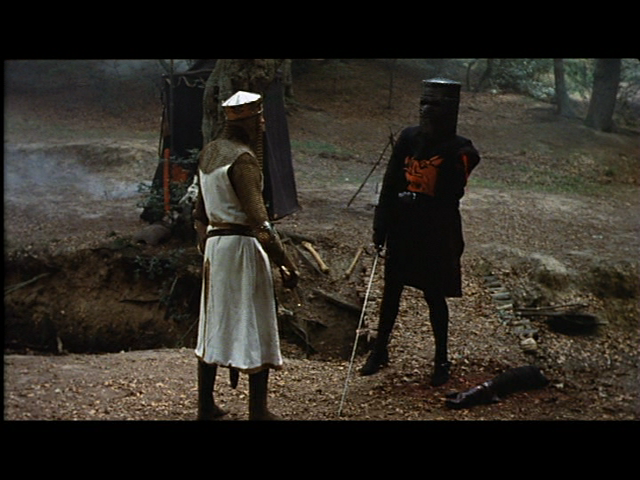
As Peary notes, the film satirizes, among other things, “the French, homosexuals, communists, [and] kings”, as well as “cowardice” and — most harshly — “senseless British gallantry”. Nothing about the King Arthur legend is left sacred: Sir Robin is revealed to be a cowardly ninny; Sir Lancelot rushes into a massacre without stopping to verify that he’s in the right place; the Black Knight (Cleese) refuses to stop swordfighting despite the loss of one limb after the other. Other humor — such as the infamous “killer rabbit” sequence — is more random and less historically situated, but still stupidly hilarious if you’re in the right mood. While some sequences inevitably fall flat, Monty Python the Holy Grail remains indispensable must-see viewing at least once for all film fanatics. It’s too much of a cult classic to miss.

Redeeming Qualities and Moments:

  • Excellent use of low-budget costumes, props, and sets
  • Peasants complaining to King Arthur about being “repressed”
  • An irreverent look at disposal of bodies (both dead and alive) during the Black Death
  • King Arthur chopping off the Black Night’s limbs, one by one (“It’s only a flesh wound.”)
  • Sir Galahad ignoring the requests of nubile girls — between the ages of 16 and 19 — at Castle Anthrax
  • Sir Lancelot nobly but wrong-headedly murdering members of a wedding party in an attempt to save a “damsel” in distress
  • The “killer rabbit” sequence
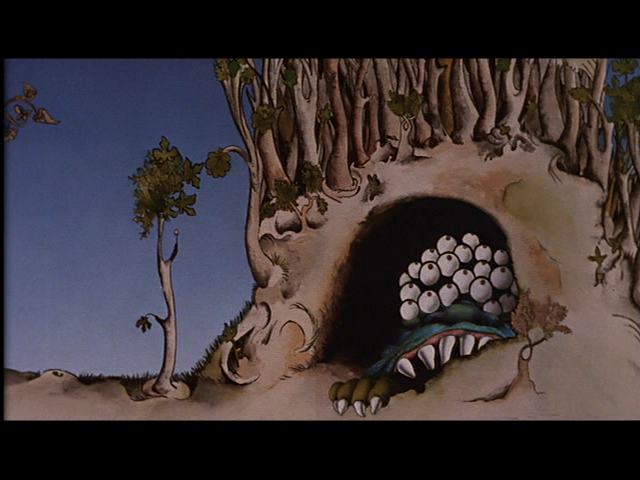
  • Terry Gilliam’s animated interludes
  • The incredibly silly opening credits

Must See?
Yes, as a comedic classic and cult favorite. Nominated by Peary as one of the best films of the year in his Alternate Oscars book.

Categories

  • Cult Movie

(Listed in 1001 Movies You Must See Before You Die)

Links:

Sextette (1978)

Sextette (1978)

“Marriage is like a book: the whole story takes place between the covers.”

Synopsis:
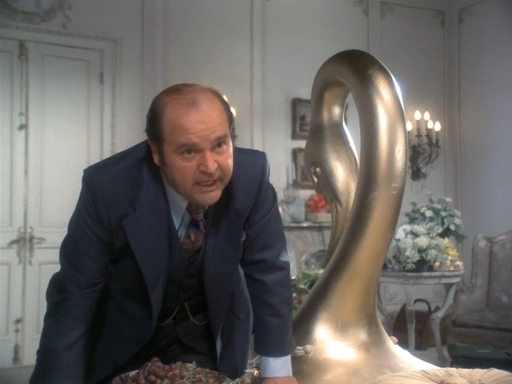
An aging film star named Marlo Manners (Mae West) arrives in London with her sixth new husband, Lord Barrington (Timothy Dalton), eager to consummate their marriage — but a host of issues, some engineered by her loyal assistant (Dom DeLuise), get in the way.

Genres, Themes, Actors, and Directors:

  • Actors and Actresses
  • Comedy
  • George Hamilton Films
  • Mae West Films
  • May-December Romance
  • Musicals
  • Newlyweds
  • Play Adaptation
  • Ringo Starr Films
  • Tony Curtis Films
  • Walter Pidgeon Films

Response to Peary’s Review:
Peary’s review of this infamous cult movie — Mae West’s final film, made when she was 85 years old — is rather cursory. He notes simply that West “doesn’t deliver her lines badly, thank goodness”, and that while “it’s an awful picture”, it “could have been even worse”. However, I must say that I’m not quite in agreement. While there are plenty of truly awful movies listed in Peary’s book — movies that should never, under any circumstance, be associated with the words “must see” — this actually isn’t one of them. Instead, Sextette is a prototypical “bad movie” — a movie so outrageous in conceit and execution that its very existence gives one pause (how? why? what?!) and some measure of bizarre enjoyment.

As narratives go, the story — based on a play written by West — isn’t really all that terrible: it’s a zany farce full of double entendres, sexual innuendos, and innocuous musical numbers, and director Ken Hughes moves everything along at a fast clip. The “problem”, of course, is in the casting of West herself, whose advanced age defies our sense of sexual “normalcy” and “propriety”. Could Sextette be viewed as the ultimate May/Mae-December romance? It’s too bad, in a way, that West’s “real” age — or even something reasonably close to it — is never made explicit in the film, because a movie about an acknowledged octogenarian sexpot-actress would really be something!

Unfortunately, West’s performance here is passable at best — and while it lies at the center of the film’s fame, it’s sadly (almost comically) one-note. She struts creakedly across the elaborate sets, attempting to infuse some pizazz into her lines (many of which are cribbed directly from her earlier films), but since she only has one frozen expression, and a few familiar mannerisms (gently patting her hilarious pouf of a blonde wig, pursing her lips, rolling her eyes upwards), she’s more like a moving, talking statue than a viable living creature — wind her up and she’ll spout quips like the following (chosen at random as a representative sample):

Dalton: Oh darling, I think I’ve pulled a muscle.
West: Don’t worry – I’ll straighten it out for you.

Faring much, much better than West are her numerous male co-stars, who deserve major kudos for being so incredibly game. Dom DeLuise is amusingly sincere as West’s loyal assistant (secretly in love with her, as he reveals in a singing solo), while young Dalton has completely redeemed himself in my eyes after the debacle of his early performance as Heathcliff in Wuthering Heights (1970). He’s a Bond who can sing! (anyone who’s seen Pierce Brosnan in Mamma Mia! will understand the reference). Meanwhile, both Tony Curtis and George Hamilton seem to be having great fun making brief appearances as two of West’s former husbands (both, naturally, still in love/lust with her).

Redeeming Qualities and Moments:

  • Dom DeLuise as Dan Turner
  • Timothy Dalton as Lord Barrington
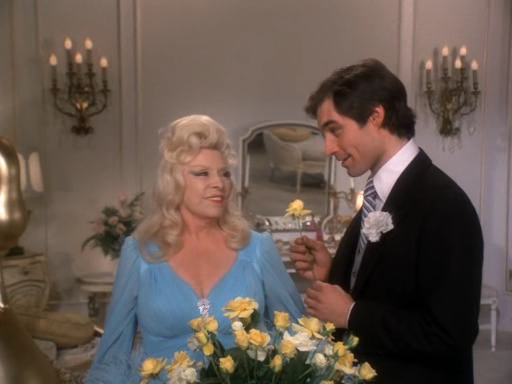
  • Dalton singing “Love Will Keep Us Together” to his new bride
  • Tony Curtis as “Alexei” (Husband #2)
  • George Hamilton as “Husband #5”
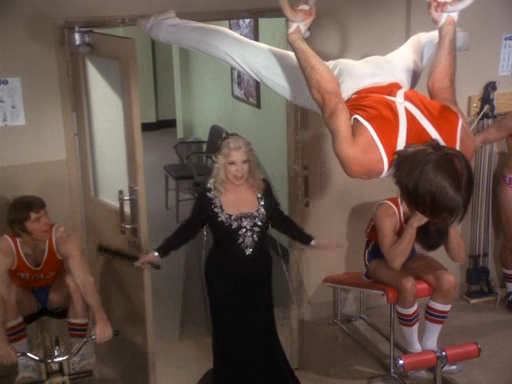
  • West visiting a room full of male Olympian gymnasts
Must See?
Yes — it’s simply too much of a bizarre cult experience to miss sitting through at least once.

Categories

  • Cult Movie

Links:

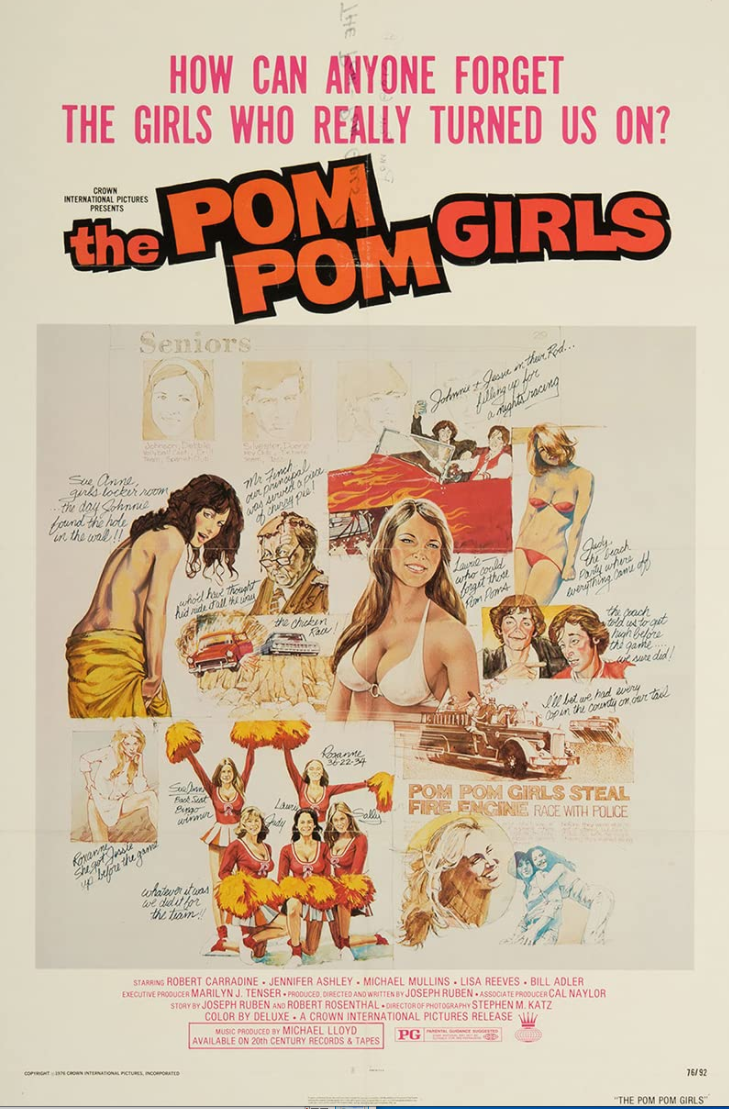
Pom Pom Girls, The (1976)

Pom Pom Girls, The (1976)

“Who the hell do you think you are — James Dean?”

Synopsis:
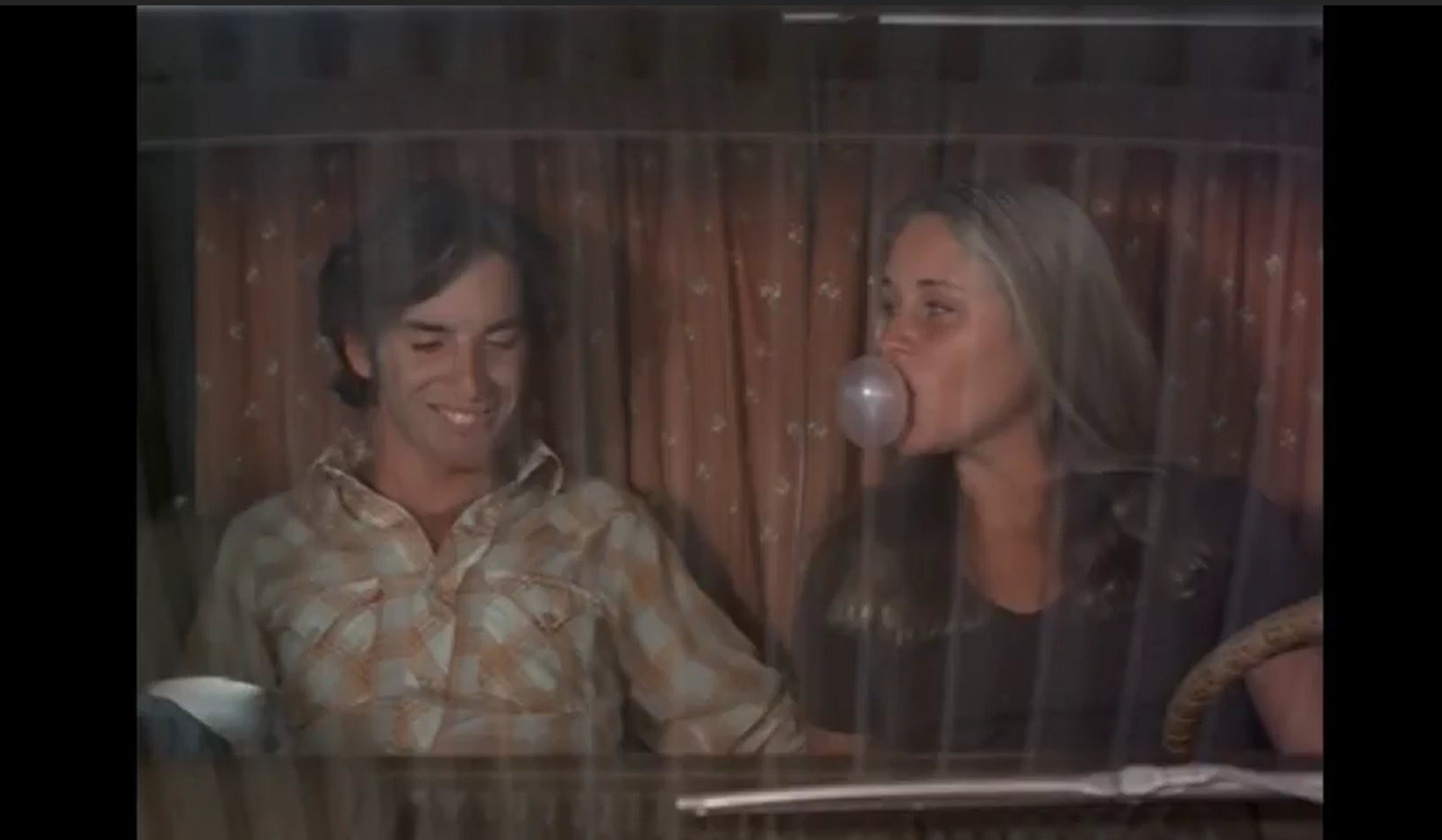
In 1970s Southern California, horny teenage buddies Johnnie (Robert Carradine) and Jesse (Michael Mullins) have fun in the sun while pursuing a couple of cheerleaders (Lisa Reeves and Jennifer Ashley) and trying to avoid bullying by a menacing football coach (James Gammon) and Reeves’ hulky boyfriend (Bill Adler).

Genres, Themes, Actors, and Directors:

  • Cheerleaders
  • High School
  • Teenagers

Response to Peary’s Review:
Peary is ultimately too generous in his review of this utterly tiresome “sex and mayhem” teen comedy, which he accurately notes “doesn’t live up to its underground reputation” as a “bonafide cult hit”. He points out that the male leads are “jerks” (Carradine would fare much better as uber-nerd Louis Skolnick in Revenge of the Nerds), Joseph Ruben’s direction is “unimaginative”, and “the rude boys’ behavior is annoying”.

The “conventional storyline” doesn’t offer anything new or interesting to the genre of teen sexploitation flicks — and while Peary claims that “there are enough okay moments… to make it acceptable drive-in fare”, it’s certainly nothing all-purpose film fanatics should have to sit through. This is one tedious flick.

Redeeming Qualities and Moments:
Not much.

Must See?
Definitely not.

Links:

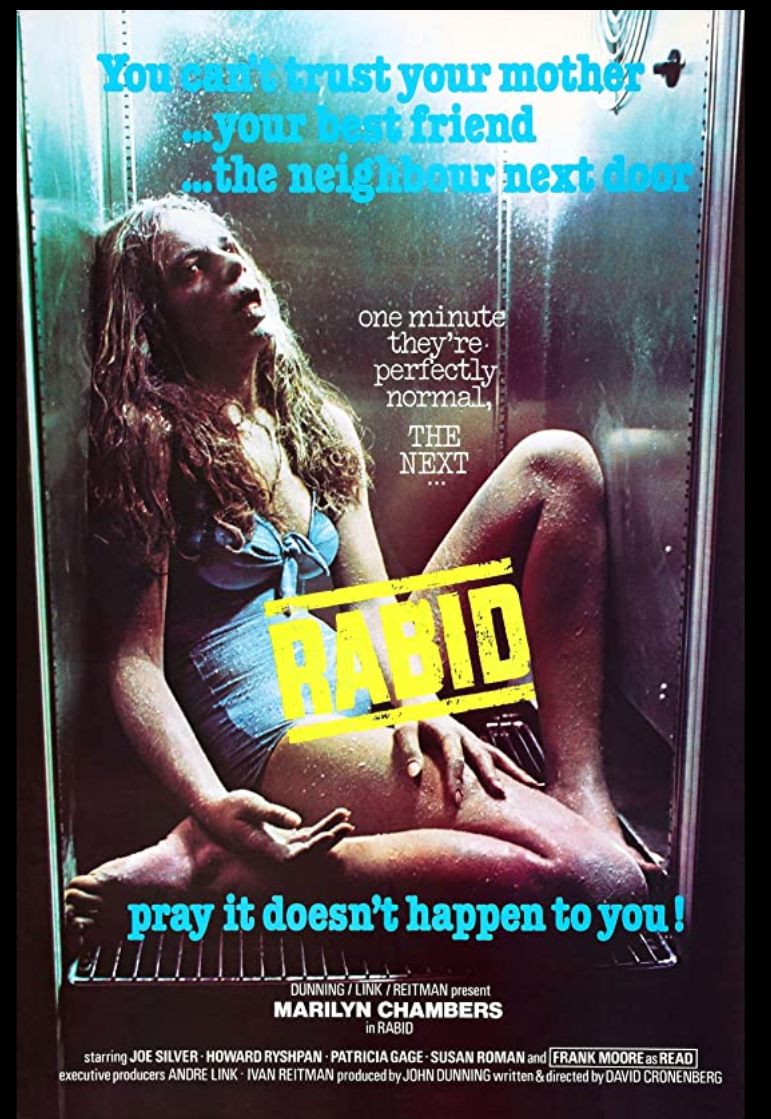
Rabid / Rage (1977)

Rabid / Rage (1977)

“I feel strong; I feel very strong.”

Synopsis:
After undergoing experimental plastic surgery, a woman (Marilyn Chambers) craves human blood, and turns her victims into blood-seeking, zombie-like creatures.

Genres, Themes, Actors, and Directors:

  • Canadian Films
  • David Cronenberg Films
  • Horror
  • Vampires

Response to Peary’s Review:
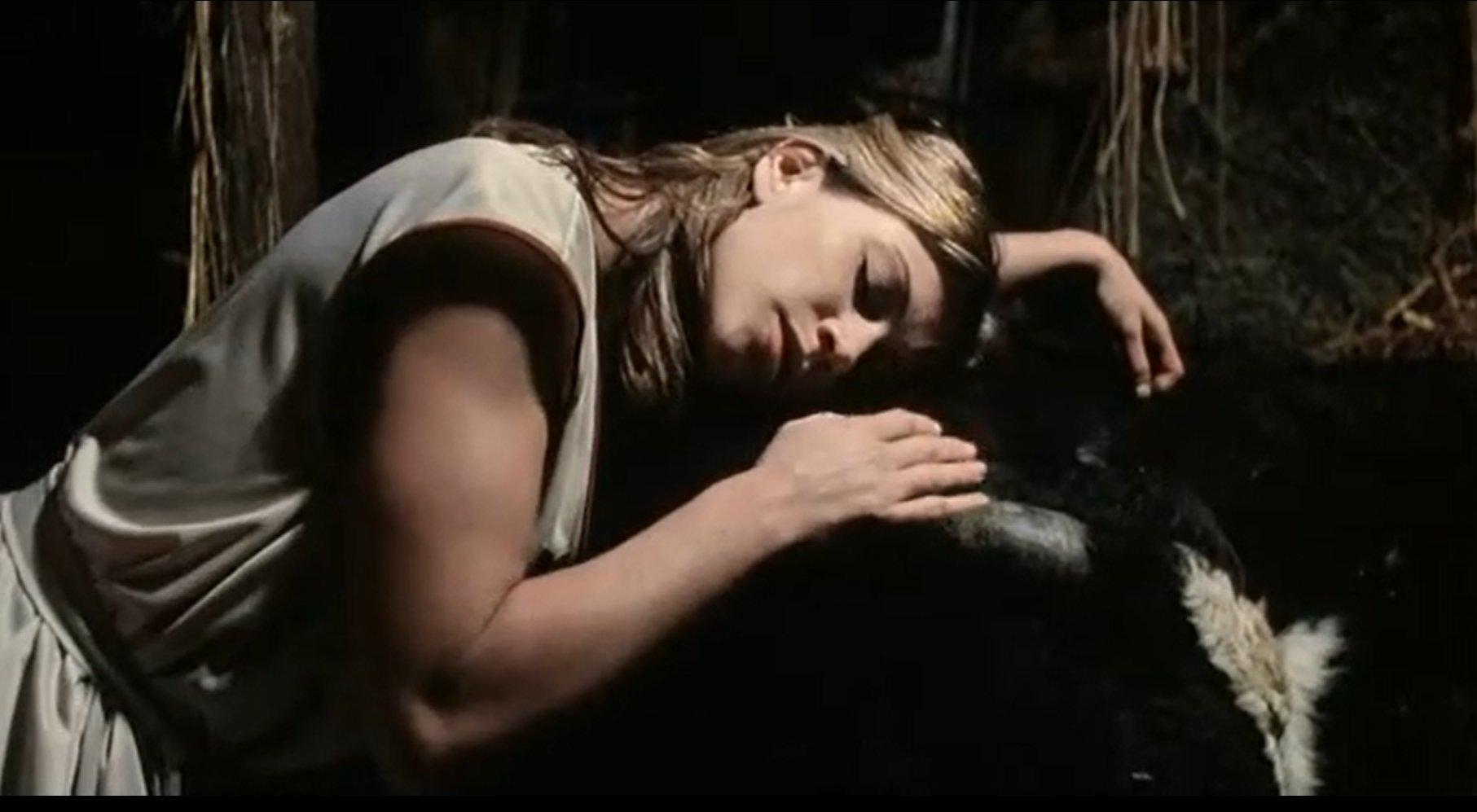
David Cronenberg fans will surely be interested to check out this early “low-budget horror film”, a “lively, if stupid” flick which is “sloppy in spots and not particularly inventive” but shows ample evidence of Cronenberg’s ongoing obsession with horrific bodily growths. Porn star Marilyn Chambers — “satisfactory” in her first R-rated role — is perfectly cast as a woman who, after being badly burned in a motorcycle accident and undergoing an experimental skin-graft operation, finds “what looks like a vagina-like opening in the skin” beneath her armpit. In a gruesomely creative twist on vampiric longings, Chambers secures blood from her victims by a “phallus-shaped projection” which emerges from her new opening and draws blood like a needle. It’s all really too gross and inexplicable for words, yet evokes provocative sexual metaphors: Chambers (the ultimate “sexually liberated woman”) is given hermaphroditic abilities, yet her “sexual” rampages result in sickness and death, starting a rabies-like pandemic (pre-AIDS) around Montreal. Meanwhile, her victims turn into zombie-like creatures, thus tapping into this horror genre trope as well. It’s all silly and low-budget, but shows Cronenberg’s firm directorial hand and unique sensibility, and thus will probably be of at least passing interest to film fanatics.

Note: It’s interesting to know that Sissy Spacek was Cronenberg’s first choice for the central role; but Chambers, despite her limited acting chops, ultimately strikes me as the better fit.

Redeeming Qualities and Moments:

  • A gruesomely provocative premise

Must See?
Yes, simply as an early, representative Cronenberg film.

Categories

  • Important Director

Links:

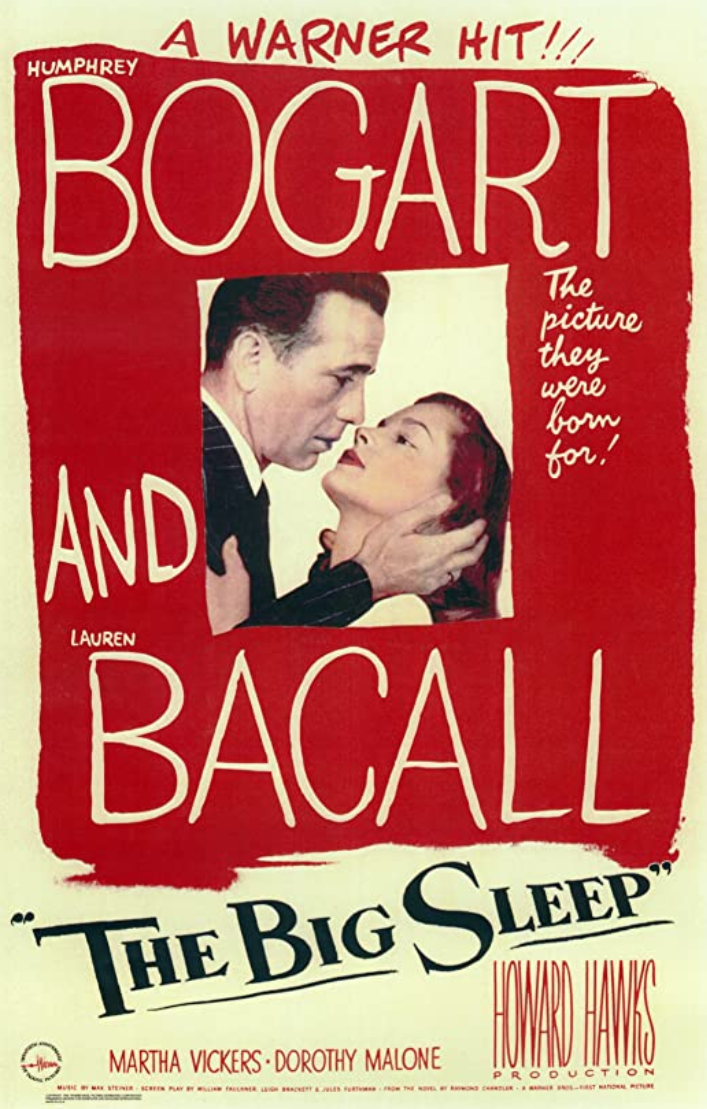
Big Sleep, The (1946)

Big Sleep, The (1946)

“I don’t mind if you don’t like my manners. I don’t like them myself. They’re pretty bad. I grieve over them on long winter evenings.”

Synopsis:
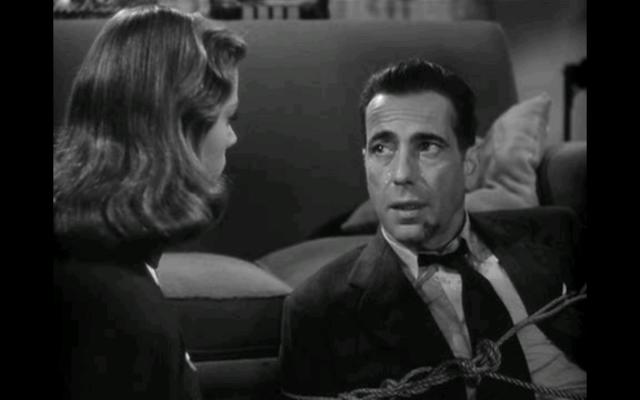
Private eye Philip Marlowe (Humphrey Bogart) is hired by General Sternwood (Charles Waldron) to take care of a man blackmailing his nymphomaniac daughter (Martha Vickers); meanwhile, her older sister (Lauren Bacall) tries to find out exactly what Marlowe is up to.

Genres, Themes, Actors, and Directors:

  • Blackmail
  • Detectives and Private Eyes
  • Dorothy Malone Films
  • Elisha Cook Jr. Films
  • Howard Hawks Films
  • Humphrey Bogart Films
  • Lauren Bacall Films
  • Murder Mystery

Response to Peary’s Review:
Howard Hawks’ adaptation of Raymond Chandler’s first novel has accumulated a passel of cinematic lore and trivia over the years, primarily given two factors: a) the existence of two different versions (first made in 1944, it was released to overseas troops in 1945, then simultaneously padded and re-cut before being shown domestically a year later); and b) the real-life relationship between co-stars Bogart and Bacall, which simply intensified throughout the duration of its extended (re)shooting. It’s notorious as well for possessing a plot “so confusing that neither Hawks nor Chandler could figure out who was responsible for all of the eight murders” (though it turns out this may be a bit of an urban legend).

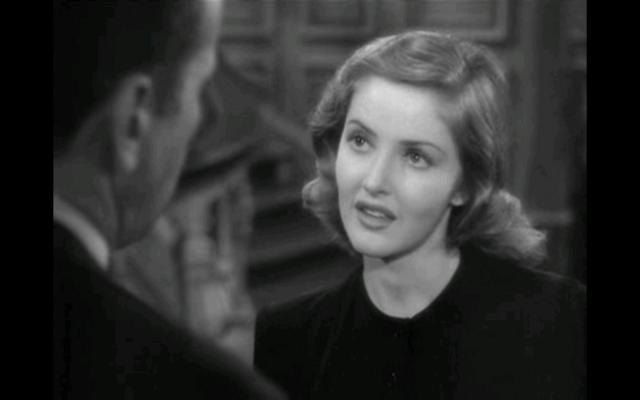
As Peary and many others have noted, however, the film’s plot is almost beside the point, given that — courtesy of Chandler’s original novel, which Hawks and his screenwriters “didn’t bother rewriting” — it “contains the sharpest, toughest, wittiest, sexiest dialogue ever written for a detective scene”. Indeed, line after line emerging from the characters’ mouths leaves one giggling with delight — especially given Hawks’ trademark style of allowing the actors to “naturally” overlap one another, resulting in a literal barrage of snappy one-liners and come-backs (click here for a representative sampling). Equally enjoyable are the numerous “off-beat female characters” peopling the screen — most notably Martha Vickers as Bacall’s “troubled nympho younger sister”, who is given to sucking her thumb and getting into all sorts of sordid trouble.

Hawks apparently instructed all his actresses to present themselves as sexually available and willing, in order to turn Chandler’s “corrosive yet enticing Los Angeles” into a true male fantasy world for Marlowe — who somewhat amusingly encounters flirtatious women (a bookstore clerk, a taxi driver, hat girls) literally everywhere he goes. Marlowe’s primary interest, however, turns out to be Bacall, who Peary notes is “perhaps too comfortable with Bogart”; he argues that “the nervous, sexy edge isn’t there” between them, at least not to the extent it was present in their first film together (1944’s To Have and Have Not). Bacall is fine, but for my money I’d rather see a lot more of Vickers (whose career sadly didn’t go very far).

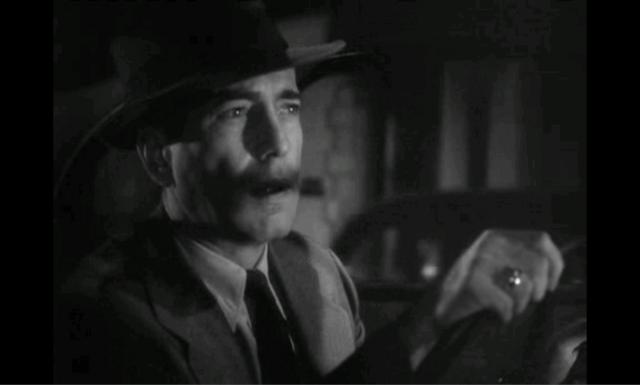
While it may be sacrilege to say so, I find that the movie goes on for a bit too long — especially given that (following Chandler’s novel) The Big Sleep is essentially two films in one. By the midway mark, we’ve already cleared up the central issue of Vickers’ blackmailer, so all the complications and countless murders that occur afterwards seem to take place in a somewhat endless morass of intrigue. Yet Bogart is so “perfectly cast” as “moral shamus” Marlowe that we don’t mind watching him enjoying “the world he walks through, full of liars, blackmailers, murderers, and pretty, available women who are looking for a quick thrill.” Indeed, it’s to Hawks’ credit that The Big Sleep remains a “crackerjack detective classic” despite its narrative flaws.

Redeeming Qualities and Moments:

  • Humphrey Bogart as Philip Marlowe
  • Martha Vickers as Carmen Sternwood
  • Bogart’s obvious chemistry with Lauren Bacall
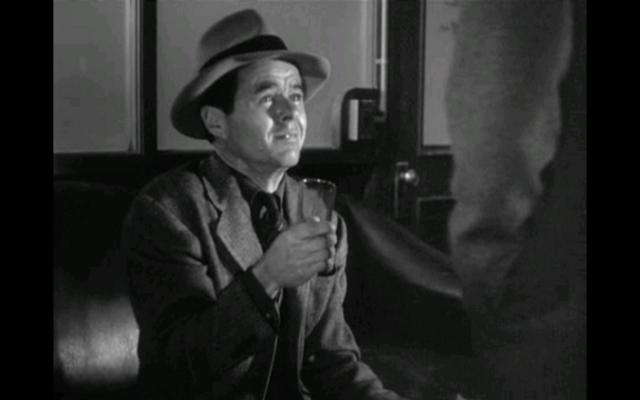
  • Elisha Cook, Jr., as Harry Jones
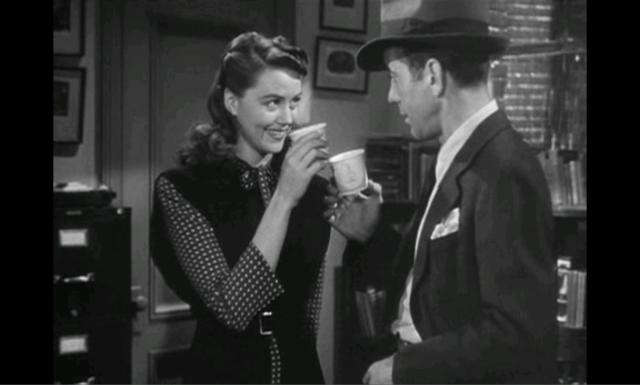
  • Marlowe’s surprisingly sexy encounter with a flirtatious bookstore clerk (Dorothy Malone)
  • Sidney Hickox’s atmospheric noir cinematography
  • Countless zingy exchanges and one-liners

Must See?
Yes, as an undisputed classic of American cinema.

Categories

  • Genuine Classic

(Listed in 1001 Movies You Must See Before You Die)

Links:

Face of Fu Manchu, The (1965)

Face of Fu Manchu, The (1965)

“He’s cruel, callous, and brilliant — and the most evil and dangerous man in the world.”

Synopsis:
A British detective (Nigel Green) attempts to track down evil Fu Manchu (Christopher Lee), who has kidnapped a scientist (Joachim Fuchsberger) capable of creating a lethal potion from poppy plants.

Genres, Themes, Actors, and Directors:

  • Christopher Lee Films
  • Detectives and Private Eyes
  • Kidnapping
  • Scientists
  • World Domination

Response to Peary’s Review:
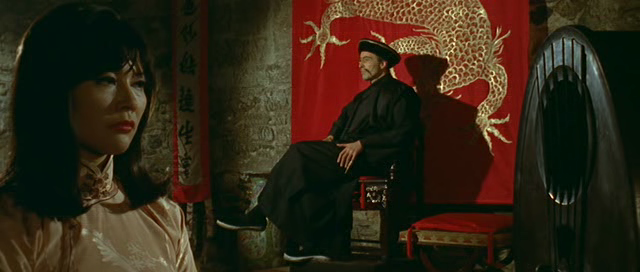
As Peary notes, this film marked the return of “Sax Rohmer’s diabolical Chinese villain to the screen after a 33-year hiatus” (Boris Karloff last played Fu Manchu in 1932’s The Mask of Fu Manchu). It’s a surprisingly well-made genre flick in many ways, with “believable twenties flavor, fun [if unexceptional] performances by Lee and Green…, and an interesting storyline”. The set designs (full of colorful “chinoiserie” and period artifacts) are vibrant, and the story is appropriately nerve-wracking, given that Manchu and his equally fiendish daughter (played with intense sincerity by Tsai Chin) pose a truly frightening threat to the state of the world — as evidenced in a sequence demonstrating their ability to wipe out an entire town within seconds (the parallels with nuclear devastation are unmistakable). Indeed, Manchu’s ability to literally escape death — he’s “shown” beheaded in the film’s opening sequence, though we quickly learn this was someone else hypnotized to take his place — makes him one of the most frightening earthly villains in cinematic history. Note: Those easily offended by racial stereotypes should definitely stay away, as Manchu and his clan are clearly posited as a “yellow peril”.

Redeeming Qualities and Moments:

  • Impressive set designs
  • Several exciting sequences

Must See?
No, but it’s fun fare if you’re in the right mood.

Links: