Browsed by
Category: Response Reviews

My comments on Peary’s reviews in Guide for the Film Fanatic (Simon & Schuster, 1986).

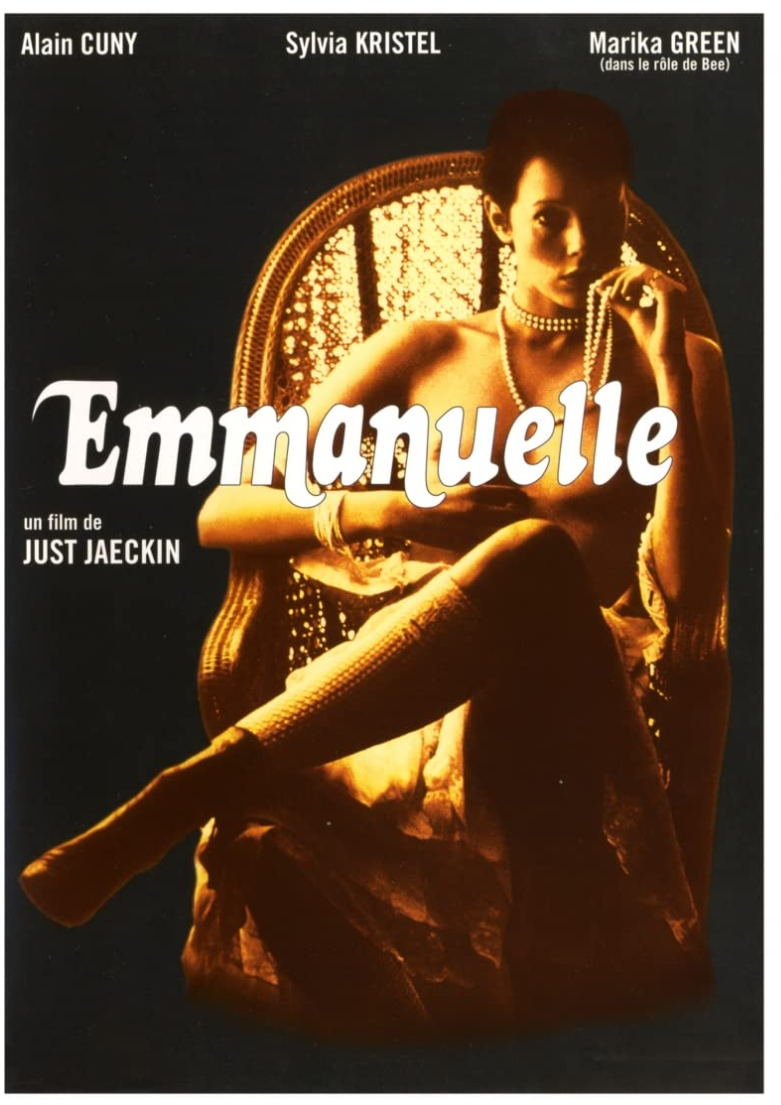
Emmanuelle (1974)

Emmanuelle (1974)

“You must take a lover if you want to become a real woman.”

Synopsis:
The young wife (Sylvia Kristel) of a diplomat (Daniel Sarky) in Bangkok is encouraged by him to gain sexual experience, and ends up involved with an archaeologist (Marika Green), her tennis partner (Jeanne Colletin), and an older “mentor” (Alain Cuny).

Genres, Themes, Actors, and Directors:

  • Adult Films
  • French Films
  • Sexual Liberation

Response to Peary’s Review:
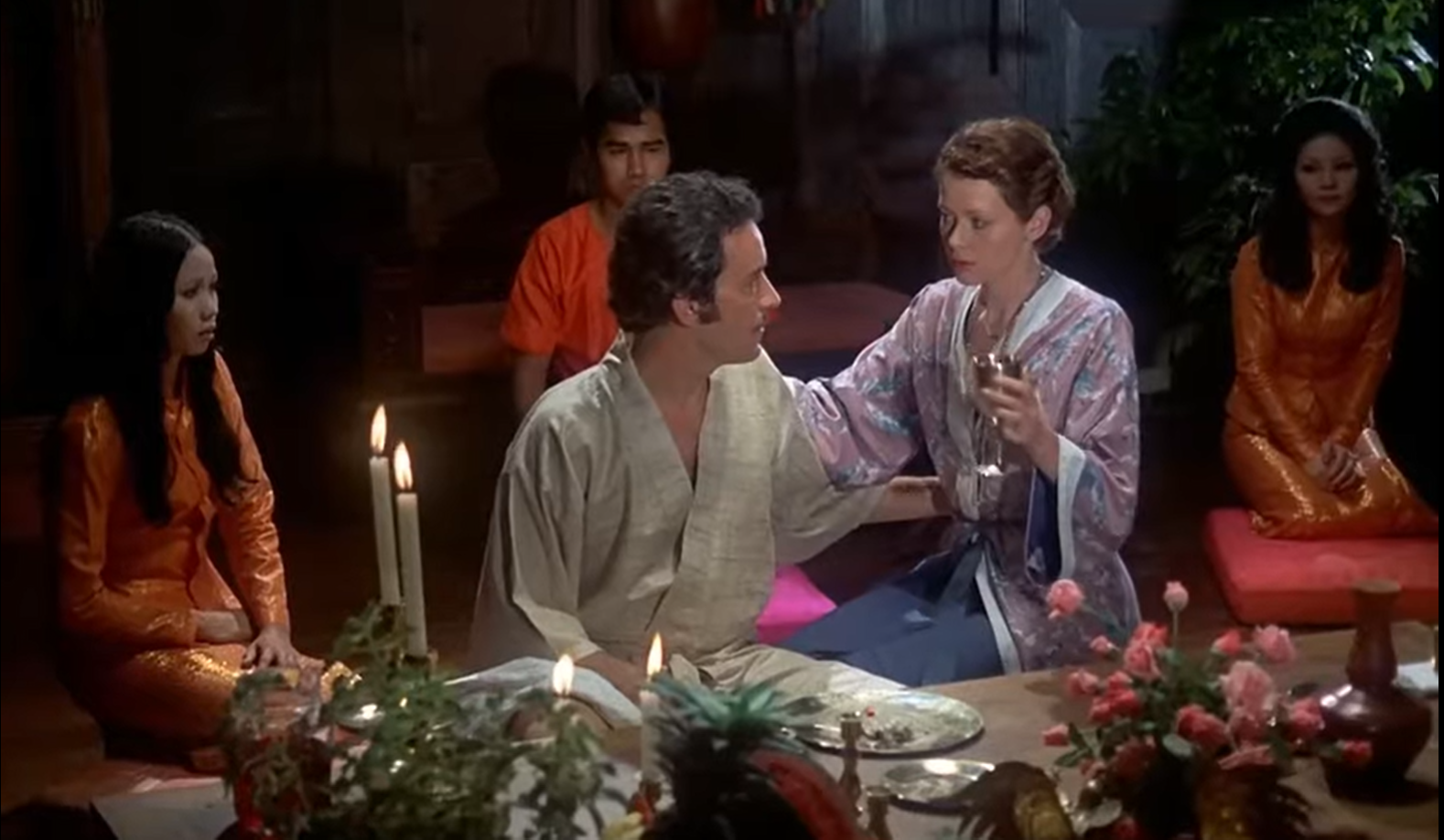
Peary posits that this “notorious X-rated, soft-core French film set in Thailand” likely has a “cult composed of men who use The Sensuous Woman as a reference book” — and that “women probably have a hard time taking it seriously because it’s the visualization of male fantasies: that a beautiful woman tries to please a man… who tells her to be free yet insists on having ultimate power over her.” Peary acknowledges that the “film is sensuously photographed,” and goes on to explain how and why he personally finds Kristel “a real turn-on”, including specific scenes that are “exciting” and others in which she’s “debased in our eyes and loses the appeal that went hand in hand with her naturalness and freedom.” I supposed it’s not too astonishing that this was “at one point France’s top-grossing picture” — and that it’s “spawned many sequels and numerous copies” — but all-purpose film fanatics really don’t need to seek it out at this point, given that it’s terribly written and provides nothing at all of narrative value. Peary discusses the film at greater length in his first Cult Movies book, where he points out that “mention should be made of the interesting, beautifully shot scenes of Bangkok,” which unfortunately are not only “wasted in such a film” but clearly exoticize Thailanders for the purposes of white patrons.

Redeeming Qualities and Moments:

  • Some beautiful footage in Thailand

  • Fine cinematography and sets

Must See?
No; you can skip this one unless you’re curious, given its historical popularity.

Links:

One-Eyed Jacks (1961)

One-Eyed Jacks (1961)

“You may be a one-eyed jack around here, but I’ve seen the other side of your face.”

Synopsis:
An outlaw (Marlon Brando) seeks revenge on his former partner (Karl Malden), who abandoned him years earlier and is now sheriff of a small California town.

Genres, Themes, Actors, and Directors:

  • Ben Johnson Films
  • Elisha Cook Jr. Films
  • Karl Malden Films
  • Marlon Brando Films
  • Outlaws
  • Revenge
  • Westerns

Response to Peary’s Review:
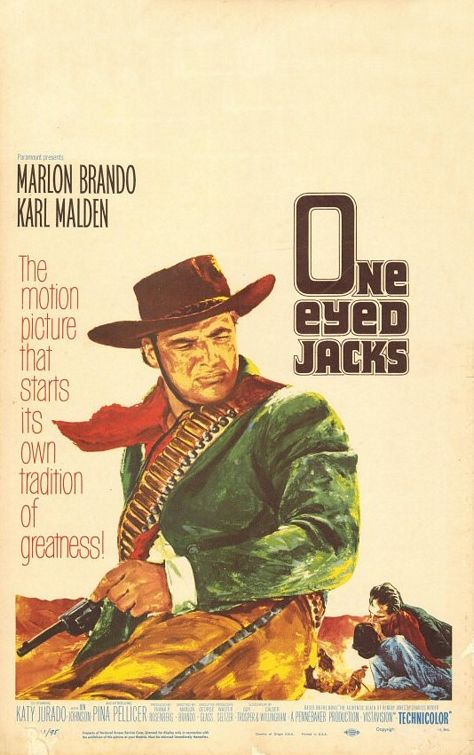
Peary argues that this “lone directorial effort” by Marlon Brando — with an original running time of 4 hours and 42 minutes, cut down to 141 minutes by the studio — is a “visually impressive but muddled psychological western”. While it’s easy to see how Brando might have stretched the story to go deeper into the characters’ psyches and motivations, however, the story itself is never hard to follow, and the narrative works just fine. One-Eyed Jacks (based on a novel by Charles Neider) is essentially a revenge tale, made more complex by the fact that Brando’s character (Rio) decides not to automatically confront and kill his former partner when he first encounters him after five long years in prison. Instead, he initiates a game of cat-and-mouse, baiting “Dad” (Malden) into believing all is forgiven and forgotten. This maneuver actually makes sense, given what we know already about Rio’s crafty ways: he’s a liar and manipulator, someone who will do and say anything to bed a pretty woman, for instance. Indeed, Rio’s very much an anti-hero, yet we can’t help rooting for him given his hiss-worthy nemesis — Malden’s conniving, two-faced, social climbing sheriff.

The aspect of the story that works least well is Rio’s star-crossed romance with Malden’s stepdaughter (Pina Pellicer), who comes across as far too willing to forgive Rio’s lies and welcome him back into her embrace (were there explanatory scenes cut from the longer version??). Yet Pellicer (who, sadly, took her own life just a few years after this film was released) has such a winning presence and an unusual beauty that we can’t help enjoying her whenever she’s on-screen, despite how little she’s given to work with. Indeed, nearly the entire western is pleasant to watch, given the inspired decision to establish the setting along California’s Monterey coast, with dramatic waves crashing in the background during numerous key scenes.

Malden himself is nicely cast against type in a complex villainous role; and while Peary argues that Brando is simply patterning his performance after Elvis Presley and other “fifties rebels”, I find his tortured portrayal of Rio to be convincing. Equally impressive is the fine supporting cast — most notably Ben Johnson as a hardcore baddie who hooks up with Rio after his escape from prison, and Katy Jurado in a tiny but effective role as Malden’s wife.

Redeeming Qualities and Moments:

  • Marlon Brando as Rio
  • Karl Malden as Dad
  • Pina Pellicer as Louisa
  • Fine supporting performances by Ben Johnson, Kary Jurado, and others
  • Charles Lang’s cinematography

Must See?
Yes, for its historical relevance as Brando’s lone directorial effort. Discussed at length in Peary’s Cult Movies 3.

Categories

  • Historically Relevant

(Listed in 1001 Movies You Must See Before You Die)

Links:

Duellists, The (1977)

Duellists, The (1977)

“The duelist demands satisfaction; honor for him is an appetite.”

Synopsis:
A truculent French soldier (Harvey Keitel) challenges a cavalry officer (Keith Carradine) to a duel, thus setting off a 15-year feud that lasts throughout the Napoleonic era .

Genres, Themes, Actors, and Directors:

  • Feuds
  • Harvey Keitel Films
  • Historical Drama
  • Keith Carradine Films
  • Ridley Scott Films
  • Rivalry
  • Soldiers

Response to Peary’s Review:
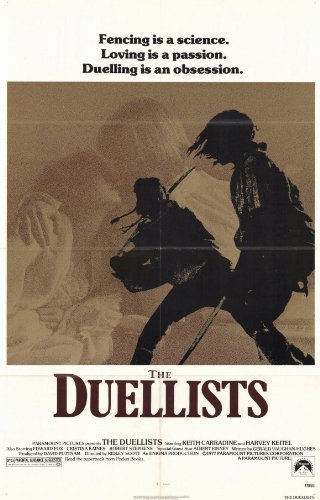
As Peary notes, this “excellent, highly original” first feature by Ridley Scott features “exquisite photography” by D.P. Frank Tidy and meticulous “attention to period detail”. Unlike Scott’s later blockbuster films — such as Alien (1979), Blade Runner (1985), and Gladiator (2000) — The Duellists (based on a 60-page short story by Joseph Conrad) was “not an ideal commercial project”, and has remained more of a favorite with critics than with the masses. Keitel and Carradine’s series of “exciting, brutal and realistic” duels — which “parallel the ongoing, equally senseless Napoleonic Wars” — are posited as a thinly veiled attack on “nations that are enemies because of events that happened long ago and are long forgotten”. Interestingly — and perhaps strategically — it’s never made entirely clear why Keitel’s Feraud challenges Carradine’s D’Hubert to a duel in the first place; we simply get the sense that he’s a pugnacious, “temperamental brute” who’s continually “itching for a fight”. While it’s difficult not to wish that Scott’s original choices to play D’Hubert and Feraud — Michael York and Oliver Reed (sigh) — had been cast, I’ll agree with Peary and most other critics that Carradine and Keitel, despite their anachronistic American accents, eventually emerge as compelling leads.

Redeeming Qualities and Moments:

  • A compelling tale of an enduring rivalry
  • Frank Tidy’s gorgeous cinematography
  • Impressive period detail
  • Fine supporting performances

Must See?
Yes, as an impressive debut by a master director.

Categories

  • Important Director

Links:

Lady in Red, The / Guns, Sin, and Bathtub Gin (1979)

Lady in Red, The / Guns, Sin, and Bathtub Gin (1979)

“Beauty killed the beast, my ass — it was all them reporters.”

Synopsis:
A farm girl (Pamela Sue Martin) with dreams of making it big in Hollywood struggles to survive in Chicago, and eventually falls for notorious criminal John Dillinger (Robert Conrad).

Genres, Themes, Actors, and Directors:

  • Depression Era
  • Dick Miller Films
  • Gangsters
  • Louise Fletcher Films
  • Strong Females

Response to Peary’s Review:
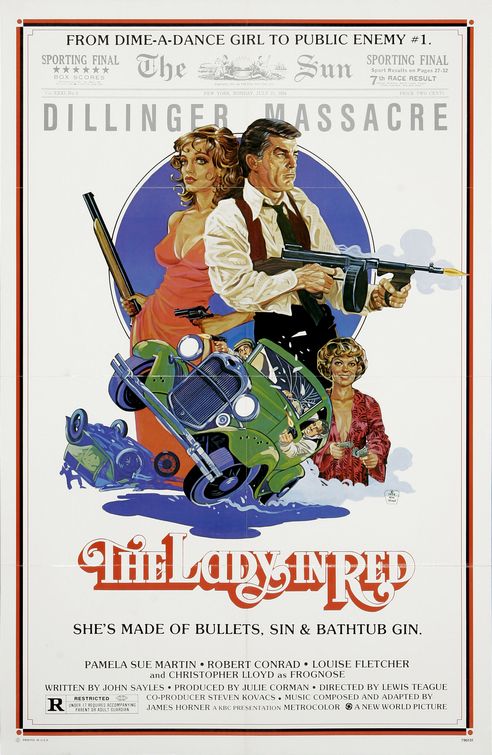
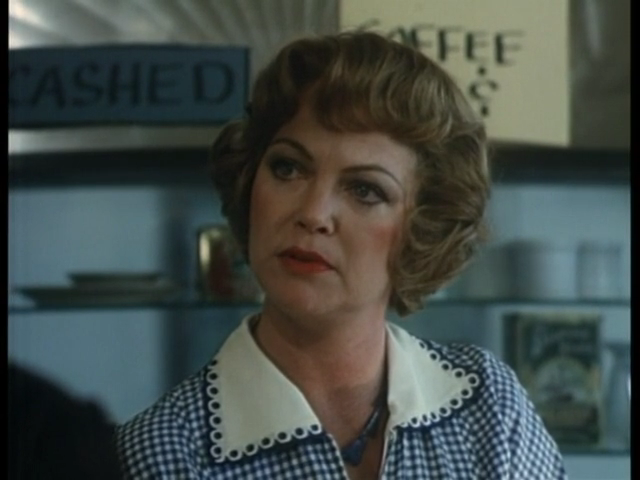
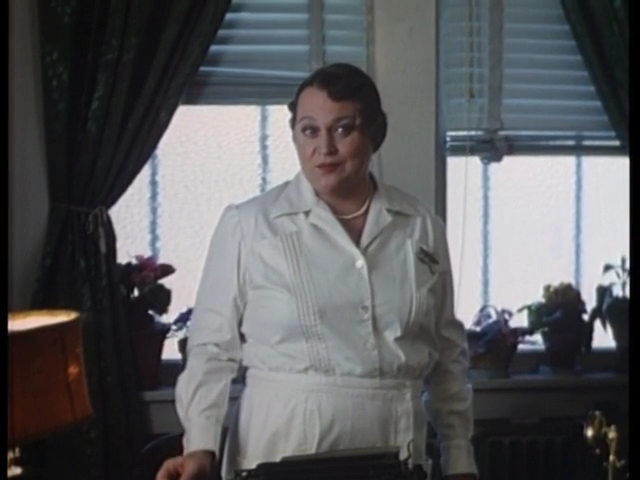
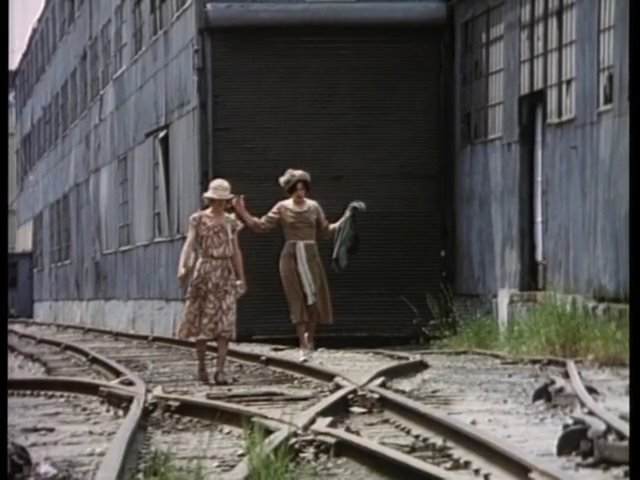
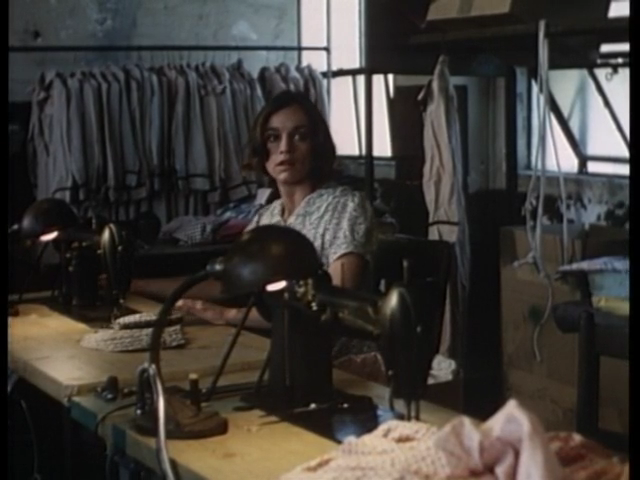
As Peary notes, this entertaining “pay-TV favorite” rises above its “conventional New World-Roger Corman material” through “fast-paced, flavorful direction by Lewis Teague; a snappy script by John Sayles…; and a surprisingly engaging performance by [“Dynasty”‘s] Martin, who exhibits a winning combination of sex and savvy” and appears “remarkably at ease” in her first leading film role. While ostensibly focused on Martin’s role as an unwitting accomplice in Dillinger’s infamous death, Sayles’ heavily fictionalized, socially conscientious script is actually more concerned with presenting Martin’s coming-of-age story, as she transitions from dreamy farm girl (humming “42nd Street” to herself while collecting eggs in her father’s barn) to sweatshop employee to dance hall girl to prostitute to waitress, doing what she can to survive while sticking up for what she knows is right. She’s presented as innocently uninformed about Dillinger’s true identity, so her embroilment in his death comes across as simply one more stroke of bad luck against her — leading to the film’s “final act”, in which she decides not only to get even against the mob, but to “get ahead”. Filled with fine period detail, subtle social commentary, and smart supporting performances, Lady in Red is a worthy entry in the “Depression-era gangster film” genre, and should be seen by all film fanatics.

Redeeming Qualities and Moments:

  • Pamela Sue Martin as Polly
  • Louise Fletcher as Anna Sage
  • Nancy Parsons as Tiny Alice
  • Effective period detail
  • John Sayles’ smart, socially conscious script
  • James Horner’s score

Must See?
Yes, as an all-around good show.

Categories

  • Good Show

Links:

Chained Heat (1983)

Chained Heat (1983)

“You can get by inside if you do the right people — you know what I mean.”

Synopsis:
A naive young woman (Linda Blair) convicted of manslaughter is sent to prison, where she quickly learns that corruption is rampant, and strategic alliances are everything.

Genres, Themes, Actors, and Directors:

  • Corruption
  • Prisoners
  • Revenge
  • Stella Stevens Films

Response to Peary’s Review:
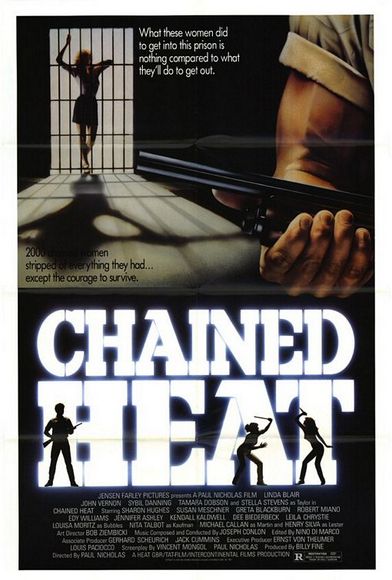
Peary accurately refers to this New World WIP flick as a “ridiculous sexploitation” film which “lacks the fun or political subtext” of earlier entries in the genre, but is nonetheless guaranteed to “make any exploitation fan drool” due to its infamous grindhouse cast (including Sybil Danning, John Vernon, Stella Stevens, and Tamara Dobson, among others).

He misses the boat, however, in his mean-spirited assessment of a scene in which “Danning and Blair take a nude shower together and the tall, statuesque Danning is required… to display a sexual interest in the short, plump star”. Doesn’t Peary know that prison sex is often based on power dynamics rather than lust? And while she’s no Penthouse model, Blair’s actually quite cute here.

At any rate, fans of Women-In-Prison flicks won’t want to miss this badly-acted, ridiculously plotted, cliche-ridden smorgasbord of nudity, violence, sex, drugs, and corruption — complete with Blair’s transformation into a righteous avenger by the end. The rest of us, however, can feel free to skip it.

Redeeming Qualities and Moments:

  • Joseph Conlan’s score

Must See?
No. Despite its status as a cult favorite, this one is really only must-see viewing for fans of WIP flicks.

Links:

Certain Sacrifice, A (1985)

Certain Sacrifice, A (1985)

“Do you think for once that any lover of mine could be tame?”

Synopsis:
When his new girlfriend (Madonna) is raped by a sleazy stranger (Charles Kurtz), a former college student (Jeremy Pattnosh) and his friends seek revenge.

Genres, Themes, Actors, and Directors:

  • Rape
  • Revenge

Response to Peary’s Review:
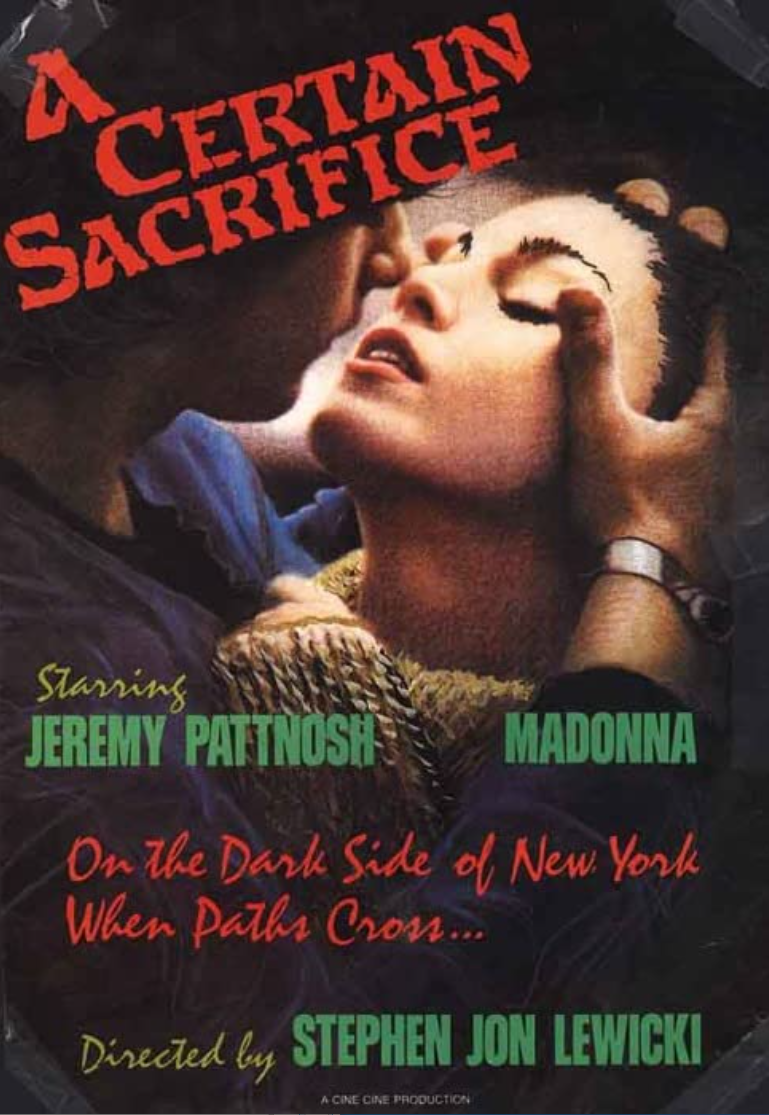
Peary is far too generous in his review of this infamous student film, which he argues is “not the best but certainly not worthless”, and has some “bright ideas and wit floating around”. Made in 1979 (when Madonna was just 20 years old), it was strategically released by director Stephen Jon Lewicki as a quick money-maker six years later, when her fame was beginning to skyrocket. Apparently Madonna insisted on being paid $100 for her work in the film, resulting in a signed contract which later prevented her from legally removing the movie from circulation — but there’s not much here for her to be especially ashamed of, other than some tame nudity and her typically amateurish performance in a crude independent film.

As many have noted, she made so many awful films later in her career that this one doesn’t stand out as particularly egregious — it simply has the lowest production values and makes the least sense.

Indeed, it’s often difficult to tell exactly what’s happening in this pretentious and unbearably artsy movie, which focuses on a college drop-out (Jeremy Pattnosh) who roams the streets of New York and falls for a young girl (Madonna) who’s secretly involved with a “family of lovers”. Meanwhile, Pattnosh encounters a boorish pig (Charles Kurtz, who Peary argues “steals the film” in his role — not much of a stretch) at a coffee shop, then later rapes Madonna simply because she’s Pattnosh’s girl. A final orgy revenge scene caps everything off. The soundtrack, unfortunately, is by Pattnosh rather than Madonna herself. Ultimately, A Certain Sacrifice is the type of movie that was probably must-see during its moment of notoriety (as Peary notes, “initial reports claimed it was an S&M porno film”), but is now required viewing simply for those who are morbidly curious or genuinely hung up on Madonna.

Redeeming Qualities and Moments:
Not much.

Must See?
No; unless you can’t contain your curiosity, feel free to skip this one-hour clunker.

Links:

Sin of Harold Diddlebock, The (1947)

Sin of Harold Diddlebock, The (1947)

“Every man is the architect of his own fortune.”

Synopsis:
A recently fired accountant (Harold Lloyd) goes on a bender for the first time and becomes the owner of a circus, which he must then find a way to unload.

Genres, Themes, Actors, and Directors:

  • Carnivals and Circuses
  • Comedy
  • Harold Lloyd Films
  • Preston Sturges Films

Response to Peary’s Review:
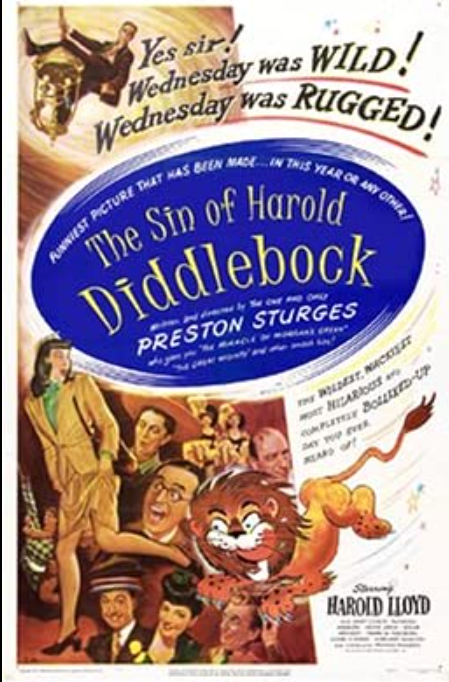
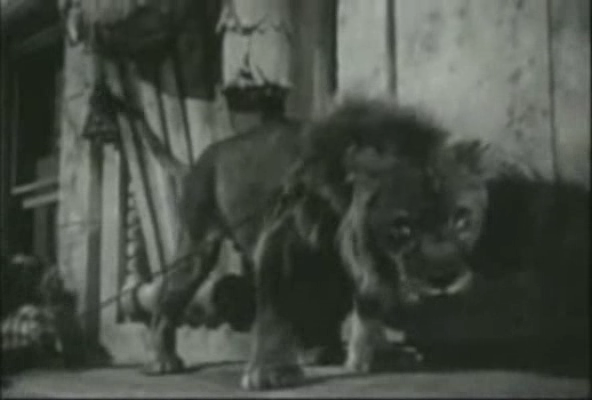
Peary labels this creative collaboration of silent comedian Harold Lloyd and writer-director Preston Sturges “disappointing but mildly amusing”. He accurately points out that it contains strong elements of both men’s prior work, given that the film literally opens with an extended clip from Lloyd’s silent classic The Freshman (1925), and is based upon a similar premise as Sturges’ The Miracle of Morgan’s Creek (1944) (with an unseen alcoholic bender producing hilariously challenging consequences). In truth, I think Peary underestimates this controversial film, which was inexplicably pulled from circulation, drastically edited, and renamed Mad Wednesday; it’s actually a most enjoyable slapstick comedy, filled with healthy doses of satirical humor. In his final film, Lloyd (looking MUCH younger than his 54 years) is at the top of his game, and Sturges’ script provides nonstop enjoyment until about 2/3rds of the way through, when Lloyd’s nonsensical plan to try to rid himself of his circus by visiting the offices of prominent bankers in Manhattan temporarily derails the story. Fortunately, things get back on track during the “film’s highlight”, which “finds Lloyd dangling high above [the] city by a rope attached to the neck of a lion”. As Peary notes, the entire cast — most notably Jimmy Conlin as Lloyd’s partner in crime, and Frances Ramsden as his gorgeous workplace crush — is “sterling”. A minor quibble: it’s too bad the title’s first word was changed from “saga” to “sin”, since the latter makes little sense.

Redeeming Qualities and Moments:

  • Harold Lloyd as Harold Diddlebock
  • Fine supporting performances by Jimmy Conlin and others
  • Sturges’ zany screenplay

Must See?
Yes, as Harold Lloyd’s swan song.

Categories

  • Important Director

Links:

Streetwise (1984)

Streetwise (1984)

“You wanna be downtown, you wanna be cool, you better learn the ways of the street.”

Synopsis:
Homeless teens survive on the streets of Seattle by panhandling, dumpster diving, selling drugs, and prostituting themselves.

Genres, Themes, Actors, and Directors:

  • Documentary
  • Homeless
  • Survival
  • Teenagers

Response to Peary’s Review:
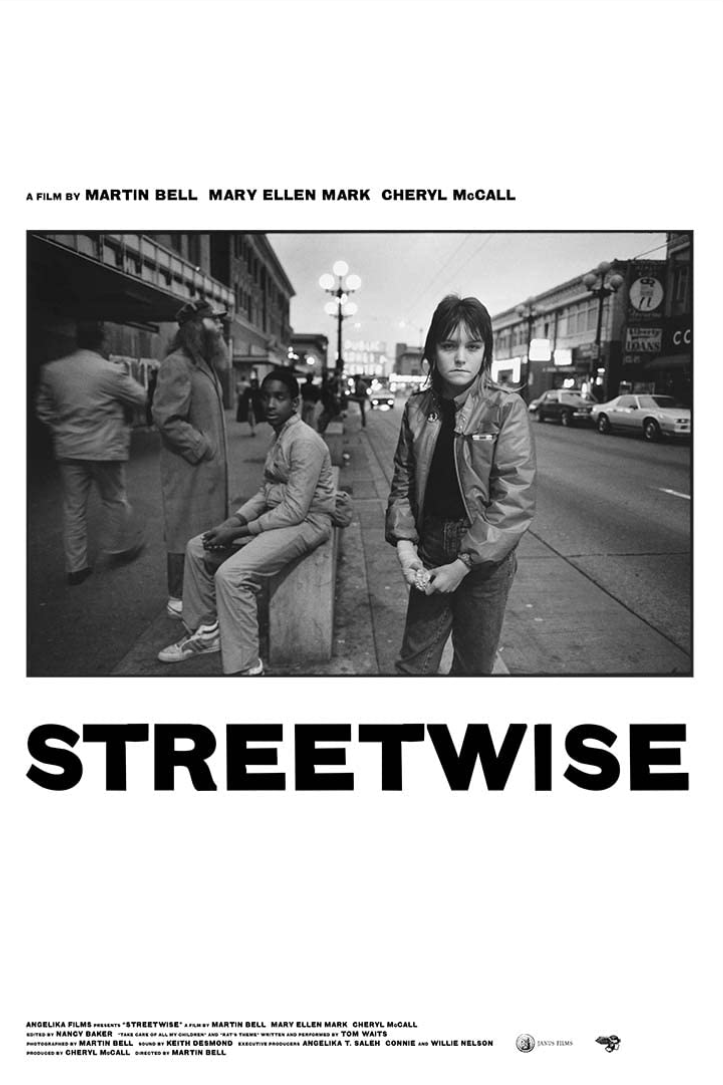
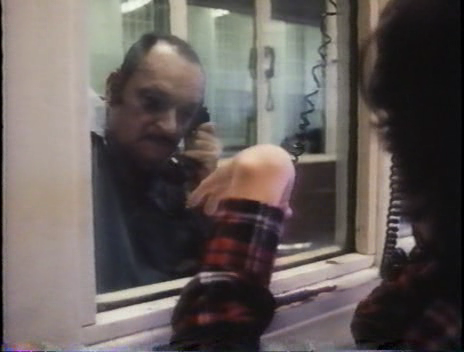
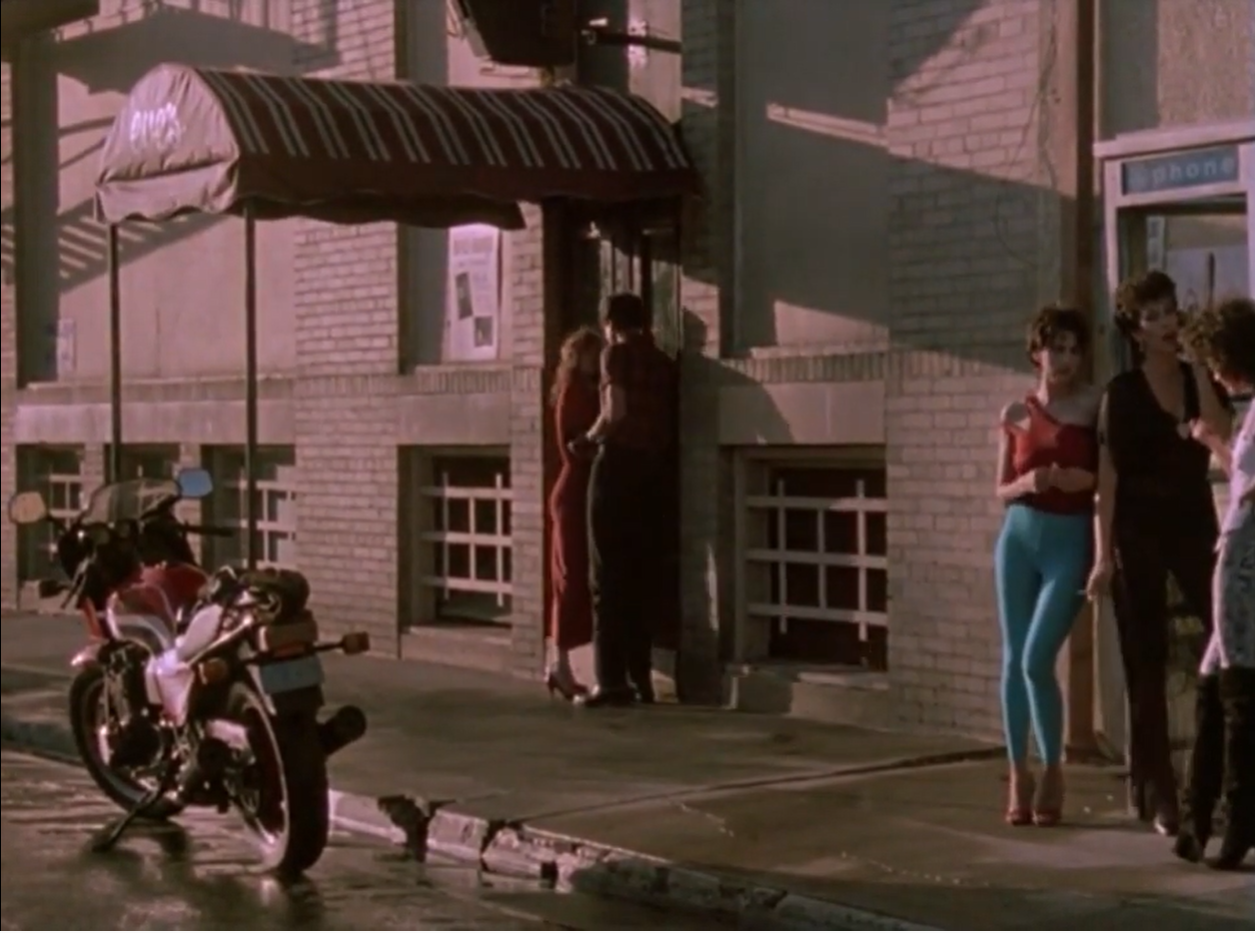
As Peary notes, this Oscar-nominated documentary about “street kids living in Seattle’s tenderloin” — a “world of street brawls, drugs, perverts on the make, filth, hassles with the police, frequent busts” — is “bruising cinema verite“. While the kids may “seem happy to be free of their parents and enjoying life on their own”, this is simply because life at home with their irresponsible and/or abusive parents and stepparents was so much worse. Indeed, some of the film’s most haunting sequences involve the kids visiting their parents, who are astonishingly blase about the fact that their kids are making a living on the street: one (an alcoholic waitress) simply assumes it’s a “phase” her daughter is going through, while another (a father in jail for burglary and arson) appears to want the best for his son but simultaneously ridicules and belittles him. It’s truly impressive how much access filmmakers Martin Bell, Mary Ellen Mark, and Cheryl McCall (whose initial article for Life magazine inspired the documentary) gain into the private lives of the kids and their families, down to hearing young pimps openly soliciting girls to work for them (weren’t they afraid of exposure?). Despite the recent glut of “reality” T.V. and documentaries, this early glimpse into the lives of homeless teens rises a cut above, and is guaranteed to linger in your thoughts long after it’s over.

Note: A 23-minute follow-up film was made about the life of one of the teens showcased in the movie (“Tiny”), but I haven’t yet been able to locate a copy. Any hints are most welcome.

Redeeming Qualities and Moments:

  • Countless powerful sequences


Must See?
Yes; this one will haunt you long after it’s over.

Categories

  • Historical Relevance
  • Oscar Winner or Nominee

Links:

Choose Me (1984)

Choose Me (1984)

“Men fantasize about her; women trust her.”

Synopsis:
A mysterious drifter (Keith Carradine) enters the lives of a renowned radio talk show host (Genevieve Bujold) and a bar owner (Lesley Ann Warren) in Los Angeles.

Genres, Themes, Actors, and Directors:

  • Alan Rudolph Films
  • Genevieve Bujold Films
  • Keith Carradine Films
  • Looking for Ms./Mr. Right
  • Mistaken Identities
  • Radio

Response to Peary’s Review:
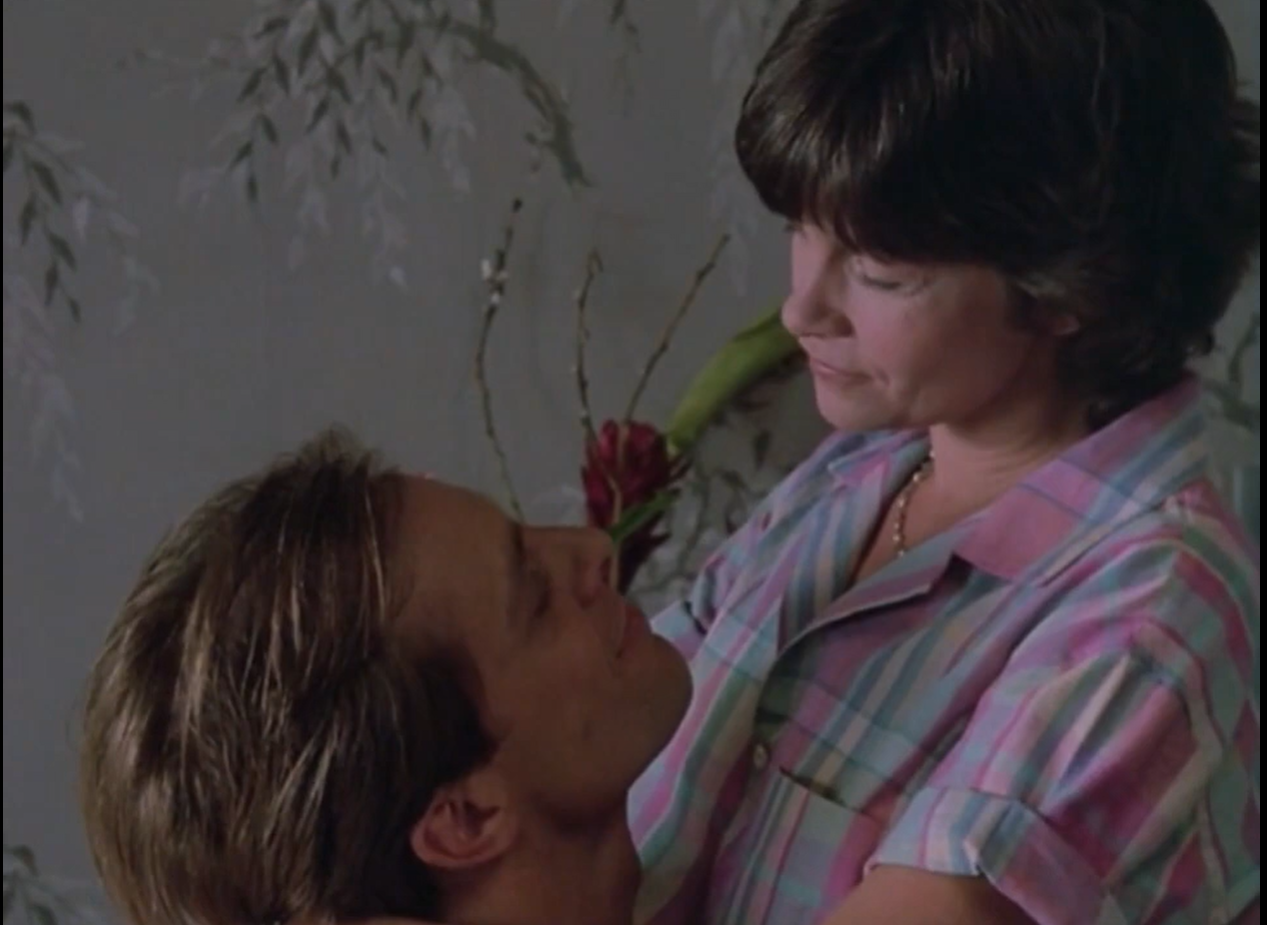
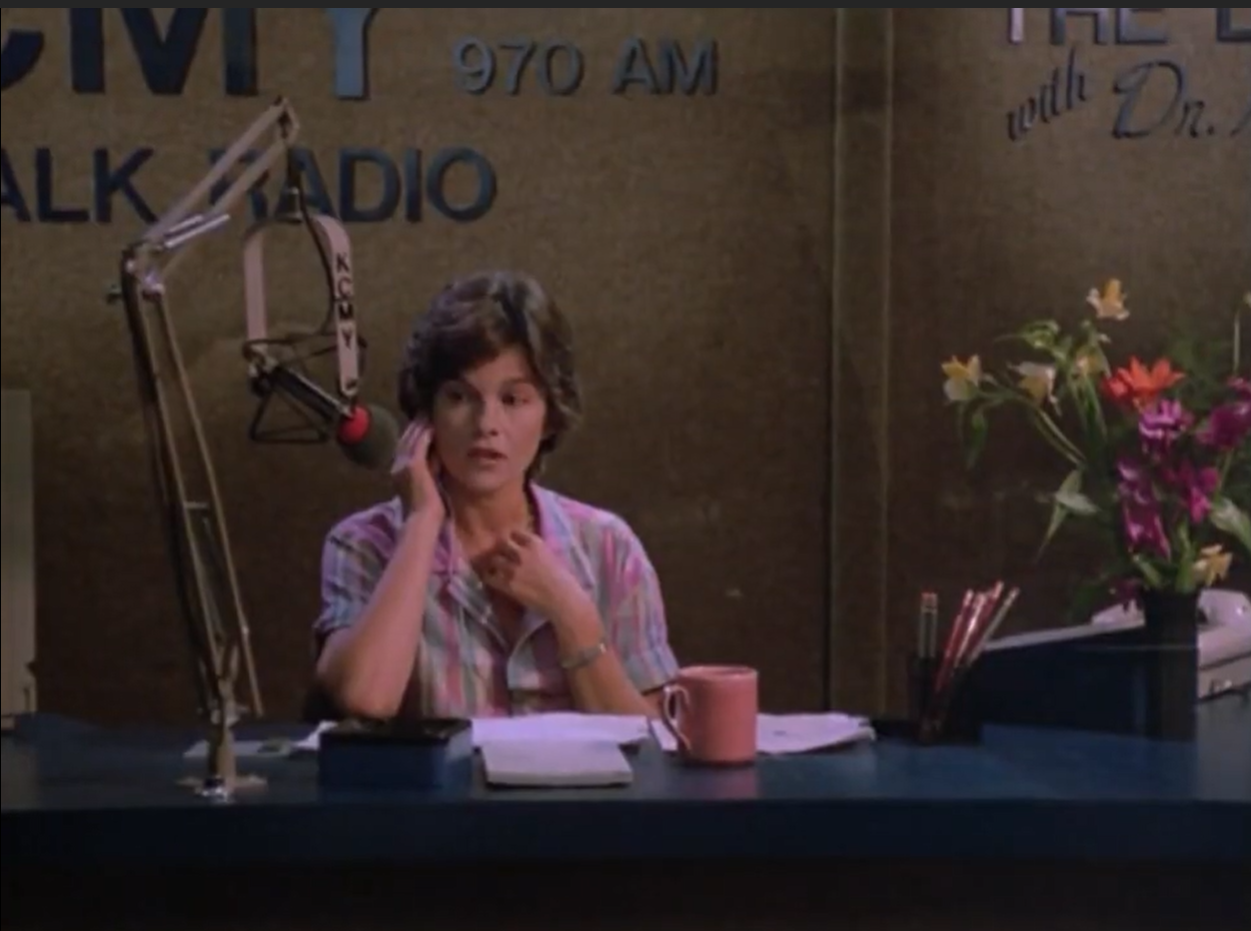
As Peary notes, this “zany film” about “troubled characters who make coincidental connections with each other, put up false fronts, act crazy, and are hopelessly confused and worried about sex, love, marriage, and their inability to communicate” is a sleeper favorite of many — possibly because we can all relate to feeling this way ourselves at one point or another in our lives. The “preposterous” ensemble storyline (written by Rudolph) nonetheless “has the ‘logic’ of crazy real life”, and “we willingly suspend our disbelief because we’re touched by the characters and root for them to make it out of their misery”. This is due in large part to the “superb” cast, with Lesley Ann Warren giving perhaps her most vulnerable performance, and Genevieve Bujold digging deep into the neuroses of her character — a famed sexologist who, ironically, has never experienced satisfying intimacy herself. Carradine essentially plays yet another a variation on his standard womanizing persona, but, as Peary notes, in this film we “believe him each time” he “tells [a] woman that he loves her and wants to marry her”:

… and we’re relieved that he ultimately “manages to be a positive influence.” Adding to the film’s dreamlike ambience are Jan Kiesser’s cinematography (evoking a nighttime L.A. unlike any other I’ve seen) and the jazzy soundtrack by Teddy Pendergrass, whose “Choose me, baby” refrain emerges at strategic, emotionally loaded moments.

Redeeming Qualities and Moments:

  • Genevieve Bujold as Dr. Love/Ann
  • Lesley Ann Warren as Eve (voted one of the best actresses of the year in Peary’s Alternate Oscars book)
  • Lush, evocative visuals

  • Teddy Pendergrass’s background score

Must See?
Yes, as perhaps Rudolph’s most memorable film.

Categories

  • Important Director

Links:

Little Princess, The (1939)

Little Princess, The (1939)

“Sara has no mother, and we’ve never been separated for more than a few days.”

Synopsis:
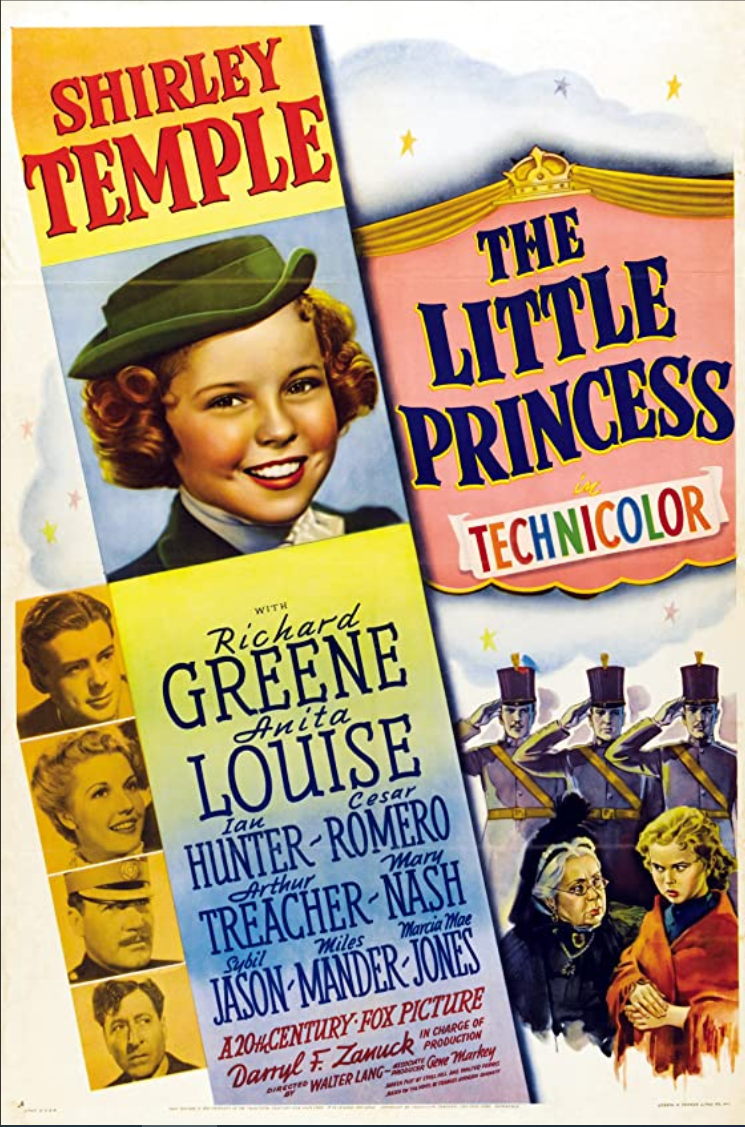
When her father (Ian Hunter) leaves to fight in the Boer War, Sara Crewe (Shirley Temple) is sent to a boarding school run by snooty Miss Minchin (Mary Nash). When notice arrives that Captain Crewe (Hunter) has died a penniless man, Sara becomes a servant at the school — but she refuses to believe her father is really dead.

Genres, Themes, Actors, and Directors:

  • Boarding School
  • Cesar Romero Films
  • Historical Drama
  • Ian Hunter Films
  • Search
  • Shirley Temple Films

Response to Peary’s Review:
Despite its generally acknowledged status as “one of Temple’s best films”, Peary isn’t a big fan of this Technicolor adaptation of Frances Hodges Burnett’s Victorian children’s novel. He argues that “while it is lavishly produced and features what was [Temple’s] last impressive performance as a child actor, the story is flimsy and predictable”, and notes that by 1939, “it was getting tiresome watching Temple’s little girls suffer.” Modern viewers, however, won’t have to experience the same sense of fatigue, given that we can pick and choose which of Temple’s many childhood films — Peary lists just five of her earlier hits in his book — we want to see. Diehard fans of Burnett’s book may be disturbed by the many changes made in the screenplay, but the spirit of the novel remains intact, and Temple (who looks nothing like Burnett’s description of the protagonist) brings a much-needed air of optimism and spunk to the role of poor Sara Crewe. Equally impressive is Temple’s co-star, Sybil Jason, who plays a young Cockney maid. [It’s interesting to note that Temple was, in fact, jealous of Jason’s performance, given the adulation heaped upon her by the film’s crew.]

Redeeming Qualities and Moments:

  • Shirley Temple as Sarah
  • Sybil Jason as Becky

Must See?
No, though it’s worth a look as one of Temple’s most famous films.

Links: