Browsed by
Category: Response Reviews

My comments on Peary’s reviews in Guide for the Film Fanatic (Simon & Schuster, 1986).

Johnny Got His Gun (1971)

Johnny Got His Gun (1971)

“I’m just like a piece of meat that keeps on living.”

Synopsis:
A WWI veteran (Timothy Bottoms) without limbs, face, or ears finds renewed hope when a kind nurse (Diane Varsi) attempts to communicate with him.

Genres, Themes, Actors, and Directors:

  • Donald Sutherland Films
  • Flashback Films
  • Jason Robards Films
  • Living Nightmare
  • Veterans
  • World War One

Response to Peary’s Review:
In his review of Dalton Trumbo’s adaptation of his own 1939 novel, Peary provides some interesting historical context, noting that while the “film won several awards at Cannes,” it “died at the box office in the U.S.”, given that “those viewers who found it as devastating as the novel and became emotionally attached to it were far outnumbered by those who found it morbid and pretentious” (c.f. New York Times reviewer Roger Greenspun’s opinion that it’s “a mess of cliched, imprecise sentimentalizing and fantasizing … [and] a stultifyingly bad movie.”) Peary goes on to conjecture that perhaps audiences in 1971 weren’t interested in anti-war films that didn’t deal specifically with Vietnam, and notes that “today, when so many films glorify war, Trumbo’s pacificism can better be appreciated”.

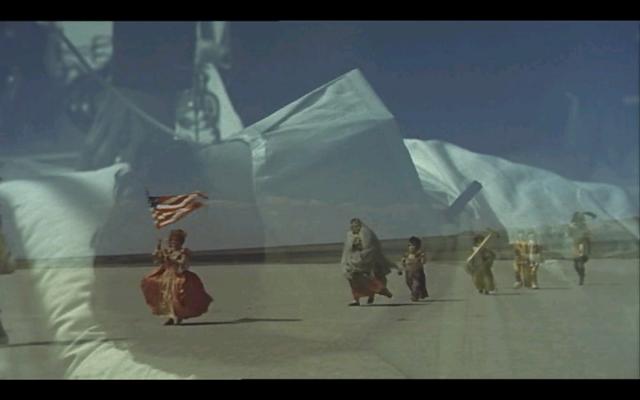
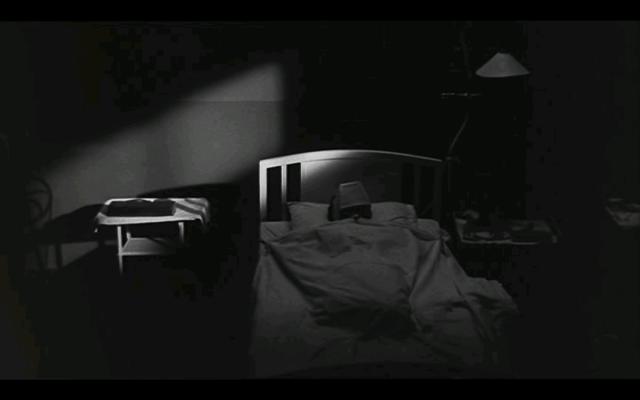
Indeed, as a fan of the novel, I believe Trumbo does a remarkably effective job translating his seemingly unfilmable first-person narrative into a frightening cautionary tale. By interspersing color flashbacks and fantasy sequences into his real-time b&w horror story of doughboy Joe Bonham — who became a “basket case… as the result of an explosion” on the final day of WWI, but retains full consciousness — Trumbo avoids miring the film in relentless gloom. Particularly intriguing are those fantasy sequences in which Bonham chats with an “ineffectual” Jesus Christ (Donald Sutherland), who agrees that his case is pretty hopeless. (Apparently these scenes were inspired by Luis Bunuel, Trumbo’s first choice to direct the film.) The movie’s final moments are truly chilling — be forewarned.

Note: This would make a compelling double bill (for viewers up to the emotional challenge) with Julian Schnabel’s similarly themed The Diving Bell and the Butterfly (2007).

Redeeming Qualities and Moments:

  • Memorable imagery
  • Donald Sutherland as Jesus
  • An undeniably bleak and powerful narrative

Must See?
Yes, as a powerful anti-war film.

Categories

  • Good Show

Links:

Invasion of the Bee Girls (1973)

Invasion of the Bee Girls (1973)

“They’re dropping like flies, Agar — they’re dropping like flies.”

Synopsis:
An FBI agent (William Smith) enlists the help of a beautiful scientist (Victoria Vetri) while investigating a rash of mysterious deaths in a small California town.

Genres:

  • Femmes Fatales
  • Horror
  • Insects
  • Scientists

Response to Peary’s Review:
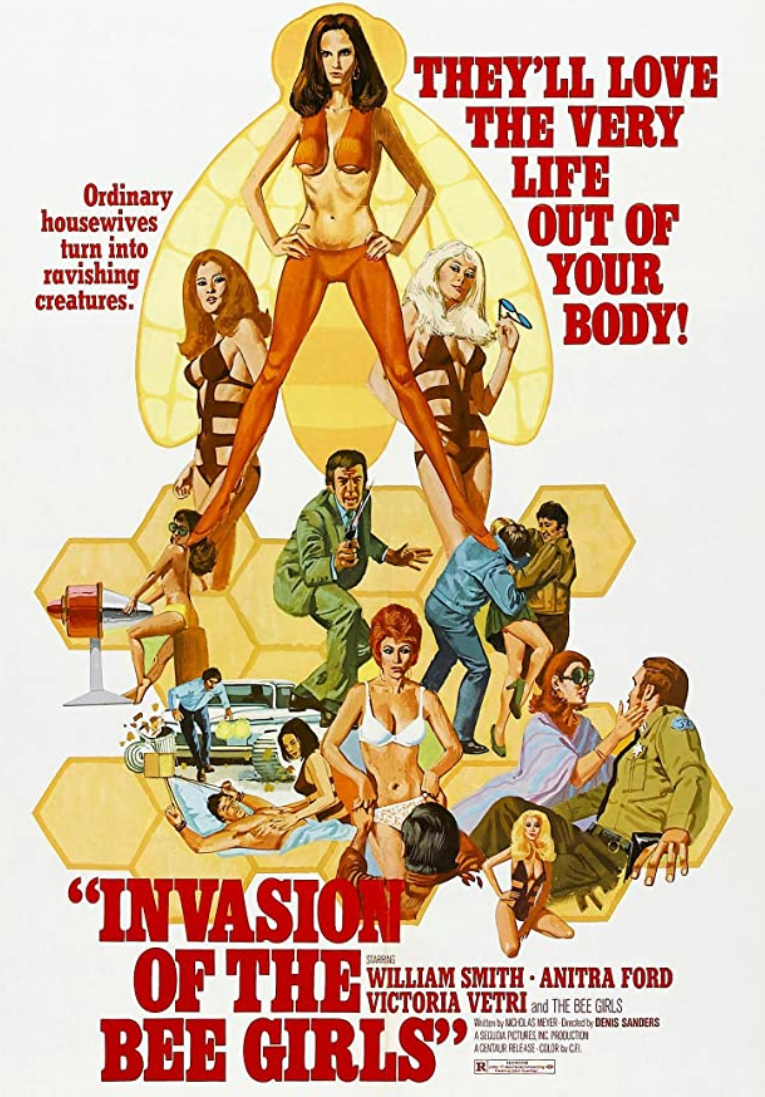
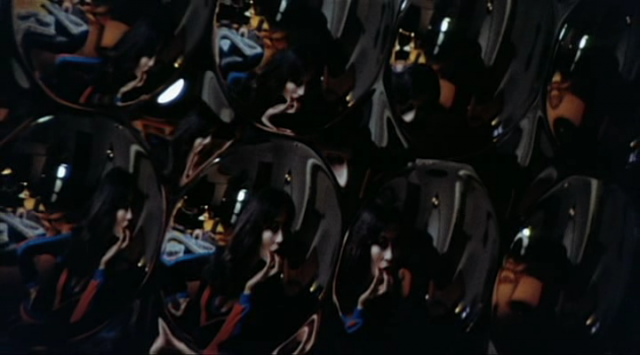
This B-level serio-comic horror flick about a government agent (William Smith) sent to investigate “the deaths of several male scientists at [a] California institute conducting radiation experimentation” — all of whom “die from coronaries while having sexual intercourse” — is, as Peary notes, not quite as campy or “as much fun as its reputation would have you believe”. Nicholas Meyer’s script — while meant to be “tongue in cheek” — is taken far too seriously, instead merely providing a platform for exploiting female nudity (including a disturbingly gratuitous near-rape scene), and tapping into men’s fears about the destructive powers of sex. However, the film is somewhat redeemed by its utterly ludicrous premise, its eerie low-budget “special effects” (dark contacts transform the Bee Girls’ eyes into freaky black pits), a catchy score by Charles Bernstein, and “a memorably bizarre sequence in which thousands of bees encase a nude woman in a cocoon” as she transforms into a Bee Girl. Ew!

Redeeming Qualities and Moments:

  • Campy but effective low-budget visuals

  • The trippy “transformation” scene
  • Charles Bernstein’s score

Must See?
No, but you may be curious to check it out.

Links:

Journey of Natty Gann, The (1985)

Journey of Natty Gann, The (1985)

“You’ve got no business being on the road, kid.”

Synopsis:
During the Depression, a motherless teen (Meredith Salenger) embarks on a journey to find her father (Ray Wise), who has gone to Seattle for a logging job.

Genres, Themes, Actors, and Directors:

  • Coming-of-Age
  • Depression Era
  • Pets
  • Road Trip
  • Search
  • Verna Bloom Films

Response to Peary’s Review:
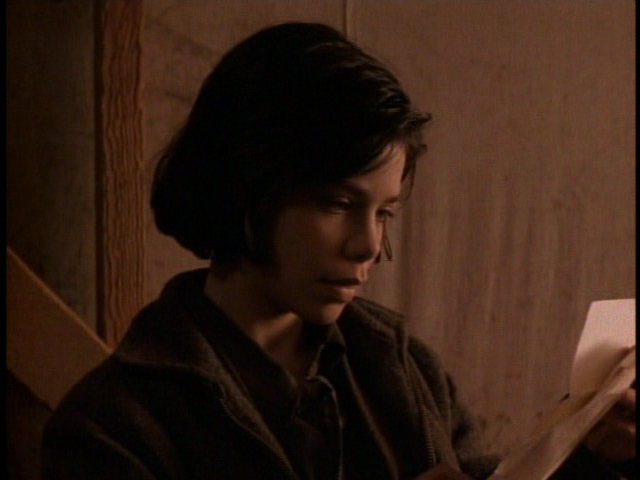
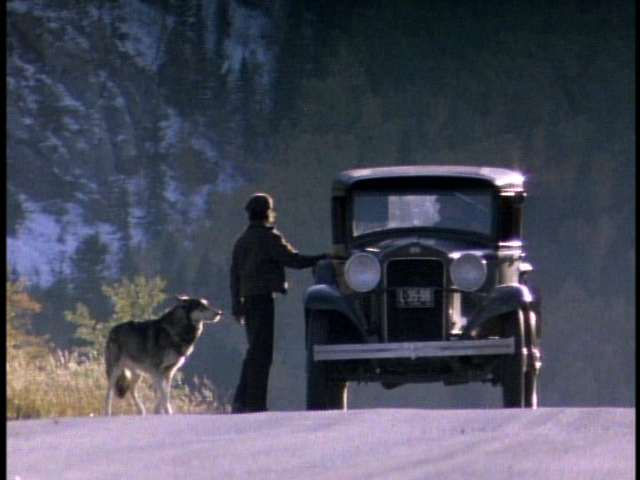
The opening line to Peary’s review of this live-action Disney feature is both intriguing and compelling: “Forget about art films for one night and gather the family for this enjoyable adventure movie”, he writes. Peary contends that while “nothing we see [in the film] is particularly surprising”, it’s nonetheless “well directed”, “intelligently scripted”, and “extremely well cast”, with Salenger’s “natural, very appealing delivery” making her plucky protagonist “easy to root for”. Peary’s assessment rings mostly true: despite being predictable and contrived at times — Natty’s relationship with a pet wolf, for instance, seems merely like an attempt to capitalize on the popularity of Never Cry Wolf (1983) — we quickly learn to care for Salenger’s Natty, and wish her luck as she struggles to reach her beloved dad (nicely played by Ray Wise).

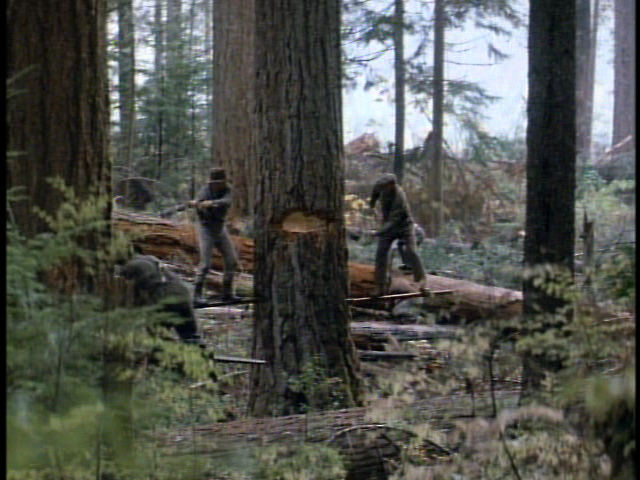
In addition, older kids and teens will benefit from seeing a depiction of life during the Depression that accurately portrays the extreme hardships suffered by employees (the film is pro-union) and their families, who were very often torn apart as Natty and her father are. And, just as I was starting to wonder if Disney wasn’t perhaps sugar-coating the dangers of an attractive teen like Natty traveling on her own across the country, she’s propositioned by an unsavory middle-aged driver, and must flee for safety. Indeed, …Natty Gann really isn’t suitable for younger kids, so be forewarned.

Note: Those looking forward to seeing John Cusack in an early role (he plays Natty’s nominal love interest) should note that he’s not given much screen time; he shows up near the beginning, then disappears until the final half hour of the film.

Redeeming Qualities and Moments:

  • Meredith Salenger as Natty
  • Fine location cinematography
  • An effective depiction of Depression-era economic hardships

Must See?
No, but it’s a worthy family film.

Links:

Lifeboat (1944)

Lifeboat (1944)

“The more we quarrel and criticize and misunderstand each other, the bigger the ocean gets, and the smaller the boat.”

Synopsis:
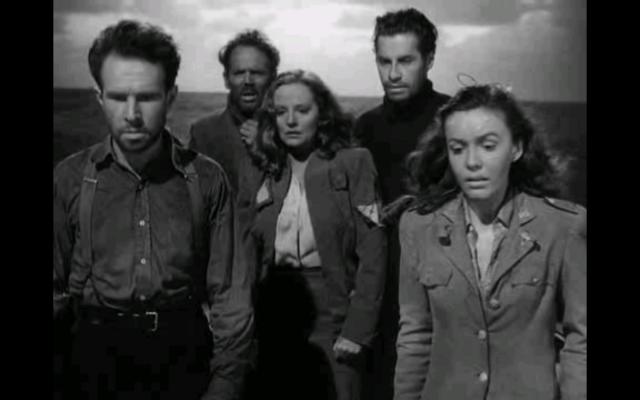
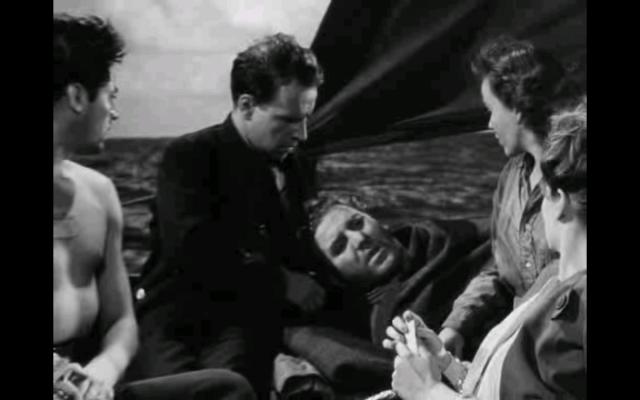
A disparate group of survivors from a torpedoed ship — including a journalist (Tallulah Bankhead), a tycoon (Henry Hull), a seaman (John Hodiak), a wounded stoker (William Bendix), a radio operator (Hume Cronyn), a nurse (Mary Anderson), a shell-shocked mother (Heather Angel), and a steward (Canada Lee) — allow a German U-Boat survivor (Walter Slezak) on board their lifeboat, but are never quite sure how much they can trust him.

Genres, Themes, Actors, and Directors:

  • At Sea
  • Hitchcock Films
  • Hume Cronyn Films
  • Ensemble Cast
  • Mistaken or Hidden Identities
  • Survival
  • Tallulah Bankhead Films
  • William Bendix Films
  • World War Two

Response to Peary’s Review:
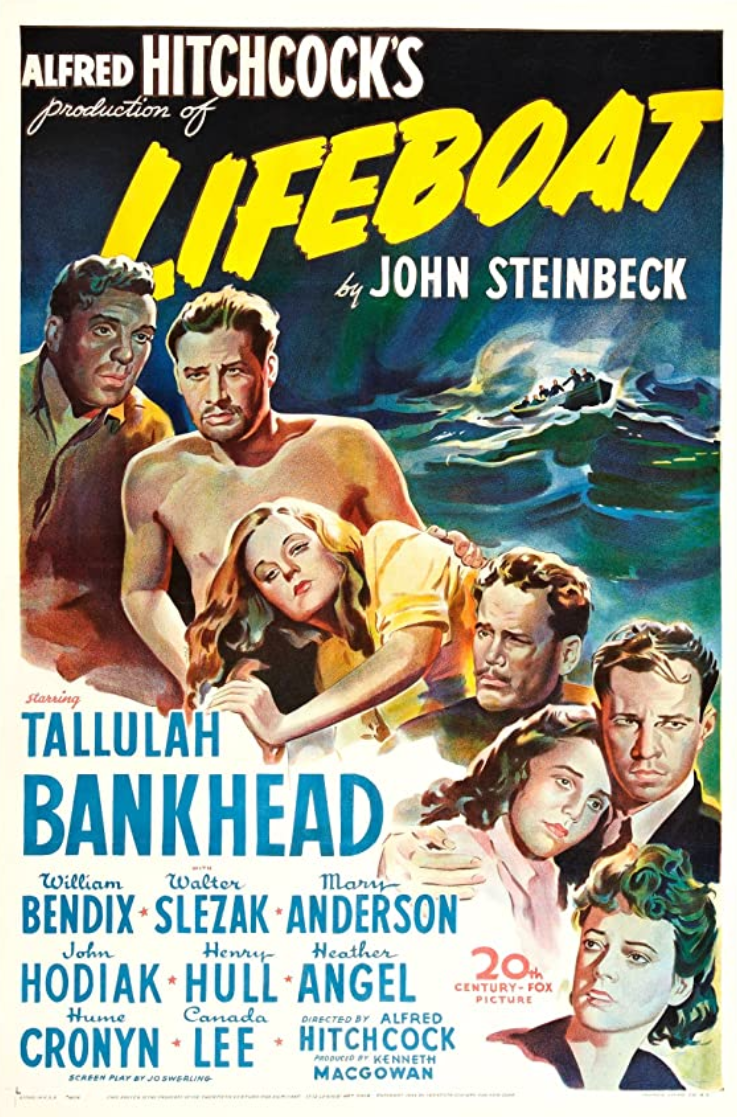
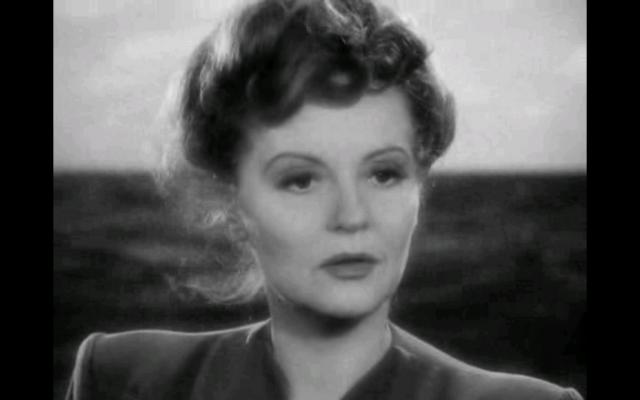
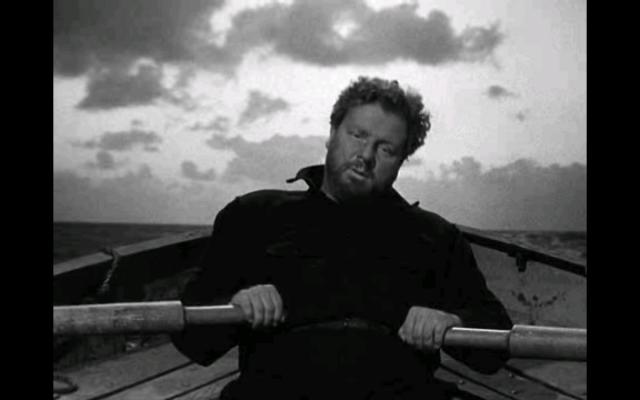
Peary refers to this cleverly conceived “character-propaganda piece” as “flawed but enjoyable”, arguing that director Hitchcock “does wonders with his challenging set, never moving his camera outside the lifeboat”. Indeed, it’s remarkable to realize that, as noted by critic Dave Kehr, “the drama is developed without recourse to flashbacks or cutaways” — yet our attention never flags. While John Steinbeck and Jo Swerling’s script is perhaps a bit “obvious and too didactic”, the performances by the motley cast members are strong enough to carry the film and hold our interest throughout. Especially memorable is Tallulah Bankhead, giving “bite to her every line” in a rare film appearance as a socialite reporter who is gradually forced to give up all physical remnants of her prestige; Hitchcock apparently cast her because he wanted “the most oblique, incongruous person imaginable in such a situation”. Equally impressive is Walter Slezak as “the German”, a “great villain whose cunning is revealed a little at a time” — he’s a genuinely menacing presence on board the tiny ship.

Redeeming Qualities and Moments:

  • Tallulah Bankhead as Connie Porter
  • Walter Slezak as Willy
  • Fine direction in a decidedly cramped shooting location
  • A compelling tale of survival

Must See?
Yes, as a fine Hitchcock drama.

Categories

  • Important Director

Links:

Foreign Correspondent (1940)

Foreign Correspondent (1940)

“I don’t want correspondence; I want news!”

Synopsis:
A crime reporter (Joel McCrea) sent to London to investigate the imminence of WWII falls for the daughter (Laraine Day) of a peacekeeper (Herbert Marshall) with a secret agenda.

Genres, Themes, Actors, and Directors:

  • Edmund Gwenn Films
  • George Sanders Films
  • Herbert Marshall Films
  • Hitchcock Films
  • Joel McCrea Films
  • Journalists
  • Kidnapping
  • Nazis
  • “No One Believes Me!”
  • Peacemakers
  • Spies
  • World War Two

Response to Peary’s Review:
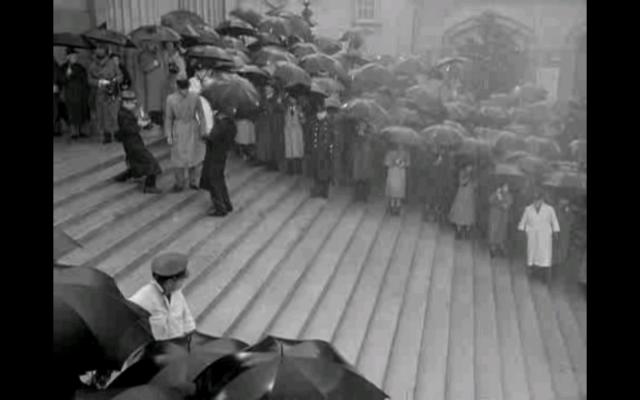
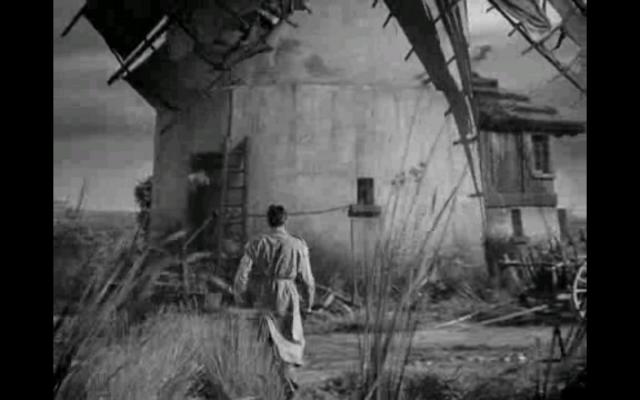
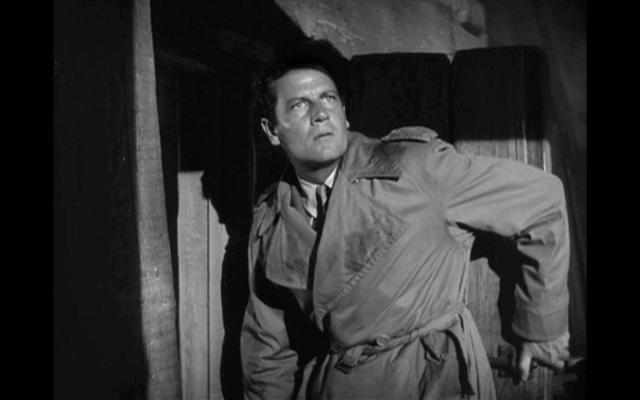
As Peary notes, while this “often neglected spy thriller by Alfred Hitchcock” is “a little too long and a bit muddled”, it possesses “several memorable sequences”, an “affable hero” (McCrea), and an “appealing” female lead (Day). All-American McCrea is an inspired choice to play one of Hitchcock’s “innocent” male protagonists, while Edmund Gwenn is wonderfully cast against type as an assassin, and it’s great fun to see George Sanders in a supporting role as perhaps the most uniquely named reporter ever: ffolliott. The three scenes depicted by stills below — the superbly edited assassination attempt, the windmill encounter, and the airbound finale — all rank among Hitchcock’s most indelible action sequences. While some complain that the patriotic ending — in which McCrea urges the Allied forces to rally in their efforts against the Nazis — smacks of propaganda, it’s easy enough to forgive Hitchcock and his screenwriters, given the tenuous nature of world events when this film was released.

Redeeming Qualities and Moments:

  • The visually memorable assassination attempt
  • The windmill sequence
  • The exciting, special-effects-laden airplane finale
  • Fine performances (by both lead and supporting actors) throughout
  • Charles Bennett and Joan Harrison’s often crackling, witty screenplay

Must See?
Yes, as one of Hitchcock’s greatest “early” films.

Categories

  • Important Director

Links:

Willy Wonka and the Chocolate Factory (1971)

Willy Wonka and the Chocolate Factory (1971)

“”Well, well, well… Two naughty, nasty little children gone.”

Synopsis:
An eccentric candymaker (Gene Wilder) invites the five winners of his “golden ticket” sweepstakes — a spoiled brat (Julie Dawn Cole), an incessant gum chewer (Denise Nickerson), a T.V.-obsessed boy (Paris Themmen), an overweight German boy (Michael Bollner), and poor but hopeful Charlie Bucket (Peter Ostrum) — to tour his factory.

Genres, Themes, Actors, and Directors:

  • Coming of Age
  • Fantasy
  • Gene Wilder Films
  • Musicals
  • Non-Conformists

Response to Peary’s Review:
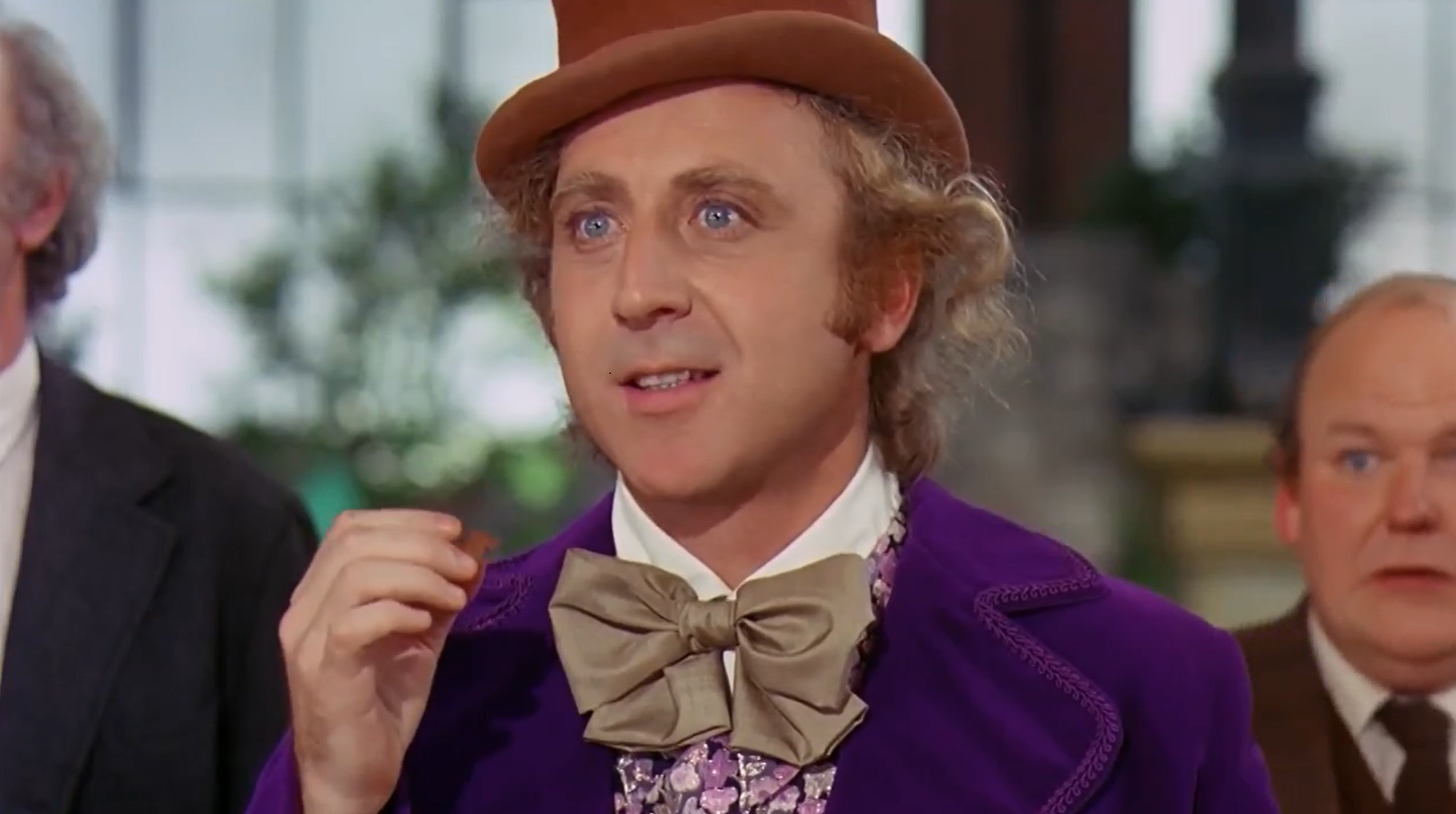
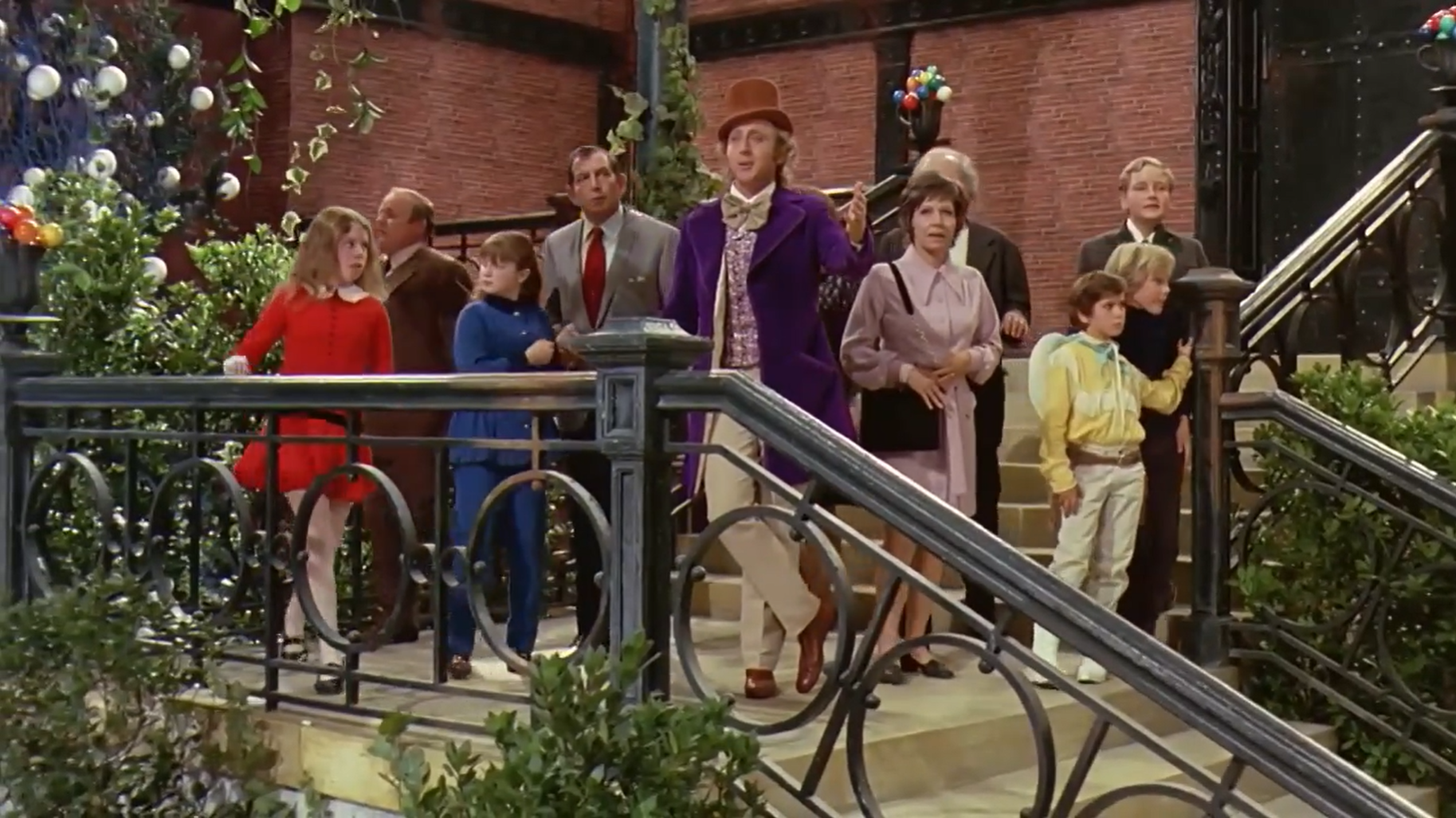
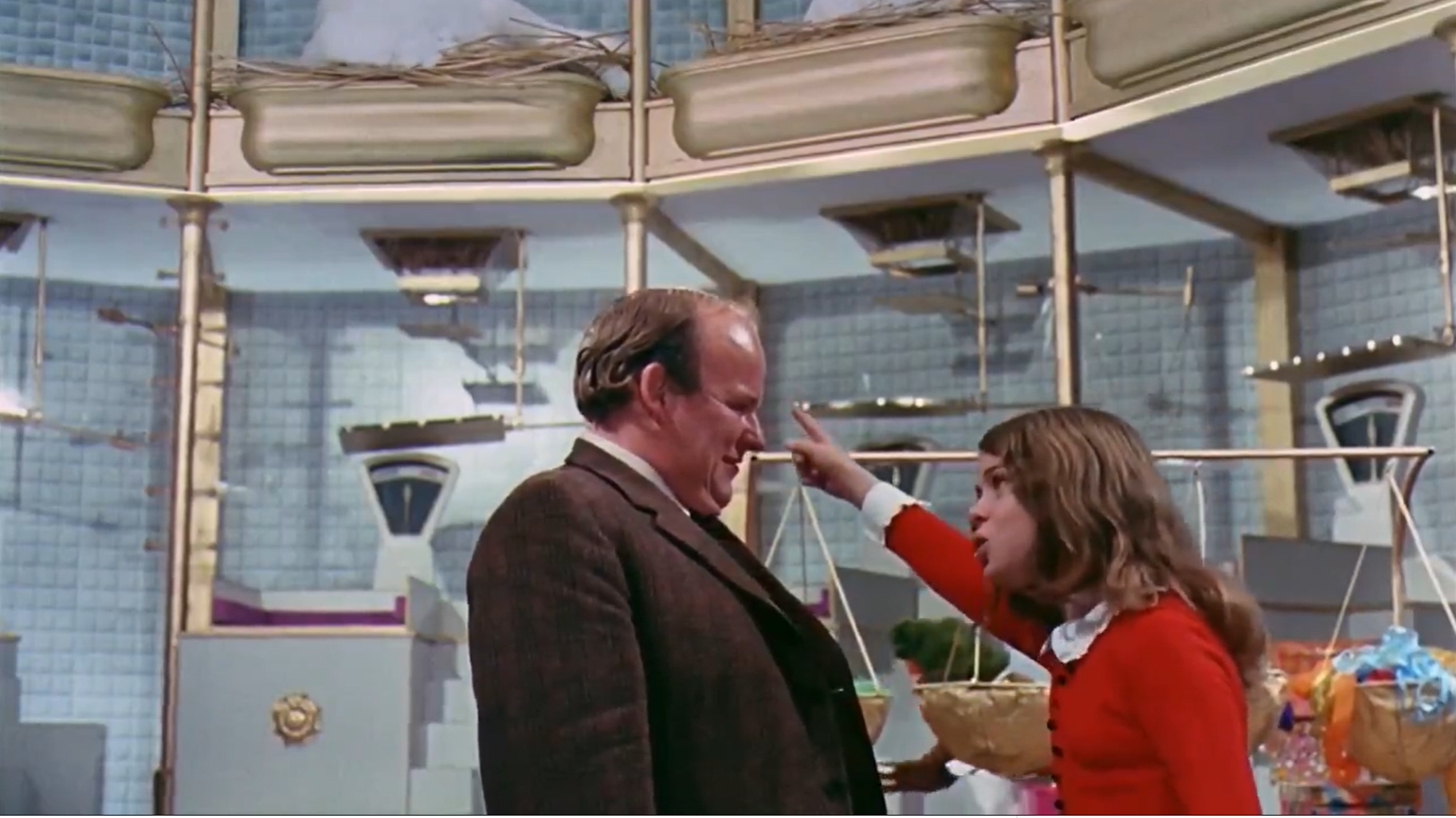
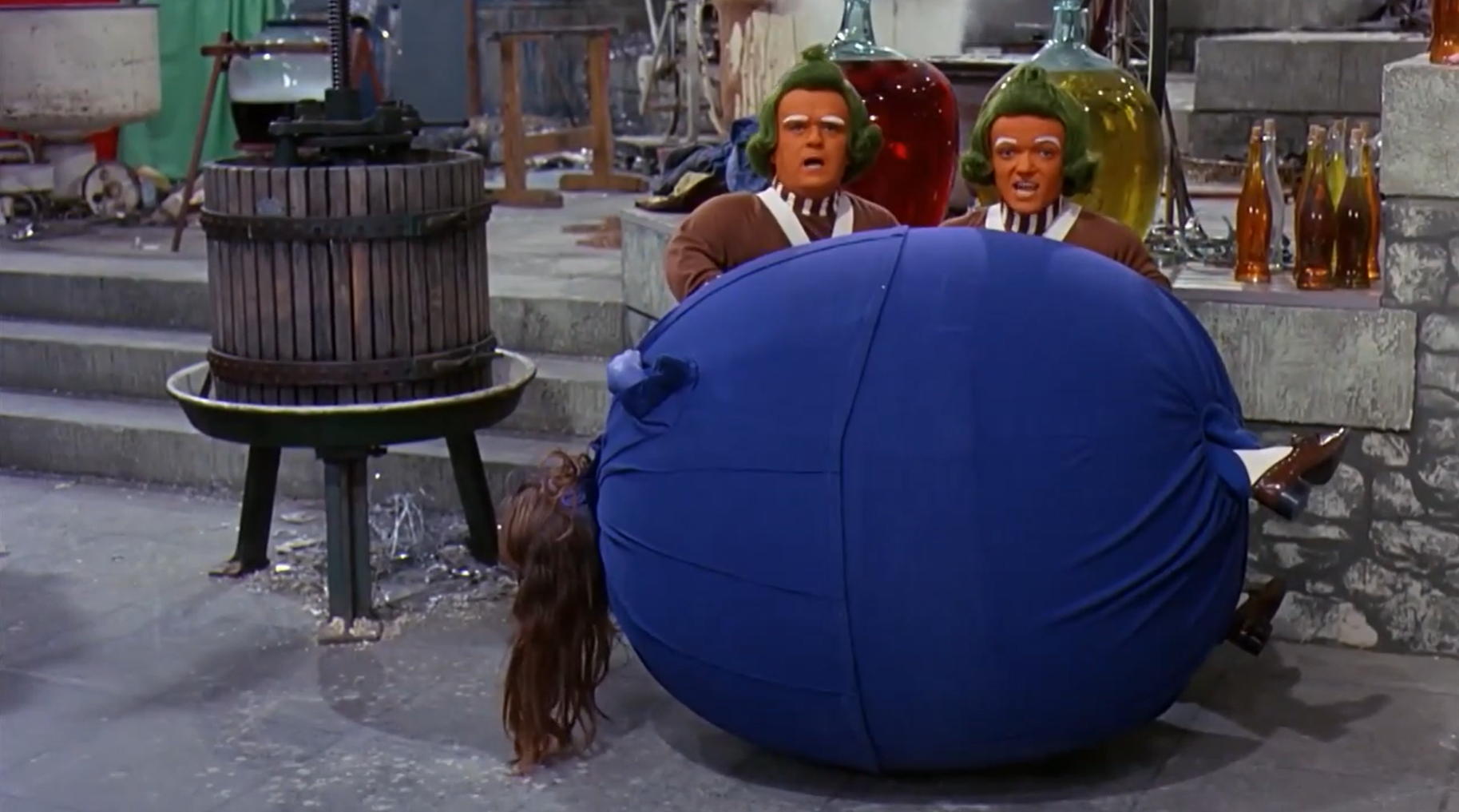
Peary refers to this adaptation of Roald Dahl’s bestselling novel (scripted by Dahl himself) as “one of the most bizarre children’s films ever made”. Indeed, he warns that “first-time viewers, especially children, [may] have much difficulty warming to this film”, given that “the tone is dreary, Wonka is scary, the music is forgettable, the Oompa-Loompas… are dreadful concoctions, and the kids are shown to be bratty and are treated viciously” — but he argues that “the picture improves with subsequent viewings”, at which point “the kids, their parents, and the unpredictable Wonka suddenly seem cleverly conceived”. I remember finding the film rather nightmarish as a child, given the frightening fates met by the naughty children — but seeing it again now as an adult, I must say I agree with Peary’s second set of assessments rather than the first. The tone of the film, rather than dreary, is quite colorful and rich — and while Wonka certainly may come across as scary to kids, for adult viewers he’s an inspired character, uniquely realized by Wilder (who isn’t afraid to tap into Wonka’s “wonky”, almost schizophrenic personality). Finally, while it’s true that the majority of Anthony Newley and Leslie Bricusse’s songs are somewhat forgettable, there are a couple of notable stand-outs (“The Candy Man”, “Oompa-Loompa-Doompa-De-Do”) which linger in one’s memory for literally decades, and more than make up for the rest.

Redeeming Qualities and Moments:

  • Gene Wilder as Willy Wonka
  • Memorable, colorful set designs

  • Several catchy tunes by Leslie Bricusse and Anthony Newley

Must See?
Yes, as a cult favorite. Discussed at length in Peary’s Cult Movies 2.

Categories

(Listed in 1001 Movies You Must See Before You Die)

Links:

Assault on Precinct 13 (1976)

Assault on Precinct 13 (1976)

“It’s an old story with me. I was born out of time.”

Synopsis:
A rookie cop (Austin Stoker), a secretary (Laurie Zimmer), and two prisoners (Darwin Joston and Tony Burton) find themselves under siege at an abandoned police station.

Genres, Themes, Actors, and Directors:

  • Gangs
  • John Carpenter Films
  • Police
  • Prisoners
  • Trapped

Response to Peary’s Review:
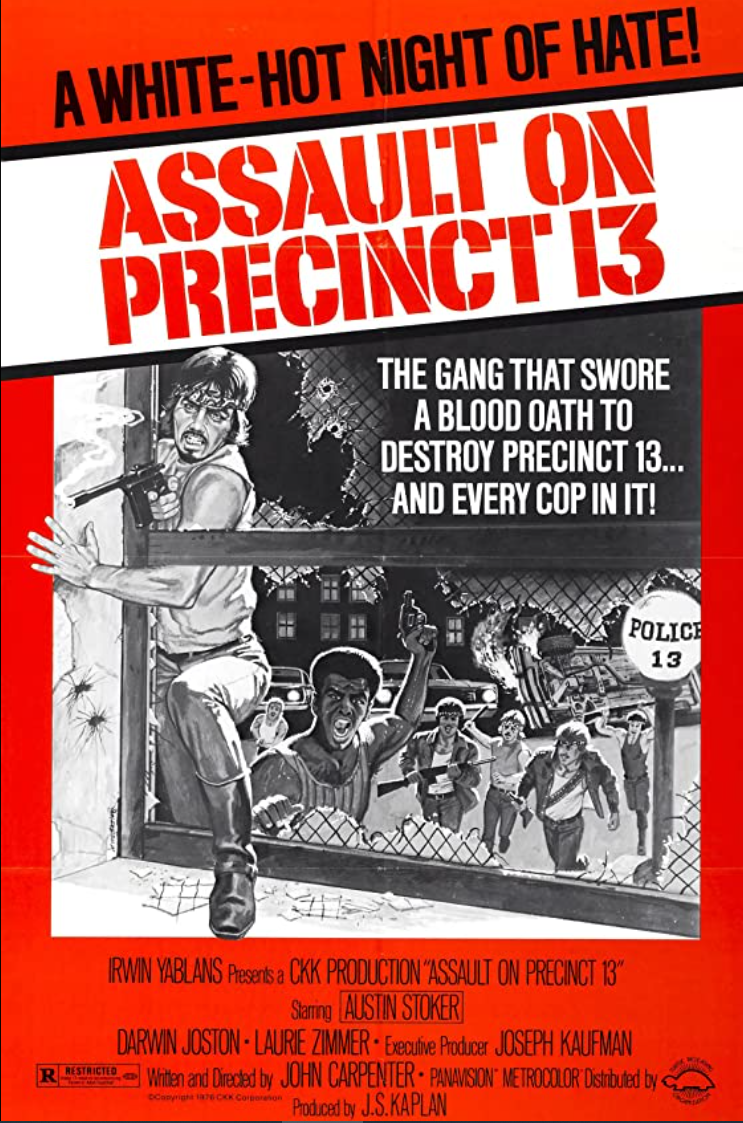
Peary’s not nearly as much of a fan of this cult low-budget thriller by John Carpenter as I am. Throughout his review, he compares it unfavorably with Carpenter’s earlier Dark Star (1974), arguing that Assault “could have used extra financing for some reshooting”, that “the dialogue scenes in particular need more polish”, and that while “Dark Star comes across as being a complete original… Assault comes across as being derivative”. Yet no scenes in particular stand out as needing reshooting, the dialogue is more than serviceable, and Carpenter’s overt homages to both Howard Hawks’ Rio Bravo (many argue it’s a remake) and George Romero’s Night of the Living Dead should simply please film fanatics, given that he takes the best elements of each of these films and uses them to impressive effect in his own unique story and setting. Indeed, one marvels at how well Carpenter is able to work with the resources available to him — abandoned L.A. streets, unknown actors, his own simple and repetitive yet hauntingly effective synthesized score — to create a film with “consistently tense” atmosphere and “amazingly accomplished” low-budget action sequences.

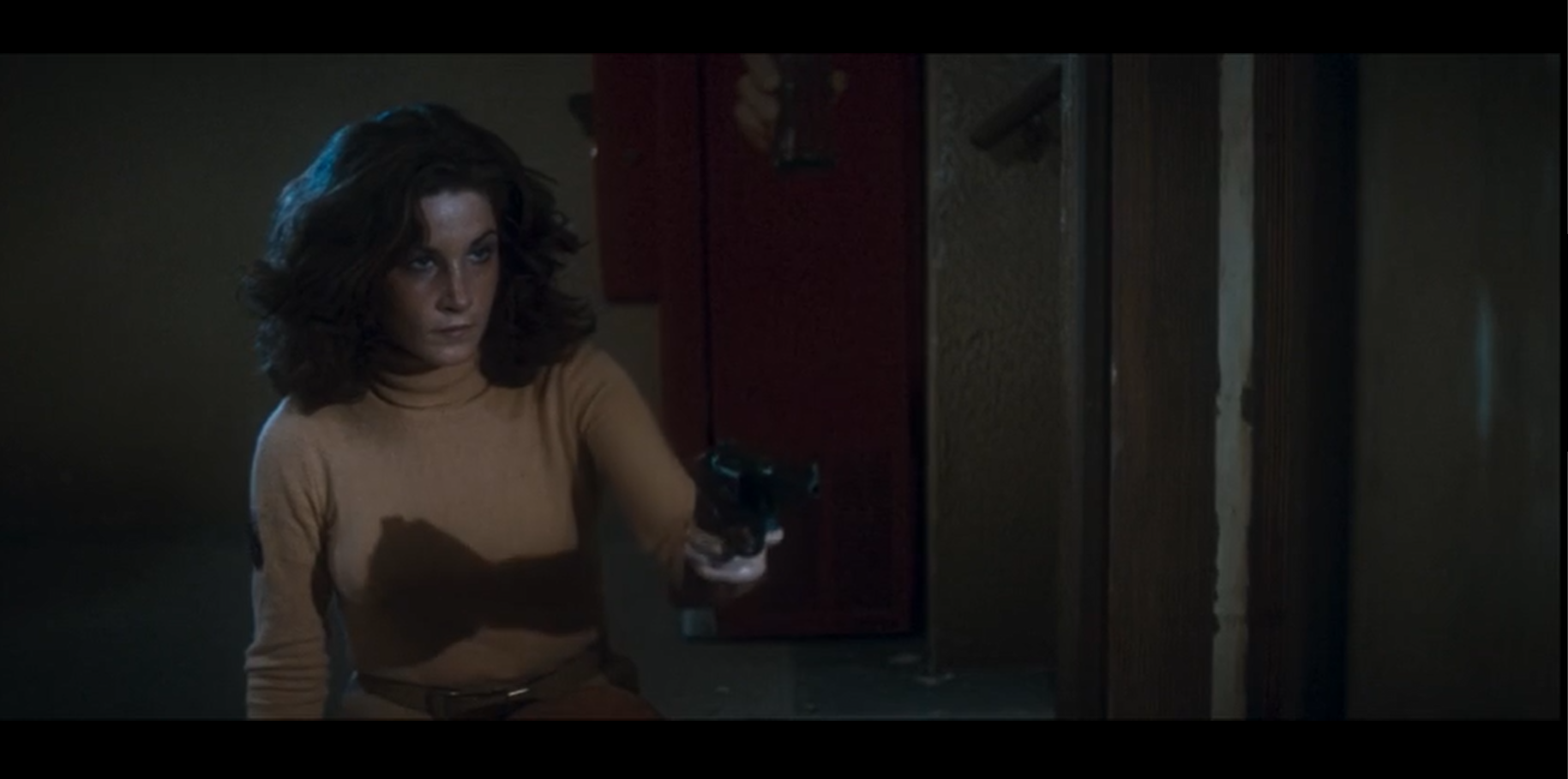
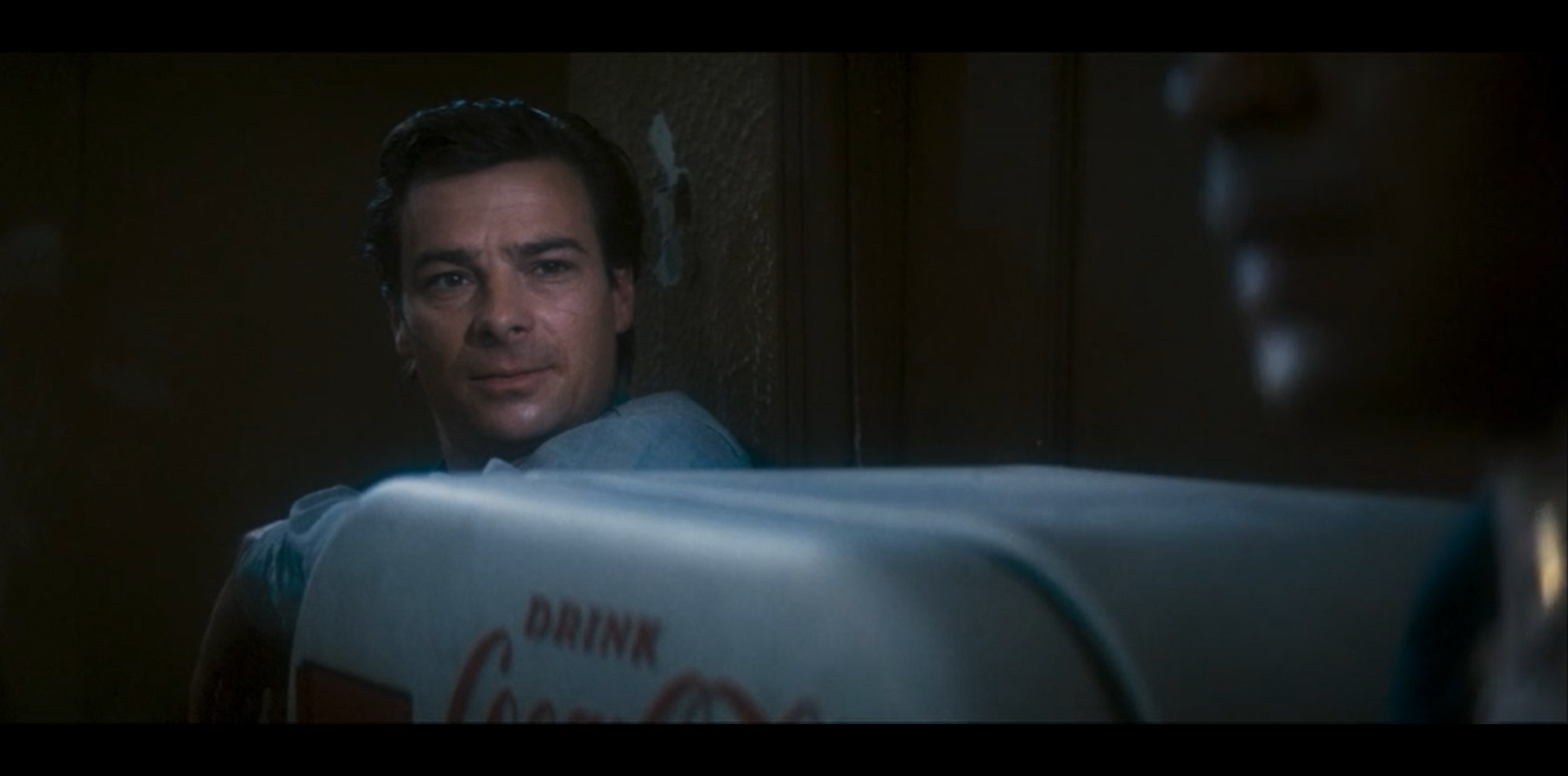
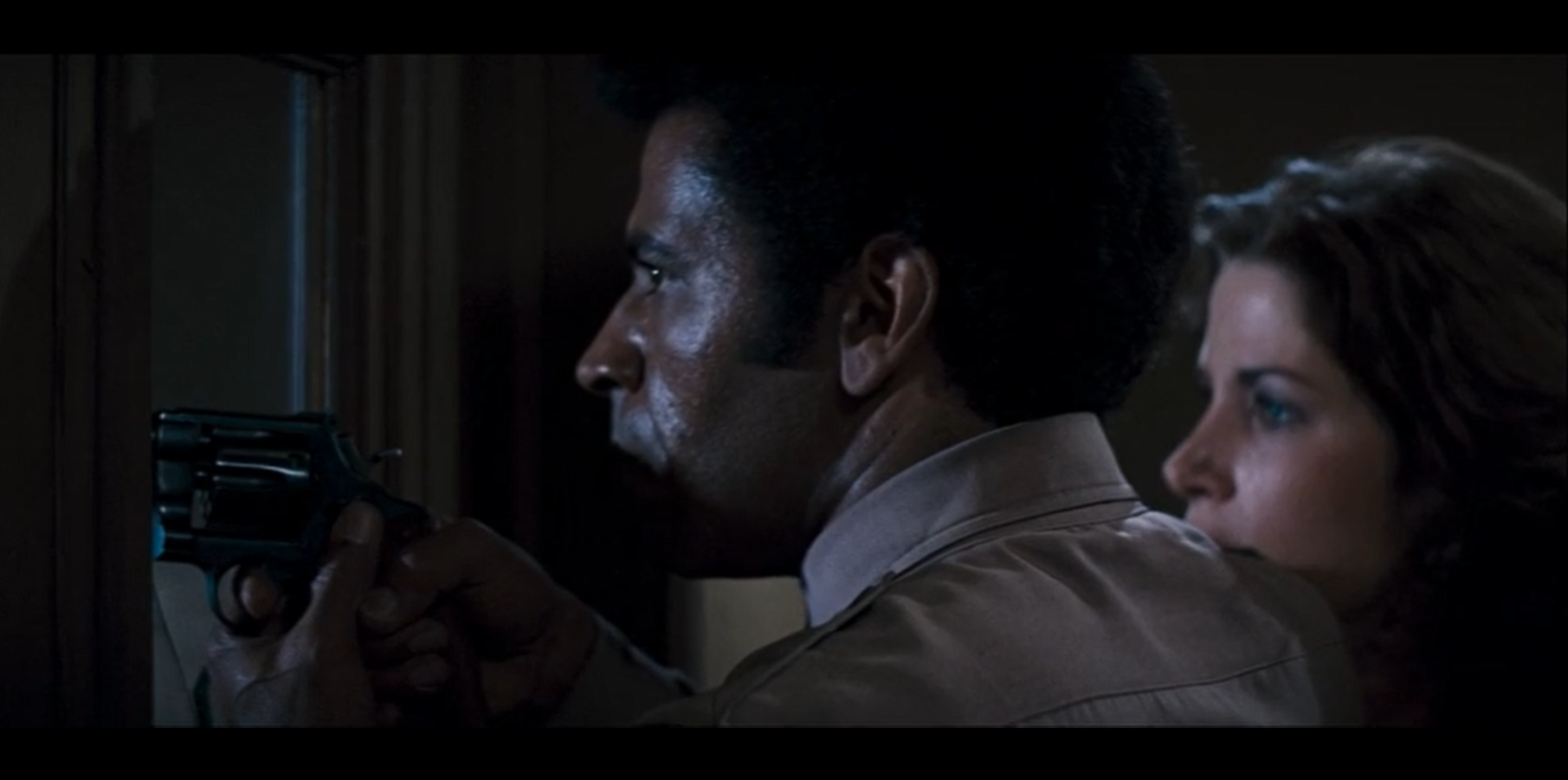
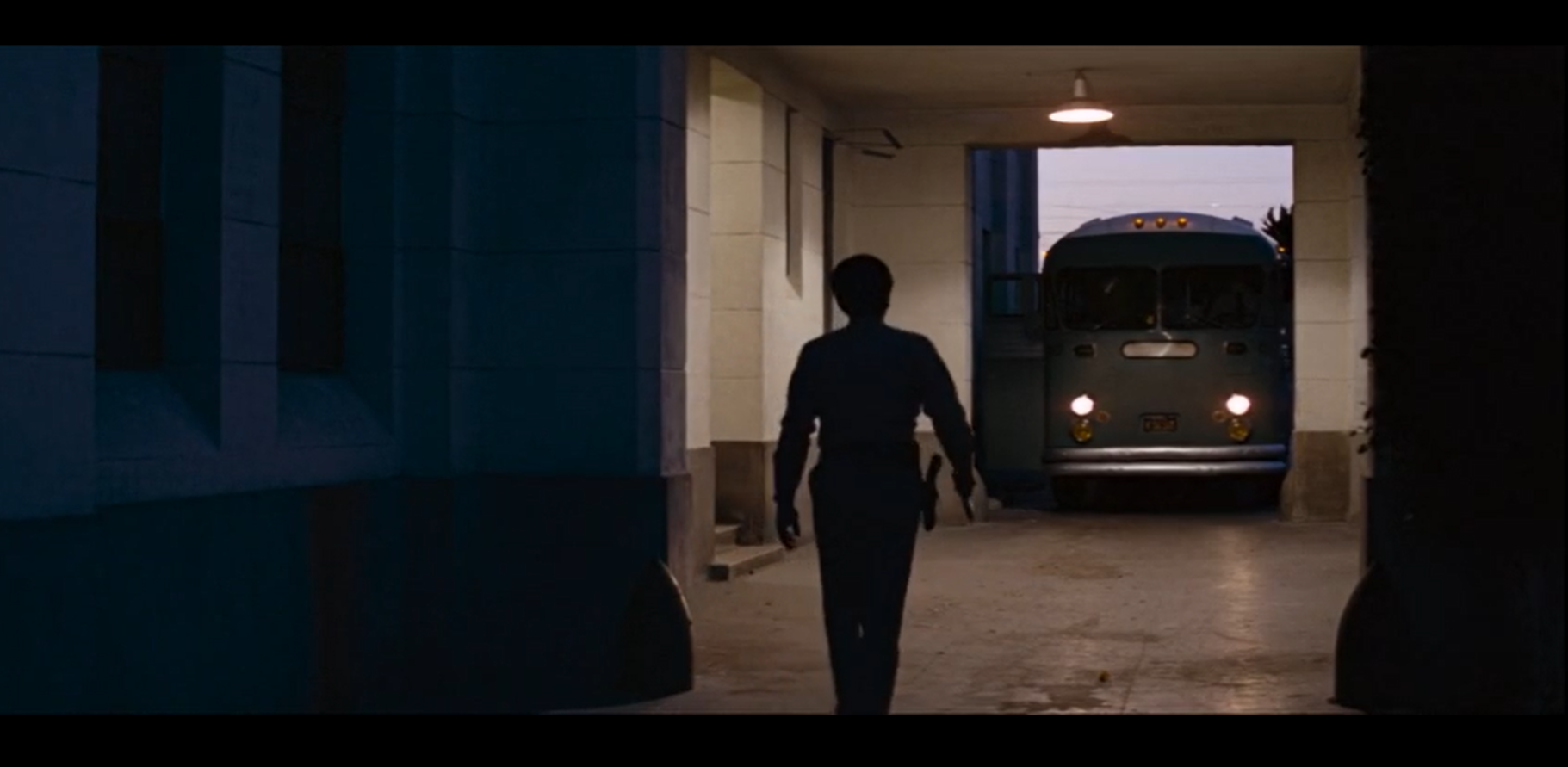
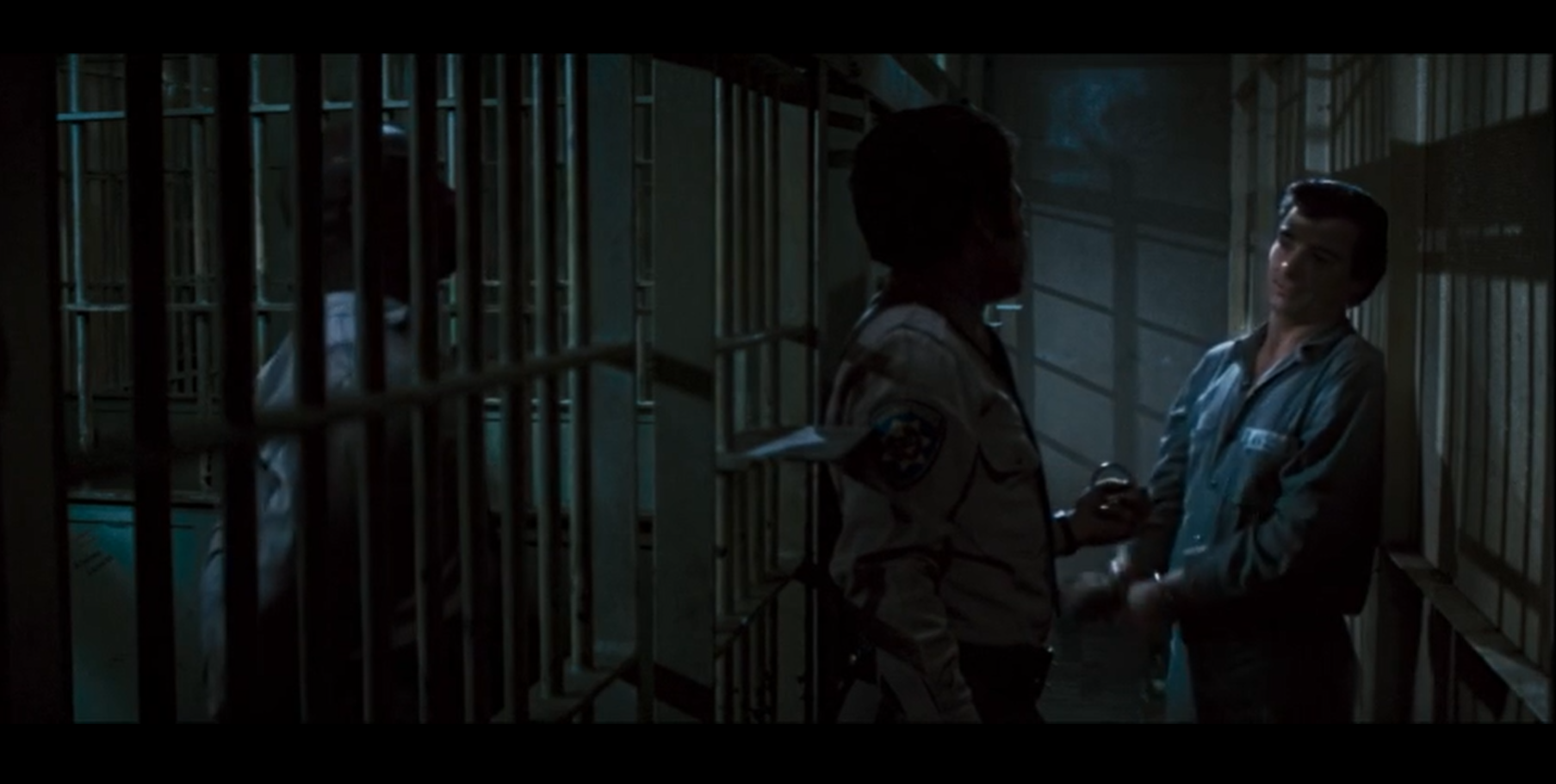
Several of the performances by Carpenter’s little-known actors are worth calling out: Austin Stoker is nicely cast in the lead role as a young cop facing the confrontation of a lifetime in his first day on the job:

Laurie Zimmer as a sultry, plucky secretary effectively channels Lauren Bacall (surely a conscious choice):

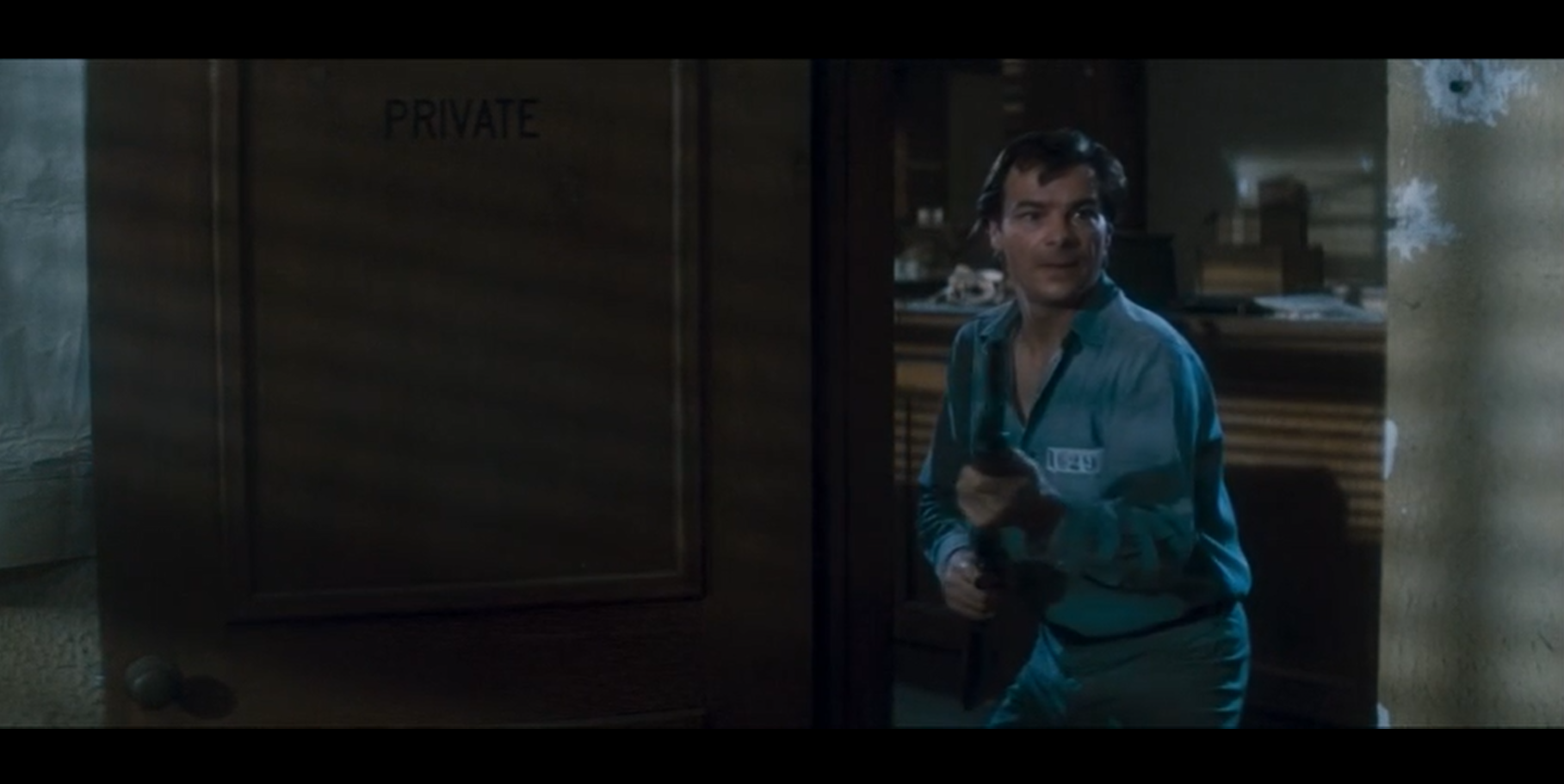
… and Darwin Joston is truly memorable as convicted murderer Napoleon Wilson, whose complex personality slowly emerges over the course of the film.

(Click here to read more about his sadly underdeveloped career as an actor.)

Redeeming Qualities and Moments:

  • Darwin Joston as Napoleon Wilson
  • Austin Stoker as Lt. Ethan Bishop
  • Atmospheric cinematography

  • Highly effective use of authentic L.A. locales

  • Carpenter’s edgy, synthesized musical score

Must See?
Yes, as a deserved cult classic.

Categories

  • Cult Movie
  • Important Director

Links:

Fantastic Planet (1973)

Fantastic Planet (1973)

“I was just a live plaything who sometimes dared to rebel.”

Synopsis:
A domesticated Om named Terr escapes from his Draag captors and encourages a group of wild Oms to fight against their oppressors.

Genres, Themes, Actors, and Directors:

  • Aliens
  • Animated Features
  • Revolutionaries
  • Science Fiction

Response to Peary’s Review:
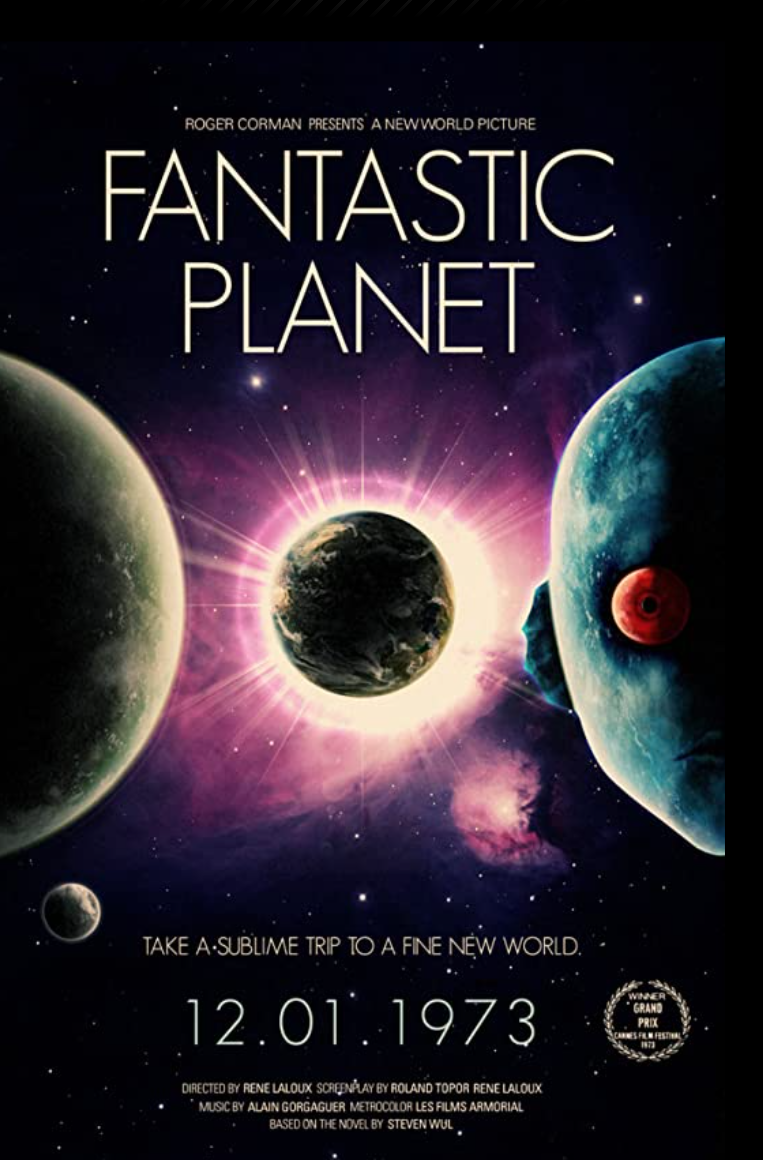
In his review of this “curious animated feature, sci-fi for adults” — winner of the Grand Prix at the 1973 Cannes Film Festival — Peary comes across as less than enthusiastic. He complains that the story — which “makes the key point that education is vital to revolution” — is “slight”, that the “quick, vague ending is not satisfying”, and that the “animation is often static… and tends to give [the] film a sluggish pace at those times when the excitement should be building”. He argues that while it’s “worth seeing”, it’s “disappointing in that with only a few changes [it] could have been a really terrific film”. For the most part, I agree with each of Peary’s points above, yet I don’t think he gives the film quite enough credit.

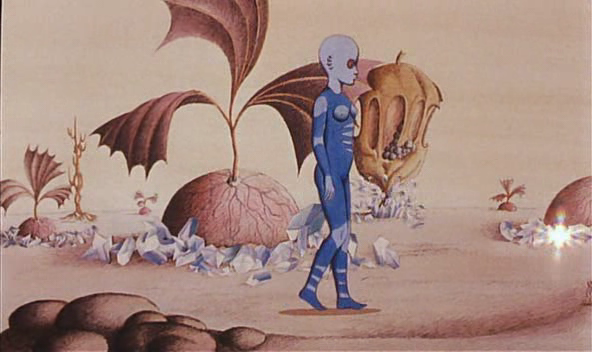
While the storyline is rather simplistic, it packs a terrific punch overall, and is surprisingly horrific for an animated film. From its opening sequence — in which a tiny female Om carrying a newborn baby is mercilessly harassed, then brutally killed by callous Draags — it’s clear that director Rene Laloux and Roland Topper (“who provided the original artwork”) are telling a no-holds-barred allegorical tale of extreme oppression and tyranny. And while Peary’s complaints about the “static” animation are valid to a certain extent, he fails to reveal how truly stunning and original the visuals are throughout the story — this is a film you’ll want to watch again and again, simply to appreciate the wildly imaginative world Laloux and Topper have created. (Indeed, Peary does acknowledge that “best of all are the weird animals that inhabit this savage planet”, though he argues that “there are too few”.)

Redeeming Qualities and Moments:

  • Consistently creative animation


Must See?
Yes. This cult favorite merits multiple viewings for the visuals alone.

Categories

  • Cult Movie

Links:

Time After Time (1979)

Time After Time (1979)

“What have I done? I’ve loosed that bloody maniac upon Utopia!”

Synopsis:
To escape the police, Jack the Ripper (David Warner) steals a time travel machine designed by H.G. Wells (Malcolm McDowell) and travels to 1970s San Francisco; Wells pursues him, and finds himself falling in love with a sweet bank teller (Mary Steenburgen) whose life is soon put in danger.

Genres, Themes, Actors, and Directors:

  • David Warner Films
  • Fugitives
  • H.G. Wells Films
  • Inventors
  • Jack the Ripper
  • Malcolm McDowell Films
  • Mary Steenburgen Films
  • Science Fiction
  • Serial Killers
  • Time Travel

Response to Peary’s Review:
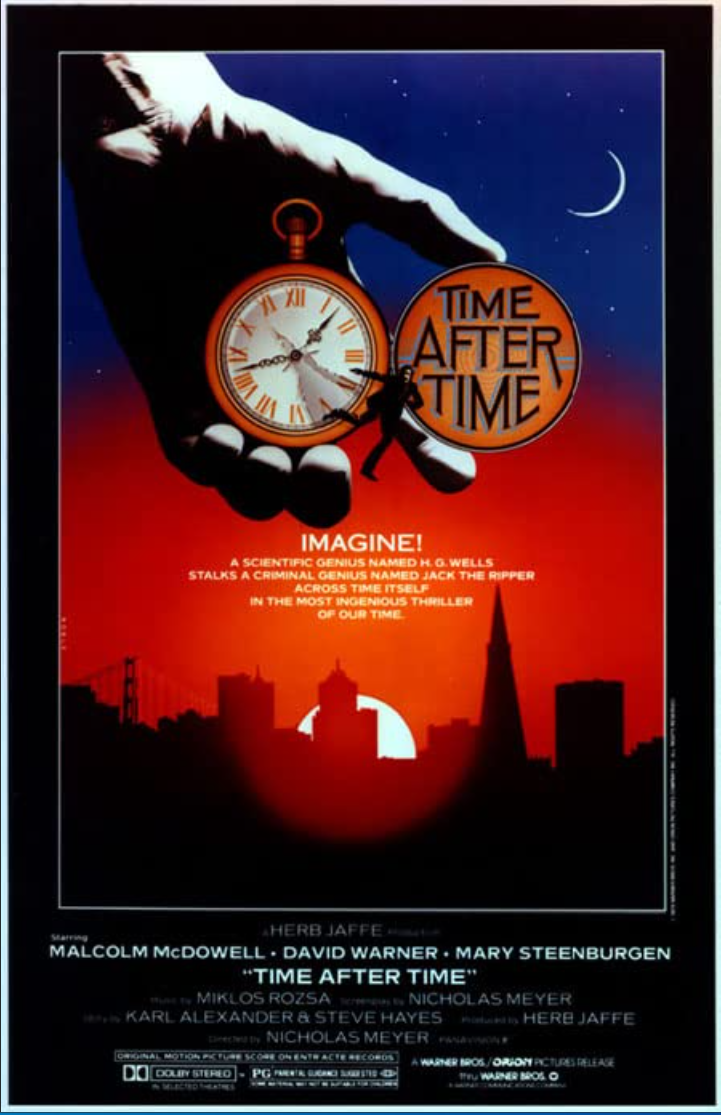
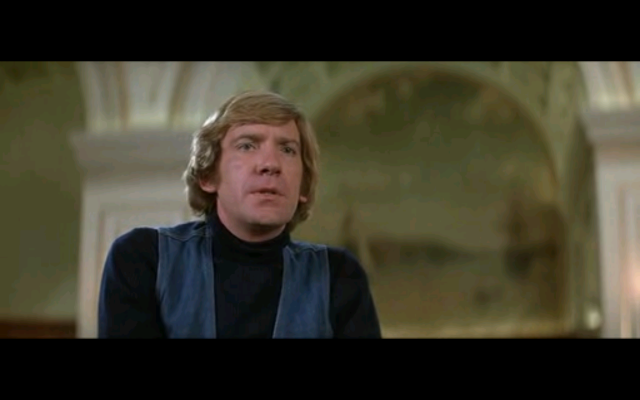
As Peary notes, this “entertaining, extremely clever thriller” is witty, features “terrific suspense”, and contains “three outstanding lead performances”. Warner is particularly “memorable as the vicious, intelligent” Jack the Ripper, who finds himself completely at home in a “modern” world full of violence and sexual freedom; he’s a slick, womanizing, articulate psychopath who knows exactly how to get what he wants. Meanwhile, McDowell and Steenburgen are “completely charm[ing]” as a couple (both on-screen and in real-life), with McDowell especially noteworthy as the bespectacled Wells, who manages to cope quite admirably with the “loose” society he suddenly finds himself thrown into. Yet one shouldn’t think too closely about the logistics of Wells traveling to the future, then coming back to write the remainder of his famous corpus of books, since the film’s historical veracity starts to break down at around this point… Instead, Time After Time should be watched simply for its suspense, thrills, and clever conceit.

Note: Director Nicholas Meyer would return to the concept of time travel for his contribution to the “Star Trek” film enterprise, Star Trek IV: The Voyage Home (1986).

Redeeming Qualities and Moments:

  • Malcolm McDowell as Wells
  • David Warner as Jack the Ripper
  • Mary Steenburgen as Amy

Must See?
Yes, as a clever and enjoyable sci-fi flick.

Categories

Links:

Time Bandits (1981)

Time Bandits (1981)

“To be quite frank, Kevin, the fabric of the universe is far from perfect.”

Synopsis:
A group of six greedy dwarves (David Rappaport, Kenny Baker, Jack Purvis, Mike Edmonds, Malcolm Dixon, and Tiny Ross) steal a map of time holes from their leader, the Supreme Being (Ralph Richardson), and take a young boy (Craig Warnock) with them on their treasure-seeking time-travel adventures; meanwhile, Evil (David Warner) covets the map for his own nefarious purposes.

Genres:

  • David Warner Films
  • Dwarfs and Little People
  • Fantasy
  • Ian Holm Films
  • Ralph Richardson Films
  • Sean Connery Films
  • Shelley Duvall Films
  • Thieves and Criminals
  • Time Travel

Response to Peary’s Review:
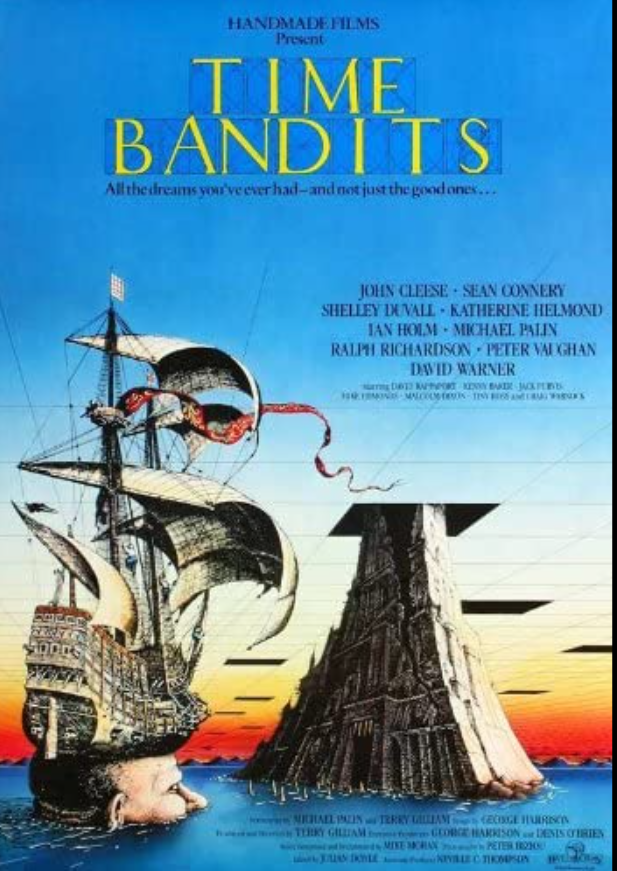
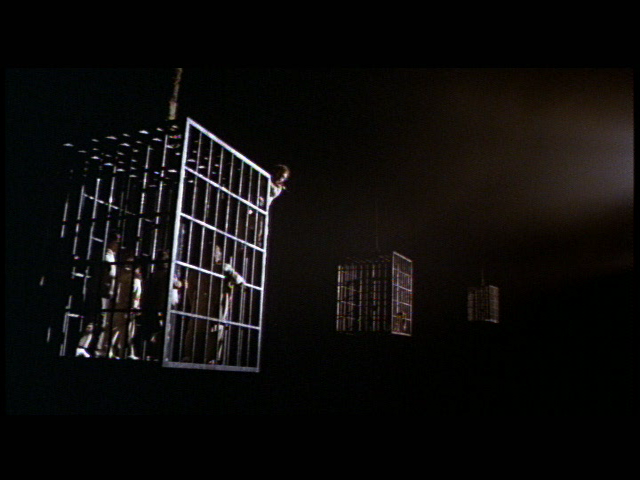
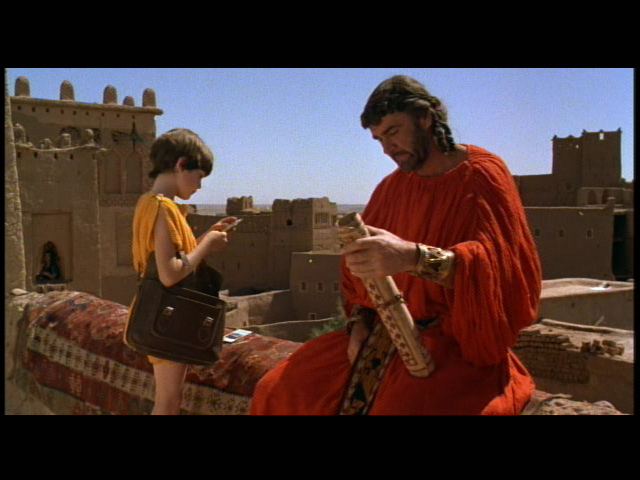
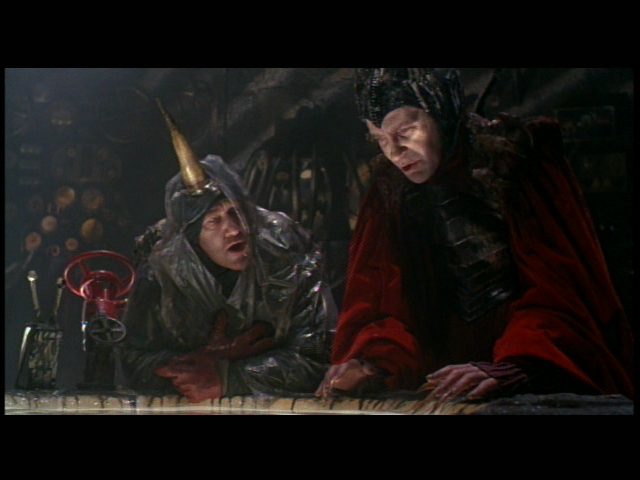
As Peary notes, it’s “easy to see the influence of The Thief of Bagdad, Alice in Wonderland, and, especially, The Wizard of Oz” on this comedic adventure film, scripted by Terry Gilliam “with fellow [Monty] Python alumnus Michael Palin”. Yet Time Bandits is actually “totally opposite to them in theme”, given that (in Gilliam’s own words), “it is… a reaction against kids’ films which are wonderful but have no guts because they present children with false reassurance that everything will turn out all right… You give your characters strength by having them experience some of the nastiness [of the world]. I wanted to get back to Grimm.” Peary accurately points out that despite being “extremely fanciful and ambitious” — many of the historical and/or fantastical sets throughout the film are beautifully conceived — the movie ultimately “wears you out”, and could perhaps have benefited from an episode or two being cut. What he strangely neglects to note, however, is what a disappointing cop-out the film’s denouement is, with far too many narrative threads neatly tied up and simply explained away. Despite its flaws, however, Gilliam’s uniquely creative vision is in full force here, and fans of his work won’t want to miss this pivotal early entry in his oeuvre.

Note: The “true” ending of the film — after Warnock returns home from his adventures and confronts his parents — is utterly bizarre; it will surely leave you scratching your head in wonder.

Redeeming Qualities and Moments:

  • The exciting opening sequence in Warnock’s bedroom
  • Impressive set designs

  • John Cleese as (among other characters) Robin Hood
  • David Warner as Evil

Must See?
Yes, as a cult favorite by a unique director.

Categories

Links: