Browsed by
Category: Response Reviews

My comments on Peary’s reviews in Guide for the Film Fanatic (Simon & Schuster, 1986).

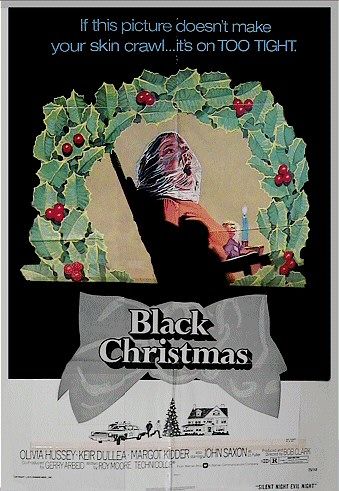
Black Christmas/Silent Night, Evil Night/Stranger in the House (1974)

Black Christmas/Silent Night, Evil Night/Stranger in the House (1974)

“Could that really be just one person?”

Synopsis:
A disturbed killer stalks a group of sorority sisters — including Olivia Hussey, Margot Kidder, Andrea Martin, and Lynne Griffin — over the Christmas holidays.

Genres, Themes, Actors, and Directors:

  • Detectives and Private Eyes
  • Horror
  • John Saxon Films
  • Keir Dullea Films
  • Margot Kidder Films
  • Serial Killers

Response to Peary’s Review:
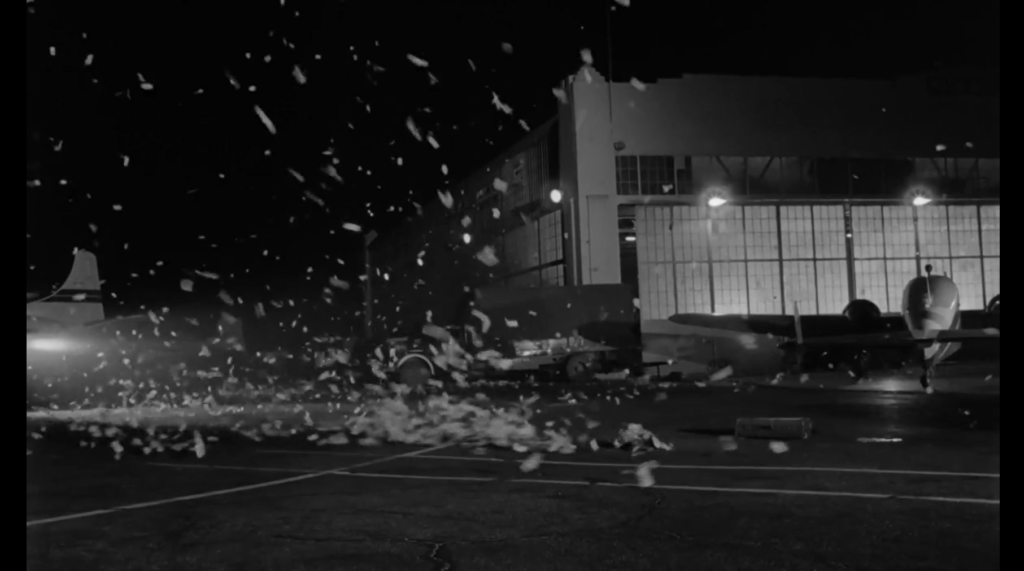
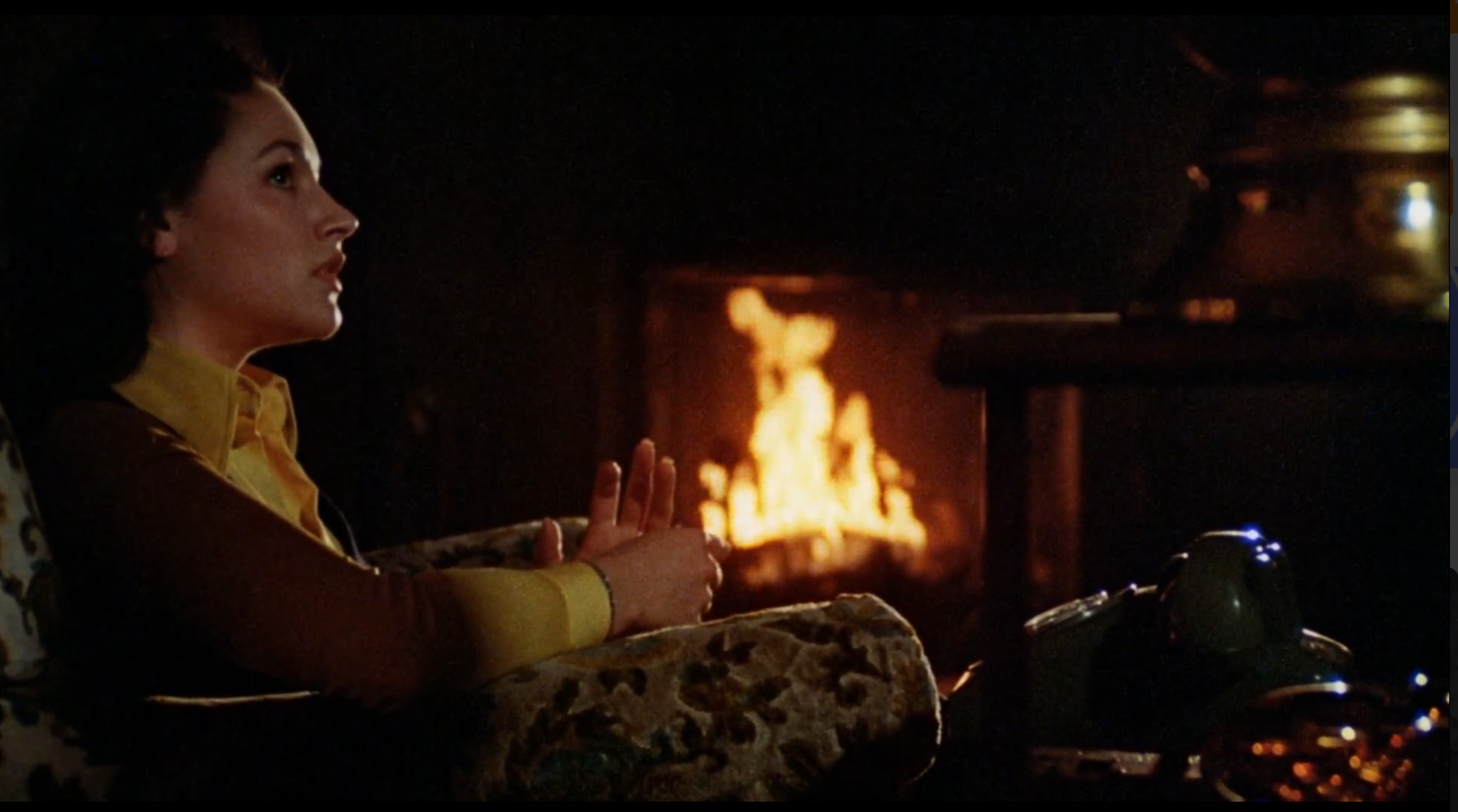
Expertly shot, edited, and scored, this “atmospheric chiller” — featuring a “sympathetic performance by Hussey, and strong direction by Bob Clark”:

— is now widely acknowledged as the forerunner of such iconic slasher films as John Carpenter’s Halloween (1978). Indeed, though it may seem filled with cliches of the genre (i.e., the killer calling from within the house, point-of-view camera work from the killer’s perspective):

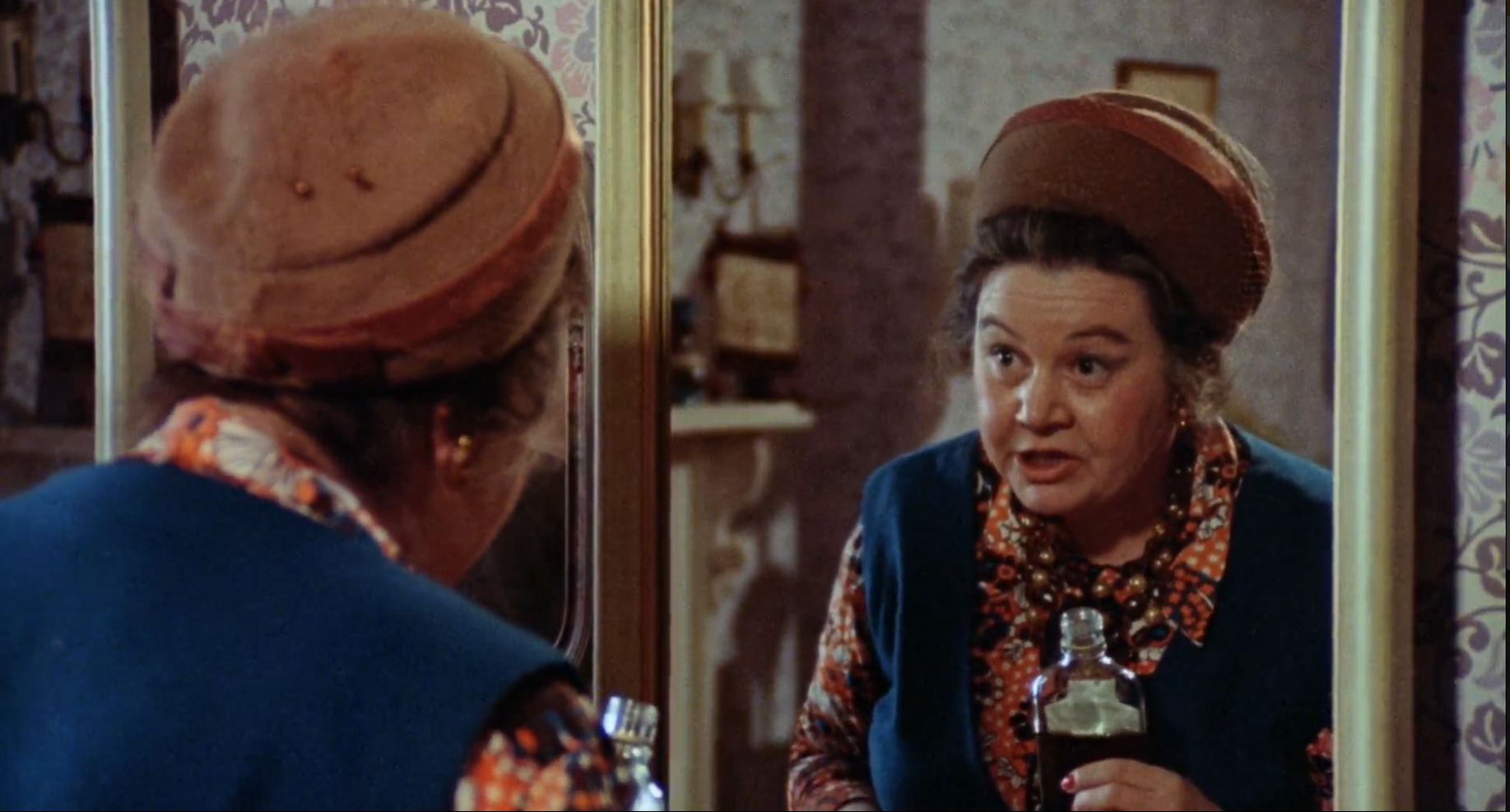
.. it was seminal in bringing such tropes to the screen. Certain subplots and performances fall completely flat — I could do without Marian Waldman’s irritating portrayal as the girls’ imbibing house mother, for instance:

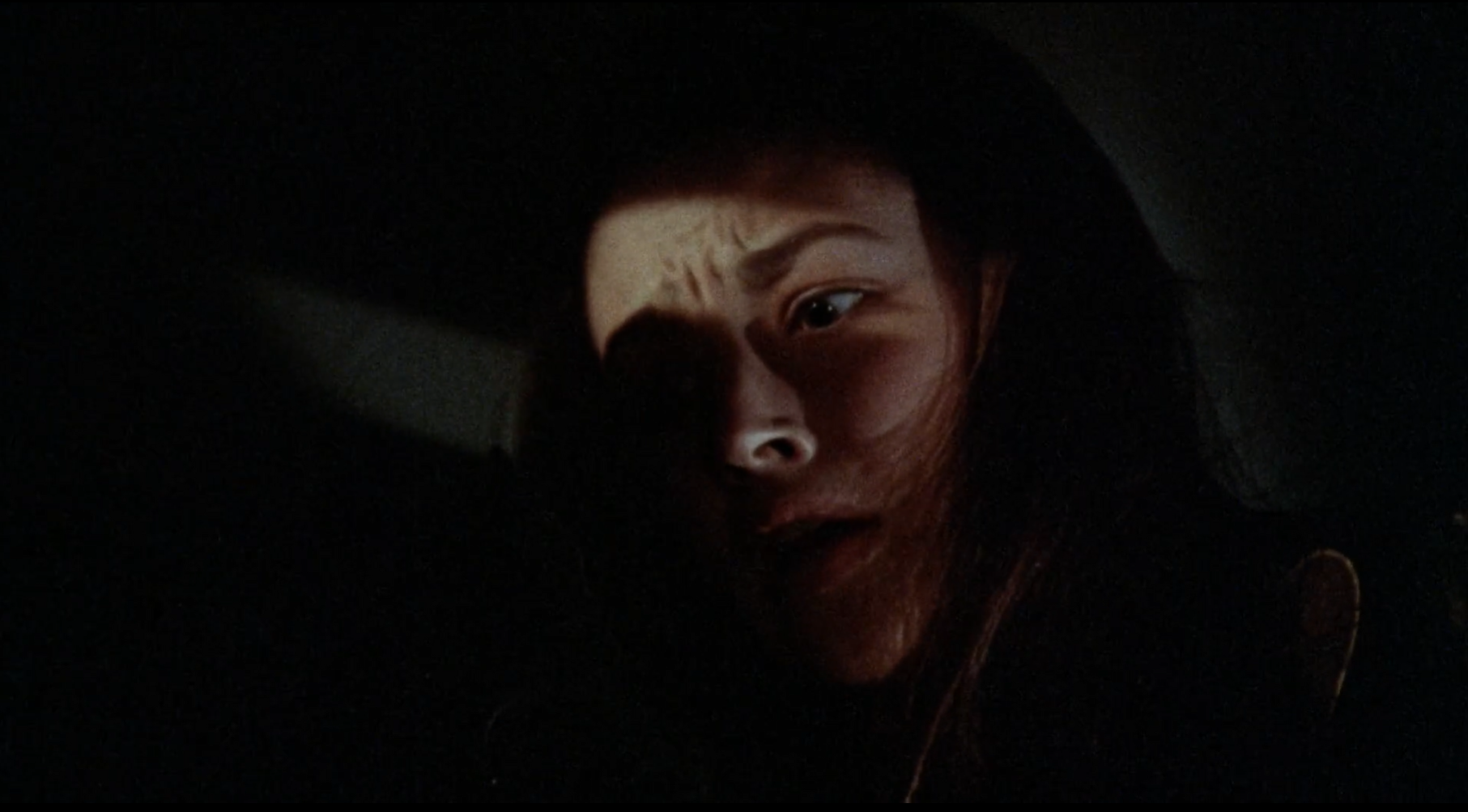
— but there are more than enough thrills and surprises here to scare the pants off most viewers (including me). As Peary notes, the “twist ending is a bit frustrating”, but Clark does a nice job keeping us on our toes as to the identity of the “insane murderer”. Be forewarned that the killer’s phone calls (remastered after filming to add even more obscenity) really are disturbing.

Note: In the years since Peary’s book was published, this film has become a true cult classic for horror fans, even meriting a fan website at one point.

Redeeming Qualities and Moments:

  • Many genuinely freaky images and sequences
  • Atmospheric cinematography
  • Carl Zittrer’s creepy score

Must See?
Yes, as a cult classic of the genre.

Categories

  • Cult Movie

Links:

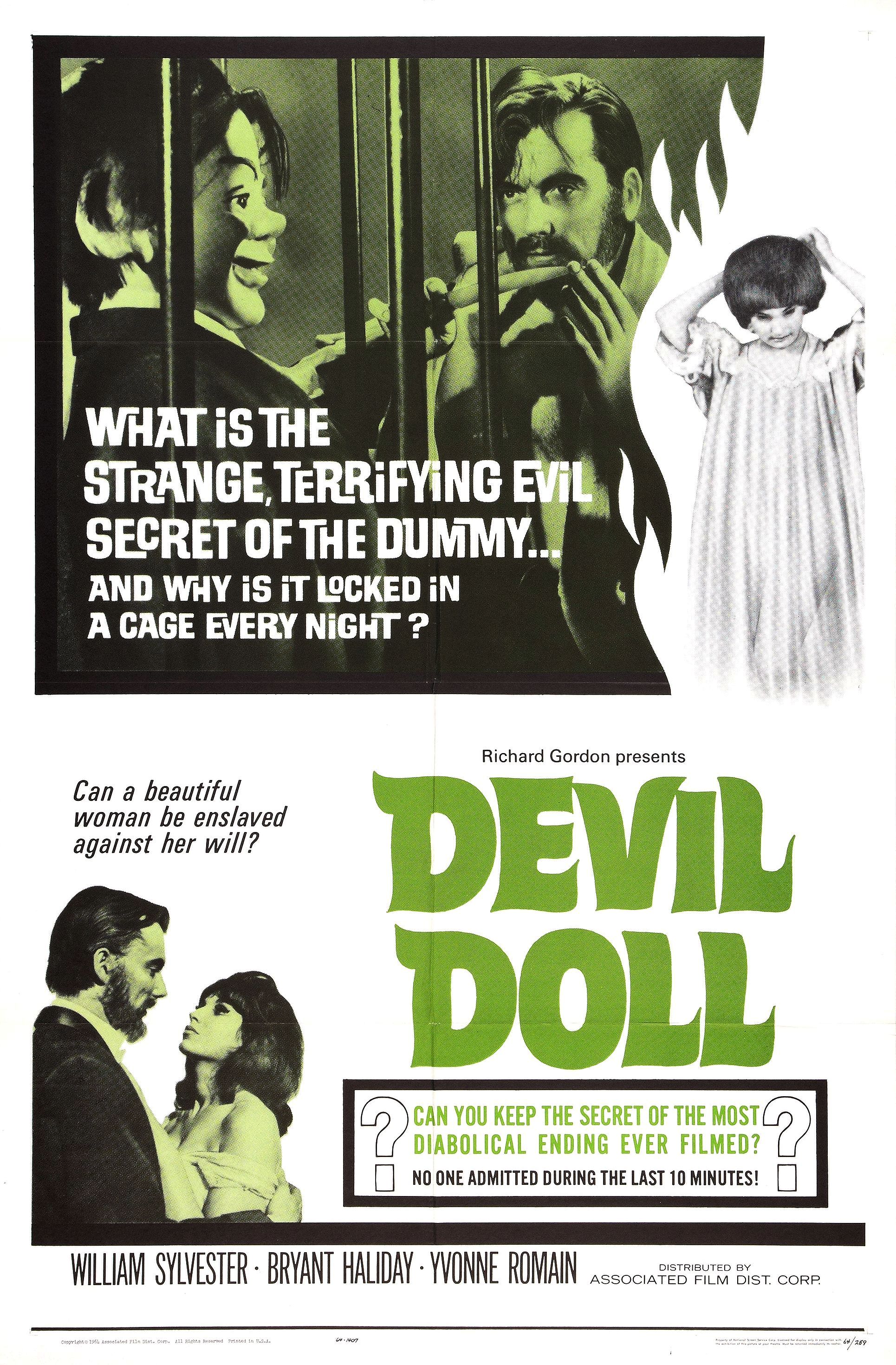
Devil Doll, The (1936)

Devil Doll, The (1936)

“We’ll make the whole world SMALL!”

Synopsis:
A falsely accused convict on the lam (Lionel Barrymore) collaborates with a mad scientist (Rafaela Ottiano) in using miniature “live” dolls to seek revenge on his three ex-partners.

Genres, Themes, Actors, and Directors:

  • Erich von Stroheim Films
  • Falsely Accused
  • Fugitives
  • Horror
  • Lionel Barrymore Films
  • Mad Doctors and Scientists
  • Maureen O’Sullivan Films
  • Mind Control and Hypnosis
  • Mistaken or Hidden Identities
  • Revenge
  • Tod Browning Films

Response to Peary’s Review:
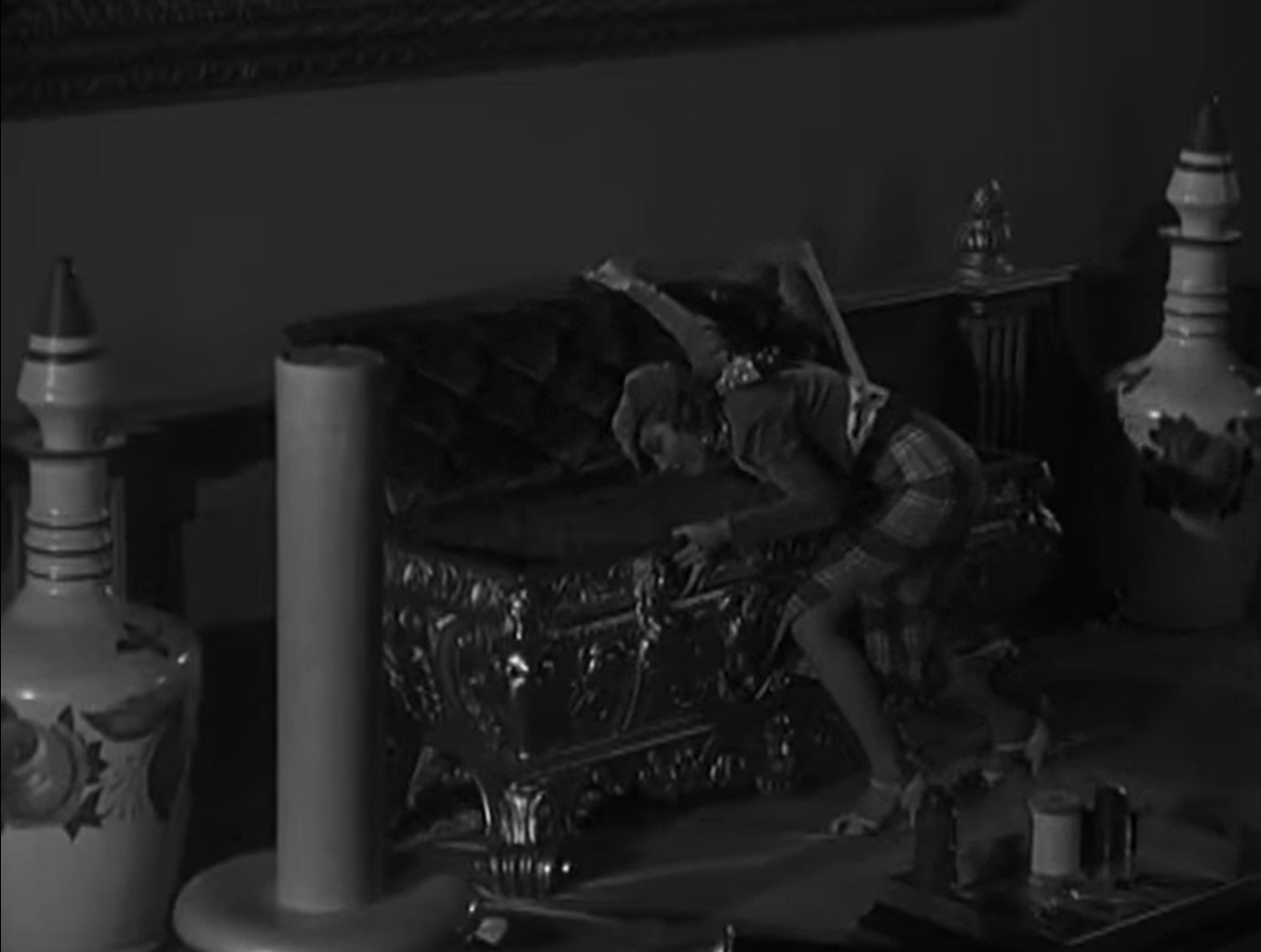
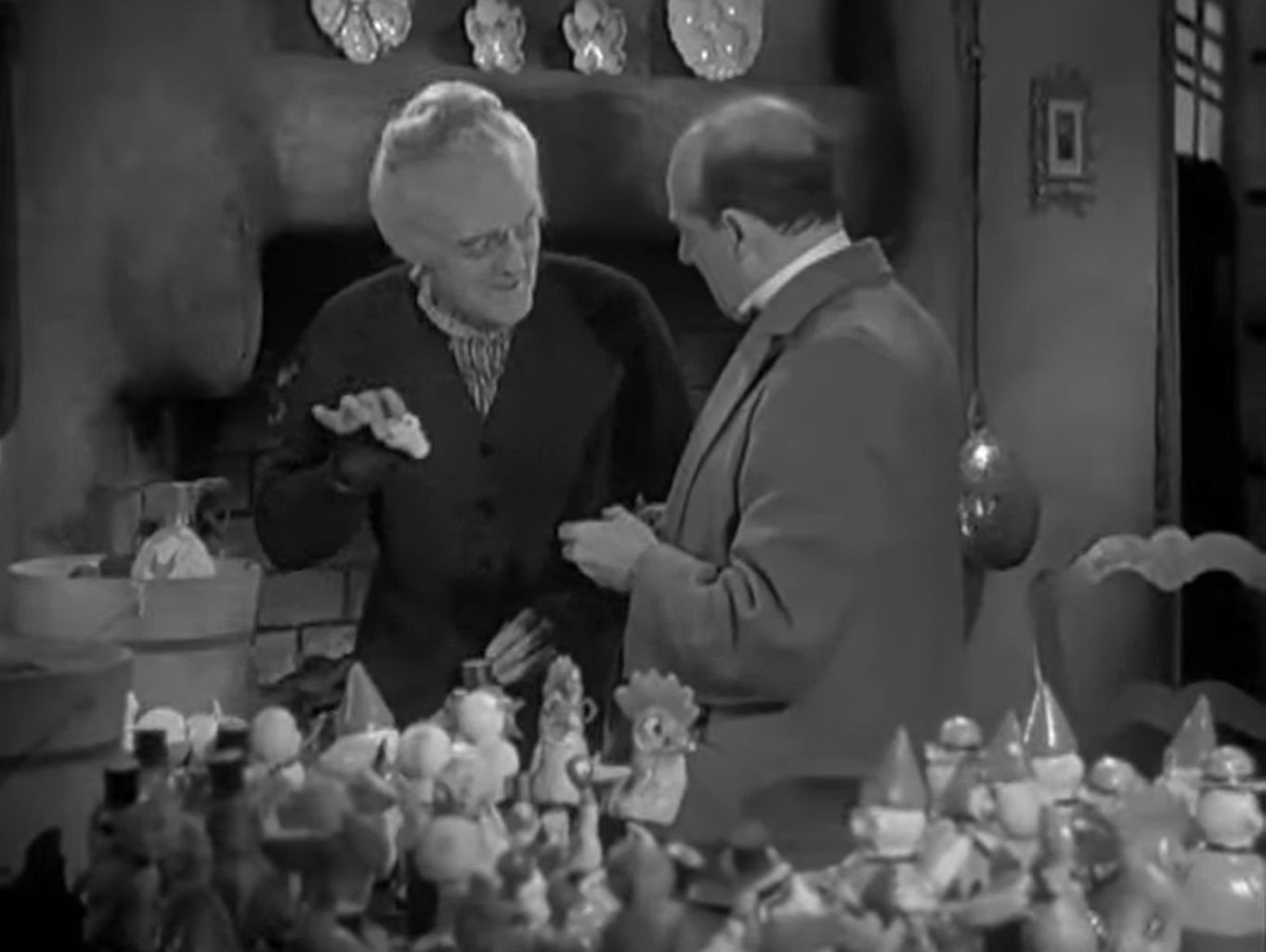
In his brief review of this “unsettling” horror flick — directed by Tod Browning and co-written by Erich von Stroheim — Peary notes that the special effects are “good”, pointing out that when Barrymore uses mind control to send the “doll people” (Grace Ford and Paul Foltz) to “sneak through [the] houses [of his ex-partners], they’re like wily rodents or insects on the loose — they’ll give you chills”. I would argue that the effects are more than merely “good”: they’re actually quite impressive, given that the miniaturized humans blend seamlessly into their life-sized surroundings, through the creative used of both travelling mattes and over-sized sets.

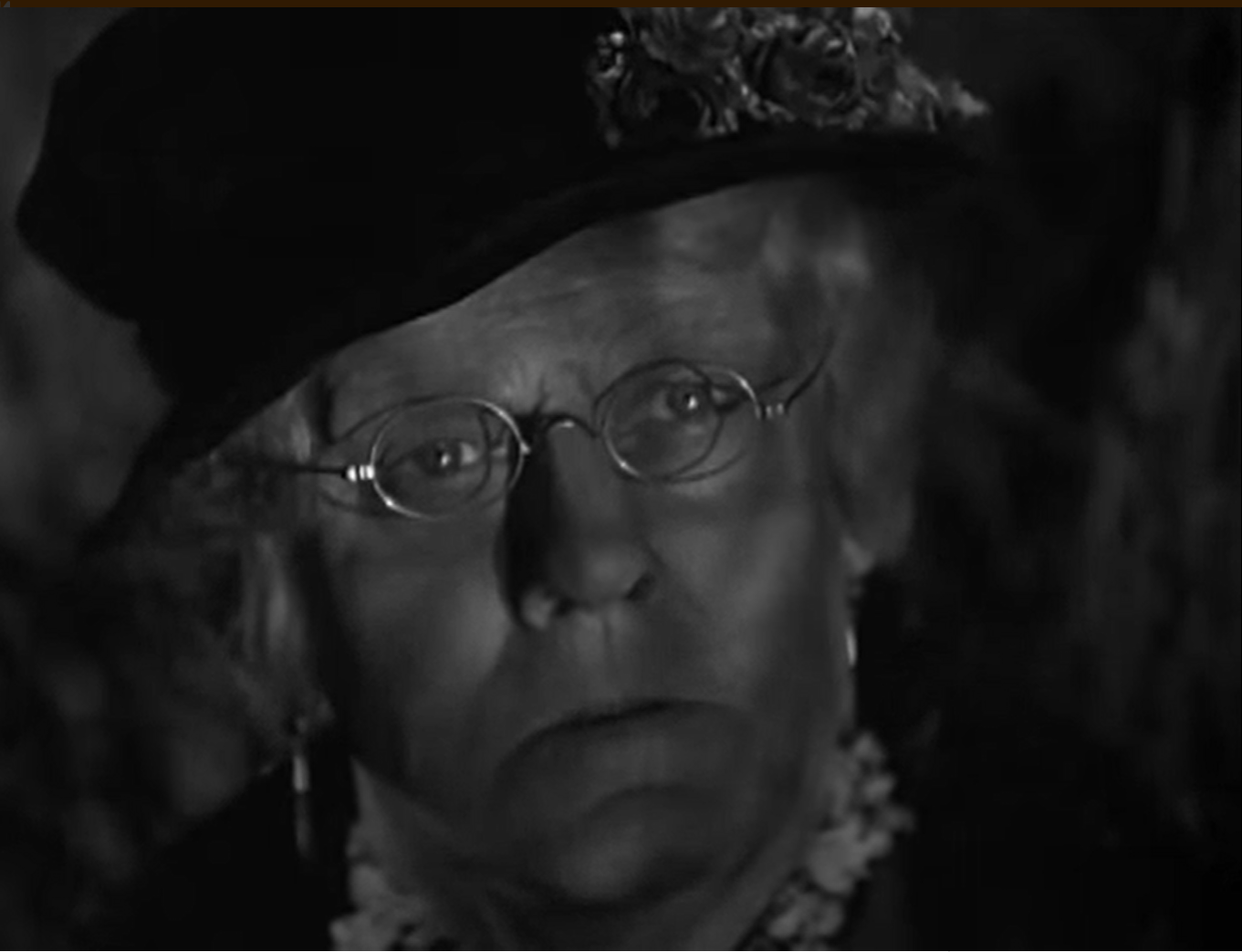
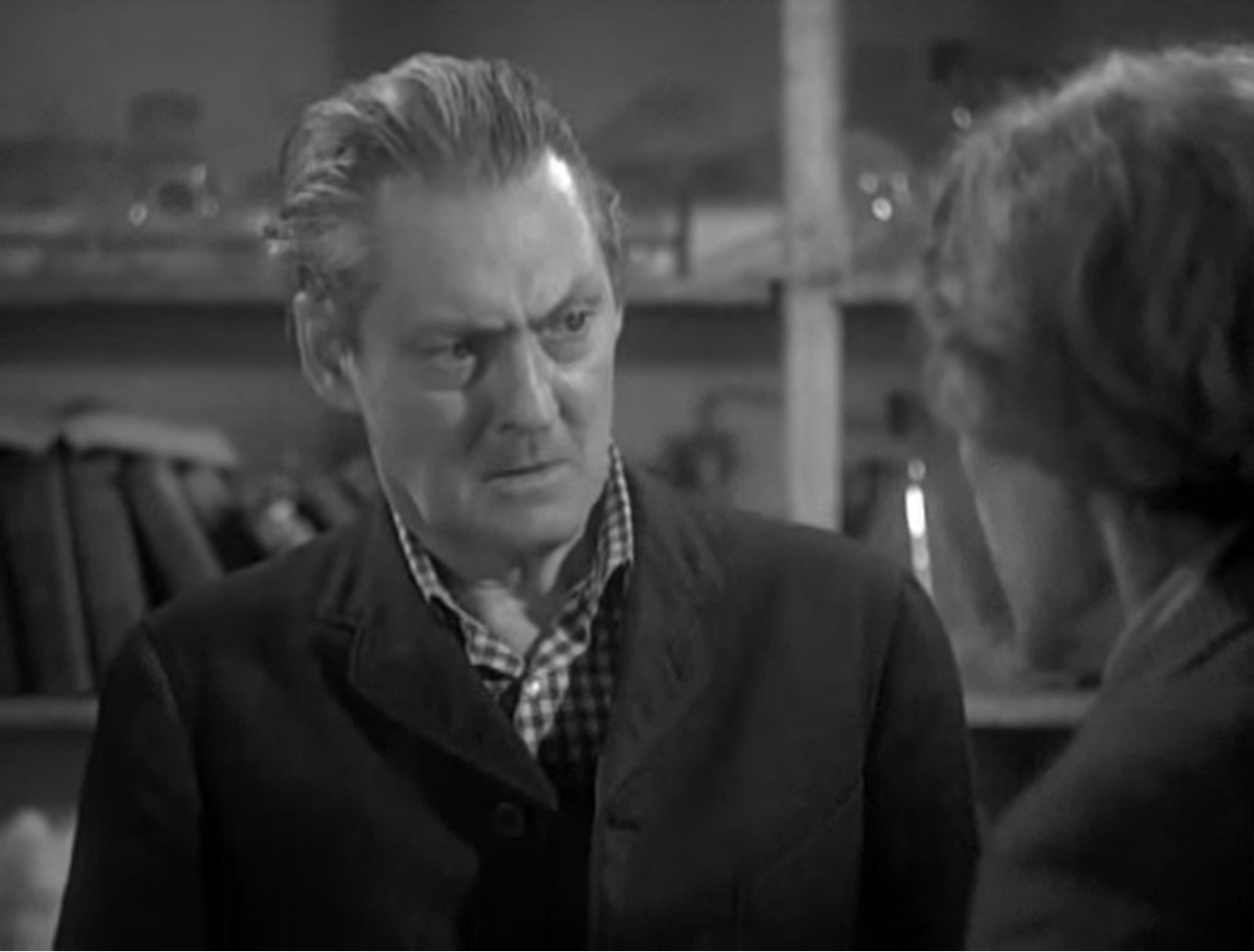
Peary also neglects to mention in his review how effective Barrymore is in the plum central role, as a righteously vengeful fugitive who spends most of his screen time in convincing cross-dress as “Madame Manderlip”; to that end, the make-up department on the film set deserves special mention as well.

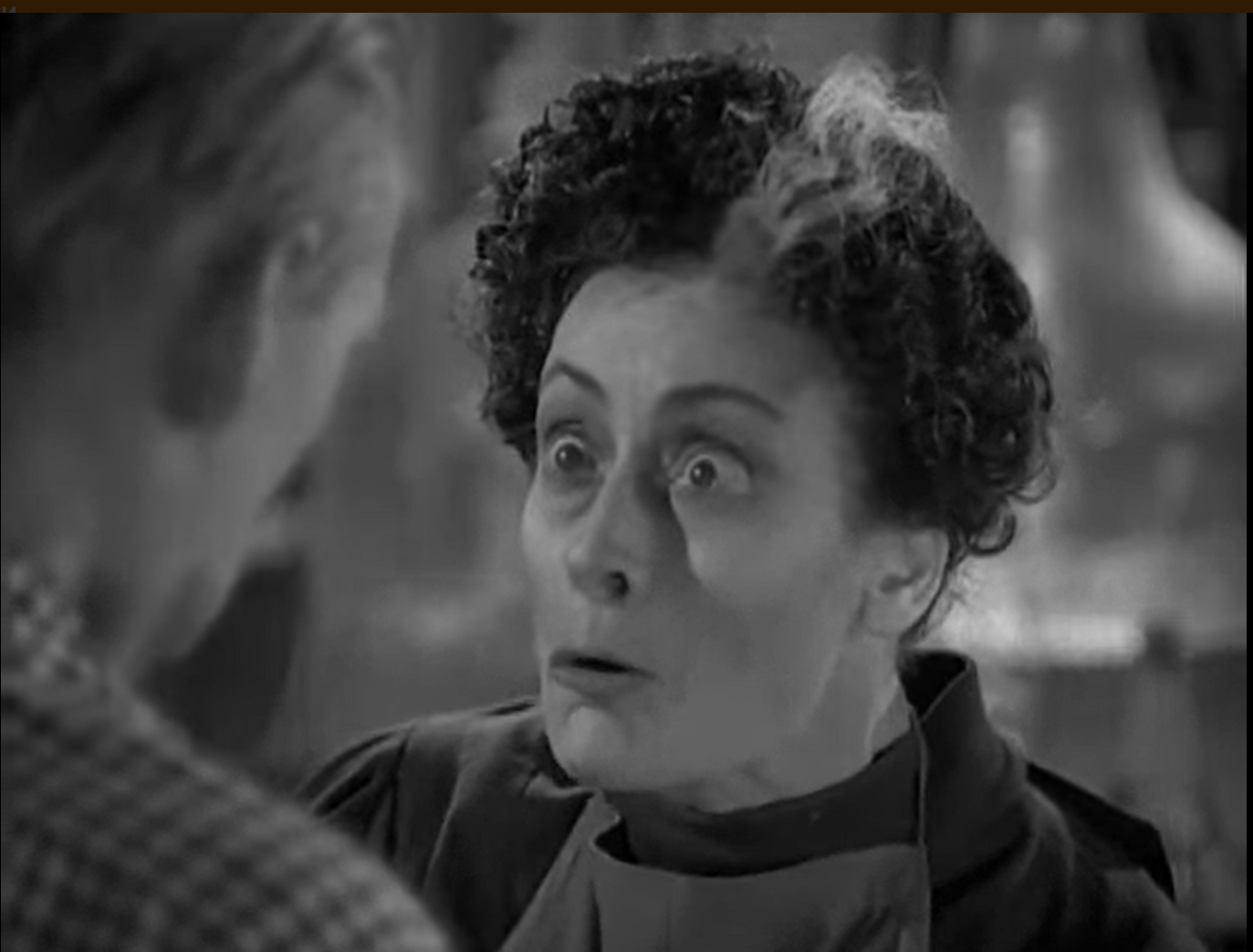
Also memorable (if a tad one-note in her performance) is “crazed” Ottiano, with a wild streak of white running through her hair, reminiscent of Elsa Lanchester’s iconic “bride of Frankenstein”. Her presence here is refreshing simply as one of cinema’s few female “mad scientists” — and her obsession with making all living creatures tiny borders on ludicrously campy, allowing for a surprising twist of tension in the final act of the film.

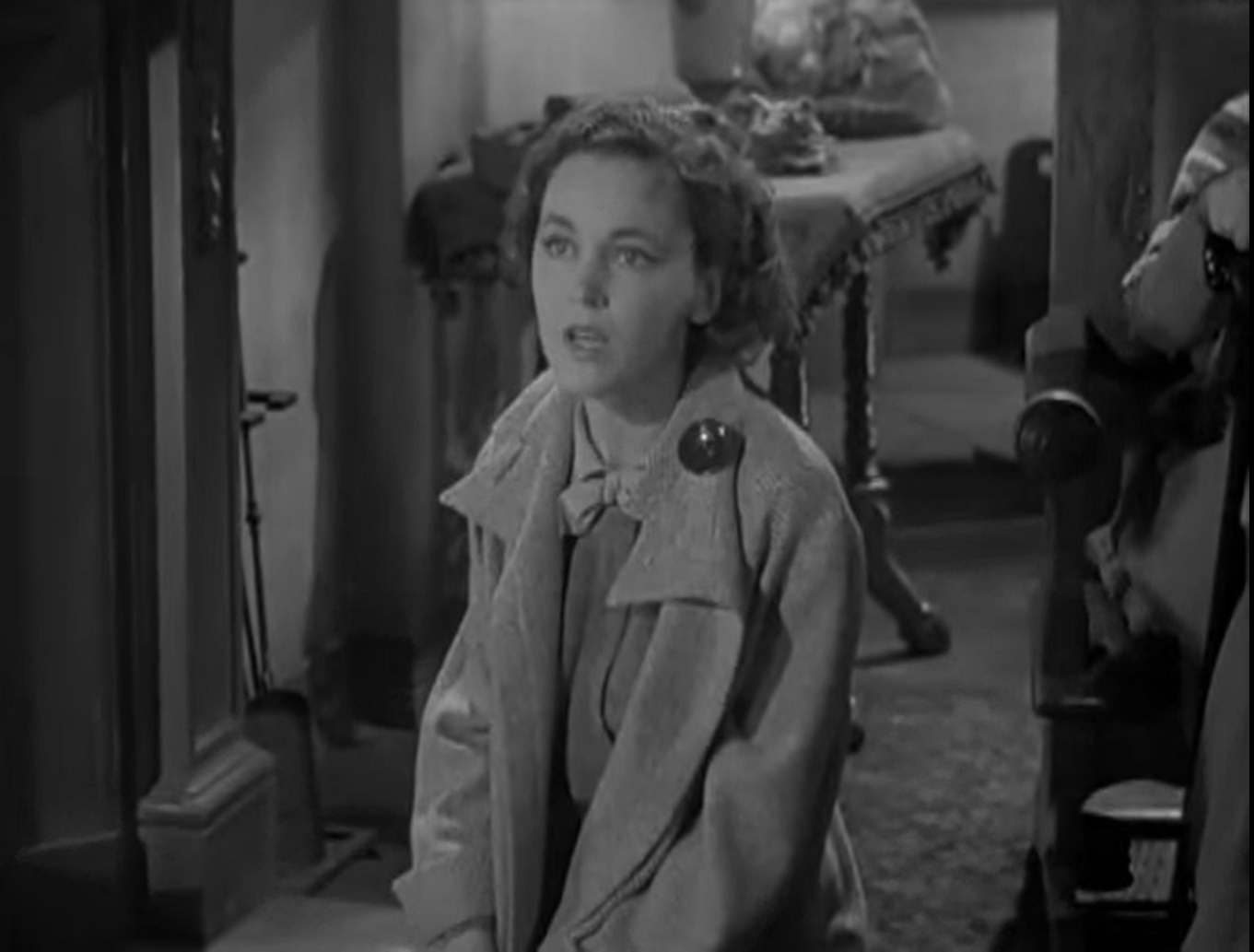
While the narrative gets bogged down occasionally by a sappy, Stella Dallas-esque backstory involving Barrymore’s attempts to befriend his estranged adult daughter (Maureen O’Sullivan):

…there are enough surreal, chilling elements throughout this memorable film to make it a minor cult classic. Film fanatics should take note that several of the story’s central elements are evident in both Browning and von Stroheim’s earlier efforts: Browning’s The Unholy Three (1925) featured Lon Chaney in drag as a wily old woman, for instance, while von Stroheim’s The Great Gabbo (1929) dealt with a human-like ventriloquist’s doll.

Redeeming Qualities and Moments:

  • Lionel Barrymore as Paul Lavond/Madame Manderlip
  • Impressive special effects

Must See?
Yes, as an enjoyable cult horror classic.

Categories

  • Cult Classic
  • Important Director

Links:

Svengali (1931)

Svengali (1931)

“You are beautiful, my manufactured love.”

Synopsis:
A sinister musician (John Barrymore) hypnotizes a model (Marian Marsh) into becoming his wife and a famous opera singer — but her true love (Bramwell Fletcher) refuses to give up hope that she will one day return to him.

Genres, Themes, Actors, and Directors:

  • Donald Crisp Films
  • Horror Films
  • John Barrymore Films
  • Mind Control and Hypnosis
  • Obsessive Love

Response to Peary’s Review:
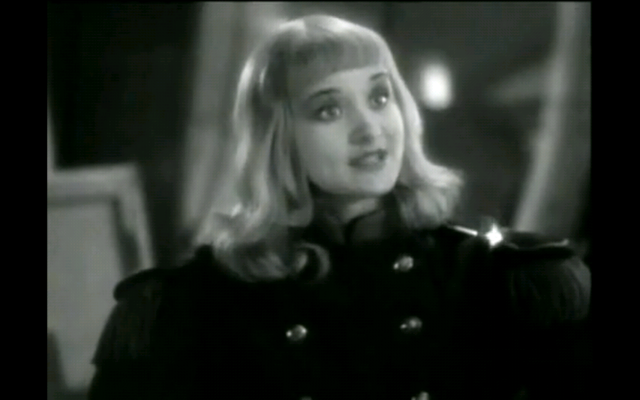
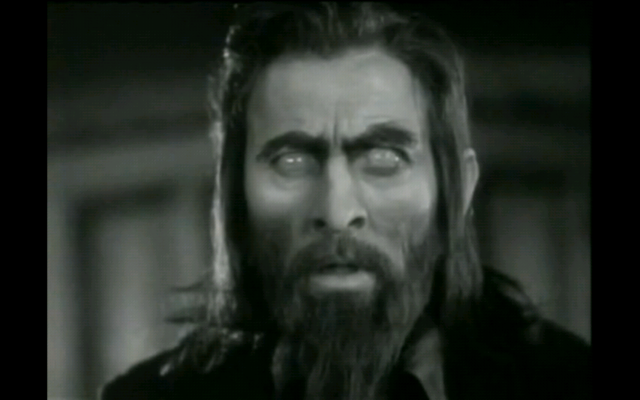
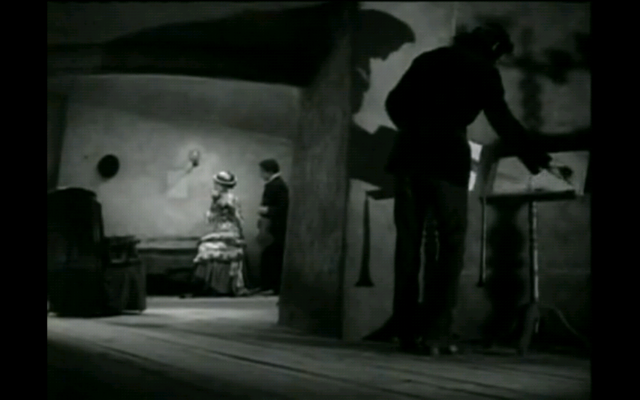
Peary argues that “John Barrymore gave one of his finest screen performances in this unusual adaptation of George du Maurier’s classic novel Trilby” — but I can’t quite agree. While he is indeed “menacing” and “sleazy” (not to mention “in-need-of-a-bath”), Barrymore’s performance, perhaps not surprisingly, far too often borders on hammy. Much more impressive is beautiful Marian Marsh as Trilby, the object of his obsessive desires; from the moment she appears on-screen, Marsh radiates a unique, surprisingly modern energy — making it easy to see why both Svengali and Fletcher’s “Billee” would fall so hard for her. Unfortunately, the “racy” narrative comes across today as dated and largely uninteresting, with occasional bursts of creative energy (i.e., Svengali’s initial hypnosis session with Marsh) adding some much-needed horror and thrills to the proceedings. Anton Grot’s Oscar-nominated, highly expressionistic sets are also noteworthy, though they give the film an undeniably stagy feel. As Peary notes, the “depressing ending” does indeed come as a bit of a surprise.

Redeeming Qualities and Moments:

  • Marian Marsh as Trilby
  • The eerily effective hypnosis scene
  • Expressionistic art direction

Must See?
No, though it’s worth a look simply for its historical value, and to see Marsh’s performance.

Links:

Rashomon (1950)

Rashomon (1950)

“It’s human to lie. Most of the time we can’t even be honest with ourselves.”

Synopsis:
A trio of drifters (Takashi Shimura, Minoru Chiaki, and Kichijiro Ueda) discuss the murder of a samurai (Masayuki Mori) and the rape of his wife (Machiko Kyo) committed by a savage bandit (Toshiro Mifune).

Genres, Themes, Actors, and Directors:

  • Akira Kurosawa Films
  • Flashback Films
  • Historical Drama
  • Japanese Films
  • Rape
  • Toshiro Mifune Films

Response to Peary’s Review:
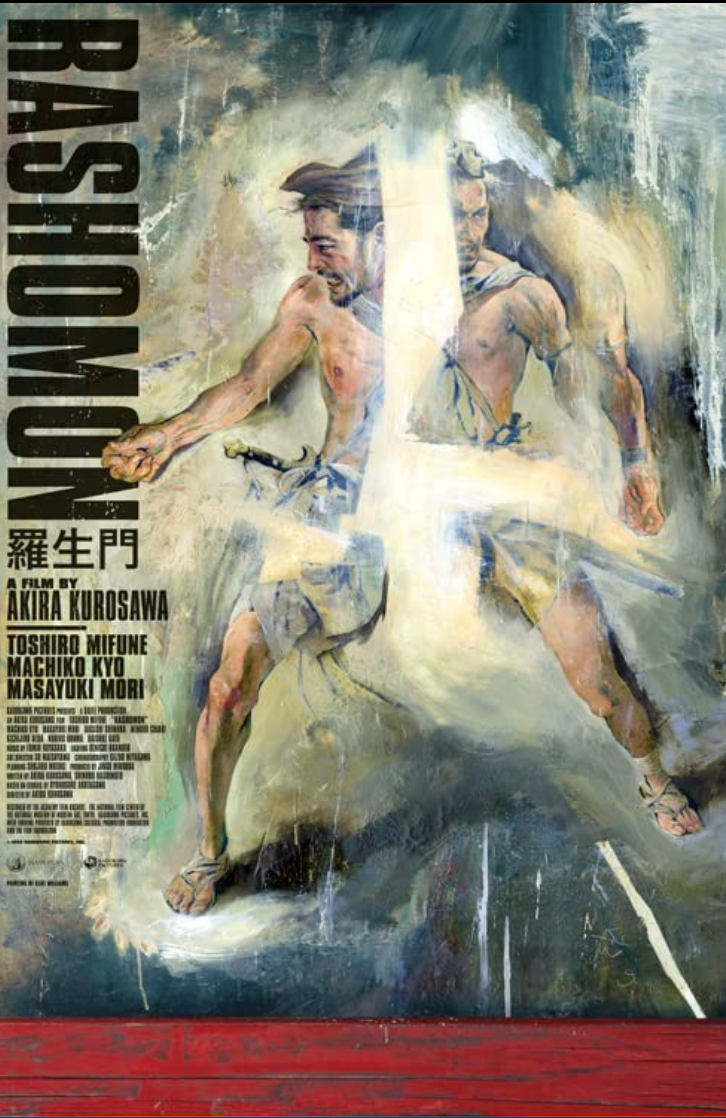
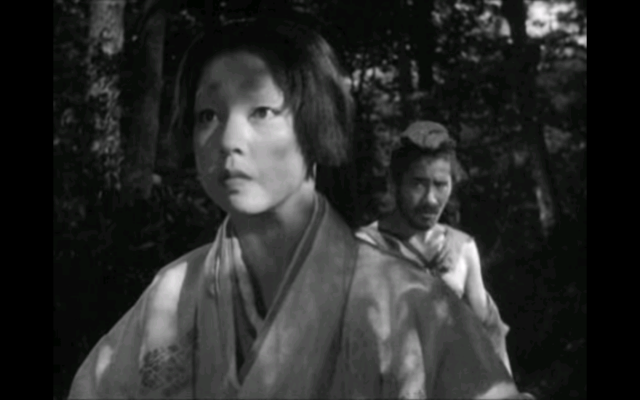
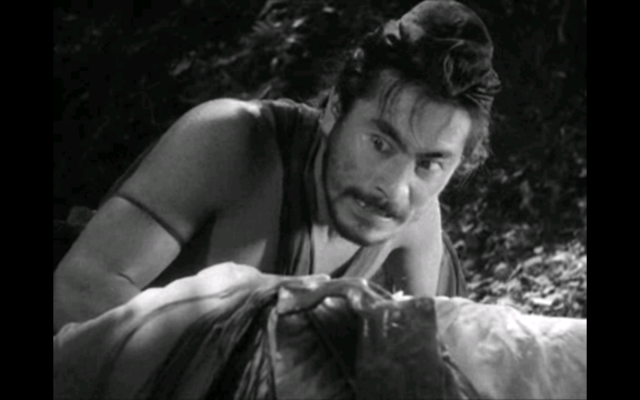
Peary seems less than enamored by this seminal Kurosawa movie, which was “the first Japanese film to receive widespread international distribution and success” (indeed, it won an honorary Oscar in 1952, and was presumably the impetus for creating a Best Foreign Film category). He argues that the “film doesn’t hold up as well as other Kurosawa works because its ‘there is no such thing as Absolute Truth’ theme isn’t particularly novel.” He further complains that the performances (with the exception of Mifune, who he believes “makes a strong impression”) are “either irritating or forgettable”; that the “playing of ‘Bolero’ at one point seems inappropriate”; and that the opening and concluding sequences (which “were inserted into [the] script so the picture would be long enough to interest a distributor”) are “disconcerting”.

I disagree with Peary on nearly all the above points. The film’s central premise — that truth is subjective enough that we all approach the telling of a tale with our unique biases and subconscious desires firmly in play — is universal, and so masterfully portrayed by Kurosawa that it serves as an enduring primer for how to relate such a story in cinematic terms. To that end, Peary does concede that “it shouldn’t be forgotten that Kurosawa broke the rules of cinema storytelling”; along with many other critics (see links below), he notes that “it is less important that any four people will tell four different versions of a story than that any filmmaker is capable of taking a story and visualizing it in an infinite number of equally persuasive, audience-manipulative ways”.

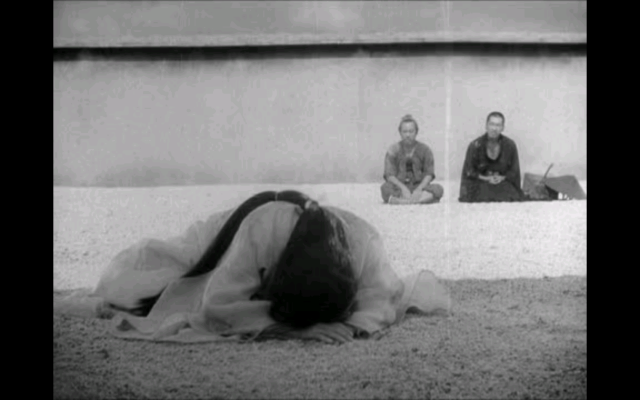
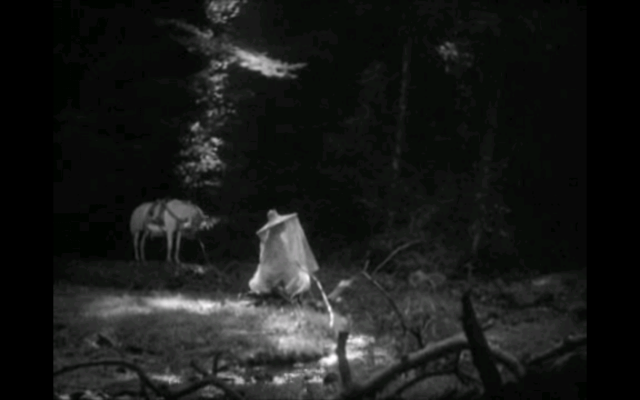
With regards to the film’s “bookends”, they come across as simply a convenient and effective narrative device; and the inclusion of “Bolero” (actually, a variation thereof) in the soundtrack doesn’t strike me as particularly jarring. Finally, in terms of the film’s central performances, I’m actually less a fan of Mifune’s primal bandit (as noted in Time Out London’s review, he “veers on the hammy side of earthy”) than I am of both Kyo as the samurai’s wife (watch how her expressions and overall demeanor shift from vignette to vignette), and Mori as the samurai himself (though he’s not given much to do, he effectively projects an unnerving, steely reserve). Even more memorable than the actors, however, are Kurosawa’s stunning, haunting visuals — as usual, every frame of his story is composed with craft and care.

Redeeming Qualities and Moments:

  • Fine performances by the principal actors

  • Memorable imagery and cinematography

Must See?
Yes, as an historically important foreign classic by a master director.

Categories

  • Foreign Gem
  • Historically Relevant
  • Important Director

(Listed in 1001 Movies You Must See Before You Die)

Links:

Gilda (1946)

Gilda (1946)

“You do hate me, don’t you, Johnny?”

Synopsis:
A petty gambler (Glenn Ford) managing a casino in Buenos Aires is dismayed to discover that his boss (George Macready) has married his hedonistic former flame, Gilda (Rita Hayworth).

Genres, Themes, Actors, and Directors:

  • Casinos
  • Femmes Fatales
  • George Macready Films
  • Glenn Ford Films
  • Love Triangle
  • Rita Hayworth Films

Response to Peary’s Review:
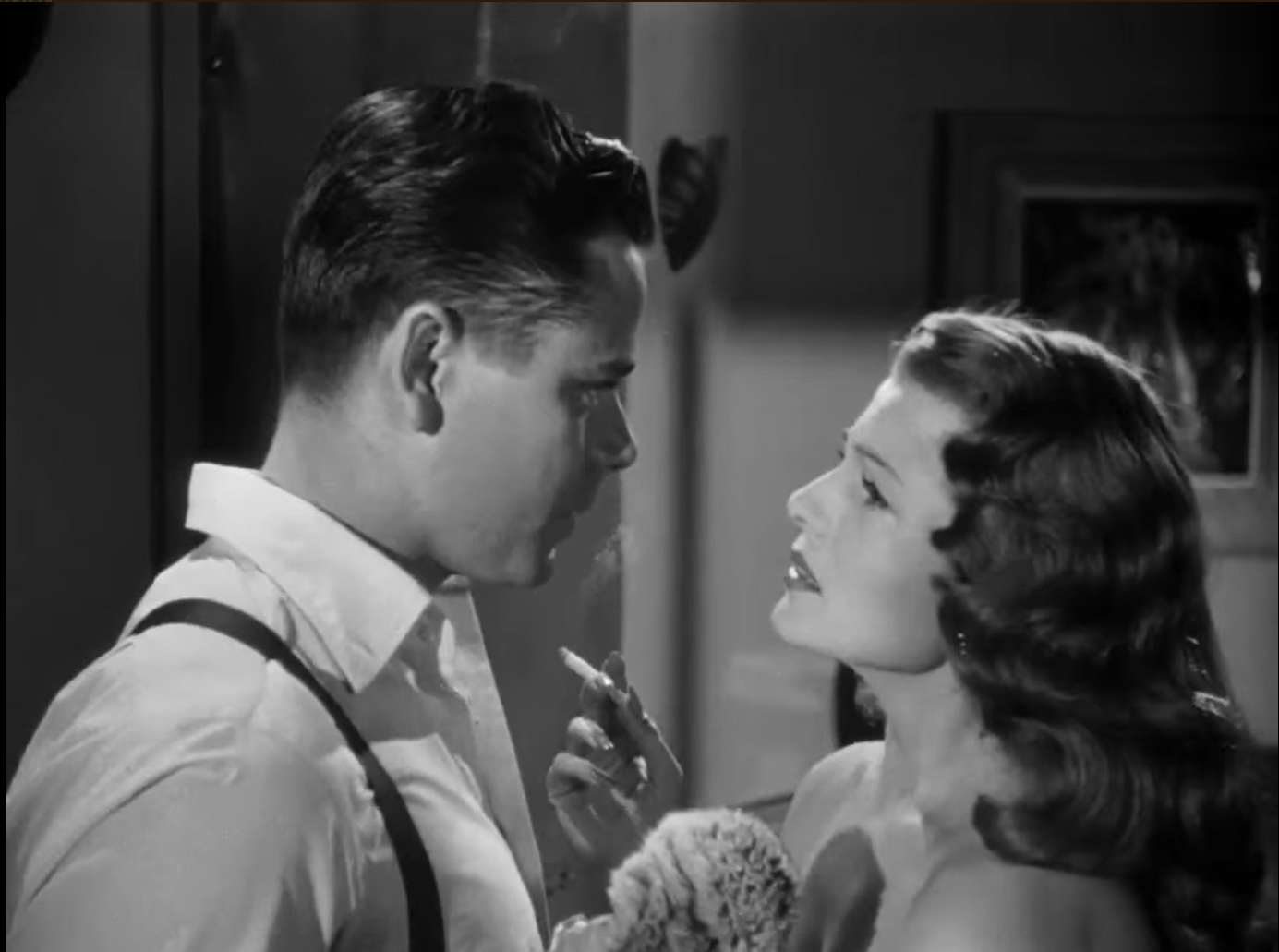
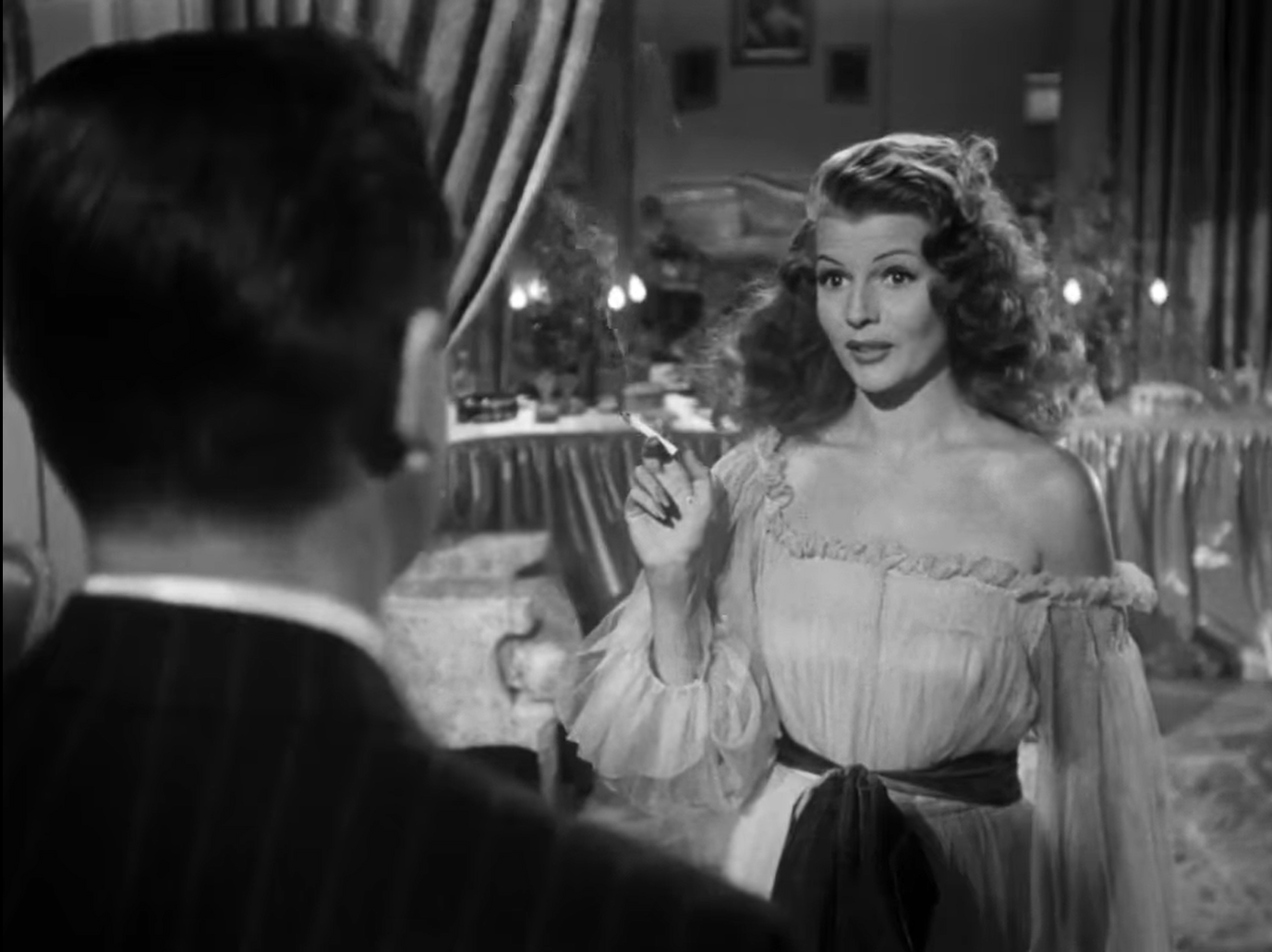
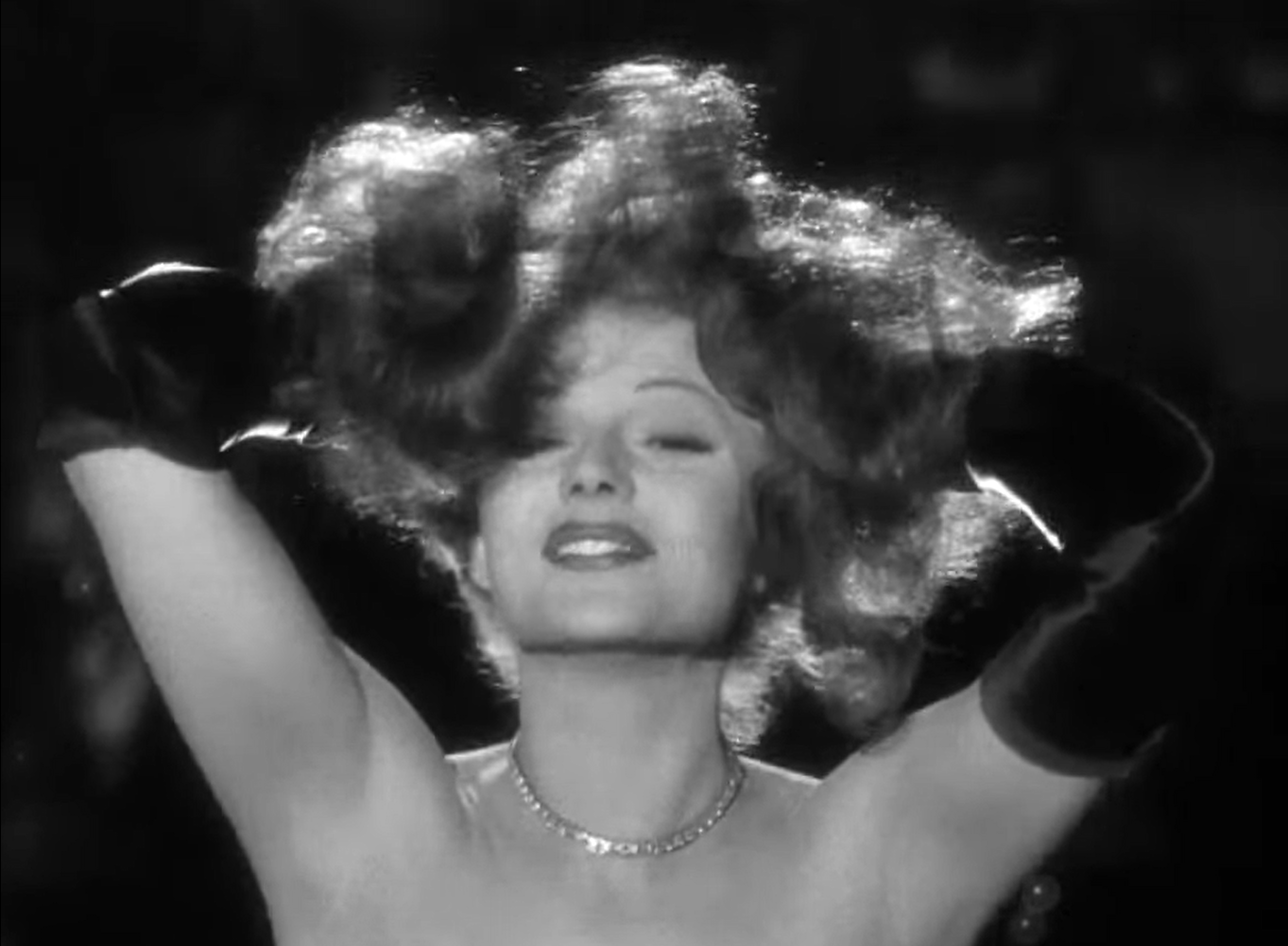
Peary’s not a big fan of this classic wartime flick, starring pin-up girl Rita Hayworth in what is undoubtedly her most iconic role. While he acknowledges that “gorgeous Rita sizzles, wearing an assortment of sexy outfits and singing ‘Put the Blame on Mame'”:

he complains that the film as a whole is “overlong, silly, and confusing”. Watching it again recently, however, I found myself surprisingly absorbed in its tale of a vitriolic “love-hate” relationship between a couple so clearly meant for one another (if only they could get over whatever it is that keeps them clawing at one another’s throats).

The aspects of the script focusing on Macready’s shady wartime dealings as the head of an international tungsten cartel (!) are a tad incomprehensible and meandering (Joseph Calleia’s detective lurks around the perimeter of the set without much to do), but are ultimately inconsequential, and fortunately don’t distract much at all from the central conflict: the tension-filled menage a trois between Macready, Ford, and Hayworth.

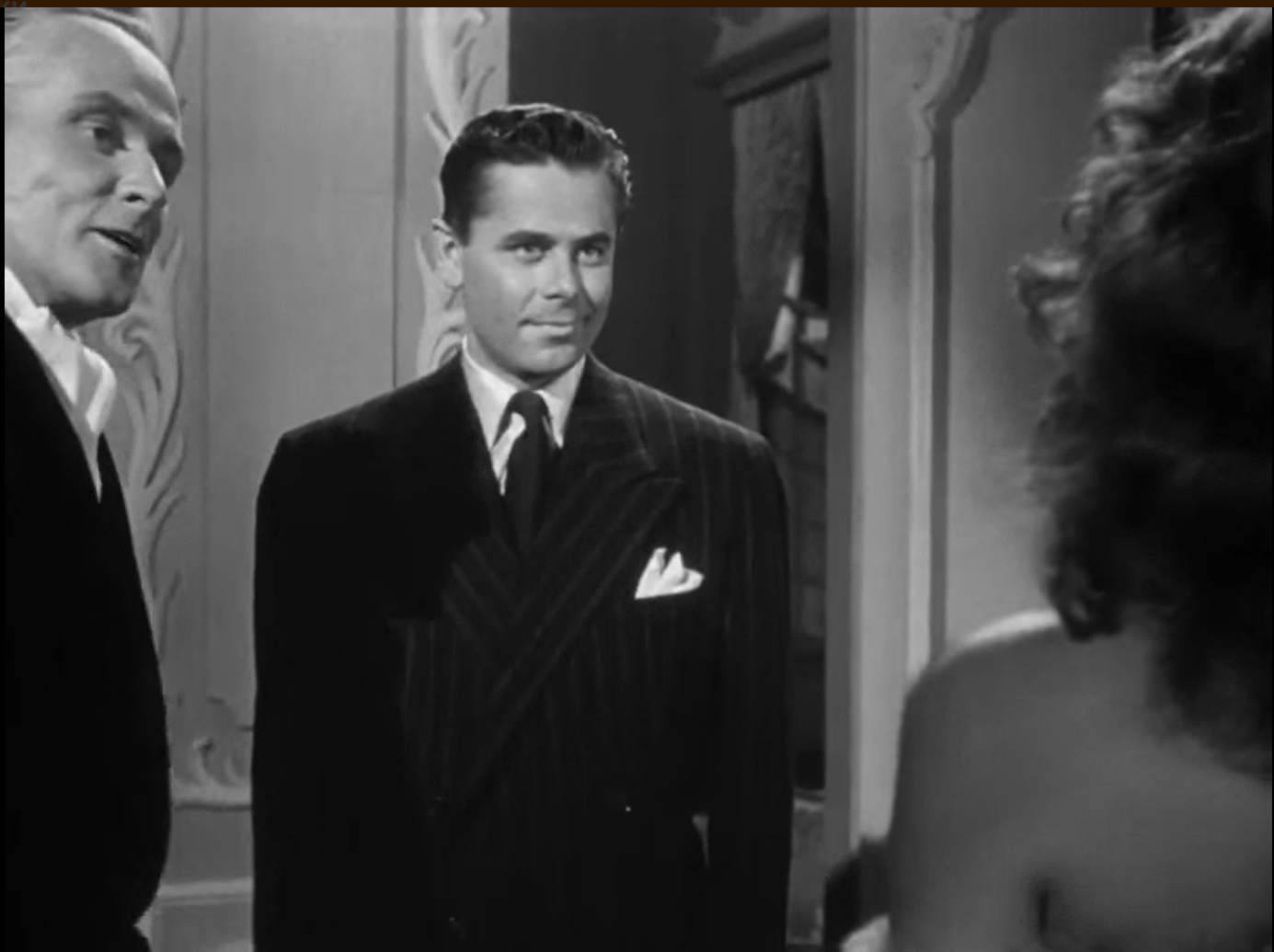
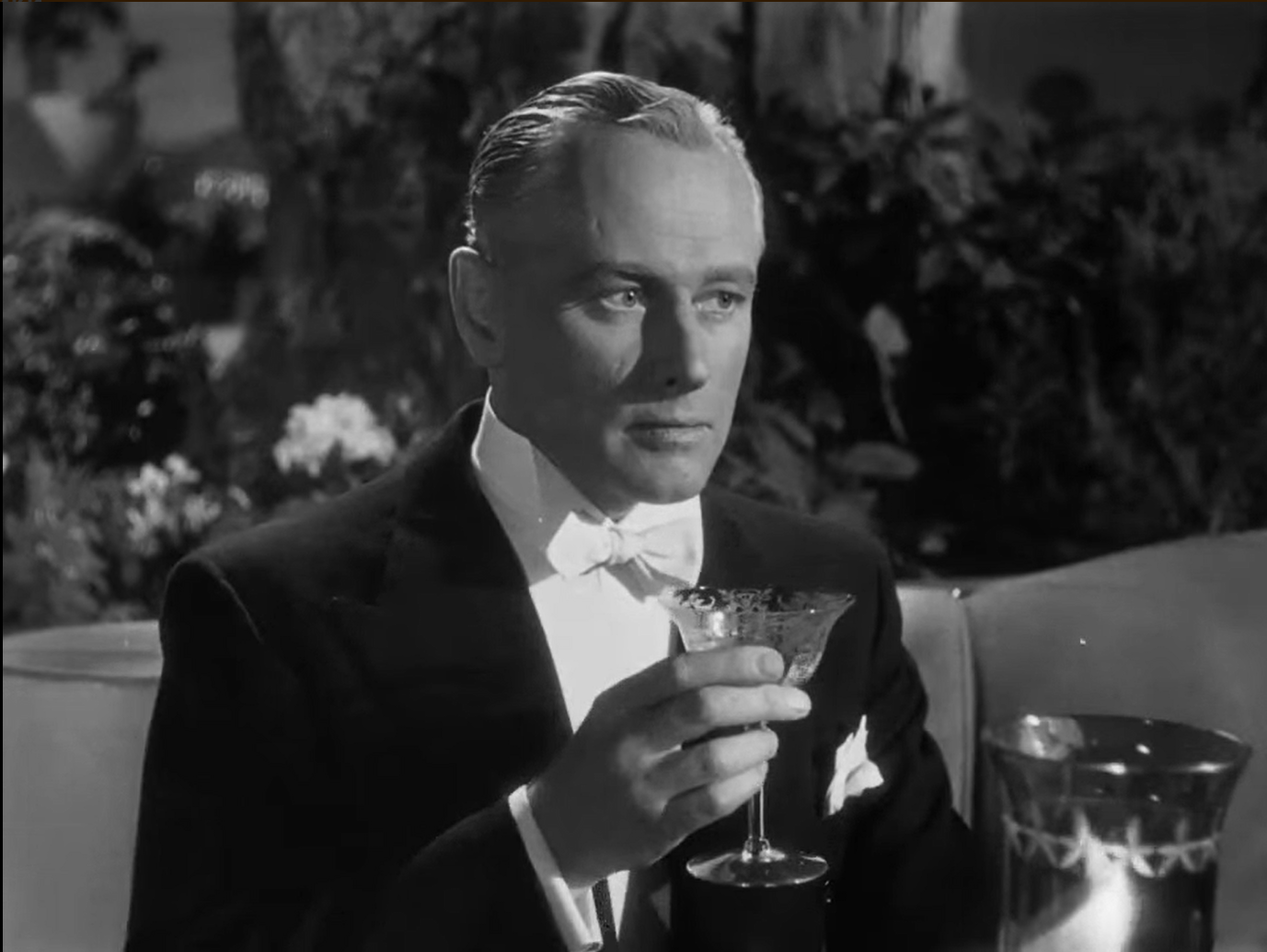
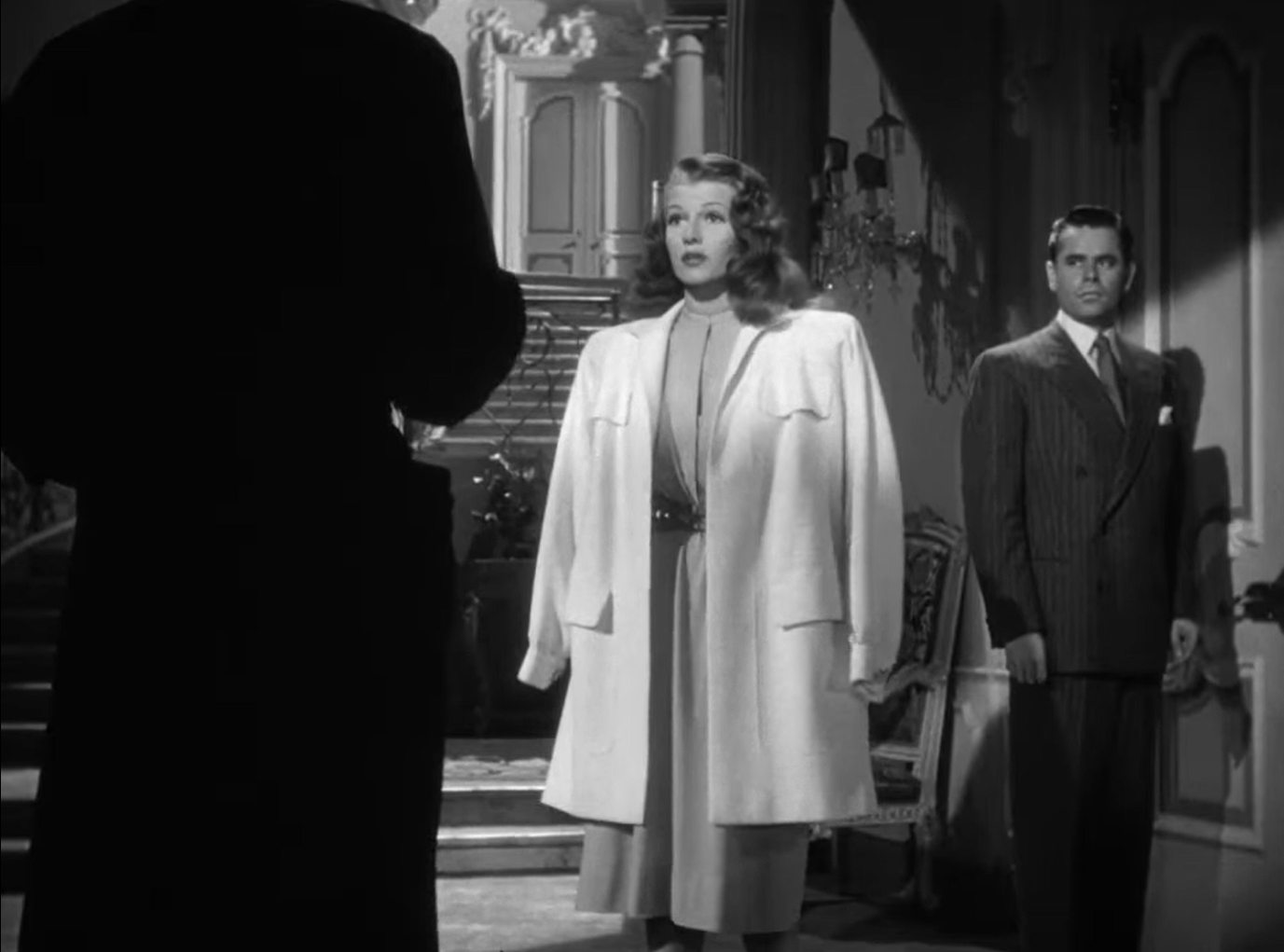
I disagree as well with Peary’s assessment of Macready as “good and sinister” but “not strong enough for such a pivotal role” — it’s exactly his creepy but understated presence that gives his relationship with Ford’s Johnny such an unusual edge:

(Why exactly did he “pick up” Johnny to begin with, off the streets of Bueno Aires?)

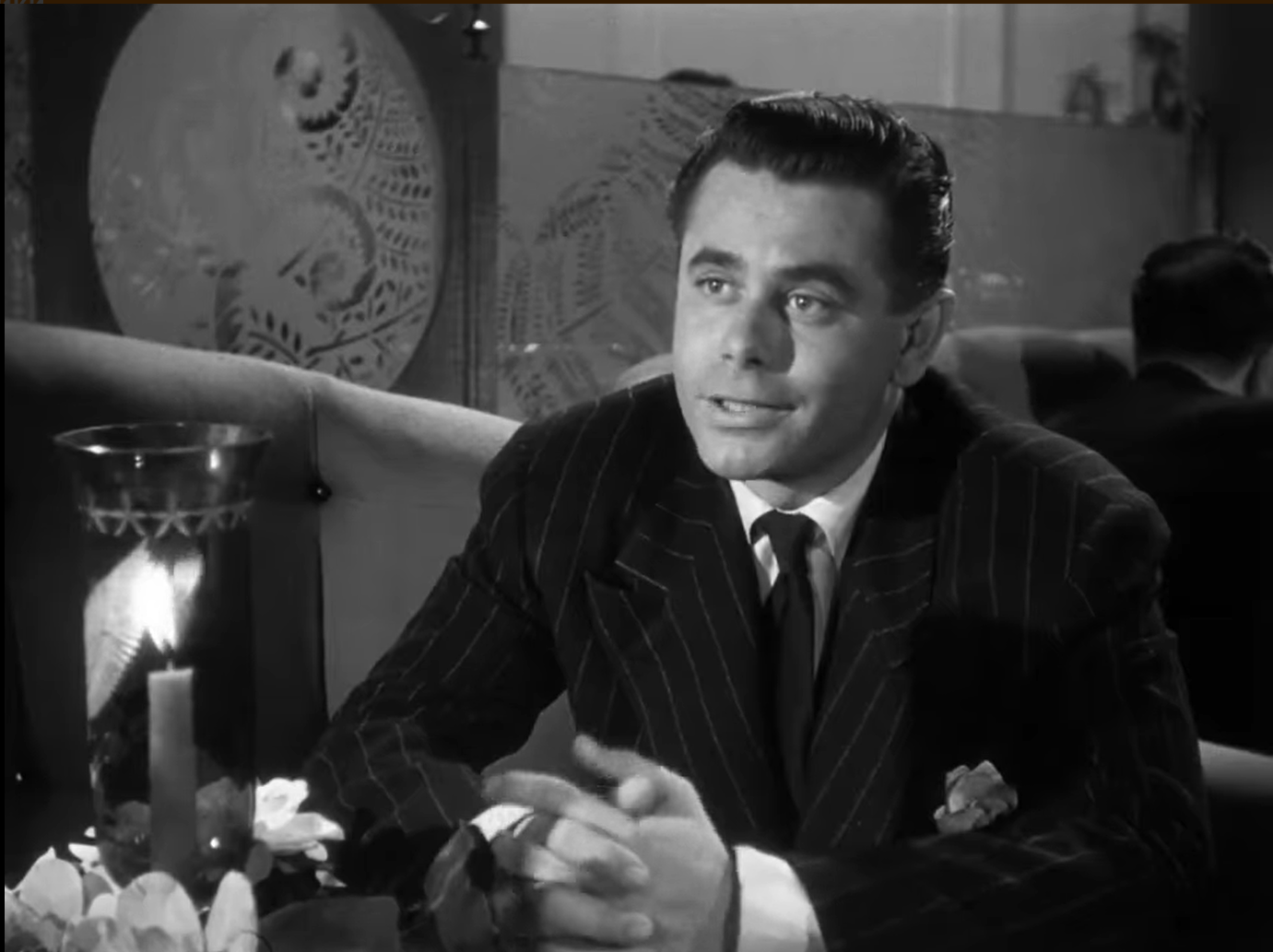
I agree with Peary, however, that Ford “gives an uninteresting performance as an unlikable heel-hero” — actually, his performance here is not so much “uninteresting” as it is unconvincing (though the fault is less with Ford than with the studio heads for miscasting him in the first place).

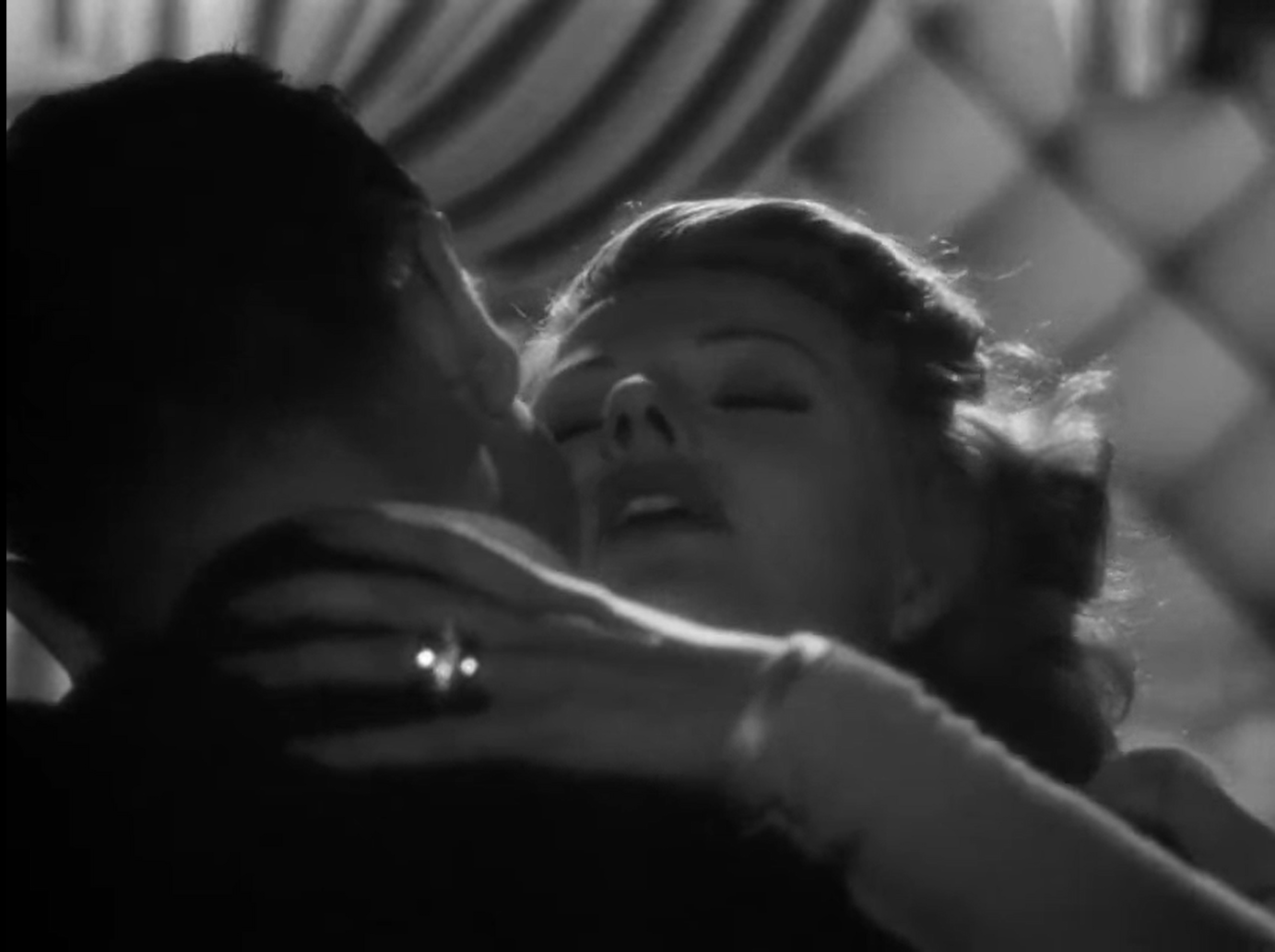
He simply doesn’t have the requisite allure or good looks to be credible as a man that a goddess — er, woman — like Gilda would get herself so hung up over. On that note, the script teasingly neglects to fill us in on the little detail of what exactly tore Gilda and Johnny apart to begin with. Quibbles aside, however, there’s enough to the film — including director Charles Vidor’s more-than-serviceable direction, Rudolph Mate’s noir-inflected cinematography:

… Rita’s inimitable presence, and lots of zingy dialogue — to make it a must-see classic at least once for all film fanatics.

Redeeming Qualities and Moments:

  • Rita Hayworth as Gilda
  • Gilda’s justifiably famous and sexy dance routines
  • Rudolph Mate’s cinematography
  • Plenty of racy, memorable dialogue — most by Gilda:

    “Me? Sure, I’m decent…”

    “I can never get a zipper to close. Maybe that stands for something, what do you think?”

    “There’s something about Latin men: for one thing, they can dance… For another — “

Must See?
Yes, as an iconic classic.

Categories

  • Genuine Classic
  • Noteworthy Performance

(Listed in 1001 Movies You Must See Before You Die)

Links:

Green for Danger (1946)

Green for Danger (1946)

“Joseph Higgins was quite dead.”

Synopsis:
When a postman (Moore Marriott) dies mysteriously on the operating table of a rural hospital during WWII — and a nurse (Judy Campbell) with incriminating evidence is killed shortly thereafter — an inspector (Alastair Sim) is sent to investigate which of a close-knit team of doctors (Leo Genn and Trevor Howard) and nurses (Rosamund John, Sally Gray, and Megs Jenkins) is the murderer.

Genres, Themes, Actors, and Directors:

  • Alastair Sim Films
  • Detectives and Private Eyes
  • Doctors and Nurses
  • Leo Genn Films
  • Murder Mystery
  • Trevor Howard Films
  • World War Two

Response to Peary’s Review:
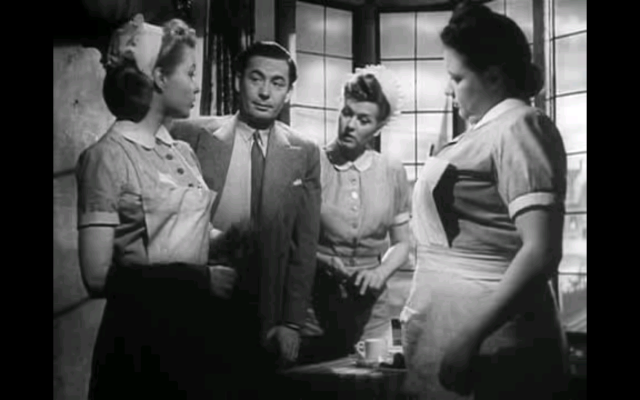
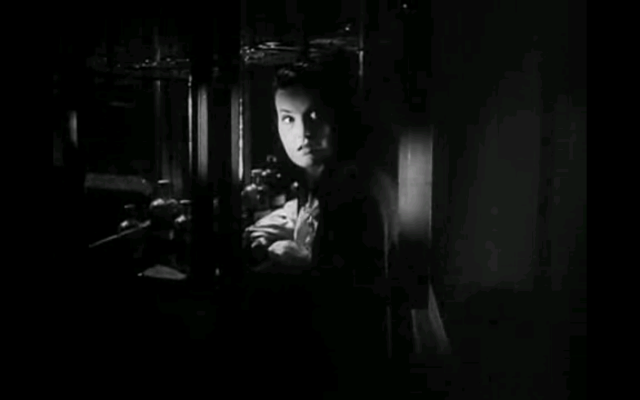
Peary argues that this “famous whodunit” by the creative team of Sidney Gilliat and Frank Laudner — who worked together on more than 40 films between 1930 and 1966, including The Green Man (1956) and Hitchcock’s The Lady Vanishes (1938) — “is much overrated”. He states that while “the mystery is satisfactory… the proceedings are surprisingly somber” — yet as Tom Huddleston wrote in his review for Not Coming to a Theater Near You, the film can actually be viewed as a sort of “Ealing noir,” one which effectively incorporates atmospheric cinematography (by Wilkie Cooper) and noir-ish tropes (i.e., a contentious love triangle) into its Agatha Christie-style ensemble murder plot. As DVD Savant notes, the film “has a dark undertone, an uneasy quality that works against the surface order of the standard wartime English movie” — and it’s exactly this “dark undertone” that makes the film so memorable.

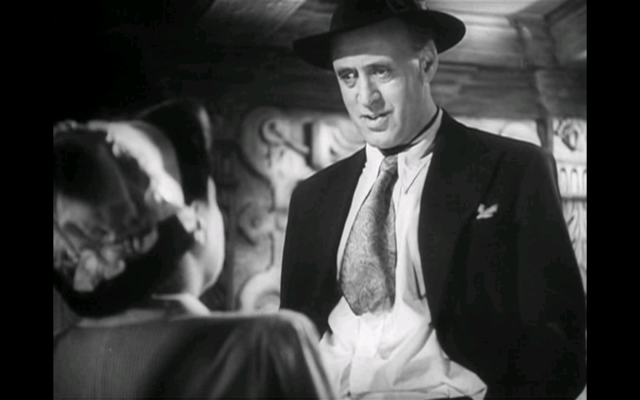
Peary argues that Alastair Sim’s “supposedly witty” detective is “a poorly conceived character”, seemingly “in the wrong film” — a point I’ll agree with to a certain extent. As enjoyable as this quirky actor always is to watch, his Inspector Cockrill adds incongruous levity to the proceedings; when he first enters the screen with a slapsticky stumble and roll, we feel as though we’ve suddenly switched to watching a Jacques Tati film. Peary also somewhat cynically states that the “picture’s major advantage is that you forget who the murderer is from one viewing to the next”. Interestingly, I was convinced I remembered the killer’s identity from when I first saw this film ~15 years ago, but was absolutely wrong — so his point is well-taken! However, the mystery itself is more enjoyable than Peary’s snarky statement would have you believe: it’s full of conflicted love interests and guilty secrets, with each of the would-be murderers (particularly Jenkins) turning in a solid, believable performance. Definitely worth a look.

Redeeming Qualities and Moments:

  • Fine performances by the ensemble cast
  • An effectively tense screenplay
  • Wilkie Cooper’s atmospheric cinematography

Must See?
Yes, as a smart little thriller.

Categories

  • Good Show

Links:

Killing, The (1956)

Killing, The (1956)

“You like money — you’ve got a great big dollar sign there where most women have a heart.”

Synopsis:
A mousy racetrack clerk (Elisha Cook, Jr.) is henpecked by his wife (Marie Windsor) into revealing details of an elaborate heist being planned by an ex-con (Sterling Hayden).

Genres, Themes, Actors, and Directors:

  • Coleen Gray Films
  • Elisha Cook Jr. Films
  • Ex-Cons
  • Heists
  • Henpecked Husbands
  • Marie Windsor Films
  • Stanley Kubrick Films
  • Sterling Hayden Films

Response to Peary’s Review:
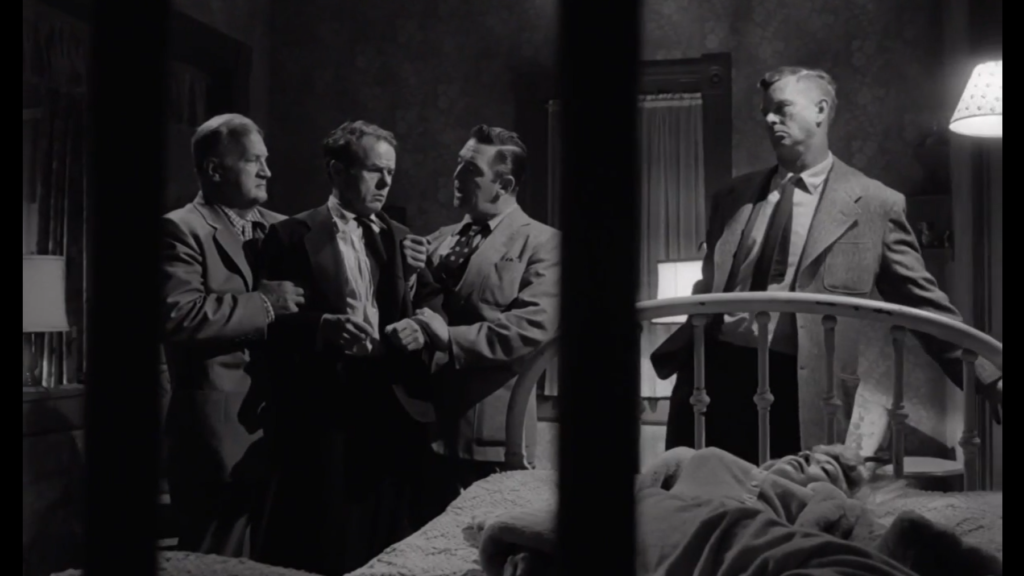
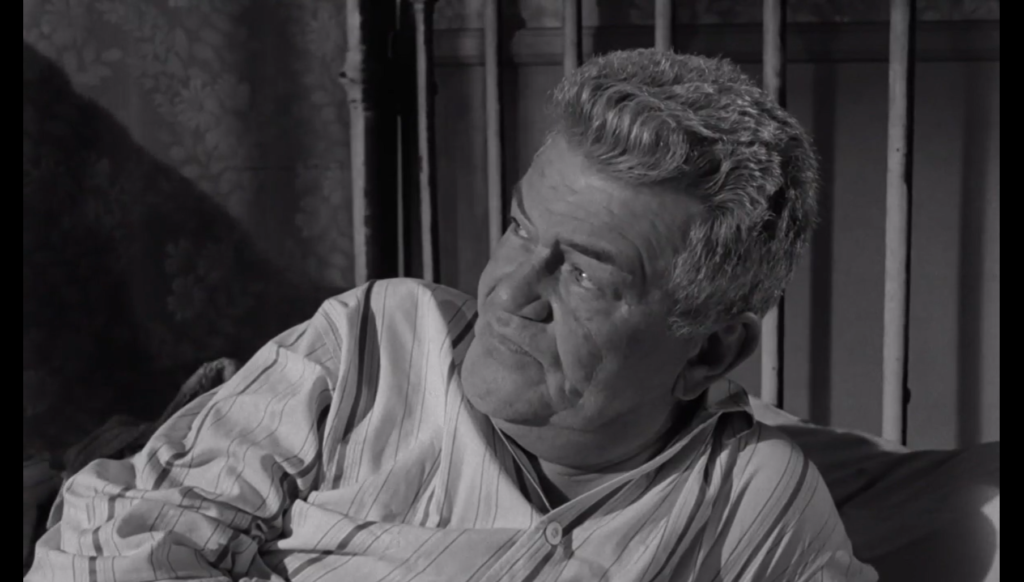
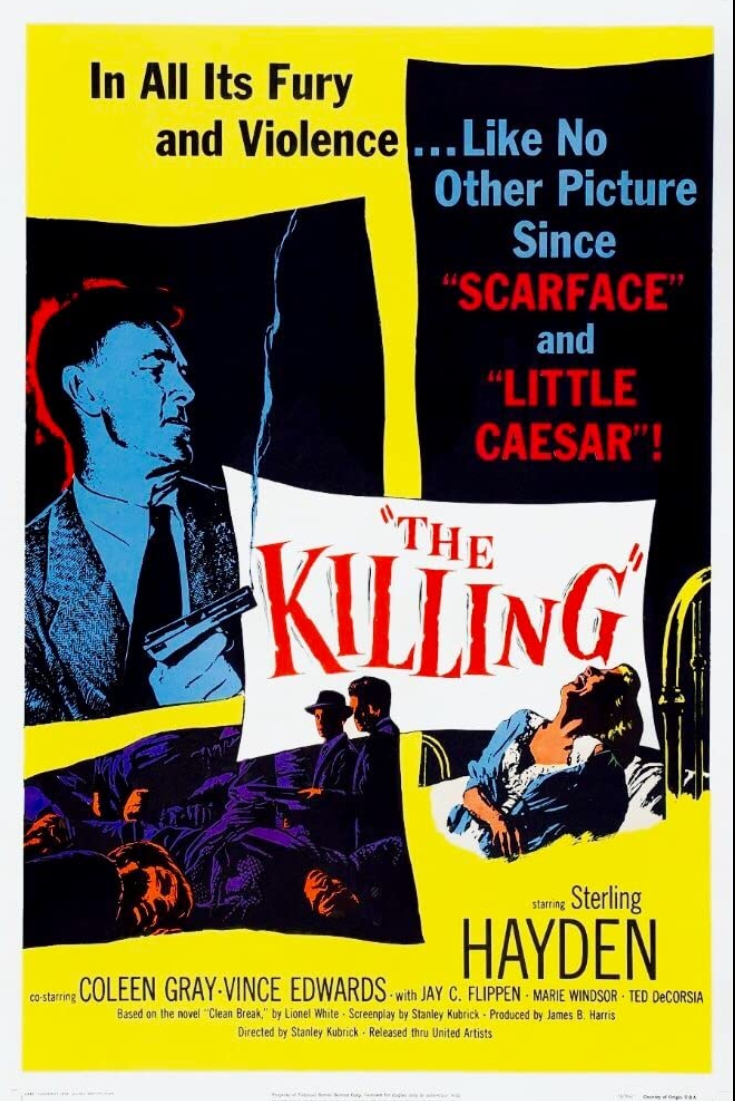
As Peary notes, this “first-rate, exciting, fatalistic caper film” — Stanley Kubrick’s “first major work” — features “interesting characters, smart dialogue, terrific suspense”, and one of the most startling endings in cinematic history (though Peary argues it “has since become cliche”). Kubrick makes excellent use of his small budget, compensating by shooting “his indoor shoebox sets imaginatively, actually emphasizing their tightness”, thus adding a sense of claustrophobia “to the tension of both characters and viewers”. In addition, as Peary notes, the “picture has [a] striking rhythm due to sharp editing within sequences and because of the non-chronological structure” of the film, in which “each time the race is about to begin [Kubrick] moves back in time and repeats the passed time from a different character’s perspective”. Lucien Ballard’s stark noir cinematography adds to the film’s overall atmosphere of strained anticipation.

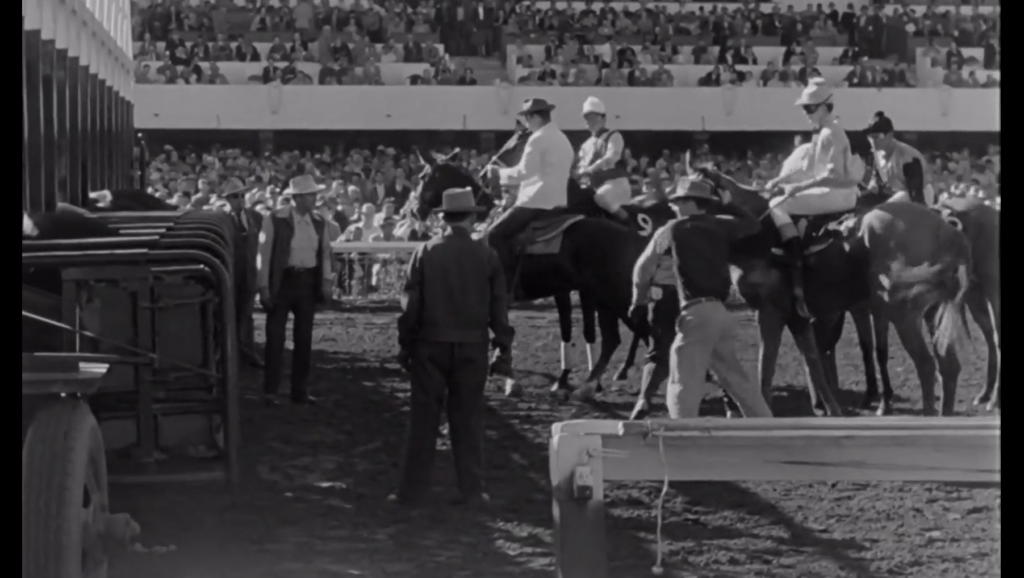
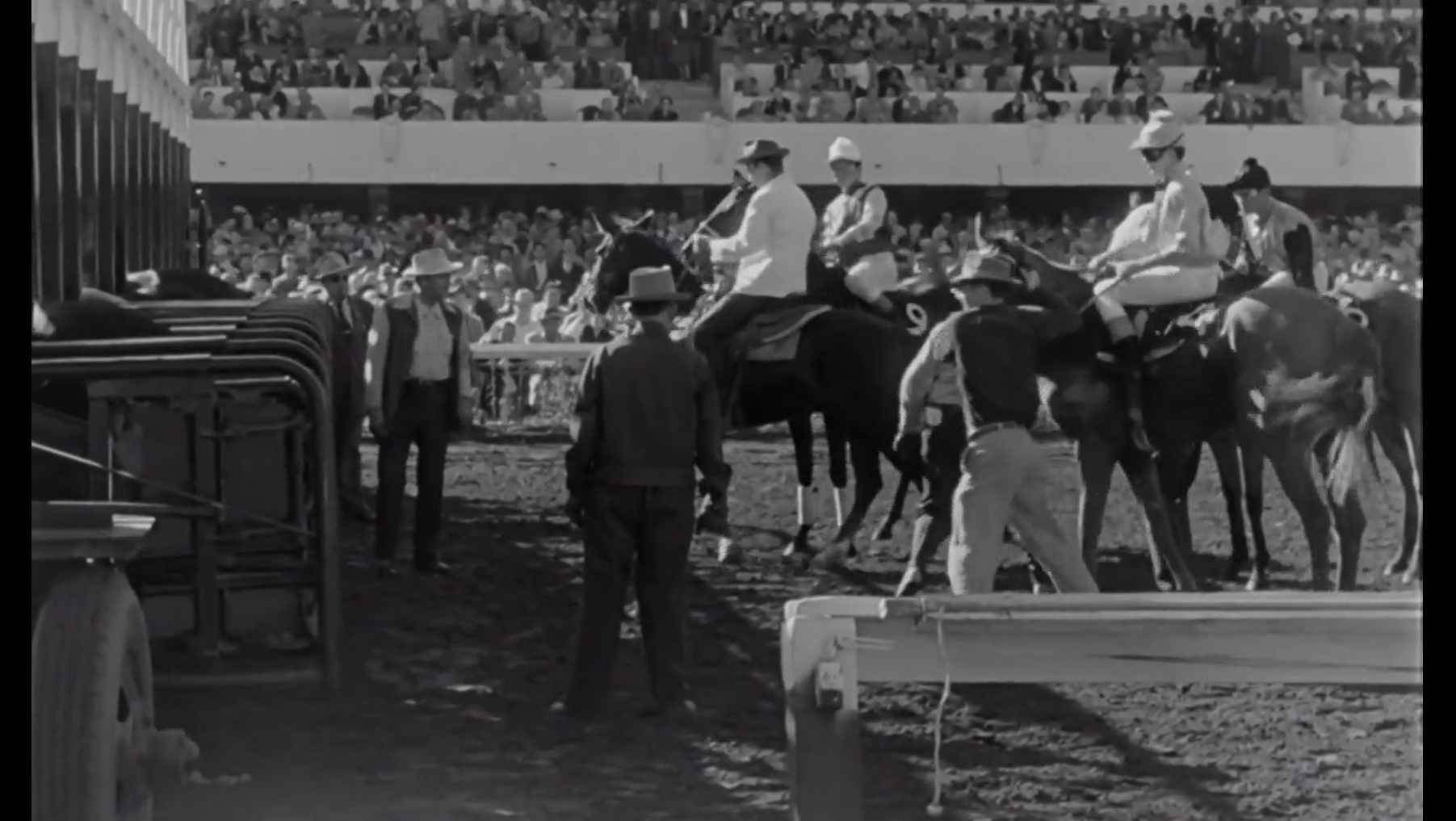
As The Killing begins, a solemn voiceover (Art Gilmore) informs us:

At exactly 3:45 on that Saturday afternoon in the last week of September, Marvin Unger was, perhaps, the only one among the hundred thousand people at the track who felt no thrill at the running of the fifth race.

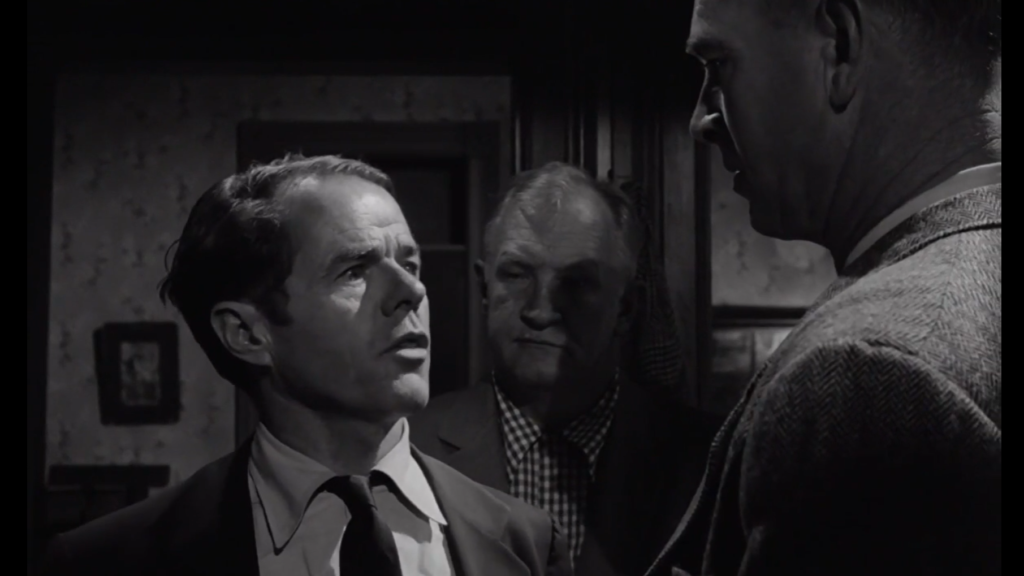
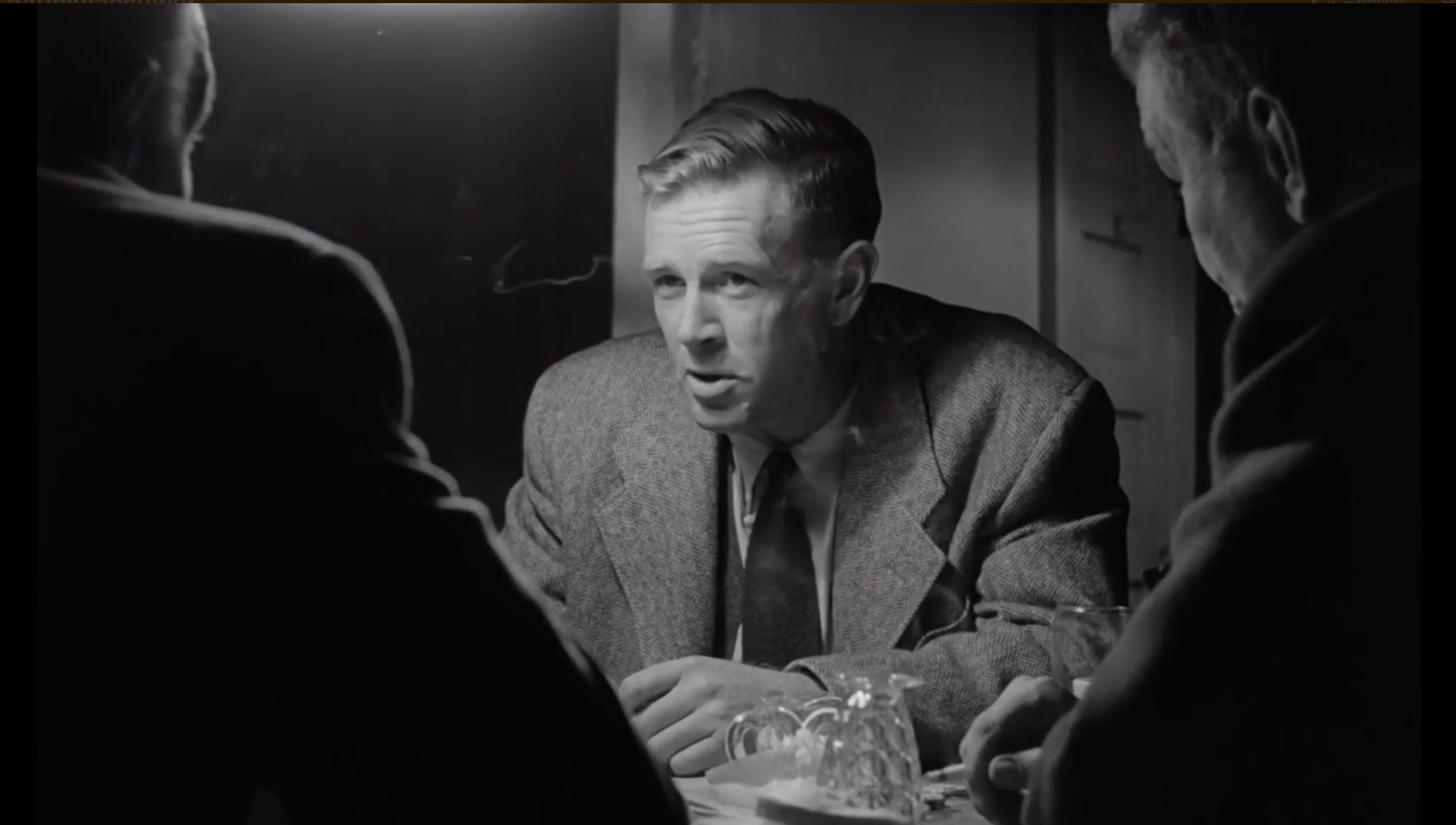
This voiceover — a dated relic which mostly feels unnecessary — continues periodically throughout the movie, filling us in on the specifics of each character’s actions, and how they all relate to the grand heist. Indeed, while Sterling Hayden (nominated by Peary as one of the best actors of the year in his Alternate Oscars book) is ostensibly the film’s protagonist:
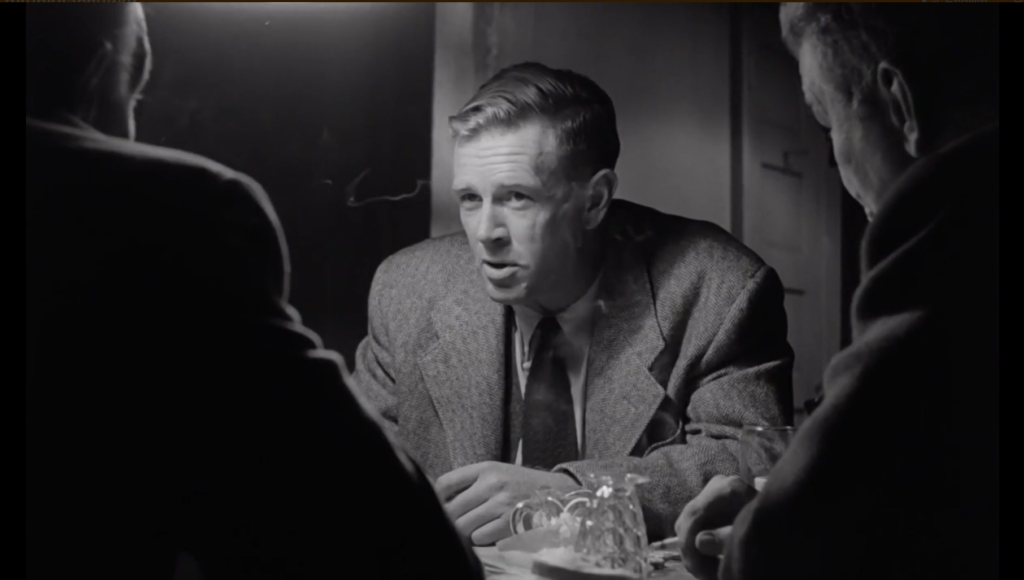
… screentime is actually distributed amongst the motley crew of heist participants, and our allegiance and attention shift as needed to the other players in the film.

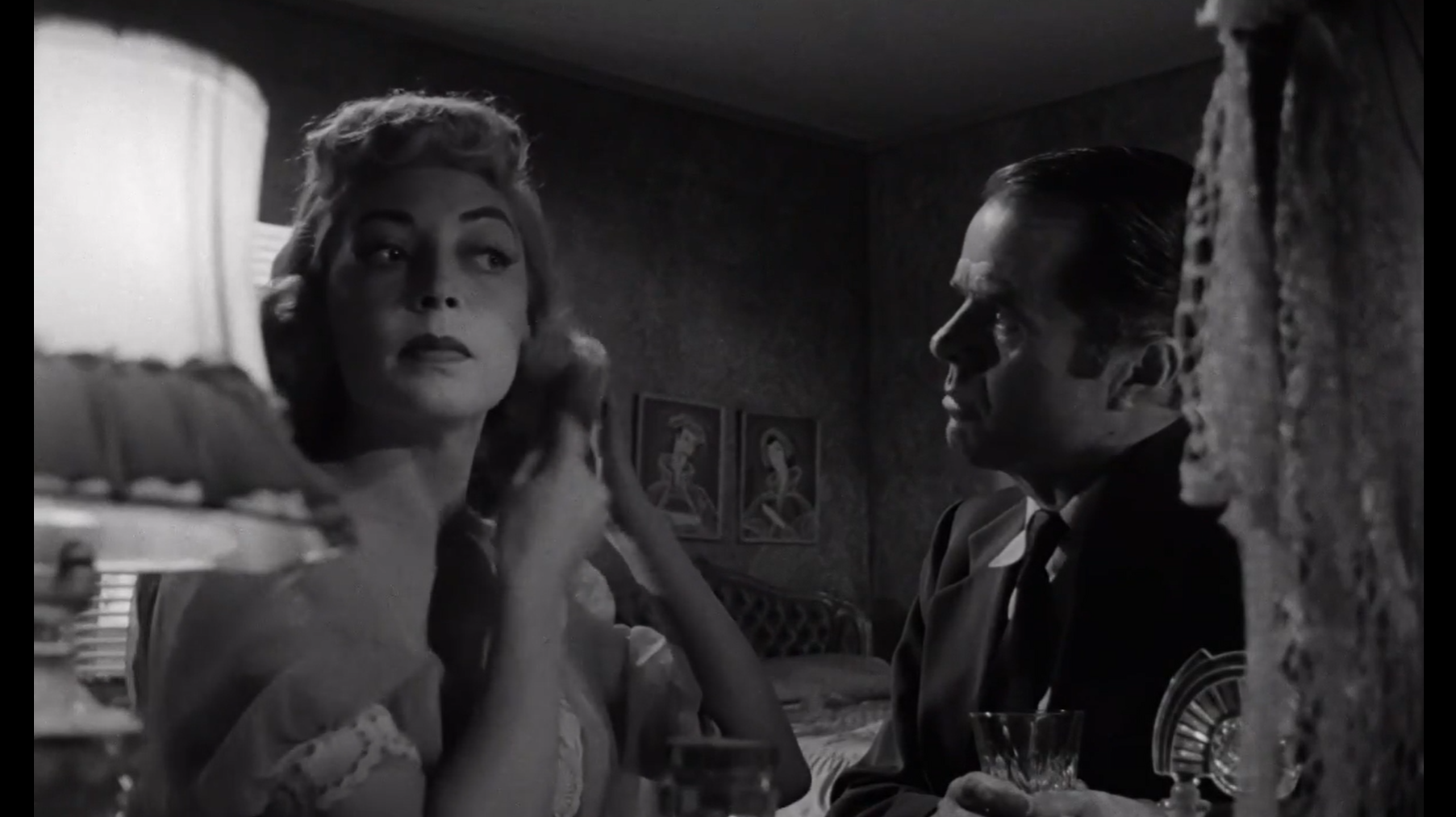
For a while, for instance, Elisha Cook, Jr.’s troubled relationship with his “manipulative, unfaithful, double-crossing wife” (played to B-level perfection by Marie Windsor) dominates the story, as his foolhardy desire to save his sham of a marriage propels the entire operation towards its inevitable doom.
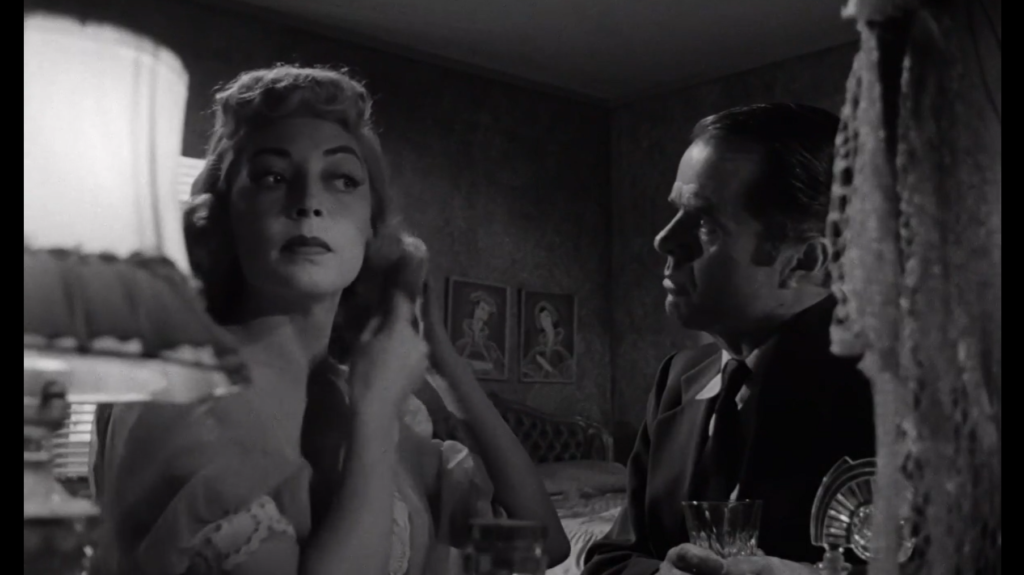
During these scenes, Windsor is given some of the best hardboiled dialogue in the film (courtesy of Jim Thompson):

It isn’t fair. I never had anybody but you. Not a real husband. Not even a man. Just a bad joke without a punch line.

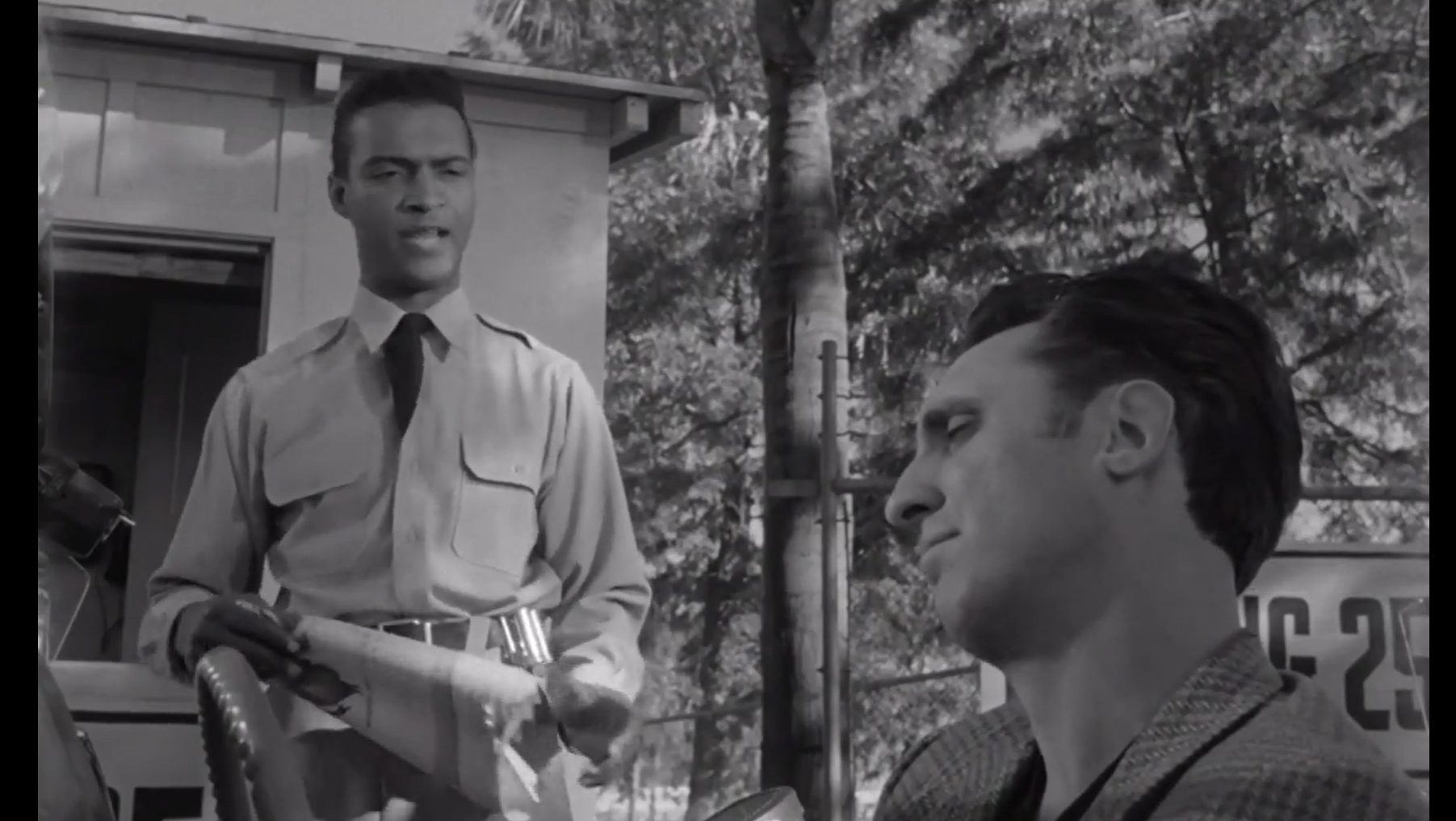
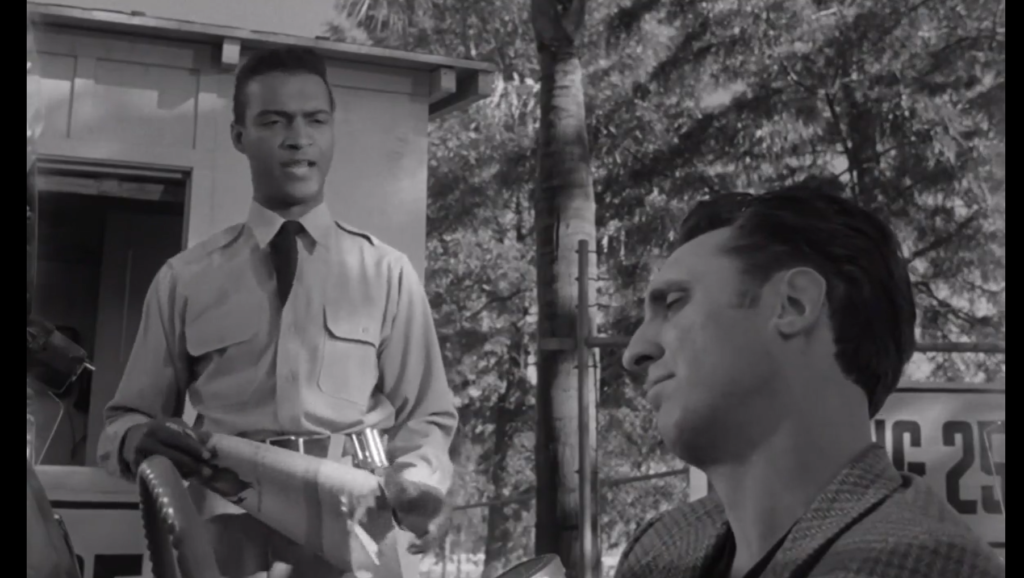
Soon we’re caught up in the mechanics of the heist itself, watching as each player fulfills his well-timed part, and “the pieces of a great puzzle fall into place”. Tension builds incrementally, as we wonder when the inevitable slip-up will occur; the interactions between a hick hired gun (Timothy Carey, reminiscent of John Turturro) and the black racetrack employee (James Edwards) he sweet-talks into letting him into a parking lot ahead of time are particularly riveting and disturbing.
By the end of the film, the story has cycled back to Hayden, and we watch with bated breath to see what fate holds for him and his “nice girlfriend” (an underused Colleen Gray).
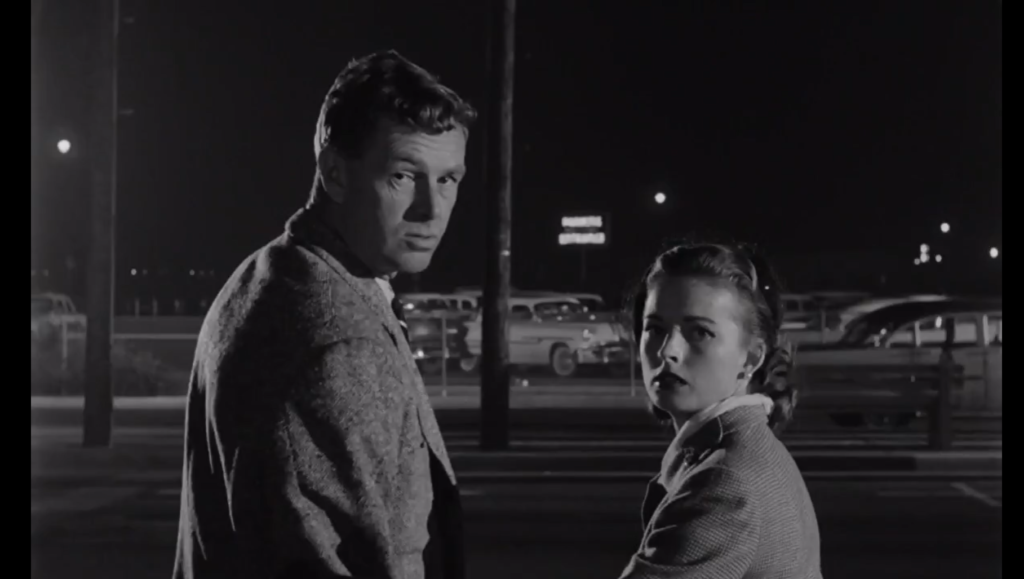
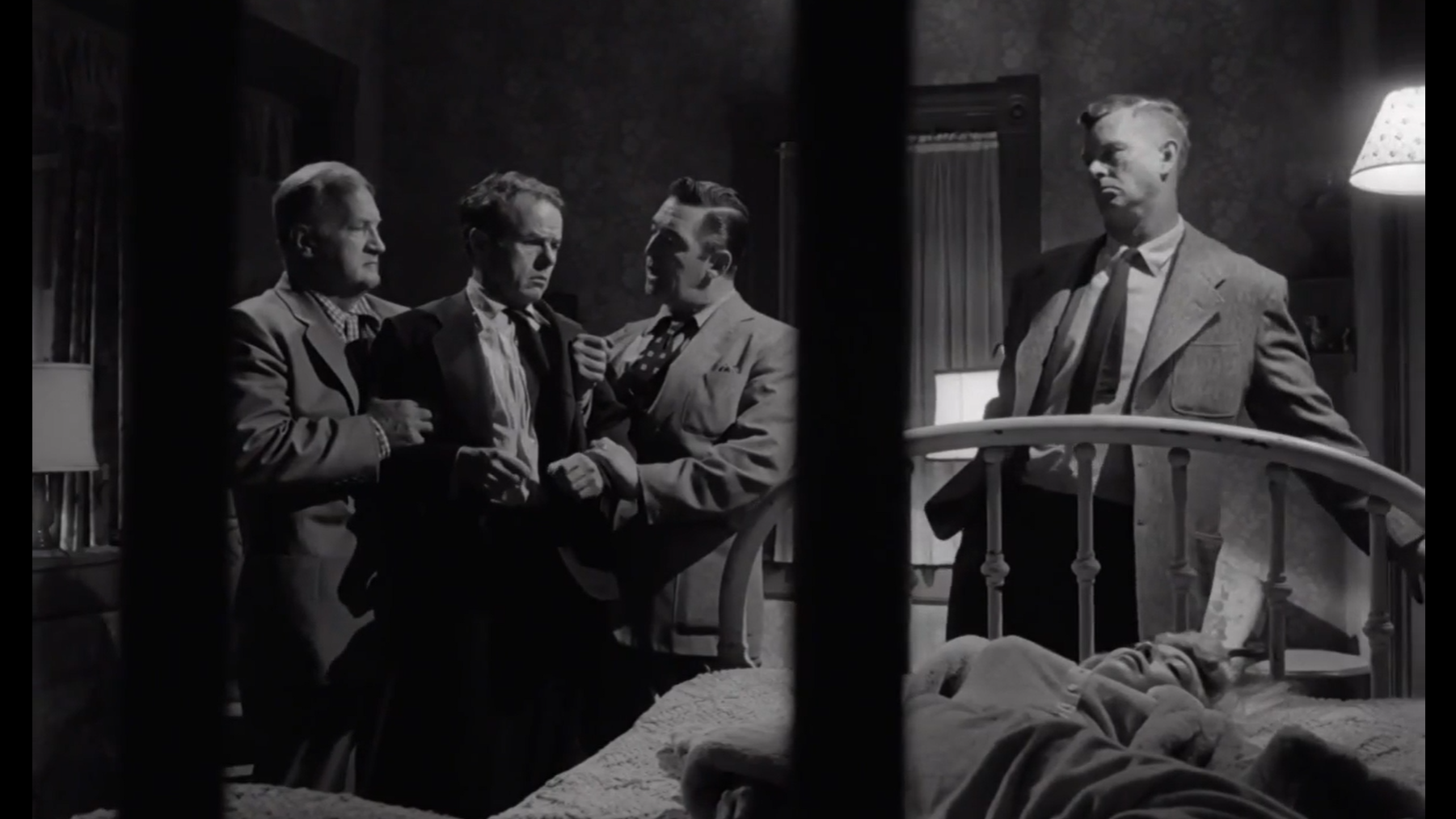
All I’ll say is: watch the woman with the dog.

Note: Peary accurately points out that the film “recalls Jean-Pierre Melville’s Bob Le Flambeur” — another must-see classic.

Redeeming Qualities and Moments:

  • Lucien Ballard’s cinematography

  • Fine supporting performances

  • The knuckle-gripping ending

Must See?
Yes, as Kubrick’s breakthrough film, and as an all-around good show. Nominated as one of the best pictures of the year in Peary’s Alternate Oscars.

Categories

  • Good Show
  • Important Director

Links:

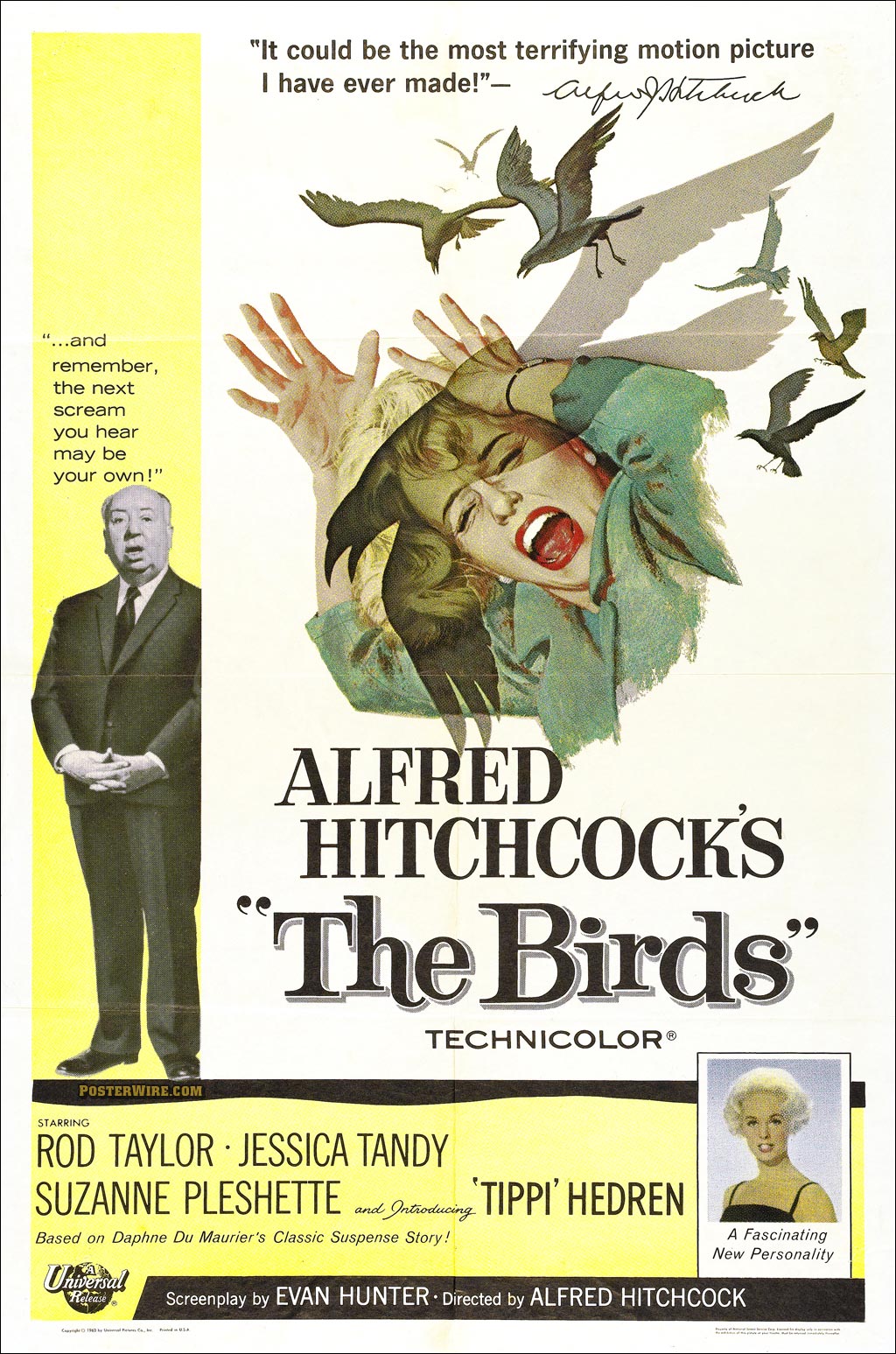
Birds, The (1963)

Birds, The (1963)

“It’s the end of the world.”

Synopsis:
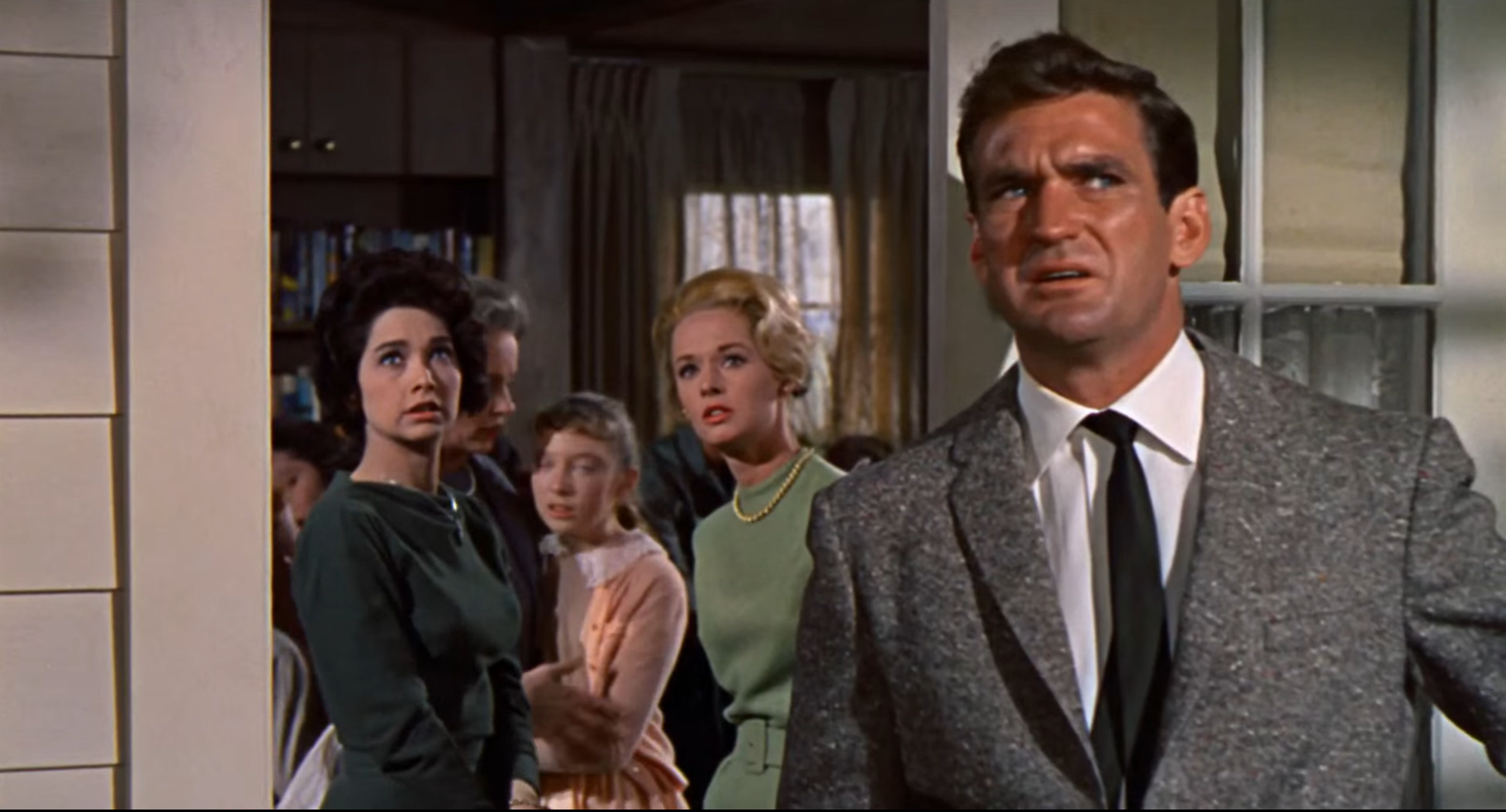
A socialite (Tippi Hedren) pursues a lawyer (Rod Taylor) to his hometown of Bodega Bay, where birds are suddenly beginning to act hostile towards humans.

Genres, Themes, Actors, and Directors:

  • Hitchcock Films
  • Horror Films
  • Jessica Tandy Films
  • Killer Animals<
  • Rod Taylor Films
  • Small Town America
  • Tippi Hedren Films

Response to Peary’s Review:
Peary notes that while this loose adaptation of Daphne Du Maurier’s short story “disappointed most everyone when it was released”, it’s now “justifiably regarded as one of Hitchcock’s true gems, an exciting, complex picture that is technically dazzling [and] extremely well written” — not to mention “ideal for viewers who enjoy digging for themes”. Indeed, given that none of the characters in the film “has an explanation for what is happening”, it’s possible to project numerous theories and metaphors onto the story: perhaps, as Peary writes, the film is attempting to portray a version of “Judgment Day”, or “perhaps the birds have just decided to reclaim their world from the intruding human species, who had proved to be cruel landlords”.

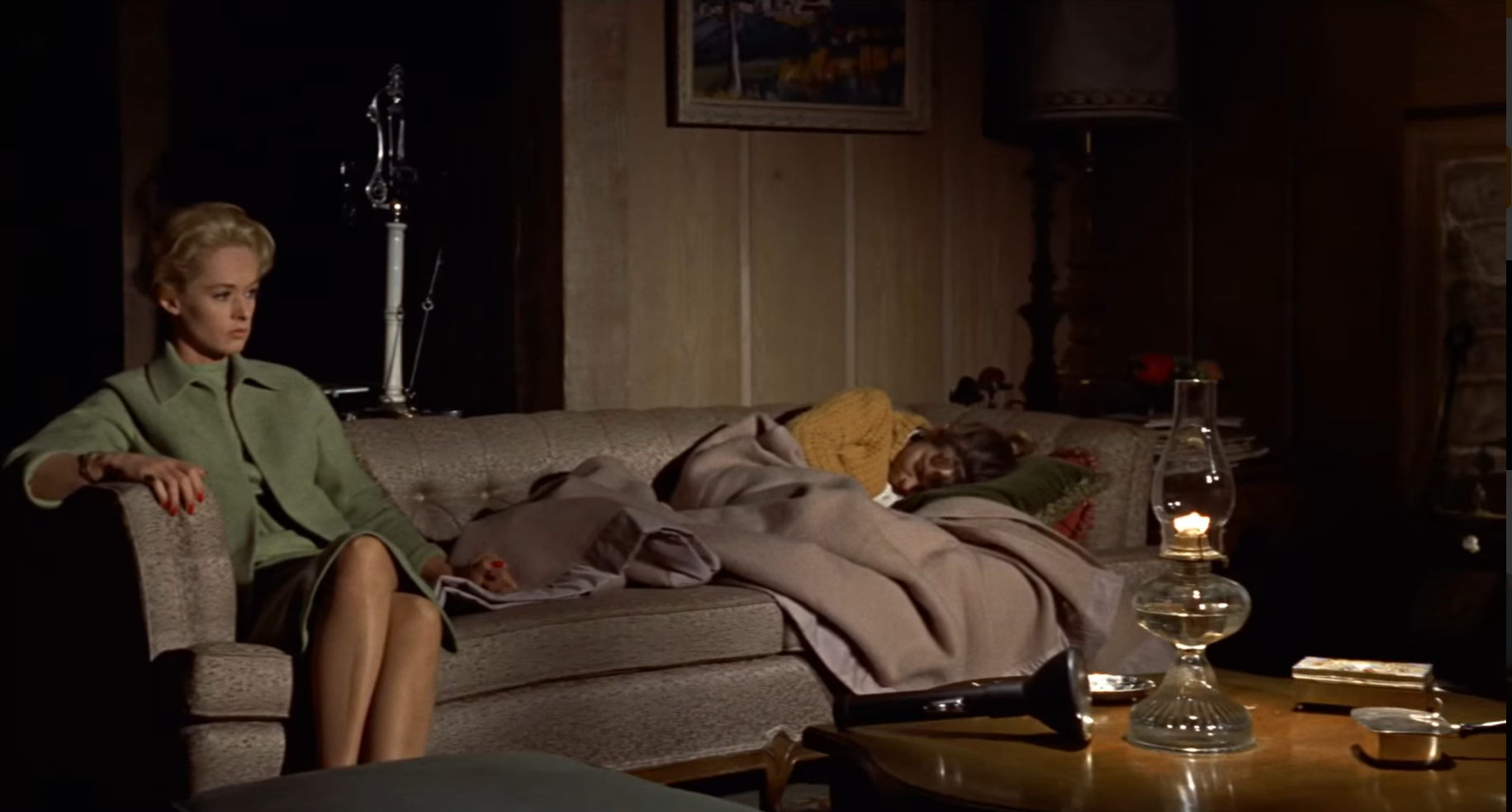
Peary himself asserts his belief “that the film is much like a Christian parable”, in which “the bird attacks serve to force humans to regain their humanness, to bring them closer together, to love one another” — given that each of the leading characters is shown to struggle with issues of trust and abandonment. He fittingly notes that, “when challenged by an alien force”, they “forget the barriers they had set up between themselves and come through for one another”, forming a “human flock” by the film’s disturbing, apocalyptic end.

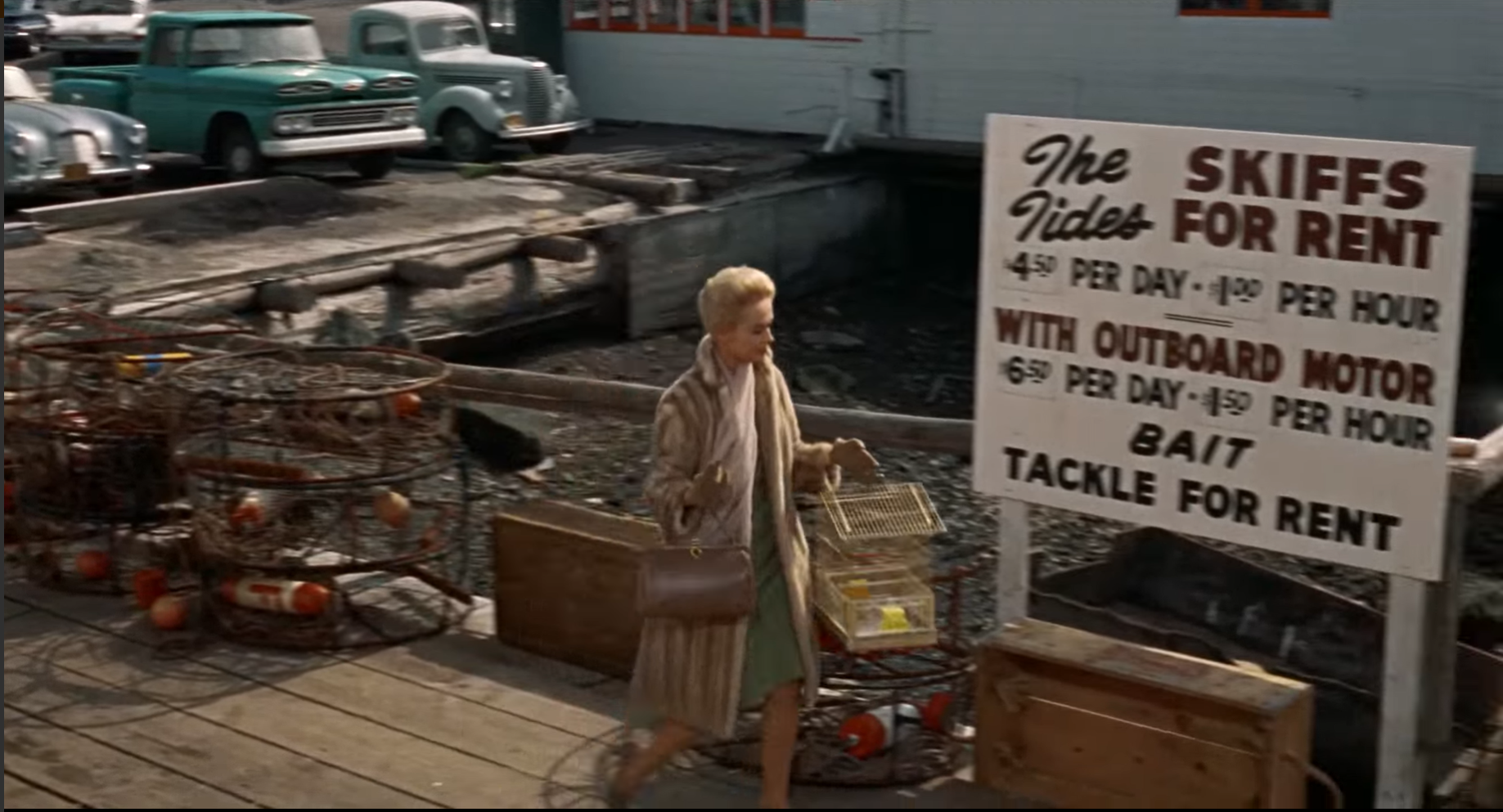
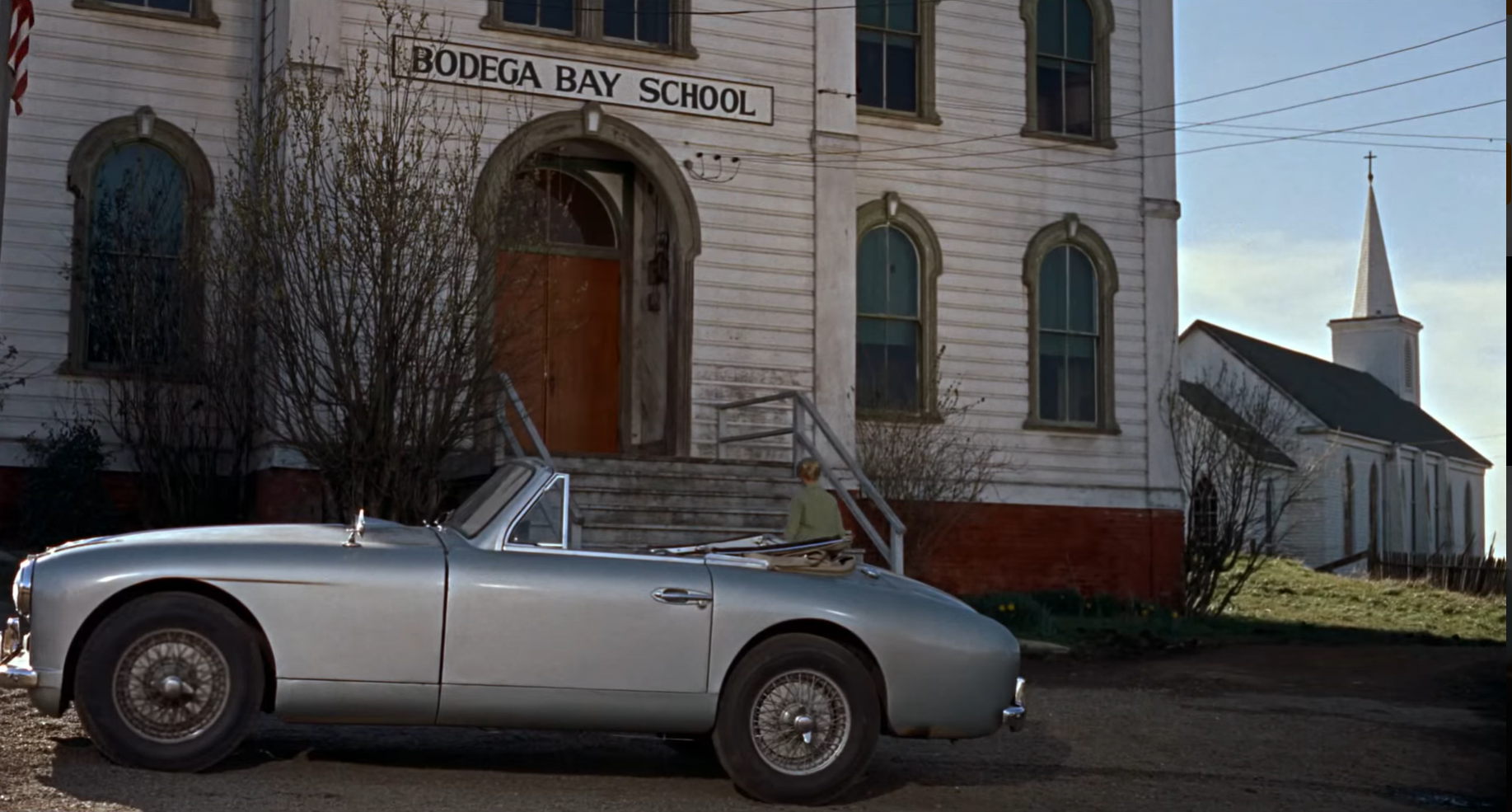
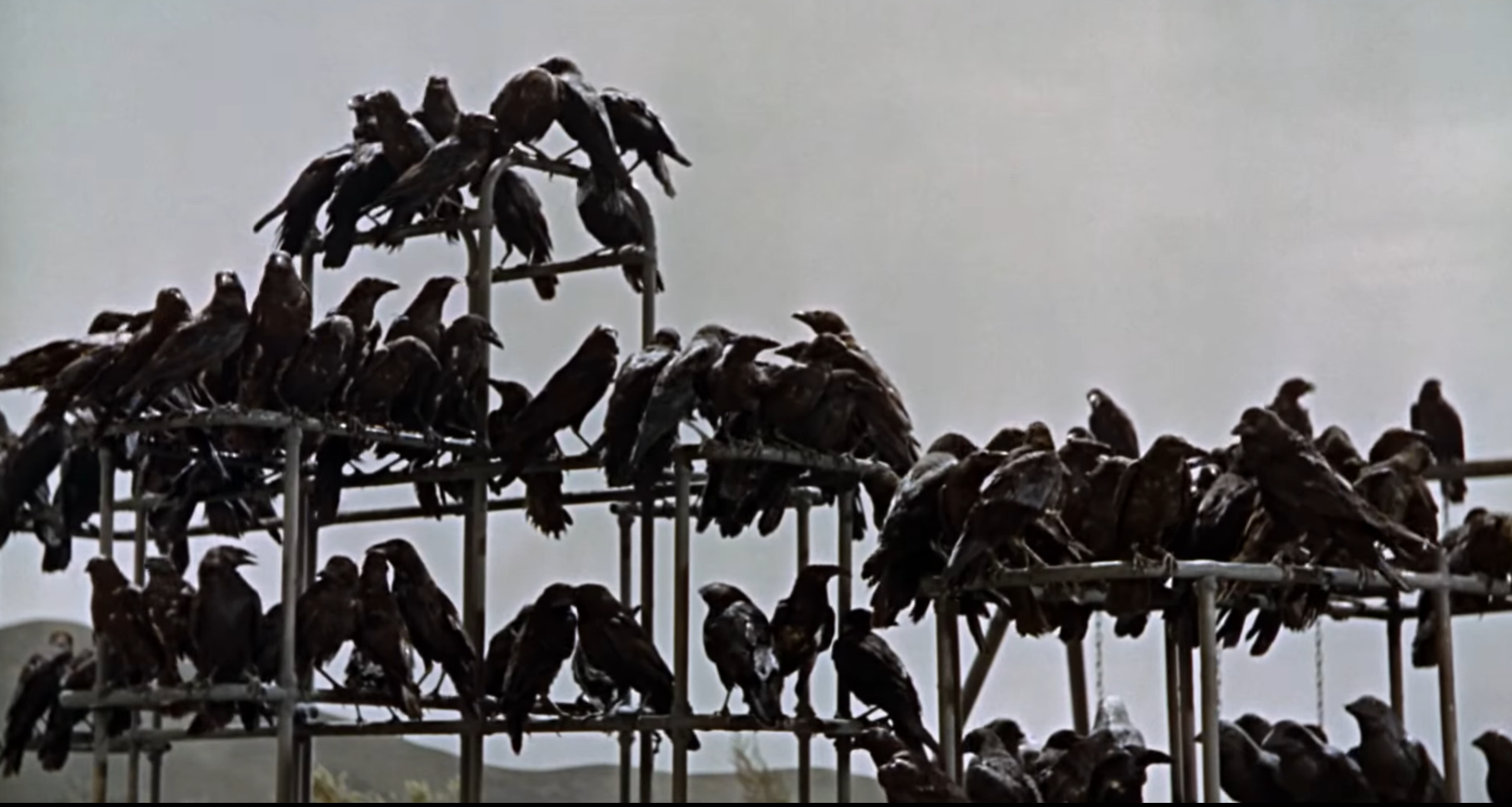
Thematic concerns aside, The Birds remains one of Hitchcock’s most interesting experiments in horror; its pacing and overall timbre are unlike anything he attempted before or after. As Peary notes, the “film’s highlights are not necessarily the bird attacks” (though they’re terribly disturbing) “but how Hitchcock builds suspense prior to them”; and, unlike in his iconic thriller Psycho (1960), just for instance, no music at all is used to heighten emotions — just expertly sound engineered bird noises. Featuring a debut performance by Tippi Hedren that will “grow on you”:

The Birds remains a worthy, unique entry in Hitchcock’s vast oeuvre, and is certainly must-see viewing for film fanatics.

Redeeming Qualities and Moments:

  • Fine Technicolor cinematography

  • Excellent use of location shooting in Bodega Bay

  • Many genuinely frightening scenes of terrorizing birds

  • Bernard Herrmann et al.’s eerily effective soundtrack (combining natural bird sounds with electronic sound effects)

Must See?
Yes, as one of Hitchcock’s most terrifying films.

Categories

  • Important Director

(Listed in 1001 Movies You Must See Before You Die)

Links:

Awful Truth, The (1937)

Awful Truth, The (1937)

“You’ve come back and caught me in the truth — and there’s nothing less logical than the truth.”

Synopsis:
A husband (Cary Grant) and wife (Irene Dunne) seeking a divorce find that they’re actually still in love with one another.

Genres, Themes, Actors, and Directors:

  • Cary Grant Films
  • Divorce
  • Irene Dunne Films
  • Leo McCarey Films
  • Marital Problems
  • Ralph Bellamy Films
  • Romantic Comedy
  • Winning Him/Her Back

Response to Peary’s Review:
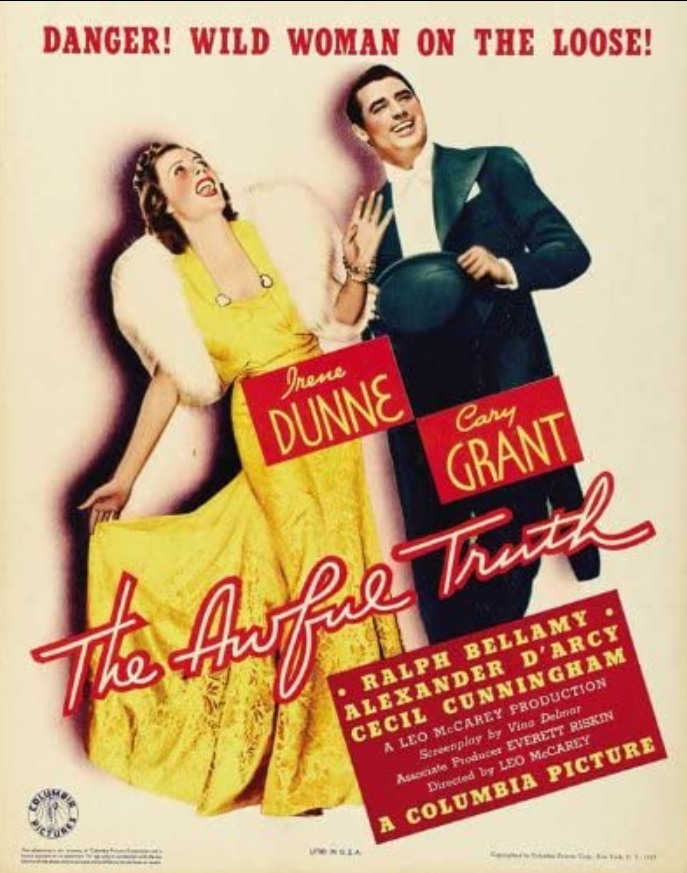
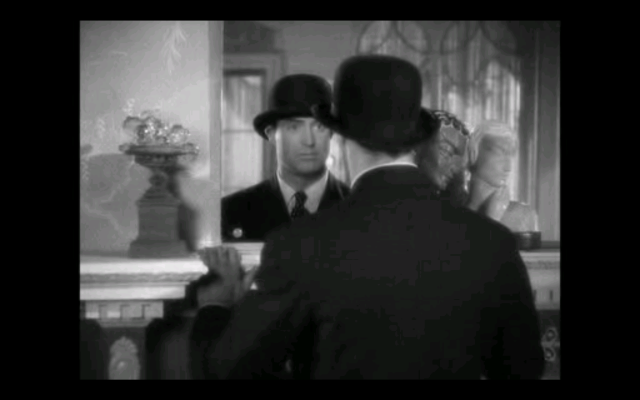
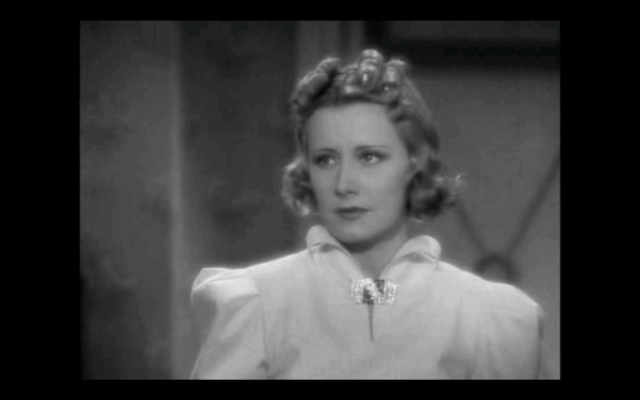
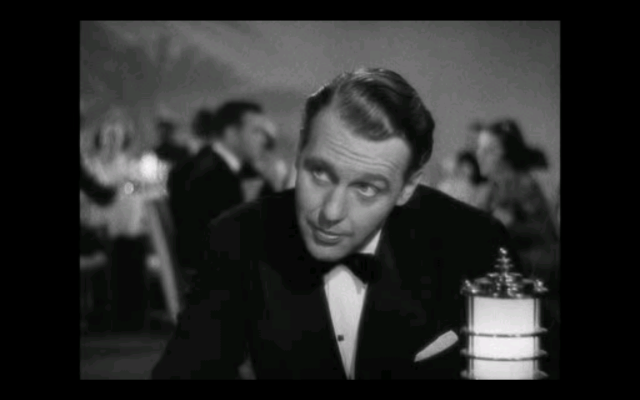
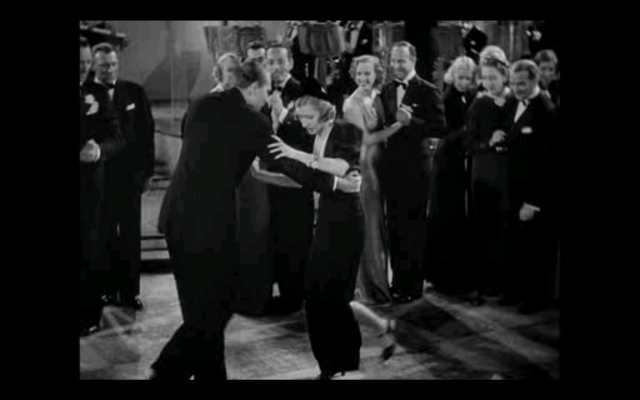
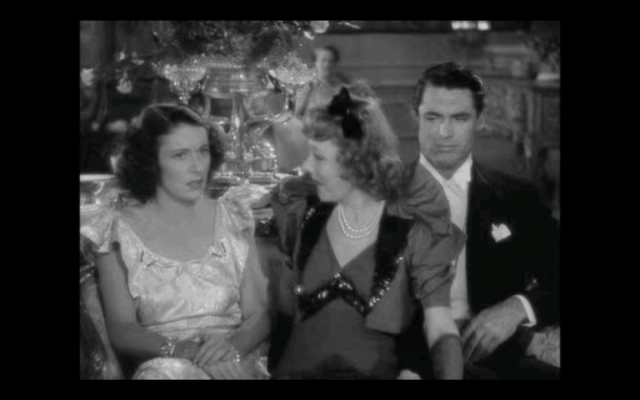
As Peary notes, “there’s nothing special” about the story underlying this beloved screwball comedy about a divorcing socialite couple who are too prideful to admit that they really still love each other — but it remains an enduring treat due to its “terrific” stars (Grant and Dunne) who make “amusing lines sound downright sophisticated”, and who fearlessly employ both improvisation and physical comedy. Indeed, in his Alternate Oscars book, Peary gives both Dunne and Grant awards as best actor and actress of the year, thus duly acknowledging their expert comedic work in the film. In …Oscars, he argues that while Grant’s ghostly character in the same year’s Topper was simply irritating (as is that entire film, truth be told), his “Jerry” in The Awful Truth “remains likable even when deliberately annoying Lucy [Dunne] or the other men in Lucy’s life”. And, while he’s consistently charming, Grant is “never afraid to be the total fool” — as in the classic top hat sequence (surely inspired by director Leo McCarey’s earlier work with Laurel and Hardy), or when he’s “putting on” Dunne’s unsophisticated new love interest (Ralph Bellamy).

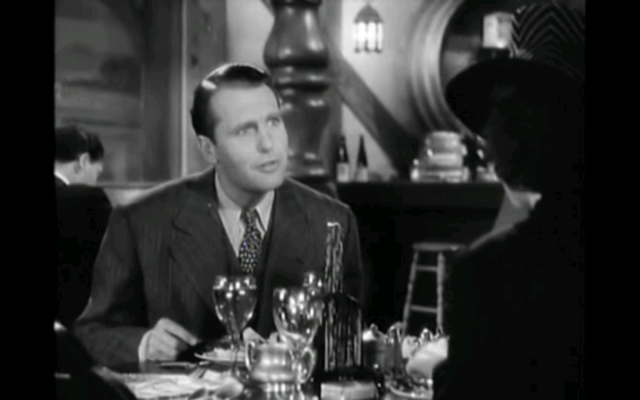
As for Dunne, while she’s never been a favorite actress of mine, she is indeed (in Peary’s words) “charming and funny” in this film, as she gamely “[lets] fly with one-liners”, and “has a field day showing there’s fire under her ladylike facade”. Bellamy deserves special note as well for his pitch perfect portrayal of a “dull, mother-dominated” bumpkin; as DVD Savant puts it, “Bellamy deserved an Oscar for the self-effacing thankless performances he provided” in this and His Girl Friday (1940). Watch for plenty of humorous moments sprinkled throughout the otherwise predictable screenplay — including the truly inspired final bedroom scene, featuring the most creative use of a cuckoo clock in a film — ever.

Redeeming Qualities and Moments:

  • Cary Grant as Jerry Warriner
  • Irene Dunne as Lucy Warriner
  • Ralph Bellamy as Dan Leeson
  • Plenty of hilarious, largely improvised sequences


  • The final “bedroom scene”

Must See?
Yes, as a fine screwball classic.

Categories

  • Genuine Classic

(Listed in 1001 Movies You Must See Before You Die)

Links:

His Girl Friday (1940)

His Girl Friday (1940)

“Walter, you’re wonderful — in a loathsome sort of way.”

Synopsis:
A newspaper editor (Cary Grant) tries anything and everything to win back his ex-wife (Rosalind Russell) from her new fiance (Ralph Bellamy).

Genres, Themes, Actors, and Directors:

  • Career-versus-Marriage
  • Cary Grant Films
  • Feminism and Women’s Issues
  • Howard Hawks Films
  • John Qualen Films
  • Journalists
  • Love Triangle
  • Play Adapation
  • Political Corruption
  • Ralph Bellamy Films
  • Romantic Comedy
  • Rosalind Russell Films
  • Strong Females
  • Winning Him/Her Back

Response to Peary’s Review:
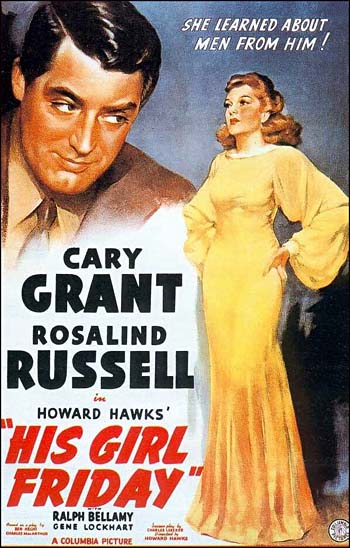
Peary is appropriately impressed by this “brilliantly acted, frantically paced screwball comedy”, which reworks “[Ben] Hecht and [Charles] MacArthur’s famous newspaper play, The Front Page” by recasting the lead character of Hildy Johnson as a woman. As Peary notes, the film (expertly directed by Howard Hawks) “is famous for chaotic, overlapping dialogue”, which is both wickedly funny and pointedly satirical — indeed, you’ll need to watch the film at least a few times to begin to catch all the nuances of its rapidfire, densely packed script. As DVD Savant puts it, “His Girl Friday is not a picture to see if one has a slight headache” — you’ll keep feeling, rightly so, like you’ve missed something.

Indeed, His Girl Friday covers a plethora of narrative bases: not only is it arguably the most famous “newspaper drama” in cinematic existence (it makes journalism look like the most exciting profession EVER), but it relates a satisfyingly humorous love triangle (poor Bellamy never stands a chance), as well as a deeply cynical tale of political corruption. Perhaps most notably, however, His Girl Friday showcases the very real conflict many women feel when faced with the prospect of career-versus-marriage. Hildy “thinks she wants a home, as all women are supposed to”, and assertively tells her fellow newsmen that she wants to “be a woman, not a news-getting machine… [to] have babies and take care of them, give ’em cod liver oil and watch their teeth grow” (!!!). Yet she’s clearly still addicted to the rush of the newsroom — and, in this particular social universe, she must make a choice. Peary astutely argues, however, that the “film is not so much about the traditional battle of the sexes as it is about sexual differentiation”; he notes that “when characters put their guards down, they take on characteristics of the opposite sex”, with “the tough-talking male reporters [becoming] as gossipy as a women’s bridge group”, and Hildy happily “exchanging insults with Walter”.

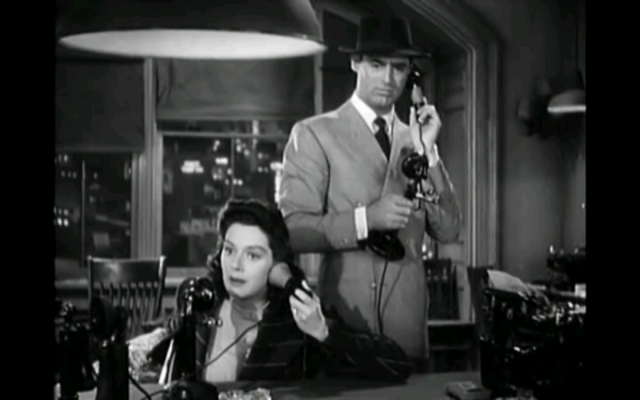
Adding to the success of this tautly scripted, directed, and edited film are standout performances by both Grant and Russell, who are at the top of their game, and perfectly matched for each other. Grant — who reminds me more than ever here of George Clooney — is “exceptional, particularly doing physical comedy”; it’s enjoyable to watch him in a “rare” role as “the aggressor in a relationship, rather than a befuddled suitor”. Meanwhile, Russell “is dynamic… [and] unabashed as [a] cunning, bawdy, aggressive, cigarette-smoking, unladylike female”. As Peary notes, “it’s a shame she wasn’t offered such parts more often”; interestingly, however, Russell was far from Hawks’ first choice for the role — he wanted Carole Lombard. Be sure to check out all of TCM’s online articles for more juicy behind-the-scenes trivia about this fabled film.

Redeeming Qualities and Moments:

  • Rosalind Russell as Hildy Johnson; Peary deservedly names her Best Actress of the Year in his Alternate Oscars
  • Cary Grant as Walter Burns (nominated by Peary as Best Actor of the Year)
  • Ralph Bellamy as Bruce
  • Charles Lederer’s brilliantly rapidfire script
  • Priceless dialogue:

    “Take Hitler and stick him on the funny page.”

Must See?
Absolutely — numerous times. Nominated as one of the Best Pictures of the Year in Peary’s Alternate Oscars.

Categories

  • Genuine Classic
  • Important Director

(Listed in 1001 Movies You Must See Before You Die)

Links: