Browsed by
Category: Response Reviews

My comments on Peary’s reviews in Guide for the Film Fanatic (Simon & Schuster, 1986).

The Inspector General (1949)

The Inspector General (1949)

“He has full power from the emperor himself. And wherever he finds bribery and corruption, there the gallows and the firing squad go to work!”

Synopsis:
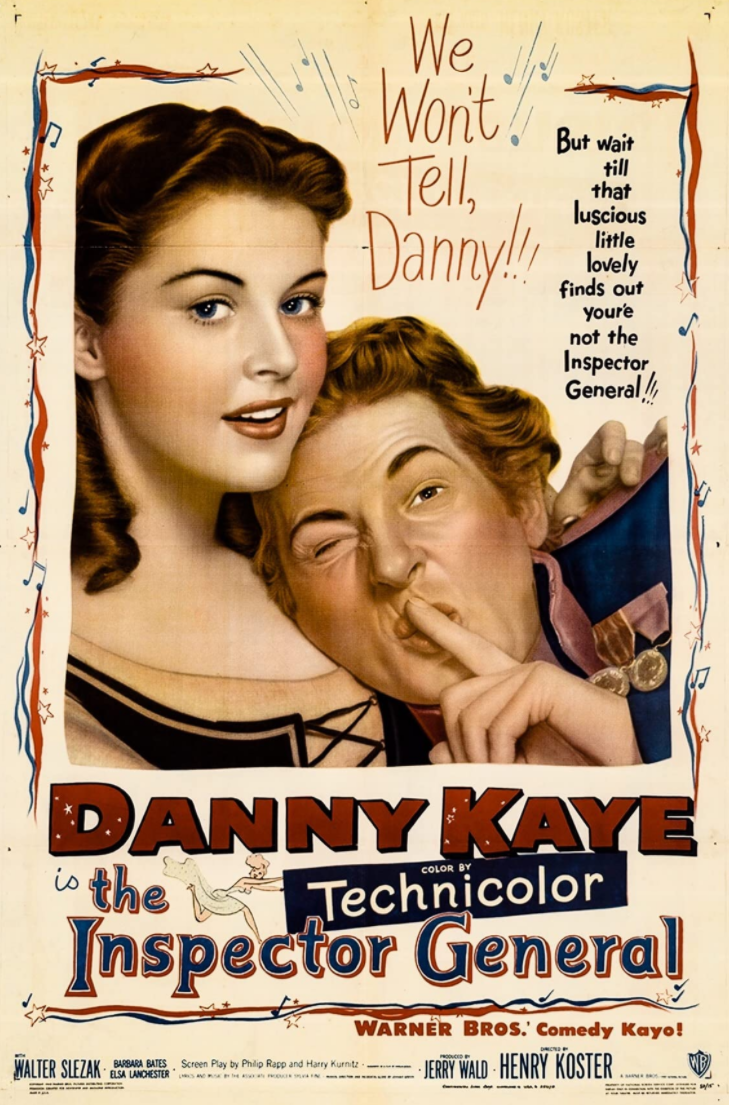
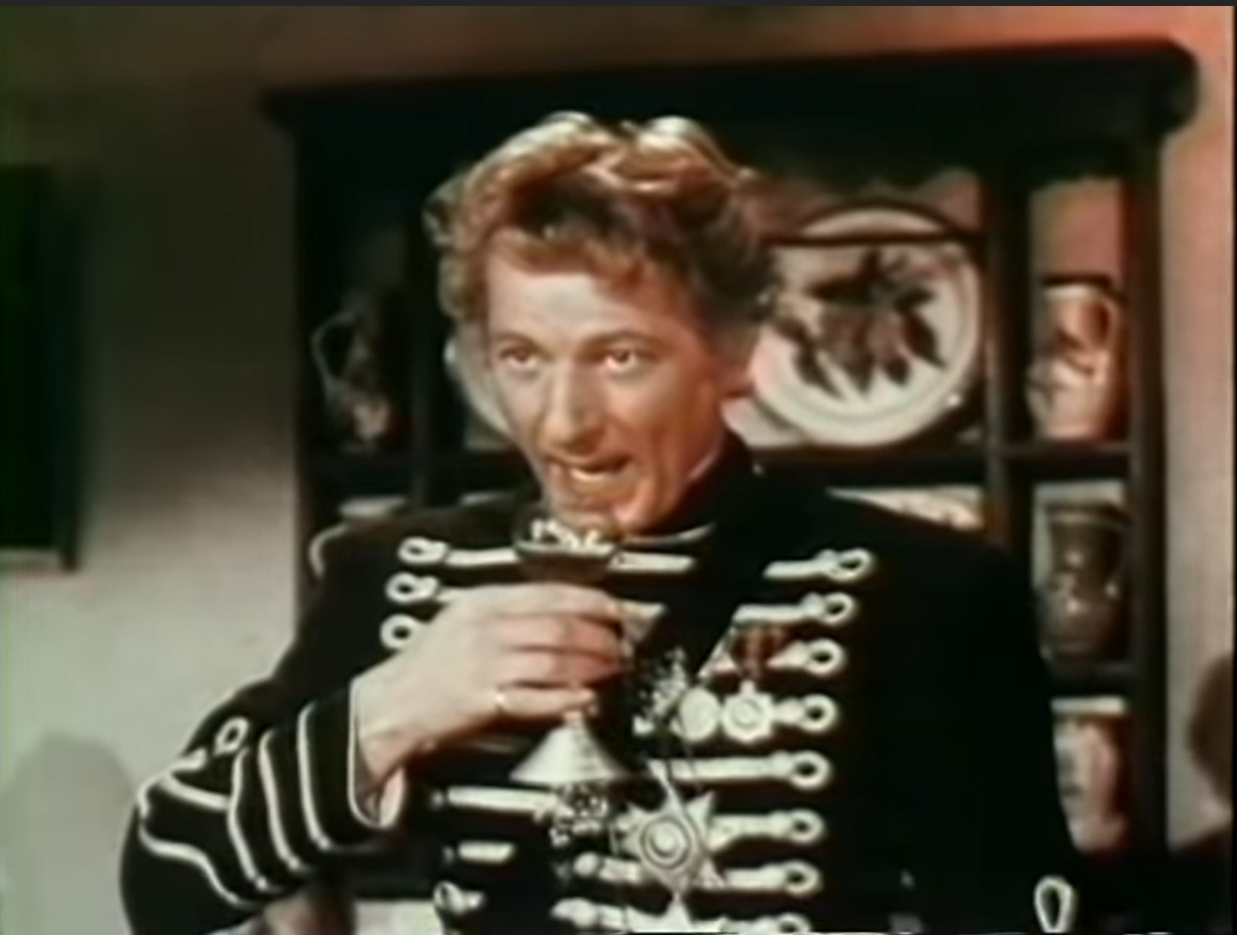
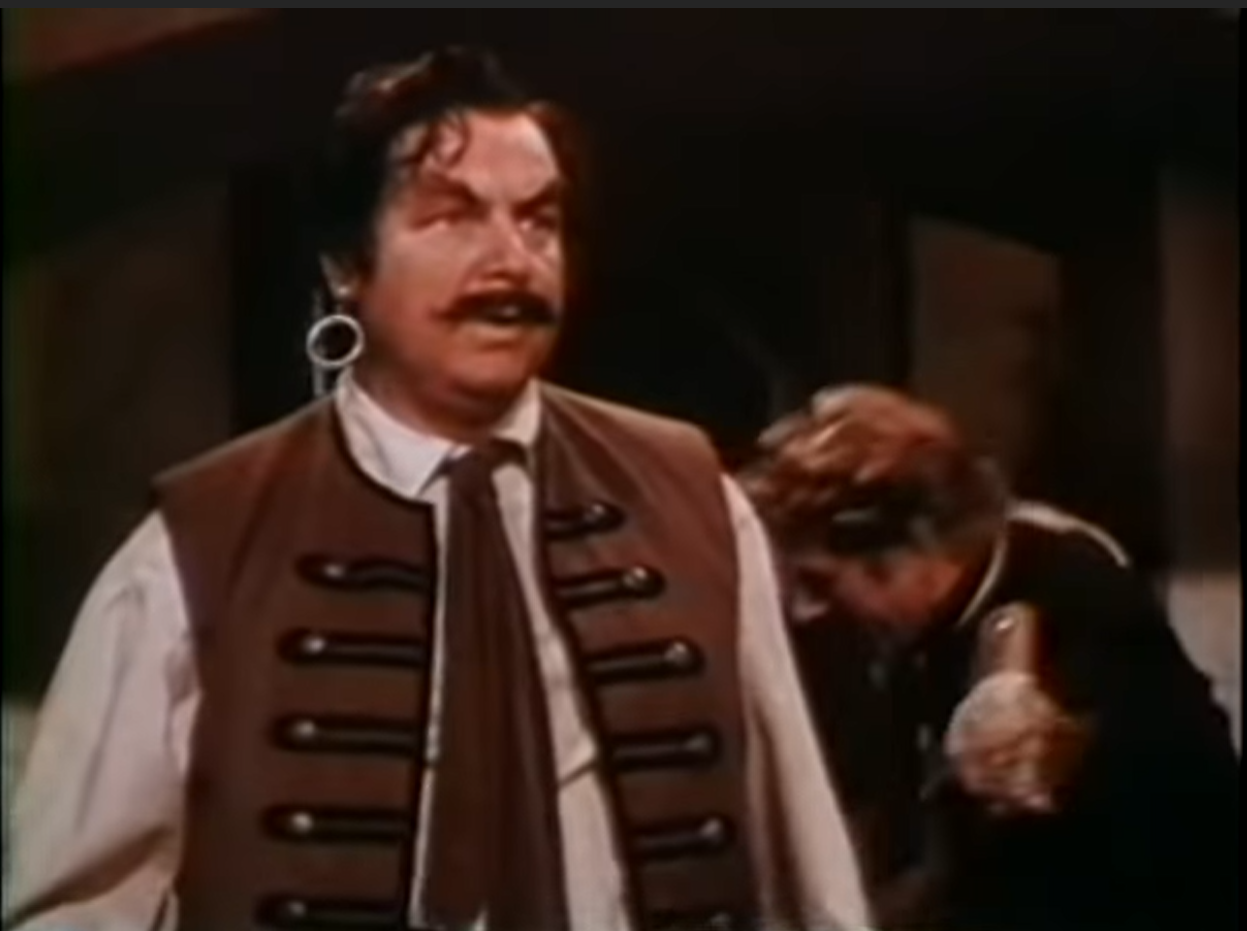
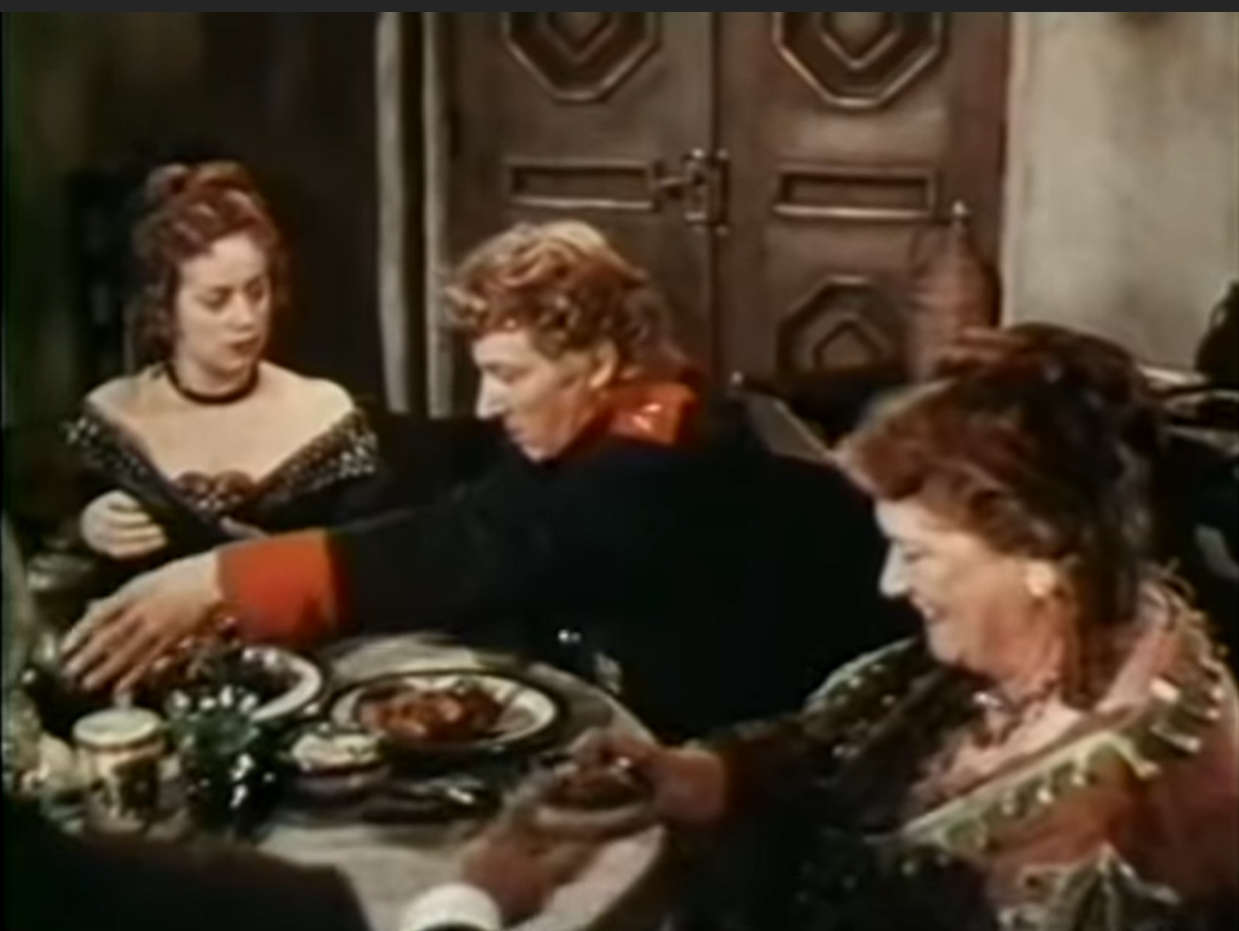
An illiterate peasant (Danny Kaye) working for a traveling medicine show man (Walter Slezak) is mistaken as the feared Inspector General by a corrupt mayor (Gene Lockhart) and his fellow town officials.

Genres, Themes, Actors, and Directors:

  • Alan Hale Films
  • Comedy
  • Corruption
  • Danny Kaye Films
  • Elsa Lanchester Films
  • Historical Drama
  • Mistaken Identities
  • Musicals
  • Play Adaptation

Response to Peary’s Review:
Peary provides some interesting social context in the opening lines of his review of this “badly dated” Danny Kaye farce: he reports that Kaye (“part owner of the Seattle Mariners”) was “roundly booed” at a “game [he] attended in Yankee Stadium” a few years earlier, and notes, “How his star has fallen…”. Indeed, reading Bosley Crowther’s original review for the New York Times — in which he writes that “at this late date, there’s no necessity to describe Mr. Kaye’s comic type–a charming combination of the meek, the meticulous and the mad–or his wonderful grace and dexterity in manipulating his face and form” — supports this assertion. At any rate, Peary laments that the premise of The Inspector General (very loosely based on a play by Nikolai Gogol) “becomes as tiresome as all [of] Kaye’s songs”, but argues that Kaye — who “does some good physical comedy” — “comes off better than the silly script and better than in some of his other roles”. This may be true, but it’s not enough to recommend the film to anyone other than Danny Kaye fans. All-purpose film fanatics should stick with The Secret Life of Walter Mitty (1947) and The Court Jester (1956) as their two obligatory Kaye flicks.

Redeeming Qualities and Moments:

  • Several amusing songs
  • Walter Slezak — effectively menacing as Yakov the “Medicine Man”
  • Elsa Lanchester in a too-brief performance as the mayor’s wife (who falls hard for the Inspector General)

Must See?
No; this one is only must-see for Danny Kaye fans.

Links:

Gloria (1980)

Gloria (1980)

“Don’t be stupid. You got no home — you got me.”

Synopsis:
When a mob accountant (Buck Henry) and his family are targeted for assassination, only his son (John Adames) survives, thanks to a feisty ex-gunmoll (Gena Rowlands) who reluctantly takes him under her wing.

Genres, Themes, Actors, and Directors:

  • Cat-and-Mouse
  • Gangsters
  • Gena Rowlands Films
  • John Cassavetes Films
  • Lawrence Tierney Films
  • Strong Females

Response to Peary’s Review:
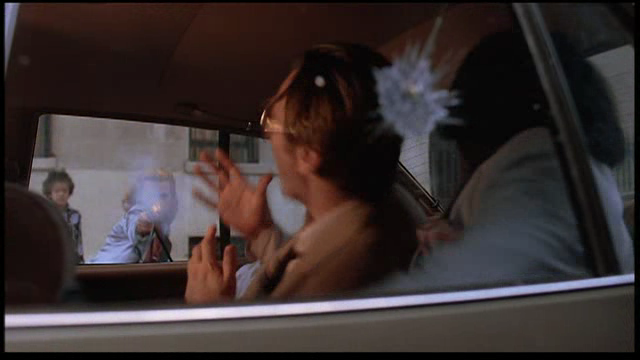
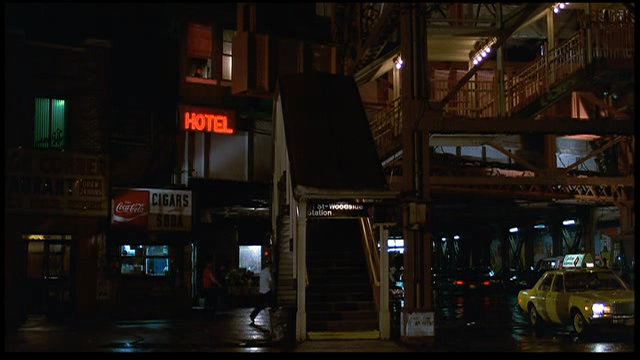
As Peary notes, this “unusual, tough action film” represents a “change of pace for director John Cassavetes and his actress wife, Gena Rowlands”, given that it “replaces introspective dialogue with flying bullets”. It’s primarily notable for the truly “dynamic performance” given by Rowlands, who justifiably earned an Oscar nomination; her character — a “retired former gun moll” who “proves smarter, more resourceful than the killers who chase her and, when necessary, as brutal as they are” — is indeed “unique to cinema”. As the film begins, Cassavetes sets up an almost unbearably tense scenario (reminiscent of the Godfather films), as Buck Henry’s wife (Julie Carmen) is followed back to her apartment, and we soon realize that she and her young family are going to be murdered in cold blood by vengeful mobsters. When Carmen’s flinty, child-hating neighbor (Rowlands as “Gloria Swenson”) is tasked with hiding Carmen’s young son (Adames) — and thus saving him from being killed — we’re literally on the edge of our seats, wondering what will become of this unlikely duo.

Indeed, for the first hour or so, it’s quite compelling to watch Rowlands and Adames make their way across the “gritty”, “sordid New York and New Jersey locations”, as “Gloria stands her ground and guns down some mobsters in a car” (a truly shocking sequence), and she and Phil (Adames) establish their tenuous relationship with one another (I love how Rowlands literally swats Adames off the bed in irritation when he starts asking her too many questions). But as whiny Adames is given more and more screentime (and dialogue), things quickly go downhill; as Peary notes, Adames’ “little boy [who] is supposed to constantly act like a big man will really test your nerves”. (It’s interesting to contemplate whether a different, more skilled child actor — i.e., a Jodie Foster — could have actually pulled off this very challenging role; I’m not certain.)

At any rate, I disagree with Peary that “Buck Henry, in the small part of the boy’s father, is also miscast” — his nebbishy character actually seems perfectly suited as an accountant who stupidly puts his own and his family’s lives at risk. And while Peary calls this film “underrated”, I can’t say I agree — though I’ll concede it’s must-see viewing simply for Rowlands’ iconic performance.

Note: Adames co-earned a Razzie — along with Laurence Olivier! — that year for his performance in this film, and never acted again.

Redeeming Qualities and Moments:

  • Gena Rowlands as Gloria — nominated for an Alternate Oscar by Peary
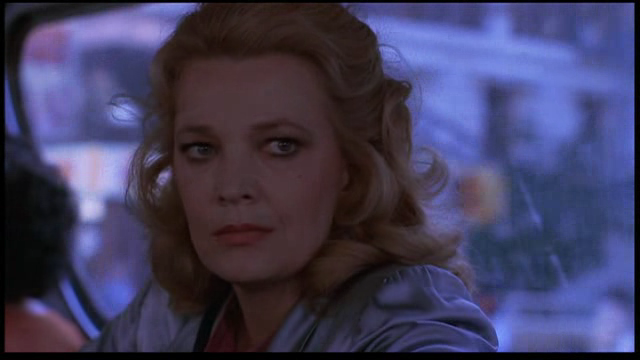
  • The truly nerve-wracking opening assassination sequence
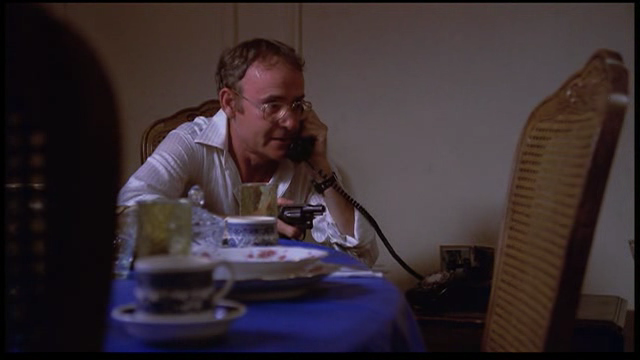
  • Creative direction by Cassavetes
  • Nice use of authentic locales

Must See?
Yes — simply for Rowlands’ Oscar-nominated performance.

Categories

  • Noteworthy Performance(s)
  • Oscar Winner or Nominee

Links:

Left Handed Gun, The (1958)

Left Handed Gun, The (1958)

“I don’t run, I don’t hide. I go where I want, I do what I want.”

Synopsis:
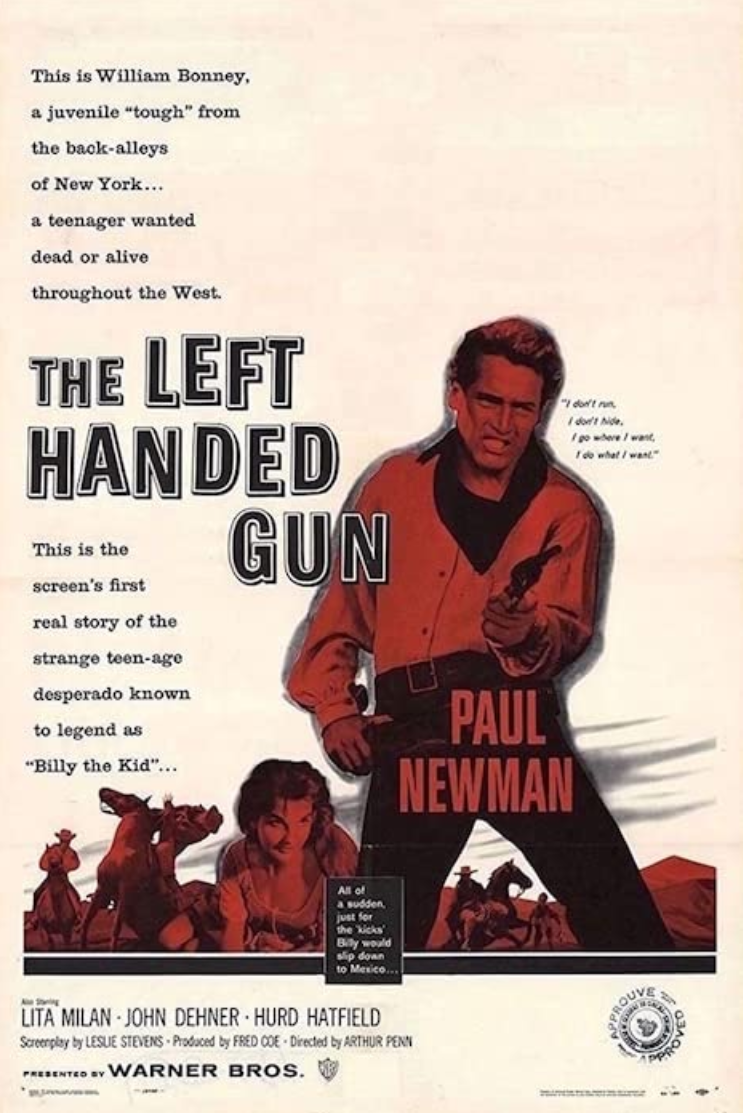
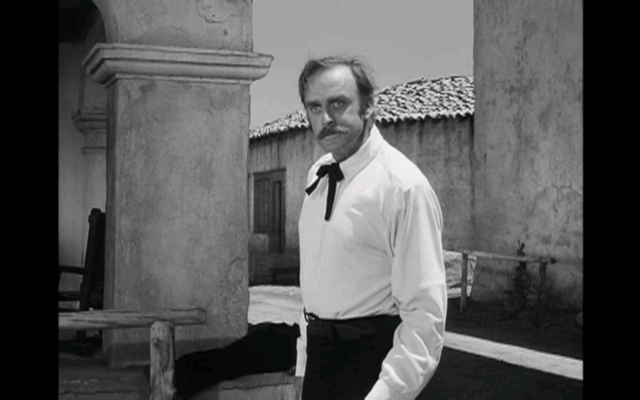
When his new employer (Colin Keith-Johnston) is gunned down, Billy the Kid (Paul Newman) vows revenge against the men who killed him — but he alienates his mentor, Pat Garrett (John Dehner), when his vengeance disrupts Garrett’s wedding.

Genres, Themes, Actors, and Directors:

  • Arthur Penn Films
  • Hurd Hatfield Films
  • Outlaws
  • Paul Newman Films
  • Revenge
  • Westerns

Response to Peary’s Review:
Adapted from Gore Vidal’s TV play “The Death of Billy the Kid”, this feature film debut by Arthur Penn blends “myth-legend and history” by creatively interpreting Billy the Kid’s ascendancy to bad-boy culthood as “a modern-day psychological examination of a troubled youth”. Indeed, as Peary notes, despite being “set in the West”, Left-Handed Gun actually “fits in with fifties juvenile delinquent pictures” given that it deals “with a rebel outcast who is in conflict with society”. It’s notable for Penn’s “audacious camera work”, which effectively broke with traditional Western conventions and paved the way for a new wave of “anti-Westerns”, directly inspiring “Sam Peckinpah, Marlon Brando (in One-Eyed Jacks), and other western directors”. Unfortunately, “Newman’s heavy-handed Method acting” contributes to “the film seeming dated”, and the screenplay (featuring an obligatory love interest for Billy, played by Lita Milan) is far too stagy and contrived for its own good. Most film fanatics will likely be curious to check this film out once, given its historical relevance on several accounts, but Left-Handed Gun isn’t must-see viewing.

Note: As in Clint Eastwood’s Unforgiven (1992), …Gun explicitly features a character meant to show how a Western legend came into notoriety: in this case, Hurd Hatfield’s ‘Moutrie’, a “dime store novelist who adores Billy and wants to make him into a hero”.

Redeeming Qualities and Moments:

  • John Dehner as Pat Garrett
  • Hurd Hatfield as the pulp novelist who immortalizes Billy
  • Effective, innovative camera work

Must See?
No, though it remains of interest.

Links:

White Zombie (1932)

White Zombie (1932)

“You don’t seem to realize what this girl means to me. Why, I’d sacrifice anything in the world for her!”

Synopsis:
A covetous plantation owner (Robert Frazer) in Haiti seeks the help of a voodoo practitioner (Bela Lugosi) in wooing the newlywed bride (Madge Bellamy) of his friend (John Harron) into his clutches.

Genres, Themes, Actors, and Directors:

  • Bela Lugosi Films
  • Horror Films
  • Mind Control and Hypnosis
  • Newlyweds
  • Plantations
  • Voodoo and Black Magic
  • Zombies

Response to Peary’s Review:
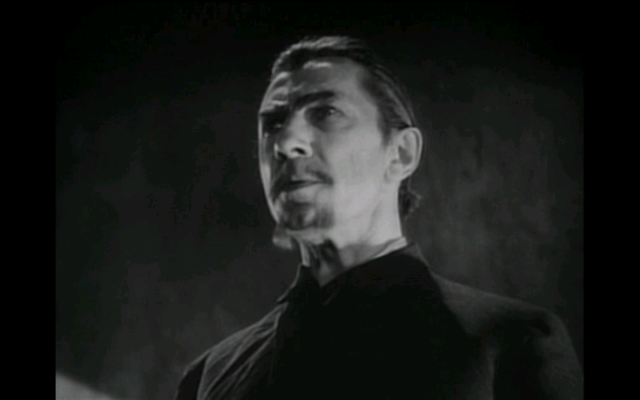
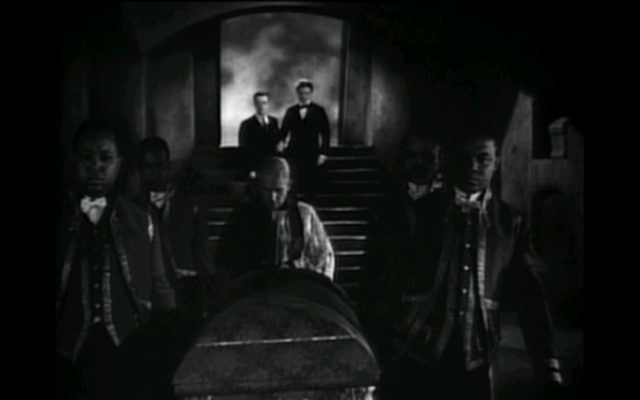
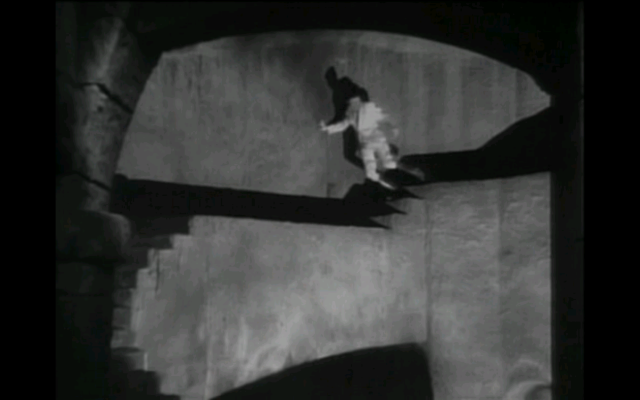
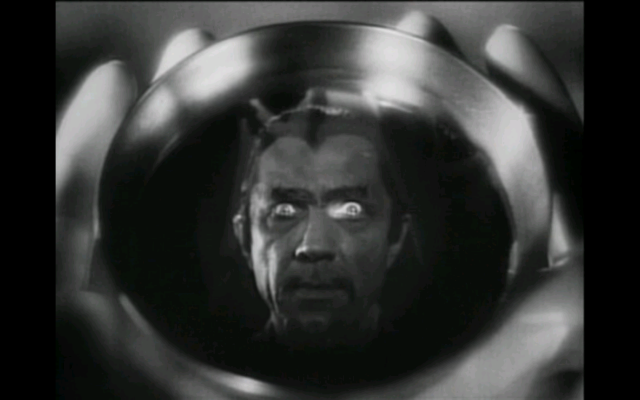
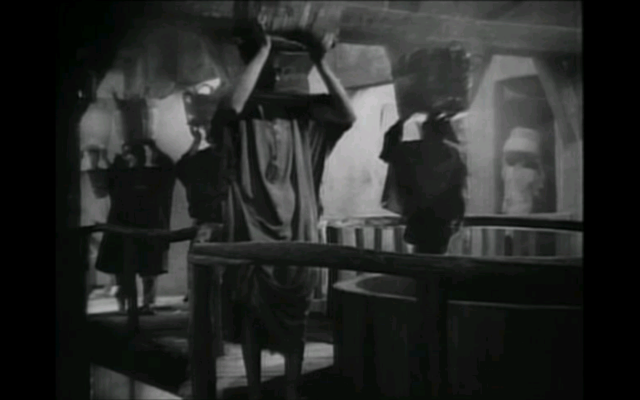
Peary accurately notes that this “impressive early sound shocker” has “marvelous visuals, some that are extremely poetic” — much “like something from a classic silent horror film”. Indeed, director Victor Halperin employs an astonishing array of creative visual techniques in his telling of this spooky “fairytale”, which possesses thematic parallels with “Snow White”: just as “Snow White tasted the poisoned apple, Bellamy falls victim to a poisoned rose”, and must be “roused” awake by her lover. There are many “lengthy non-verbal passages in which the emphasis is on character movement, set design, creating atmosphere through light and shadow, and music (there’s a fine, varied score)”; in general, if there’s a way to frame a scene creatively, Halperin does so. Lugosi — with truly wicked eyebrows and goatee — is note perfect in the lead role as evil Murder Legendre (that name!); watching him carve voodoo dolls of his victims out of candles is truly chilling. As Peary notes, while “some scenes are static, [and] others silly”, this “‘sleeper’ is guaranteed to please the true-blue horror fan” — and, I would argue, most all-purpose film fanatics as well.

Note: A number of classic horror fans have pointed out this film’s historical relevance as the first appearance of zombies on film — and it’s certainly an atmospheric precursor to Val Lewton’s RKO horror classics as well.

Redeeming Qualities and Moments:

  • Bela Lugosi as Murder Legendre
  • Truly atmospheric sets, cinematography, special effects, and framing


Must See?
Yes, as an historically relevant and most enjoyable early horror film.

Categories

  • Good Show
  • Historically Relevant

Links:

Incredible Torture Show, The / Blood Sucking Freaks (1976)

Incredible Torture Show, The / Blood Sucking Freaks (1976)

“Look on in awe at a man who has turned all his fantasies into realities.”

Synopsis:
When the sado-masochistic director (Seamus O’Brien) of a theater macabre show kidnaps a prima ballerina (Viju Krem), her boyfriend (Niles McMaster) hires a detective (Dan Fauci) to investigate.

Genres, Themes, Actors, and Directors:

  • Black Comedy
  • Kidnapping
  • Let’s-Put-On-a-Show
  • Magicians
  • S&M

Response to Peary’s Review:
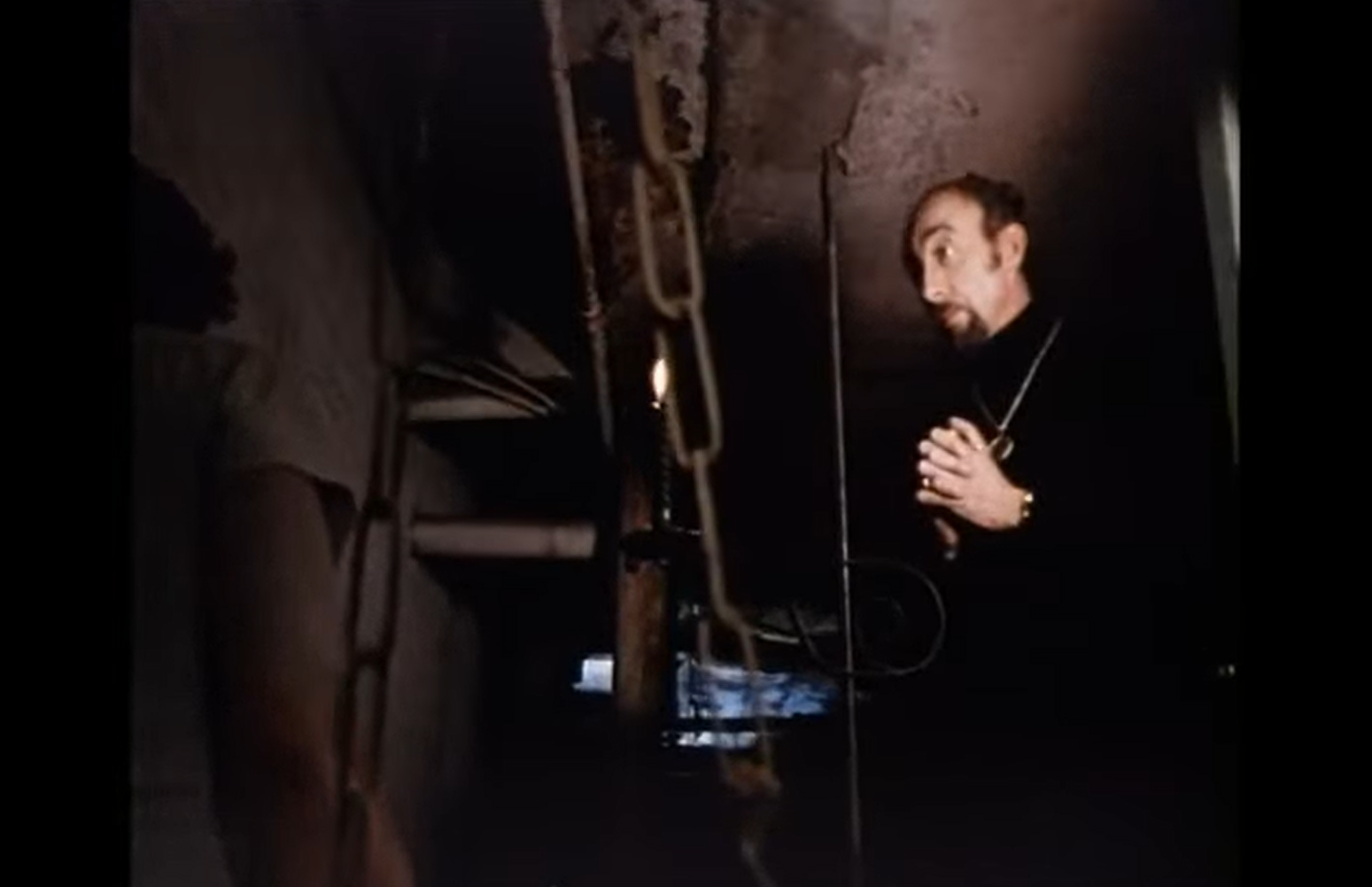
Peary accurately describes this egregious inclusion in his book as a “reprehensible film”, one which, sadly, has a “strong underground reputation based on its … sickening violence and torture scenes”.

While it’s true that “some of the scenes are too ridiculous to be taken seriously” (the voluminous “blood” and amputated body parts throughout are very clearly fake), it’s equally true that “others” — many others — “are nauseatingly tasteless”. To describe them here would simply perpetuate their inexcusable titillation value, so I’ll leave it to you to read other reviews (see links below) for a blow-by-blow recap of the many ways in which women — and a couple of men, for good measure — are tortured and maimed throughout this film. Peary notes that part of the film’s notoriety comes from the fact that it was the “object of protests by women’s groups”, and argues that “if any film deserves to be banned, this [one] deserves strong consideration”; I must agree.

Redeeming Qualities and Moments:

  • Nothing.

Must See?
Absolutely not; be duly forewarned.

Links:

Hercules/Hercules Goes Bananas/Hercules in New York (1969)

Hercules/Hercules Goes Bananas/Hercules in New York (1969)

“Hercules goes where he wishes!”

Synopsis:
Greek demigod Hercules (Arnold Schwarzenegger) defies his father, Zeus (Ernest Graves), by leaving Mt. Olympus and heading down to Earth, where he befriends a nebbishy pretzel seller (Arnold Stang) and impresses mortals with his superhuman strength.

Genres, Themes, Actors, and Directors:

  • Ancient Greece and Rome
  • Comedy
  • Father and Child
  • New York City
  • Supernatural Powers

Response to Peary’s Review:
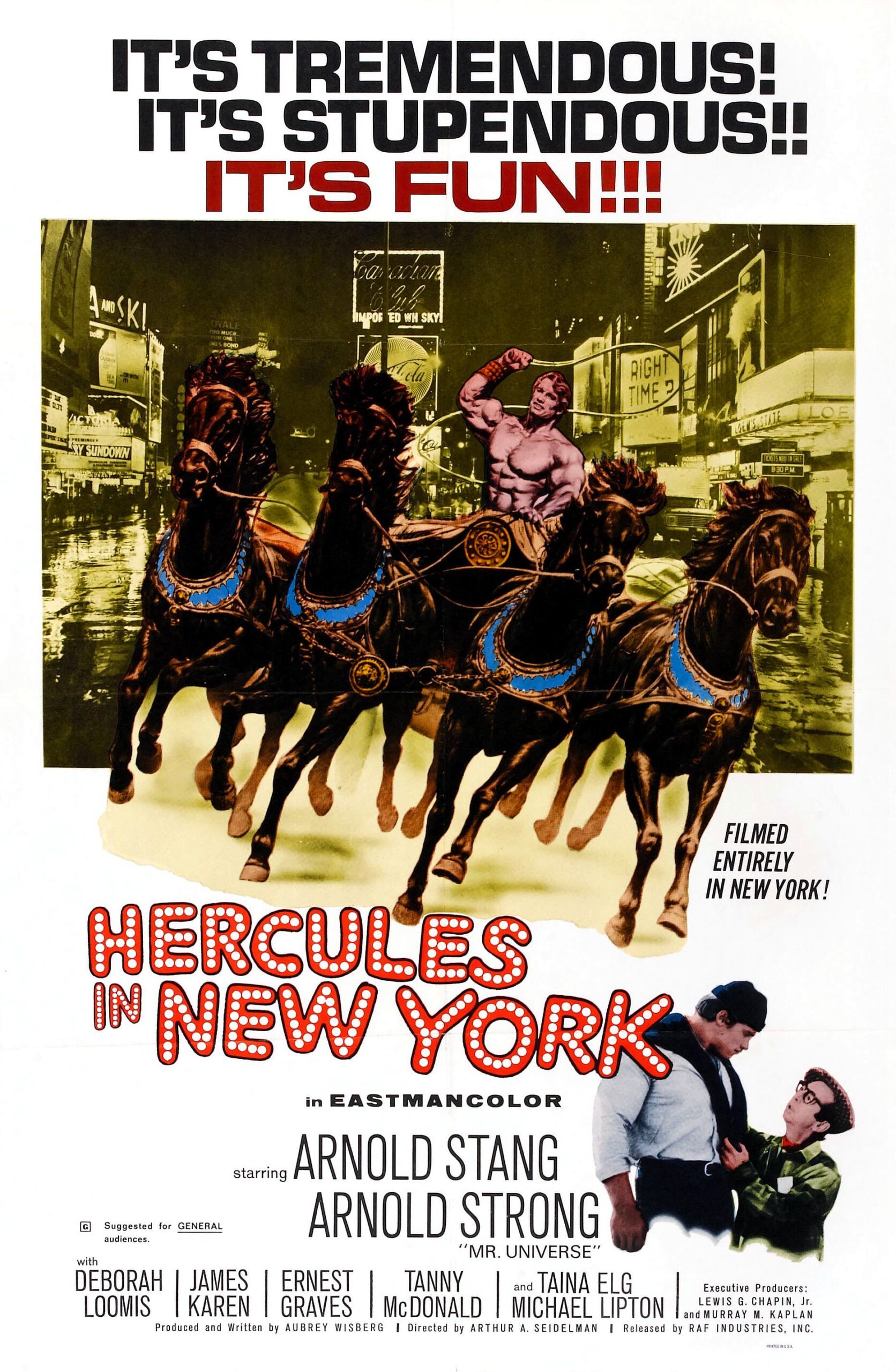
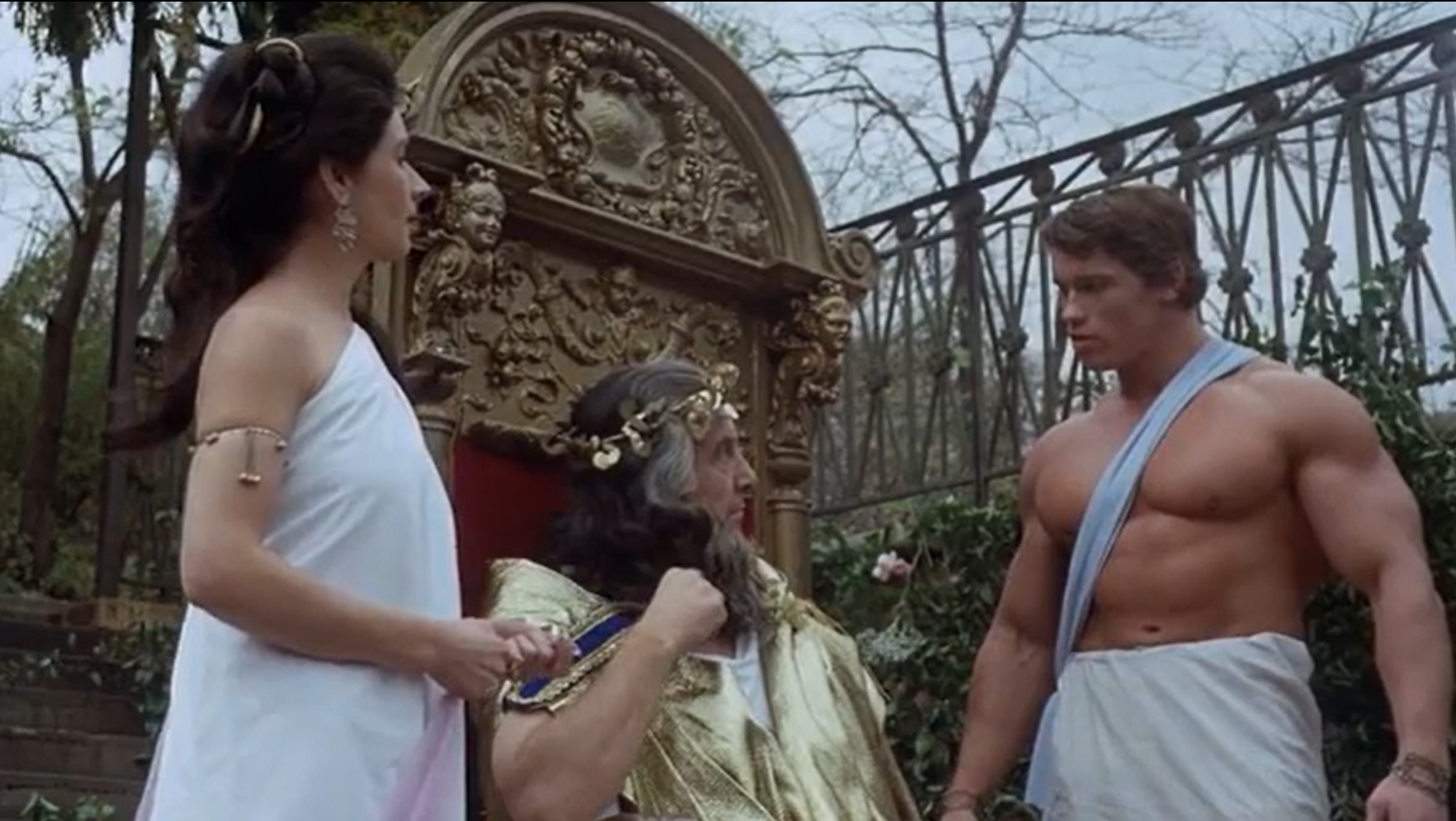
Peary isn’t nearly derisive enough of this unbelievably “lame-brained comedy”, which he labels merely a “disappointment”, noting that “not only is there no wild humor, there are shamefully few jokes and gags at all”. Indeed, the only humor to be had at all comes from the sheer ineptitude of the acting, script, and direction — bad movie aficionados may want to check it out simply to watch for all the goofs that are made, including the sound of cars in the distance during scenes supposedly set on “Mt. Olympus” (actually a NYC country club), or fleeting evidence of shoes on the “bear” Hercules wrestles in Central Park (which is so clearly… oh so clearly… a man in bear costume). With that said, this film remains of marginal historical interest given that it was the film debut for Schwarzenegger (going by the screen name “Arnold Strong”), eight years before he starred in the infinitely more interesting body-building documentary Pumping Iron (1977); watching him here makes one appreciate how far he eventually progressed (relatively speaking) with his acting abilities.

Redeeming Qualities and Moments:

  • Not much of anything

Must See?
No; definitely free to skip this tedious clunker.

Links:

Shoot the Piano Player (1960)

Shoot the Piano Player (1960)

“Lost in the night, you can’t stop the shadows from moving in.”

Synopsis:
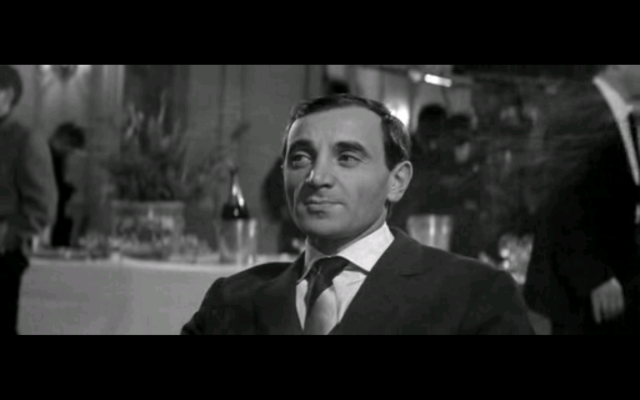
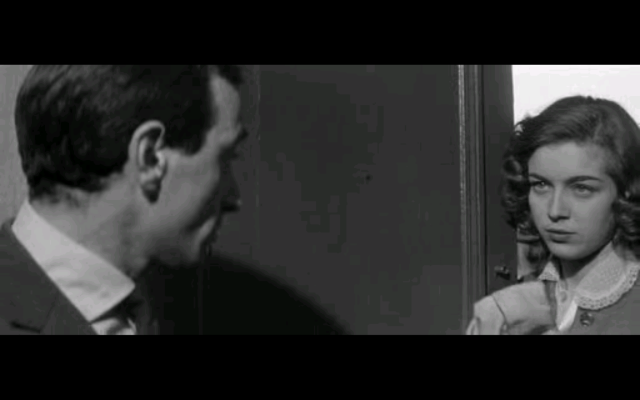
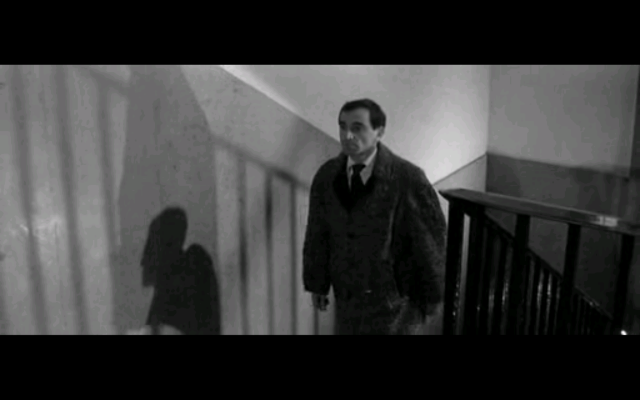
A pianist (Charles Aznavour) with a troubled family and a tragic past falls for a waitress (Marie Dubois) and begins a tentative romance.

Genres, Themes, Actors, and Directors:

  • Francois Truffaut Films
  • French Films
  • Gangsters
  • Musicians

Response to Peary’s Review:
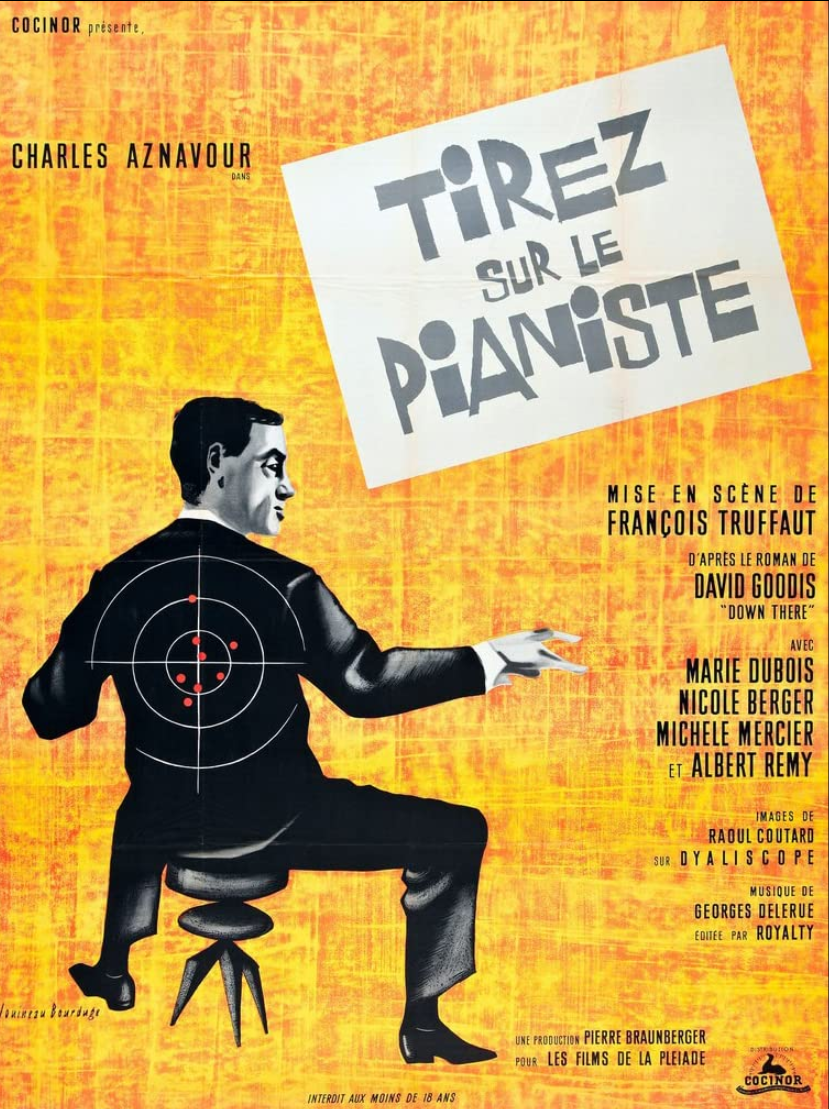
Peary is an enormous fan of this second feature by Francois Truffaut, which was adapted “from a melodramatic [American] crime novel” by David Goodis, and “borrow[s] from such diverse sources as American ‘B’ gangster pictures … [and] fatalistic noir films made in America and France.” He argues that “it is one of [Truffaut’s] finest achievements, a picture that still seems excitingly original”, “still deeply affects the true movie lover”, and is “full of unforgettable moments”. He claims that “no film better juxtaposes comedy and dark tragedy”, and that “no film is more romantic” despite making “a strong case for not falling in love”.

While I’m not sure I would agree with Peary that NO other film does any of these things better (!), his overall sentiment is well-taken — and it’s true that this remains one of Truffaut’s most cinematically innovative and provocative films. In his insightful analysis of the film’s thematic arc, Peary notes:

“In one sense the film is a comical look at a timid man trying to sneak through life in a loud, dangerous world and, if he can muster up the courage, buy a drink for or hold hands with a pretty girl… But on a sadder level it’s about the destructiveness of love, how men treat women as sexual objects, how men’s actions contradict their thoughts, and… how the continuous passivity of men like Aznavour can keep them ‘alive’ but result in [death all around them].”

Adding to the film’s enduring enjoyment is Aznavour’s “oddly moving performance” in the title role; an enormously popular French singer in real life, here he plays a “meek pianist who works in a bar”, a former “successful concert pianist” who has “withdrawn into anonymity” after the suicide of his wife (Nicole Berger). While nursing his considerable emotional wounds, he’s faced with life-threatening trouble on the homefront, given that “gangsters [are] trying to get revenge on [his] two adult brothers for double-crossing them after a robbery”. He gains temporary comfort from a friendly neighborhood hooker (Michele Mercier), and attempts a tentative romance with barmaid Marie Dubois (lovely in her first credited film debut) — but it’s clear that more trouble than joy is in store for our “timid” protagonist, whose desire for a life of simple contentment continues to elude him.

Note: Peary gives away major spoilers in his review, so be forewarned.

Redeeming Qualities and Moments:

  • Charles Aznavour as “Charlie”
  • Marie Dubois as Lena
  • Creative direction
  • Raoul Coutard’s cinematography

Must See?
Yes, as one of Truffaut’s most celebrated films.

(Listed in 1001 Movies You Must See Before You Die)

Categories

  • Genuine Classic
  • Historically Relevant
  • Important Director

Links:

Hercules (1958)

Hercules (1958)

“Deceit does not go with a man of such quality.”

Synopsis:
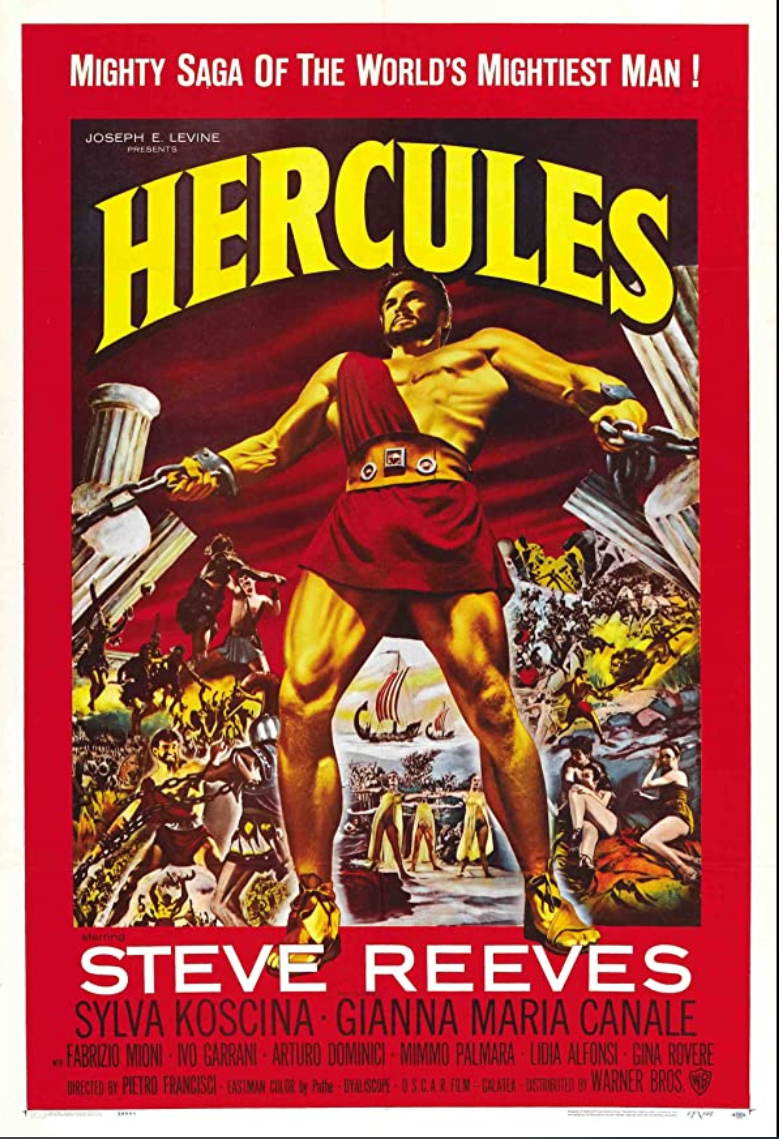
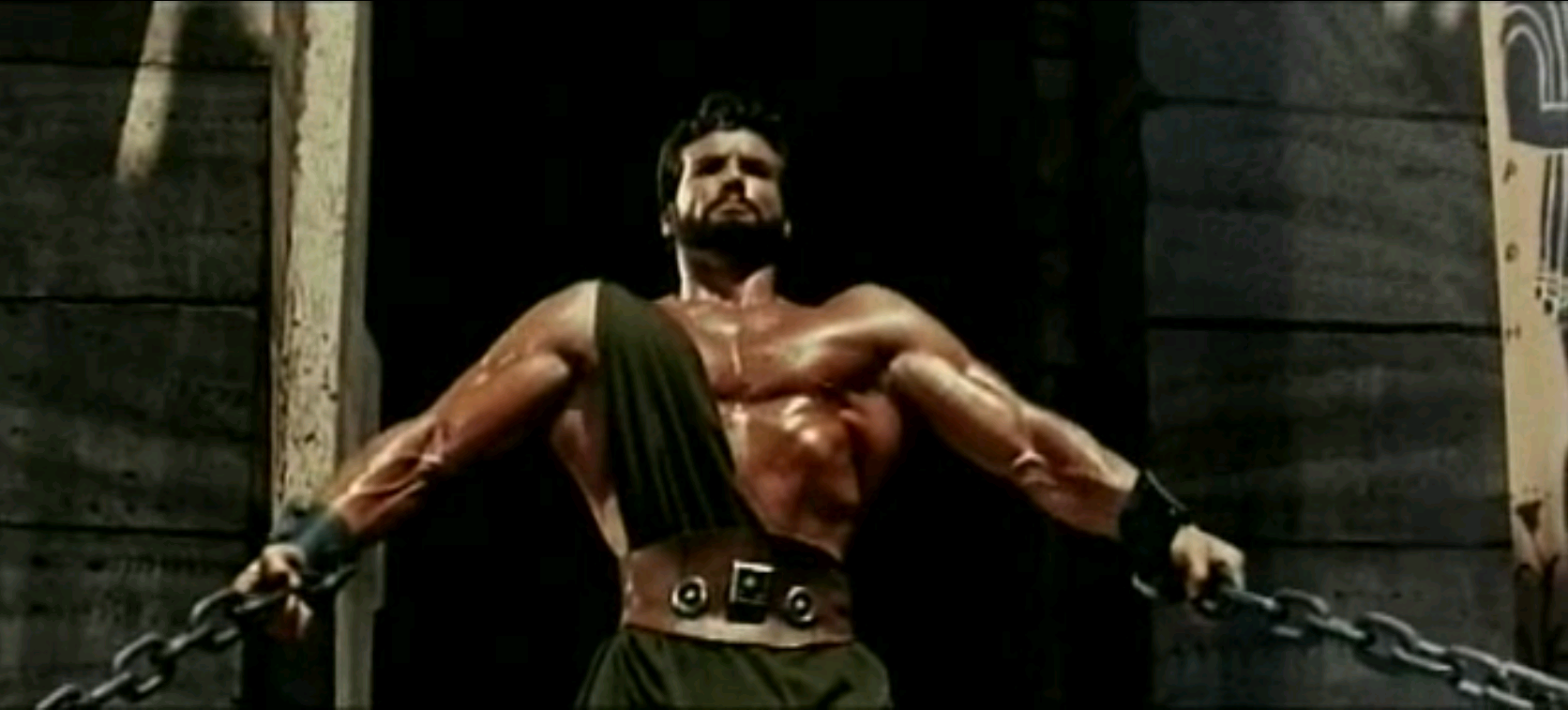
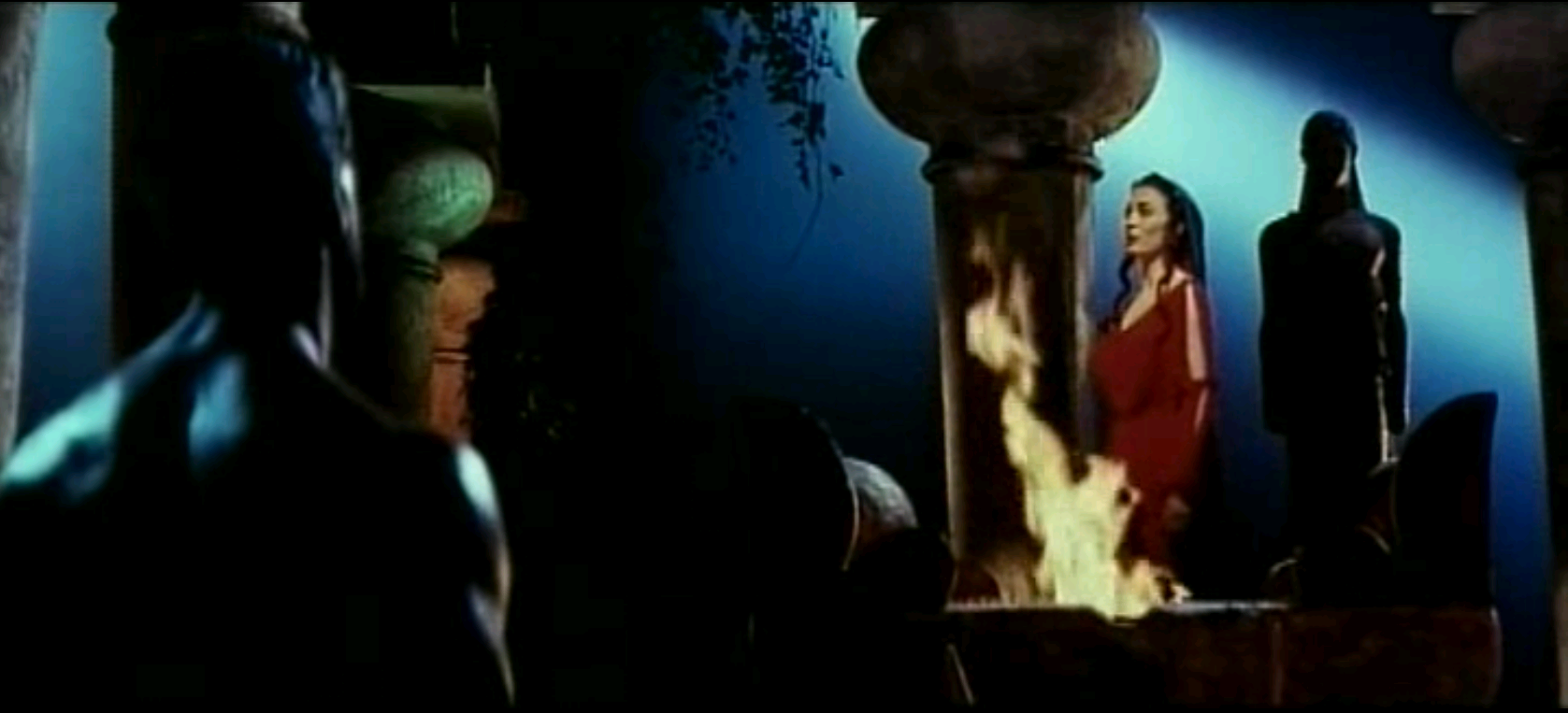
Legendary strongman Hercules (Steve Reeves) romances the daughter (Sylva Koscina) of King Pelius (Ivo Garrani) and assists Jason (Fabrizio Mioni) on his quest to secure the Golden Fleece.

Genres, Themes, Actors, and Directors:

  • Ancient Greece and Rome
  • Historical Drama
  • Supernatural Powers

Response to Peary’s Review:
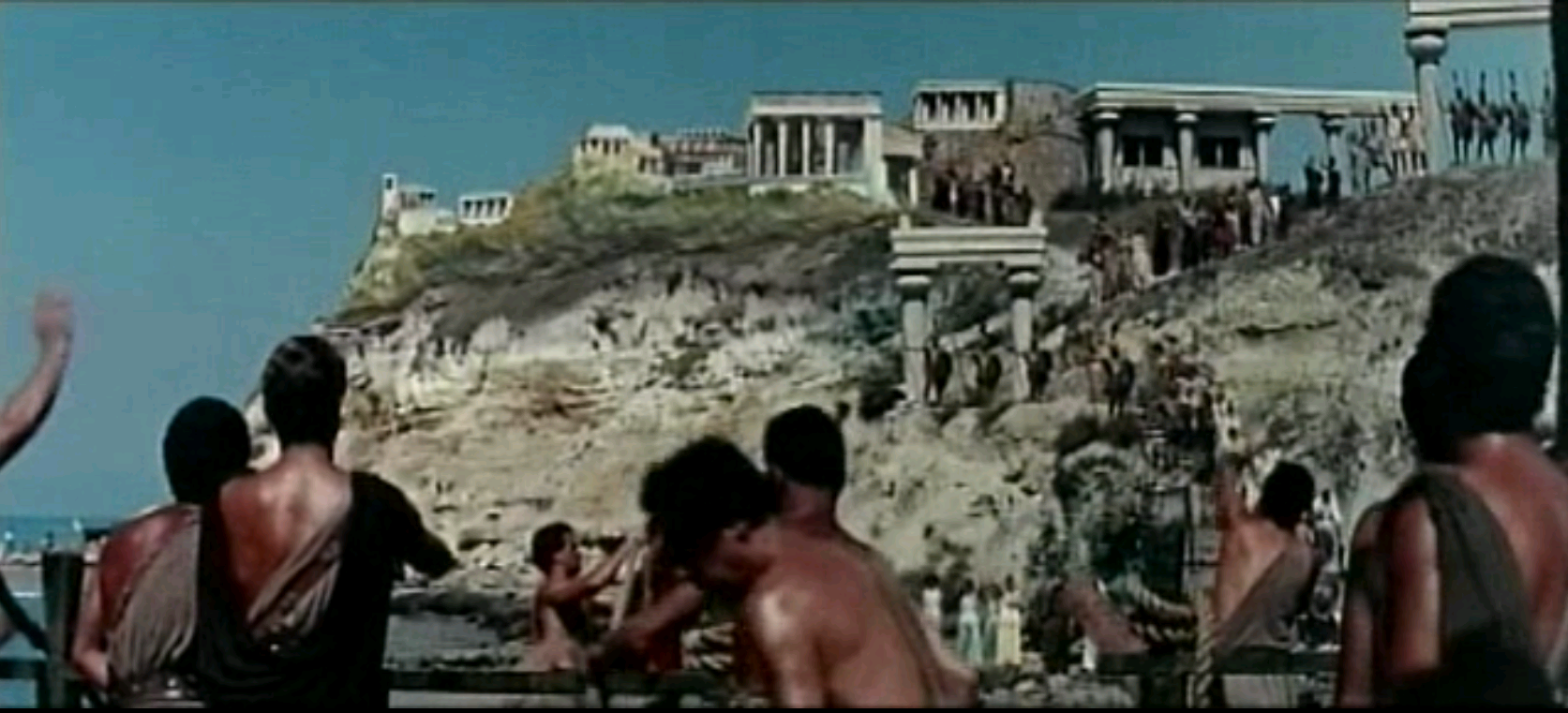
Peary notes that this enormously popular “muscleman epic”, starring former Mr. Universe Steve Reeves, “doesn’t compare to Ray Harryhausen’s epics”, but is “much better than its imitators”. He argues that while it’s “hurt by dubbing, lack of wit, and extreme earnestness”, it’s “still fun”. Maybe so, but for my money, I’d much rather rewatch a Harryhausen flick any day — namely Jason and the Argonauts (1963), which even Peary concedes covered “the same ground… much more spectacularly”. The dialogue in Hercules is laughably corny (“My heart has reached the crossroads of destiny.”), and the dubbing is highly distracting — yet it remains one-time must-see viewing given its historical importance as the film which “spawned [a] wave of Italian-made, myth-based, sword-and-sandal films”.

Note: Reading the film’s amusingly bombastic tagline (available on IMDb) gives one a sense of the excitement kids at the time must have felt about this flick:

SEE the heroic Hercules rip down the Age of Orgy’s lavish palace of lustful pleasure! SEE the Mightiest of Men fight the Mightiest of Beasts, the killer Cretan Bull! SEE Hercules fight off the savage love-starved Amazon women! SEE the seductive Amazons lure men to voluptuous revels and violent deaths! SEE the powerful Hercules crush the savage ape-men who guard the shrine of the Golden Fleece!

Redeeming Qualities and Moments:

  • Steve Reeves’ appropriately ripped body (it’s worth a look!)
  • Mario Bava’s cinematography
  • Effective historical sets

Must See?
Yes, but only for its historical importance.

Categories

  • Historically Relevant

Links:

Going My Way (1944)

Going My Way (1944)

“This young man and I differ; we don’t see eye to eye.”

Synopsis:
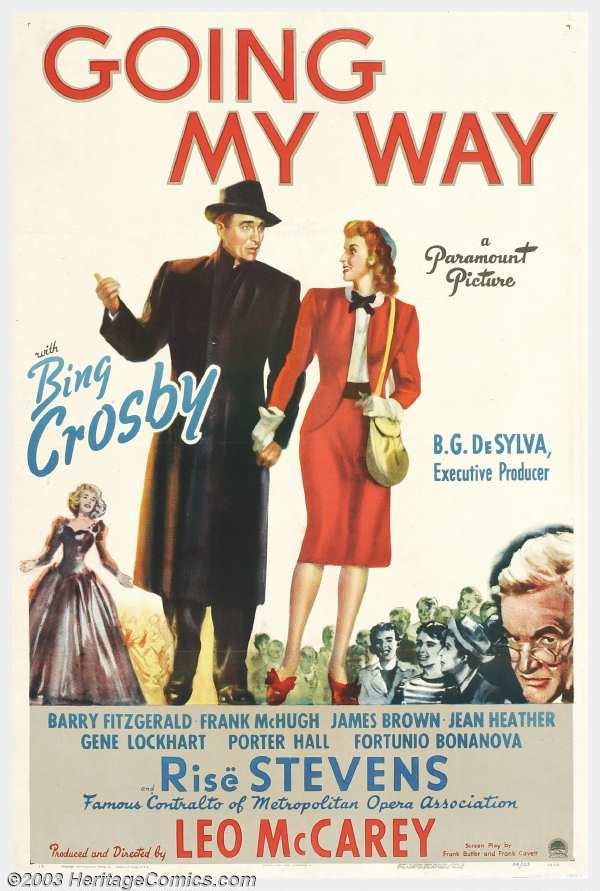
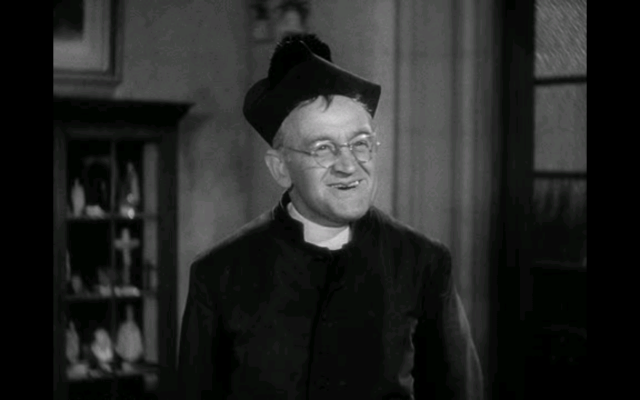
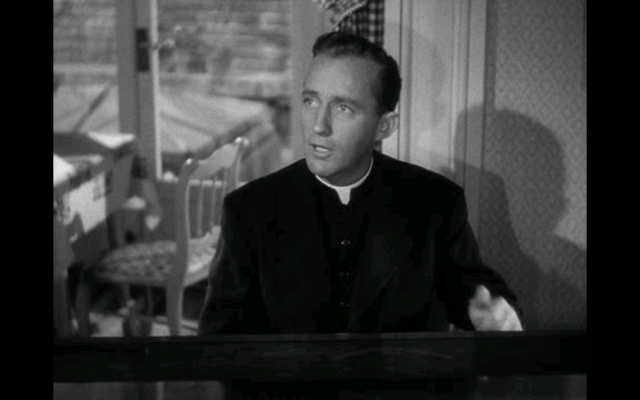
A progressive young priest (Bing Crosby) is sent to assist an ailing parish run by elderly Father Fitzgibbon (Barry Fitzgerald).

Genres, Themes, Actors, and Directors:

  • Barry Fitzgerald Films
  • Bing Crosby Films
  • Do-Gooders
  • Generation Gap
  • Leo McCarey Films
  • Musicals
  • Priests and Ministers

Response to Peary’s Review:
Peary is quite a fan of this genial box-office hit (directed by Leo McCarey), which he refers to as “a wonderful, warmhearted film”. While he acknowledges that “some of the scenes are a bit forced or corny” (and, in his Alternate Oscars book, concedes that it’s “flawed, with subplots better suited for the reject basket than the screen”), he cites a number of “delightful” scenes, including many between Fitzgerald — “who tends to play the martyr” — and Crosby (who Peary describes in Alternate Oscars as “genial, wise, humble, unpretentious, [and] quietly authoritative”). He seems impressed by the film’s attempt “to show that priests are human too”, and argues that the “finale in which Fitzgerald is reunited with his old, old mother after about forty years ranks with [the] greatest of tear-jerking reunion scenes”.

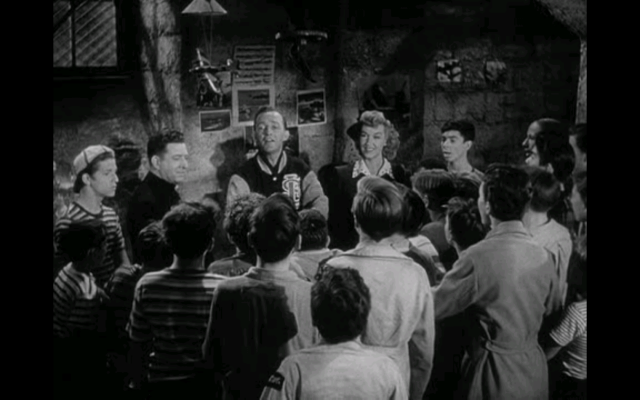
These days, opinions are decidedly mixed on whether Going My Way has stood the test of time. Crosby (the “No. 1 box-office draw” of the time) is certainly charismatic, and sings as nicely as ever, but the meandering storyline — in which “Crosby helps out a young woman (Carol James) who has left home and wants to be a singer, turns the tough neighborhood kids (all of whom say ‘fodder’) into angelic choirboys, looks up his opera-singer friend (Rise Stevens) …, gets money for the church by selling one of his songs, and wins over Fitzgerald” — lacks focus, and feels patently crafted to allow either Crosby and/or Stevens (who’s charming but smiles too much) “natural” opportunities to sing. With that said, if you’re in the mood for a feel-good film with some fine ditties sprinkled throughout (my favorite is Crosby leading the boys in “Swinging on a Star”), then this is certainly worthy viewing.

Note: Despite his claim that Going My Way was a “deserved Best Picture winner”, Peary actually gives the award to Double Indemnity in Alternate Oscars, noting that …Indemnity was “more deserving… if only because it has been much more influential.”

Redeeming Qualities and Moments:

  • Barry Fitzgerald as Father Fitzgibbon
  • Bing Crosby as Father O’Malley
  • Several enjoyable musical sequences

Must See?
Yes, for its historical importance as a multiple Oscar winner.

Categories

  • Oscar Winner or Nominee

Links:

Black Girl/La Noire de… (1966)

Black Girl/La Noire de… (1966)

“Why am I here? Am I a nursery maid or a housemaid?”

Synopsis:
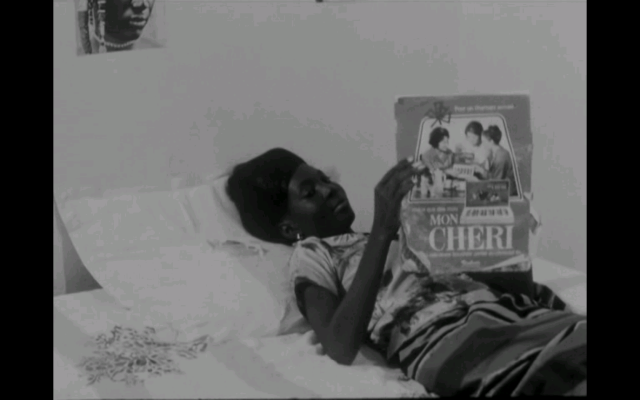
A young Senegalese woman (Mbissine Therese Diop) suffers from debilitating depression when she’s sent to France to work as a housemaid for her heartless employers (Anne-Marie Jelinek and Robert Fontaine).

Genres, Themes, Actors, and Directors:

  • Africa
  • Downward Spiral
  • French Films
  • Race Relations
  • Servants, Maids, and Housekeepers

Response to Peary’s Review:
Peary argues that this “first feature of Africa’s most famous filmmaker, Ousmane Sembene” is “crudely made [and] unusually structured” but “of interest for reasons other than its landmark status in African cinema”. He points out that “no film has better conveyed the concept of ‘domestic slavery'” — a form of “neo-colonialism” in which “whites pay wages to blacks but treat them as if they were property”. It’s especially unfortunate, then, that this landmark film is such a chore to sit through. Despite the undeniable importance and sincerity of Sembene’s message, the acting, characterizations, and script are all so crudely executed that Black Girl comes across more like a promising student film than one that deserves any kind of worldwide acclaim.

The majority of scenes in this hour-long film — “adapted from Sembene’s 1961 short story about a real-life tragedy” — seem scripted merely to show us how unjust Diop’s situation is, which we understand and sympathize with right away; from there, not much happens, and we’re not given nearly enough insight into the motivations or backgrounds of either Diouana (Diop) or her bigoted employers to care about them as three-dimensional characters. While we can sense and appreciate Sembene’s deeper thematic concerns — Peary notes that his “films are intended to show the problems of his people… [who] are susceptible to falling into the same trap as [Diouana]” — he fails to effectively bring them to the surface, instead relying far too heavily on Diouana’s rather repetitive voiceover. With that said, it’s fitting that this film — which is undeniably groundbreaking on several levels — won the Prix Jean Vigo, an award usually given to a young director, for his or her independent spirit.

Redeeming Qualities and Moments:

  • A valuable cinema verite glimpse at neo-colonialist Senegal in the 1960s

Must See?
Yes, simply for its historical significance as the first feature film ever released by a sub-Saharan African director.

Categories

  • Historically Relevant

Links: