Browsed by
Category: Response Reviews

My comments on Peary’s reviews in Guide for the Film Fanatic (Simon & Schuster, 1986).

Child Bride / Child Bride of the Ozarks (1938)

Child Bride / Child Bride of the Ozarks (1938)

“I’m going to fight for these people until the state realizes that child marriage must be stopped!”

Synopsis:
A schoolteacher (Diana Durrell) enlists the help of her D.A. boyfriend (Frank Martin) in lobbying to make child marriage illegal in Appalachia — but will she succeed in time to prevent 11-year-old Jennie (Shirley Mills) from being forced into marriage with lecherous Jake Bolby (Warner Richmond)?

Genres, Themes, Actors, and Directors:

  • Blackmail
  • Do-Gooders
  • Feminism and Women’s Issues
  • May-December Romance

Response to Peary’s Review:
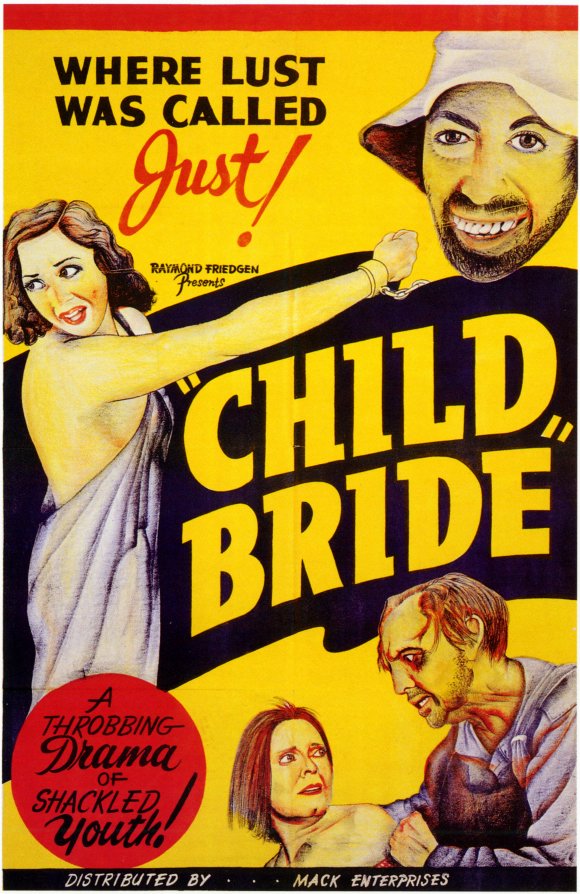
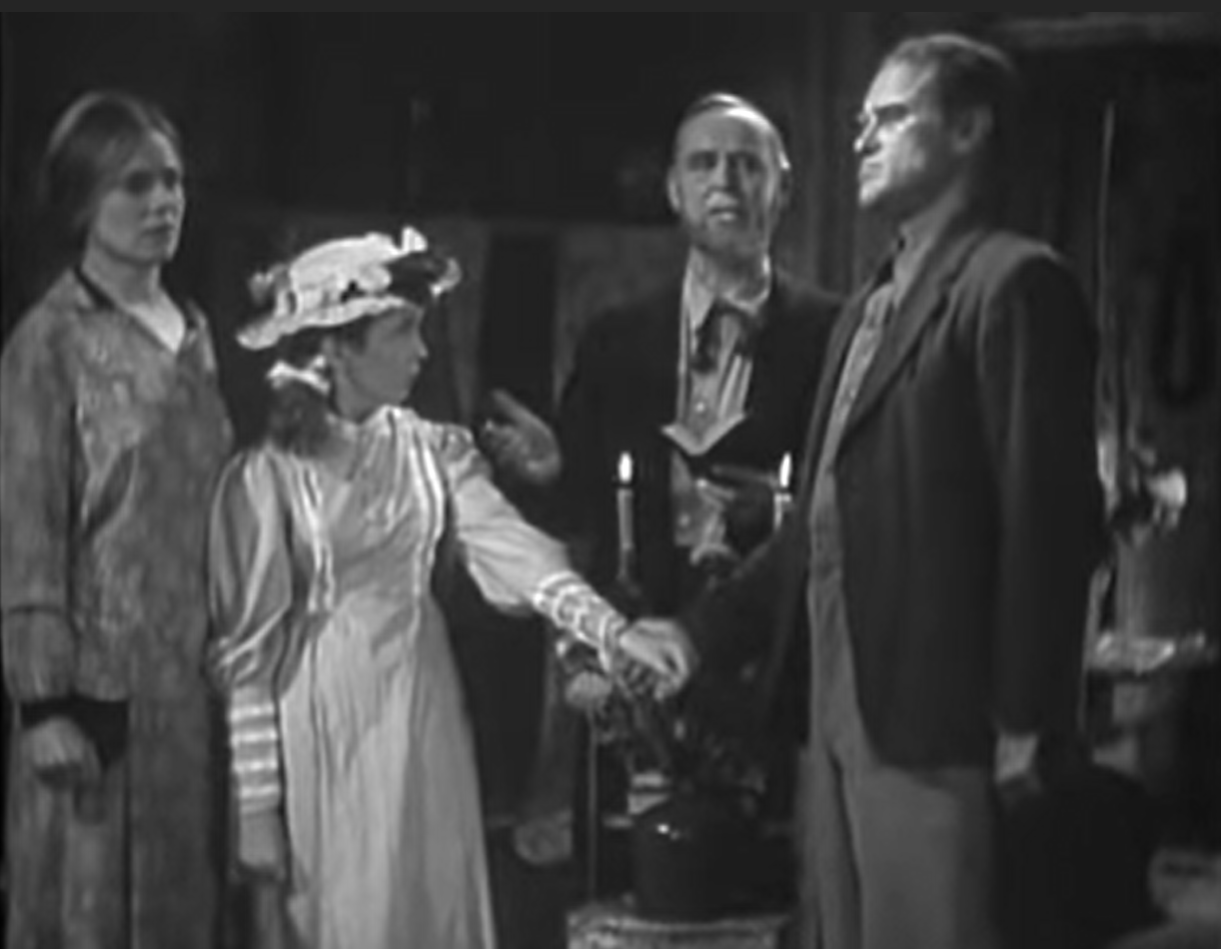
Peary notes that this “sleazy backwoods potboiler” — a “low-grade exploitation film” which did not have to operate within the strictures of the Hays Code, given its status as an “educational” movie — is “terribly acted, scripted, and directed”, not to mention “very campy”. It’s perhaps best known for the infamous skinny-dipping scene, when Mills (actually, her body double) takes a lengthy swim in a pond while her friend (Bob Bollinger) stands nearby keeping watch — and it is indeed shocking to see what the producers were able to get away with in this regard.

A number of later scenes — such as sleazy Richmond “wooing” Mills by bringing her a stuffed doll — are equally disturbing.

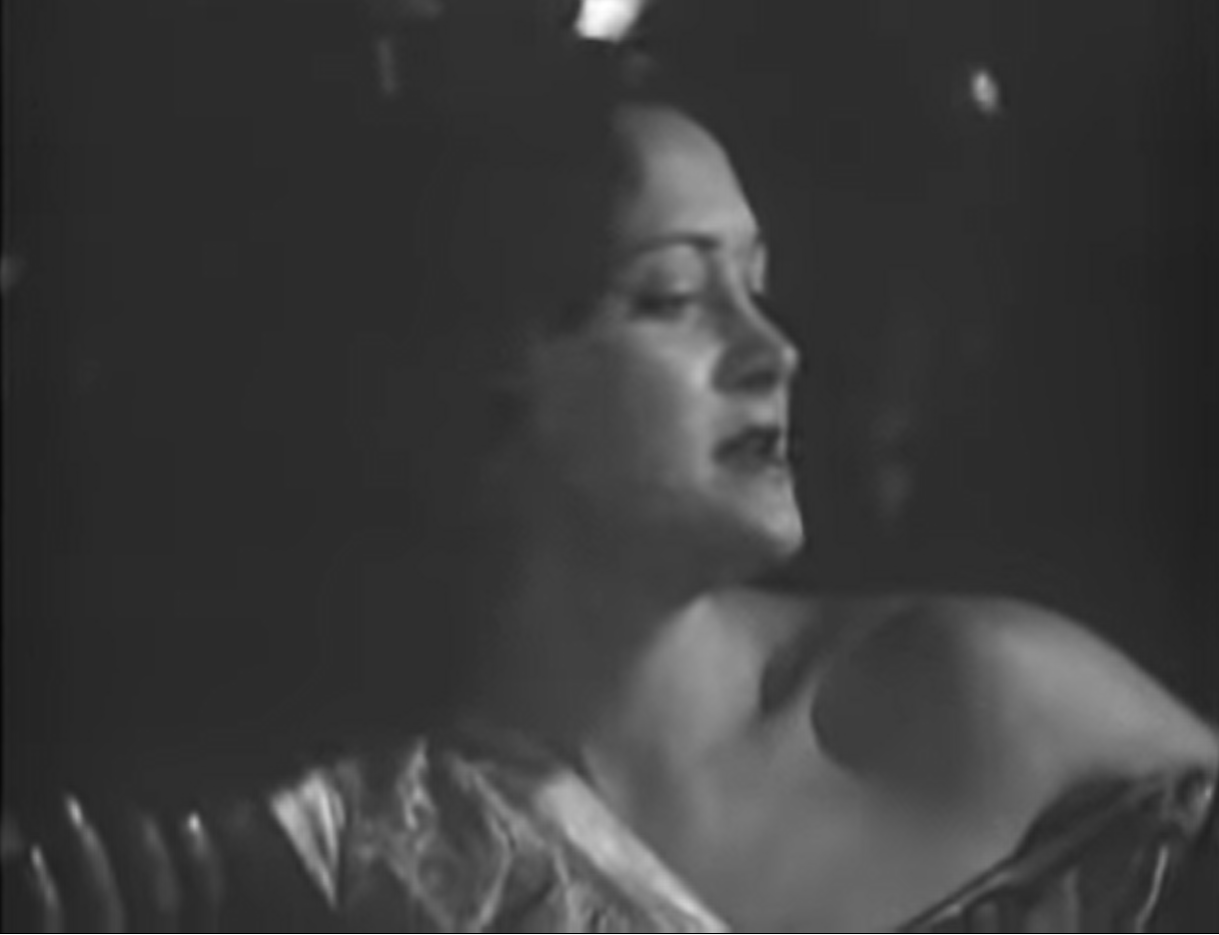
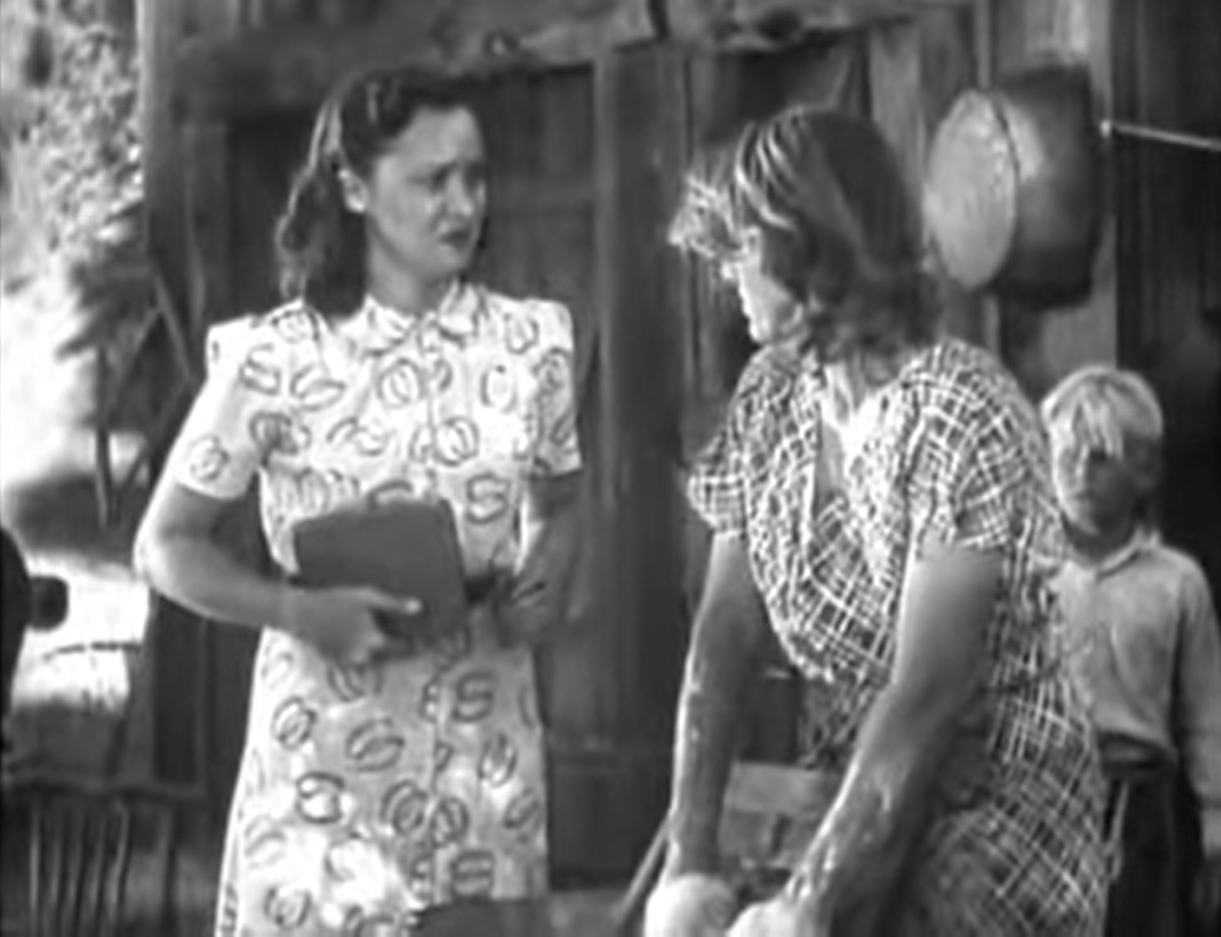
What Peary chooses to focus on his review, however, is the “extremely interesting character” of the teacher (Durrell), who is a “liberated woman in the sense that she has chosen her job and living alone over marriage to the man she loves”, and is “a crusader, willing to put herself on the line for her cause” (indeed, one particularly frightening scene shows her being kidnapped and nearly tarred and feathered by a group of angry men).

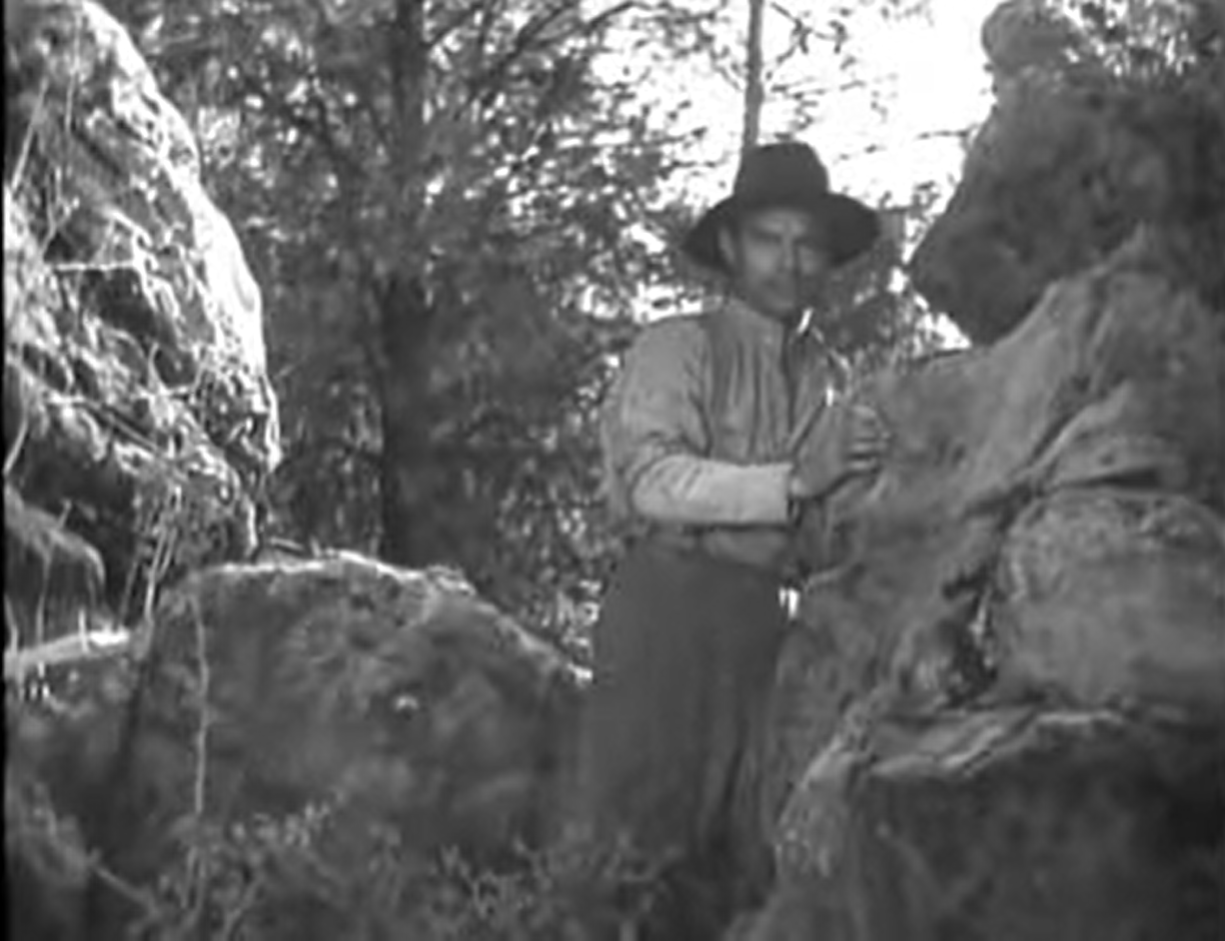
Unfortunately, after her strong presence during the film’s exposition — in which she’s shown actually traveling “around talking to the men and women of Thunderhead Mountain” in an attempt to explain that child marriages have “ruined the lives of the females”:

— she is largely absent, as the narrative shifts instead to the central plot involving wily Richmond’s manipulation into a marriage contract with young Mills. Yet her presence does indeed allow for some “unexpected feminism” in an otherwise “ridiculous” film — which, according to Peary, will keep you “constantly… amused and amazed”.

Redeeming Qualities and Moments:

  • A notoriously risque look at child marriage

Must See?
Yes, as an infamous exploitation flick.

Categories

  • Historically Relevant

Links:

Grave of the Vampire / Seed of Terror (1974)

Grave of the Vampire / Seed of Terror (1974)

“What’s growing inside your womb isn’t a human being!”

Synopsis:
A half-human vampire (William Smith) seeks revenge on the legendary vampire (Michael Pataki) who raped his mother (Kitty Valacher).

Genres:

Response to Peary’s Review:
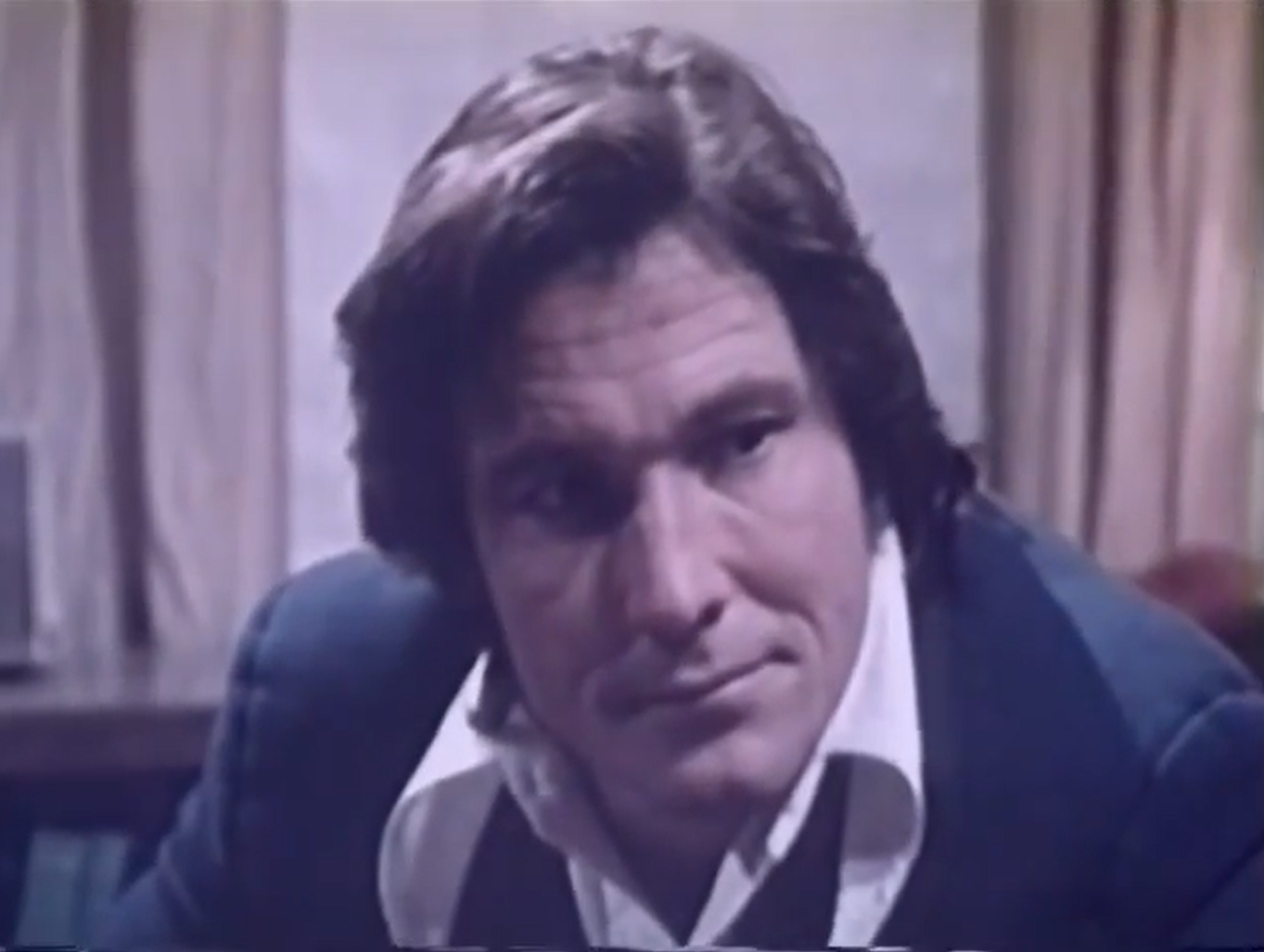
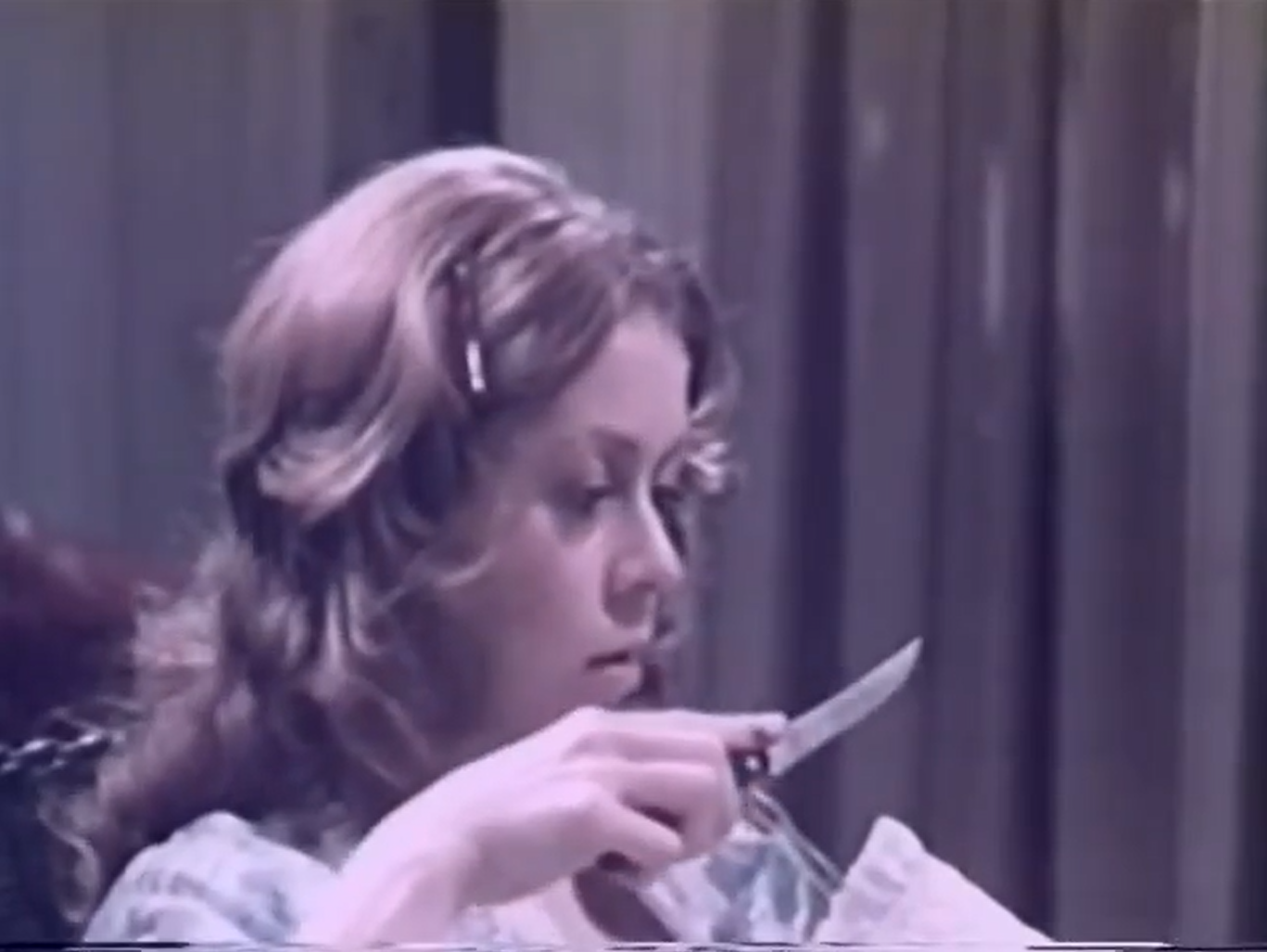
Peary seems at least mildly impressed by this “little-known” horror flick, which he refers to as “pretty good” and “unusual in many ways”. However, I’m hard pressed to see exactly how it merits either of these dubious accolades. It starts off on a sour note (vampiric rape in a graveyard – ew!), and never really improves. The performances throughout are uniformly bad (with chiseled Smith in particular lacking charisma):

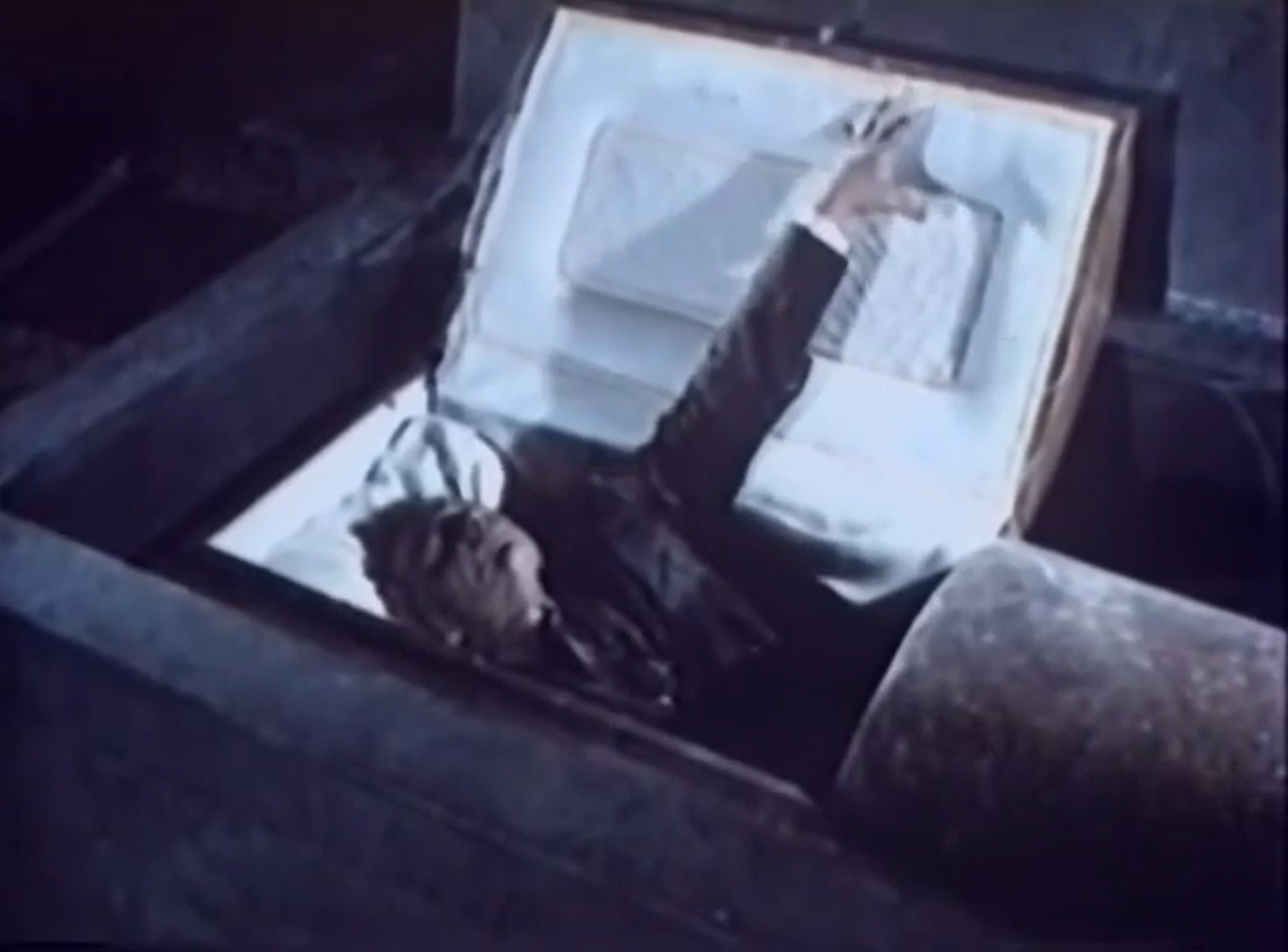
… and the sloppy script suffers badly from lapses in both coherence and logic. We’re shown little to nothing about Smith’s life as a “half-vampire”, for instance — we know he eats raw steak and drinks Chianti (most cinematic vampires seem conveniently capable of drinking red wine, by the way — perhaps simply because it looks like blood!), but what else goes into his daily existence as a mutant breed? And what’s up with the totally illogical ending? Unless you’re a diehard fan of the vampire genre, you can certainly feel free to skip this one.

Redeeming Qualities and Moments:

  • Some creepy scenes

Must See?
Definitely not.

Links:

Penny Serenade (1941)

Penny Serenade (1941)

“We don’t need each other anymore. When that happens to two people, there’s nothing left.”

Synopsis:
A newly married couple (Cary Grant and Irene Dunne) experience the joys and heartaches of parenthood when they adopt a young baby (Jane Biffle).

Genres, Themes, Actors, and Directors:

  • Adoption
  • Beulah Bondi Films
  • Cary Grant Films
  • Flashback Films
  • George Stevens Films
  • Irene Dunne Films
  • Marital Problems

Response to Peary’s Review:
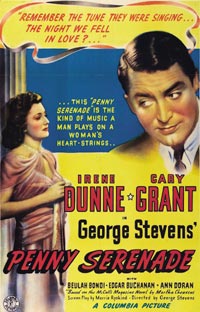
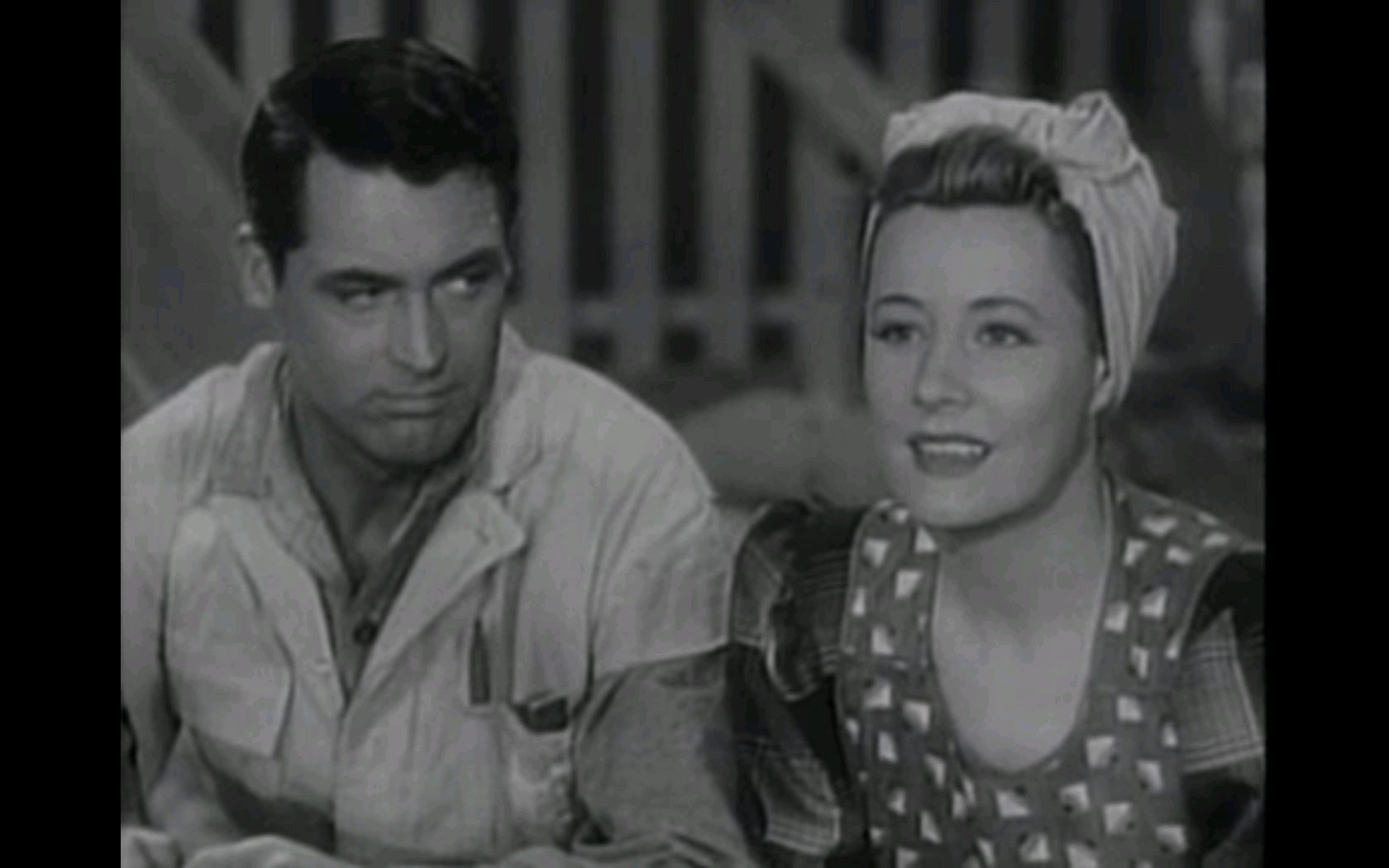
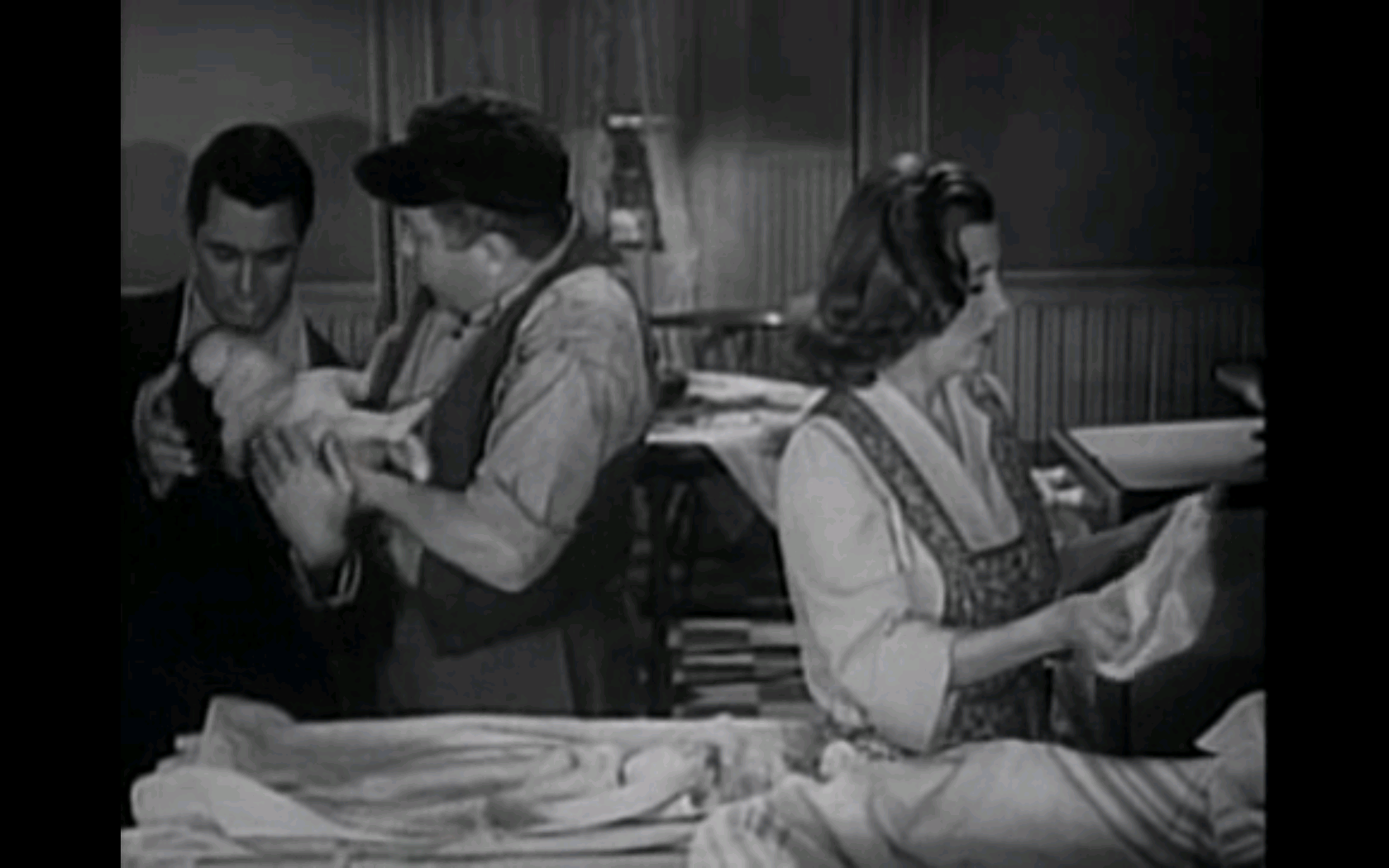
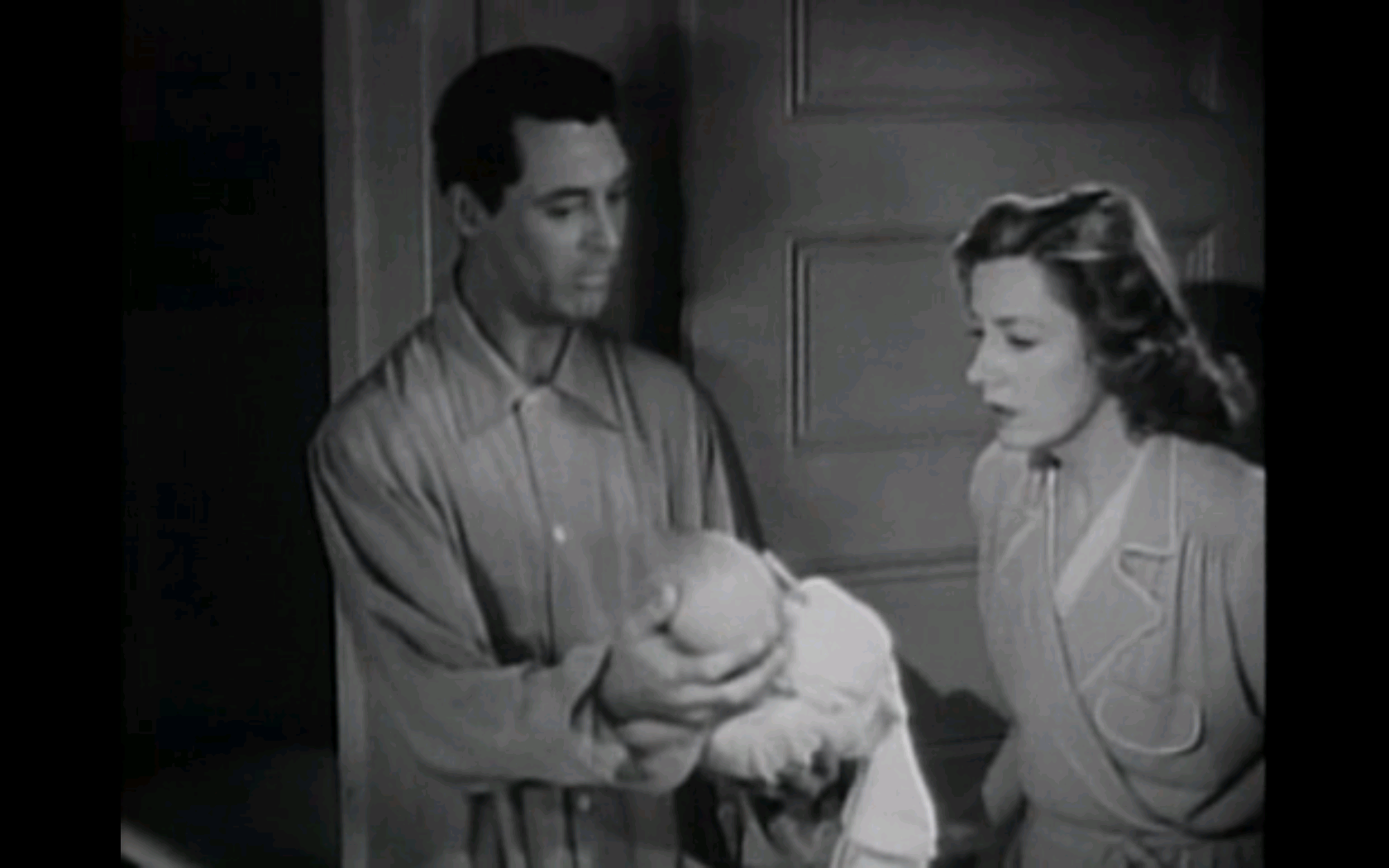
Peary accurately labels this classic soaper one of “Hollywood’s genuine tearjerkers” — a picture “so well made and acted that you’ll forgive being manipulated”. He notes that it possesses “tremendous warmth” and “lots of humor” — most notably during the lengthy, remarkably insightful sequence in which “the new parents bring home their new family member and realize they don’t know the first thing about care of a baby” (how many neophyte parents do, really??). Indeed, I can’t recall any other classic film which so accurately (and humorously) pays attention to the small details of parenthood, from trepidation over shushing a fussy baby to genuine terror over how to give a slippery infant a bath. (NB: In perhaps the film’s BEST moment, family friend “Applejack” — Edgar Buchanan — steps in and literally rolls up his sleeves to help out, with remarkable aplomb).

It’s also fascinating, from an ethnographic perspective — albeit one undoubtedly whitewashed by Hollywood — to see how “easy”, relatively speaking, it was for childless couples to adopt a child back in the 1930s. While much of the narrative drama hinges on Grant and Dunne’s ability to adopt (and keep) their child, there’s still no comparing the process undergone here with the years of agonizing most American couples these days suffer through in their quest to build an adopted family. Along those lines, I’ll admit I couldn’t help feeling irritated by the sloppy handling of an essential plot “twist” towards the end of the film, involving whether or not Dunne and Grant will be able to keep their beloved new daughter; without giving too much of the plot away, I will ask, why wasn’t the highlighted concern taken much more seriously, much earlier on?

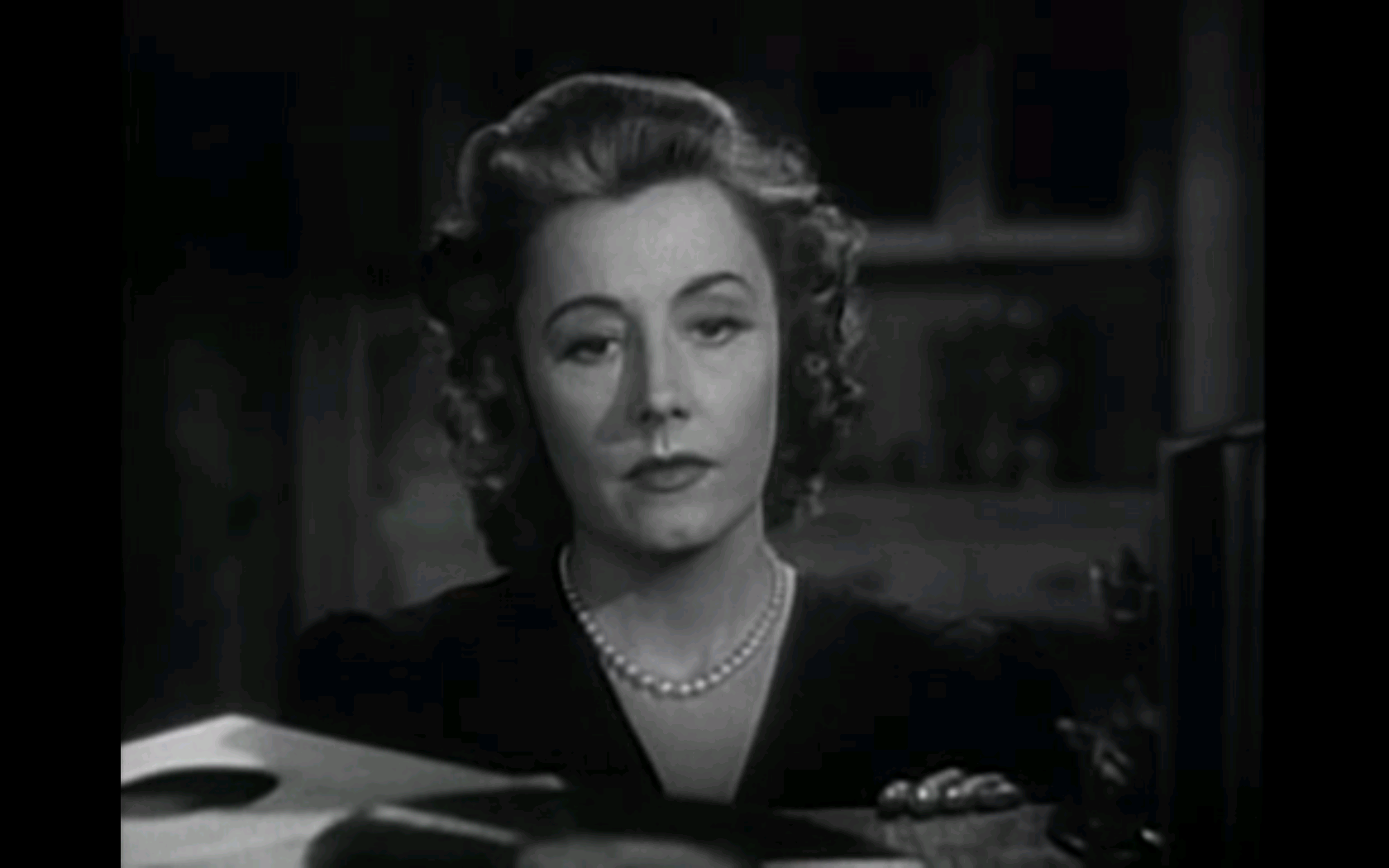
But ultimately, it’s foolhardy to ask too many questions about a film designed purely as a heart-rending soaper. Indeed, while the film occasionally makes you “angry because [it] unabashedly milks the tears”, at least it possesses “characters… worth getting emotional about.” To that end, Cary Grant and Irene Dunne (both of whom Peary nominates as Best Actor/Actress in his Alternate Oscars book) do indeed “give sensitive performances”. Also noteworthy are character actor Buchanan (an inspired casting choice) and Beulah Bondi (as the owner of the adoption agency where Grant and Dunne finally fulfill their dream of parenthood).

Redeeming Qualities and Moments:

  • Irene Dunne as Julie Adams
  • Cary Grant as Roger Adams
  • Edgar Buchanan as Applejack
  • Beulah Bondi as Miss Oliver
  • The humorous, insightful “newborn” scenes

Must See?
Yes, as a classic soaper.

Categories

  • Genuine Classic

Links:

It’s a Wonderful Life (1946)

It’s a Wonderful Life (1946)

“No man is a failure who has friends.”

Synopsis:
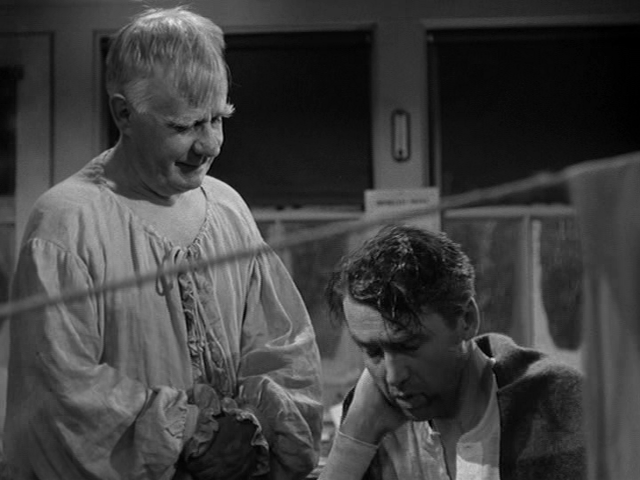
An angel (Henry Travers) helps a suicidal man (Jimmy Stewart) recognize the importance of his life.

Genres, Themes, Actors, and Directors:

  • Angels
  • Beulah Bondi Films
  • Corruption
  • Do-Gooders
  • Donna Reed Films
  • Fantasy
  • Flashback Films
  • Frank Capra Films
  • Gloria Grahame Films
  • Jimmy Stewart Films
  • Lionel Barrymore Films
  • Living Nightmare
  • Small Town America
  • Suicide
  • Thomas Mitchell Films
  • Ward Bond Films

Response to Peary’s Review:
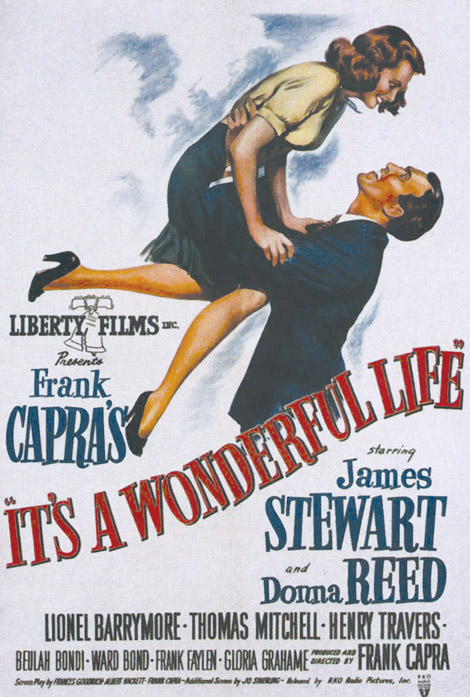
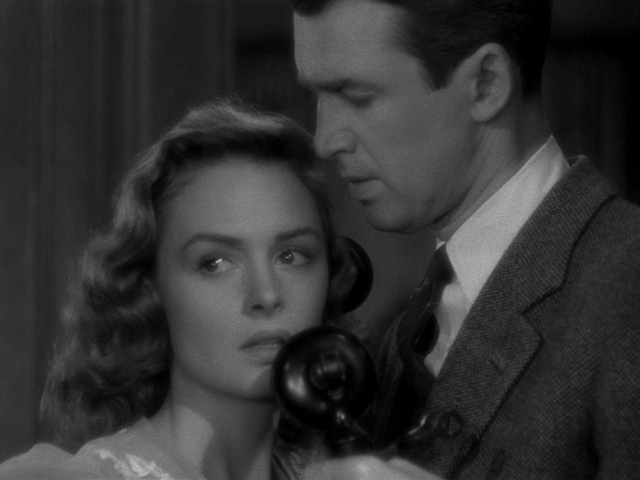
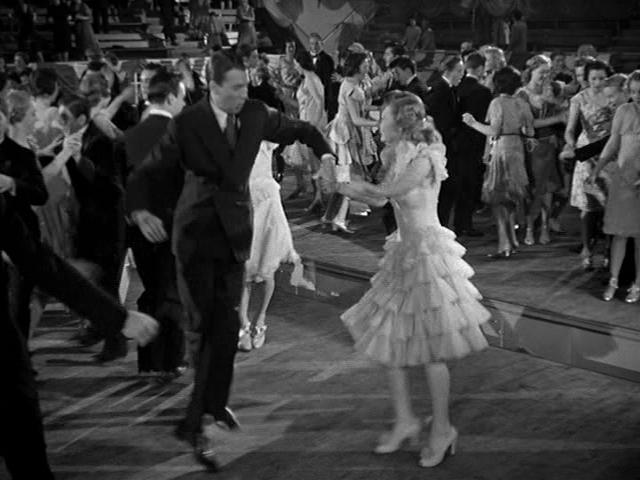
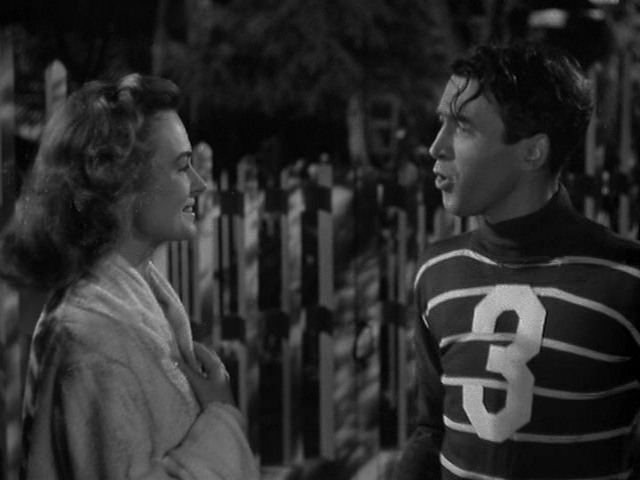
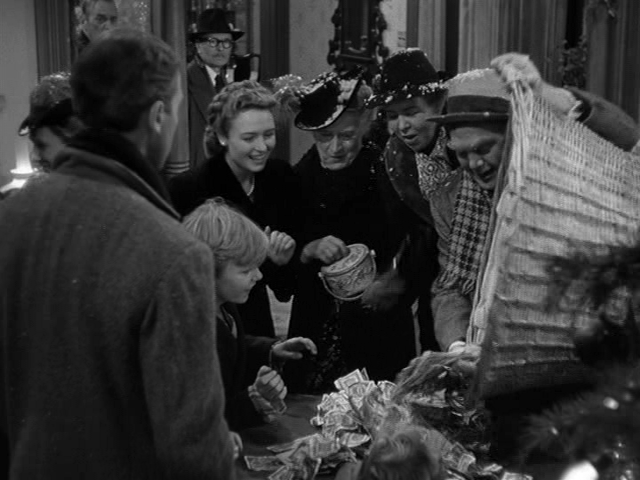
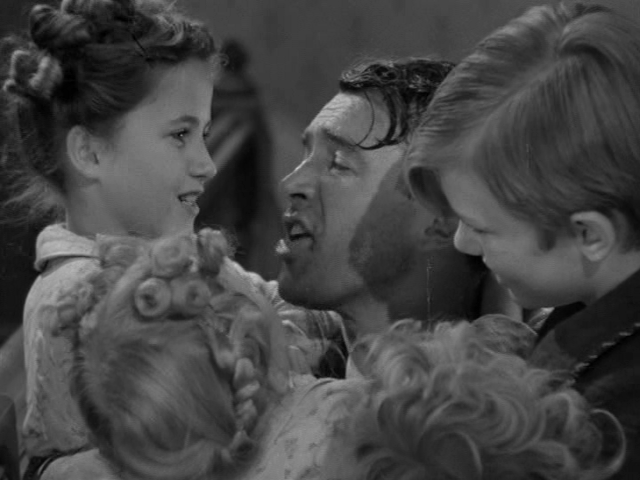
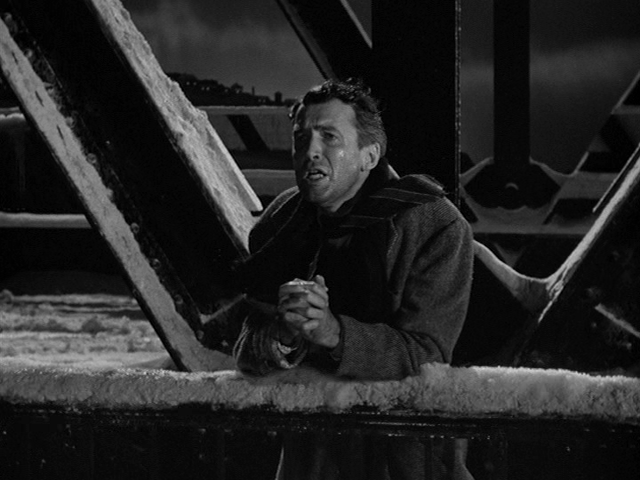
I was pleasantly surprised to revisit this “once neglected” “masterpiece” by Frank Capra, a “Christmas perennial and one of [America’s] most popular films”. It’s become so entrenched in our collective cultural consciousness as the movie to see on television over the holidays (along with Miracle on 34th Street and, more recently, A Christmas Story) that it’s easy to dismiss it out of hand as merely feel-good populist fare. This couldn’t be farther from the truth. While it’s true that the film is ultimately “reassuring” — the protagonist has “a family who adores [him], a hometown sweetheart who loves and marries [him], a guardian angel… who loves and protects [him], [and] an entire town of people who love [him] and come to [his] aid when [he’s] in trouble” — it’s also surprisingly hard-hitting in its portrayal of a suicidal, embittered man (Stewart yells at his own kids and lashes out physically at neighbors) who’s “at the brink of giving up”.

To that end, as Peary notes, this was the film that finally allowed “Stewart to show how great an actor he was, as his character ranges from optimistic hick philosopher to the pessimistic postwar figure he’d play in Vertigo and [various] Anthony Mann westerns”. Stewart (who Peary names Best Actor of the Year in his Alternate Oscars book) never shies away from portraying George Bailey as a complex man with unmet needs. He “has sacrificed all his life for others’ happiness and security”, but not selflessly — rather, he fully recognizes that he’s had to give up on his own goal of traveling the world and living a life of adventure and discovery. We find our shoulders drooping in empathy as George is foiled time and again from actually leaving Bedford Falls; and yet each time, we understand why he makes the (sacrificial) choice he does.

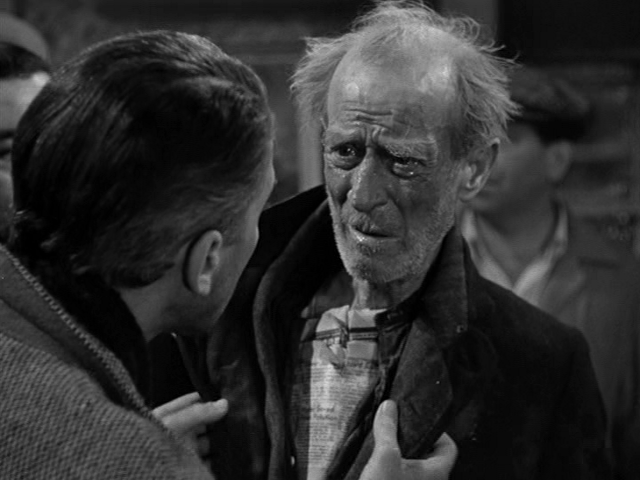
Indeed, as much of a fantasy as It’s a Wonderful Life is, it actually presents a very realistic view of the curveballs life throws out: who among us can’t remember a time when we’ve been forced by circumstances beyond our control (whether money, family, or something else entirely) to make a decision other than the one we most want for ourselves? And while it’s true that the “nightmarish sequence” in which George is shown “what a dreadful place Bedford Falls would have been without him” probably isn’t very realistic, it doesn’t need to be: it’s meant simply to help George realize “that every man makes a profound difference, and that a good man… can benefit countless people” in unimaginable ways.

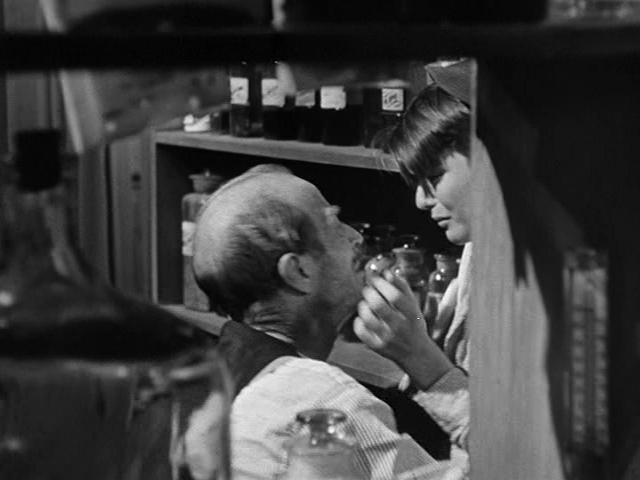
Stewart’s performance isn’t the only memorable one on display. Donna Reed takes the incredibly tricky role of Mary — someone who could easily be portrayed as merely a small-town “anchor” weighing George down — and turns her into someone we can’t help falling for ourselves; no wonder George decides to settle down and have a family with her. Travers is also “great” in another challenging role; he somehow manages to make us believe that guardian angels might actually exist. Meanwhile, there really are countless well-written (by Frances Goodrich and Albert Hackett) scenes and sequences scattered throughout the film, too many to name — though I must call out one early scene in particular (in which young George [Bobbie Anderson] prevents his employer [H.B. Warner] from making a fatal mistake while preparing a prescription for a family) as an emotionally loaded favorite.

The story neatly builds to its celebrated finale, which is guaranteed to have you all choked up. Indeed, you’ll be surprised by how sincerely effective this notorious “Capra-corn” really is.

Redeeming Qualities and Moments:

  • Jimmy Stewart as George Bailey
  • Donna Reed as Mary (nominated by Peary as Best Actress of the Year in Alternate Oscars)
  • Henry Travers as Clarence
  • Fine supporting performances across the board
  • Many memorable scenes


  • Frances Goodrich and Albert Hackett’s screenplay

Must See?
Yes, as a delightfully enduring classic and a cult favorite.

Categories

  • Cult Movie
  • Genuine Classic

(Listed in 1001 Movies You Must See Before You Die)

Links:

Made For Each Other (1971)

Made For Each Other (1971)

“That’s why Gig and I are so good for each other: We’re two self-destructives confronting the life source.”

Synopsis:
A neurotic Jewish woman (Renee Taylor) and a womanizing Italian (Joseph Bologna) meet at a group therapy session and fall tentatively in love.

Genres, Themes, Actors, and Directors:

  • Cross-Cultural Romance
  • Romantic Comedy

Response to Peary’s Review:
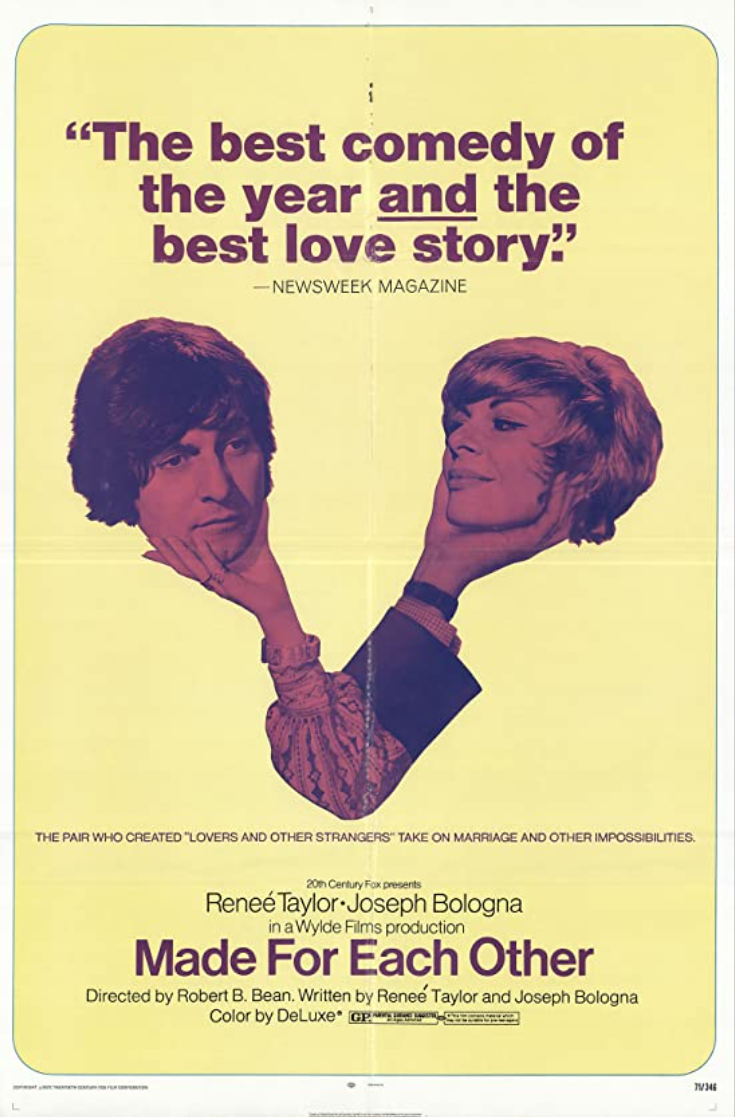
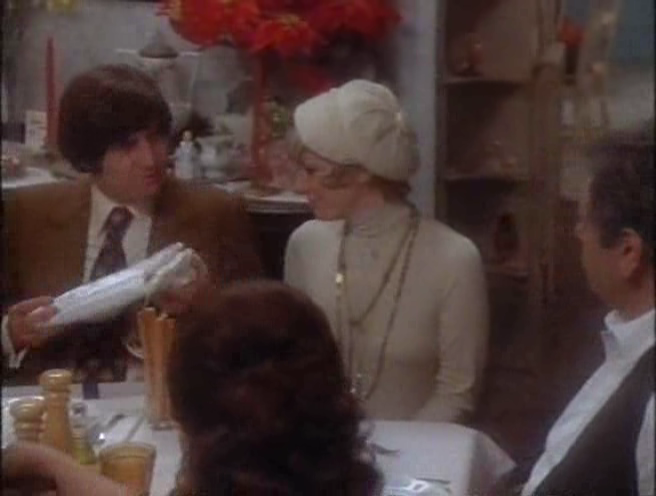
Peary’s review of this “brutally insightful” romantic comedy by husband-and-wife team Joseph Bologna and Renee Taylor is spot on: he notes that while the “picture starts out awkwardly”, you should “stick with it because you’ll be rewarded” by scenes that “you may have seen previously only in your own life — never on the screen”. Indeed, it possesses a surprising number of “exceptional scenes… filled with pain and humor” — as Peary notes, it’s likely that “only an acting couple who are really in love and trust one another would dare play such emotionally devastating sequences” (and it’s especially heartwarming to know that they’re still together, in real life, after 40 years of marriage). At times, Taylor and Bologna’s script goes for laughs that are a little too obvious and easy (i.e., most of the initial group therapy scene) — yet slowly but surely, they allow their (semi-autobiographical?) characters to delve mercilessly into the flaws and neuroses that so often tear couples apart, and a surprising amount of honesty emerges. I’ll admit I didn’t expect myself to be so enmeshed in these characters’ fates by the film’s undeniably powerful ending.

Redeeming Qualities and Moments:

  • Renee Taylor as Pandora
  • Joseph Bologna as Gig
  • Fine supporting performances
  • A surprisingly smart and insightful screenplay

Must See?
No, but it’s certainly recommended, if you can locate a copy.

Links:

Bullitt (1968)

Bullitt (1968)

“You work your side of the street, and I’ll work mine.”

Synopsis:
A police detective (Steve McQueen) hired to protect a mafia informant (Pat Renella) investigates his ward’s brutal assassination.

Genres, Themes, Actors, and Directors:

  • Criminal Investigation
  • Detectives and Private Eyes
  • Jacqueline Bissett Films
  • Peter Yates Films
  • Robert Duvall Films
  • Robert Vaughn Films
  • Steve McQueen Films

Response to Peary’s Review:
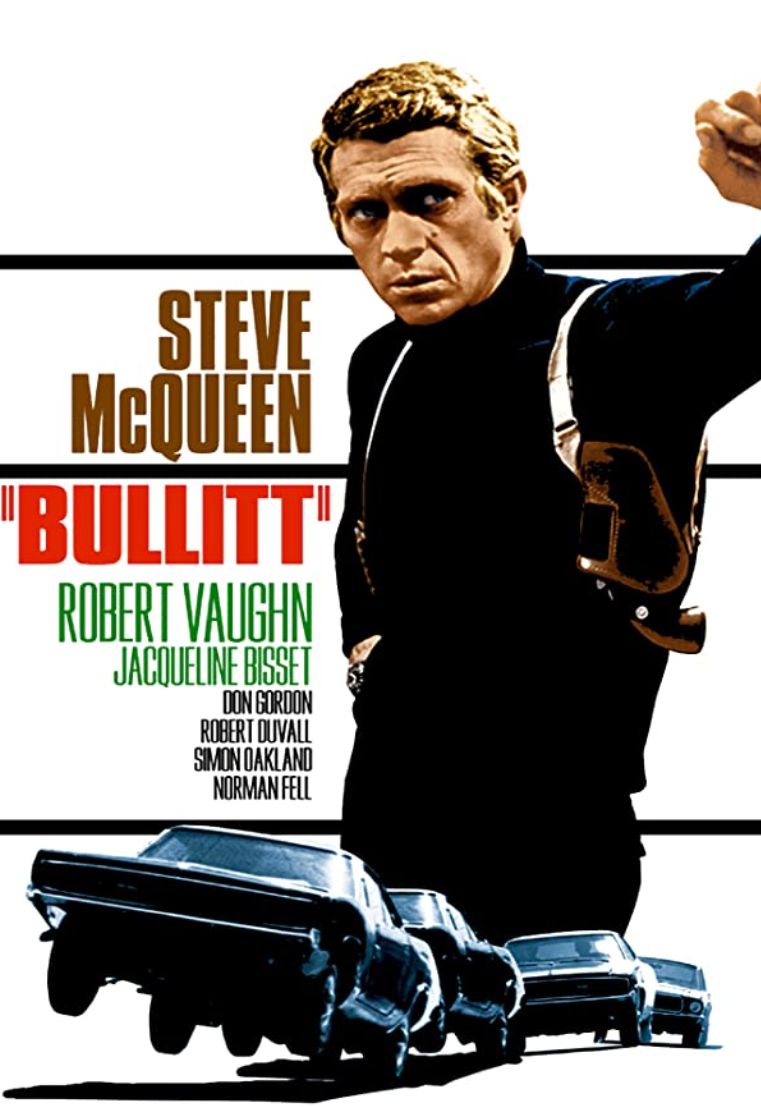
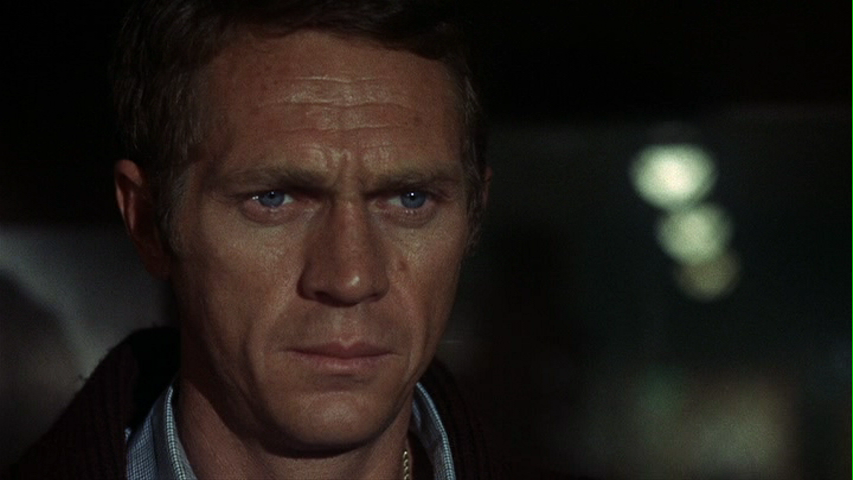
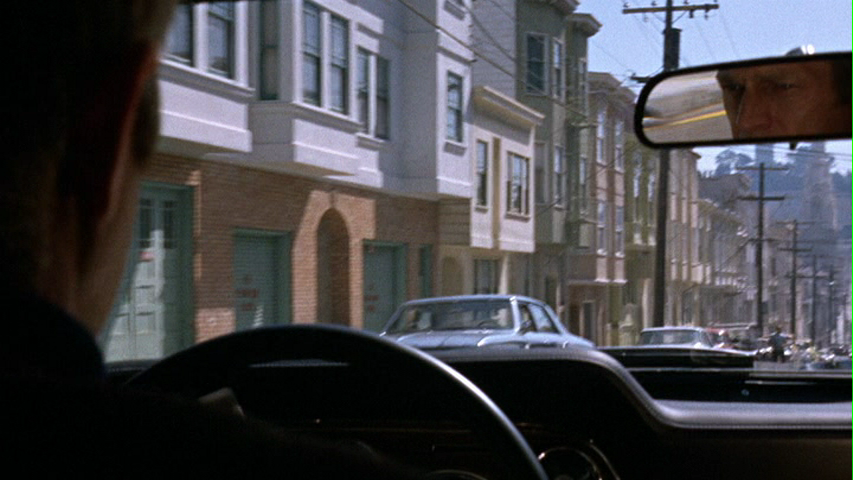
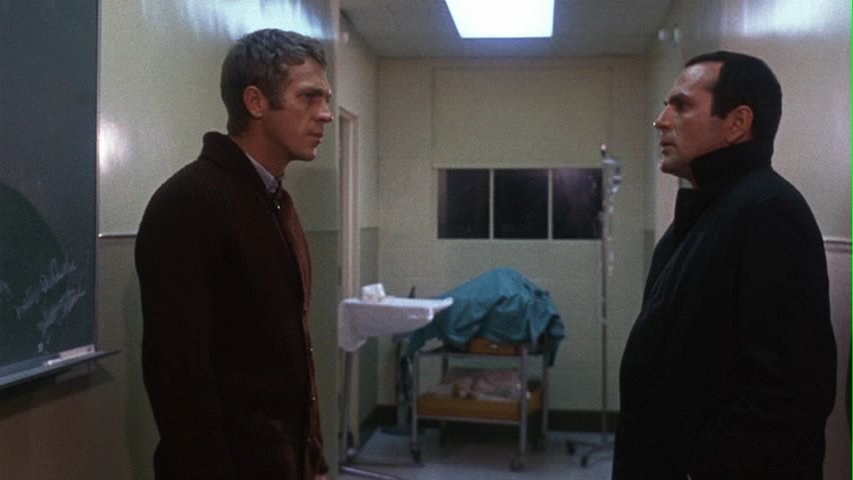
Peary accurately labels this iconic crime drama as “top-notch”, pointing out Peter Yates’ “extremely impressive” direction and “great use of San Francisco locations”. He notes that the “film has [an] authentic feel to it”, with the “street and crowd scenes… particularly believable”, and calls out the “several very exciting action sequences, including the influential, dizzying car chase… up and down the steep San Francisco streets”. He argues that “even more memorable”, however, “are all the bits of business that give us insight into Bullitt’s character”, including the brief yet revealing scene showing that his “shopping consists of buying six TV dinners without bothering to see what they are”. Bullitt did arguably afford Steve McQueen his “best role”, and I’ll agree with Peary that it’s “too bad there weren’t more films about Bullitt” (though I disagree with his assertion that they should “counter Dirty Harry” — I’m a fan of that series!).

Peary notes that this film “has never been given its due” — an interesting statement, since it’s most definitely remembered and revered by many as a cult hit. (In fact, just the other day on an L.A. freeway I was driving behind a Ford Mustang GT with “Bullitt” as its vanity plate, and “Steve McQueen” written on the plate frame). But perhaps that’s exactly Peary’s point: this film is so closely associated with McQueen’s car (and the justifiably lauded car chase it’s involved in) that it’s easy to overlook how enjoyable the film is as a police procedural and character study. The investigation is remarkably well-written, with the unexpected “plot twist” that occurs fairly early on (as McQueen’s ward is murdered) leaving us wondering what will come next. Indeed, the screenplay — which uncovers a “bizarre plot involving lookalike criminals” — almost never disappoints, with just one exception: the rather thankless role of Bullitt’s girlfriend (Jacqueline Bissett); Bissett tries her best but is saddled with such a god-awful speech at one point that it actually grinds things to a halt — temporarily. Despite this minor hiccup, however, Bullitt remains a must-see classic of the genre, one which merits multiple enjoyable viewings.

An interesting bit of trivia: according to TCM, Bullitt was “the first film shot entirely on location with an all-Hollywood crew”

Addendum (1/14/11): RIP, Peter Yates.

Redeeming Qualities and Moments:

  • Steve McQueen as Frank Bullitt (Peary votes him Best Actor of the year in his Alternate Oscars book, though he wasn’t even nominated by the Academy at the time)
  • The exciting car chase (and other action sequences)
  • A smart, taut script

Must See?
Yes, as an iconic classic of the genre.

Categories

  • Genuine Classic

Links:

Wild Strawberries (1957)

Wild Strawberries (1957)

“Recently I’ve had the weirdest dreams — as if I must tell myself something I won’t listen to when I’m awake.”

Synopsis:
An elderly professor (Victor Sjostrom) travelling to an awards ceremony reflects upon the joys and pains of his past, attempting to understand why he is seen by many as cold and unforgiving.

Genres, Themes, Actors, and Directors:

  • Character Arc
  • Elderly People
  • Flashback Films
  • Ingmar Bergman Films
  • Max von Sydow Films
  • Road Trip
  • Scandinavian Films

Response to Peary’s Review:
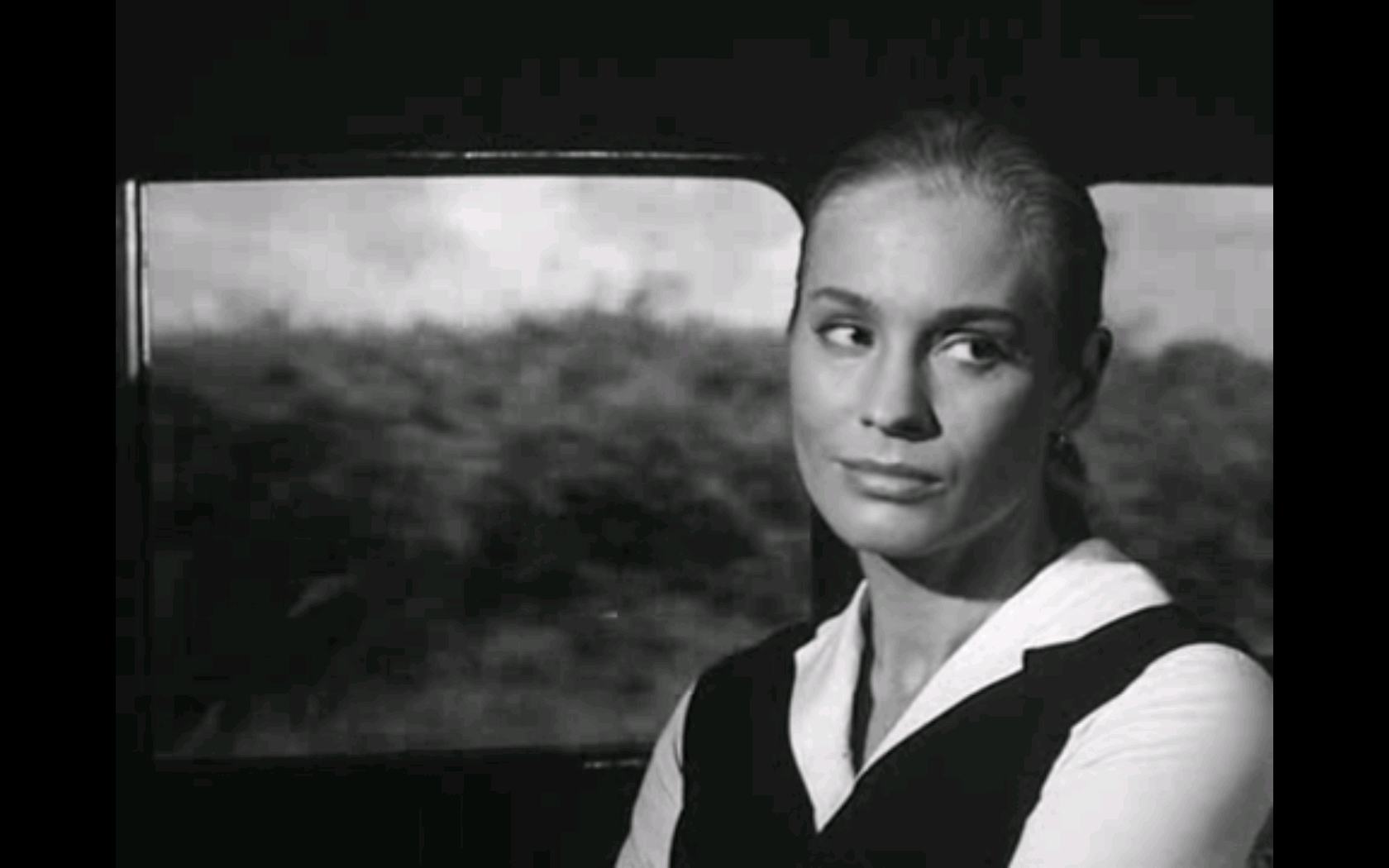
Peary accurately labels this enduring “journey of self-knowledge” by master writer/director Ingmar Bergman as “cinematic storytelling at its best” — a beloved film which “defies criticism” given how great its “impact [has] been on ‘art’-film lovers, film students, and filmmakers.” He notes that watching it is akin to being “with Scrooge on a look at Christmas Past“, as the film’s protagonist (Victor Sjostrom, giving a “captivating performance” as “cold” professor Isak Borg) slowly “begins to display traces of humanity and compassion”. Indeed, it’s impossible not to be moved by Borg’s haunting process of self-discovery, as he’s forced (through insistent dreams and visions) to acknowledge aspects of his personality that have caused him unspoken grief over the years.

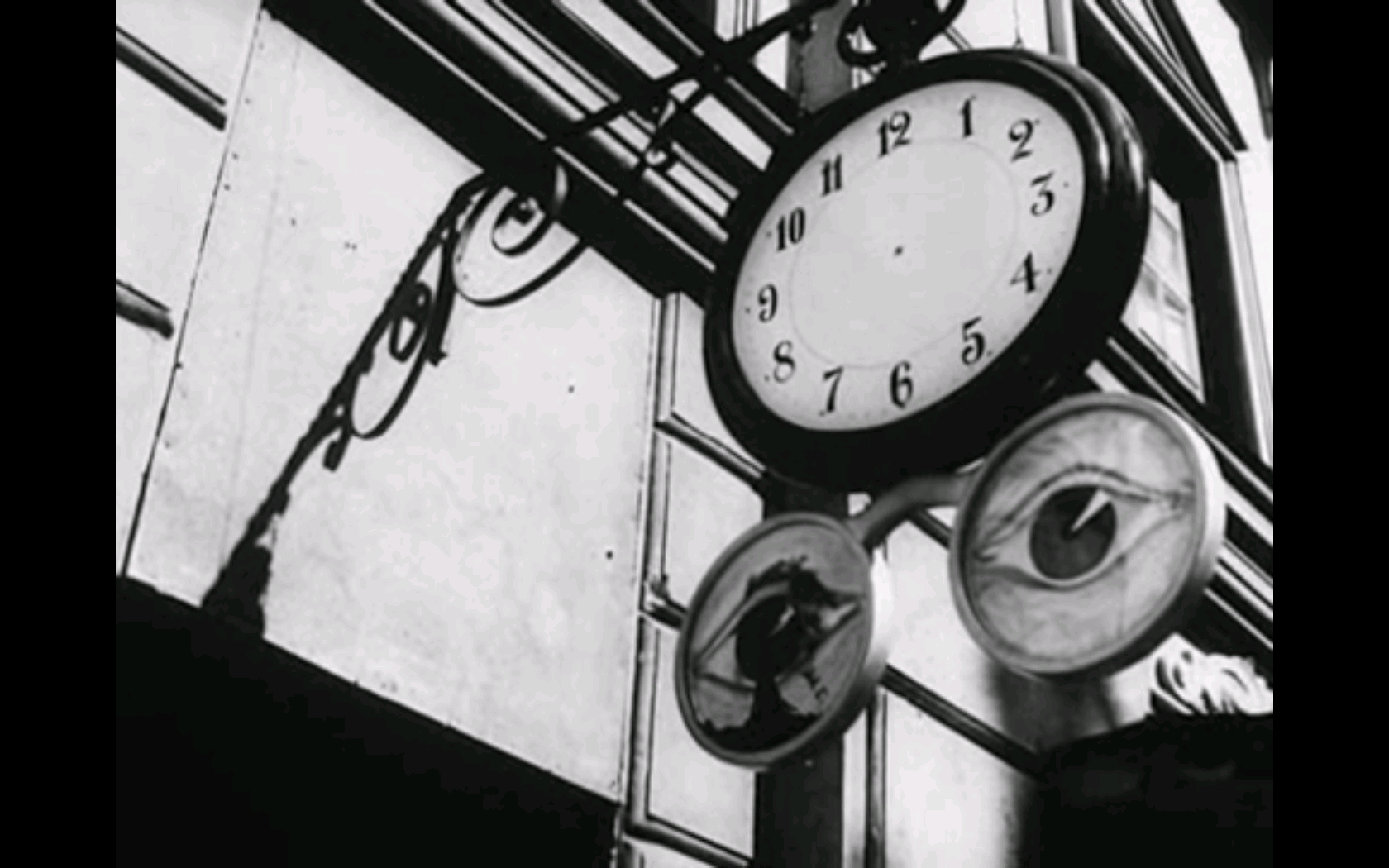
Wild Strawberries is, in essence, an elaborate “flashback film”, yet with a strategic thematic twist, given that Borg is privy to life-altering scenes he could never have seen in real life. Indeed, Bergman daringly plays with the viewer’s notion of cinematic continuity and integrity in a way that audiences at the time found either frustrating or thrilling (Bosley Crowther of the New York Times, for instance, referred to the film as “so thoroughly mystifying that we wonder whether Mr. Bergman himself knew what he was trying to say”.) Peary, however, argues in retrospect that “rather than being as intimidating as later Bergman films, [Wild Strawberries] is simple enough on the surface for viewers to have the energy to dig for the inner meanings and complexities” — and it’s certainly the best film to introduce to budding film fanatics interested in exploring Bergman’s esteemed oeuvre.

Redeeming Qualities and Moments:

  • Victor Sjostrom as Isak Borg
  • Ingrid Thulin as Marianne (Borg’s daughter-in-law)
  • The opening nightmare sequence
  • Gunnar Fischer’s cinematography

Must See?
Yes, as an undisputed foreign classic by a master director.

Categories

  • Foreign Gem
  • Important Director

(Listed in 1001 Movies You Must See Before You Die)

Links:

Tightrope (1984)

Tightrope (1984)

“Maybe I’ll take you up on that sometime.”

Synopsis:
A bitterly divorced detective (Clint Eastwood) with two young daughters (Alison Eastwood and Jenny Beck) delves into the underworld of New Orleans while pursuing a wily, mask-wearing serial killer (Marco St. John).

Genres, Themes, Actors, and Directors:

  • Cat-and-Mouse
  • Clint Eastwood Films
  • Detectives and Private Eyes
  • Genevieve Bujold Films
  • Serial Killers

Response to Peary’s Review:
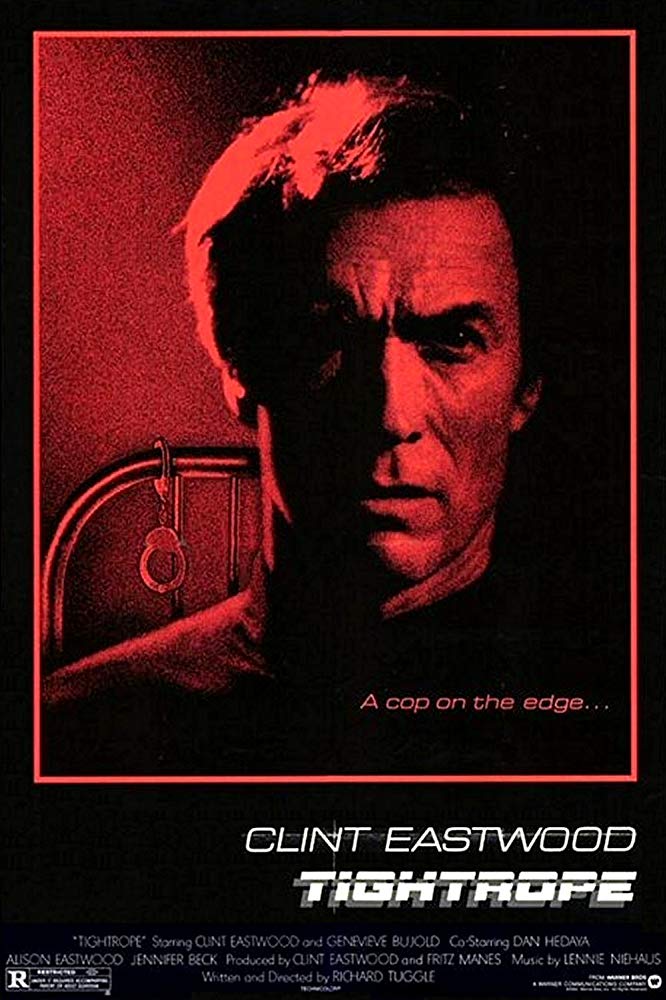
Peary refers to this “Clint Eastwood psychological thriller, written and moodily directed by his protege, Richard Tuggle”, as “atmospheric and suspenseful”, noting that it’s “a bit overrated but still compelling”. He points out that this was “the picture that swayed the critics of America to finally take Eastwood seriously”, given his attempt to break away from his Dirty Harry persona and delve in murkier psychological waters. Yet Peary argues that this film actually wasn’t a “rare attempt” in this regard, given that “Eastwood [plays] with his image in all his films”; Peary posits that far from being a “variation” on Dirty Harry, Harry and the character of “Wes Block” in Tightrope represent “antithetical attitudes toward law enforcement”, given that “Harry is a maverick cop, [while] Block plays it by the book”, among other reasons.

The in-depth character analysis provided in Peary’s review of Tightrope hints at part of the reason for its inclusion in his book, which is that audiences and critics at the time (including Peary) were understandably intrigued by Eastwood’s cult of personality, and eager to see what he would come up with next. Unfortunately, viewed years after the fact, this particular entry in Eastwood’s estimable oeuvre comes up short. While it’s certainly “suspenseful” during key sequences (indeed, there are some genuinely freaky moments that had me glued to the screen), it’s ultimately too cliched and derivative to be entirely successful as a thriller. The trope of a cop seduced by the underbelly of the city he’s paid to serve and protect has been handled numerous times on-screen (most recently in Werner Herzog’s smarmy but effective Bad Lieutenant: Port of Call – New Orleans, taking place in the same city); and while the cat-and-mouse maneuvers between Eastwood and St. John are predictably chilling, they don’t really offer anything new to the genre.

Meanwhile, we don’t learn enough about Eastwood’s divorce to understand why he’s so bitter about women, or what role his own character flaws might have played in the breakup of his marriage. (His ex-wife literally appears as a cipher on-screen, and, if I recall correctly, may not even speak any lines.) If you do decide to check this one out, however, watch for Genevieve Bujold in a “strong and appealing” role as a “rape-crisis therapist who gets [Eastwood] to confront his hostility toward women”; she’s one of the film’s strongest elements.

Redeeming Qualities and Moments:

  • Genevieve Bujold as Beryl

Must See?
No, unless you’re an Eastwood completist.

Links:

Miracle on 34th Street (1947)

Miracle on 34th Street (1947)

“Christmas isn’t just a day — it’s a frame of mind.”

Synopsis:
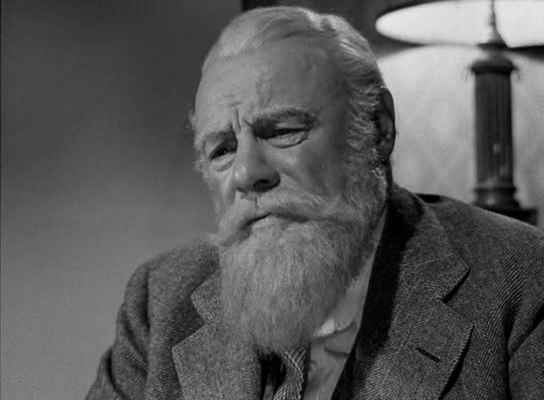
A cynical young girl (Natalie Wood) who doesn’t believe in Santa Claus befriends an older man (Edmund Gwenn) who claims to be Kris Kringle himself.

Genres, Themes, Actors, and Directors:

  • Christmas
  • Courtroom Drama
  • Do-Gooders
  • Edmund Gwenn Films
  • Fantasy
  • John Payne Films
  • Maureen O’Hara Films
  • Mental Illness
  • Natalie Wood Films
  • Thelma Ritter Films

Response to Peary’s Review:
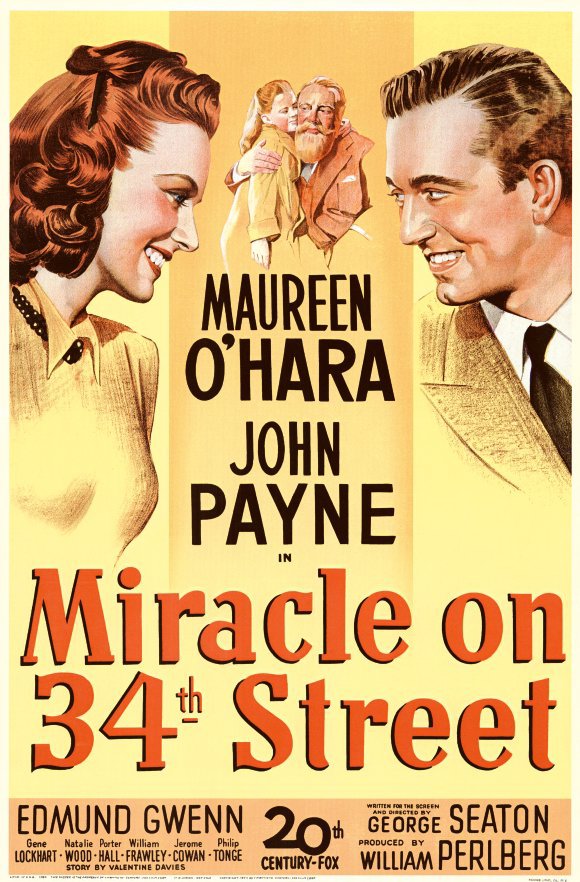
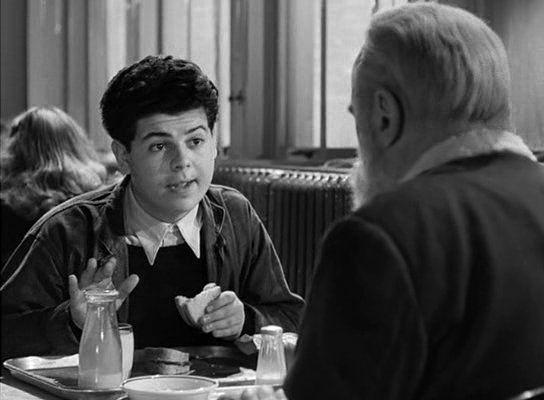
Peary lauds this heartwarming family favorite as a “marvelous adaptation of Valentine Davies’s [short story],” noting that it’s appropriate “for children and adults (who will better appreciate the social satire) — every Christmas season”. He accurately notes that the film possesses “excellent acting down to the smallest parts”, as well as “off-beat humor, sharp satire, tremendous warmth, and scenes that will have you choking up”. He argues that George Seaton’s “intelligent, skillfully plotted Oscar-winning” screenplay “zeroes in on the American character”, given that the film’s characters have “become so ambitious in their careers, [so] power-hungry, and [so] interested in money, that they have suppressed their finer values” — just in time for Kris Kringle to show up and put “life in perspective” for them.

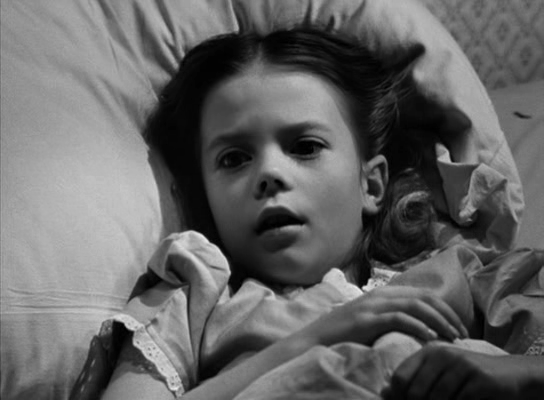
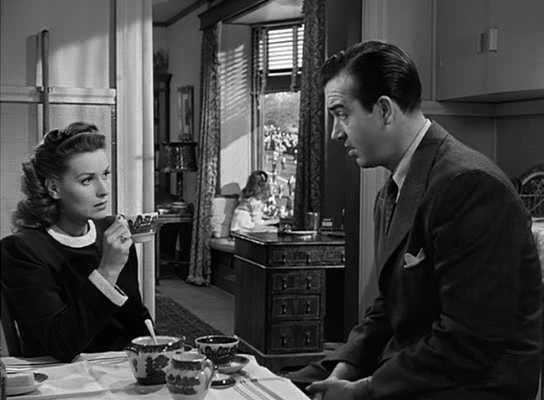
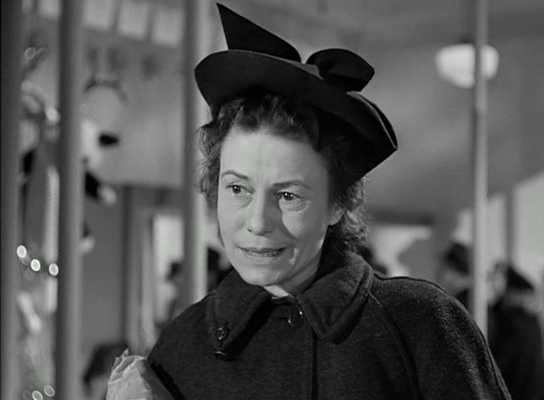
Indeed, the film’s Christmas-time setting is apt, given that this is when the “good-versus-greedy battle within each person” is especially evident — as epitomized by the scene involving Thelma Ritter’s harried mother, whose son wishes for a certain toy she can’t find anywhere (the more things change, the more they stay the same!); it’s up to Kringle to manifest the true spirit of Christmas by breaking allegiance with Macy’s and telling her precisely where she can go to find one. Of course, one could argue that Kringle’s brilliant “marketing scheme” — co-opted immediately by all of Macy’s significant rivals — merely perpetuates the commercialism so rampant during the holidays. Yet tapping into the power of the “Christmas spirit” is also shown to signify a potentially deeper change of heart: for Maureen O’Hara (Susan’s mom, a cynical divorcee), it means opening herself up to both new romance (with suitor John Payne) and a life outside of the corporate ladder; for Wood, it means learning how to fantasize, dream, and “make-believe” for the first time in her young life.

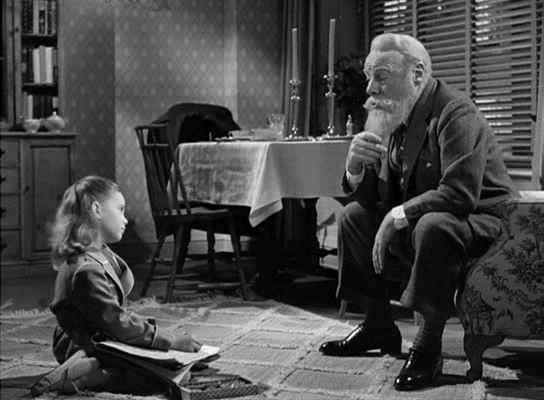
Part of the film’s success lies in the fact that we (especially adult viewers) never really know how much of the story is fantasy versus a manifestation of Kringle’s highly creative take on reality. As a result, we’re left to wonder — is Kringle “really” Santa Claus? And if so, what does that mean, pragmatically speaking? Why would Santa be living in a halfway home in New York, rather than at the North Pole? The mere fact that we’re led to contemplate these questions, however, speaks to the strength and veracity of Seaton’s screenplay — and of the stellar performances given throughout. O’Hara and Payne are well-cast in critical supporting roles, and the entire ensemble cast provides “splendid characterizations”, with “no one play[ing] their parts tongue-in-cheek”. Gwenn, of course, is notoriously “perfect” as Santa (Peary opens his review by stating, “Yes, Virginia, there is a Santa Claus and, using Edmund Gwenn’s SAG card, he gave a convincing performance as himself”). Perhaps most impressive, however, is Natalie Wood, who gives one of the single best child performances ever — watch how convincingly she portrays young Susan as alternately cynical, hopeful, playful, dejected, and overjoyed.

Redeeming Qualities and Moments:

  • Natalie Wood as Susan
  • Edmund Gwenn as Kris Kringle (nominated by Peary as Best Actor of the Year, rather than Best Supporting Actor, in his Alternate Oscars book)
  • Maureen O’Hara as Susan’s mother
  • John Payne as Fred Gailey
  • Fine supporting performances by the entire cast

  • George Seaton’s heartwarming script

Must See?
Yes, naturally, as an enduring classic. Nominated by Peary as one of the Best Pictures of the Year in his Alternate Oscars.

Categories

  • Cult Movie
  • Genuine Classic

Links:

X: The Man With the X-Ray Eyes (1963)

X: The Man With the X-Ray Eyes (1963)

“We are virtually blind — all of us.”

Synopsis:
A doctor (Ray Milland) develops a serum which gives him x-ray vision, but soon finds that his new power causes him more trouble than glory.

Genres, Themes, Actors, and Directors:

  • Carnivals and Circuses
  • Dick Miller Films
  • Downward Spiral
  • Fugitives
  • Mad Doctors and Scientists
  • Ray Milland Films
  • Roger Corman Films
  • Science Fiction
  • Supernatural Powers

Response to Peary’s Review:
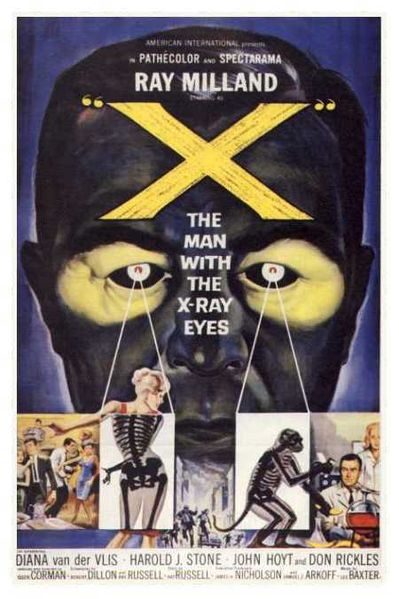
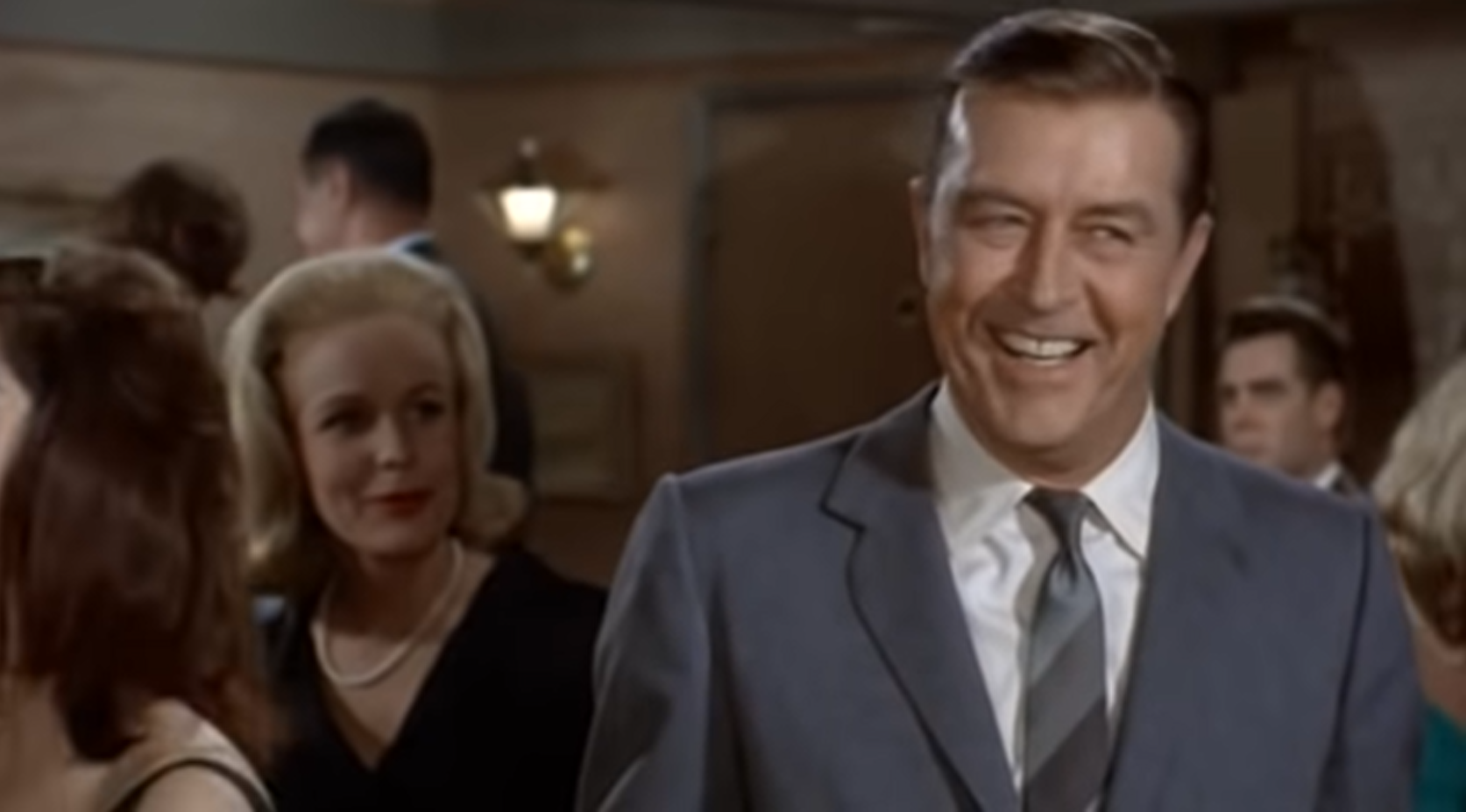
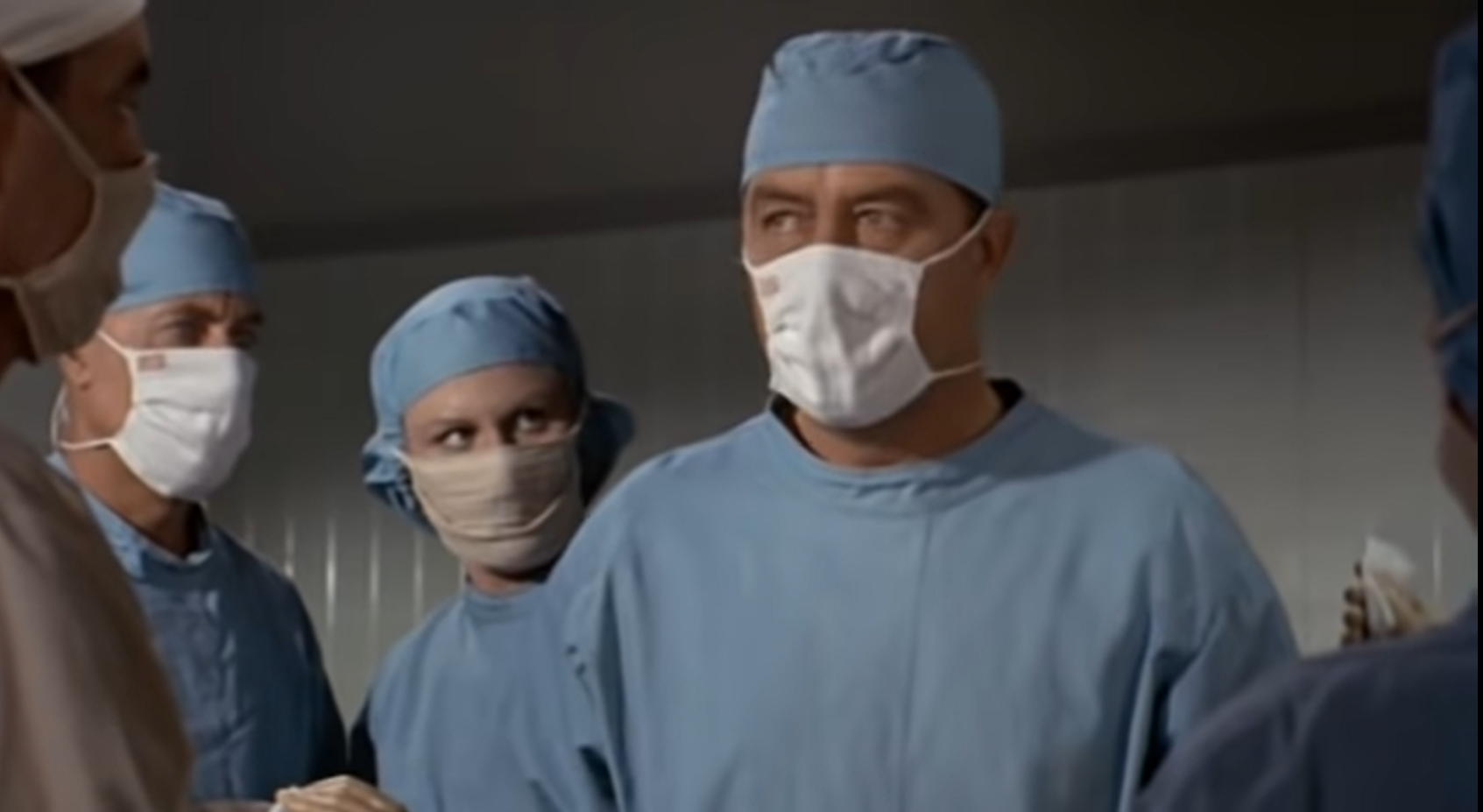
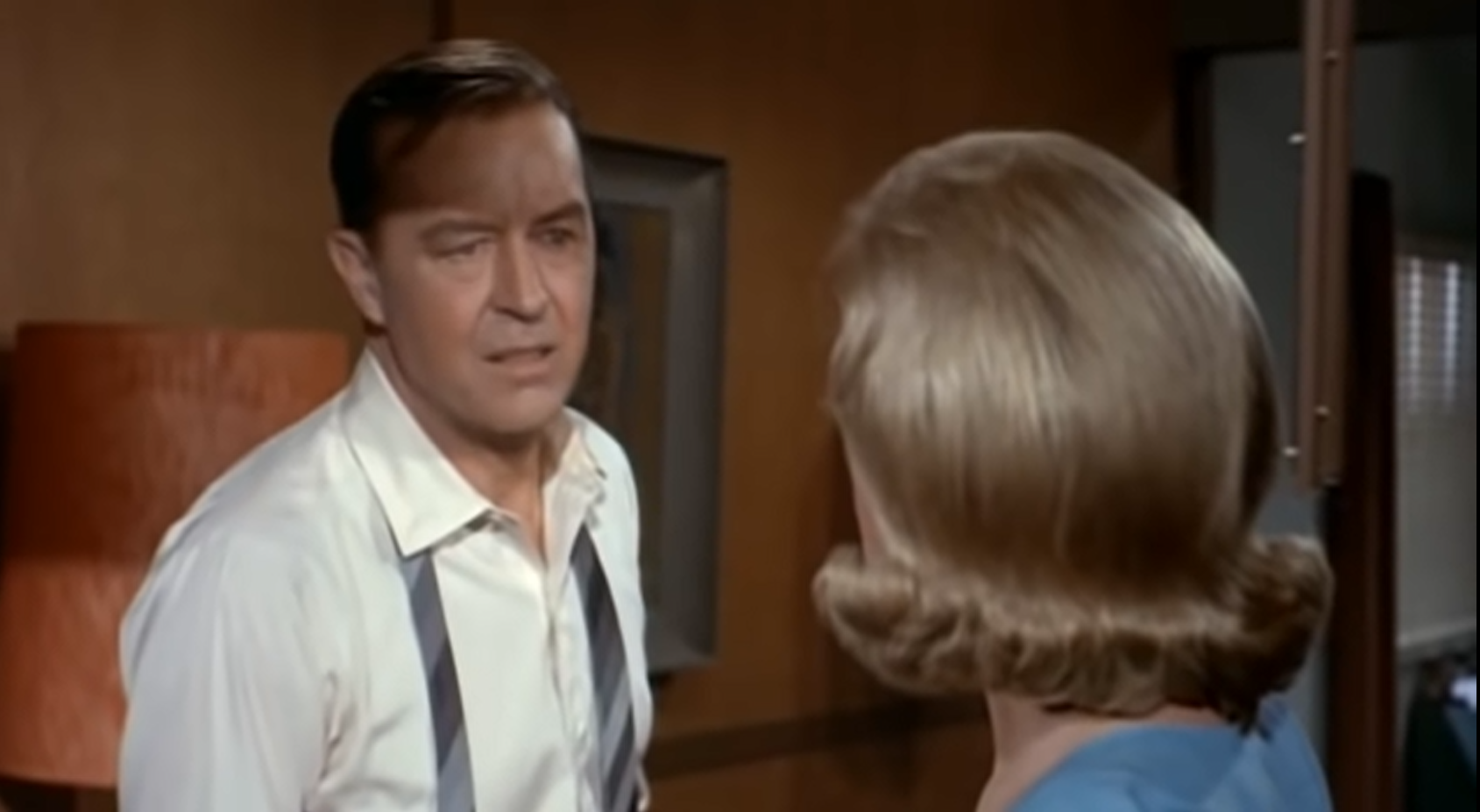
Peary refers to this “philosophical sci-fi film, directed by Roger Corman for AIP”, as “competent”, arguing that the “story is predictable but Milland makes a good lead — a man who’s not entirely sympathetic”, and accurately noting that the “final few seconds are powerful”. I actually disagree that it’s merely “competent”, however, given that Robert Dillon and Ray Russell’s smart script effectively exploits the clever concept of what might happen to a person blessed (or cursed) with x-ray vision. The timbre of their screenplay shifts from the giddy delight experienced by Milland as he engages in pleasant voyeurism at a party:


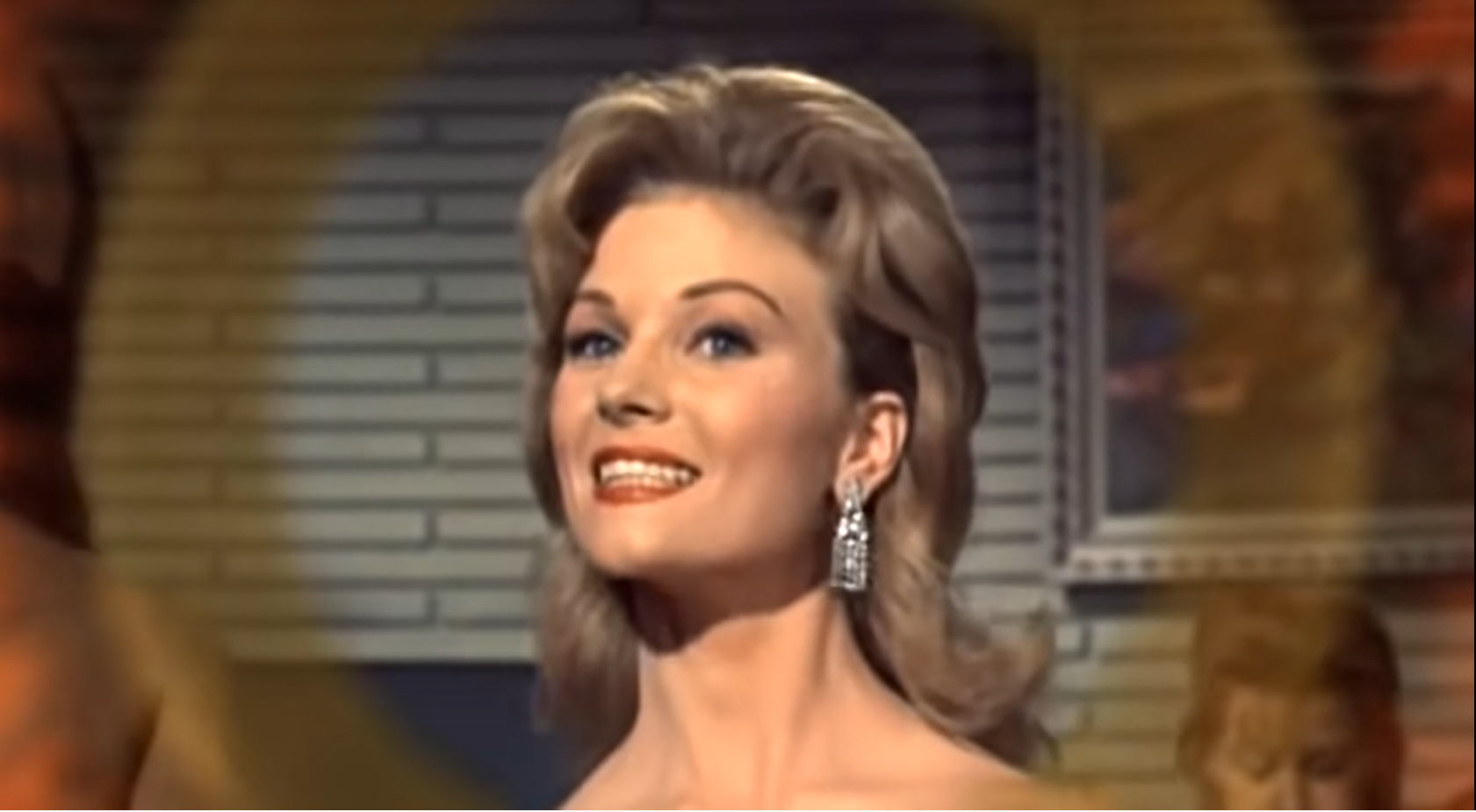
… to the ethical dilemma he faces when he knows without a doubt that his medical colleague’s diagnosis of a patient is wrong:

… to the (perhaps) inevitable downward spiral of a man who has so clearly become a “freak” of nature (albeit a self-created one) — and by the end, it manages to argue that a man who can see “everything” may have access to universal secrets best left untapped.

With that said, in many ways the film is typically low-budget Roger Corman fare — though it should be noted that his budget and the production values are clearly higher than what he was working with for his more outrageously campy earlier sci-fi outings in the ’50s. The special effects are occasionally laughably cheap (i.e., when Milland sees through flesh to drawings of people’s innards), but at other times are remarkably chilling — most notably the final physical transformations that take place in Milland’s eyes.

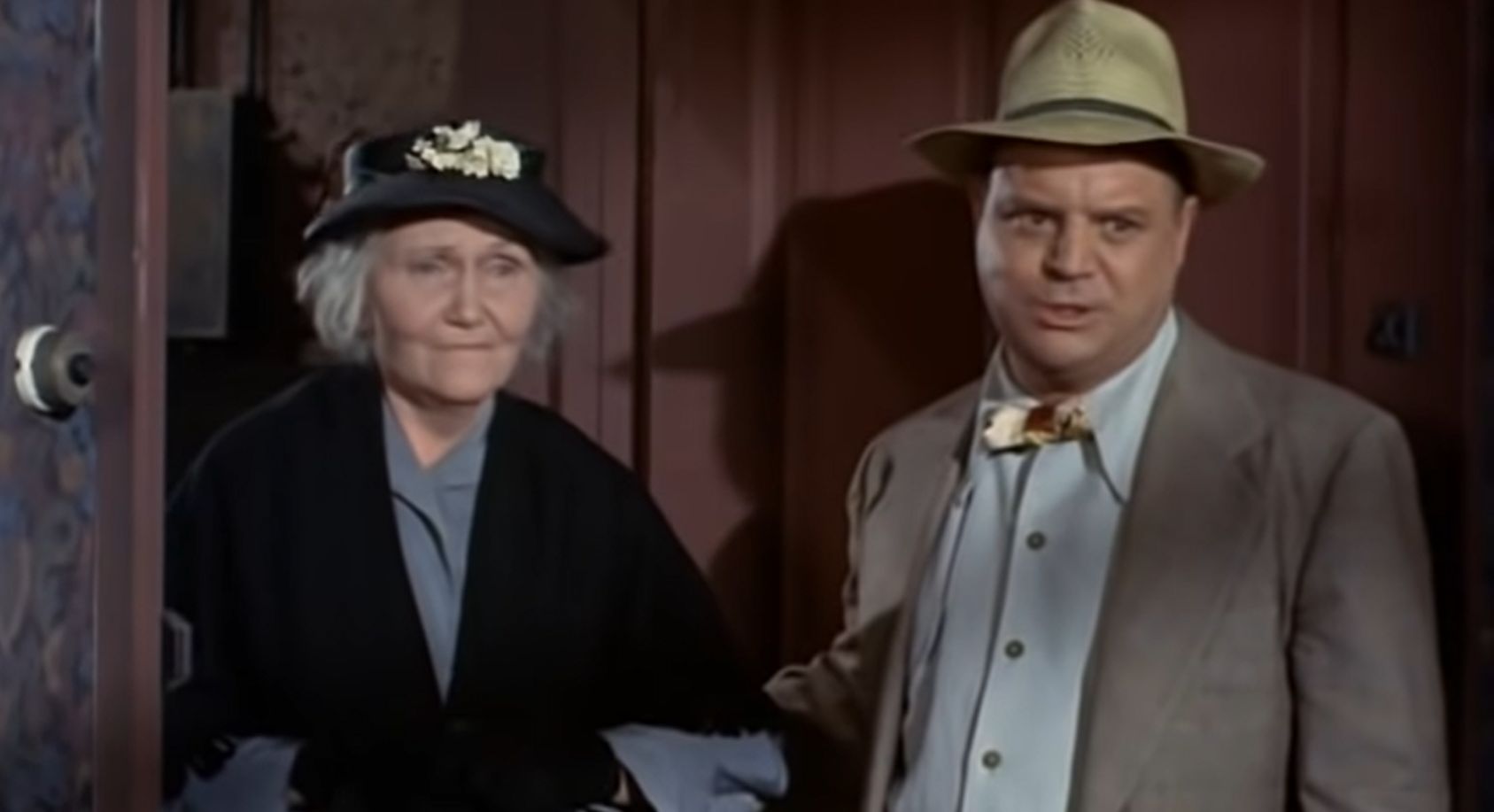
And while there’s a smattering of awkwardly handled dramatic moments (c.f. the pivotal “murder” scene that drives Milland underground, or Milland’s tentative flirtations with his colleague, Diana van der Vlis), other scenes hit surprisingly hard — such as Milland’s interactions with Don Rickles as a manipulative carnival manager who recognizes Milland as a lucrative cash cow.

Note: Milland gives a believably tortured performance here as the fatally obsessed title character, perhaps his best since his Oscar-winning role in The Lost Weekend (1945) nearly 20 years earlier.

Redeeming Qualities and Moments:

  • Ray Milland as Dr. Xavier
  • Don Rickles as Crane
  • A smart, suspenseful script

Must See?
Yes, as a cult classic by Corman.

Categories

  • Cult Movie

Links: