Browsed by
Category: Response Reviews

My comments on Peary’s reviews in Guide for the Film Fanatic (Simon & Schuster, 1986).

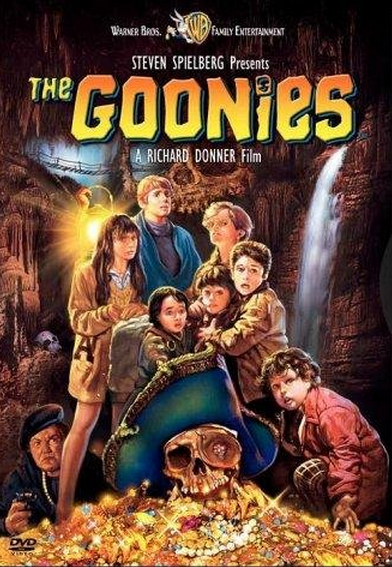
Goonies, The (1985)

Goonies, The (1985)

“Goonies never say die!”

Synopsis:
Teenage misfits try to save their neighborhood from redevelopment by searching for hidden pirate treasure.

Genres:

  • Hidden Treasure
  • Misfits
  • Pirates
  • Search
  • Teenagers

Response to Peary’s Review:
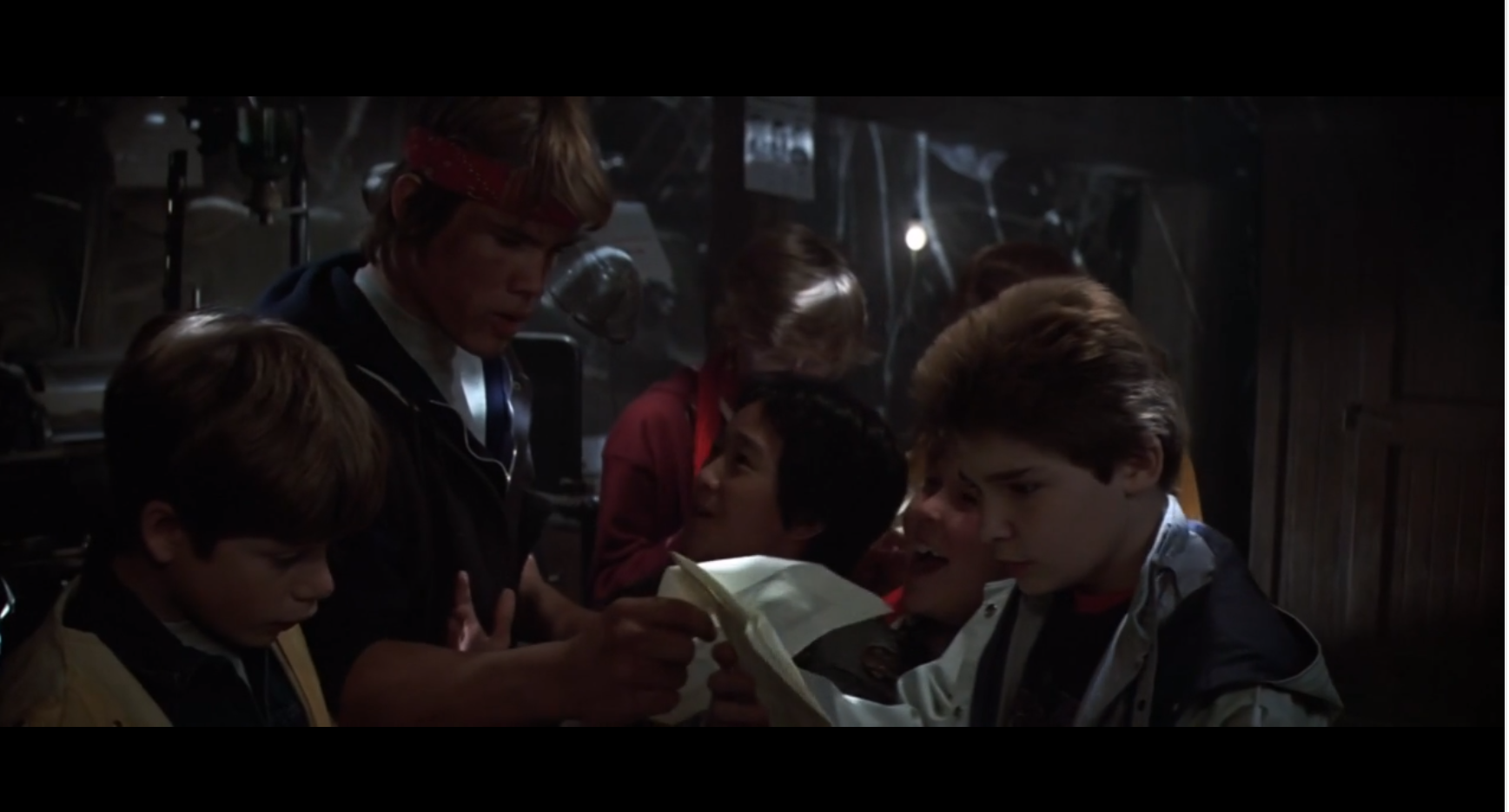
I have fond memories of viewing Steven Spielberg’s The Goonies — about “a group of young outcasts” who “try to save their old-Seattle neighborhood from redevelopment” — in the theater as a kid. Rewatching it recently as an adult, I can begin to understand why Peary labels it “extremely disappointing”; he’s right to note, for instance, that “the young boys who take part in the adventure are loud, vulgar, and in need of babysitters”. Yet I’m not sure I agree with his assessment that “there is a mean and rude, rather than good-natured, feel to the entire film”. While the movie is derivative, manipulative, and hopelessly cliched, I can’t help remembering how exciting I thought it was as a kid, and this colors my impressions even today. After all, what kid among us wouldn’t wish to make new friends and go searching for buried treasure behind their house? How could creepy villains, booby-trapped caves, and the possibility of endless gold coins fail to excite? The Goonies has recently become a cult classic, with special midnight showings where fans recite lines verbatim; as one online reviewer described it, “For the uninitiated it is a mystery. For the fans it is a classic.”

Redeeming Qualities and Moments:

  • Many exciting, well-staged adventure sequences

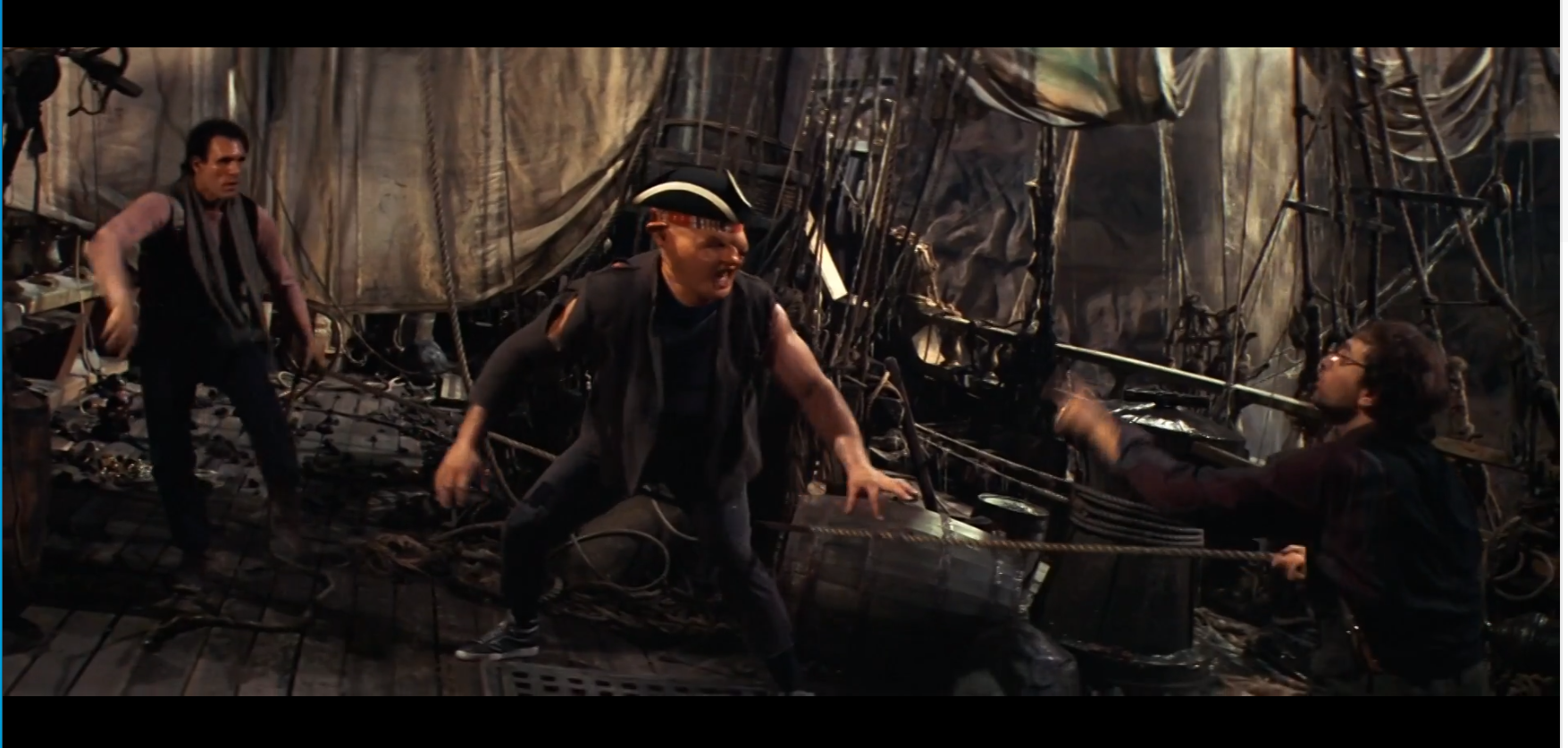
  • Impressive make-up on John Matuszak as Sloth
  • A rocking Cyndi Lauper song

Must See?
Yes, simply for its cult status as a classic ’80’s adventure flick.

Categories

Links:

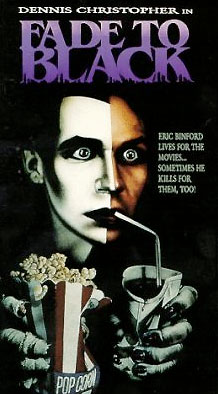
Fade to Black (1980)

Fade to Black (1980)

“Your one-eyed monster is gonna soften your eyes, much less rot your brain!”

Synopsis:
A psychotic young film fanatic (Dennis Christopher) commits murders inspired by classic movies.

Genres:

  • Dennis Christopher Films
  • Horror
  • Mickey Rourke Films
  • Movie Buffs
  • Psychopaths
  • Serial Killers

Response to Peary’s Review:
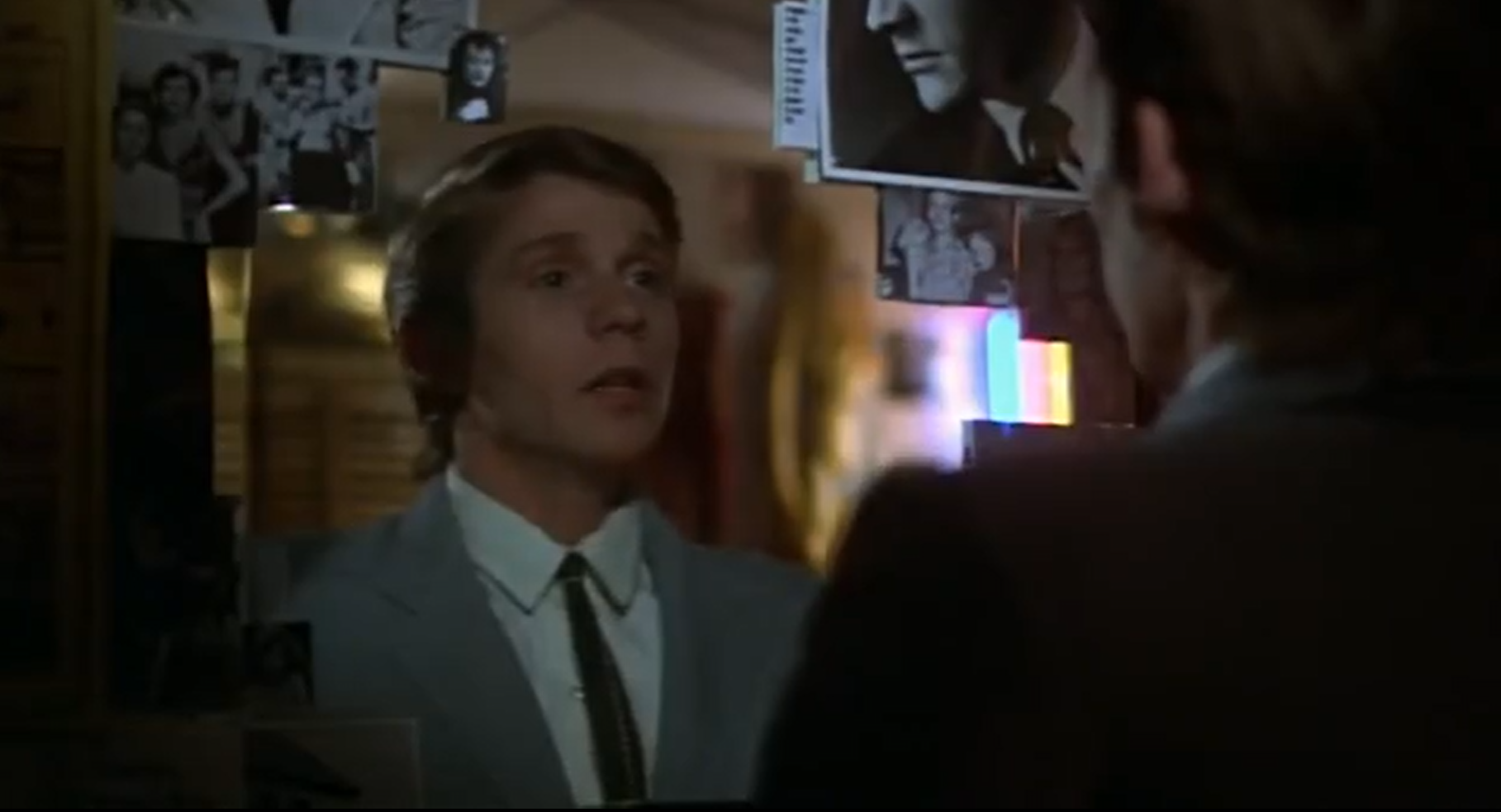
One can’t help wondering why Peary includes this title in his book, given that he immediately labels it a “violent, embarrassing stupidity”; presumably its cinephilic storyline (about “a psychotic young movie buff… who dresses up like screen villains and commits murders”) was enough to earn it automatic entry. Interestingly, I wasn’t nearly as offended by it as Peary; as a teenage film fanatic, I often looked to movies for guidance, and can easily imagine an unhinged movie lover (such as Dennis Christopher’s Eric Binford) taking this to psychotic extremes.

Redeeming Qualities and Moments:

  • Dennis Christopher’s impassioned performance (though Peary argues he’s “miscast”)

Must See?
No, but it’s a reasonably entertaining little thriller, and most film buffs will be intrigued by the premise alone.

Links:

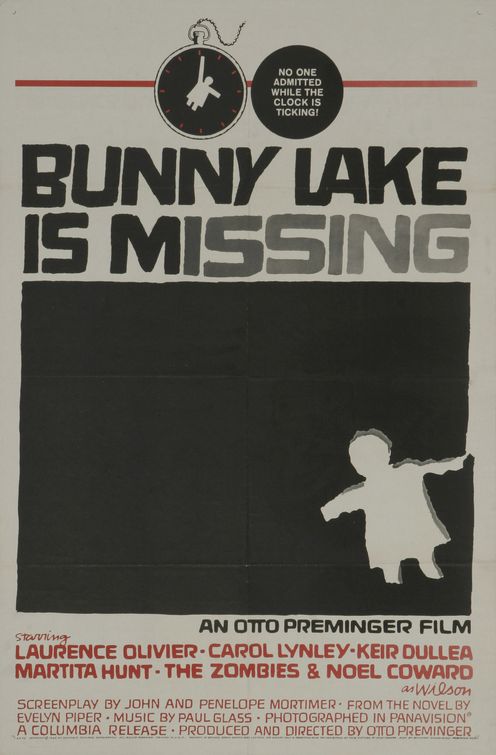
Bunny Lake is Missing (1965)

Bunny Lake is Missing (1965)

“Curiouser and curiouser.”

Synopsis:
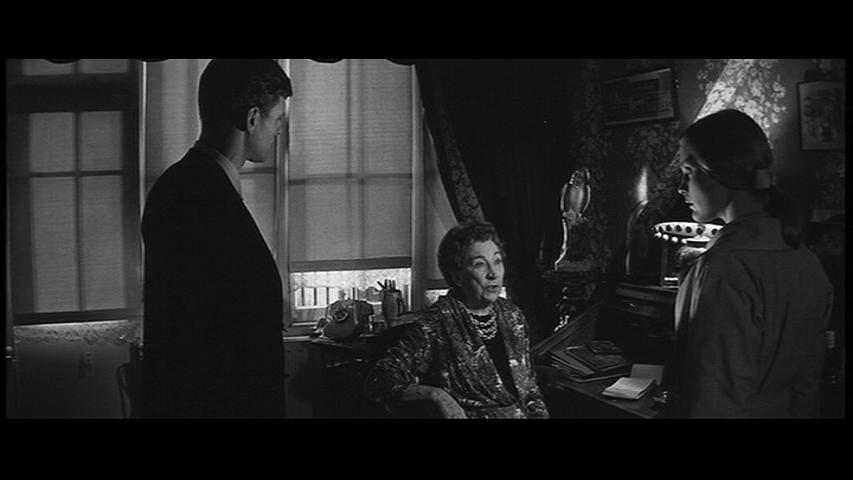
In London, a young American (Keir Dullea) tries to help his unwed sister (Carol Lynley) find her missing daughter, Bunny.

Genres, Themes, Actors, and Directors:

  • Carol Lynley Films
  • Keir Dullea Films
  • Laurence Olivier Films
  • Mental Illness
  • “No One Believes Me!”
  • Otto Preminger Films
  • Search
  • Single Mothers

Response to Peary’s Review:
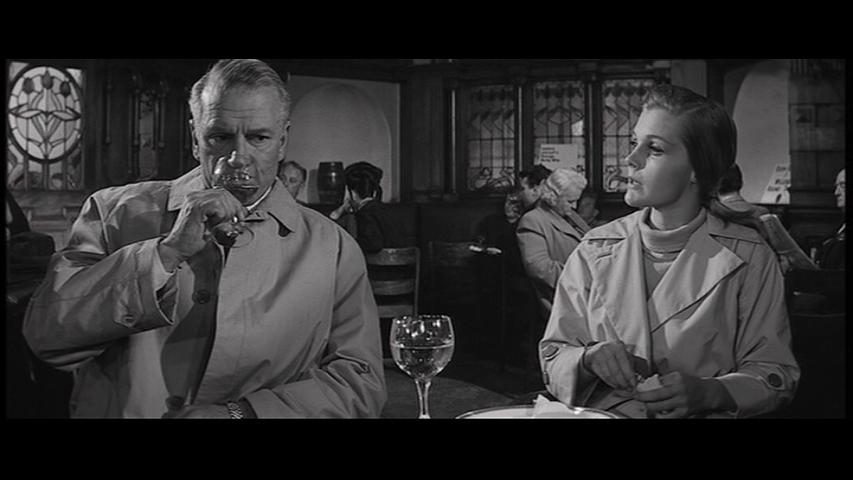
This atmospheric, well-acted thriller — a “cult variation on So Long at the Fair” — plays upon two of our deepest fears: losing a child, and not being believed in a life-or-death situation. As Peary notes, director Otto Preminger “makes a strong point about the difficulty aliens (Americans in England, unwed mothers) have getting help”, and bravely deals in his script with issues such as “illegitimacy, homosexuality, and incest”; meanwhile, his “camera work has a feverish intensity” which keeps one consistently engaged. Though many critics seem to dislike the film’s gut-wrenching denouement (which “diverges from Evelyn Piper’s [source] novel”), I’ll admit I was so caught up in the story that I was easily able to overlook any gaps in logic or consistency.

Redeeming Qualities and Moments:

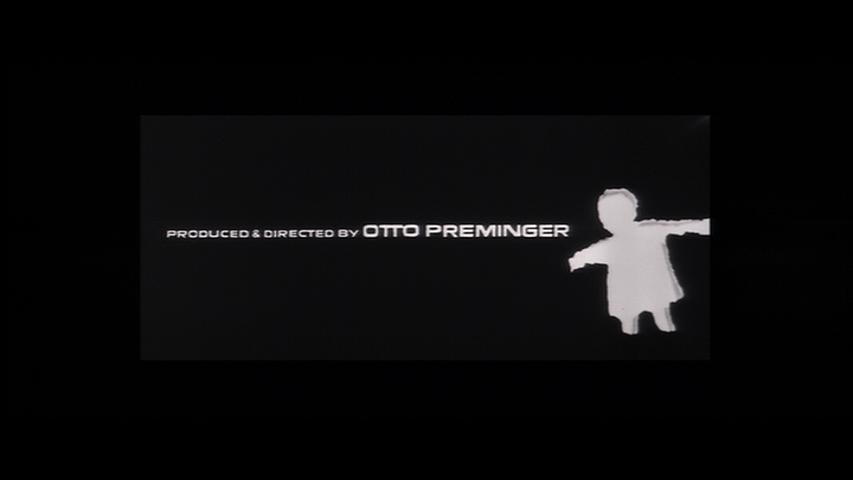
  • Creative opening titles by Saul Bass
  • A suspenseful mystery with lots of “red herrings”
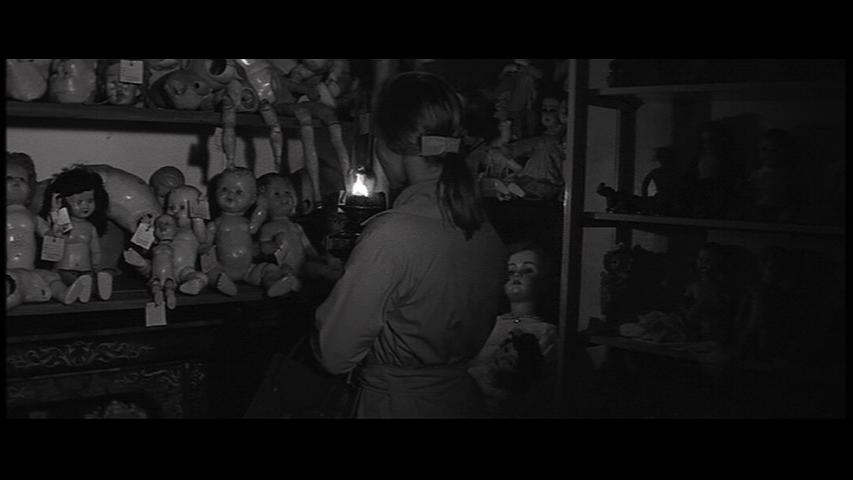
  • Effective use of strange locales (such as the “doll hospital”)
  • Laurence Olivier’s understated performance as a police detective on the case

Must See?
Yes. Though it’s not as famous as other Preminger classics, this cult thriller is well worth watching.

Categories

Links:

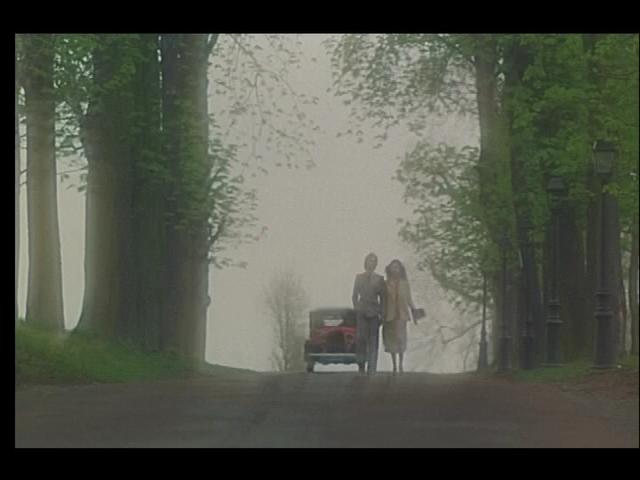
Cannibal Girls (1973)

Cannibal Girls (1973)

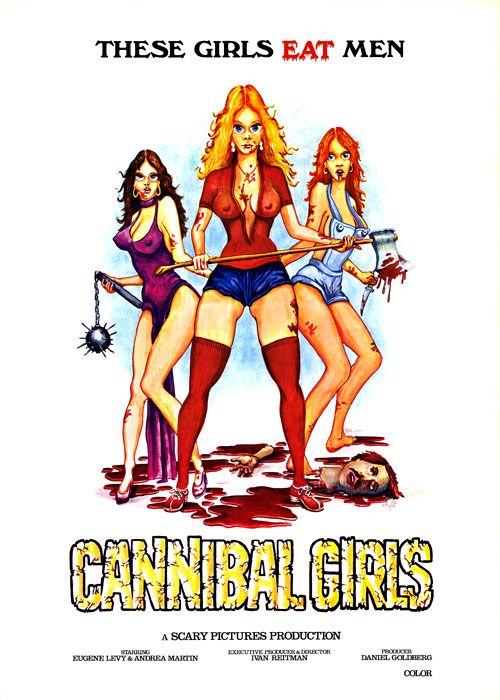
“They love every man they meet — first to death, then for dinner!”

Synopsis:
A young couple (Eugene Levy and Andrea Martin) find themselves stranded in a small town, where they are confronted with the living legend of three local “cannibal girls”.

Genres, Themes, Actors, and Directors:

  • Black Comedy
  • Cannibalism
  • Horror

Response to Peary’s Review:
As Peary notes, this low-budget black-comedy horror flick “starts out well, but becomes dull and confusing”. Beautiful female cannibals who lure men, siren-like, to their bloody deaths has the potential for interesting feminist overtones — but this potential is destroyed by the inexplicable appearance of a male ringleader (Robert Ulrich), whose purpose in the movie I still can’t figure out. Other than a few moments of improvised humor between Levy and Martin, most of the scenes in Cannibal Girls are painfully derivative, and hold little intrinsic interest. But perhaps most disappointing of all is Levy’s lackluster performance — he seems to be hiding beneath his glasses and enormous afro, while his bubbly co-star, Andrea Martin, fares much better.

Redeeming Qualities and Moments:

  • Andrea Martin’s ditzy portrayal as Gloria

Must See?
No. While it holds a special place in Canadian film history (see the Canuxploitation review, link below), it will probably only be of interest for true 1970s horror fans.

Links:

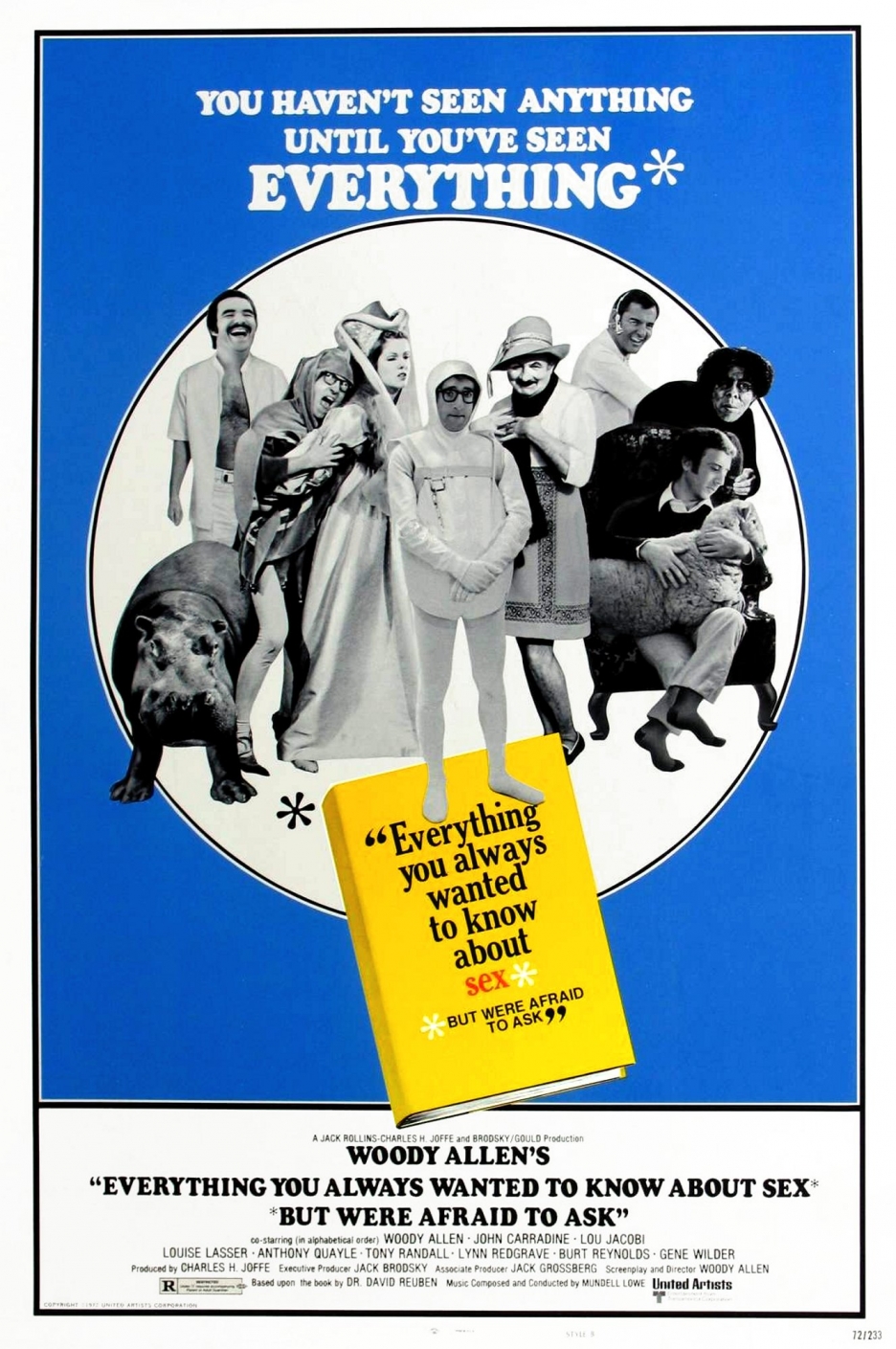
Everything You Always Wanted to Know About Sex *But Were Afraid to Ask (1972)

Everything You Always Wanted to Know About Sex *But Were Afraid to Ask (1972)

“With most grievous dispatch, I shall open the latch to get at her snatch!”

Synopsis:
Seven humorous vignettes poke fun at a famous sexology book.

Genres, Themes, Actors, and Directors:

  • Comedy
  • Episodic Films
  • Gene Wilder Films
  • John Carradine Films
  • Lynn Redgrave Films
  • Sexuality
  • Tony Randall Films
  • Woody Allen Films

Response to Peary’s Review:
Peary notes that critics at the time were divided in their response to this early Woody Allen film, which “severely tested audience’s embarrassment level much as Lenny Bruce did years before”. These days, of course, we’re so inured to discussing anything and everything related to sex that the vignettes will hardly get a rise out of most audience members — with the possible exception of “What is Sodomy?”, in which a doctor (marvelously played by Gene Wilder) falls in love with an Armenian sheep named Daisy. I think this may be the most thorough (albeit satirical) treatment that zoophilia has ever received on the big screen.

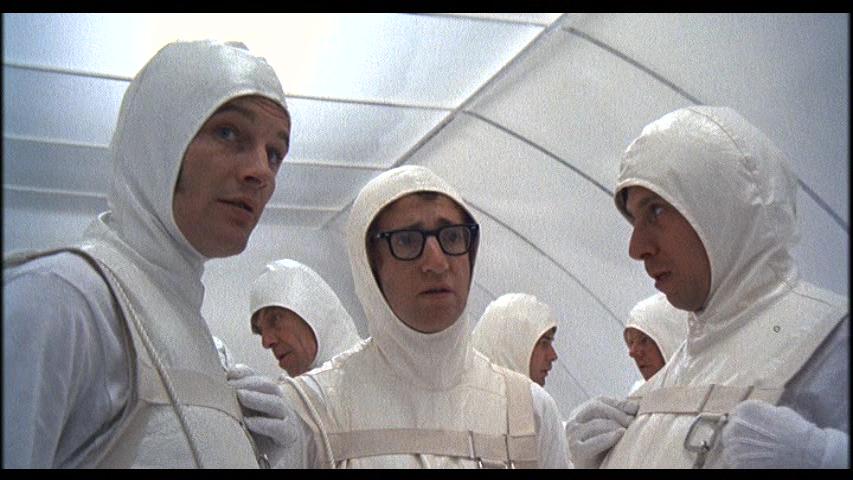
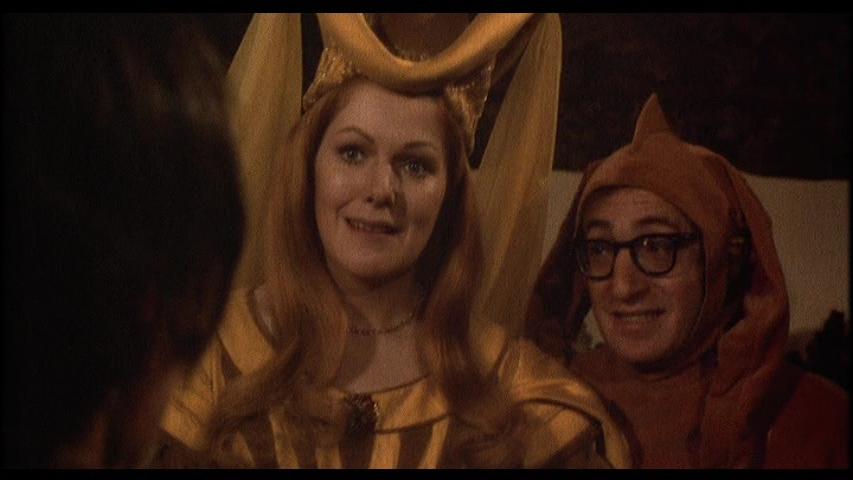
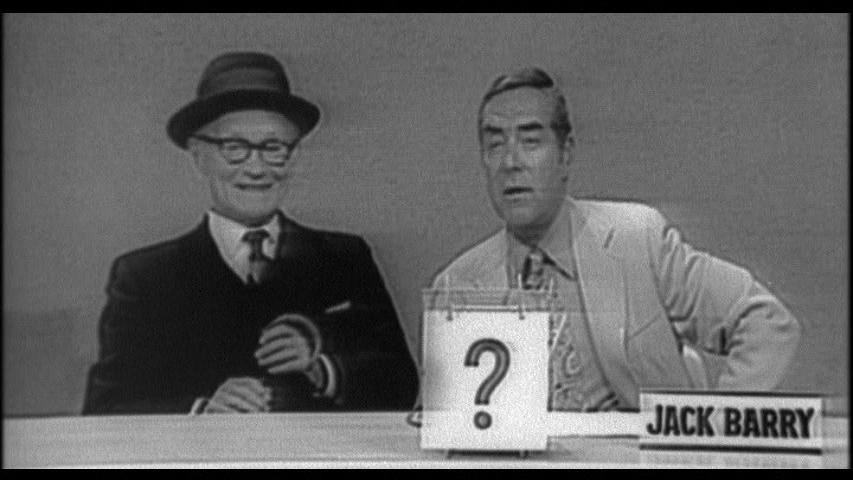
As with every episodic film, some segments are more amusing than others — for instance, “Are Transvestites Homosexuals?”, in which a middle-aged man (Lou Jacobi) dresses up in women’s clothing, falls completely flat. But the rest have at least a few moments of hilarity, with Allen managing to satirize multiple genres — including television game shows (“What’s My Perversion?”), space exploration (“What Happens During Ejaculation?”), sci-fi/monster flicks (“Are the Findings of Doctors and Clinics Who Do Sexual Research Accurate?”), medieval historical dramas (“Do Aphrodisiacs Work?”), and Italian cinema (“Do Some Women Have Trouble Reaching Orgasm?”) — within the space of just 87 minutes. Although he’s made some real clunkers in the past few years, Allen’s early comedic genius is indisputable.

Redeeming Qualities and Moments:

  • The truly hilarious final vignette, in which a group of white-clad sperm (the ever-neurotic Allen among them) get ready for blast-off
  • Gene Wilder as the sheep-loving doctor
  • Lynn Redgrave adding “-st” to the end of nearly every word she says
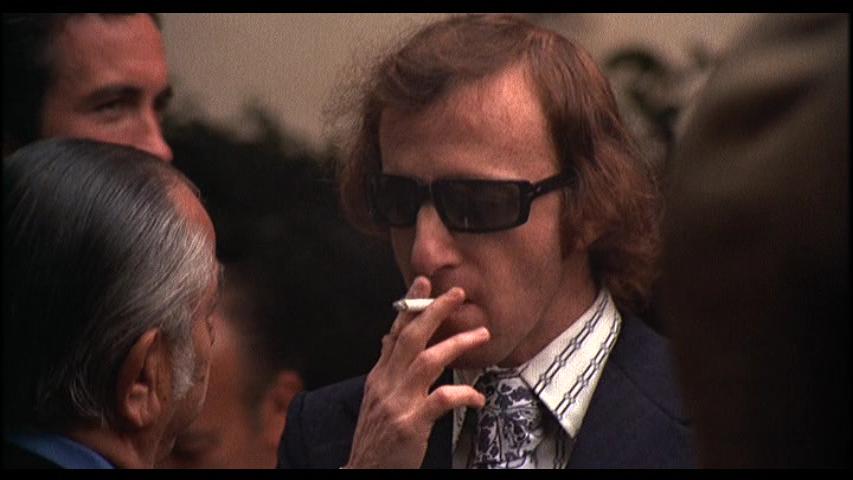
  • Woody Allen as a too-cool Italian lover in spiffy shades
  • “What’s My Perversion?” game show spoof
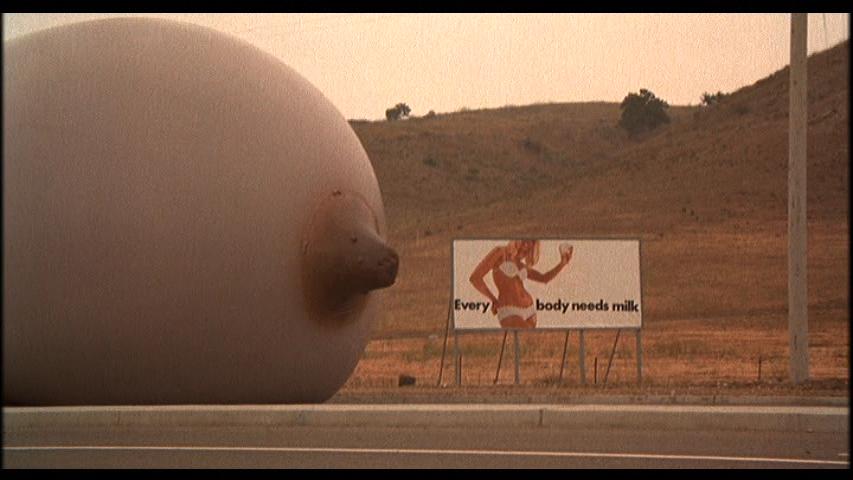
  • An enormous milk-spouting breast roaming the country and wreaking havoc

Must See?
Yes. Although not all segments are equally funny, this is an unusual entry in Allen’s oeuvre, and well worth checking out.

Categories

  • Important Director

Links:

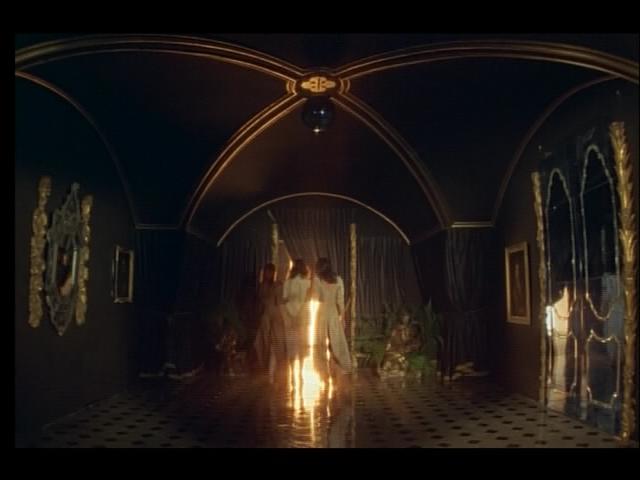
Story of O, The (1975)

Story of O, The (1975)

“O wondered why she found her terror so delicious.”

Synopsis:
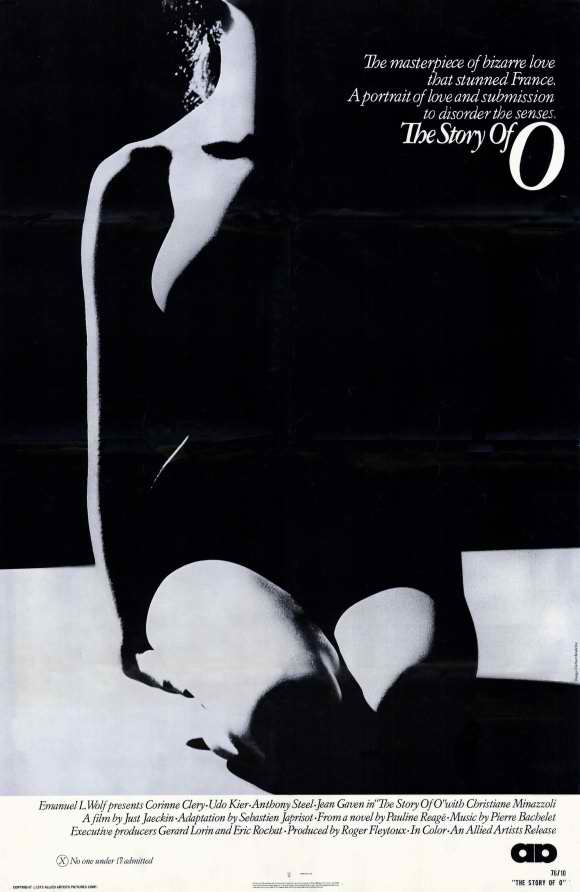
At the request of her lover (Udo Kier), a woman (Corinne Clery) is given the pseudonym “O” and trained to become a willing sex slave to men.

Genres, Themes, Actors, and Directors:

  • S&M
  • Sexuality

Response to Peary’s Review:
Unfortunately, there’s little to enjoy and much to be offended by in this dull, slowly-paced, lushly photographed erotic classic (based on the French novel by “Pauline Reage”). As Peary notes, the pain “O” suffers at the hands of the “debonairly repulsive” men around her is rarely mitigated by any signs of overt pleasure; we hear her voicing her consent, yet it’s hard not to feel like she’s got some serious psychological issues for agreeing to this kind of torture. Equally disturbing is the fact that, other than in the final, extremely brief closing shot, it is uniformly women who are abused by men in this film, rather than an equal interplay existing between both. Indeed, in an age of increased awareness about the dire situation for women in many countries around the world, it’s especially disturbing to see women abused at the hands of dominant men.

Redeeming Qualities and Moments:

  • Corinne Clery’s surprisingly nuanced performance as O
  • Beautiful soft-filter cinematography
  • Sumptuous, elaborate sets

Must See?
No; you can definitely skip this one.

Links:

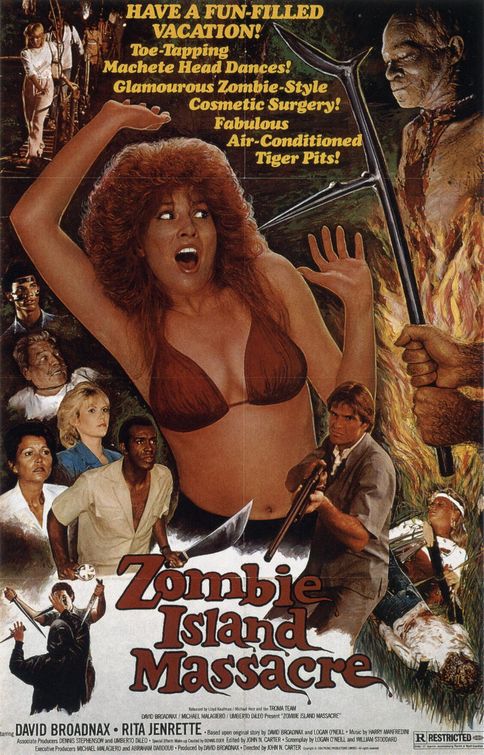
Zombie Island Massacre (1984)

Zombie Island Massacre (1984)

“I think I can safely promise you a tour you’ll never forget!”

Synopsis:
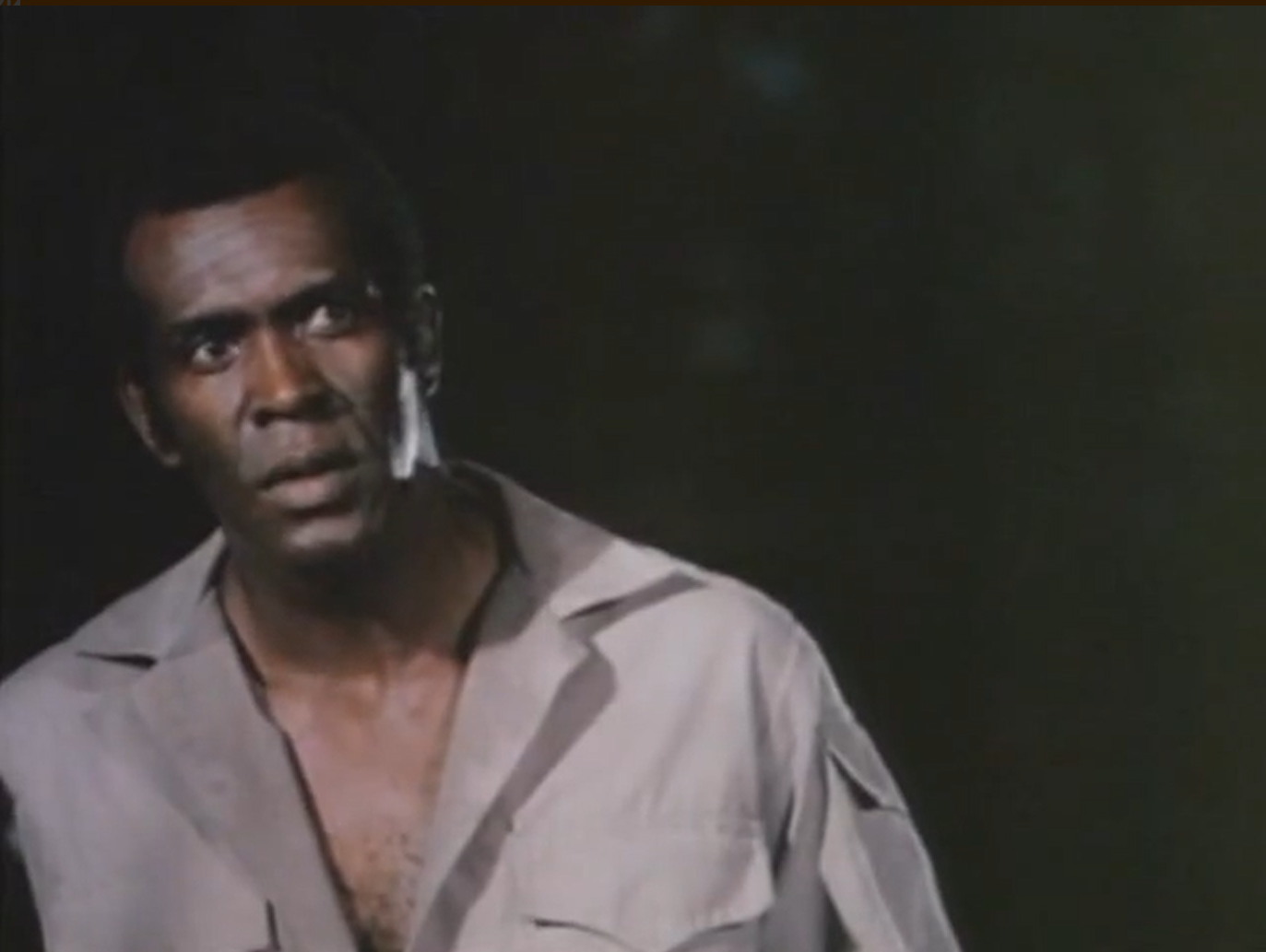
A group of tourists in Jamaica are knocked off one after the other by a mysterious killer in the dark.

Genres, Themes, Actors, and Directors:

  • Caribbean Islands
  • Horror
  • Serial Killers

Response to Peary’s Review:
As Peary notes, this cult horror flick — which possesses the dubious distinction of being the last title reviewed in his book — is (or was) primarily notable for starring Rita Jenrette, ex-wife of Congressman John Jenrette (involved in the notorious ABSCAM scandal). Rita — who also posed for a Playboy spread — has an enormous bosom, which she gets to show off several times at the beginning of the film.

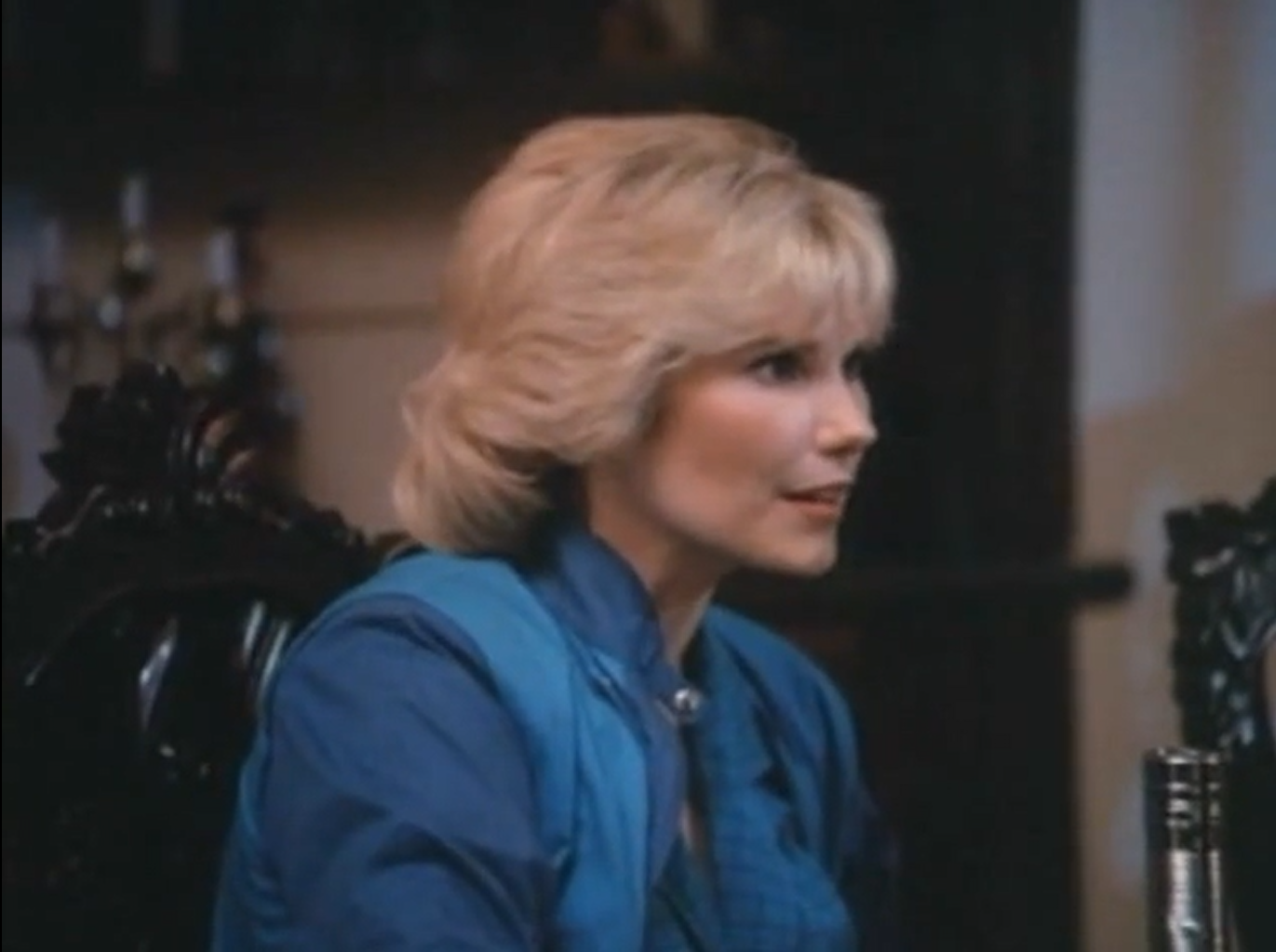
Unfortunately, she and nearly everyone else in the cast are given inane, cliched dialogue, and the acting is mediocre at best. About halfway through, I finally realized that this film is actually camp in disguise — and that if it had been played up a few notches, it may have been mildly amusing. Unfortunately, everyone takes themselves far too seriously, and thus the story falls flat. An annoying final note: there are no “real” zombies in this flick.

Redeeming Qualities and Moments:

  • Some genuine suspense, as well as a surprising (if unsatisfactory) plot twist

Must See?
No. Any notoriety this film once had is long gone. It’s only worth watching if you’re a true fan of slasher flicks.

Links:

Alice, Sweet Alice / Communion / Holy Terror (1977)

Alice, Sweet Alice / Communion / Holy Terror (1977)

“God always takes the pretty ones.”

Synopsis:
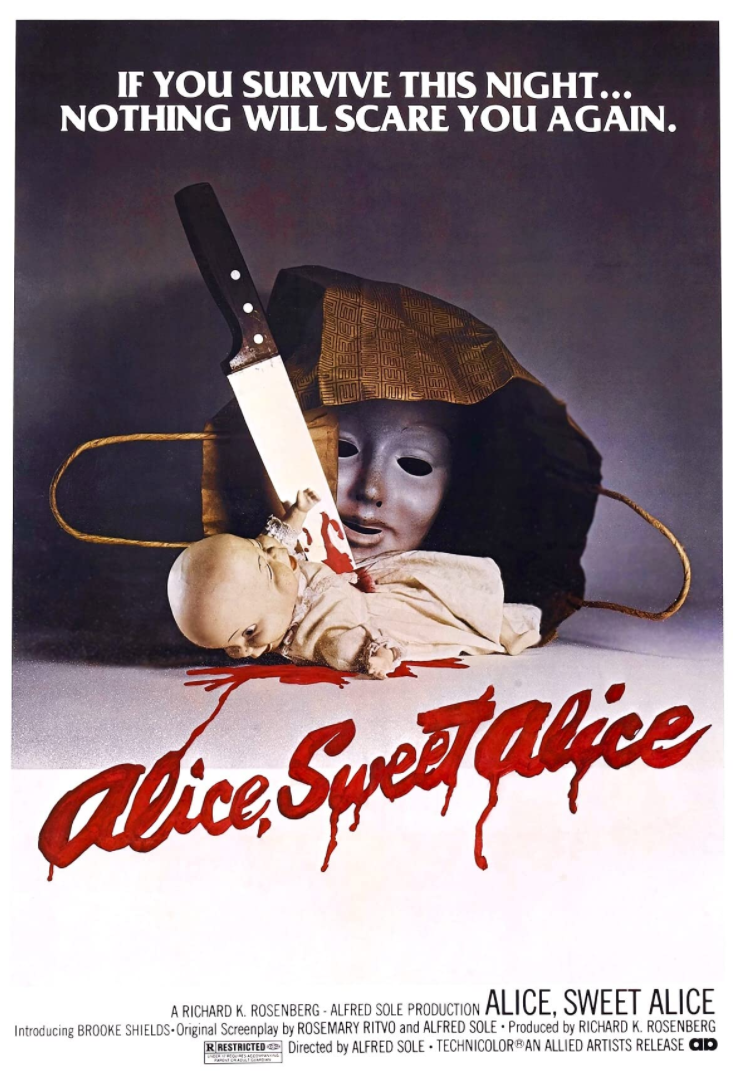
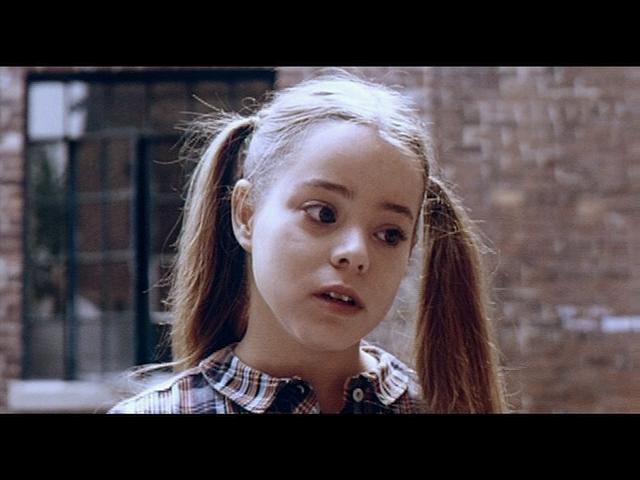
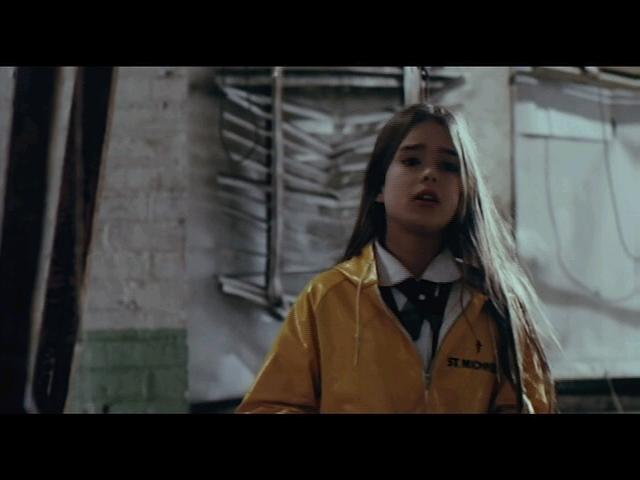
When 10-year-old Karen (Brooke Shields) is murdered right before her first communion, everyone suspects her raincoat-clad, jealous older sister Alice (Paula Sheppard) — but is Alice really the killer?

Genres, Themes, Actors, and Directors:

  • Christianity
  • Evil Kids
  • Horror
  • Jealousy
  • Murder Mystery

Response to Peary’s Review:
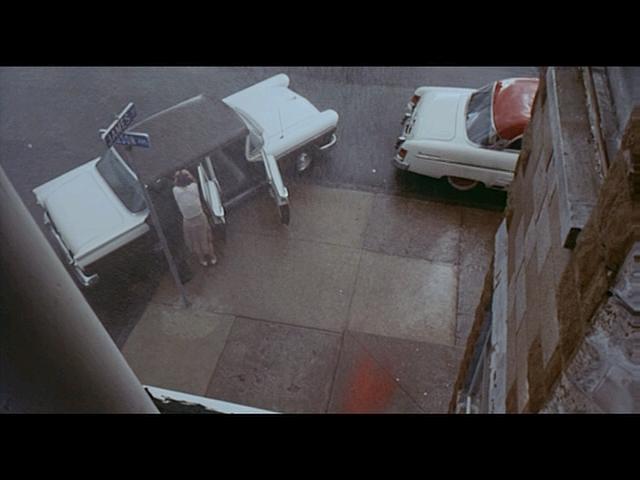
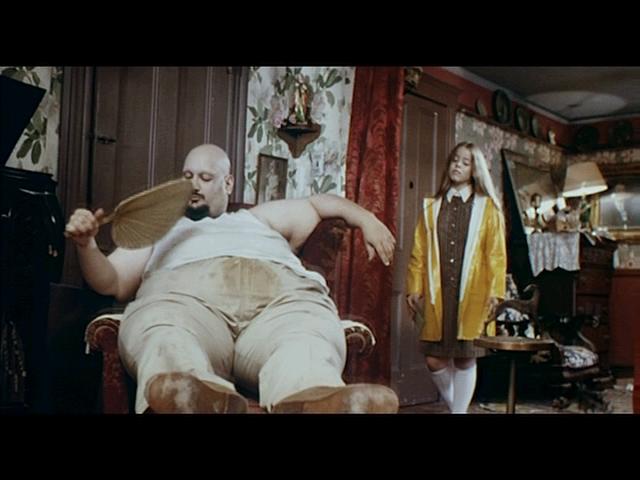
This cult murder mystery (notable as Brooke Shields’ debut film, though her part is small) is indeed “guaranteed to keep you tense”. Paula Sheppard is pitch-perfect in the title role, skillfully portraying a juvenile murder suspect who is either deeply misunderstood or deeply troubled; meanwhile, director Albert Sole effectively “uses the horror genre to attack Catholicism” (which does little, as Peary notes, to help its “confused, guilt-ridden, emotionally misunderstood church members”). Full of “offbeat touches and characters” — as well as many truly creepy scenes (who can forget the yellow raincoat?) — this is a surprisingly dense and satisfying horror flick.

Redeeming Qualities and Moments:

  • Paula Sheppard as Alice
  • Brooke Shields in her first silver-screen appearance (albeit a short one)
  • Effective use of bleak New Jersey locales
  • Quirky characters
  • Many creepy scenes, and a surprise ending
  • Stephen Lawrence’s atmospheric score

Must See?
Yes, as a beloved ’70s horror flick.

Categories

  • Cult Movie

Links:

Adventures of the Wilderness Family, The (1975)

Adventures of the Wilderness Family, The (1975)

“What are we staying here for? Look at this place!”

Synopsis:
Tired of the smog and pressure of city life, the Robinsons — Skip (Robert Logan), Pat (Susan Damante Shaw), Jenny (Hollye Holmes), and Toby (Ham Larsen) — head out to live in the wilderness, not realizing their lives will be in near constant danger.

Genres, Themes, Actors, and Directors:

  • Survival

Response to Peary’s Review:
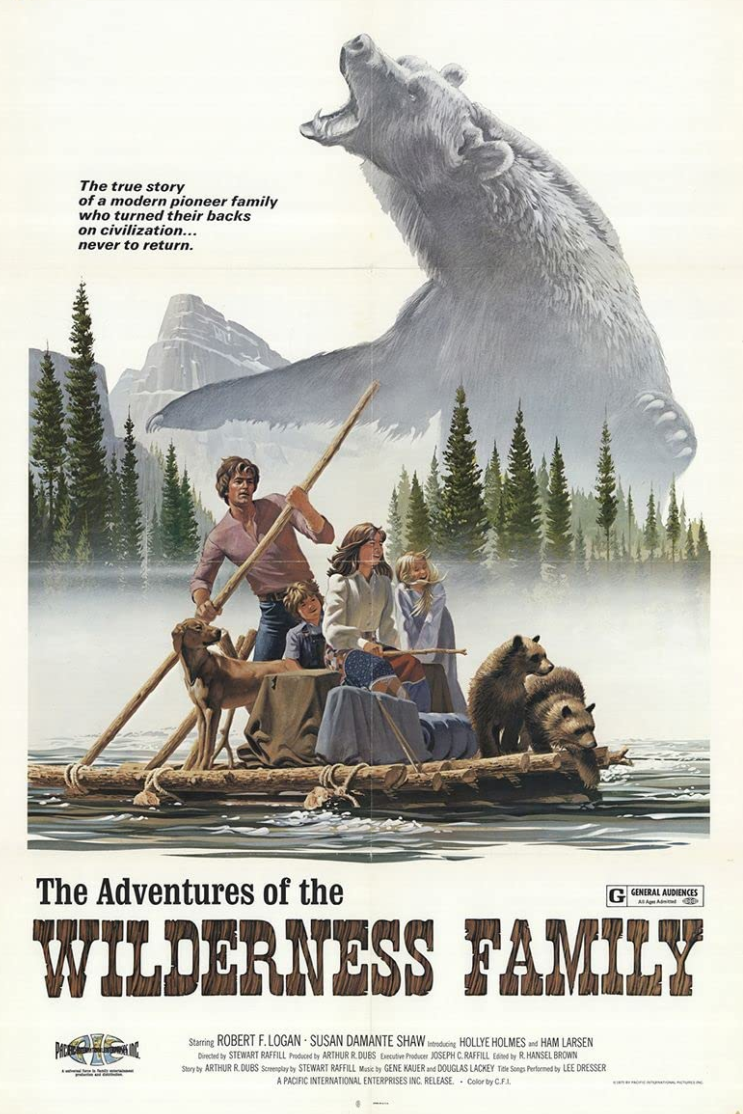
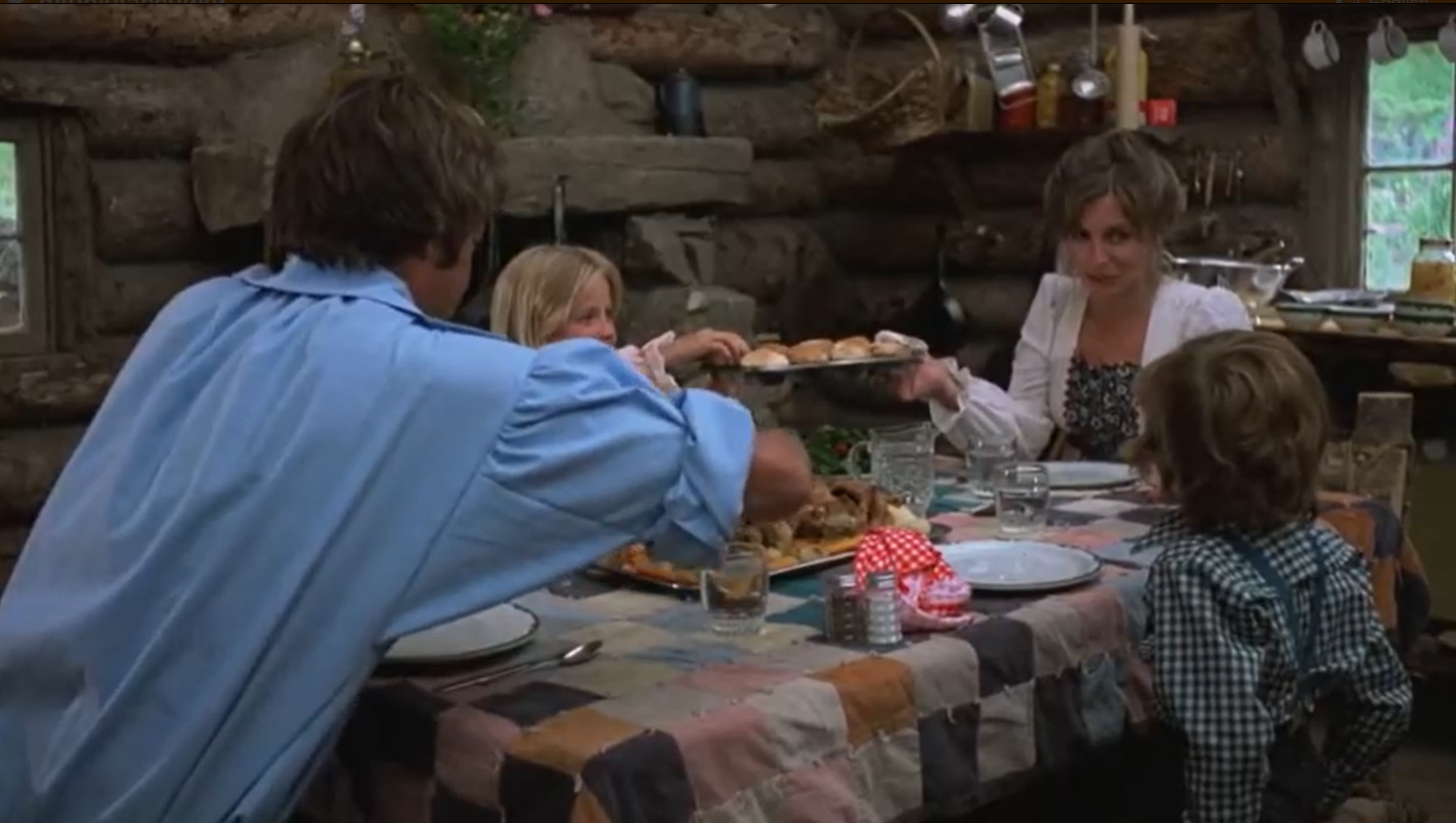
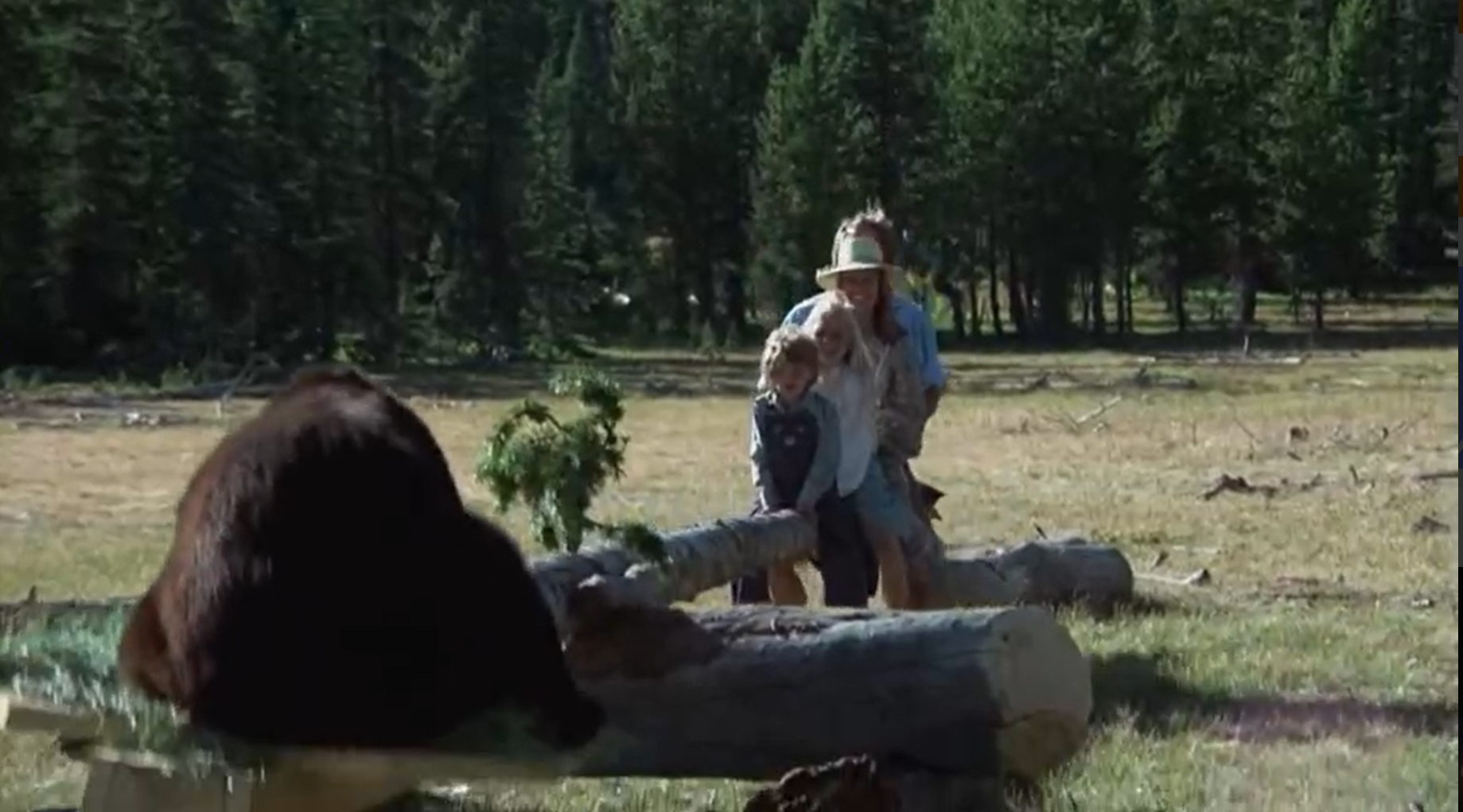
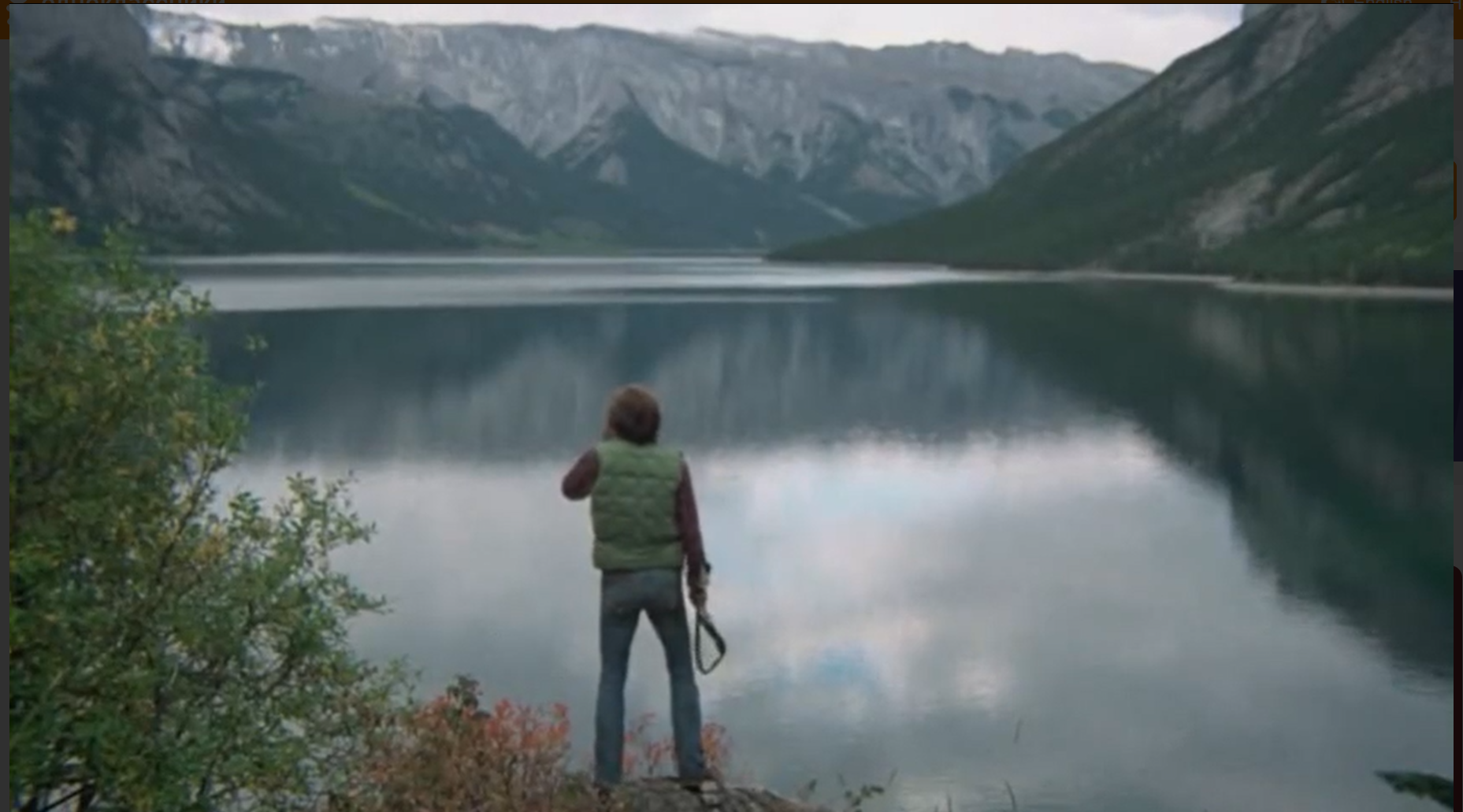
As Peary notes, this “surprisingly popular” film — which showed up repeatedly on cable television stations — is relatively innocuous “family fare” with “lots of pretty scenery and wild animals”.


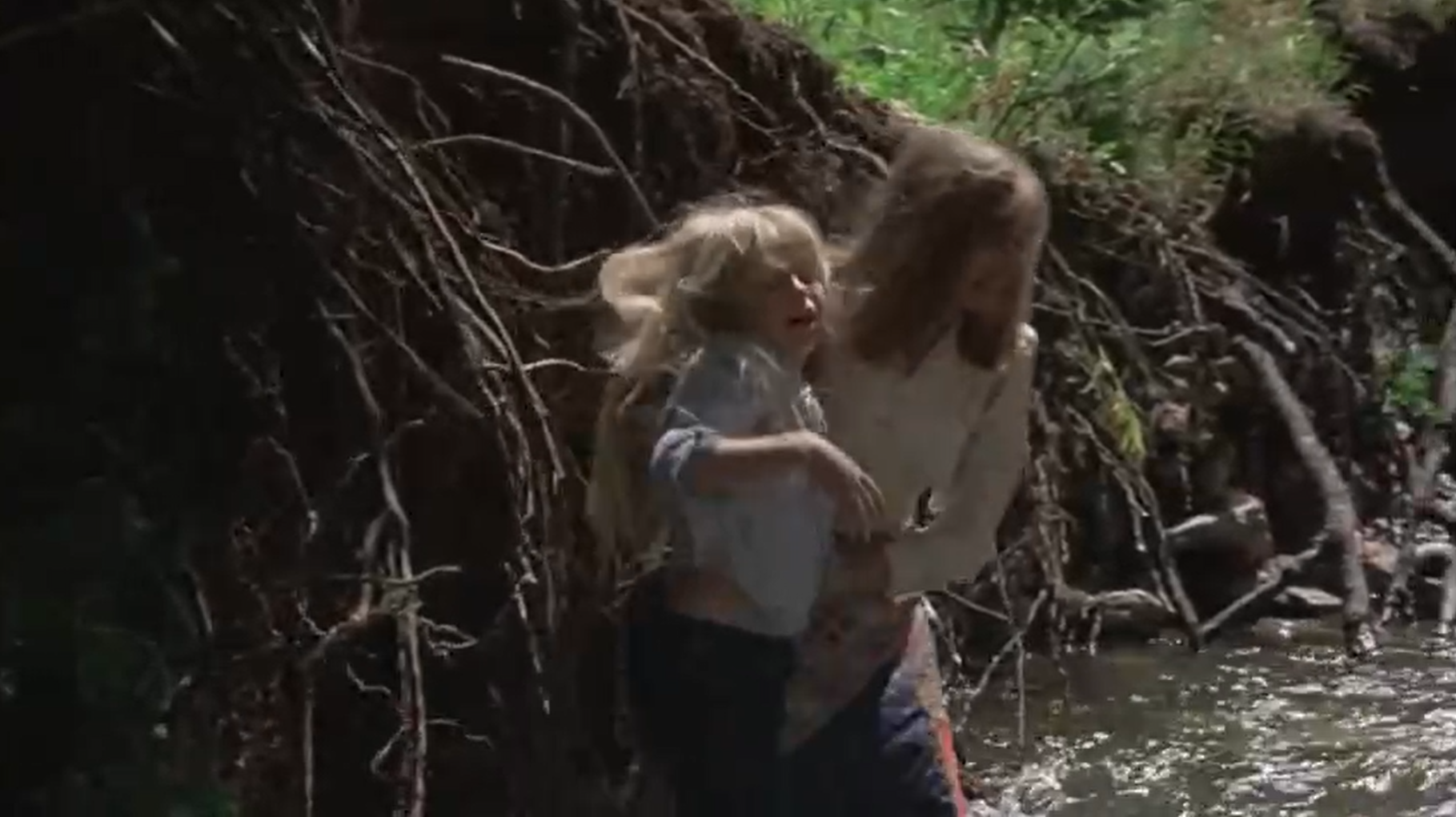
While Damante Shaw “may get on your nerves by continuously worrying about her kids’ safety”, “considering that their lives really are in danger about every two minutes of screen time, she has the right.”

Peary rightfully argues that “most people who see these films will choose the smog over the dangerous mountain life.” The Robinsons’ incompetence is frustrating, especially given how many families have chosen to homestead safely, and likely have a lot to teach the rest of us — but this is not that set of lessons.

Redeeming Qualities and Moments:

  • Beautiful Colorado scenery

Must See?
No; you can skip this one.

Links:

Long, Long Trailer, The (1954)

Long, Long Trailer, The (1954)

“It’s a fine thing when you come home to your home and your home is gone!”

Synopsis:
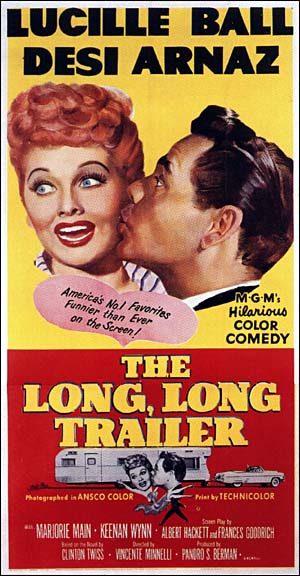
Newlyweds Tacy (Lucille Ball) and Nicky (Desi Arnaz) find their marriage on the brinks as they travel in their brand-new, “long, long trailer”.

Genres, Themes, Actors, and Directors:

  • Comedy
  • Keenan Wynn Films
  • Lucille Ball Films
  • Marital Problems
  • Newlyweds
  • Road Trip
  • Vincente Minnelli Films

Response to Peary’s Review:
I’m pleased that Peary refers to this “delightful comedy” as “strangely neglected”, because I feel the same way. As Peary notes, there are countless moments of hilarity and romance, with both Arnaz and Ball turning in wonderfully comedic performances. Fans of “I Love Lucy” definitely won’t be disappointed, and others should find themselves laughing in sympathy as well. Plus, as a recent newlywed myself, I can attest to the authenticity of how exasperating road trips can be for couples. Some of my worst arguments with my husband have occurred while we’ve been on vacation, so I have nothing but empathy for poor Tacy and Nicky, as they try to recapture the spark of love in the midst of their chaotic travails.

Redeeming Qualities and Moments:

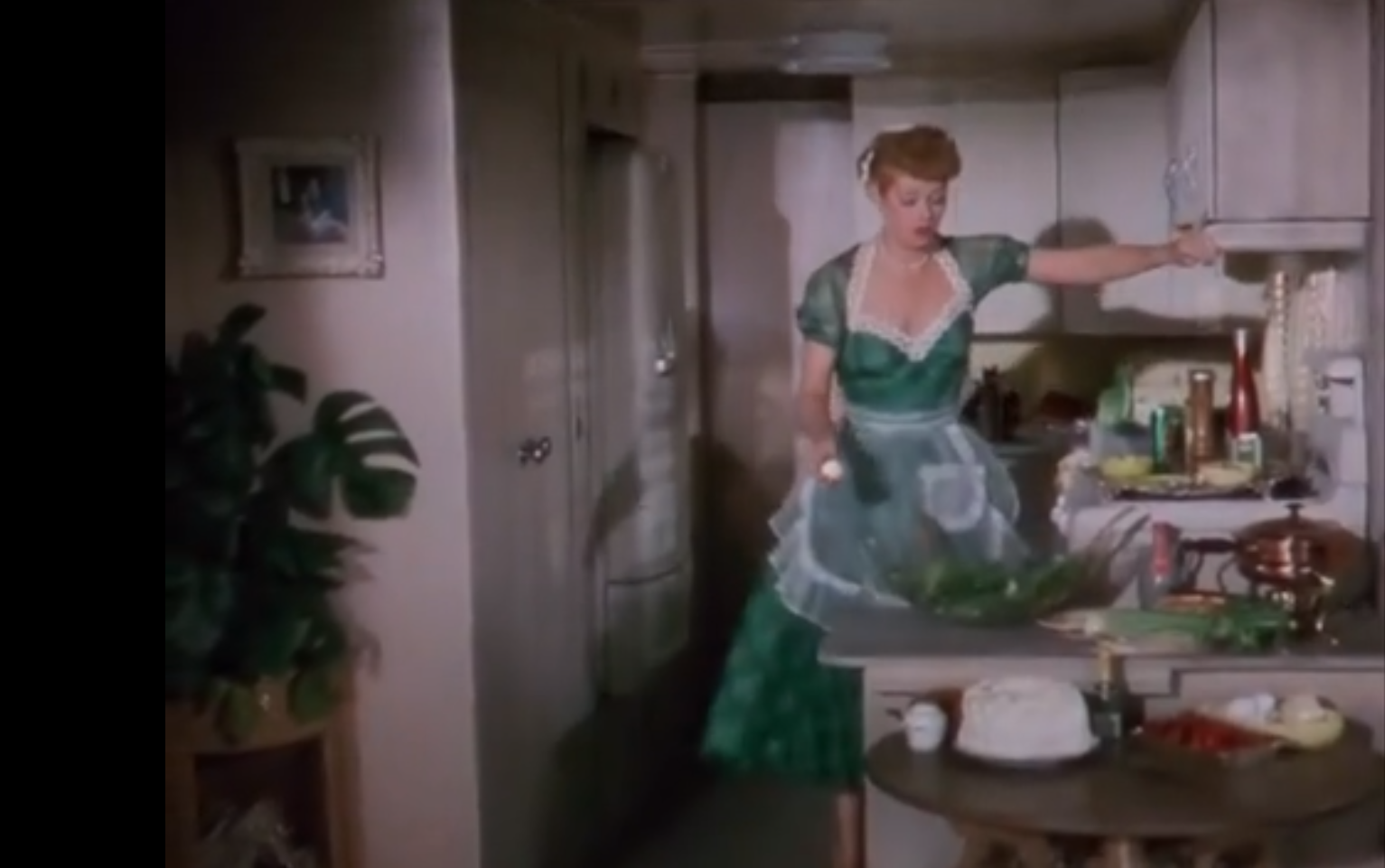
  • Ball vainly attempting to cook as their trailer bounces back and forth across the bumpy road
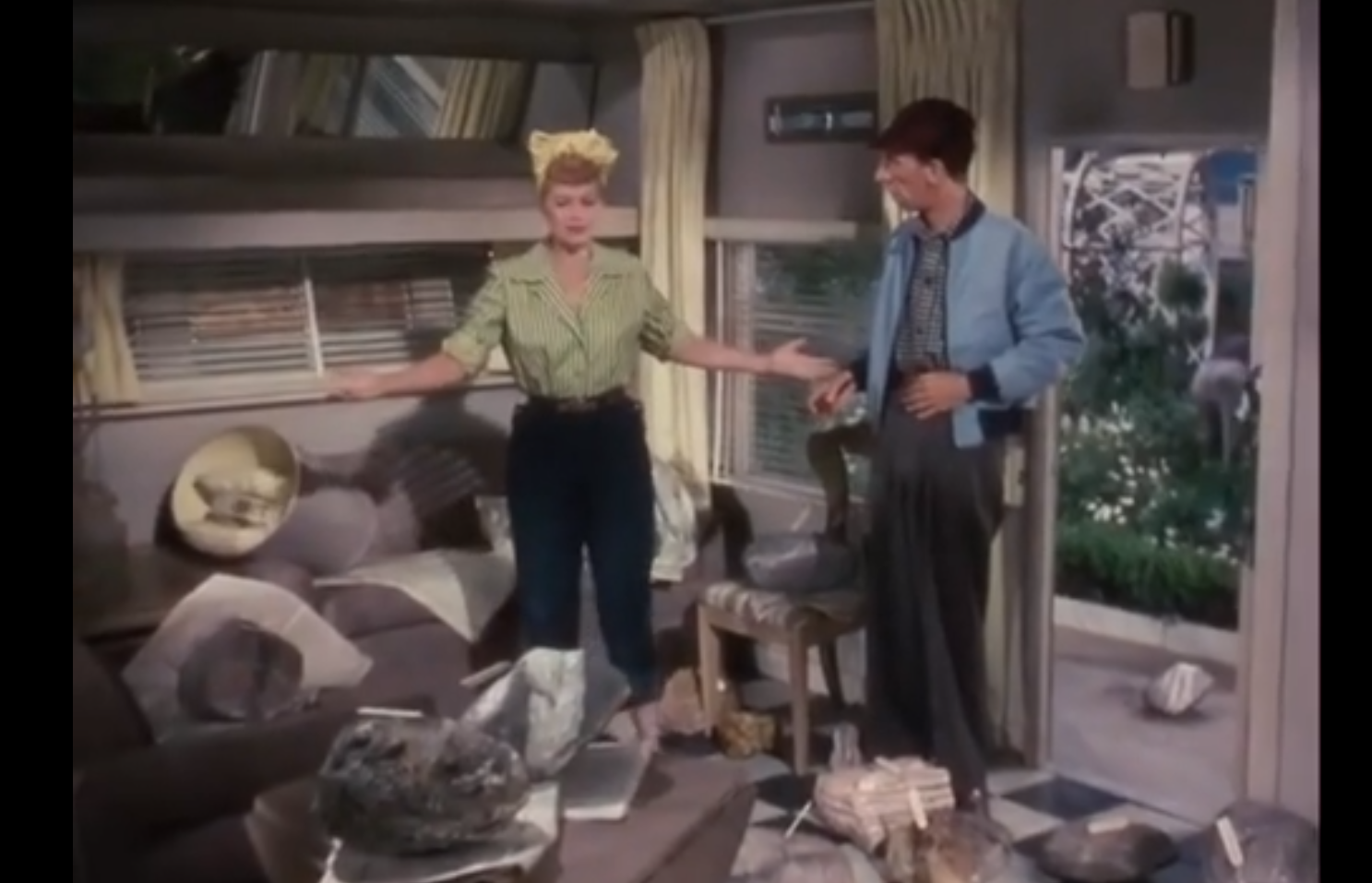
  • Ball’s collection of enormous rocks, which dangerously weighs down their new home
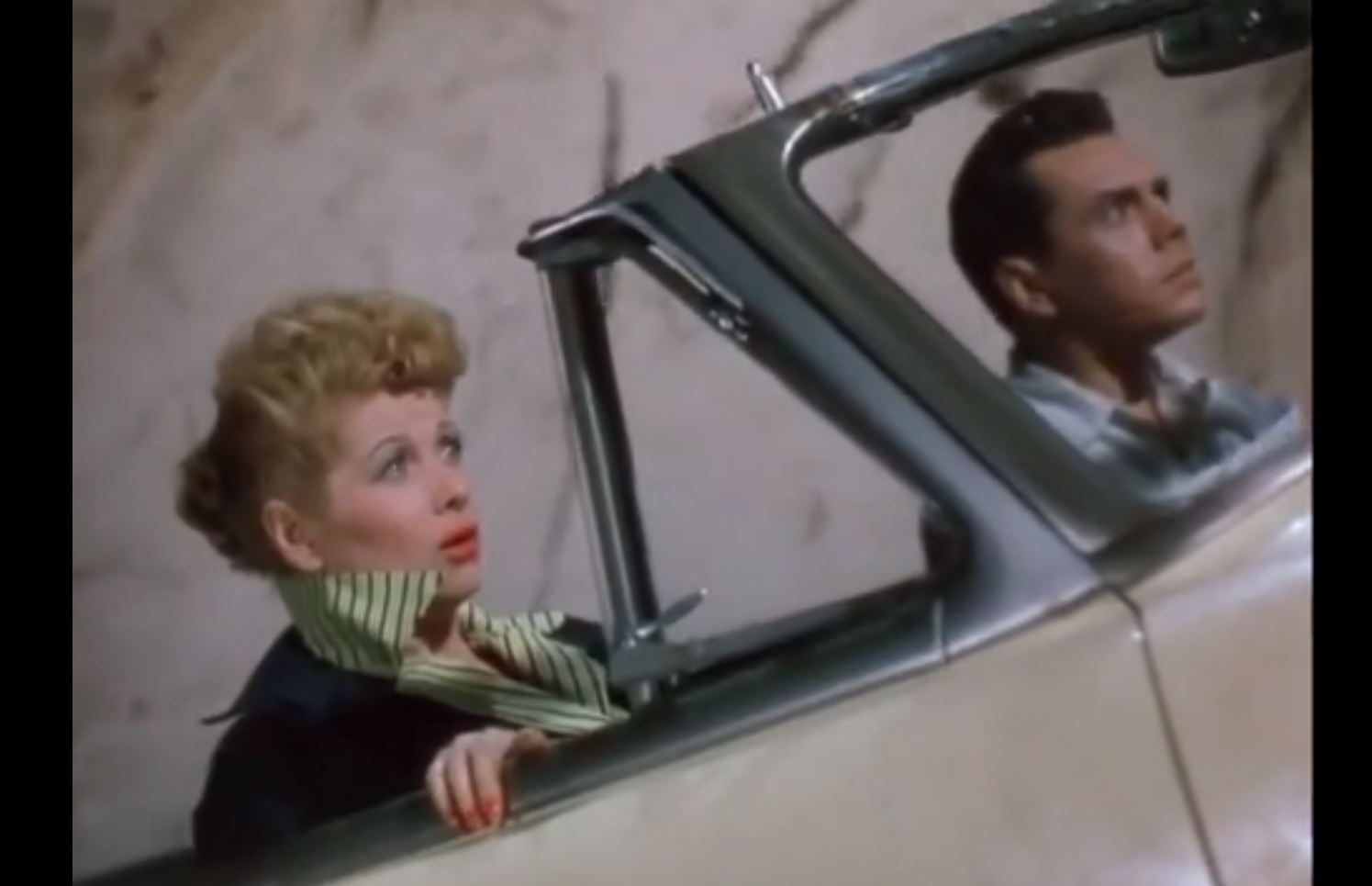
  • Arnaz steering the enormous trailer along perilous mountain paths (a truly scary scene)

Must See?
Yes, as Ball’s best film.

Categories

  • Historically Relevant

Links: