Browsed by
Category: Response Reviews

My comments on Peary’s reviews in Guide for the Film Fanatic (Simon & Schuster, 1986).

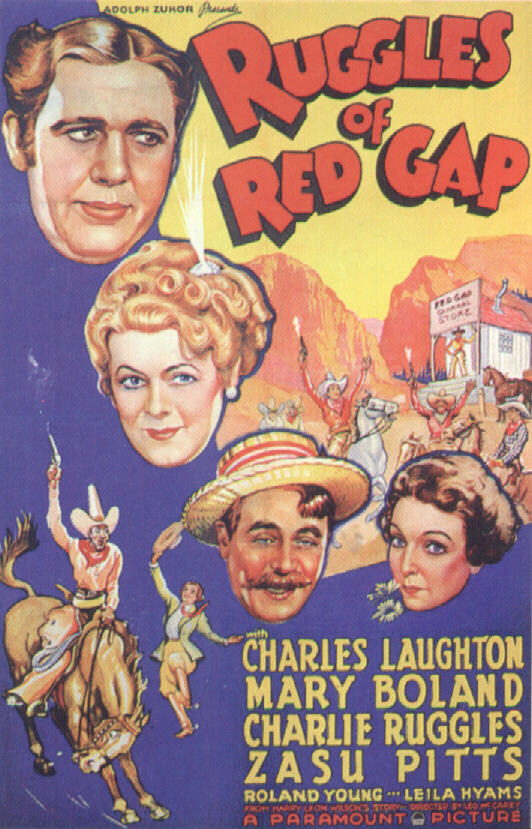
Ruggles of Red Gap (1935)

Ruggles of Red Gap (1935)

“This is a land of great opportunity, where all are created equal!”

Synopsis:
Marmaduke Ruggles (Charles Laughton), valet to the Earl of Burnstead (Roland Young), is gambled off to an American couple (Charles Ruggles and Mary Boland) in Paris, who bring him back to their hometown of Red Gap, Washington. Once there, Ruggles is mistaken for a British colonel, and able to create a new life for himself.

Genres, Themes, Actors, and Directors:

  • Character Arc
  • Charles Laughton Films
  • Class Relations
  • Comedy
  • Leo McCarey Films
  • Mistaken or Hidden Identities
  • Roland Young Films
  • Zasu Pitts Films

Response to Peary’s Review:
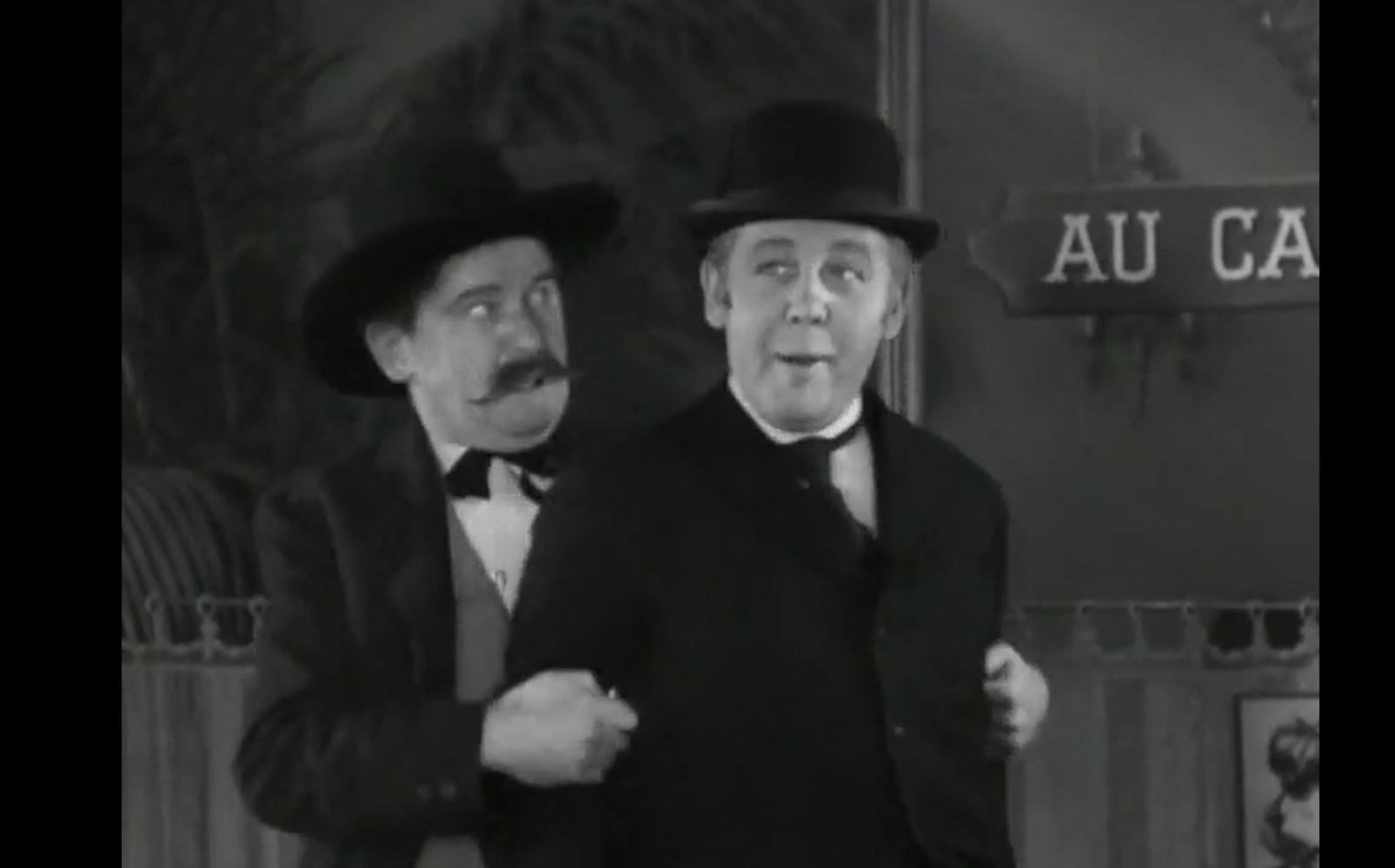
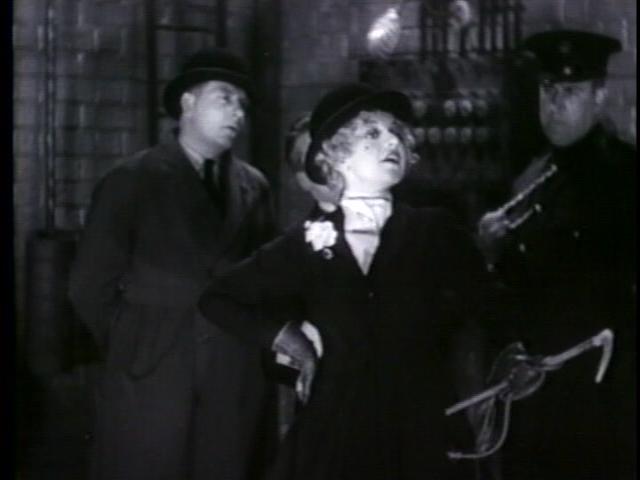
As Peary notes, this “Leo McCarey comedy” — about “a British valet who has always done his job loyally and impeccably, at the cost of his spirit, self-esteem, and personality” — is “still pleasing”. It’s touching to see how accepted Ruggles is by most of the Americans he encounters, including his down-to-earth, mustachioed employer Egbert (played by Charles Ruggles, oddly enough); Egbert’s saucy mother, “Ma’ Pettingill (Maude Eburne); and countless others. While “the film isn’t consistently funny, there are many special moments”, including Laughtong getting drunk in Paris and burping out “Yippee!”:

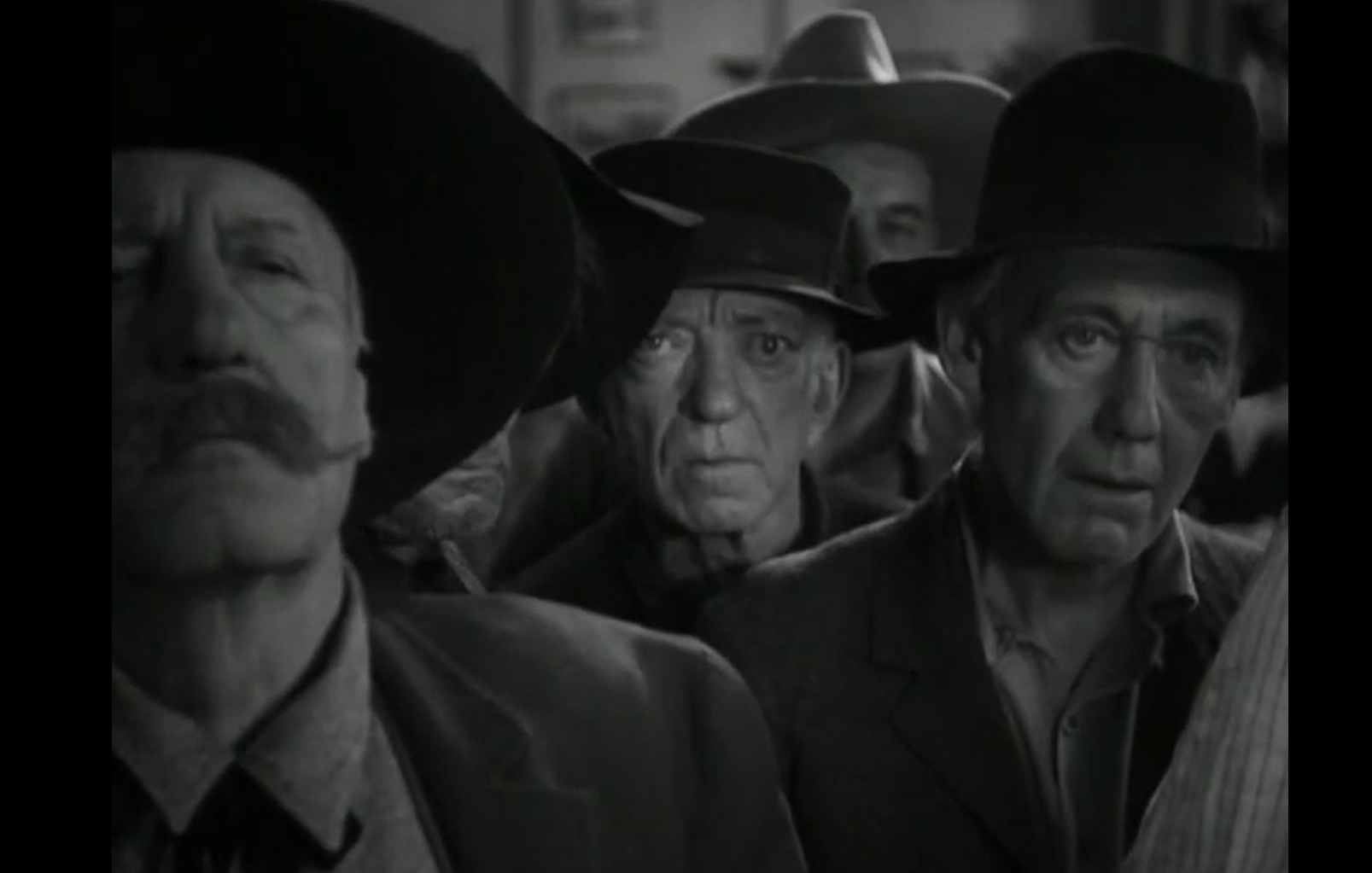
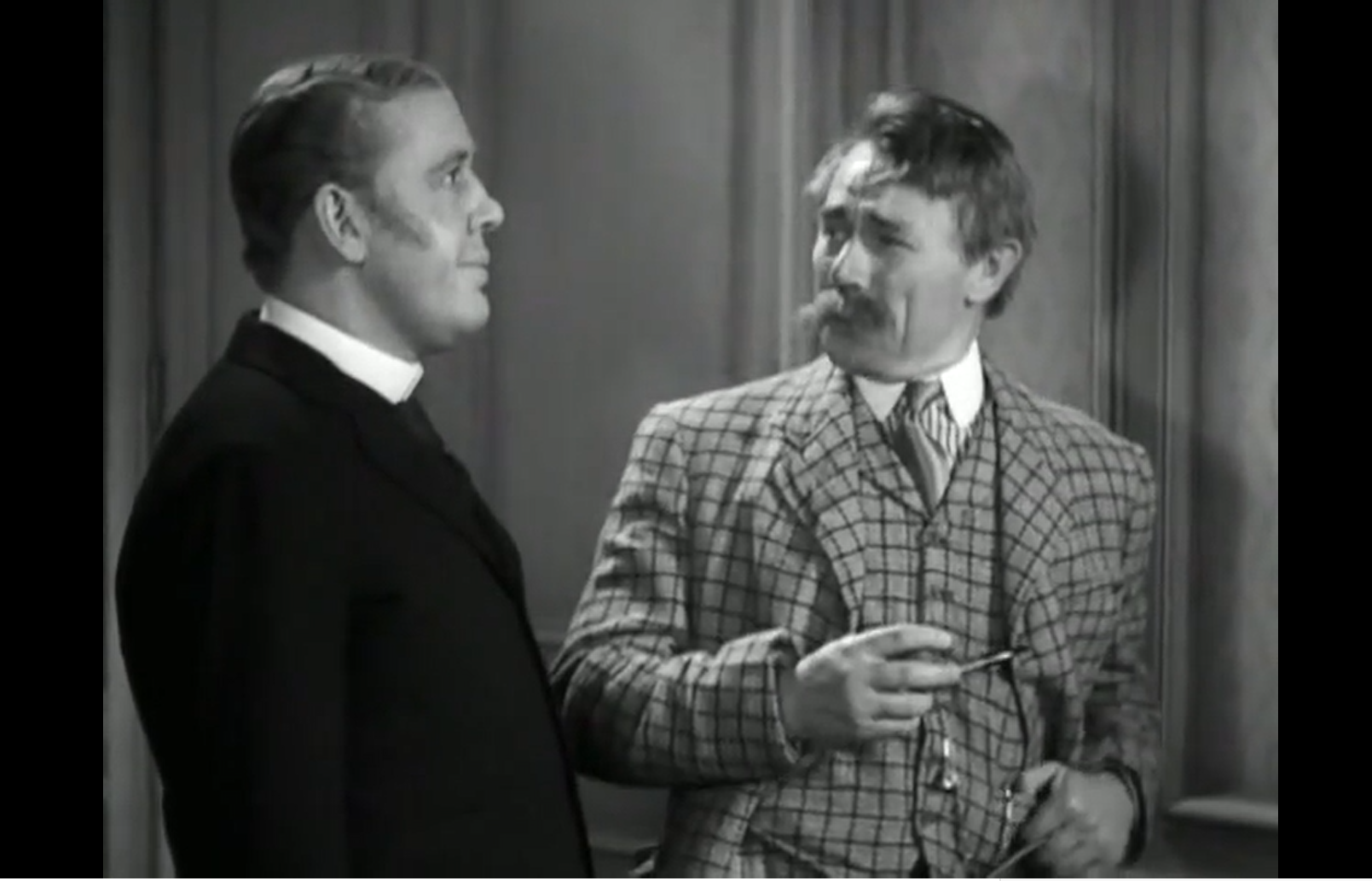
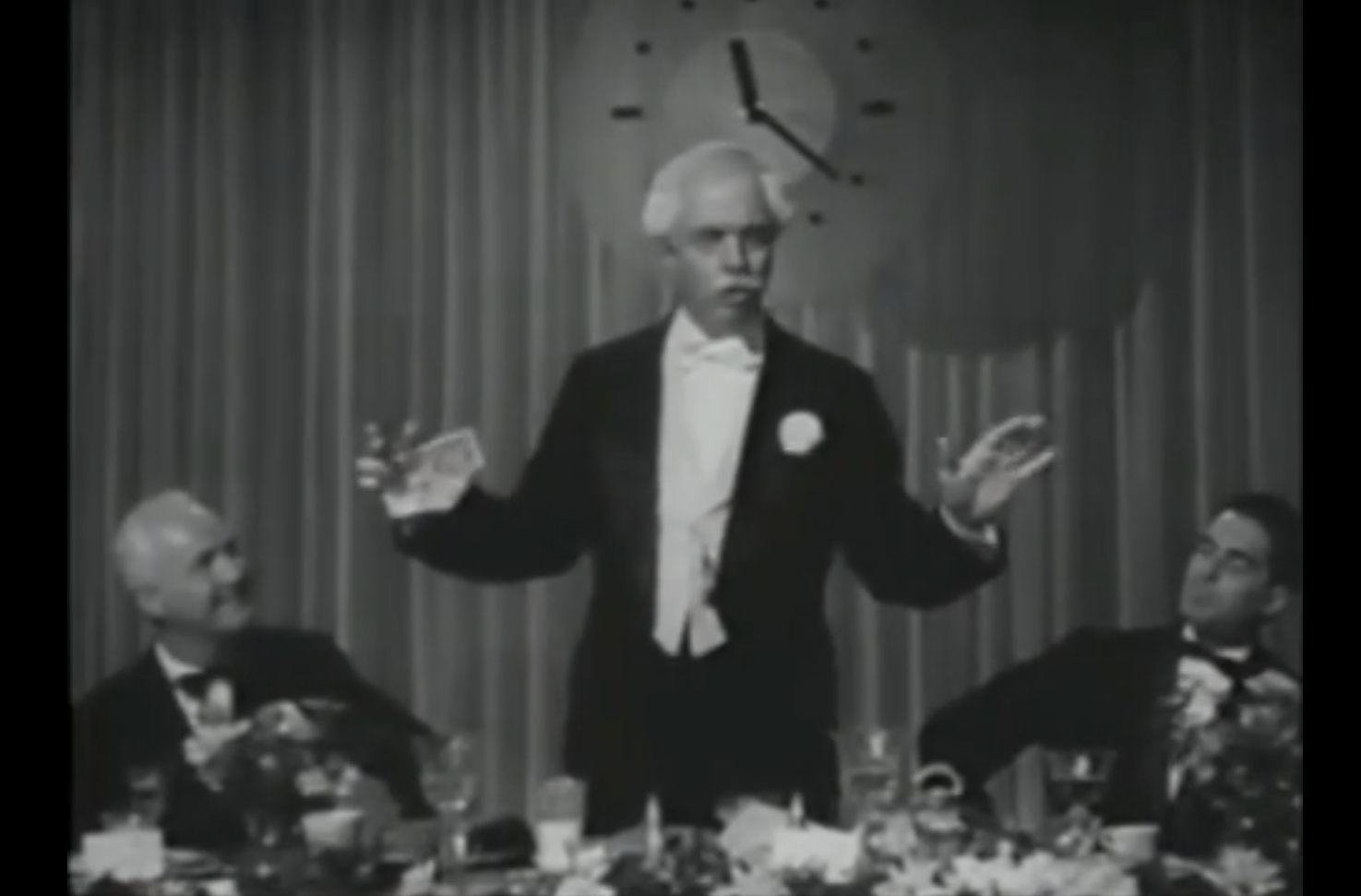
… Laughton solemnly reciting the Gettysburg Address in a saloon while the townspeople of Red Gap look on in amazement:


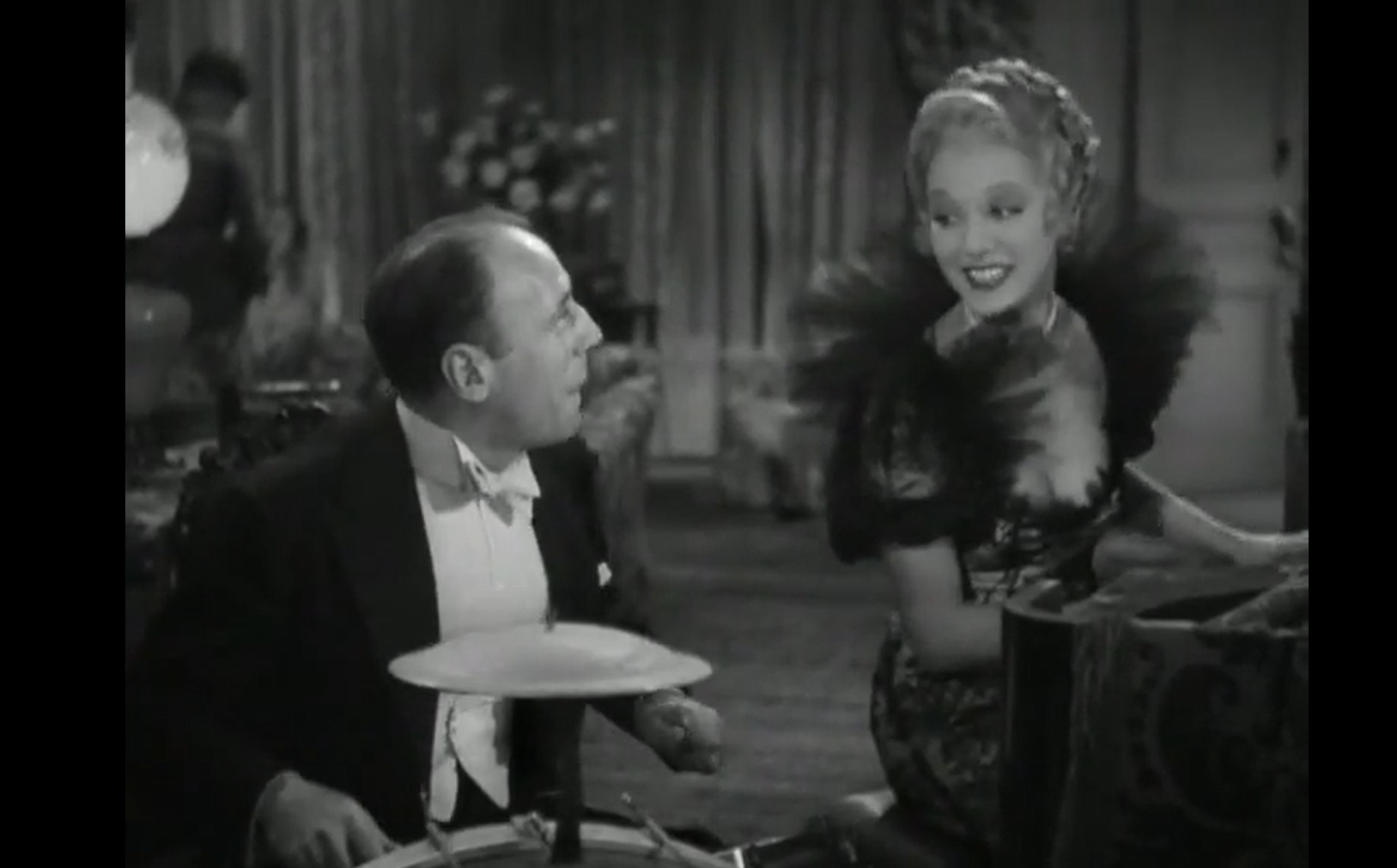
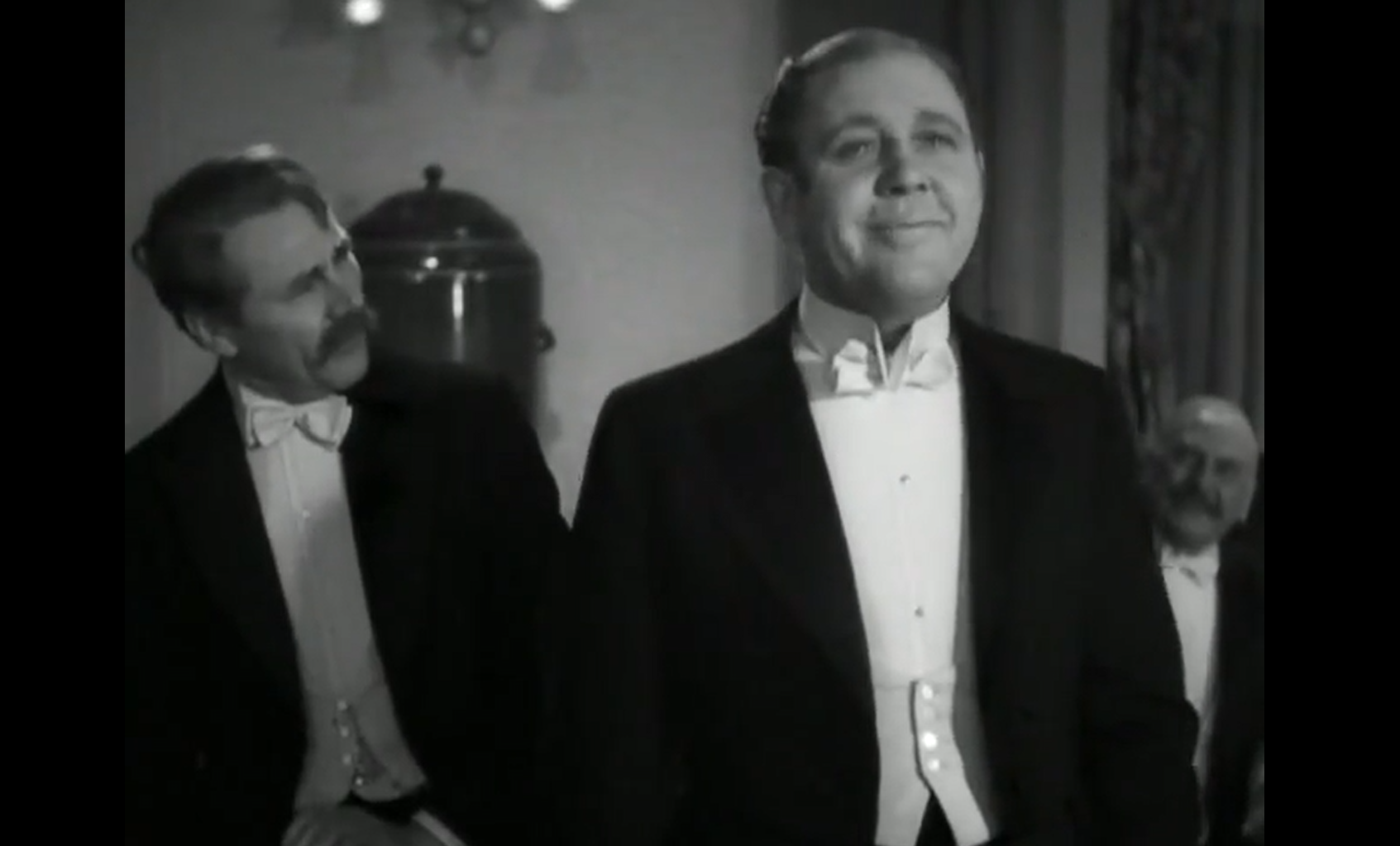
… and the Earl of Burnstead (Roland Young) accompanying a beautiful singer (Leila Hyams) on the drums.

As Peary notes, “You’ve got to appreciate the every-man-is-equal theme [of this film] — it may be a trite message, but few films have delivered it.”

Redeeming Qualities and Moments:

  • Charles Laughton as Marmaduke Ruggles
  • Charles Ruggles as Laughton’s new employer, Egbert
  • Mary Boland as Egbert’s nagging, social-climbing wife
  • Many touching moments

Must See?
Yes; this is an unsung comedy of the 1930s.

Categories

  • Genuine Classic
  • Noteworthy Performance(s)

Links:

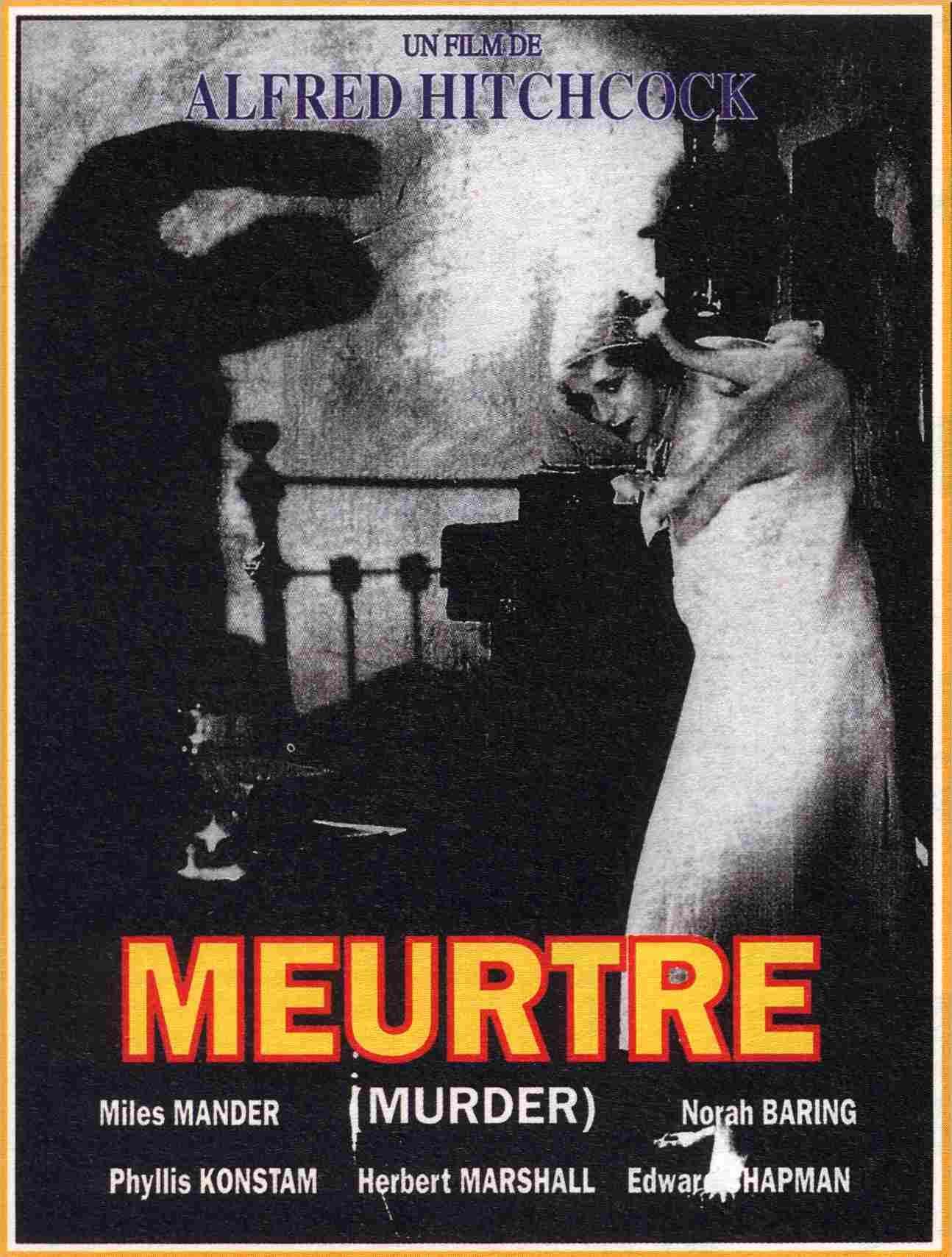
Murder! (1930)

Murder! (1930)

“Life permits a beautiful and unfortunate girl to go to the gallows– Unless art, for once, can bring its technique to bear!”

Synopsis:
After helping to convict an aspiring actress (Norah Baring) of murder, well-known actor Sir John Menier (Herbert Marshall) becomes convinced of her innocence, and tries to hunt down the true culprit.

Genres, Themes, Actors, and Directors:

  • Actors and Actresses
  • Amateur Sleuths
  • Courtroom Drama
  • Falsely Accused
  • Herbert Marshall Films
  • Hitchcock Films
  • Murder Mystery

Response to Peary’s Review:
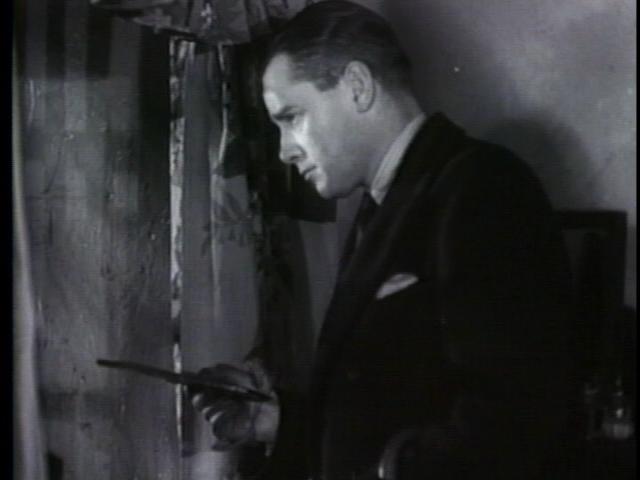
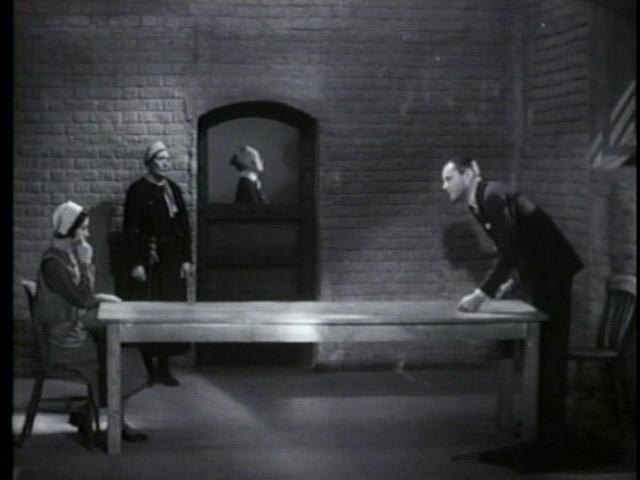
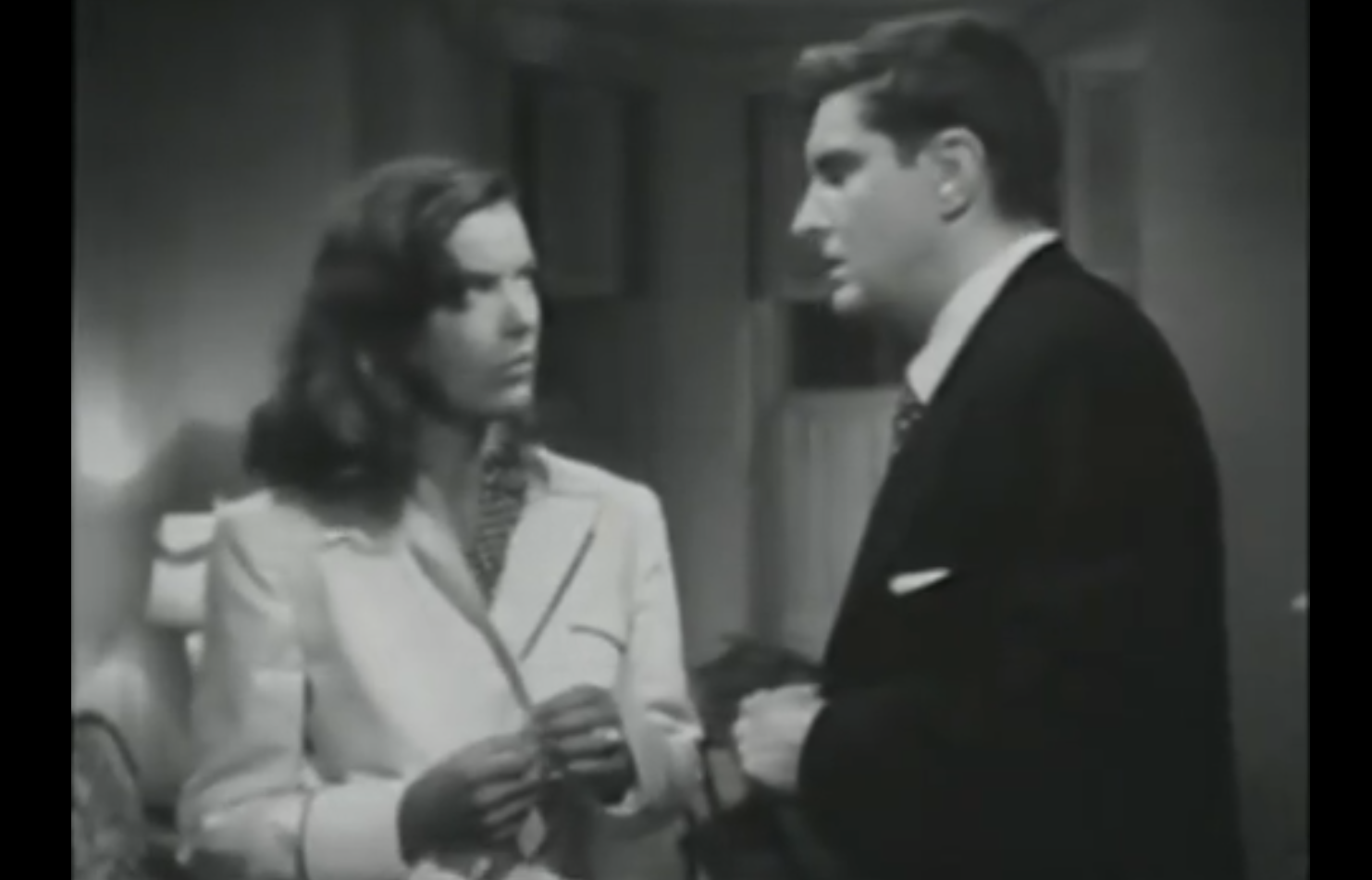
It’s difficult to gauge Peary’s response to this film: according to his review, he likes many of the scenes in the beginning and end, but insists that the “middle section” is “terribly slow”, and that the entire film — which is “about the theater” — is, “not surprisingly,” “too theatrical.” I disagree. Hitchcock is able to turn even the stagiest of interactions into interesting cinematic moments, and his use of sound, editing, lighting, and camera movement all provide early evidence of his brilliance. While this isn’t one of Hitchcock’s true masterpieces, it’s definitely an indication of what’s to come.

Redeeming Qualities and Moments:

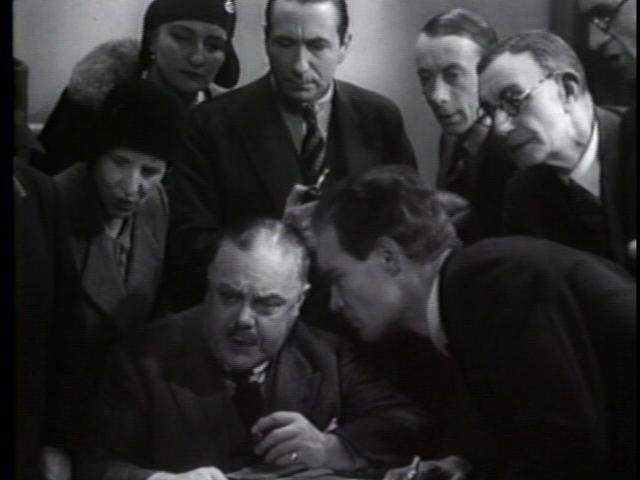
  • Marshall being pressured by his fellow jury members (a literal chorus of voices) into convicting Baring
  • Detectives interrogating a troupe of actors as they enter and exit the stage
  • Creative use of sound — for instance, in the scene where Baring’s conviction is being read by the judge, but the camera remains in the (nearly) empty jury room
  • Effective use of humor in a murder mystery
  • A handsome young Herbert Marshall
  • Dramatic use of light and shadows
  • Some truly haunting visuals

Must See?
Yes. As one of Hitchcock’s first “talkies”, all film fanatics should be familiar with this movie.

Categories

  • Historically Relevant
  • Important Director

Links:

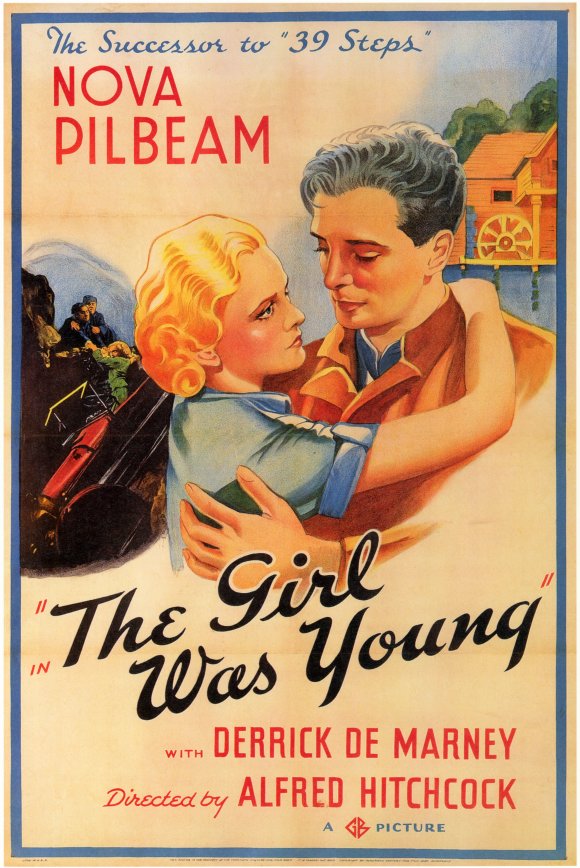
Young and Innocent / The Girl Was Young (1937)

Young and Innocent / The Girl Was Young (1937)

“If it’s any consolation to you, I want you to know that I’m innocent.”

Synopsis:
When a young writer (Derrick De Marney) is falsely accused of murder, the local constable’s daughter (Nova Pilbeam) helps him track down the true culprit.

Genres, Themes, Actors, and Directors:

  • Amateur Sleuths
  • Falsely Accused
  • Fugitives
  • Hitchcock Films
  • Murder Mystery

Response to Peary’s Review:
Peary writes that if this “very entertaining, sadly overlooked Alfred Hitchcock thriller” doesn’t “reach the heights of The 39 Steps — which it “greatly resembles” — that’s “because the earlier film (also co-written by Charles Bennett) has more mature characters…, more glamorous stars…, and a couple-on-the-run story in which more is at stake than just our hero proving his innocence.” He adds that “Pilbeam (the teenage kidnap victim in Hitchcock’s 1934 version of The Man Who Knew Too Much)” is “a brave and resourceful young woman” who “voluntarily (unlike Carroll) helps the hero [De Marney] elude the police and track down the real killer” — which means she “must go against her father (Percy Marmont) for the first time.”

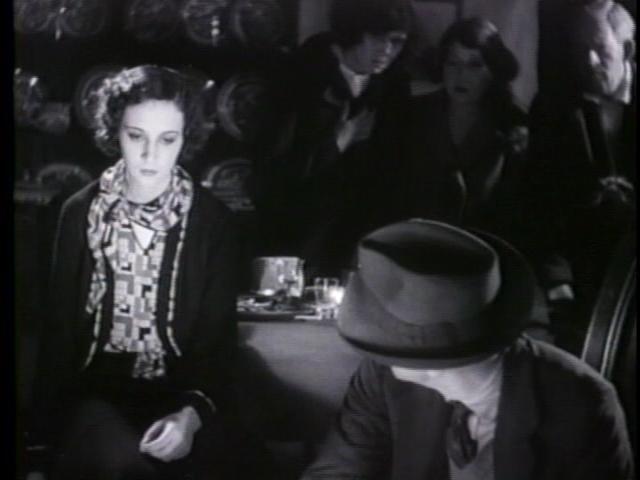
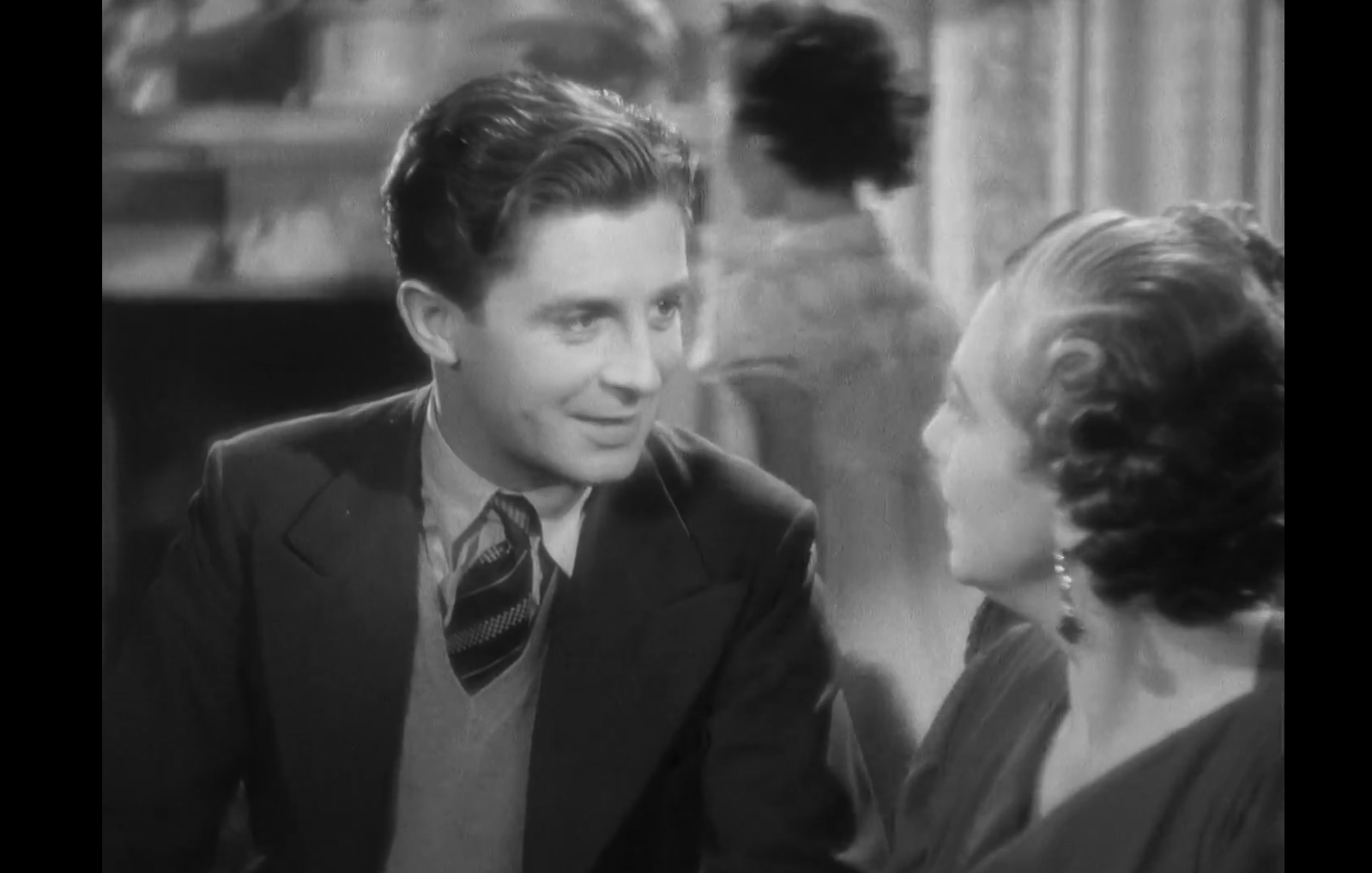
Peary argues that while “surely the film would have been a bit more exciting if De Marney and Pilbeam (a likable screen couple) were ever in more serious danger than just being arrested,” “their search for the murderer is most entertaining.” Indeed, De Marney and Pilbeam — relatively unknown actors — are hugely appealing in the lead roles:

It’s difficult not to root for them as they doggedly track down the evidence they need while simultaneously falling in love. As indicated in the alternate title (The Girl Was Young), the film goes beyond Hitchcock’s standard tropes of false accusations and amateur sleuthing to focus on Pilbeam’s transformation from an independent yet sheltered girl to someone who brazenly follows her heart rather than her head.

Redeeming Qualities and Moments:

  • Nora Pilbeam as the (initially) unwilling accomplice
  • Handsome Derrick De Marney as the falsely accused yet ever-hopeful young suspect
  • J.H. Roberts as the “veddy British” solicitor assigned to De Marney’s case
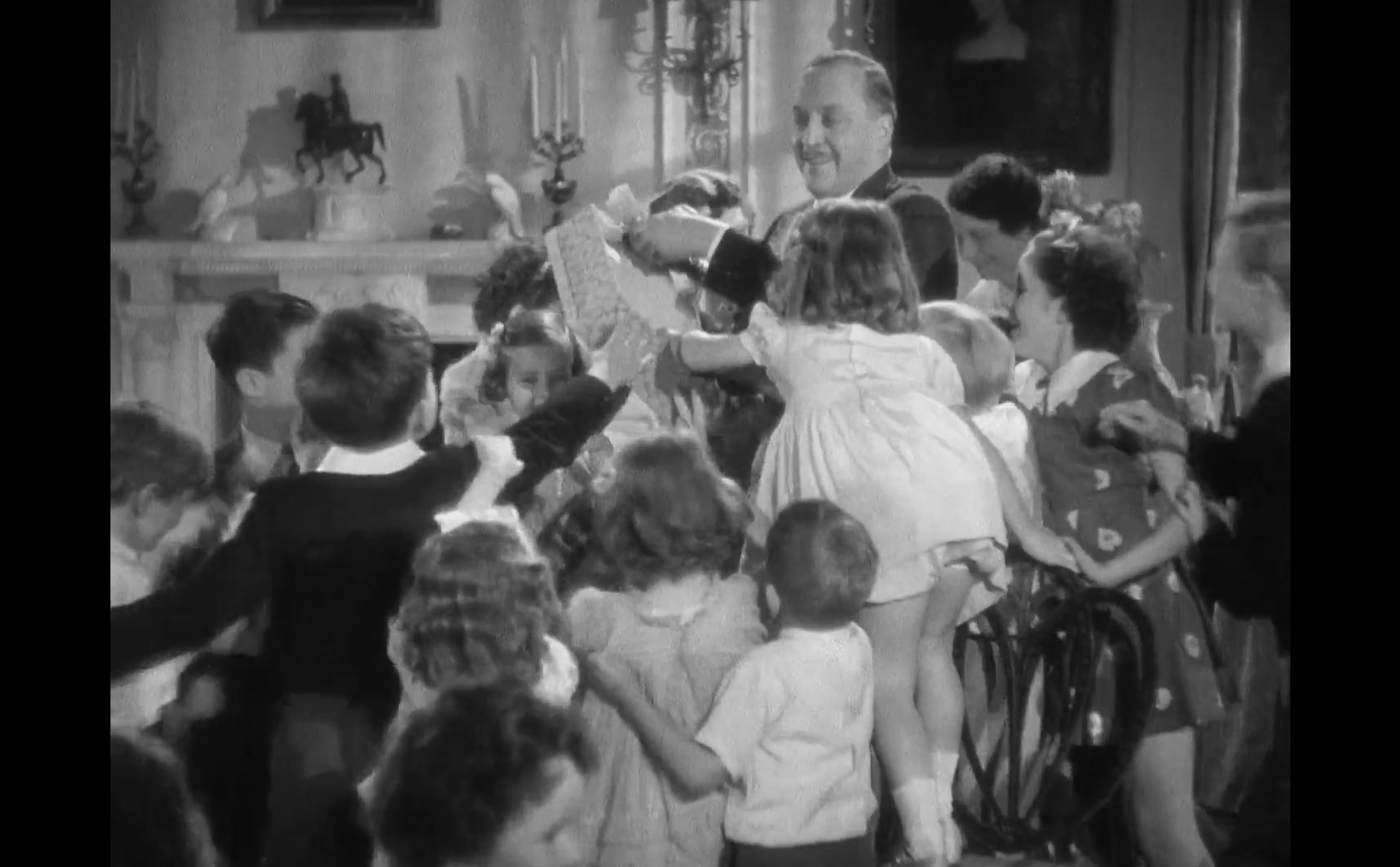
  • Creative settings, such as the birthday party where Pilbeam’s aunt begins to suspect something is wrong
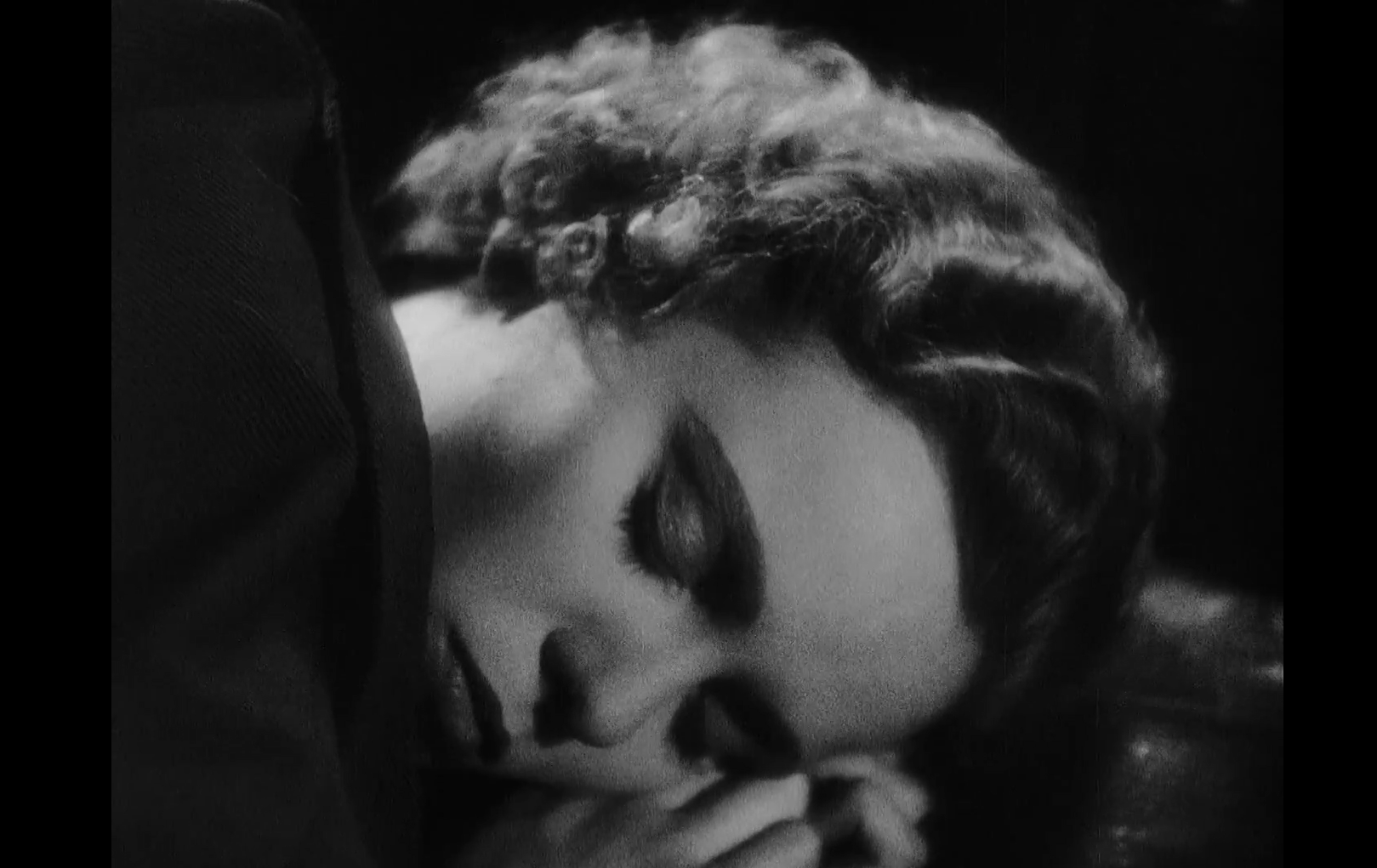
  • Atmospheric cinematography

Must See?
No, but it’s recommended, and must-see viewing for Hitchcock fans.

Links:

Gandhi (1982)

Gandhi (1982)

“Whenever I despair, I remember that the way of truth and love has always won.”

Synopsis:
Mahatma Gandhi (Ben Kingsley) leads his fellow Indians in non-violent protest against British rule.

Genres, Themes, Actors, and Directors:

  • Biopic
  • Candice Bergen Films
  • Character Arc
  • Folk Heroes
  • Historical Drama
  • India
  • John Gielgud Films
  • John Mills Films
  • Martin Sheen Films
  • Peacemakers
  • Richard Attenborough Films
  • Trevor Howard Films

Response to Peary’s Review:
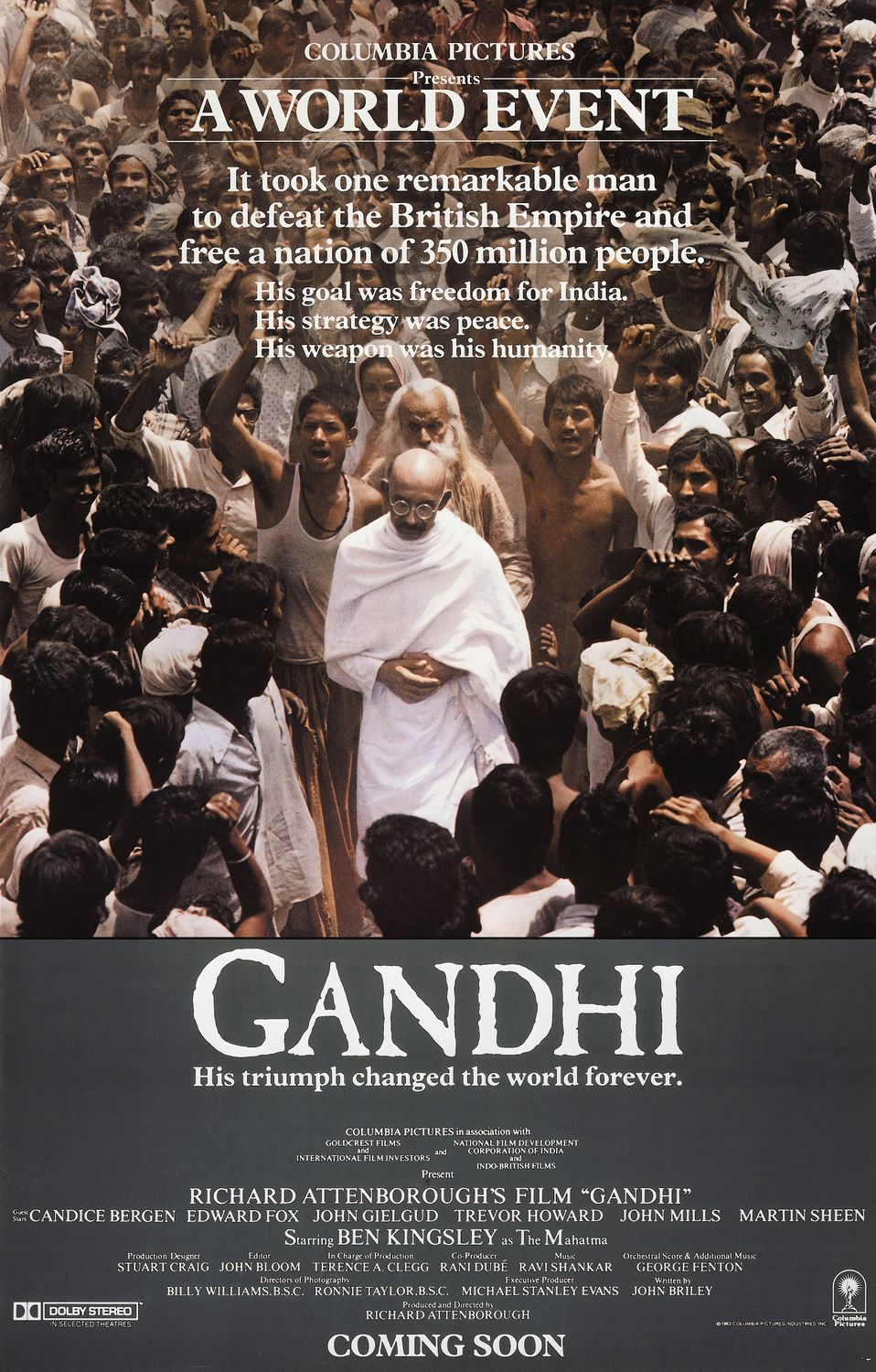
As Peary notes in the beginning of his review, “the man in the loincloth would have been humbled by this epic treatment.” Director Richard Attenborough impressively manages to combine the sweeping magnitude of India’s history, landscapes, and people with a highly personal story — not an easy feat. Gandhi boasts stellar cinematography, a stirring film score by Ravi Shankar, and uniformly excellent acting. Ben Kingsley — portraying Gandhi as “thoughtful, dignified, [and] resolute, [with a] remarkable presence” — deservedly won an Oscar in his first major screen role, and is surrounded on all sides by highly competent co-stars (particularly Rohini Hattangadi as his long-suffering wife).

With that said, however, the film is not perfect. It paints an overly “saintly” picture of Gandhi, and neglects to discuss some of his more controversial stances. In addition, as with any historical film, countless details in Gandhi are inaccurate; viewers would be well-advised to do additional research before taking everything in the movie at face value. Nonetheless, Gandhi remains a truly powerful biopic, one of the finest ever made. Historical inaccuracies aside, it’s difficult not to be moved by the film’s sincerity, and by witnessing the premature, violent death of someone so committed to peaceful resolution.

Redeeming Qualities and Moments:

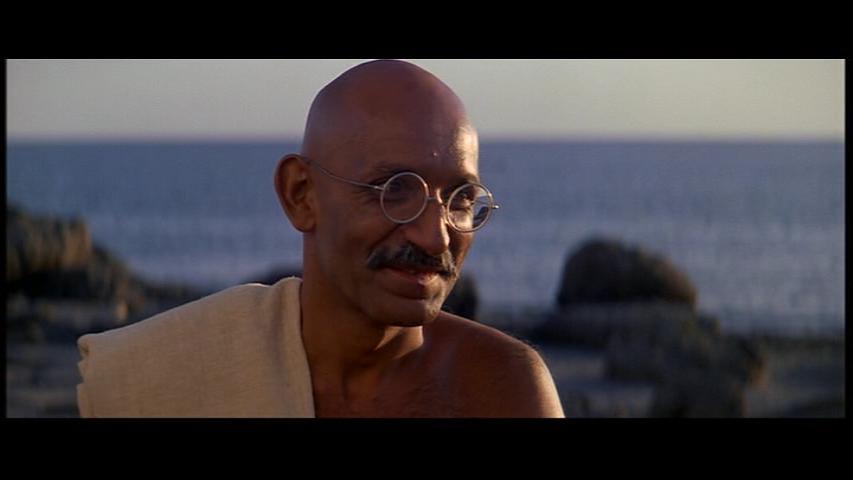
  • Ben Kingsley’s truly remarkable performance — after watching him for three hours, it’s difficult to remember what the real Gandhi looked like
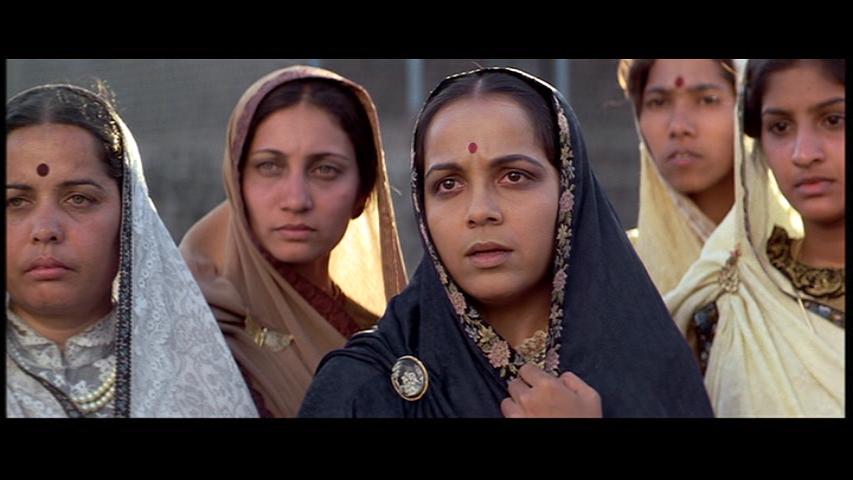
  • Rohini Hattangadi as Gandhi’s devoted wife, who undergoes a similar shift in social awareness
  • Highly realistic crowd scenes with thousands of Indian extras

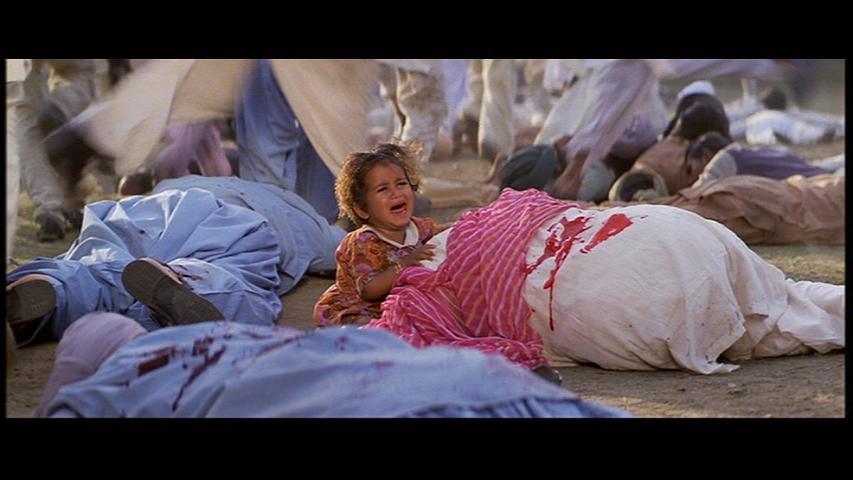
  • A shockingly memorable scene showing protestors in South Africa (including women and children) being massacred by fellow Indians
  • Beautiful cinematography of Indian countryside

Must See?
Absolutely. This epic biopic should be required viewing for everyone, not just film fanatics.

Categories

  • Historically Relevant
  • Noteworthy Performance(s)
  • Oscar Winner

(Listed in 1001 Movies You Must See Before You Die)

Links:

Gunn (1967)

Gunn (1967)

“Maybe Nick Fusco didn’t pull the trigger — but it’s a lead pipe cinch he gave the order. Get him for me, Pete. I’m a hustler, but I don’t like being hustled.”

Synopsis:
Los Angeles detective Peter Gunn (Craig Stevens) investigates a murder while trying to escape those who want him dead.

Genres, Themes, Actors, and Directors:

  • Blake Edwards Films
  • Detectives and Private Eyes
  • Los Angeles
  • Murder Mystery

Response to Peary’s Review:
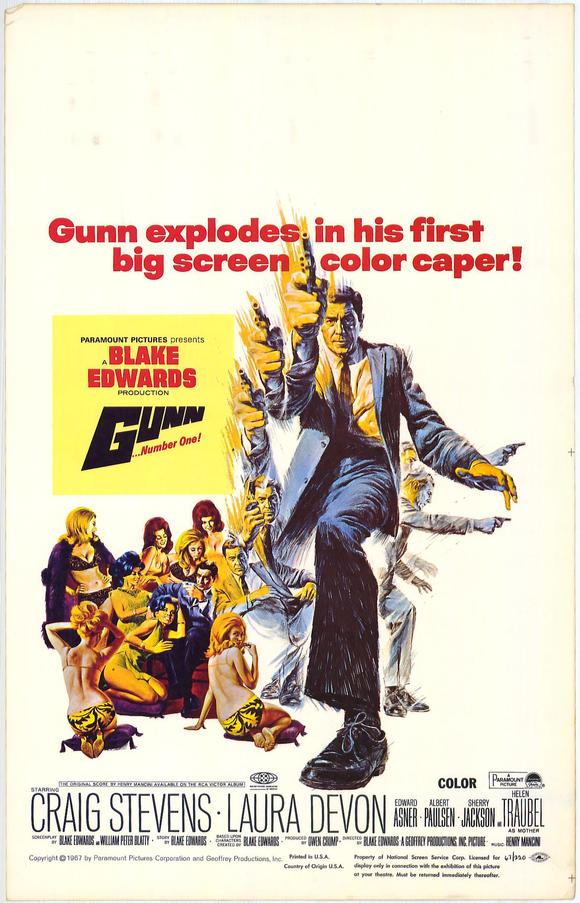
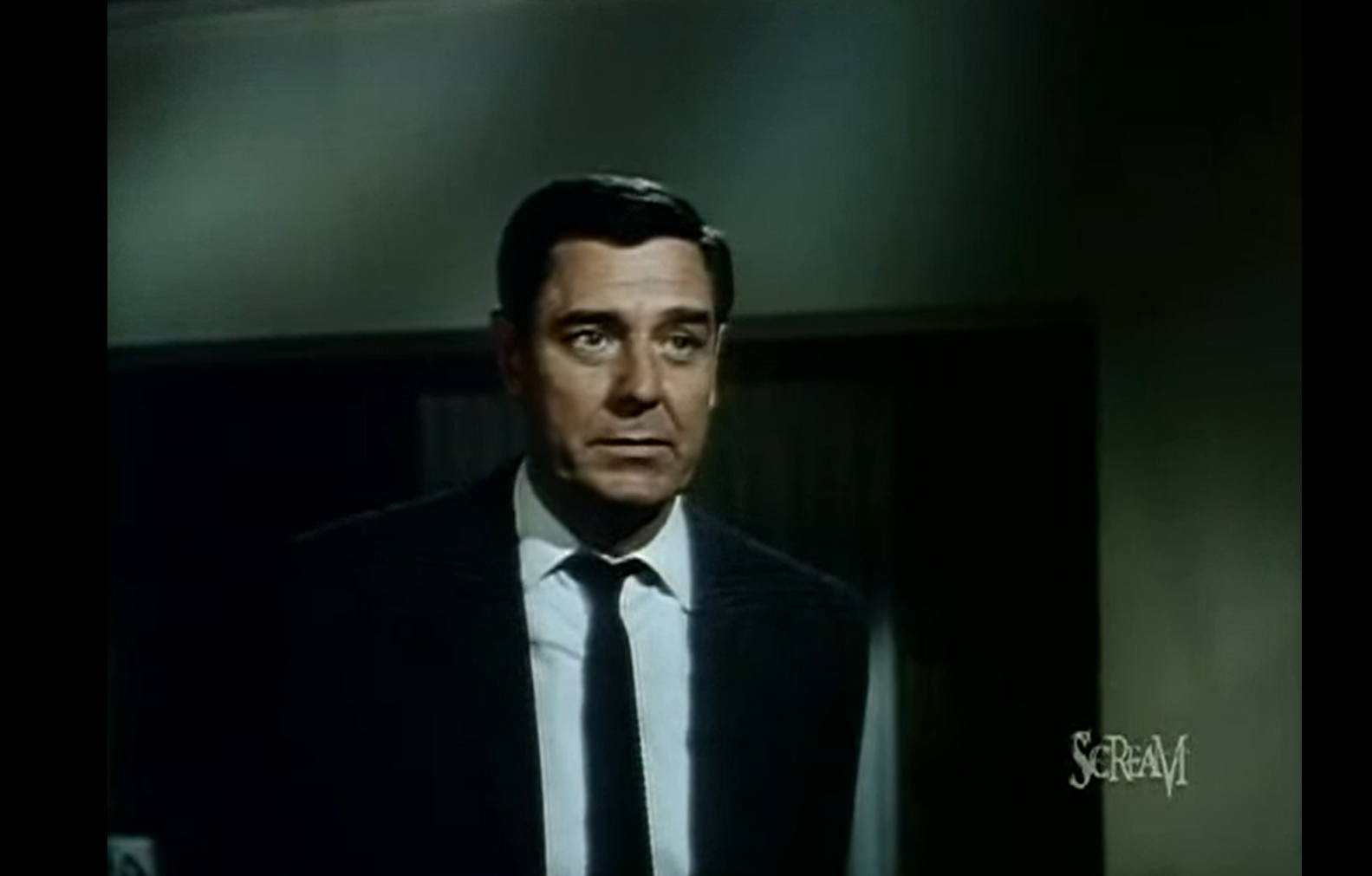
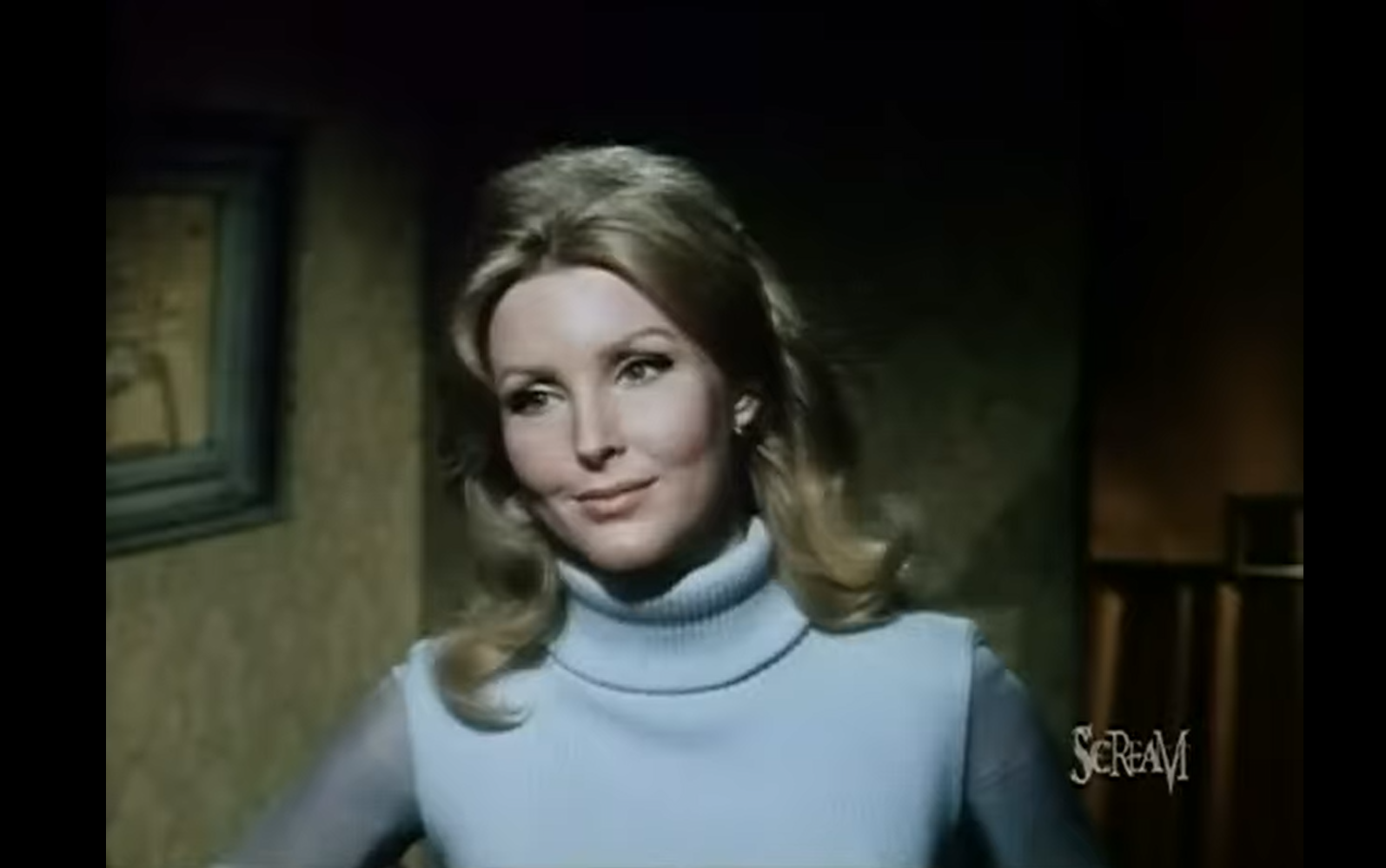
Peary’s entire review for this little-seen “disappointment” seems predicated on comparisons with its predecessor, the 1950s TV series “Peter Gunn”. He notes that Stevens “looks tired and old as Gunn”:

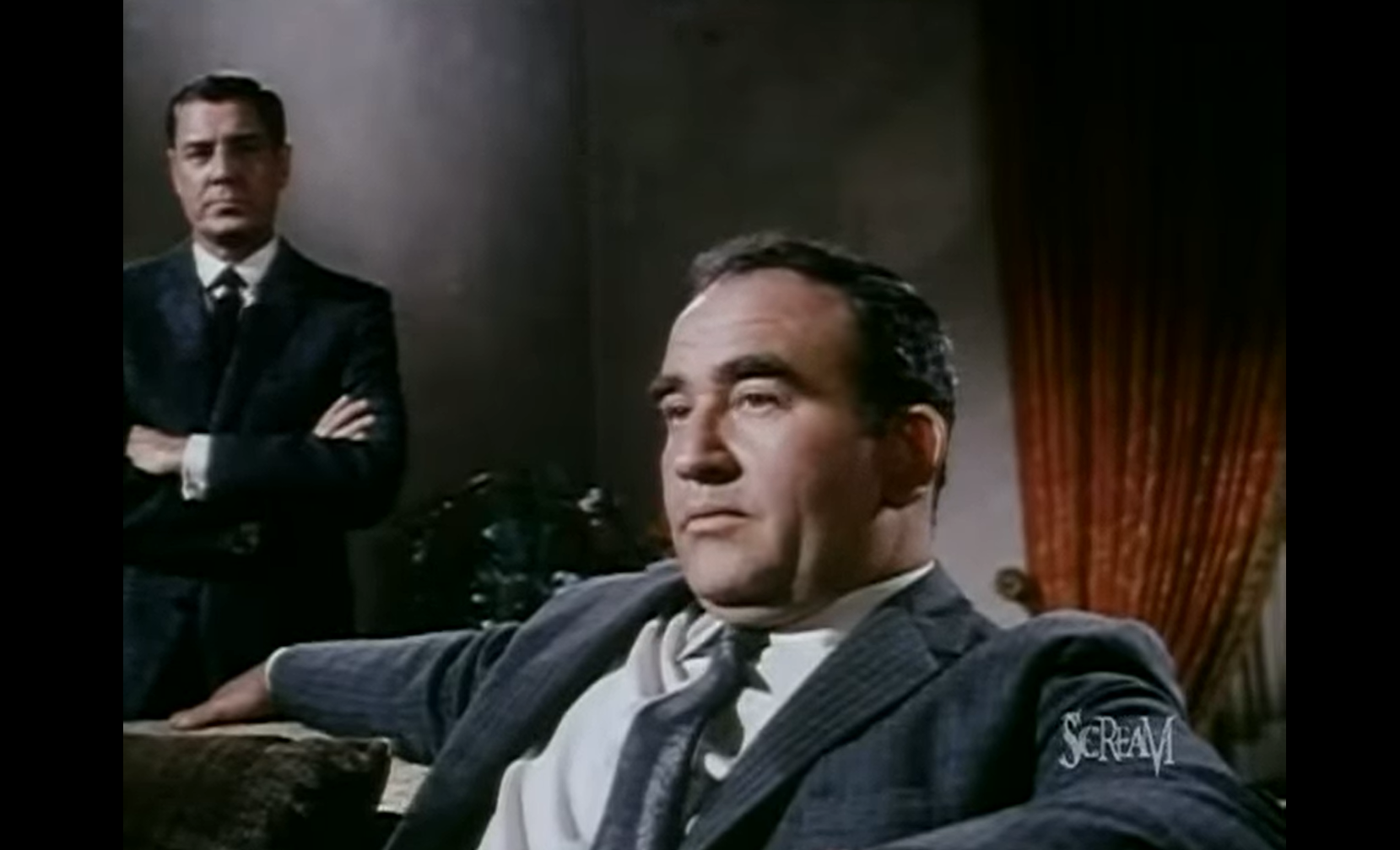
… and argues “it’s upsetting that Ed Asner replaced Herschel Bernardi as Lieutenant Jacoby:

and Laura Devon took over Lola Albright’s Edie role.”

He adds that the “murder-mystery script by [director Blake] Edwards and William Peter Blatty is extremely confusing,” and complains that “the picture hasn’t the icy, smoky atmosphere of the TV series”. Since I’d never seen the show, I had no such preconceptions when viewing it, and actually found it most enjoyable. It’s full of unusual characters, interesting locales, snappy dialogue, and sexy humor, and is worth a one-time look if you’re curious.

Redeeming Qualities and Moments:

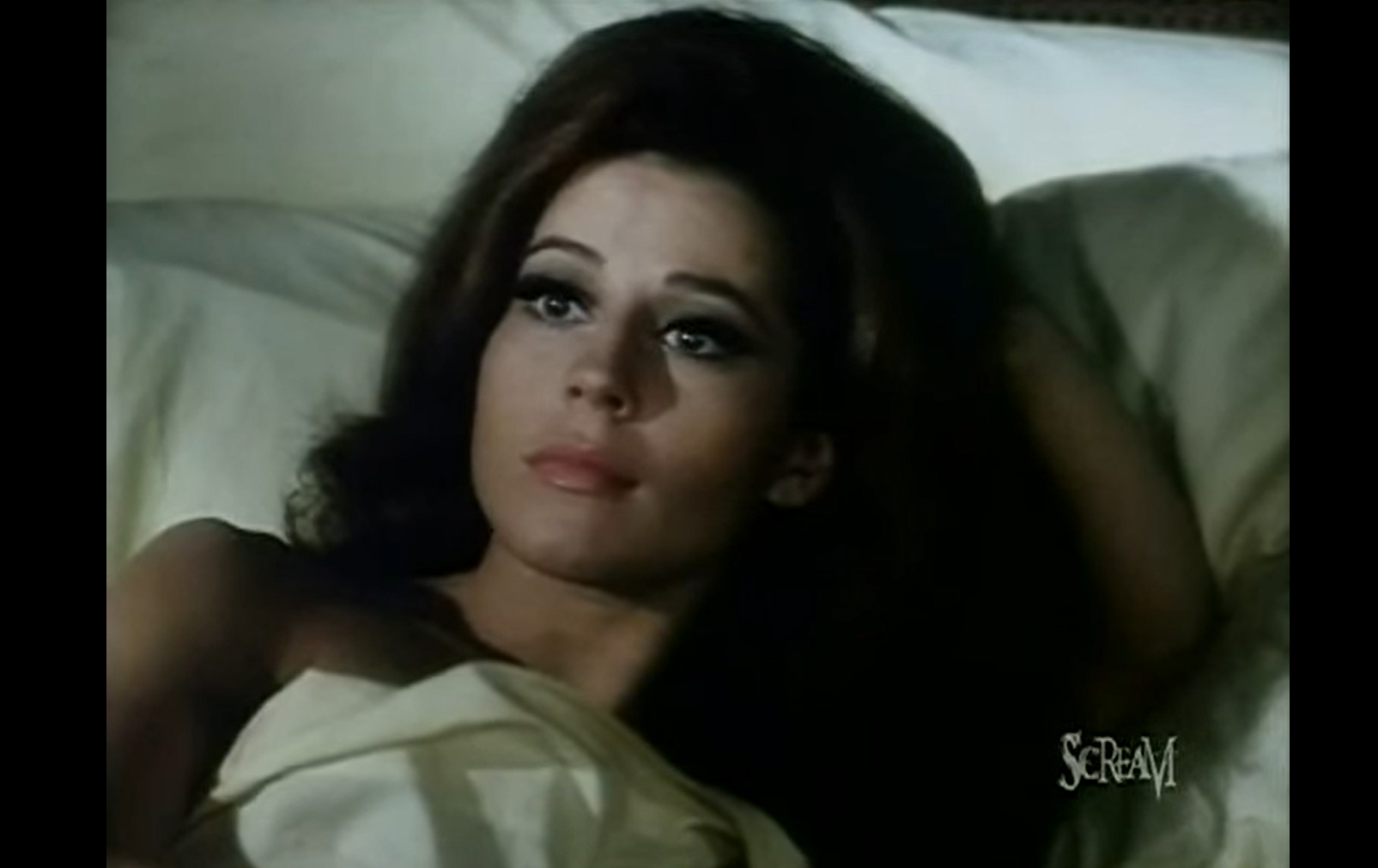
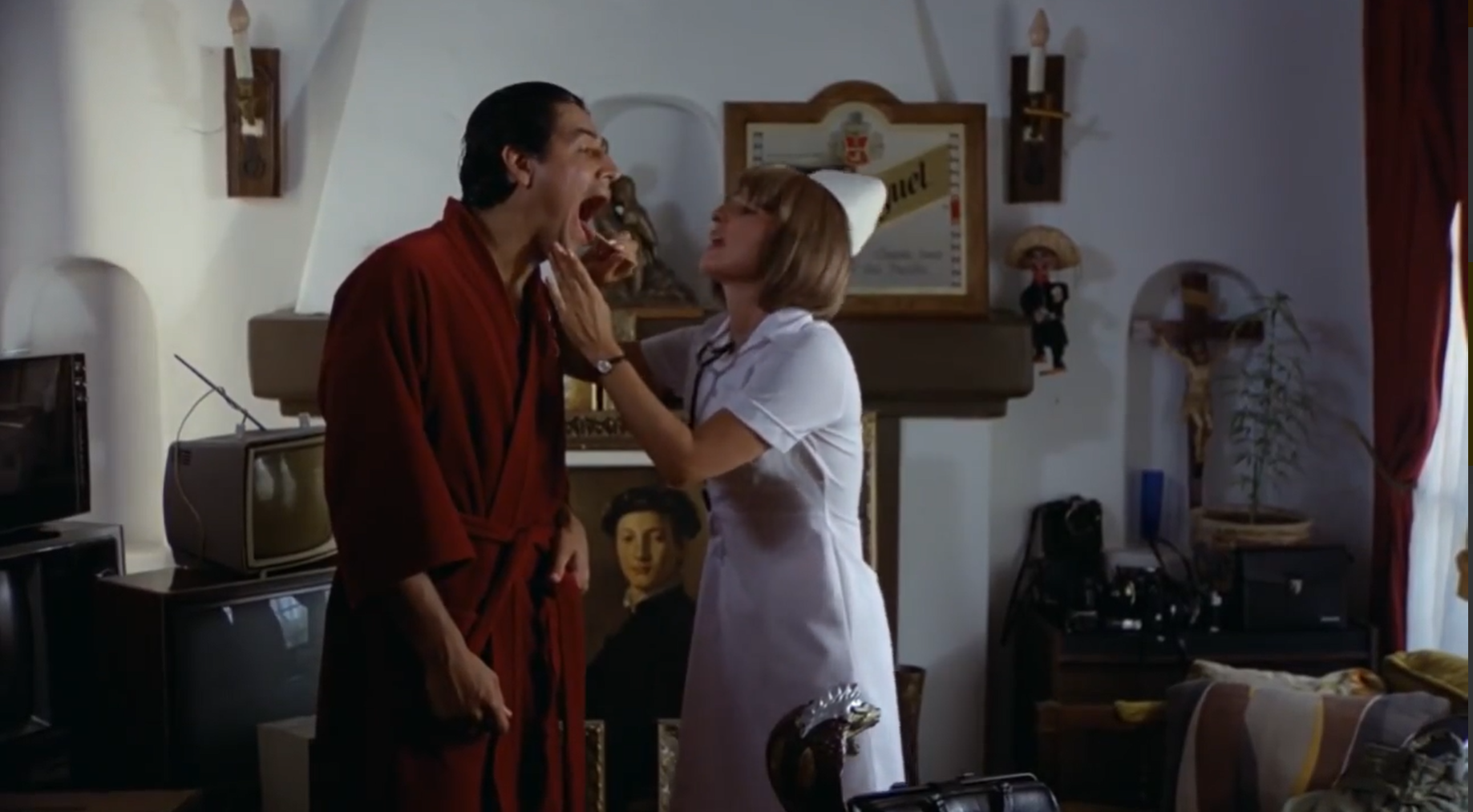
  • Sherry Jackson as a mysterious girl who shows up in Gunn’s bedroom unannounced
  • Fine use of unusual locales — such as a nightclub named “The Ark”, with sets of twins roaming around
  • A surprising plot-twist in the final moments
  • Henry Mancini’s score

Must See?
No, but it’s good private eye flick, and sure to be of interest to fans of the T.V. series.

Links:

El Norte (1983)

El Norte (1983)

“In our land, we have no home; here, we are not welcome.”

Synopsis:
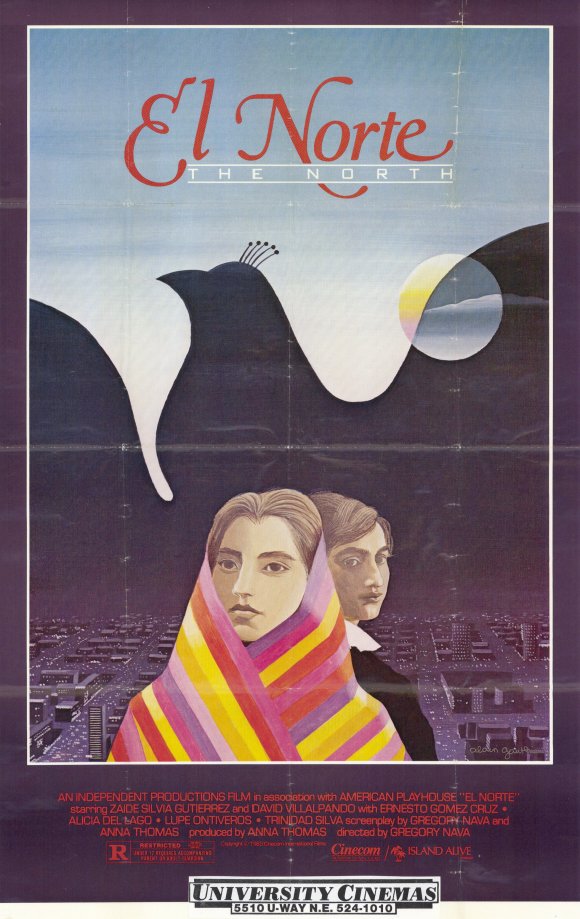
Guatemalan siblings Enrique and Rosa (David Villalpando and Zaide Silvia Gutierrez) escape from an oppressive political regime to the “promised land” of America (El Norte), only to find that life is just as difficult across the border.

Genres, Themes, Actors, and Directors:

  • Immigrants and Immigration
  • Refugees
  • South and Central America
  • Survival

Response to Peary’s Review:
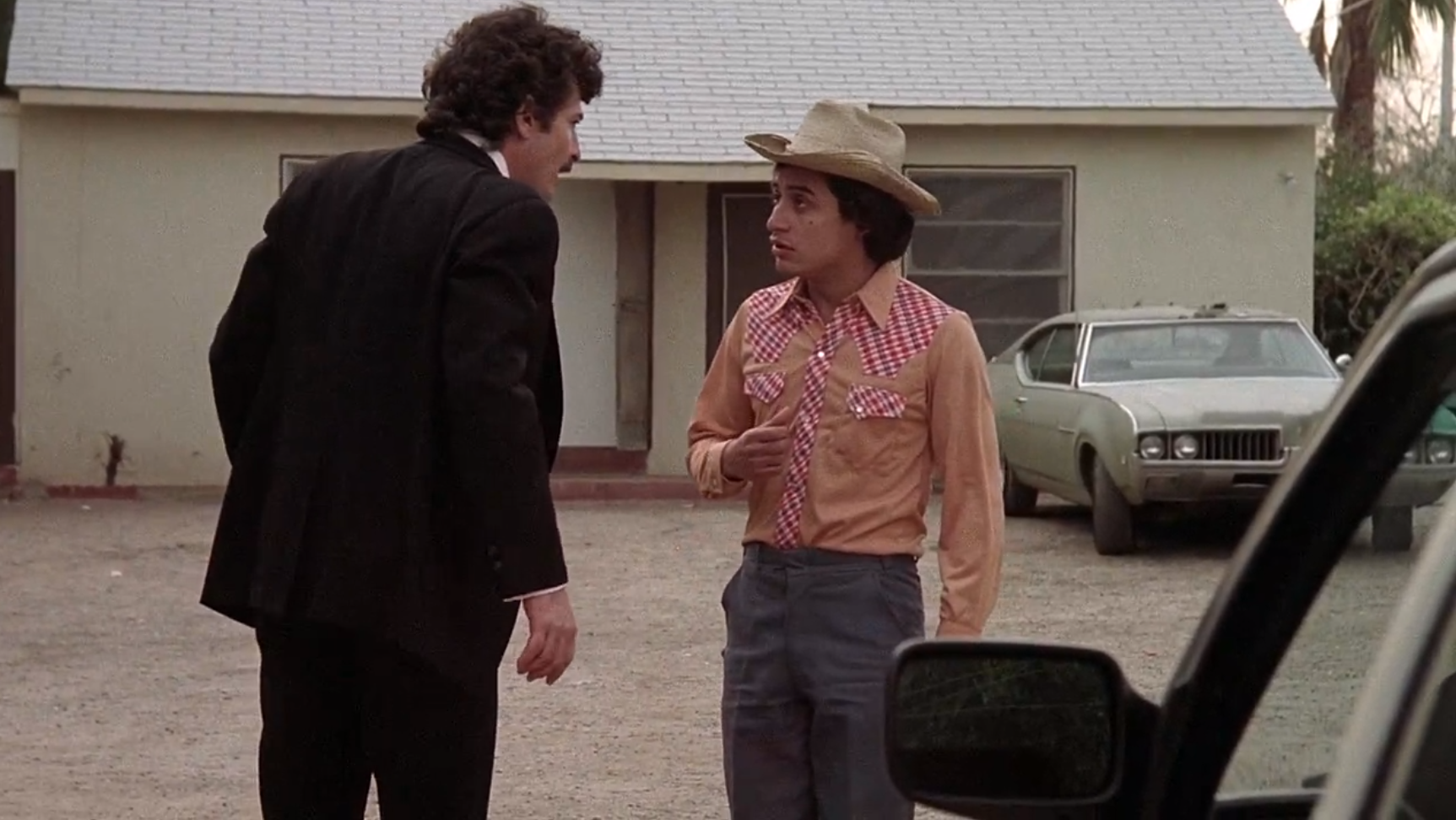
As Peary notes, this “exceptional film” about the travails of illegal immigration is “extremely moving”, and shows a side of American life not often portrayed in the movies. Fortunately, while the subject matter is relentlessly downbeat, director Gregory Nava manages to infuse some much-needed levity into certain scenes, such as when Rosa and Enrique are interrogated by the Border Patrol, and Enrique peppers his speech with swear words to pass as a Mexican (it works!). Peary laments the film’s “overly depressing” finale, noting, “The characters are already defeated — there is no need to destroy them.” But I found the ending to be appropriately authentic. This is not a film that tries to gloss over the hardships of immigration; instead, it shows that life for the working poor is difficult all over the world, and that it takes more than strong will to overcome systemic oppression.

Redeeming Qualities and Moments:

  • Zaide Silvia Gutiérrez as Rosa
  • David Villalpando as Enrique
  • An authentic portrayal of Mayan village life in Guatemala
  • A realistic look at the hardships suffered by illegal immigrants trying to find work in America

Must See?
Yes. This remains one of the most powerful films about illegal immigration to date.

Categories

  • Foreign Gem
  • Historically Relevant

(Listed in 1001 Movies You Must See Before You Die)

Links:

Baby Love (1968)

Baby Love (1968)

“The poor bitch, she had nothing — no one to turn to, only me.”

Synopsis:
After her mother (Diana Dors) commits suicide, 15-year-old Luci (Linda Hayden) goes to live with her mother’s former lover (Keith Barron) and his family.

Genres, Themes, Actors, and Directors:

  • Catalysts
  • Femmes Fatales
  • Lesbianism

Response to Peary’s Review:
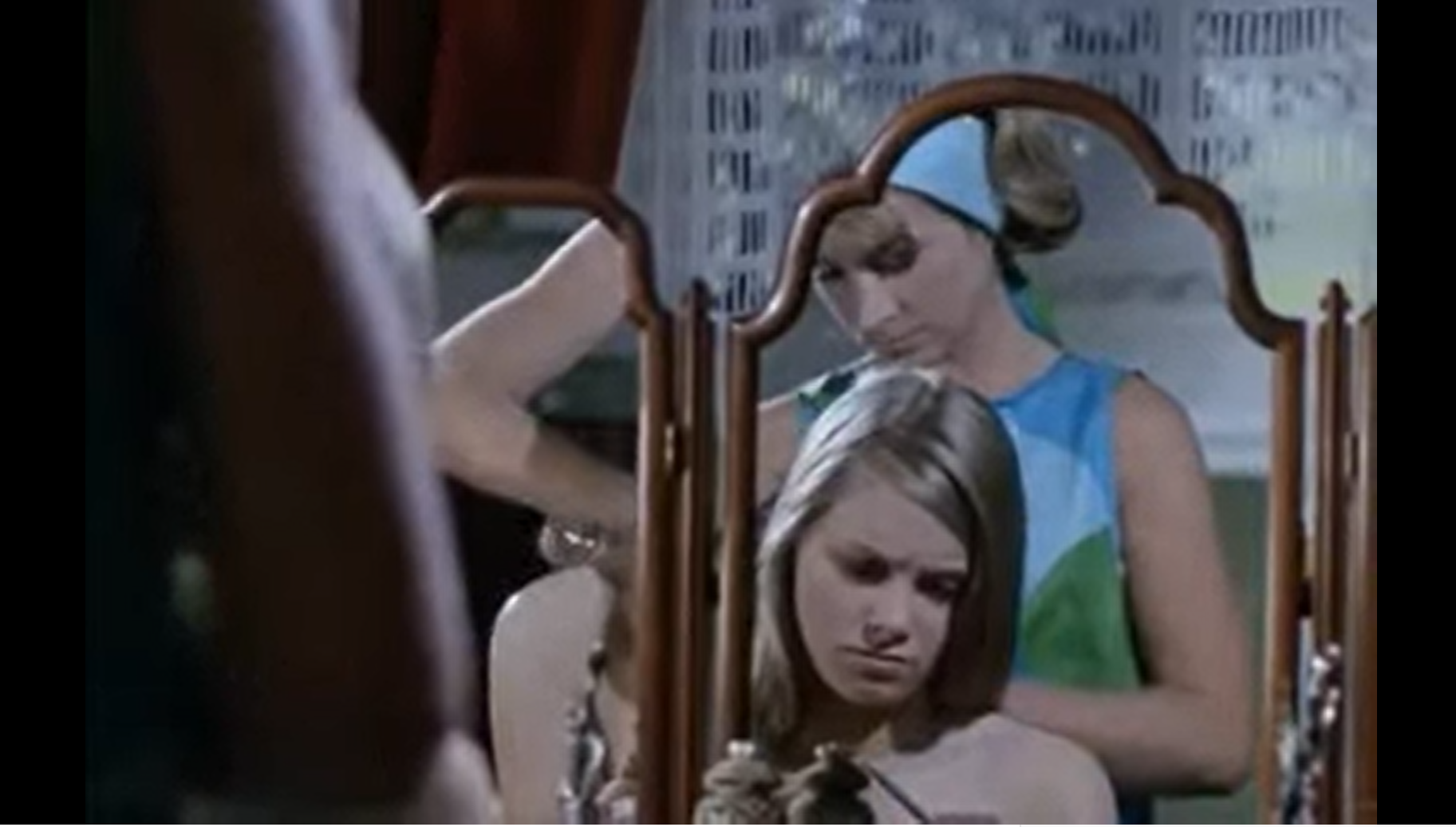
Peary’s review of this rarely seen British film focuses on the “mischievous, manipulative” nature of its lead character (nubile Linda Hayden), whose very presence turns her new family “against one another” and wrecks their “once happy home.” Indeed, he refers to it as a “weird little potboiler”, and calls it “fascinating in a perverse sort of way”. My take is different, however: I was impressed by director Alistair Reid’s attempt to show the history behind Luci’s behavior, with flashbacks and nightmares clearly revealing the source of her confusion and manipulation. She comes across as a sympathetic victim of a dysfunctional home rather than a ruthless vamp; this is a girl who has learned to exploit her body simply because that’s all she’s ever seen. The most interesting subplot by far focuses on the sexual awakening of Barron’s wife (Ann Lynn), who finds herself enormously attracted to Luci. Their scenes together are handled with grace, and could easily have carried the entire film. Unfortunately, the movie turns unnaturally melodramatic and contrived by the final scenes; as one IMDb contributor writes, “the ending is an anti-climax and suggests a loss of interest in the story”.

Redeeming Qualities and Moments:

  • Ann Lynn’s performance as a woman coming to terms with her lesbian attractions
  • Linda Hayden as the sexy young catalyst who turns an entire household upside down
  • Creative direction

Must See?
No, but it’s a good little film worth seeking out.

Links:

Senator Was Indiscreet, The (1947)

Senator Was Indiscreet, The (1947)

“Owning a nice little diary is like owning a nice little atom bomb — even if you never do anything with it, it’s a comfort just to know it’s there.”

Synopsis:
Dim-witted Senator Ashton (William Powell) angles for the presidency by using his diary as a source of blackmail material against his fellow politicians.

Genres, Themes, Actors, and Directors:

  • Blackmail
  • Comedy
  • Ella Raines Films
  • Hans Conried Films
  • Political Corruption
  • Satires and Spoofs
  • William Powell Films

Response to Peary’s Review:
As Peary notes, this amusing political satire by playwright George S. Kaufman (his lone directorial effort) doesn’t quite have the “frantic dialogue, idiosyncratic secondary characters, and political bite” it needs to be a classic screwball comedy a la Preston Sturges. Indeed, the wit is often heavy-handed, and several of the characters (i.e., the paranoid “Bolshevik waiter” who constantly accuses Senator Ashton of anti-communist prejudice) are played a bit too broadly. Nonetheless, the film benefits from a surprisingly satisfying ‘whodunit’ ending, and solid performances by the lead actors. In addition, it cleverly illustrates — to a satirical degree — the notion that competency isn’t necessarily a factor in getting elected to public office, and that corruption in politics is rampant. Given the current political climate in our country, these facts seem more relevant now than ever.

Redeeming Qualities and Moments:

  • Ella Raines as the energetic young journalist who hopes to expose Ashton’s diary
  • William Powell’s over-the-top performance as the buffoonish senator
  • The humorous ongoing riff whereby a political aide takes hours to get in touch with every politician exposed in Powell’s diary
  • Some zingy one-liners: “There’s an old saying in my state — if you can’t beat ’em, bribe ’em!”

Must See?
No, though it’s an interesting curio in film history, and worth watching at least once.

Links:

Eating Raoul (1982)

Eating Raoul (1982)

“Mary — I just killed a man.”

Synopsis:
Straight-laced couple Paul and Mary Bland (Paul Bartel and Mary Woronov) need money to open their own restaurant, so they decide to lure sexual perverts to their house and rob them. Things get sticky, however, when an opportunistic locksmith named Raoul (Robert Beltran) becomes their partner in crime, and seduces Mary.

Genres, Themes, Actors, and Directors:

  • Black Comedy
  • Ed Begley Jr. Films
  • Love Triangle
  • S&M
  • Serial Killers

Response to Peary’s Review:
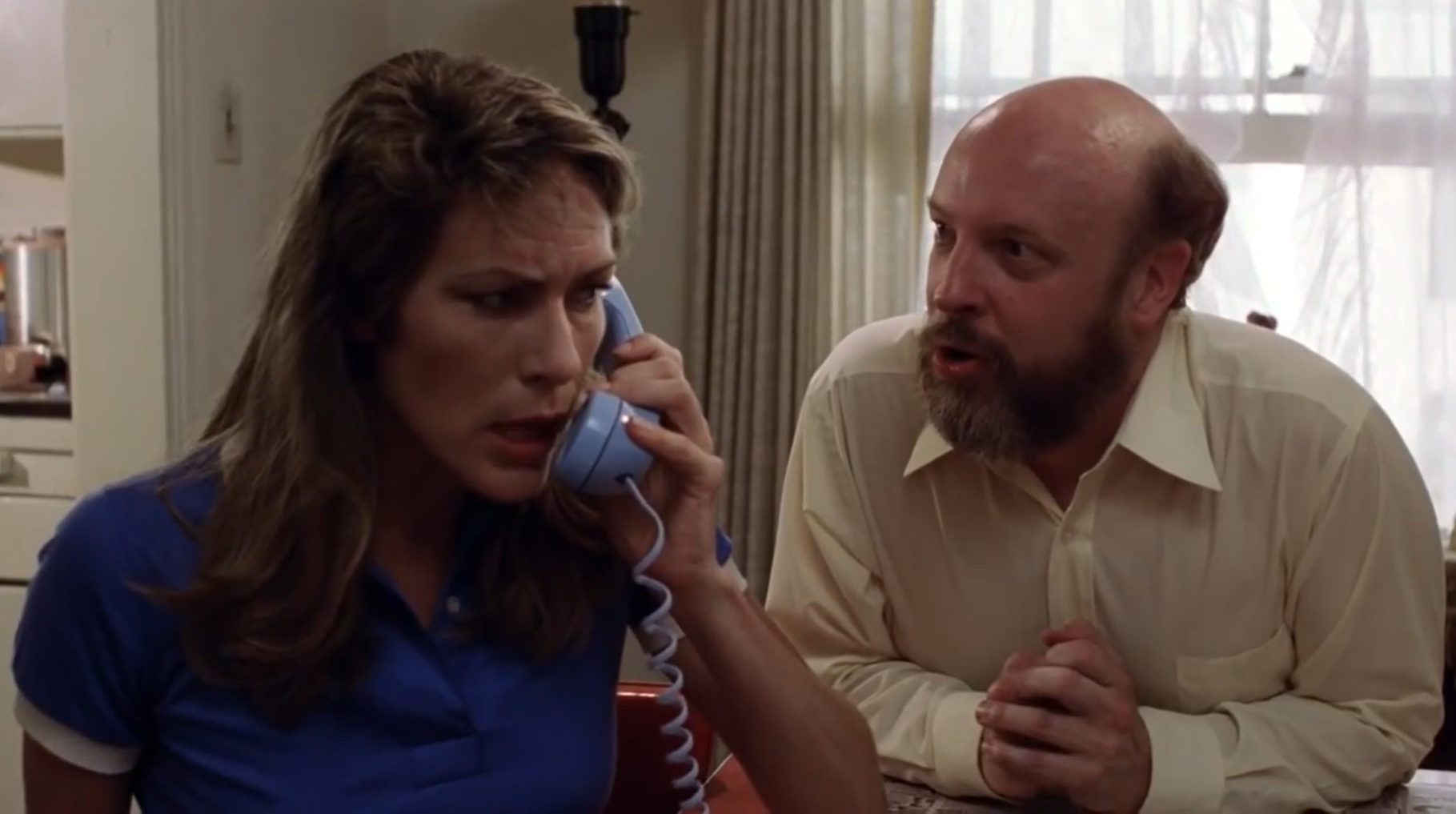
This wickedly humorous black comedy — the ultimate “midnight movie” — never oversteps the boundaries of pure camp, taking place in an alternate universe where one strong whack on the head with a skillet can kill a man, corpses are easily sold as dog food, and every other man is a lech or a con-artist. Indeed, it’s easy to sympathize with the well-meaning Blands, who are surrounded by degradation on all sides, and can’t seem to get by without joining the fray. As Peary notes, the primary dilemma in the movie — will Woronov “remain faithful to her mild-mannered, asexual husband or kill him and run off with Raoul?” — is an interesting one, and doesn’t resolve as expected. This is a rare film where all people — good or bad — get what’s coming to them.

Redeeming Qualities and Moments:

  • Woronov and Bartel’s strong performances as the sympathetic murderers
  • Hilarious S&M costumes
  • Susan Saiger as Doris the Dominatrix, who wears many different hats
  • Edie McClurg in a tiny, scene-stealing moment as a swinger

Must See?
Yes. This low-budget black comedy is an essential part of independent cinema history.

Categories

  • Cult Movie

Links:

Porky’s (1981)

Porky’s (1981)

“You just got to show them who’s boss.”

Synopsis:
When a group of horny teenage boys are thrown out of a sleazy strip joint named Porky’s and a corrupt sheriff (Alex Karras) damages their car, they vow to get their revenge.

Genres, Themes, Actors, and Directors:

  • Comedy
  • Revenge
  • Susan Clark Films
  • Teenagers
  • Virginity

Response to Peary’s Review:
As Peary notes, this “smutty juvenile comedy” centering “on a group of jerky high-school boys who have sex on the brain” is amazingly “unfunny”, with “all the humor… vulgar and sex-related.” The characters are “repulsive”, the acting is “awful”, and director “Bob Clark’s idea of a good joke is having one character embarrass himself/herself sexually and having lots of other characters stand around laughing.” However, given what a “phenomenal commercial success” this flick was (and the cult following it continues to maintain), film fanatics should probably sit through it once. Good luck.

Redeeming Qualities and Moments:

  • A surprisingly serious subplot in which a boy (Cyril O’Reilly) deals with both his abusive father and his anti-semitism

Must See?
Yes, but simply for its cult status and infamy as one of the first of the “Teen Sex Gross Out” films.

Categories

  • Cult Movie
  • Historically Relevant

Links: