Browsed by
Category: Response Reviews

My comments on Peary’s reviews in Guide for the Film Fanatic (Simon & Schuster, 1986).

The T.A.M.I. Show (1964)

The T.A.M.I. Show (1964)

“It’s my party and I’ll cry if I want to.”

Synopsis:
Chuck Berry introduces acts from the 1964 Teenage Awards Music International (TAMI) — including Bo Diddley, the Supremes, the Ronettes, James Brown, Marvin Gaye, Lesley Gore, and the Rolling Stones.

Genres, Themes, Actors, and Directors:

  • Concert Films
  • Rock ‘n Roll
  • Teenagers

Response to Peary’s Review:
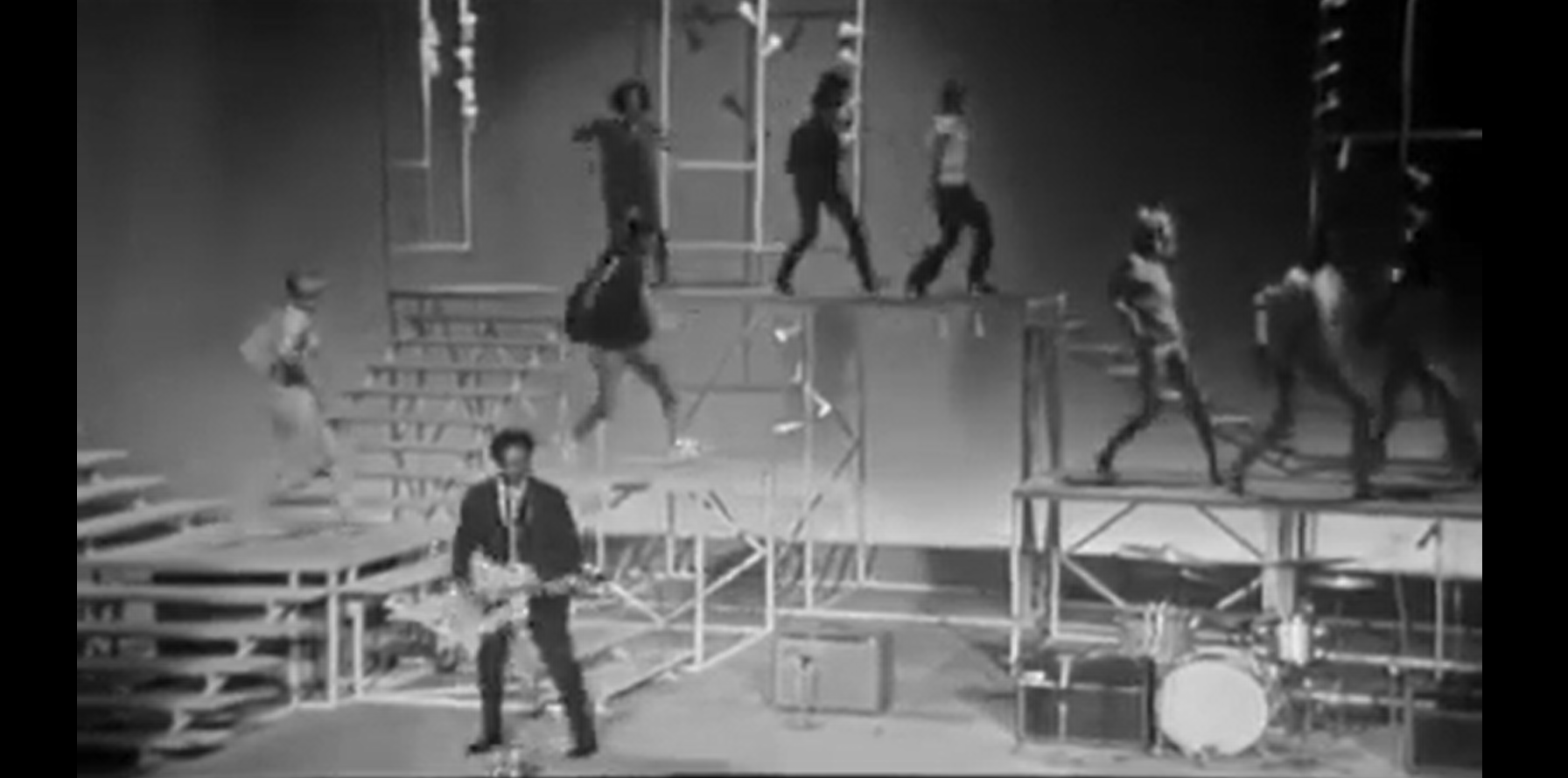
As Peary notes, this early concert film featuring hit American and British rock groups of the day is “silly, innocent fun”, with “some of the most cheerful acts you’ve ever seen.” Cinematically, the film is fairly standard concert fare, and the frenzied on-stage dancers are embarrassingly bad; nonetheless, “as a record of the ’64 music scene, it’s priceless.”

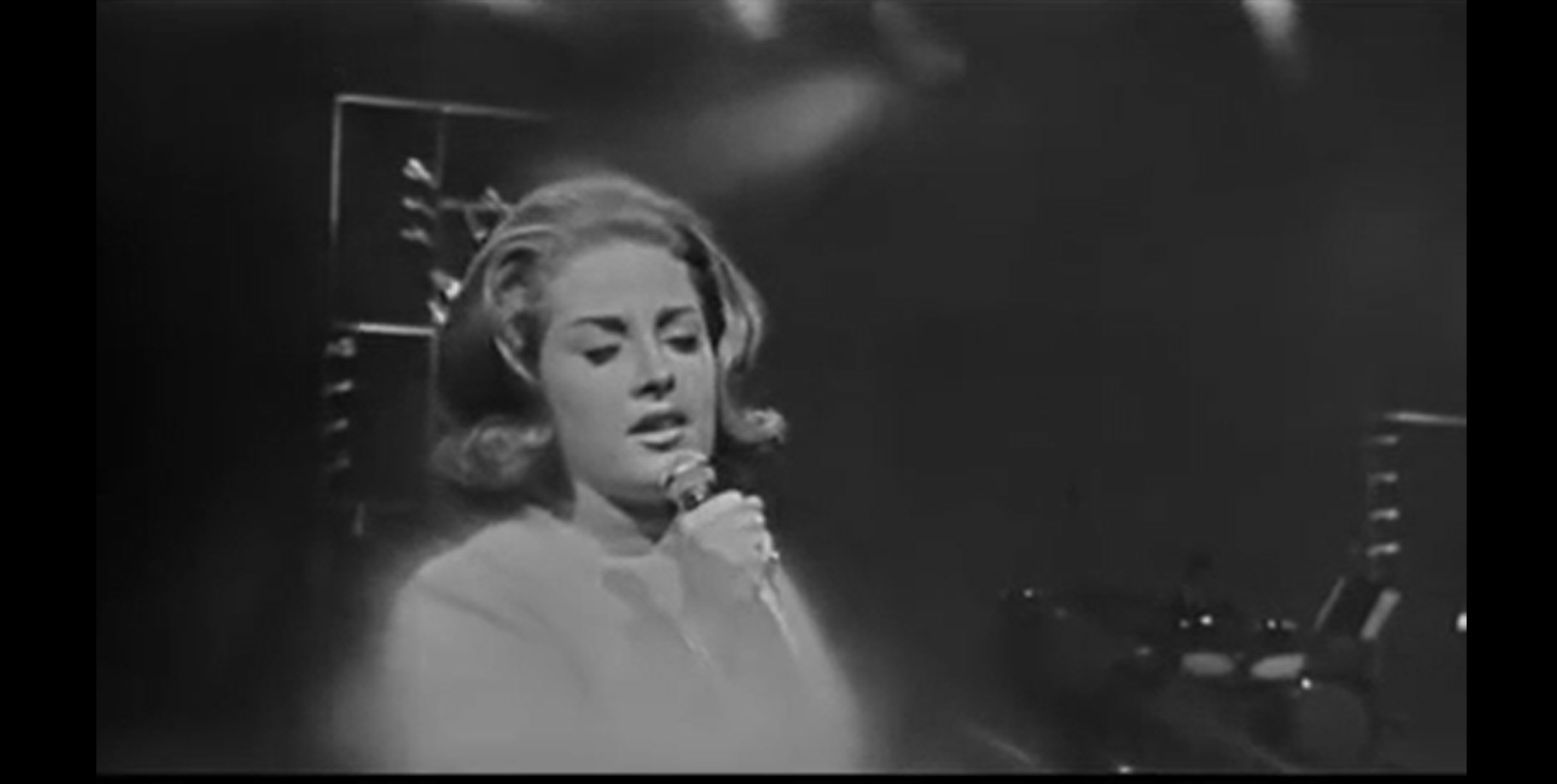
My favorite acts (though naturally everyone will have their own) include Lesley Gore singing “You Don’t Own Me” (featuring the film’s most creative camerawork):

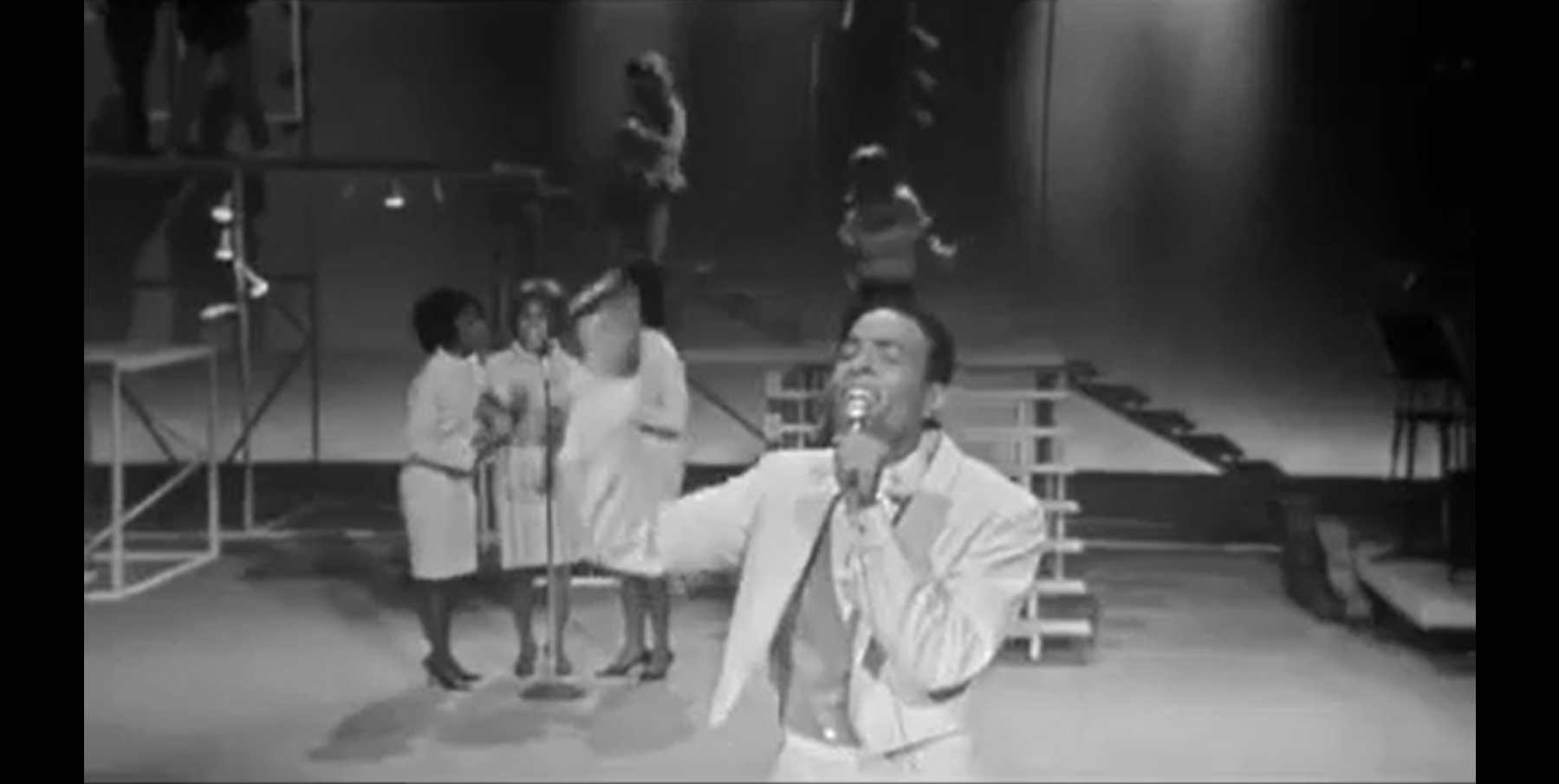
… a handsome young Marvin Gaye singing several ballads:

James Brown sashaying across the stage on one foot:

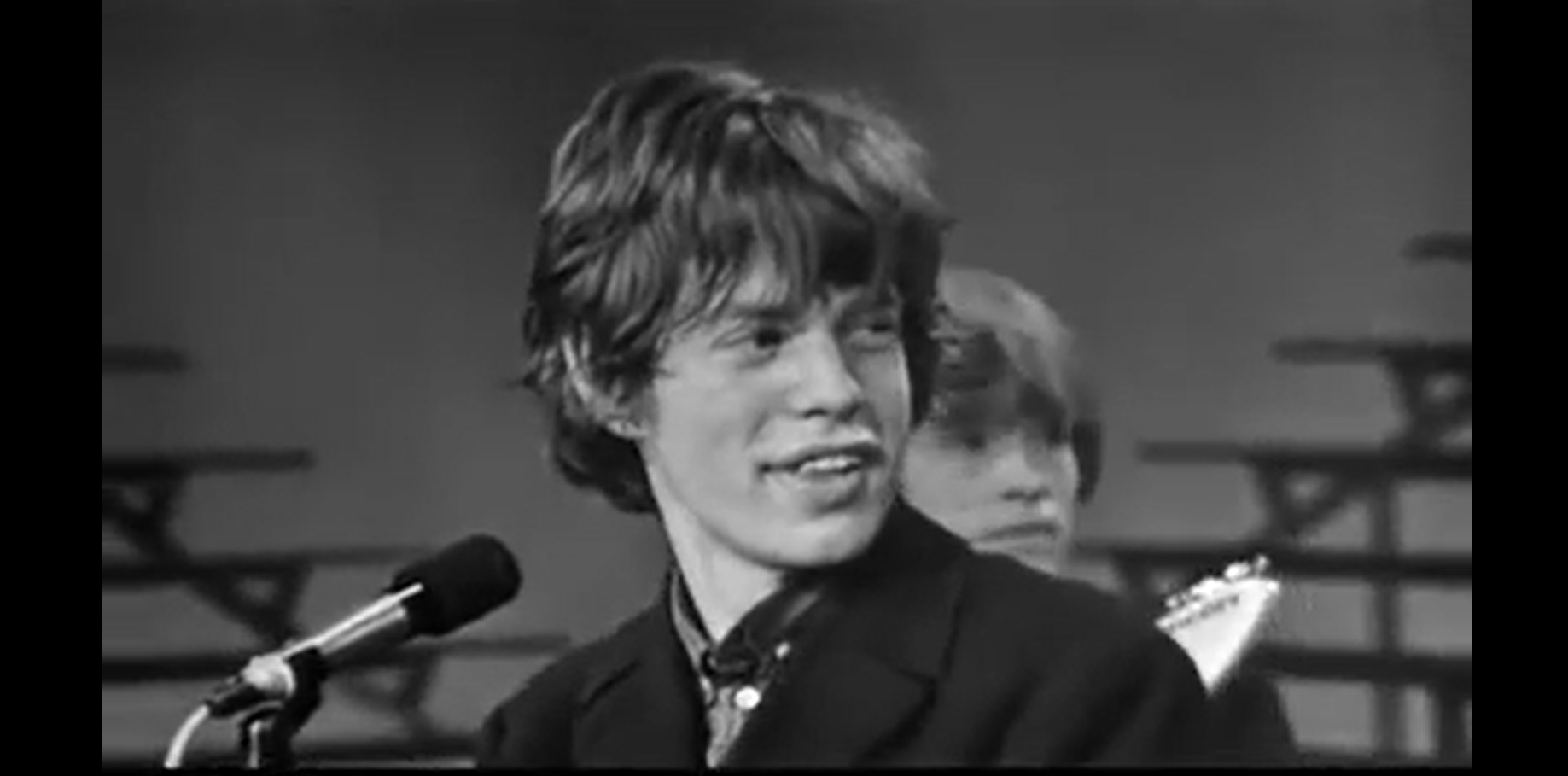
and, naturally, the Rolling Stones (I especially love the way the camera captures Mick Jagger’s happy exhaustion at the end of each song).

Redeeming Qualities and Moments:

  • Countless musical greats gathered together for a powerhouse good time

Must See?
Yes, simply as a musical time-capsule.

Categories

  • Historically Relevant

Links:

Xica / Xica da Silva (1976)

Xica / Xica da Silva (1976)

Synopsis:
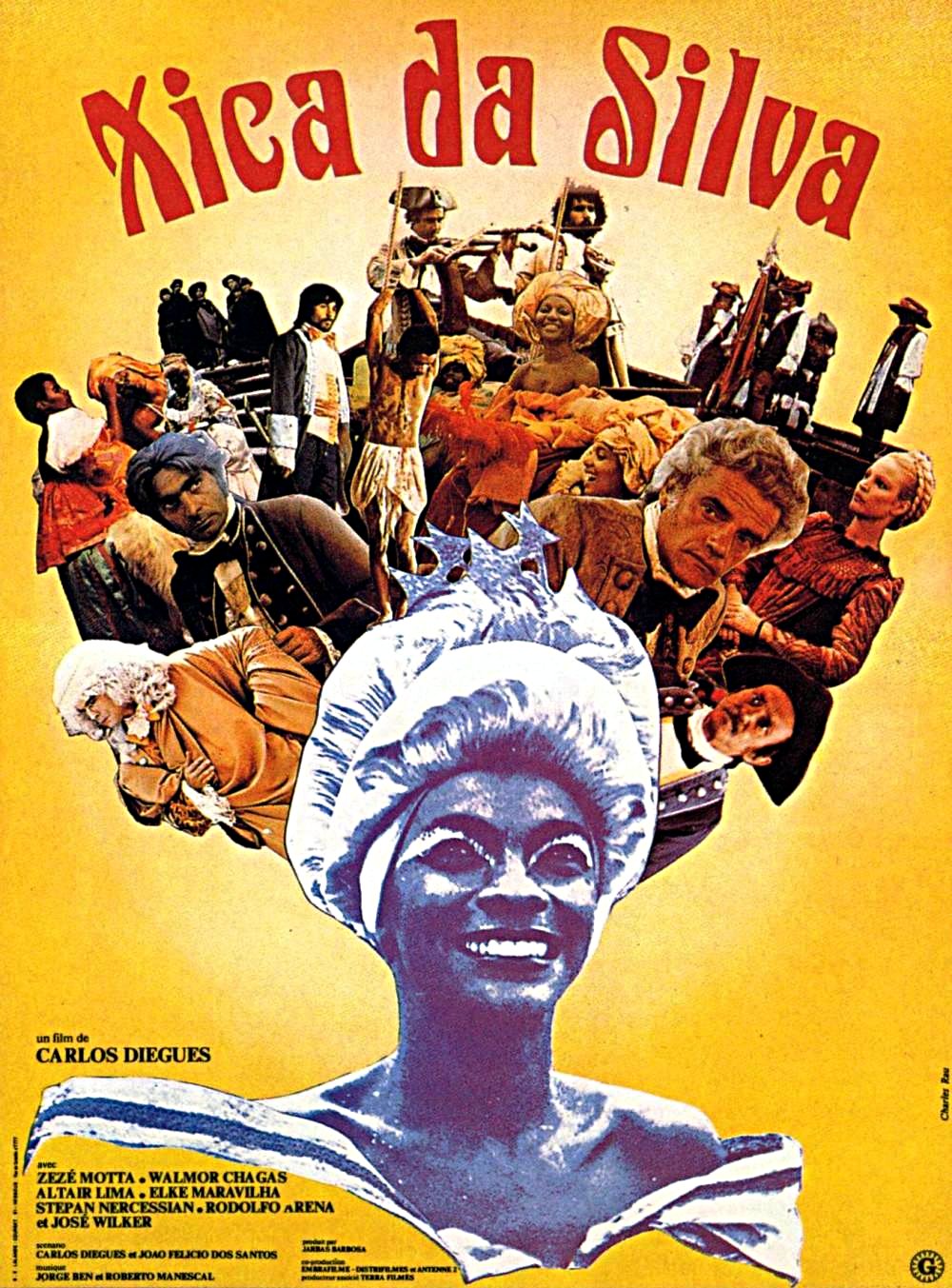
Xica (Zeze Motta), a black female slave in 18th century Brazil, gains freedom, wealth, and power by seducing the town’s new Royal Diamond Contractor (Walmor Chages).

Genres, Themes, Actors, and Directors:

  • Comedy
  • Historical Drama
  • Political Corruption
  • Race Relations
  • Social Climbers
  • South and Central America
  • Strong Females

Response to Peary’s Review:
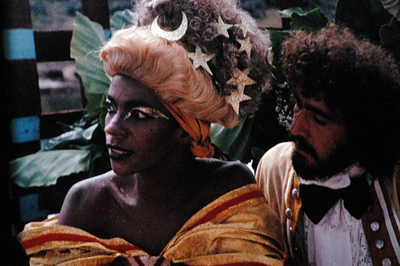
Peary’s review of this “popular [Brazilian] film by Carlos Diegues” is rather half-hearted. He finds it “not particularly interesting,” and largely “unsatisfying” in terms of its political exposition. Other reviewers have expressed similar opinions, lamenting the film’s bombastic sexual humor and labeling it thematically “messy”. It’s true that Xica doesn’t fall into one or two neatly defined cinematic slots. In addition to the above-listed genres, for instance, Xica could be seen as a femme fatale film, given that the lead character selfishly causes the downfall of the men she seduces (though her joyous demeanor and intermittent goodwill towards others don’t allow Xica to fall into the classic noir categorization of such women). Also, while the story undeniably involves slavery, it doesn’t dwell on this as any kind of a serious thematic subject — Xica could just as easily have been a lower-class maid rather than a slave, without changing the overall thrust of the story. And though Xica has much of the feeling of a classic “Bedroom Farce” — with Xica bedding several cuckolded men at once — it’s more about sex as a source of power than sex as a harmless flirtation.

Finally, while Xica experiences a drastic downfall at the end of the film (thus hinting at a “Rise and Fall” theme), she picks herself right back up and, oddly, seems undefeated — thus belying the traditional heavy-handed morality of most such movies. Ultimately, then, Xica is more of a character-driven comedy than any kind of a serious statement about political, historical, racial, or gender-based issues. If you don’t expect such an agenda, chances are you’ll have a good time enjoying this film’s broad humor, colorful costumes, and unusual historical setting. It’s truly a unique movie-watching experience.

Redeeming Qualities and Moments:

  • Zeze Motta’s dynamic, sexually charged performance as Xica
  • Unexpectedly ribald humor

Must See?
Yes, as one of the most popular Brazilian films of the 1970s.

Categories

  • Historically Relevant

Links:

Stevie (1978)

Stevie (1978)

“I was much too far out all my life / And not waving, but drowning.”

Synopsis:
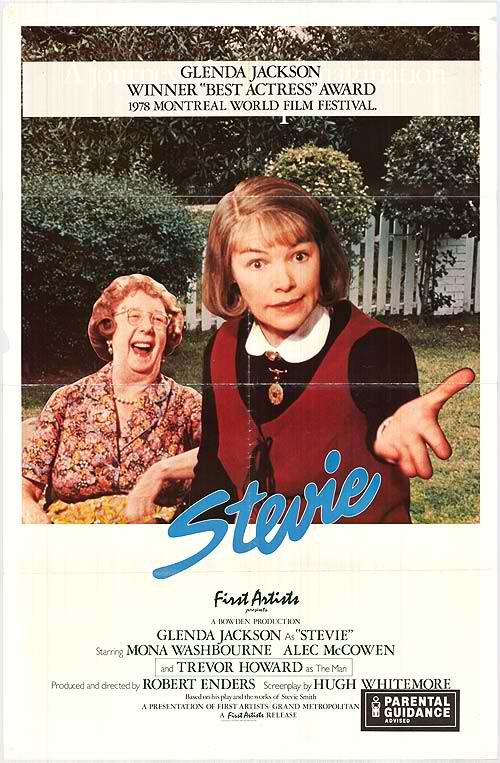
British poet Stevie Smith (Glenda Jackson) discusses her childhood, her literary fame, her failed romance, and life with her beloved maiden aunt (Mona Washbourne).

Genres, Themes, Actors, and Directors:

  • Biopics
  • Flashback Films
  • Glenda Jackson Films
  • Play Adaptations
  • Spinsters
  • Trevor Howard Films
  • Writers

Response to Peary’s Review:
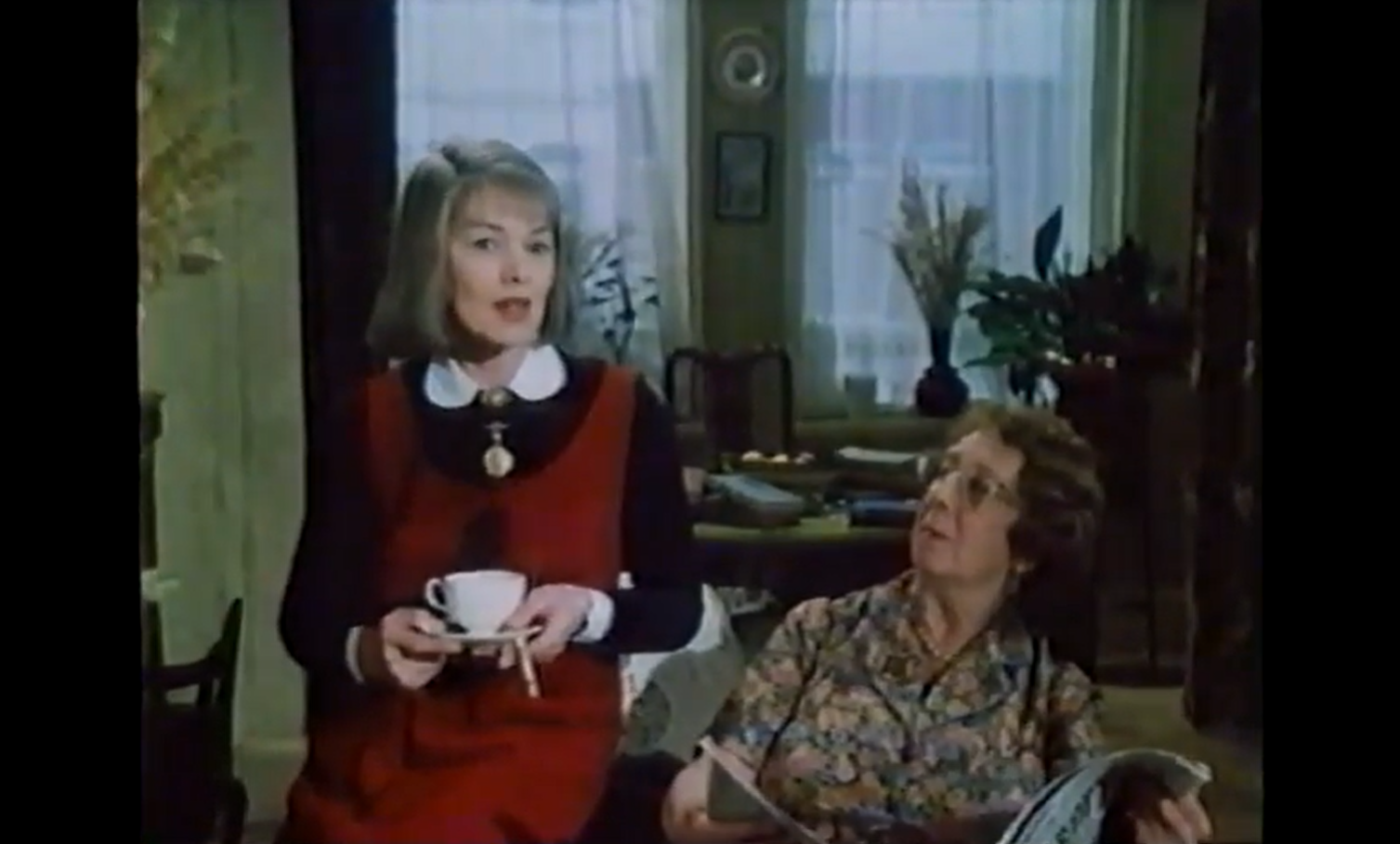
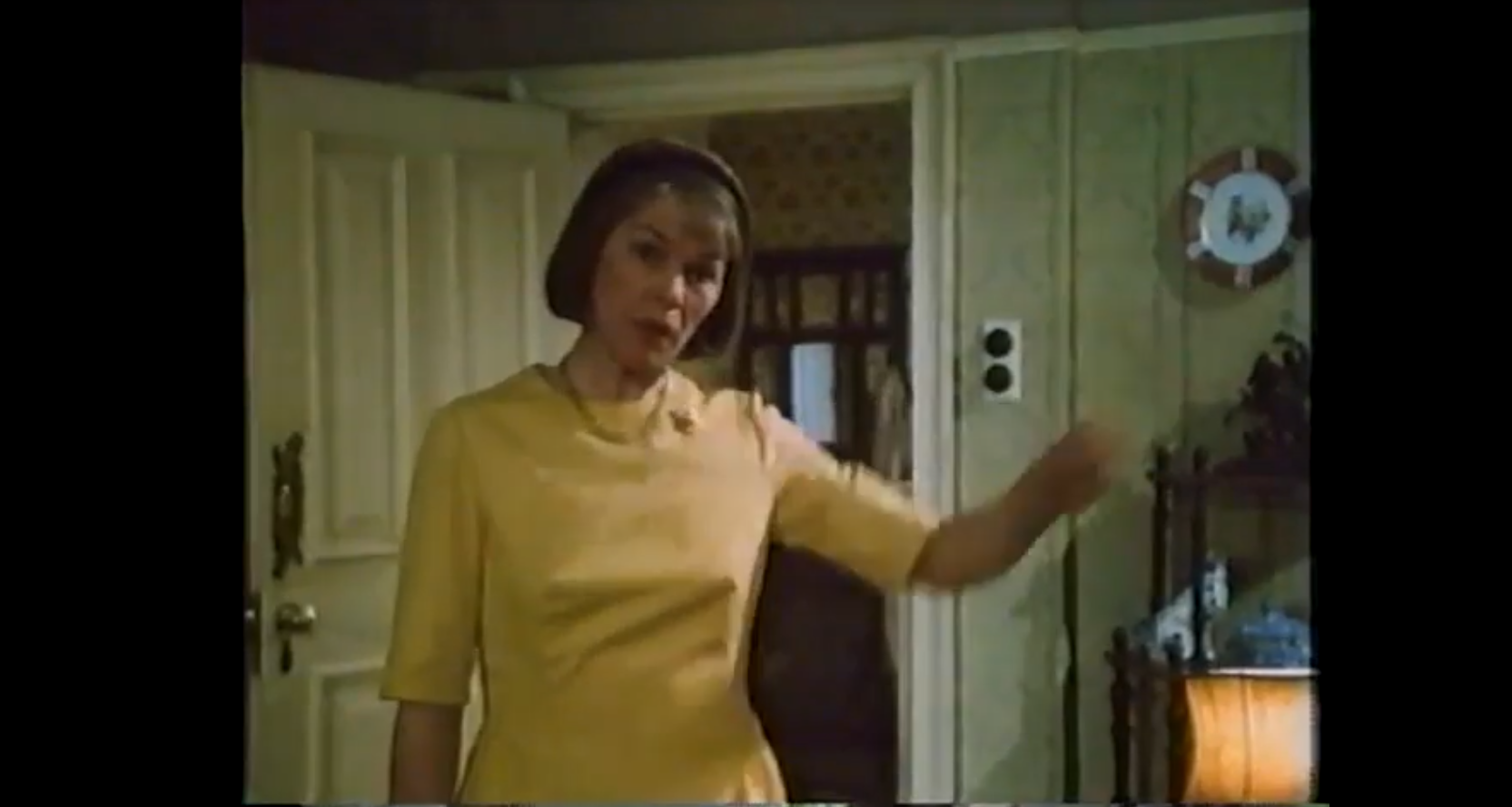
Peary’s review of this theatrical adaptation is humorously tongue-in-cheek: he begins by noting that it is “one of those films people like to recommend to show they have good taste — [but] not me,” and admits that he “blanked out” after ten minutes. Interestingly enough, I had the opposite reaction — it took me about ten minutes to get into the rhythm of the movie, and then (almost despite myself) I was hooked. I knew nothing at all about Stevie Smith before renting this movie — indeed, I hadn’t even heard of her — but quickly became interested in both her work and her life, primarily due to Jackson’s skillfully nuanced performance.

She utilizes a series of self-conscious vocal modulations and subtle facial gestures (such as nose sniffs and tongue-against-teeth movements) to portray Stevie’s unique mixture of humility, melancholy, and quietly adventurous spirit — and while she talks far too much, her performance never falters. Unfortunately, not every aspect of the film works: the flashbacks to Stevie’s childhood seem out of place; the script is far too stagy; and the strange role of Smith’s friend “The Man” (played by Trevor Howard) should have been cut altogether.

Monologic plays ultimately work better on the small screen — I was reminded, for instance, of Eileen Atkins one-woman portrait of Virginia Woolf in A Room of One’s Own (1990). With that said, however, fans of this type of movie will doubtless enjoy it, and should seek it out.

Redeeming Qualities and Moments:

  • Glenda Jackson’s unglamorous portrayal of Stevie Smith
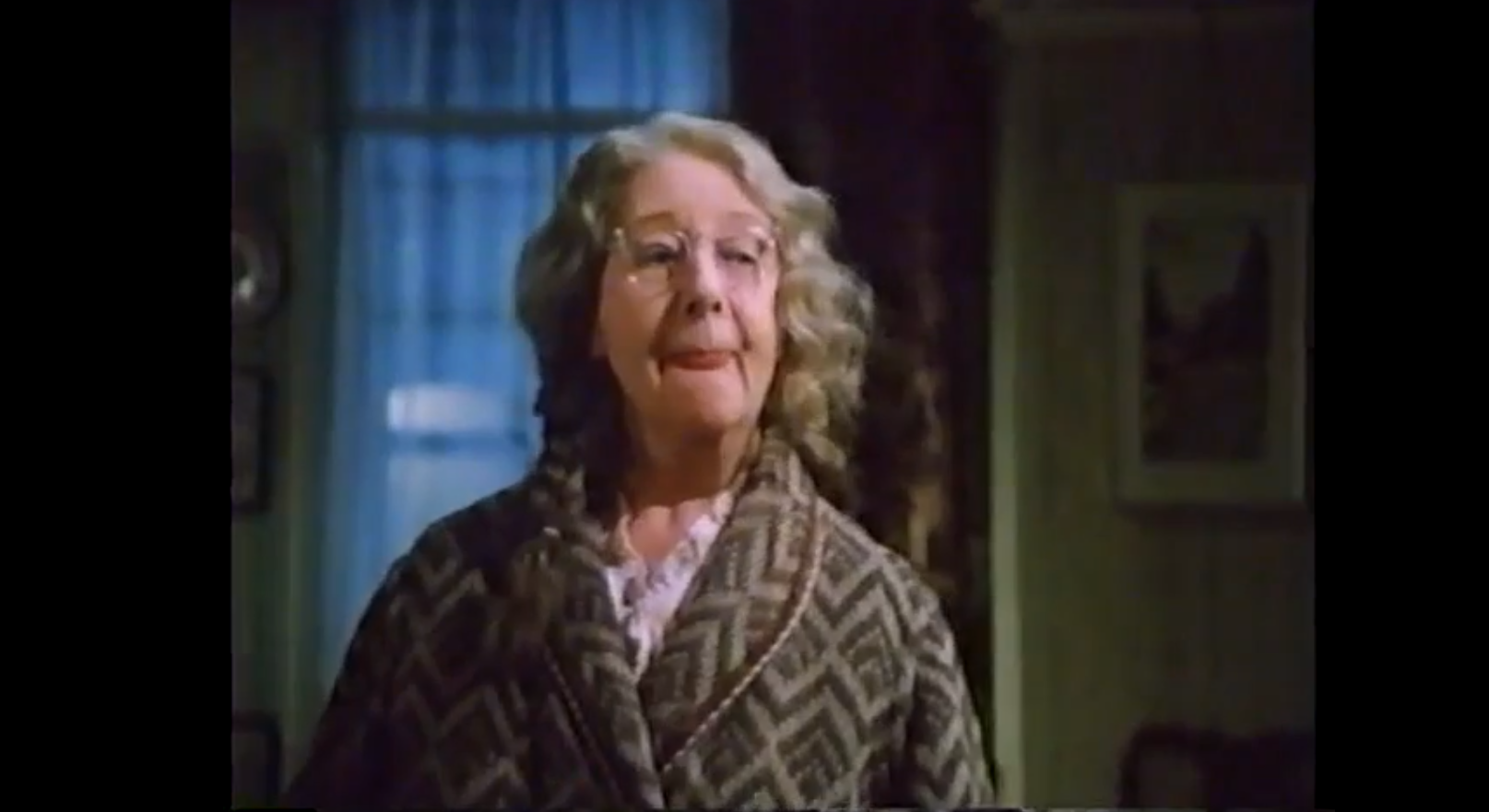
  • Mona Washbourne’s delightfully witty performance as Stevie’s spinster aunt

Must See?
No, unless you’re a fan of either Stevie Smith, Glenda Jackson, or one-woman shows.

Links:

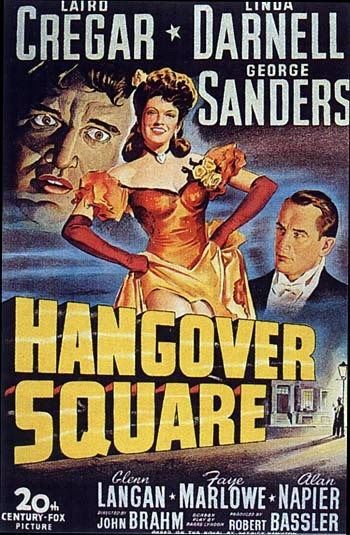
Hangover Square (1945)

Hangover Square (1945)

“Something’s happened lately — these moods are getting deeper and longer.”

Synopsis:
Composer George Bone (Laird Cregar) suffers from sound-induced blackouts, during which he commits crimes he can’t remember. When he’s jilted by a manipulative dance hall singer (Linda Darnell), he commits one murder too many, and a Scotland Yard doctor (George Sanders) is hot on his trail.

Genres, Themes, Actors, and Directors:

  • Composer
  • George Sanders Films
  • Historical Dramas
  • Horror
  • Laird Cregar Films
  • Linda Darnell Films
  • Multiple Personalities
  • Serial Killers

Response to Peary’s Review:
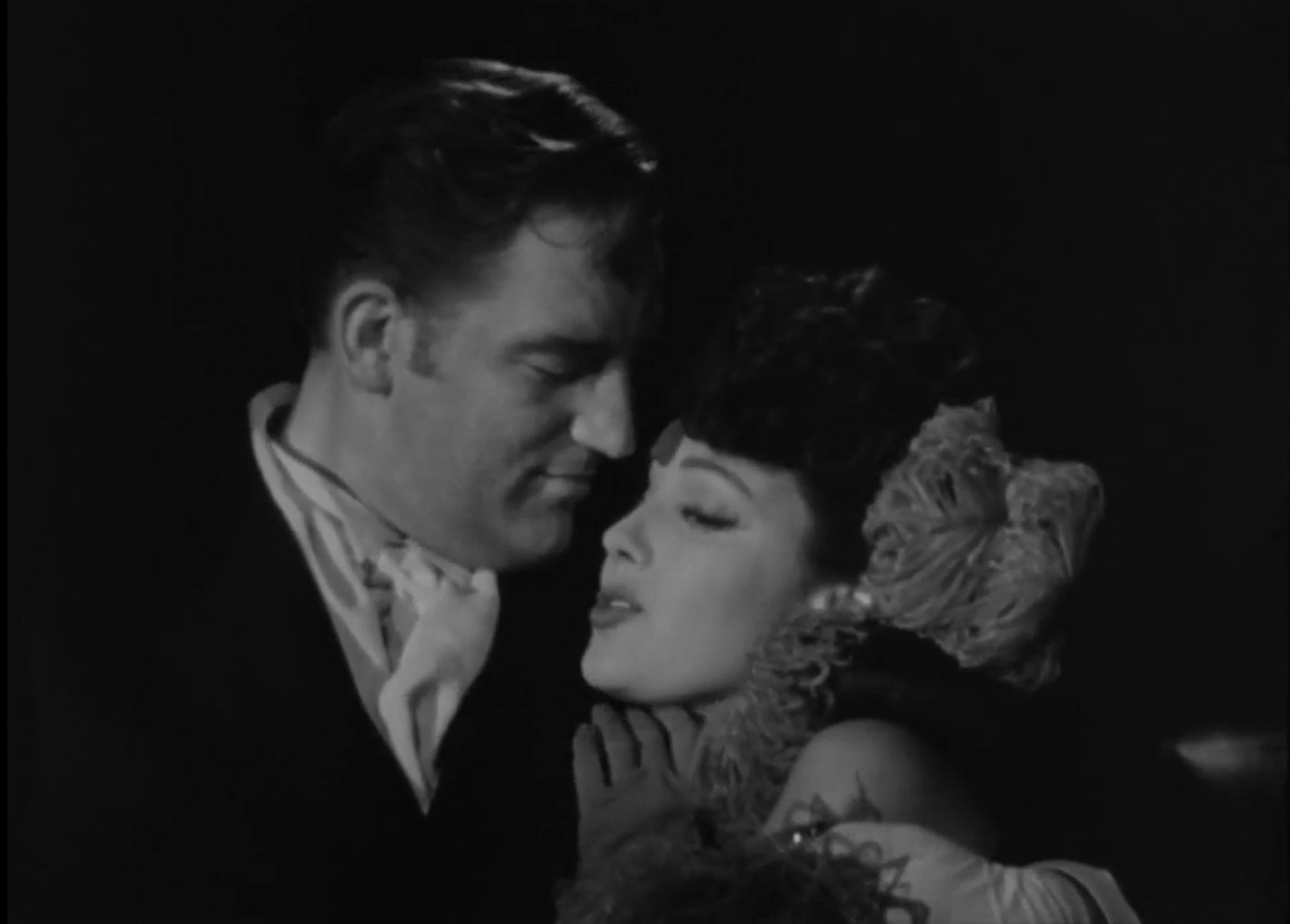
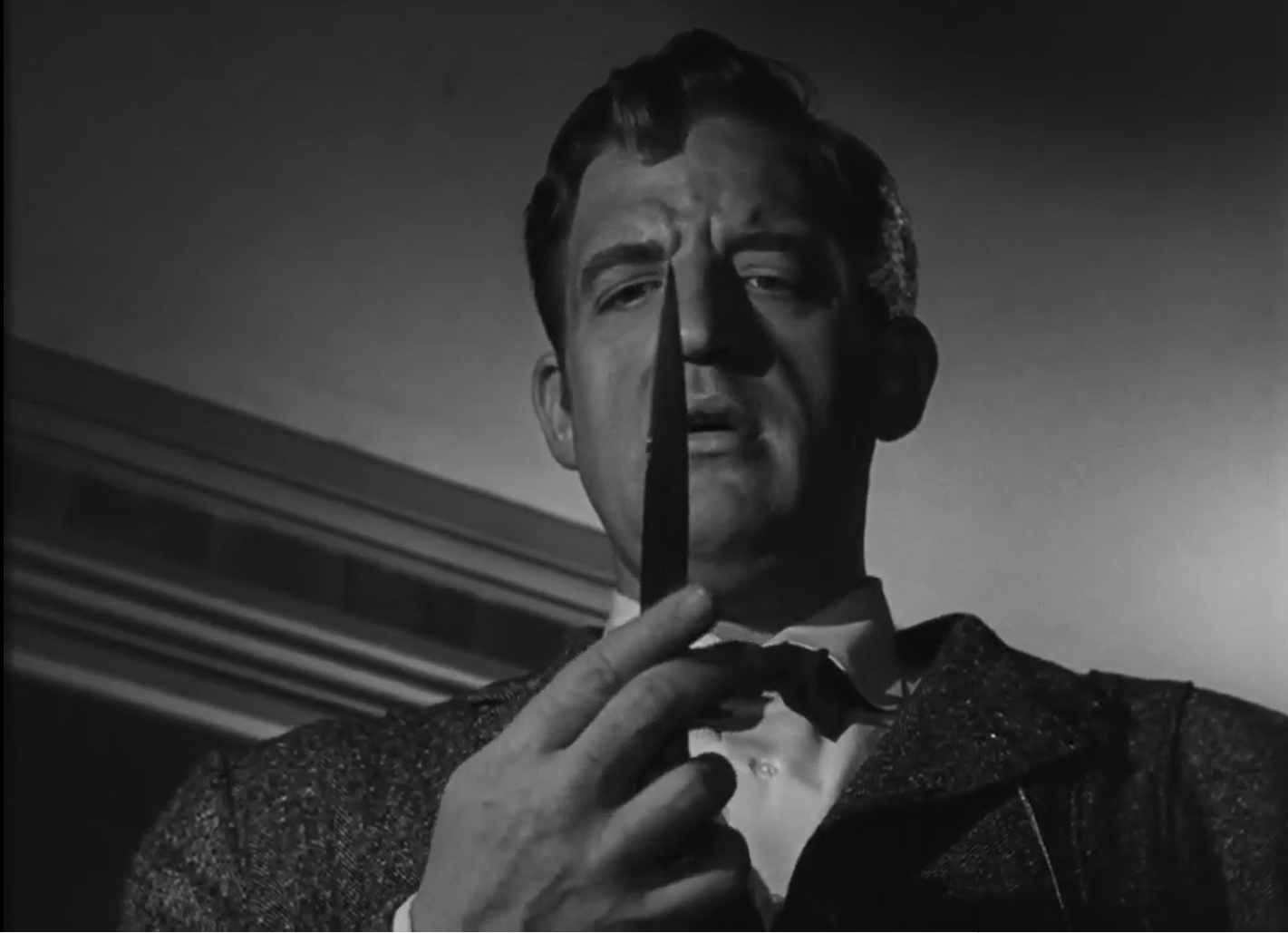
As Peary notes, Laird Cregar gives one of his best, most sympathetic “psycho performances” in this “wildly stylized period noir” — released just two months after his premature death by heart attack at the age of 30. Cregar plays Bone as a quietly insecure, well-meaning artist whose physically imposing body functions as a scarily efficient tool for destruction while also belying a gentler nature.

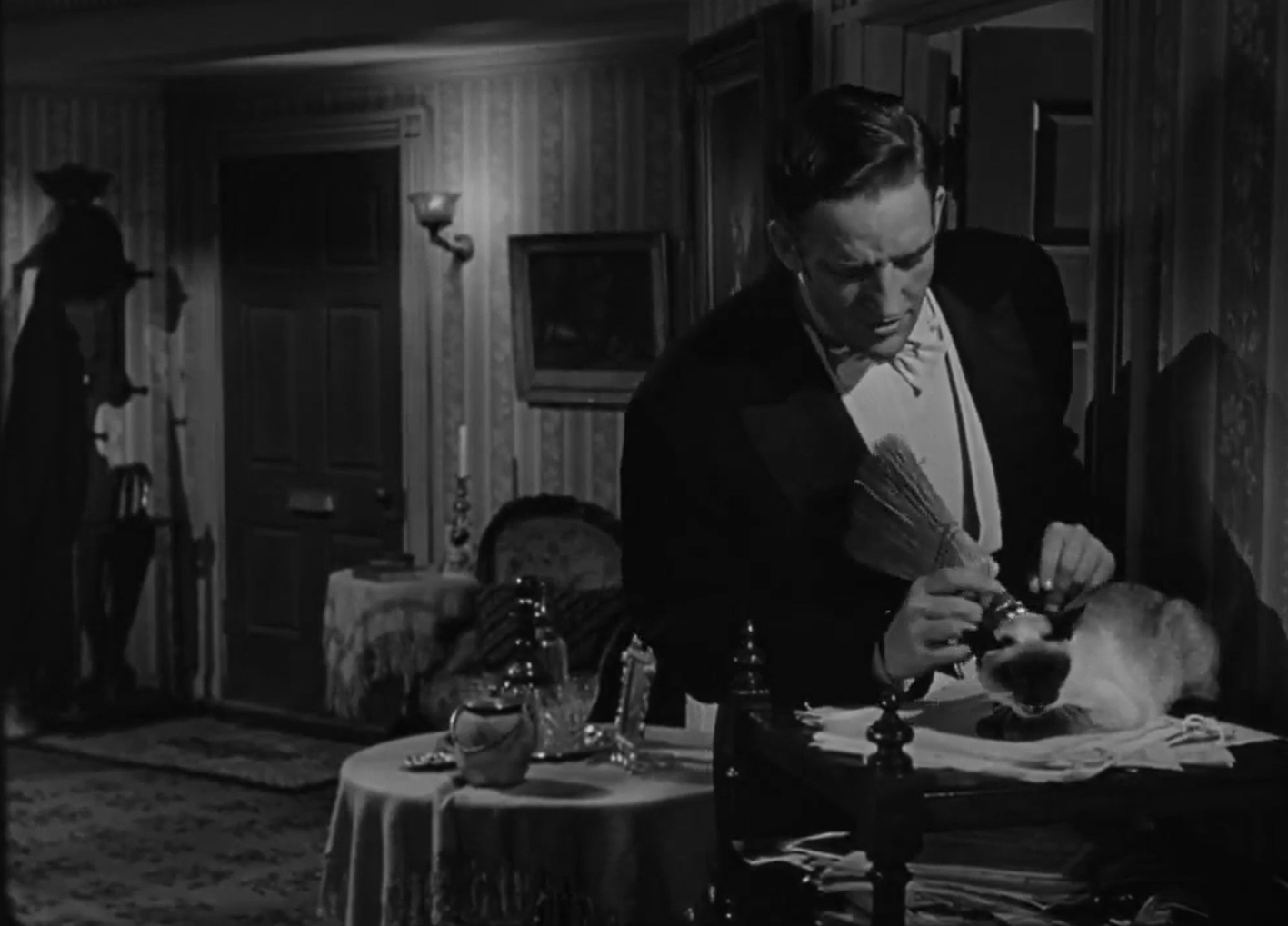
Cregar’s performance here shows ample evidence of his burgeoning talent; he masterfully combines broadly psychotic behavior with a range of subtle gestures a la Brando in On the Waterfront. Watch the way he idly scratches a Siamese cat on its head with the tip of a fan, for instance:

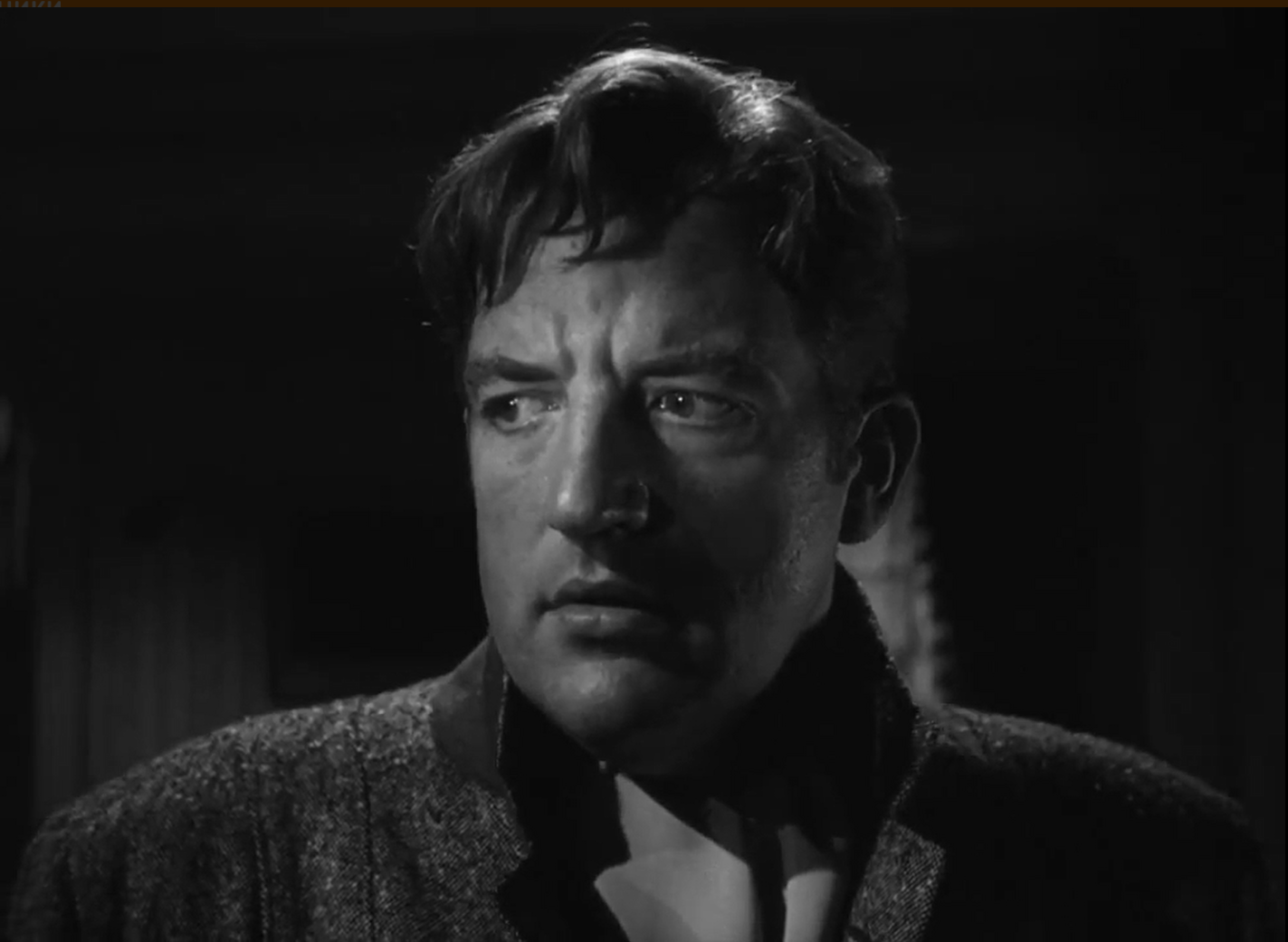
or quietly adjusts his jacket collar when walking into the room where he recently — albeit unknowingly — tried to strangle his friend.

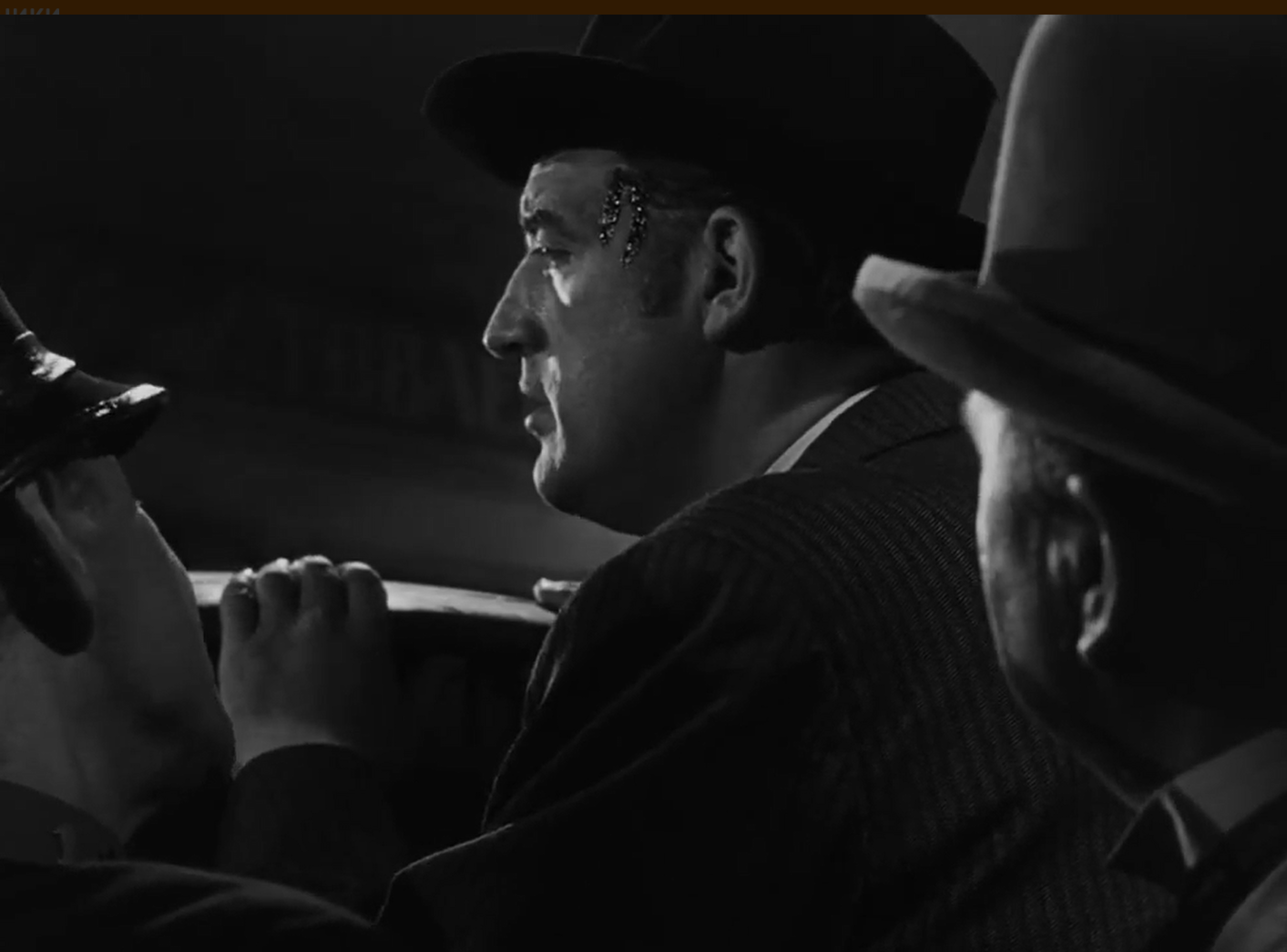
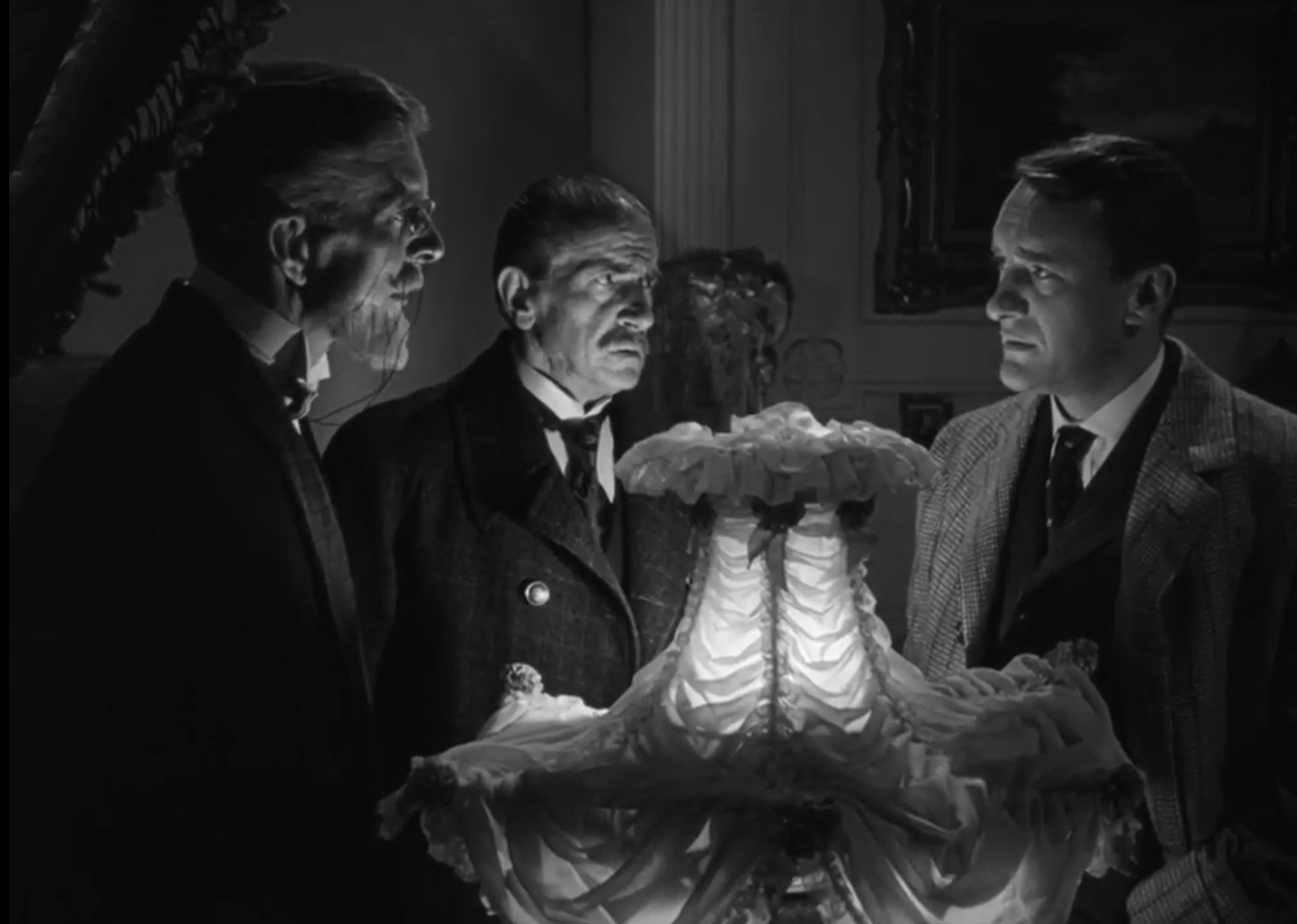
In addition to Cregar’s nuanced performance, Hangover Square benefits from both “wonderful period detail” and “bizarre direction” by John Brahm. The opening scene of the movie — in which Bone murders an antiques dealer, then flees in confusion — is filmed with “wild angles, camera distortion, [and] swooping crane shots”, thus immediately evoking the protagonist’s crazed frame of mind.

This stylized camera work is repeated each time Bone gets knocked into an alternate state of consciousness, and ultimately builds towards the film’s baroquely melodramatic ending — one which effectively conveys the misfortune of a genius betrayed by his own mind.

Redeeming Qualities and Moments:

  • Laird Cregar’s excellent performance in what was tragically both his first and last top-billed role
  • Linda Darnell as the seductively beautiful singer who meets a fiery fate
  • Creative camera work, lighting, and set designs

  • Bernard Herrmann’s dramatic score

Must See?
Yes. While not as renowned as Brahm’s 1944 flick The Lodger (another movie in which Cregar plays a psychotic serial-killer — Jack the Ripper), film fanatics will undoubtedly want to see Cregar in his final performance.

Categories

  • Good Show
  • Noteworthy Performance(s)

Links:

WR: Mysteries of the Organism (1971)

WR: Mysteries of the Organism (1971)

“No excitement can ever equal the elemental force of the orgasm!”

Synopsis:
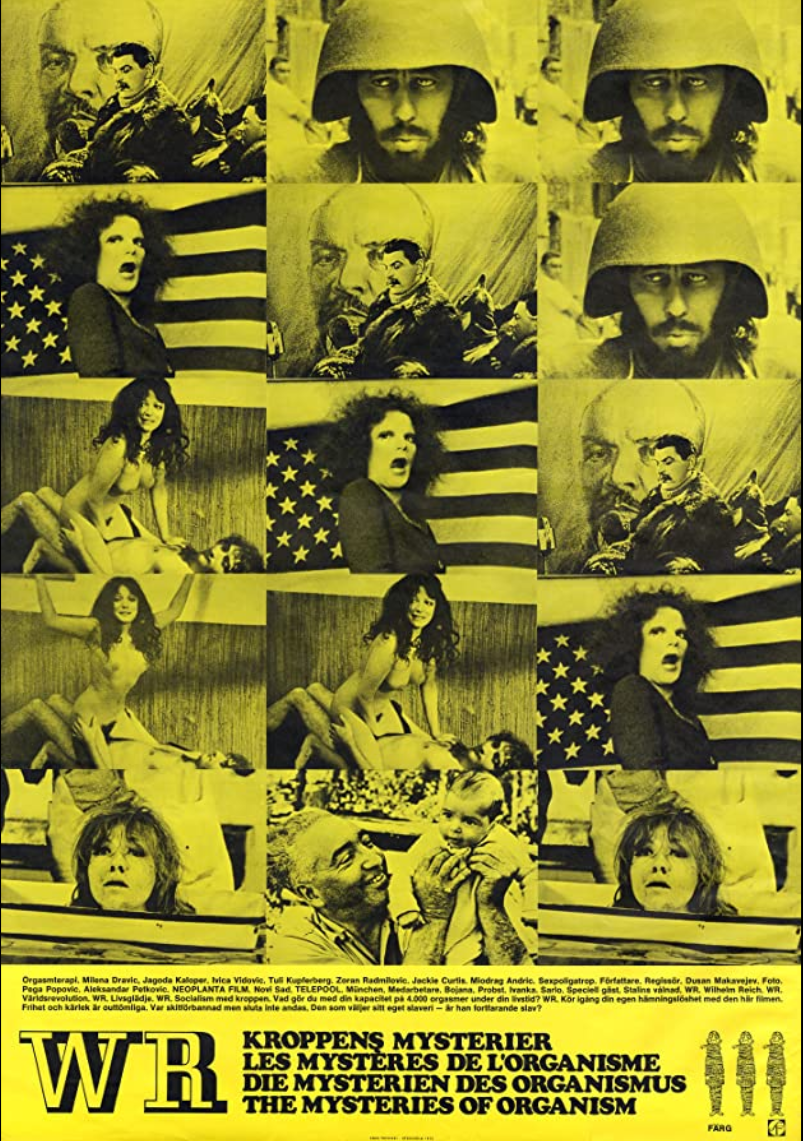
Through a creative mixture of documentary and fictional footage, Yugoslavian director Dusan Makavejev explores the links between sexual and political freedom in the Cold War era.

Genres, Themes, Actors, and Directors:

  • Documentary
  • Eastern European Films
  • Satires and Spoofs
  • Sexual Liberation

Response to Peary’s Review:
Though he acknowledges Makavejev’s stylistic ingenuity in WR: Mysteries of the Organism, Peary seems less than excited by the overall impact of this heady cinematic pastiche, lamenting the film’s lost opportunity to fully explore the “radical “free love’ philosophy” of Wilhelm Reich (the “WR” of the film’s title). Viewed years later, however, it’s possible to appreciate WR as more than the sum of its (at times confusing) parts. Makavejev uses Reich’s controversial therapy techniques and untimely death as the inspirational starting point for a heady meditation on life, love, and the pursuit of happiness through political and sexual freedom. While his points may not always be clear — as Peary points out, for instance, it’s difficult at times to tell whether Makavejev is mocking Reich’s disciples or lauding their work — his images never fail to provoke and/or shock.

Redeeming Qualities and Moments:

  • A provocative mix of documentary and fictional footage

Must See?
Yes; this cult movie remains a unique artistic and political statement.

Categories

  • Controversial Film
  • Cult Movie
  • Foreign Gem

(Listed in 1001 Movies You Must See Before You Die)

Links:

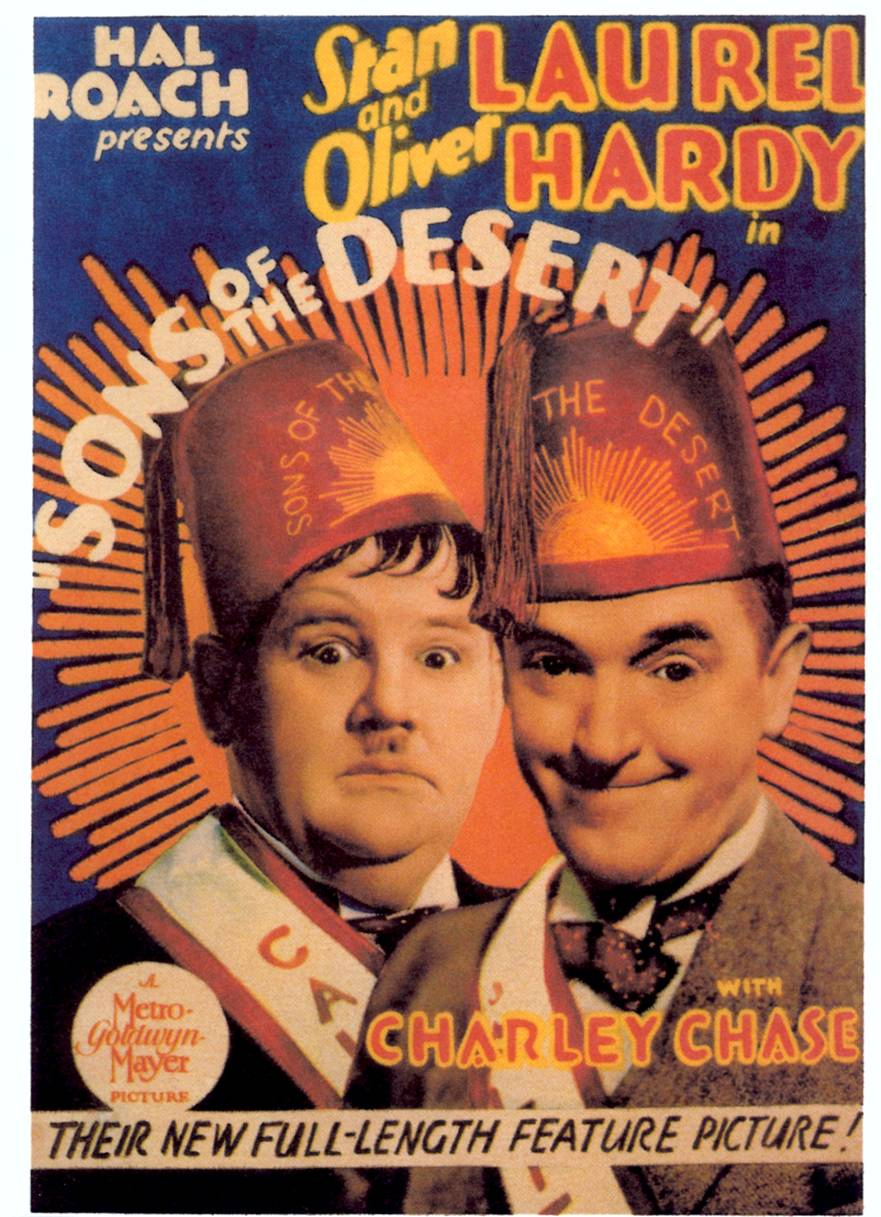
Sons of the Desert (1933)

Sons of the Desert (1933)

“Every man should be the king in his own castle!”

Synopsis:
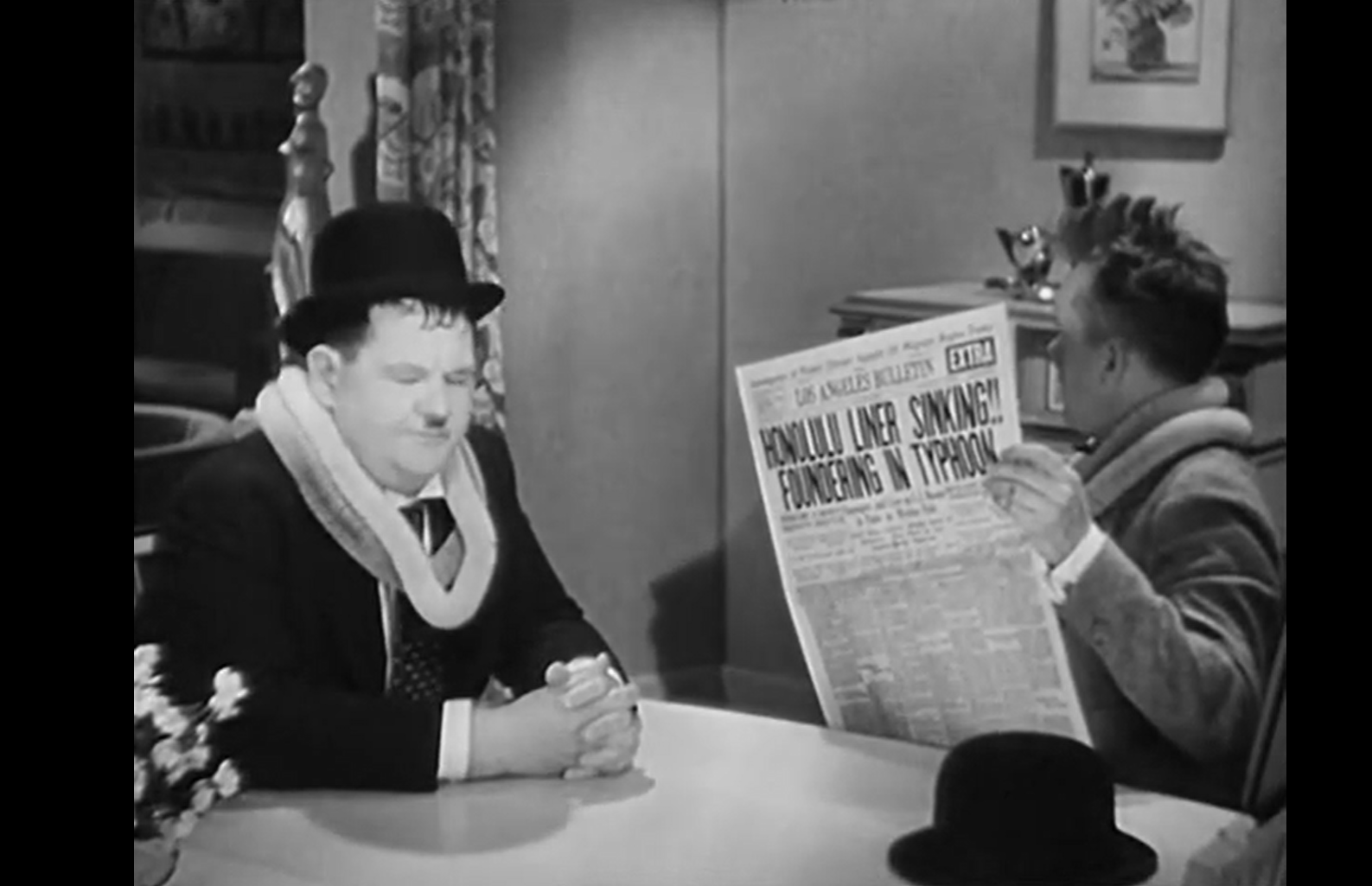
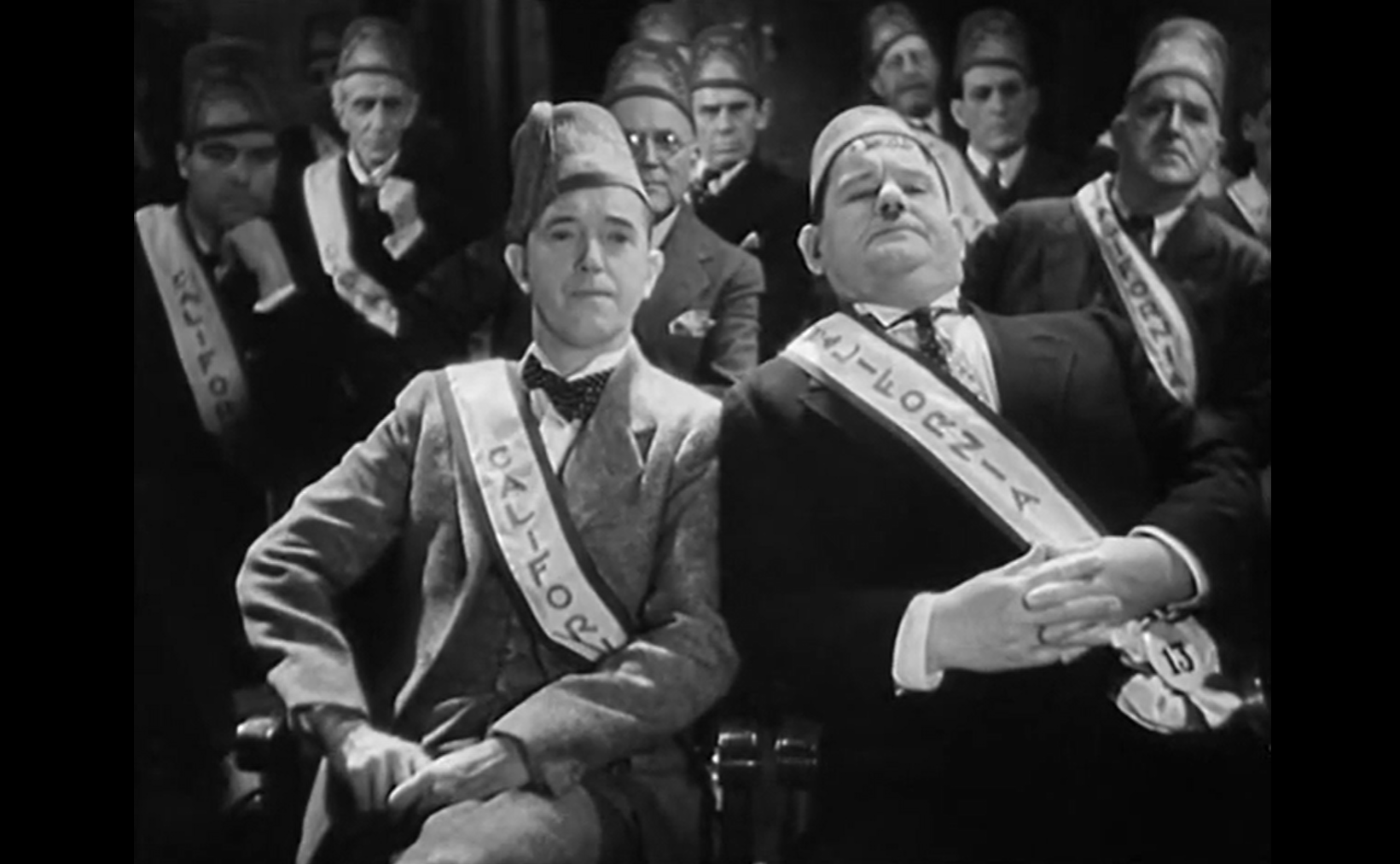
Henpecked Stan and Ollie (Stan Laurel and Oliver Hardy) sneak off to a fraternity convention in Chicago, telling their wives (Mae Busch and Dorothy Christie) that they have gone to Honolulu to cure Ollie’s cold — but their ruse is soon discovered–

Genres, Themes, Actors, and Directors:

  • Battle-of-the-Sexes
  • Comedy
  • Henpecked Husbands
  • Laurel & Hardy Films

Response to Peary’s Review:
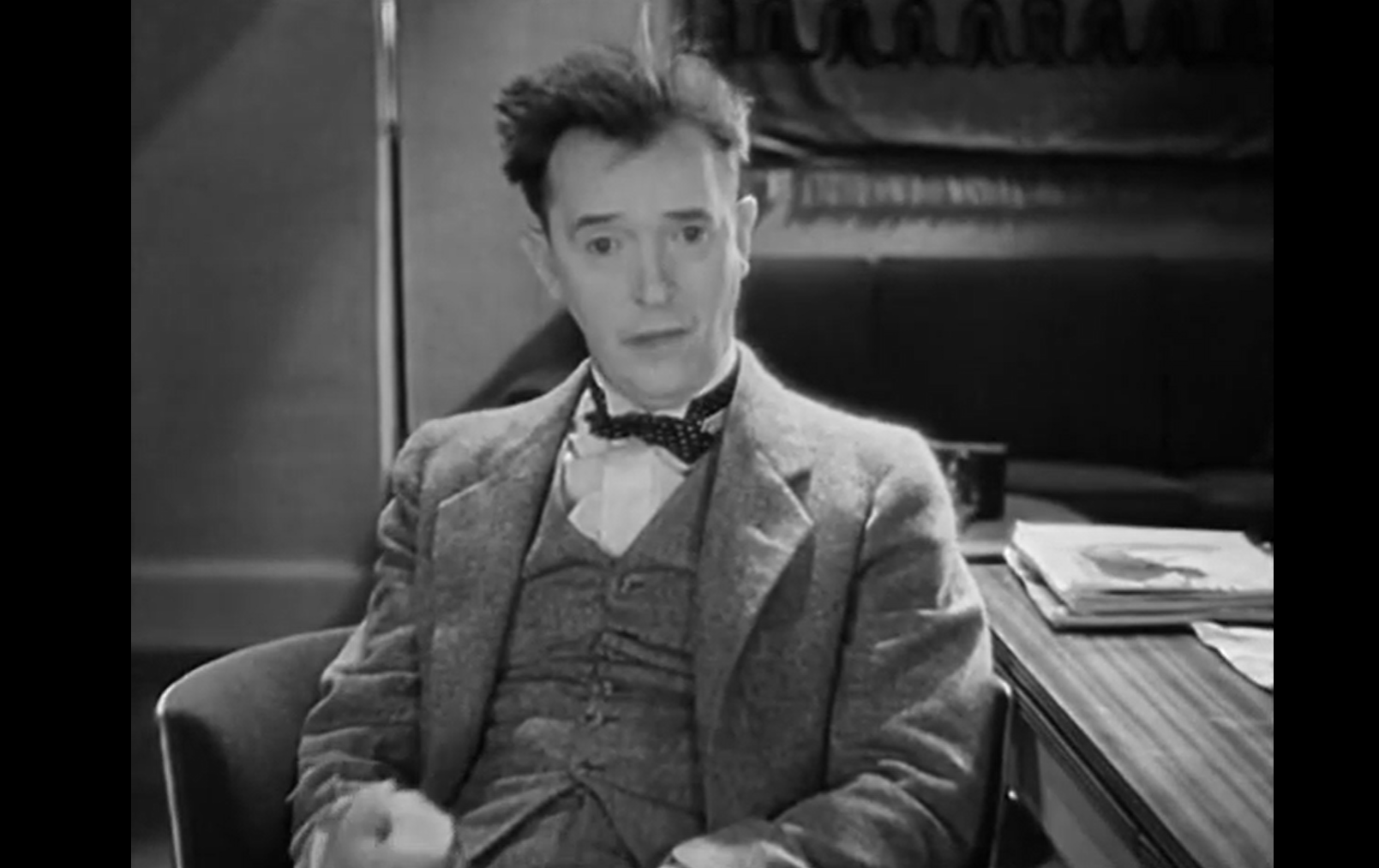
As Peary notes, this slapstick comedy may very well be the “definitive Laurel and Hardy film”, given that it “perfectly illustrates how Laurel and Hardy typically relate to each other and to their wives in their movies.” It’s full of countless humorous moments, including Stan blithely eating wax fruit:

… Stan and Ollie naively trying to convince their knowing wives that they’ve been in Honolulu:


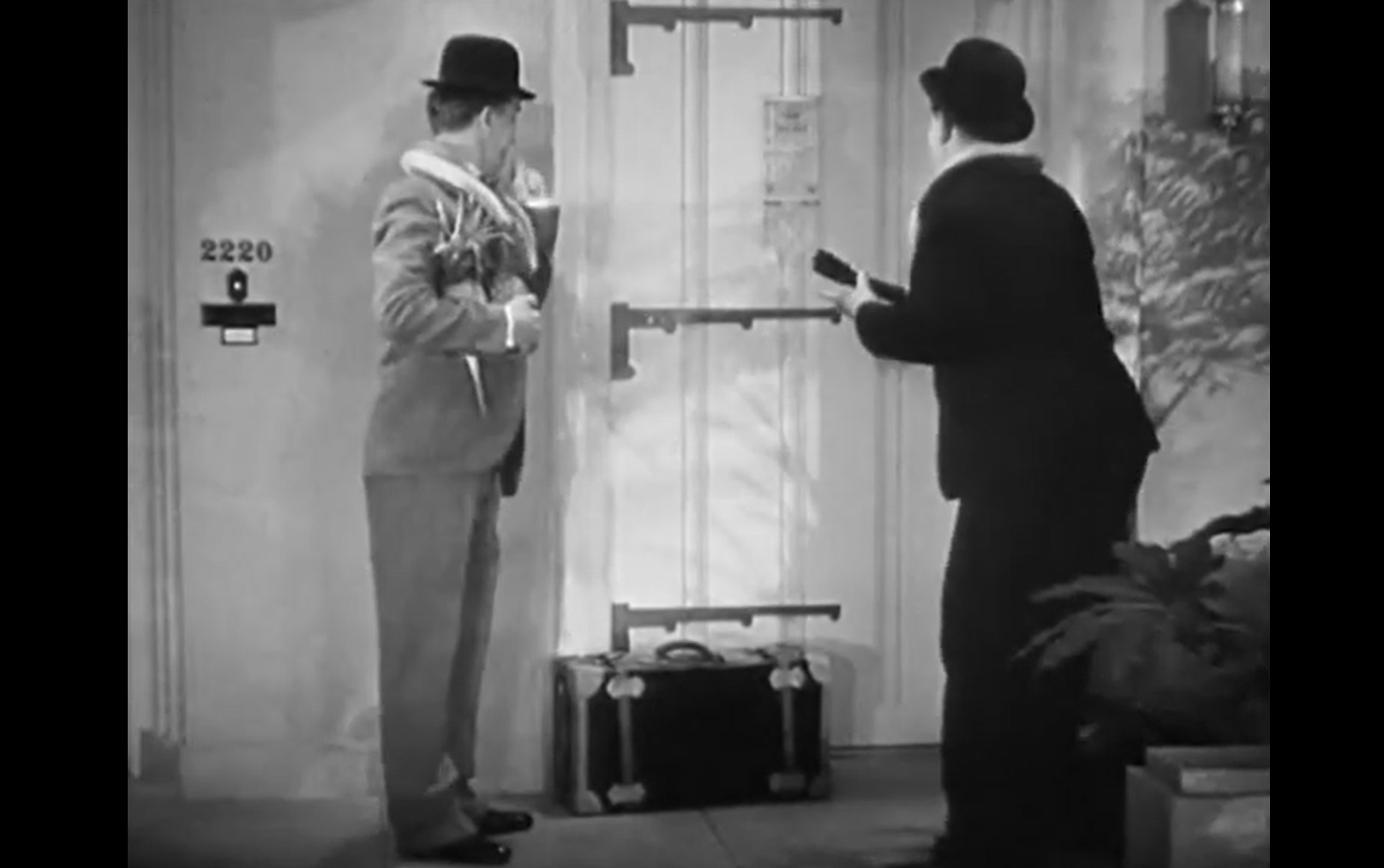
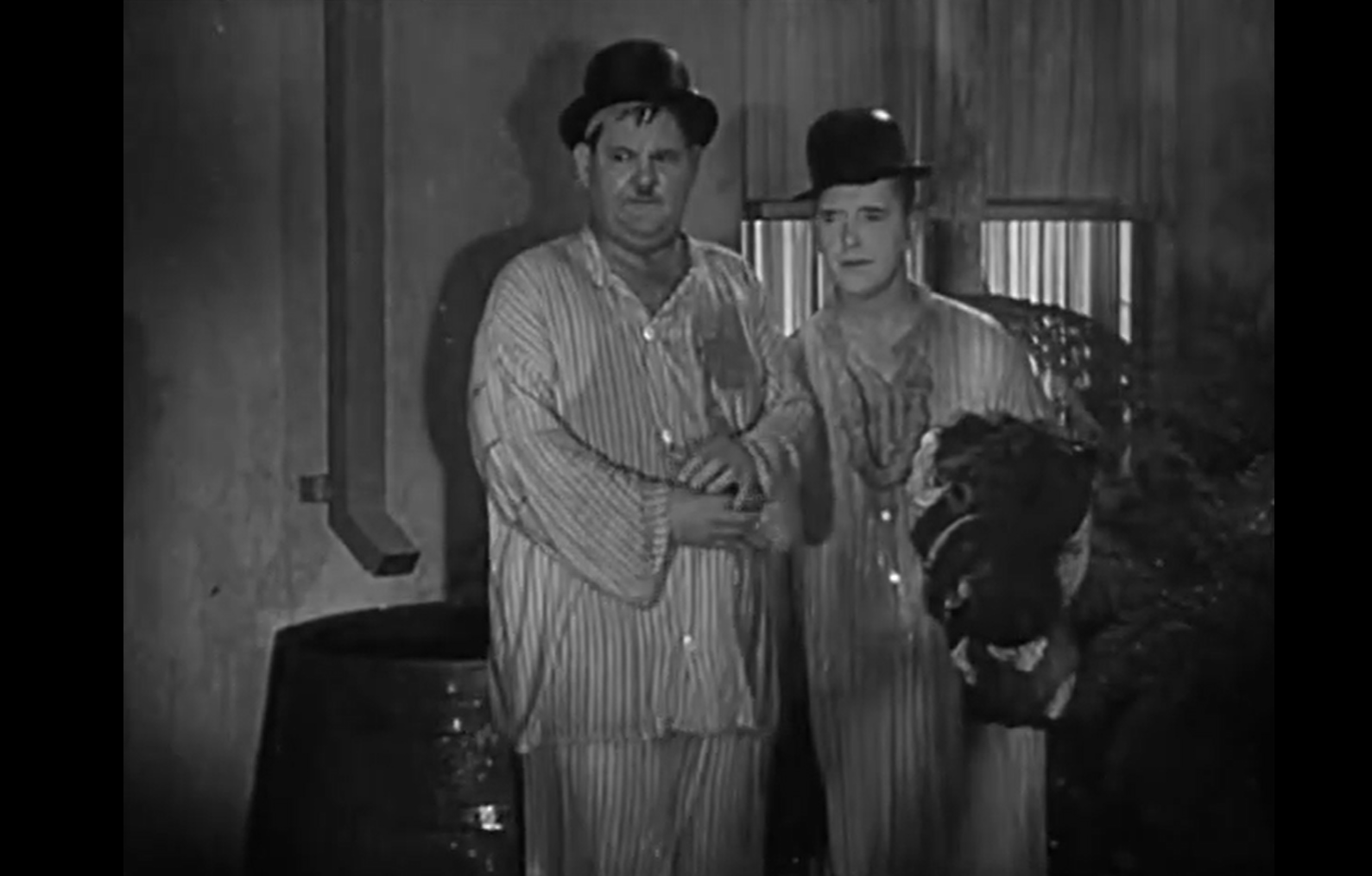
… Stan and Ollie attempting to sneak into their own houses:

As noted in the New York Times’ original review, Laurel and Hardy are “a Quixote and Panza in a nightmare world, where even the act of opening a door is filled with hideous perils.” This harmless pair of stooges can’t seem to help landing in a heap of trouble — and it’s great fun watching them struggle to climb back out.

Redeeming Qualities and Moments:

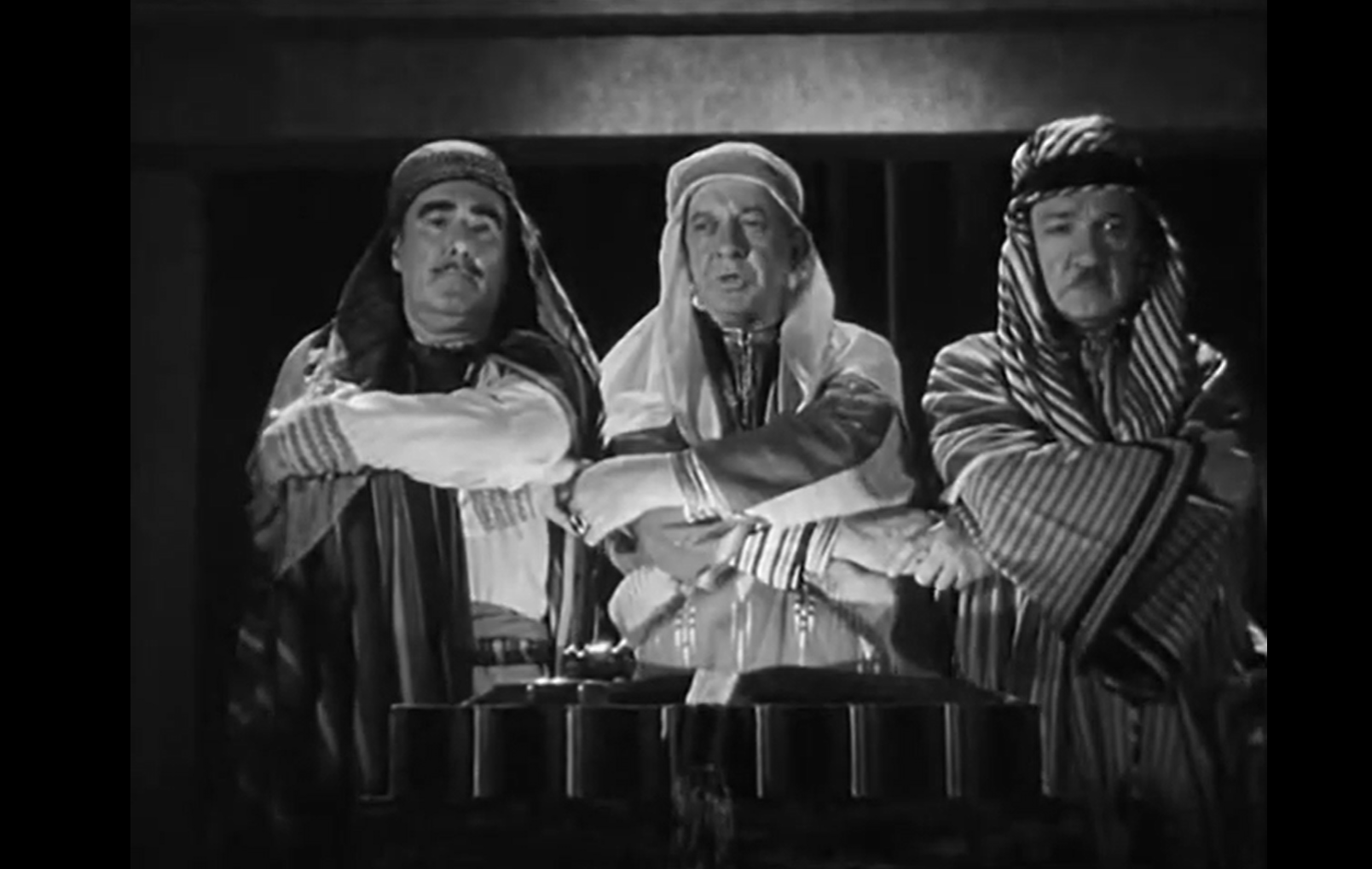
  • The opening sequence, in which the Exalted Ruler (John Elliott) of the Sons of the Desert — taking his position way too seriously — solemnly exhorts all members to attend the annual convention in Chicago

  • Mae Busch and Dorothy Christie playing “straight (wo)men” to Laurel and Hardy’s antics

Must See?
Yes. Along with Way Out West (1936) and Blockheads (1938), this is a must-see Laurel and Hardy flick. Discussed at length in Peary’s Cult Movies 3 (1988).

Categories

  • Genuine Classic

(Listed in 1001 Movies You Must See Before You Die)

Links:

Uncle Harry / The Strange Affair of Uncle Harry (1945)

Uncle Harry / The Strange Affair of Uncle Harry (1945)

“You must realize by now that Letty has absolutely no intention of giving you up — not until she’s dead!”

Synopsis:
When small-town, middle-aged bachelor Harry Quincey (George Sanders) falls in love with a beautiful young woman from New York (Ella Raines), his plans to marry are foiled by his possessive sister Letty (Geraldine Fitzgerald), and Harry plots his revenge.

Genres, Themes, Actors, and Directors:

  • Ella Raines Films
  • George Sanders Films
  • Geraldine Fitzgerald Films
  • Incest and Incestuous Undertones
  • Jealousy
  • Plot to Murder
  • Revenge
  • Robert Siodmak Films
  • Siblings

Response to Peary’s Review:
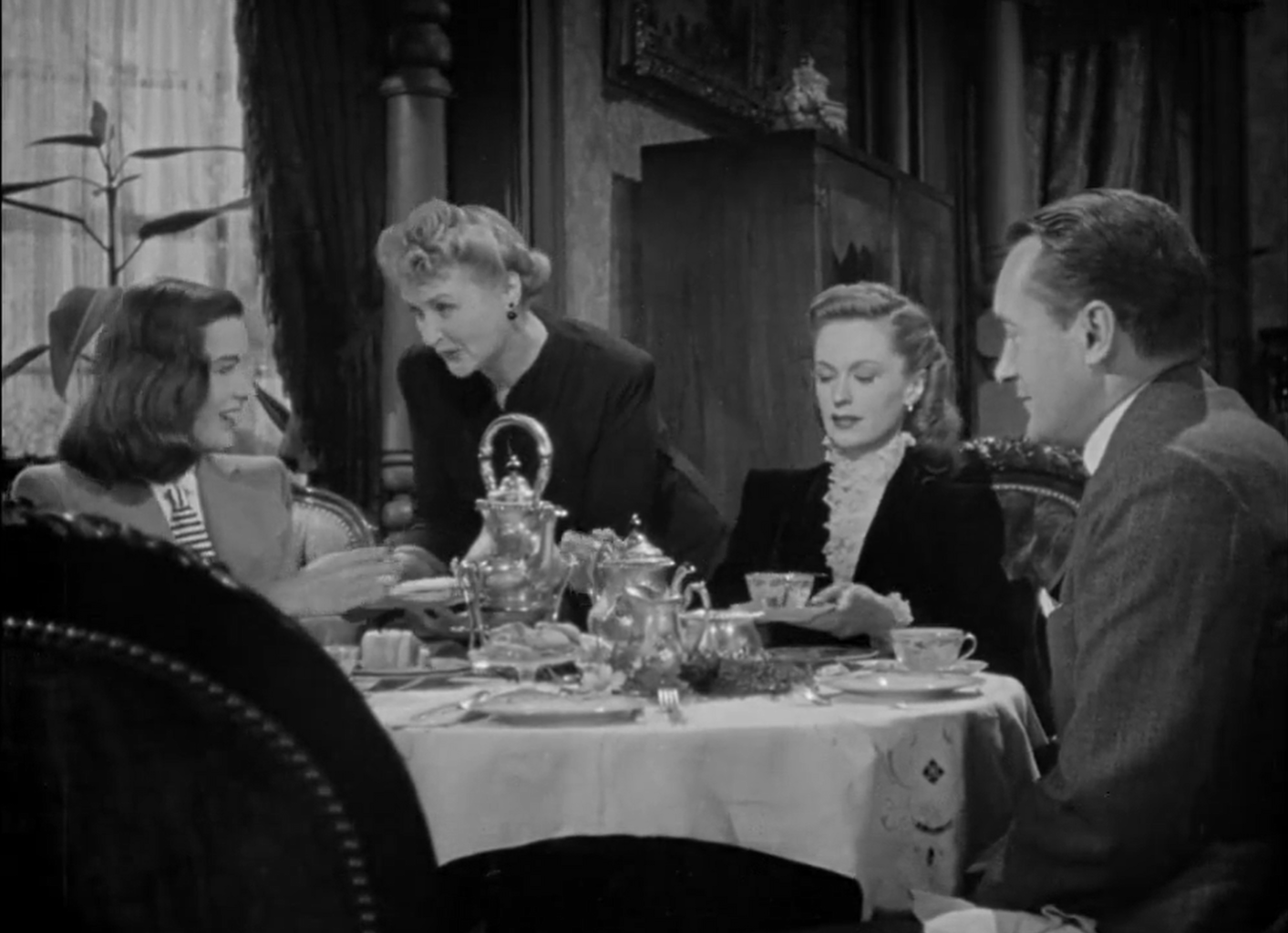
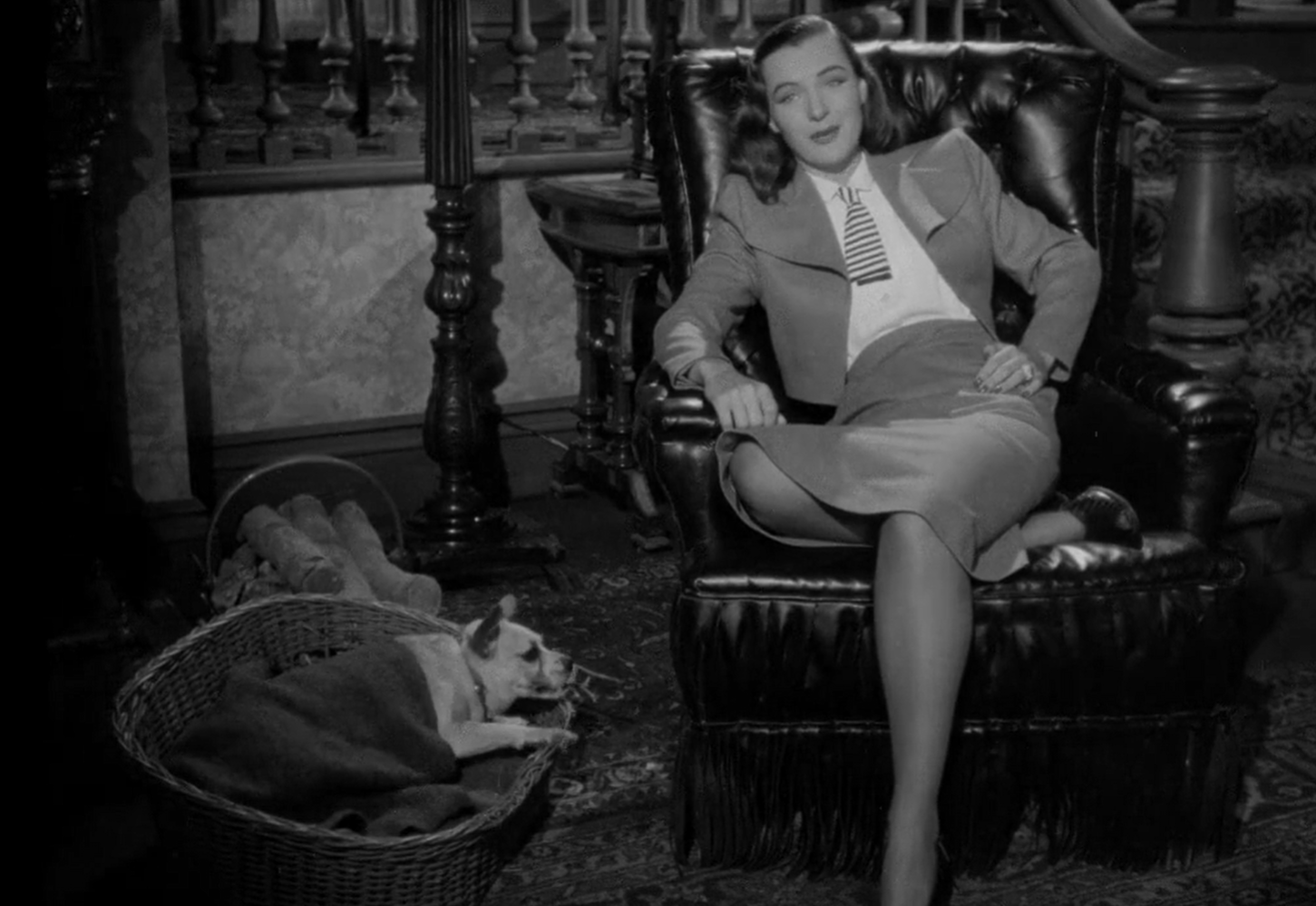
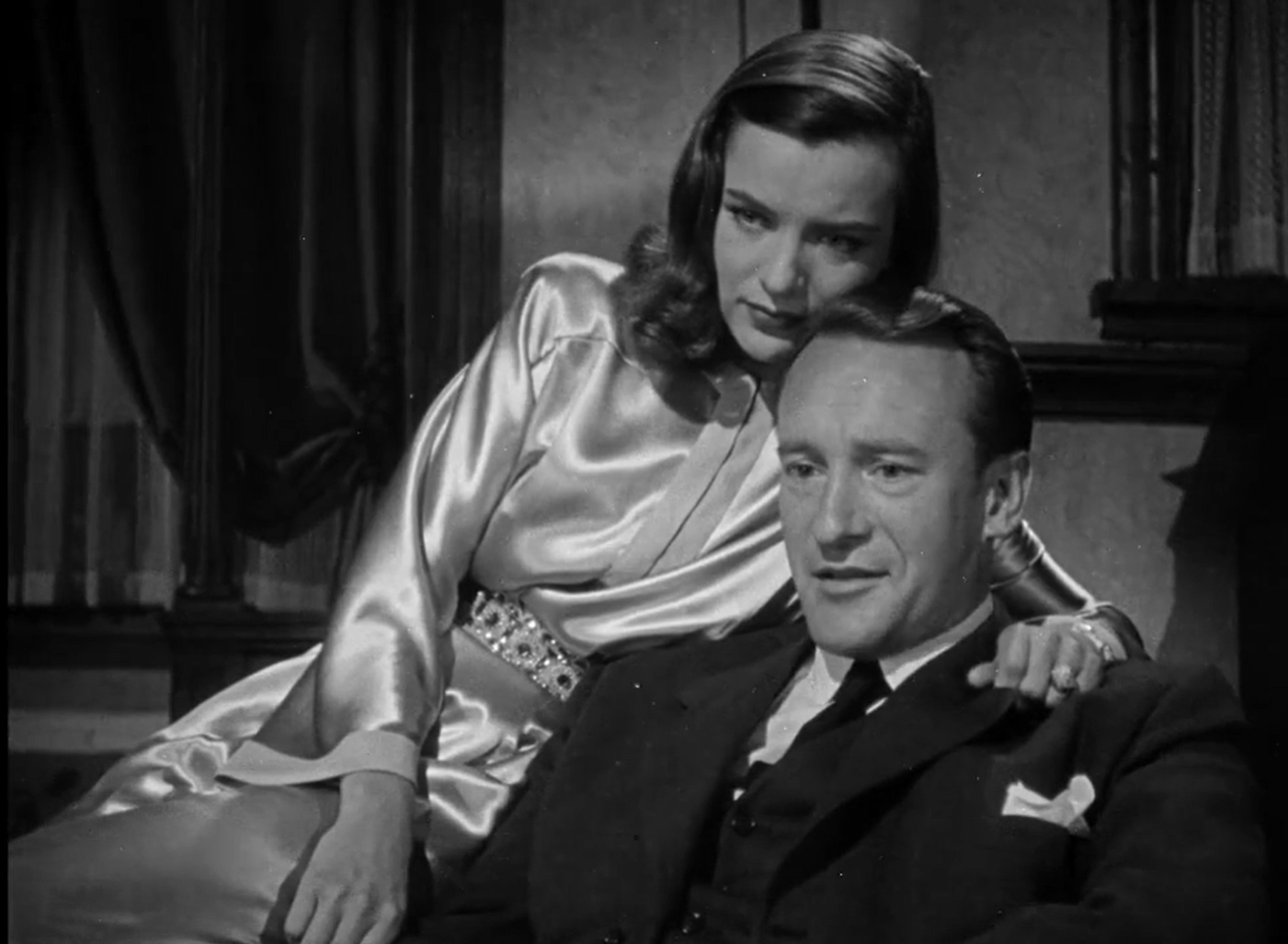
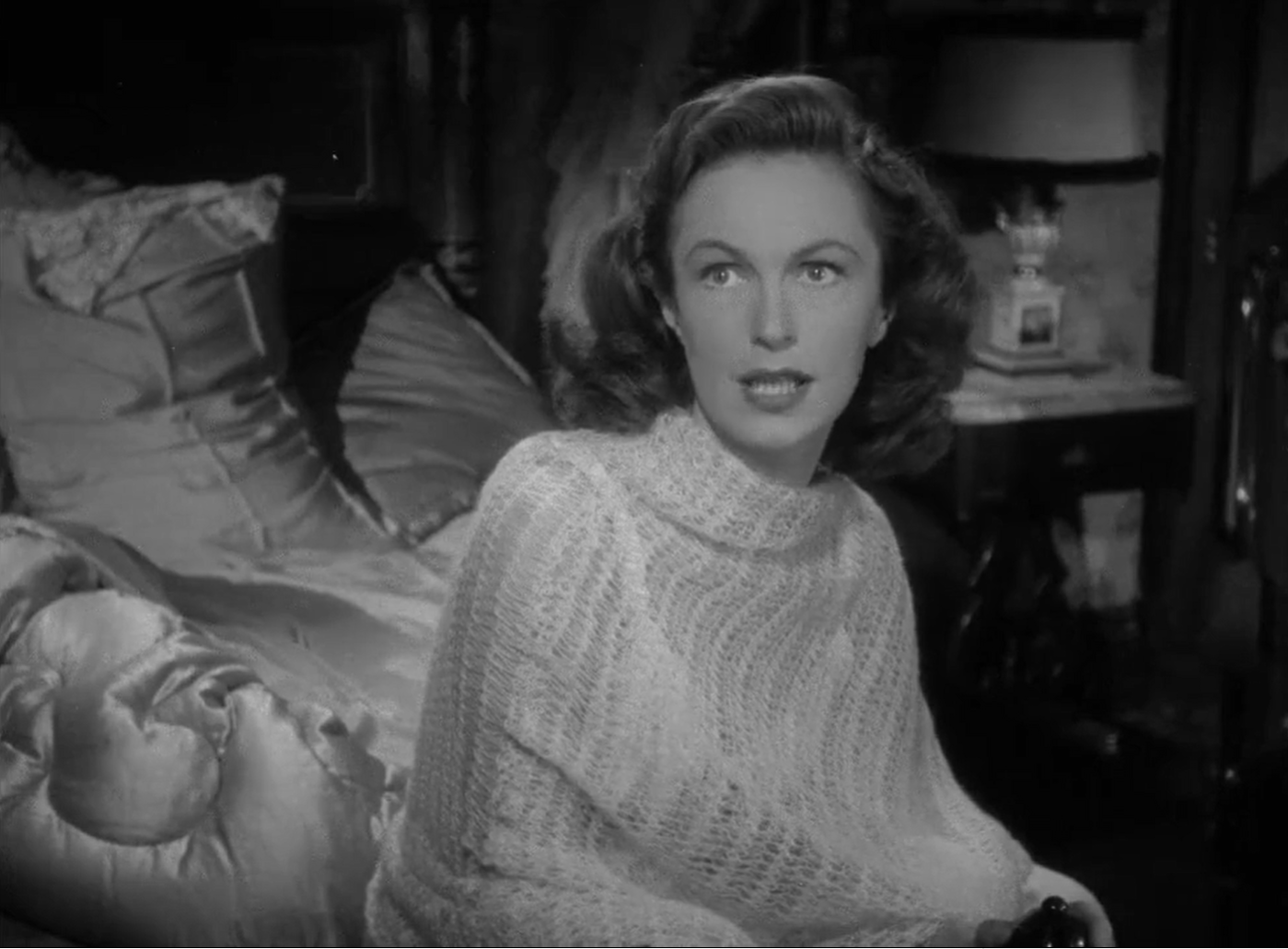
This “unusual little sleeper” (directed by Robert Siodmak) daringly posits an incestuous ménage a trois between a beautiful woman (Raines), her lover (Sanders), and her lover’s possessive sister (Fitzgerald) — the “perfect wife” who will do nearly anything to stop her brother from leaving the nest.

Despite its fine acting and atmospheric set design, however, the film is unfortunately dragged down by the improbable logic of its characters: we never learn why it’s so hard for Harry to stand up to his manipulative sister, and their quibbles over who will remain living in the family home once Harry is married are inane. Plus, since we never really get to know what makes the weak-willed Harry tick, his drastic turn to murder makes little sense — especially given that his chance for happiness with Raines has already disappeared. Uncle Harry also suffers greatly from its wildly incongruous ending, demanded by censors who, as Peary points out, most likely “had to be appeased for allowing [an] incest theme.” Ironically, the last few moments of the film actually do nothing to mitigate the raciness that has come before, and have little effect other than ruining the credibility of the story.

Redeeming Qualities and Moments:

  • Ella Raines as Harry’s fiance, whose dynamic presence serves as a potent contrast to the staid lives of Harry and his sisters
  • George Sanders as Harry
  • Geraldine Fitzgerald as Lettie
  • Moyna MacGill (Angela Lansbury’s mother) as Hester
  • Several surprising plot twists (but not the final one!)

Must See?
No, but fans of director Robert Siodmak’s work will undoubtedly want to check it out.

Links:

Theodora Goes Wild (1936)

Theodora Goes Wild (1936)

“Everything Lynnfield doesn’t want you to feel, you write about — love, laughter; all the things you want to experience but can’t.”

Synopsis:
A repressed small-town girl (Irene Dunne) writing racy novels under a pseudonym is pursued by a married New Yorker (Melvyn Douglas) with secrets of his own.

Genres, Themes, Actors, and Directors:

  • Character Arc
  • Irene Dunne Films
  • Melvyn Douglas Films
  • Mistaken or Hidden Identities
  • Morality Police
  • Romantic Comedy
  • Small Town America
  • Thomas Mitchell Films

Response to Peary’s Review:
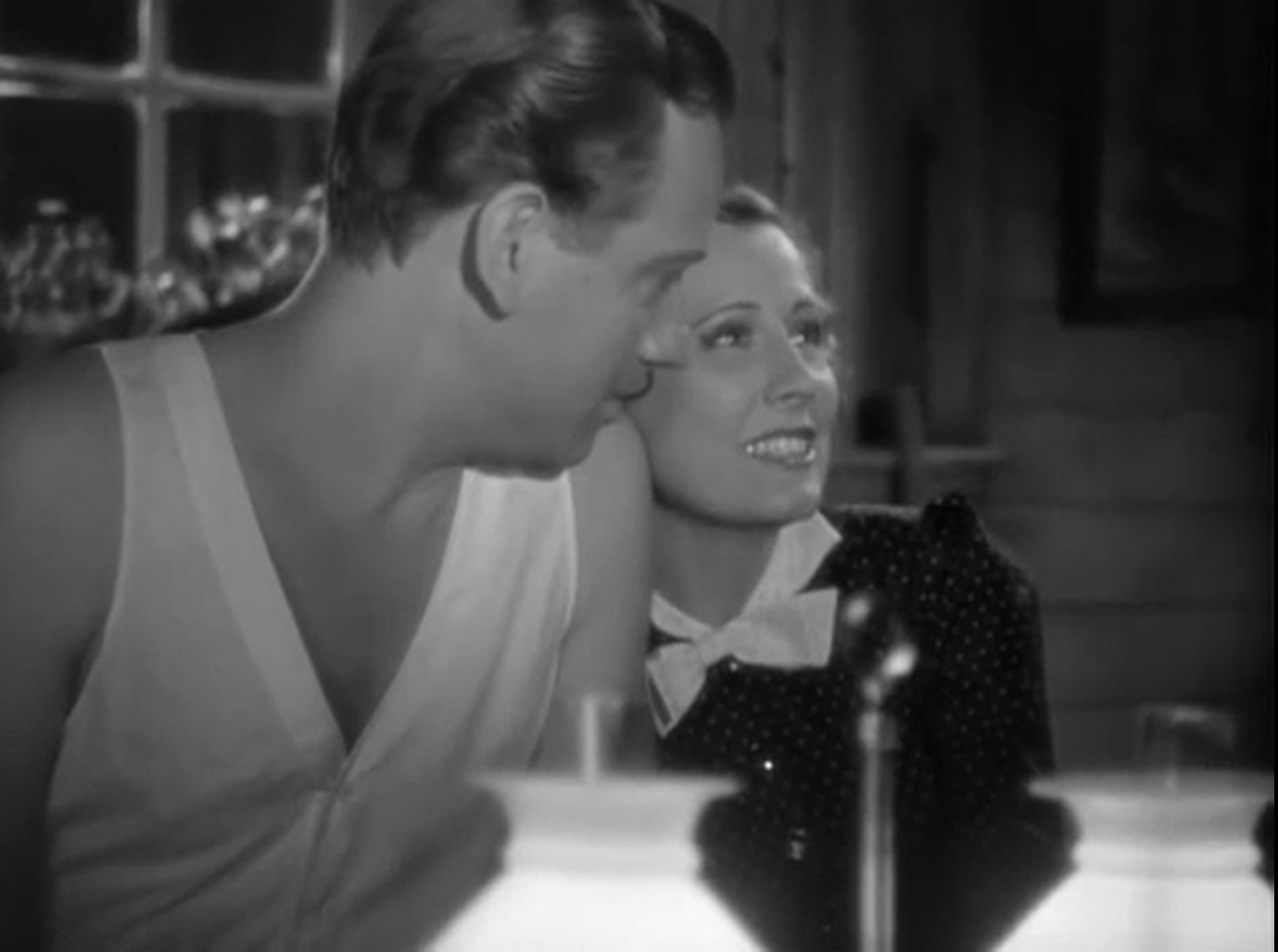
As Peary notes, the primary issue with this intermittently amusing but ultimately disappointing screwball comedy is that the male lead (played by Melvyn Douglas) is “thoroughly obnoxious”. He points out the folly of (male) screenwriters presenting “an obnoxious man who chases after a woman who wants him to go away, pays no heed to her rejections, and doesn’t care what embarrassment he’s causing her, her family, or her friends”, then “have the audacity to have the woman fall in love with their hero”:
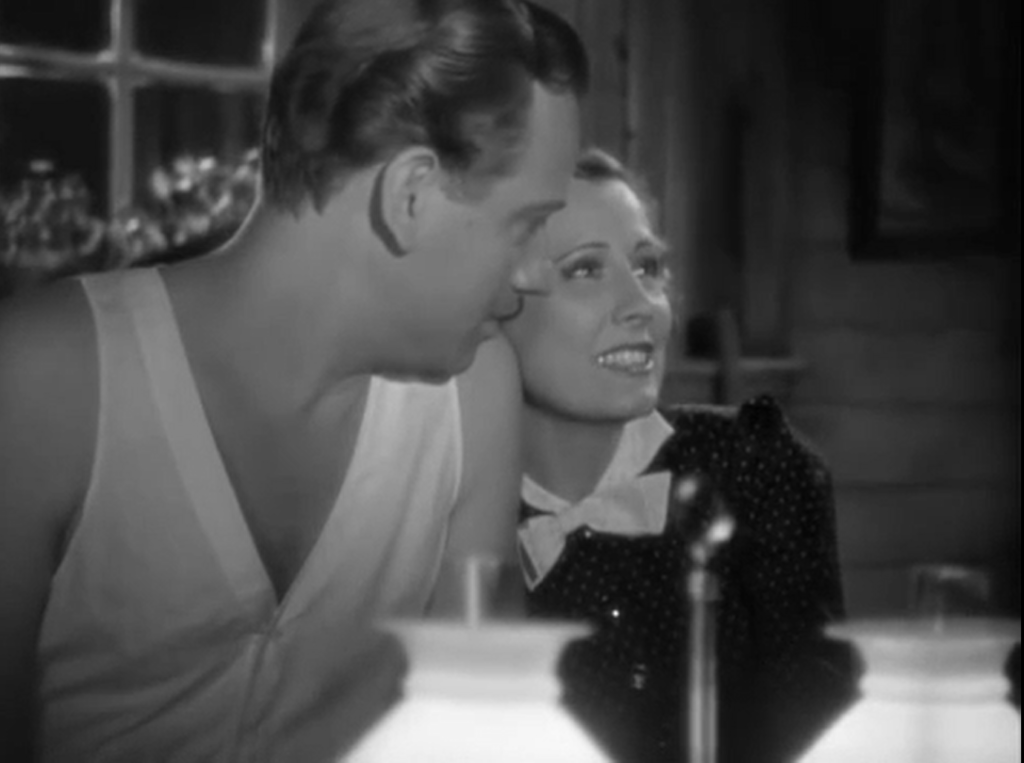
— and he accurately notes that “when Douglas flees to New York, Dunne should let him go… rather than becoming an unbearable character herself.” Plus, I don’t buy Douglas’s motivation for following Theodora (Dunne) out to the small town of Lynnfield, given that he’s already married and has no interest in pursuing a lasting relationship with her. (His character would have made a lot more sense to me if he was a reporter trying to pen a scoop story.)

Other minor quibbles with the movie include the fact that it’s difficult to take Theodora seriously as a writer, given that we never see her writing (what goes on in her head during the process?). Plus, two pets (a cat and a dog) are hurt in the story — presumably for laughs, but neither scene is really all that funny. Despite its flaws, however, the film has several redeeming qualities. It makes the point that small-mindedness isn’t exclusively a small-town trait (indeed, Douglas’s wealthy New York family is just as stuffy as Lynnfield’s puritanical “bluenoses”). It also provides an interesting twist on the theme of revenge, given that Theodora isn’t simply trying to “get back” at Douglas; she genuinely wants to help him break free, just like he “helped” her. Finally (and most importantly), Irene Dunne sparkles in the lead role — it’s a joy to watch Theodora emerging from her shell, and easy to see why Dunne quickly landed additional roles in romantic comedies.

Redeeming Qualities and Moments:

  • Irene Dunne, charming in her first major comedic role
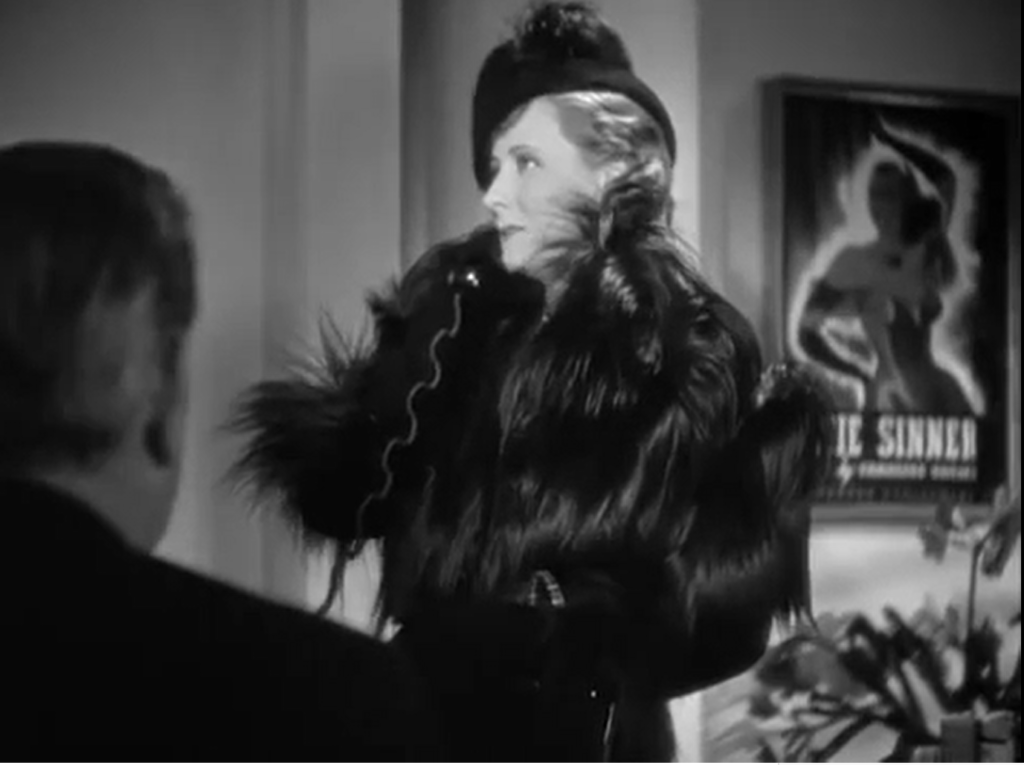
  • Fine cinematography

Must See?
No. While enjoyable at times, this screwball comedy doesn’t quite deliver. On the other hand, film fanatics may be interested in watching it simply to see Dunne in her first major comedic role.

Links:

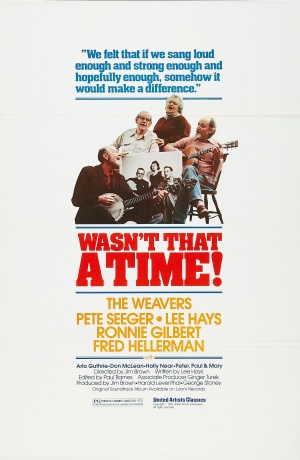
The Weavers: Wasn’t That a Time! (1982)

The Weavers: Wasn’t That a Time! (1982)

“The future ain’t what it used to be — and what’s more, it never was.”

Synopsis:
The Weavers — an influential folk group blacklisted during the McCarthy era — reunite for a final set of concerts at Carnegie Hall.

Genres, Themes, Actors, and Directors:

  • Cold War
  • Concert Films
  • Documentary
  • Let’s-Put-On-a-Show
  • Musicians

Response to Peary’s Review:
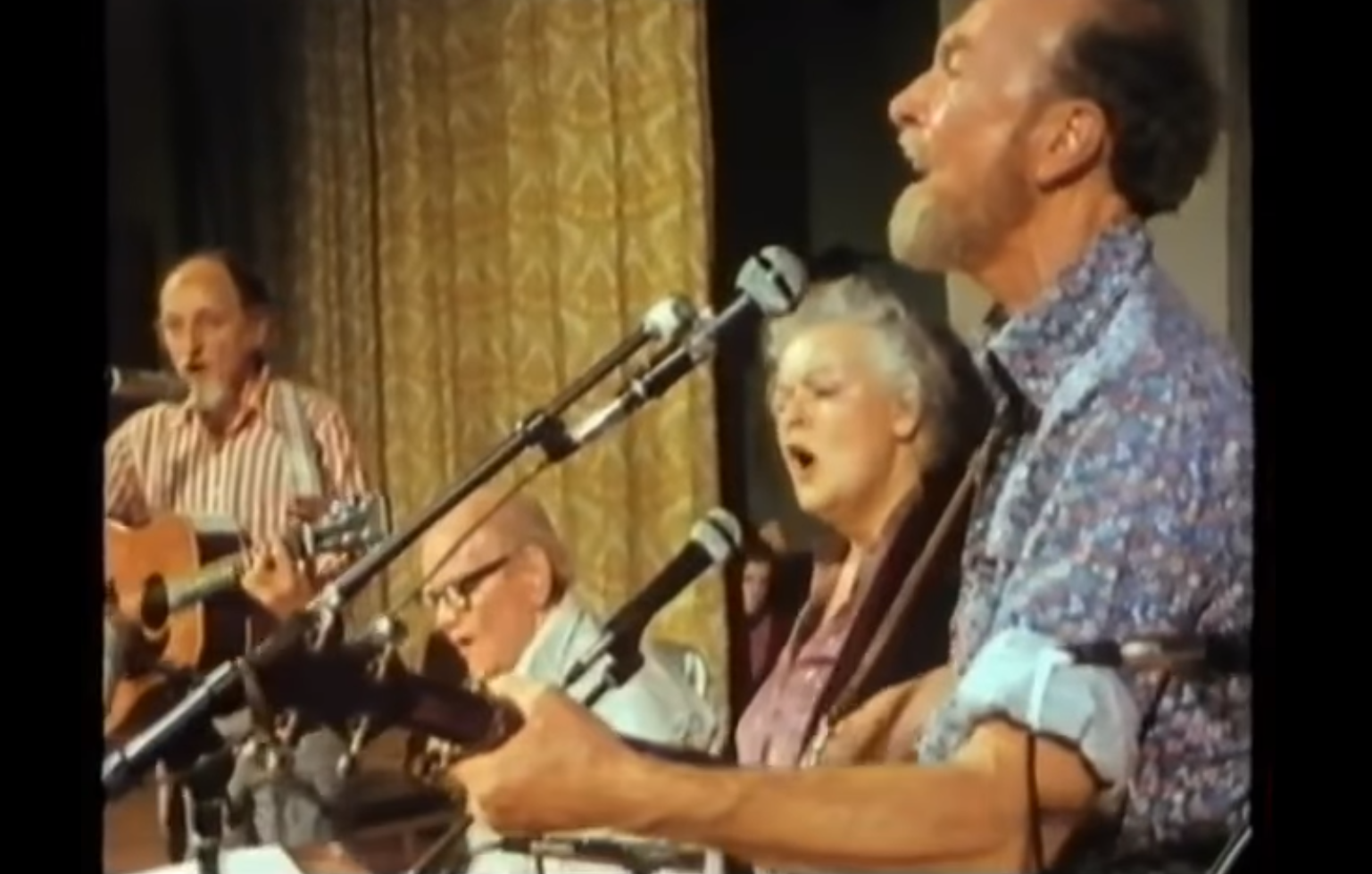
As Peary notes, this little-seen documentary on the Weavers — “the most famous and influential folk-singing group of all time” — is both “uplifting and informative.” Director Jim Brown impressively incorporates past and present footage into a seamlessly enjoyable film; and while it would perhaps have been interesting to learn a little more about how each of the Weavers coped with being blacklisted, I was secretly pleased by the movie’s focus on the pure joy of their music making. Singer Lee Hays (who died nine months after the making of the documentary) initiated the group’s final reunion, and serves as the film’s droll, entertaining narrator. Although his voice is no longer what it used to be, it’s still incredibly moving to watch him and his partners — Pete Seeger, Ronnie Gilbert, and Fred Hellerman — “gaining confidence when their singing immediately clicks.” As Peary notes, what the 78-minute film could definitely have used even more of is footage from the group’s two sold-out concerts at Carnegie Hall — there was no need to cut this piece of things so short.

Redeeming Qualities and Moments:

  • Countless rousing and memorable songs — including “If I Had a Hammer” (written by Lee Hays and Pete Seeger) and “Good Night, Irene”
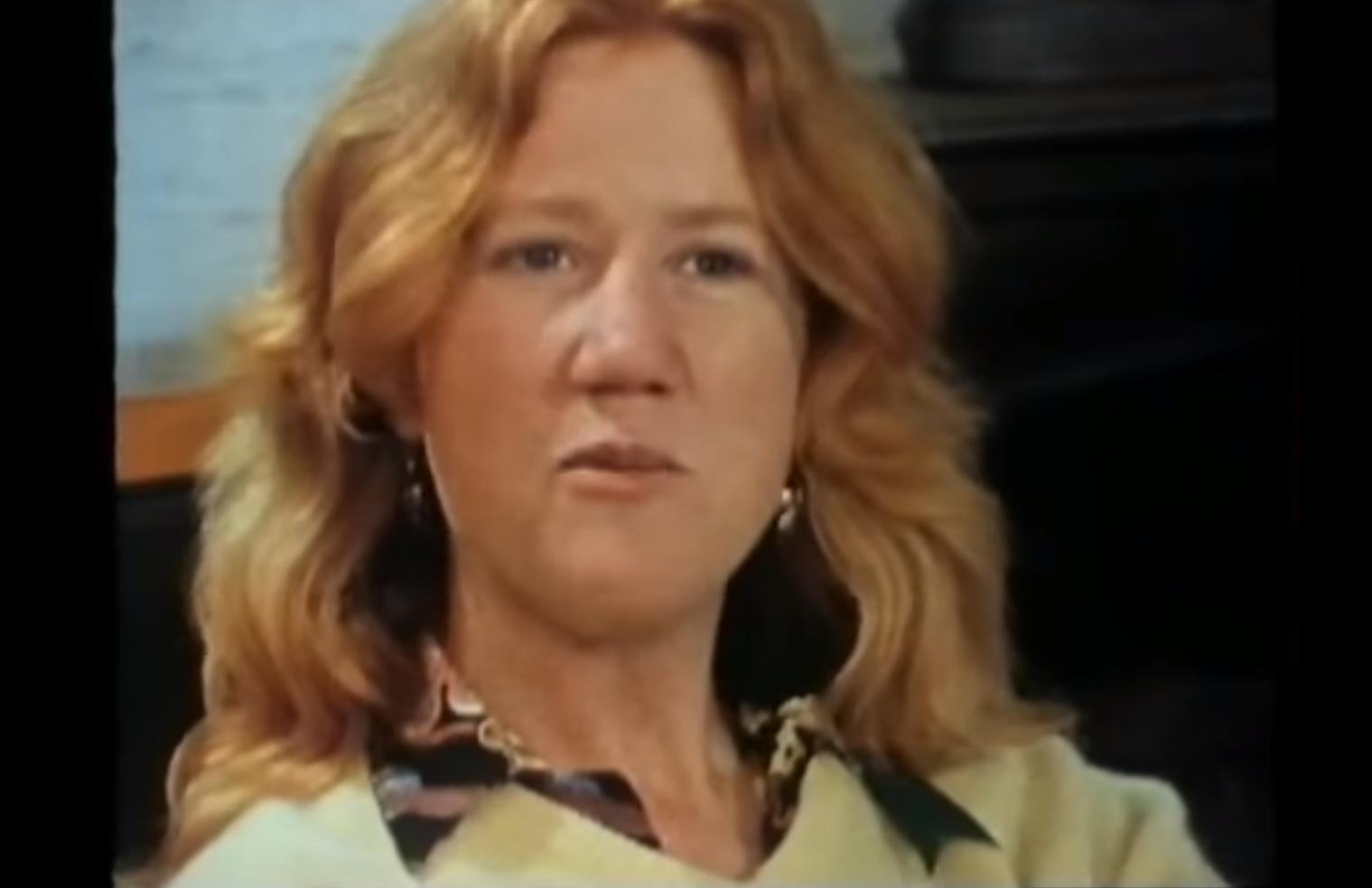
  • Folk singer Holly Near describing the influence Ronnie Gilbert had on her

Must See?
Yes. As a likely inspiration for Christopher Guest et al.’s mockumentary A Mighty Wind (2003), it’s worth watching for this reason alone — but chances are you’ll enjoy the film on its own merits.

Categories

  • Historically Relevant

Links:

Yellow Submarine (1968)

Yellow Submarine (1968)

“All you need is love.”

Synopsis:
The Beatles accompany Captain Fred in his Yellow Submarine to help free Pepperland from the music-hating Blue Meanies.

Genres, Themes, Actors, and Directors:

  • Animated Feature
  • Beatles Films
  • Fantasy
  • Musicals

Response to Peary’s Review:
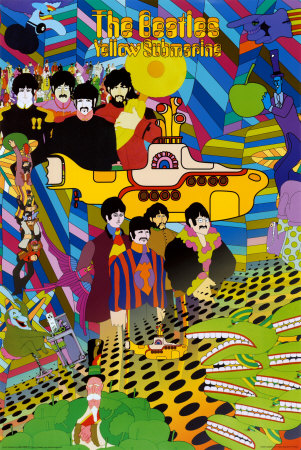
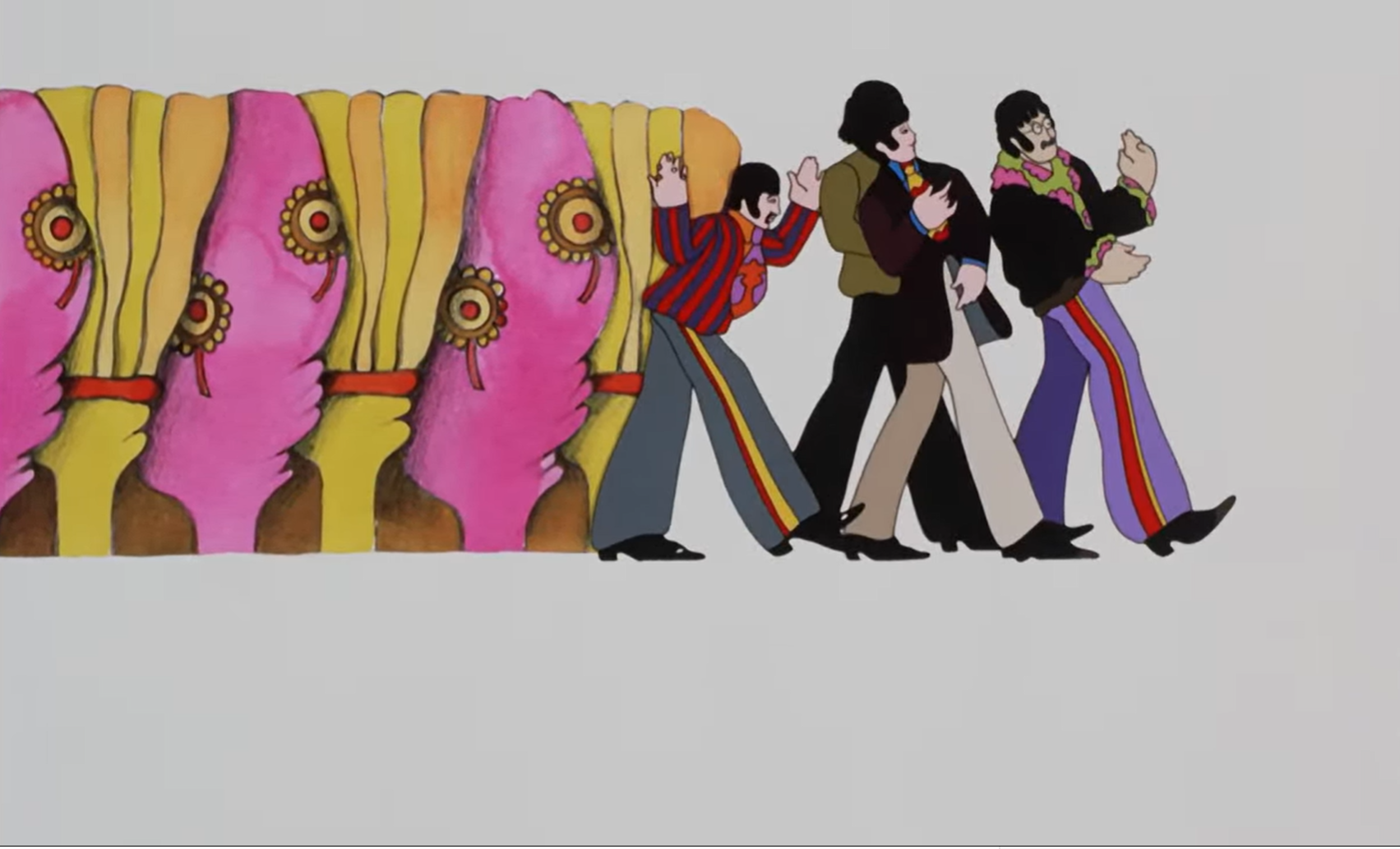
The Beatles’ only animated film — featuring their music and their cartoon likenesses but not their actual voices — remains as enjoyable and mind-blowing today as it was 30+ years ago. As Peary notes, the film’s visuals are “consistently imaginative, innovative, colorful, and startling”, and a recent renovation has restored the film’s eye-popping panorama of colors to full capacity. The sheer variety of animation techniques in Yellow Submarine is blissfully overwhelming. If you pause randomly on any given frame, you’ll undoubtedly be inspired to hang the image on your wall as a legitimate piece of groovy pop art.

At the same time, watching the imagery in motion — as colors bleed and entire worlds are literally created and destroyed — is an indispensable treat all its own.

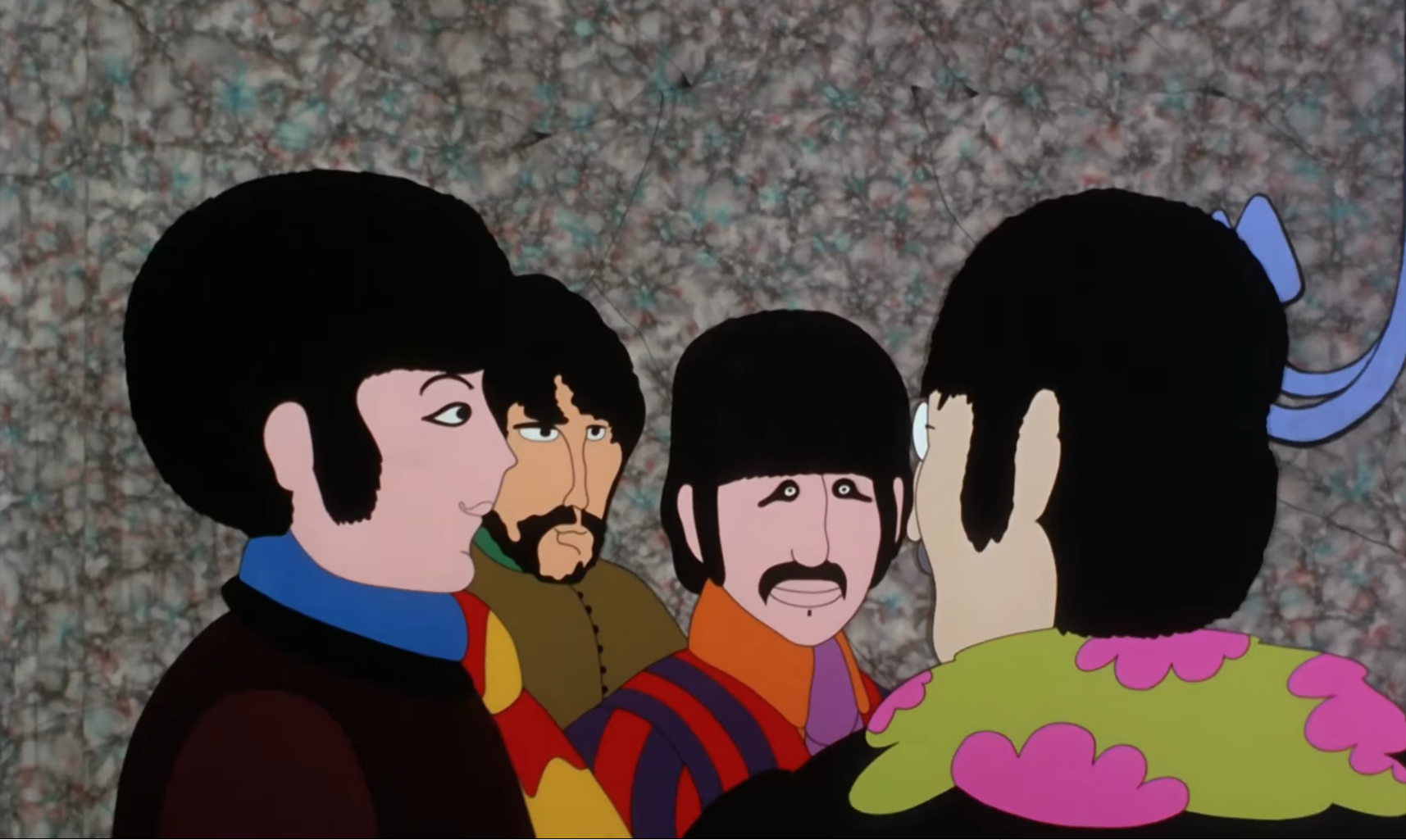
It’s enormously satisfying to see the Beatles immortalized as cartoon caricatures; I’m amazed by how just a few strategically drawn lines make each of them instantly recognizable.

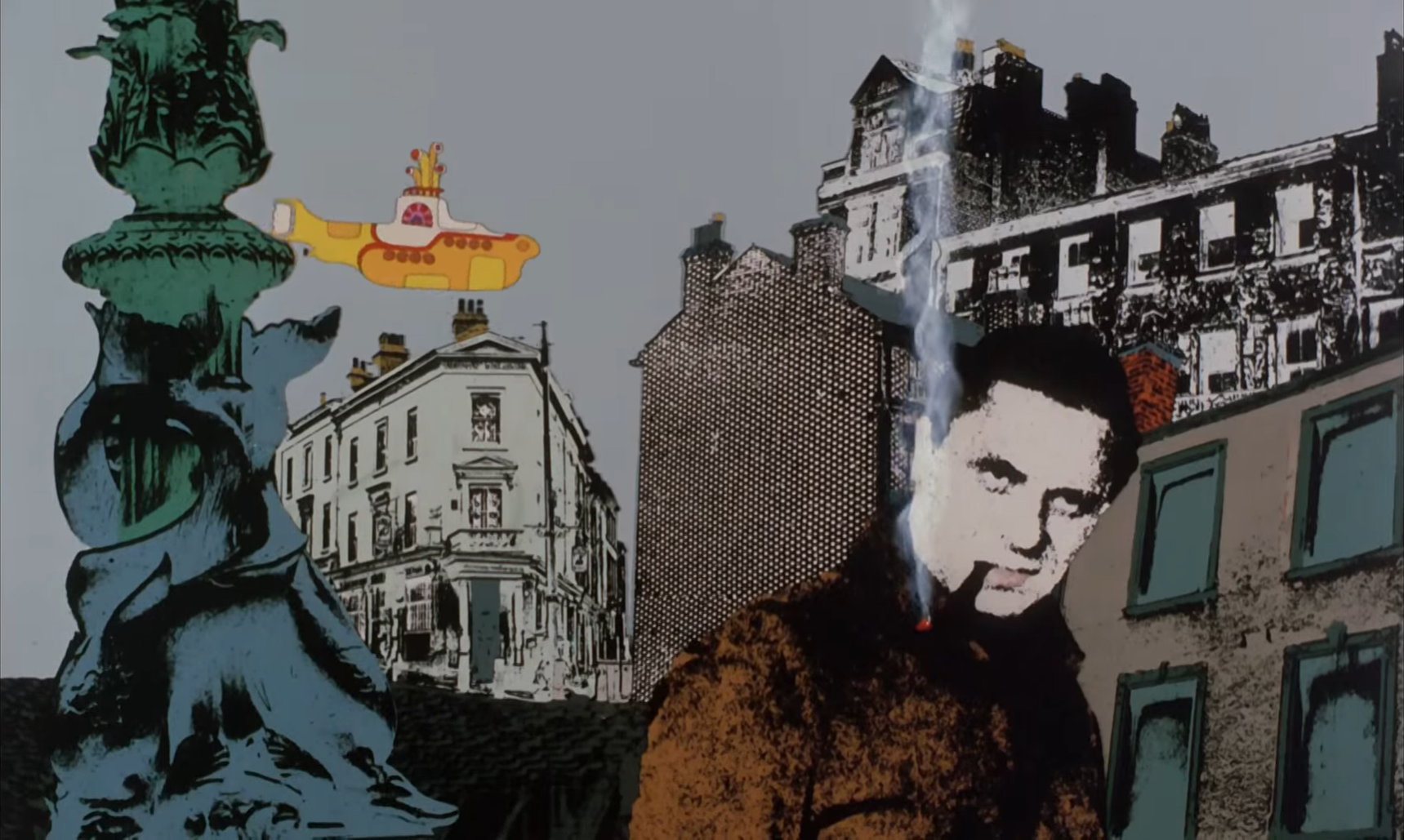
And while Peary laments the fact that the Beatles themselves didn’t provide the voices for their characters, I have to say this didn’t bother me much — there’s no mistaking John, Paul, Ringo, and George, and the group’s playful banter (exploited so successfully in A Hard Day’s Night and Help!) is still greatly in evidence. It’s hard to pick favorite sequences, but I feel a special fondness for “Eleanor Rigby” (which uses b&w photo stills of the “lonely people” in Liverpool):

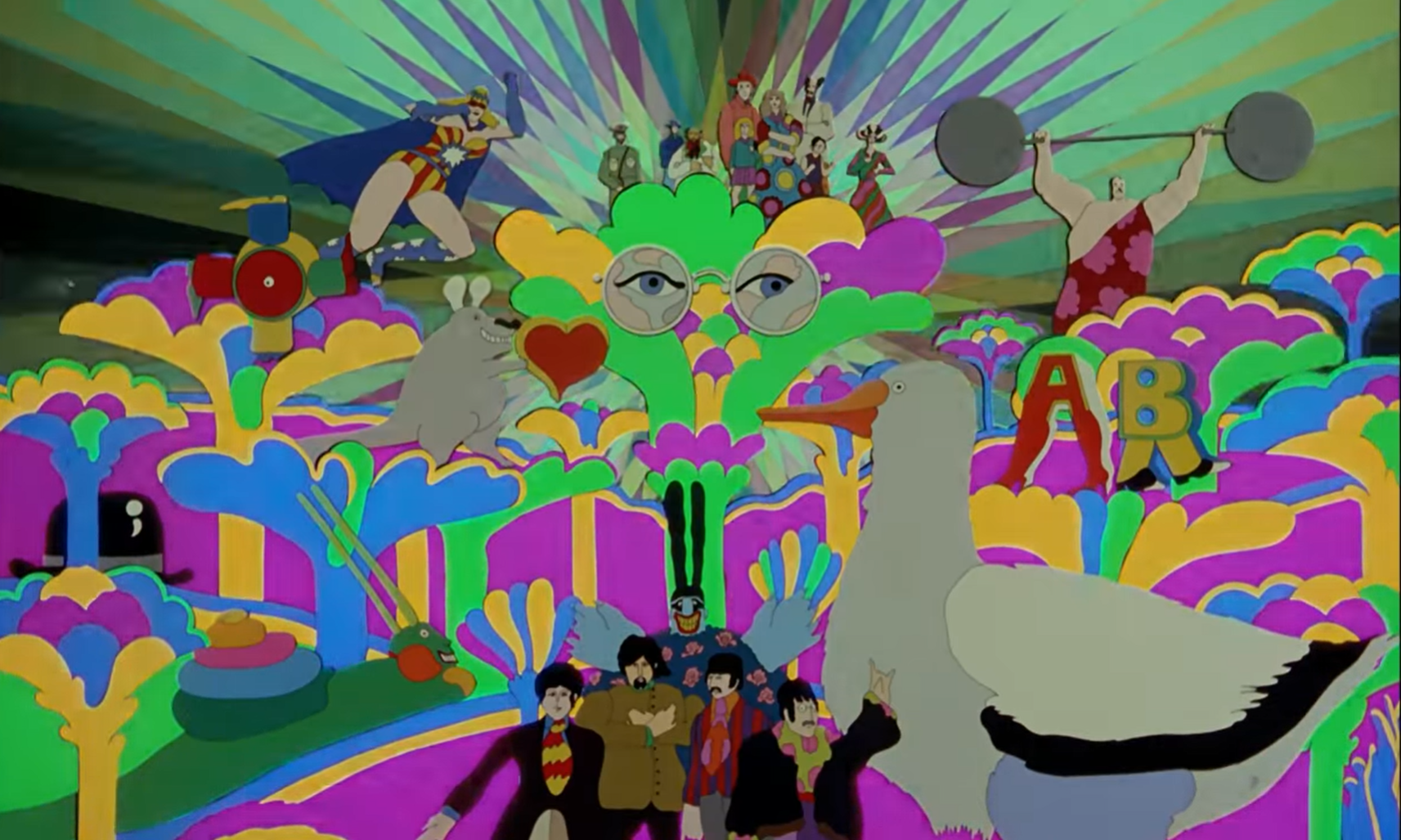
… “Lucy in the Sky With Diamonds” (possessing perhaps the most psychedelic imagery in the entire film):

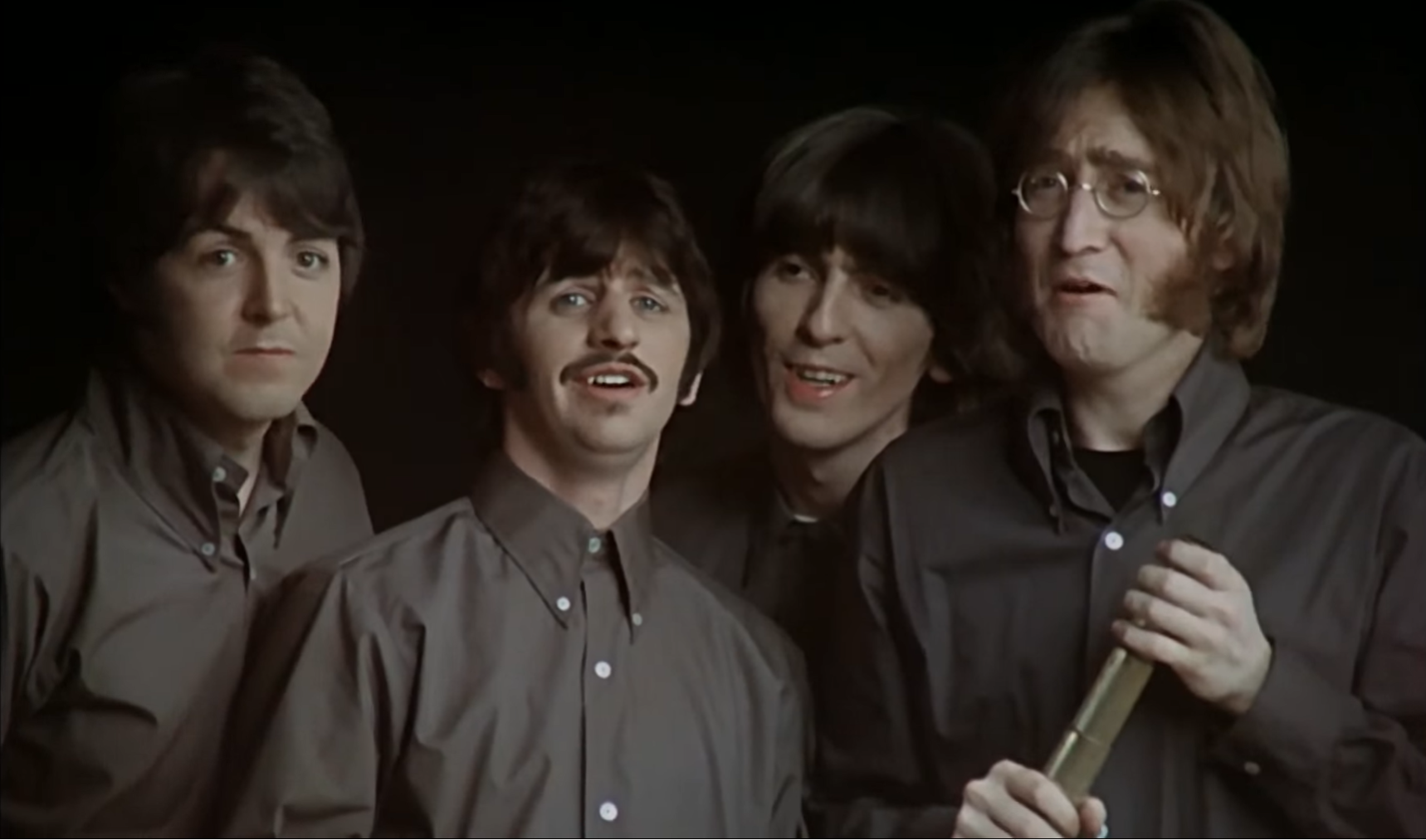
… and “It’s All Too Much”, a final celebratory song before the Beatles themselves appear in person (be still my heart!) to close the film.

Redeeming Qualities and Moments:

  • Stunningly original and vibrant animation — each frame is a wonder to behold
  • The Beatles’ avatars: with just a few distinct lines, the film’s animators brought the Fab Four’s faces to 2-D life
  • An excellent, rousing soundtrack (naturally!)
  • Countless humorous and/or punny verbal exchanges by the deadpan Beatles:

    John: It’s blue glass.
    George: Must be from Kentucky, then.

Must See?
Absolutely. This classic animated musical is unlike anything you’ve ever seen, and merits multiple viewings.

Categories

  • Cult Movie
  • Genuine Classic

(Listed in 1001 Movies You Must See Before You Die)

Links: