Browsed by
Category: Response Reviews

My comments on Peary’s reviews in Guide for the Film Fanatic (Simon & Schuster, 1986).

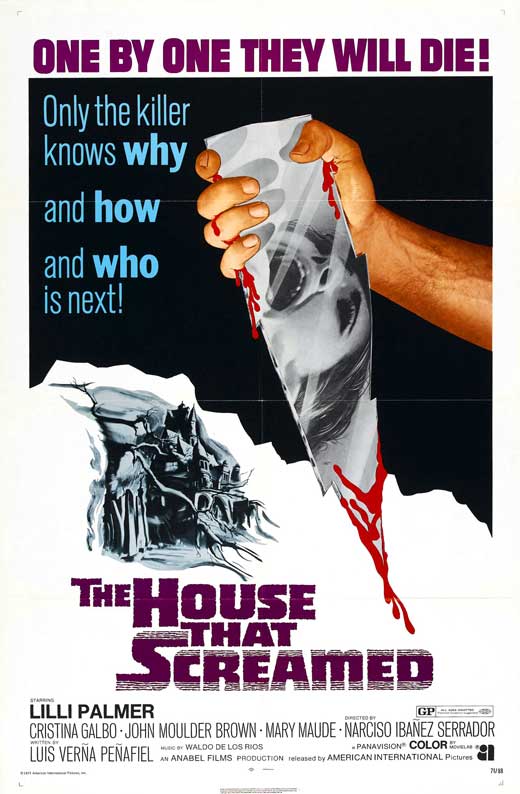
House That Screamed, The / La Residencia (1969)

House That Screamed, The / La Residencia (1969)

“If they want to escape, they will — this is a boarding school, not a prison!”

Synopsis:
A mysterious killer threatens teenage girls at an authoritarian boarding school run by Lilli Palmer.

Genres, Themes, Actors, and Directors:

  • Boarding School
  • Horror
  • Murder Mystery
  • Sexual Repression
  • Serial Killers

Response to Peary’s Review:
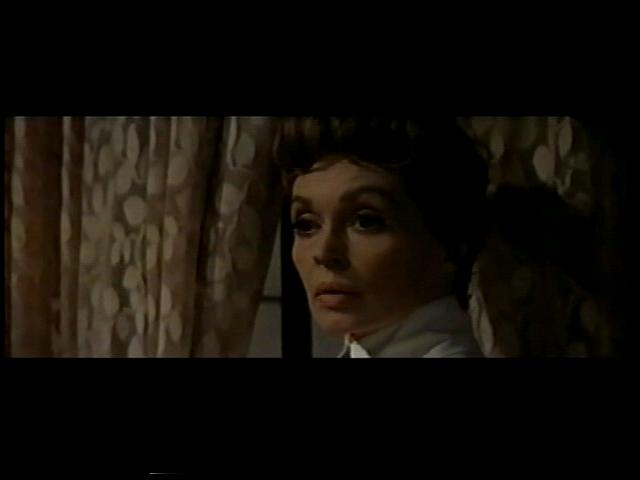
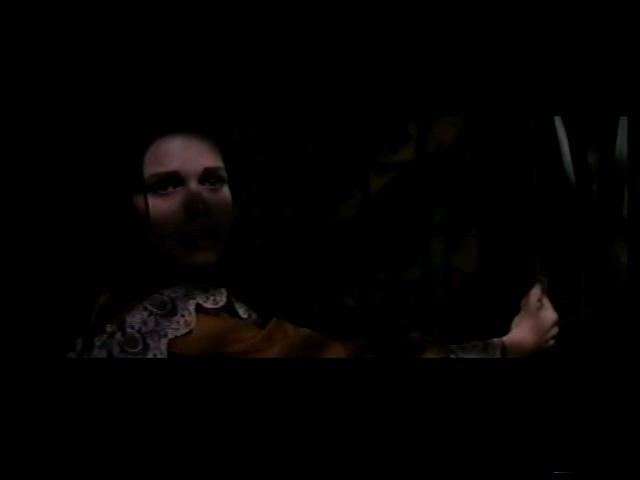
As Peary notes, this “scary gothic horror film” — recognized today as a definitive example of modern European slasher flicks — is skillfully directed by Narcisco Ibanez Serrador, “particularly during [the] terrifying murder scenes”. Unfortunately, it suffers from noticeable dubbing, a plethora of boarding-school stereotypes (harsh headmistress, sexually repressed young teens), and too many protagonists (it’s hard to tell the girls apart at times). One watches primarily for the atmospheric chills, the spooky cinematography, and the impressive set designs. While the identity of the killer doesn’t come as much of a surprise, the final scene nonetheless remains startling.

Redeeming Qualities and Moments:

  • Lilli Palmer as the grim, authoritarian headmistress
  • Many moments of well-directed tension

Must See?
No, but film fanatics may be curious to check it out.

Links:

Seven Year Itch, The (1955)

Seven Year Itch, The (1955)

“I think it’s wonderful that you’re married! I think it’s just elegant!”

Synopsis:
A married advertising executive (Tom Ewell) whose wife (Evelyn Keyes) and son (Butch Bernard) are away for the summer lusts after his voluptuous, seemingly available neighbor (Marilyn Monroe).

Genres, Themes, Actors, and Directors:

  • Billy Wilder Films
  • Comedy
  • Dumb Blondes
  • Evelyn Keyes Films
  • Marilyn Monroe Films
  • Marital Problems
  • Play Adaptations

Response to Peary’s Review:
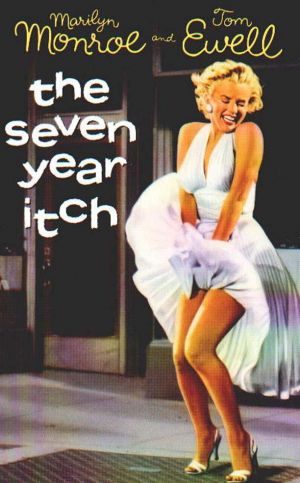
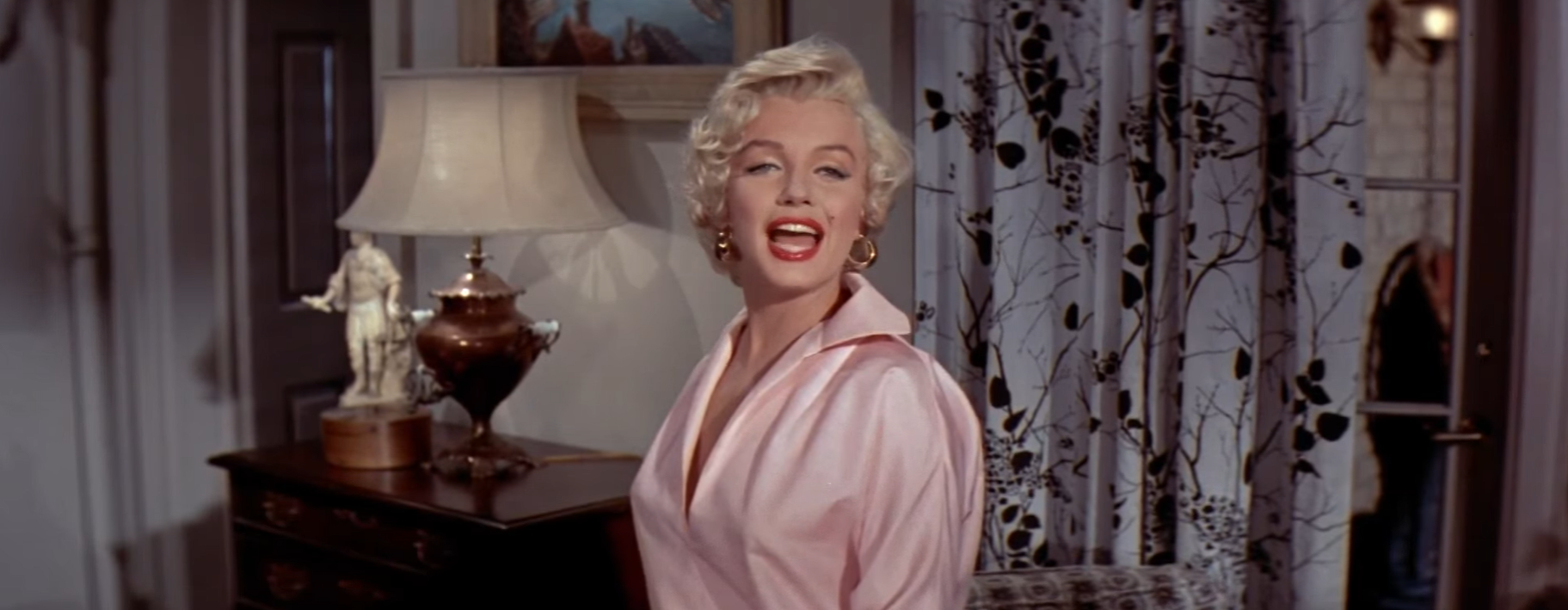
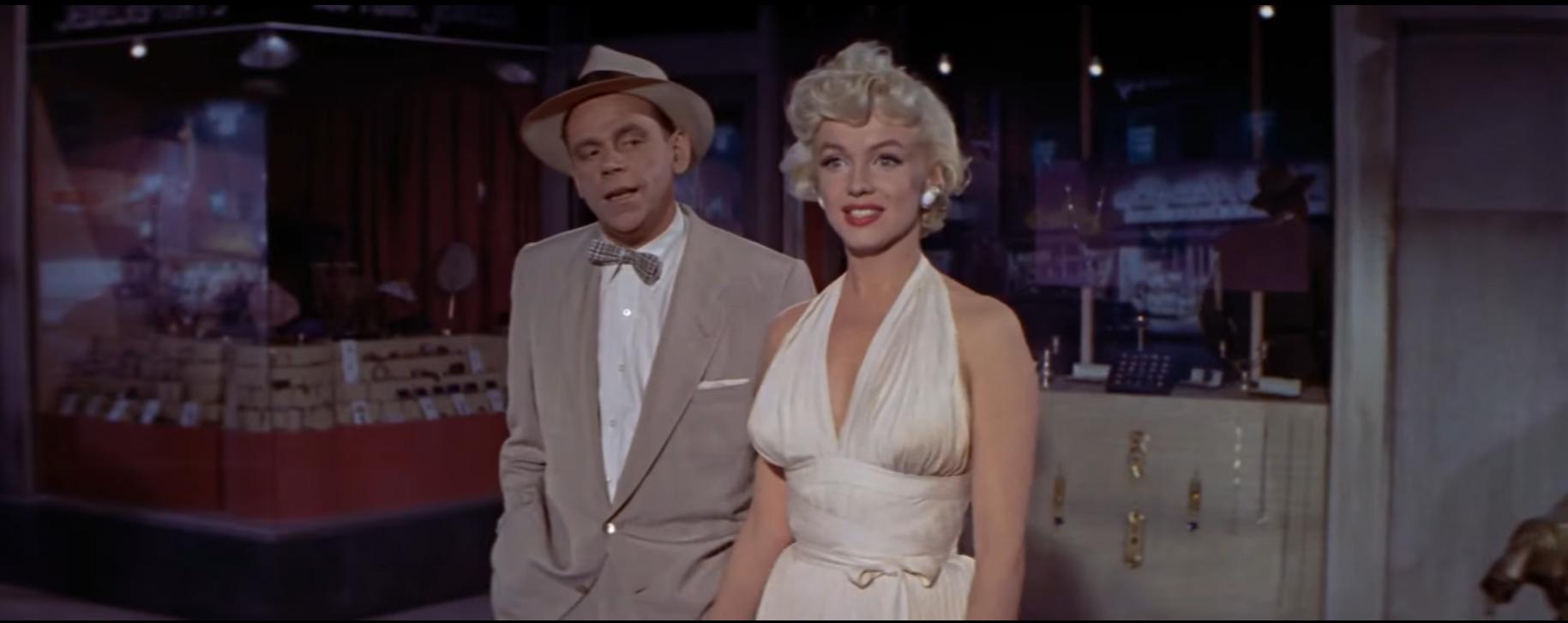
As Peary notes, this once-controversial Marilyn Monroe comedy is “much overrated, too talky and stagy, and only occasionally funny” — not to mention horribly dated. Tom Ewell’s “super-neurotic character” is simply annoying; his few redeeming moments occur during the ludicrous yet amusing fantasy sequences when he imagines himself as an irresistible lover. The real reason to watch this movie, naturally, is Monroe herself, who is in rare form playing a wide-eyed innocent with smoldering sex appeal. Unfortunately, fans will be disappointed to note that the famous “subway scene” doesn’t actually include the most well-known (full-body) shots of Monroe.

Redeeming Qualities and Moments:

  • Marilyn Monroe’s sensual, comedic performance as Ewell’s object of desire
  • Monroe famously standing over a subway grating and allowing the wind to blow her dress up
  • Ewell’s hilariously ridiculous fantasies

Must See?
Yes. Though it hasn’t entirely stood the test of time, this movie nonetheless remains must-see viewing for all film fanatics.

Categories

  • Controversial Film
  • Historically Relevant

Links:

Code of Silence (1985)

Code of Silence (1985)

“You want to take on the whole world by yourself? Now you’re gonna get your chance, Cusack!”

Synopsis:
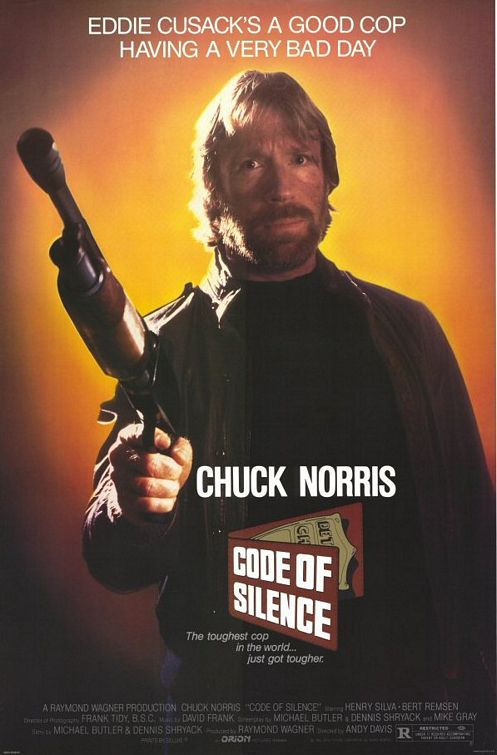
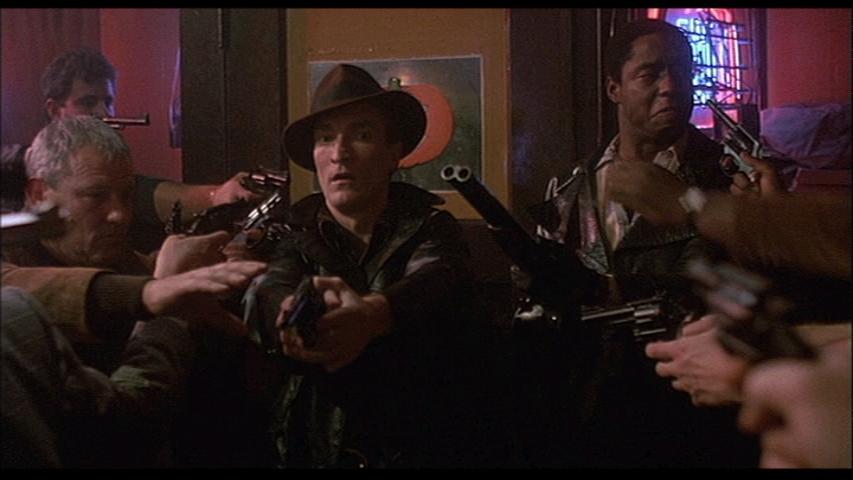
An honest Chicago cop (Chuck Norris) tries to protect a teenage girl (Molly Hagan) who is caught in the middle of her Italian family’s gang warfare with Colombian drugpins. In the meantime, Norris breaks the “code of silence” in his police force by testifying against a crooked fellow cop, and finds himself without backup.

Genres, Themes, Actors, and Directors:

  • Chuck Norris Films
  • Corruption
  • Gangs
  • Police

Response to Peary’s Review:
Chuck Norris’s “breakthrough” film (which, as Peary notes, got good reviews upon its release) is a surprisingly entertaining action flick with decent performances and fine production values. Interestingly, the title’s “code of silence” doesn’t even become an issue until more than halfway through the film, at which point it simply provides a convenient excuse for Norris to take on an entire gang of Colombians on his own. As Peary notes, Molly Hagan “is the picture’s real plus” — we genuinely care about this resilient young woman, who never asked to be caught up in her family’s fatal troubles.

Redeeming Qualities and Moments:

  • Molly Hagan as the young woman Norris is determined to protect
  • Several scenes of unexpected humor — including one in which two utterly incompetent burglars attempt to hold up a police bar
  • Many excitingly choreographed action sequences
  • The toe-tapping synthesized “80s score

Must See?
Yes, simply to see Chuck Norris in what may be his finest film role (though I haven’t seen enough of his other movies to say for sure).

Categories

  • Historically Relevant

Links:

Never Cry Wolf (1983)

Never Cry Wolf (1983)

“In the end there were no simple answers, no heroes or villains; only silence.”

Synopsis:
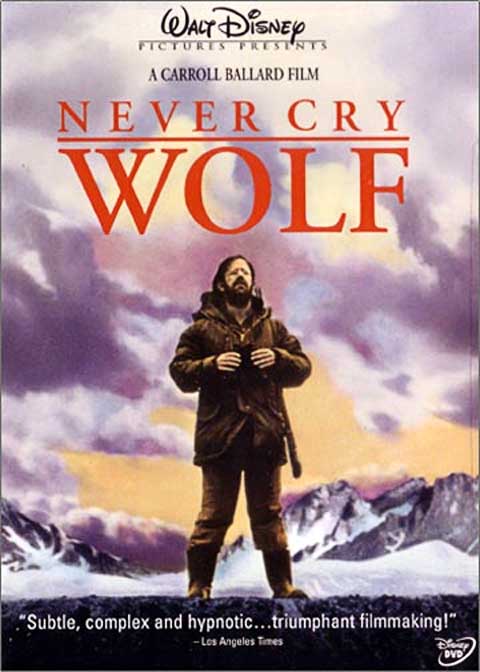
A government researcher (Charles Martin Smith) is sent into the Arctic wilderness to investigate the effect of wolves on the caribou population.

Genres, Themes, Actors, and Directors:

  • Antarctica and the Arctic
  • Character Arc
  • Native Americans
  • Scientists

Response to Peary’s Review:
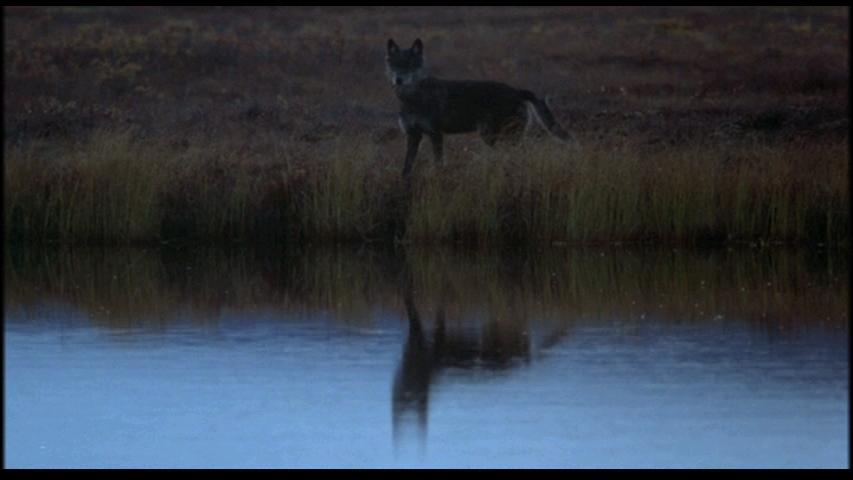
Carroll Ballard’s cinematic adaptation of Farley Mowat’s bestselling semi-fictional memoir features stunning cinematography, a slow yet compelling narrative, plenty of unexpected humor, and “the rare opportunity to witness scientific methodology in practice.” As Peary notes, Smith was “an inspired choice” to play Mowat’s character (here named Tyler); his natural pluck and good cheer make Tyler’s survival in the seemingly barren environment plausible. It’s incredibly exciting to watch Tyler interacting with the wolves, gradually understanding more about their way of life; and his naked run with the caribou pack — while perhaps a bit cliched — nonetheless effectively shows the transformation he’s undergone during his months in the Arctic.

Redeeming Qualities and Moments:

  • Beautiful cinematography
  • A fascinating look at the little-understood culture of wolves
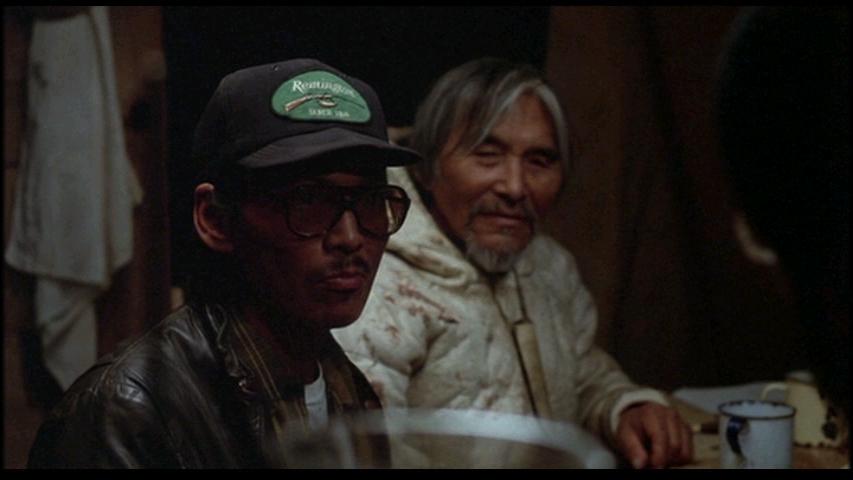
  • A respectfully authentic treatment of Arctic natives
  • Charles Martin Smith as the tenacious biologist who learns to survive and thrive in the wilderness
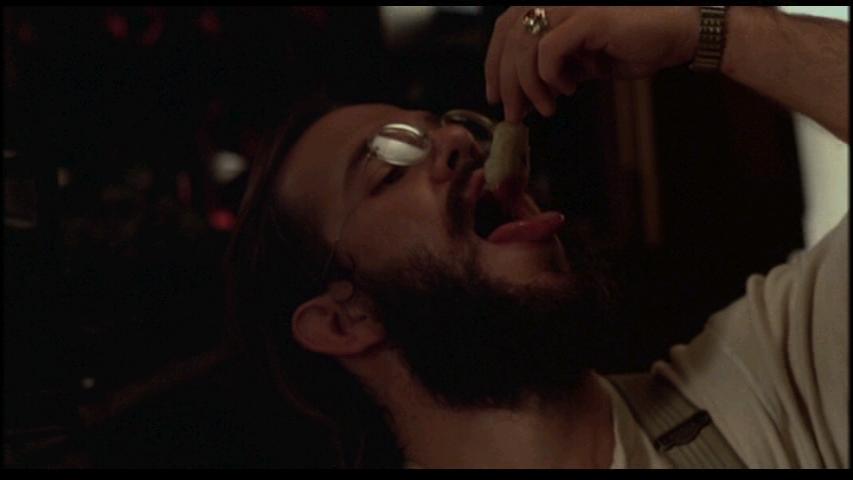
  • Smith learning to eat mice as nonchalantly as popcorn
  • Smith’s hair-raising airplane ride with pilot Brian Dennehy

Must See?
Yes. This enjoyable film merits at least one viewing, and may become a repeat favorite.

Categories

  • Good Show
  • Historically Relevant

Links:

Clash of the Titans (1981)

Clash of the Titans (1981)

“Ah, dear — the young. Why do they never listen? When will they ever learn?”

Synopsis:
Zeus (Laurence Olivier) tries to help his mortal son Perseus (Harry Hamlin) save Princess Andromeda (Judi Bowker) from the wrath of jealous Thetis (Maggie Smith).

Genres, Themes, Actors, and Directors:

  • Burgess Meredith Films
  • Fantasy
  • Folk Tales, Fairy Tales, and Mythology
  • Greece
  • Laurence Olivier Films
  • Maggie Smith Films
  • Ray Harryhausen Films
  • Supernatural Powers
  • Ursula Andress Films

Response to Peary’s Review:
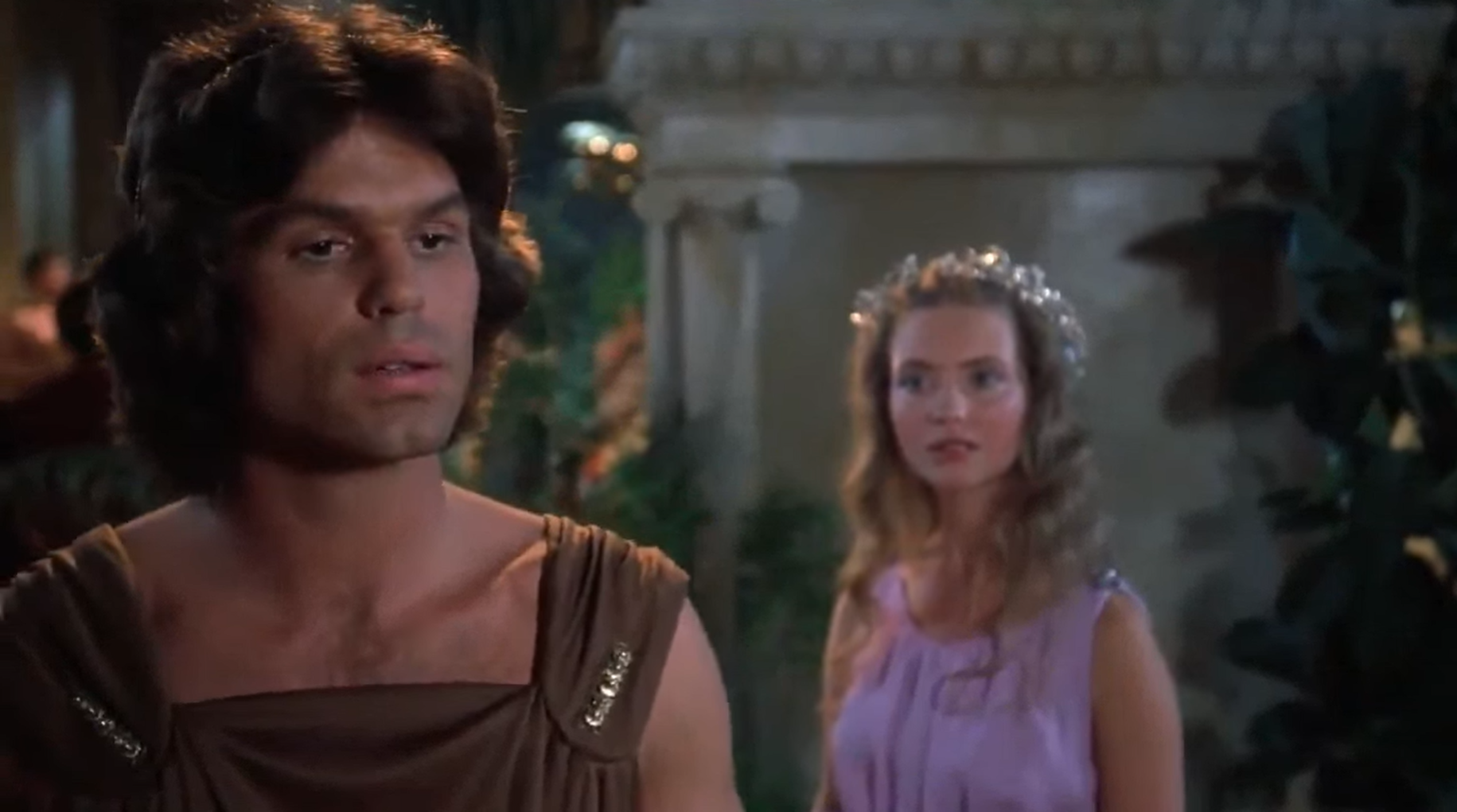
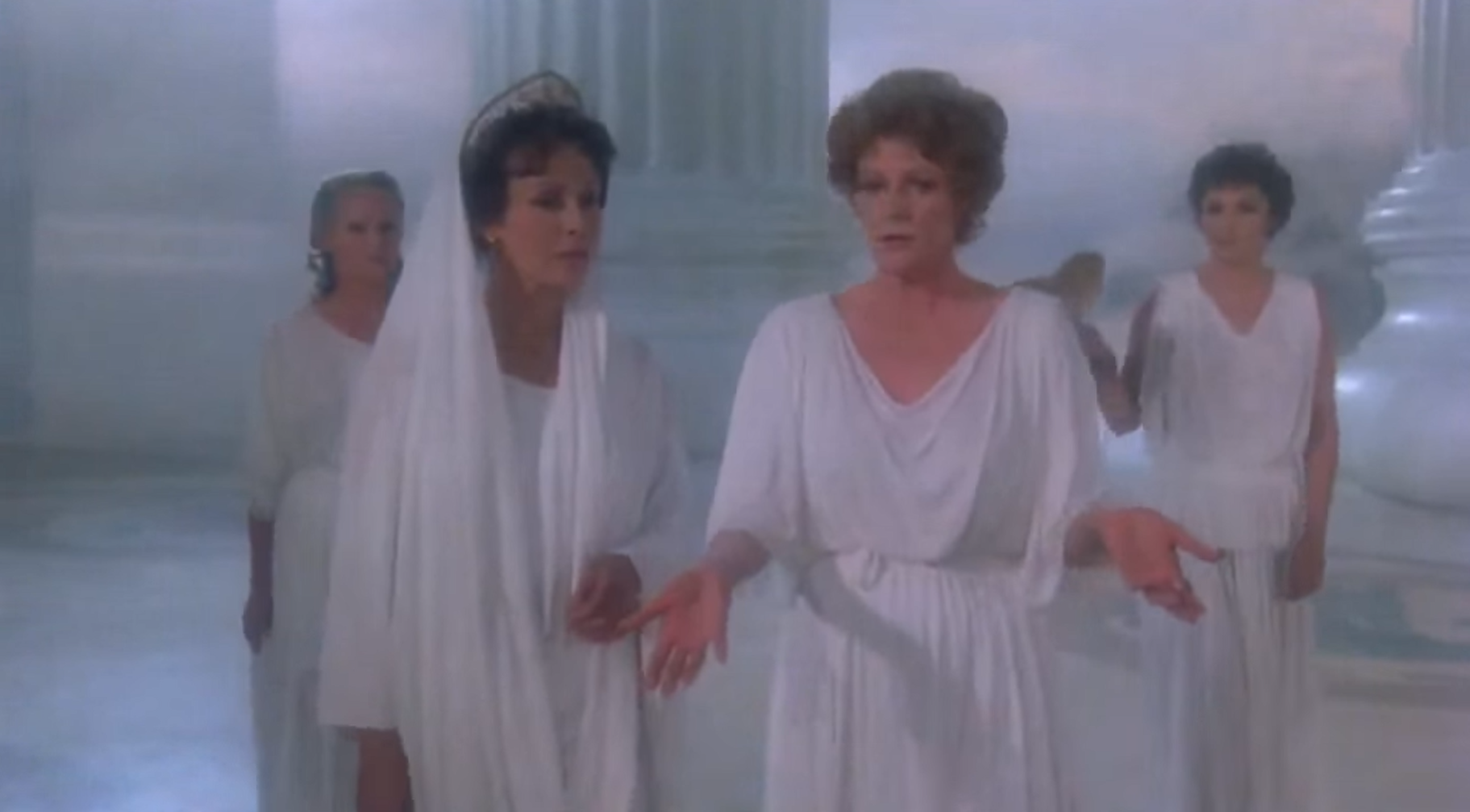
This overblown fantasy epic — mixing “Shakespeare [with] Greek and Norse mythology” — is, as Peary notes, both too long and ultimately disappointing. The dialogue is uniformly trite and cliched (“So little time together — so little time!” Andromeda laments to Perseus); the acting by the two young lovers (especially Hamlin) is simply awful:

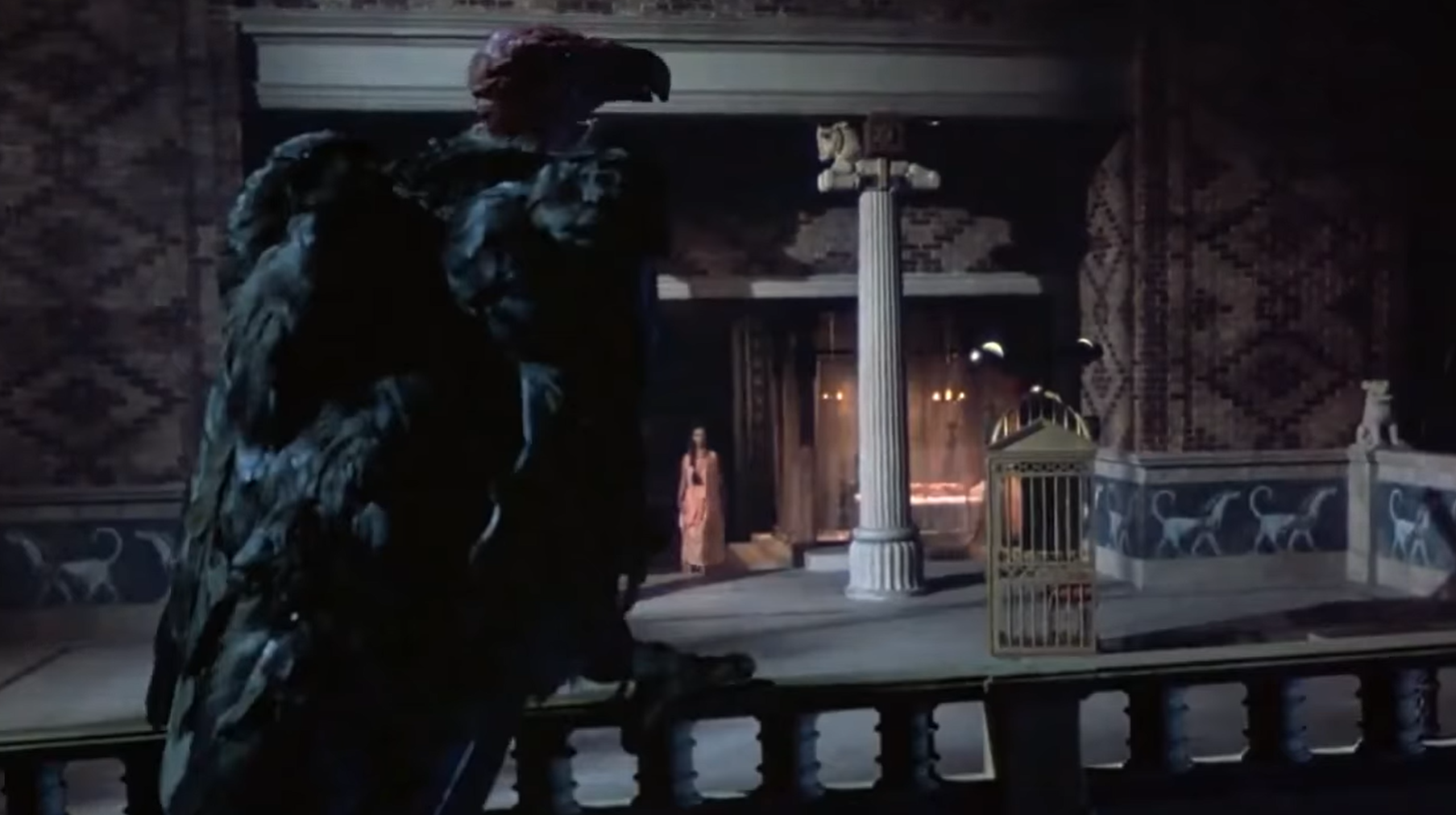
… Bubo the brass owl (an “embarrassing creation”) is a blatant rip-off of R2D2:

… and Burgess Meredith — playing Perseus’ earthly mentor, Ammon — is annoying rather than wise.

With that said, however, one watches Clash of the Titans either out of a sense of childhood nostalgia (which I’m lacking — I never saw it), or for the reliably stunning stop-motion effects by Ray Harryhausen. Particularly notable are both the enormous Kraken:

and the battling scorpions:

(But as impressive as Harryhausen’s snake-haired Medusa is:

my vote still goes out to Tony Randall in The 7 Faces of Dr. Lao as the best movie incarnation of this hideous creature!)

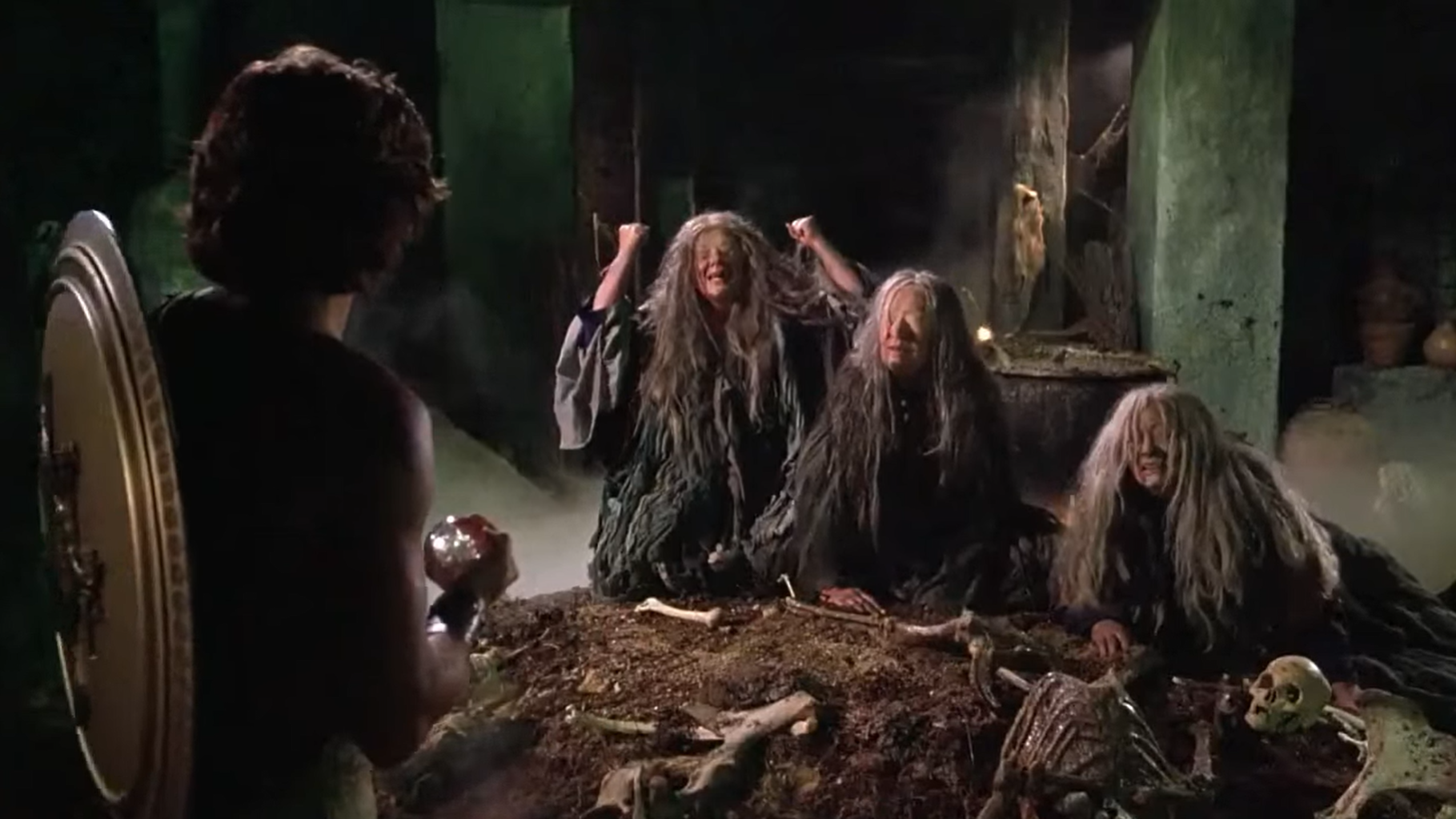
Equally noteworthy are the make-up and costumes, particularly those of the three blind Stygian Witches, whose empty eye sockets are truly creepy to behold.

Overall, however, this big-budget film is still a major disappointment for those who remember the magic and wonder of Harryhausen’s earlier efforts.

Redeeming Qualities and Moments:

  • An all-star cast of gods and goddesses (including Olivier, Smith, and Clare Bloom), who occasionally rise above the material they are given

  • Some fun special effects (naturally) by Harryhausen

Must See?
No. While it holds some historical interest as a former blockbuster hit, it’s no longer must-see viewing.

Links:

Freaks (1932)

Freaks (1932)

“We accept you, one of us! Gobble, gobble!”

Synopsis:
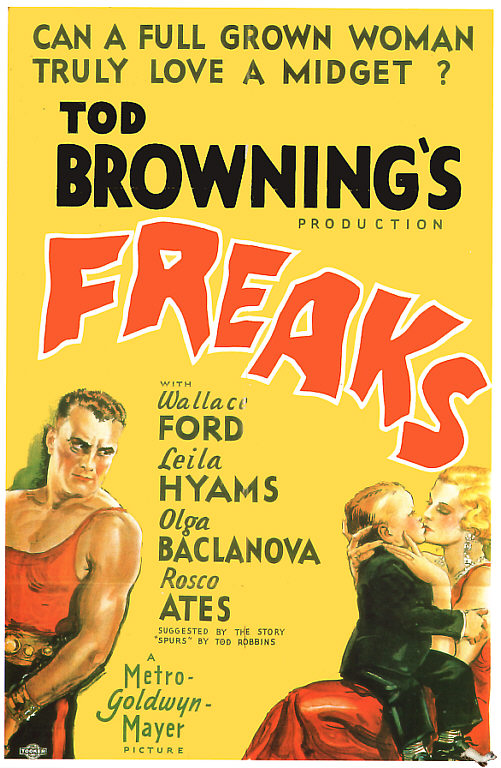
A group of carnival sideshow performers plot gruesome revenge when midget Hans (Harry Earles) is cuckolded by his manipulative new wife (Olga Baclanova).

Genres, Themes, Actors, and Directors:

  • Carnivals and Circuses
  • Cuckolds
  • Disabilities
  • Horror
  • Revenge
  • Tod Browning Films
  • Underdogs

Response to Peary’s Review:
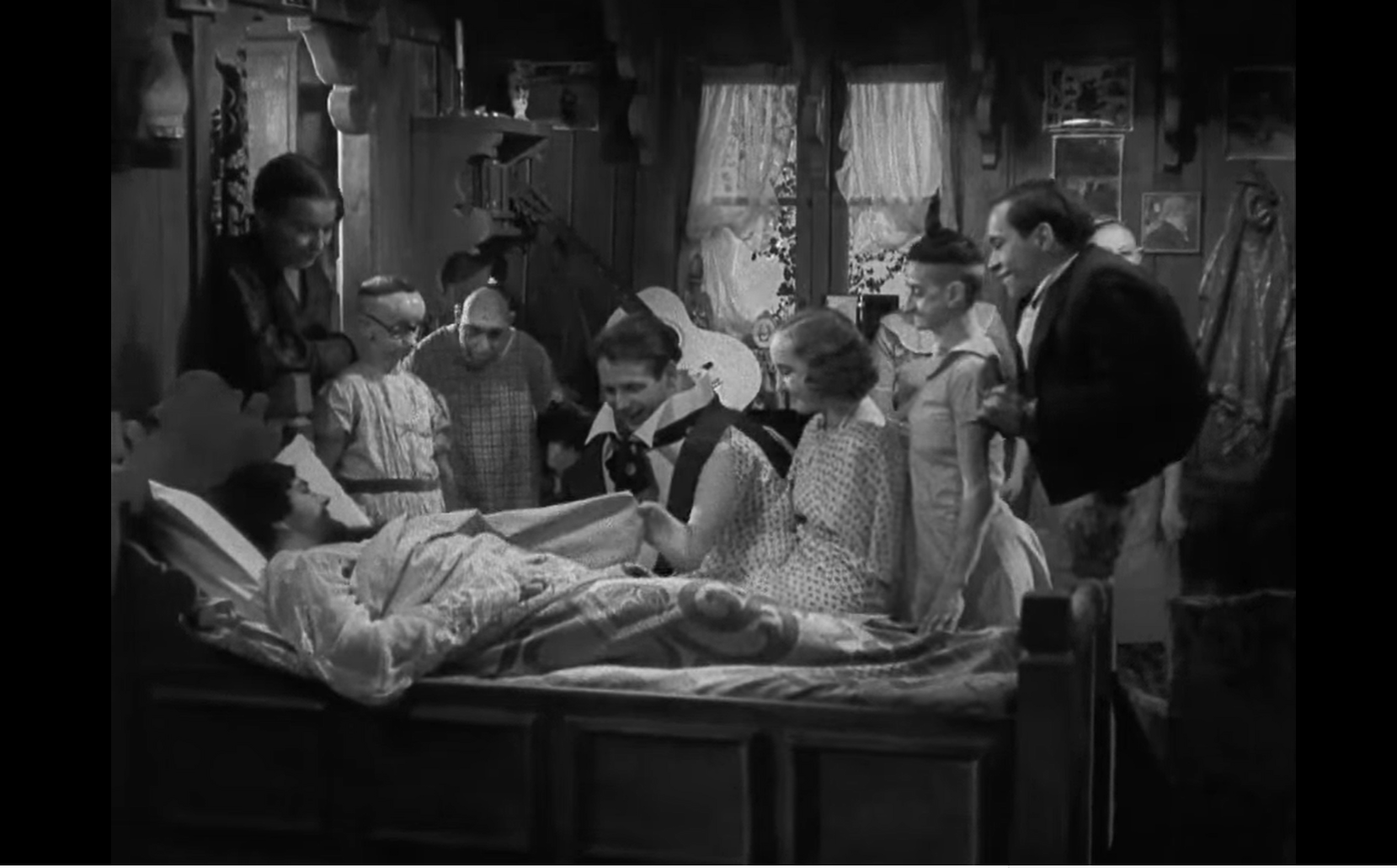
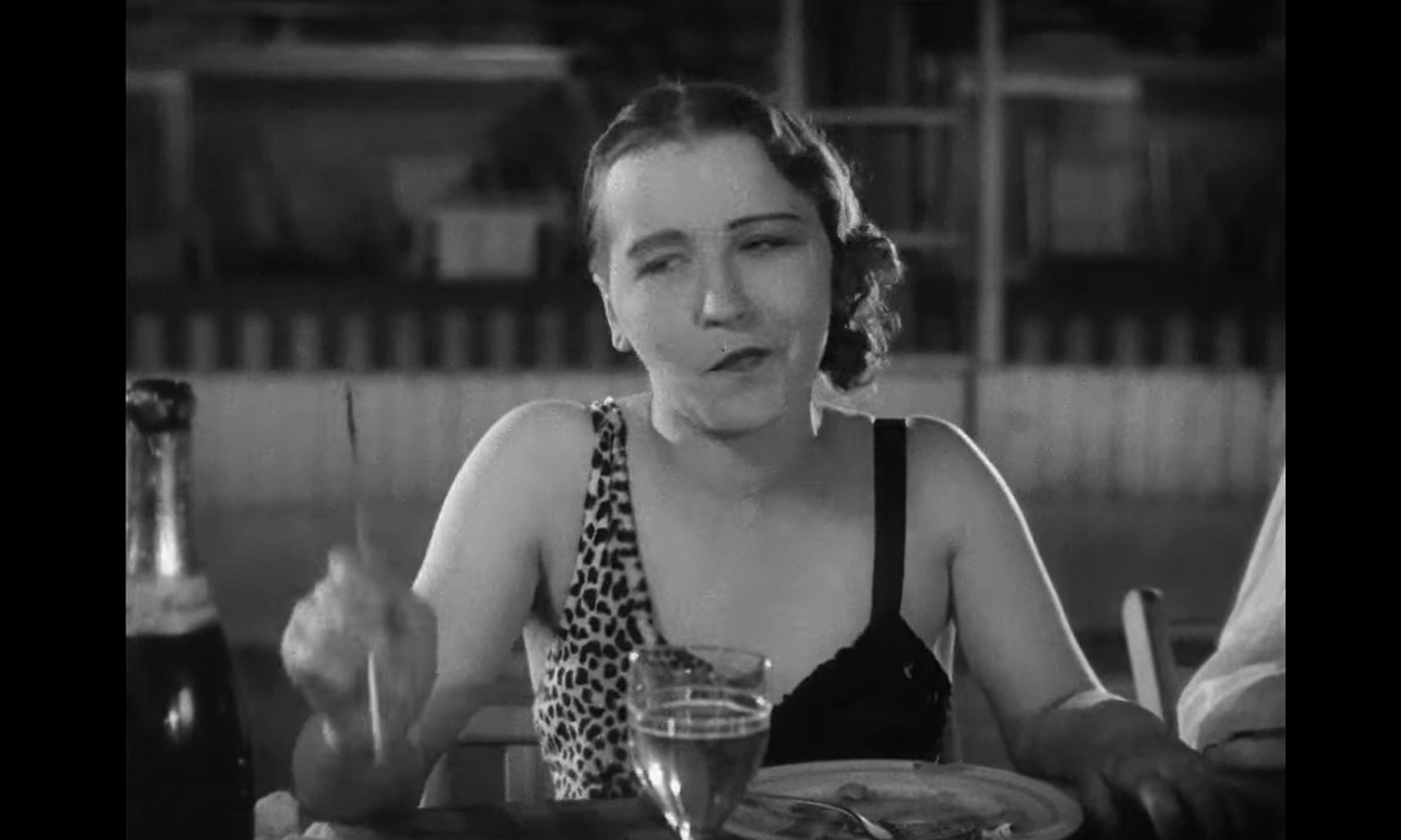
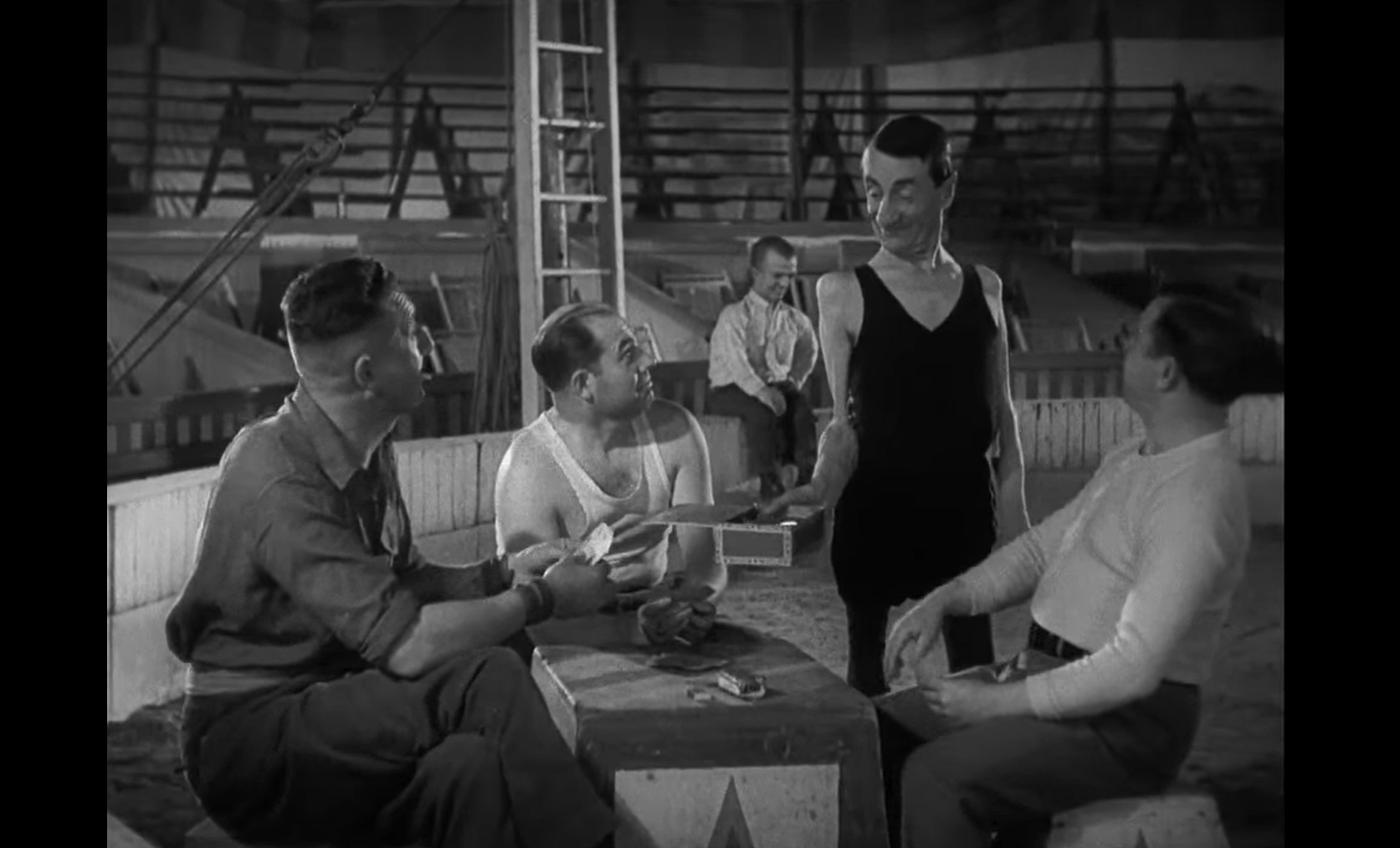
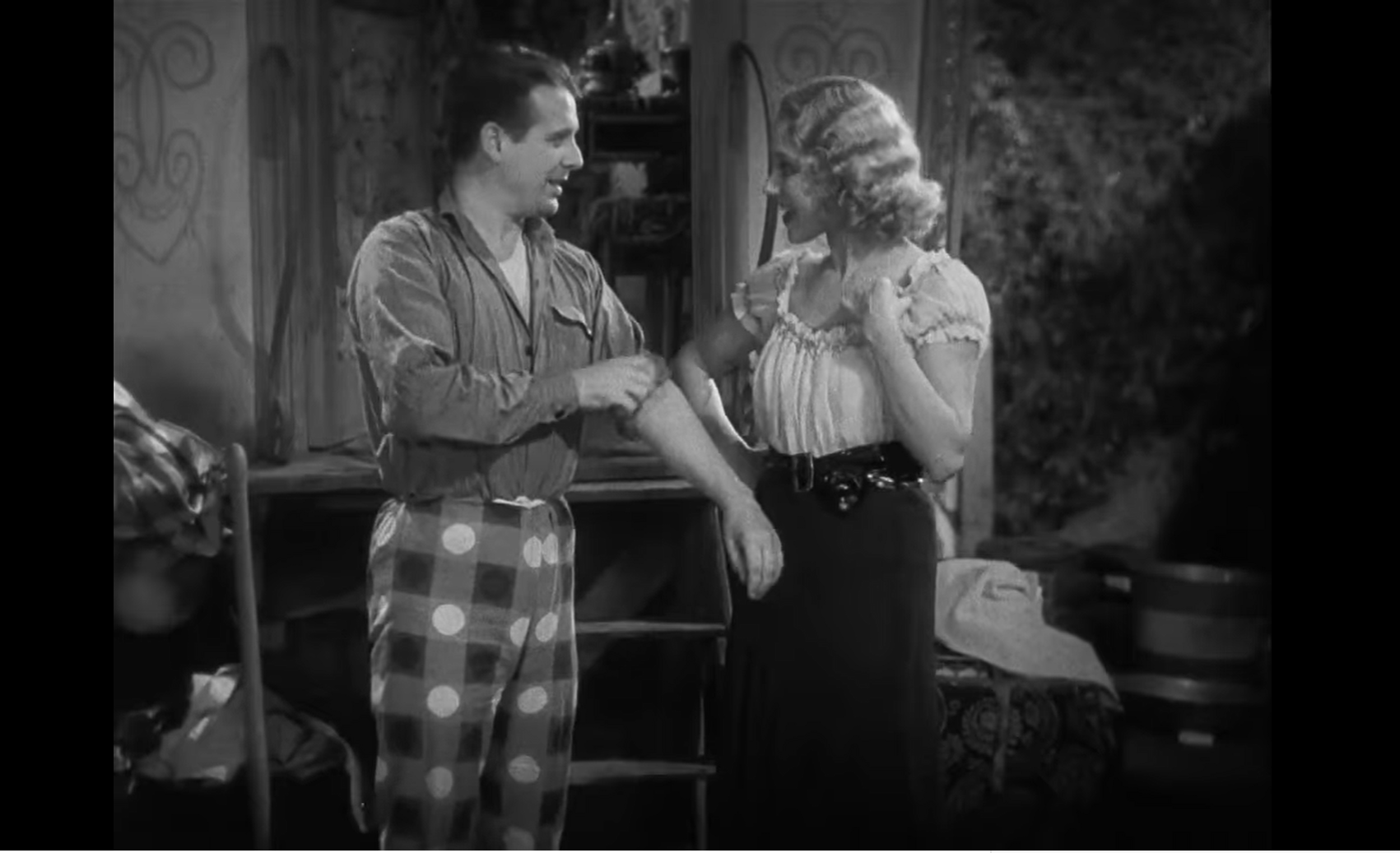
One of early cinema’s unique gems, Tod Browning’s Freaks continues to delight, horrify, and astonish more than 70 years after its creation. At just 64 minutes long, the movie zips along at an economic clip, showcasing the backstage lives and loves of carnival folks:
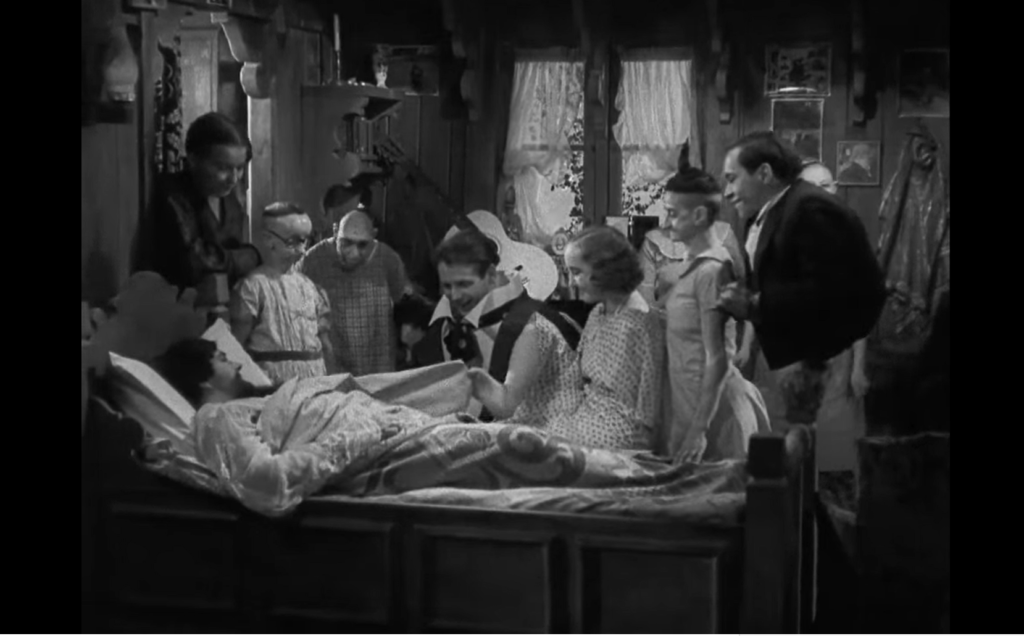
… while simultaneously relating a classic tale of marital betrayal and collective revenge. Anyone who’s ever been teased or suffered discrimination for being different is bound to feel an affinity for this cult film — which, according to J. Hoberman and Jonathan Rosenbaum in their Midnight Movies (1983/91), holds the distinction (along with Bunuel and Dali’s surrealist short “Un Chien Andalou”) of being “possibly the oldest of all midnight attractions.”

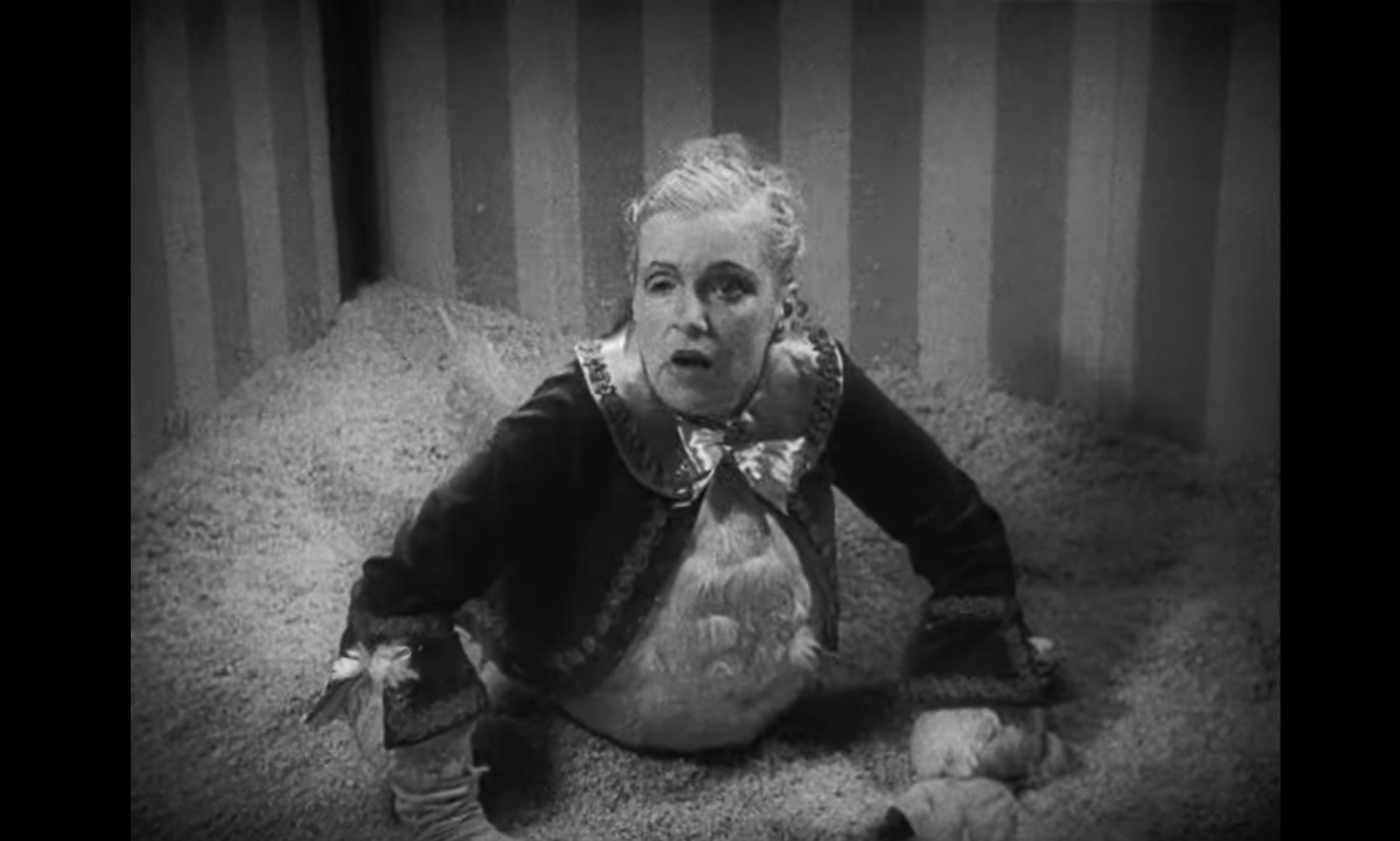
The group of unusual performers Browning collected for his cast includes limbless men and women (Prince Randian, Martha Morris, Frances O’Connor, and Johnny Eck):
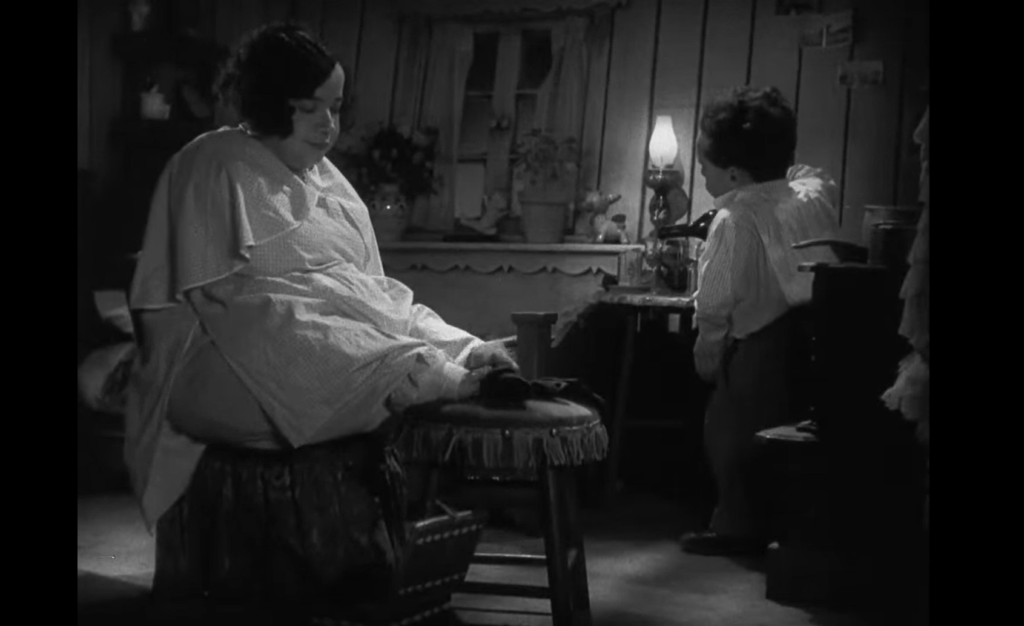
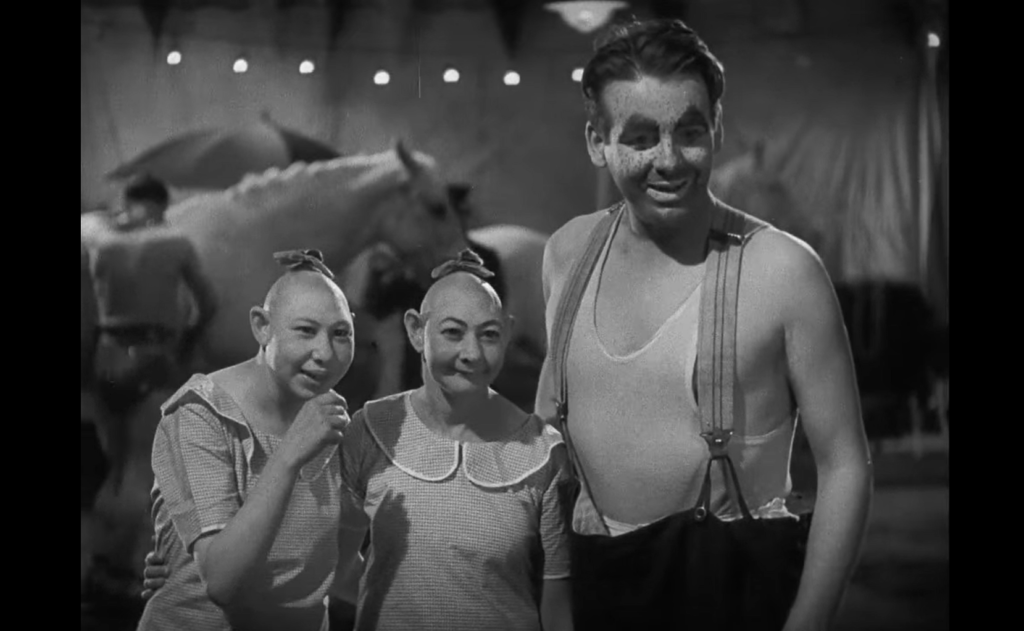
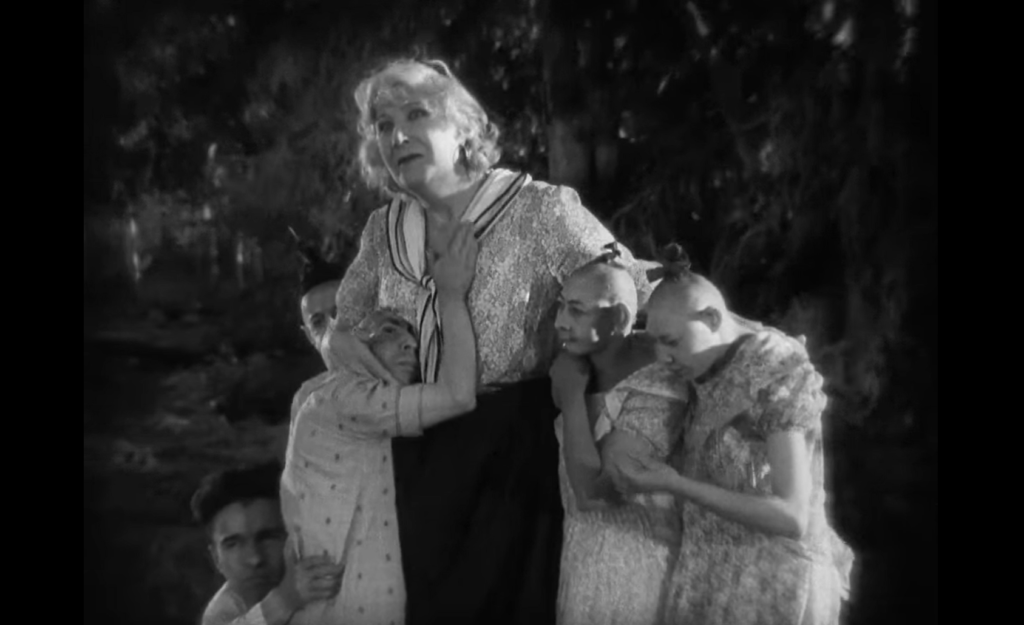
“pinheads” (Elvira and Jenny Lee Snow):
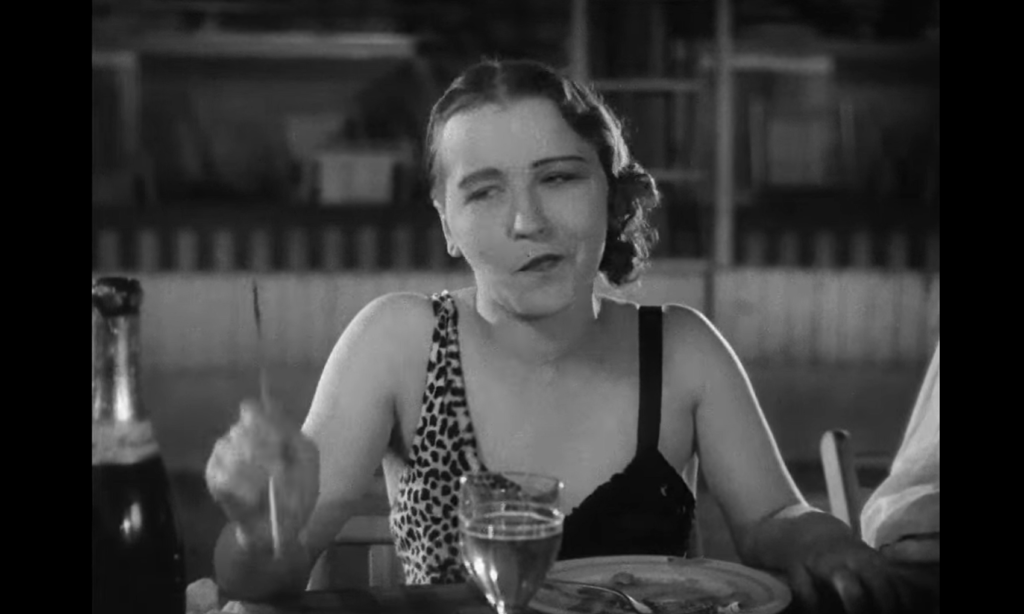
a hermaphrodite (Josephine Joseph):
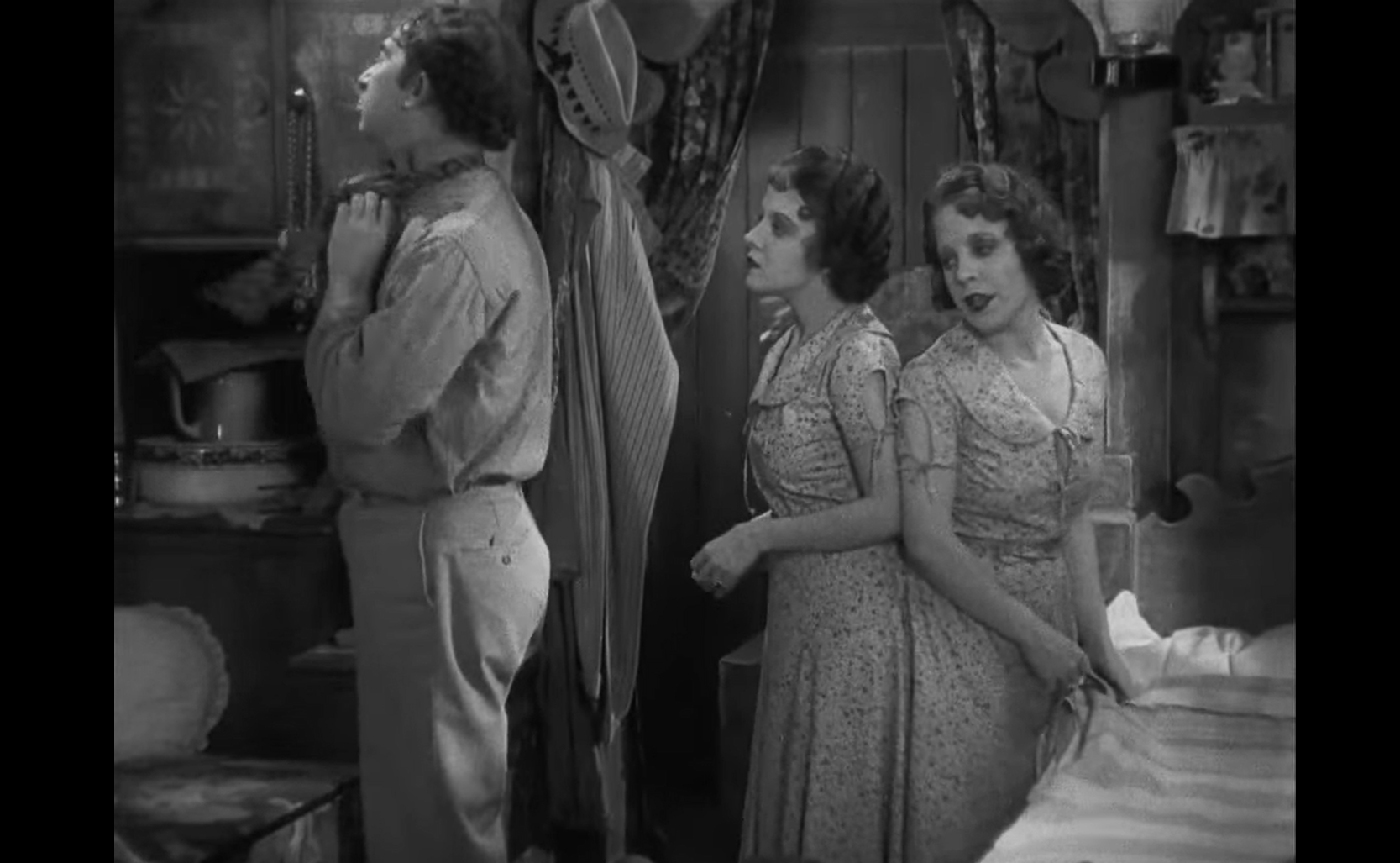
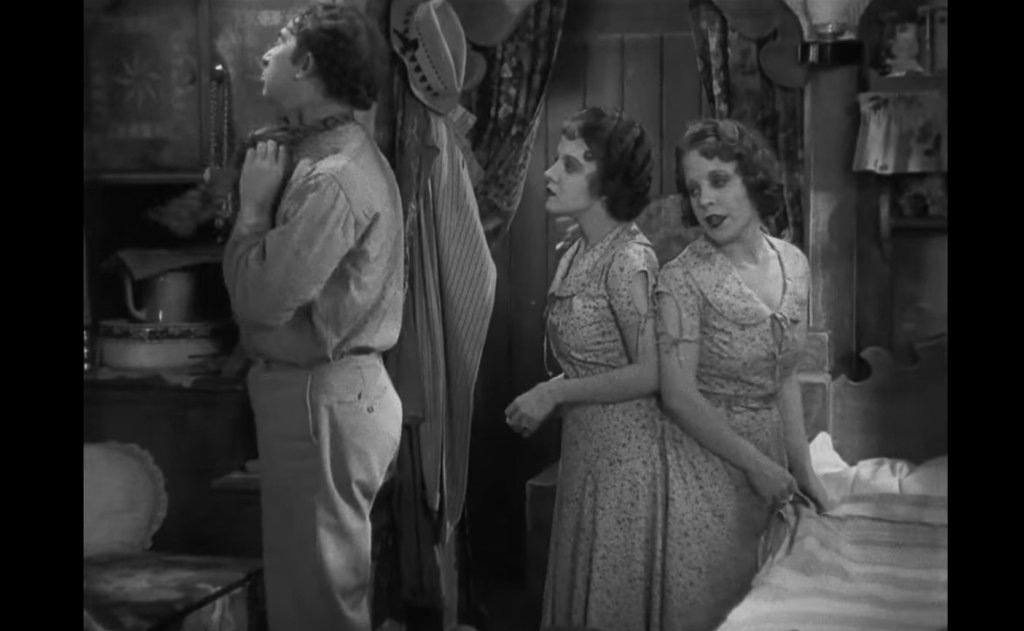
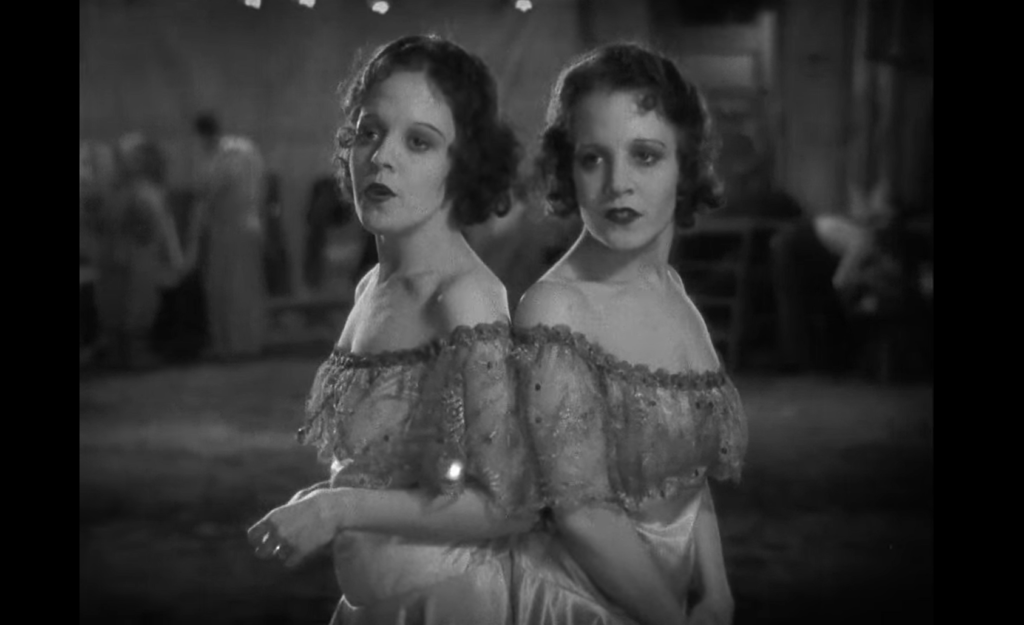
conjoined twins (Daisy and Violet Hilton):
a “human skeleton” (Peter Robinson):

midgets (Harry and Daisy Earles):
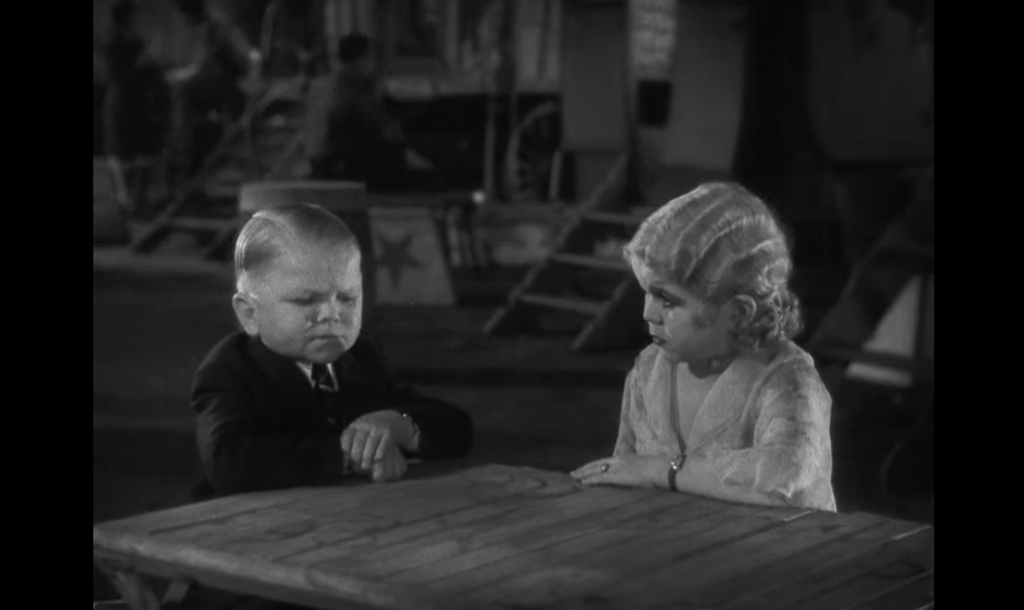
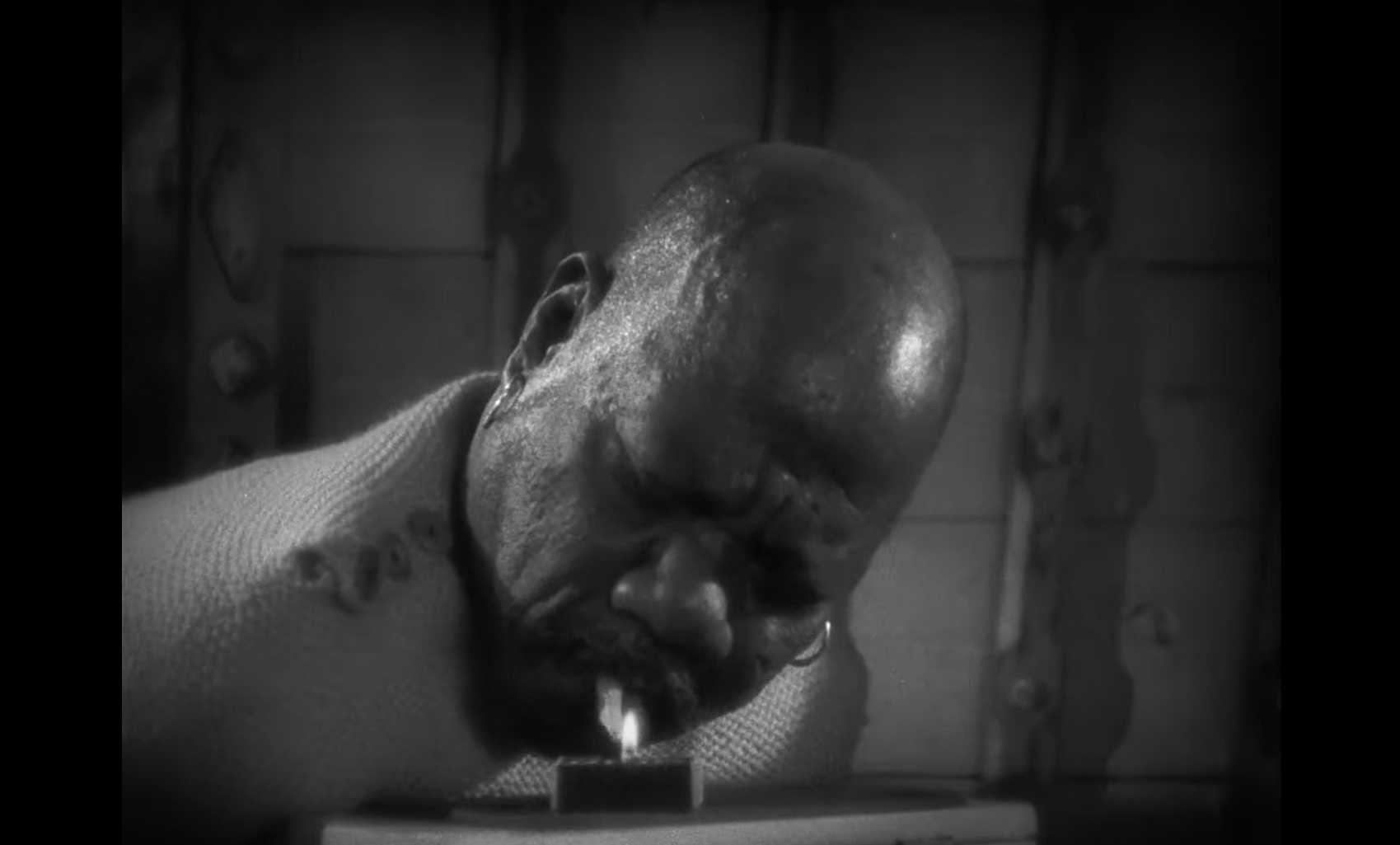
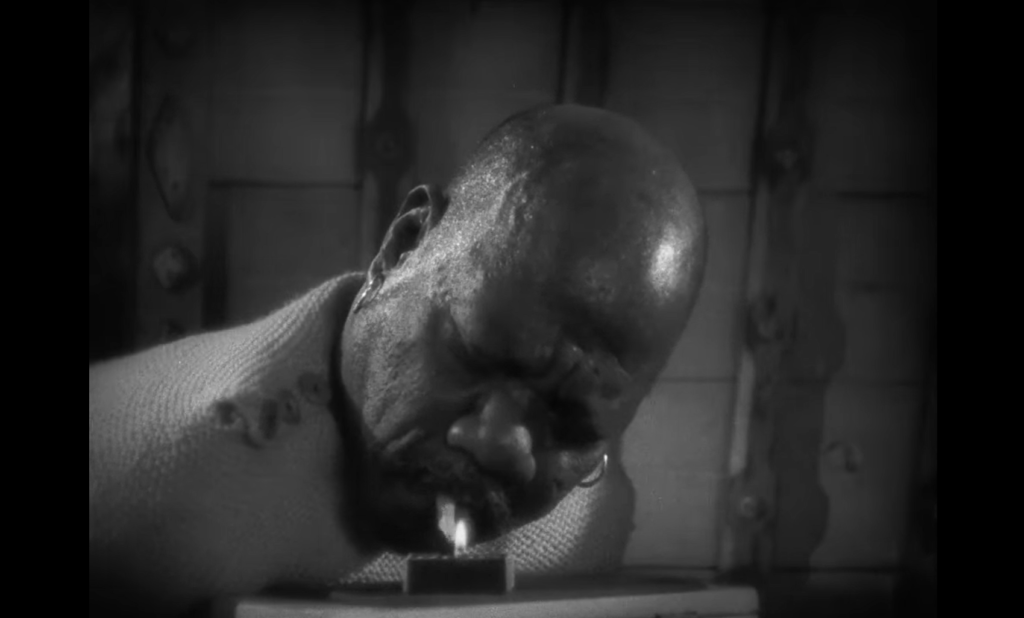
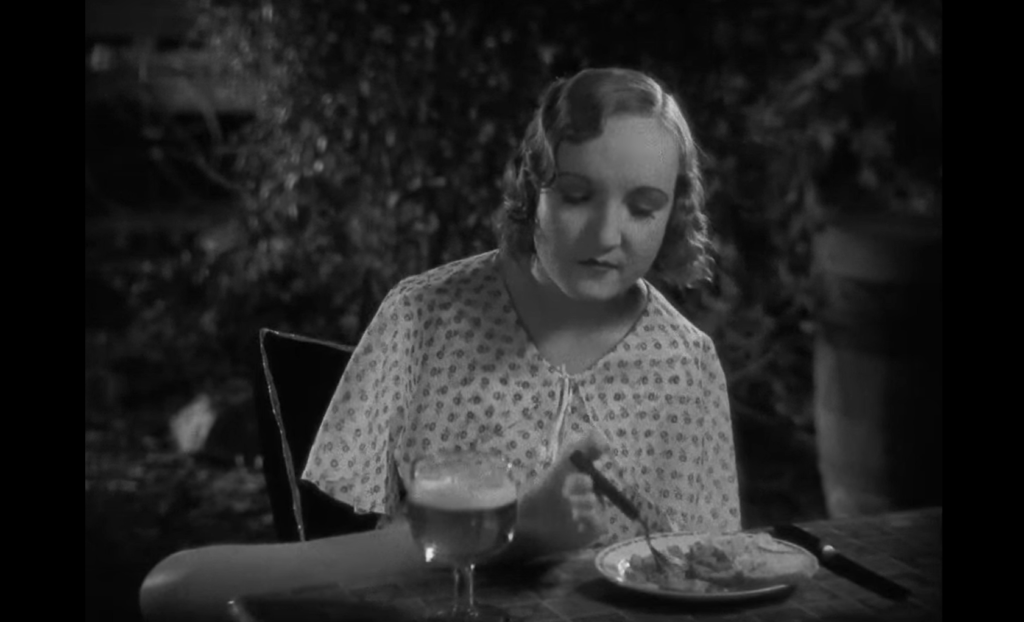
… and more. These characters are all genuinely disabled — not just made up to look that way — and thus it’s literally impossible not to stare at them. Yet as Peary notes, “viewers will feel not only fear, curiosity, and pity but also warmth, respect, and amazement” when watching Randian light his own cigarette:
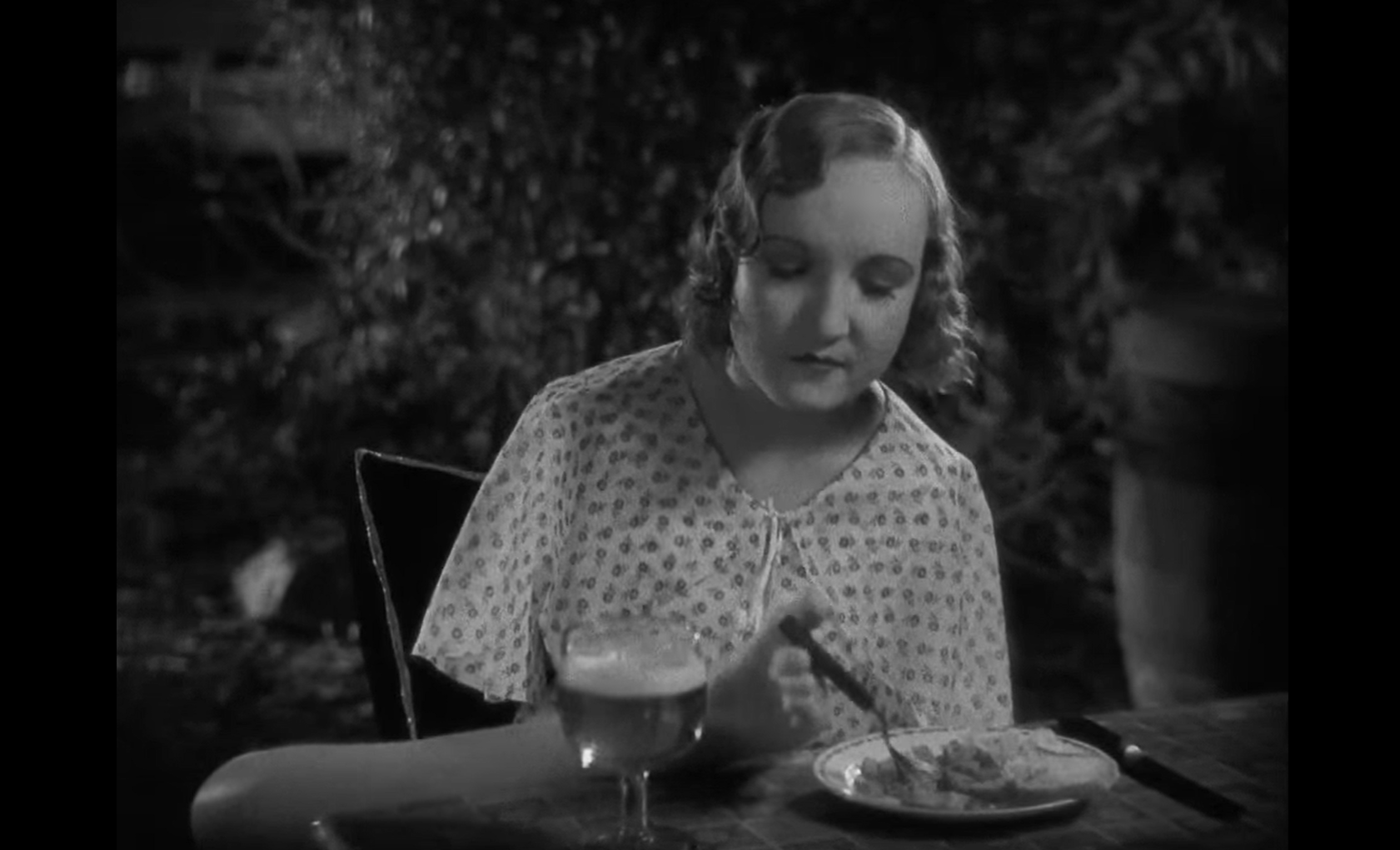
… or O’Connor blithely eating dinner with her feet:
— and we “soon feel comfortable in their presence.”

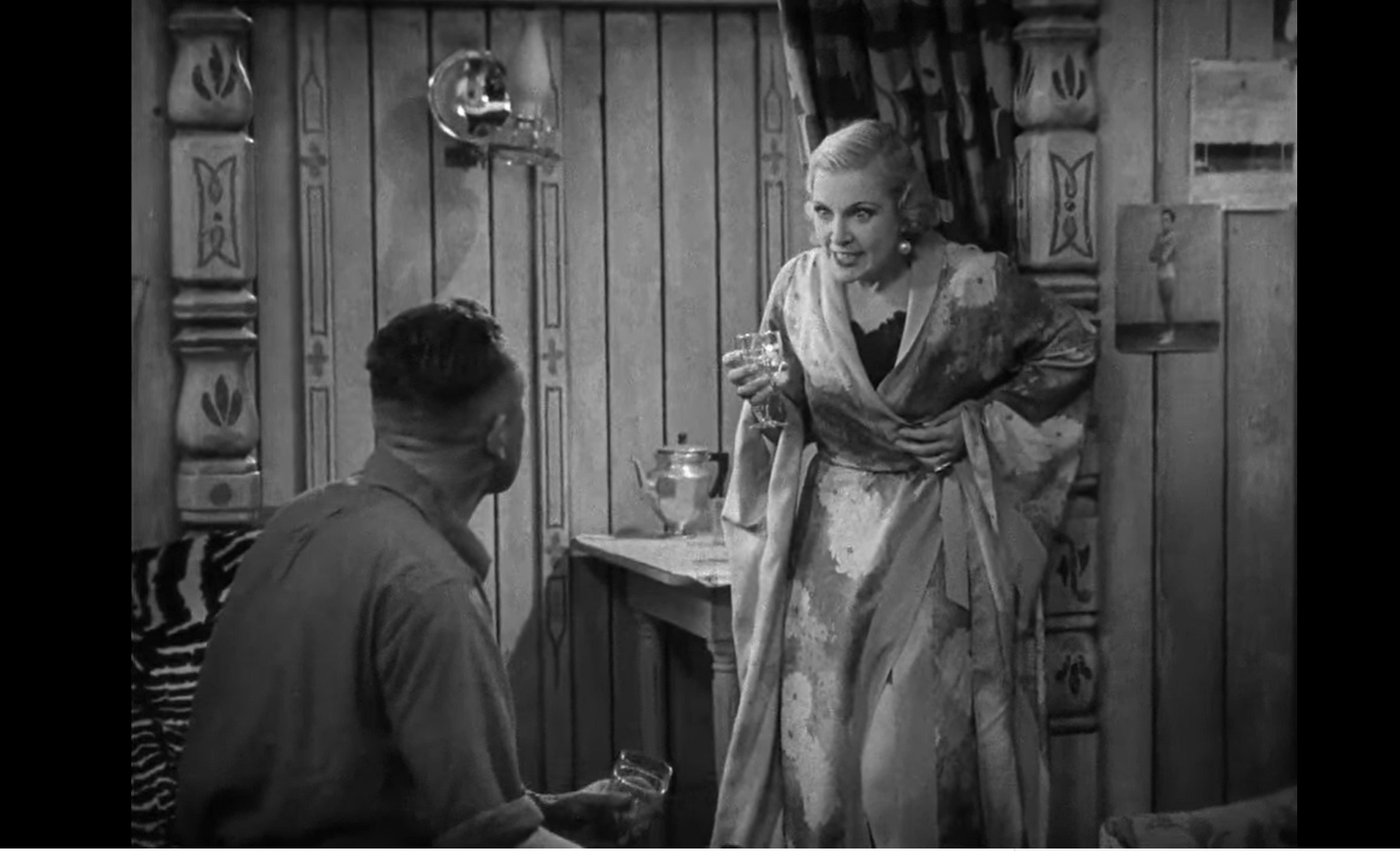
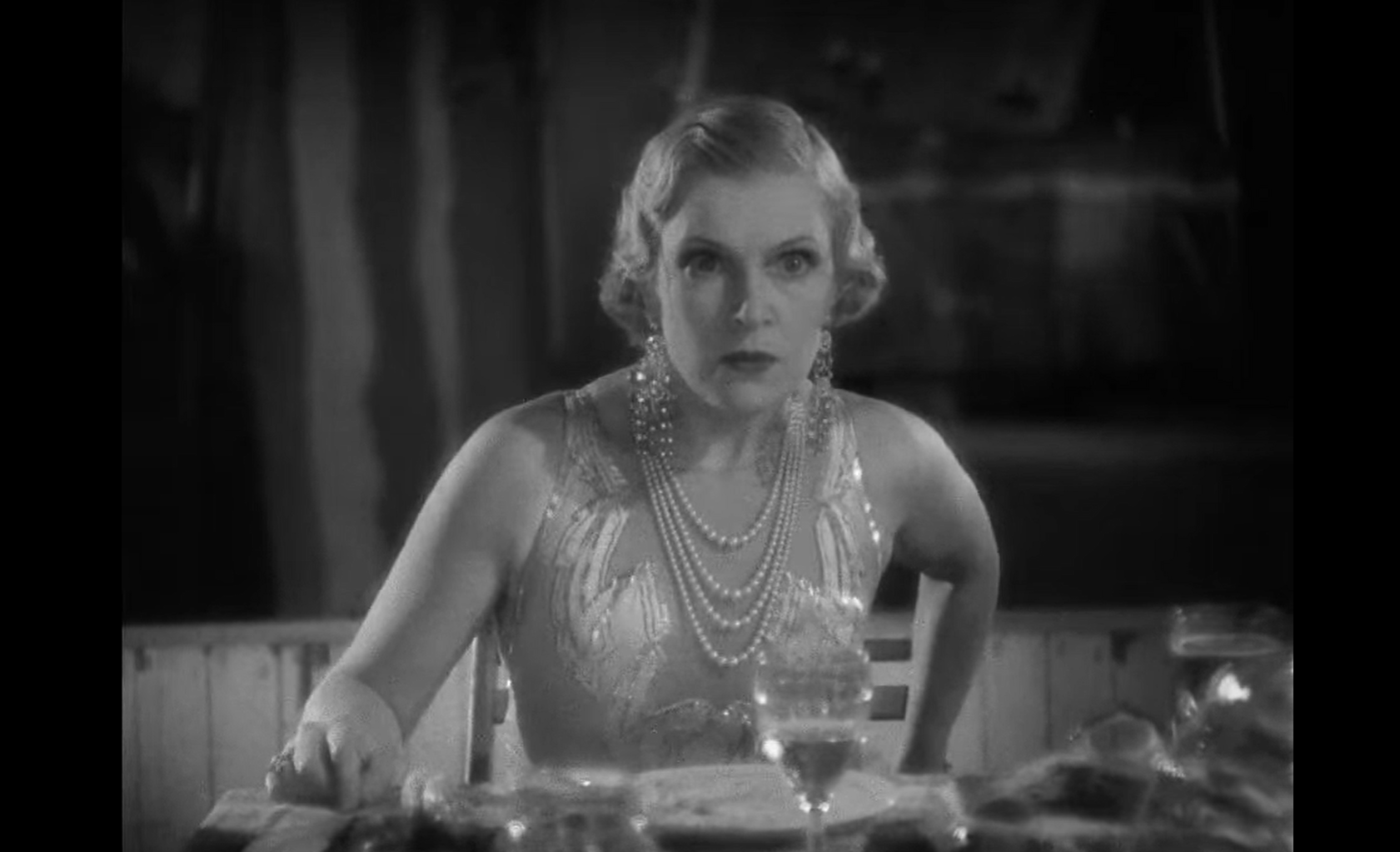
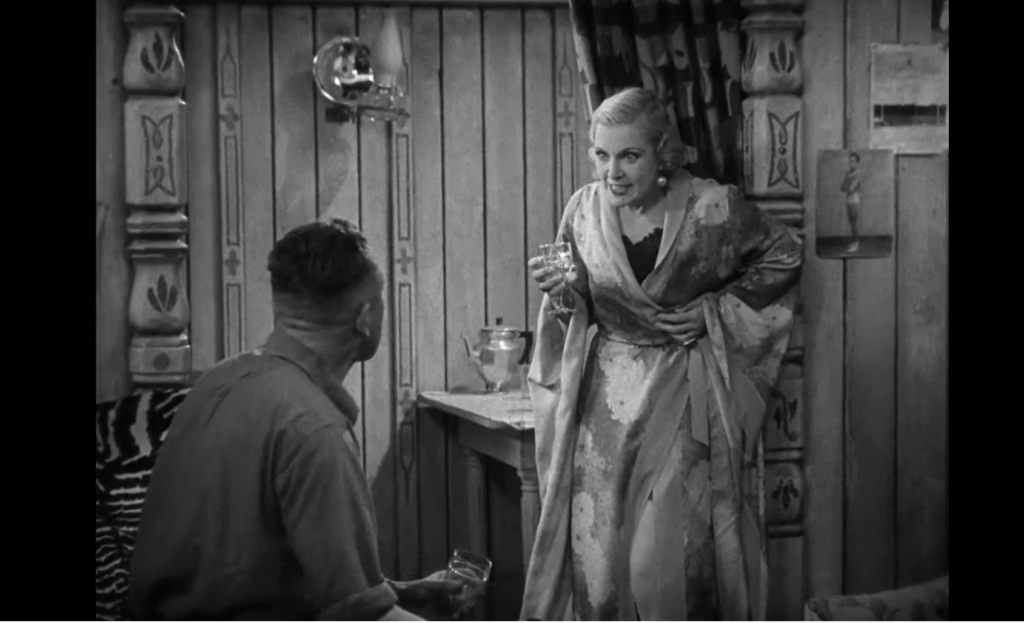
Although the lead female role (Cleopatra) in Freaks was originally slated for Myrna Loy (who refused in protest of the script), Russian stage actress Olga Baclanova was an inspired second choice to play the film’s vampy villainess. Her smarmy come-ons to Earles — as well as her blatant mockery of anyone smaller or weaker than herself — help turn Cleopatra into a completely unsympathetic character, someone it’s easy to hate.
Actually, I suspect that part of the film’s appeal is its utter lack of big-name stars — rather than showcasing personalities, it thus relies solely on the power of its narrative, characters, and atmosphere to evoke a unique cultural world. While some may be offended by Browning’s blatant use of physically abnormal persons for cinematic interest, he treats them respectfully: this is their world — the only one to which they undeniably belong — and their deformities unite them together rather than setting them shamefully apart. What a vicarious treat to see these true underdogs of the world proving that collective will can trump bullying behavior any day.

Redeeming Qualities and Moments:

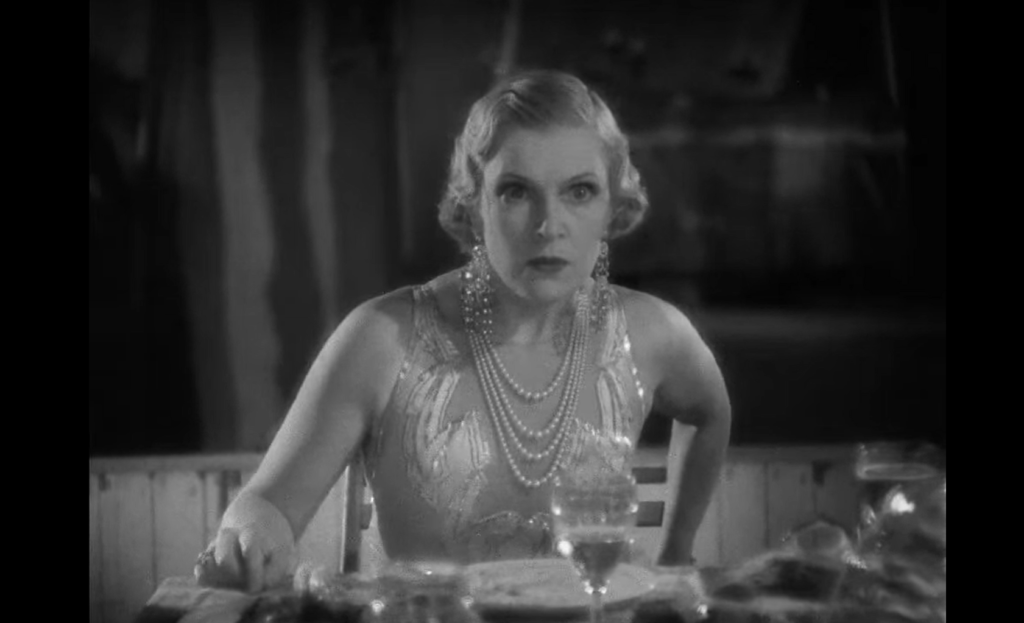
  • Olga Baclanova as Cleopatra — one of cinema’s truly evil villainesses
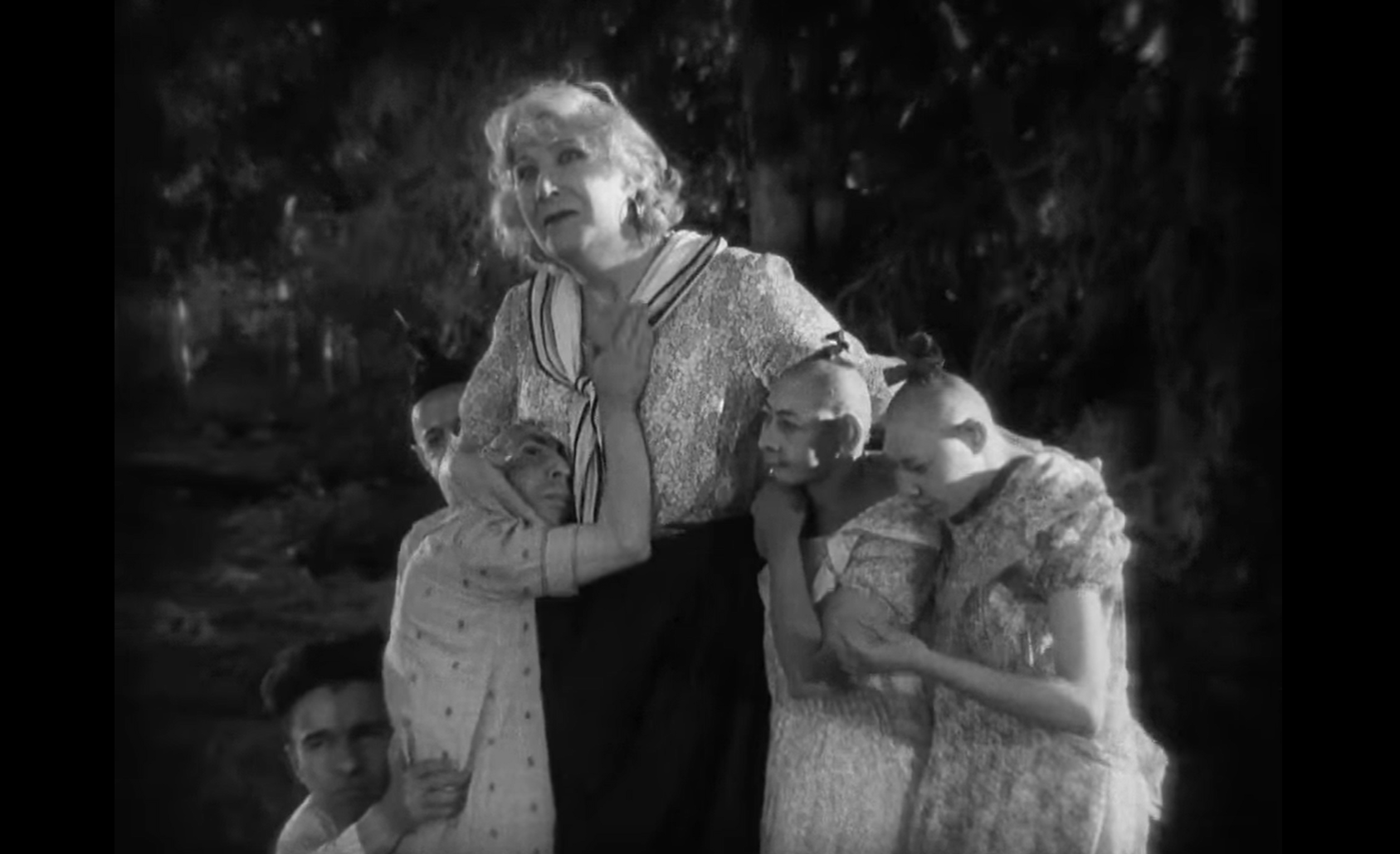
  • The pinheads being comforted by their caretaker, Madame Tetrallini (Rose Dione)
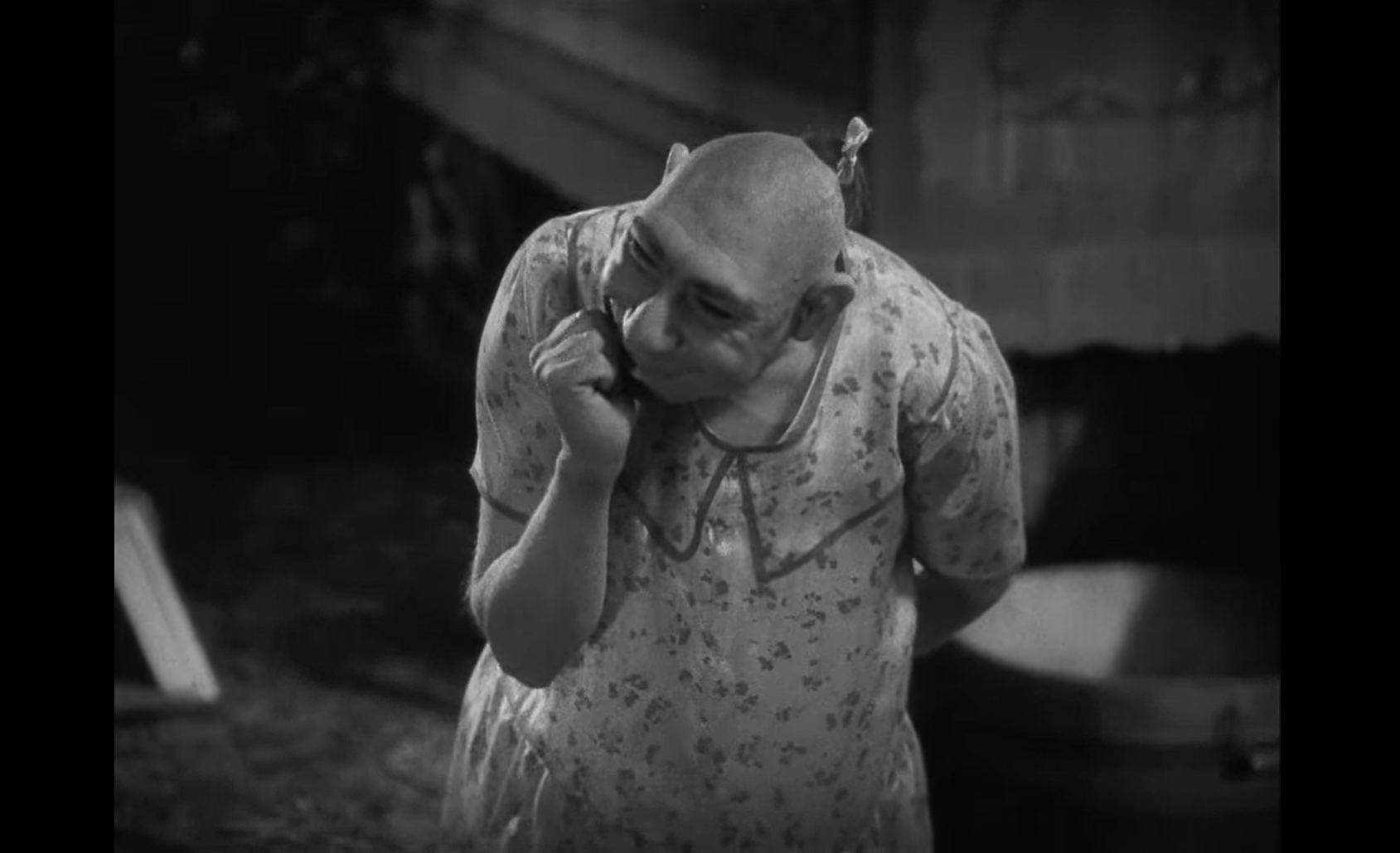
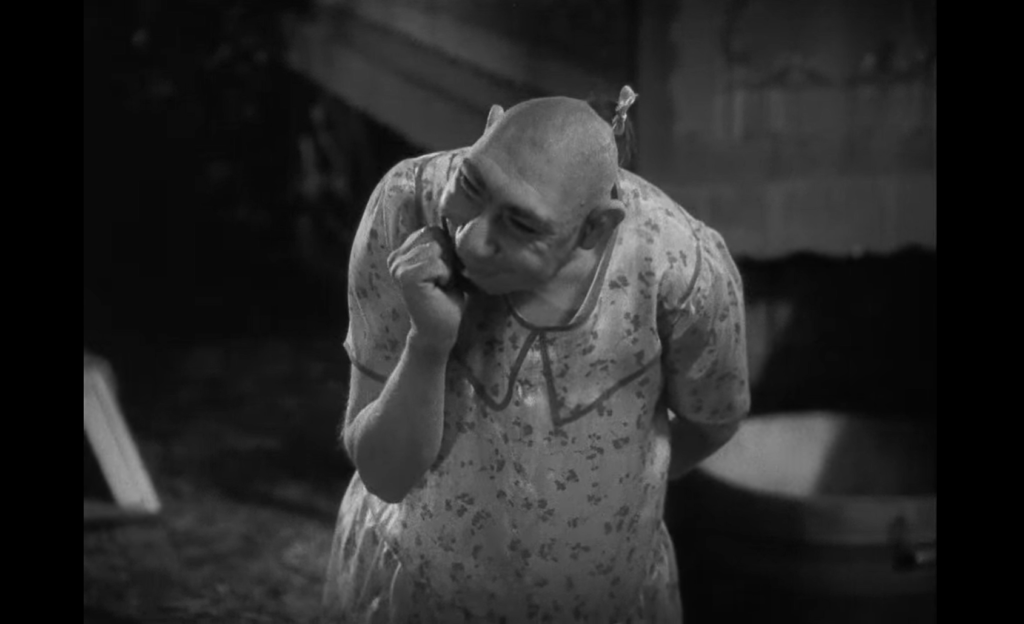
  • Grinning Schlitze (a retarded male dressed as a female), always in a good mood
  • The Hilton sisters in their screen debut
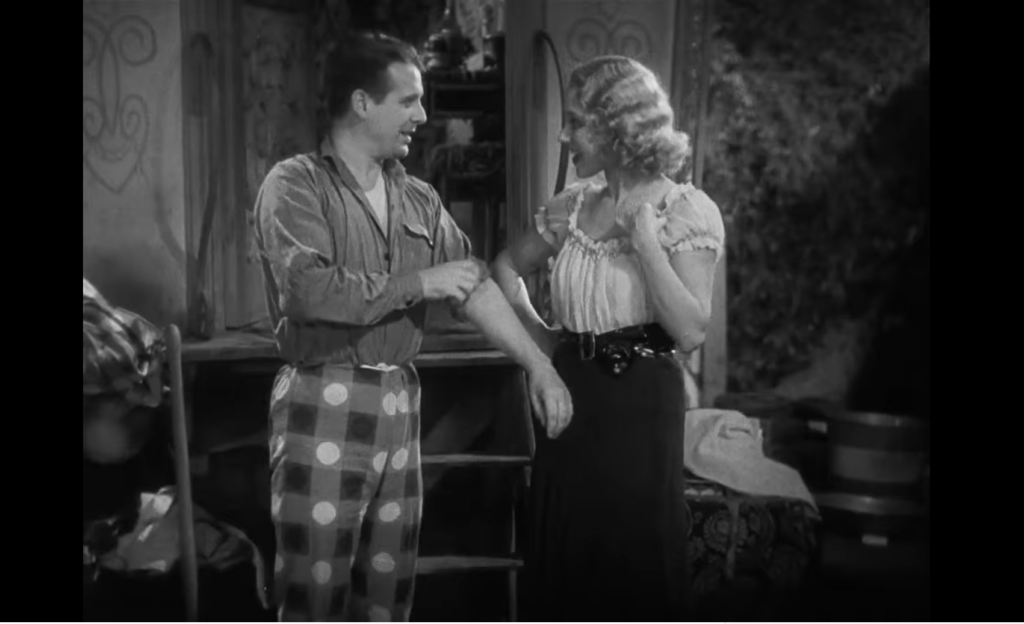
  • The sweet, humorous romance between sympathetic Venus (Leila Hyams) and Phroso (Wallace Ford)
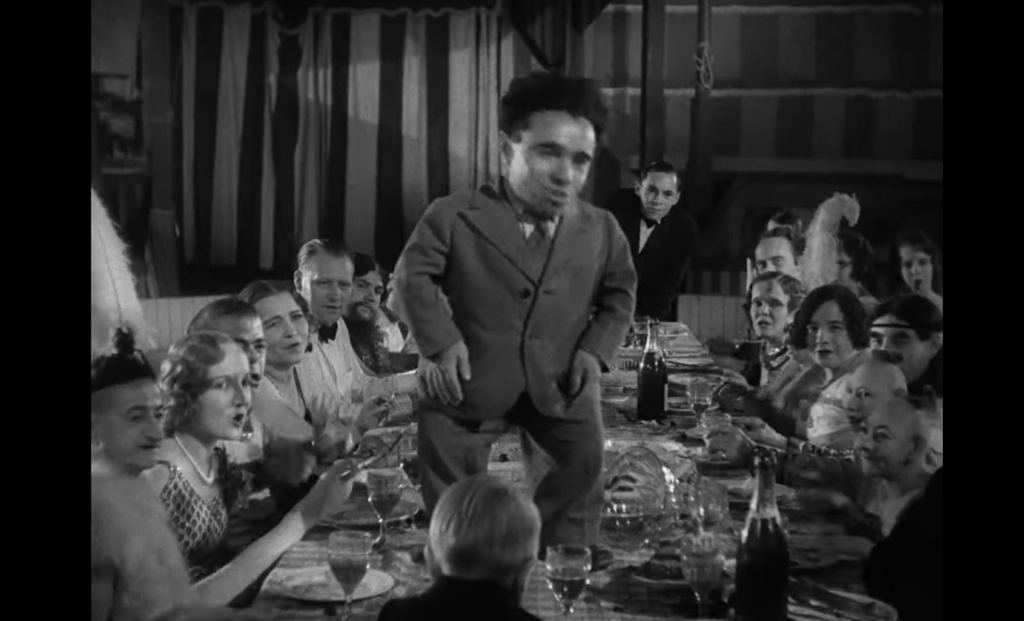
  • The celebratory freaks chanting, “We accept you, one of us! Gooble gobble!” to a horrified Cleopatra during the wedding feast
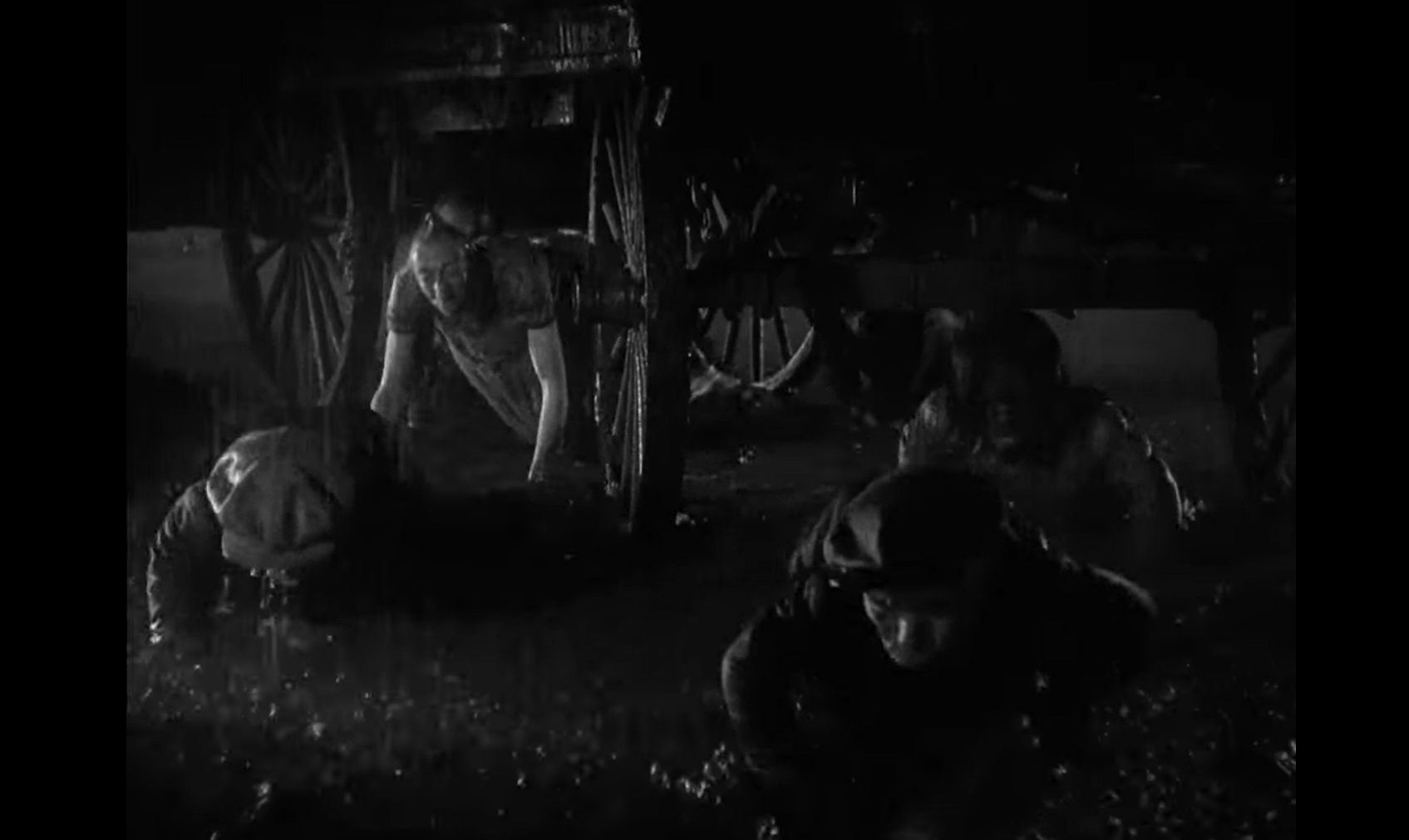
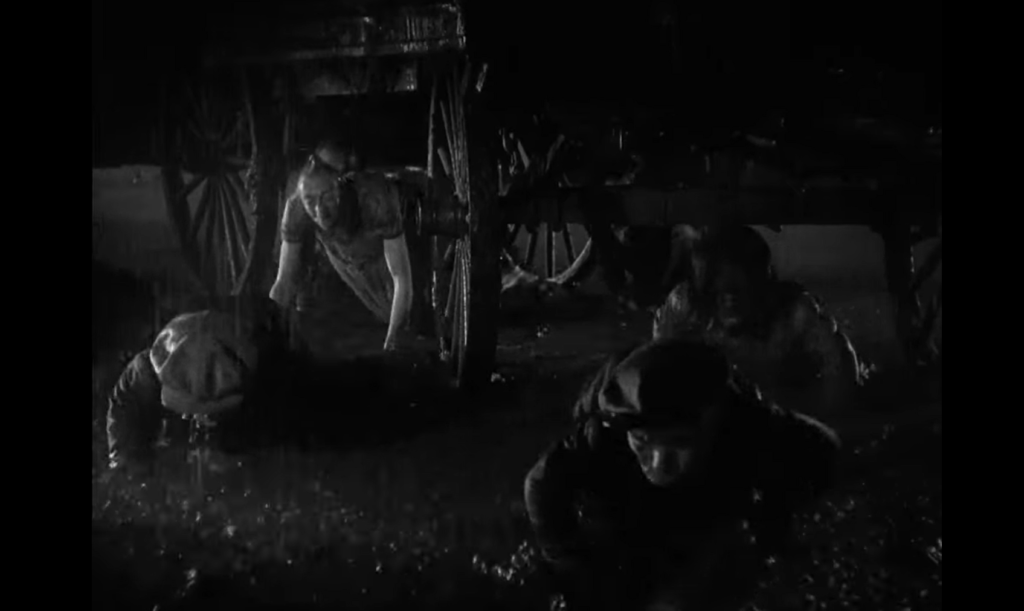
  • The freaks crawling after Cleopatra and Hercules on a dark and stormy night
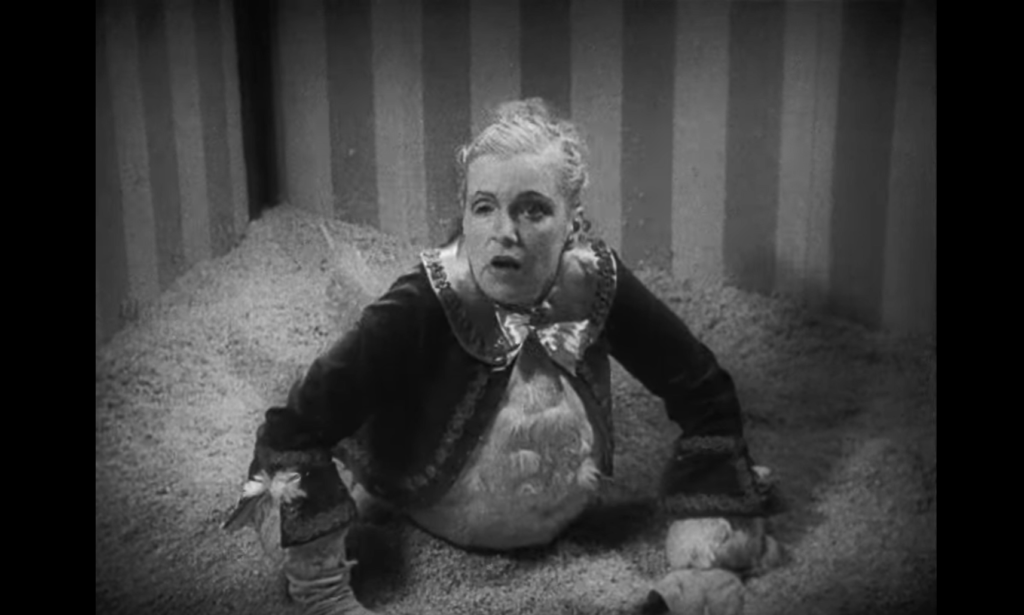
  • The horrifying (yet well-deserved) revenge wreaked upon Cleopatra
Must See?
Yes. This controversial cult classic merits multiple viewings. Discussed at length in Peary’s Cult Movies (1981).

Categories

  • Controversial Film
  • Cult Movie

(Listed in 1001 Movies You Must See Before You Die)

Links:

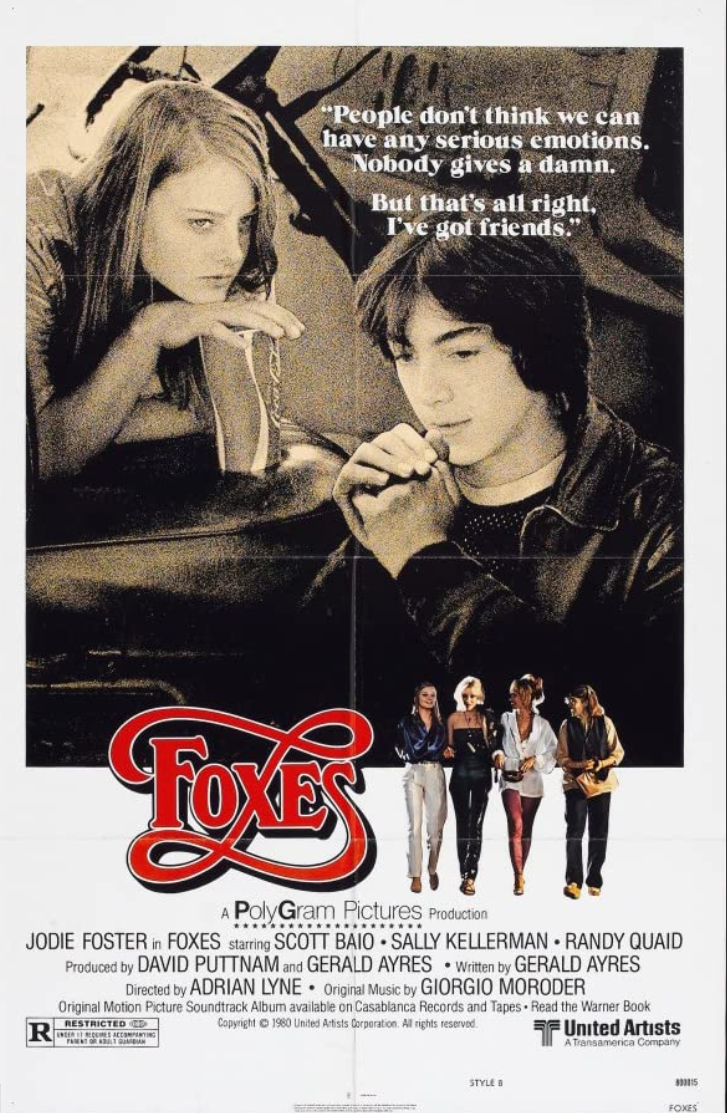
Foxes (1980)

Foxes (1980)

“Ya never know what ya don’t know — y’know?”

Synopsis:
A group of teenage friends (Jodie Foster, Cherie Currie, Marilyn Kagan, and Kandice Stroh) support each other during difficult times.

Genres, Themes, Actors, and Directors:

  • Coming of Age
  • Family Problems
  • Friendship
  • Jodie Foster Films
  • Laura Dern Films
  • Lois Smith Films
  • Randy Quaid Films
  • Sally Kellerman Films
  • Teenagers

Response to Peary’s Review:
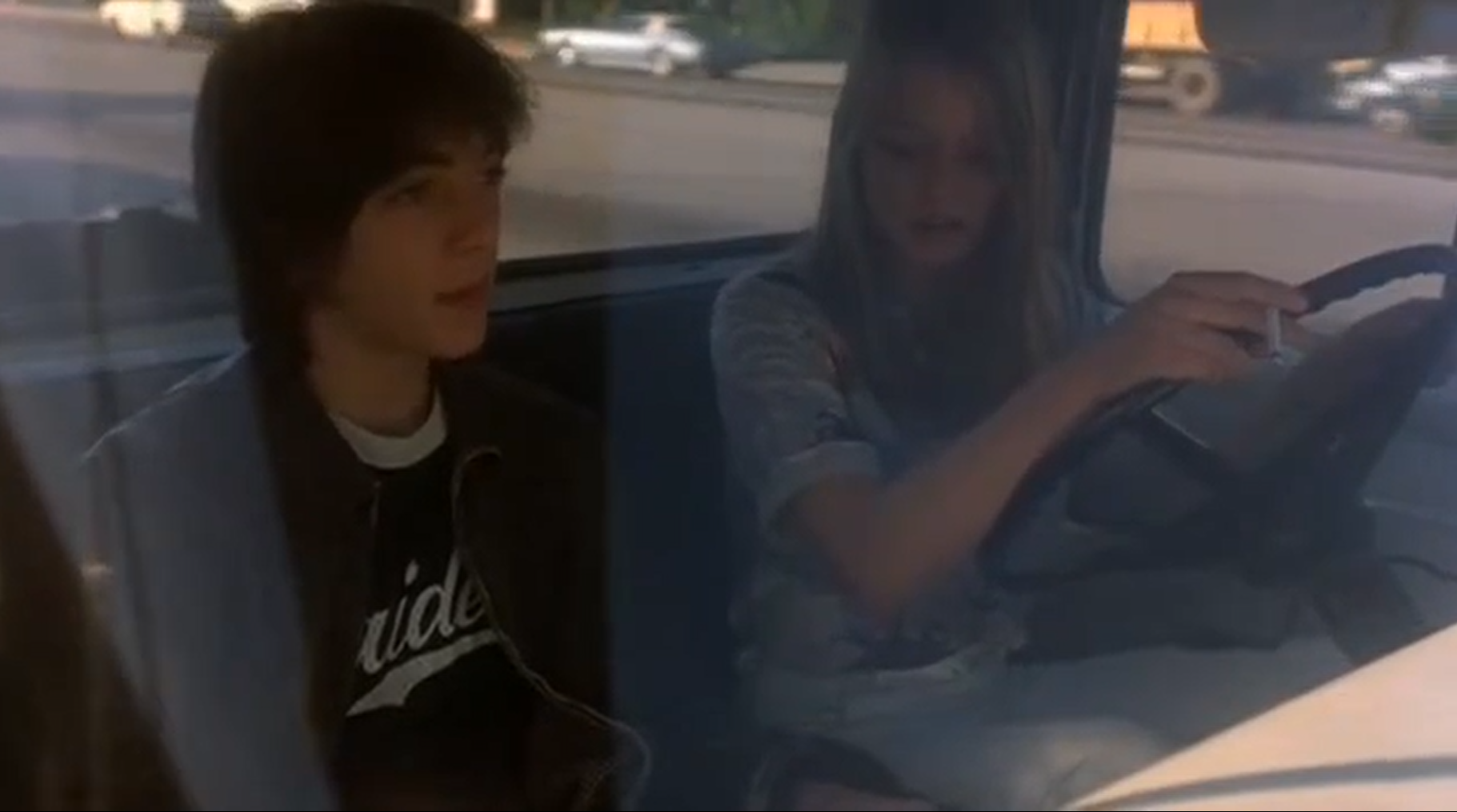
This surprisingly disappointing coming-of-age flick showcases all the classic tropes of teenage angst — drug abuse, losing one’s virginity, negative body image, strained relationships with one’s parents, etc. — but fails to fully deliver on any of them. As in Joel Schumacher’s St. Elmo’s Fire (1985), too many characters spoil this movie’s narrative cohesion; Foxes would have been a much better film had it focused exclusively on Foster’s maternal concern for Annie (Currie), whose genuinely disturbing issues are given far too little screen time. Fortunately, despite the limitations of the film’s screenplay, Foster’s performance is as dependable as always; as Peary notes, she’s “terrific, even when her lines aren’t.”

Redeeming Qualities and Moments:

  • Jodie Foster in yet another mature, well-acted early role
  • Scott Baio as the girls’ skateboarding male friend
  • Cherie Currie (lead singer of the all-girl band “The Runaways”) as the deeply troubled Annie

Must See?
No. While it’s considered a minor cult classic, it’s ultimately not must-see viewing.

Links:

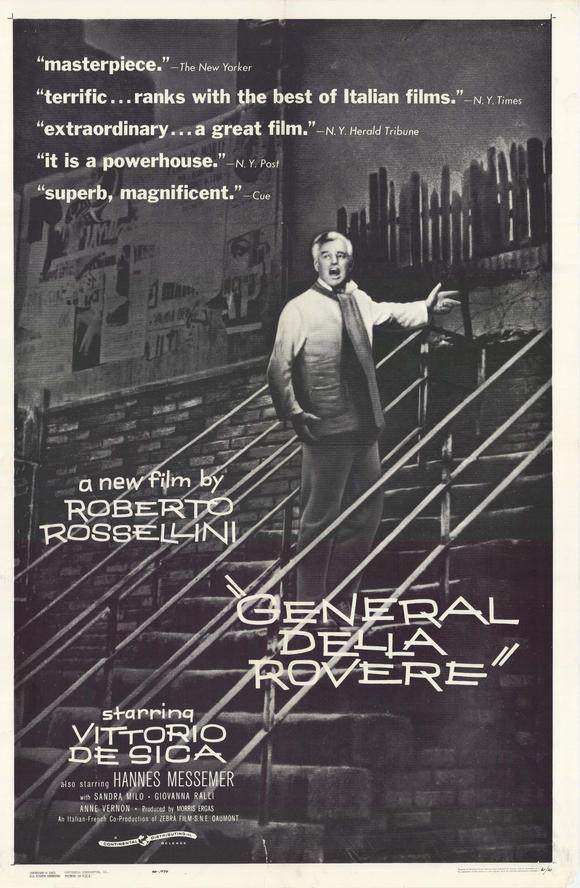
General Della Rovere (1960)

General Della Rovere (1960)

“I don’t trust priests; they’re all spies.”

Synopsis
An apolitical con-artist (Vittorio De Sica) impersonates a recently killed Resistance leader (“General Della Rovere”) in order to save his own life.

Genres, Themes, Actors, and Directors:

  • Character Arc
  • Con-Artists
  • Folk Heroes
  • Italian Films
  • Mistaken or Hidden Identities
  • Political Awakening
  • Resistance Fighters
  • Roberto Rossellini Films
  • World War II

Response to Peary’s Review:
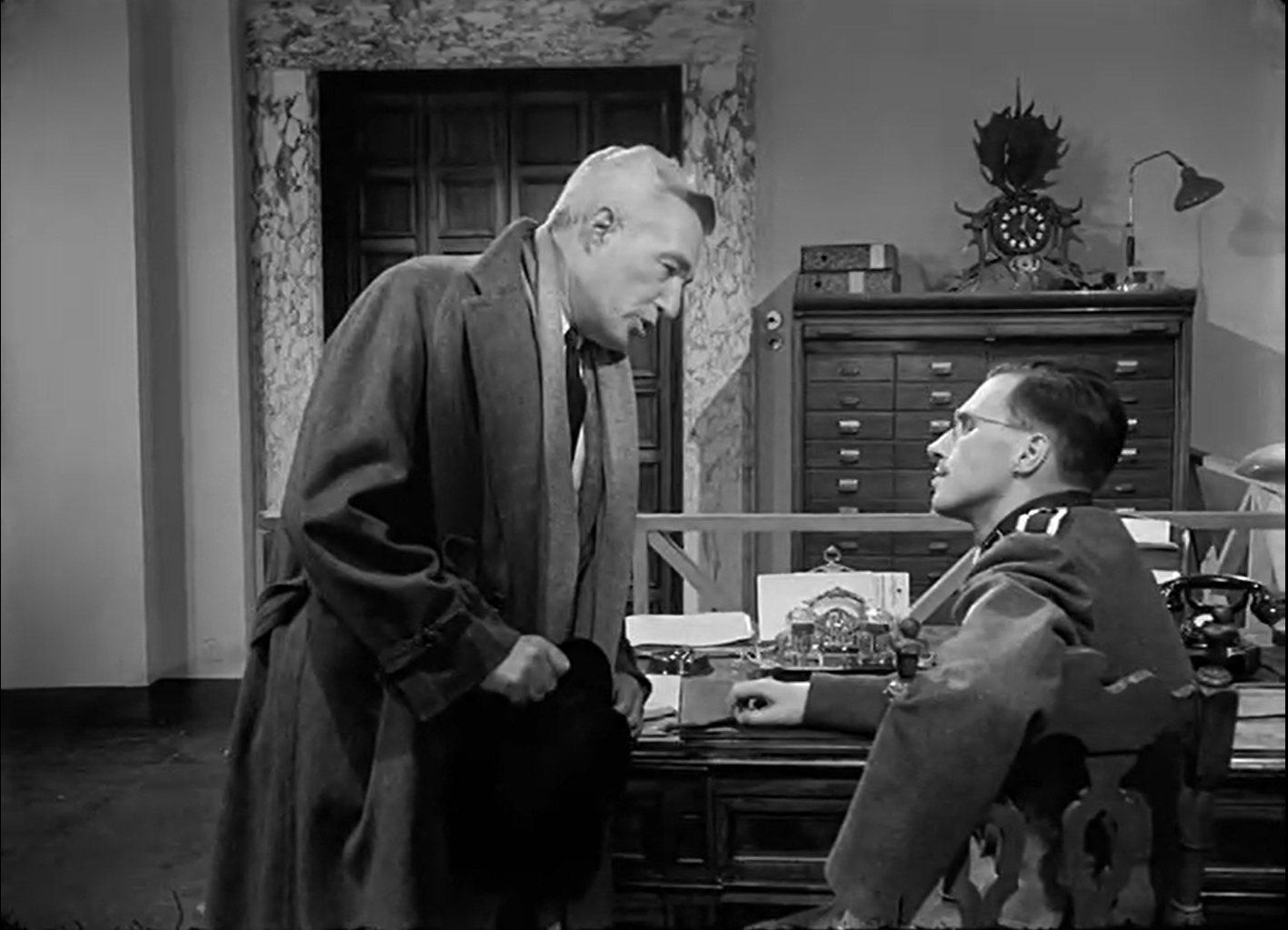
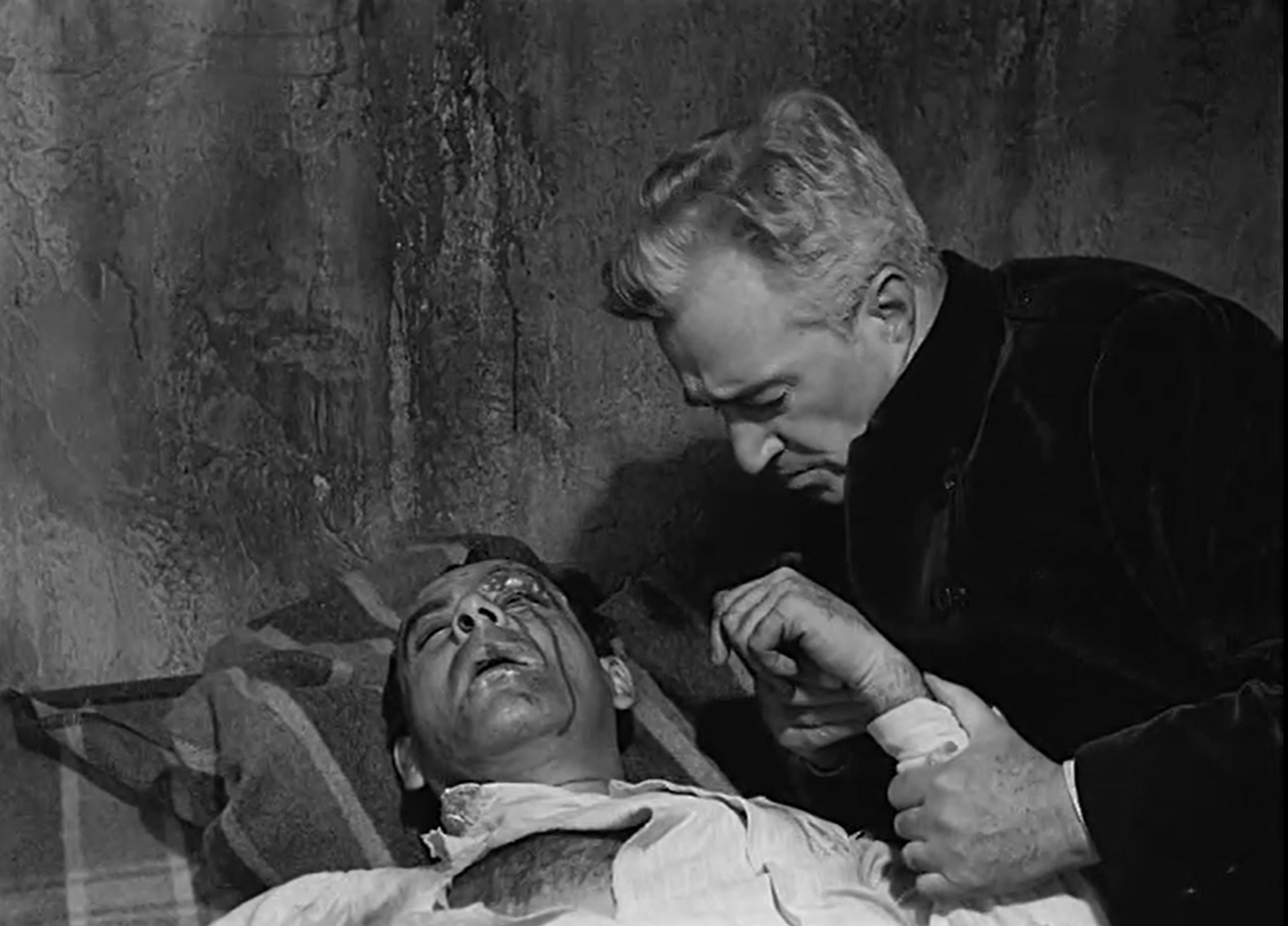
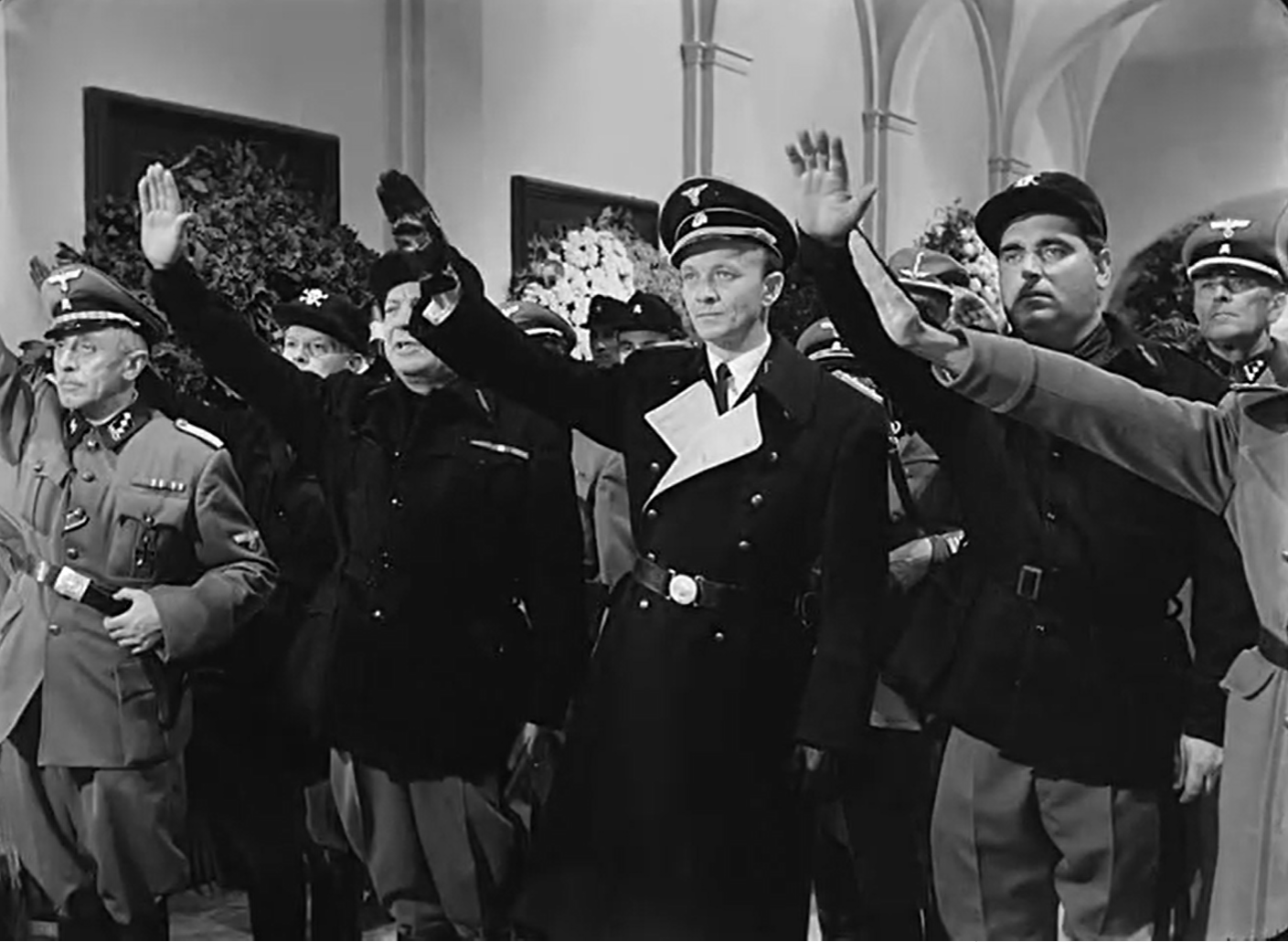
As Peary notes, this historical drama may be overlong and disjointed at times, but is nonetheless a powerful depiction of director Roberto Rossellini’s conviction that “every Italian has the responsibility to share his countrymen’s misery.” Indeed, because Rossellini spends the entire first hour of the movie showing us Grimaldi (De Sica) as he sells out his fellow Italians to the Gestapo — brusquely trading their lives for cash — it’s especially gratifying to witness his change of heart once he’s in prison. Although Grimaldi has nothing to gain by helping the Resistance movement, he comes to recognize the true importance of solidarity in the face of evil. By the end of the film, you’ll feel nothing but compassion and pride for this reformed swindler, who “becomes worthy of the man whose name he has stolen.”

Redeeming Qualities and Moments:

  • Vittorio De Sica’s strong performance as both the cynical swindler and the noble General

  • Many powerful, tense moments, both before and after De Sica enters prison

  • A fascinating portrait of newly won political consciousness

Must See?
Yes. Though it’s long, unevenly paced, and considered by many to be one of Rossellini’s lesser efforts, this film remains a stirring wartime drama.

Categories

  • Important Director

Links:

Cocaine Fiends, The (1935)

Cocaine Fiends, The (1935)

“It’s too late for me; girls can’t come back.”

Synopsis:
A small-town girl (Lois January) who has become hooked on cocaine tries to prevent her brother (Dean Benton) from following in her path.

Genres, Themes, Actors, and Directors:

  • Alcoholism and Drug Addiction
  • Siblings

Response to Peary’s Review:
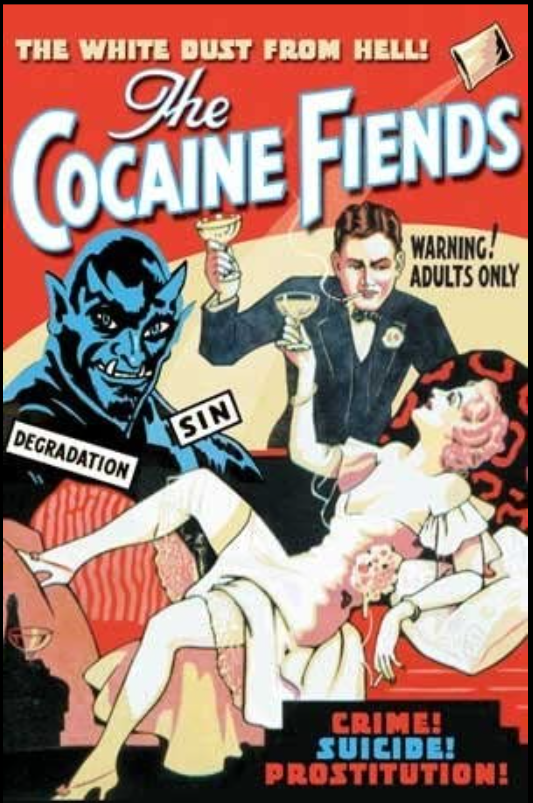
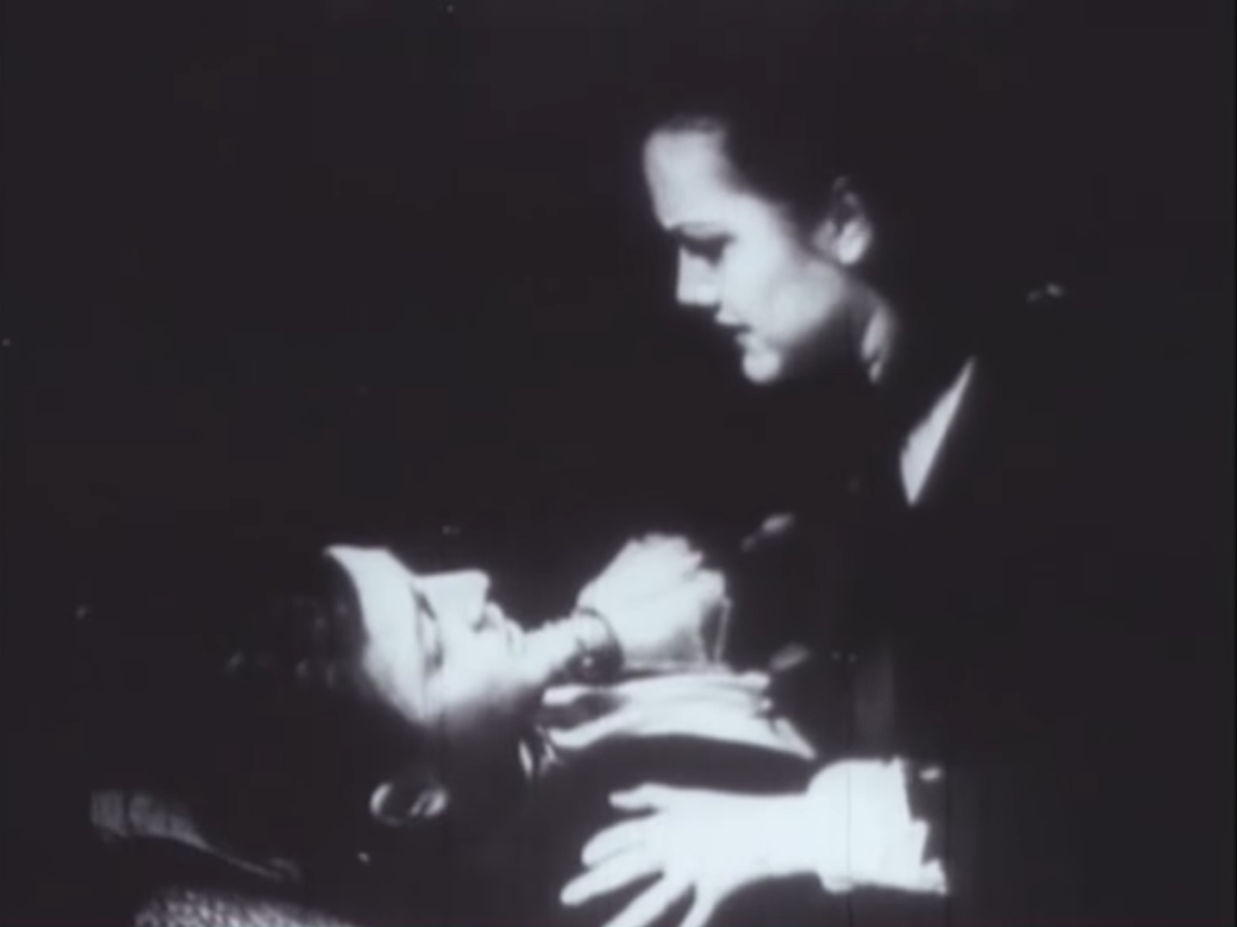
Best known as a companion piece to the infamously campy Reefer Madness (1936), this film (as Peary notes) isn’t nearly “as blatantly exploitative or as foolish in its depiction of drug usage and addiction.” Indeed, the highly realistic possibility of naive young people becoming addicted to cocaine (unlike the histrionics over marijuana “addiction” flouted in Reefer) is scary enough to add some genuine tension to the proceedings. As Peary points out, however, Cocaine Fiends is primarily of interest for its “sad view of females in trouble in a cold-hearted, male-dominated world” — indeed, you’ll feel frustrated and dismayed by January’s utter lack of hope for a second chance.

Redeeming Qualities and Moments:

  • A gritty, relatively realistic view of drug abuse and squalor in the 1930s

Must See?
No; though it’s “better” than its infamous counterpart, this one is not must see viewing.

Links:

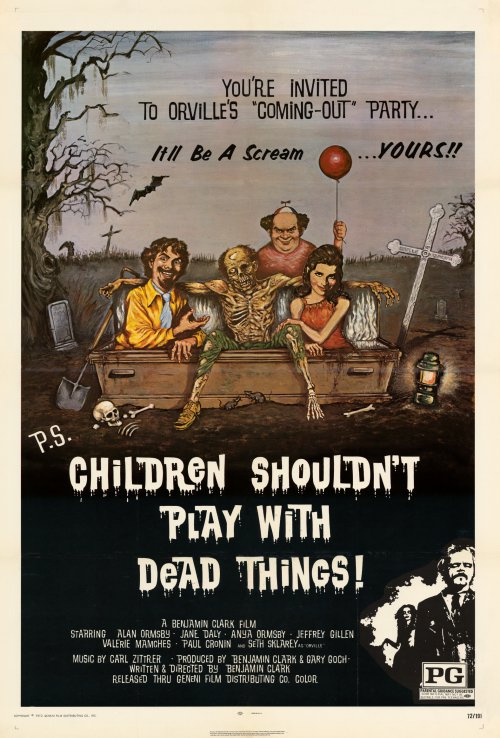
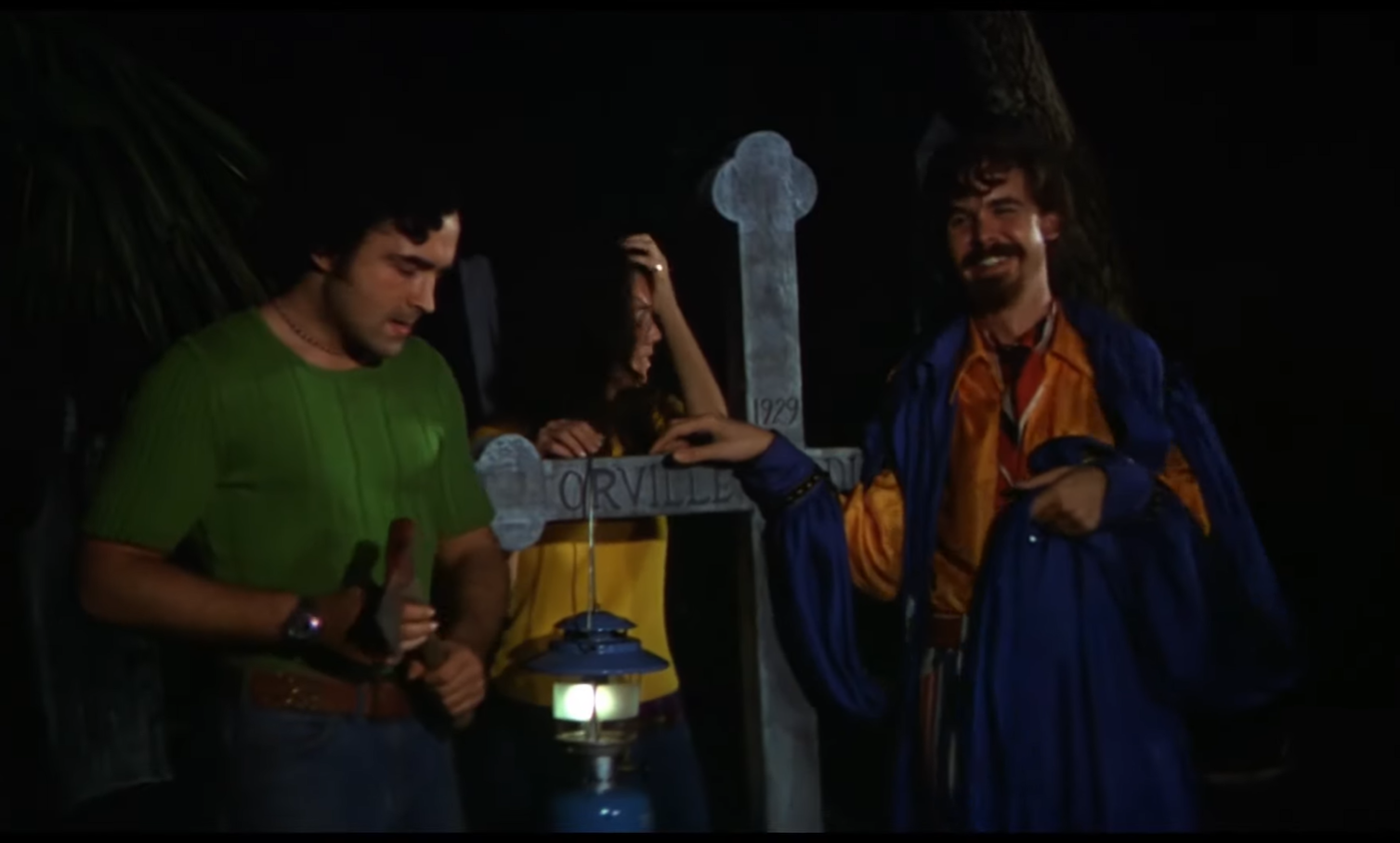
Children Shouldn’t Play With Dead Things (1972)

Children Shouldn’t Play With Dead Things (1972)

“Get out of the grave, Alan. Get out of the grave and let an artist show you how to call a curse down on Satan!”

Synopsis:
A theater director (Alan Ormsby) brings his actors to a remote island to participate in a mock necromancy ritual — but the group soon finds itself in mortal danger as zombies rise from their graves.

Genres, Themes, Actors, and Directors:

  • Actors and Actresses
  • Horror
  • Zombies

Response to Peary’s Review:
In his inimitable, no-holds-barred style, Peary perfectly describes this cult film by writer/director Bob Clark as a “cheap, ugly, non-frightening, non-funny horror comedy with odious characters,” made by “amateurs who think any completed horror film will make money.” I agree. It’s beyond amazing to me that the director of one of my all-time favorite comedies — A Christmas Story (1983) — also helmed this “excuse for a film,” full of unappealing protagonists, bad acting, laughable make-up, and a painfully unfunny premise.

Redeeming Qualities and Moments:
None.

Must See?
No. While it’s apparently somewhat of a cult favorite, it’s too awful to recommend.

Links: