Browsed by
Category: Response Reviews

My comments on Peary’s reviews in Guide for the Film Fanatic (Simon & Schuster, 1986).

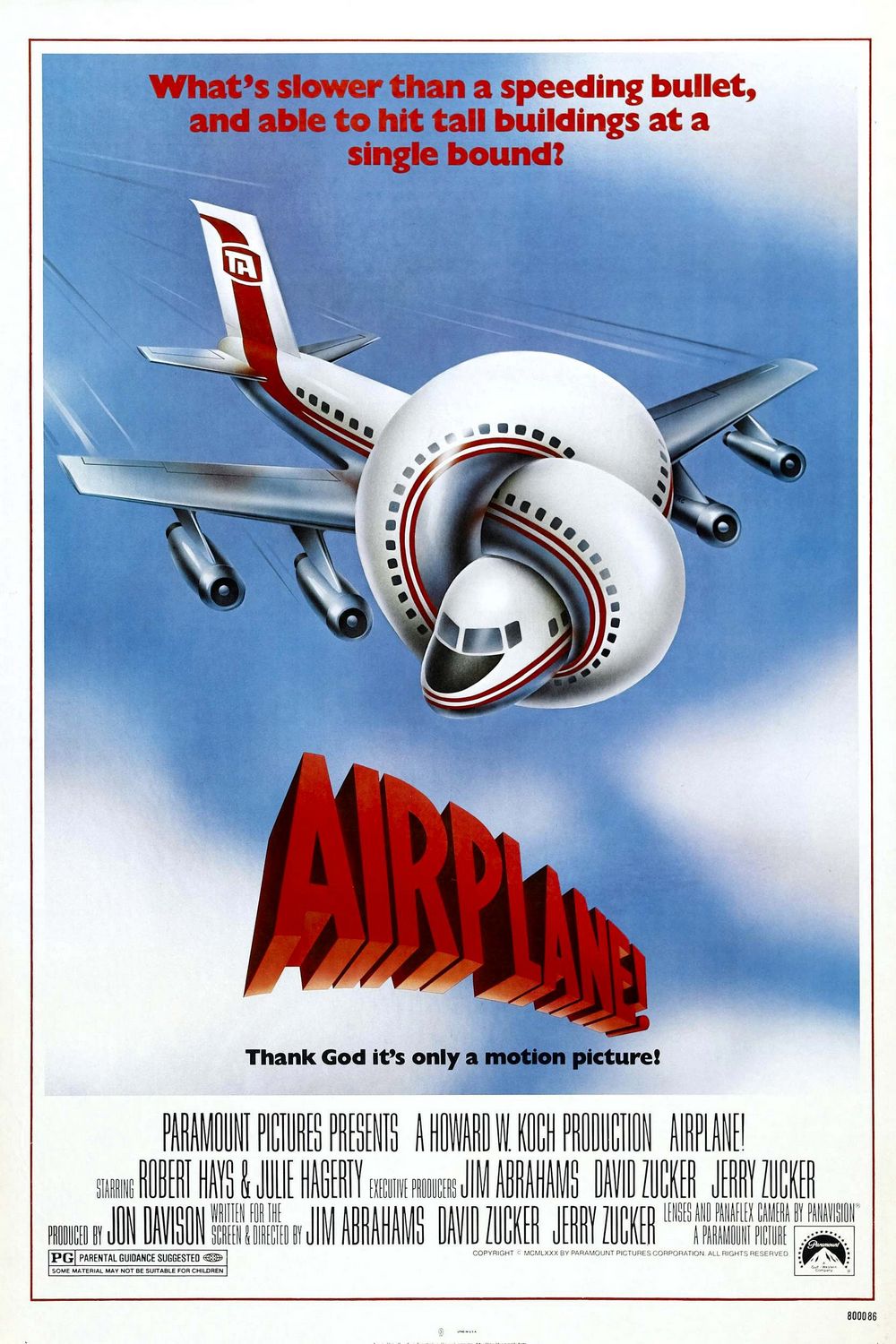
Airplane! (1980)

Airplane! (1980)

“There’s no reason to become alarmed, and we hope you’ll enjoy the rest of your flight. By the way, is there anyone on board who knows how to fly a plane?”

Synopsis:
A former fighter pilot (Robert Hays) in love with a stewardess (Julie Hagerty) must take over a plane when its pilots (Peter Graves and Kareem Abdul-Jabbar) fall ill from food poisoning.

Genres, Themes, Actors, and Directors:

  • Airplanes and Pilots
  • Comedy
  • Disaster Flicks
  • Lloyd Bridges Films
  • Robert Stack Films<
  • Satires and Spoofs

Response to Peary’s Review:
As Peary notes, “much of the humor” in this “ambitious, amusing spoof” by the Zucker brothers (previously known for 1977’s Kentucky Fried Movie) “comes from exaggeration of cliches” as well as “the fact that everything said is taken literally”. When “the shit hits the fan”, for instance, we see this actually happening; and when a stewardess (Hagerty) is asked whether she’s prepared to “face some unpleasant facts”, she answers truthfully: “No.” While this type of humor could easily become tedious, it rarely does; instead, scene after scene has us howling with sheepish laughter. Over the years, Airplane! has become a cult favorite, with certain lines — “And don’t call me Shirley” — instantly memorable. As Peary puts it, “the gags come fast and furiously and it’s amazing how many are funny.”

Redeeming Qualities and Moments:

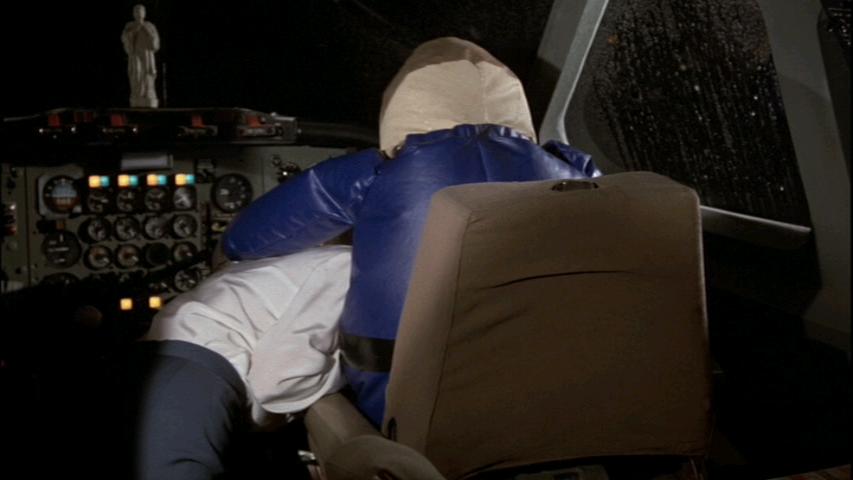
  • Hagerty giving a literal “blow job” to an inflatable co-pilot
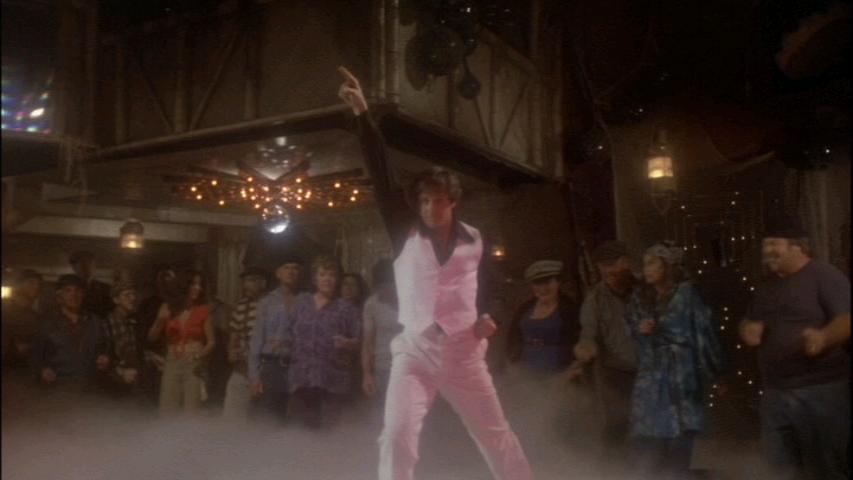
  • Hagerty and Hays dancing to “Stayin’ Alive”
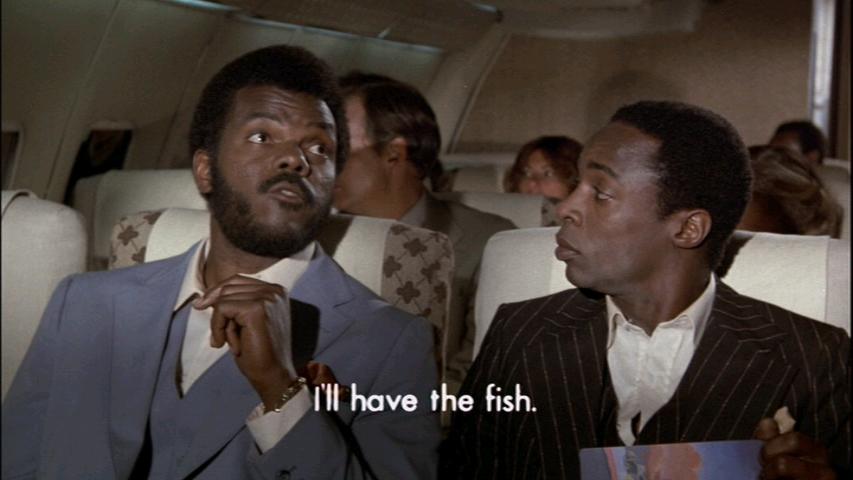
  • Two black passengers (Norman Alexander Gibbs and Al White) using incomprehensible jive-talk (with useful subtitles provided)
  • Captain Oveur’s inappropriate questions to a boy (Rossie Harris) who visits the cockpit: “Joey, do you like movies about gladiators?”
  • Countless memorable lines and hilarious wordplay:

    “I am serious– And don’t call me Shirley.”

Must See?
Yes. Airplane! remains one of the most consistently amusing satires ever made, and merits repeat viewing by all film fanatics.

Categories

  • Genuine Classic

(Listed in 1001 Movies You Must See Before You Die)

Links:

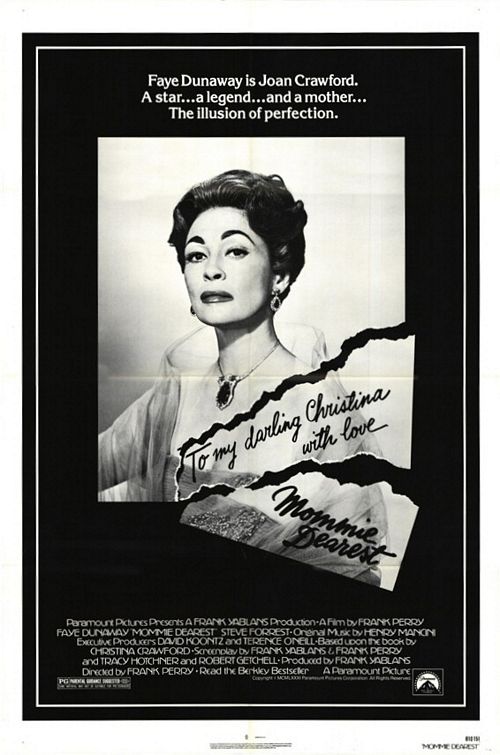
Mommie Dearest (1981)

Mommie Dearest (1981)

“I’m going to make a perfect life for you– I’m going to give you all the things I never had, my beautiful little darling!”

Synopsis:
Christina Crawford (Diana Scarwid and Mara Hobel) tells about growing up with her abusive adoptive mother, Joan Crawford (Faye Dunaway).

Genres, Themes, Actors, and Directors:

  • Actors and Actresses
  • Biopics
  • Child Abuse
  • Evil Mothers
  • Faye Dunaway Films
  • Frank Perry Films
  • Hollywood

Response to Peary’s Review:
Peary’s response to this cinematic adaptation of Christina Crawford’s best-selling autobiography is similar to that of most critics at the time (Roger Ebert, for instance, gave it one star out of four; see link below). Peary calls it “ludicrous”, “mediocre”, and “trivial”, and lambastes it for both fabricating “nearly every event that takes place,” and eliminating “real people” in place of composites. He complains that Dunaway is simply playing “the Crawford who is [already] familiar to viewers — the Crawford of the movies, newsreels, and personal appearances”, rather than “the Crawford of Christina’s book”, simply so that the “sheepish” filmmakers could try to “dodge negative backlash” from her fans.

I’ll admit that my initial response to Mommie Dearest was the same as Peary’s. I watched it immediately after reading Crawford’s book, and was upset by how egregiously the filmmakers had mangled Christina’s story of her abusive childhood. Watching it again years later, however, I can appreciate Mommie Dearest for what it unintentionally turned out to be: a film so clumsily made — and so far removed from its source material — that it’s actually entertaining. Indeed, it is precisely the film’s “staggeringly bad scenes and campy dialogue” which have contributed to its cult over the years, allowing those who “laugh at its overall ineptitude” (click here for a long list of goofs) to have a grand old time.

Plus, despite its obvious flaws, the film contains many moments of genuine insight into Crawford’s character. When Dunaway holds her infant daughter in her arms for the first time, and is reminded by her boyfriend (Steve Forrest) that Christina is both a “very lucky” and a “very expensive” baby, we are reminded that Crawford ultimately bought her children rather than adopted them. When Dunaway reacts with thinly-veiled jealousy as reporters seem more interested in filming her daughter than her during Christina’s birthday party, we really “get” how difficult it was for Crawford to share the limelight, even with her own kids. And when Dunaway expresses her heartfelt gratitude to the crowd of fans standing outside her house after she won an Oscar for her performance in Mildred Pierce (1945), we learn why her following was so enormous — and so loyal — for so many years.

Most impressive of all, however, is the powerhouse performance by Faye Dunaway, who, though “she overacts at times,” makes “a gallant effort playing Crawford not as a villain, but as a ‘warrior’.” Indeed, it’s absolutely fascinating to gain an inside glimpse at this rags-to-riches actress, someone who took her status as a beloved Hollywood star so seriously that she was willing to work as hard as it took to maintain it. Though Peary argues that “Dunaway’s Crawford comes across as no less sympathetic” than her daughter, I disagree: when watching Crawford obsessively scrubbing her own floor, jogging to stay in shape, and getting up at the crack of dawn to arrive at the studio on time, we understand that this was a driven woman who, quite simply, didn’t have a clue about how to be an effective mother.

Redeeming Qualities and Moments:

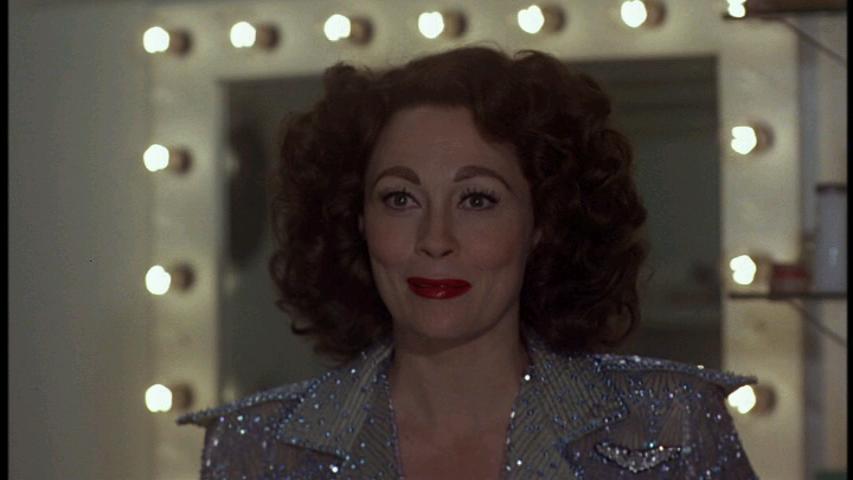
  • Faye Dunaway’s powerhouse portrayal as Hollywood icon Joan Crawford
  • Mara Hobel’s impressive performance as young Christina
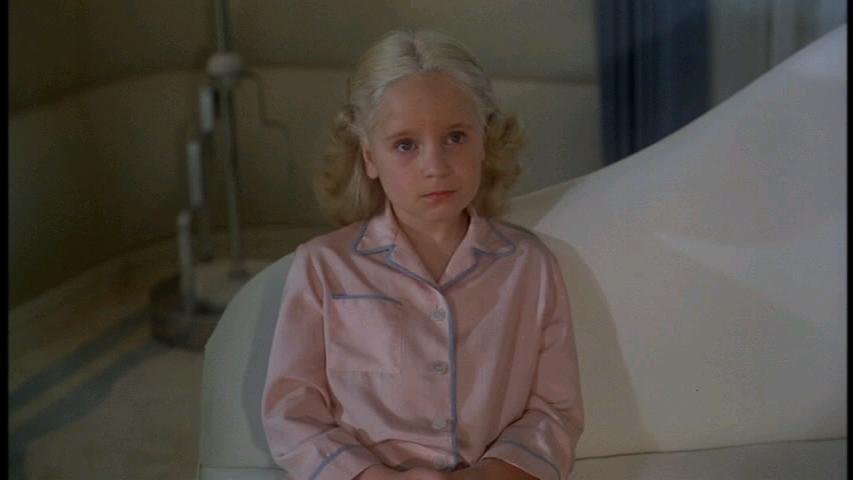
  • Appropriately baroque set designs and costumes

  • Countless memorable lines by Joan:

    “I’m not mad at you; I’m mad at the dirt.”
    “I can handle the socks.”
    “Don’t fuck with me, fellas. This ain’t my first time at the rodeo!”
    “Tear down that bitch of a bearing wall and put a window where it ought to be!”
    “Tina! Bring me the axe!”

    And, of course:

    “No– wire– hangers!”

Must See?
Yes. This notoriously “bad” movie has become a true camp classic, and should be seen at least once by every film fanatic. Discussed at length in Peary’s Cult Movies 2 (1983).

Categories

  • Cult Movie
  • Noteworthy Performance(s)

Links:

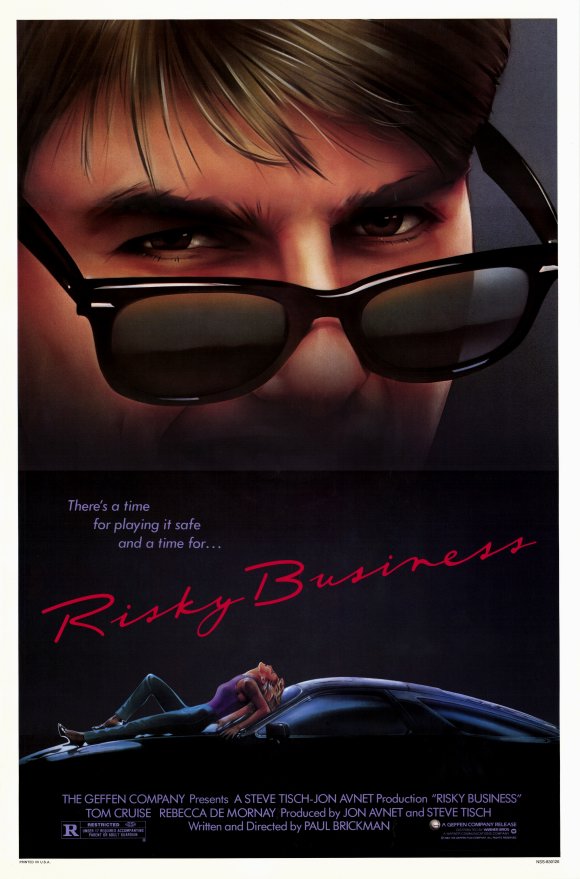
Risky Business (1983)

Risky Business (1983)

“Are you ready for me?”

Synopsis:
While his parents are away, teenager Joel Goodson (Tom Cruise) spends the night with an entrepreneurial call girl named Lana (Rebecca De Mornay), who convinces him to turn his house into a temporary brothel.

Genres, Themes, Actors, and Directors:

  • Comedy
  • Get Rich Quick
  • Prostitutes
  • Teenagers
  • Tom Cruise Films

Response to Peary’s Review:
Along with many other critics (see links below), Peary heaps praise upon this early Tom Cruise teenage sex comedy, calling it “very funny, extremely erotic — and smart.” Indeed, there’s much to recommend about the film: both Cruise and De Mornay do a fine, believable job in their roles; there are plenty of humorous lines (“I’ve got a trig midterm tomorrow, and I’m being chased by Guido the killer pimp!”); and there are several classic (if not entirely amusing) moments, such as when Cruise rocks out in his BVDs after his parents are gone.

With that said, however, Risky Business ultimately comes across as too much of an adolescent-male wish-fulfillment fantasy to hold universal appeal. The women in the film — seen from Joel’s point of view — are all either sex objects (like Lana and her friends) or nagging maternal figures (such as Joel’s overprotective mom, or the nurse who refuses to write him an excuse at school). Lana herself symbolizes every guy’s worst fear: a woman so sexually irresistible that she can lure a “good son” (Joel’s last name is “Goodson”) to his doom — though ultimately, of course, our young “hero” will prevail. Even her much ballyhooed entrance — filmed as an ethereal, mist-filled sequence, with Tangerine Dream’s soundtrack pulsing in the background — clearly posits Lana as an other-worldly siren with supernatural powers. This smart, sexy, interesting character (she has a back story) is ultimately not given her due; I’d love to see Risky Business shown from her perspective.

Redeeming Qualities and Moments:

  • Rebecca De Mornay as the seductive call girl
  • Tom Cruise as the fresh-faced teen whose greatest fantasies and worst nightmares all come true
  • Joe Pantoliano (of The Matrix and Memento fame) as DeMornay’s “killer pimp”, Guido
  • An effectively dream-like soundtrack by Tangerine Dream

Must See?
Yes. This film remains an icon of early 1980s cinema.

Categories

  • Historically Relevant

Links:

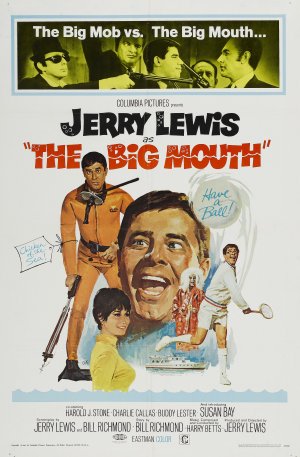
Big Mouth, The (1967)

Big Mouth, The (1967)

“It certainly is smooth. Yes, a man can faint from such smoothness.”

Synopsis:
A tourist (Jerry Lewis) is mistaken for a jewel thief and pursued by two different gangs.

Genres, Themes, Actors, and Directors:

  • Comedy
  • Gangsters
  • Jerry Lewis Films
  • Mistaken Identities

Response to Peary’s Review:
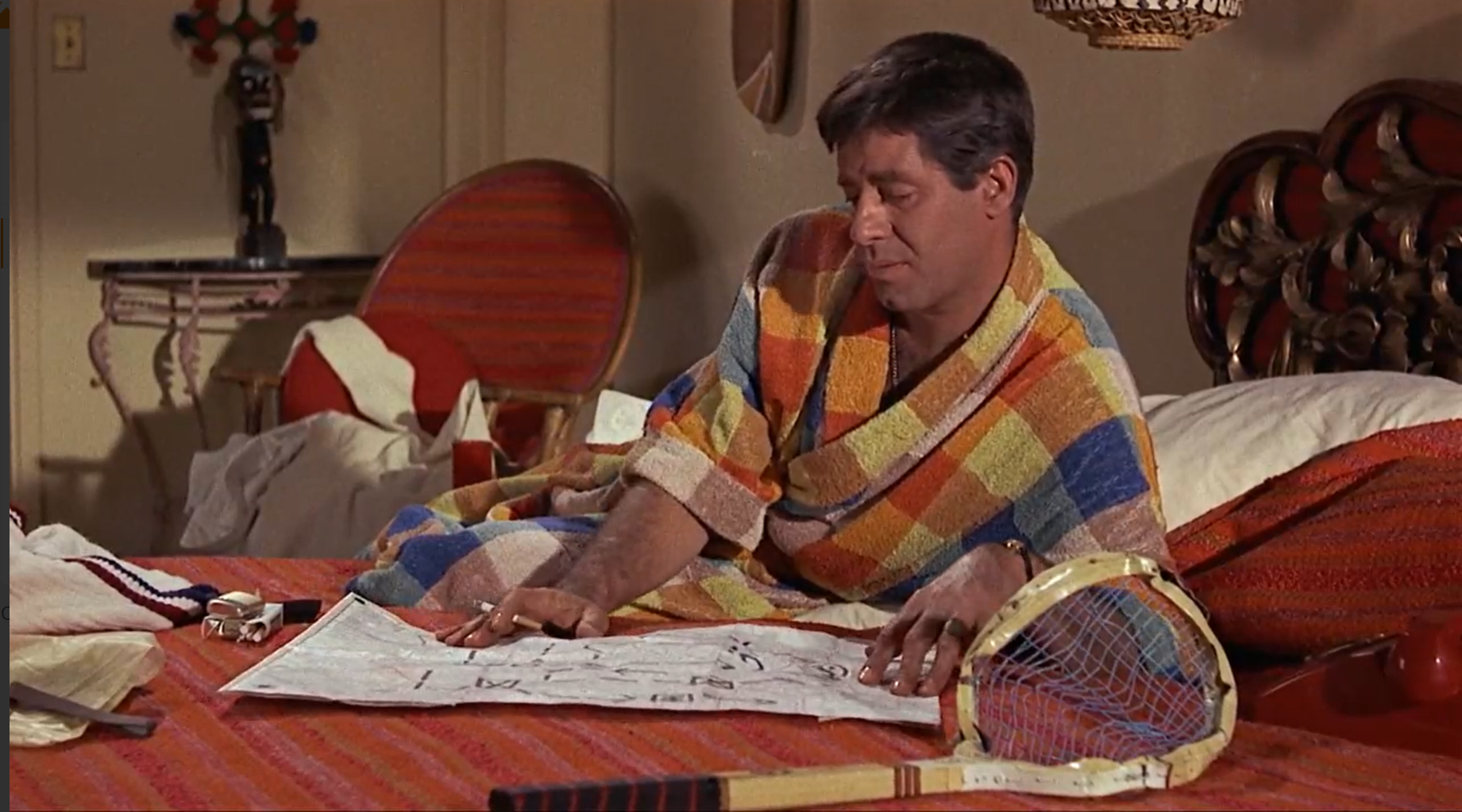
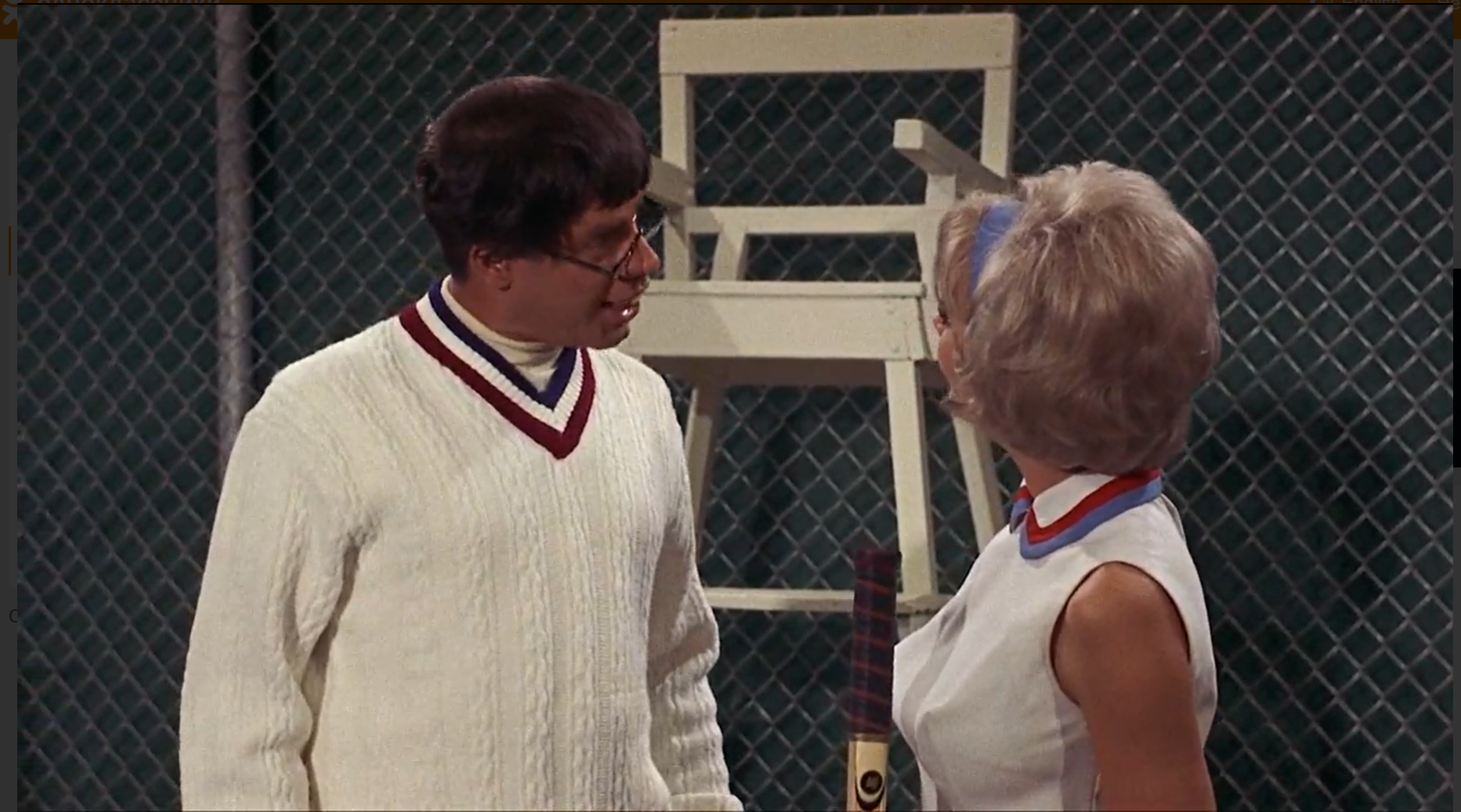
It’s not clear why Peary includes this boring, unfunny Jerry Lewis title in his GFTFF, since he readily acknowledges that “there is not enough visual comedy or slapstick,” that Lewis’s character is, unfortunately, “less out-of-control than usual”:

and that the “love scenes with Susan Bay are embarrassingly sappy”.

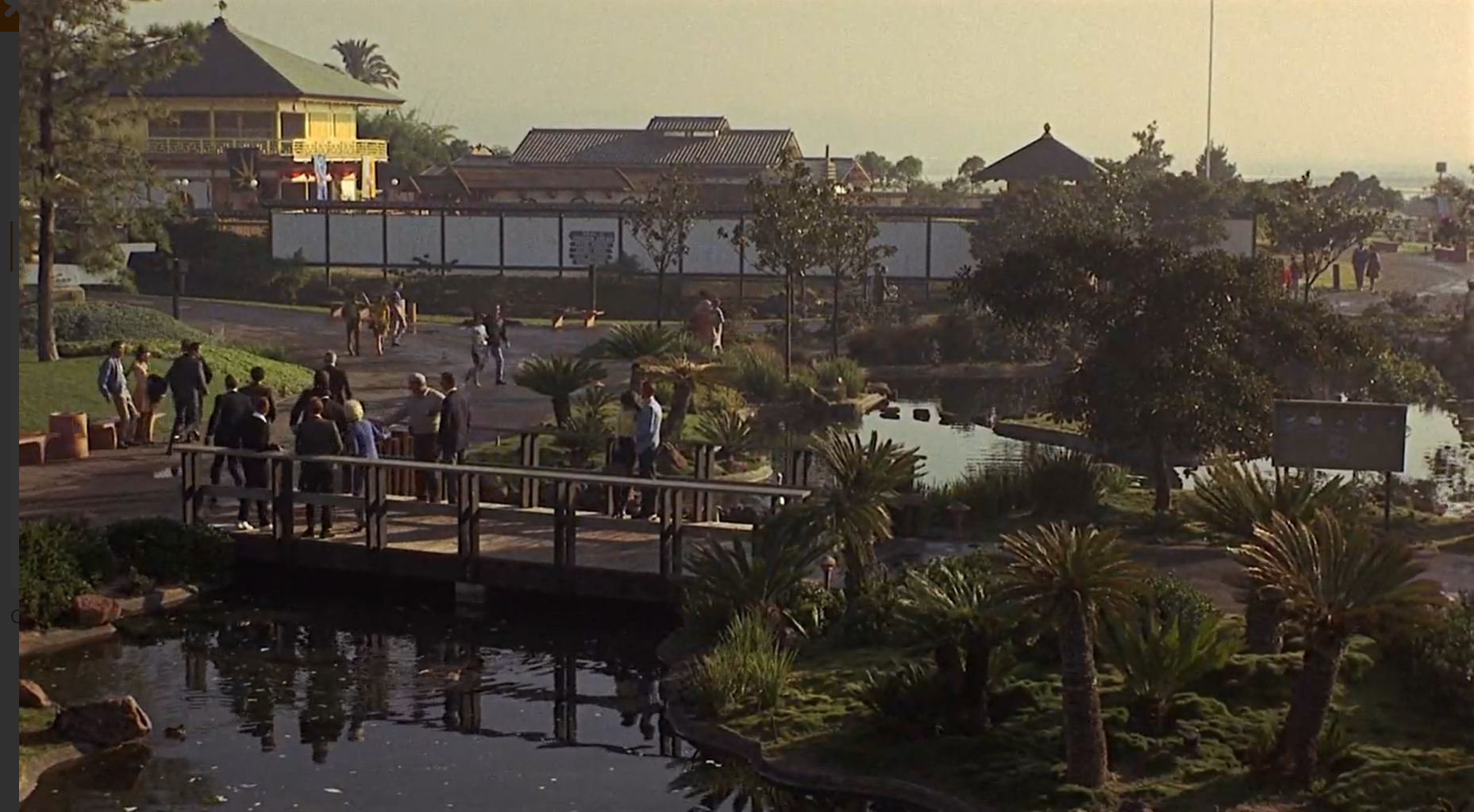
At nearly two hours, the movie goes on for far too long, and, as Peary notes, has “too many scenes at Sea World”.

With that said, it has a number of fans, and is certainly worth checking out if you’re enamored with Lewis’s wacky impersonations — there are plenty here.


Redeeming Qualities and Moments:

  • Fine cinematography

Must See?
No. This is only must-see viewing for die-hard Jerry Lewis fans.

Links:

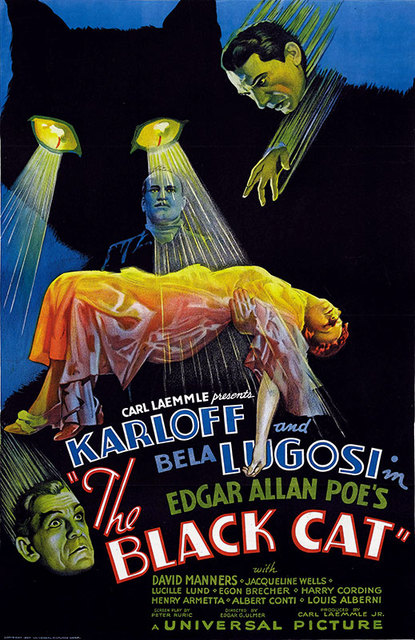
Black Cat, The (1934)

Black Cat, The (1934)

“The black cat is deathless — deathless as evil!”

Synopsis:>
While honeymooning in Prague, Americans Joan and Peter Allison (David Manners and Julie Bishop) meet strange Dr. Verdegast (Bela Lugosi), who brings them to the home of Satanic architect Hjamlar Poelzig (Boris Karloff). Eventually, the couple realizes that Verdegast and Poelzig are old rivals out to kill each other, and that their own lives are in grave danger as well.

Genres, Themes, Actors, and Directors:

  • Bela Lugosi Films
  • Black Comedy
  • Boris Karloff Films
  • Cat-and-Mouse
  • Edgar G. Ulmer Films
  • Newlyweds
  • Horror
  • Old Dark House
  • Revenge
  • Satanists

Response to Peary’s Review:
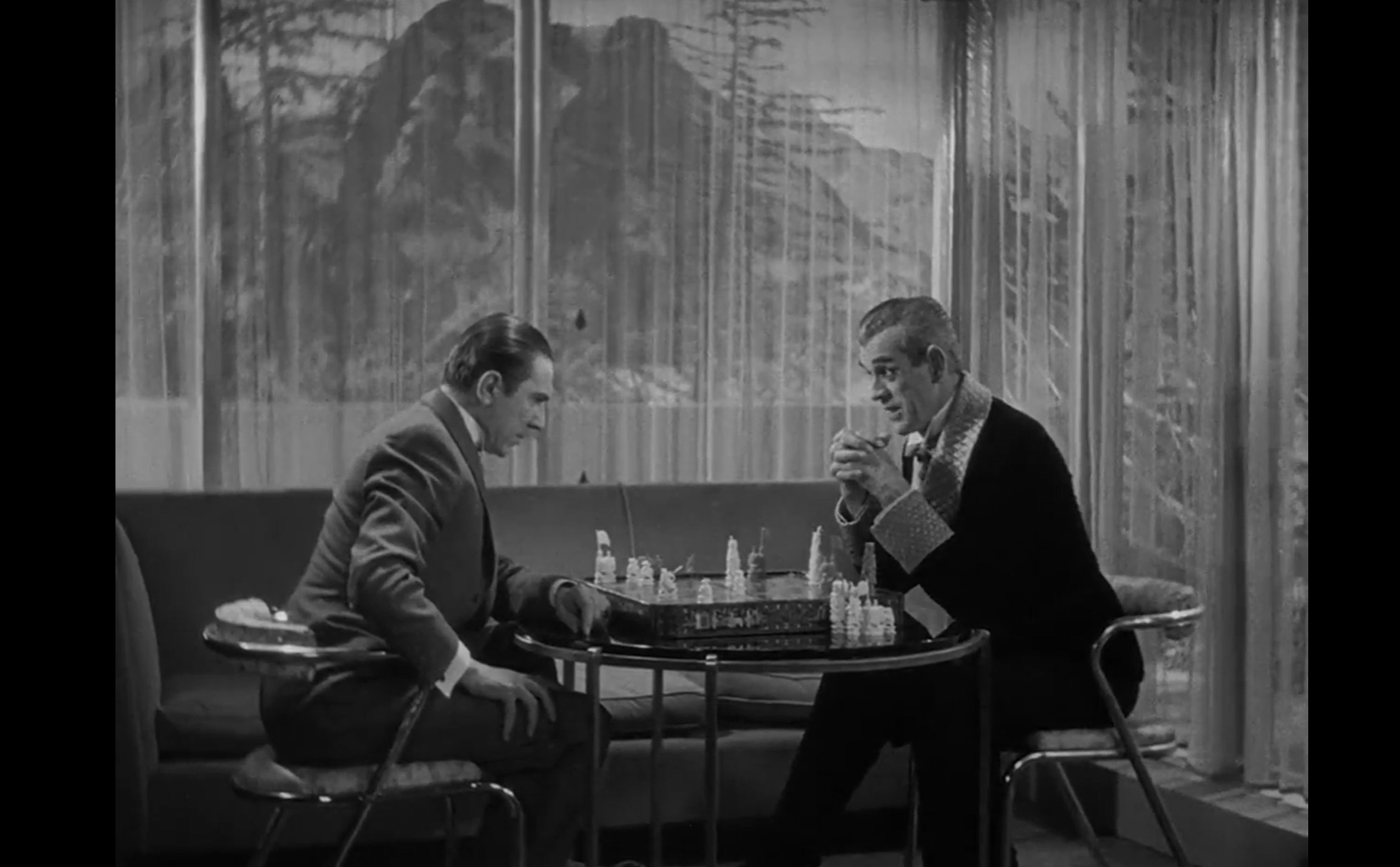
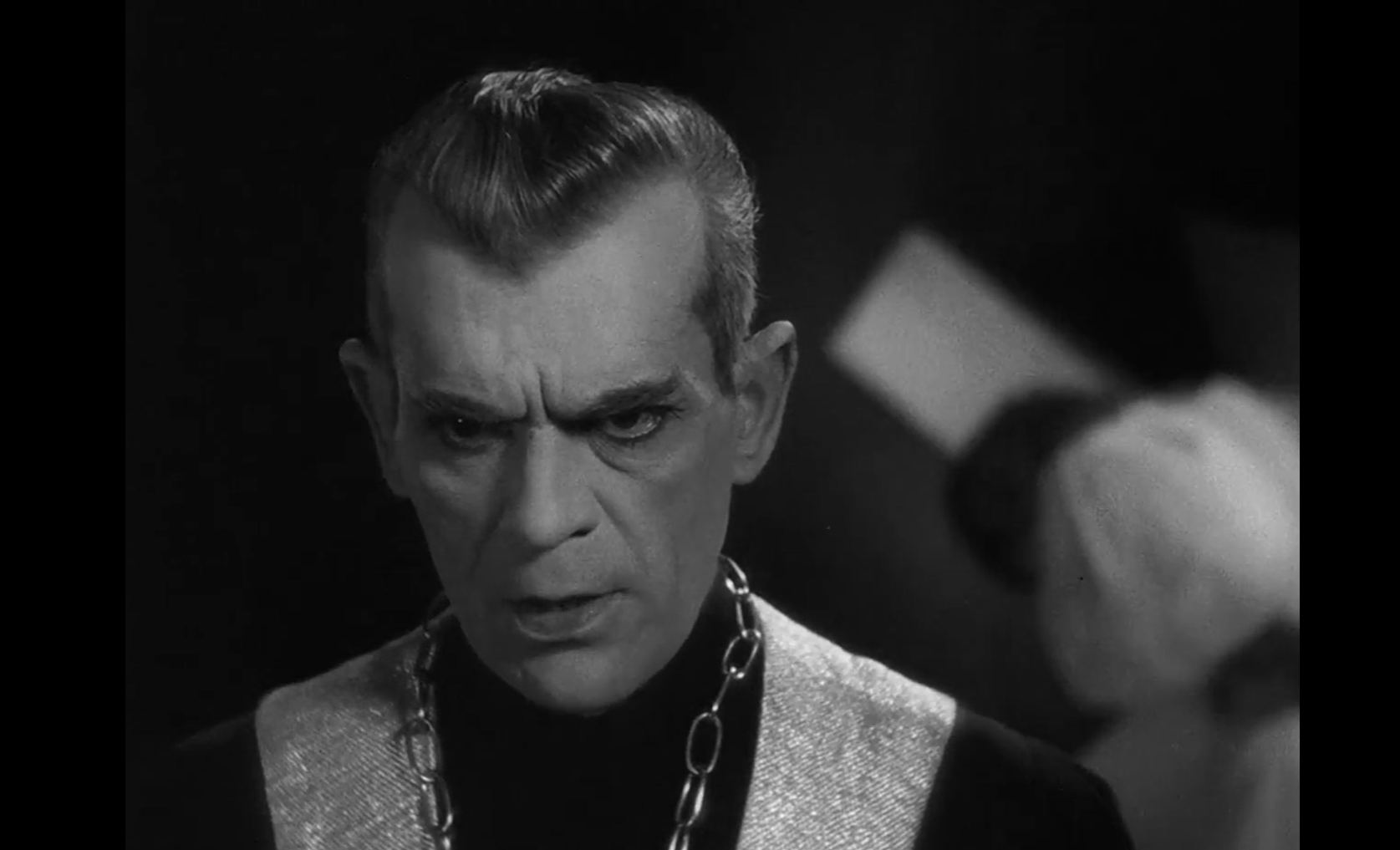
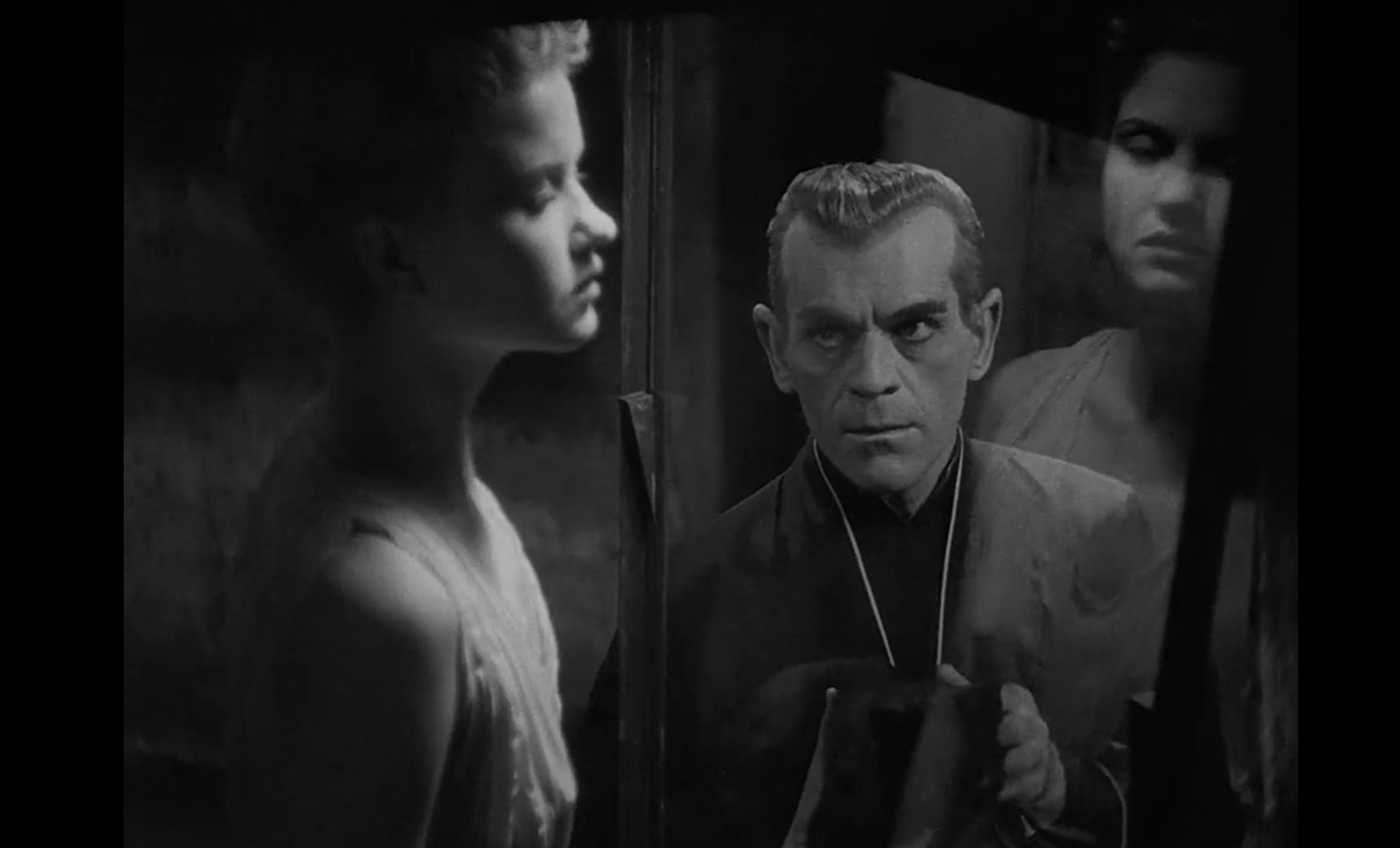
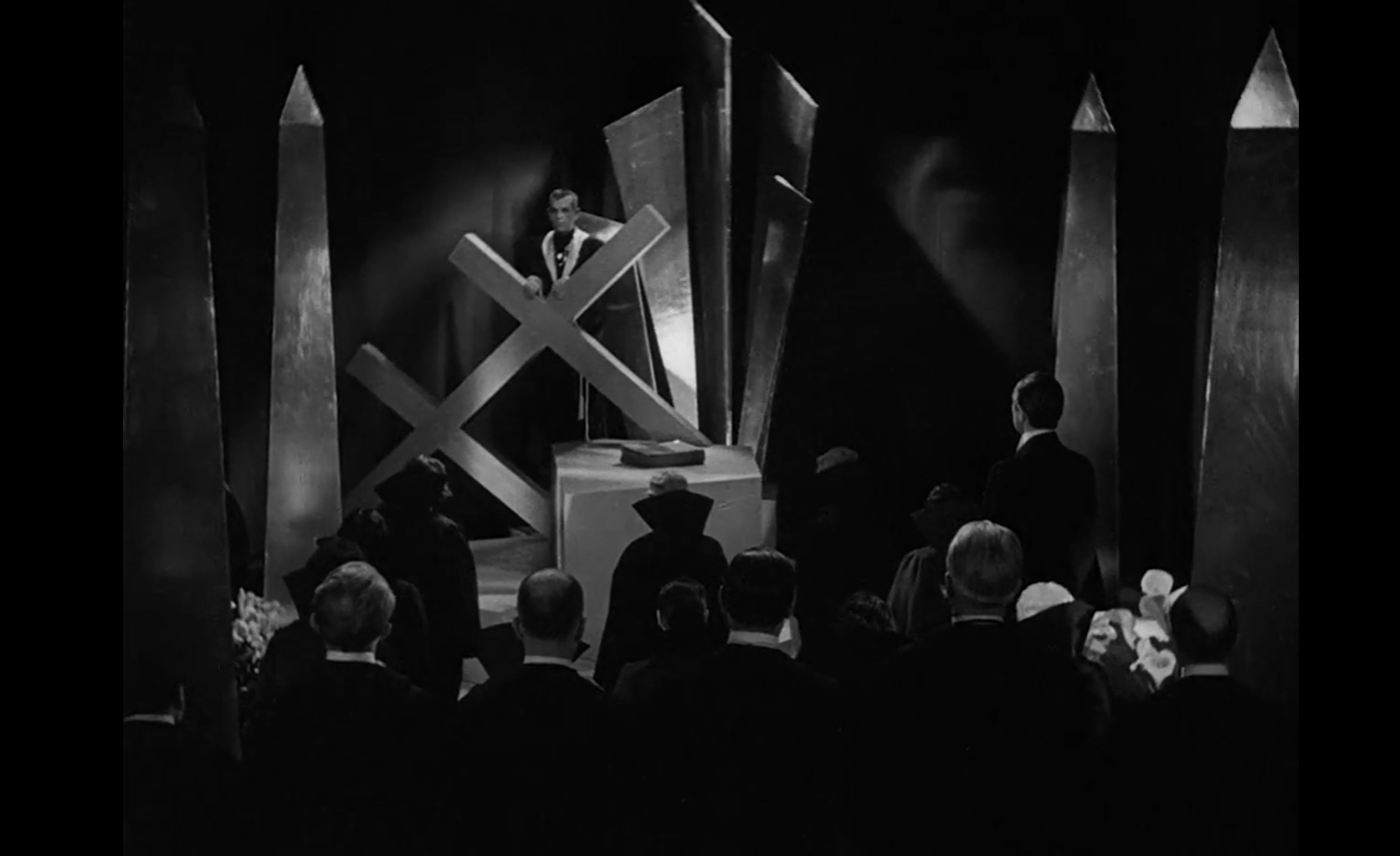
As Peary notes, this “high-camp horror film” — based in name only on Edgar Allan Poe’s short story — features a “delightfully preposterous storyline”, “witty dialogue, fine performances, amusing characters, bizarre sets, inventive direction, and some of the most peculiar scenes in horror-movie history.”

At only 65 minutes long, the story moves quickly, yet is often incoherent — most likely as a result of Universal Studios cutting the film drastically. Nonetheless, the film is so oddly conceived and visually compelling that it’s hard not to watch even when you’re not quite sure what’s going on.

While reviewers at the time of its release were dismissive, today The Black Cat is regarded as pulp director Edgar Ulmer’s masterpiece — and for all its fans (though I’ll admit I’m not one of them), it remains “morbid, tasteless, and lots of fun.”

Redeeming Qualities and Moments:

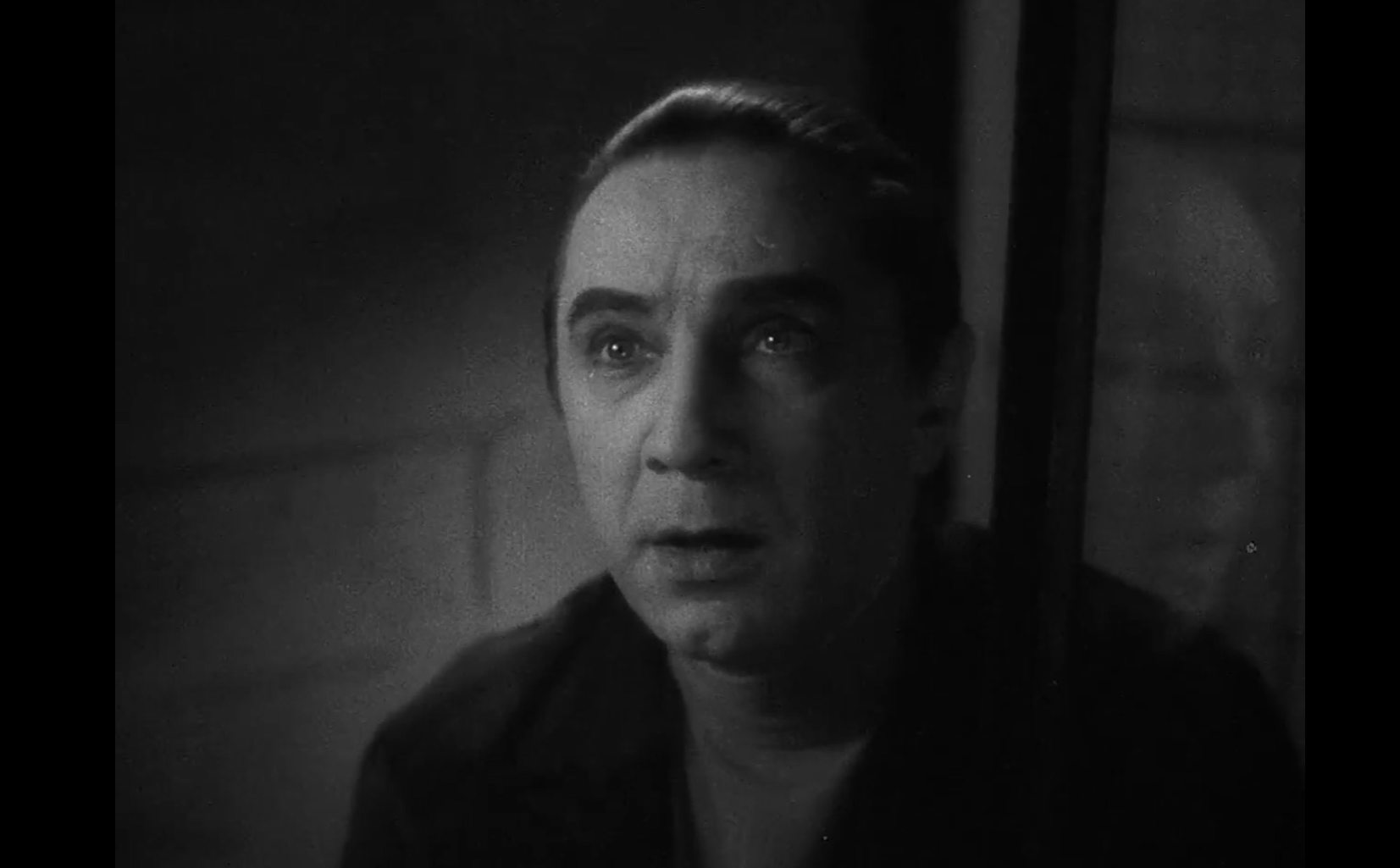
  • Bela Lugosi — in what is considered by many to be his finest role — as Dr. Vitus Werdegast
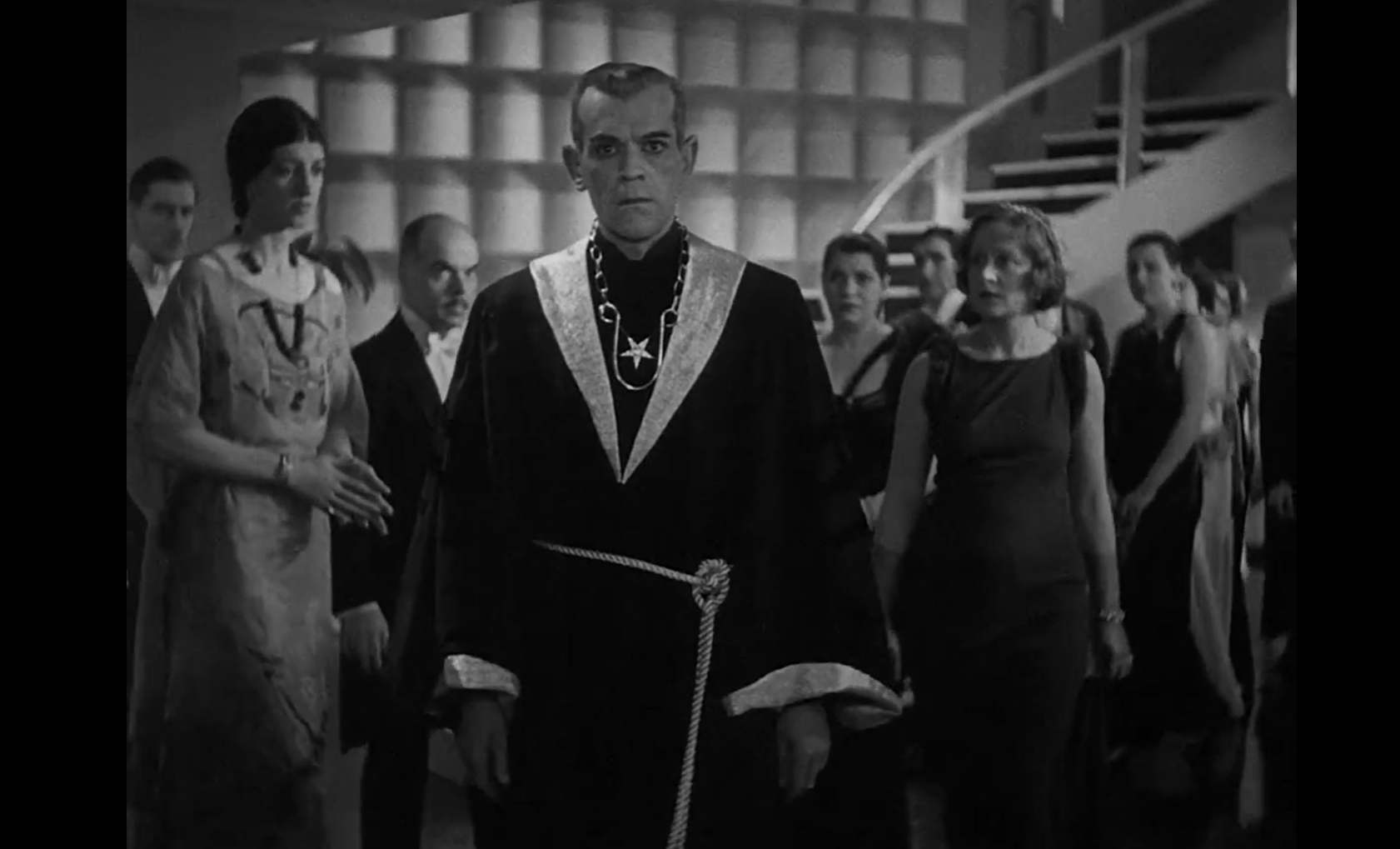
  • Boris Karloff’s firmly tongue-in-cheek performance as the lisping, strangely coiffed Hjalmar Poelzig (modeled after famed Satanist Aleister Crowley)
  • Spooky, atmospheric cinematography
  • Truly baroque set designs

  • Effective use of classical music in the score

Must See?
Yes. This odd cult film remains B-level director Edgar Ulmer’s finest achievement. Discussed at length in Peary’s Cult Movies 3 (1988).

Categories

  • Cult Movie
  • Important Director

(Listed in 1001 Movies You Must See Before You Die)

Links:

Pumping Iron (1977)

Pumping Iron (1977)

“I was always dreaming about very powerful people — dictators and things like that.”

Synopsis:
After training intensively all year long, bodybuilders Arnold Schwarzenegger and Lou Ferrigno battle for the title of Mr. Olympia.

Genres, Themes, Actors, and Directors:

  • Documentary
  • Masculinity
  • Sports

Response to Peary’s Review:
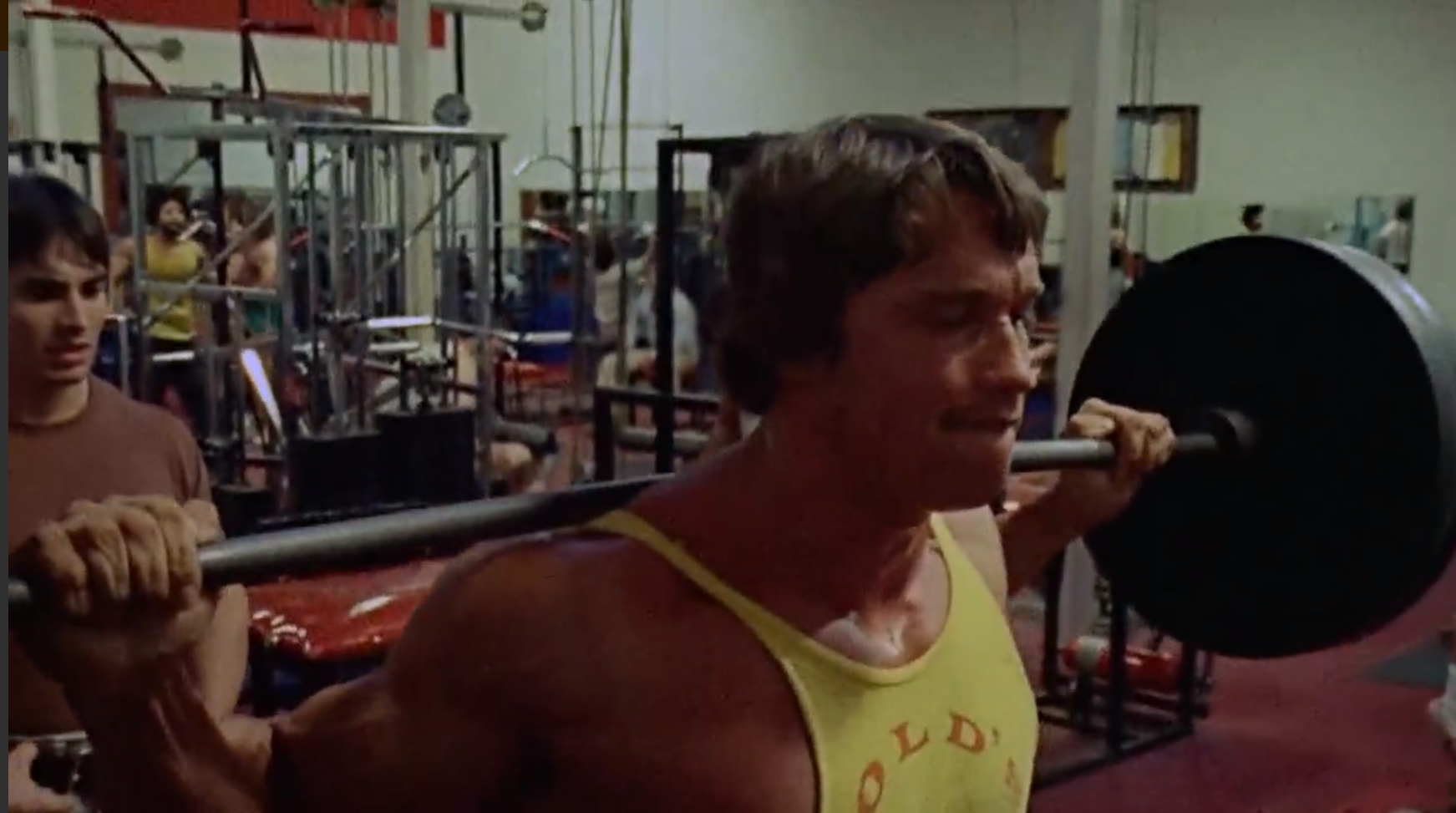
In his review, Peary is fairly dismissive of this documentary, noting that it was “largely responsible for the growth in body building in this country — reason enough for it to be banned.” These days, of course, the film holds special interest as an early look at California governor Arnold Schwarzenegger; it’s genuinely freaky hearing him talk about his dreams of power and “dictatorship”, knowing that he would eventually ascend to one of the most powerful positions in the country. Even more disturbing is witnessing him offering false advice to his competitors simply to give himself more of an edge; yet he’s so charismatic and intelligent we can’t help but root for him. Ultimately, it’s hard not to be fascinated by this inside look at a sports industry which holds dubious appeal but continues to flourish.

Redeeming Qualities and Moments:

  • An intriguing glimpse at an earlier era of competitive bodybuilding

Must See?
Yes, as a unique, in-depth look at both the little-understood subculture of bodybuilding, and Schwarzenegger’s pre-Terminator days.

Categories

  • Historically Relevant

Links:

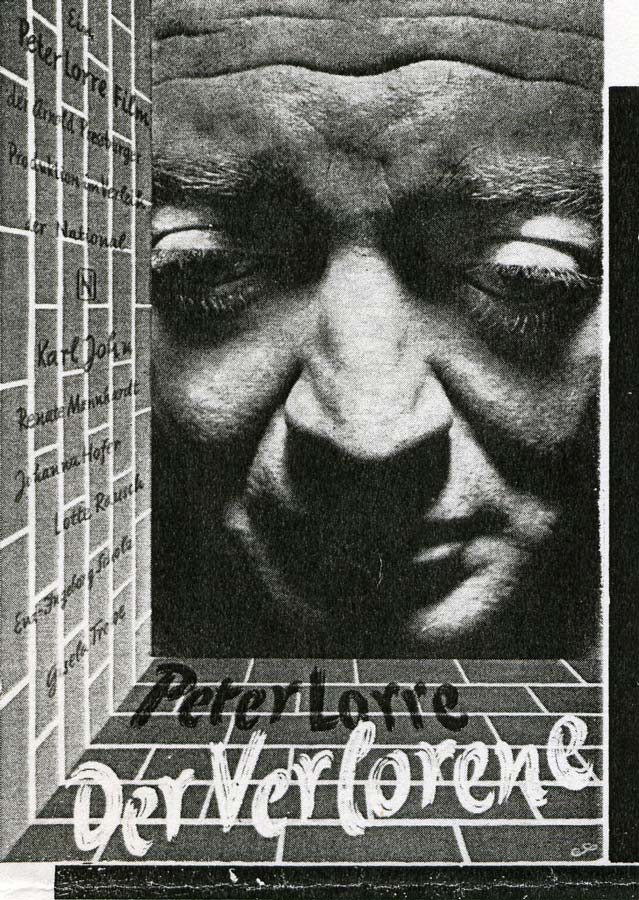
Lost One, The / Der Verlorene (1951)

Lost One, The / Der Verlorene (1951)

“Debts must be paid.”

Synopsis:
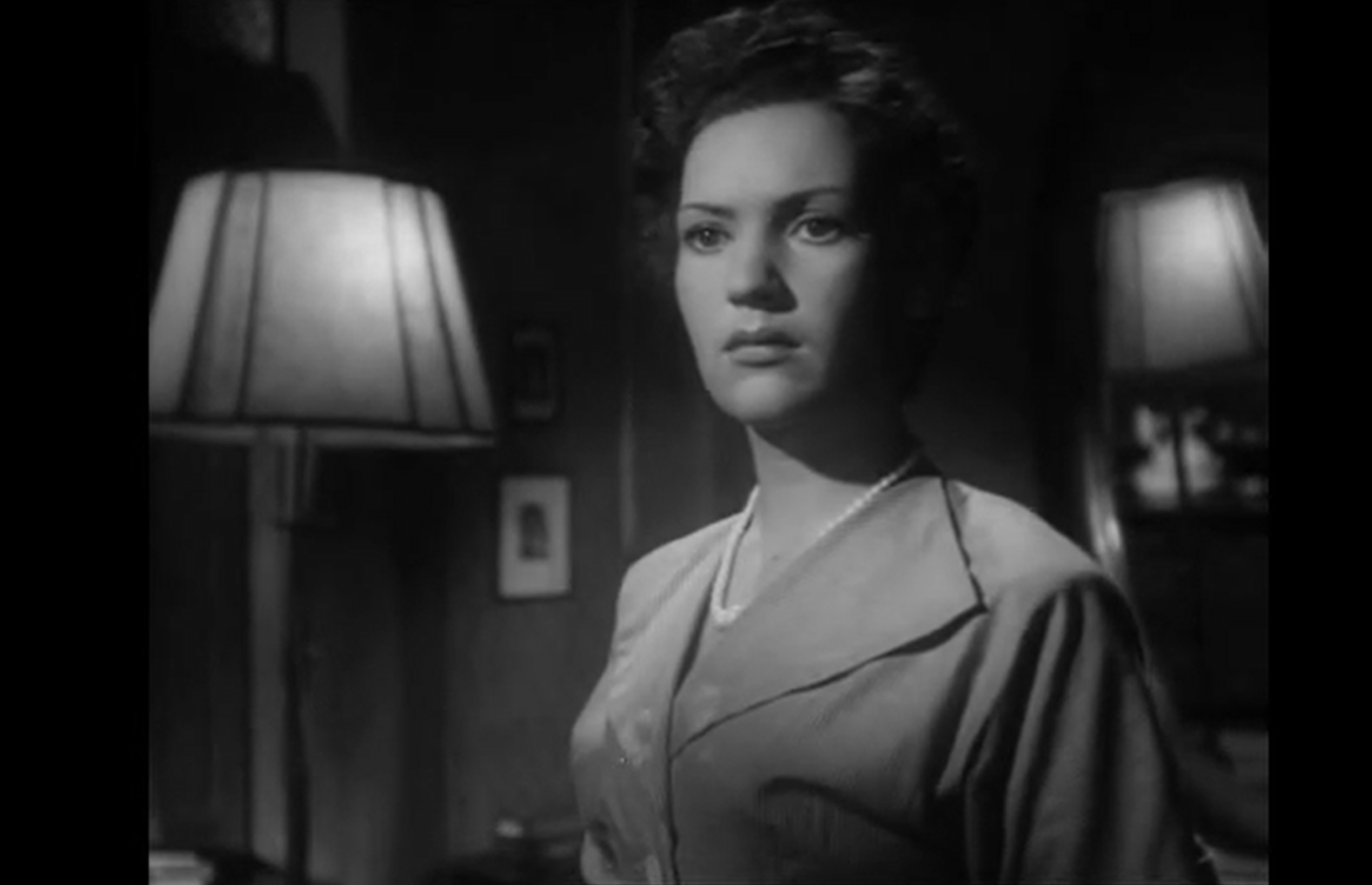
A German scientist (Peter Lorre) during WWII murders his fiancee (Renate Mannhardt) when he finds out she has slept with his colleague (Karl John) and leaked information about their work to the Allied forces. He soon finds himself unable to resist killing again, and vows to hunt down John, in order to end the cycle of violence.

Genres, Themes, Actors, and Directors:

  • Character Studies
  • Flashback Films
  • German Films
  • Nazis
  • Peter Lorre Films
  • Revenge
  • Scientists
  • Serial Killers
  • World War II

Response to Peary’s Review:
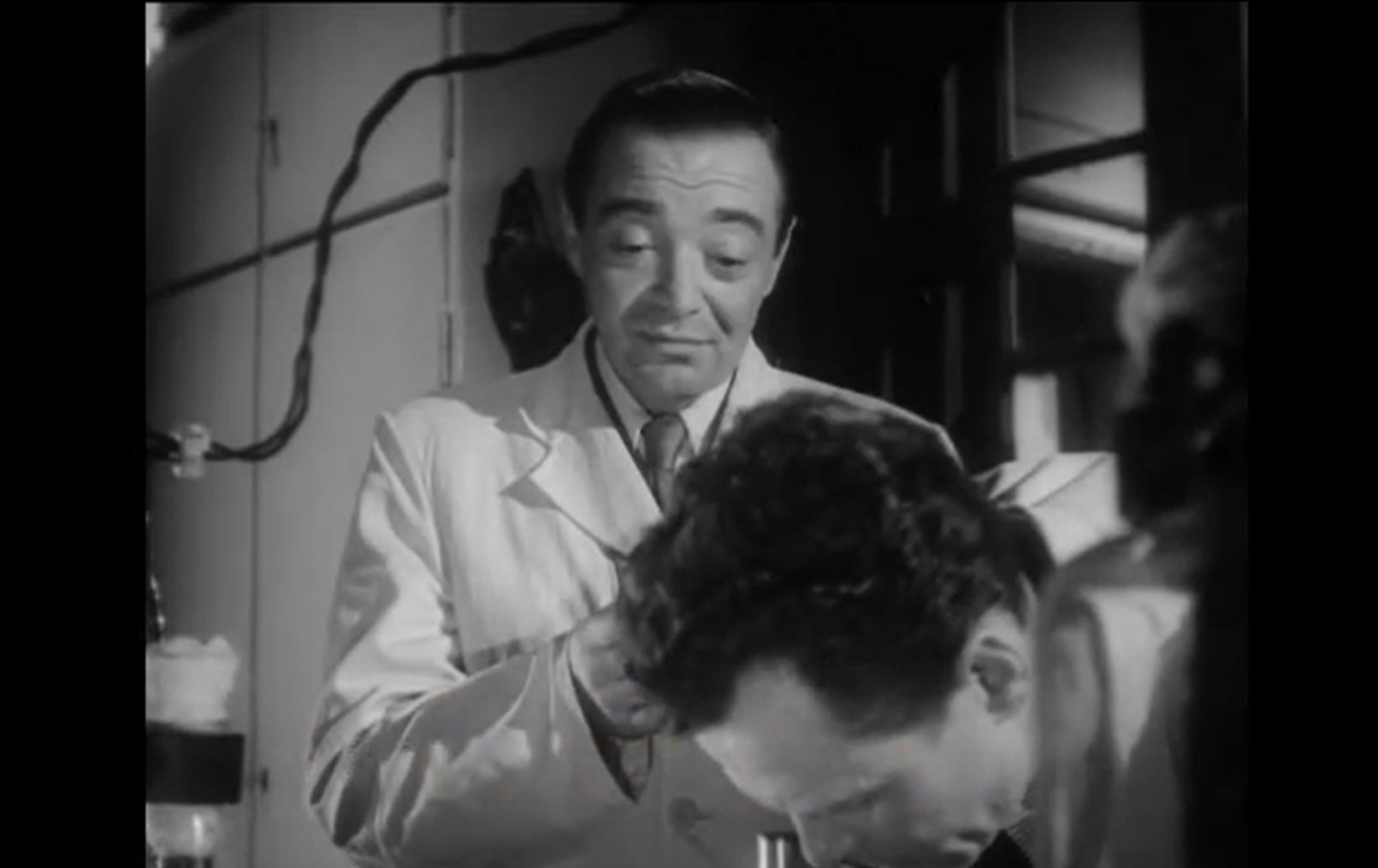
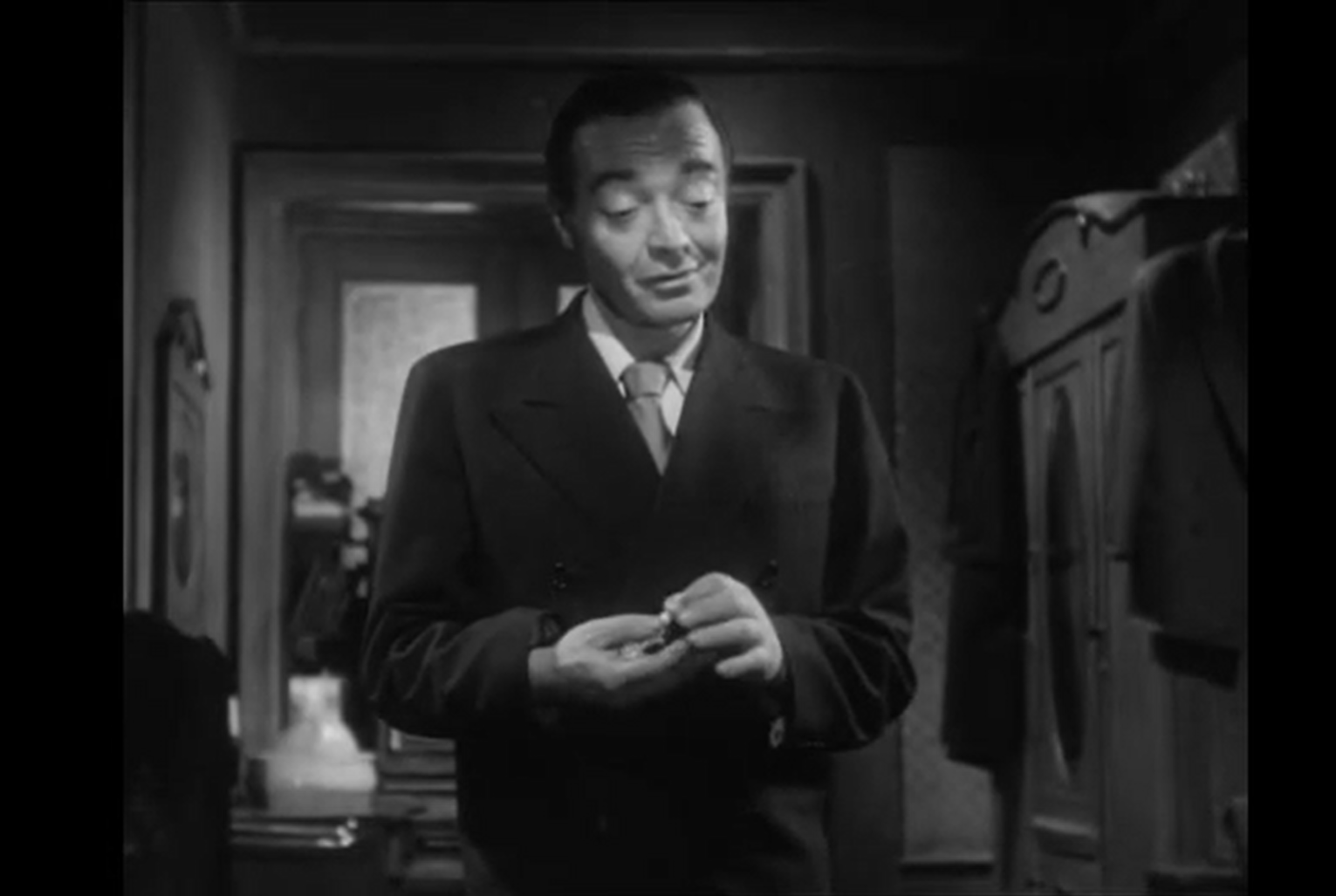
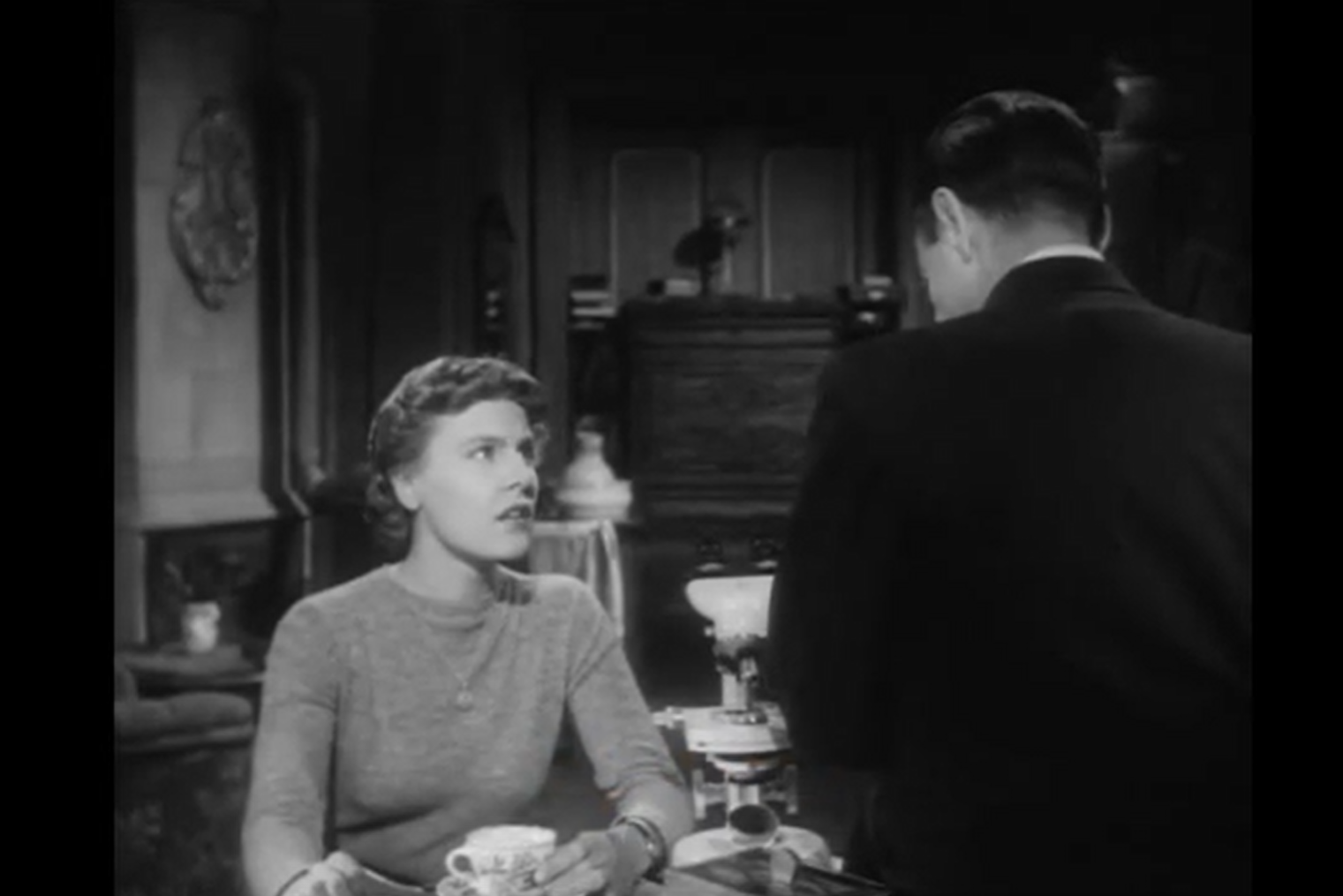
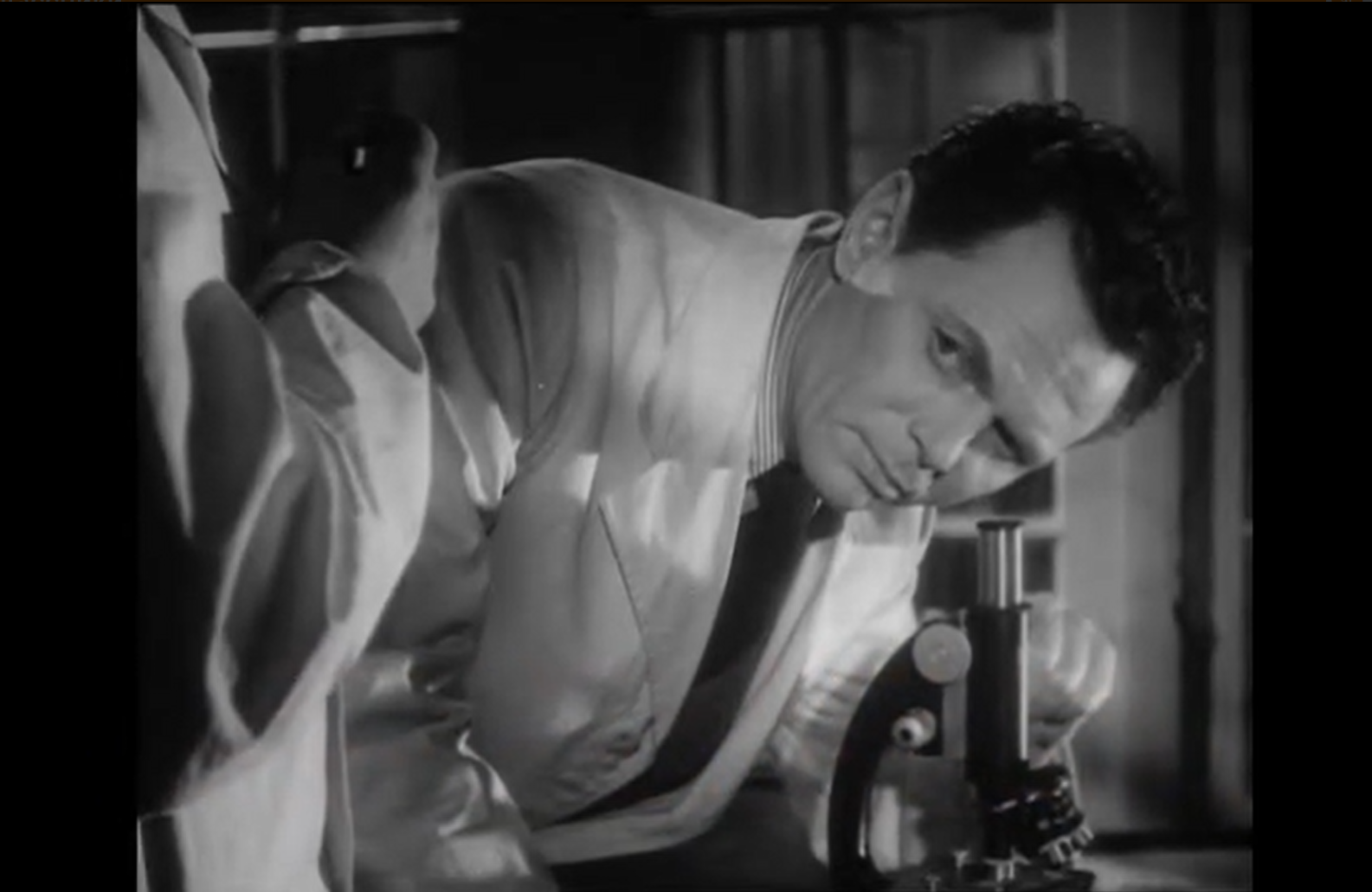
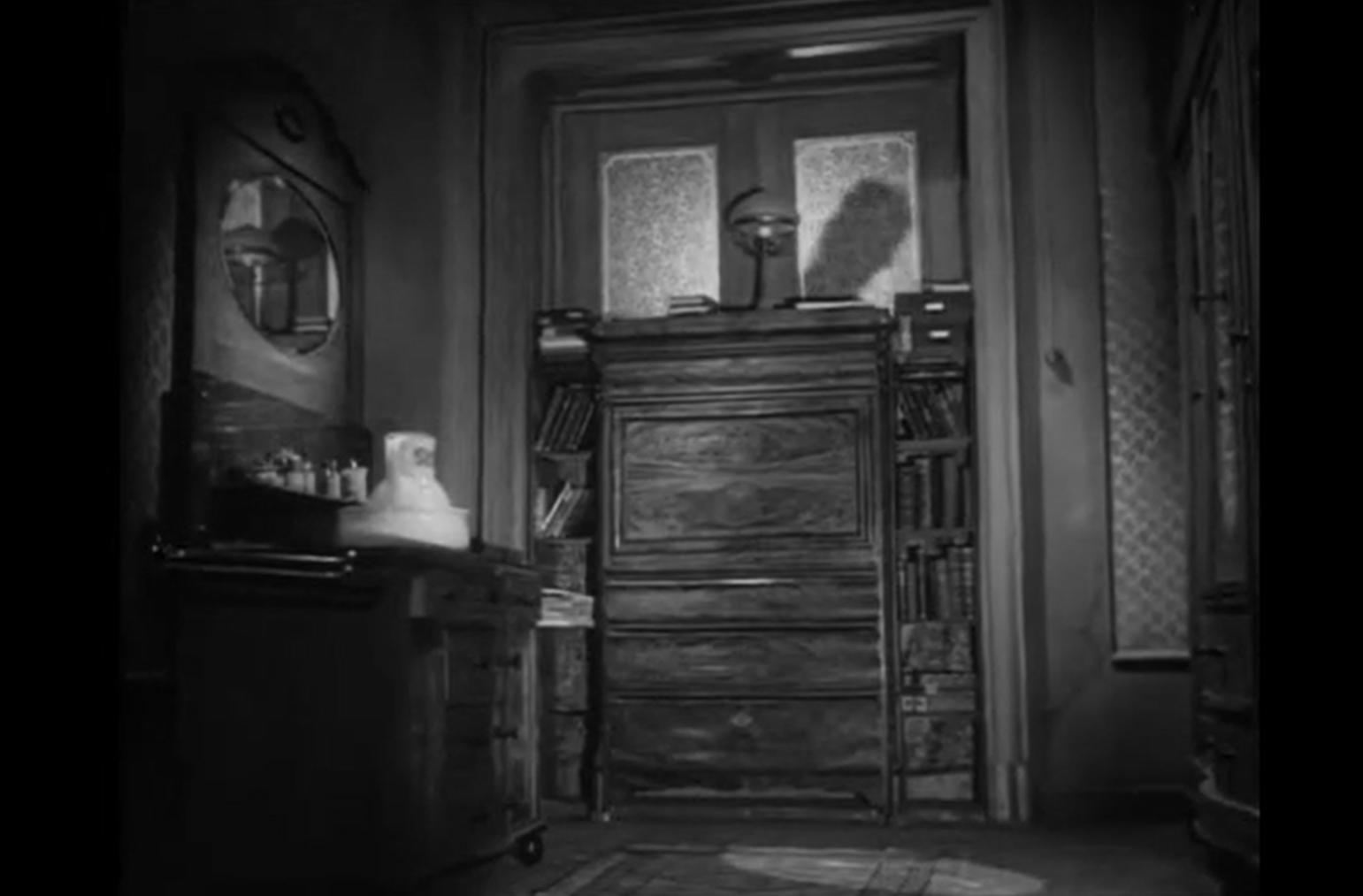
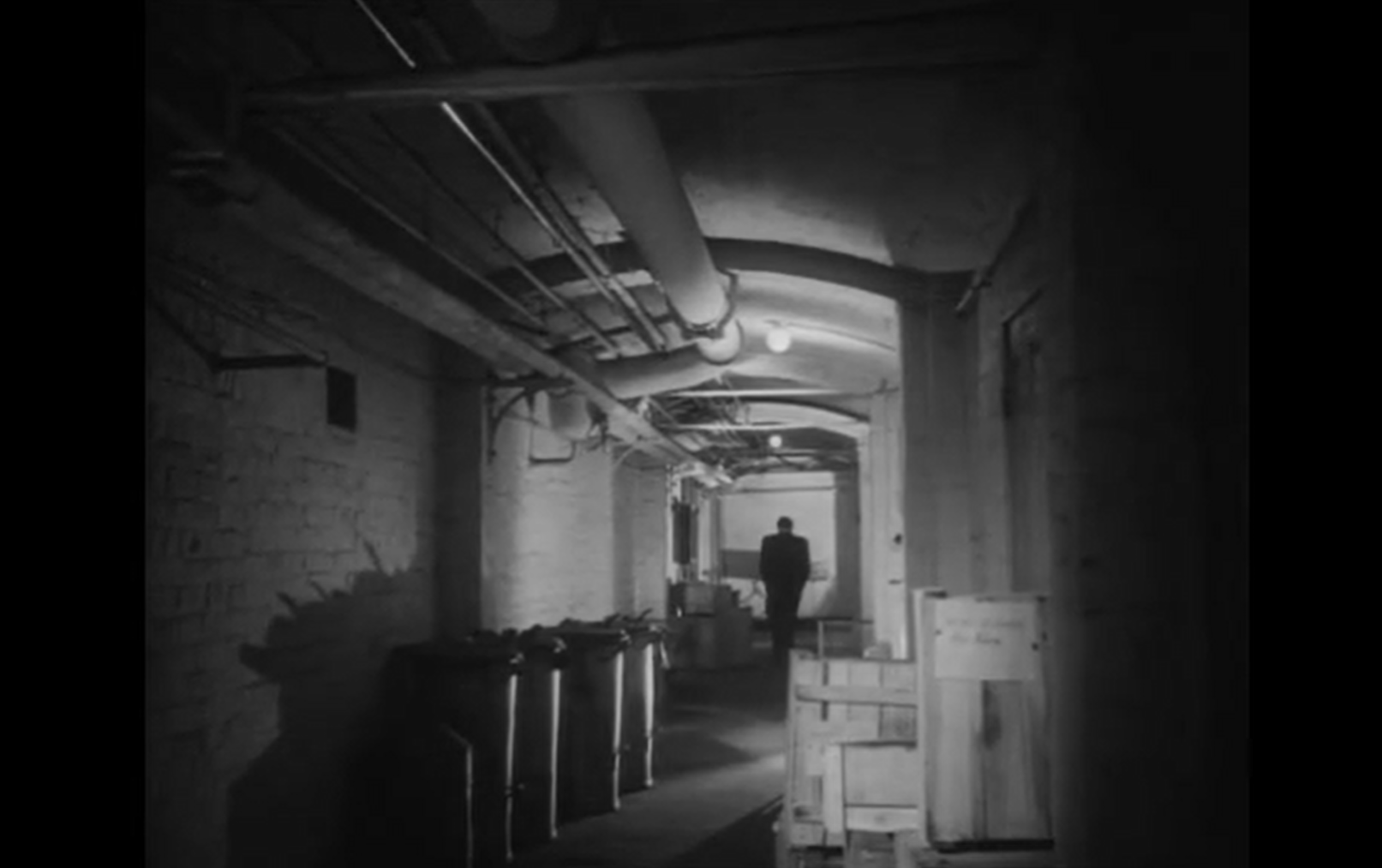
As Peary notes, this “very peculiar” movie — Peter Lorre’s sole directorial effort, filmed in Germany — “takes a while to get started” but makes for interesting and provocative viewing. Lorre “combines realism… and expressionism” in what amounts to an “extremely impressive” visual style — evidence of his sadly underused talent. As pointed out by Peary and other reviewers, Lorre’s chain-smoking Dr. Rothe:

— a variation on the many other murderous, neurotic characters he played over the years — could be seen as symbolizing “Germany’s collective guilt during the postwar era”. Just as Hitler brainwashed most Germans into believing they had the moral right to abuse their non-gentile neighbors (eventually culminating in their complicit acceptance of mass genocide), it is the Gestapo’s convenient cover-up of Rothe’s initial impulse-murder which leads him down the slippery slope of increasingly frequent homicidal urges: if one was so easy, why not commit more?

Unfortunately, we never really learn why Rothe feels such impulses to kill; he doesn’t appear to be psychopathic (he’s too guilt-ridden for this), and any “issues” he may hold with women (who are inexplicably drawn to him, again and again) aren’t sufficiently explored. In addition, the film suffers from a rambling narrative which “takes some unnecessary turns” — at one point Rothe “stumbles on the collaborators of a Hitler-assassination plot”, which has nothing to do with the primary story, and simply confuses viewers. Despite these flaws, however, Der Verlorene — unreleased in the United States until 1985 — remains fascinating viewing.

Redeeming Qualities and Moments:

  • Peter Lorre’s understated yet masterful performance as the guilt-ridden doctor
  • Fine performances by each of the supporting actresses in the cast

  • Karl John as Hosch, Lorre’s dangerously arrogant colleague
  • Atmospheric direction and cinematography

Must See?
Yes. While it’s not a perfect film, The Lost One is evidence of Lorre’s sadly underused talent as a director.

Categories

  • Historically Relevant

Links:

Blues Brothers, The (1980)

Blues Brothers, The (1980)

“I say we give the Blues Brothers one more chance.”

Synopsis:
While gathering their old band members together for a fundraising concert, ex-con Jake Blues (John Belushi) and his brother Elwood (Dan Aykroyd) must dodge the police, an angry country-and-western band, and Jake’s jilted fiancee (Carrie Fisher).

Genres, Themes, Actors, and Directors:

  • Comedy
  • Dan Aykroyd Films
  • Ex-Cons
  • John Belushi Films
  • John Landis Films
  • Let’s-Put-On-a-Show!
  • Musicians

Response to Peary’s Review:
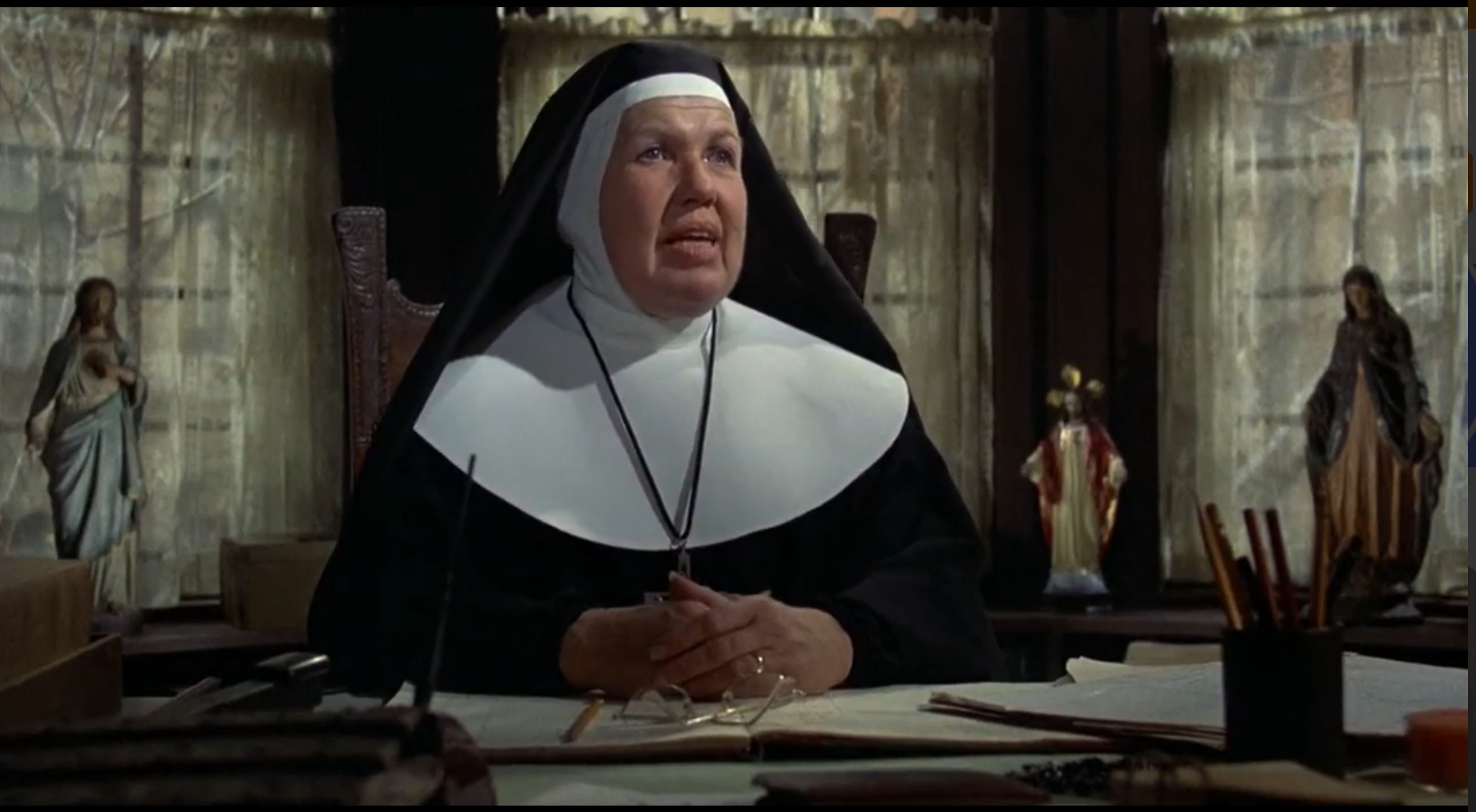
As Peary notes, this popular “Saturday Night Live” spinoff suffers from a “slim” storyline, one-dimensional lead characters (“their dress is more interesting than their personalities”), and a lack of “good verbal wit”. Indeed, as a comedy, it falls flat nine out of ten times: even supposedly hilarious sequences — such as the Blues Brothers’ former Catholic schoolteacher (Kathleen Freeman) giving the grown siblings grief for their foul language:


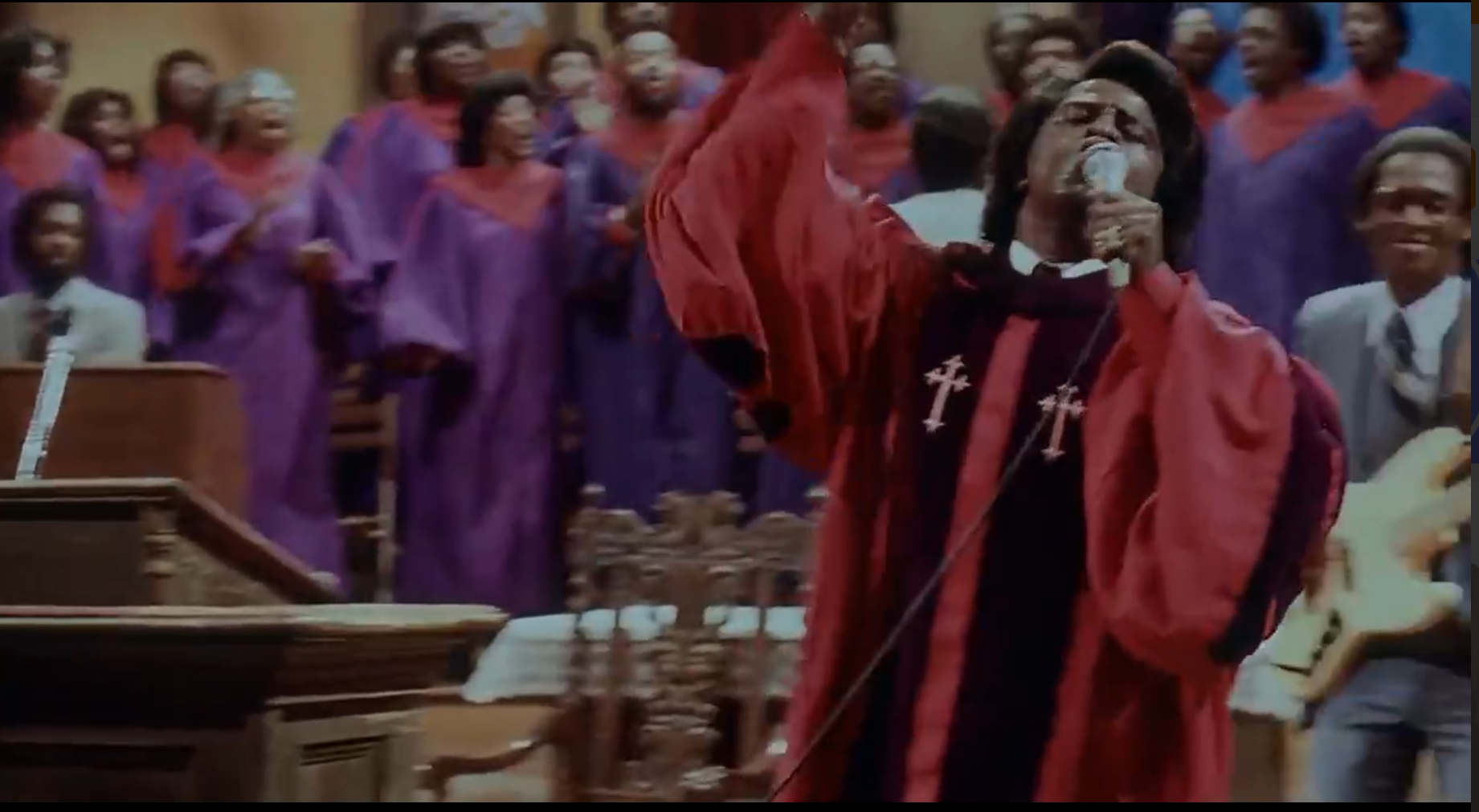
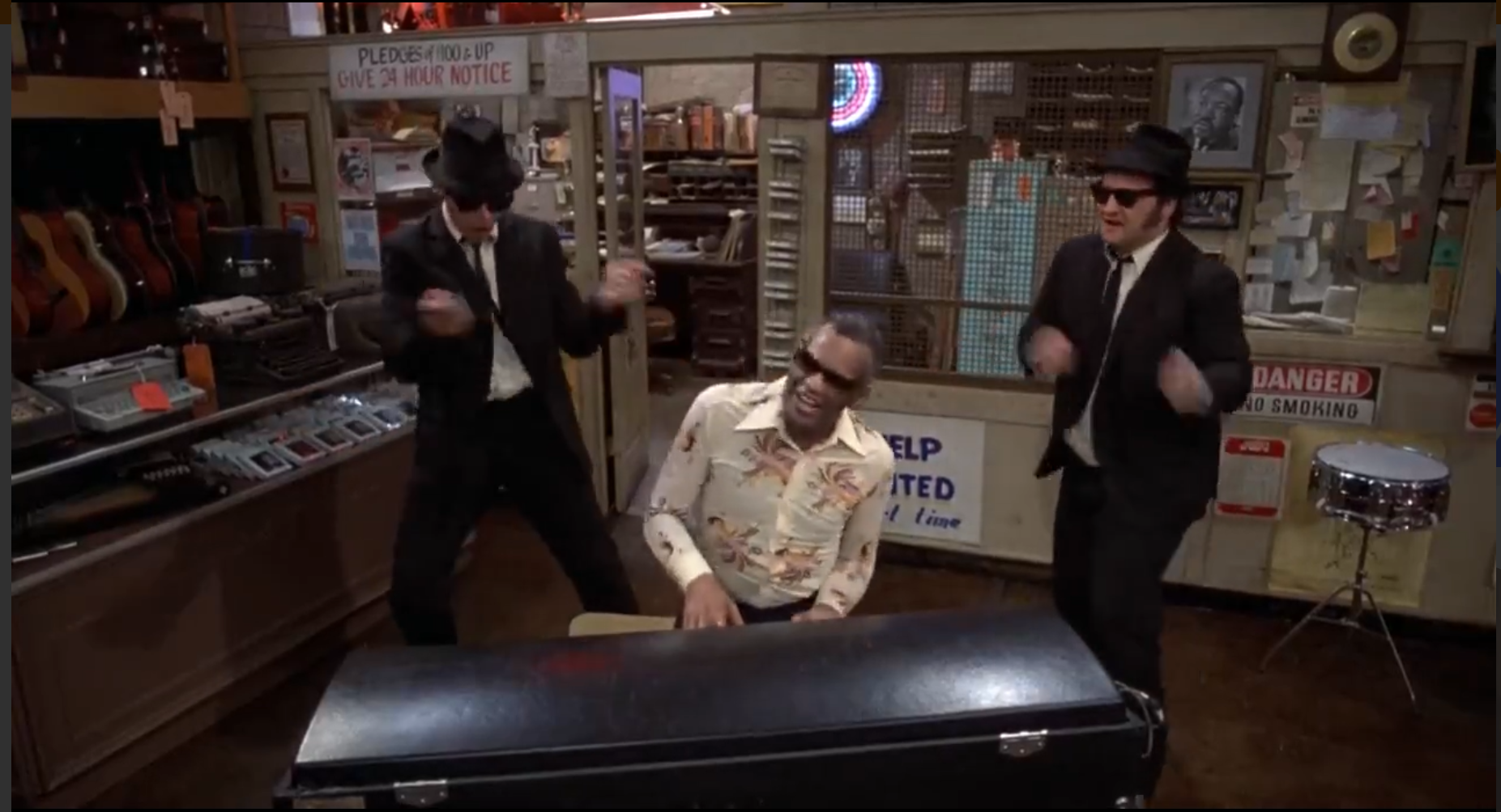
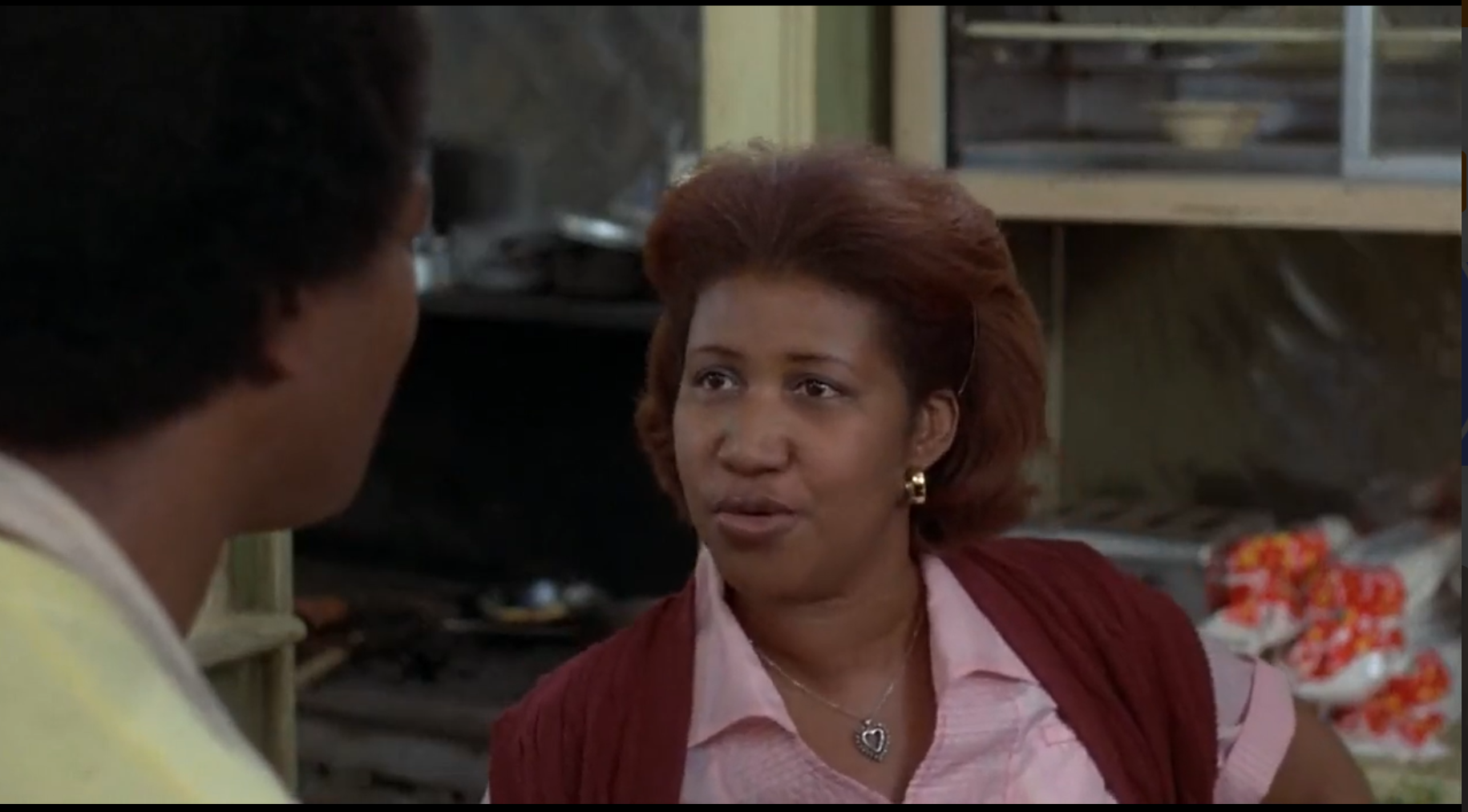
— come across as cheap and unoriginal. As a musical, however, the movie benefits enormously from the talents of renowned blues artists James Brown, Aretha Franklin, Ray Charles, and others; their appearances mark the indisputable highlights of the film.


Cameos by Carrie Fisher, John Candy, and others are wasted in this inexplicable cult favorite.

Note: The Blues Brothers was “renowned” as the most vehicularly destructive film made to date — but a little of this goes a long way.

Redeeming Qualities and Moments:

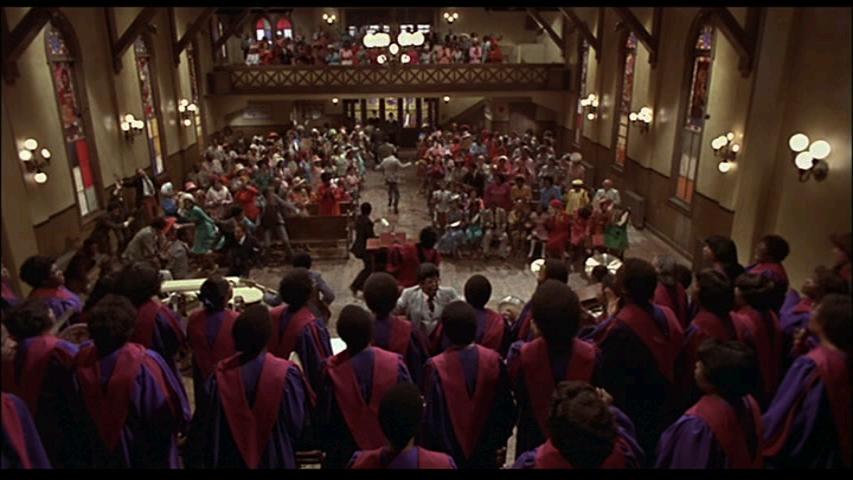
  • James Brown leading his active congregation in a rip-roaring hymn
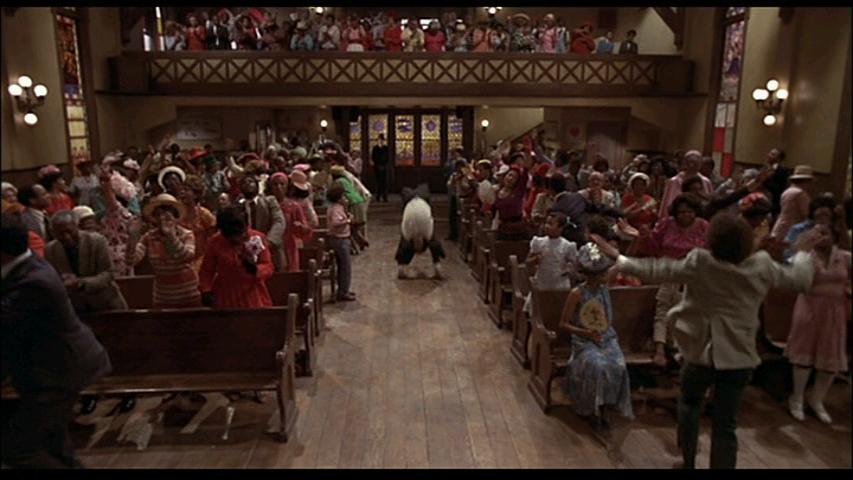
  • Belushi[‘s double] doing a series of excited flips down the aisle of Brown’s church
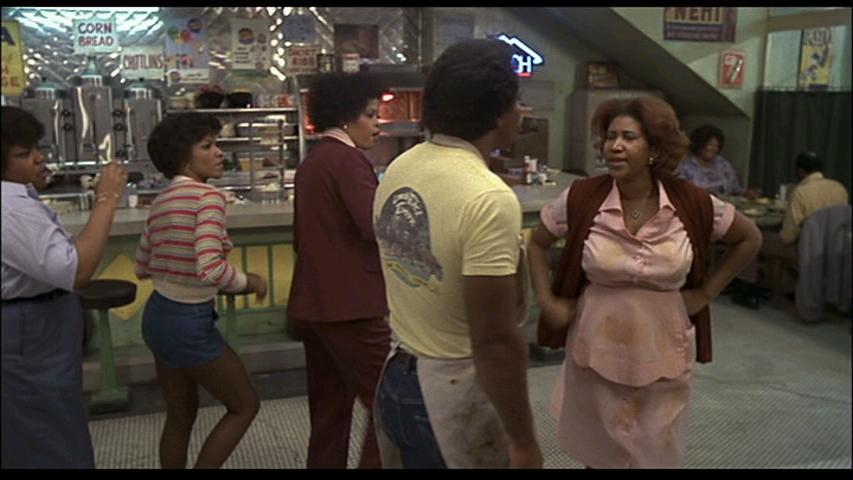
  • Aretha Franklin’s sassy waitress singing a song while dissing her husband
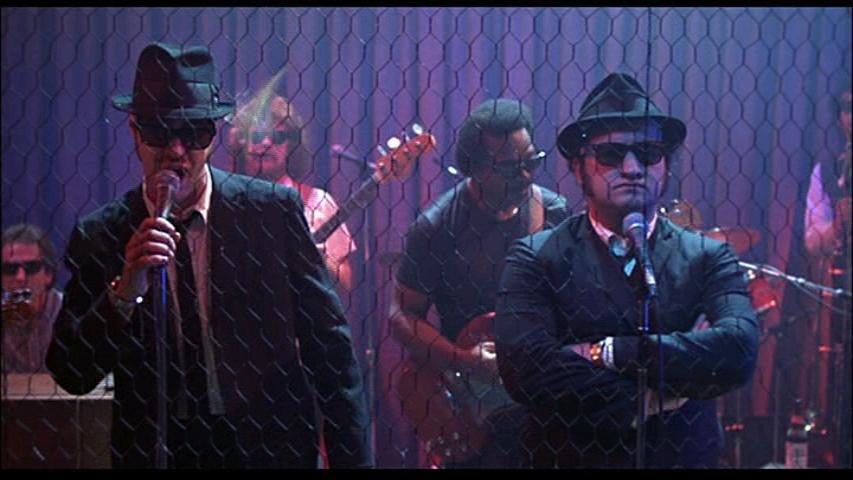
  • The Blues Brothers performing at a country-and-western club behind a protective fence

Must See?
No, but it’s worth a one-time look simply for its status as a cult favorite.

Links:

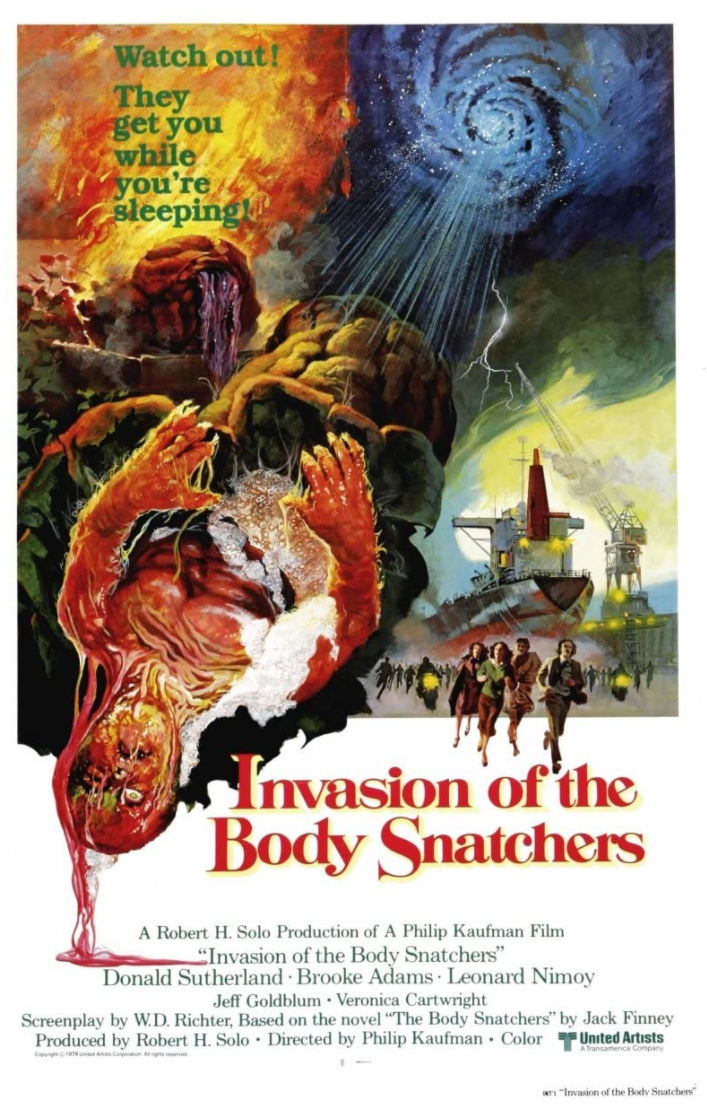
Invasion of the Body Snatchers (1978)

Invasion of the Body Snatchers (1978)

“I’ve lived in this city all my life, but somehow today I felt everything had changed — people were different.”

Synopsis:
As alien pods descend on San Francisco and begin replacing humans with clones devoid of emotion, health inspector Matthew Bennell (Donald Sutherland), his co-worker (Brooke Adams), and their married friends (Jeff Goldblum and Veronica Cartwright) run for their lives while trying to convince the authorities that something is amiss.

Genres, Themes, Actors, and Directors:

  • Aliens
  • Brooke Adams Films
  • Donald Sutherland Films
  • Horror
  • Jeff Goldblum Films
  • “No One Believes Me!”
  • Possession
  • Science Fiction

Response Review:
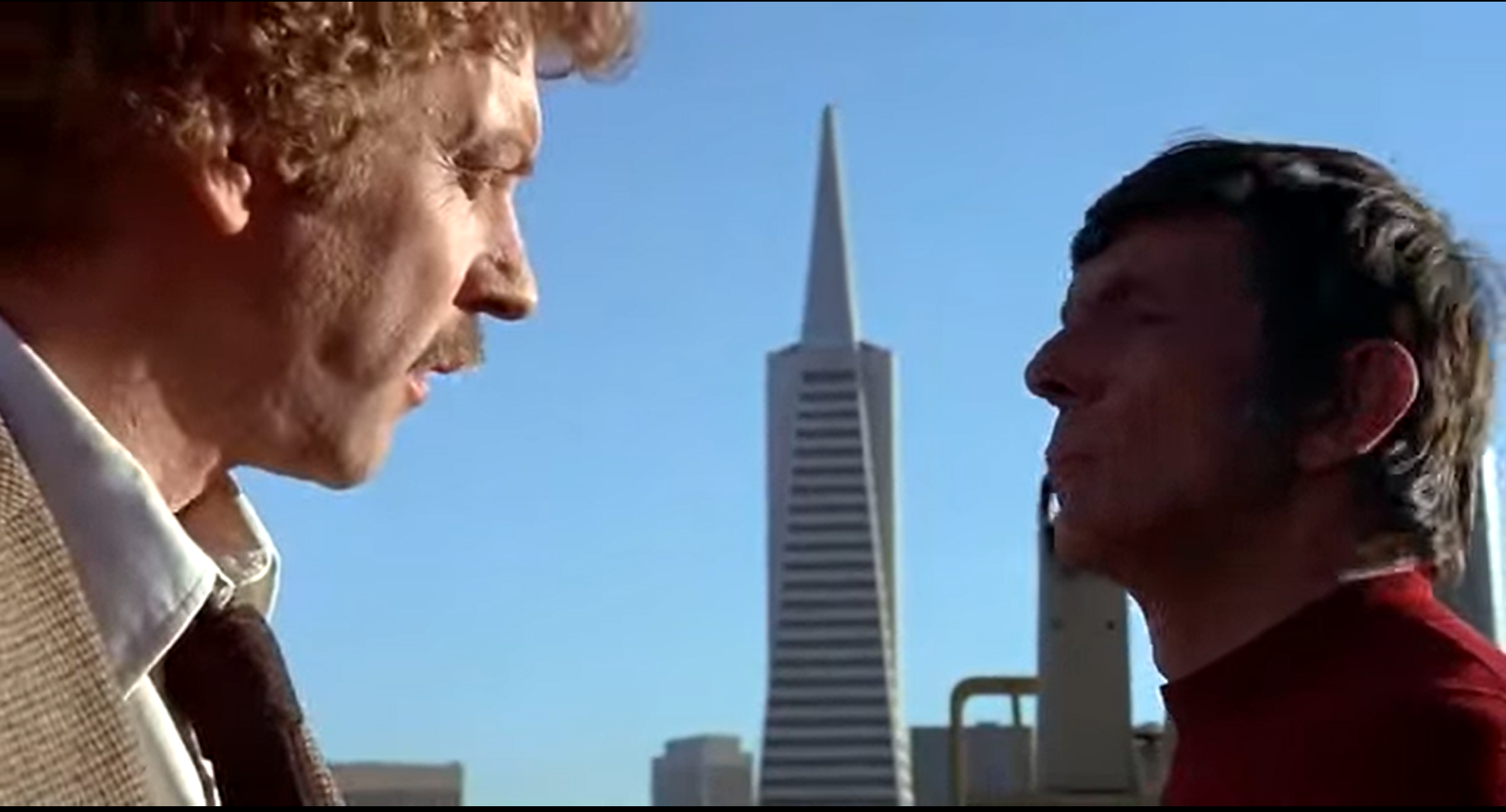
Peary — an enormous fan Don Siegel’s original 1956 Invasion of the Body Snatchers — misses the boat completely in his review of this remake by director Philip Kaufman. He complains that the “San Francisco setting seems ill-advised because we’re not seeing the transformation of average Americans but people who are already weird” — yet this is exactly Kaufman’s purpose. In his updated tale — taking place in the notorious decade of self-exploration, the 1970s — a mass-invasion which homogenizes humans would be doubly notable in a “city of individuals” like San Francisco.

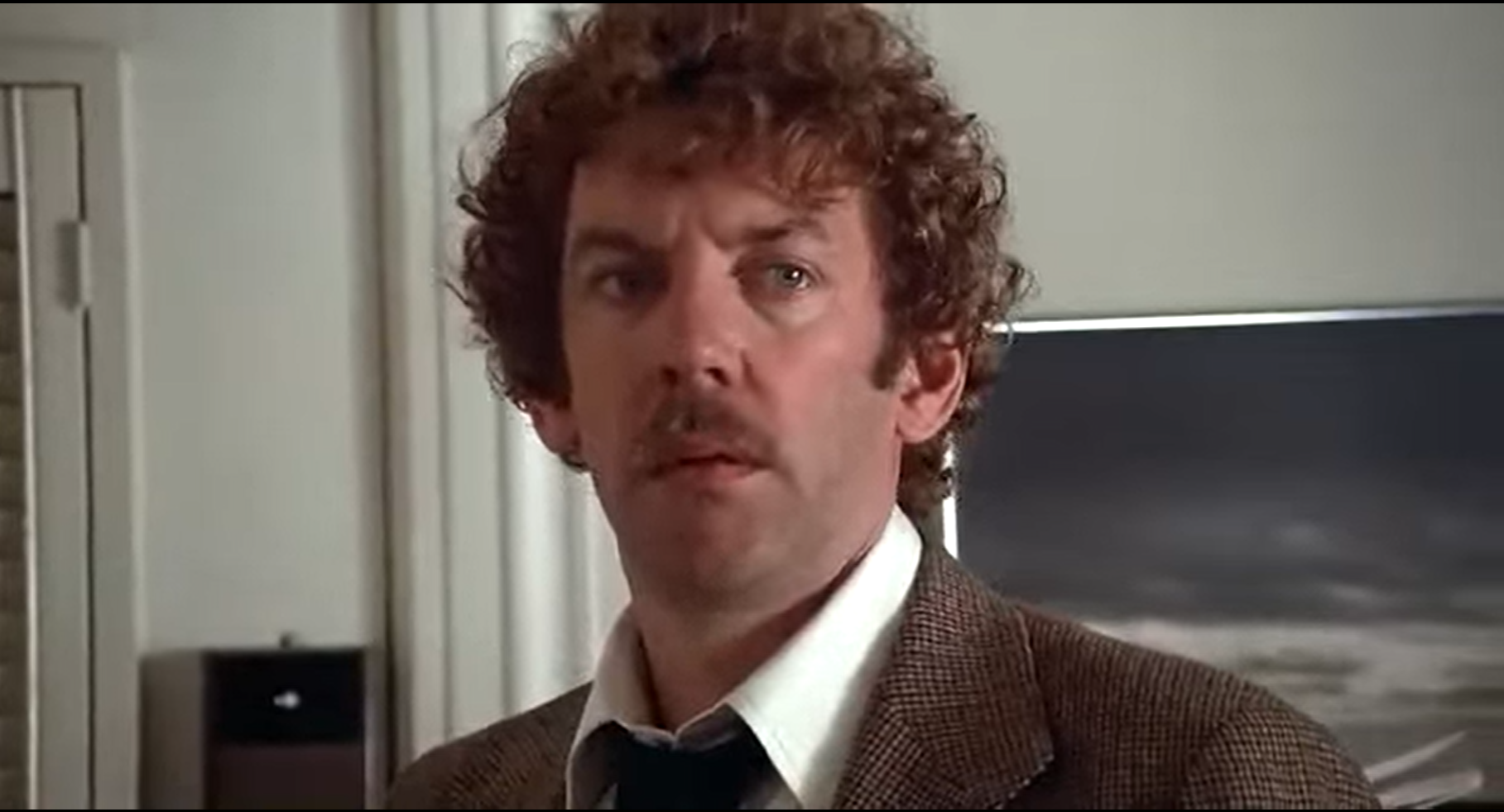
Peary also laments the loss of political subtext so prevalent in Siegel’s film, but this doesn’t really matter: a world in which everyone you know suddenly becomes “somebody else” is a scary enough premise to exist on its own. Finally, Peary complains that Kaufman places too much emphasis on “special effects and snazzy visuals”, but I disagree; other than the subtle yet effectively creepy opening sequences of spidery alien wisps growing into tiny flowers:

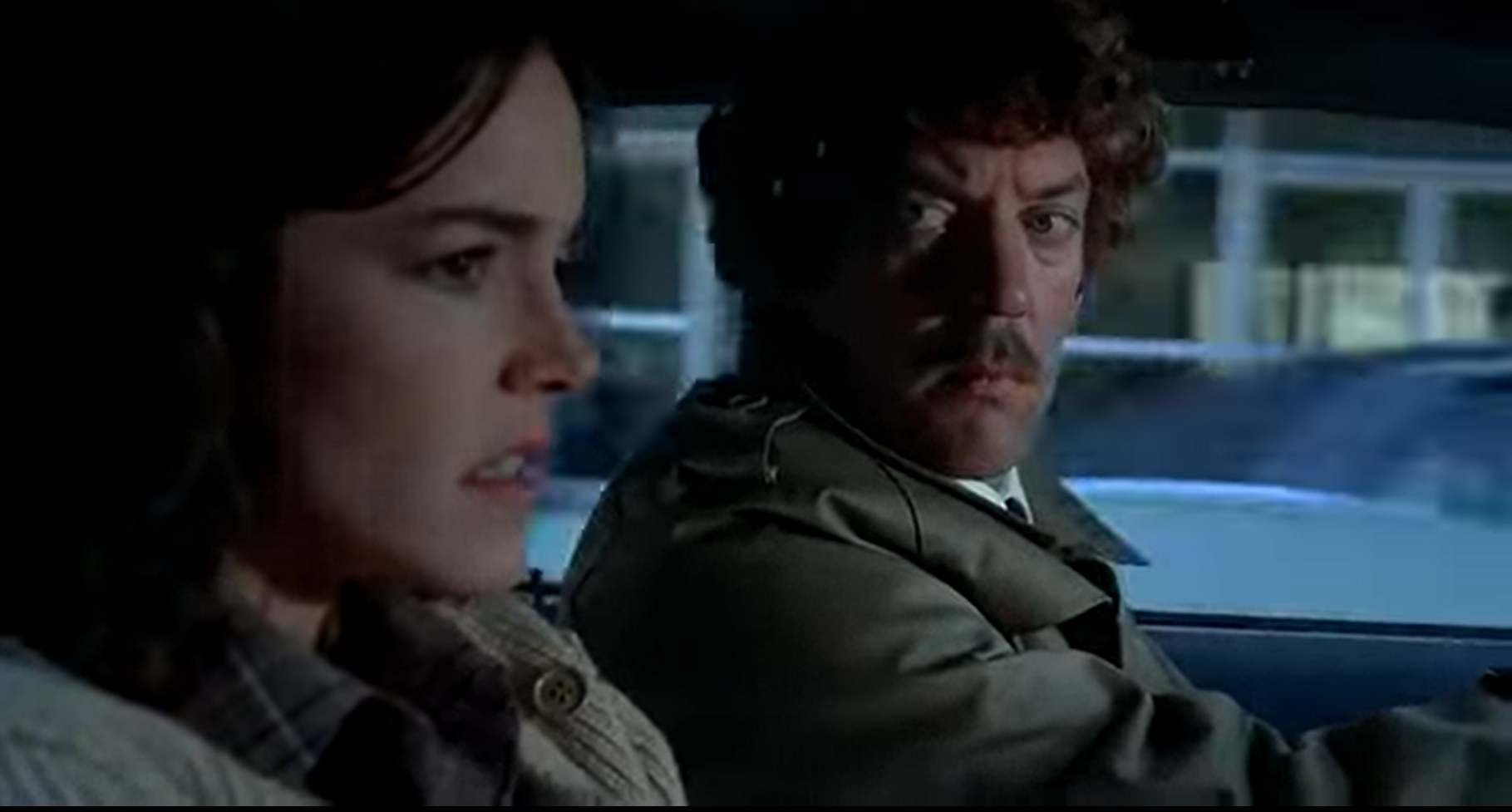
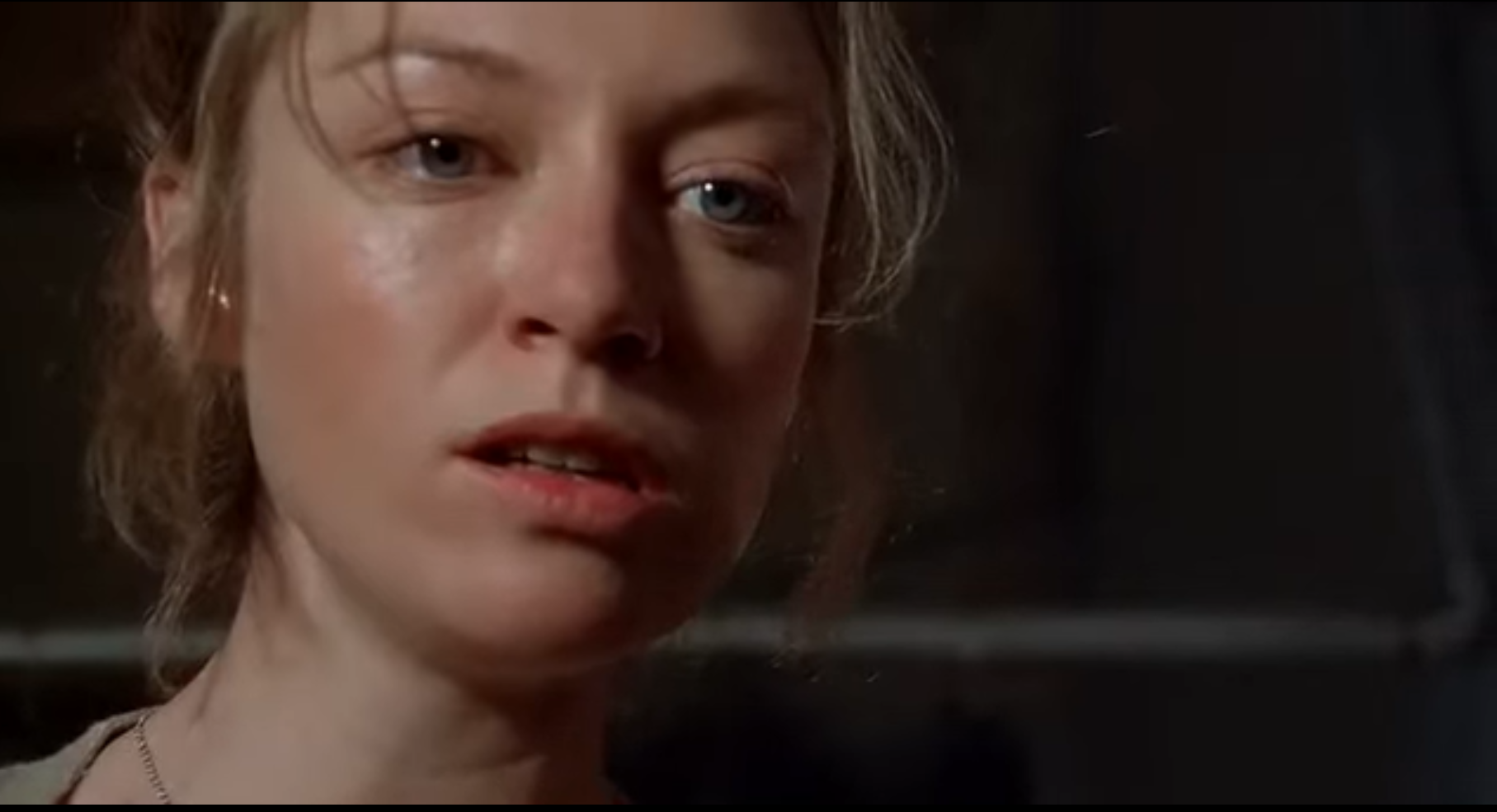
… special effects don’t make an appearance in the film until almost halfway through — at which point they’re used judiciously and to good effect. With that said, Kaufman’s version does run a bit too long, and I could have done without the subplot involving Sutherland’s crush on the married Adams:

Nonetheless, this remains a surprisingly effective remake, and is well worth watching on its own merits.

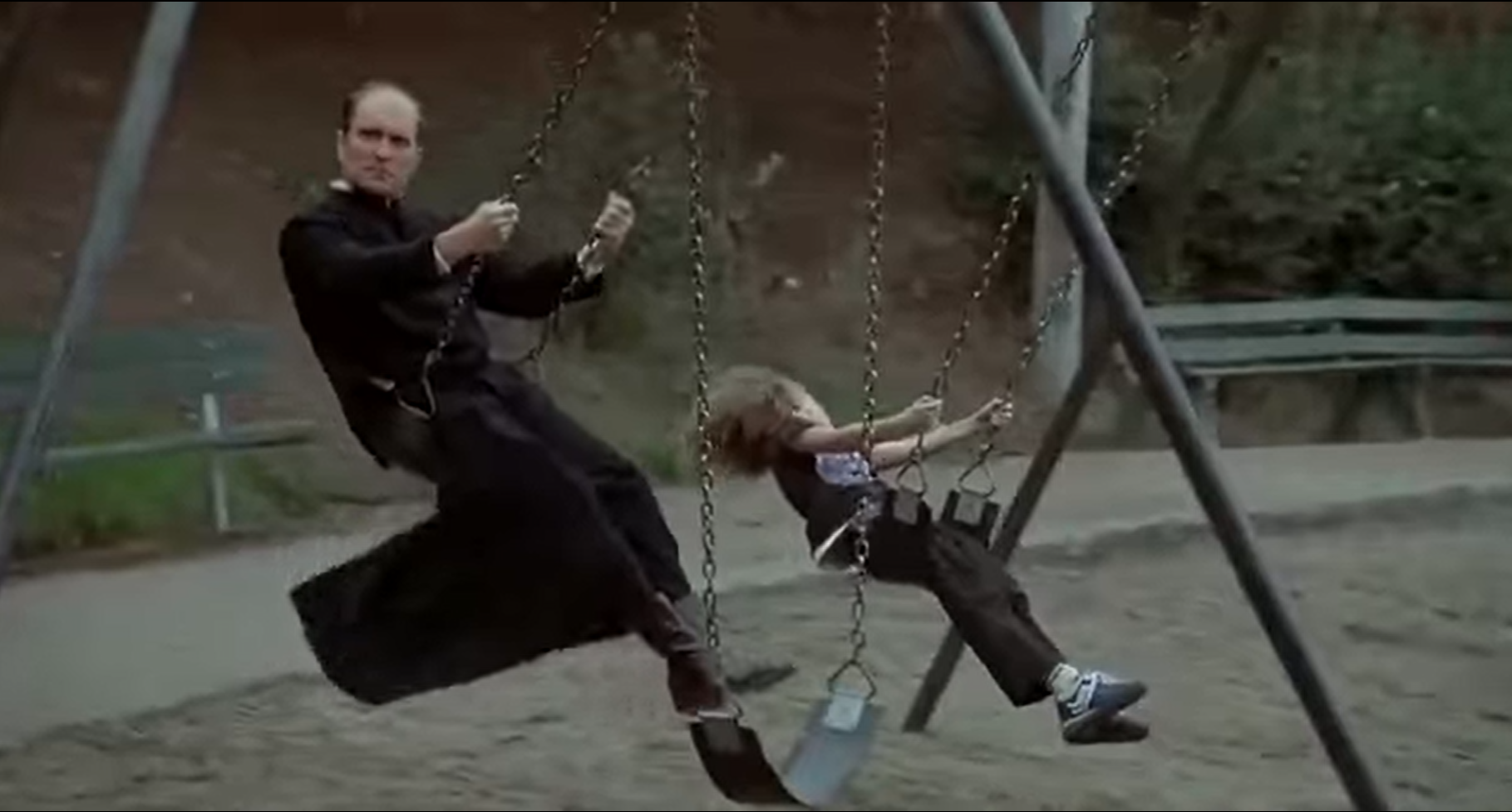
Note: Watch for several notable cameos: Don Siegel — director of the original …Body Snatchers — appears as a “replaced” taxi driver; Robert Duvall is shown in the very beginning as a creepy priest on a swing:

… and the original movie’s star, Kevin McCarthy, reappears as a man running wildly through the streets.

Redeeming Qualities and Moments:

  • Donald Sutherland as the concerned inspector
  • Veronica Cartwright’s memorable performance as one of the last remaining non-clones
  • Atmospheric direction by Kaufman
  • Creepy special effects

Must See?
Yes. This is a rare remake which succeeds on its own merits, and should be seen by all film fanatics.

Categories

  • Good Show

Links:

What Ever Happened to Baby Jane? (1962)

What Ever Happened to Baby Jane? (1962)

“Blanche, you aren’t ever going to sell this house — and you aren’t ever going to leave it, either!”

Synopsis:
Aging former child star “Baby Jane” (Bette Davis) resents having to care for her invalid sister, Blanche (Joan Crawford). When she meets a pianist (Victor Buono) who promises to help her revive her career, she makes plans to get rid of Blanche — once and for all.

Genres, Themes, Actors, and Directors:

  • Actors and Actresses
  • Anna Lee Films
  • Bette Davis Films
  • Disabilities
  • Has-Beens
  • Jealousy
  • Joan Crawford Films
  • Mental Illness
  • Psychological Horror
  • Robert Aldrich Films
  • Siblings

Response to Peary’s Review:
As Peary notes, this “scary, perverse character study” — a “Grand Guignol… of personality-disorder horror films” — is too well made on too many counts to be considered a true camp classic (though it’s certainly enjoyed by many on that level as well). It features stellar performances by all those involved (especially Davis and her “business partner”, the inimitable Victor Buono); beautiful black-and-white cinematography; appropriately creepy sets; and a storyline which manages to elicit both genuine fright and concern for its protagonists.

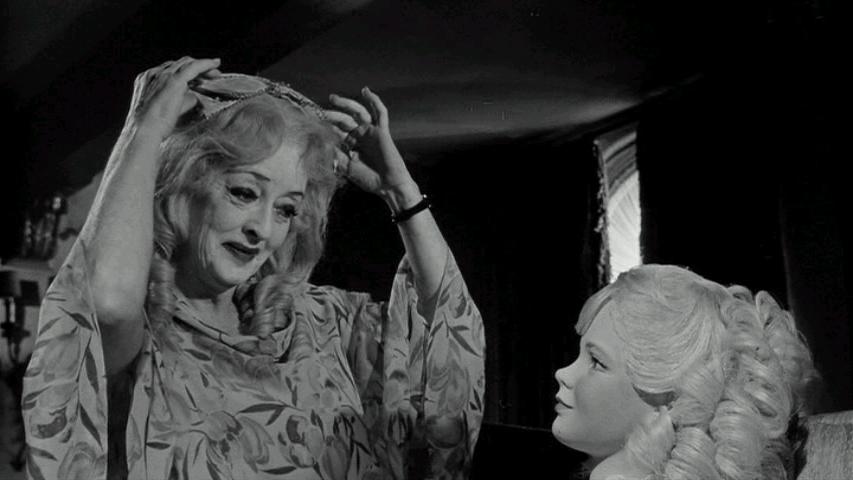
There are countless memorable moments in Baby Jane: Jane taunting Blanche by serving her a dead canary — and later a dead rat — for dinner; Jane coyly asking a young man behind the counter at the newspaper office if he recognizes her; Jane taking delight in building sandcastles on the beach; all of Jane’s interactions with Buono (whose use of subtle facial twitches is truly hilarious). Perhaps most interesting, however, is the fact that while director Robert Aldrich appears to be ridiculing his stars — they’re looking their absolute worst here — he also manages to generate genuine sympathy for their plights. Crawford and Davis may have been the unfortunate inspiration for, as Peary puts it, “a whole slew of fright films in which humor came from looking at grotesquely made-up faces of [once beautiful] old women”; but in this film, they’re the real deal: broken, tragic women whose jealousy and vanity have forced them both onto an inescapably disastrous trajectory.

Note: In his review, Peary points out the many similarities between What Ever Happened to Baby Jane? and Billy Wilder’s Sunset Boulevard; take note especially of the final scene on the beach.

Redeeming Qualities and Moments:

  • Bette Davis’s Oscar-nominated performance (one of her finest) as the delusional “Baby Jane”
  • Crawford’s less dramatic, but equally impressive, performance as the wheelchair-bound Blanche
  • Many delightfully sinister moments between Davis and Crawford (notorious rivals in real life as well)
  • Victor Buono’s wonderfully comedic turn as Edwin, Jane’s would-be salvation
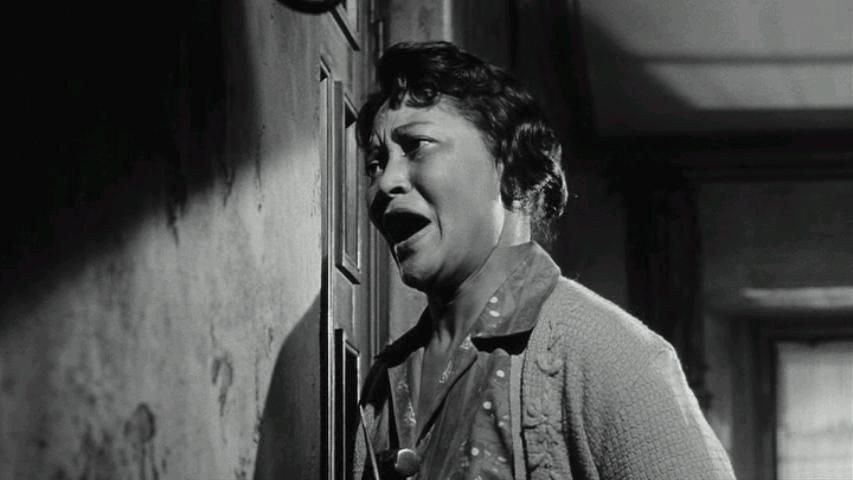
  • Maidie Norman as Blanche’s concerned housemaid
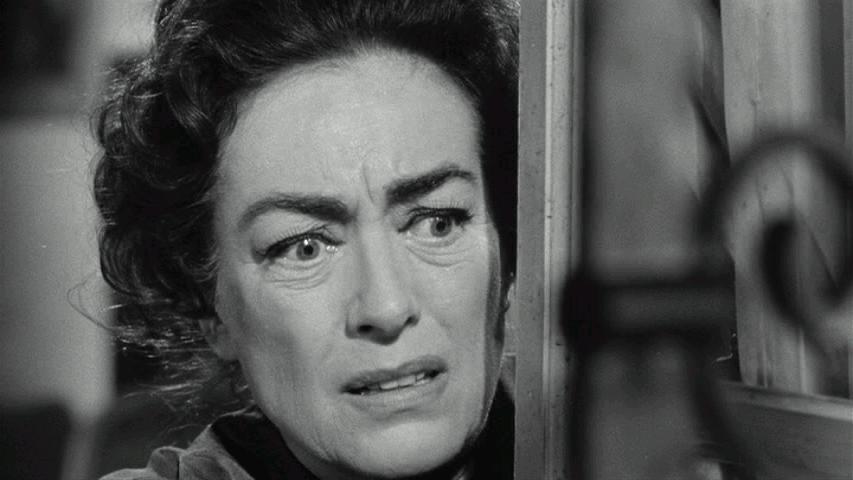
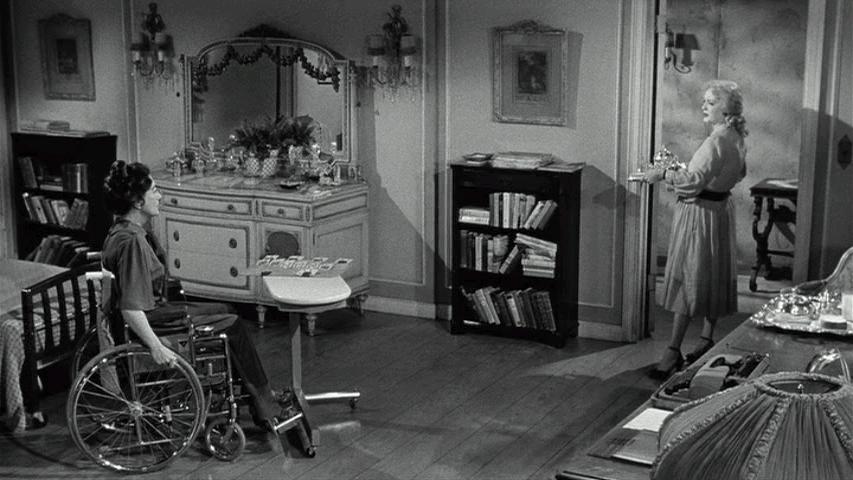
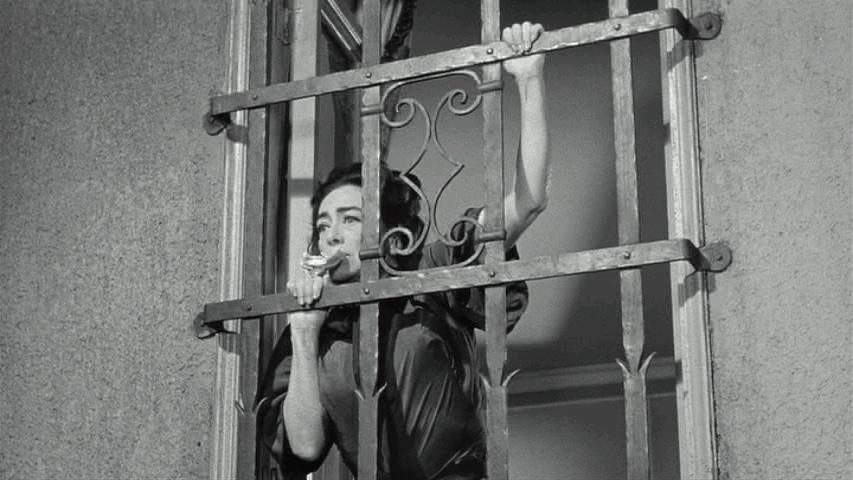
  • Many moments of genuine terror — as when Blanche cries out for help by tossing a crumpled piece of paper down to their neighbor, only to watch Jane picking it up instead
  • Appropriately baroque set designs
  • An effectively creepy musical score

Must See?
Definitely. In addition to featuring Oscar-nominated performances by both Davis and Buono, this infamous camp classic inspired (for better or for worse) a spate of similarly-themed “aging hag” films, and thus holds a special place in cinematic history.

Categories

  • Cult Movie
  • Historically Relevant
  • Noteworthy Performance(s)
  • Oscar Winner or Nominee

(Listed in 1001 Movies You Must See Before You Die)

Links: