Browsed by
Category: Response Reviews

My comments on Peary’s reviews in Guide for the Film Fanatic (Simon & Schuster, 1986).

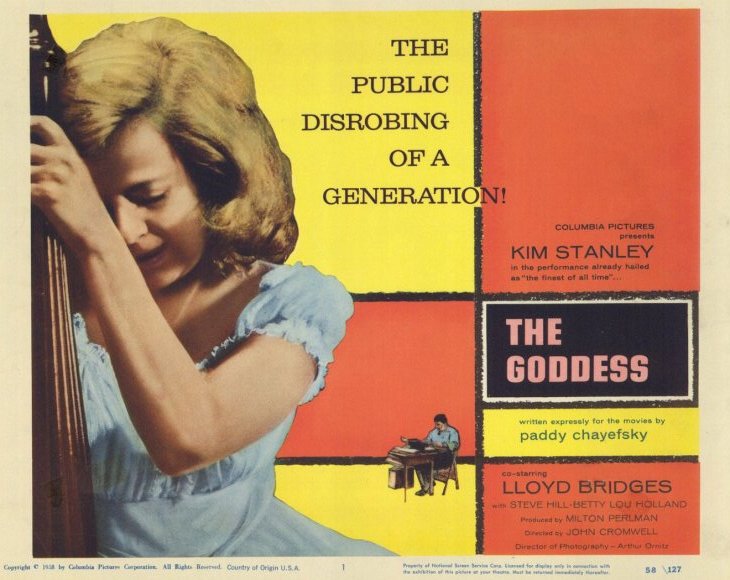
Goddess, The (1958)

Goddess, The (1958)

“I’m going to Hollywood someday — I am, I am!”

Synopsis:
An aspiring actress (Kim Stanley) struggles to find love and happiness.

Genres, Themes, Actors, and Directors:

  • Actors and Actresses
  • Aspiring Stars
  • Character Studies
  • Hollywood
  • John Cromwell Films
  • Kim Stanley Films
  • Lloyd Bridges Films
  • Mental Breakdown
  • Social Climbers

Response to Peary’s Review:
In his review of The Goddess, Peary primarily focuses on how “unrelentingly downbeat” it is, noting that Paddy Chayefsky (who wrote the “grim” script) “seems to be enjoying the character’s suffering.” Apparently Chayefsky — despite a complete lack of experience — insisted on editing the film himself, which likely accounts for the utter lack of humorous scenes (which were all, according to Kim Stanley, edited out; see TCM’s article).

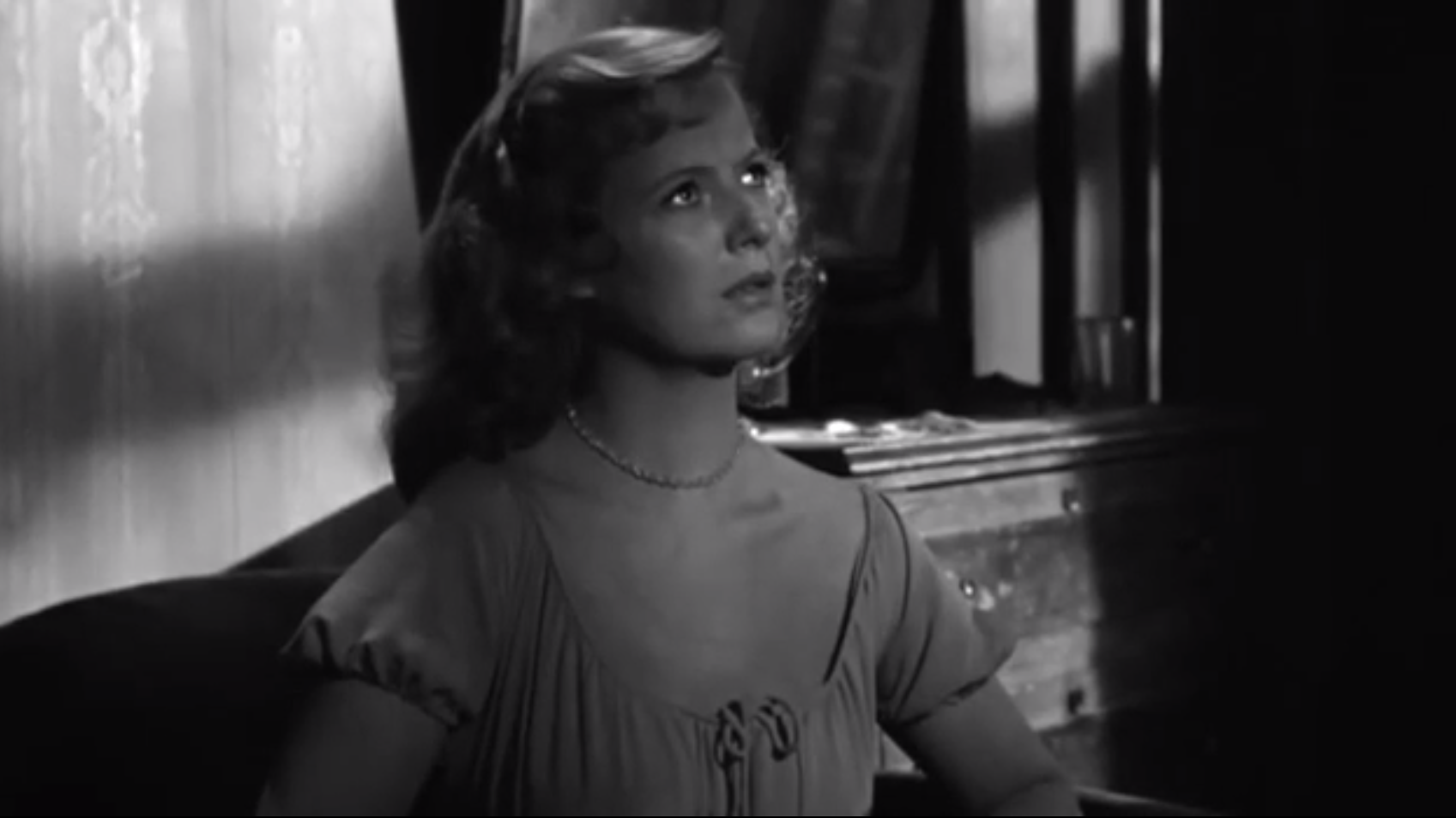
The Goddess is primarily notable for Stanley’s “powerhouse performance” — indeed, it’s remarkably easy to forget that Stanley is a bit too old to play the teenage protagonist, or that she isn’t quite sexy enough to pass for a Hollywood bombshell; looking into Stanley’s face, we see all the bitterness of Emily Ann/Rita’s unhappy, lonely childhood continuing to express itself. Unfortunately, Emily Ann/Rita (the character changes her name, as so many do, once she arrives in Hollywood) is never fully fleshed out — we’re given many powerful vignettes from her life, rather than any cohesion or depth.

At one point, for instance, the script shifts suddenly from Rita accepting God in front of her religious mother (nicely played by Betty Lou Holland), to Rita throwing her mother out of the house with no obvious explanation. These frequent lapses in logic hurt would could have been a devastating character study, but instead remains an interesting — yet flawed — performance piece for Stanley.

Note: Although many have speculated that Chayefsky modeled his script after the rise and imminent fall of Marilyn Monroe, Chayefsky flatly denied this association. Nonetheless, parallels continue to be made by many — including Peary.

Redeeming Qualities and Moments:

  • Kim Stanley’s powerhouse performance as Emily Ann/Rita
  • Betty Lou Holland as Stanley’s mother, Laureen
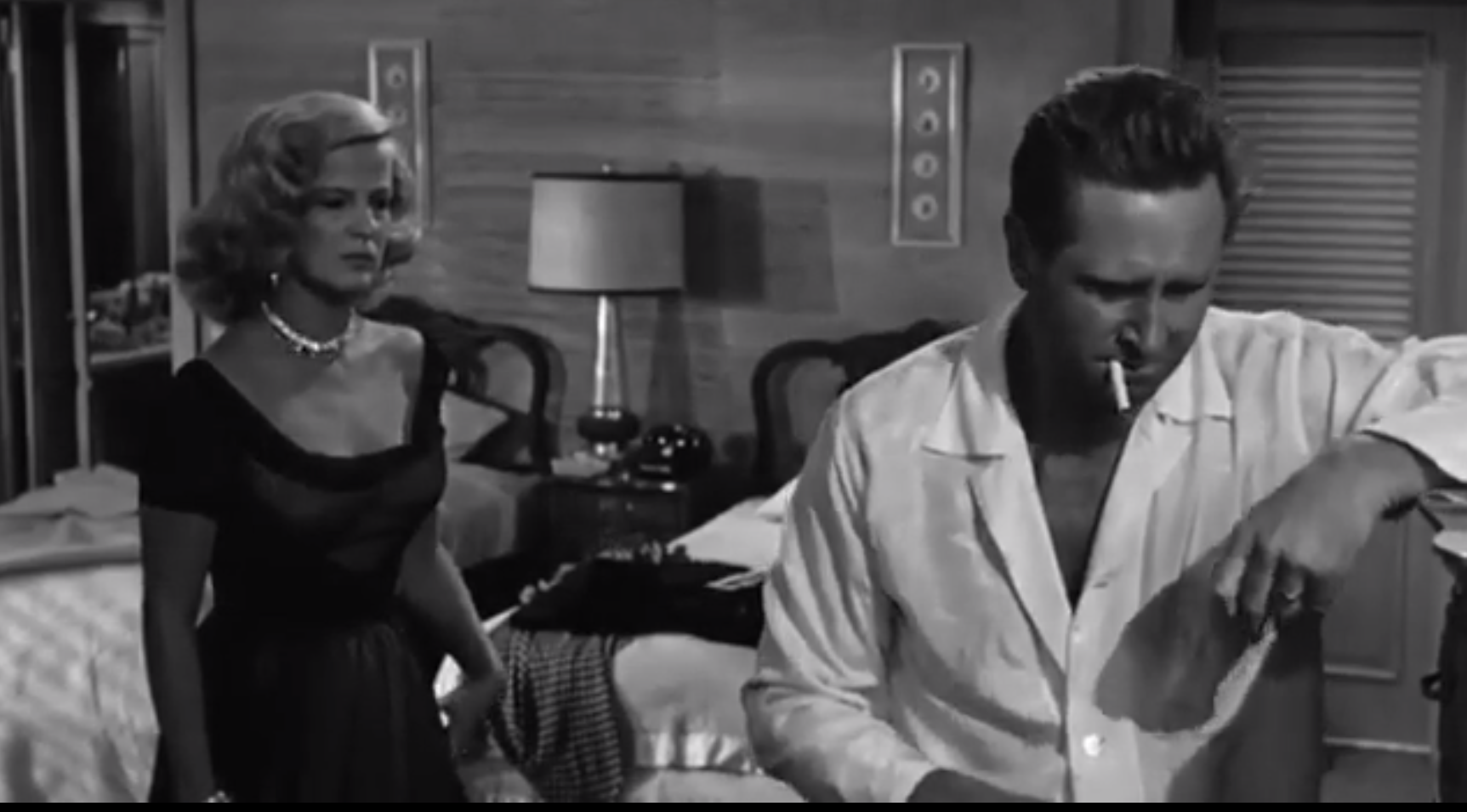
  • Lloyd Bridges as Stanley’s ex-boxer husband

Must See?
Yes, simply to watch Stanley’s incredible performance (which Peary nominates for an Alternate Oscar).

Categories

  • Noteworthy Performance(s)

Links:

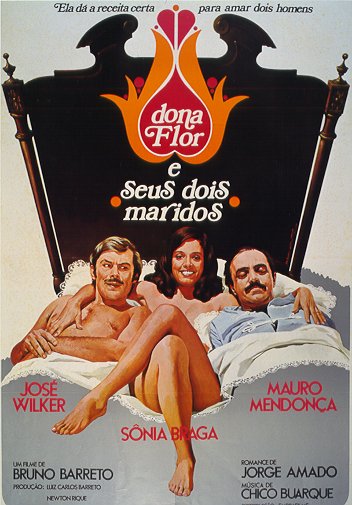
Dona Flor and Her Two Husbands (1976)

Dona Flor and Her Two Husbands (1976)

“He was a gigolo, a bum, and a shameless drunkard… A swindler, a penniless gambler, a cheap crook! A scoundrel!”

Synopsis:
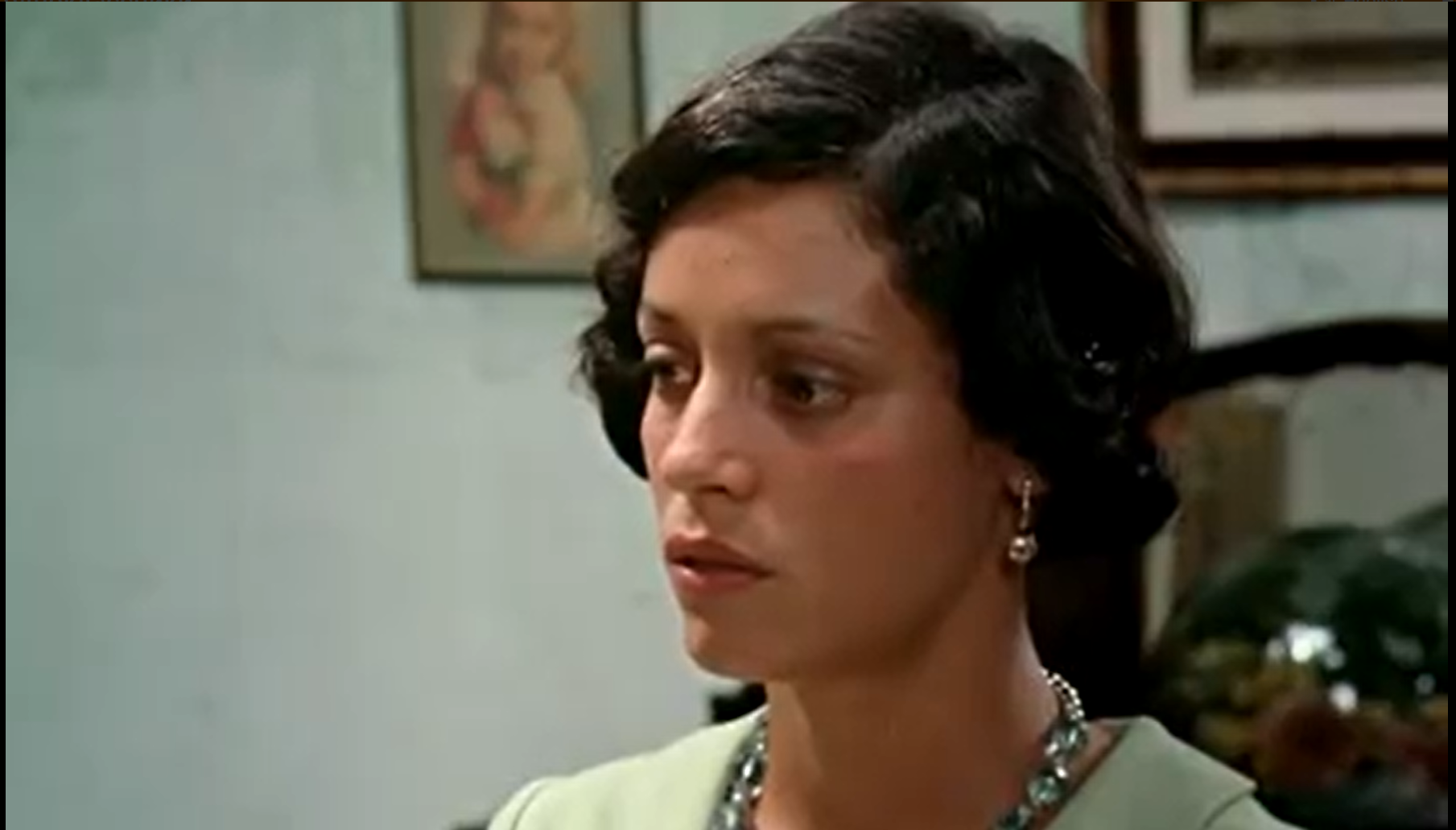
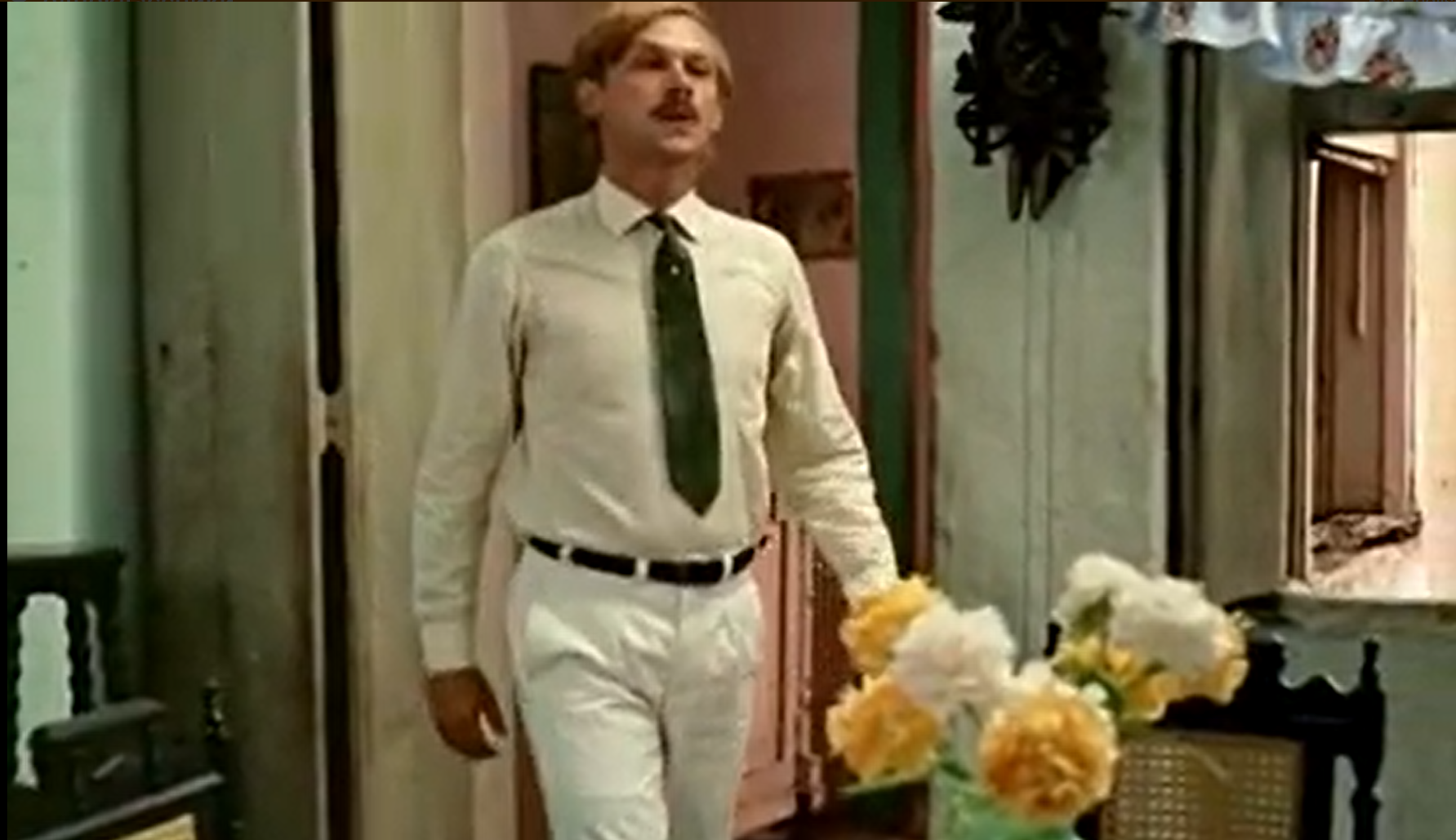
After the death of her womanizing husband (Jose Wilker), Dona Flor (Sonia Braga) marries a loyal yet boring pharmacist (Mauro Mendonca). But when Flor finds herself unconsciously lusting for her ex-husband, his sudden ghostly appearance complicates her new marriage.

Genres:

  • Ghosts
  • Love Triangle
  • Romantic Comedy
  • South and Central America
  • Womanizers

Response to Peary’s Review:
As Peary notes, this “tremendously popular” Brazilian sex comedy — which bears resemblance to both Noel Coward’s Blithe Spirit (1945) and Spike Lee’s She’s Gotta Have It (1986) — is actually rather serious, and contains “few humorous moments”; indeed, the entire first hour of the film is spent showing how badly Flor is treated by her no-good husband. On the other hand, there’s plenty of ribald sensuality to enjoy, and the film’s underlying theme of female sexual empowerment is a satisfying one. Peary correctly notes that both men and women will be able to relate to the lead characters here, whose messy, all-too-human desires cause them both conflict and joy.

Redeeming Qualities and Moments:

  • Sonia Braga as Dona Flor
  • Jose Wilker as Flor’s philandering husband
  • Chico Buarque’s infectious Brazilian score

Must See?
No, but it’s recommended as an enjoyable Brazilian comedy.

Links:

I Spit On Your Grave / Day of the Woman (1978)

I Spit On Your Grave / Day of the Woman (1978)

“Total submission. That’s what I like in a woman — total submission.”

Synopsis:
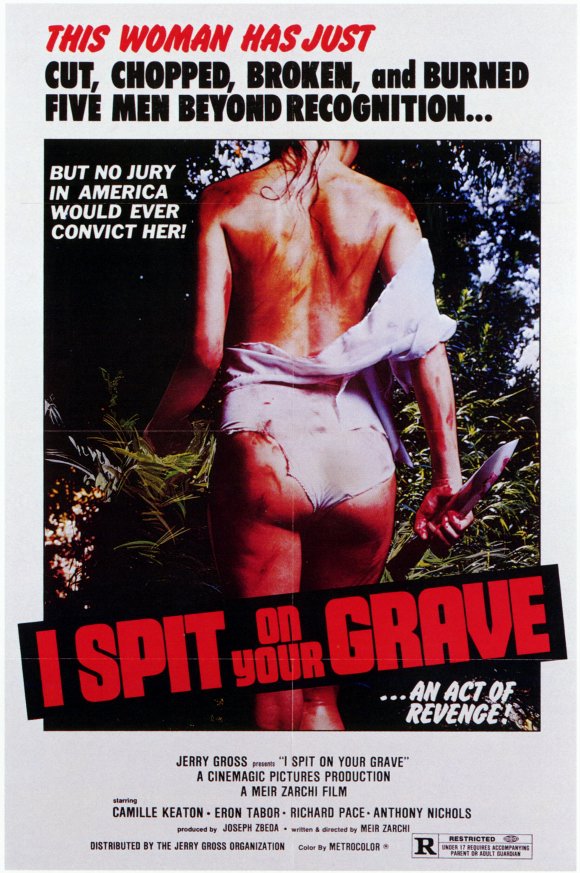
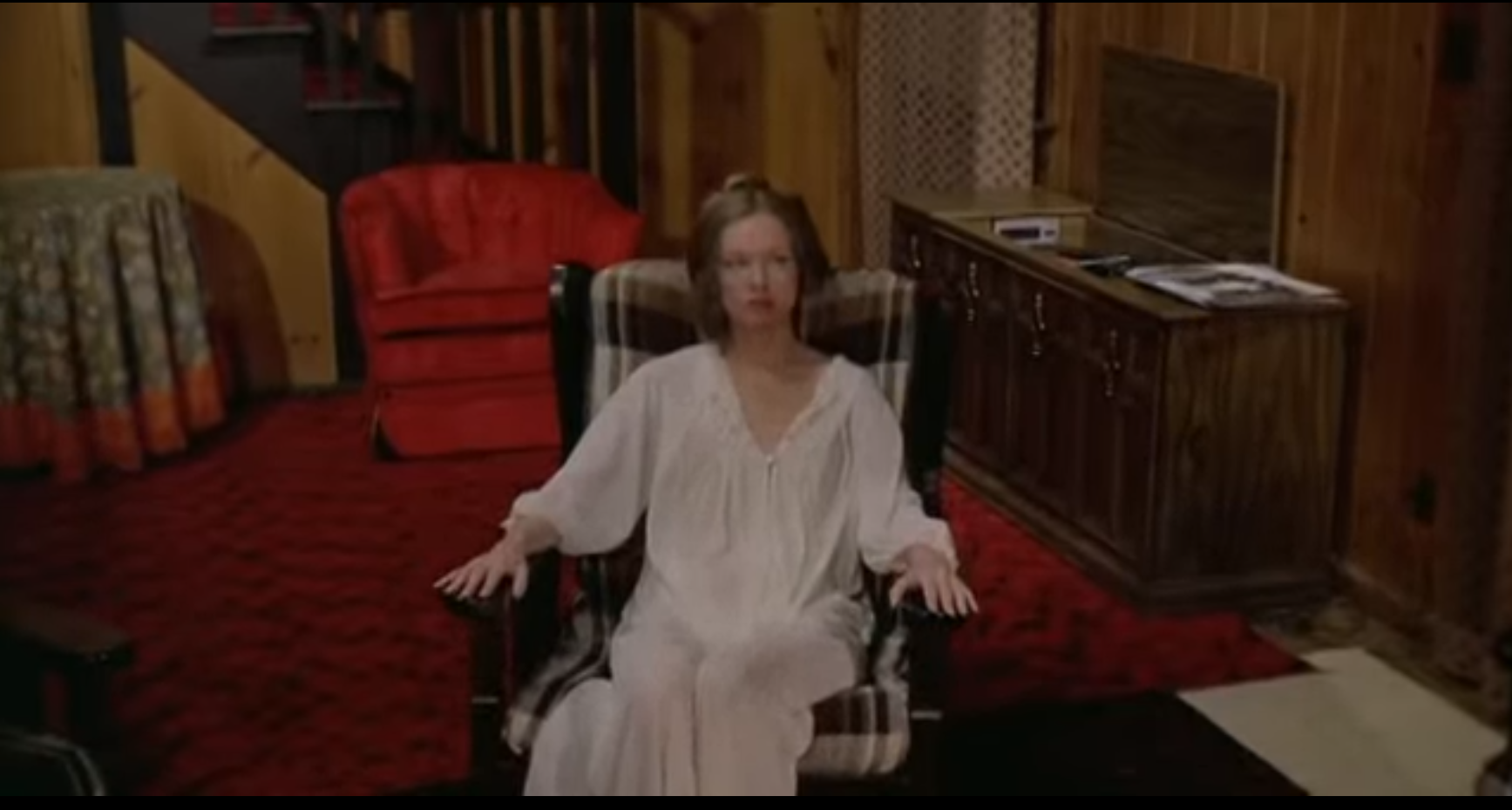
When a female writer from New York (Camille Keaton) is gang-raped by thugs on a remote island, she plots her revenge.

Genres:

  • Class Relations
  • Horror
  • Rape
  • Revenge
  • Writers

Response to Peary’s Review:
Peary is one among many reviewers who have argued that there is truly “no way to defend” this highly controversial, enormously discomfiting exploitation flick (starring Buster Keaton’s granddaughter, Camille — wife of the director). Indeed, the rape scenes in I Spit On Your Grave are so protracted (they last a total of 45 minutes), so realistic (there’s no film score), and so gruesome, that, as Peary points out, not even “male moviegoers [who] seemed to enjoy the mistreatment of the young girls in Last House on the Left… will identify with the rapists [here].” This leads one to question why such a film would be made in the first place. Although director Meir Zarchi manages to “[show the] pain, humiliation, and terror of a rape victim as few filmmakers have,” is this really such an estimable achievement? Apparently Zarchi had the noble intention of showing a woman taking personal revenge for her brutal mistreatment at the hands of men; yet Keaton’s systematic murders (she seduces each of the men, then leaves them to die) aren’t any easier to stomach. Indeed, the entire film is likely to be one of the most unpleasant movie-watching experiences you’ve ever had. Be strongly forewarned.

P.S. The theme of rape revenge was ultimately dealt with much more tastefully (and artfully) in Abel Ferrara’s Ms. 45/Angel of Vengeance (1982).

Redeeming Qualities and Moments:

  • Camille Keaton’s brave (foolhardy?) performance as the vengeful rape victim

Must See?
No, though film fanatics may be curious to check it out simply for its status as a controversial cult classic. But you have my permission to fast-forward through to the final half — and then to try to forget you ever saw it.

Links:

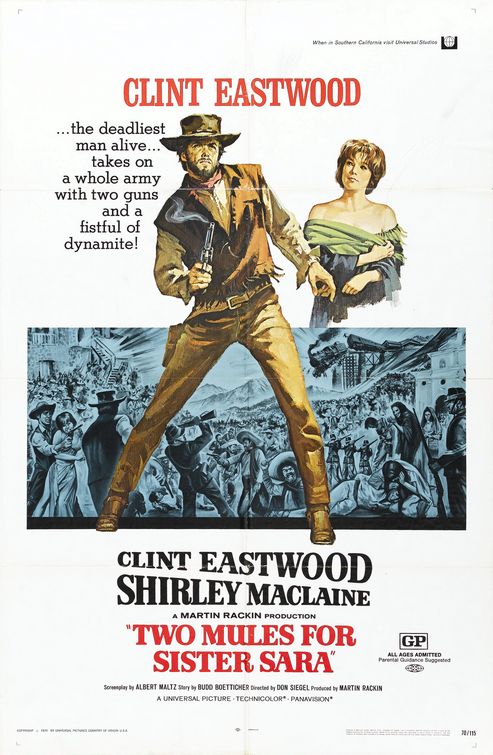
Two Mules for Sister Sara (1970)

Two Mules for Sister Sara (1970)

“What the hell is a nun doing out here?”

Synopsis:
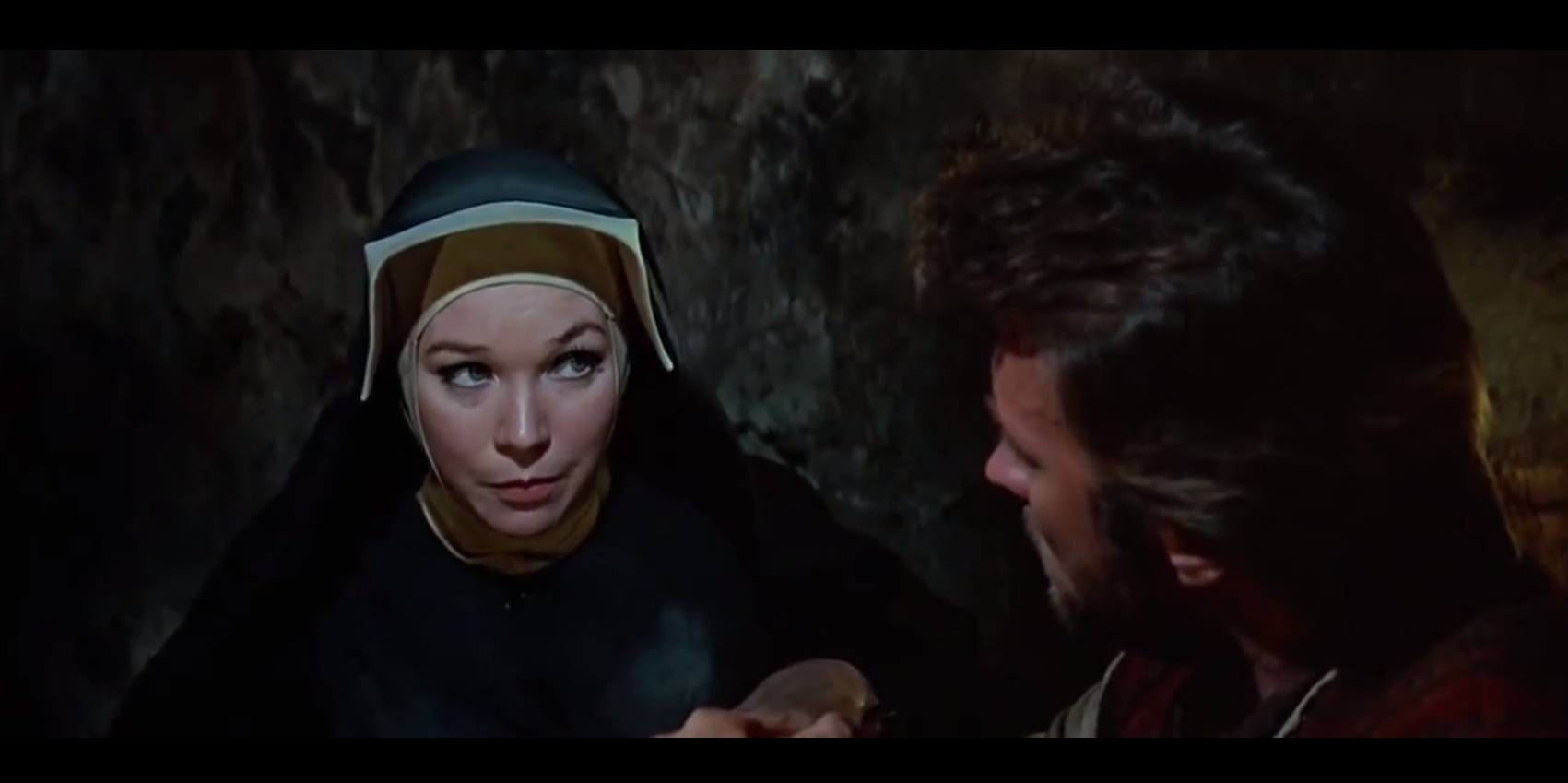
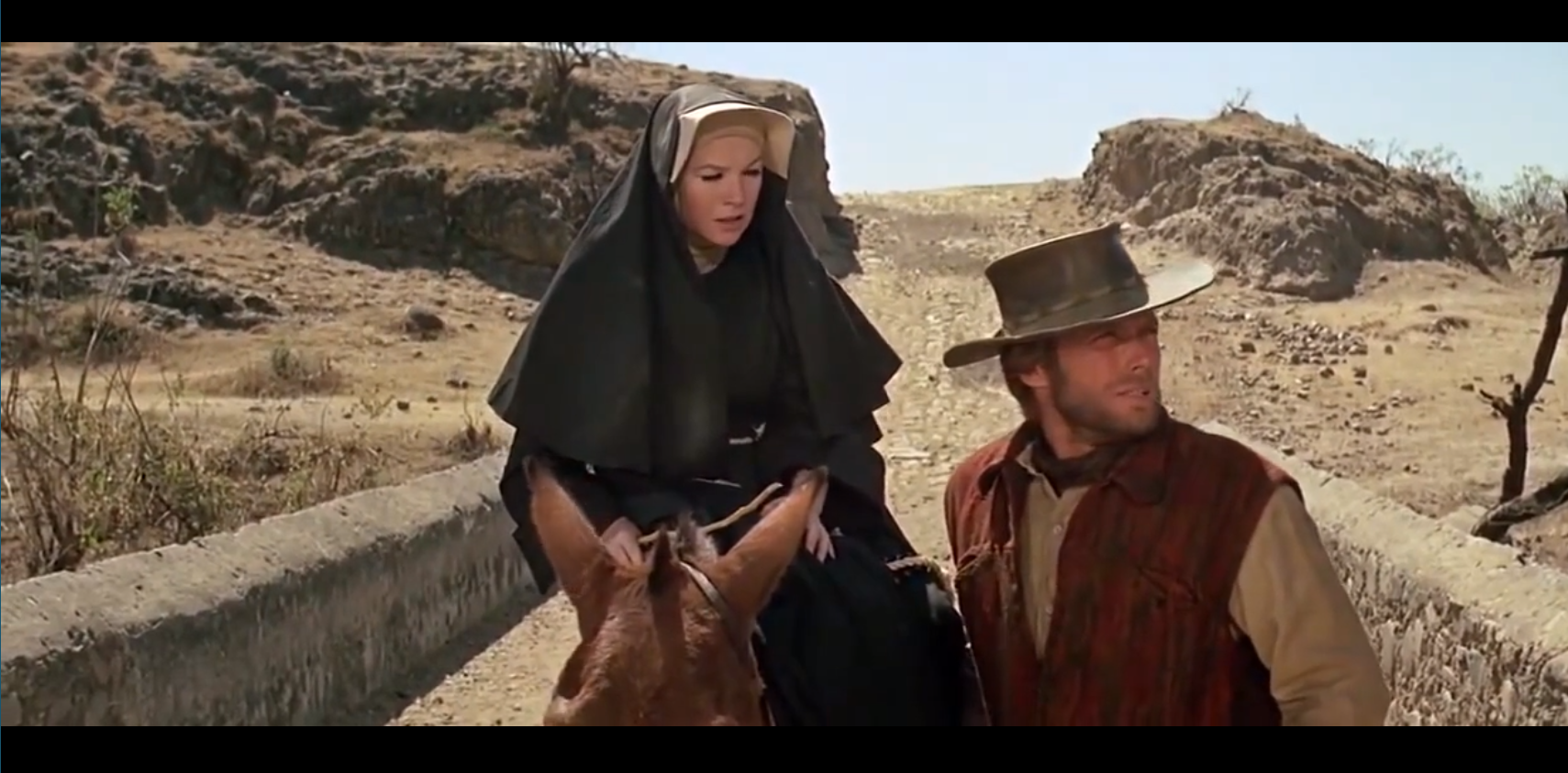
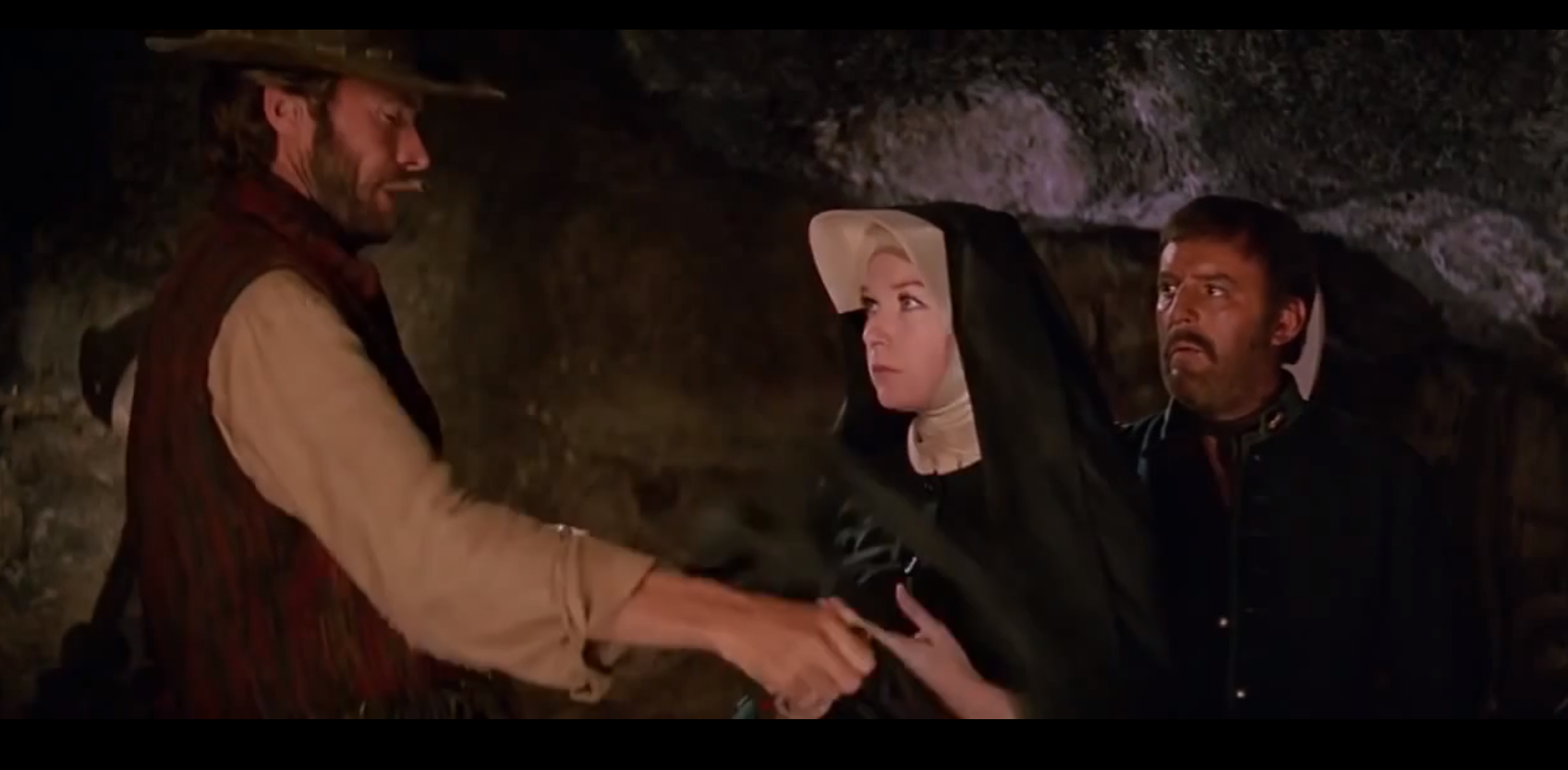
A mercenary gunfighter (Clint Eastwood) rescues a feisty nun (Shirley MacLaine) in the desert, and tries to bring her to safety. When he discovers that she’s on her way to help Mexican revolutionaries blow up a French fort, they find that their interests are aligned.

Genres, Themes, Actors, and Directors:

  • Battle of the Sexes
  • Clint Eastwood Films
  • Comedy
  • Deserts
  • Don Siegel Films
  • Mistaken or Hidden Identities
  • Nuns
  • Revolutionaries
  • Shirley MacLaine Films
  • Westerns

Response to Peary’s Review:
Don Siegel’s comedic western — based on a story by Budd Boetticher — has received mixed reviews over the years (see links below). For my part, I enjoyed the inspired pairing of MacLaine (one of my favorite actresses) and Eastwood, who has fun with his Spaghetti-western fame as “The Man With No Name”. In his review, Peary focuses primarily on Eastwood’s characterization, noting that this was the first time Eastwood played a tough guy who “intimidates men but has no idea how to handle women” — indeed, it’s the interplay between these two forces of nature (MacLaine is no passive nun!) which provides most of the fun.

Note: If you’ve never seen this film and don’t want its primary mystery given away, make sure not to read any online reviews; half of them shamelessly reveal spoilers.

Redeeming Qualities and Moments:

  • Shirley MacLaine’s wonderfully comedic performance as “Sister Sara”
  • Beautiful cinematography by D.P. Gabriel Figueroa

  • Clever dialogue:

    “All the women I’ve ever known were natural-born liars, but I never knew about nuns until now.”

  • Ennio Morricone’s film score

Must See?
No, but it’s highly recommended.

Links:

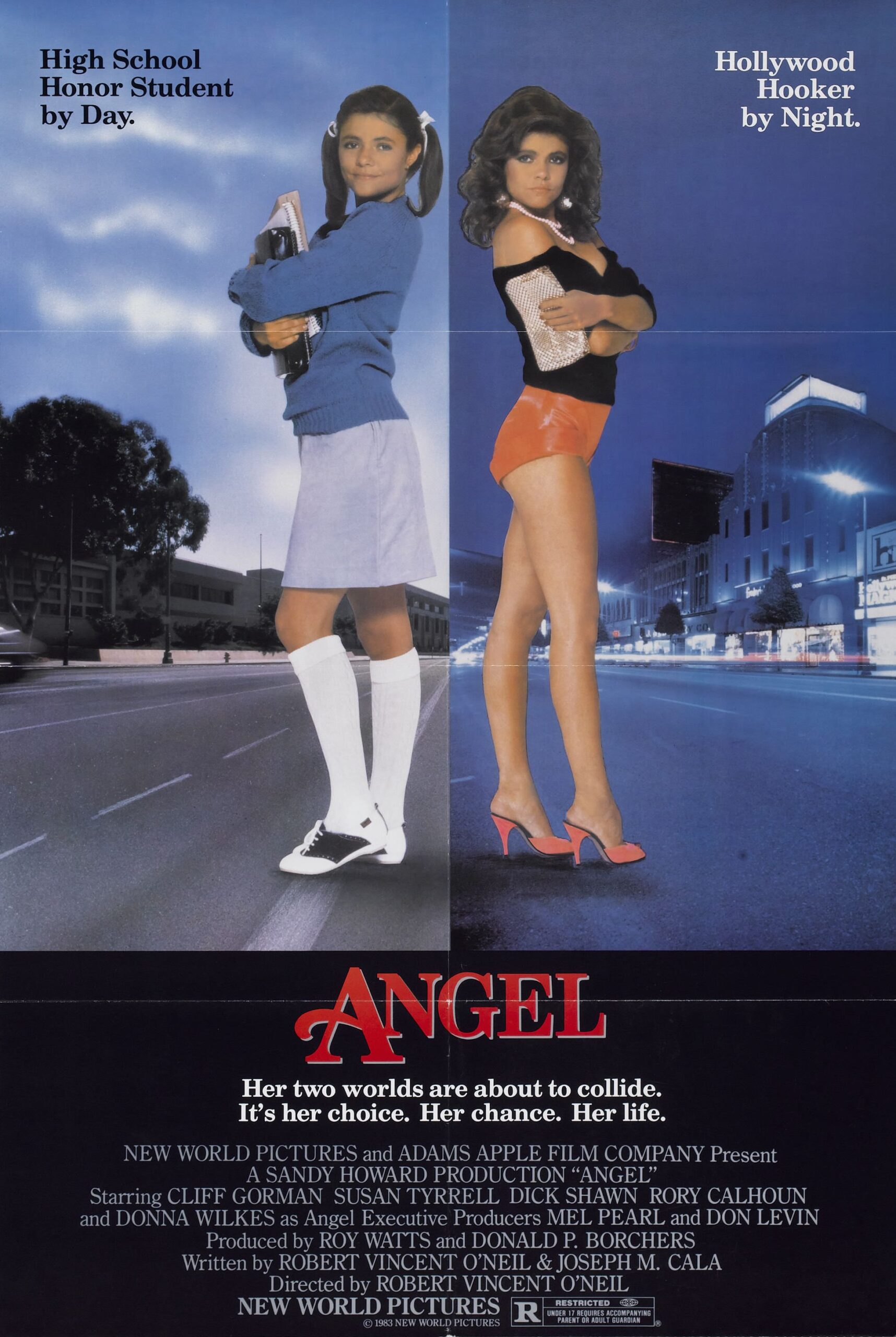
Angel (1984)

Angel (1984)

“You’re young, attractive, and healthy — and swimming in a toilet bowl!”

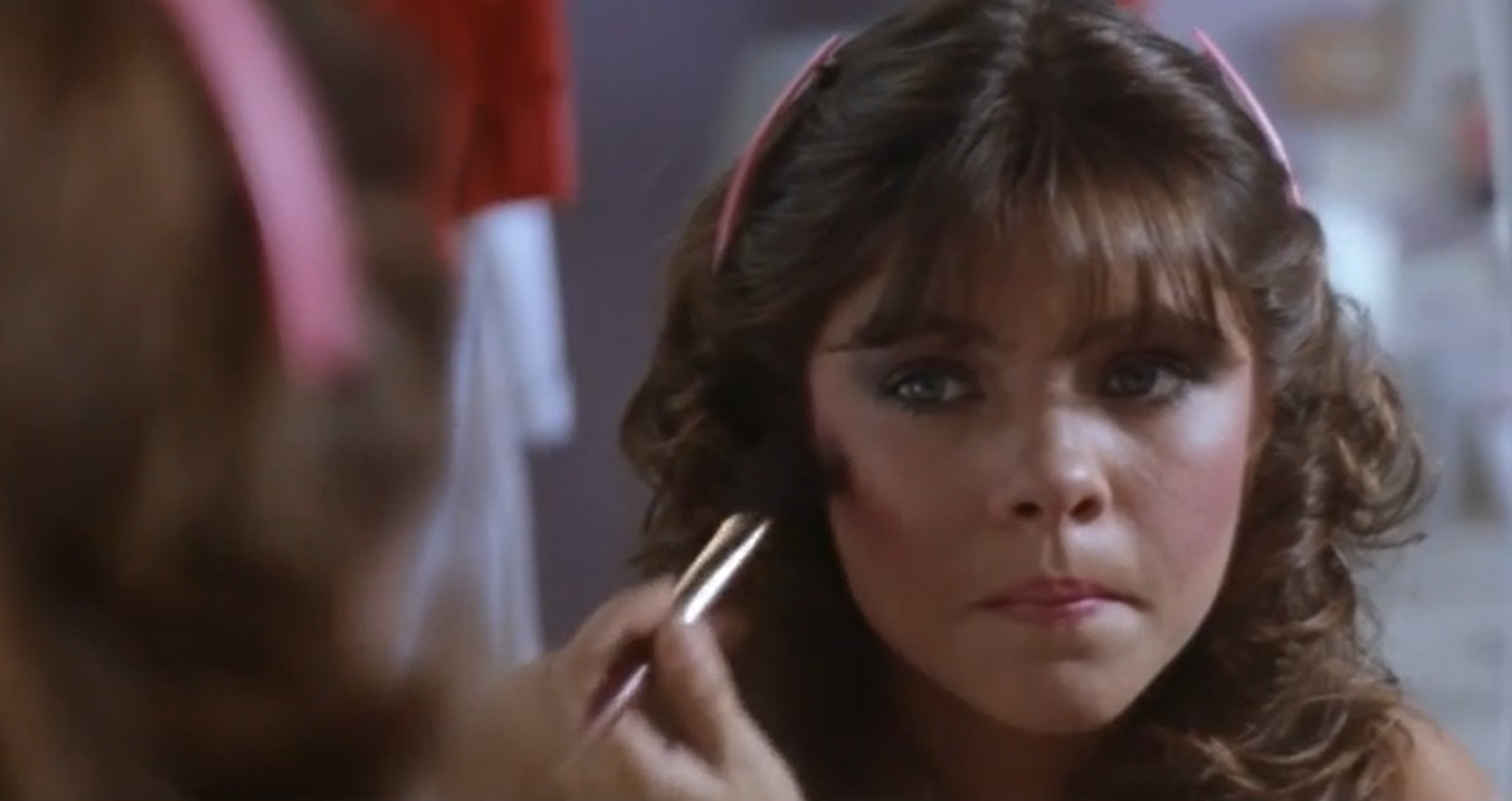
Abandoned by her mother, a 15-year-old (Donna Wilkes) is an honor student by day, and a Hollywood hooker (“Angel”) by night. When Angel witnesses one of her friends being murdered by a necrophilic serial killer (John Diehl), she gains protection from a detective (Cliff Gorman) who tries to convince her to get off the streets.

Genres, Themes, Actors, and Directors:

  • Detectives and Private Eyes
  • Mistaken Identities
  • Prostitution
  • Serial Killers
  • Survival

Response to Peary’s Review:
This infamous teenage exploitation flick by New World Cinema is much tamer than its well-publicized tagline — “High School Honor Student By Day, Hollywood Hooker By Night” — would suggest. As noted by Peary and others (see links below), Wilkes never takes her clothes off, and thus her work is implied rather than shown.

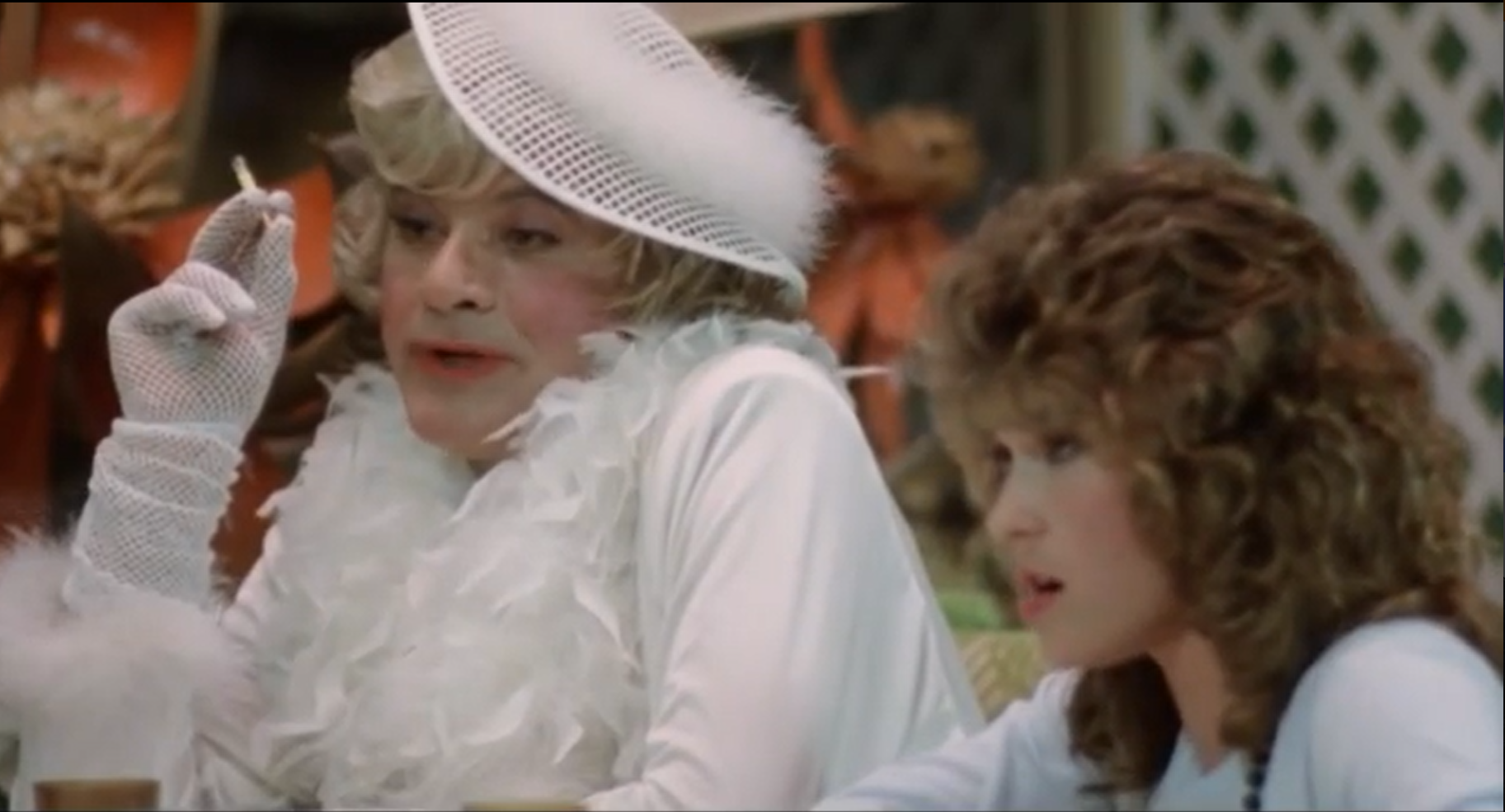
If it wasn’t for a deranged serial killer on the loose, it seems that Angel wouldn’t be in trouble at all — indeed, she’s surrounded by countless paternal figures, who we’re sure will keep her from lasting harm. Wilkes is okay here, but most enjoyable are the supporting performances by her “offbeat” friends — including Dick Shawn as a transvestite hooker (with a heart of gold, naturally), and Susan Tyrrell as her crotchety landlady. Angel‘s plot bears some similarity to The Little Girl Who Lives Down the Lane (1978): like Jodie Foster’s Rynn, Molly/Angel is dead set against anyone finding out that she’s surviving on her own. Three sequels followed this phenomenal money-maker: Avenging Angel (1985), Angel III: The Final Chapter (1988), and Angel 4: Undercover (1993).

Redeeming Qualities and Moments:

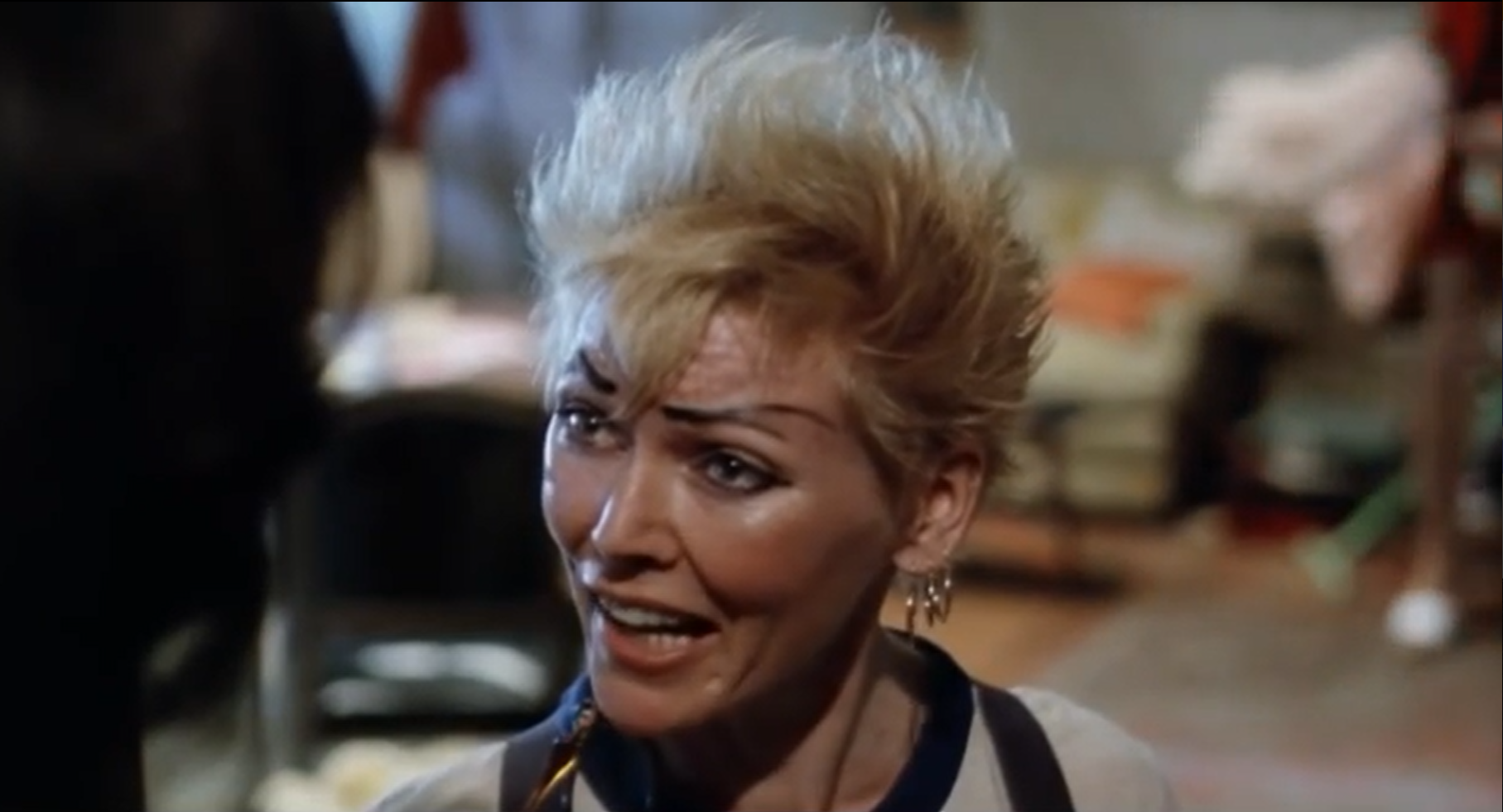
  • Susan Tyrrell as Angel’s foul-mouthed lesbian landlady
  • Dick Shawn as Angel’s transvestite-hooker friend

Must See?
No, but it’s worth a look simply for its infamous place in the history of exploitation cinema.

Links:

Kiss Me Deadly (1955)

Kiss Me Deadly (1955)

“First you find a little thread. A little thread leads you to a string, and the string leads you to a rope… And from the rope — you hang by the neck.”

Synopsis:
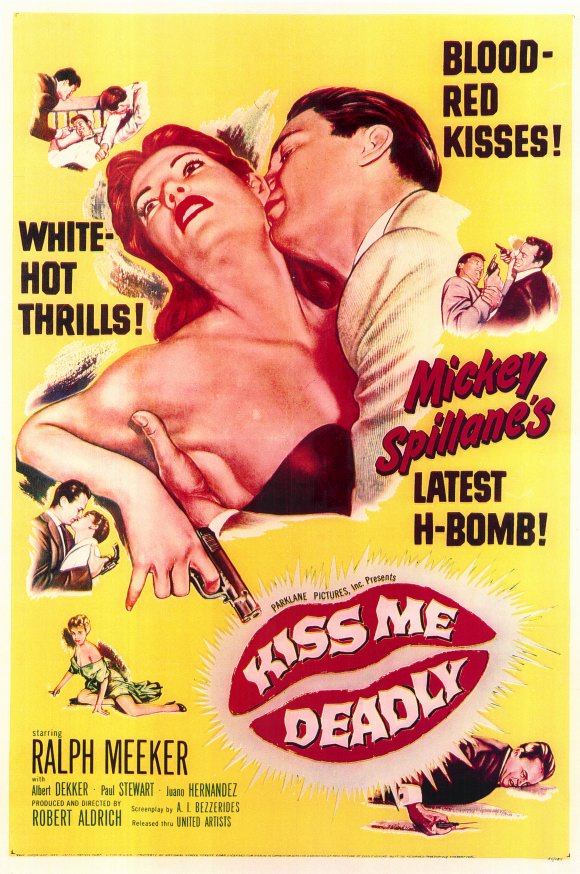
After narrowly escaping death, private detective Mike Hammer (Ralph Meeker) investigates the mysterious murder of a hitchhiker (Cloris Leachman), hoping he will stumble onto big money.

Genres, Themes, Actors, and Directors:

  • Cloris Leachman Films
  • Detectives and Private Eyes
  • Gangsters and Mafia
  • Juano Hernandez Films
  • Los Angeles
  • Murder Mystery
  • Nuclear Threat
  • Paul Stewart Films
  • Ralph Meeker Films
  • Robert Aldrich Films
  • Search

Response to Peary’s Review:
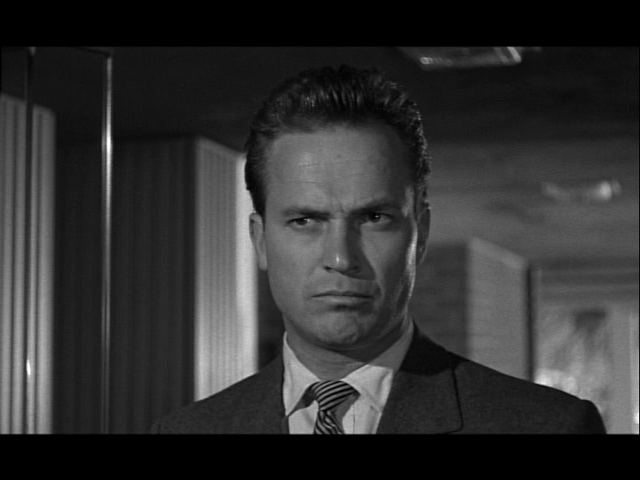
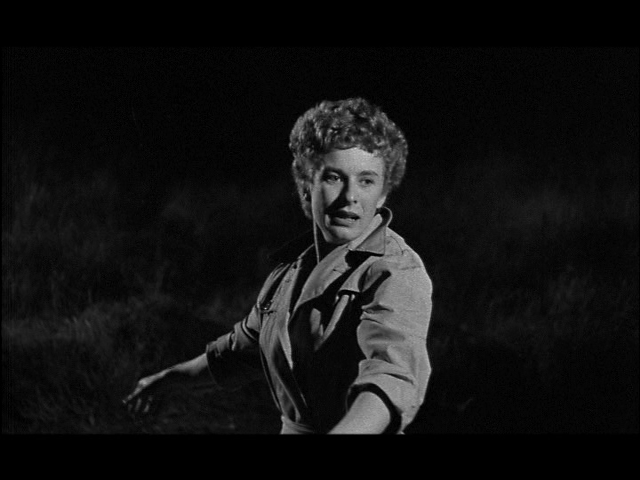
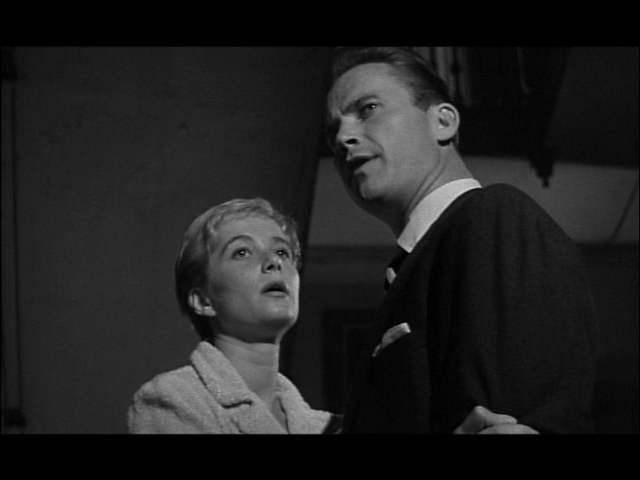
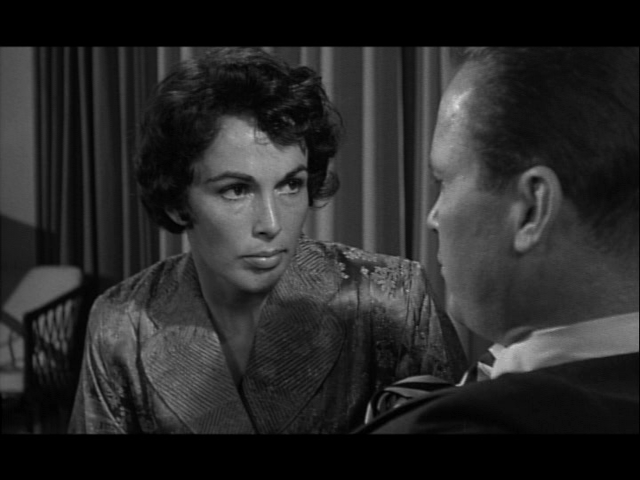
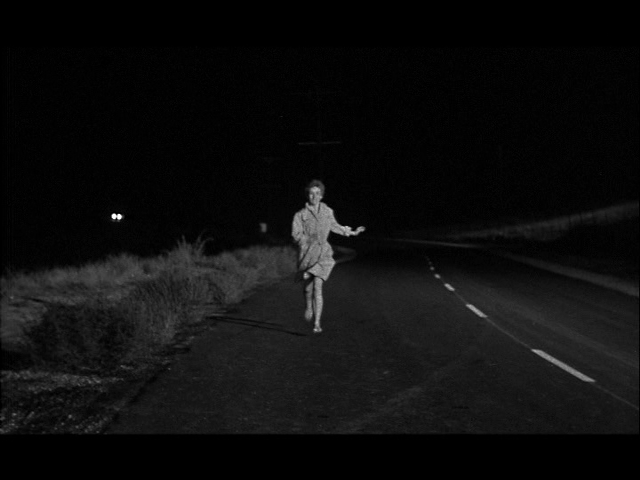
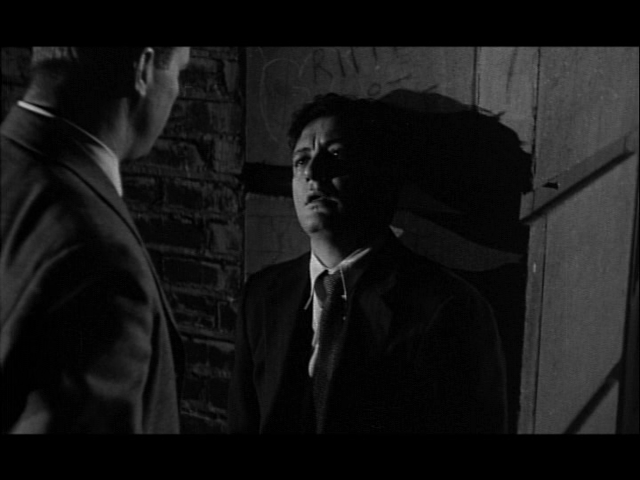
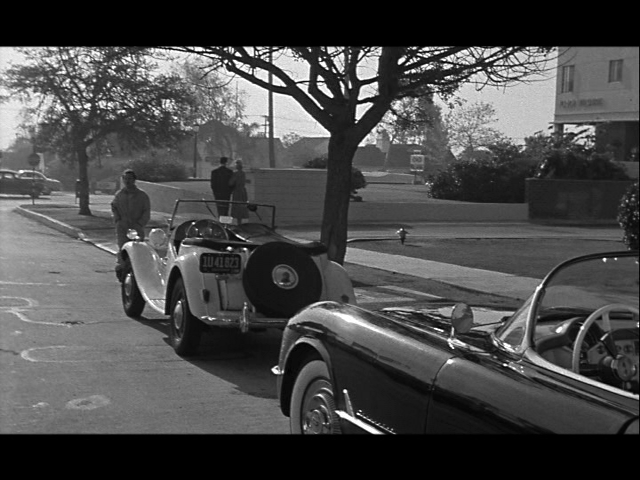
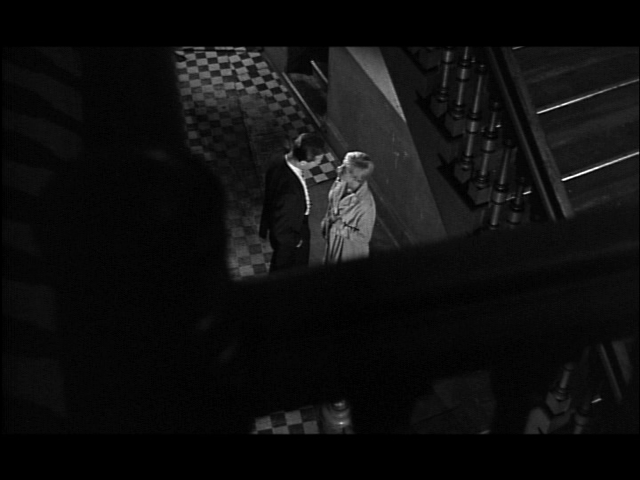
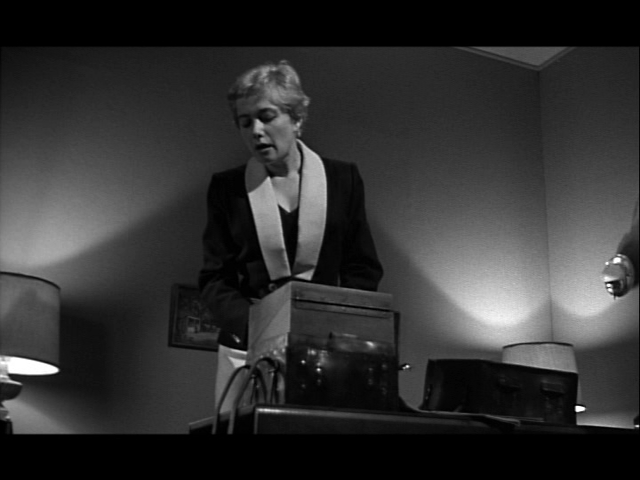
As Peary notes, this adaptation of Mickey Spillane’s 1952 detective novel remains “one of the most dazzling works of the fifties”. Director Robert Aldrich makes effective use of “wild camera angles and abrupt, jarring editing to symbolize a world out of orbit”: from the film’s opening sequence — in which breathless Cloris Leachman literally throws herself in front of Hammer’s car to get him to stop — we recognize that everyone in this universe is out for himself; indeed, Hammer pursues the mystery of Leachman’s death out of greed rather than a sense of decency, and readily prostitutes his adoring girlfriend (well played by Maxine Cooper) to earn a buck. Although none of the characters in Kiss Me Deadly are particularly appealing, we remain glued to our seats in anticipation of discovering what’s contained in the mysterious box Hammer (and top-level crooks) are after; the final scenes — which reveal the answer to this mystery — remain perhaps the most taut denouement of any detective thriller in cinematic history.

Redeeming Qualities and Moments:

  • Ralph Meeker as Mike Hammer
  • Cloris Leachman in her first (albeit far too brief) film role
  • Gaby Rodgers as Leachman’s manipulative roommate
  • Maxine Cooper as Hammer’s loyal girlfriend
  • The highly memorable opening sequence
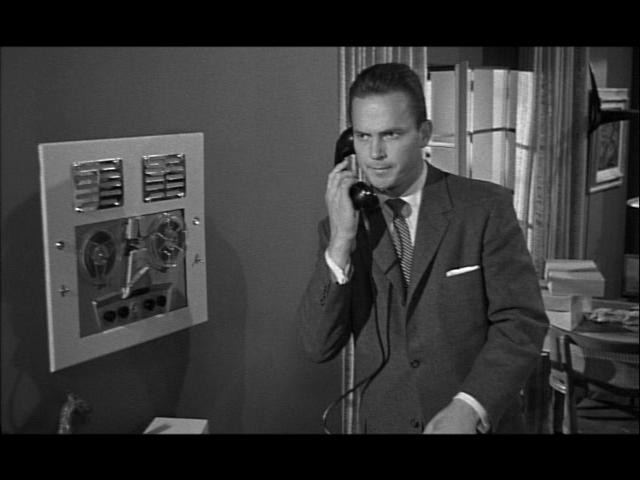
  • Hammer’s reel-to-reel answering machine — probably the first shown on-screen
  • Effectively brutal and realistic violence, without explicit gore
  • Good use of diverse Los Angeles locales
  • Ernest Laszlo’s noirish cinematography
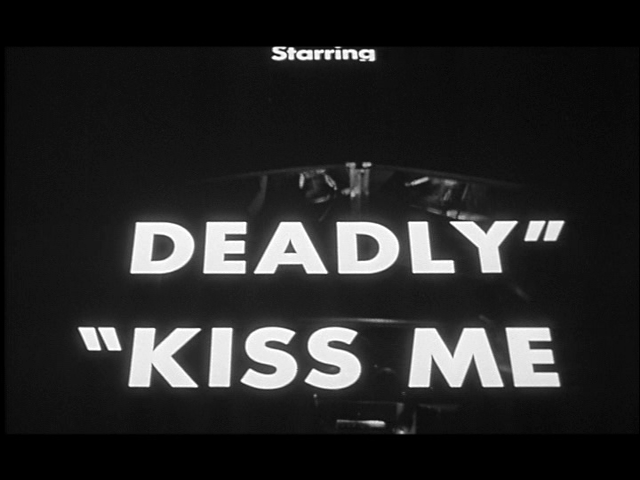
  • Creative opening titles, rolling backwards across the screen like painted words on asphalt
  • The truly frightening ending sequence

Must See?
Yes. Aldrich’s once-controversial noir classic — which, as Peary notes, was “a major influence on the French New Wave” — holds a special place in film history. Discussed at length in Peary’s Cult Movies (1981).

Categories

  • Controversial Film
  • Cult Movie
  • Genuine Classic
  • Historical Importance

(Listed in 1001 Movies You Must See Before You Die)

Links:

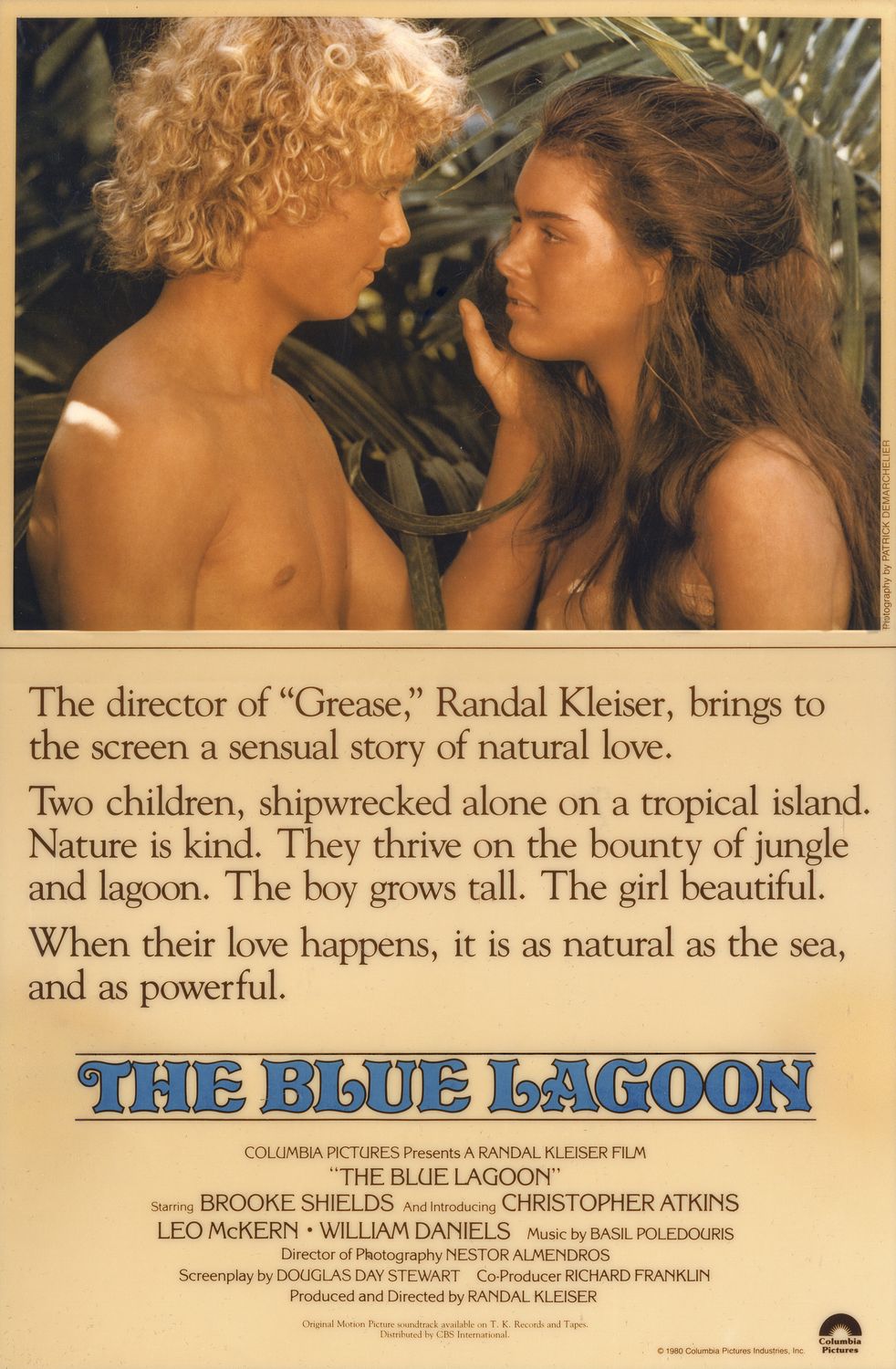
Blue Lagoon, The (1980)

Blue Lagoon, The (1980)

“I have a funny feeling in my stomach.”

Synopsis:
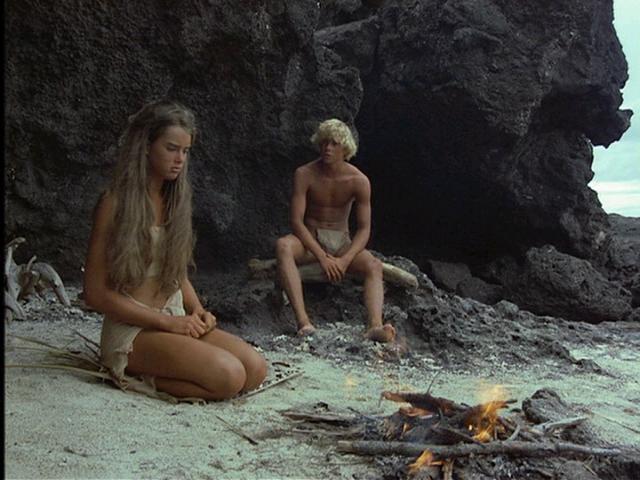
Two shipwrecked children (Elva Josephson and Glenn Kohan) grow into teens (Brooke Shields and Christopher Atikins), and soon find themselves sexually attracted to one another.

Genres:

  • Coming-of-Age
  • Deserted Island
  • First Love
  • Sexuality
  • Survival

Response to Peary’s Review:
As Peary notes, this “terribly made” remake of the “tasteful, enjoyable 1949 British film with Jean Simmons and Donald Houston has for years been mocked.” Brooke Shields deservedly won a Razzie Award for her performance here; while she’s undeniably gorgeous, she can’t act her way through even the simplest scenarios. Curly-headed Christopher Atkins is just as bad — as Peary notes, “every time he puts his hands on [Brooke], you want to gag.” The film’s sole redeeming feature is the stunning cinematography by Nestor Almendros, which ultimately deserves a much, much better movie.

Redeeming Qualities and Moments:

  • Lush, Oscar-nominated cinematography by Nestor Almendros
  • Hilariously awful acting by teen heartthrobs Shields and Atkinson

Must See?
No, though it’s worth a look simply for its historical notoriety.

Links:

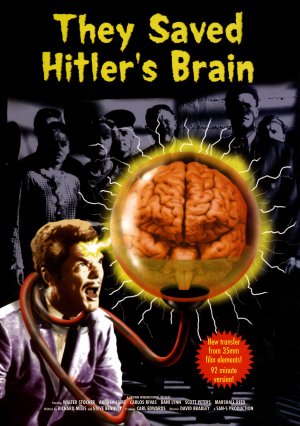
They Saved Hitler’s Brain (1963)

They Saved Hitler’s Brain (1963)

“Hitler, alive? It’s — it’s incredible!”

Synopsis:
The daughter (Audrey Caire) of a scientist discovers that her father has been taken to the South American country of Mendora by Neo-Nazis, who are following the orders of Hitler’s preserved head and plan to take over the world.

Genres, Themes, Actors, and Directors:

  • Disembodied Parts
  • Kidnapping
  • Nazis
  • Science Fiction
  • World Domination

Response to Peary’s Review:
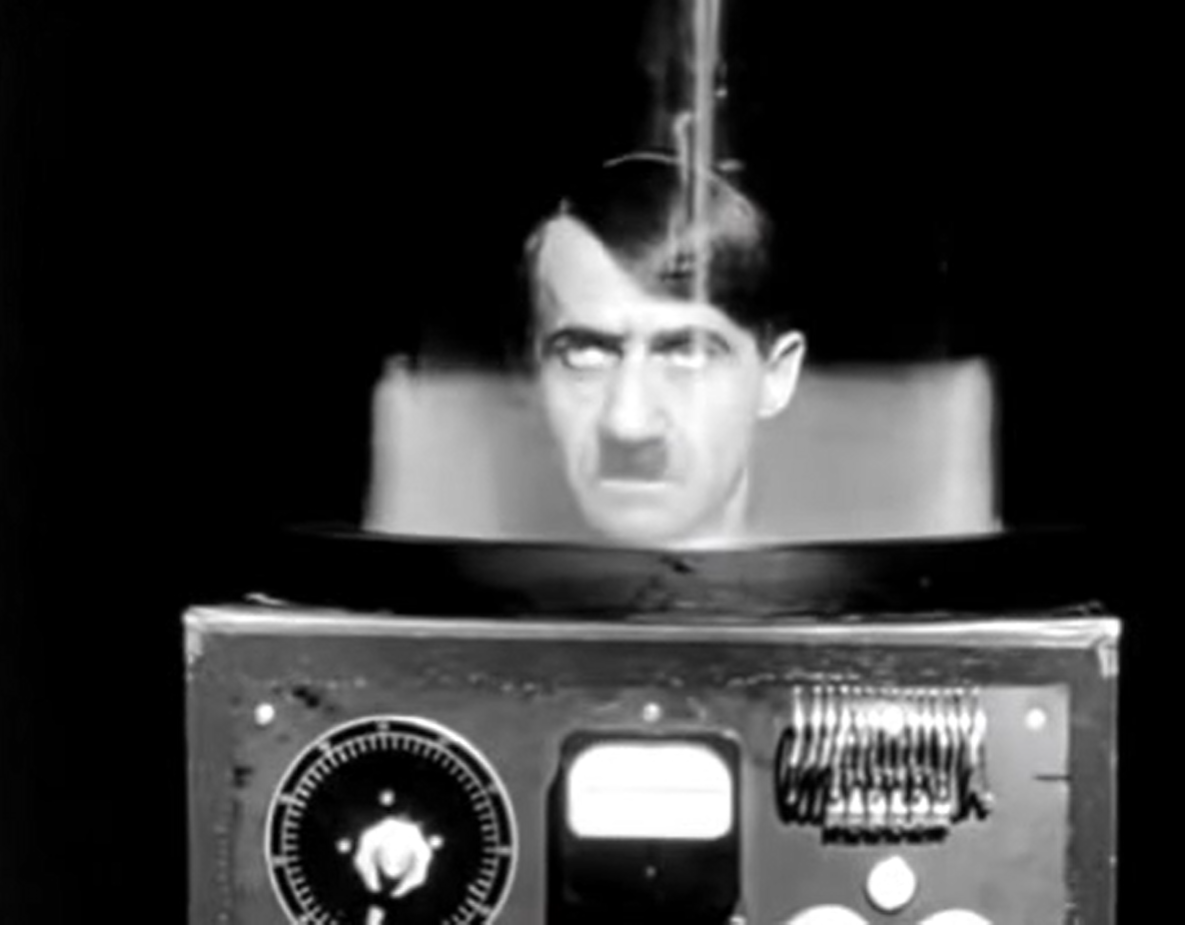
As Peary notes, this “mangled mix” of footage from two separate projects — an unreleased sci-fi exploitation flick called Madmen of Mandoras, and additional amateur filler from years later — is quite the mess, and definitely a candidate for “Worst Film Ever Made”. However, I disagree with Peary that it’s difficult to understand what’s going on; the plot may be convoluted, but it actually makes sense in a warped way, if you’re paying close attention. Then again, every aspect of They Saved Hitler’s Brain — from the atrocious acting (especially in the added-on segments) to the unbelievably egregious continuity problems — is so bad that, cumulatively, they overshadow the story itself. Unfortunately, as is often the case with oddly-named films, the title here is ultimately more intriguing than the plot; plus, as many have pointed out, it’s incredibly frustrating that Hitler’s “brain” doesn’t show up until halfway through the film.

Note: As Peary notes, it’s “too bad Woody Allen didn’t use [the] film’s visuals for What’s Up Tiger Lily? II;” in fact, I’m surprised MST3K never lampooned this one, given its potential for unending mockery.

Redeeming Qualities and Moments:

  • Bill Freed’s campy portrayal as Hitler’s head

Must See?
No; save yourself the grief.

Links:

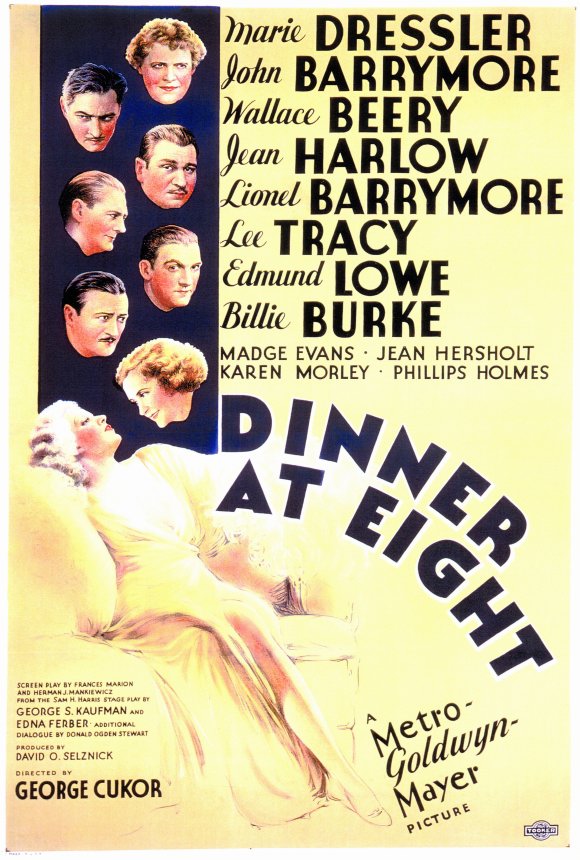
Dinner at Eight (1933)

Dinner at Eight (1933)

“I was reading a book the other day… It was all about civilization or something. A nutty kind of book!”

Synopsis:
The socially-conscious wife (Billie Burke) of a troubled shipping magnate (Lionel Barrymore) frets over her plans for a dinner party she is hosting for — among other guests — a corrupt businessman (Wallace Beery) and his lowbrow wife (Jean Harlow); an aging actress (Marie Dressler) in dire financial straits; and a has-been actor (John Barrymore) in love with Burke’s daughter (Madge Evans).

Genres, Themes, Actors, and Directors:

  • Comedy
  • Ensemble Cast
  • George Cukor Films
  • Get Togethers and Reunions
  • Has-Beens
  • Jean Harlow Films
  • John Barrymore Films
  • Karen Morley Films
  • Lionel Barrymore Films
  • Marie Dressler Films
  • Play Adaptations
  • Social Climbers
  • Wallace Beery Films

Response to Peary’s Review:
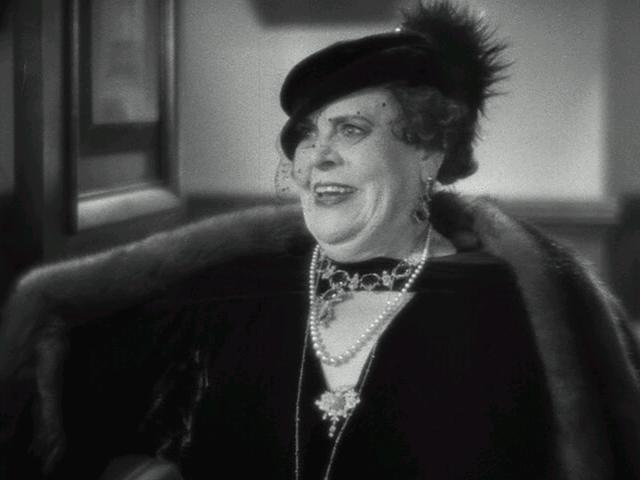
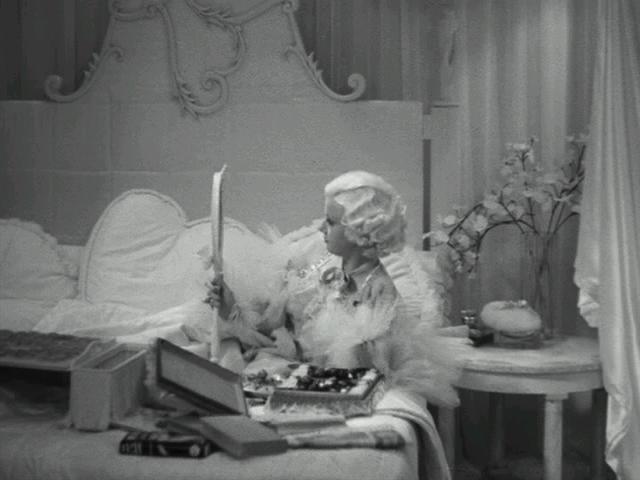
As Peary notes, this “serious-at-the-core comedy” — featuring a “once-in-a-lifetime ensemble” cast — effectively shows how “women are able to adapt to their situations, overcoming their problems and taking control, while the man always are more passive.” Indeed, it’s the female actresses here — Harlow, Dressler, and Burke — who are the highlights of this surprisingly unfunny tragi-comedy, directed in an overly stagy and static fashion by famed “women’s director” George Cukor. The scenes between Harlow (who spends most of her time lounging in bed) and Beery are full of plenty of zingy one-liners, but their characters are so unappealing that it’s difficult to enjoy spending time with them. The same goes for Burke’s stressed-out housewife, who is so absorbed in social concerns that she neglects to notice her husband’s ailing health, and thus loses our sympathy as well. While Peary argues that “every expression and line by Dressler, whose talents have been forgotten by too many” is a comic gem, even her presence can’t quite lift the overall gloominess of the script. Ultimately, one watches Dinner at Eight simply to see so many of MGM’s glamorous stars performing together — and to hear Dressler’s final, classic line delivered to Harlow: “Oh, my dear, that’s something you need never worry about.”

Redeeming Qualities and Moments:

  • Marie Dressler as the aging actress in financial distress
  • Jean Harlow as the manipulative, social-climbing “Kitty”
  • Billie Burke, perfectly cast as the nervous socialite housewife
  • Luminous cinematography and art deco sets

Must See?
Yes. While dated and not nearly as funny as it should be, this remains a classic MGM ensemble film which should be seen by all film fanatics. Nominated by Peary for an Alternate Oscar as best picture of the year.

Categories

  • Genuine Classic

Links:

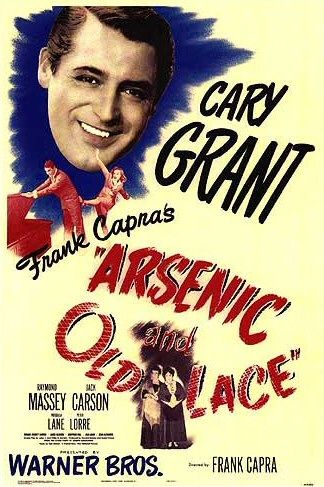
Arsenic and Old Lace (1944)

Arsenic and Old Lace (1944)

“This is developing into a very bad habit!”

Synopsis:
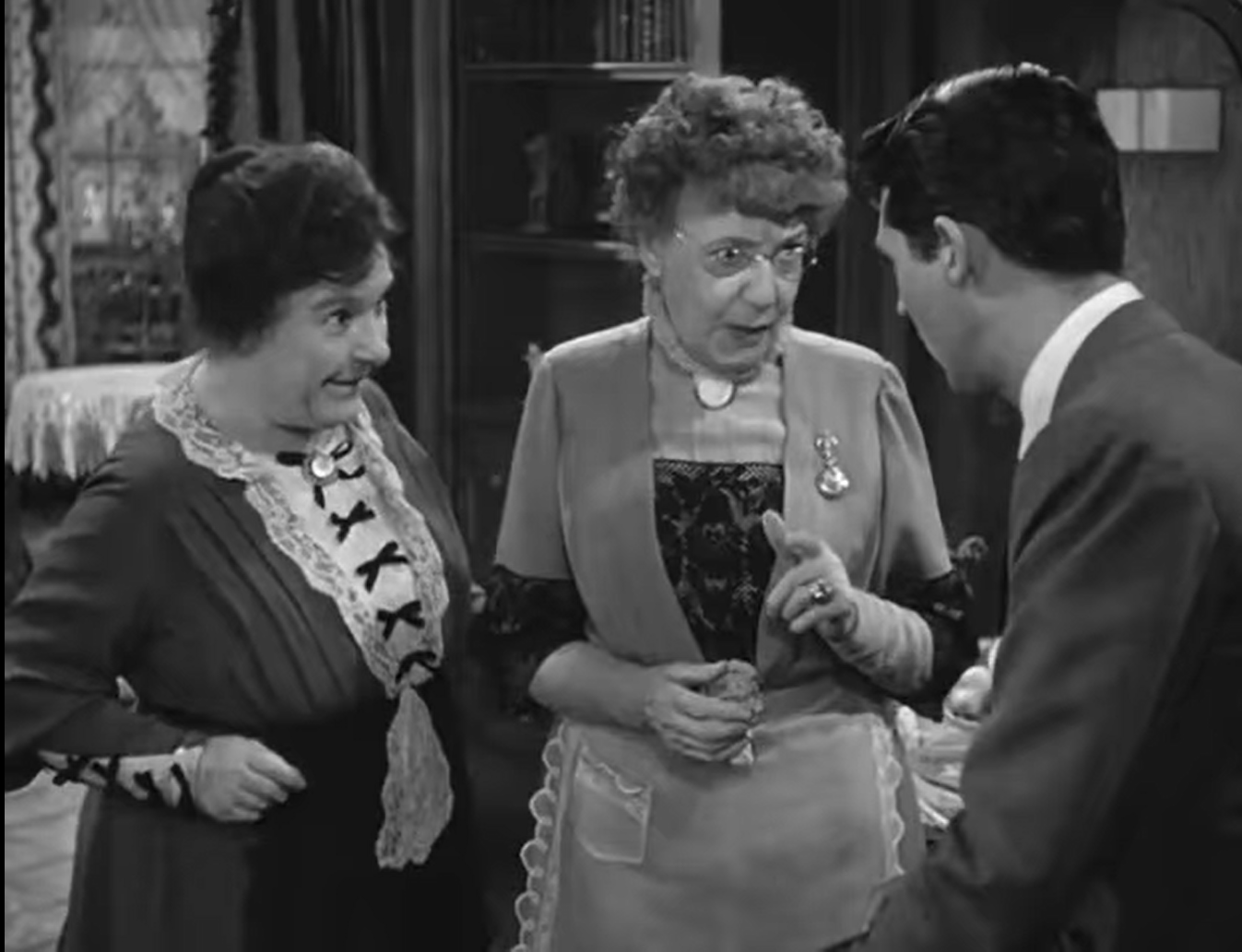
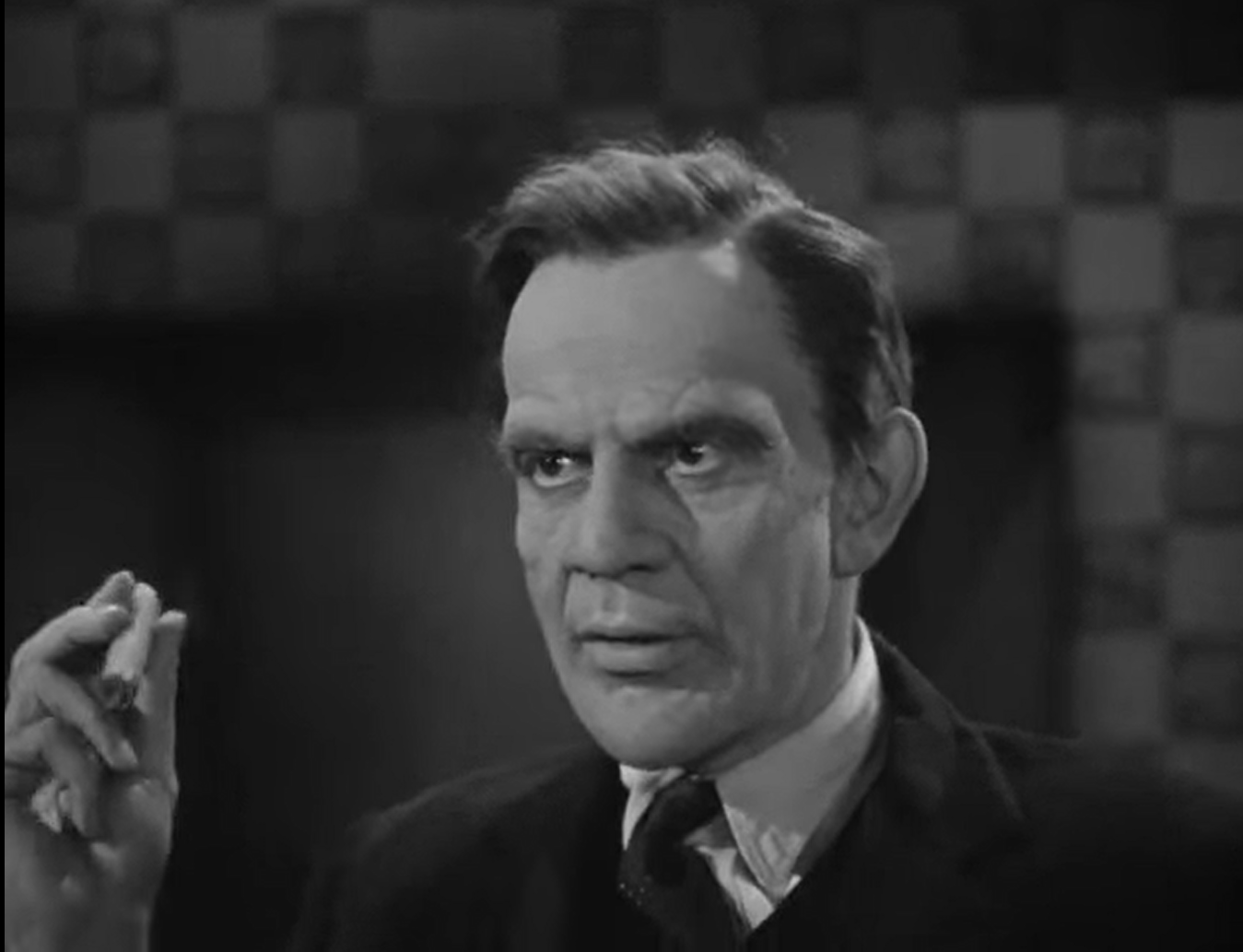
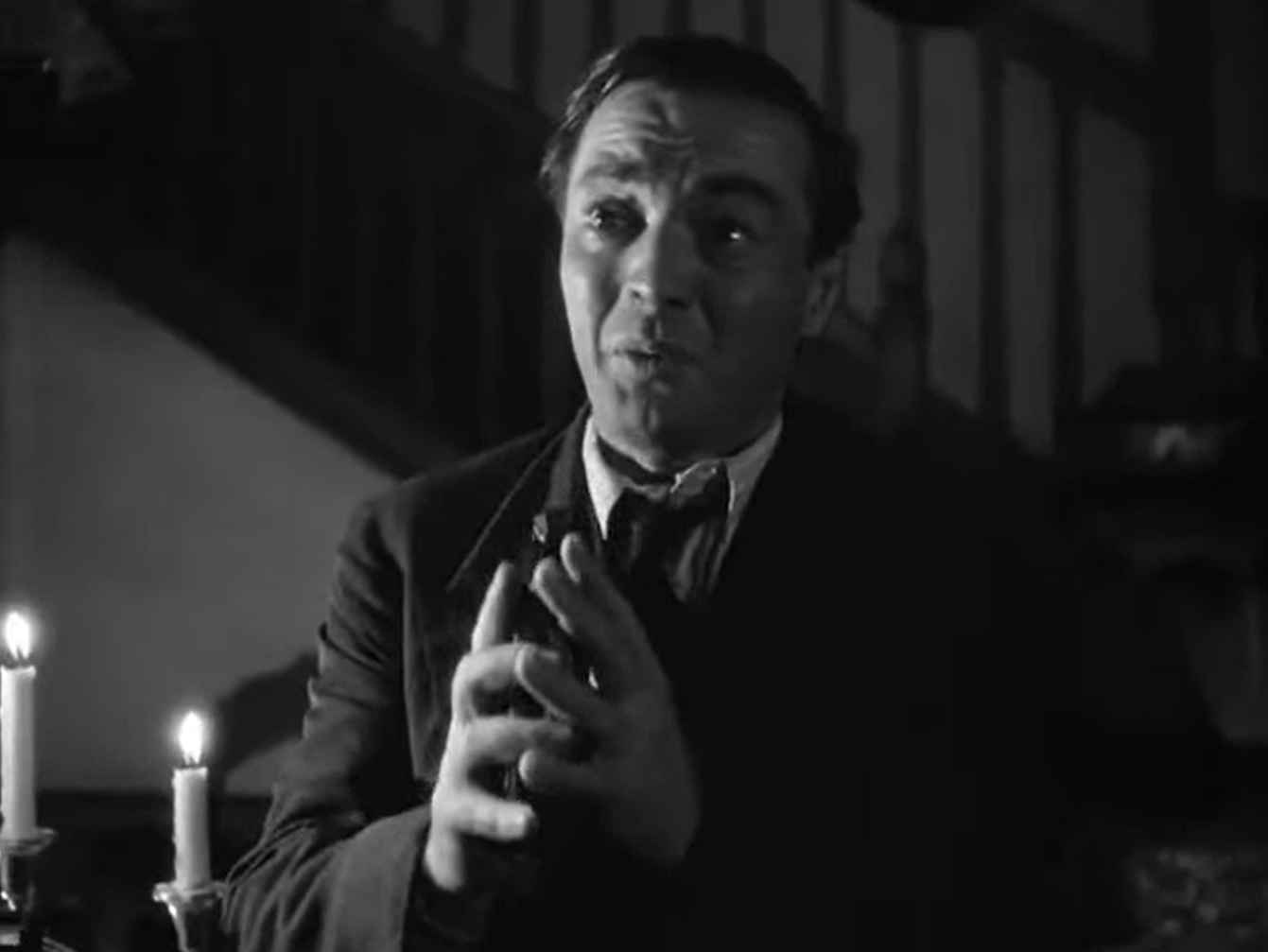
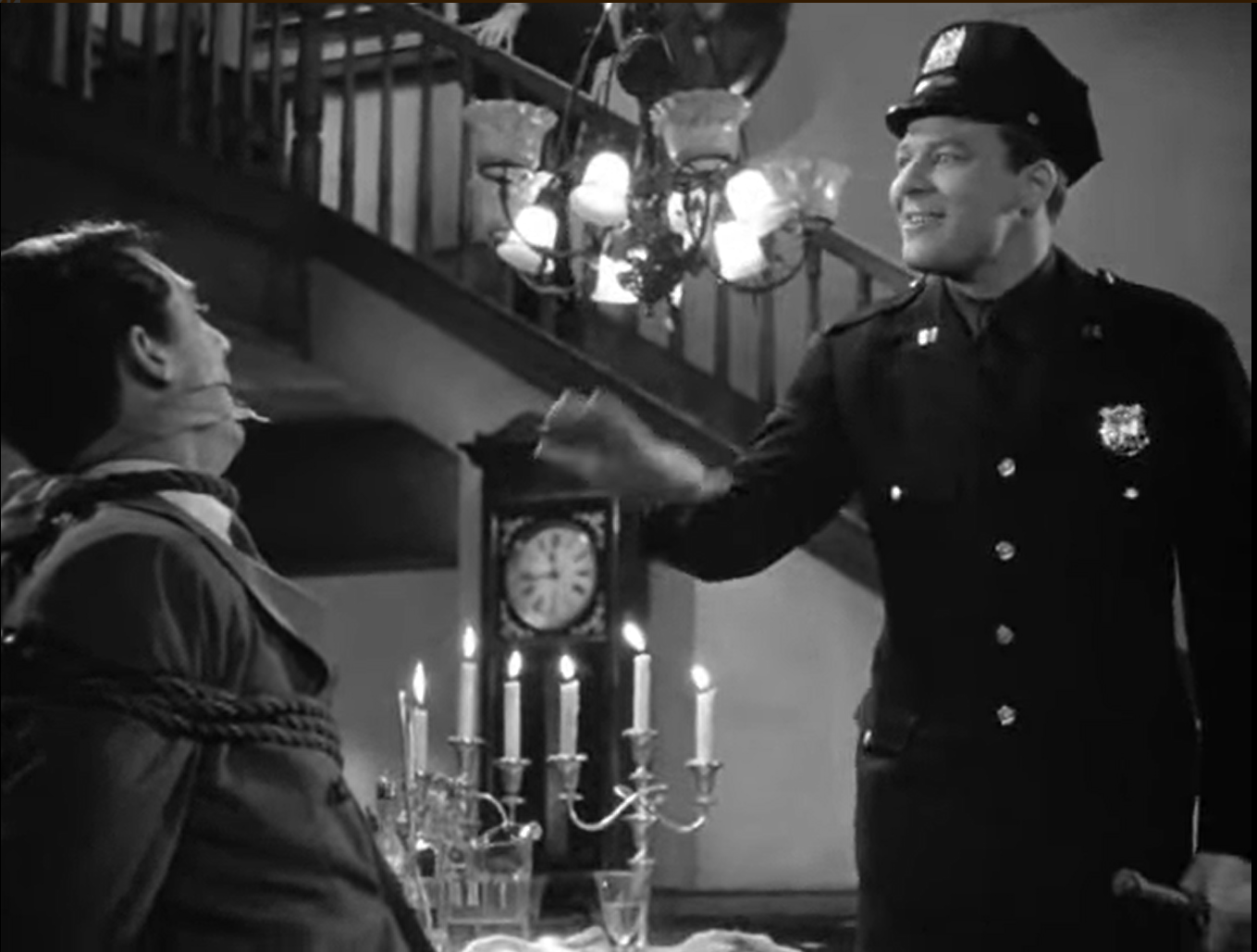
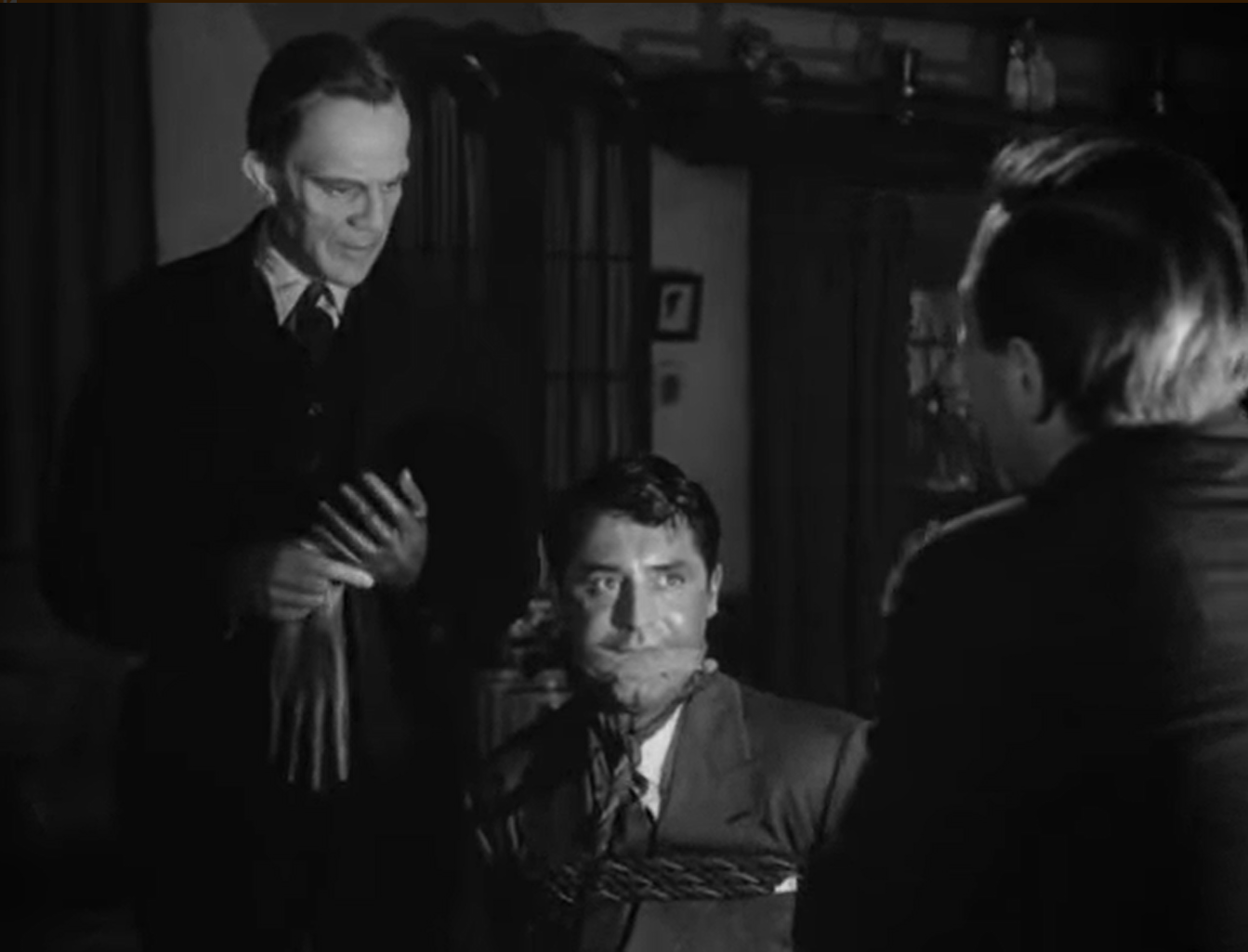
On a windy Halloween night in Brooklyn, newly married drama critic Mortimer Brewster (Cary Grant) visits his kind spinster aunts (Josephine Hull and Jean Adair), only to discover that they’ve gone batty and are killing off elderly gentlemen. While he’s deciding what to do about the twelve bodies buried in the basement, Brewster’s psychotic brother (Raymond Massey) shows up with an accomplice (Peter Lorre) and a corpse of his own.

Genres, Themes, Actors, and Directors:

  • Black Comedy
  • Cary Grant Films
  • Frank Capra Films
  • Hiding Dead Bodies
  • Jack Carson Films
  • Mental Illness
  • Peter Lorre Films
  • Play Adaptations
  • Priscilla Lane Films
  • Raymond Massey Films
  • Serial Killers

Response to Peary’s Review:
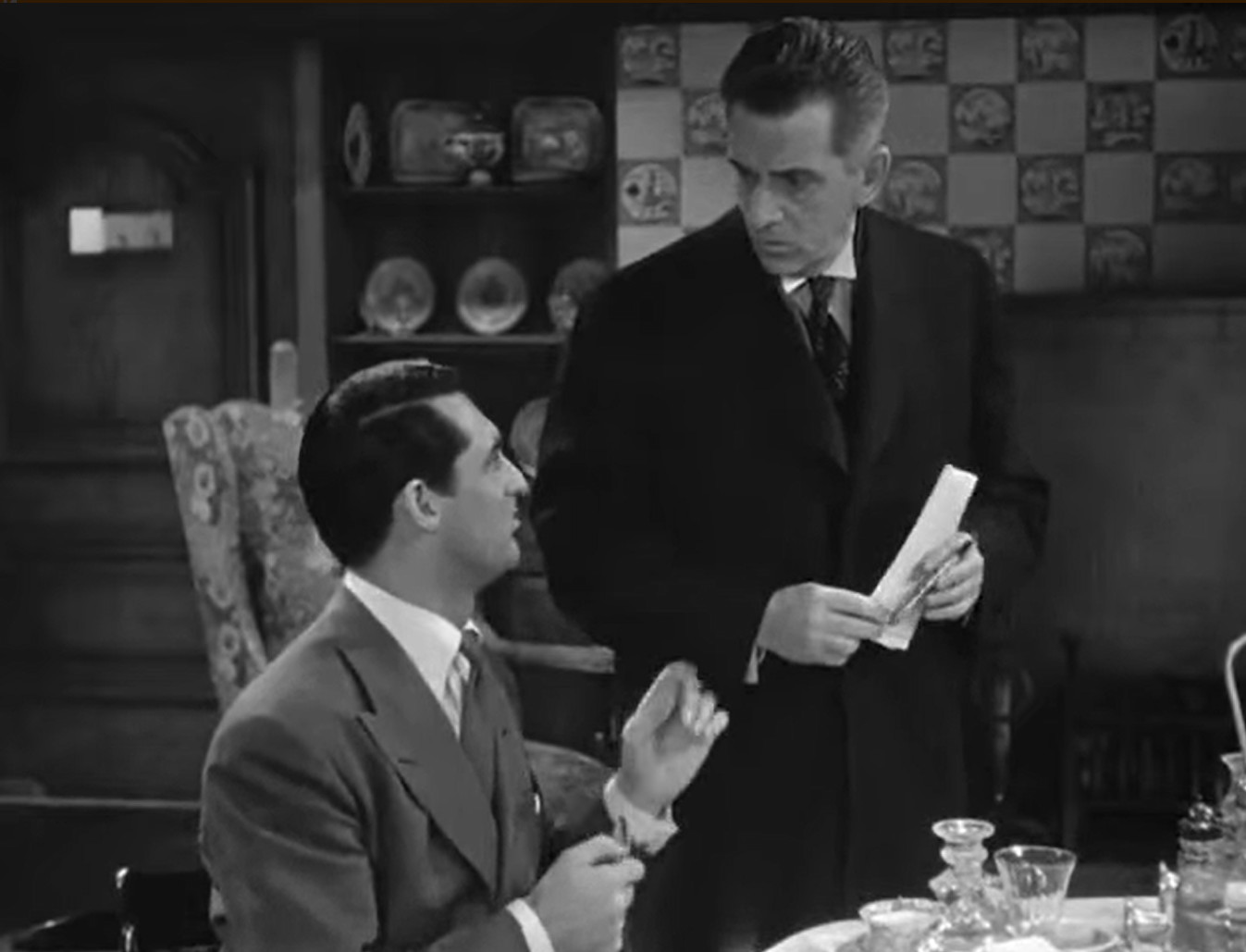
Peary’s response to this “super screwy black comedy” — directed by Frank Capra from an adaptation of Joseph Kesselring’s hit Broadway play — is lackluster at best. He lambastes Grant’s performance — calling him “out of control” and “truly annoying” — and, rather than citing any of the film’s strengths, simply notes that the “worst part [is how] so much humor comes from characters being frustrated when trying to get information or give information.” What Peary’s review neglects to mention, however, is how uniformly funny and zany Arsenic is, with many wonderfully comedic performances, countless memorable lines, and an endless series of madcap situations.

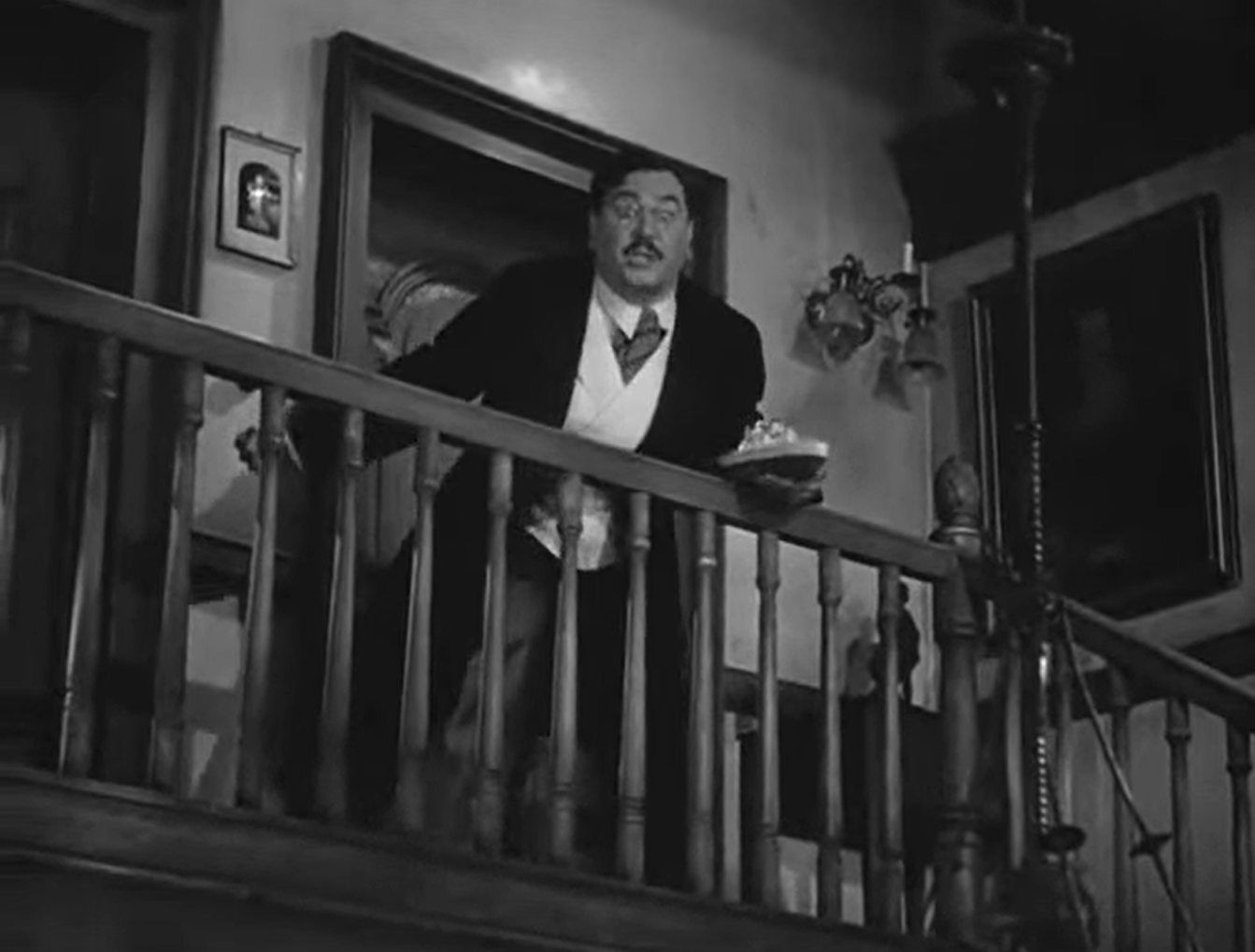
While this is perhaps Frank Capra’s least “Capra-esque” film, he does a fine job opening up the play for the big screen, making good use of the windy environs surrounding the Brewster house, and applying dramatic cinematography to great effect. He directs a powerhouse cast, with Hull and Adair especially notable; their interactions together (notice their smiles!) are truly priceless. The supporting players do a fine job as well: I love the interactions between Massey and Lorre (especially while arguing over how many bodies Massey has killed), and the good-natured oblivion of John Alexander (playing Grant’s insane uncle, who believes he’s Teddy Roosevelt). Finally, while many reviewers (including Peary) have argued that Grant overplays his part (and he apparently hated his own performance here), he serves as a suitable foil for the craziness surrounding him; indeed, it’s hard to imagine Arsenic and Old Lace without him.

Redeeming Qualities and Moments:

  • Josephine Hull and Jean Adair as the kind yet murderous maiden aunts
  • Raymond Massey as Jonathan Brewster, a.k.a. “Boris Karloff”
  • Peter Lorre as Jonathan’s accomplice, “Dr. Einstein”
  • Jack Carson as aspiring playwright Officer O’Hara
  • Priscilla Lane as Mortimer’s frustrated new wife
  • John Alexander as “Teddy Roosevelt”, charging up the stairs with bugle in hand
  • C. Everett Horton as the director of Happydale Sanitorium
  • Effective use of atmospheric cinematography and sets

Must See?
Yes. Arsenic and Old Lace remains a classic black comedy, and shouldn’t be missed.

Categories

  • Genuine Classic

Links: