Browsed by
Category: Response Reviews

My comments on Peary’s reviews in Guide for the Film Fanatic (Simon & Schuster, 1986).

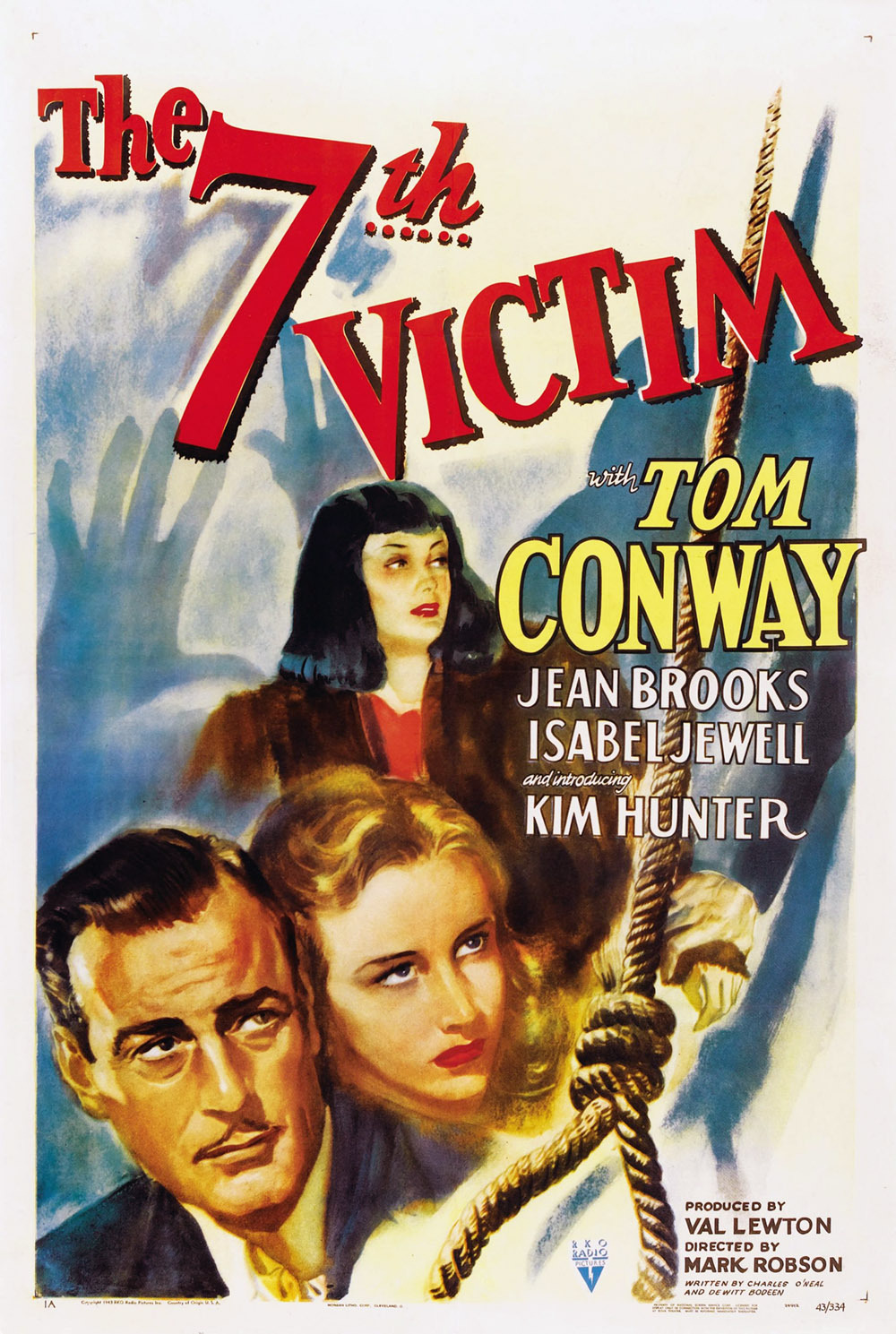
Seventh Victim, The (1943)

Seventh Victim, The (1943)

“I’ve always wanted to die.”

Synopsis:
A young woman (Kim Hunter) searches for her missing sister, Jacqueline (Jean Brooks), who has joined a Satanic cult in New York.

Genres, Themes, Actors, and Directors:

  • Kim Hunter Films
  • Mark Robson Films
  • Mysterious Disappearance
  • Psychological Horror
  • Satanists
  • Search
  • Val Lewton Films

Response to Peary’s Review:
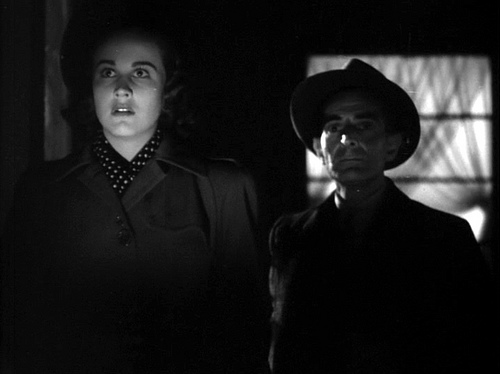
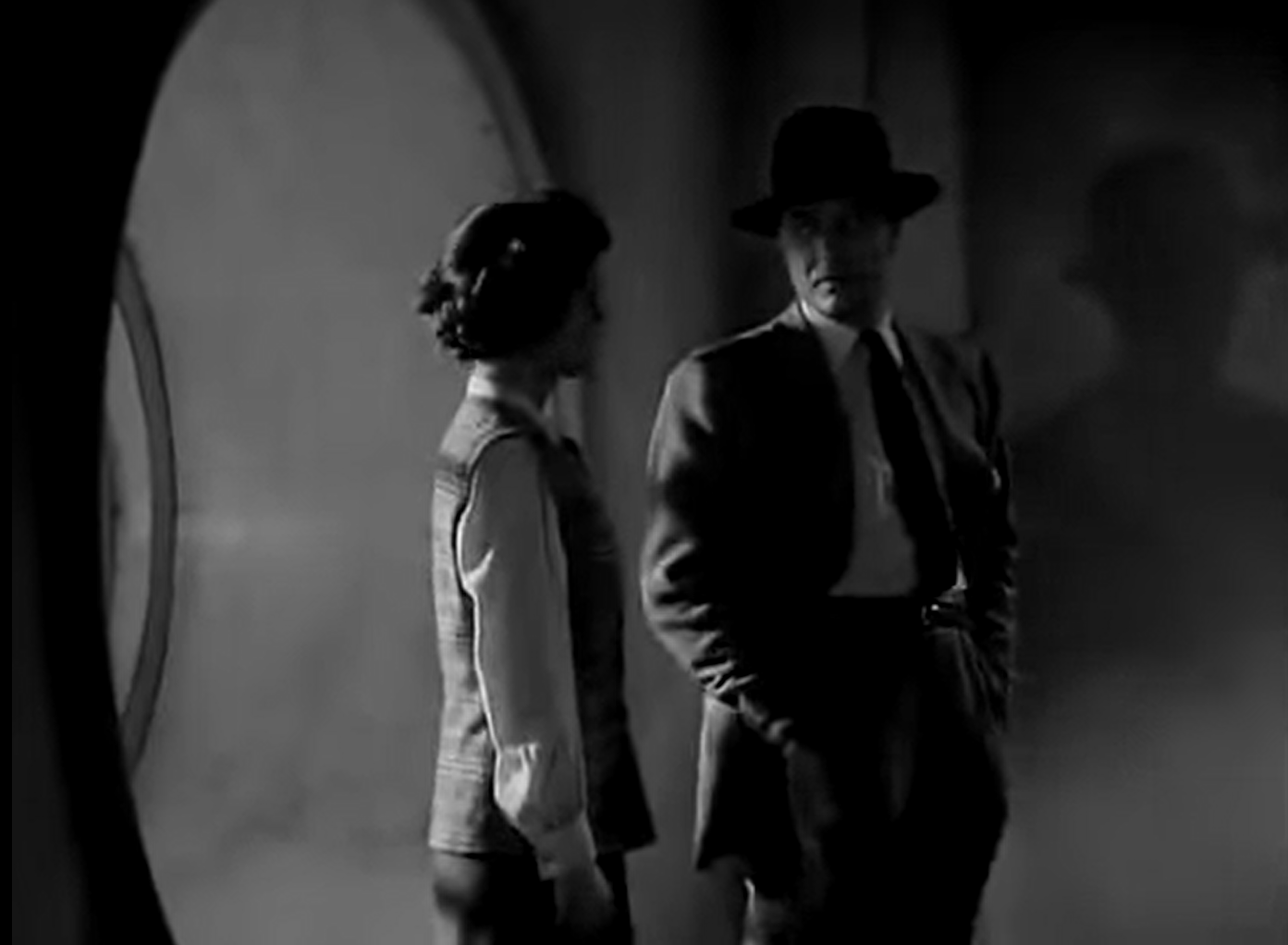
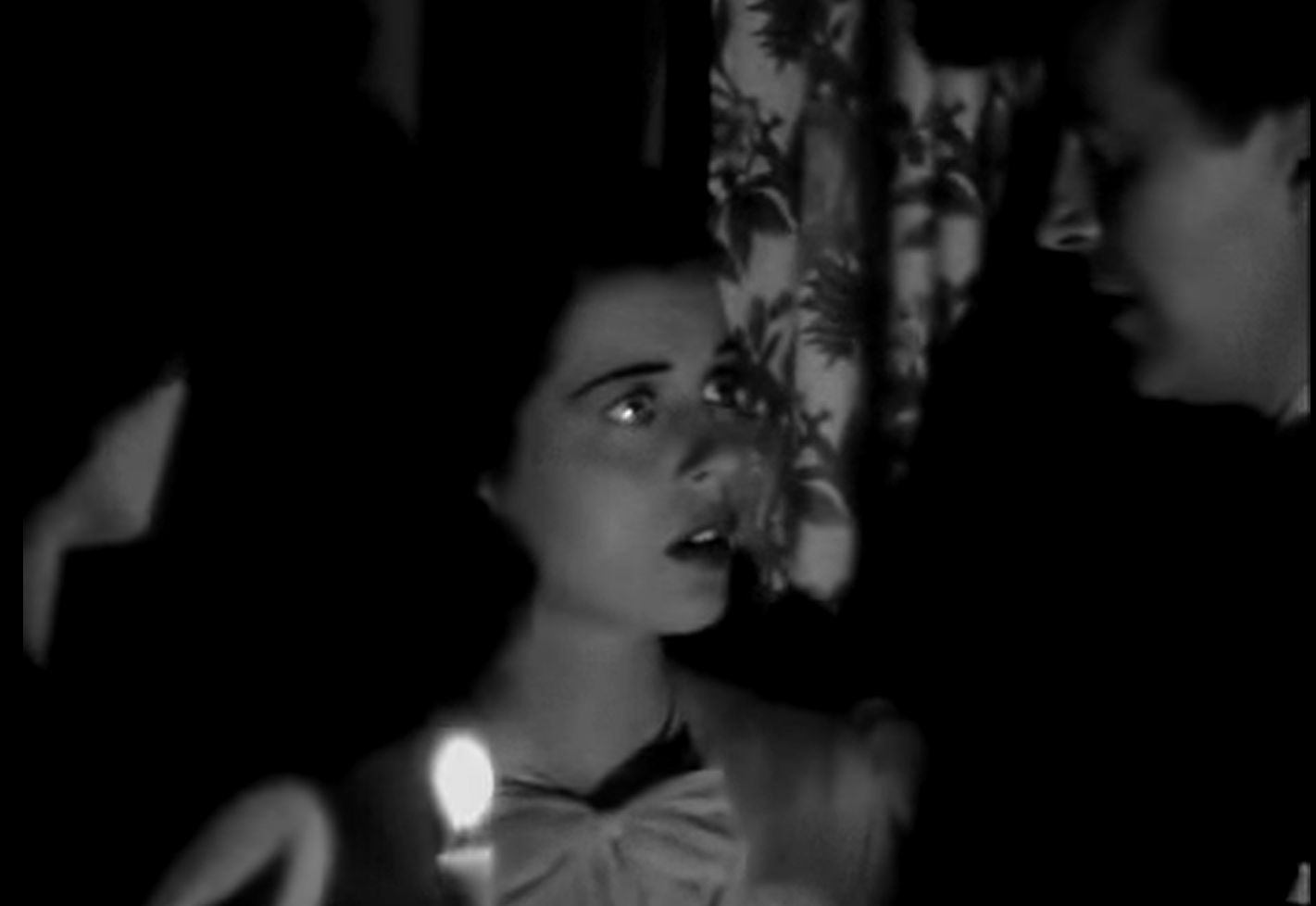
As Peary notes, this “exceptional Val Lewton thriller” is a “complete original”, featuring “bizarre and sinister characters”, “smart, strong-willed women”, and “several scary scenes.” The screenplay is complex, “full of smart dialogue between educated characters about free will vs. fate”, and it takes an unexpected turn about halfway through, when Hunter and Hugh Beaumont (Jacqueline’s husband) fall in love with each other and reduce their efforts to find Brooks. As always, producer Lewton — this time via director Mark Robson and cinematographer Nicholas Musuraca — employs stark cinematography and clever framing to create frightful scenes without gore (note especially the shower scene). The Seventh Victim is a rare film which requires multiple viewings to really “get”, but is worth the effort.

Redeeming Qualities and Moments:

  • Kim Hunter in her film debut as Mary Gibson
  • Jean Brooks as Jacqueline
  • Effective noir cinematography
  • Many genuinely frightening moments
  • The infamous shower scene, predating Psycho (1960) by 17 years
  • The surprise ending

Must See?
Yes. This enigmatic film has long held fascination for film fanatics, and merits multiple viewings.

Categories

  • Cult Movie
  • Important Director

(Listed in 1001 Movies You Must See Before You Die)

Links:

Uninvited, The (1944)

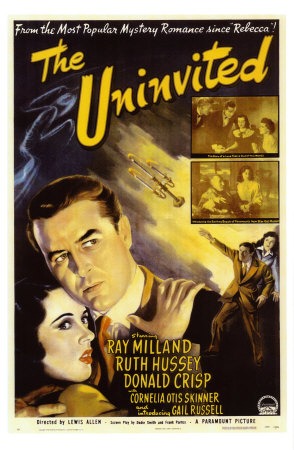
Uninvited, The (1944)

“Stella will never be well until this house is cured — and somehow, we’ve got to cure it!”

Synopsis:
Roderick (Ray Milland) and his sister Pamela (Ruth Hussey) buy a house haunted by the unhappy mother of a local woman, Stella (Gail Russell). When they realize that Stella’s life is in danger, Roderick, Pamela, and a local doctor (Alan Napier) try to solve the mystery of the haunted house before it’s too late.

Genres, Themes, Actors, and Directors:

  • Amateur Sleuths
  • Donald Crisp Films
  • Gail Russell Films
  • Ghosts
  • Horror
  • Ray Milland Films

Response to Peary’s Review:
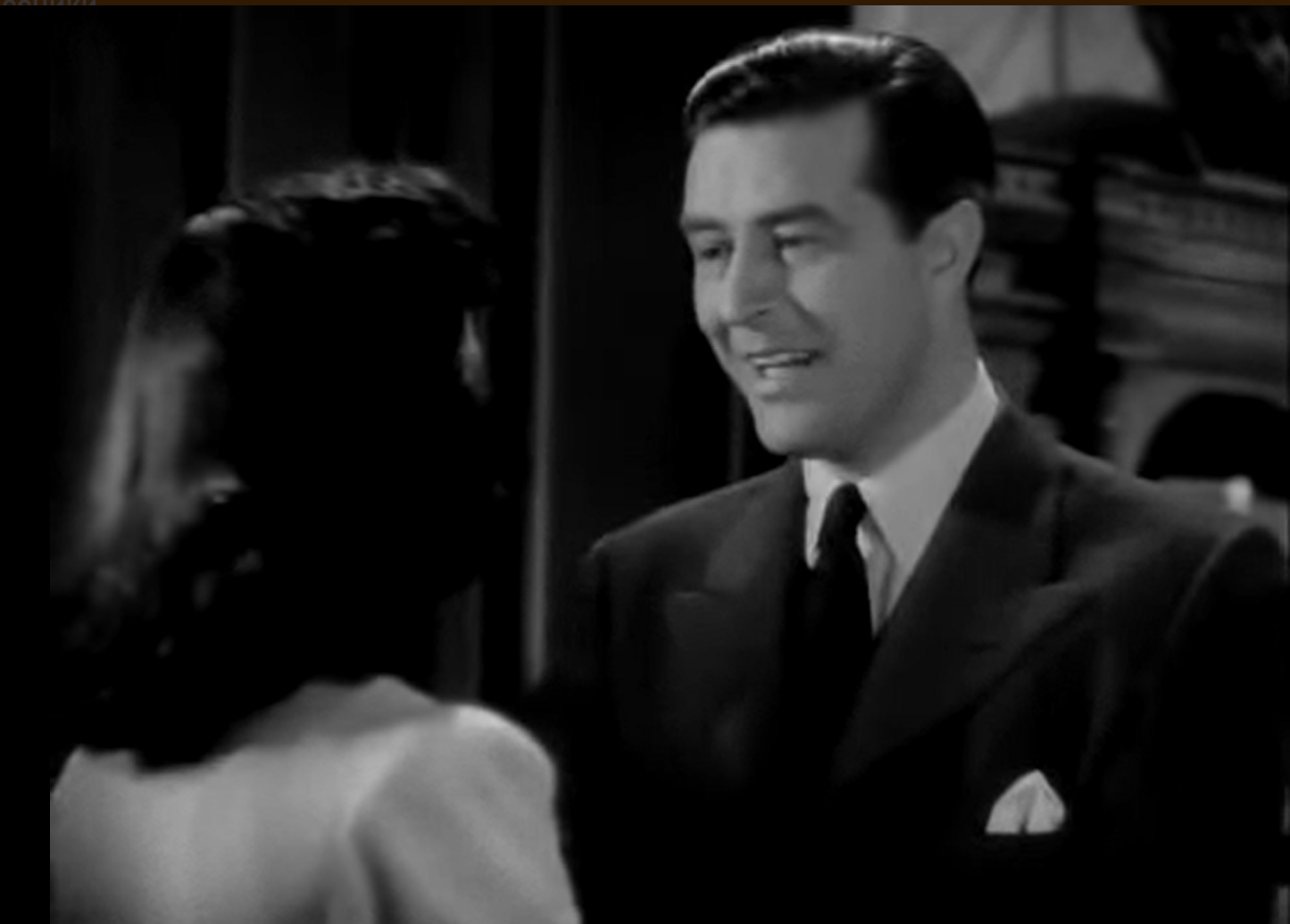
Peary is clearly a fan of this “classy horror film”, labeling it “the cinema’s first really good ghost story”, and praising it for being “atmospheric, suspenseful, and witty.” Unfortunately, the film’s comedic overtones are distracting rather than enjoyable; because we’re never really scared, it doesn’t work as a true horror film. At the time of its release, lesbian fans flocked to see The Uninvited again and again, due to Cornelia Otis Skinner’s turn as a (presumed) former lover of Stella’s mother; unfortunately, this interesting subplot isn’t given adequate time or attention.

Redeeming Qualities and Moments:

  • Likable Ray Milland as Roderick
  • Cornelia Otis Skinner as “Miss Holloway”
  • Atmospheric cinematography and sound effects

Must See?
Yes, for its historical importance as an erstwhile cult favorite with lesbians.

Categories

  • Historically Relevant

Links:

Scoundrel, The / Miracle on 49th Street (1935)

Scoundrel, The / Miracle on 49th Street (1935)

“How I wish that I were as nice as you think I am.”

Synopsis:
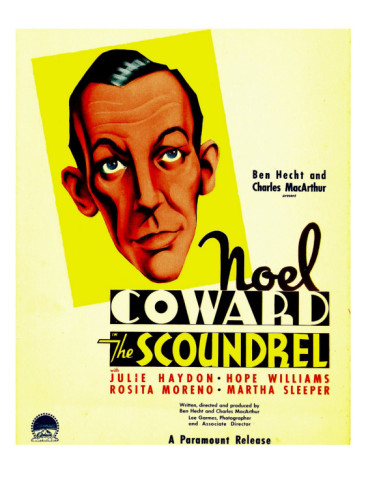
Ruthless, womanizing publisher Anthony Mallare (Noel Coward) falls in love with a young poet (Julie Haydon), then abandons her for another woman. When he is killed in a plane accident, Mallare’s ghost is given one month to find someone who will shed a tear for him, and he rests all his hope on Haydon.

Genres, Themes, Actors, and Directors:

  • Character Arc
  • Ghosts
  • Noel Coward Films
  • Untimely Death
  • Womanizers

Response to Peary’s Review:
As Peary notes, this “mix of Broadway satire and outright fantasy” by writer/director team Ben Hecht and Charles MacArthur “looks great” and “has exceptional dialogue”. Unlike Peary, however, I’m less impressed by the overall screenplay, which shifts from a “supersophisticated script” into a far-fetched fantasy with a “simple, tear-jerking ending”. I much prefer the first two-thirds of the film, in which Mallare — played with wonderful panache by Coward (he should have done more screen acting!) — is snide and bitchy; because he’s so upfront about his love-’em-and-leave-’em attitude towards relationships, it’s difficult to feel much sympathy for Haydon (though we like her as well). Once Mallare dies and starts wandering the Earth, the story’s delicious bite fades away, as does much of our enjoyment. Nonetheless, this hard-to-find film remains worth watching at least once, if you can locate a copy.

Redeeming Qualities and Moments:

  • Noel Coward as Anthony Mallare
  • Julie Haydon as Cora Moore
  • Lee Garmes’ cinematography
  • Ben Hecht and Charles MacArthur’s witty, clever dialogue:

    “She’s the only woman I’ve ever met who seems shallower and more superficial than I am. It’ll be a perfect match: two empty paper bags, belaboring each other.”

Must See?
Yes, simply for Coward’s excellent performance.

Categories

  • Noteworthy Performance(s)
  • Oscar Winner or Nominee

Links:

Bambi (1942)

Bambi (1942)

“Man was in the forest.”

Synopsis:
A young fawn named Bambi comes of age in the forest, threatened by the presence of men.

Genres, Themes, Actors, and Directors:

  • Animated Features
  • Coming-of-Age
  • Talking Animals

Response to Peary’s Review:
Peary seems less than impressed by this iconic Disney film, arguing that “the attempt to establish realism doesn’t work because the animals are too humanized,” that many of the animals’ voices are “annoying”, and that the film as a whole is “too sentimental for many viewers and too gentle for others.” I disagree. While the storyline of Bambi is extremely simple (the filmmakers relied on Felix Salten’s original novel more for inspiration than narrative), it manages to hold interest throughout, thanks in large part to the beautiful animation. I wasn’t bothered by the use of children’s voices for the young animals (Peter Behn as young Thumper is particularly impressive), and found the mix of “human” eyes and realistic animal movements to work just fine (note how nicely the animators capture the deer’s spindly legs in motion). There are countless memorable moments in this fine children’s film, which is guaranteed to appeal to (most) adults as well.

Redeeming Qualities and Moments:

  • Thumper reluctantly apologizing for teasing Bambi
  • Bambi learning to ice skate
  • Beautiful animation of changing seasons

Must See?
Yes. This classic Disney feature should be seen at least once by all film fanatics.

Categories

  • Genuine Classic

Links:

Used Cars (1980)

Used Cars (1980)

“There goes a perfectly good bumper sticker.”

Synopsis:
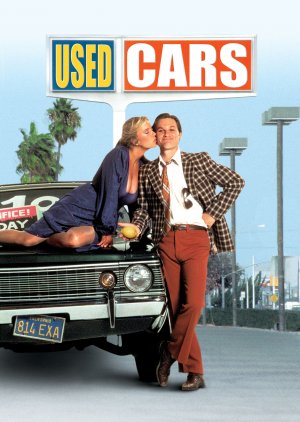
A used car salesman (Kurt Russell) tries to prevent his dead boss’s car lot from falling into the hands of his boss’s nefarious twin brother (Jack Warden).

Genres, Themes, Actors, and Directors:

  • Comedy
  • Dick Miller Films
  • Rivalry
  • Salesmen

Response to Peary’s Review:
Peary is not alone in his assessment of this “fast-moving, eccentric” comedy — a “properly amoral tribute to that American institution, the shyster used-car dealer who has made a genuine craft… out of fast-talking us into believing the junk he’s literally put together with spit and polish (and bubble gum) is the car of our dreams” — as
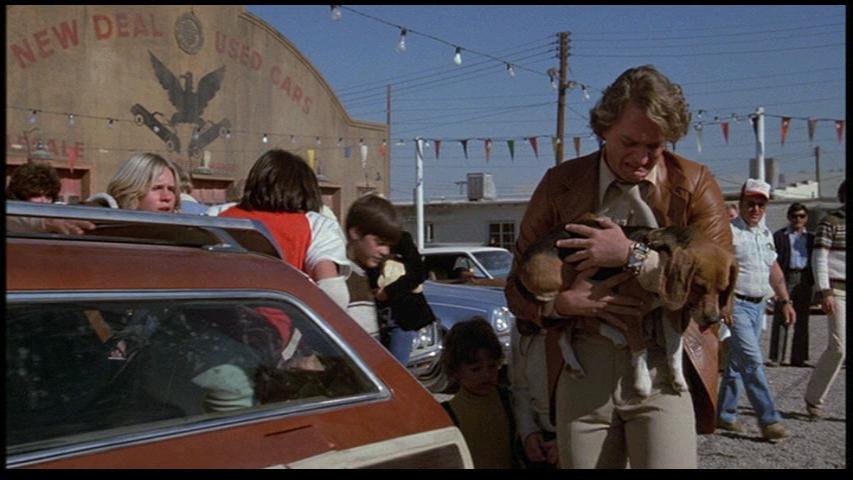
“imaginative”, “hilarious”, “consistently funny” and “very entertaining”. Many other critics seem to agree (see links below) — but I’m afraid I’m not one of them. More akin to Porky’s (1981) than Airplane! (1980), Used Cars relies far too heavily on broad slapstick in its skewering of what is already a sure-fire target. There’s potential here for something much greater.

Redeeming Qualities and Moments:

  • A few mildly amusing moments — as when a trained dog plays dead in

Must See?
No. This one is only for die-hard fans of Zemeckis’ comedies.

Links:

Tenant, The (1976)

Tenant, The (1976)

“These days, relationships with neighbors can get very complicated.”

Synopsis:
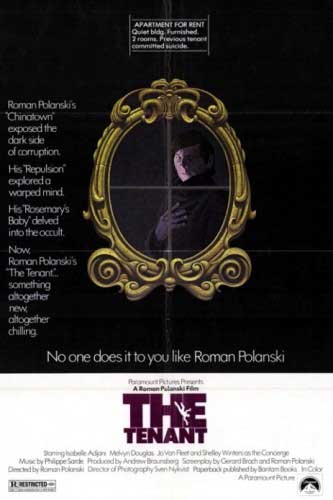
In Paris, a nebbishy Polish man (Roman Polanski) rents the apartment of a woman who has recently committed suicide. Soon he becomes convinced that his neighbors are trying to turn him into the dead woman.

Genres, Themes, Actors, and Directors:

  • Black Comedy
  • Downward Spiral
  • Living Nightmare
  • Melvyn Douglas Films
  • Mental Illness
  • Psychological Horror
  • Roman Polanski Films
  • Shelley Winters Films

Response to Peary’s Review:
As Peary notes, this “disturbing psychological horror film” (directed by and starring Roman Polanski) is much more interesting during its first half, as we watch “Polanski’s paranoia regarding [his] neighbors” intensifying, and witness his profound sense of persecution as an ethnic “outsider” in France. Unfortunately, the second half of the film turns into an “unsettling and ridiculous” exploration of Polanski’s descent into madness; as Peary notes, the “transition is too quick” once Polanski suddenly starts dressing like a woman, and we lose interest because — now that Polanski’s character is clearly mentally unstable — we start to question the veracity of the entire story. Indeed, fans on IMDb have engaged in countless debates over what’s “real” or not in the story — and though this kind of narrative ambiguity sometimes works in a film’s favor, here I found it more frustrating than enjoyable. As always, Polanski’s production values are excellent, and he elicits wonderfully quirky performances from his cast of supporting actors; it’s too bad their voices are horribly dubbed.

Redeeming Qualities and Moments:

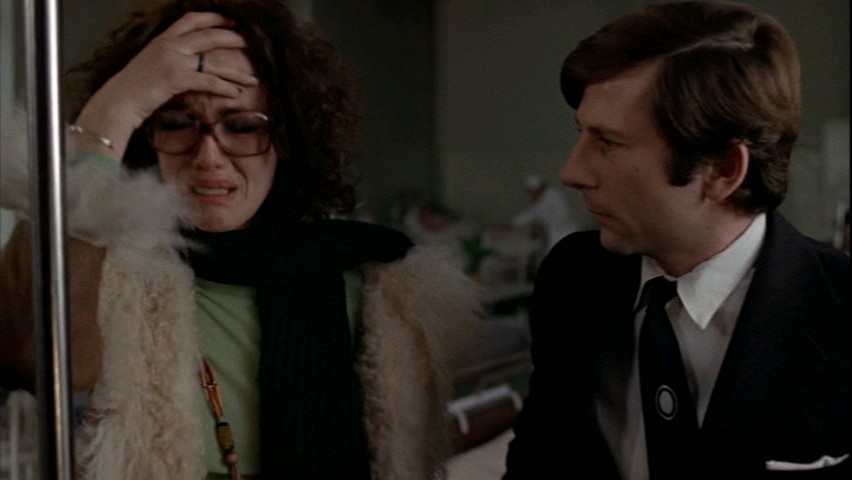
  • Isabelle Adjani as Stella, a friend of the deceased tenant
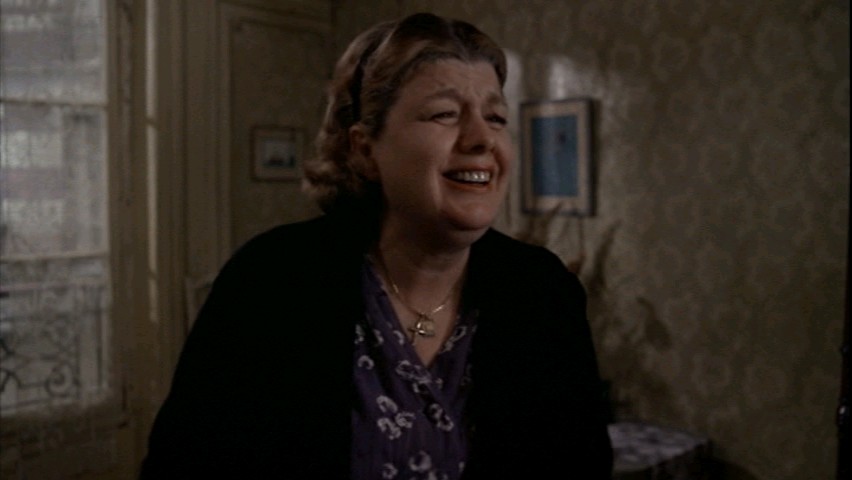
  • Shelley Winters in a bit role as The Concierge
  • Sven Nykvist’s cinematography

Must See?
Yes, simply for its cult status.

Categories

  • Cult Movie

Links:

Chan is Missing (1982)

Chan is Missing (1982)

“This mystery is appropriately Chinese: what’s not there seems to have just as much as meaning as what is there.”

Synopsis:
Two taxi drivers — middle-aged Jo (Wood Moy) and young Steve (Marc Hayashi) — search San Francisco’s Chinatown for a fellow cabbie who has disappeared with their money.

Genres, Themes, Actors, and Directors:

  • Amateur Sleuths
  • Asian-Americans
  • Generation Gap
  • Mysterious Disappearance
  • Search

Response to Peary’s Review:
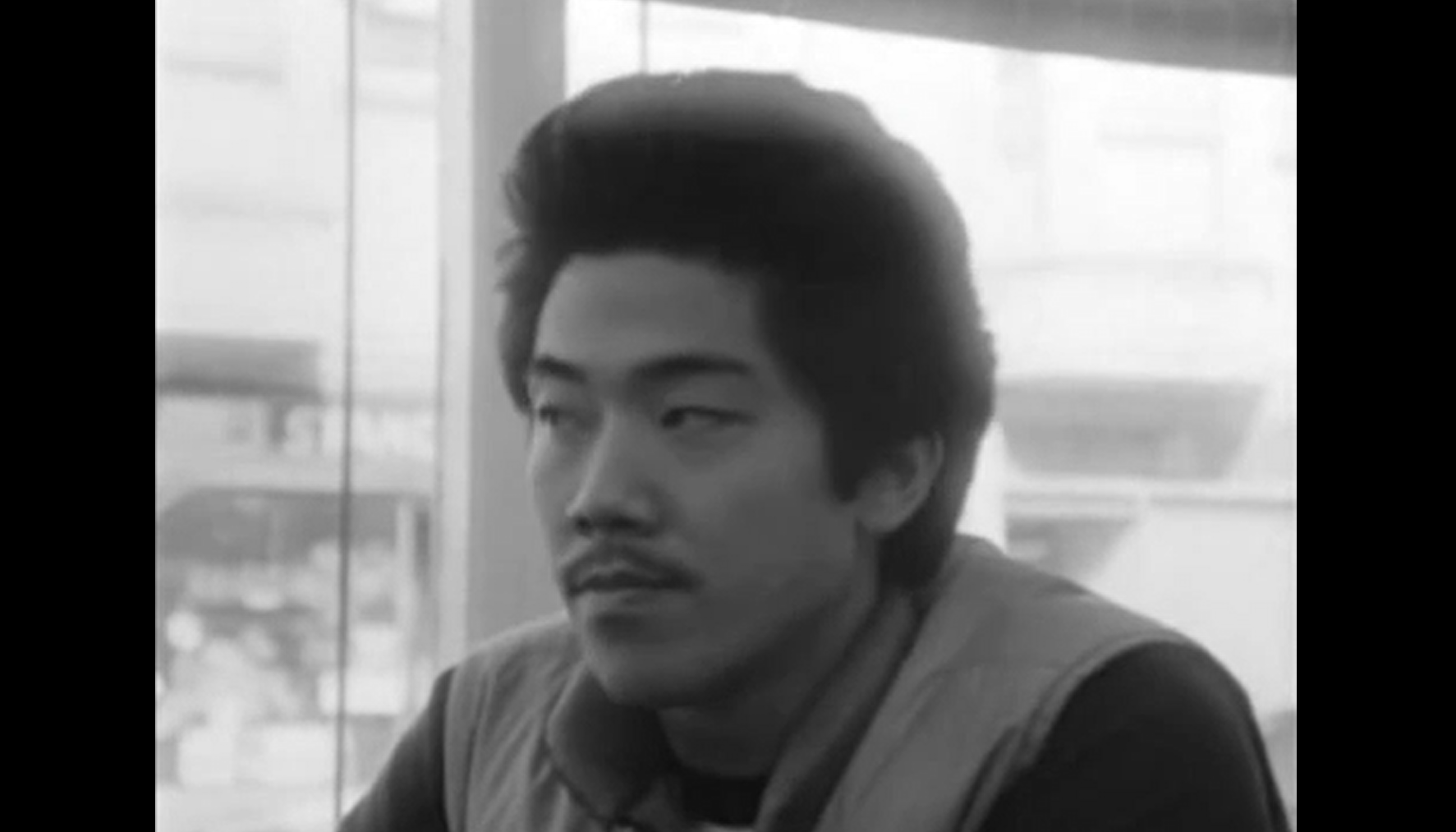
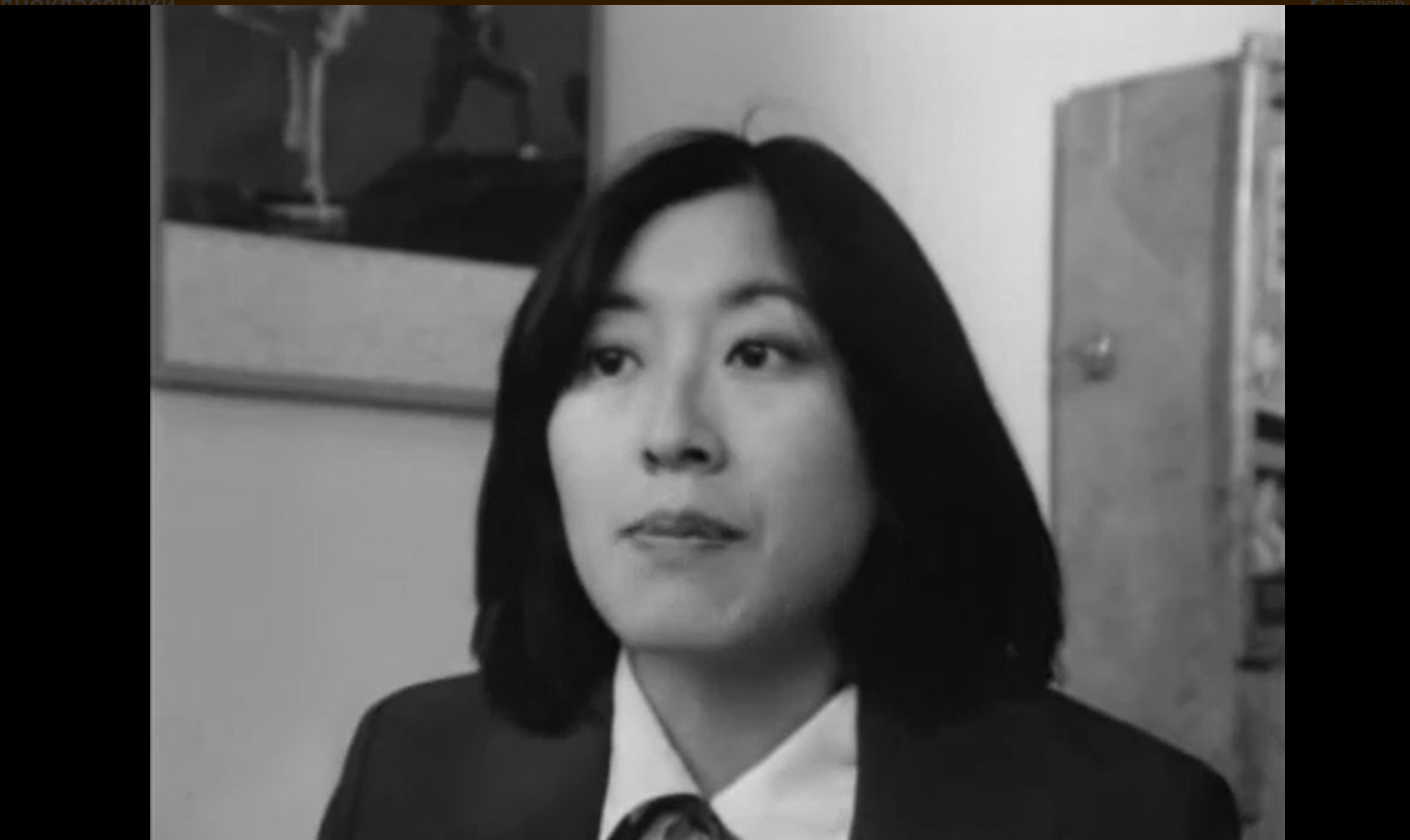
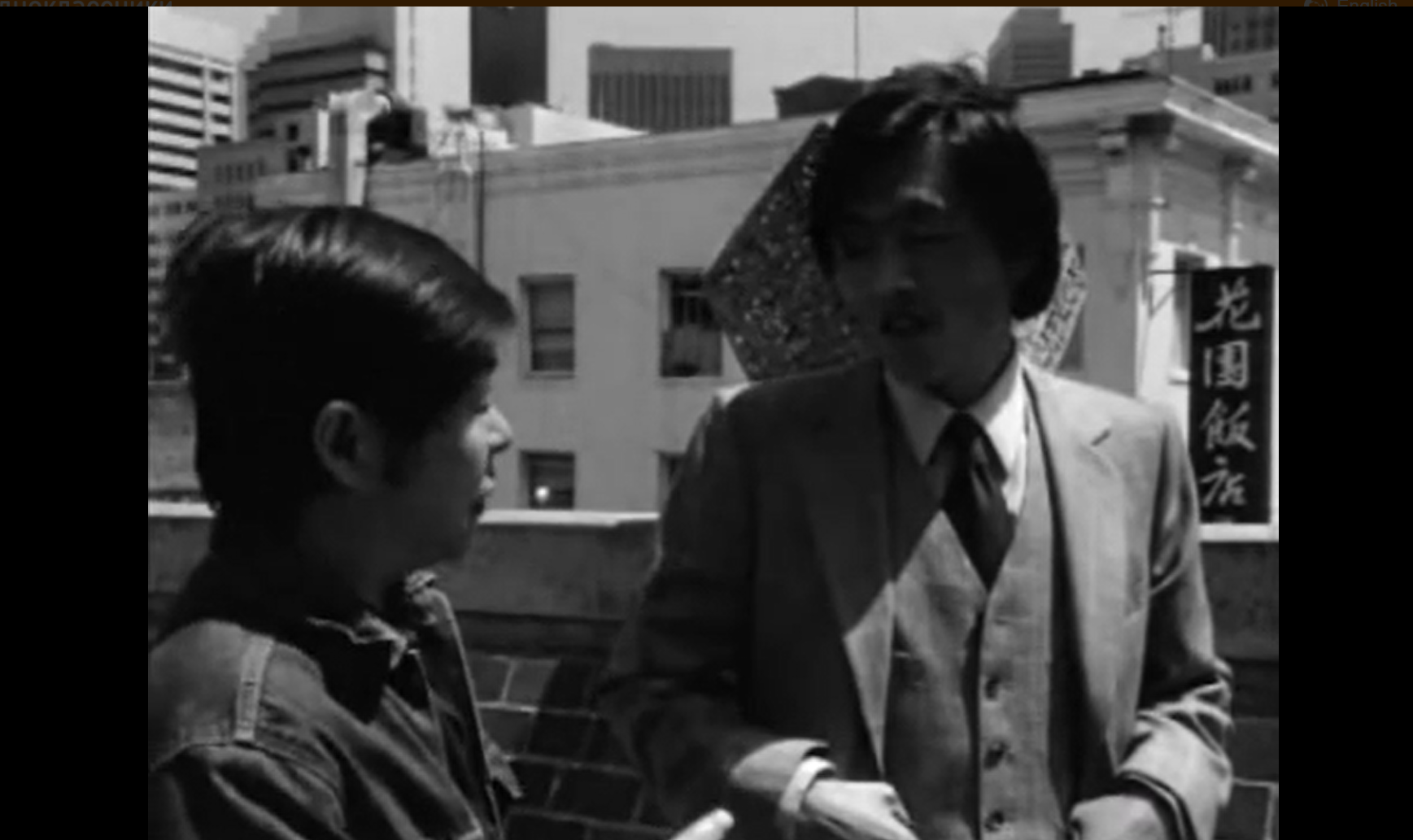
As Peary notes, Chan is Missing — the “first film made by and starring Asian Americans” — is an “impressive, offbeat social satire” which “give[s] its people the voice they have been denied in American films.” The lead actors — Moy and Hayashi — are an amusing cross-generational duo, effectively representing two “types” of Chinese Americans while remaining unique individuals. (Why didn’t their careers go further?) While Jo and Steve’s search for Chan is a bit hard to follow at times, the broader point being made by writer/director Wayne Wang — that Chan is perceived as a different person by everyone who knew him — is a poignant one; it’s not often that the identity politics of minorities in America are so explicitly valorized in a feature film.

Redeeming Qualities and Moments:

  • Wood Moy as Jo
  • Marc Hayashi as Steve
  • Jo and Steve reacting with bewilderment while listening to a linguist explain the cross-cultural intricacies of Chan’s court case
  • A fascinating, documentary-like look at San Francisco’s Chinatown

Must See?
Yes. This enjoyable, historically important movie — which was selected to be part of the National Film Registry at the Library of Congress — should be seen by all film fanatics.

Categories

  • Historically Relevant

Links:

Boy With Green Hair, The (1948)

Boy With Green Hair, The (1948)

“Green is the color of spring… It means hope, a promise of new life to come.”

Synopsis:
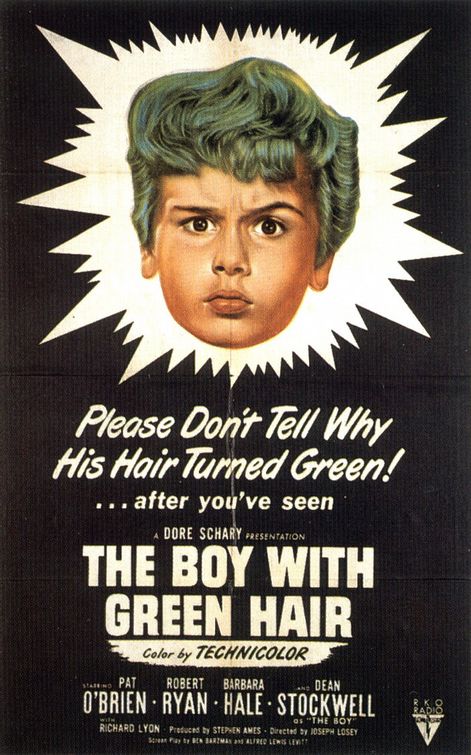
A young war orphan (Dean Stockwell) living with a kind older man (Pat O’Brien) wakes up one morning to discover that his hair has turned green. Though ostracized by his friends and neighbors, he remains convinced that his hair serves a larger purpose.

Genres, Themes, Actors, and Directors:

  • Barbara Hale Films
  • Dean Stockwell Films
  • Fantasy
  • Flashback Films
  • Joseph Losey Films
  • Misfits
  • “No One Believes Me!”
  • Orphans
  • Pat O’Brien Films
  • Robert Ryan Films

Response to Peary’s Review:
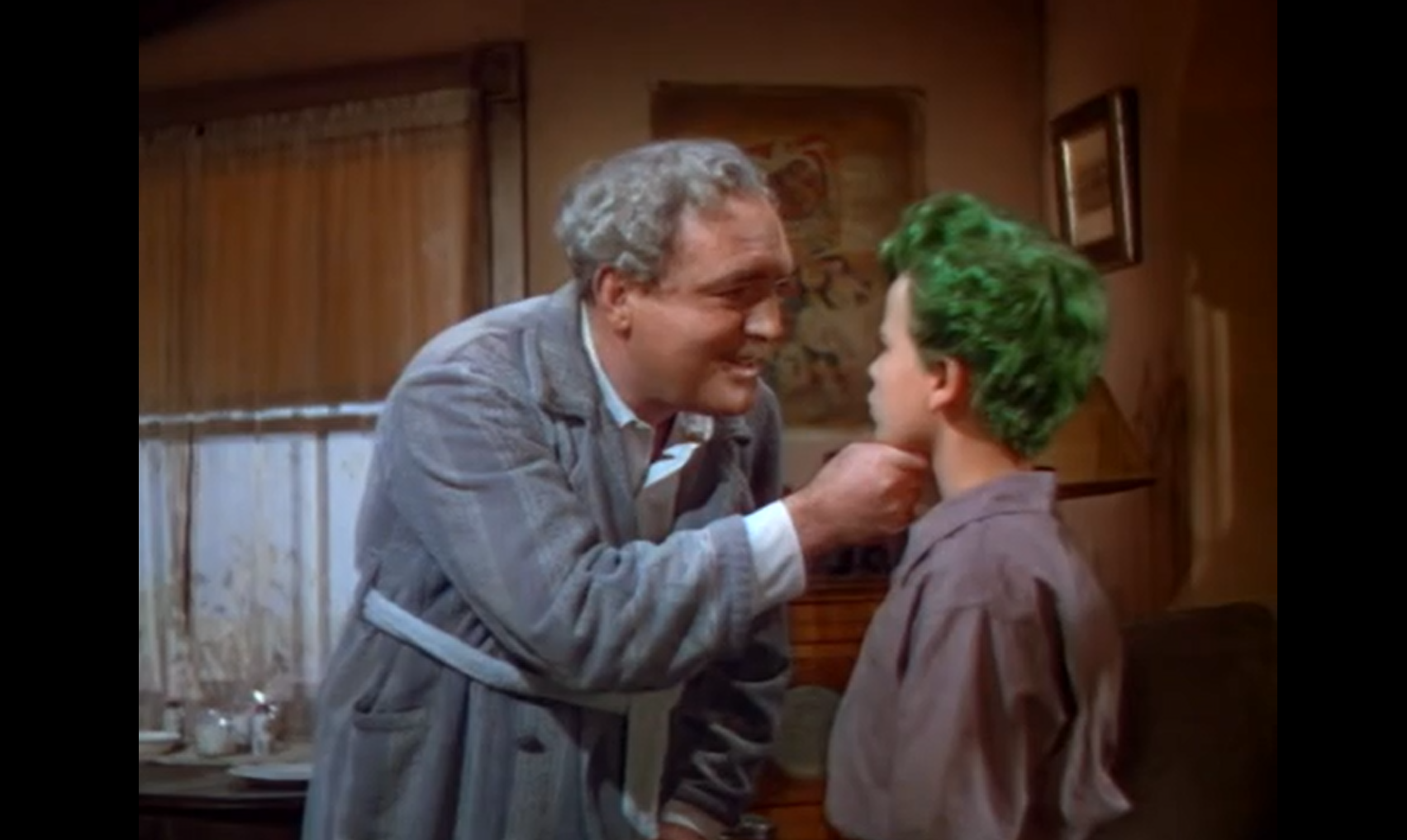
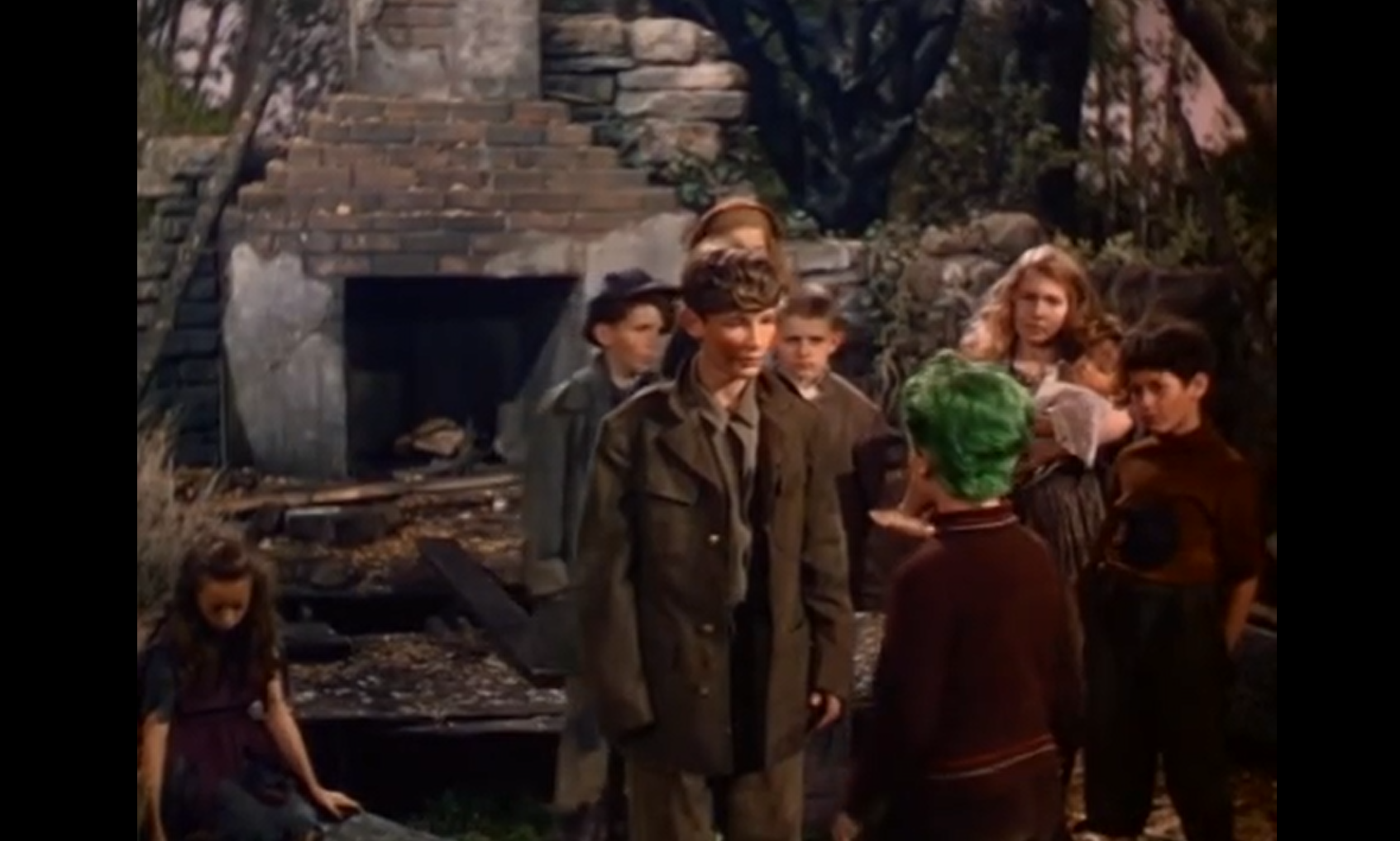
Peary and many other critics (see links below) find this fable-like fantasy by Joseph Losey “too simplistic and moralistic”, but I’ll admit to a special fondness for it. Dean Stockwell is sympathetic in the lead role as a young boy struggling to adjust to the loss of his parents; he’s a remarkably natural child actor, and his performance is never cloying. His initial interactions with “Gramp” (sweetly played by O’Brien) are heartwarming; I love the moment when Peter (Stockwell) intentionally breaks a vase, and, after a brief pause, O’Brien responds, “I know what you mean”. Because Peter’s hair doesn’t turn green until about halfway through the film, by this point we’ve grown to care about him, and understand the depth of his frustration and loneliness. Though ostensibly serving a larger purpose, Peter’s green hair ultimately signals his own coming-of-age: he must learn to trust his instincts and do what he feels is right rather than give in to the pressures of society. Thankfully, nothing is easily resolved by the end of the film; what’s important is that Peter has gotten to tell his story the way he sees it.

Redeeming Qualities and Moments:

  • Dean Stockwell as Peter
  • Pat O’Brien as “Gramp”
  • A creative story about post-war trauma

Must See?
Yes. All film fanatics should be curious to see this most unusual little film.

Categories

  • Good Show

Links:

Beachcomber, The / Vessel of Wrath (1938)

Beachcomber, The / Vessel of Wrath (1938)

“I suppose I’m jealous of the reckless way he squanders the precious treasure of life.”

Synopsis:
A naive missionary (Elsa Lanchester) tries to reform an inveterate beach bum (Charles Laughton), and soon finds herself smitten.

Genres, Themes, Actors, and Directors:

  • Character Arc
  • Charles Laughton Films
  • Elsa Lanchester Films
  • Missionaries and Revivalists
  • Morality Police
  • Robert Newton Films
  • Romantic Comedy
  • South Sea Islands

Response to Peary’s Review:
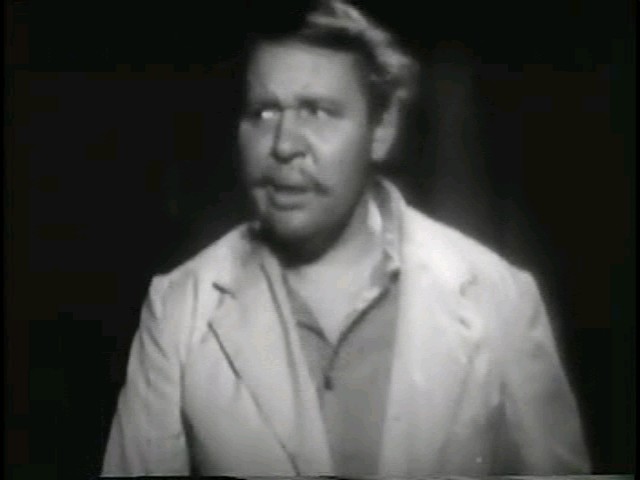
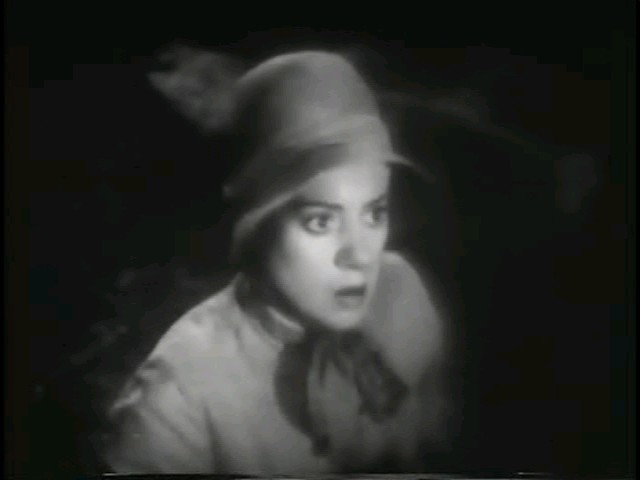
Based on a W. Somerset Maugham short story, this “gently paced” tale of a “slovenly, perpetually drunk woman-chasing beach bum” and a “sheltered, naive missionary” features delightful performances by real-life couple Laughton and Lanchester. The story strains credibility and comfort during the first half, as we watch the less-than-handsome Laughton inexplicably attracting adoring native women like flies, and are forced to watch generically brown-skinned islanders patronized like children. It’s not until about halfway through the film — when Lanchester and Laughton unintentionally spend the night together on a deserted island — that things start to get more interesting; in a particularly delightful sequence, we see Lanchester relaxing as she slowly realizes that her “virtue” is not at risk around Laughton. Indeed, Lanchester’s performance is particularly noteworthy here: she remains consistently sympathetic despite her high-handed morality, and literally glows whenever she’s on the screen; she’s never been more beautiful.

Redeeming Qualities and Moments:

  • Charles Laughton (who Peary nominates for an Alternate Oscar as best actor of the year) as slovenly “Ginger”
  • Beautiful Elsa Lanchester as the determined missionary

Must See?
No, but it’s recommended simply for the lead performances — which, as Peary notes, “retain tremendous charm”.

Links:

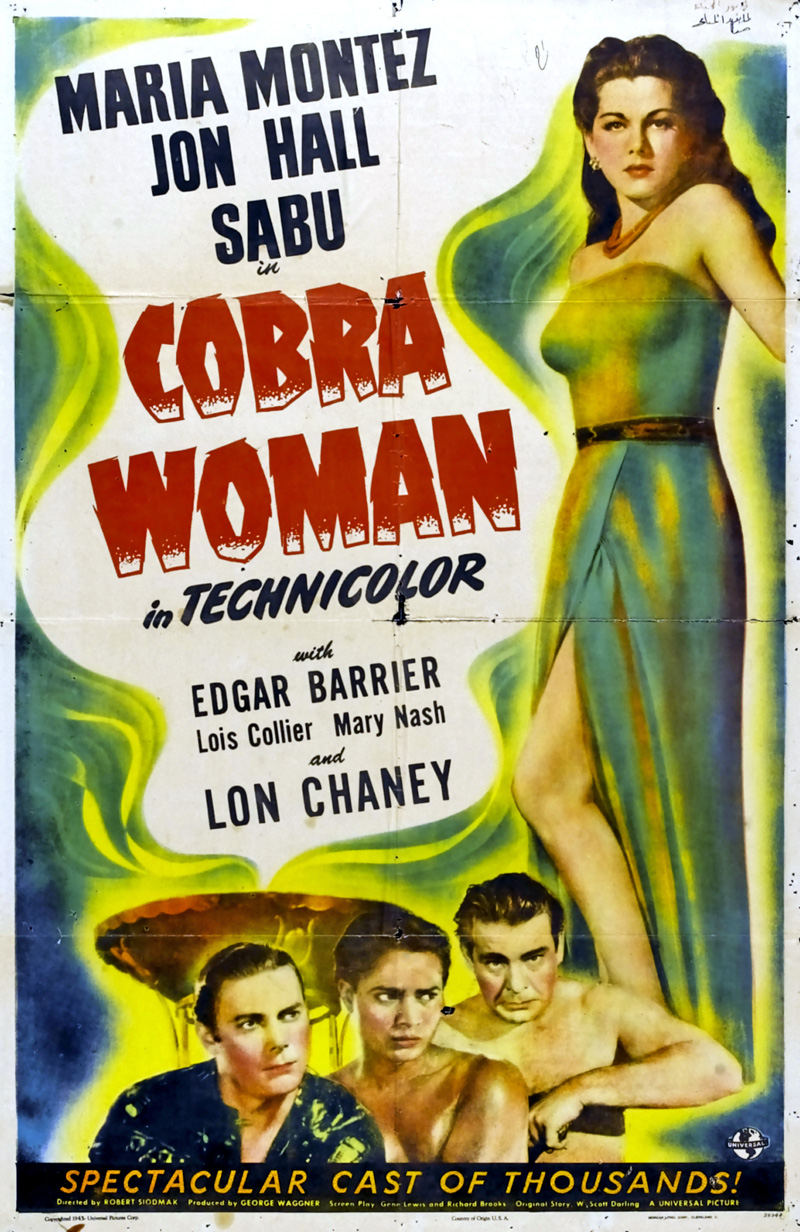
Cobra Woman (1944)

Cobra Woman (1944)

“You shall see for yourself the cruel barbarism by which Naja holds our people… Fear has made them religious fanatics!”

Synopsis:
When his fiancee Tollea (Maria Montez) is kidnapped, Ramu (Jon Hall) and his friend Kado (Sabu) follow her to an enchanted island ruled by Tollea’s evil twin, Naja (also Montez).

Genres, Themes, Actors, and Directors:

  • Fantasy
  • Kidnapping
  • Lon Chaney, Jr. Films
  • Robert Siodmak Films
  • Sabu Films
  • South Sea Islands
  • Twins

Response to Peary’s Review:
Peary begins his review of Cobra Woman by labeling it a “Kitsch Klassic”, noting that “the dialogue is enjoyably trite, the decor is ornate, the stars are sexy, the volcano is bubbly, [and] the picture is colorful.” While Dominican actress Maria Montez remains largely unfamiliar to modern audiences, she is, as noted by Peary, “as significant to film history as Carmen Miranda”, and her dual roles here are likely “her definitive performance”. Indeed, it is Montez’s portrayal of both the meek Tollea and the vicious Naja which give this film its delightful air of campiness: Montez takes herself so seriously — and dresses in such outlandishly colorful costumes — that it’s easy to ignore the ridiculous story (which in itself is relatively unimportant). Surprisingly, this camp classic was helmed by noir director Robert Siodmak, who would return to the theme of good-and-evil twins in The Dark Mirror (1946) starring Olivia De Havilland.

Redeeming Qualities and Moments:

  • The outlandish technicolor costumes and over-the-top headdresses

  • Countless campy moments, such as when Naja dances while selecting victims for the island’s angry volcano god

Must See?
Yes, simply for its status as a campy cult classic.

Categories

  • Cult Movie

Links: