Browsed by
Category: Response Reviews

My comments on Peary’s reviews in Guide for the Film Fanatic (Simon & Schuster, 1986).

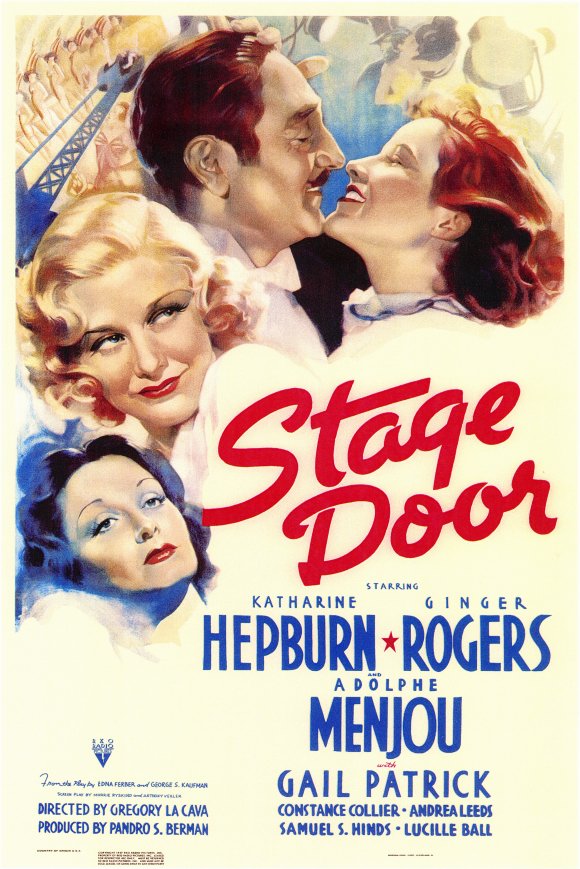
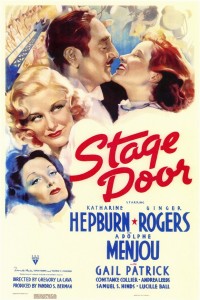
Stage Door (1937)

Stage Door (1937)

“Isn’t there enough heartache in the theater without our hating each other?”

Synopsis:
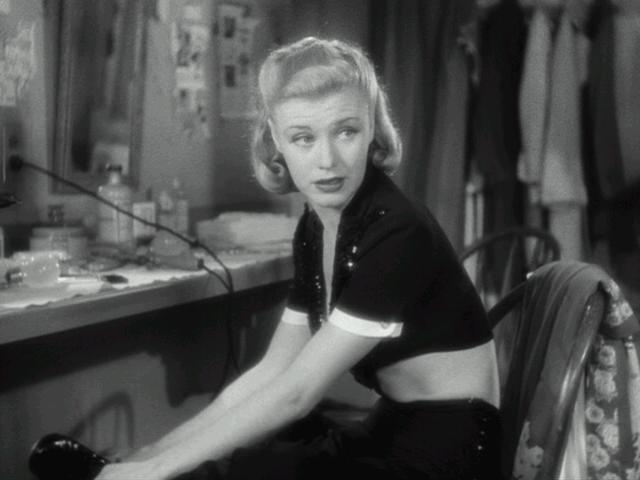
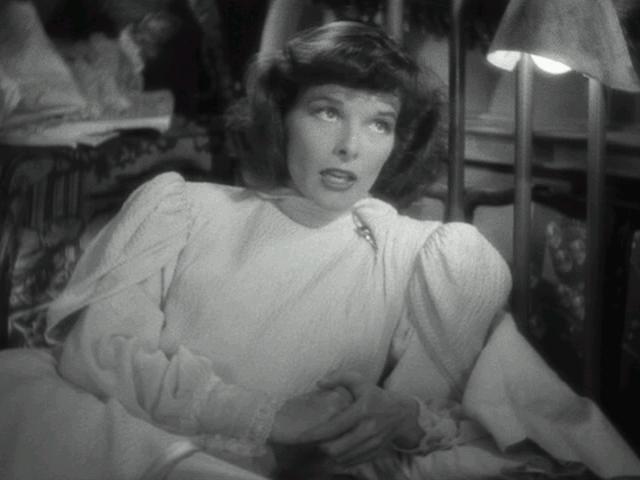
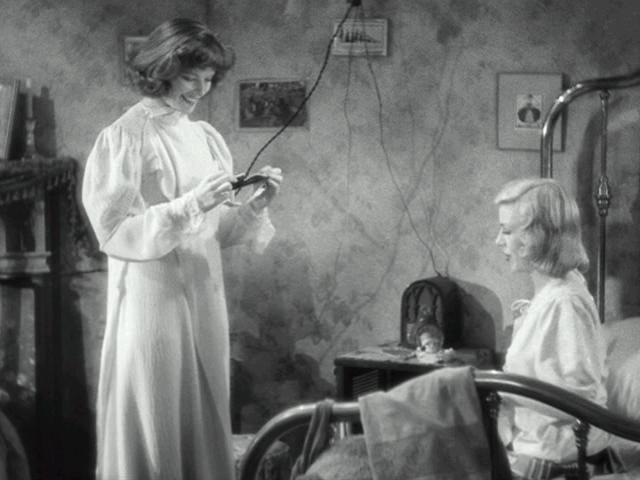
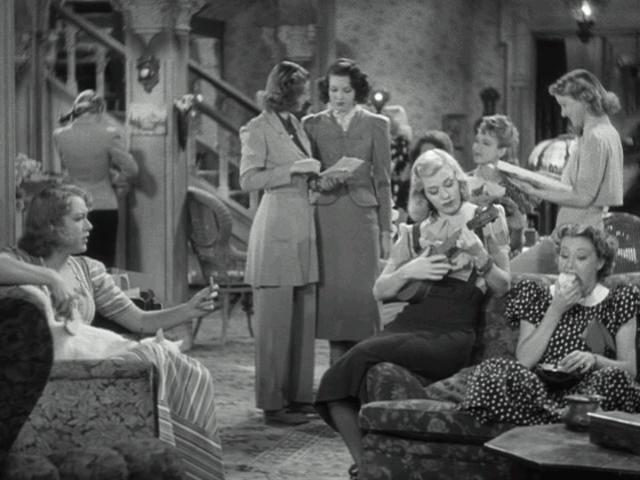
In a theatrical boarding house, a bevy of aspiring stars — including Jean (Ginger Rogers), Eve (Eve Arden), Judy (Lucille Ball), Linda (Gail Patrick), Annie (Ann Miller), and Kay (Andrea Leeds) — hope for their big break. When wealthy heiress Terry Randall (Katharine Hepburn) shows up hoping to try her hand at acting, unexpected consequences ensue.

Genres, Themes, Actors, and Directors:

  • Actors and Actresses
  • Adolph Menjou Films
  • Ann Miller Films
  • Aspiring Stars
  • Eve Arden Films
  • Ginger Rogers Films
  • Heiresses
  • Jack Carson Films
  • Katharine Hepburn Films
  • Lucille Ball Films
  • Play Adaptations
  • Rivalry

Response to Peary’s Review:
Critical opinion seems to be split on this classic RKO ensemble tale, starring Ginger Rogers in her first major “non-dancing” role, Katharine Hepburn in a performance meant to disrupt her designation as “box office poison”, Lucille Ball in her self-described “breakthrough role”, and many other familiar female faces. Peary is among the film’s fans, calling it “one of the best films of the thirties”, and noting that it contains “some of the snappiest insult-laden dialogue found in thirties movies”. Others, such as DVD Savant, argue that “almost everyone concerned with this movie did better work elsewhere”, that the film “became a classic without being a really great show”, and that the “dialogue isn’t quite as witty as it wants to be”.

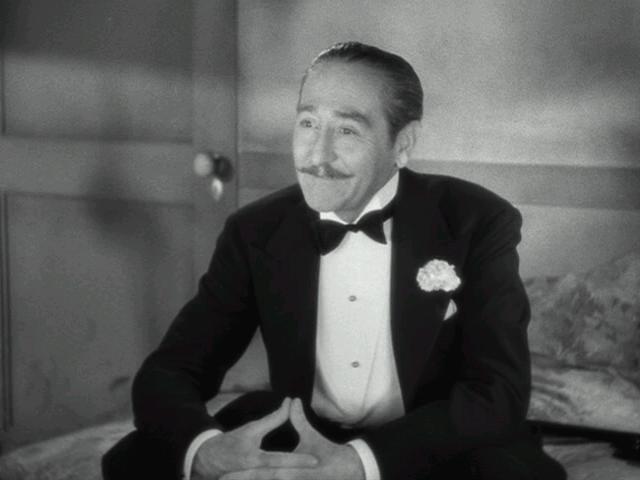
My opinion lies somewhere in between these two extremes. I find the film (noticeably different from the original play) to be a somewhat dated yet mostly enjoyable outing, primarily due to plenty of refreshing rapport between the young women, and the welcome absence of a distracting romantic subplot. The acting is noteworthy as well: Hepburn is strong and compelling as the nominal lead, Menjou is appropriately suave and slimy, and Rogers clearly shows her talent as a sassy comedic actress. On the other hand, several plot elements seriously detract from the film’s authenticity and power: the pivotal character of Kay, for instance (played by an overly maudlin Andrea Leeds, who was inexplicably nominated for an Oscar), is too much of a goody-two-shoes martyr to care about; and Hepburn’s transformation from an AWFUL actress (her rehearsal scene — “The calla lilies are in bloom…” — is literally painful) to a talented Broadway star is truly beyond belief. Nonetheless, film fanatics will certainly want to check out this Oscar-nominated melodrama at least once, and decide for themselves whether it’s an enduring classic, a dated disappointment, or a bit of both.

Redeeming Qualities and Moments:

  • Ginger Rogers’ sassy performance as Jean
  • Katharine Hepburn as Terry
  • Adolph Menjou as slimy manager Powell
  • Terry and Jean’s ongoing sparring
  • Menjou’s reaction to Rogers’ drunken monologue
  • Many fine supporting performances — especially those by Eve Arden, Lucille Ball, and Constance Collier
  • Plenty of witty, caustic one-liners:

    Terry: It would be a terrific innovation if you could get your minds to stretch a little further than the next wisecrack.
    Eve: You know, I tried that once, but it didn’t snap back into place.

Must See?
Yes. While it hasn’t held up as well as one might hope, it remains must-see viewing for its noteworthy ensemble cast. Chosen as the best film of the year in Peary’s Alternate Oscars book.

Categories

  • Noteworthy Performance(s)
  • Oscar Winner or Nominee

Links:

Lodger, The (1944)

Lodger, The (1944)

“I enjoy the streets at night — when they are empty.”

Synopsis:
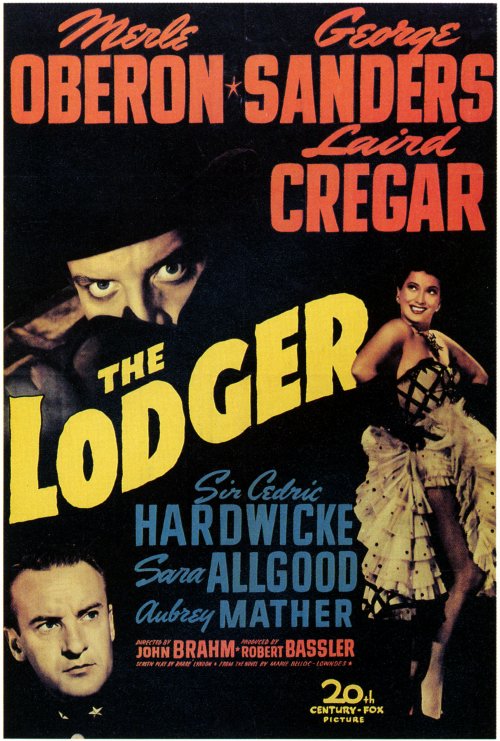
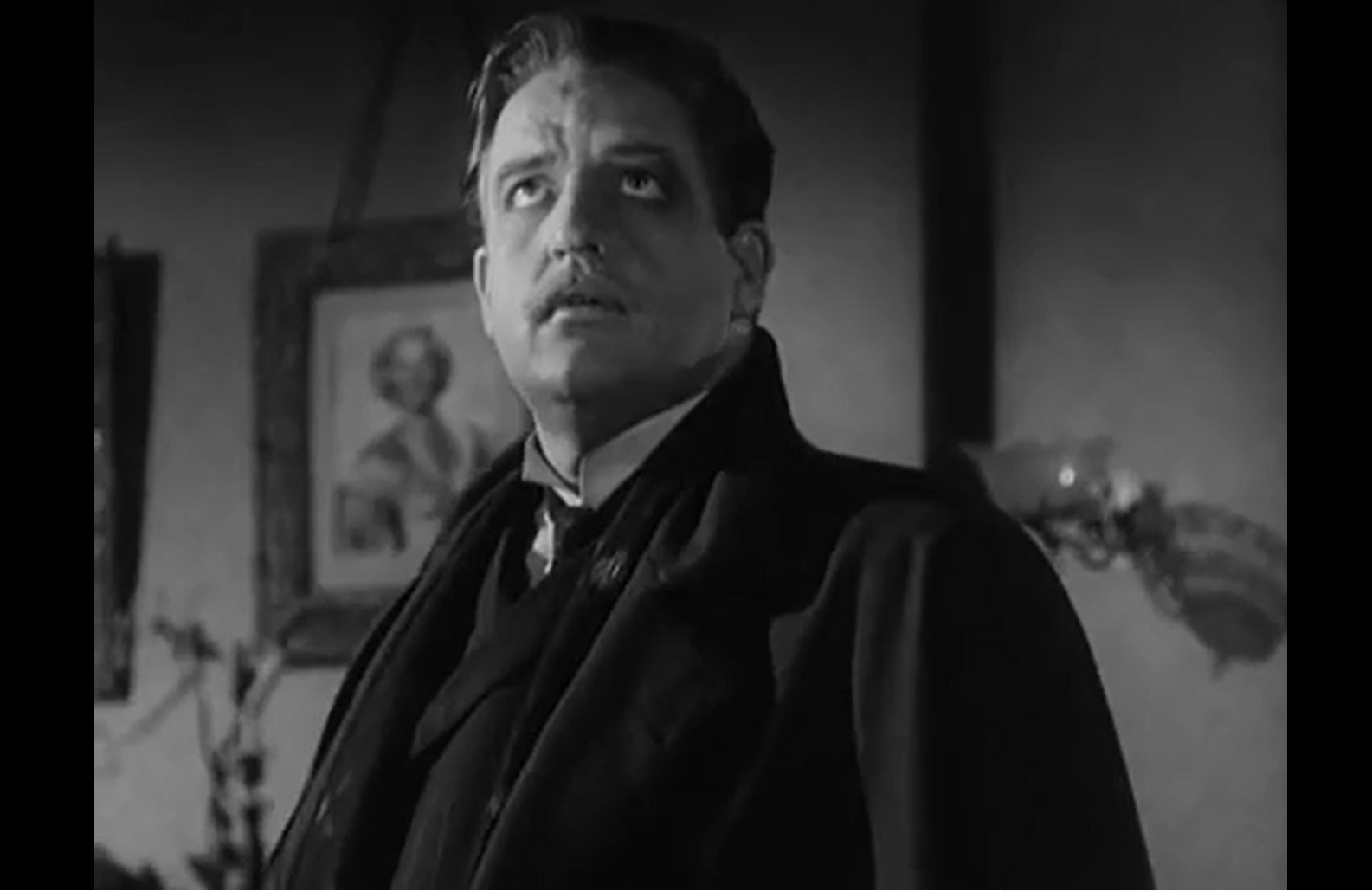
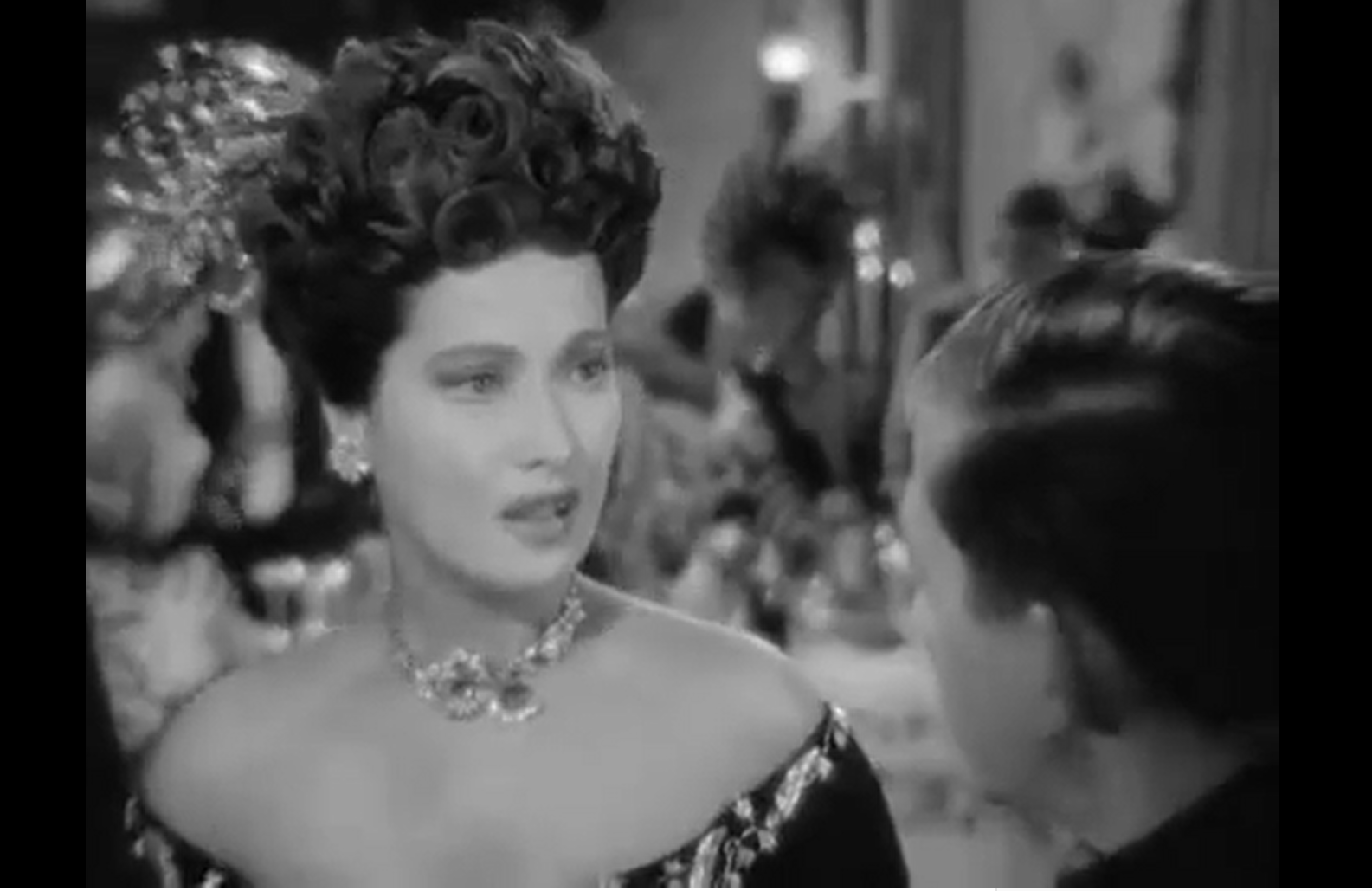
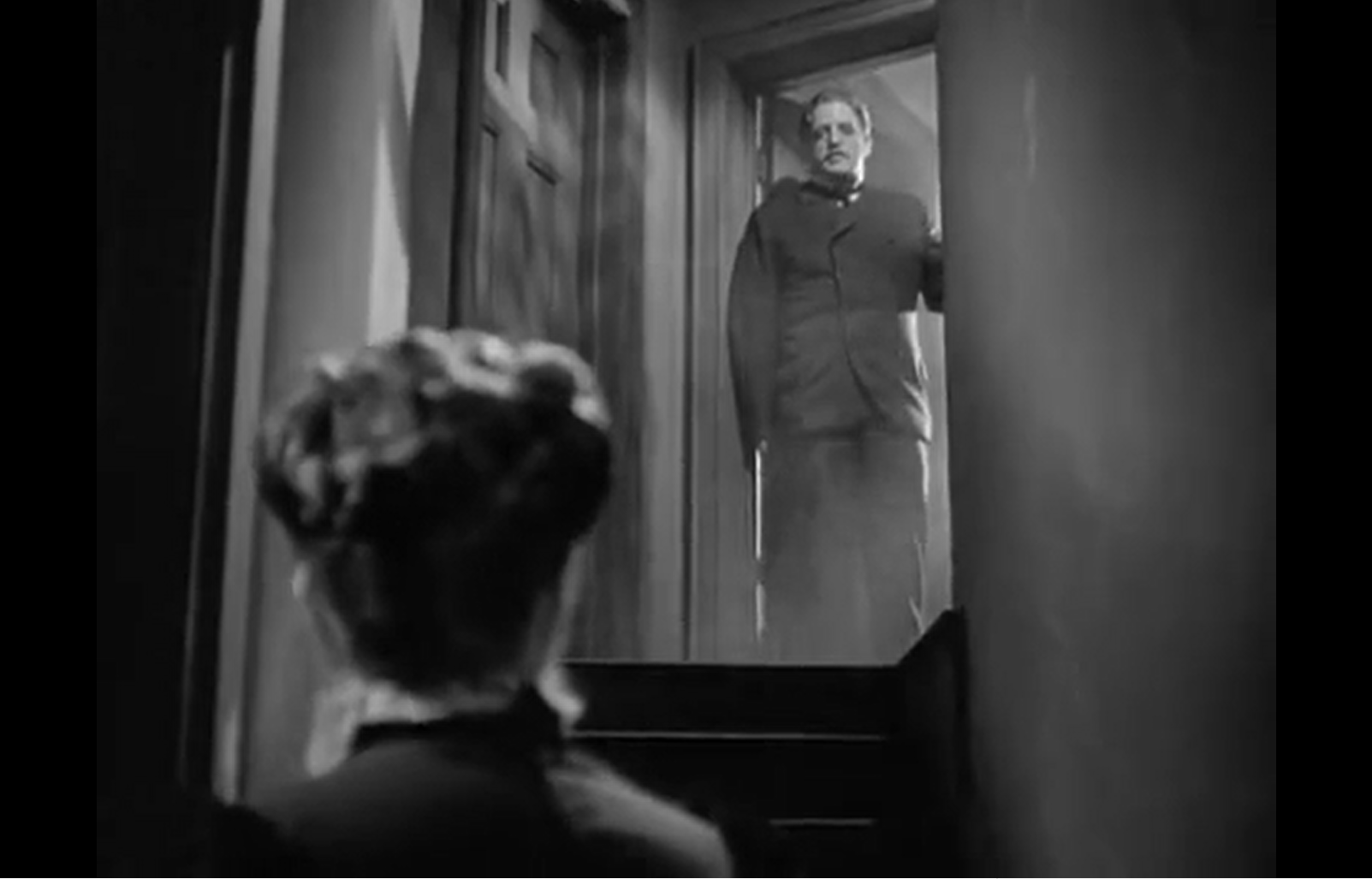
While Jack the Ripper prowls the streets of London, a mysterious lodger named Slade (Laird Cregar) comes to stay in the house of Ellen and Robert Burton (Sara Allgood and Cedric Hardwicke) and their actress-niece, Kitty (Merle Oberon). As Slade’s behavior becomes increasingly suspicious, Ellen begins to fear that Kitty’s life is in danger; meanwhile, a police detective (George Sanders) searches for clues to the killer’s identity.

Genres, Themes, Actors, and Directors:

  • Detectives and Private Eyes
  • George Sanders Films
  • Jack the Ripper
  • Laird Cregar Films
  • Merle Oberon Films
  • Murder Mystery
  • Serial Killers

Response to Peary’s Review:
As Peary notes, this remake of Alfred Hitchcock’s silent thriller benefits from “first-rate” acting (especially by Cregar, in his definitive role), “solid dialogue”, “fine bit parts”, “exciting scenes”, and “atmospheric direction” by John Brahm. Although it’s based on the unsolved Jack the Ripper killings which plagued turn-of-the-century London, the Ripper’s actual victims (prostitutes in real life) have been turned into actresses here; indeed, the infamous killings seem more like an atmospheric plot device than anything else, since, as Peary notes, “we’re never given 100% proof that [Cregar] is the one and only Ripper”, thus leaving things open to interpretation. I’ll admit to a preference for Brahm, Cregar, and Sanders’ next outing together — the “even more stylized” Hangover Square (1945) — but The Lodger remains worthy, must-see viewing on its own merits.

Redeeming Qualities and Moments:

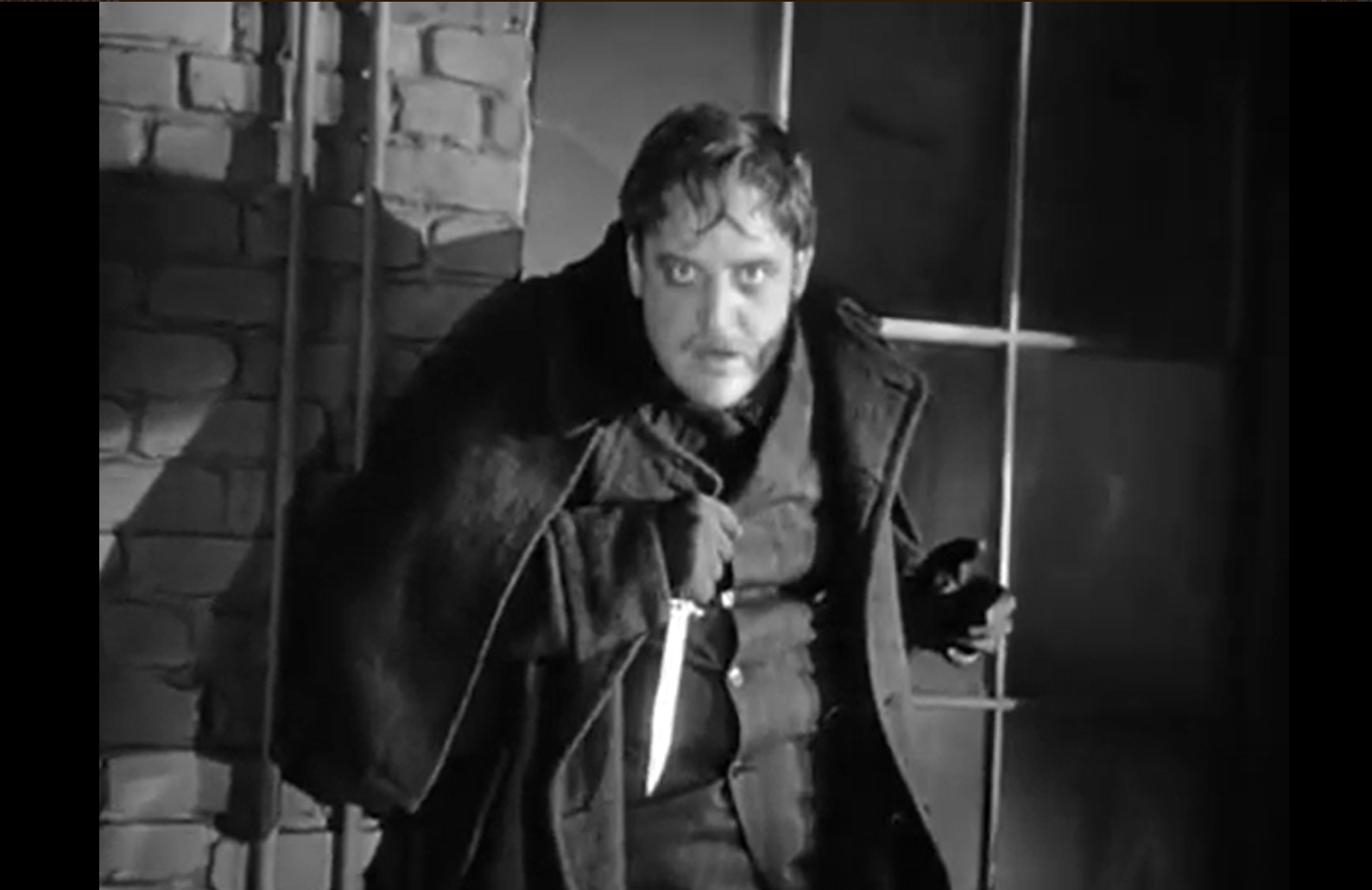
  • Laird Cregar as Slade; Peary nominates his performance here for an Alternate Oscar
  • Merle Oberon as Kitty
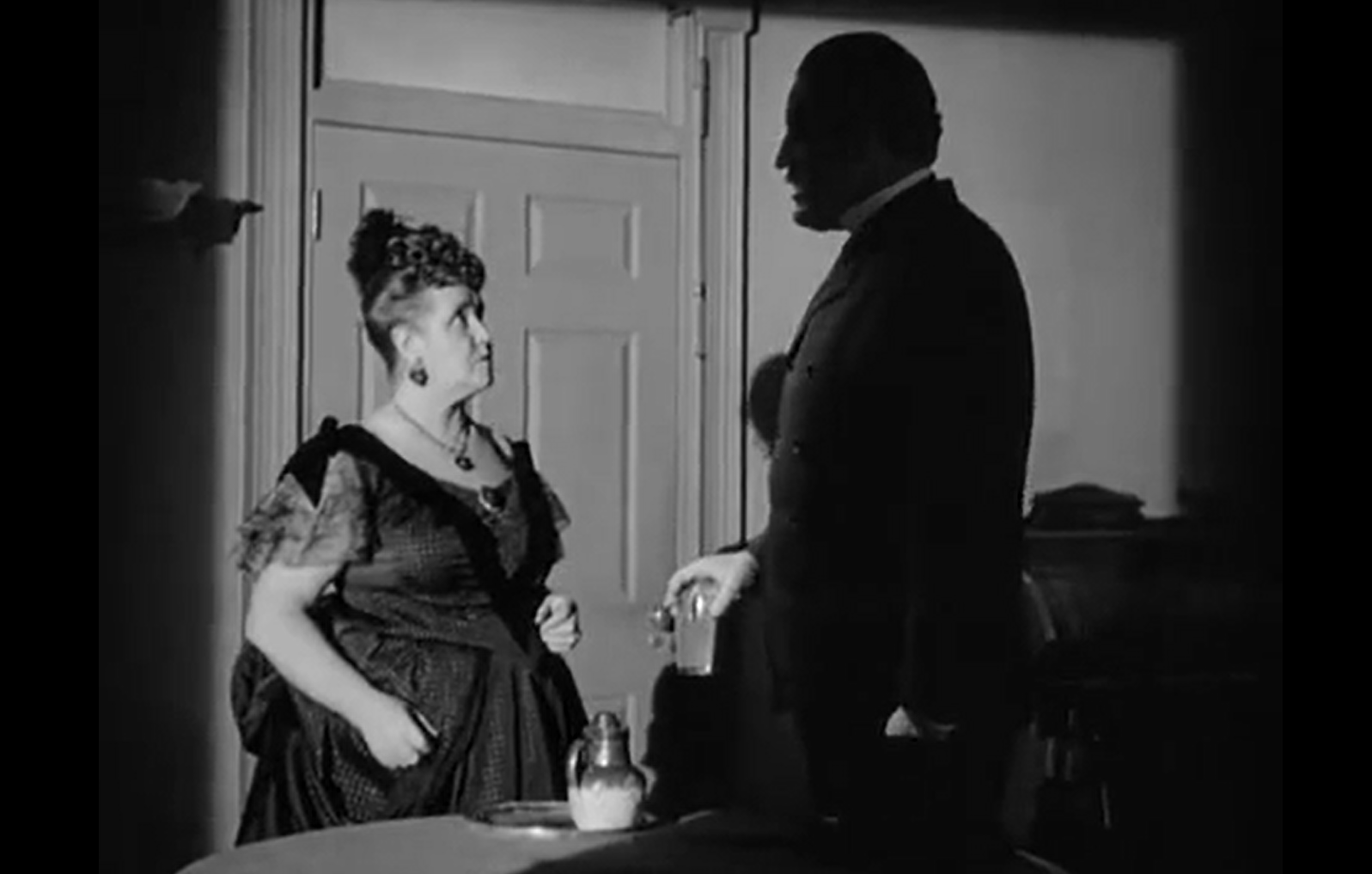
  • Sara Allgood as Cregar’s suspicious landlady
  • Atmospheric cinematography (by Lucien Ballard) and direction
  • The climactic denouement

Must See?
Yes, to see Laird Cregar in his definitive role.

Categories

  • Noteworthy Performance(s)

Links:

If I Had a Million (1932)

If I Had a Million (1932)

“I want to give somebody a chance at happiness. I don’t care who — I just want somebody to have something worthwhile out of what I spent my life to accumulate.”

Synopsis:
A dying tycoon (Richard Bennett) decides to give his money away — $1,000,000 at a time — to eight randomly selected names in the telephone book.

Genres, Themes, Actors, and Directors:

  • Charles Laughton Films
  • Episodic Films
  • Ernst Lubitsch Films
  • Frances Dee Films
  • Gary Cooper Films
  • George Raft Films
  • Henpecked Husbands
  • Millionaires
  • Revenge
  • W.C. Fields Films

Response to Peary’s Review:
As Peary notes, fans of “The Millionaire” TV series — or anyone fascinated by the lives of lottery winners — will doubtless enjoy this episodic film, directed by seven different men (including Ernst Lubitsch), and starring a host of Paramount’s most famous actors (Gary Cooper, W.C. Fields, George Raft, Charles Laughton, and more). As with any episodic film, some vignettes are more appealing than others; Peary correctly points out that “you’ll like best the three episodes in which [money can buy happiness]”, and be frustrated by those in which it can’t. Indeed, the most satisfying episodes are, as Peary notes, those in which “the money allows previously powerless people to put authoritarian figures in their place.” It’s a sign of the film’s appeal that, by the end, you feel sad that Bennett only selected eight names instead of more.

Redeeming Qualities and Moments:

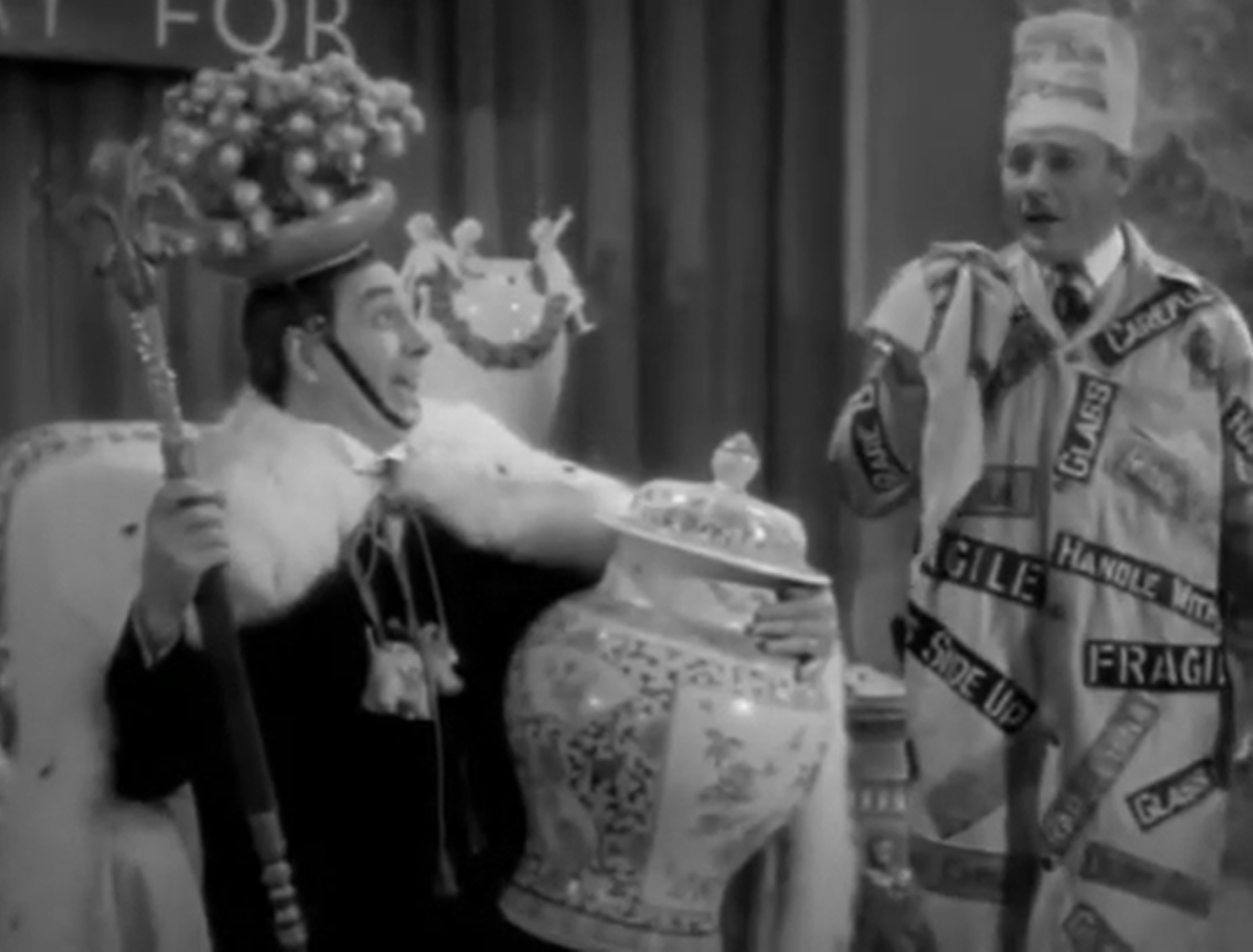
  • Henpecked Charles Ruggles’ nightmarish dreams in the china shop
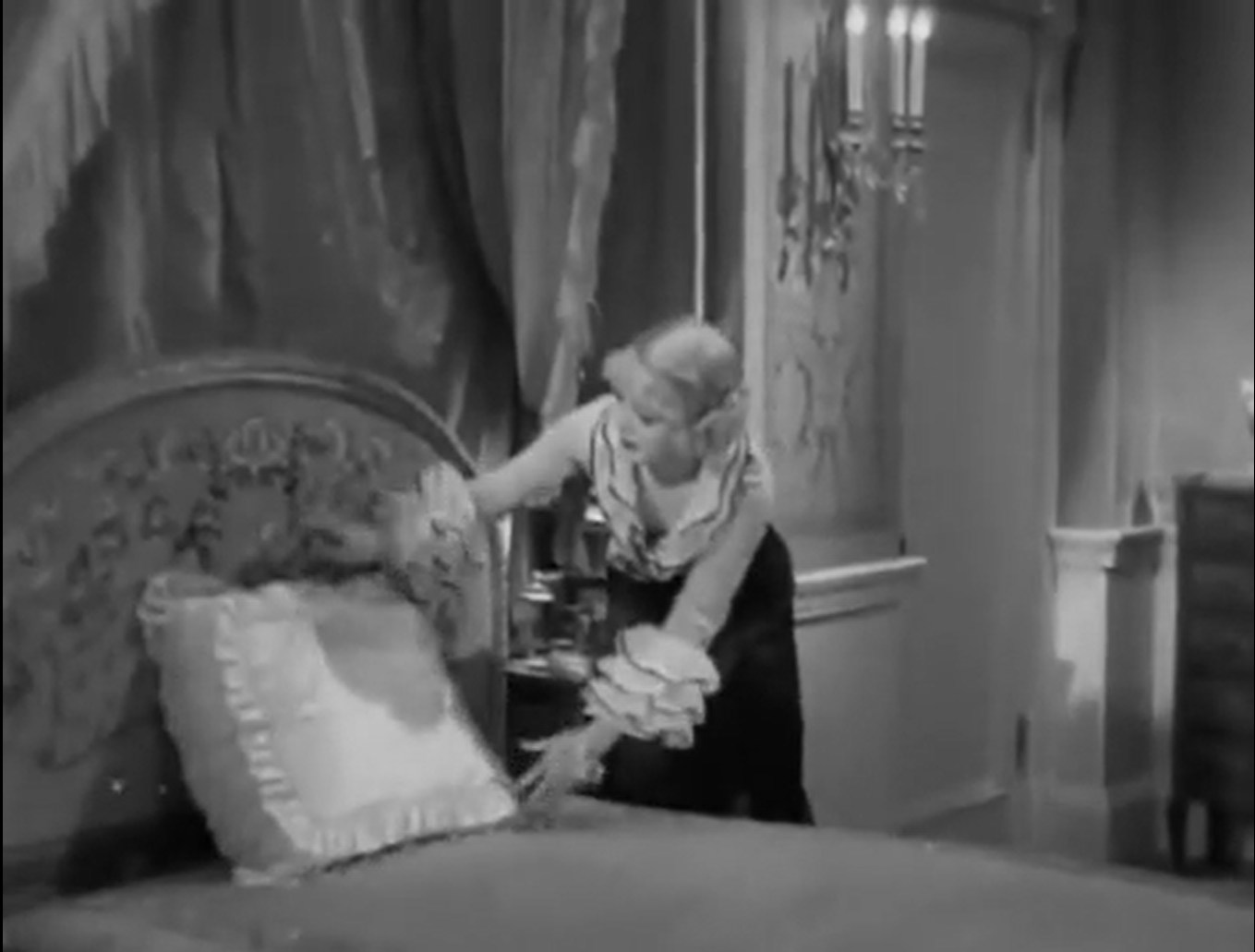
  • Prostitute Wynne Gibson happily settling down for the night with ONE pillow
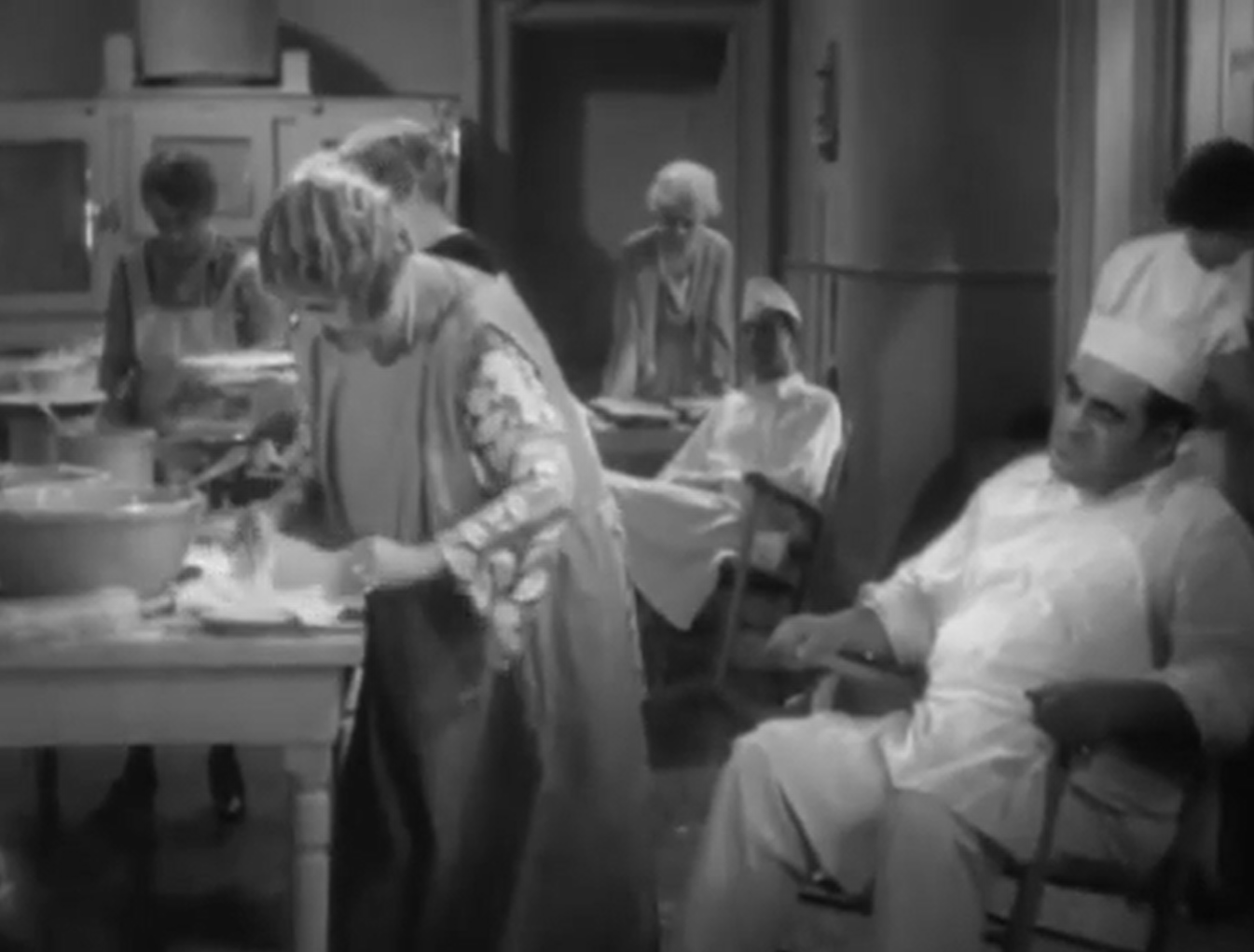
  • An elderly woman (May Robson) changing her oppressive group home into a fun-loving club
  • Charles Laughton in the film’s shortest, but perhaps most satisfying, vignette
  • W.C. Fields and Alison Skipworth taking revenge on “road hogs”

Must See?
No, but it’s recommended, if you can locate a copy.

Links:

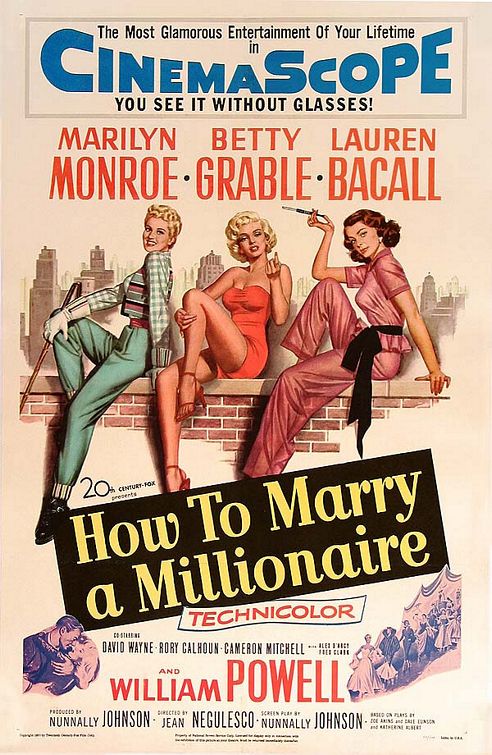
How to Marry a Millionaire (1953)

How to Marry a Millionaire (1953)

“Most women use more brains picking a horse in the third at Belmont than they do picking a husband.”

Synopsis:
Three golddigging models (Lauren Bacall, Marilyn Monroe, and Betty Grable) share a chic-chic apartment in New York, in hopes of snaring millionaire husbands.

Genres, Themes, Actors, and Directors:

  • Betty Grable Films
  • Cameron Mitchell Films
  • Dumb Blondes
  • Gold Diggers
  • Jean Negulesco Films
  • Lauren Bacall Films
  • Marilyn Monroe Films
  • Millionaires
  • Mistaken or Hidden Identities
  • Models
  • Romantic Comedy
  • William Powell Films

Response to Peary’s Review:
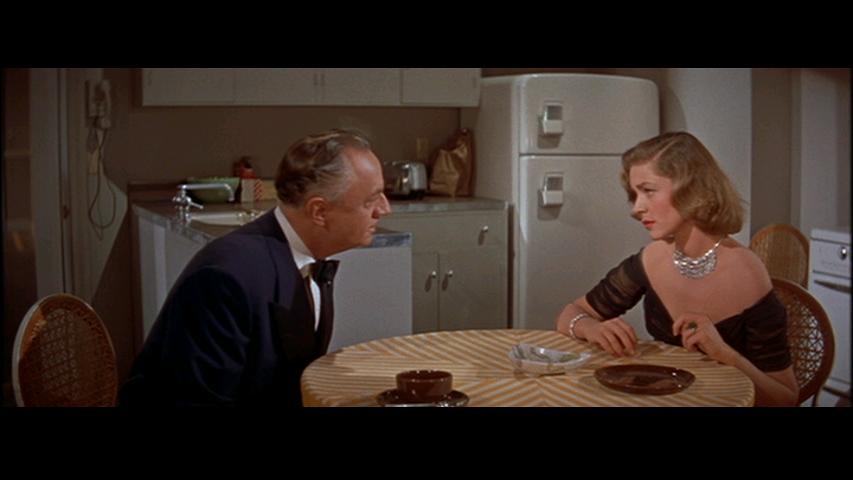
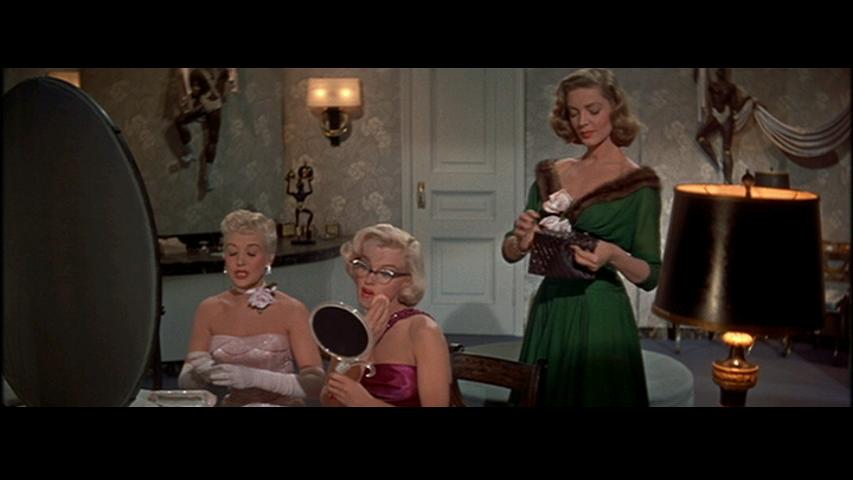
This remake of 1932’s The Greeks Had a Word for Them was meant to capitalize on Marilyn Monroe’s popular turn as “dumb blonde” Lorelei Lee in Gentlemen Prefer Blondes (released earlier that same year). While Monroe’s performance here as “the hopelessly nearsighted bubblehead who won’t wear glasses around men” remains the most enjoyable in the film, Bacall and Grable do fine as well — and I disagree with Peary that Grable comes across as “annoying” (indeed, she’s responsible for some of the funniest moments in the film). I also disagree with Peary that the movie “chastises golddigging women” while presenting it as “perfectly acceptable for men to chase women because they’re pretty” — this is actually an equal-opportunity critique of the tricky interplay between romance and money; indeed, William Powell as an older man who loves gold-digging Bacall but is hesitant to marry her (he gives a “characteristically classy performance”) is evidence of this. Ultimately, while How to Marry a Millionaire may be, as Peary notes, simply “pleasant fluff”, it remains a worthy, must-see film.

Redeeming Qualities and Moments:

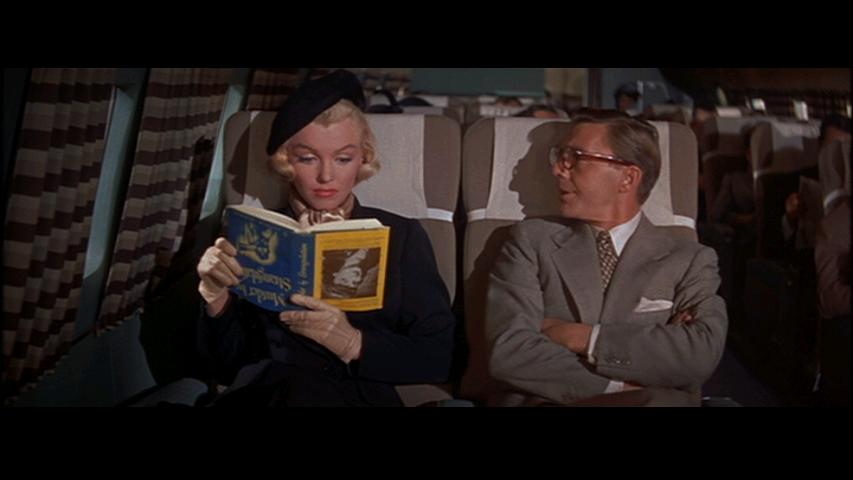
  • Marilyn Monroe’s delightful performance as the nearly-blind Pola: “Men aren’t attentive to girls who wear glasses!”
  • Betty Grable as upbeat “Loco”
  • Lauren Bacall as the uber-rational Schatze
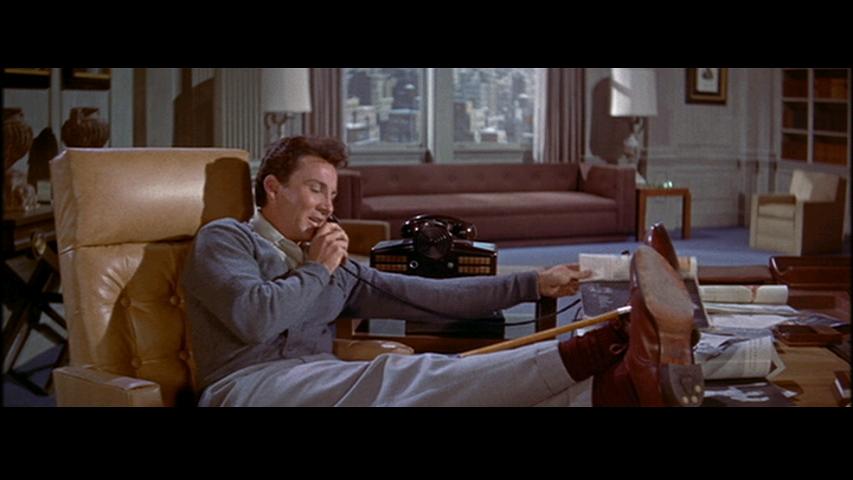
  • Cameron Mitchell as Tom Brookman, a deceptively wealthy man in pursuit of Bacall
  • William Powell as Bacall’s would-be older suitor
  • Grable and her married escort (Fred Clark) discovering their divergent interpretations of the word “lodge”
  • Monroe’s initial encounters with Alexander D’Arcy (the original occupant of their apartment)
  • Fun camarederie between the three golddigging friends

Must See?
Yes. While not entirely successful, this film holds historical importance as one of the first CinemaScope pictures, and should be seen by every film fanatic.

Categories

  • Historically Relevant
  • Noteworthy Performance(s)

Links:

Breakfast at Tiffany’s (1961)

Breakfast at Tiffany’s (1961)

“I don’t want to own anything until I find a place where me and things go together. I’m not sure where that is, but I know what it’s like: it’s like Tiffany’s.”

Synopsis:
In New York City, freespirited Holly Golightly (Audrey Hepburn) pursues wealthy men while falling reluctantly in love with her struggling-writer neighbor (George Peppard).

Genres, Themes, Actors, and Directors:

  • Audrey Hepburn Films
  • Blake Edwards Films
  • George Peppard Films
  • Gold Diggers
  • Martin Balsam Films
  • Mickey Rooney Films
  • New York City
  • Nonconformists
  • Patricia Neal Films
  • Romance

Response to Peary’s Review:
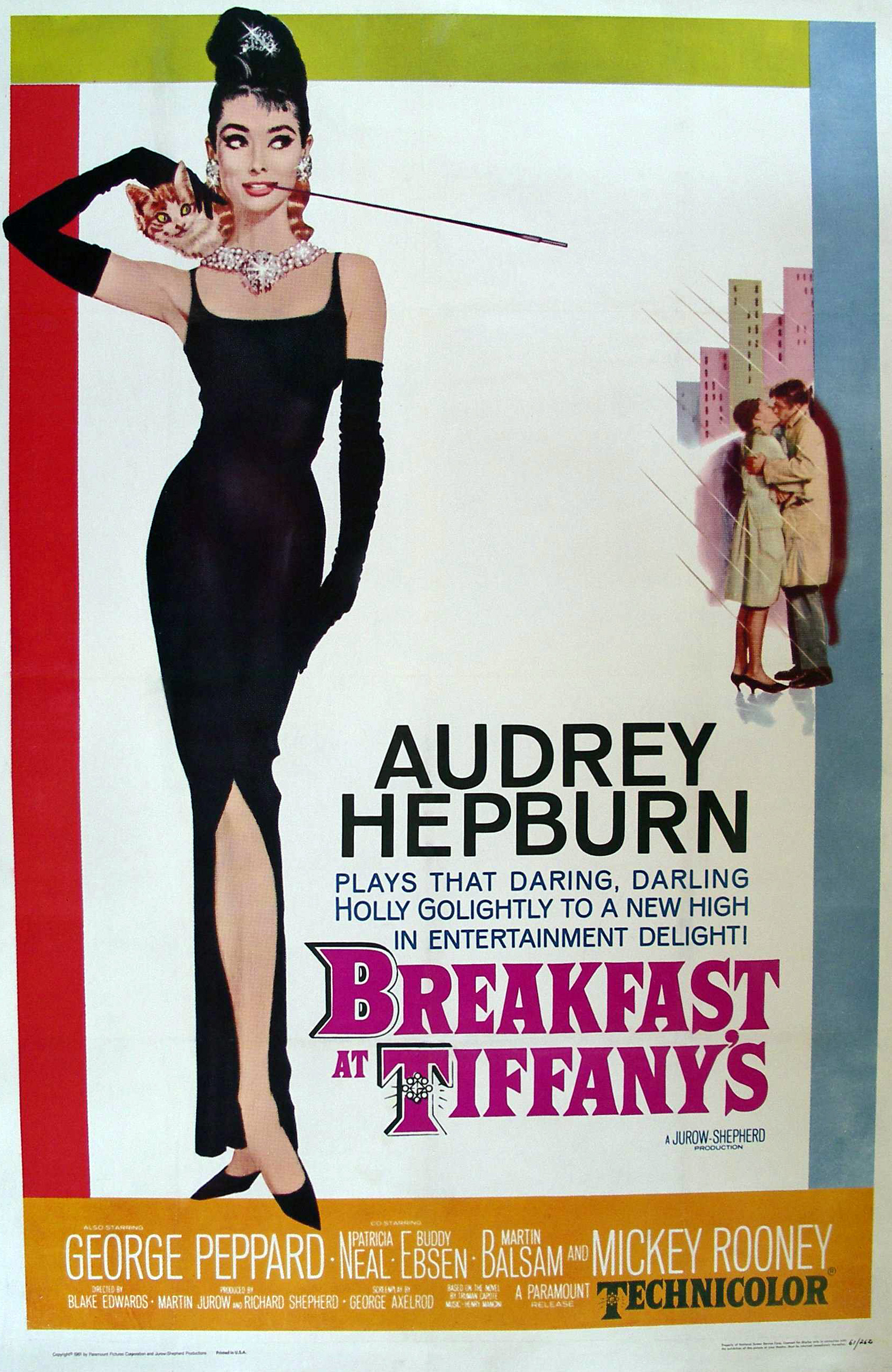
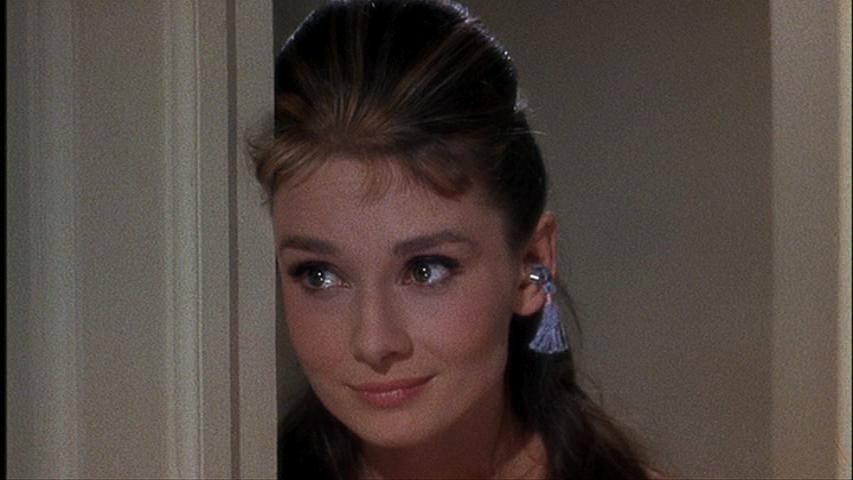
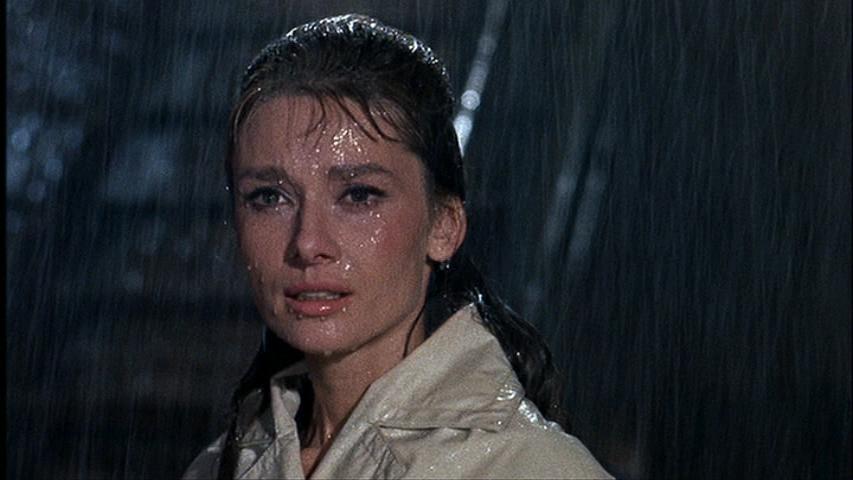
As Peary notes, this beloved adaptation of Truman Capote’s novel gave Audrey Hepburn “one of her most appealing roles” as an eccentric young woman who’s “taken on the guise of an ultra-sophisticated bohemian… to cover up her many insecurities.” While Mickey Rooney’s dated, pejorative turn as Holly’s buck-toothed Japanese neighbor is too awful for words (NY Times reviewer Bosley Crowther merely referred to it as “exotic”), the film has held up remarkably well in other ways, and remains both “witty” and “racy”. Peary correctly points out that the sexual undertones of the movie (while considerably tamed down from the book) “must have raised eyebrows in 1961”; Hepburn’s comment to Peppard that he “must be exhausted” after Neal has left for the night is a particularly droll shocker.

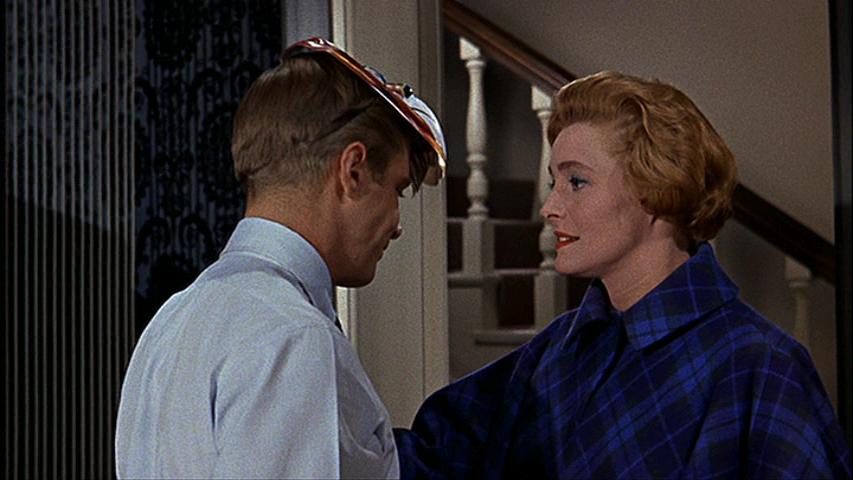
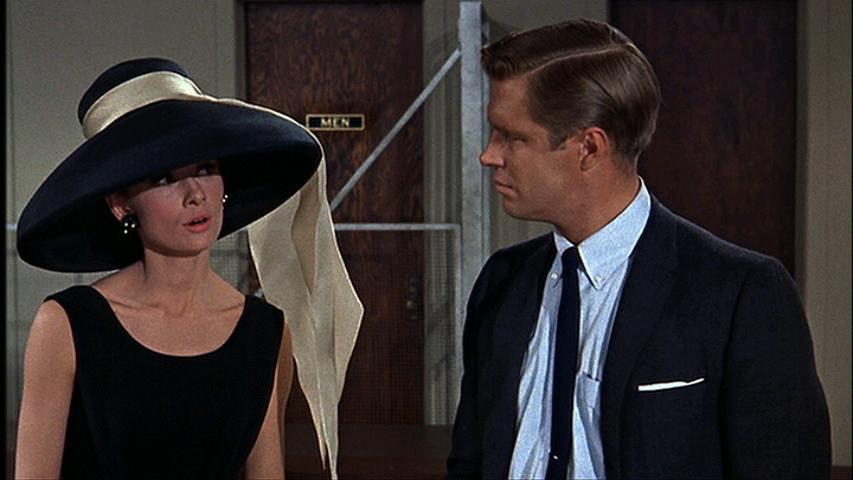
Hepburn (though far too thin, as always) has never looked more beautiful than she does here, with her stylish Givenchy outfits, super-long cigarette holder, and streaked hair sleekly gathered into an upsweep. Her performance itself is noteworthy as well; while Marilyn Monroe was Capote’s original choice for the role, I find it easy to imagine that down-to-earth Hepburn — like hicksville Holly-nee-Lulamae in New York — could relate to feeling like a bit of a poseur in the glamorous world of Hollywood. George Peppard is fine as “Fred”, but ultimately acts as more of a foil to Hepburn than anything else. Neal is delicious in a bit role as kept-man Peppard’s cynical sugar mama; interestingly, her character never appeared in Capote’s novel.

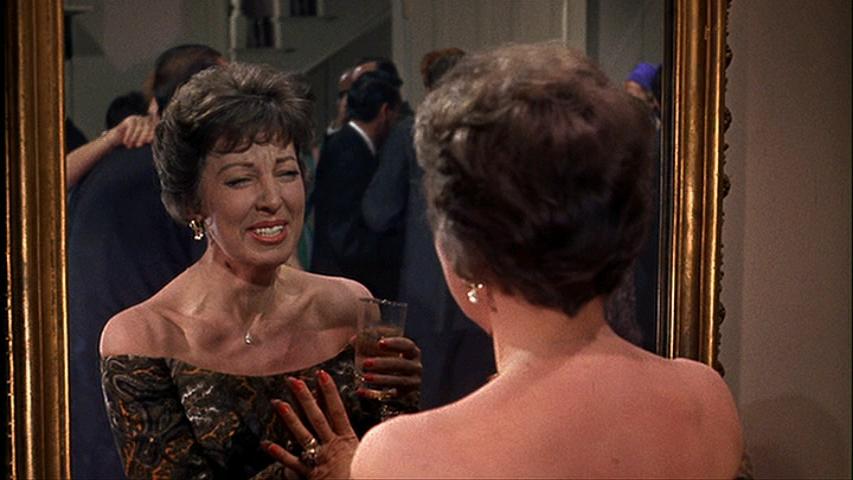
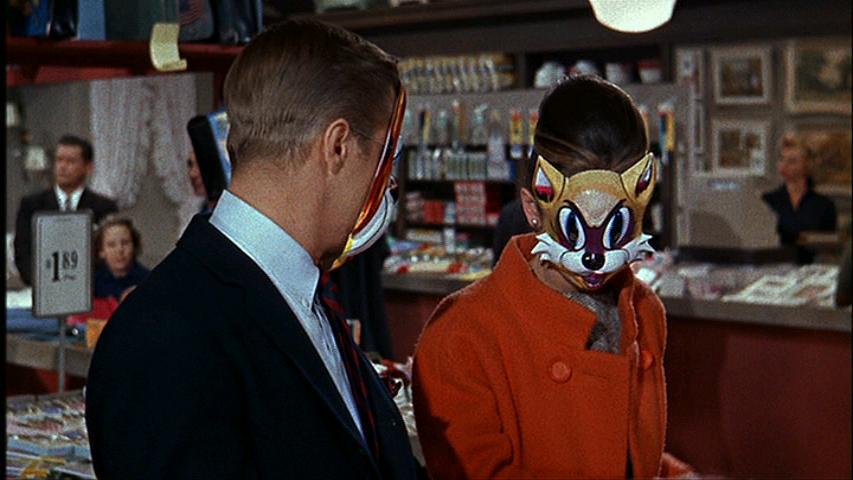
There are many touching, memorable, and/or amusing scenes in Breakfast at Tiffany’s; my favorite is probably Holly’s wild bash (has any director ever captured the zaniness of parties better than Edwards?) — I particularly enjoy the two brief sequences in which a knackered woman laughs (then cries) with her own reflection in the mirror. All of Hepburn and Peppard’s scenes together — from their first meeting, when Hepburn staggers around in eyeshades — are delightful; as Peary notes, it’s “refreshing seeing lovers whose relationship is mutually beneficial.” The ending is a true weeper, one of the best Hollywood ever conceived.

Redeeming Qualities and Moments:

  • Audrey Hepburn in perhaps her most iconic role
  • Patricia Neal as Peppard’s “sugar mama”
  • The infamous “party scene”
  • Holly’s glamorous Givenchy outfits
  • Holly and “Fred”‘s giddy spree on the town
  • The final wrenching scene
  • Henry Mancini’s famous score

Must See?
Yes. While not entirely successful, this beloved film remains a “must see” classic.

Categories

  • Genuine Classic
  • Oscar Winner or Nominee

(Listed in 1001 Movies You Must See Before You Die)

Links:

Mystery of the Wax Museum (1933)

Mystery of the Wax Museum (1933)

“Before this terrible thing happened to me, I made a very beautiful statue… And my child, you are that figure, come to life!”

Synopsis:
A plucky reporter (Glenda Farrell) discovers that a mad artist (Lionel Atwill) has been using corpses as the models for his wax sculptures — and that his next victim is her beautiful roommate (Fay Wray).

Genres, Themes, Actors, and Directors:

  • Amateur Sleuths
  • Artists
  • Disfigured Faces
  • Fay Wray Films
  • Horror
  • Journalists
  • Lionel Atwill Films
  • Mad Doctors and Scientists
  • Michael Curtiz Films

Response to Peary’s Review:
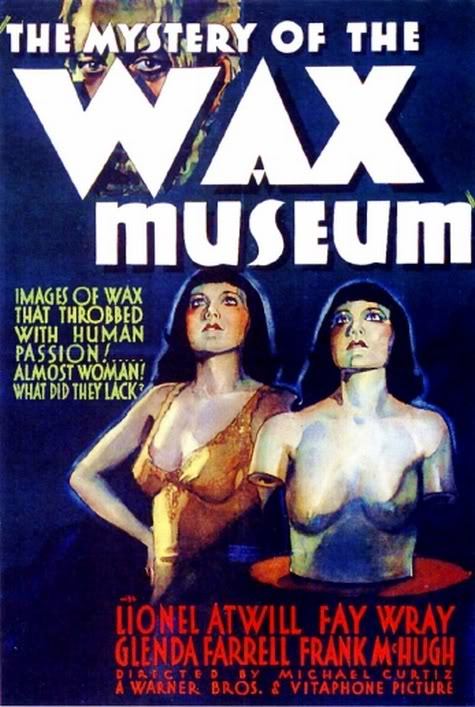
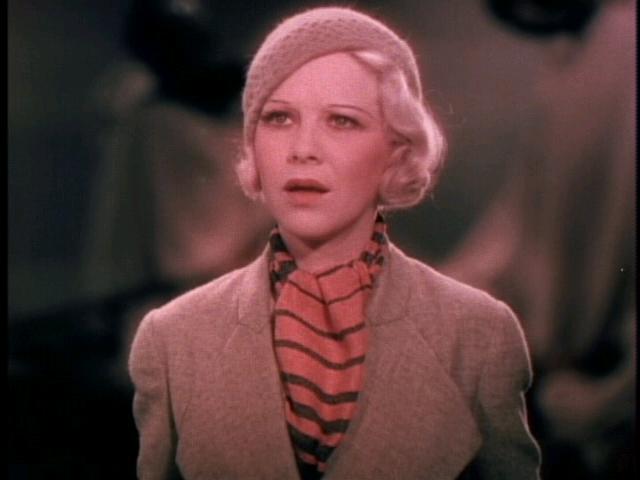
Peary is less than impressed by this once-lost early horror film, lamenting that it has “several dull stretches, unfunny comedy, and uninteresting subplots”. While there’s some truth to this assessment, I think it’s unduly harsh; and unlike Peary, I find this film to be superior to its 1953 remake, the 3-D extravaganza House of Wax. In Mystery‘s lead role, Glenda Farrell is infinitely more interesting than House of Wax‘s insipid Phyllis Kirk, who doesn’t have much to do other than look wide-eyed and worried. Farrell, on the other hand, is a go-getting journalist with genuine spunk and, as noted by DVD Savant, “pre-code attitude”; her wisecracking banter with editor Frank McHugh is a delight. Atwill is also wonderful — he approaches his role differently than Vincent Price, but just as effectively. Perhaps most memorable, however, is the use of muted, two-tone Technicolor hues, which (Savant again), “give the film the look of a faded vintage magazine”. This, along with the expressionistic sets, make the film a visual treat.

Redeeming Qualities and Moments:

  • Glenda Farrell as the spunky female reporter
  • Lionel Atwill as the mad sculptor
  • A striking example of the early two-color Technicolor process
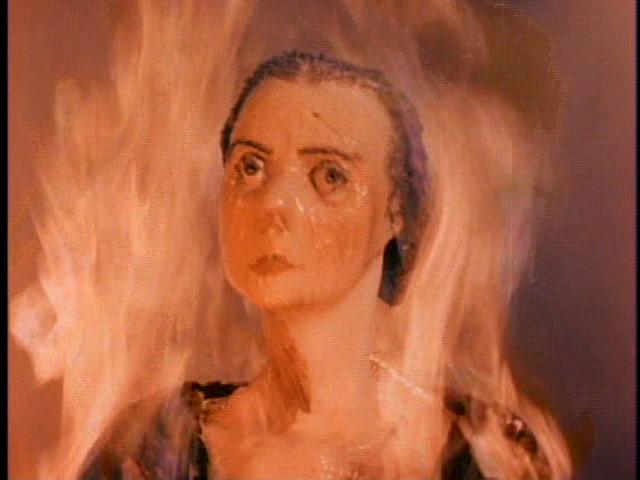
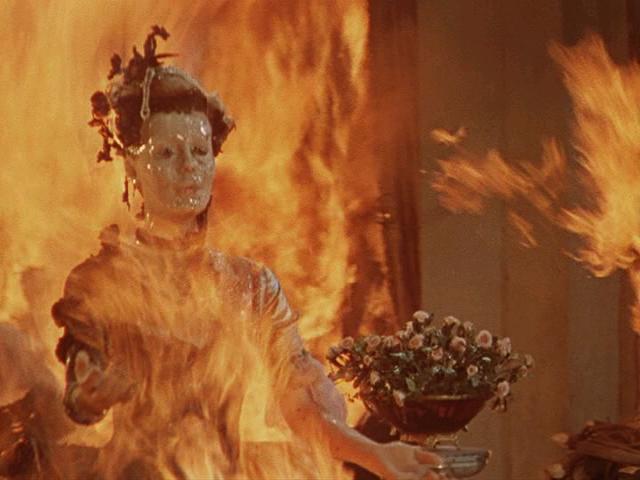
  • The creepy museum fire
  • Igor’s expressionistic laboratory
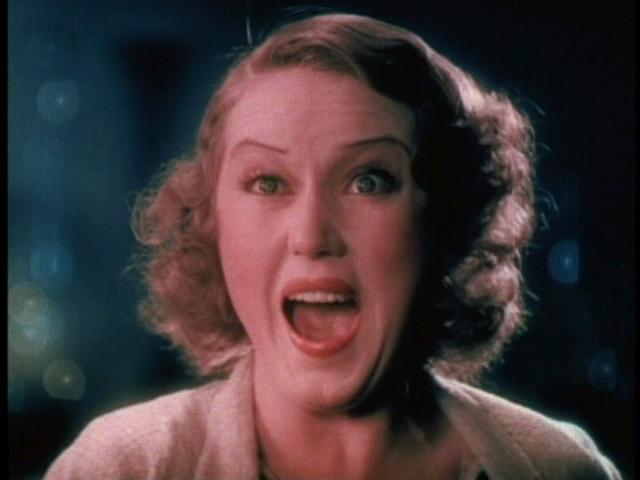
  • Fay Wray screaming her famous line: “You fiend!”
  • Plenty of snazzy throwaway dialogue:

    “OK, then you can go to some nice, warm place — and I don’t mean California!”

Must See?
Yes, simply for its historical notoriety.

Categories

  • Historically Relevant

Links:

House of Wax (1953)

House of Wax (1953)

“Each subject must be taken from life… How can I convince my audience they’re alive if I don’t believe it myself?”

Synopsis:
When his unscrupulous business partner (Roy Roberts) burns down his beloved wax statues, the badly disfigured Professor Jarrod (Vincent Price) enlists the help of a deaf-mute (Charles Bronson) and an alcoholic ex-con (Nedrick Young) in killing Roberts and creating new masterpieces — this time using corpses as models. Soon, however, a young woman (Phyllis Kirk) notices that a statue of Joan of Arc looks just like her murdered roommate (Carolyn Jones), and begins to suspect foul deeds.

Genres, Themes, Actors, and Directors:

  • Artists
  • Carolyn Jones Films
  • Charles Bronson Films
  • Disfigured Faces
  • Frank Lovejoy Films
  • Horror
  • Mad Doctors and Scientists
  • Vincent Price Films

Response to Peary’s Review:
Peary votes this enormously popular Warnercolor extravaganza the “best 3-D movie” ever made, noting that — despite its flaws — it possesses a “nice mix of humor and chills”. He applauds director Andre de Toth’s gimmicky use of 3-D — a barker throws paddle balls right at the audience:

… can-can girls kick their legs out —

… and it’s certainly easy to imagine audiences at the time being thrilled by these scenes; nowadays, however — watching it on DVD rather than in the theater — the 3-D effects aren’t all that impressive. Instead, it’s Vincent Price (in his first horror role) who is the true draw of the movie — he’s so earnestly campy that we can’t help feeling awful for him when his beloved statues (his friends) are cruelly “killed”; and we certainly understand his desire for bitter revenge. Unfortunately, Phyllis Kirk as the female lead is bland, and can’t hold a candle to spunky Glenda Farrell in the original version of the film — which (unlike Peary) I find the superior of the two. With that said, this remake remains a “must see” film in its own right.

Redeeming Qualities and Moments:

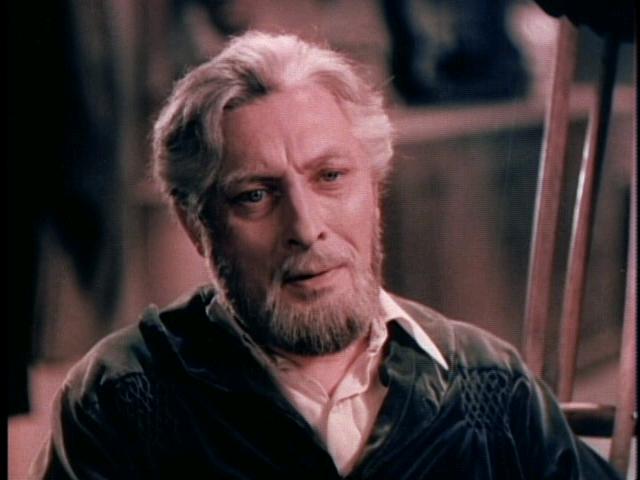
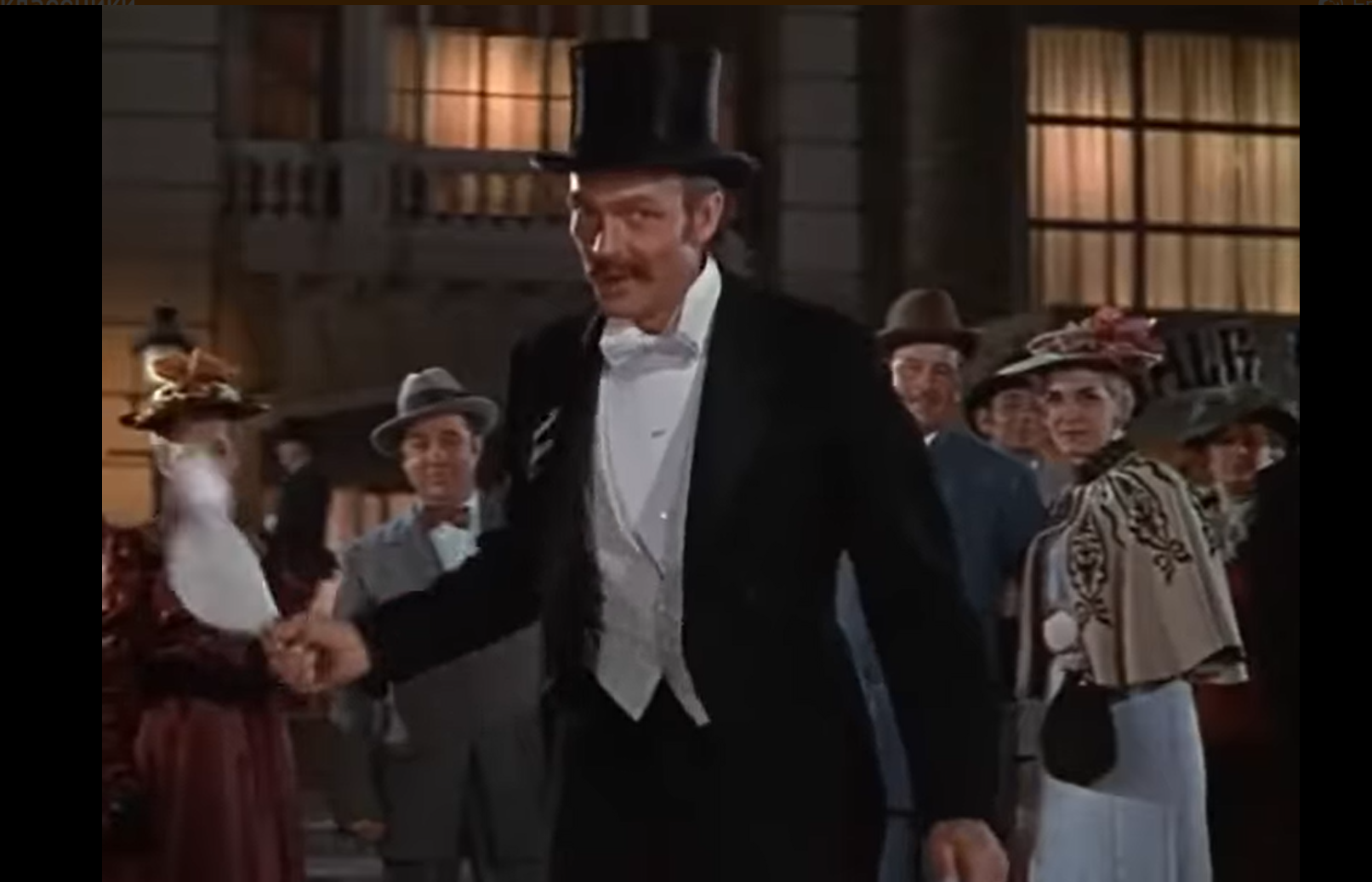
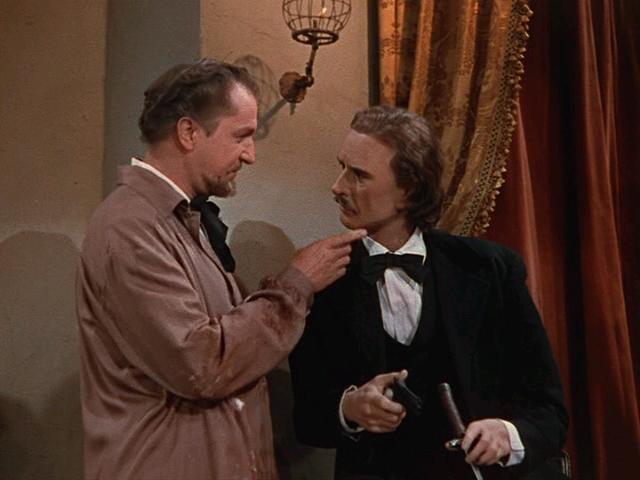
  • Vincent Price as Professor Jarrod (chatting here with “John Wilkes Boothe”)
  • The wax museum burning down (though the same scene in the original film is even creepier)
  • Kirk’s late-night walk through the new museum

Must See?
Yes, for its historical relevance as an enormously popular 3-D film, and as the movie that began Vincent Price’s career as a horror icon. Discussed at length in Peary’s Cult Movies (1981).

Categories

Links:

Murders in the Rue Morgue (1932)

Murders in the Rue Morgue (1932)

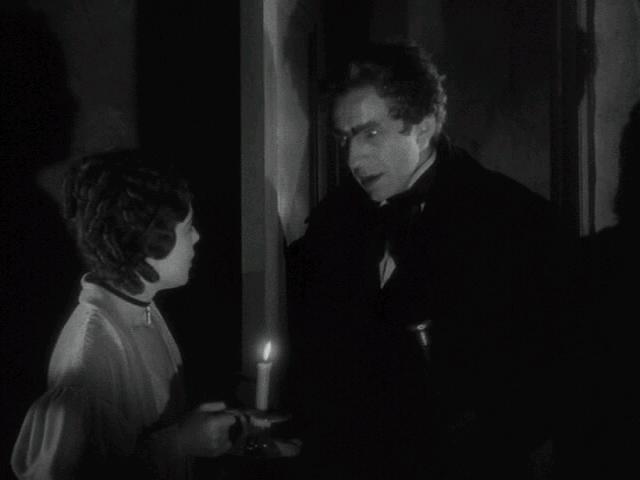
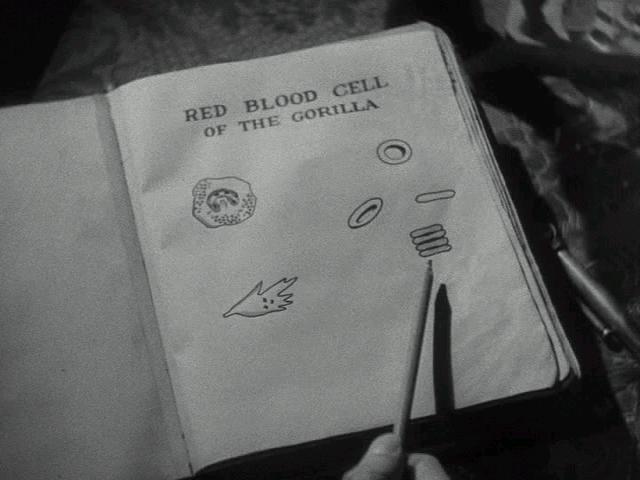
“My life is consecrated to a great experiment: I tell you I will prove your kinship with the ape!”

Synopsis:
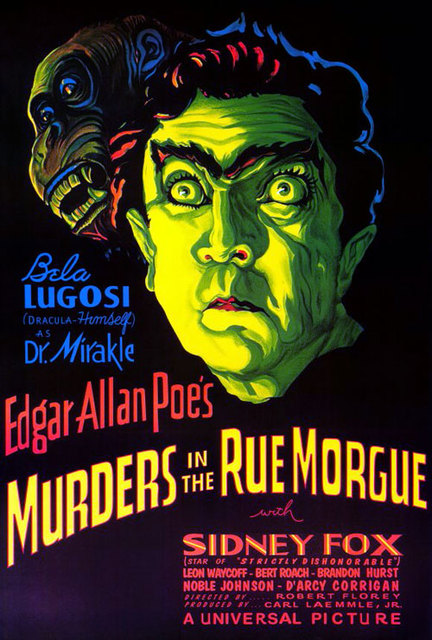
When mad Dr. Mirakle (Bela Lugosi) plots to kidnap beautiful young Camille (Sidney Fox) and “mingle” her blood with that of his giant ape, Erik (Charles Gemora), it’s up to Camille’s boyfriend, a medical student named Pierre (Leon Ames), to save the day.

Genres, Themes, Actors, and Directors:

  • Bela Lugosi Films
  • Horror Films
  • Mad Doctors and Scientists
  • Primates

Response to Peary’s Review:
Peary seems less than enamored with this unusual Universal horror flick, based in-name-only on a short story by Edgar Allan Poe. While acknowledging the power of Karl Freund’s “expressionistic photography”, he barely touches upon the film’s remarkably risque premise (the “perverse sexuality… implicit in Dr. Mirakle’s work”), a topic discussed in much greater detail in DVD Savant’s review. While I agree that the film possesses some egregious flaws (the alternating use of a chimpanzee and a man in an ape suit to play Erik is especially noticeable), I disagree with Peary that some of the most powerful scenes — such as “Lugosi draining the blood from a streetwalker” — are “tasteless”. As noted by DVD Savant, Murders in the Rue Morgue may be a bit of a mess, but it’s nonetheless a “hugely enjoyable” one.

Note: Many have pointed out this film’s visual similarities to The Cabinet of Dr. Caligari (1920), and the association is apt.

Redeeming Qualities and Moments:

  • Expressionistic set designs
  • Countless memorable images
  • Karl Freund’s atmospheric, shadow-filled cinematography
  • A remarkably risque premise

Must See?
No, but it’s recommended.

Links:

Play It Again, Sam (1972)

Play It Again, Sam (1972)

“Oh, face it, Allan: you may be very sweet, but you’re not sexy.”

Synopsis:
When his wife (Susan Anspach) leaves him, a neurotic film critic (Woody Allen) enlists the help of his married friends (Diane Keaton and Tony Roberts) and Humphrey Bogart (Jerry Lacy) in navigating the world of dating.

Genres, Themes, Actors, and Directors:

  • Dating
  • Diane Keaton Films
  • Herbert Ross Films
  • Infidelity
  • Movie Buffs
  • Play Adaptation
  • Romantic Comedy
  • Woody Allen Films

Response to Peary’s Review:
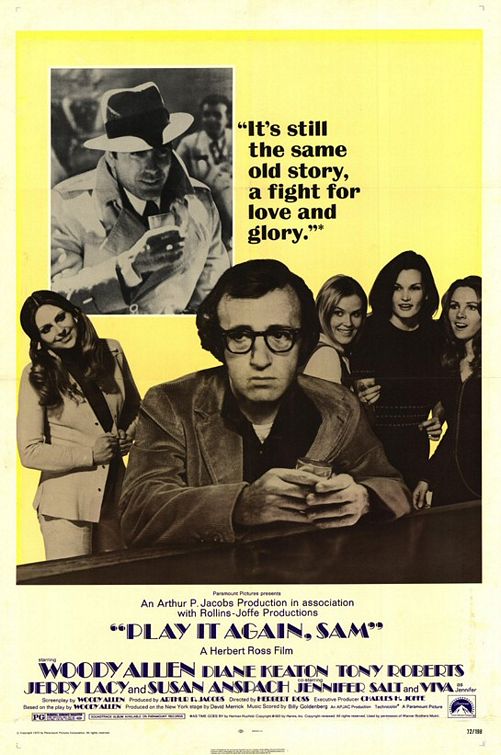
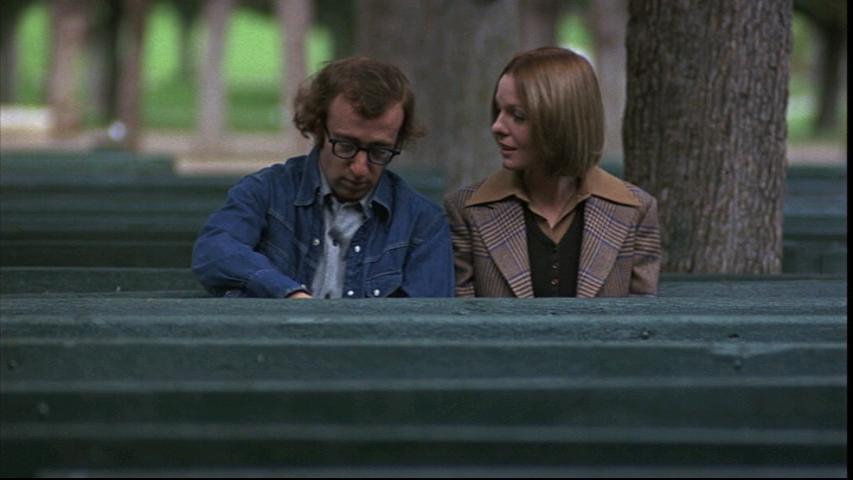
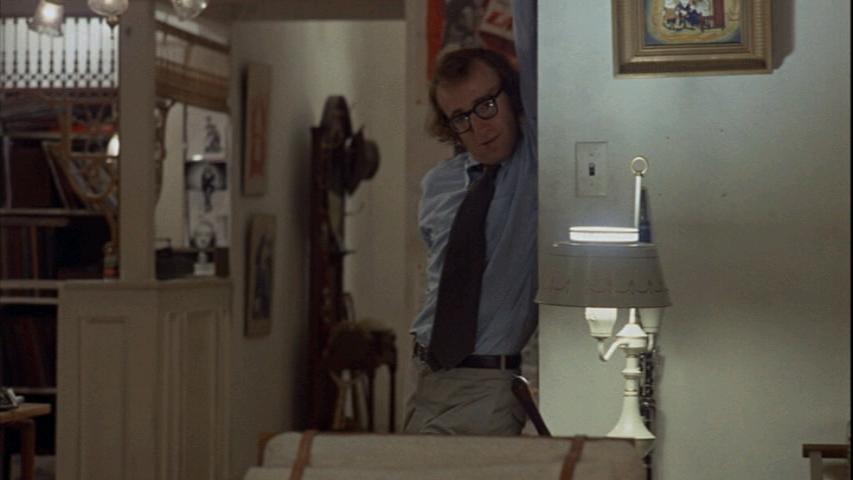
As Peary notes, this “consistently funny” adaptation of Woody Allen’s Broadway play (directed by Herbert Ross) was “the picture that really established Allen’s screen persona”. In typical Allen fashion, his avatar — whose first name is Allan — is a “depressed, neurotic, self-effacing sexual klutz” who mouths one-liners incessantly (when Keaton is impressed that he got her a birthday present, he notes, “You mentioned the date and I remembered because it’s the same day my mother had her hysterectomy”). His series of awful first dates — a narrative sequence which has been done in films many times since, but never as successfully — is truly hilarious, and, though obviously exaggerated, nonetheless rings true in every respect.

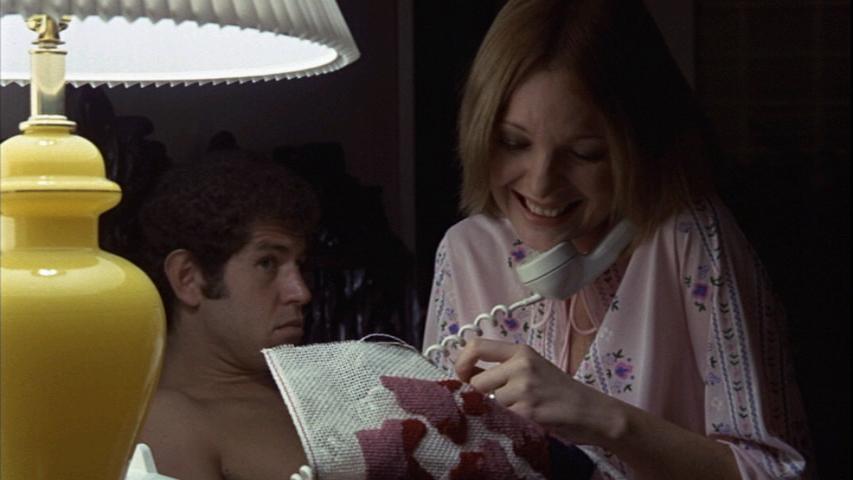
Buoying the film tremendously is the genuine rapport we sense between Keaton and Allen — it’s remarkably easy to imagine them as friends, and we feel for Keaton when her workaholic husband (well played by Tony Roberts) neglects her so egregiously that she looks outside her marriage for love. The final scene — a nearly blow-by-blow replica of the infamous “tarmac scene” in Casablanca — is, as noted by DVD Savant, perhaps not quite as fresh as it must once have seemed, but remains an effective ending to this cinephilic homage .

Redeeming Qualities and Moments:

  • Diane Keaton as Linda
  • Keaton and Allen’s genuine rapport
  • Allan attempting (unsuccessfully) to play it cool before his first blind date
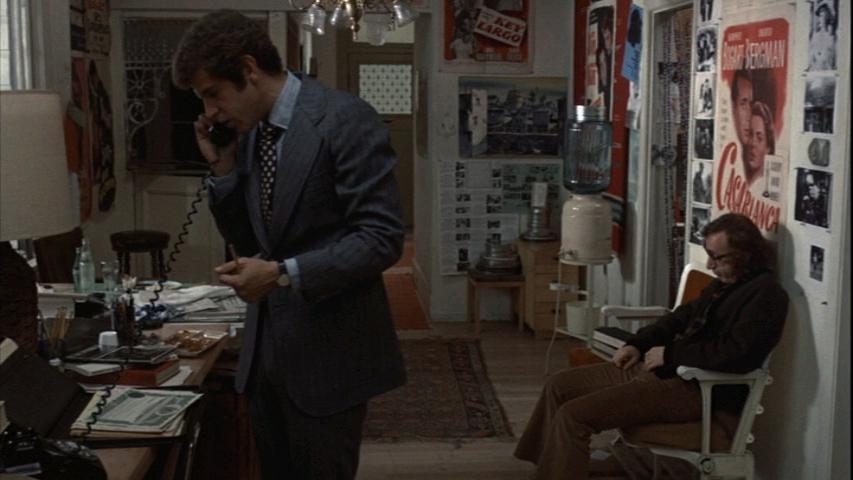
  • Dick (Roberts) obsessively phoning in the telephone numbers where he can be reached
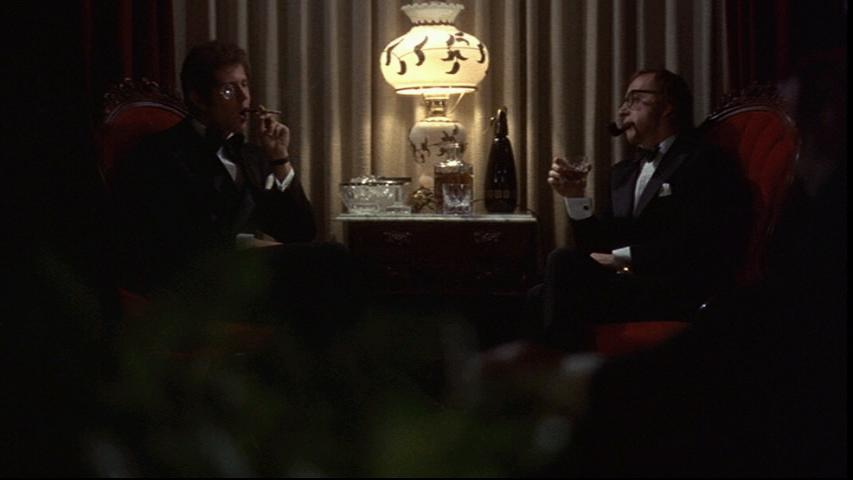
  • Allan imagining Dick’s potential reaction to the news of his wife’s affair
  • Many hilarious one-liners:

    “Sorry I had to slap you around, but you got hysterical when I said, ‘No more.'”

Must See?
Yes, as early evidence of Allen’s comedic genius.

Categories

  • Historically Relevant

Links:

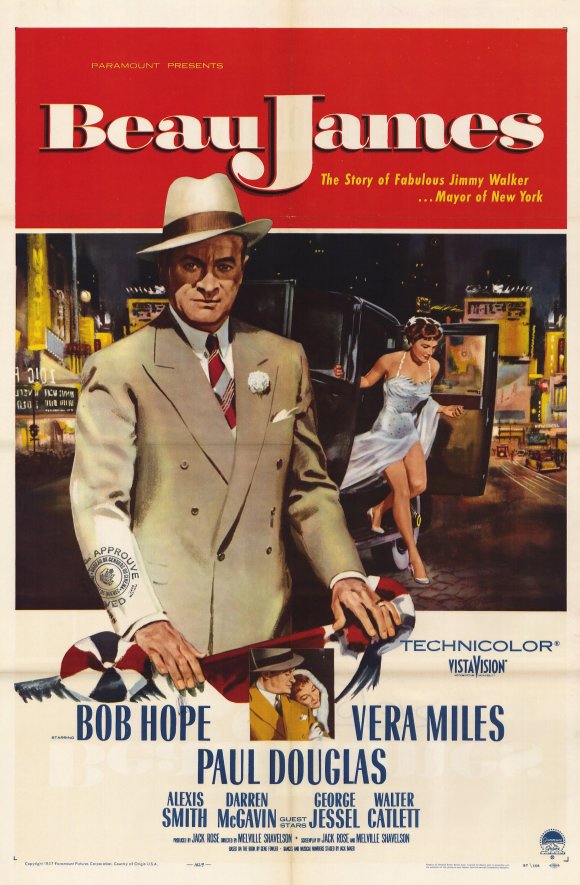
Beau James: The Life and Times of Jimmy Walker (1957)

Beau James: The Life and Times of Jimmy Walker (1957)

“There’s his one true love — the cockeyed city of New York!”

Synopsis:
New York’s flamboyant, song-writing mayor, Jimmy Walker (Bob Hope), has an open affair with a showgirl (Vera Miles) while dealing with charges of political corruption.

Genres, Themes, Actors, and Directors:

  • Alexis Smith Films
  • Biopics
  • Bob Hope Films
  • New York City
  • Paul Douglas Films
  • Political Corruption

Response to Peary’s Review:
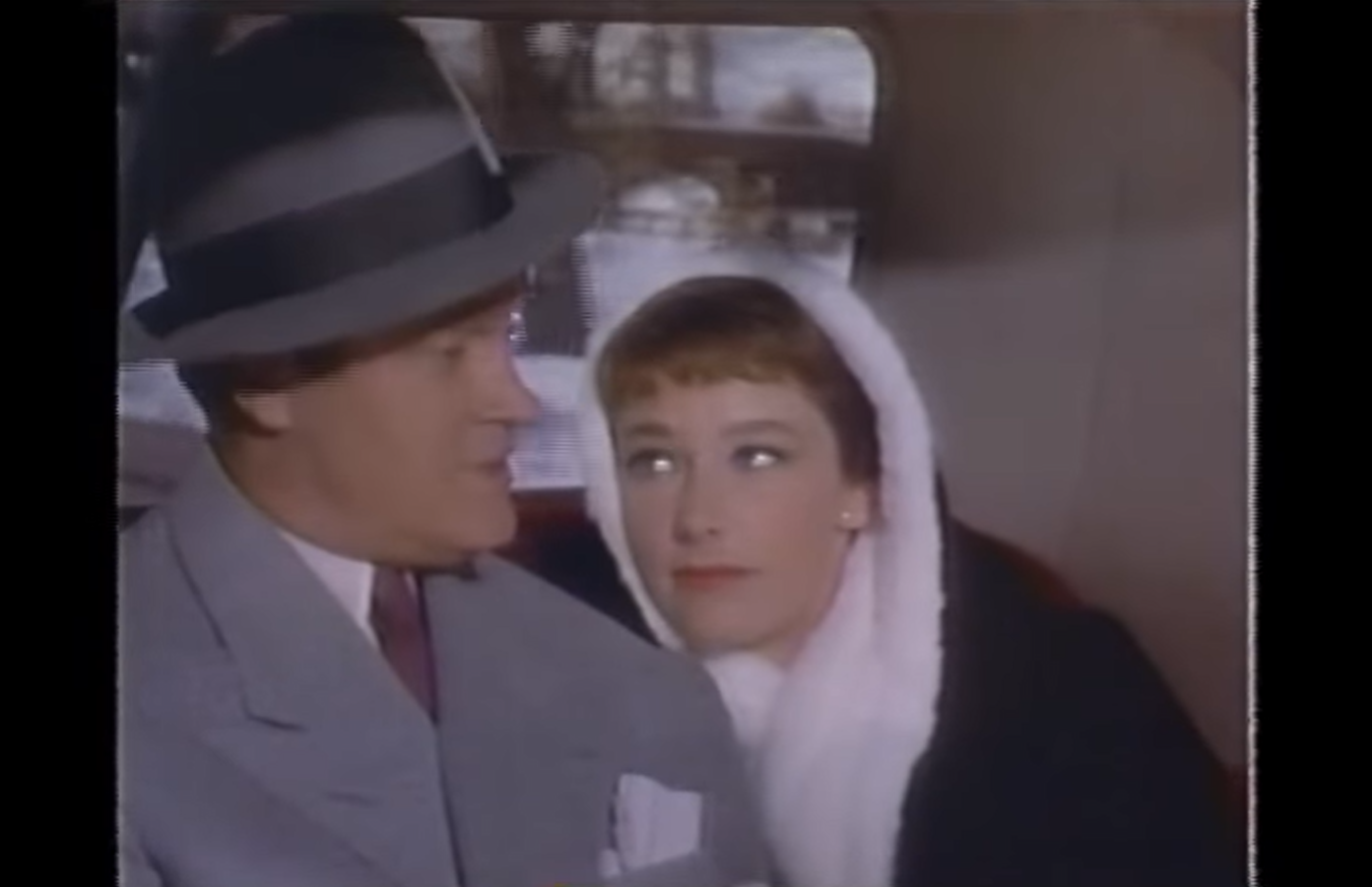
As Peary notes, this biopic of New York’s “dapper mayor” (who served in office from 1925 to 1936, until his resignation) is “brave in not overlooking Walker’s loveless marriage and infidelity or the corruption in his administration” — yet it ultimately doesn’t do justice to either issue. In one of his few non-comedic roles, Bob Hope looks “ill at ease” playing it straight, and is, as Peary notes, too “laid back”. Alexis Smith does a fine job playing Walker’s wife-in-name-only (as in Night and Day, she’s once again cast as the ice-blonde “trophy wife” of a famous man), but her character isn’t on-screen enough for us to learn anything significant about her. Similarly, Vera Miles is stunning and winsome as Walker’s mistress, but adds up to little more than a cliche. While movie audiences in 1957 may have been curious to learn more (however fictionalized) about the infamous “Beau James”, most viewers today won’t have the faintest clue what all the fuss was about.

Redeeming Qualities and Moments:

  • Alexis Smith as Walker’s long-suffering wife

Must See?
No. This one is only must-see for Bob Hope fans.

Links: