Browsed by
Category: Response Reviews

My comments on Peary’s reviews in Guide for the Film Fanatic (Simon & Schuster, 1986).

Blue Angel, The (1930)

Blue Angel, The (1930)

“There’s a lot I can understand — but to risk one’s entire future for that kind of woman?”

Synopsis:
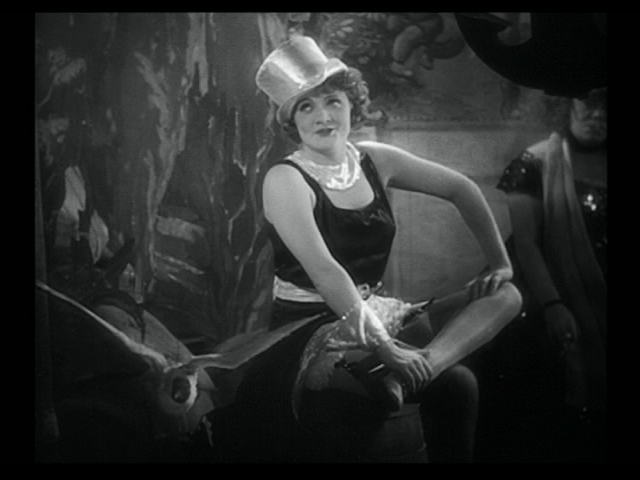
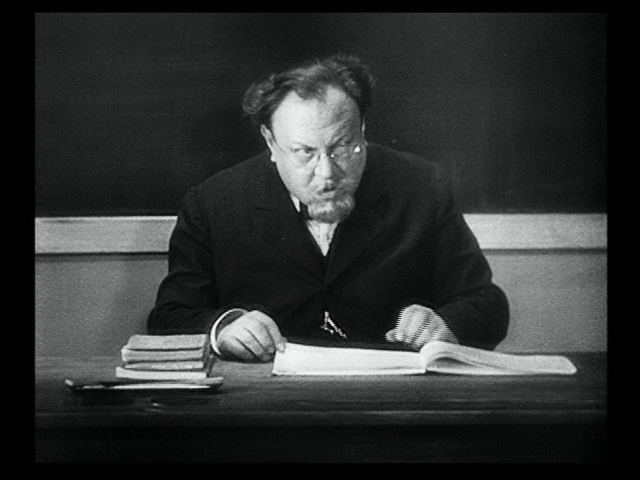
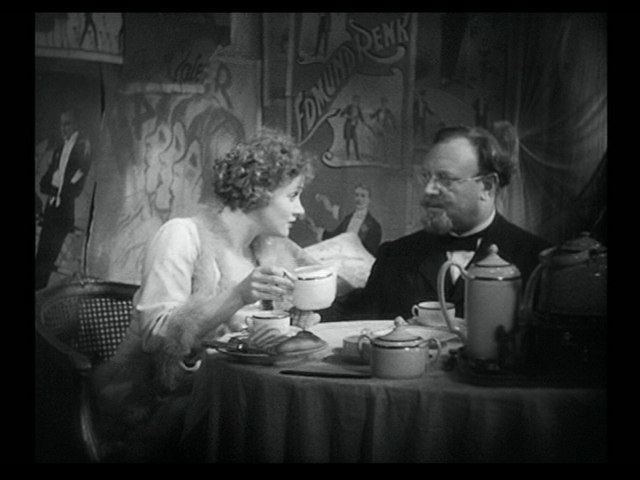
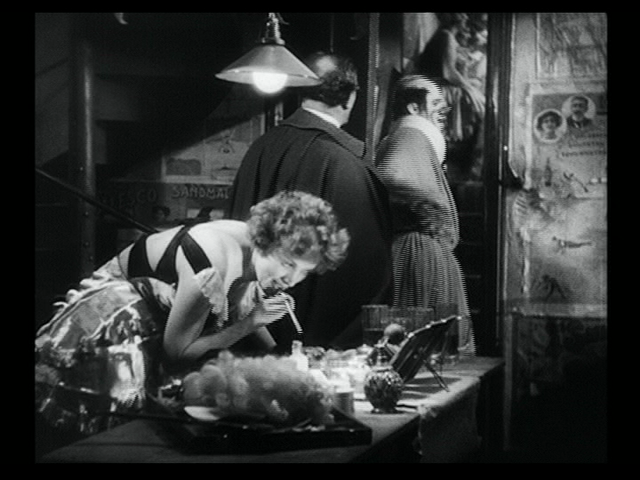
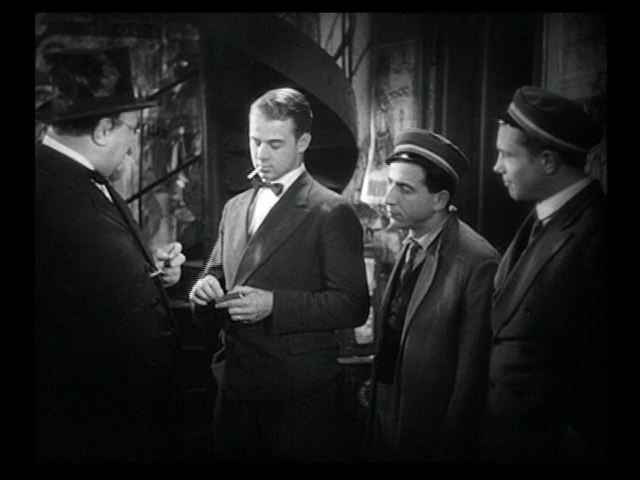
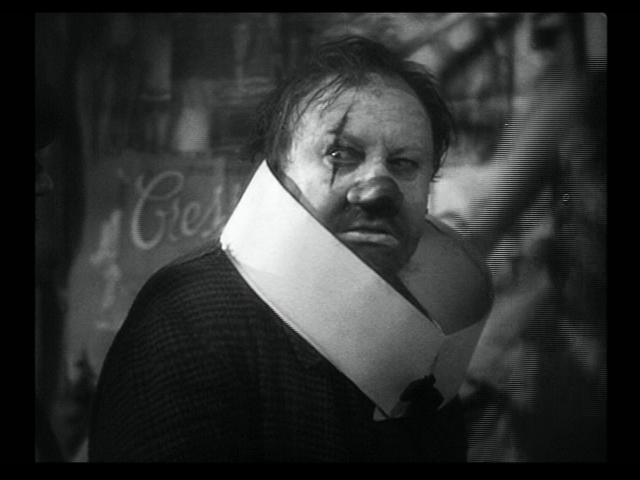
When high school instructor Professor Rath (Emil Jannings) learns that his students are infatuated with a sexy nightclub singer (Marlene Dietrich), he visits The Blue Angel intending to chastise them — to his surprise, however, he finds himself falling in love with the alluring Lola Lola (Dietrich) himself.

Genres, Themes, Actors, and Directors:

  • Downward Spiral
  • Femmes Fatales
  • German Films
  • Josef Von Sternberg Films
  • Marlene Dietrich Films
  • Nightclubs
  • Singers
  • Teachers

Response to Peary’s Review:
Peary’s review of this early German masterpiece — the film that launched Marlene Dietrich’s career — focuses primarily on his analysis of Lola Lola as an unfairly judged “devious man-killer”. He argues that Lola Lola “doesn’t plan to humiliate the professor”, noting that “she sticks with him long past his degradation,” and pointing out that, much like the sexually liberated Lulu (Louise Brooks) in Pabst’s Pandora’s Box (1929), Lola Lola is vilified for “her willingness to satisfy her own physical needs no matter who gets hurt”, and for being “so casual about sex that she never stops a man from entering a path towards self-destruction.” Indeed, all things considered, Lola Lola (thanks in large part to Dietrich’s impressive performance) is actually a surprisingly sympathetic femme fatale, given that she never intends to trap Professor Rath into marriage; he’s the one who insists on going through with the doomed arrangement.

The Blue Angel is a classic example of moviemaking near the beginning of the sound era which nonetheless maintains allegiance to the values of silent cinema. While sound is used to good effect — particularly during Lola Lola’s nightclub performances — director Josef von Sternberg maintains a firm grip on the film’s visuals, ensuring that the set designs, make-up, costumes, and camera movements are all visually engaging. Though the story itself is slow and a bit static (most of the scenes take place either in the nightclub or Professor Rath’s classroom), we’re never bored, thanks to the bitterly compelling nature of Rath’s downward spiral, which represents not just the archetypal portrayal of “man seduced by woman” but the tenuous grasp we possess on our moral superiority: Professor Rath starts out as the most pompous of moralistic prigs, yet within the space of just two visits to the Blue Angel is inextricably entwined in the “underworld” he once derided so soundly. How short, indeed, is the fall from grace.

Note: The Blue Angel was filmed simultaneously in both German and English, but the former version is generally preferred.

Redeeming Qualities and Moments:

  • Marlene Dietrich as Lola Lola
  • Emil Jannings as Professor Rath
  • Rath and Lola’s sweet, unusual romance
  • Effectively claustrophobic set designs
  • The poignant, perfectly realized moment when Rath’s students realize that he no longer has any moral sway over them
  • A devastating portrait of dignity lost

Must See?
Yes, for its importance as Marlene Dietrich’s breakthrough role, and for its undisputed status as a foreign classic.

Categories

  • Historically Relevant
  • Foreign Gem

(Listed in 1001 Movies You Must See Before You Die)

Links:

Manhattan (1979)

Manhattan (1979)

“Chapter one: He was as tough and romantic as the city he loved.”

Synopsis:
A divorced writer (Woody Allen) dating a mature high schooler (Mariel Hemingway) finds himself smitten by the pseudo-pretentious lover (Diane Keaton) of his married best friend (Michael Murphy).

Genres, Themes, Actors, and Directors:

  • Diane Keaton Films
  • Infidelity
  • May-December Romance
  • Meryl Streep Films
  • Michael Murphy Films
  • New York City
  • Romantic Comedy
  • Woody Allen Films

Response to Peary’s Review:
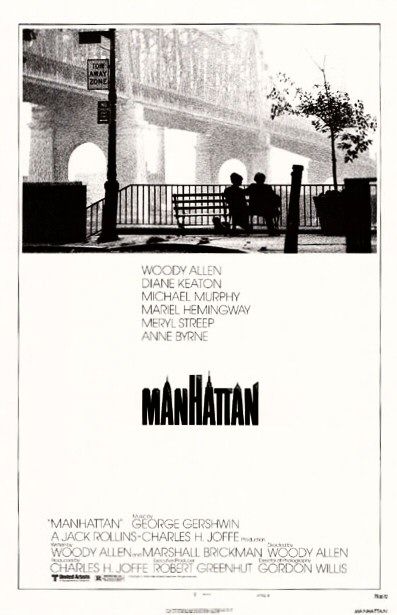
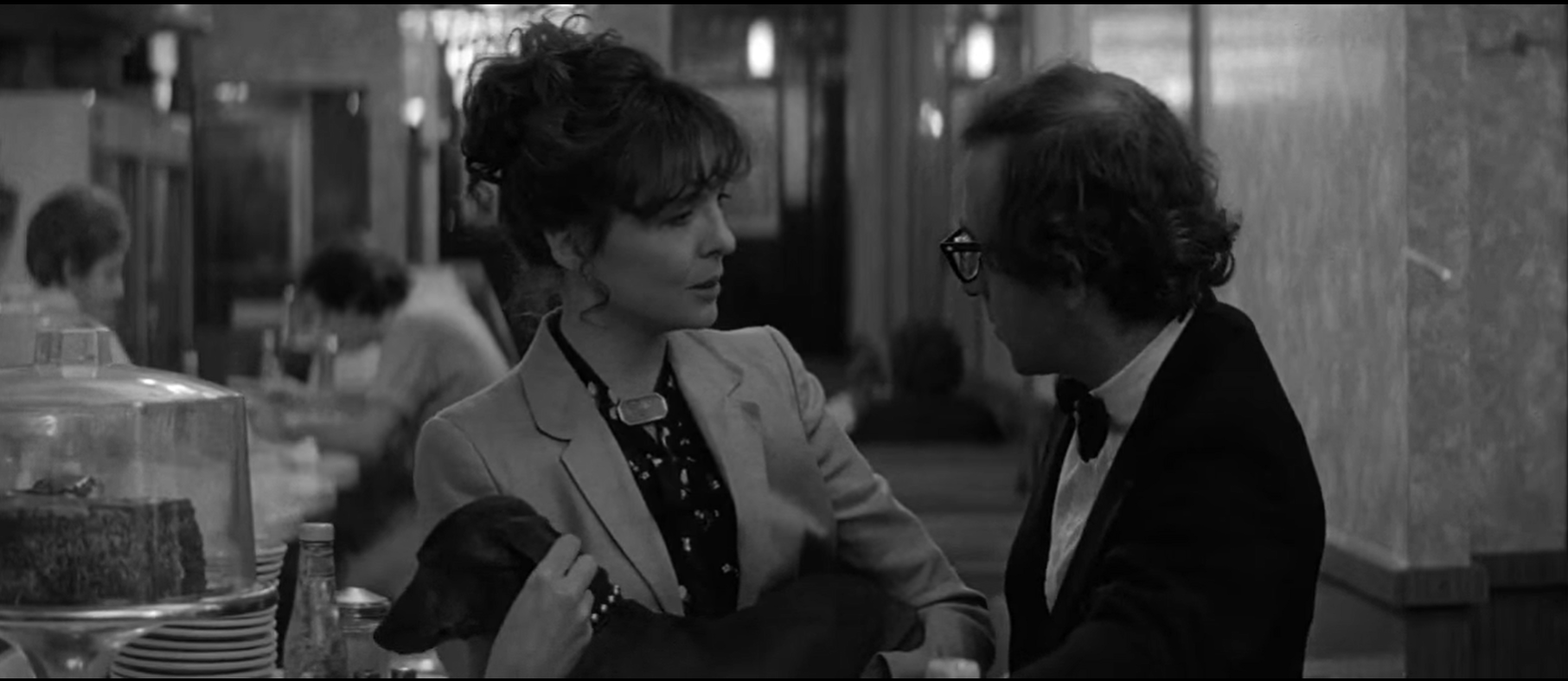
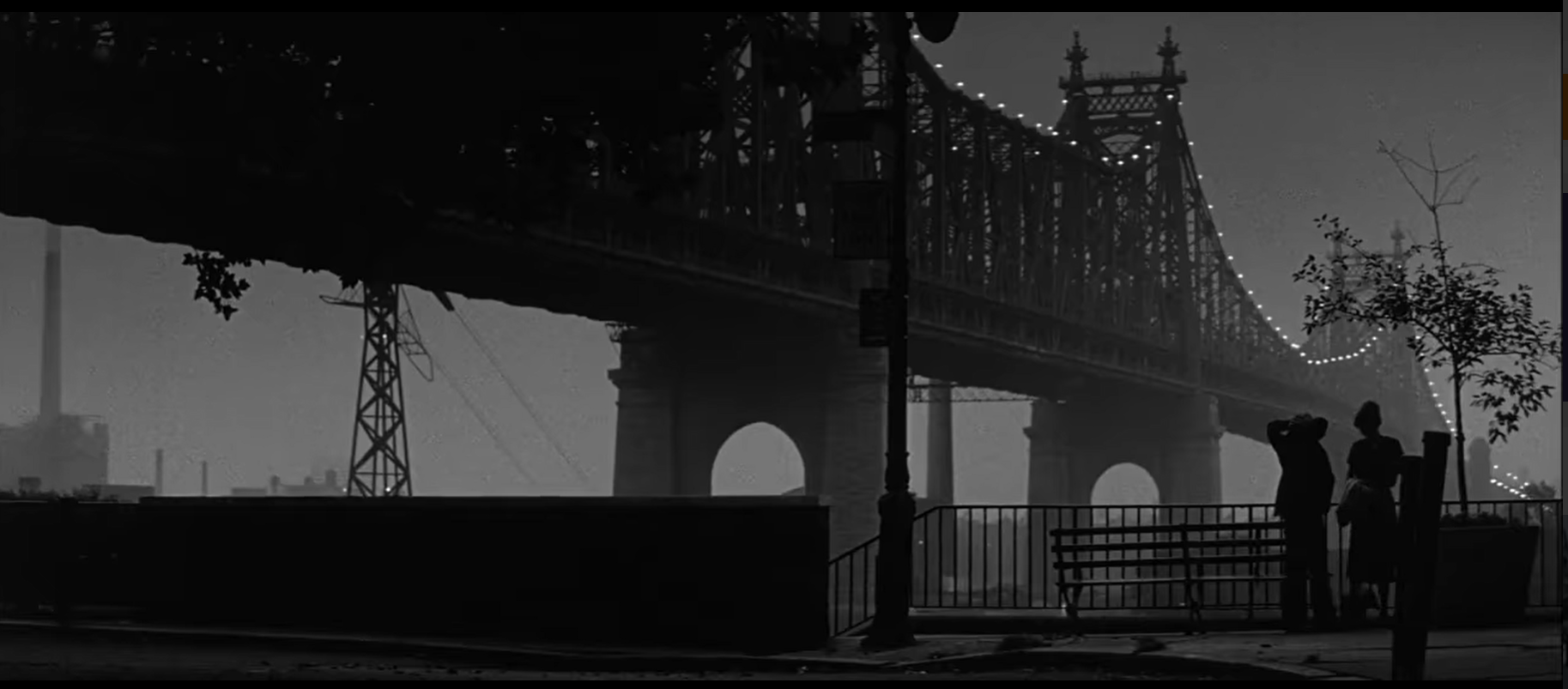
Peary admits that Manhattan — which he labels “perceptive, witty, [and] masterful” — is his “favorite Woody Allen film”; while I can’t quite agree, there’s no mistaking its status as one of Allen’s finest explorations of New Yorkers’ “insecurities, phobias, [and] quirkiness”. Reviewers at the time (including Peary) were clearly impressed by evidence of Allen’s “growing maturity… as a filmmaker”, with Peary himself noting that Allen finally allows his alter-ego character to be “mean to someone”, “unfair”, and “not the victim”. Ironically, however, this brutal honesty is exactly what makes Manhattan somewhat unpleasant to watch, given that we can clearly see the mistake Isaac (Allen) is making in breaking up with his “sweet, mature” girlfriend (Mariel Hemingway) who “loves him dearly” — if, that is, we’ve gotten over our initial discomfort at their enormous age discrepancy (and stopped wondering why Hemingway’s parents never appear on the scene to have a say in the matter). Diane Keaton is perfectly cast as the elusive object of Allen’s affections, but unlike in Annie Hall (1977), her character here is ultimately too annoying to enjoy.

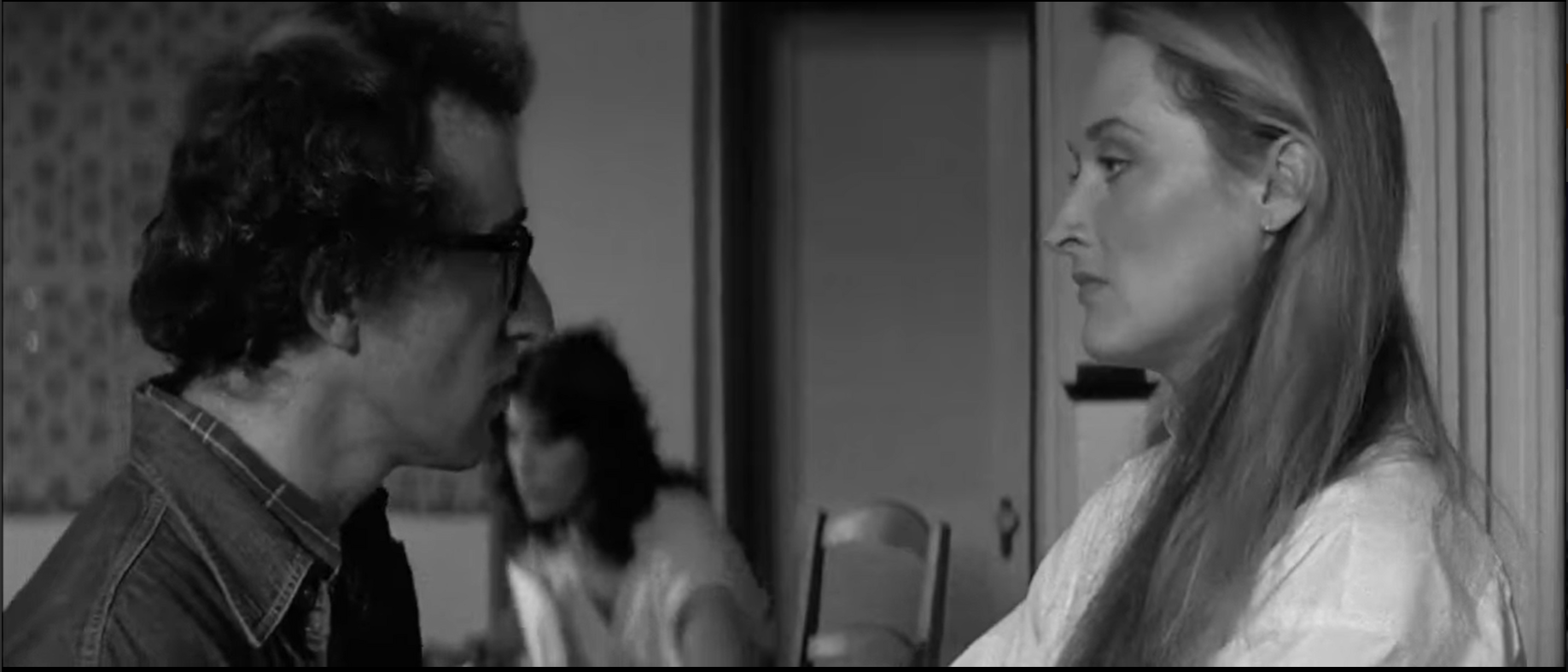
My favorite scenes — other than those which simply showcase Gordon Willis’ gorgeous shots of Manhattan — are those in which Allen interacts with his ex-wife, Meryl Streep, whose hyper-kinetic movement (she never stays still) reveals her intense discomfort at being around Allen even for a few minutes.

Redeeming Qualities and Moments:

  • A truly heartfelt homage to New York City
  • Mariel Hemingway as Tracy
  • Meryl Streep as Allen’s bitter ex-wife
  • Gordon Willis’s stunning cinematography
  • The lyrical Gershwin score

Must See?
Yes, as one of Allen’s early masterpieces.

Categories

  • Important Director

(Listed in 1001 Movies You Must See Before You Die)

Links:

Psycho (1960)

Psycho (1960)

“She just goes a little mad sometimes — we all go a little mad sometimes.”

Synopsis:
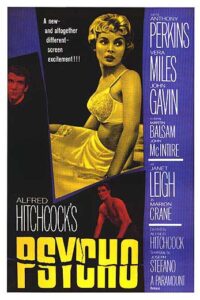
A secretary (Janet Leigh) on the lam with $40,000 of her boss’s money stops at a motel on her way to see her fiance (John Gavin), and becomes acquainted with the motel’s shy, twitchy owner, Norman Bates (Anthony Perkins). When she’s brutally murdered in the shower by Norman’s elderly mother, Leigh’s fiance, sister (Vera Miles), and a private detective (Martin Balsam) all show up at the Bates Motel to investigate her mysterious disappearance.

Genres, Themes, Actors, and Directors:

  • Amateur Sleuths
  • Anthony Perkins Films
  • Evil Mothers
  • Fugitives
  • Grown Children
  • Horror
  • Janet Leigh Films
  • John McIntire Films
  • Martin Balsam Films
  • Mysterious Disappearance
  • Search

Response to Peary’s Review:
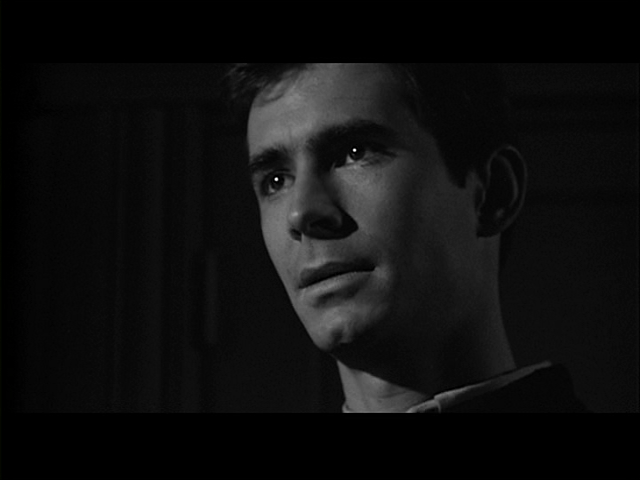
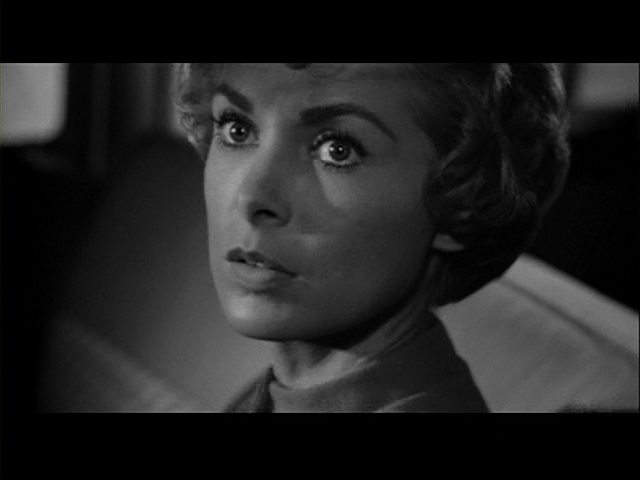
Peary labels this classic Hitchcockian thriller a “manipulative sex and horror masterpiece”, calling it “far and away the most frightening film ever made” — but he notes with a sad caveat that today’s audiences “usually aren’t scared at all.” Indeed, certain elements of Psycho have been so often mimicked and/or over-analyzed that it’s difficult to truly appreciate the impact the film must have had upon 1960 viewers, who were unfamiliar with either the film’s blatant McGuffins (Leigh doesn’t remain the protagonist for long) or the shocking identity twist at the end. Regardless, today’s film fanatics can still watch and appreciate the masterful techniques used by Hitchcock, who consistently foils our expectations and keep us on the edge of our seats — and not just during the infamous “shower scene”.

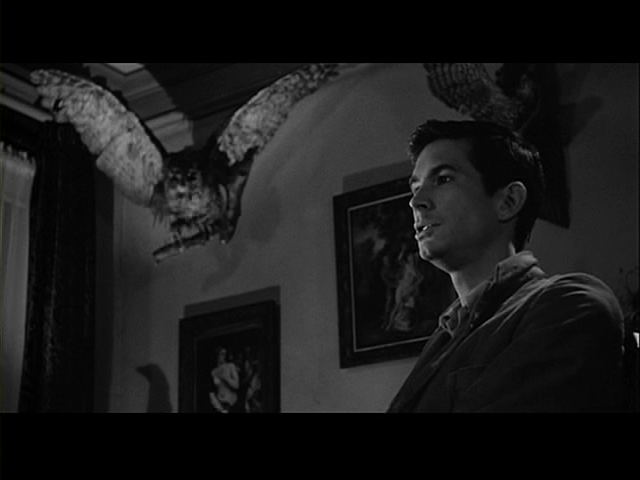
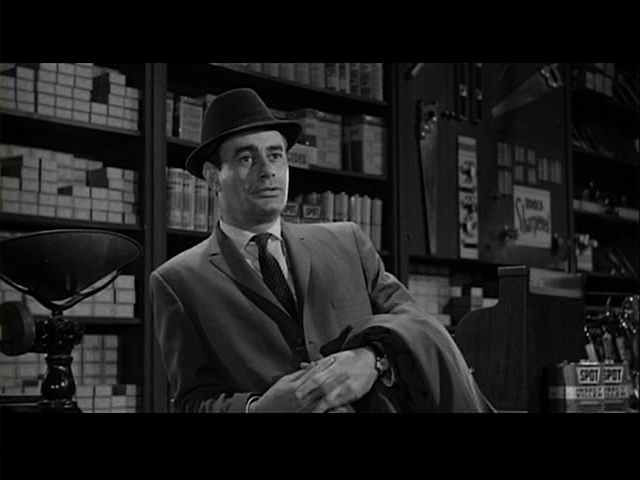
Anthony Perkins — who, for better or for worse, remained inextricably linked to his “Norman Bates” identity throughout the remainder of his life — gives the most impressive, carefully nuanced performance in the film. He was intentionally cast against type (in the original novel, Norman is middle-aged, pudgy, and balding) to heighten the sexual tension felt between Norman and Marion (Leigh), and to make him more sympathetic to viewers — an essential move, given that Marion’s unexpected death leaves us suddenly having to “relate” to Norman instead. Leigh and Vera Miles are well-cast as the similar-looking Crane sisters (one tragically doomed, the other tenaciously persistent), while Martin Balsam makes an effective private eye. Perhaps the most audacious “character” in the film, however, is Bernard Herrmann’s screeching, all-strings score — it’s nearly impossible to separate this infamous music from the film as a whole.

Note: The blatant sexual undertones Hitchcock and screenwriter Joseph Stefano incorporate throughout the film are truly ahead of their time: from the very first scene — in which busty, unmarried Janet Leigh lies post-coitally on a motel bed in a form-fitting bra and slip — to the nude “shower scene”, to Norman’s obvious sexual perversions, we’re both titillated and disturbed.

Redeeming Qualities and Moments:

  • Anthony Perkins as Norman Bates
  • Janet Leigh as Marion Crane
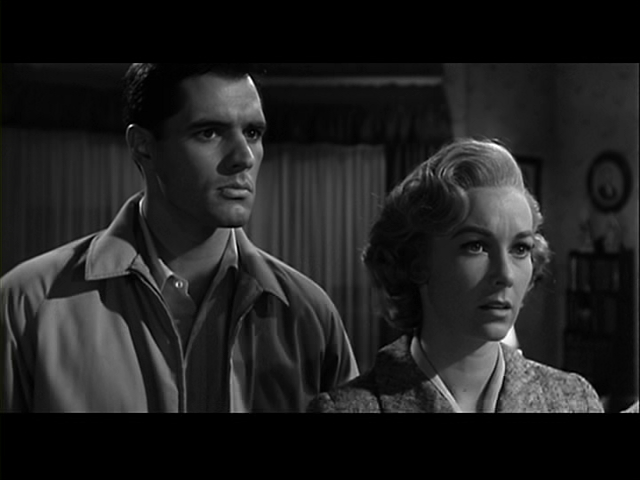
  • Vera Miles as Marion’s concerned sister, Lylah
  • Martin Balsam as a no-nonsense private eye
  • The infamous, oft-studied “shower scene”
  • Many truly frightening thrills and chills
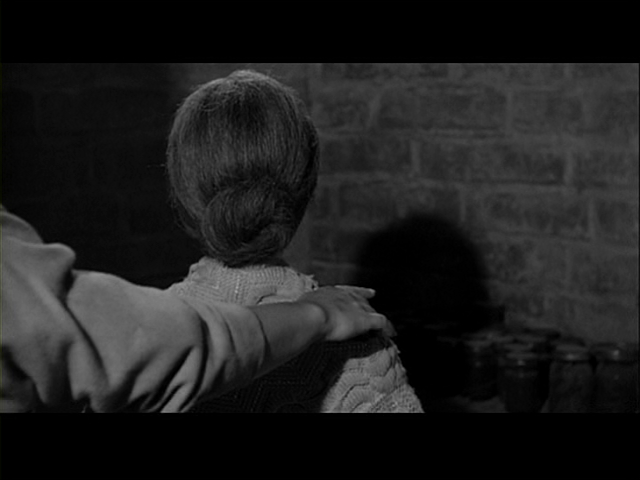
  • John Russell’s b&w cinematography
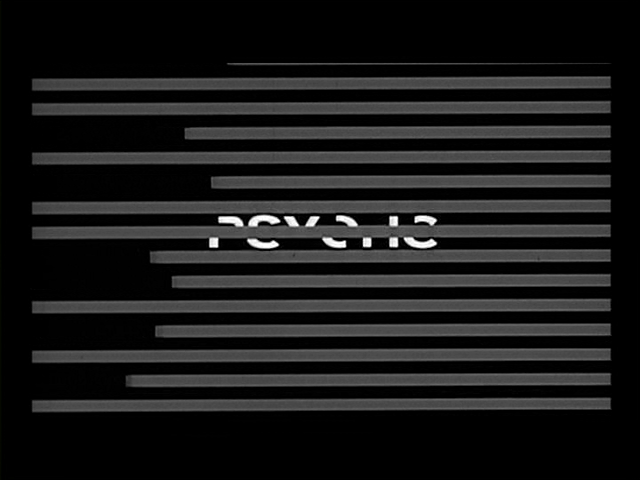
  • Saul Bass’s opening titles
  • Joseph Stefano’s clever, literate adaptation of Robert Bloch’s novel
  • Bernard Herrmann’s instantly recognizable, all-strings score

Must See?
Definitely — this one should be at the top of any film fanatic’s must-see list. Discussed at length in Peary’s Cult Movies 3 (1988).

Categories

  • Cult Movie
  • Genuine Classic
  • Important Director
  • Oscar Winner or Nominee

(Listed in 1001 Movies You Must See Before You Die)

Links:

Wolf Man, The (1941)

Wolf Man, The (1941)

“Even a man who is pure in heart and says his prayers by night may become a wolf when the wolfbane blooms and the autumn moon is bright.”

Synopsis:
Upon returning to his ancestral home in Wales, the estranged son (Lon Chaney, Jr.) of a local nobleman (Claude Rains) visits a gypsy camp with a beautiful young woman (Evelyn Ankers) and her friend Jenny (Fay Helm). When Jenny is attacked by a wolf, Chaney comes to her rescue and is bitten; soon he starts to suspect that he may have been bitten by a werewolf, and fears that he will begin harming others.

Genres, Themes, Actors, and Directors:

  • Bela Lugosi Films
  • Claude Rains Films
  • Horror
  • Lon Chaney, Jr. Films
  • Ralph Bellamy Films
  • Warren William Films
  • Werewolves

Response to Peary’s Review:
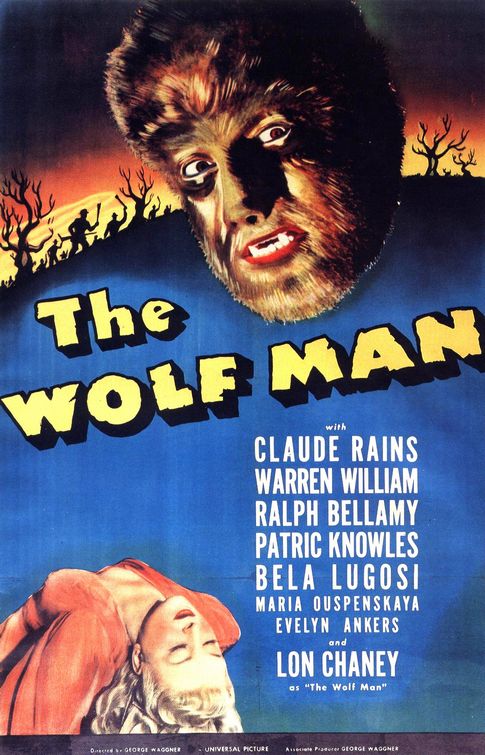
Peary heaps enormous praise upon this beloved Universal horror flick, referring to it as both “intelligent” and “literate”, and noting that it provides an effective variation on not only the “within-every-man-there-is-a-beast” theme, but also that of the “familiar forties doomed hero — an innocent man who suddenly finds himself trapped and tortured by Fate.” Indeed, while Chaney is no great actor, he’s perfectly cast here as a prodigal son misfit who stands out — both literally and figuratively — as different and strange in his own hometown: hulking Chaney and diminutive Rains make for an extremely unlikely father/son pairing, and Chaney’s broad American accent is in stark contrast to that of the townsfolk. It’s no wonder he quickly finds himself subsumed into the tragic fate of traveling gypsies (also “strangers” in the town).

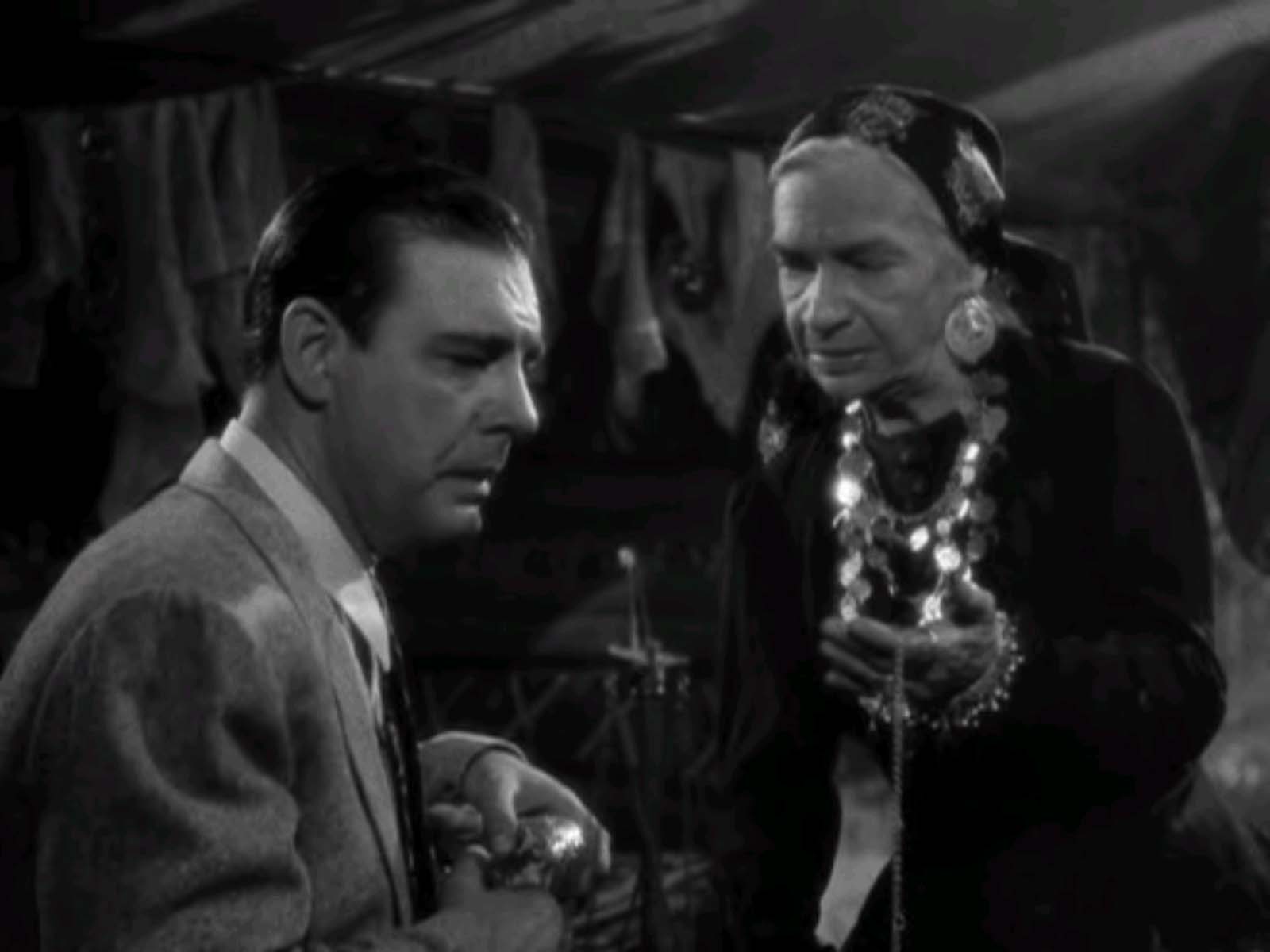
Although Peary finds Jack Pierce’s makeup “convincing” and the transformation scenes “effective”, most today would disagree; particularly egregious (and puzzling even to Peary) is why Chaney “retains his human form and walks on two furry feet, while [Bela] Lugosi” (the original werewolf; his role is miniscule) “was a full-fledged wolf.” With that said, The Wolf Man relies on atmospheric sets and internal tension rather than make-up and fancy special effects to provide its chills — and in this sense, it succeeds. Of special note is Maria Ouspenskaya in perhaps her most iconic role, as the gypsy woman who informs Chaney what has happened to him; her gentle, maternal chants (“The way you walked was thorny, through no fault of your own”) elevate the film to a higher level altogether.

Redeeming Qualities and Moments:

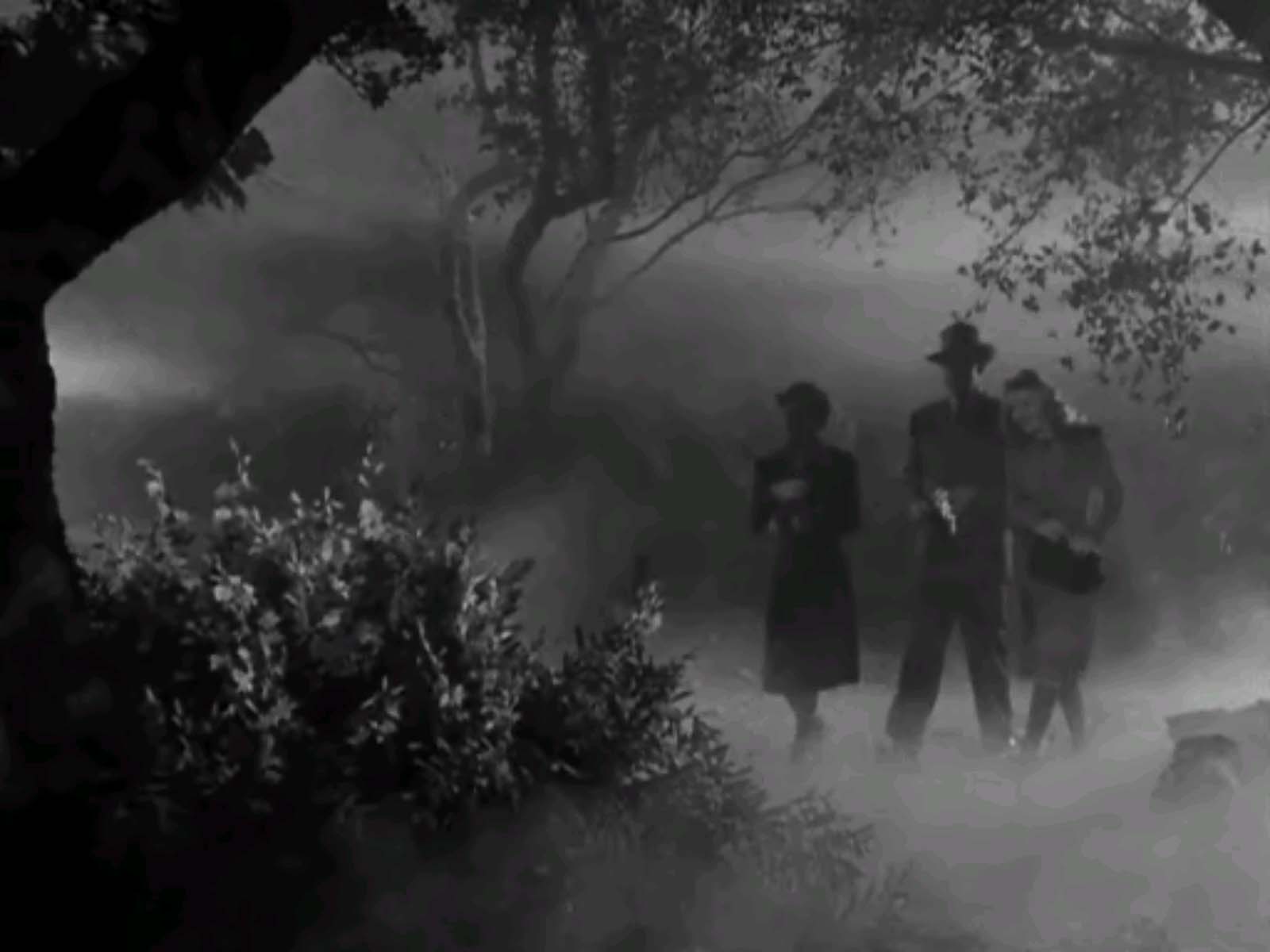
  • Effectively atmospheric, fog-drenched sets
  • Maria Ouspenskaya as a wise gypsy woman who takes Chaney under her wing

Must See?
Yes, for its importance in horror film history.

Categories

  • Historically Relevant

(Listed in 1001 Movies You Must See Before You Die)

Links:

Crossover Dreams (1985)

Crossover Dreams (1985)

“I wanna get outta here… I’m gonna get outta here!”

Synopsis:
An aspiring salsa musician (Ruben Blades) in New York’s Spanish Harlem “crosses over” into mainstream music, only to find that he’s unwisely left behind everyone most important to him — including his loving girlfriend (Elizabeth Pena) and longtime musical partner (Shawn Elliott).

Genres, Themes, Actors, and Directors:

  • Latinos
  • Musicians
  • New York City
  • Rise-and-Fall

Response to Peary’s Review:
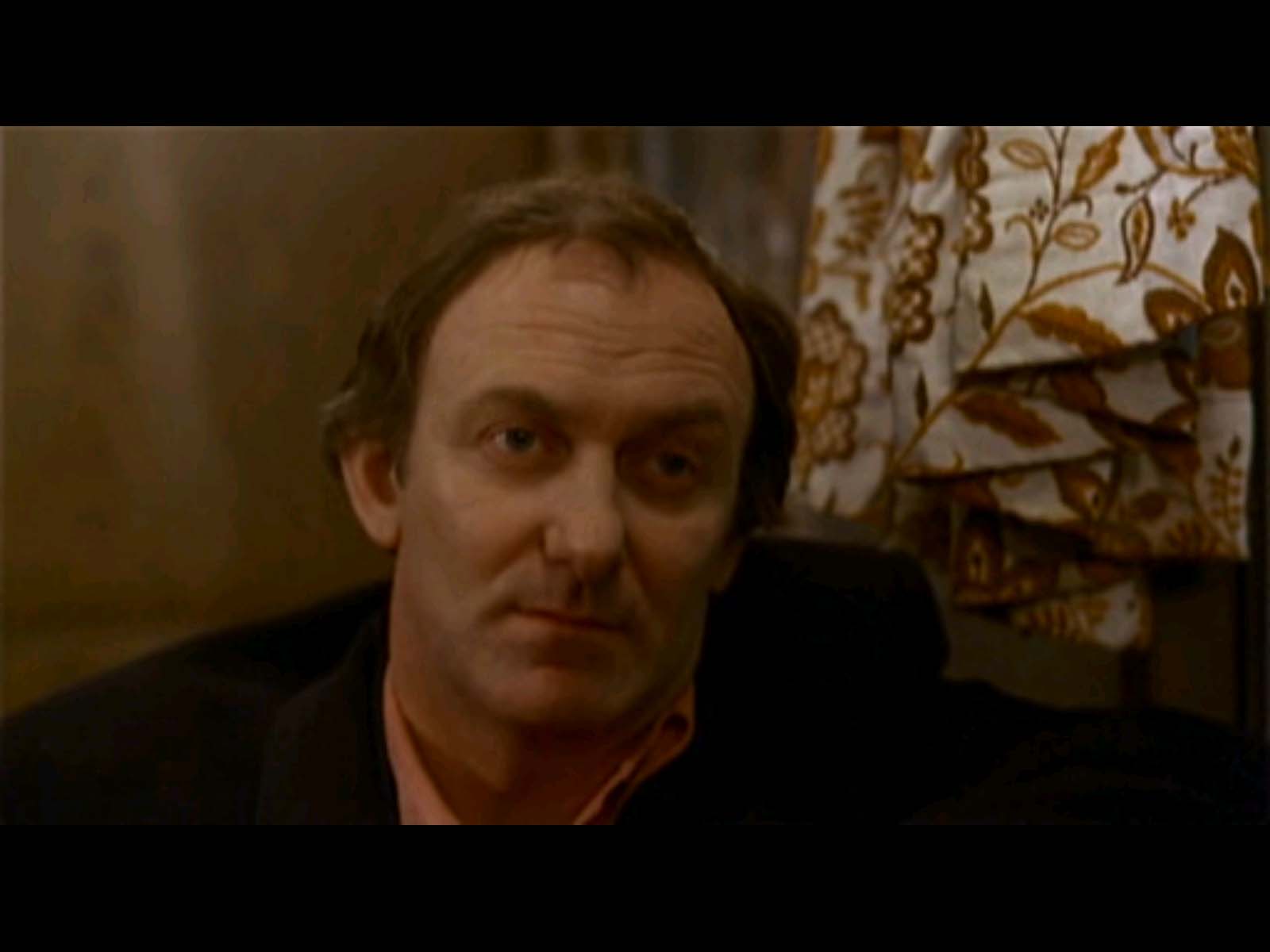
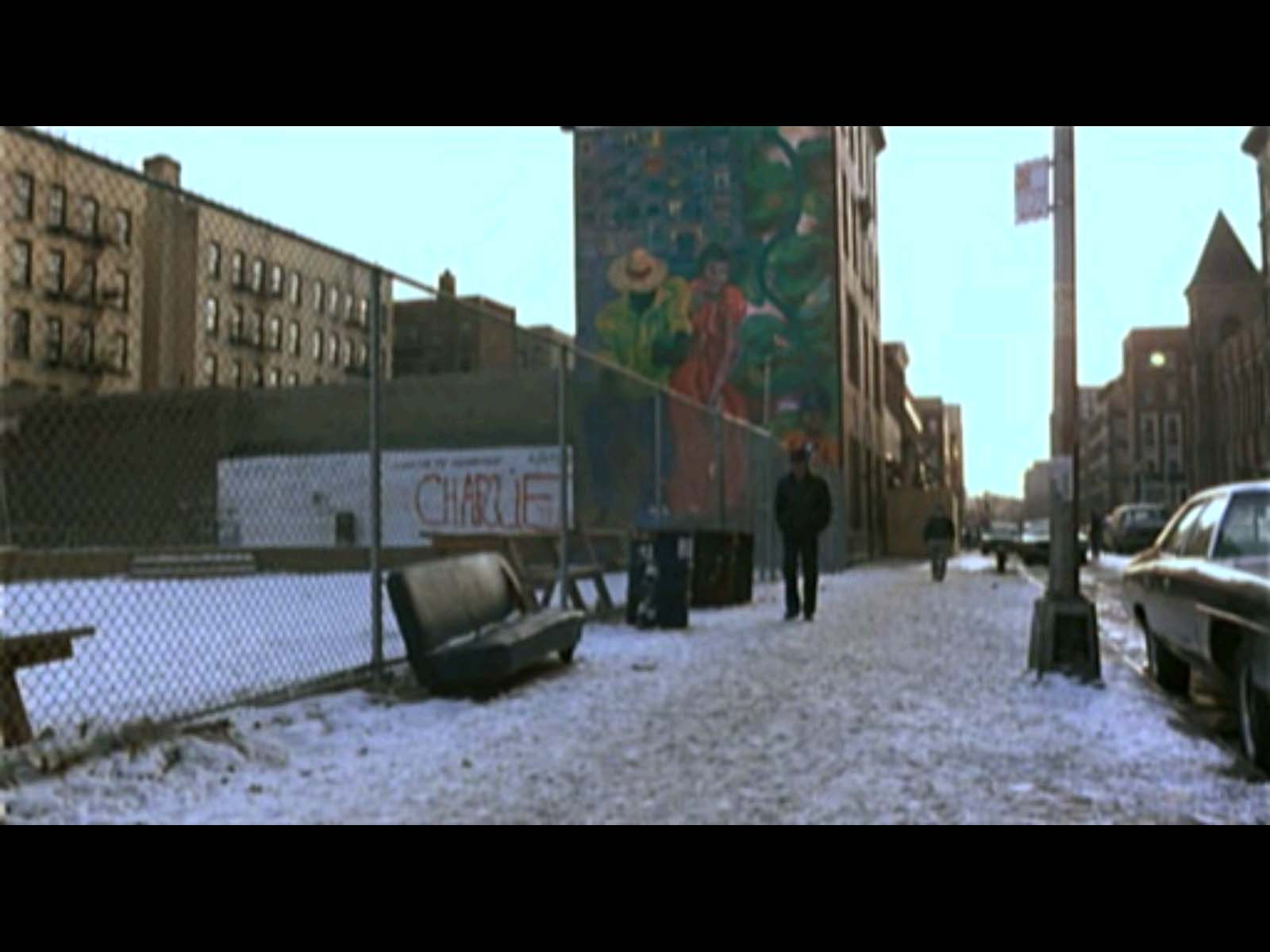
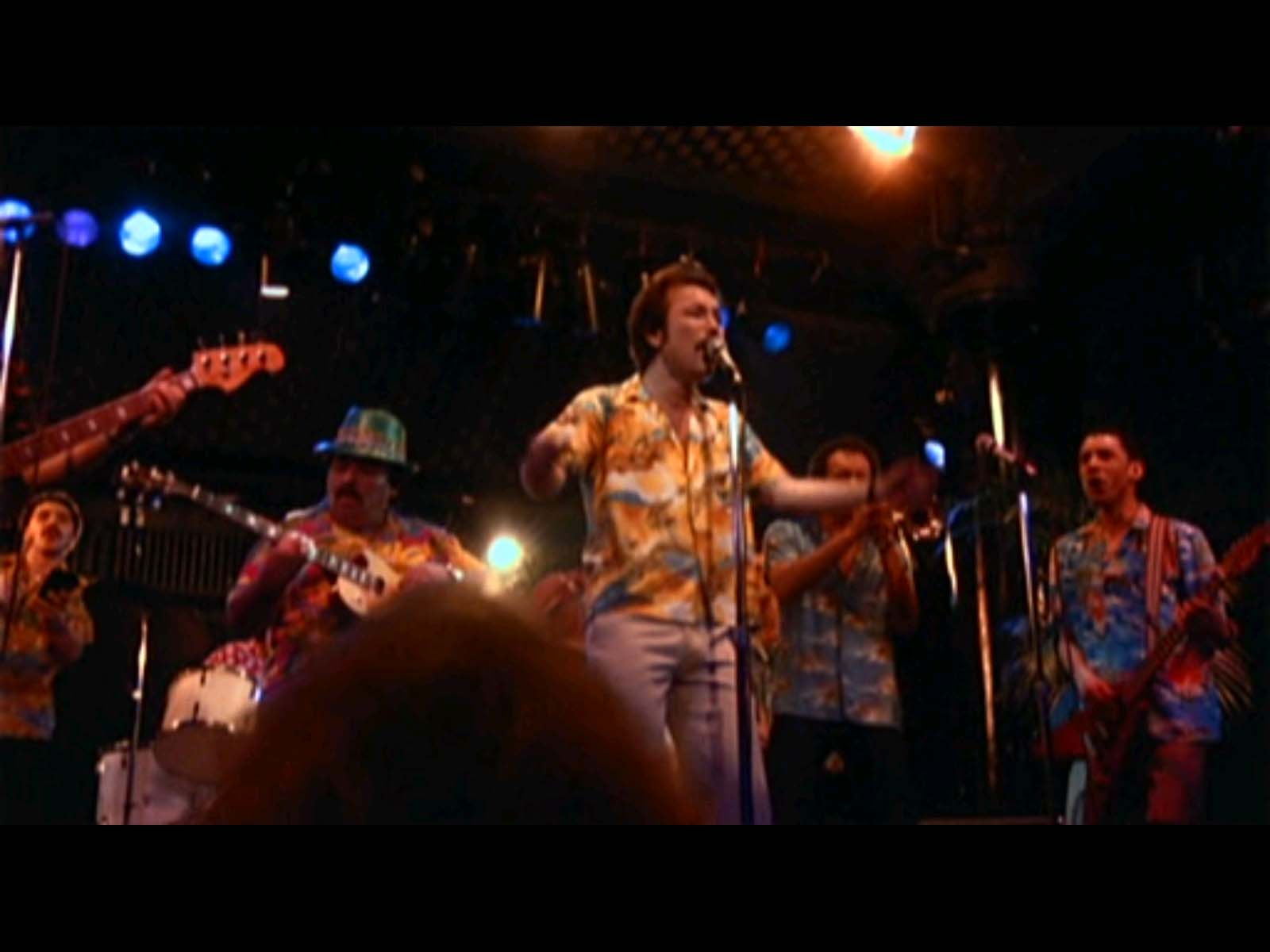
Peary’s review of director Leon Ichaso’s second indie film (his debut was 1979’s El Super) is spot-on: he notes that it “starts out nicely”, offering “original, quirky characters” and plenty of “wit and spirit”, but soon “turns into an unconvincing morality play full of situations and characters we’ve seen in countless other pictures”. Although real-life Panamanian singer Blades is an impressive, believable actor with estimable musical skills, we quickly lose our sympathy for him — and by the second half of the film, he’s no longer even performing on-screen. With that said, there are enough positive elements in Crossover Dreams to make it worth a look at least once, including good use of Spanish Harlem locales, a pulsating salsa soundtrack, and fine supporting performances; it’s too bad the cliched screenplay fails to offer these characters the type of nuanced story they deserve.

Redeeming Qualities and Moments:

  • Ruben Blades as Rudy Veloz
  • Tom Signorelli in a bit part as a music agent/drug dealer
  • Effective use of authentic Spanish Harlem locales
  • A fabulous salsa soundtrack

Must See?
No, but it’s recommended for one-time viewing.

Links:

Swing Time (1936)

Swing Time (1936)

“No one could teach you to dance in a million years.”

Synopsis:
A dancer with a penchant for gambling (Fred Astaire) is challenged by his future father-in-law (Landers Stevens) to earn $25,000 before marrying his daughter (Betty Furness), and heads to New York with his trusty sidekick, “Pop” (Victor Moore) to secure the funds. Once he arrives, however, he falls immediately in love with a young dance instructor (Ginger Rogers), and tries his best not to earn the money; meanwhile, Rogers is pursued by a slick orchestra conductor (Georges Metaxa) who is eager to marry her.

Genres, Themes, Actors, and Directors:

  • Dancers
  • Fred Astaire Films
  • George Stevens Films
  • Ginger Rogers Films
  • Love Triangle
  • Musicals
  • Romantic Comedy

Response to Peary’s Review:
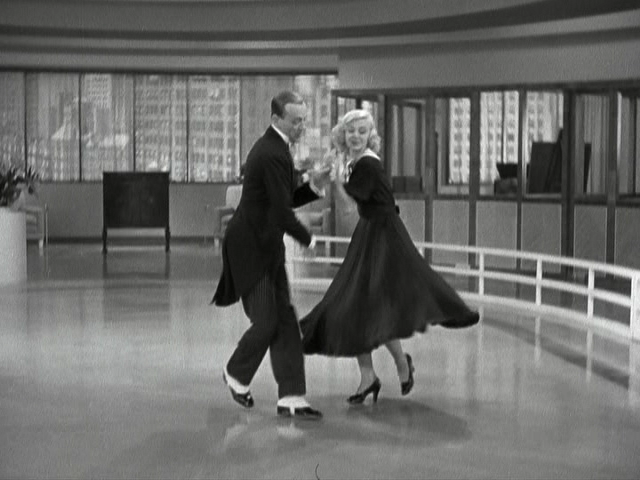
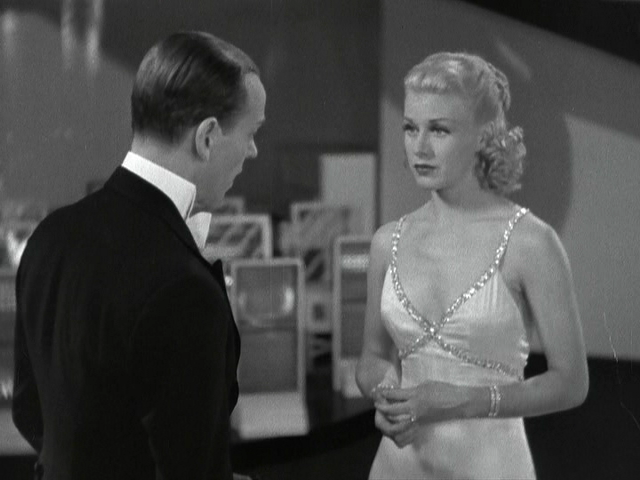
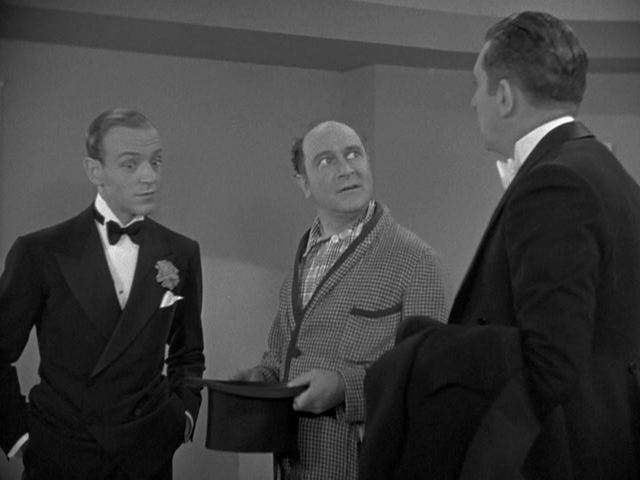
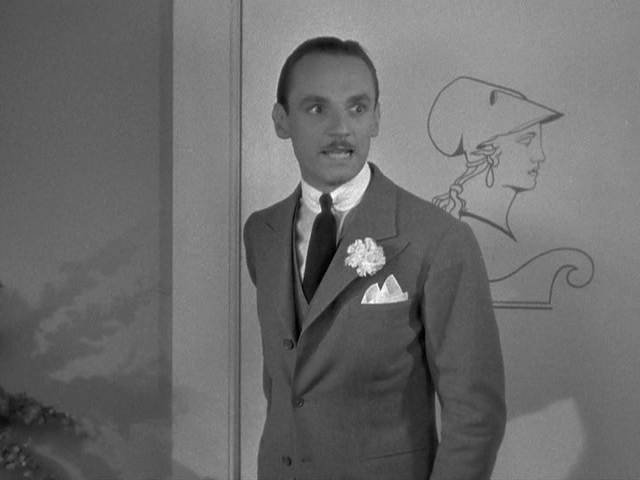
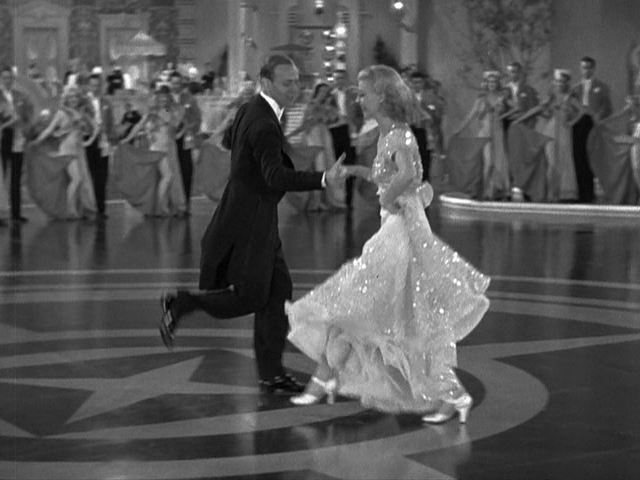
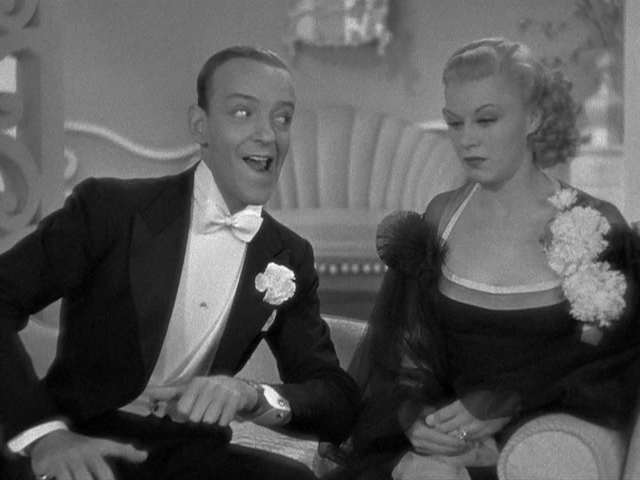
As Peary notes, “there’s little to complain about” with regards to this “enchanting” Astaire/Rogers collaboration — often cited along with Top Hat as one of their most successful ventures. He points out that, for once, “the stars play real — well, almost real — people”, noting that it’s easy to root for them given that they’re playing such “appealing, unpretentious characters”. Unfortunately, the script gets off to a rather painful start, with no dancing for the first half hour, and a truly cruel — albeit ultimately “for the best” — practical joke played upon poor Astaire, who’s made to miss his own wedding. Once he arrives in New York and meets Ginger, however, the sparks begin to fly, with song after song a true delight. The script somewhat predictably revolves upon mistaken identities (Rogers doesn’t know that Astaire is an engaged man), but this time around the storyline remains relatively believable, and eminently affecting.

Rogers — perhaps due to expert guidance from director George Stevens — is in peak form, investing her character with pathos and genuine charm; Astaire is equally fine, and it’s fun to see both Eric Blore and Helen Broderick returning in supporting roles (though Blore’s part should have been bigger). It’s amazing to note that the New York Times reviewer of the day (Frank Nugent — evidently tone deaf) dismissed Jerome Kern’s score as “merely adequate, or worse” — he actually complained about not being able to “whistle a bar” of any of the tunes upon leaving the theater! Personally, I can’t get “A Fine Romance” out of my head for the life of me…

Note: The series’ signature art deco set designs are still evident, though toned down considerably to suit the working-class characters’ lifestyles.

Redeeming Qualities and Moments:

  • Fred and Ginger’s first thrilling dance together, “Pick Yourself Up”
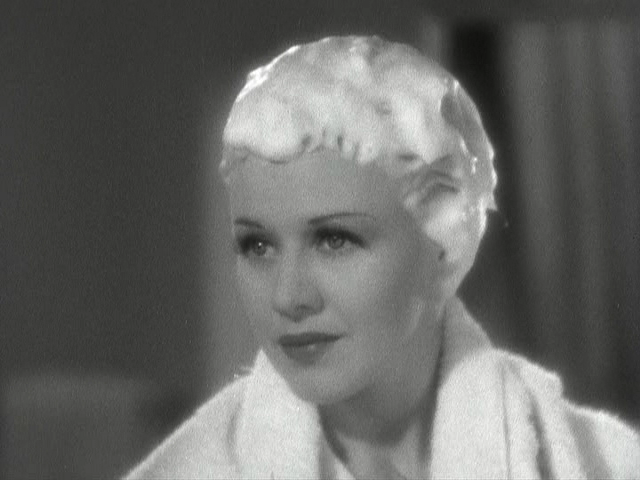
  • Fred singing “The Way You Look Tonight” to Ginger while her hair is full of shampoo (actually whipped cream)
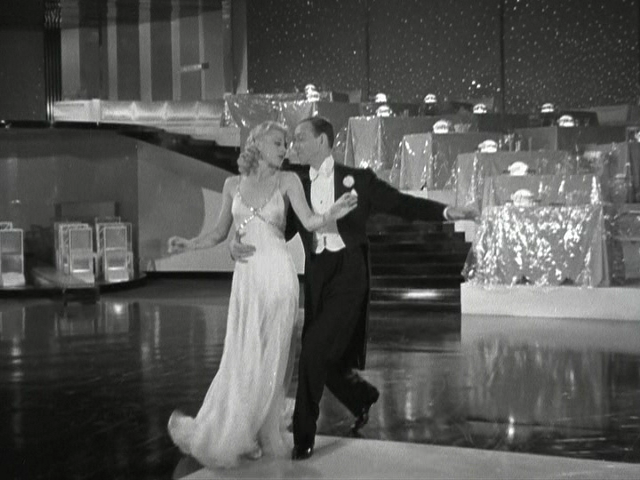
  • Ginger and Fred dancing the classy “Waltz in Swing Time”
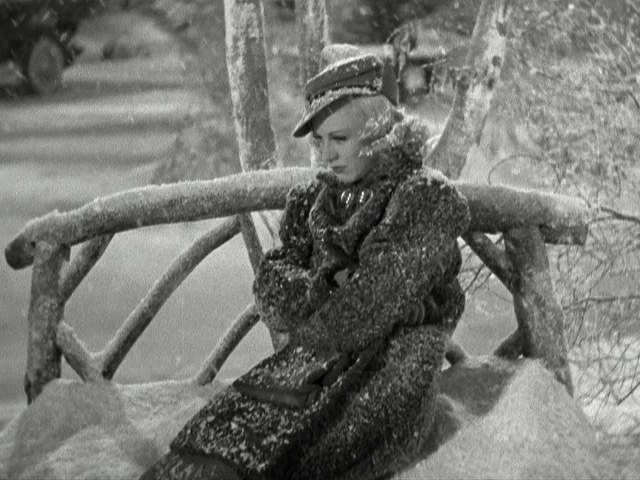
  • Ginger and Fred singing “A Fine Romance” back and forth to each other across the snow
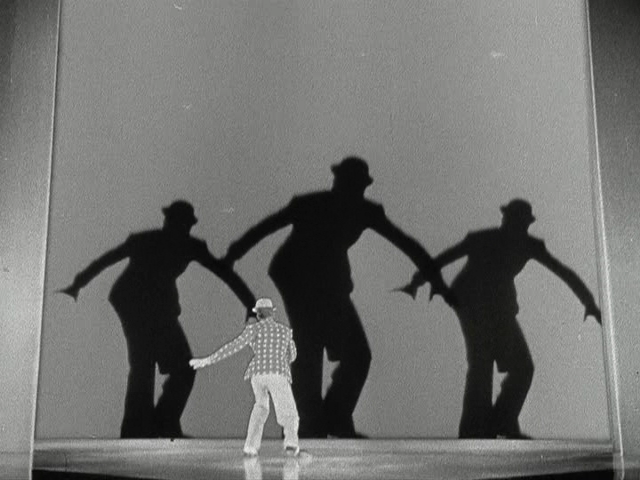
  • Astaire’s Bojangles homage, dancing with the shadows
  • Fred and Ginger’s evocative final dance
  • Classy art deco set designs
  • Ginger Rogers giving perhaps her best performance of the series
  • Jerome Kern’s score — not just his signature songs, but the cleverly orchestrated soundtrack itself

Must See?
Yes, as one of the classic Rogers and Astaire collaborations. Peary nominates it for an Alternate Oscar as best picture of the year.

Categories

  • Genuine Classic
  • Oscar Winner or Nominee

(Listed in 1001 Movies You Must See Before You Die)

Links:

Top Hat (1935)

Top Hat (1935)

“In dealing with a girl or horse, one just lets nature take its course.”

Synopsis:
Confirmed bachelor Jerry Travers (Fred Astaire) — in London to perform a show, and staying with his wealthy friend Horace (Edward Everett Horton) — finds himself falling head-over-heels in love with a beautiful young model (Ginger Rogers) living in the room below his. Complications ensue when Rogers mistakenly believes Astaire is Horace, the husband of her best friend Madge (Helen Broderick).

Genres, Themes, Actors, and Directors:

  • Fred Astaire Films
  • Ginger Rogers Films
  • Mistaken or Hidden Identities
  • Musicals
  • Romantic Comedy

Response to Peary’s Review:
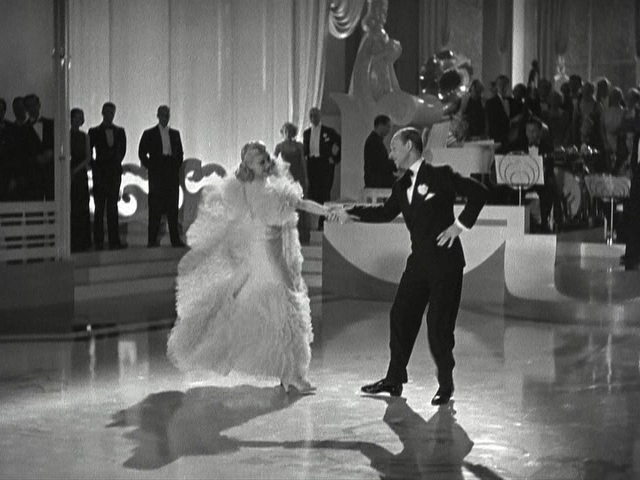
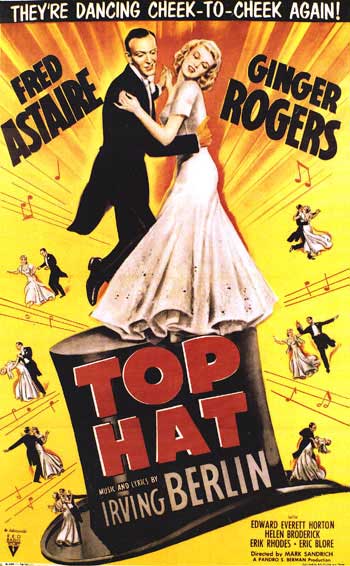
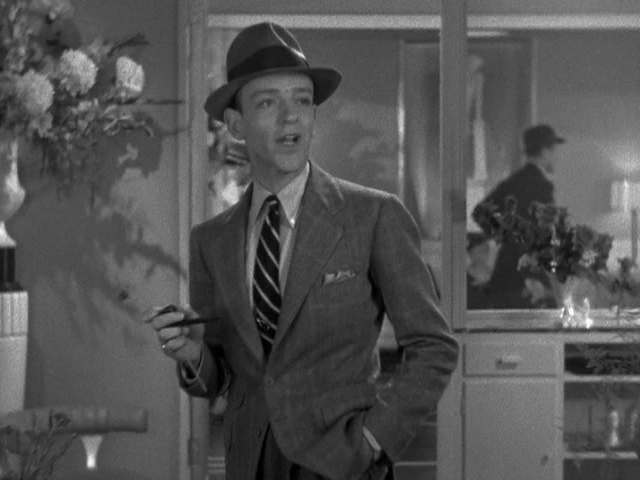
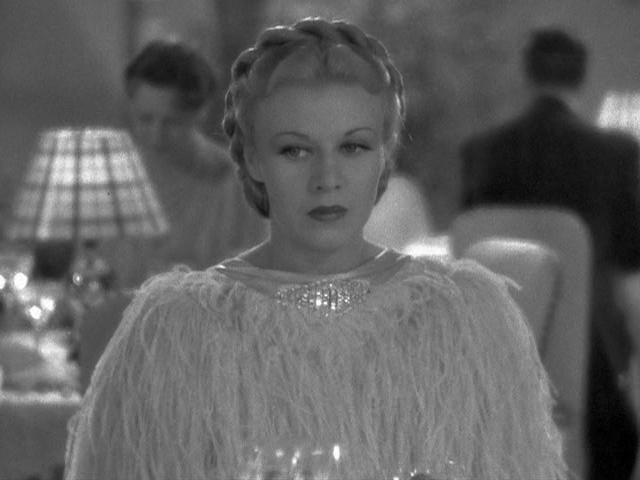
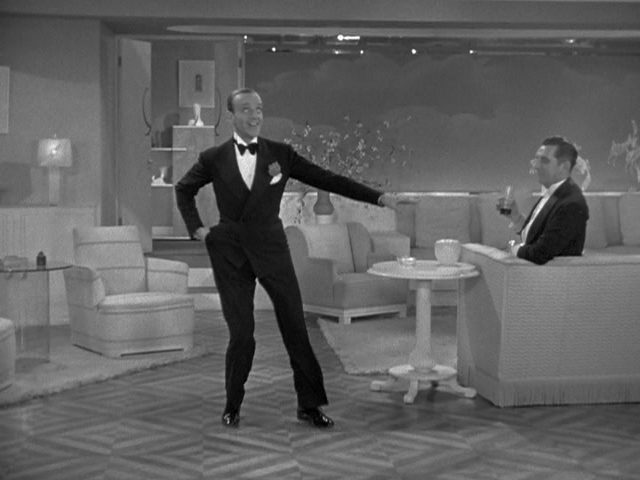
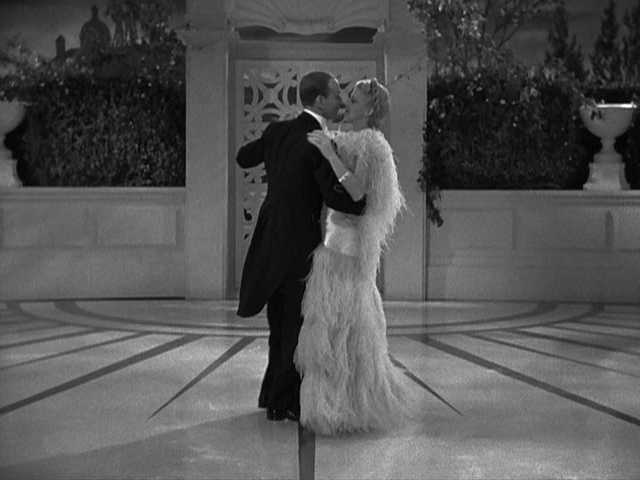
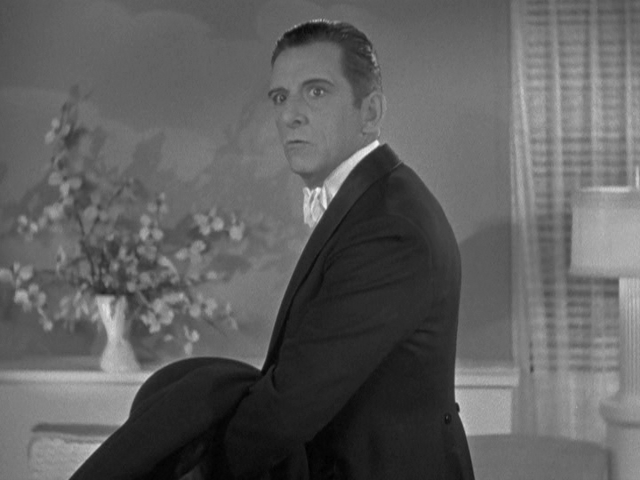
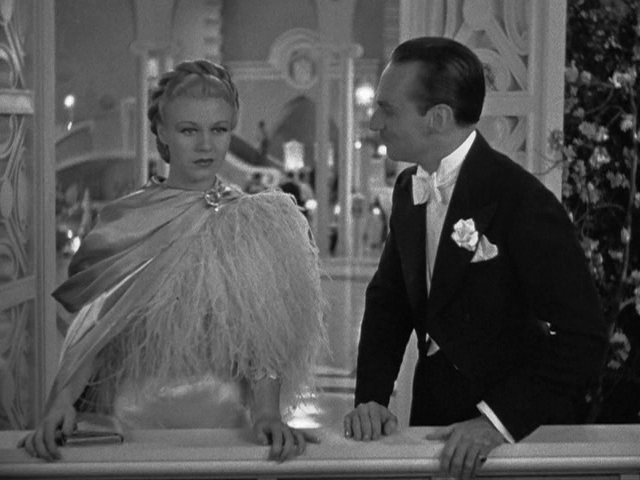
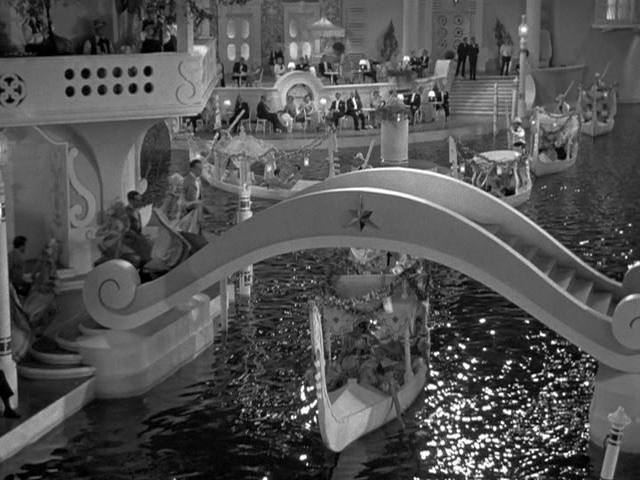
As Peary notes, this “exceptional Fred Astaire – Ginger Rogers Depression-escaping musical” features “fabulous dancing, a topflight Irving Berlin score, terrific supporting players… [and] spectacularly stylish Art Deco sets”. It’s widely acknowledged as one of the best of Astaire and Rogers’ collaborations together, and it certainly possesses some of the best-loved songs — most notably “Cheek to Cheek” (that feather dress!) and “Top Hat, White Tie, and Tails”. The “typically preposterous plot” is silly beyond belief but enormous fun once you give in to the cleverly plotted script, which allows the mistaken-identity snafu to go on far longer than would ever be expected. There’s no denying the magic of Astaire and Rogers dancing together (and Astaire dancing alone) — but I’ll admit my favorite aspect of Top Hat is the truly hilarious banter between the supporting character actors — most notably Edward Everett Horton and Eric Blore; their initial domestic quibble over “square versus butterfly ties” is priceless. Watch and enjoy…

Redeeming Qualities and Moments:

  • Fred Astaire as Jerry Travers
  • Ginger Rogers as Dale Tremont
  • Astaire’s opening dance number (set to “No Strings”) in Horton’s apartment
  • Rogers and Astaire dancing “Cheek to Cheek”
  • Astaire wooing Rogers during the “Isn’t It a Lovely Day to Be Caught in the Rain” number
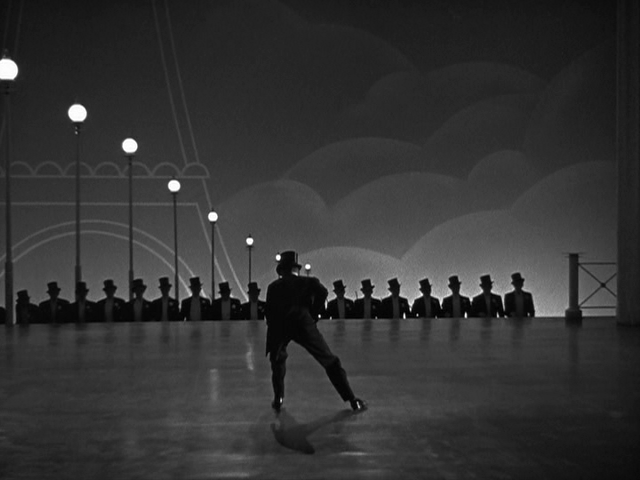
  • Astaire’s stylish “Top Hat and Tails” dance
  • Edward Everett Horton as Horace
  • Eric Blore as Horton’s snobby valet
  • Helen Broderick as Horton’s “understanding” wife, Madge
  • Erik Rhodes as Beddini, the passionate Italian dress designer: “Never again will I allow women to wear my dresses!”
  • Rogers’ gorgeous gowns
  • The marvelously baroque — and oh-so-RKO — art deco set designs
  • Hermes Pan and Astaire’s collaborative choreography
  • The wonderfully unrealistic “mistaken identities” screenplay
  • Irving Berlin’s classic score

Must See?
Yes. This undisputed classic — widely acknowledged as the archetypal Astaire and Rogers collaboration — should be seen and enjoyed by all film fanatics. Discussed at length in Peary’s Cult Movies (1981).

Categories

  • Genuine Classic
  • Oscar Winner or Nominee

(Listed in 1001 Movies You Must See Before You Die)

Links:

Deep Throat (1972)

Deep Throat (1972)

“Different strokes for different folks.”

Synopsis:
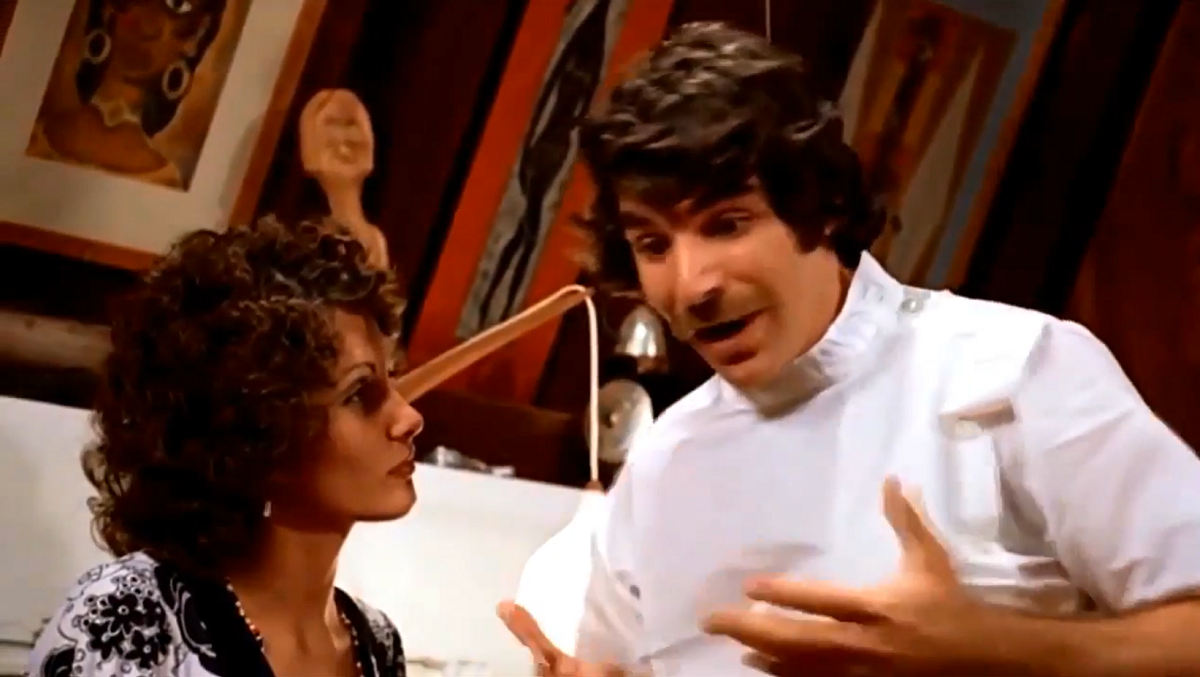
A sexually frustrated woman (Linda Lovelace) goes to a doctor (Harry Reems), who informs her that her clitoris is located in her throat, and teaches her to reach fulfillment through fellatio.

Genres, Themes, Actors, and Directors:

  • Adult Films
  • Sexual Liberation

Response to Peary’s Review:
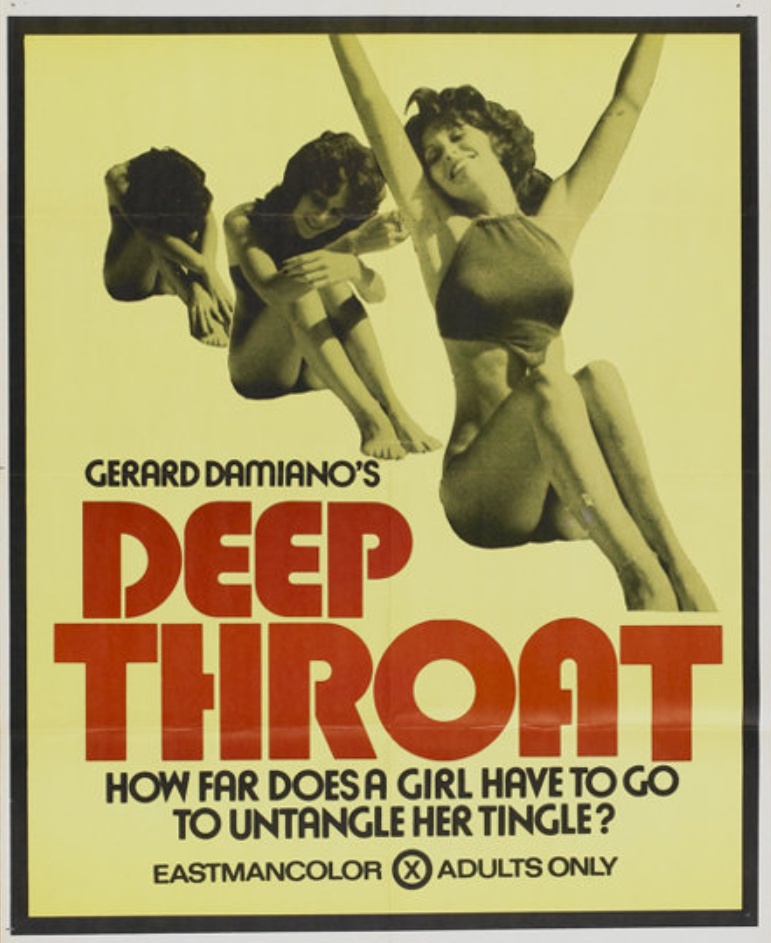
As Peary notes, Deep Throat remains “the most famous, successful, and influential p. film” ever made, and was “chiefly responsible for making it acceptable for early seventies couples to see adult movies.” Unfortunately, its infamy and hype overshadow any intrinsic values; Deep Throat remains an uninteresting, mediocre film with “dull stretches”, “stupid” humor, and bad acting. In addition, despite its “breakthrough” storyline of a woman pursuing sexual pleasure (rather than being pursued by men), the entire concept is still premised on a male fantasy of unlimited fellatio. With that said, Deep Throat — fortunately only 62 minutes long — remains “must see” viewing simply for its place in cinematic history. Also recommended is the documentary Inside Deep Throat (2005), about the making of, and controversy surrounding, this famous film.

Redeeming Qualities and Moments:

  • Groundbreaking incorporation of comedy into sex scenes – though the comedy is decidedly unfunny

Must See?
Yes. Deep Throat remains one of a handful of adult movies which all film fanatics should at least be familiar with.

Categories

  • Controversial Film
  • Historically Relevant

Links:

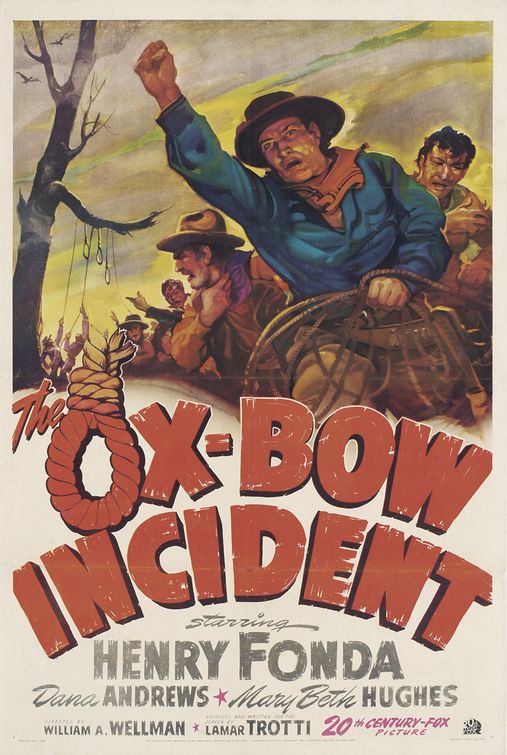
Ox-Bow Incident, The (1943)

Ox-Bow Incident, The (1943)

“Don’t let’s go off half-cocked and do something we’ll be sorry for — we want to act in a reasoned and legitimate manner, not like a lawless mob.”

Synopsis:
Two drifters (Henry Fonda and Harry Morgan) join a vengeance-hungry posse eager to hang three men — Dana Andrews, Anthony Quinn, and Francis Ford — who find themselves in the wrong place at the wrong time.

Genres, Themes, Actors, and Directors:

  • Anthony Quinn Films
  • Dana Andrews Films
  • Falsely Accused
  • Henry Fonda Films
  • Vigilantes
  • Westerns
  • William Wellman Films

Response to Peary’s Review:
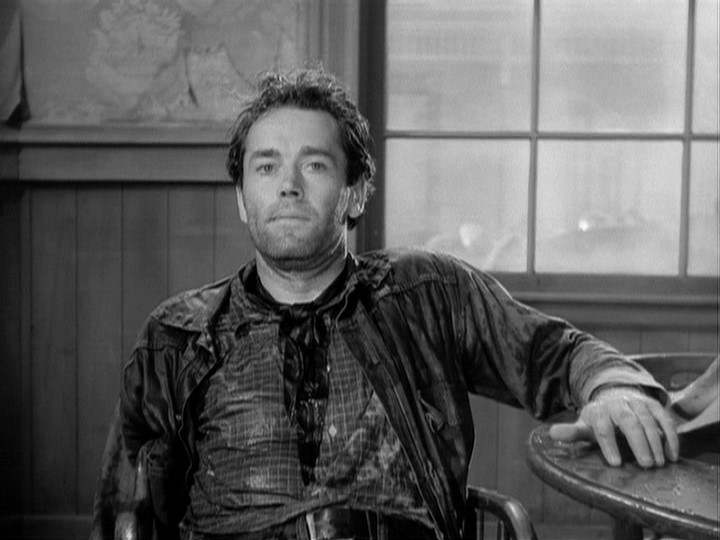
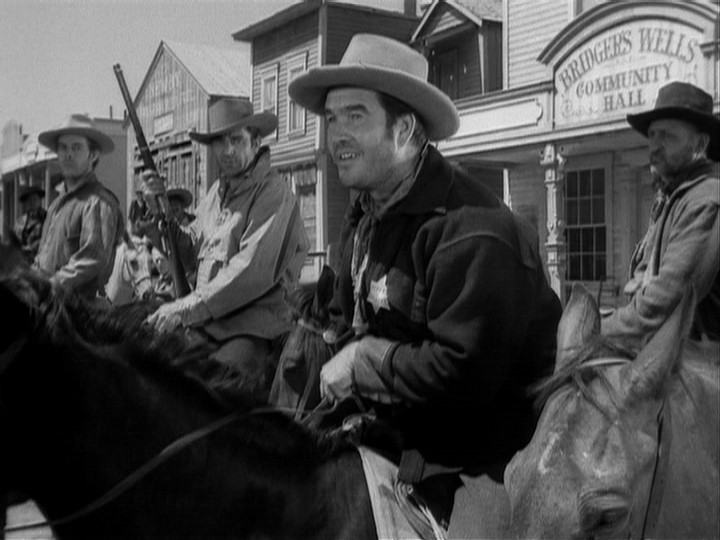
Peary appropriately labels this relentlessly “grim” western (based on Walter Van Tilburg Clark’s novel) as “a bit too theatrical”, noting that director William Wellman’s camera is “rarely… on someone who isn’t speaking” — yet despite the static, somewhat stagy direction, it remains an undeniably powerful tale of mob mentality, one which (sadly) holds more relevance today than ever. Top-billed Fonda (in a role somewhat similar to his “Juror #8” in Twelve Angry Men) is really more of a supporting presence, functioning as one of the few participants level-headed enough to recognize that the posse is rushing heedlessly into criminal action; indeed, Ox-Bow is truly an ensemble film, with the cast of (mostly) repugnant characters representing group-think at its worst. What’s most fascinating is recognizing how several key posse members — primarily ultra-macho Major Tetley (Frank Conroy), who wants his effeminate son (William Eythe) to prove his “manliness” through violence — have deeply personal reasons for wanting to exact “justice” at any cost, while others are simply turned on by the thought of a triple hanging. While it’s not a film I look forward to revisiting any time soon, The Ox-Bow Incident remains an essential part of cinematic history, and should be seen by all film fanatics at least once.

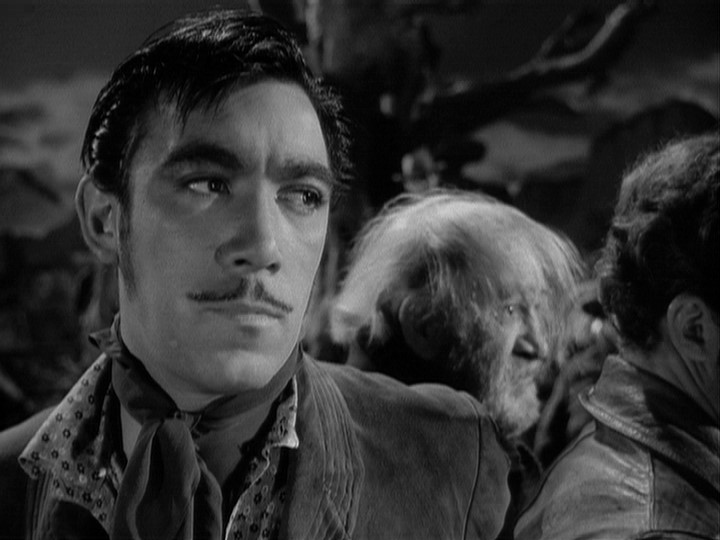
Note:My favorite moments are those with the inimitable Anthony Quinn, who’s given far too little screen time: despite his (initial) feigned innocence and lack of English skills, his eyes are simmering with bitterness and knowledge; when he finally confesses to knowing “seven languages”, and digs a bullet out of his own leg when no one else is brave enough to stomach the task, he brilliantly defies all the unspoken stereotypes heaped upon him because of his “ethnic” appearance.

Redeeming Qualities and Moments:

  • Dana Andrews as Donald Martin
  • Henry Fonda as Gil Carter
  • Anthony Quinn as “The Mexican”
  • A deeply disturbing look at mob mentality run amok

Must See?
Yes, for its status as a seminal western.

Categories

  • Genuine Classic
  • Important Director
  • Oscar Winner or Nominee

(Listed in 1001 Movies You Must See Before You Die)

Links:

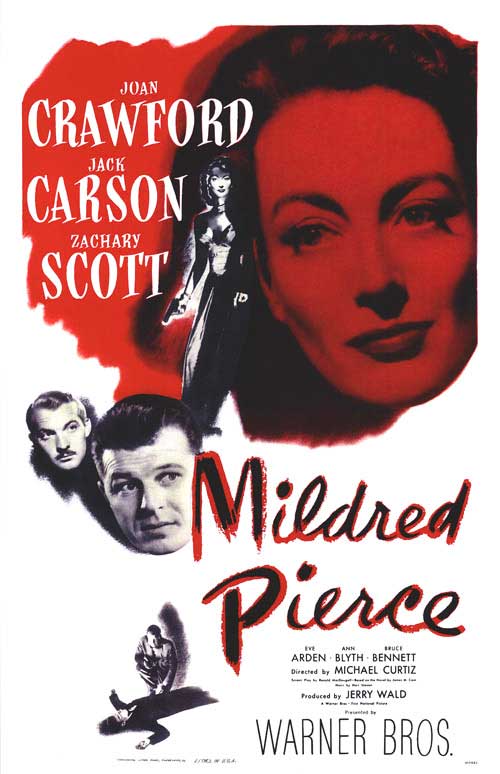
Mildred Pierce (1945)

Mildred Pierce (1945)

“I’d do anything for those kids, do you understand? Anything!”

Synopsis:
Divorced housewife Mildred Pierce (Joan Crawford) works as a waitress to keep her two daughters — spoiled Ann Blyth and tomboyish Jo Ann Marlowe — living in style. With the help of an adoring male admirer (Jack Carson), she opens up a successful chain of restaurants, and soon marries a wealthy playboy (Zachary Scott) — but none of Mildred’s efforts are good enough for her social-climbing daughter Veda (Blyth), whose desire for money and status soon lead to fatal consequences.

Genres, Themes, Actors, and Directors:

  • Ann Blyth Films
  • Eve Arden Films
  • Evil Kids
  • Flashback Films
  • Jack Carson Films
  • Joan Crawford Films
  • Michael Curtiz Films
  • Murder Mystery
  • Single Mothers
  • Social Climbers
  • Strong Females
  • Suffering Mothers
  • Zachary Scott Films

Response to Peary’s Review:
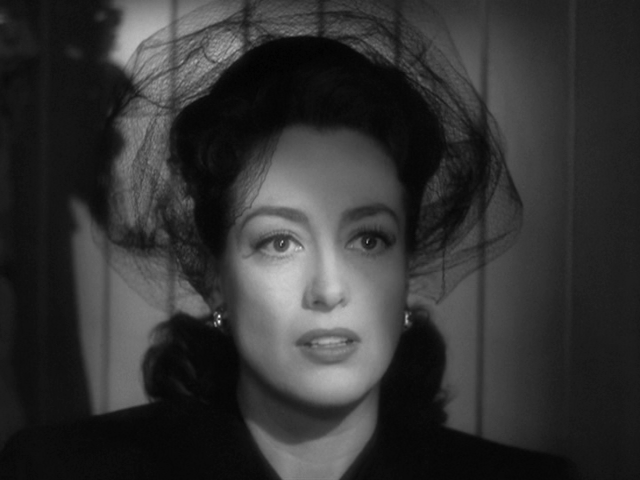
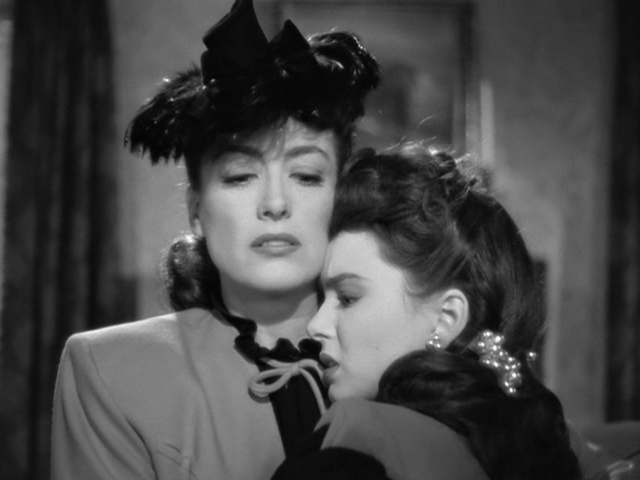
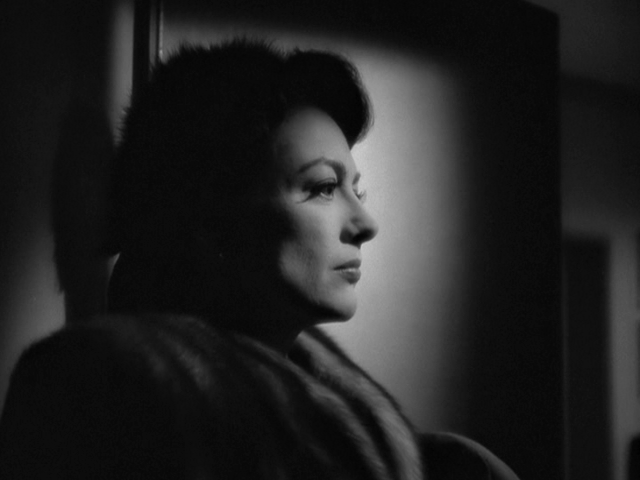
Joan Crawford finally won an Oscar for her performance in what is now regarded as her most iconic film: a combination “women’s picture” / noir in which the femme fatale (Blyth) wreaks havoc on her hapless mother rather than a male lover. As Peary notes, we can’t help feeling that Mildred “is foolish for leading her life to please her daughter”, given that Blyth “isn’t worthy of anyone’s devotion” — yet part of the undeniable power of noir lies in recognizing the hero[ine]’s fatal flaw (in this case, undue motherly devotion), and feeling for him/her as he/she travels down a path towards Hell. While Peary remains less-than-impressed by Crawford’s performance — claiming that she plays “every scene in an understated manner” — I disagree; Crawford perfectly expresses the gritty determination underlying every choice Mildred makes, from kicking out her first unemployed husband, to hiding her “menial” job as a waitress, to working all hours of the day and night to make her business a thriving success.

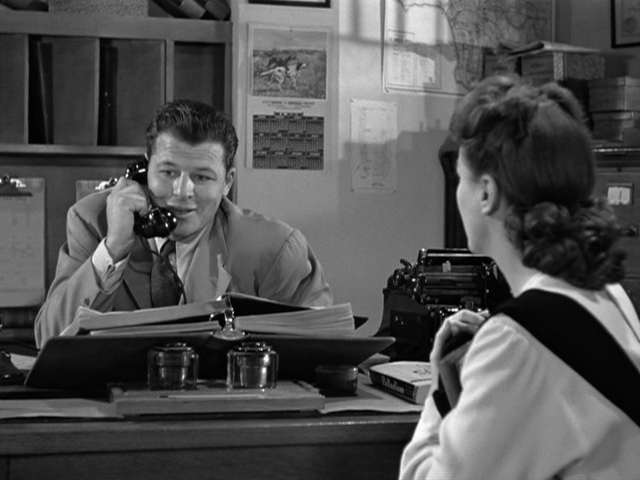
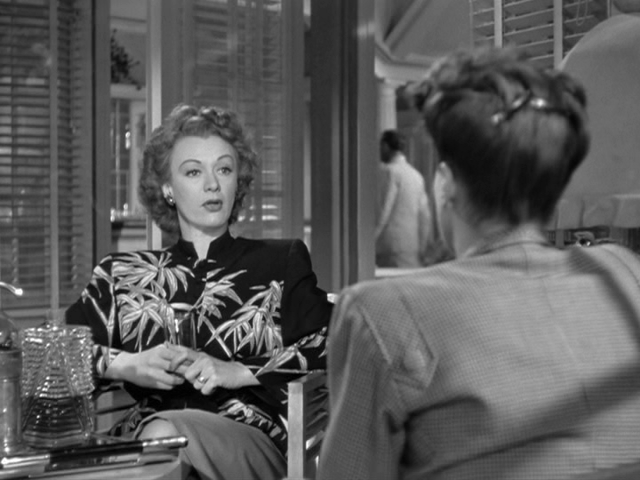
While Crawford’s performance is clearly the dominant one, she’s surrounded by a host of excellent supporting actors. Jack Carson gives what may be the best performance of his career as an “innocent” bystander throughout Mildred’s rise and fall; equally enjoyable — though given far too little screen time — is Eve Arden as Mildred’s wisecracking (what else?) boss-cum-employee (she gets some of the best lines in the film). Ann Blyth is likely best remembered — for better or for worse! — for her performance here as evil Veda, a girlish woman who possesses not a sympathetic bone in her body; her angelic face is a perfect foil for her psychopathic actions, revealed most horrifically when she fakes a pregnancy in order to bilk $10,000 out of her clueless and adoring new husband. Blyth is an essential aspect of the film’s success, and remains inextricably linked in our minds with Mildred.

Redeeming Qualities and Moments:

  • Joan Crawford as Mildred
  • Ann Blyth as evil Veda
  • Jack Carson as Wally Fay, Mildred’s would-be lover
  • Eve Arden as Ida, who has some of the best lines in the film: [to an ogling man] “Leave something on me — I might catch cold.”
  • Ranald MacDougall’s Oscar-nominated screenplay
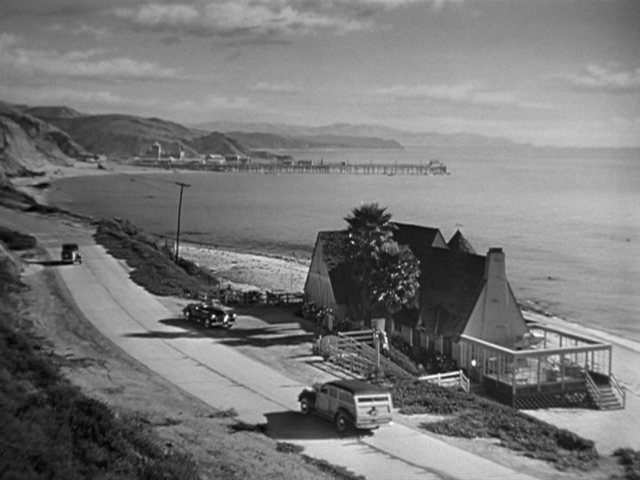
  • Effective use of Los Angeles locales
  • Ernest Haller’s cinematography
  • Anton Grot’s set designs
  • Max Steiner’s score

Must See?
Yes, as a genuine classic of American cinema.

Categories

  • Genuine Classic
  • Oscar Winner or Nominee

(Listed in 1001 Movies You Must See Before You Die)

Links: