Little Man, What Now? (1934)
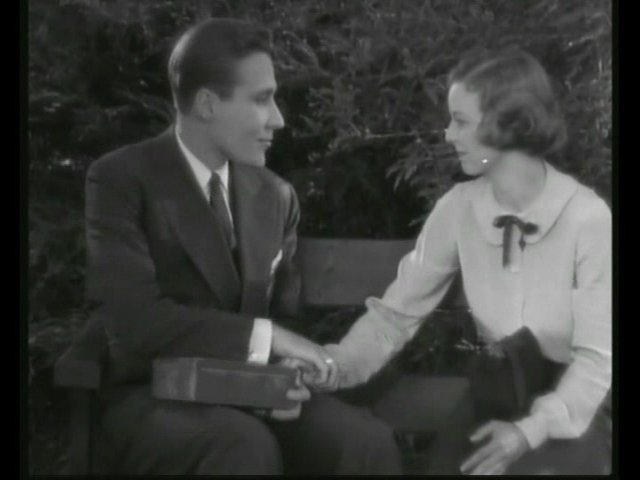
“What have we done to life that we should be mistreated?”
|
Synopsis: |
|
Genres, Themes, Actors, and Directors:
Response to Peary’s Review: Redeeming Qualities and Moments:
Must See? Categories
Links: |
My comments on Peary’s reviews in Guide for the Film Fanatic (Simon & Schuster, 1986).
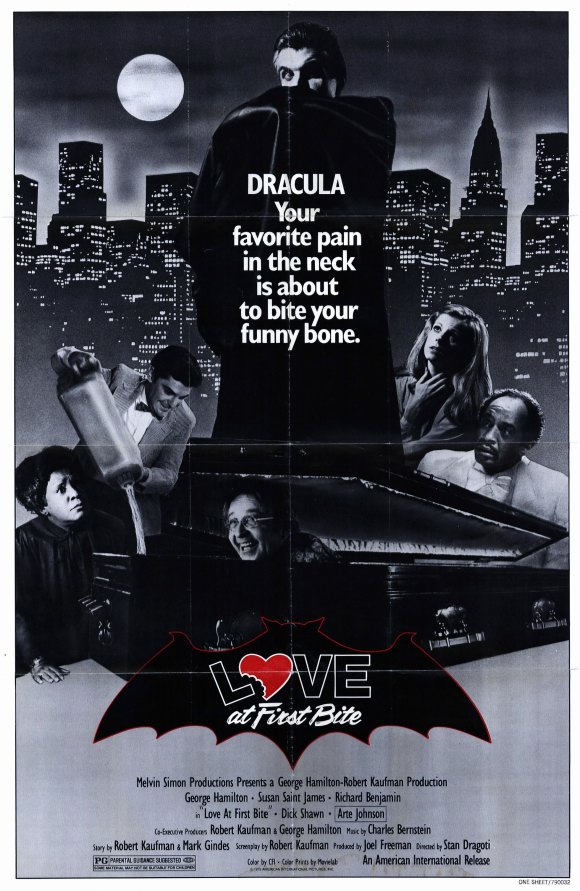
“What have we done to life that we should be mistreated?”
|
Synopsis: |
|
Genres, Themes, Actors, and Directors:
Response to Peary’s Review: Redeeming Qualities and Moments:
Must See? Categories
Links: |
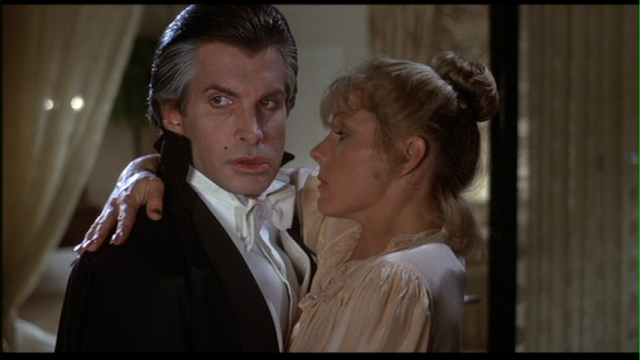
“I’m going out for a bite to drink.”
|
Synopsis: |
|
Genres, Themes, Actors, and Directors:
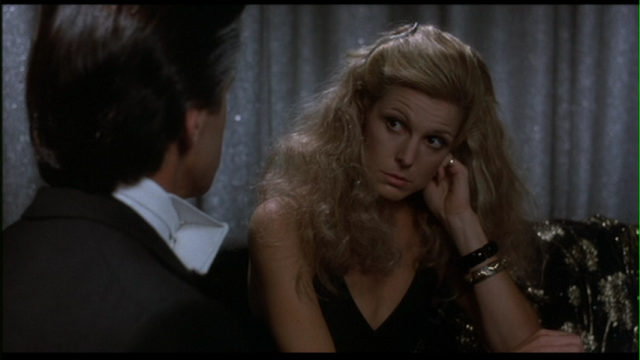
Response to Peary’s Review: Note: In his feminizing make-up, Hamilton looks uncannily at times like… Sandra Bullock (!). Redeeming Qualities and Moments:
Must See? Categories
Links: |
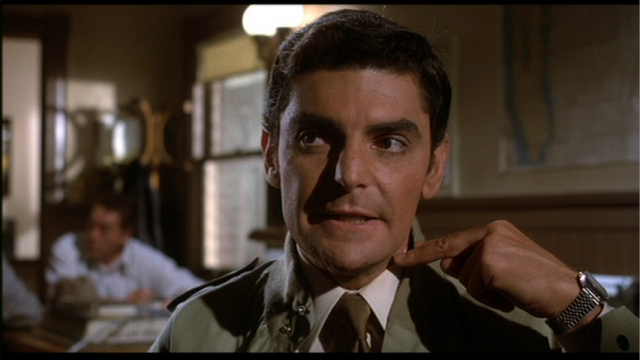
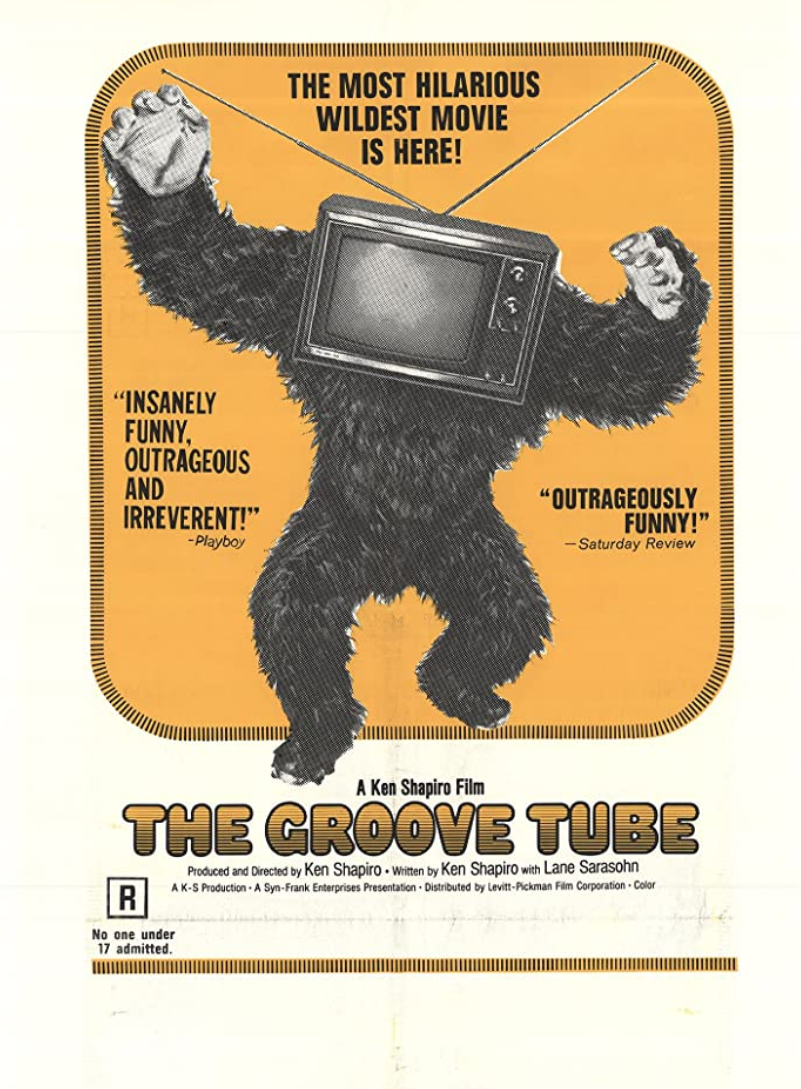
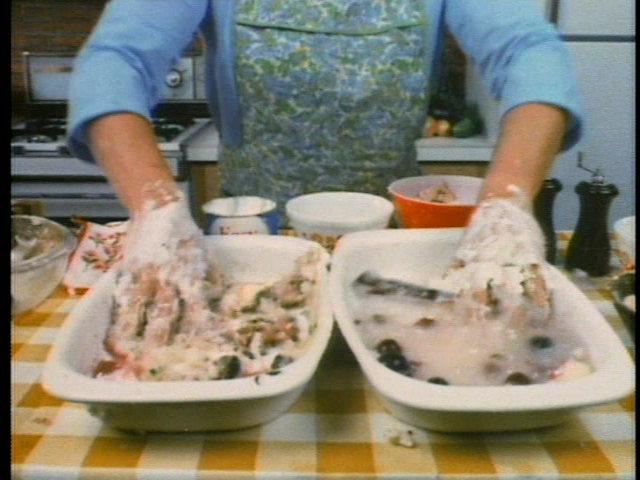
“Coat your hands with a generous amount of Kramp Easy-Lube shortening…”
|
Synopsis: |
|
Genres, Themes, Actors, and Directors:
Response to Peary’s Review: Note: The Groove Tube is also of minor cinematic importance for featuring Chevy Chase in his first silver screen appearance. Redeeming Qualities and Moments:
Must See? Links: |
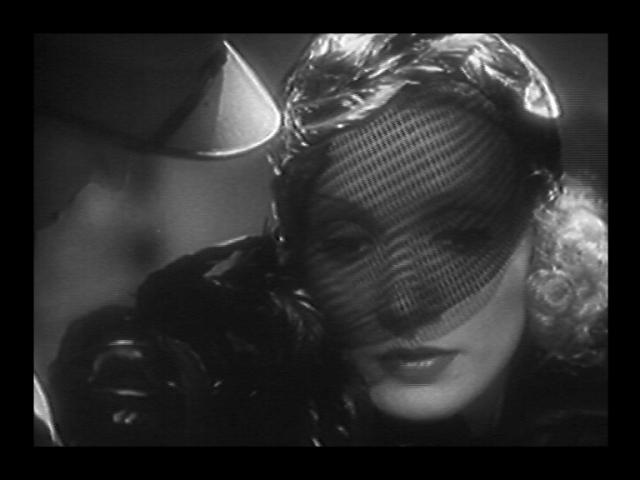
“When I needed your faith, you withheld it; and now, when I don’t need it, and don’t deserve it, you give it to me.”
|
Synopsis: |
|
Genres, Themes, Actors, and Directors:
Response to Peary’s Review: P.S. Peary nominates Dietrich’s performance for an Alternate Oscar as best actress of the year. Redeeming Qualities and Moments:
Must See? Categories
(Listed in 1001 Movies You Must See Before You Die) Links: |
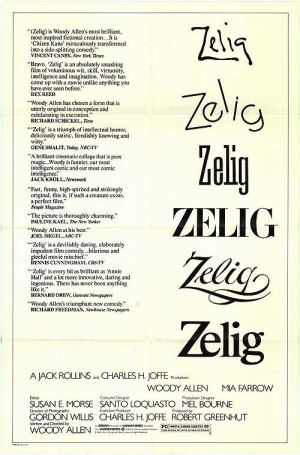
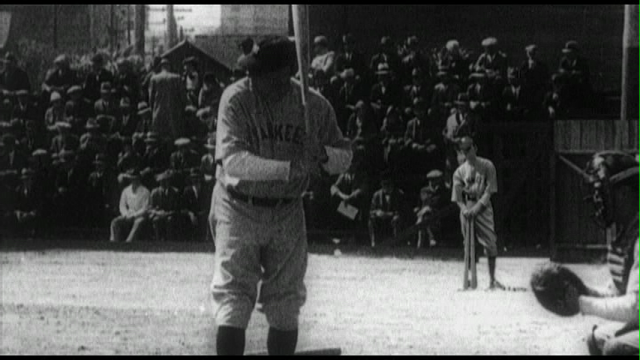
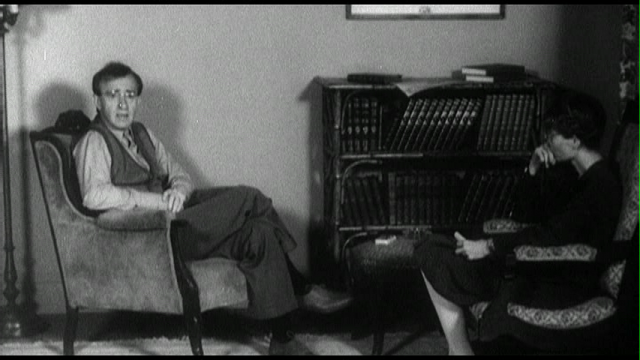
“A Jew that could turn himself into a Negro or an Indian was a triple threat.”
|
Synopsis: |
|
Genres, Themes, Actors, and Directors:
Response to Peary’s Review: Redeeming Qualities and Moments:
Must See? Categories
Links: |
“For a dress like that, you have to start laying plans when you’re about thirteen.”
|
Synopsis: |
|
Genres, Themes, Actors, and Directors:
Response to Peary’s Review: Redeeming Qualities and Moments:
Must See? Categories
Links: |
“It doesn’t take much to see that the problems of three little people don’t amount to a hill of beans in this crazy world.”
|
Synopsis: |
|
Genres, Themes, Actors, and Directors:
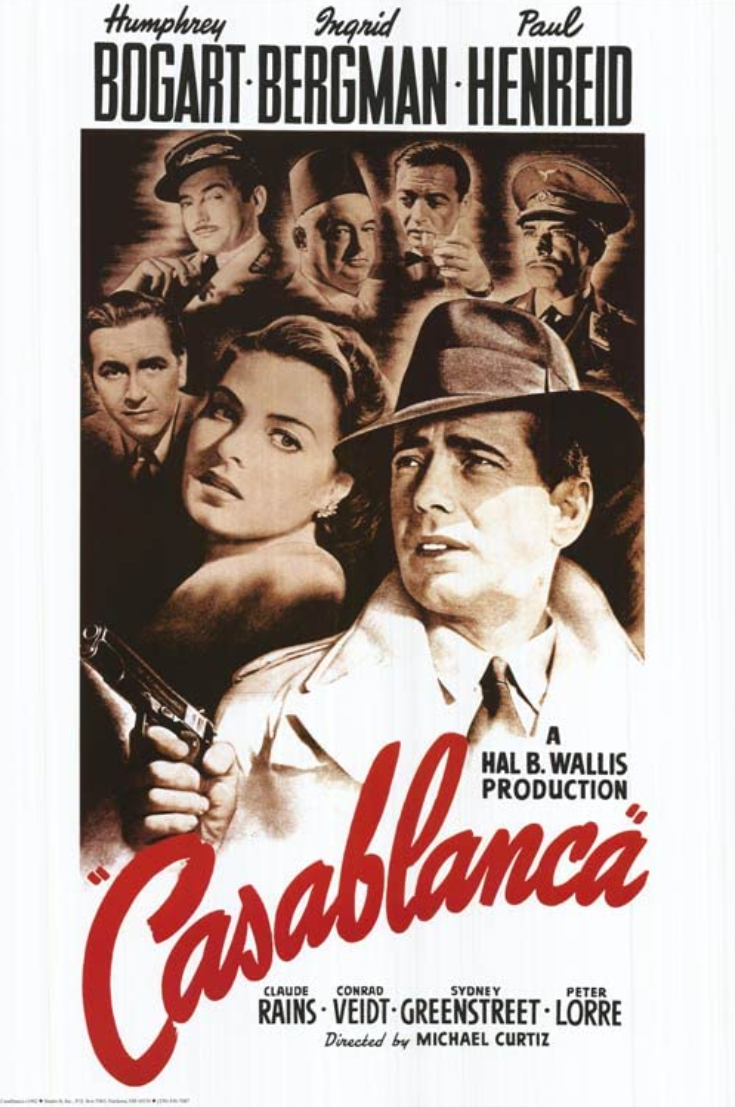
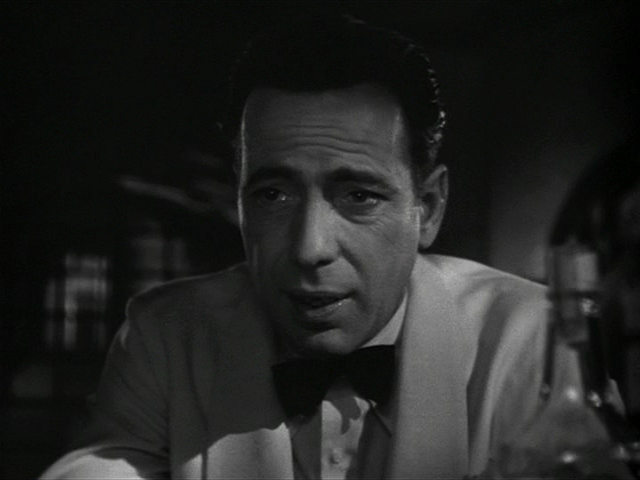
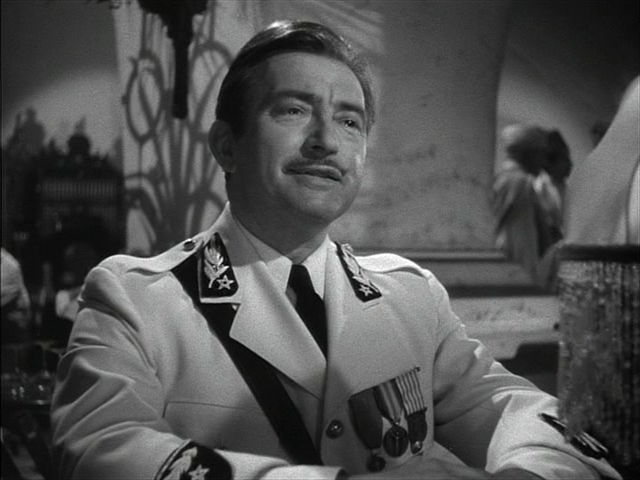
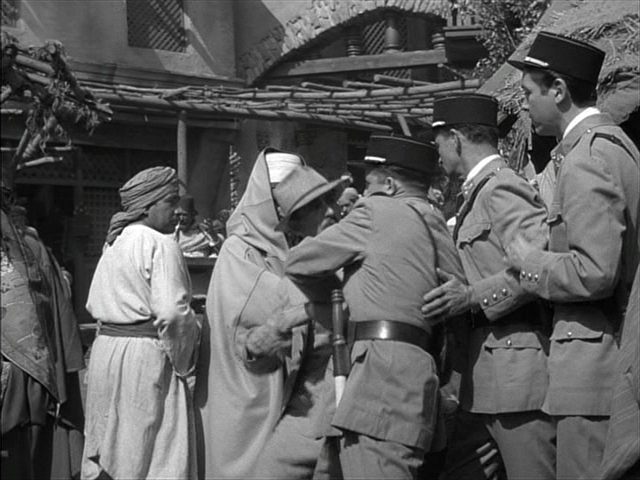
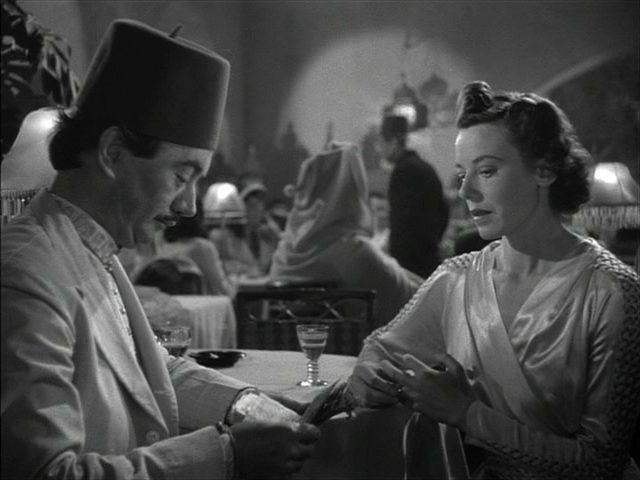
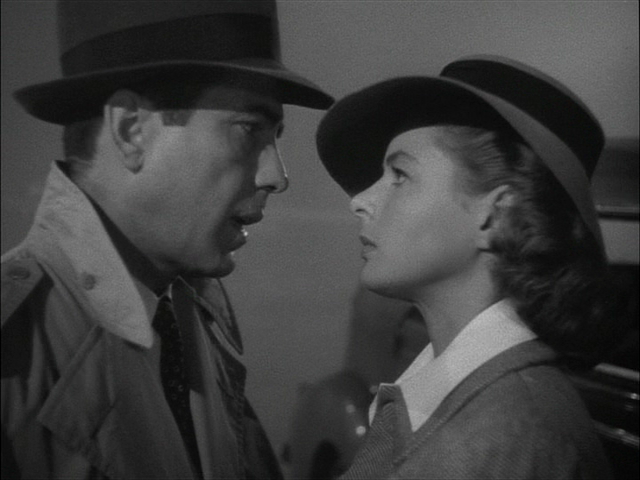
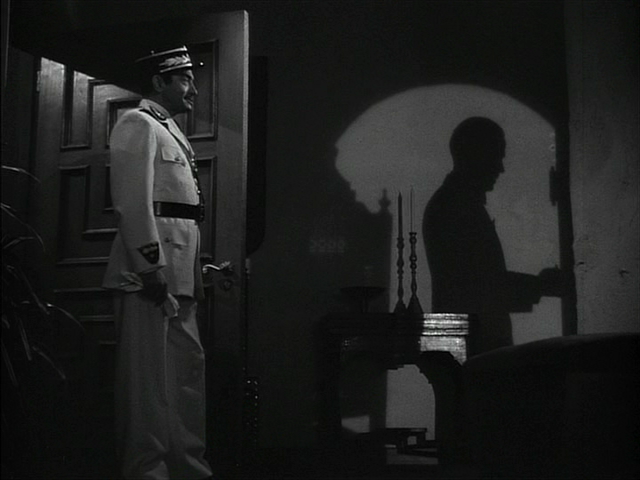
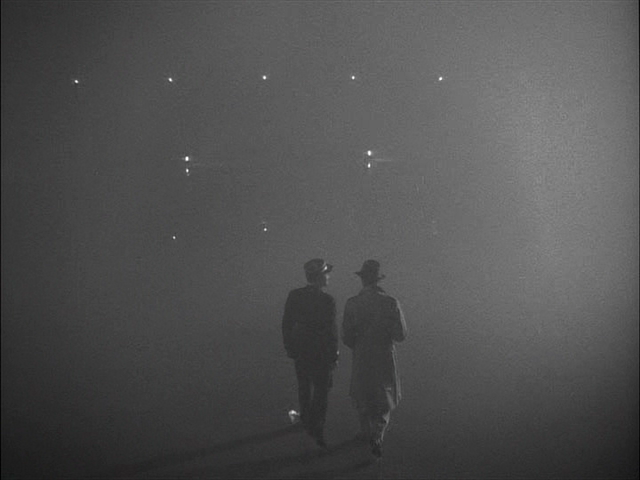
Response to Peary’s Review: While it’s hard to know just how much of the script is original (Peary argues “it hasn’t been sufficiently acknowledged that almost everything in the film was in Everybody Comes to Rick’s, the unproduced source play by Murray Burnett and Joan Alison”), it’s difficult to find fault with the end result: a remarkably intelligent and witty screenplay, co-written by (among others) the Epstein twins (Julius and Philip) and Howard Koch. In addition to its countless now-iconic lines (“Here’s looking at you, kid”), one particular exchange — between Rains and a police inspector as Rick’s Cafe Americain is about to be shut down for gambling — remains a personal favorite, and has me giggling with delight every time I hear it. Much has been made about the fortuitous casting behind Casablanca, with Bogart and Bergman making a most unlikely yet inspired pair of star-crossed lovers. Bogart — who Peary refers to as “tough, introspective, ugly” — hits just the right notes of vulnerability and machismo, and, once we learn his backstory with “soft, generous, beautiful” Bergman, it’s easy to see why he’s remained so cynical and bitter for so long. Claude Rains nearly steals the show, however, in yet another stand-out performance: he manages to transform the corrupt overseer of Casablanca from a potential villain into a three-dimensional protagonist who’s both human and humorously droll. Rains’s friendship with Bogart — which evolves over the course of the film — adds yet another level of nuance (and, perhaps, “romance”) to this complex, emotionally charged story, one which will likely continue to delight audiences for decades to come. Redeeming Qualities and Moments:
Must See? Categories (Listed in 1001 Movies You Must See Before You Die) Links: |
“They’re uncommon bold, the grave robbers — and the daft doctors who drive them on!”
|
Synopsis: |
|
Genres:
Response to Peary’s Review:
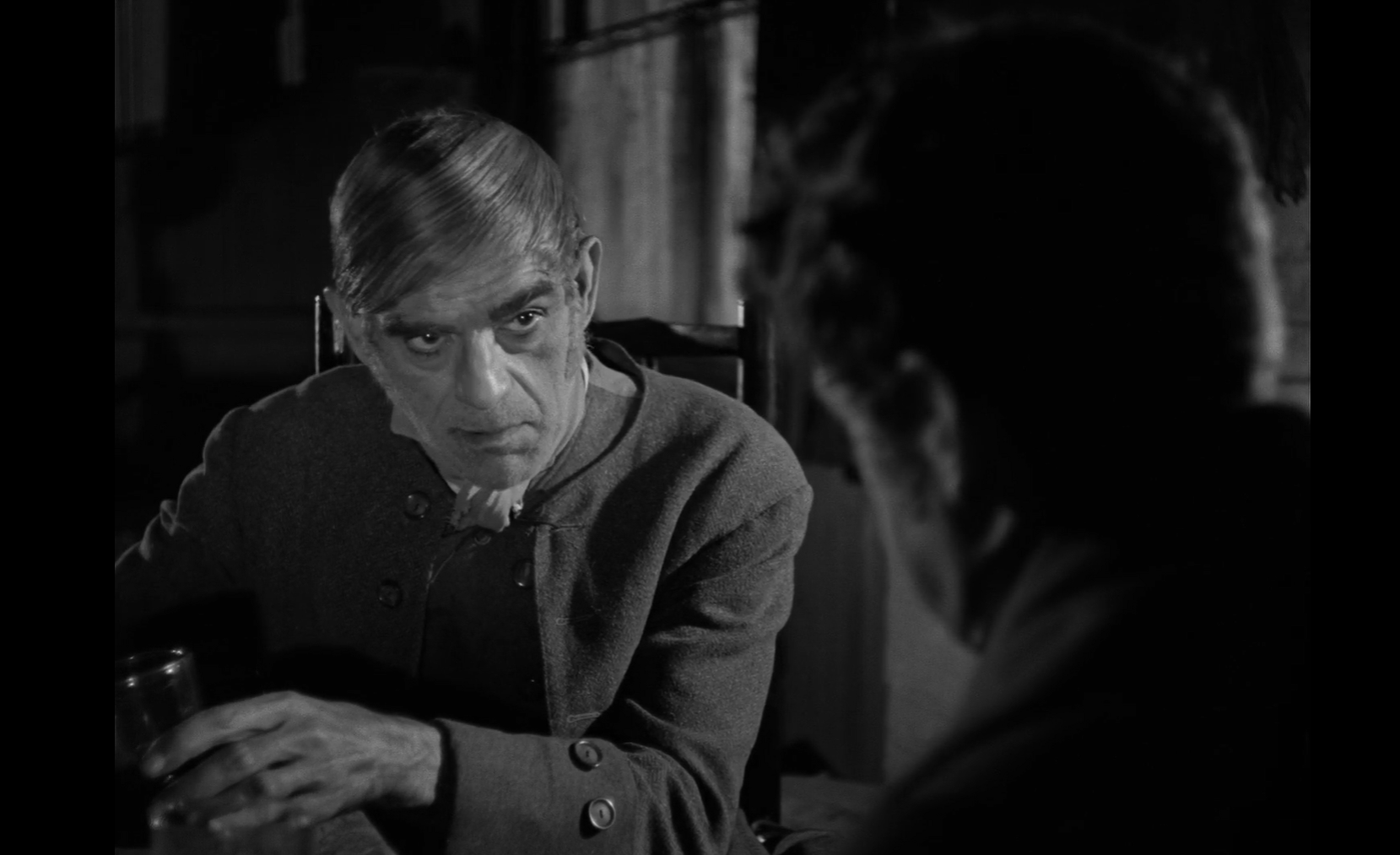
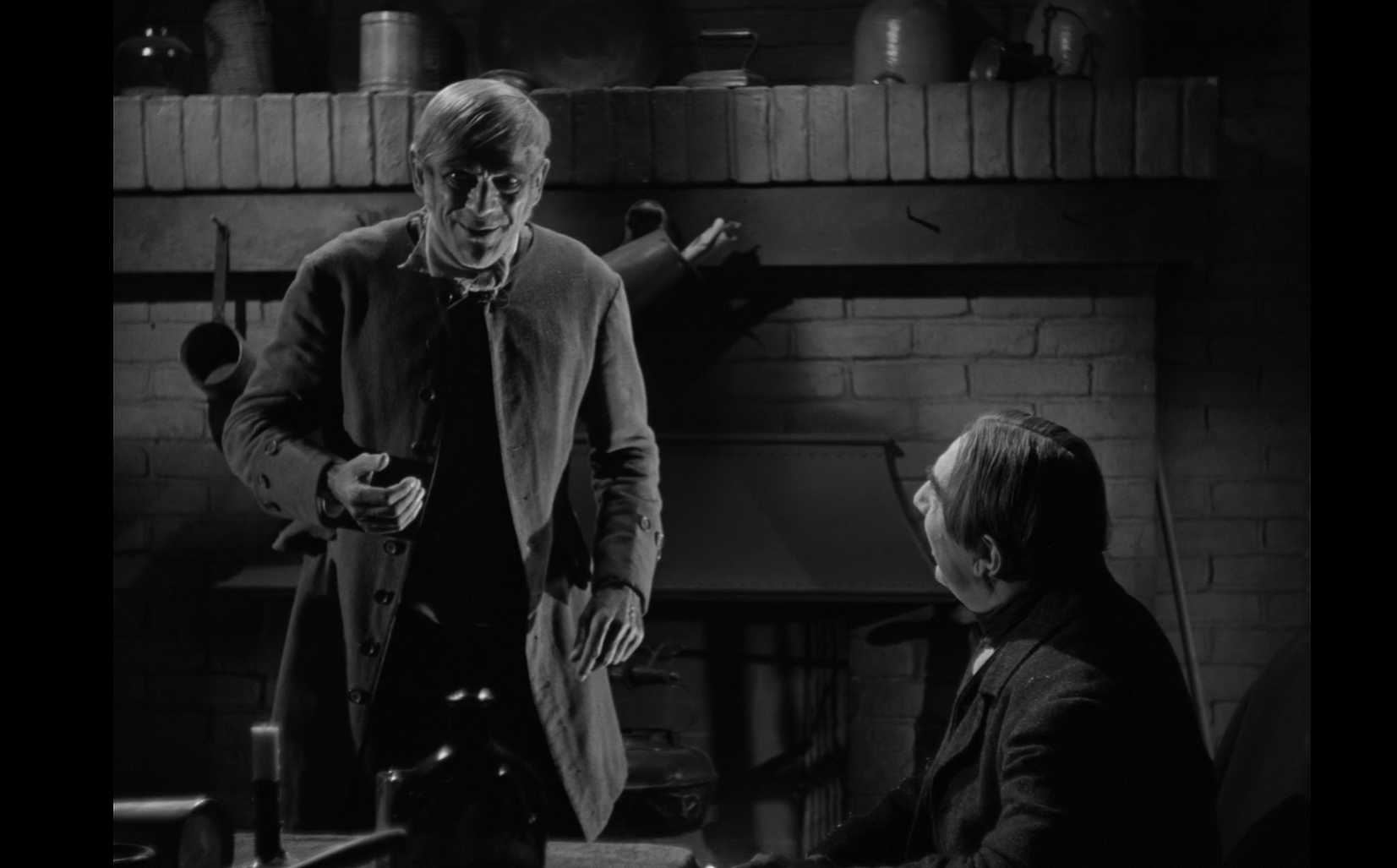
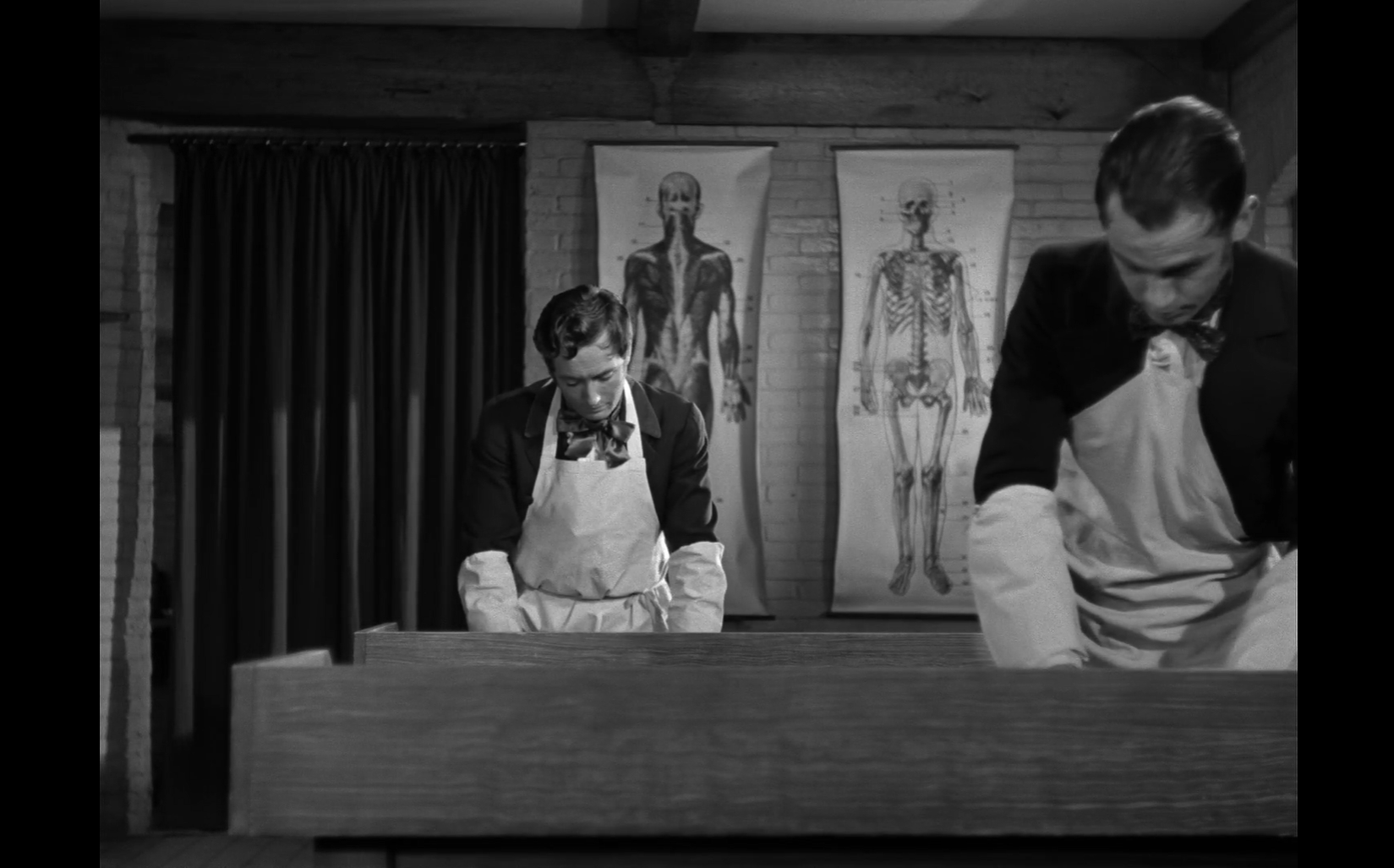
Indeed, it’s the complexity of the film’s two central characters which elevates The Body Snatcher well above its B-level status: we watch with fascination as Karloff (giving a stellar, nuanced performance) repeatedly torments McFarlane with hints about his sordid past, insistently reminding him, “You’ll never get rid of me.” McFarlane’s steadfast dedication to teaching young medical students about anatomy — which in turn requires a steady stream of “fresh” corpses to dissect — has caused him to breach the most important rule of ethics in medicine (“First, do no harm”), and the guilt he lives with because of this eats away at his very soul. Meanwhile, Gray remains unable to rise above his working-class status as a cabbie, but does everything in his power to remind McFarlane that they’re really cut from the same cloth: neither one is ultimately “better” than the other. As Peary notes, director Robert Wise does a “superb and tasteful” job depicting the horror elements of this “morbid”, highly atmospheric film, which remains one of producer Val Lewton’s most successful thrillers. Note: Peary also argues that the script is “in truth overwritten and dull in spots”, but I disagree; at just 77 minutes, The Body Snatcher moves along quickly and never feels stale. Redeeming Qualities and Moments:
Must See? Categories
Links: |
“You’re the one who told me I was gonna get a boyfriend at the mall.”
|
Synopsis: |
|
Genres, Themes, Actors, and Directors:
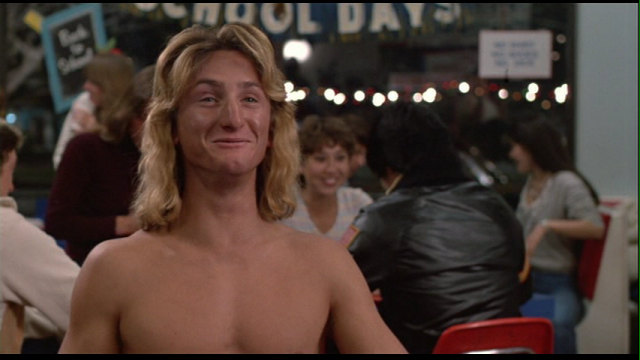
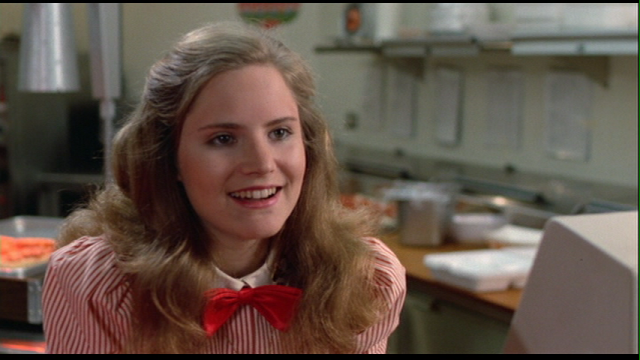
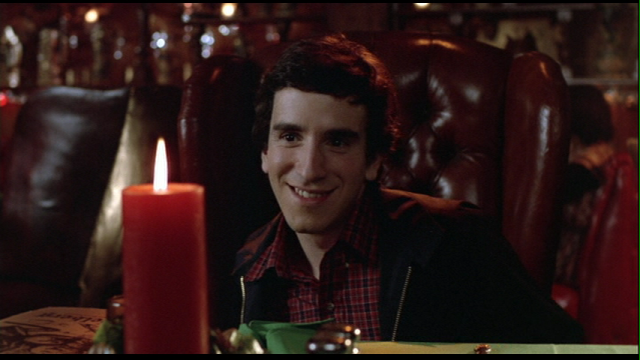
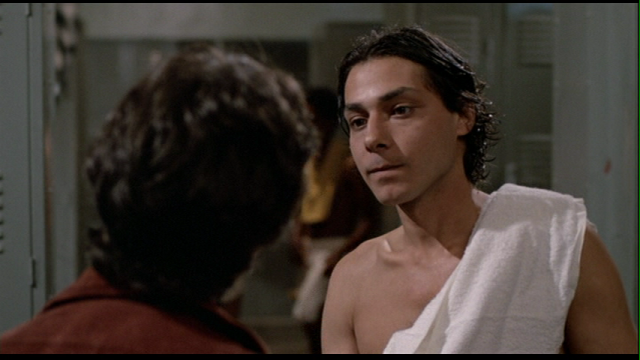
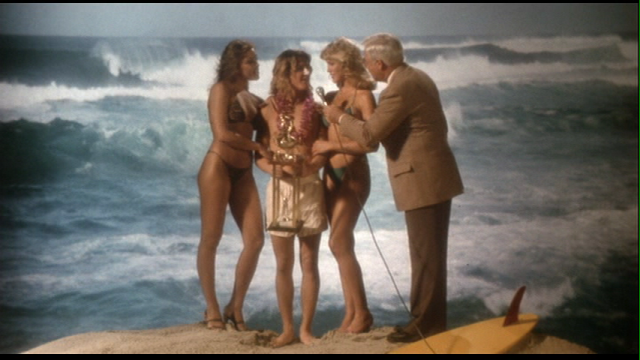
Response to Peary’s Review: The other supporting performances in this episodic film (nobody’s really the primary protagonist, though Leigh comes close) are all fine as well — many of the young actors (most notably Leigh and Penn) went on to create big names for themselves. Indeed, Penn is in some ways the truly memorable “star” of this ensemble show: his turn as Jeff Spicoli — a perpetually stoned-out, bleary-eyed, happy-go-lucky surfer — is one of the most iconic performances in recent cinematic history; his “verbal duels” with his “sarcastic, rule-conscious” history teacher, Mr. Hand (Ray Walston), are both “hilarious” and perhaps (as Peary argues) “the major reason to see this film”. Meanwhile, one of the most sympathetic characters in the film, surprisingly enough, turns out to be Judge Reinhold as Stacy’s older brother, Brad, who’s experiencing work and love troubles of his own; his caring response when he discovers his sister needs some help is likely my favorite scene in the film, and offers proof that Fast Times — while far from perfect — is much more honest about the multi-faceted lives of teens than Peary, Ebert, and others would have you believe. Redeeming Qualities and Moments:
Must See? Categories
(Listed in 1001 Movies You Must See Before You Die) Links: |
“Nothing shocks me: I’m a scientist.”
|
Synopsis: |
|
Genres, Themes, Actors, and Directors:
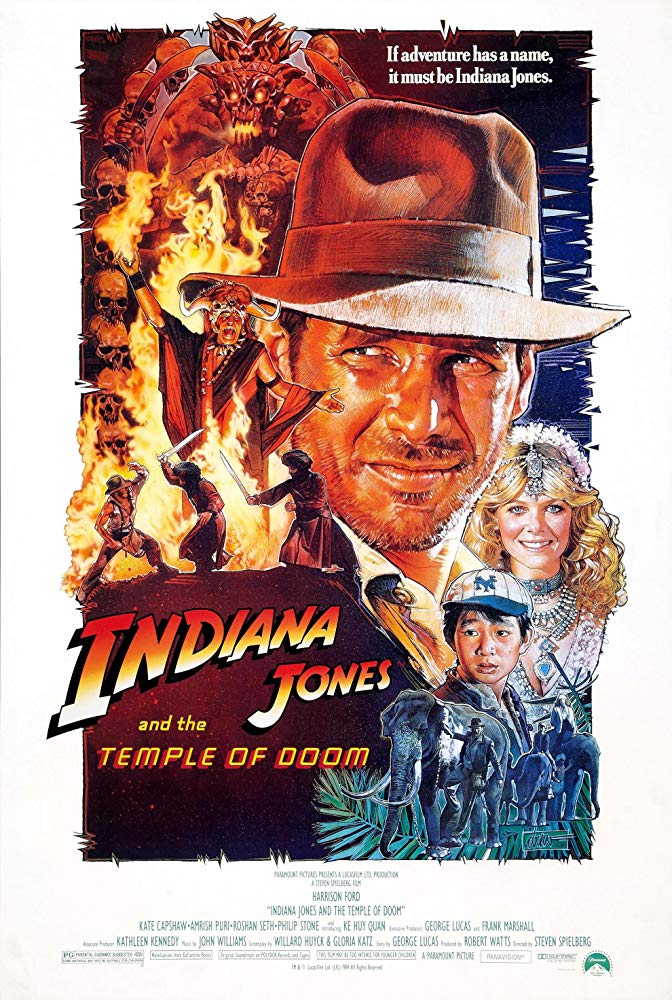
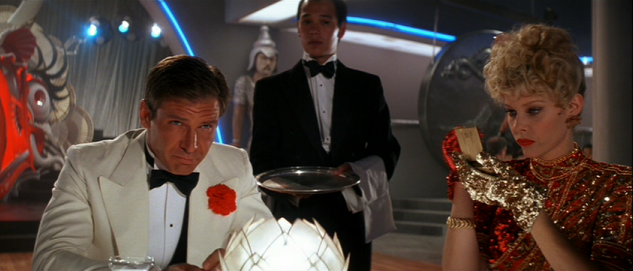
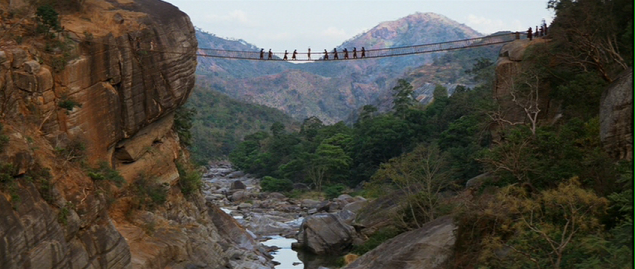
Response to Peary’s Review: As many have pointed out, Temple of Doom — which is high on action, low on character development — is actually more like the old-time serials it’s based on than Raiders; to that end Capshaw’s blonde floozy singer — a “heroine of a type that hasn’t been around since feminism hit Hollywood” — may be more authentic to the time period as well. Arguing in Capshaw’s defense, Peary notes that “if someone like Willie [Capshaw], who worries about broken nails, can become brave and tough in a crisis, then all women have the potential” — but I would argue right back that she never really exhibits either bravery or toughness. And while it’s true that the film has “great sets” and “exciting adventures”, each enjoyable moment is counterbalanced by one that it’s either unduly gross (such as the infamous “banquet scene” in the Maharajah’s palace) or falls flat (such as Indy and Willie’s aborted attempt to bed each other). Film fanatics should see Temple of Doom simply to be familiar with the franchise, but all things considered, it’s a major disappointment. Redeeming Qualities and Moments:
Must See? Categories
Links: |