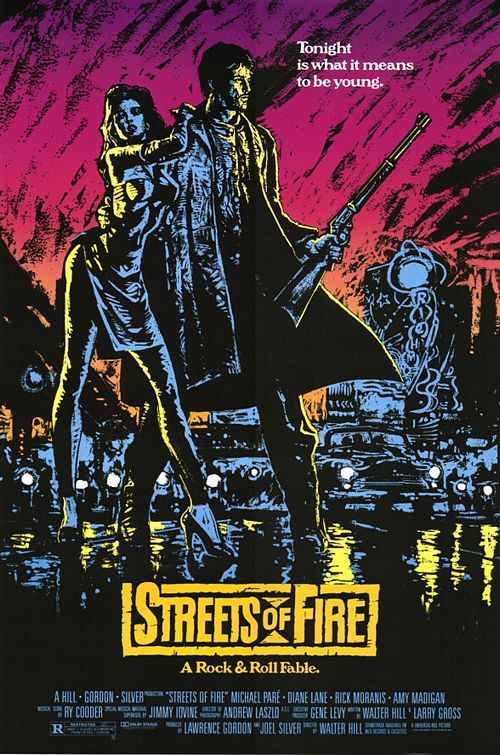
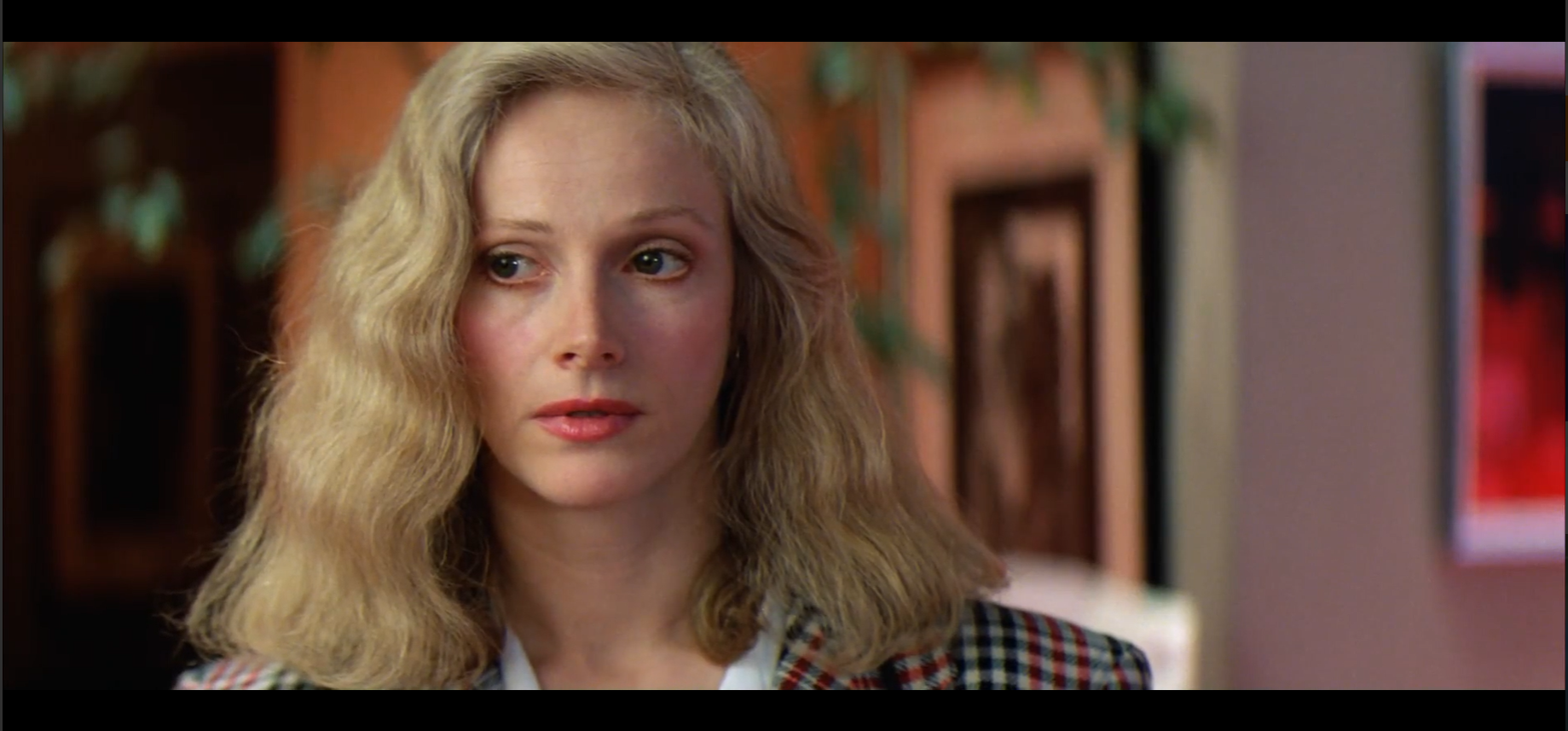
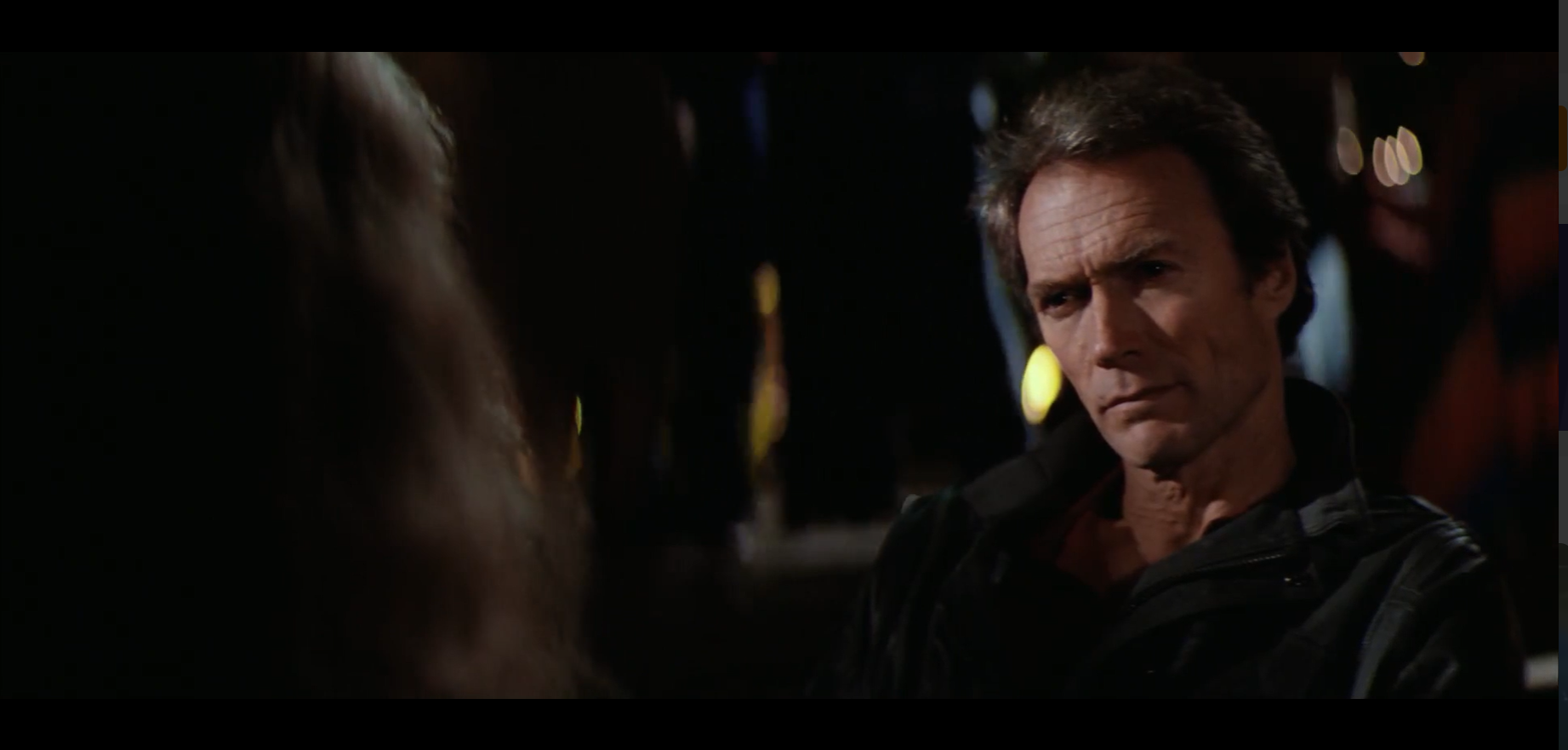
Streets of Fire (1984)
“It looks like I finally found someone who likes to play as rough as I do.”
|
Synopsis: |
|
Genres, Themes, Actors, and Directors:
Response to Peary’s Review: Redeeming Qualities and Moments:
Must See? Links: |
My comments on Peary’s reviews in Guide for the Film Fanatic (Simon & Schuster, 1986).
“It looks like I finally found someone who likes to play as rough as I do.”
|
Synopsis: |
|
Genres, Themes, Actors, and Directors:
Response to Peary’s Review: Redeeming Qualities and Moments:
Must See? Links: |
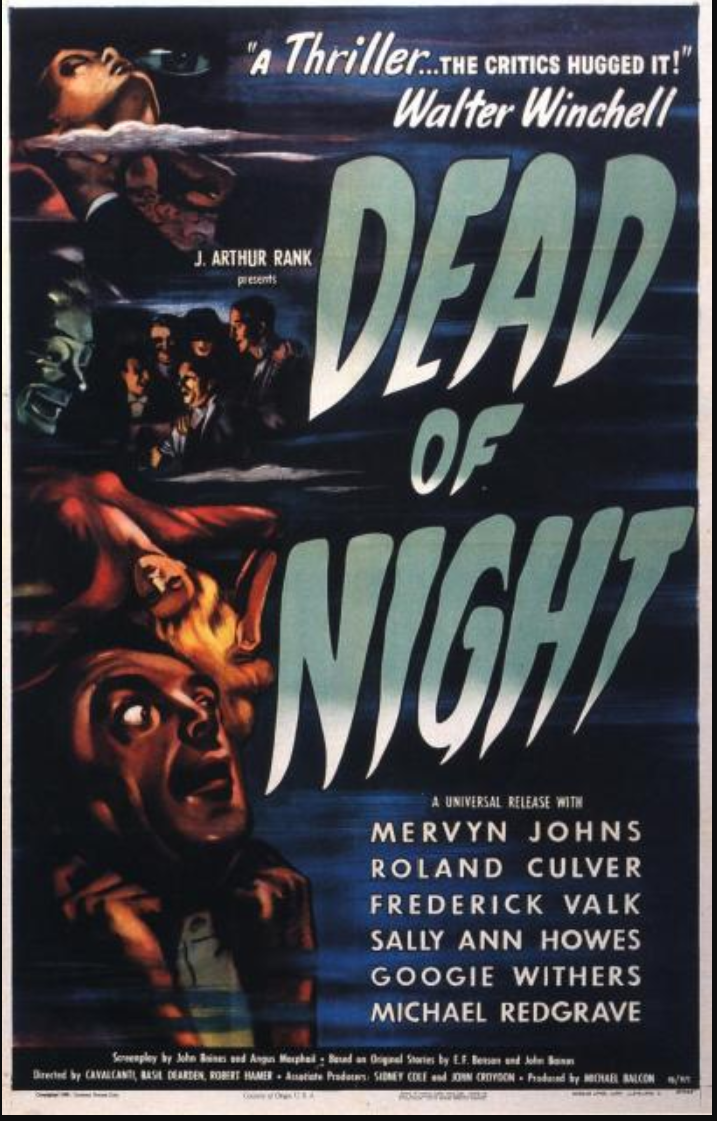
“There’s a ghost as well as a skeleton in everyone’s cupboard.”
|
Synopsis: |
|
Genres:
Response to Peary’s Review:
Most also agree that the fourth vignette (“Golfing Story”, directed by Charles Crichton) — about golfing buddies (Basil Radford and Naunton Wayne) whose rivalry for an indecisive woman (Peggy Bryan) leads to Wayne’s watery death and his resurrection as a vengeful ghost — seems out-of-place, given its decidedly lighthearted tone; Peary argues that it “should have been omitted” altogether, noting that “it was excised from the original print released in America”.
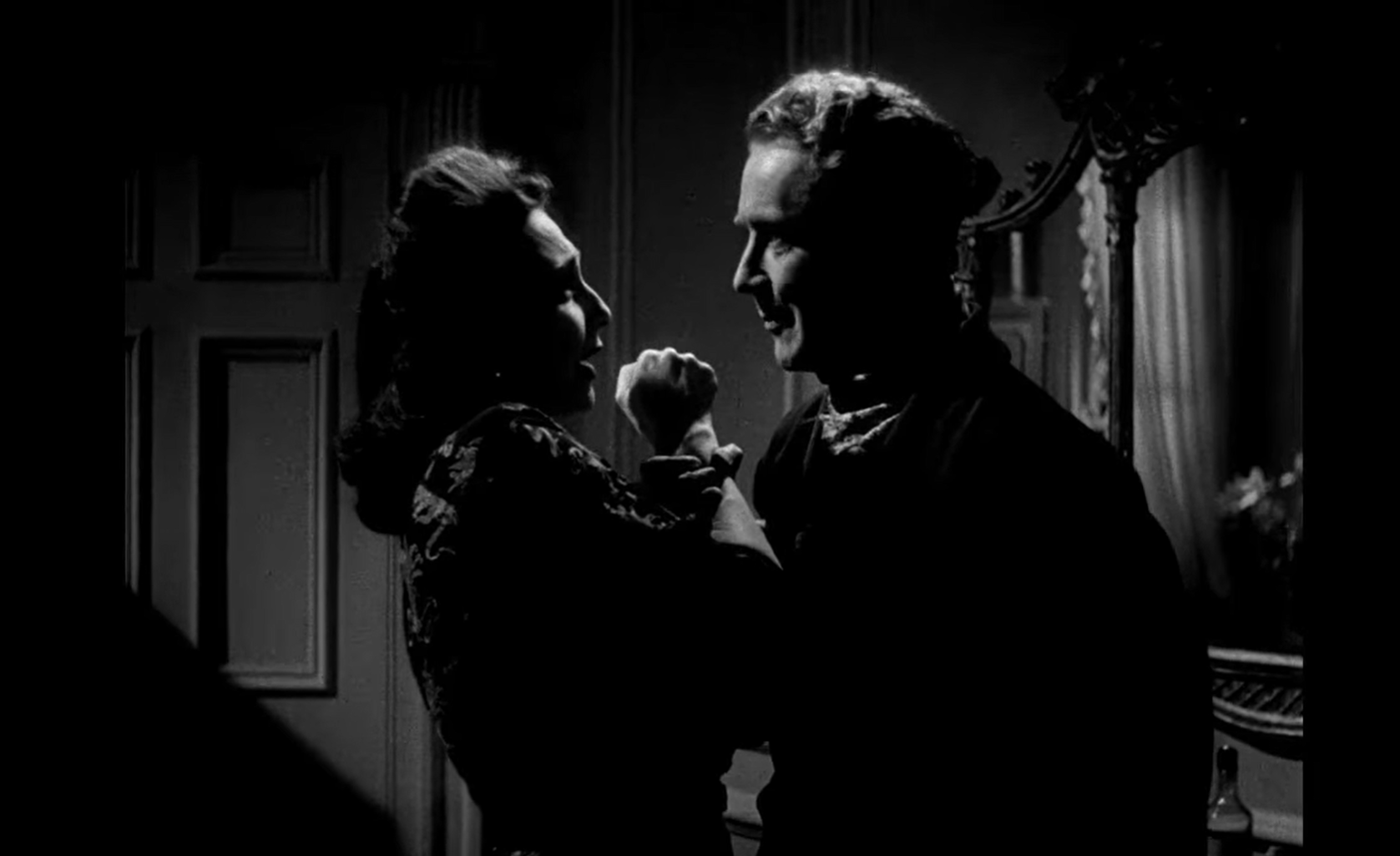
Also missing from this original print was the third vignette (“Haunted Mirror”, directed by Robert Hamer), a creepy morsel about a man (Ralph Michael) who “looks into a newly purchased antique mirror and sees the room of the previous owner, a jealous maniac who strangled his wife”, then “becomes possessed” and “starts to strangle his own wife (Googie Withers)”; it’s a satisfying little thriller, though we can’t help wanting to know more about the characters and their back stories.
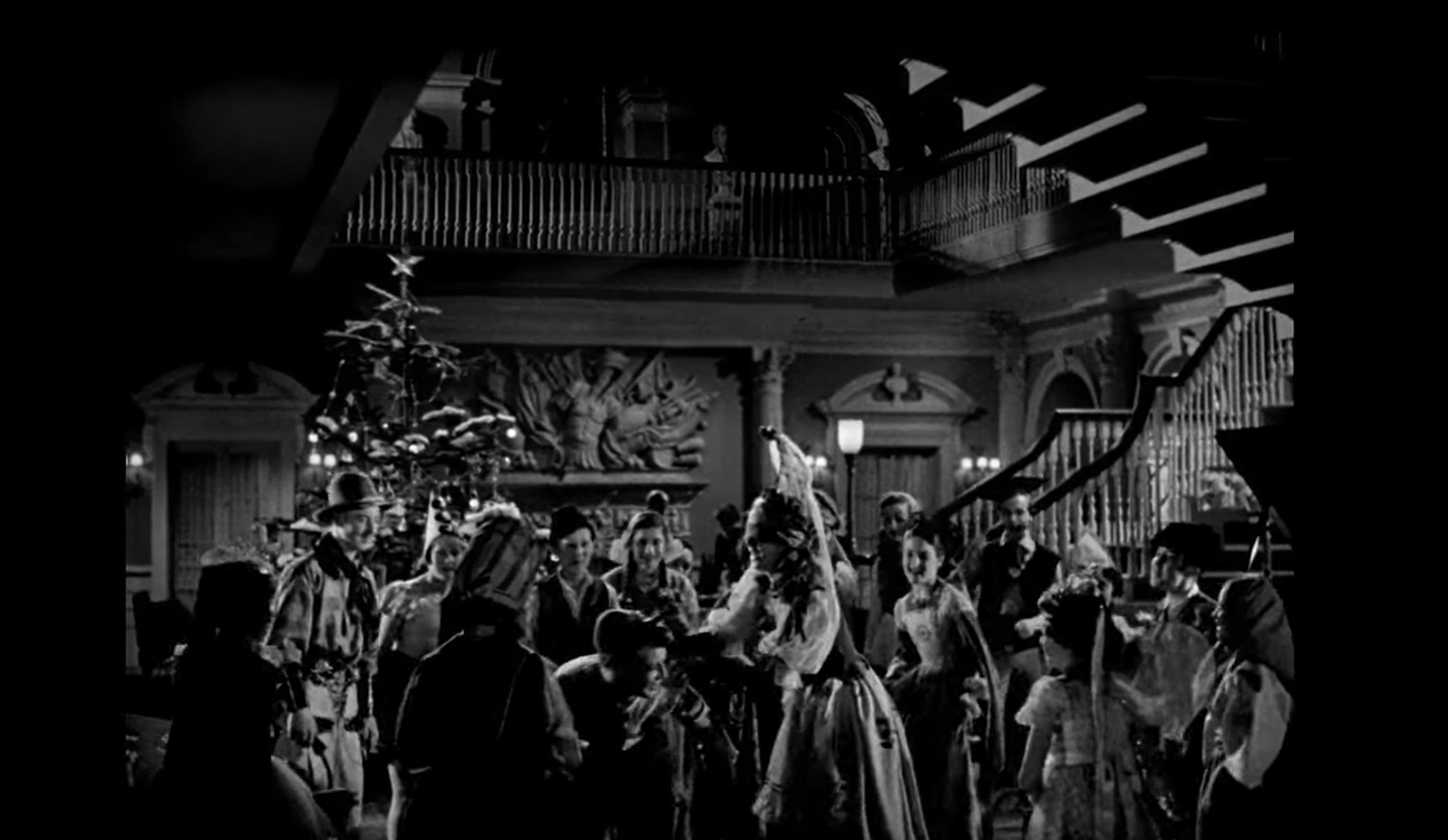
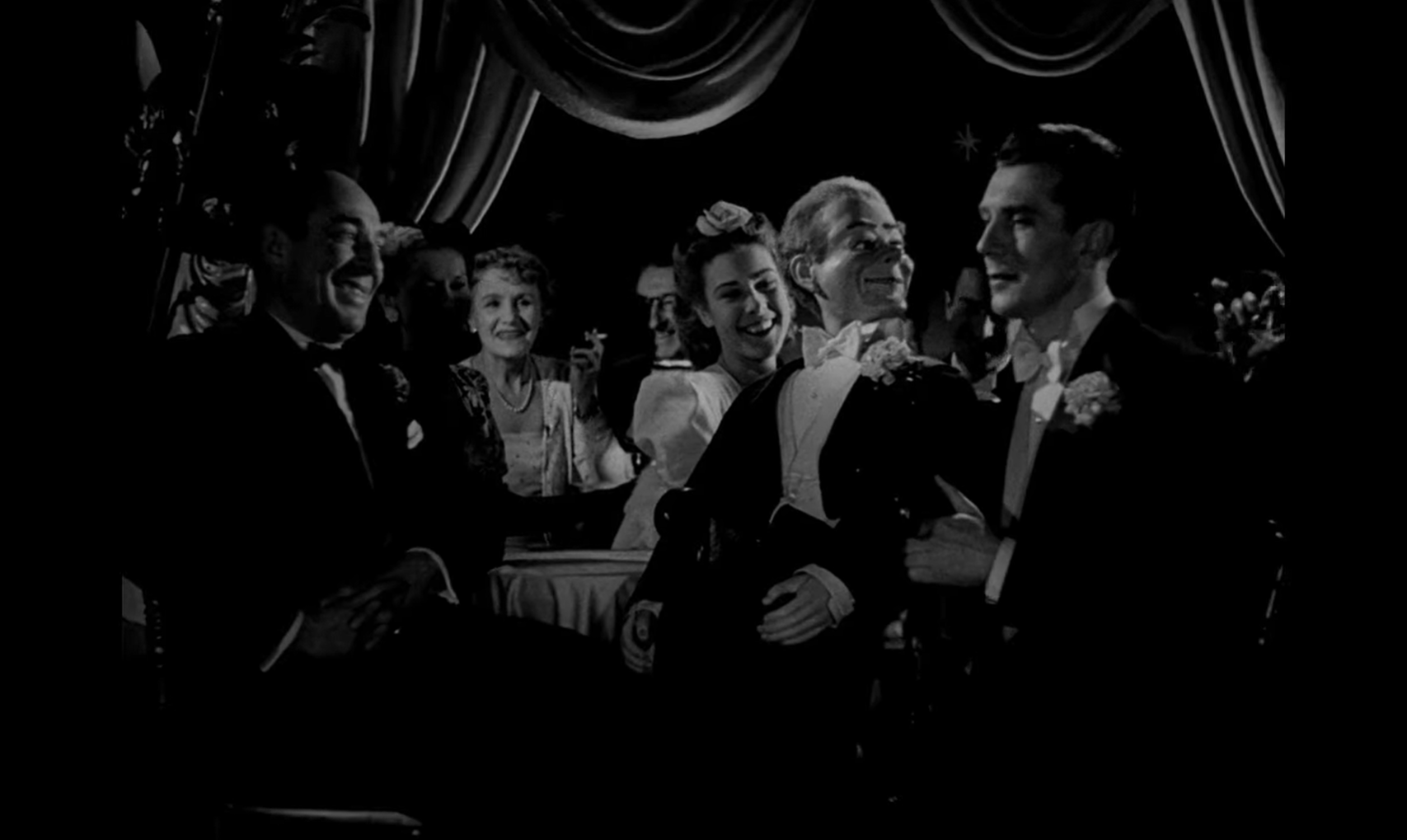
The same holds true for the first and second vignettes (“Hearse Driver”, directed by Basil Dearden, and “Christmas Party”, helmed by Cavalcanti) — both of which, as Peary notes, “should have been expanded”.
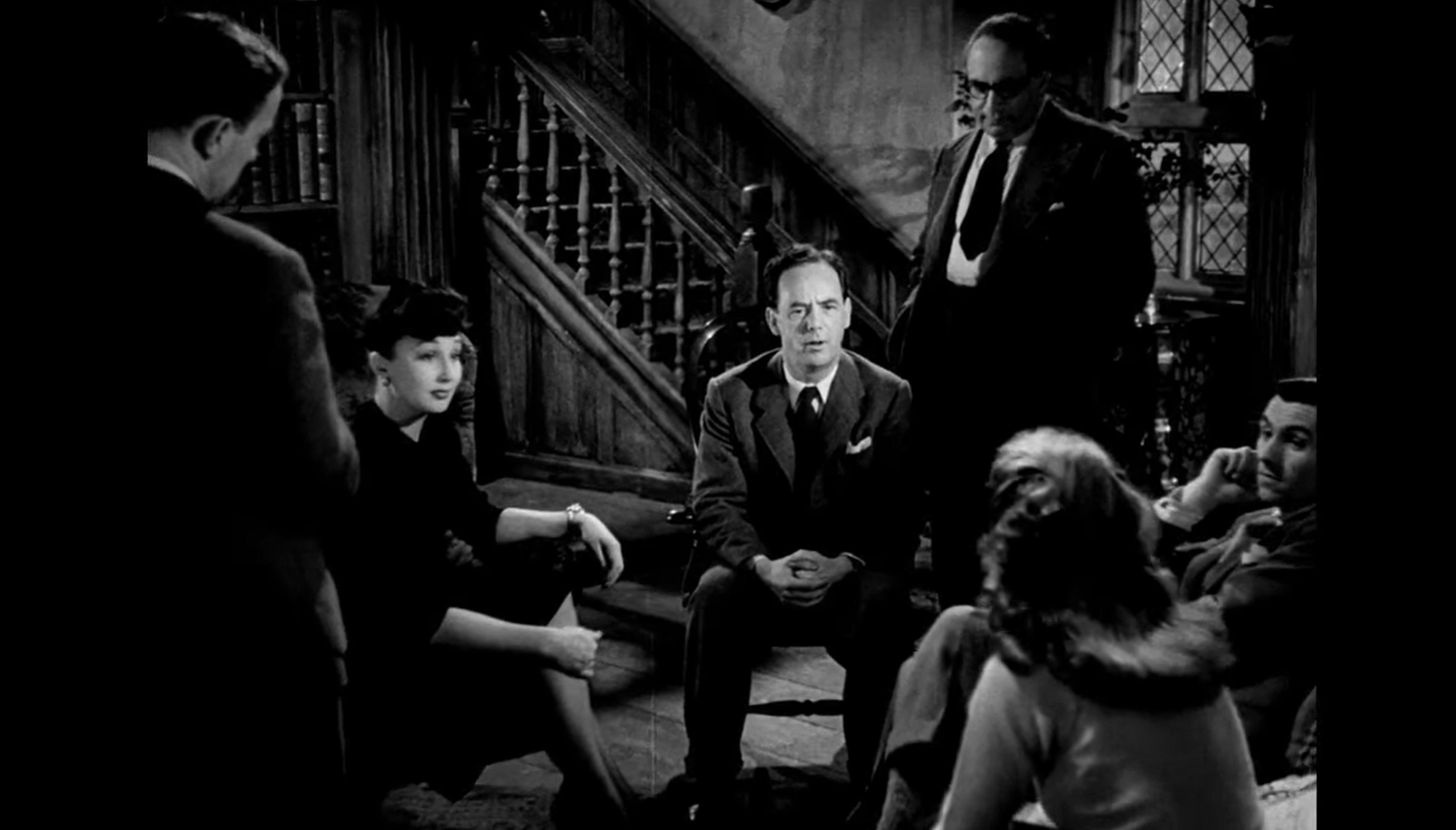
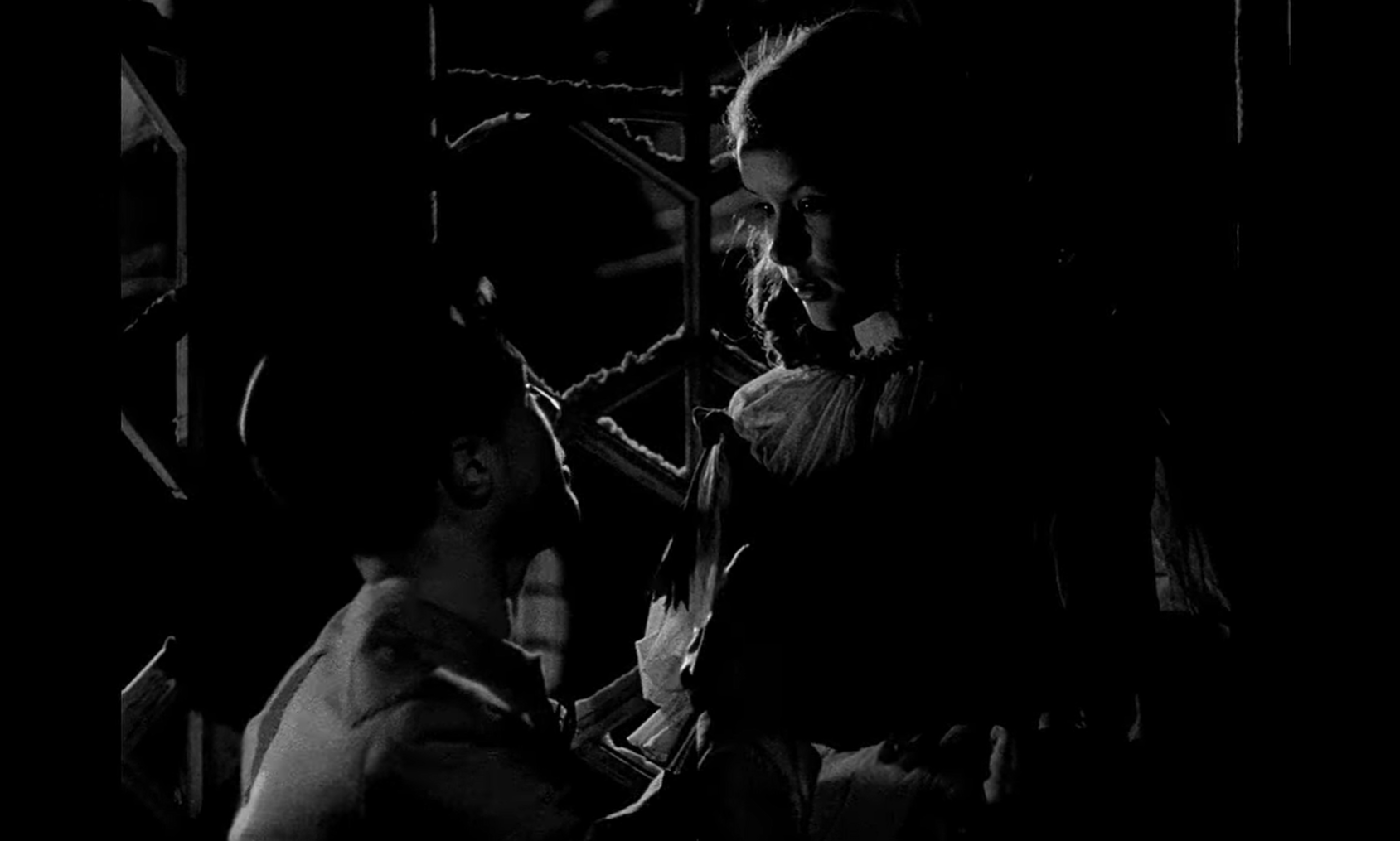
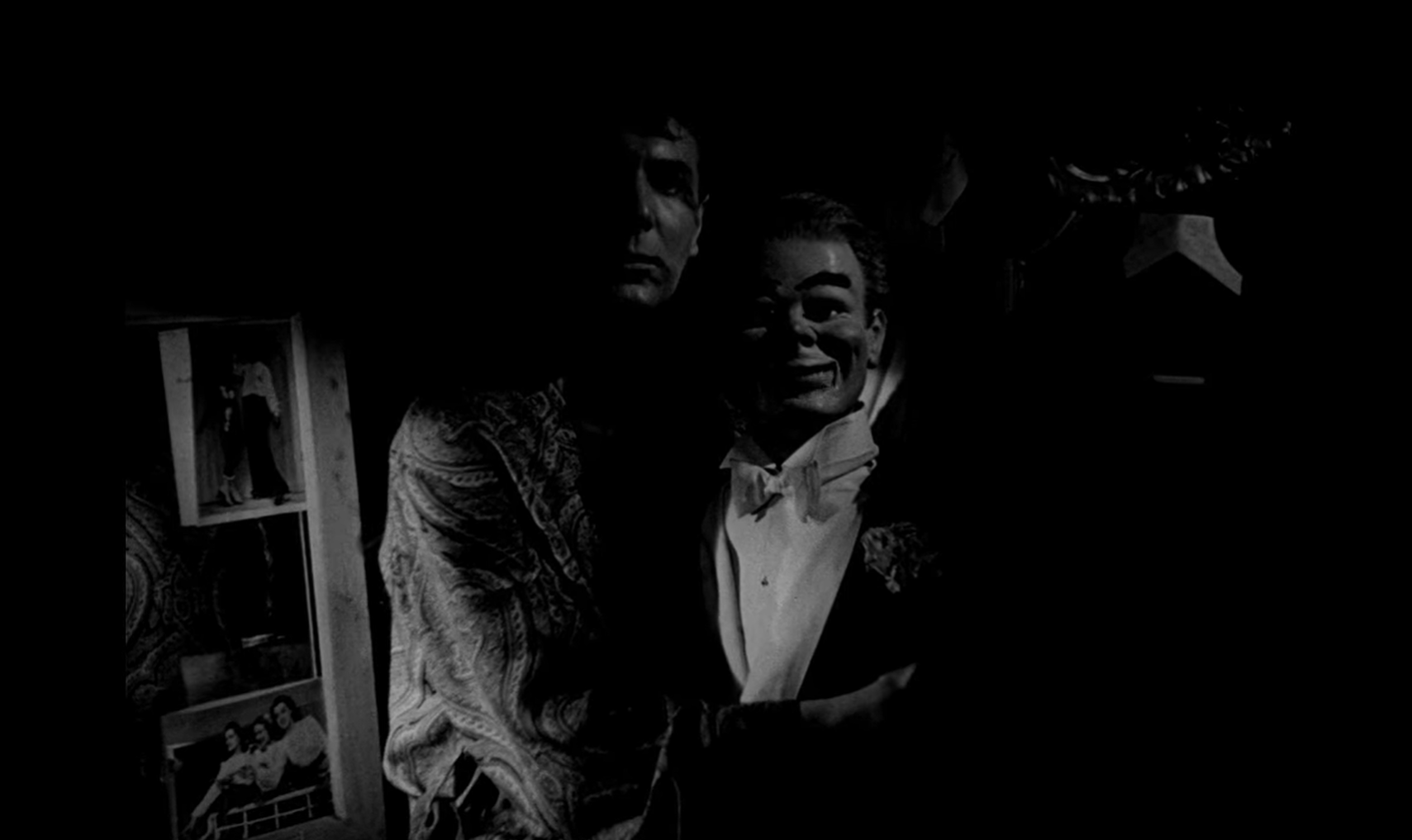
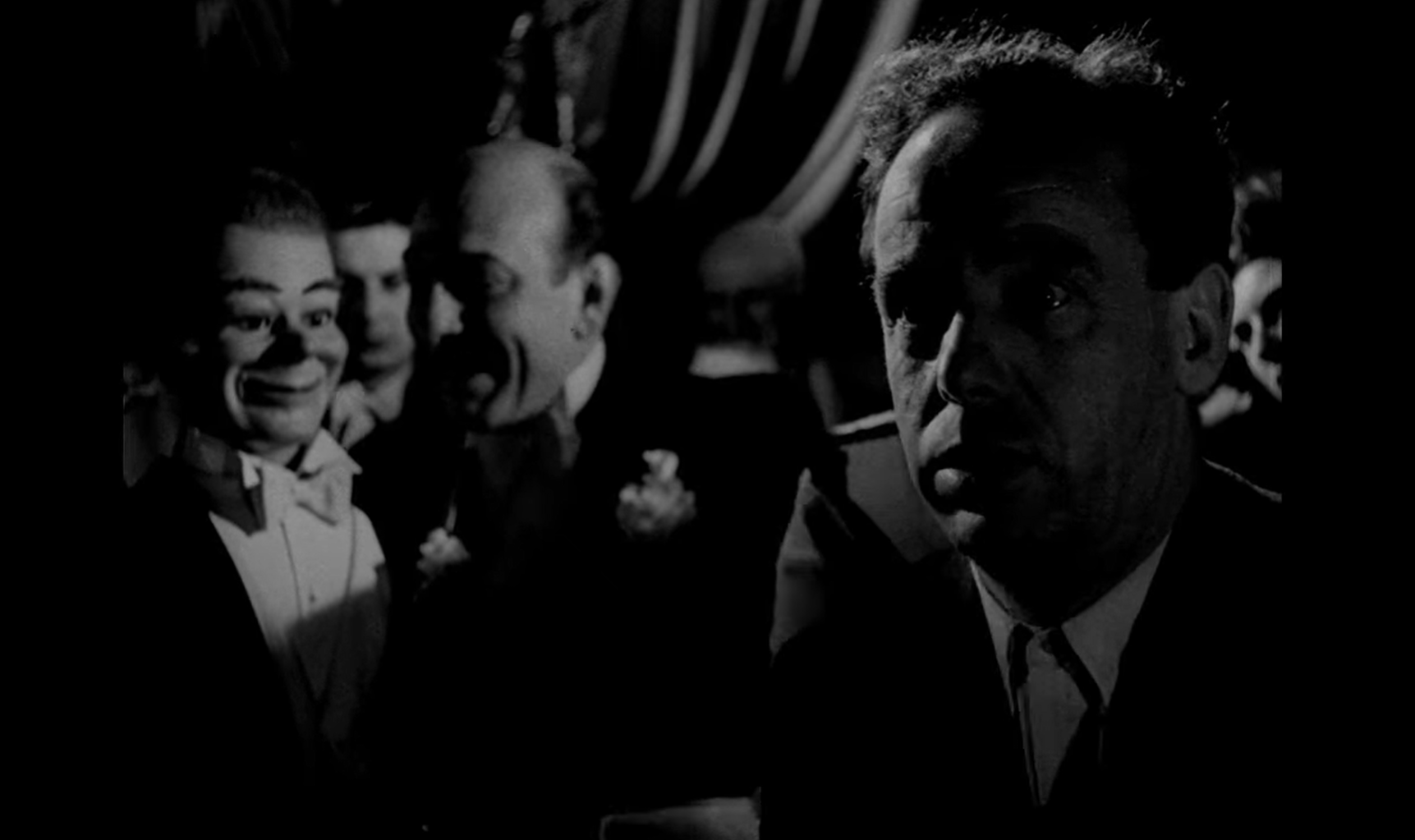
But it’s the connective story of this edited tale (directed by Dearden) which ultimately emerges as the unexpected shocker: what begins as a relatively straightforward tale of an everyman (Mervyn Johns) experiencing perpetual deja vu turns into a surprisingly complex meta-narrative.
As noted by DVD Savant, “audiences even now will be thrown by the ending revelations, because few people expect Borges-like time-space enigmas to intercede in mundane filmic reality”. While the vignettes in Dead of Night aren’t quite as frightening or creepy as one might hope, it’s nonetheless satisfying to see the way this diverse team of writers, directors, and actors manage to pull their stories together into one cohesive nightmare. Redeeming Qualities and Moments:
Must See? Categories Links: |
“Ours is a human world; theirs is a bestial world.”
|
Synopsis: |
|
Genres:
Response to Peary’s Review:
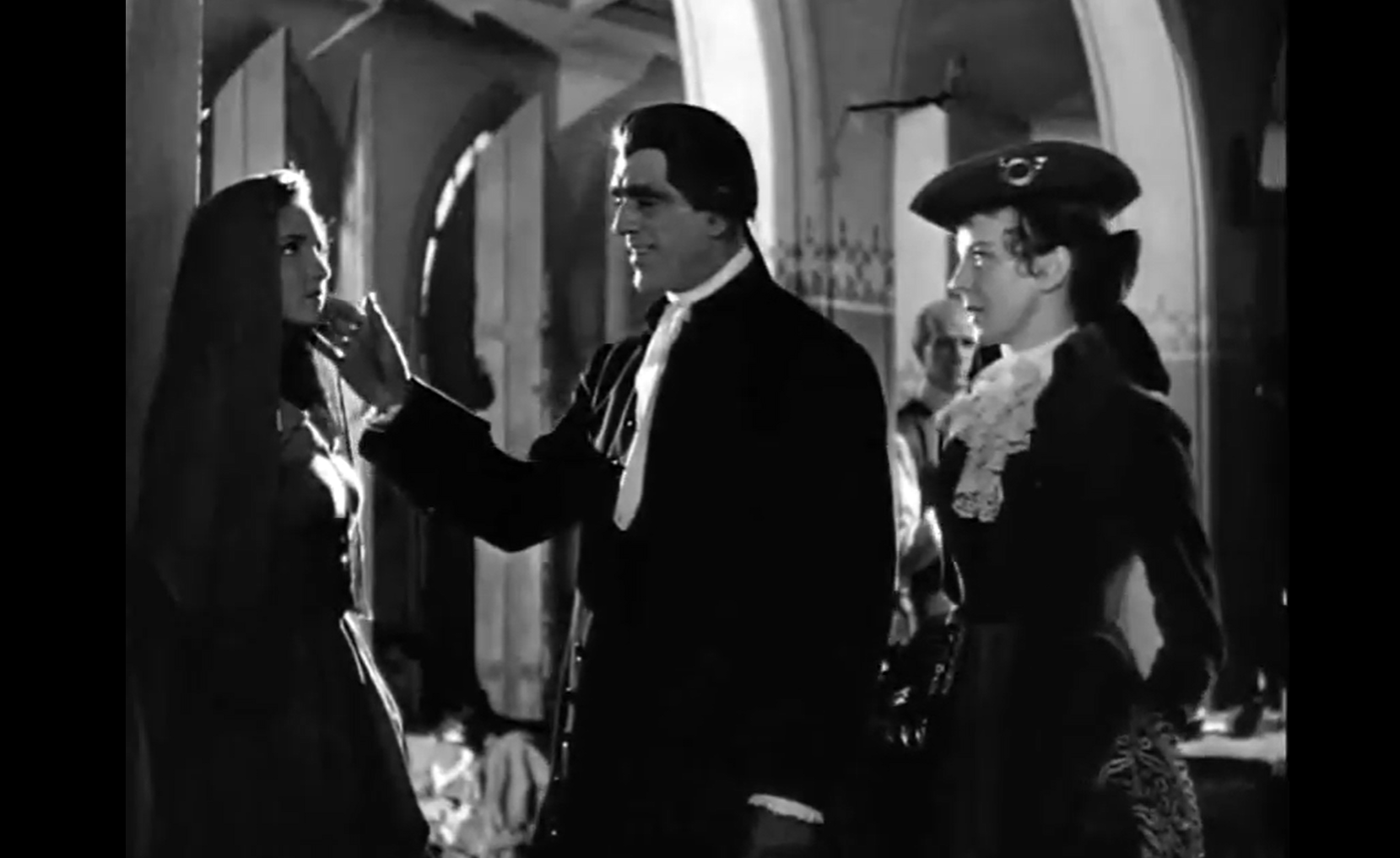
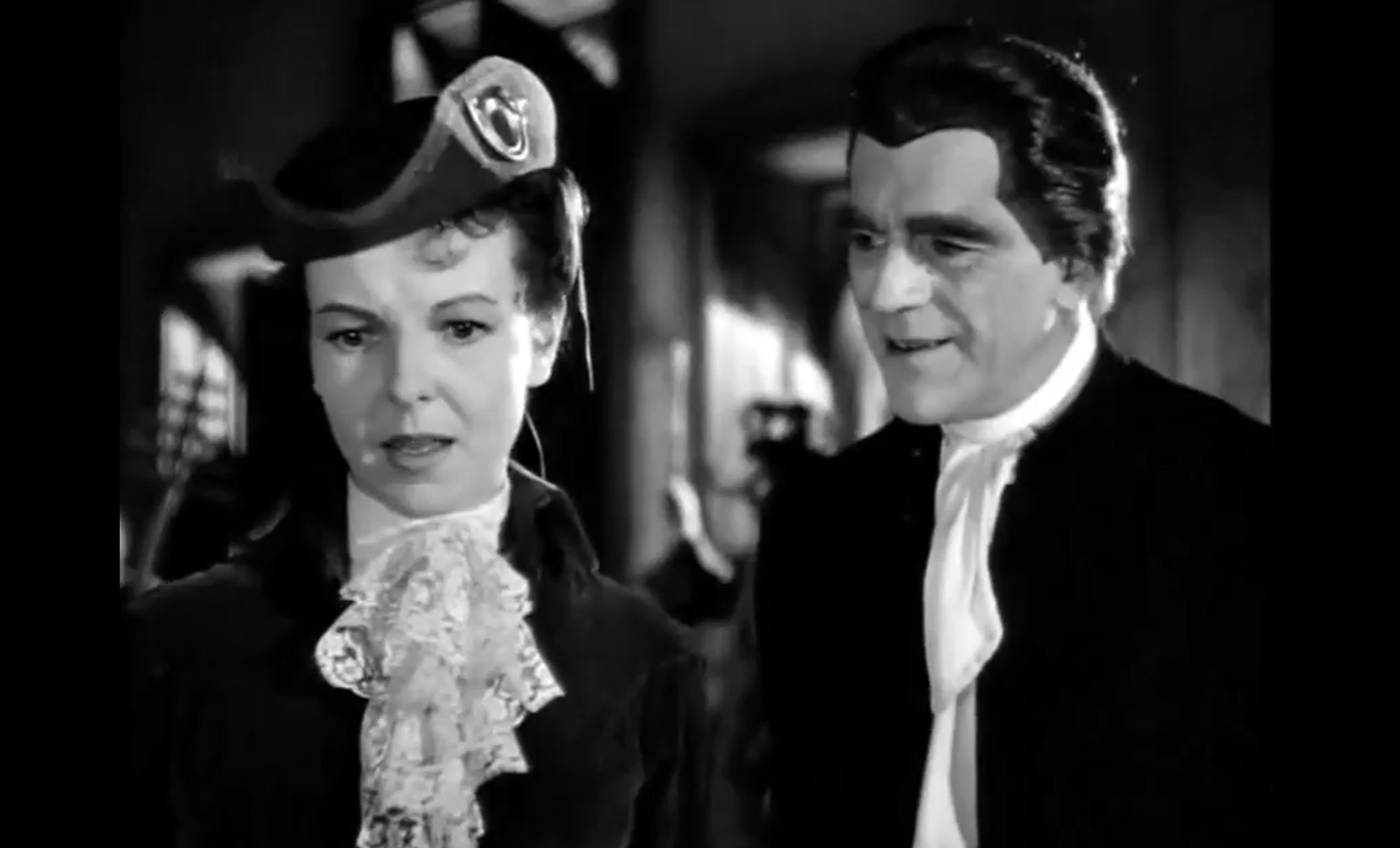
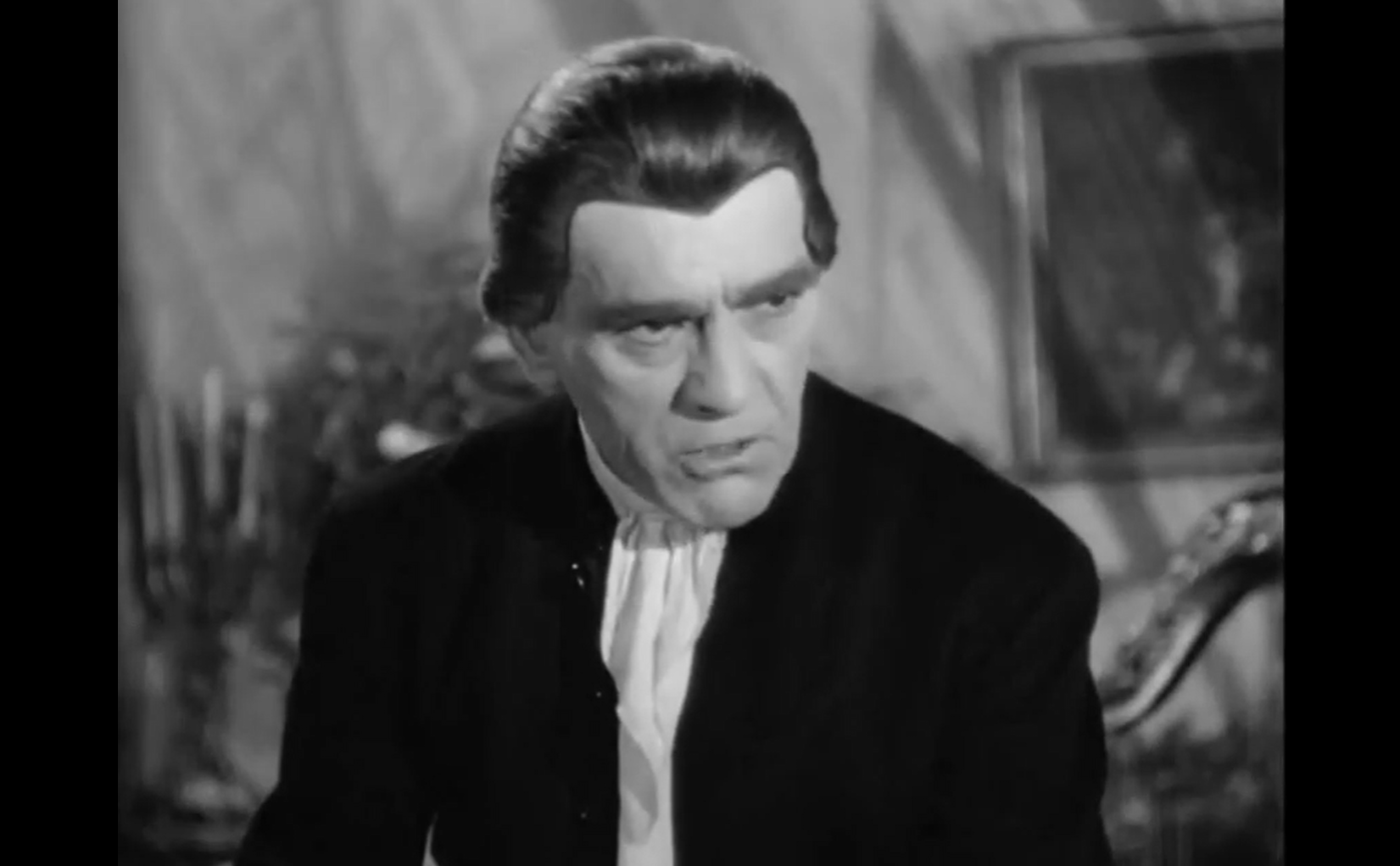
Karloff is perfectly cast here as “Master Sims” — an unspeakably evil psychopath whose desire to dominate those weaker than himself manifests in a hellish, sorry existence for the hapless souls trapped in Bedlam. His character’s depth of depravity is hinted at in one brief moment, as he strokes the cheek of a mute woman known simply as “The Dove”:
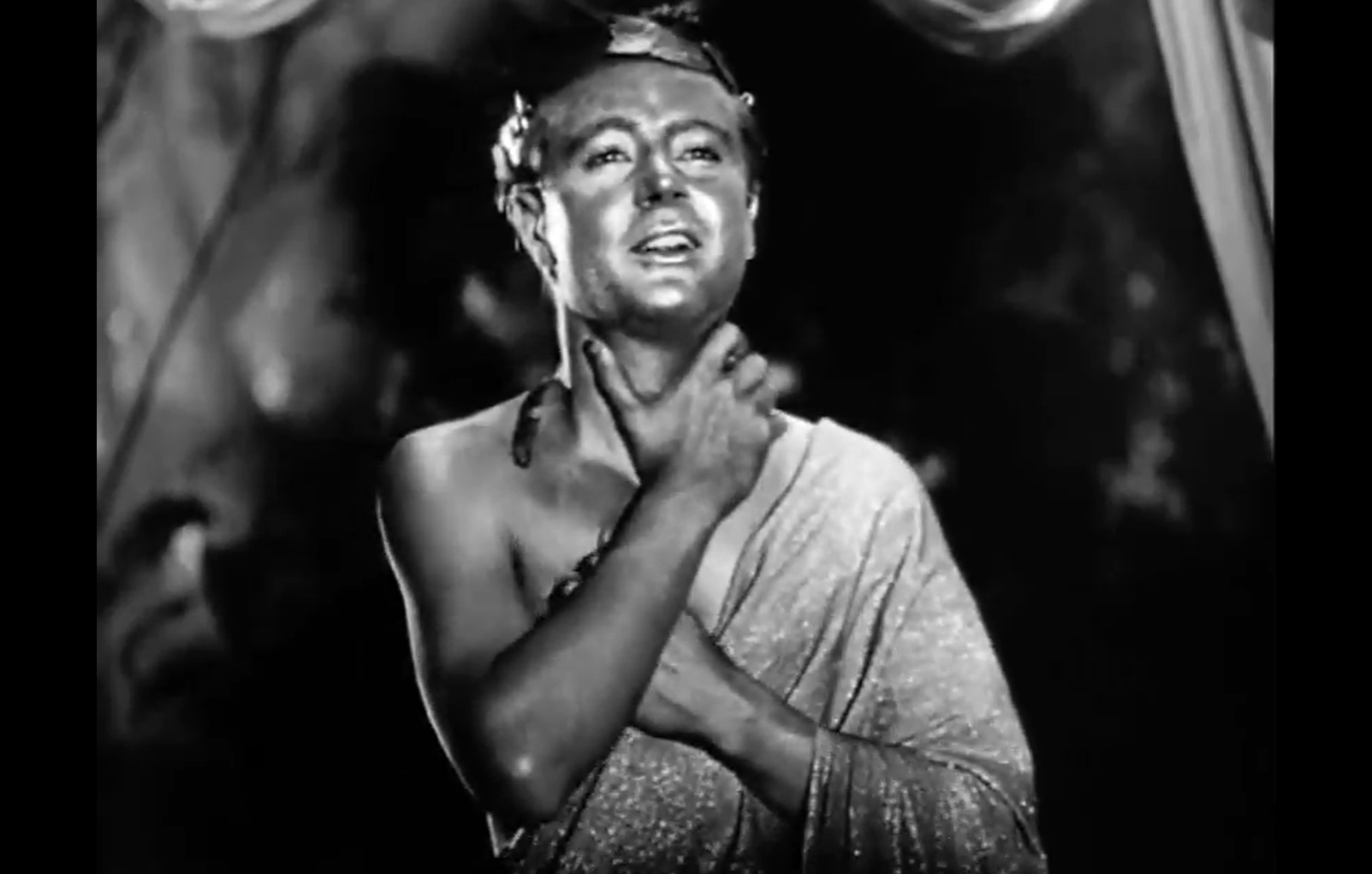
His simple gesture implies an ongoing history of sexual molestation, though this is never made explicit. Indeed, Sims’ depravity seems to have no limits: in one of the film’s most eerily disturbing scenes, Sims allows a young boy (Glenn Vernon) painted entirely in gold to suffocate while reciting a poem, then casually asserts that the boy caused his own death.
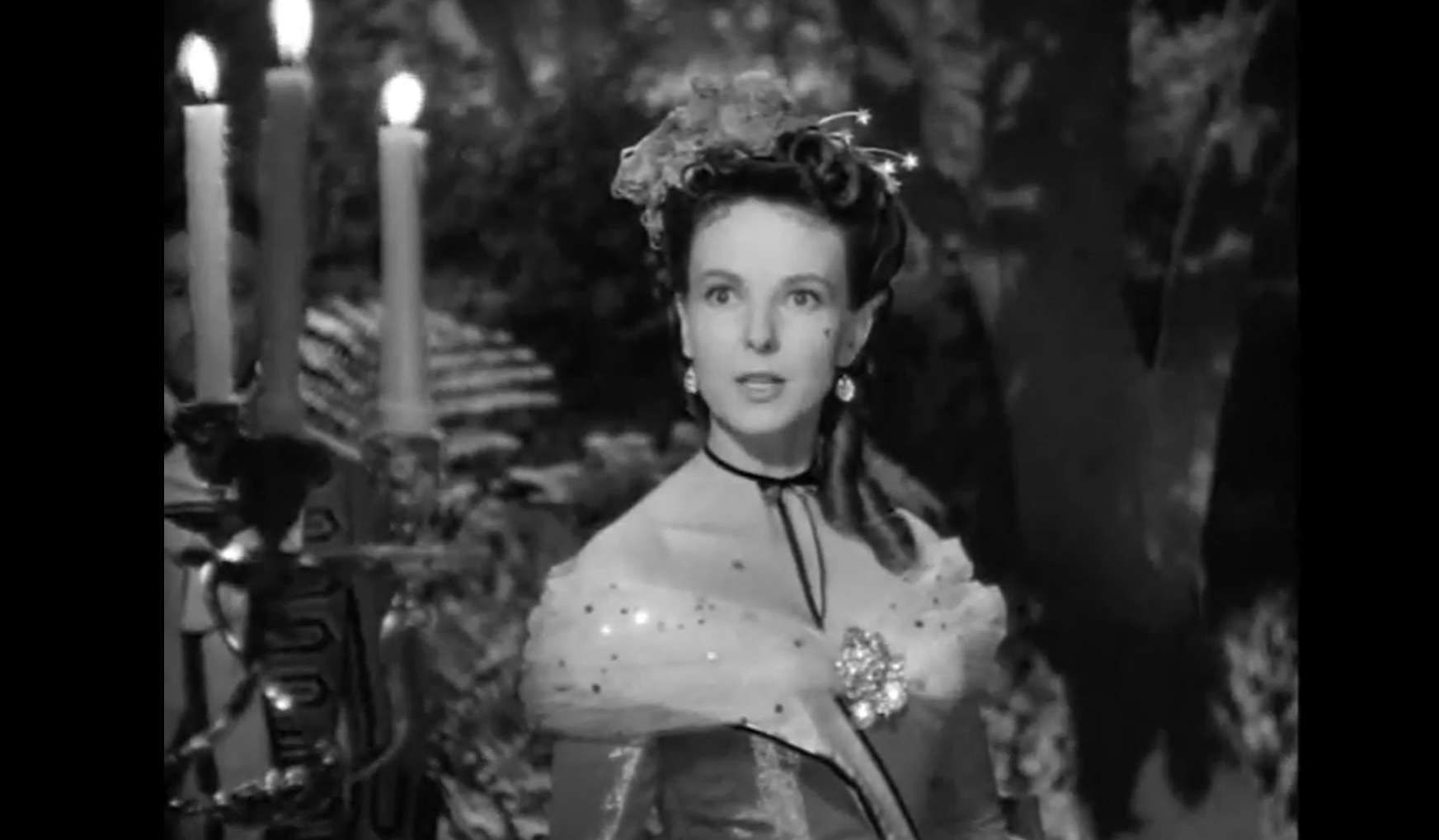
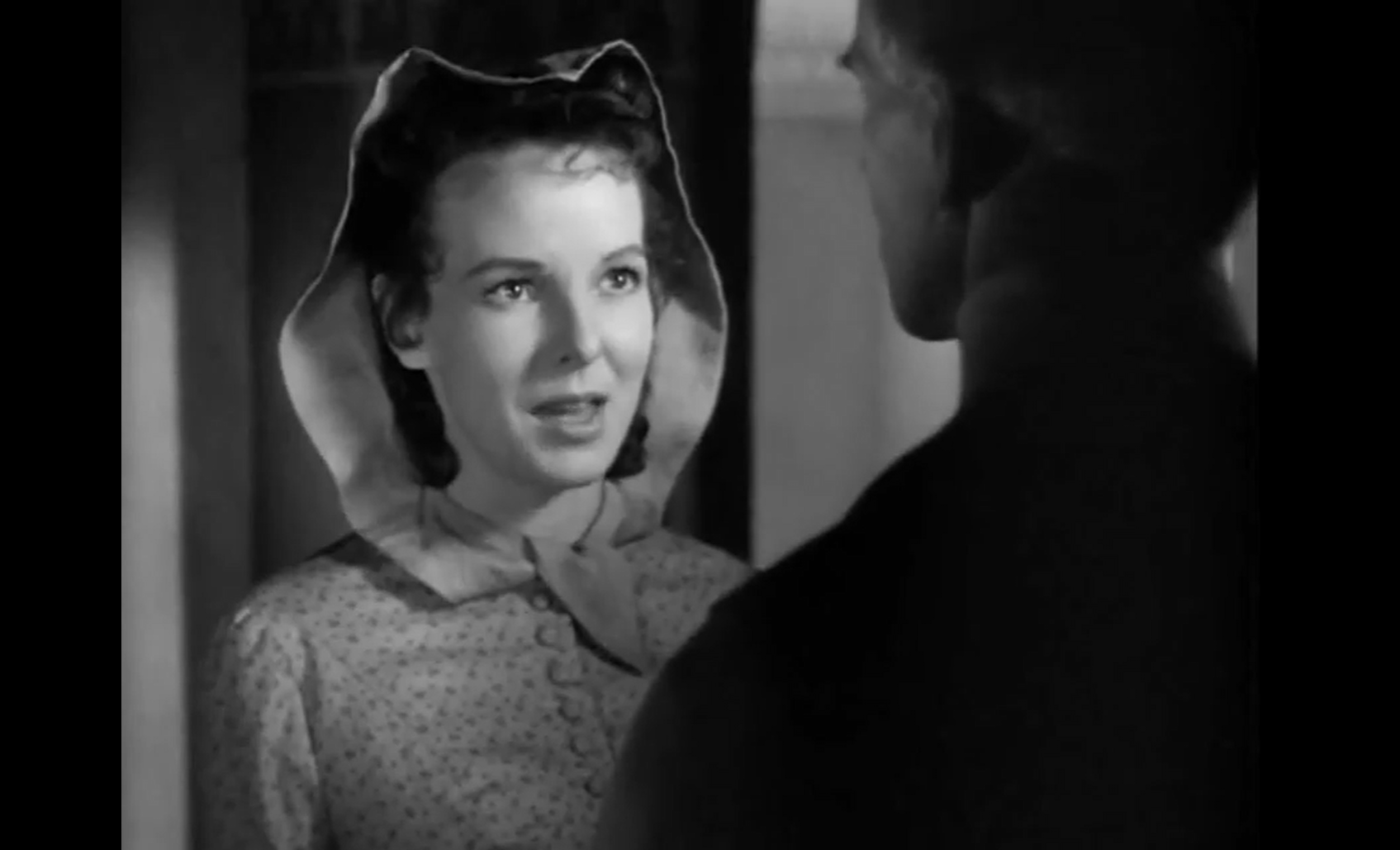
But it’s Anna Lee’s fiery courtesan Nell Bowen who this story is really about. As Peary notes, Lee is indeed “the most dynamic of Lewton’s remarkable women” — and her character’s transformation from self-absorbed mistress to selfless caretaker (without ever losing any of her spunk or vitality) drives the narrative.
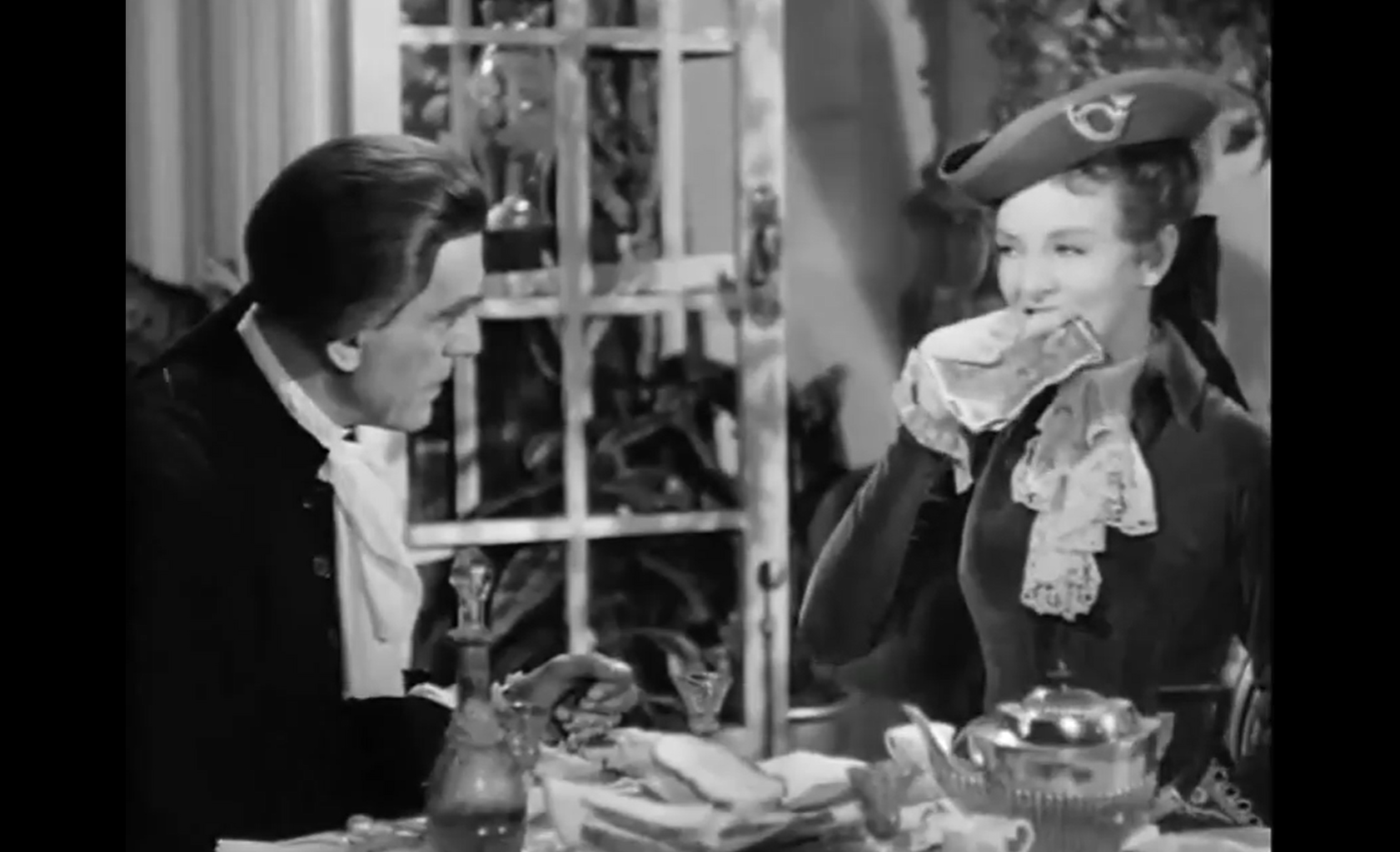
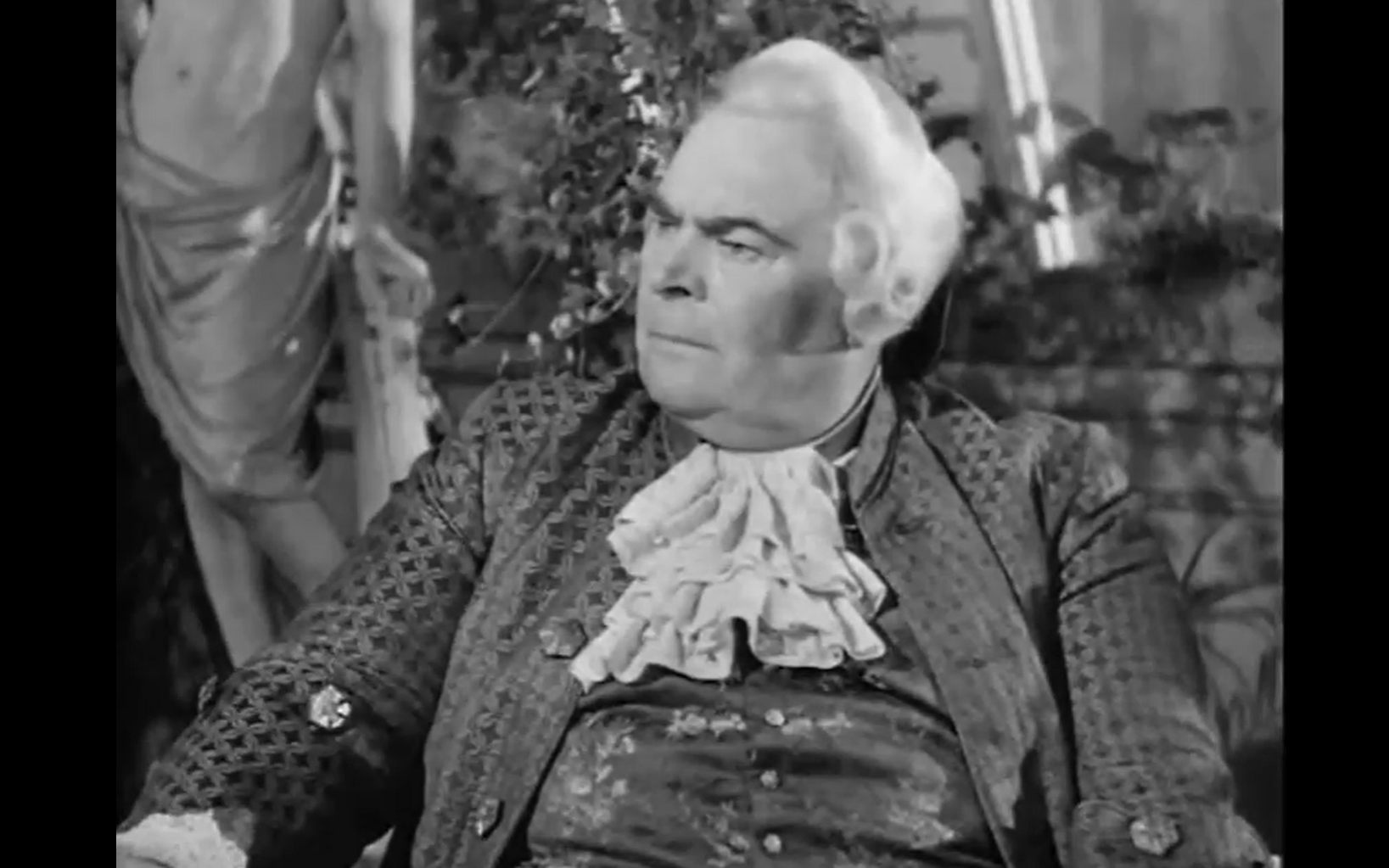
As noted in TCM’s analysis, the film could be seen in some ways as a “feminist horror film”, given that the intelligent, fearless Bowen is essentially being punished for speaking her mind. When Bowen makes the mistake of defiantly eating the money given to her by her former client (House is drolly amusing as the corpulent, well-meaning, yet fatally clueless Lord Mortimer):
… our hearts sink from the knowledge that Sims will inevitably twist its meaning and use it against her. SPOILER ALERT Fortunately, Sims comes to an appropriately horrifying ending in the film’s satisfying, Poe-inspired denouement.
Note Apparently Lee’s riding dress is the infamous “curtain dress” worn by Vivien Leigh in Gone With the Wind (1939).
Redeeming Qualities and Moments:
Must See? Categories Links: |
“If you knew Archer Coe, you’d know that suicide was almost a psychological impossibility for him!”
|
Synopsis: |
|
Genres:
Response to Peary’s Review: Redeeming Qualities and Moments:
Must See? Links: |
“Go ahead — make my day.”
|
Synopsis: |
|
Genres, Themes, Actors, and Directors:
Response to Peary’s Review:
Indeed, Eastwood fails to elicit any subtlety whatsoever from the rest of his cast: the gang of rapists — including a “mean, foul-mouthed lesbian” (Audrie Neenan):
and the gang’s psychotic leader (Paul Drake) — are particularly one-dimensional; meanwhile, Pat Hingle as San Paulo’s defensive sheriff is sadly underused. Joseph Stinson’s hardboiled script contains plenty of zingy one-liners (including the infamous “Go ahead — make my day”), but is ultimately too focused on providing “Dirty Harry” with dramatic opportunities to kill off Bad Guys to make the most of what should be a compelling tale of justifiable revenge and vigilante romance. Redeeming Qualities and Moments:
Must See? Links: |
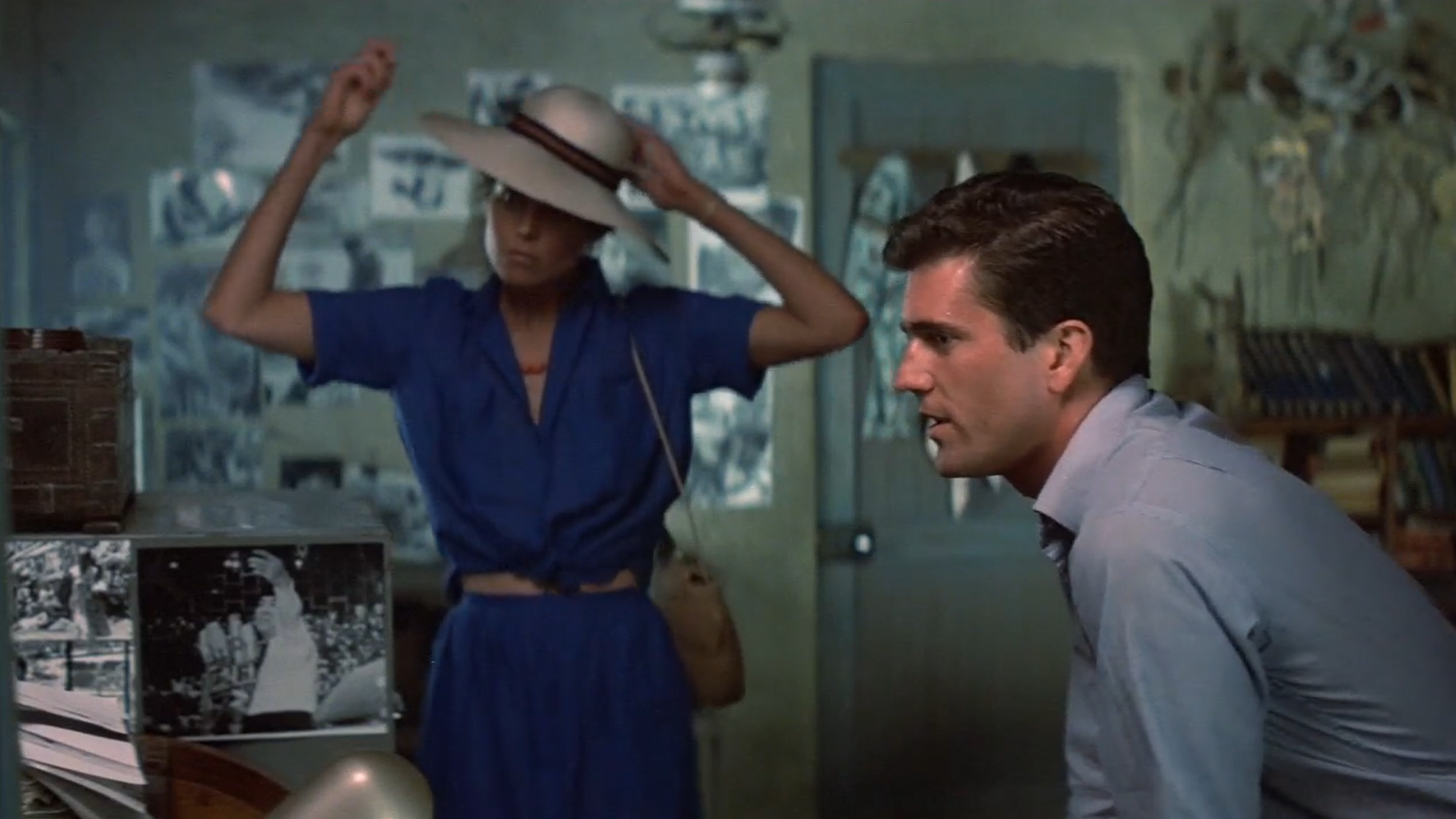
“We’ll make a great team, old man: you for the words, me for the pictures. I can be your eyes.”
|
Synopsis: |
|
Genres, Themes, Actors, and Directors:
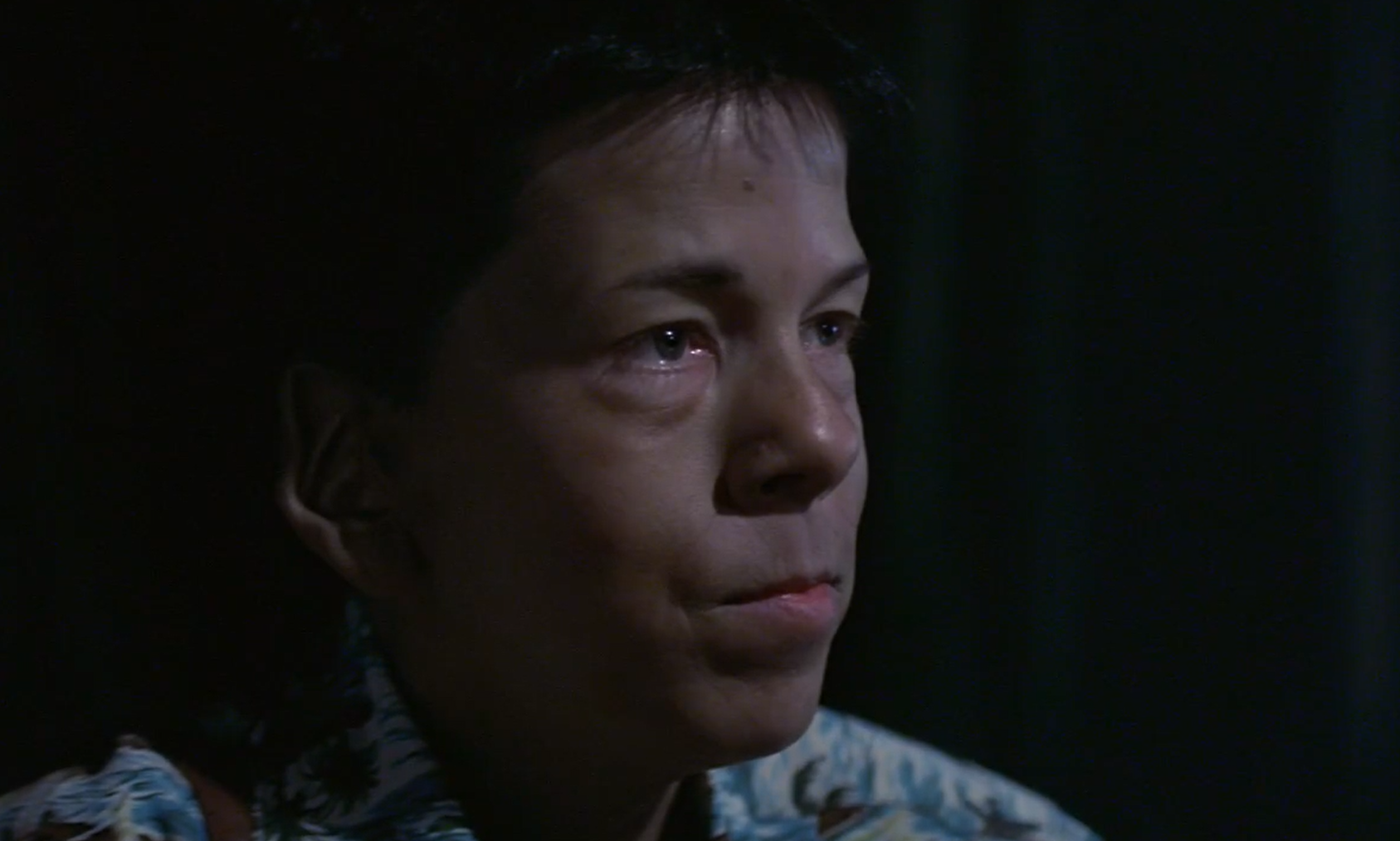
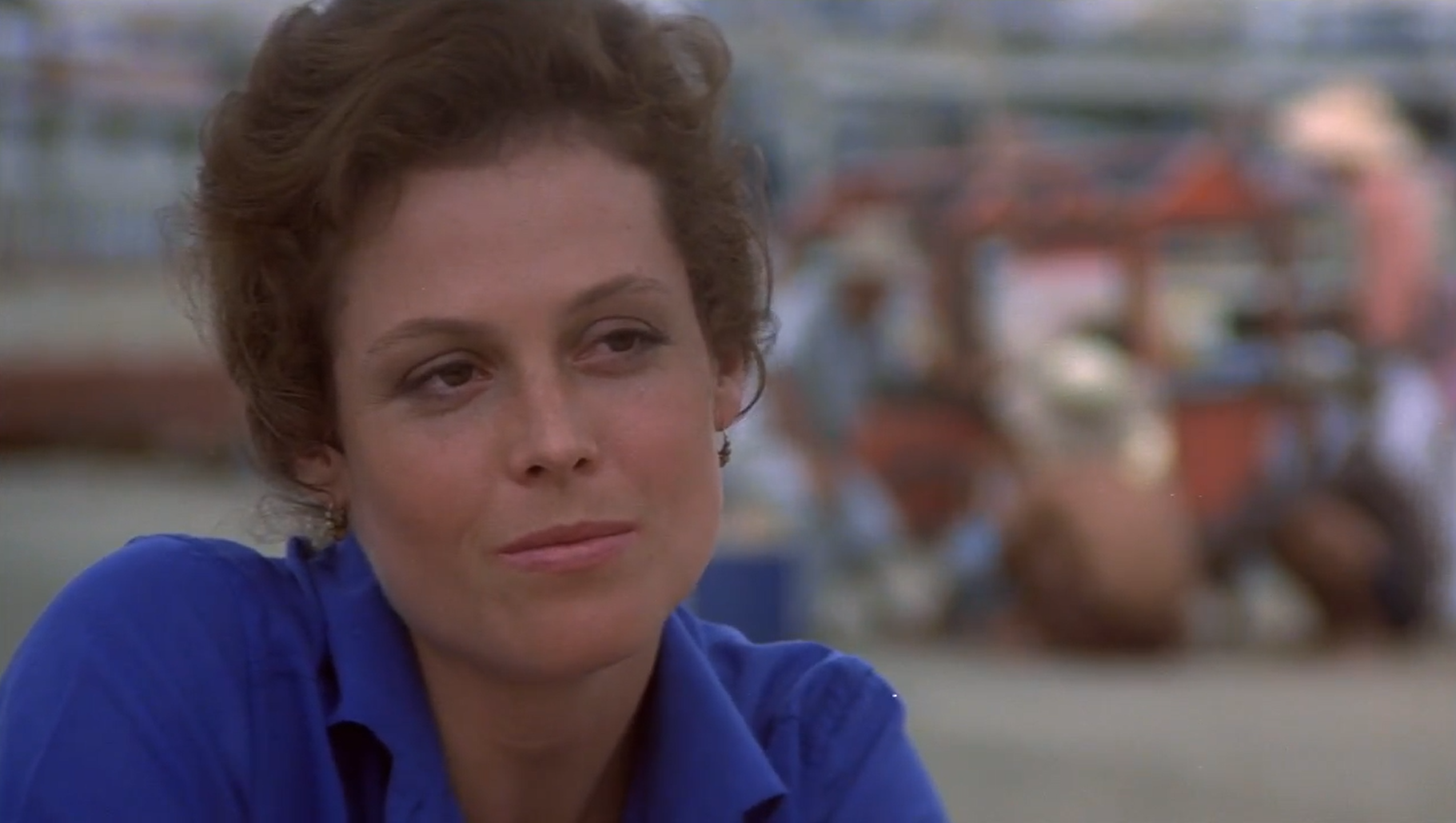
Response to Peary’s Review: Gibson is ostensibly the lead protagonist in the film, given that it’s his growth of conscience as a reporter — and his erotic courtship with sexy, smart Weaver — which form the primary arc of the narrative. Yet it’s the Chinese-European dwarf photographer “Billy Kwan” (Hunt) who ultimately leaves the deepest impression.
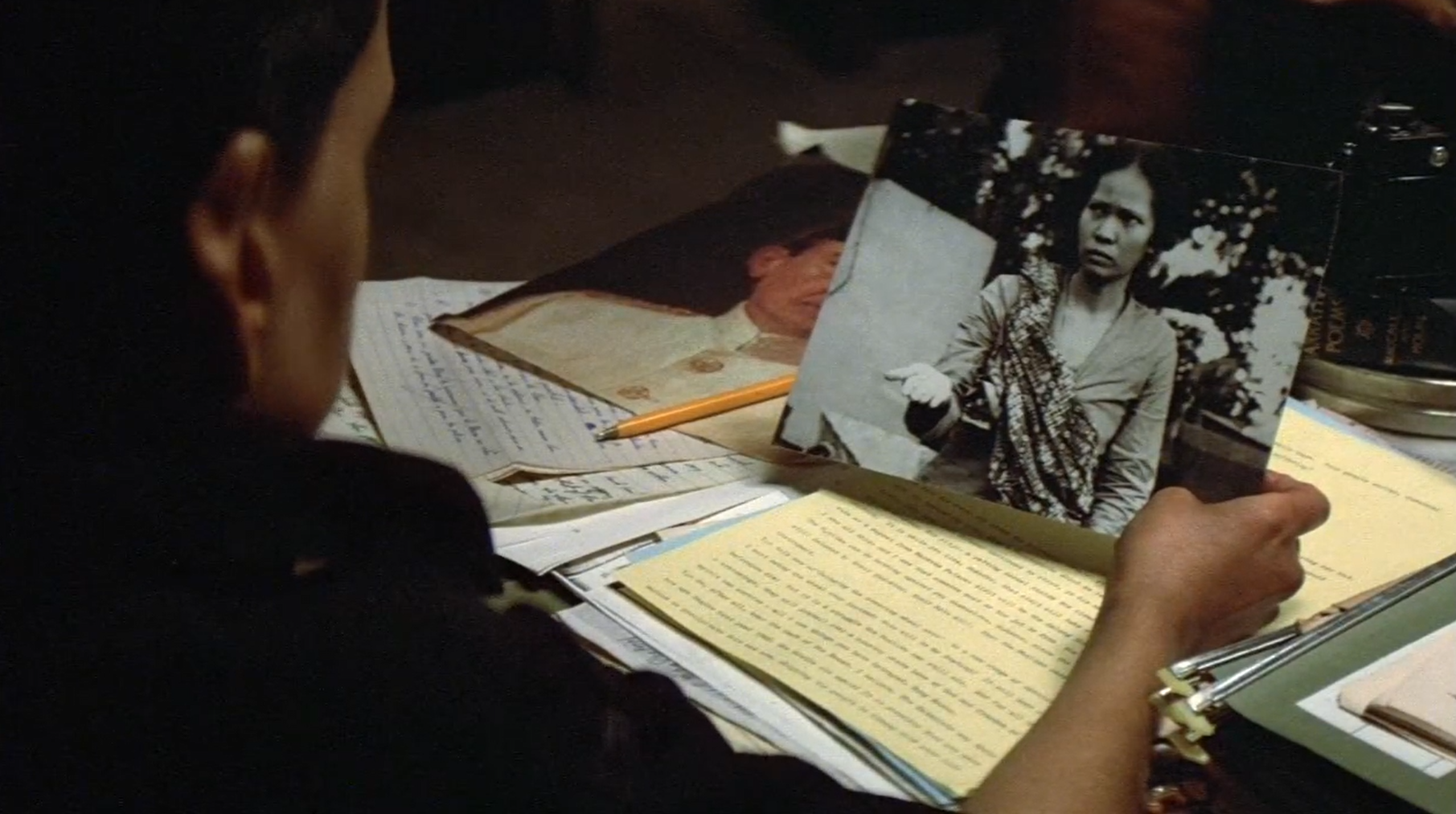
As Peary notes, Kwan is a truly “enlightened male”, someone whose socialist ideals allow him to transcend his own beleaguered stature in life (he’s cruelly teased by his ignorant colleagues) and instead work towards helping “spread sunshine” in whatever small ways he can. Essentially a collector of people, he keeps extensive files on his friends and associates in order to both understand them and help guide them:
— a pastime which sounds creepy (indeed, Hamilton accuses him of being an operative), but is clearly driven by Kwan’s deep desire to help the world, and his realization that, as a misunderstood, marginalized dwarf, he must enlist the help of others in order to achieve his goals. Hunt “deservedly won an Oscar” for her performance as Kwan, and she’s reason enough to check out this satisfying political drama. Redeeming Qualities and Moments:
Must See? Categories
Links: |
“I shall stay until the wind changes.”
|
Synopsis: |
|
Genres, Themes, Actors, and Directors:
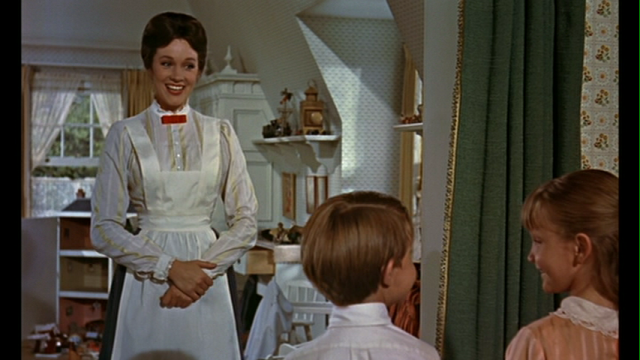
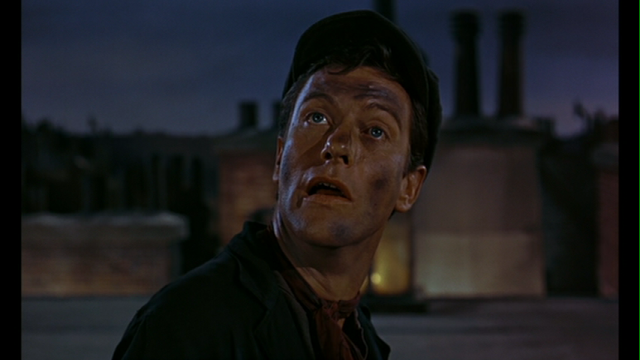
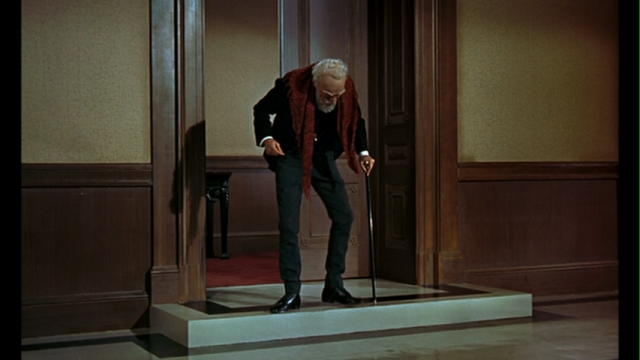
Response to Peary’s Review: Yet Peary’s assessment seems unduly harsh, given that beautiful Andrews (whose iconic voice is in peak form here) literally glows in the title role, and creates an undeniably memorable character in her film debut. Meanwhile, though Peary gripes about Van Dyke’s obviously “phony cockney accent”, kids won’t care — and his “Bert” is such a changeable fellow (he holds down no less than four different jobs throughout the film: a one-man band, a chalk artist, a chimney sweep, and a kite salesman) that it actually makes sense for his accent to be somewhat difficult to pin down. In addition, his “cameo” role as the elder Mr. Dawes (which he fought to get) is enormously enjoyable (apparently Dotrice and Garber weren’t told that it was Van Dyke underneath all that makeup and snowy white hair!). With that said, I’ll agree with Peary about some of the film’s flaws. First, at 139 minutes, it is indeed “about 40 minutes too long”, and could have used some serious editing. The chalk-drawing sequence, for instance — though imaginatively conceived — ultimately drags on longer than necessary; and while I enjoy Ed Wynn’s improvisatory turn as the high-on-laughter “Uncle Albert”, this entire musical sequence does nothing to further the plot, instead simply showcasing Poppins at her least appealing (she’s all simpering, thin-lipped disapproval, but what’s the harm in wanting to laugh yourself silly every once in a while?). Finally, I’ll agree with Peary that Andrews’ character isn’t given enough screentime: as he points out in Alternate Oscars, she “disappears for such long, pivotal stretches of the movie that her part nearly becomes a supporting one”. It should be noted that Peary is not the only critic of this beloved film: P.L. Travers — author of the “Mary Poppins” series (there were 8 books in all) — was notoriously displeased with the way in which her fictional creation was transferred to the big screen. According to an article by Caitlin Flanagan for The New Yorker*, Travers’ “Mary Poppins” was far from the stern but loving caretaker portrayed by Andrews:
For better or for worse, however, Disney’s version of Mary Poppins is the one most children will grow up getting to know — and, given its historical importance, the film itself remains indispensable viewing (at least once) for all film fanatics. Note: A weird bit of trivia on the film, according to IMBd: “Many of the nannies in the large queue of applicants for the job at the start of the film were actually men in drag.” !!! * Thanks to my friend David for pointing this article out to me! Redeeming Qualities and Moments:
Must See? Categories
Links: |
“There’s a lotta things about me you don’t know anything about, Dottie — things you wouldn’t understand. Things you couldn’t understand. Things you shouldn’t understand.”
|
Synopsis: |
|
Genres, Themes, Actors, and Directors:
Response to Peary’s Review:
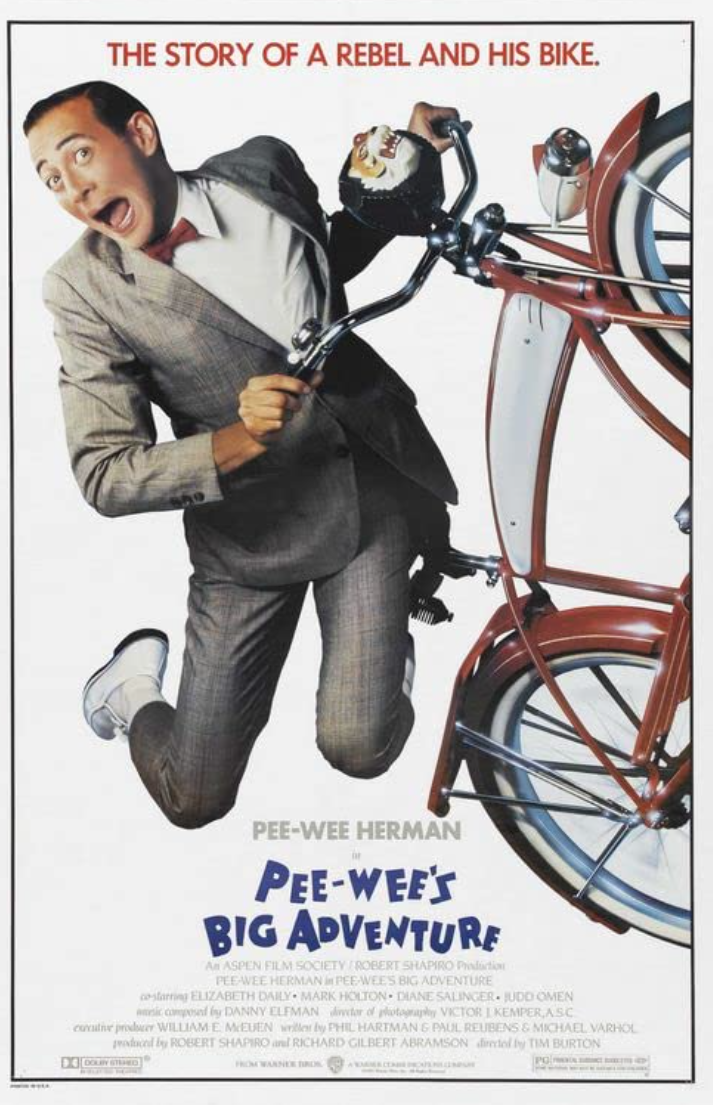
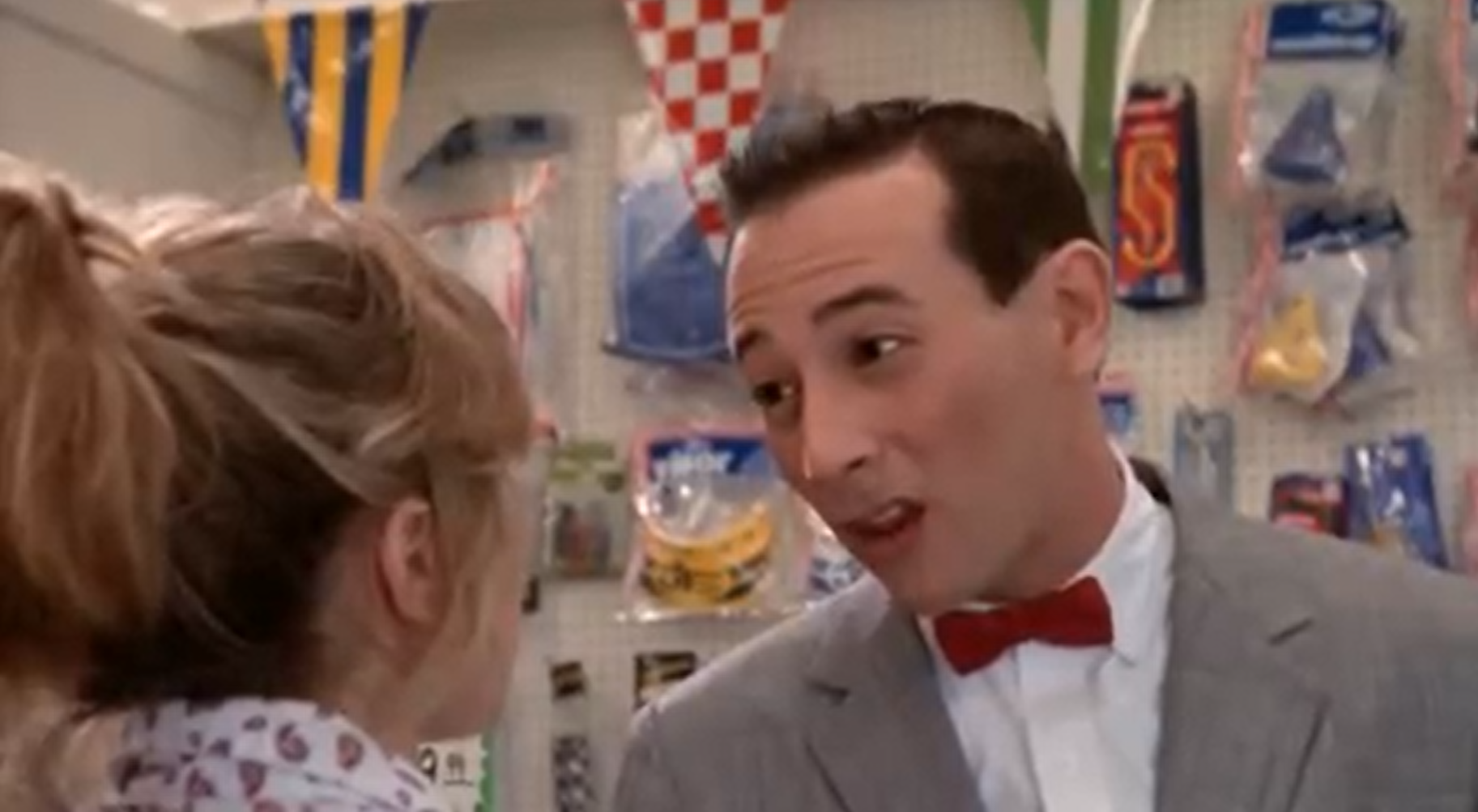
And the film’s “manic, rhythmic” narrative is sprinkled with “a lot of characters who are almost as weird as he is” — it’s impossible to predict who (or what) Pee-wee will encounter next. Like Peary, I believe the “funniest scene” in the movie is Pee-wee’s “interminable tour of the Alamo” (wonderfully improvised by Jan Hooks as the Texan tour guide):
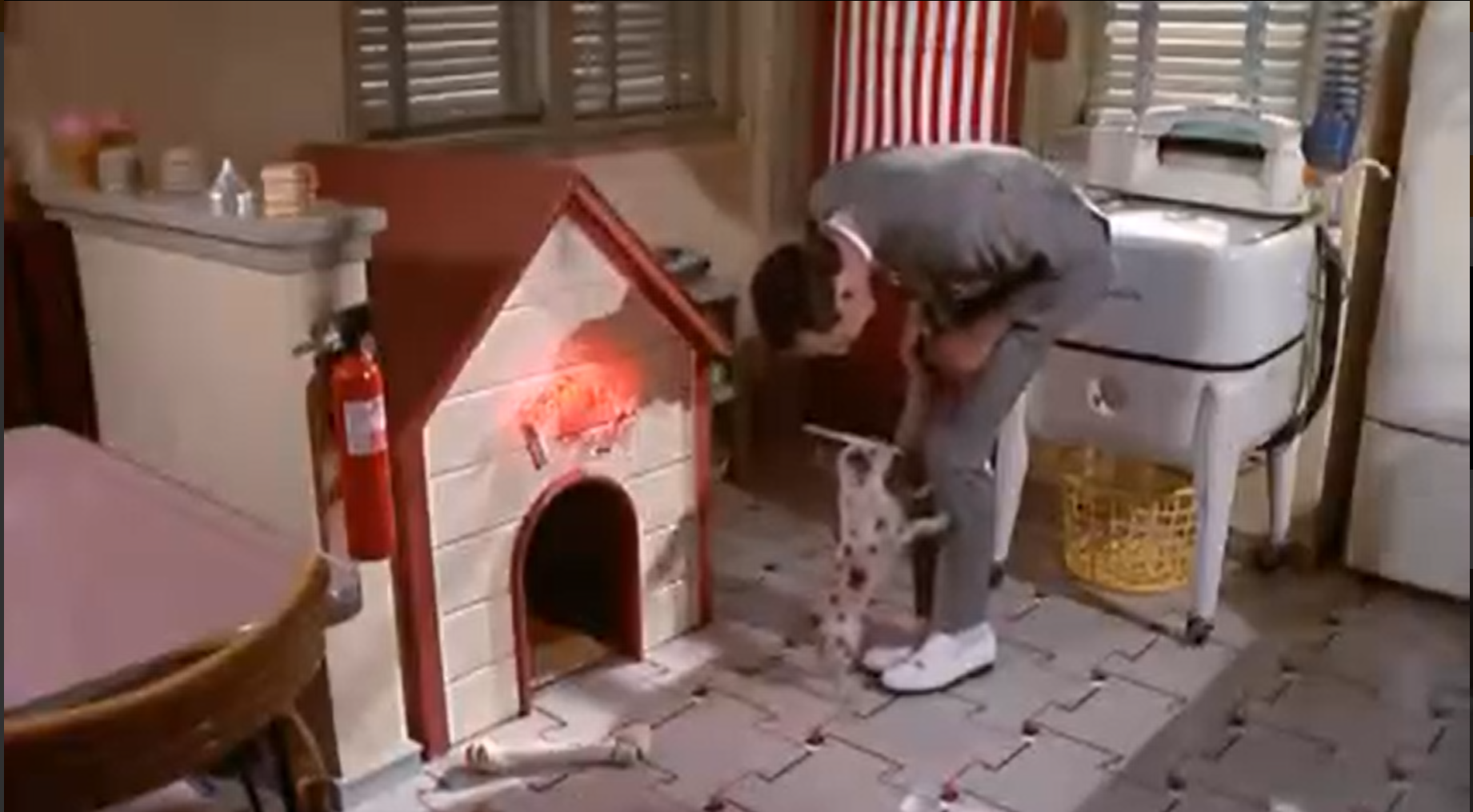
but there are many other enjoyably wacky moments as well, including the opening Rube Goldberg sequence in Pee-wee’s brightly colored playhouse:
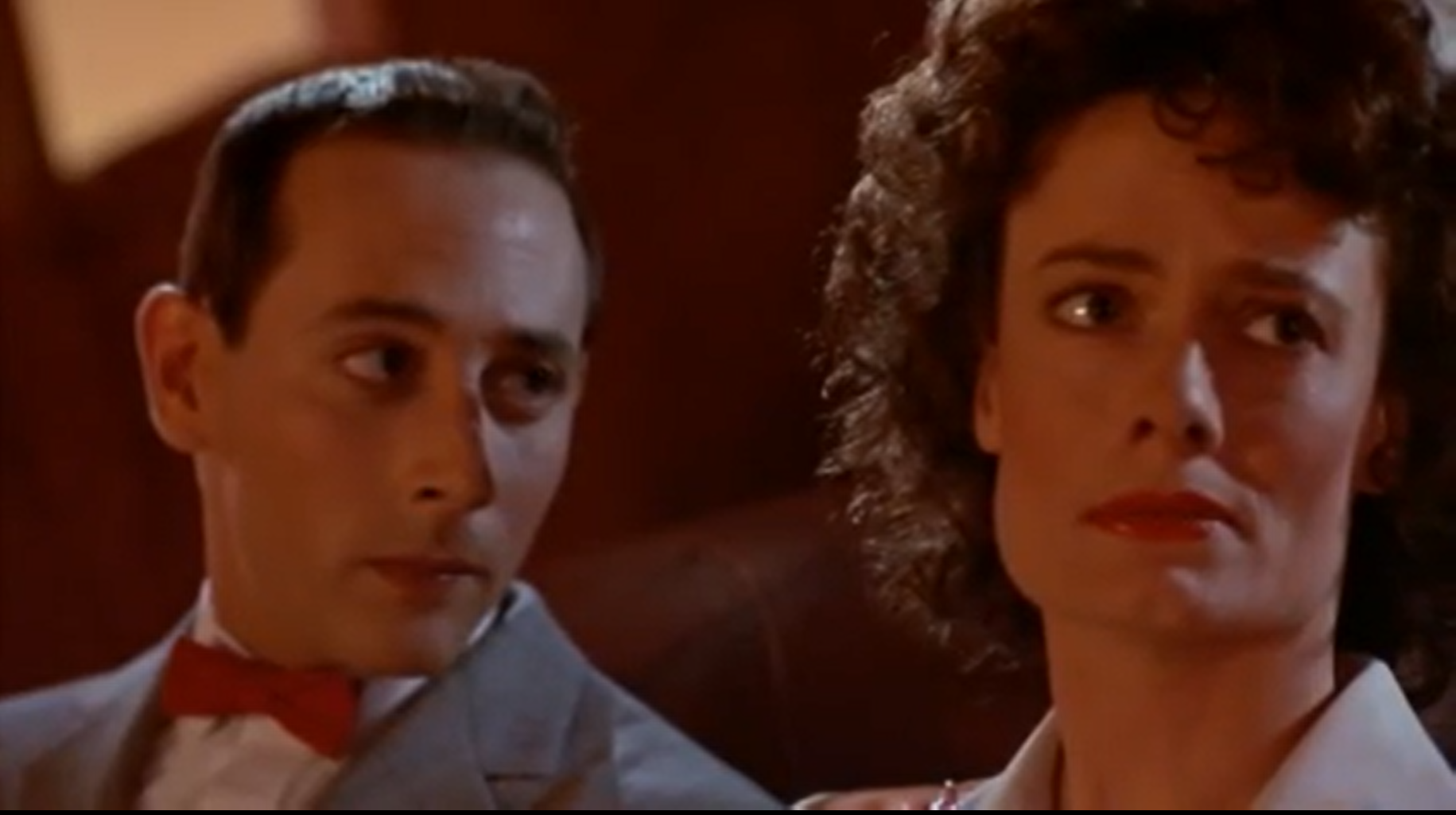
… Pee-wee’s heart-to-heart talk with a francophone waitress (Diane Salinger) (quoted below):
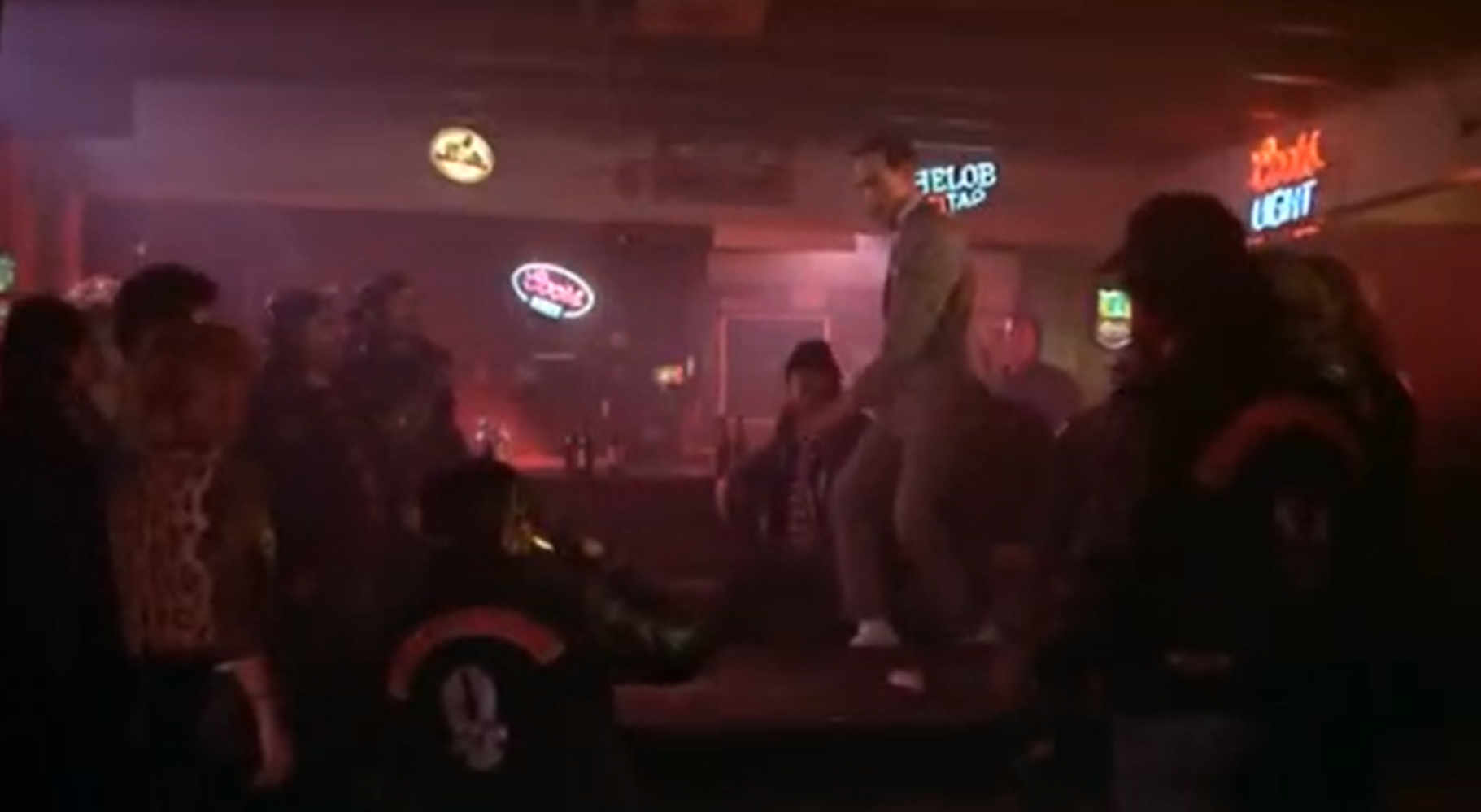
and Pee-wee’s table-top dance in a biker bar.
While it’s certainly not for all tastes — Vincent Canby of the New York Times panned it upon its release, referring to it as “the most barren comedy” he’d seen in years — all film fanatics should watch this cult favorite (directed by Tim Burton) at least once — and most will find it tremendous fun. Redeeming Qualities and Moments:
Must See? Categories
Links: |
“A Sharps buffalo rifle… This is gettin’ downright romantic!”
|
Synopsis: |
|
Genres, Themes, Actors, and Directors:
Response to Peary’s Review:
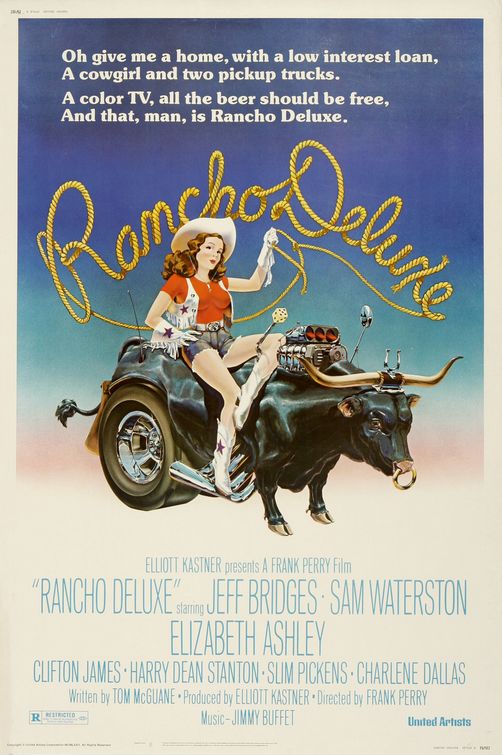
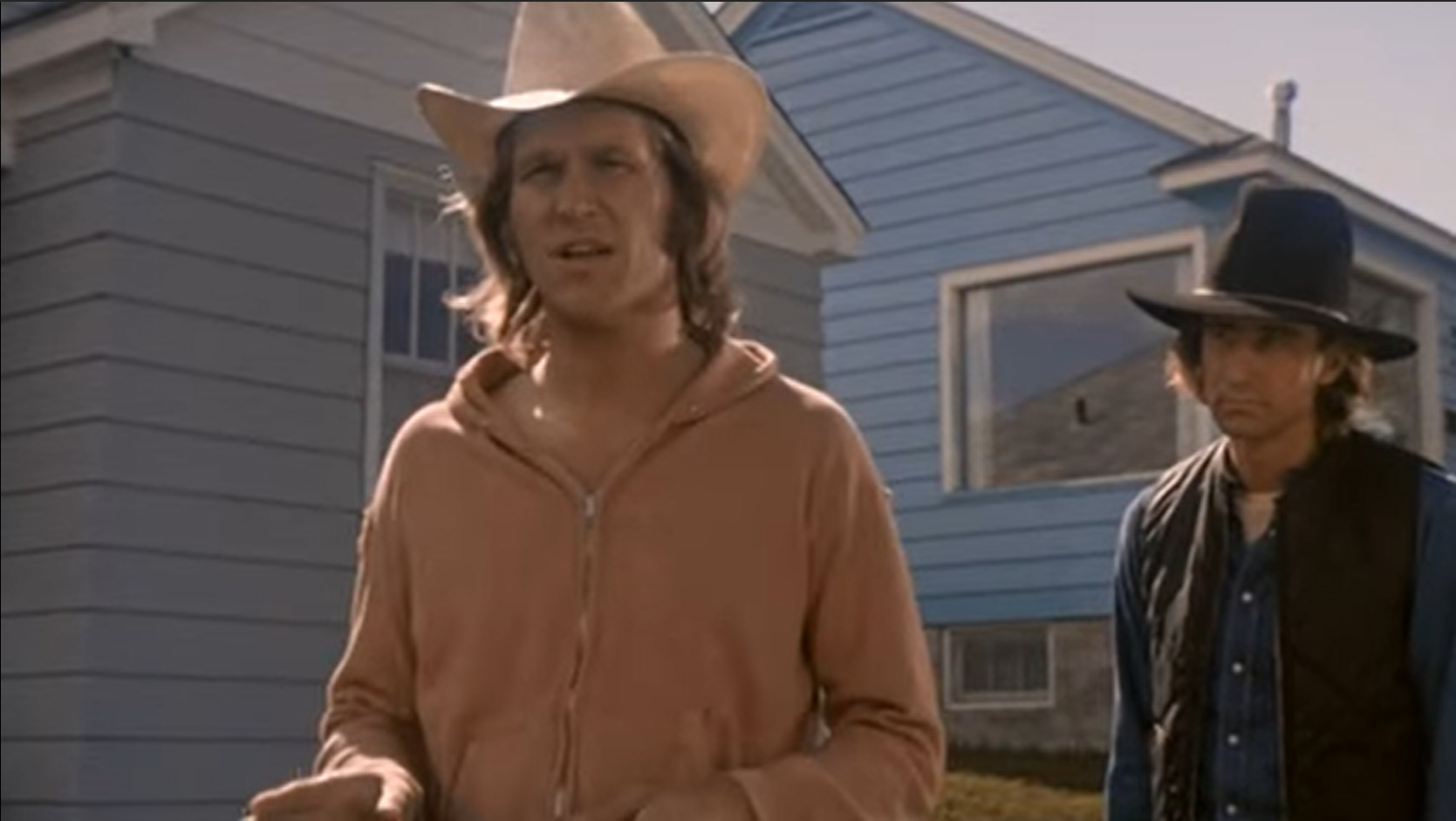
are clearly meant to embody counter-culture anarchists rebelling against The Establishment (as represented by the buffoonish James and his sexy wife, Elizabeth Ashley):
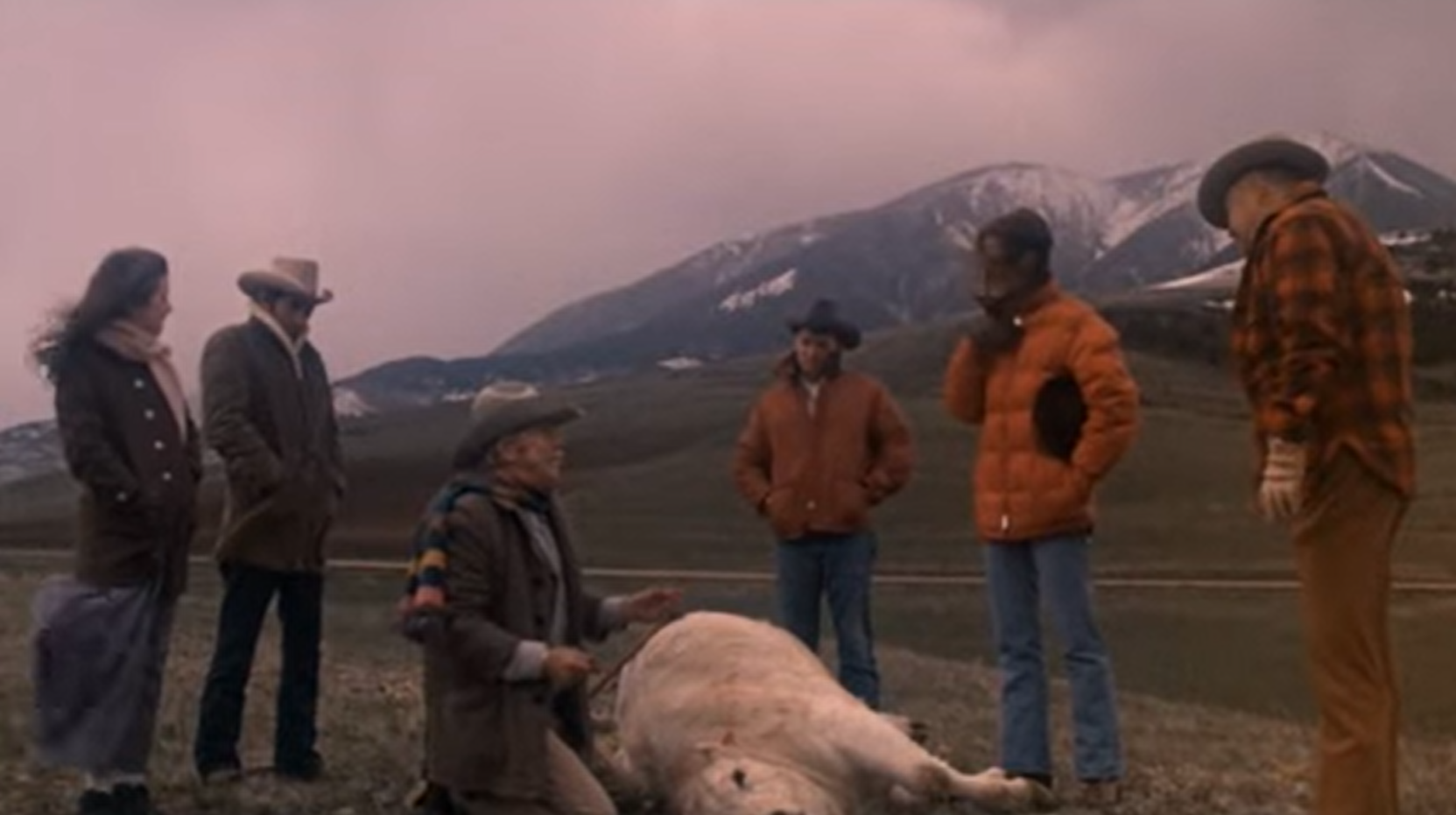
they never generate our sympathy, given that they’re essentially trigger-happy scofflaws who disrespectfully kill animals for kicks. A brief attempt is made to provide us with some background “motivation” on why they’ve chosen their current lifestyle — Bridges is fleeing an unhappy marriage and a “stifling” life of privilege, while Waterston is posited as a “lost” Indian divorced from his tribal values — but both threads are dropped without a trace. Meanwhile, the central drama of the story — whether James will discover the identities of Bridges and Waterston — carries no genuine suspense or interest, given that he’s just as unappealing as his nemeses. Not even the auspicious arrival of Slim Pickens in the final third of the film redeems this disappointing revisionist western.
Redeeming Qualities and Moments:
Must See? Links: |
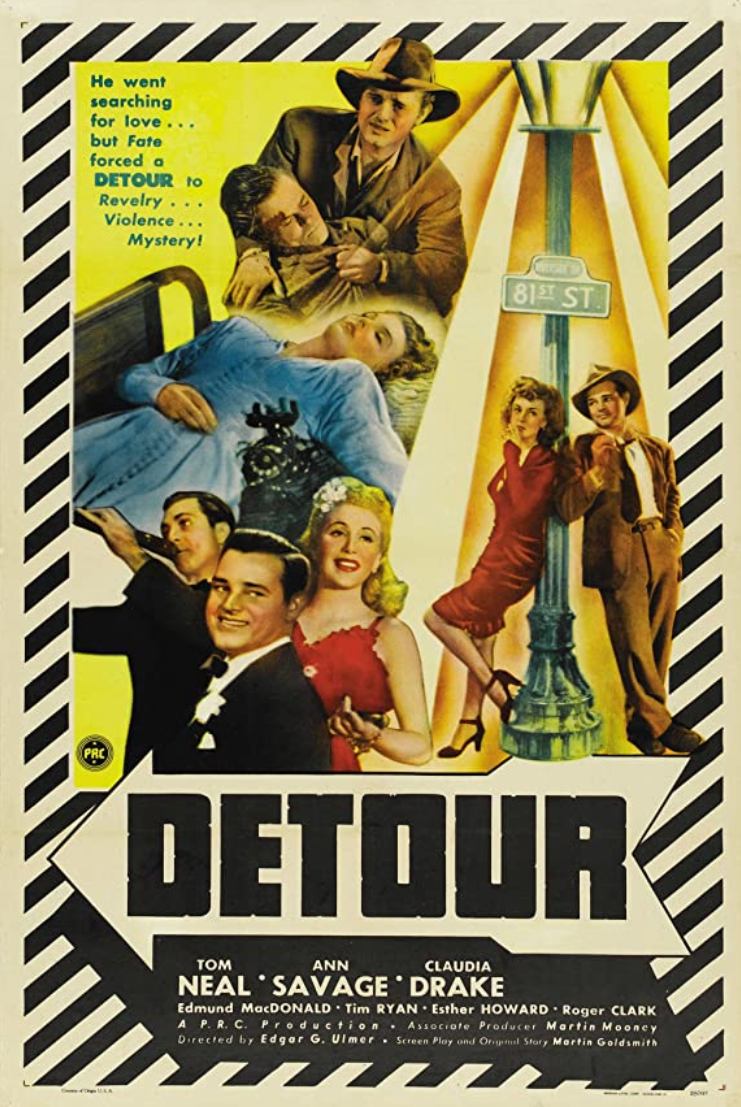
“That’s life: whichever way you turn, Fate sticks out a foot to trip you.”
|
Synopsis: |
|
Genres, Themes, Actors, and Directors:
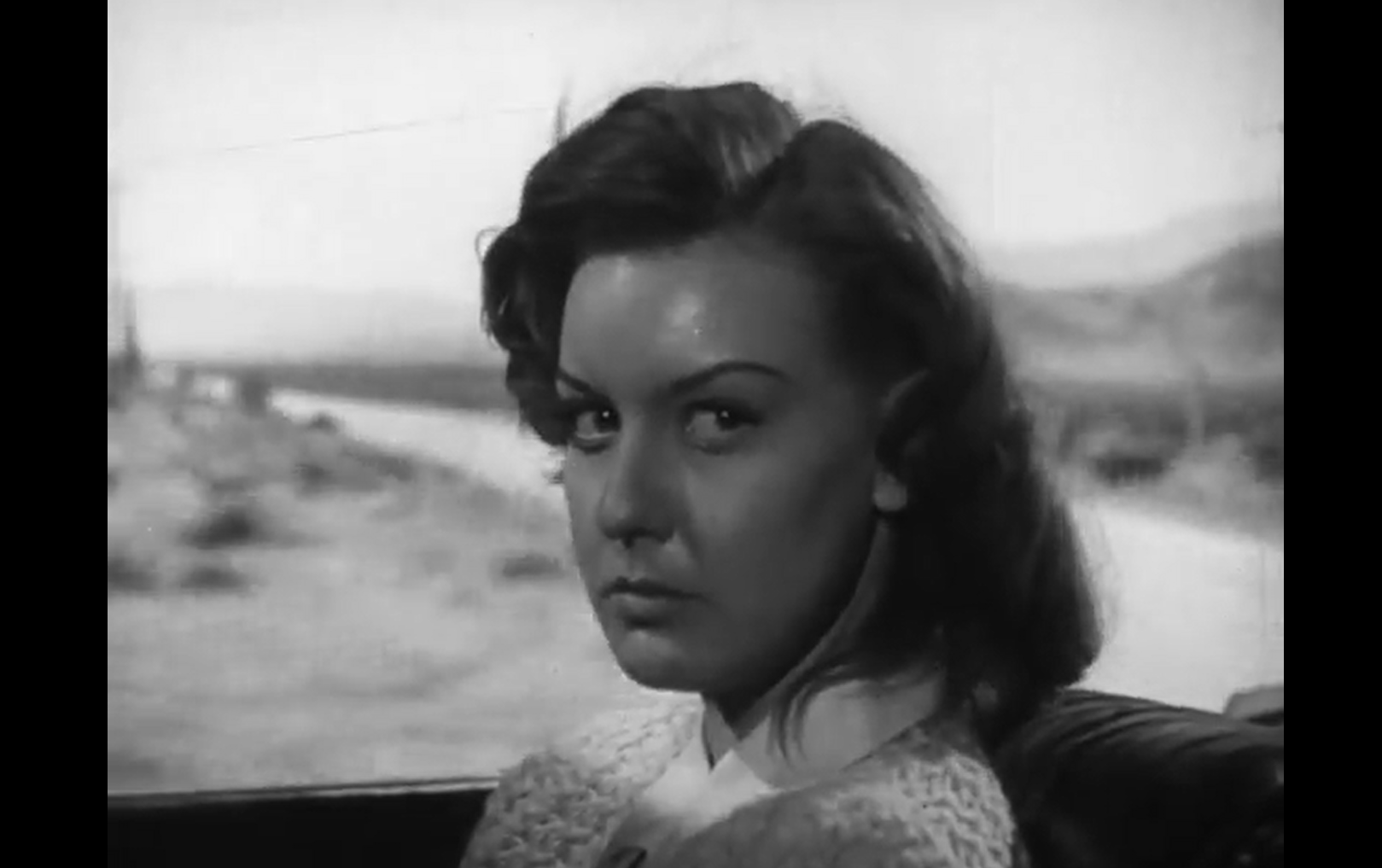
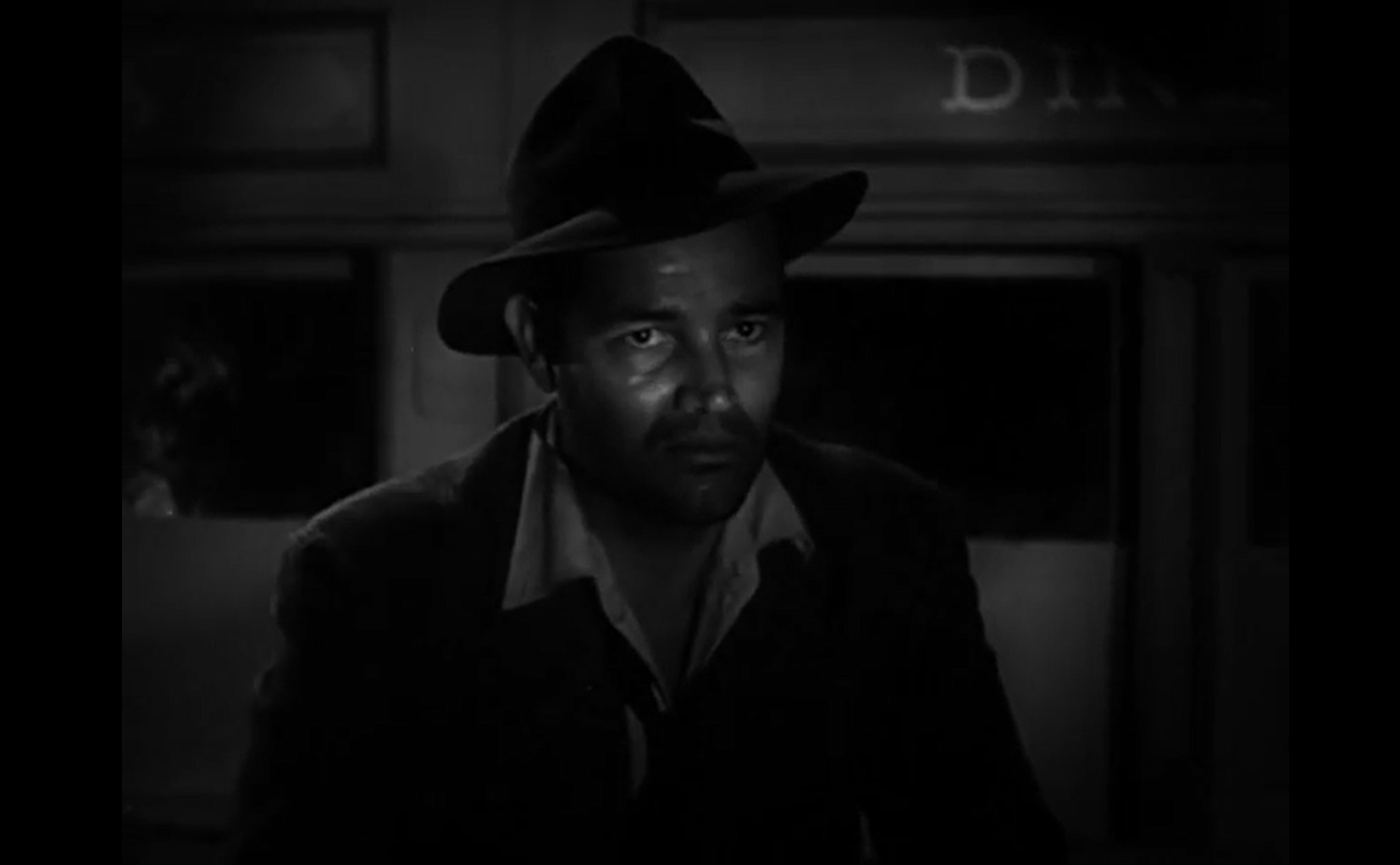
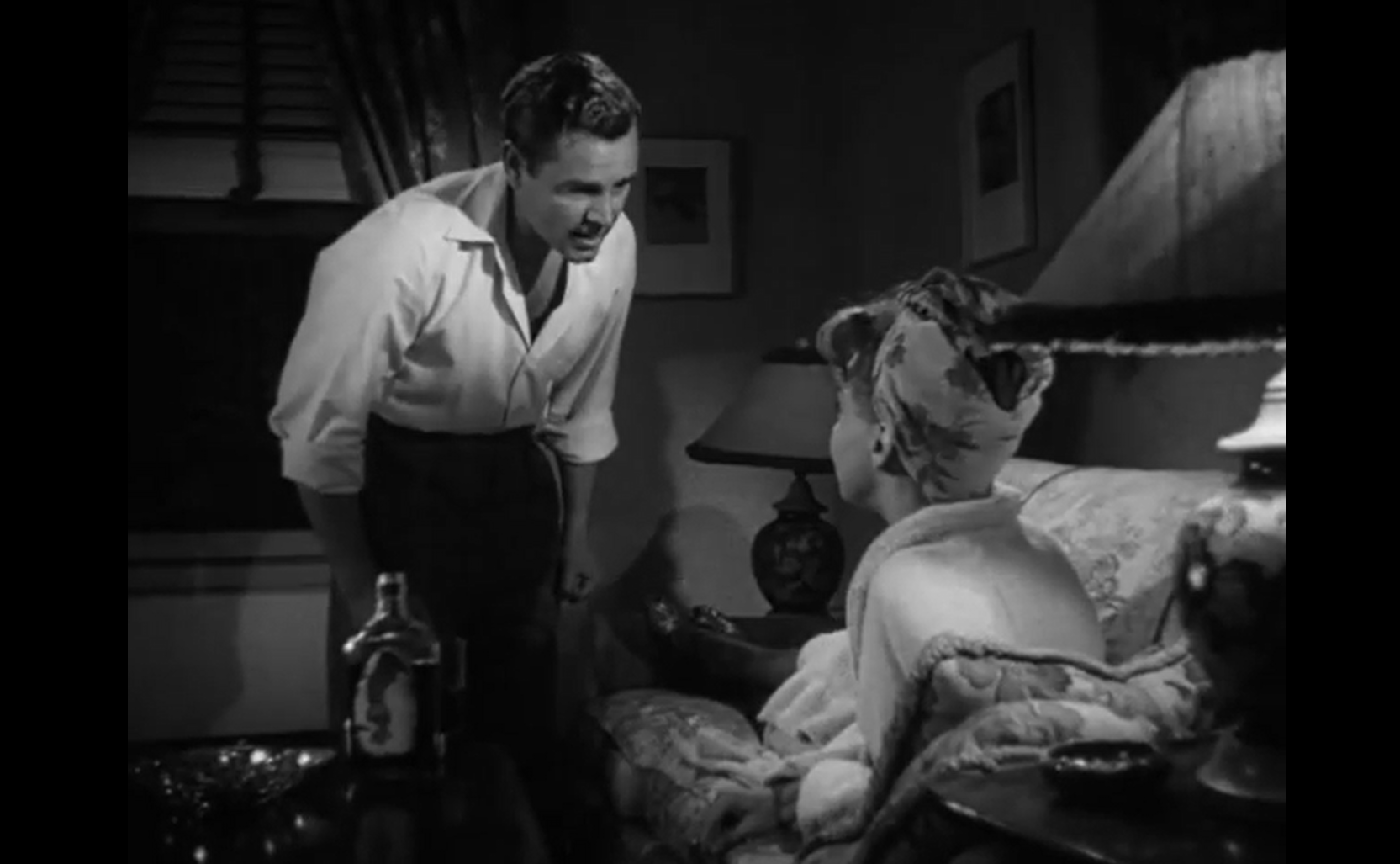
Response to Peary’s Review: Critics have long debated the role of Fate in “pessimistic Neal’s” downward spiral, with Peary pointing out that “in truth he does nothing to ward it off”, instead using “Fate as an alibi… when [it was] his own foolishness [which] caused him to dump MacDonald and steal his possessions… [and] to pick up Savage when he should have been keeping a low profile.” Regardless of Al’s personal culpability, however, few would wish a vulturous harridan like Savage on him or any man; as Peary notes, “she looks as if she wants to rip you apart with her teeth and devour you piece by piece”, but “even more terrifying than her face is her voice, which is loud, scratchy, vulgar, [and] intolerable” — a femme fatale, indeed! Redeeming Qualities and Moments:
Must See? Categories
(Listed in 1001 Movies You Must See Before You Die) Links: |