Browsed by
Category: Response Reviews

My comments on Peary’s reviews in Guide for the Film Fanatic (Simon & Schuster, 1986).

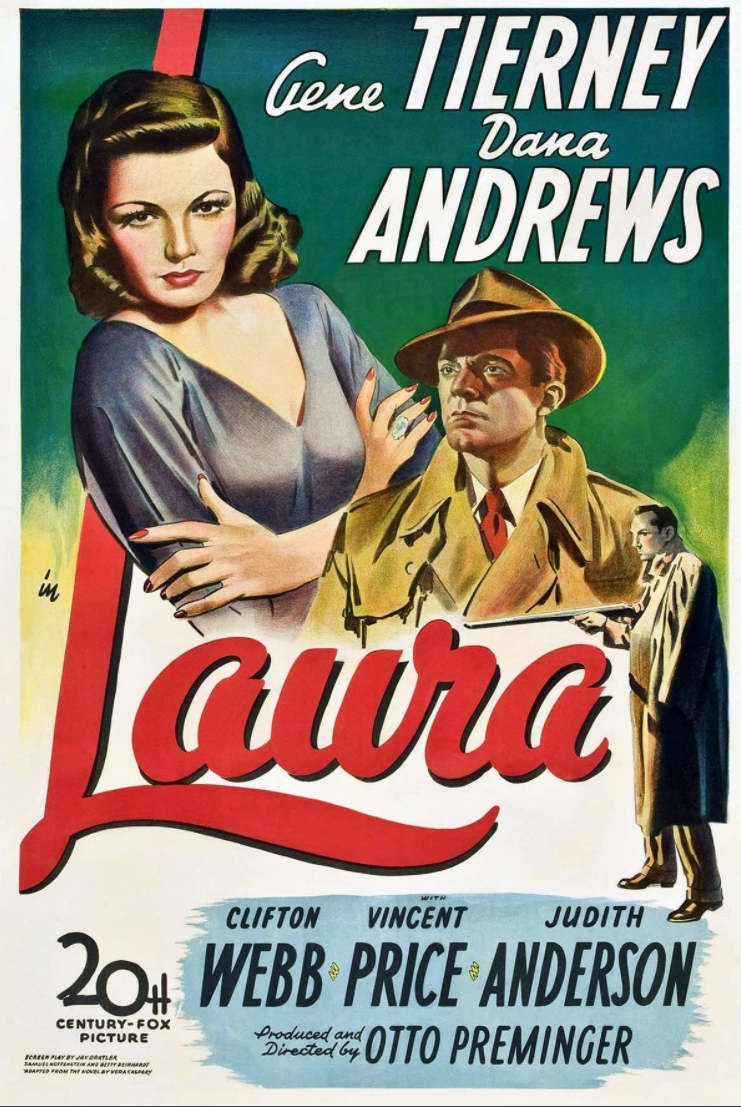
Laura (1944)

Laura (1944)

“I must say: for a charming, intelligent girl, you certainly surrounded yourself with a remarkable collection of dopes.”

Synopsis:
A hard-boiled detective (Dana Andrews) investigates the murder of a woman (Gene Tierney) loved by both an arrogant newspaper columnist (Clifton Webb) and a spoiled dilettante (Vincent Price).

Genres, Themes, Actors, and Directors:

  • Clifton Webb Films
  • Criminal Investigation
  • Dana Andrews Films
  • Detectives and Private Eyes
  • Gene Tierney Films
  • Judith Anderson Films
  • Love Triangle
  • Mistaken Identities
  • Murder Mystery
  • Obsessive Love
  • Otto Preminger Films
  • Vincent Price Films

Response to Peary’s Review:
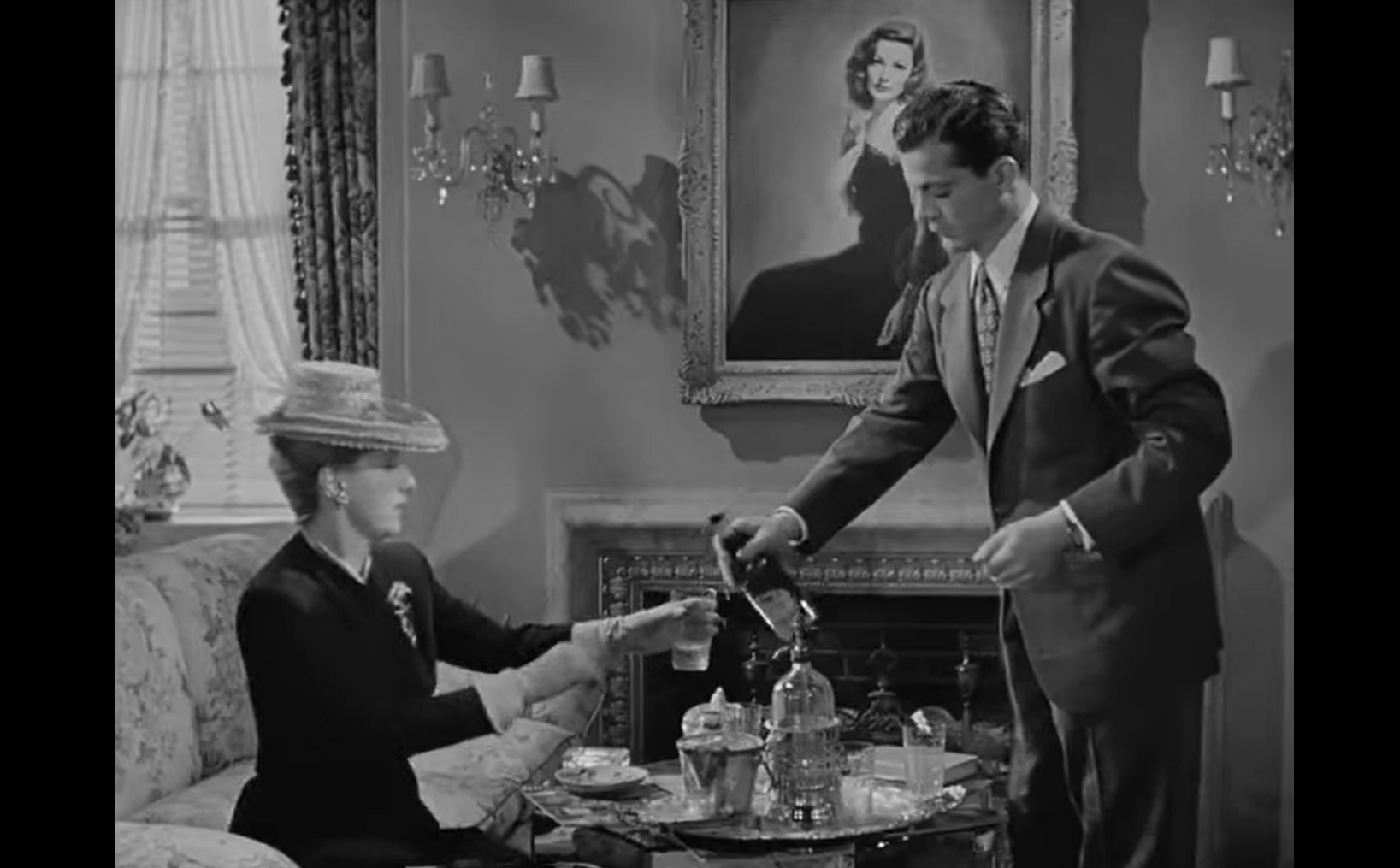
As Peary notes, this “cult classic” is among “the best of [director] Preminger’s somber excursions into psychological melodrama, stories with brutal intonations but dealing primarily with the perversity of the mind.” The fact that it presents “the screen’s first movie hero to fall for a dead woman” has won it a lasting spot in cinematic history; indeed, it remains the definitive film about “necrophilic” love. Details of the plot itself (essentially a flashback murder mystery) are oddly forgettable; what one remembers instead are both the film’s classic theme song (which wasn’t even nominated for an Oscar!) and the oh-so-odd love quadrangle at its core.

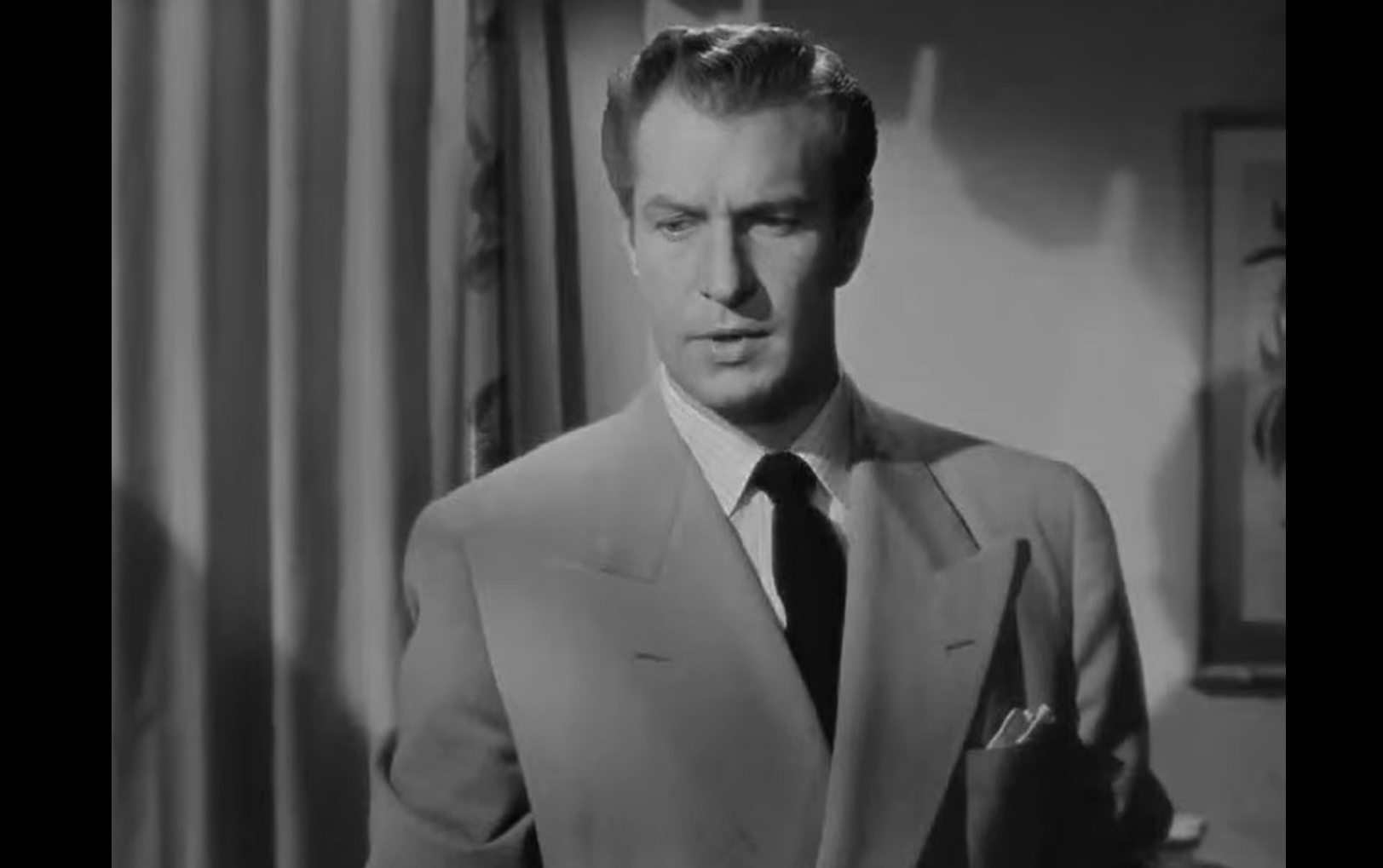
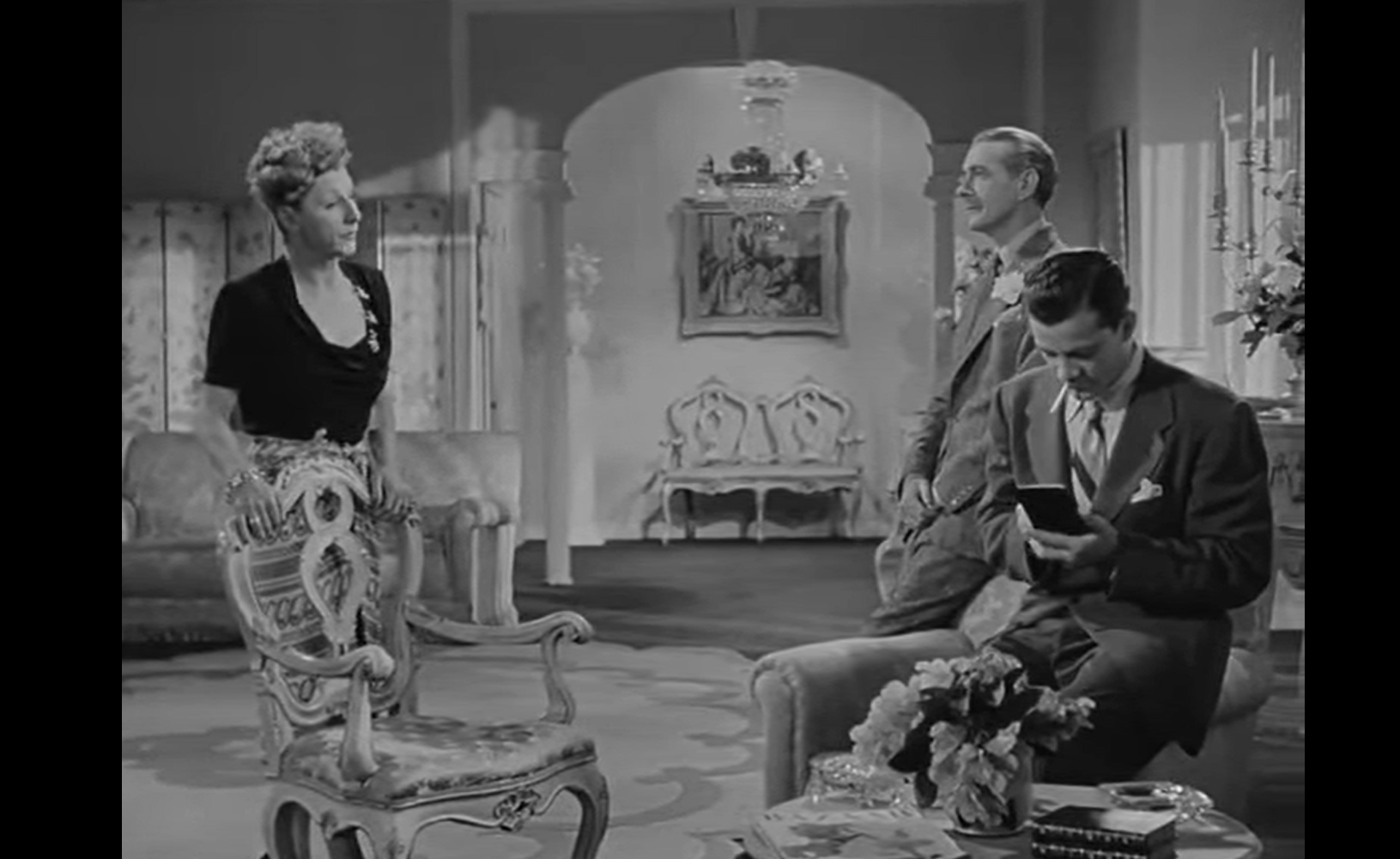
In his most iconic role, Dana Andrews plays a “tough, crude police detective who is… totally out of his element” in Laura’s upper-crust milieu; meanwhile, Gene Tierney will always be equated with her performance in the film’s title role as an ambitious woman who is ultimately “attracted to men because of brawn rather than brains”. But it’s Laura’s two primary rivals — Clifton Webb and Vincent Price — who easily steal the show. The much-older Webb (as Waldo Lydecker — what a name!) never emerges as a viable sexual partner for 20-something Laura (in the book, he’s impotent; here, he’s merely posited as a companion), but it’s clear she would be nothing without him: he is her Svengali, and he is literally obsessed with making her his personal “project”. Webb delivers many of the film’s most memorable lines with droll aplomb (“I don’t use a pen; I write with a goose quill dipped in venom.”), and never apologizes for his view of the world: “I should be sincerely sorry to see my neighbors’ children devoured by wolves.” Meanwhile, Price — looking “weak and hungry” — is hilariously snivelly and self-absorbed as Laura’s two-timing fiance (“I can afford a blemish on my character, but not on my clothes.”); fans of his later work in campy horror flicks will likely be surprised by his early turn here.

Redeeming Qualities and Moments:

  • Clifton Webb as Waldo Lydecker
  • Vincent Price as Shelby Carpenter
  • Dana Andrews as Detective McPherson
  • Gene Tierney as Laura
  • Judith Anderson as Ann Treadwell
  • Fine cinematography

  • Jay Dratler, Samuel Hoffenstein, and Elizabeth Reinhardt’s clever, immensely quotable screenplay
  • David Raksin’s classic title song

Must See?
Yes, as a classic noir murder mystery. Nominated by Peary for an Alternate Oscar as best film of the year, and discussed at length in his Cult Movies (1981).

Categories

  • Genuine Classic

(Listed in 1001 Movies You Must See Before You Die)

Links:

Strangers on a Train (1951)

Strangers on a Train (1951)

“Everyone has somebody that they want to put out of the way.”

Synopsis:
A disturbed sociopath (Robert Walker) confronts a politically-aspiring tennis star (Farley Granger) on a train and proposes a “criss-cross” murder swap, in which Walker will kill Granger’s duplicitous wife (Laura Elliott) and Granger will kill Walker’s controlling father (Jonathan Hale). Granger dismisses the plan as nonsense — but when his wife is murdered, Walker suddenly demands that Granger keep up his end of the bargain.

Genres:

  • Blackmail
  • Farley Granger Films
  • Hitchcock Films
  • Plot to Murder
  • Robert Walker Films
  • Ruth Roman Films

Response to Peary’s Review:
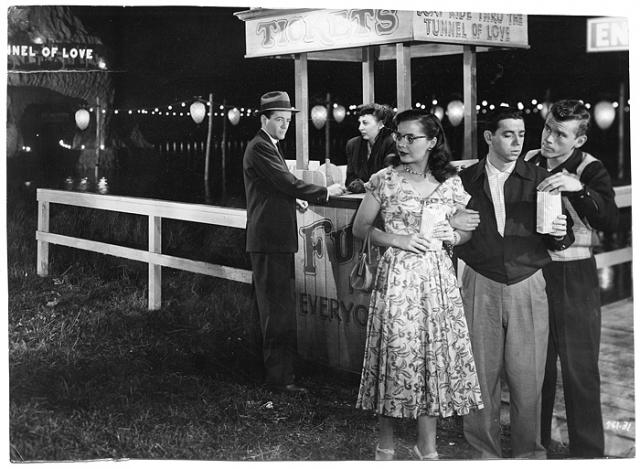
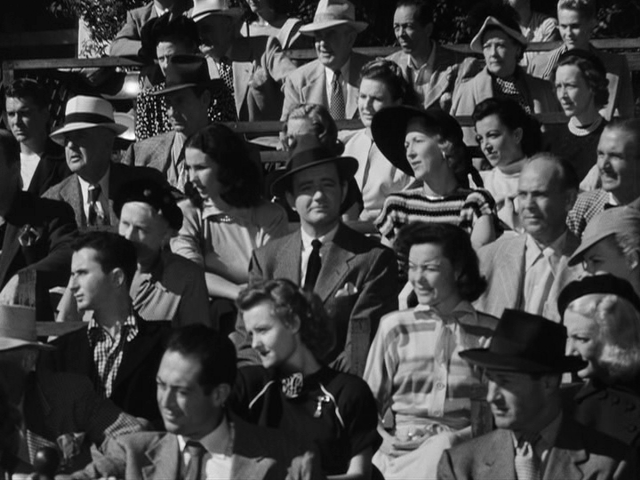
In his Alternate Oscars book, Peary selects this “supreme thriller” by Hitchcock — based on an early novel by Patricia Highsmith — as the best film of the year, and awards an Oscar to Robert Walker as best actor. In addition to telling a humdinger of a story, it’s visually one of Hitchcock’s most stunning films: from beginning to end, he strategically utilizes creative camera angles, framing, and editing to heighten suspense, and as a result, it’s full of countless memorable moments: Elliott’s murder as viewed through her glasses; the back-and-forth cutting between Guy’s hurried tennis match and Bruno’s desperate attempt to retrieve Guy’s lighter from a gutter; Bruno staring straight at Guy during an earlier tennis match as the eyes of the crowd around him move back and forth on the ball; wooden horses which “become smirking monsters hovering over the men’s heads” as Guy and Bruno duke it out on a carousel in the final scene. Equally impressive is Robert Burks’ noir-ish cinematography, which heightens the drama of several key scenes (most notably Guy’s night-time visit to see Bruno’s father).

With that said, the film has its flaws: as one avid poster on IMDb has pointed out, there are more than 20 instances in which the characters in the film act irrationally and/or foolishly, simply to move the plot forward (a policeman shoots into a crowd with children, for instance). But Hitchcock’s films aren’t designed to present the most “logical” progression of events; they’re strategically crafted for maximum dramatic and psychological effect. Indeed, the story is presented as a sort of “living nightmare” for Guy, who — desperately hoping for some kind of resolution to the seemingly impossible situation with his sluttish, obstinate wife (delightfully played by Elliott, a.k.a. Kasey Rogers, in Coke-bottle glasses) — finds that her convenient “disappearance” merely resolves one dilemma while opening up a host of others.

Most of Peary’s review in GFTFF centers on an analysis of Walker’s character (Bruno Anthony), who he refers to as a “picaresque hero” — someone who, “if it weren’t for a domineering father and daffy mother (Marion Lorne), might have been a great person.” He argues that “we like this fellow Walker plays; it’s as if we were under his skin, sweating his sweat. We care more about his hurt feelings than about the survival of Guy and Ann’s relationship.” But I can’t entirely agree. While it’s true that Walker does a remarkable job humanizing Bruno, I disagree that we actually “like” him; he’s far too vengeful and unhinged to really empathize with. And while it’s true that Granger (who Peary argues is miscast; I think he’s ideal for the part) fails to project even a fraction of Walker’s complexity, his character remains at the very least a decent fellow, someone we can’t help hoping will emerge from the situation unscathed. Meanwhile, watch for a host of other engaging performances — most notably Patricia Hitchcock (in what was arguably the best role of her brief acting career) as Granger’s fiancee’s younger sister, and Marion Lorne as Bruno’s incomparably eccentric mother.

Note: There are multiple other “layers” to the film as well; while Peary doesn’t touch upon it at all in his review, it’s impossible to ignore the homoerotic tensions between Walker (fairly openly “coded” as gay) and Granger (bisexual in real life).

Redeeming Qualities and Moments:

  • Robert Walker as Bruno
  • Laura Elliott as Miriam
  • Patricia Hitchcock as Barbara Morton
  • Robert Burks’ stunning (Academy Award nominated) b&w cinematography
  • Masterful direction by Hitchcock
  • Marion Lorne in a tiny role as Mrs. Anthony (Bruno’s mother)
  • Dimitri Tiomkin’s classically-heavy score

Must See?
Definitely, as one of Hitchcock’s finest thrillers.

Categories

  • Genuine Classic
  • Important Director

(Listed in 1001 Movies You Must See Before You Die)

Links:

Sleeper (1973)

Sleeper (1973)

“I wanna go back to sleep! If I don’t get at least 600 years, I’m grouchy all day.”

Synopsis:
A cryogenically frozen health food store owner named Miles Monroe (Woody Allen) wakes up 200 years later (in the year 2173) in a police state, and enlists the help of a spoiled hedonist (Diane Keaton) in contacting the underground movement.

Genres, Themes, Actors, and Directors:

  • Character Arc
  • Comedy
  • Diane Keaton Films
  • Revolutionaries
  • Robots
  • Science Fiction
  • Time Travel
  • Woody Allen Films

Response to Peary’s Review:
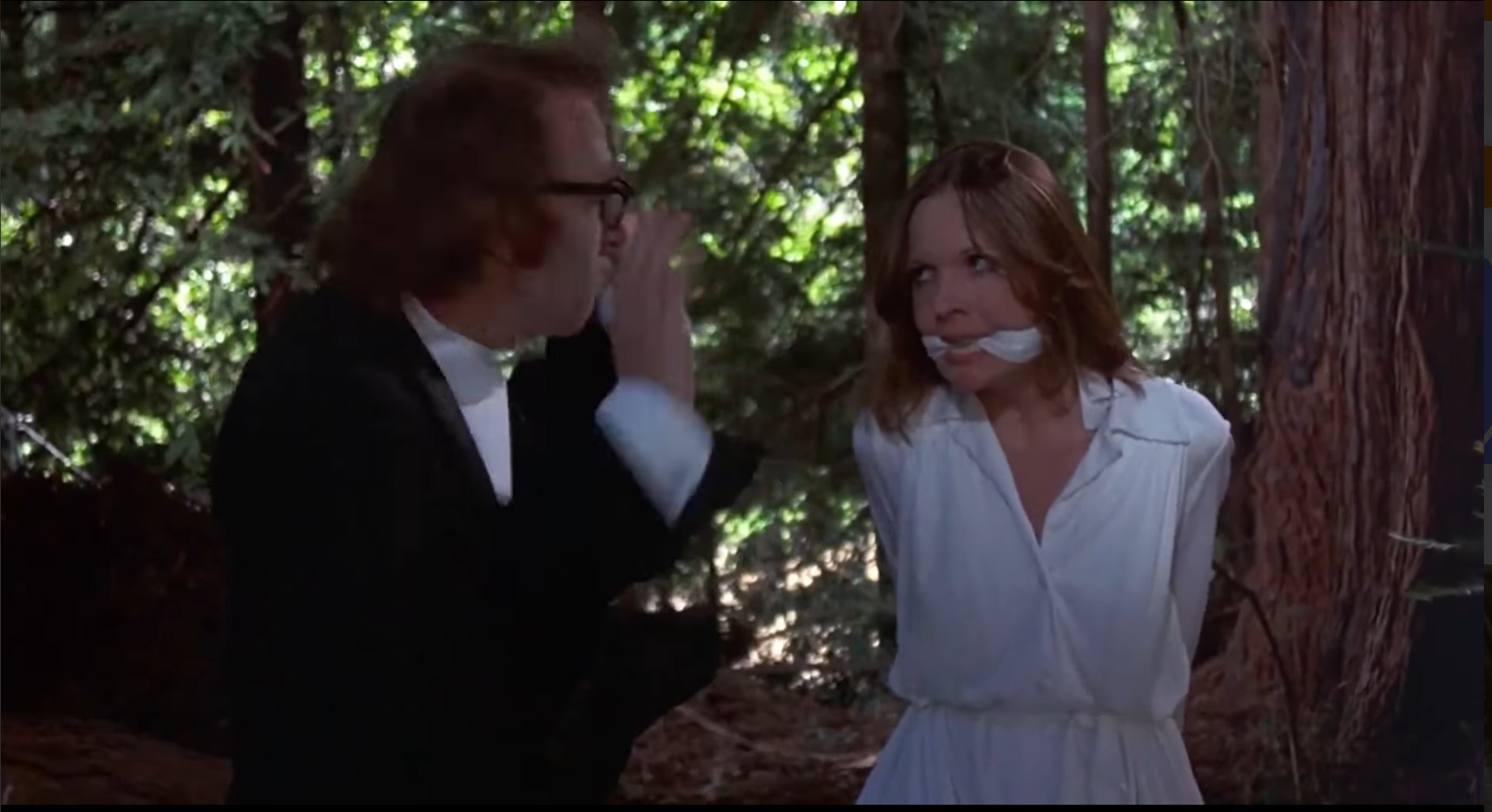
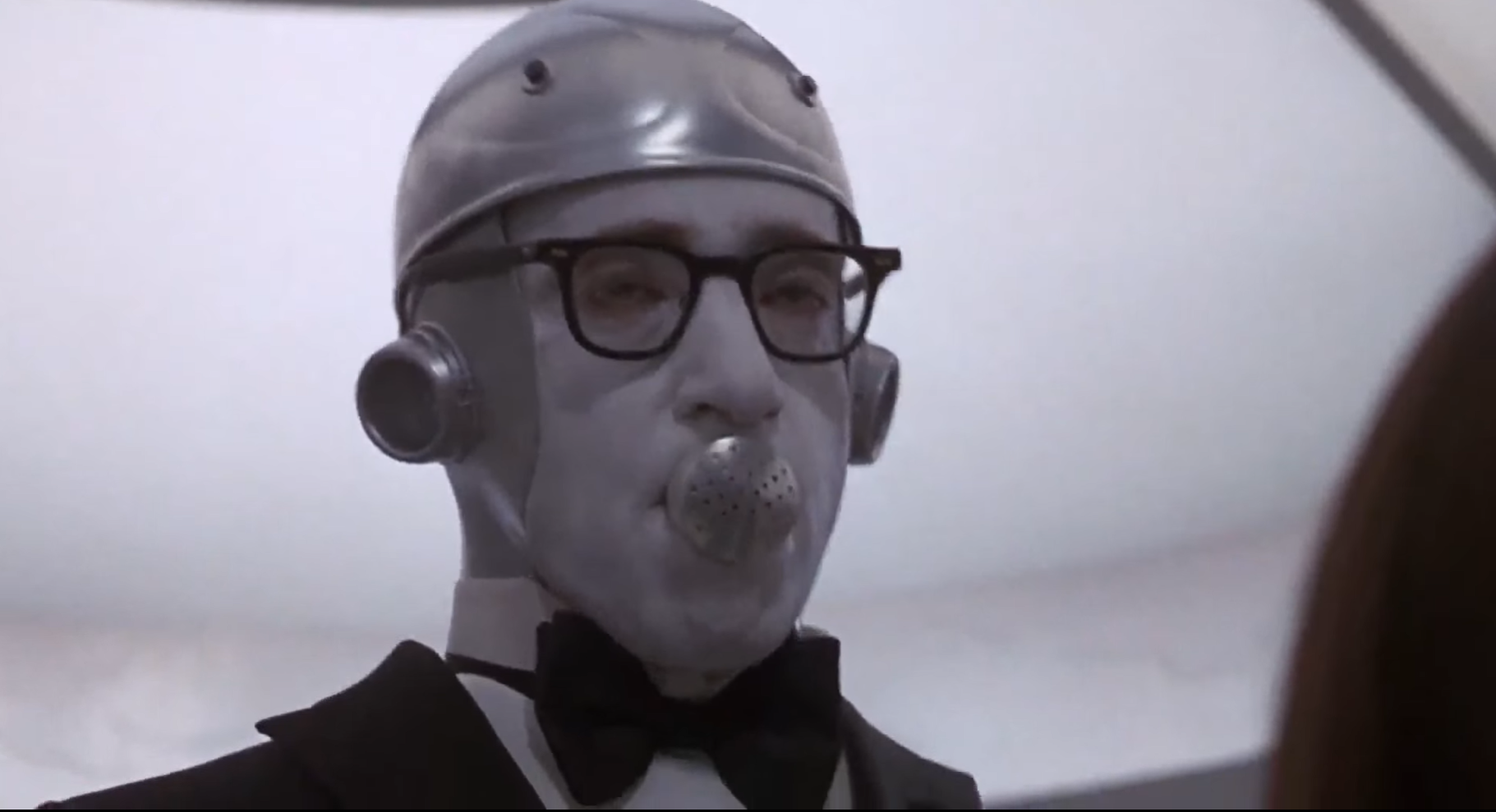
Peary seems only mildly enthusiastic about this “silly but enjoyable” early satirical comedy by Woody Allen; he argues that while there’s “much hilarity”, many of the “gags and slapstick don’t work”. However, I’m hard-pressed to figure out exactly what ‘clunkers’ he’s referring to, given that Sleeper is an all-around anarchic delight, full of diverse humor ranging from inspired slapstick (in a garden of giant produce, Allen — naturally — slips on an enormous banana peel):

… to timely satire (when shown a photo of Norman Mailer by an inquisitive archaeologist, Allen informs him that Mailer “donated his ego to Harvard Medical School”):

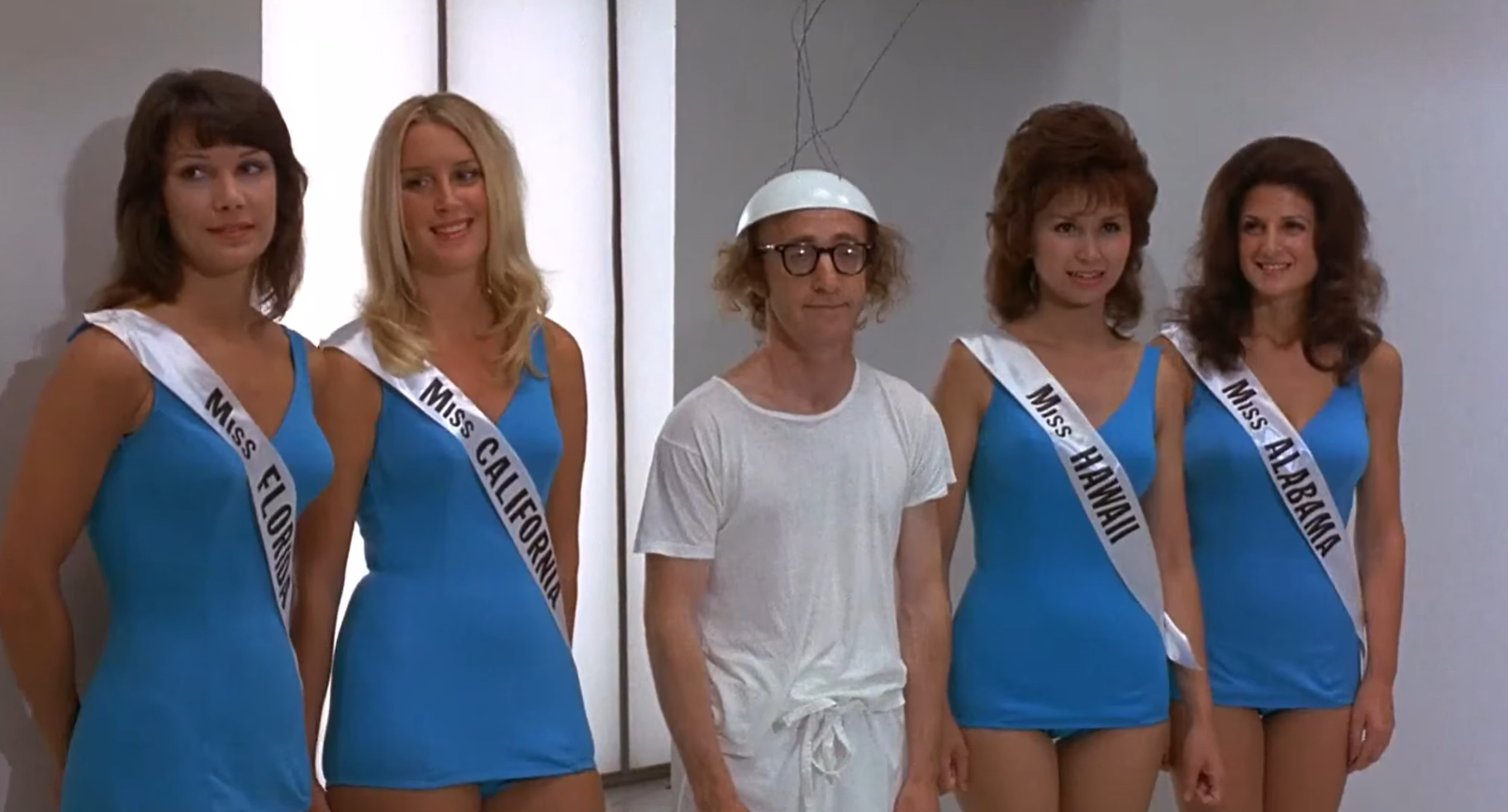
… to mind-blowing lunacy (Allen wins a Miss America award [!]:

… and later — oh, so randomly — channels Blanche DuBois in a scene from A Streetcar Named Desire).

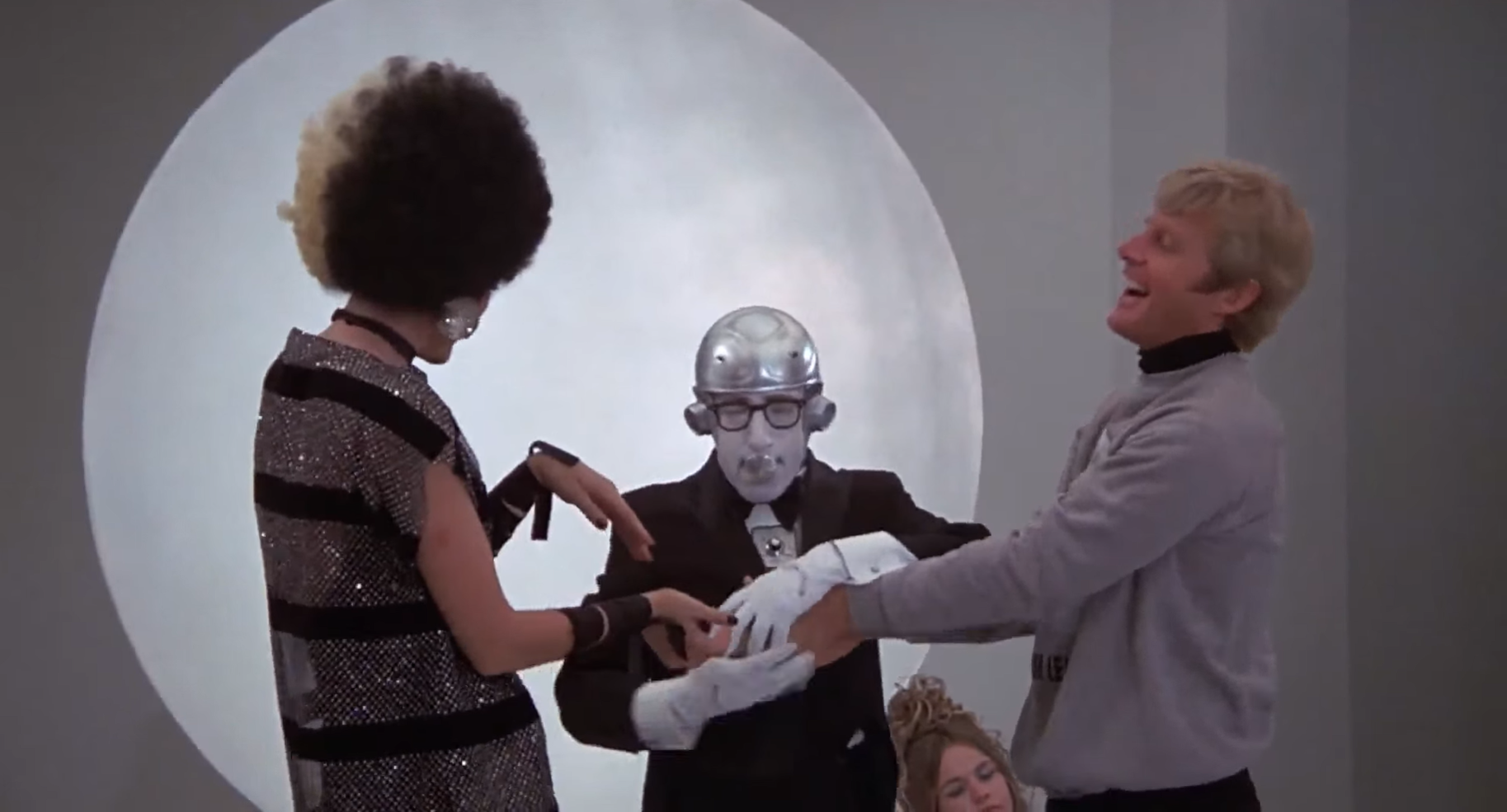
For such a silly story, Sleeper is surprisingly full of memorable moments: few will be able to forget the botched “nose cloning” sequence near the end of the film, for instance:

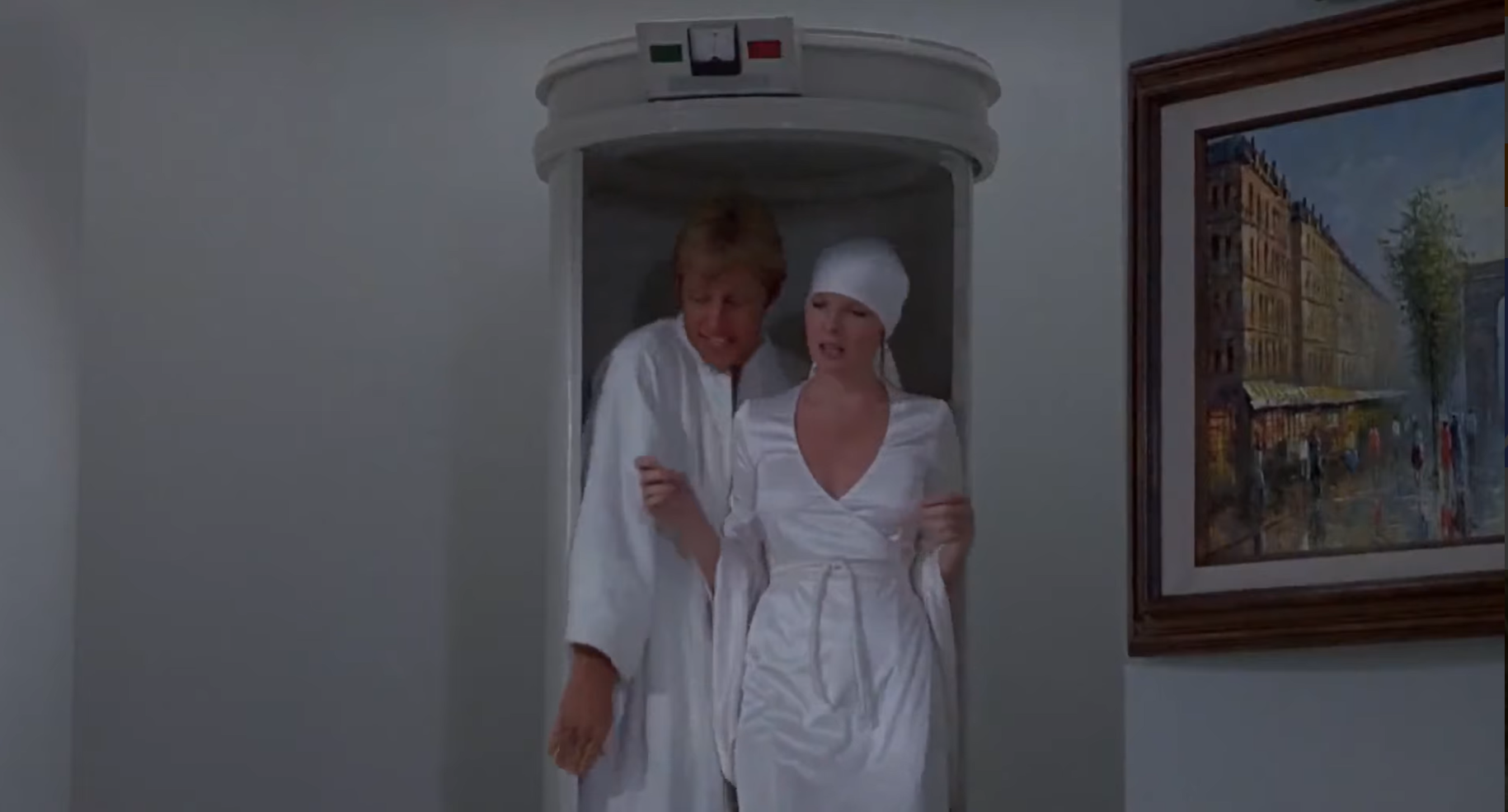
… or the movie’s coterie of futuristic “gadgets” — including the efficient Orgasmatron box:

… the drug-providing “Orb” (which provokes Allen into a rare fit of laughter on-screen):

… and some instant chocolate pudding powder which quickly grows out of Allen’s control.

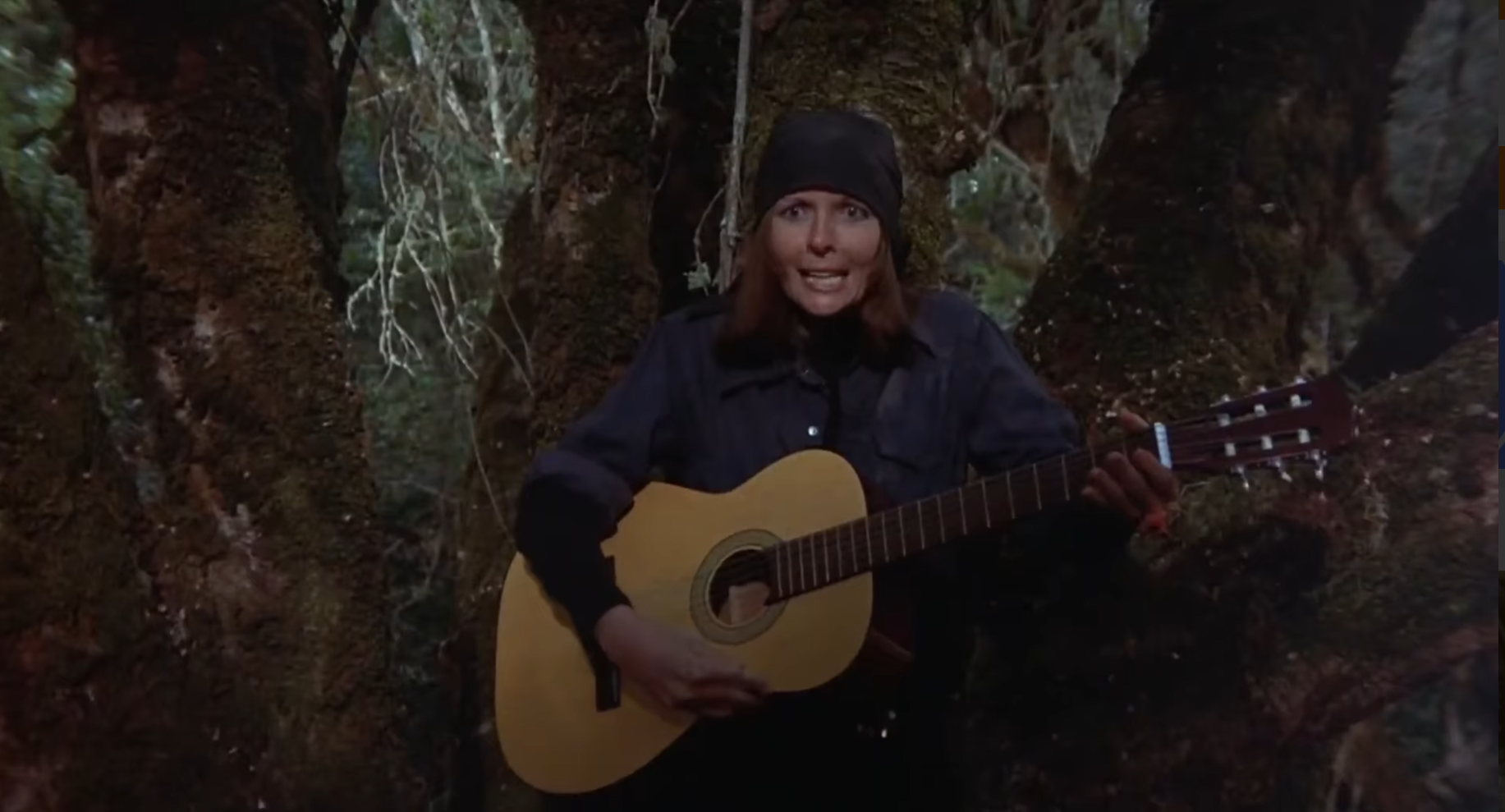
Though most of the supporting actors are unknowns, Keaton — in her second film with Allen, after Play it Again Sam (1972) — is charmingly nutty as Allen’s foil and love interest, who undergoes a dramatic transformation from squealing hedonist to committed revolutionary:


Meanwhile, Allen himself has loopy fun channeling Buster Keaton, Charlie Chaplin, and Bob Hope (among others). Like the best must-see films, Sleeper — which, mercifully, never takes itself too seriously — can easily be revisited by film fanatics from time to time, and is the perfect introductory Allen movie to show to one’s non-ff friends.

Redeeming Qualities and Moments:

  • Countless randomly hilarious sequences
  • Plenty of classic Allen one-liners:

    “My brain! It’s my second favorite organ!”

Must See?
Yes, as a comedic classic.

Categories

  • Genuine Classic

(Listed in 1001 Movies You Must See Before You Die)

Links:

Pennies From Heaven (1981)

Pennies From Heaven (1981)

“There must be someplace where them songs are for real.”

Synopsis:
During the Depression, a philandering salesman (Steve Martin) cheats on his wife (Jessica Harper) with a naive schoolteacher (Bernadette Peters) who becomes a prostitute when Martin fails to return.

Genres:

  • Christopher Walken Films
  • Depression Era
  • Herbert Ross Films
  • Infidelity
  • Jessica Harper Films
  • Musicals
  • Salesmen
  • Steve Martin Films

Response to Peary’s Review:
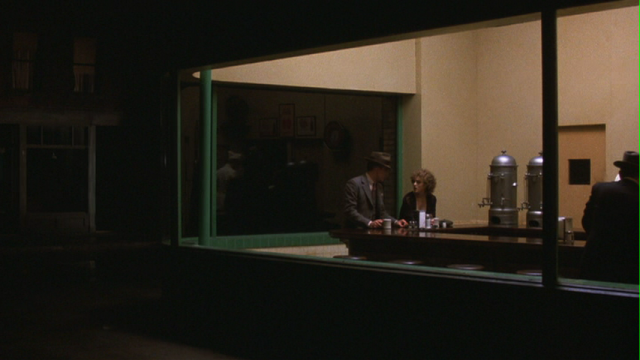
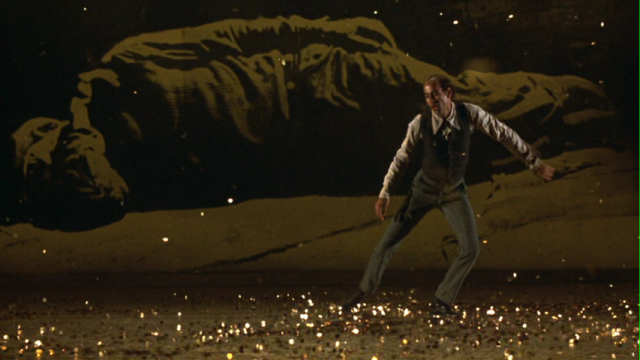
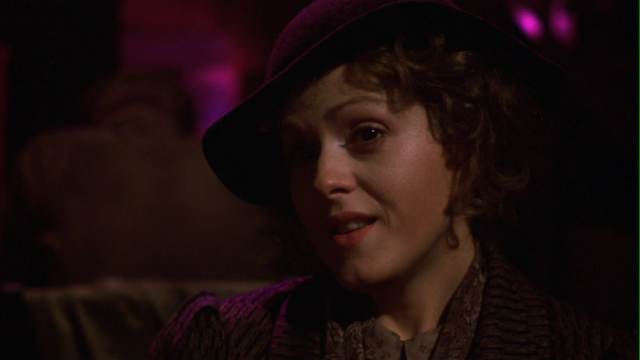
As Peary notes, this “grimmest of all movie musicals” — based on a six-part BBC miniseries by British writer Dennis Potter — is also “one of the most fascinating and visually dazzling”, with an “extraordinary look” that incorporates “re-creations of paintings by Edward Hopper” (see still below). Martin — in his first serious role after The Jerk (1979) — plays Arthur, a horny, hopelessly romantic traveling salesman whose inability to get any nooky back at home (his wife, well-played by Jessica Harper, is “contentedly frigid”) leads him to pursue an affair with Peters, with whom he falls in lust at first sight. Unfortunately, while Arthur starts off as a relatively sympathetic character — we can understand his desire for some attention, and his tendency to daydream himself into musical fantasy sequences is charming — he quickly loses credibility, as he lies to Peters to get her to sleep with him, then fails to return to her once his wife agrees to fund his dream of opening a record store. Indeed, both the characters and the story — in which “sex and songs are presented as liberating forces, but [are] only Band-Aids against the Depression — are “so cheerless that you become anesthetized”; yet, as Peary notes, it’s still possible to recognize “the artistry of what’s taking place on the screen”, and film fanatics will surely want to check it out at least once.

Redeeming Qualities and Moments:

  • Several enjoyable Busby Berkeley-homages
  • Striking set designs
  • Gordon Willis’s cinematography
  • Vernel Bagneris performing “Pennies from Heaven”
  • Bernadette Peters as Eileen
  • Jessica Harper as Joan

Must See?
Yes, as a most unusual — if utterly bleak — musical. Peary nominates Steve Martin for an Alternate Oscar as Best Actor of the Year.

Categories

  • Good Show

Links:

Gentleman Jim (1942)

Gentleman Jim (1942)

“The Corbetts are at it again!”

Synopsis:
In 19th century San Francisco, Irish-American bank teller Jim Corbett (Errol Flynn) rises to fame and becomes renowned boxer “Gentleman Jim”.

Genres, Themes, Actors, and Directors:

  • Alan Hale Films
  • Alexis Smith Films
  • Biopics
  • Boxing
  • Errol Flynn Films
  • Jack Carson Films
  • Raoul Walsh Films
  • Social Climbers
  • Ward Bond Films

Response to Peary’s Review:
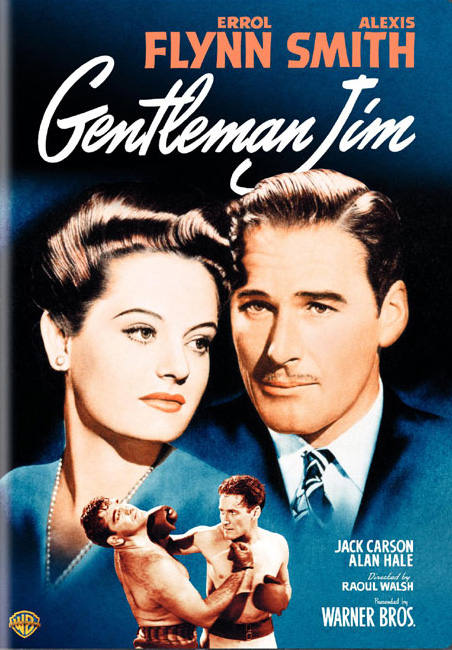
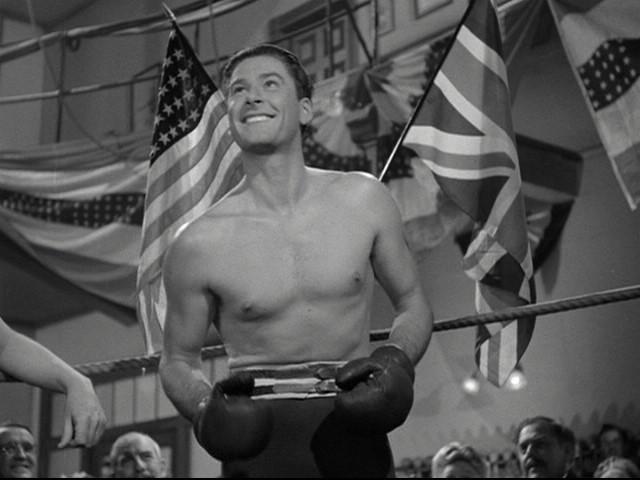
Along with many other critics, Peary is clearly a fan of this “thoroughly enjoyable, if highly fictionalized bio of… the first modern (scientific) heavy-weight boxing champion”, Gentleman Jim Corbett. As boxing movies go, Gentleman Jim is remarkably tame: Corbett is never forced to throw a fight (like John Garfield in 1947’s Body and Soul), nor does he become an insufferable heel after finding fame (like Kirk Douglas in 1949’s Champion). The closest this light-hearted film ever comes to genuine pathos is during its final “wonderful scene”, in which “the suddenly humble Corbett confesses to the prideful Boston Strongboy, in front of all the people at his own victory party, that he’s thankful he didn’t fight [him] when [he] was in his unbeatable prime”. Corbett is indeed “an ideal role” for handsome Errol Flynn, and director Raoul Walsh keeps things moving at an engaging clip; but Gentleman Jim is really only must-see viewing for fans of boxing flicks and/or Errol Flynn.

Redeeming Qualities and Moments:

  • Errol Flynn as “Gentleman Jim” Corbett
  • Several enjoyable boxing sequences

Must See?
No, but it’s certainly recommended.

Links:

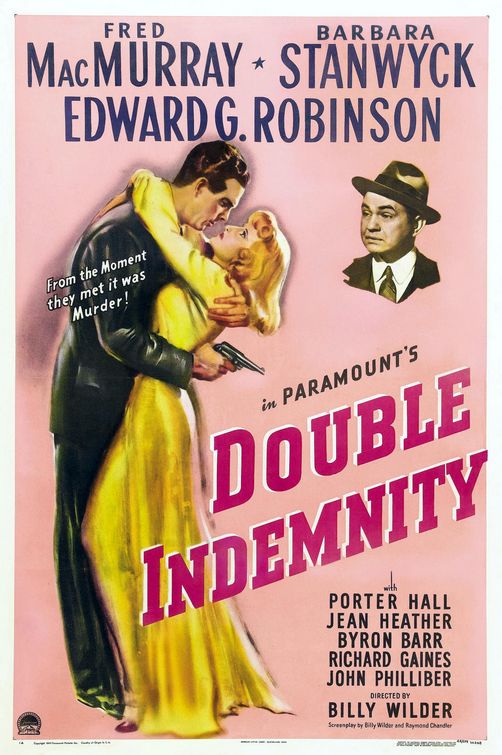
Double Indemnity (1944)

Double Indemnity (1944)

“How could I have known that murder could sometimes smell like honeysuckle?”

Synopsis:
Cocky salesman Walter Neff (Fred MacMurray) falls for femme fatale Phyllis Dietrichson (Barbara Stanwyck), who convinces him to secretly sell accident insurance to her husband (Tom Powers) and then help her murder him.

Genres:

  • Barbara Stanwyck Films
  • Billy Wilder Films
  • Edward G. Robinson Films
  • Femmes Fatales
  • Flashback Films
  • Fred MacMurray Films
  • Homicidal Spouses
  • Plot to Murder

Response to Peary’s Review:
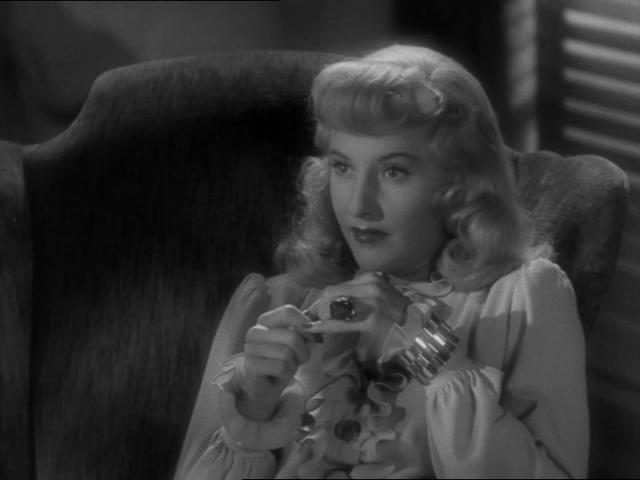
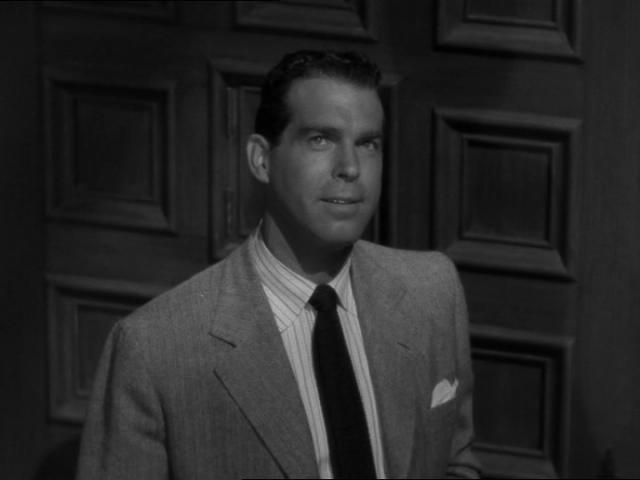
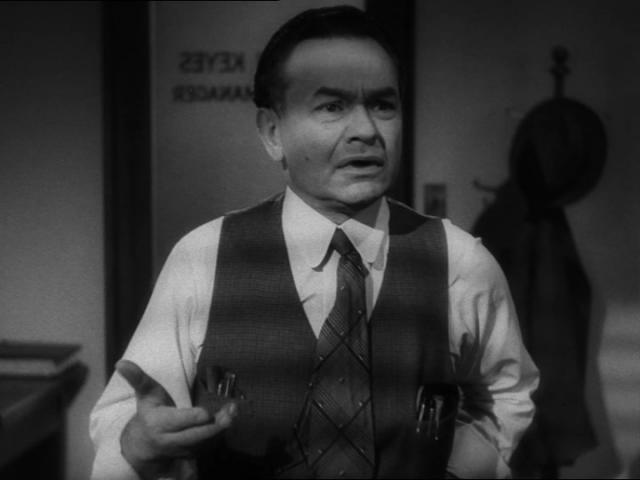
Directed by Billy Wilder, and based on an “explosive, bitter melodrama” by pulp fiction writer James M. Cain, Double Indemnity is considered by many to be “quintessential film noir”, and has long been classified as an indisputable must-see film. Stanwyck — who has “never been cooler, more convincing” — is the archetypal embodiment of an icy femme fatale, while Fred MacMurray gives “his most impressive performance” as her “smart, cocky, aggressive” foil, who is nonetheless “not as clever as he thinks.” Rounding out the core cast is the always-excellent Edward G. Robinson as Neff’s employer and confessor, a claims manager who can sniff a false allegation a mile away (thanks to hints given by a “little man” living in his chest), and ultimately ferrets out the truth of Neff’s crime.

Typical of most noir, Double Indemnity is, Peary writes, “characterized by the interacting traits of greed, lust, murder, betrayal, and a pervading, oppressive darkness”. We’re not meant to relate to the central characters (who lack any heart or soul), but rather to watch in fascination as their foolhardy, arrogant actions doom them; inevitably, “the hero realizes that he deserves his sorry fate [and] the woman acknowledges she’s no good.” As Peary notes, the “film has no [intentional] humor, but it’s tremendous fun to watch a man so secure in himself… fall into a spider woman’s web”; indeed, part of the genius of the script is watching Stanwyck “subtly stroking [Neff’s] masculine ego” as she “sits back and lets [him] take over and devise the murder plot” himself — he truly digs his own grave.

So much has already been written on this “bona-fide cinema masterpiece” — which Peary votes as the Best Picture of the year in his Alternate Oscars book — that I’ll keep my own contribution here to a minimum; instead, I refer interested readers to any of the many fine review links below (as well as Peary’s books, naturally). See Tim Dirks’ Greatest Films website for a blow-by-blow run-through of the film, complete with transcripts of much of its famed dialogue.

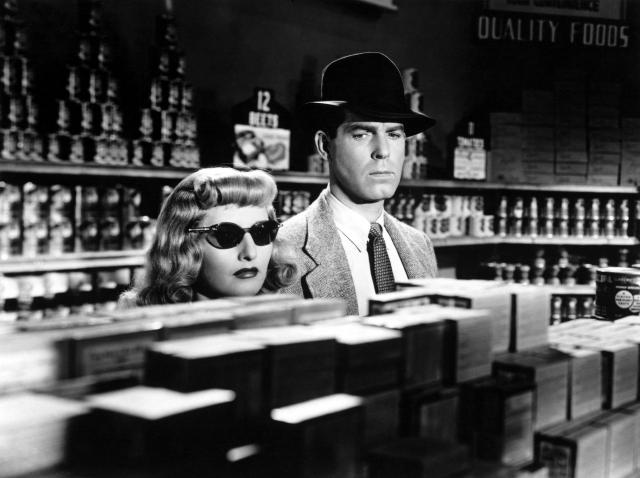
P.S. It’s impossible to ignore Stanwyck’s undeniably “laughable blond hairstyle” (those bangs!), which immediately evoke images of Carol Burnett’s classic spoof.

Redeeming Qualities and Moments:

  • Barbara Stanwyck as “rotten to the heart” Phyllis Dietrichson (Peary names her Best Actress of the year in his Alternate Oscars book)
  • Fred MacMurray (who Peary nominates as Best Actor of the year in Alternate Oscars) as Walter Neff
  • Edward G. Robinson as Barton Keyes: “You’re not smarter, Walter, you’re just a little taller.”
  • Good use of L.A. locales
  • John Seitz’s dramatic noir cinematography
  • Plenty of “snappy, hard-boiled dialogue”

Must See?
Naturally; this one’s a no-brainer.

Categories

  • Genuine Classic

(Listed in 1001 Movies You Must See Before You Die)

Links:

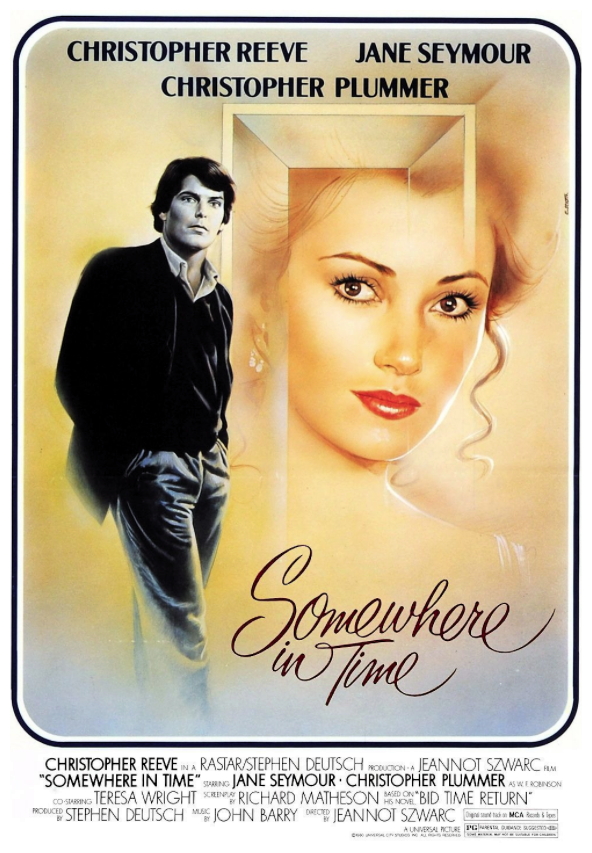
Somewhere in Time (1980)

Somewhere in Time (1980)

“Come back to me.”

Synopsis:
Upon seeing a portrait of a beautiful actress (Jane Seymour) from the turn of the century, a playwright (Christopher Reeve) wills himself back in time to romance her.

Genres, Themes, Actors, and Directors:

  • Actors and Actresses
  • Christopher Plummer Films
  • Christopher Reeve Films
  • Fantasy
  • Romance
  • Star-Crossed Lovers
  • Teresa Wright Films
  • Time Travel

Response to Peary’s Review:
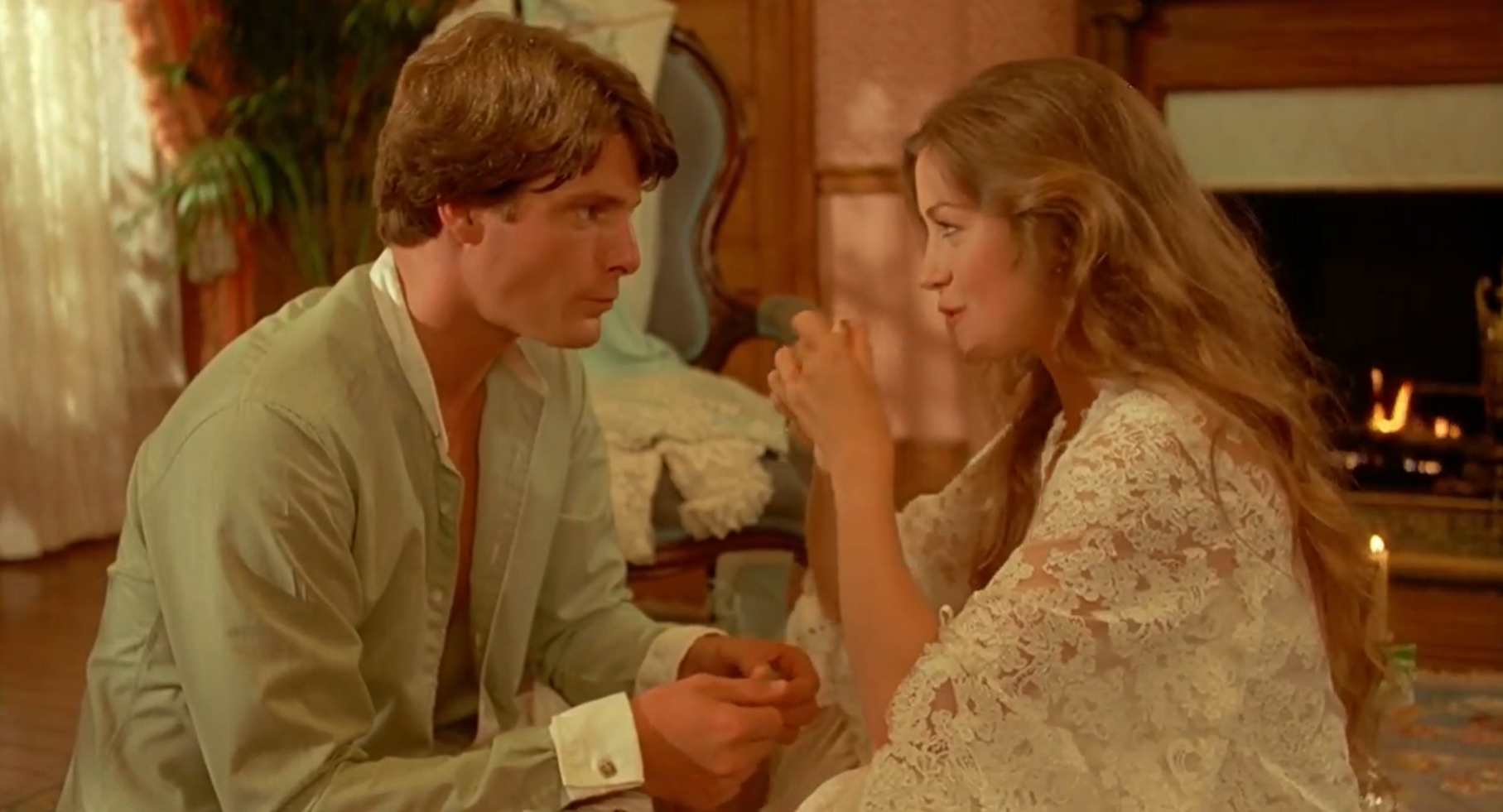
Peary is typically blunt in his assessment of this “schmaltzy fantasy-romance”, based on a prize-winning sci-fi novel by Richard Matheson (who scripted numerous cinematic sci-fi classics, including The Incredible Shrinking Man (1957) and The Devil Rides Out (1968). He notes that “Reeve and Seymour are an undeniably appealing couple, ideal for a great romance:

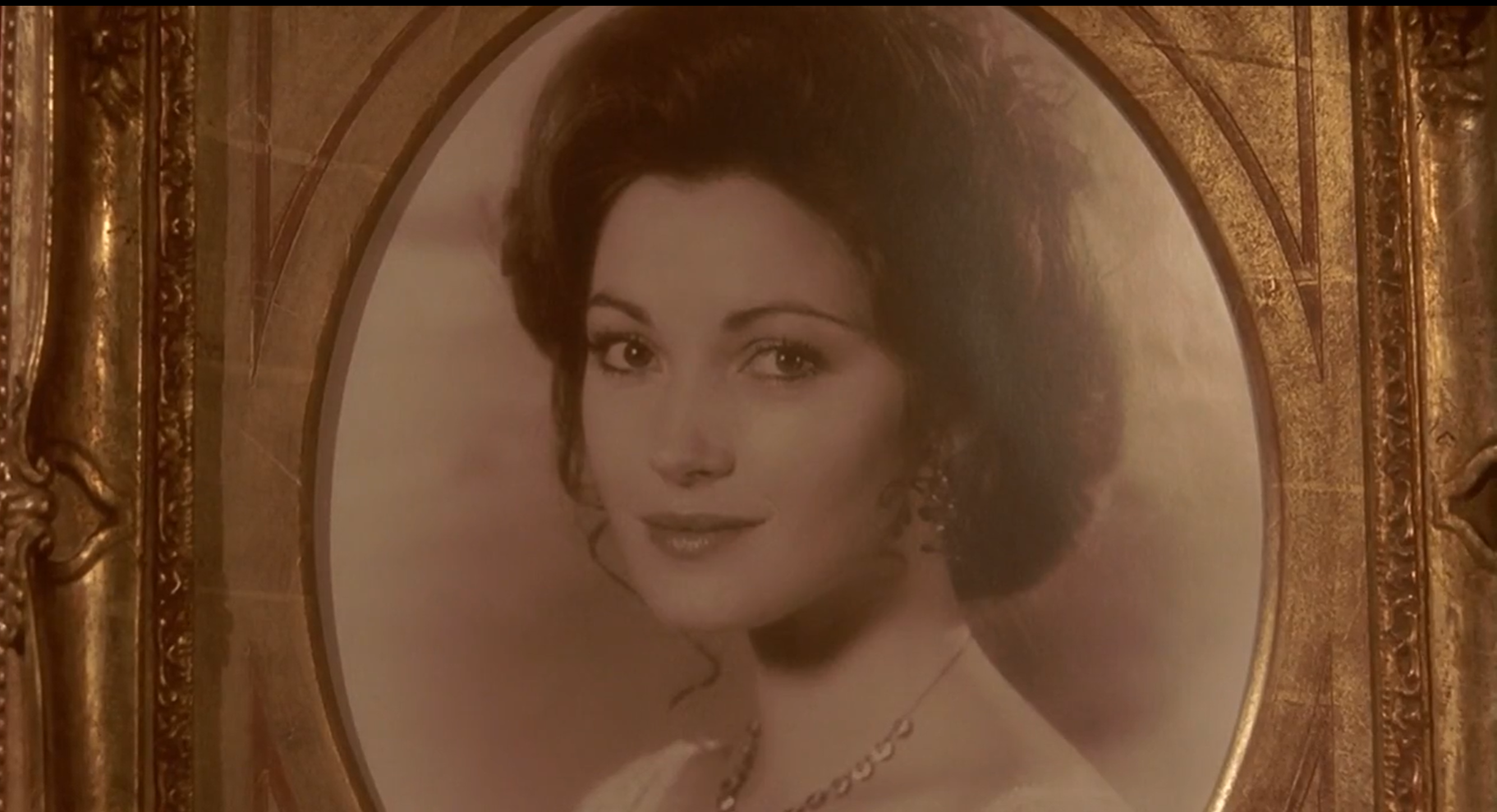
… but the filmmakers should have scuttled the dreary plot…, sent all the other actors home, and just had the two stars make love in every room of the glorious hotel.” (!!!). The film is problematic on numerous levels. Every scene is calculated to yank shamelessly at our heartstrings; as Roger Ebert points out, it fairly “drips with solemnity”. Although it may be a reasonably common occurrence to find oneself falling desperately in love with a portrait from the past:

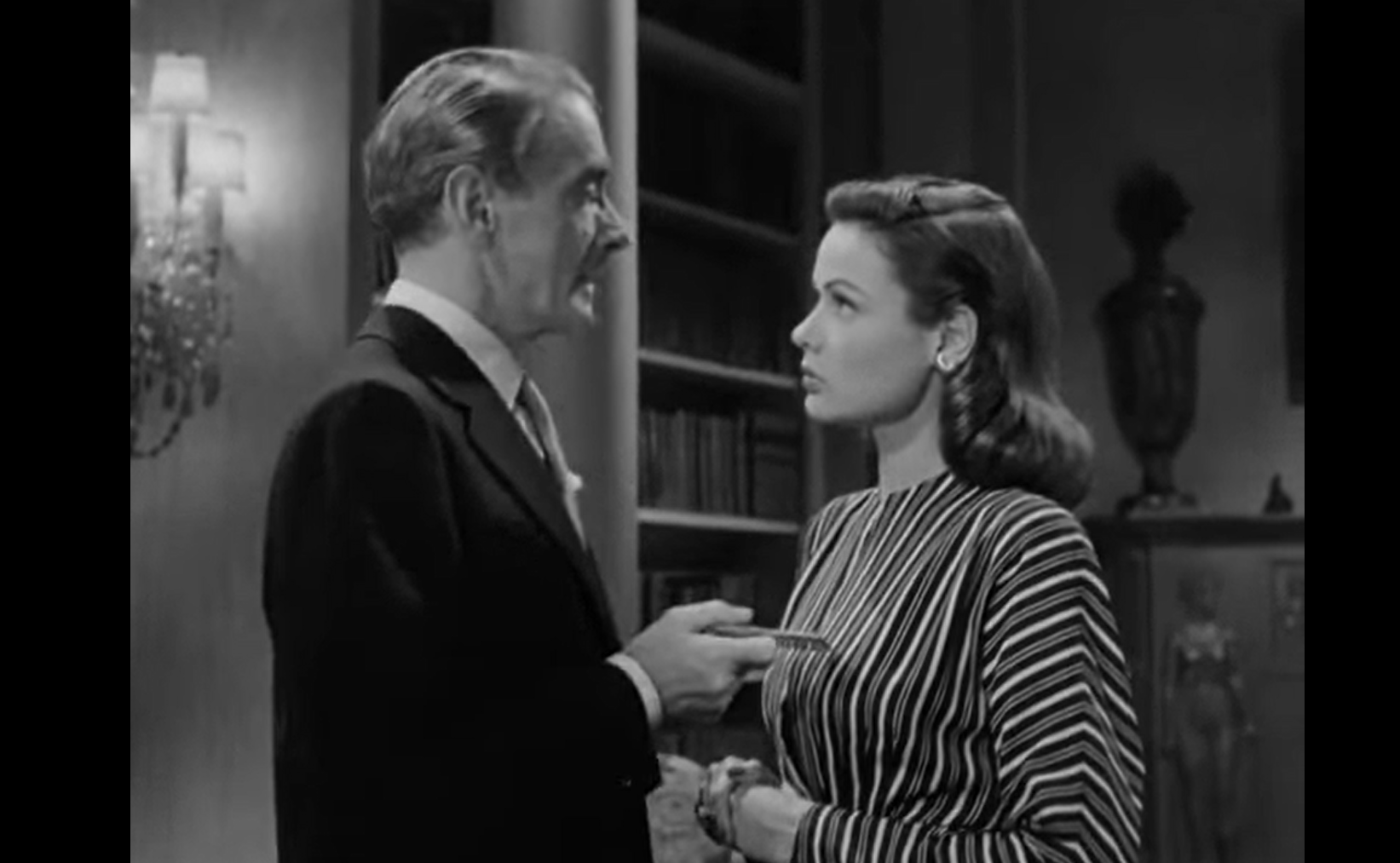
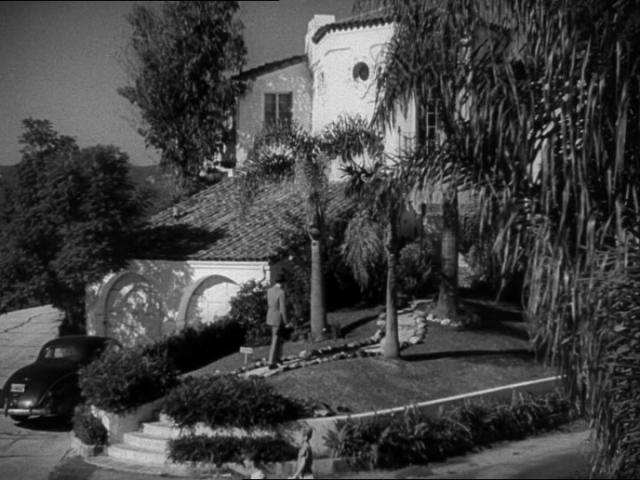
— viz. Preminger’s Laura (1944), for example: — the problem here is that we’re essentially asked to believe in and care about a romance based purely on “instinct”. Even once Reeve and Seymour meet in person as young lovers, we’re not given any earthly reason to understand why they’ve fallen for one another (though many, I suppose, would argue that this is exactly the point).

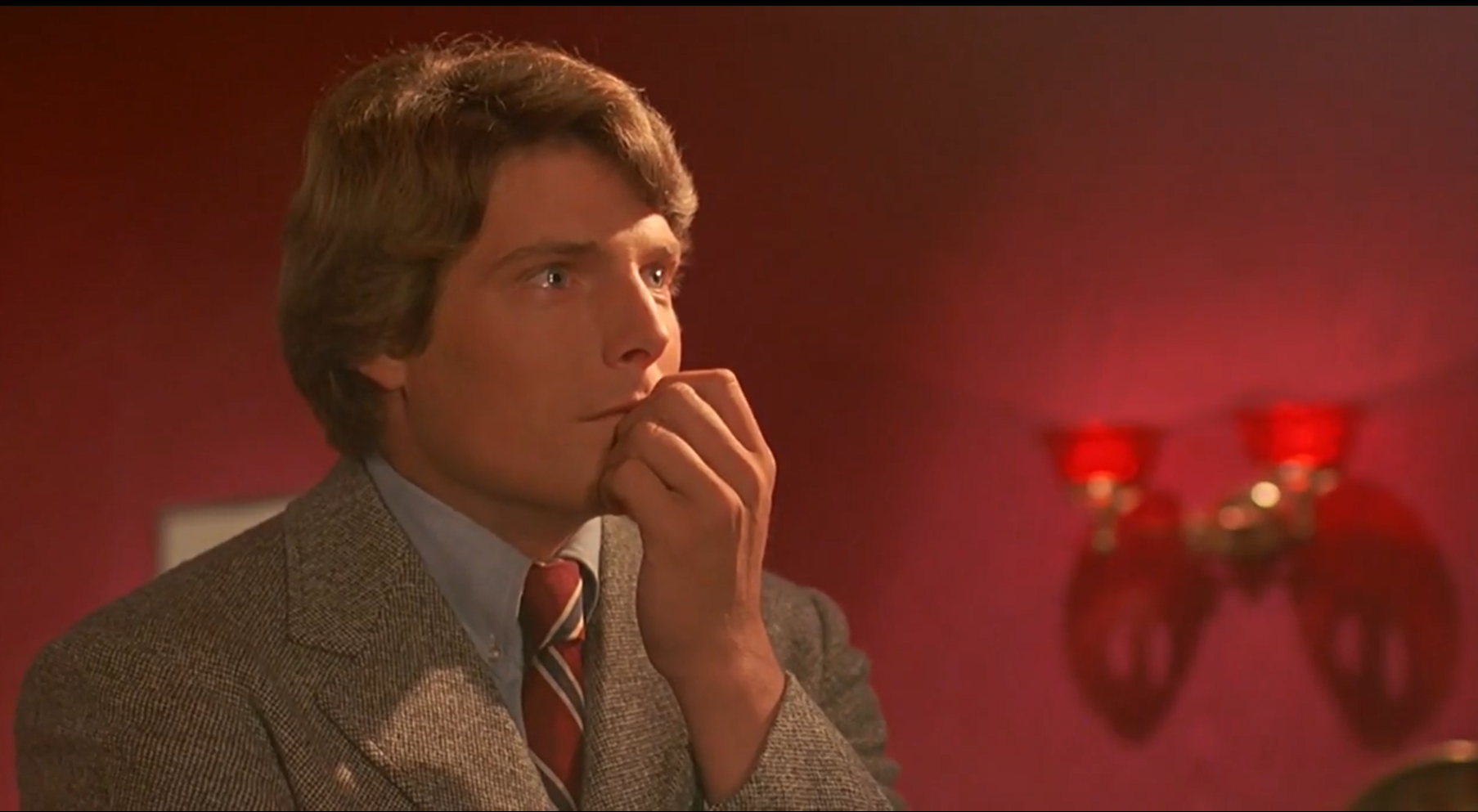
Meanwhile, Reeve — in a role he handpicked after his extraordinary success in Superman (1978) — simply doesn’t have the chops necessary to make us believe in his character; it’s painful to watch him so clearly acting at every moment.

Seymour is luminous and lovely to look at, but can’t really do much to resurrect her underdeveloped role.

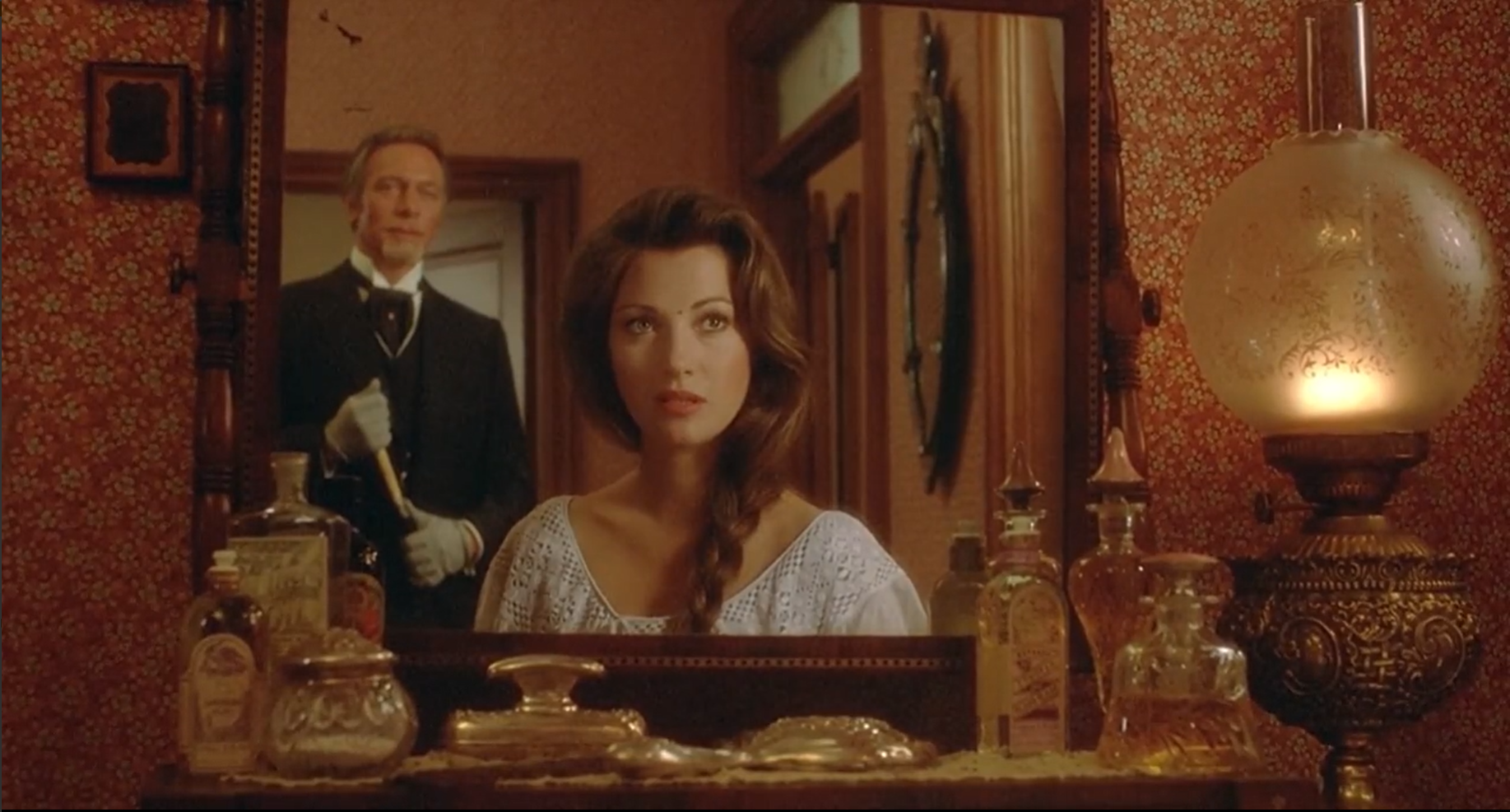
Christopher Plummer (as Seymour’s controlling manager) is reduced to a few scenes of red-faced rage:

… while Teresa Wright (in a tiny role as the elderly Elise’s caretaker) is essentially wasted. Amazingly enough, however, the film has an enormous — or at least a powerful, visible, and long-lasting — following. It became a cult classic after airing on cable television in the 1980s, and in 1990 a fan club called the International Network of Somewhere in Time Enthusiasts, or INSITE, was founded; members meet every year on Mackinac Island in Michigan (where the movie was filmed) to screen it. On the fan club’s impressively obsessive website, one can purchase any number of “SIT” memorabilia items, take a quiz, sign up to receive a quarterly newsletter, and learn more than you ever thought you wanted to know about Seymour and Reeve. INSITE was apparently responsible for ensuring that these two actors both received stars on the Hollywood Walk of Fame, and lobbied for a special edition 20th anniversary DVD release of the film. This movie clearly means something more to a bunch of folks than I can even begin to imagine…

Redeeming Qualities and Moments:

  • Fine cinematography, sets, and costumes

Must See?
Yes — but only for its cult status.

Categories

  • Cult Movie

Links:

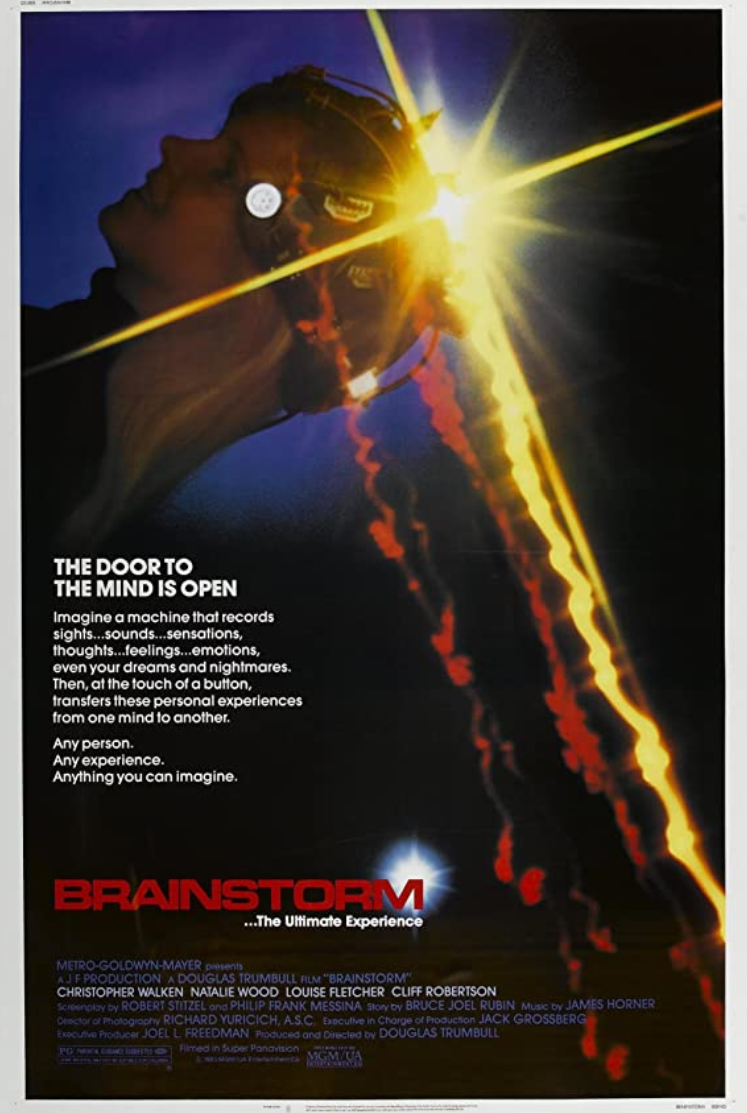
Brainstorm (1983)

Brainstorm (1983)

“Don’t take my project. This is MY project!”

Synopsis:
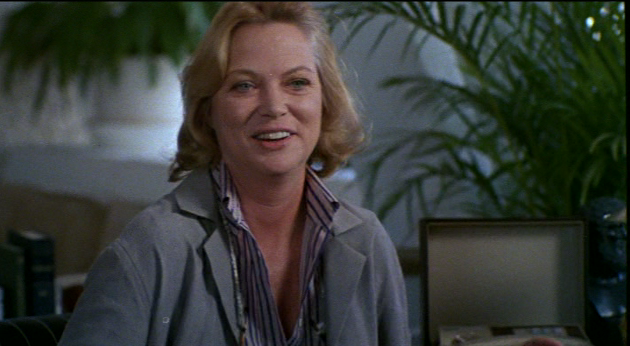
Two idealistic scientists (Louise Fletcher and Christopher Walken) who have created a headpiece allowing users to experience someone else’s reality must fight to maintain the integrity of their invention when their boss (Cliff Robertson) sells their work to the military.

  • Christopher Walken Films
  • Cliff Robertson Films
  • Life After Death
  • Louise Fletcher Films
  • Natalie Wood Films
  • Psychic Powers
  • Science Fiction
  • Scientists

Response to Peary’s Review:
Peary is rather unenthusiastic in his assessment of this infamous final feature of both Natalie Wood (she died before filming was complete) and special-effects guru-turned-director Douglas Trumbull, whose insistence on finishing the film despite Wood’s death soured him against Hollywood producers more interested in collecting insurance money than releasing the movie. While Peary acknowledges that the film’s “much ballyhooed visuals (shot in 70mm) are truly impressive”, he unjustly claims that Trumbull elicited “atrocious performances” from Walken and Robertson (both are actually fine in their respective roles), and that his use of “chain-smoking as Fletcher’s dominant personality trait is really lackadaisical” — in truth, her smoking seems to fit her nerve-wracked personality to a tee, and actually helps to substantiate the legitimacy of her fatal heart-attack midway through the film.

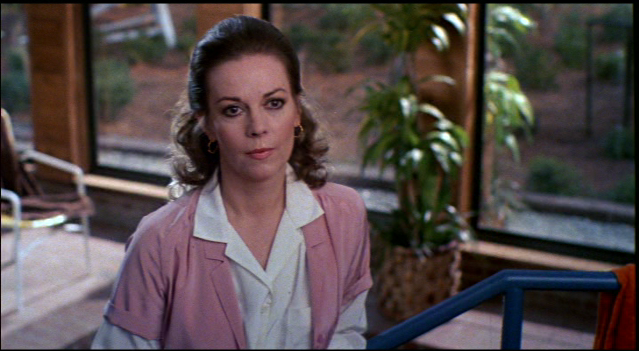
Peary claims that the film “has enormous gaps” but, for the most part, I disagree. I’m impressed by how screenwriters Bruce Joel Rubin and Robert Stitzel smartly explore the various ethical ramifications of a virtual reality device which we have yet to experience, but whose arrival surely can’t be that far away. The device’s potential for “good” is made abundantly clear throughout the first half hour of the film: in addition to the obvious money-making application of allowing people to experience a world of visceral thrills (roller coaster rides, sweeping views of majestic mountains) without ever leaving their chairs, it miraculously helps bring Walken and his estranged wife (Wood) back together by allowing them to relive the glory days of their early romance. The U.S. military, of course, has much more nefarious plans for the headset (torture, anyone?), but the screenwriters draw an appropriately sticky line between these two extremes, as demonstrated in the scene in which a naive employee (Joe Dorsey) decides to splice a strategic section of a sex tape and run it continuously, only to become mildly brain damaged as a result.

The most exciting sequence in the movie is undoubtedly Fletcher’s dramatic heart attack, which — scientist that she is until the very end — she struggles to record so that others can study the experience of dying. It’s the natural extension of this crucial plot element (in which Walken “plays” the tape and sees visions of heaven and hell) which most reviewers take issue with — and it’s certainly easy to agree that the cheesy special effects don’t “do justice” to the experience. Yet I would counter, what could? How can any of us “know” what this ultimate experience might look and feel like — and then transfer this effectively to a two-dimensional screen?

Where the film does begin to lose steam for me, ironically, is during its final climactic half-hour, as Walken and Wood valiantly fight against the Powers That Be to rescue the tape and destroy the military’s mass-operations facility. While it’s somewhat amusing to hear the couple voicing banalities to each other over the phone as a cover-up (it works — nobody pays them any attention), the action sequences — including machines going haywire and suds spilling out across the floor — come across as both juvenile and out-of-place. Despite this flaw, however, Brainstorm remains undeniably provocative sci-fi viewing, and should be seen once by all film fanatics.

Note: Trumbull only helmed one other film — 1972’s equally flawed but engaging Silent Running.

Redeeming Qualities and Moments:

  • Louise Fletcher as Dr. Reynolds
  • Natalie Wood — who, as Peary notes, is “lively and lovely in her last role”
  • Christopher Walken as Michael Brace
  • Impressive visual effects
  • A fascinating premise

Must See?
Yes, as a smart sci-fi film with a provocative premise. Film fanatics will likely also be curious to see Wood’s final performance.

Categories

  • Good Show

Links:

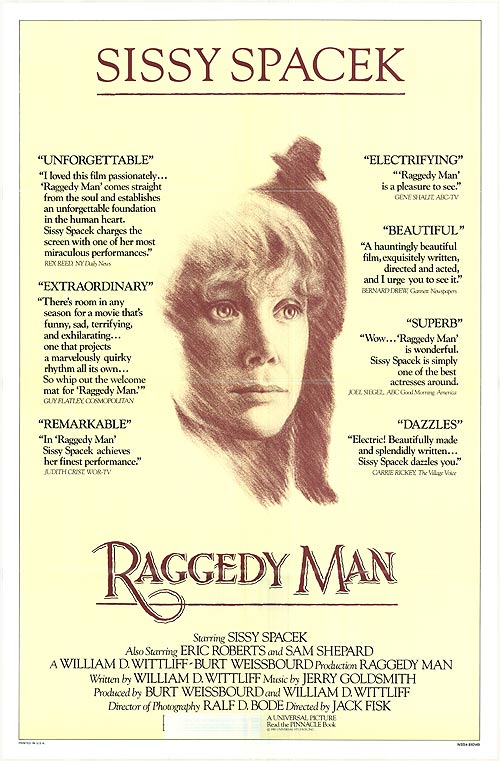
Raggedy Man (1981)

Raggedy Man (1981)

“I can’t quit this job; I’m frozen here.”

Synopsis:
During World War II, the divorced mother (Sissy Spacek) of two young boys (Henry Thomas and Carey Hollis, Jr.) takes up with a sailor (Eric Roberts), which arouses the envy of two local hoodlums (William Sanderson and Tracey Walter).

Genres, Themes, Actors, and Directors:

  • Romance
  • Single Mothers
  • Sissy Spacek Films
  • Small Town America
  • World War Two

Response to Peary’s Review:
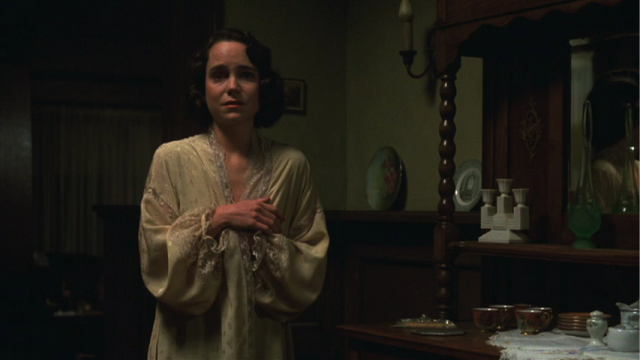
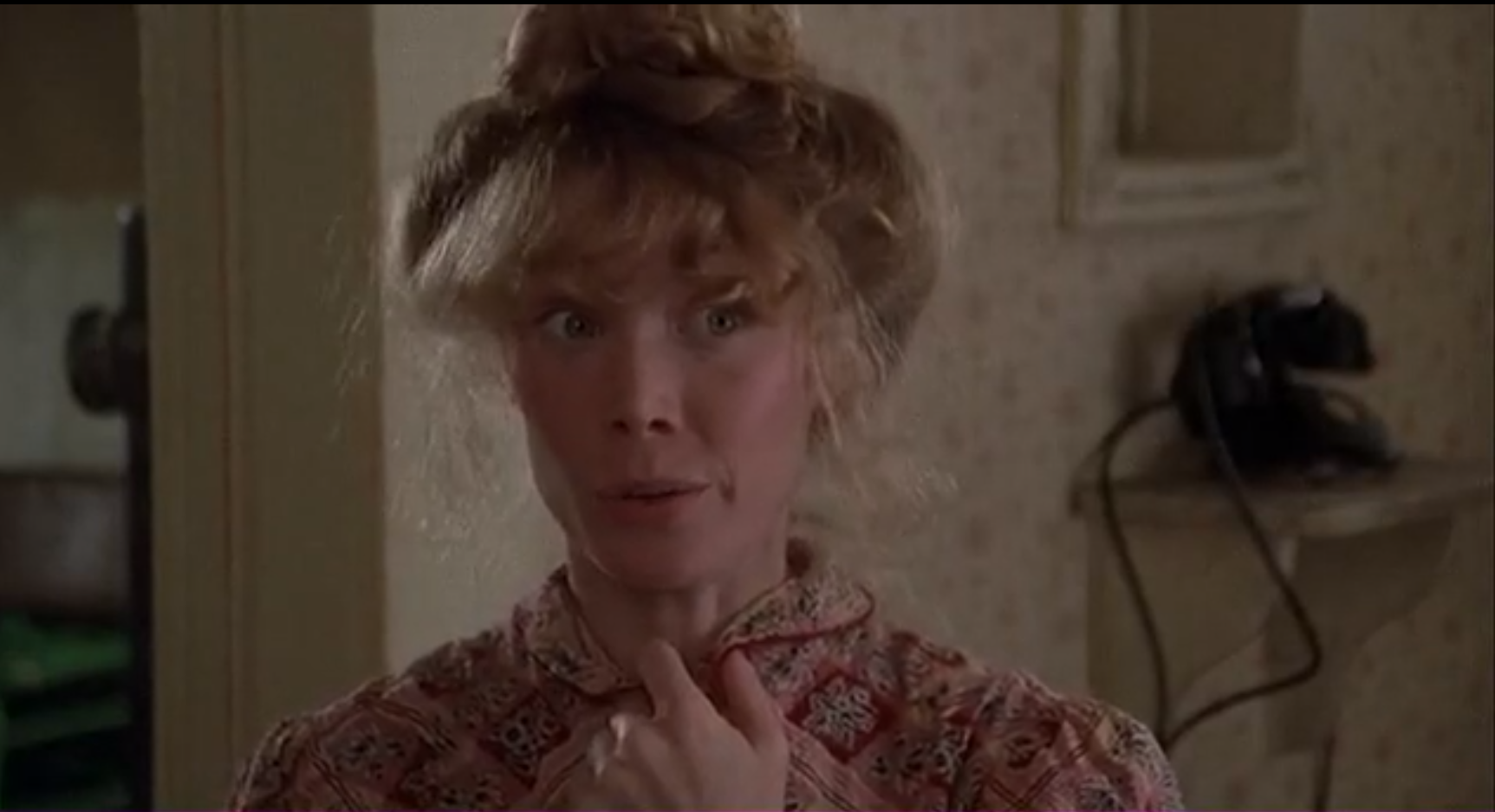
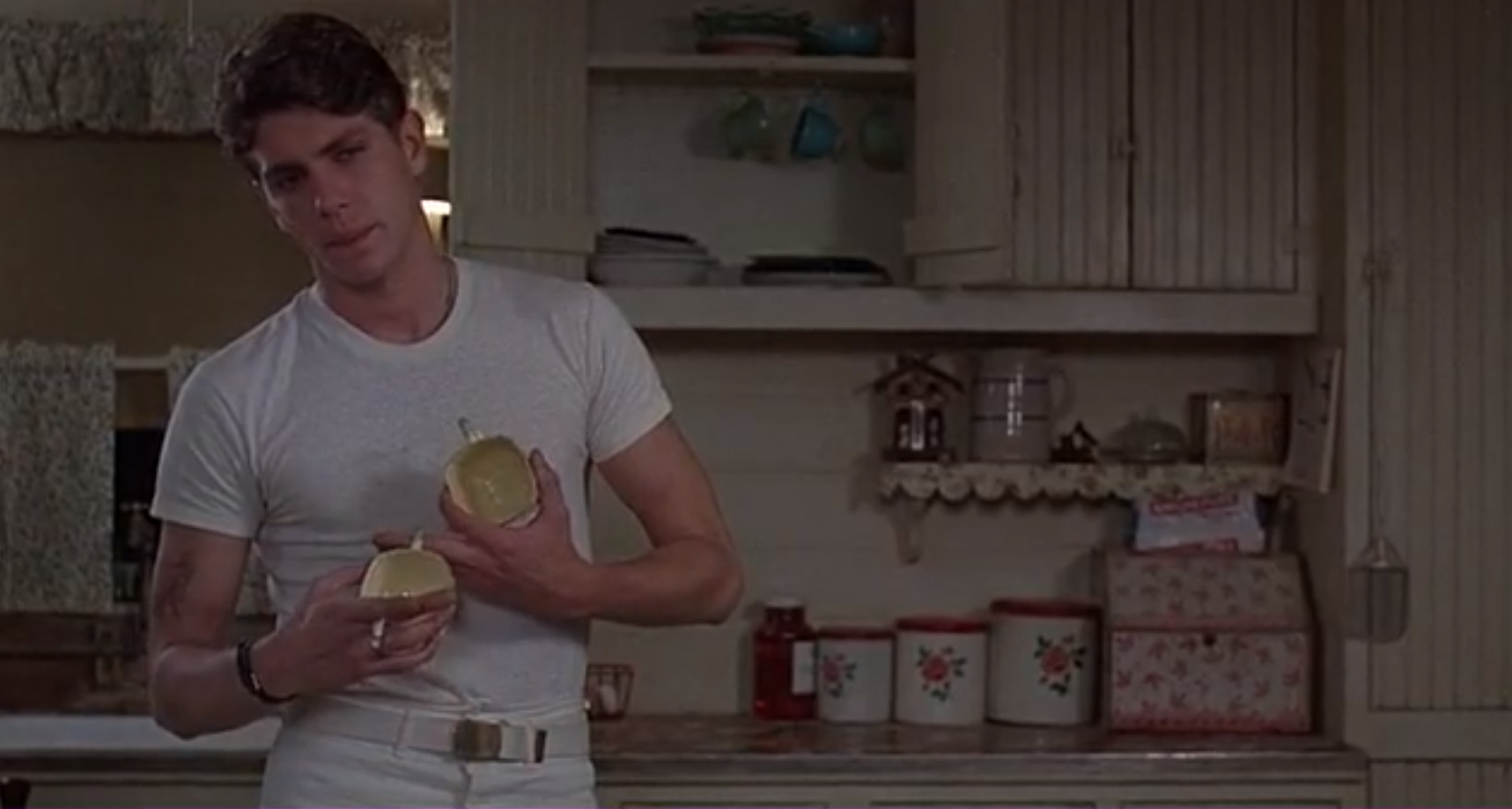
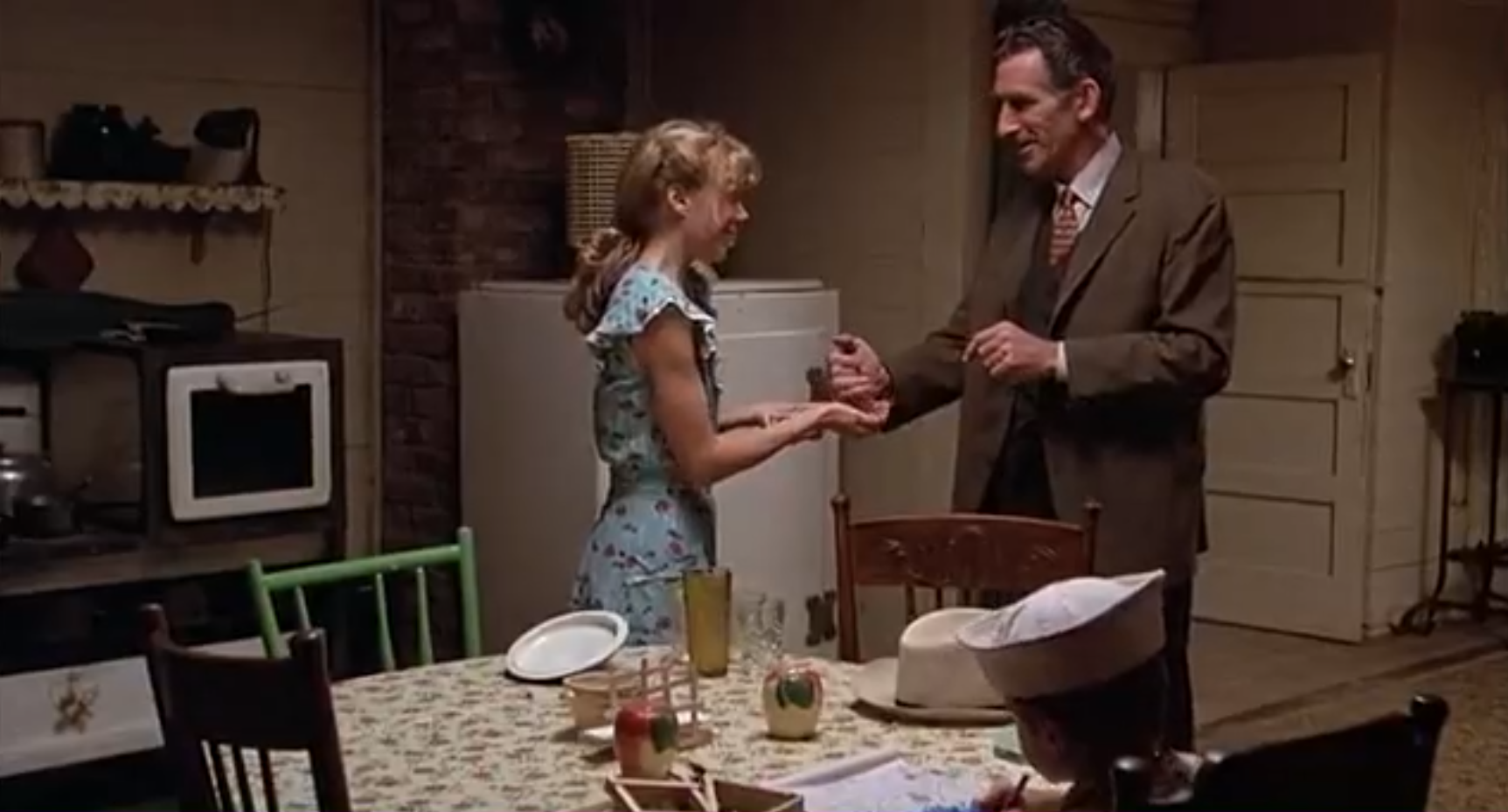
Peary is an enormous fan of Sissy Spacek’s performance as Nita Longley in this character-driven romantic fable; he refers to Nita as “her most mature, capable, and, I think, appealing character”, and gives Spacek an Alternate Oscar as Best Actress of the year. He notes that Spacek is finally allowed to “create a character through nuance rather than speech” and that she “reveals exciting parts of her that she’d always kept hidden”. Spacek’s performance here is indeed lovely — as is that of Eric Roberts in one of his better supporting roles (Peary notes that he gives a “splendid performance”, and correctly asserts in his Alternate Oscars book that he deserved a Supporting Actor nomination). Their brief romance together is truly touching, and “tastefully handled”. Peary also rightly points out that “you’ll feel transported back through time” by the authenticity of the “small Texas town” (thanks to the “impeccable” sets and photography), and that you’ll doubtless enjoy the “smart dialogue” and the wonderful “interaction of characters, including adults and children”.

Unfortunately, however, Raggedy Man — which starts out as the “most lyrical and romantic of films” — is irredeemably marred by its “horror-movie ending”, a deeply “regrettable sequence” which, despite some heavy-handed foreshadowing, seems to come out of nowhere, and seriously disrupts the timbre of prior events. While we can’t help but guess that Sanderson and Walter (giving appropriately creepy performances) will exact revenge for Spacek’s gentle rejection of their advances, the way in which this plays out seems more fitting for Spacek’s breakthrough movie Carrie; and the allegorical importance of the film’s title character (Sam Shepard in facial makeup) comes too late to feel authentic. Film fanatics are sure to feel torn in their feelings about Raggedy Man, which would likely be must-see if it weren’t for the film’s unfortunate denouement.

Redeeming Qualities and Moments:

  • Sissy Spacek as Nita
  • Eric Roberts as Teddy
  • Fine attention to period detail

Must See?
No, but it’s recommended for the strong central performances and authentic recreation of 1940s Texas.

Links:

Goin’ South (1978)

Goin’ South (1978)

“I ain’t no slab of meat to be auctioned off — but what the hell!”

Synopsis:
A horse thief (Jack Nicholson) is saved from hanging by a woman (Mary Steenburgen) who agrees to marry him in exchange for his help as a laborer. Soon the two are falling in love — but when Nicholson’s old gang members learn that he’s found gold, trouble ensues.

Genres, Themes, Actors, and Directors:

  • Comedy
  • Gold Seekers
  • Jack Nicholson Films
  • John Belushi Films
  • Mary Steenburgen Films
  • Outlaws
  • Romance
  • Westerns

Response to Peary’s Review:
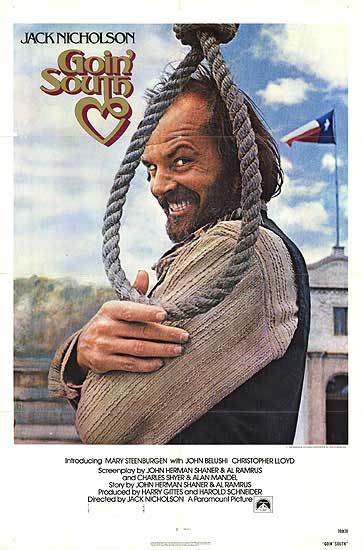
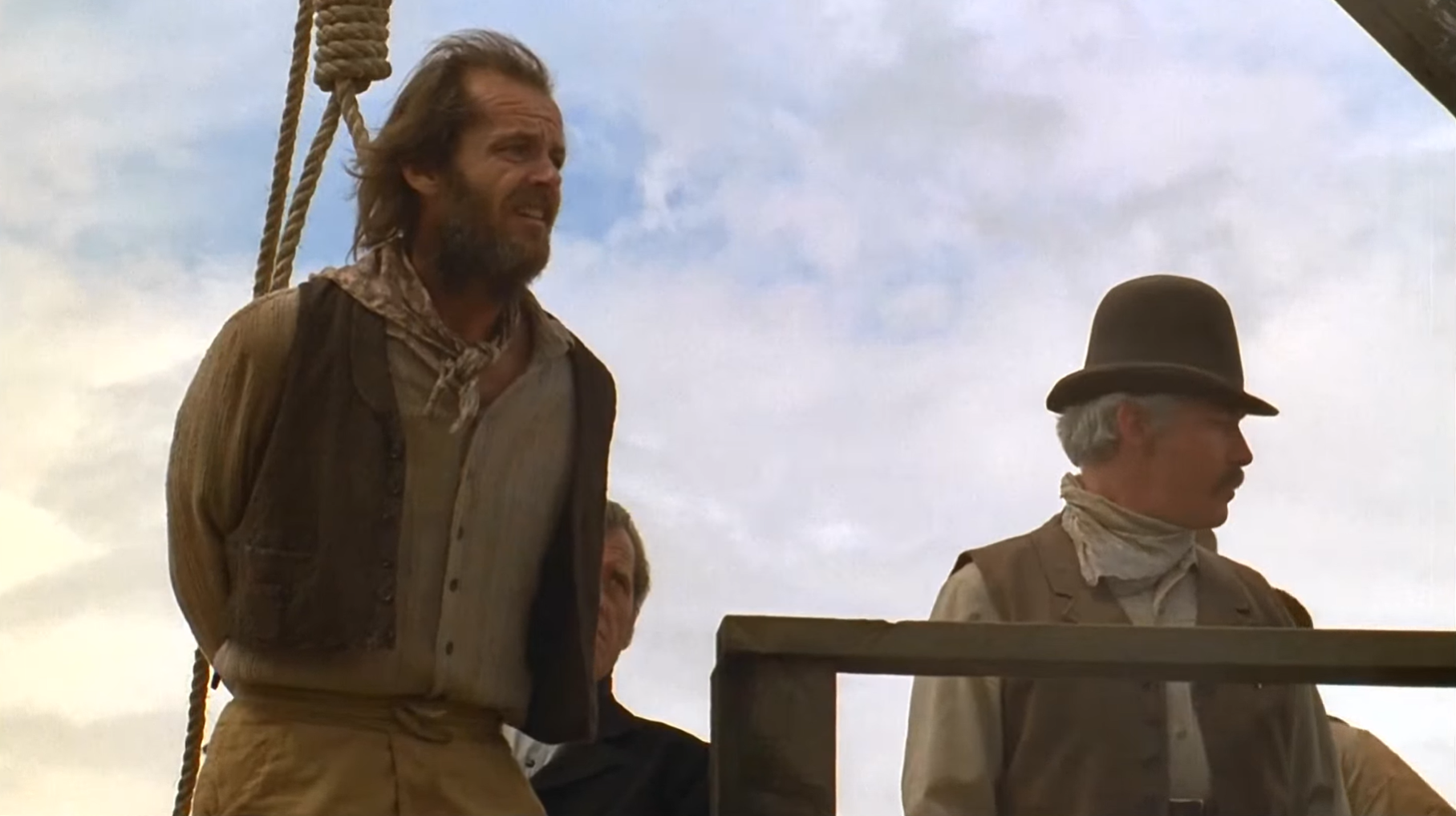
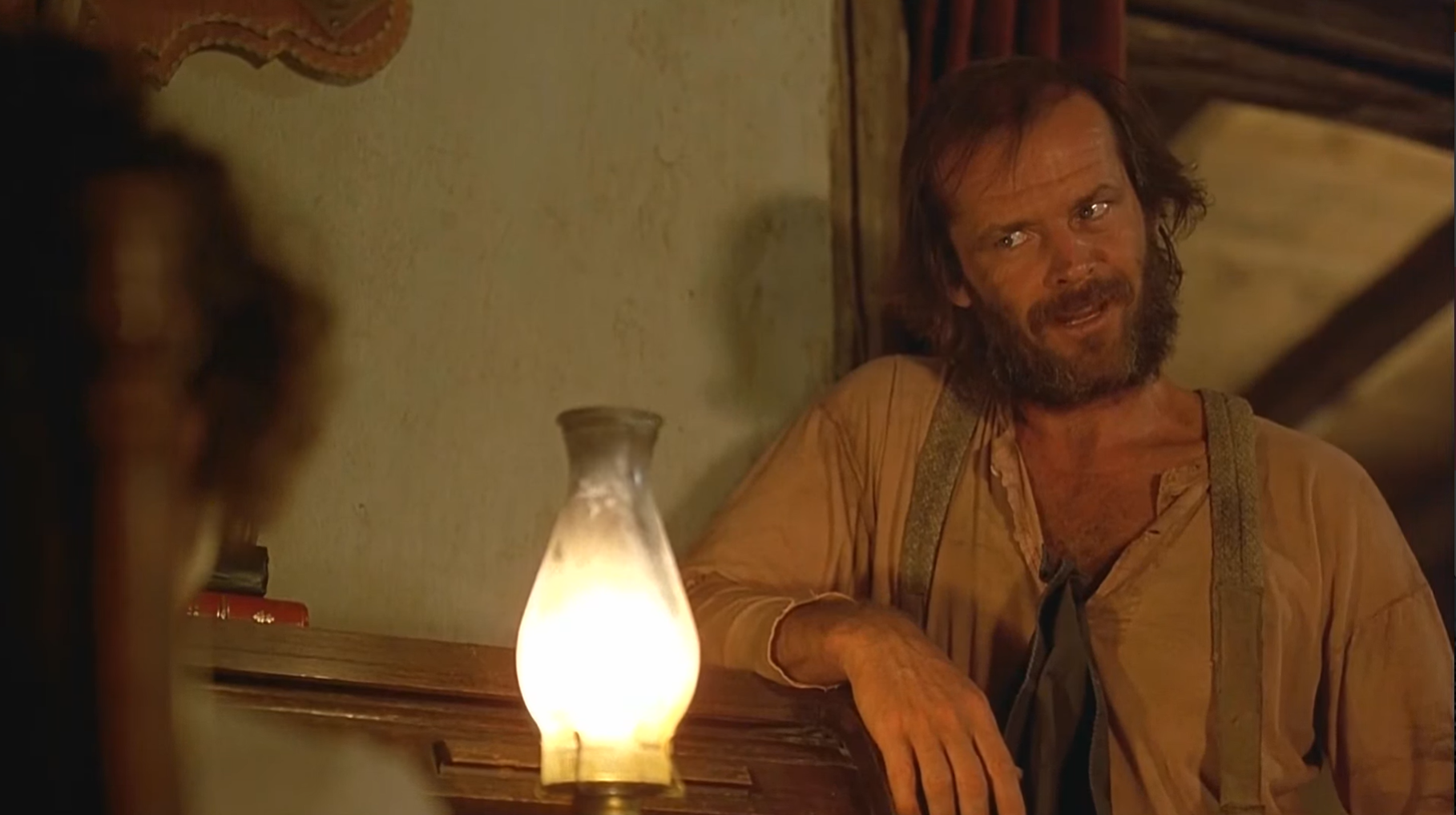
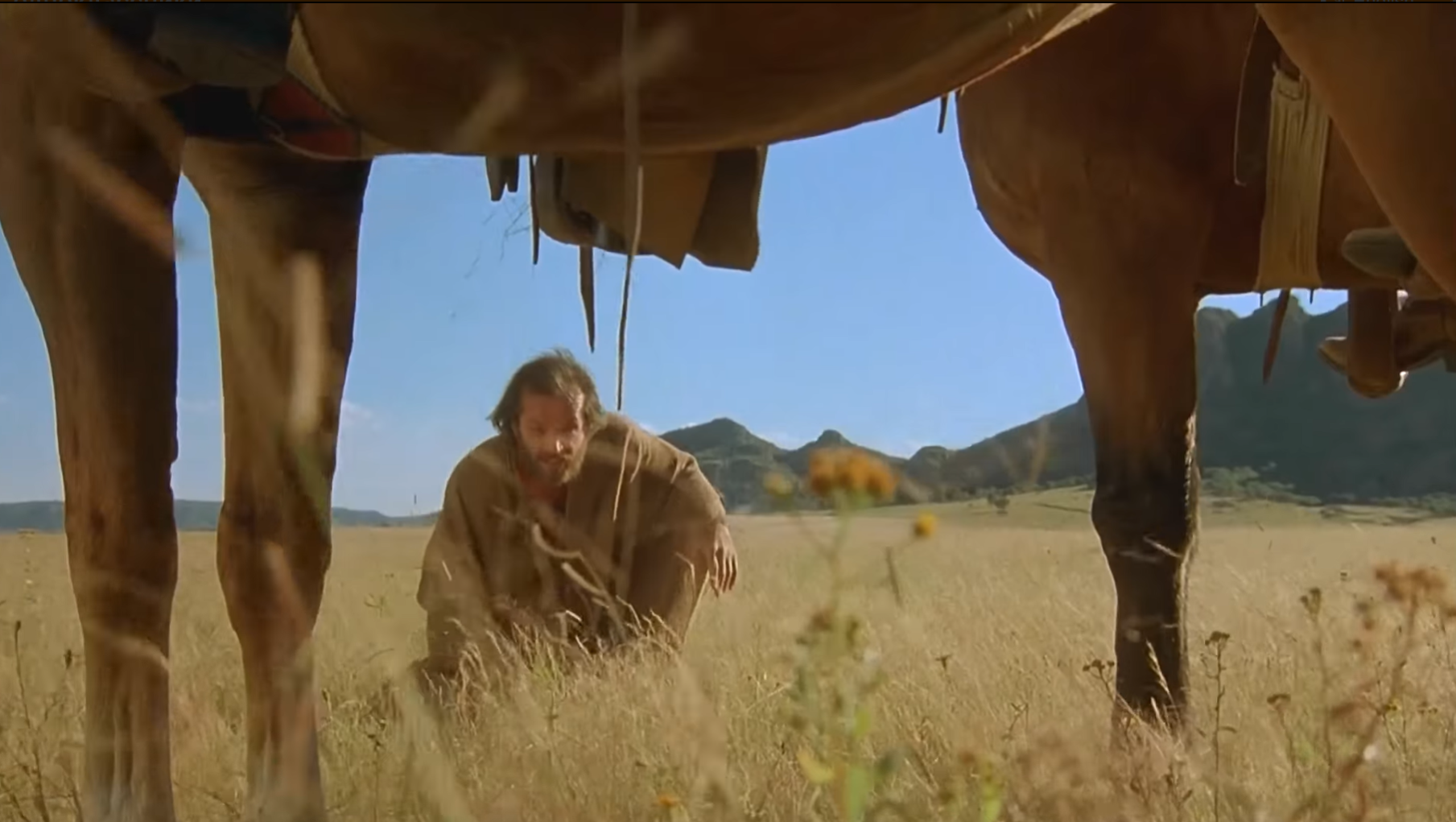
Peary’s a fan of this “amiable comedy-western” — directed by and starring Jack Nicholson — which he notes is a “nice change of pace for western fans”. The story starts off with a humorous bang, as Nicholson’s “slovenly outlaw” — nearly across the border into Mexico — is dragged back into town for a hanging, and is saved literally in the nick of time by Steenburgen, who wants his help with mining for gold before the Big Bad Railroad wields eminent domain and takes over her land.

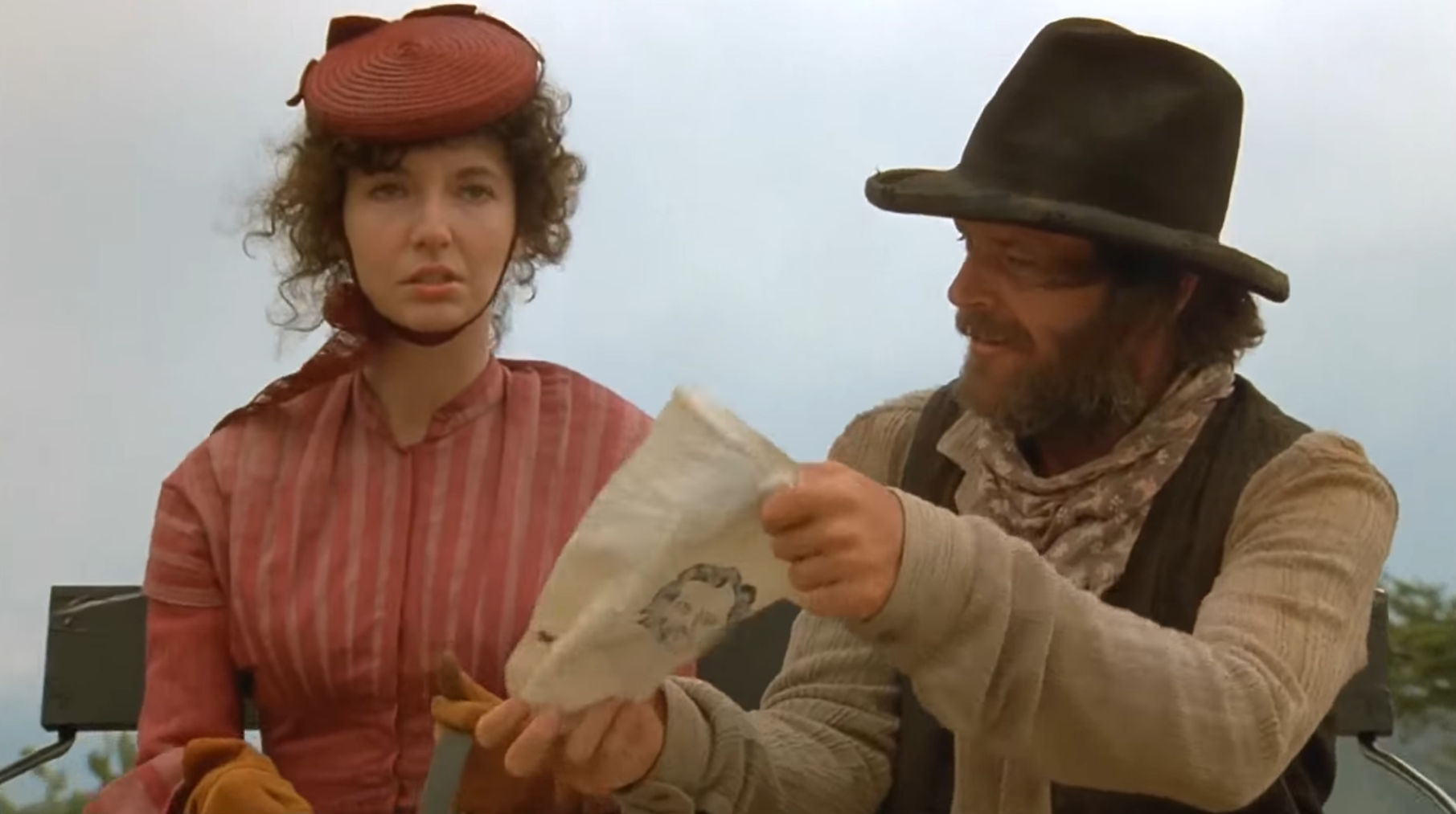
The bulk of the story centers on the developing romance between “the animated, bearded Nicholson” (who basically plays a variation on his “crazed iconoclast” archetype) and “stiff, reticent Steenburgen” (who’s both charming and coy in her screen debut) — but we aren’t given enough information about Steenburgen’s background (why is she so eager to move to Philadelphia with her newfound wealth?), and there are some disturbing hints of rape-like encounters between the two individuals, thus marring their development into what Peary labels “a likable couple”. In addition, a cast of soon-to-be big names (including John Belushi, Danny De Vito, and Christopher Lloyd) are given far too little screentime or character development.

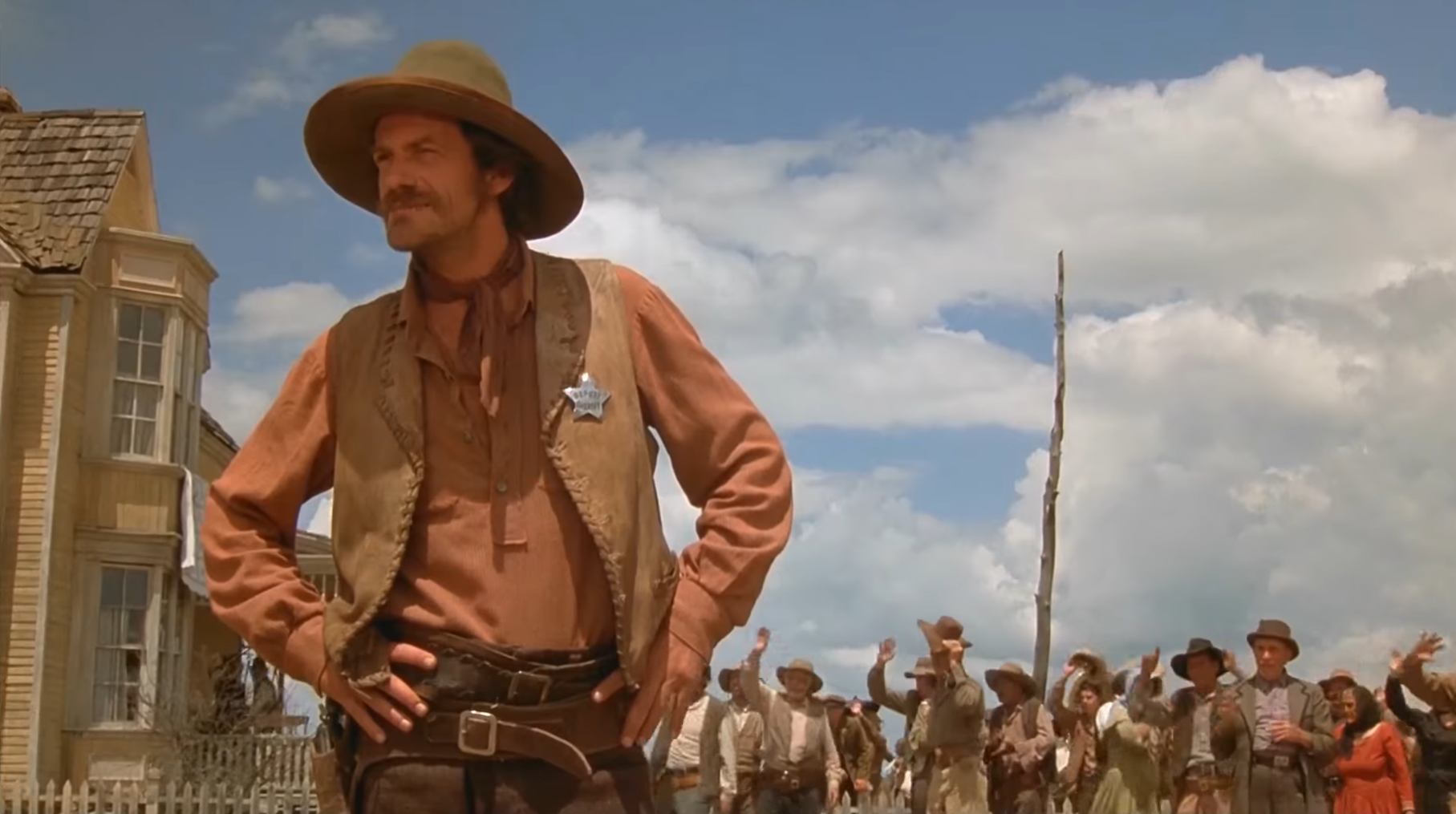
Lloyd’s would-be rivalry for Steenburgen simply fizzles away, while Belushi and De Vito are relegated to roles as small-time accomplices. With that said, Goin’ South does possess some clever comedic dialogue (“I’ll never forget you, Hermine — you was the first woman I didn’t have to pay for”), and the film as a whole is bolstered by Nestor Almendros’ typically stellar cinematography.

Redeeming Qualities and Moments:

  • The humorous opening sequence
  • Mary Steenburgen as Julia Tate
  • Nestor Almendros’ cinematography

Must See?
No, but it will certainly be of interest to Nicholson fans, and is worth a look simply for Steenburgen’s charming debut.

Links: