Browsed by
Category: Response Reviews

My comments on Peary’s reviews in Guide for the Film Fanatic (Simon & Schuster, 1986).

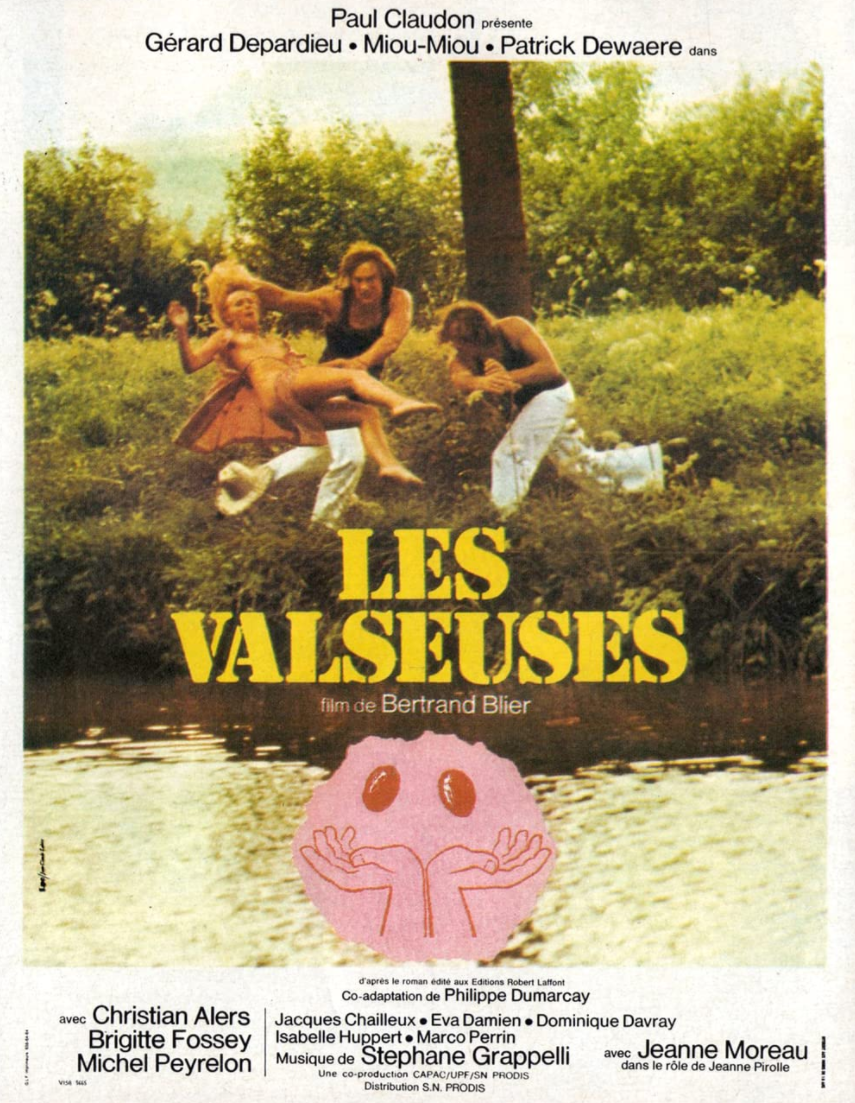
Going Places (1974)

Going Places (1974)

“If we don’t know where to go, why not stop awhile?”

Synopsis:
A pair of petty criminals (Gerard Depardieu and Patrick Dewaere) travel aimlessly across France, stealing cars and pursuing women.

Genres, Themes, Actors, and Directors:

  • Bertrand Blier Films
  • French Films
  • Fugitives
  • Gerard Depardieu Films
  • Isabelle Huppert Films
  • Jeanne Moreau Films
  • Road Trip
  • Thieves and Criminals
  • Womanizers

Response to Peary’s Review:
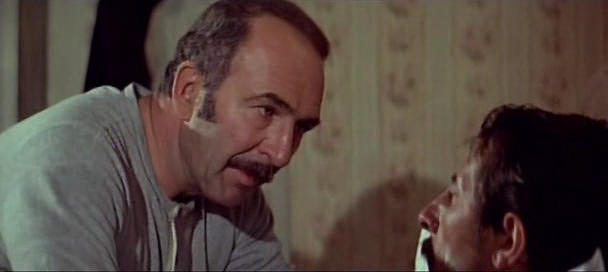
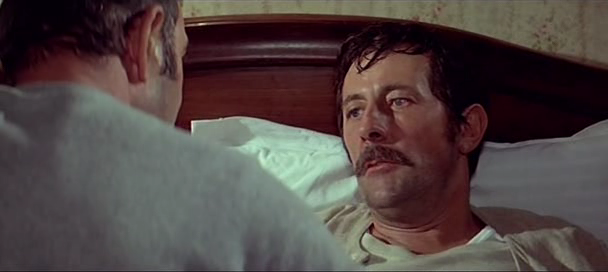
Peary correctly notes that “for about the first half-hour” of this “offbeat” black comedy by Bertrand Blier (based on his own novel), the lead characters’ “amoral behavior, their vulgarity, and their obnoxious treatment of women will wear on your patience”, and “you’ll find it hard not to hate a film that would have them as its heroes”. However, I disagree with his assertion that “once you realize that neither of the characters is vicious and that both are vulnerable, the film becomes more tolerable.” While I’m a fan of Blier’s later anarchic comedies (such as Femmes Fatales and Menage) — in which the male leads expose their vulnerabilities and neuroses to humorous effect — the blatant misogyny of Depardieu’s Jean-Claude and Dewaere’s Pierrot in this film is simply too much to stomach.

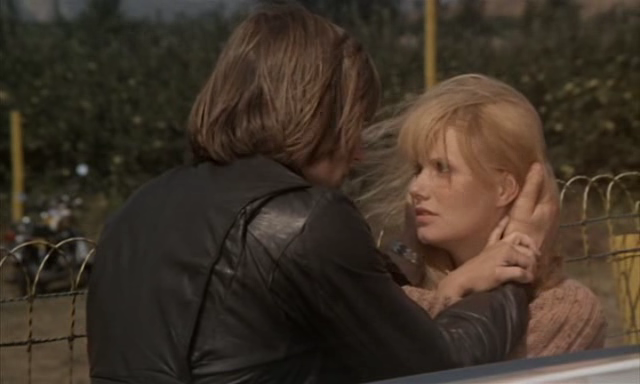
Peary defends their actions by noting that “in the long run the two men don’t do any harm to the women they half-seduce, half force sex upon”, and that “the women end up more satisfied than they are” — but this doesn’t make it any easier to watch our whiny, manipulative protagonists accosting a distressed woman (Dominique Davray) while snatching her purse, terrorizing a breast-feeding woman (Brigitte Fossey) on an otherwise empty train, or verbally and physically abusing a naive young beauty shop employee (Miou-Miou) — not to mention their continuous tendency to steal cars out from under the noses of their owners (a “running joke” which really isn’t funny at all). One vignette near the middle of the film — in which our “heroes” decide to seduce a middle-aged ex-convict (Jeanne Moreau) as she leaves prison — remains intriguing enough to recommend, given that Jean-Claude and Pierrot finally tap into their gentler natures; but this isn’t enough to redeem the film as a whole. Young Blier would clearly need to get a more mature grip on his thematic concerns before his cinematic brilliance could emerge.

Redeeming Qualities and Moments:

  • Miou Miou as Marie-Ange (she makes the best of a pitiable role)
  • Jeanne Moreau as Jeanne

Must See?
No, though it’s worth a look for its historical importance as Blier’s breakthrough film.

Links:

Shadow of a Doubt (1943)

Shadow of a Doubt (1943)

“What do you know, really? You’re just an ordinary little girl, living in an ordinary little town.”

Synopsis:
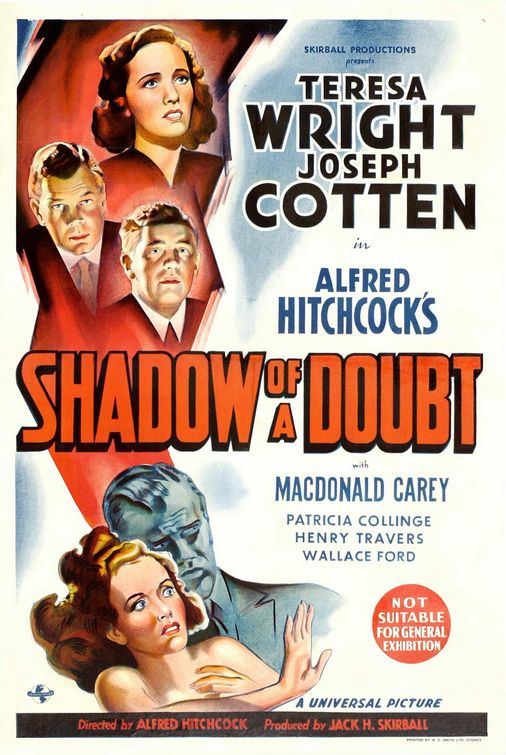
A teenager (Teresa Wright) in a small town hopes that the arrival of her beloved Uncle Charlie (Joseph Cotten) will bring some excitement into her family’s lives; soon, however, she learns the devastating truth that Uncle Charlie is the “Merry Widow Murderer”, wanted for killing widows on the East Coast.

Genres, Themes, Actors, and Directors:

  • Amateur Sleuths
  • Fugitives
  • Hitchcock Films
  • Hume Cronyn Films
  • Joseph Cotten Films
  • Serial Killers
  • Small Town America
  • Teresa Wright Films

Response to Peary’s Review:
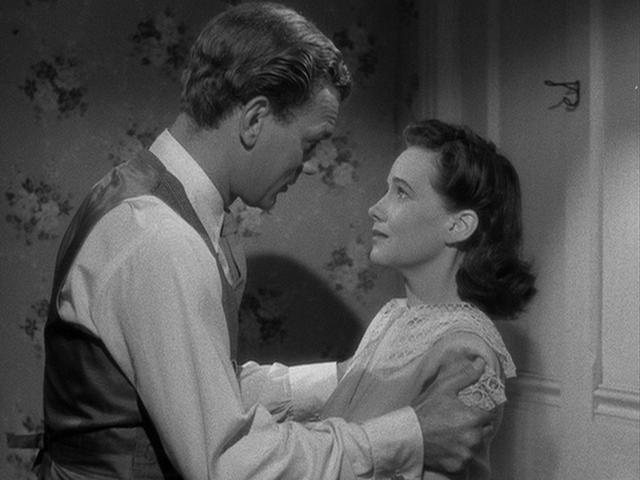
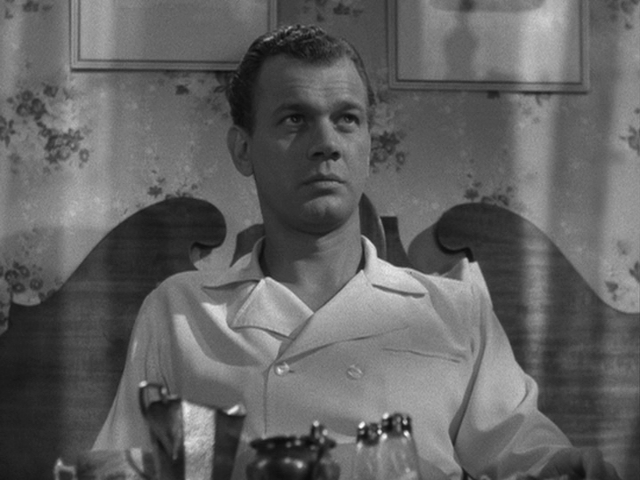
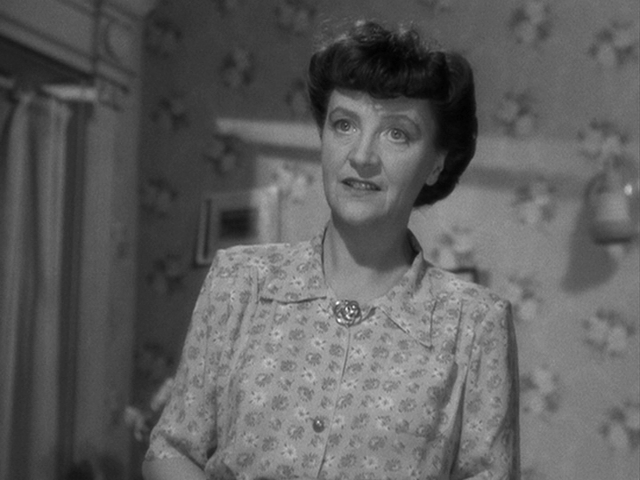
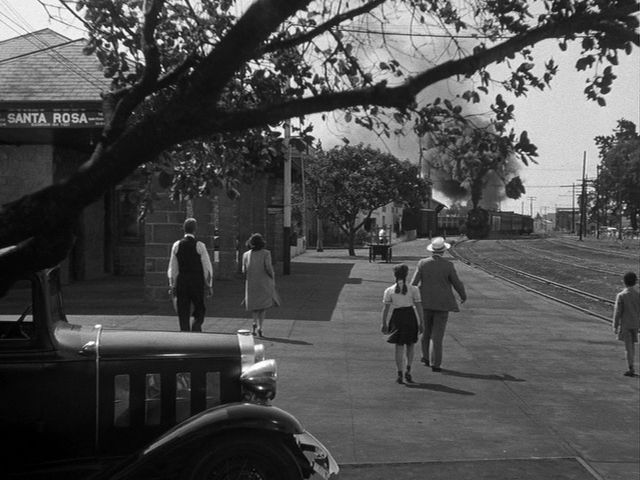
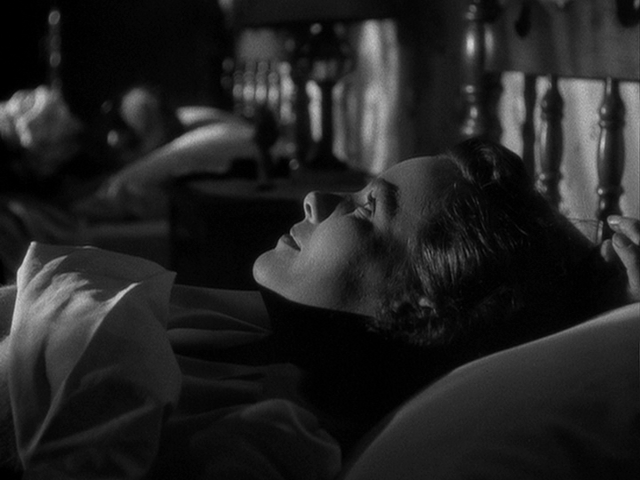
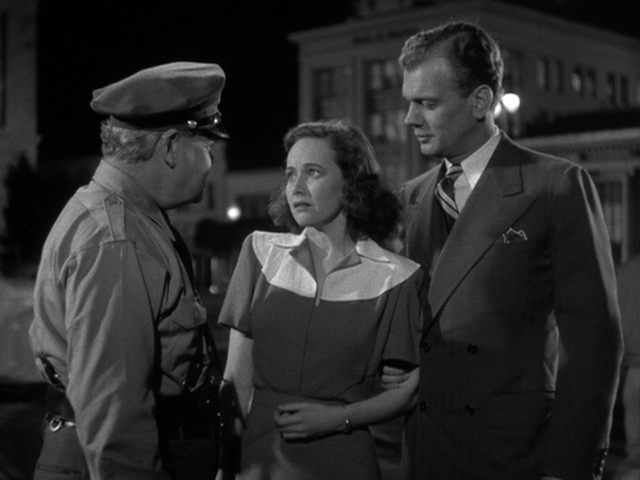
As Peary notes, this “top-grade Alfred Hitchcock thriller” — which he nominates as one of the Best Films of the Year in his Alternate Oscars book — examines the “thin line between the normal and abnormal,” as exemplified by contrasts between the film’s two central characters: “a smart, spirited, typical young woman named Charlie (Teresa Wright) who lives with her average family in an average American town, and her insane itinerant bachelor Uncle Charlie (Joseph Cotten).” It’s immediately clear, as Peary points out, that “the two Charlies are two sides of the same person”, and that “young Charlie” will have to experience a rude awakening once she recognizes the truth about her beloved namesake. Indeed, the entire film is structured as an elaborate “coming of age” for adolescent Charlie, who must not only give up her childish fantasies about her uncle, but must protect her mother (Patricia Collinge) from learning the truth about her cherished younger brother, and, in one of the film’s weaker subplots, falls in love for the first time (with MacDonald Carey, a detective on the case).

As in his discussion of “Bruno Anthony” (Robert Walker) in Strangers on a Train (1951), Peary once again argues that the villain in this Hitchcock film is worthy of our sympathy. He notes that Uncle Charlie evokes “strange pity” once we realize he “has many of Wright’s finer qualities, and that he might have been as virtuous and happy as she if he hadn’t had a concussion-causing accident as a child that suddenly made him wild”. But I disagree with Peary that we “sometimes wish Wright would stop her sleuthing” — Cotten is clearly deranged (in his “twisted mind”, he “thinks up ways to kill his niece”), and needs to be caught before he murders again. See TCM’s article for a fascinating discussion of how the script — which was co-written by Thorton Wilder, and explores the darker side of “small town America” — gradually emerged through collaborative effort.

Redeeming Qualities and Moments:

  • Teresa Wright as “young” Charlie (nominated by Peary as Best Actress of the year)
  • Joseph Cotten as Uncle Charlie (nominated by Peary as Best Actor of the year)
  • Patricia Collinge as Uncle Charlie’s doting sister
  • Effective use of Santa Rosa locales
  • Joseph Valentine’s cinematography
  • An enjoyably creepy story of evil in a small town

Must See?
Absolutely. This classic is one of Hitchcock’s best, and merits multiple viewings.

Categories

  • Genuine Classic
  • Important Director

(Listed in 1001 Movies You Must See Before You Die)

Links:

Superman II (1980)

Superman II (1980)

“Think of it: three — count them — three supervillains, each one with the same powers he has, each one totally dedicated to corruption, violence, and evil.”

Synopsis:
Superman (Christopher Reeve) gives up his special powers to be in a relationship with Lois Lane (Margot Kidder) — but when three super-criminals from Krypton (Terence Stamp, Sarah Douglas, and Jack O’Halloran) descend onto Earth and terrorize its citizens, the world desperately needs Superman’s help.

Genres, Themes, Actors, and Directors:

  • Christopher Reeve Films
  • Comics and Comic Strips
  • E.G. Marshall Films
  • Fantasy
  • Gene Hackman Films
  • Margot Kidder Films
  • Ned Beatty Films
  • Richard Lester Films
  • Romance
  • Superheroes
  • Susannah York Films
  • Terence Stamp Films
  • Thieves and Criminals

Response to Peary’s Review:
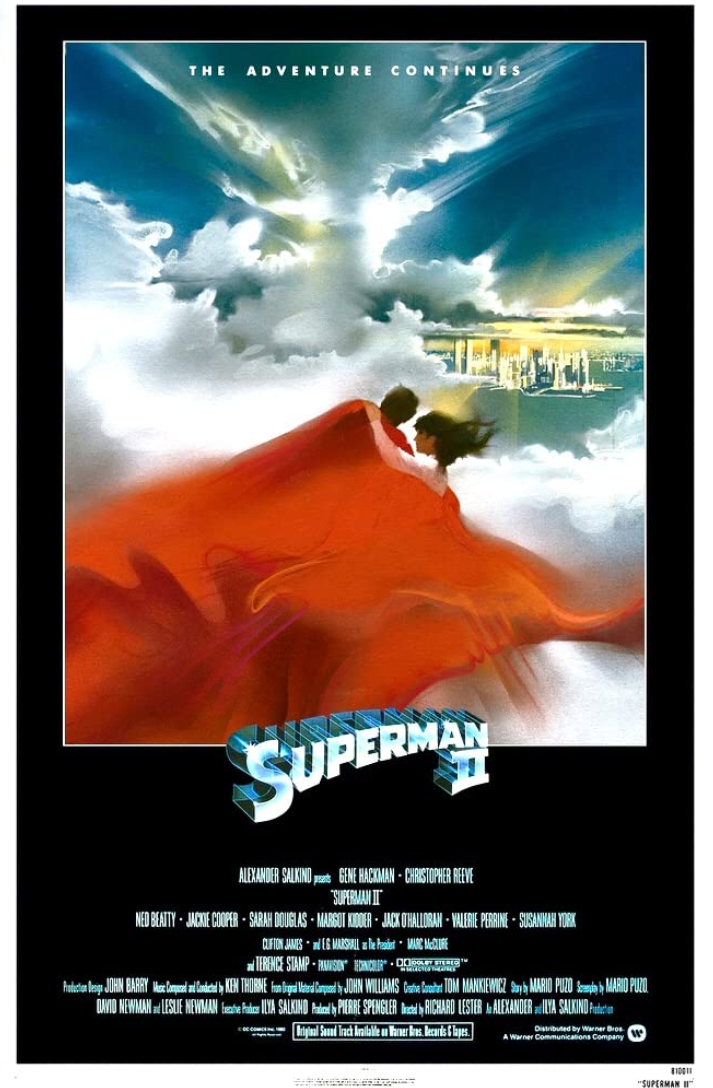
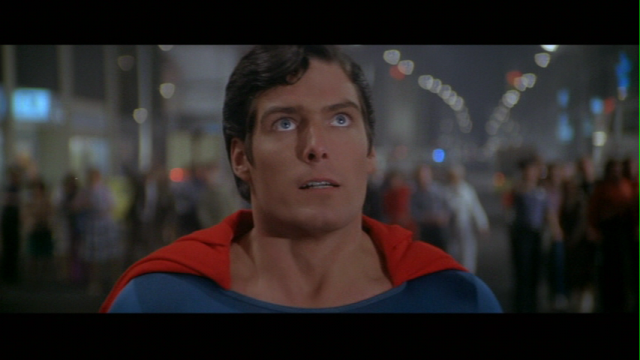
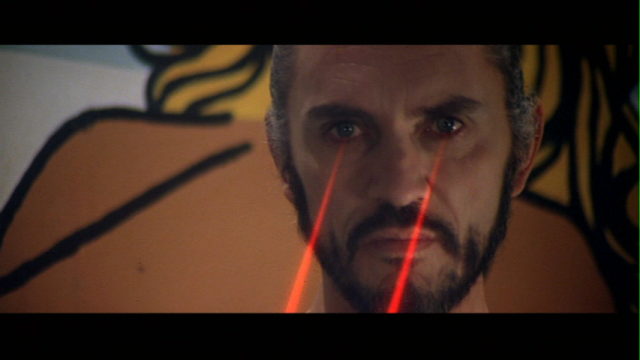
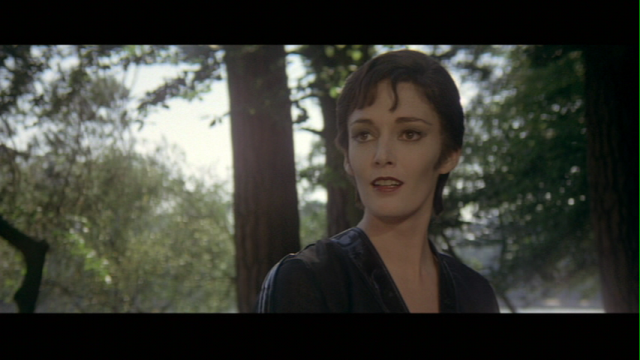
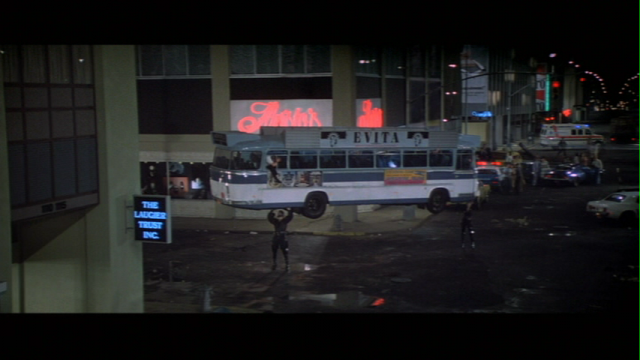
As Peary notes, despite the fact that this sequel to Superman “got better reviews than the original”, it never quite “reaches that [film’s] high level” — however, it remains a fun, must-see flick in its own right. Directed by Richard Lester, it’s more humorous and less of an outright epic than the first Superman, instead exploring the ramifications of Superman’s decision to give up his superpowers to be with Lois Lane (though why one must be predicated upon the other is just one of several plot devices best left unquestioned…). Naturally, just at that moment, the world turns out to need Superman more than ever, given that three malevolent villains — “evil Terence Stamp, striking-looking Sarah Douglas, and brute Jack O’Halloran” — have, in a stunning special effects sequence, been accidentally released from their time warp prison “cell” and descended onto Earth.

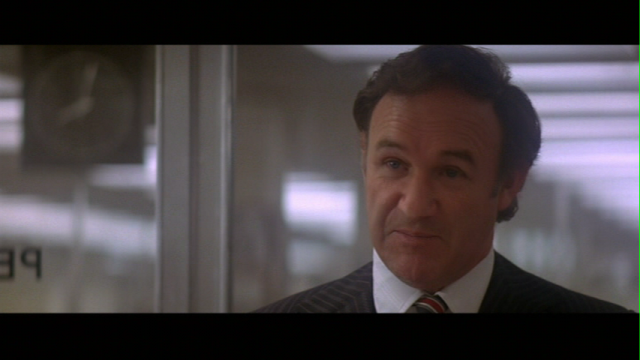
The “battles of muscles and wits between Superman and the three villains” — both in Metropolis and back at Superman’s fortress — are indeed “spectacular”, and constitute the highlights of the film. Stamp and Douglas in particular, with ice water running through their veins, are delightfully malicious; in their shiny black skintight outfits, they stand out as two of cinema’s most memorable baddies. Meanwhile, Gene Hackman has fun reprising his role as Lex Luthor, who — after escaping from prison near the beginning of the film (fortunately, Otis gets left behind) — shows off his skills as an intergalactic negotiator extraordinaire; amazingly enough, he never seems even slightly intimidated by the villains’ ability to decimate him at will (now THAT’s an impressive ego!). Note that one of the film’s most satisfying moments comes near the end, when, having “regained his strength”, Superman “exacts satisfying revenge” at a “snowbound bar” — you’ll be rooting for him like you never did before!

Redeeming Qualities and Moments:

  • Christopher Reeve as Superman/Clark Kent
  • Terence Stamp as General Zod
  • Sarah Douglas as Ursa
  • Gene Hackman as Lex Luthor
  • Impressive special effects
  • The exciting Metropolis battle

Must See?
Yes, as a successful and most enjoyable sequel.

Categories

  • Good Show

Links:

Superman (1978)

Superman (1978)

“I’m here to fight for truth, and justice, and the American way.”

Synopsis:
The infant son of a scientist (Marlon Brandon) from the dying planet of Krypton is sent to Earth, where he is adopted by the childless Kents (Glenn Ford and Phyllis Thaxter) and grows into a misunderstood teen (Jeff East). When young Clark grows up (played by Christopher Reeve), he moves to the bustling city of Metropolis, where he becomes a reporter at the Daily Planet and falls for a co-worker named Lois Lane (Margot Kidder); meanwhile, his alter-ego Superman fights to protect the world against scheming criminal Lex Luthor (Gene Hackman), who is plotting to destroy California’s coastline.

Genres:

  • Aliens
  • Christopher Reeve Films
  • Comics and Comic Strips
  • Fantasy
  • Gene Hackman Films
  • Glenn Ford Films
  • Harry Andrews Films
  • Journalists
  • Margot Kidder Films
  • Maria Schell Films
  • Marlon Brando Films
  • Mistaken Identities
  • Ned Beatty Films
  • Romance
  • Superheroes
  • Susannah York Films
  • Terence Stamp Films
  • Trevor Howard Films

Response to Peary’s Review:
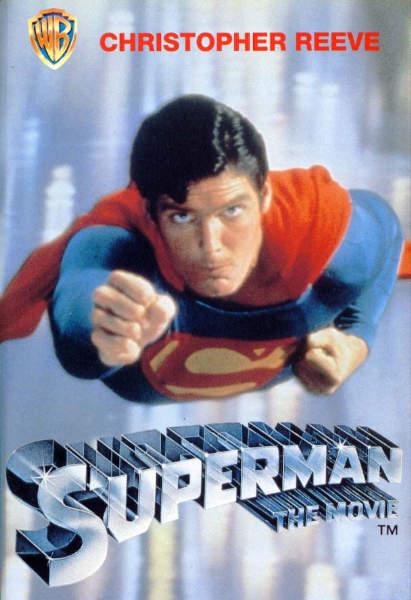
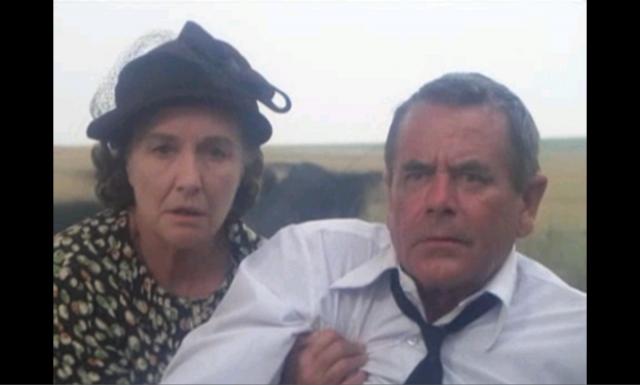
As Peary notes, this “wonderful surprise… blockbuster” likely “wouldn’t have worked at all if unknown Christopher Reeve” — possessing “the handsome, square-jawed face of a classic movie hero” — hadn’t been “the ideal choice to play the most famous comic-book hero” in American history, a man “as honest, kind, loyal, dependable, and moral as he looks”. Superman is indeed an “epic film”, one which takes its time relating the story of Superman’s background. First we see his origins on the planet Krypton, where his father Jor-El (infamously played by a wildly overpaid Marlon Brando) and mother Lara (Susannah York) reluctantly prepare to send baby Kal-El to Earth in an attempt to save his life. Next we see vignettes from his childhood and adolescence with the kindly Kents (Glenn Ford and Phyllis Thaxter — both perfectly cast), and we watch his “coming-of-age” as he heads north to learn about his destiny as a superhero on Earth.

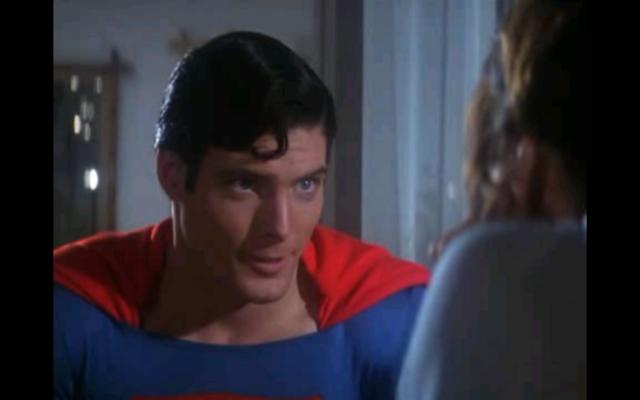
Once Superman (now played by Reeve) arrives in Metropolis, the meat of the story begins, as we’re introduced to both the film’s villain (Gene Hackman) and Reeve’s love interest, Lois Lane (Margot Kidder, who Peary argues is “also perfectly cast” — though many fans seem to disagree). Like Peary, I’m not fond of the “broad comedy involving Luthor and his cohorts” (Ned Beatty as Luthor’s right-hand man Otis is particularly annoying), but agree that the rest of the film “smoothly mixes myth, lyricism…, comedy (mostly deadpan), science fiction, romance, suspense, and tragedy.” Reeve was (sadly) never better than here in his first, most iconic role; he has great fun embodying both sides of Superman’s personality, and makes for a genuinely empathetic superhero. His scenes with Lane are surprisingly romantic, with their nighttime flight over New York City a particular highlight of the film (indeed, the special effects — while a tad “old fashioned” — are just as fun now as they once were). Film fanatics will likely be pleasantly surprised when they revisit this must-see blockbuster, which set the standard for future superhero flicks.

Redeeming Qualities and Moments:

  • Christopher Reeve as Superman
  • Margot Kidder as Lois Lane
  • Superman’s nighttime flight with Lois
  • Striking set designs
  • Glenn Ford and Phyllis Thaxter as Clark’s Earthly parents
  • Gene Hackman as Lex Luthor
  • Superman’s many heroic feats throughout the film
  • Oscar-winning special effects
  • Geoffrey Unsworth’s cinematography
  • Humorous dialogue: [Lex Luthor] “We all have our little faults; mine’s in California.”
  • John Williams’ memorable score

Must See?
Yes, as a genuine blockbuster classic.

Categories

  • Genuine Classic

Links:

M*A*S*H (1970)

M*A*S*H (1970)

“Follow the zany antics of our combat surgeons as they cut and stitch their way along the front lines.”

Synopsis:
During the Korean War, two irreverent surgeons (Donald Sutherland and Elliott Gould) and their colleagues in a Mobile Army Surgical Hospital try to distract themselves from the horrors of the battlefield.

Genres, Themes, Actors, and Directors:

  • Black Comedy
  • Bud Cort Films
  • Doctors and Nurses
  • Donald Sutherland Films
  • Elliott Gould Films
  • Ensemble Cast
  • Korean War
  • Michael Murphy Films
  • Robert Altman Films
  • Robert Duvall Films
  • Sally Kellerman Films

Response to Peary’s Review:
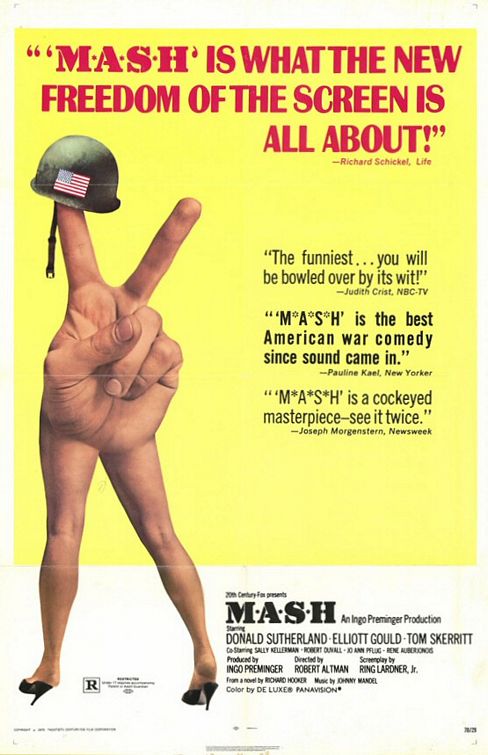
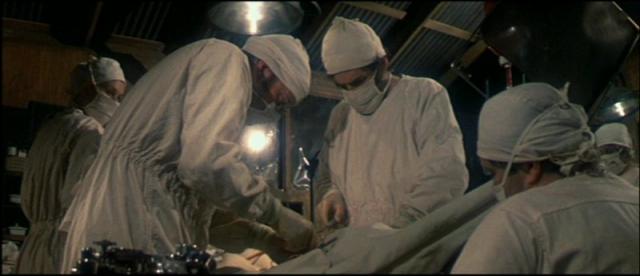
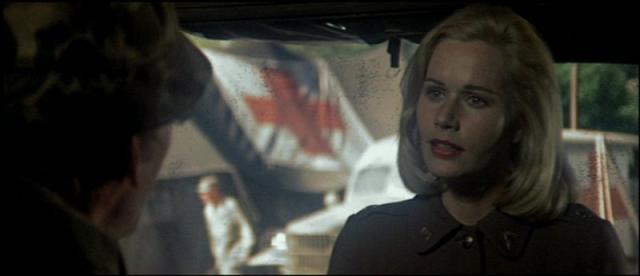
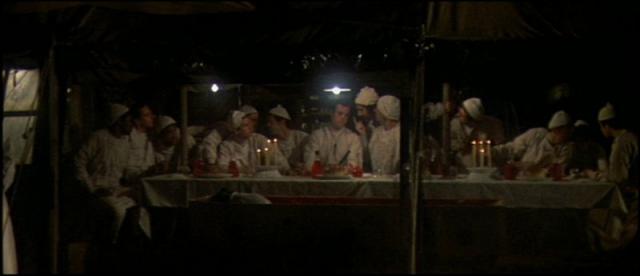
As Peary notes, this “rare anti-war film to make money during a time the U.S. was at war” is “best known for radically diverging from conventional narrative techniques” by doing away with a linear storyline and focusing instead on “establishing [a] uniquely absurd ambience”. Most Americans will simply know it as the precursor to the wildly popular television series (which ran for 11 seasons), but it holds special interest for film fanatics as the movie that first established Robert Altman as an auteur with a unique vision for feature-length filmmaking. As a comedy, it’s held up remarkably well over the years, with most vignettes remaining bitingly funny (though I’ll admit I’m not a fan of the final, hectic football game). The ensemble cast members — particularly Sutherland, Gould, and Sally Kellerman (as “Hot Lips” Houlihan) — are all “first-rate”, and “deservedly became stars as a result of their performances”. As Peary notes, Altman’s greatest challenge in M*A*S*H was “to get us to believe that such irreverent characters… really are sensitive about the men being killed in the war”, but he achieves this by showing us that “their zany, childish antics are just an emotional release — while performing surgery, they come through.”

Redeeming Qualities and Moments:

  • Elliott Gould and Donald Sutherland as Captains Hawkeye and Trapper John
  • Sally Kellerman as “Hot Lips” Houlihan
  • A fine ensemble cast
  • Many darkly humorous sequences
  • Johnny Mandel’s instantly hummable theme song (which carried over to the T.V. series, but without 14-year-old Mike Altman’s dark lyrics)

Must See?
Yes, as a groundbreaking Altman film, and as a cult classic.

Categories

  • Cult Movie
  • Historically Relevant
  • Important Director

(Listed in 1001 Movies You Must See Before You Die)

Links:

Sixteen Candles (1984)

Sixteen Candles (1984)

“This is the single worst day of my entire life.”

Synopsis:
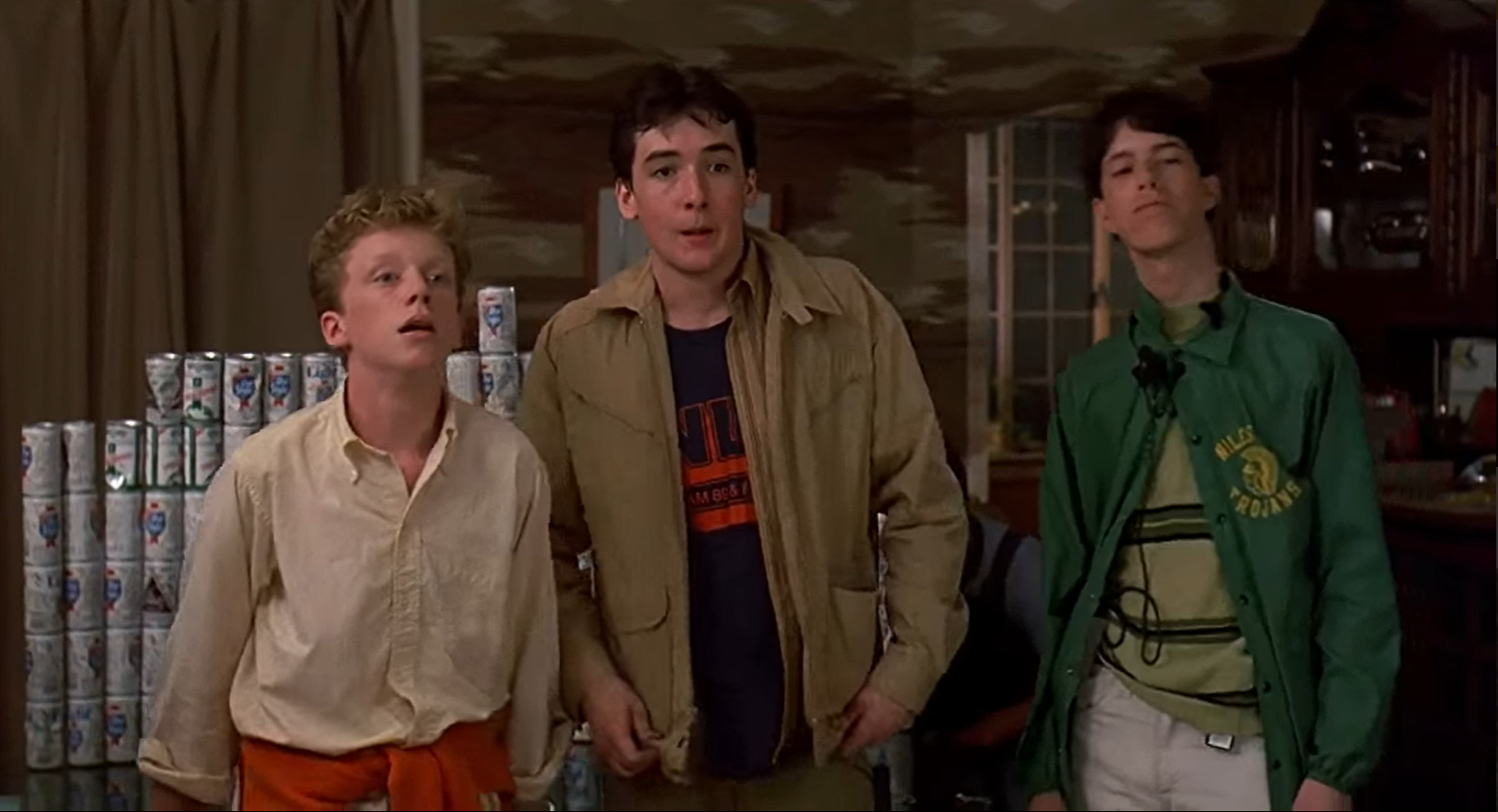
A teenager (Molly Ringwald) who is upset that no one in her family remembers her sixteenth birthday lusts after a hunky classmate (Michael Schoeffling), but must deal instead with the attentions of an insistent geek (Anthony Michael Hall).

Genres, Themes, Actors, and Directors:

  • Comedy
  • High School
  • Misfits
  • Teenagers

Response to Peary’s Review:
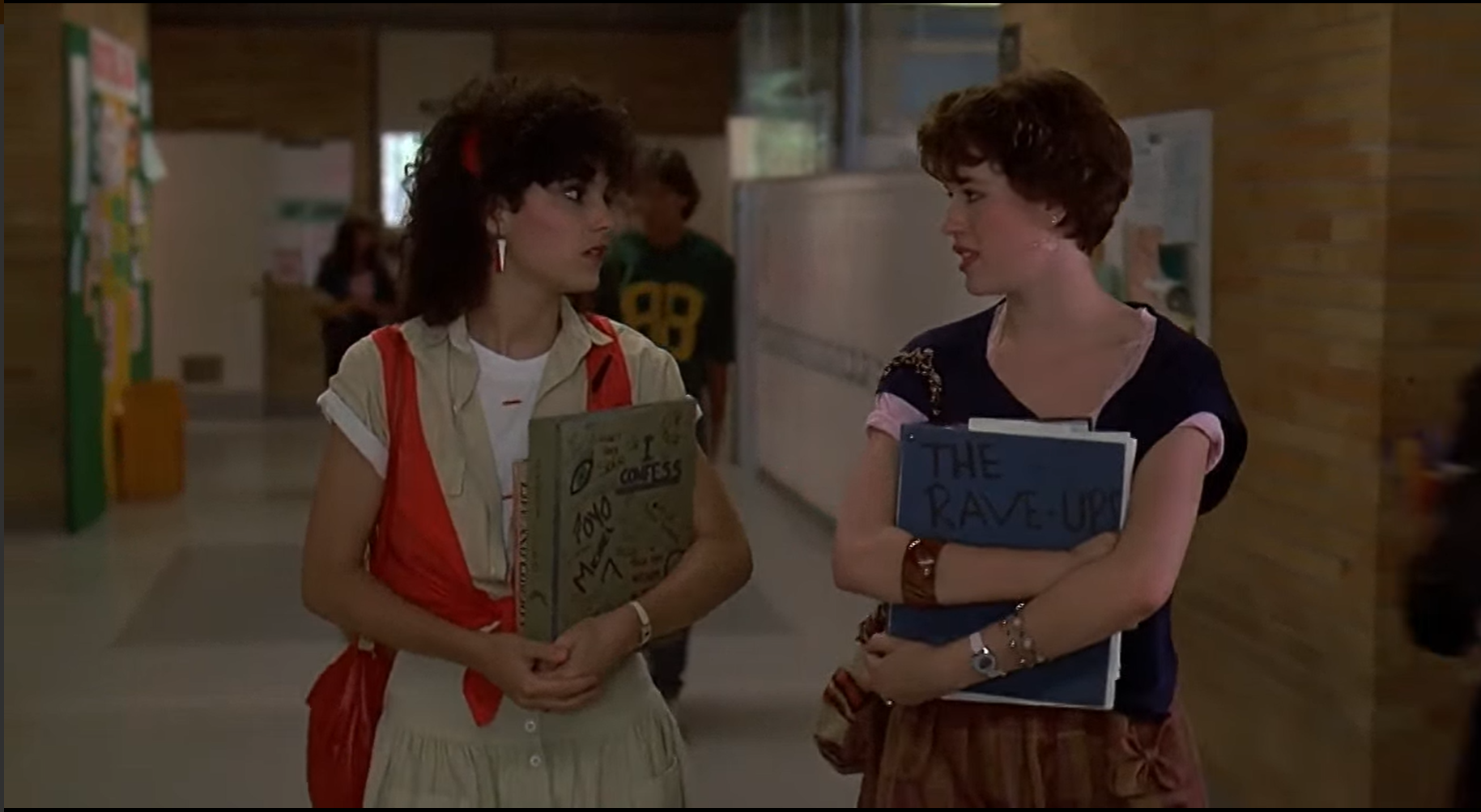
In his directorial debut, writer-director John Hughes is, as Peary notes, moderately successful in “making a comedy out of teenage angst, pain, and insensitivity”. Ringwald is “absolutely fantastic [at] presenting a real, special teenager” — and while she’s not always likable (she “can be cruel — as she reveals in her insults toward Hall”), most will be able to relate to at least one of her many pressing adolescent dilemmas.

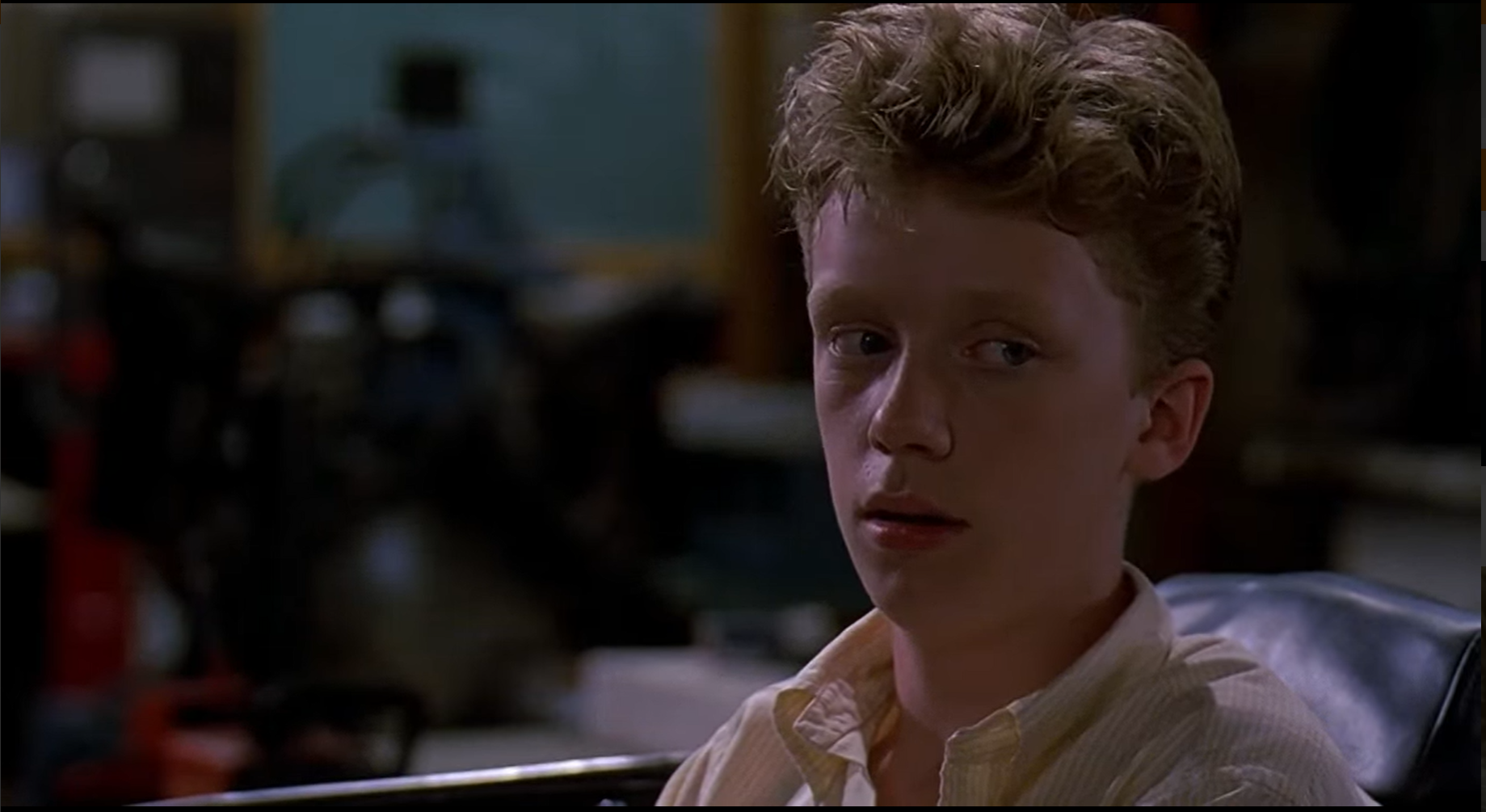
Equally enjoyable is Anthony Michael Hall as The Geek — a larger-than-life comedic foil who emerges as an empathetic character, and is someone we can’t help liking and rooting for; his interactions with Ringwald are the highlights of the film.

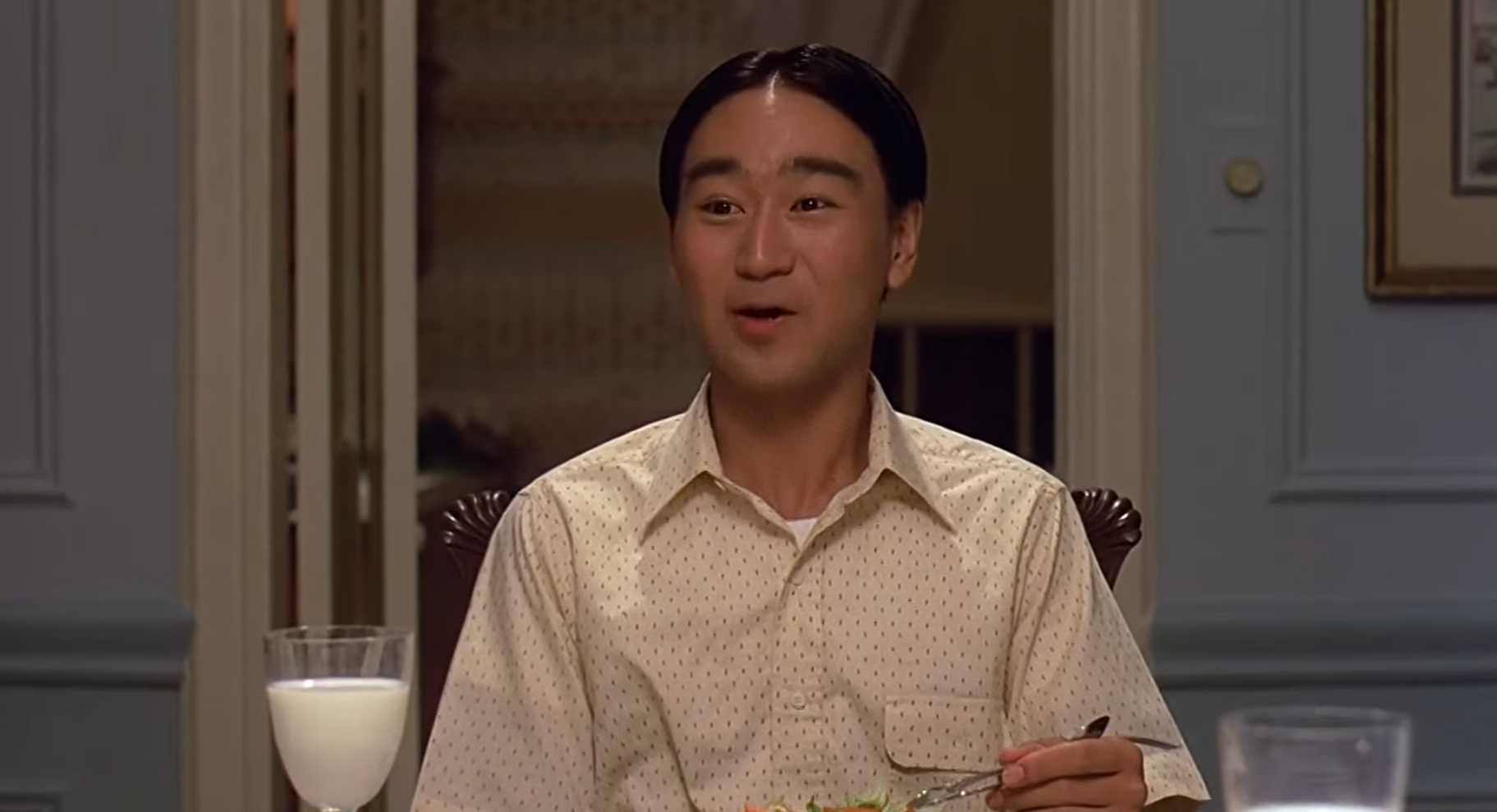
Unfortunately, much of the screenplay is far too sophomoric to appeal to anyone but younger audiences — all scenes featuring Gedde Watanabe’s infamous Asian exchange student, Long Duk Dong, for instance, are particularly cringe-worthy.

However, Sixteen Candles should probably be seen once by all film fanatics simply for its historical relevance as the first of Hughes’ series of groundbreaking teenage films.

Redeeming Qualities and Moments:

  • Anthony Michael Hall as “The Geek”
  • Molly Ringwald as Samantha (Peary nominates her for an Alternate Oscar as Best Actress of the Year)
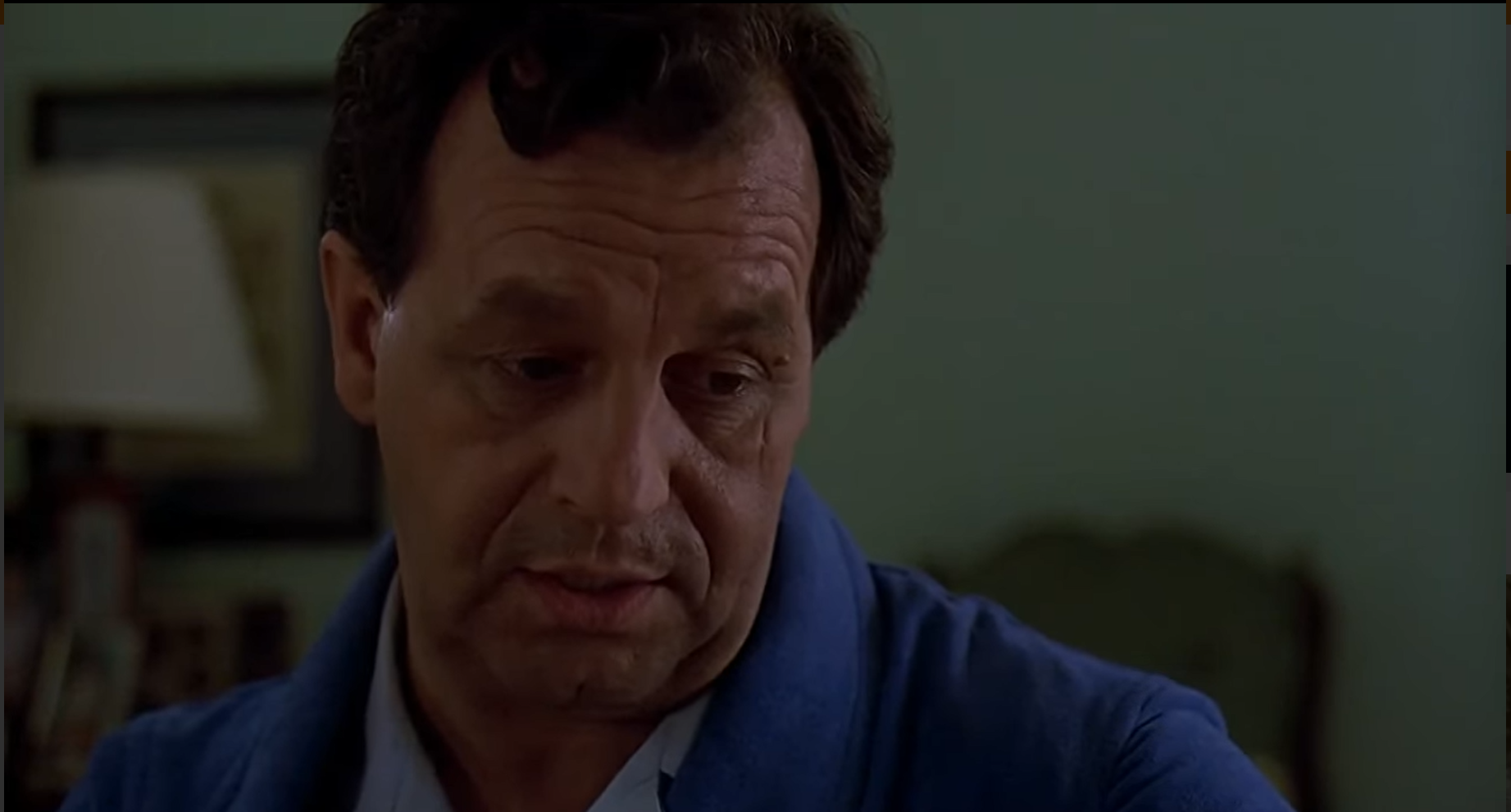
  • Paul Dooley as Samantha’s father

Must See?
Yes, simply for its historical importance as Hughes’ directorial debut.

Categories

  • Historically Relevant

Links:

Femmes Fatales (1976)

Femmes Fatales (1976)

“As soon as my eyes are closed, they barge in.”

Synopsis:
A gynecologist (Jean-Pierre Marielle) and a pimp (Jean Rochefort) trying to flee from the world of women find themselves pursued by a militant army of sex-crazed females.

Genres, Themes, Actors, and Directors:

  • Battle-of-the-Sexes
  • Bertrand Blier Films
  • French Films
  • Living Nightmare
  • Satires and Spoofs

Response to Peary’s Review:
In his review of this mind-bending “cult comedy” (a.k.a. Calmos) by director Bertrand Blier, Peary’s first wry comment is that it “would probably cause more arguments if anyone could figure out what it’s about.” He argues that the film has a “promising beginning”, but then “takes an odd, foolish turn, moving out of a rudely funny, believable realm… into a confusing surreal fantasy”. He takes issue with Blier’s decision to have the men “become sexual objects to be used and humiliated” by women who “become the aggressors [and] think that men are only good for one thing”, and notes that Blier still “treats his actresses in the old-fashioned way, as impersonal sexual entities”. What Peary fails to recognize, however, is that Blier (as usual) is simply taking his bizarrely conceived scenario to the ultimate limit, without concern for either reality or propriety. This is, after all, a film about “misogynistic, gross, irresponsible, superior” men, and it’s their warped world view we’re seeing on display here; everything that happens — a true living nightmare — is told from their perspective, and while it may not be “believable” by any stretch of the imagination, it’s far from confusing.

Instead, scene after scene will simply leave you gaping in wonderment at the sheer audacity of Blier’s vision: Marielle (who keeps loaves of bread in his desk drawer at work, and accepts gifts of pate from his patients) finding his pre-appointment snack ruined by a gorgeous female client loudly scratching her genitalia; Marielle comforting Rochefort (the closest they get to homoerotic love) as he wakes up from a nightmare about women (“They bug me even in my sleep!”); Marielle and Rochefort gorging on rich food and wine with some local priests who have temporarily taken them under their wing; Brigitte Fossey (Marielle’s beautiful wife) trying in vain to tempt him into bed; and countless others. The final sequence — which goes above and beyond the film’s prior level of perversity — is guaranteed to leave you floored, if not mildly queasy (which, I imagine, may have been Blier’s intent). Ultimately, Femmes Fatales is a film which needs to be seen to be believed; and while it certainly won’t be for all tastes, it’s unique enough to be must-see viewing at least once for all film fanatics.

Redeeming Qualities and Moments:

  • Jean-Pierre Marielle as Paul Dufour
  • Jean Rochefort as Albert
  • Brigitte Fossey as Marielle’s wife
  • Countless memorable sequences
  • Claude Renoir’s vibrant cinematography
  • Georges Delerue’s jazzy score

Must See?
Yes, as a most unique and entertaining film.

Categories

  • Foreign Gem

Links:

Karate Kid (1984)

Karate Kid (1984)

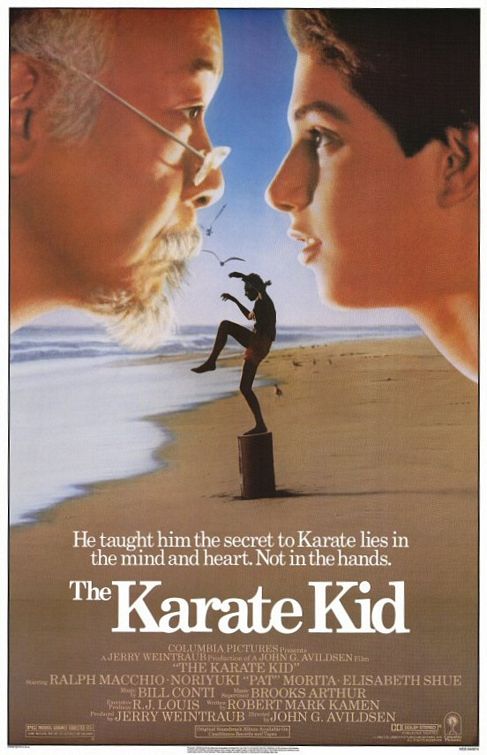
“We make sacred pact. I promise teach karate to you, you promise learn. I say, you do, no questions.”

Synopsis:
A New Jersey teenager (Ralph Maccio) moves to California and falls in love with a beautiful blonde (Elizabeth Shue) whose thuggish ex-boyfriend (William Zabka) bullies him mercilessly. To prepare for fighting back, Danny (Macchio) is given karate lessons by an elderly handyman (Pat Morita) in his building, who teaches him that strength comes from within.

Genres, Themes, Actors, and Directors:

  • Bullies
  • Coming-of-Age
  • Cross-Class Romance
  • Martial Arts
  • Mentors
  • Underdogs

Response to Peary’s Review:
Peary accurately describes this popular cult film as a “likable fairytale” about a “very likable teenager” who encounters “a few obstacles along the way before [he and his girlfriend] can live happily ever after.” He notes that, like Rocky (also directed by John Avildsen), this “extremely pleasing” film “has wit and sentimentality”, and makes you want to “cheer the underdog”, who will “do the impossible because he has a lot of heart and character”. The elements of the film that don’t work so well (i.e., Zabka’s one-dimensional “Aryan” baddie) are overshadowed by those that do — including fine central performances by Macchio and Morita (who was nominated for an Academy Award as best supporting actor), nice supporting work by Shue and Randee Heller (as Macchio’s mom, who Peary wishes “had a more significant part” — me, too), and countless memorable scenes (“Wax on… Wax off.”).

Note: Interestingly, Peary notes near the end of his review that he wishes “Morita would dump Zabka’s sadistic coach in the garbage” — which is exactly how The Karate Kid, Part II (1986) (not listed in Peary’s book) begins…

Redeeming Qualities and Moments:

  • Pat Morita as Mr. Miyagi
  • Ralph Maccio as Daniel
  • Elizabeth Shue as Ali
  • Randee Heller as Danny’s mom

Must See?
Yes, as a pleasing cult film.

Categories

  • Cult Movie

Links:

Southern Comfort (1981)

Southern Comfort (1981)

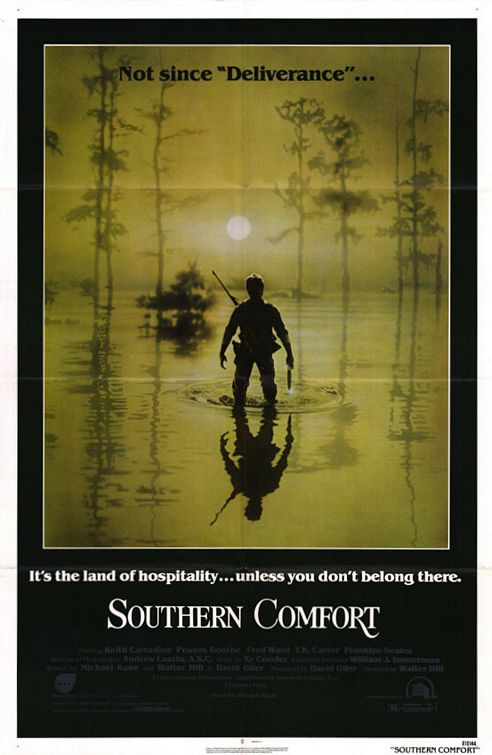
“We don’t know the enemy’s strength or his disposition — and while he may have the advantage of familiar terrain, we have the advantage of military training.”

Synopsis:
A group of Louisiana National Guardsmen (including Keith Carradine, Powers Boothe, Fred Ward, Franklyn Seales, and Peter Coyote) find themselves lost in the bayou, fighting for survival against militant local Cajuns.

Genres, Themes, Actors, and Directors:

  • Deep South
  • Keith Carradine Films
  • Military
  • Revenge
  • Survival
  • Walter Hill Films

Response to Peary’s Review:
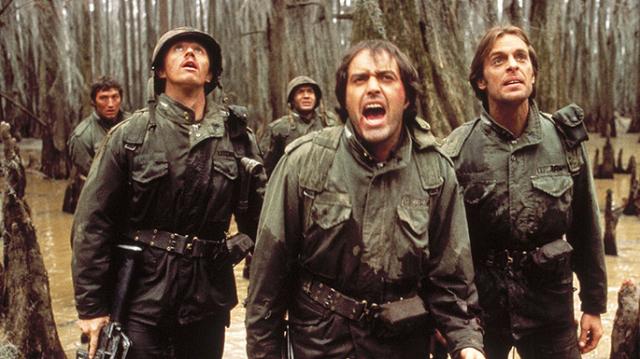
Peary notes that this “extremely intense, violent” film by director Walter Hill “can be seen as a metaphor for American involvement in Vietnam”, given that “we see the parallels between these initially arrogant guardsmen and those American soldiers who trespassed through Vietnamese jungles and… acted with condescension toward the illiterate peasants”, often being “blown away” as a result. Indeed, the allegory is hard to miss, and occasionally comes across as heavy-handed; as Roger Ebert accurately points out, the characters in Southern Comfort never fully come alive — we only get to see one of the Cajun militants (an effective Brion James), and, in classic cinematic platoon fashion, the guardsmen are racially and socially diverse “types” (trigger-happy punk, loose cannon, fatherly leader, etc.) rather than individuals.

With that said, the film has much going for it: it’s beautifully shot (the seemingly endless bayou is all muted greens and grays and browns); Ry Cooder’s score is a “good” one; Powers Boothe gives a fine, enigmatic performance; and there are many genuinely tense sequences — particularly the “nerve-wracking” finale, “in which [Carradine and Boothe] nervously party with seemingly friendly Cajun villagers while looking over their shoulders for the vengeful backwoodsmen”. This extended sequence, shot with dozens of seemingly authentic locals, makes one intensely curious to learn more about this mysterious segment of American society.

Note: The film’s tone and subject immediately bring to mind Jon Boorman’s Deliverance (1972), but film fanatics may also be reminded of the little-seen Peary title Shoot (1976).

Redeeming Qualities and Moments:

  • Powers Boothe as Cpl. Hardin
  • Effective location shooting
  • Ry Cooder’s score

Must See?
No, but it’s definitely worth a look.

Links:

Dial M for Murder (1954)

Dial M for Murder (1954)

“People don’t commit murder on credit.”

Synopsis:
An ex-tennis pro (Ray Milland) carries out an elaborate plan to have his wealthy philandering wife (Grace Kelly) killed by a former classmate (Anthony Dawson); when Kelly manages to kill Dawson instead, Milland schemes to have Kelly indicted for murder — and it’s up to her American lover (Robert Cummings) to discover the truth in time to save her.

Genres, Themes, Actors, and Directors:

  • Blackmail
  • Grace Kelly Films
  • Hitchcock Films
  • Homicidal Spouses
  • Infidelity
  • Play Adaptations
  • Plot to Murder
  • Ray Milland Films
  • Robert Cummings Films

Response to Peary’s Review:
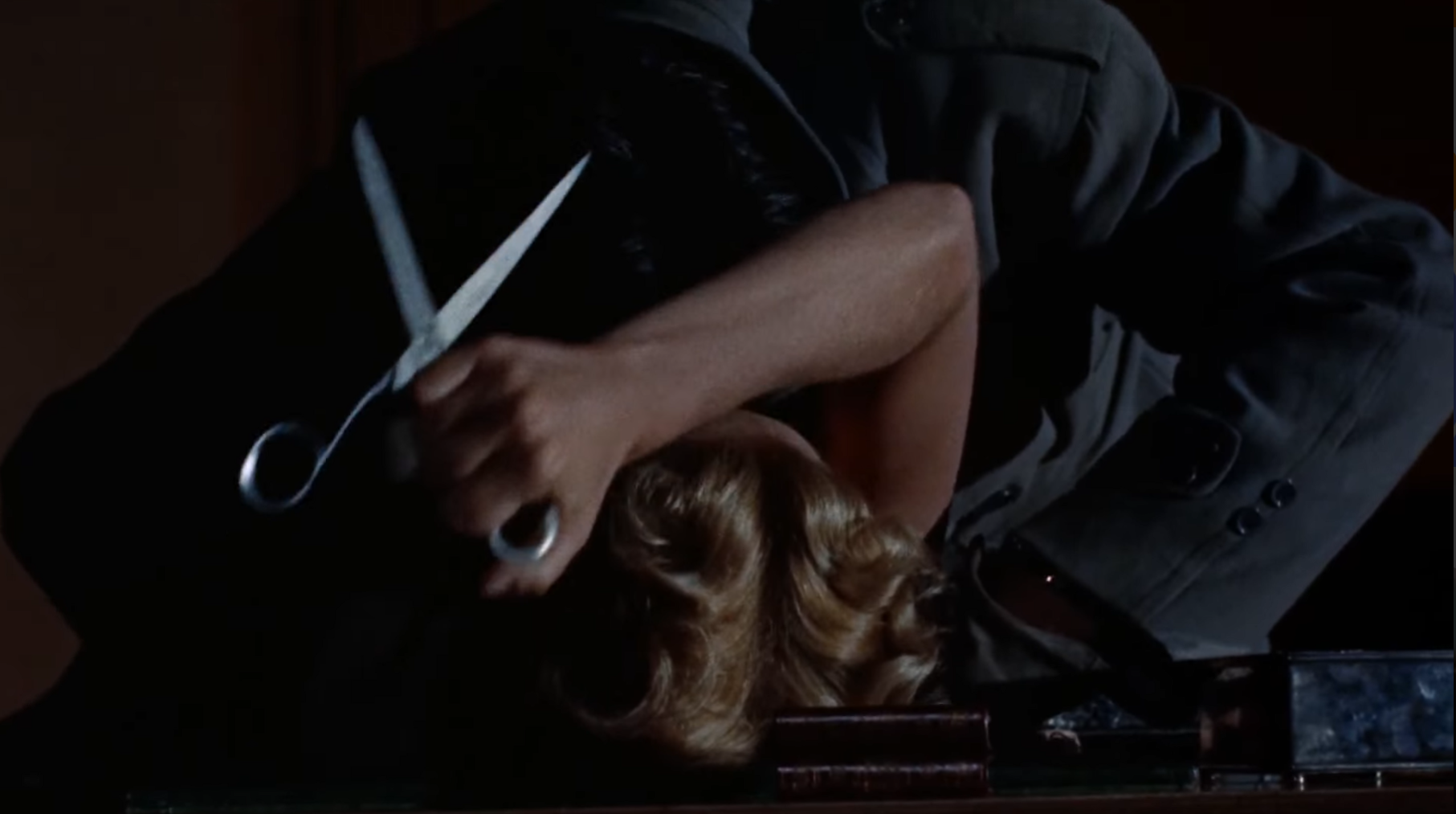
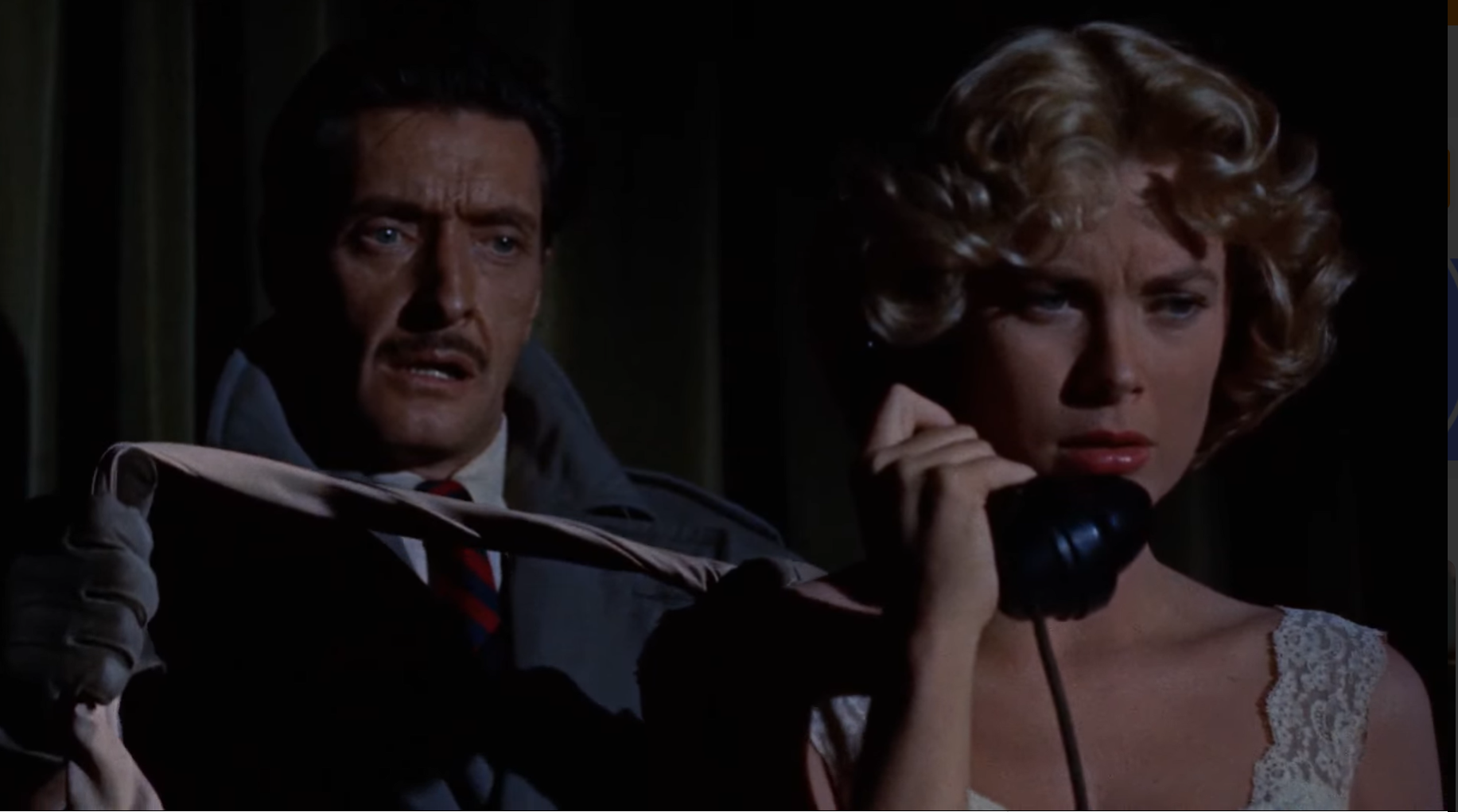
As Peary notes, Dial M for Murder — based on a stage play by Frederick Knott — is far from “prime Alfred Hitchcock”, but it’s nonetheless a “passable suspense film” with “intricate plot twists” and a “superbly directed” (if not entirely convincing) scissors-murder scene.

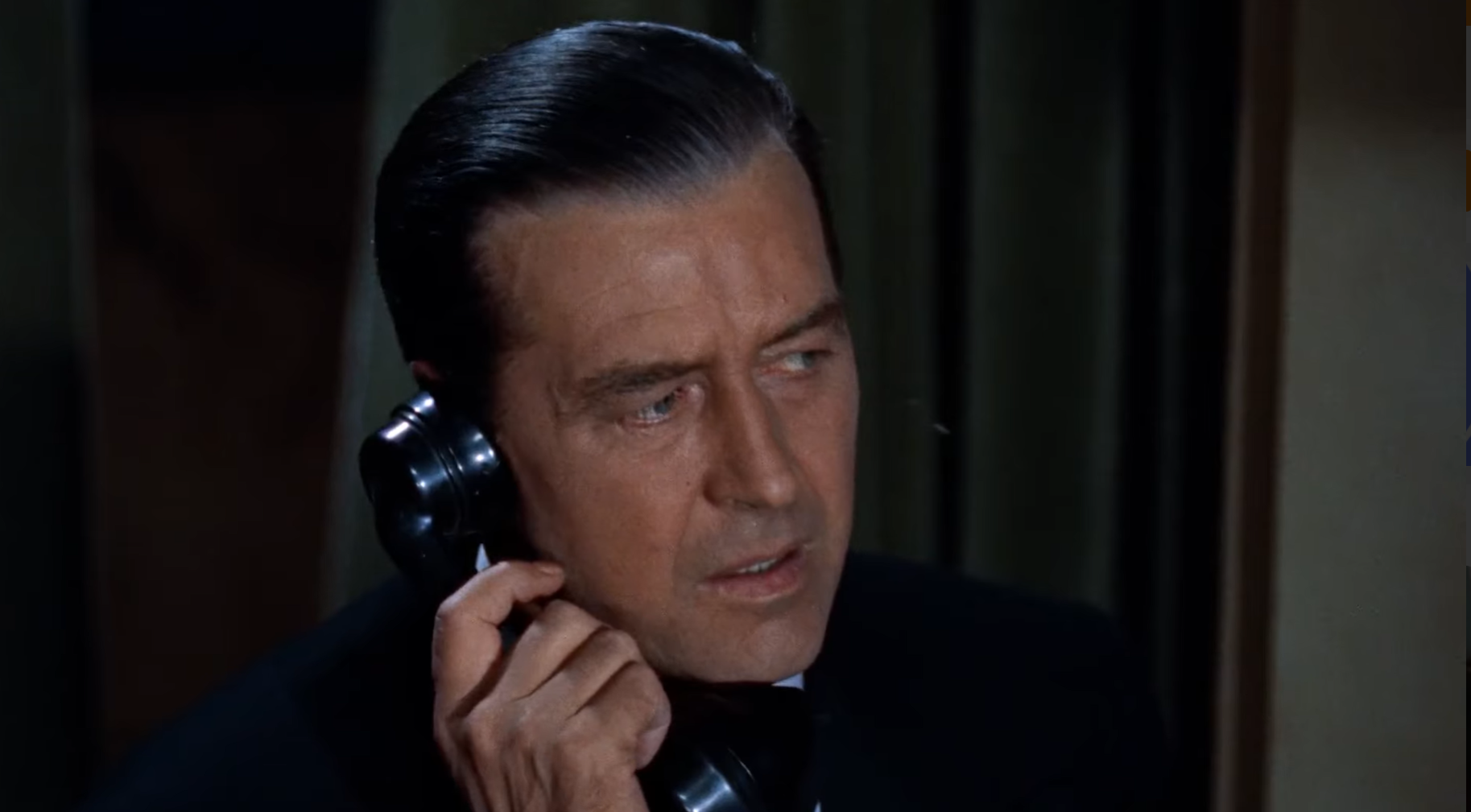
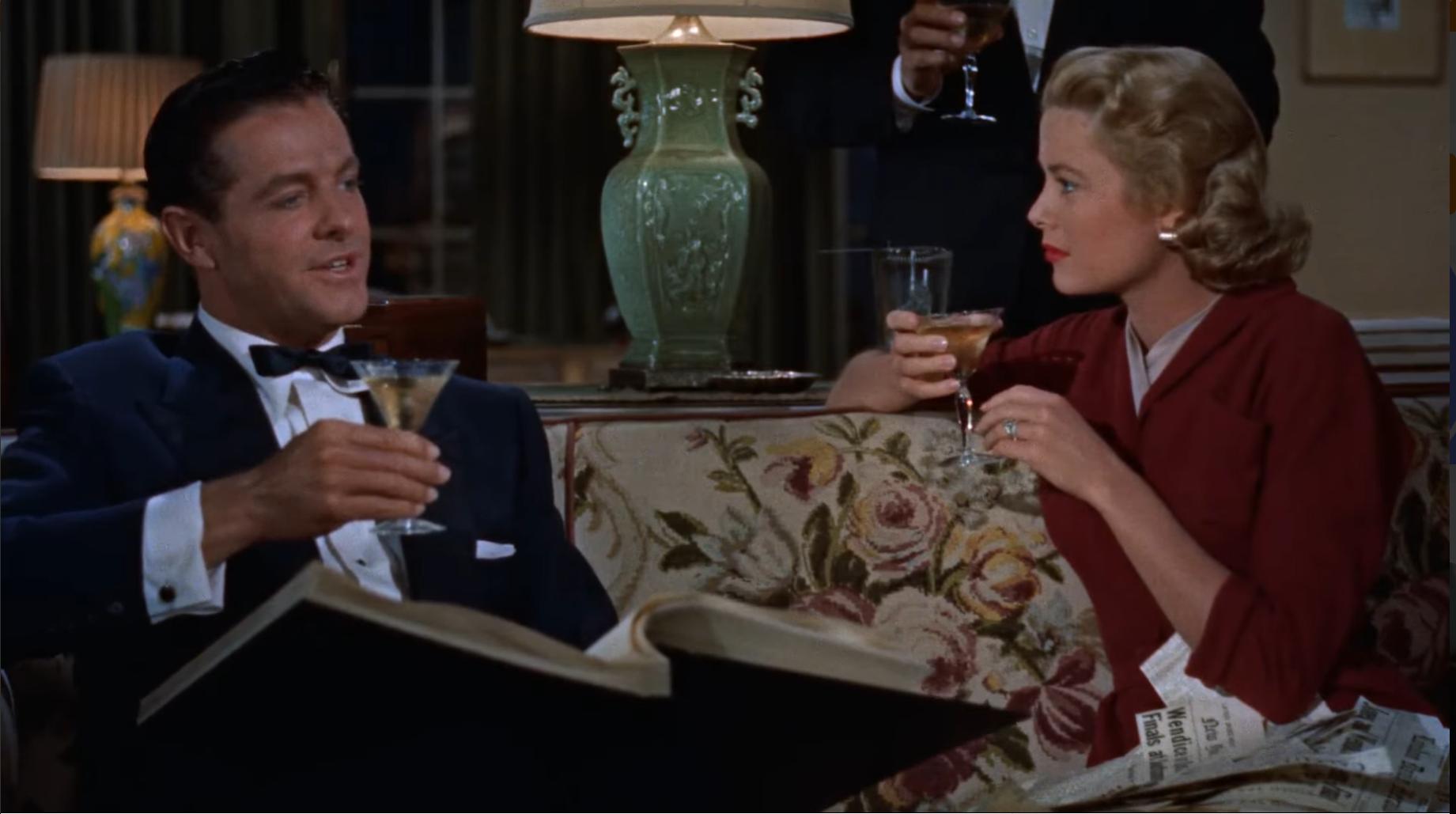
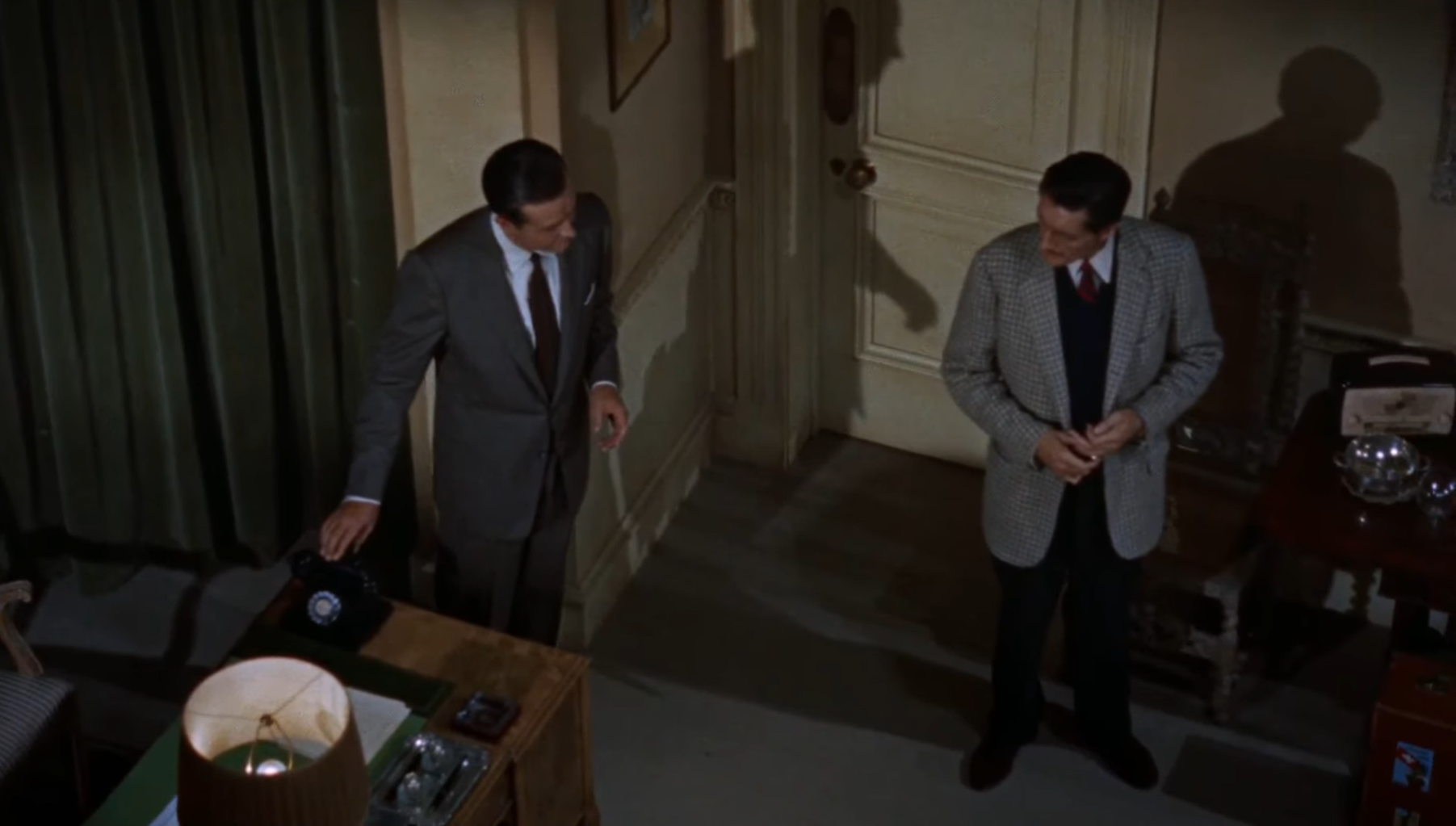
It’s much stagier than most of Hitchcock’s films, and relies an awful lot on dialogue to further the plot, but Knott’s story is so cleverly constructed that it’s easy to remain engaged till the end, despite the relatively static action. Milland, Kelly, and Cummings are fine in their respective leading roles:


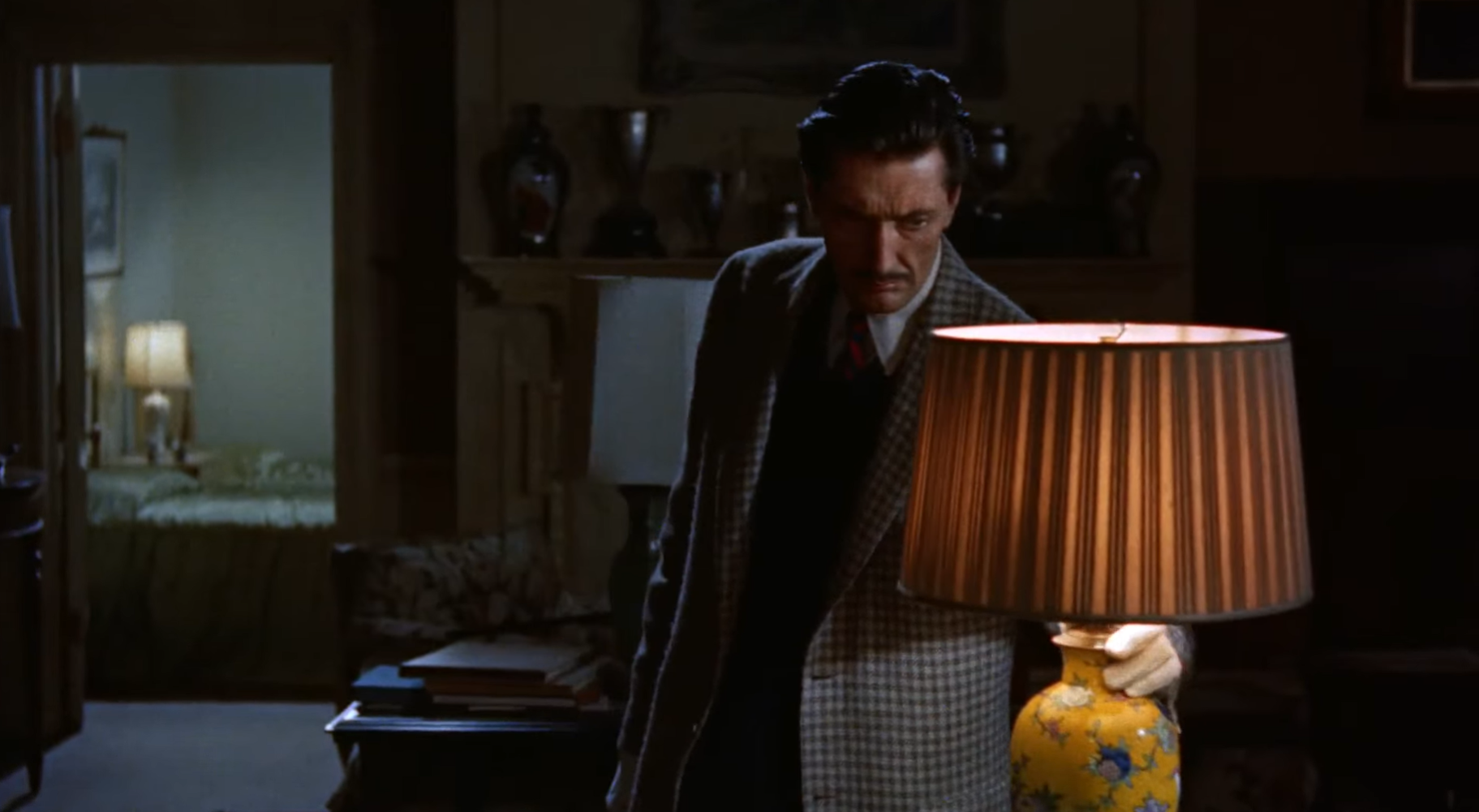
… however, the most enjoyable performances are given by Anthony Dawson as Milland’s unwitting “hired hand” (as DVD Savant notes, he’s “really the victim of the piece”):

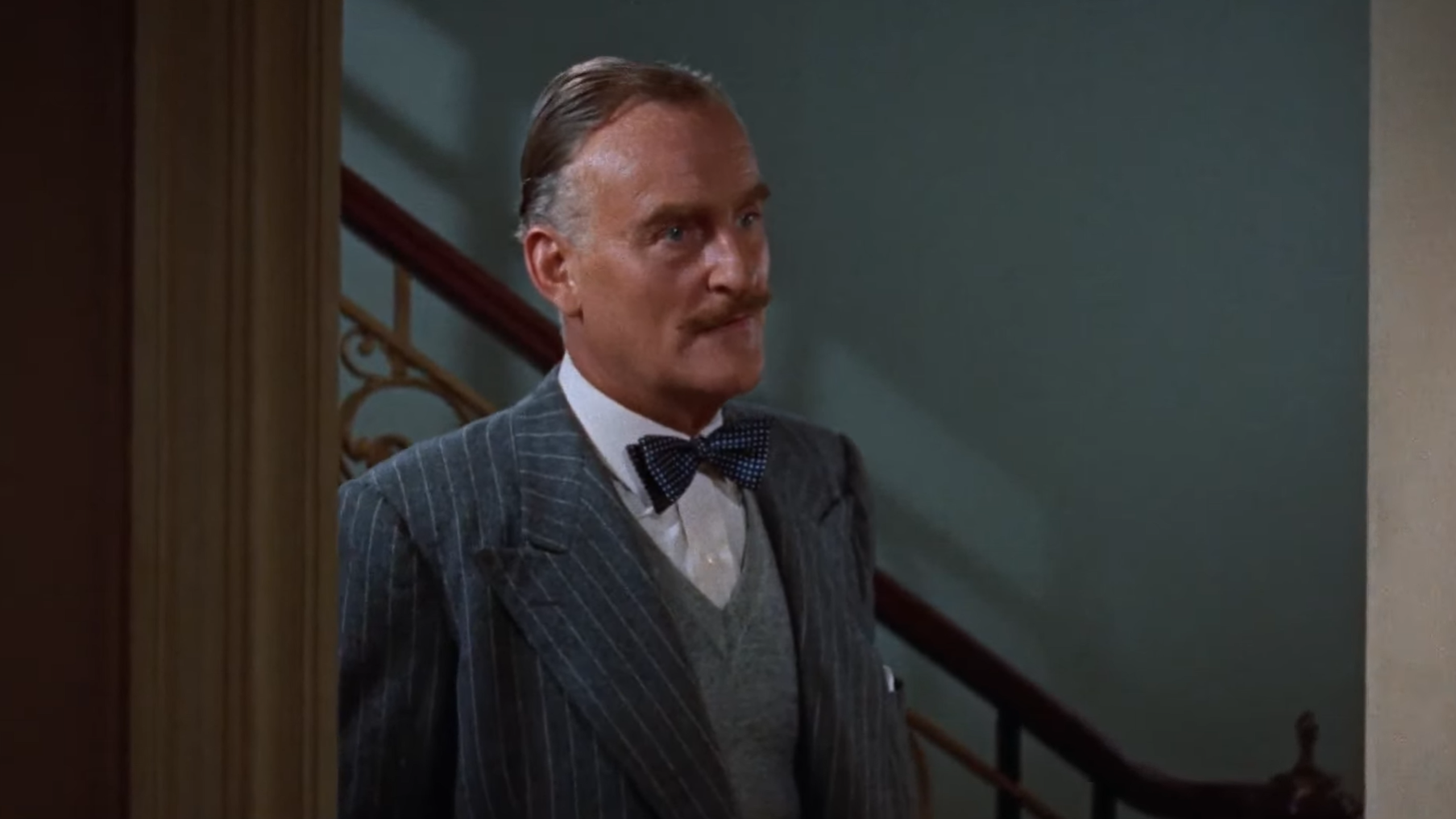
and John Williams as a mustache-twirling Inspector, who has more than one card up his sleeve.

Note: Dial M for Murder was shot in 3-D, but looks just fine in its “flat” version as well.

Redeeming Qualities and Moments:

  • A clever, suspenseful screenplay
  • Anthony Dawson as Charles Swann
  • John Williams as Inspector Hubbard

Must See?
No, though it’s recommended as an enjoyable flick by a master director.

Links: