Browsed by
Category: Response Reviews

My comments on Peary’s reviews in Guide for the Film Fanatic (Simon & Schuster, 1986).

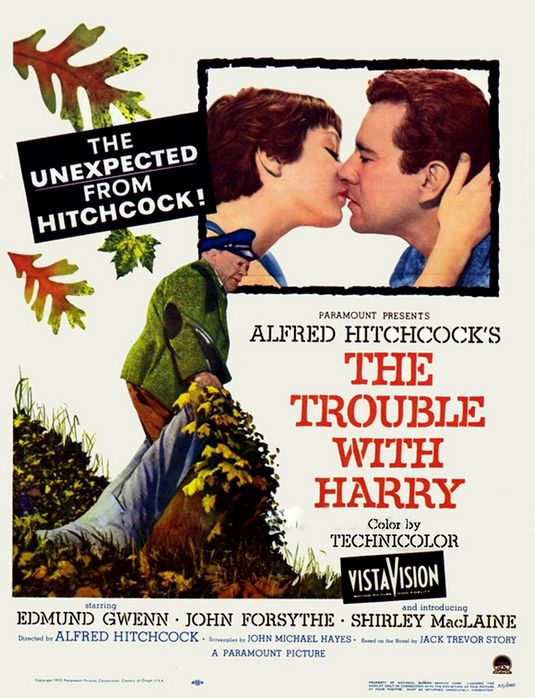
Trouble With Harry, The (1955)

Trouble With Harry, The (1955)

“Frankly, I don’t care what you do with Harry, as long as you don’t bring him back to life.”

Synopsis:
When a corpse shows up on a hill in Vermont, three different people — the corpse’s widow (Shirley MacLaine), a spinster (Mildred Dunnock), and a retired sea captain (Edmund Gwenn) — believe they may be responsible for his death; it’s up to a resident artist (John Forsythe), who has fallen for MacLaine, to help them figure out what to do with the body.

Genres, Themes, Actors, and Directors:

  • Black Comedy
  • Edmund Gwenn Films
  • Hiding Dead Bodies
  • Hitchcock Films
  • Mildred Dunnock Films
  • Murder Mystery
  • Shirley MacLaine Films

Response to Peary’s Review:
The Trouble With Harry — “one of [five] Alfred Hitchcock films… that were long kept out of circulation” [the others were Rope (1948), Rear Window (1954), The Man Who Knew Too Much (1956), and Vertigo (1958)] — is surely Hitchcock’s most amiably comedic film, and likely “the closest America’s come to reproducing the feel of an English Ealing comedy”, according to DVD Savant. Peary, however, doesn’t appear to be a big fan of the film: he notes that “it looks like Hitchcock, stuck with a one-joke premise, made a half-hearted effort”, and argues that “it lacks pace, style, and, most importantly humor”. But I disagree on most of these counts.

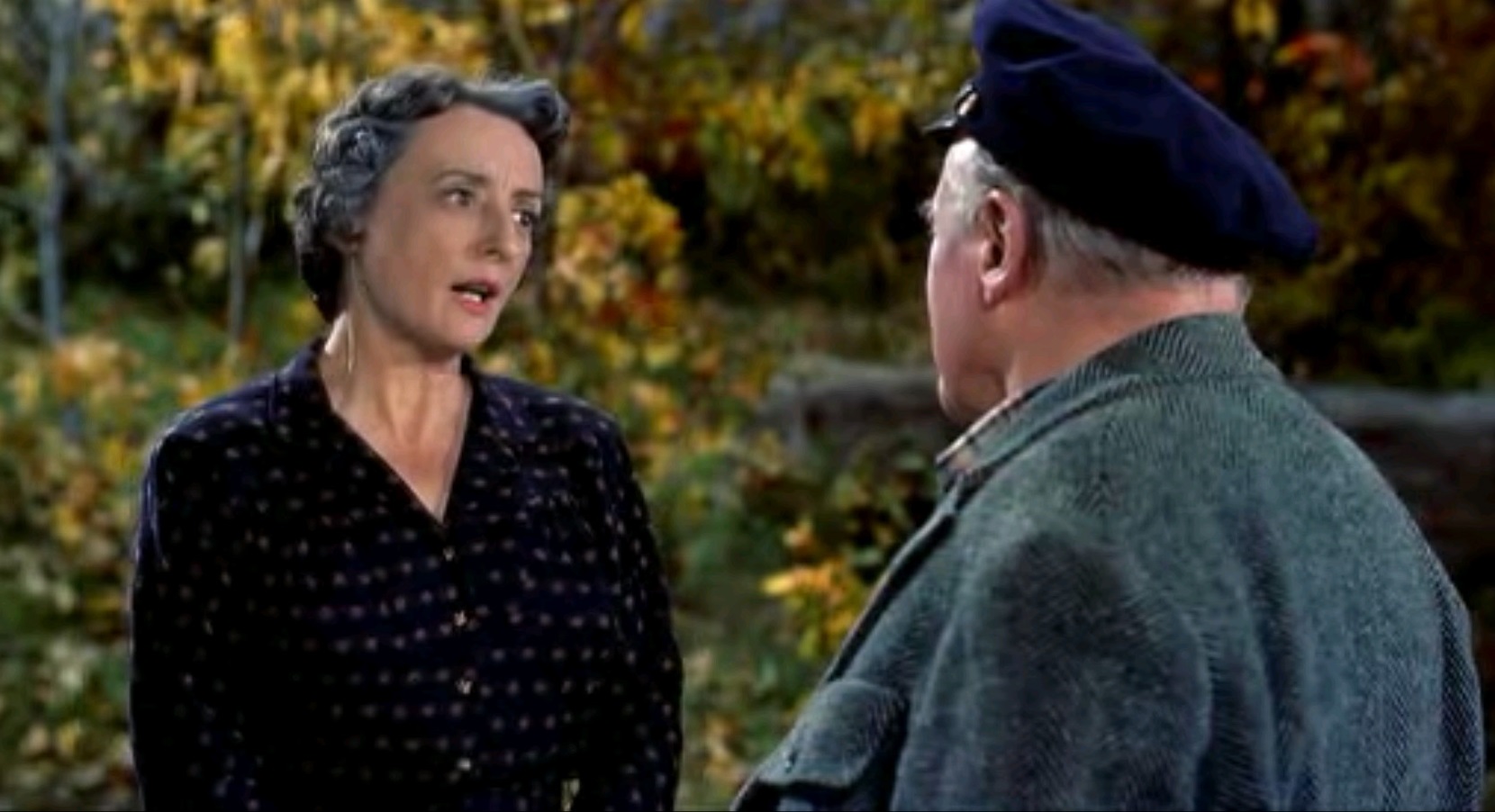
Yes, the story is decidedly one-note, but it’s based on a clever conceit, and works well if you’re in the right mood. As far as pacing is concerned, the storyline simply follows its own leisurely logic rather than the usual thrill-a-minute velocity one expects in a Hitchcock flick; and in terms of style, Hitchcock and d.p. Robert Burks make lovely use of the Vermont countryside, with many establishing shots literally bursting with vibrant fall colors. With regards to humor, while not all of the “jokes” in the film work (i.e., the “gag” about a millionaire wanting to buy all of Forsythe’s painting, only to find him either absent or suddenly unwilling to sell, falls flat), there’s a steady undercurrent of dark, dry humor that bolsters the film. Indeed, Hitchcock was actually quite the cinematic experimenter, always interested in stretching his own boundaries and trying new approaches — here, he was purposely trying out a more “subtle” form of humor on American audiences. (Apparently European audiences were more receptive, given that it played for a year or more in England, Italy, and France.)

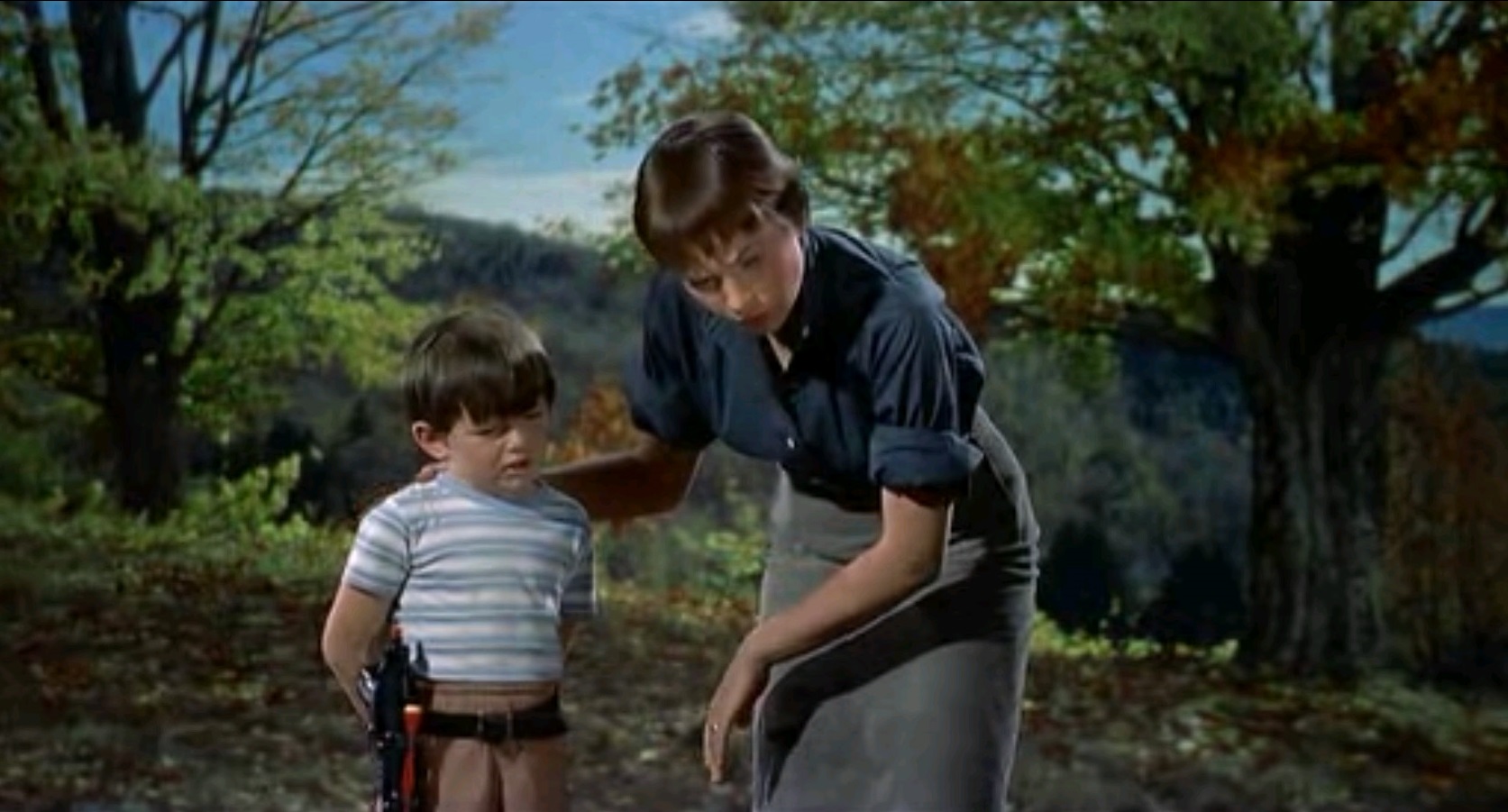
He also purposely kept his cast free from big-name stars — and nearly everyone involved (only Forsythe rubs me the wrong way) shines in their respective roles. Gwenn is perfectly cast as an amateur hunter convinced he’s accidentally shot Harry; his budding romance with Natwick (equally convinced she’s guilty of manslaughter, and given to exaggerating the truth about her age) is quite sweet. Meanwhile, it’s clear to pretty much everyone who sees the film that its “major point of interest is the debut of young Shirley MacLaine”, whose “performance — the matter-of-fact delivery of lines, and the weird rhythm of her speech — is disarming”, and whose natural beauty is refreshing. Her unusual casting has gone down in cinematic history: she had no movie experience at all, and was shocked at being chosen, but Hitchcock apparently said to her, “All this simply means is that I shall have fewer bad knots to untie.”

Redeeming Qualities and Moments:

  • Shirley MacLaine (in her film debut) as Jennifer Rogers
  • Mildred Natwick as Ivy Gravely
  • Edmund Gwenn as the Captain
  • Jerry Mathers (pre-“Leave it to Beaver”) as Arnie, Jennifer’s young son
  • Beautiful location footage in the hills of Vermont
  • Bernard Herrmann’s score (his first for Hitchcock)

Must See?
Yes, as an unusual entry in Hitchcock’s oeuvre.

Categories

  • Important Director

Links:

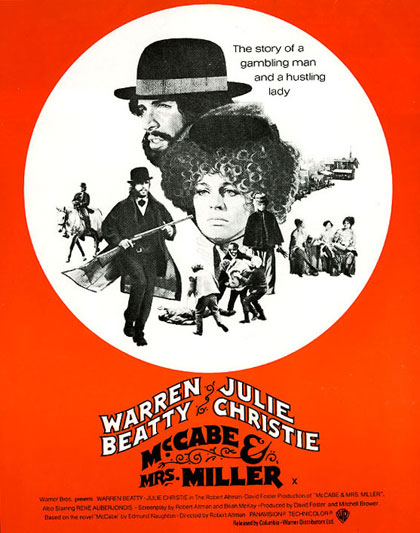
McCabe and Mrs. Miller (1971)

McCabe and Mrs. Miller (1971)

“That man never killed anyone in his life.”

Synopsis:
A cocky businessman (Warren Beatty) and an opium-addicted madam (Julie Christie) open a whorehouse in a northwestern mining town, but find their lives at stake when local mobsters try to force them to sell their holdings.

Genres, Themes, Actors, and Directors:

  • Corruption
  • Julie Christie Films
  • Keith Carradine Films
  • Michael Murphy Films
  • Prostitutes and Gigolos
  • Robert Altman Films
  • Shelley Duvall Films
  • Warren Beatty Films
  • Westerns

Response to Peary’s Review:
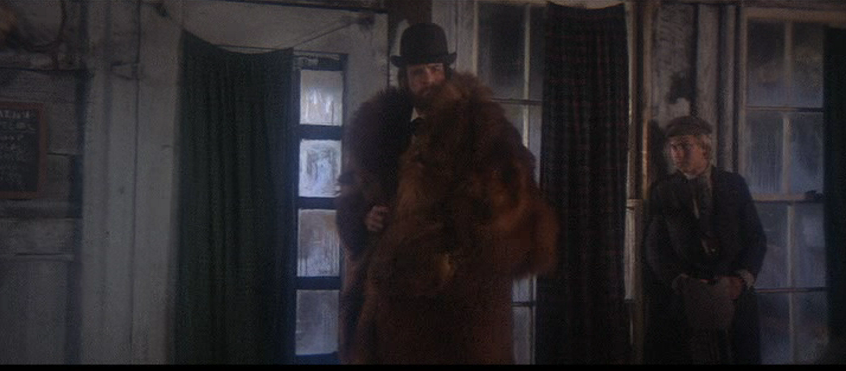
Peary refers to this “revisionist western” by Robert Altman as “one of the best films of the early seventies”, citing its “great visual beauty” and “uniquely romantic feel — until the bad guys intrude”. In his Alternate Oscars book (where he votes it Best Film of the Year), he calls it “a bawdy bad joke about ‘free’ enterprise, big business, and the growth of America”, noting that while it has a “humorous tone”, it’s “full of casual violence that is extremely brutal” and possesses an ending that is bitterly “ironic” (indeed, it’s a real downer). He points out that the story (based on Edward Naughton’s novel McCabe) “throws viewers completely off balance”, given that “nothing is what it seems, nobody is who you think he is, [and] everything that happens is unexpected”.

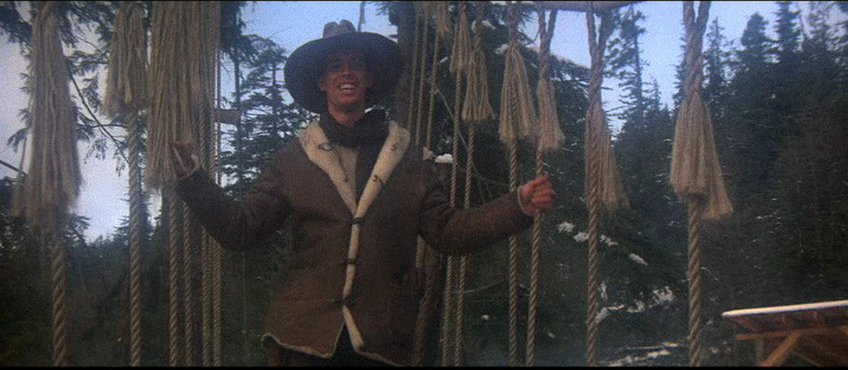
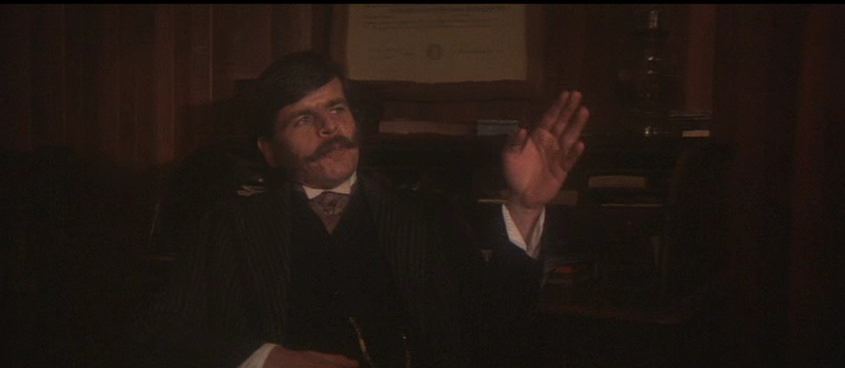
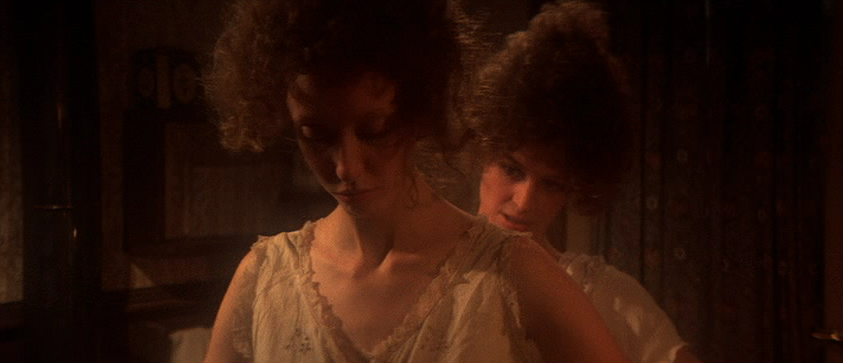
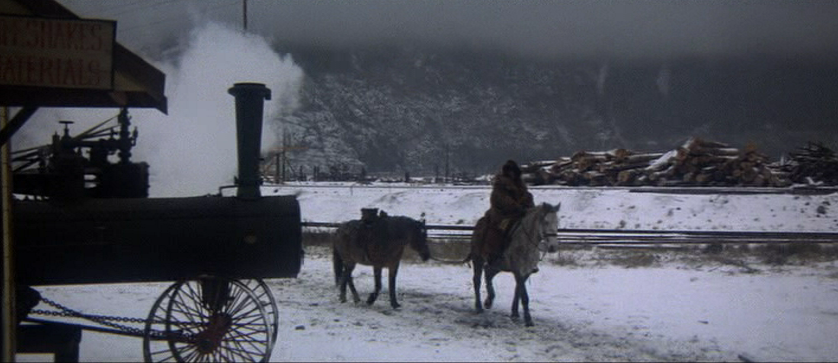
Indeed, McCabe is often cited as the ultimate “anti-western”, as it foils the norms of this venerable cinematic genre in every way possible: McCabe is a foolish anti-hero; the town’s buildings (painstakingly hand-constructed in British Columbia by production designer Leon Ericksen and his crew) appear realistic rather than set-like; dirt and grime cover every possible surface; the three prostitutes McCabe “purchases” near the beginning of the film are, to put it mildly, decidedly uncomely; Chinese workers co-exist in a ghetto (and their vile exploitation as “cheap”, “renewable” manpower is duly noted); Mrs. Miller is a drug addict; and while McCabe and Mrs. Miller do become lovers (as expected), their relationship remains mercenary rather than romantic. It’s not until the film’s shoot-out ending that some of the genre’s conventions finally come into play.

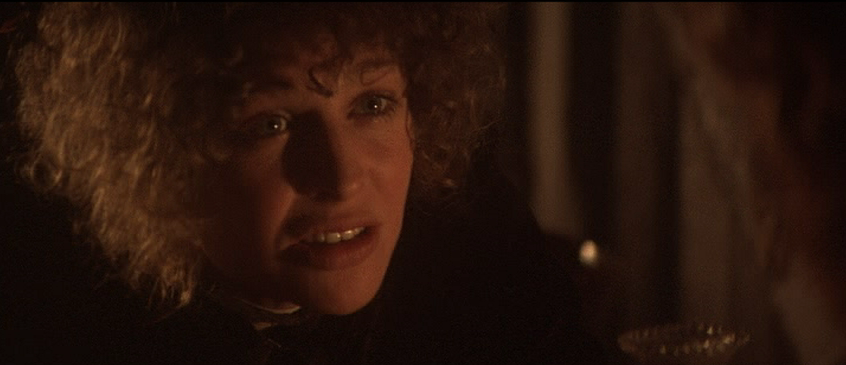
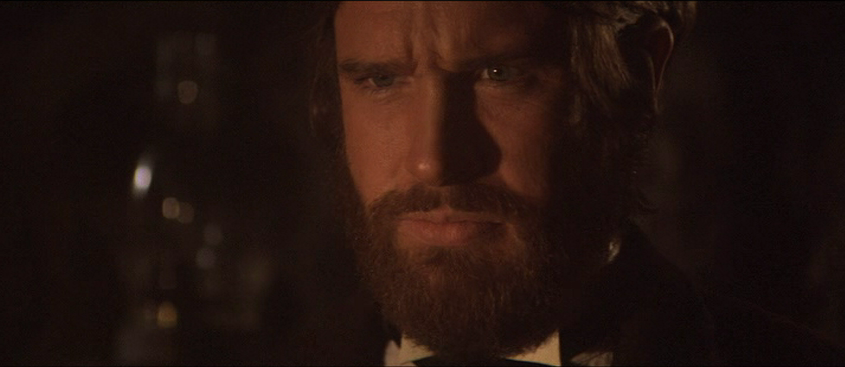
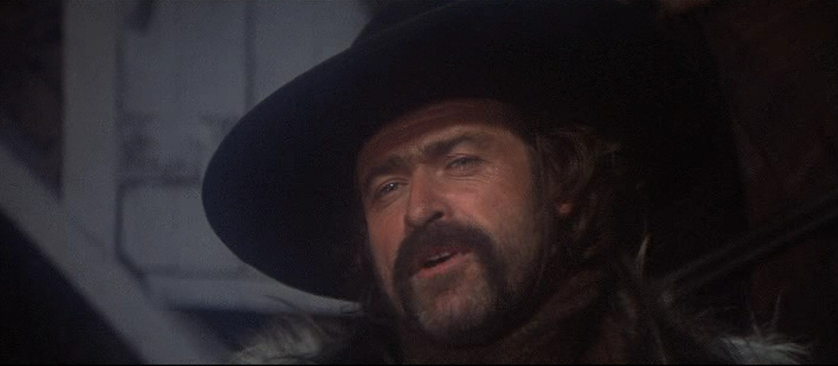
In addition to its stunning appearance (both Ericksen’s sets and Vilmos Zsigmond’s luminous cinematography are justifiably lauded), McCabe and Mrs. Miller features, as usual in Altman’s films, a host of fine lead and supporting actors. Christie — boasting a broad Cockney accent and frizzy hair — “has never been lovelier” (she deserved her Oscar nomination), and Beatty is convincing as her shaggy-haired partner, who gets by on a combination of gumption and pure dumb luck (it’s Miller who notably possesses the brains of the enterprise). Keith Carradine gives one of his best non-leading performances as a luckless young visitor traveling through town, while William Devane as a lawyer and newcomer Hugh Millais as a heavy rise to the top as well in each of their tiny but memorable roles. Peary reviles Leonard Cohen’s score (he notes that Cohen’s singing “will get on your nerves”), but I think its folksy quality works; and as Peary writes, “at least Altman was trying to be different by using his songs”.

P.S. McCabe and Mrs. Miller is a film which sits even better after you’ve had some time to absorb it, and read a few critiques (see below for a handful of links, each of which reveals new and provocative insights) — but keep in mind that nearly every review gives away major spoilers.

Redeeming Qualities and Moments:

  • Julie Christie as Mrs. Miller (Peary — like the Academy itself — nominates her as Best Actress of the Year)
  • Warren Beatty as McCabe
  • Fine supporting performances


  • Vilmos Zsigmond’s cinematography

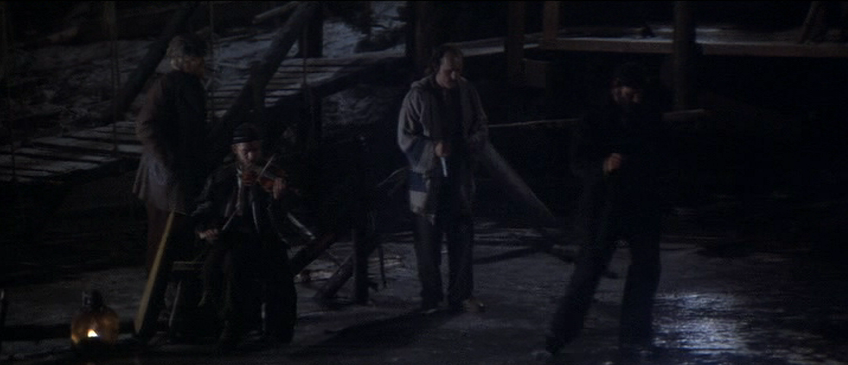
  • Many memorable “throwaway” moments — i.e., a drunk villager attempting to dance on ice
  • Ilse Richter’s authentic costume designs
  • Excellent period sets (watch the short 10-minute “making of” documentary on the DVD to see some fascinating footage of the town being built from scratch)

Must See?
Yes, as a (now) undisputed modern classic by a famed director (Roger Ebert calls it Altman’s one “perfect” film among a lifetime of masterpieces).

Categories

  • Genuine Classic
  • Important Director

(Listed in 1001 Movies You Must See Before You Die)

Links:

King of Comedy (1982)

King of Comedy (1982)

“Why not me? Why not? A guy can get anything he wants as long as he pays the price.”

Synopsis:
An aspiring comedian (Robert De Niro) named Rupert Pupkin aggressively pursues a spot on a late-night television show, resorting to kidnapping its host (Jerry Lewis) when all other attempts fail.

Genres, Themes, Actors, and Directors:

  • Aspiring Stars
  • Black Comedy
  • Comedians
  • Jerry Lewis Films
  • Kidnapping
  • Martin Scorsese Films
  • Misfits
  • Obsessive Fans
  • Robert De Niro Films

Response to Peary’s Review:
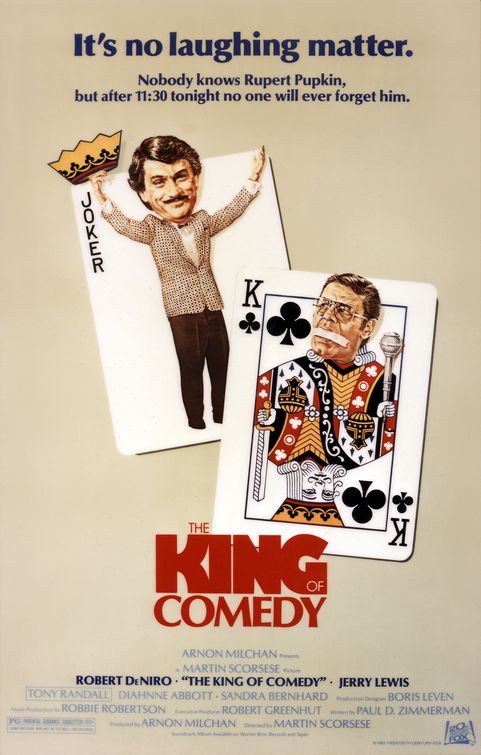
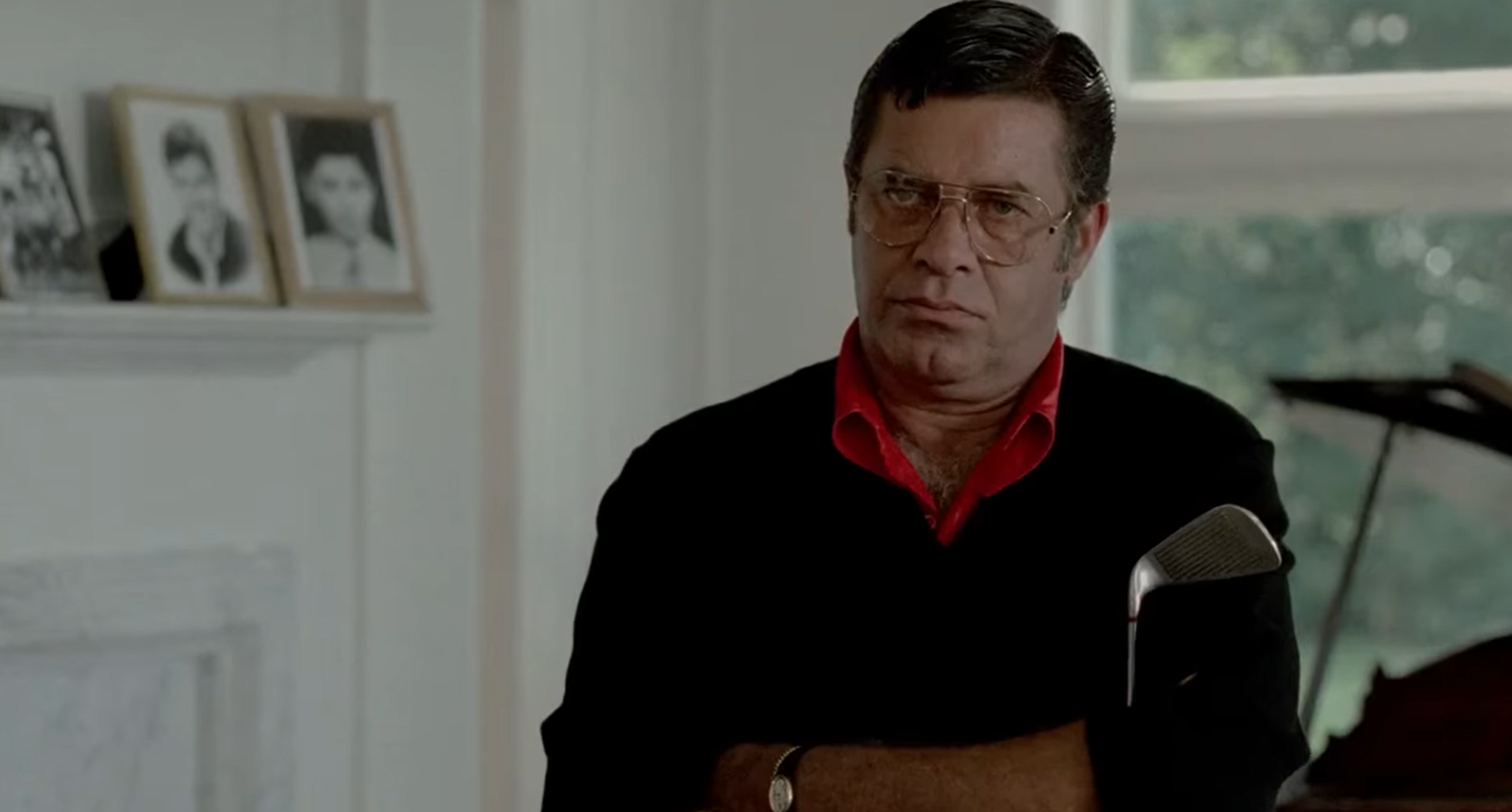
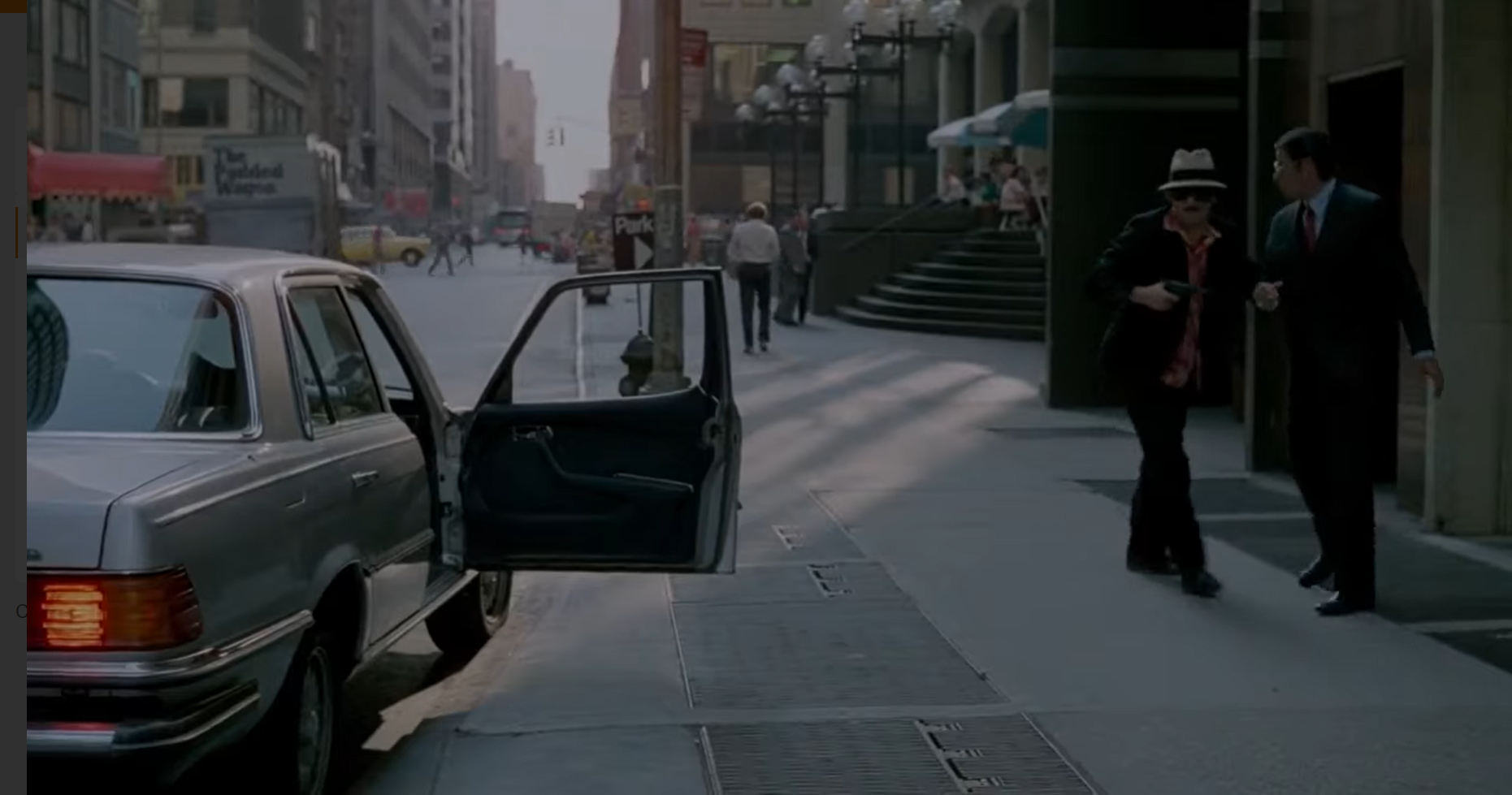
Peary holds nothing back in his vivid description of the “pushy, insensitive, tactless New York slimeball” protagonist of this cult black comedy by Martin Scorsese. He questions “why anyone would want to make such a sick, though oddly credible film” about such “repulsive” subject matter, yet he acknowledges that the film is “superbly made”, and notes that it features “perfect” acting by its leads, whose “characterizations are precise”. Indeed, one’s reaction to this controversial film — which flopped at the box office but has since been widely acknowledged as a “must see” flick (it’s included in 1001 Movies You Must See Before You Die) — is likely to be mixed, given its crafty merging of brilliance, pathos, and sheer repugnance.

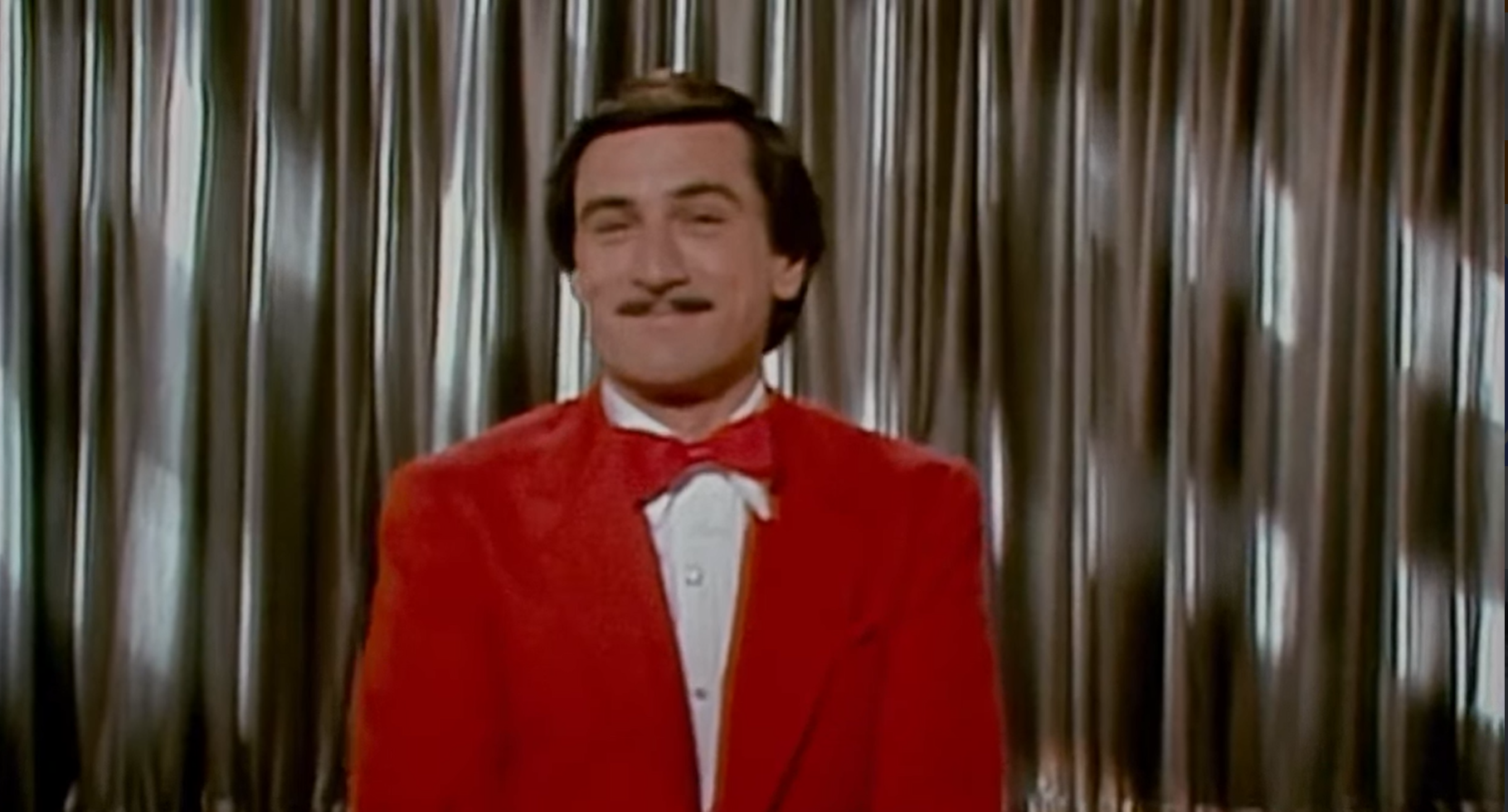
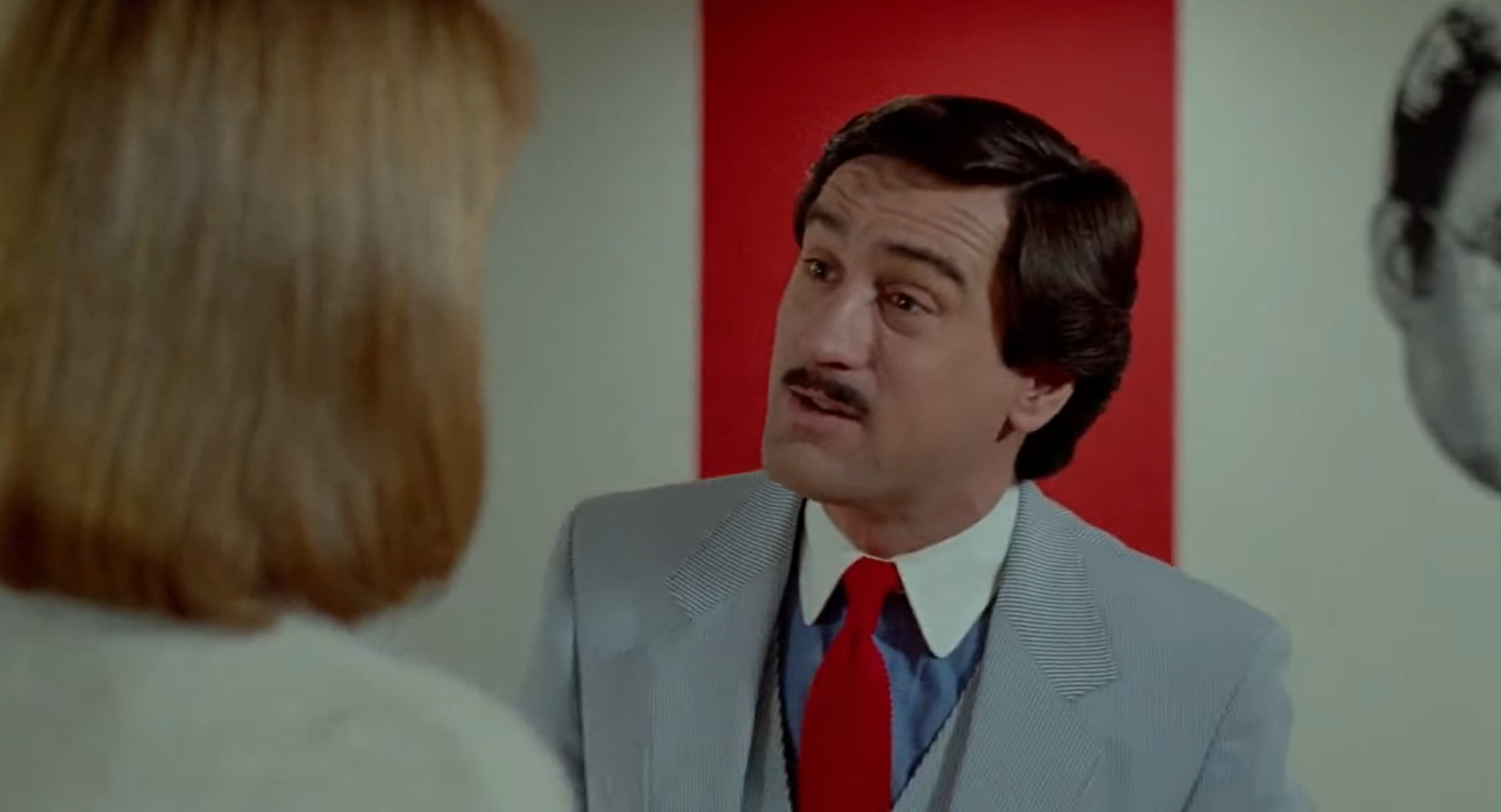
It’s difficult at first to know how to react to Pupkin (De Niro is in top form), who is single-minded in his devotion to “making it” as an entertainer, but utterly out of touch with the reality of what such an endeavor entails — especially given that the “reality” of achieving any kind of fame in show business, no matter how fleeting, is so nigh impossible that resorting to drastic measures may actually make some kind of sense. Peary and countless other critics give away the fact that Pupkin ultimately “triumphs” in his goals (making it on to Jerry Langford’s show), so I’ll mention it as well — and truth be told, this ending may very well be the only one that could have worked. No matter how much of a “despicable leech” Pupkin is, he’s also undeniably pathethic — a true loser who perhaps (perhaps!) deserves his chance in the limelight, if only as evidence of his sheer gumption and warped savvy.

Several “big names” were considered for the role of Jerry Langford (including Frank Sinatra, Orson Welles, Dick Cavett, Sammy Davis, Jr., and Johnny Carson), but Lewis was an inspired casting coup, given his real-life designation as the “king of comedy”. Meanwhile, Bernhard (in her screen debut) is simply hilarious as Pupkin’s partner-in-crime, a deluded poor-little-rich-girl whose entire identity revolves around being Langford’s “number one fan”; her interactions with Langford while he’s taped up in her house are rollicking. Indeed, by this point in the story, the film’s bitterly humorous sensibility has emerged more strongly than ever, as it becomes especially clear that Scorsese is aiming for satirical laughs, and won’t leave us stranded in a sea of purely icky discomfort. Pupkin and Masha (Bernhard) may be two of the most pathetic individuals in existence, but we all — film fanatics among us! — possess a certain amount of this quality ourselves; Scorsese’s gift here is in allowing us to feel a measure of empathy with two characters whose very actions are the epitome of obnoxious delusion.

Redeeming Qualities and Moments:

  • Robert De Niro as Rupert Pupkin
  • Jerry Lewis as Jerry Langford
  • Sandra Bernhard as Masha
  • Fine location shooting in New York

Must See?
Yes, as a cult movie by an esteemed director.

Categories

  • Cult Movie
  • Important Director

(Listed in 1001 Movies You Must See Before You Die)

Links:

39 Steps, The (1935)

39 Steps, The (1935)

“There are twenty million women in this island and I get to be chained to you.”

Synopsis:
A man (Robert Donat) vacationing in London is accused of murdering a mysterious spy (Lucie Mannheim) and soon finds himself on the run, attempting to figure out who or what the “39 Steps” are.

Genres, Themes, Actors, and Directors:

  • Falsely Accused
  • Fugitives
  • Hitchcock Films
  • Madeleine Carroll Films
  • “No One Believes Me!”
  • Robert Donat Films
  • Spies

Response to Peary’s Review:
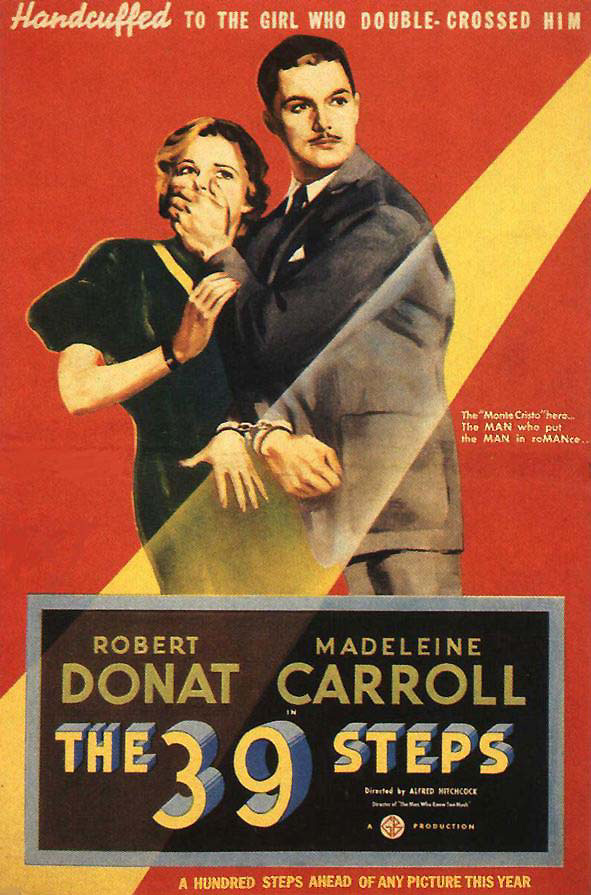
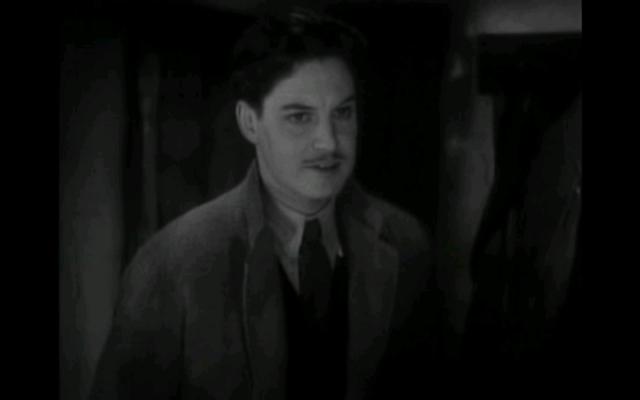
This “undisputed masterpiece” by Alfred Hitchcock “served as a model for several of his later romantic suspense thrillers” — most notably North by Northwest (1959), which is often cited as an American “variation” on this earlier story about an innocent man falsely accused and on the run. Peary notes that Hitchcock “builds suspense and tension in several interesting ways”, including having “every character Donat comes across” holding “secret information or secret desires”, and having Donat find that “there is no safe place” any time he “enters an interior”. From the moment of his first encounter with a dark and mysterious woman (Mannheim) at a performance in London (she’s a femme fatale of sorts), Donat finds himself caught up in a nefarious plot much bigger than he could ever have imagined, with his foolishly naive decision to allow Mannheim into his apartment in the first place resulting in life-threatening consequences.

Hitchcock’s greatest triumph, as usual, is his ability to effectively mix suspense with both humor and sexual tension. His “accidental” handcuffing of stars Donat and Carroll (the first of his “icy blondes”) for an entire afternoon has gone down in the annals of film history, and apparently worked like the blazes, given that their chemistry together perfectly reflects both annoyance and (eventually) sexual attraction. (On that note, Peary argues that none of the females in the film are “allowed their needed sexual release with Donat” — but I don’t quite buy this as a “theme” of the film.) What is clear, however (as noted in Tim Dirk’s “Greatest Films” review) is Hitchcock’s treatment of marriage as a stifling, dissatisfying convention — first in Donat’s humorous encounter with a milkman who refuses to believe there’s been a murder committed in Donat’s apartment but readily accepts that Donat has cheated on his wife, and later in his more tragic interactions with a browbeaten farm wife (Peggy Ashcroft) and her domineering husband (John Laurie).

Much of the credit for the film’s success should go to its screenwriters (Charles Bennett and Hitchcock’s uncredited wife, Alma Reville), who stuff the story “full of great characters and memorable sequences”, and keep the narrative moving at an appropriately delirious pace. Donat literally jumps from one close-call to another, and we marvel at both his ingenuity (he pretends to be a guest speaker for an indeterminate political club and boldly ad-libs a well-received speech) and his luck (a carefully placed book saves him from death by gunfire). Watch for evidence of Hitchcock’s “special touches” throughout — including a perfectly timed shot in which a train whistle goes off while a woman opens her mouth to scream.

Redeeming Qualities and Moments:

  • Robert Donat as Hannay
  • Madeleine Carroll as Pamela
  • Peggy Ashcroft and John Laurie as the Crofters
  • Hannay’s interactions with “The Milkman”
  • Hannay’s genuinely freaky encounter with “the fingertip-less man”
  • Bernard Knowles’ atmospheric cinematography
  • Charles Bennett’s tightly paced, exciting, “sophisticated” script

Must See?
Yes, as one of Hitchock’s earliest classics. Peary votes it the Best Movie of the Year in his Alternate Oscars book, and nominates Donat as Best Actor of the Year.

Categories

  • Genuine Classic
  • Important Director

(Listed in 1001 Movies You Must See Before You Die)

Links:

Breathless (1960)

Breathless (1960)

“I always get interested in girls who aren’t right for me.”

Synopsis:
An amoral thief (Jean-Paul Belmondo) kills a policeman and tries to convince his aloof American lover (Jean Seberg) to flee to Italy with him.

Genres, Themes, Actors, and Directors:

  • Betrayal
  • French Films
  • Godard Films
  • Jean Seberg Films
  • Jean-Paul Belmondo Films
  • Outlaws

Response to Peary’s Review:
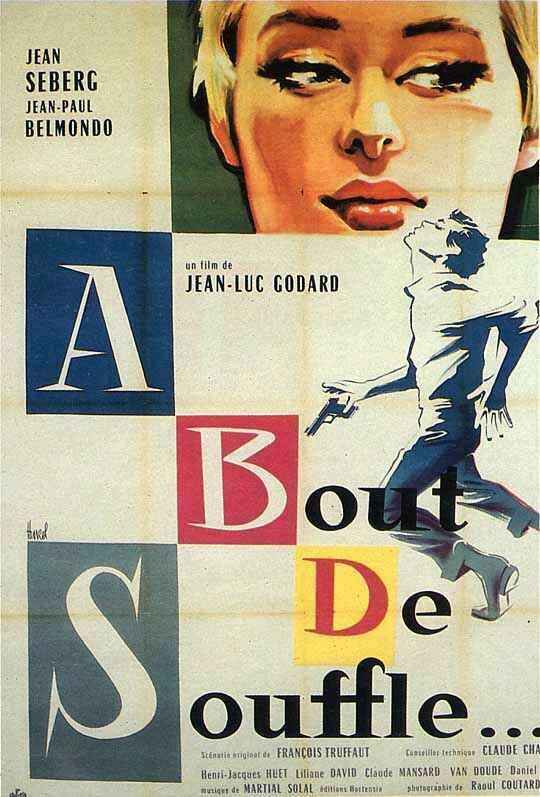
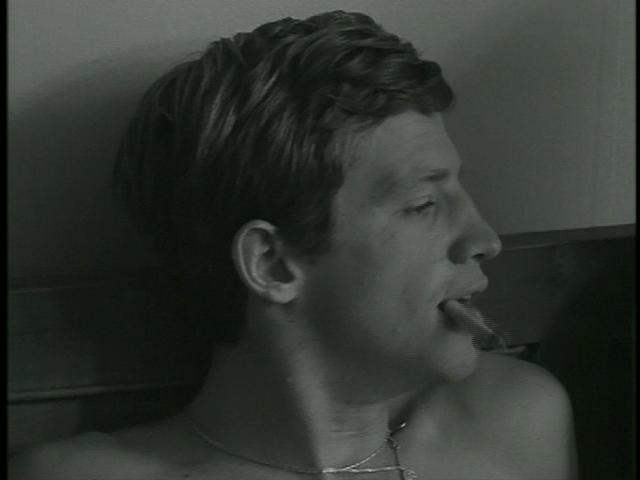
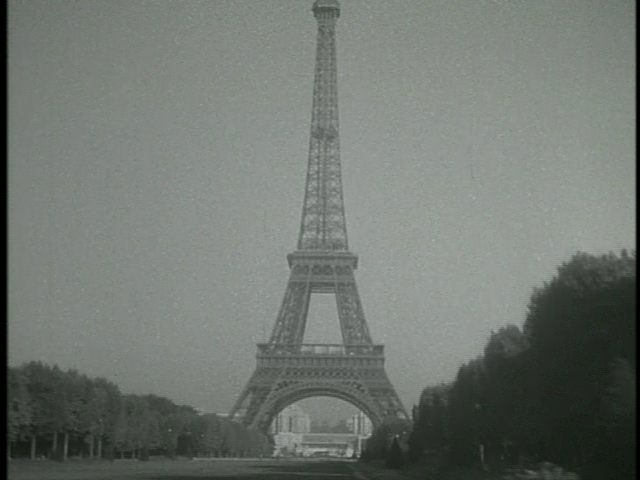
Jean-Luc Godard “intended his debut film” — which was “inspired by a newspaper item about a young thug who killed a policeman and hid out with his girlfriend, who later betrayed him” — to “merely be an homage to earlier gangster films, but it became the most influential film of the New Wave, an existential masterpiece.” In a deliberate act of cinematic anarchy, Godard “broke all… rules”, failing to use “transition shots between scenes” or “establishing shots or matching shots”, and heavily utilizing “jump cuts both to convey a chaotic atmosphere and to express the reckless nature of his youthful characters”, who “jump through time and space”. Technique aside, Breathless (A bout de souffle, in French) is notable for Godard’s “Paris street photography” (shot by “innovative cameraman” Raoul Coutard, who “was willing to hide in a wheelbarrow for street shooting and to roll along in a wheelchair with the camera in his lap”); Godard’s “score, which mixes jazz and Mozart; [and] his many movie-reference- in-jokes”, among other traits.

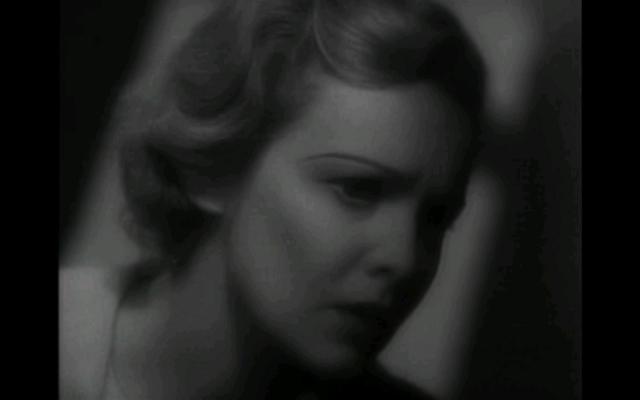
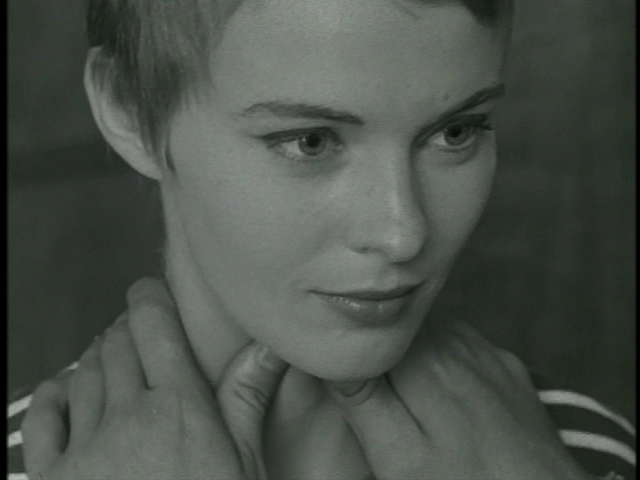
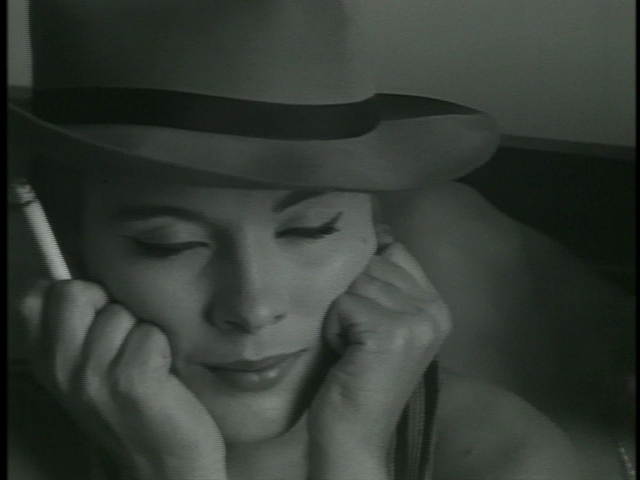
As for the story itself, Peary notes that “alienated French youth” at the time “could identify with Belmondo’s casual lawbreaker and his disloyal girlfriend”, “lovers who act impetuously without regard to consequences”. More mature audiences, however, may find Michel (Belmondo) less a “hero” than simply a shiftless thug who deserves jail time for the murder he so callously commits at the beginning of the film; at the very least, he deserves the cool reception he receives from “beautiful, dimpled Seberg”, who “is his match as the hard-bitten, free-spirited American expatriate who is afraid of commitment and emotionally vacuous”. Seberg — though extremely photogenic (see stills below) — was never a great actress, and her French accent here is so godawful that it’s a major distraction (though to be fair, her reading surely wasn’t helped any by the fact that Godard gave his actors their lines the day of shooting). Her character’s motivations (or lack thereof) are just as enigmatic as Belmondo’s, and thus we never really understand her or relate to her in any depth. While Breathless is far too important cinematically to miss seeing, don’t be surprised if it leaves you strangely cold.

Redeeming Qualities and Moments:

  • Jean Seberg’s luminous visage


  • Jean-Paul Belmondo as Michel
  • Raoul Coutard’s natural-light-drenched b&w cinematography
  • Excellent use of Paris locales

  • Godard’s groundbreaking (albeit “accidental”) “fast cut” editing

Must See?
Most definitely, as a groundbreaking New Wave classic. Discussed at length in Peary’s Cult Movies 2 (1983).

Categories

  • Cult Movie
  • Foreign Gem
  • Important Director

(Listed in 1001 Movies You Must See Before You Die)

Links:

Night of the Demon / Curse of the Demon (1957)

Night of the Demon / Curse of the Demon (1957)

“I’m not a superstitious sucker, like 90% of humanity.”

Synopsis:
An American scientist (Dana Andrews) arrives in England to debunk a devil-worshiping cult led by Dr. Julian Karswell (Niall MacGinnis), but is slowly convinced — in part by Karswell’s niece (Peggy Cummins) — that Karswell may possess truly dangerous supernatural powers after all.

Genres, Themes, Actors, and Directors:

  • Dana Andrews Films
  • Horror
  • Jacques Tourneur Films
  • Niall MacGinnis Films
  • Satanists
  • Scientists

Response to Peary’s Review:
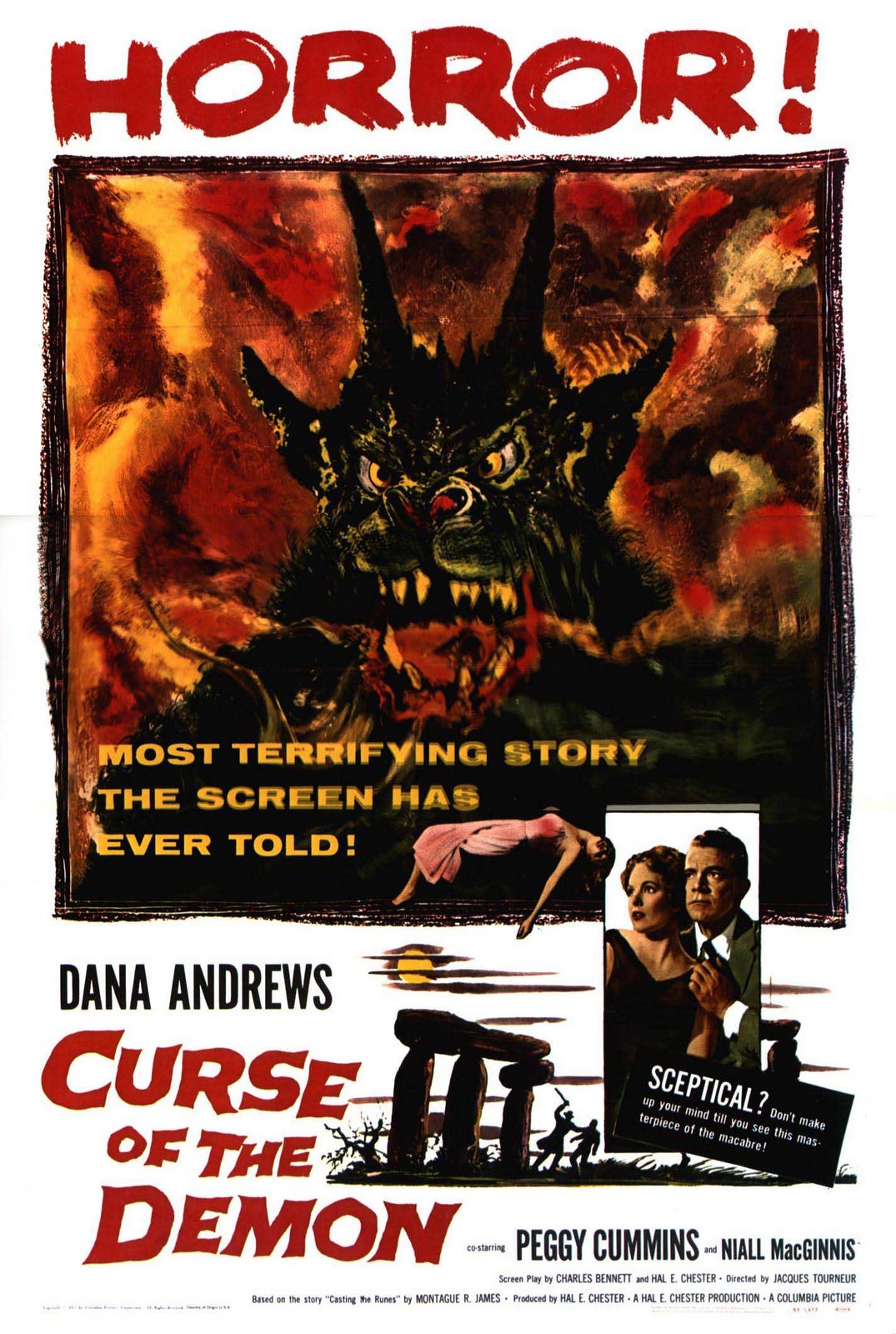
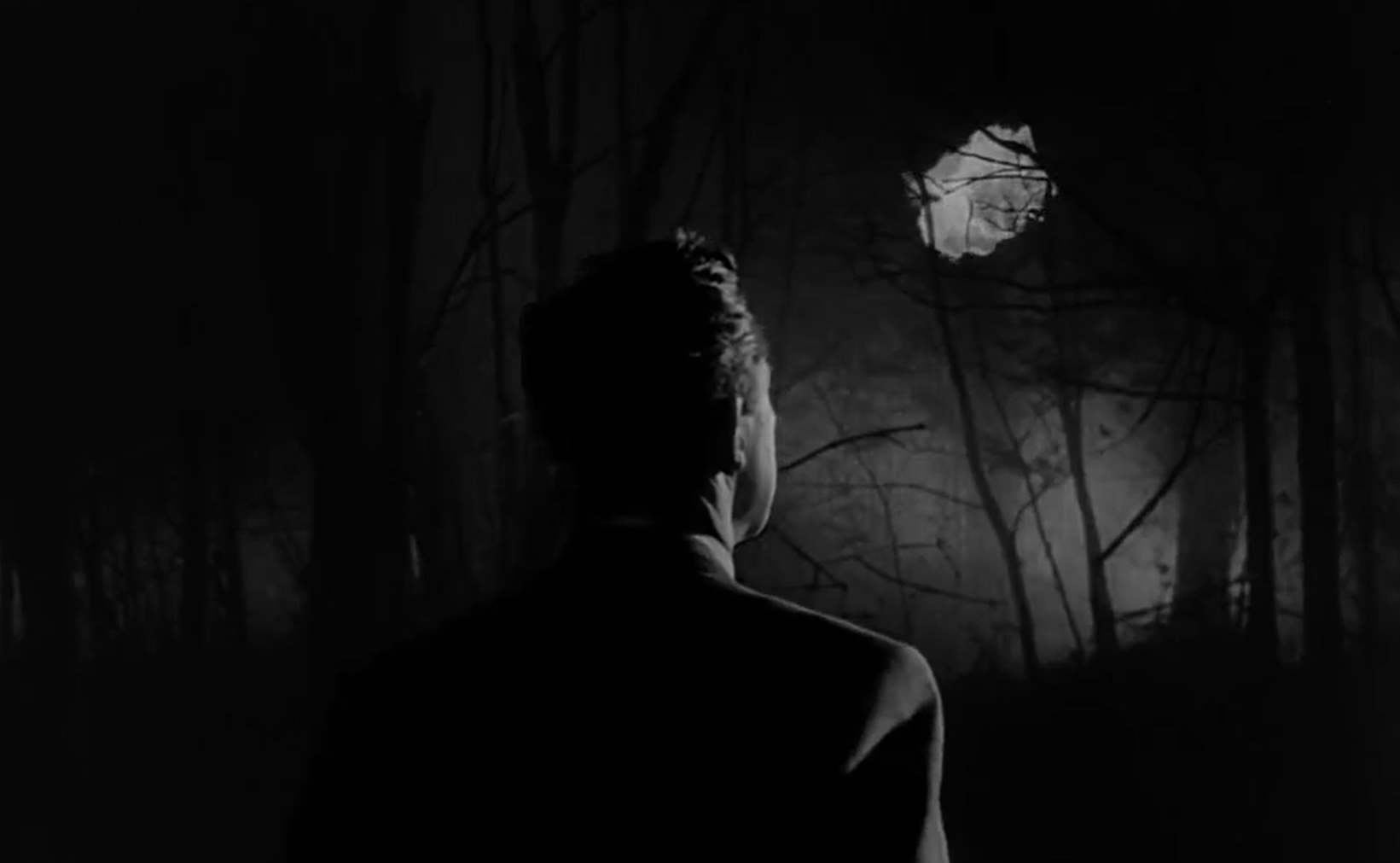
Peary refers to this atmospheric film by director Jacques Tourneur as “the best horror movie of the science-fiction-dominated fifties, the most intriguing picture ever made about witchcraft, and the most intelligent, visually impressive entry to the genre” since Val Lewton’s films of the 1940s. While these superlatives may or may not be warranted, it’s certainly true that Night of the Demon remains stellar adult entertainment, and deserves its status as an enduring cult film. Charles Bennett’s script was notoriously rewritten by producer Hal Chester — a fate which Peary discusses at length in his Cult Movies 2 — but it manages to retain “the grace and literate quality as well as the sinister feel and elements of mystery and suspense (as opposed to shock) that distinguished Bennett’s scripts for Alfred Hitchcock”. In addition, as Peary notes, the material was perfect for Tourneur, who “returned to his forties roots” by “frighten[ing] viewers through such fundamental fears as darkness, sudden sounds, and wild animals”, and who created a “shadowy world” where “the battle between light and darkness, good and evil, science and magic, fate and free will is continuous, and where characters are controlled less by reason than by subconscious.”

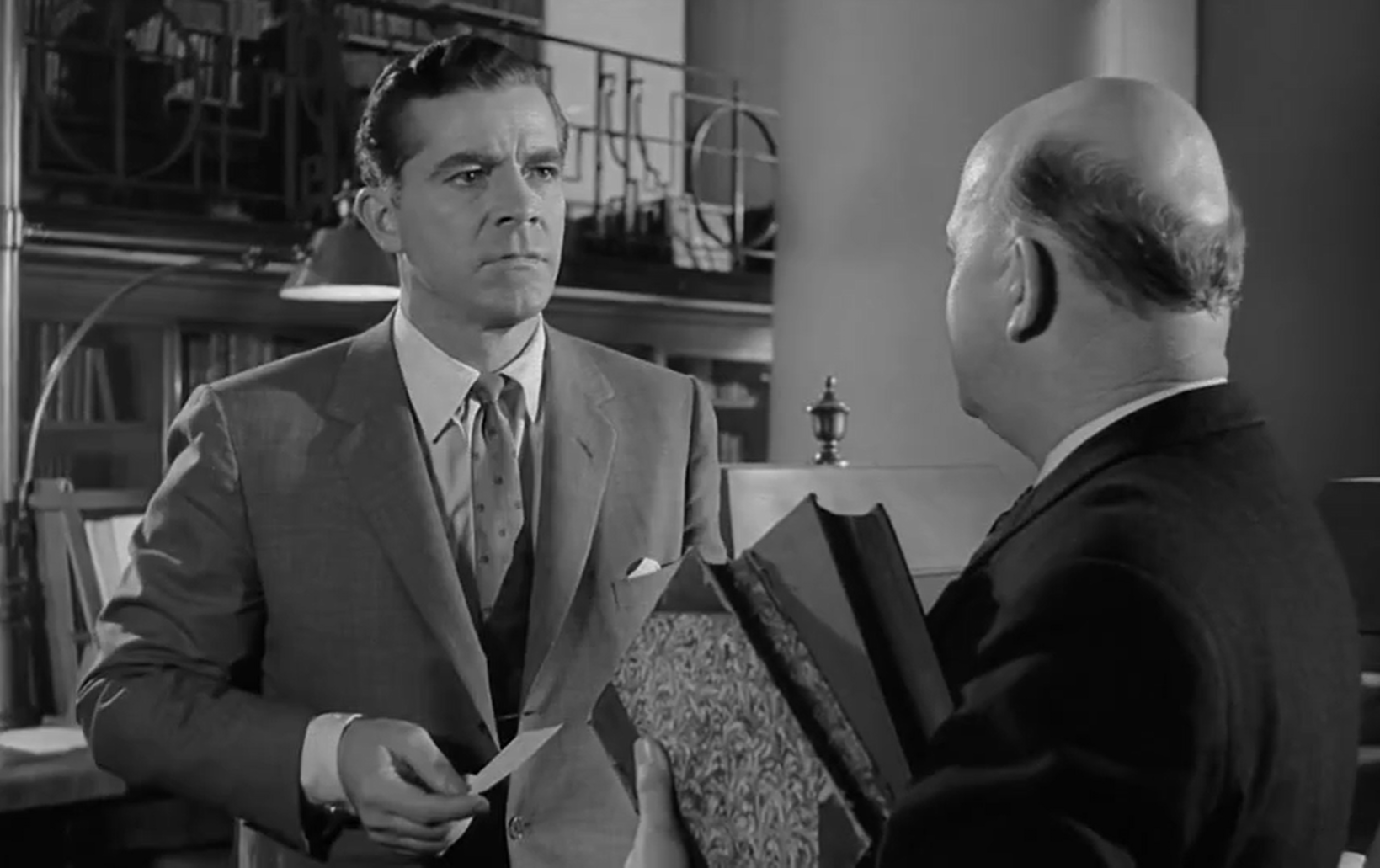
To that end, Dana Andrews is perfectly cast as Dr. Holden, an outsider (an American in England) who — much like his hardboiled detective in Laura (1944) — finds himself sucked into and “seduced” by a world he’s entirely unfamiliar with.

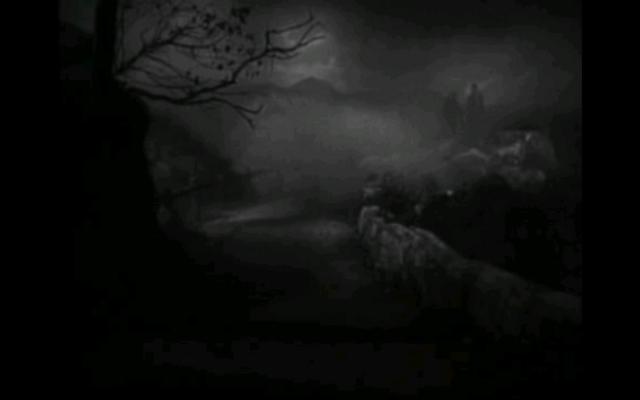
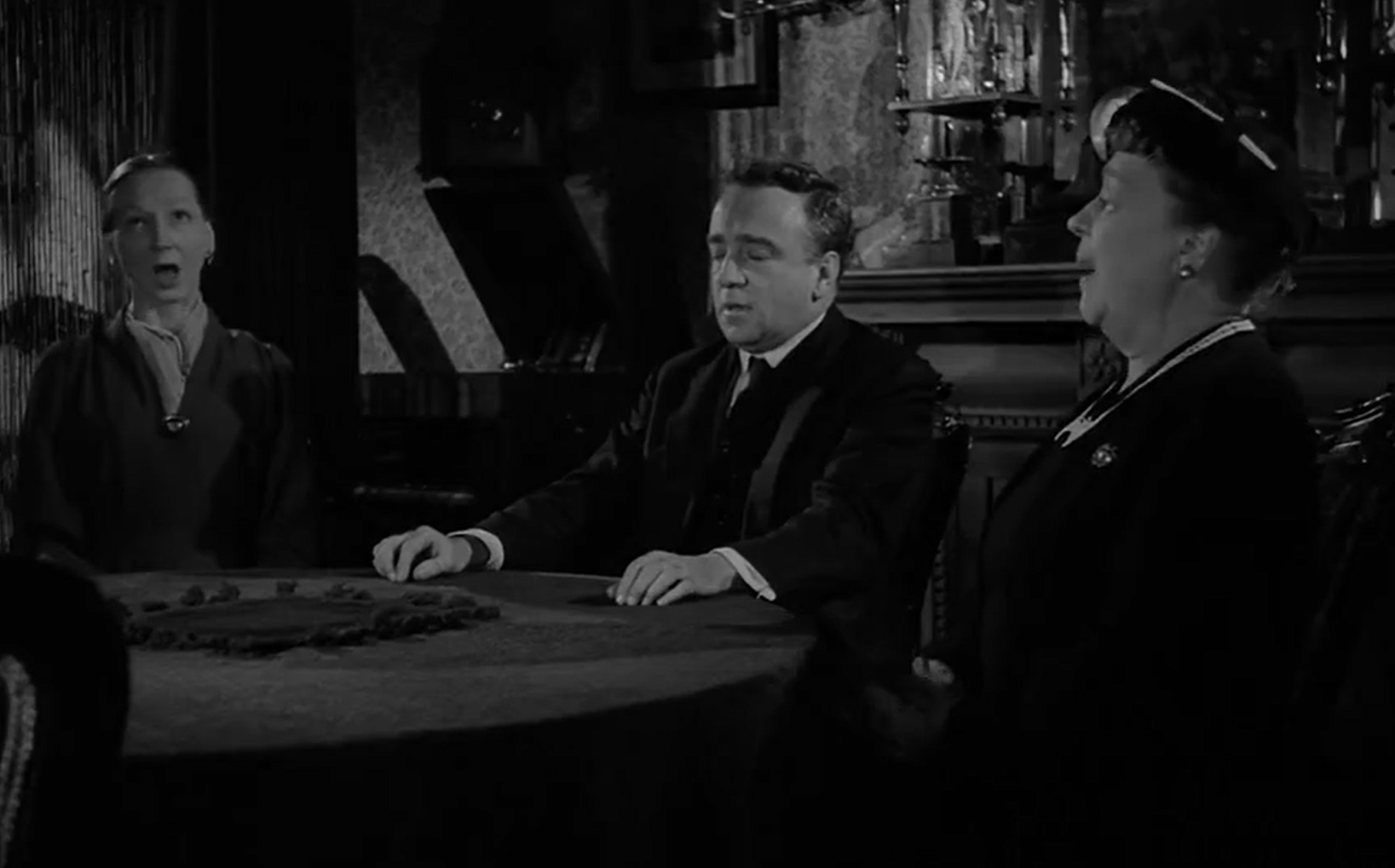
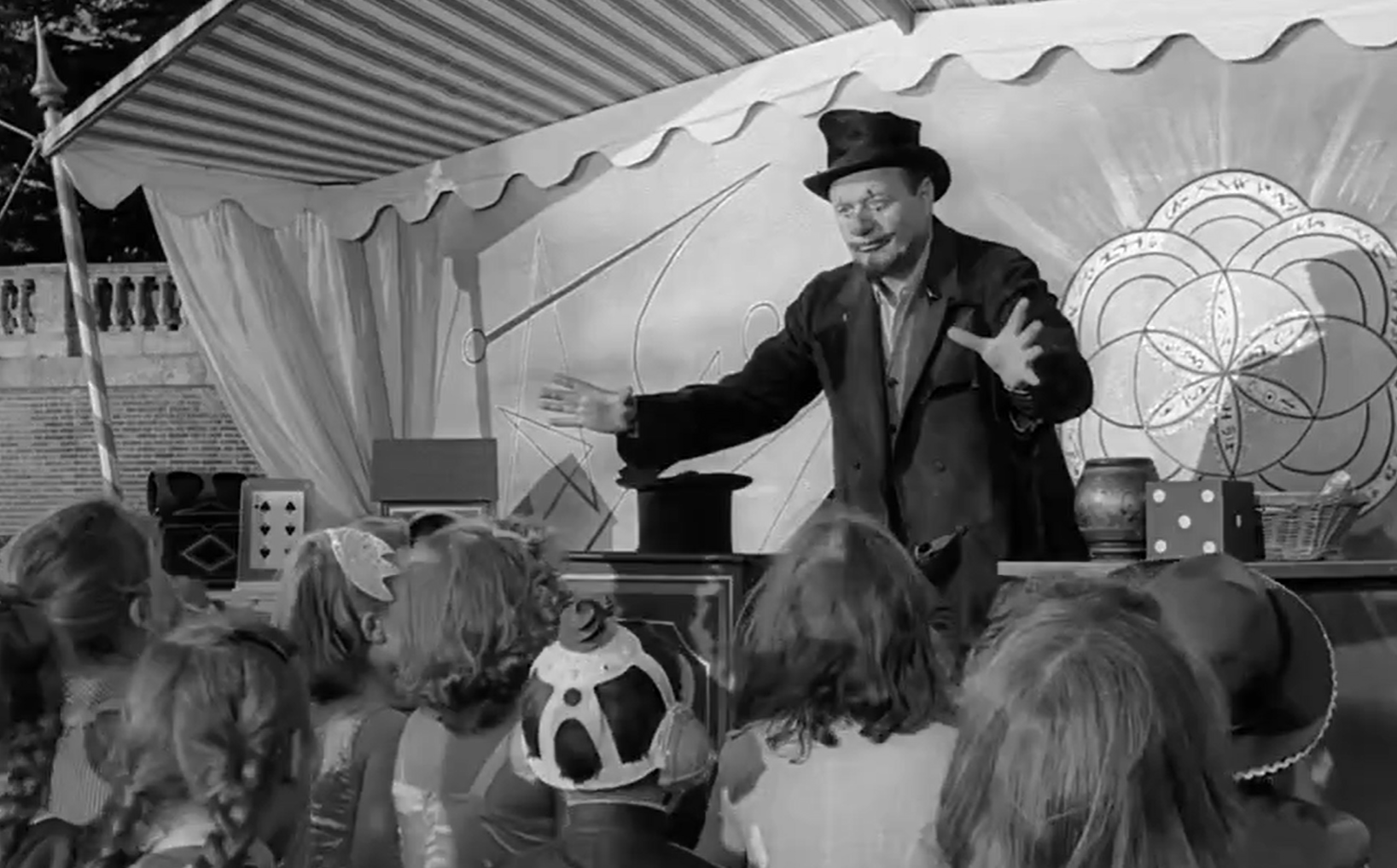
We understand his initial reluctance to believe in witchcraft, and it’s to Tourneur’s credit that we are gradually convinced — right alongside Holden — about the veracity of Dr. Karswell’s supernatural powers. Several key scenes of terror build upon one another, eventually resulting in a truly ominous sense of doom: Karswell conjures up a powerful storm out of thin air during a party he’s hosting for a group of orphans:

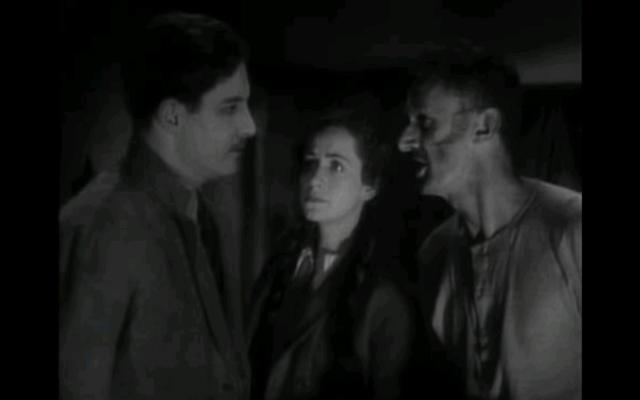
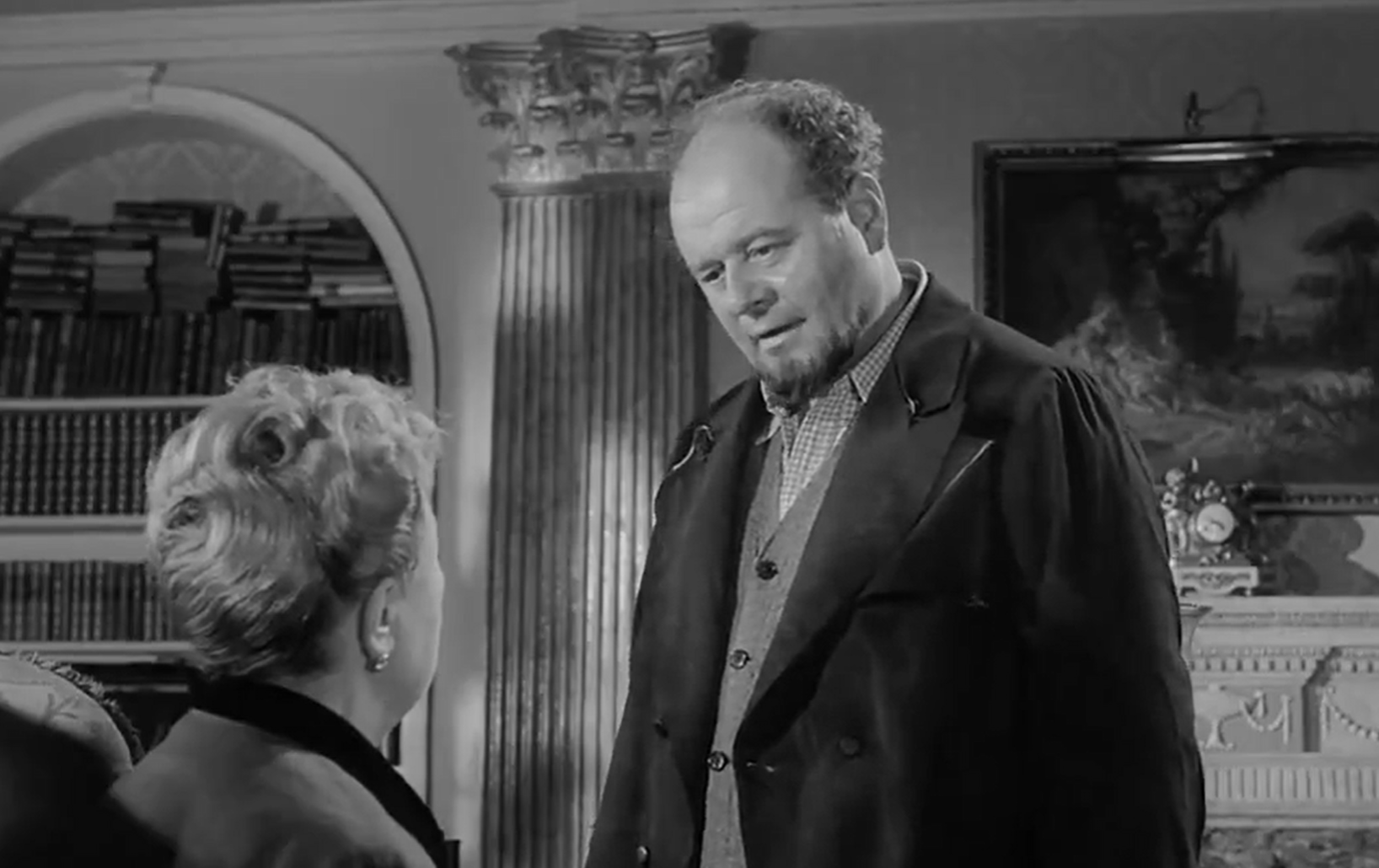
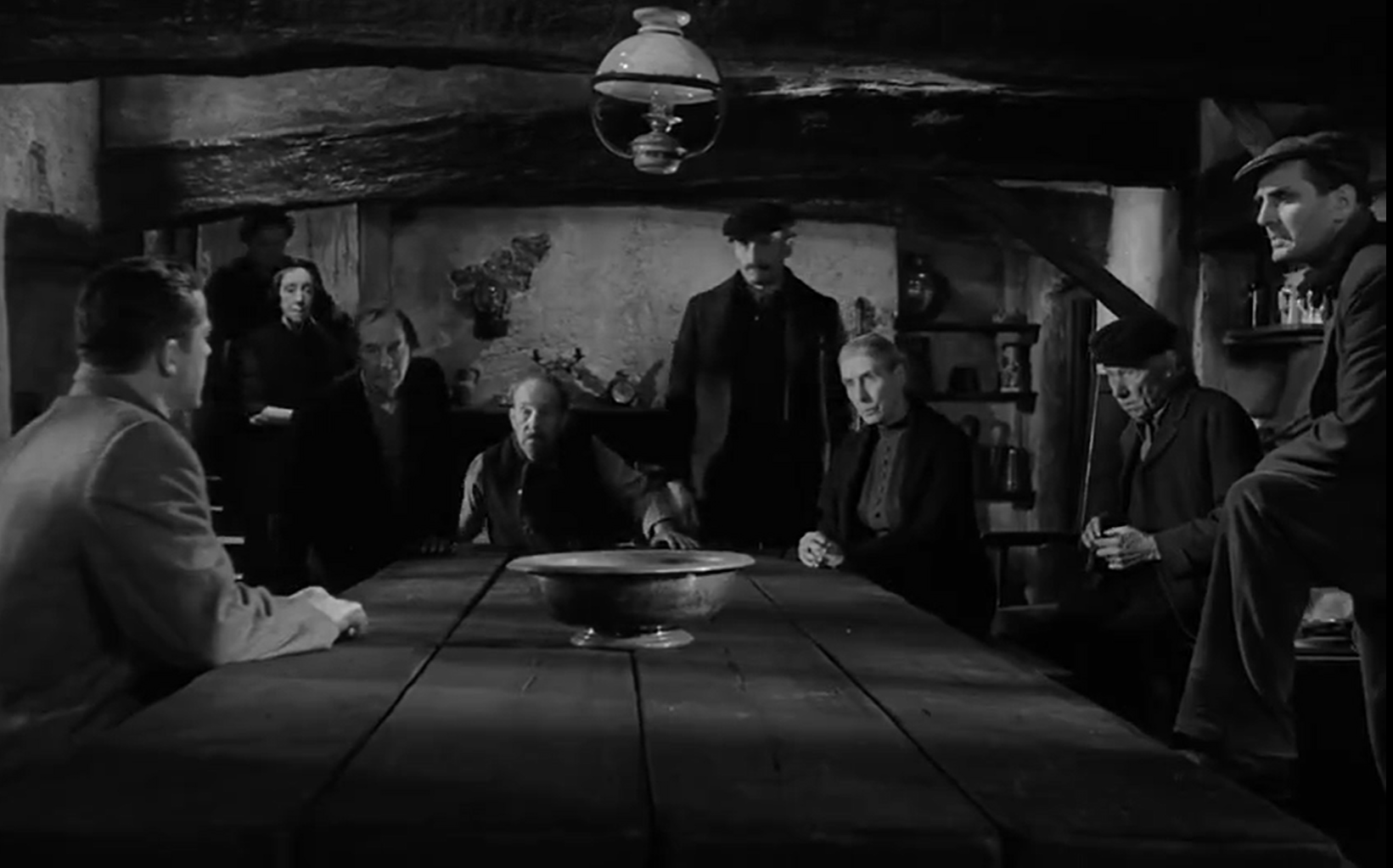
… a “bizarre seance” is hosted by Karswell’s “daffy mother” (Athene Seyler):

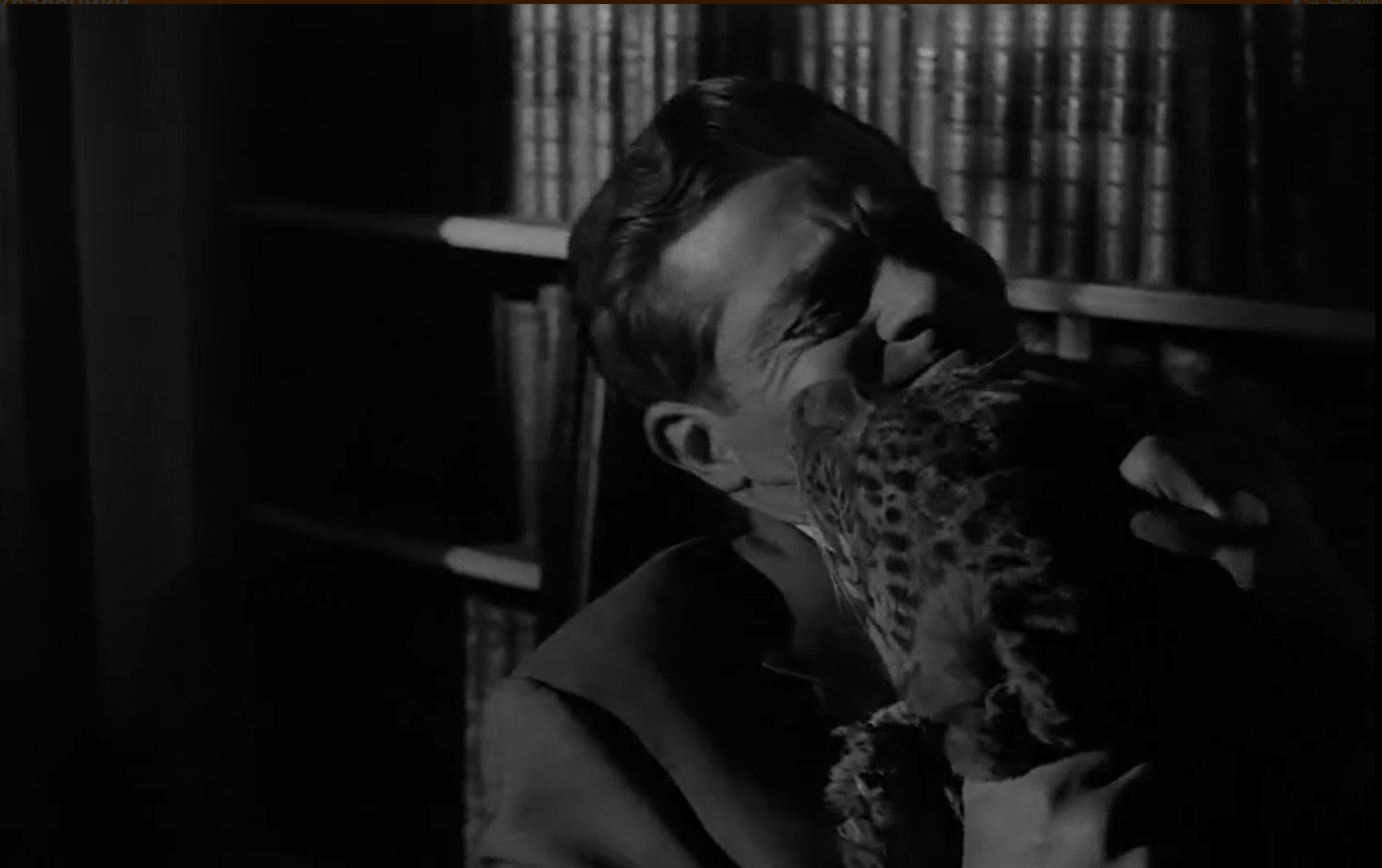
… Holden is attacked by a housecat “disguised” as an enormous feline:

… Holden is chased by a smoke ball while walking through the woods, surrounded by giant footprints.

The film’s biggest controversy continues to center around producer Hal Chester’s inclusion (not part of Bennett’s original script) of an enormous demon, which appears in the very first scene and leaves no doubt in viewers’ minds about the existence of underworld forces at play.

Peary is of the opinion that if “Lewton had had such a spectacular monster” at his disposal, he would “have shown it”, given that it’s “more terrifying than anything we could imagine” — and I tend to agree. Equal props must go towards Niall MacGinnis in a “superb” performance as Dr. Karswell; he projects arrogance and creepiness (note his clown costume during the orphan party) in just the right proportions.

Note: One widely circulated American version of the film leaves out about thirteen minutes of the story (discussed at length in DVD Savant’s review).

Redeeming Qualities and Moments:

  • Niall MacGinnis as Dr. Karswell
  • Edward Scaife’s atmospheric cinematography

Must See?
Yes, as a certifiable cult favorite. Discussed at length in Peary’s Cult Movies 2 (1983).

Categories

  • Cult Movie
  • Important Director

Links:

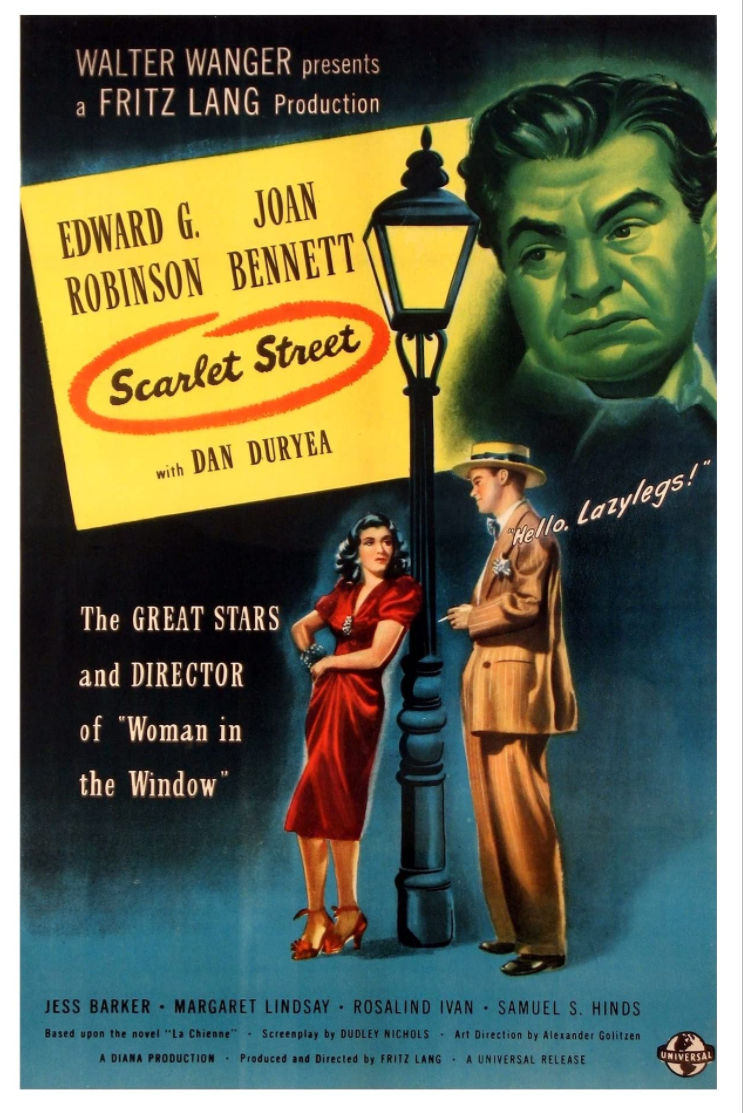
Scarlet Street (1945)

Scarlet Street (1945)

“How can a man be so dumb?”

Synopsis:
A middle-aged accountant (Edward G. Robinson) henpecked by his wife (Rosalind Ivan) falls for a beautiful prostitute (Joan Bennett) whose pimp boyfriend (Dan Duryea) convinces her to con Robinson into renting her a studio apartment. Soon Bennett is pawning Robinson’s amateur paintings as her own, with unexpected consequences.

Genres, Themes, Actors, and Directors:

  • Artists
  • Con-Artists
  • Dan Duryea Films
  • Edward G. Robinson Films
  • Femmes Fatales
  • Fritz Lang Films
  • Henpecked Husbands
  • Joan Bennett Films
  • Midlife Crisis
  • Mistaken Identities

Response to Peary’s Review:
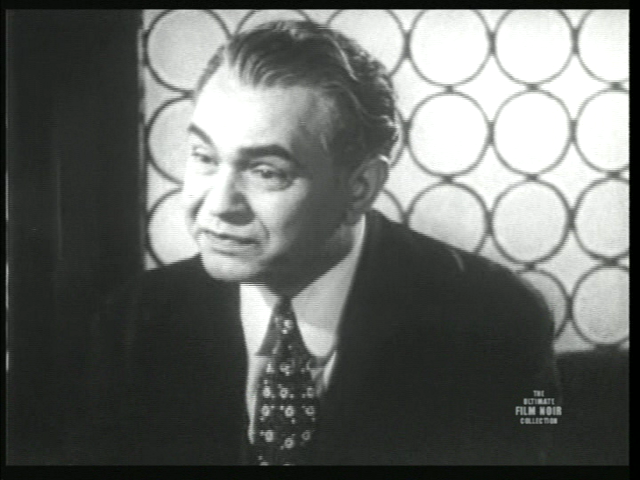
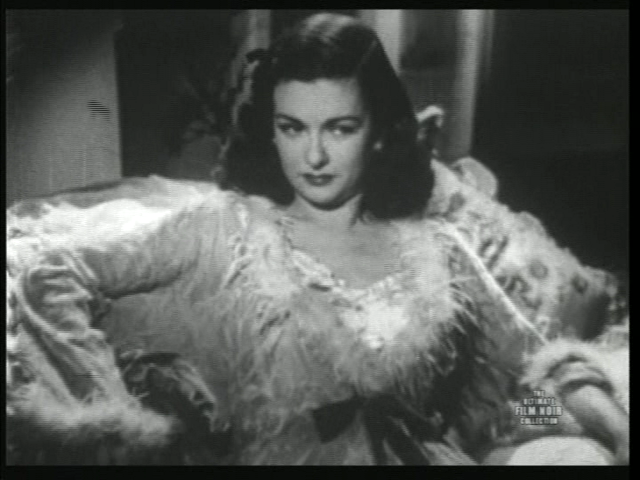
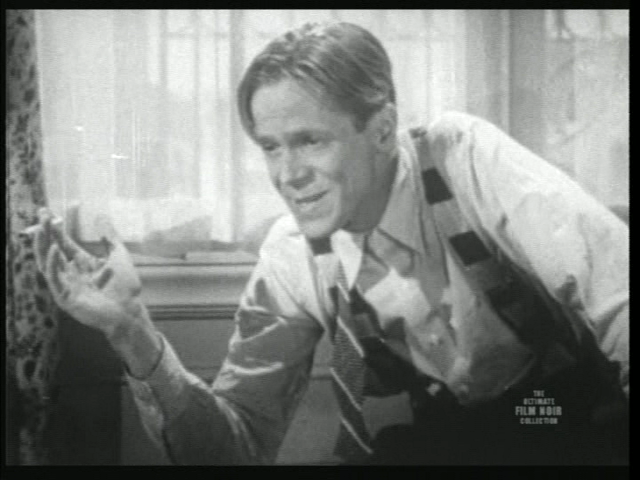
Fritz Lang’s American noir version of Jean Renoir’s La Chienne (1931) is a rare remake which succeeds entirely on its own merits; indeed, Peary nominates it as one of the Best Films of the Year in his Alternate Oscars book. As in Renoir’s film, the male protagonist — in this case, a perfectly cast Edward G. Robinson — is “the weakling husband of a domineering nag” who “forces him to paint, his dearest hobby, in the bathroom”, and whose life is changed irrevocably by his chance encounter with a duplicitous femme fatale. Peary notes that “Robinson is such a pathetic man that some viewers find no enjoyment from this film”, which “delves into [Lang’s] familiar serious themes — a man falls for a femme fatale and falls into fate’s trap, everyone becomes his enemy, an innocent man is convicted of a crime, and the startling ending is unbearably cruel” — but he argues that “scriptwriter Dudley Nichols regarded the piece as a comedy, with ironic twists, witty dialogue…, and a pathetic, wimpy character who somehow turns the tables on everyone”. Indeed, Robinson’s henpecked, boring life is so dismal before he meets Bennett that it’s difficult to feel too bad about the events that eventually transpire — especially given that he finally experiences romantic pleasure (however false) for the first time, and finds his artwork (his true passion) validated by critics. Plus, as Peary notes, Robinson’s effect on everyone he knows — including Bennett, Duryea, and Ivan — involves “either ruining their lives or ending them”, so nobody emerges unscathed in this world of masochists and manipulators.

Redeeming Qualities and Moments:

  • Edward G. Robinson — nominated by Peary as Best Actor of the Year in his Alternate Oscars book — as Chris Cross (what a name!)
  • Joan Bennett — who Peary awards an Alternate Oscar as Best Actress of the Year — as Kitty
  • Dan Duryea as Johnny
  • Milton Krasner’s noir-ish cinematography

Must See?
Yes, as one of Lang’s minor masterpieces.

Categories

  • Important Director

Links:

Maltese Falcon, The (1941)

Maltese Falcon, The (1941)

“I don’t mind a reasonable amount of trouble.”

Synopsis:
When his partner (Jerome Cowan) is murdered while doing investigation work for a beautiful, mysterious woman (Mary Astor), private detective Sam Spade (Humphrey Bogart) digs more deeply into the case, and soon finds himself caught up in a desperate search for an invaluable relic known as the Maltese Falcon.

Genres, Themes, Actors, and Directors:

  • Detectives and Private Eyes
  • Elisha Cook Jr. Films
  • Femmes Fatales
  • Humphrey Bogart Films
  • John Huston Films
  • Mary Astor Films
  • Murder Mystery
  • Peter Lorre Films
  • Sydney Greenstreet Films
  • Ward Bond Films

Response to Peary’s Review:
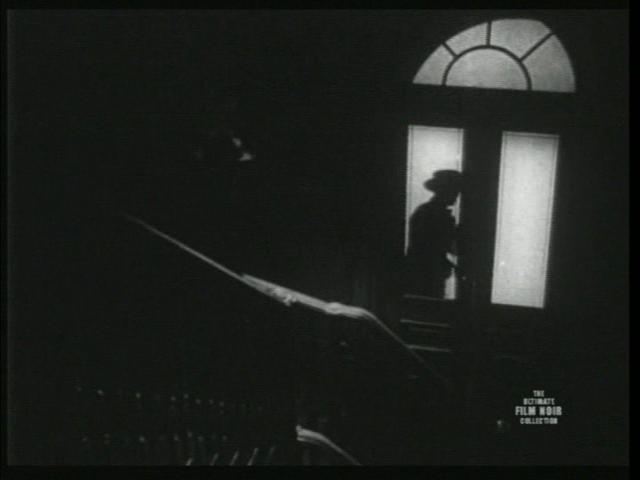
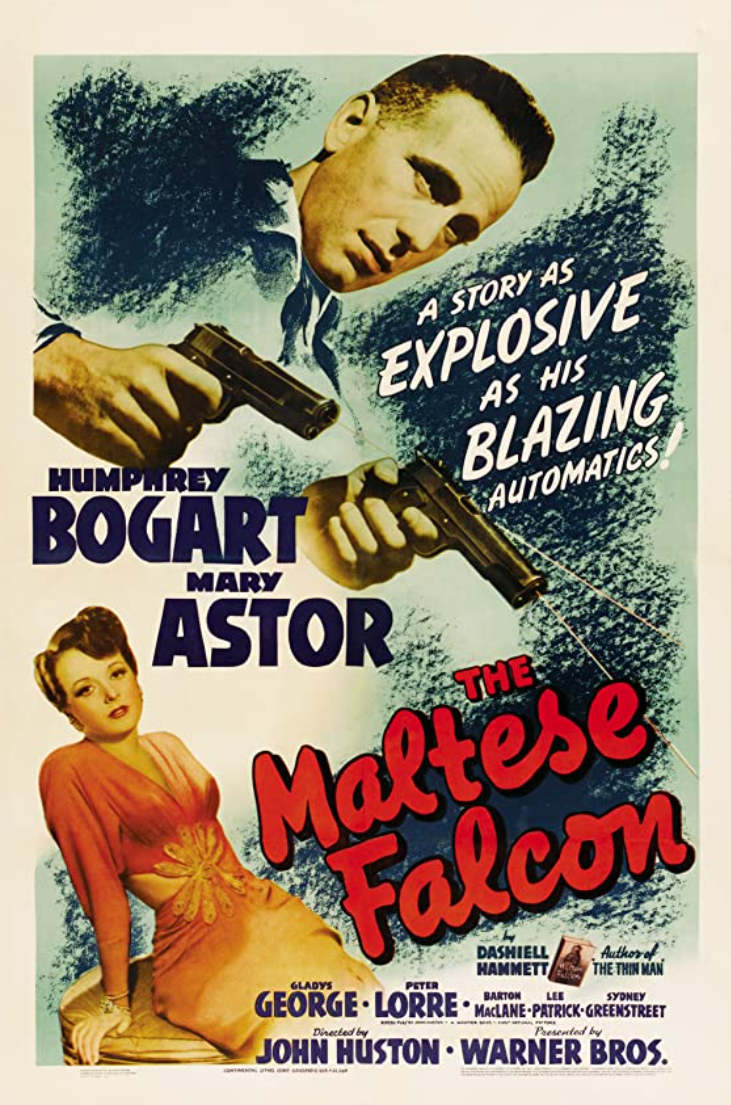
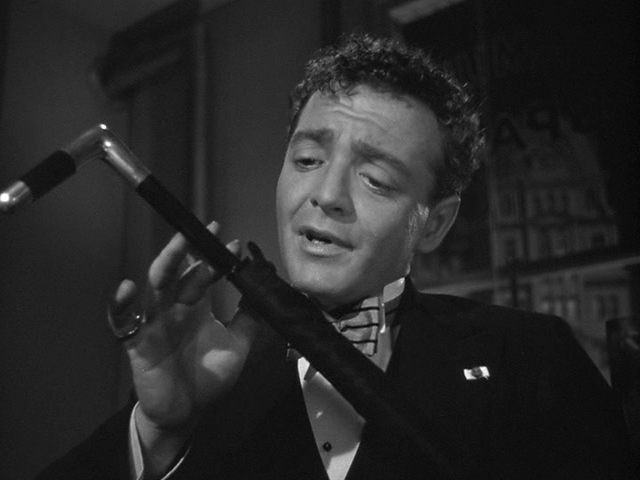
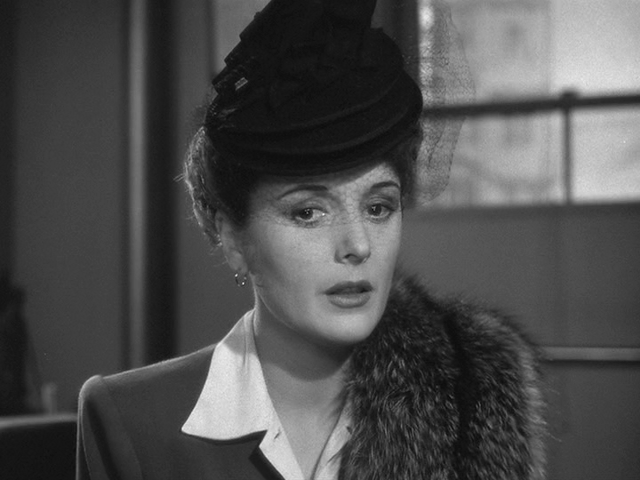
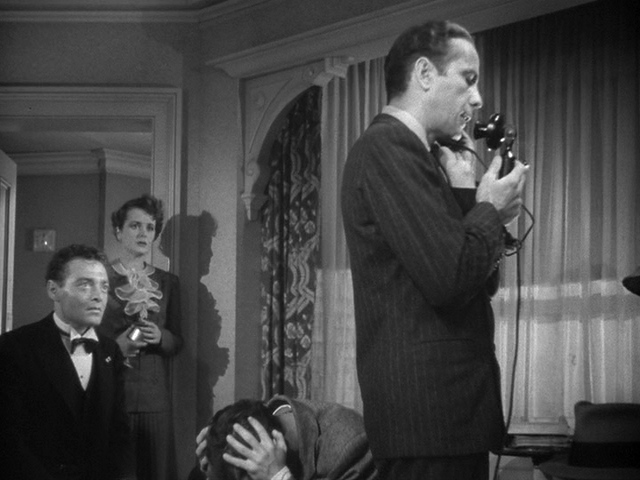
As Peary notes, this third cinematic adaptation of Dashiell Hammett’s novel (following Roy Del Ruth’s 1931 version, and William Dieterle’s Satan Met a Lady in 1936) is a “rare imitation that was more impressive than the original”. The story itself — which remains remarkably faithful to Hammett’s vision — is rather convoluted, and requires multiple viewings to fully absorb; instead, what’s really special about this “true masterpiece” is its “incredible pacing” — accomplished “by Huston’s rapid-fire editing within scenes and dialogue that shoots back and forth” — and the “impeccable casting” choices, most notably 62-year-old Sidney Greenstreet (in his screen debut) as obese Kasper Gutman; the “incomparable Peter Lorre” as Gutman’s “neurotic, emotional, effeminate, gushy partner” (as Peary notes, “one second he’s giggling, the next he’s crying”); and, of course, Humphrey Bogart as Sam Spade, a “complex character” who’s simultaneously “witty, patient, sadistic, and cynical”. Arthur Edeson’s impressive “low-key camera work” deserves mention as well, given that it “helped make film noir the dominant style of forties detective films”. As Peary notes, this “landmark picture” — which he nominates as one of the Best Pictures of the Year in his Alternate Oscars book — “set the style and tone for hardboiled detective films”, and is most definitely worthy repeat viewing for all film fanatics.

Redeeming Qualities and Moments:

  • Humphrey Bogart as Sam Spade (Peary nominates him as Best Actor of the Year in his Alternate Oscars book)
  • Peter Lorre as Joel Cairo
  • Mary Astor as Brigid O’Shaughnessy
  • Sydney Greenstreet as Kasper Gutman
  • Lee Patrick as Effie, Spade’s loyal secretary
  • Elisha Cook Jr. as Gutman’s wide-eyed “gunsel”, Wilmer
  • Arthur Edeson’s noirish b&w cinematography
  • John Huston’s masterful directorial style
  • Huston’s screenplay (by way of Dashiell Hammett’s now-classic pulp novel)

Must See?
Yes. This acknowledged cult classic should be seen and enjoyed multiple times by film fanatics. Discussed at length in Peary’s Cult Movies (1981).

Categories

  • Cult Movie
  • Genuine Classic
  • Important Director

(Listed in 1001 Movies You Must See Before You Die)

Links:

High Plains Drifter (1972)

High Plains Drifter (1972)

“It’s what people know about themselves inside that makes ’em afraid.”

Synopsis:
A nameless gunfighter (Clint Eastwood) is hired by the cowardly inhabitants of Lago to protect them against three vicious killers (led by Geoffrey Lewis), who brutally murdered their former marshal.

Genres, Themes, Actors, and Directors:

  • Clint Eastwood Films
  • Revenge
  • Westerns

Response to Peary’s Review:
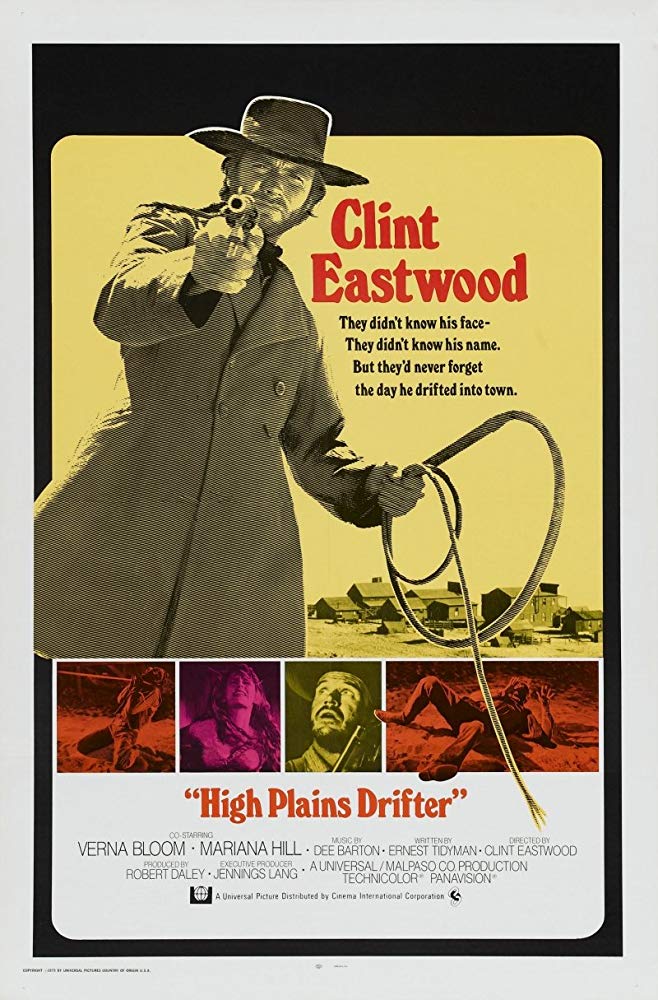
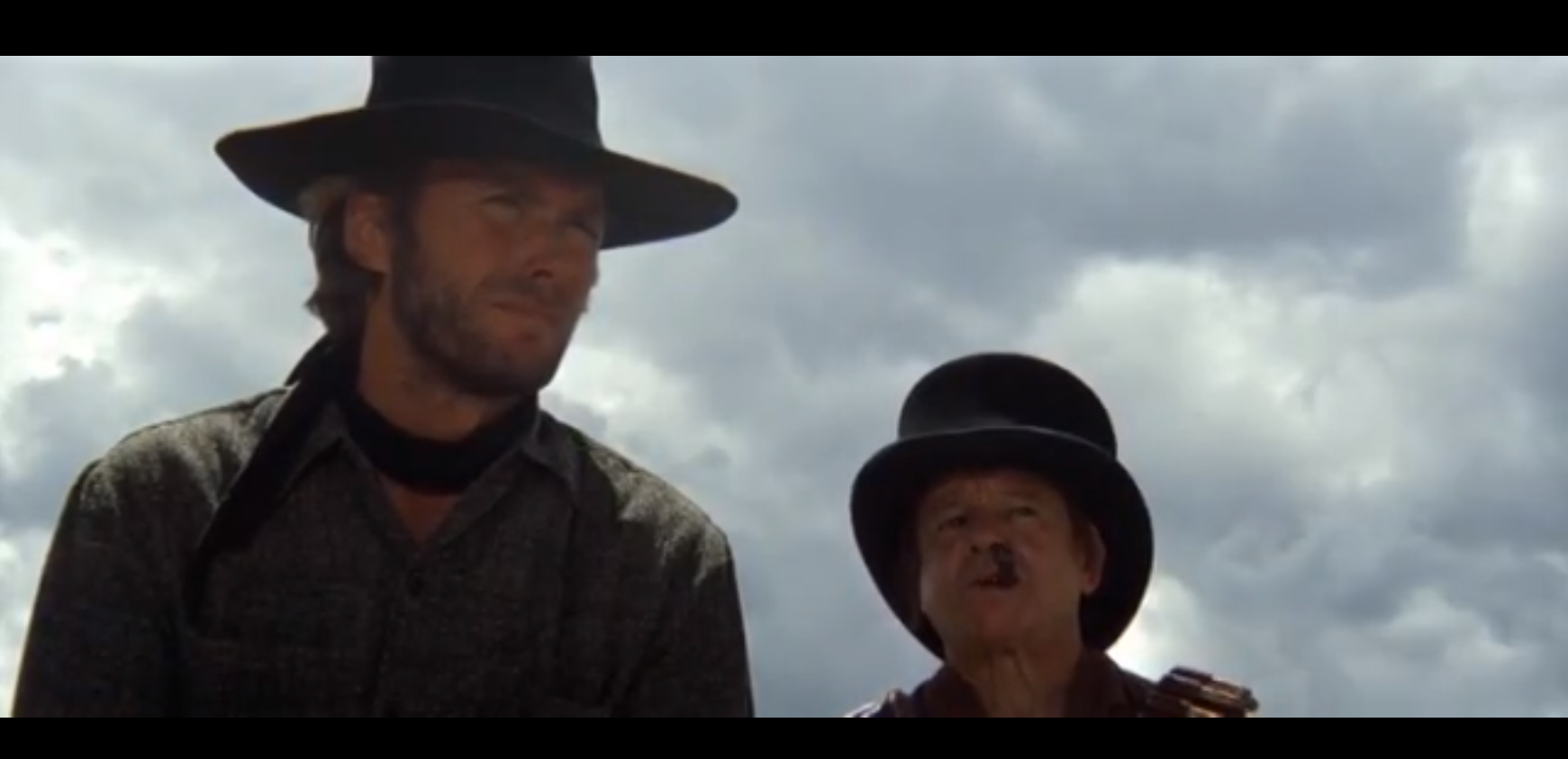
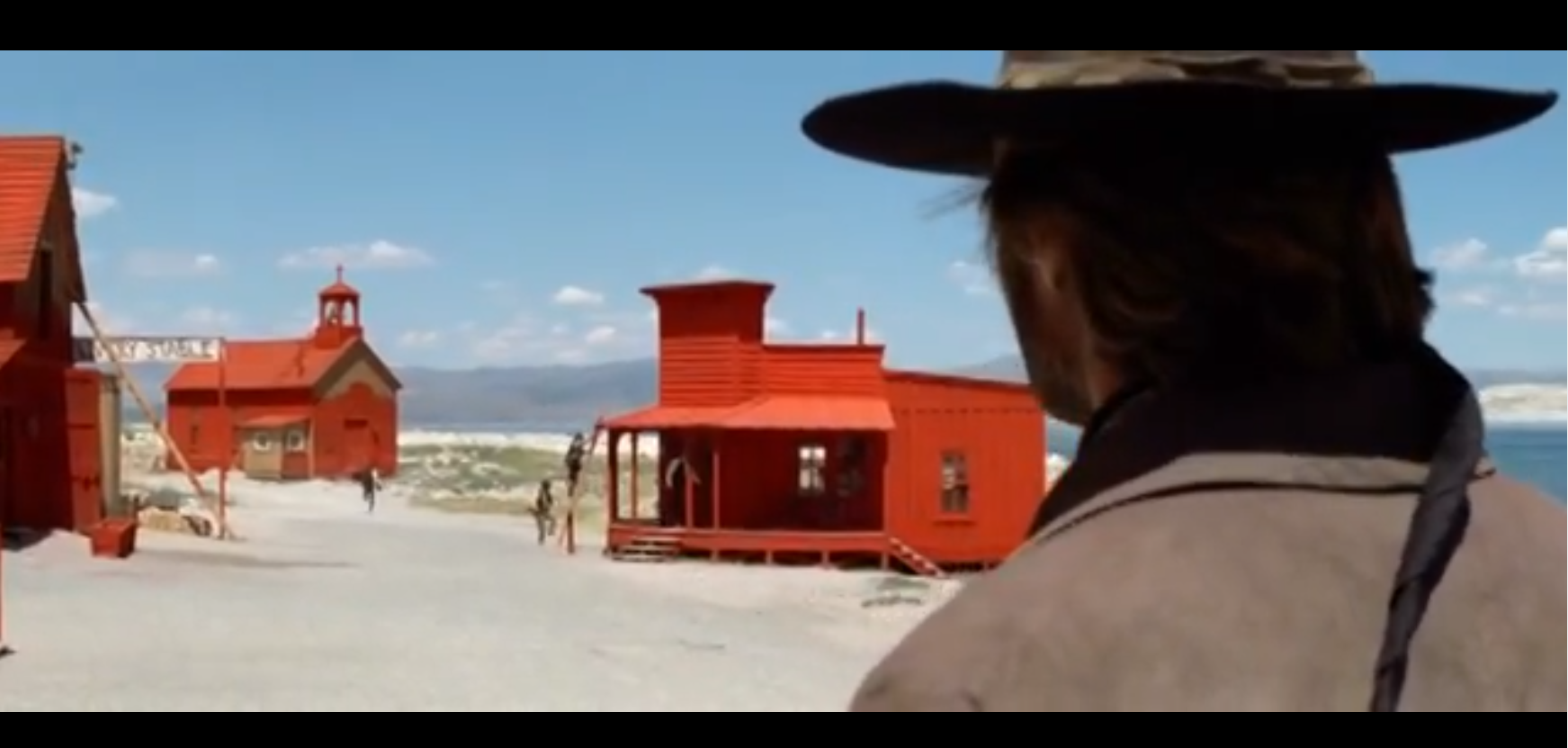
This “well-directed, exciting, oddly amusing film” — which was “inspired by the tragic case of Kitty Genovese, who was brutally murdered in New York while her neighbors pulled down their shades, locked their doors, and turned off their lights” — remains one of the most provocative films in actor-director Clint Eastwood’s oeuvre. A darkly satirical “anti-western”, High Plains Drifter spares no effort in exposing the cravenness of an “entire population [who] did nothing while three bad men killed their marshal”; it boldly posits that these cowards deserve the descent of Eastwood’s nameless stranger (“a ruthless, avenging angel dosing out retribution for a wrathful god”) onto their town, which turns into a literal hell on Earth. As in Roger Corman’s The Haunted Palace (1963), the moral of the story here is that a town’s collective actions against truth and justice will inevitably return to haunt them. Note that the opening scene — in which Eastwood brutally “rapes one woman” (Marianna Hill) — remains difficult to stomach, despite one’s eventual understanding that Eastwood’s actions should be read on a metaphorical level.

Redeeming Qualities and Moments:

  • Billy Curtis as Mordechai the Midget
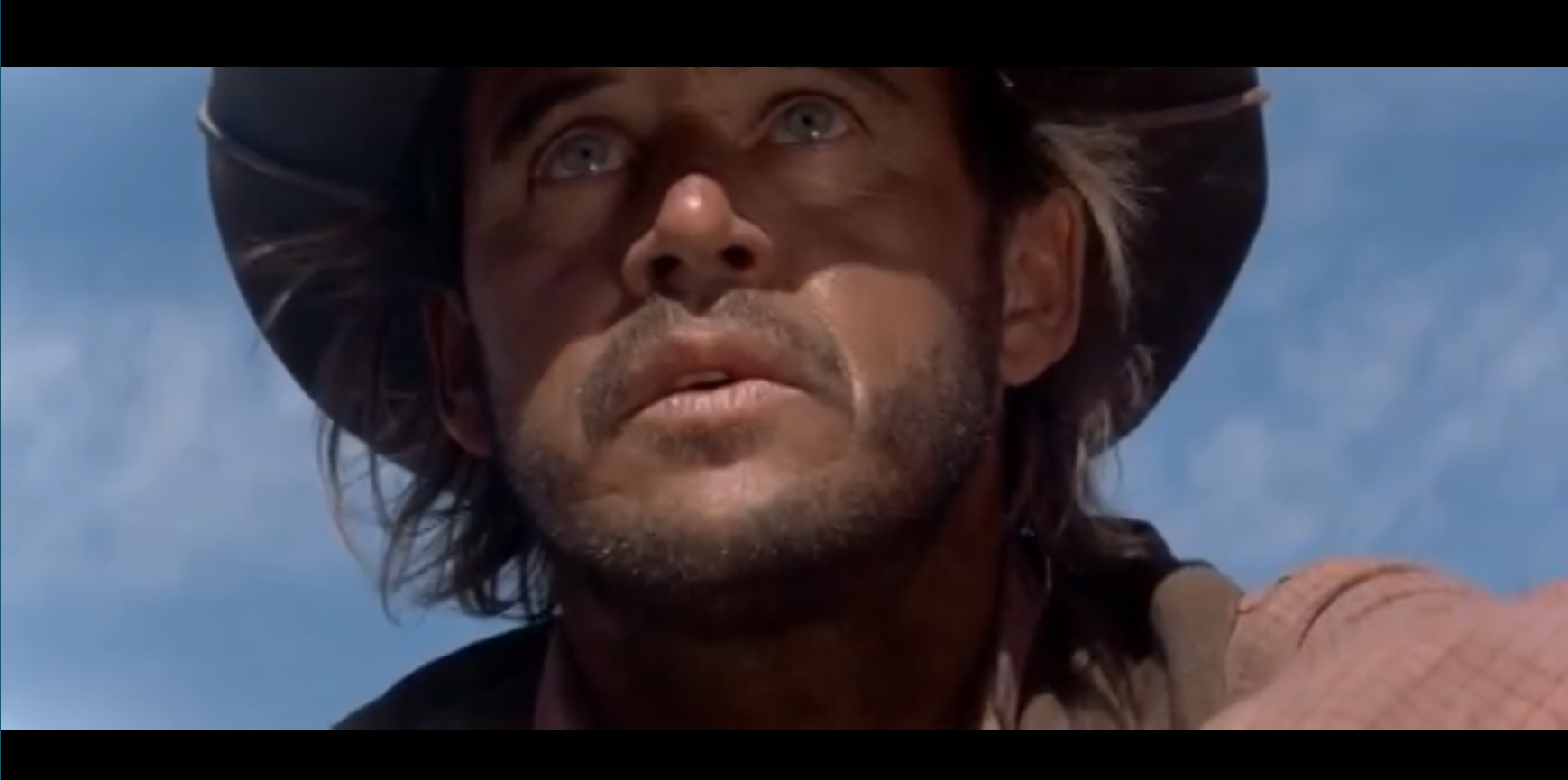
  • Geoffrey Lewis as Stacey Bridges
  • Bruce Surtees’ cinematography
  • Effective set designs (built along the shores of Mono Lake in California)
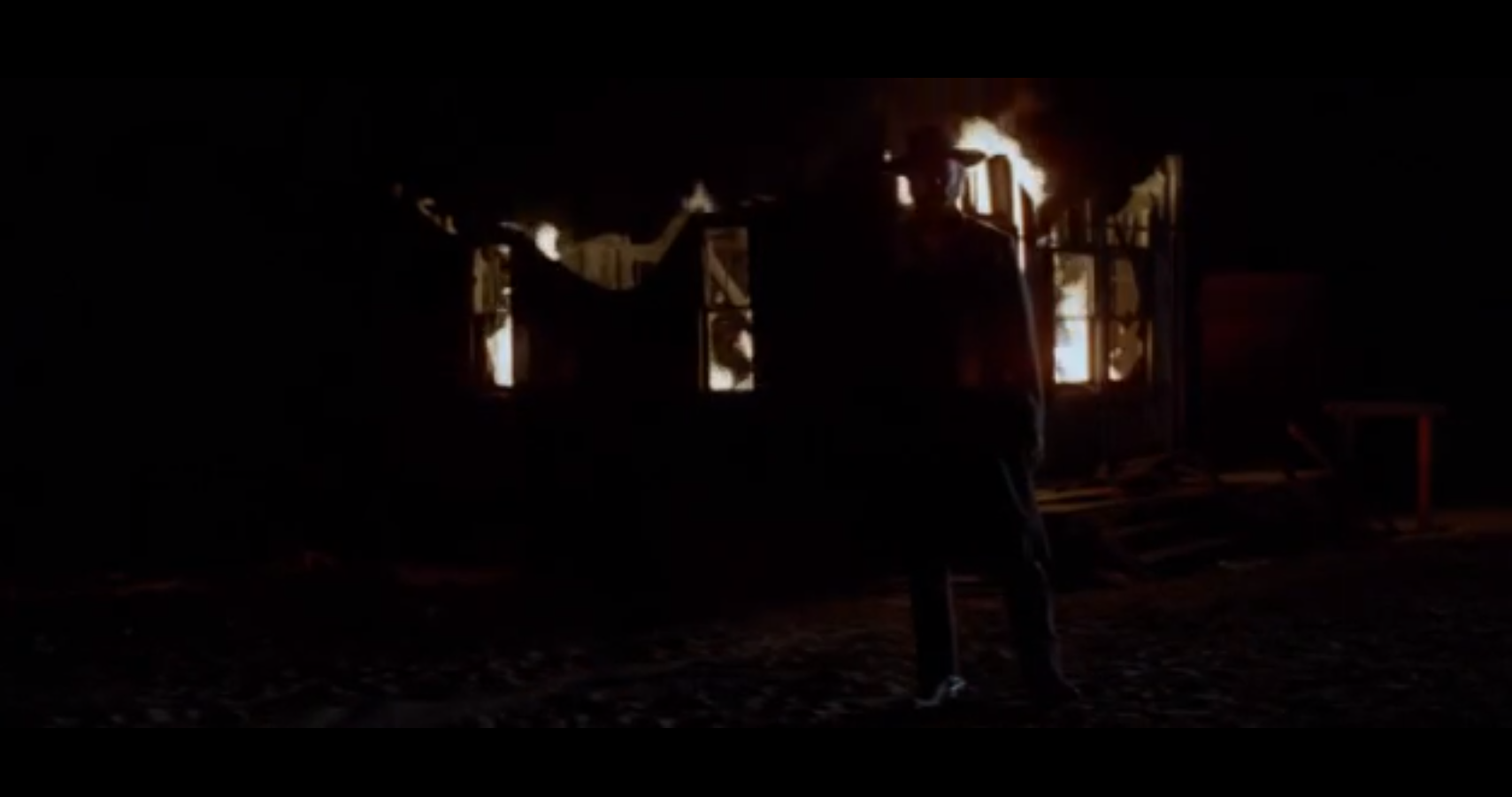
  • A powerful, visually stunning denouement
  • Ernest Tidyman’s boldly satirical script

Must See?
Yes. This provocative western should be seen by all film fanatics.

Categories

  • Good Show
  • Important Director

(Listed in 1001 Movies You Must See Before You Die)

Links:

Twentieth Century (1934)

Twentieth Century (1934)

“She loves me; I could tell that through her screaming.”

Synopsis:
An egomaniacal Broadway producer (John Barrymore) tries to convince his former protege and lover (Carole Lombard) to star in his latest show.

Genres, Themes, Actors, and Directors:

  • Actors and Actresses
  • Carole Lombard Films
  • Comedy
  • Howard Hawks Films
  • John Barrymore Films
  • Play Adaptations
  • Trains and Subways

Response to Peary’s Review:
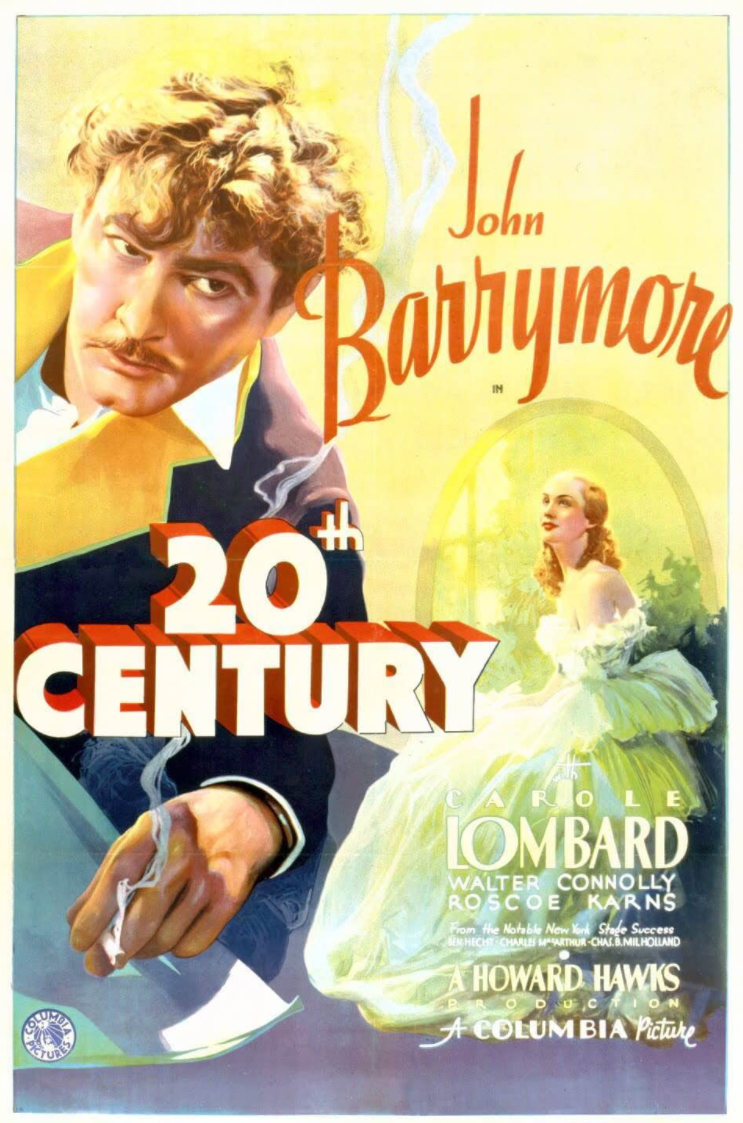
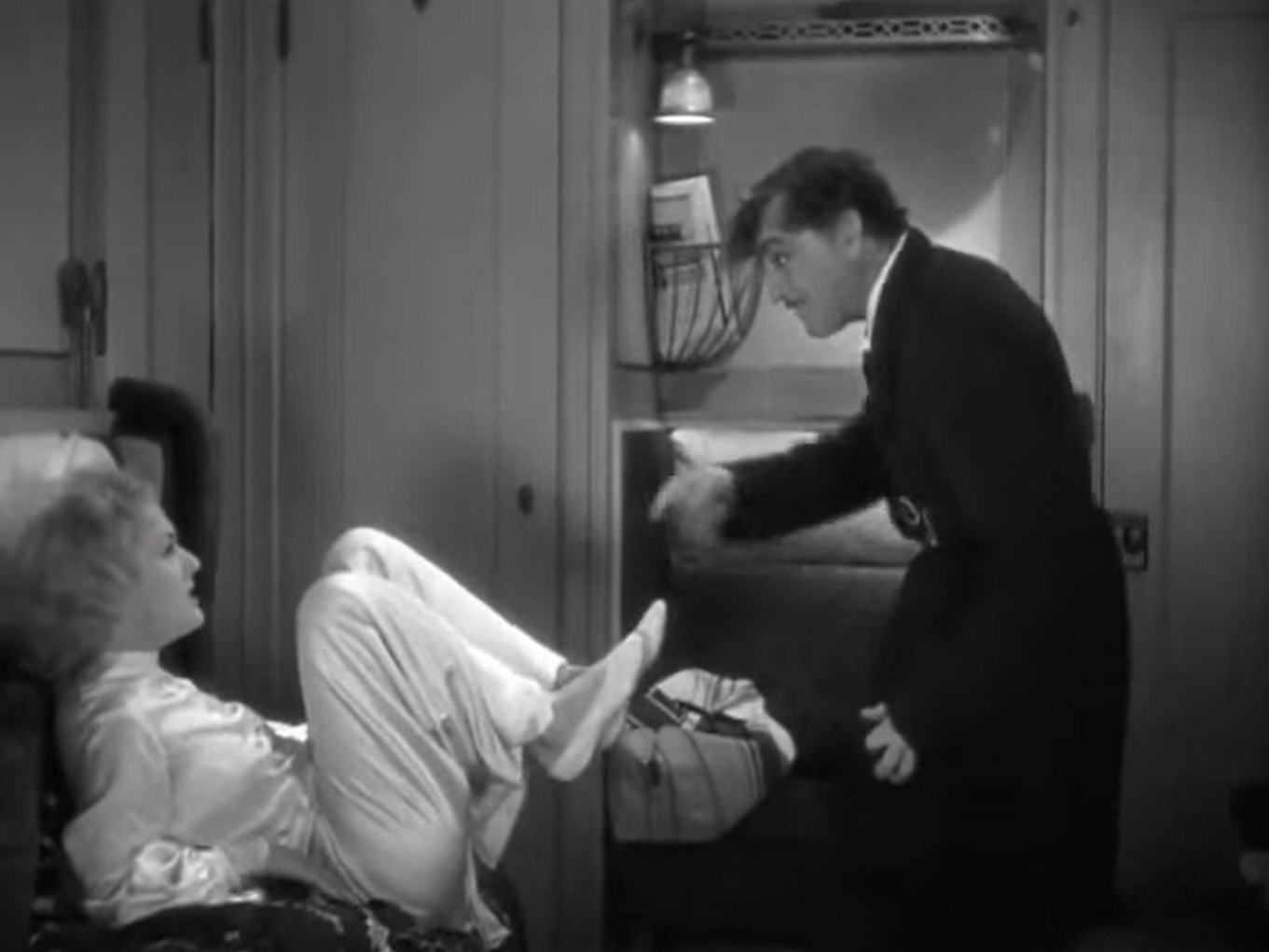
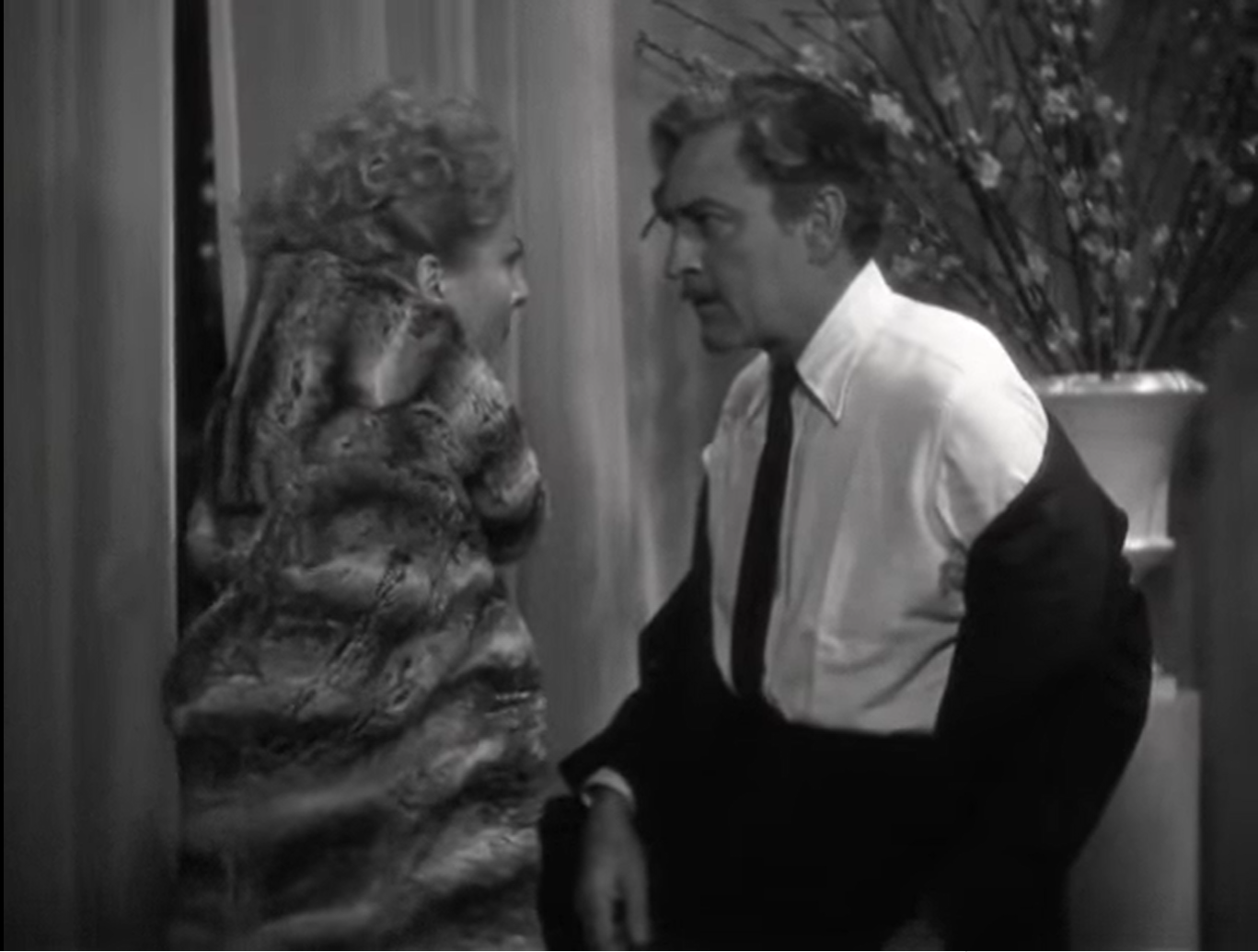
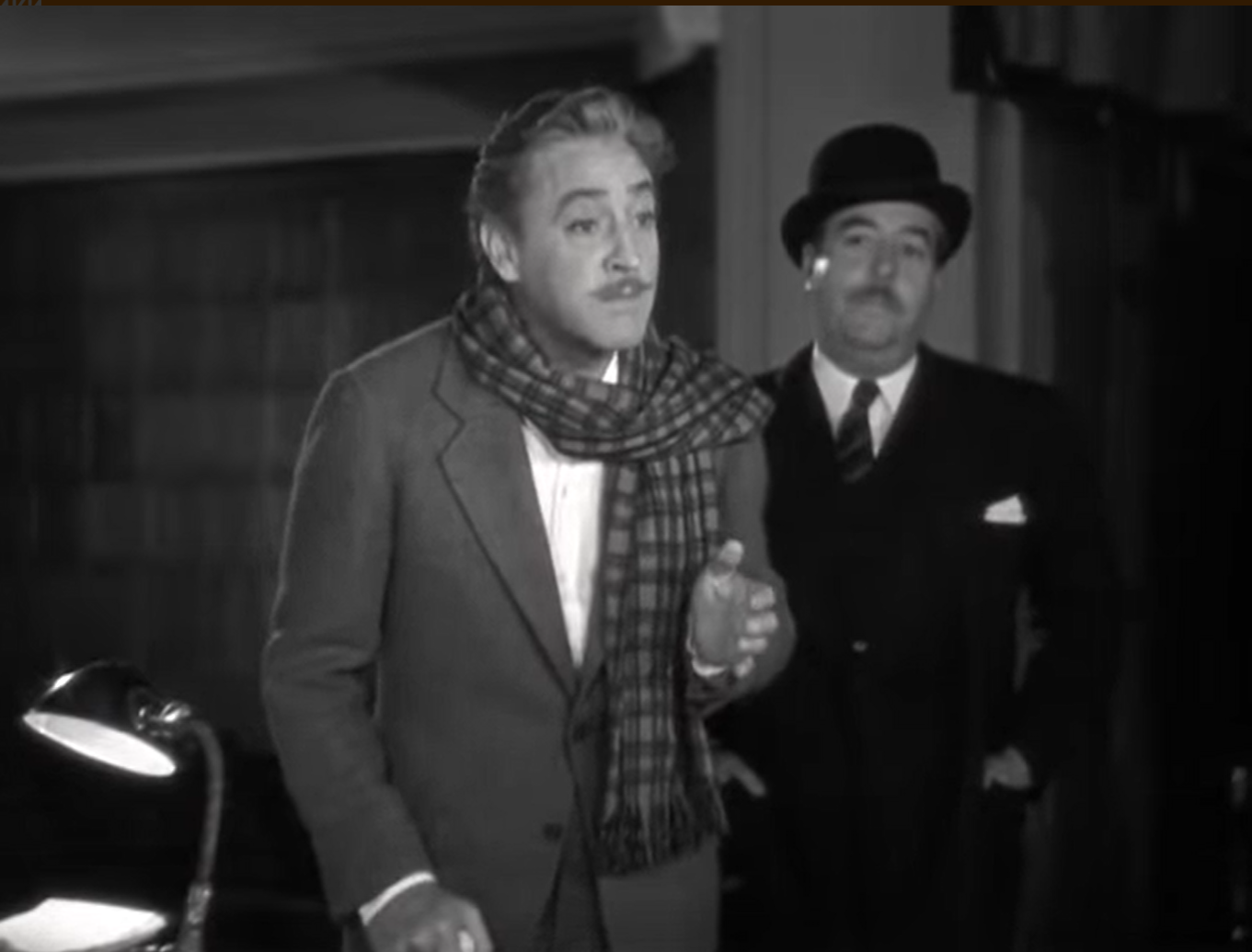
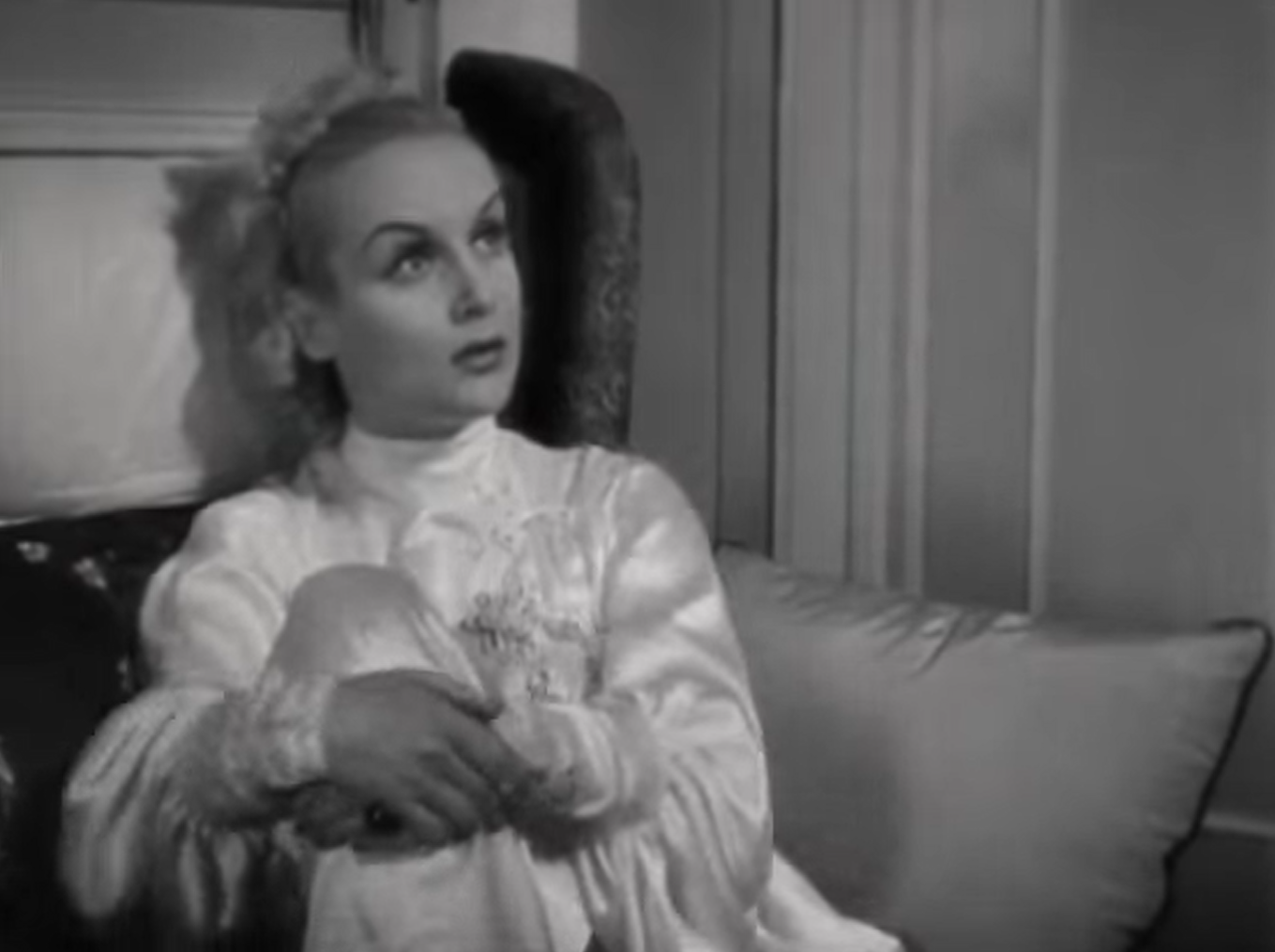
Peary notes that this Howard Hawks classic (co-written by Ben Hecht and Charles MacArthur) “was the first sound comedy to have the male… and female leads… not only carry the brunt of the comedy… [but also] have their characters make absolute fools of themselves” — which, combined with the film’s “frenetic pacing”, is why it’s often considered to be the first “screwball comedy” (rather than Frank Capra’s It Happened One Night, released earlier the same year). The story itself is essentially a no-holds-barred contest of egomaniacal wills between Barrymore (Oscar) and Lombard (Lily), both of whom remain “in a state verging on lunacy” until the “very end” of the story.

Indeed, Lily ultimately “becomes just as pretentious” as Oscar, proving “Hecht and MacArthur’s cynical point… that once the theater gets in your blood, you lose your humanity”.

As Peary points out, while “at times the script is slight… the film itself is consistently funny because of the bravura performances by Barrymore and Lombard” — both of whom are perfectly cast and in rare form here (Peary accurately notes that Lombard is likely the only actress who could come close to matching Barrymore’s hamminess).

However, given that Oscar and Lily — who scream their way through the film — aren’t particularly sympathetic characters, I find myself admiring Twentieth Century more than I actually enjoy it; they deserve each other, but I was glad to say goodbye to them by the end of the film. The most memorable thread of the movie, for me, remains the hilarious subplot involving a lunatic passenger (Etienne Girardot) who wantonly posts “Repent” stickers all over the train. Given its place in cinematic history, Twentieth Century, should be seen by all film fanatics, but it may or may not become a repeat favorite.

Redeeming Qualities and Moments:

  • John Barrymore as Oscar Jaffe (Peary awards him an Alternate Oscar as Best Actor of the Year)
  • Carole Lombard as Lily Garland (nominated by Peary as Best Actress of the Year in his Alternate Oscars book)
  • Etienne Girardot as mad Mr. Clark
  • Fine cinematography
  • Ben Hecht and Charles MacArthur’s madcap script

Must See?
Yes, for its historical relevance, and for its lead performances. Nominated as one of the Best Pictures of the Year in Peary’s Alternate Oscars book.

Categories

  • Noteworthy Performance(s)
  • Historically Relevant

Links: