Judex (1963)

Judex (1963)

“I don’t understand what it is that this Judex wants.”

Synopsis:
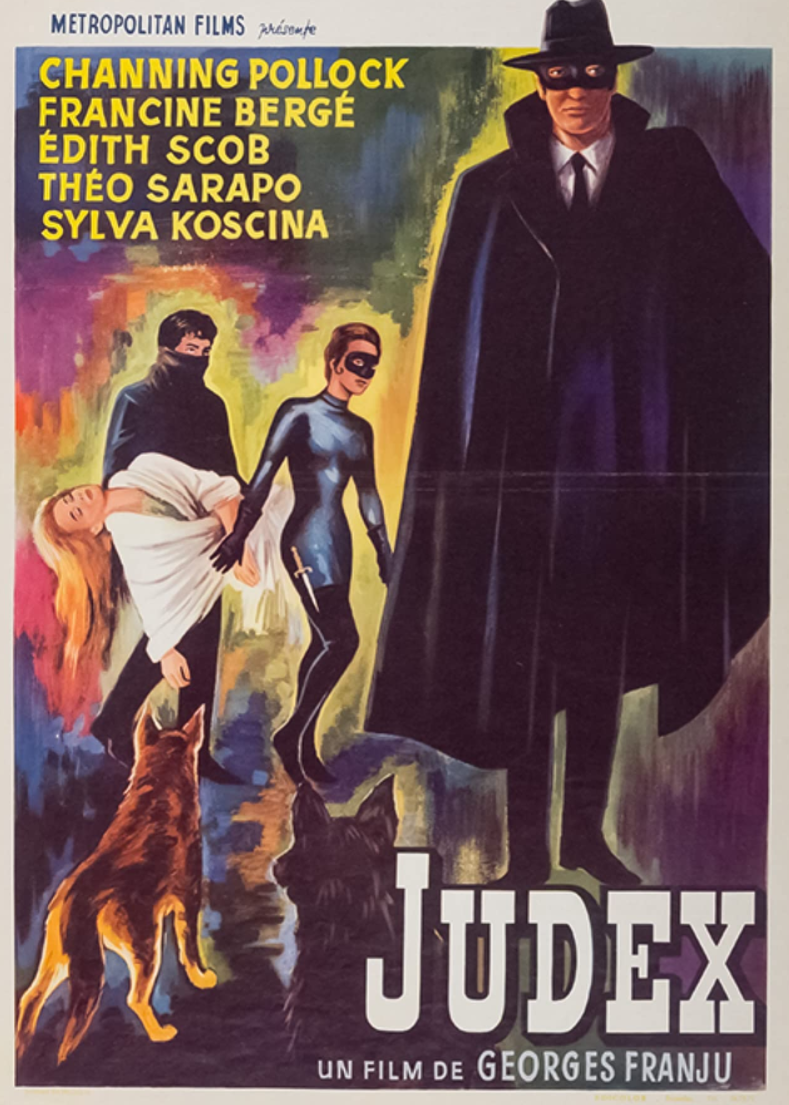
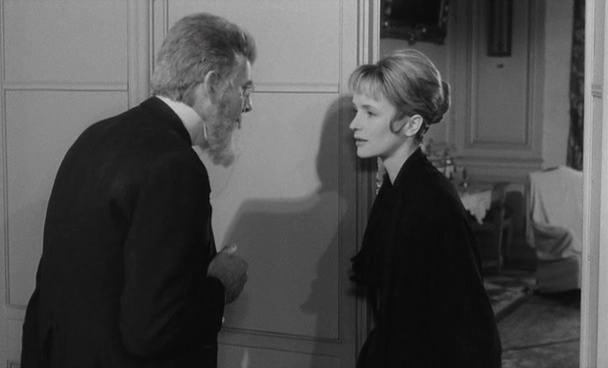
When her corrupt banker-father (Michel Vitold) is kidnapped by a mysterious caped crusader known as Judex (Channing Pollock), a waifish widow (Edith Scob) enlists the help of a bumbling private detective (Jacques Jouanneau), not realizing that she will soon be kidnapped herself by a woman (Francine Bergé) posing as her daughter’s nanny, who is working in league with her devoted lover and accomplice (Théo Sarapo) to secure Vitold’s riches.

Genres, Themes, Actors, and Directors:

  • Comics and Comic Strips
  • French Films
  • Georges Franju Films
  • Kidnapping
  • Millionaires
  • Superheroes

Response to Peary’s Review:
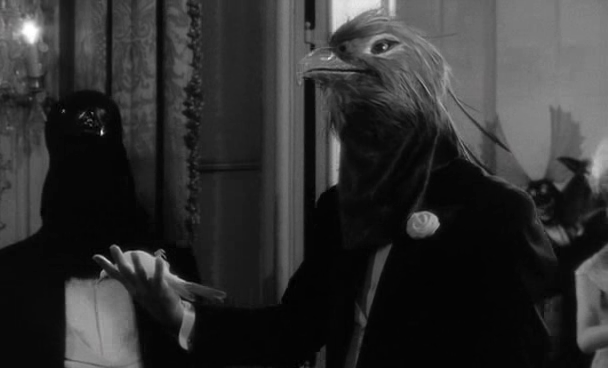
Peary writes that director “Georges Franju not only wanted to make a feature remake of French master Louis Feuillade’s 1917 serial but to also re-create the fun and excitement present in all of Feuillade’s early serials, including his classic Fantomas.” However, he notes that “while Franju’s film of the caped crusader” — “who has his own unlawful ways of meting out justice” — “also mixes the fantastic with relevant social criticism, it is more poetic, unreal (rather than being surreal), melancholy, subtly humorous, and slowly paced than Feuillade’s work.” He asserts that this “enjoyable film keeps surprising you,” with “most surprising… how little Judex himself accomplishes after his initial rescue of Jacqueline early in the film.”

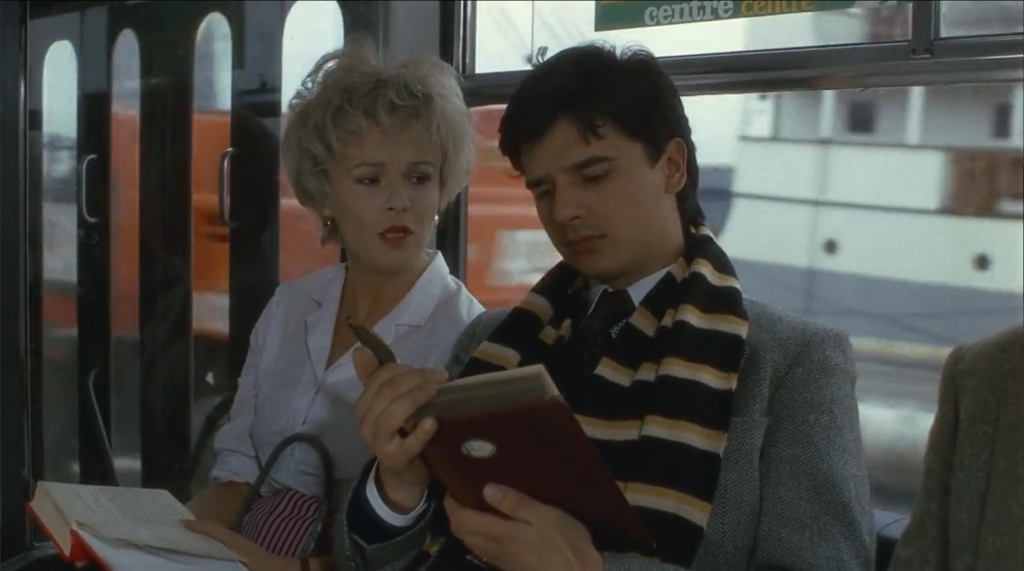
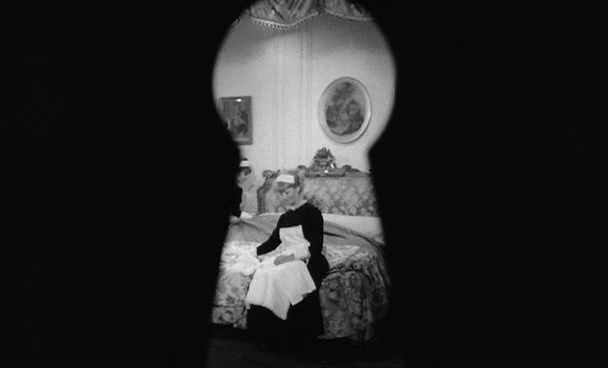
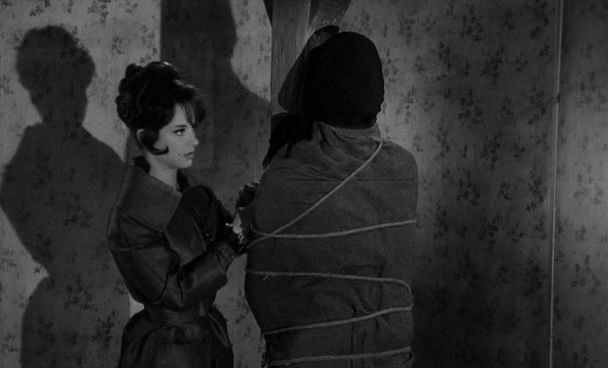
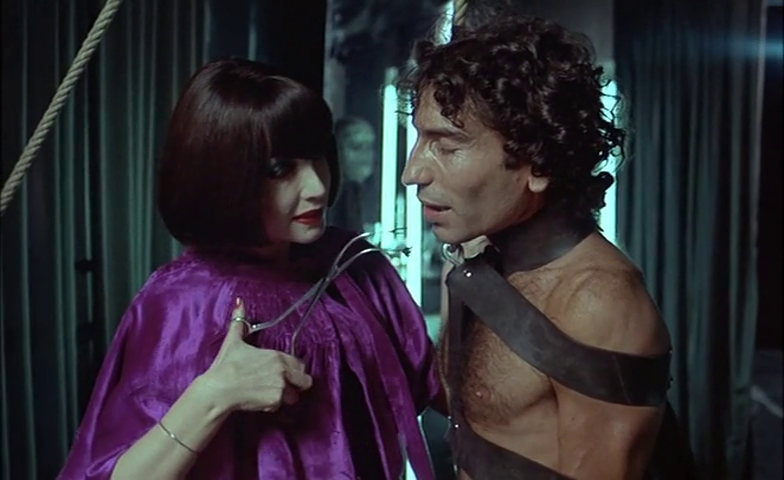
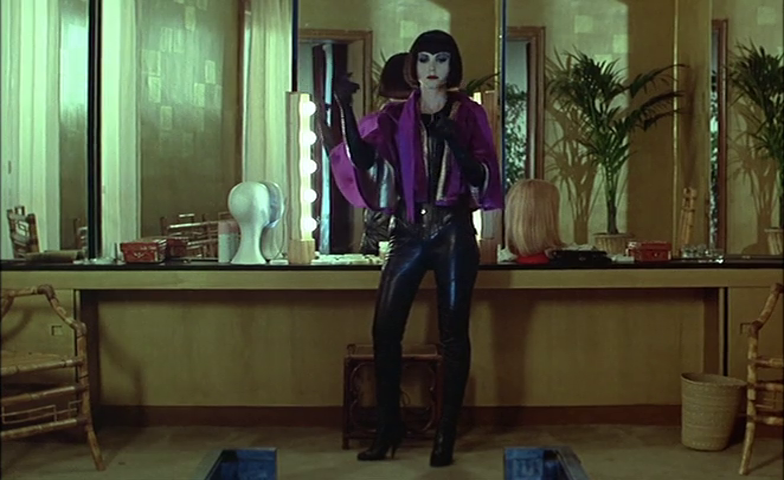
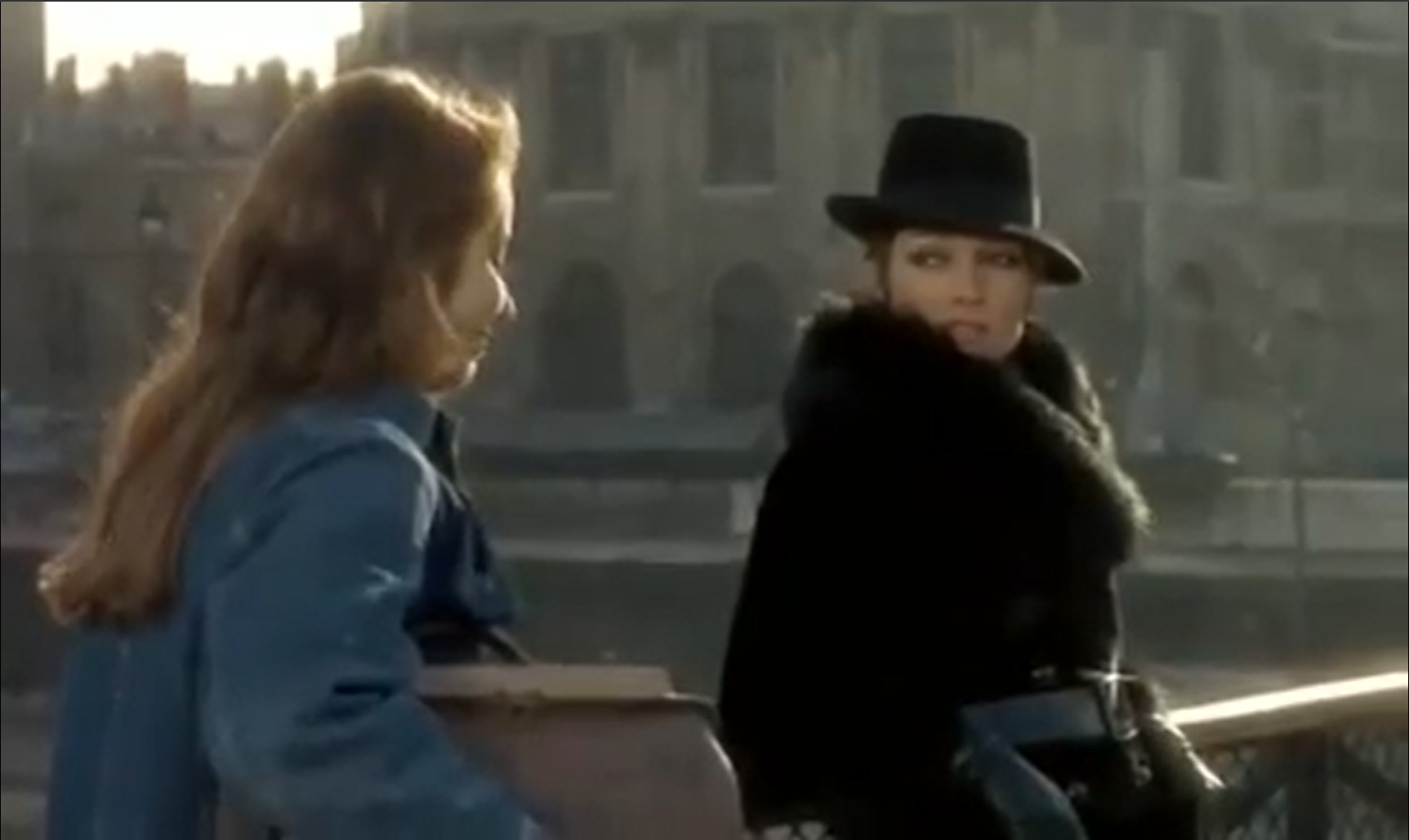
While Judex “promises to protect her,” “she is kidnapped and would die a couple of times before he reaches her if it weren’t for a couple of fluke happenings (chance plays a major part in this film).” Indeed, it’s really “greedy, cunning, sexy villainness Diane Monti” (Berge) who takes center stage in the storyline:

As Peary writes, “Whether putting on her moral act, plotting a crime while doing a hip-bopping dance with Morales”:

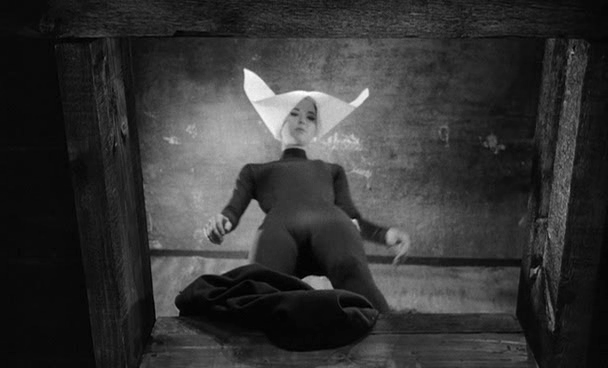
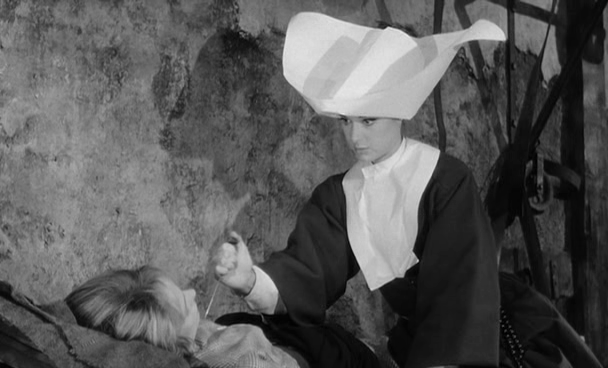
… “checking her looks in the mirror while wearing her habit, stabbing Jacqueline in the back, or coming on to a tied-up Judex”:

… “she has a lot of flair.”

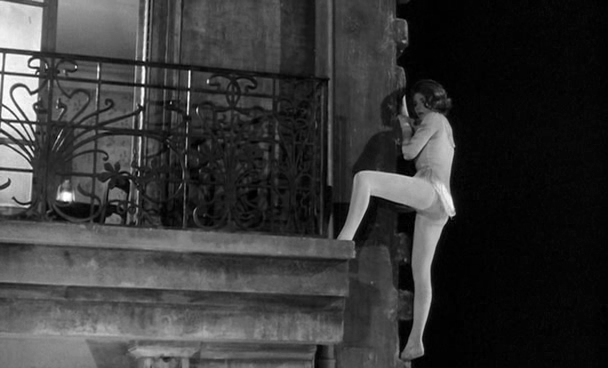
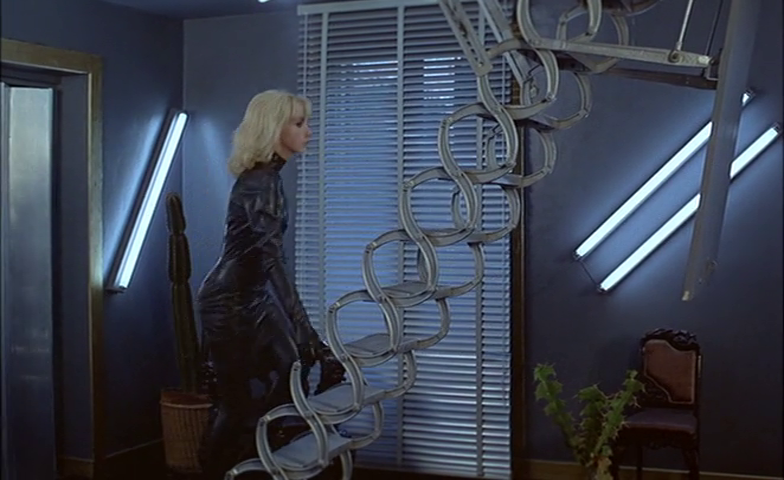
Meanwhile, during a crucial rescue scene, after “Judex daringly climbs the outside of a tall building in order to capture Diane and Favraux” only to be “conked on the head and tied up,” it’s “a woman, Daisy [Sylva Koscina]” — the “circus-performer girlfriend” of Jouanneau — who “just happens along [at the right time] in her circus garb, climbs [a] building, and unties [Judex].”

This is a girl-power film for sure. With that said, fans of Franju’s incomparable Eyes Without a Face (1960) will be disappointed to see that Edith Scob’s character here is neither compelling nor energized:

Again, it’s Berge’s show all the way, and she alone makes it worth a look.

Notable Performances, Qualities, and Moments:

  • Francine Bergé as Diana
  • Marcel Fredetal’s cinematography

  • Fine sets and costumes

Must See?
No, though it’s worth a one-time look for its historical relevance.

Links:

Night of the Comet (1984)

Night of the Comet (1984)

“I hate days that start like this.”

Synopsis:
A teenager (Catherine Mary Stewart) spending the night with her boyfriend (Michael Bowen) in a movie projection room awakens to find they are two of the only survivors in Los Angeles after a comet has turned all exposed humans into either piles of red dust or zombies. After Bowen is killed by a zombie, Stewart learns that her cheerleading sister (Kelli Maroney) has also survived, and the duo head to a radio station where they encounter yet another survivor, a truck-driver named Hector (Robert Beltran). Will the small group survive attempts by a team of exposed scientists — including Dr. Carter (Geoffrey Lewis) and Audrey White (Mary Woronov) — to harvest their blood as a potentially life-saving cure?

Genres, Themes, Actors, and Directors:

  • Horror Films
  • Los Angeles
  • Post-Apocalypse
  • Science Fiction
  • Survival
  • Zombies

Response to Peary’s Review:
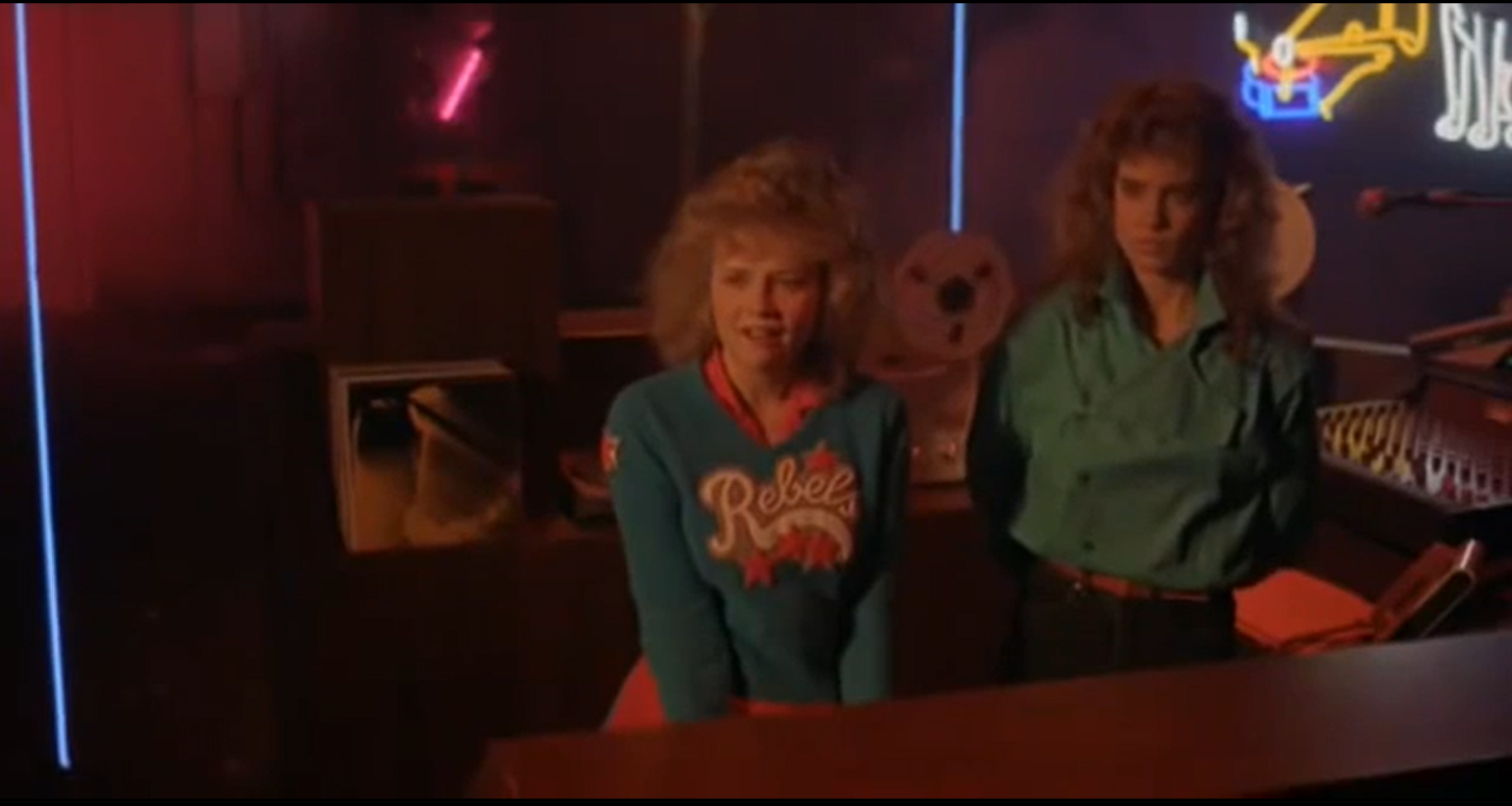
Peary writes that “former soap actresses Catherine Mary Stewart and baby-dollish Kelli Maroney” — who “break loose as spunky, funny sisters who are among the few survivors after a deadly comet passes over earth”:

— would “make a fabulous, permanent comic duo.” He highlights “their fantasy-fulfilling romp through an LA department store that hasn’t any security guards or salesgirls to look over their shoulders” as “a joy to watch”:

… and notes that director “Thom Eberhardt adeptly mixes comedy and scares,” with the film benefiting “from an extremely witty, offbeat script, some nifty camera work, and an excellent cast,” with “Stewart, in particular, sparkl[ing].”

Peary concludes his review by describing this film as “an unexpected pleasure that’s headed,” he hopes, “for cult status” (it was).

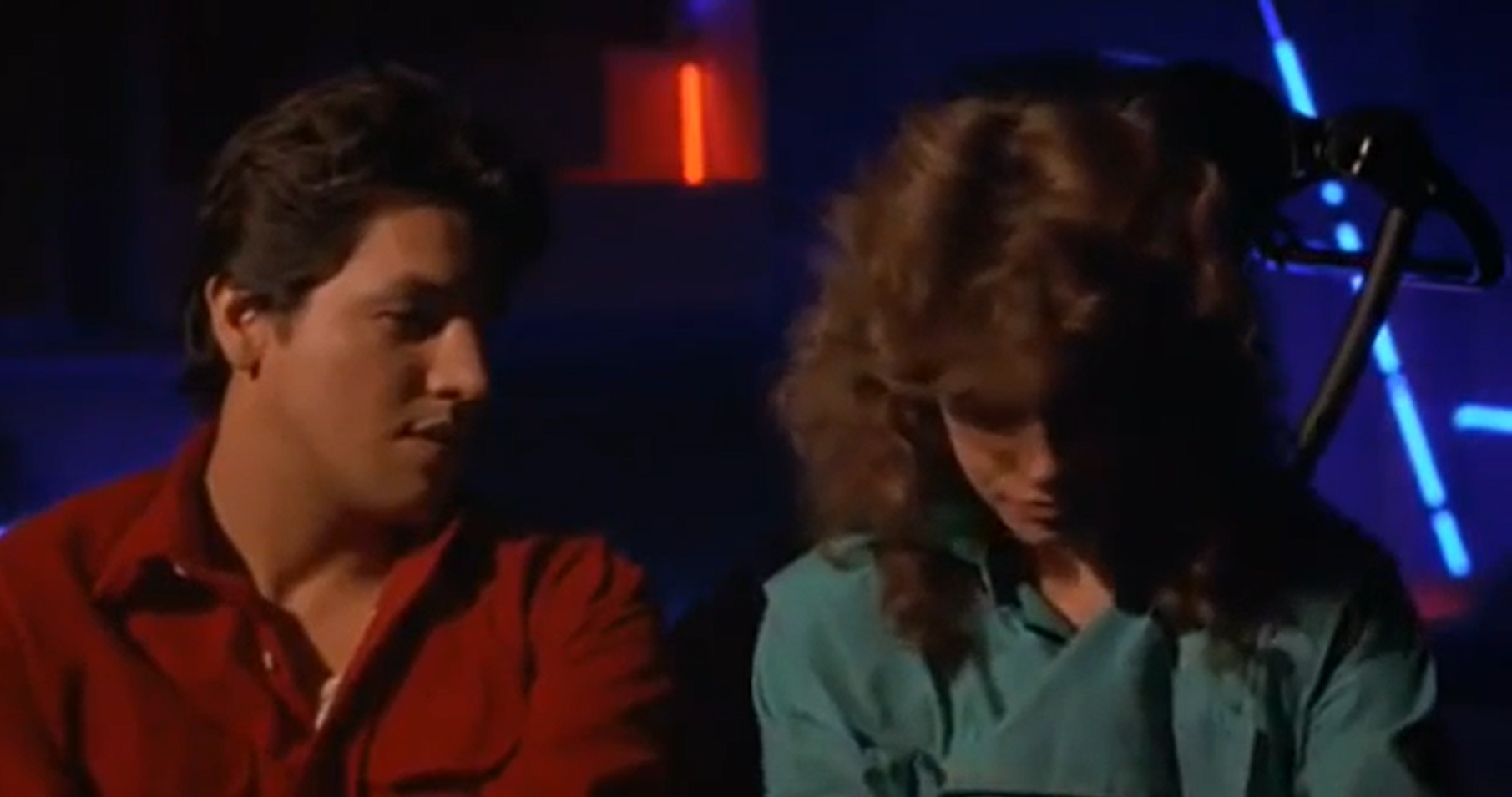
While it’s easy to see how this film must have pleased audiences at the time — and certainly retains a huge nostalgia factor given its Very 80s vibe and soundtrack — it’s not really all that compelling. Stewart is sleeping with an idiot (Bowen) for no apparent reason:

… other than perhaps to get away from her witchy stepmom (Sharon Farrell), and Maroney shows chutzpah in standing up to Farrell but is otherwise an airhead.

Beltran is a welcome addition to the cast:

… but he’s gone for far too much of the storyline. Meanwhile, the shoot-out at the mall by a band of thuggish survivors doesn’t really pass the sanity test (wouldn’t they be at all eager or curious to talk with fellow-survivors — especially such pretty ones?):

… and the subplot involving the “evil” scientists is underdeveloped, with Woronov giving a surprisingly subtle and sympathetic performance for a role that doesn’t really seem to deserve it (though it’s always good to see her on screen).

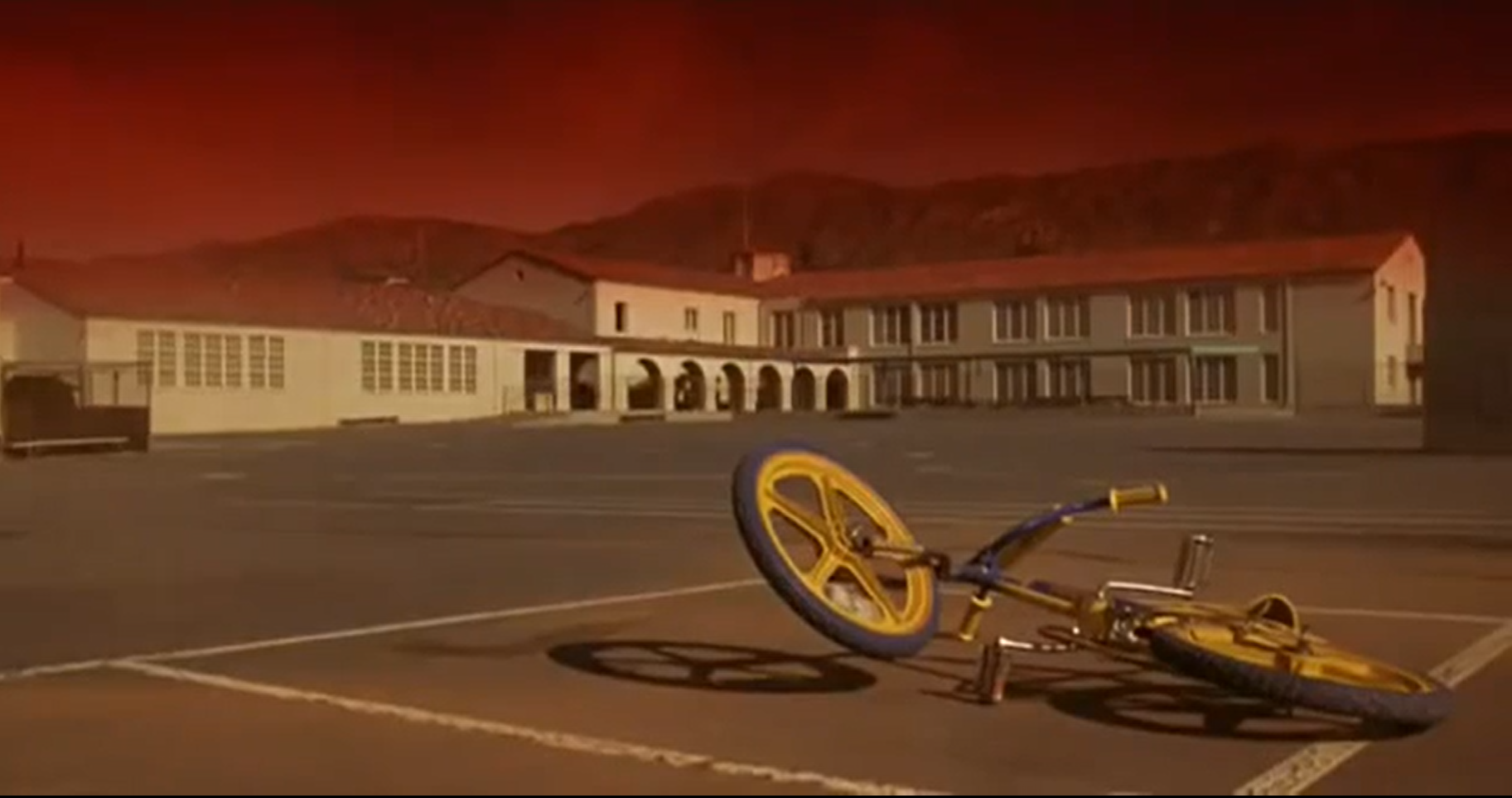
Most impressive are the low-budget effects showing Los Angeles as a red-tinted wasteland; it’s convincingly creepy.

Notable Performances, Qualities, and Moments:

  • An effective low-budget portrayal of nearly-abandoned Los Angeles

Must See?
No, though it’s worth a one-time look for its cult status.

Links:

1776 (1972)

1776 (1972)

“I have come to the conclusion that one useless man is called a disgrace; that two are called a law firm; and that three or more become a Congress!”

Synopsis:
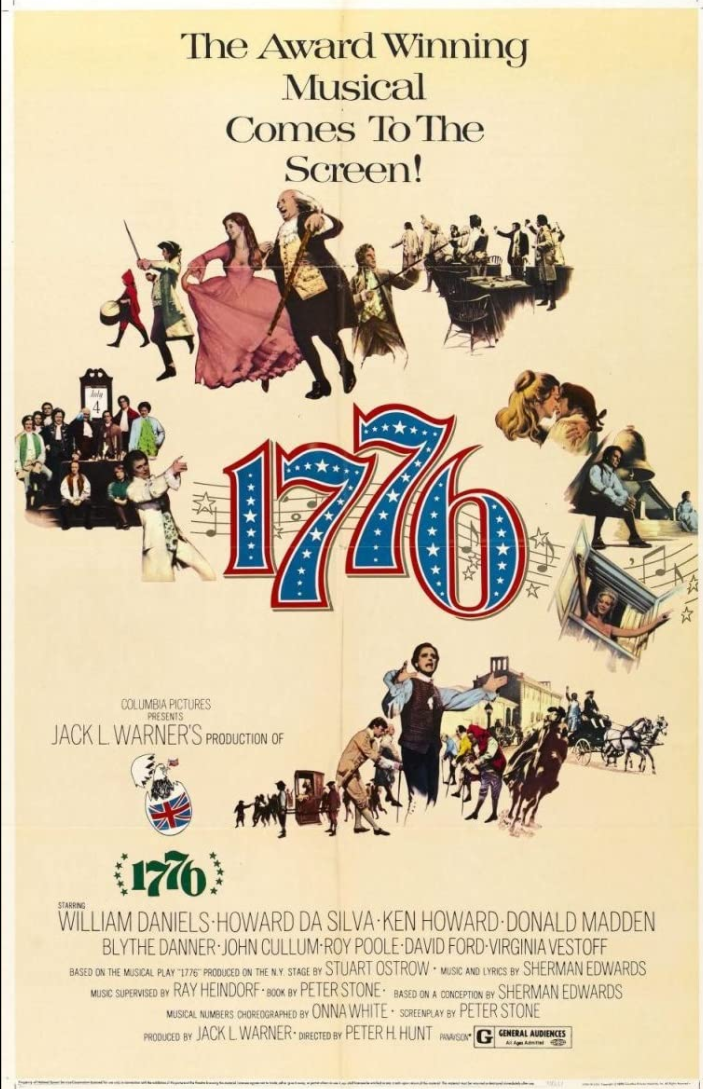
At the Second Continental Congress in Philadelphia, John Adams (William Daniels) pushes for independence from Britain, and is given leave — along with Benjamin Franklin (Howard Da Silva), Thomas Jefferson (Ken Howard), and others — to draft the Declaration of Independence.

Genres, Themes, Actors, and Directors:

  • American Revolutionary War
  • Blythe Danner Films
  • Historical Drama
  • Musicals
  • Play Adaptation

Review:
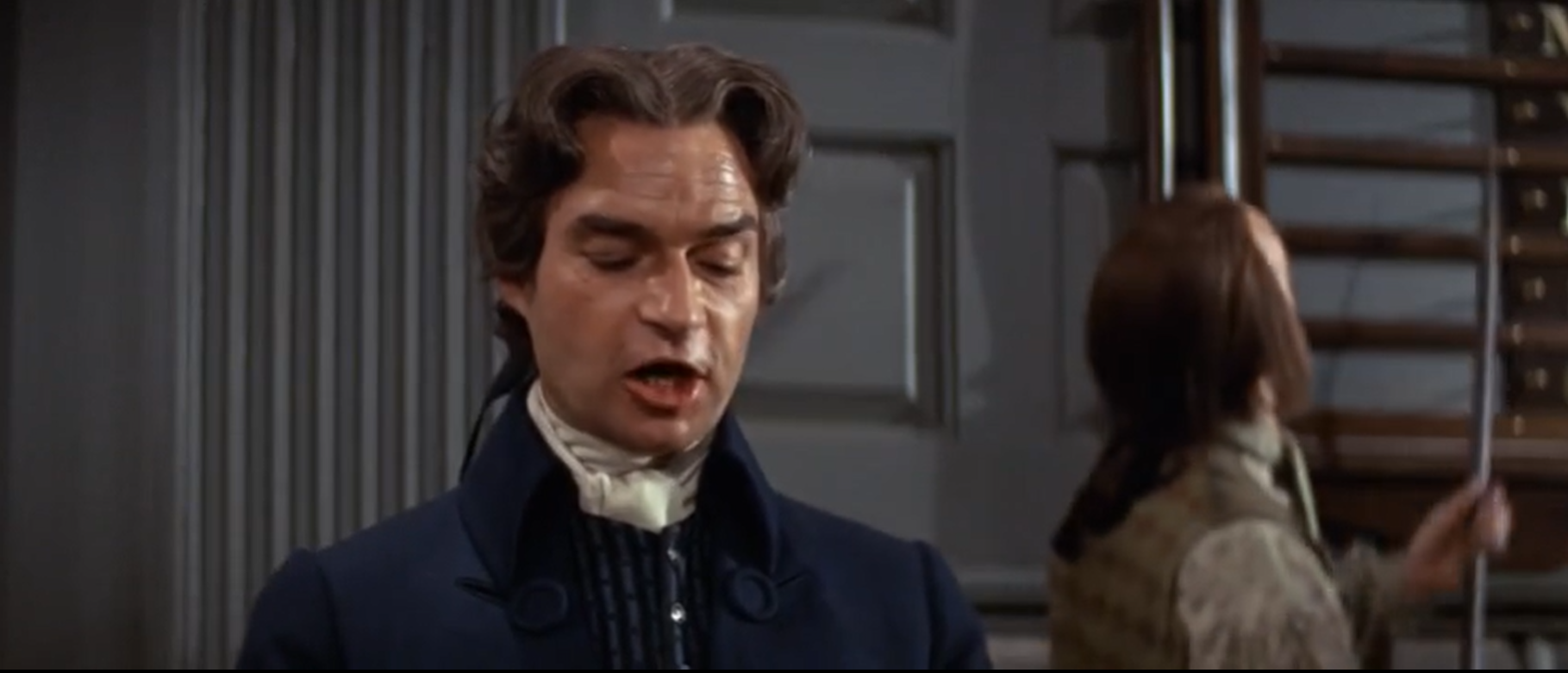
This adaptation of Sherman Edwards and Peter Stone’s 1969 Tony-winning Broadway musical offers an intriguing counterpoint to Lin Manuel Miranda’s Hamilton, with both historicizing (and musicalizing) key moments from the earliest years of the United States. As with most historical dramatizations, 1776 is filled with inaccuracies (see Wikipedia’s entry for specifics), but it seems to get the overall gist of the moment “right” — meaning, we strongly sense how confoundingly hot it was in the closed-window rooms:

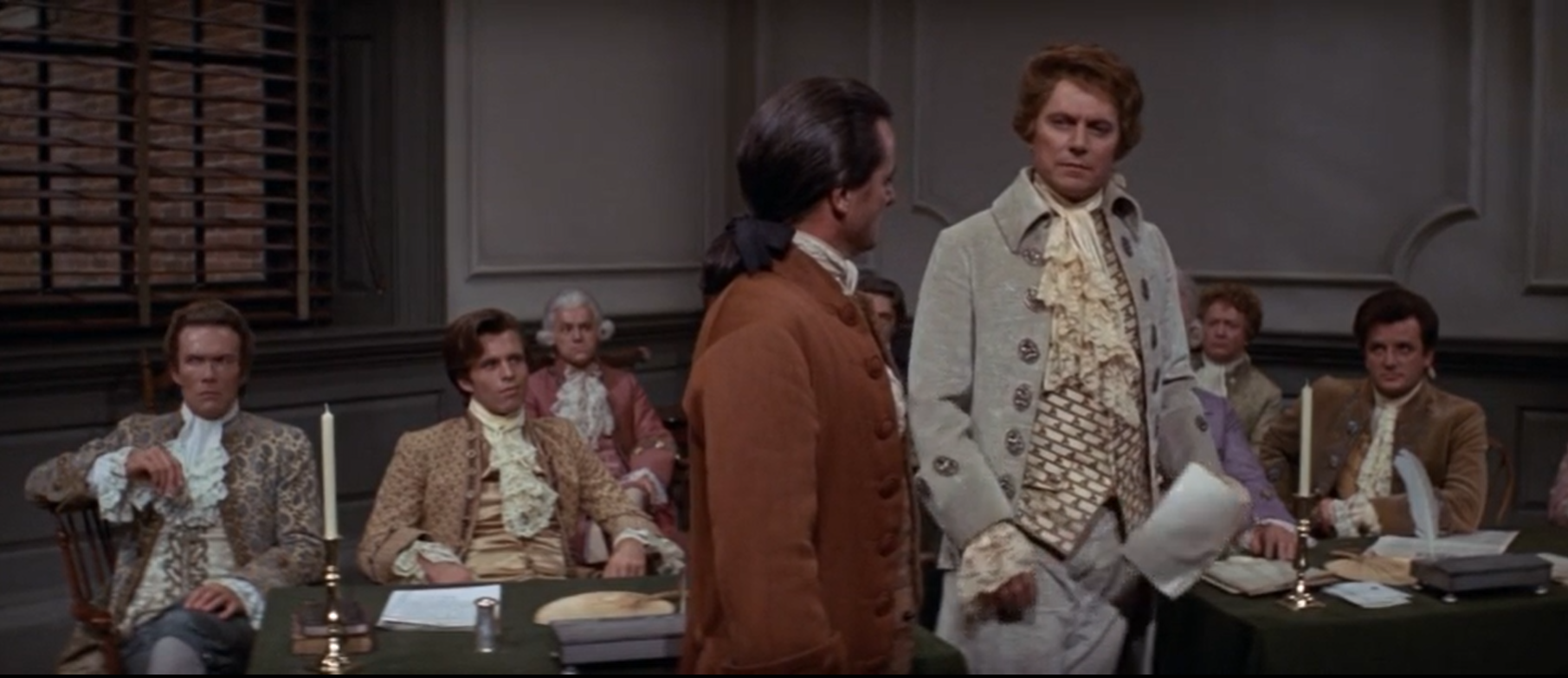
… how dull and trite most of the Congress’s work generally felt:

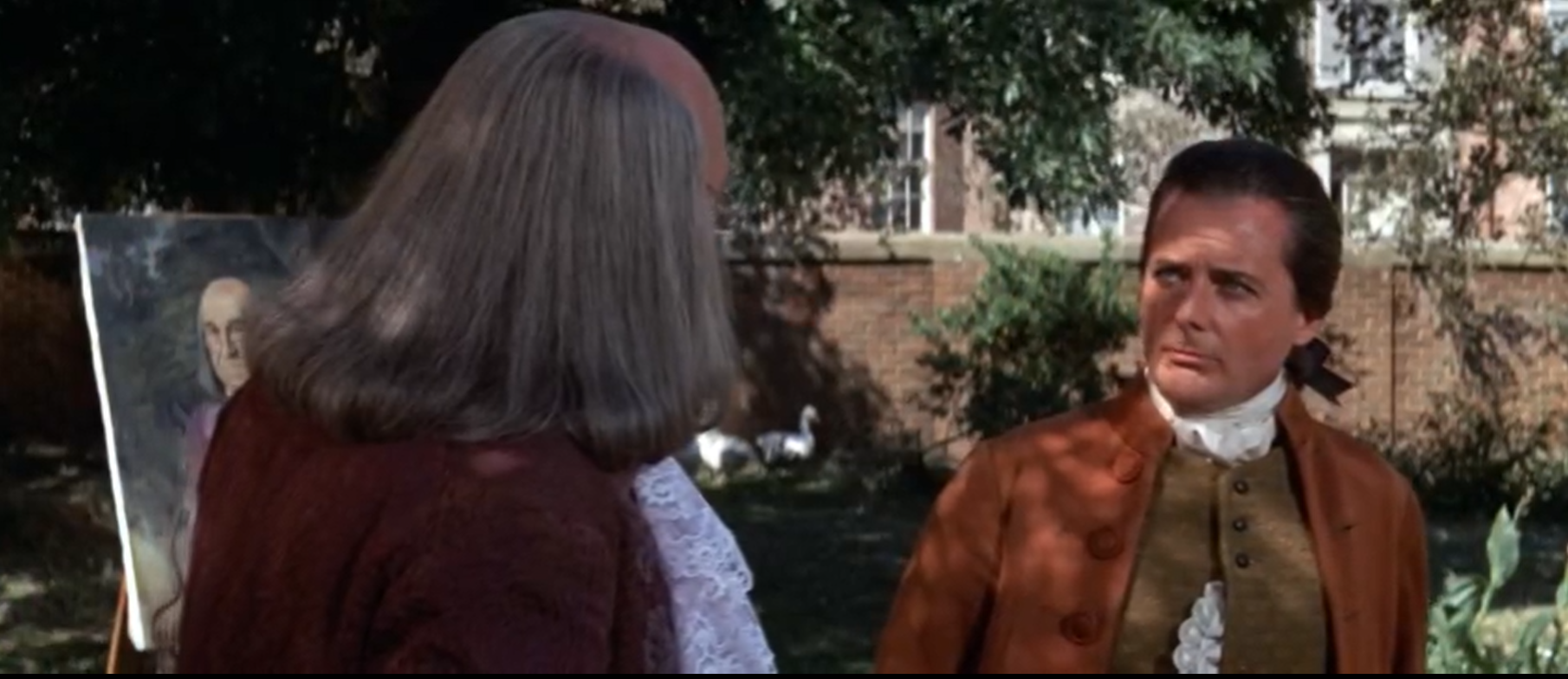
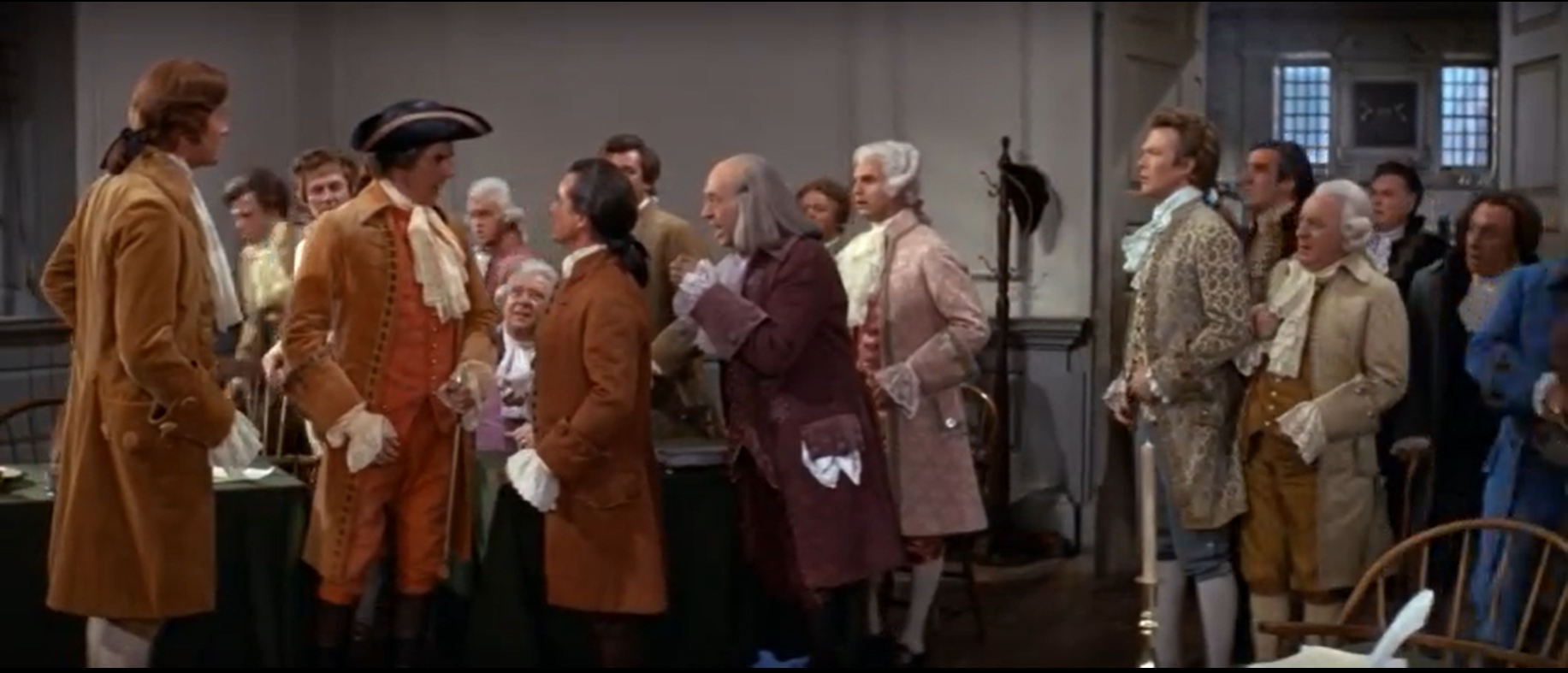
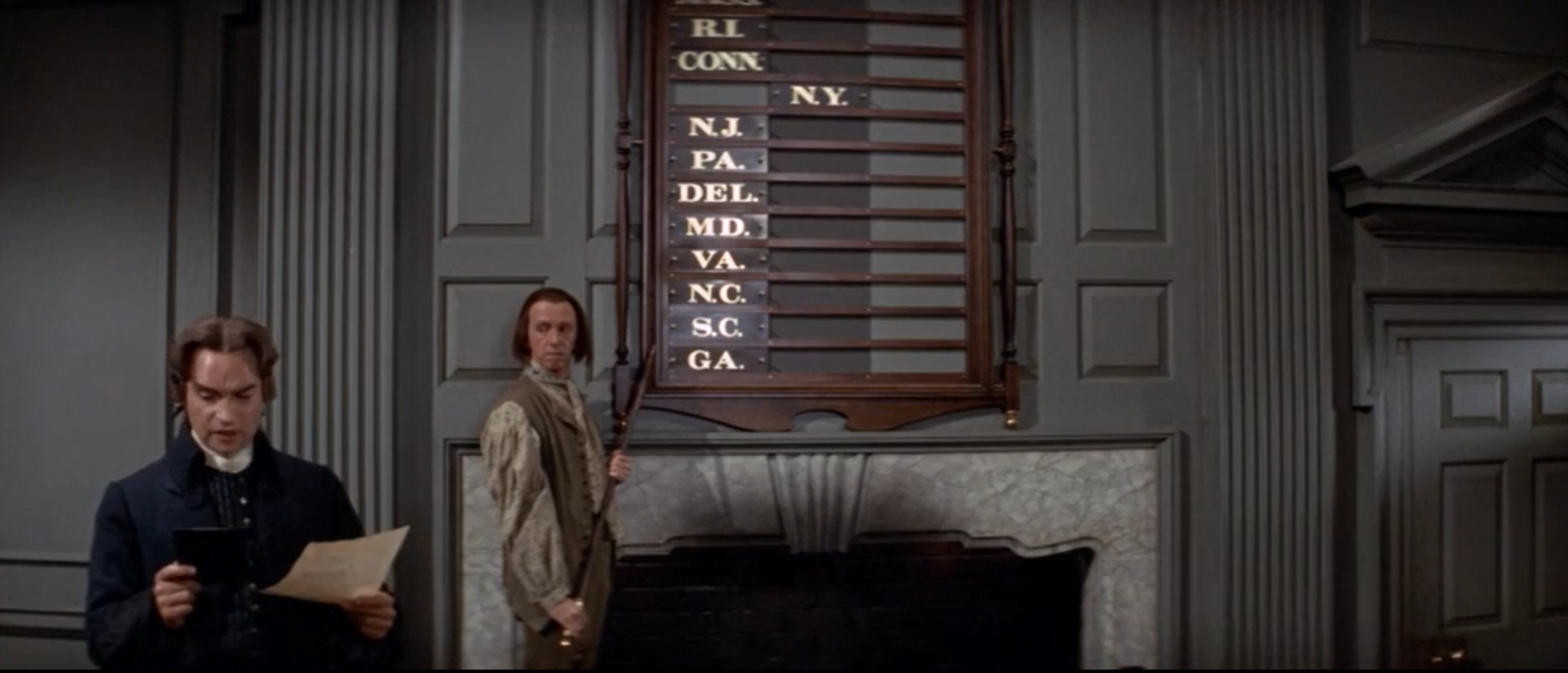
… and how contentious key issues (i.e., slavery) were to moving forward as a collective:

Because we already know the eventual outcome of this momentous event, the storyline necessarily focuses on the personalities behind the scenes, highlighting (indeed, over-emphasizing) their key qualities for dramatic impact — so, we see Adams berating himself time and again for being so “obnoxious and disliked” (not actually true in real life):

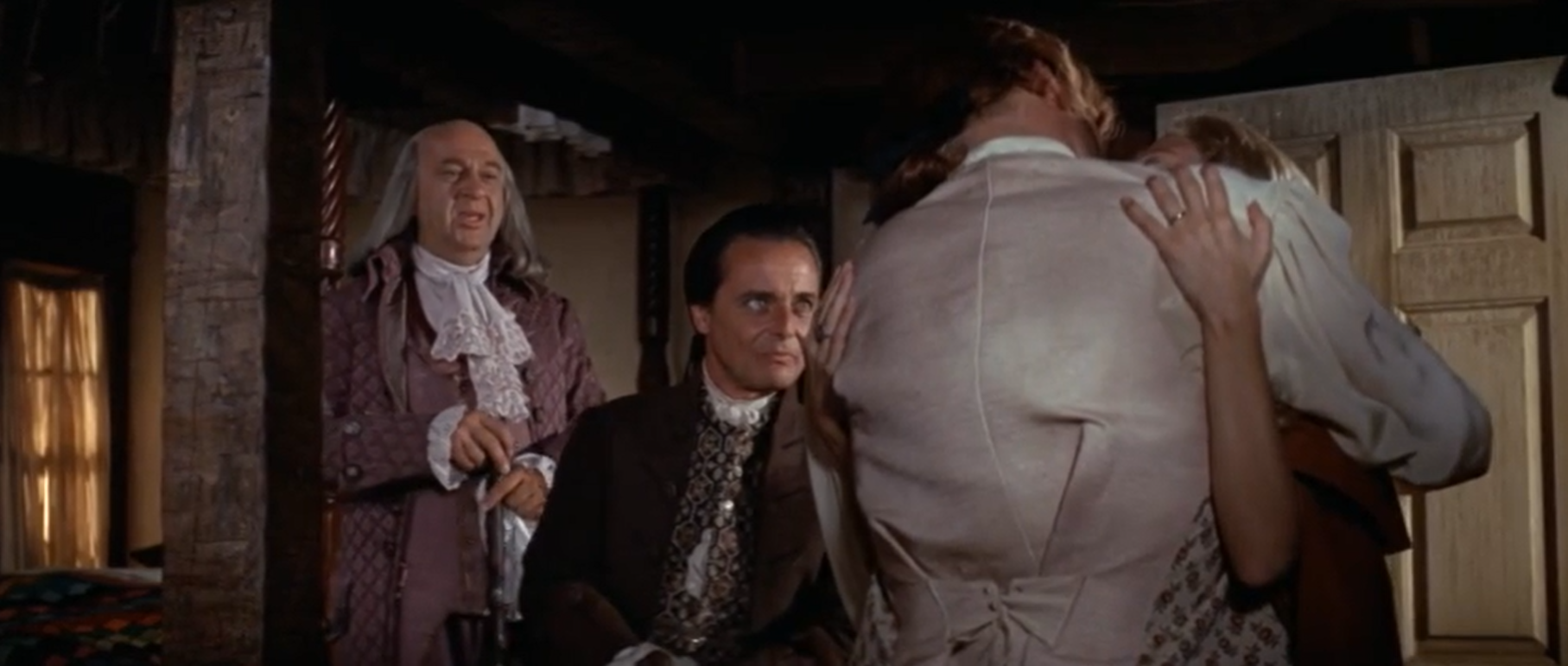
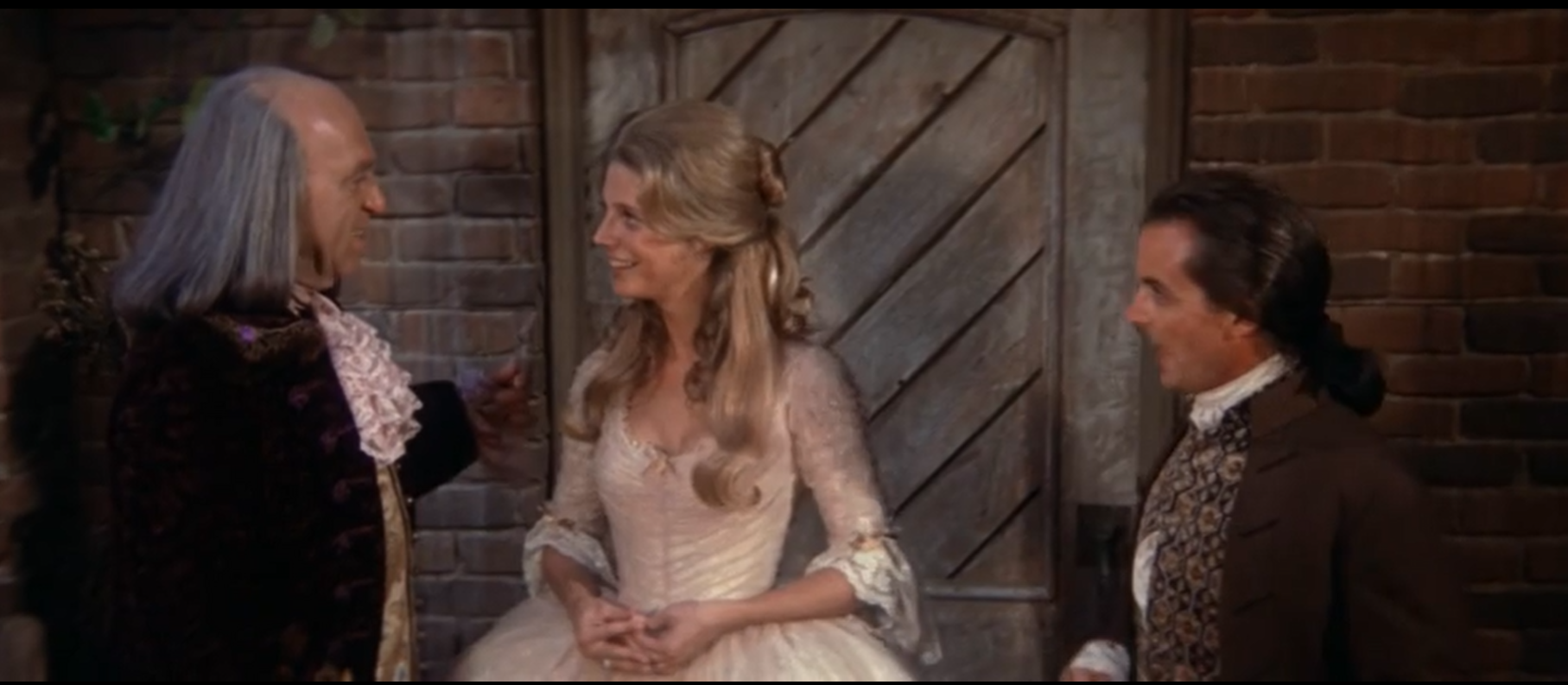
… Jefferson’s driving lust for his wife (Blythe Danner):

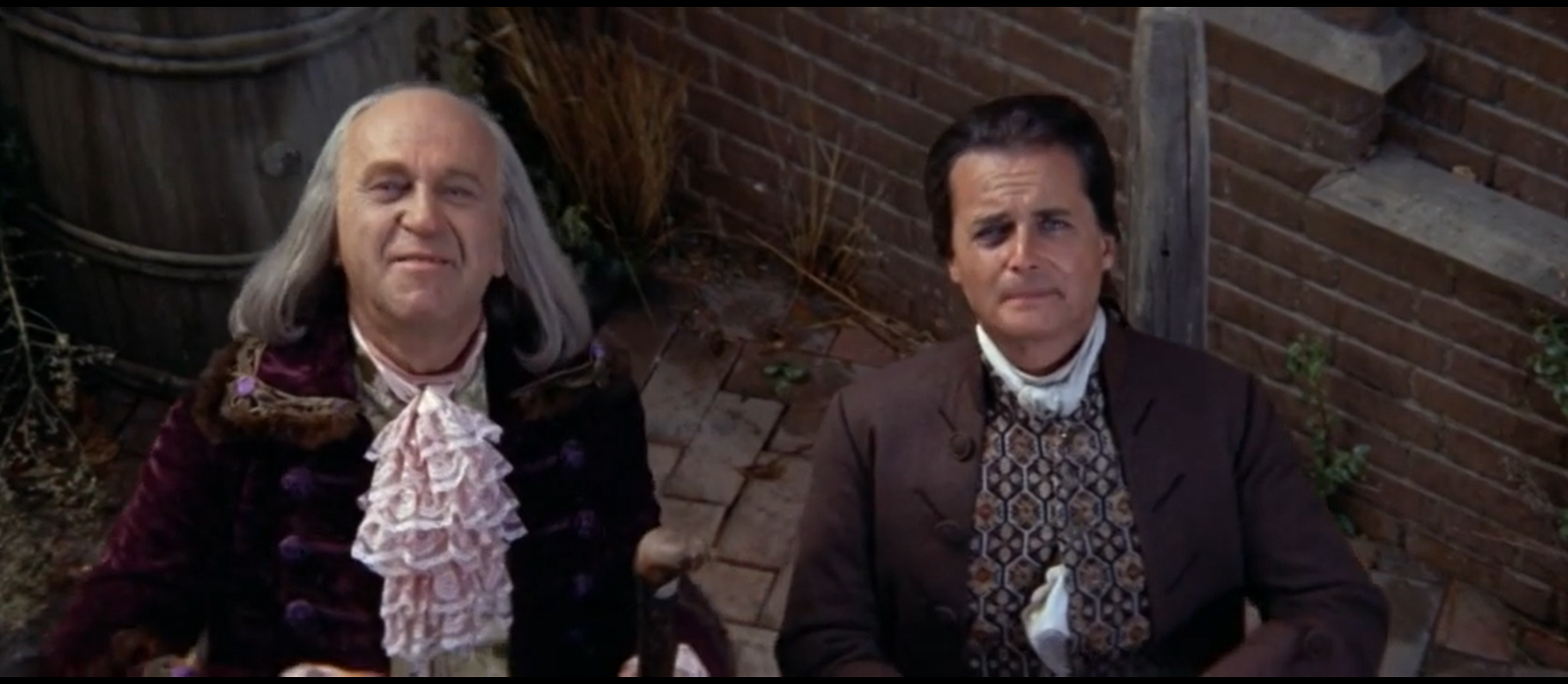
… and Ben Franklin’s irrepressibly scampish nature (Da Silva is a highlight of the movie):

Unfortunately, the songs aren’t all that thrilling, though a few will stick in your head (for better or for worse) long after they’re done.

Notable Performances, Qualities, and Moments:

  • Howard Da Silva as Ben Franklin
  • Fine historical sets and cinematography

Must See?
No, but it’s definitely must-see for American history buffs.

Links:

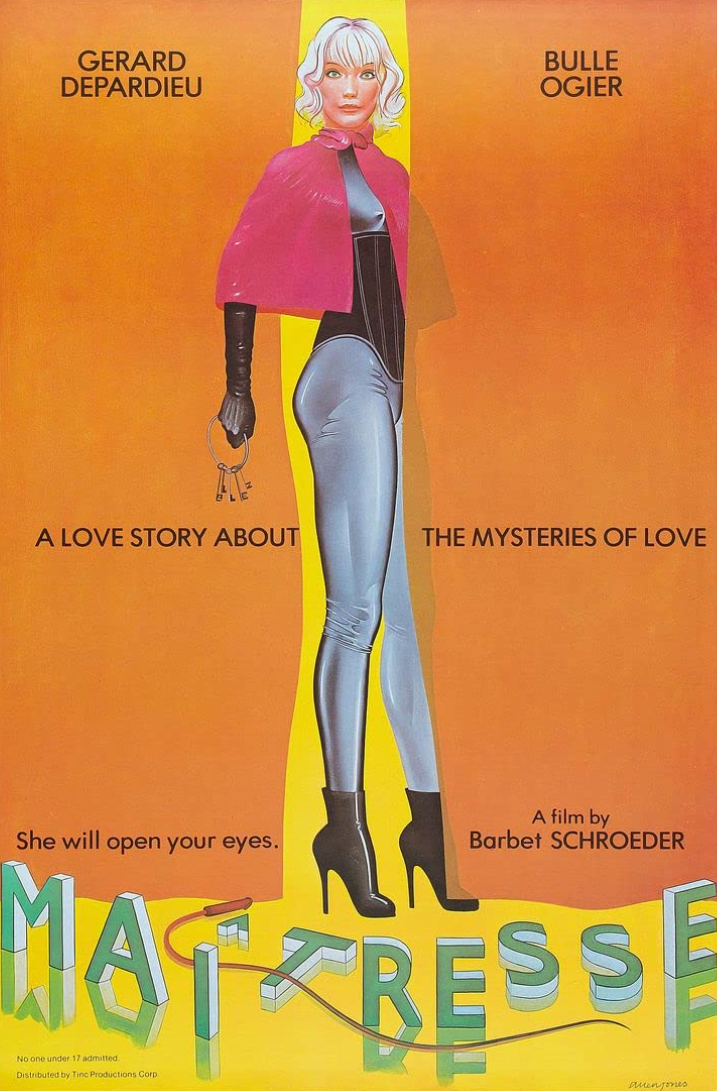
Maitresse (1976)

Maitresse (1976)

“It’s fascinating to get into people’s madness so intimately.”

Synopsis:
When a petty thief (Gerard Depardieu) breaks into an apartment owned by an S&M dominatrix (Bulle Ogier), he quickly falls for her and the pair begin living together as lovers — but can Olivier (Depardieu) handle the mystery of not knowing who Ariane’s mysterious, wealthy friend Gautier (Holger Löwenadler) is?

Genres, Themes, Actors, and Directors:

  • Barbet Schroeder Films
  • French Films
  • Gerard Depardieu Films
  • S&M
  • Strong Females
  • Thieves and Criminals

Response to Peary’s Review:
Peary writes that this “perverse romance” by Barbet Schroeder — who “never chooses ordinary material” — features “appealing” leads and “has definite shock value,” given that “a real dominatrix was hired to be Ogier’s double during the S&M scenes and to actually torture and humiliate real-life masochists.”

However, he argues that “while Schroeder presents a bizarre relationship, he says nothing new about male-female power struggles” unless he’s “saying that even the most bizarre relationships have the same old problems as the most mundane relationships.”

Peary asserts that “Schroeder’s theme is unclear”, and “worse, it’s obvious… we’re supposed to see that Ogier has a dual personality (much like Kathleen Turner in Crimes of Passion), yet are never provided with sufficient insight into either side,” meaning that “why she is as she is remains a mystery.”

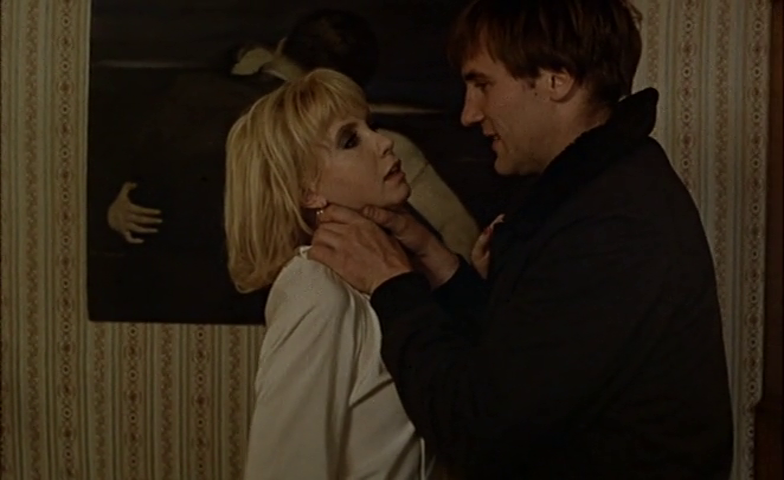
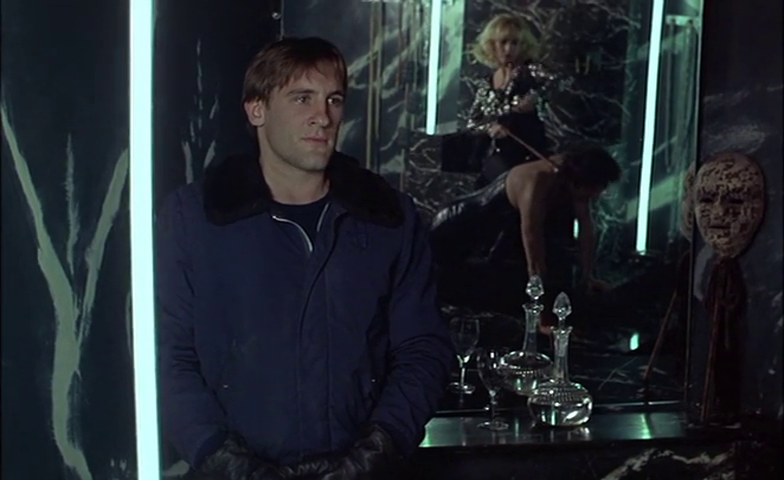
I don’t see Ogier’s Ariane as having a “dual personality” so much as being a complex and conflicted person with unique skills and desires. We never do fully understand the “why” behind her career, but we’re not meant to; rather, the story is focused on Depardieu’s (Olivier’s) desperate need to understand what he’s stumbled into. He’s clearly intrigued by S&M, and one of the films strengths is showing us what seems like a reasonably accurate portrayal of how this world plays out, with secrecy, compacts, and hidden identities all critical components:

When Depardieu can’t abide by these rules, he jeopardizes the entire enterprise, leading to the film’s tense ending. Ogier’s lead performance is particularly noteworthy, showing us the complexity of emotions — both authentic and enacted — required to carry out this kind of work. She alone makes it worth a one-time look.

Notable Performances, Qualities, and Moments:

  • Bulle Ogier as Ariane
  • Gerard Depardieu as Olivier
  • Nestor Almendros’ cinematography
  • Fine sets and production design

Must See?
No, but it’s recommended for one-time viewing given its historical relevance — and for Ogier’s performance.

Links:

Biches, Les (1968)

Biches, Les (1968)

“I love hunting.”

Synopsis:
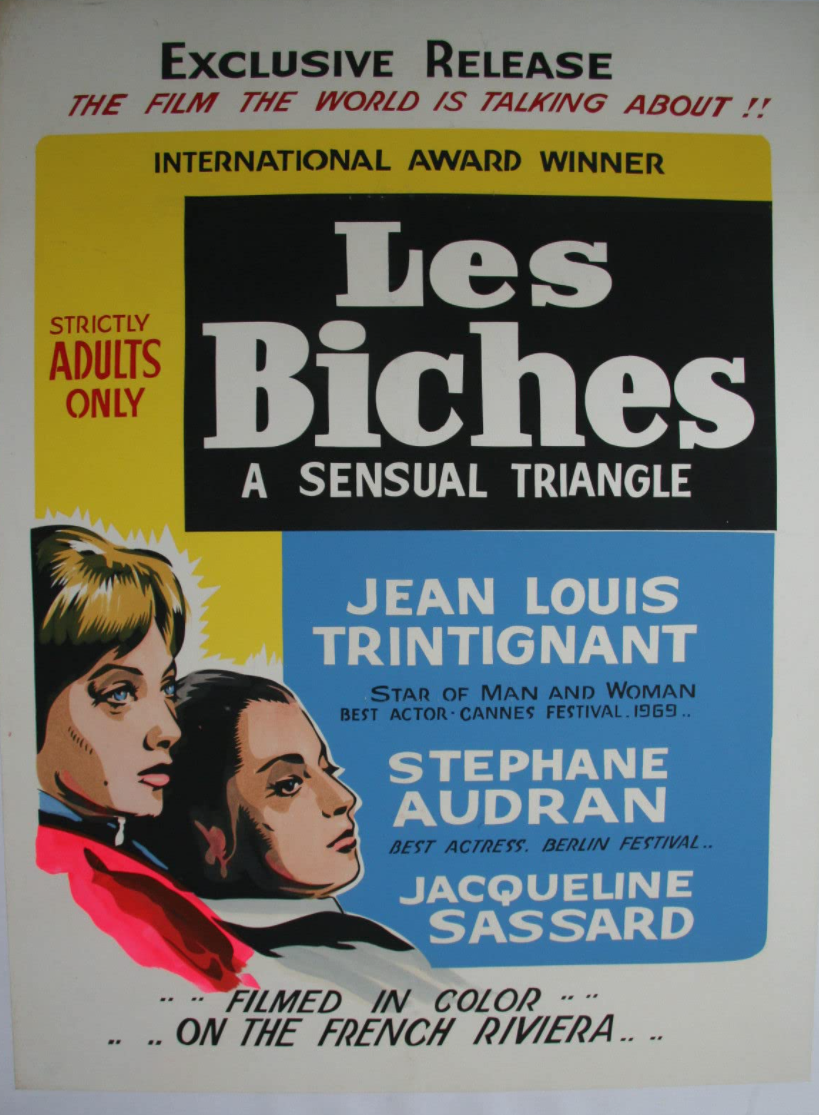
A bored, wealthy woman (Stephane Audran) picks up a beautiful street artist (Jacqueline Sassard) and takes her back to her country home in St. Tropez, where Sassard is seduced by a handsome architect (Jean-Louis Trintignant) who Audran soon falls for herself.

Genres, Themes, Actors, and Directors:

  • Claude Chabrol Films
  • Cross-Class Romance
  • French Films
  • Lesbianism
  • Love Triangle

Response to Peary’s Review:
Peary writes that this “ambiguous study of lesbian lovers” and “the man who comes between them” “bears much resemblance” to director Claude Chabrol’s “earlier film Les Cousins, about two male cousins and the woman they both love.” Once again, “an innocent comes to live with a sophisticate… who serves as a corruptive influence” and “each wishes she were more like the other,” developing “resentment and jealousy to go with the admiration.” In his review, Peary questions what’s really going on in this unusual storyline, filled with plenty of unexpected twists and turns:

“Has Frederique [Audran] chosen to seduce Paul [Trintignant] so she can experience what Why [Sassard] did with him, or to claim Paul and thus prevent Why — who she loves — from leaving her for him, or because she harbors heterosexual feelings? Is she running away from herself?”

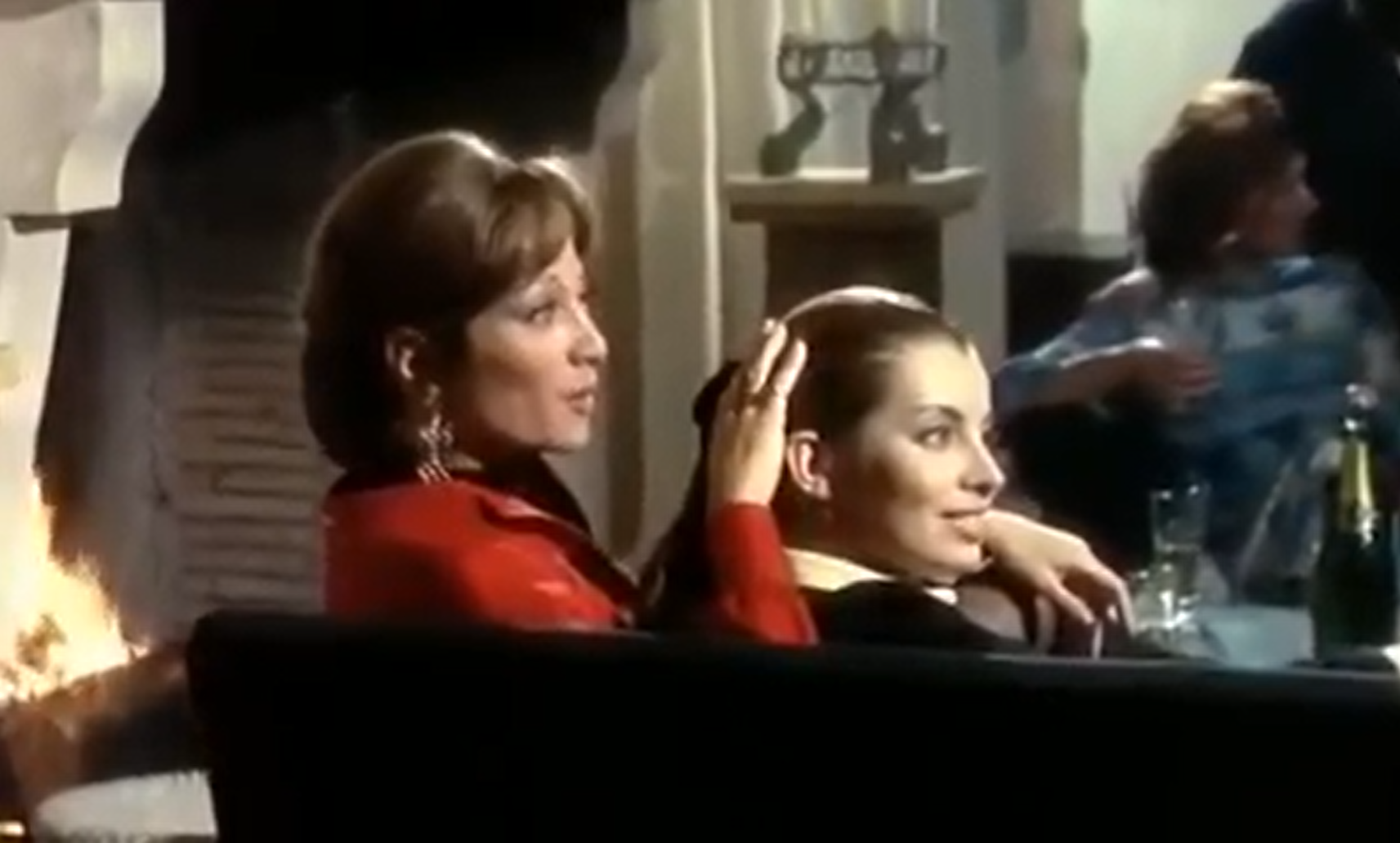
It’s hard to say, but one is definitely left wondering (and analyzing) the entire way through. It’s refreshing seeing a lesbian relationship treated so naturally:

… even if this is eventually dropped in favor of both women falling for Trintingnant, and the film’s other gay-coded characters (Dominique Zardi and Henri Attal) shown as bumbling, shallow leeches.

More front and center to the storyline are both class and gender dynamics: Sassard comments to Audran that her work seems better suited for a man; Audran walks around in “masculine” garb; Audran bosses Zardi and Attal around; Sassard eventually adopts more and more of Audran’s moneyed persona. Your enjoyment of this odd tale will ultimately depend on your appreciation for Chabrol’s unique sensibility — but it remains worth a look for its historical relevance as a turning point in Chabrol’s career.

Notable Performances, Qualities, and Moments:

  • Stephanie Audran as Frederique
  • Fine cinematography

Must See?
Yes, as a unique (albeit puzzling) outing by a creative director.

Categories

  • Important Director

Links:

Play Misty for Me (1971)

Play Misty for Me (1971)

“There are no strings… But I never said anything about not coming back for seconds.”

Synopsis:
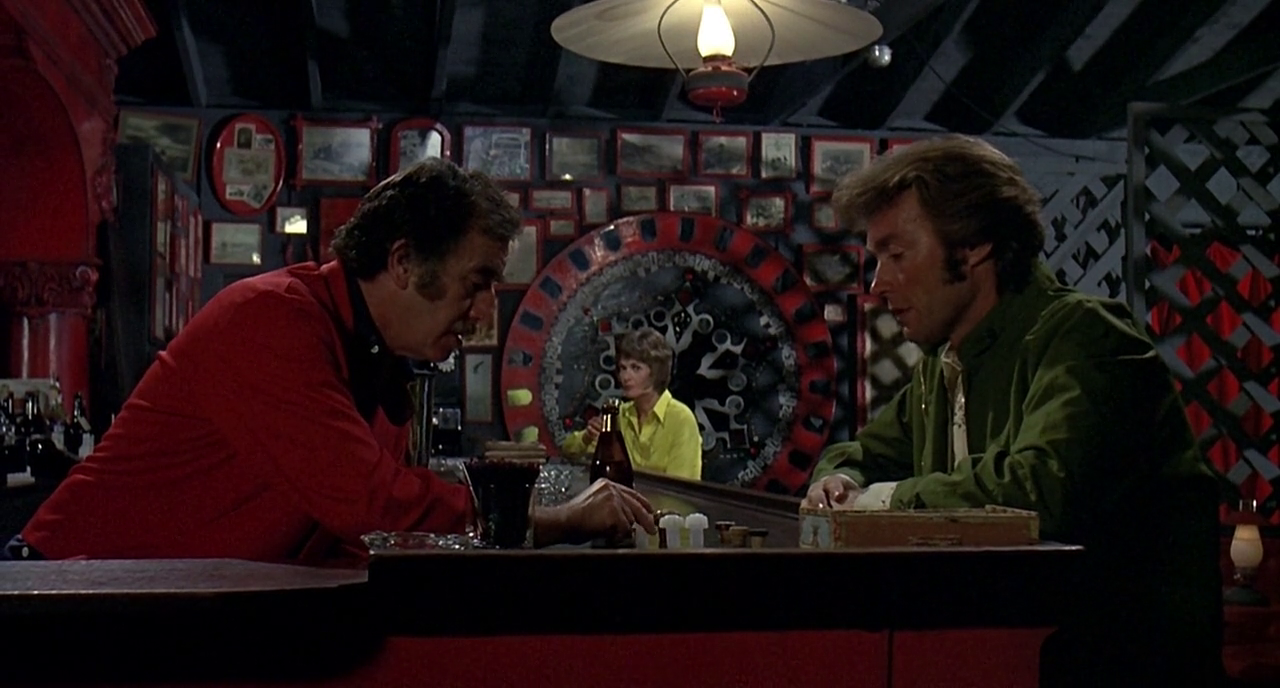
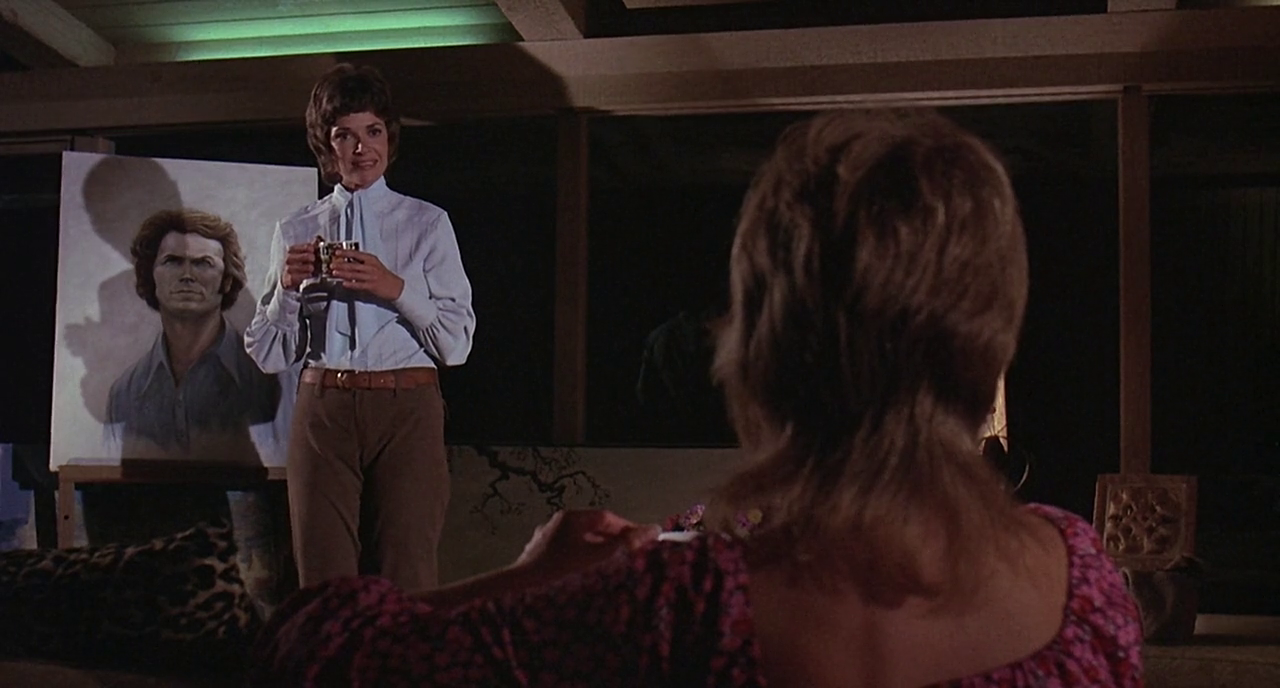
A psychotically obsessed fan (Jessica Walter) of a small town radio DJ (Clint Eastwood) seduces him, then refuses to leave him or his girlfriend (Donna Mills) alone.

Genres, Themes, Actors, and Directors:

  • Clint Eastwood Films
  • Obsessive Love
  • Psychopaths
  • Radio
  • Winning Him/Her Back
  • Womanizers

Response to Peary’s Review:
Peary writes that this “impressive directorial debut” by Clint Eastwood once again — as in The Beguiled (1971) — features a character “who is impressed by his ability to attract women” only to have “his taking women for nothing more than sexual playthings backfir[ing] on him.”

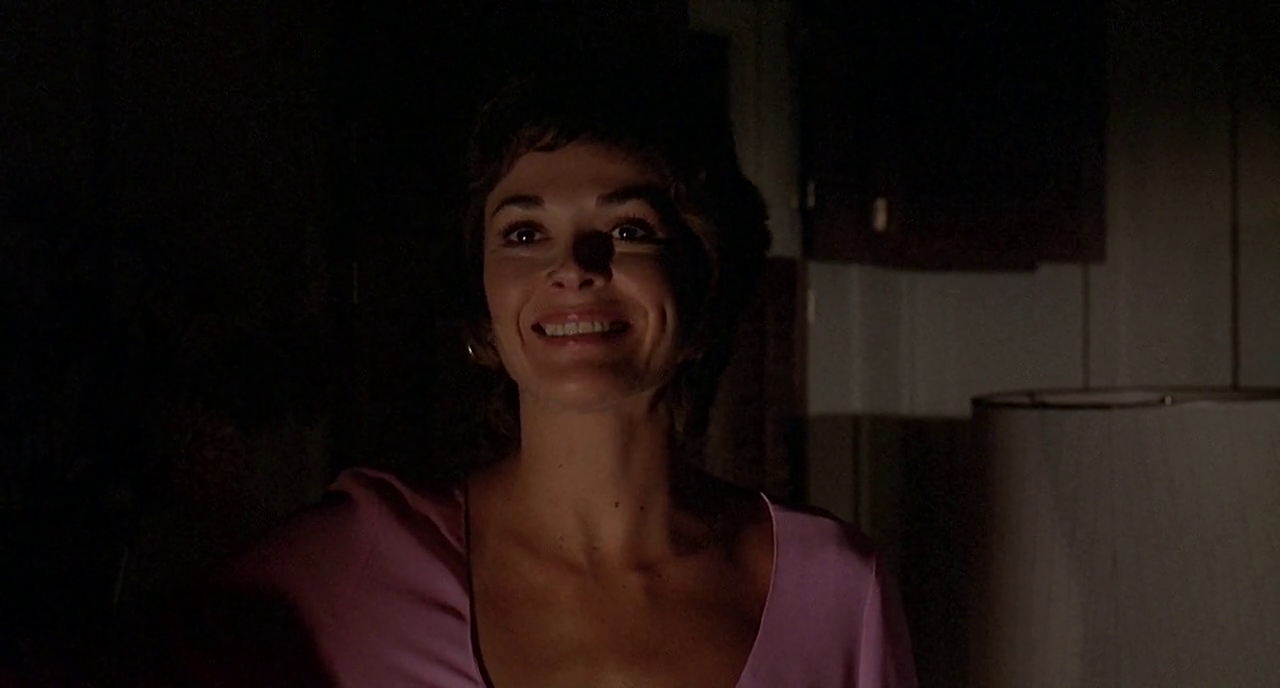
He writes that while “Eastwood’s come up against great villains, from Lee Van Cleef in The Good, the Bad and the Ugly to Andy Robinson in Dirty Harry,” the “superpsychotic Evenlyn… takes a back seat to no one.”

Peary notes that “the film is exciting, weirdly amusing, and scary (many critics compare the knife scenes to Psycho), but the most enjoyable thing about it is watching Eastwood’s cool-talking disk jockey become increasingly confused, perturbed, and terrified by this lunatic he has no control over.”

He adds, “Significantly, no future Eastwood character would become involved with two women at once; in fact, Eastwood never again exploited his image as a romantic lead.”

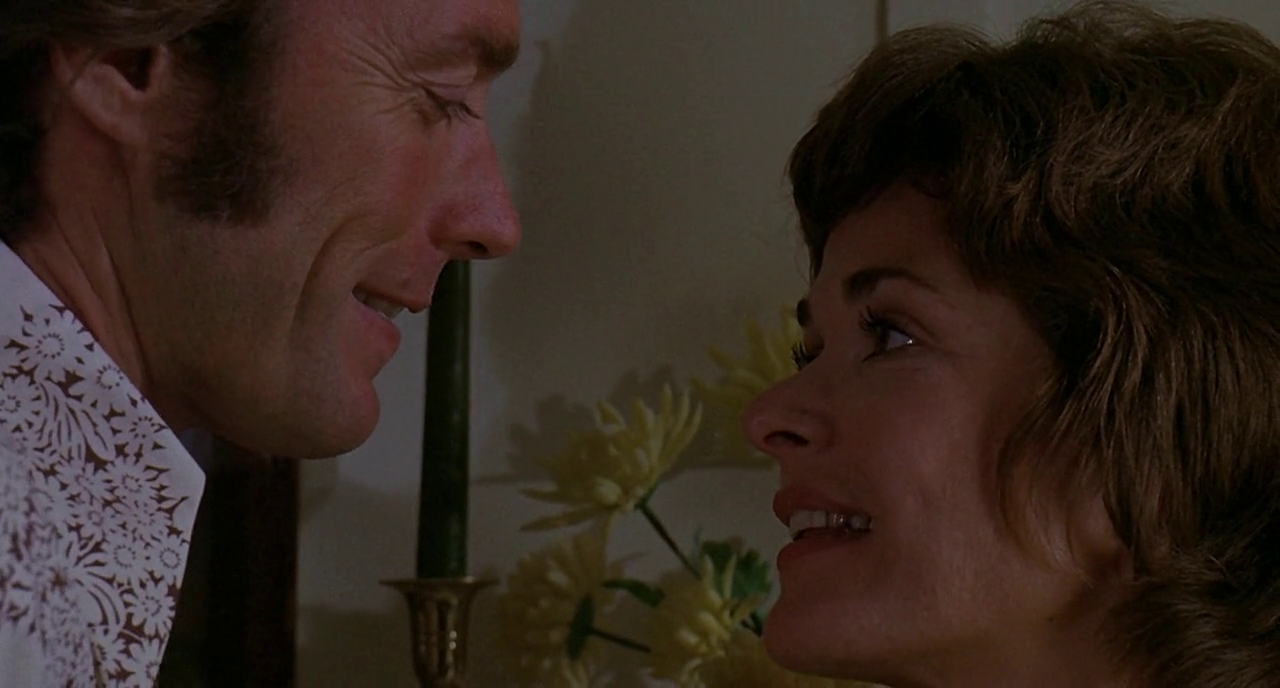
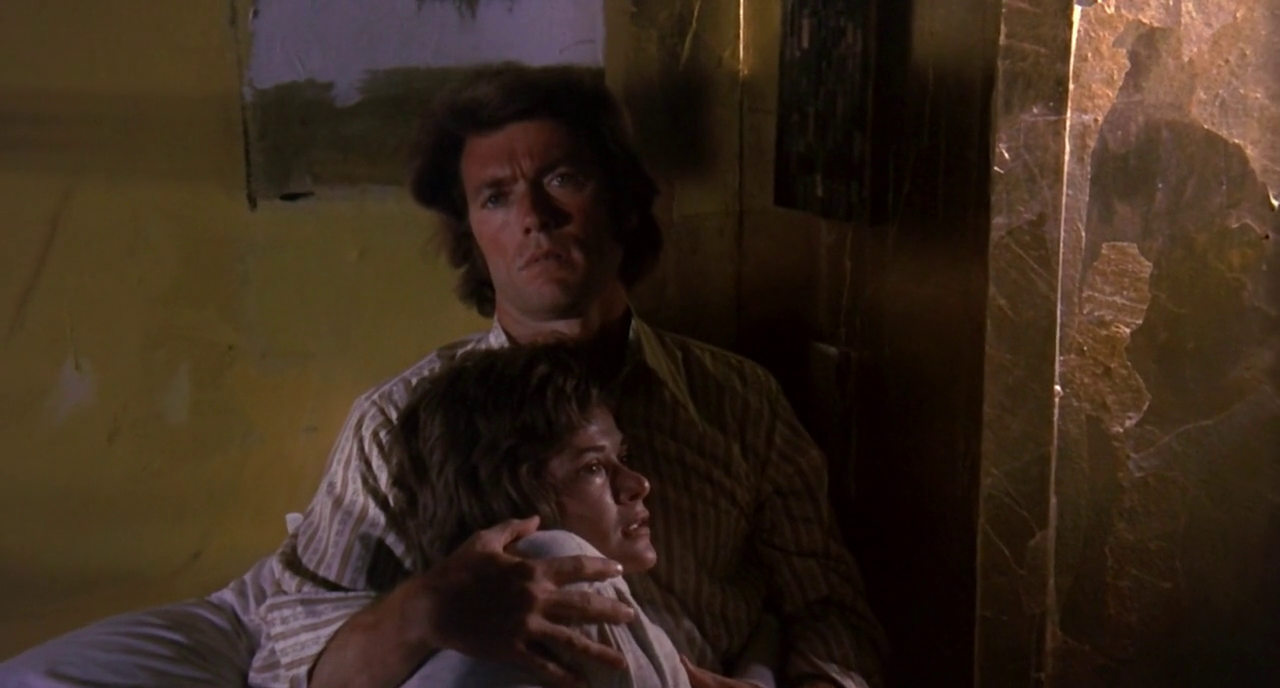
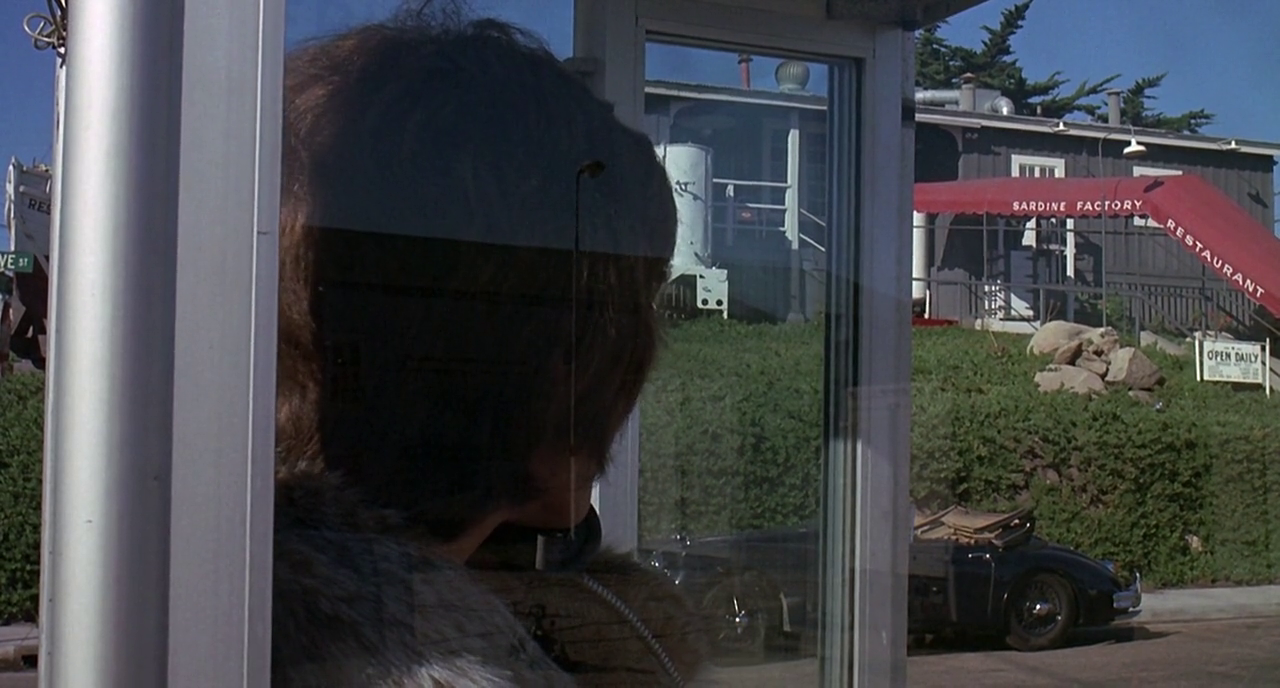
I agree that this remains an enjoyably taut and tense stalker film — though I’m frustrated by a couple of plot points that don’t make much sense (or at least position the characters as waaaay dumber than one would expect). However, Walter’s powerhouse performance makes this worth a one-time look despite its flaws, and the overall gist of the movie — that fame and sexual attraction can lead to incredibly risky encounters — remains just as powerful as ever. Excellent use is made of location shooting in Carmel, California, where Eastwood eventually became mayor.

Note: Highly recommended is the 2001 documentary Play It Again: A Look Back at ‘Play Misty for Me’, in which Eastwood, Walter, Mills, and others reflect back on their experiences making this movie.

Notable Performances, Qualities, and Moments:

  • Jessica Walter as Evelyn
  • Fine cinematography


  • Beautiful location footage

Must See?
Yes, for Walter’s performance, and as a strong directorial debut by Eastwood.

Categories

  • Noteworthy Performance(s)

Links:

I Am a Camera (1955)

I Am a Camera (1955)

“I’ve been most divinely chaste!”

Synopsis:
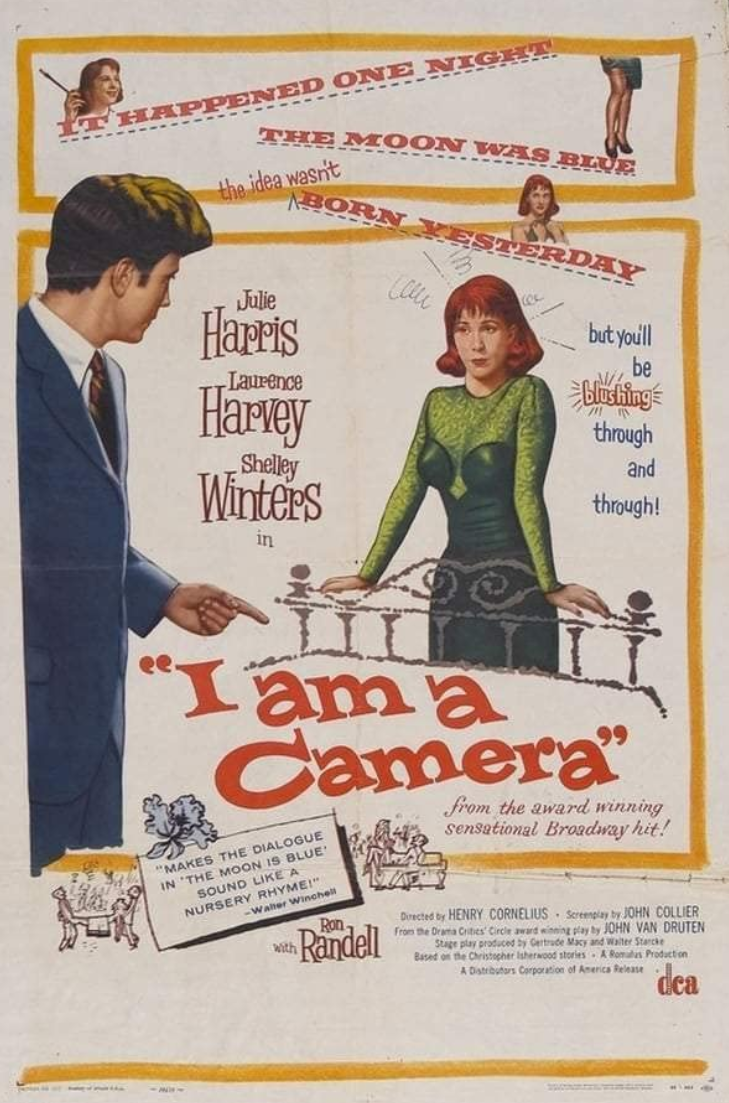
In 1931 Berlin, hedonistic, penniless nightclub singer Sally Bowles (Julie Harris) — living with aspiring young writer Chris Isherwood (Laurence Harvey) — wracks up terrible debt during a night on the town, and allows a wealthy American (Ron Randell) to wine and dine her. Meanwhile, a poor friend (Anton Diffring) hoping to marry into money woos one of Harvey’s students (Shelley Winters), but soon finds himself falling authentically in love with her.

Genres, Themes, Actors, and Directors:

  • Flashback Films
  • Gold Diggers
  • Julie Harris Films
  • Laurence Harvey Films
  • Shelley Winters Films
  • Writers

Review:
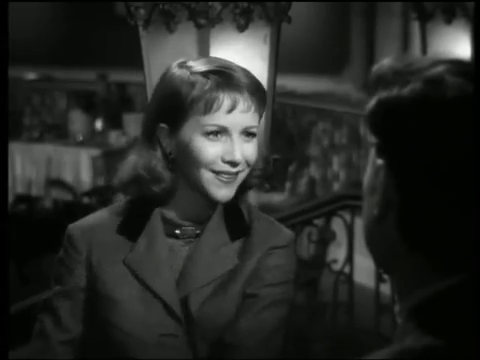
South African-born Henry Cornelius — director of Passport to Pimlico (1949) and Genevieve (1953) — helmed this adaptation of John Van Druten’s 1951 play, best known as one of the sources for Bob Fosse’s Cabaret (1972). Given the time of its release, it covers some rather scandalous material — including pre-marital sex, promiscuity, and abortion — thus leading America’s Production Code Administration to deny its approval of the finished film. Those familiar with Liza Minnelli’s iconic, Oscar-winning portrayal of Sally Bowles in Cabaret will likely find it jarring to see Harris (so different looking!) in the role, but she’s ultimately convincing here and helps anchor the film in wackiness.

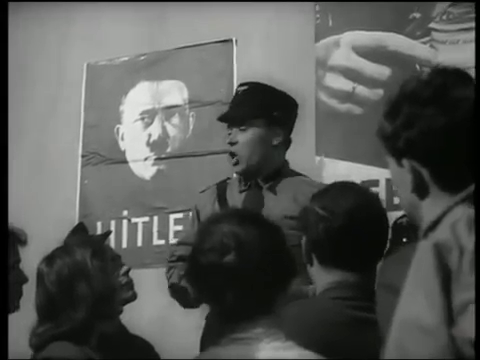
Indeed, the entire affair has an air of comedy to it that underplays (while not entirely ignoring) the risk of rising Nazism:

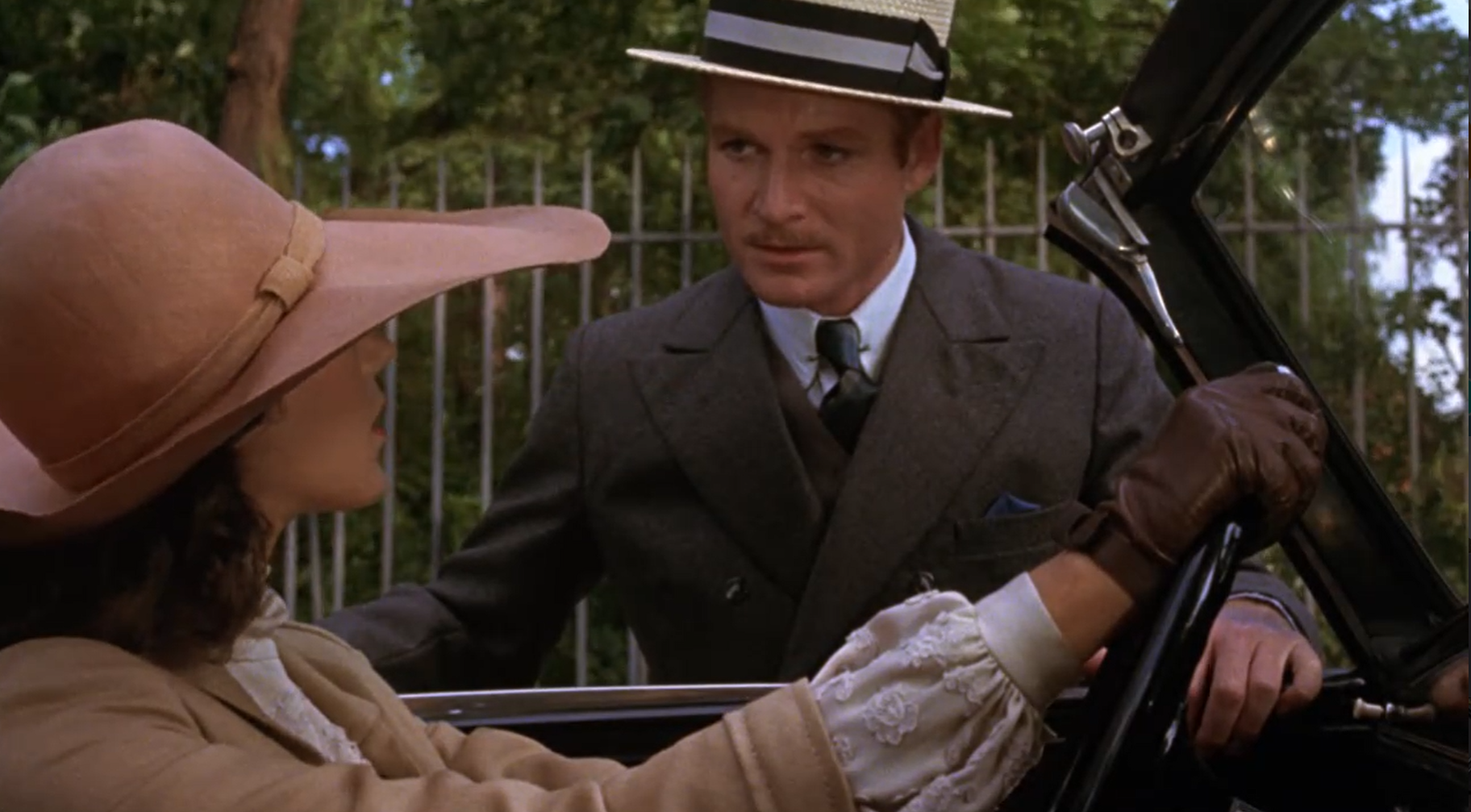
What’s primarily missing from this iteration of the story is any hint of Isherwood’s sexuality or intimate involvement with either Sally or the character played by Randell. Meanwhile, Diffring and Winters’ romance is simply glossed over quickly, and not given much weight or significance.

While this film remains notable for taking risks most others at the time wouldn’t dare consider, it’s only must-see viewing for those interested in Isherwood’s stories.

Notable Performances, Qualities, and Moments:

  • Julie Harris as Sally Bowles

Must See?
No; this one isn’t must see. Listed as a film with Historical Importance in the back of Peary’s book.

Links:

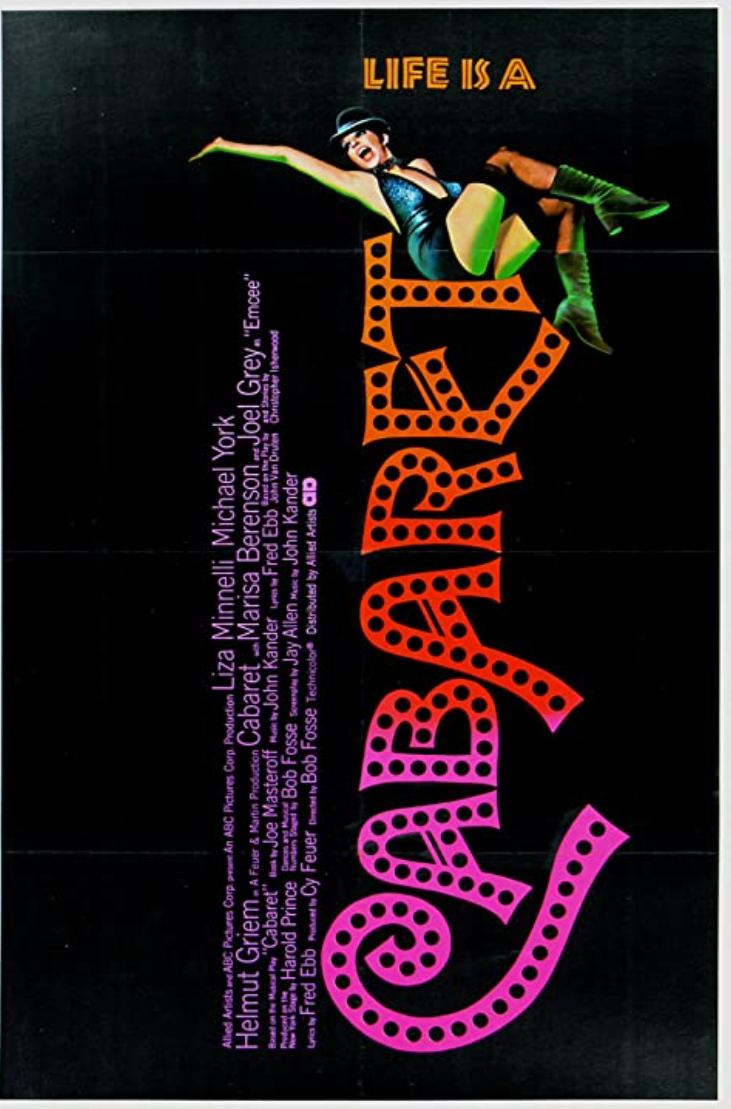
Cabaret (1972)

Cabaret (1972)

“That’s me, darling: unusual places, unusual love affairs. I am a most strange and extraordinary person.”

Synopsis:
In early 1930s Berlin, aspiring movie star and cabaret singer Sally Bowles (Liza Minnelli) begins an affair with her new housemate Brian, a bisexual British academic (Michael York) who earns money by tutoring a Jewish heiress (Marisa Berenson) and a gigolo (Fritz Wepper) seeking her attention. Meanwhile, both Sally and Brian become involved with a wealthy baron (Helmut Griem) while Nazism rises insidiously all around them.

Genres, Themes, Actors, and Directors:

  • Aspiring Stars
  • Bob Fosse Films
  • Expatriates
  • Historical Dramas
  • Liza Minnelli Films
  • Love Triangle
  • Michael York Films
  • Nazis
  • Nightclubs
  • Play Adaptations

Response to Peary’s Review:
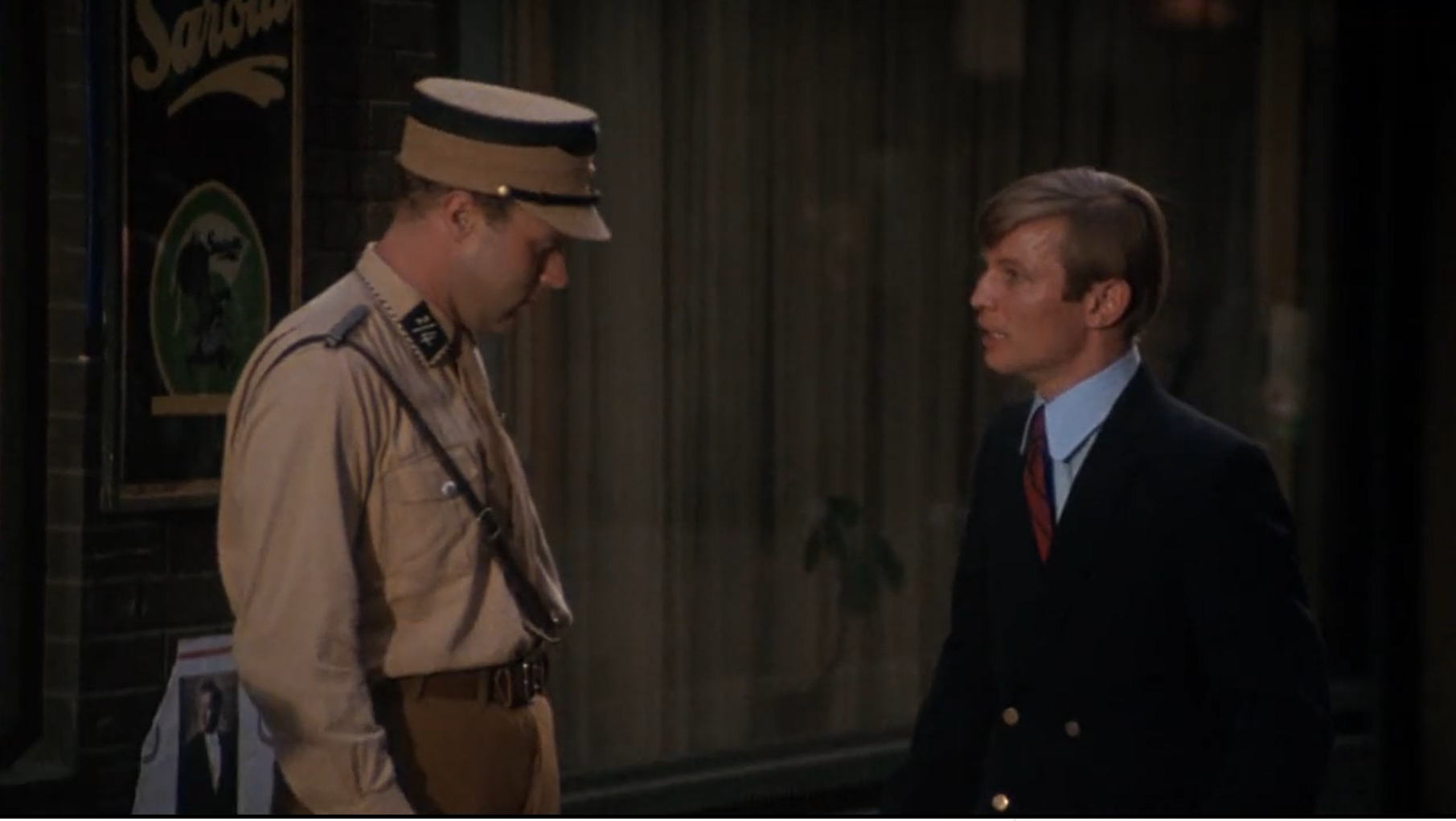
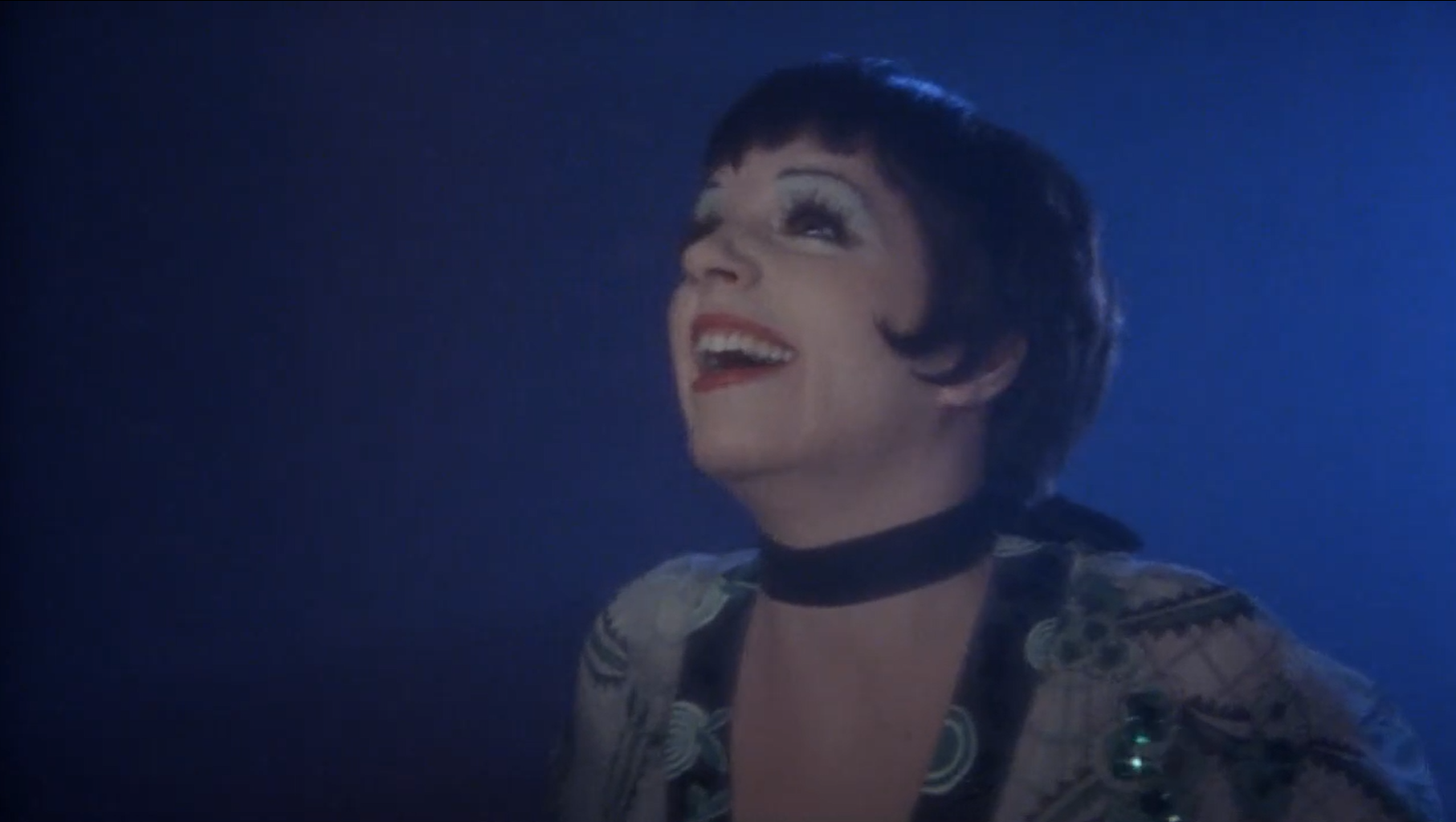
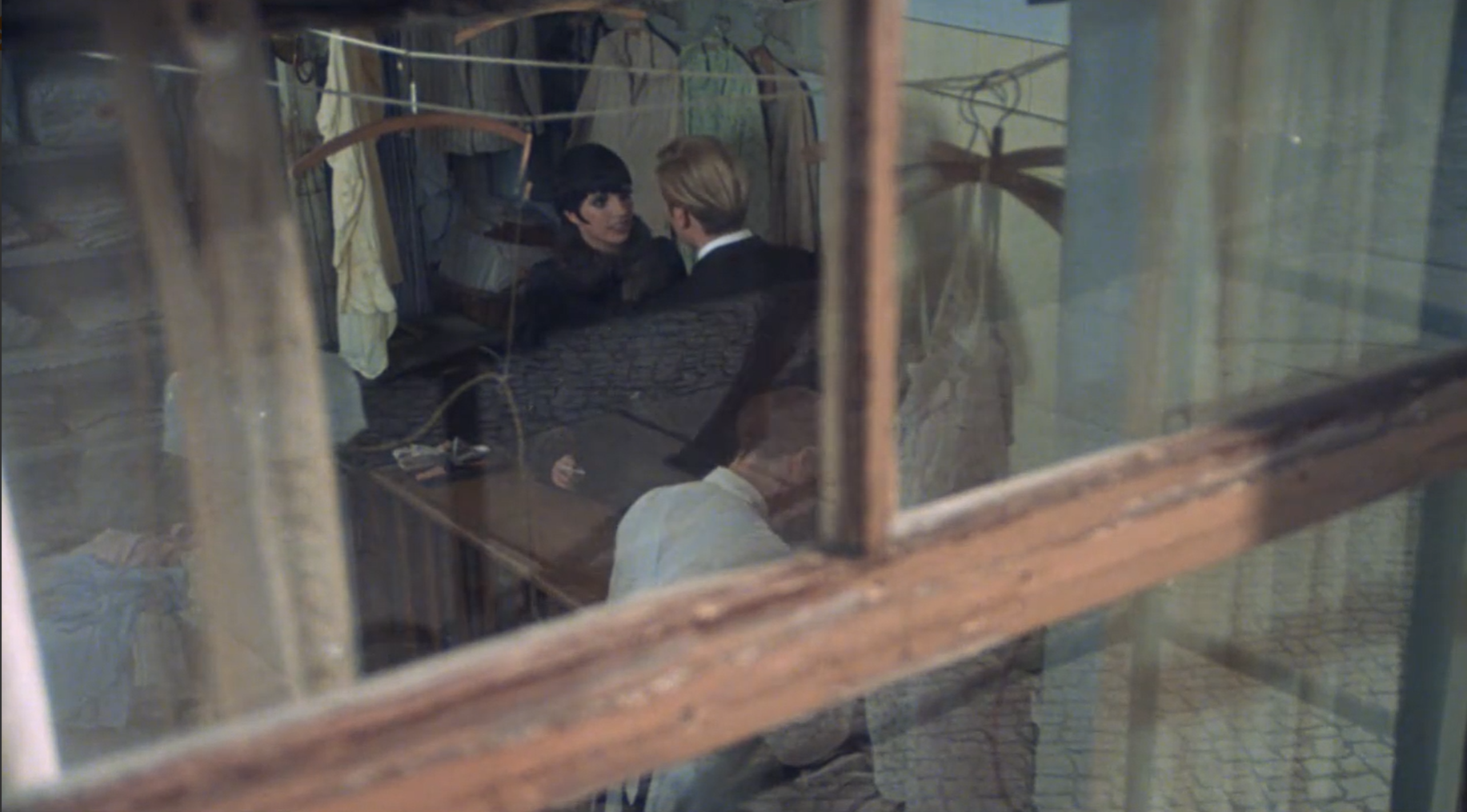
Peary writes that “Bob Fosse’s stylish political musical” — “adapted by Jay Presson Allen (and Hugh Wheeler) from John van Druten’s play I Am a Camera, which had been based on Christopher Isherwood’s autobiographical Goodbye to Berlin stories, and the Broadway musical” — “looks better all the time.” He notes that “what the film shows us is that decadence of the type that distinguishes Berlin in 1931 (as seen in the cabaret acts, as seen in Sally’s experiences)”:

… “has a seductive power, that violence is a natural [?] outgrowth of perversion:” [?!?!?!?!]

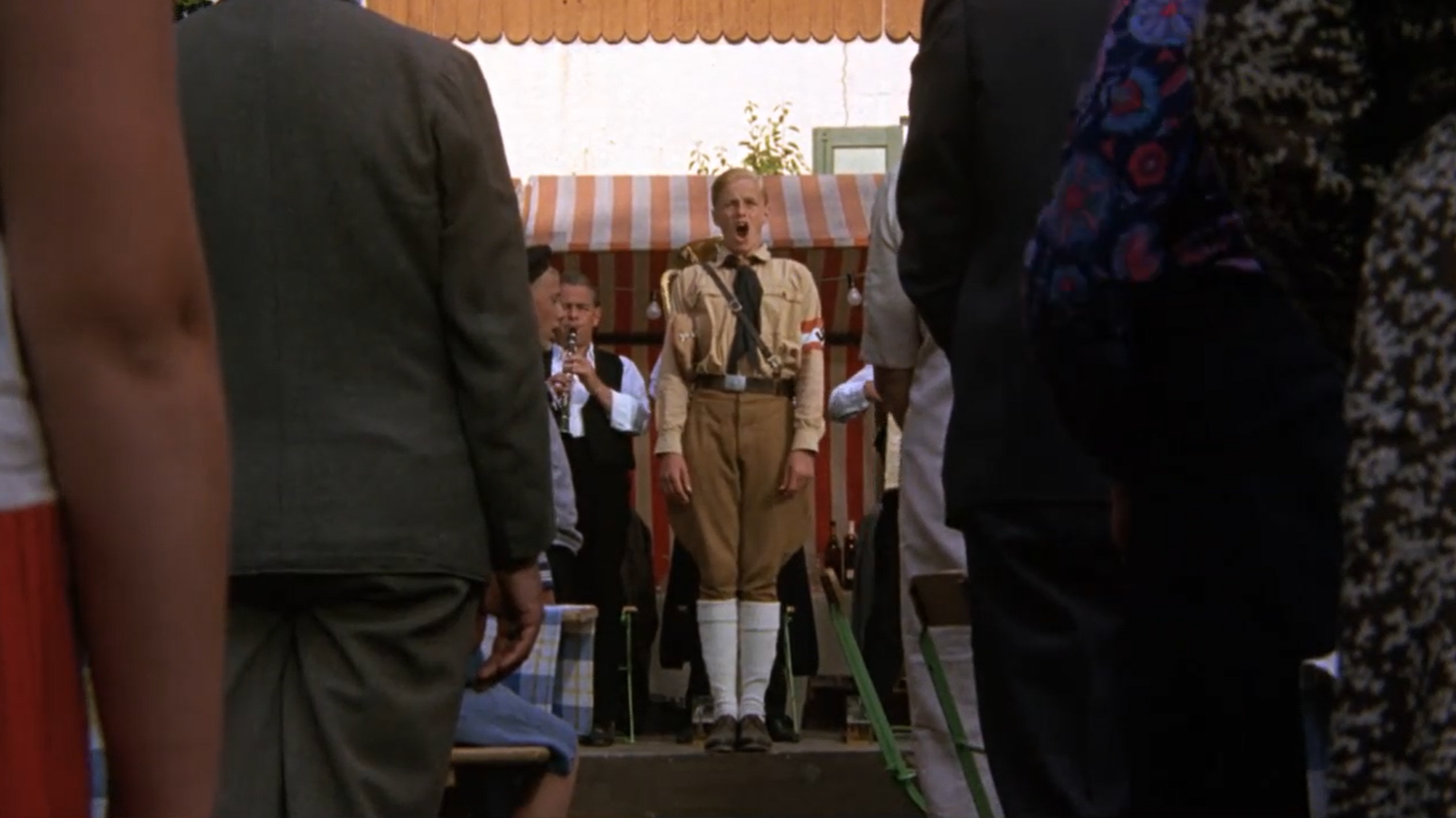
… and “that Nazism was nurtured by moral decay.” (Perhaps so, given society’s broader reactionary response to it; but he neglects to add the important caveat that this supposed ‘moral decay’ — actually LGBTQ+ sex-positivity — was far from innately harmful.) He adds that the “film went back to old-style musicals in that all the songs (Fred Ebb and John Kander won an Oscar) are performed on the cabaret stage, except ‘Tomorrow Belongs to Me,’ which is eerily sung in an open-air cafe by young Nazis and exuberant Germans who join in.”

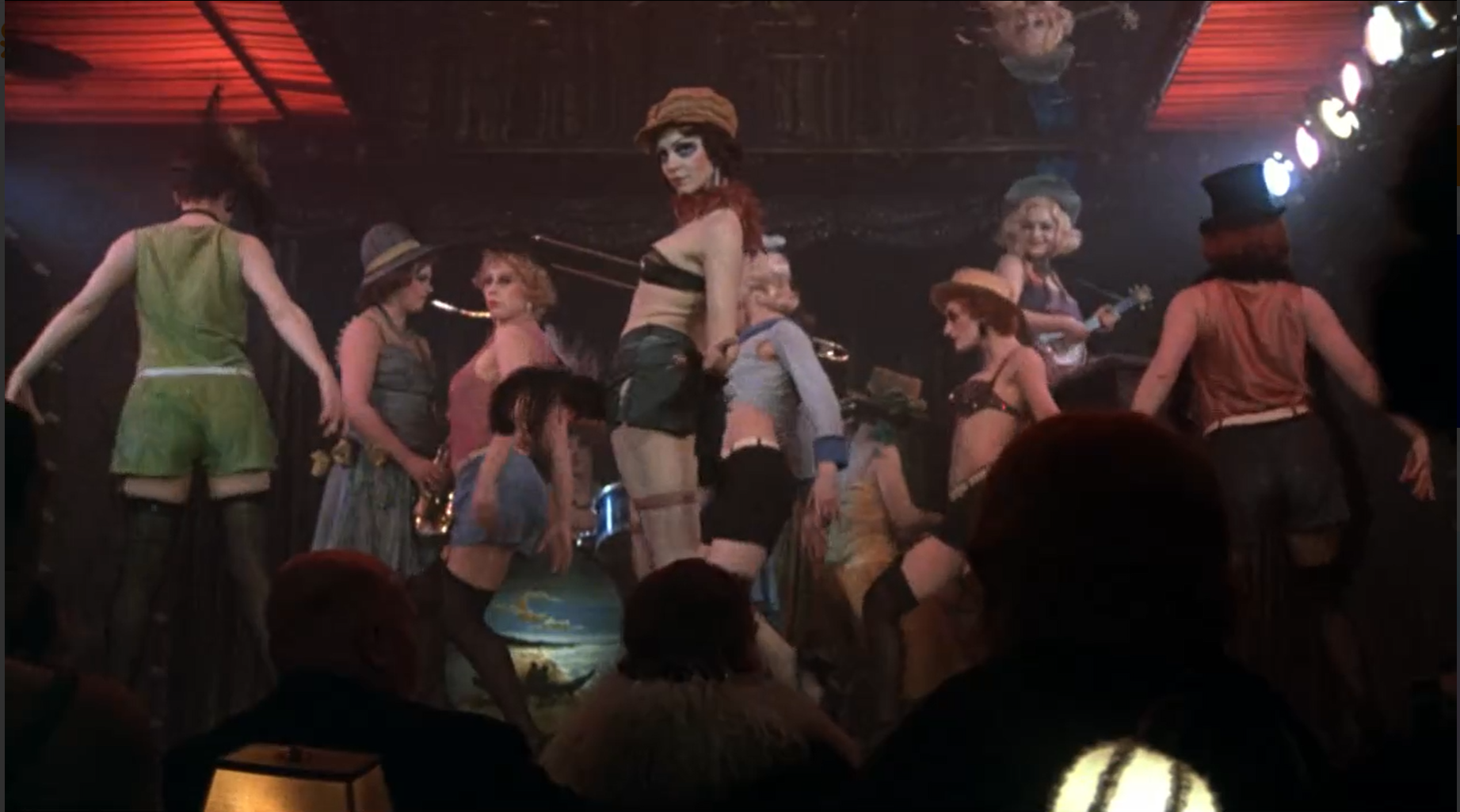
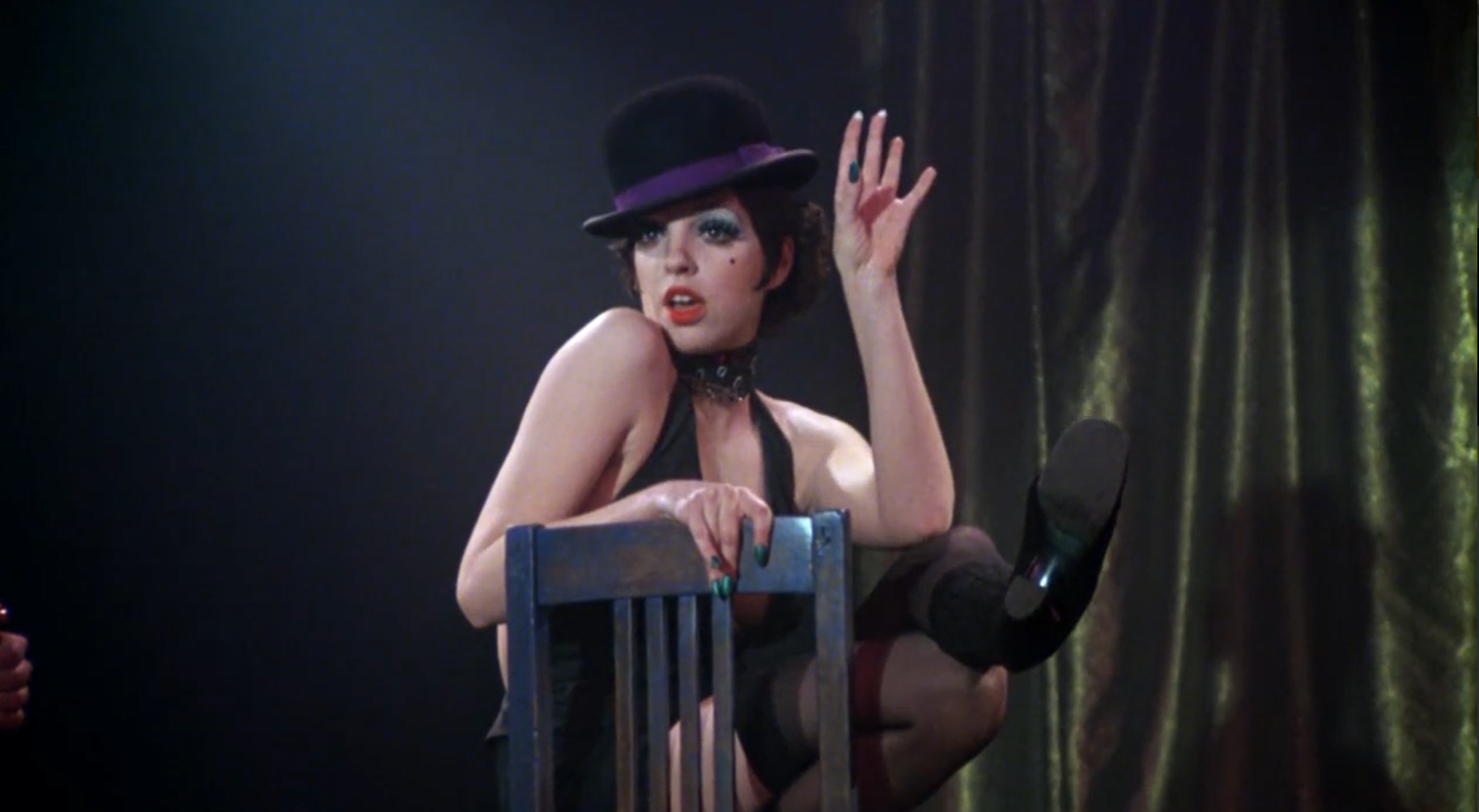
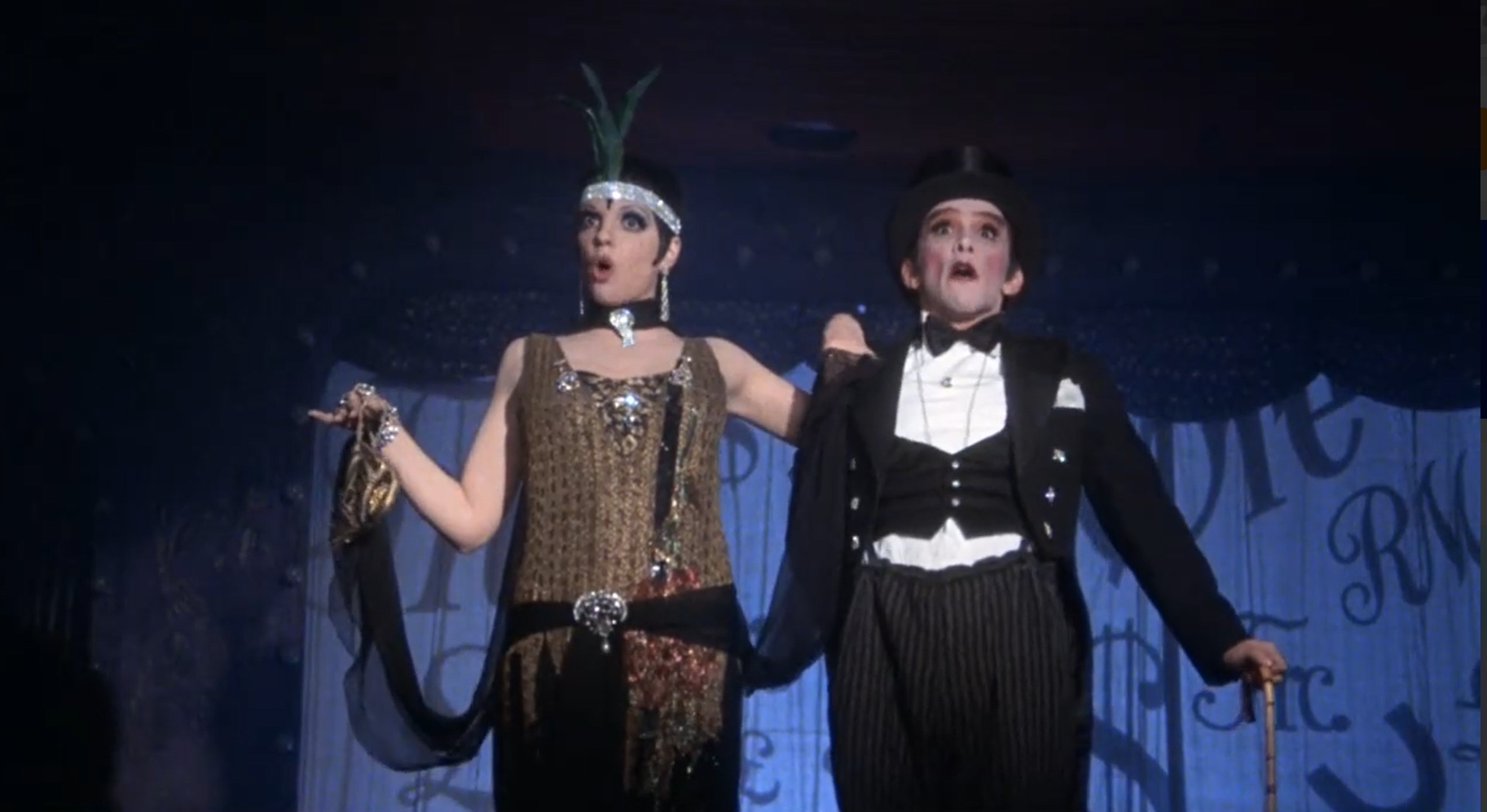
Peary points out that the songs — including “Cabaret,” “Money,” and “Two Ladies” — are “unforgettably performed by Minnelli and cabaret emcee Joel Grey (who won a Best Supporting Actor Oscar) and a group of gyrating chorus girls,” with “these stunningly choreographed numbers… photographed (by Geoffrey Unsworth, who won an Oscar) in a stylized manner that emphasizes the performers’ sexuality and lewdness.”

In Alternate Oscars, Peary agrees with the actual Academy in awarding Minnelli the Best Actress of the Year award, noting that while “it’s possible she would have won with just a mediocre performance because the Academy wanted to make up for its slight of her mother [Judy Garland],” “Minnelli gave such a dynamic performance that no one questioned her victory over a weak field of nominees.” He writes that “with those big, soulful eyes that flood her face with tears without need of a cue, a stunned, open-mouthed, little-girl pout, and a tries-too-hard-and-makes-a-fool-of-herself manner, Liza Minnelli was peerless at seducing audience pity for her characters,” as she had in The Sterile Cuckoo and would again in New York, New York. He adds that “it is during Fosse’s stylized musical numbers that Minnelli completely amazes us, whether singing marvelous solos, or duets with Joel Grey… We are jolted by these performances, suddenly remembering that her acting, as fine as it is, is only her second-best talent.”

While I’m not particularly enamored by the sub-plots involving more peripheral players (i.e., Berenson and Wepper’s romance):

… the songs and visuals keep one consistently engaged, and better able to stomach the film’s sobering historical context.

Notable Performances, Qualities, and Moments:

  • Liza Minnelli as Sally Bowles
  • Michael York as Brian
  • Joel Grey as the Kit Kat’s M.C.
  • Enjoyable musical numbers
  • Fine direction, cinematography, sets, and costumes

Must See?
Yes, as an Oscar-winning classic.

Categories

  • Noteworthy Performance(s)
  • Oscar Winner or Nominee

(Listed in 1001 Movies You Must See Before You Die)

Links:

Educating Rita (1983)

Educating Rita (1983)

“I came to tell you you’re a good teacher.”

Synopsis:
An alcoholic literature professor (Michael Caine) reluctantly agrees to mentor a hairdresser named Rita (Julie Walters) who is interested in learning more about herself through formal education. Meanwhile, Rita’s husband (Malcolm Douglas) is distressed to find that Rita doesn’t want a baby right away, and Caine is unaware that his kind girlfriend (Jeananne Crowley) is actually having an affair with his colleague (Michael Williams).

Genres, Themes, Actors, and Directors:

  • Alcoholism and Drug Addiction
  • Character Arc
  • Class Relations
  • College
  • Feminism and Women’s Issues
  • Mentors
  • Michael Caine Films
  • Play Adaptation
  • Professors

Response to Peary’s Review:
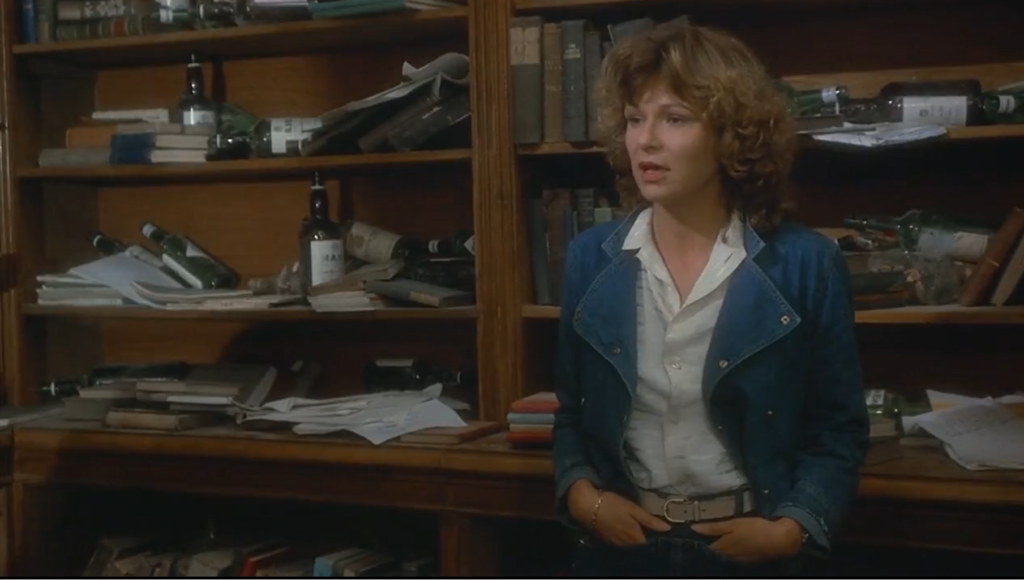
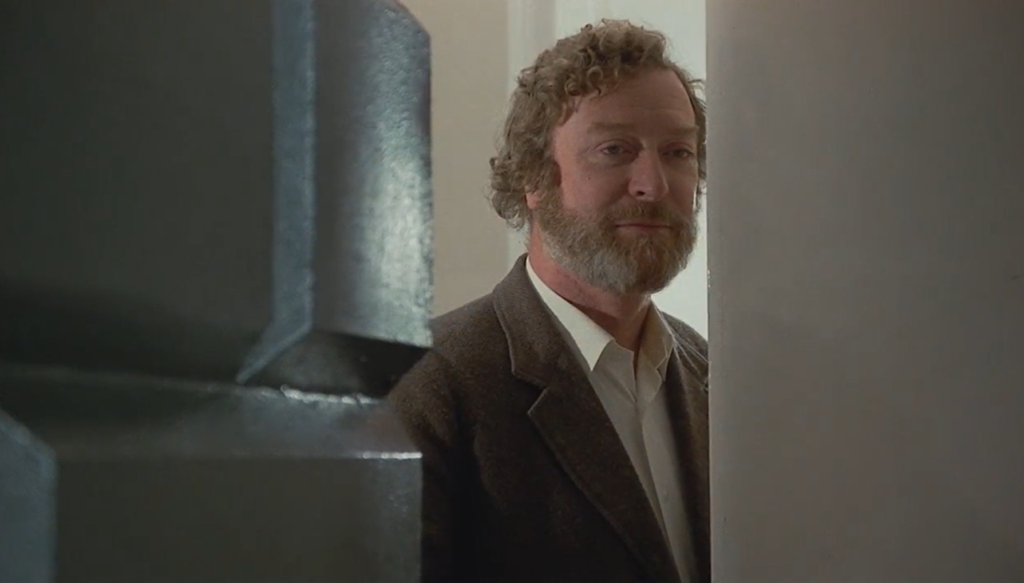
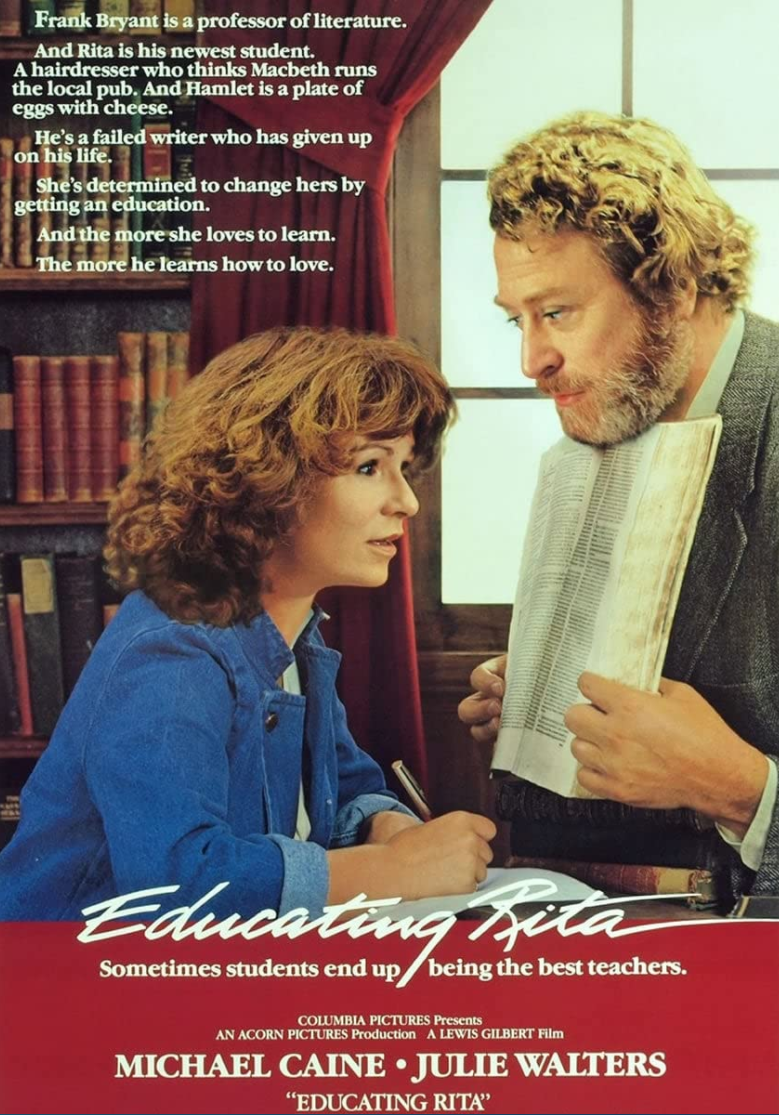
Peary writes that “Julie Walters gives a witty, endearing performance as Rita (the role she had on the London stage), a working class Liverpool hairdresser who decides to study literature at the Open University,” and “Michael Caine is also exceptional as the alcoholic, non-caring professor, a failed poet, who reluctantly becomes her tutor.”
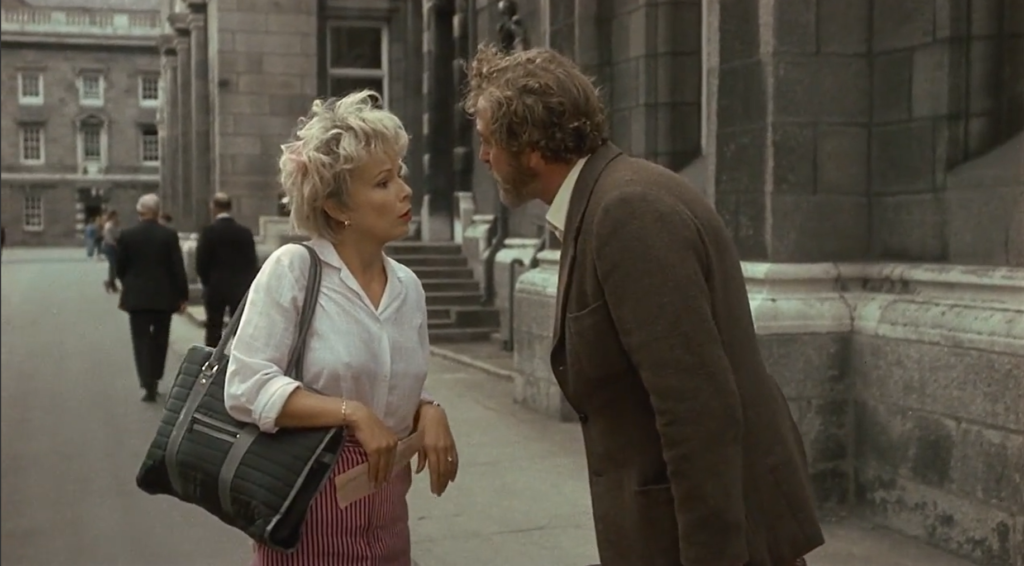
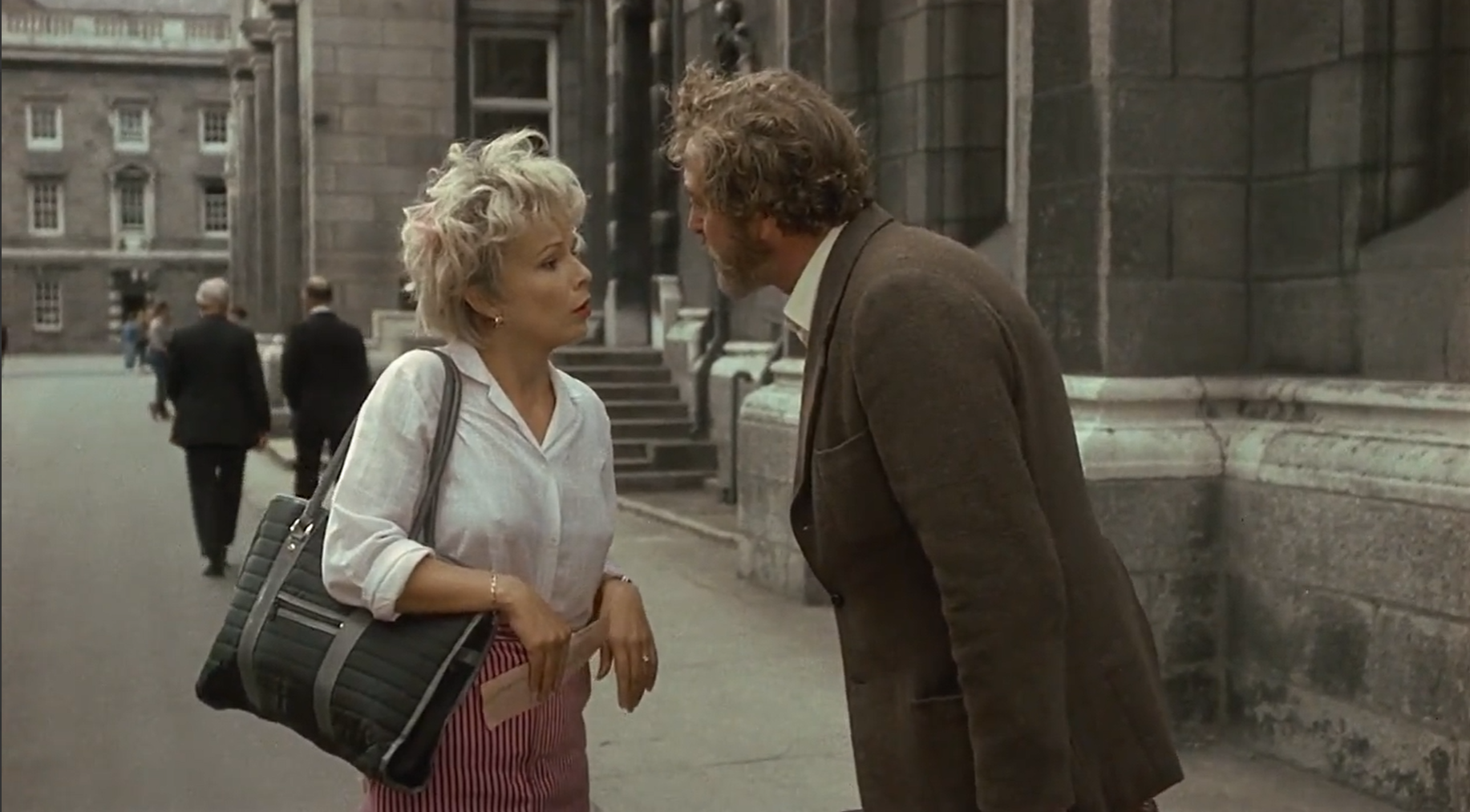
However, I’m not sure I agree with the remainder of Peary’s assessment. He notes that Rita’s “enthusiasm excites [Caine] and he becomes a good professor” (this is only marginally indicated; he still has enormous drinking problems), and that “Caine, who has fallen in love with [Rita], misses the honesty she conveyed before she became (with his help) too sophisticated.” (Again, I’m not sure either of these statements is quite true.) Peary adds, “While the picture was made a decade too late to be taken seriously as an important woman’s-movement film, it does make an interesting point that a man resents a woman who is as educated as or more educated than himself — even if he is the one who encouraged her education” (a “favorite theme of Woody Allen”); however, I don’t actually see evidence of Caine’s Professor Frank Bryant resenting Rita — rather, she puzzles and intrigues him.

In Alterate Oscars, Peary names Caine Best Actor of the Year, asserting that while “Educating Rita was a showcase for Julie Walters, and she gives a dynamic performance, full of grit and wit,” “Caine matches her every step of the way.”
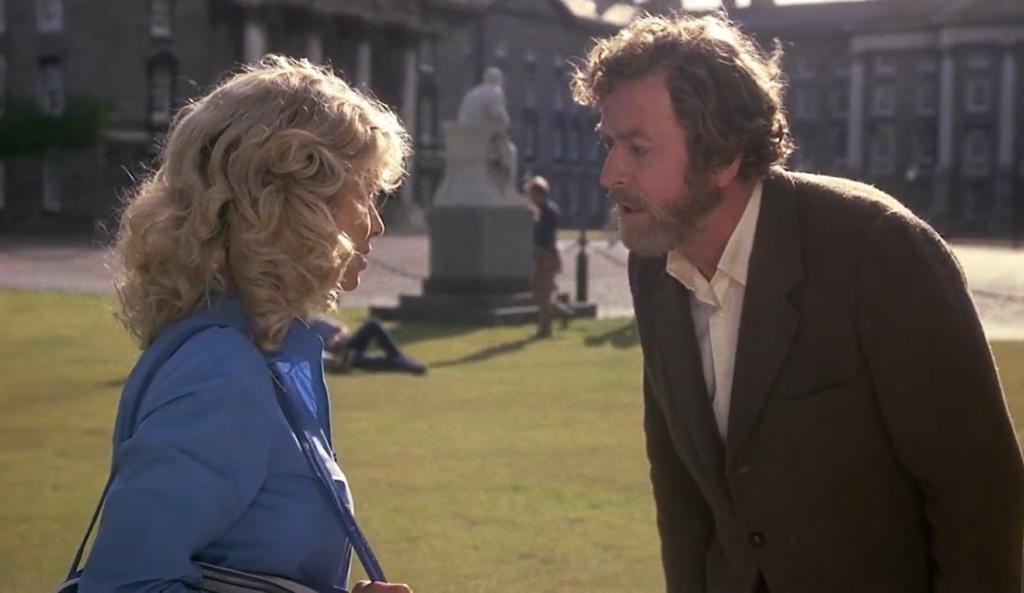
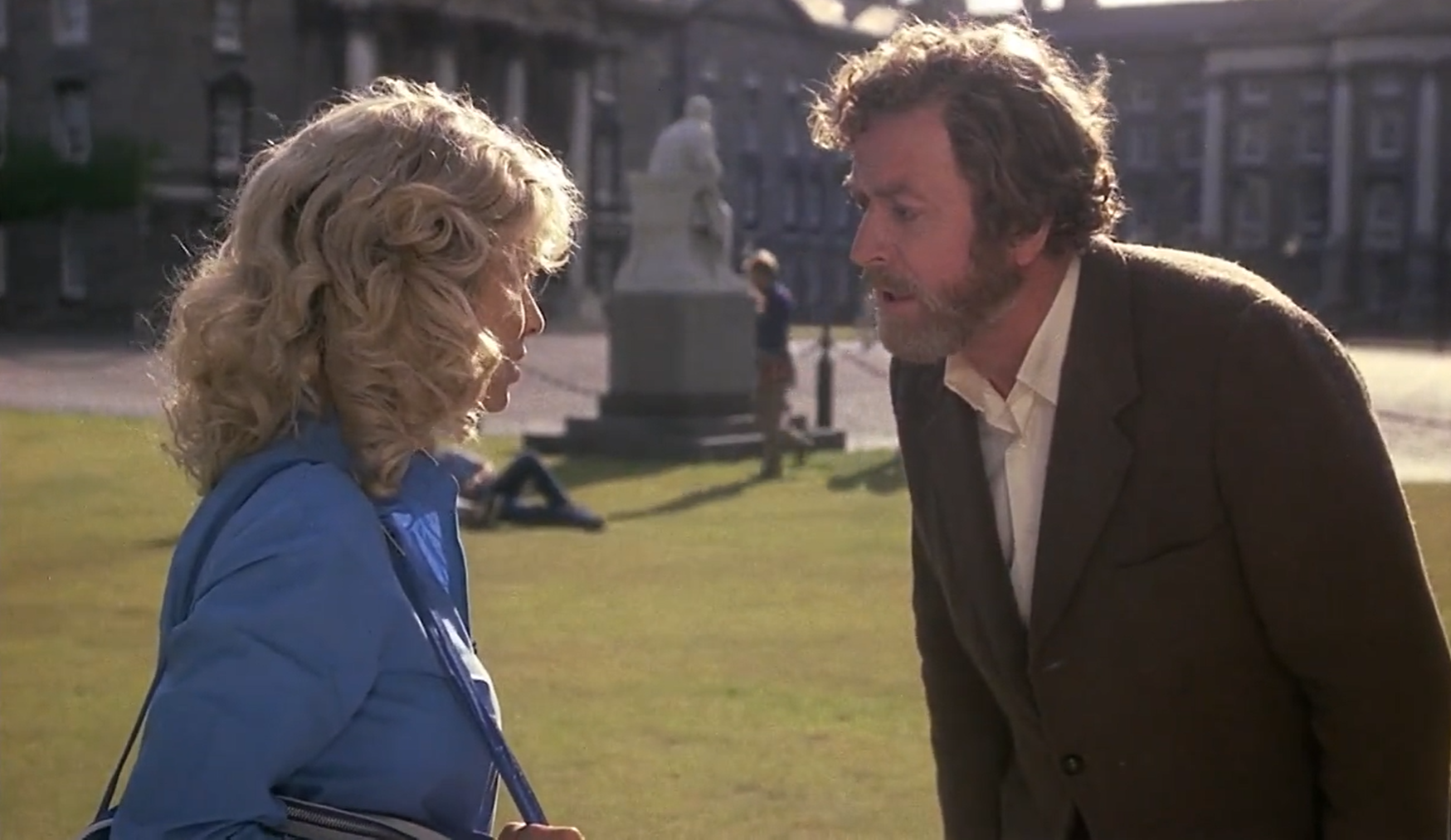
He notes, “As Rita changes in dramatic ways, we notice subtle changes in Frank. As his drinking drops off, he again looks out his window with clear eyes at the pretty world outside, starts to care again about teaching, is excited again about literature, smiles, has energy, looks trimmer… and likes himself again.” But “when Rita leaves his sphere of influence, getting stimulation and experiences elsewhere, he is crushed, reacting with spite and martyrdom,” and “orders her to go away.” (No — actually, he strongly recommends that she attend summer school, reminding her that she has plenty to learn from other tutors besides him.) At that point, “obsolete again, he returns to booze”:
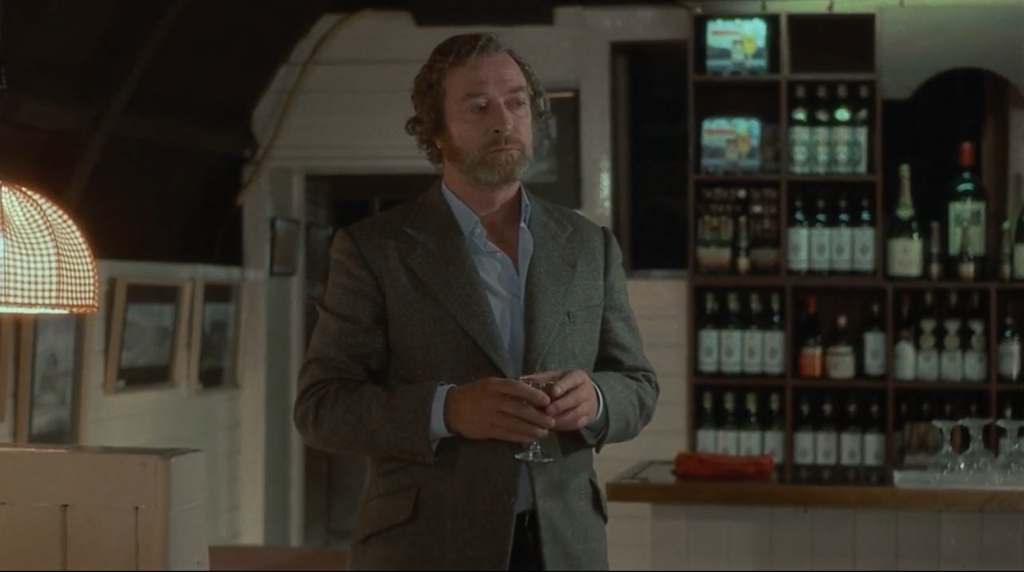
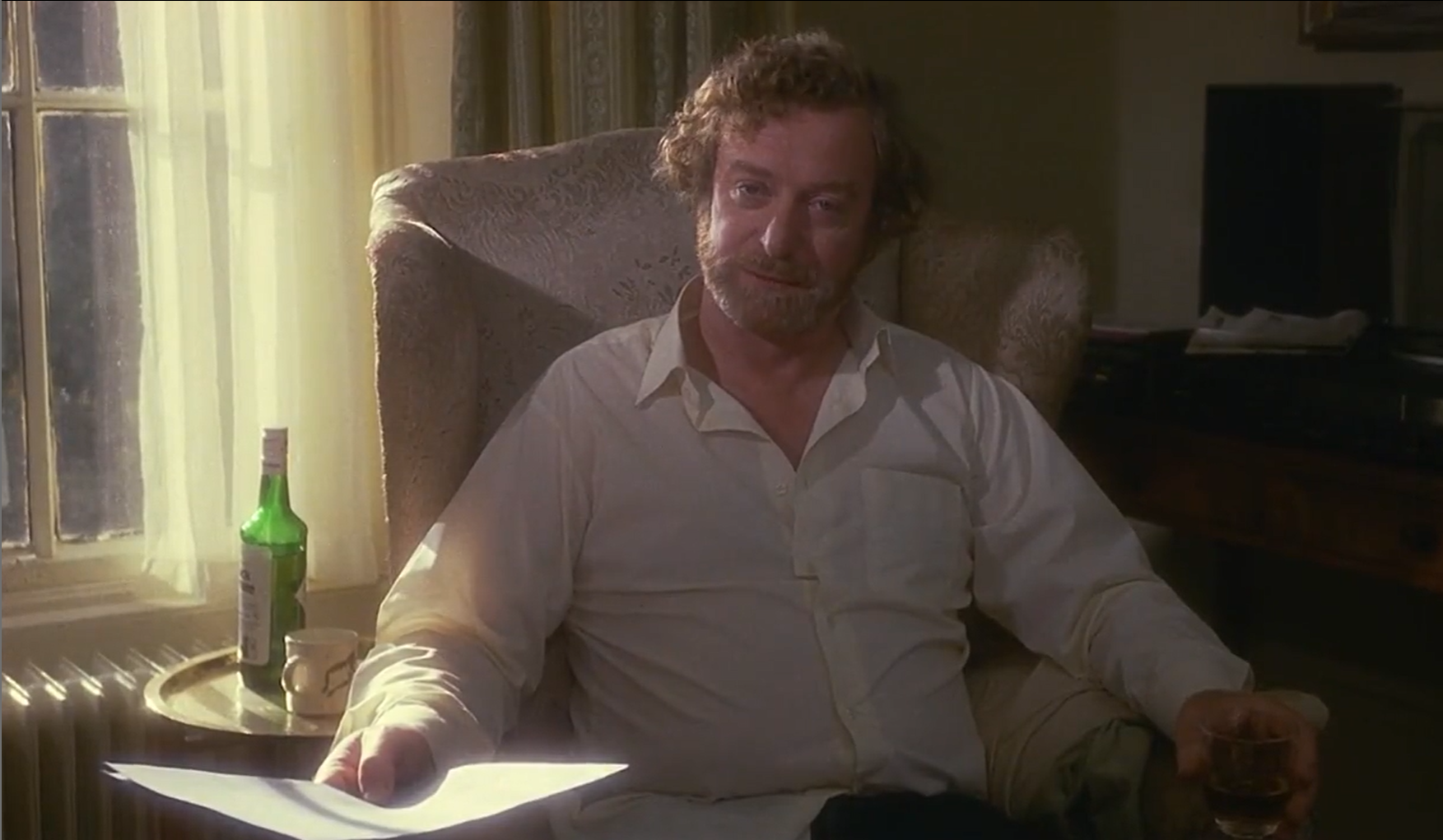
… and “his attitude becomes obnoxious, but Caine makes it evident that Frank is feeling emotions that he hasn’t experienced in years. So while he tries to destroy himself — if the drinking doesn’t wreck him physically, it will at very least cause him to lose his position — he also looks deeply inside himself and unexpectedly finds good qualities, the result of his relationship with Rita.” Peary concludes that “as Frank Bryant, tutor of someone who had a background much like Caine’s own, he got the opportunity to be intelligent, tender, funny, bitter, self-pitying, and insecure.”
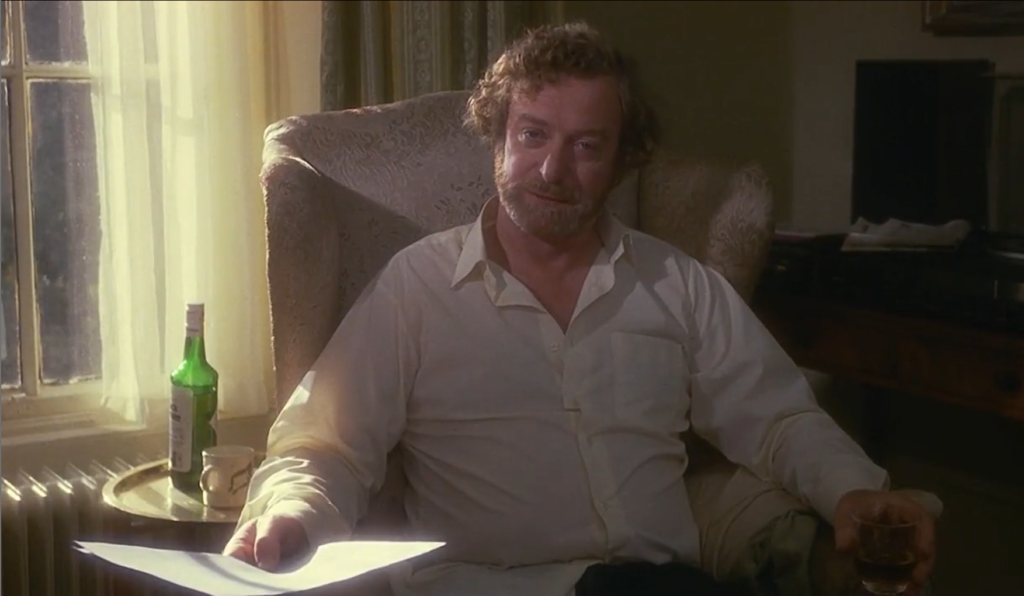
I’m a fan of Caine’s work here, but can’t relate to much of Peary’s assessment, given that Frank’s trajectory is ultimately peripheral (rightfully so) to that of Rita. Caine’s performance hints at the depths indicated in Peary’s analysis — but because they’re not the primary focus, we don’t really know for sure what’s going on. We see the folks around Frank (students, colleagues, friends) showing remarkable sympathy for his disease, giving him yet another chance, time and again — but we’re not actually sure he deserves these chances. Instead, it’s Rita’s bold liberation from the shackles of her class expectations that keeps us engaged; it’s easy to sympathize with the predicament she finds herself in, given that she genuinely cares for her husband and family but simply can’t relate to their desires or lifestyle anymore.

Peary ends his Alternate Oscars review of Caine’s performance by writing:

“After Rita’s transformation from honest woman to pretentious [sic] sophisticate, Frank alludes to Mary Shelley’s creation of a monster. Significantly, while he begrudges himself for having altered Rita, he is the one who is acting like a monster. You really do feel his ‘smirking terror’ as he gazes at this woman who has outgrown him and wants her freedom. What’s really scary, for many of us men, anyway, is that we can identify with Caine’s abandoned mentor at this moment.”

Peary’s sentiments are authentic and revealing of his own insecurities — and while I can’t relate to them, it’s clear that this film offers different take-aways for a variety of viewers. As Peary writes in GFTFF, “This was an unexpected hit that most everyone liked, despite the conventional Pygmalion-influenced story,” and it remains worth a one-time look.

Notable Performances, Qualities, and Moments:

  • Julie Walters as Rita

  • Michael Caine as Dr. Frank Bryant

Must See?
Yes, for the strong central performances.

Categories

  • Noteworthy Performance(s)
  • Oscar Winner or Nominee

Links:

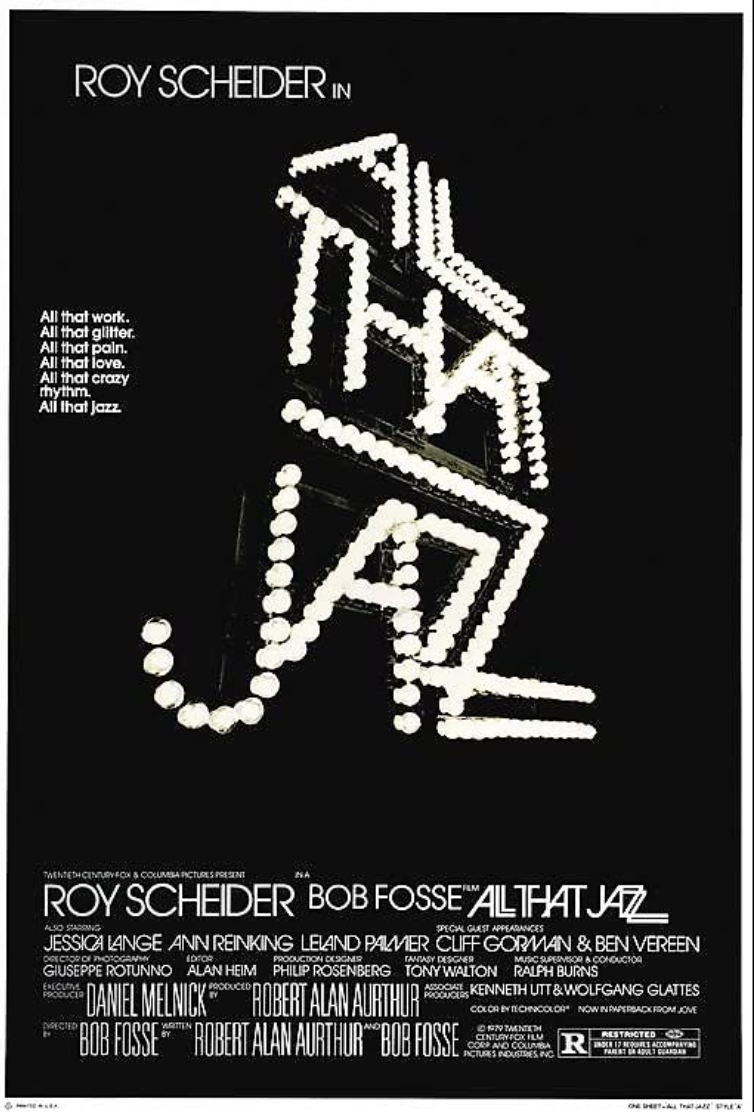
All that Jazz (1979)

All that Jazz (1979)

“I try to give you everything I can give.”

Synopsis:
Ailing Broadway choreographer and director Joe Gideon (Roy Scheider) receives visits from a beautiful angel of death (Jessica Lange) while overseeing the production of a musical starring his ex-wife (Leland Palmer); editing a film about a caustic comic (Cliff Gorman); visiting his adoring 12-year-old daughter (Erzsabet Foldi); sleeping with an aspiring starlet (Deborah Geffner); and disappointing his loyal mistress (Ann Reinking) by refusing to settle down with her.

Genres, Themes, Actors, and Directors:

  • Bob Fosse Films
  • Dancers
  • Death and Dying
  • Jessica Lange Films
  • Roy Scheider Films
  • Womanizers

Response to Peary’s Review:
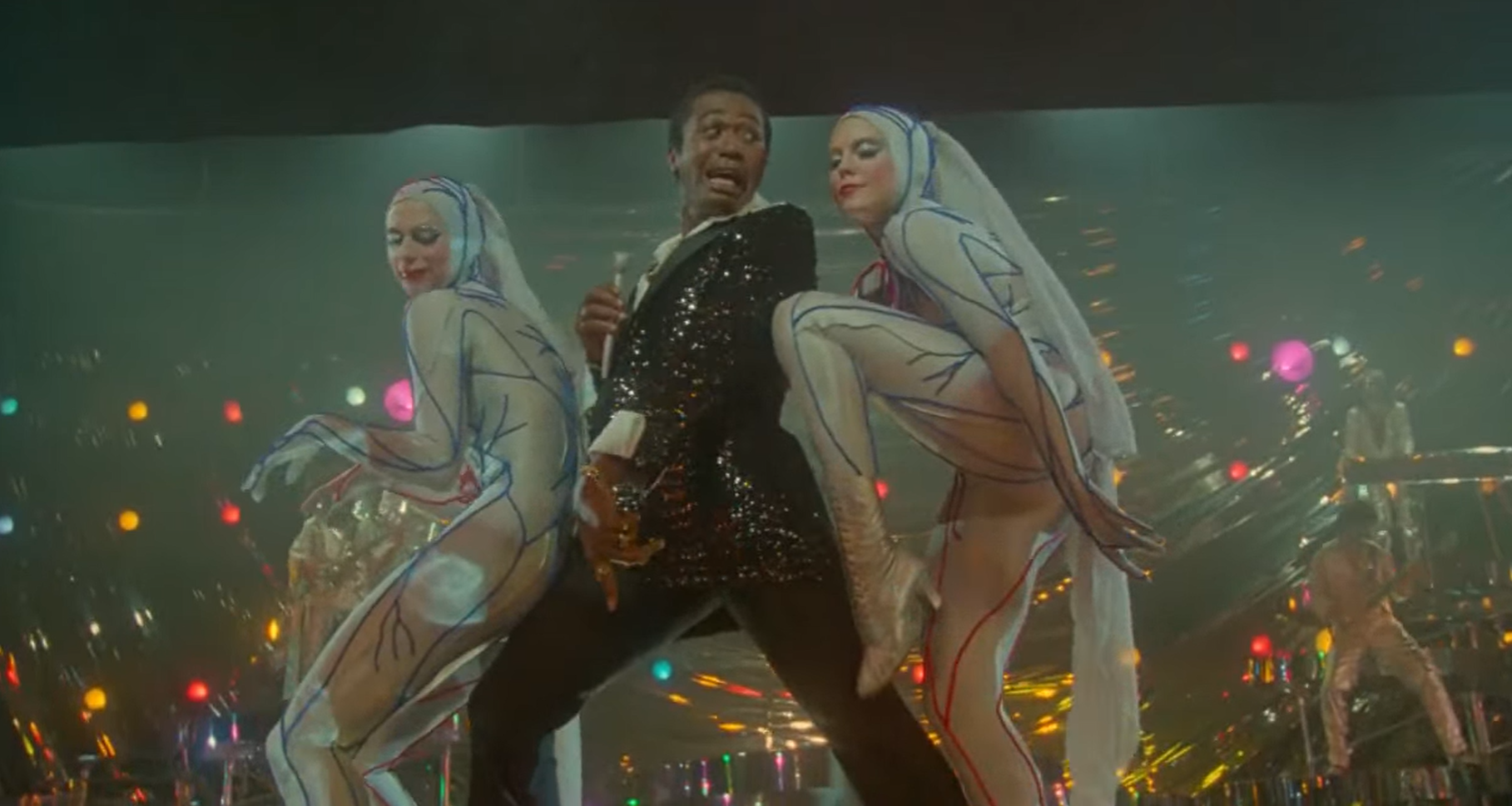
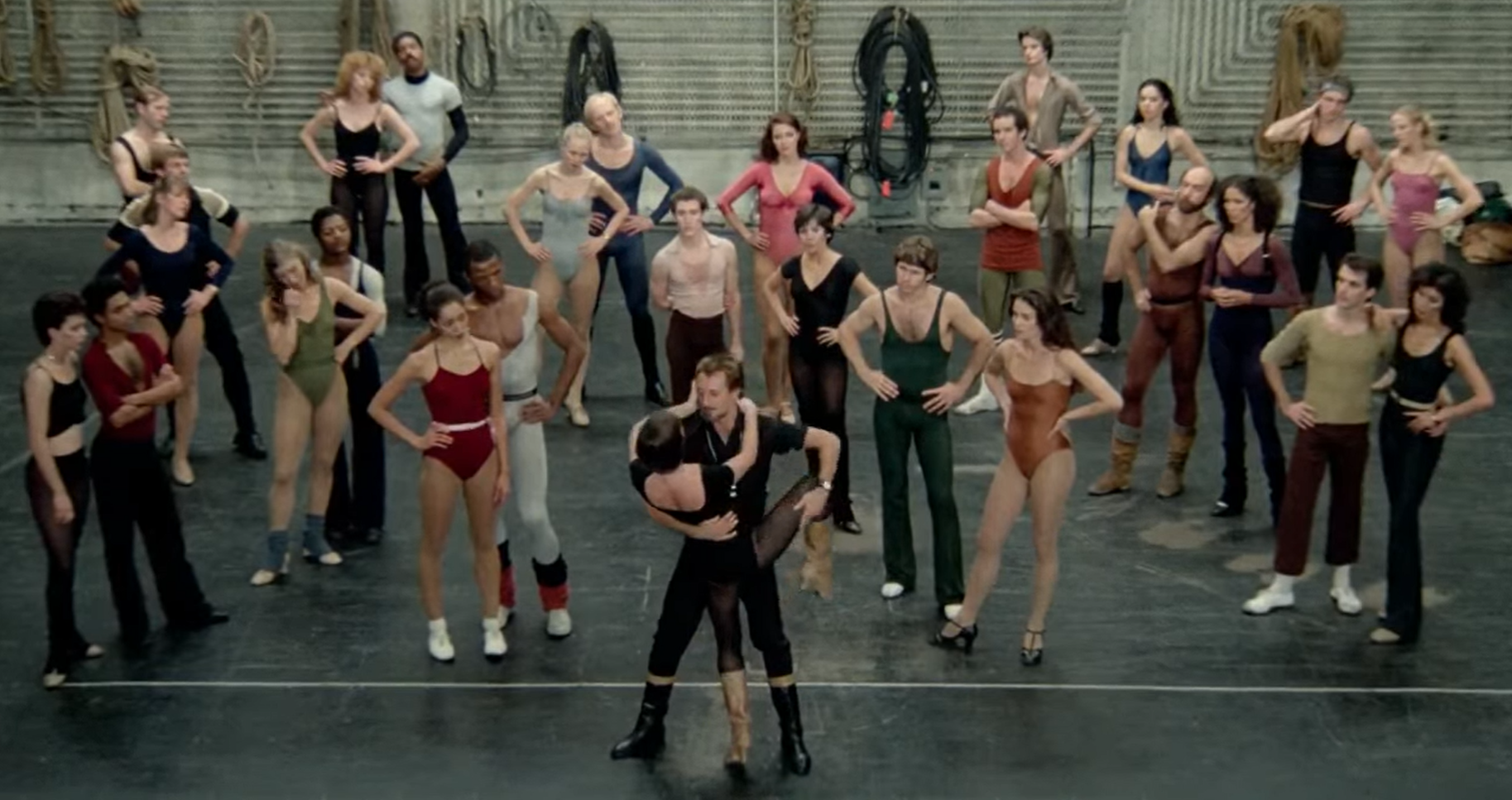
Peary argues that “Bob Fosse’s stylized, semi-autobiographical musical about a hopelessly overworked Broadway and movie director” — “who suffers a heart attack that should, but doesn’t really, give him a new perspective on life and death” — “starts out like a house afire, with beautifully choreographed, erotic — almost lewd — dances”:

… but “once Scheider has his attack that sends him to the hospital”:

… “the picture deteriorates into a never-ending wave of self-indulgence” and “you really get to hate Scheider’s character.” He further adds that the “‘Bye Bye, Life’ finale, during which Fosse, Scheider, and company do to the Everly Brothers what TV commercial jingles do to many of our standards, is perhaps the most annoying production number in cinema history” (I disagree):

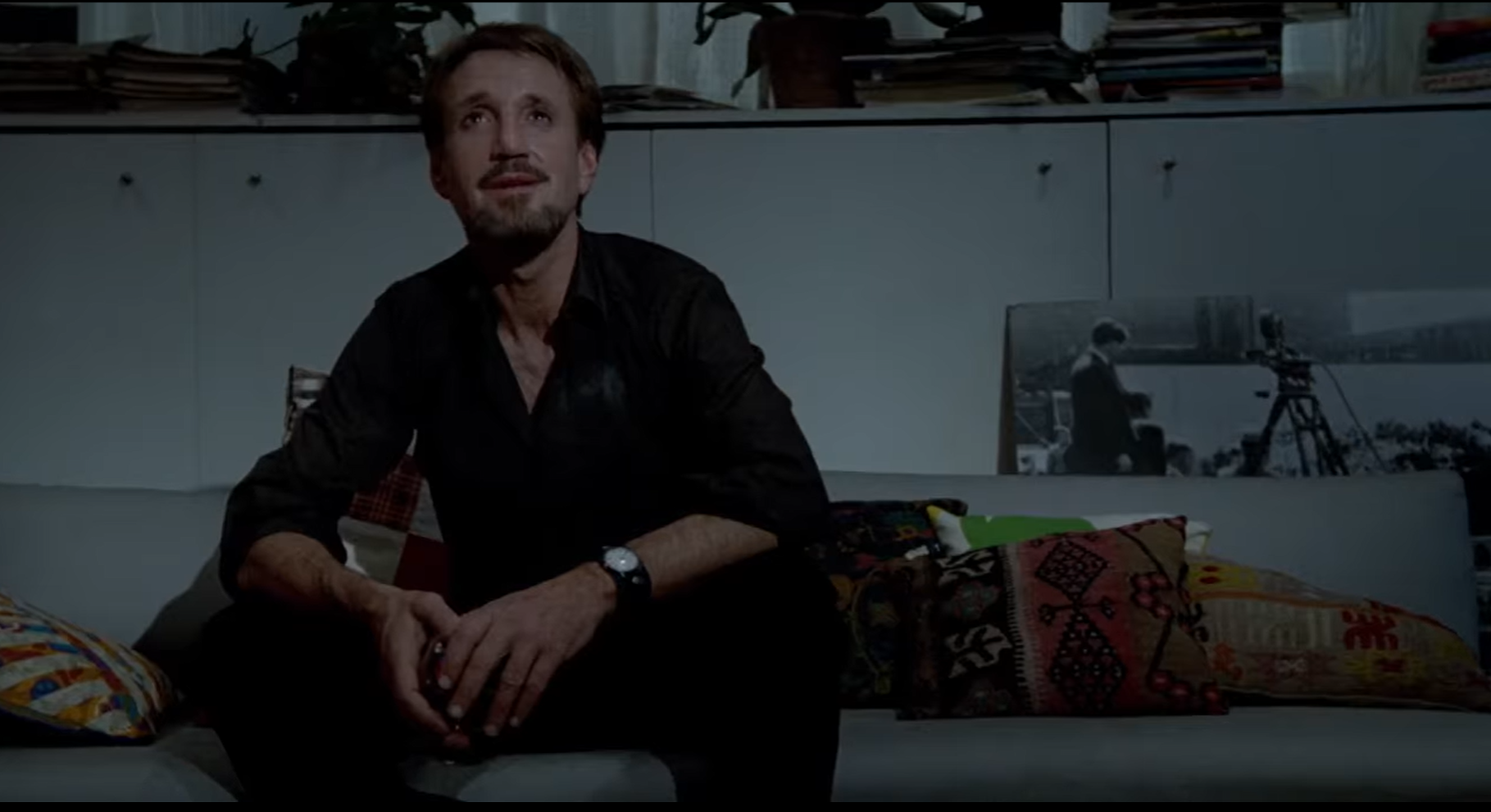
Peary asserts that this “picture will be enjoyed most by those involved in theater or film,” which is surely true — but I think he massively undersells this uniquely crafted, one-of-a-kind musical drama. Scheider’s self-depracating, pathologically perfectionistic character is put on full display, and it’s refreshing to see his personal demons inextricably interwoven with his creative genius.

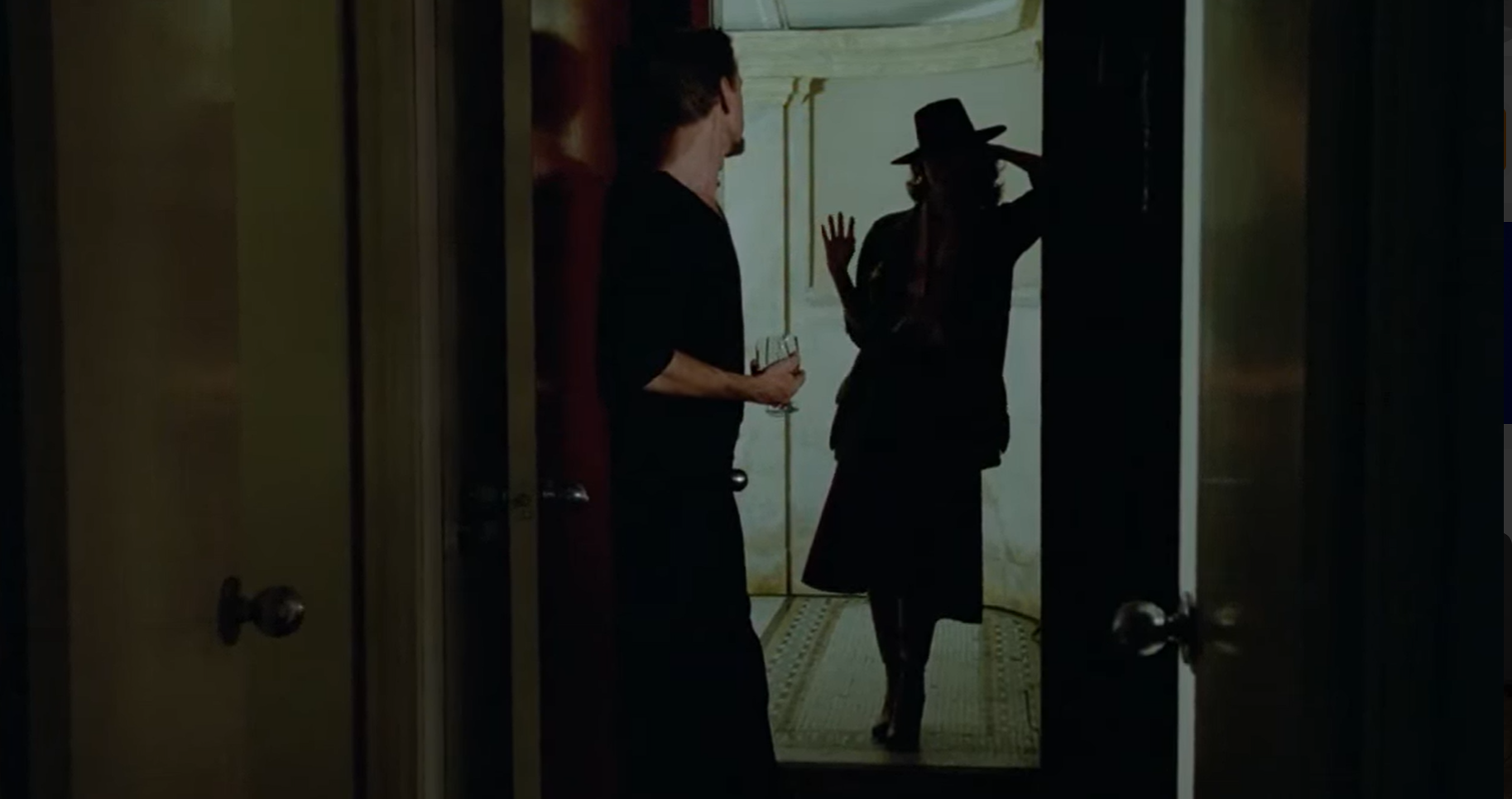
We get an unfiltered (albeit highly stylized) glimpse at the costs of being driven by your art, the sacrifices an artist makes because they don’t see any other way ahead, and the collateral damage that inevitably occurs all around them. Gideon is so creatively obsessed that even his custody time spent with his daughter centers on dancing (which, for the record, she seems to love):

I’m increasingly convinced that brilliance of any kind — if pursued fully and relentlessly — comes at a cost. While society benefits from the fruits of genius, the individual and those in their close circle suffer. Obviously, this isn’t always the case: people make trade-offs all the time to prioritize (for instance) their spouse or kids or privacy; but how many examples do we have of generative brilliance coupled with a sane and balanced personal life? Not nearly enough. The reality is that those who seek fame and creative satisfaction often sacrifice their health by — for instance — over-relying on drugs and adrenaline to get by (as we see oh-so-clearly in this film) while wreaking emotional havoc on the people who love them and can’t quit them. Joe Gideon doesn’t get away with anything by the end — he’s all-too-mortal — but at least we know he’s had a hell of a visionary time until then.

Notable Performances, Qualities, and Moments:

  • Roy Scheider as Joe Gideon
  • Fine supporting performances

  • The compelling opening “cattle call” sequence
  • Giuseppe Rotunno’s cinematography

Must See?
Yes, as a powerful and unusual classic.

Categories

  • Good Show

(Listed in 1001 Movies You Must See Before You Die)

Links: