Decline of Western Civilization, The (1981)

Decline of Western Civilization, The (1981)

“Nothing else is going on — it’s the only form of revolution left.

Synopsis:
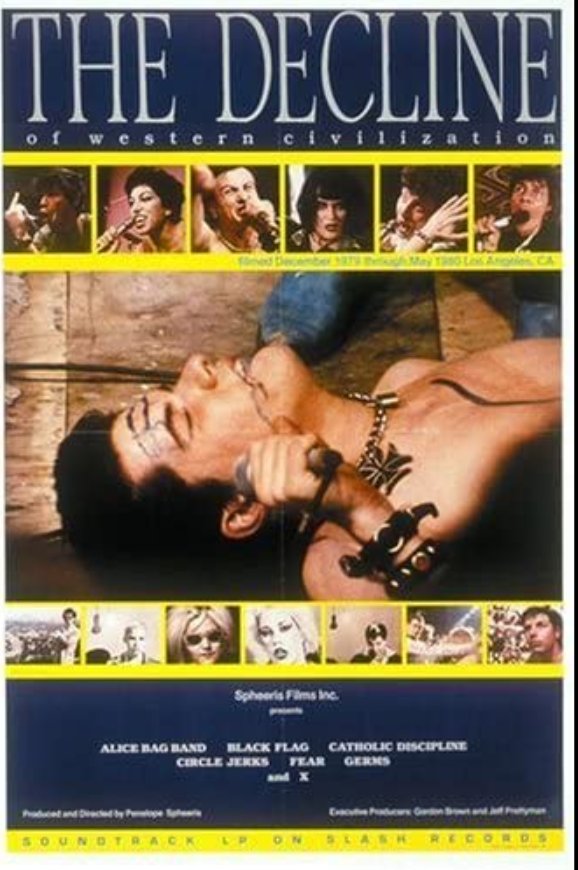
Punk bands in Los Angeles — including Fear, The Germs, Alice Bag Band, and more — channel their aggression and nihilism through music.

Genres, Themes, Actors, and Directors:

  • Documentary
  • Musicians

Review:
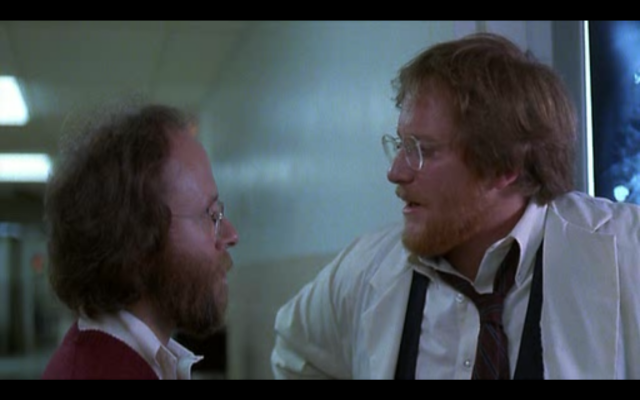
Penelope Spheeris‘s feature debut as a writer-director-producer was this insiders’ look at the punk music scene in L.A., mixing raw concert footage with interviews of band members, managers, fans, club owners, and others.

A former “punk” herself, Spheeris effectively elicits their no-holds-barred thoughts on life, music, drugs, pet tarantulas, haircuts, dead gardeners, and… Well, you get the point. How interesting you find all of this will ultimately depend upon how intrigued you are either by subcultures in general, and/or with the punk movement, which we quickly learn is grounded in nihilism, anger, violence, and bigotry — all on ample display here.

According to this documentary, punk fans and musicians seem to live for the moment when they can enter into a club and begin thrashing their emotions on their sleeve, harming others (and themselves) along the way as applicable. While Decline… is worth a look as an erstwhile cult favorite (and for the cultural footage it provides), it’s not must-see for all film fanatics — though I do recommend it for one-time viewing.

Redeeming Qualities and Moments:

  • A valuable time-capsule snapshot of L.A. punk in the early 1980s

Must See?
No, though it’s recommended for one-time viewing. Listed as a Cult Movie and a Personal Recommendation in the back of Peary’s book.

Links:

Veronika Voss (1982)

Veronika Voss (1982)

“Everything I have belongs to you — all I have left to give you is my death.”

Synopsis:
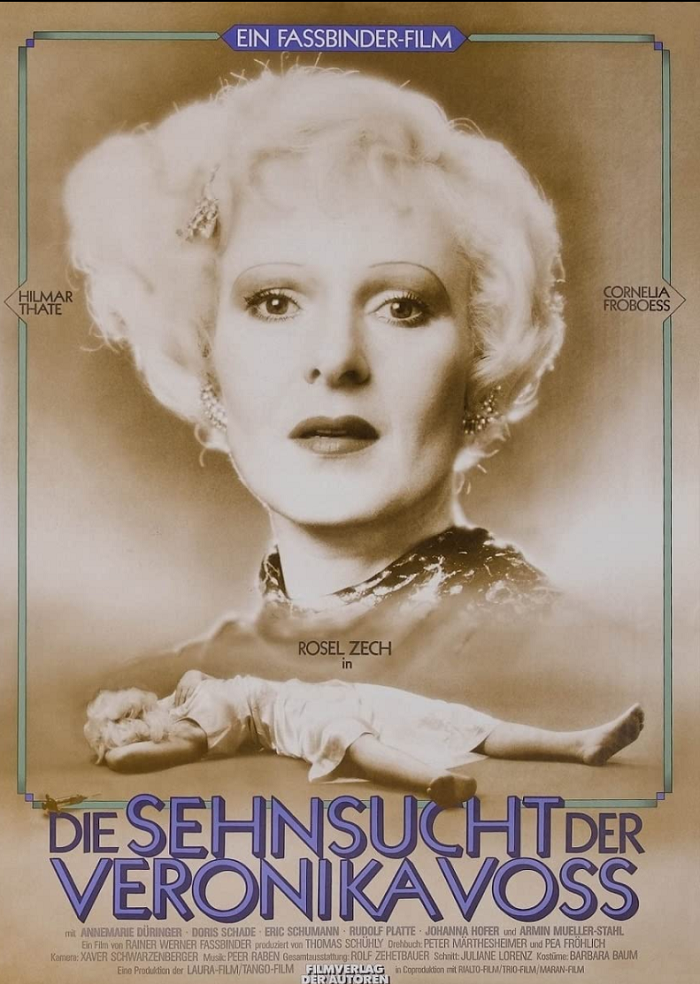
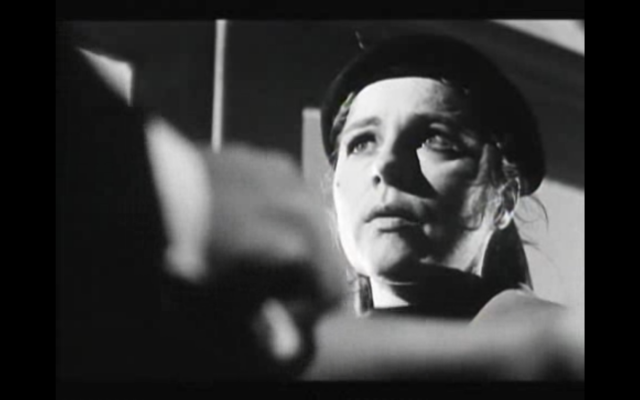
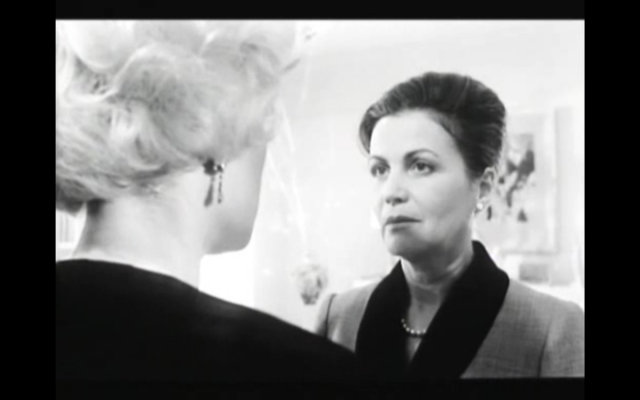
A morphine-addicted actress (Rosel Zech) in postwar Germany falls in love with a sports journalist (Hilmar Thate) who slowly learns about his new lover’s unhealthy relationship with her doctor (Annemarie Duringer).

Genres, Themes, Actors, and Directors:

  • Actors and Actresses
  • Alcoholism and Drug Addiction
  • Fassbinder Films
  • German Films
  • Has-Beens

Response to Peary’s Review:
Peary seems less than enthusiastic in his review of this “rare uncomplicated Fassbinder picture”, the “last film in… Fassbinder’s postwar trilogy, following The Marriage of Maria Braun and Lola.” Loosely based on the career of UFA actress Sybille Schmitz, it tells an absorbing tale of addiction, dependence, and domination, with Thate’s everyman journalist finding himself unexpectedly lured into Zech’s troubled existence. Peary cites the film as “of interest mainly because of what Veronika Voss represents”: both “the once great, proud Germany that shrinks away in pain, guilt, and humiliation and the victims of the postwar social order.” In addition, he notes that “Fassbinder, who often identified with his heroines, probably related to Veronika Voss’s drug addiction since his own dependency was increasing at the time”, and conjectures that “perhaps Fassbinder sensed [that] his imminent demise… would be similar to Veronika Voss’s”.

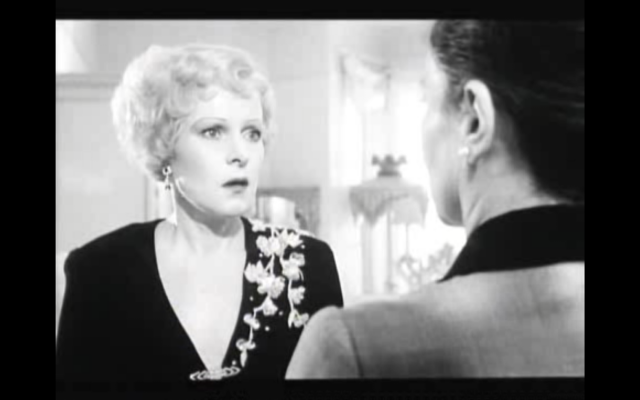
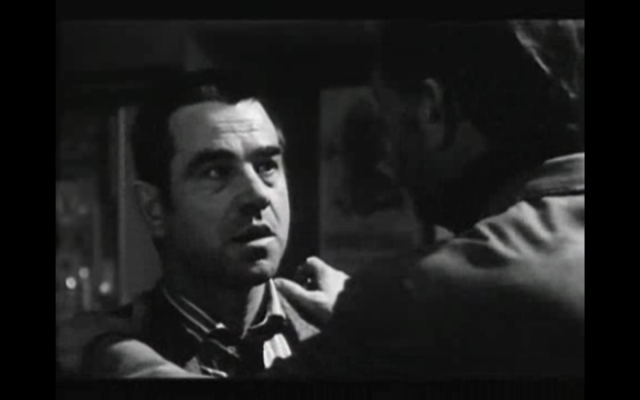
I find the film much more enjoyable than the above analysis would indicate. While it’s certainly of interest on a number of historical and thematic levels, it also simply “works” as a compelling, finely acted character drama. Xaver Schwarzenberger’s rich black-and-white cinematography and Rolf Zehetbauer’s stark set designs (note the blindingly white quarters of Dr. Katz’s “office”) help to create an “other-worldly” post-WWII landscape, one which resonates effectively with Voss’s warped existence. Indeed, the film is a fascinating combination of standard melodrama (Fassbinder was heavily influenced by Douglas Sirk) and post-modern surrealism: in one of the movie’s strangest scenes, for instance, Zech openly propositions Thate in front of his girlfriend (Cornelia Froboess), who thus knows about his betrayal yet ends up assisting Thate in his attempt to uncover the truth behind Zech’s mysterious relationship with her doctor (Duringer). Film fanatics — whether fans of Fassbinder’s oeuvre or not — are sure to find this one worth a look.

Note: Parallels are often made between this and Billy Wilder’s masterful Sunset Boulevard, given that both Zech’s Veronika Voss and Gloria Swanson’s Norma Desmond are aging “has beens”, desperate for a resurgence of their failing careers, who lure an impressionable young man into their troubled lives. This is definitely the darker of the two.

Redeeming Qualities and Moments:

  • Rosel Zech as Veronika Voss
  • Hilmar Thate as Robert Krohn
  • Cornelia Froboess as Henriette
  • Annemarie Duringer as Dr. Katz
  • Striking b&w cinematography
  • Effectively stark sets

Must See?
Yes, as one of Fassbinder’s most compelling films.

Categories

  • Foreign Gem
  • Important Director

Links:

Great Expectations (1946)

Great Expectations (1946)

“Pip! A young gentleman of great expectations.”

Synopsis:
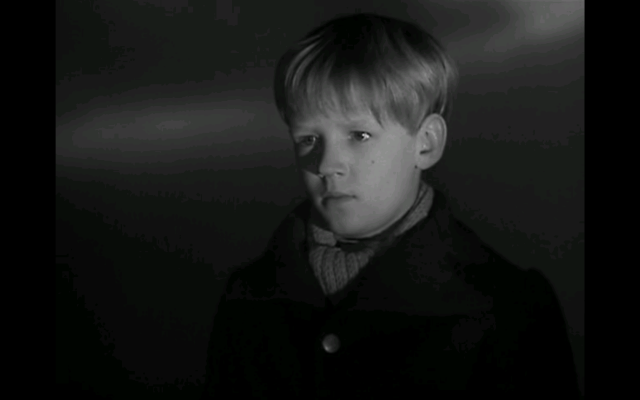
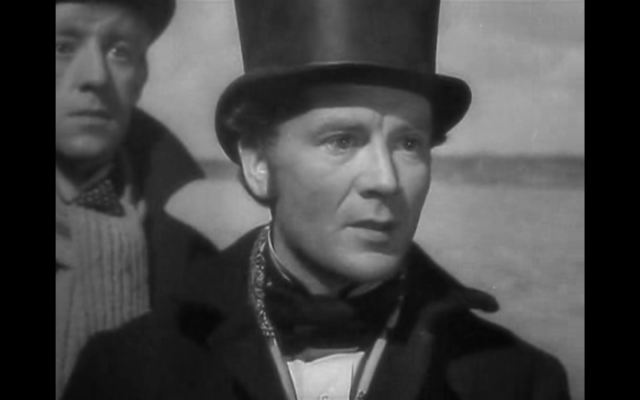
A young orphan (Anthony Wager) who exhibits kindness to an escaped convict (Finlay Currie) is sent to be the playmate of a girl (Jean Simmons) living with an embittered older woman (Martita Hunt). Years later, grown Pip (John Mills) becomes a gentleman through the help of an unknown benefactor, re-encounters the convict, and remains enamored with his childhood crush (now played by Valerie Hobson).

Genres, Themes, Actors, and Directors:

  • Charles Dickens Films
  • David Lean Films
  • Jean Simmons Films
  • John Mills Films
  • Orphans
  • Social Climbers

Review:
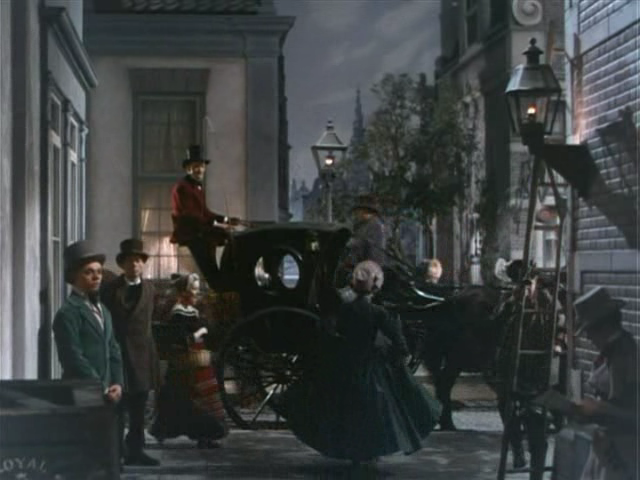
David Lean’s adaptation of Charles Dickens’ classic novel — listed as number five on the BFI’s list of all-time great British films — is widely acknowledged as its best cinematic rendering, and remains among the top Dickens adaptations ever produced. Upon its release, Bosley Crowther of the New York Times referred to it as “a perfect motion picture”, noting it could “safely be recommended as screen story-telling at its best” — and this lofty sentiment isn’t far from the truth. Lean and his crew manage to take Dickens’ dense, character-rich serial novel and turn it into a gripping, finely acted two-hour drama with a clear story arc and plenty of invigorating twists and turns.

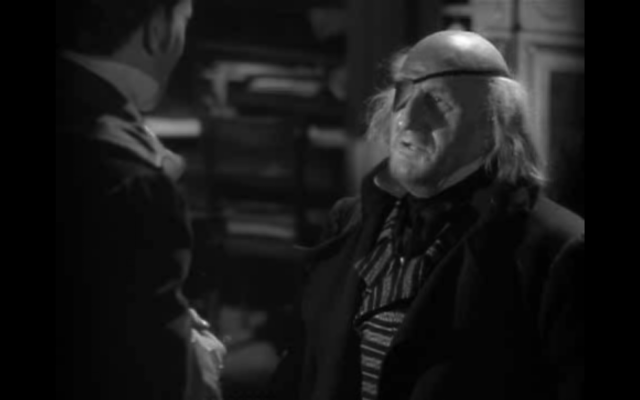
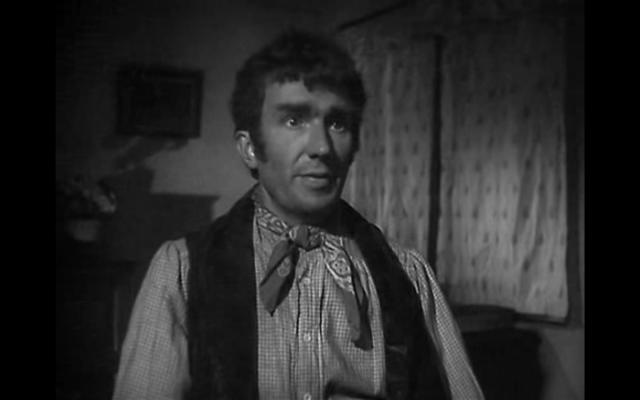
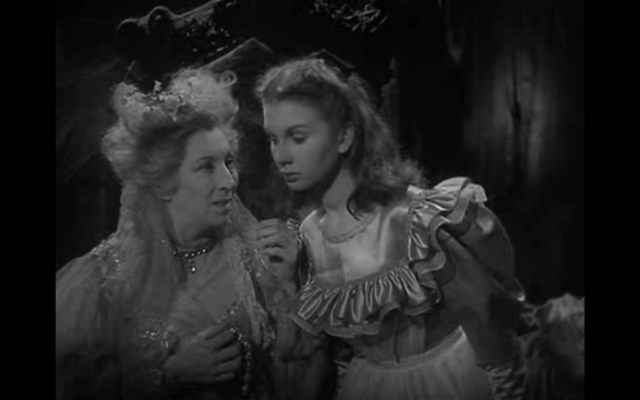
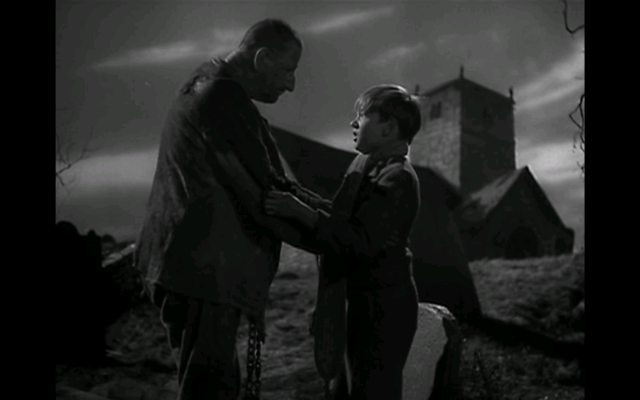
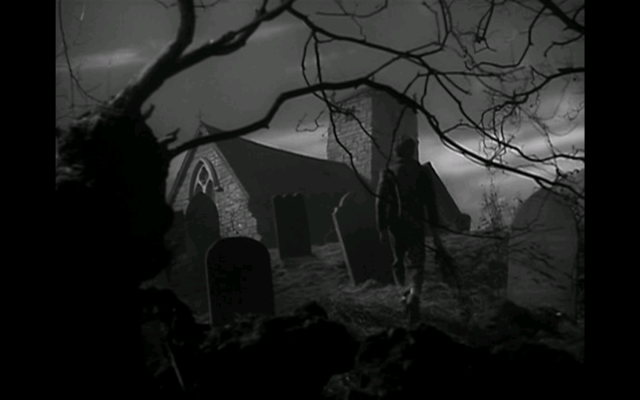
Lean apparently had a very specific vision for how the film should look, and his attention to detail clearly pays off. From its opening scene at the cemetery on the moors, to Miss Havershim’s decaying manse, to Pip’s new living quarters as a “gentleman” in London, each of the carefully crafted sets (the film won an Oscar for best art and set direction) emanate Dickensian authenticity. Guy Green’s Oscar-winning cinematography is truly stunning, and the supporting performances by the ensemble cast are consistently impressive, embodying Dickens’ characters exactly as we likely imagine them. Among the notable stand-outs are Finley Currie as Magwitch the convict (appropriately menacing in his on-screen “debut” on the moors), Bernard Miles as Pip’s humble brother Joe Gargery, and Martita Hunt as the infamous spinster Miss Havisham.

Redeeming Qualities and Moments:

  • Anthony Wager as young Pip
  • John Mills as grown Pip
  • Finlay Currie as Magwitch
  • Bernard Miles as Joe Gargery
  • Martita Hunt as Miss Havisham
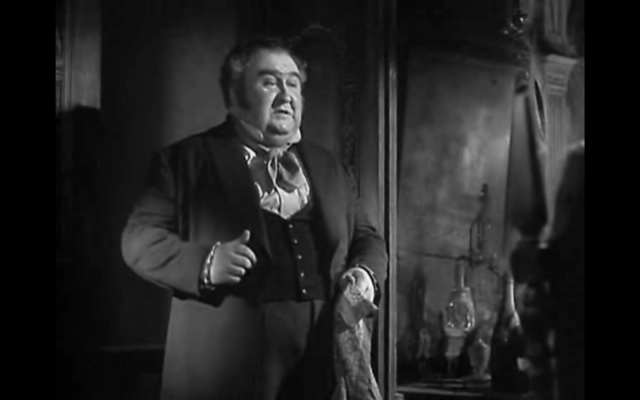
  • Francis Sullivan as Mr. Jaggers
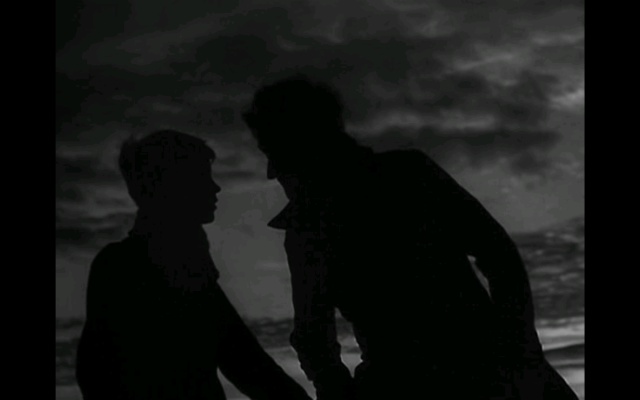
  • The incredibly tense opening sequence on the moors
  • Guy Green’s stunning cinematography
  • Fine period sets

Must See?
Yes, as a classic rendering of a classic novel. Nominated by Peary as one of the best pictures of the year in his Alternate Oscars.

Categories

  • Genuine Classic
  • Oscar Winner or Nominee

(Listed in 1001 Movies You Must See Before You Die)

Links:

Sherlock Holmes (1932)

Sherlock Holmes (1932)

“It is only the obvious that escapes attention.”

Synopsis:
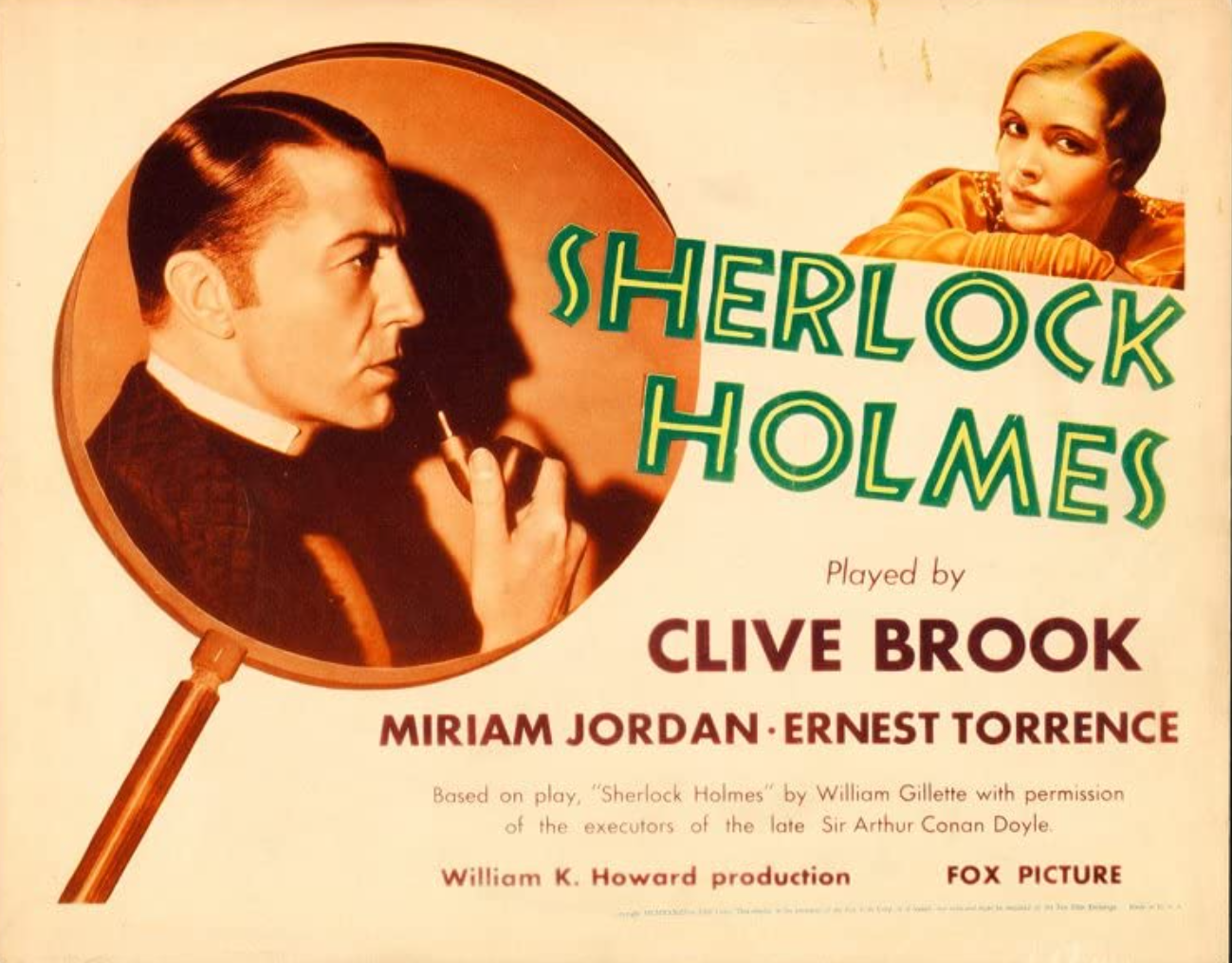
Sherlock Holmes (Clive Brook) finds his wedding to a society girl (Miriam Jordan) postponed when his arch-enemy Moriarty (Ernest Torrence) escapes from jail and begins killing those who sentenced him to death.

Genres, Themes, Actors, and Directors:

  • Clive Brook Films
  • Detectives and Private Eyes
  • Fugitives
  • Play Adaptation
  • Sherlock Holmes Films

Review:
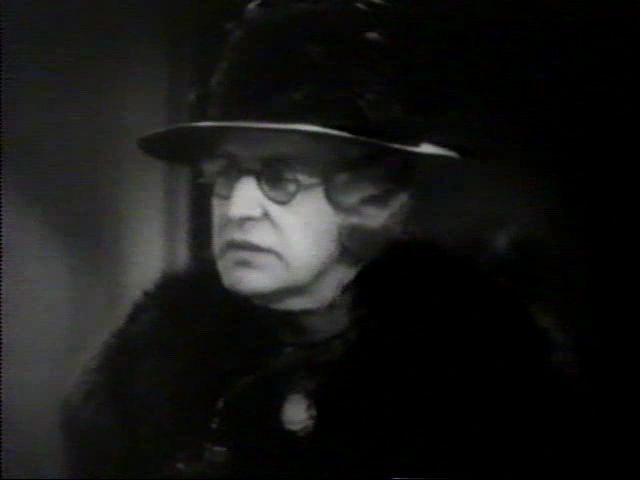
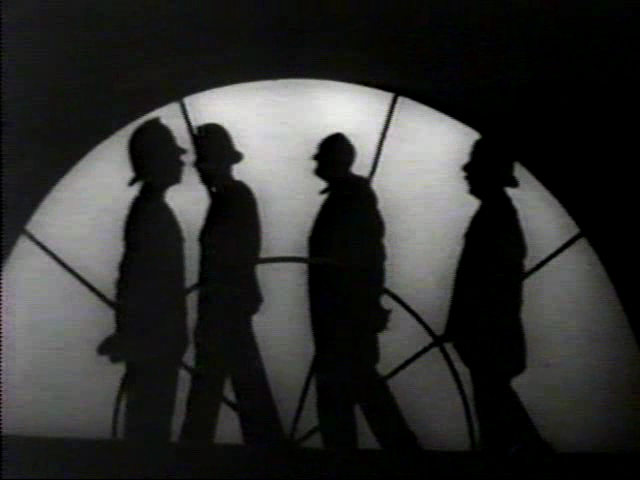
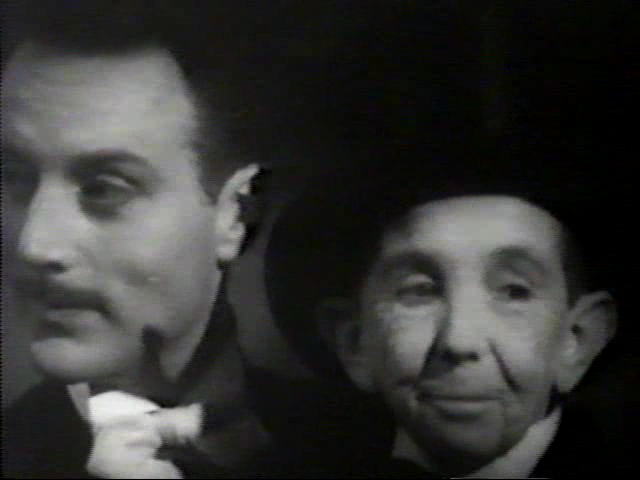
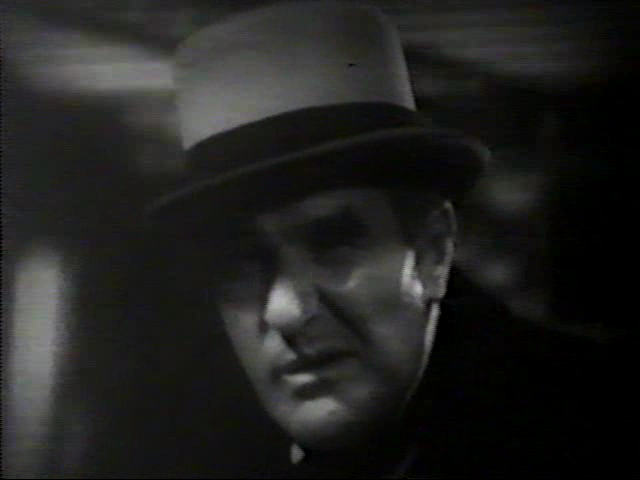
Loosely based on William Gillette’s stage play, this cinematic interpretation of literature’s most famous sleuth is an amiable entry in the estimable “genre” of Sherlock Holmes flicks. While Clive Brook (a dull actor, IMHO) isn’t particularly noteworthy in the title role, Ernest Torrence is appropriately menacing as his arch-enemy Moriarty (we genuinely fear for Holmes’s life), and the storyline itself remains quite compelling. At just 68 minutes, the film moves along at a fast clip, aided by clever editing, atmospheric cinematography, and a dark sense of humor. Worth a look.

Note: This may be the only film showing Holmes dressed in drag (looking much like Lionel Barrymore in The Devil Doll).

Redeeming Qualities and Moments:

  • A clever opening sequence
  • Creative direction, editing, and cinematography

  • Ernest Torrence as Moriarty

Must See?
No, though it’s certainly worth a look if you run across it.

Links:

Bitter Tears of Petra von Kant, The (1973)

Bitter Tears of Petra von Kant, The (1973)

“Discipline’s okay as long as you’re having fun.”

Synopsis:
A successful, recently divorced fashion designer (Margit Carstensen) falls for a lovely young model (Hanna Schygulla) and is devastated to learn she’s been unfaithful to her.

Genres, Themes, Actors, and Directors:

  • Downward Spiral
  • German Films
  • Lesbianism
  • Obsessive Love
  • Play Adaptations
  • Rainer Werner Fassbinder Films

Review:
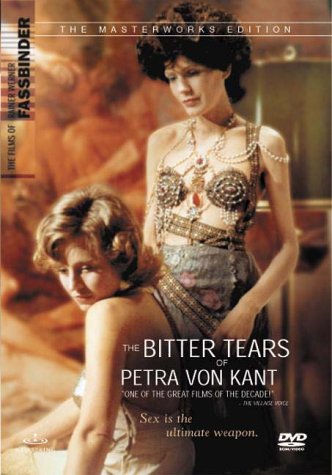
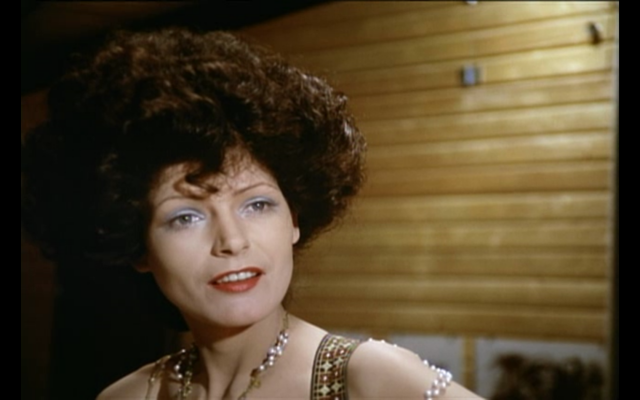
Your reaction to this formative entry in iconic director Rainer Werner Fassbinder’s oeuvre will depend largely on two factors: first, how devoted you are to joining Fassbinder on each of his cinematic journeys into the realm of sado-masochistic power dynamics (the central concern of his astonishingly rich career, cut short by a drug overdose when he was just 37 years old), and second, how much tolerance you have for the film’s title character — an unabashedly self-absorbed, narcissistic, petulant fashion designer whose “bitter tears” are caused by her failure to retain ultimate power over all those in her midst. Within the film’s fascinating first half hour, we witness Petra (Carstensen gives an unforgettable leading performance) boldly mistreating her meek, ghostly assistant (Irm Hermann), dissembling to her mother on the phone, avoiding making a payment to Joseph Mankiewicz (!), and generally lolling around in her bedroom before slowly getting dressed and making herself up for the day. When Petra is introduced to an aspiring model named Karin (Schygulla), the film rapidly shifts into a new realm, as Petra’s obsessive love for Karin soon colors her entire existence.

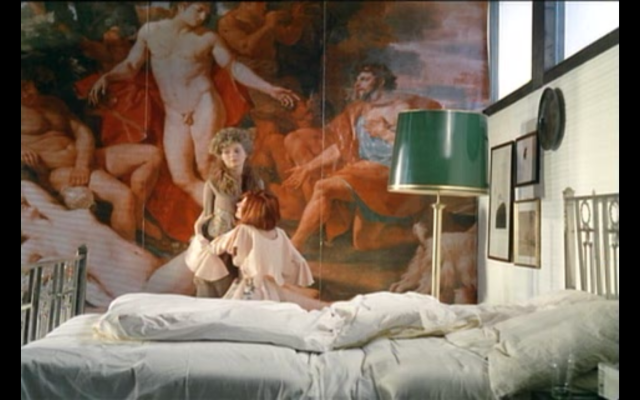
Based upon Fassbinder’s own play, Bitter Tears very much retains its theatrical origins: it’s neatly divided into “acts”, and all takes place within the strategically claustrophobic quarters of Petra’s apartment. This works just fine throughout the first “act”, when viewers are sure to be intrigued (if nothing else) by the direction Fassbinder is taking us in. But by the time the story’s central thesis is finally established — that Petra’s obsession with “owning” Karin will be her undoing — we’ve become a little weary of the film’s slow pacing and patently artificial staging. Fassbinder constructs his film as an elaborate homage to Douglas Sirk’s colorful mid-century melodramas, with a decidedly perverse bent: his lead characters (all female) inhabit a world of outlandishly baroque outfits (complete with wigs and garish make-up) and surreal sets populated by strategically framed female mannequins and an over-sized reproduction of Nicolas Poussin’s 1629 painting “Midas and Bacchus” dominating one of the walls of Petra’s home. It’s all visually arresting, but eventually not compelling enough to keep us invested in watching “poor” Petra’s downward spiral. With that said, Bitter Tears is the kind of dense, wordy film that lends itself to academic deconstruction — so if you’re up for this type of intellectual challenge, definitely check it Jonathan Rosenbaum’s critical essay.

Redeeming Qualities and Moments:

  • Margit Carstensen as Petra von Kant
  • Visually arresting sets and costumes

Must See?
No, though Fassbinder completists will certainly want to visit it. Listed as a Personal Recommendation in the back of Peary’s book.

(Listed in 1001 Movies You Must See Before You Die)

Links:

Love Me Or Leave Me (1955)

Love Me Or Leave Me (1955)

“I’ve had enough! It’s up to here for me. From now on, I’m number one!”

Synopsis:
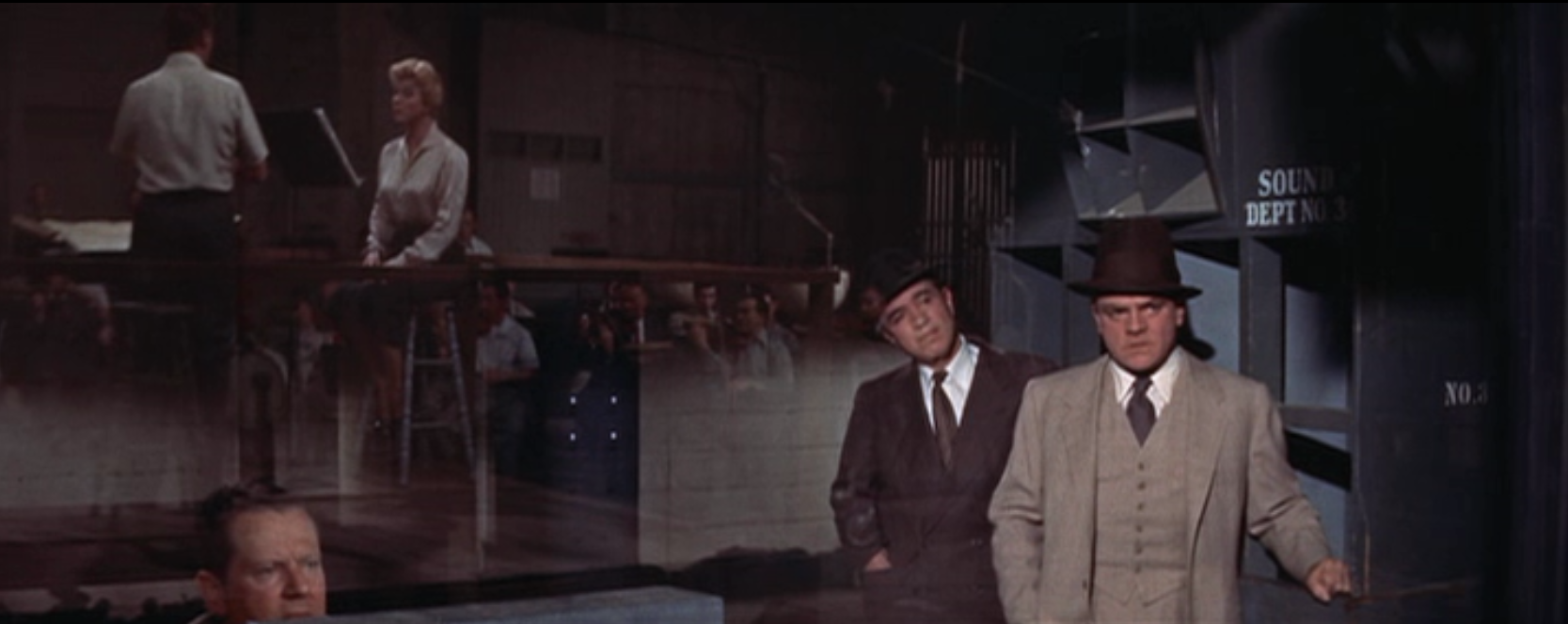
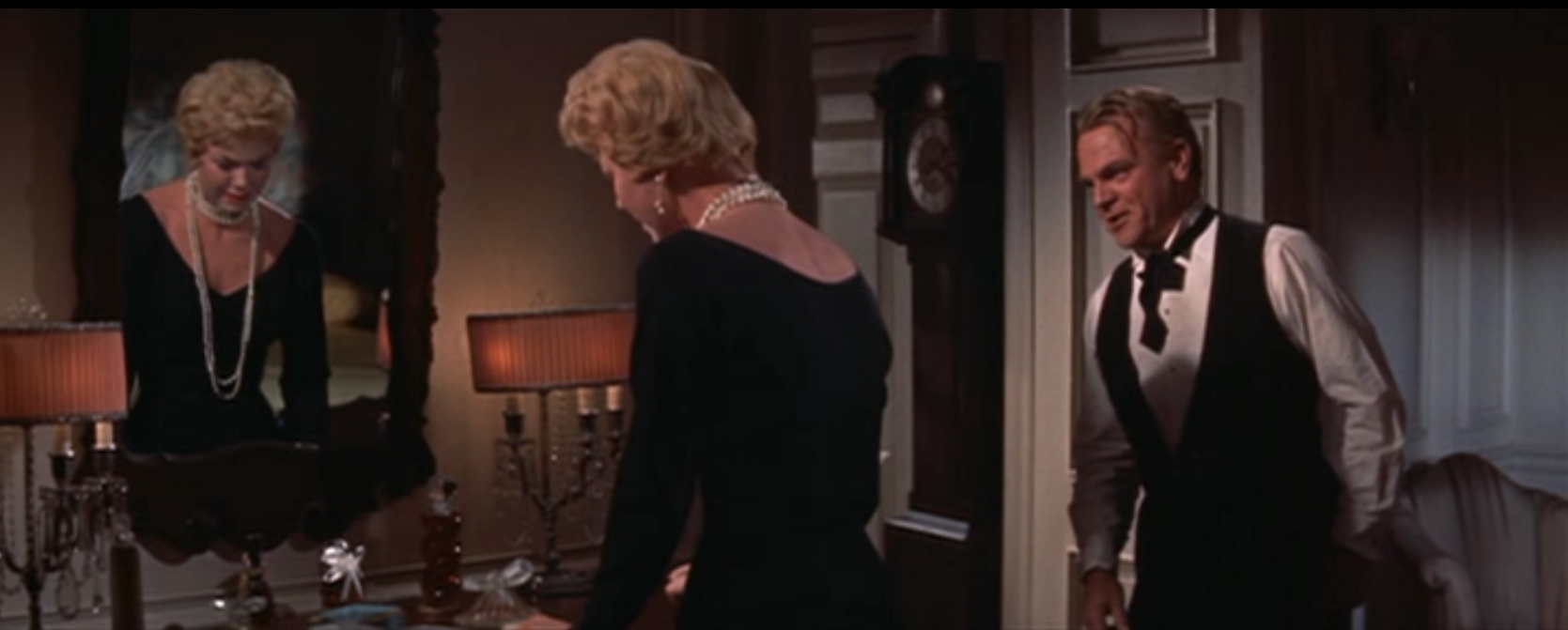
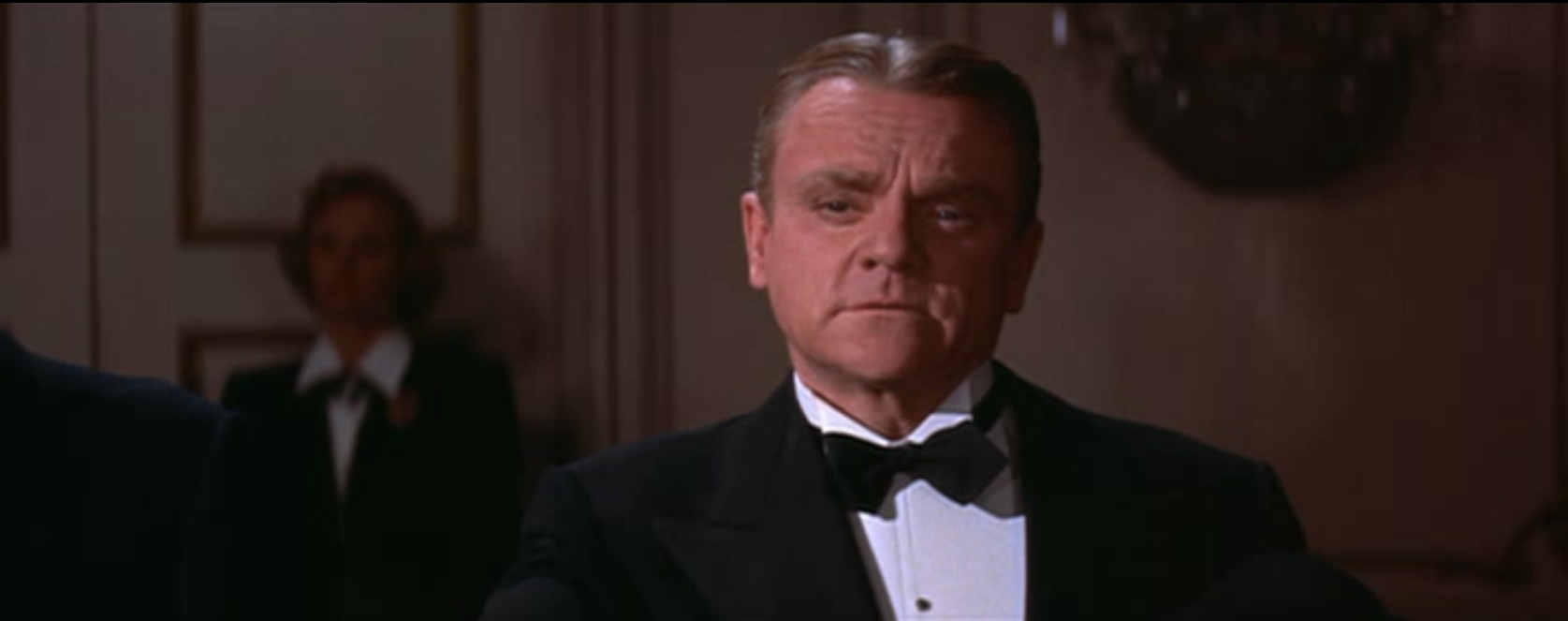
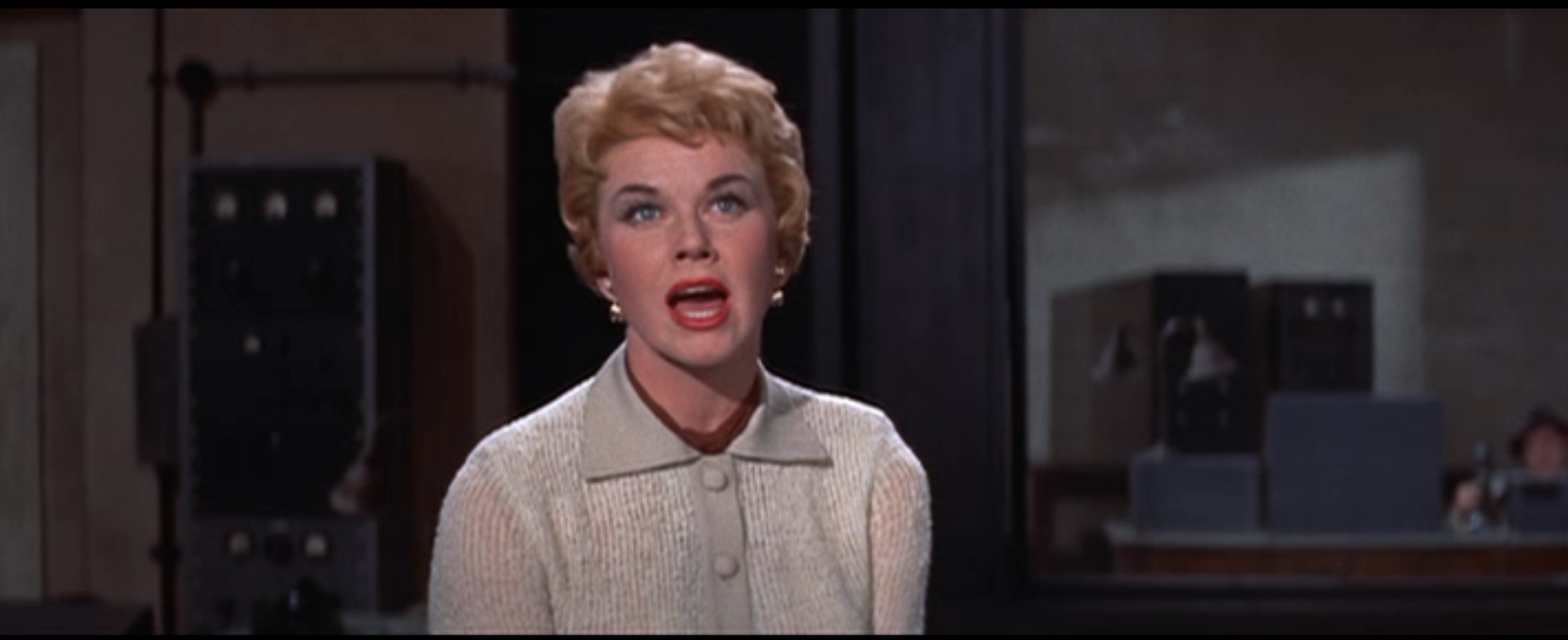
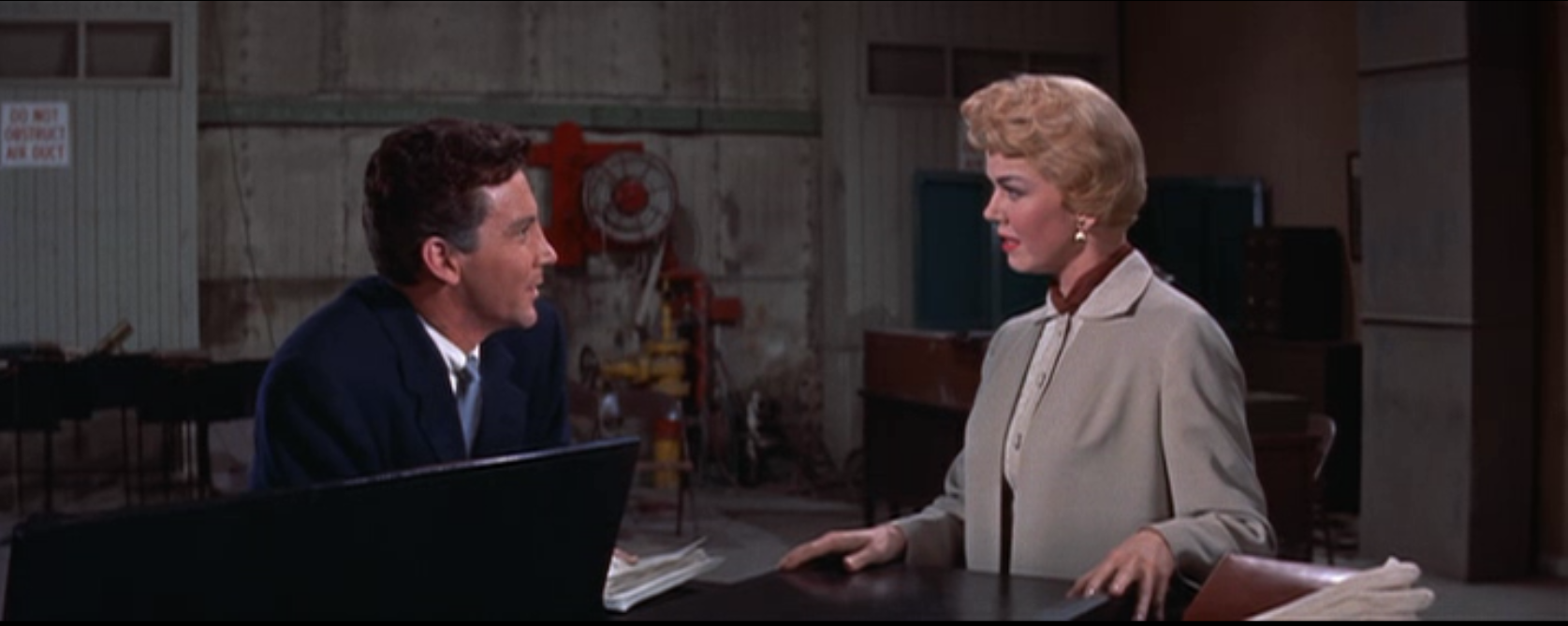
Aspiring singer Ruth Etting (Doris Day) marries a gangster (Jimmy Cagney) who helps her make a name for herself — but she continues to hold romantic feelings towards her pianist (Cameron Mitchell).

Genres, Themes, Actors, and Directors:

  • Aspiring Stars
  • Biopics
  • Cameron Mitchell Films
  • Doris Day Films
  • Gangsters
  • Jimmy Cagney Films
  • Love Triangle
  • Marital Problems
  • Musicals
  • Singers

Review:
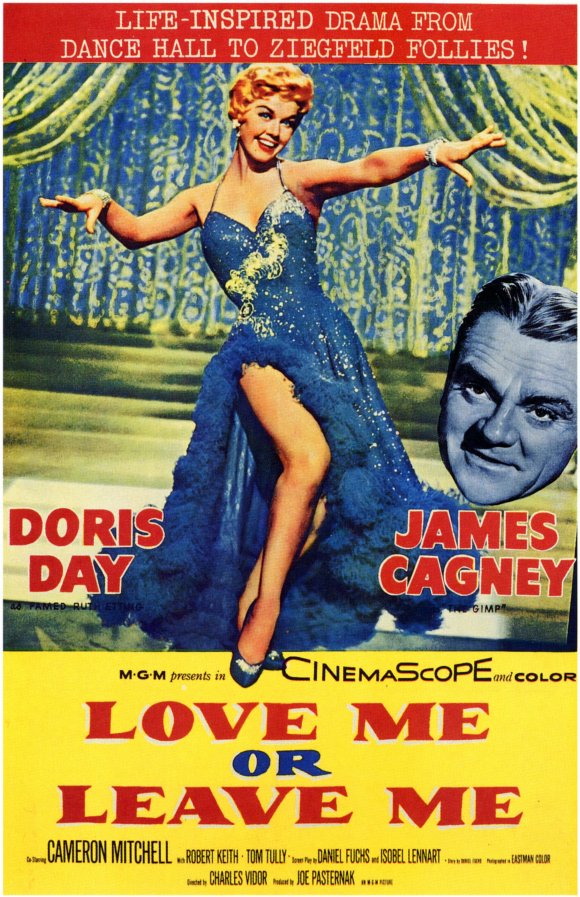
It’s probably safe to say that most film fanatics would be unfamiliar with torch singer Ruth Etting — “American’s Sweetheart of Song” — if it weren’t for this white-washed but relatively gritty biopic about her infamous rise to stardom courtesy of gangster Marty “Moe” Snyder (whose insane jealousy eventually led him to shoot her lover).

The screenplay manages to nicely sidestep the issue of whether Etting slept with Snyder during the early, pre-marriage phase of their relationship together (which she surely must have) — instead implying that Snyder eventually raped her and “forced” her into an unhappy marriage. To that end, it’s frustrating to view Etting portrayed in such a uniformly righteous light — and fascinating to know how upset many of Day’s fans nonetheless were at her for deviating so noticeably from her more traditional “good girl” roles.

Given the limitations of their characters as dictated by the screenplay, however, Day and Cagney work wonders with their roles, and share a number of hard-hitting scenes together.

Cagney turns in an especially powerful performance as a “gimpy” gangster accustomed to getting his way at every turn, while Day effectively taps into Etting’s emotional core as she struggles to stay loyal to the man she knows she owes her career to despite feeling more and more disgusted by him. Meanwhile, Cameron Mitchell is nicely cast (against type) as Etting’s enduring love interest, waiting patiently behind the wings. Most importantly, however, Day fans will enjoy her fine renditions of a number of Etting’s most noteworthy songs — including “I’ll Never Stop Loving You”, “Shaking the Blues Away”, and the title song.

Note: Check out TCM’s trivia page for the film, which includes a number of interesting tidbits — including the fact that Cagney accepted second billing for the first time since achieving stardom in the 1930s, given his acknowledgment that “Day’s character was more central to the film’s plot”.

Redeeming Qualities and Moments:

  • Jimmy Cagney as Martin Snyder
  • Doris Day as Ruth Etting
  • Cameron Mitchell as Johnny

Must See?
Yes, for the fine leading performances.

Categories

  • Noteworthy Performance(s)

Links:

Altered States (1980)

Altered States (1980)

“There’s a physiological pathway to our earlier consciousnesses. There has to be.”

Synopsis:
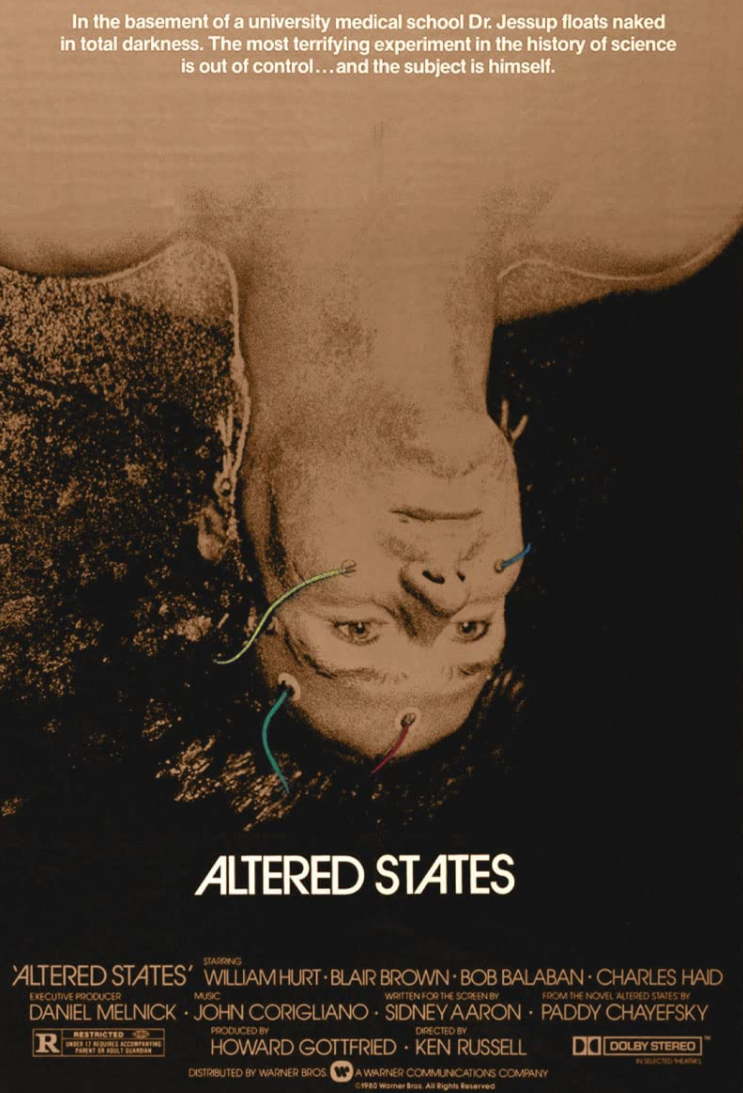
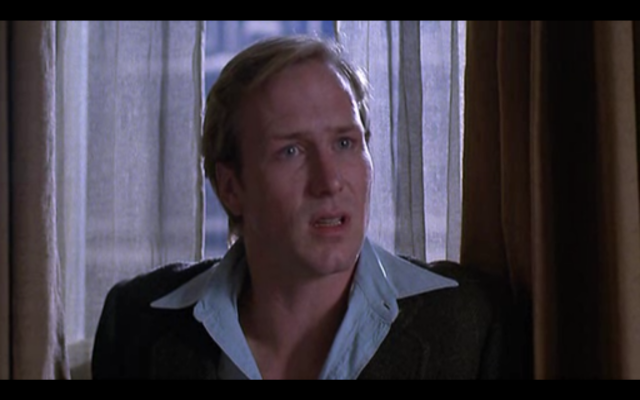
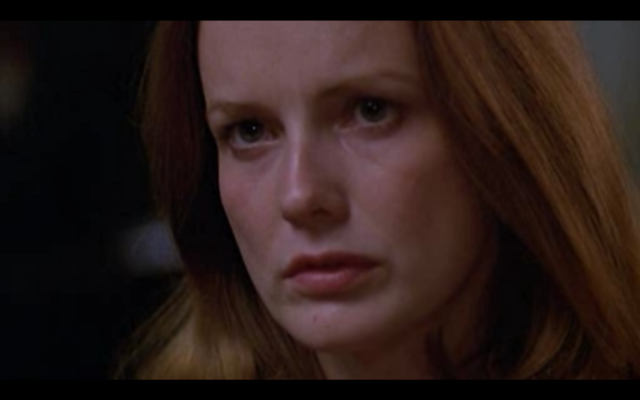
In search of the Ultimate Truth, a determined psychiatrist (William Hurt) takes hallucinatory drugs and undergoes sensory deprivation — but when he starts experiencing physiological changes, his wife (Blair Brown) and colleagues (Bob Balaban and Charles Haid) begin to fear for his safety.

Genres, Themes, Actors, and Directors:

  • Ken Russell Films
  • Mad Doctors and Scientists
  • Marital Problems
  • Multiple Personalities
  • Science Fiction
  • William Hurt Films

Response to Peary’s Review:
Peary accurately labels this surreal, mind-bending cult favorite by director Ken Russell — based on a novel by Paddy Chayefsky — a “Jekyll-and-Hyde variation” which “takes viewers on [an] ambitious, if hokey, exploration of man’s origins” and “advances [the] intriguing theory that there can be genetic change if one’s consciousness is manipulated”. Through foolhardy experimentation with hallucinatory drugs and sensory deprivation — Chayefsky’s story was purportedly inspired by “John Lilly’s mind-expansion experiments in the mid-sixties” — Hurt’s Dr. Jessup actually turns into a primitive apeman (played by dancer Miguel Godreau) and eventually regresses into an “embryonic state”. Given this fascinating sci-fi/horror premise, it’s too bad that “towards the end, the storyline drops several intellectual planes” and is content with making “simplistic points” about the nature of Truth and Life. Without giving away spoilers (like Peary does), suffice it to say that the film “unfortunately avoids controversy” with an overly pat ending that is perhaps meant to appeal to mass audiences, but will likely alienate the type of viewers most drawn towards this type of heady material.

Peary does point out, however, that “there is much that is noteworthy” in the film — including its “blasting soundtrack” (which “won the picture an Oscar”), special effects by Bran Ferren (which Peary argues are “often ill-chosen but dynamic”, though I found them appropriately surreal throughout), and the “remarkable make-up work” of “the legendary Dick Smith” (who worked on, among many other titles, The Exorcist and Scanners — click here for his website). Peary notes that Russell “keeps things under surprising control for a change”, and does wonders with Chayefsky’s “overwritten script”; in his more detailed analysis of the film for his Cult Movies 2 book, Peary explains that Russell “solved much of [Chayefsky’s] overwritten dialogue problem by having his actors talk so quickly that lines that would make no sense to the average viewer anyway are lost” — a technique which works remarkably well, and actually helps to impress upon us the essential fact that “the characters are loquacious about erudite subjects”. As Peary notes, the fine ensemble cast “are all believable, and smooth, as they deliver intellectual diatribes” (with Blair particularly noteworthy in what could have been a somewhat thankless role). Despite its flaws, then, film fanatics will surely want to check out this audacious, visually evocative, finely acted headtrip at least once.

Redeeming Qualities and Moments:

  • William Hurt as Eddie Jessup
  • Blair Brown as Emily Jessup
  • Bob Balaban and Charles Haid as Eddie’s colleagues
  • Memorable hallucinatory imagery
  • Dick Smith’s makeup
  • John Corigliani’s Oscar-nominated score

Must See?
Yes, as a cult favorite by a famed director.

Categories

  • Cult Movie
  • Important Director

Links:

Hans Christian Andersen (1952)

Hans Christian Andersen (1952)

“That’s the nice thing about the world, my friend: people.”

Synopsis:
A storytelling cobbler named Hans Christian Andersen (Danny Kaye) falls in love with a ballerina (Jeanmarie) he believes is being abused by her domineering husband (Farley Granger).

Genres, Themes, Actors, and Directors:

  • Ballet
  • Biopics
  • Danny Kaye Films
  • Farley Granger Films
  • John Qualen Films
  • Musicals
  • Obsessive Love

Review:
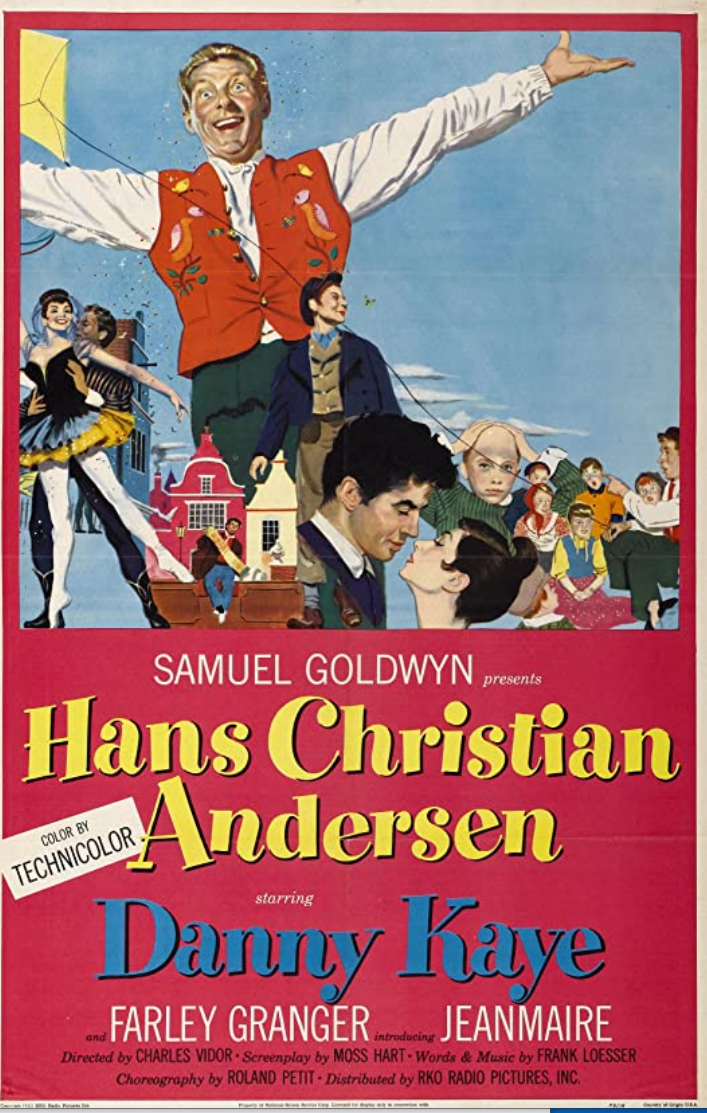
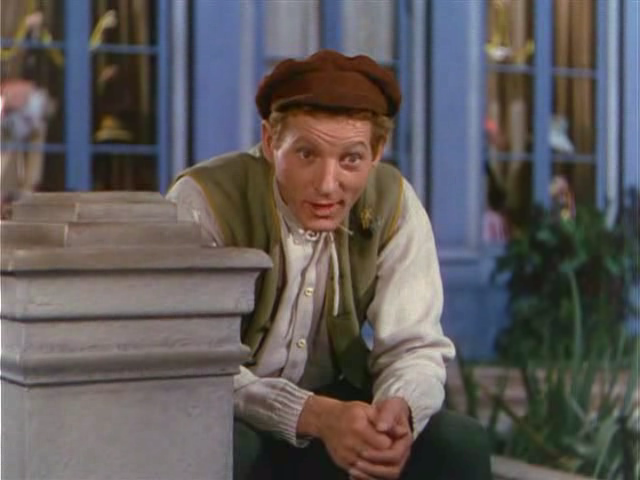
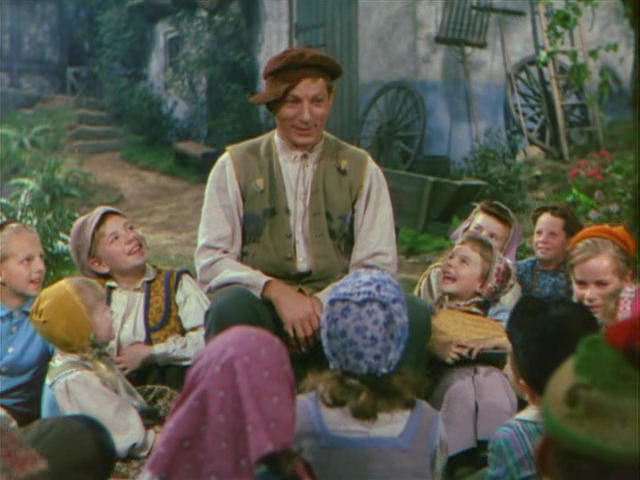
I was pleasantly surprised to find that this popular Danny Kaye vehicle — one of three titles (along with The Secret Life of Walter Mitty and The Court Jester) he’s most closely associated with today — has retained much of its charm. Kaye is remarkably convincing playing the famed “pied piper” of storytelling, a dream-filled cobbler with the ability to lure children and adults alike (including us) into his fantasy realm. He brings just the right level of childlike whimsy and romantic yearning to the proceedings — which, we’re immediately informed, are “not the story of [Andersen’s] life, but a fairy tale about the great spinner of fairy tales.” Indeed, the first half hour of the film is its most magical, as we witness (courtesy of Moss Hart’s clever screenplay) Andersen’s incomparable gift with turning the merest morsel of an idea into a touching fable — with music, no less! To that end, Frank Loesser’s score is delightful, full of many catchy tunes. My favorite is probably “The King’s New Clothes” (a tongue-twisting marvel which Kaye handles with his typical finesse), but “Thumbelina”, “Inchworm”, and “Ugly Duckling” are equally memorable — and I challenge you not to find yourself humming “I’m Hans Christian Andersen” before the film is through.

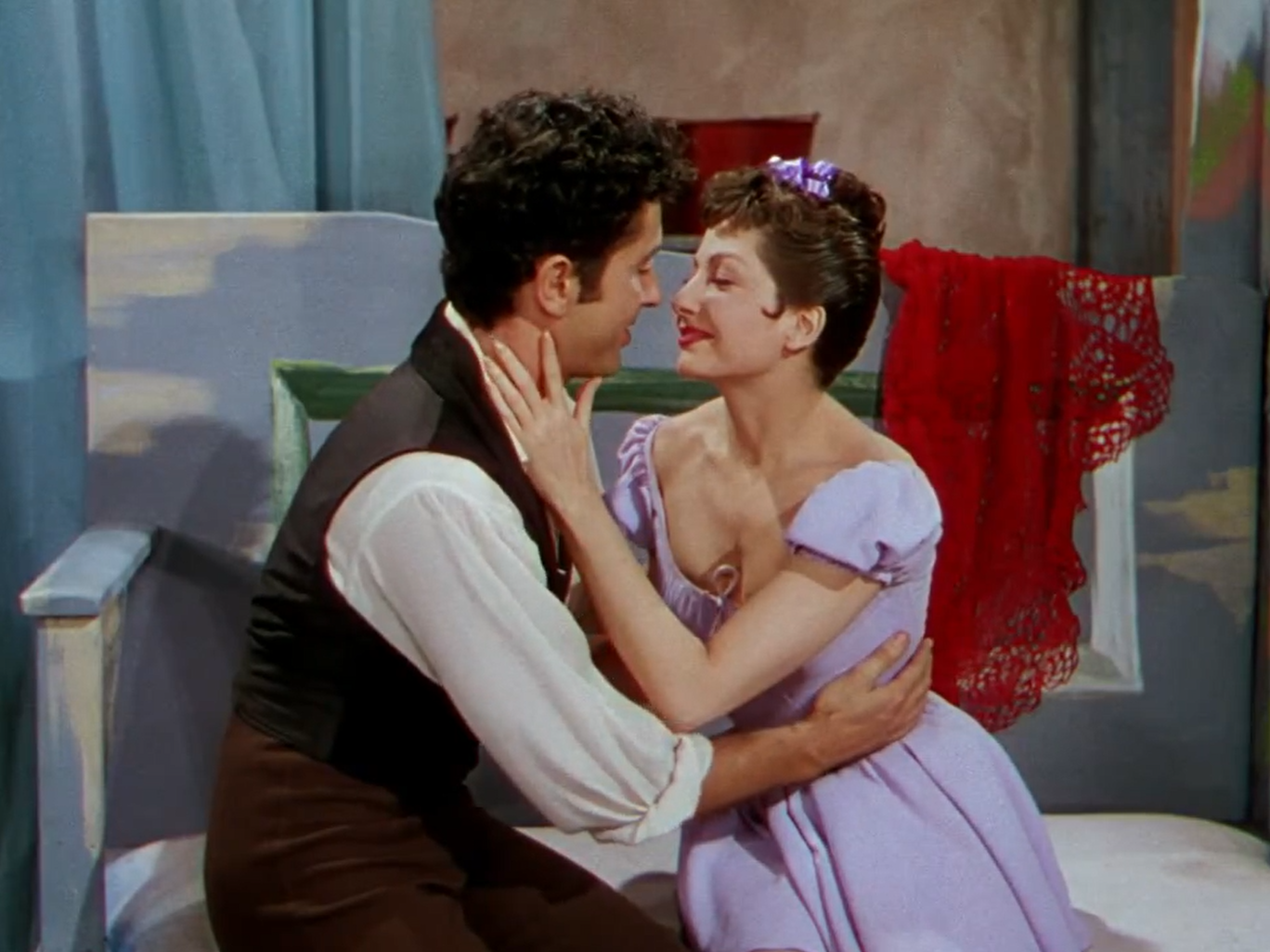
Unfortunately, the film becomes somewhat notoriously bogged down by its central subplot, in which Andersen — presumably a romantic neophyte — develops an obsessive crush on a beautiful ballerina (Jeanmarie) who he believes is being sorely mistreated by her ruthless manager/husband (played by Farley Granger, who apparently hated being forced to do this role).
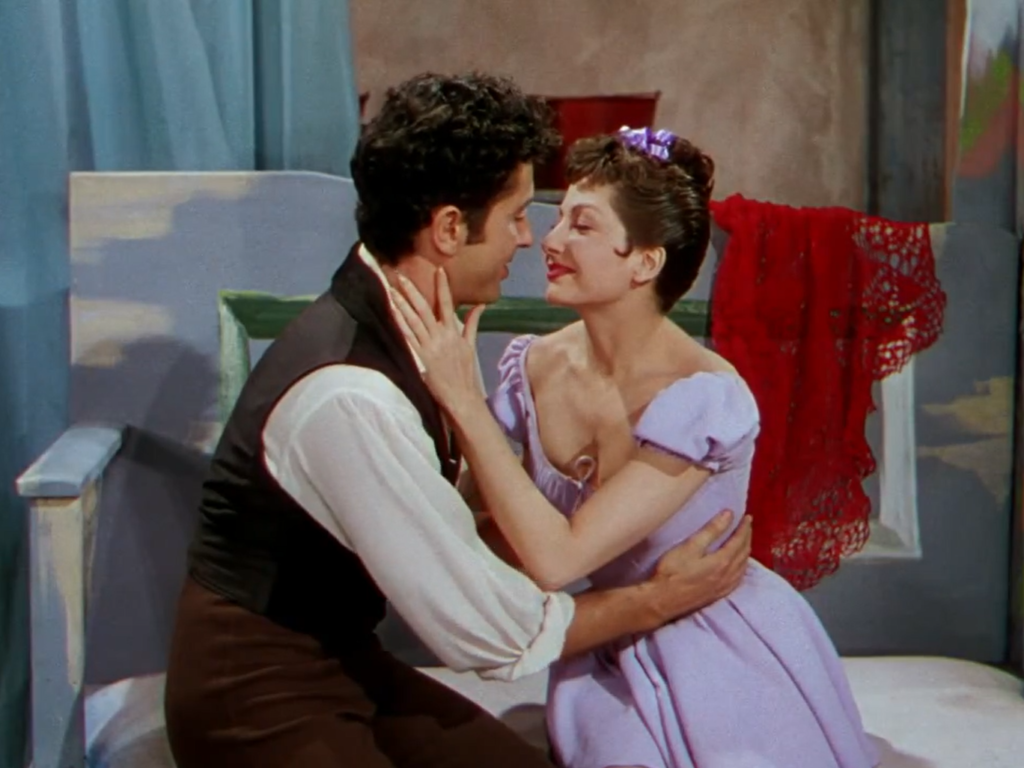
The key scene Andersen witnesses — in which Granger mercilessly chastises Jeanmarie’s performance, and the two actually exchange physical blows — smacks weirdly of sado-masochism, given that the two clearly have an “understanding” with one another, and are still just as much in love as ever after their “encounter” (something Andersen fails to learn until much later on, naturally). With that said, it makes sense that Andersen would fall for a fairy-tale version of a woman rather than the complex adult herself — so perhaps this subplot isn’t quite as egregious as many critics have claimed.

Note: It’s distressing and a bit of a let-down to know that Kaye himself was very un-Andersen-like on the set of the film. According to TCM’s article, he was “repeatedly frustrated” with Jeanmarie’s “struggling grasp of English”, ran hot and cold in his friendliness towards Granger, and “became so petulant about the costumes that he wailed to Granger, ‘How come you get to wear all these beautiful clothes and I have to wear rags?'”

Redeeming Qualities and Moments:

  • Danny Kaye as Hans Christian Andersen
  • Many delightful songs
  • Fine sets and costumes
  • Moss Hart’s often-clever screenplay:

    “You’d be surprised how many kings are only a queen with a mustache.”

Must See?
No, though it’s recommended, and certainly must-see for Kaye fans.

Links:

Kid From Brooklyn, The (1946)

Kid From Brooklyn, The (1946)

“What a wit, what a clown — what a fighter!”

Synopsis:
When a bumbling milkman (Danny Kaye) accidentally knocks out a prize fighter (Steve Cochran), he becomes an overnight media sensation, and soon finds himself taken advantage of by an unscrupulous manager (Walter Abel).

Genres, Themes, Actors, and Directors:

  • Boxing
  • Corruption
  • Danny Kaye Films
  • Musicals
  • Virginia Mayo Films

Review:
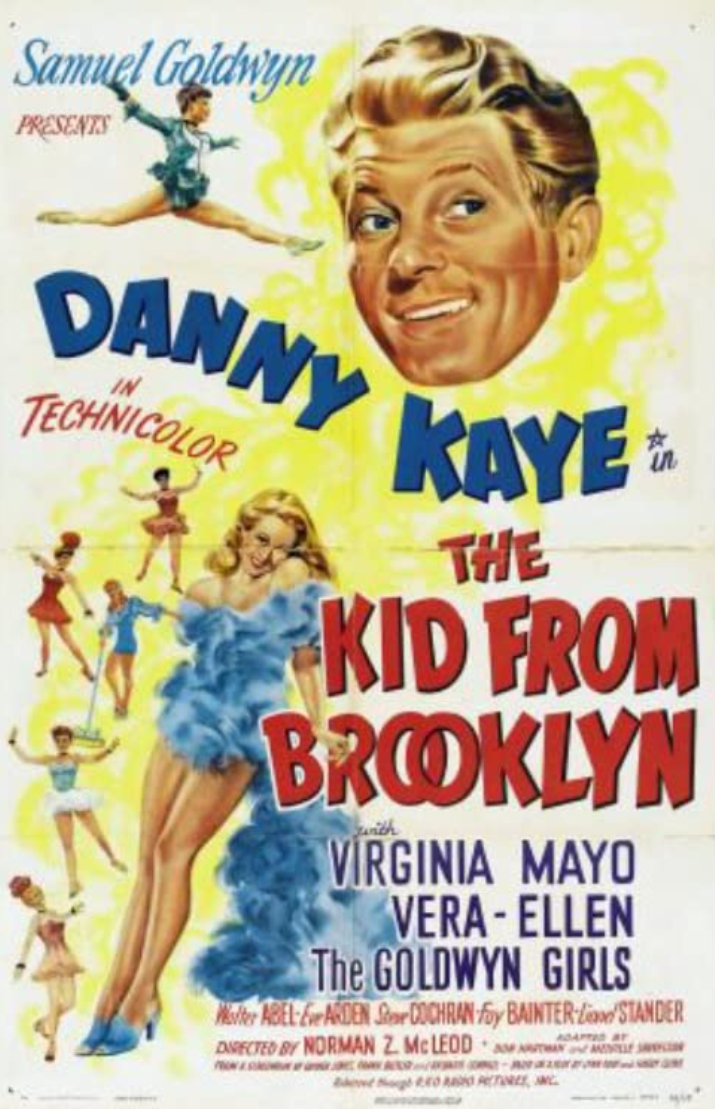
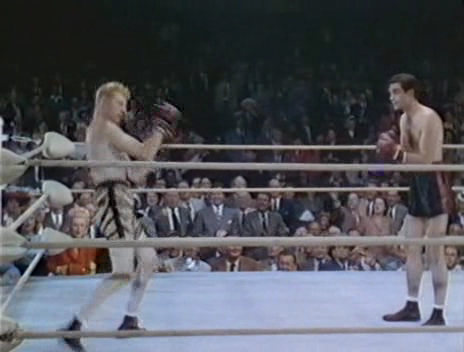
This remake of Harold Lloyd’s classic talkie The Milky Way (1936) was clearly designed as a prime vehicle for Danny Kaye — and as such, fans of his are sure to enjoy it. Kaye acquits himself well, showing off plenty of humorously deft “boxing” maneuvers, and making the most of his character’s transformation from mild-mannered milkman to arrogant would-be boxing champion. But director Norman McLeod doesn’t possess quite the same gift for comedic timing as The Milky Way‘s Leo McCarey; watching the two films neck-to-neck (as I did) makes this disparity abundantly clear. The Kid From Brooklyn does possess one infamous “claim to fame”: in a bit of near-tragic cinema lore, Goldwyn ordered all copies of Lloyd’s original film to be destroyed (presumably because the two films are almost identical). Fortunately, Lloyd had his own preserved copy, so it survived — and film fanatics now have the opportunity to choose between the two.

Note: Despite her best efforts, Virginia Mayo — playing Kaye’s unassuming romantic interest, Polly Pringle — simply isn’t as believable in this role as her earlier counterpart (Dorothy Wilson). She does get to wear some lovely gowns, though, so watch for those.

Redeeming Qualities and Moments:

  • Danny Kaye’s nimble “boxing” maneuvers
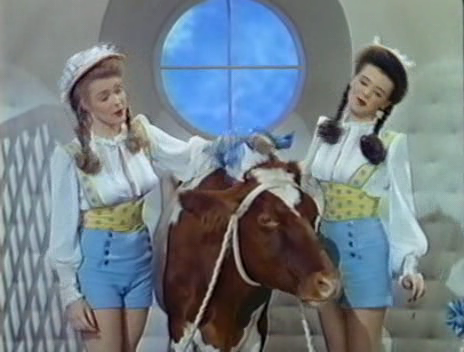
  • The surreal opening musical sequence
  • Miles White’s lovely gowns

Must See?
No; this one is only must-see viewing for Danny Kaye fans. Check out the original instead.

Links:

Milky Way, The (1936)

Milky Way, The (1936)

“I’m just as surprised as you are — I could swear I missed him!”

Synopsis:
When a timid milkman (Harold Lloyd) accidentally knocks out a prize fighter (William Gargan), a corrupt manager (Adolph Menjou) hires him for a series of fixed fights, and he soon develops an enormous ego — much to the distress of his new girlfriend (Dorothy Wilson) and his sister (Helen Mack).

Genres, Themes, Actors, and Directors:

  • Adolph Menjou Films
  • Boxing
  • Corruption
  • Harold Lloyd Films
  • Leo McCarey Films
  • Play Adaptations

Review:
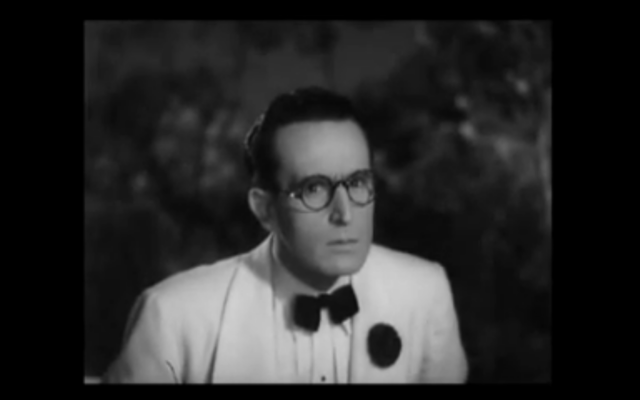
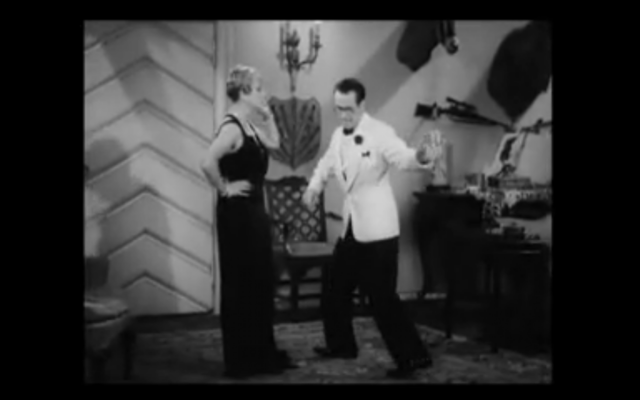
Widely considered the best of Harold Lloyd’s talkies, this enjoyable adaptation of Lynn Root and Harry Clork’s Broadway play offers Lloyd a plum opportunity to further milk (sorry) his iconic comedic persona as a bespectacled, “resourceful, success-seeking go-getter”. The storyline is rather silly, but it does allow us to watch Lloyd engaging in plenty of delightful pseudo-boxing — including a classic scene in which he teaches said moves to an enthused society woman (Marjorie Gateson). Dorothy Wilson is appropriately sweet and unassuming as Lloyd’s new girlfriend, and Adolph Menjou is perfectly cast as Lloyd’s sleazy new manager. Somewhat notoriously, The Milky Way almost didn’t survive for modern audiences to enjoy: when producer Samuel Goldwyn decided to remake the film with Danny Kaye in 1946 (as The Kid From Brooklyn), he ordered all negatives of the original to be burned; fortunately, Lloyd had his own pristine copy squirreled away, and the rest is history.

Redeeming Qualities and Moments:

  • Harold Lloyd as Burleigh Sullivan
  • Burleigh teaching a society woman how to “dance” in the ring

Must See?
No, but it’s certainly recommended, and a definite must for Lloyd fans.

Links: