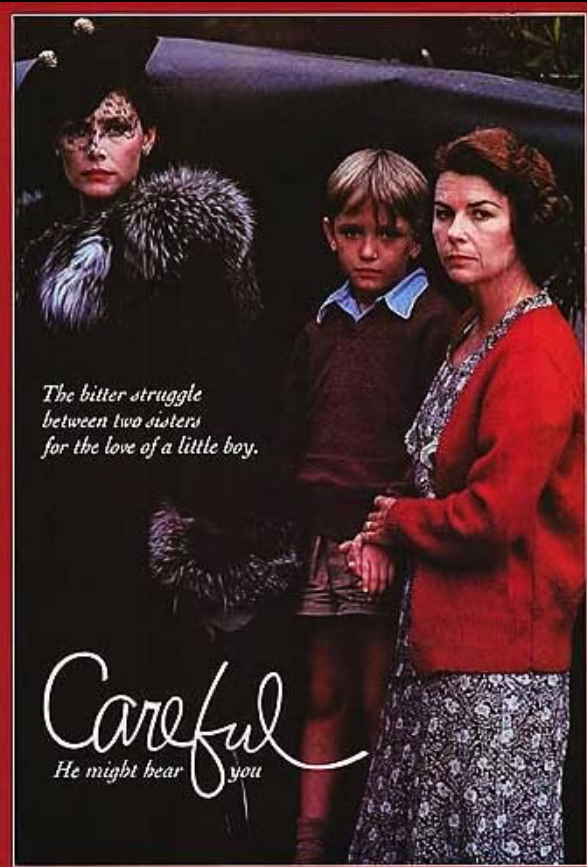
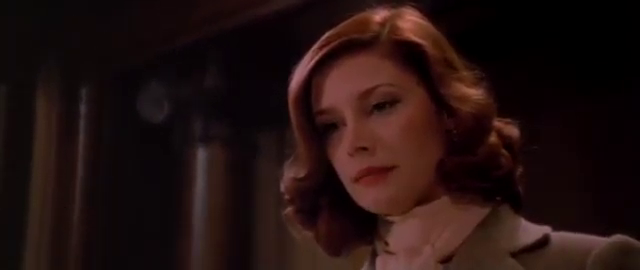
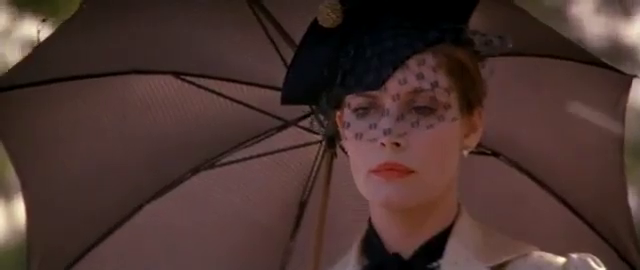
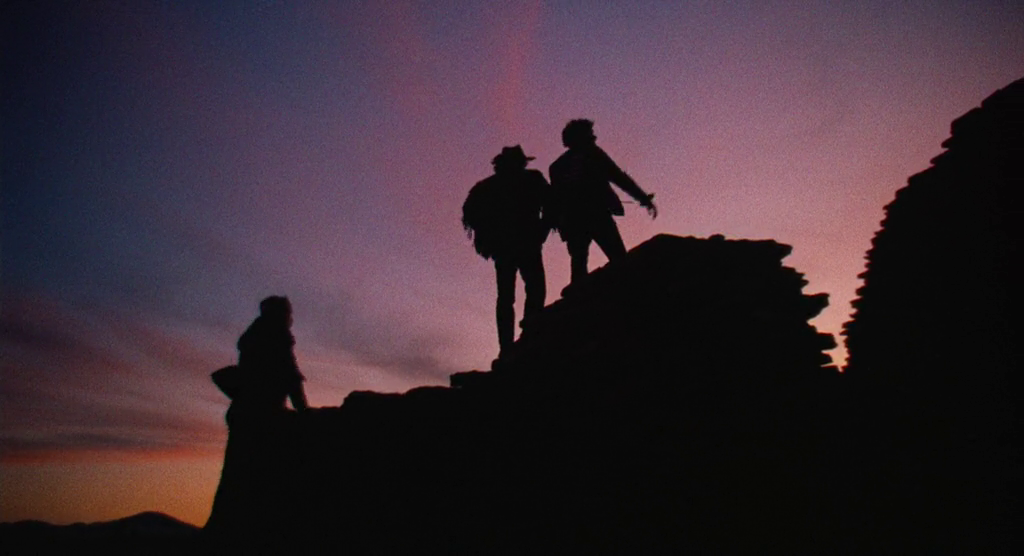
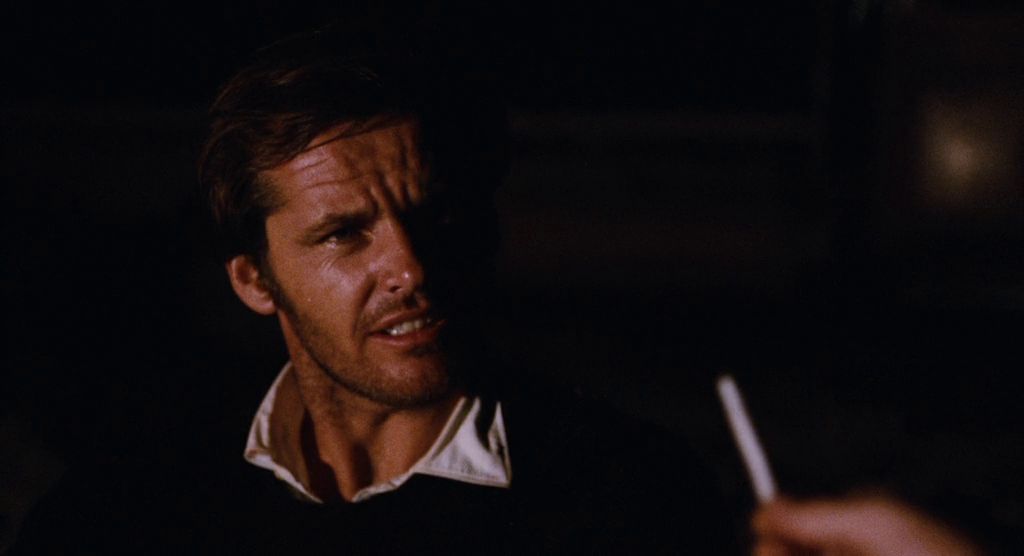
Careful, He Might Hear You (1983)
“Were you listening, P.S.?”
|
Synopsis: |
|
Genres, Themes, Actors, and Directors:
Response to Peary’s Review: Redeeming Qualities and Moments:
Must See? Categories
Links: |
“Were you listening, P.S.?”
|
Synopsis: |
|
Genres, Themes, Actors, and Directors:
Response to Peary’s Review: Redeeming Qualities and Moments:
Must See? Categories
Links: |
“When you’re 16, you start playing for real.”
|
Synopsis: |
|
Genres, Themes, Actors, and Directors:
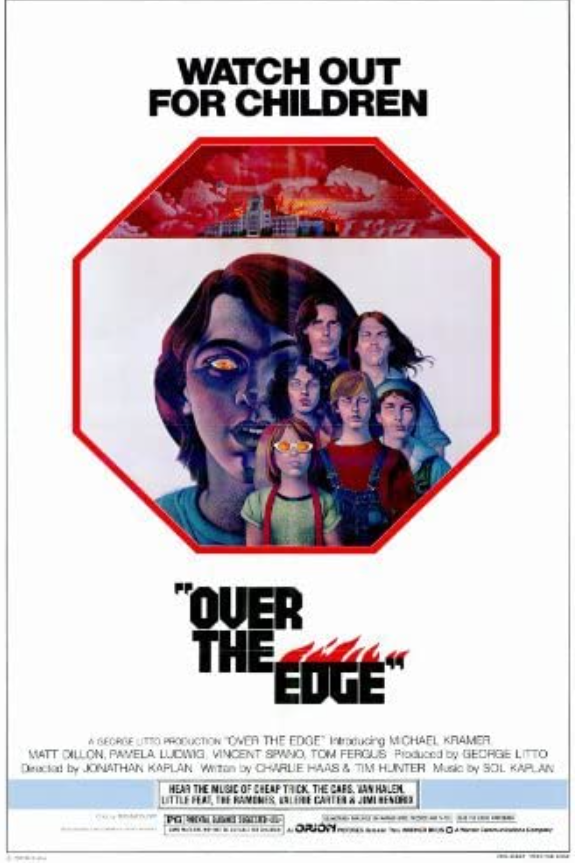
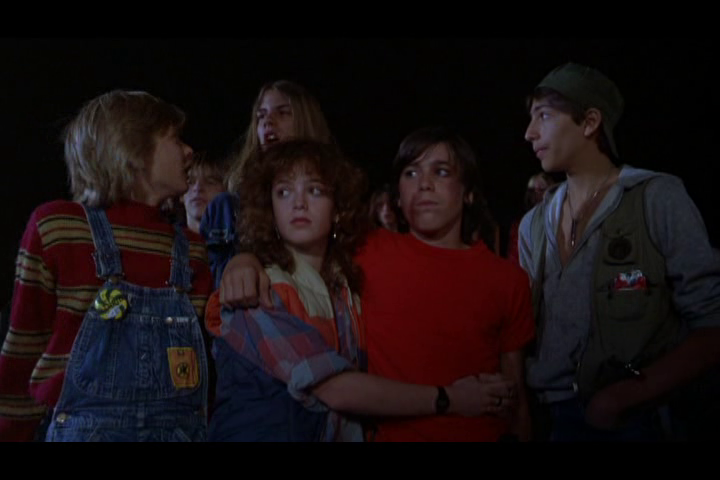
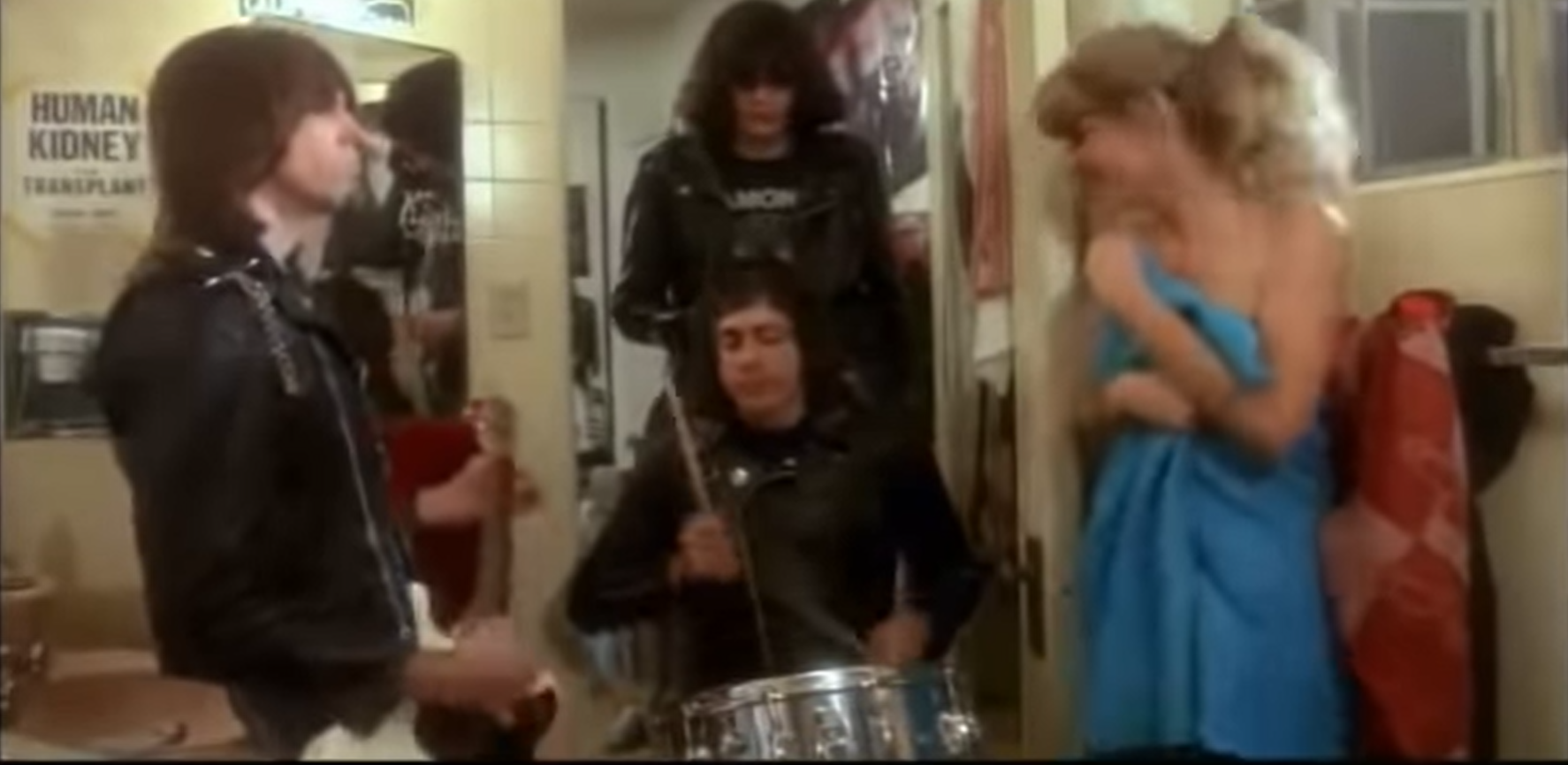
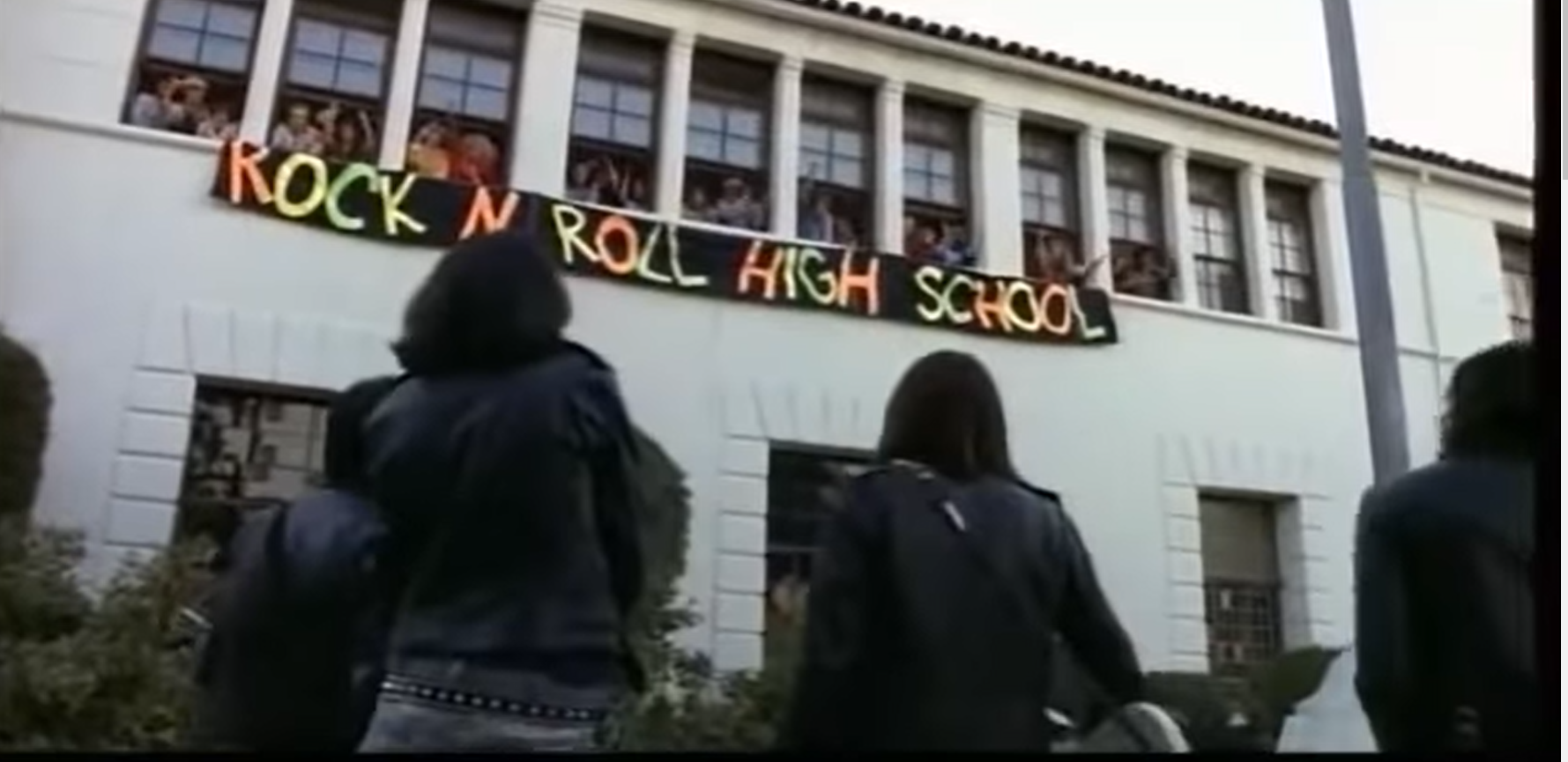
Response to Peary’s Review: In Cult Movies 3, Peary discusses the film’s production and release history in greater detail, explaining that “after it received excellent reviews in such test markets as Chicago, Cincinnati, and Kansas City, it became almost impossible to see, sparking interest and word-of-mouth.” However, “since it was promoted as a horror(!) film” (see the movie poster above), Warner Brothers “shelved it”, defending “its decision with claims that no one would book a ‘gang picture’ after the heavily publicized incidents of violence at theaters showing The Warriors (1979) and Boulevard Nights (1979).” In addition, the “drug scenes” meant no network television stations were willing to air it, so “its audience would not grow until it turned up on cable more than a year later, began to play in repertory theaters, and became available on cassette.” Peary goes on to compare Over the Edge to Rebel Without a Cause (1955), noting that while “both films deal with the same subject, Over the Edge is more disheartening, indicating that it has gotten much worse for America’s youth since 1955″. Indeed, “Kaplan’s brutally realistic film” — a “terrifying warning — with no resolution — about what is happening to American’s best resource” — “makes Rebel Without a Cause seem optimistic.” Peary further associates Over the Edge with a handful of other films that are “completely in sympathy with teenagers”, including The Blob (1958), Foxes (1980), The Outsiders (1979), and The Breakfast Club (1986). Despite the ongoing issue of how to keep teens and pre-teens meaningfully engaged, when watching Over the Edge today one is definitely struck by how time-bound it feels: in the pre-internet era presented here, kids must gather physically somewhere in order to hang out — and as Peary writes, “they remind [one] of rats and other night creatures that come out when people are gone”, gathering “in the dark by the rec center, sitting on the ground or in little improvised hovels”. In “the party scene, their clutching bodies fill up the halls, the basement stairwell, and the basement of a house whose adult owners are away (it’s like an underground tunnel system inhabited by rodents)” — and “they run out of the house en masse as the cops arrive, as rats or roaches would do if the lights went on; they vandalize the school and like scavengers destroy and steal from the cars in the parking lot.” Indeed, while this film may be sympathetic to its teenage protagonists, it’s hard to actually like these characters, who are so damaged by their (privileged but insufficient) upbringing that violence and drugs seem to them to be their only option. Director Kaplan has stated, “I happen to believe these kids are potentially dangerous. A good demagogue comes along and he’s got his troops. And that scares the shit out of me.” Kaplan’s right to take this stance: these kids are dangerous, and one despairs for humanity when watching his depressing film. Redeeming Qualities and Moments:
Must See? Categories
Links: |
“You just do whatever you have to do.”
|
Synopsis: |
|
Genres, Themes, Actors, and Directors:
Response to Peary’s Review: Redeeming Qualities and Moments:
Must See? Links: |
“Everything means something, I guess.”
|
Synopsis: |
|
Genres, Themes, Actors, and Directors:
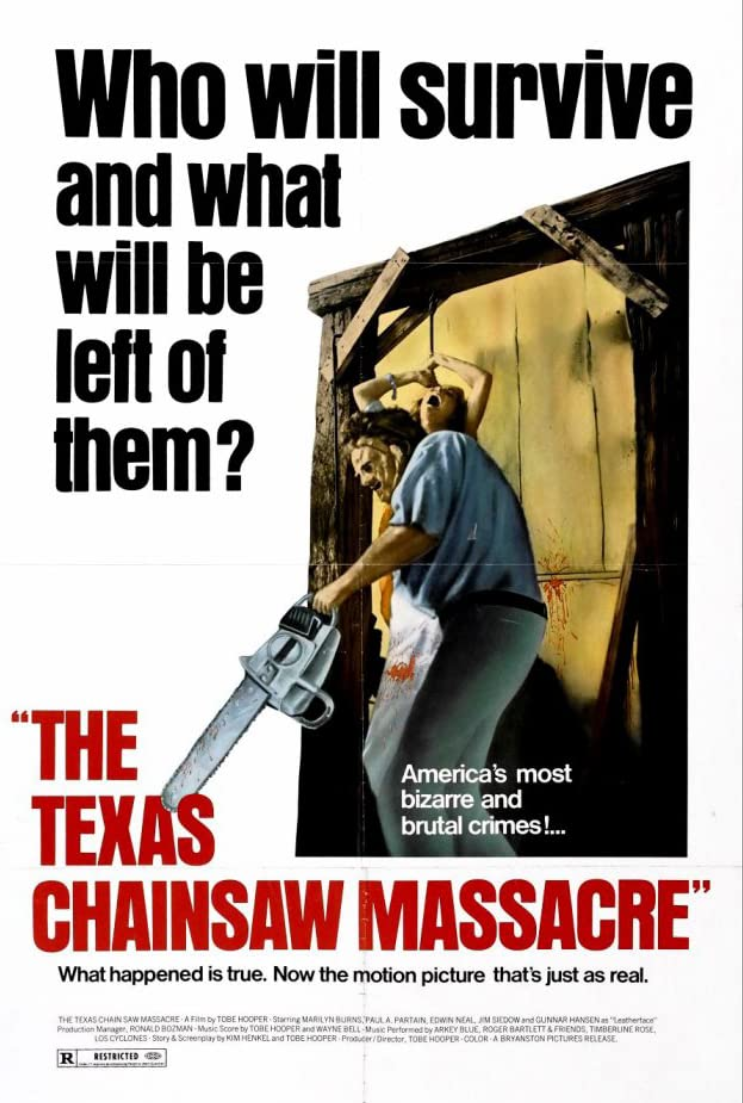
Response to Peary’s Review: In his Cult Movies book, Peary goes into further detail about the legacy of Texas Chainsaw — including the fact that during its sneak preview in San Francisco, some unsuspecting moviegoers “threw up; others stormed the lobby to protest what they (and their children) were being subjected to”; and “when no money was refunded, punches were thrown” and “two city officials in attendance that night threatened to sue the theater on behalf of themselves and other irate viewers.” Thus, Peary writes, “began the bizarre history of the seventies’ most controversial cult horror film.” He adds that the film “kept doing great business wherever it played”, and “as its cult grew, so did its reputation for quality.” He notes that “the main differences between Chain Saw and both Psycho and Deranged” — also loosely based on the real-life exploits of Wisconsin serial killer Ed Gein — is that “its villains are completely unsympathetic”. Ultimately, this film “perfectly reproduces our worst nightmares — being in a strange locale where we are attacked for no reason at all by homicidal maniacs we have never seen before”; and while it’s most definitely not for everyone’s tastes (certainly not for mine), it should be seen once simply for its place in cinematic horror history. Redeeming Qualities and Moments:
Must See? Categories
(Listed in 1001 Movies You Must See Before You Die) Links: |
“Oh, wow! This is the happiest day of my life!”
|
Synopsis: |
|
Genres, Themes, Actors, and Directors:
Response to Peary’s Review: Redeeming Qualities and Moments:
Must See? Links: |
“He needed me now more than ever — but something had come between us.”
|
Synopsis: |
|
Genres, Themes, Actors, and Directors:
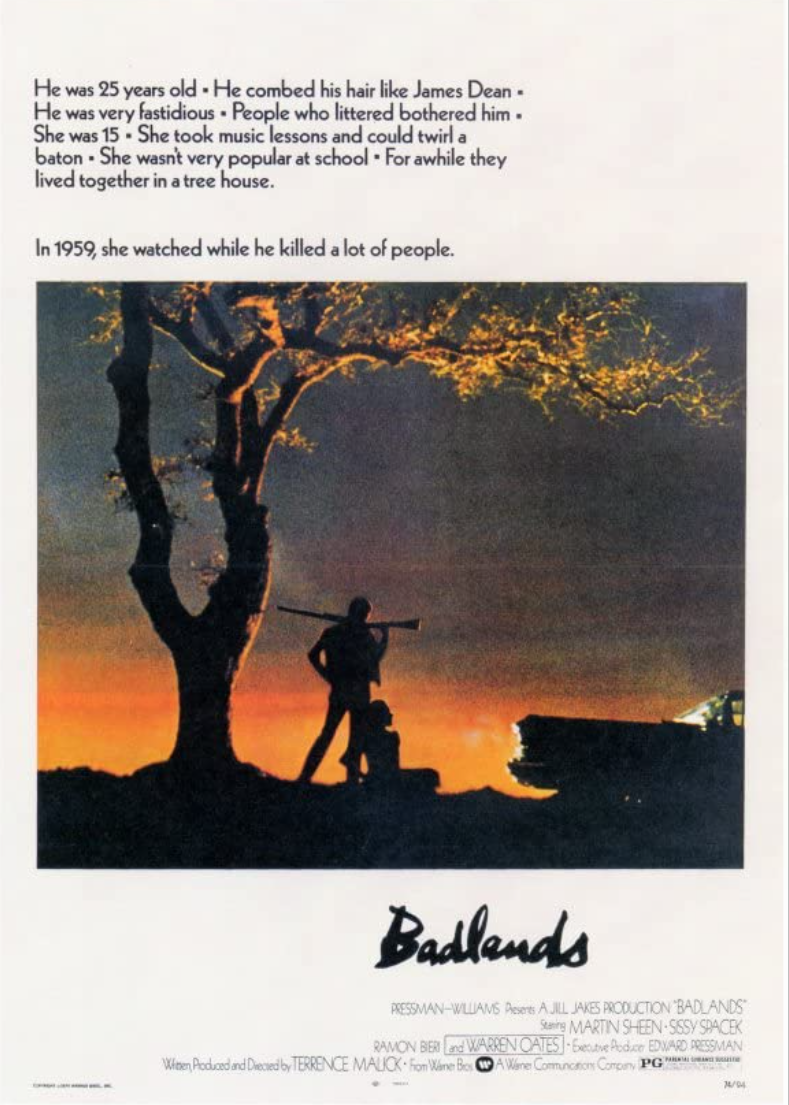
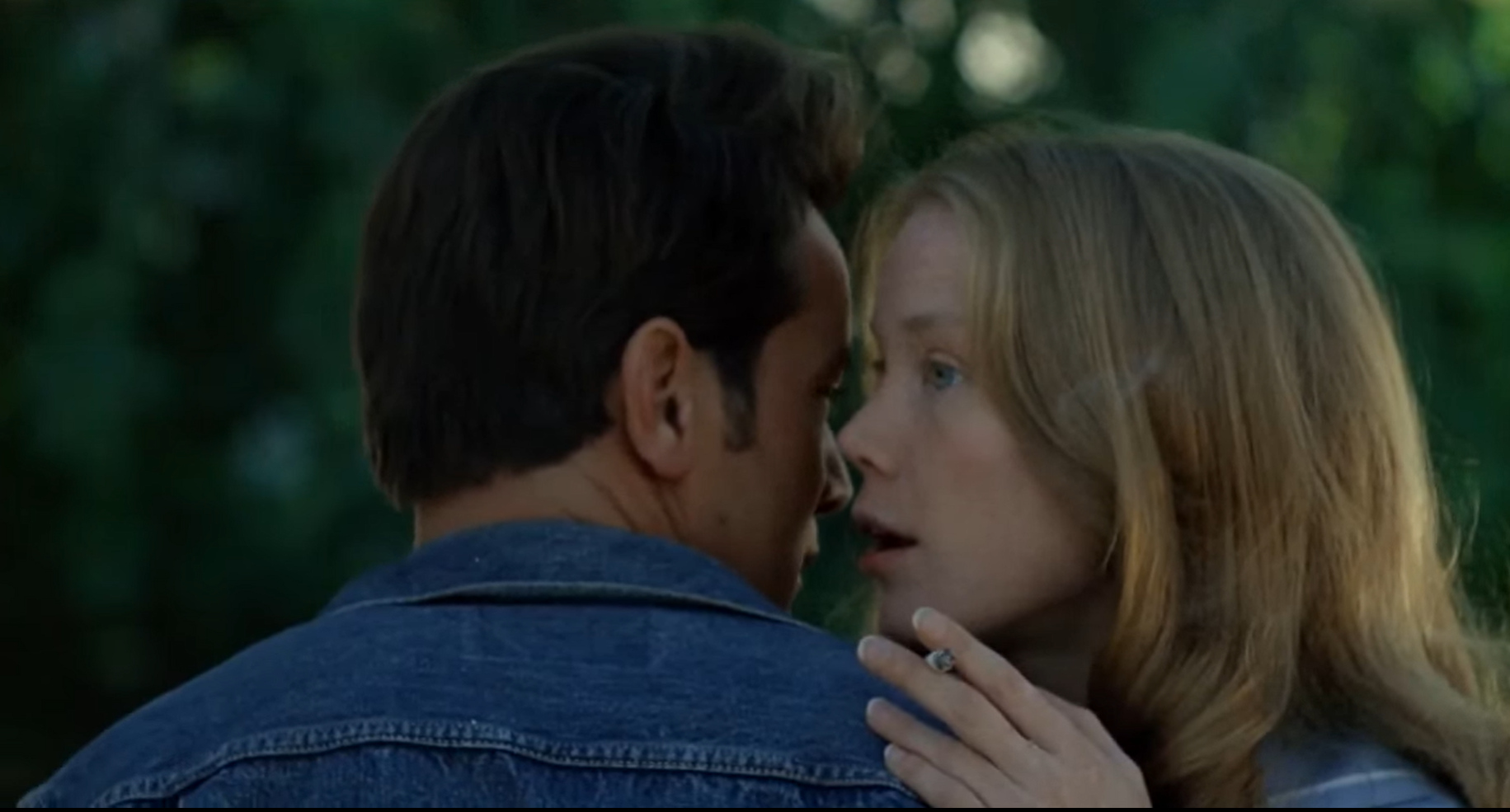
Response to Peary’s Review: Peary argues that this film “is a grim study of two… products of an American society that, during the apathetic, lethargic Eisenhower era, is so emotionally, morally, and culturally bankrupt that it not only spawns and nurtures killers but makes them folk heroes as well.” (However, given that every era seems to spawn such warped individuals, I’m not sure this analysis is quite accurate.) He writes that the murders are “properly deglamorized” by Malick, and are “a function of their yearning to escape the vacuum that is their world.” Indeed, Kit’s “obsession with leaving behind a record of his life at every stop” (a nice narrative touch) “is his misguided attempt to remind people he was special in an era of conformity.” Peary concludes his review by noting the film is “more than worthwhile” and “has a cult among critics who consider it an important, original film”. In his Cult Movies book, he further praises Malick’s “wonderful attention not only to the plants and trees of the landscape but to nature’s sounds, like the swirling breezes and even the chirping crickets”, and reiterates again that “the visuals are extraordinary: the enormous sky and the large full moon and red clouds that fill it; indoor settings lit by the sun filtering through the windows; great gobs of dust sweeping across the barren land at twilight.” In Cult Movies, Peary also provides an extended comparative analysis of Badlands with Pretty Poison (1968) — a connection I wouldn’t necessarily have made (I’m more apt to think of Bonnie and Clyde), but does make sense given they’re both films “in which a director intends his characters to embody a sociological ‘sickness’ that is spreading through America’s heartland.” As Peary writes, both girls are first seen doing something innocent and all-American (baton twirling, marching while carrying a flag), and are attracted to an older stranger to whom they lose their virginity. Both “have strict single parents who order [the] male suitors to stay away from their daughters or face harsh consequences”, and “the murder sequences” of these parents “begin much the same way.” However, after this, the films clearly diverge, with Kit and Holly not “wavering in the least from what we already know about them and expect of them.” He argues they “lack the unpredictability, the intelligence, the spark, and the emotion that make” the characters in Pretty Poison “so interesting to watch.” Indeed, as Peary writes, we find out by the end of Badlands that these two murderous individuals are simply “dull, empty people.” Redeeming Qualities and Moments:
Must See? Categories
(Listed in 1001 Movies You Must See Before You Die) Links: |
“People are so sick. The more you see ’em, the sicker they look. You could be so nice, if you didn’t wanna be a creep!”
|
Synopsis: |
|
Genres, Themes, Actors, and Directors:
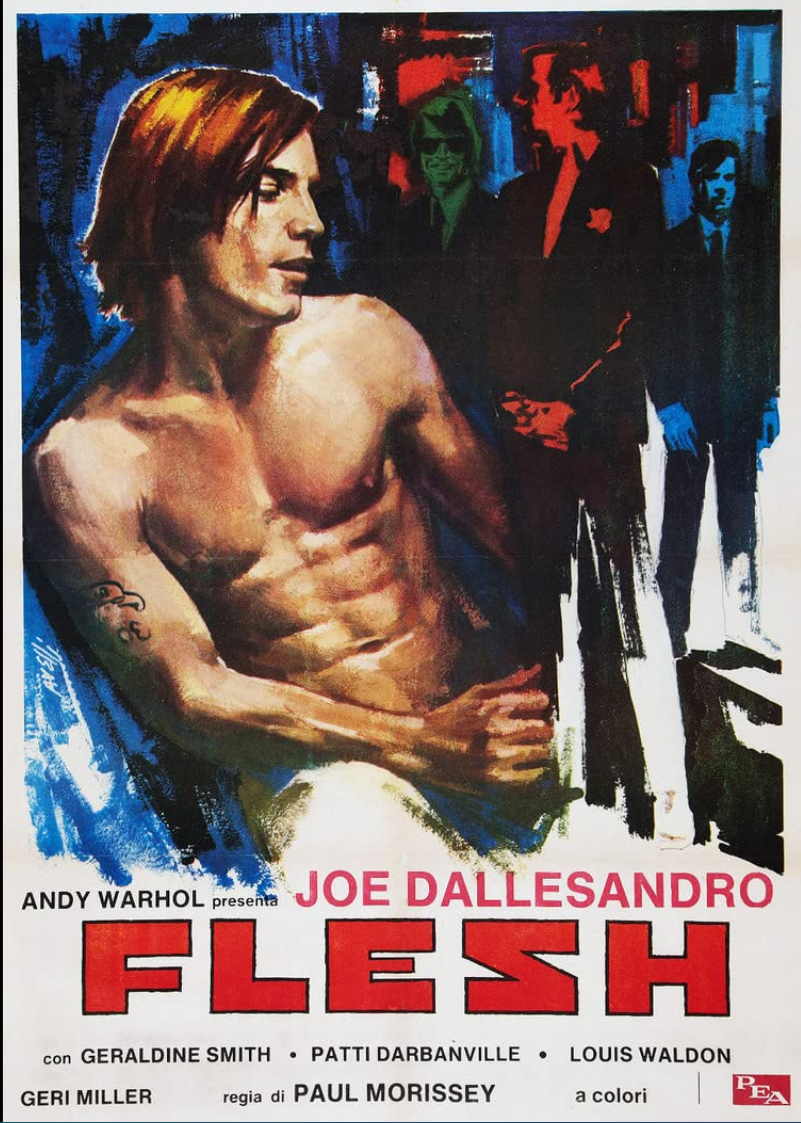
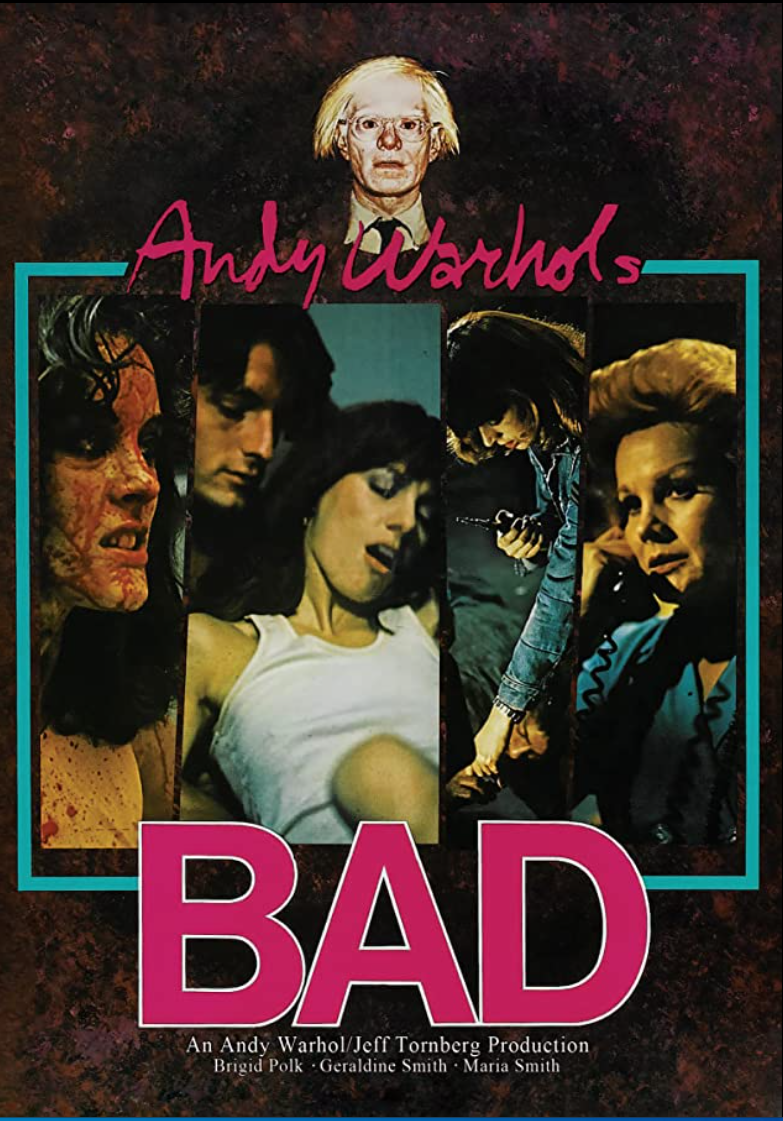
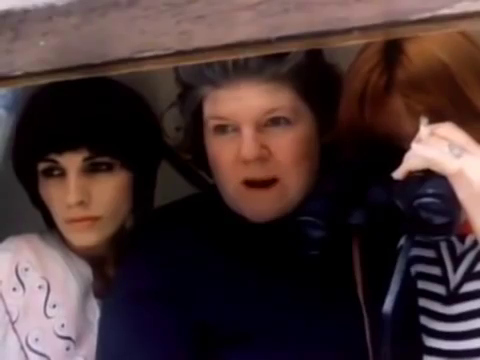
Response to Peary’s Review: Peary goes into further detail about this absurdly dark comedy in his first Cult Movies book, where he points out “it has always been the intention of Warhol and his directors to ‘disturb’ the American audience’s movie-watching sensibilities as conditioned over the years by the dominant Hollywood product.” Warhol forces us “to accept his redefinition of cinema” — indeed, his characters “are so nasty that they’d give that Richard Widmark villain of Kiss of Death (1947), who kicks an old lady in a wheelchair down a flight of stairs, a good run for his money.” For instance, “working on a contract for Mrs. Aiken, P.G. [Stefania Casini] lowers a car on a garage mechanic’s legs”; a mother (Susan Blond) who’s “too impatient to wait for the hired assassins” “tosses her crying baby out the window herself; Glenda [Geraldine Smith] and Marsha [Maria Smith] even go so far as to stab a dog with a sharp knife.” And that’s not even mentioning the wanton pyromania that goes on in both a movie house and a car. I’m curious how many film fanatics these days are familiar with and/or interested in Warhol’s work, given that more recent directors have continued to push the envelop in terms of what’s “acceptable” to put on screen or not — however, Warhol’s film-making factory remains an important enough part of underground cinema history that I believe his major films (like this one) should continue to be one-time must-see viewing. Redeeming Qualities and Moments:
Must See? Categories
Links: |
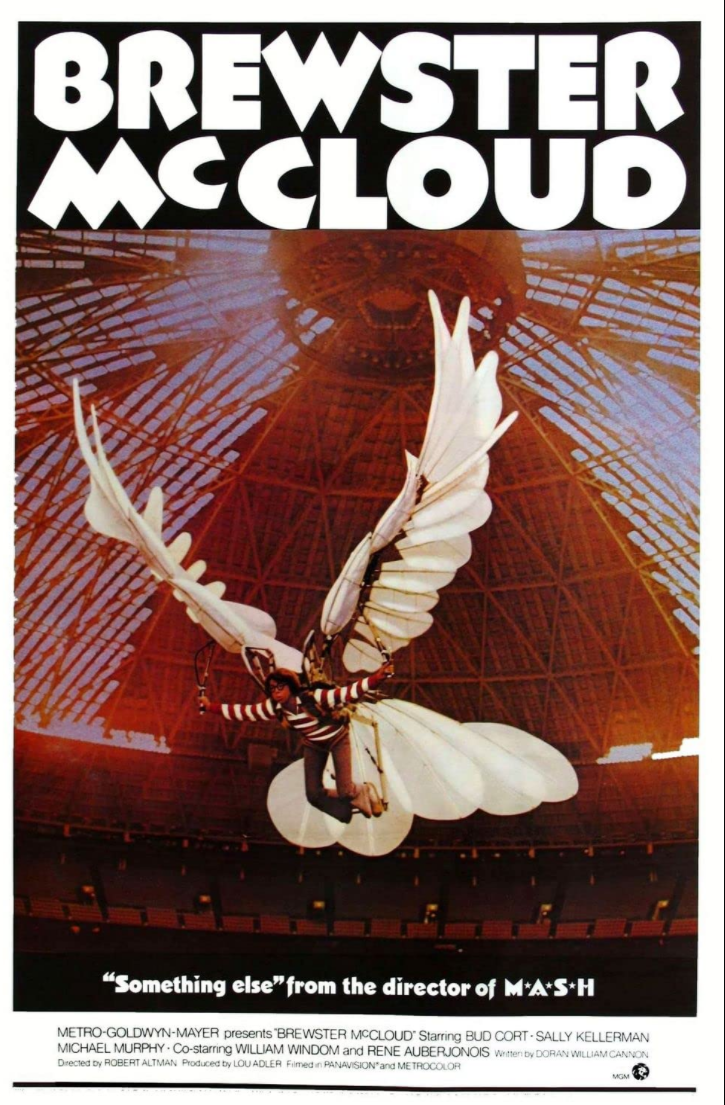
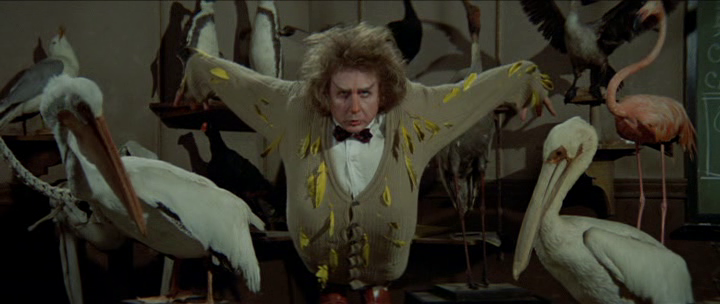
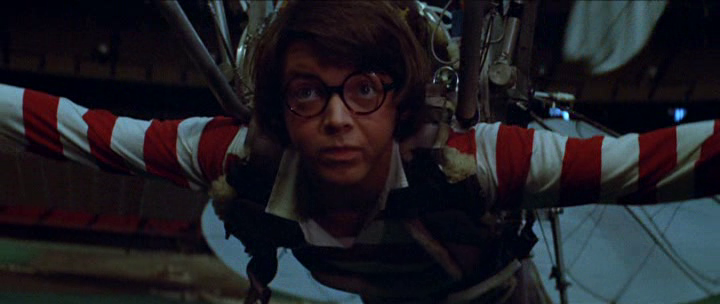
“I know bird shit when I see it.”
|
Synopsis: |
|
Genres, Themes, Actors, and Directors:
Response to Peary’s Review: Redeeming Qualities and Moments:
Must See? Categories
Links: |
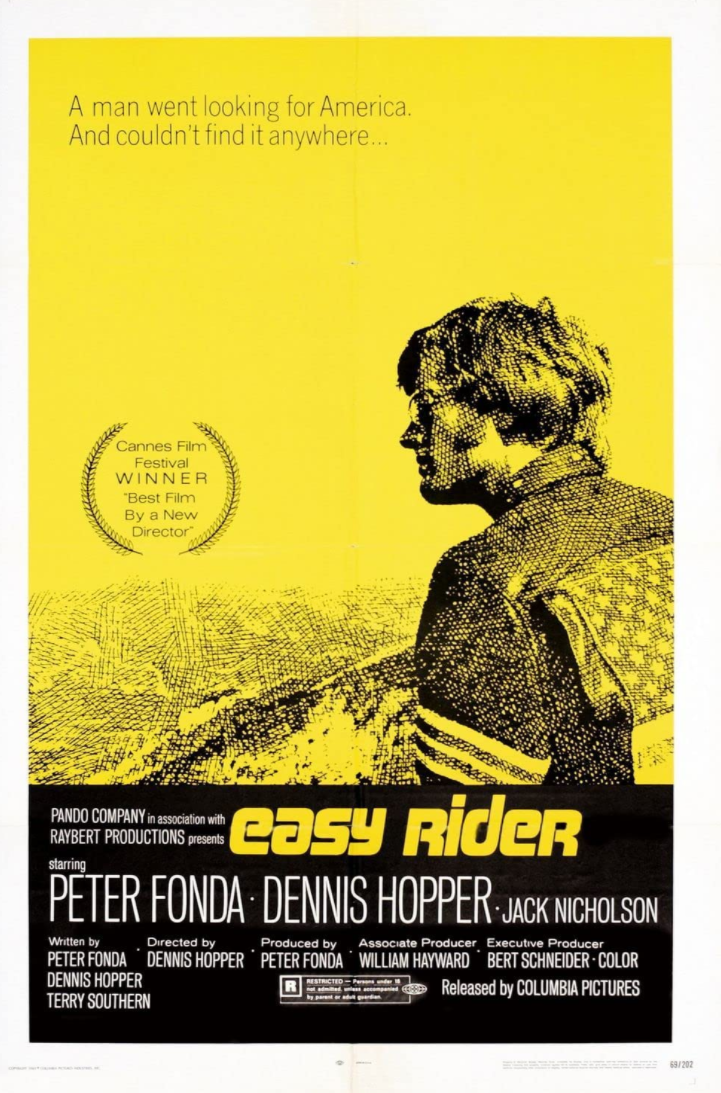
“You know, this used to be a hell of a good country.”
|
Synopsis: |
|
Genres, Themes, Actors, and Directors:
Response to Peary’s Review:
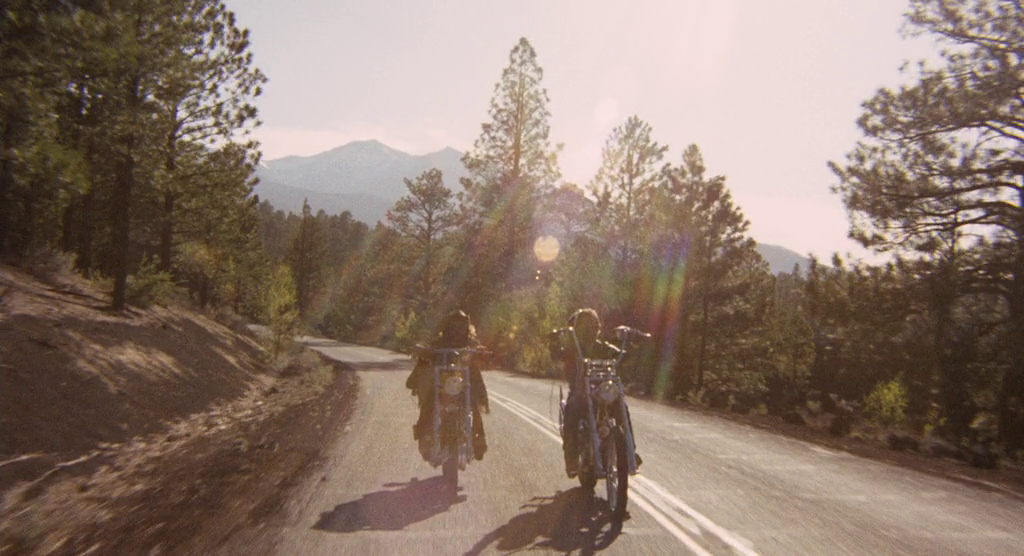
… admired Hopper’s bizarre editing techniques, and packed their knapsacks after seeing Laszlo Kovacs’s stunning photography of the southwestern landscape… they objected to the females being mere sex objects” and were upset by “the flimsiness of the script,” including the “thoroughly depressing rather than progressive finale.” In Cult Movies 3, Peary expands his discussion of this film, which he writes has become “legendary” — a “celluloid symbol of freedom.” However, while it “has been romanticized” by those who want to “just chuck it all and ride free and easy across our beautiful land,” he notes that these viewers “refuse to acknowledge/remember that Wyatt [Fonda] and Billy [Hopper] discover there is no real freedom in our cemetery-lined ‘land of the free’.” Peary adds that “one forgets that the ‘personal’ films of the late sixties and early seventies were almost all pessimistic, and that Easy Rider was the biggest downer of them all.” I agree with Peary’s overall assessment, and was surprised upon my revisit of this film to see how aimless and unsatisfying it really is. The pacing is odd (perhaps due to Hopper originally envisioning it as many hours long): we never have a sense of where things will go or what will happen to these characters, who might be infinitely more sympathetic than the bigoted Southerners who hurl invectives at them simply for having “long hair”, but are not exactly people you want to spend time with (they’re cocaine smugglers, after all). Nicholson remains the bright light in the storyline, showing the vibrant lunacy that would serve him so well in coming films. Otherwise, as Peary points out, “the other characters in the film are as insufferable as Wyatt and Billy.” For instance, “the obnoxious, lamebrain male and female commune dwellers — dummies in the desert — are a sorry lot”, and “Hopper, Fonda, and co-writer Terry Southern (added to give the film class) give no indication there were also more admirable, more socially involved members of the counterculture.” Film fanatics should definitely check this film out once, given its iconic relevance in American movie history — but prepare to be disappointed. Redeeming Qualities and Moments:
Must See? Categories
Links: |
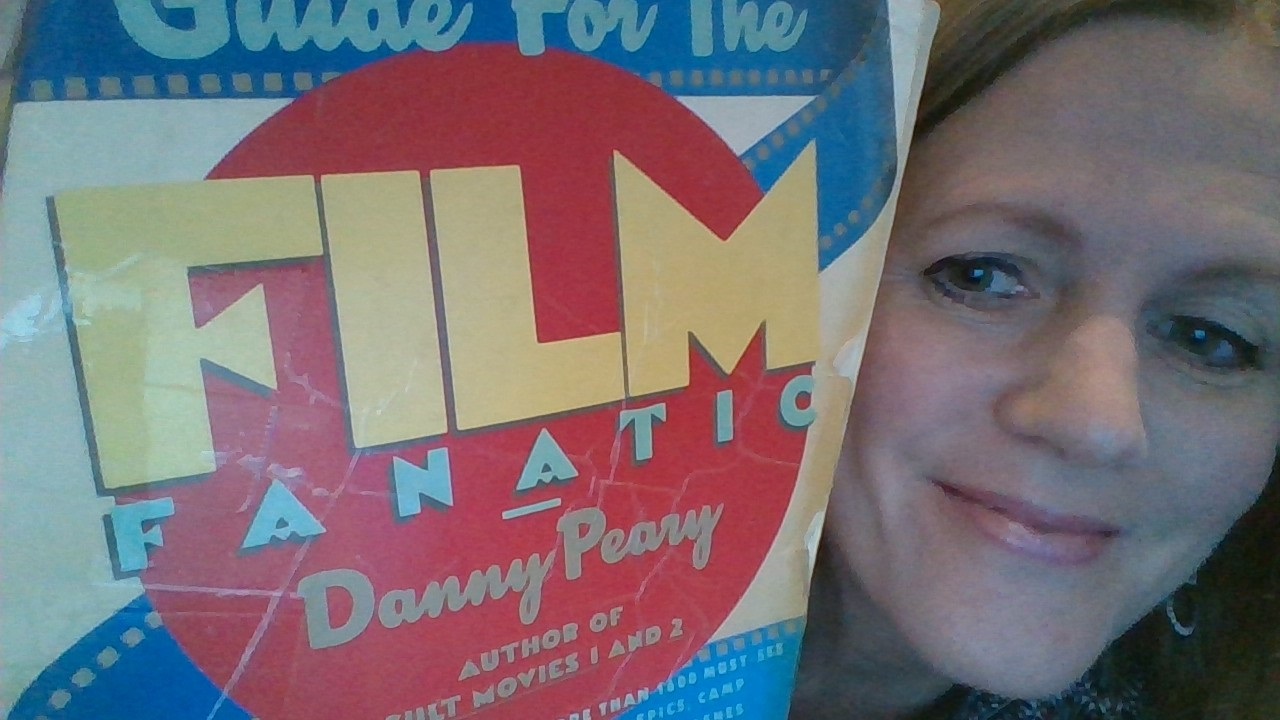
FilmFanatic.org has been going strong for over 14 years!
It’s remarkable how access to older movies has shifted in recent years, from the days when I could only find obscure titles at a local corner video store to an era when restored copies are available to stream online. (Not everything, of course — but plenty!)
In addition to switching over to a new WordPress theme this year, I’ve been spending many hours cleaning up older reviews, removing or replacing outdated links, and adding new — bigger, clearer — stills, including incorporating images directly into the review narratives themselves.
I’ve also (hopefully) made it easier to find Peary’s recommended movies according to actors (A-J, K-Z), directors, countries-of-origin, genres, and more. It’s not perfect, but it feels like I’m getting closer to the more streamlined and organized site I’ve imagined all along.
For those interested in stats, here are the latest numbers on how many of Peary’s Guide for the Film Fanatic films have been covered on this site so far:
That’s a total of 2,842 out of 4,300 Peary-listed titles covered, which is 65.67%.
There is still no rhyme or reason to how or why I choose to cover certain titles, other than occasionally feeling motivated to work my way through all recommended movies with a certain actor, by a certain director, on a certain topic, etc. For instance, I finally finished (re)watching and reviewing all the James Bond movies listed in Peary’s GFTFF. (Go here and search for “James Bond Films” and you’ll see them listed and hyper-linked.) And I watched NEARLY all the Tarzan flicks Peary recommends (just one more left).
My goals for FilmFanatic.org in this next year include the following:
Meanwhile, here are some highlights of favorite movies I’ve watched and reviewed in 2020:
Happy 2021 to everyone!
-FilmFanatic (Sylvia)