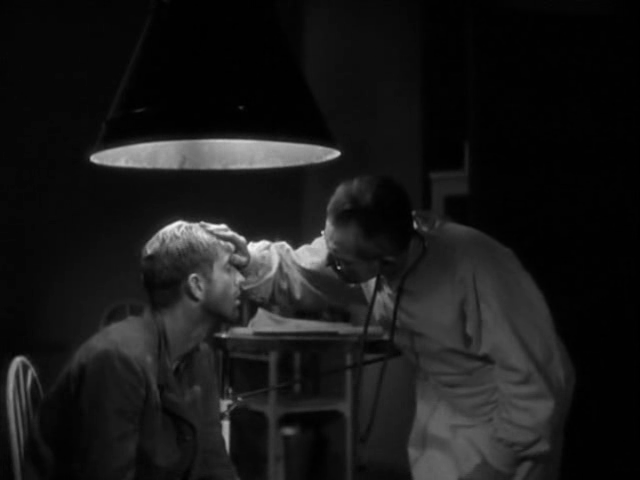
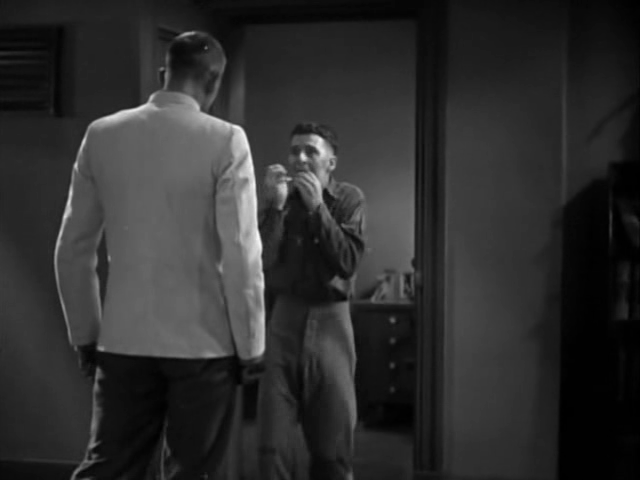
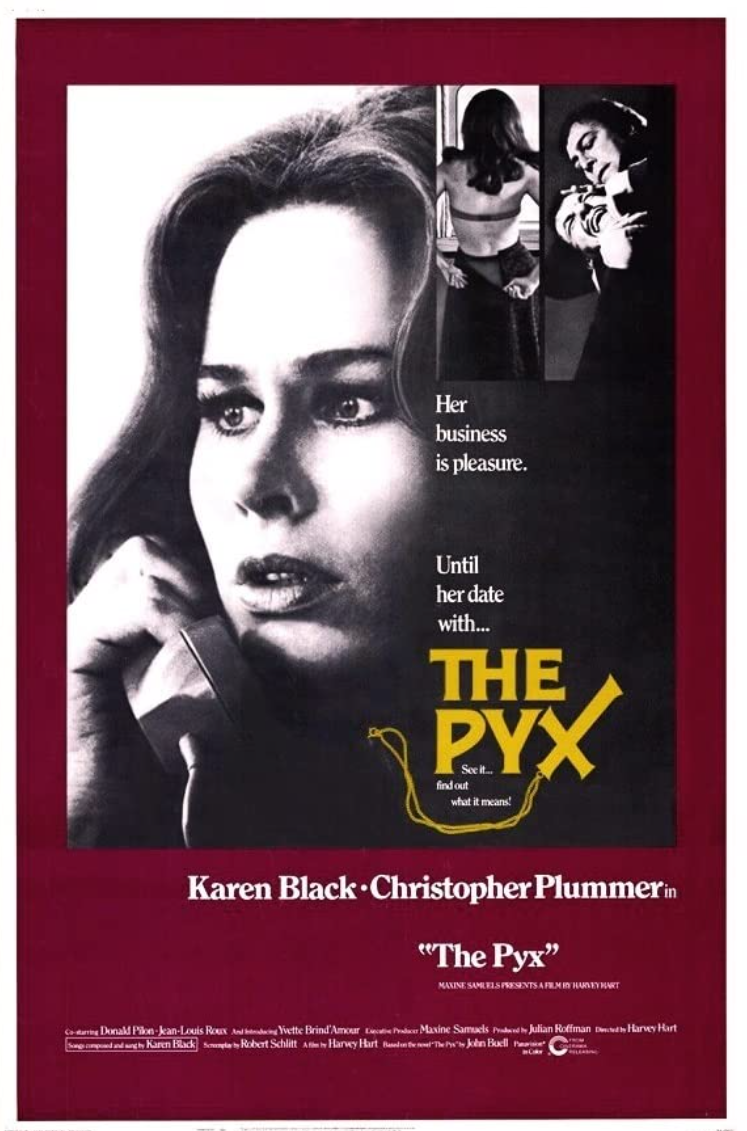
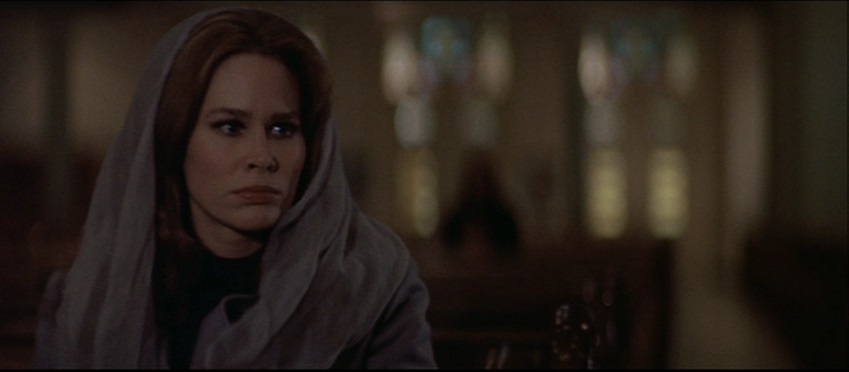
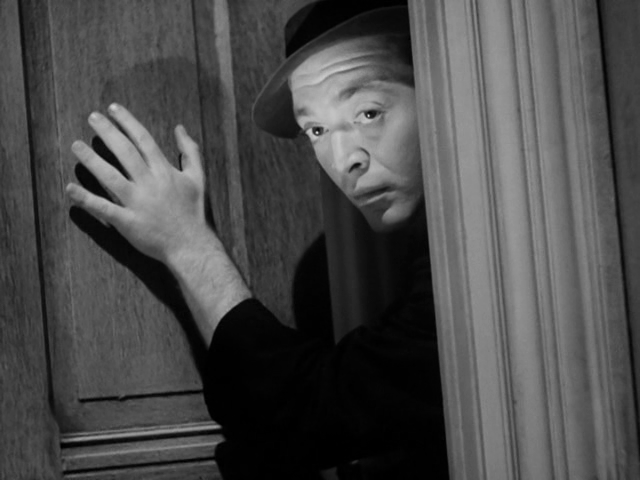
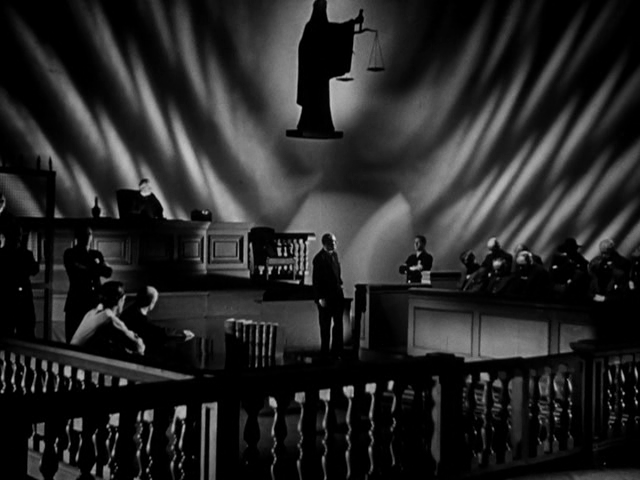
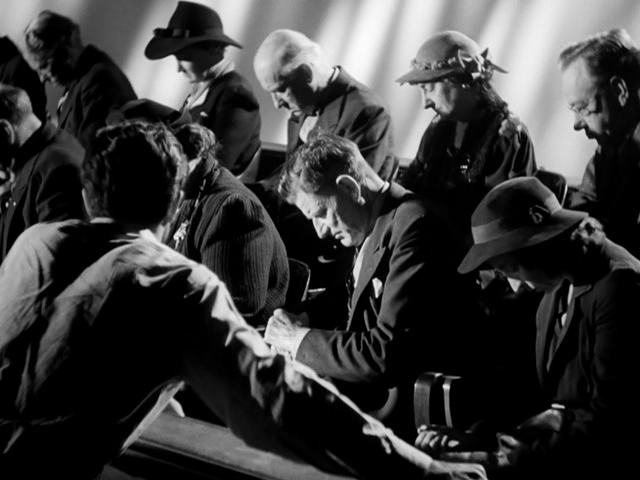
Criminal Code, The (1931)
“An eye for an eye: that’s the basis and foundation of the criminal code. Somebody’s got to pay!”
“You’re going to help me achieve a miracle.”
|
Synopsis: |
|
Genres, Themes, Actors, and Directors:
Review: Note: This film’s more colorful video-release title was The Hooker Cult Murders. Redeeming Qualities and Moments: Must See? Links: |
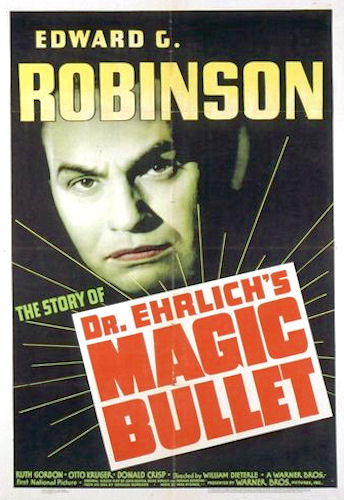
“It is the task of science to discover the truth. There is no shame attached to the recognition of error.”
|
Synopsis: |
|
Genres, Themes, Actors, and Directors:
Review:
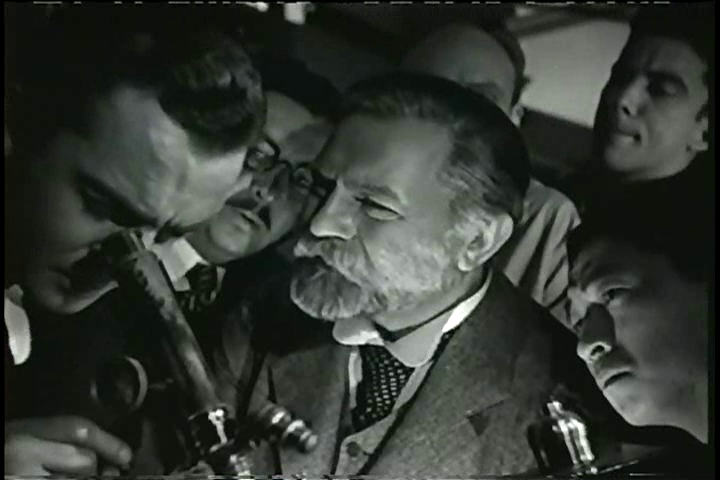
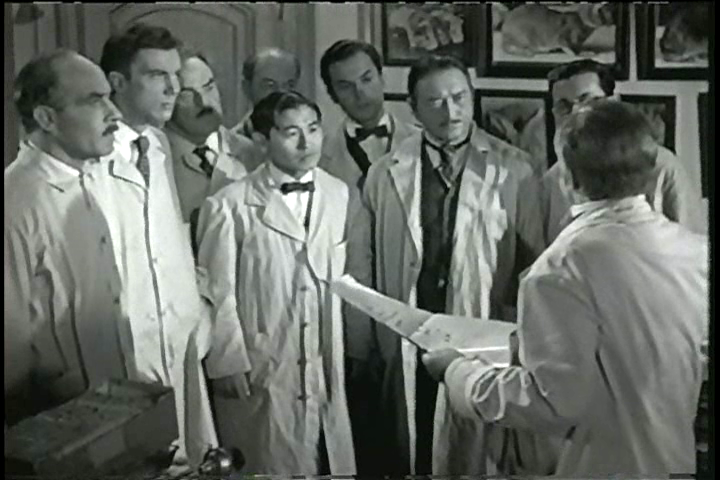
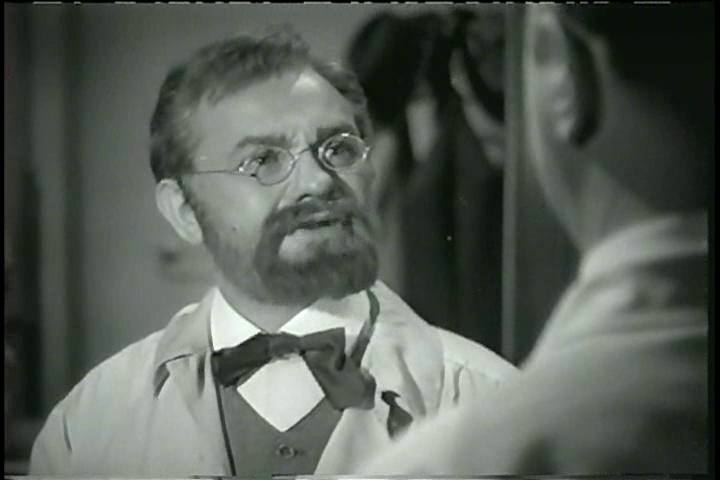
Wow. He did all this, and apparently fought many uphill battles to do so. Of course, any dramatization of a person’s life will necessarily be that — a strategically crafted dramatization — but it seems there’s enough of the “truth” incorporated here that one can watch with reasonable assurance that we’re learning about a critically important figure in medical history. Robinson’s performance is indeed top-notch; he ages 35 years throughout the film, and does so seamlessly (kudos to the make-up department as well). Ruth Gordon, sadly, is given much less to do in her gratuitous role as the “supportive wife behind the scenes”, who gets to make statements like: “There must be something we can do. There must be!” Cinematographer James Wong Howe films the entire affair with atmosphere, and the screenplay — co-written by John Huston — effectively humanizes the illnesses Ehrlich and his colleagues worked so diligently to cure. It’s refreshing to see (uncredited) Wilfred Hari as Ehrlich’s research partner, Nobel Prize-nominated bacteriologist Dr. Sahachiro Hata, though he’s given an unfortunate line about how Dr. Ehrlich is the one doing “all the thinking” (!). So it goes when one attempts to immortalize a single man. Trivia: According to TCM’s review, director William Dieterle’s “talent let him get away with some bizarre habits, such as never starting a film unless his astrologer cleared it, and always wearing white gloves on the set.” Redeeming Qualities and Moments:
Must See? Categories
Links: |
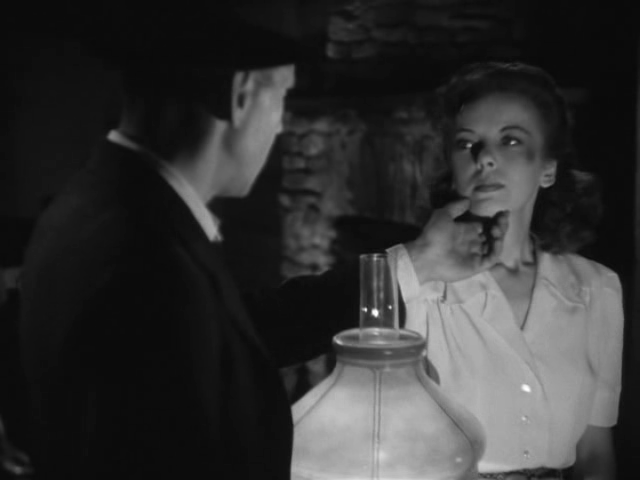
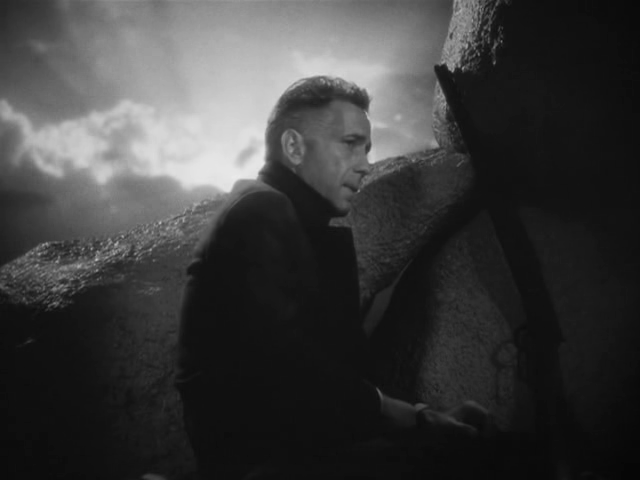
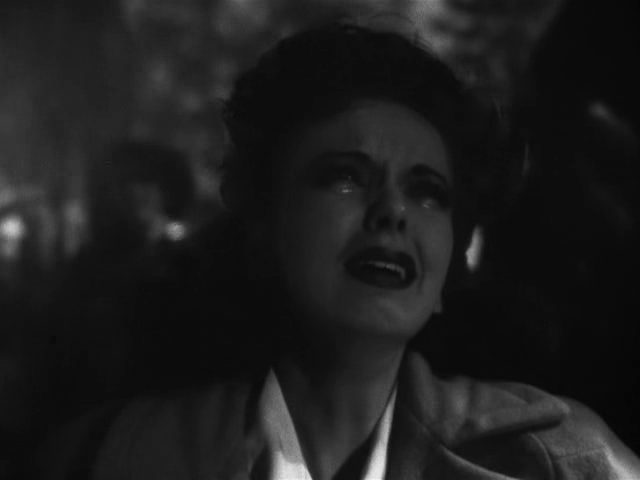
“Of all the 14-karat saps! Starting out on a caper with a woman and a dog.”
|
Synopsis: |
|
Genres, Themes, Actors, and Directors:
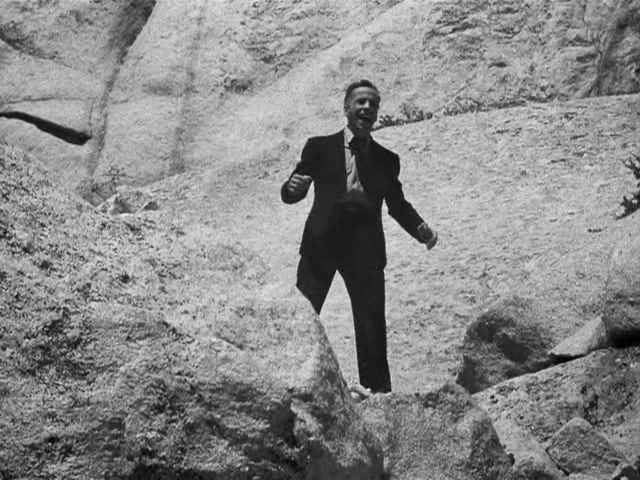
Response to Peary’s Review: Other concerning elements of the film include William Best’s caricatured role as a rolling-eyed African-American “assistant” and Henry Hull’s cartoonish “Doc” Banton, whose wig and make-up are distractingly inauthentic. With that said, there is still much to recommend in this film, which is generally acknowledged as an early example of “gangster noir” (the cinematography by Tony Gaudio is wonderfully atmospheric). According to DVD Savant, it’s notable as the film that “officially marked an end to the five-year ban on sympathetic gangster characters”. Walsh makes excellent use of on-location shooting in Lone Pines, California, and Lupino gives a nuanced and highly empathetic performance as a down-on-her-luck gal desperately in love with clueless Bogart. It’s certainly worth viewing by all film fanatics — and more engaging than its decent but unexceptional western remake. Redeeming Qualities and Moments:
Must See? Categories
(Listed in 1001 Movies You Must See Before You Die) Links: |
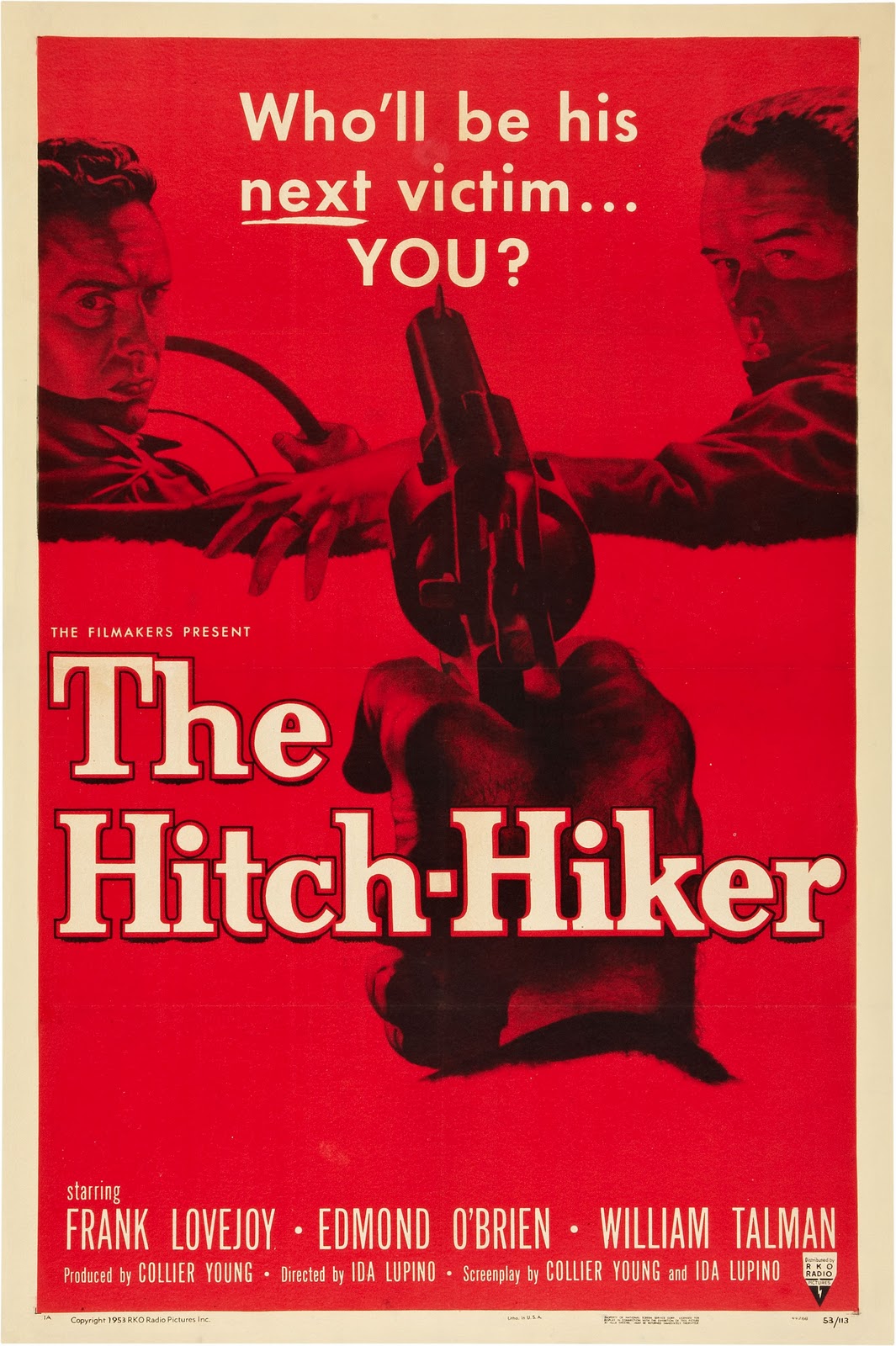
“You guys are going to die, that’s all — it’s just a question of when.”
|
Synopsis: |
|
Genres, Themes, Actors, and Directors:
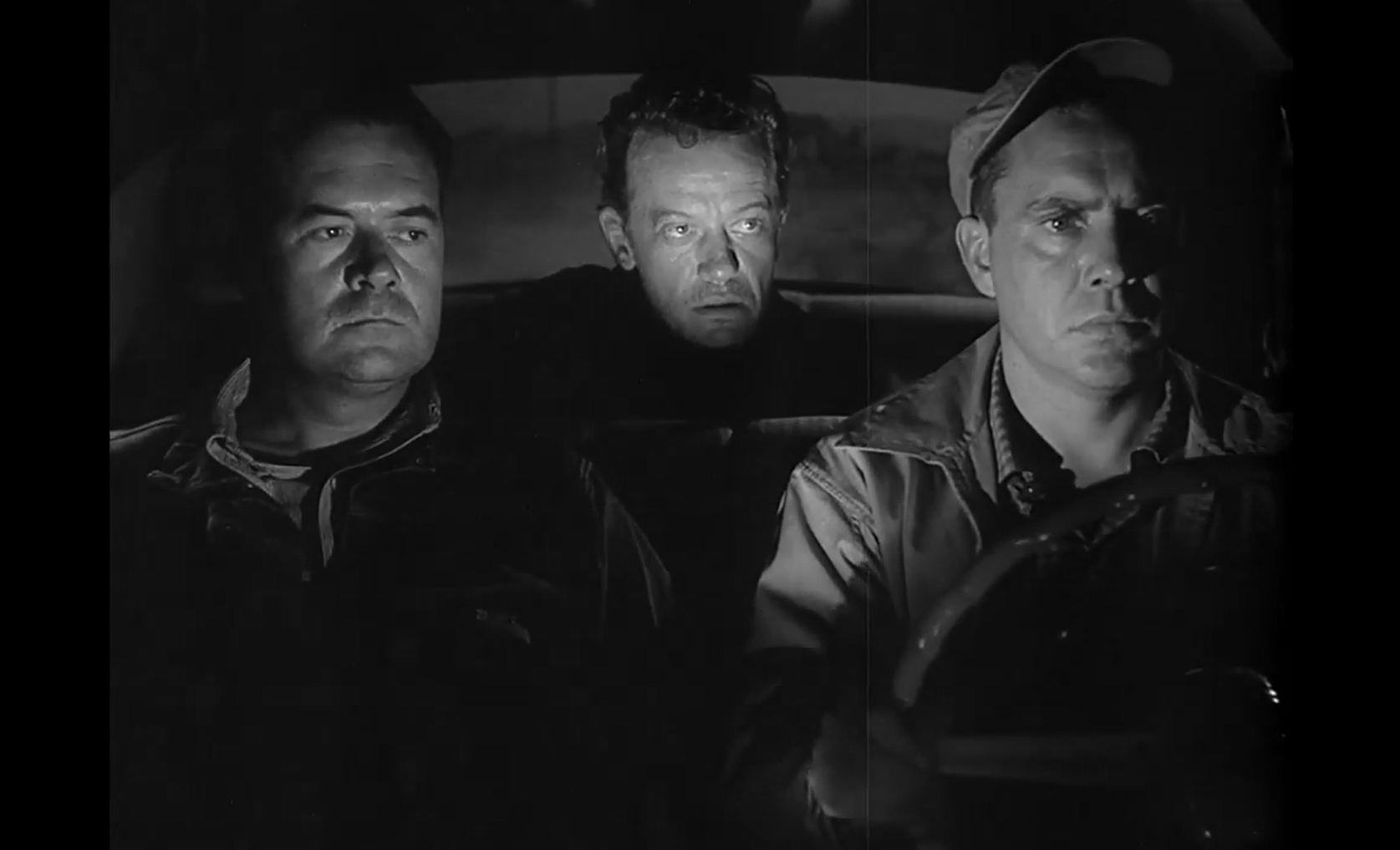
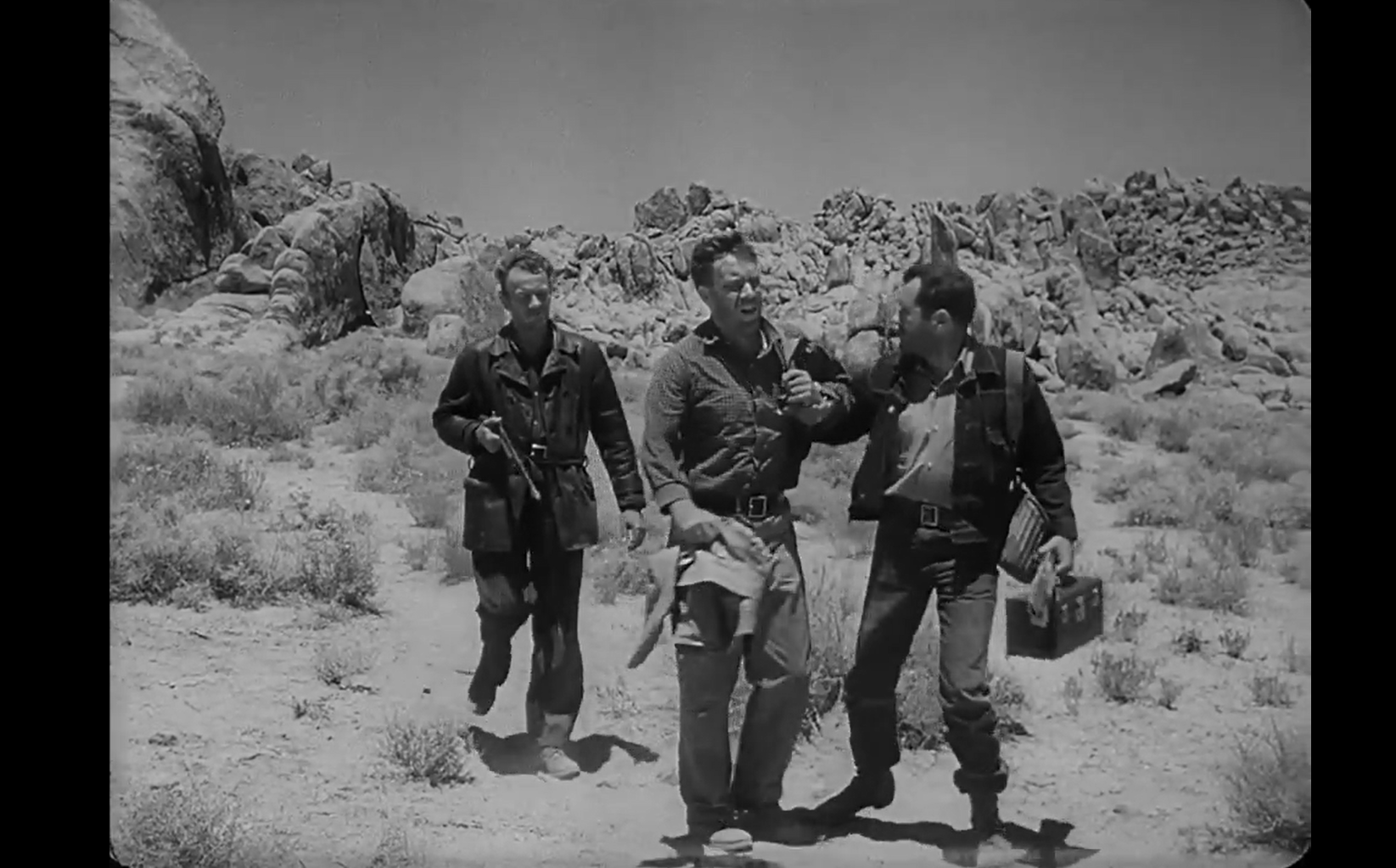
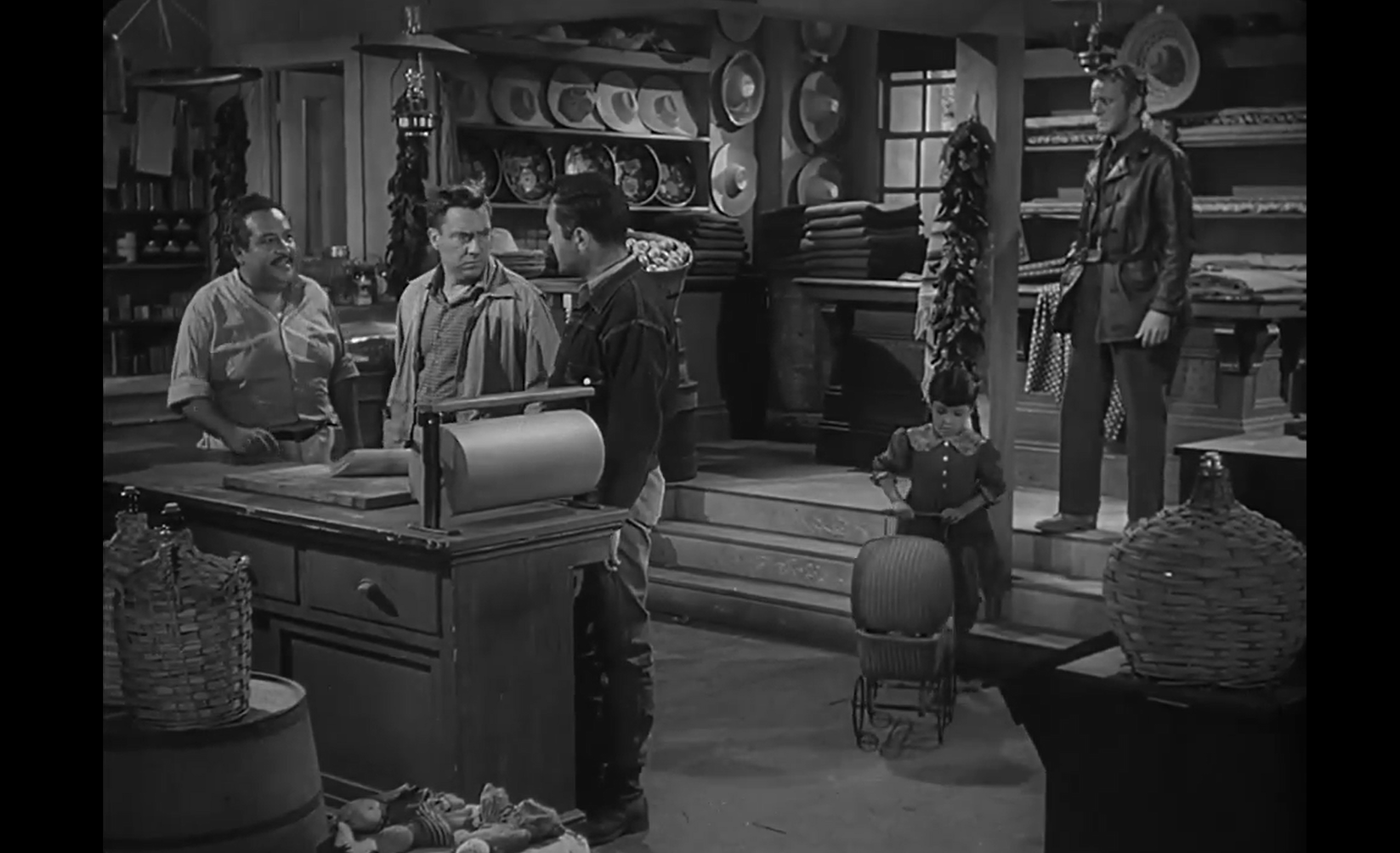
Review: Because Talman is indubitably a cold-blooded psychopath with no scruples whatsoever, we’re kept in as much terror and suspense as the two luckless fishing buddies. O’Brien and Lovejoy’s performances are spot-on as well: we can see the wheels turning in their heads as they debate on a moment-to-moment basis what risks they can take (or not) in their perilous situation, as their masculinity and sense of agency are repeatedly debased. The screenplay — co-written by Lupino and her producer-husband Collier Young, and based on a story by blacklisted author Daniel Mainwaring, who wrote Out of the Past (1948) — is peppered with multiple tension-filled moments for possible violence, as well as various refreshing encounters with respectfully-presented Mexican citizens. Nick Musuraca’s atmospheric cinematography is a definite highlight as well. Redeeming Qualities and Moments:
Must See? Categories
Links: |
“Painting is seeing, then remembering better than you saw.”
|
Synopsis: |
|
Genres, Themes, Actors, and Directors:
Review: which I suppose is a problem for any film centering on a pivotal piece of art (viz. The Picture of Dorian Gray — though that movie, despite its own flaws, is infinitely more nuanced and interesting). Redeeming Qualities and Moments: Must See? Links: |
[Note: The following review is of a non-Guide for the Film Fanatic title; click here to read more.]
“There’s a dame behind every guy in this joint.”
|
Synopsis: |
|
Genres, Themes, Actors, and Directors:
Review: Redeeming Qualities and Moments: Must See? Links: |
“I’m obeying the law, Mr. Van Weyden — the law of the sea!”
|
Synopsis: |
|
Genres, Themes, Actors, and Directors:
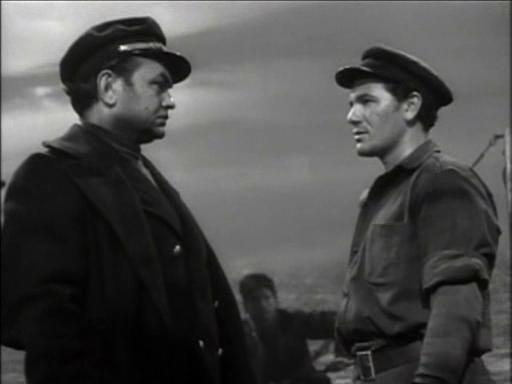
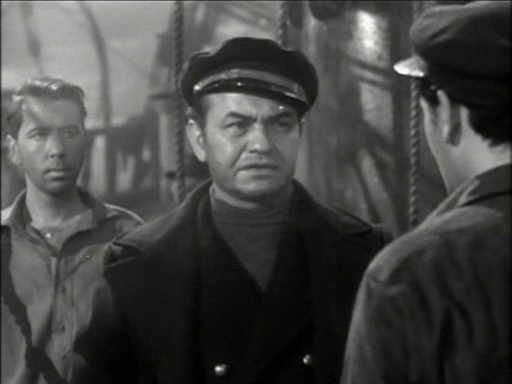
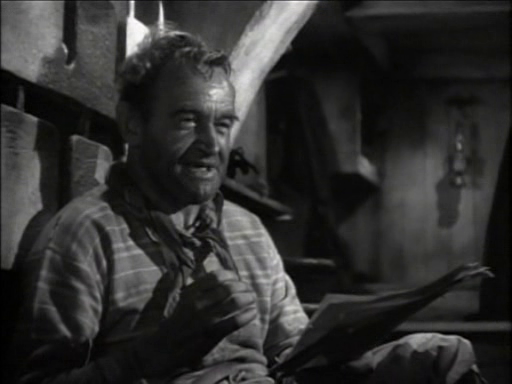
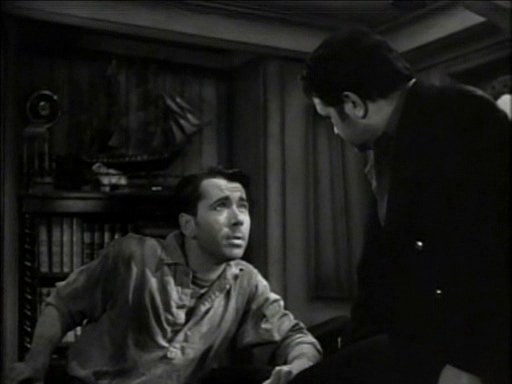
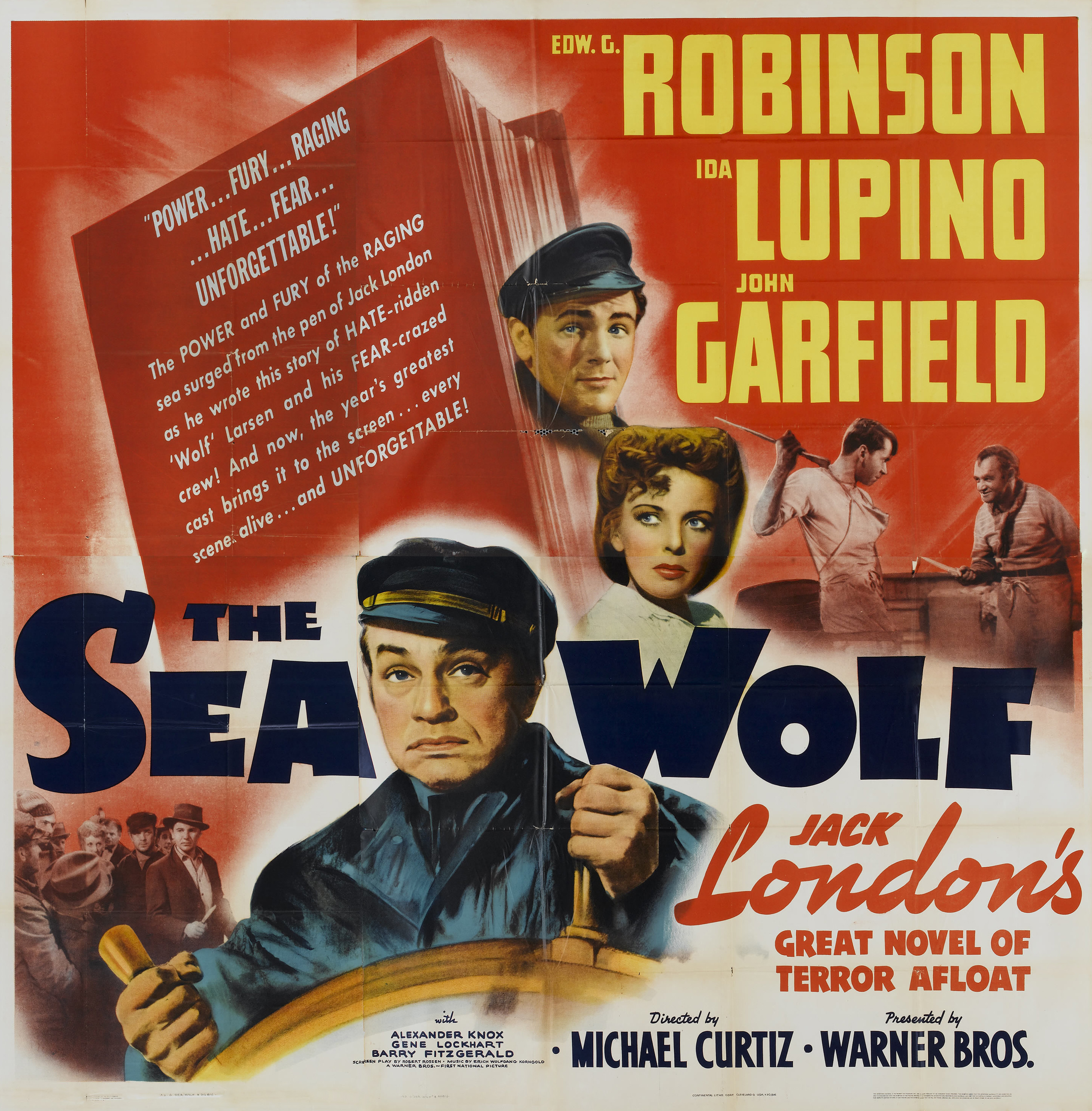
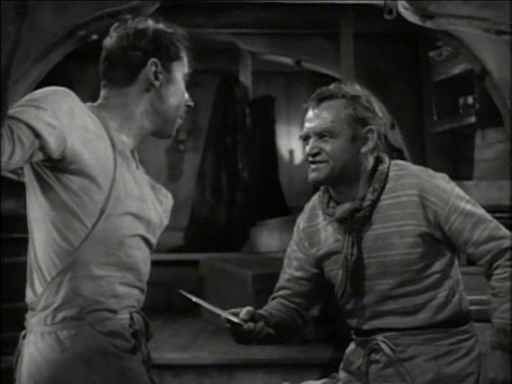
Review: He hits, kicks, and slaps at will, but also uses his shipmates’ weaknesses against them psychologically: he appears to be supportive, then sucker-punches them either literally or metaphorically, as occurs with both a tippling chef named Cooky (Barry Fitzgerald in particularly vile form): and alcoholic Dr. Prescott (Gene Lockhart). Even the protagonist — soft-spoken but resolute writer Humphrey Van Weyden (Knox) — gets caught in Wolf’s snare. Less susceptible are a pair of perennially-suspicious fugitives (Garfield and Lupino) who will clearly do anything to escape and remain independent; they’re not swayed by Wolf’s snake-like charisma. Ironically, the split focus between the four central characters, while likely faithful to the source material, diffuses the film’s impact somewhat. We know who to hiss at, but we’re torn between paying attention to Knox (appropriately subdued in his role) or Garfield (whose character is somewhat undeveloped). Meanwhile, Lupino’s character — the only female — is so intriguing we wish we could learn more about her. Regardless, The Sea Wolf remains a strongly directed drama featuring fine performances, and is well worth a one-time look by film fanatics. Redeeming Qualities and Moments: Must See? Links: |
“The tense is wrong. You’re not slipping: you’ve slipped.”
|
Synopsis: |
|
Genres, Themes, Actors, and Directors:
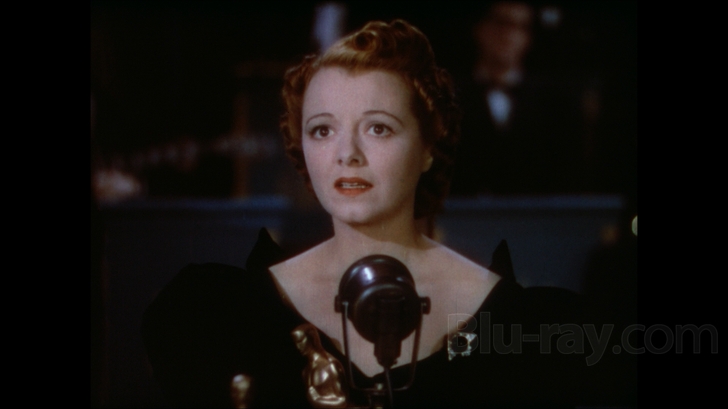
Response to Peary’s Review: I’m in agreement with Peary’s review. While the remake is undeniably more masterful on every level — with Mason and Garland giving Oscar-worthy, gut-wrenching performances — this earlier version is enjoyable, well-acted, and affecting. In his Alternate Oscars, Peary writes that while “we are told Janet Gaynor’s Esther-Vicki has talent in the 1937 film, Garland proves her star talent” — and yes, it’s less obvious that Gaynor’s Esther/Vicki “deserves” the fame she wins through her lucky break. But this is essentially a melodramatic fable, so the reversal of fortunes experienced by March and Gaynor comes across as almost archetypal in its swiftness and simplicity. The star-crossed lovers’ romance feels both genuine and doomed. Redeeming Qualities and Moments:
Must See? Categories
Links: |
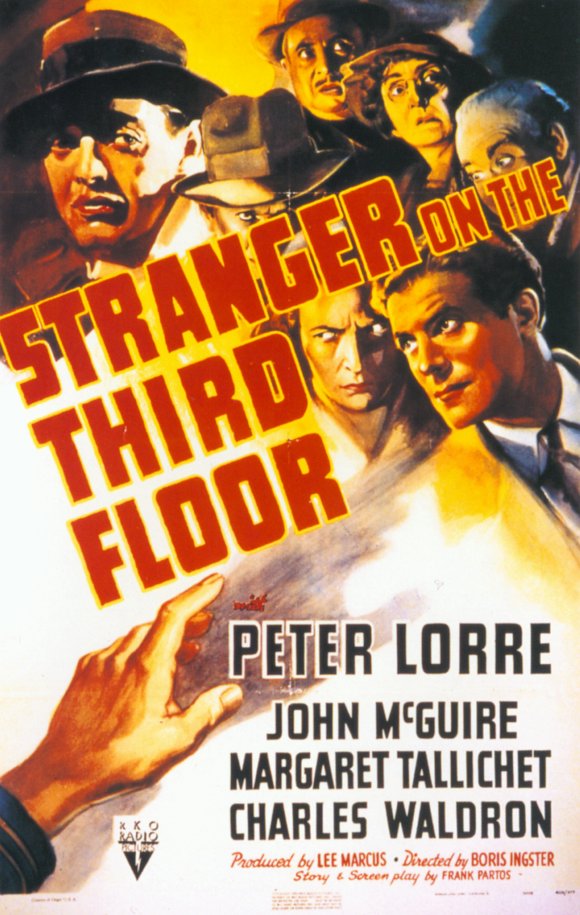
“I’m not guilty — the stranger killed him!”
|
Synopsis: |

|
Genres, Themes, Actors, and Directors:
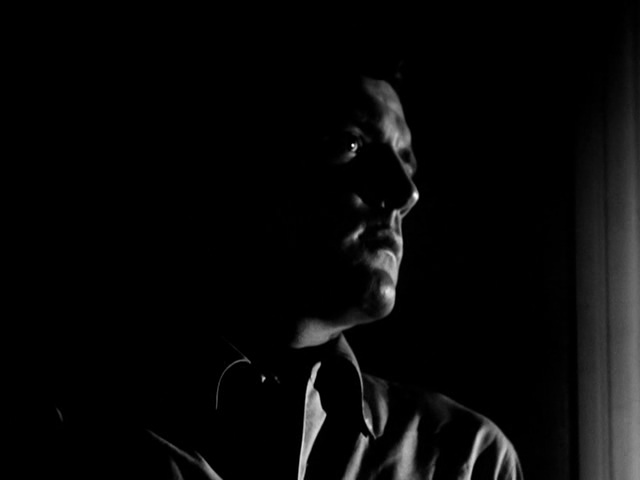
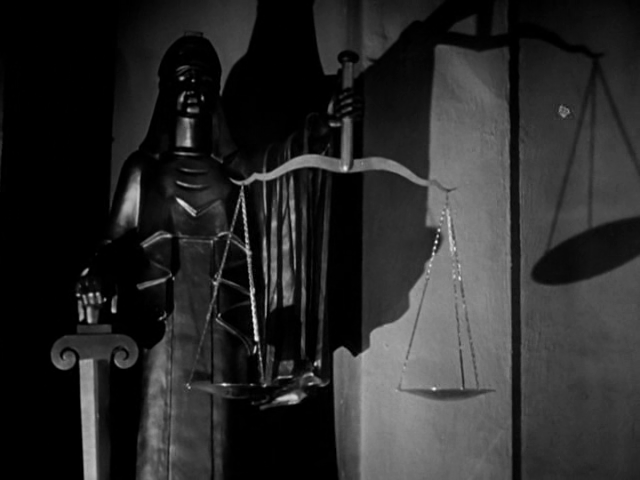
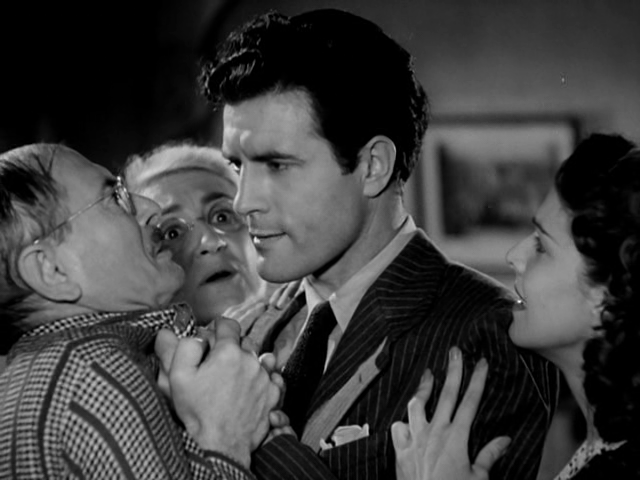
Review: Redeeming Qualities and Moments: Must See? Categories
Links: |