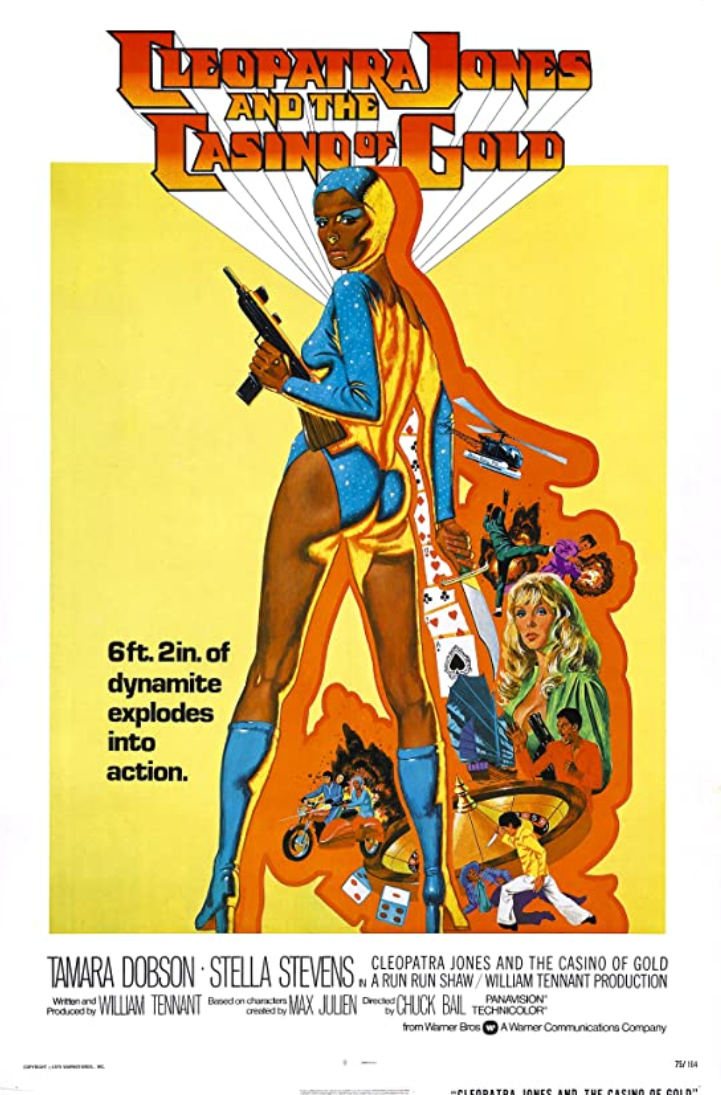
Cleopatra Jones and the Casino of Gold (1975)

Cleopatra Jones and the Casino of Gold (1975)

“I never claim to be God… Only close to him.”

Synopsis:
With the help of a local detective (Tanny) in Hong Kong, female operative Cleopatra Jones (Tamara Dobson) tries to rescue her co-workers (Albert Popwell and Caro Kenyatta) from the clutches of a vicious drug dealer known as the Dragon Lady (Stella Stevens).

Genres, Themes, Actors, and Directors:

  • African-Americans
  • Detectives and Private Eyes
  • Drug Dealers
  • Shelley Winters Films
  • Stella Stevens Films
  • Strong Females

Response to Peary’s Review:
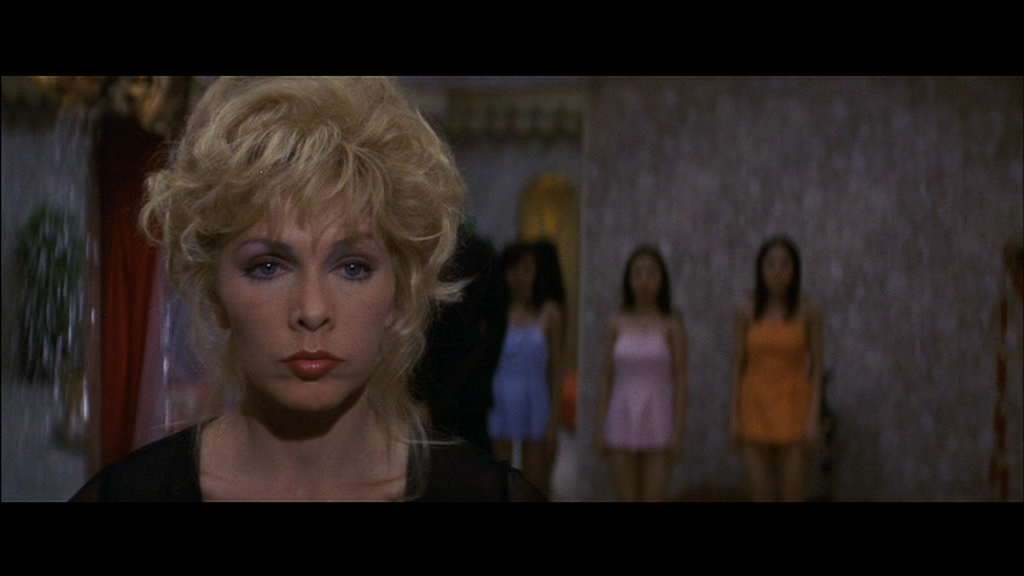
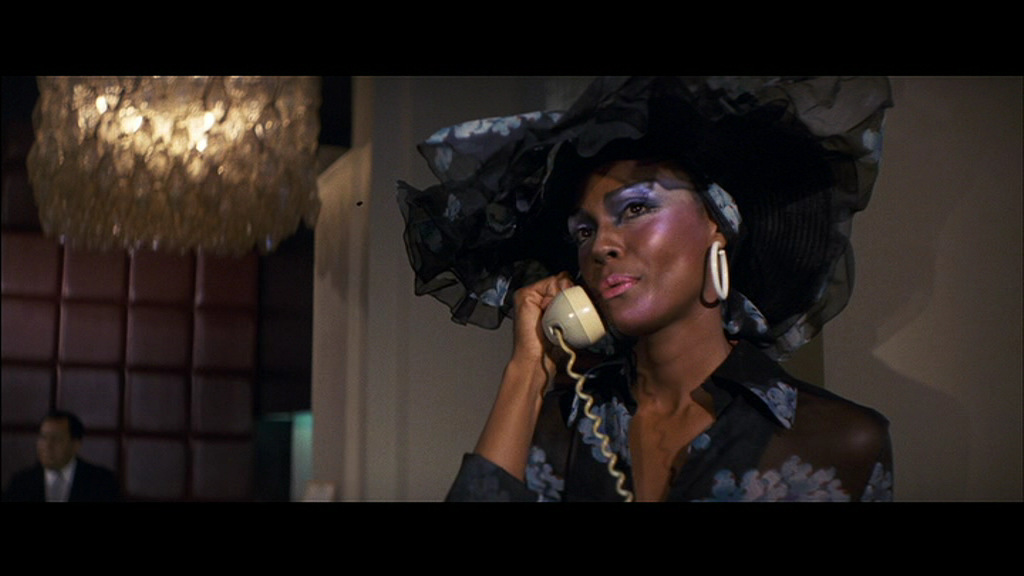
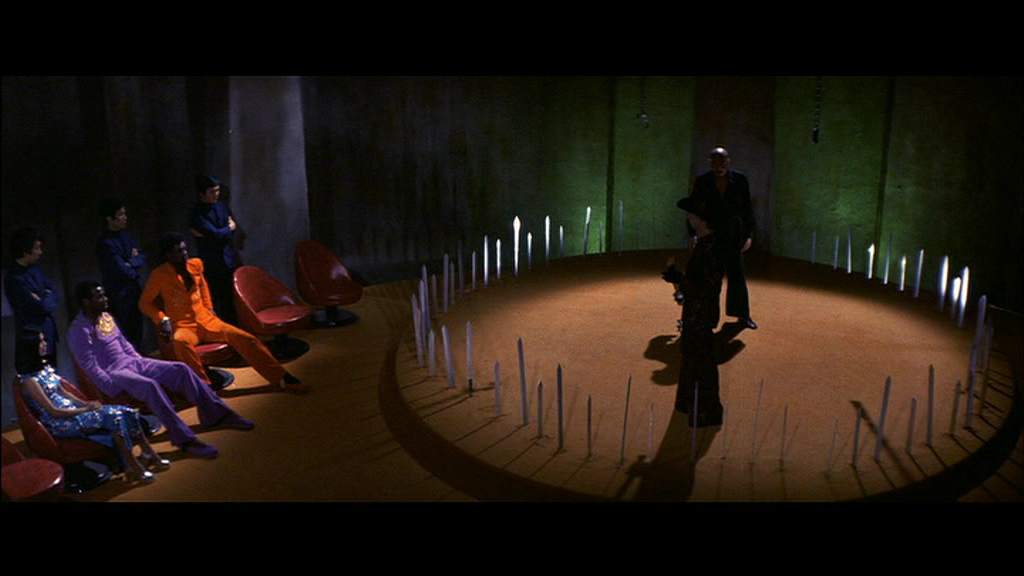
Although I haven’t yet seen 1973’s Cleopatra Jones (not listed in Peary’s book), I believe Peary when he states that this sequel — a “sexy, funny, fast-moving exploitation film” — is “better than the original.” As Peary notes, “Amazonian” Tamara Dobson (“one of the main assets of [the] blaxpoitation generation”) is “no Pam Grier”, but she fits the bill here as a larger-than-life female agent; in her outrageously colorful outfits and over-the-top make-up, she’s consistently stunning to look at. Even better, however, is her “pretty and lethal” sidekick (played by “Tanny”, a.k.a. Ni Tien), who kicks some serious butt in a couple of well-choreographed fight scenes; meanwhile, cult film star Stella Stevens seems to be having fun in her role as the Dragon Lady, a drug “queenpin” who you don’t want to mess with. The film as a whole moves quickly, and director Chuck Bail makes good use of authentic Hong Kong locales; the final extended fight sequence — taking place inside the Dragon Lady’s baroque “Casino of Gold” — is especially exciting.

Redeeming Qualities and Moments:

  • “Tanny” as Mi Ling
  • Stella Stevens as the Dragon Lady
  • Cleopatra’s seemingly endless array of outrageous outfits
  • Enjoyably stylized set designs
  • Effective use of Hong Kong street locales

Must See?
No, but it’s worth a look as a representative blaxploitation / “strong female” film of the ’70s.

Links:

Our Dancing Daughters (1928)

Our Dancing Daughters (1928)

“When it comes to marriage, men are still old-fashioned.”

Synopsis:
A fun-loving but decent flapper (Joan Crawford) is devastated when the man she loves (Johnny Mack Brown) marries a deceptively “innocent” gold-digger (Anita Page) instead.

Genres, Themes, Actors, and Directors:

  • Gold Diggers
  • Joan Crawford Films
  • Love Triangle
  • Silent Films

Review:
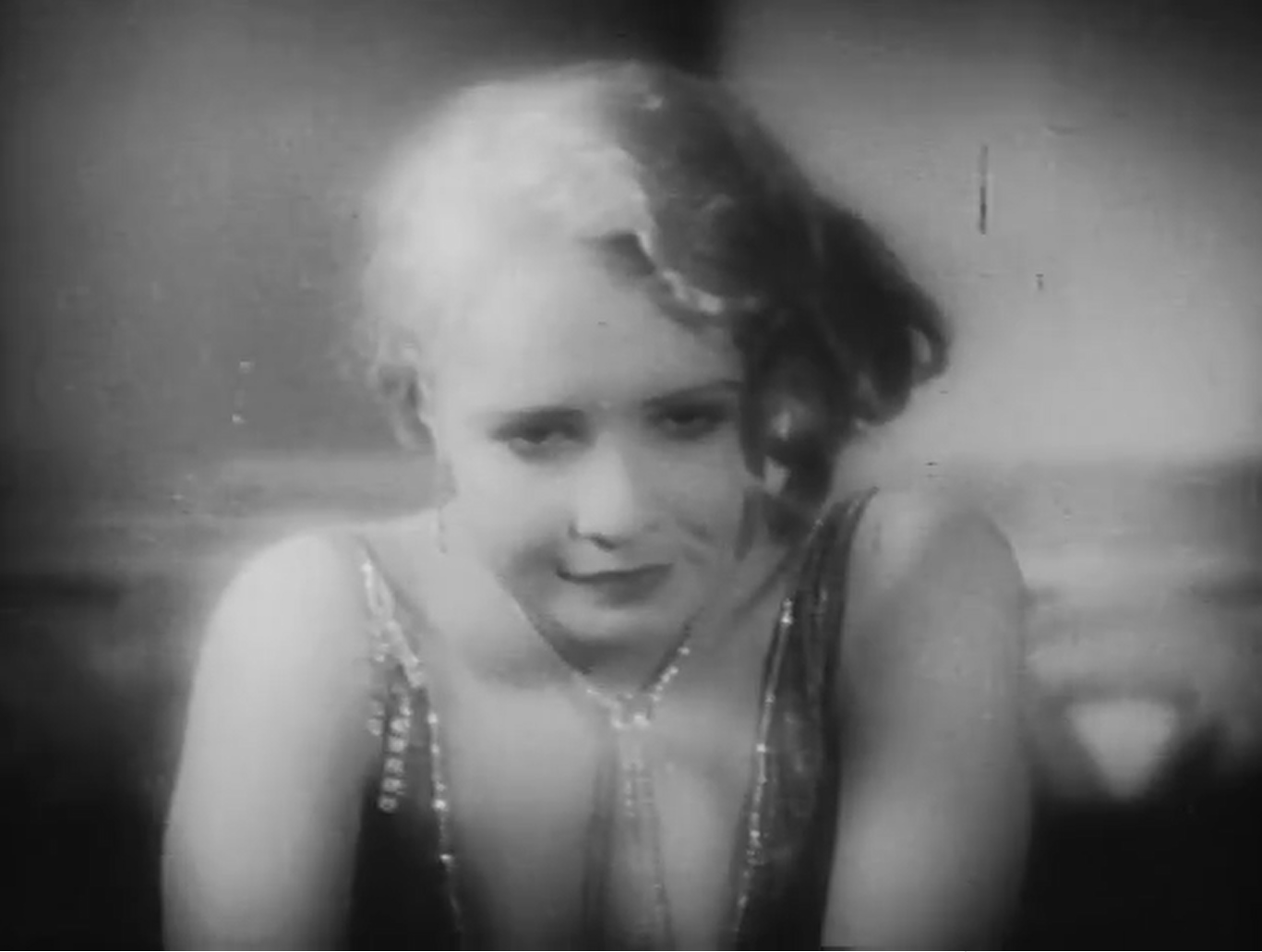
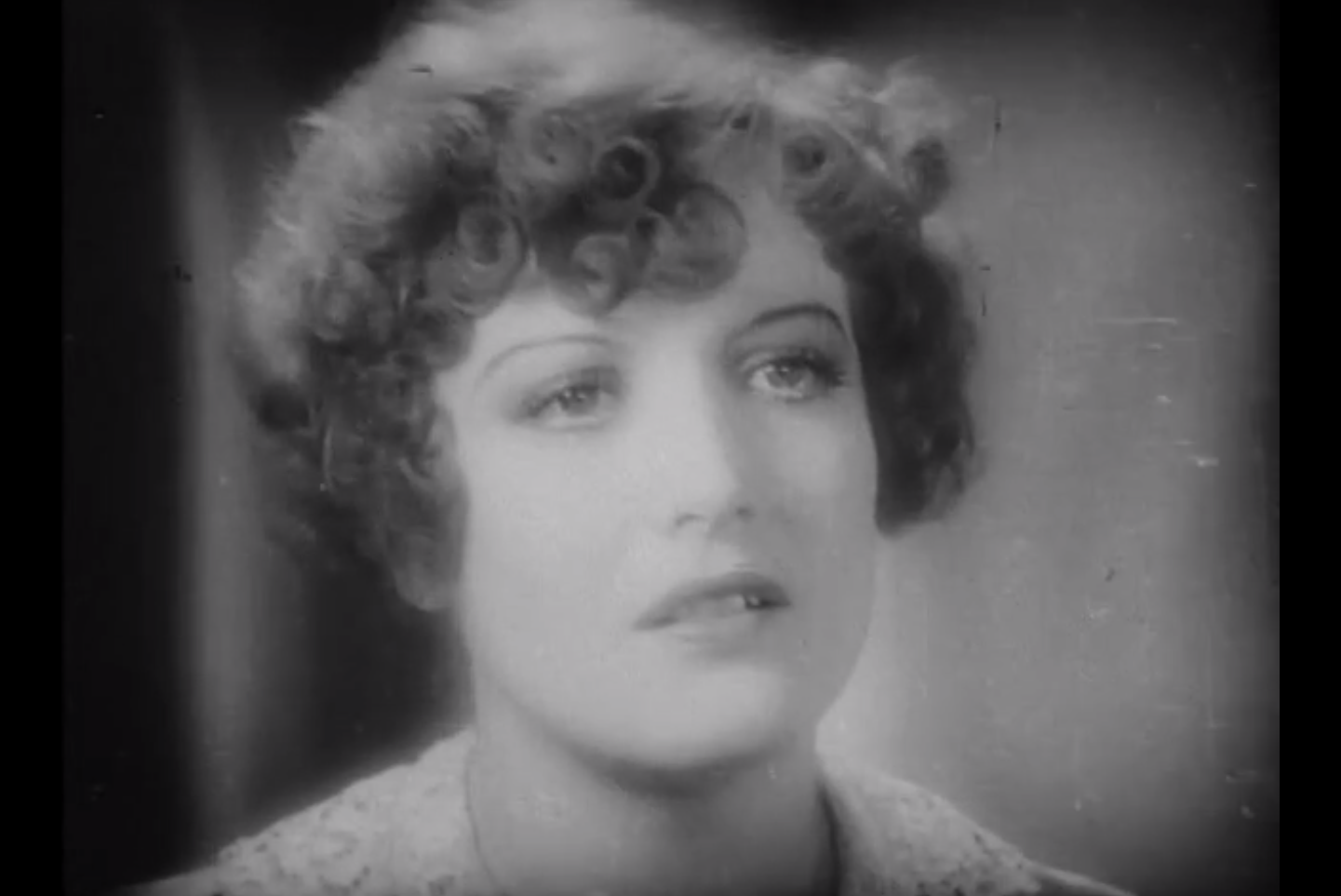
23-year-old Joan Crawford sparkles in this “part-sound” film about fun-loving flappers during the Roaring Twenties who find their desire for good times strictly at odds with their chances for happy marriage. Crawford’s character — a highly likable heroine who’s given a rough break but triumphs in the end — is allowed plenty of opportunities to dance the Charleston and show off her bubbly personality:

while blonde Anita Page as Crawford’s romantic rival is fine as well, particularly during her hilariously infamous final scene (“Women — women — why are you working?”).

The use of strategic background noise and musical numbers on the synchronized soundtrack is effective, adding to the overall ambiance of the era. While not one of Crawford’s best features, film fanatics will certainly be curious to check out Our Dancing Daughters at least once.

Redeeming Qualities and Moments:

  • Joan Crawford as Diana Medford
  • Anita Page as “Annikins”

Must See?
Yes, for its historical importance as Crawford’s “breakthrough” role.

Categories

  • Historically Relevant

Links:

Private Lessons (1981)

Private Lessons (1981)

“Fifteen is the perfect age. Just think: you’re giving him private lessons — an advanced education!”

Synopsis:
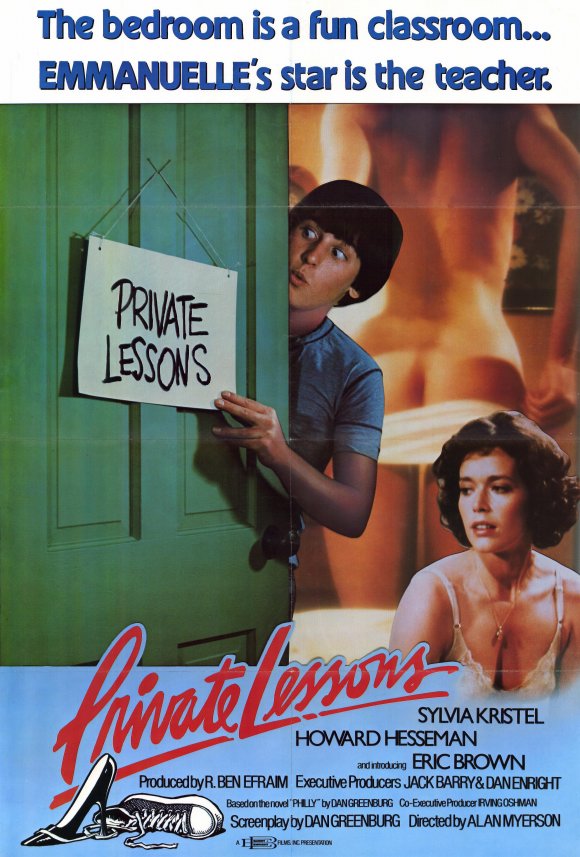
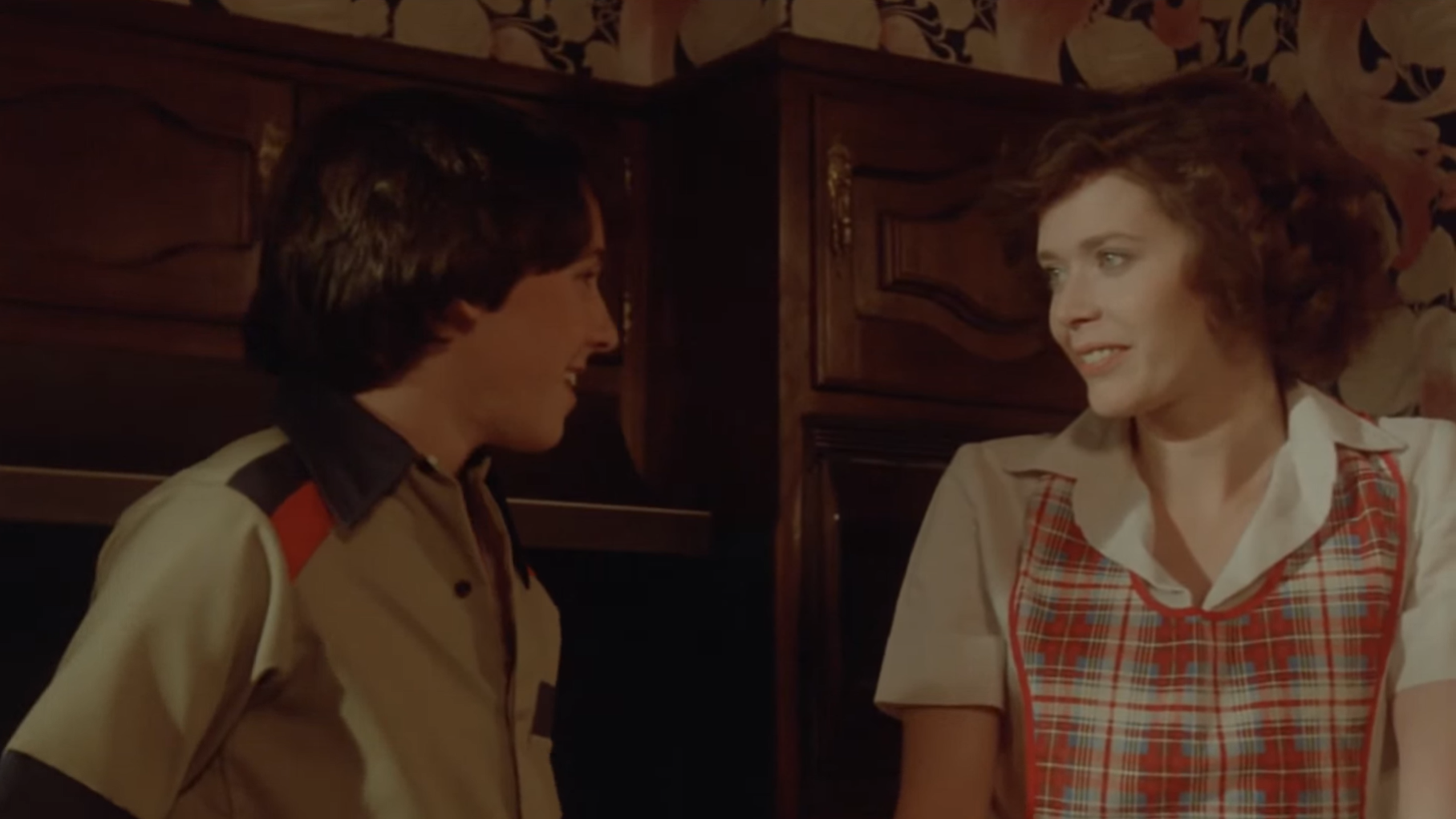
A sexy maid (Sylvia Kristel) is forced by her unscrupulous co-worker (Howard Hesseman) to seduce the wealthy teenage boy (Eric Brown) they both work for.

Genres, Themes, Actors, and Directors:

  • Blackmail
  • Comedy
  • Coming-of-Age
  • Ed Begley Jr. Films
  • May-December Romance

Review:
This dated, unfunny sex comedy features awful acting, a distasteful plot, and genuinely few redeeming qualities. Sylvia Kristel — best known as the title character in 1974’s soft-core cult hit Emmanuelle — is sexy but stilted, while Eric Brown as the unbelievably naive teen she seduces is instantly forgettable.

The flimsy storyline (involving blackmail and a faked death) is merely an implausible excuse for “titillating” scenes of reverse-Lolita seductions — somewhat shocking only because Brown was actually underage during filming (Kristel used a body double). Watch 1983’s Risky Business for a much more enjoyable variation on the same theme.

Redeeming Qualities and Moments:

  • Ed Begley, Jr. in a small role as a tennis instructor-turned-“cop”

Must See?
No; skip this clunker.

Links:

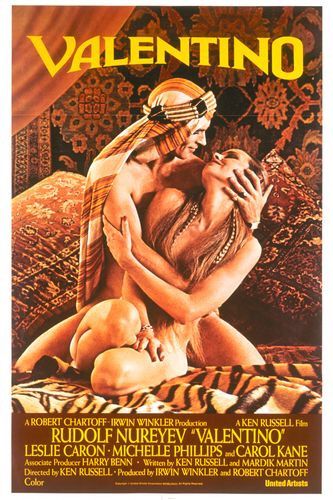
Valentino (1977)

Valentino (1977)

“There [will] never be another Valentino — there will never be anyone remotely like him. He was a god!”

Synopsis:
The untimely death of silent screen star Rudolph Valentino (Rudolf Nureyev) prompts the many women in his past to reminisce about his troubled rise to superstardom.

Genres, Themes, Actors, and Directors:

  • Actors and Actresses
  • Biopics
  • Carol Kane Films
  • Flashback Films
  • Ken Russell Films
  • Leslie Caron Films
  • Seymour Cassel Films
  • Untimely Death

Review:
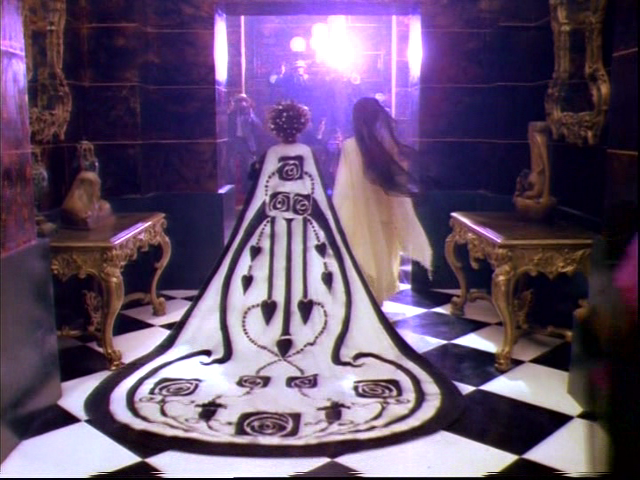
Ken Russell’s star-studded depiction of Rudolph Valentino‘s meteoric rise to fame — and his tragically early death at the age of 31, which reportedly prompted at least two suicides — displays much of Russell’s distinctive flare for colorful pageantry and liberal interpretation of historical facts. Famed ballet dancer Rudolf Nureyev is surprisingly well-cast in the title role, and is given ample opportunity to show off both his dancing chops and his well-toned body (most film fanatics are probably unaware that before coming to Hollywood, Valentino worked as a nightclub dancer and tango partner in New York). The film’s many supporting actors and actresses (Seymour Cassell, Leslie Caron, Carol Kane, and Felicity Kendal, among others) are generally fine in their respective roles as the various men and women who flitted through Valentino’s life; much less successful, however, is Michelle Phillips (of “The Mamas and the Papas”) in a key role as Valentino’s overbearing wife, Natasha Rambova — Phillips is no great actress, and comes across here as simply whiny and shrill.

As one might expect from any Ken Russell “biopic”, Valentino does little to illuminate the mundane details of the actor’s past, instead focusing primarily on his public persona and the seemingly endless string of scandals he was embroiled in. Indeed, the entire second half of the film concerns itself with Valentino’s struggle to defend his masculinity in the face of assertions that he was more “powder puff” than All-American Male — a thematic concern bolstered by an earlier scene in which Valentino is shown dancing “intimately” with the Russian ballet dancer Vaslav Nijinsky (Anthony Dowell). Nonetheless, Russell simultaneously goes to great pains to show us how extraordinarily appealing this sexually provocative actor was to females of the day — the opening scene of the film is particularly effective at recreating the chaos caused by the (mostly female) fans clamoring to get a closer look at their beloved Valentino’s dead body. Ultimately, while it’s not entirely successful as a narrative, Valentino does admirably convey the larger-than-life popularity of this iconic cinematic “Latin Lover”, and will likely be of passing interest to film fanatics for this reason alone.

Redeeming Qualities and Moments:

  • Rudolf Nureyev as Valentino
  • Seymour Cassell as one of Valentino’s promoters
  • Shirley Russell’s baroque costumes

Must See?
No, but it’s certainly worth a look by all film fanatics. Listed as a Cult Movie in the back of Peary’s book.

Links:

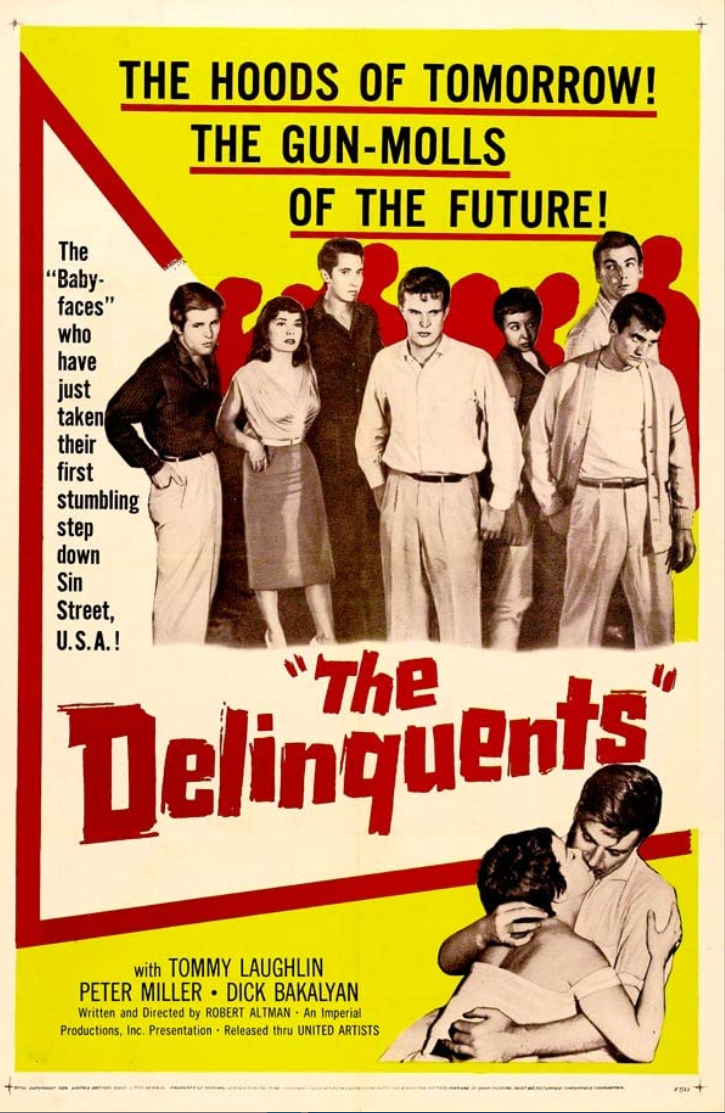
Delinquents, The (1957)

Delinquents, The (1957)

“These kids today have no sense of responsibility… None at all!”

Synopsis:
When a teenager (Tom Laughlin) is told he can’t see his girlfriend (Rosemary Howard) anymore, he accidentally gets involved with a gang of juvenile delinquents (led by Peter Miller) who lead him down a dangerous path.

Genres:

  • Juvenile Delinquents
  • Robert Altman Films

Review:
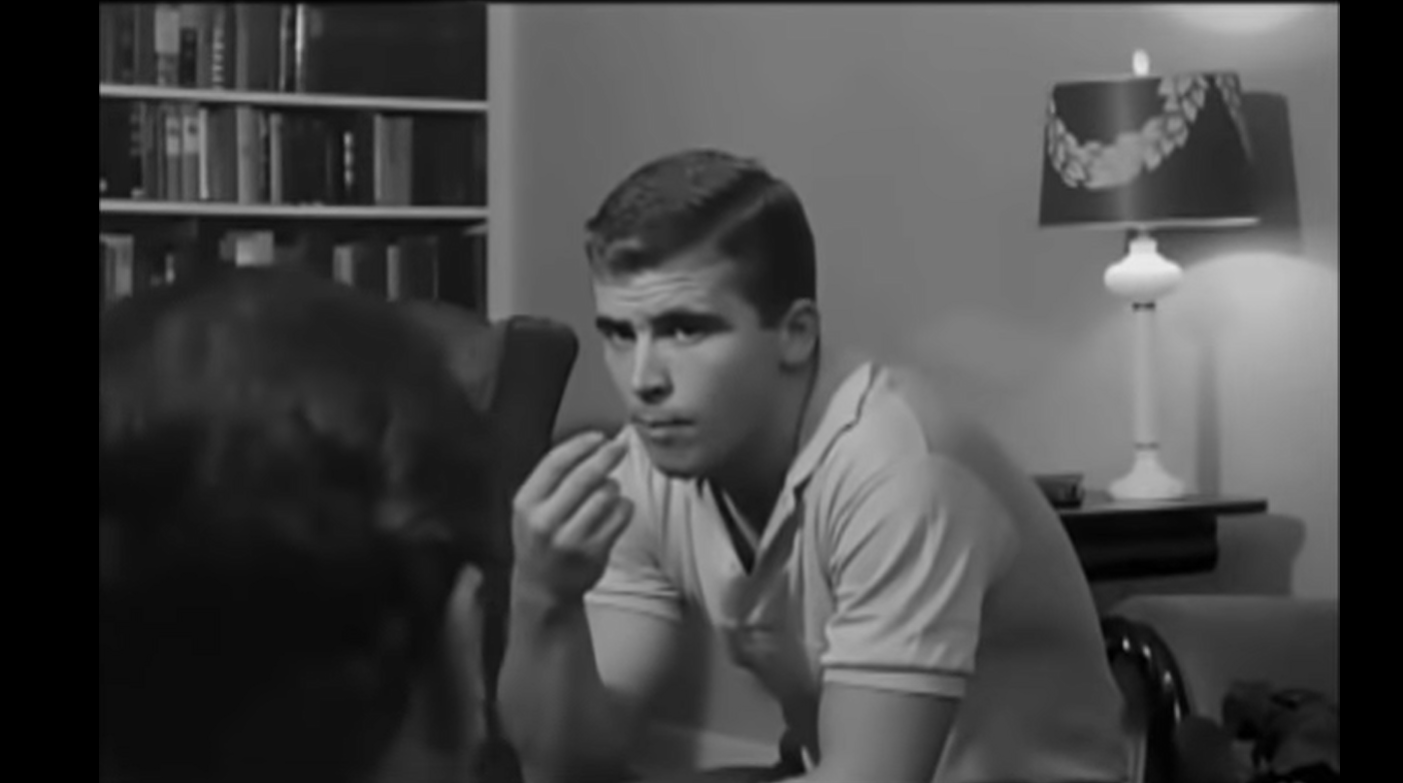
Robert Altman’s debut film (which he later dismissed as a film with no “meaning for anybody”) shows little evidence of what was to become his signature directorial style, yet nonetheless demonstrates his burgeoning ability to take pulp thematic material and turn it into a reasonably compelling drama. Brooding Tom Laughlin — channeling James Dean — is fine in the lead role as an upstanding teen who becomes unwittingly embroiled in juvenile gang shenanigans; it’s refreshing to see him hold his own rather than caving in (as one would expect) to the “allure” of peer pressure. The storyline is simple but relatively fresh for the genre, with the final third of the film actually generating some true tension as Laughlin and his naive girlfriend find themselves trapped in the snares of their ruthless hostages. Ignore the laughably campy opening and closing narration (“The story you are about to see is about violence and immorality — teenage violence and immorality, children trapped in the half-world between adolescence and maturity…”) as merely a convention of the times; fortunately, it does little to detract from the rest of the film.

Redeeming Qualities and Moments:

  • Tom Laughlin as Scotty

Must See?
No, but it’s worth a look simply for its importance as Altman’s first film.

Links:

Canterville Ghost, The (1944)

Canterville Ghost, The (1944)

“I have roamed these halls for three centuries, and I am so tired — if only I could rest.”

Synopsis:
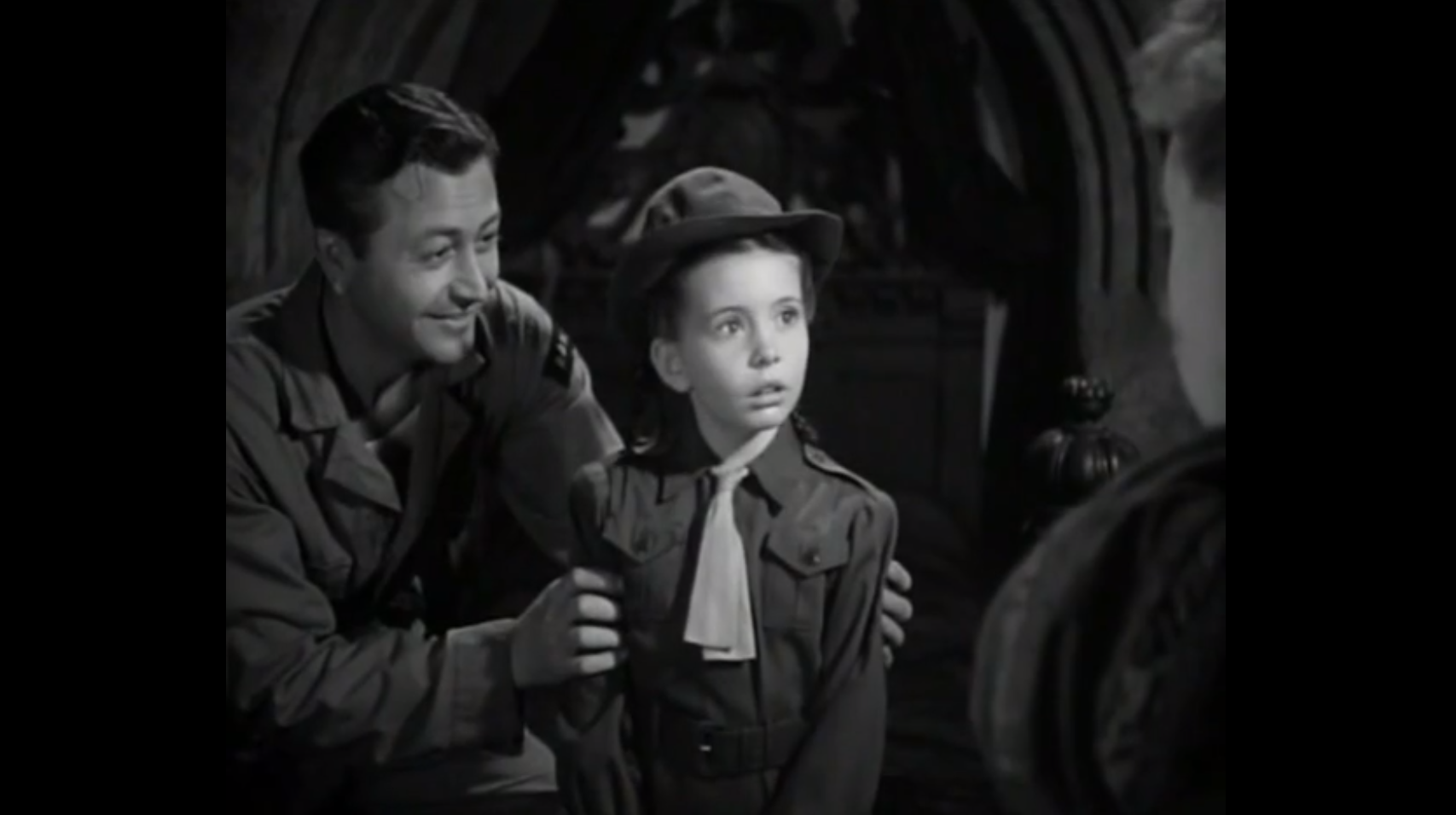
A cowardly ghost (Charles Laughton) doomed to haunt his family’s castle until a descendant commits a brave act in his name hopes that a long-lost American kinsman (Robert Young) — with the help of the castle’s pint-sized owner, Lady Jessica (Margaret O’Brien) — will free him from his sentence.

Genres:

  • Charles Laughton Films
  • Cowardice
  • Fantasy
  • Ghosts
  • Jules Dassin Films
  • Margaret O’Brien Films
  • Peter Lawford Films
  • Robert Young Films
  • World War II

Review:
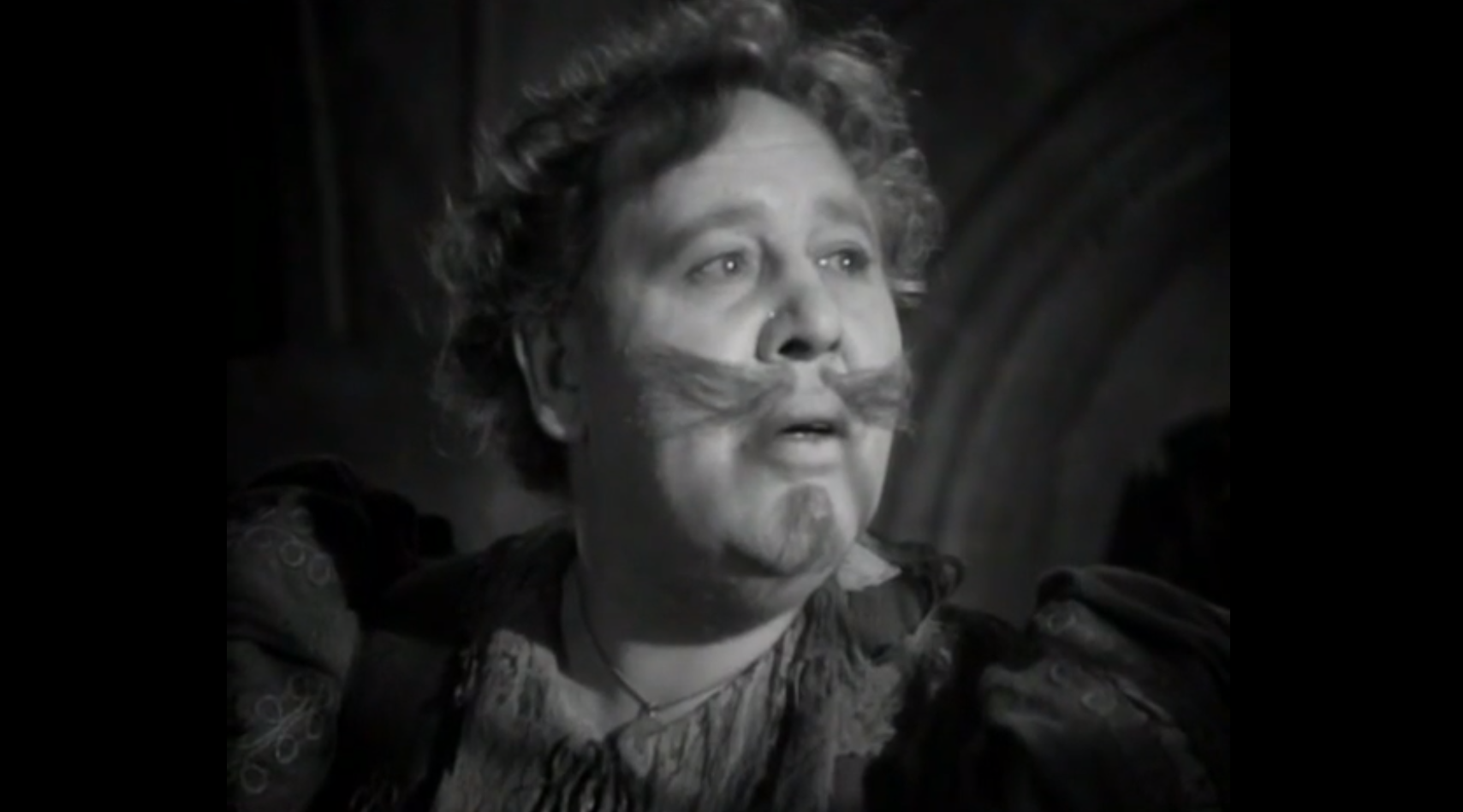
Loosely adapted from an Oscar Wilde short story, The Canterville Ghost was updated to incorporate the arrival of American G.I.s in England during the height of WWII, emphasizing the importance not only of overcoming cowardice, but of Brits and Americans working together towards a common cause. It remains successful primarily as a light-hearted vehicle for the inimitable Charles Laughton, who is perfectly cast as the portly, forlorn ghost with outsized whiskers and striped bloomers. Equally enjoyable is his precocious co-star, Margaret O’Brien, who showcases her estimable acting chops at the ripe age of 6 (a year before she starred in her most famous film, Meet Me in St. Louis). Together, these two performers make this rather predictable and dated adventure worth sitting through.

Redeeming Qualities and Moments:

  • Charles Laughton as Sir Simon de Canterville
  • Margaret O’Brien as young Lady Jessica
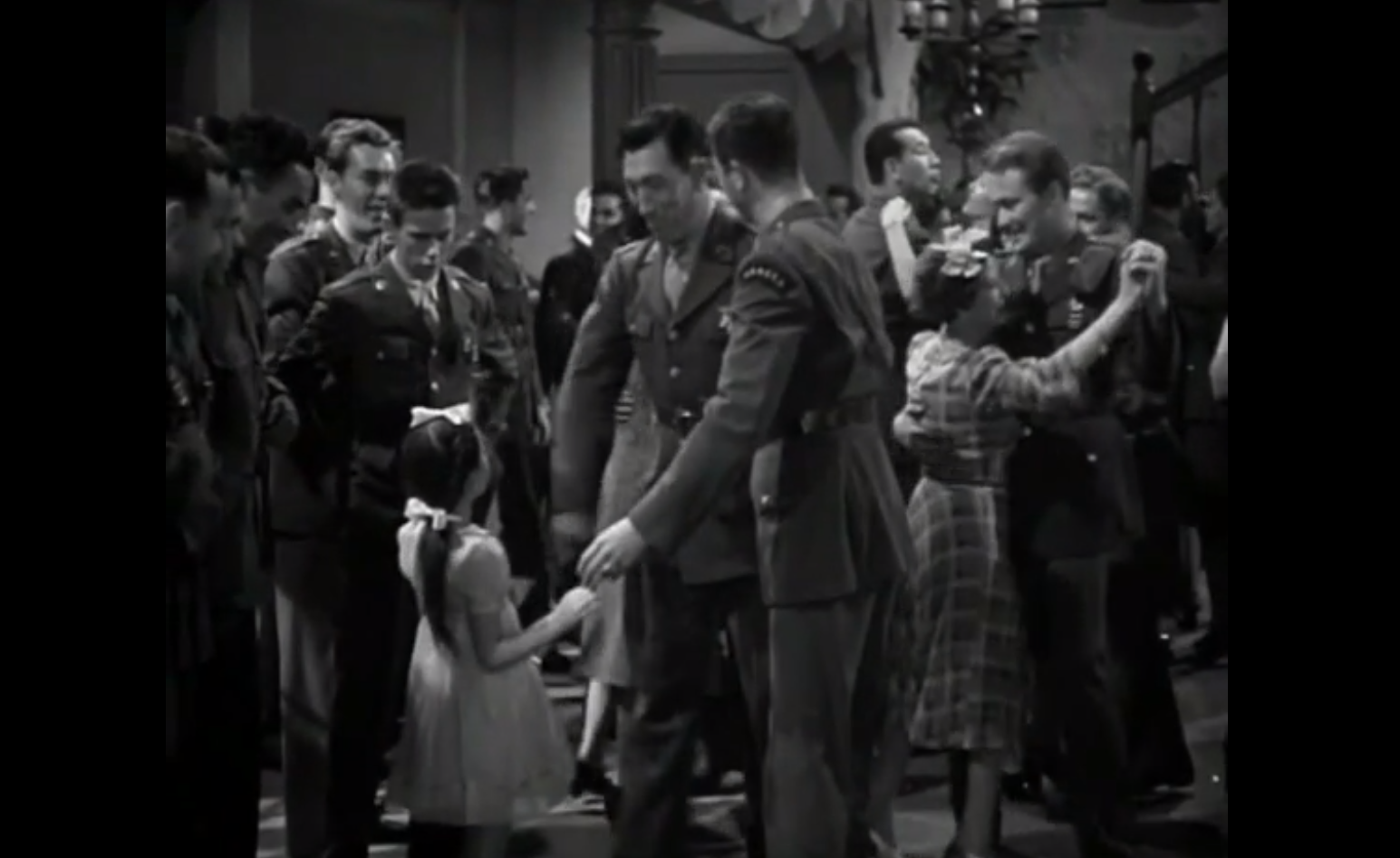
  • The American G.I.s breaking into “woogie boogie” (as Sir Simon charmingly refers to it) during a town dance

Must See?
No, but it’s an enjoyably innocuous flick and worth checking out once.

Links:

Woman is a Woman, A (1961)

Woman is a Woman, A (1961)

“I want a baby in the next 24 hours.”

Synopsis:
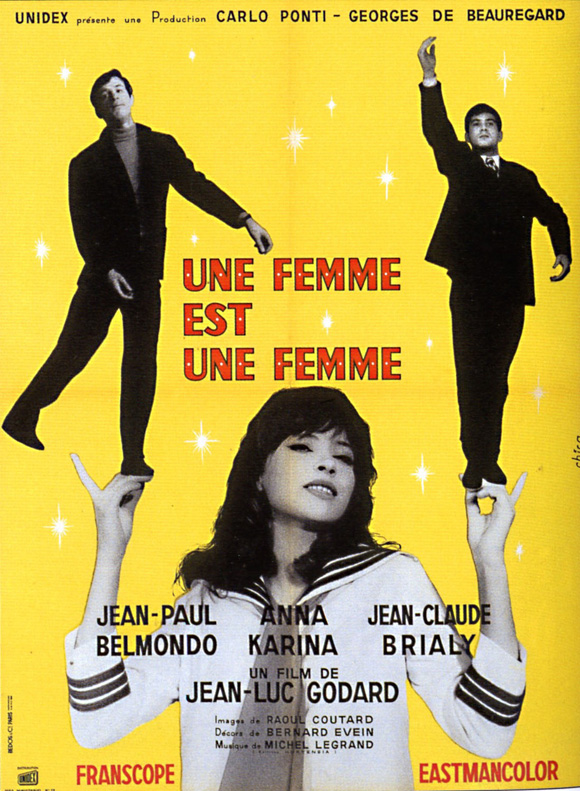
A woman (Anna Karina) desperate to become pregnant turns to an admirer (Jean-Paul Belmondo) for “help” when her partner (Jean-Claude Brialy) refuses to take her request seriously.

Genres, Themes, Actors, and Directors:

  • French Films
  • Godard Films
  • Jean-Paul Belmondo Films
  • Love Triangle
  • Pregnancy

Review:
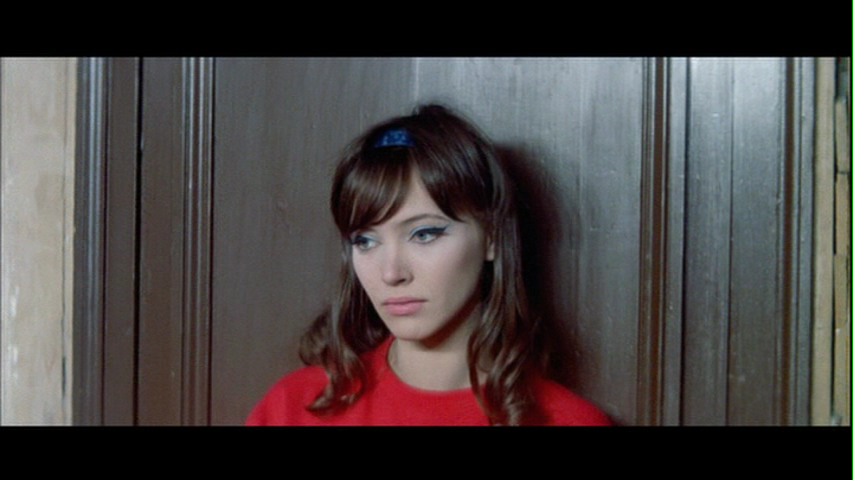
After the phenomenal success of his New Wave debut film Breathless in 1960, Jean-Luc Godard made what he considered to be his “first real film” — this playful yet frustrating character study-cum-musical which defiantly exploits cinematic conventions at every turn. A Woman is a Woman received mixed reviews upon its release, and continues to divide critics, with many finding it unduly wearisome and far too clever for its own good — indeed, Godard’s insistence (soon to be a trademark) on using random, often incongruous snippets of music, then cutting away to silence without warning, quickly becomes tedious, if not downright aggravating (particularly since the inimitable Michel Legrand composed the score — such as it is — here). Many other critics, however, acknowledge this as one of Godard’s most accessible and perversely likable films, a heady love note to Cinema and all its possibilities. Ultimately, A Woman is a Woman will not be for all tastes (as DVD Savant points out, the majority of non-cinephiles will give up on it after ten minutes), but it remains at the very least a watchable curiosity — thanks in large part to Godard’s many lingering, loving takes on Karina (his then-wife), whose expressive face is hard to resist.

Redeeming Qualities and Moments:

  • Anna Karina as Angela
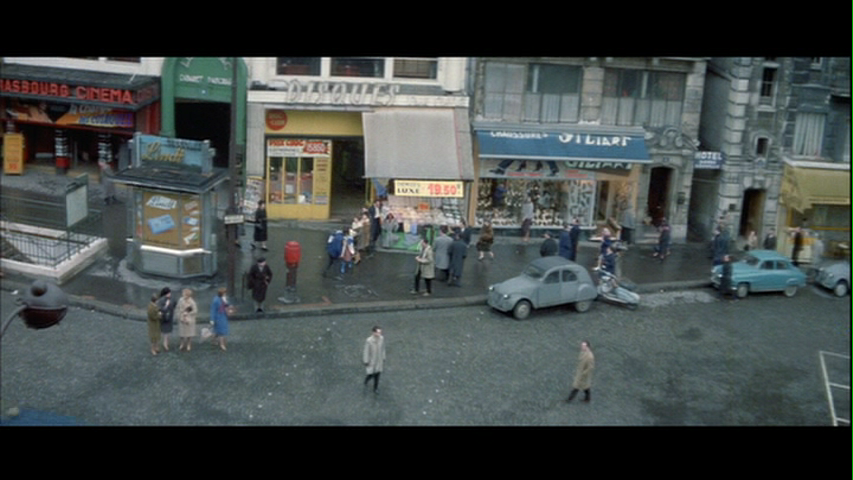
  • A vibrant look at early 1960s Paris
  • Michel Legrand’s musical score — though it’s unfortunately butchered to death

Must See?
No, but fans of Godard and/or French New Wave cinema will certainly want to check it out. Listed as a film with Historical Importance in the back of Peary’s book.

Links:

Crimson Pirate, The (1952)

Crimson Pirate, The (1952)

“Remember: in a pirate ship, in pirate waters, in a pirate world, ask no questions.”

Synopsis:
After seizing a ship full of arms from Baron Jose Gruda (Leslie Bradley), the “Crimson Pirate” (Burt Lancaster) and his trusty sidekick Ojo (Nick Cravat) try to win back the loyalty of their mutinous crew while rescuing a damsel-in-distress (Eva Bartok).

Genres, Themes, Actors, and Directors:

  • Burt Lancaster Films
  • Christopher Lee Films
  • Historical Drama
  • Pirates
  • Robert Siodmak Films

Response to Peary’s Review:
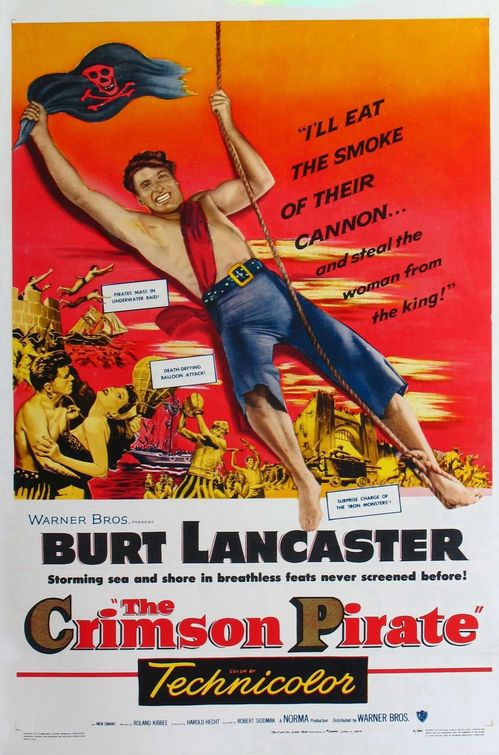
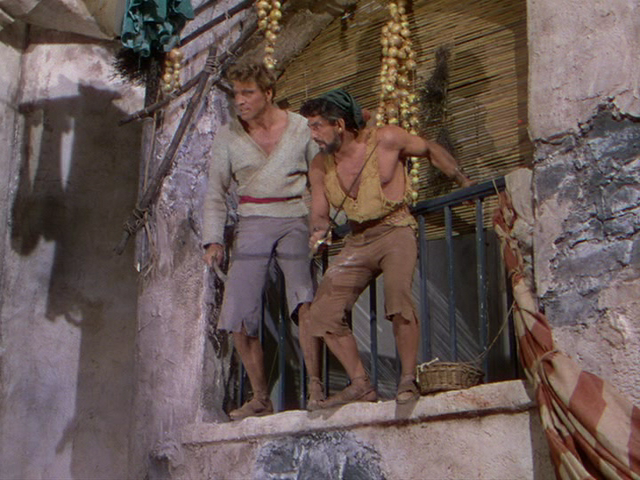
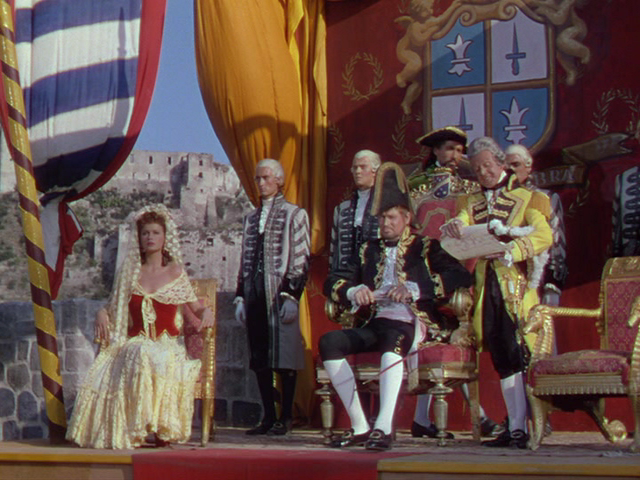
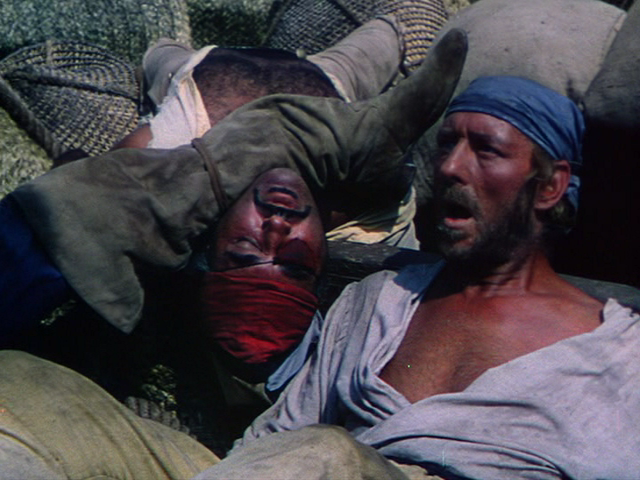
Peary refers to this enjoyably innocuous Technicolor adventure as “perhaps the last first-rate pirate movie” — a statement which is no longer quite true, given the recent success of Pirates of the Caribbean in 2003, but was certainly accurate at the time Guide for the Film Fanatic was published in 1986. As Peary notes, “you won’t pay much attention to the plot”, which isn’t really all that important — the emphasis instead is on both “humor and the high-flying acrobatic stunts of [Burt] Lancaster and Nick Cravat, his former circus partner” — these two are the real reason to watch closely and enjoy. Surprisingly, this action-packed flick was directed by Robert Siodmak, much better known for his noir-ish thrillers; as Peary points out, it’s a “fine change of pace” for him.

Redeeming Qualities and Moments:

  • Lancaster and Cravat’s phenomenal acrobatic feats together
  • Plenty of colorful sets and costumes
  • The humorous opening “scurvy” scene

Must See?
Yes, as a jolly good pirate show, and one of Lancaster-and-Cravat’s best outings together.

Categories

  • Good Show

Links:

Nosferatu (1922)

Nosferatu (1922)

“Blood is life! Blood is life!!!”

Synopsis:
Real estate agent Thomas Hutter (Gustav von Wangenheim) travels to Transylvania to meet with a reclusive client named Count Orlok (Max Schreck), who sucks his blood, then sets out by sea to find and ravage Hutter’s wife (Greta Schroder).

Genres, Themes, Actors, and Directors:

  • F.W. Murnau Films
  • Horror
  • Silent Films<
  • Vampires

Response to Peary’s Review:
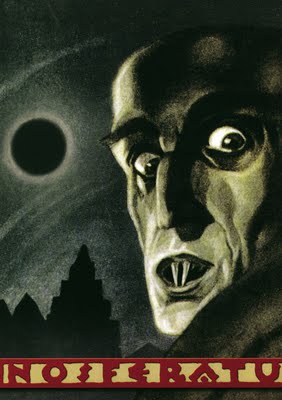
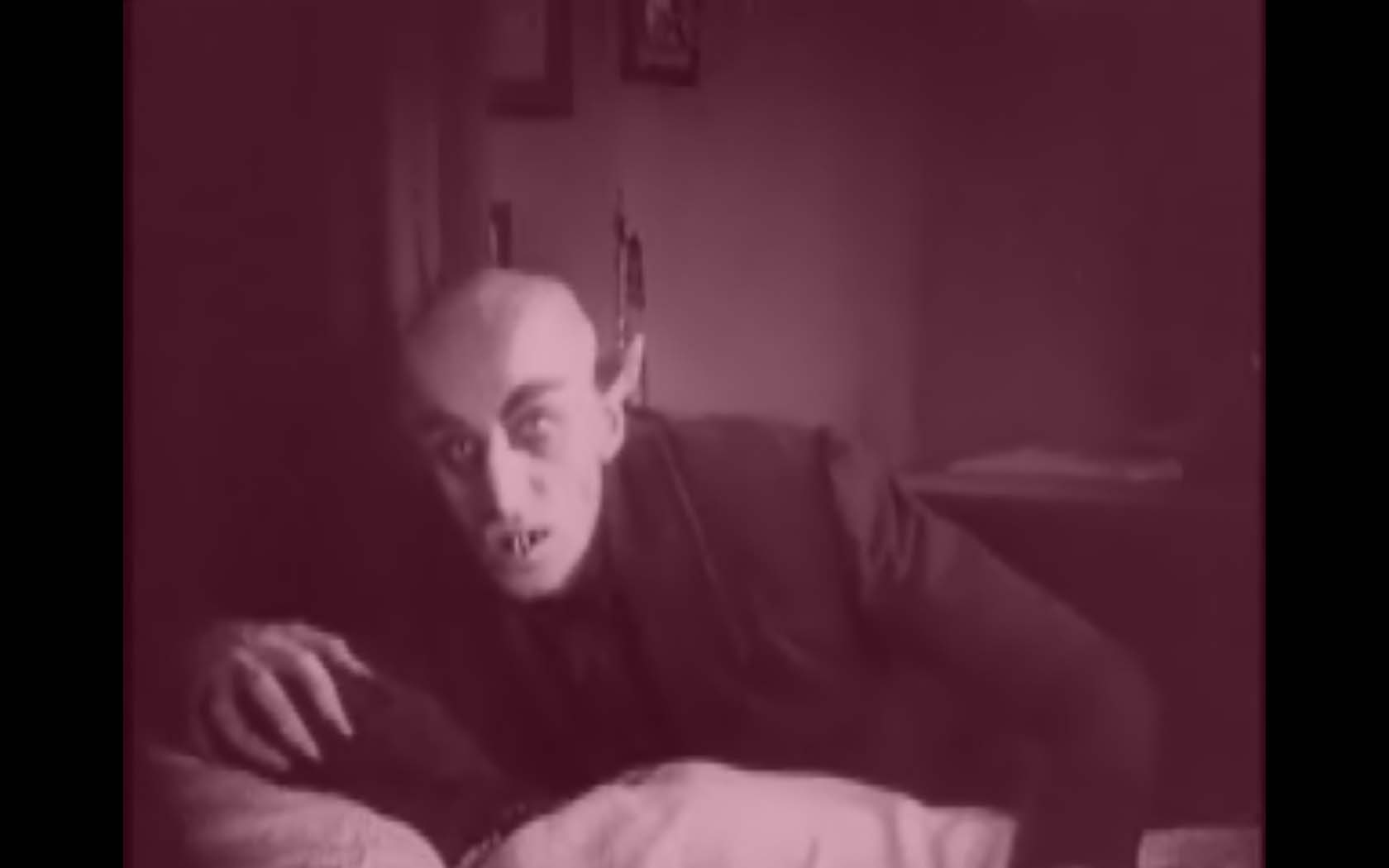
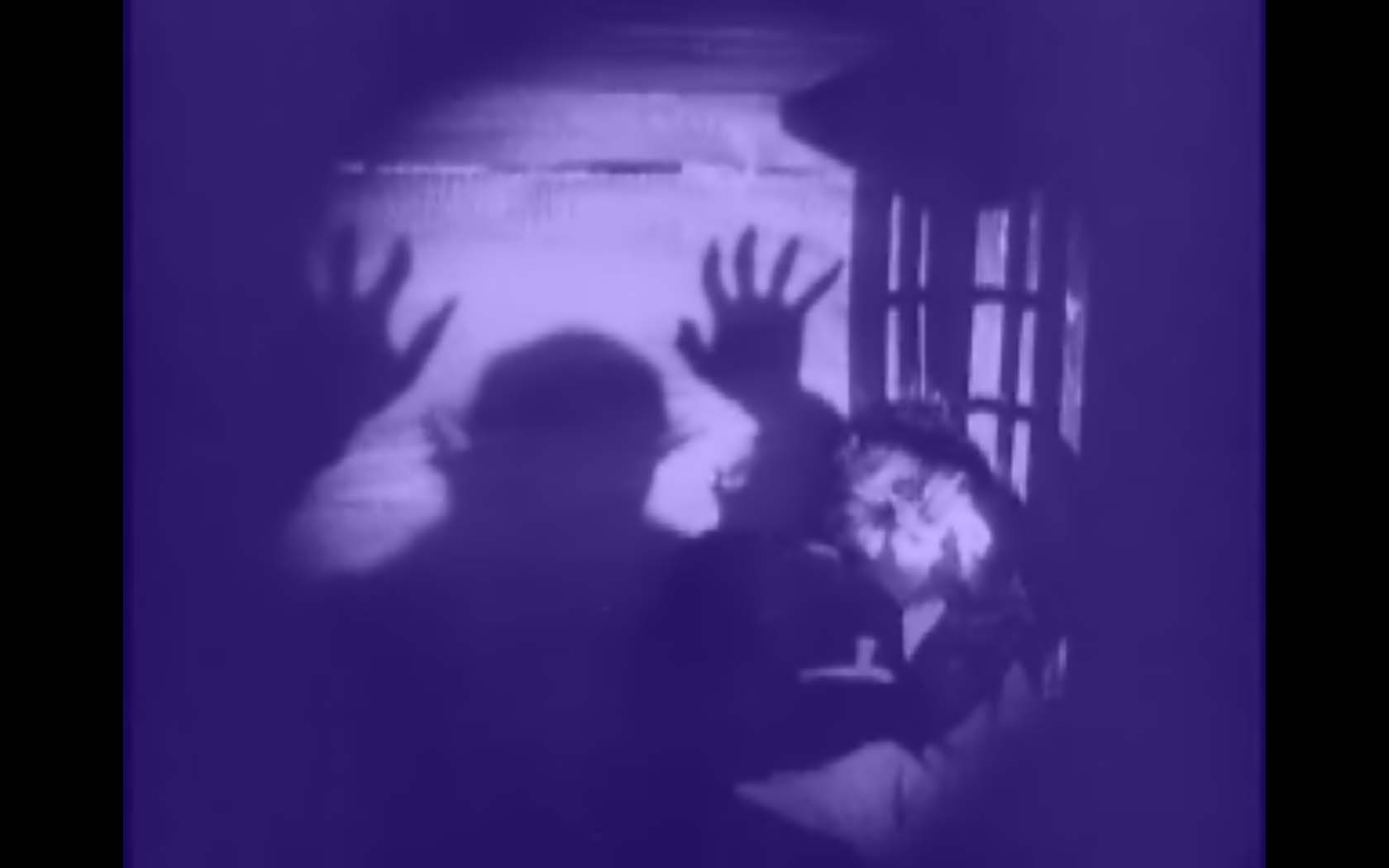
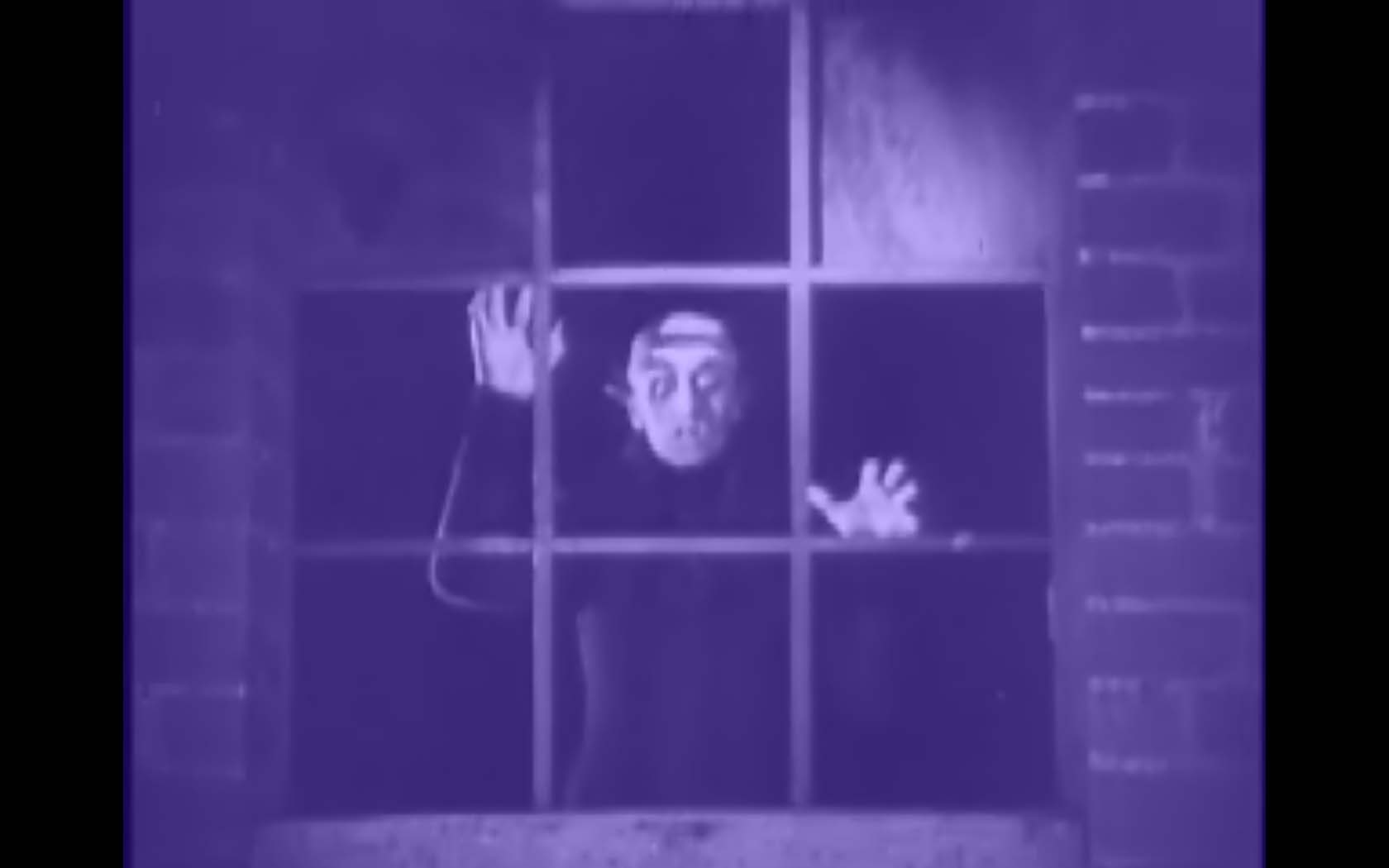
Peary refers to this early F.W. Murnau adaptation of Bram Stoker’s Dracula as “the greatest of all vampire films”, noting that it stars “the most-hideous looking vampire there has ever been”, possesses “a surprising amount of tension”, and features an “extremely powerful” finale. Peary’s review primarily centers on an analysis of Orlok’s vampiric “sexual aggression”, and Schroder’s willingness to “overcome her sexual repression… rather than letting [Orlok’s] sexual aggression be what sexually liberates her.” These “sexually” charged scenes, however, only comprise the final few minutes of the film; the remainder of the story is memorable due primarily to Murnau (and cinematographer Fritz Wagner’s) “haunting images” — in Orlok’s castle, at sea on the “death ship” (Orlok’s presence on board causes a rat-infested plague), and in the streets of Hutter’s hometown.

Film fanatics will be interested to note that Nosferatu possesses a notorious history: Murnau and his producer failed to secure the rights from Stoker’s widow to film Dracula, and — despite their concession in changing the names of the characters — eventually were forced to burn all copies of the negative. Fortunately, at least a few prints survived, and the film has now become one of the most iconic horror flicks of the silent era.

Redeeming Qualities and Moments:

  • Max Schreck as Count Orlok
  • Fritz Wagner’s cinematography
  • Countless memorable images


Must See?
Yes, for its historical importance. Remade by Werner Herzog in 1979.

Categories

  • Genuine Classic
  • Important Director

(Listed in 1001 Movies You Must See Before You Die)

Links:

Children of the Damned (1963)

Children of the Damned (1963)

“Either they control us or we control them — that’s the law of nature!”

Synopsis:
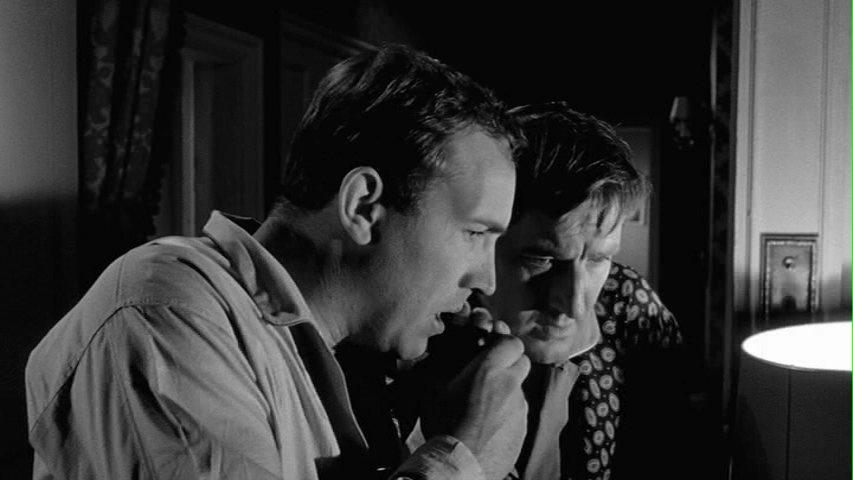
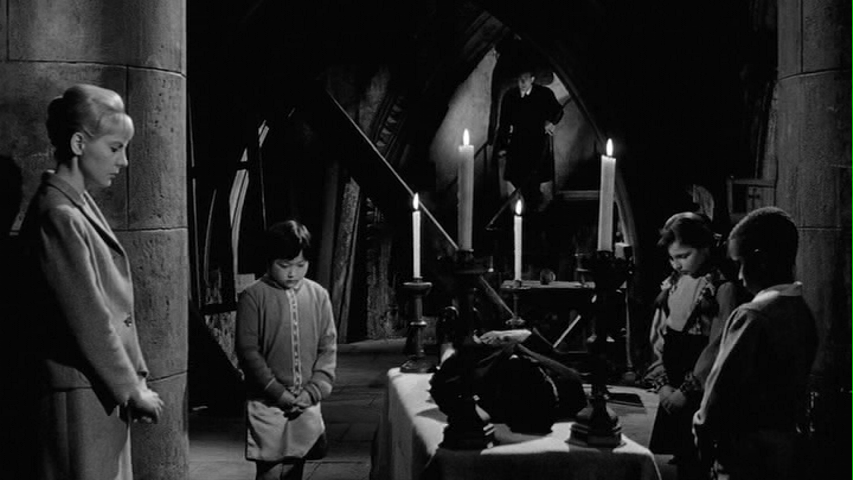
Two scientists (Ian Hendry and Alan Badel) discover that six genetically similar children exist around the world who possess a vastly superior intelligence. When they’re brought to London for further observation, however, all hell breaks loose, as government officials begin to speculate about how the children’s powers may be “used”, and the children react defensively by secluding themselves in an enormous church.

Genres, Themes, Actors, and Directors:

  • Evil Kids
  • Horror
  • Mind Control and Hypnosis
  • Science Fiction

Review:
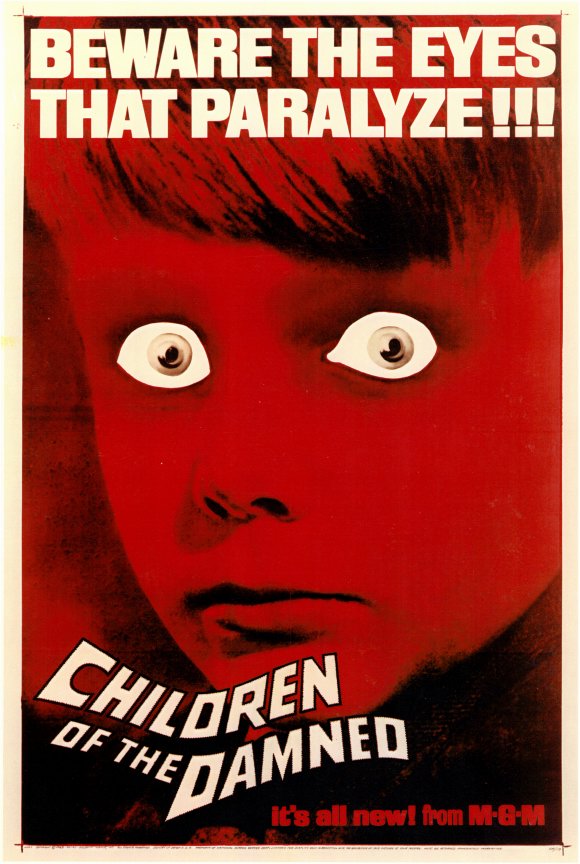
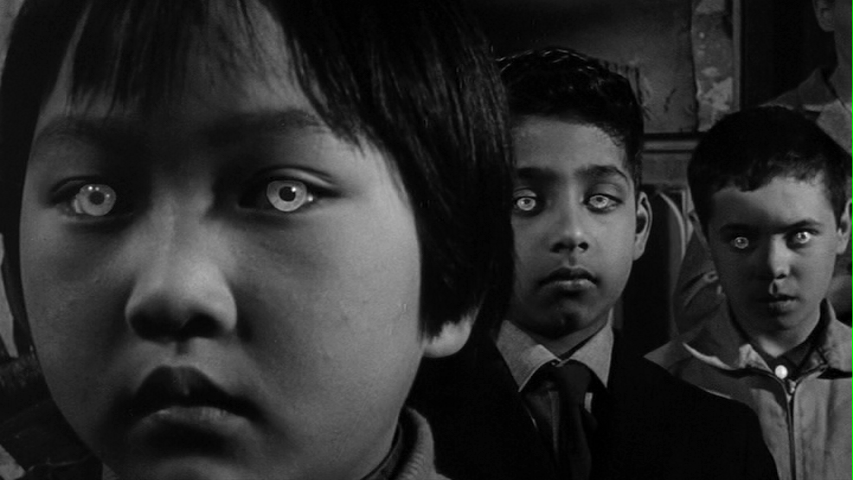
This follow-up to 1960’s classic horror film Village of the Damned takes the original story’s essential concept — children with superhuman intelligence who pose a threat to humanity — and shifts it into an entirely different context. This time, the children (though still mysteriously born to virginal mothers) live in various countries around the world, look different (rather than wearing the same blonde wig, they’re a veritable multicultural crew), and aren’t posited as inherently evil or alien — indeed, they only band together once they realize that they’re about to be used as pawns by governments eager to exploit their extraordinary talents for military purposes. The second half of the film basically features a show-down between the children and British military forces, with additional drama generated through a quibbling pair of scientists (Ian Hendry and Alan Badel) who disagree about whether the children should be destroyed or protected. Ultimately, Children of the Damned is more of a pacifist parable than a horror flick, and never reaches the chilling heights of its iconic predecessor; nonetheless, it’s certainly worth a look on its own merits.

Redeeming Qualities and Moments:

  • The freaky scene in which the children use mind control to force two men to kill each other rather than them
  • Ian Hendry and Alan Badel as two scientists with radically different takes on the situation
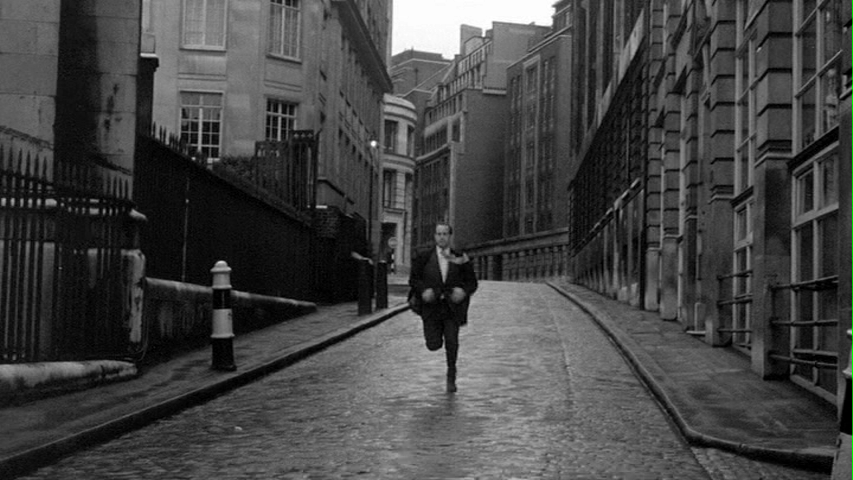
  • Effective use of London streets
  • Davis Boulton’s atmospheric b&w cinematography

Must See?
No, but it’s certainly worth a look. Listed as a Sleeper in the back of Peary’s book.

Links: