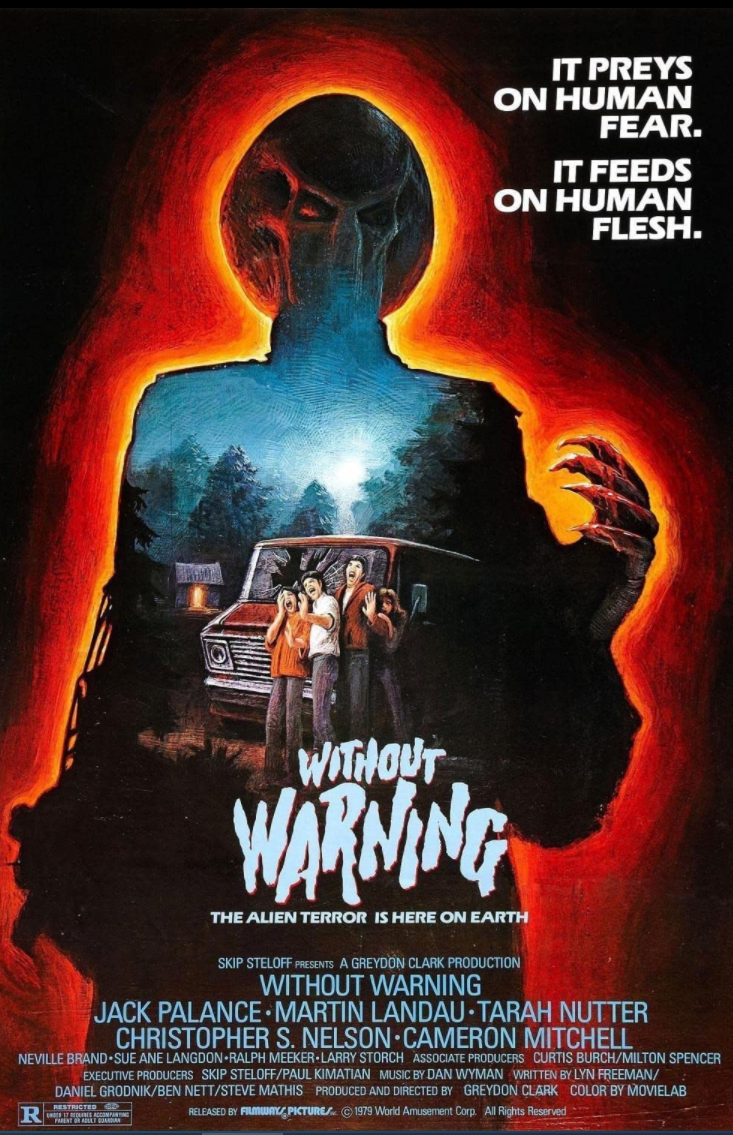
Without Warning / It Came Without Warning (1980)

Without Warning / It Came Without Warning (1980)

“No Chance… No Help… No Escape!”

Synopsis:
A pair of teens (Tarah Nutter and Christopher S. Nelson) on a camping trip fight for their lives against flying alien discs; meanwhile, an insane veteran (Martin Landau) and a determined hunter (Jack Palance) try to track down an alien (Cameron Mitchell).

Genres, Themes, Actors, and Directors:

  • Aliens
  • Cameron Mitchell Films
  • Horror
  • Jack Palance Films
  • Martin Landau Films
  • Ralph Meeker Films
  • Science Fiction
  • Veterans

Review:
This low-budget sci-fi/horror/slasher flick — most notable as a thematic predecessor to Predator — starts off as a standard teen exploitation flick, with a small group of horny, scantily-clad teens placing their lives in mortal danger while Just Trying to Have Some Fun. Fortunately, the two most obnoxious teens (David Caruso and Lynne Theele) are killed off right away; the remainder of the film focuses on Nutter and Nelson (slightly more appealing protagonists):

fending off flesh-sucking alien-frisbees while simultaneously sussing out whether they can trust either Landau (wackily insane):

or Palance (grimly determined):

to help them escape with their lives. Upon its release, the New York Times referred to the film as “wretched”, and it’s really not much better than that — but it does possess some effectively creepy atmosphere, and has earned a small cult following over the years. It’s sure to appeal to those who enjoy this type of fare — like Peary, for instance, who lists it as a Sleeper in the back of his book. The rest of us can stay away.

Redeeming Qualities and Moments:

  • Martin Landau as Sarge
  • Plenty of creepy atmosphere

Must See?
No; this one’s strictly for fans of the genre. Listed by Peary as a Sleeper.

Links:

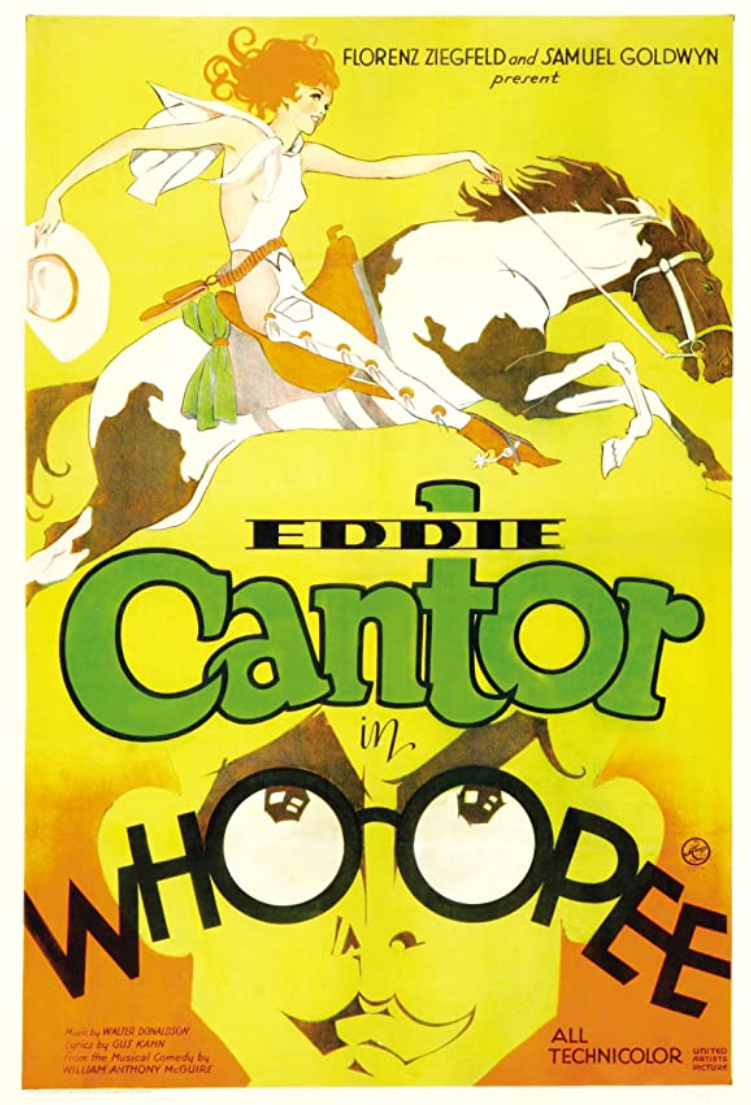
Whoopee (1930)

Whoopee (1930)

“Why do you make overtures to me when I need intermissions so badly?”

Synopsis:
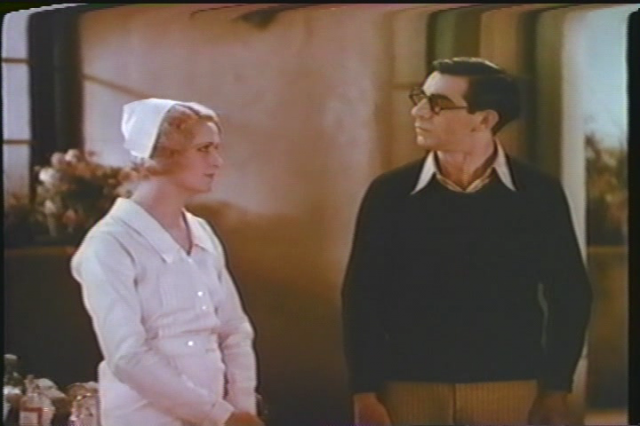
A hypochondriac (Eddie Cantor) watched over by a zealous, love-sick nurse (Ethel Shutta) is kidnapped by a woman (Eleanor Hunt) who’s engaged to a sheriff (Jack Rutherford) but hoping to pursue her true love, a part-Indian named Wanenis (Paul Gregory).

Genres, Themes, Actors, and Directors:

  • Busby Berkeley Films
  • Comedy
  • Cross-Cultural Romance
  • Eddie Cantor Films
  • Musicals
  • Native Americans
  • Play Adaptation

Review:
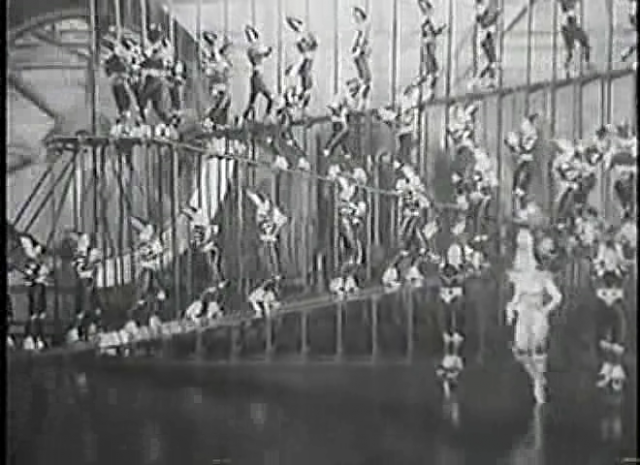
Adapted from Flo Ziegfield’s popular Broadway musical (itself based on Owen Davis’s comedic play The Nervous Wreck), Whoopee! was the film that jump-started Eddie Cantor’s cinematic career, and remains a compelling showcase of his nebbishy, eye-rolling wit. The story — romantic fluff at its tritest — is really just an excuse for Ziegfield’s “girls” to strut their stuff (courtesy of Busby Berkeley’s iconic choreography) and for Cantor to sling one-liners left and right; when he drolly intones “Last week I looked so terrible, two undertakers left a deposit on me”, his influence on Woody Allen couldn’t be more distinct. Unfortunately, we’re forced to suffer through Cantor in characteristic blackface for a good section of the film, with the worst moment occurring when the cluelessly soot-covered Cantor greets Hunt, who responds with a hostile “How dare you speak to me!”.

Barring this — and the use of cliched jokes about Native Americans — the remainder of the film is essentially an innocuous tale of mistaken identities and unrequited love, with Ethel Shutta particularly appealing as Cantor’s feisty love interest; she more than holds her own in concert with him. Also notable are Gus Kahn’s lyrics, which are quite fun (note in particular the clever stanzas in “A Girl Friend of a Boy Friend of Mine”). Strangely enough, Cantor’s rendition of the famed title song (“Making Whoopee”) is lackluster and too-slow; he’s much livelier when singing a spoof later on, “Making Waffles” (pronounced, curiously enough, like “Making Raffles”).

Note: Famed cinematographers Lee Garmes and Gregg Toland both served as DPs on the project, but what’s most noticeable about the film’s “look” is the effective use of two-tone Technicolor.

Redeeming Qualities and Moments:

  • Plenty of zingy one-liners by Cantor
  • Ethel Shutta as Cantor’s romantically inclined nurse
  • Some fun Busby Berkeley productions

Must See?
Yes, simply as a representative (and reasonably enjoyable) Eddie Cantor film.

Categories

  • Historical Importance

Links:

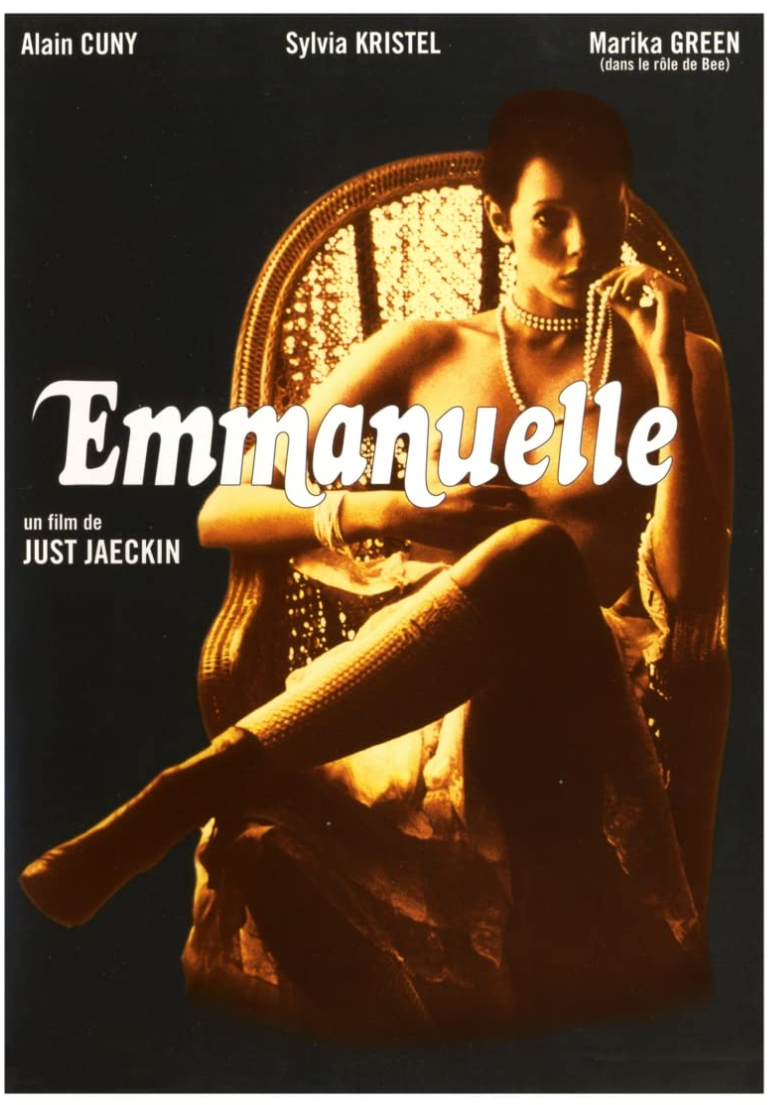
Emmanuelle (1974)

Emmanuelle (1974)

“You must take a lover if you want to become a real woman.”

Synopsis:
The young wife (Sylvia Kristel) of a diplomat (Daniel Sarky) in Bangkok is encouraged by him to gain sexual experience, and ends up involved with an archaeologist (Marika Green), her tennis partner (Jeanne Colletin), and an older “mentor” (Alain Cuny).

Genres, Themes, Actors, and Directors:

  • Adult Films
  • French Films
  • Sexual Liberation

Response to Peary’s Review:
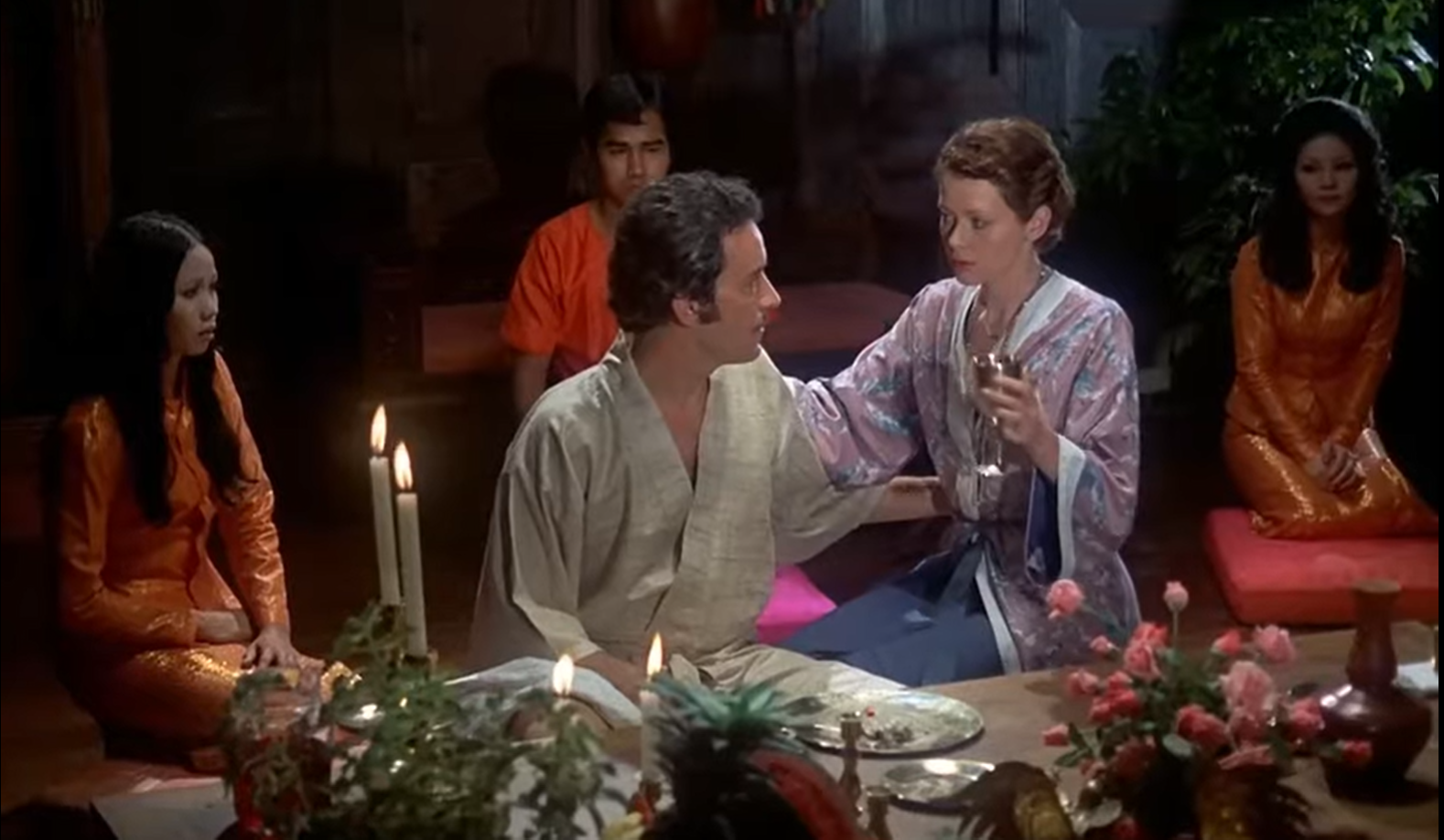
Peary posits that this “notorious X-rated, soft-core French film set in Thailand” likely has a “cult composed of men who use The Sensuous Woman as a reference book” — and that “women probably have a hard time taking it seriously because it’s the visualization of male fantasies: that a beautiful woman tries to please a man… who tells her to be free yet insists on having ultimate power over her.” Peary acknowledges that the “film is sensuously photographed,” and goes on to explain how and why he personally finds Kristel “a real turn-on”, including specific scenes that are “exciting” and others in which she’s “debased in our eyes and loses the appeal that went hand in hand with her naturalness and freedom.” I supposed it’s not too astonishing that this was “at one point France’s top-grossing picture” — and that it’s “spawned many sequels and numerous copies” — but all-purpose film fanatics really don’t need to seek it out at this point, given that it’s terribly written and provides nothing at all of narrative value. Peary discusses the film at greater length in his first Cult Movies book, where he points out that “mention should be made of the interesting, beautifully shot scenes of Bangkok,” which unfortunately are not only “wasted in such a film” but clearly exoticize Thailanders for the purposes of white patrons.

Redeeming Qualities and Moments:

  • Some beautiful footage in Thailand

  • Fine cinematography and sets

Must See?
No; you can skip this one unless you’re curious, given its historical popularity.

Links:

Nobody Waved Goodbye (1964)

Nobody Waved Goodbye (1964)

“What kind of a life is he going to have? He’s got to go to college — he’s got to at least graduate from high school!”

Synopsis:
A rebellious Canadian teenager (Peter Kastner) fights with his parents over his goals for the future and his relationship with a local girl (Julie Biggs).

Genres, Themes, Actors, and Directors:

  • Canadian Films
  • Coming of Age
  • Juvenile Delinquents
  • Teenagers

Review:
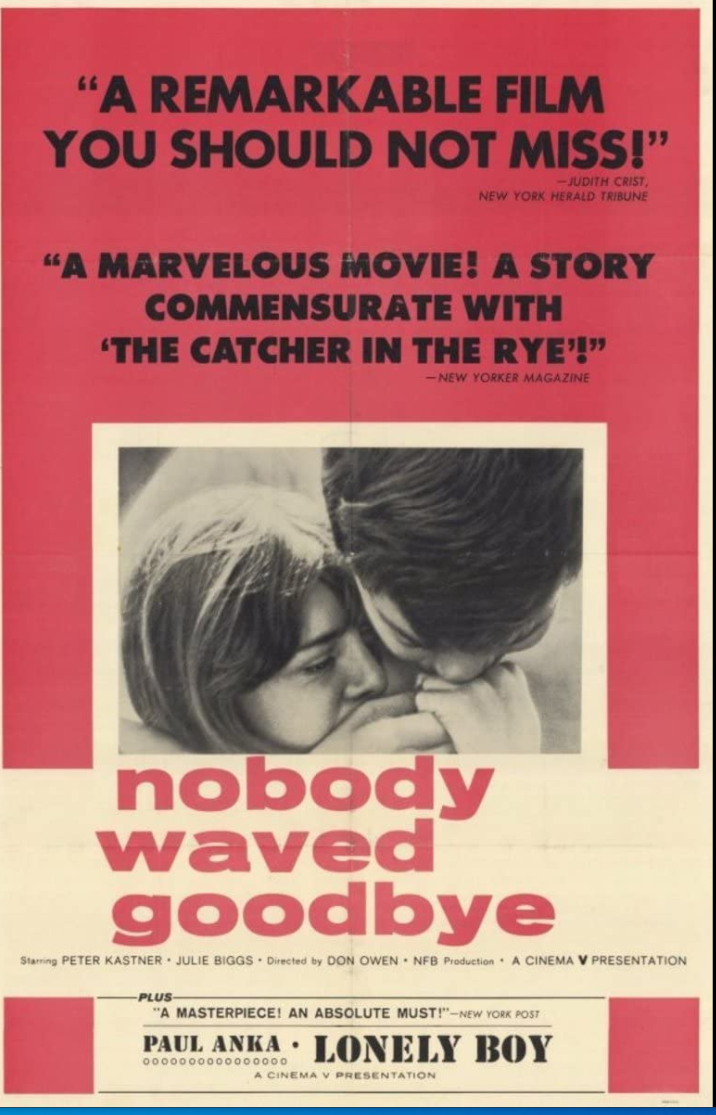
Canadian filmmaker Don Owen was originally tasked with making a 1/2-hour documentary about juvenile delinquents for Canada’s National Film Board, but ended up filming this largely improvised cinema verite docudrama instead. Reminiscent of Cassavettes (though Owen himself has noted a distinct difference between their two styles), Nobody Waved Goodbye is an indie variation on Rebel Without a Cause (1955), with Peter Kastner’s “Peter” longing for something indescribably more than his own parents’ comfortable middle class lifestyle. He’s a clean-cut pseudo-Beatnik (indeed, he attends sing-along “hoots” with his banjo in tow) who’s seemingly ripe for a 1960s hippie lifestyle, but without a viable counterculture readily waiting for him; instead, he plays hooky from school with his sweet girlfriend (Julie Biggs), resists studying for his senior exams, toys with petty crime, and eventually moves away on his own. Naturally, he quickly learns how challenging it can be to survive in the world without a degree or any experience — but easy answers to his existential dilemma aren’t forthcoming. Nobody Waved Goodbye remains a noteworthy entry in Canada’s film history, and is worth seeking out for one-time watching.

Note: Twenty years later, Owen made a follow-up film called Unfinished Business (1984), which I haven’t seen, but a lone poster on IMDb gives it a disappointing thumbs down.

Redeeming Qualities and Moments:

  • Peter Kastner as Peter
  • The cinema verite script

Must See?
No, though most film fanatics will likely be curious to check it out.

Links:

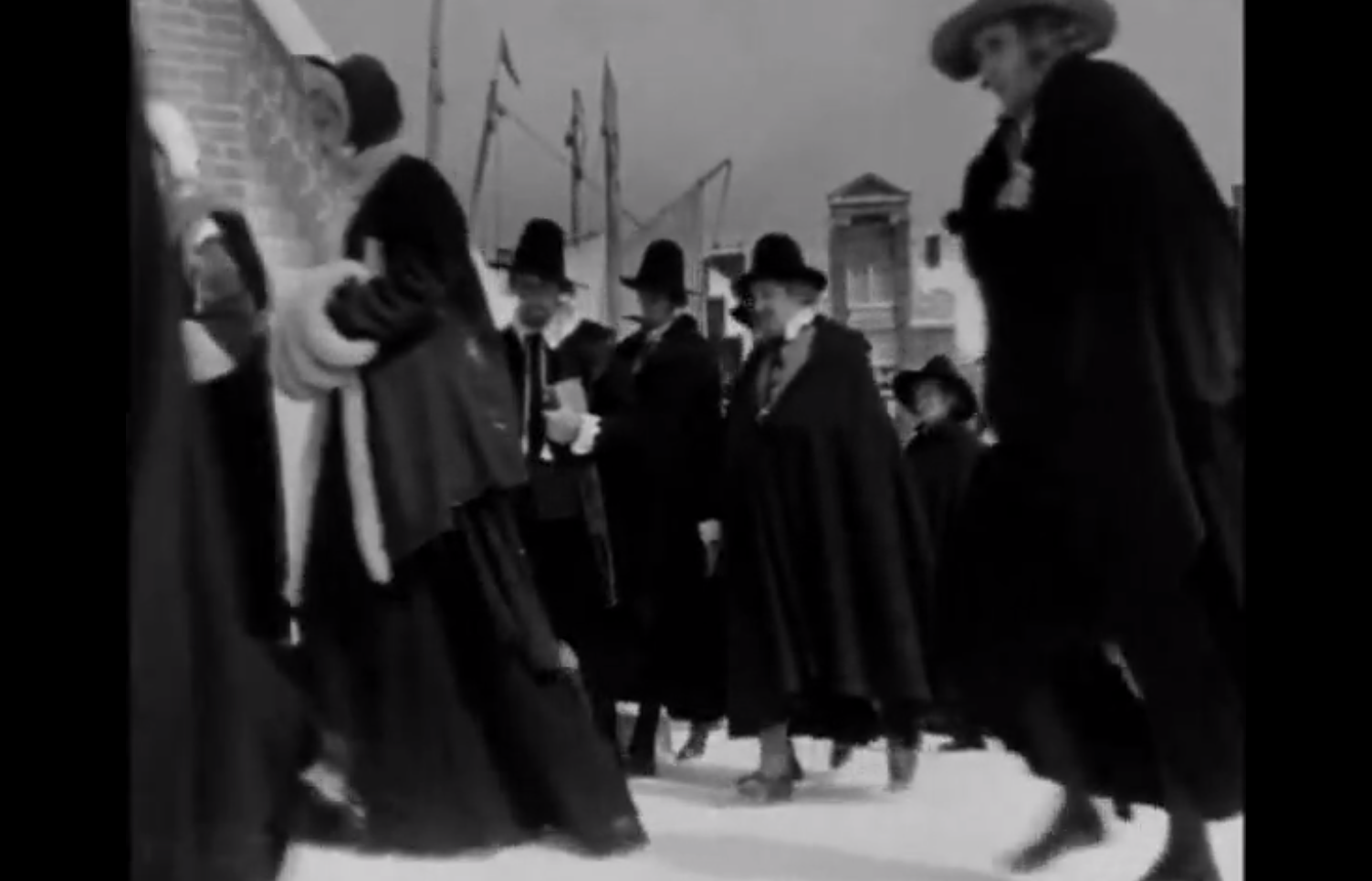
Rembrandt (1936)

Rembrandt (1936)

“What is success? A soldier can reckon his success in victories, a merchant in money. But my world is insubstantial. I live in a beautiful, blinding, swirling mist.”

Synopsis:
Rembrandt van Rijn (Charles Laughton) deals with the death of his wife Saskia, suffers from bankruptcy, and falls in love with his housemaid (Elsa Lanchester).

Genres, Themes, Actors, and Directors:

  • Artists
  • Biopics
  • Charles Laughton Films
  • Elsa Lanchester Films
  • Historical Drama
  • Roger Livesey Films

Review:
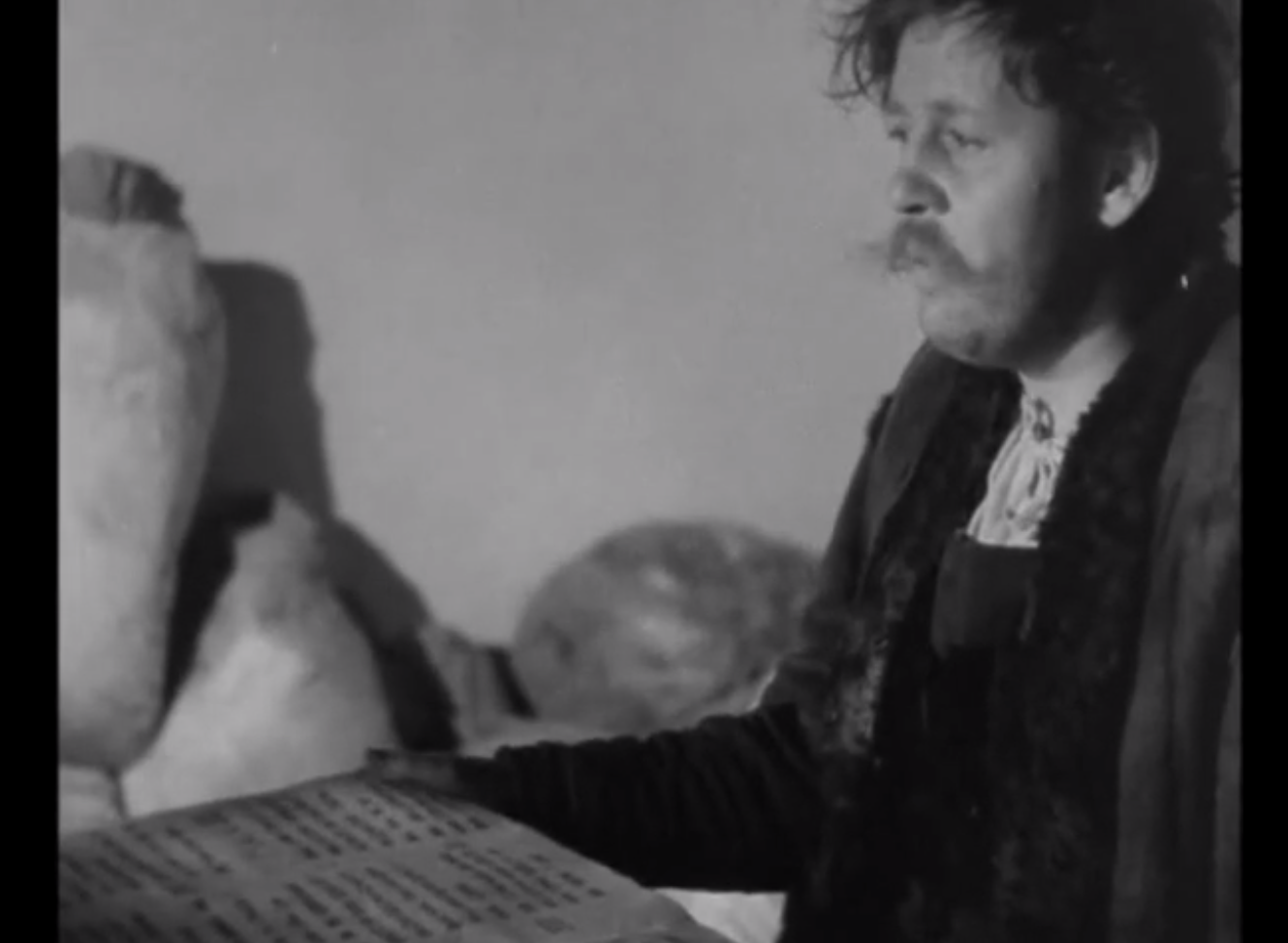
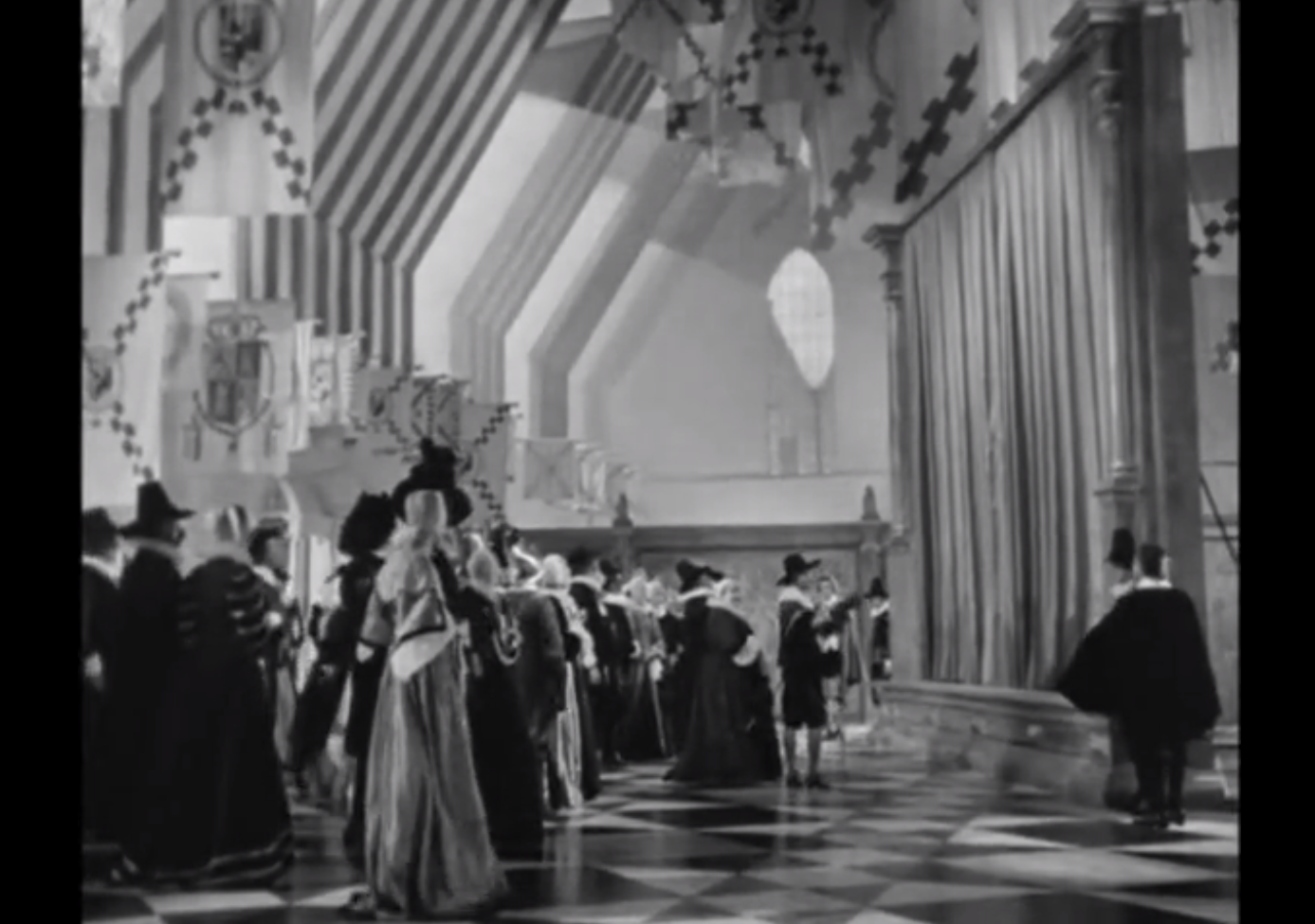
While Charles Laughton is perhaps best known for his Oscar-winning performance as Henry VIII (in Alexander Korda’s The Private Life of Henry VIII, 1933), many believe that his work in this little-seen historical biopic by Korda is even better. Refreshingly, at just 81 minutes long, the episodic Rembrandt doesn’t try to relate every detail of the famed artist’s life: instead, it starts with the death of Rembrandt’s (unseen) wife Saskia, then moves on to chronicle Rembrandt’s financial struggles, his relationship with his sharp-tongued housekeeper (Gertrude Lawrence), and his scandalized but loving affair with a housemaid (Lanchester). Korda’s decision not to show Rembrandt’s paintings (with the strategic exception of “The Night Watch” — an essential early plot element) is a wise one; instead, the film’s impressive attention to visual detail (sets, costumes, and props are all stunning) allows us to feel genuinely immersed in Rembrandt’s work-a-day world of 17th century Holland. It’s Laughton’s central performance that really carries the film, however: even when simply reading scripture passages, the world around him literally stands still, and we along with it. While I’m not normally a fan of Hollywood biopics (they tend to take themselves far too seriously, not to mention playing fast and furious with the facts), Rembrandt stands out a notch above the crowd, and remains worthy viewing for all film fanatics.

Note: Theatre fans will be especially gratified to see Gertrude Lawrence in one of her few cinematic appearances; she’s a worthy match for Laughton (as is his real-life wife, Elsa Lanchester). Watch also for a nearly unrecognizable performance by Roger Livesey as “Beggar Saul”.

Redeeming Qualities and Moments:

  • Charles Laughton as Rembrandt
  • Elsa Lanchester as Hendrickje
  • Gertrude Lawrence as Geertje
  • Georges Perinal’s cinematography
  • Vincent Korda’s stunning sets
  • Fine period detail

Must See?
Yes, for Laughton’s noteworthy performance.

Categories

  • Noteworthy Performance(s)

Links:

Belle of the Nineties (1934)

Belle of the Nineties (1934)

“It’s better to be looked over than to be overlooked.”

Synopsis:
A popular nightclub singer (Mae West) from St. Louis signs a contract with a manager (John Miljan) in New Orleans to get away from her ex-lover, a boxer (Roger Pryor) who has falsely accused her of cheating on him.

Genres, Themes, Actors, and Directors:

  • Boxing
  • Falsely Accused
  • Leo McCarey Films
  • Mae West Films
  • Musicals
  • Singers

Review:
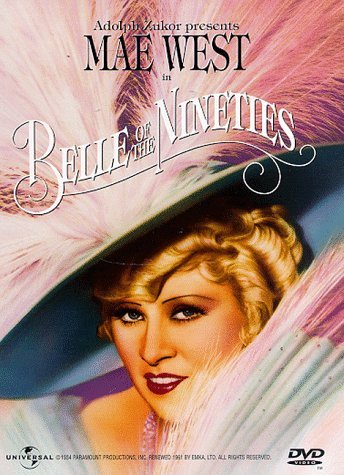
This innocuous Mae West-ern was one in a string of enormously popular films West wrote and starred in during the 1930s, following her success in She Done Him Wrong (1933) and I’m No Angel (1933) (both Peary titles). Here, West once again plays (to reasonably campy effect) an utterly irresistible femme fatale chanteuse, but the storyline she’s given herself to work with is lame and confusing. All we’re really watching for are West’s infamous quips, which are too few in number and too tame — most likely because the Production Code had just gone into full force. Leo McCarey directed, but there’s little evidence of his comedic genius here. Hardcore West fans will want to check this one out, but the rest of us can feel free to skip it.

Redeeming Qualities and Moments:

  • Mae West doing what she does best (while wearing some beautiful gowns)

Must See?
No, though Mae West fans will certainly want to check it out.

Links:

One-Eyed Jacks (1961)

One-Eyed Jacks (1961)

“You may be a one-eyed jack around here, but I’ve seen the other side of your face.”

Synopsis:
An outlaw (Marlon Brando) seeks revenge on his former partner (Karl Malden), who abandoned him years earlier and is now sheriff of a small California town.

Genres, Themes, Actors, and Directors:

  • Ben Johnson Films
  • Elisha Cook Jr. Films
  • Karl Malden Films
  • Marlon Brando Films
  • Outlaws
  • Revenge
  • Westerns

Response to Peary’s Review:
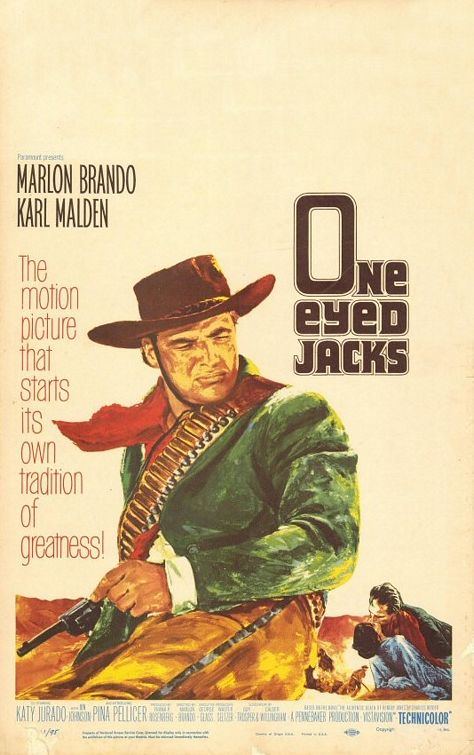
Peary argues that this “lone directorial effort” by Marlon Brando — with an original running time of 4 hours and 42 minutes, cut down to 141 minutes by the studio — is a “visually impressive but muddled psychological western”. While it’s easy to see how Brando might have stretched the story to go deeper into the characters’ psyches and motivations, however, the story itself is never hard to follow, and the narrative works just fine. One-Eyed Jacks (based on a novel by Charles Neider) is essentially a revenge tale, made more complex by the fact that Brando’s character (Rio) decides not to automatically confront and kill his former partner when he first encounters him after five long years in prison. Instead, he initiates a game of cat-and-mouse, baiting “Dad” (Malden) into believing all is forgiven and forgotten. This maneuver actually makes sense, given what we know already about Rio’s crafty ways: he’s a liar and manipulator, someone who will do and say anything to bed a pretty woman, for instance. Indeed, Rio’s very much an anti-hero, yet we can’t help rooting for him given his hiss-worthy nemesis — Malden’s conniving, two-faced, social climbing sheriff.

The aspect of the story that works least well is Rio’s star-crossed romance with Malden’s stepdaughter (Pina Pellicer), who comes across as far too willing to forgive Rio’s lies and welcome him back into her embrace (were there explanatory scenes cut from the longer version??). Yet Pellicer (who, sadly, took her own life just a few years after this film was released) has such a winning presence and an unusual beauty that we can’t help enjoying her whenever she’s on-screen, despite how little she’s given to work with. Indeed, nearly the entire western is pleasant to watch, given the inspired decision to establish the setting along California’s Monterey coast, with dramatic waves crashing in the background during numerous key scenes.

Malden himself is nicely cast against type in a complex villainous role; and while Peary argues that Brando is simply patterning his performance after Elvis Presley and other “fifties rebels”, I find his tortured portrayal of Rio to be convincing. Equally impressive is the fine supporting cast — most notably Ben Johnson as a hardcore baddie who hooks up with Rio after his escape from prison, and Katy Jurado in a tiny but effective role as Malden’s wife.

Redeeming Qualities and Moments:

  • Marlon Brando as Rio
  • Karl Malden as Dad
  • Pina Pellicer as Louisa
  • Fine supporting performances by Ben Johnson, Kary Jurado, and others
  • Charles Lang’s cinematography

Must See?
Yes, for its historical relevance as Brando’s lone directorial effort. Discussed at length in Peary’s Cult Movies 3.

Categories

  • Historically Relevant

(Listed in 1001 Movies You Must See Before You Die)

Links:

Evergreen (1934)

Evergreen (1934)

“Do you mean that you think you can persuade the British public that this girl is the Harriet Green of Edwardian times?”

Synopsis:
The daughter (Jessie Matthews) of deceased Edwardian music hall star Harriet Green (also Matthews) stages a “comeback” as her mother, convincing the public that Harriet Green is alive and well — but how long will her ruse last?

Genres, Themes, Actors, and Directors:

  • Mistaken or Hidden Identities
  • Musicals
  • Play Adaptation
  • Singers

Review:
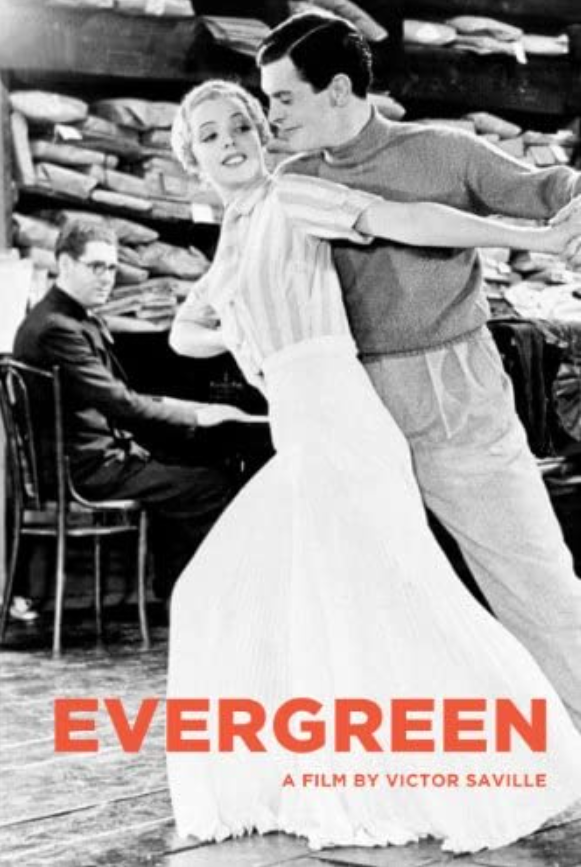
Once hailed as the “female Fred Astaire”, British singer/dancer Jessie Matthews skyrocketed to international fame with this phenomenally popular romantic musical, featuring music by Rodgers and Hart. The rather implausible “mistaken identities” storyline — involving Matthews’ rekindled affair with her dead mother’s aristocratic lover (Ivor McLaren), and her burgeoning love for the man passed off to the public as her grown son (Barry MacKay) — is flimsy but innocuous, and really just an excuse to let Matthews show off her impressive dancing chops and comedic delivery. Sadly, Matthews’ fame never really went anywhere, and few film buffs today will recognize her name. As the most successful British film musical until 1960’s Oliver!, Evergreen is worth a look for historical purposes — but it’s not must-see viewing for all film fanatics.

Redeeming Qualities and Moments:

  • Jessie Matthews as Harriet Green
  • Several creatively staged dance sequences

Must See?
No, but it’s worth a look simply for Matthews’ dance numbers, and for historical purposes.

Links:

Bitter Tea of General Yen, The (1933)

Bitter Tea of General Yen, The (1933)

“You can always do so much more with mercy than you can with murder.”

Synopsis:
A general (Nils Asther) in revolutionary China falls in love with an American missionary (Barbara Stanwyck) he rescues during a street riot.

Genres, Themes, Actors, and Directors:

  • Barbara Stanwyck Films
  • China
  • Cross-Cultural Romance
  • Frank Capra Films
  • Missionaries and Revivalists

Review:
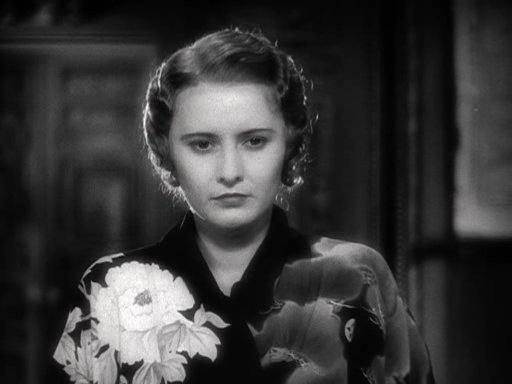
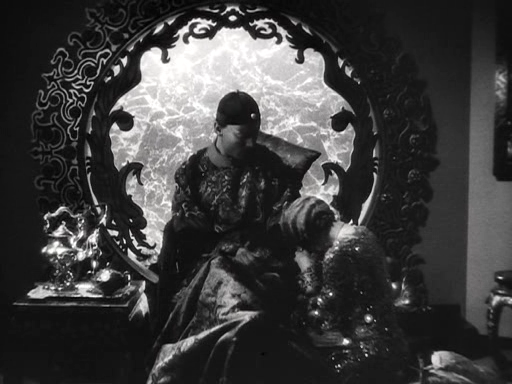
The Bitter Tea of General Yen remains a unique entry in Frank Capra’s early oeuvre. Exhibiting none of the “Capra-corn” that would mark Capra’s later populist films, Bitter Tea is a dreamy, beautifully photographed, provocative tone poem about cross-cultural tensions and inter-racial longing. Danish actor Nils Asther thankfully manages to avoid most stereotypes in his portrayal of the imposing Chinese General Yen, instead infusing his character with charisma and emotional complexity. He exhibits authority and vulnerability in equal measure — indeed, it’s easy to see why Stanwyck’s strong-willed female missionary (Megan) can’t help feeling a deep-seated attraction to him, despite her status as a betrothed woman (watch for her infamous “dream sequence” — haunting evidence of pre-code cinematic sensibility). Stanwyck is luminous in this early role — like Asther, she’s called upon to demonstrate both strength of character and emotional nuance as she contemplates, however subconsciously, a forbidden romance. The entire story takes place within the context of gorgeously baroque sets and lustrous cinematography, adding to the dream-like ambience of Megan and Yen’s tragic “affair”; the film’s ending is foreshadowed by its provocative title.

Redeeming Qualities and Moments:

  • Nils Asther as General Yen
  • Barbara Stanwyck as Megan Davis (nominated by Peary as Best Actress of the Year in his Alternate Oscars book)
  • A provocative portrayal of “forbidden” romance
  • Stunning sets
  • Joseph Walker’s luminous cinematography

Must See?
Yes, as a unique gem by a famed director.

Categories

  • Important Director

(Listed in 1001 Movies You Must See Before You Die)

Links:

Duellists, The (1977)

Duellists, The (1977)

“The duelist demands satisfaction; honor for him is an appetite.”

Synopsis:
A truculent French soldier (Harvey Keitel) challenges a cavalry officer (Keith Carradine) to a duel, thus setting off a 15-year feud that lasts throughout the Napoleonic era .

Genres, Themes, Actors, and Directors:

  • Feuds
  • Harvey Keitel Films
  • Historical Drama
  • Keith Carradine Films
  • Ridley Scott Films
  • Rivalry
  • Soldiers

Response to Peary’s Review:
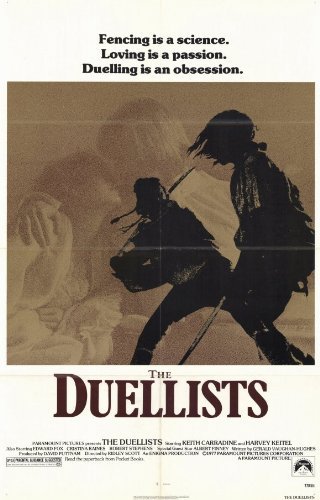
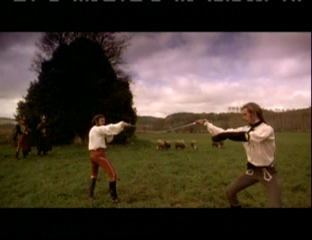
As Peary notes, this “excellent, highly original” first feature by Ridley Scott features “exquisite photography” by D.P. Frank Tidy and meticulous “attention to period detail”. Unlike Scott’s later blockbuster films — such as Alien (1979), Blade Runner (1985), and Gladiator (2000) — The Duellists (based on a 60-page short story by Joseph Conrad) was “not an ideal commercial project”, and has remained more of a favorite with critics than with the masses. Keitel and Carradine’s series of “exciting, brutal and realistic” duels — which “parallel the ongoing, equally senseless Napoleonic Wars” — are posited as a thinly veiled attack on “nations that are enemies because of events that happened long ago and are long forgotten”. Interestingly — and perhaps strategically — it’s never made entirely clear why Keitel’s Feraud challenges Carradine’s D’Hubert to a duel in the first place; we simply get the sense that he’s a pugnacious, “temperamental brute” who’s continually “itching for a fight”. While it’s difficult not to wish that Scott’s original choices to play D’Hubert and Feraud — Michael York and Oliver Reed (sigh) — had been cast, I’ll agree with Peary and most other critics that Carradine and Keitel, despite their anachronistic American accents, eventually emerge as compelling leads.

Redeeming Qualities and Moments:

  • A compelling tale of an enduring rivalry
  • Frank Tidy’s gorgeous cinematography
  • Impressive period detail
  • Fine supporting performances

Must See?
Yes, as an impressive debut by a master director.

Categories

  • Important Director

Links: