Folks at Red Wolf Inn, The / Terror Inn (1972)

Folks at Red Wolf Inn, The / Terror Inn (1972)

“A butcher’s work is never done…”

Synopsis:
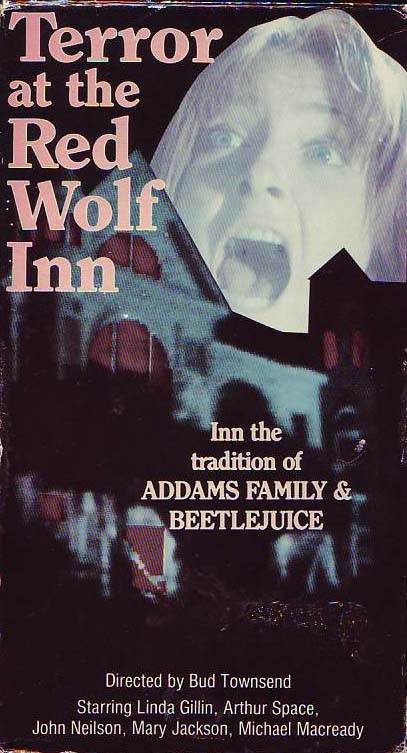
A naive co-ed (Linda Gillen) wins a vacation to Red Wolf Inn, where the elderly proprietors (Mary Jackson and Arthur Space) and their dim-witted grandson (John Neilson) make delicious, meat-heavy meals for their female guests. But when one girl after the other starts disappearing, Regina (Gillen) — who has fallen for Neilson — begins to wonder exactly what (or who) her hosts are cooking up.

Genres, Themes, Actors, and Directors:

  • Black Comedy
  • Cannibalism
  • Horror
  • Vacation

Response to Peary’s Review:
Peary is overly generous in his assessment of this “oddball” indie film, arguing that its liberal black humor “gives it the distinction of being the most charming of the horror film’s cannibalism subgenre”. In truth, it’s a rather tedious, poorly made exploitation flick with countless logistical loopholes and (mostly) amateurish acting. Gillin’s performance may be “winning”, but her character — despite being a college student — is hopelessly stupid, and her enthusiastic reaction upon receiving an anonymous invitation to a strange hotel borders on imbecility.

The initial meat-eating dinner scene — which goes on for nearly 10 minutes — presupposes that viewers will giggle in delight simply over watching Gillin and her equally clueless fellow guests eating human flesh without knowing it; why is this funny?


The best aspect of the film by far is the sly performance by Mary Jackson, playing a deluded old woman who would give any grandchild the willies.

Redeeming Qualities and Moments:

  • Mary Jackson as Evelyn Smith

Must See?
No; this one is strictly for fans of cannibalism flicks.

Links:

Female on the Beach (1955)

Female on the Beach (1955)

[Note: The following review is of a non-Guide for the Film Fanatic title; click here to read more.]

“A lone female on the beach is a kind of a target — a bait, you might say.”

Synopsis:
Widowed Lynn Markham (Joan Crawford) wants nothing more than to be left alone in her new beach house, where the previous tenant (Judith Evelyn) mysteriously fell from the porch to her death. Meanwhile, Lynn’s hunky neighbor “Drummy” (Jeff Chandler) — who may have had something to do with Evelyn’s demise — makes moves on her; Drummy’s manipulative “aunt” (Natalie Schafer) and “uncle” (Cecil Kellaway) hope to be able to fleece Lynn in card games; and Lynn’s realtor (Jan Sterling) — who has a secret crush on Drummy — keeps showing up at her doorstep.

Genres, Themes, Actors, and Directors:

  • Cecil Kellaway Films
  • Con-Artists
  • Jan Sterling Films
  • Jeff Chandler Films
  • Joan Crawford Films
  • Murder Mystery
  • Widows

Review:
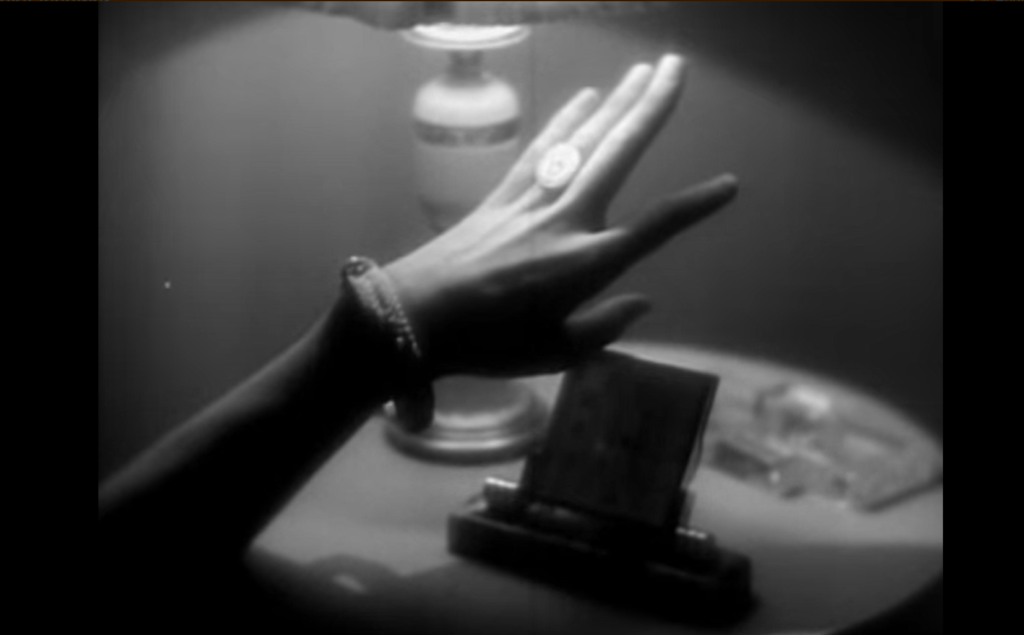
Of the countless films Joan Crawford starred in during her lengthy career, Peary only lists 19 as “must see” viewing; Female on the Beach isn’t one of these, but it should be. This deliciously campy thriller was panned upon its release (Bosley Crowther complained about the “hackneyed script and the artificiality and pretentiousness of Miss Crawford’s acting style”), but has since become a minor cult favorite. 50-year-old Crawford (you’d never know it) is at her inimitable best, showing off her gorgeously preserved gams as she struts around her beach house, vacillating between an embittered desire to be left alone, a rising attraction for the undeniably hunky Chandler, and — once she falls headlong in love — concern for her own safety. Schafer (Mrs. Thurston Howell on “Gilligan’s Island”) and Kellaway add a comedic touch to the proceedings, while supporting-actress Sterling is as reliable as always. Chandler — apparently hand-selected by Crawford — is perfectly cast as “Drummy”, an orphaned gigolo with a harsh past; it’s to his credit that we feel sympathy for his plight from the very beginning. Perhaps most enjoyable, however, is the near-constant stream of slightly racy and/or quippable lines (see below for a generous sampling); with exchanges like these, it’s hard not to giggle in vicarious delight.

Redeeming Qualities and Moments:

  • Joan Crawford as Lynn Markham
  • Hunky Jeff Chandler as “Drummy” Hall
  • Natalie Schafer as Queenie Sorenson
  • Jan Sterling as Amy Rawlinson
  • Many surprisingly racy quotes and exchanges:

    Lynn: “I have a nasty imagination, and I’d like to be left alone with it.”

    Drummy: “Whenever I wake up a beautiful girl, I always make her breakfast.”

    Queenie [to Drummy]: “It’d be an act of kindness for you to offer her your friendship — all of it.”

    Drummy [after emerging from a swim]: “I guess I’d better think about getting some clothes on, huh?”
    Lynn: “Oh, I’m broad minded…”

  • Robert Hill’s campy, quote-studded script:

    Lynn: “I was on an island once; they all look alike — round.”

    Lynn [to Drummy]: “You must go with the house — like plumbing.”

    Lynn [to Drummy]: “You’re about as friendly as a suction pump.”

    Drummy: “I don’t hate women; I just hate the way they are.”

    Lieutenant Galley: “Give my regards to Drummy; he’s very tall, isn’t he?”

    Lynn [to Drummy]: “I wouldn’t have you if you were hung with diamonds upside down.” (???!!!)

Must See?
Yes, for its status as a campy cult favorite.

Categories

  • Cult Movie

Links:

Last of the Mohicans, The (1936)

Last of the Mohicans, The (1936)

“You know I don’t belong here — there’s a fence between your world and mine.”

Synopsis:
During the French and Indian War, a frontiersman (Randolph Scott) and a Mohican Indian (Phillip Reed) help rescue the kidnapped daughters (Binnie Barnes and Heather Angel) of a British major (Hugh Buckler) from a tribe of Hurons led by the evil Magua (Bruce Cabot).

Genres, Themes, Actors, and Directors:

  • Historical Drama
  • Kidnapping
  • Love Triangle
  • Native Americans
  • Randolph Scott Films

Review:
James Fenimore Cooper’s classic “Leatherstocking” adventure tale — originally published in 1826 — has been adapted for the big screen five times, most recently (in 1992) starring Daniel Day Lewis in the lead role as Natty Bumppo, or “Hawkeye”. This early version (the third, after previous versions in 1911 and 1920) is widely considered to be the best of the bunch, but it hasn’t really aged all that well. While Randolph Scott is as virile and handsome as ever, and it’s refreshing to see Indians treated as individuals rather than a homogenous menace, the story as a whole doesn’t feel authentic: we never believe we’re back in 1800s American wilderness, and the love triangle between Hawkeye, Barnes, and Barnes’ rebuffed suitor (Henry Wilcoxen) is strained at best. As noted in The New York Times’ review, “the mere suggestion that the noted scout of the Leather-stocking Tales might soften even for a moment under the blandishments of a woman is clear heresy” — and suggests more than a little manipulation of Cooper’s vision to fit the desires of (female) audiences.

Redeeming Qualities and Moments:

  • Randolph Scott as Hawkeye
  • A refreshing differentiation between tribes of Indians

Must See?
No. While it holds some historical significance and is beloved by many, this one isn’t must-see viewing.

Links:

Mademoiselle Fifi (1944)

Mademoiselle Fifi (1944)

“He’s a Prussian — he’s an enemy! I don’t eat with enemies!”

Synopsis:
During the Franco-Prussian War, a patriotic laundress (Simone Simon) refuses to dine with a German soldier (Kurt Kreuger), thus jeopardizing the plans of her fellow travelers.

Genres, Themes, Actors, and Directors:

  • Class Relations
  • Historical Dramas
  • Resistance Fighters
  • Robert Wise Films
  • Simone Simon Films
  • Val Lewton Films

Review:
Val Lewton produced and Robert Wise directed this competent yet decidedly uninspired war-time allegory, based on two short stories by Guy de Maupassant. At only 69 minutes long, it’s short yet dull, and comes across as little more than a vehicle for stirring patriotic fervor in WWII audiences. Simon’s character (NOT the “Fifi” of the title — that moniker is inexplicably assigned to the Evil Kraut she refuses to dine with) is held up in stark, idealized contrast to the stereotypically smug bourgeois folks she’s traveling with, most of whom fail to undergo any meaningful change over the course of the film. Simon is really the only reason to watch this movie — while no great actress, she at least exudes some much-needed character and personality.

Redeeming Qualities and Moments:

  • Simone Simon as “the laundress”

Must See?
No. It’s listed as a Sleeper in the back of Peary’s book, but I’m not sure why.

Links:

Wise Blood (1979)

Wise Blood (1979)

“I don’t have to run away from anything, ’cause I don’t believe in anything.”

Synopsis:
An angry young veteran (Brad Dourif) returns to his small Southern town determined to decry the hypocrisy of its citizens. After witnessing a supposedly self-blinded preacher (Harry Dean Stanton) and his grown daughter (Amy Wright) passing out religious tracts, Hazel (Dourif) is inspired to start his own church — the Church of Christ Without Christ, “where the blind don’t see and the lame don’t walk and what’s dead stays that way.”

Genres, Themes, Actors, and Directors:

  • Black Comedy
  • Deep South
  • Harry Dean Stanton Films
  • John Huston Films
  • Ned Beatty Films
  • Religious Faith

Review:
John Huston’s darkly comedic adaptation of Flannery O’Connor’s 1952 novel is a wild ride through a Southern Gothic universe in which quirkiness, corruption, and hypocrisy are the norm. Brad Dourif — with his intense, beady gaze — ably carries the film, keeping us interested in Hazel’s fate even when events take a decidedly downbeat turn; other performances are equally memorable — particularly Amy Wright as a young woman who takes an immediate (sexual) interest in Hazel; Harry Dean Stanton as a “blind” preacher who represents everything Dourif could eventually become; and Dan Shor as a clingy stranger who is inexplicably desperate for Hazel’s approval. Unfortunately, the characters in Wise Blood are ultimately more interesting than the narrative itself, which fails to capitalize on its heady potential: key figures (such as Ned Beatty’s shyster) are barely given enough screen time to register, and Hazel’s Church Without Christ never develops much of a following. Nonetheless, this is enough of an unusual cult favorite to recommend as must-see viewing for all film fanatics.

Redeeming Qualities and Moments:

  • Brad Dourif as Hazel
  • Dan Shor as Hazel’s loyal “disciple”, Enoch
  • Amy Wright as Sabbath
  • Harry Dean Stanton as Asa Hawks
  • Fine cinematography and period detail
  • Many clever, colorful lines of dialogue:

    “She sho’ was ugly. She had these here brown glasses, and her hair was so thin it looked like ham gravy trickling over her skull.”

Must See?
Yes, for its status as a cult favorite. Listed in the back of Peary’s book as a Cult Movie and a Personal Recommendation.

Categories

  • Cult Movie
  • Important Director

Links:

Cat and the Canary, The (1927)

Cat and the Canary, The (1927)

“My relatives have watched my wealth as though they were cats — and I, a canary.”

Synopsis:
Twenty years after his death, the relatives of eccentric millionaire Cyrus West gather in his house to hear the reading of his will. They soon learn that young Annabelle West (Laura LaPlante) will inherit the entire fortune — as long as she can prove herself sane in front of an appointed doctor; if not, the inheritance will go to a different heir, whose name is written on a second, secret will. Meanwhile, a lunatic from a local asylum is on the loose, and a mysterious figure with clawed hands creeps throughout West’s ominous castle, trying his or her best to make Annabelle appear insane.

Genres, Themes, Actors, and Directors:

  • Black Comedy
  • Gaslighting
  • Horror Films
  • Inheritance
  • Old Dark House
  • Play Adaptations
  • Silent Films

Review:
Immediately after being recruited from Germany to work in Hollywood, Paul Leni directed this popular adaptation of John Willard’s 1922 stage play, and received high praise for his work (Mourdant Haunt of The New York Times proclaimed, “This is the first time that a mystery melodrama has been lifted into the realms of art”). Fortunately, The Cat and the Canary — which has been remade several times, most notably in 1939 with Bob Hope and Paulette Goddard — remains an enjoyable treat, with Leni’s Expressionistic touch adding a sense of visual artistry to the proceedings. Although the familiar set-up has become somewhat of a cliche over the years, Leni keeps us in suspense about the identity of the “cat”, and there’s a nice balance of both humor and chills along the way.

Redeeming Qualities and Moments:

  • Laura LaPlante as the vulnerable heir to West’s fortune
  • Flora Finch as “Aunt Susan”
  • Martha Mattox as “Mammy Pleasant”, the castle’s dour caretaker
  • Expressionistic cinematography
  • Effective use of double exposure shots — particularly in the opening scenes

Must See?
Yes. Listed as a film with Historical Importance and a Personal Recommendation in the back of Peary’s book.

Categories

  • Historically Relevant

Links:

Wild River (1960)

Wild River (1960)

“We’ve got to get those Garths off that island — with no dispossessing, no marshals, no shotguns, and no incidents that might get into the papers.”

Synopsis:
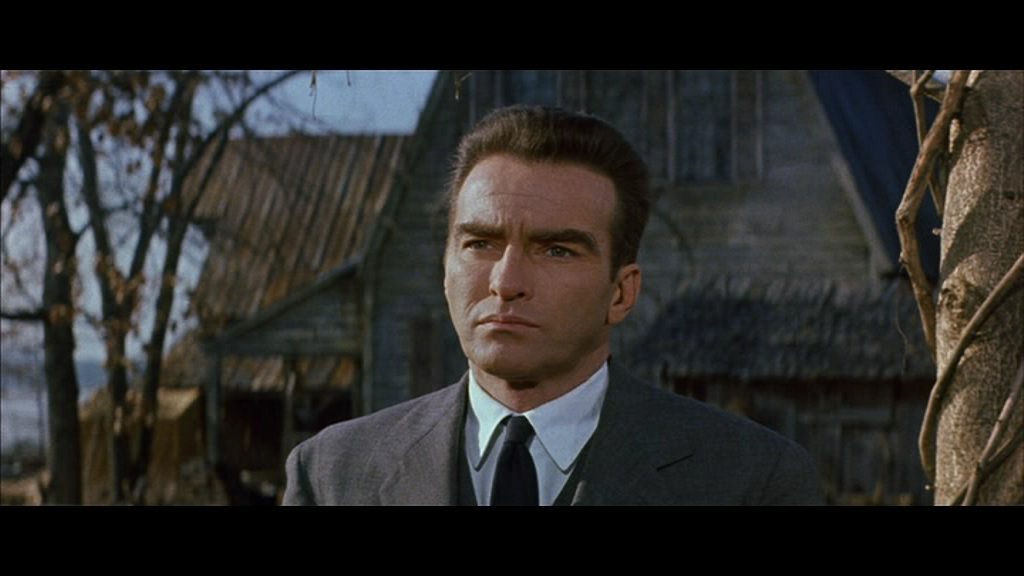
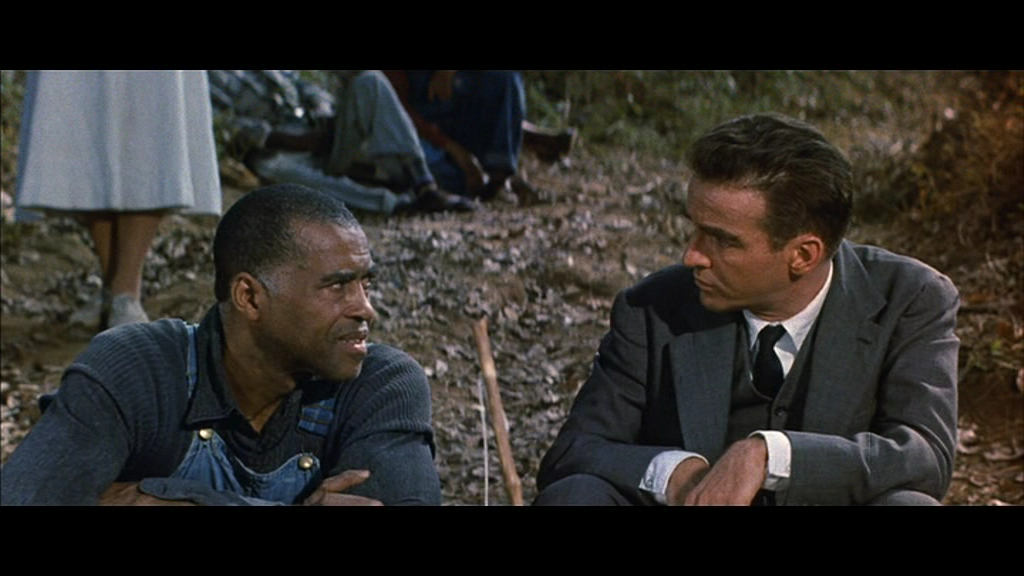
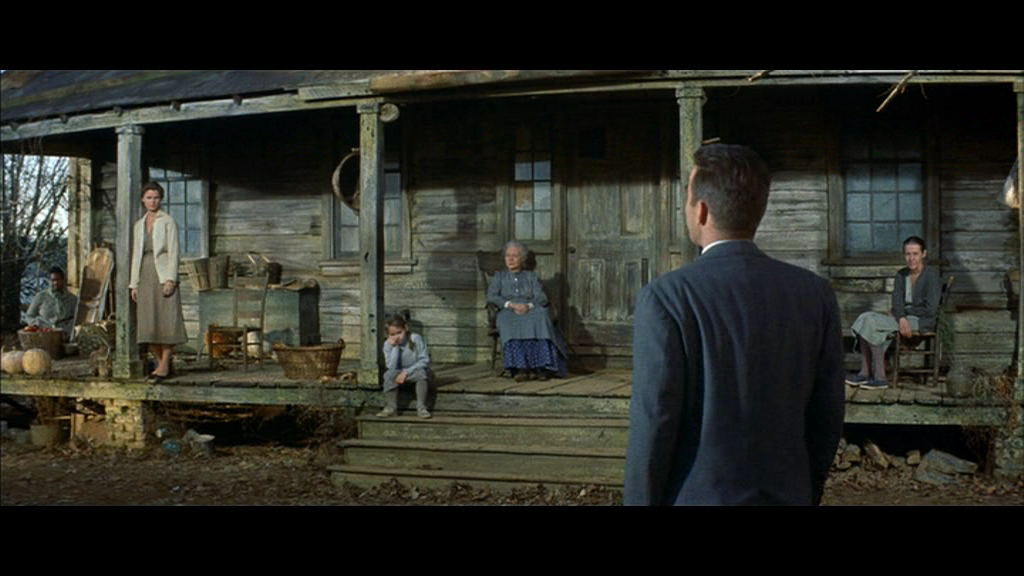
In the 1930s, a representative of the Tennessee Valley Authority (Montgomery Clift) arrives at a small island with the task of convincing its owner (Jo Van Fleet) to sell her property. He immediately encounters resistance, yet finds himself falling in love with Van Fleet’s widowed granddaughter (Lee Remick).

Genres, Themes, Actors, and Directors:

  • Cross-Class Relationship
  • Deep South
  • Depression Era
  • Elia Kazan Films
  • Historical Drama
  • Lee Remick Films
  • Montgomery Clift Films
  • Strong Females

Review:
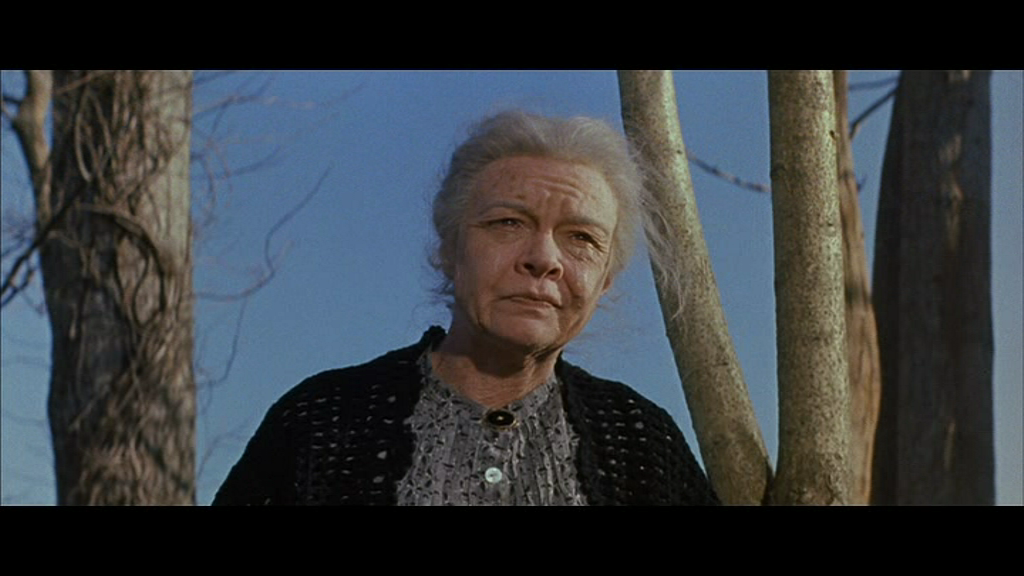
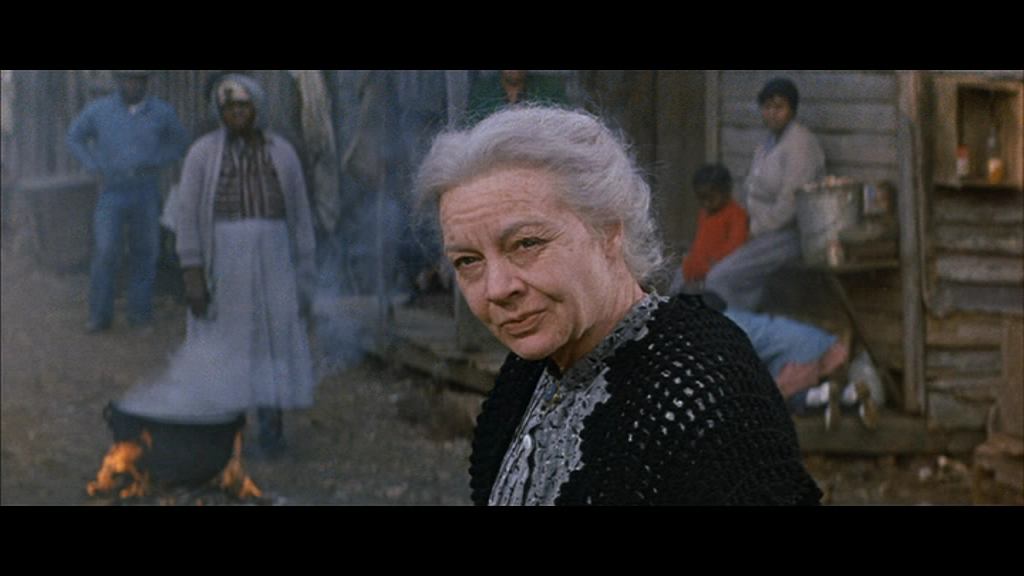
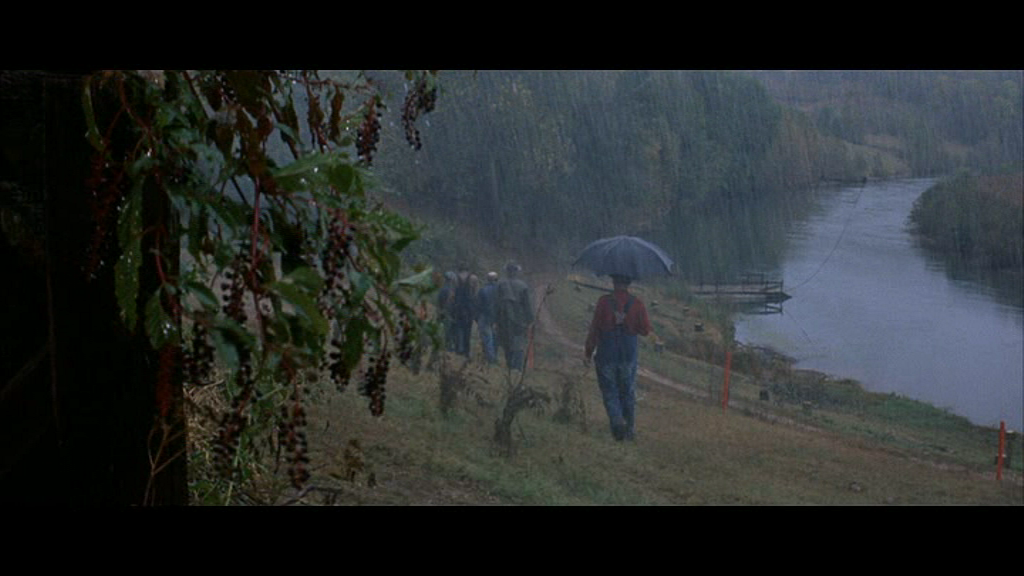
This powerful historical drama about the clash between public necessity and private autonomy remains one of Elia Kazan’s finest films. The story opens with a real-life newscast depicting the devastation wrought on poor Tennessee farmers after the Mississippi River has once again flooded the area, thus establishing Clift’s TVA-sponsored presence as a necessary evil — yet it’s impossible not to side at least partially with crotchety Ella Garth (Van Fleet), whose entire identity is wrapped up in the island her family has owned for years. While it’s clear that Garth will somehow — eventually — be “convinced” to move, the story of how this happens remains compelling until the end.

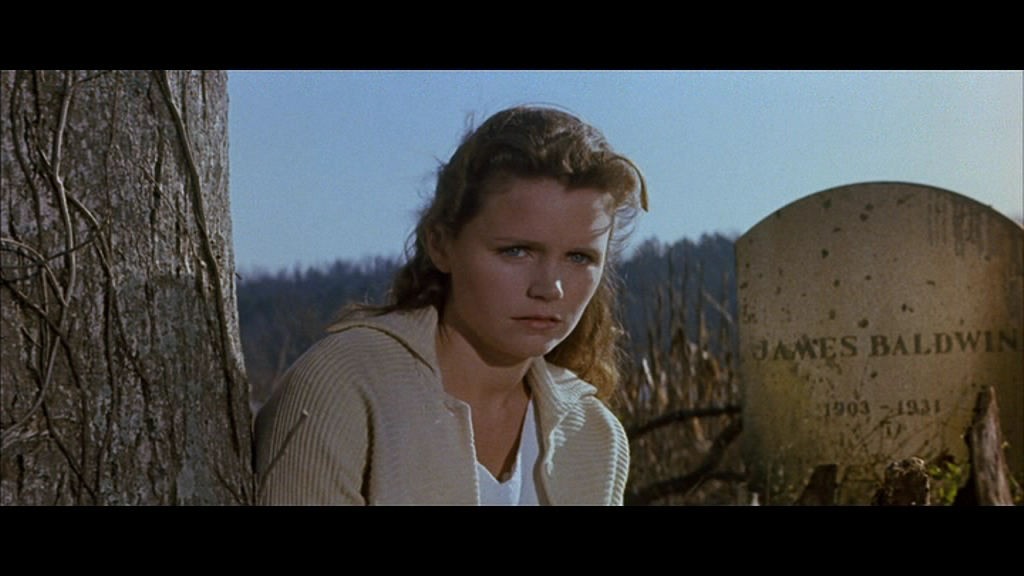
Wild River is most memorable, however, for its remarkable performances — primarily by 46-year-old Van Fleet (her make-up artist deserves ample praise as well) and 25-year-old Lee Remick, who has never looked more stunning or been more affecting. This was purportedly Remick’s personal favorite of all the films she made, and it’s easy to see why: she invests her character with a lifetime of loss and hope, turning what is clearly a convenient “plot device” romance into a believable dimension of the story. Other supporting actors — and Clift himself — are fine as well, but it’s Van Fleet and Remick who really make this powerful film must-see viewing.

Redeeming Qualities and Moments:

  • Jo Van Fleet as Ella Garth
  • Lee Remick as Carol
  • Montgomery Clift as Chuck Glover
  • Barbara Loden (Kazan’s wife) in a tiny but effective supporting role as Clift’s secretary
  • An honest, sensitive depiction of race relations in a bigoted southern town
  • A heartfelt story of greater good versus individual choice
  • Van Fleet’s provocative explanation of why it’s impossible to force someone to sell something they love
  • Fine location cinematography by Ellsworth Fredericks

Must See?
Yes, as one of Kazan’s finest films, and for Fleet and Remick’s performances.

Categories

  • Important Director
  • Noteworthy Performance(s)

Links:

Wind Across the Everglades (1958)

Wind Across the Everglades (1958)

“Them Yankees like the tickle of them feathers — and we like the tickle of their money!”

Synopsis:
In turn-of-the-century Florida, an idealistic new Audubon warden (Christopher Plummer) tries to arrest a legendary bird poacher known as “Cottonmouth” (Burl Ives), who lives deep in the Everglades with his band of unruly henchmen.

Genres, Themes, Actors, and Directors:

  • Burl Ives Films
  • Cat-and-Mouse
  • Christopher Plummer Films
  • Deep South
  • Hunting
  • Nicholas Ray Films
  • Peter Falk Films

Review:
This unusual adventure tale deals with an ethical dilemma not often discussed in Hollywood films: turn-of-the-century feather poaching in Florida (!). Despite its ecological underpinnings, however, Everglades is essentially a tale of archetypal opposites, with Plummer’s young (urban) protagonist bumping up against Burl Ives’ indomitable force of nature, and both men grudgingly earning each other’s respect. Ultimately, there’s not quite enough going on here to bolster a full-fledged narrative (countless subplots — including a love affair between Plummer and Chana Eden, and some hillbilly antics by Ives’ crew — seem haphazardly thrown in), but Ives and Plummer make for compelling enough enemies to hold our attention throughout. Watch for Peter Falk in his screen debut.

Redeeming Qualities and Moments:

  • Burl Ives as “Cottonmouth”
  • Christopher Plummer as Murdock
  • The unusual Floridian setting

Must See?
No, but it’s worth a one-time look.

Links:

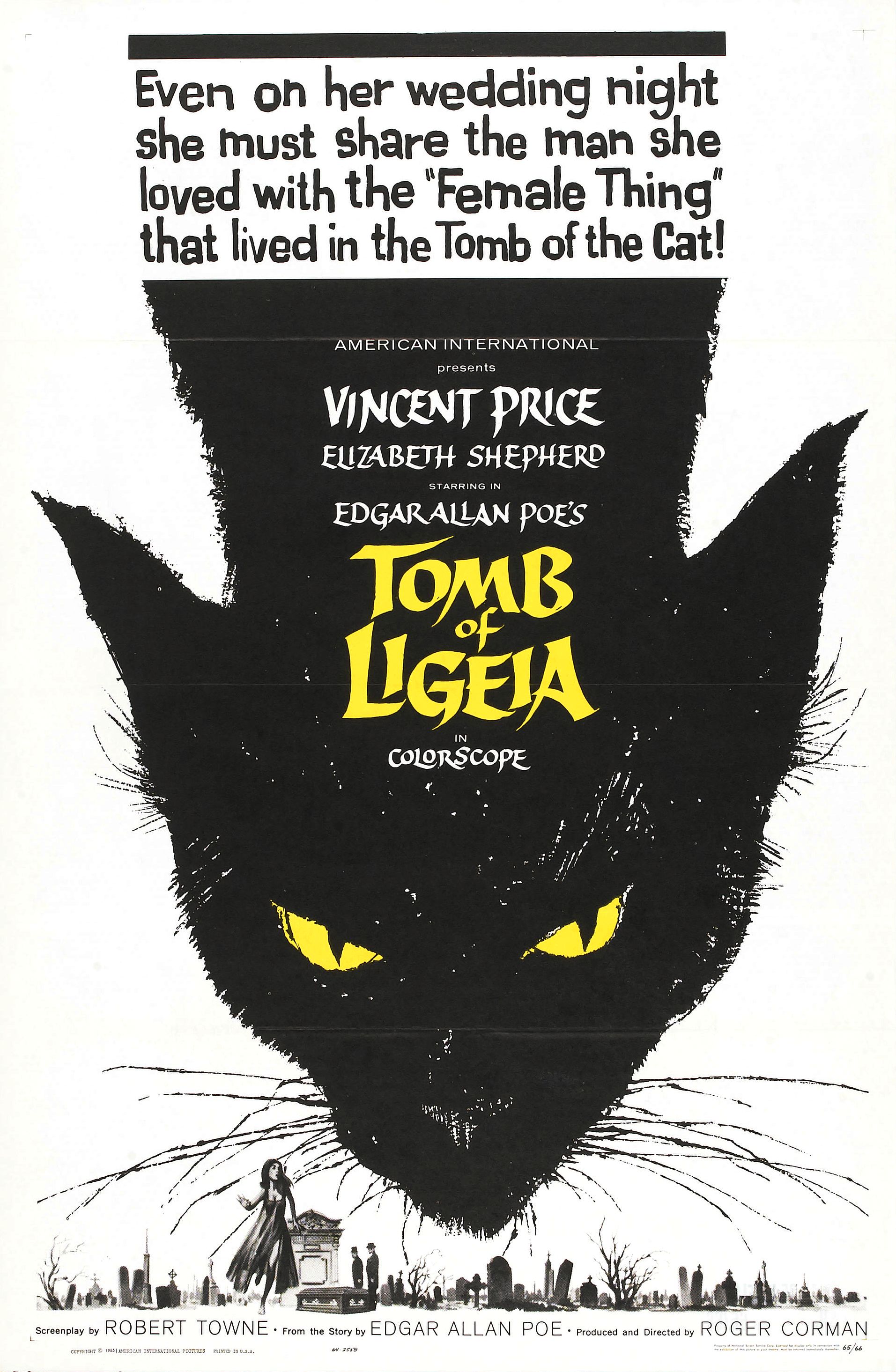
Tomb of Ligeia, The (1964)

Tomb of Ligeia, The (1964)

“She will not rest, because she is not dead — to me.”

Synopsis:
A nobleman (Vincent Price) remains obsessed with his dead wife (Elizabeth Shepherd), whose spirit appears to his new wife (also Shepherd) in the form of a black cat.

Genres, Themes, Actors, and Directors:

  • Edgar Allan Poe Films
  • Ghosts
  • Historical Drama<
  • Psychological Horror
  • Roger Corman Films
  • Vincent Price Films

Response to Peary’s Review:
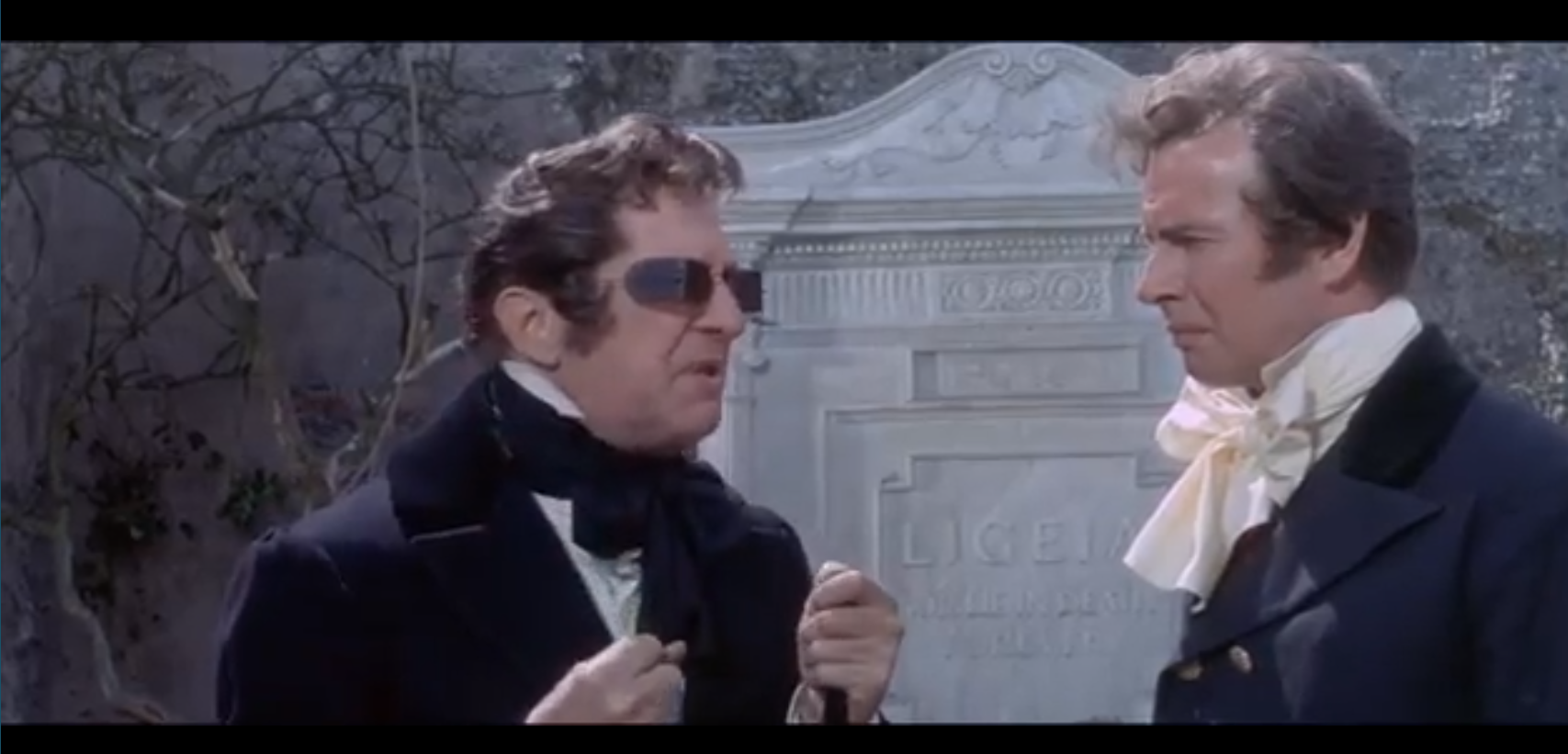
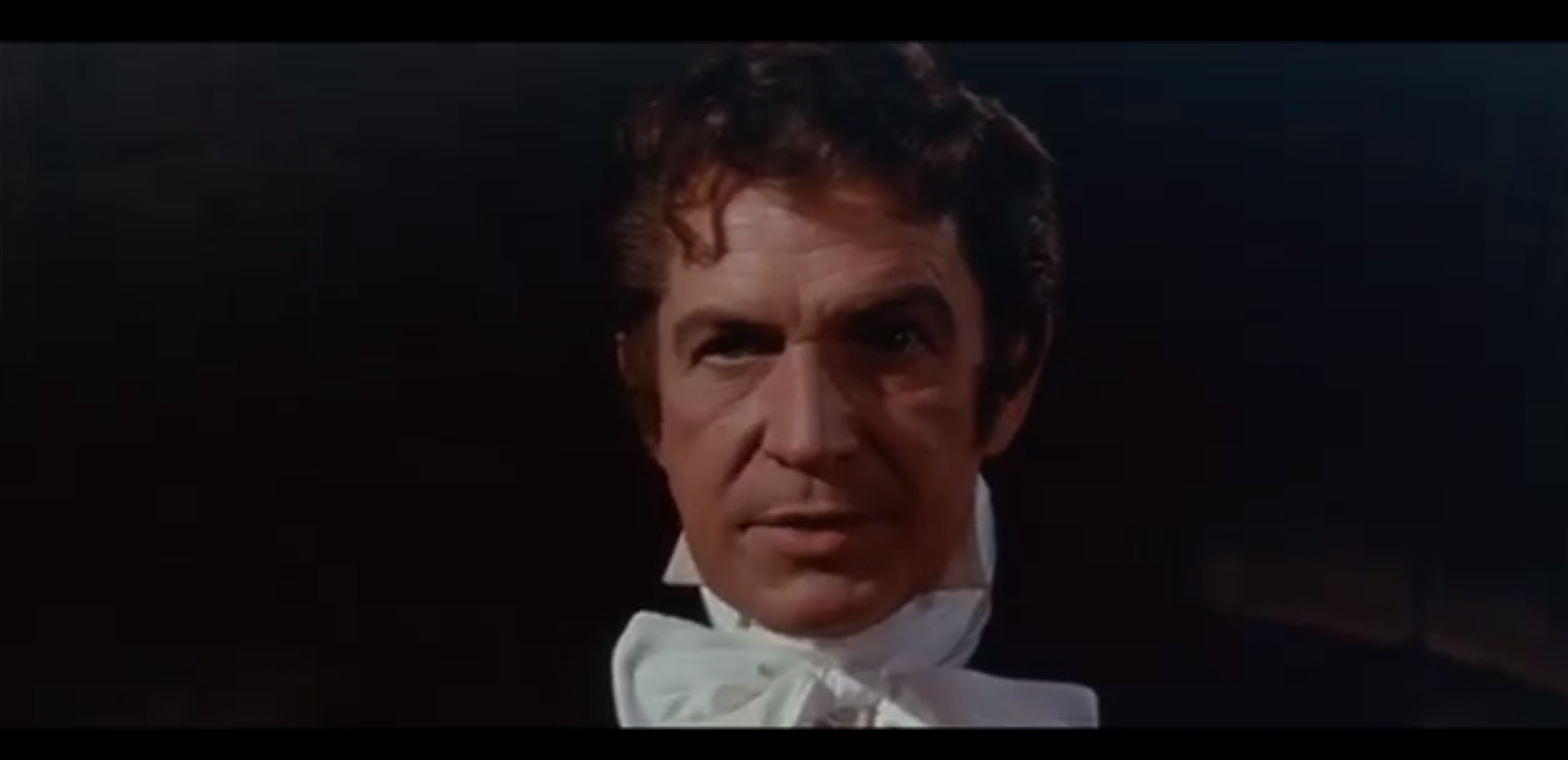
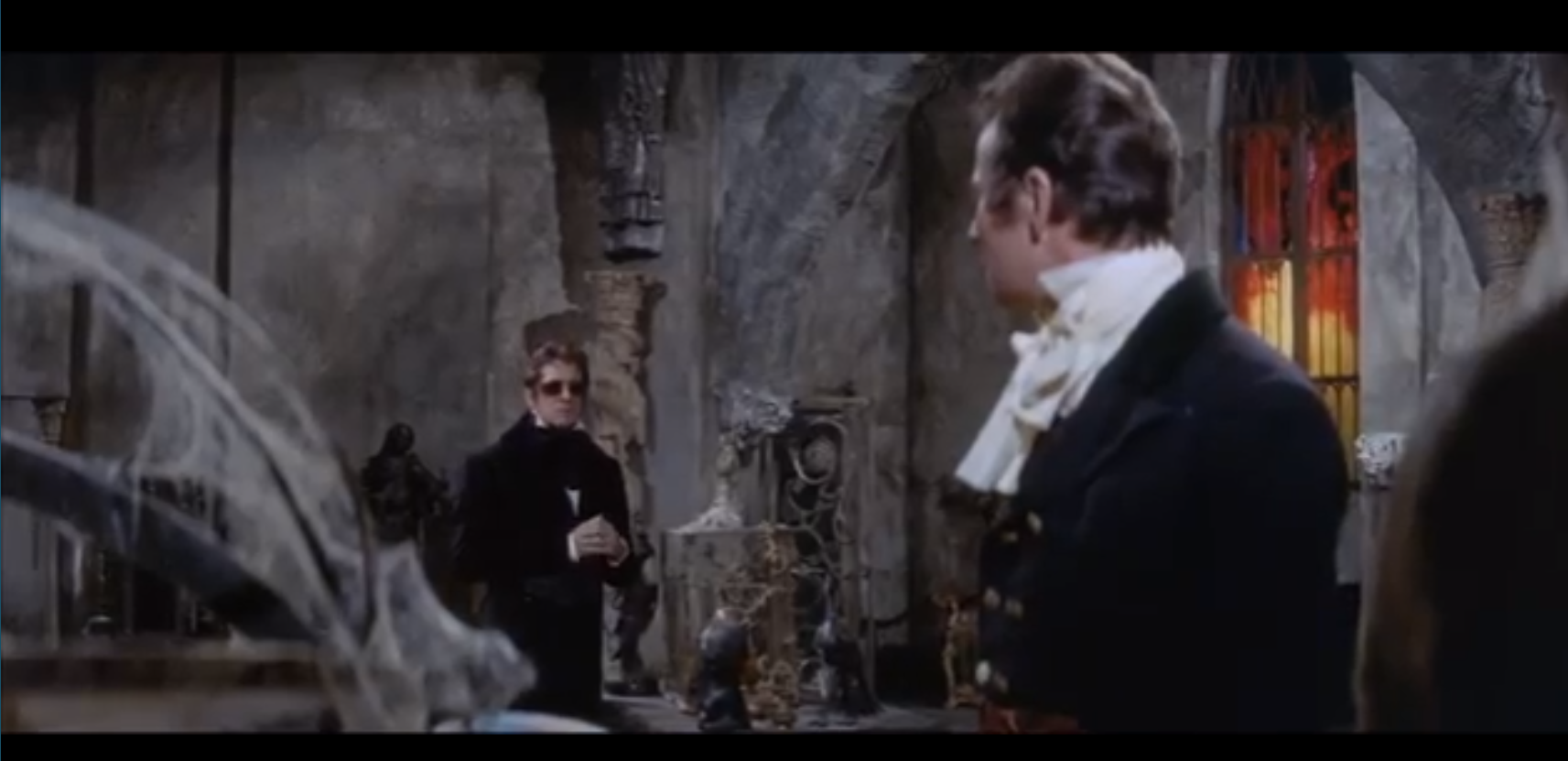
As Peary notes, this “stylish Gothic tale” — the last of Roger Corman’s eight Poe adaptations — is “a classic example of how… Corman managed to disguise the fact that nothing happens until the very end.” Indeed, while some critics feel that Ligeia is one of Corman’s best outings — and represents a new level of maturity for the filmmaker, given his novel use of outdoor sets — I must say I disagree; there simply isn’t a whole lot going on here except plenty of atmosphere, and — as Peary points out — one of the great cinematic non sequiturs of all time (voiced by Price, naturally): “Not ten minutes ago I tried to kill a stray cat with a cabbage.” With that said, Ligeia is worth watching simply to see Vincent Price’s era-bending appearance as a 19th century nobleman wearing wrap-around sunglasses like a cool ’60s dude — as always, Price is The Man.

Redeeming Qualities and Moments:

  • Vincent Price as Verden Fell
  • Elizabeth Shepherd as The Lady Rowena and The Lady Ligeia
  • Atmospheric direction and set designs
  • Nicholas Roeg’s cinematography

Must See?
No, but it’s worth a look.

Links:

Christopher Strong (1933)

Christopher Strong (1933)

“I’m a very reckless person, Chris — and you’re a very cautious one.”

Synopsis:
An aviatrix (Katharine Hepburn) falls in love with a happily married man (Colin Clive), who hesitates to hurt his loving wife (Billie Burke) and adoring daughter (Helen Chandler).

Genres, Themes, Actors, and Directors:

  • Airplanes and Pilots
  • Colin Clive Films
  • Dorothy Arzner Films
  • Infidelity
  • Katharine Hepburn Films
  • Strong Females

Review:
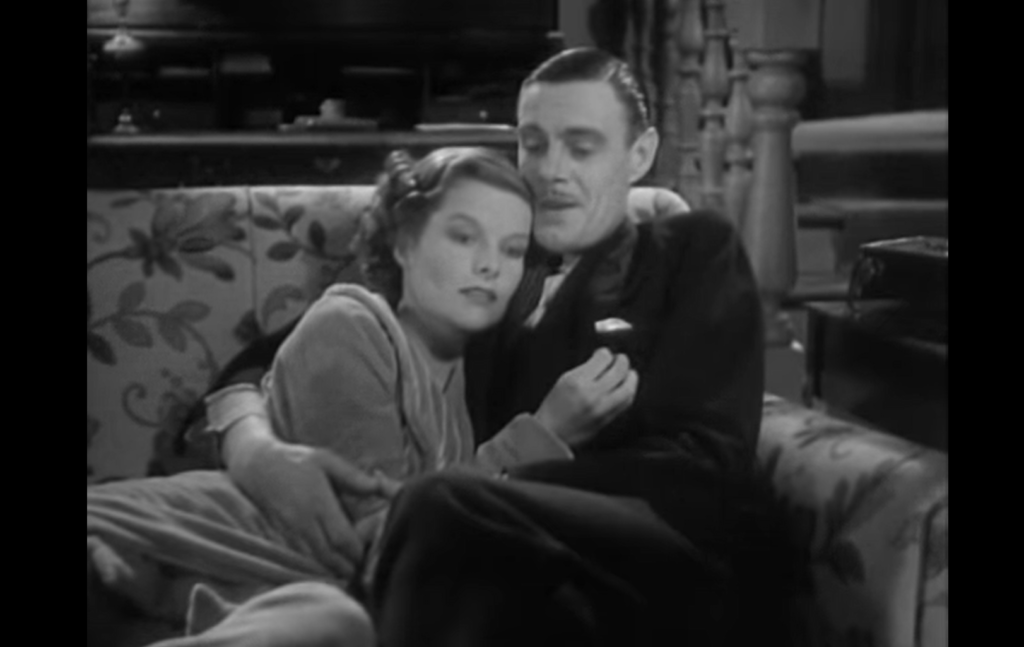
Despite its oddly masculine title, this early melodrama (based on a novel by Gilbert Frankau and directed by Dorothy Arzner) very much belongs to Lady Cynthia Darrington, the female protagonist played by Katharine Hepburn — who, in her second screen role, easily carries the film, exuding all the intelligence and strength required of her nonconformist character. It’s been noted by many that Owen (not the most charismatic or handsome of actors) seems like an unlikely romantic match for Hepburn, but I found it easy to believe that the sexually inexperienced Lady Cynthia might make such an unconventional choice:
Less convincing is Clive’s sudden shift in allegiance from wholehearted devotion to his wife (a typically fluttery Billie Burke) to adulterous impulses. Of special note is the way in which Arzner manages to infuse Christopher Strong with quietly subversive material, ranging from Lady Cynthia’s mannish outfits and independent lifestyle to the fey demeanor of Ralph Forbes (who plays Clive’s daughter’s married love interest).
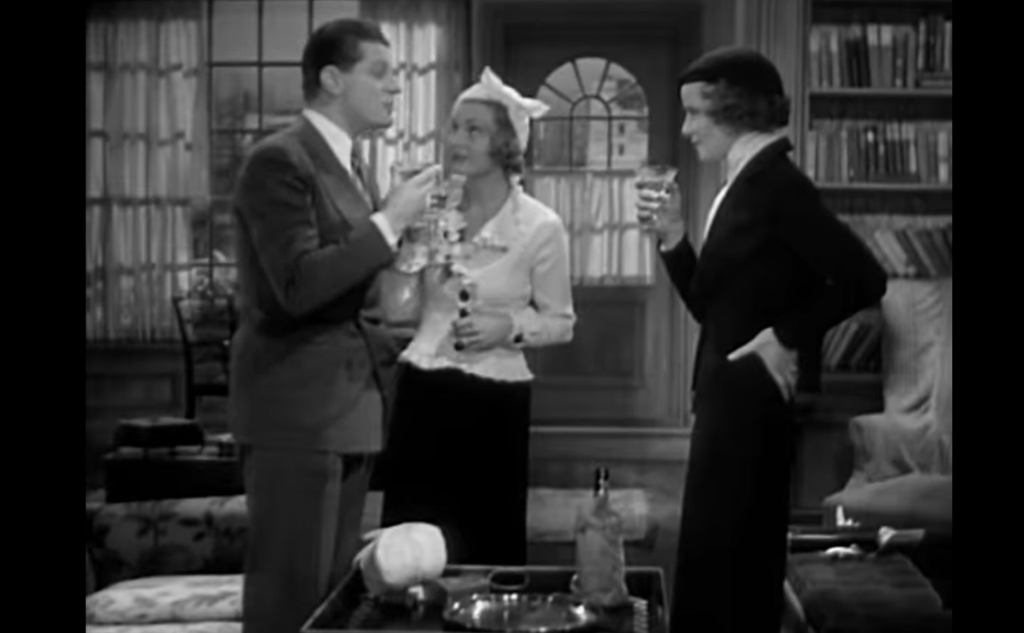
Unfortunately, moral strictures of the time mandated that Lady Cynthia “pay” for her crime of loving a married man (while Strong — naturally — gets off scot-free), thus leading to the film’s infamous tragic ending. As a narrative, Christopher Strong leaves much to be desired — but as a vehicle for both Hepburn and Arzner, it’s worth a one-time look.

Redeeming Qualities and Moments:

  • Katharine Hepburn as Lady Cynthia
  • Hepburn emerging in her infamous “moth” outfit

  • Atmospheric cinematography

Must See?
No, though it’s worth a look for its historical significance as Hepburn’s second major role, and one of Arzner’s best-known films.

Links: