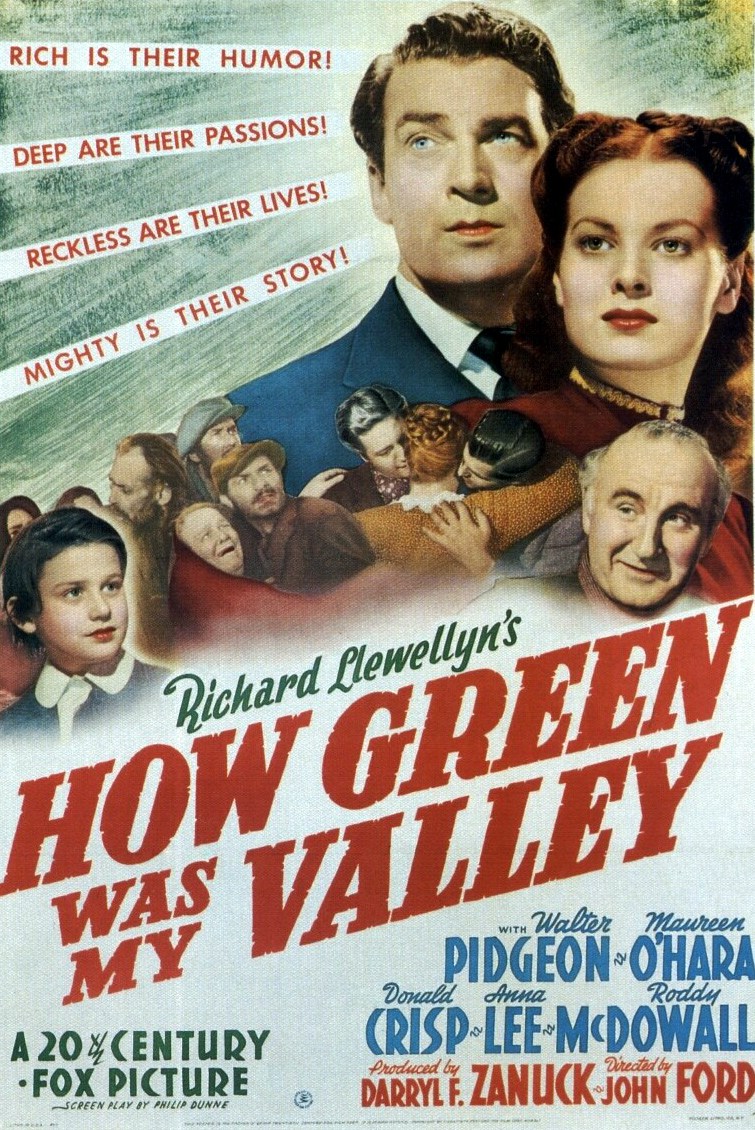
How Green Was My Valley (1941)
“There is no fence nor hedge around time that is gone. You can go back and have what you like of it, if you can remember.”
|
Synopsis: |
|
Genres, Themes, Actors, and Directors:
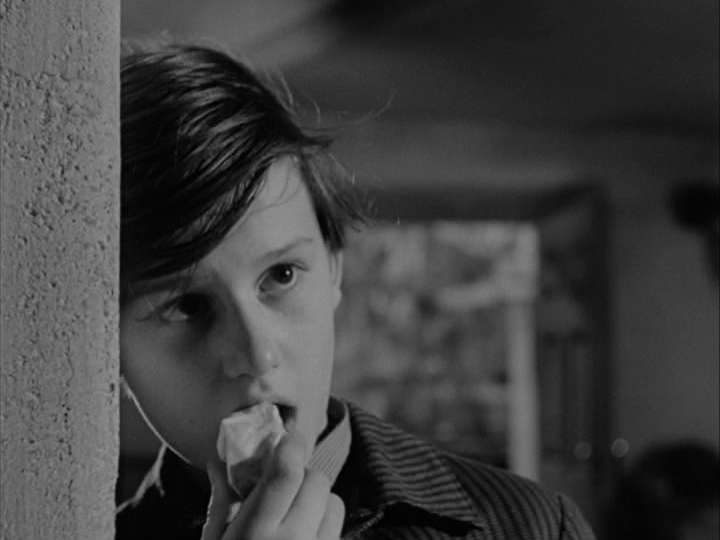
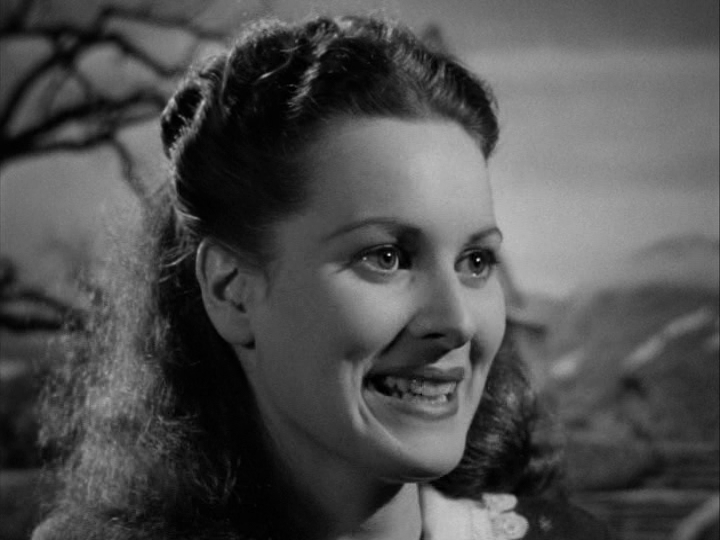
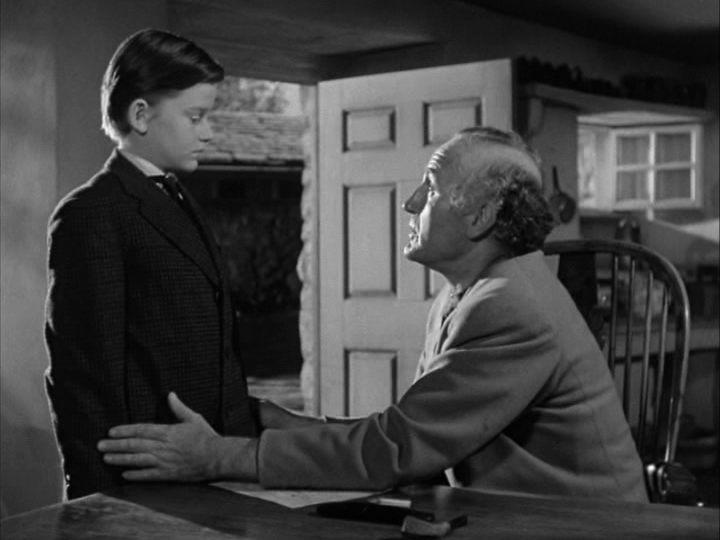
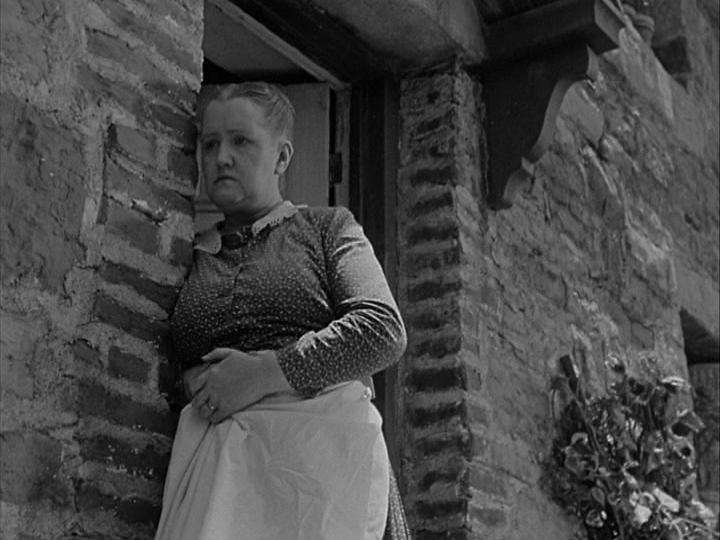
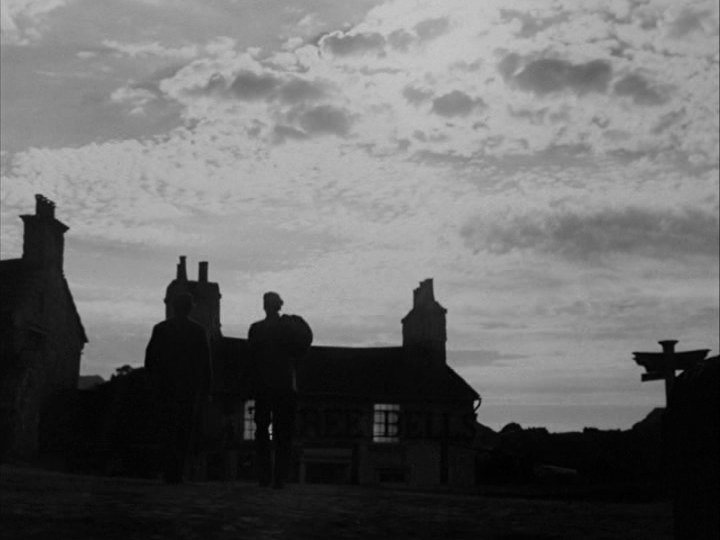
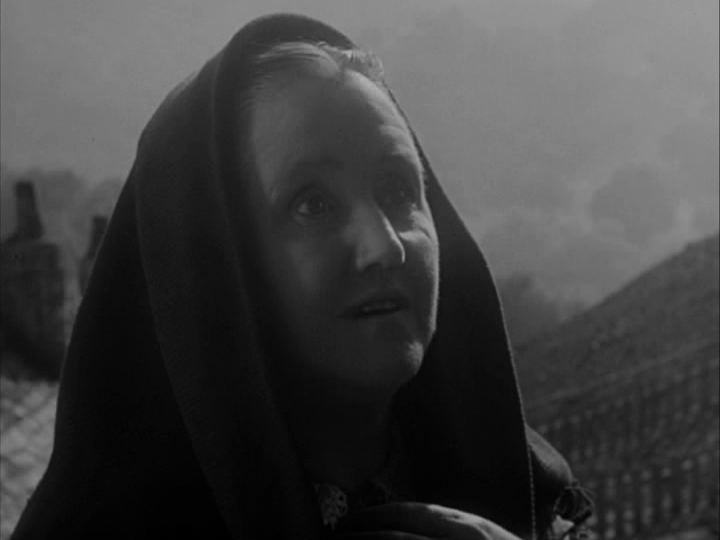
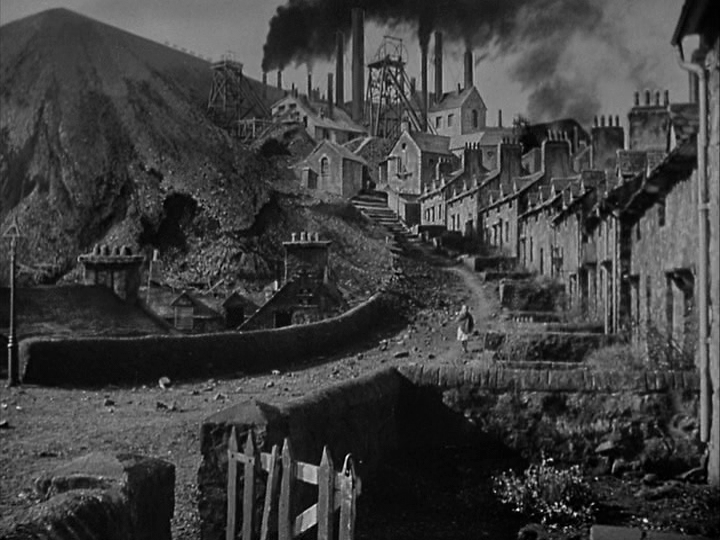
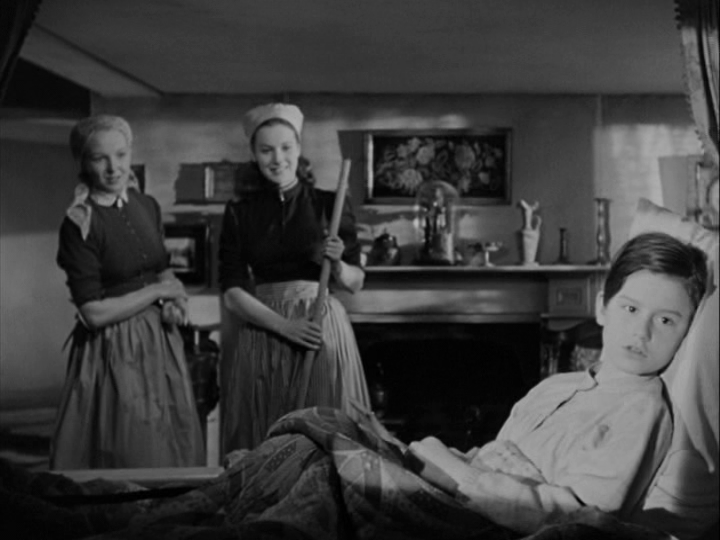
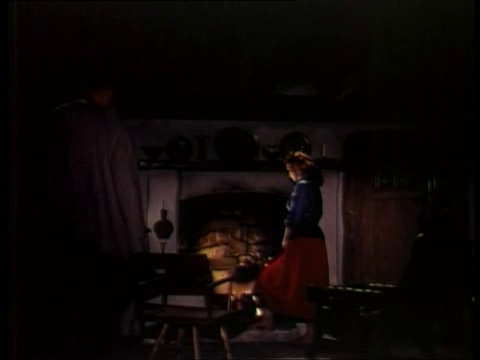
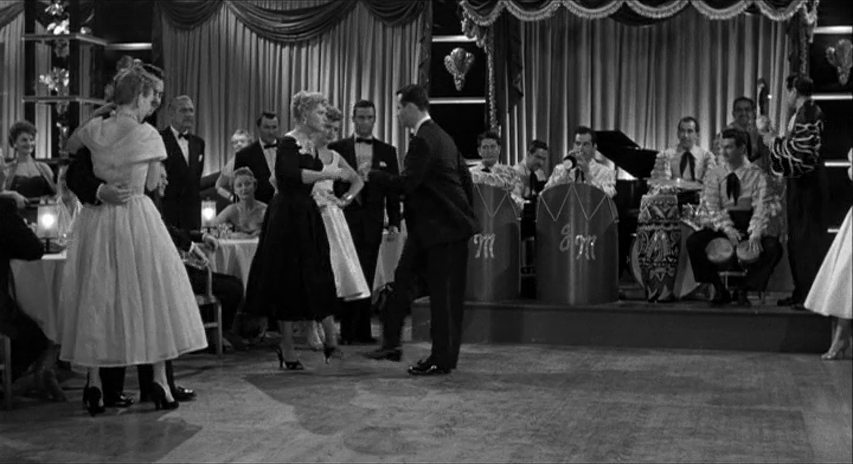
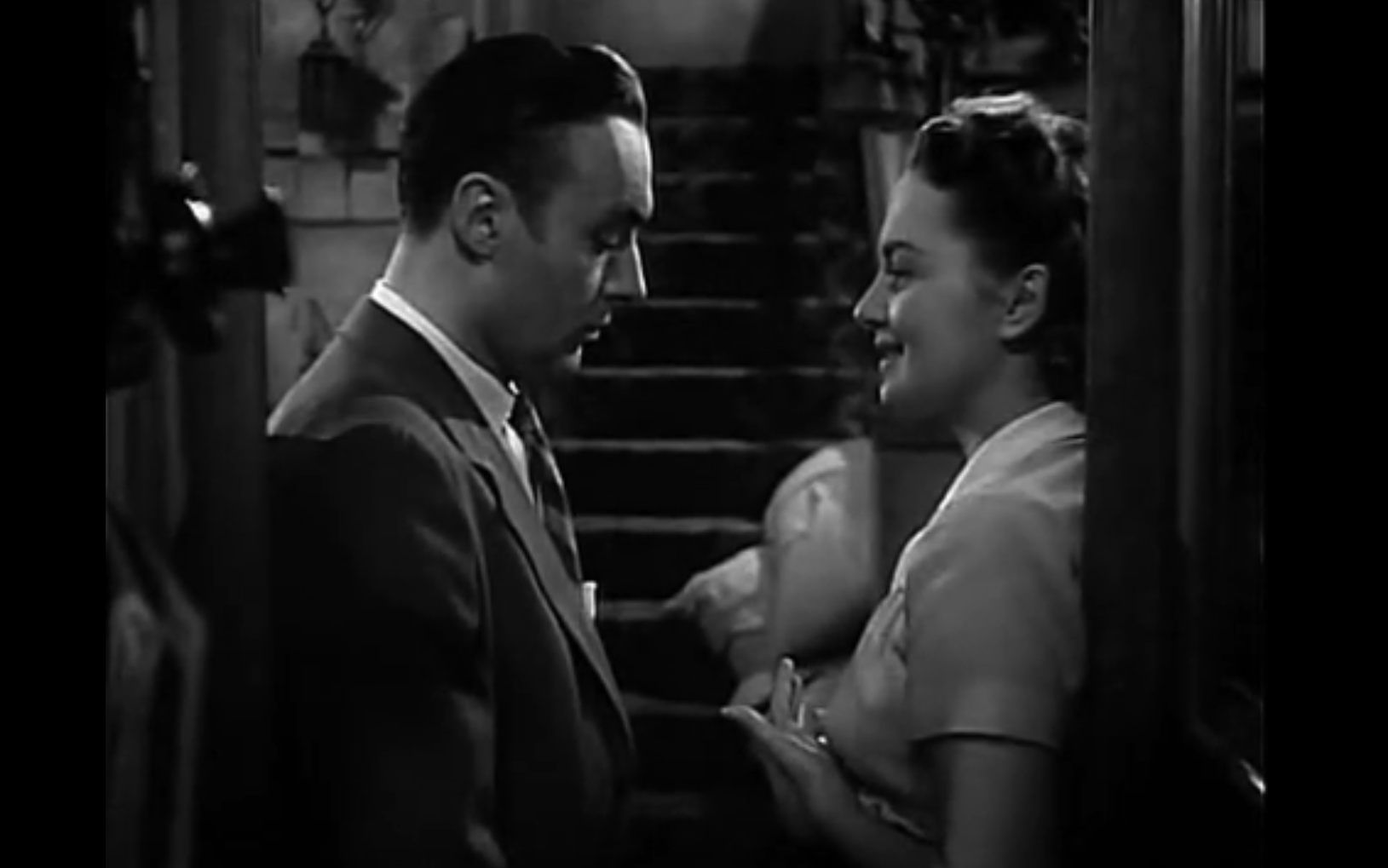
Review: As the film opens, the Morgans are represented in an idealized fashion: McDowall’s brothers are strapping, his sister gorgeous, his parents stern but loving, and coal mining is viewed as a beloved, honorable profession. However, it’s quickly revealed that life will present an unending series of challenges for this group of strong-minded individuals. Crisp and his sons don’t see eye-to-eye on issues of unionization; O’Hara is asked to set aside her love for Pidgeon in order to marry (unhappily) for money; and McDowall, while clearly gifted (and, as the youngest child, somewhat spoiled) suffers from a debilitating injury, and must ultimately make a difficult decision regarding his future livelihood. Indeed, for a nostalgic historical drama, HGWMV is filled with a surprising number of genuinely distressing scenes; it’s to Ford’s credit that HGWMV remains so lighthearted in overall spirit while simultaneously avoiding designation as a “feel good” film. It should also be noted that Ford mostly avoids his general tendency to incorporate comedic supporting actors for levity; the only instance of this is in the character of Dai Bando (Rhys Williams), McDowell’s boxing teacher, and his presence does indeed provide some welcome relief. The production values for HGWMV — shot in the hills of Malibu, given wartime climate in Europe — are uniformly stellar. Arthur C. Miller’s b&w cinematography is consistently stunning, and Ford frames each scene with his characteristically considerate eye. Scene after scene has lasting visual impact, from the image of Welsh coal miners singing as they wend their way to and from work, to the strategically choreographed wedding scene between O’Hara and her wealthy suitor (Marten Lamont), to crippled McDowell’s attempts to walk to Pidgeon on the hillside. The performances are equally top-notch: Crisp and Allgood are perfectly cast as the heads of the Morgan clan; O’Hara is stunning in her breakthrough role; and it’s difficult to imagine anyone but McDowell in the lead role (though a different actor should perhaps have been considered to play his character in the final scenes of the film, given how many formative years have supposedly passed, and how youthful McDowall still looks). But this is a minor complaint about a film that remains surprisingly poignant all these years later, despite its enduringly bad rap as the film that “stole” Citizen Kane‘s award. (And yes, Citizen Kane — one of my top-five favorite films — DID ultimately deserve the award. But that’s beside the point.) Redeeming Qualities and Moments:
Must See? Categories
(Listed in 1001 Movies You Must See Before You Die) Links: |