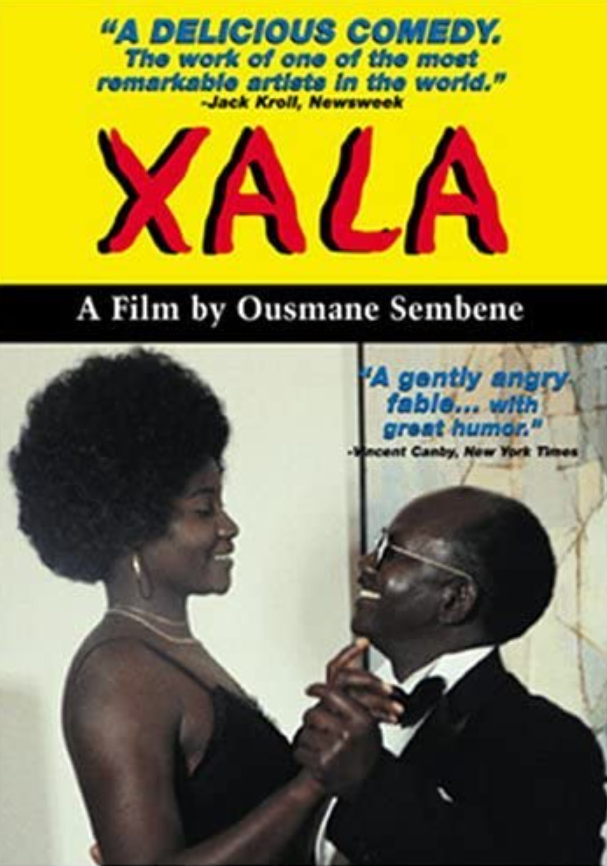
Xala (1975)

Xala (1975)

“Make me a man again — I’ll pay whatever you want.”

Synopsis:
In post-colonial Senegal, a corrupt businessman (Thierno Leye) attempts to marry a third wife (Dieynaba Niang), but finds that his ability to consummate the marriage has been foiled by a “xala” (curse).

Genres, Themes, Actors, and Directors:

  • Africa
  • Corruption
  • Downward Spiral
  • Marital Problems
  • Satires and Spoofs

Review:
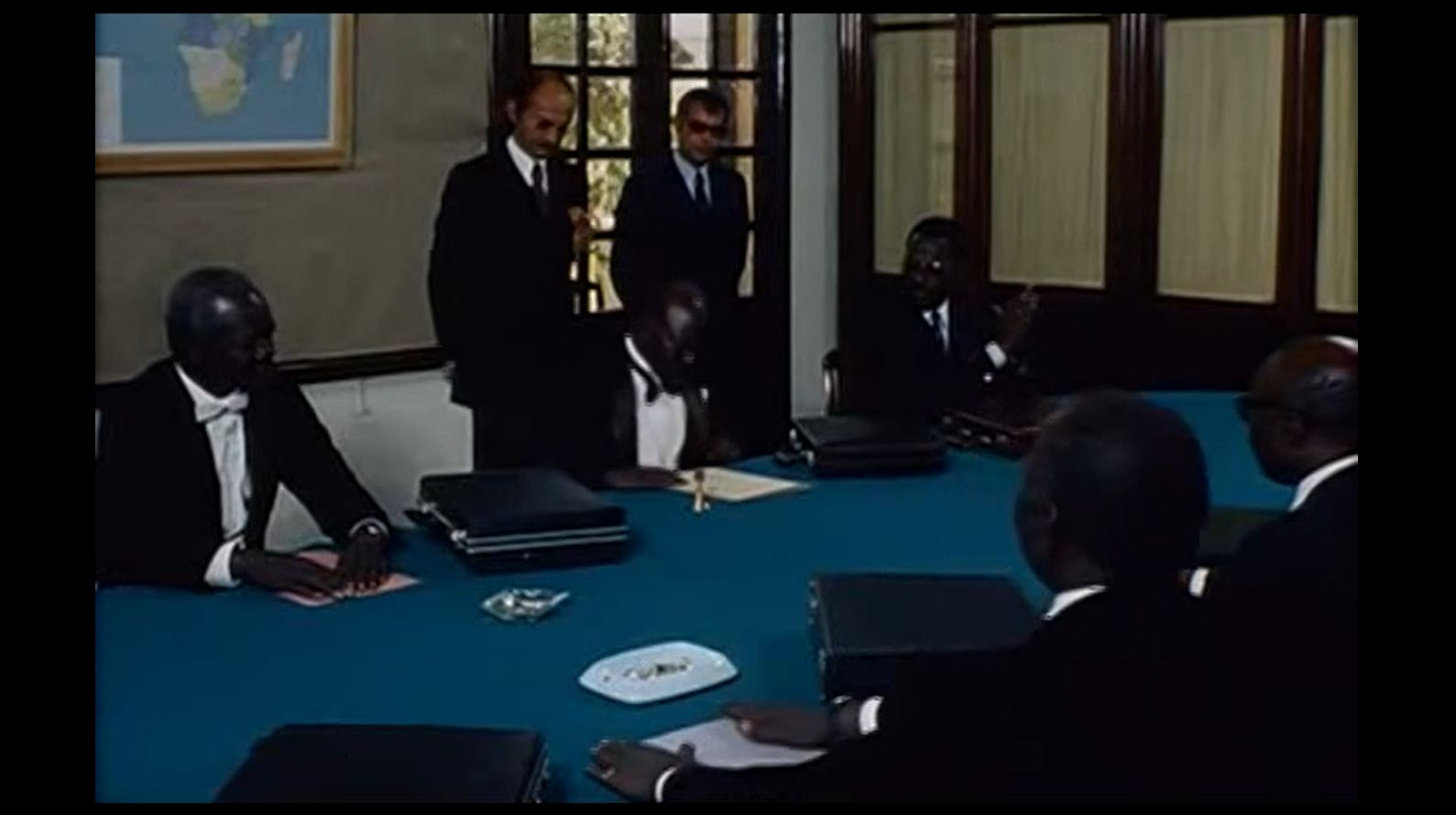
In his fourth feature film, Senegalese director Ousmane Sembene continued his cynical exploration of corruption in post-colonial Africa — this time with more of an overt satirical edge than ever. As in his earlier film Mandabi (1968), the central protagonist in Xala (Thierno Leye) finds himself caught in a nightmarish situation — yet while Mandabi‘s Ibrahim was hapless and illiterate (a victim of social changes beyond his control), Leye’s wealthy “El Hadji” arguably sparks his own downfall through explicit greed. In the film’s comical opening sequence, El Hadji sits around a table with a host of other powerful black men, accepting briefcases full of cash from white men in suits (clearly representing the country’s lingering vestiges of colonial power and influence).

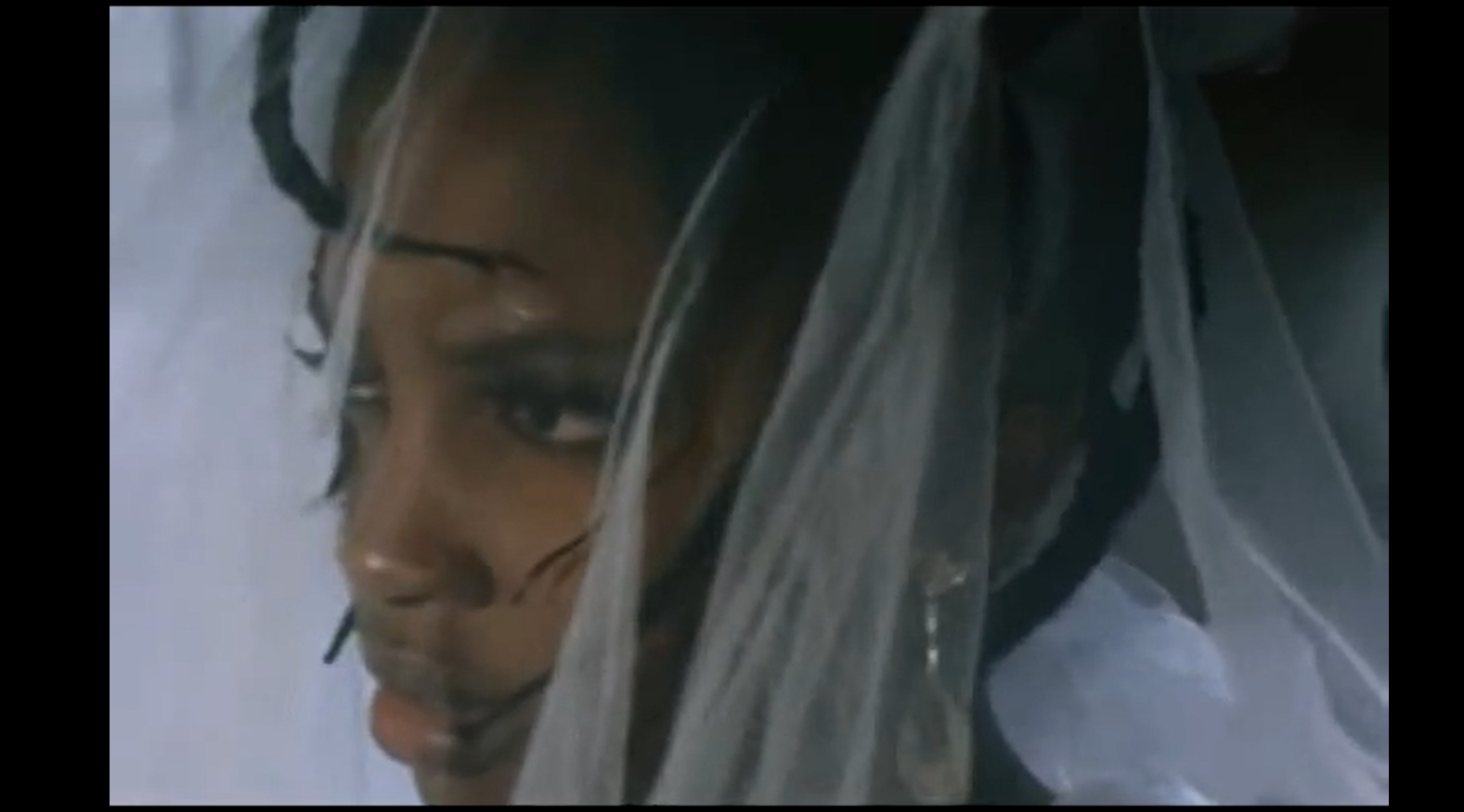
El Hadji uses this money to help purchase a third wife — the young and beautiful Dieynaba Niang — in order to propel his own prestige:

ignoring the fact that this makes both his university-age daughter (Miriam Niang) by his first wife (Seune Samb), and his jealous second wife (Younouss Seye), deeply unhappy.

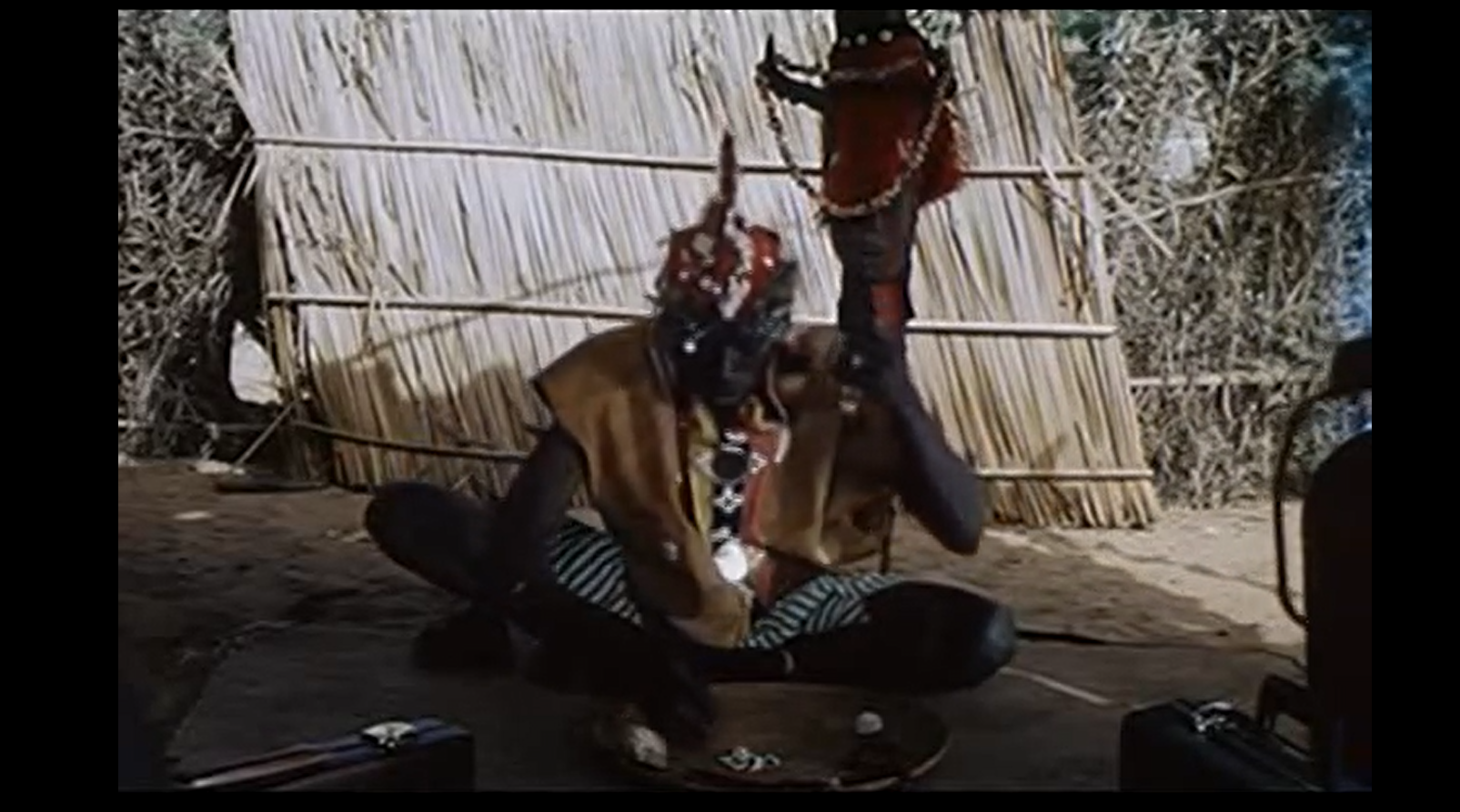
Once El Hadji attempts to consummate his marriage — and finds himself strangely unable to do so — his downward spiral is set in motion. He engages the services of medicine men:

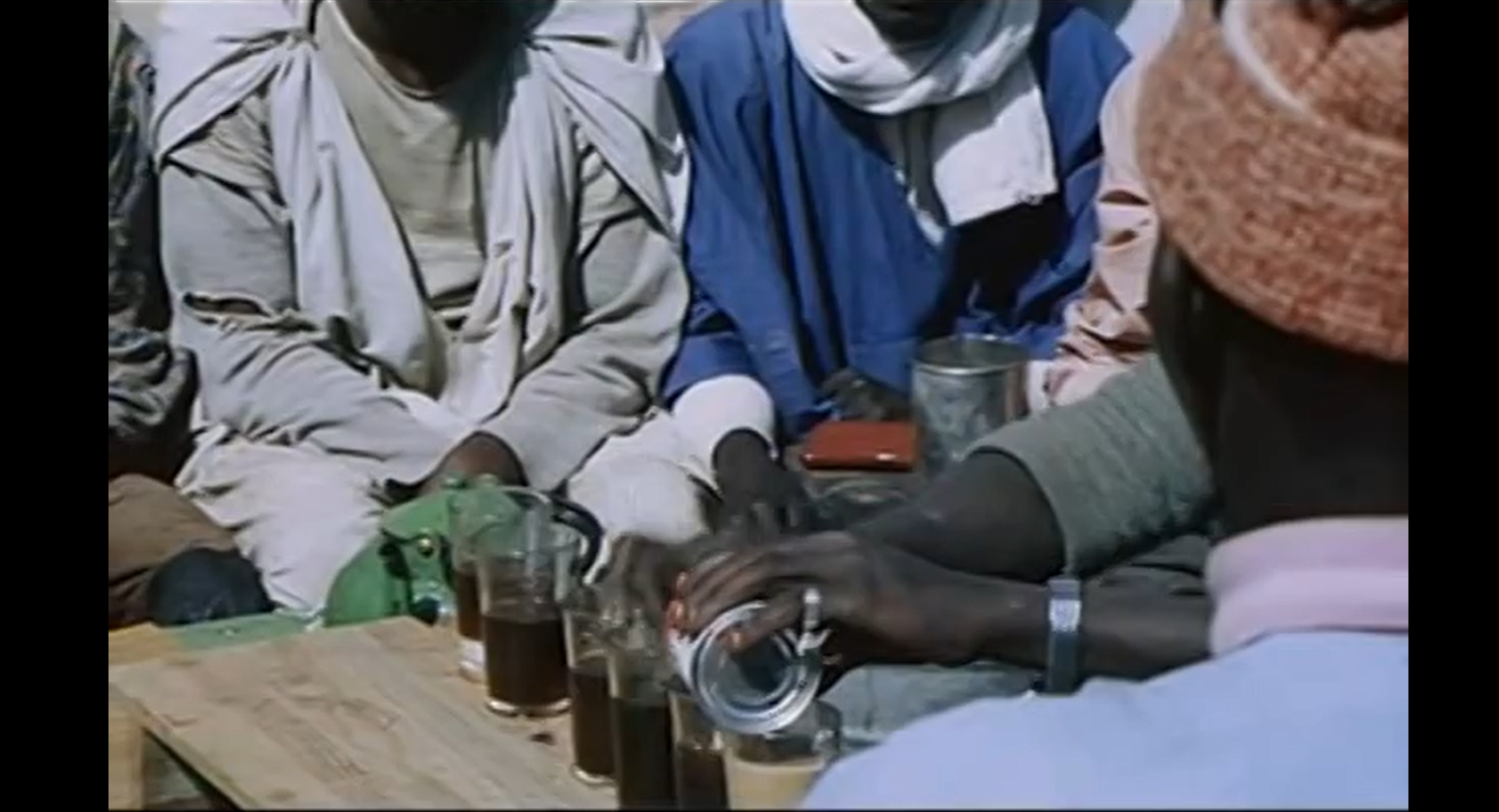
and struggles to maintain dignity in the face of impressively widespread social knowledge about his dilemma. It’s clear to El Hadji that his problems aren’t his own, but rather the result of a curse (xala) — and while he believes this curse has been placed by one of his other wives, the cause for blame remains a central mystery of the film. Unfortunately, Sembene’s narrative (based on his own novel) veers off course at times, shifting to lengthy and seemingly inexplicable sequences (later explained) involving a band of disabled men who at one point gather to drink sweetened condensed milk (!).

From what I’ve read, this confusion may be the result of drastic editing that was done without Sembene’s consent. In addition — as in all Sembene’s films — the performances by the majority of the actors are decidedly amateurish. Regardless, there’s enough sting and bite in Xala to make it worthy viewing for all film fanatics who are genuinely interested in world cinema.

Note: Sembene’s other acclaimed film made before the publication of Peary’s book in 1986 — Ceddo (1977), the only Sembene title listed in 1,001 Movies You Must See Before You Die — is strangely missing; I intend to watch it shortly and verify whether it merits inclusion on this website as a Missing Title. Also be sure to check out Sembene’s final film, Moolaade (2004), made before his death in 2007 — it’s most definitely must-see viewing.

Redeeming Qualities and Moments:

  • Yet another fascinating perspective by Sembene of life in post-colonial Senegal

Must See?
Yes, as one of Sembene’s most acclaimed films. Listed as a film with Historical Importance and a Personal Recommendation in the back of Peary’s book.

Categories

  • Foreign Gem
  • Important Director

Links:

Mandabi (1968)

Mandabi (1968)

“You know people: you mention money, and they all come running.”

Synopsis:
A poor Senegalese villager (Makhouredia Gueye) finds himself confronting endless bureaucracy and corruption while trying to cash a money order sent by his nephew in Paris.

Genres, Themes, Actors, and Directors:

  • Africa
  • Black Comedy
  • Corruption
  • Living Nightmare

Review:
Ousmane Sembene’s second feature-length film — after his acclaimed but flawed 1966 debut, Black Girl — was this absorbing, relentlessly cynical look at corruption in post-colonial Senegal. While its lead protagonist, Ibrahim (Gueye), is initially not all that likable — opening shots show him wolfing down an enormous meal, belching profusely, and ordering his wives around — he nonetheless quickly becomes the most sympathetic character in the film, given the ceaseless roster of charlatans and “beggars” he encounters during his travails. In order to actually secure the money he’s supposedly inherited from his nephew, he must find a way to turn a slip of paper sent from abroad into actual cash — a seemingly straightforward process which turns into a true living nightmare. Ibrahim (who is illiterate) finds that in the paper-trail legacy the French have left behind, it is no longer enough simply to state that one exists — one must prove it, in specific, written detail. Yet how can one prove one exists without… prior proof that one exists?

It’s a devilish dilemma, and one that Sembene handles with masterful humor — up until the point when Ibrahim’s attempts are foiled for what seems like the umpteenth time, and Sembene’s central thesis (that “decency has become a sin in [Senegal],” and that “in a country like this, only crooks live well”) is made eminently, depressingly clear. Despite its undeniably downbeat trajectory, however, Mandabi (which translates literally into “money order”) remains fascinating simply for its unprecedented ethnographic portrayal of Senegalese village life. Sembene’s ability to slyly slip in visual commentary on the influence of Western norms (watch for the white European doll being washed and played with by the young village girls, for instance) is impressive; and his attempt to call out the impossibility of maintaining civil, logical interactions with one’s fellow citizens in an environment tainted by colonial norms is undeniably essential.

Redeeming Qualities and Moments:

  • A fascinating glimpse at post-colonial village life in Senegal

Must See?
Yes, as a depressing but revealing film by the world’s premiere African director. Listed as a film with Historical Importance and a Personal Recommendation in the back of Peary’s book.

Categories

  • Important Director

Links:

Time of Their Lives, The (1946)

Time of Their Lives, The (1946)

“There’s a curse on this house, all right.”

Synopsis:
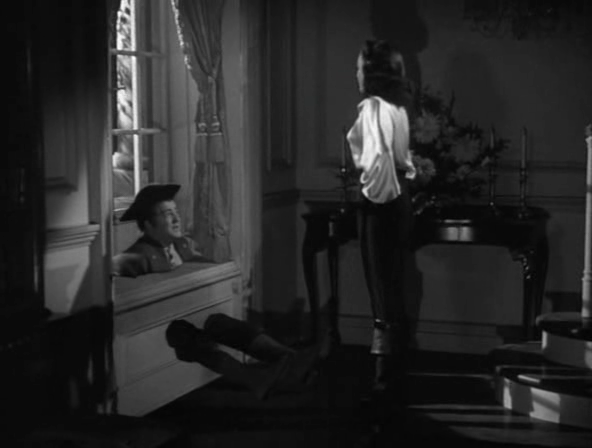
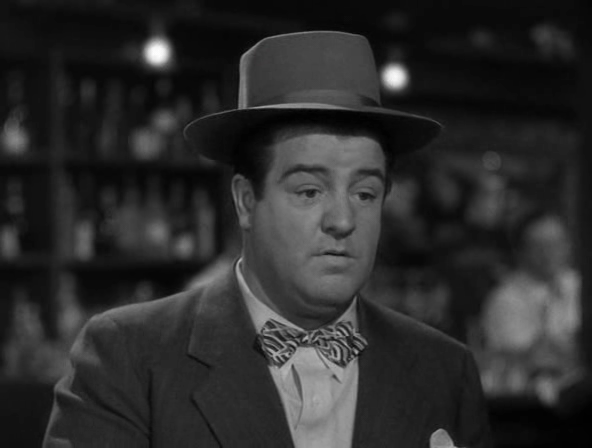
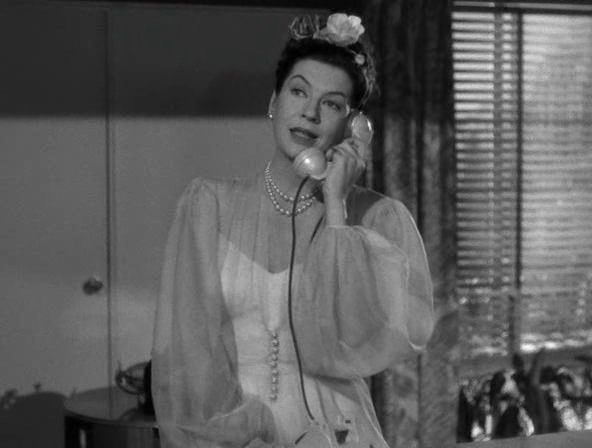
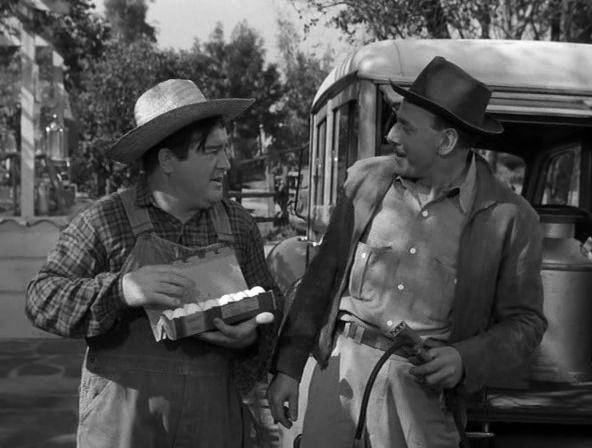
During the Revolutionary War, a patriotic tinker (Lou Costello) and a noblewoman (Marjorie Reynolds) are mistaken for traitors and shot, their ghosts cursed to remain on the same plot of land until they can prove their innocence.

Genres, Themes, Actors, and Directors:

  • Abbott and Costello Films
  • Comedy
  • Falsely Accused
  • Fantasy
  • Ghosts
  • Old Dark House

Review:
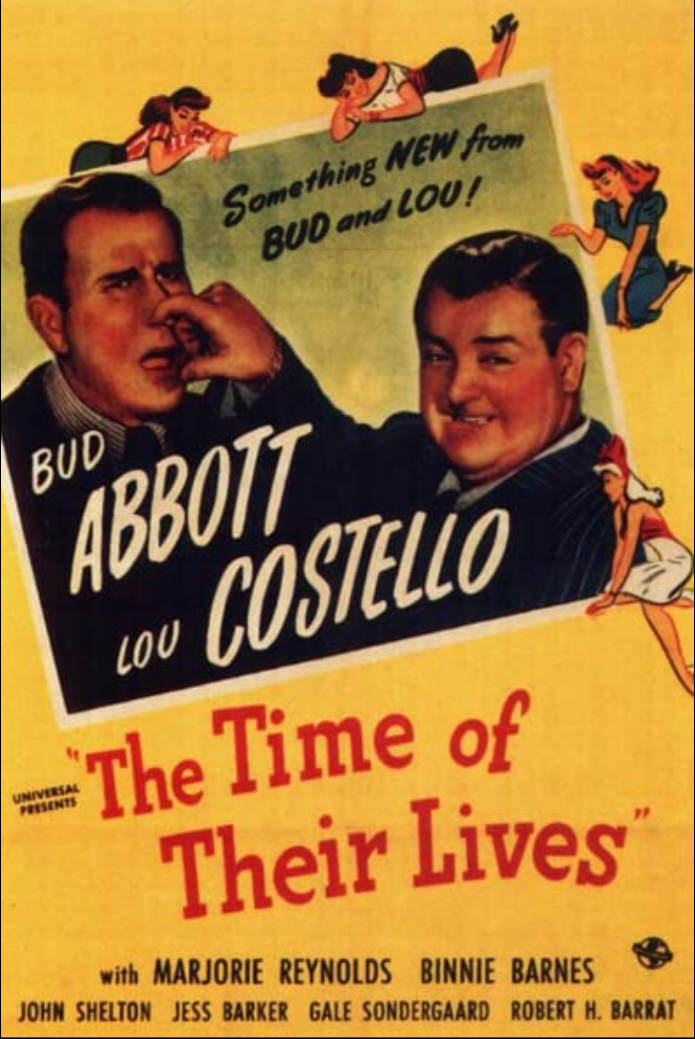
The Time of Their Lives was Abbott and Costello’s second attempt — after Little Giant (1946) — at moving away from buddy films and towards a more “traditional” style of comedy. Here, they tap into the genre of “ghostly comedy” (a la the enormously successful Topper trilogy), with a twist of period drama for good measure — though the bulk of the film takes place in 1946. As in Little Giant, Abbott once again plays dual roles (as Costello’s Revolutionary War-era nemesis, and his descendant), but Abbott’s the primary protagonist — along with his female “buddy”, Marjorie Reynolds. The story — involving Costello and Reynolds desperately trying to get modern-day Abbott and his friends to help them uncover a hidden letter from George Washington, which will prove their innocence — is innocuous and reasonably entertaining, but I found myself noticing (and sorely missing) the absence of A&C’s classic routines. This one is really only must see for fans of Abbott and Costello — many of whom, interestingly, consider it among their best.

Note: This film’s rather generic title really should have been reconsidered… It makes little sense, and doesn’t accurately convey the movie’s central premise.

Redeeming Qualities and Moments:

  • Bud Abbott and Marjorie Reynolds as the doomed ghosts
  • The effectively “spooky” seance scene

Must See?
No, but it’s worth a look if you stumble upon it.

Links:

Little Giant (1946)

Little Giant (1946)

“If you could read my mind like I can read yours, you’d know I meant every word of it!”

Synopsis:
A bumbling salesman (Lou Costello) suddenly finds himself enormously successful once he believes he has the ability to read minds.

Genres:

Review:
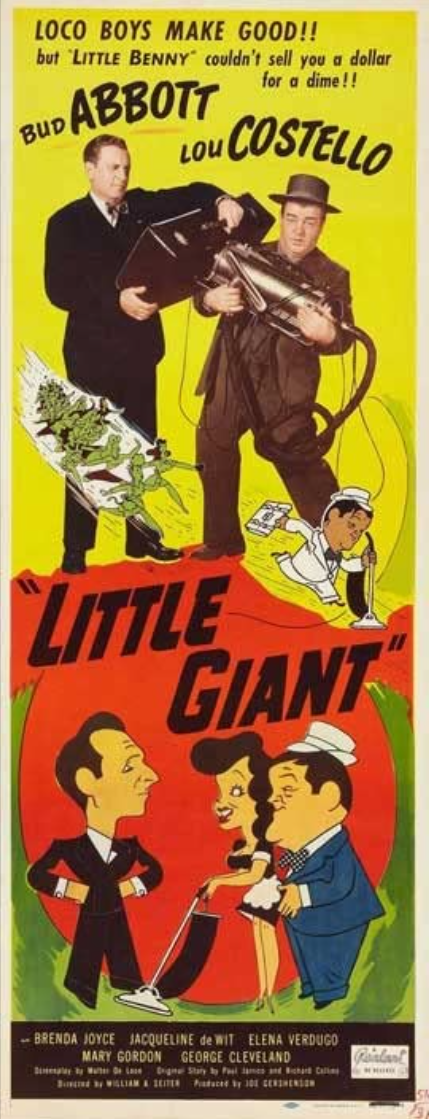
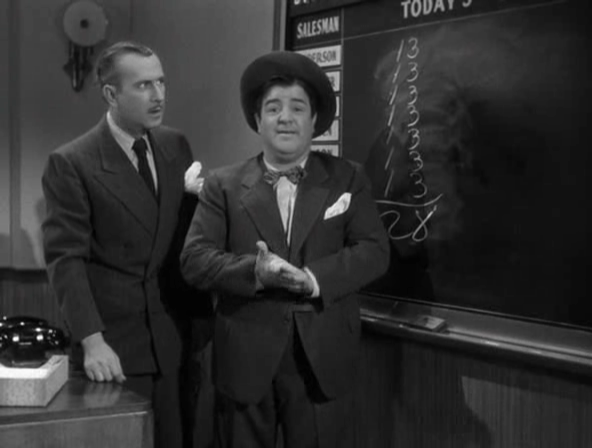
Little Giant is notable in Abbott and Costello’s oeuvre as the first film in which they didn’t play buddies, and were given a more “traditional” story to work with. Costello acquits himself well in the lead role as a likable but hapless aspiring salesman who finds success once he believes in his own powers of persuasion. It’s difficult to watch him beaten down time and again, but we’re fairly convinced that all will work out well for him in the end — and knowing that he has a loyal, pretty fiancee (Elena Verdugo) waiting for him back at home doesn’t hurt things, either. Despite playing two different roles (good and bad “versions” of Costello’s boss), Abbott has much less prominence here — this is really Costello’s show all the way (though the duo have at least one classic interaction together, as they re-enact their “7 times 13 is 28” routine from In the Navy). Not must-see for all-purpose film fanatics, but certainly of interest to diehard Abbott and Costello fans.

A bit of historical trivia: In her attempt to “woo” Benny (Costello), Jacqueline deWit (playing evil Abbott’s secret wife) takes him to the Venice Amusement Pier, which was shut down just months after this film was released.

Redeeming Qualities and Moments:

  • Lou Costello as Benny
  • Jacqueline de Wit as Hazel
  • Benny’s first attempt at a “hard sell”
  • Benny explaining how 7 goes into 28 thirteen times

Must See?
No, but it’s worth a look.

Links:

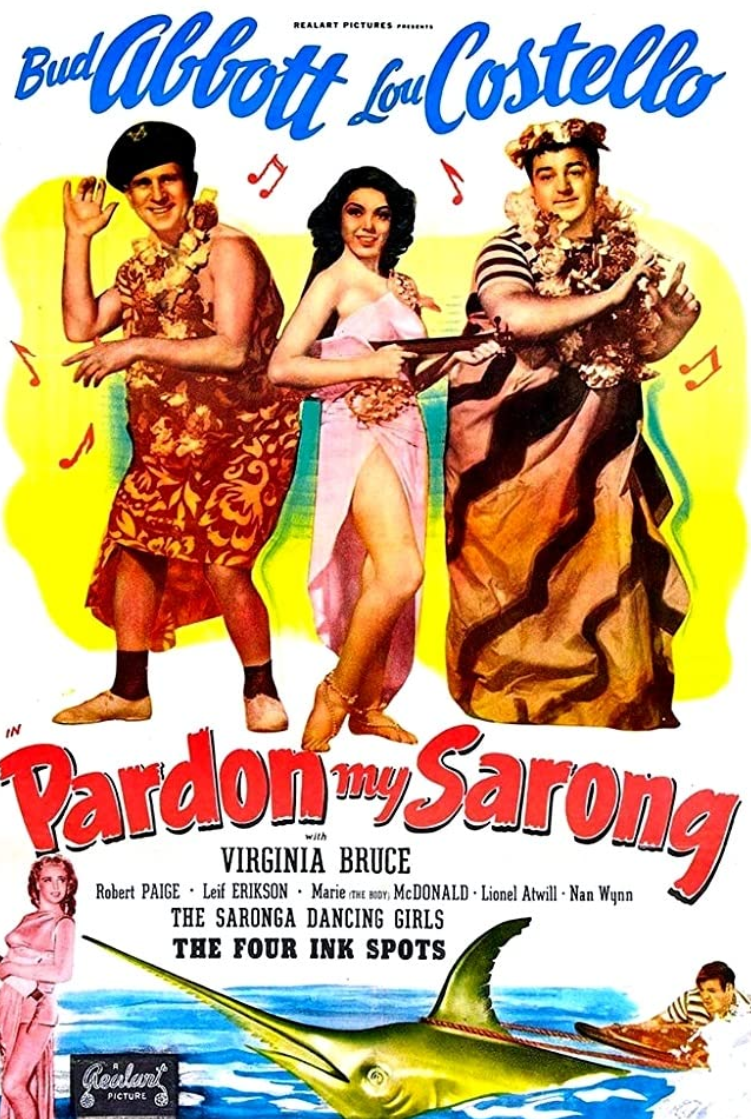
Pardon My Sarong (1942)

Pardon My Sarong (1942)

“Go ahead and back up.”

Synopsis:
A pair of fugitive bus drivers (Bud Abbott and Lou Costello) accompany a yachtsman (Robert Paige) and his rival (Virginia Bruce) on a trip towards an uncharted South Seas island where a villain (Lionel Atwill) is searching for treasure.

Genres:

  • Abbott and Costello Films
  • At Sea
  • Comedy
  • Fugitives
  • Hidden Treasure
  • Lionel Atwill Films
  • South Sea Islands

Review:
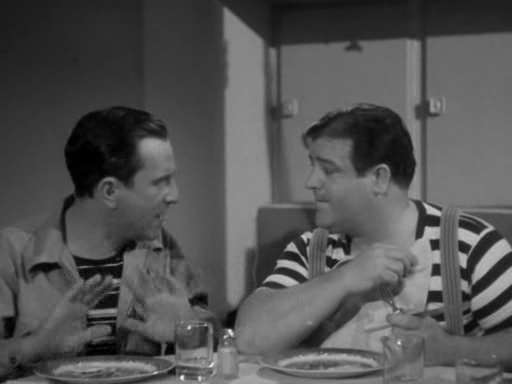
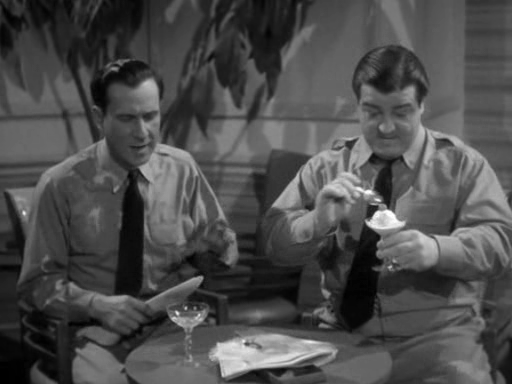
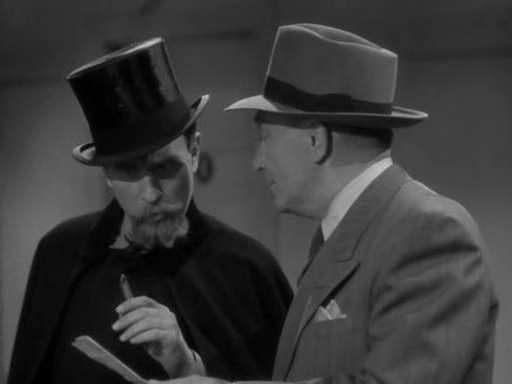
Pardon My Sarong was the second highest grossing film of 1942 (after Mrs. Miniver), indicating the enduring popularity of Abbott and Costello after their success the previous year in Buck Privates, Hold That Ghost, and In the Navy. Fortunately, …Sarong has held up reasonably well, thanks to a steady stream of enjoyable A&C routines scattered throughout its utterly ridiculous plot, which makes so little sense you’re better off ignoring it altogether (indeed, as Bosley Crowther noted in his review of …Sarong for the New York Times, “Plot is a normal convention which this picture manages to avoid”).

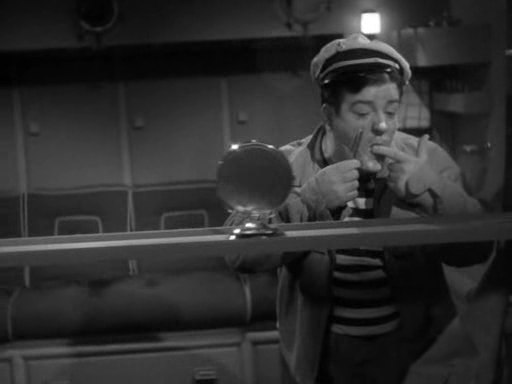
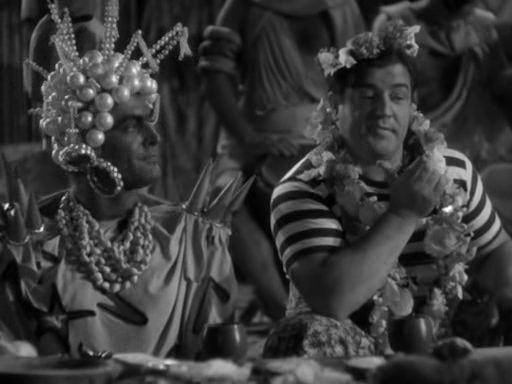
Meant to capitalize on the success of Crosby and Hope’s “Road” pictures, …Sarong takes Bud and Lou on an adventure to an uncharted sound-stage island, where natives are dressed in outrageously fruity costumes, and Lou — naturally — is both pursued by a beautiful local (Nan Wynn) and mistaken for some kind of hero. Only the final half of the movie takes place on the island, however; before this, Bud and Lou are given plenty of opportunities to engage in their usual shenanigans as they’re pursued by The Law (represented by the always delightful William Demarest) and find themselves on board a ridiculously tiny ship, where they quickly run out of food (leading to two of the film’s most infamous sequences — both involving Abbott treating his partner with more than even his usual level of disdain.) Pardon My Sarong isn’t Abbott and Costello’s best outing, but it’s full of enough enjoyable routines — and holds enough historical interest, given its enormous popularity — that I’m recommending it as optional “must-see” viewing for film fanatics.

Redeeming Qualities and Moments:

  • A number of enjoyably humorous scenes


  • Ridiculous costumes
  • Fun wordplay:

    Abbott: Why don’t you knock on the door?
    Costello: I don’t know… I just don’t give a rap anymore.

Must See?
No, though it’s worth a look as one of Abbott and Costello’s most popular films.

Links:

Hold That Ghost (1941)

Hold That Ghost (1941)

“It’s gonna be a pleasure to take you boys for a ride.”

Synopsis:
A pair of bumbling gas station attendants (Bud Abbott and Lou Costello) inherit a house with hidden treasure from a gangster (William Davidson) whose rivals are desperate to find the loot.

Genres, Themes, Actors, and Directors:

  • Abbott and Costello Films
  • Comedy
  • Hidden Treasure
  • Inheritance
  • Old Dark House

Review:
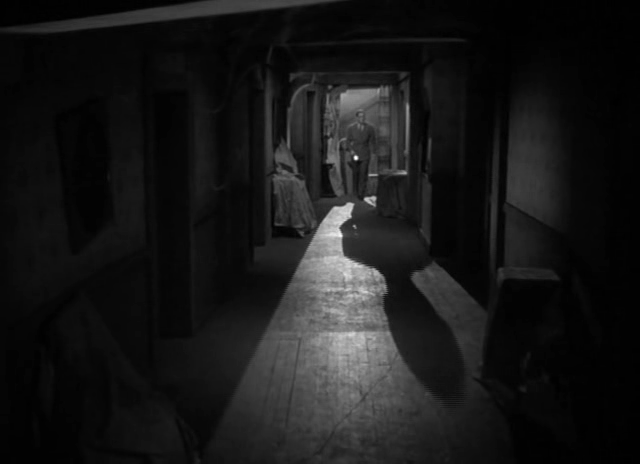
Although it’s lauded by fans as one of their funniest films, this Abbott and Costello comedy is surprisingly dull — and, despite its title, features nary a ghost. The only real humor comes in the film’s opening sequence, when A&C are working as high-class waiters and Costello takes his instructions from Abbott so literally (think Amelia Bedelia) that he completely bungles the position. From then on, we’re meant to laugh as poor Costello — who nobody believes, naturally — witnesses candles moving on their own, accidentally converts his bedroom into a casino (again and again) by throwing a jacket over a coat hook, etc.; unfortunately, these scenes are simply tiresome rather than amusing.

Redeeming Qualities and Moments:

  • Atmospheric sets and lighting


Must See?
No — though Abbott and Costello fans will certainly consider it essential viewing. Listed as a Personal Recommendation in the back of Peary’s book.

Links:

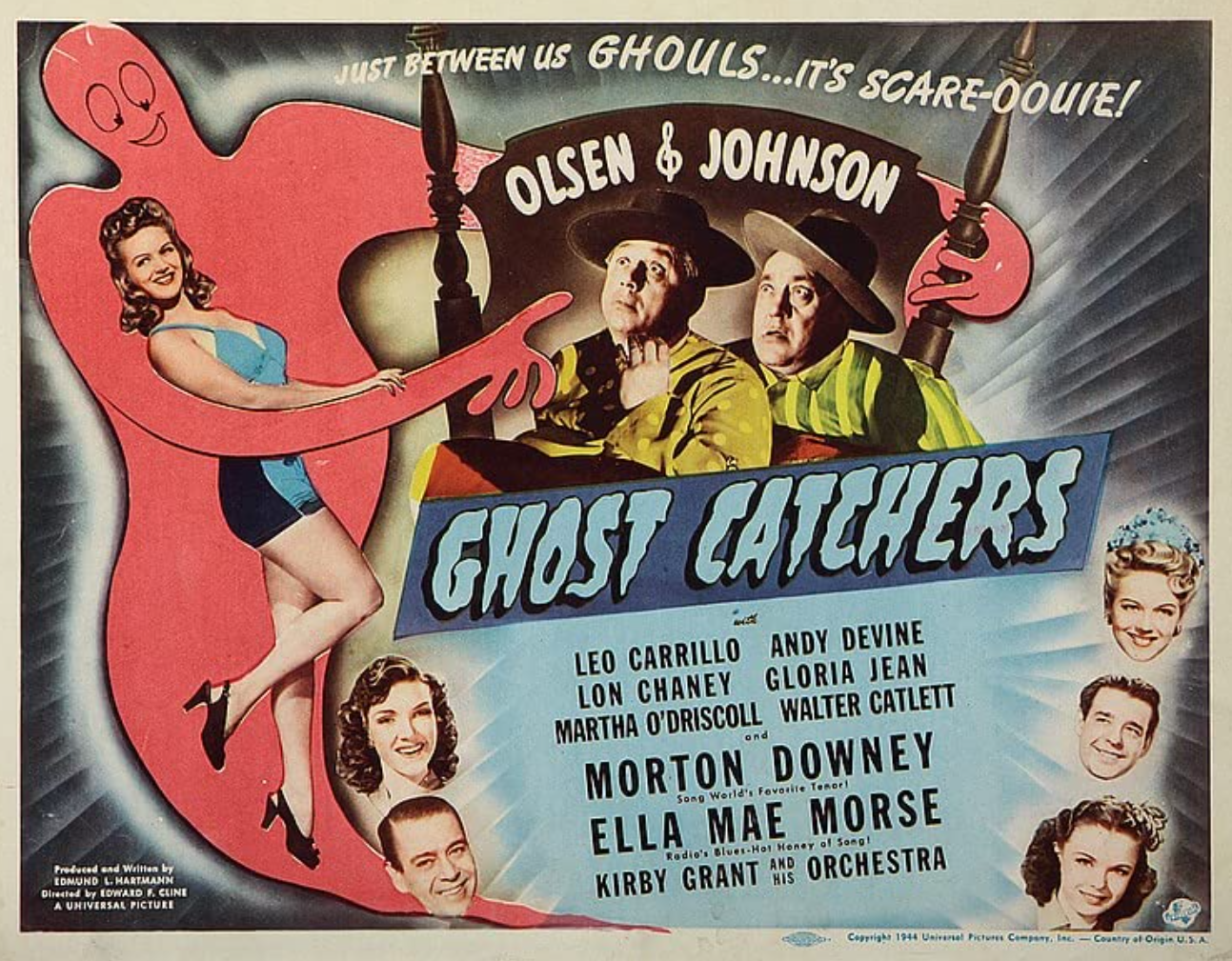
Ghost Catchers (1944)

Ghost Catchers (1944)

“If you should hear noises, ignore them — they’re nothing, nothing at all!”

Synopsis:
Nightclub performers Ole Olsen and Chic Johnson try to unravel the mystery of a haunted house being rented by a southern colonel (Walter Catlett) and his two musical daughters (Gloria Jean and Martha O’Driscoll), who are due to make their debut at Carnegie Hall that night.

Genres, Themes, Actors, and Directors:

  • Amateur Sleuths
  • Comedy
  • Ghosts
  • Lon Chaney, Jr. Films
  • Old Dark House

Review:
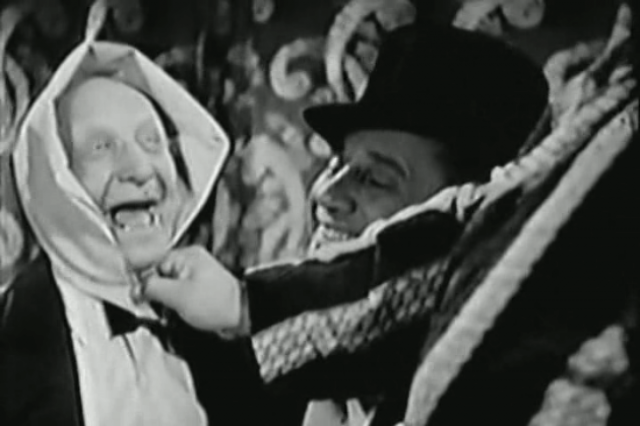
Ole Olsen and Chic Johnson’s follow-up to Hellzapoppin’ (1941) was this “comedic thriller” clearly meant to capitalize on both the popularity of the Topper trilogy and Abbott and Costello’s Hold That Ghost (1941), which is openly referenced in the film. Unfortunately, there’s barely enough of Chic and Ole’s trademark zany antics to make this one worth sitting through, given that the surrounding plot is both nonsensical and insipid, and the song and dance sequences interspersed throughout are instantly forgettable. Lon Chaney, Jr. and Andy Devine make brief cameos in animal costumes (don’t ask), but aren’t given nearly enough to do. With that said, fans on IMDb insist that this film is “side-splitting” and that it’s Olsen and Johnson’s “funniest film”, so perhaps I’m missing something — you’ll have to decide for yourself. Meanwhile, I suggest sticking with Hellzapoppin’ as Chic and Ole’s one true must-see film.

Redeeming Qualities and Moments:

  • Occasional snippets of truly bizarre lunacy
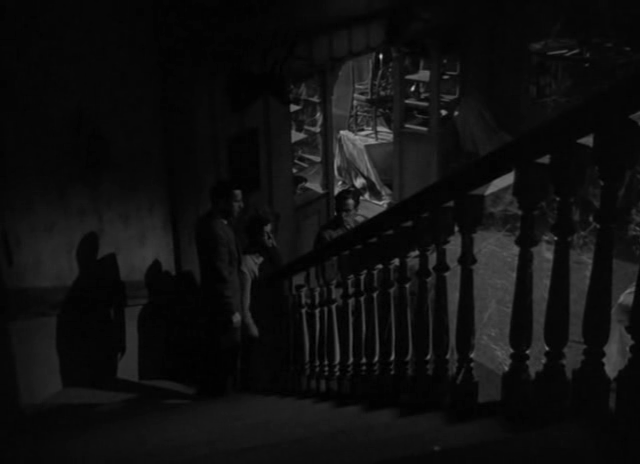
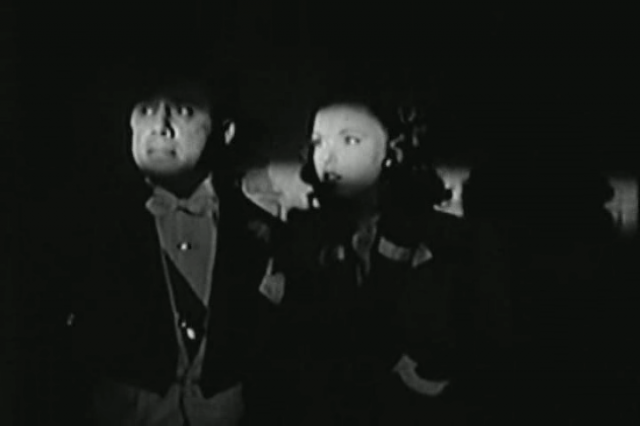
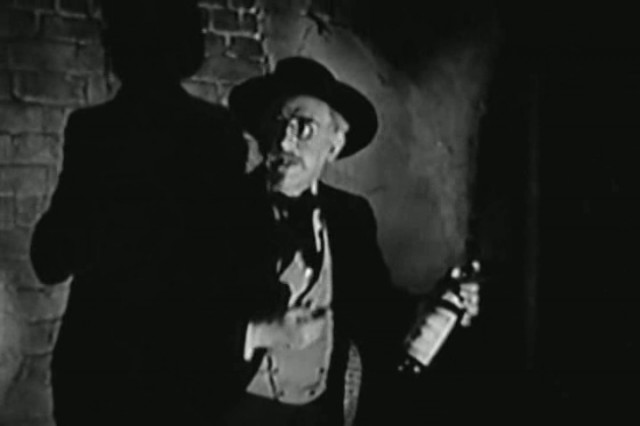
  • Effectively atmospheric cinematography during several scary sequences

Must See?
No — unless you’re a diehard Olsen and Johnson fan.

Links:

Hellzapoppin’ (1941)

Hellzapoppin’ (1941)

“It’s a picture about a picture about Hellzapoppin.”

Synopsis:
Ole Olsen and Chic Johnson make a movie based on their Broadway play about a love triangle between a poor but proud musician (Robert Paige), his wealthy love interest (Jane Frazee), and her fiance (Lewis Howard).

Genres, Themes, Actors, and Directors:

  • Comedy
  • Elisha Cook Jr. Films
  • Fantasy
  • Love Triangle
  • Musicals
  • Play Adaptation

Review:
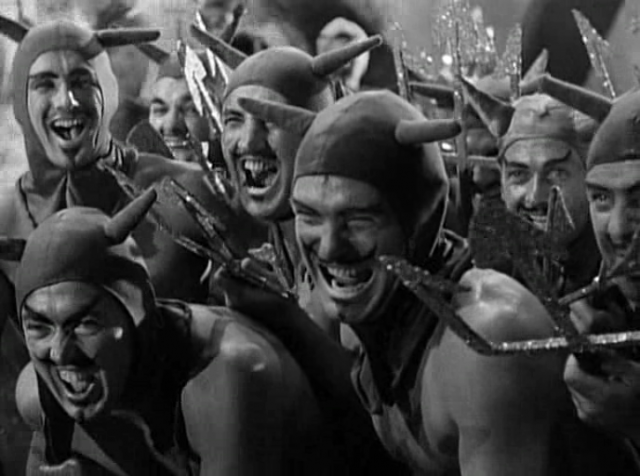
The comedic team of Ole Olsen and Chic Johnson aren’t nearly as well known as Abbott and Costello or the Marx Brothers, but they possess a small cult following, and merit some attention by film fanatics simply for the uniquely zany sensibility they brought to their work. Their most famous production was the Broadway play Hellzapoppin’, which ran for over three years (from 1938 to 1941), and was finally turned into this enormously creative cinematic “adaptation”. The original show has been described as “a demented vaudeville brawl without the Marx brothers” (ClassicImages.com), and the same can be said about its movie equivalent; indeed, the film’s opening sequence, taking place in Hell itself, is truly over-the-top, plunging viewers immediately into the mayhem that Olsen and Johnson were infamous for.

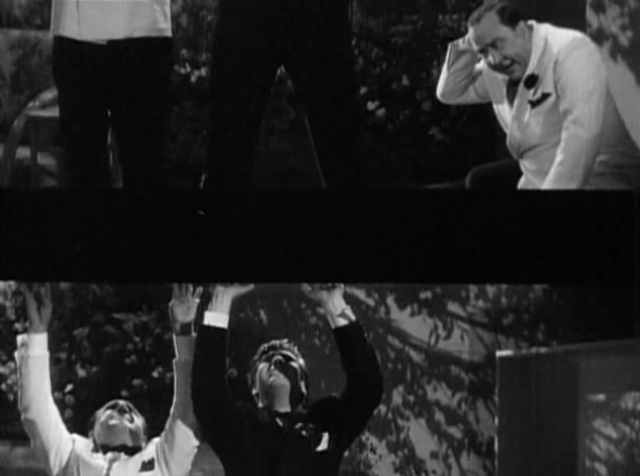
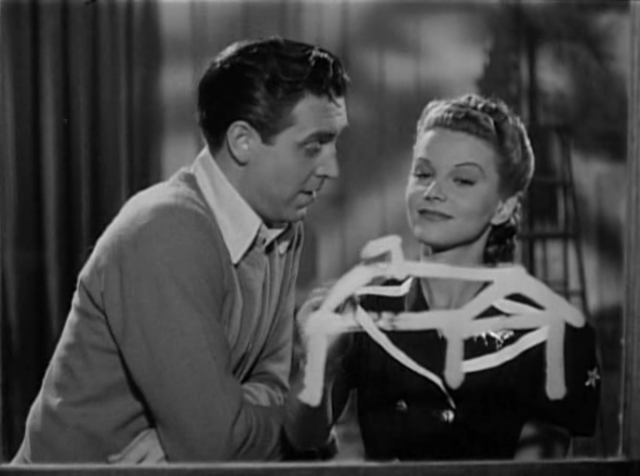
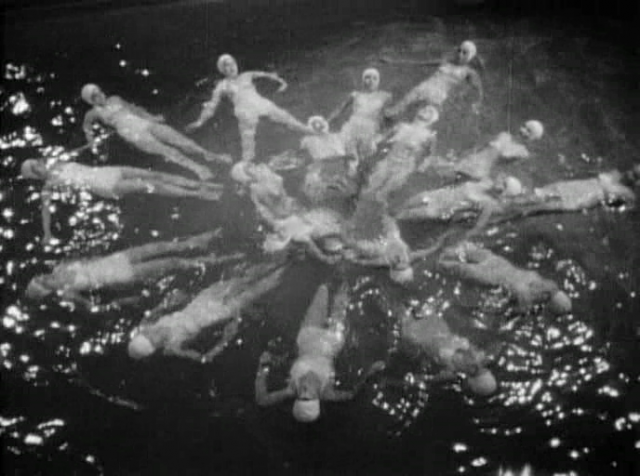
Unfortunately, the narrative itself — a silly musical about a love triangle, with a subplot involving man-crazy Martha Raye chasing Mischa Auer’s penniless baron — is tiresome at best, as is the final extended “sabotaged ballet” sequence. However, it’s what Olsen and Johnson do around their narrative that really entertains, as they construct an ongoing meta-commentary about the making of their own film, and break the “fourth wall” of cinema again and again — these moments are consistently inspired (see stills below for just a few examples). In addition, film fanatics are sure to be delighted by numerous cinematic in-jokes, including a nod to Citizen Kane, a brief Busby Berkeley homage, and a priceless “cameo” by Elisha Cook, Jr. These moments alone make Hellzapoppin’ must-see viewing at least once.

Note: Watch for a hint of MST3K inspiration (was it?) as Olsen and Johnson sit with their backs to the camera, commenting as they watch themselves on-screen.

Redeeming Qualities and Moments:

  • Creative cinematic “trickery”


  • Several fun cinematic “homages”

  • The surreal opening sequence in Hell
  • Droll dialogue:

    Director: Now look, Selby, you seem like a bright young man – how old are you?
    Selby: Twenty-three.
    Director: Twenty-three. Well that’s a peak age. Uncle Sam needs young men like you. I assume you’re ambitious?
    Selby: Oh, yes!
    Director: That’s fine. What would you like to be?
    Selby: 29.

Must See?
Yes, as Ole and Johnson’s finest cinematic achievement, and a cult favorite.

Categories

  • Cult Movie
  • Historically Relevant
Links:

Black Girl/La Noire de… (1966)

Black Girl/La Noire de… (1966)

“Why am I here? Am I a nursery maid or a housemaid?”

Synopsis:
A young Senegalese woman (Mbissine Therese Diop) suffers from debilitating depression when she’s sent to France to work as a housemaid for her heartless employers (Anne-Marie Jelinek and Robert Fontaine).

Genres, Themes, Actors, and Directors:

  • Africa
  • Downward Spiral
  • French Films
  • Race Relations
  • Servants, Maids, and Housekeepers

Response to Peary’s Review:
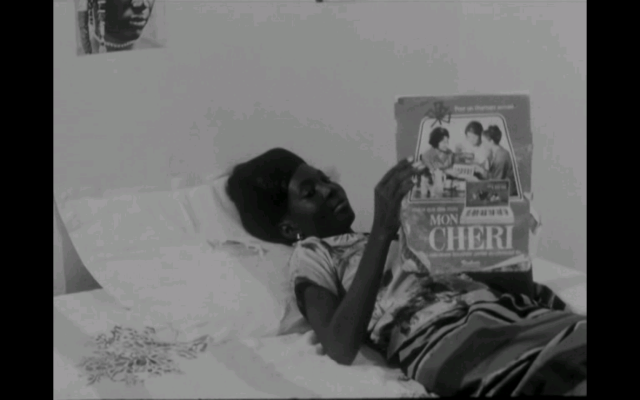
Peary argues that this “first feature of Africa’s most famous filmmaker, Ousmane Sembene” is “crudely made [and] unusually structured” but “of interest for reasons other than its landmark status in African cinema”. He points out that “no film has better conveyed the concept of ‘domestic slavery'” — a form of “neo-colonialism” in which “whites pay wages to blacks but treat them as if they were property”. It’s especially unfortunate, then, that this landmark film is such a chore to sit through. Despite the undeniable importance and sincerity of Sembene’s message, the acting, characterizations, and script are all so crudely executed that Black Girl comes across more like a promising student film than one that deserves any kind of worldwide acclaim.

The majority of scenes in this hour-long film — “adapted from Sembene’s 1961 short story about a real-life tragedy” — seem scripted merely to show us how unjust Diop’s situation is, which we understand and sympathize with right away; from there, not much happens, and we’re not given nearly enough insight into the motivations or backgrounds of either Diouana (Diop) or her bigoted employers to care about them as three-dimensional characters. While we can sense and appreciate Sembene’s deeper thematic concerns — Peary notes that his “films are intended to show the problems of his people… [who] are susceptible to falling into the same trap as [Diouana]” — he fails to effectively bring them to the surface, instead relying far too heavily on Diouana’s rather repetitive voiceover. With that said, it’s fitting that this film — which is undeniably groundbreaking on several levels — won the Prix Jean Vigo, an award usually given to a young director, for his or her independent spirit.

Redeeming Qualities and Moments:

  • A valuable cinema verite glimpse at neo-colonialist Senegal in the 1960s

Must See?
Yes, simply for its historical significance as the first feature film ever released by a sub-Saharan African director.

Categories

  • Historically Relevant

Links:

Stray Dog (1949)

Stray Dog (1949)

“Bad luck can either make a man or destroy him.”

Synopsis:
In post-WWII Tokyo, a rookie police detective (Toshiro Mifune) determined to track down his stolen pistol is accompanied by an older, wiser colleague (Takashi Shimura).

Genres, Themes, Actors, and Directors:

  • Akira Kurosawa Films
  • Detectives and Private Eyes
  • Japanese Films
  • Search
  • Toshiro Mifune Films
  • Veterans

Review:
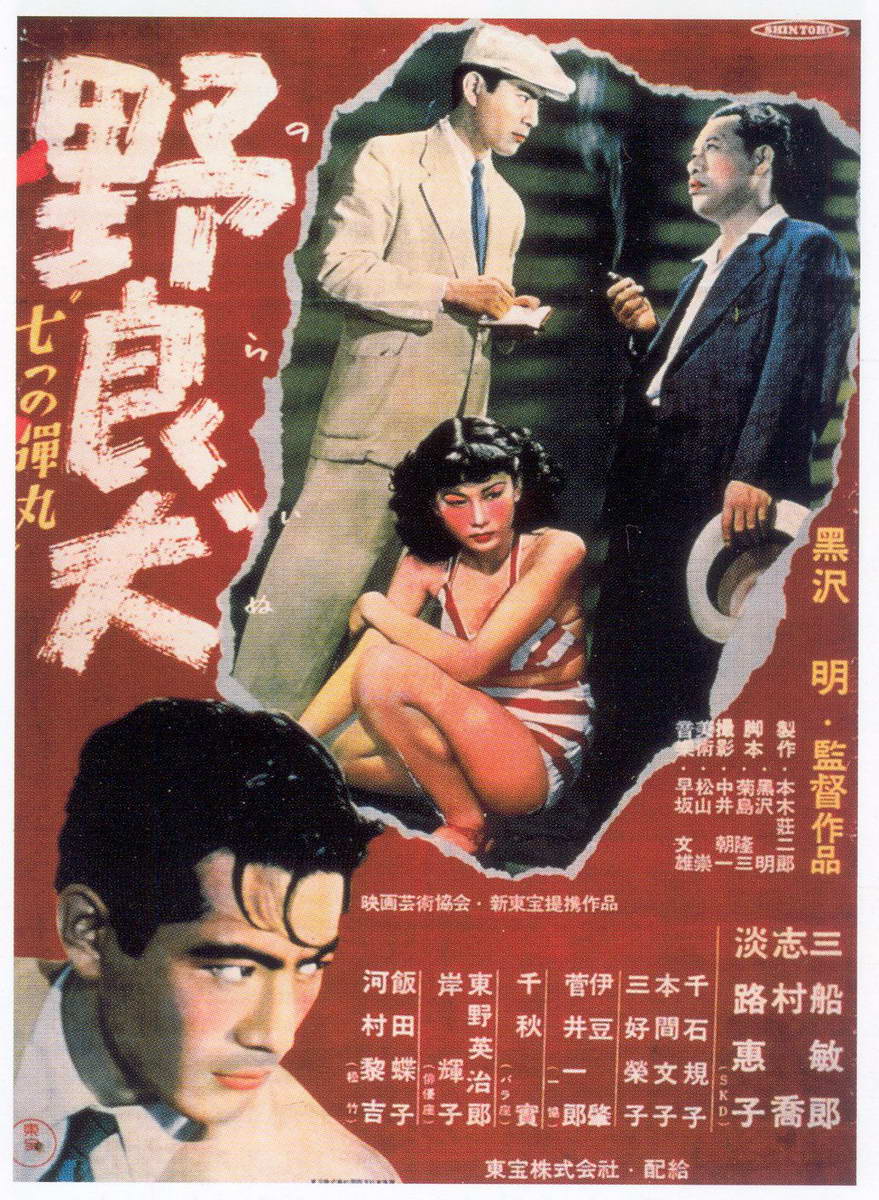
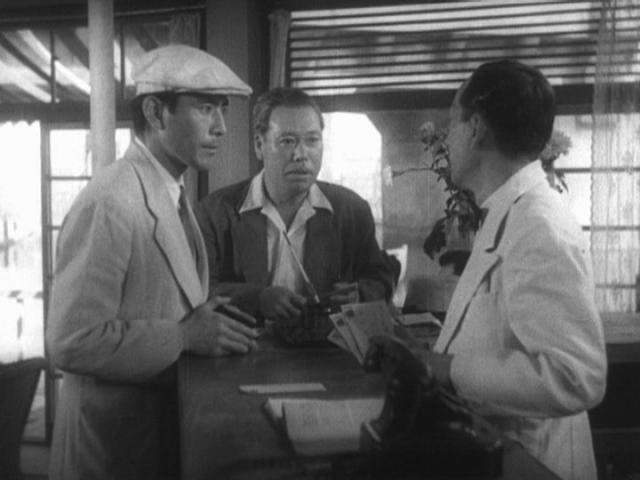
Akira Kurosawa’s noir-inflected detective flick remains one of the most enduring films in his early oeuvre. Haunted by the fact that his stolen pistol has been used by a desperate thief to kill innocent people, Mifune’s rookie detective (a recent WWII veteran) becomes the embodiment of guilt-ridden determination as he doggedly pursues his leads through the sweltering streets of Tokyo — accompanied by his older, wiser colleague (the always excellent Shimura). Throughout Mifune and Shimura’s hunt, we’re introduced to a host of interesting characters struggling to survive in a post-war environment — most notably Keiko Awaji’s pitiable showgirl “Harumi”, who may be the key link to the murderous pickpocket Mifune is so desperate to capture. Many critics have noted that Stray Dog‘s narrative possesses two strategically contrasting pairs: Mifune and Shimura, of course, form a classic rookie-veteran cop duo, while Mifune and his elusive nemesis “Yusa” (Isao Kimura) are both young veterans whose lives have taken divergent paths after the war — one towards crime, the other towards fighting it. At a little over two hours, Stray Dogs‘s pacing lags occasionally, but Kurosawa infuses his narrative with plenty of exciting sequences (including a particularly memorable, time capsule-worthy baseball game) and strategically frames every shot for maximum effect.

Redeeming Qualities and Moments:

  • Takashi Shimura as Detective Sato
  • Stunning cinematography and framing
  • Effective location shooting (by Inoshiro Honda) in post-war Tokyo
  • Keiko Awaji as Harumi

Must See?
Yes, as one of Kurosawa’s early classics.

Categories

  • Foreign Gem
  • Important Director

Links: