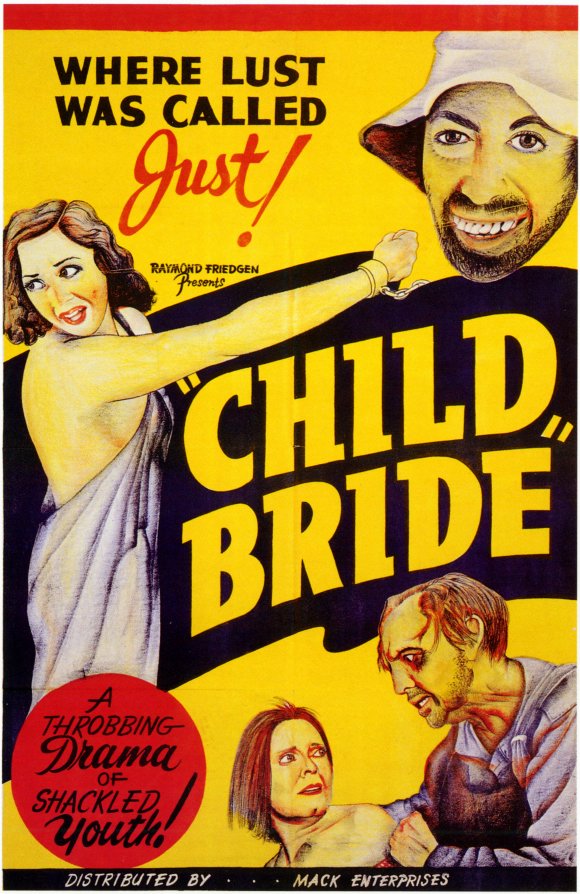
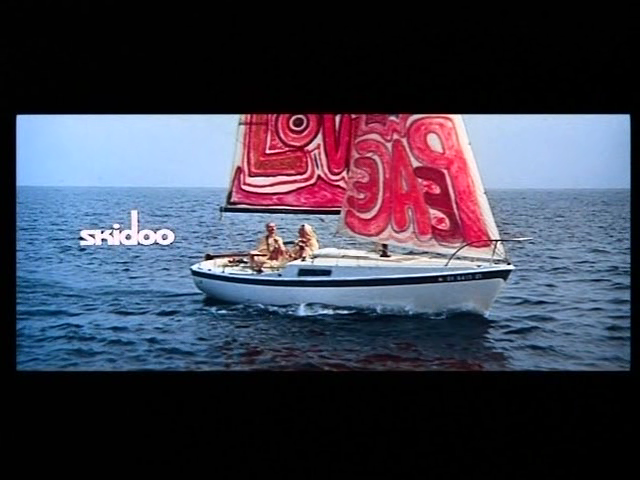
Child Bride / Child Bride of the Ozarks (1938)

Child Bride / Child Bride of the Ozarks (1938)

“I’m going to fight for these people until the state realizes that child marriage must be stopped!”

Synopsis:
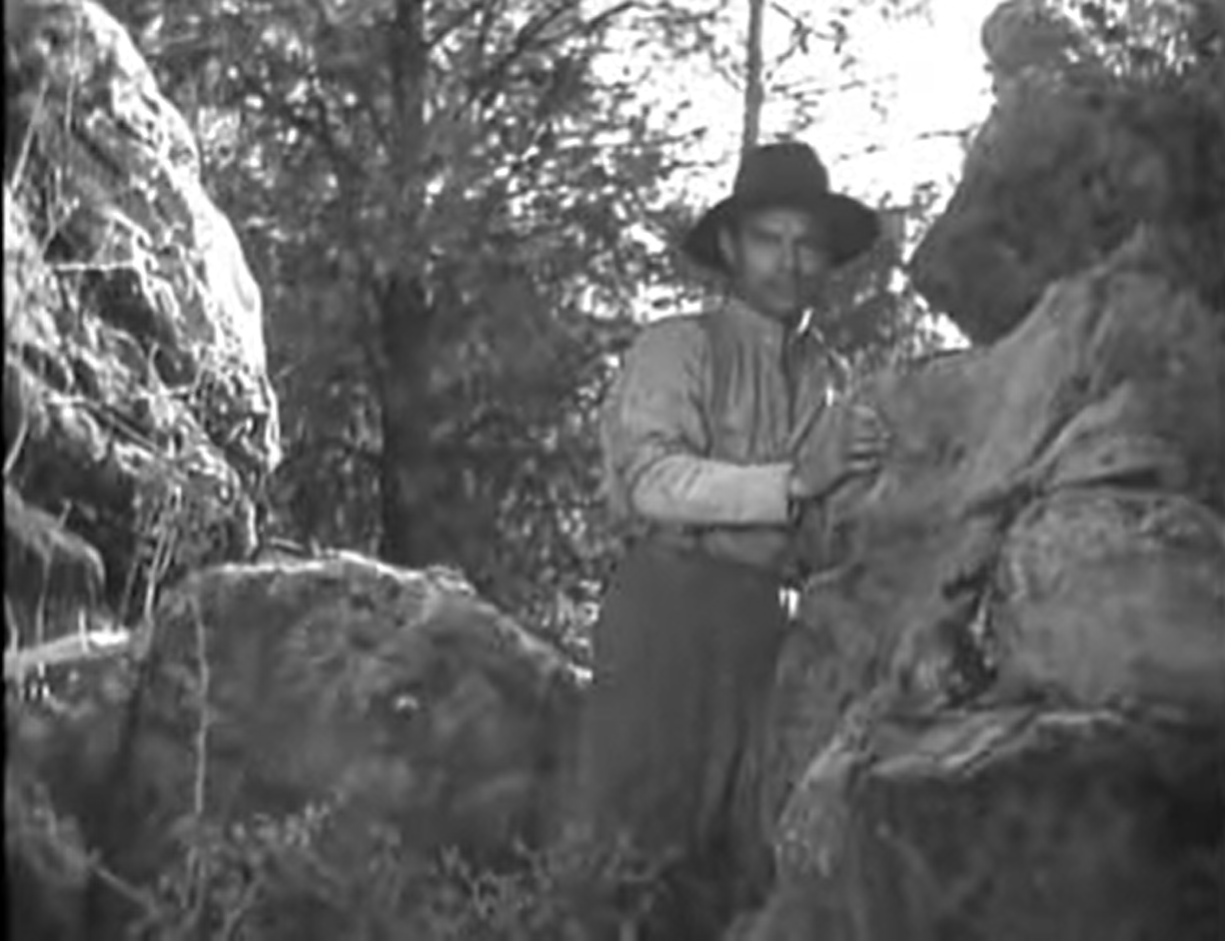
A schoolteacher (Diana Durrell) enlists the help of her D.A. boyfriend (Frank Martin) in lobbying to make child marriage illegal in Appalachia — but will she succeed in time to prevent 11-year-old Jennie (Shirley Mills) from being forced into marriage with lecherous Jake Bolby (Warner Richmond)?

Genres, Themes, Actors, and Directors:

  • Blackmail
  • Do-Gooders
  • Feminism and Women’s Issues
  • May-December Romance

Response to Peary’s Review:
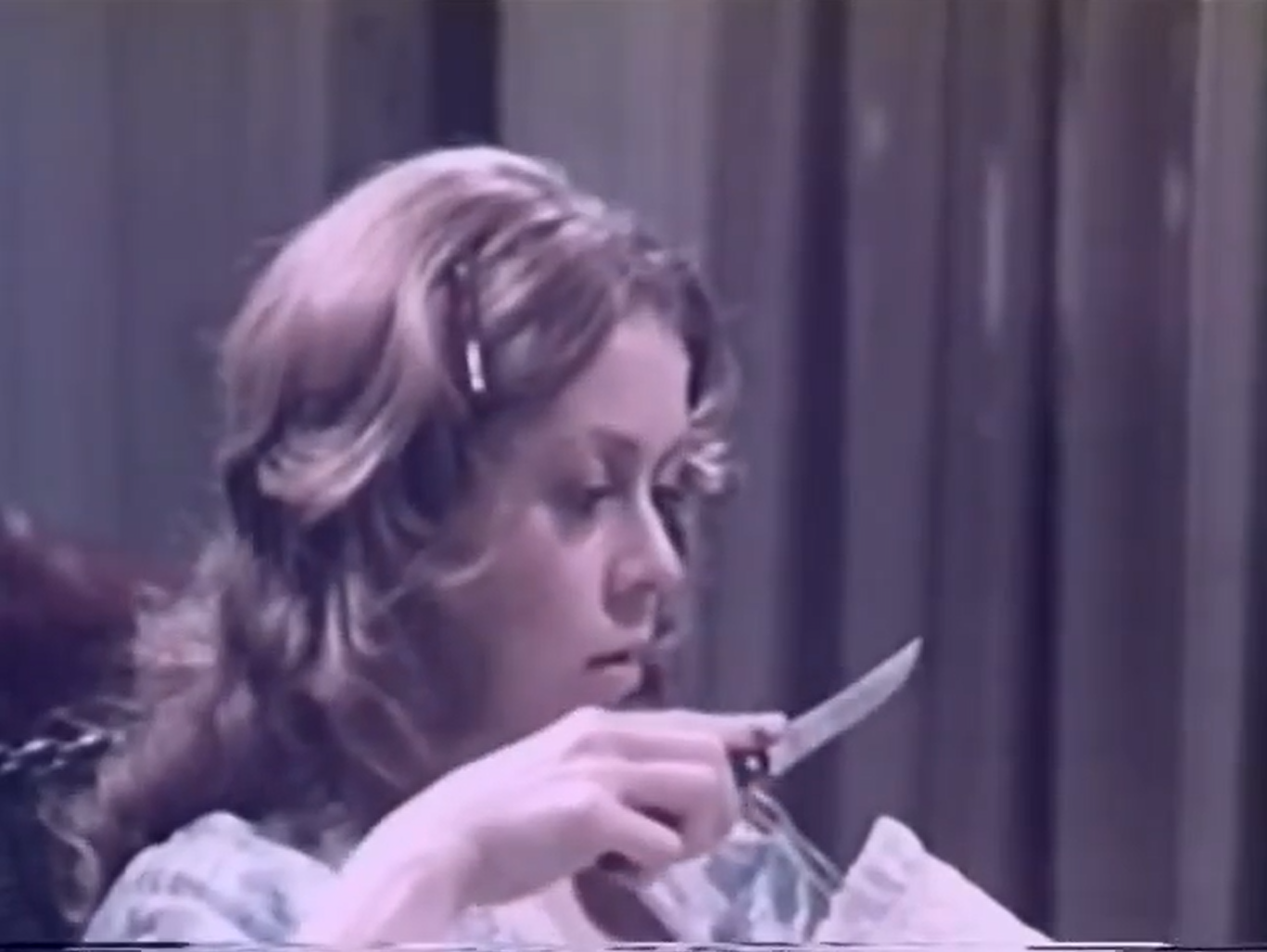
Peary notes that this “sleazy backwoods potboiler” — a “low-grade exploitation film” which did not have to operate within the strictures of the Hays Code, given its status as an “educational” movie — is “terribly acted, scripted, and directed”, not to mention “very campy”. It’s perhaps best known for the infamous skinny-dipping scene, when Mills (actually, her body double) takes a lengthy swim in a pond while her friend (Bob Bollinger) stands nearby keeping watch — and it is indeed shocking to see what the producers were able to get away with in this regard.

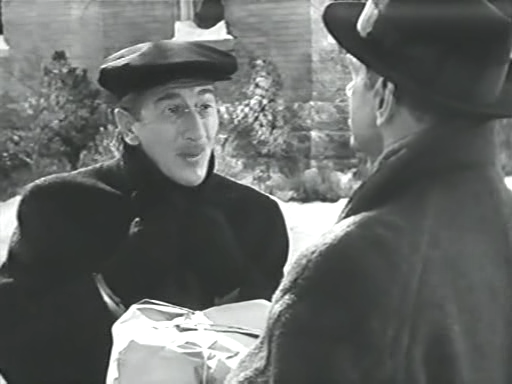
A number of later scenes — such as sleazy Richmond “wooing” Mills by bringing her a stuffed doll — are equally disturbing.

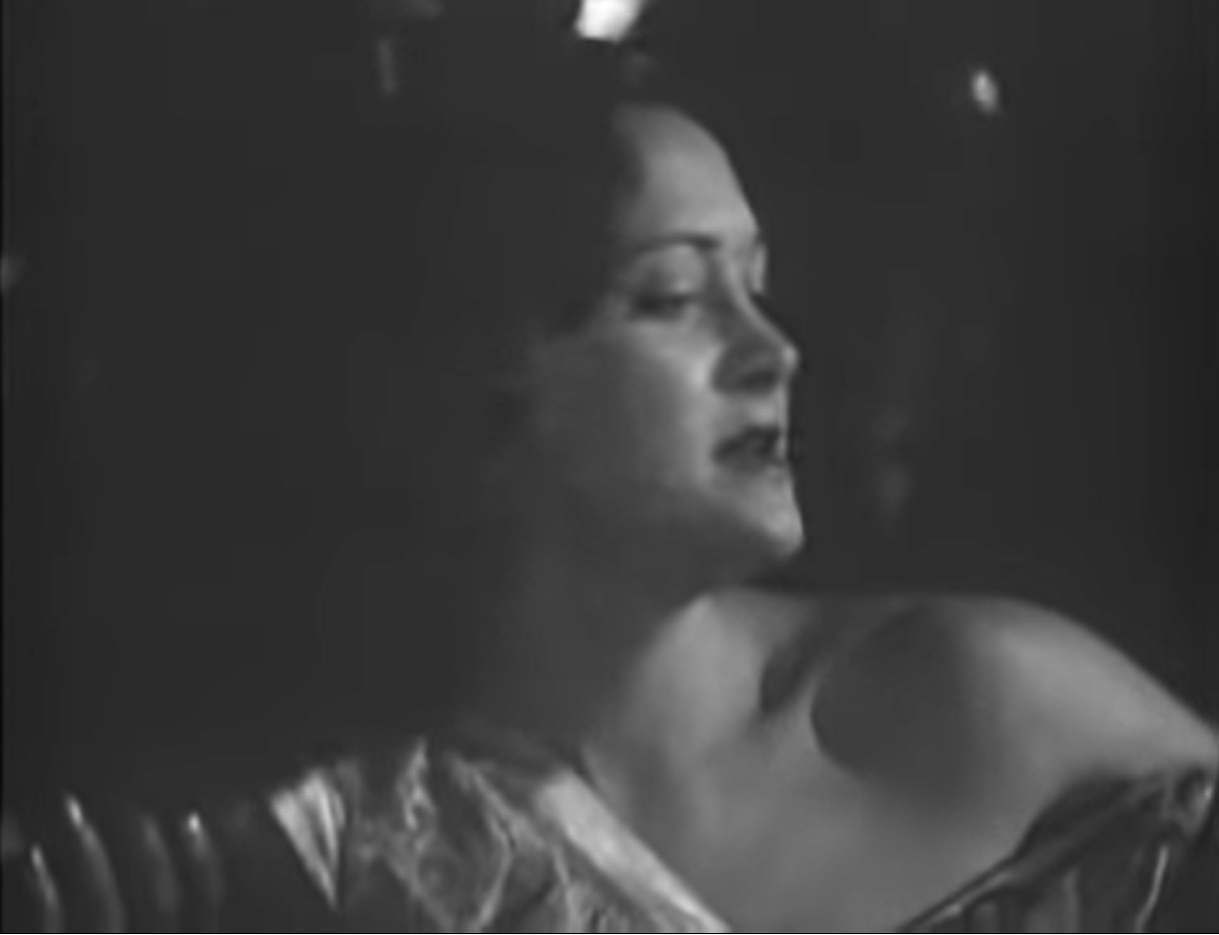
What Peary chooses to focus on his review, however, is the “extremely interesting character” of the teacher (Durrell), who is a “liberated woman in the sense that she has chosen her job and living alone over marriage to the man she loves”, and is “a crusader, willing to put herself on the line for her cause” (indeed, one particularly frightening scene shows her being kidnapped and nearly tarred and feathered by a group of angry men).

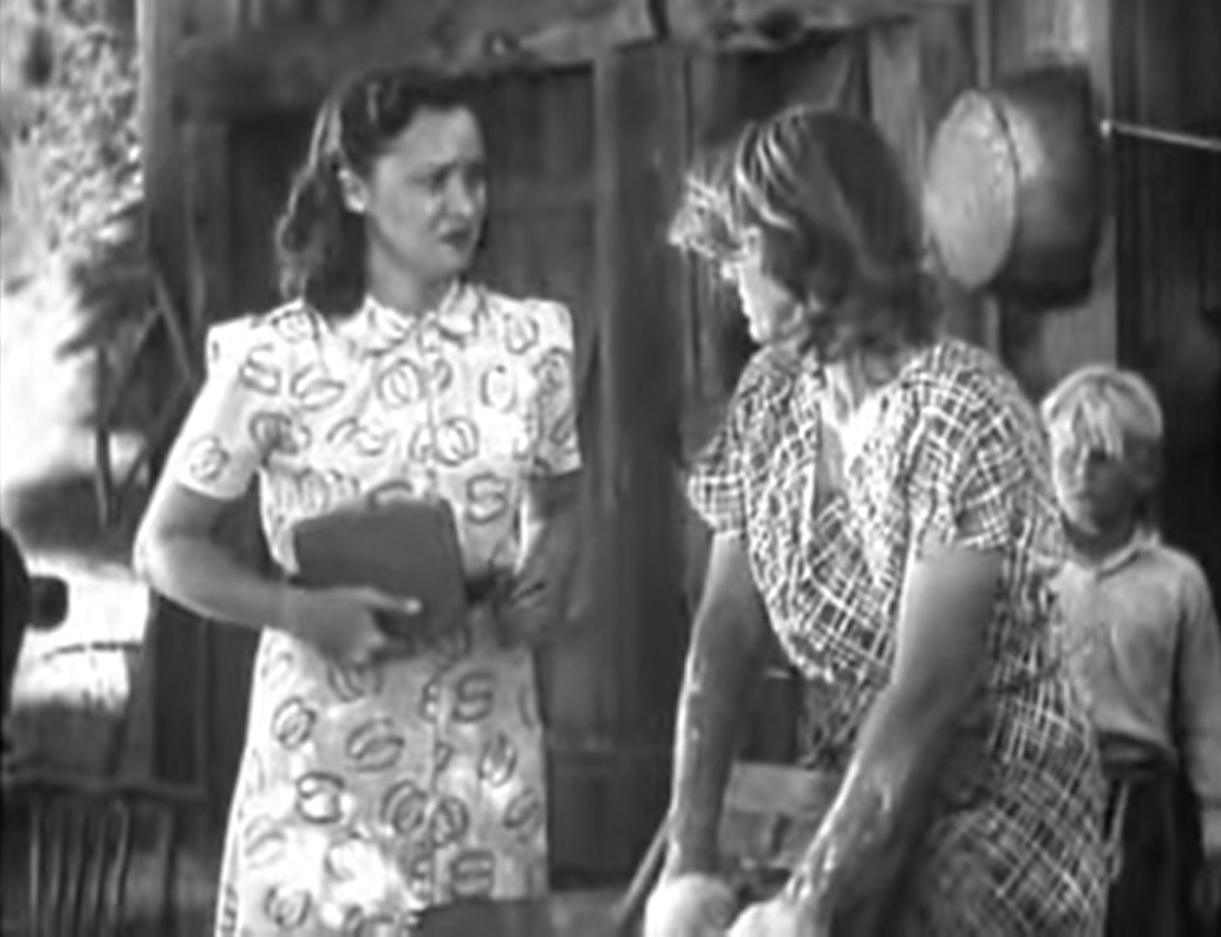
Unfortunately, after her strong presence during the film’s exposition — in which she’s shown actually traveling “around talking to the men and women of Thunderhead Mountain” in an attempt to explain that child marriages have “ruined the lives of the females”:

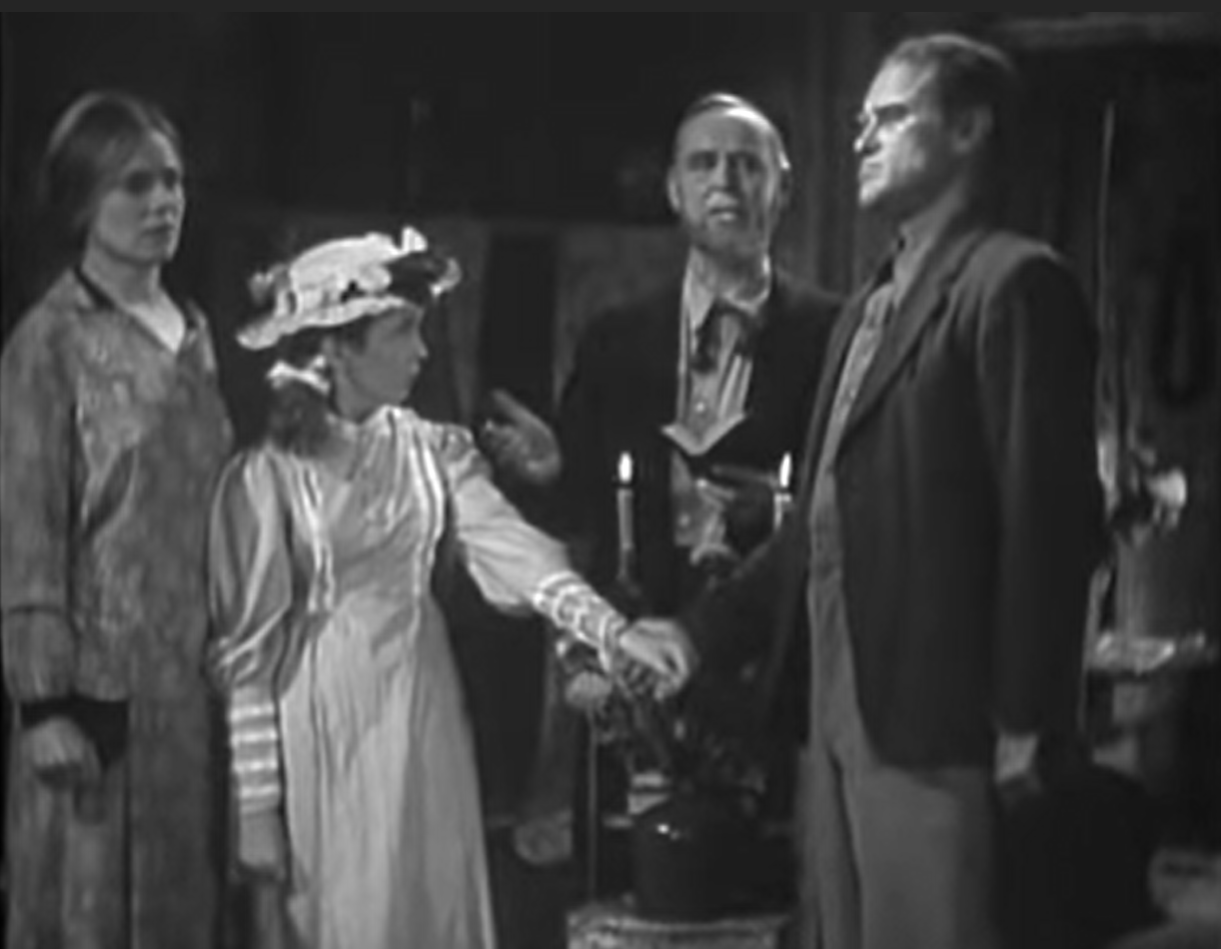
— she is largely absent, as the narrative shifts instead to the central plot involving wily Richmond’s manipulation into a marriage contract with young Mills. Yet her presence does indeed allow for some “unexpected feminism” in an otherwise “ridiculous” film — which, according to Peary, will keep you “constantly… amused and amazed”.

Redeeming Qualities and Moments:

  • A notoriously risque look at child marriage

Must See?
Yes, as an infamous exploitation flick.

Categories

  • Historically Relevant

Links:

Grave of the Vampire / Seed of Terror (1974)

Grave of the Vampire / Seed of Terror (1974)

“What’s growing inside your womb isn’t a human being!”

Synopsis:
A half-human vampire (William Smith) seeks revenge on the legendary vampire (Michael Pataki) who raped his mother (Kitty Valacher).

Genres:

Response to Peary’s Review:
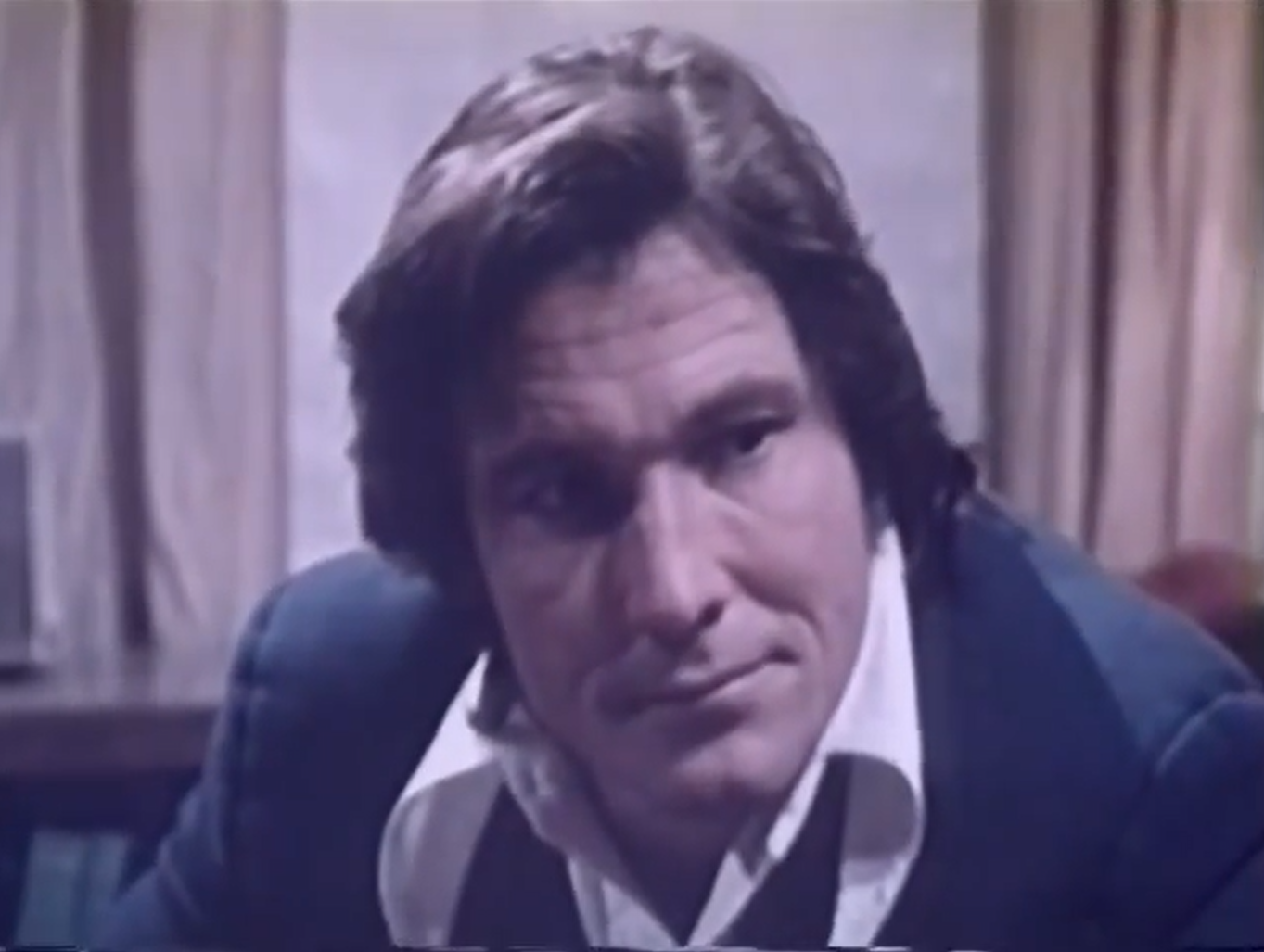
Peary seems at least mildly impressed by this “little-known” horror flick, which he refers to as “pretty good” and “unusual in many ways”. However, I’m hard pressed to see exactly how it merits either of these dubious accolades. It starts off on a sour note (vampiric rape in a graveyard – ew!), and never really improves. The performances throughout are uniformly bad (with chiseled Smith in particular lacking charisma):

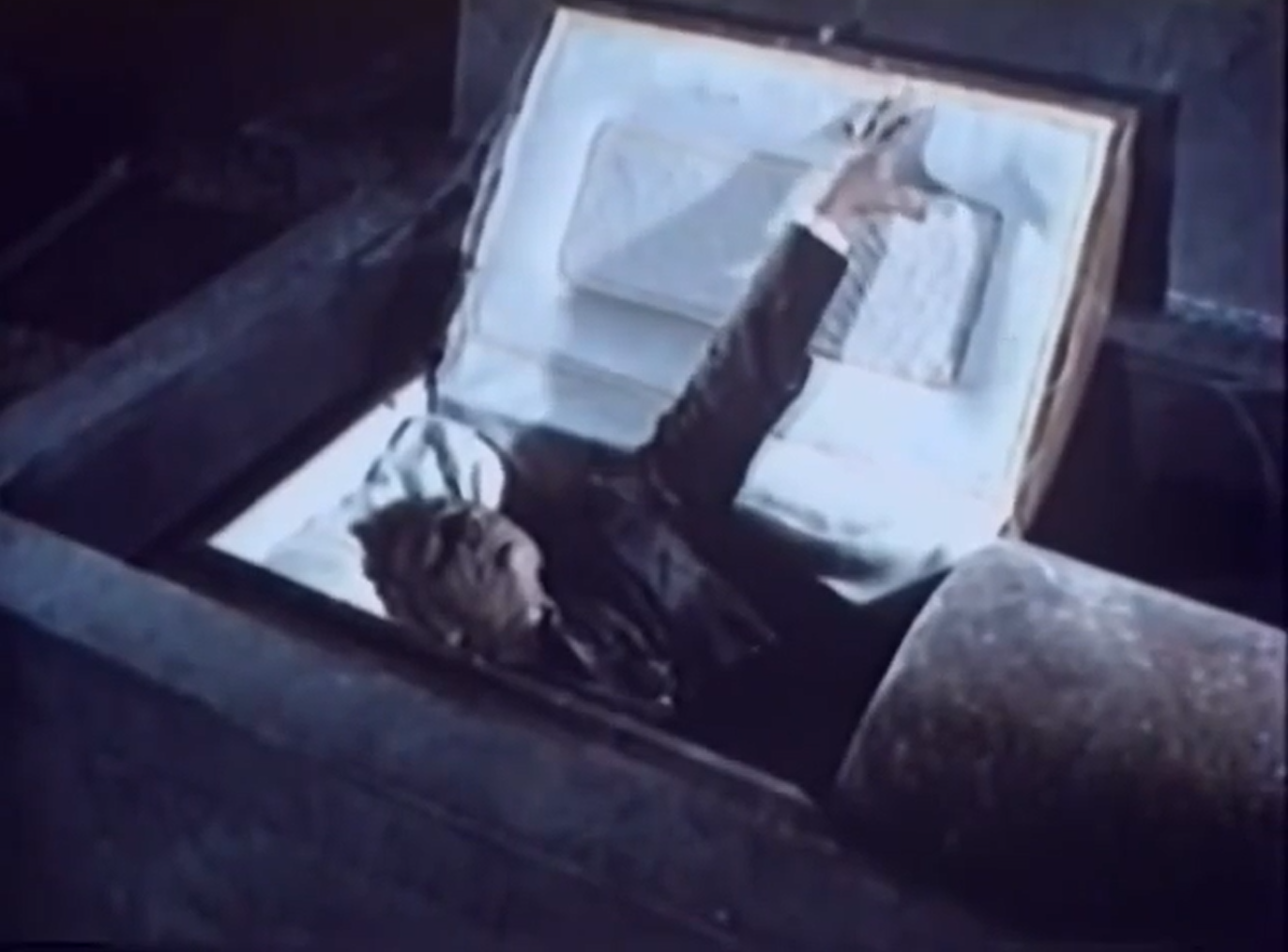
… and the sloppy script suffers badly from lapses in both coherence and logic. We’re shown little to nothing about Smith’s life as a “half-vampire”, for instance — we know he eats raw steak and drinks Chianti (most cinematic vampires seem conveniently capable of drinking red wine, by the way — perhaps simply because it looks like blood!), but what else goes into his daily existence as a mutant breed? And what’s up with the totally illogical ending? Unless you’re a diehard fan of the vampire genre, you can certainly feel free to skip this one.

Redeeming Qualities and Moments:

  • Some creepy scenes

Must See?
Definitely not.

Links:

Penny Serenade (1941)

Penny Serenade (1941)

“We don’t need each other anymore. When that happens to two people, there’s nothing left.”

Synopsis:
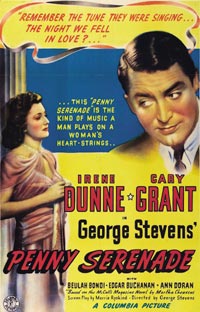
A newly married couple (Cary Grant and Irene Dunne) experience the joys and heartaches of parenthood when they adopt a young baby (Jane Biffle).

Genres, Themes, Actors, and Directors:

  • Adoption
  • Beulah Bondi Films
  • Cary Grant Films
  • Flashback Films
  • George Stevens Films
  • Irene Dunne Films
  • Marital Problems

Response to Peary’s Review:
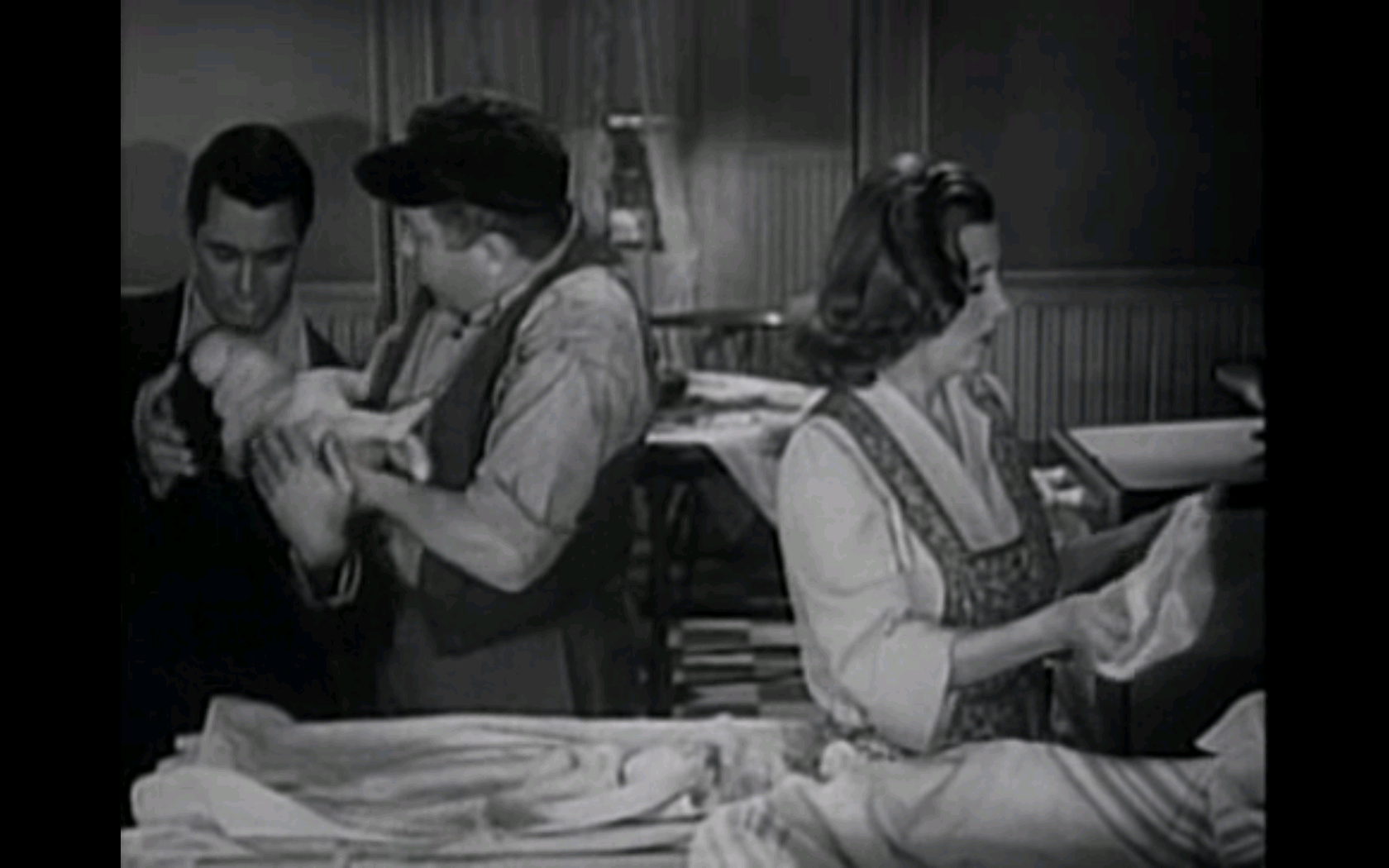
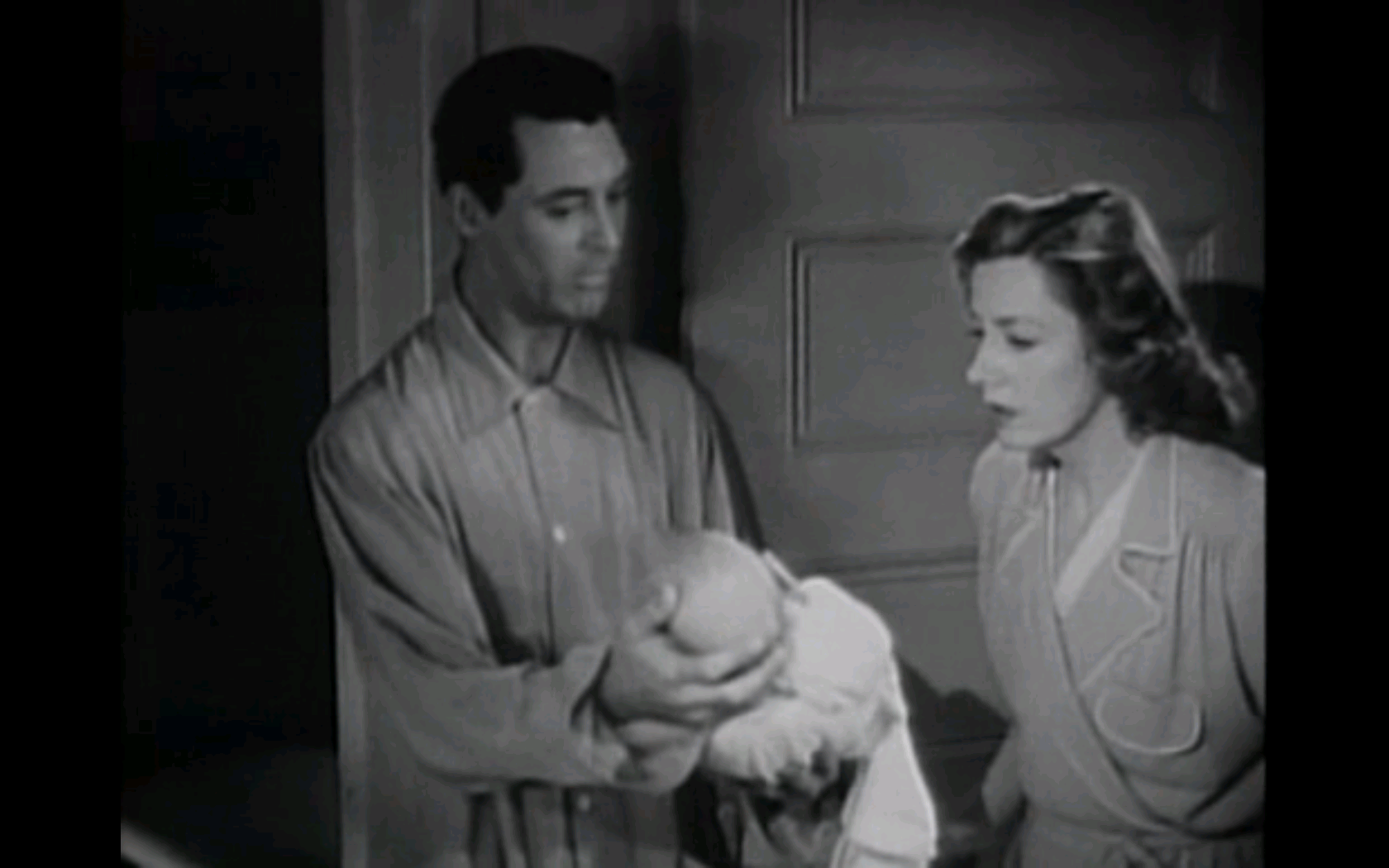
Peary accurately labels this classic soaper one of “Hollywood’s genuine tearjerkers” — a picture “so well made and acted that you’ll forgive being manipulated”. He notes that it possesses “tremendous warmth” and “lots of humor” — most notably during the lengthy, remarkably insightful sequence in which “the new parents bring home their new family member and realize they don’t know the first thing about care of a baby” (how many neophyte parents do, really??). Indeed, I can’t recall any other classic film which so accurately (and humorously) pays attention to the small details of parenthood, from trepidation over shushing a fussy baby to genuine terror over how to give a slippery infant a bath. (NB: In perhaps the film’s BEST moment, family friend “Applejack” — Edgar Buchanan — steps in and literally rolls up his sleeves to help out, with remarkable aplomb).

It’s also fascinating, from an ethnographic perspective — albeit one undoubtedly whitewashed by Hollywood — to see how “easy”, relatively speaking, it was for childless couples to adopt a child back in the 1930s. While much of the narrative drama hinges on Grant and Dunne’s ability to adopt (and keep) their child, there’s still no comparing the process undergone here with the years of agonizing most American couples these days suffer through in their quest to build an adopted family. Along those lines, I’ll admit I couldn’t help feeling irritated by the sloppy handling of an essential plot “twist” towards the end of the film, involving whether or not Dunne and Grant will be able to keep their beloved new daughter; without giving too much of the plot away, I will ask, why wasn’t the highlighted concern taken much more seriously, much earlier on?

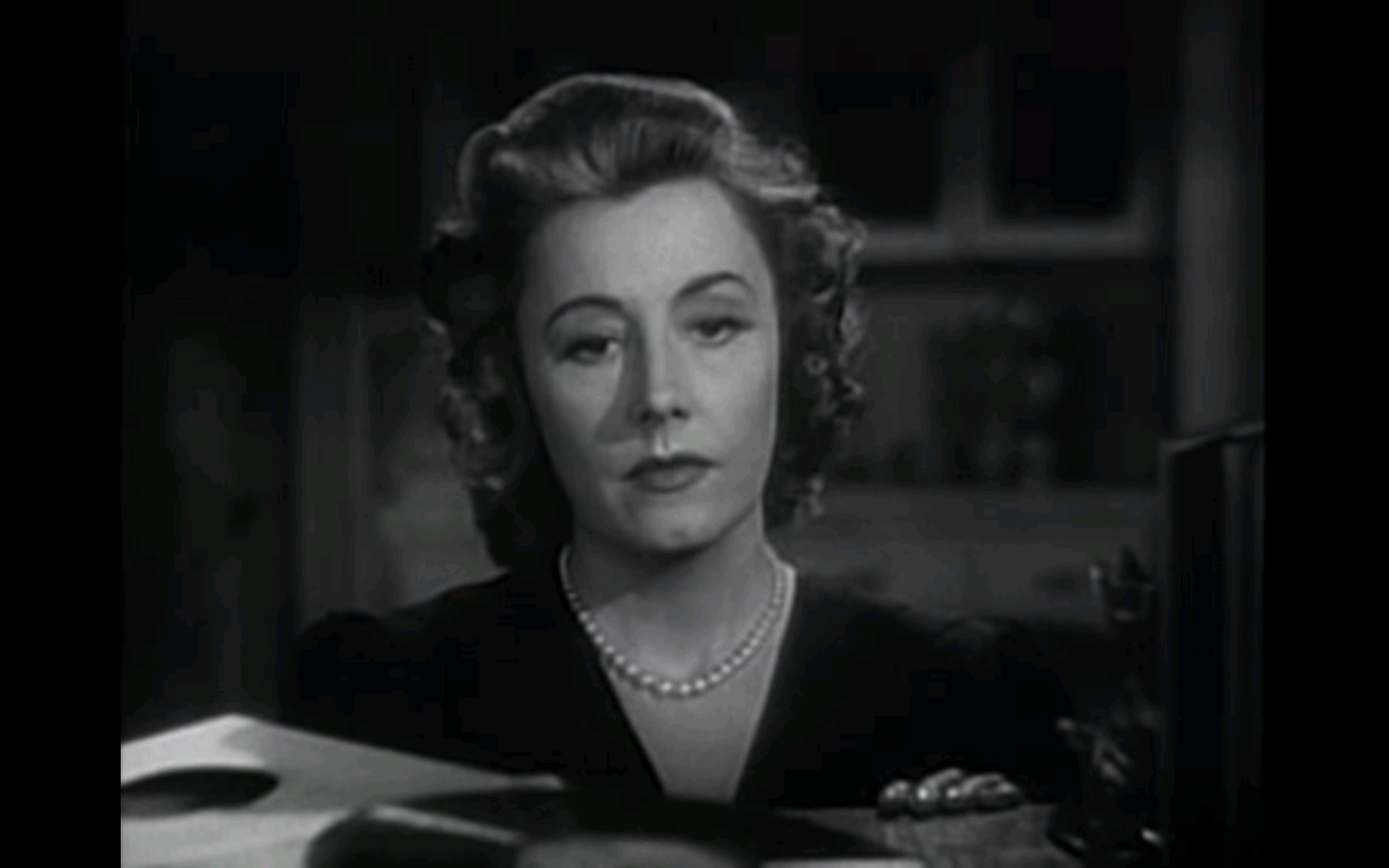
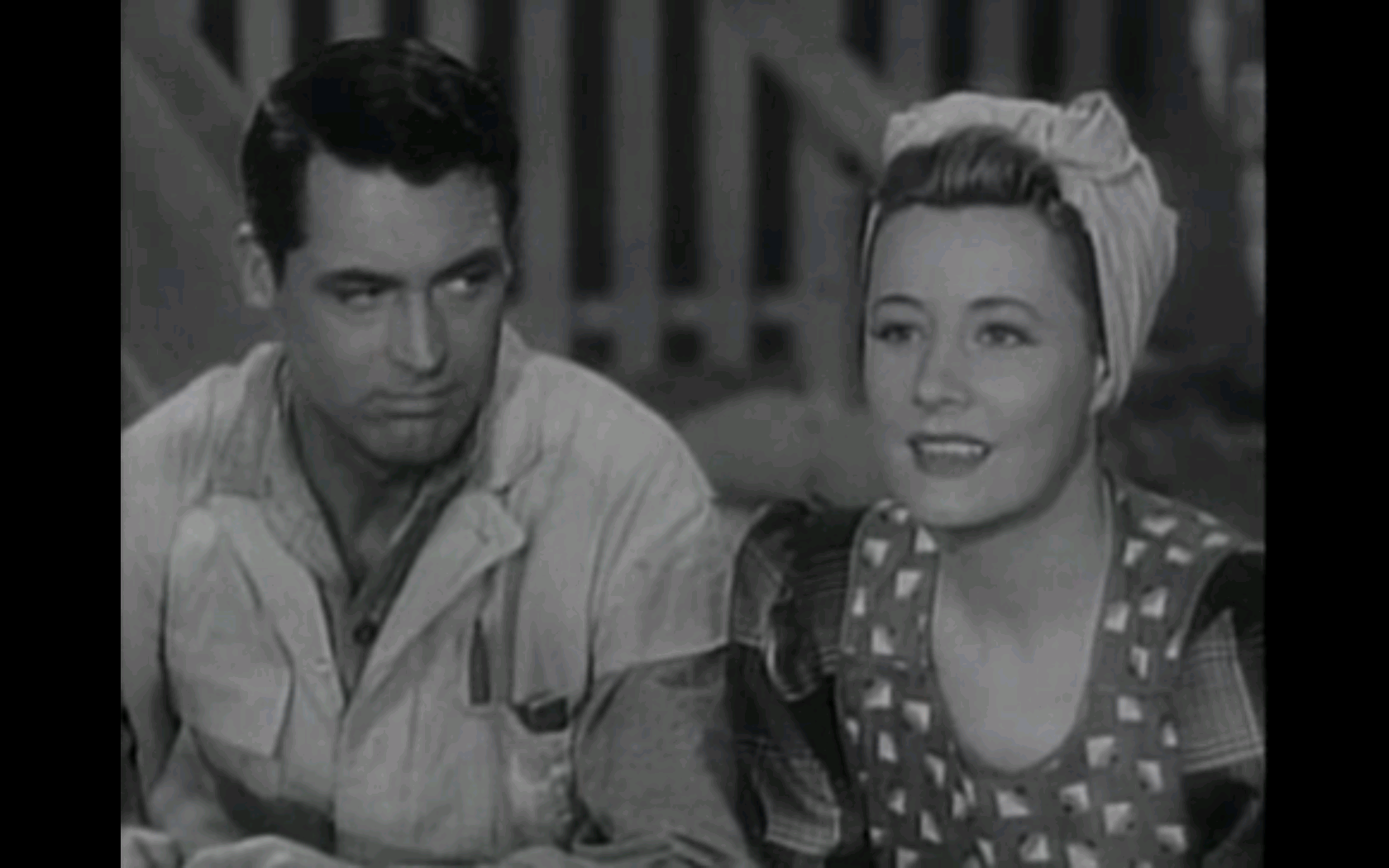
But ultimately, it’s foolhardy to ask too many questions about a film designed purely as a heart-rending soaper. Indeed, while the film occasionally makes you “angry because [it] unabashedly milks the tears”, at least it possesses “characters… worth getting emotional about.” To that end, Cary Grant and Irene Dunne (both of whom Peary nominates as Best Actor/Actress in his Alternate Oscars book) do indeed “give sensitive performances”. Also noteworthy are character actor Buchanan (an inspired casting choice) and Beulah Bondi (as the owner of the adoption agency where Grant and Dunne finally fulfill their dream of parenthood).

Redeeming Qualities and Moments:

  • Irene Dunne as Julie Adams
  • Cary Grant as Roger Adams
  • Edgar Buchanan as Applejack
  • Beulah Bondi as Miss Oliver
  • The humorous, insightful “newborn” scenes

Must See?
Yes, as a classic soaper.

Categories

  • Genuine Classic

Links:

Sitting Pretty (1948)

Sitting Pretty (1948)

“I dislike children intensely — and yours, if I may say so, have peculiarly repulsive habits and manners.”

Synopsis:
A self-described genius (Clifton Webb) comes to work as a live-in babysitter for a couple (Maureen O’Hara and Robert Young) with three unruly boys, provoking much discussion among the townsfolk.

Genres, Themes, Actors, and Directors:

  • Clifton Webb Films
  • Comedy
  • Ed Begley Sr. Films
  • Governesses and Nannies
  • Maureen O’Hara Films
  • Richard Haydn Films
  • Robert Young Films
  • Small Town America

Review:
A few years after his infamous turn as Waldo Lydecker in Otto Preminger’s Laura (1944), Clifton Webb gave a similarly acerbic — and equally memorable — performance in this adaptation of Gwen Davenport’s 1947 novel Belvedere. Although clearly dated in many ways, Sitting Pretty still packs a surprising amount of comedic punch — thanks almost entirely to Webb, who never falters in his depiction of Mr. Belvedere as an outrageously self-congratulatory man, a philosopher and “genius” who never harbors the slightest doubt in his abilities to handle any situation that arises. Indeed, as the story progresses, Belvedere’s list of professed accomplishments and prior occupations grows so outlandishly long (“Mr. Belvedere, is there anything you haven’t been?” “Yes, Mrs. King — I’ve never been an idler or a parasite.”) that we eventually realize he’s a superhuman entity; while he never actually opens up an umbrella to go soaring through the air like Mary Poppins, his ability to achieve such a feat is somehow never in doubt.

Given that Mr. Belvedere is decidedly asexual (or, depending on how you look at it, secretly “coded” as homosexual), the fact that the film’s storyline eventually hinges on Robert Young’s jealous suspicions that his wife is engaging in a romantic dalliance with her nanny is simply ludicrous. Yet such narrative quibbles are somehow easily forgiven, given the overall outlandish flavor of the screenplay — which eventually takes an unexpected twist that places the entire story in a new context. And Webb is given so many delicious lines to spout that it’s pure fun simply waiting to hear how he’ll handle the next one. Watch for an enjoyable supporting turn by British comedic actor Richard Haydn (who played a dramatically different character in Preminger’s Forever Amber the previous year).

Note: This film (or rather, Webb’s impersonation as Mr. Belvedere) was so popular that two sequels — Mr. Belvedere Goes to College (1949) and Mr. Belvedere Rings the Bell (1951) — quickly followed; while they get half-hearted ratings, I’ll admit I’m smitten enough by Webb-as-Belvedere to want to check them out.

UPDATE, 12/9/11: I recently watched Mr. Belvedere Goes to College (1949) on YouTube (some kind soul uploaded it there), and thought I would write a quick capsule review here (especially given that no reviews at all are linked to this obscure little title on IMDb). As expected, it’s not nearly as “complete” a comedy as Sitting Pretty, and certainly isn’t must-see viewing for film fanatics — but fans of Webb won’t regret checking it out. His “Lynn Belvedere” remains in peak form in the sequel, responding to the rhetorical question, “You’re not serious…?!” with a resolute, “I’m grim.” (Only HE could make that retort sound convincing!) The film’s title explains itself: given that his formal education apparently consisted of no more than “two revolting weeks of Kindergarten”, Belvedere decides — for reasons I can’t name without spoiling the first picture a bit — to finally get a college degree. This allows the filmmakers ample opportunity to expose the hazards of freshman hazing — to which, interestingly enough, Mr. Belvedere allows himself to be subjected (to a certain extent, anyway).

Unfortunately, far too little time is actually spent on Belvedere’s travails in the classroom; NONE, actually (we simply see him reading books wherever he goes). Instead, a rather insipid subplot is allowed to dominate the proceedings, involving a would-be romance between a grown-up Shirley Temple (whose annoying character possesses a significant secret identity) and Tom Drake (of boy-next-door Meet Me in St. Louis fame); as might be expected, whenever this narrative takes center stage, things grind to a deadening halt. Enter Mr. Belvedere again, however, and one’s energies are immediately restored: he’s just THAT delightful. As Bosley Crowther laudingly describes him in his review for the New York Times, he’s “brilliantly, classically clever and often delightfully droll, but he is also profoundly earnest”; in sum, he’s “a fellow who knows himself thoroughly and who has the good sense to realize that modesty would be false”. Indeed.

Redeeming Qualities and Moments:

  • Clifton Webb as Mr. Belvedere (nominated by Peary as one of the Best Actors of the Year in his Alternate Oscars)
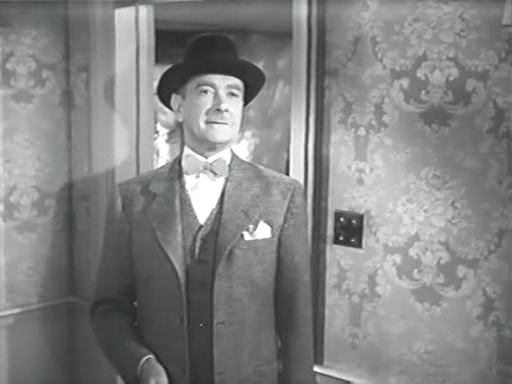
  • Richard Haydn as Mr. Appleton
  • Plenty of delightfully droll dialogue: “Intoxication is a form of escape often sought by the mentally immature.”

Must See?
Yes, simply for Webb’s iconic performance. Listed as a Personal Recommendation in the back of Peary’s book.

Categories

Links:

White Rose, The (1982)

White Rose, The (1982)

“We can only get rid of the Nazis if we lose the war.”

Synopsis:
During the height of World War II, German college student Sophie Scholl (Lena Stolze) discovers that her brother Hans (Wulf Kessler) is involved in an underground anti-Nazi movement known as the White Rose, and decides to join in the group’s efforts.

Genres, Themes, Actors, and Directors:

  • German Films
  • Historical Drama
  • Resistance Fighters

Review:
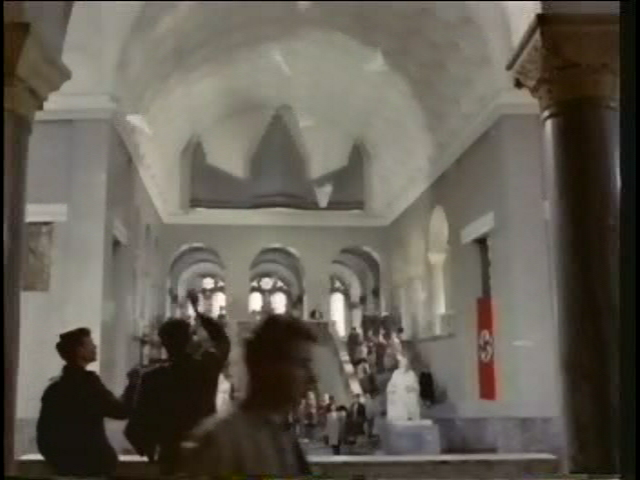
The gripping true story of Sophie Scholl — a young German woman who was murdered, along with several others, for daring to voice anti-Nazi sentiments during the height of WWII — was brought vividly to life in the Oscar-nominated film Sophie Scholl: The Final Days (2005), a powerful, must-see modern movie. More than twenty years earlier, Michael Verhoeven’s The White Rose told the same story, from a slightly different perspective. While Sophie Scholl was based on recently unearthed transcripts of Sophie’s interrogation after being caught distributing anti-Nazi flyers at Munich University, and essentially begins at this late point during her “final days”, The White Rose depicts the evolution of the titular group’s activities, showcasing how a handful of German youths eventually came to believe that their country was headed for imminent disaster under the leadership of Adolf Hitler, and were determined to try to bring the war to an end.

Unlike in Sophie Scholl — which, as its name implies, is primarily concerned with showcasing the final days of Sophie herself — the screentime here is shared amongst a number of different White Rose protagonists, thus allowing us to learn a bit more about the group’s clandestine efforts to spread its urgent message. Through close attention to detail, the film effectively reminds us of the sobering truth, that during this infamous period of European history, one could lose one’s life for daring to write an anti-government missive — and that an act as simple as buying several dozen postage stamps could mark one immediately as a potential traitor to one’s country. Unfortunately, there are a few too many narrative threads hanging loose throughout the screenplay — such as a confusing subplot about Hans’s apparent romantic dalliances with two different women (Anja Kruse and Mechthild Reinders); but admirers of Sophie Scholl are sure to want to check out this essential cinematic counterpart, which fills in the gaps about an infamous, little told episode in German history.

Redeeming Qualities and Moments:

  • Lena Stolze as Sophie Scholl
  • A powerful, unique perspective on German anti-Nazi sentiments

Must See?
No, though it’s certainly worth viewing, and must-see for those interested in this historical era.

Links:

Thomas the Imposter (1964)

Thomas the Imposter (1964)

“The princess was quite right: the name of Fontenoy was a magic word, the ‘Open Sesame’ of the war ministry.”

Synopsis:
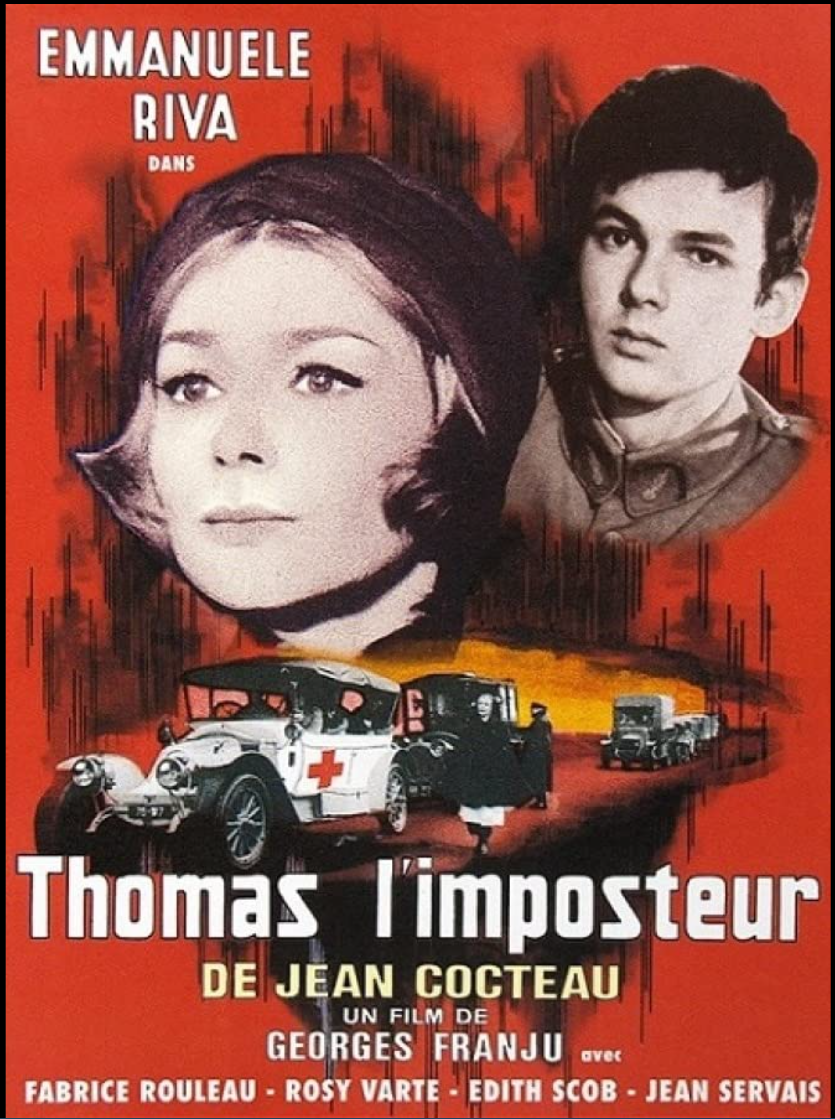
During World War I, a teenager (Fabrice Rouleau) pretending to be the nephew of an esteemed general helps a widowed princess (Emmanuelle Riva) with her humanitarian efforts, and falls in love with her daughter (Sophie Dares).

Genres, Themes, Actors, and Directors:

  • French Films
  • Georges Franju Films
  • Mistaken Identities
  • World War One

Review:
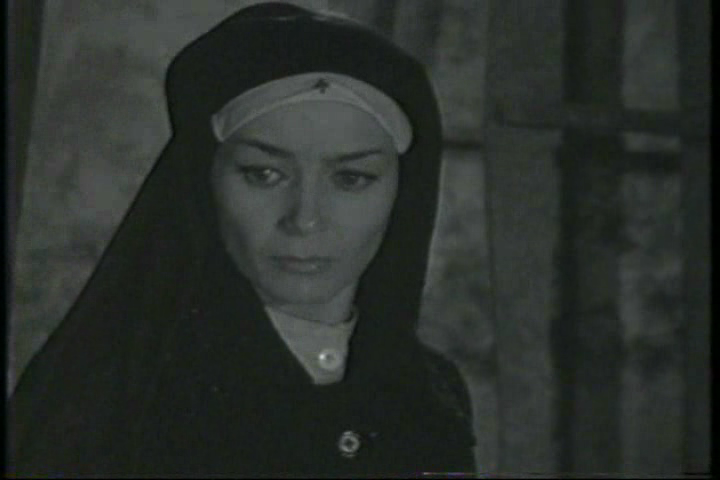
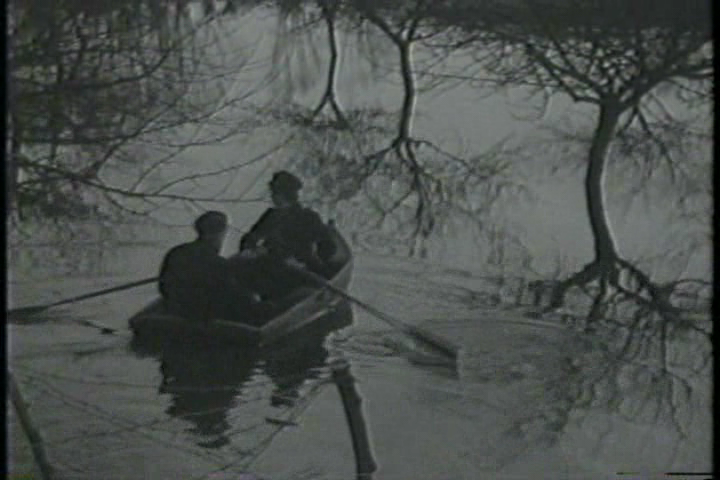
As I noted in my review of Therese Desqueyroux (1962), French director Georges Franju only made a handful of films seen in the United States — and among these, his undisputed masterpiece is Eyes Without a Face (1960), a haunting classic of psychological horror. Unfortunately, neither Therese… nor this later literary adaptation (of a 1923 novel by surrealist Jean Cocteau) are nearly as successful. According to Wikipedia’s article on the director, Franju himself noted that he did “not have the story writing gift”, instead preferring to focus on the visuals of a film — and to that end, Thomas… is certainly arresting throughout. But ultimately, most films are only as captivating as the stories they attempt to tell, and this one — about a young man so desperate to see action on the front that he adopts a false identity — should be much more compelling than it is. While this is ostensibly Thomas’s story (per the title), the screenplay primarily focuses on Riva’s do-gooding princess — an intriguing character (nicely played by Riva) who we wouldn’t mind learning even more about. Unfortunately, the film’s events — Riva’s dedication to helping wounded soldiers access medical care; her tentative romance with an insistent newspaper editor (Jean Servais); Thomas’s budding romance with Dares — fail to cohere or leave a lasting impression, and by the film’s end, we wonder what the point of it all was, exactly.

Redeeming Qualities and Moments:

  • Emmanuelle Riva as the Princesse de Bormes
  • Some memorable imagery

  • Georges Auric’s musical score

Must See?
No; this one is only must-see for Franju completists.

Links:

It’s a Wonderful Life (1946)

It’s a Wonderful Life (1946)

“No man is a failure who has friends.”

Synopsis:
An angel (Henry Travers) helps a suicidal man (Jimmy Stewart) recognize the importance of his life.

Genres, Themes, Actors, and Directors:

  • Angels
  • Beulah Bondi Films
  • Corruption
  • Do-Gooders
  • Donna Reed Films
  • Fantasy
  • Flashback Films
  • Frank Capra Films
  • Gloria Grahame Films
  • Jimmy Stewart Films
  • Lionel Barrymore Films
  • Living Nightmare
  • Small Town America
  • Suicide
  • Thomas Mitchell Films
  • Ward Bond Films

Response to Peary’s Review:
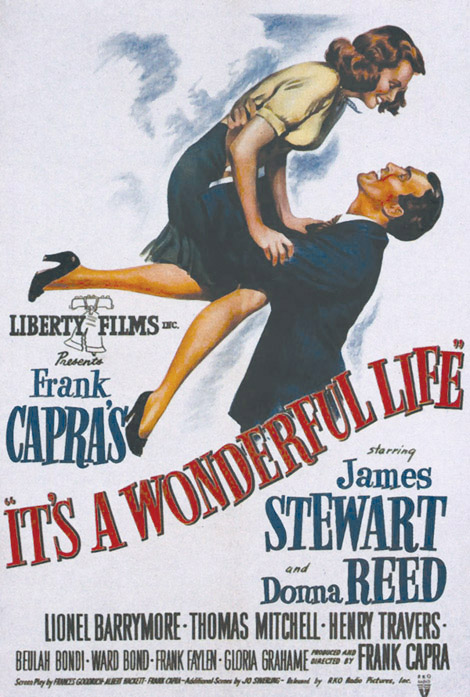
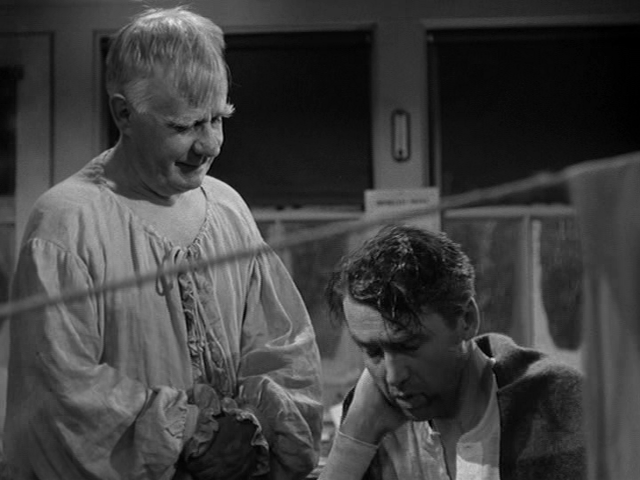
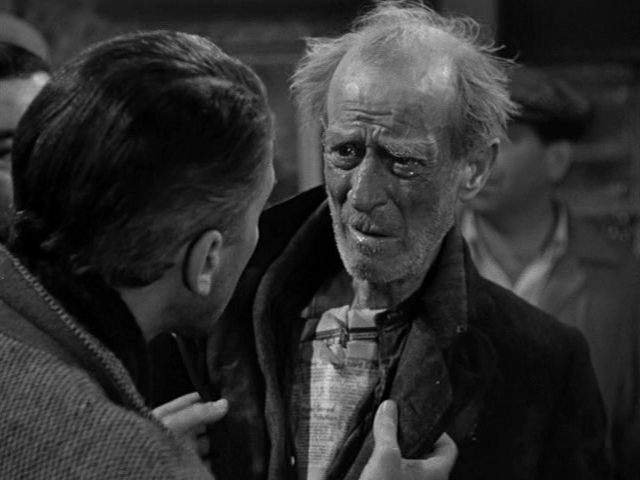
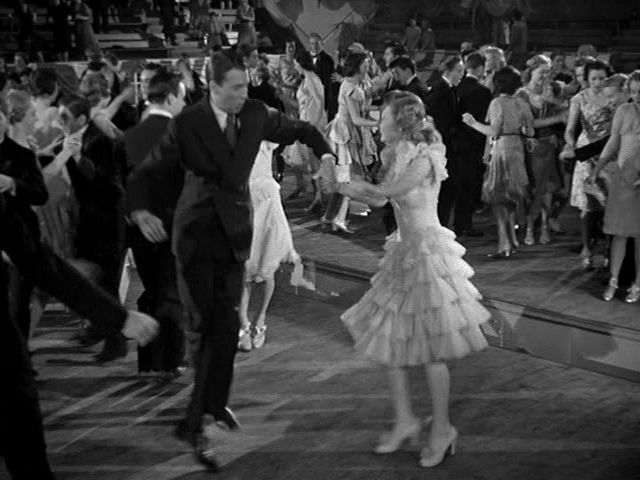
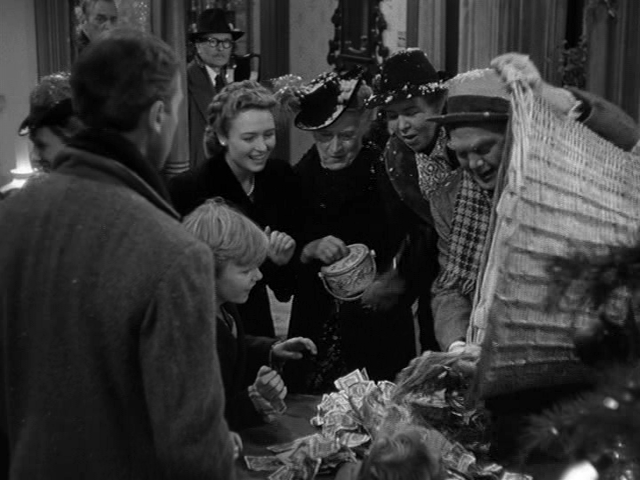
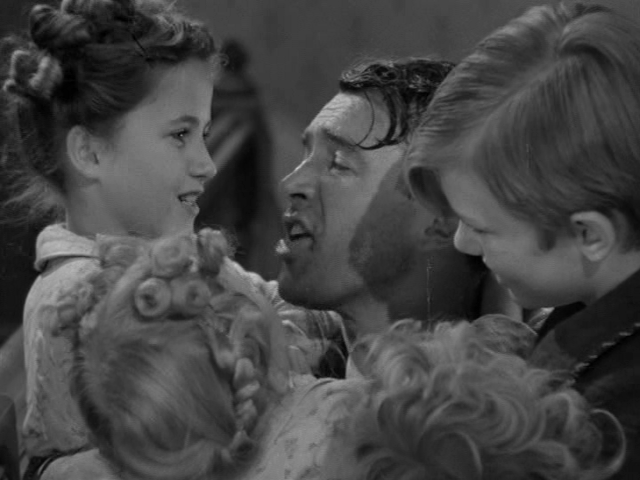
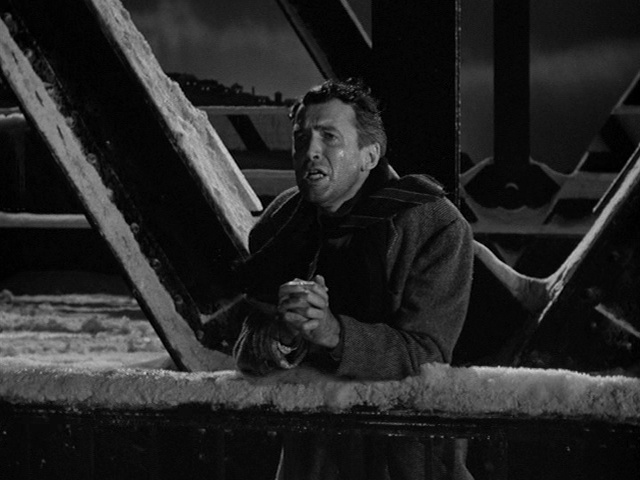
I was pleasantly surprised to revisit this “once neglected” “masterpiece” by Frank Capra, a “Christmas perennial and one of [America’s] most popular films”. It’s become so entrenched in our collective cultural consciousness as the movie to see on television over the holidays (along with Miracle on 34th Street and, more recently, A Christmas Story) that it’s easy to dismiss it out of hand as merely feel-good populist fare. This couldn’t be farther from the truth. While it’s true that the film is ultimately “reassuring” — the protagonist has “a family who adores [him], a hometown sweetheart who loves and marries [him], a guardian angel… who loves and protects [him], [and] an entire town of people who love [him] and come to [his] aid when [he’s] in trouble” — it’s also surprisingly hard-hitting in its portrayal of a suicidal, embittered man (Stewart yells at his own kids and lashes out physically at neighbors) who’s “at the brink of giving up”.

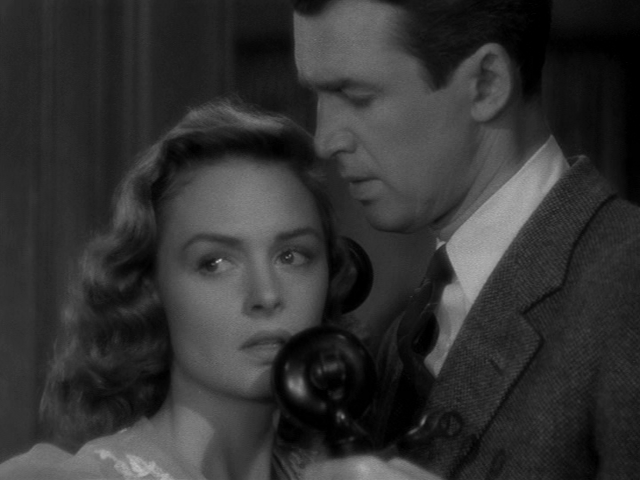
To that end, as Peary notes, this was the film that finally allowed “Stewart to show how great an actor he was, as his character ranges from optimistic hick philosopher to the pessimistic postwar figure he’d play in Vertigo and [various] Anthony Mann westerns”. Stewart (who Peary names Best Actor of the Year in his Alternate Oscars book) never shies away from portraying George Bailey as a complex man with unmet needs. He “has sacrificed all his life for others’ happiness and security”, but not selflessly — rather, he fully recognizes that he’s had to give up on his own goal of traveling the world and living a life of adventure and discovery. We find our shoulders drooping in empathy as George is foiled time and again from actually leaving Bedford Falls; and yet each time, we understand why he makes the (sacrificial) choice he does.

Indeed, as much of a fantasy as It’s a Wonderful Life is, it actually presents a very realistic view of the curveballs life throws out: who among us can’t remember a time when we’ve been forced by circumstances beyond our control (whether money, family, or something else entirely) to make a decision other than the one we most want for ourselves? And while it’s true that the “nightmarish sequence” in which George is shown “what a dreadful place Bedford Falls would have been without him” probably isn’t very realistic, it doesn’t need to be: it’s meant simply to help George realize “that every man makes a profound difference, and that a good man… can benefit countless people” in unimaginable ways.

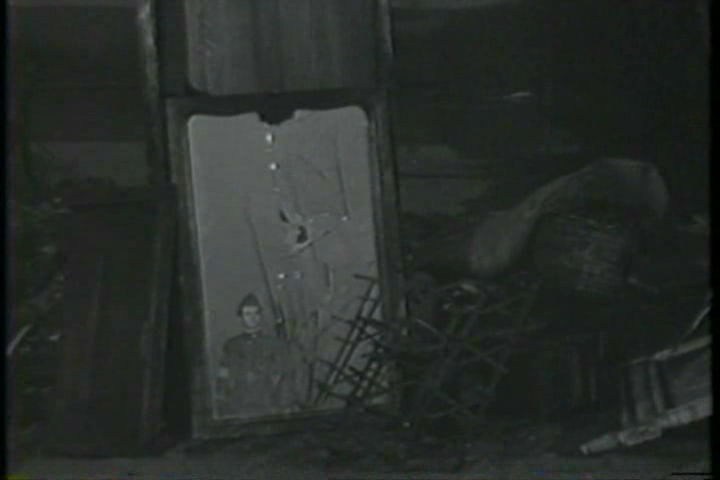
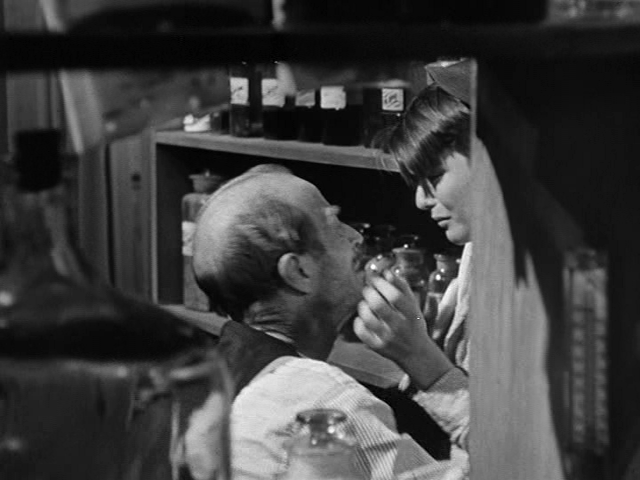
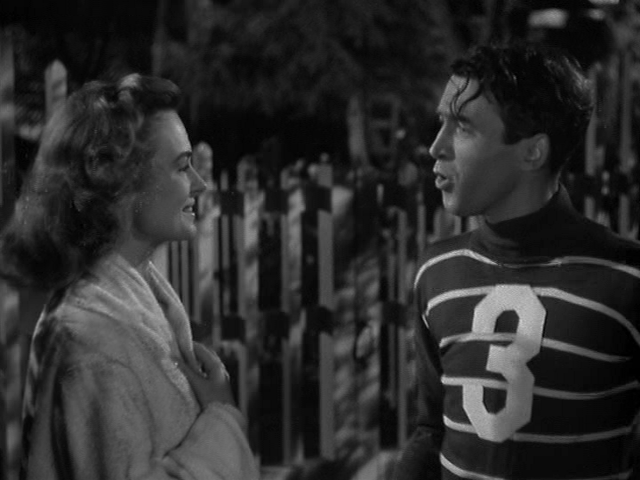
Stewart’s performance isn’t the only memorable one on display. Donna Reed takes the incredibly tricky role of Mary — someone who could easily be portrayed as merely a small-town “anchor” weighing George down — and turns her into someone we can’t help falling for ourselves; no wonder George decides to settle down and have a family with her. Travers is also “great” in another challenging role; he somehow manages to make us believe that guardian angels might actually exist. Meanwhile, there really are countless well-written (by Frances Goodrich and Albert Hackett) scenes and sequences scattered throughout the film, too many to name — though I must call out one early scene in particular (in which young George [Bobbie Anderson] prevents his employer [H.B. Warner] from making a fatal mistake while preparing a prescription for a family) as an emotionally loaded favorite.

The story neatly builds to its celebrated finale, which is guaranteed to have you all choked up. Indeed, you’ll be surprised by how sincerely effective this notorious “Capra-corn” really is.

Redeeming Qualities and Moments:

  • Jimmy Stewart as George Bailey
  • Donna Reed as Mary (nominated by Peary as Best Actress of the Year in Alternate Oscars)
  • Henry Travers as Clarence
  • Fine supporting performances across the board
  • Many memorable scenes


  • Frances Goodrich and Albert Hackett’s screenplay

Must See?
Yes, as a delightfully enduring classic and a cult favorite.

Categories

  • Cult Movie
  • Genuine Classic

(Listed in 1001 Movies You Must See Before You Die)

Links:

Jane Eyre (1943)

Jane Eyre (1943)

“Your duty is to prepare yourself to do God’s work in the world.”

Synopsis:
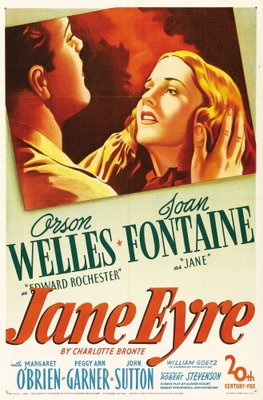
Orphaned Jane Eyre (Joan Fontaine) accepts a position as a governess for a domineering father (Orson Welles) with a tragic secret, and soon finds herself falling in love with him.

Genres, Themes, Actors, and Directors:

  • Agnes Moorehead Films
  • Cross-Class Romance
  • Elizabeth Taylor Films
  • Governesses and Nannies
  • Henry Daniell Films
  • Joan Fontaine Films
  • Margaret O’Brien Films
  • Orphans
  • Orson Welles Films

Review:
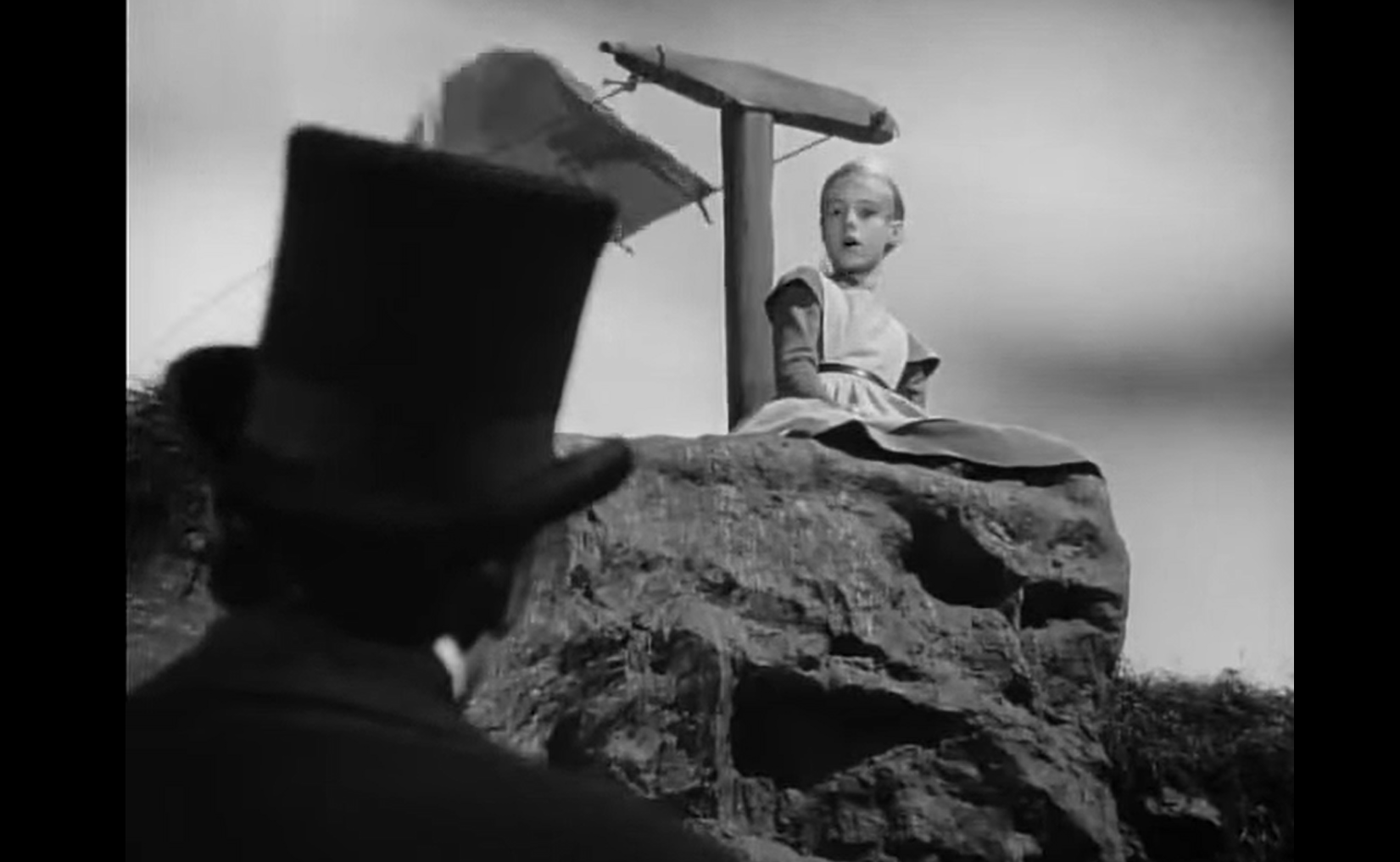
George Stevenson’s adaptation of Charlotte Bronte’s classic gothic novel is a highly atmospheric, if ultimately undistinguished, literary drama. As a number of critics have noted, the most powerful moments occur during the film’s opening sequences, as young Jane (Peggy Anne Garner, perfectly cast):

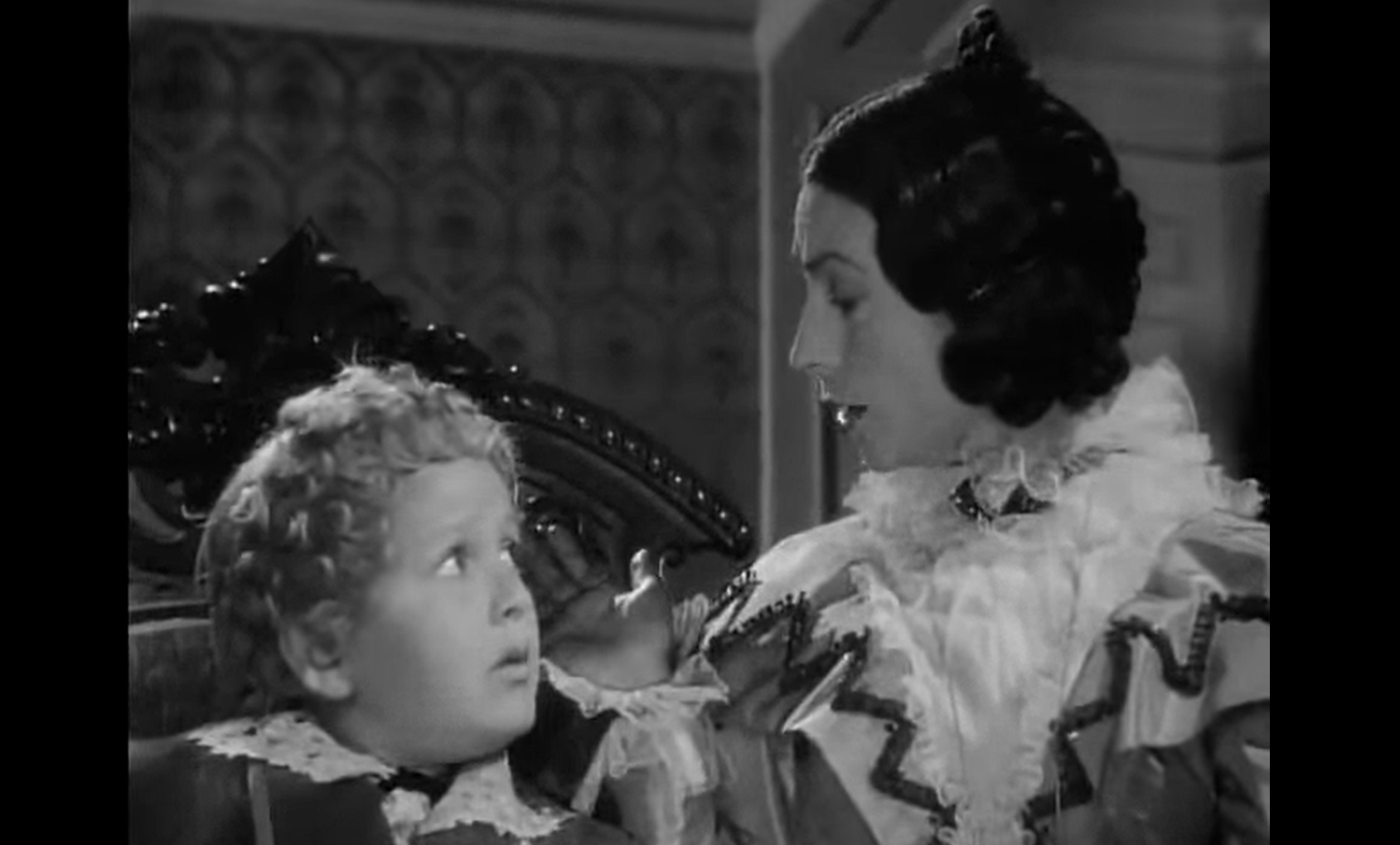
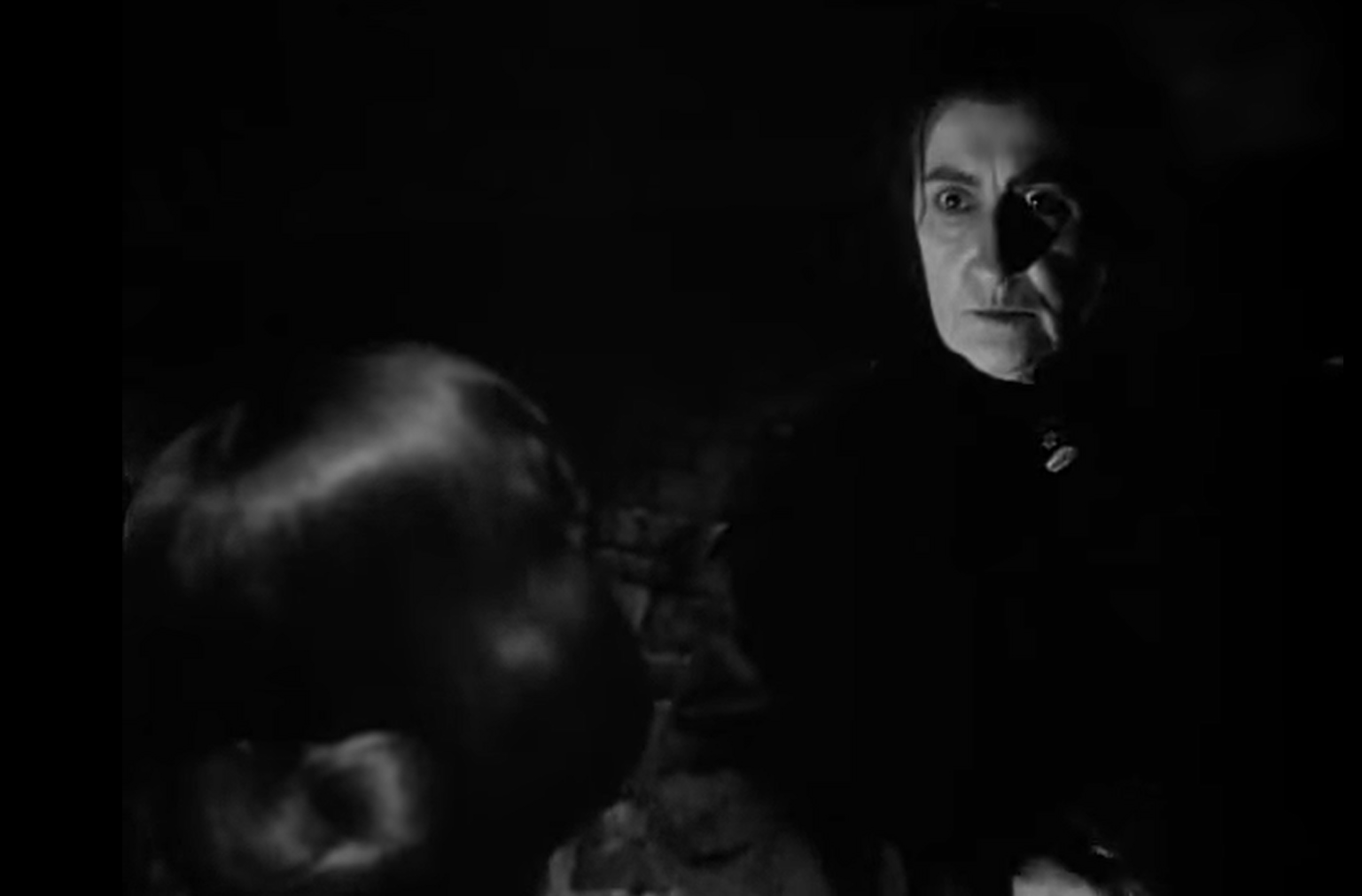
is sent away by her forbidding aunt (Agnes Moorehead, also perfectly cast):

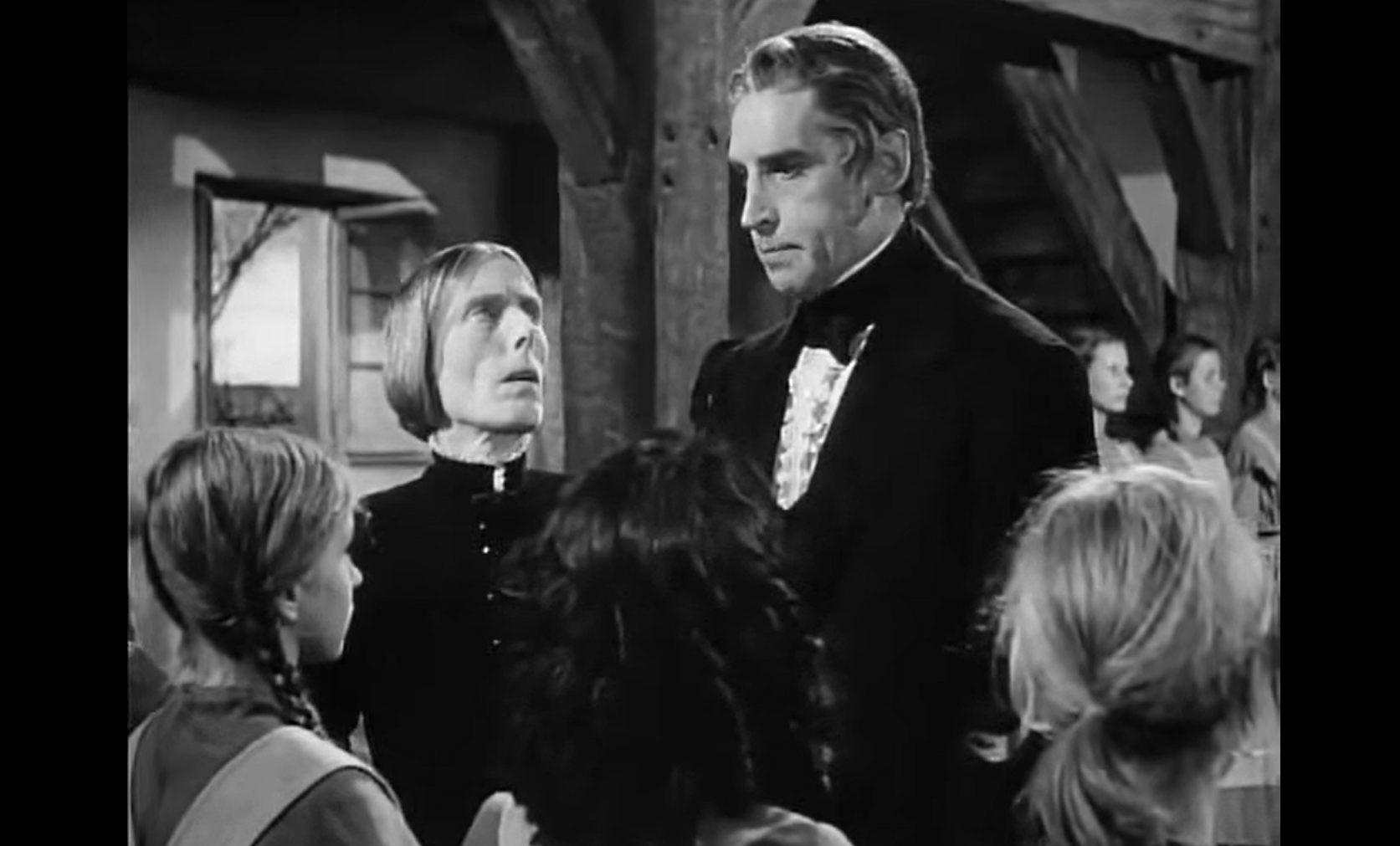
to live in a boarding school, where she’s cruelly mistreated by its brutal headmaster (Henry Daniell):

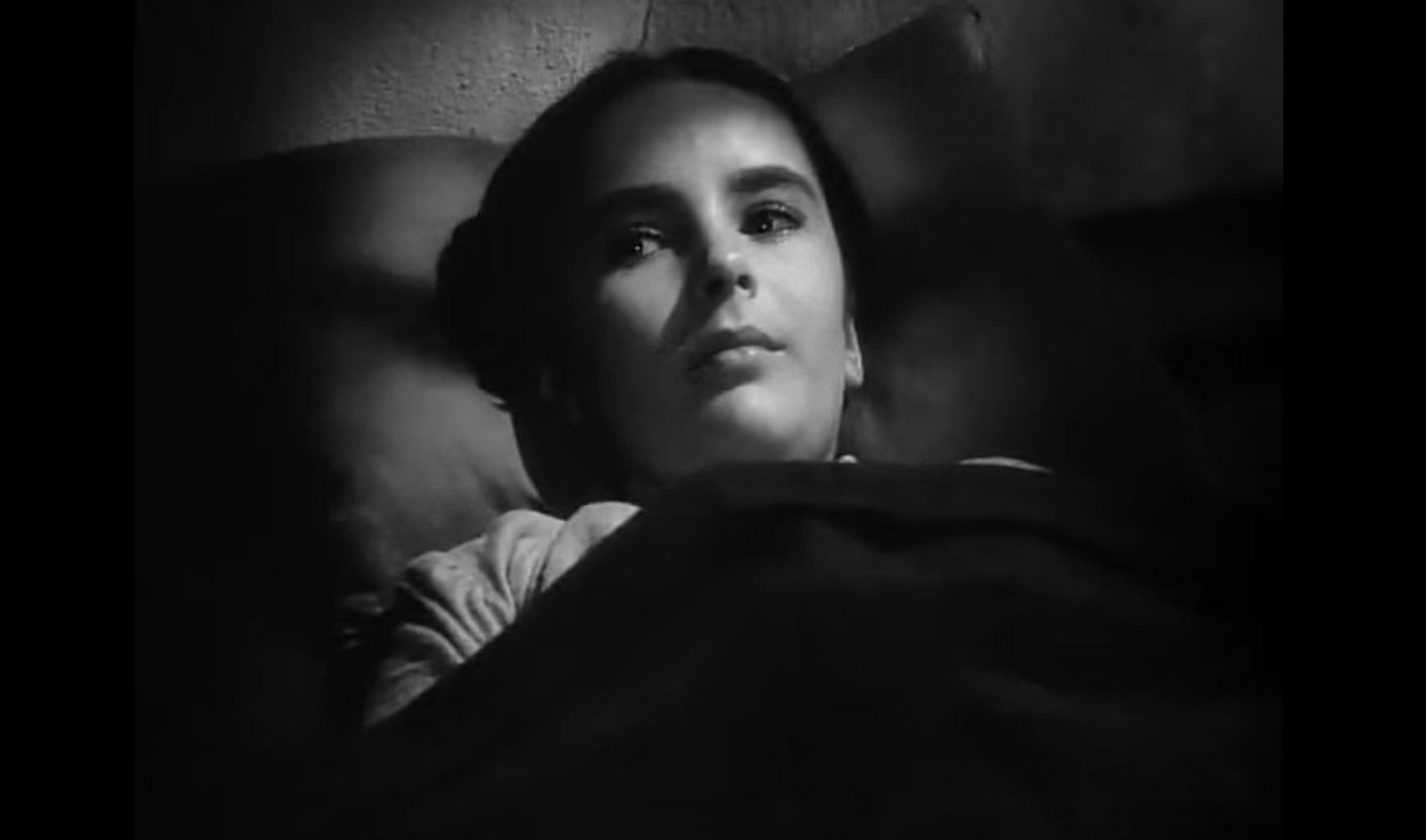
… yet manages to form a fleeting friendship with tragic Helen Burns (a young, beautiful, uncredited Elizabeth Taylor).

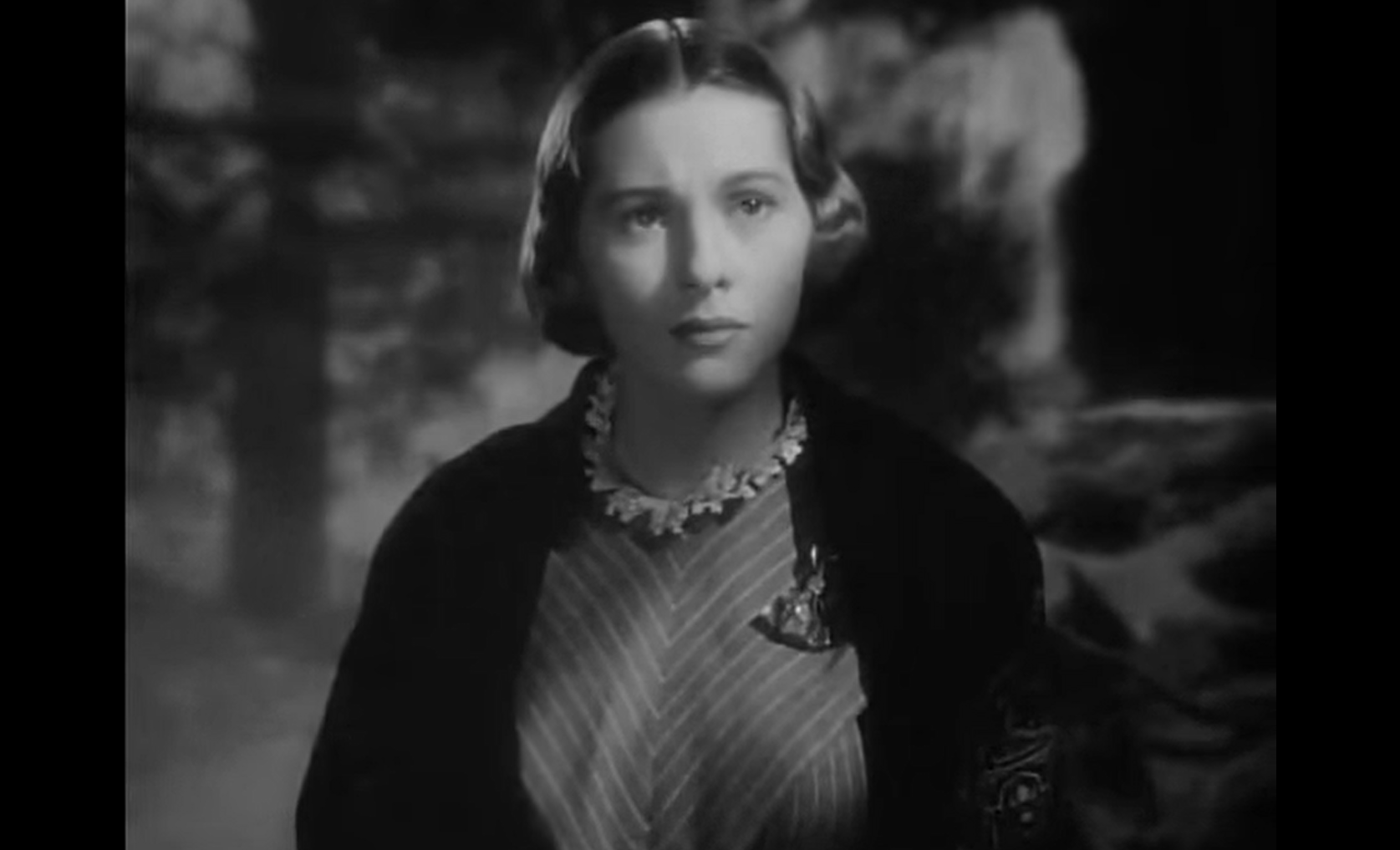
Unfortunately, the second half of the film isn’t as convincing or compelling. While not all agree, Joan Fontaine’s grown Jane simply didn’t impress me as the “fiercely independent” heroine Bronte wrote her to be.

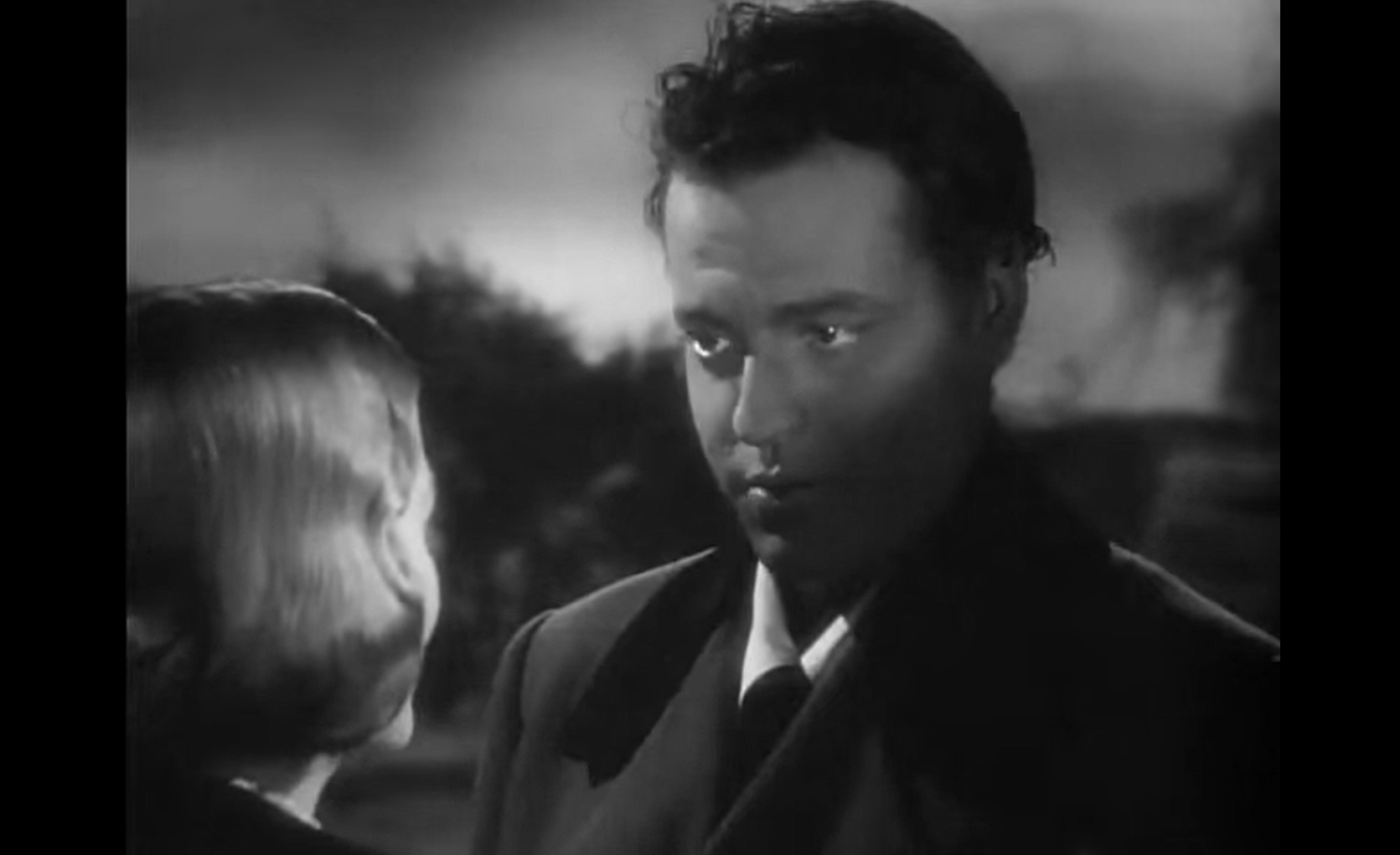
Fontaine spends most of her screentime looking plaintively at “fearsome” Mr. Rochester (Orson Welles) — who, for his part, never quite manages to shed his own out-sized, Wellesian persona.

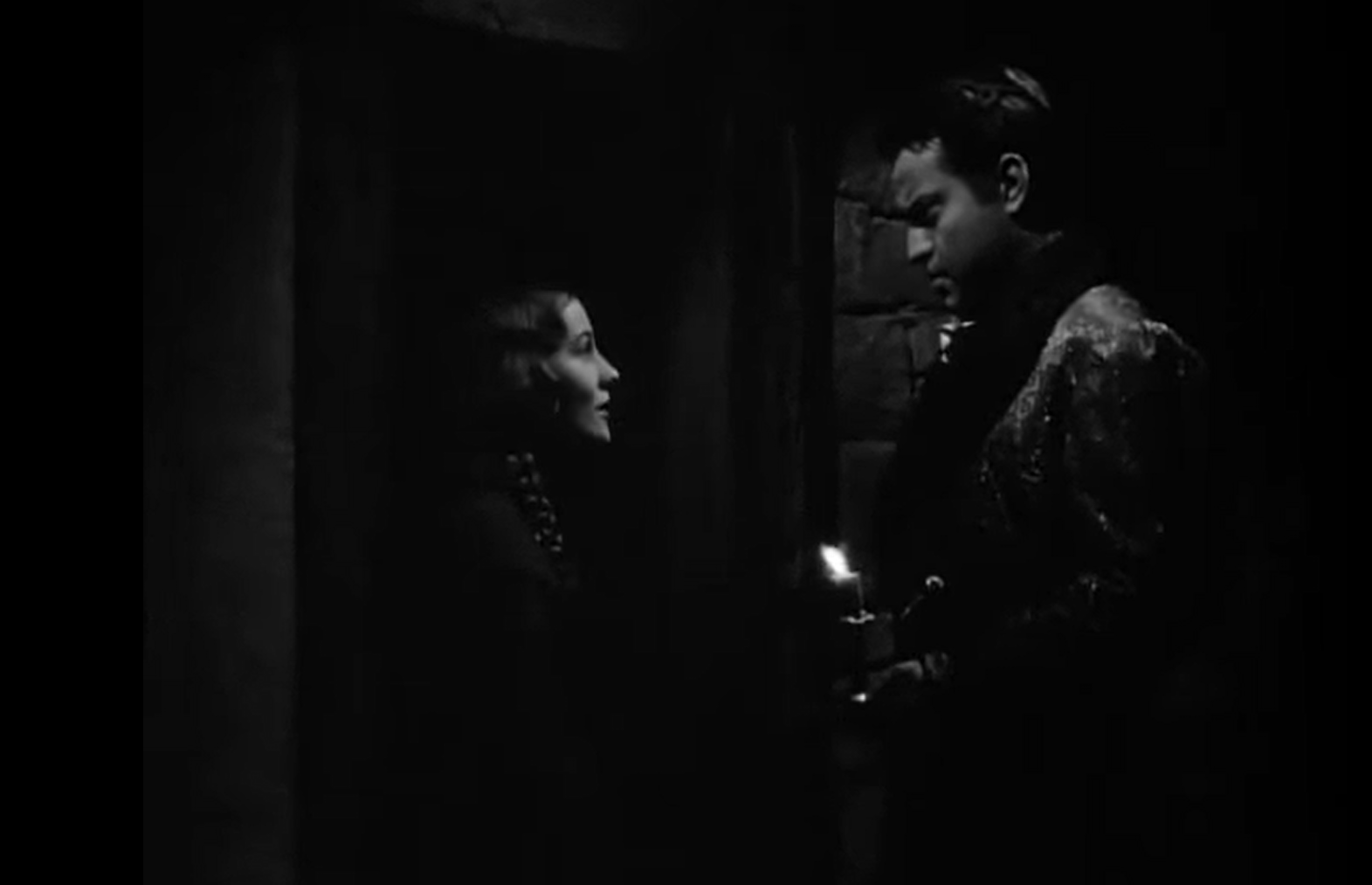
(When Rochester bellows at the world, it’s Welles-as-Rochester making his presence known). Their budding relationship does gradually pull one in, but never really emerges as anything more complex than a schoolgirl crush made manifest. Meanwhile, the critical “subplot” concerning the mysterious woman locked away in Rochester’s home is given surprisingly short shrift, and is resolved far too quickly:

… and the inevitable compression of the rest of the novel’s events towards the final half hour of the film presents another challenge for viewers hoping to feel more invested in Jane’s fate.

With all those complaints aired (my, how hard we are on literary adaptations!), this remains solid filmmaking, with George Barnes’ moody camerawork particularly striking throughout. As noted in Slant Magazine’s review, in a nutshell, this is “a well-constructed piece of studio work” — and overall, it’s certainly worth a look, particularly given its historical interest as an early “Orson Welles film”. (While he didn’t officially direct, he undeniably had a hand in the production).

Redeeming Qualities and Moments:

  • The opening childhood sequences
  • George Barnes’ atmospheric cinematography
  • Bernard Herrmann’s score

Must See?
No, though it’s certainly worth checking out. Listed as a film with Historical Importance in the back of Peary’s book.

Links:

Advise & Consent (1962)

Advise & Consent (1962)

“Son, this is a Washington, D.C. kind of lie. It’s when the other person knows you’re lying, and also knows you know he knows.”

Synopsis:
While leading an investigation to determine if the new Secretary of State candidate (Henry Fonda) selected by the President of the United States (Franchot Tone) is qualified for the position, a young senator (Don Murray) finds his own life scrutinized.

Genres, Themes, Actors, and Directors:

  • Blackmail
  • Burgess Meredith Films
  • Charles Laughton Films
  • Cold War
  • Don Murray Films
  • Franchot Tone Films
  • Gene Tierney Films
  • Henry Fonda Films
  • Otto Preminger Films
  • Peter Lawford Films
  • Political Corruption
  • Walter Pidgeon Films

Review:
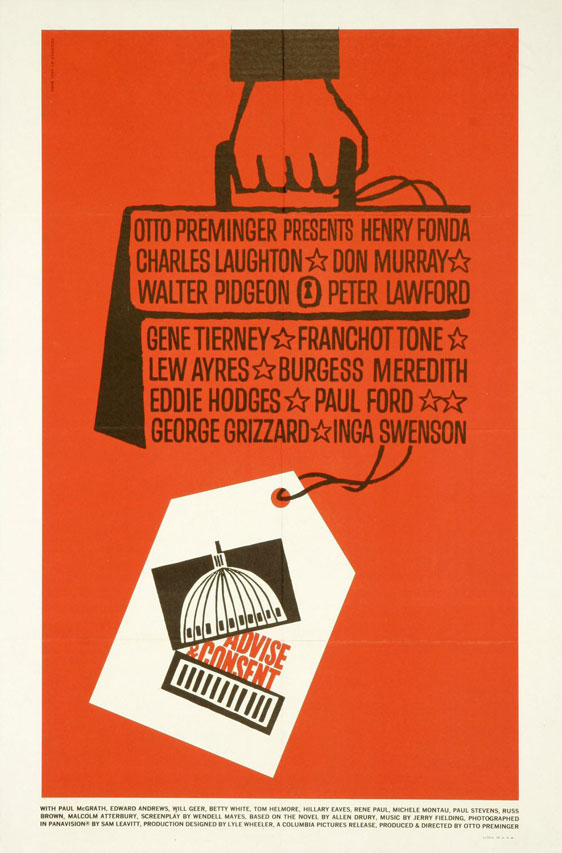
Based on the Pulitzer Prize-winning novel by Allen Drury, this fascinating, boldly themed film by director Otto Preminger never dumbs down its source material, instead providing attentive viewers with an unparalleled look at the inner workings of Washington, D.C. Unabashedly “political” (on more than one level), Advise & Consent exposes — and ultimately censures — the unbelievably treacherous nature of high-level politics, in which a person’s past actions and acquaintances, no matter how private, can come back to haunt him — and lobbying for one’s beliefs can cause irreparable (if unintended) harm to others.

Other than the slowly gripping storyline itself (which takes its time getting to the crux of the drama), what’s perhaps most memorable about Advise & Consent are the documentary-like glimpses it affords of Washington, D.C. at work, complete with underground shuttles taking the senators to and from their sessions, and highly realistic interactions on the senate floor (with the senators referring to each other in third person). And, as Eric Henderson writes in his review of the film for Slant Magazine, “Preminger’s filmed version of the novel makes up for the various excised subplots and legal-procedural nitty-gritty with a typically unerring sense of spatial intrigue” — in other words, it’s surprisingly visually arresting for a “courtroom” drama.

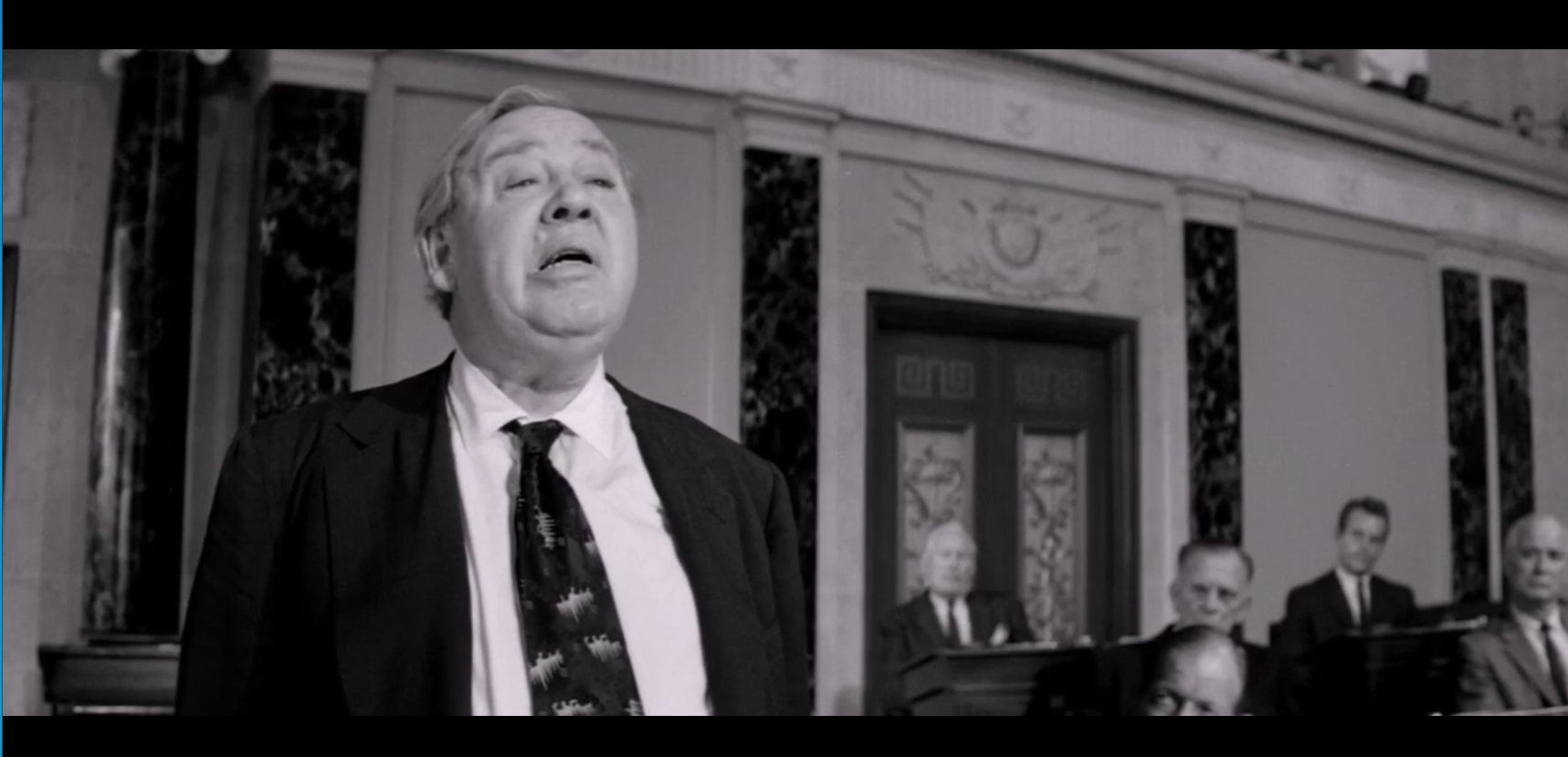
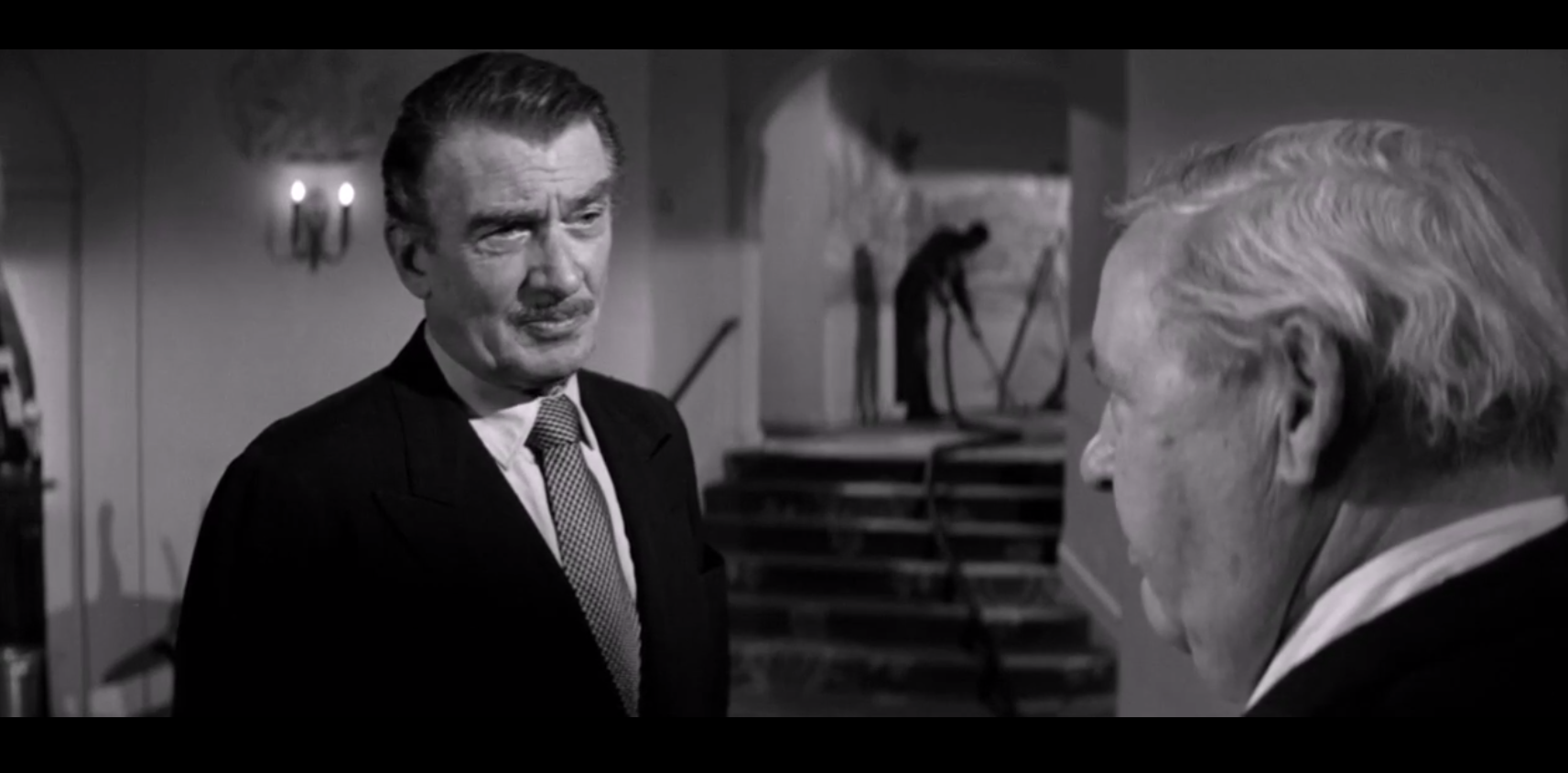
Meanwhile, the ensemble performances throughout are largely top-notch, and feature some unexpected surprises (i.e., a young Betty White in her film debut as an outspoken senator). Don Murray (whose notable earlier roles included ‘Bo’ in Bus Stop, and Johnny in Hatful of Rain) is perfectly cast, and entirely believable, in what turns out to be the film’s tragic central role — that of Senator Brigham Anderson, a “family man” with a conflicted history he’s determined to keep hidden at all costs. In his final role (playing Southern Senator “Seab” Cooley), Charles Laughton gives a typically nuanced yet showy performance; and Walter Pidgeon is solidly effective in a smaller role as the Senate House Majority Leader.

P.S. If you haven’t seen the film or read the novel, be careful reading reviews online; almost all give away the central plot “twist”, which I’ve only hinted at here.

Redeeming Qualities and Moments:

  • Don Murray as Brig
  • Charles Laughton as Seab
  • Walter Pidgeon as the Senate Majority Leader
  • A fascinating glimpse into the inner workings of the U.S. government
  • Wendell Mayes’ smart, thematically bold screenplay

Must See?
Yes, as one of Preminger’s most powerful films.

Categories

Links:

Skidoo (1968)

Skidoo (1968)

“You are a backwards step in the evolution of mankind!”

Synopsis:
An ex-con (Jackie Gleason) is summoned by his former crime boss (Groucho Marx) to kill a prison inmate (Mickey Rooney); meanwhile, his daughter (Alexandra Hay) is seduced by a group of hippies (including John Phillip Law) who move in with her and her mother (Carol Channing).

Genres, Themes, Actors, and Directors:

  • Cesar Romero Films
  • Comedy
  • Counterculture
  • Ex-Cons
  • Gangsters
  • Mickey Rooney Films
  • Otto Preminger Films

Review:
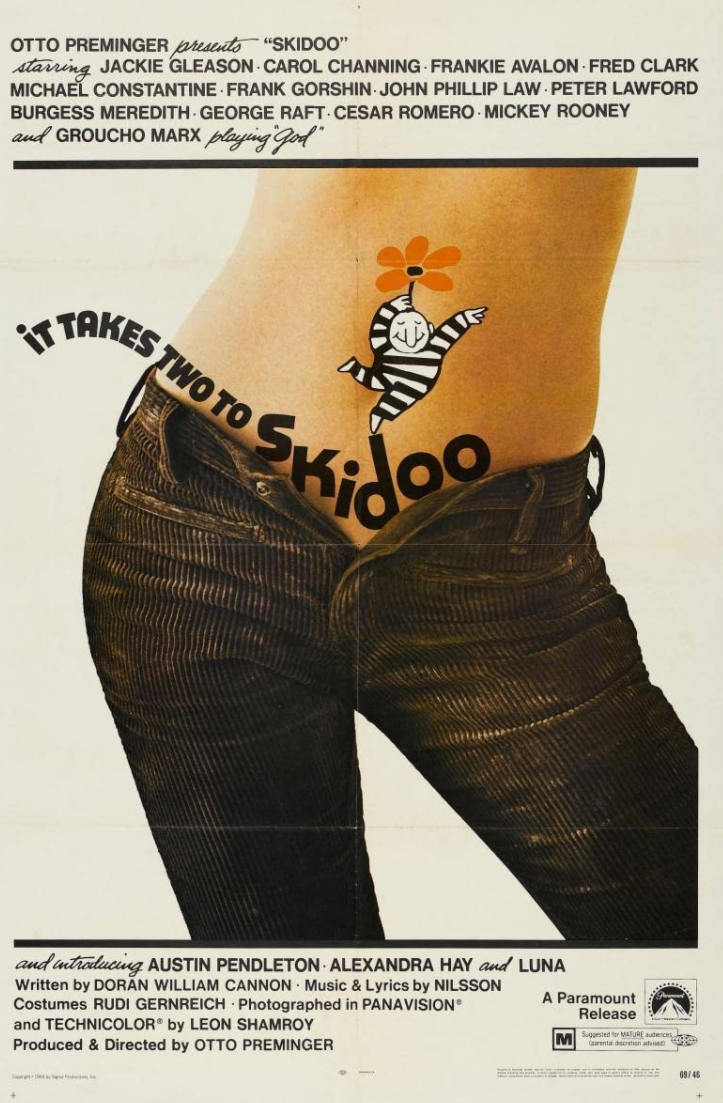
Otto Preminger’s notoriously bad counterculture comedy only played in theaters for about a week (Vincent Canby of the New York Times called it “something… for people whose minds need pressing by a heavy, flat object”), and was only recently released for home viewing. Nonetheless, it’s developed a strong cult following by those who consider its very existence a juicy feat to behold. Gathering together an eclectic host of “big names” (including a surprising number of TV actors), Preminger puts his characters into situations that simply defy logic and expectations; indeed, whatever one feels about the ultimate success of the film — and opinions vary wildly! — what definitively cannot be denied is that one is never sure exactly what will happen next.

The brief synopsis provided above only hints at the wacky trajectory of Skidoo‘s storyline, which eventually devolves into massive LSD tripping and the most creative prison break ever depicted on-screen. Preminger had apparently experimented with acid himself, and was genuinely interested in attempting to portray such experiences on film — indeed, it’s Preminger’s sincerity with the entire venture that ultimately affords it its campy seal of “approval”. Taken strictly on face value — as an earnest attempt to tell a tale of redemption and cross-cultural understanding — the characters and situations are undeniably ludicrous and naive; viewed as a wacky congruence of fearless caricatures and boldly outrageous scenarios, it may provide you with just the type of cinematic misadventure you can’t look away from.

Redeeming Qualities and Moments:

  • Maybe – just maybe – the hallucinogenic “Dance of the Garbage Cans”
  • The truly unique (entirely sung) closing credits

Must See?
Yes, simply for its bad-movie cult notoriety.

Categories

  • Cult Movie

Links: