Hustler, The (1961)

Hustler, The (1961)

“Eddie, you’re a born loser.”

Synopsis:
A young pool hustler (Paul Newman) and his manager (Myron McCormick) arrive in New York so Eddie (Newman) can finally play against a legend in the field, Minnesota Fats (Jackie Gleason). Eddie’s refusal to quit while ahead leads him to lose all his money, and he soon falls for an alcoholic aspiring writer (Piper Laurie) he meets at the bus station, then eventually agrees to work for a manipulative financier (George C. Scott).

Genres, Themes, Actors, and Directors:

  • Con-Artists
  • George C. Scott Films
  • Paul Newman Films
  • Piper Laurie Films
  • Robert Rossen Films
  • Romance

Response to Peary’s Review:
Peary writes that this “powerful adaptation of Walter Tevis’s short story and novel about embittered pool hustler ‘Fast’ Eddie Felson… whose obsession with winning at all costs makes him the ultimate loser” features Paul Newman giving “one of his most emotional performances.” As Peary notes, all four stars — Newman, Laurie, Scott, and Gleason — “give masterful, unforgettable performances, and the dialogue is tough and believable,” but the film ultimately “stands out because of its vivid depiction of the sleazy poolroom milieu,” presented as “a male battleground where one doesn’t win just by pocketing the most balls but by beating an opponent into humiliating submission.” Peary adds that “Rossen shows the importance of body language, of smiling confidently, of talking smoothly, of holding back the sweat — and how important to a player’s style are the various props: pool sticks, liquor, cigarettes, jackets, flowers in the lapel, hats, shades.”

In Alternate Oscars, Peary gives Newman the Best Actor award he was expecting (and deserved). He writes that “as the brash, smart-ass hustler — a combination of a cocky gunslinger and a boxer willing to sell out friends in order to get a title shot — Newman has surprising authority on the screen, using not only a strong voice and that devil’s grin to hold our attention but also a confident pool player’s dramatic and imposing body language.” Thankfully, while “his character is a bundle of energy and anger,” Newman “wisely doesn’t try to overpower the role by acting hyper or using too many mannerisms.” Equally impressive is Laurie, who Peary nominates as one of the Best Actresses of the Year; her troubled, needy, yet distant character seems exactly like someone Eddie might fall for, and her trajectory is tragic indeed. Meanwhile, Scott (in just his third movie role) dominates whenever he’s on screen, perfectly embodying “a rich bastard who likes ‘action'” and “thinks Eddie is a loser… but knows he has talent”; and Gleason is perfectly cast as the “fat man” with impeccable pool skills. Also of note are Eugene Shuftan’s b&w cinematography, Kenyon Hopkins’ jazzy score, Dede Allen’s editing, Harry Horner’s production design, and a smart screenplay. While it’s hard to watch at times, this dark classic remains must-see viewing.

Redeeming Qualities and Moments:

  • Paul Newman as Eddie Felson
  • Piper Laurie as Sarah Packard
  • George C. Scott as Bert Gordon
  • Jackie Gleason as Minnesota Fats
  • The intense opening pool sequence between Eddie and Fats
  • Harry Horner’s production design
  • Eugene Shuftan’s cinematography

  • Sydney Carroll and Robert Rossen’s screenplay
  • Dede Allen’s editing
  • Kenyon Hopkins’ jazzy score

Must See?
Yes, as a still-powerful if undeniably bleak classic.

Categories

  • Genuine Classic
  • Noteworthy Performance(s)

(Listed in 1001 Movies You Must See Before You Die)

Links:

Man of the West (1958)

Man of the West (1958)

“There’s a point where you either grow up and become a human being, or you rot like that bunch.”

Synopsis:
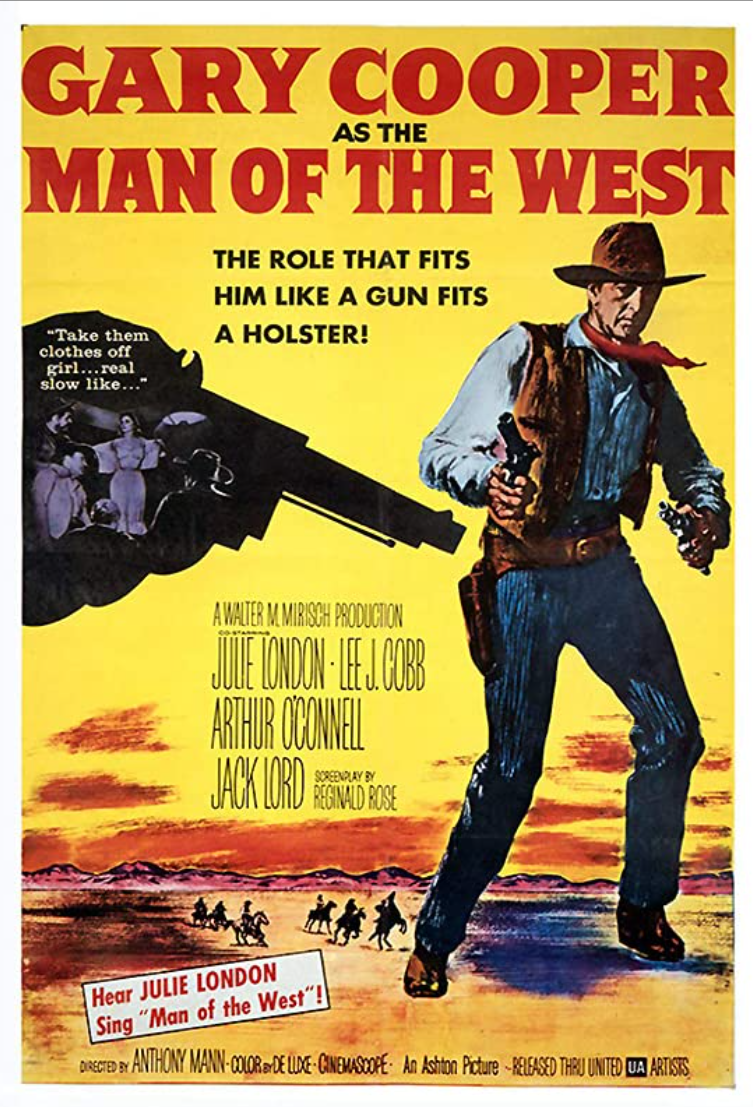
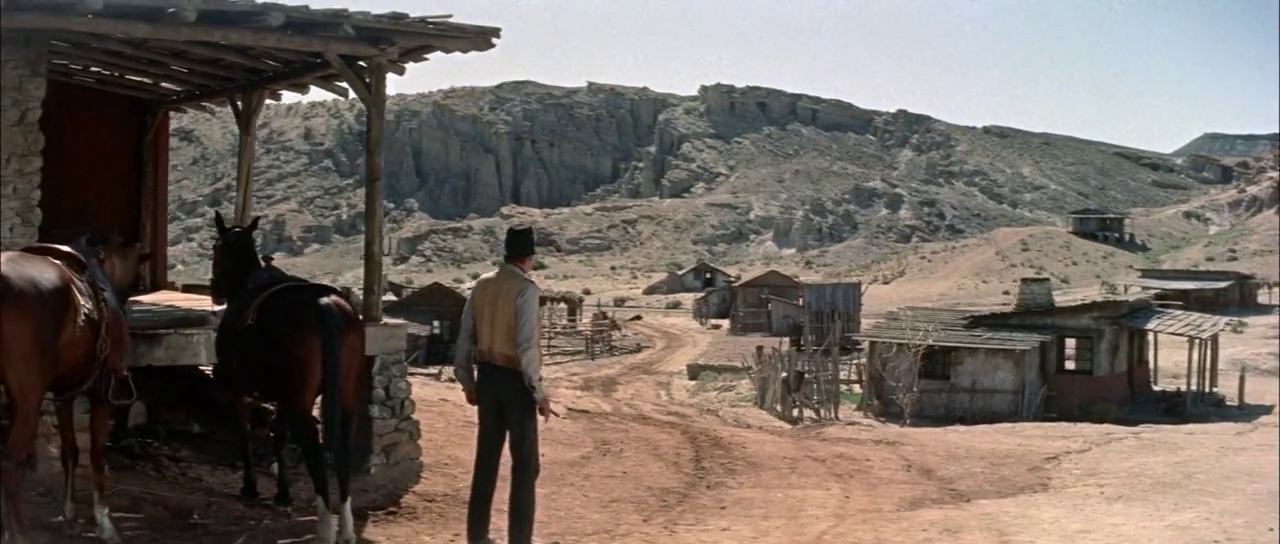
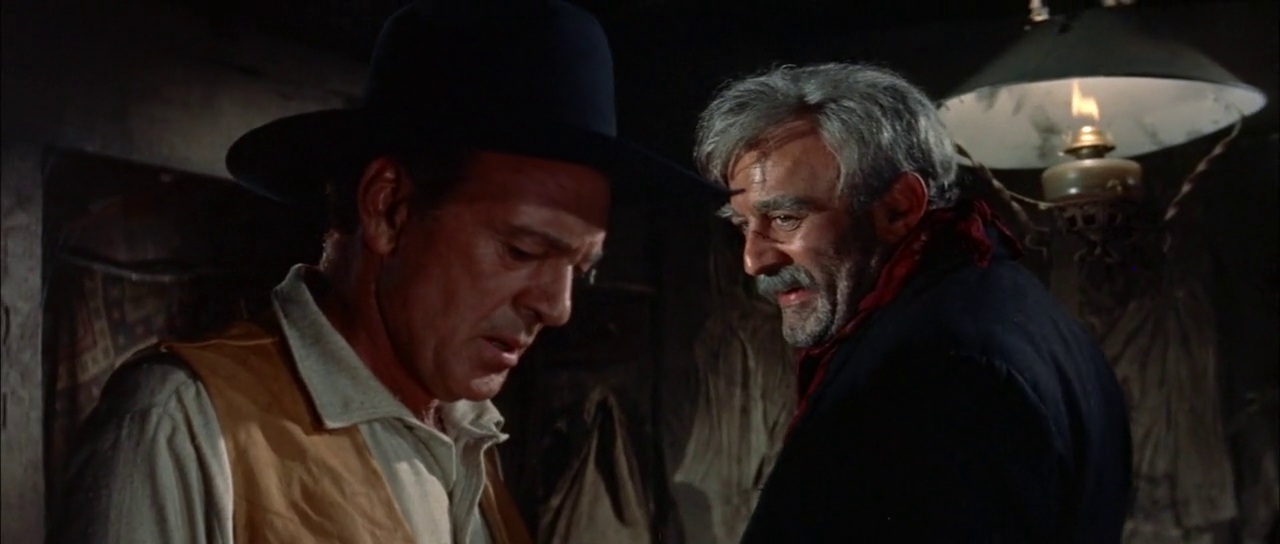
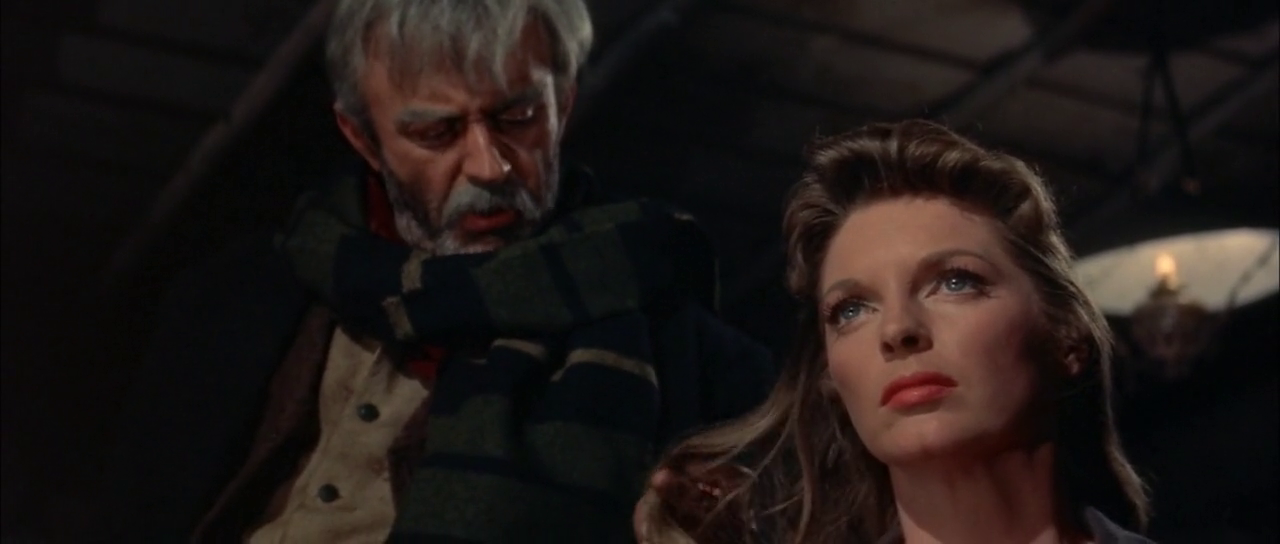
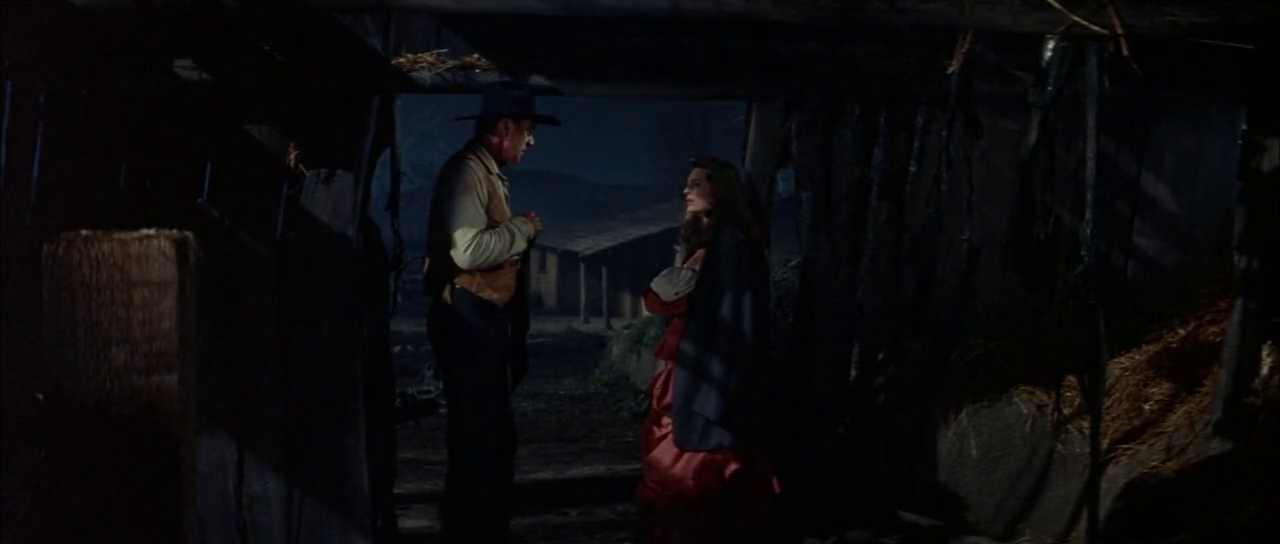
A reformed outlaw (Gary Cooper) travelling on a hijacked train along with a petty swindler (Arthur O’Connell) and a saloon singer (Julie London) seeks refuge in a cabin inhabited by his former gang mates (Jack Lord, John Dehner, Royal Dano, and Robert Wilke), who are rightfully suspicious about his claim that he’s come back to join them — but their sociopathic leader (Lee J. Cobb) loves Link (Cooper) enough to give him a second chance.

Genres, Themes, Actors, and Directors:

  • Anthony Mann Films
  • Ex-Cons
  • Gary Cooper Films
  • Lee J. Cobb Films
  • Outlaws
  • Westerns

Response to Peary’s Review:
Peary asserts that this “adult western” about “psychotic killers… who are the total opposites of the romanticized badmen of countless westerns” remains “one of the harshest portraits of the West.” It centers on “a morally ambiguous hero (Gary Cooper) who yields to his long-held-in-check violent nature in order to do in his brutal kin” and contains “a liberal dose of sex, the ingredient that most distinguished it from the spate of television westerns” being made at the time.

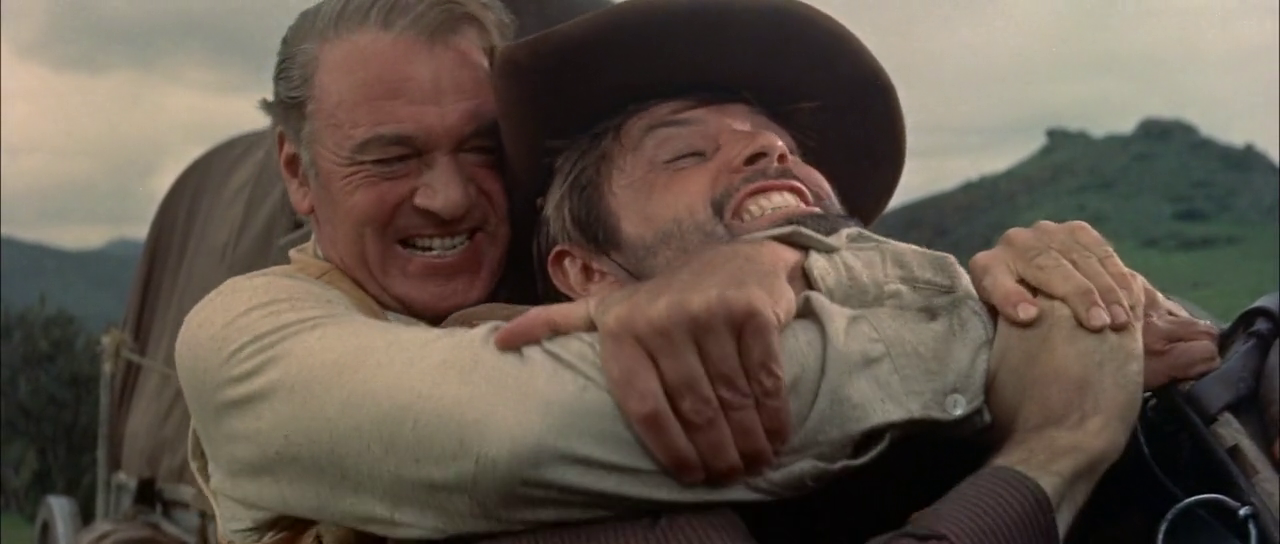
He adds that the “shootouts are inevitable and exciting,” and points out that “Cooper is not happy to fight [John] Dehner because he is the man Cooper would have been if he hadn’t deserted Cobb years before.”

He writes that “as in most Mann films, there are two men with similar backgrounds, one who chose to put away his guns as the West became civilized and one who chose to keep being an outlaw, which, in Mann’s films, made his demise inevitable.”

Peary goes on to write that “this picture is also similar to other Mann films because the rugged outdoor landscapes provide the characters with the appropriate environment for uncivilized behavior.”

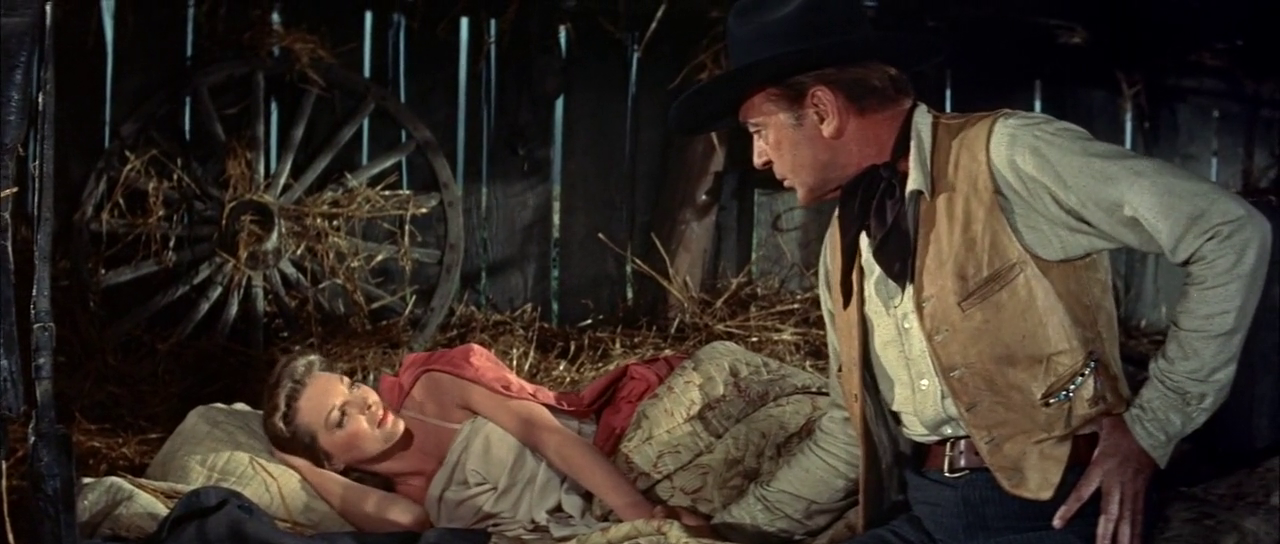
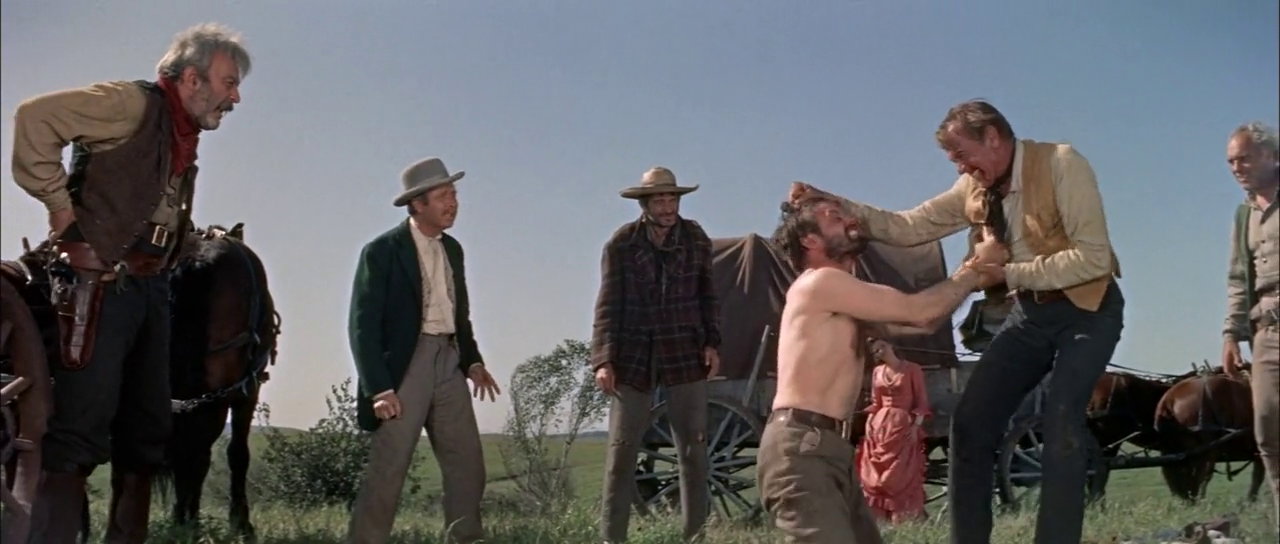
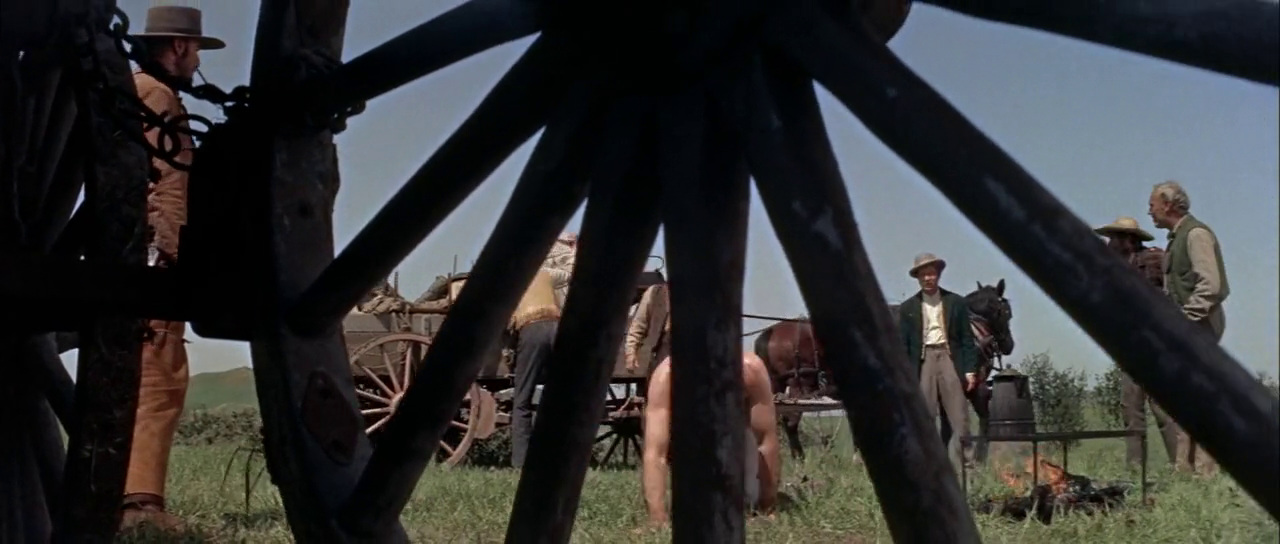
He points out that “the film’s most notorious, most publicized scene has [Jack] Lord forcing [Julie] London to strip to her underwear” — and, as “an enlightened hero, Cooper realizes London’s humiliation… and gets revenge on Lord later by making him strip while she watches.”

Peary concludes his GFTFF review by noting that this remains “a solid, smart western” with “impressive CinemaScope photography” by Ernest Haller, but he argues that “Cooper shouldn’t be a ‘hick’ in the opening scene.”

Peary elaborates on his thoughts about this film in his first Cult Movies book, where he describes it as a “beautifully filmed, bloody, unsparing western, replete with interesting, complex characters and exciting situations,” and notes that “if it has a major flaw it comes at the beginning,” given that Cooper plays these scenes “as if he were Longfellow Deeds once again.” He adds, “Having [Cooper] come across as being so gullible and innocent that Sam [O’Connell)] and Billie [London] would attempt to wheedle him out of [his] money… is completely deceptive on Mann’s part.”

“If this naive-chump bit were an act by Link to cover up his identity” (which is how I ended up interpreting it) “it would make sense, but it’s for real” (how does Peary know?), and “when we discover that Link used to be a hardened criminal, these early scenes come across as ridiculous.” While “Mann might have been trying to get us to believe Link a weakling so we would be pleasantly surprised later in the film when we see him do heroic deeds,” he asserts that the “change here is too drastic.” I would ultimately agree; regardless of Mann’s motivation, the character shift for Cooper isn’t seamless — though it’s easy enough to forget about the earlier scenes once we enter the “tense melodrama” of “the cabin scenes,” which Mann likened to “those in Key Largo (1948).” Unfortunately, less easy to forgive is Cobb’s overly theatrical performance as the psychotic head honcho of the Tobin gang. Not helping matters any is the fact that 57-year-old Cooper was 10 years older than 47-year-old Cobb in real life, despite playing his adopted son.

However, there’s enough to recommend in this dark western by master-director Mann to make it worthy as once-must viewing.

Redeeming Qualities and Moments:

  • Gary Cooper as Link Jones
  • Julie London as Billie Ellis
  • Excellent use of outdoor locales
  • Ernest Haller’s cinematography


Must See?
Yes, as a fine western by a master director.

Categories

  • Genuine Classic
  • Important Director

(Listed in 1001 Movies You Must See Before You Die)

Links:

Raging Bull (1980)

Raging Bull (1980)

“Jake is never gonna be a champ. Too many people hate him.”

Synopsis:
Middleweight boxer Jake La Motta (Robert De Niro) puts his career as well as his relationships with his wife (Cathy Moriarty) and manager-brother (Joe Pesci) at risk by his incessant rage and paranoia.

Genres, Themes, Actors, and Directors:

  • Boxing
  • Domestic Abuse
  • Jealousy
  • Marital Problems
  • Martin Scorsese Films
  • Rise-and-Fall
  • Robert De Niro Films

Response to Peary’s Review:
In Guide for the Film Fanatic, Peary writes that “the major reason to see this film is Robert De Niro’s shattering Oscar-winning portrayal of forties middleweight boxing champ Jake La Motta; he even ate himself into blimpic proportions for the later scenes in his subject’s life.” Peary adds that “reason number two is Michael Chapman’s stunning black-and-white photography; his fine shots of old New York and Miami hauntingly capture the feel of the past:


… [and] his boxing sequences are surreal.”

Peary notes that “as always, Martin Scorsese’s direction is powerful and his characters are natural and real, but, as is too often the case, he has chosen to film a script whose lead character is a thoroughly unlikable figure.” He argues that “eventually you may give up trying to figure out what makes La Motta tick and just get fed up with his antics.” However, he concedes that “scene by scene, the film has impact; particularly strong are those scenes with De Niro and Pesci… and the scene in which La Motta reacts to having thrown a fight for the only time in his career.”

However, Peary asserts that “when the film ends, you realize it has no core, no real theme. It’s just about a louse.” (I disagree, as I’ll explain in a bit.)

In Alternate Oscars, Peary insists he’s still not a fan of the film but, given its positive critical reception and beloved status by “the most astute film cultists,” he concedes it deserves to win Best Picture of the Year. He also agrees with Robert De Niro’s win as Best Actor of the Year, noting that “De Niro was great playing a character who, despite having stone hands and jaw, has no personality.” He writes that “La Motta comes across as just another of Scorsese’s inarticulate, incorrigible, misogynistic, violent, self-destructive Italian punks” who “seems to have no pride, except that he cries after throwing a fight and after winning the title.” He adds that “what La Motta likes to do — and he does it sometimes instead of sex — is beat up people, in the ring and at home. He expresses himself with his fists… All he does is eat, argue with Joey and Vickie, and fight.” However, despite detecting “no motivation for his jealous tantrums and abusiveness” we “keep watching… because De Niro is so powerful that we are paralyzed in our seats.” He notes that “what’s amazing is that while De Niro is trapped in a character who barely changes over the years, he still gives a performance that is excitingly unpredictable.”

I’m much less concerned than Peary about the apparent “lack of motivation” for La Motta’s abusive, self-loathing personality. This film is not about why La Motta became so paranoid and vicious, but rather about the impact that his inability to control his mental demons had on himself and those around him. Because the people he lashes out at are either in the ring or (eventually) have the sense to walk away from him (and he doesn’t stalk them), we know that his actions and volatile personality — which become tamer as he ages and gains more weight — have tragically cost him a lifetime of happiness. It’s brutal to watch, but this one rings really true, and does indeed remain powerful viewing.

Redeeming Qualities and Moments:

  • Robert De Niro as Jake La Motta

  • Joe Pesci as Joey
  • Catherine Moriarty as Vickie
  • The stunningly filmed fight sequences
  • Michael Chapman’s cinematography

  • Thelma Schoonmaker’s masterful editing

Must See?
Yes, as an enduring classic.

Categories

  • Important Director
  • Noteworthy Performance(s)
  • Oscar Winner or Nominee

(Listed in 1001 Movies You Must See Before You Die)

Links:

El Dorado (1966)

El Dorado (1966)

“Since when did hired guns get choosy?”

Synopsis:
An aging gun-for-hire (John Wayne) returns to the town of El Dorado with a young knife-throwing sidekick named Mississippi (James Caan), ready to help the town’s alcoholic sheriff (Robert Mitchum) fight against the henchmen supporting a land-grabbing tycoon (Ed Asner).

Genres, Themes, Actors, and Directors:

  • Howard Hawks Films
  • James Caan Films
  • John Wayne Films
  • Ranchers
  • Robert Mitchum Films
  • Sheriffs and Marshalls
  • Westerns

Response to Peary’s Review:
Peary writes that “director Howard Hawks and writer Leigh Brackett reworked their 1959 western Rio Bravo, coming up with a film that just misses equaling that masterpiece.” He notes that “like in other Hawks films, this one deals with professionalism, friendship, [and] grace under pressure; like Rio Bravo and Rio Lobo (1970), it ends with all the good guys still alive.” He adds that “Christopher George, who plays a gunfighter working for bad-guy rancher Ed Asner, is Hawks’s most sympathetic villain”:

… given that “he and Wayne respect each other, since both are professionals with a code of honor.” Finally, Peary points out that the “picture has exciting action sequences and a great deal of humor,” with “Caan… particularly funny.”

There’s not much more to say about this remake of Rio Bravo (yes, that’s essentially what it is) except that it’s competently filmed and handles aging and infirmity with aplomb, not shying away from showing how much harder life is in the rugged west when your body starts failing you. Mitchum’s character is played for laughs rather than pathos, but undergoes a refreshing transformation; and it’s interesting seeing Caan in one of his earliest films, bridging the era of classical filmmaking with a burgeoning new sensibility in cinema. However, this one isn’t must-see other than for Hawks fans.

Redeeming Qualities and Moments:

  • Harold Rosson’s cinematography
  • Fine performances by the ensemble cast

Must See?
No, though of course fans of John Wayne or Howard Hawks will want to check it out.

Links:

Rio Bravo (1959)

Rio Bravo (1959)

“Next time they’ll shoot first and laugh afterwards.”

Synopsis:
After arresting the murderous brother (Claude Akins) of a local rancher (John Russell) and throwing him in jail, sheriff John T. Chance (John Wayne) enlists help from his limping deputy Stumpy (Walter Brennan), an alcoholic former-deputy named Dude (Dean Martin), and a young sharpshooter named Colorado (Ricky Nelson) in guarding Akins until help arrives; meanwhile, he falls for a beautiful young dance hall girl (Angie Dickinson) named Feathers.

Genres, Themes, Actors, and Directors:

  • Angie Dickinson Films
  • Dean Martin Films
  • Howard Hawks Films
  • John Wayne Films
  • Masculinity
  • Romance
  • Sheriffs and Marshals
  • Walter Brennan Films
  • Ward Bond Films
  • Westerns

Response to Peary’s Review:
Peary opens his review of this classic western by writing that “Howard Hawks made this film in reaction to High Noon because he was so upset that it had a lawman who begs civilians to help in a crisis.” He notes that this “slam-bang, exciting, funny western is quintessential Hawks: it is unabashedly commercial yet personal; is about a group of heroic men of action who work together for a common moral purpose; expresses a masculine code of conduct based on courage, loyalty, perseverance, and expertise; has a female lead who impresses the male lead by having what he believes are (positive) masculine traits (i.e., independence, loyalty, inner fortitude, guts) and at the same time excites him with her femininity; contains action, humor, and [a] large dose of dialogue; is filmed with a functional, unobtrusive camera; and has a happy ending.”

He adds that “Hawks’s men are allowed to be scared, but, like Dude, they must put themselves on the line when scared to prove they are worthy men to themselves and their male friends.” For Hawks, “a man is defined not by how well he relates to women — he is mystified by them — but by how well he handles pressure and reacts to danger. It’s okay that Dude (the film’s pivotal character) wants help from his friends, but when the chips are down and they need his assistance, Dude must be dependable. Along with the word ‘proficient,’ ‘dependable’ is how Hawks defines ‘good,’ the highest rating a person can have in a Hawks film.” Peary points out that Rio Bravo “has many terrific scenes,” and asserts it remains “one of the all-time great westerns.”

I’m essentially in agreement with Peary’s review (excerpted from his longer analysis in his first Cult Movies book), and I consider this a must-see film on numerous levels. However, it’s a film I admire more than enjoy — perhaps because I tend to prefer more economical westerns that pack a punch in ~1.5 hours (Rio Bravo is a leisurely 141 minutes). I’m most impressed by Martin’s performance: he shows true depth of character as an alcoholic wracked by hand-shaking nerves and tremens, who knows his reputation has gone down the drain and is willing to push past his own failings to step up to the work that needs doing.

It’s also enormously refreshing to know a happy ending awaits our motley crew; this makes watching the suspenseful, well-filmed final shoot-out just that much more exciting.

Redeeming Qualities and Moments:

  • Fine performances by the ensemble cast


  • Russell Harlan’s cinematography

  • Numerous memorable moments


Must See?
Yes, as a classic western by a master director.

Categories

  • Genuine Classic
  • Important Director

(Listed in 1001 Movies You Must See Before You Die)

Links:

Seven Days to Noon (1950)

Seven Days to Noon (1950)

Welcome, CMBA members! I’m happy to be participating in the Classic Movie Blog Association’s “Hidden Classics” blogathon. If you’re new to my site, please click here to read more.

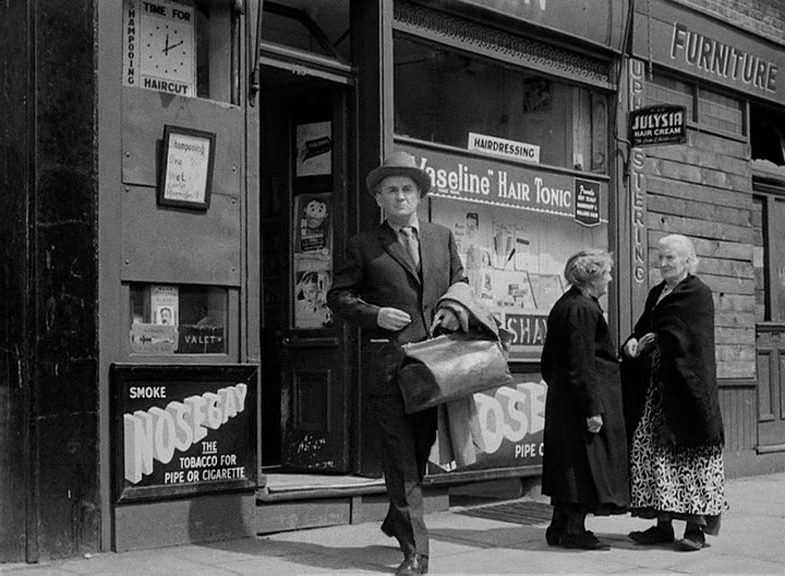
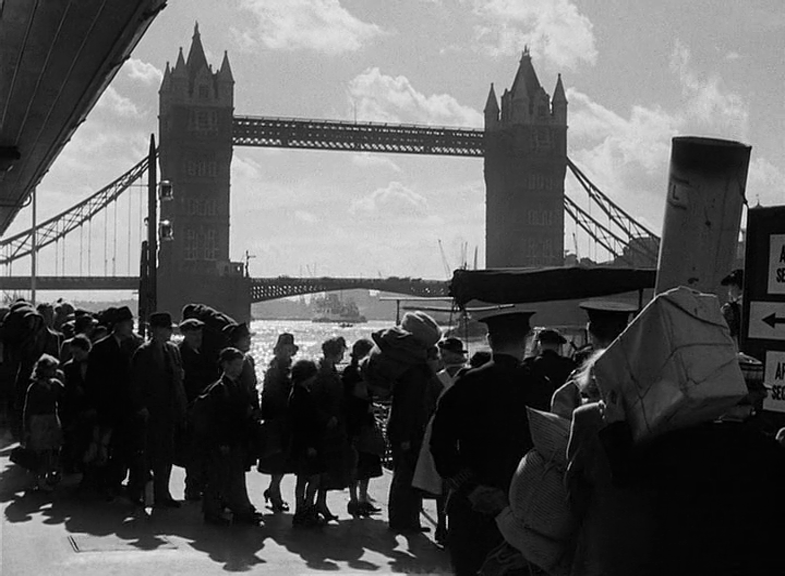
For my entry in this blogathon, I chose to re-post my review of a film I discovered with pure delight last summer: John and Ray Boulting’s Seven Days to Noon (1950). This tense, well-scripted movie about a justifiably unhinged scientist threatening to destroy London unless politicians halt all production of Weapons of Mass Destruction remains as potent today as it must surely have been during the Cold War. It’s well worth a look on numerous levels, including atmospheric cinematography and impressive use of on-location shooting across London. I’m puzzled as to why it’s not more widely known and appreciated. I hope you enjoy my review and the film itself! – Sylvia (FilmFanatic)

P.S. If you’d like to post a comment, please send me an email at filmfanatic.org@gmail.com and I will create an account for you.

“What would you do if you were convinced the results of your life work were being put to an evil purpose?”

Synopsis:
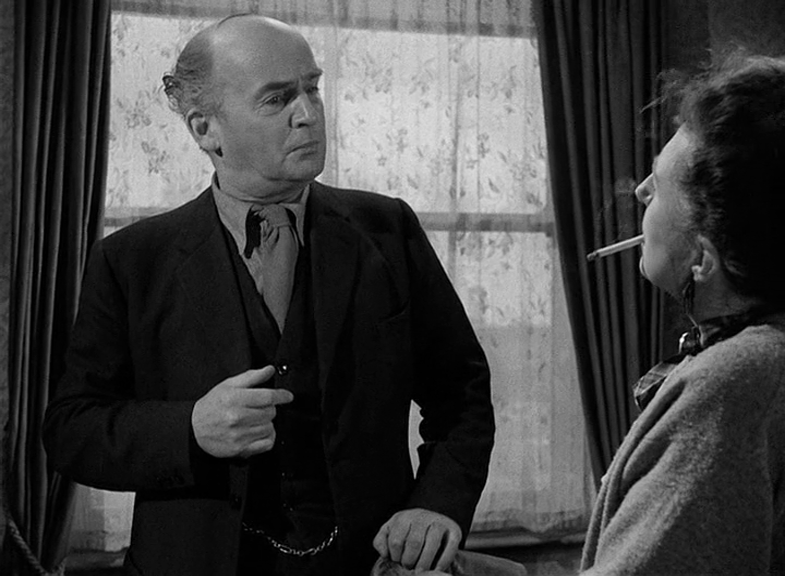
A British scientist (Barry Jones) deeply distressed that the world seems unaware of the danger of nuclear bombs sends a note to the Prime Minister (Ronald Adam) threatening to annihilate London unless Adam calls a halt to all production of WMDs. A detective (André Morell) immediately begins to search for Professor Willingdon (Jones), whose assistant (Hugh Cross) and grown daughter (Sheila Manahan) are perplexed and distressed by this turn of events; meanwhile, Jones makes his way across London, seeking refuge and support in unexpected spaces.

Genres:

  • Detectives and Private Eyes
  • Mad Doctors and Scientists
  • Mental Breakdown
  • Nuclear Threat
  • Search

Review:
British filmmakers and identical twins John and Ray Boulting were primarily known for a string of comedies they directed and/or produced in the 1950s and 1960s; a few of their titles are listed in Peary’s book: The Magic Box (1951), I’m All Right Jack (1959), and Cry of the Penguins (1971). This atmospheric Cold war thriller is a pleasant surprise in their oeuvre, and likely their best film, given what a powerful punch it continues to pack. As noted by Bosley Crowther in his review for the New York Times, it’s a “terminally overwhelming picture” filled with “superb pictorial clarity and ever-tightening dramatic suspense”.

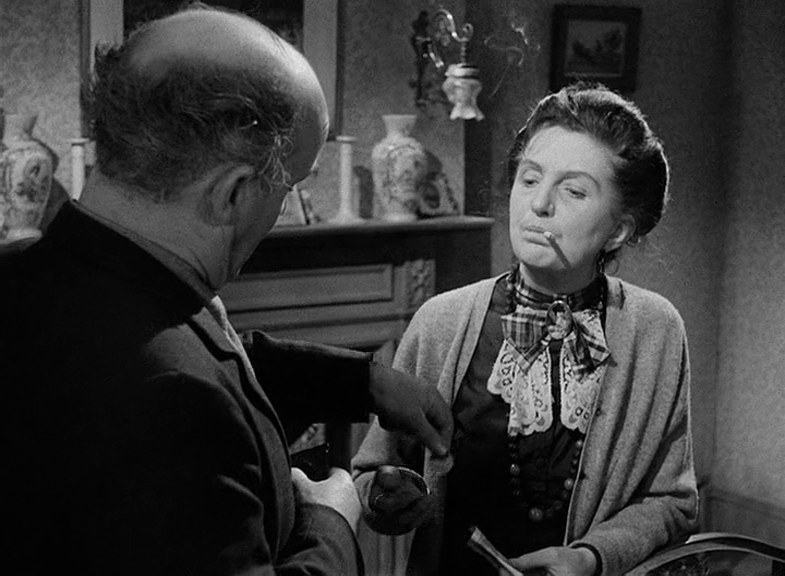
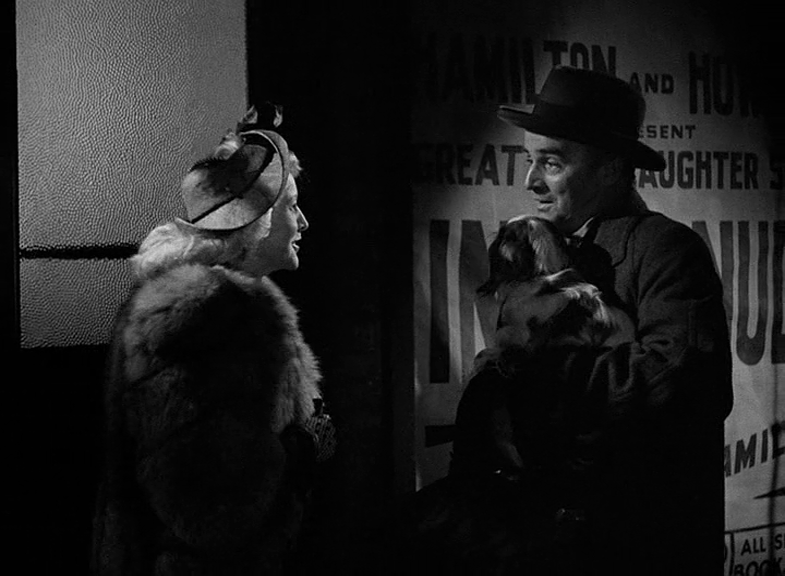
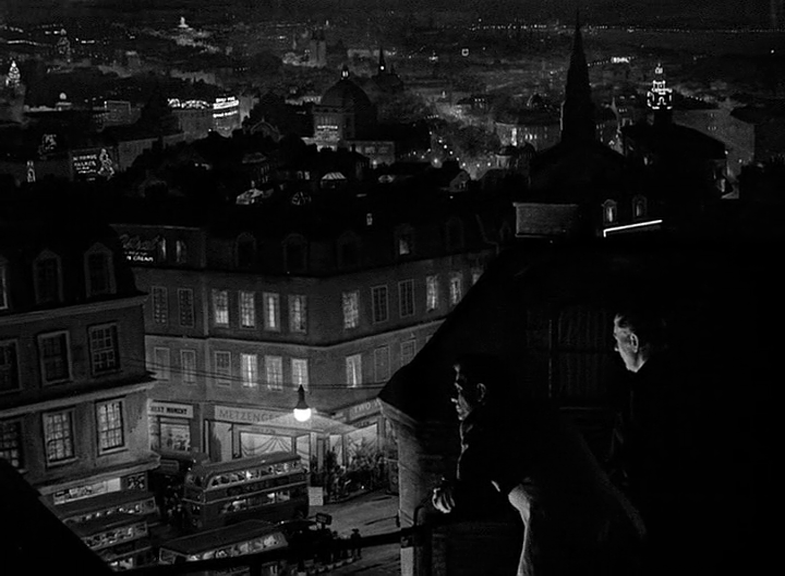
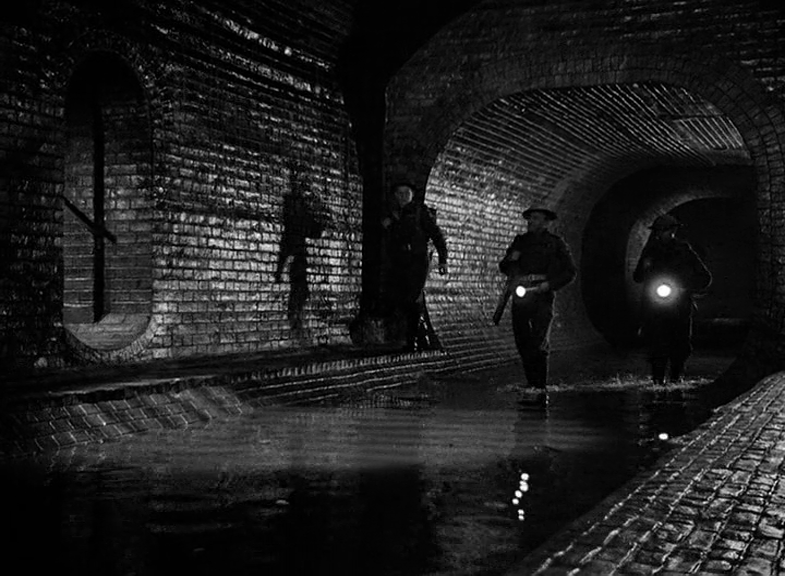
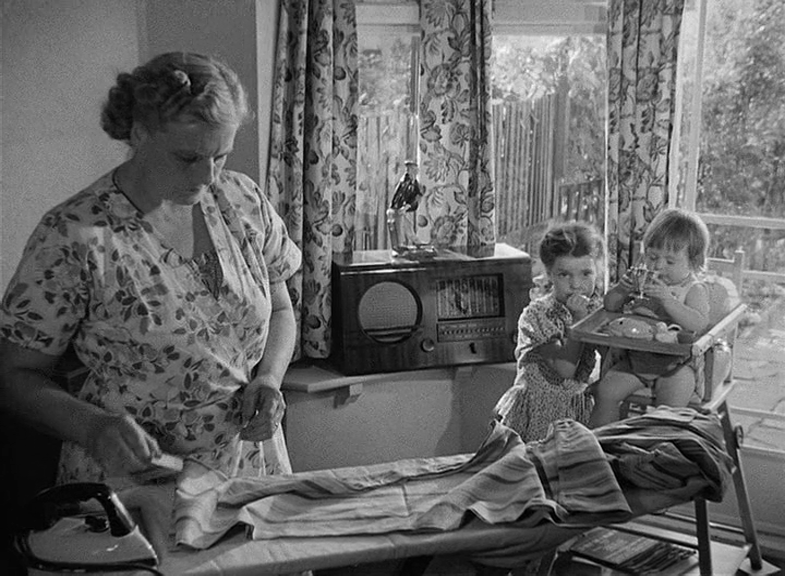
From its opening moments until its almost unspeakably tension-filled finale, we’re held on the edge of our seats during this film, feeling anxiety, dread, and a surprising amount of sympathy for the man (clearly unhinged — can you blame him?) about to annihilate one of the world’s largest cities. Fine attention is paid to small details and ambiance throughout the movie, including effective supporting characters (both speaking and silent) and use of authentic locations and extras. Gilbert Taylor’s atmospheric cinematography perfectly captures both the broad scope of a city at risk, as well as the shadowy underworld Jones is pulled into. Most definitely check this one out.

Note: It’s fascinating to read that both Boulting twins married numerous times (John four times, Ray five) and had a total of 13 kids between them (!). They were busy.

Redeeming Qualities and Moments:

  • Fine performances by the entire cast

  • Atmospheric cinematography by Gilbert Taylor


  • Excellent use of authentic locations and extras


  • The Academy Award-winning screenplay

Must See?
Yes, as a powerful Cold War-era thriller.

Categories

  • Good Show

Links:

Searchers, The (1956)

Searchers, The (1956)

“He’s a man that can go crazy-wild — and I intend to be there in case he does!”

Synopsis:
When his brother Aaron (Walter Coy), sister-in-law Martha (Dorothy Jordan), and nephew Ben (Robert Lyden) are massacred by Comanche Indians and his nieces Lucy (Pippa Scott) and Debbie (Lana Wood) are abducted by Chief Scar (Henry Brandon), a racist Confederate veteran (John Wayne) begins a years-long search for now-grown Debbie (Natalie Wood), accompanied by his adopted nephew Marty (Jeffrey Hunter) who worries Wayne will harm Debbie given her association with Indians. Meanwhile, Marty’s girlfriend Laurie (Vera Miles) waits for him back on the home front with her parents (John Qualen and Olive Carey), but eventually allows another suitor (Ken Curtis) to woo her.

Genres, Themes, Actors, and Directors:

  • Jeffrey Hunter Films
  • John Ford Films
  • John Qualen Films
  • John Wayne Films
  • Kidnapping
  • Natalie Wood Films
  • Native Americans
  • Racism and Race Relations
  • Revenge
  • Search
  • Ward Bond Films
  • Westerns

Response to Peary’s Review:
Peary writes that “John Ford’s epic western is a great film, one that has enormous scope, breathtaking physical beauty, and a fascinating, complex lead character, John Wayne’s Ethan Edwards.” He explains that Chief Scar is racist Ethan’s “alter ego,” with his name signifying he has put “a blemish (a ‘scar’) on the name of the pure-blooded Edwards family,” and thus, “by killing Debbie, Ethan feels he can end his family’s, and particularly Martha’s, disgrace.” Ethan’s “knightly quest for revenge is marred by impure motives,” with “his fears about the mixing of the bloods symbolically conveyed when he almost dies from a poison arrow.” Ultimately, Peary argues, “the cleansing of Ethan’s soul is central to this picture,” and “Ethan’s search is not for Debbie…: it is for himself, his attempt to find internal tranquility and purge himself of racism and of the savagery that is embodied by Scar.”

In Alternate Oscars, where he names The Searchers Best Movie of the Year, Peary adds that this is a “splendidly directed film full of action, humor, intriguing relationships, and, to build tension, interrupted rituals (funerals, weddings, dinners, and so on).”

He notes that “images of settlers, Indians, and the landscape evoke emotional responses,” thanks in large part to beautiful cinematography by Winston C. Hoch.

Although The Searchers isn’t a personal see-again classic for me as it is for Peary (who shares it was his favorite movie as a kid), I agree it’s a masterfully filmed saga which boldly addresses challenging topics, never shying away from presenting Wayne’s character as a monstrously bigoted anti-hero who can’t be trusted. Hunter quickly becomes endearing as the 1/8th-Cherokee adoptee who accepts that Wayne refuses to fully acknowledge his humanity, yet is willing to spend years — and risk his life — rescuing his kidnapped sister. While I’m not a fan of Ford’s characteristic humor — here primarily embodied by Miles’ oafish suitor (Ken Curtis) but also somewhat in the addle-brained character “Mose” (Hank Worden), who helps bring The Search to a close:

… I can understand the desire for a bit of levity in the midst of such darkness. Thank goodness Ford — via Frank Nugent’s adaptation of Alan Le May’s novel — allows us a relatively happy (if inevitably bittersweet) ending.

Redeeming Qualities and Moments:

  • John Wayne as Ethan Edwards
  • Jeffrey Hunter as Marty
  • Incredible location footage in Monument Valley
  • Fine VistaVision cinematography

  • Numerous memorable moments

Must See?
Yes, as a classic western.

Categories

  • Genuine Classic
  • Important Director

(Listed in 1001 Movies You Must See Before You Die)

Links:

Alice Doesn’t Live Here Anymore (1974)

Alice Doesn’t Live Here Anymore (1974)

“I know what I’m doing; I know EXACTLY what I’m doing!”

Synopsis:
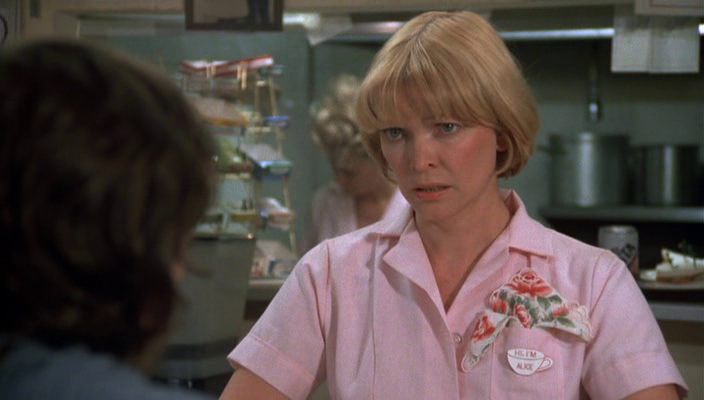
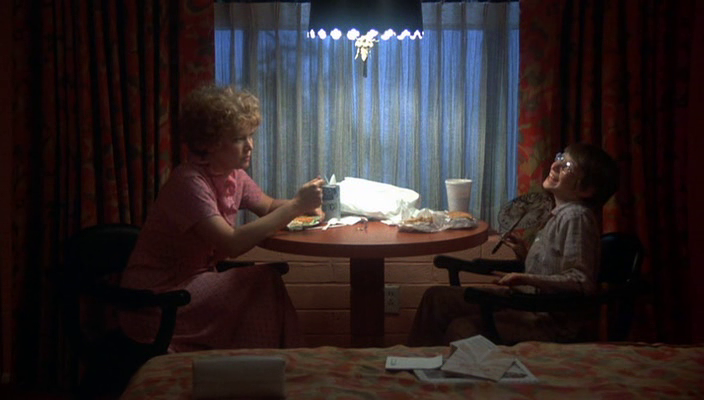
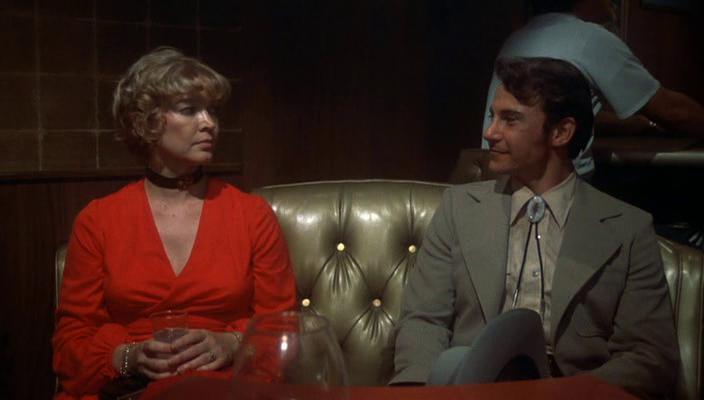
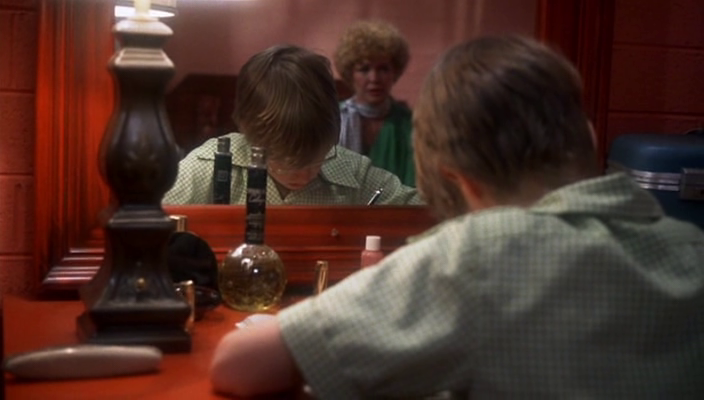
A woman (Ellen Burstyn) whose husband (Billy Green Bush) is killed in an accident takes her 12-year-old son Tommy (Alfred Lutter III) on the road with her, headed to Monterey to revive her former singing career. Along the way, they stop in Phoenix to earn some money, and Alice (Burstyn) becomes involved with an insistent suitor (Harvey Keitel) who turns out to bad news all around. Soon Alice and Tommy find themselves in Tucson, where Alice becomes a waitress and finds tentative romance with a kind rancher (Kris Kristofferson).

Genres, Themes, Actors, and Directors:

  • Diane Ladd Films
  • Ellen Burstyn Films
  • Feminism and Women’s Issues
  • Harvey Keitel Films
  • Jodie Foster Films
  • Kris Kristofferson Films
  • Martin Scorsese Films
  • Ranchers
  • Single Mothers
  • Strong Females
  • Widows and Widowers

Response to Peary’s Review:
Peary writes that “Martin Scorsese directed this film which was considered a breakthrough by feminists not because it presents a woman who achieves full liberation and fulfilling self-sufficiency — this doesn’t happen — but because it presents a real woman who relies on herself to solve problems that are common to single mothers.” He argues that “Burstyn deserved her Oscar for her multi-faceted portrayal of… a recently widowed New Mexico housewife who worries about how she’ll support herself and her likable but unsupportive… son” — and in Alternate Oscars, he gives her the award himself. He writes that to him, “this is a film about the fears a woman feels when she finds herself on her own: Alice is afraid that she can’t make enough money, that she can’t sing, that her son will think her a bad mother (does any other film deal with this significant theme?), that she won’t make friends…, that she won’t find another man, and that if a man pursues her, she won’t make correct decisions about him.” He adds that “what’s admirable is that she deals with her fears head-on, despite her obvious insecurities.”

He notes that “Visually, Scorsese’s greatest accomplishment is that he conveys that people in America don’t stand on firm ground, are never comfortable in their settings, feel disoriented and unsettled.” He points out that the “film has much humor, especially in the scenes between Alice and her son, but it is hard-edged throughout,” and “Keitel is terrifying.”
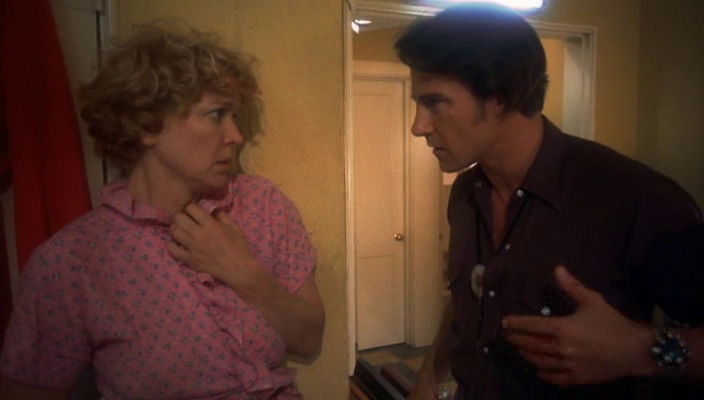
In Alternate Oscars, Peary elaborates on Burstyn’s performance, noting that she provides a “superb, thoroughly convincing characterization” that “lets us see many facets of Alice, the bad as well as the good, the fragile and the resilient. At various times she is funny, goofy, angry, scared, sexy, pathetic, calm, hysterical, optimistic, pessimistic, patient, intolerant, hard (not too often), and soft… [And] there is one consistency: Alice always reacts emotionally to anything anyone says or does. Nothing passes her by, [and] nothing is taken casually.”

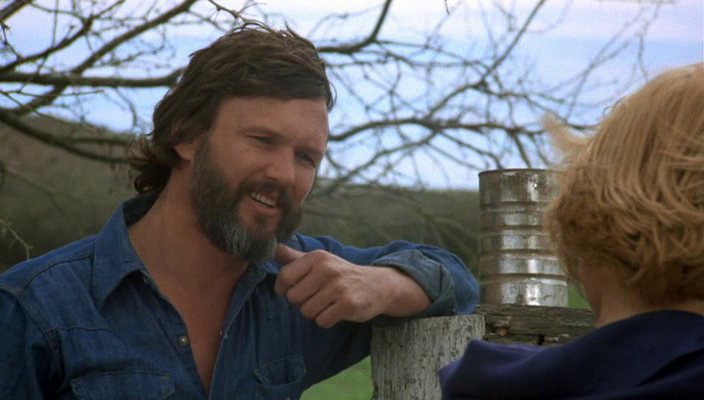
I agree that Burstyn’s work here is impressive and authentic — though I’m less taken with the film as a whole. While I appreciate and admire Scorsese’s efforts, I’m annoyed by Alice’s thoroughly unrealistic dream of simply wandering into various bars and finding a job as a lounge singer, and feel sorry for her put-upon son (who at least gives her plenty of grief in return). Keitel’s character is among the most interesting in the film, but (appropriately) she flees from him as soon as we learn that he’s far more brutally complicated than he seems. Kristofferson is pleasant but too-good-to-be-true, and merely a convenient plant.
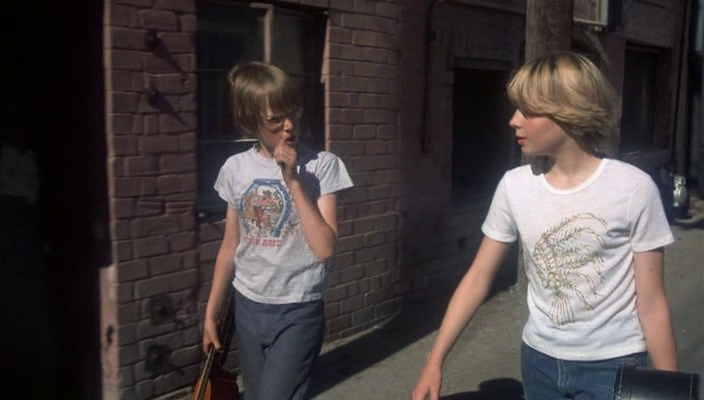
Meanwhile, a sub-plot between Lutter III and Jodie Foster as precocious juvenile delinquent Audrey gives us a heads up on the more fleshed-out role Foster would play for Scorsese in Taxi Driver (1976).
Note: This film is also notable for being “the basis for the long-running television series,” which I watched regularly as a kid.

Redeeming Qualities and Moments:

  • Ellen Burstyn as Alice
  • Alice’s rapport with her son
  • Harvey Keitel as Ben
  • Fine cinematography


Must See?
Yes, for Burstyn’s Oscar-winning performance.

Categories

  • Oscar Winner or Nominee

Links:

Hondo (1953)

Hondo (1953)

“We’ve always gotten along splendidly with the Apache.”

Synopsis:
When a horseless Army scout (John Wayne) stops to rest with a homesteading woman (Geraldine Page) and her young son Johnny (Lee Aaker), he helps them understand how to navigate ongoing tensions with neighboring Apache tribes. Meanwhile, after unknowingly kills Page’s no-good husband (Leo Gordon) in self-defense, Hondo (Wayne) must determine how to share this awkward news with her.

Genres, Themes, Actors, and Directors:

  • Cavalry
  • Geraldine Page Films
  • John Wayne Films
  • Native Americans
  • Romance
  • Ward Bond Films
  • Westerns

Response to Peary’s Review:
Peary refers to this John Farrow-directed adaptation of Louis L’Amour’s short story as “perhaps the best John Wayne western not directed by John Ford or Howard Hawks.” He notes that it “has the simplicity present in L’Amour as well as the power, and it expresses his love of the land and its beauty, his respect for those who tried to civilize the savage West, and the sense of danger that was always present.”

He points out that “Wayne and Page are well cast,” and that Page “proves to be one of Wayne’s best leading ladies — she doesn’t overmatch him despite her theatrical acting experience.”

Finally, he notes that “Wayne, who didn’t get to play with children very often, is quite good with Aaker as well” — and “particularly memorable” (if perhaps traumatizing for kids at the time whose parents followed Wayne’s suit) “is the scene in which he teaches the boy to swim.”

I’m in agreement with Peary’s review of this simple yet powerful western, which manages to portray both an authentically budding romance between seasoned adults, and a reasonably nuanced perspective on Apache members, whose way of life Hondo can relate to given that he lived with them for years.

Wayne’s final lines in the film speak to the (welcome) complexity of his views on white settlement of Indian land.

Redeeming Qualities and Moments:

  • John Wayne as Hondo Lane (nominated as one of the Best Actors of the Year in Peary’s Alternate Oscars)
  • Geraldine Page as Angie Lowe (nominated as one of the Best Actresses of the Year in Peary’s Alternate Oscars)
  • Fine cinematography

Must See?
Yes, as a fine western.

Categories

  • Good Show

Links:

Last Waltz, The (1978)

Last Waltz, The (1978)

“It’s a goddamn impossible way of life.”

Synopsis:
Martin Scorsese films the final concert given by The Band (Robbie Robertson, Richard Manuel, Rick Danko, Levon Helm, and Garth Hudson), which includes guest appearances by numerous big-name musicians.

Genres, Themes, Actors, and Directors:

  • Concert Films
  • Martin Scorsese Films
  • Musicians
  • Rock ‘n Roll

Response to Peary’s Review:
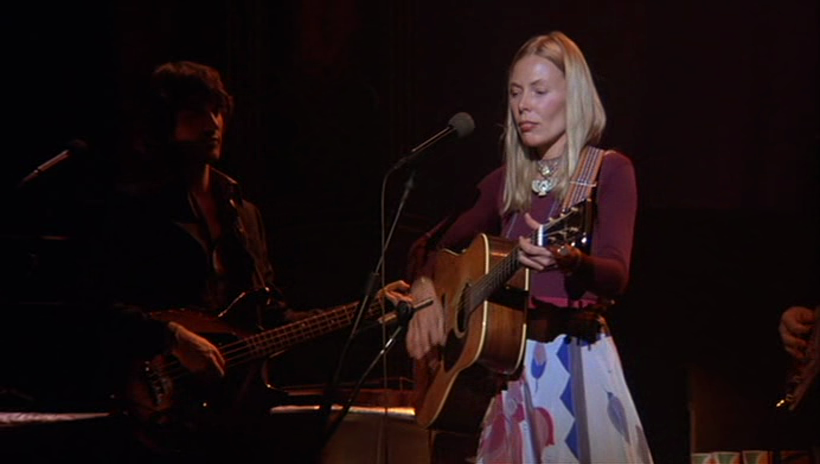
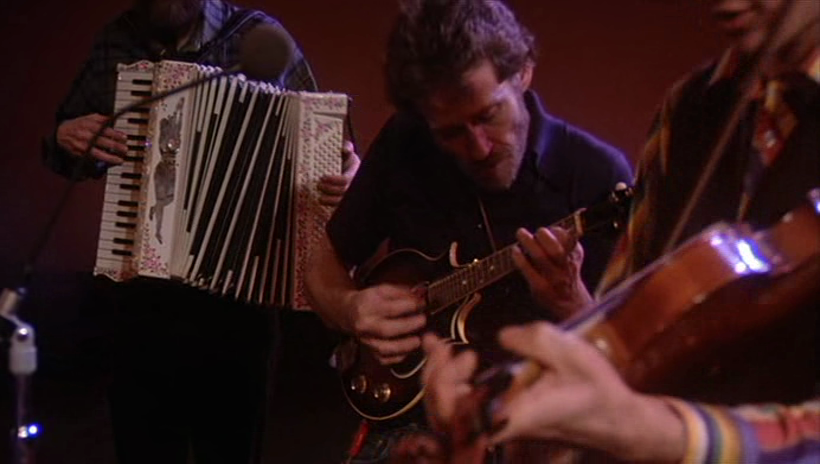
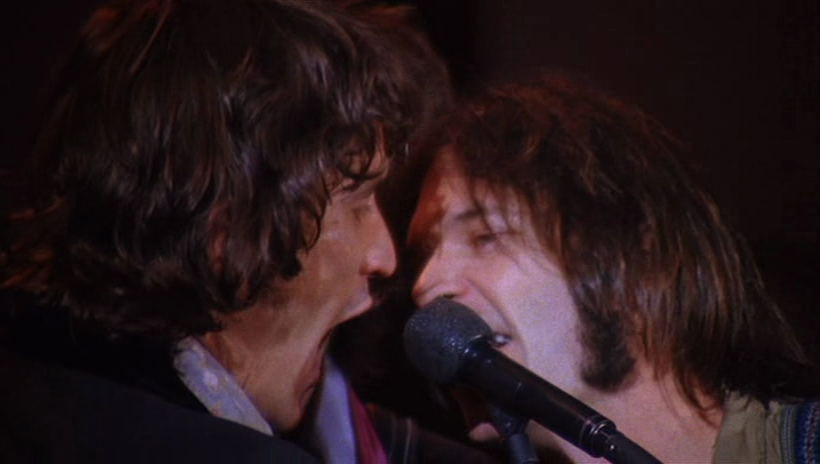
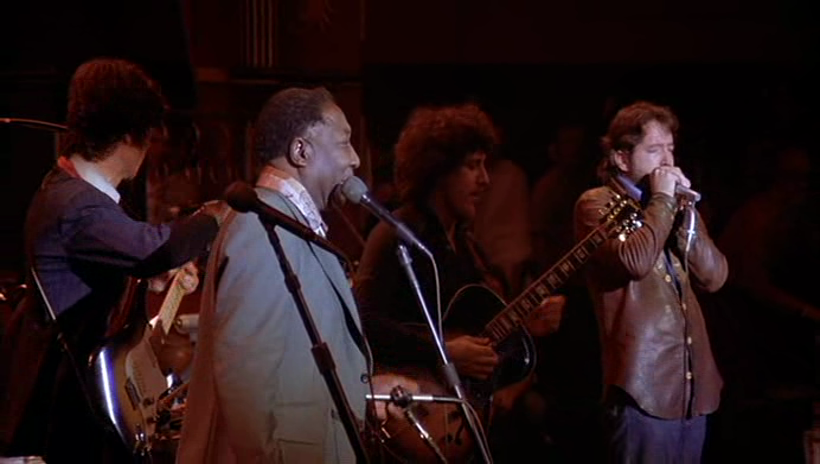
Peary writes that this “marvelous, intimate, emotional documentary by Martin Scorsese made to commemorate the historic farewell performance-celebration by The Band, in San Francisco on Thanksgiving 1976” features a “great concert, with seminal stars like Bob Dylan…, Neil Young, Muddy Waters, Van Morrison, Joni Mitchell, Neil Diamond…, Paul Butterfield, Eric Clapton, Dr. John, and Ronnie Hawkins all in fine form,” and “Ringo Starr and Ron Wood mak[ing] token appearances.” He writes that “the excitement on the stage is apparent as The Band… perform their array of songs for the last time together (including ‘The Weight,’ ‘The Night They Drove Old Dixie Down,’ and ‘Stage Fright’) and as they’re joined on stage by their friends, all musical superstars.”


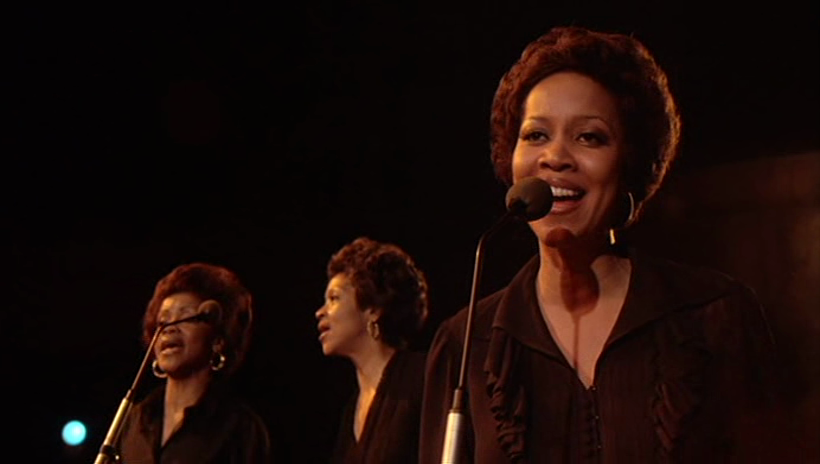
Peary notes that “Scorsese also added some stylized footage of The Band singing and playing with the Staple Singers:

… and then Emmylou Harris (her “Evangeline” is a highlight) on a bare stage in an empty hall.”

Peary writes that “Scorsese begins the film with the final song of the concert and throughout the concert inserts some interesting post-concert interview clips he conducted with Robertson and, to a lesser degree, the other band members about their years on the road when they were an anonymous band rather than The Band.”

These interview clips were apparently an inspiration for This is Spinal Tap (1982), and it’s easy to see how Guest et al. had fun with them.

Redeeming Qualities and Moments:

  • Fine cinematography by Michael Chapman and others

  • Many memorable and enjoyable musical performance

Must See?
Yes, as a classic concert film by a master director.

Categories

  • Important Director

Links: