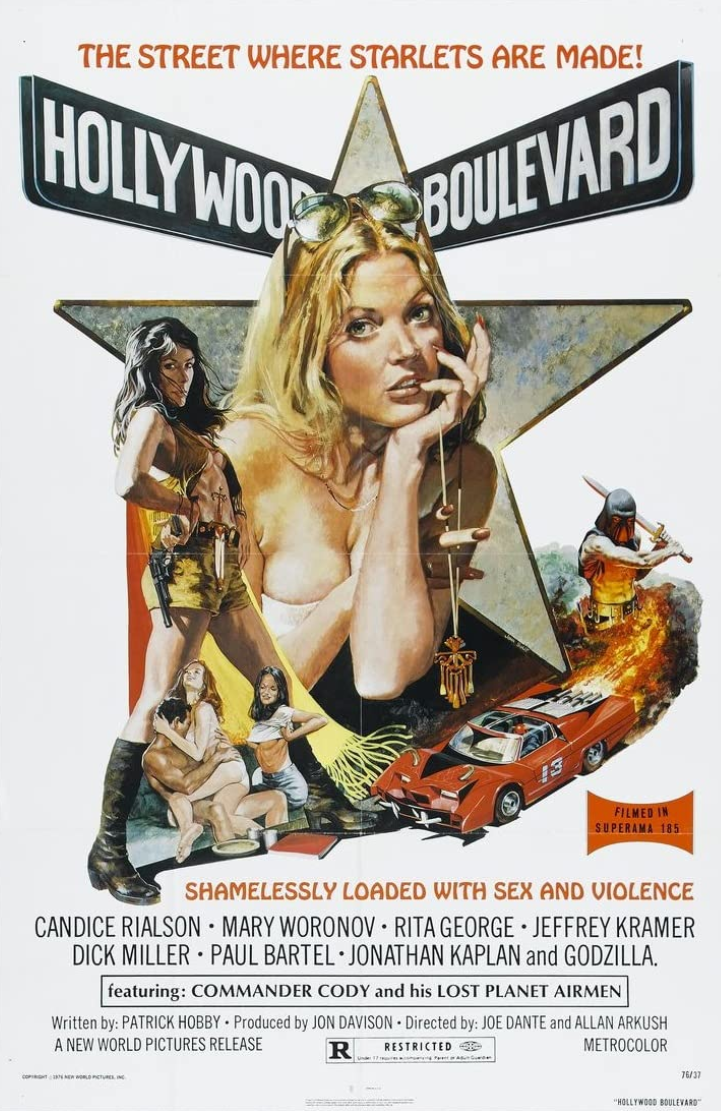
Hollywood Boulevard (1976)
“This is Hollywood — we change everything; we have to.”
|
Synopsis: |
|
Genres, Themes, Actors, and Directors:
Response to Peary’s Review: Redeeming Qualities and Moments:
Must See? Links: |
“This is Hollywood — we change everything; we have to.”
|
Synopsis: |
|
Genres, Themes, Actors, and Directors:
Response to Peary’s Review: Redeeming Qualities and Moments:
Must See? Links: |
“At last, I found a paradise — but it would be no paradise if it belonged to me alone.”
|
Synopsis: |
|
Genres, Themes, Actors, and Directors:
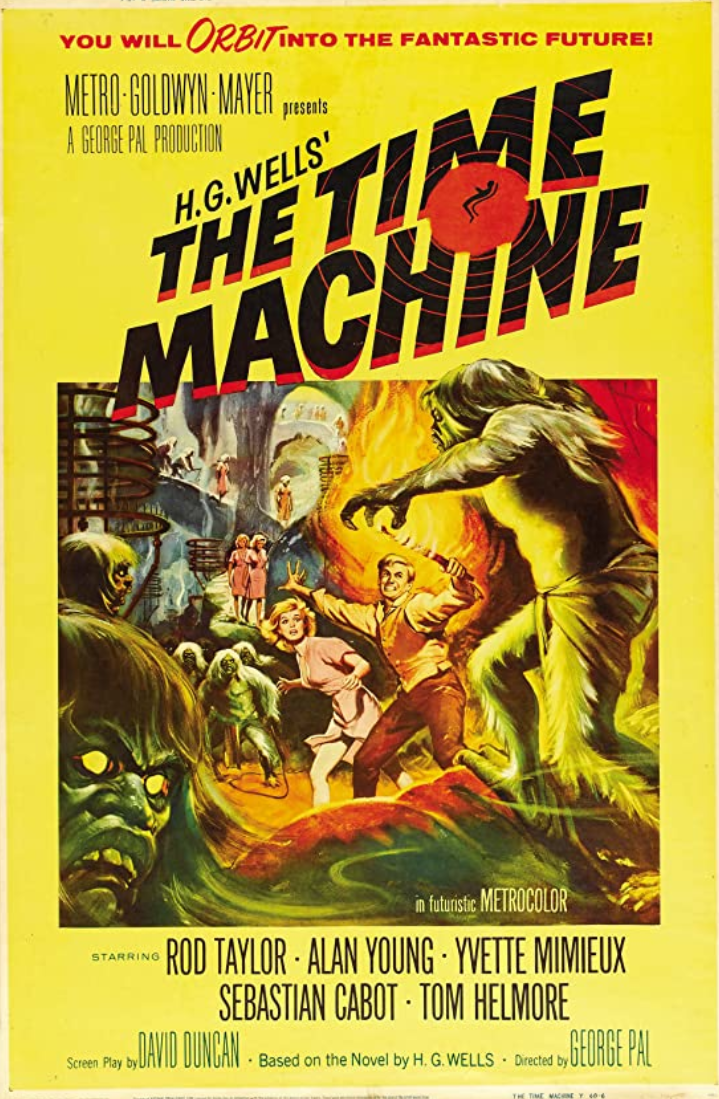
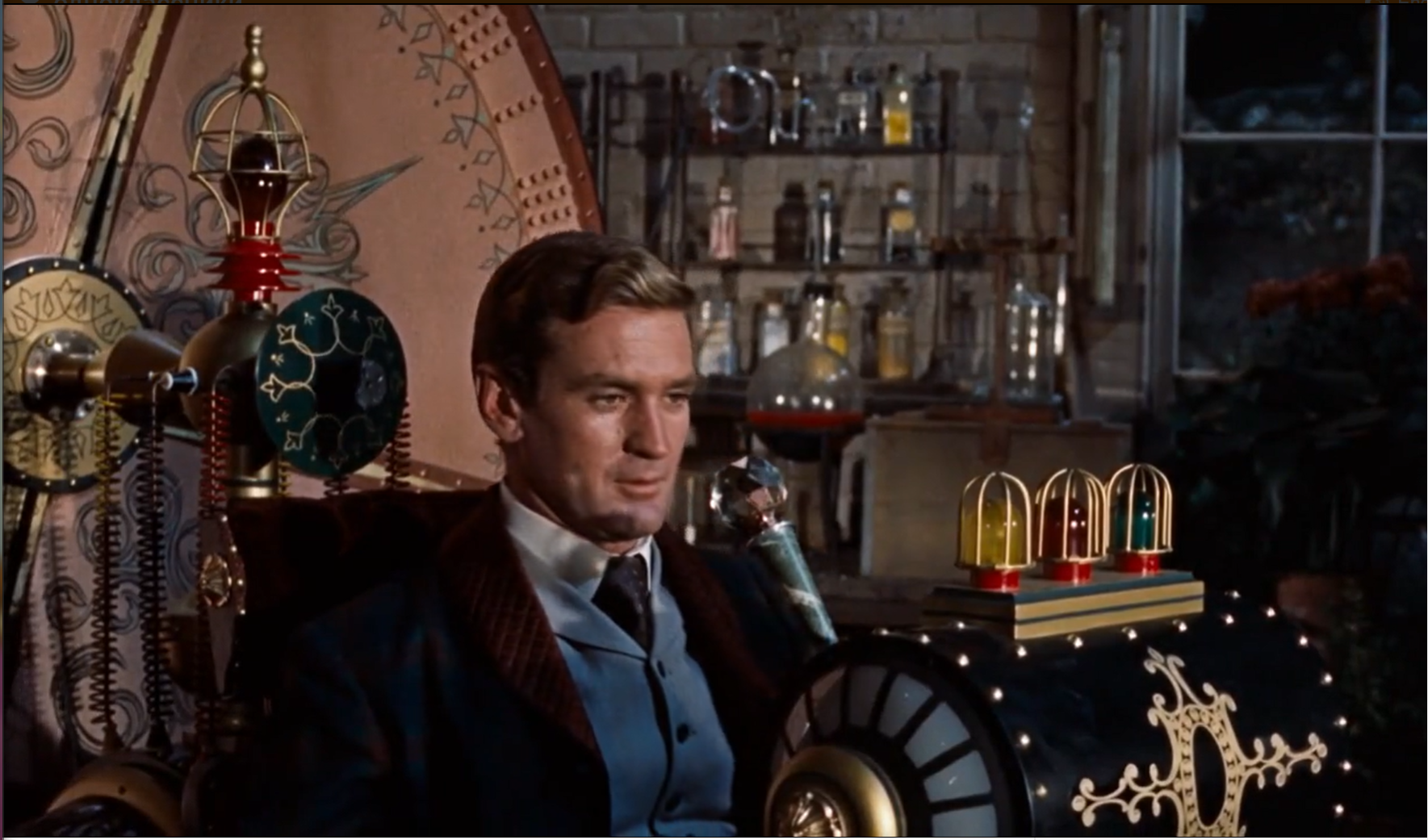
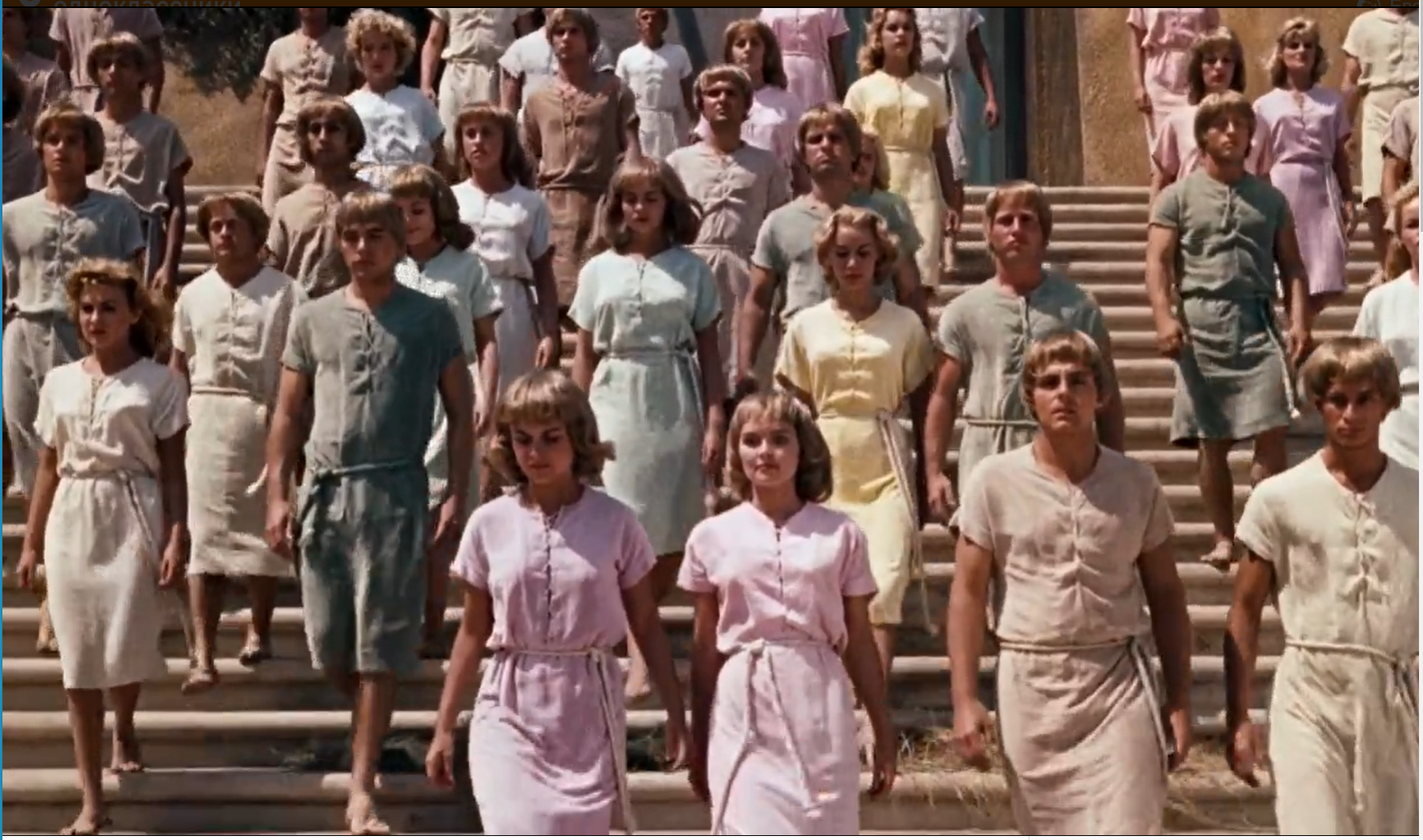
Response to Peary’s Review: Although it’s been quite a while since I read the original novel, I would say that Pal’s narrative choice (working with a script by David Duncan) is a smart one: seeing the opening sequence with the Eloi — in which “young, blond, ignorant, pathetic, and carefree people living in an Edenic garden” pay no attention “when a young woman… almost drowns” — reminds us that “paradise” is relative, and that beauty and comfort don’t correlate with authenticity, satisfaction, or integrity. Mimieux is appropriately beautiful and guileless as “Weena” (how does she speak English so well??), while Taylor makes a ruggedly sympathetic protagonist, someone we can easily root for along his travails — especially as it’s clear he wants nothing but the best for humanity. Redeeming Qualities and Moments:
Must See? Categories
Links: |
“As long as the roots are not severed, all is well. And all will be well in the garden.”
|
Synopsis: |
|
Genres, Themes, Actors, and Directors:
Review: Redeeming Qualities and Moments:
Must See? Categories
(Listed in 1001 Movies You Must See Before You Die) Links: |
“You and I, we have lots of fun — don’t we, Lolita?”
|
Synopsis: |
|
Genres, Themes, Actors, and Directors:
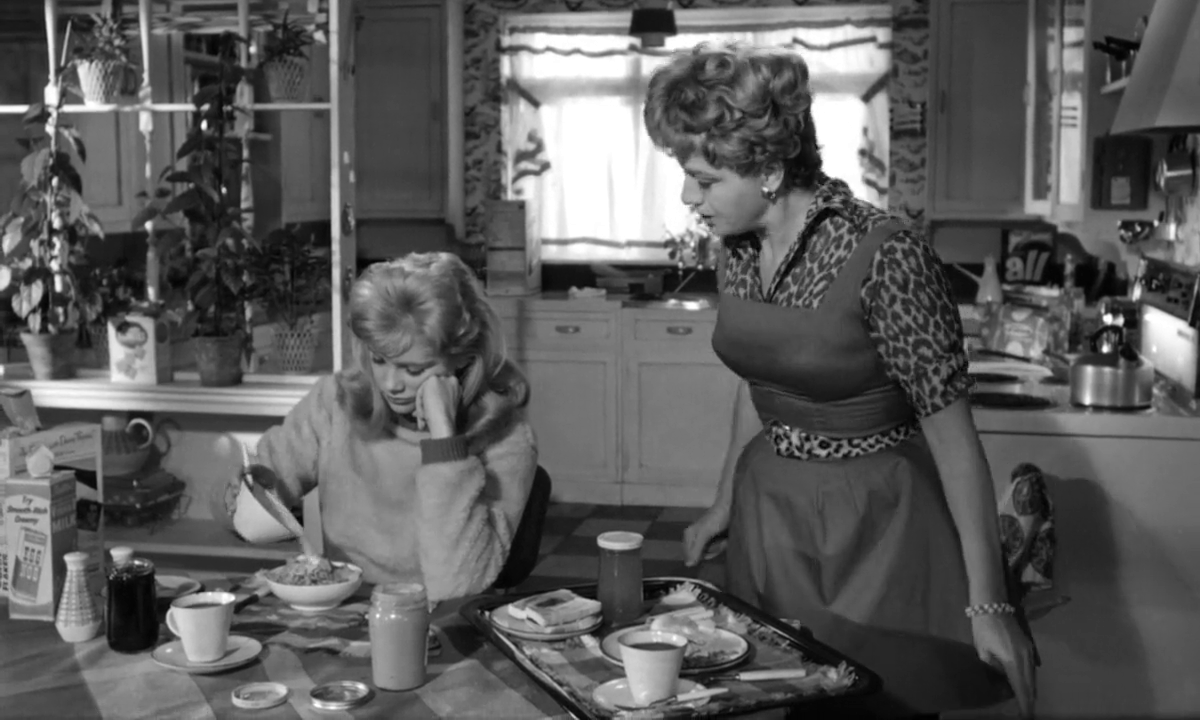
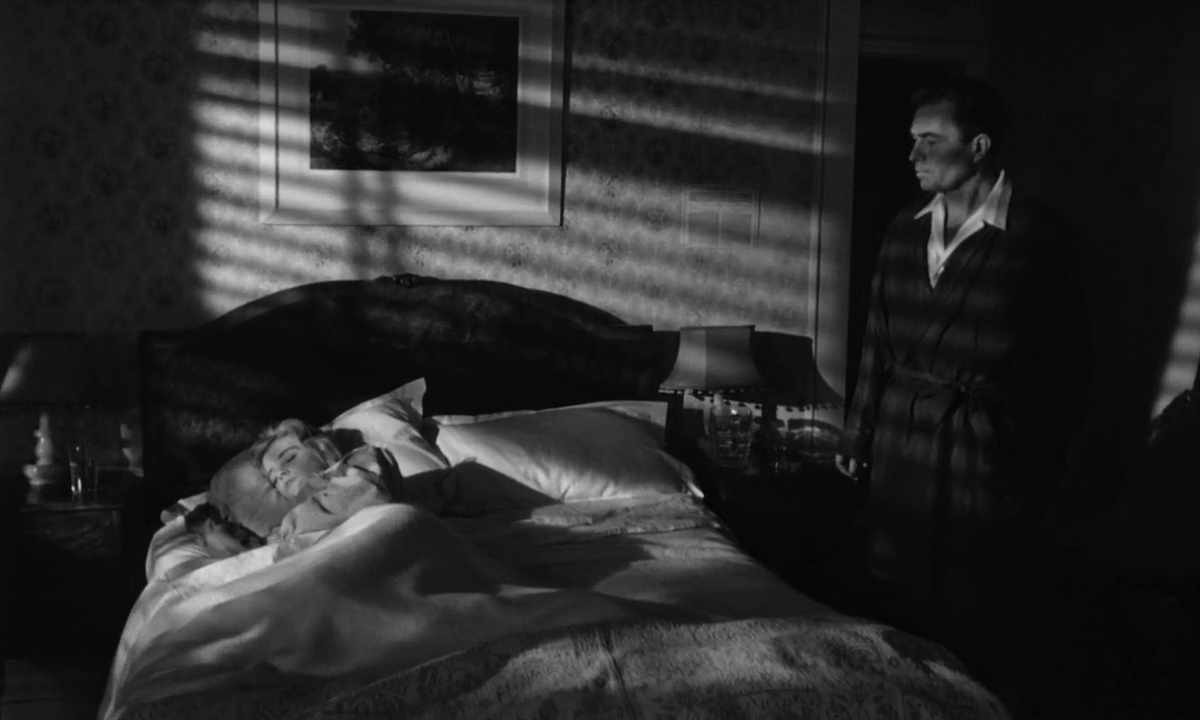
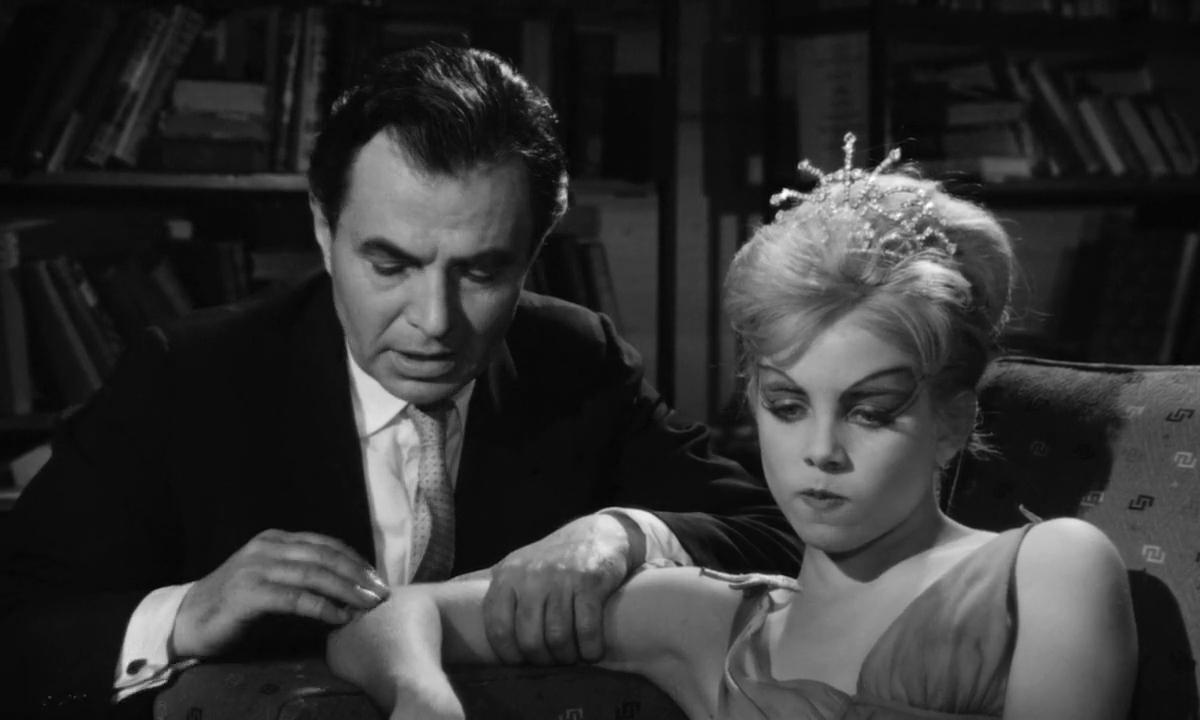
Response to Peary’s Review: In his description of the film’s narrative, Peary notes that after Winters (giving “a hilarious performance”) is “run over (conveniently), Humbert whisk[s] Lolita out of camp” (Camp Climax!) “and [takes] her on a lengthy trip, from one motel to the next”, becoming increasingly “possessive of Lolita and [forbidding] his young lover to date once they settle down and she [goes] to school.” However, Lolita has been “going out on the sly with the openly perverse Quilty [Sellers], the director of the school play in which she had the lead”, and eventually she runs “off with Quilty, whom she considered a genius.” Peary notes that “to this naive girl Humbert [is] normal” — though “of course, Humbert isn’t normal at all — and much humor comes from his difficult attempts to appear normal/moral to the people he comes across (so they won’t suspect him of improprieties with Lolita) only to discover that those who judge him are as wacko as he is.” Peary writes that the “picture is at times screamingly funny,” that “the performances by Sellers… and Mason — talking smart yet acting like a five-year-old, displaying a sickly smile — are marvelous,” and that “pretty Sue Lyon, only [14]… but looking sexy and 17, gives a very self-assured, naughty (notice that smile, indicating she knows what Humbert’s up to) Carroll Baker-like portrayal.” Indeed, Lyon’s performance is at the heart of this film’s success — she’s preternaturally able to embody this challenging role and convince us that events are playing out exactly as seen on screen. (It’s too bad Lyon had such a tough time with Hollywood, since her performance here indicates she was a natural.) Mason, of course, is stellar as always, and Sellers shows the genius for characterization he would demonstrate to greatest effect in Dr. Strangelove just two years later. While not for all tastes, Kubrick’s adaptation of Nabakov’s novel remains a provocative, well-made classic, worthy of at least one-time viewing. Redeeming Qualities and Moments:
Must See? Categories
(Listed in 1001 Movies You Must See Before You Die) Links: |
“The old values are crumbling.”
|
Synopsis: |
|
Genres, Themes, Actors, and Directors:
Review: Redeeming Qualities and Moments:
Must See? Links: |
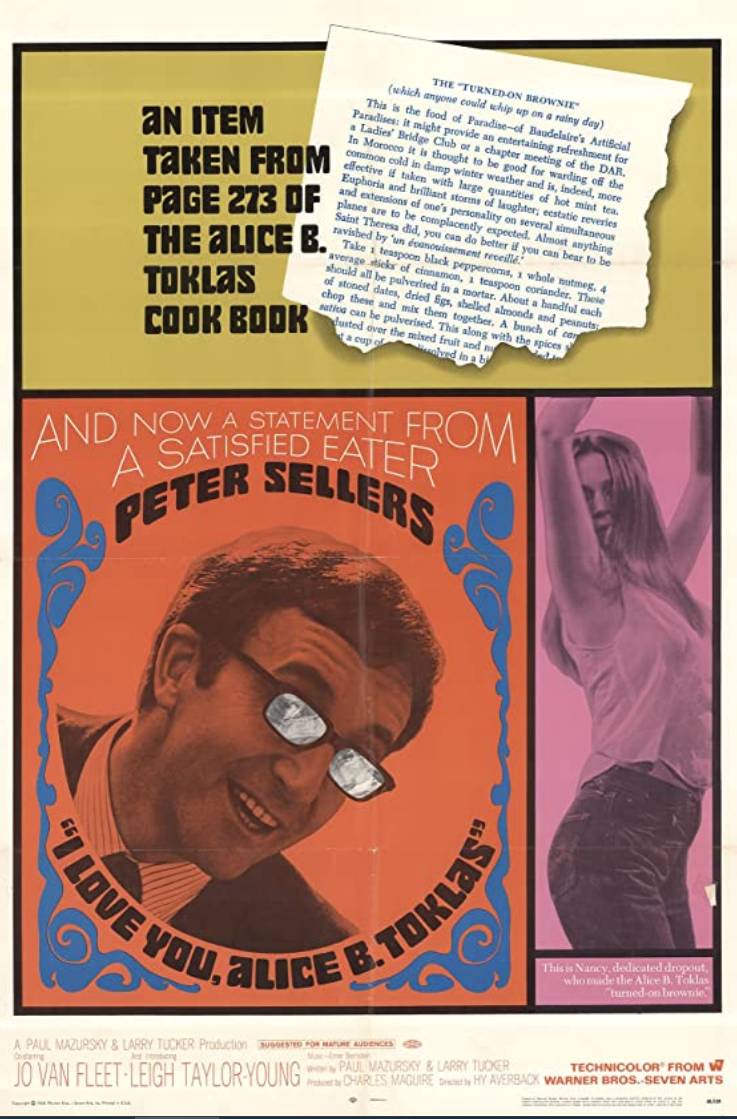
“That’s a brownie!”
|
Synopsis: |
|
Genres, Themes, Actors, and Directors:
Review:
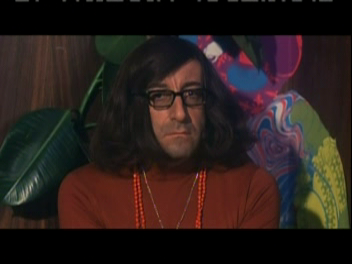
Sellers’ character here (Harold) is hard to sympathize with: he treats his fiancee (Van Patten) terribly, he never stands up to his domineering mother (Van Fleet), and his shift to a hippie lifestyle rings completely false. This is all meant to be played for laughs — yet there’s clearly an undercurrent of supposed “Truth” behind Paul Mazursky’s screenplay as well, with guileless Taylor-Young coming across as the most authentic of the bunch. Meanwhile, the scenes with a Latino family seeking compensation for a fender-bender are simply offensive. Redeeming Qualities and Moments:
Must See? Links: |
“I have an intense need to be loved by many men — many times.”
|
Synopsis: |
|
Genres, Themes, Actors, and Directors:
Response to Peary’s Review:
and that “no one is funny except Prentiss”.
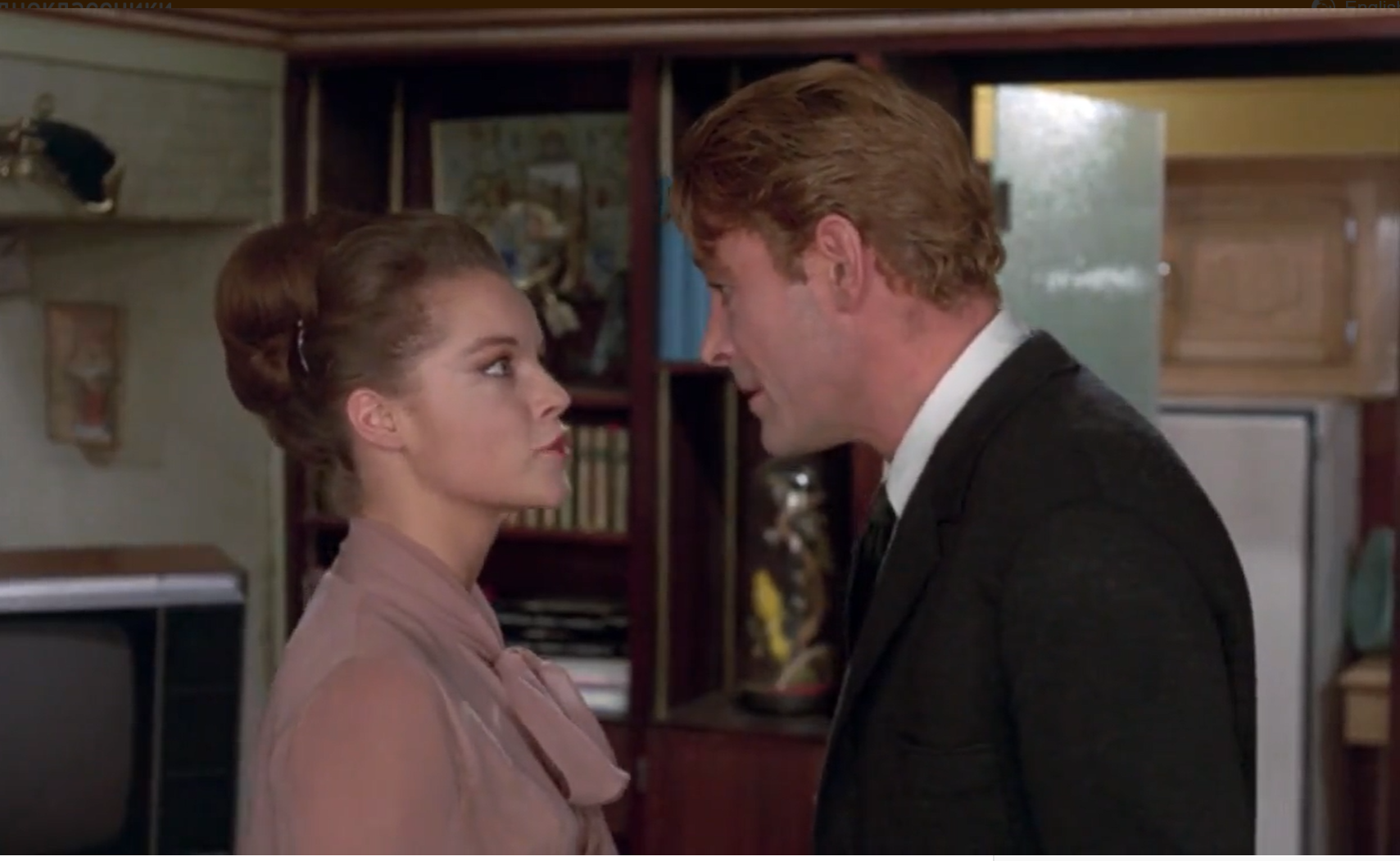
I’m in agreement with Peary that this is a wearisome and dated film, with few authentic chuckles. Because clueless Schneider should stop hoping for O’Toole to change (he won’t/can’t):
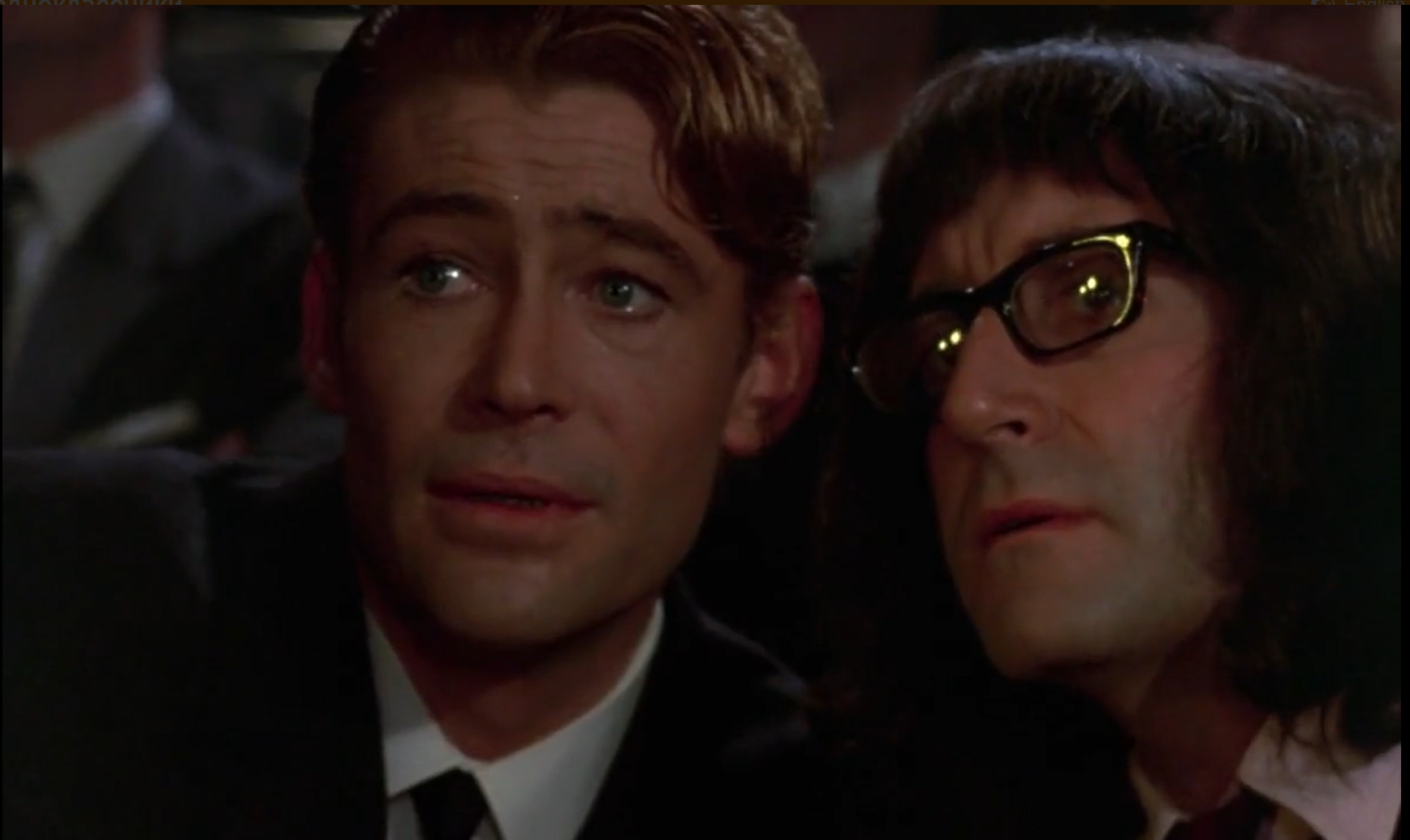
… and simply get far, far away from him, it’s difficult to know who to root for here. Meanwhile, Sellers’ “long-haired and horny Viennese psychiatrist” is truly insufferable:
… and Allen merely enacts the first of many similar roles as an insecure short man hoping to score with beautiful chicks.
You can skip this one. Redeeming Qualities and Moments:
Must See? Links: |
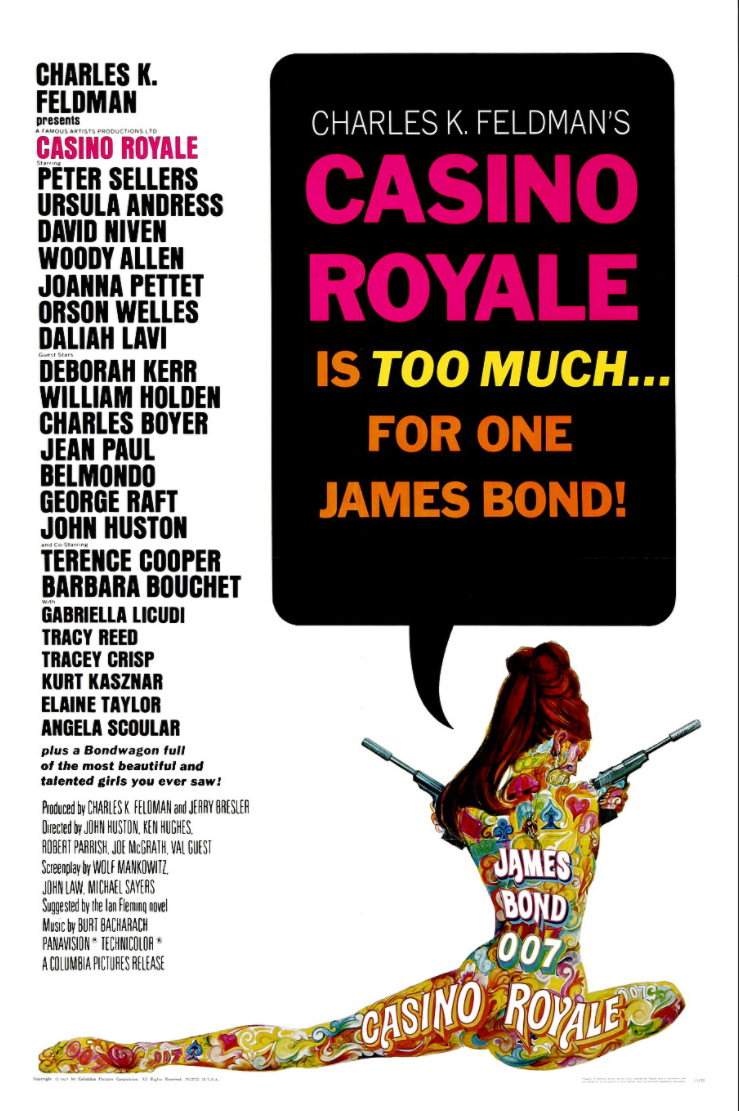
“The most exquisite torture is all in the mind.”
|
Synopsis: |
|
Genres, Themes, Actors, and Directors:
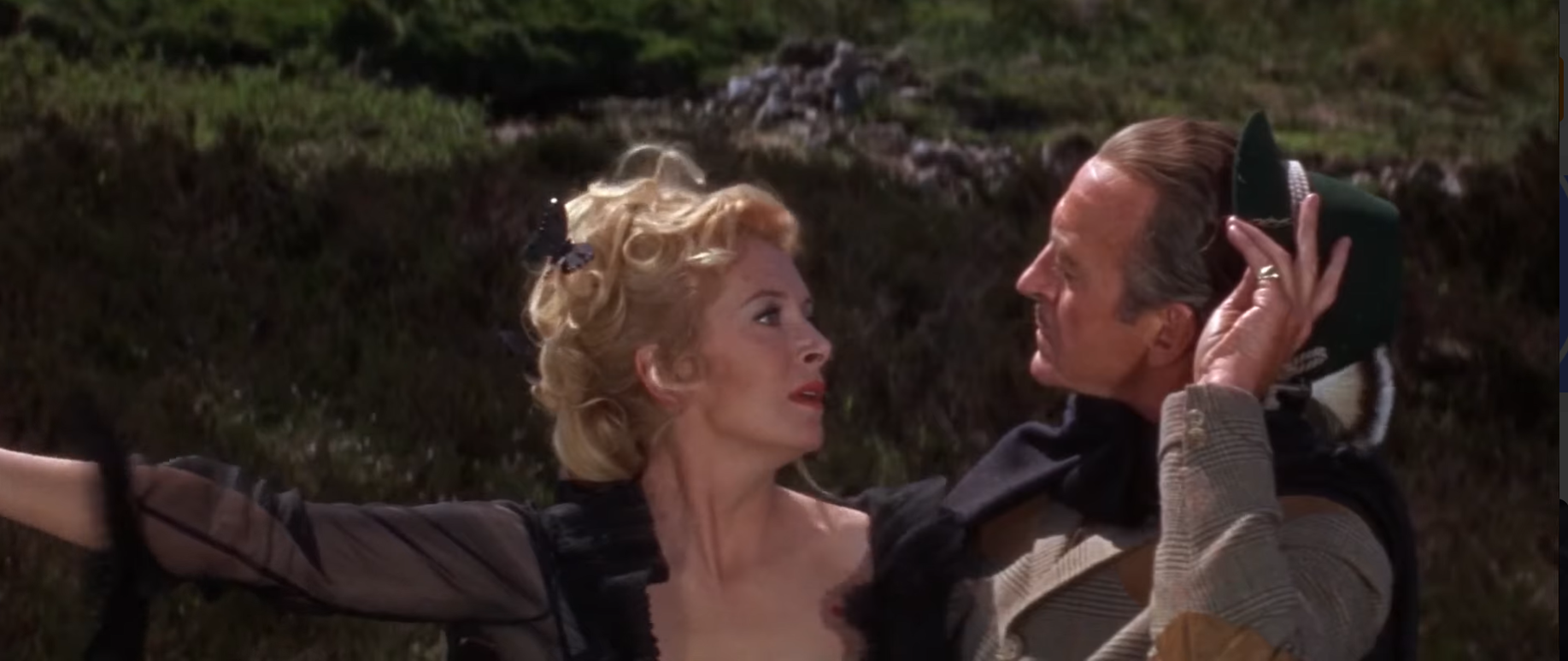
Response to Peary’s Review: Peary recommends watching perhaps simply those “scenes featuring Peter Sellers and Woody Allen”, but I’ll admit to enjoying Kerr’s hilarious performance in the otherwise completely unrelated first half-hour:
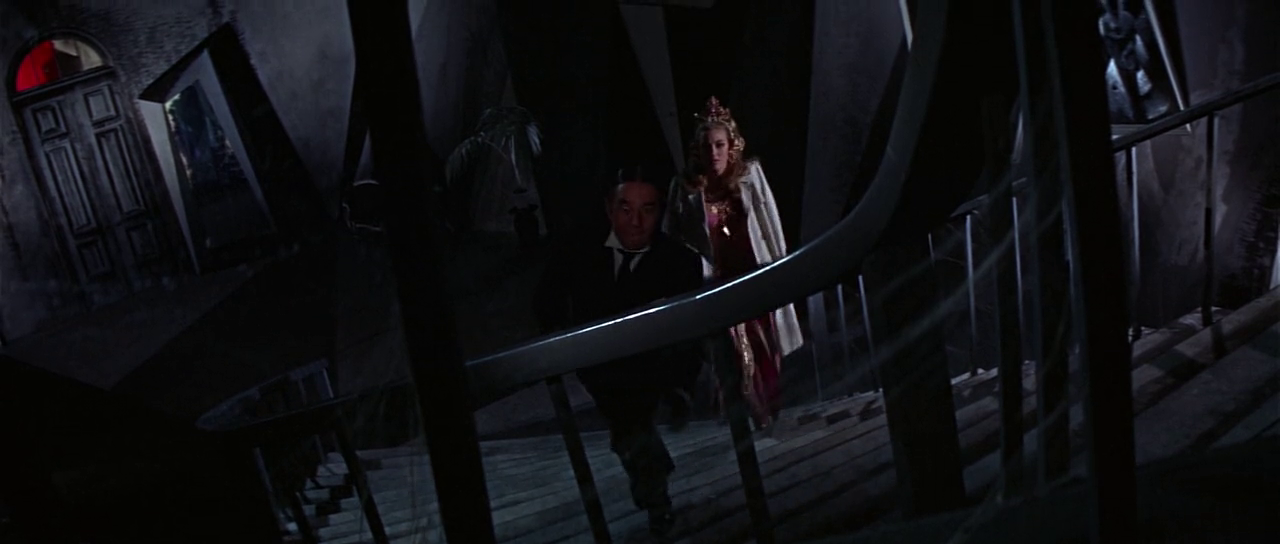
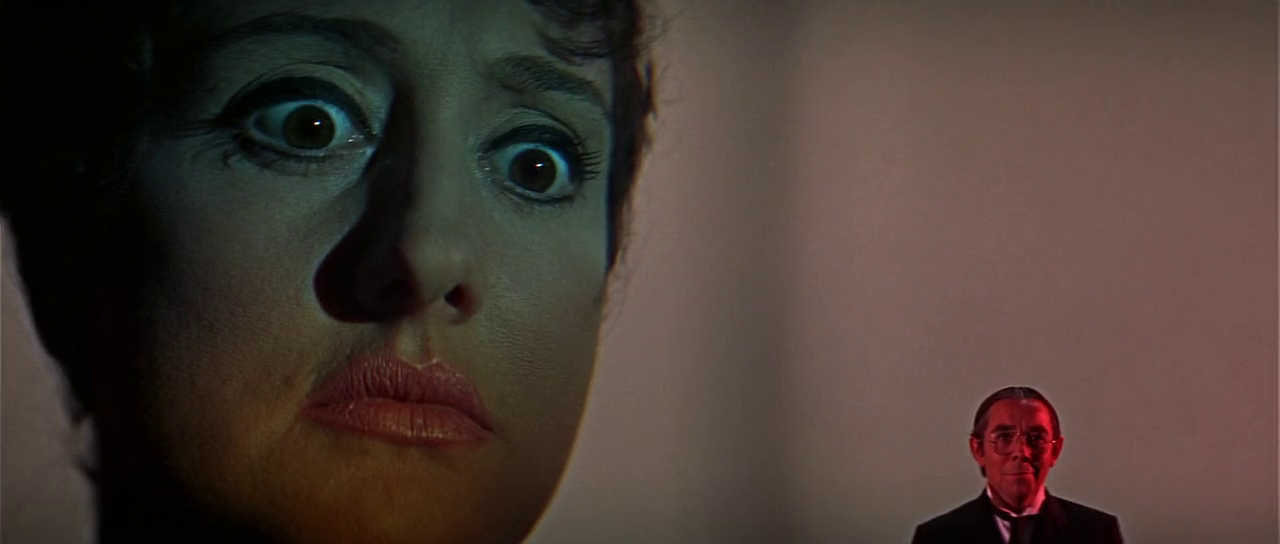
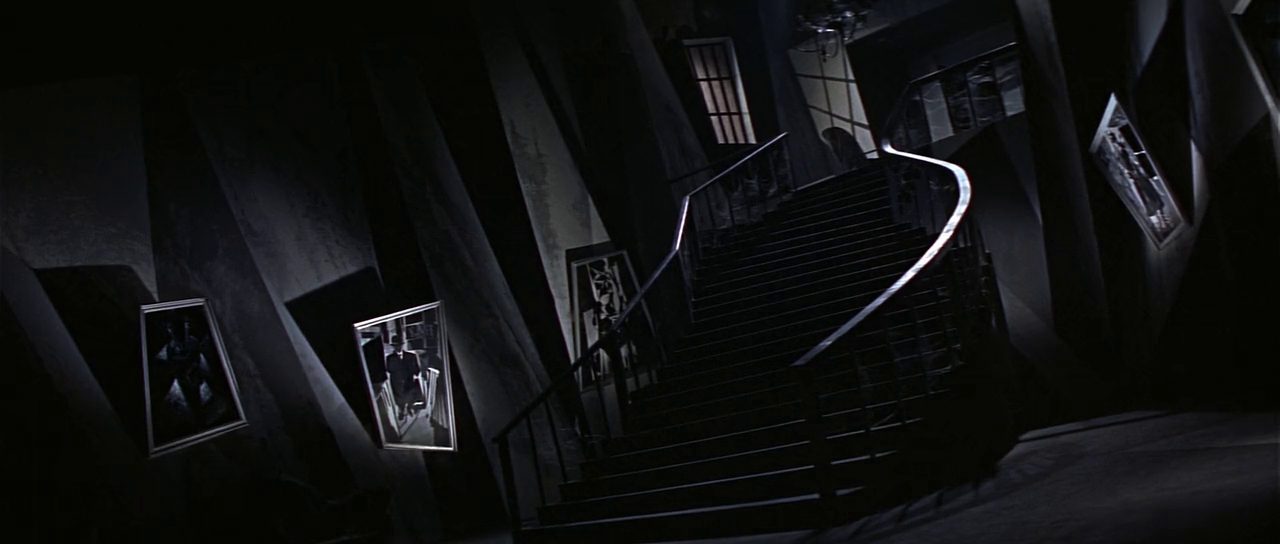
and Joanna Pettet (as Bond’s long-lost daughter, “Mata Bond”) visiting a wildly expressionist spy school:
— both of which would be eliminated if you focused just on Sellers and Allen. Watching for seemingly endless cameos by big-name stars (including “George Raft as Himself”) provides some passing amusement as well. Meanwhile, Burt Bacharach’s score is an instantly hummable ear-bug — be forewarned. Redeeming Qualities and Moments:
Must See? Links: |
“Get Zorin for me!”
|
Synopsis: |
|
Genres, Themes, Actors, and Directors:
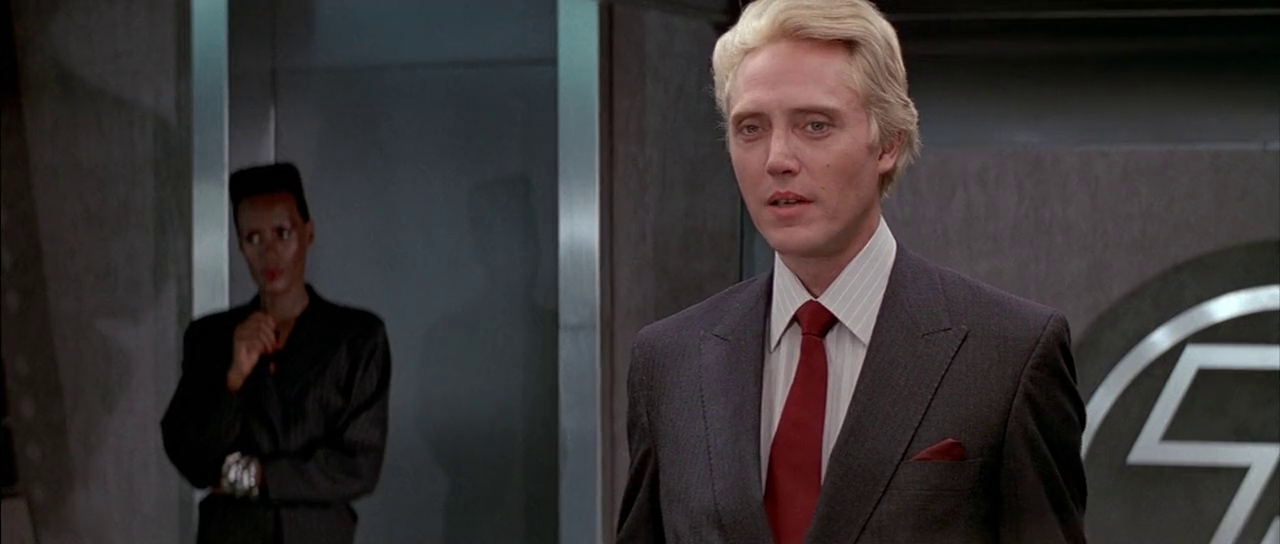
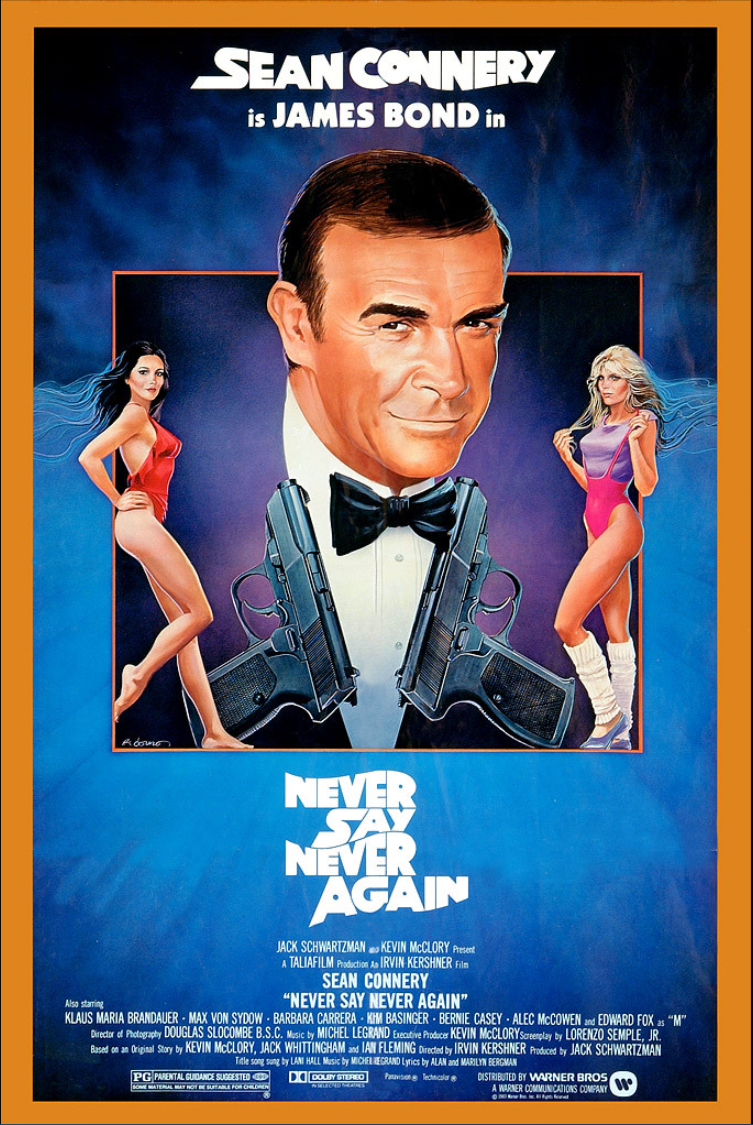
Response to Peary’s Review: Note: As fans of the franchise are undoubtedly aware, ten additional Bond flicks (with one more in production) have been released since the publication of Guide for the Film Fanatic, featuring three new actors. Determining which of these might be must-see viewing is a task for another website! One more Bond review from GFTFF — of Casino Royale (1967) — will be forthcoming. Redeeming Qualities and Moments:
Must See? Links: |
“Good to see you, Mr. Bond. Things have been awfully dull around here.”
|
Synopsis: |
|
Genres, Themes, Actors, and Directors:
Response to Peary’s Review:
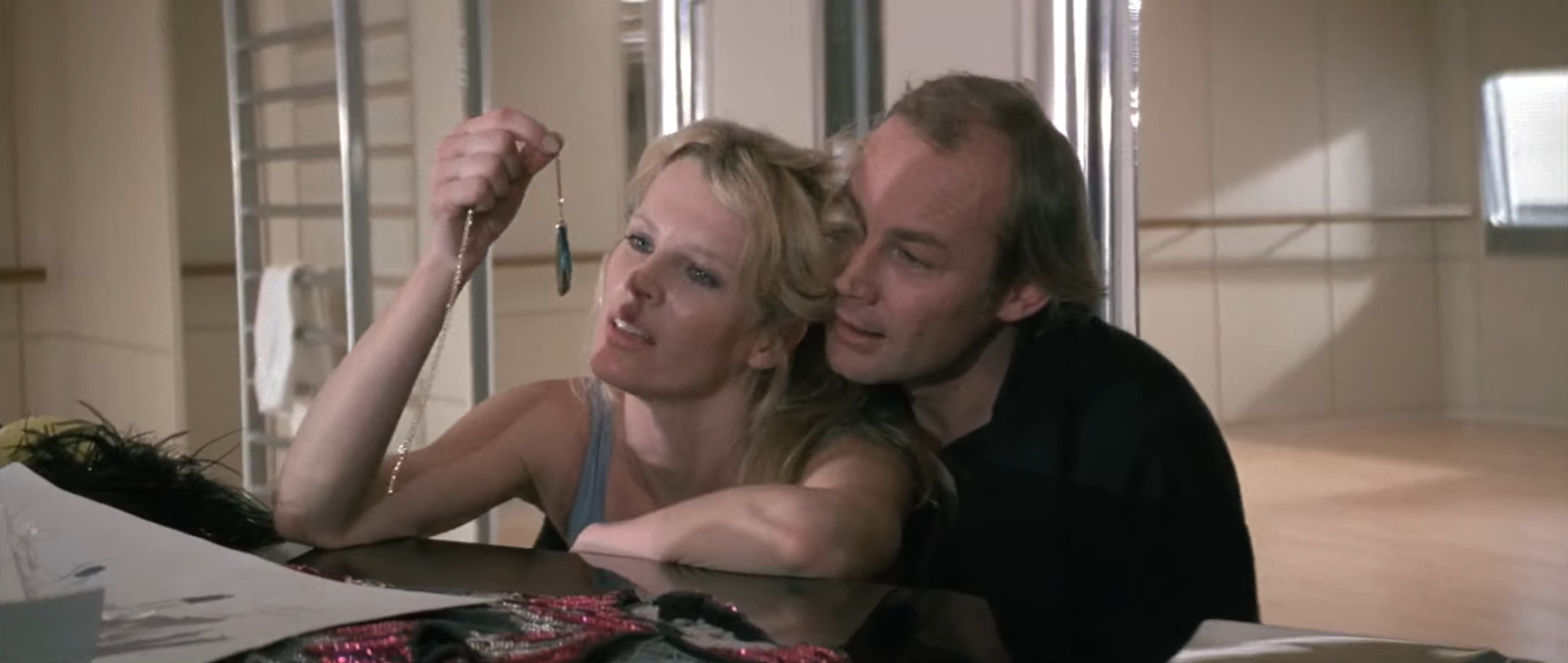
… and argues that the “film is exotic” (which Bond flick isn’t?), “well acted, and stylishly directed by Irvin Kershner.” He posits that this “would be one of the best Bond films if the finale weren’t disappointing”, and in closing makes the following plea: “When will filmmakers realize that underwater fight scenes don’t work because viewers usually can’t tell the hero and villain apart and they know doubles are being used?” (Excellent points; I agree.) Redeeming Qualities and Moments:
Must See? Links: |