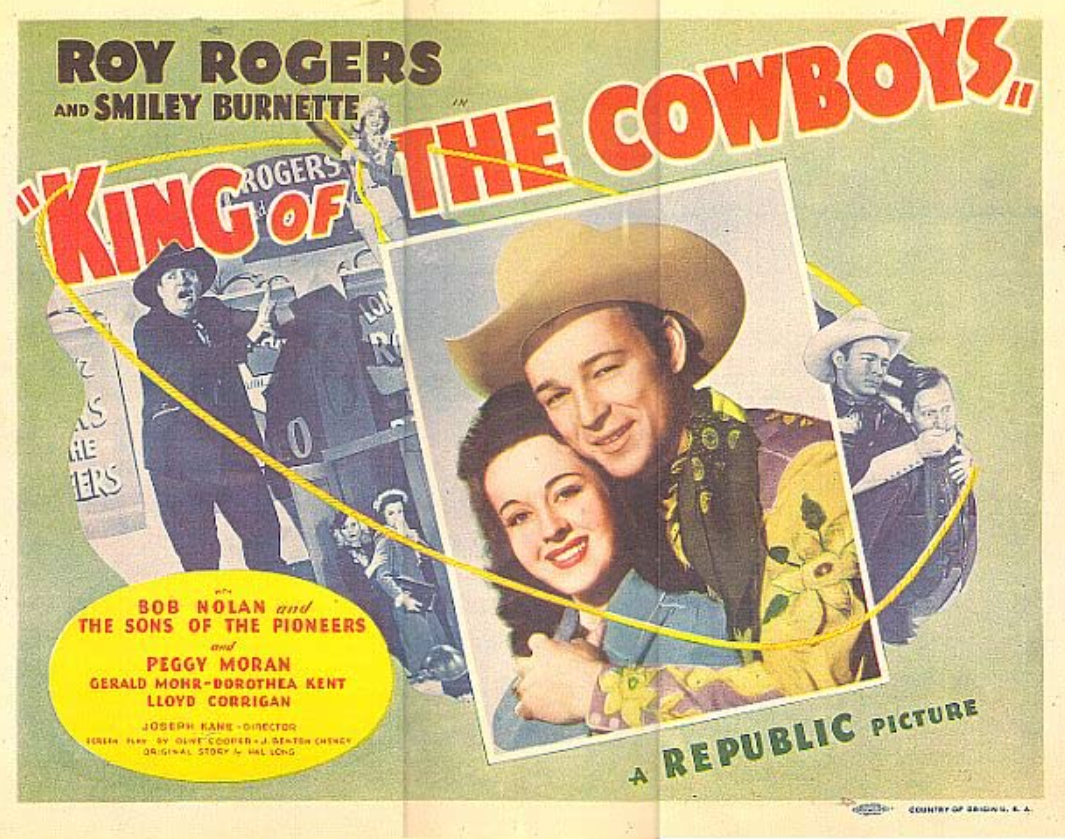
King of the Cowboys (1943)
“Every town we play has an explosion or a fire.”
|
Synopsis: |
|
Genres, Themes, Actors, and Directors:
Response to Peary’s Review: Redeeming Qualities and Moments:
Must See? Categories
Links: |
“Every town we play has an explosion or a fire.”
|
Synopsis: |
|
Genres, Themes, Actors, and Directors:
Response to Peary’s Review: Redeeming Qualities and Moments:
Must See? Categories
Links: |
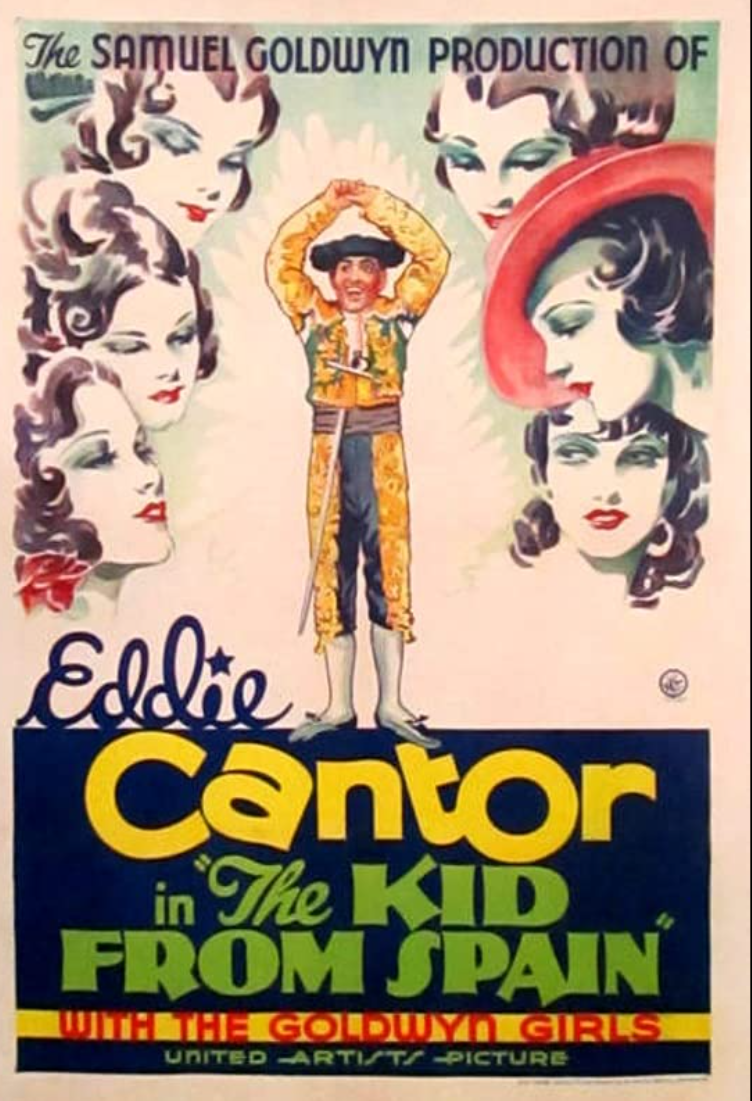
“Mexico makes every man a great lover — a Casanova!”
|
Synopsis: |
|
Genres, Themes, Actors, and Directors:
Review:
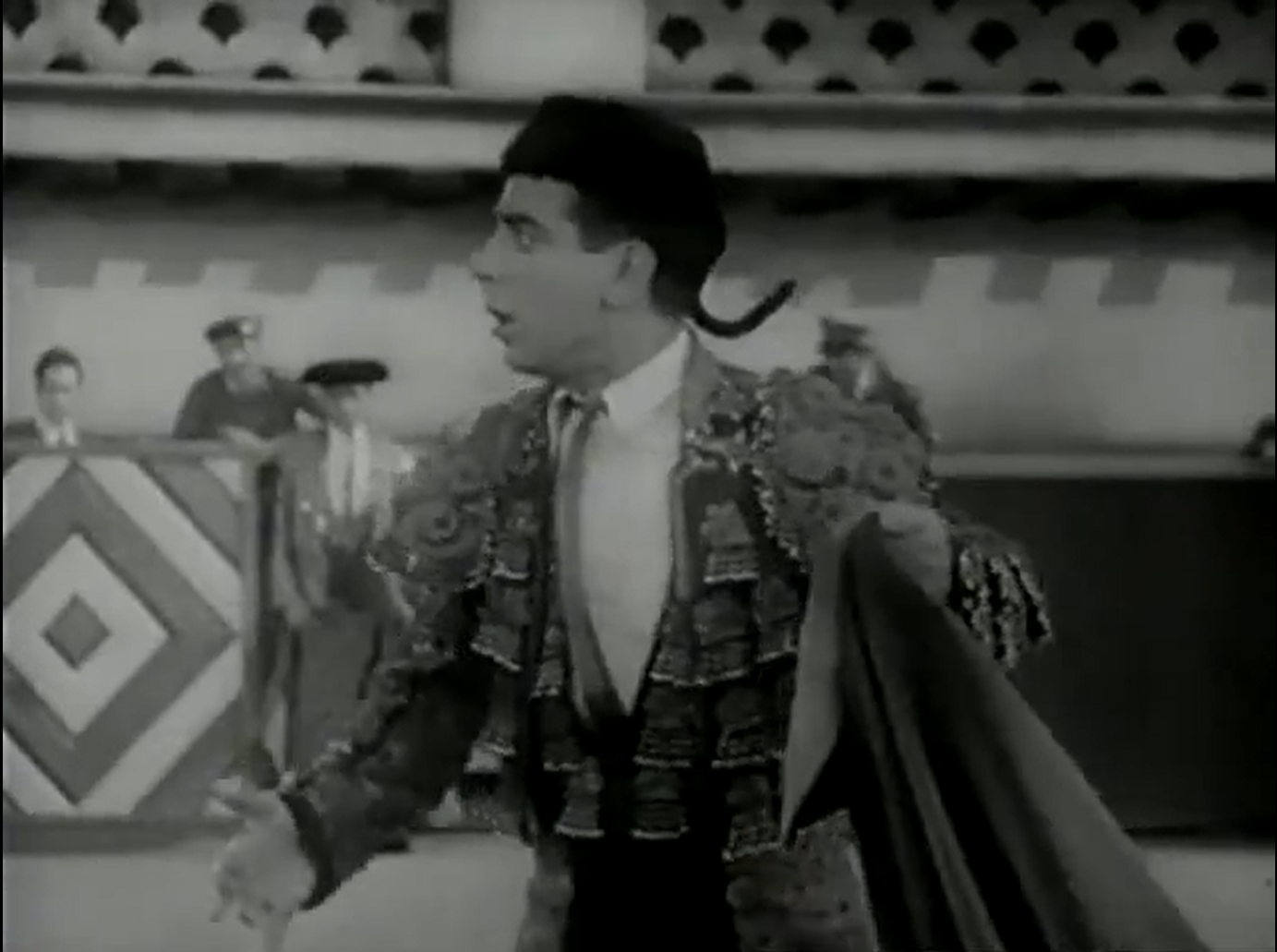
At least the final sequence — in which Cantor runs for his life from a ferocious, fence-jumping bull — is unlike any other bullfight you’ve ever seen on-screen.
Redeeming Qualities and Moments:
Must See? Links: |
“Carlos enjoyed his life on the ranch with Mari and the children — but it was not enough; it never could be.”
|
Synopsis: |
|
Genres, Themes, Actors, and Directors:
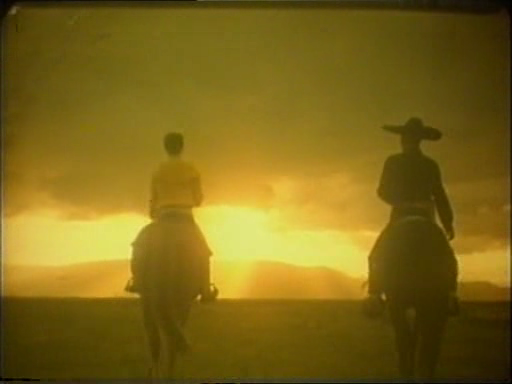
Response to Peary’s Review: Instead, the bulk of the film consists of medium to long shots of Arruza fighting in various arenas (there are noticeably no dramatic close-ups — this was “real life”, after all), as well as footage on his ranch, with shots of his docile wife and cute kids in the background. While it “contains interesting, even poignant moments” (there was real potential here for a story about a man at the top of his game whose ego and love of the sport wouldn’t allow him to quit), non-bullfighting fans will find their patience sorely tested long before the movie is over — and as Peary notes, “if you don’t like bullfighting to begin with, you probably won’t share Boetticher’s respect for Arruza or his ‘art’.” Arruza is primarily of interest to film fanatics these days given what we know about the circumstances surrounding its making: “Boetticher nearly starved (he had an account at a tamale stand), was divorced, spent time in prison, suffered a mental breakdown, and nearly died from a lung ailment”; meanwhile, “most of his crew died”. See the excellent, must-see documentary Budd Boetticher: A Man Can Do That (2005) to learn more about this intriguing director. Redeeming Qualities and Moments:
Must See? Links: |
“I don’t mind his vulgarity; it’s his pretension that irks me.”
|
Synopsis: |
|
Genres, Themes, Actors, and Directors:
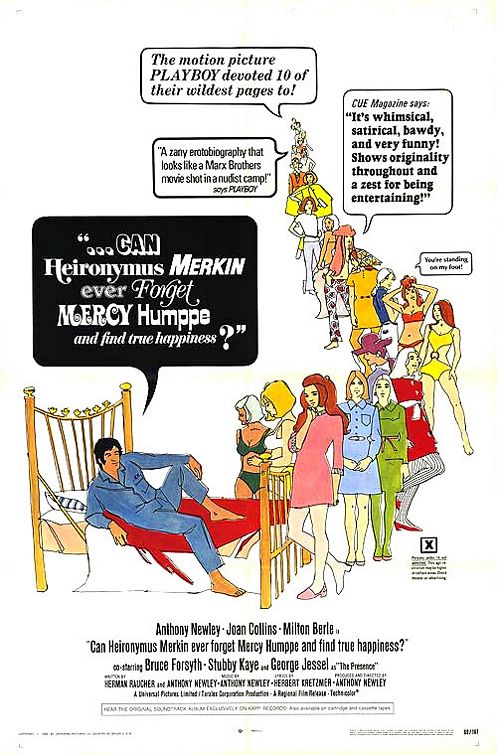
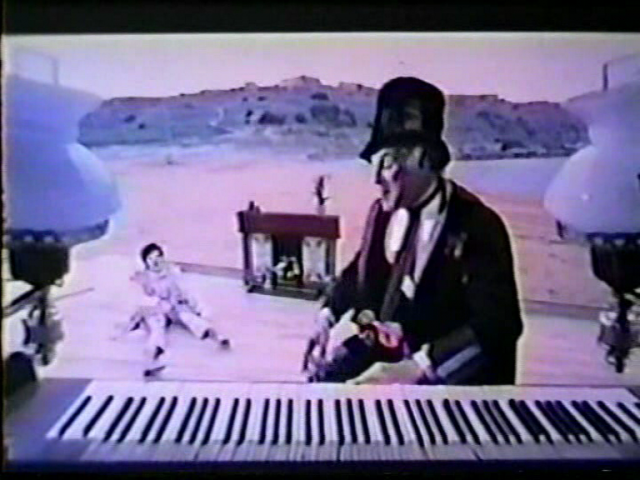
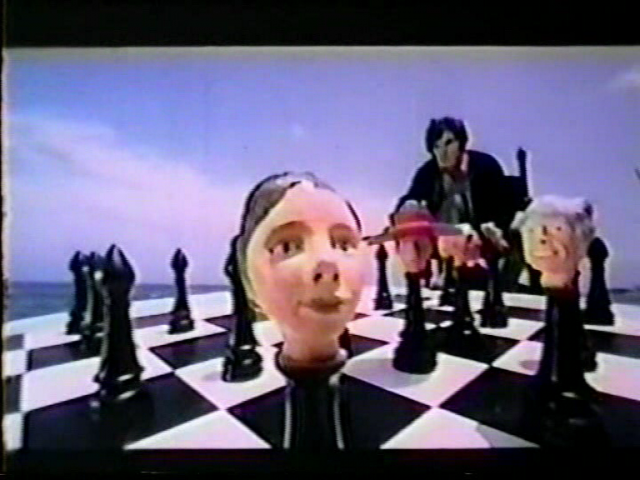
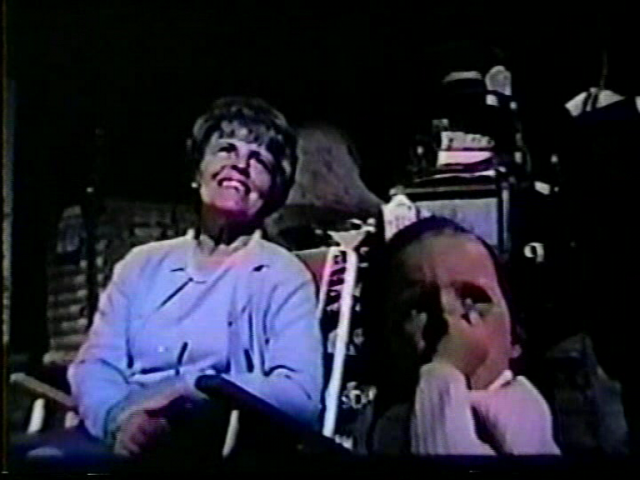
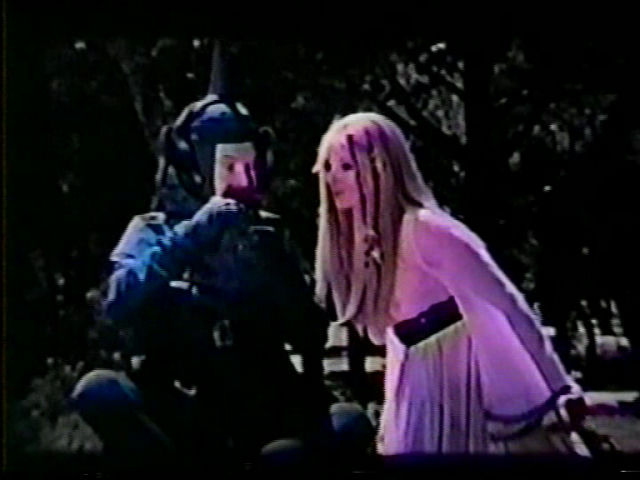
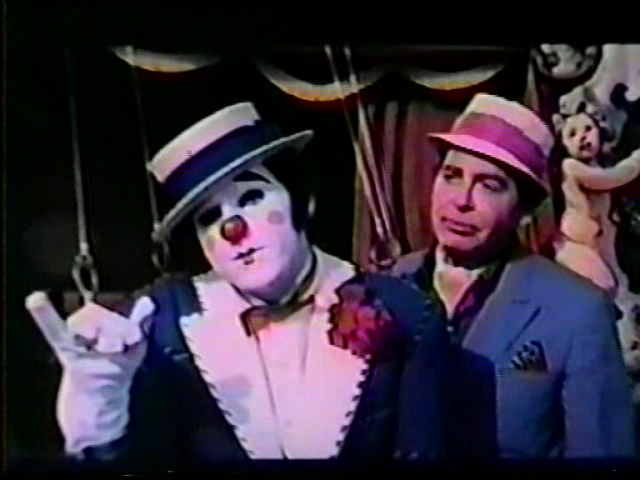
Review: The fragmented, fantasy-laden storyline (which possesses distinct echoes of Fellini) is centered around Merkin screening a film about his life to his doting mother (a delightfully game Patricia Hayes) and two young children, and to an audience of critics (Victor Spinetti, Rosalind Knight, and Ronald Radd), crew members, and other spectators. Parts of the film take place on a deserted beachfront, where Newley acts out scenes from his childhood (in a highly creative and successful gesture, he plays his child-self as a limp marionette) as well as both his marriages. Passages flow freely from one setting to the other, with little regard for continuity or logic, but (to Newley’s credit) things never become confusing, only increasingly surreal. Newley fills his movie to the brim with theatricality and carefully rendered artifice, all in the service of the old bromide that “life’s a stage” and we’re players on it. All the female characters, for instance, are given lewd and/or alliterative names (Polyester Poontang, Filigree Fondle, Mercy Humppe), while others possess equally theatrical monikers (Fat Writer, Skinny Writer, Sharpnose, Red Cardinal). Milton Berle shows up as a “devil on the shoulder” named Eddie Goodtime Filth (he sets Merkin on a lifetime road towards womanizing), while Jewish comedian George Jessel as The Presence (death?) inexplicably comes and goes, spouting stand-up jokes to a flummoxed Merkin. Fortunately, even when Newley is at his most self-aggrandizing (he shows his alter-ego bedding literally countless women, who line up behind his bed on the beach), he retains a sense of humor and perspective about it all — most notably in the presence of his critics, who he allows to provide a welcome outside perspective on the entire endeavor. Newley’s score, however, is a major disappointment; his forgettable songs range from maudlin (“I’m all I need; if I’ve got me, I’ve got rainbows”) to inane. The songs should have simply been scrapped, thus cutting the film’s viewing time down and streamlining the script. The one exception is Newley’s outrageously hilarious ditty “Once Upon a Time”, about a princess named Trampolena Whambang (Yolanda) and her donkey lover; this song alone is worth several viewings. (I love how Merkin finally sends his kids away during the screening of this sequence — it’s the only one he considers too truly outrageous for little eyes and ears.) If only the rest of the film’s songs came close to matching its sense of wit and surreality… Note: Ironically, Mercy Humppe herself (Playmate of the Year Connie Kreski) plays a remarkably small part in the film; she shows up in one gauzy sequence as Merkin’s “dream nymph”, but only really has a few scenes after this, and never seriously disrupts Merkin’s life in any way. Redeeming Qualities and Moments:
Must See? Categories
Links: |
“I don’t see how a thing like cricket can make you forget seeing people.”
|
Synopsis: |
|
Genres, Themes, Actors, and Directors:
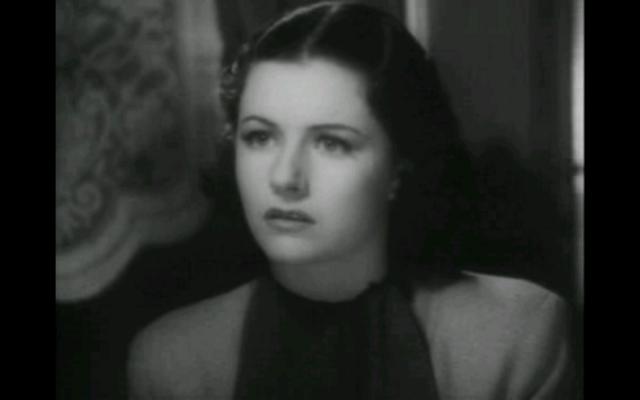
Response to Peary’s Review: Lockwood is “most appealing” as the leading protagonist (a “frivolous” rich girl who essentially “comes of age” on the train), and Whitty — who “has spirit and energy that belie her age” — is perfect as the mysterious title character; meanwhile, Redgrave (in his film debut) slowly grows on you as his character matures and he rises to the task of assisting Iris. The remaining supporting characters are all perfectly cast as well — though I must admit I’m not a fan of comedic team Naunton Wayne and Basil Radford, playing a pair of self-absorbed, cricket-obsessed Brits (they went on to star in several other films together — including the anthology horror flick Dead of Night, co-starring Redgrave). Peary notes that they provide “much of the film’s humor”, but I find them merely distracting and annoying. With that said, they — along with several other passengers — show their true colors in the film’s final dramatic sequences, when all loyal Brits are called upon to fight against corrupt Balkan police; indeed, this film — made just before the dawn of World War II — is, among other things, a clarion call to action against fascist forces. Redeeming Qualities and Moments:
Must See? Categories
Links: |
“When I’m dead, I think I’ll come and haunt you.”
|
Synopsis: |
|
Genres, Themes, Actors, and Directors:
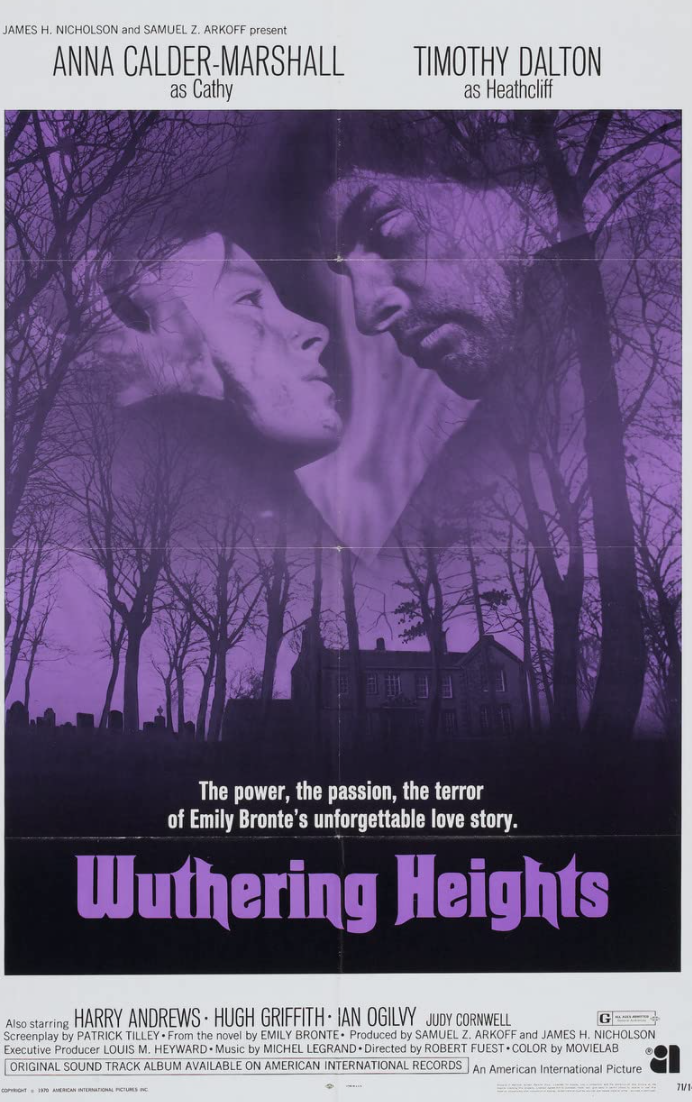
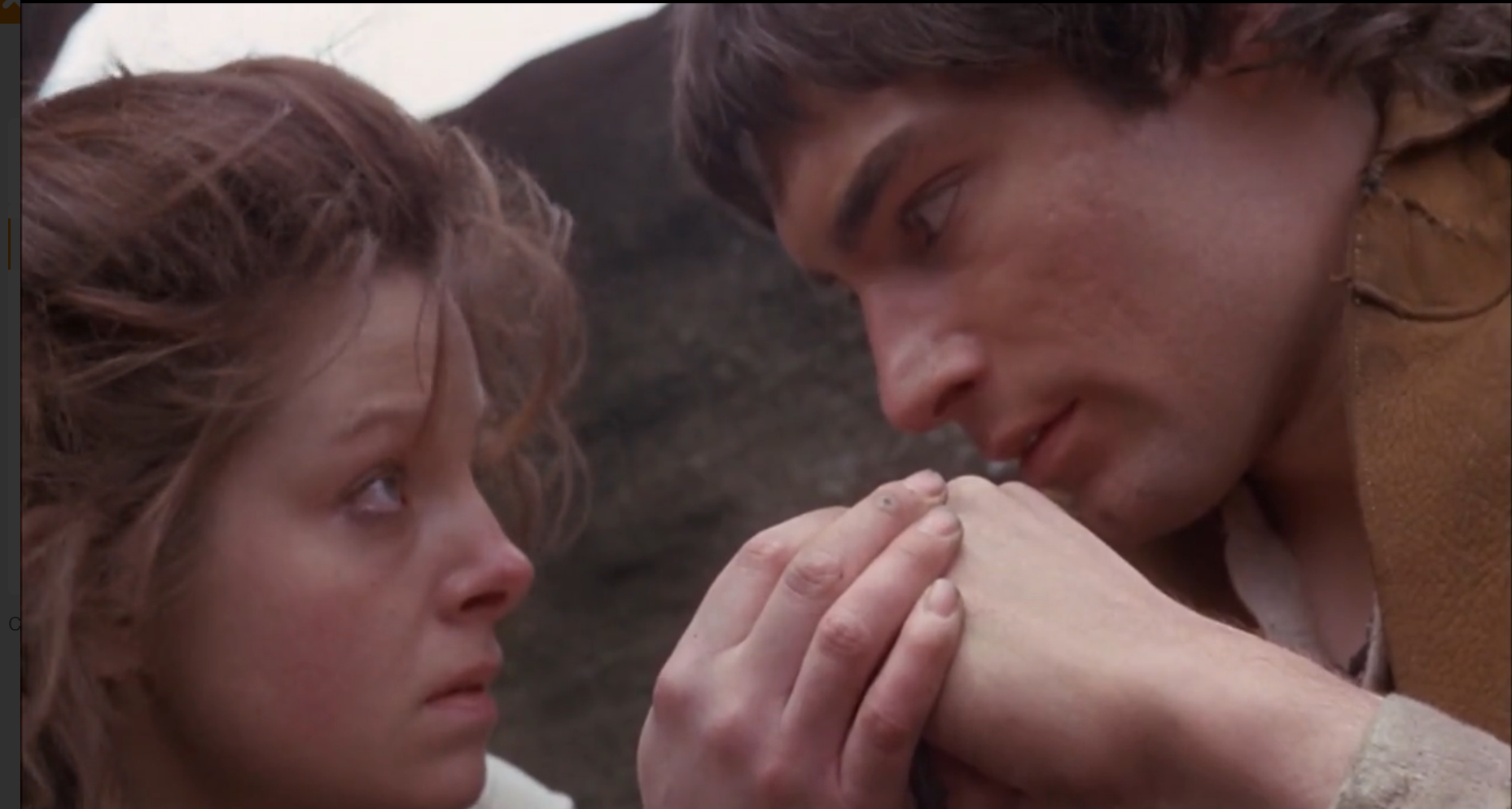
Review: Meanwhile, Tilley feels compelled to milk an idea barely hinted at in Bronte’s original novel — that Heathcliff might have been Earnshaw’s illegitimate child, and thus Cathy and Hindley’s half-brother — for all its sensationalistic potential, leading viewers to gasp at the notion that half-siblings might actually be in love/lust with one another. Worst of all, however, are the overwrought performances by nearly everyone involved. Dalton is simply a brooding, dark-browed hulk (somewhat laughably, he’s smeared in grime for the first half of the film to represent his uncouth “gypsy-ness”), while Calder-Marshall is merely snippy and spoiled.
The best aspects of the film (which make it marginally watchable) are its beautiful settings, and Michel Legrand’s memorable score, which is nonetheless badly (over)used. Redeeming Qualities and Moments:
Must See? Links: |
“Frankly, I don’t care what you do with Harry, as long as you don’t bring him back to life.”
|
Synopsis: |
|
Genres, Themes, Actors, and Directors:
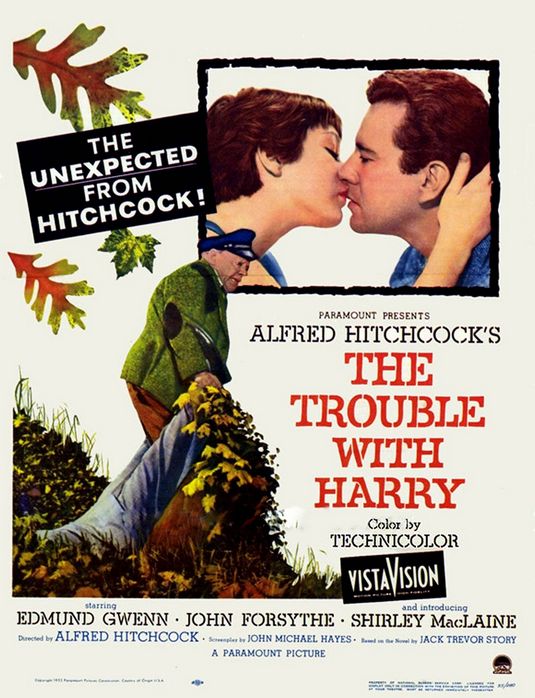
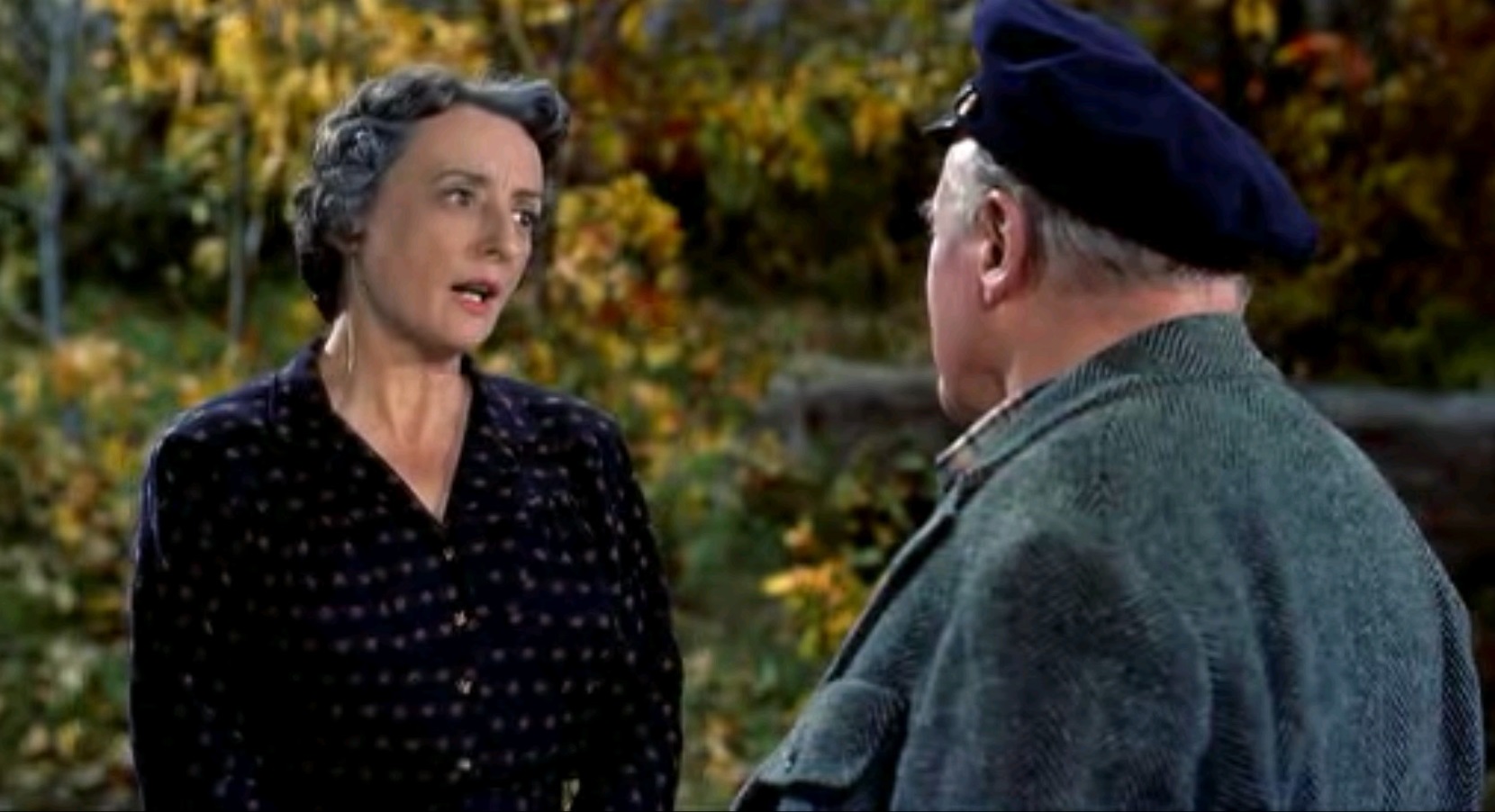
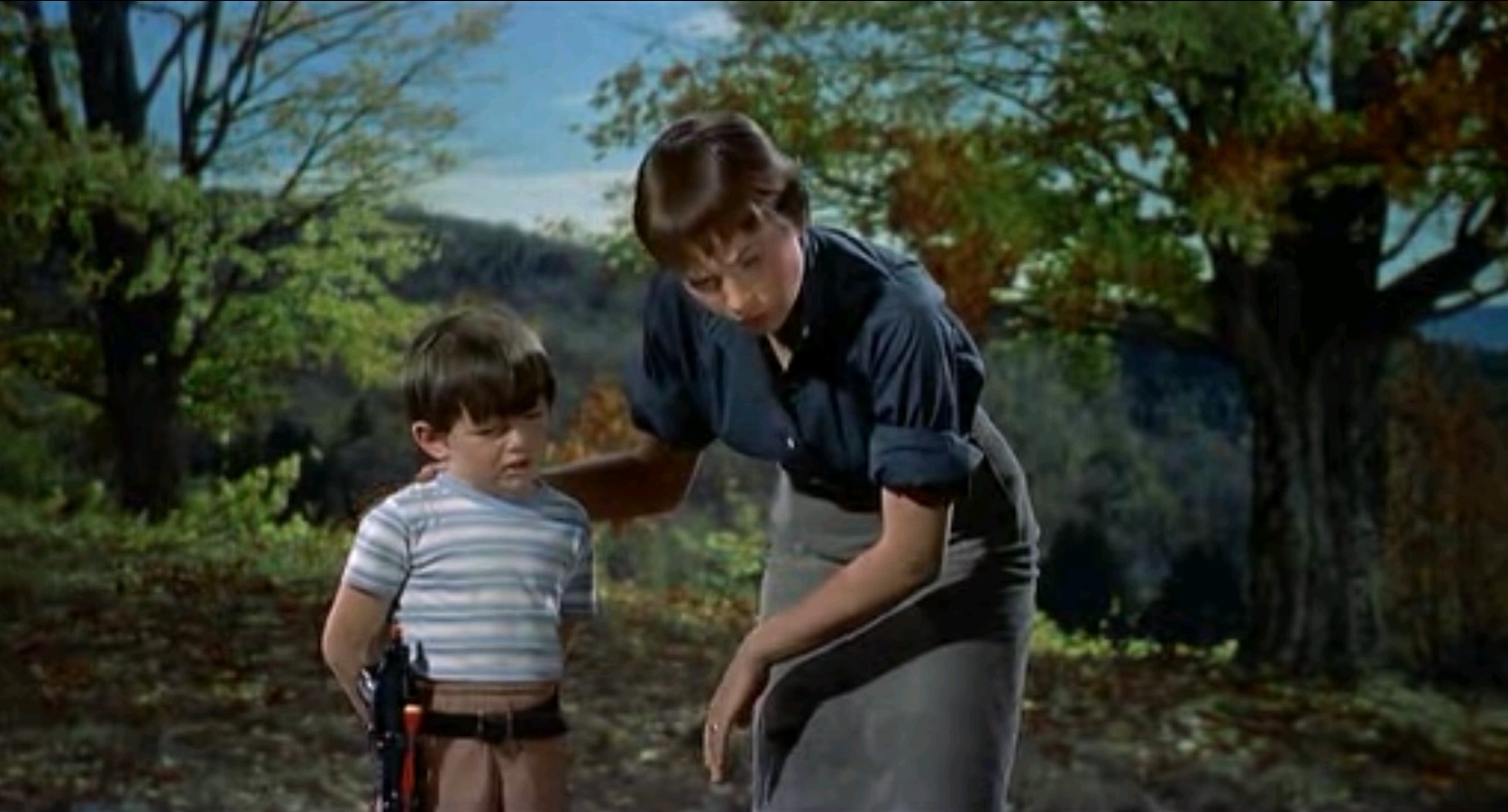
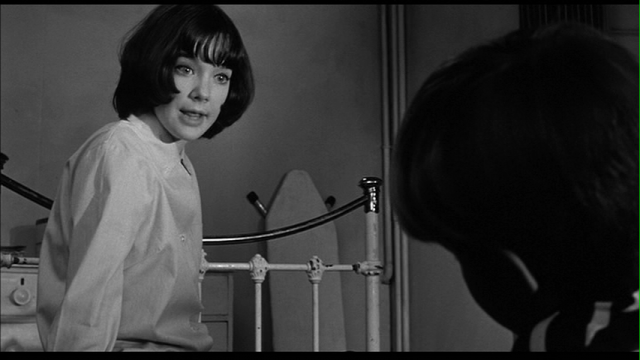
Response to Peary’s Review: Yes, the story is decidedly one-note, but it’s based on a clever conceit, and works well if you’re in the right mood. As far as pacing is concerned, the storyline simply follows its own leisurely logic rather than the usual thrill-a-minute velocity one expects in a Hitchcock flick; and in terms of style, Hitchcock and d.p. Robert Burks make lovely use of the Vermont countryside, with many establishing shots literally bursting with vibrant fall colors. With regards to humor, while not all of the “jokes” in the film work (i.e., the “gag” about a millionaire wanting to buy all of Forsythe’s painting, only to find him either absent or suddenly unwilling to sell, falls flat), there’s a steady undercurrent of dark, dry humor that bolsters the film. Indeed, Hitchcock was actually quite the cinematic experimenter, always interested in stretching his own boundaries and trying new approaches — here, he was purposely trying out a more “subtle” form of humor on American audiences. (Apparently European audiences were more receptive, given that it played for a year or more in England, Italy, and France.) He also purposely kept his cast free from big-name stars — and nearly everyone involved (only Forsythe rubs me the wrong way) shines in their respective roles. Gwenn is perfectly cast as an amateur hunter convinced he’s accidentally shot Harry; his budding romance with Natwick (equally convinced she’s guilty of manslaughter, and given to exaggerating the truth about her age) is quite sweet. Meanwhile, it’s clear to pretty much everyone who sees the film that its “major point of interest is the debut of young Shirley MacLaine”, whose “performance — the matter-of-fact delivery of lines, and the weird rhythm of her speech — is disarming”, and whose natural beauty is refreshing. Her unusual casting has gone down in cinematic history: she had no movie experience at all, and was shocked at being chosen, but Hitchcock apparently said to her, “All this simply means is that I shall have fewer bad knots to untie.” Redeeming Qualities and Moments:
Must See? Categories
Links: |
[Note: The following review is of a non-Peary title; click here to read more.]
“Nanny understands… She’s on your side!”
|
Synopsis: |
|
Genres, Themes, Actors, and Directors:
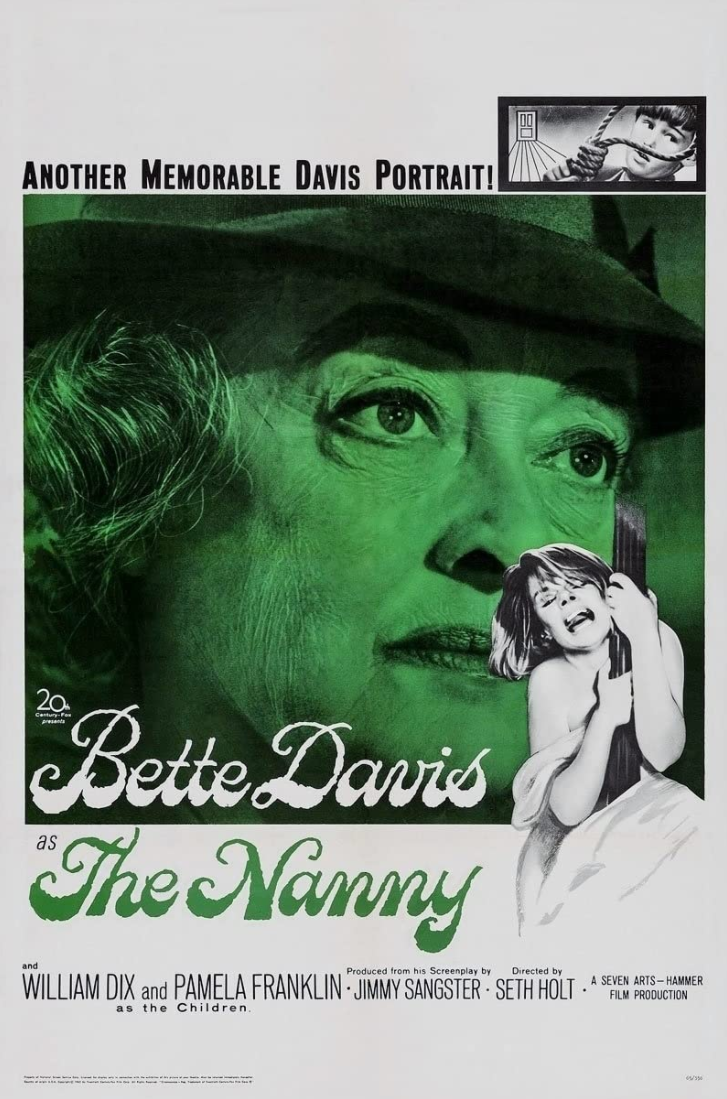
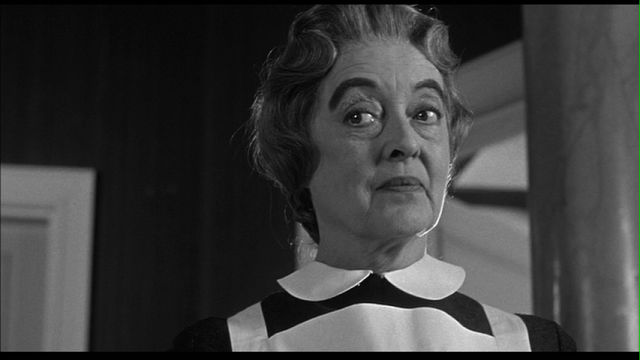
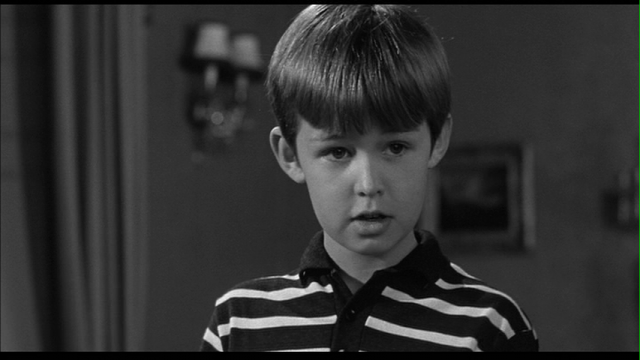
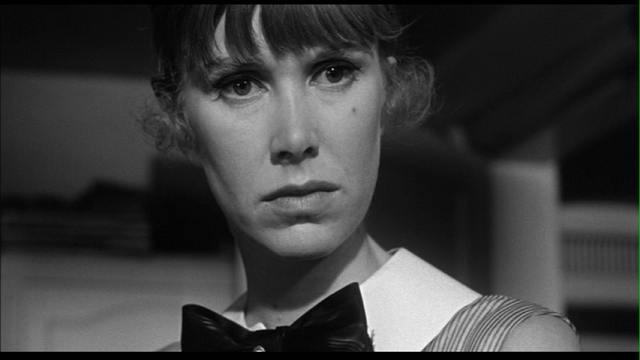
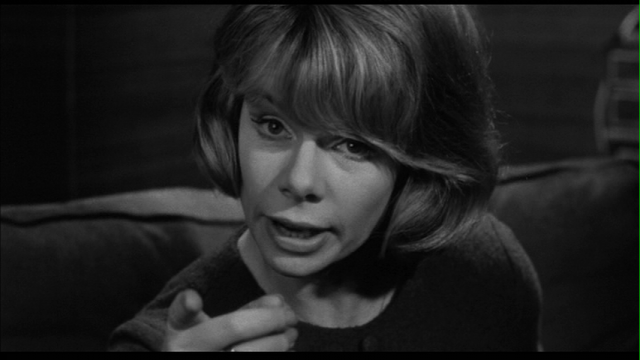
Review: The script (by Jimmy Sangster, based on a novel by Marryam Modell) is consistently suspenseful and well-constructed, leading one to question who’s really disturbed — Joey? Nanny? — until close to the end, when deep, dark truths are finally revealed; yet even knowing the film’s secrets doesn’t prevent repeat viewings from being a pleasure, given that one simply watches the characters with new insights. Much of the film’s success is due to the fine performances given by the entire cast. Dix may get on your nerves playing obnoxious little Joey, but this is exactly what he’s meant to do, and he’s certainly more than simply a bratty little whiner; we genuinely believe he’s scared for his life, and doing what he can to protect himself from deathly harm. Meanwhile, Craig is appropriately on edge as Joey’s jittery mother, who means well but is too emotionally fragile to be of much use as a guardian, and Jill Bennett is well cast as her more level-headed sister. Henry Waxman’s atmospheric cinematography and Richard Robert Bennett’s creepy, memorable score contribute towards The Nanny‘s status as an all-around good show, one film fanatics will surely want to check out at least once. Note: Director Seth Holt didn’t make many other films, but he did direct the fine suspense thriller Scream of Fear (1961), starring Susan Strasberg. Redeeming Qualities and Moments:
Must See? Categories
Links: |
“That man never killed anyone in his life.”
|
Synopsis: |
|
Genres, Themes, Actors, and Directors:
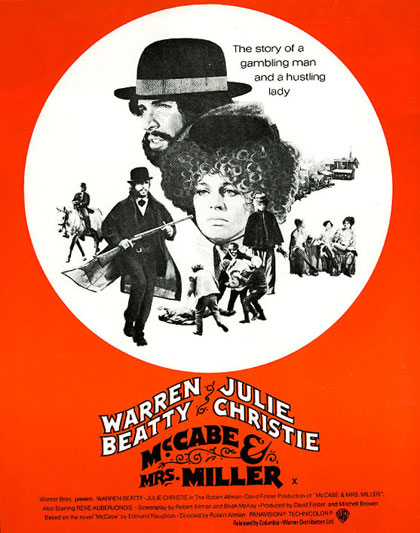
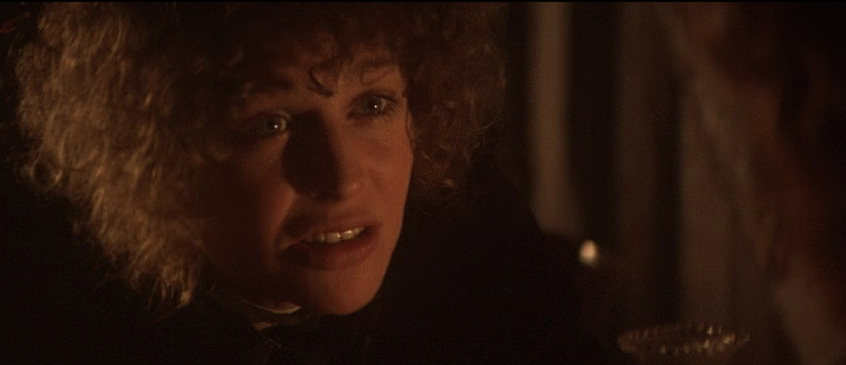
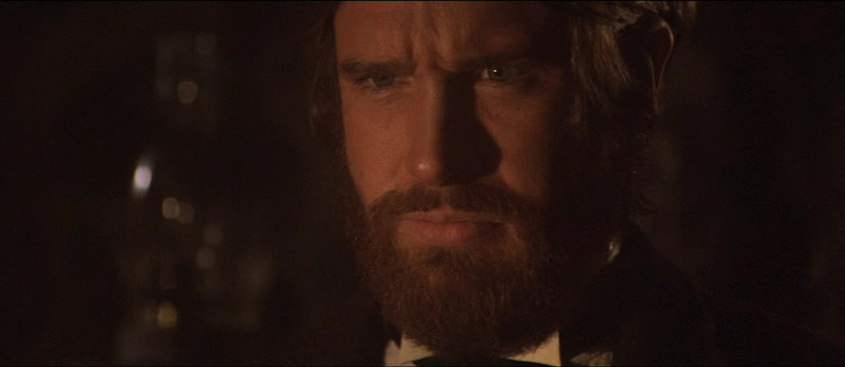
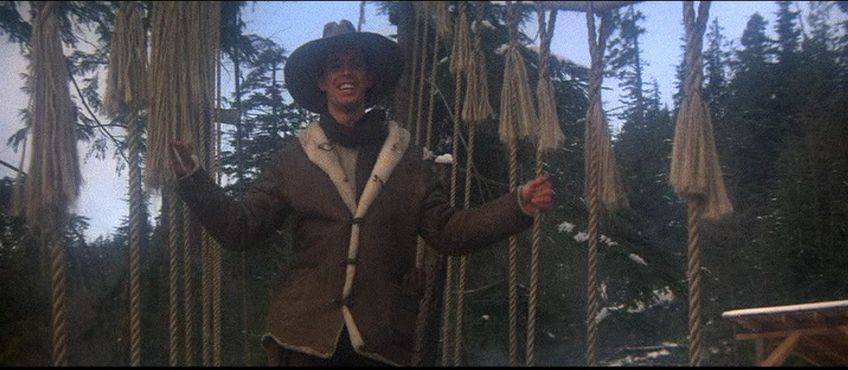
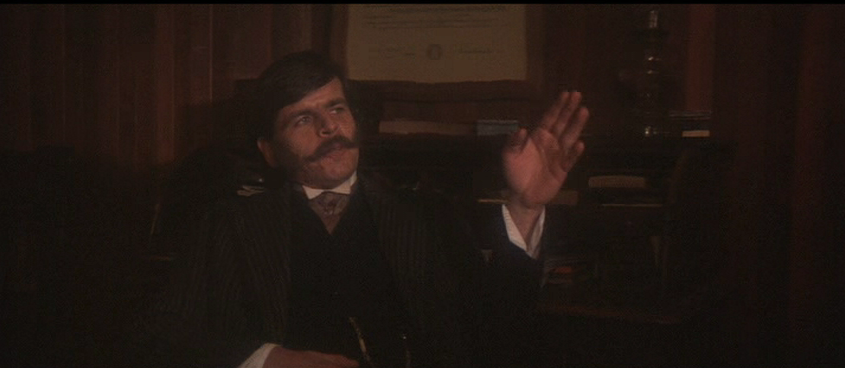
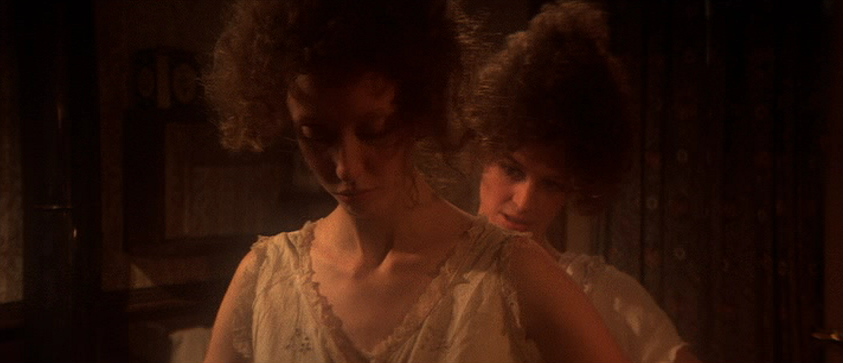
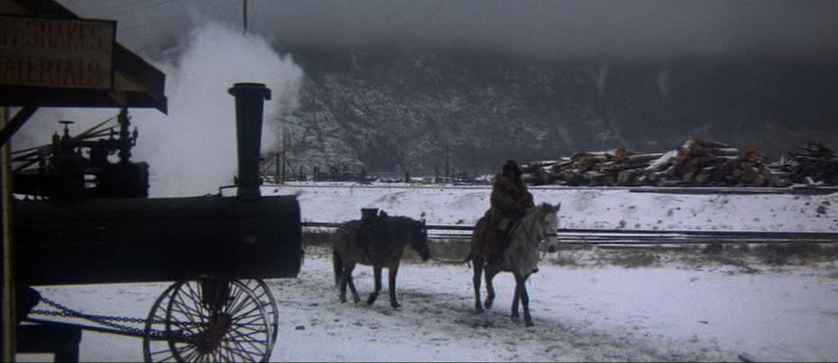
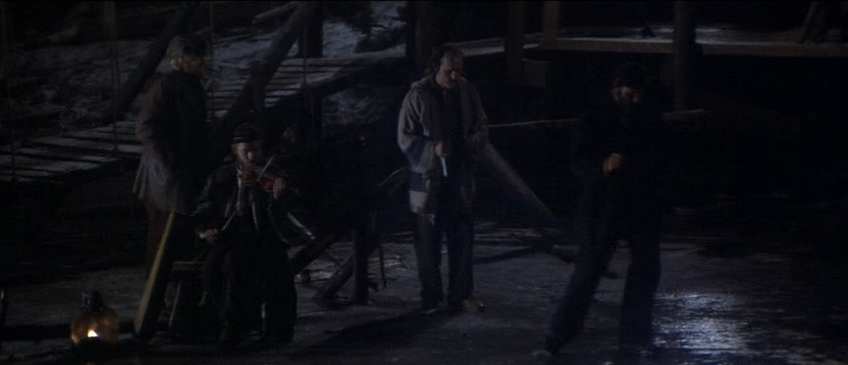
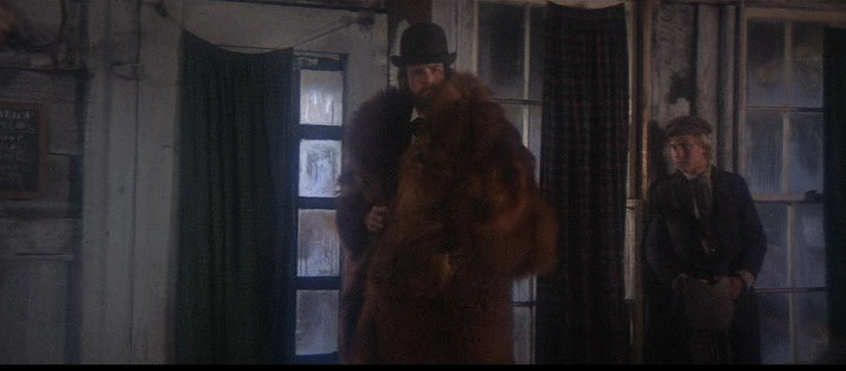
Response to Peary’s Review: Indeed, McCabe is often cited as the ultimate “anti-western”, as it foils the norms of this venerable cinematic genre in every way possible: McCabe is a foolish anti-hero; the town’s buildings (painstakingly hand-constructed in British Columbia by production designer Leon Ericksen and his crew) appear realistic rather than set-like; dirt and grime cover every possible surface; the three prostitutes McCabe “purchases” near the beginning of the film are, to put it mildly, decidedly uncomely; Chinese workers co-exist in a ghetto (and their vile exploitation as “cheap”, “renewable” manpower is duly noted); Mrs. Miller is a drug addict; and while McCabe and Mrs. Miller do become lovers (as expected), their relationship remains mercenary rather than romantic. It’s not until the film’s shoot-out ending that some of the genre’s conventions finally come into play. In addition to its stunning appearance (both Ericksen’s sets and Vilmos Zsigmond’s luminous cinematography are justifiably lauded), McCabe and Mrs. Miller features, as usual in Altman’s films, a host of fine lead and supporting actors. Christie — boasting a broad Cockney accent and frizzy hair — “has never been lovelier” (she deserved her Oscar nomination), and Beatty is convincing as her shaggy-haired partner, who gets by on a combination of gumption and pure dumb luck (it’s Miller who notably possesses the brains of the enterprise). Keith Carradine gives one of his best non-leading performances as a luckless young visitor traveling through town, while William Devane as a lawyer and newcomer Hugh Millais as a heavy rise to the top as well in each of their tiny but memorable roles. Peary reviles Leonard Cohen’s score (he notes that Cohen’s singing “will get on your nerves”), but I think its folksy quality works; and as Peary writes, “at least Altman was trying to be different by using his songs”. P.S. McCabe and Mrs. Miller is a film which sits even better after you’ve had some time to absorb it, and read a few critiques (see below for a handful of links, each of which reveals new and provocative insights) — but keep in mind that nearly every review gives away major spoilers. Redeeming Qualities and Moments:
Must See? Categories
(Listed in 1001 Movies You Must See Before You Die) Links: |
“Why not me? Why not? A guy can get anything he wants as long as he pays the price.”
|
Synopsis: |
|
Genres, Themes, Actors, and Directors:
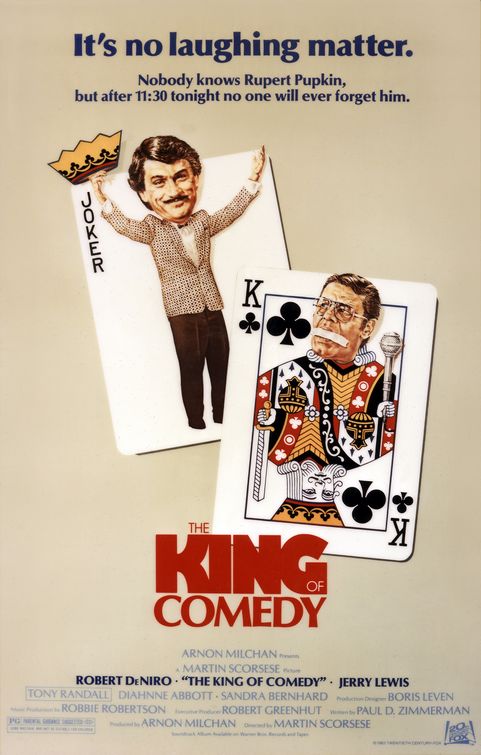
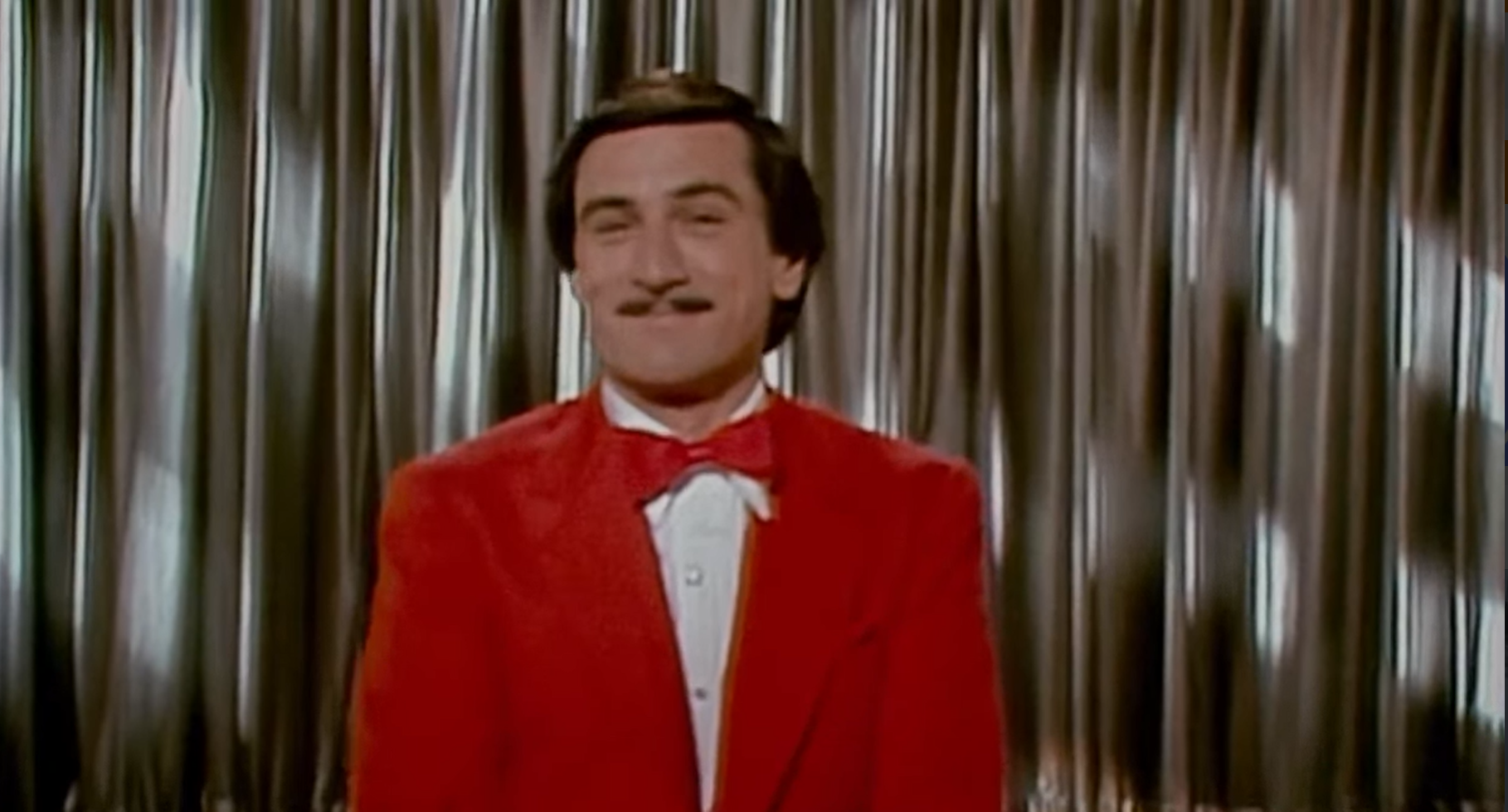
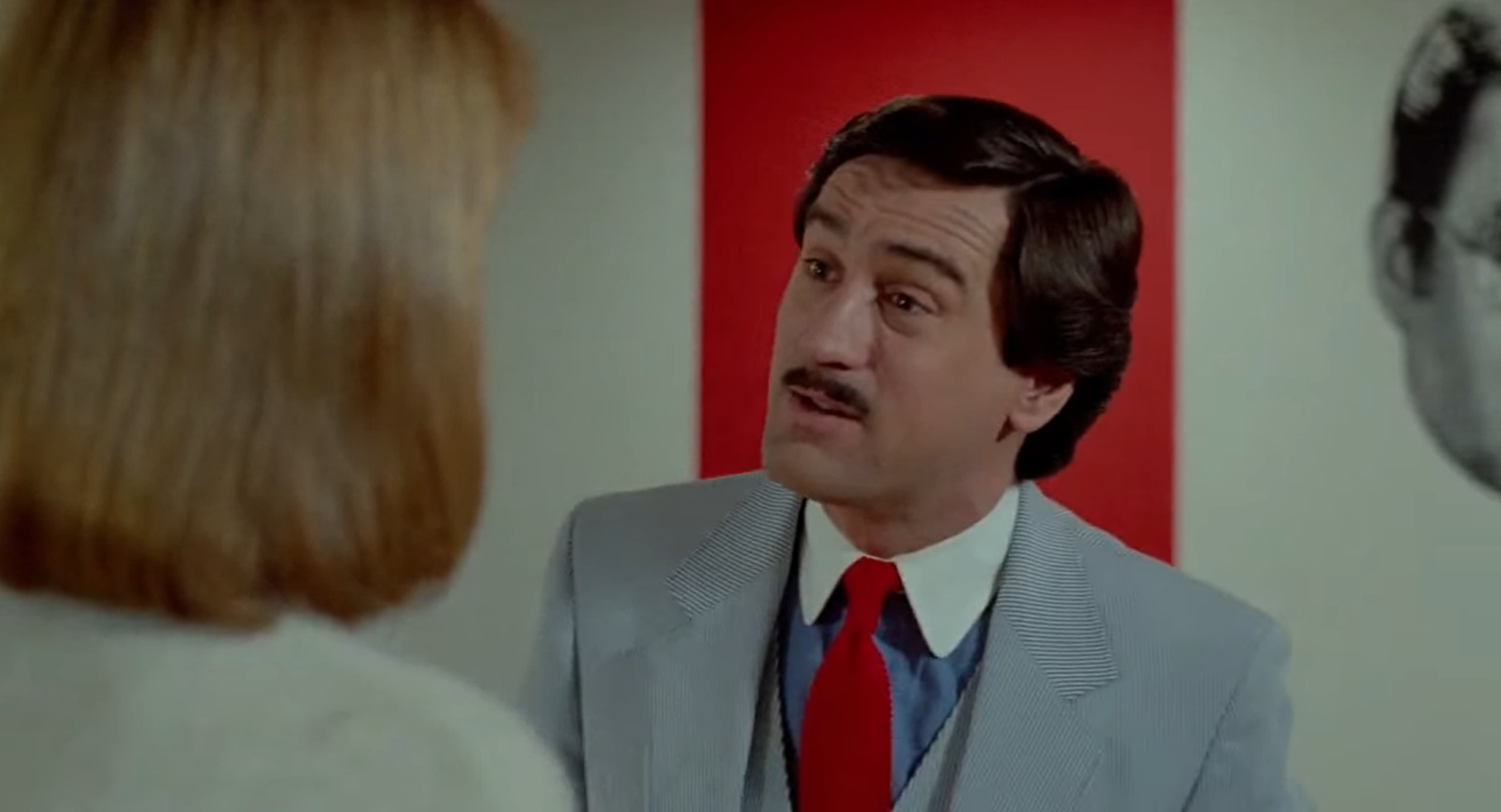
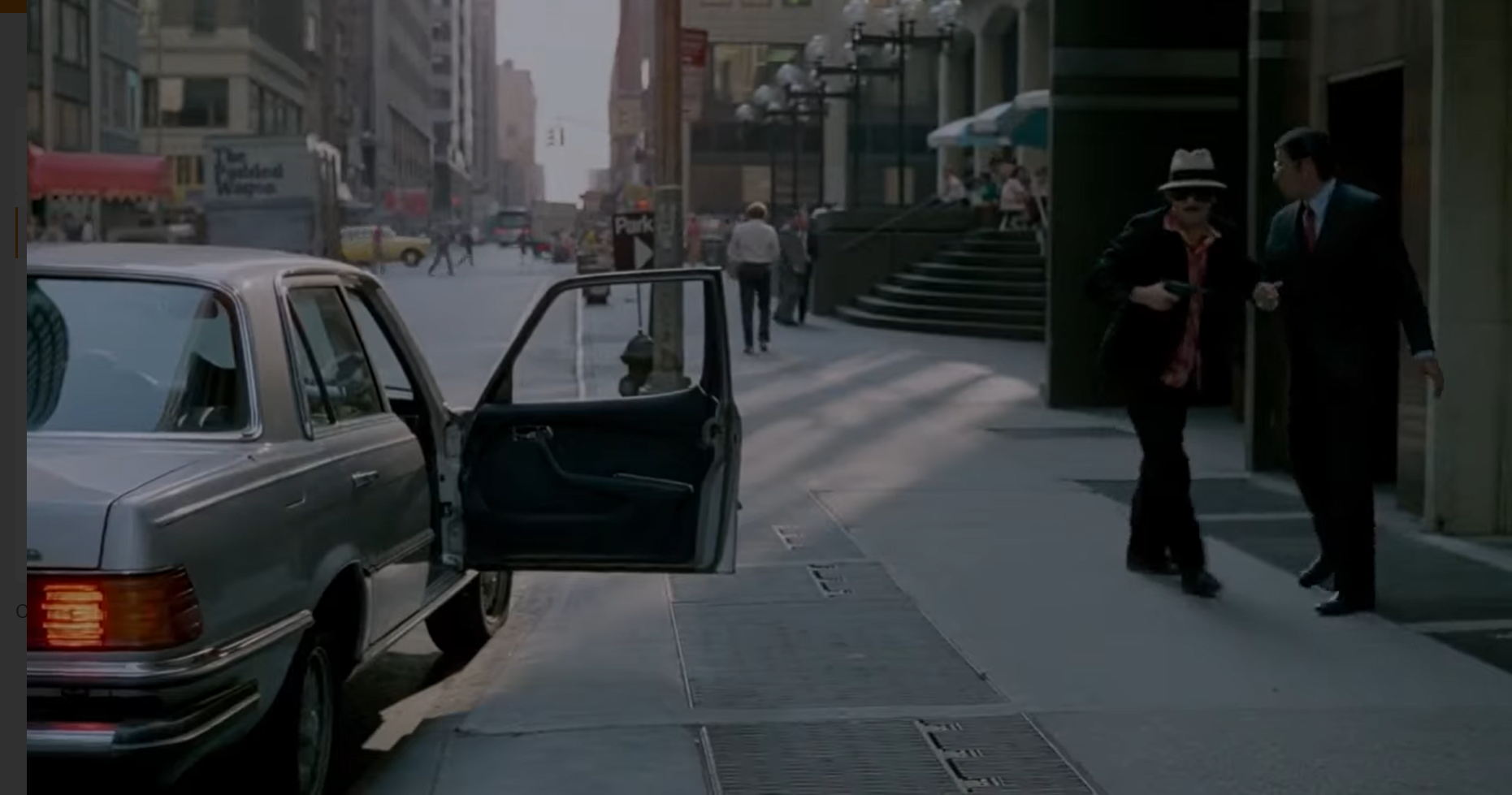
Response to Peary’s Review: It’s difficult at first to know how to react to Pupkin (De Niro is in top form), who is single-minded in his devotion to “making it” as an entertainer, but utterly out of touch with the reality of what such an endeavor entails — especially given that the “reality” of achieving any kind of fame in show business, no matter how fleeting, is so nigh impossible that resorting to drastic measures may actually make some kind of sense. Peary and countless other critics give away the fact that Pupkin ultimately “triumphs” in his goals (making it on to Jerry Langford’s show), so I’ll mention it as well — and truth be told, this ending may very well be the only one that could have worked. No matter how much of a “despicable leech” Pupkin is, he’s also undeniably pathethic — a true loser who perhaps (perhaps!) deserves his chance in the limelight, if only as evidence of his sheer gumption and warped savvy.
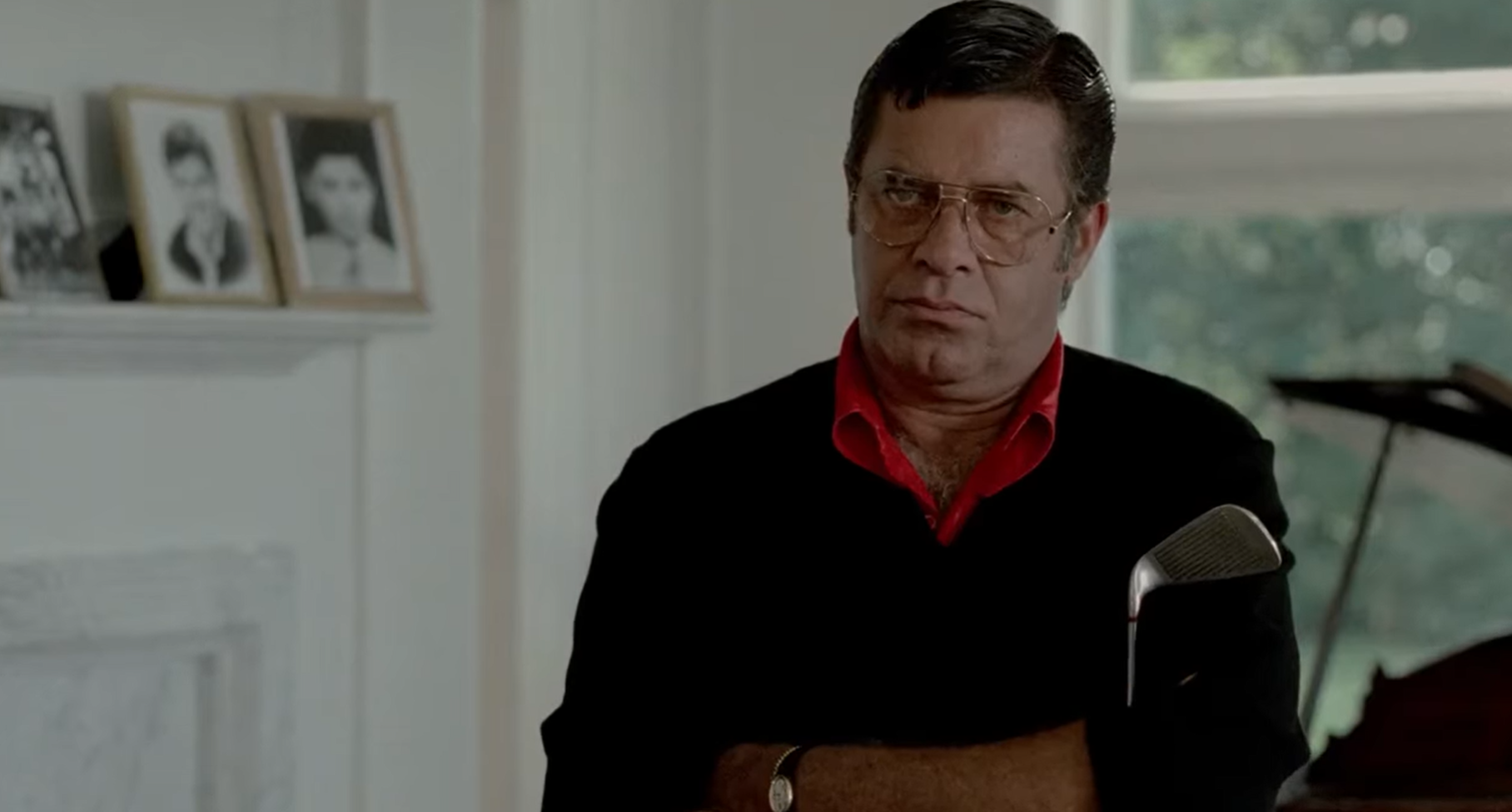
Several “big names” were considered for the role of Jerry Langford (including Frank Sinatra, Orson Welles, Dick Cavett, Sammy Davis, Jr., and Johnny Carson), but Lewis was an inspired casting coup, given his real-life designation as the “king of comedy”. Meanwhile, Bernhard (in her screen debut) is simply hilarious as Pupkin’s partner-in-crime, a deluded poor-little-rich-girl whose entire identity revolves around being Langford’s “number one fan”; her interactions with Langford while he’s taped up in her house are rollicking. Indeed, by this point in the story, the film’s bitterly humorous sensibility has emerged more strongly than ever, as it becomes especially clear that Scorsese is aiming for satirical laughs, and won’t leave us stranded in a sea of purely icky discomfort. Pupkin and Masha (Bernhard) may be two of the most pathetic individuals in existence, but we all — film fanatics among us! — possess a certain amount of this quality ourselves; Scorsese’s gift here is in allowing us to feel a measure of empathy with two characters whose very actions are the epitome of obnoxious delusion. Redeeming Qualities and Moments:
Must See? Categories
(Listed in 1001 Movies You Must See Before You Die) Links: |