Blacula (1972)

Blacula (1972)

“You know, he is a strange dude!”

Synopsis:
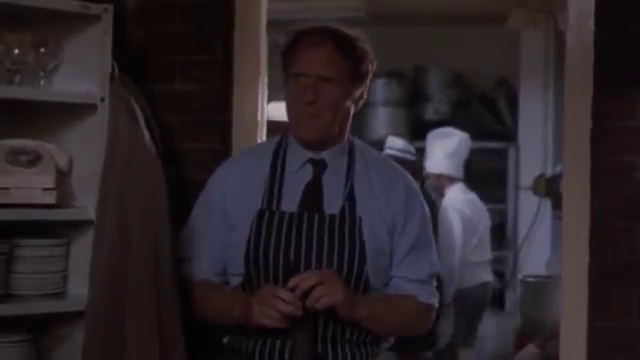
After a fatal encounter with Count Dracula (Charles Macaulay), an African prince (William Marshall) is sealed in a coffin as the vampire “Blacula” and doesn’t emerge until centuries later, when two interior designers (Ted Harris and Rick Metzler) unintentionally bring him to L.A. Upon being freed from his coffin, Blacula begins a vampiric killing spree, then quickly finds his reincarnated wife (Vonetta McGee) and attempts to regain her love — but a police officer (Thalmus Rasulala) and his girlfriend (Denise Nicholas) are determined to find and capture Blacula before he’s caused too much mayhem.

Genres, Themes, Actors, and Directors:

  • African Americans
  • Elisha Cook, Jr. Films
  • Horror Films
  • Vampires

Response to Peary’s Review:
Peary writes that this “hip, fast-moving, erotic, clever, well acted” blaxploitation horror film “shouldn’t be dismissed so easily,” noting that “deep-voiced, tall, handsome, and intelligent William Marshall, a solid actor, is as sympathetic and aristocratic a vampire as there has been in movies.”

He points out that Blacula is a “vampire [who] can fall in love and can make love (how happy he is — you’ve never seen a vampire smile so broadly and sincerely — when McGee hugs him and asks him to spend the night).” Indeed, everything about this film works well — starting with the clever opening premise in which we learn that Marshall effectively gives up his life while attempting to end slavery, thus making it incredibly easy to sympathize with him from then on. We don’t blame McGee in the slightest for falling for Marshall, and their romance is surprisingly touching.

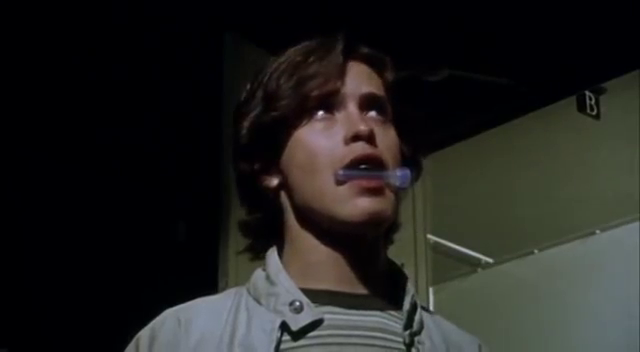
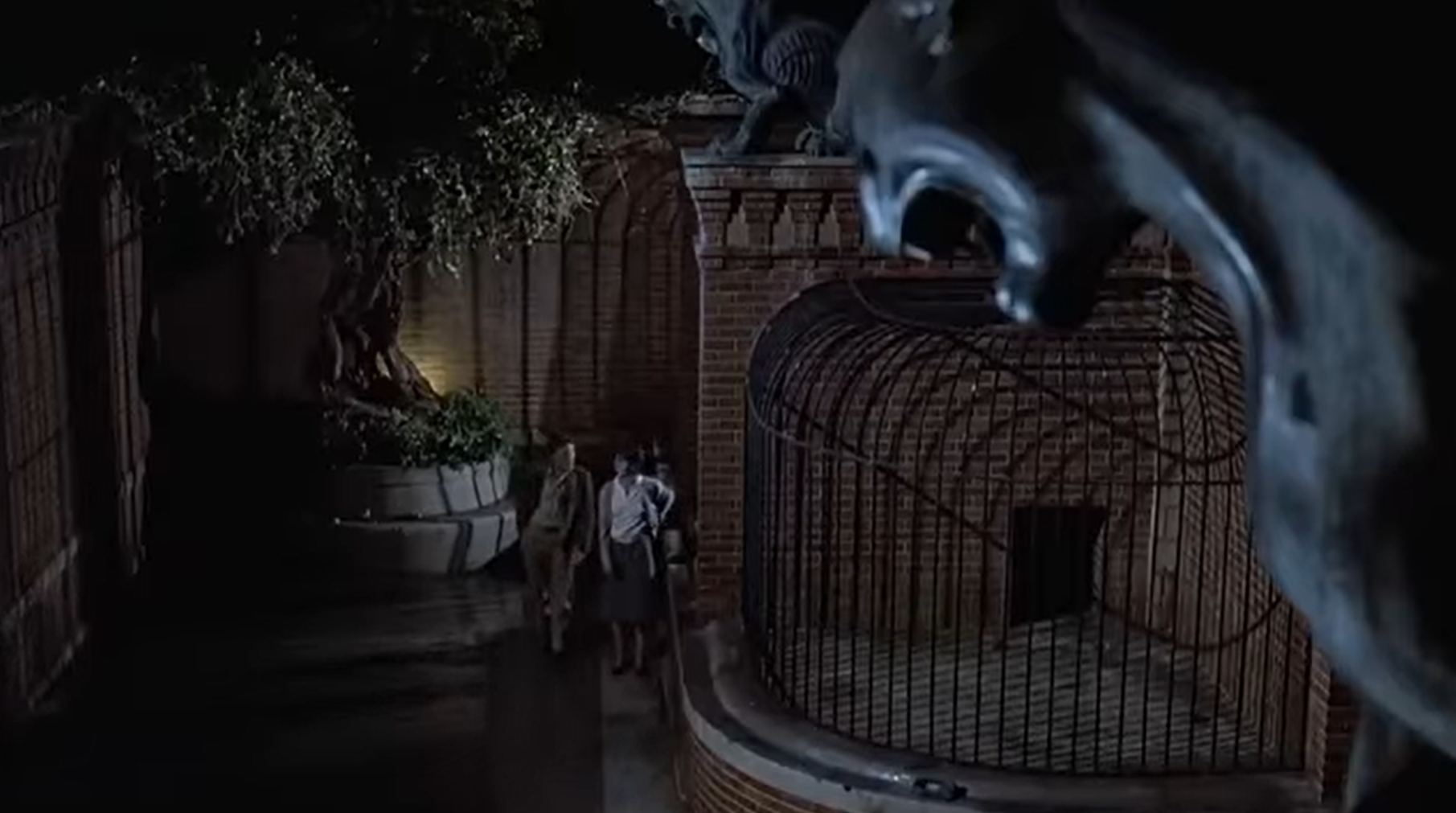
Action scenes and make-up are handled well, with some effectively spooky moments — including all the vampires Blacula has already managed to infect descending upon their new prey:

… and a former taxi-driver-turned-vampire (Ketty Lester) running after nebbishy Elisha Cook, Jr. (who doesn’t stand a chance).


Redeeming Qualities and Moments:

  • William Marshall as Blacula
  • Fine supporting performances


  • Atmospheric sets, cinematography, and make-up


  • Creative opening credits
  • An awesome funky score

Must See?
Yes, as an enjoyable cult classic.

Categories

  • Cult Movie
  • Historically Relevant

Links:

Schizo (1976)

Schizo (1976)

“I’ve got a lot more presents for you, Jean.”

Synopsis:
A newlywed (Lynne Frederick) who believes an ex-con (Jack Watson) appearing in a traumatic childhood memory is stalking her receives support and advice from various people — including her husband (John Leyton), her friend (Stephanie Beacham), her housekeeper (Queenie Watts), and a psychiatrist (John Fraser).

Genres, Themes, Actors, and Directors:

  • Horror Films
  • Newlyweds
  • “No One Believes Me!”
  • Serial Killers

Review:
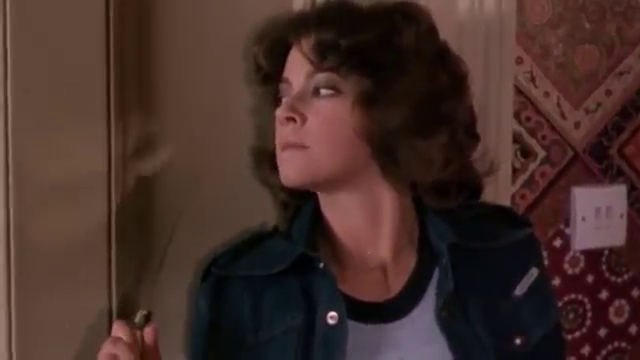
This poorly titled slasher flick — surely attempting to bank on Psycho (1960) — gets its facts wrong from the opening lines, when an unseen narrator falsely informs us:

Schizophrenia: a mental disorder, sometimes known as multiple or split personality, characterized by loss of touch with environment, an alternation between violent and contrasting behavior patterns.

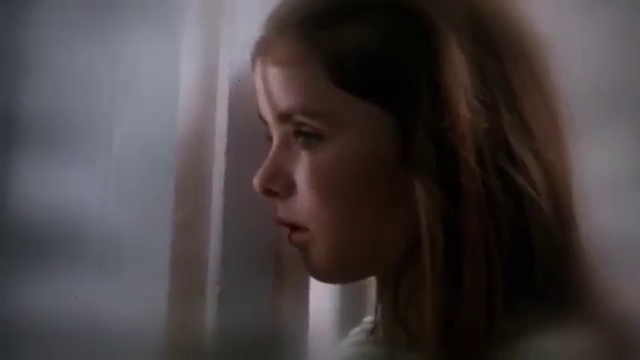
From there, we’re introduced to a sweet-looking young woman (Frederick) — purportedly a former ice skating champion (though this thread is never followed up on in any way) — who fears for her life when a recently released ex-con (Watson) seems hell-bent on seeking her out and destroying her newfound happiness.

What role, exactly, did Watson play in the traumatic childhood memories Frederick keeps flashing back on intermittently?

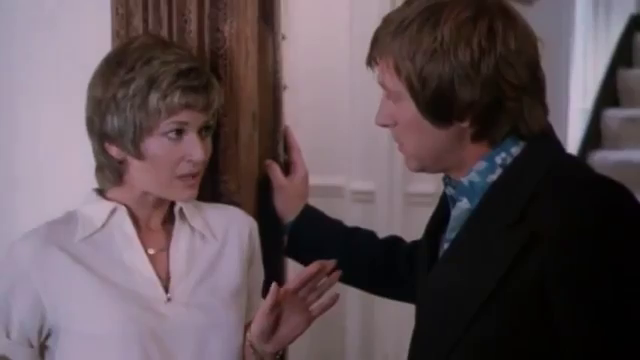
Is Frederick’s husband (Leyton) a good guy or scum, given his willingness to postpone their honeymoon by two weeks, and his overly affectionate attitude towards her bubbly friend Beth (Beacham)?

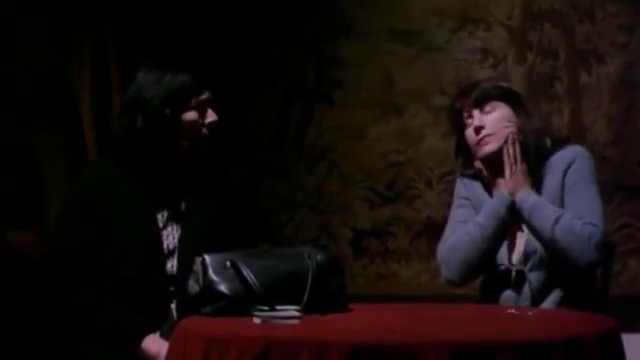
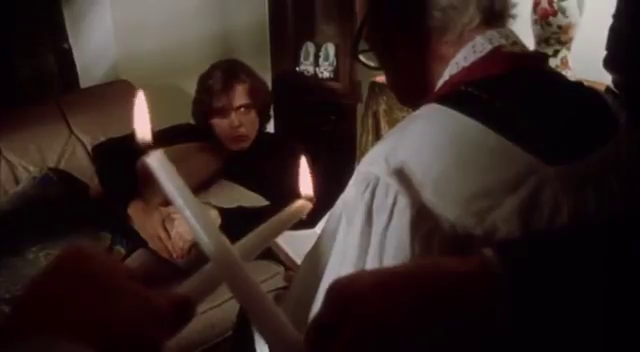
What will happen when Frederick’s housekeeper (Watts) invites her to a seance where her bespectacled daughter (Trisha Mortimer) serves as a medium?

Frederick is a sympathetic protagonist, and I’ll admit to being kept in surprise about the identity of the killer, but the storyline ultimately doesn’t cohere very well. Slasher flick fans may want to check this one out — but it’s not must-see viewing.

Redeeming Qualities and Moments:

  • Lynne Frederick as Samantha

Must See?
No; you can skip this one. Listed as a Cult Movie in the back of Peary’s book.

Links:

Schlock (1973)

Schlock (1973)

“These banana murders are really strange.”

Synopsis:
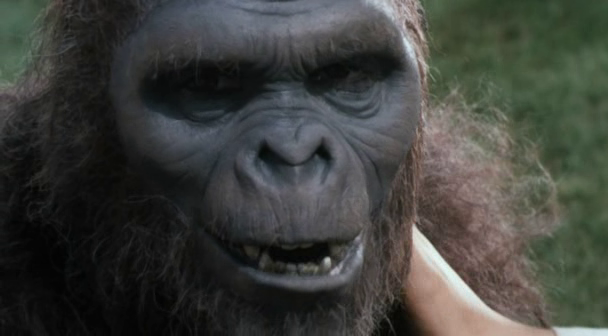
A twenty million year old “missing link” primate known as the Schlockthropus (John Landis) goes on a killing spree and explores a town, leaving a trail of banana peels behind him. Will his new relationship with a beautiful blind girl (Eliza Garrett) put a stop to his murderous ways?

Genres, Themes, Actors, and Directors:

  • John Landis Films
  • Primates
  • Satires and Spoofs
  • Serial Killers

Review:
In a fun snippet for Trailers From Hell, writer-director-star John Landis says that he and 20-year-old makeup artist Rick Baker “made this movie in twelve days for $60,000. It’s bad — and appropriately named!” In another interview clip, he acknowledges that this low-budget satire of low-budget monster flicks is based on films like Trog (1970) — “because that was so stupid!” — and says once again, with some embarrassment, “Schlock’s a terrible movie, but there’s some funny things in it, and it’s charming.” He goes on to talk about what a formative learning experience it was for him on numerous levels, which makes sense (he was only 21 at the time). On its own, however, Schlock doesn’t stand up as anything other than a well-intentioned but utterly silly spoof, and isn’t must-see viewing for modern film fanatics. (Landis himself admits to not having seen it in decades.)

Fun fact: I grew up across the street from the woman (Eliza Garrett) who plays Mindy the blind girl (though she was ten years older and a mom by this point; my younger sister played occasionally with her son Keaton).

Redeeming Qualities and Moments:

  • Rick Baker’s make-up

Must See?
No, unless you’re a Landis fan. Listed as a Sleeper, a Cult Movie, and a Personal Recommendation in the back of Peary’s book.

Links:

Wolfen (1981)

Wolfen (1981)

“Wolves don’t kill people — that’s a myth. I mean, they’re too smart.”

Synopsis:
A detective (Albert Finney) and a terrorism expert (Diane Venora) investigate a mysterious rash of killings across New York City, which may or may not involve Native Americans and/or wolves.

Genres, Themes, Actors, and Directors:

  • Albert Finney Films
  • Detectives and Private Eyes
  • Horror Films
  • Killer Animals
  • Murder Mystery

Review:
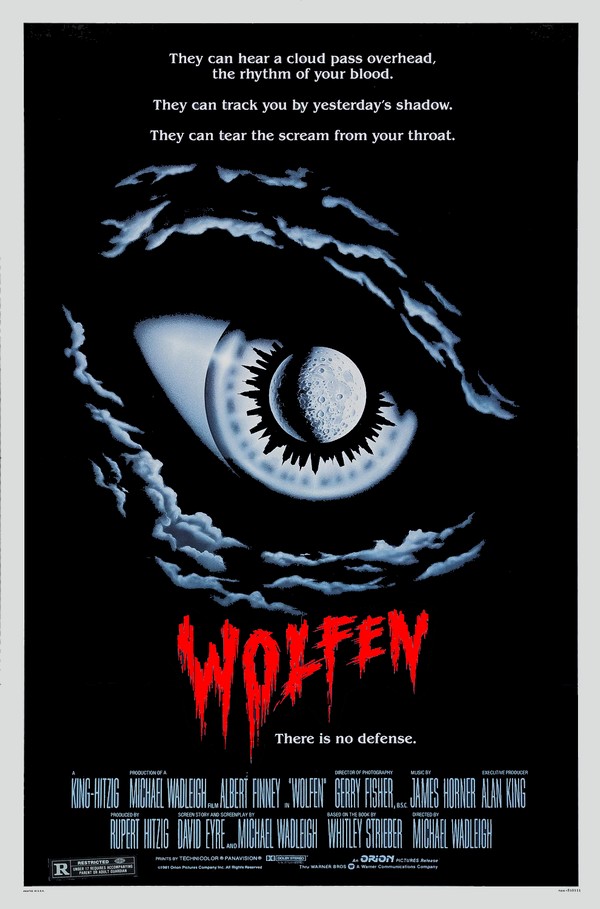
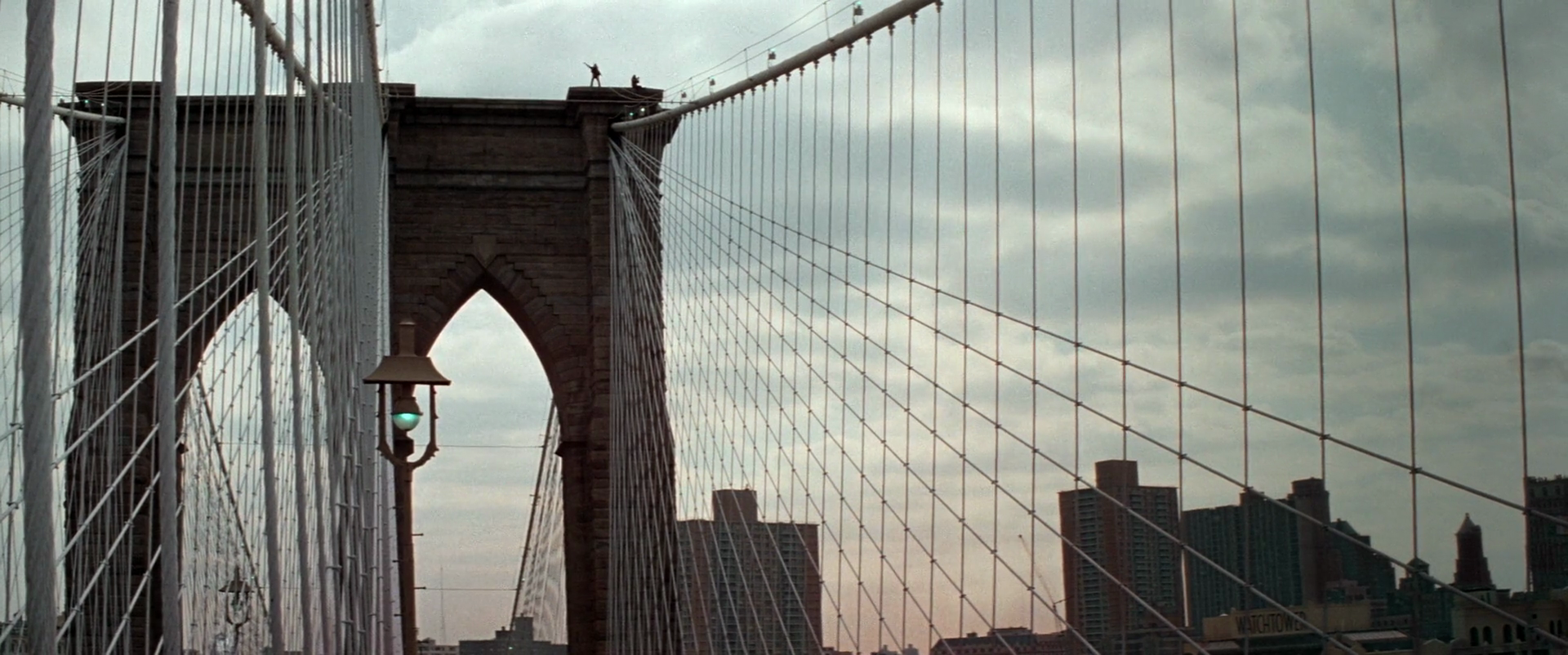
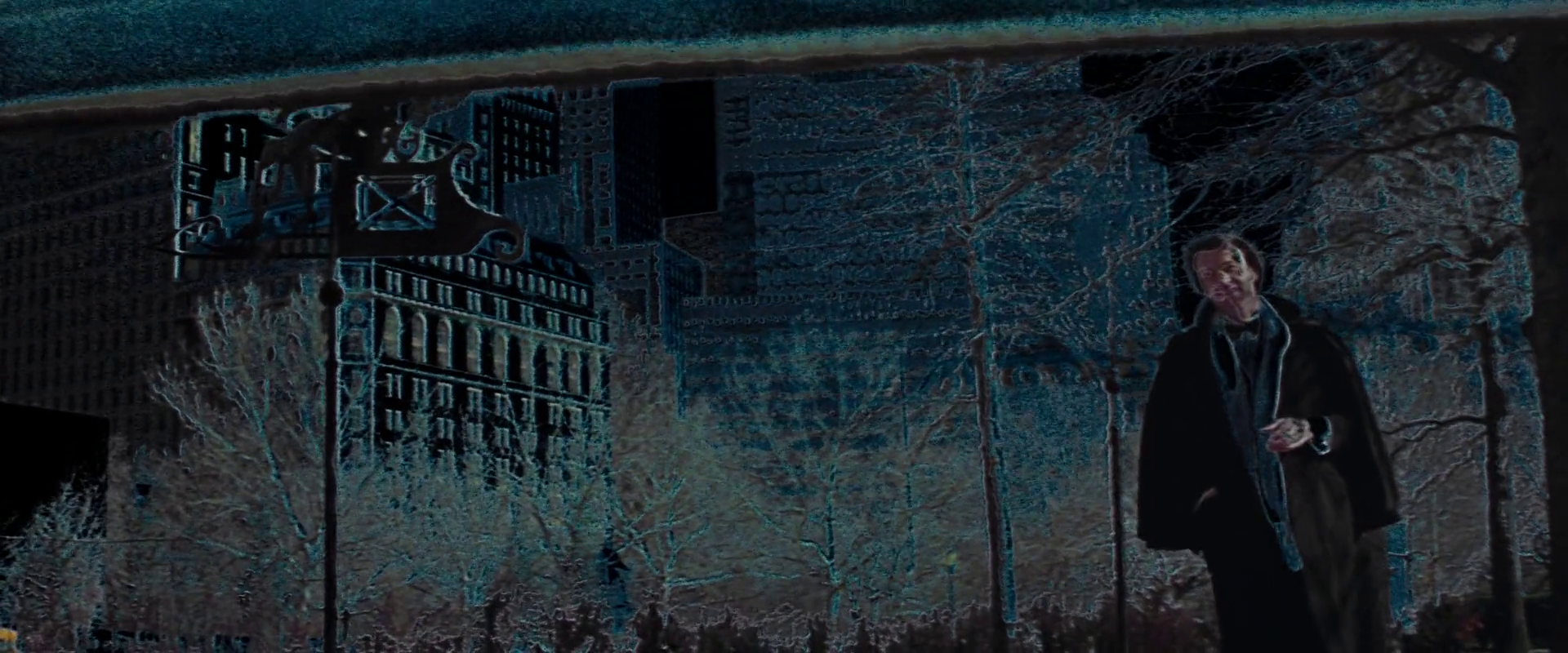
Director Michael Wadleigh had a most unusual Hollywood career, helming just two wildly different films: the documentary Woodstock (1970) and this ultra-atmospheric horror film, often associated with two werewolf-themed movies from the same year — An American Werewolf in London (1981) and The Howling (1981) — but not itself a werewolf movie. Instead, it’s a murder mystery detective flick based on the debut novel by Whitley Strieber, featuring a subplot about a Native American (Edward James Olmos) who engages in non-supernatural “shape-shifting”. While many elements of the film are nicely handled — including solarized cinematography throughout to show the perspective of the predator(s) — it eventually becomes repetitive and builds to a less-than-satisfying conclusion. James Horner’s score is a stand-out, though.

Redeeming Qualities and Moments:

  • Highly atmospheric sets and cinematography

  • James Horner’s score

Must See?
No, but it’s worth a one time look if you’re interested.

Links:

Werewolf of Washington, The (1973)

Werewolf of Washington, The (1973)

“You don’t look well, Jack.”

Synopsis:
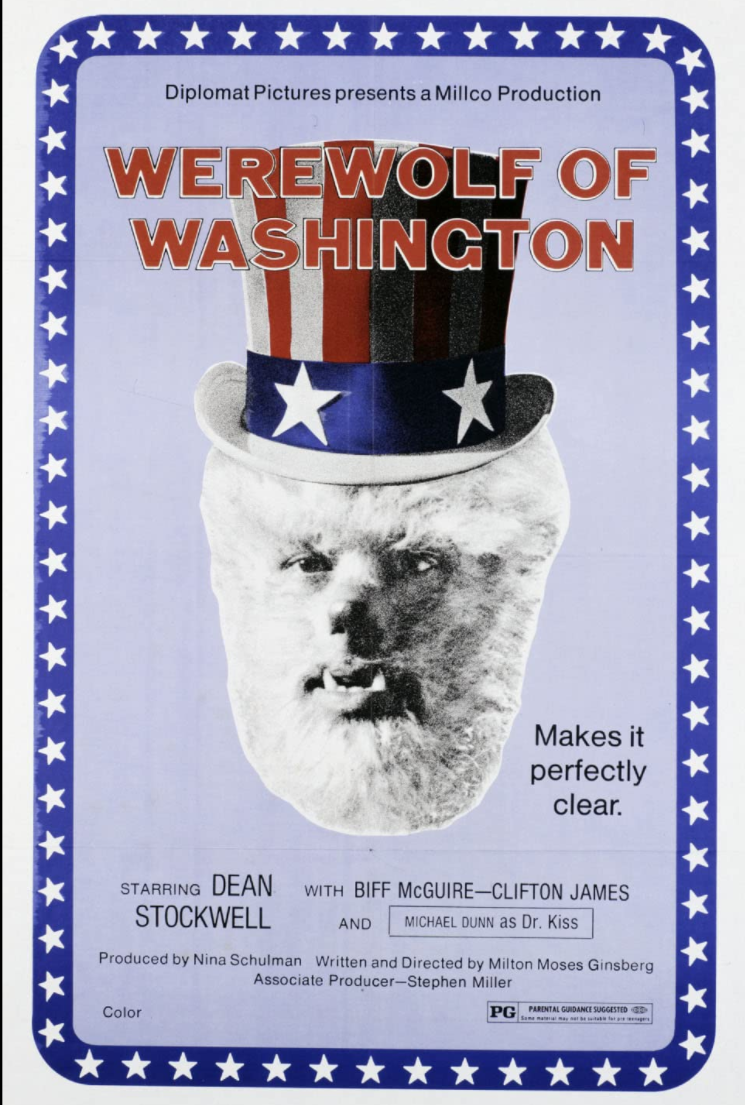
After a trip to Hungary, a political aide (Dean Stockwell) to the U.S. president (Biff McGuire) is turned into a werewolf and starts committing vicious murders when the moon is full. Can he convince those around him — including his former girlfriend (Jane House), daughter of the president — to keep him locked up, for everyone’s sake?

Genres, Themes, Actors, and Directors:

  • Dean Stockwell Films
  • Horror Films
  • “No One Believes Me!”
  • Political Corruption
  • Werewolves

Response to Peary’s Review:
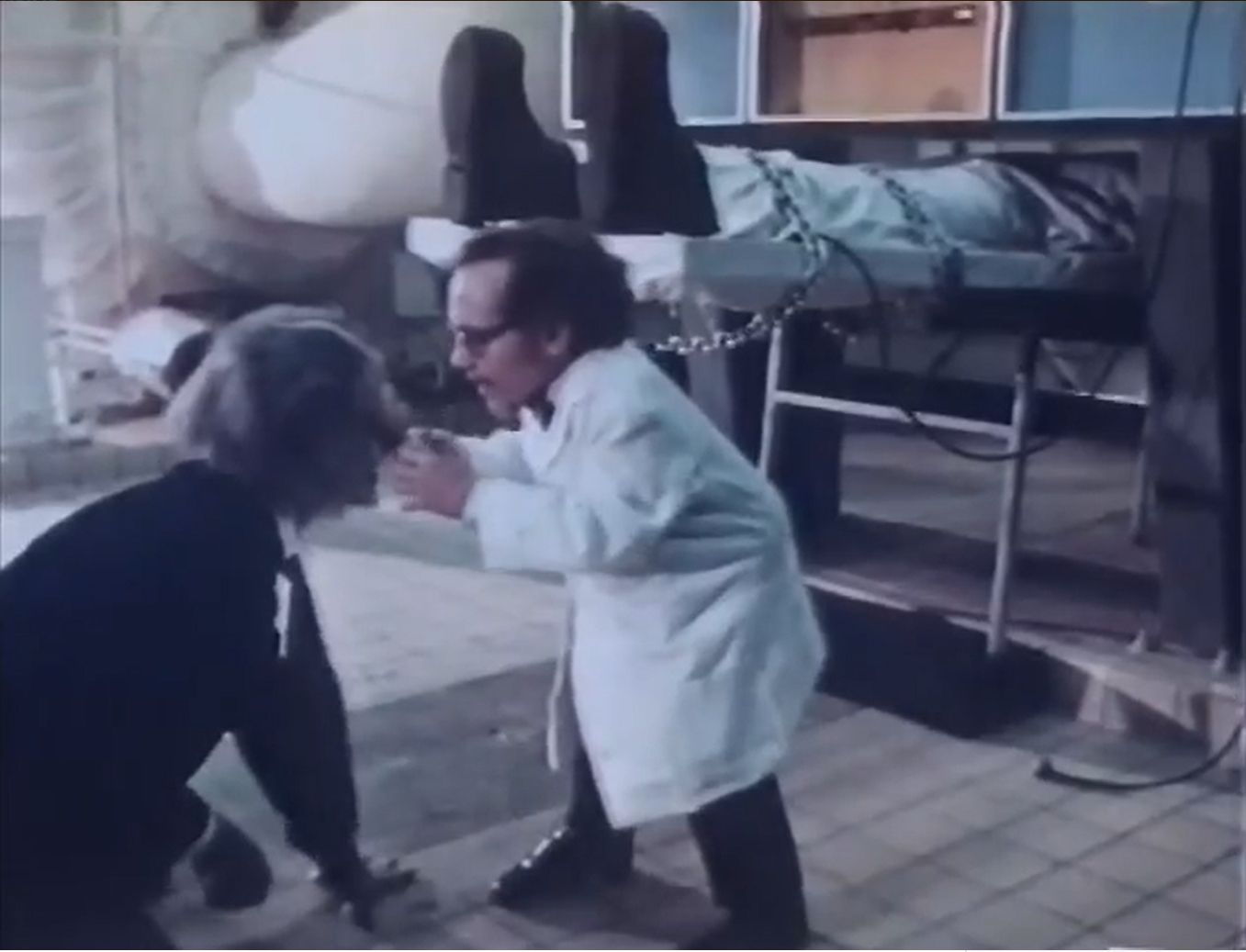
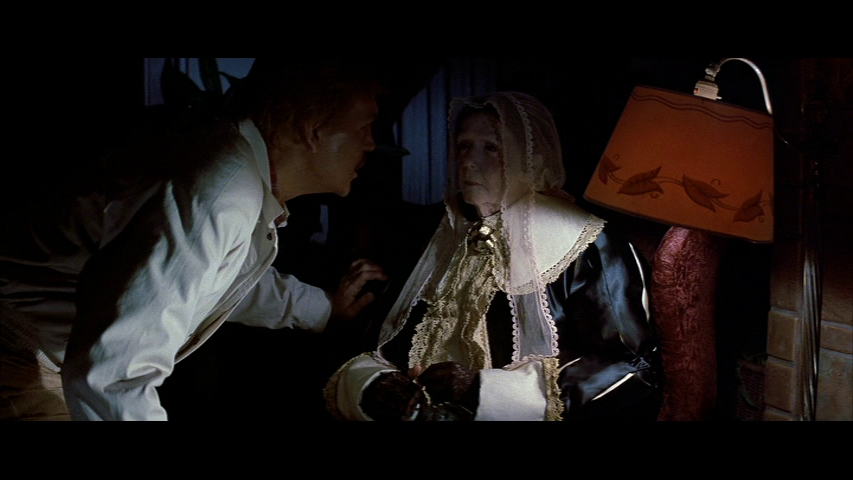
Peary writes that this “odd blend of horror and political satire” — “concocted during [the] Watergate hysteria” — gives Dean Stockwell “another peculiar role” in “his weird career by playing the title character.” He notes that while “the film is technically erratic”, there “are a couple of inspired bits”, including “the werewolf trapping someone in a fallen telephone booth”, which is “reminiscent of Marilyn Burns sitting inside an immobile locked car while a ghoul tries to shake it open in Night of the Living Dead and Tippi Hedren being trapped in a phone booth in The Birds.” It’s too bad a would-be subplot about Stockwell wandering into a secret government lab run by a concerned midget doctor (Michael Dunn) is dropped completely, since this could have added some interest to the film’s narrative:

Instead, we must rely entirely on our sympathy for poor Stockwell, who clearly knows he’s a danger to those around him but can’t manage to convince Washington to take him seriously.

Redeeming Qualities and Moments:

  • Dean Stockwell as Jack Whittier
  • Some effectively filmed low-budget sequences

Must See?
No, but it’s recommended for one-time viewing.

Links:

American Werewolf in London, An (1981)

American Werewolf in London, An (1981)

“Stay on the road; keep clear of the moors.”

Synopsis:
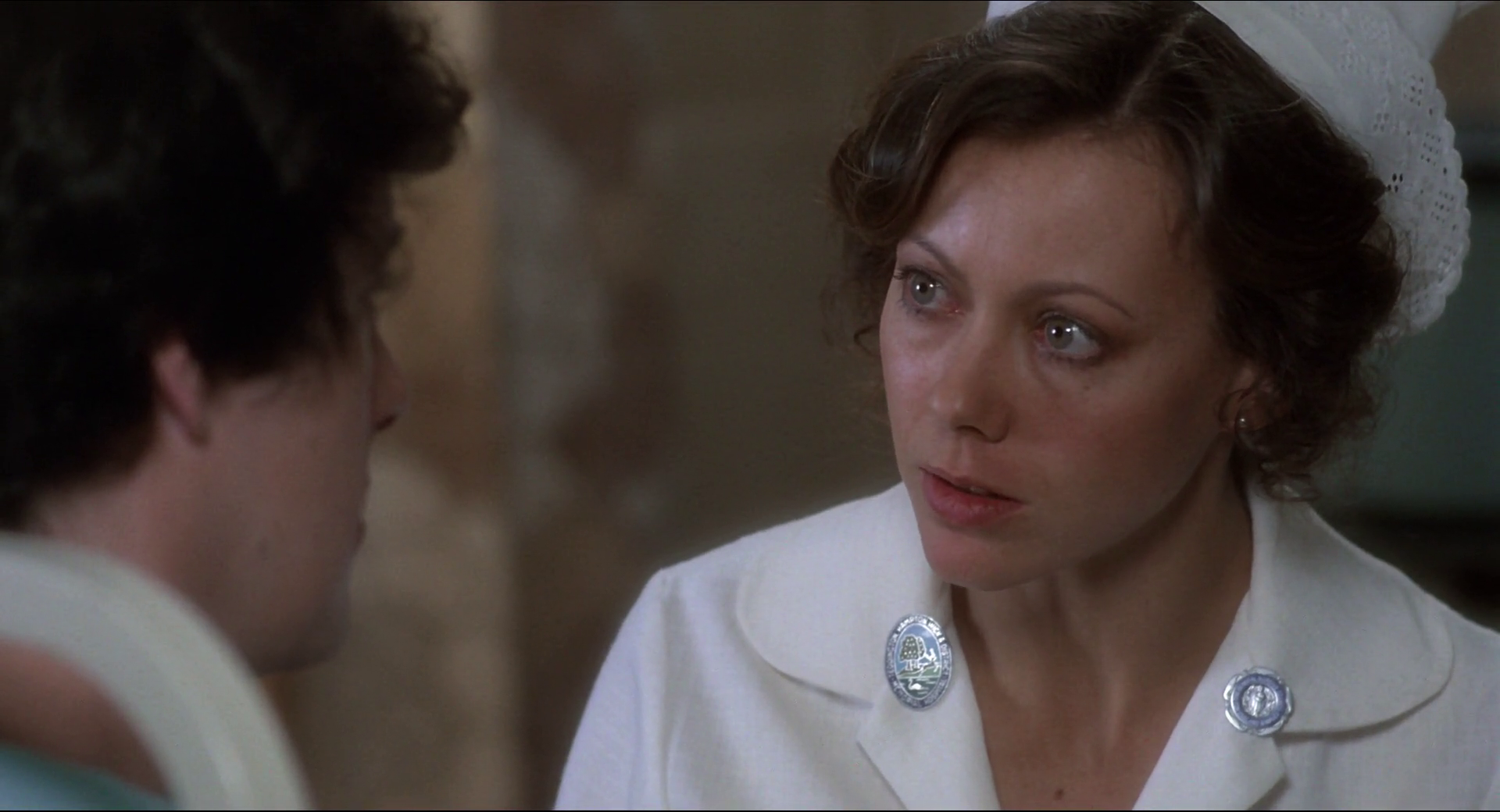
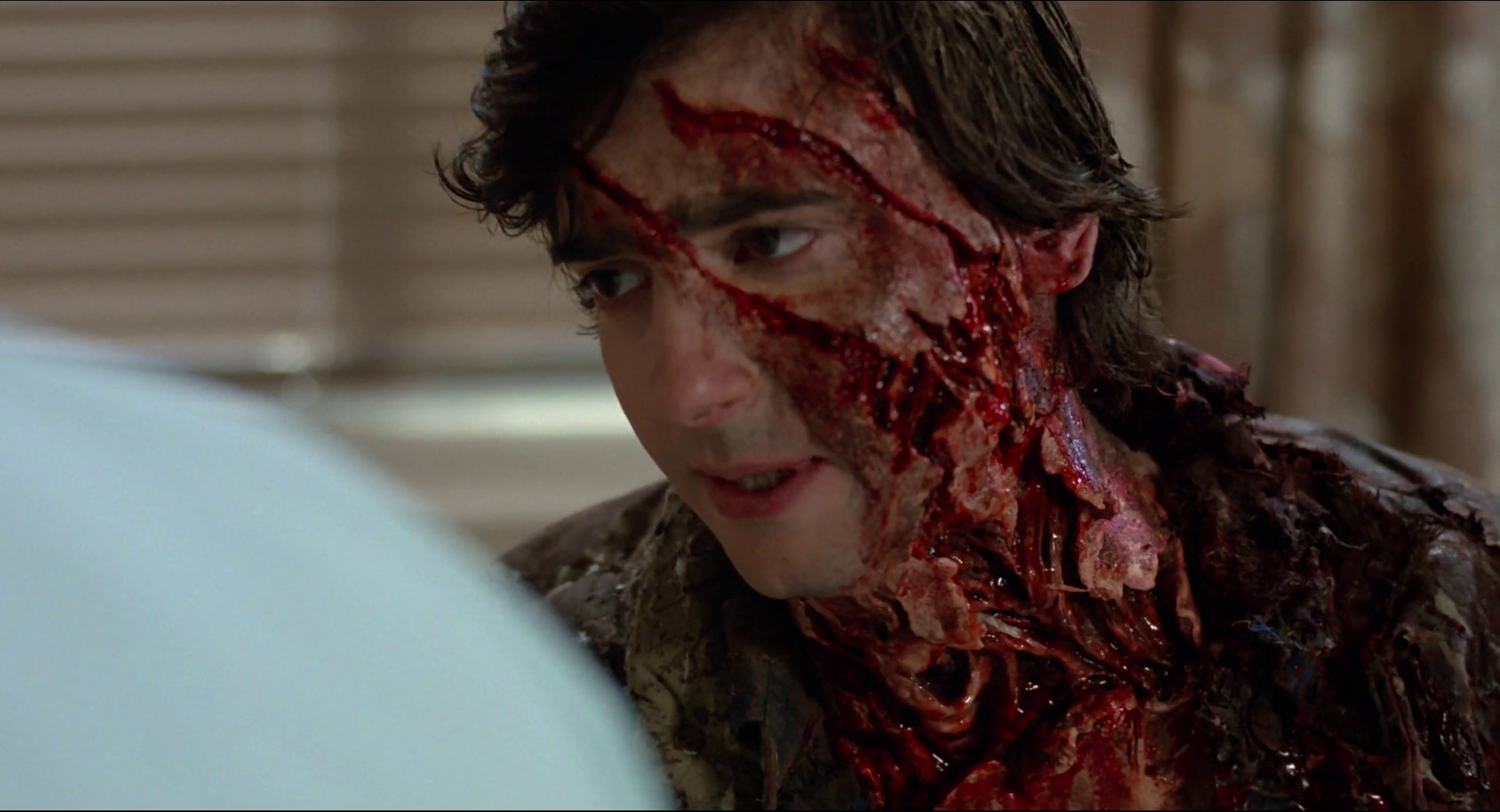
When his friend (Griffin Dunne) is killed on the moors of England, a man (David Naughton) who’s been severely mauled by the same attacker ends up in a London hospital, where he’s cared for by a pretty nurse (Jenny Agutter) and a doctor (John Woodvine) who tries to investigate what might have happened — especially as Naughton has a series of intense dreams and hallucinations warning him he will turn into a werewolf during the next full moon unless he kills himself.

Genres, Themes, Actors, and Directors:

  • Horror Films
  • Jenny Agutter Films
  • John Landis Films
  • Werewolves

Response to Peary’s Review:
Peary writes that this “pet project of director John Landis… may be the most successful attempt to mix horror and comedy there has been,” given that “you’ll laugh even when you feel jittery”. He notes that “the young actors are appealing and energetic,” the “supporting players — many from the Royal Shakespeare Company — give the production class,” and “the settings are particularly well chosen for atmosphere and visual interest.”

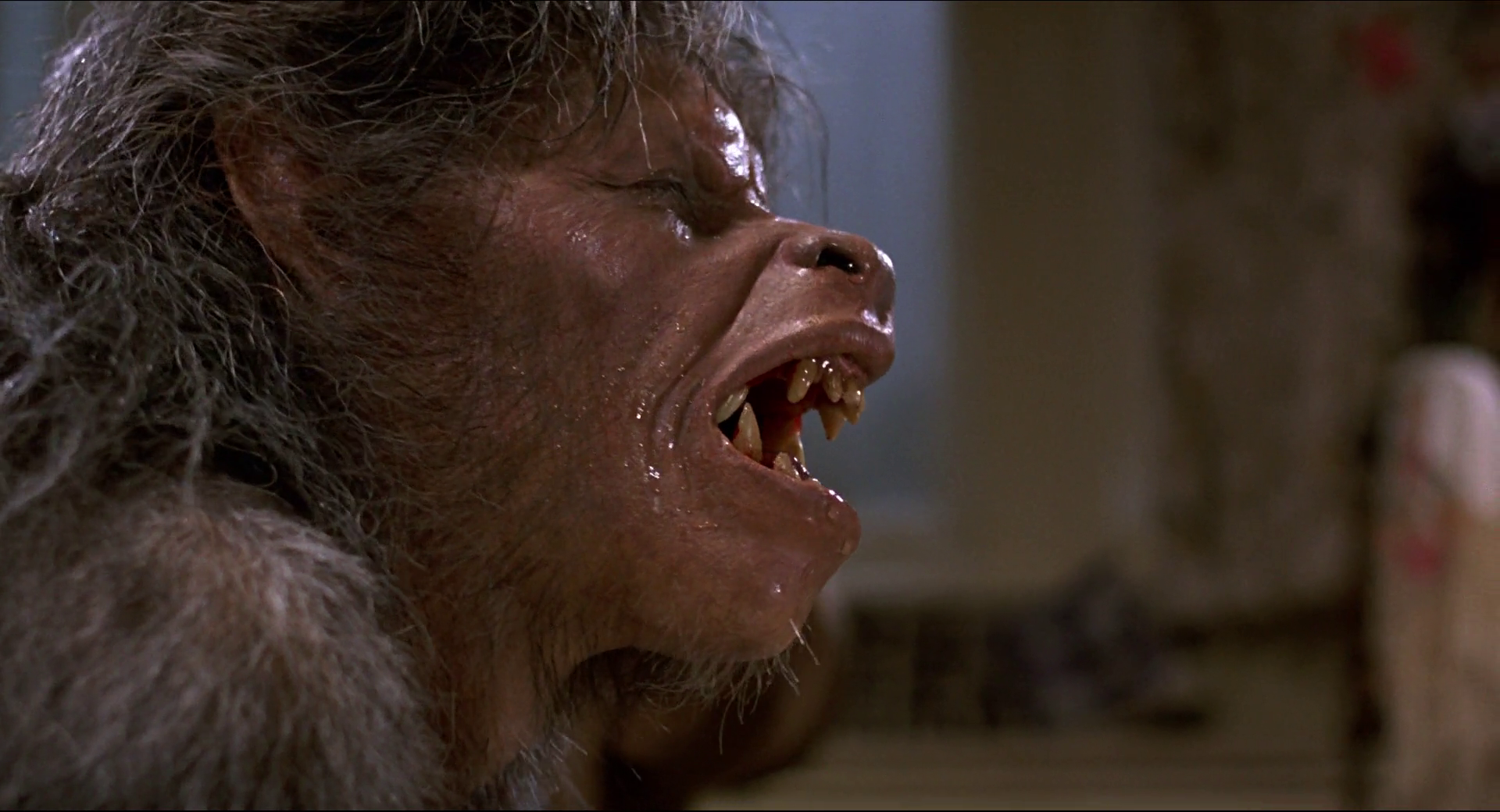
In addition, he points out that “the music… is a lot of fun” and that “Rick Baker won a deserved Oscar for his corpse-ghost and werewolf makeup and his stunning work on Naughton’s transformation from man into beast.” Peary concedes that “the last couple of scenes, taking place in Picadilly Circus, seem ill advised” but “otherwise the picture is truly enjoyable and original.”

I’m not as big a fan of this film as Peary and many others (it’s a cult favorite, discussed in Peary’s Cult Movies 3) seem to be. The mix of horror and comedy feels incomplete and often sophomoric; for instance, the scene in which Naughton “steals” a cluster of balloons from a startled young boy at the zoo to cover up his nudity is simply icky. Meanwhile, I would strongly prefer more of Elmer Bernstein’s moody score in favor of the pop hits Landis chose to sprinkle throughout key scenes. Agutter is appealing as Naughton’s love interest, and Baker’s transformation effects are truly outstanding — but this one will primarily appeal to fans of werewolf flicks or Landis’s comedic brand.

Redeeming Qualities and Moments:

  • Jenny Agutter as Alex Price
  • Rick Baker’s special effects


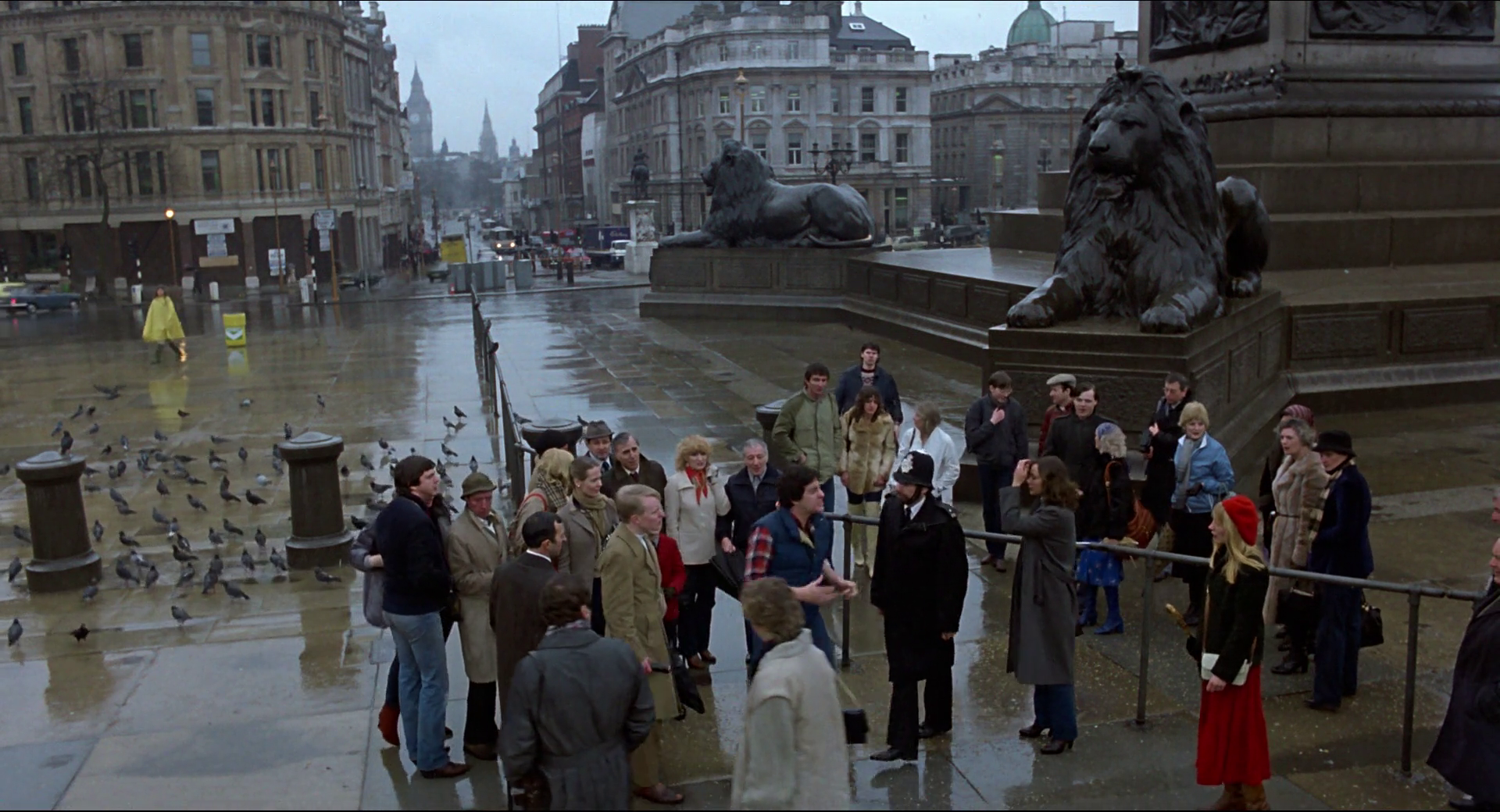
  • Good use of London locales

Must See?
Yes, once, for the special effects and as a cult favorite.

Categories

  • Cult Movie

(Listed in 1001 Movies You Must See Before You Die)

Links:

Martin (1977)

Martin (1977)

“Things only seem to be magic; there is no real magic, ever.”

Synopsis:
When a young man (John Amplas) who’s convinced he’s a vampire goes to live with his great-uncle (Lincoln Maazel) — who refers to Martin (Amplas) as “Nosferatu” — and cousin (Christine Forrest), he continues to carry out his carefully plotted blood-attacks, including invading the home of a woman (Sara Venable) having a liaison with her lover (Al Levitsky), and a lonely housewife (Elyane Nadeau) eager to start an affair with Martin.

Genres, Themes, Actors, and Directors:

  • George Romero Films
  • Horror Films
  • Vampires

Review:
George Romero’s fifth feature-length film — after debuting with Night of the Living Dead (1968), then making There’s Always Vanilla (1971) [not listed in Peary’s GFTFF], Jack’s Wife / Season of the Witch (1972), and The Crazies / Code Name: Trixie (1973) — was this psychological horror film focusing on the logistics of vampirism (are they really repelled by garlic and crosses?), and questioning whether the “lust for blood” is actually all in the vampire’s mind (or truly a curse). Amplas makes a surprisingly compelling and sympathetic lead, convincingly portraying someone simultaneously young and “virginal”, and a decades-old misfit who has figured out what he believes to be the least invasive way to satisfy his needs (by quickly sedating his victims before attacking them).

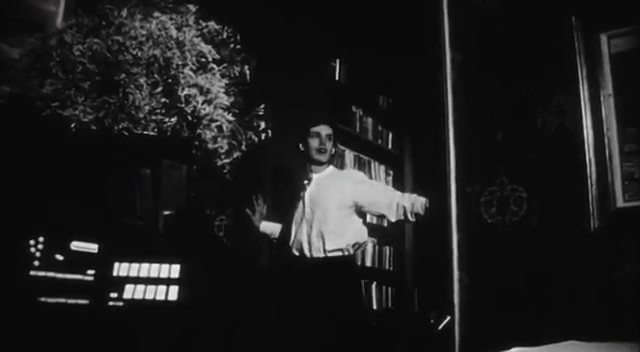
Through atmospheric black-and-white flashbacks, we get glimpses of Martin’s desire for romance and intimacy — along with the inevitable bloodshed that ensues.

The scene in which Martin invades the home of a housewife (Venable) — assuming he’s “safe” to seduce her since he’s just watched her husband drive away for a trip, then finding out there’s a man in the house after all — is expertly directed, showing off Martin’s agility and quickness-of-mind. Only once Martin decides he wants to try to live a more “human” life do his faculties begin to fail him. While it’s far from perfect and occasionally clunky, enough works about this low-budget thriller (purportedly Romero’s personal favorite) to recommend it for one-time viewing by all film fanatics.

Redeeming Qualities and Moments:

  • John Amplas as Martin
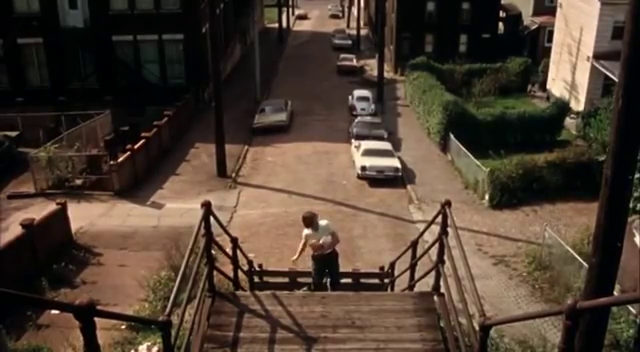
  • Good use of Pittsburgh location shooting
  • Creative direction

  • Donald Rubinstein’s highly evocative score

Must See?
Yes, once, as a most unusual vampire flick. Listed as a Cult Movie, a Personal Recommendation, and a Sleeper in the back of Peary’s book, and discussed at length in Peary’s Cult Movies 3 book.

Categories

  • Important Director

Links:

Halloween III: Season of the Witch (1982)

Halloween III: Season of the Witch (1982)

“They’re going to kill us — all of us!”

Synopsis:
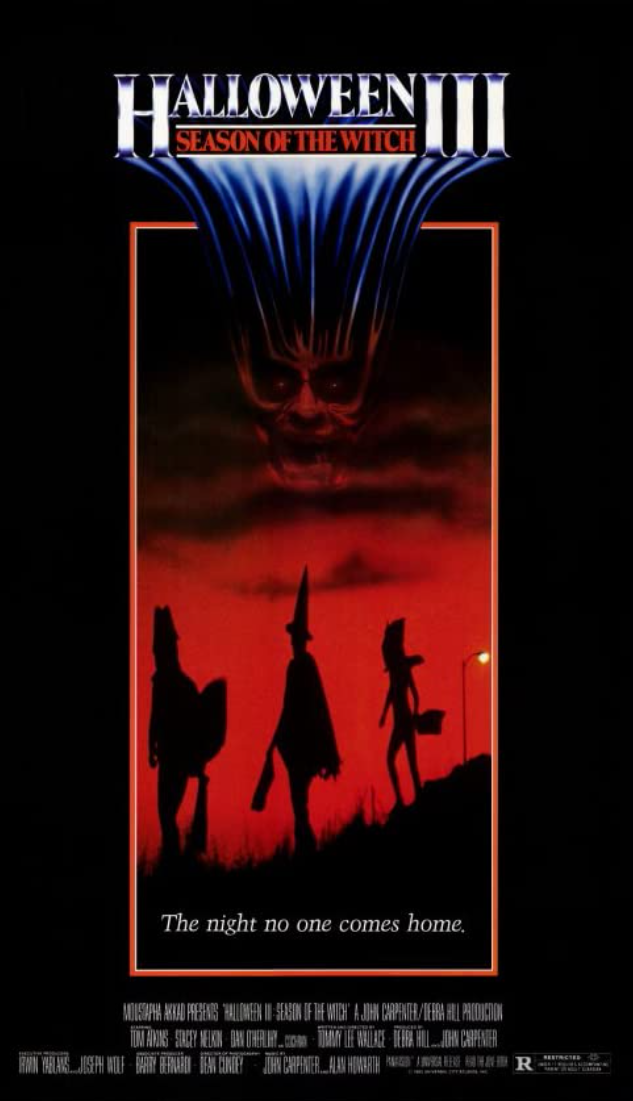
When a doctor (Tom Atkins) helps a young woman (Stacey Nelkin) investigate the murder of her father (Al Berry) eight days before Halloween, he uncovers a plot by the nefarious owner of a novelties company (Dan O’Herlihy) to use Halloween masks to control kids all over the country.

Genres, Themes, Actors, and Directors:

  • Amateur Sleuths
  • Horror Films
  • Mad Doctors and Scientists

Review:
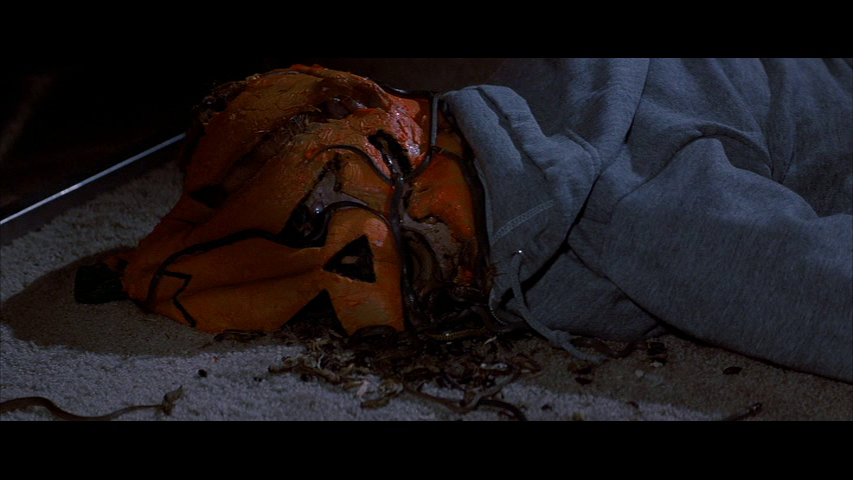
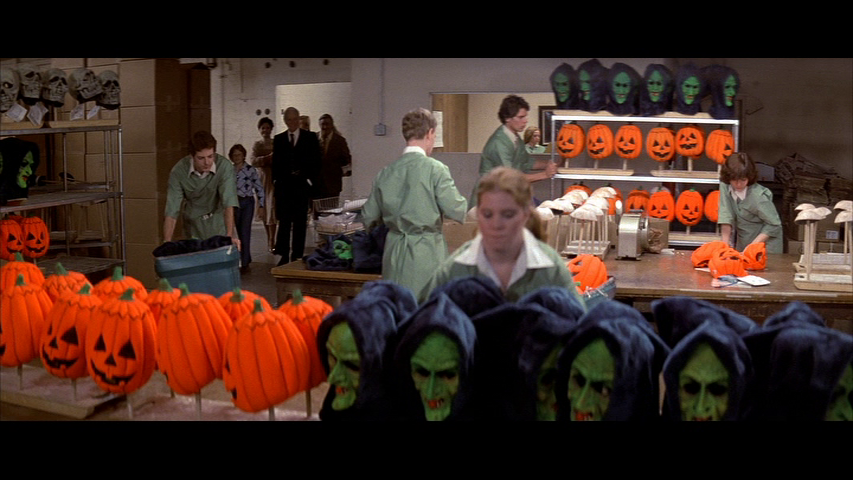
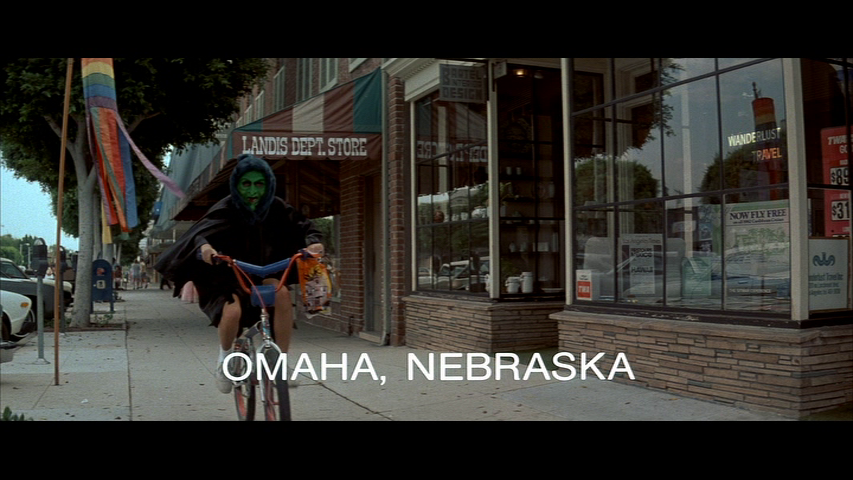
This third film in the Halloween (1978) horror film franchise is notorious for not featuring serial killer “Michael Meyers” and actually having nothing at all to do with the original film (other than showing clips of it on television in the background). Producer John Carpenter’s idea was to begin a series of Halloween (the holiday)-related films each year, starting with this one about masks, androids, shamrocks, and the power of Stonehenge (!). Unfortunately, the intriguing central premise — i.e., a silver medallion on many of the masks that will brainwash kids through a commercial airing on Halloween — neither makes much sense (what’s up with the bugs and other creepy-crawlies that come oozing out?):

… nor pays off effectively.

Redeeming Qualities and Moments:

  • A creepy premise

  • Atmospheric cinematography

Must See?
No; you can skip this one unless you’re curious. Listed as a Sleeper in the back of Peary’s book.

Links:

Cat People (1982)

Cat People (1982)

“I prefer animals to people.”

Synopsis:
A virginal young woman (Nastassja Kinski) who has just reunited with her shape-shifting grown brother (Malcolm McDowell) and his housekeeper (Ruby Dee) in New Orleans falls for a handsome zookeeper (John Heard) who has helped capture McDowell when he was in panther-form — but when she learns about a dark family secret and her brother attempts to seduce her, her romance with Heard is put on hold.

Genres, Themes, Actors, and Directors:

  • Ed Begley Jr. Films
  • Horror Films
  • Incest and Incestuous Undertones
  • John Heard Films
  • Malcolm McDowell Films
  • Nastassja Kinski Films
  • Paul Schrader Films
  • Ruby Dee Films

Response to Peary’s Review:
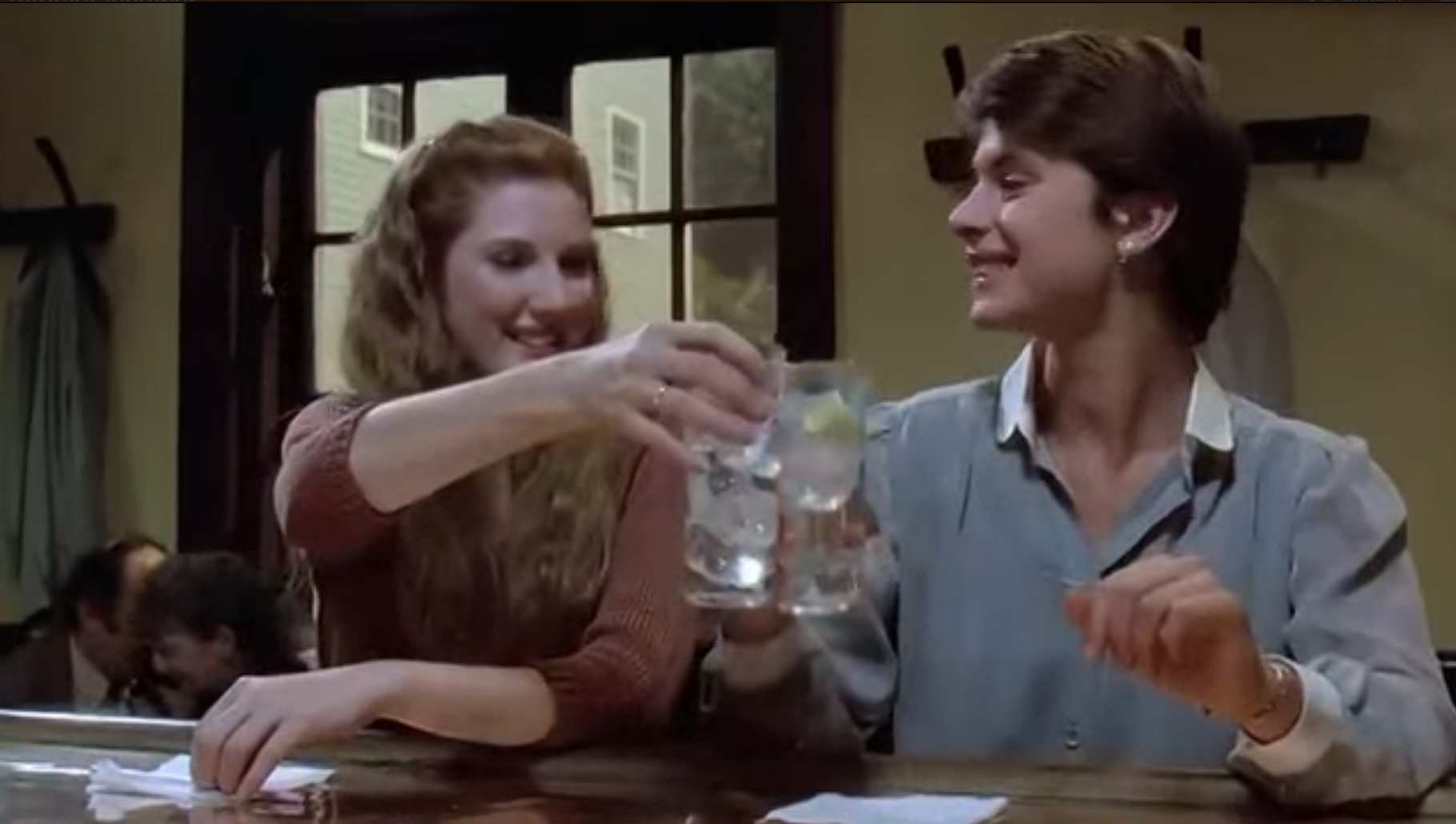
Peary asserts that “Paul Schrader’s re-working of Val Lewton’s classic starts out reasonably well but then becomes an abomination”. He notes that “Kinski is well cast, Annette O’Toole is likable as Heard’s workmate:

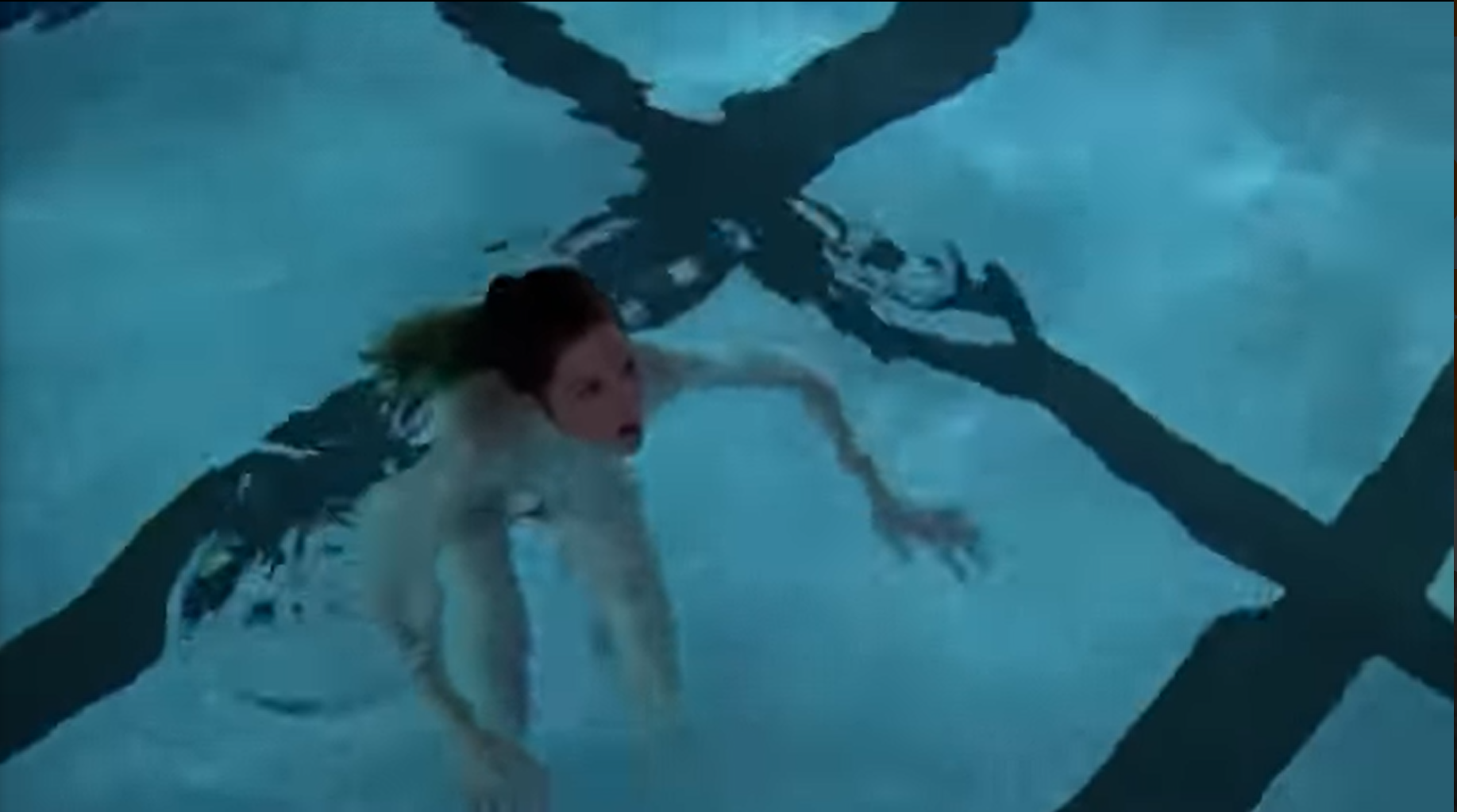
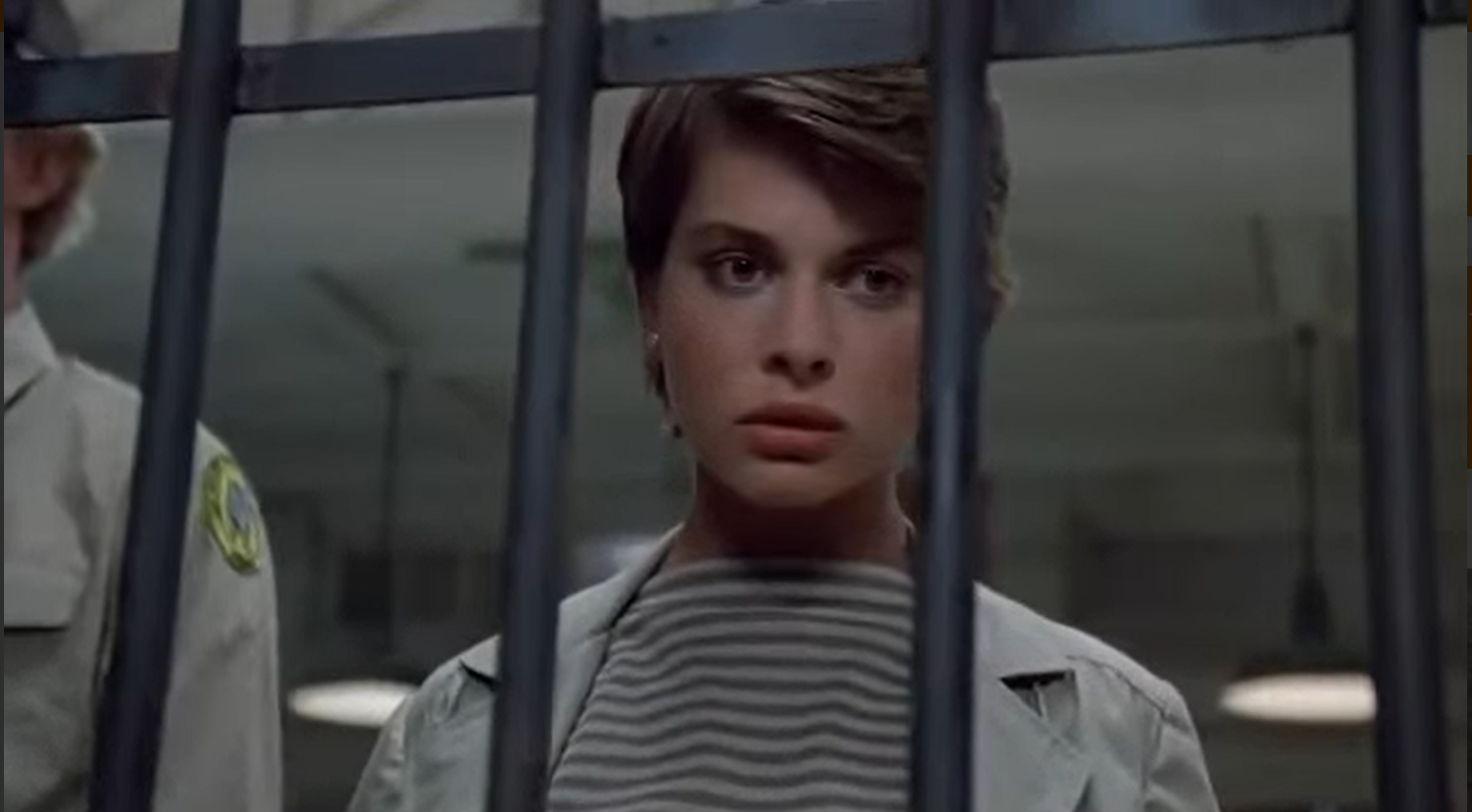
… and some early scenes are quite eerie and erotic, but Alan Ormsby’s script becomes incoherent, the John Bailey [cinematographer]-Ferdinando Scarfiotti [production designer] visuals become too surrealistic, and Schrader completely forgets the subtlety, sensuality, and taste that distinguished Lewton’s film” — instead filling “the screen with nudity and gory violence that are antithetical to Lewton.” In a 2000 interview, Schrader apparently admitted that Lewton’s film didn’t mean much to him, and that he wanted “the movie credited as ‘A Paul Schrader and Fernando Scarfiotti Film'” — but despite significant narrative differences between the two films, there are enough scenes that are direct homages (i.e., the swimming pool scene) that it’s hard not to make comparisons.

Unfortunately, I’m in agreement with Peary that this more literal “version” is much less successful, and actually pretty icky. McDowell seems comfortable building on the theme of incest from his infamous turn in Caligula (1979), but why in the world would audiences want to hear him saying to Kinski, “We are an incestuous race; we can only make love with our own — otherwise, we transform.”? I get that this is the mythos behind the storyline, but it’s simply unappealing. Kinski is alluring, and good use is made of New Orleans settings — but this one isn’t must-see viewing.

Redeeming Qualities and Moments:

  • Nastassja Kinski as Irena
  • Atmospheric cinematography and sets


Must See?
No, unless you’re curious.

Links:

Maniac (1980)

Maniac (1980)

“This has got to stop! It’s silly — and it’s not getting us anywhere.”

Synopsis:
A deeply disturbed and traumatized man (Joe Spinell) goes on a psychotic killing and scalping spree across New York City, eventually dating a photographer (Caroline Munro) who may (or may not) be able to break through to him.

Genres, Themes, Actors, and Directors:

  • Horror Films
  • Psychopaths
  • Serial Killers

Response to Peary’s Review:
Peary writes that that this “indefensible slice-and-dice film” — which “has found a cult among fans of the master of gore special effects, Tom Savini” — features Spinell (“a supporting player in many more respectable urban dramas”) playing a “sicko” who “kills a prostitute, a nurse who he chases through a deserted subway station, a young woman and her boyfriend (Savini)…, and a model.” Meanwhile, “in a weird sequence in which Spinell seems to impersonate Robert De Niro, he courts [a] beautiful photographer (Caroline Munro), who for some reason responds to this fat, ugly man.” Peary points out that “the acting is bad, the script hasn’t one clever moment, and the murders are repulsive — but what is most objectionable is how director William Lustig prolongs the death scenes of the nurse and the model so that they are killed long after Spinell could have done away with them.” Peary presumably included this title in GFTFF given its cult following (ew!), as well as the controversy surrounding its release, but there’s no need at all to check this one out.

Redeeming Qualities and Moments:

  • Effectively creepy sets

Must See?
No; skip this one.

Links: