Stranger on the Third Floor (1940)

Stranger on the Third Floor (1940)

“I’m not guilty — the stranger killed him!”

Synopsis:
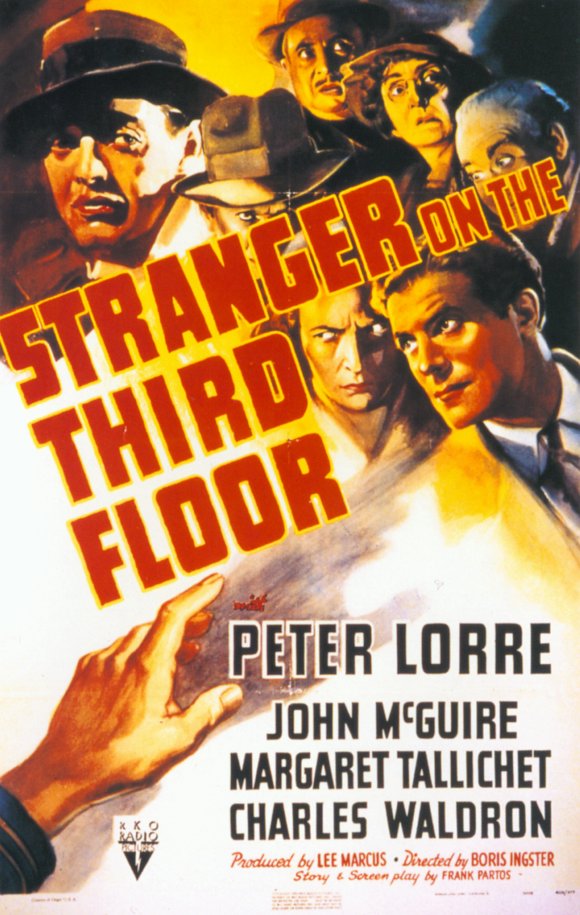
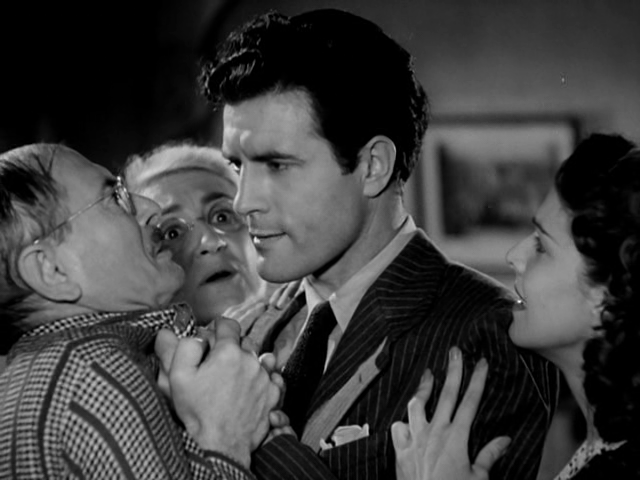
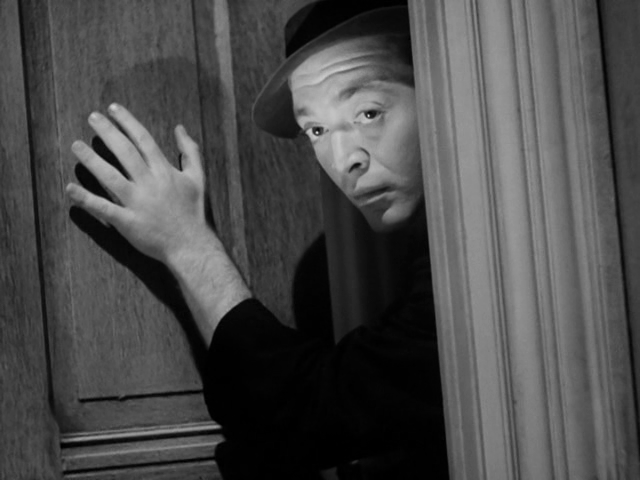
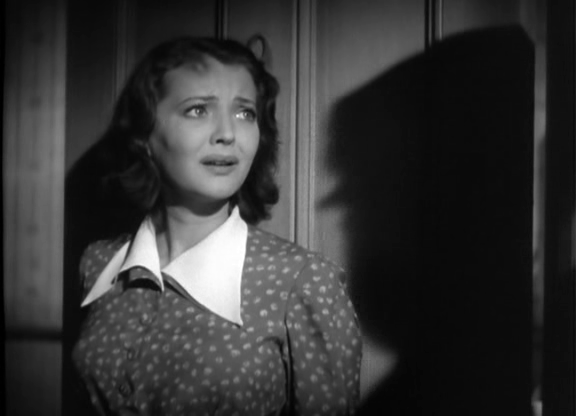
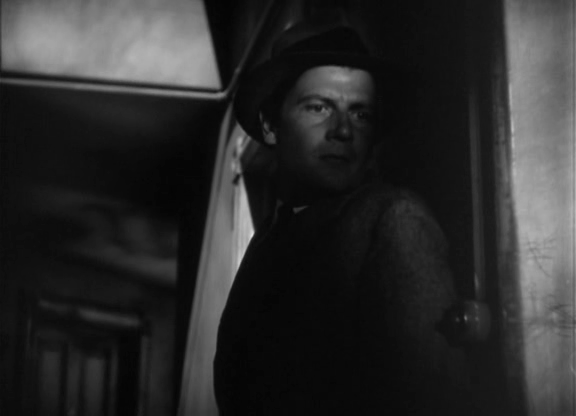
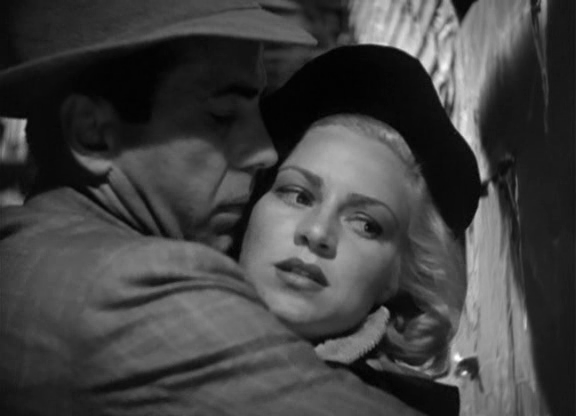
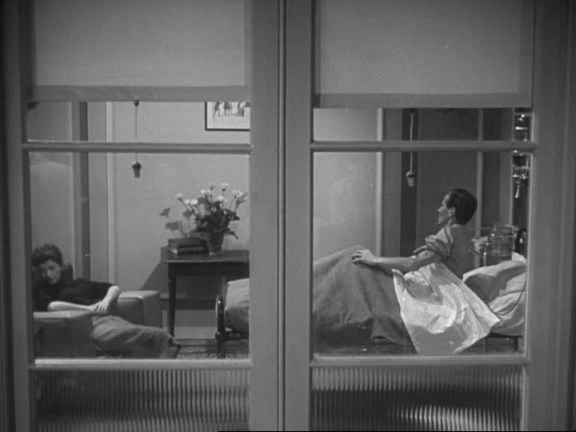
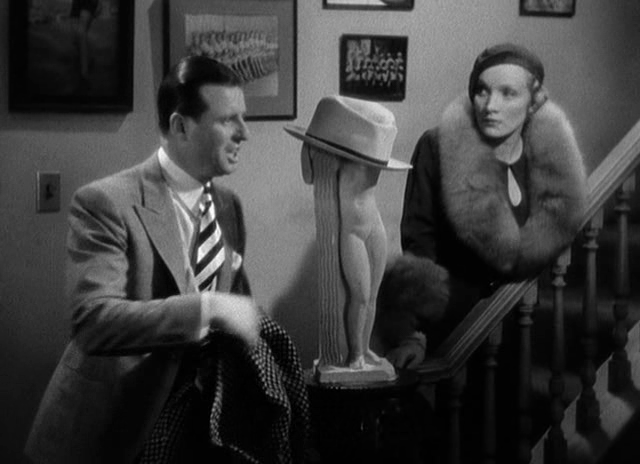
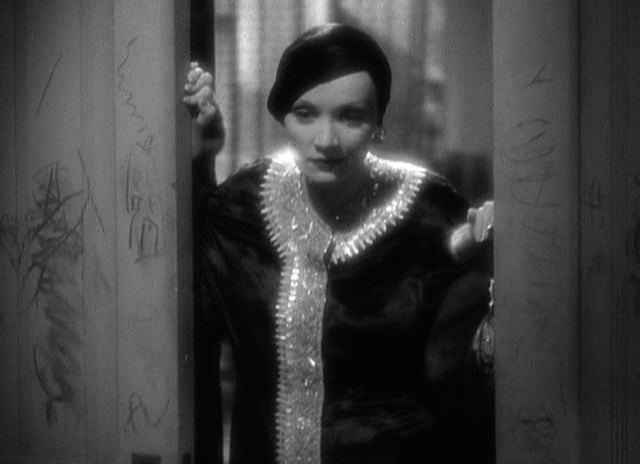
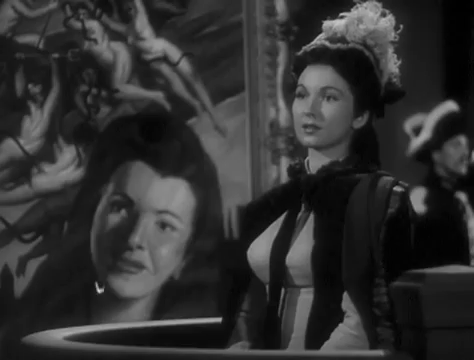
When a reporter (John McGuire) testifies against a man (Elisha Cook, Jr.) seen leaving a diner after its owner (Charles Judels) is killed, McGuire’s girlfriend (Margaret Tallichet) is distressed that his testimony may be responsible for sending an innocent man to jail. Soon McGuire realizes a mysterious scarf-wearing man (Peter Lorre) likely killed both the diner owner and McGuire’s annoying neighbor (Charles Halton) — but as someone present at both crime scenes, will the murders be tagged on McGuire instead?

Genres, Themes, Actors, and Directors:

  • Elisha Cook, Jr. Films
  • Falsely Accused
  • Journalists
  • Living Nightmare
  • Morality Polics
  • Peter Lorre Films

Review:
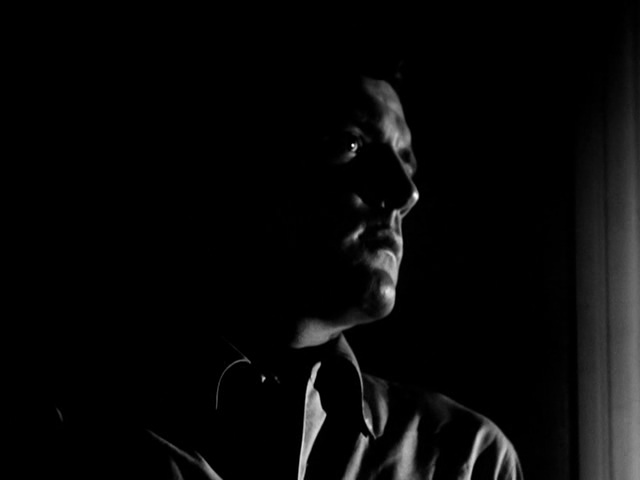
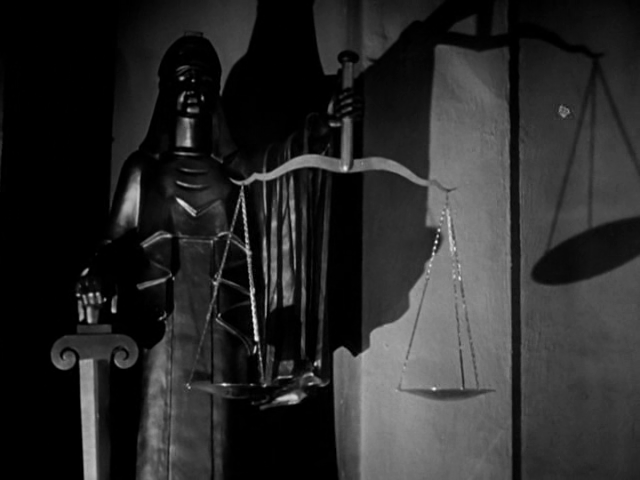
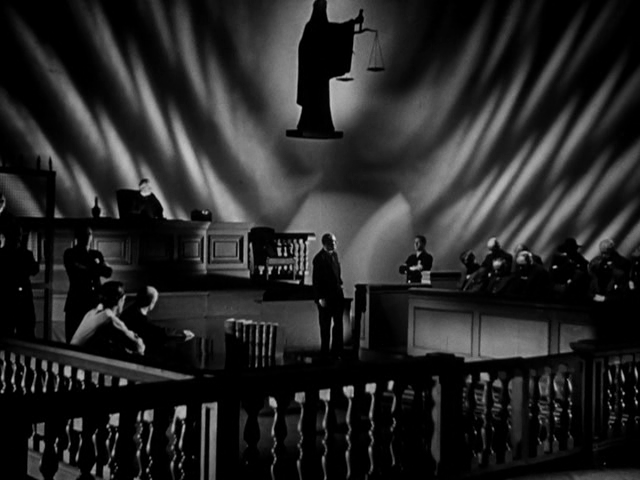
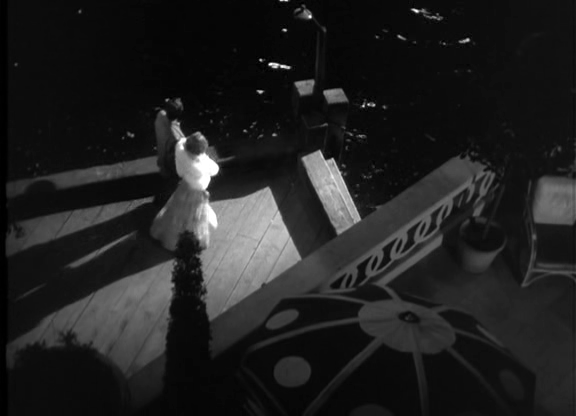
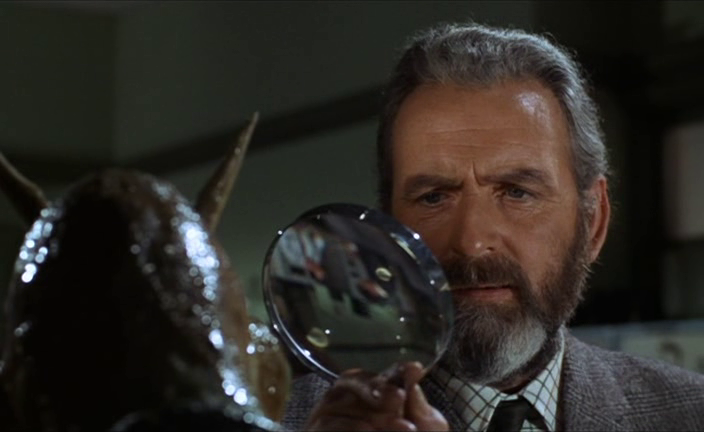
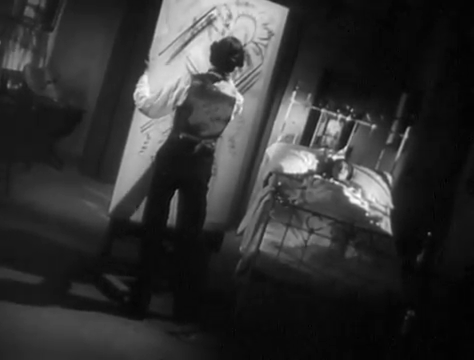
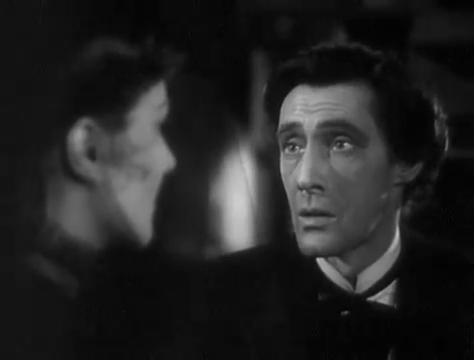
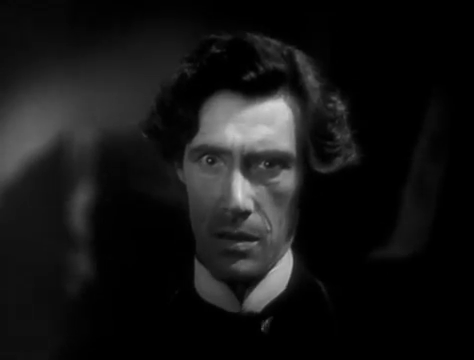
This obscure B-level horror-drama by unknown Latvian director Boris Ingster presents a Kafka-esque living nightmare of sexual repression, moral condemnation, shadowy strangers, and rampant corruption, running in some truly surreal directions while building a storyline predicated on noir-esque voiceovers and explanatory flashbacks-within-flashbacks. McGuire is an “everyman” who simply wants to marry his girl, but needs money to get out of his claustrophic boarding house, where his shrewish landlady (Ethel Griffies) and self-righteous neighbor (Charles Halton) won’t give him a break — even the sound of his typing annoys them. His conscience is at first fine with the fact that his testimony against a cabbie (Cook, Jr.) is pivotal in a laughably inept court case while also conveniently providing enough sensational news to afford him financial freedom as a reporter; but his girlfriend has a very different take on the situation, and soon he’s plagued with guilt and insecurity. Lorre’s rat-like character (check out those teeth) lurks in the corners, and — naturally — turns out to play a pivotal role in the proceedings, though not without plenty of suspense in the meantime. (Does McGuire’s righteous anger at his neighbors represent thinly-veiled hostility that may be “outing” itself unconsciously?) The film’s memorable highlight is McGuire’s Expressionist nightmare, with all elements of his recent existence showing up in stylized fashion to literally haunt his dreams and spur him to “do the right thing”.

Redeeming Qualities and Moments:

  • Nick Musuraca’s cinematography

  • Creative direction

  • The truly surreal Expressionist dream sequence

Must See?
Yes, for its visual ingenuity and narrative creativity. Listed as a Sleeper in the back of Peary’s book.

Categories

  • Historically Relevant

Links:

Dead End (1937)

Dead End (1937)

“Never go back; always go forward!”

Synopsis:
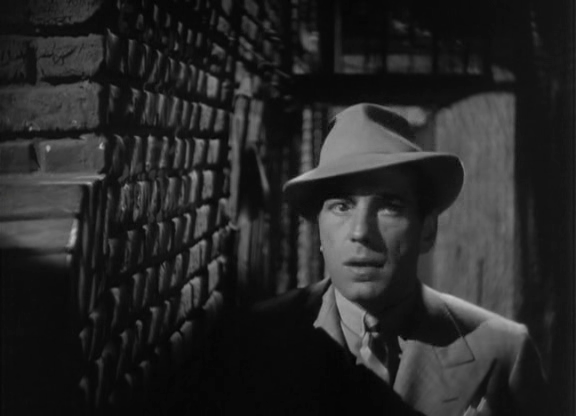
In the New York tenements, a woman (Sylvia Sidney) secretly in love with her childhood friend (Joel McCrea) — who in turn pines for the beautiful mistress (Wendy Barrie) of a rich man — tries to protect her brother Tommy (Billy Halop) from being arrested after he injures the father (Minor Watson) of a snobby rich kid (Charles Peck). But the arrival of on-the-lam gangster Baby Face Martin (Humphrey Bogart) — in town to visit his mother (Marjorie Main) and former-girlfriend-turned-prostitute (Claire Trevor) — causes Halop and his friends Dippy (Huntz Hall), Angel (Bobby Jordan), Spit (Leo Gorcey), T.B. (Gabriel Dell), and Milty (Bernard Punsly) to view a life of crime as a lucrative ticket out of poverty.

Genres, Themes, Actors, and Directors:

  • Claire Trevor
  • Class Relations
  • Fugitives
  • Humphrey Bogart Films
  • Joel McCrea Films
  • Juvenile Delinquents
  • Play Adaptations
  • Sylvia Sidney Films
  • William Wyler Films

Response to Peary’s Review:
Peary points out that this “successful adaptation of Sidney Kingsley’s play” — featuring a “tough script by Lillian Hellman and strong yet sympathetic direction by William Wyler” — led “to a wave of juvenile-delinquent dramas”; indeed, it’s perhaps best known for kicking off a series of films featuring “The Dead End Kids”.

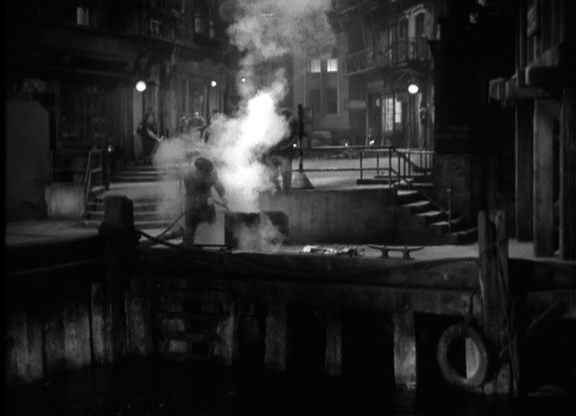
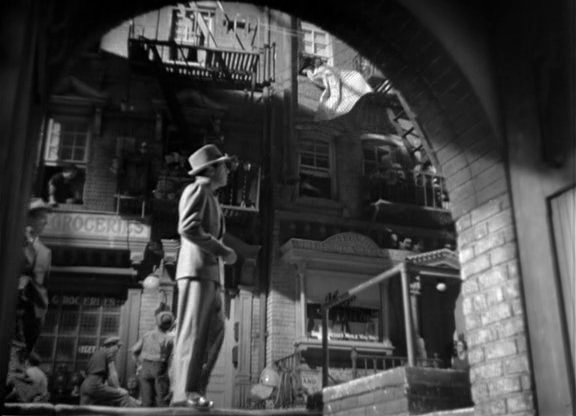
Because producer “Sam Goldwyn wouldn’t let Wyler film on location”, we “don’t get a sense of the grit, grime, claustrophobia, and heat of the slums” — but Peary argues that “the clean studio sets with their painted backdrops act much like a Brechtian alienation device that forces us to realize that this story isn’t self-contained but rather is representative of many tragic real-life stories of the urban poor”.

These days, Dead End comes across as an undeniably stage-bound but still compelling drama featuring fine cinematography and potent direction: each scene is expertly crafted, with dramatic black-and-white shadows metaphorically highlighting the abject distance between the river-bound slum and the wealthy tenants who literally look down on its residents. Bogart is well-cast in a role he first inhabited on Broadway:

and Sidney is appropriately doe-eyed yet stoic:

But the best performance is by Oscar-nominated Claire Trevor, who only appears onscreen for about five minutes yet packs a quietly devastating wallop.

Redeeming Qualities and Moments:

  • William Wyler’s direction

  • Gregg Toland’s cinematography


  • Claire Trevor as Francie

Must See?
Yes, as a strong outing by a master filmmaker and for its historical relevance in introducing the “Dead End Kids” to the silver screen.

Categories

  • Historically Relevant
  • Important Director

Links:

Silent Night, Bloody Night (1972)

Silent Night, Bloody Night (1972)

“Someone keeps calling — with a message for my father.”

Synopsis:
A woman (Mary Woronov) whose father (Walter Abel) is mayor of a small town reflects on the gruesome history of a house inherited by a man (James Patterson) who sends his lawyer (Patrick O’Neal) and O’Neal’s wife (Astrid Heeren) to try to sell it, with bloody results.

Genres, Themes, Actors, and Directors:

  • Horror
  • Murder Mystery
  • Old Dark House
  • Patrick O’Neal Films

Review:
This wintertime slasher flick — once a drive-in film, then a staple of late-night-TV — is primarily known for featuring a cast of Andy Warhol’s “superstars” (including Mary Woronov, Ondine, and Candy Darling):

and for offering a gory alternative to the sanitized cheer of holiday films like White Christmas (1954). The storyline is somewhat convoluted, but that’s beside the point: what’s really on display here is plenty of atmospheric mystery and suspense in the midst of bloody murders, all as snow falls gently outside in a small east coast town with a heavy history (it was filmed in Oyster Bay, Long Island).

Redeeming Qualities and Moments:

  • Some effective imagery

Must See?
No; this one is only must-see for its cult followers.

Links:

Five Million Years to Earth / Quatermass and the Pit (1967)

Five Million Years to Earth / Quatermass and the Pit (1967)

“You realize what you’re implying? That we owe our human condition here to the intervention of insects?”

Synopsis:
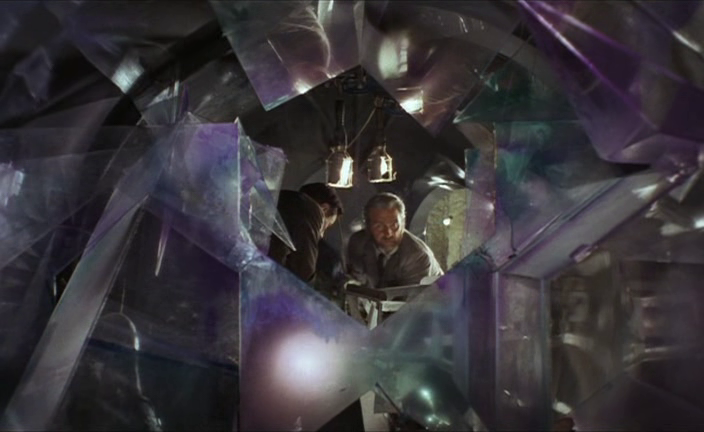
When a team of anthropologists led by Dr. Mathew Roney (James Donald) and his assistant (Barbara Shelley) discover a cylindrical object and primate bones in an underground construction site, rocket scientist Dr. Quatermass (Andrew Keir) is brought to the scene. He eventually determines the object is a spaceship rather than a bomb, and that the bones are evidence of an ancient Martian race that landed on Earth five million years ago.

Genres, Themes, Actors, and Directors:

  • Aliens
  • Horror
  • Roy Ward Baker Films
  • Science Fiction
  • Scientists

Response to Peary’s Review:
Peary argues that this “exceptional, extremely intelligent, thematically controversial science-fiction film” — the third of screenwriter Nigel Kneale’s “BBC-TV serials to be filmed” — “still hasn’t received due recognition in America”. He notes that while the “film is complicated”, it’s “always fascinating and exciting”, and is “skillfully directed by Roy Ward Baker”. While I agree with Peary that Five Million Years… is provocative and well-made, I disagree with his assertion that it’s “Hammer Studios’ best film”, and will actually admit to preferring its less colorful and less flashy predecessor, The Quatermass Experiment (1956). Five Million Years… is often compared to Stanley Kubrick’s 2001 (1968), given that both explore “the intriguing theme of ‘race memory'”, with the distinction that “whereas Kubrick’s humans retain memories of ‘God’ from their ape ancestors who had contact with extra-terrestrials”, the “Martian insect-creatures” in this film apparently had contact “with the devil” — thus lending it a different type of horror vibe than Dave’s interactions with H.A.L. This finely produced cult flick is certainly worth a look by all film fanatics, but I’m going to go against the grain in not considering it must-see.

Redeeming Qualities and Moments:

  • Fine cinematography


Must See?
No, though it’s certainly worth a look as a cult favorite. Discussed at length in Peary’s Cult Movies 3 book.

Links:

Hideous Sun Demon, The (1959)

Hideous Sun Demon, The (1959)

“You mean a human being could evolve backwards in time to become some sort of prehistoric creature?”

Synopsis:
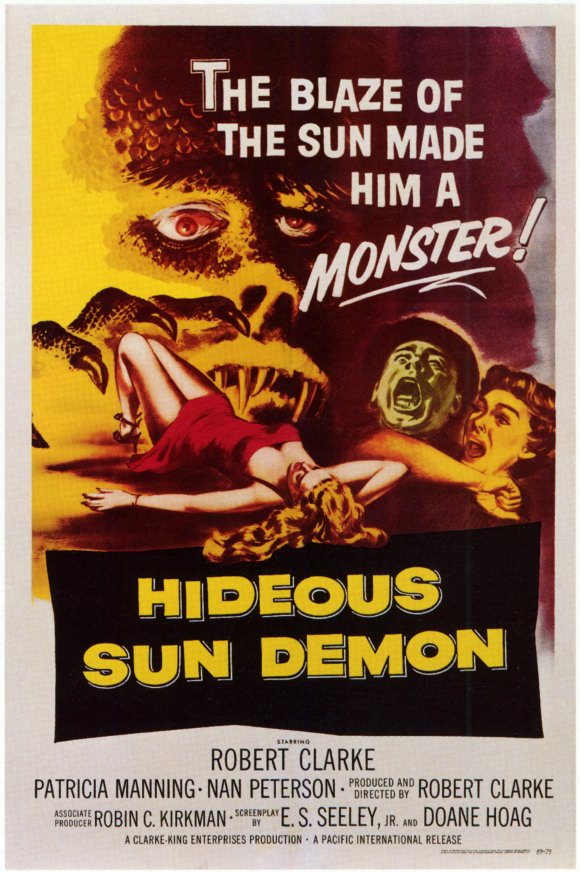
After exposure to a radioactive isotope, a scientist (Robert Clarke) turns into a scaly creature in the presence of the sun; can his colleagues (Patricia Manning and Patrick Whyte) do anything to help him, or will he turn into a murderous, rampaging monster?

Genres, Themes, Actors, and Directors:

  • Atomic Energy
  • Mutant Monsters
  • Science Fiction

Review:
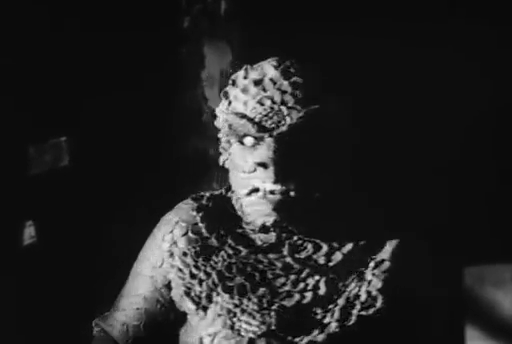
This low-budget sci-fi horror flick — written, directed, produced by, and starring Robert Clarke — was filmed in 12 consecutive weekends with rented equipment on a budget of $50,000. The result is a film only Z-grade aficionados will appreciate, though Clarke certainly deserves points for trying. It’s not nearly as inept as other first-time directorial efforts, but the acting and pacing are terrible:

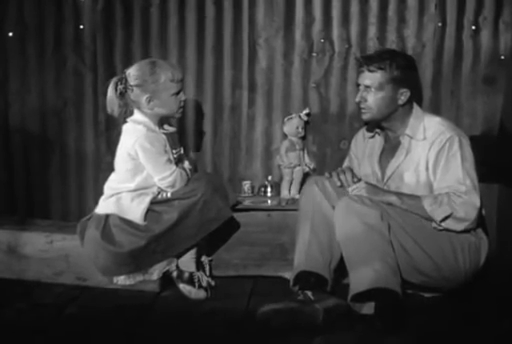
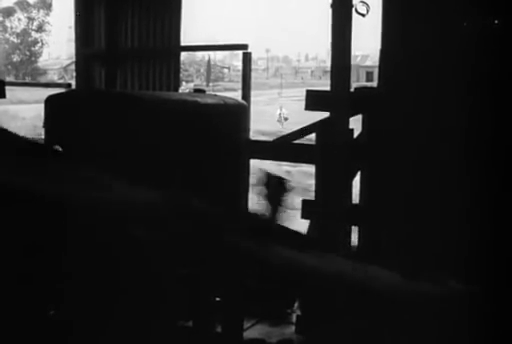
… and the central premise is laughably simplistic. Clues that we’re watching a sub-par production first emerge when we hear characters discussing how Clarke became exposed to radiation; their description is quite vivid, and we wish we could actually see all this taking place! Reasonably memorable elements include Clarke dallying on the beach with a Marilyn Monroe look-alike (Nan Peterson), and interacting with a young girl (Xandra Conkling — how’s that for a name?) whose mother allows her to slip outside to play after a warning has just been announced on the radio:

It’s yet another homage to the famous scene in Frankenstein (1931), also referenced in The Creeping Unknown (1955). Check out Wikipedia’s entry for more information about this flick’s production, reception, and comedic re-dubbing in 1983.

Redeeming Qualities and Moments:

  • Some reasonably effective direction

Must See?
No; this one is only must-see by true low-budget SF aficianados. Listed as a Camp Classic in the back of Peary’s book.

Links:

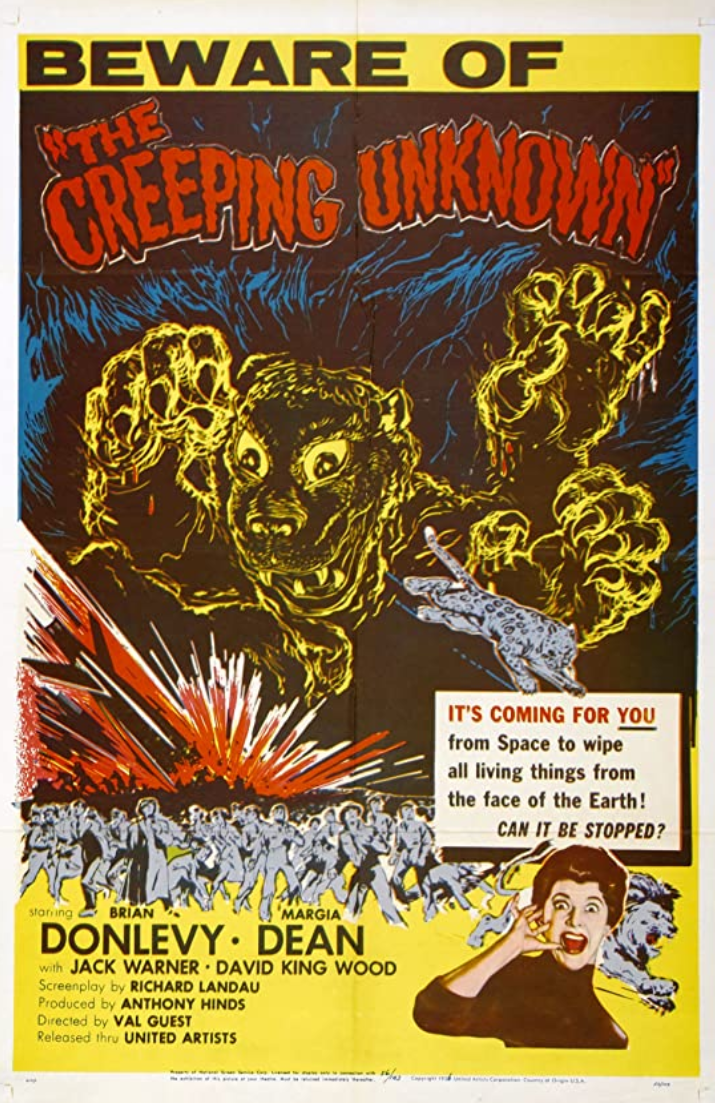
Creeping Unknown, The / Quatermass Xperiment, The (1955)

Creeping Unknown, The / Quatermass Xperiment, The (1955)

“It’s almost beyond human understanding: some fantastic invisible force converted two men into… jelly?”

Synopsis:
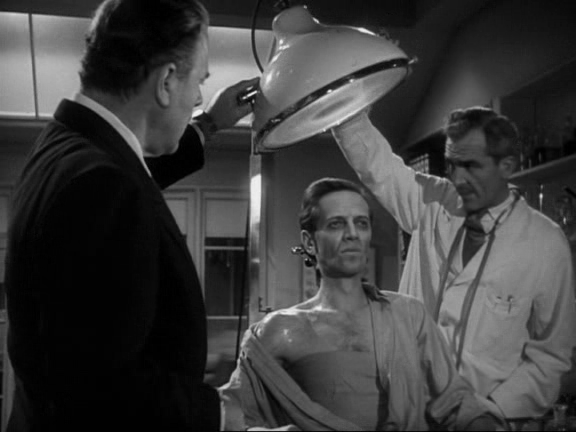
When a rocket crash-lands in the British countryside, Dr. Quatermass (Brian Donlevy) and Inspector Lomax (Jack Warner) are summoned to investigate, and find that its sole survivor (Richard Wordsworth) is gaunt and catatonic. Wordsworth’s wife (Margia Dean) enlists the help of a private detective (Harold Lang) in rescuing him from supervision, but this quickly proves disastrous as Wordsworth mutates into a monster and begins absorbing the organisms he touches.

Genres, Themes, Actors, and Directors:

  • Aliens
  • Brian Donlevy Films
  • Horror
  • Possession
  • Science Fiction

Review:
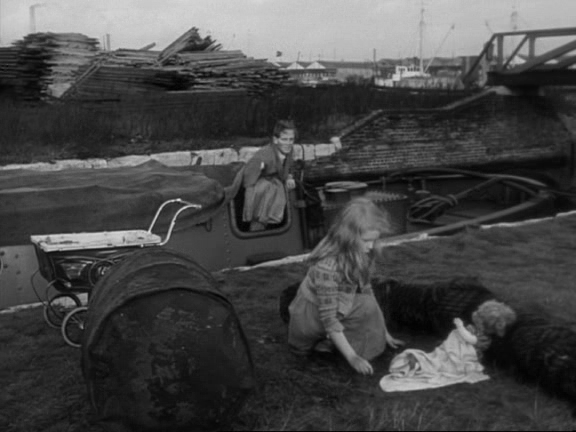
Based on the popular six-part BBC TV serial, The Quatermass Experiment (renamed The Creeping Unknown in the United States) was the first in a cluster of films featuring Dr. Bernard Quatermass, a fictional space scientist whose primary task in life is protecting the Earth from alien forces. This early outing remains an exciting entry in the series, with a quickly paced script and a highly empathetic accidental “villain” (Wordsworth). Wordsworth’s expressions are genuinely haunting: he’s traumatized by what happened on board the spaceship, terrified of (yet unable to control) his own actions, and devastatingly incapable of expressing himself. His character is reminiscent of the monster in Frankenstein (1931); indeed, a scene in which Wordsworth emerges out of hiding in a boat and attempts to interact with a sincere little girl (Jane Asher) is clearly an explicit homage to this earlier classic.

Also driving the film is a true sense of urgency and mystery: what exactly happened to the astronauts, and how much of a danger does Wordsworth now pose? The ultimate findings are reminiscent of modern-day fears over widespread biological contagion (viz. Soderbergh’s Contagion, 2011), as well as ongoing concerns with full-scale invasion by “alien” forces on multiple fronts. Fans have quibbled over the casting of American Brian Donlevy as Quatermass, who comes across as entirely no-nonsense from beginning to end (in one scene, he brusquely contradicts his own orders just a few minutes after realizing he was wrong); but personally, I find him refreshing and well-cast. If the final scene feels a tad rushed, this actually fits with the story’s overall sense of continuous doom, and sequels were nigh on the horizon.

Redeeming Qualities and Moments:

  • Richard Wordsworth as Victor Carroon
  • Atmospheric cinematography
  • Many effectively eerie scenes

Must See?
Yes, as an early classic of the genre.

Categories

  • Good Show

Links:

Design for Living (1933)

Design for Living (1933)

“Delicacy is the banana peel underneath the feet of truth.”

Synopsis:
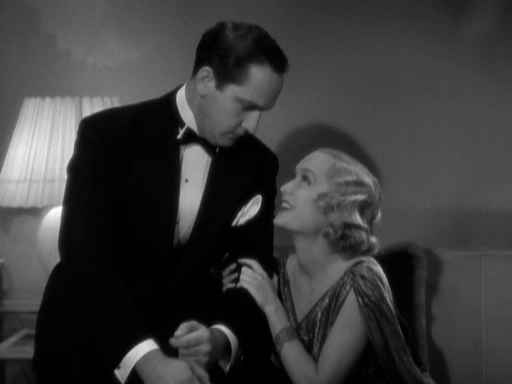
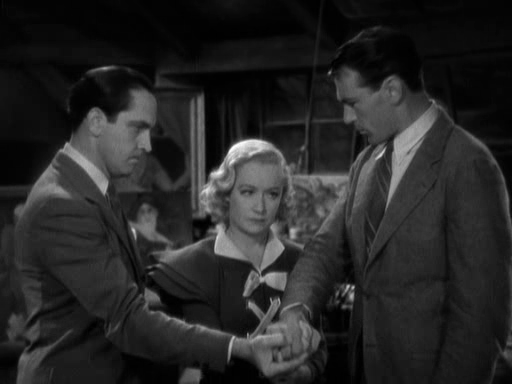
An advertising employee (Miriam Hopkins) becomes enamored with two friends — an aspiring painter (Gary Cooper) and playwright (Fredric March) — and moves in with them to become their platonic muse. When March goes to London to oversee his successful new play, Cooper and Hopkins begin an affair, bringing their friendship with March to an end; but when March comes to visit and Hopkins can’t resist intimacy with him, either, she eventually decides to save the men’s friendship by marrying her boring boss (Edward Everett Horton).

Genres, Themes, Actors, and Directors:

  • Aspiring Stars
  • Ernst Lubitsch Films
  • Fredric March Films
  • Gary Cooper Films
  • Love Triangle
  • Miriam Hopkins Films
  • Play Adaptation
  • Romantic Comedy

Response to Peary’s Review:
Peary writes that this “much acclaimed comedy” by Ernst Lubitsch — liberally adapted by Ben Hecht from Noel Coward’s play — is “still risque”, given that we’re “not used to seeing a sexually available free spirit like Hopkins’s Gilda (who in some ways anticipated Jeanne Moreau’s Catherine in Jules and Jim).” However, he accurately asserts that other than Hopkins’ “delicious, vibrant, witty performance”, the “film lacks energy” and simply plods along — which is especially surprising given the inherently provocative nature of the storyline and some clever turns-of-phrase:

“It’s true we had a gentleman’s agreement, but unfortunately, I am no gentleman.”
“I’m sick of being a trademark married to a slogan.”

This one’s worth a one-time look for its risque themes, but ultimately not an enduring classic.

Redeeming Qualities and Moments:

  • Miriam Hopkins as Gilda
  • Evidence of “Lubitsch’s touch”
  • An enjoyably risque pre-Code sensibility

Must See?
No, though it’s recommended for its historical relevance.

Links:

Blonde Venus (1932)

Blonde Venus (1932)

“I’m no good, you understand? No good at all.”

Synopsis:
A German-born nightclub singer (Marlene Dietrich) takes money from a wealthy admirer (Cary Grant) so her husband (Herbert Marshall) can receive a life-saving cure from radiation poisoning — but when Marshall finds out that she had an affair with Grant, she goes on the run with her son (Dickie Moore), trying to eke out a shadowy existence while eluding capture.

Genres, Themes, Actors, and Directors:

  • Cary Grant Films
  • Herbert Marshall Films
  • Infidelity
  • Josef von Sternberg Films
  • Marlene Dietrich Films
  • Single Mothers

Response to Peary’s Review:
Peary refers to this pre-Code melodrama as “the most underrated of the seven Josef von Sternberg-Marlene Dietrich collaborations” (all of which are included in his GFTFF). He focuses his review on Dietrich’s performance, noting that she’s “one of the sexiest mothers in the history of the cinema” and “gives one of her finest stiff-upper-lip performances” (he nominates her as one of the best actresses of the year in his Alternate Oscars).

Dietrich’s unusual character — a “strong, selfless woman who is willing to sacrifice herself for others’ happiness (even if it means giving her body) and to face the consequences for her sins” — “sees no need to apologize or defend herself to Marshall for what she did on his behalf,” yet also doesn’t “expect him to understand or forgive her”.

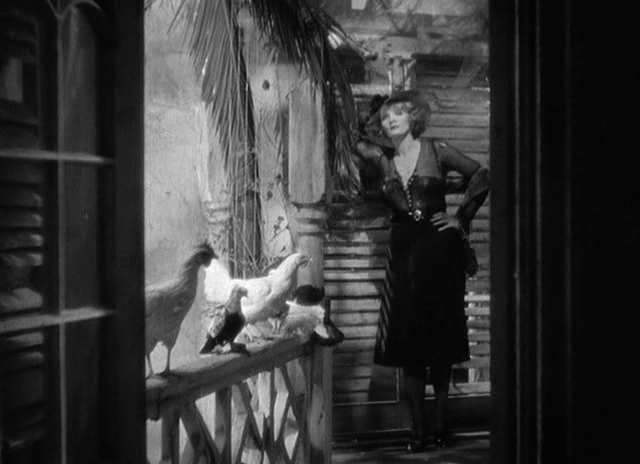
She’s a highly complex woman, and yet a bit of a feminist cipher: we’re not sure why she falls in love with Marshall and comes with him to America, nor why she so easily commits infidelity while her husband may be on his deathbed. Ultimately, the storyline itself — including a “descent into hell” as Dietrich “winds up sleeping in some bizarre dives, including one place in which hens and chickens run free”:

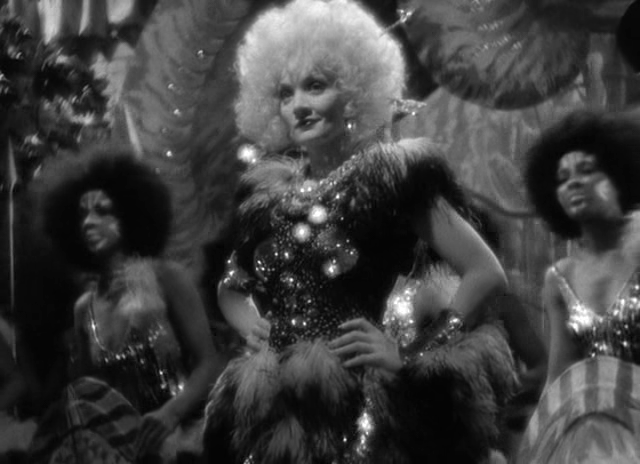
— simply emerges as pure melodrama peppered by two highly memorable nightclub performances, one in which Dietrich dons a blonde frizzy wig as “Blonde Venus” while emerging out of a gorilla suit:

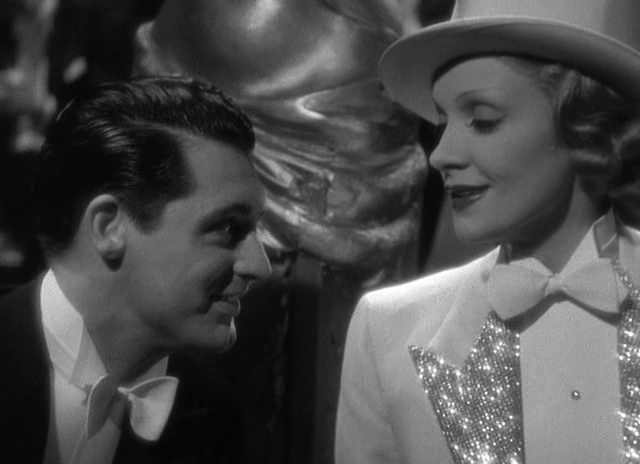
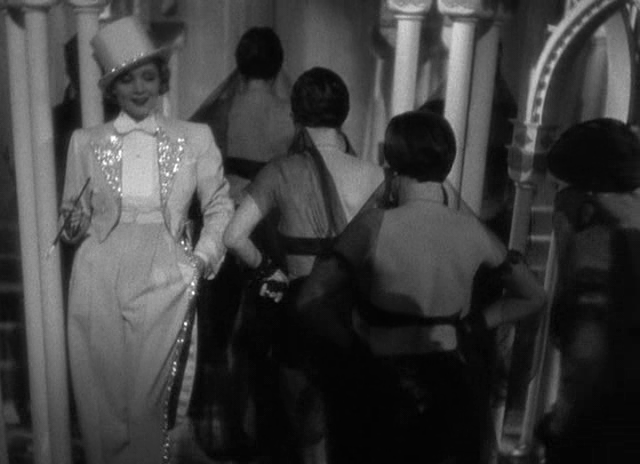
and a later scene in which she famously wears a white top hat and tails while ogling chorus girls.

It’s no wonder this film is a favorite with gay and camp-loving audiences!

Redeeming Qualities and Moments:

  • Memorable direction and imagery


  • Bert Glennon’s cinematography

Must See?
Yes, simply for its cult status.

Categories

  • Cult Movie

Links:

Bluebeard (1944)

Bluebeard (1944)

“She defiled the image I had created of her — and so, I killed her.”

Synopsis:
As a rash of murders occurs across Paris, an investigator (Nils Asther) interrogates an art dealer (Ludwig Stossel) who seems to have some connection to the case, and a puppeteer (John Carradine) becomes enamored with a costume designer (Jean Parker) who eventually realizes he is the murderer known as “Bluebeard”.

Genres, Themes, Actors, and Directors:

  • Artists
  • Edgar G. Ulmer Films
  • Historical Drama
  • Jean Parker Films
  • John Carradine Films
  • Mistaken or Hidden Identities
  • Serial Killers

Response to Peary’s Review:
Peary is clearly a big fan of Edgar G. Ulmer’s low-budget PRC production (based on the enduring French folktale of Bluebeard), given that he refers to it as “a real sleeper”. He writes that the “Expressionistic” film — which has a “European look to it” — is “strikingly directed” and features a “great use of close-ups, shadows, and bizarre camera angles”.

He notes that it provides John Carradine “his best lead performance and one of the few in which he doesn’t succumb to hamminess”; indeed, in his Alternate Oscars book Peary nominates Carradine as one of the Best Actors of the Year for this role.

While I find the film visually impressive, I’m much less taken with its rather insipid storyline, which doesn’t reveal Bluebeard’s motivations until close to the end, and thus leaves us puzzled about why a seemingly likable puppeteer turns randomly into a murderer whenever he paints a beautiful woman.

It’s nice to see Carradine given a leading role, and he’s suitably nuanced, but I much prefer him in his more memorable supporting roles — like Preacher Casy in The Grapes of Wrath (1940).

Redeeming Qualities and Moments:

  • Atmospheric cinematography

  • John Carradine as “Bluebeard”

Must See?
No, though it’s recommended for one-time viewing.

Links:

Little Shop of Horrors, The (1960)

Little Shop of Horrors, The (1960)

“Feeeeed me!”

Synopsis:
The nebbishy employee (Jonathan Haze) of an irritable flower-shop owner (Mel Welles) tries to impress his sweet co-worker Audrey (Jackie Joseph) by naming a new hybrid plant after her — but Seymour (Haze) soons learns that “Audrey, Jr.” lusts for human blood, and he becomes caught in a vicious cycle of securing his flesh-eating plant with fresh food.

Genres, Themes, Actors, and Directors:

  • Black Comedy
  • Dentists
  • Dick Miller Films
  • Jack Nicholson Films
  • Killer Plants
  • Roger Corman Films

Response to Peary’s Review:
Peary writes that this “genuinely funny cult classic” (directed by Roger Corman in “just two days”, and written by Charles B. Griffith) is “a low-budget gem”: a “spoof of every mad-scientist picture in which blood is needed to keep some experimental creature alive, and of every fifties sci-fi film in which there is a giant mutation, and of numerous horror films”. He points out its similarity to “Jerry Lewis comedies, with Seymour as the man-child with an IQ of seven, a good heart, a lousy personality, and work habits that drive his boss crazy”. He also notes the connection to Dragnet in the hilariously “terse, unemotional dialogue between… two detectives investigating missing persons”. Peary argues (and I agree) that the film “works on its own terms as [a] good, absurd comedy”, and that “the cast is marvelous — they might pass as a Yiddish repertory company which has been working with the script for years instead of doing it while it was being written”. The storyline stays consistently outlandish, filled with one unexpected scene after the other — including the infamous “dentist scene” featuring the “little-known Jack Nicholson as the squeaky-voiced masochist”:

… visits from “a low-keyed flower eater” (Dick Miller) which presumably are intended to “counter the man-eating flower”:

… “Seymour’s visits with his hypochondriac mother (Myrtle Vail)”:

… and each of Seymour’s unintentional killings — er, scavenger hunts for food.

LSOH was eventually made into an off-Broadway musical, which itself was turned into a 1986 film by Frank Oz (listed in the back of Peary’s book).

Redeeming Qualities and Moments:

  • The creative opening credits
  • Many enjoyably ludicrous scenes and moments
  • Fine performances from the entire cast
  • Charles B. Griffith’s script: “It’s a finger of speech!”

Must See?
Yes, as a cult classic.

Categories

  • Cult Movie

Links: