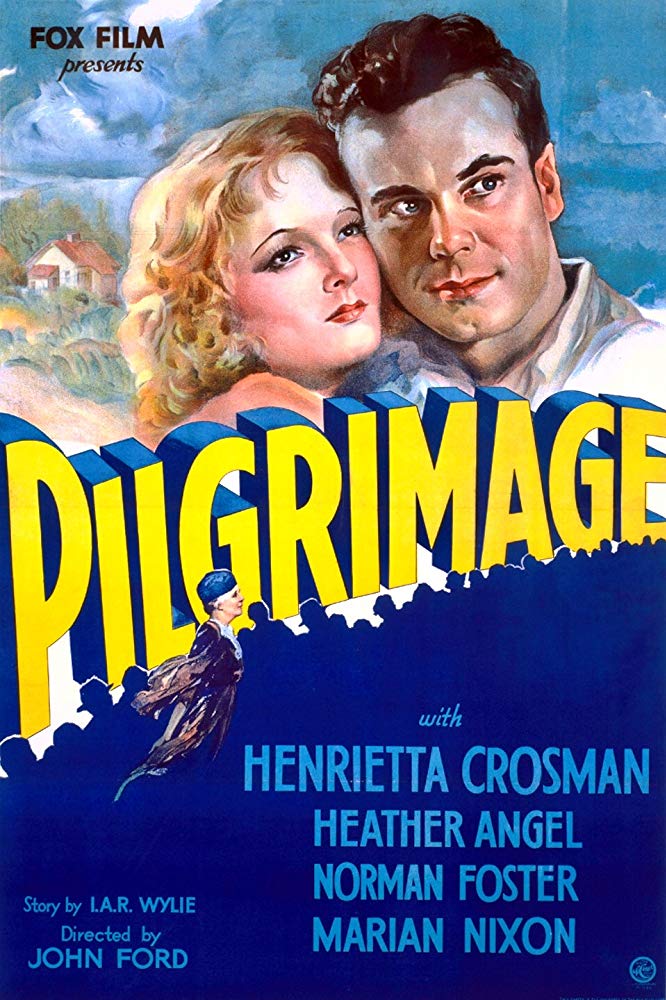
Pilgrimage (1933)

Pilgrimage (1933)

“All right, son: if you love her, you can’t love me.”

Synopsis:
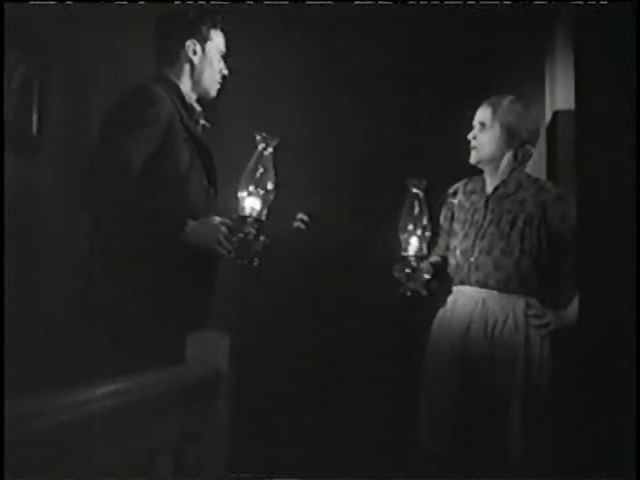
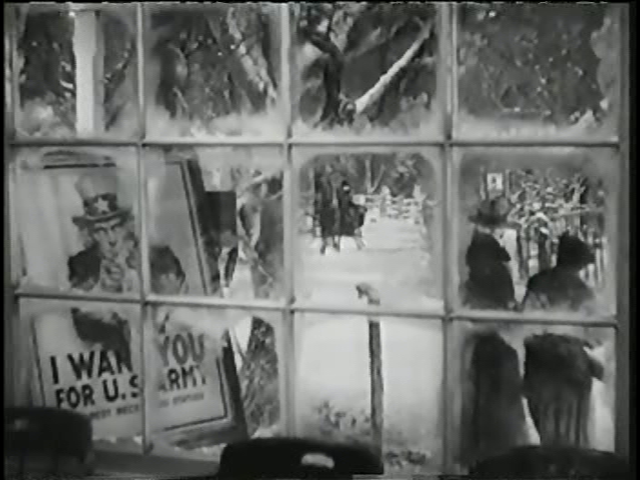
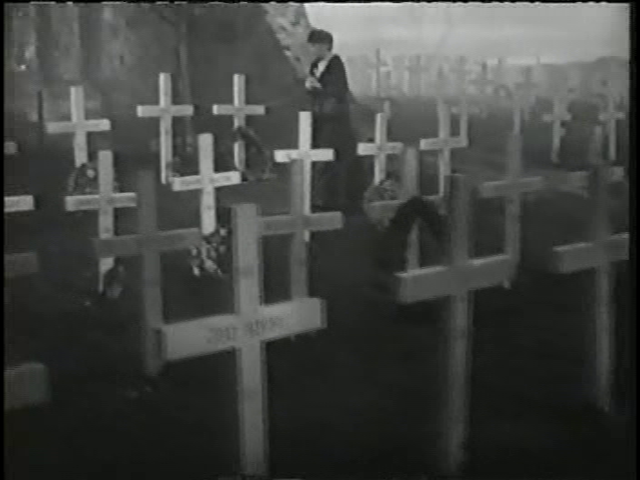
A domineering widow (Henrietta Crosman) is so disapproving of her son (Norman Foster) dating a girl (Marion Nixon) from “across the tracks” that she signs her son up to fight in World War I, where he’s killed. Years later, Crosman refuses to interact either with Nixon or her grandson (Jay Ward), but experiences a gradual change of heart when she travels to Europe as a Gold Star Mother.

Genres, Themes, Actors, and Directors:

  • John Ford Films
  • Single Mothers
  • Soldiers
  • Widows and Widowers
  • World War I

Review:
This Fox Studios outing by the ever-prolific John Ford is notable for showcasing Gold Star Mothers (an organization which first convened in 1928 to support mothers of soldiers killed during service), and for presenting a true Mother-From-Hell — albeit one who undergoes an enormous transformation thanks to a remarkably coincidental series of events later in the film. Ford’s sure directorial hand is in full evidence here, and Crosman gives a fine performance, but the storyline overall doesn’t quite work for me; we’re asked to invest in a character whose bullish behavior isn’t sufficiently explained or given any kind of back-story. Only Ford fans need seek this one out.

Redeeming Qualities and Moments:

  • Henrietta Crosman as Mrs. Hannah Jessop
  • Marion Nixon as Mary
  • Fine cinematography


Must See?
No, though Ford fans will want to check it out.

Links:

Count of Monte Cristo, The (1934)

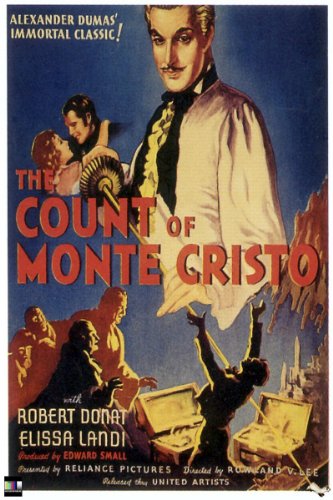
Count of Monte Cristo, The (1934)

“It was not my sword, Mondego, but your past that disarmed you!”

Synopsis:
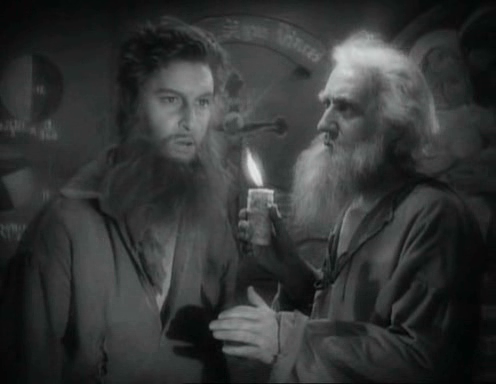
During the time of Napoleon’s exile, a falsely accused sailor (Robert Donat) escapes from a dungeon with the help of his secret cellmate (O.P. Heggle), who tells him about hidden treasure on the deserted island of Monte Cristo. Donat emerges under a new identity as a count, eager to reconnect with his fiancee (Elissa Landi), who — thinking Donat dead — has married one of the men (Sidney Blackmer) responsible for Donat’s imprisonment. Soon Donat begins his calculated plan for the downfall of Blackmer, the corrupt city magistrate (Louis Calhern), and a greedy officer (Raymond Walburn).

Genres, Themes, Actors, and Directors:

  • Falsely Accused
  • Historical Drama
  • Louis Calhern Films
  • Mistaken or Hidden Identities
  • Prisoners
  • Revenge
  • Robert Donat Films

Review:
This first sound adaptation of Alexandre Dumas’ beloved classic is cited by many as one of the best, and it remains a rousing, finely told adventure tale. In his Hollywood debut, Donat is convincingly determined in his efforts, and suitably noble when events take an unexpected turn in the final portion of the screenplay. There is undeniable satisfaction to be had as each of the self-serving men who have gravely wronged Donat (indeed, sent him to his supposed death without concern) get their come-uppance in a fashion exactly suited to their temperament; while the saintly Heggle may worry about Donat’s feverish resentment getting the better of him, Donat makes it clear that his vengeance is not just specific to his own cause but symbolic, meant to rid the world of at least a few sources of unmitigated corruption.

Redeeming Qualities and Moments:

  • Robert Donat as Edmond Dantes
  • Fine cinematography

Must See?
No, but it’s recommended. Listed as a film with Historical Importance in the back of Peary’s book.

Links:

Desire (1936)

Desire (1936)

“All I know about you is… you stole my car, and I’m insane about you.”

Synopsis:
A long-con diamond thief (Marlene Dietrich) falls in love with an American (Gary Cooper) vacationing in Spain. Will she go straight to be with him, or stick to a life of crime with her business partner (John Halliday)?

Genres, Themes, Actors, and Directors:

  • Akim Tamiroff Films
  • Character Arc
  • Frank Borzage Films
  • Gary Cooper Films
  • Marlene Dietrich Films
  • Romances
  • Thieves and Criminals

Review:
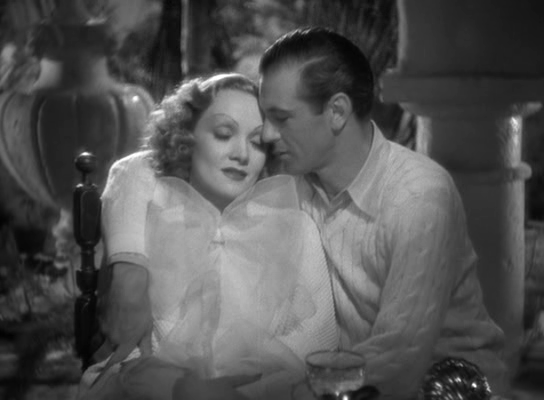
Marlene Dietrich’s first post-von Sternberg film was this delightful romantic comedy, directed by Frank Borzage and produced by Ernst Lubitsch. The storyline begins with a clever long-con (co-starring Alan Mowbray and Ernest Cossart) that shows exactly how cool and calculating Dietrich could be — especially with men — but the ensuing plot allows her to gradually show a more vulnerable side of herself as she falls in love with Cooper. The cinematography is appropriately atmospheric, and the European sets fit the tale perfectly. Dietrich fans in particular will be glad to see her playing a more nuanced and interesting character than Concha in The Devil is a Woman (1936).

Redeeming Qualities and Moments:

  • Fine lead performances
  • Charles Lang and Victor Milner’s cinematography

Must See?
No, but it’s recommended as an enjoyable romantic thriller.

Links:

My Sister Eileen (1955)

My Sister Eileen (1955)

“Oh, they were interested — but not in my acting.”

Synopsis:
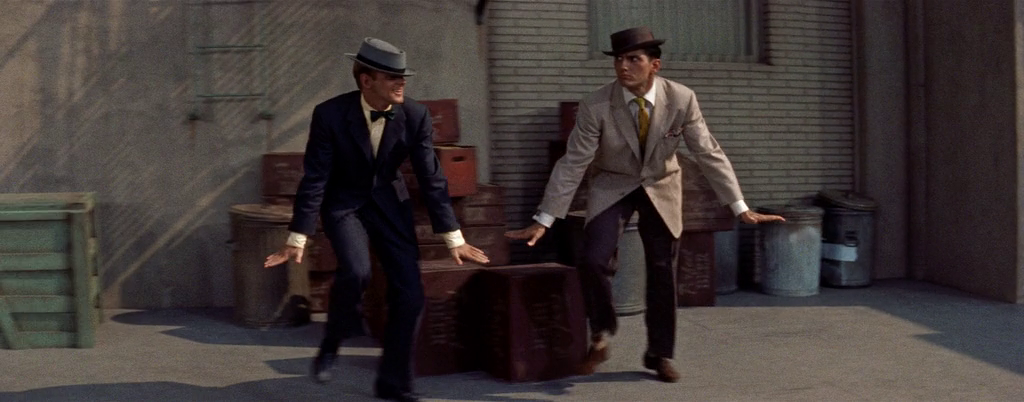
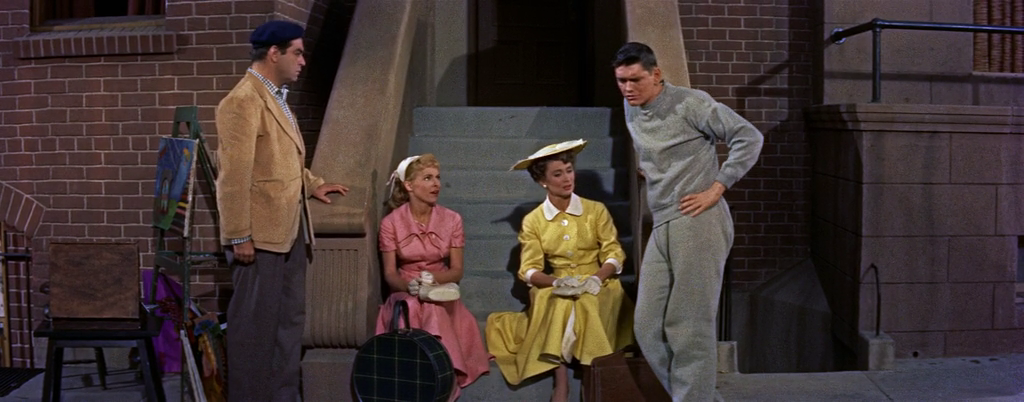
A writer (Betty Garrett) and her aspiring-actress sister Eileen (Janet Leigh) move to New York City and are convinced by a Greek landlord (Kurt Kaszner) to rent a basement apartment next to an out-of-work wrestler (Dick York) and his girlfriend (Lucy Marlow). Busty Eileen draws attention everywhere she goes — specifically from a soda fountain manager (Bob Fosse) and his acquaintance (Tommy Rall); meanwhile, Ruth (Garrett) tries to sell some of her stories about life with her attractive sister to a publisher (Jack Lemmon) who believes Garrett is “Eileen”.

Genres, Themes, Actors, and Directors:

  • Brian Aherne Films
  • Jack Lemmon Films
  • Janet Leigh
  • Musicals
  • New York City
  • Writers

Review:
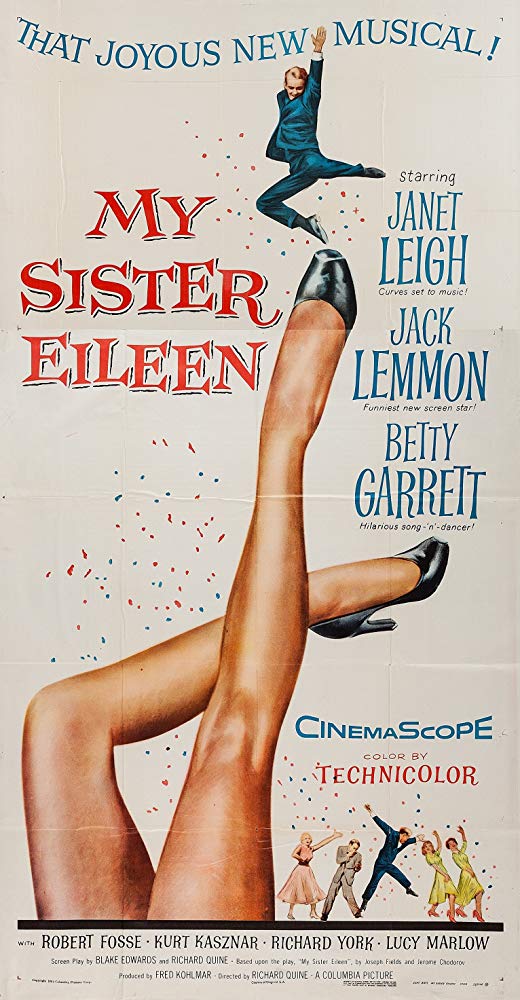
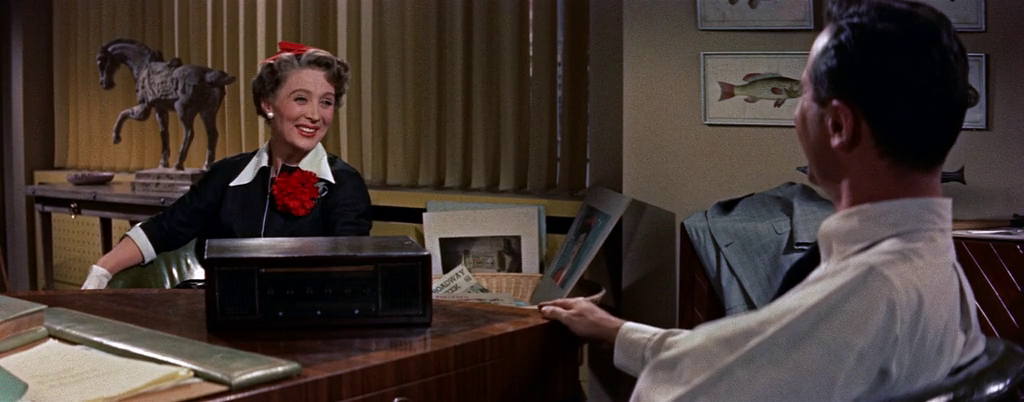
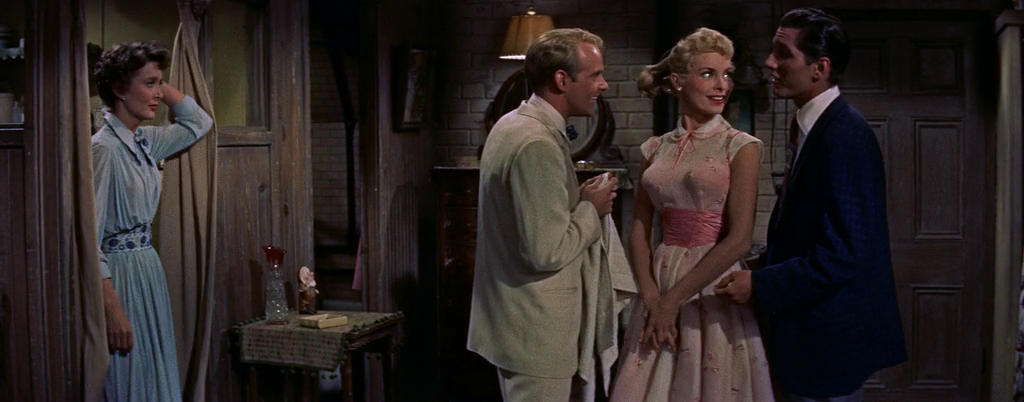
Bob Fosse choreographed and co-starred in this enjoyable Cinemascope musical — based on a 1940 play by Jerome Chodorov and Joseph Fields — which was itself inspired by Ruth McKenney’s autobiographical stories. The storyline, focusing on two young hopefuls navigating The Big City, remains as timeless as ever, and while it’s challenging to watch Eileen literally harassed wherever she goes, we can contextualize the scenario as “of the era” and be grateful we’ve moved on at least somewhat (or have we?). Garrett is pitch-perfect in the leading role, and Leigh is appropriately guileless as her lovable sister; there’s no way one could dislike Eileen as portrayed here. The musical sequences are a delight, and it’s fun to see Fosse himself on-screen. I also happen to enjoy the subplot about “Wreck” (York) hanging around the apartment making himself useful, his “unique”, oh-so-New-York relationship with Marlow unthreatened by Leigh’s presence.

Redeeming Qualities and Moments:

  • Betty Garrett as Ruth
  • Janet Leigh as Eileen
  • Fun musical sequences (choreographed by Bob Fosse)

  • Fine Cinemascope cinematography
  • An enjoyably witty script

Must See?
Yes, as an enjoyable musical. Listed as a Personal Recommendation in the back of Peary’s book.

Categories

  • Good Show

Links:

Monster on the Campus (1958)

Monster on the Campus (1958)

“Man is not only capable of change, but man alone — among all living creatures — can change the direction in which that will take place.”

Synopsis:
A professor (Arthur Franz) who receives a rare prehistoric fish is puzzled when the dog owned by his research assistant (Troy Donahue) suddenly becomes wild after drinking the fish’s water, and his colleague’s assistant (Helen Westcott) turns up murdered after spending time with Franz. His concerned girlfriend (Joanna Moore) tries to protect Franz from suspicion, but he himself is determined to get to the bottom of the mystery.

Genres, Themes, Actors, and Directors:

  • Horror Films
  • Jack Arnold Films
  • Multiple Personalities
  • Scientists

Review:
Director Jack Arnold is best known for a handful of sci-fi classics, including It Came from Outer Space (1953), Creature from the Black Lagoon (1954), and The Incredible Shrinking Man (1957). Unfortunately, this Jekyll-and-Hyde-inspired flick isn’t in the same league by a long shot; the storyline is of the type where audience members figure out the “mystery” long before the rest of the characters do, despite obvious hints. Meanwhile, Franz isn’t a particularly likable hero — while we admire his tenacity and self-sacrifice, he’s also a bombastic womanizer who won’t stop lecturing. (His opening line as he’s removing a plaster cast from his girlfriend’s face is, “Ah, the human female in the perfect state — helpless and silent.”) Clearly this is meant to show his — I mean mankind’s — more primitive side, but it comes across as simply dated and obnoxious. The makeup of the titular monster is pretty silly-looking, too.

Redeeming Qualities and Moments:

  • Russell Metty’s cinematography

Must See?
Nope; you can definitely skip this one.

Links:

Blob, The (1958)

Blob, The (1958)

“I don’t know what this is — but it’s got to be killed before it gets any bigger!”

Synopsis:
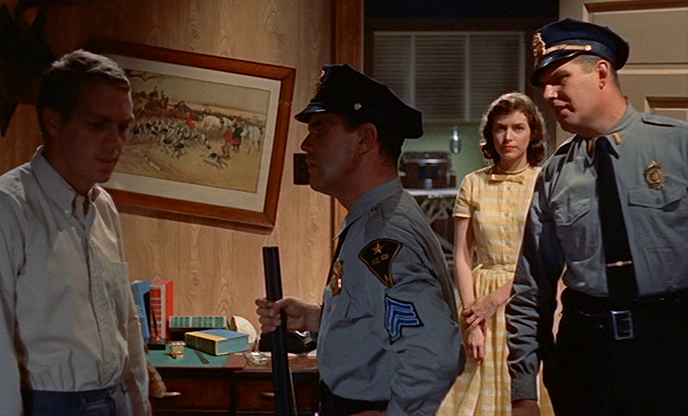
When a dating couple (Steve McQueen and Aneta Corsaut) encounter an elderly man (Olin Howland) whose arm is covered with a gooey substance, they seek assistance from a local doctor (Steven Chase) and his nurse (Lee Payton), who are soon trapped by the all-encompassing blob, too. The town’s police — including Lt. Dave (Earl Rowe) and Office Jim Bert (John Benson) — are unsure whether the blob is real or simply a scheme by local teens to fool the cops; can McQueen convince authorities to take this issue seriously, before the entire town is engulfed in viscous red gunk?

Genres, Themes, Actors, and Directors:

  • Mutant Monsters
  • “No One Believes Me!”
  • Science Fiction
  • Small Town America
  • Steve McQueen Films
  • Teenagers

Response to Peary’s Review:
Peary’s incredibly short review of this “low-budget sci-fi film” by Irvin S. Yeaworth, Jr. — “once a drive-in favorite” — gives no indication that it would one day merit the full “Criterion treatment”, with restoration and commentaries provided. He does write that it’s “still fun” and “one of the few films of the fifties that was totally on the side of the teenagers”, though he adds the “creepy first half… loses momentum and becomes stilted until the rousing conclusion.” I’m not a huge fan of this slowly paced (perhaps deliberately so?) thriller, which seems to be trying to address too many audiences and themes at once in its mash-up of juvenile delinquent films with young romance and a mysterious alien presence. DVD Savant has a slightly different take, noting that “the story captures the slow pace of rural life, interrupted by something extraordinary.” Regardless of whether the blob represents something profoundly catastrophic or simply a laughable nuisance, this flick is worth a one-time look for its notoriety.

Redeeming Qualities and Moments:

  • Colorful and atmospheric cinematography


Must See?
Yes, once, simply for its historic relevance.

Categories

Links:

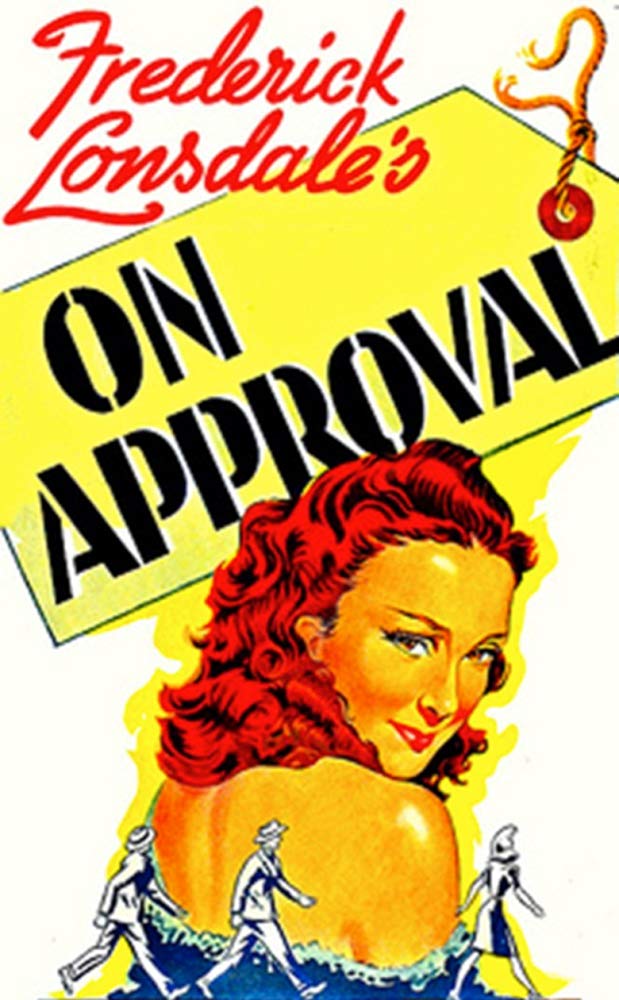
On Approval (1944)

On Approval (1944)

“Poor George — it must be very sad coming back to your own house as a guest.”

Synopsis:
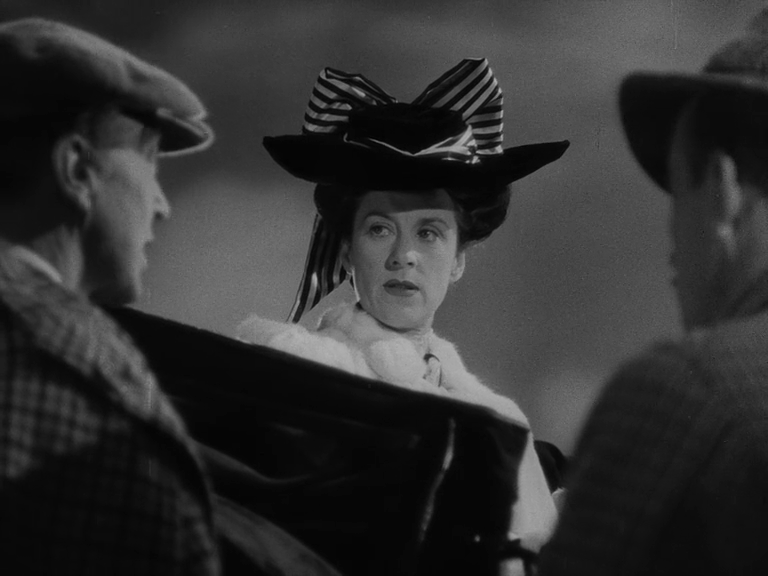
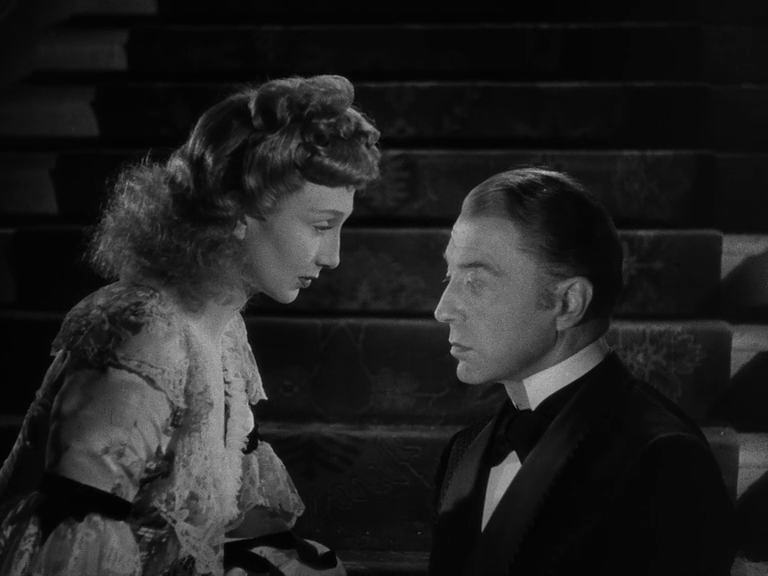
A penniless Brit (Roland Culver) attends a soiree hosted at the house of his poverty-stricken friend, the Duke of Bristol (Clive Brook), which Brook is renting to a young American heiress (Googie Withers). A wealthy widow (Beatrice Lillie) offers to live with Culver for a month “on approval” at her island in Scotland, to see if they’re compatible as marriage partners, and they’re soon joined by Brook and Withers as well. Will Culver live up to Lille’s expectations — and will Brook finally realize Withers has a crush on him?

Genres, Themes, Actors, and Directors:

  • Clive Brook Films
  • Play Adaptation
  • Romantic Comedy
  • Widows and Widowers

Review:
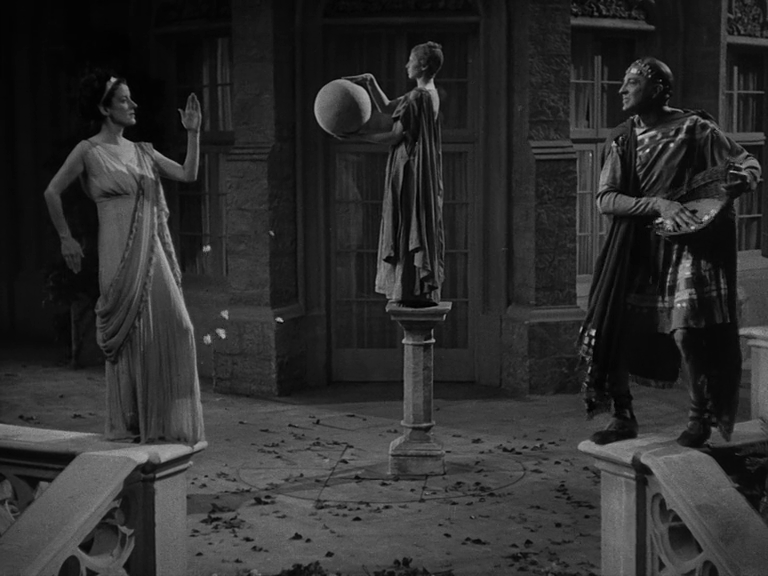
Clive Brook’s adaptation of Frederick Lonsdale’s 1926 play is a minor but engaging historic trifle that slowly grows on you, and pays off nicely in the end. The premise itself — about a middle-aged widow proposing spending a month together with her new fiance to ensure they get along well — is an intriguing one, and makes complete sense; why not try such a momentous choice “on approval” before purchase? The film opens with a clever sequence of news clips ensuring 1944’s audiences that they’re NOT about to watch yet another noisy war film — in fact, they’ll be taken back in time to a much gentler (Victorian) era, and allowed to escape for awhile into this former milieu. (The closing scenes of the film are also highly creative, utilizing sped-up footage and surreal imagery to show how the sticky situation finally resolves itself.) Lillie (primarily a stage actress) is perfectly cast in the leading female role, and it’s fun to see Withers — a strikingly unique looker — playing someone so diametrically opposed to her character in Night and the City (1950) just a few years later. The two leading men are fine, but it’s the women who really make a splash here — purposely so, as it’s the penniless boys who ultimately need to prove themselves worthy of the gals’ affections.

Redeeming Qualities and Moments:

  • Fine lead performances

  • The surreal closing dream sequence

  • A clever script

Must See?
Yes, as a droll and witty surprise. Listed in the back of Peary’s book as a film with Historical Importance.

Categories

Links:

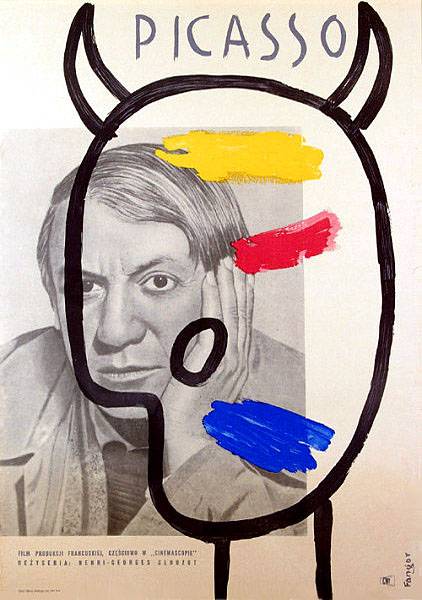
Mystery of Picasso, The (1956)

Mystery of Picasso, The (1956)

“To understand what goes in a painter’s mind, you need to follow his hand.”

Synopsis:
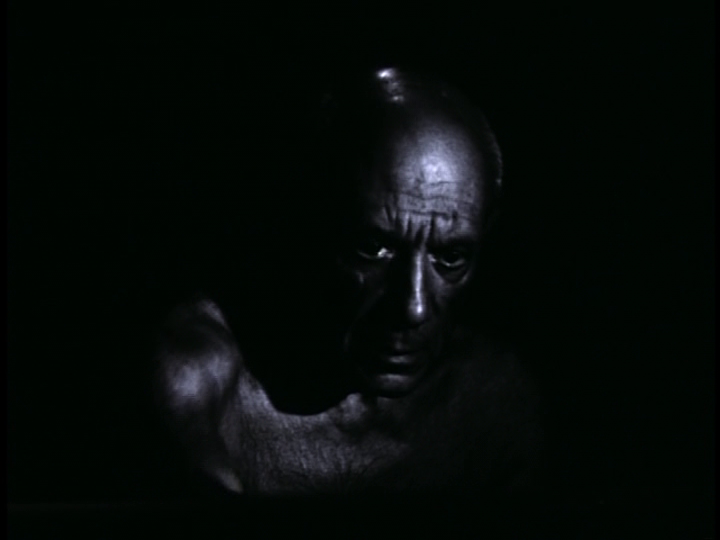
Director Henri-Georges Clouzot and cinematographer Claude Renoir (with a soundtrack by Georges Auric) film Pablo Picasso making — and remaking — a series of unique drawings and paintings.

Genres, Themes, Actors, and Directors:

  • Artists
  • Documentary
  • Henri-Georges Clouzot Films

Review:
Anyone reasonably interested in the work of Pablo Picasso will want to check out this fascinating collaborative effort by accomplished artists who came together to create an enduring artifact of Picasso’s creative process. Most of the drawings and paintings he produced during these filmed sessions were purportedly destroyed, adding to the film’s mystique and value (perhaps). The not-so-subtle irony of the title, of course, is that Picasso’s quirky genius remains as mysterious as ever — especially as he crosses out and reworks portions of his art that seem perfectly fine and pleasing, only to create new, different, and sometimes (but certainly not always) equally-pleasing replacements. Personally, I was a kid in the candy store while watching this film, glued to the screen to see what would unfold next — and speaking of kids, my own three children (ages 6, 8, and 10, all budding artists) stumbled upon me watching it and were completely drawn in, requesting to start again from the beginning; we talked out loud to the screen as Picasso worked, saying, “No — wait! Picasso, what are you doing? What IS that? Hmmmm… That’s interesting. I like that color… Oh, I see the bull now! No, I liked the other face better” and so forth. I can easily imagine us rewatching this one together numerous times.

Redeeming Qualities and Moments:

  • A fascinating look at Picasso’s artistic process — on the surface, anyway!


  • George Auric’s score

Must See?
Yes, as a unique cinematic collaboration, and for its historical relevance.

Categories

Links:

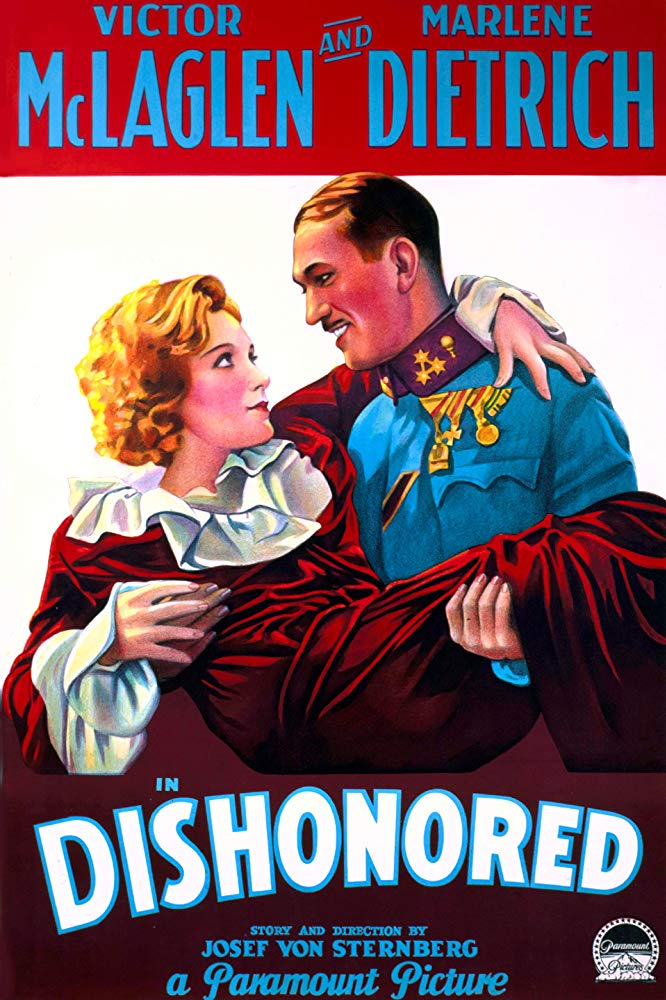
Dishonored (1931)

Dishonored (1931)

“I am a soldier — but you bring something into war that doesn’t belong in it. You trick men into death with your body.”

Synopsis:
The head of the Austrian Secret Service (Gustav von Seyffertitz) enlists a prostitute (Marlene Dietrich) to serve as a spy against the Russians, and successfully corners a man (Warner Oland) she’s seduced at a masked ball — but she may have met her match when she falls for her next prey, wily Colonel Kranau (Victor McLaglen).

Genres, Themes, Actors, and Directors:

  • Josef von Sternberg Films
  • Marlene Dietrich Films
  • Prostitutes and Gigolos
  • Spies
  • Strong Females
  • Victor McLaglen Films

Review:
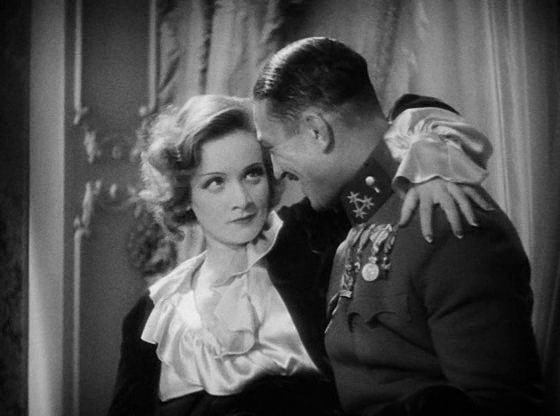
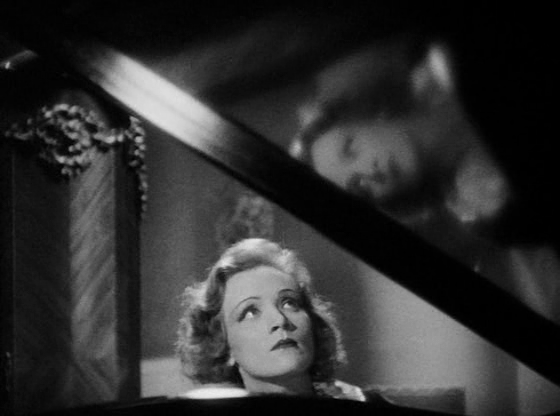
Josef von Sternberg’s third collaboration with Marlene Dietrich remains a surprisingly effective “Mata Hari”-like spy thriller, one which allows sexy Dietrich to put all her unique attributes — including passionate piano playing — to use for the love of her country (though there’s also a highly enjoyable sequence in which she boldly goes without make-up as a peasant girl!). For the most part, she’s dressed in an array of stylish outfits, and is filmed in typically gorgeous lighting. I’m less-than-enthused with the miscasting of McLaglen as the source of her downfall, but Dietrich more than carries the film on her own shoulders, proving once again that she can hold her own in a male-dominated world. This one is worth a one-time look.

Redeeming Qualities and Moments:

  • Marlene Dietrich as “X27”
  • Lee Garmes’ atmospheric cinematography

  • Effective use of piano playing as a character trait and plot device

Must See?
Yes, once, as a finely crafted entry in the von Sternberg-Dietrich oeuvre. Listed as a Cult Movie in the back of Peary’s book.

Categories

  • Good Show

Links:

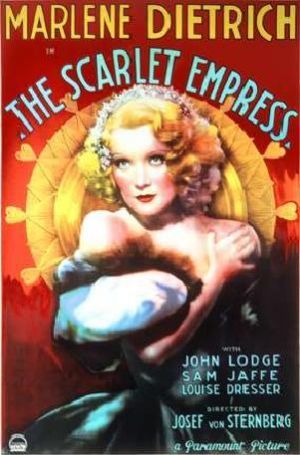
Scarlet Empress, The (1934)

Scarlet Empress, The (1934)

“It must be cold — at night.”

Synopsis:
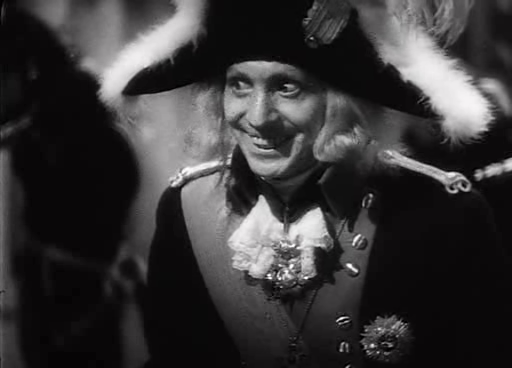
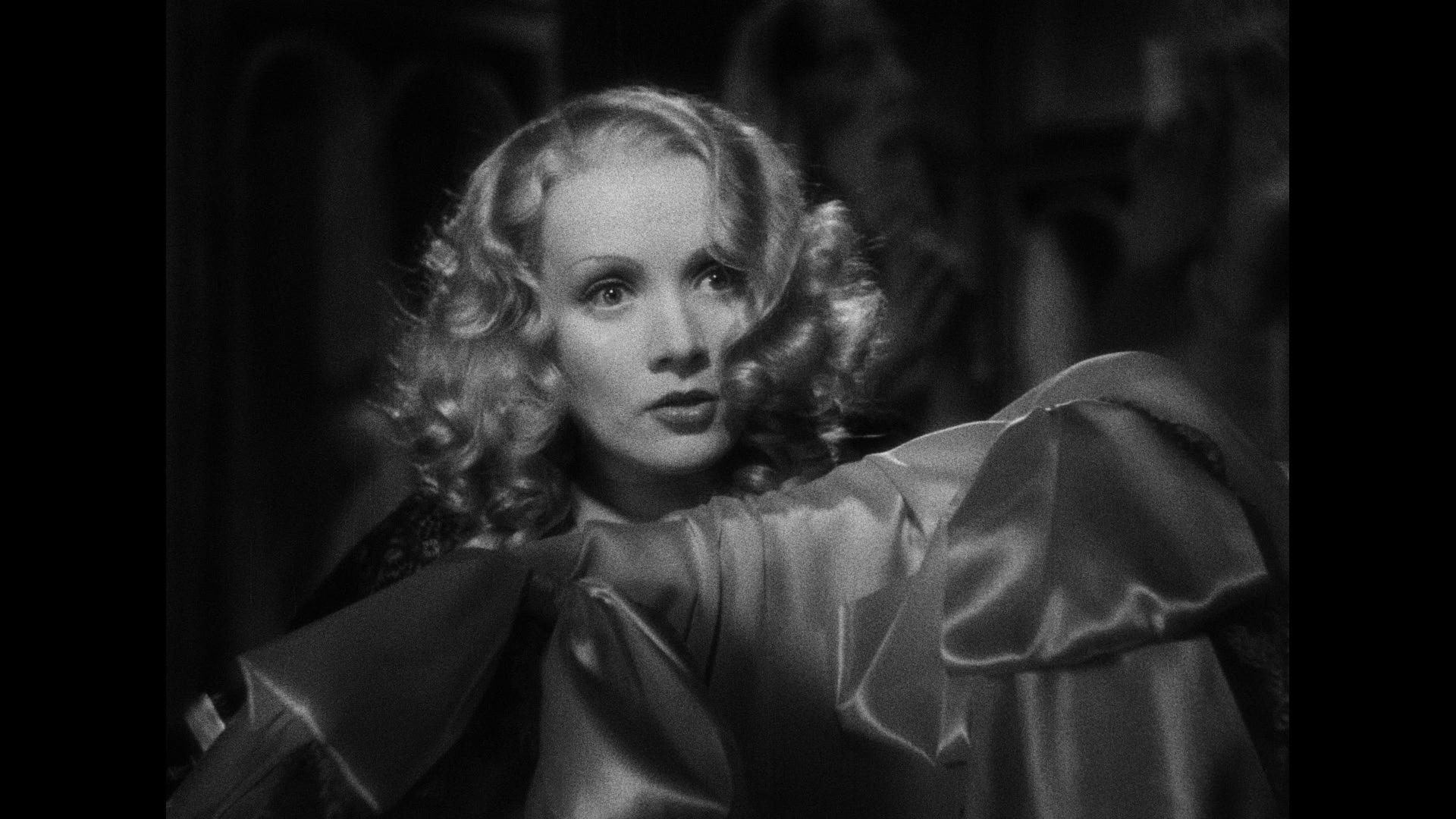
A naive German princess (Marlene Dietrich) is sent to marry the “cruel, cowardly half-wit” nephew (Sam Jaffe) of the Russian empress (Louise Dressler), and charged with producing a male heir — which she does, though not by Jaffe, who she can’t stand. When Dressler’s health begins to fail, Jaffe dreams of being with his lover (Ruthelma Stevens) and having absolute power over the nation and his wife — but Catherine, now much more self-confident, has other plans.

Genres, Themes, Actors, and Directors:

  • Character Arc
  • Historical Drama
  • Josef von Sternberg Films
  • Marlene Dietrich Films
  • Royalty and Nobility
  • Russia
  • Sam Jaffe Films
  • Strong Females

Response to Peary’s Review:
Peary writes that “Josef von Sternberg’s astonishing, self-described ‘relentless excursion into style’ is the most idiosyncratic of his seven Marlene Dietrich films, and one of the most bizarre films ever to emerge from a Hollywood studio.” He notes that “Sternberg was one of the few directors to recognize and explore the link between sexual politics and political power”: “the film is about a woman who rejects her fate and through self-determination achieves self-preservation”. He adds that while Dietrich’s “whole life has been spent following the life’s course others set out for her”, “once she dutifully gives birth to a male heir… she is through being pushed around and goes on the offensive to realize her personal ambitions, using what she acknowledges to be her own ‘special’ weapons”. The first half of the film shows “Dietrich as she has never been in a Sternberg film, without her absolute control, sense of irony, air of superiority, mystery, or indifference” — but by the second half, “suddenly, thank goodness, Dietrich is back, living by her wits, her own code and logic, manipulating men who once thought they were controlling her.”

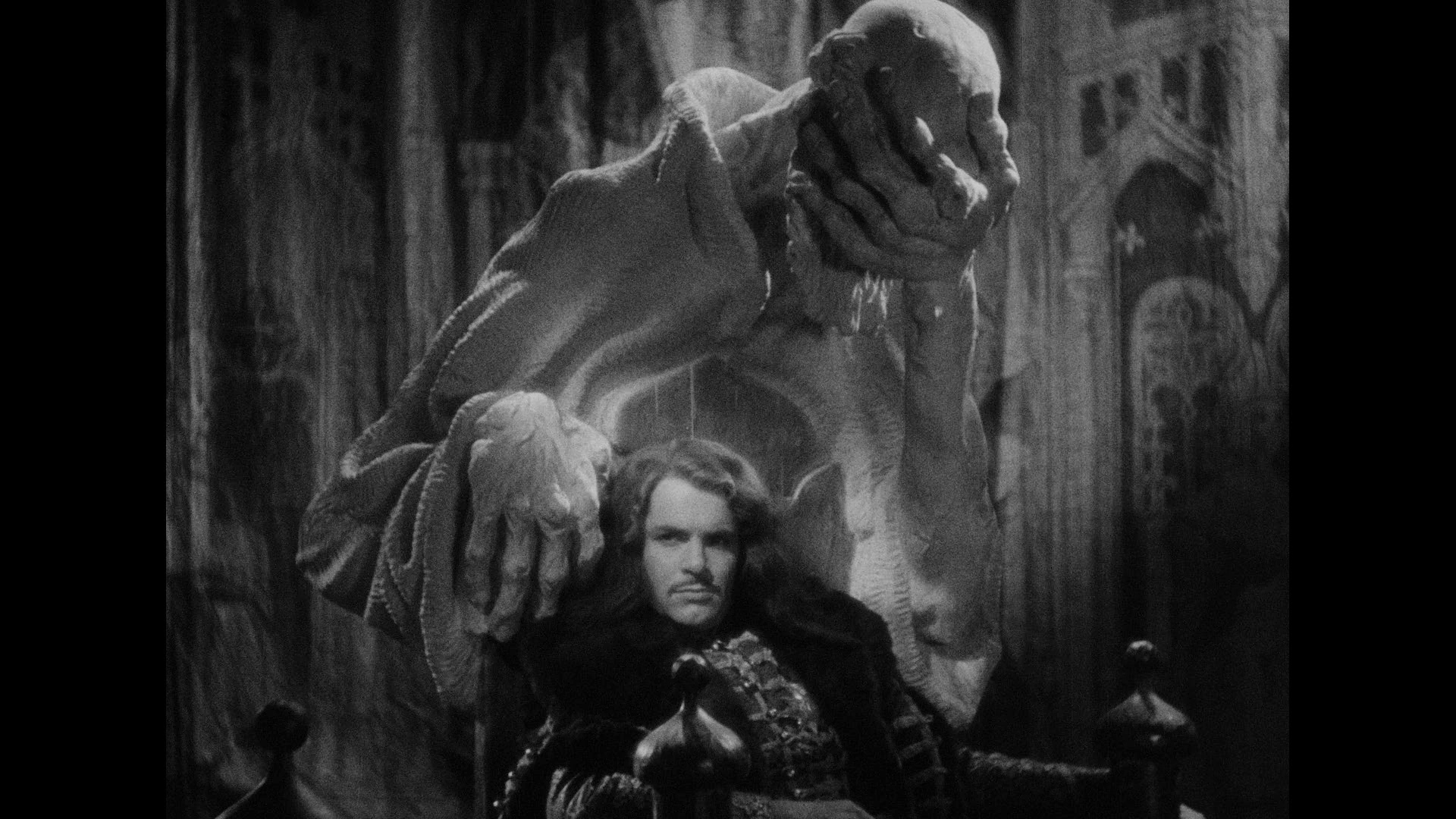
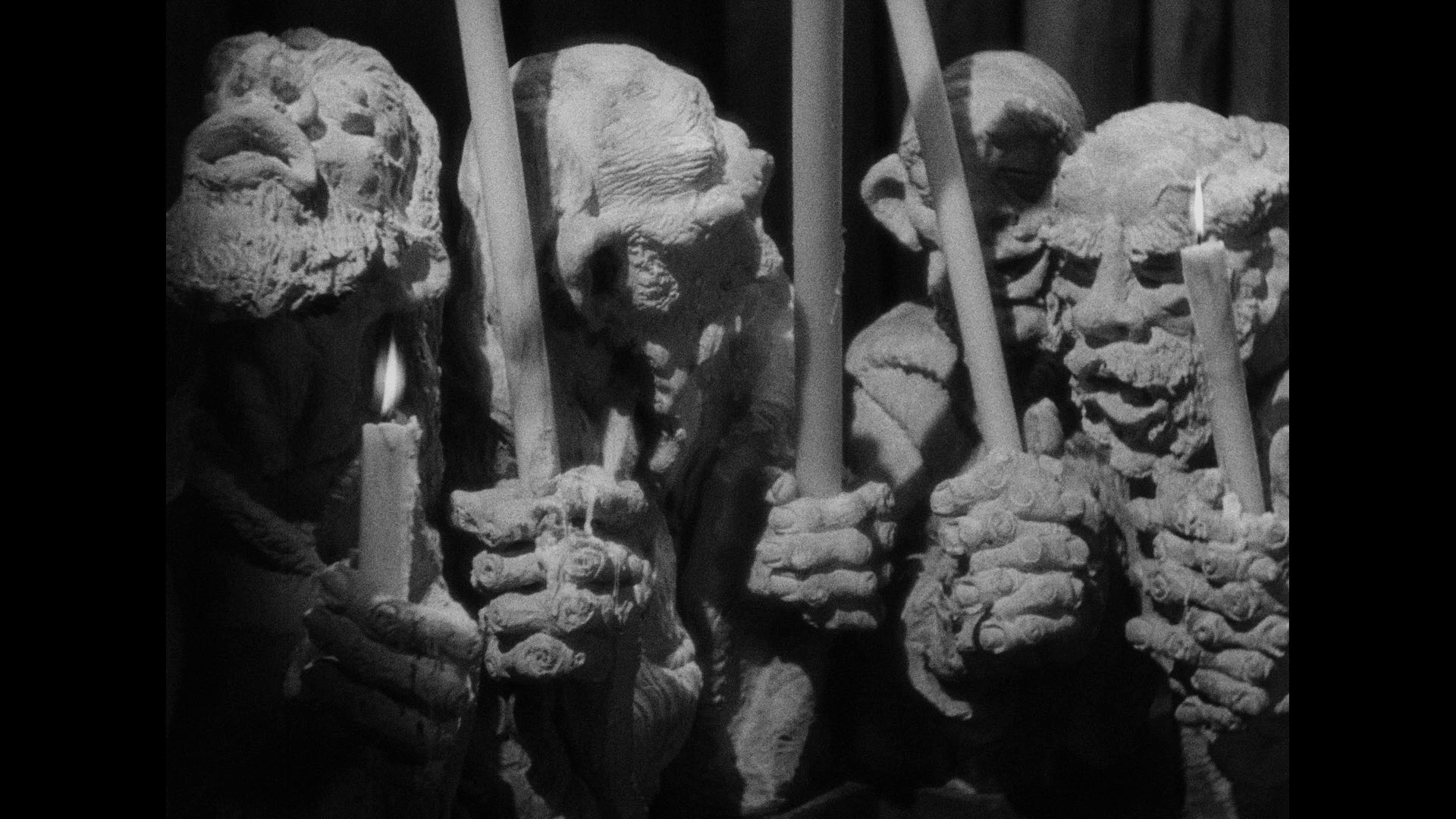
Peary goes on to write that “visually, the film is dazzling, the most imaginative American film of the sound era prior to Citizen Kane” — and while Sternberg apparently liked to claim full auteurship over his films and not give appropriate credit, he did work “closely with Paramount’s costume designer, Travis Banton; with imported Swiss artist Peter Balbusch, Hans Dreier, and Richard Kollorsz on the incredle Byzantine sets (which were meant to be ‘recreations’ of the Russian court); and with cinematographer Bert Glennon on his masterly composed images”. As DVD Savant writes in his review, “There is hardly a close-up of a character that doesn’t share the frame with a giant gnarled hand or twisted wooden face. It’s as if the drama were being played out amid a castle crowded with petrified ancestors.” Peary adds that most of “the film’s most memorable scenes have no dialogue, just music and sounds effects to heighten the impact of the extraordinary images: the wedding ceremony; the wedding banquet; and the sweeping finale”. He ends his GFTFF review by asserting that “Sternberg’s greatest, most perverse film has still not received its due”.

To that end, in Alternate Oscars, Peary names this “bizarre film — some would say berserk” — Best Movie of the Year. In this review, he highlights Dietrich’s performance, noting she’s “perfect as Catherine; she is fearless, sardonic, indifferent, playful, ambitious, and as naughtily flirtatious as Mae West”, turning from a “naughty innocent — ripe for seduction” into a “shrewd libertine, and then in her triumph, a monster who relishes both her power and the means by which she obtained it”.

He adds that while she “may be crazed”, we “forgive her, if only because she’s still preferable to Peter” (played by Jaffe, who is “ideal as the demented ruler”).

Peary writes even more about the film in his first Cult Movies book, where he notes that it “stimulates the senses with provocative sexual imagery, often of a perverse nature; breathtaking montages of barbaric torture, some nightmarish, some realistic; mammoth palace chambers, heatless and sparsely furnished, with heavy, fifteen-foot-high doors that groups of nameless scurrying ladies of the court struggle to open, and large, weirdly sculpted gargoyles, saints, faces, and bodies twisted into attitudes of great suffering; [and] an eighteenth-century Russian court full of oddball characters one would more expect to find in Alice’s Wonderland.” It’s all truly unlike anything you’ve ever seen, and well worth at least a one-time visit.

Redeeming Qualities and Moments:

  • Marlene Dietrich as the Empress Catherine
  • Bert Glennon’s cinematography
  • Consistently mesmerizing sets and costumes

Must See?
Yes, as an entirely unique cult classic.

Categories

  • Cult Movie
  • Important Director

Links: