Femme Infidele, La (1969)
“Why should anyone just disappear?”
|
Synopsis: |
|
Genres, Themes, Actors, and Directors:
Response to Peary’s Review: Redeeming Qualities and Moments:
Must See? Categories
Links: |
“Why should anyone just disappear?”
|
Synopsis: |
|
Genres, Themes, Actors, and Directors:
Response to Peary’s Review: Redeeming Qualities and Moments:
Must See? Categories
Links: |
“You have to be taught to leave us alone.”
|
Synopsis: |
|
Genres, Themes, Actors, and Directors:
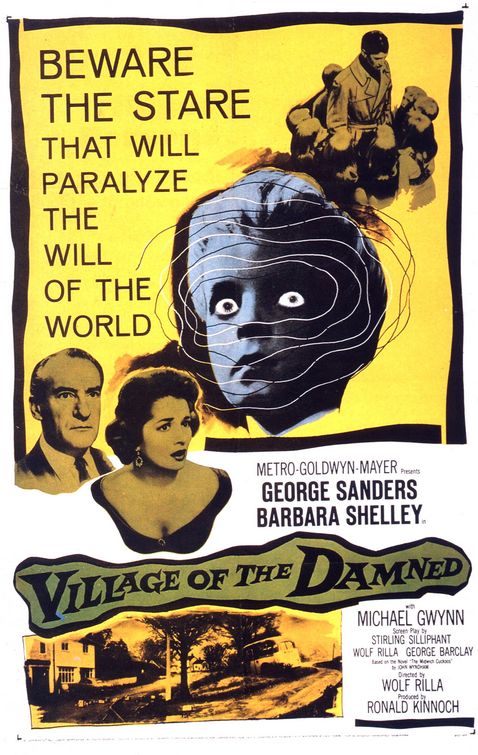
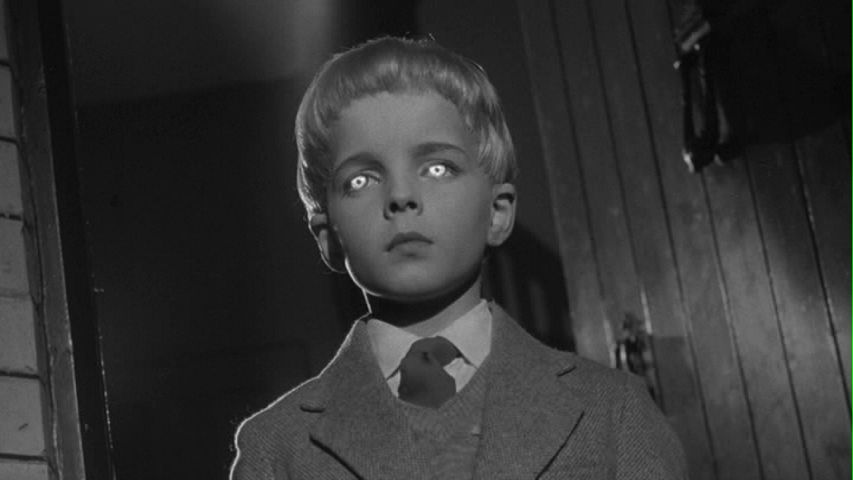
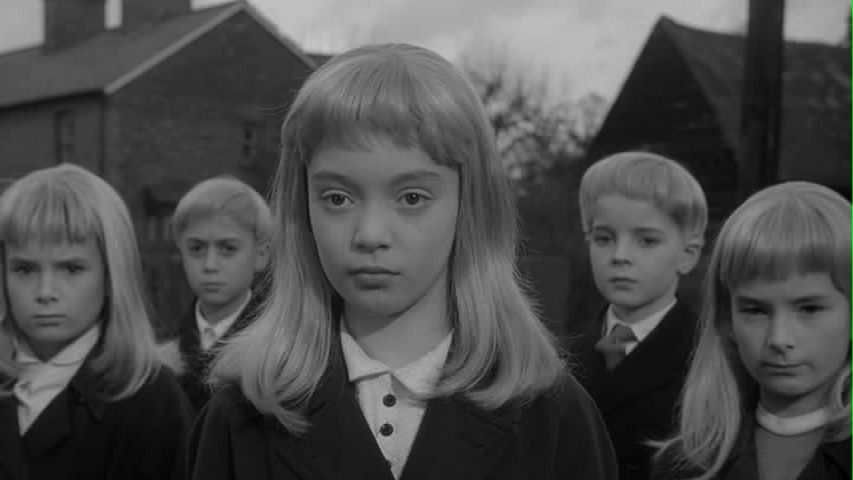
Response to Peary’s Review: While Village of the Damned works perfectly well on its own as simply a taut, enjoyable horror flick, the presentation of other-worldly children who share a collective brain and have the power to make the adults around them do whatever they wish remains ripe for thematic investigation. In some ways, they’re clearly an allegory for the Communist Scare of the 1950s — emotionless beings who have invaded an idyllic Western town, and must be destroyed (by decisive force) before they “take over” (though their icy blonde hair makes them appear more like Aryan cogs than Russian workers). Others (see, for instance, the Not Coming to a Theater Near You review link below) have suggested that Village of the Damned represents a thinly veiled exploration of sexual mores in the 1960s, when women’s right to control their own reproductive potential was squarely in confrontation with religious mandates. Regardless of one’s deeper analysis, however, the unsmiling children — with their glowing, penetrating gaze (the film’s only concession to special effects) — remain an iconic trope in the history of horror cinema. Note: While Peary argues that this was the first film “to exploit… the horror potential” of “children-as-monsters”, the kids here — with their odd blonde haircuts and bangs — bear more than a faint resemblance to “evil” Rhoda Penmark in 1956’s The Bad Seed Redeeming Qualities and Moments:
Must See? Categories Links: |
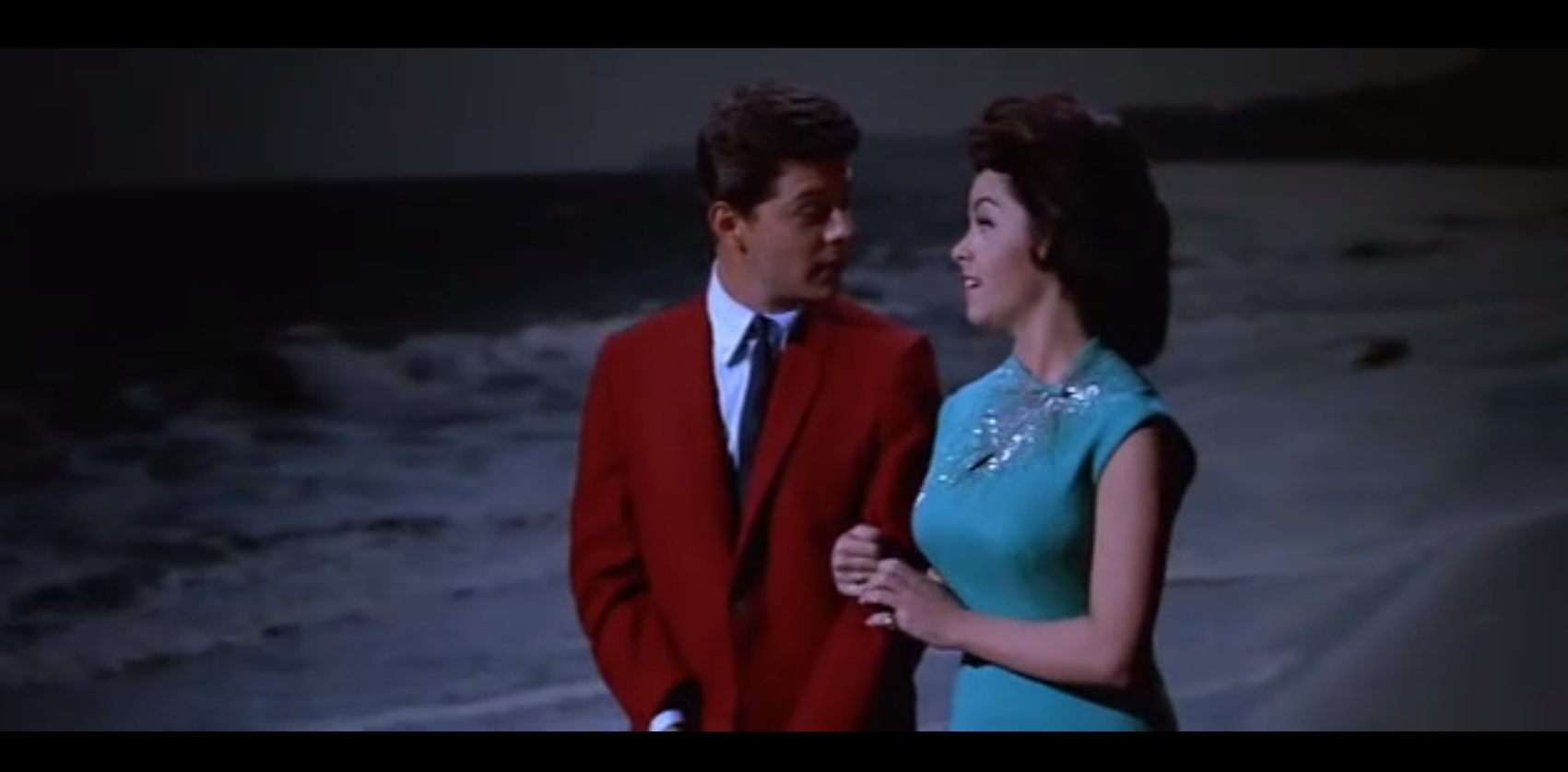
“It’s a wiggy beach!”
|
Synopsis: |
|
Genres, Themes, Actors, and Directors:
Review: Redeeming Qualities and Moments:
Must See? Links: |
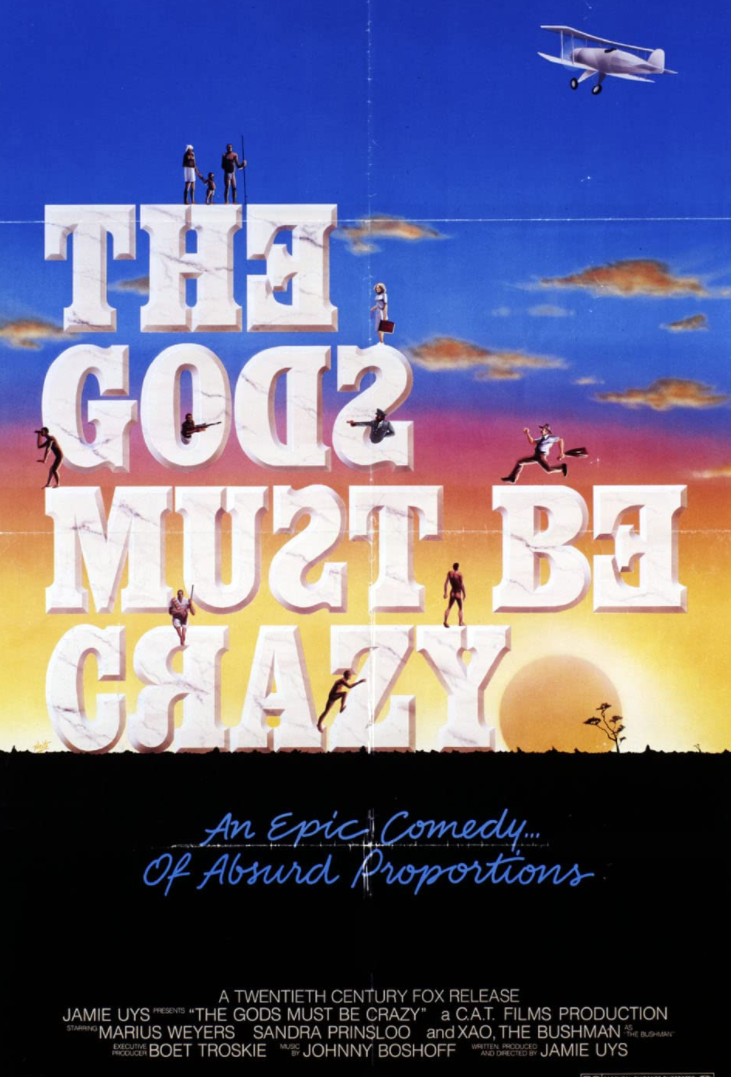
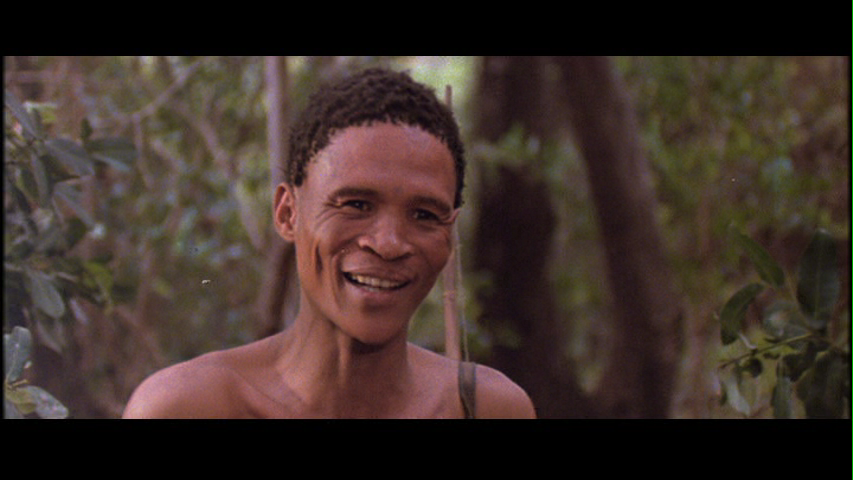
“Xi had never seen anything like this in his life — it looked like water, but was harder than anything else in the world.”
|
Synopsis: |
|
Genres:
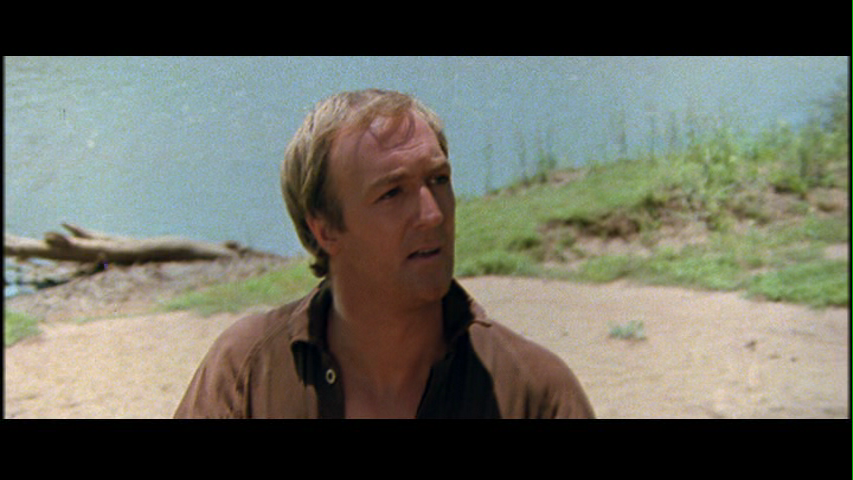
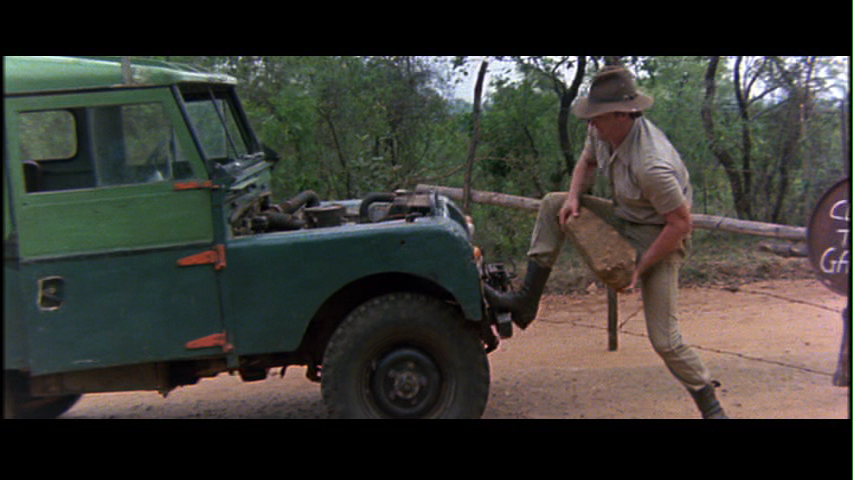
Response to Peary’s Review: With that said, there’s plenty to recommend in The Gods Must Be Crazy, which is certainly one of the best comedies to emerge from Africa. Director Jamie Uys does a particularly fine job highlighting the hypocrisy of “civilization” in contrast with tribal living; the pseudo-scientific anthropological voiceover — though overused in far too many films — works surprisingly well here. In addition, the lead performances by both bumbling Marius Weyers (who Peary likens to Jacques Tati) and N!xau (adorably “innocent”) are marvelous — whenever they’re on-screen, the story sparkles. My favorite scene is probably the one in which N!xau watches sexy Sandra Prinsloo undressing, and we hear his hilariously disparaging thoughts via voiceover (“She was as pale as something that had crawled out of a rotting log…”); this is the best cinematic example I’ve seen so far of how beauty — along with so many other values — is indeed culturally relative. Redeeming Qualities and Moments:
Must See? Categories
Links: |
“Honey, there’s some things in this country a man has to do a woman just doesn’t understand — it’s different here!”
|
Synopsis: |
|
Genres, Themes, Actors, and Directors:
Review:
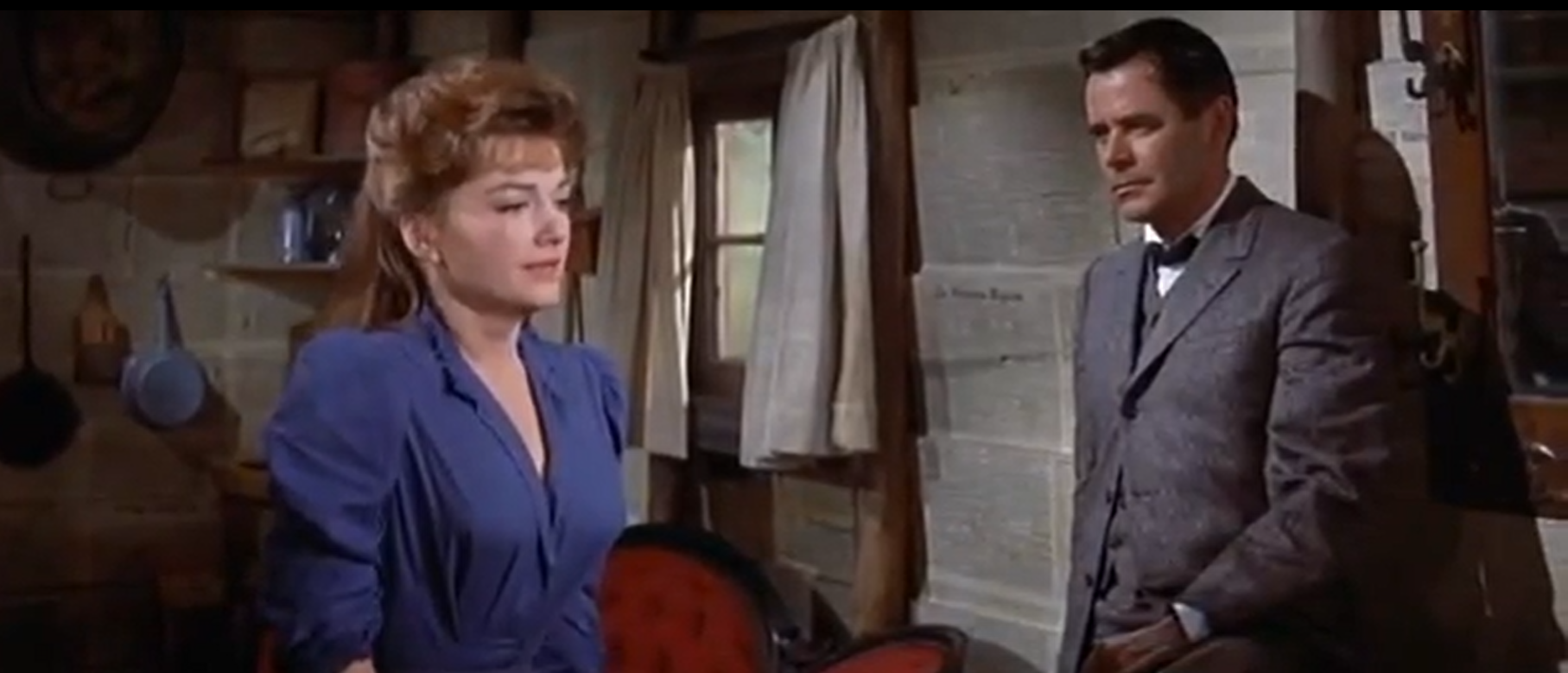
— a woman willing to make sacrifices for her pioneering husband, but only to a certain point. In addition, screenwriter Arnold Schulman does a nice job providing more of a realistic context for Yancey’s extended absences — indeed, both Yancey and Sabra are ultimately more three-dimensional characters this time around. Yet the story nonetheless suffers from an inability to keep us invested in the long-term outcome of their troubled marriage; Anne Baxter as rival love interest “Dixie Lee” fails to generate much interest:
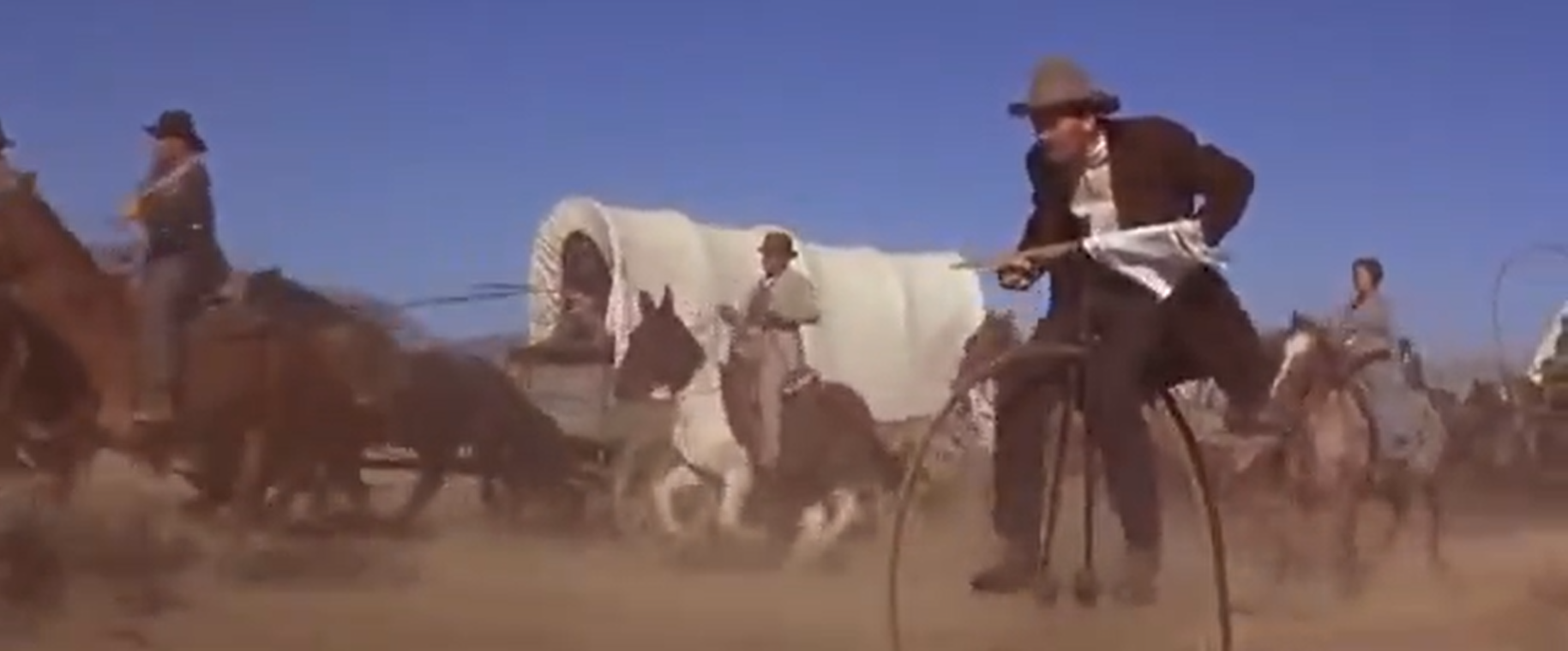
… while Sabra’s compromised “triumph” at the end of the film is particularly unsatisfying. As in the original screen adaptation, the opening land rush sequence — filmed with even more gritty violence — remains the most exciting part of the movie. Redeeming Qualities and Moments:
Must See? Links: |
“We’re going into new things, Sabe — a new empire. And I want to help build it for you!”
|
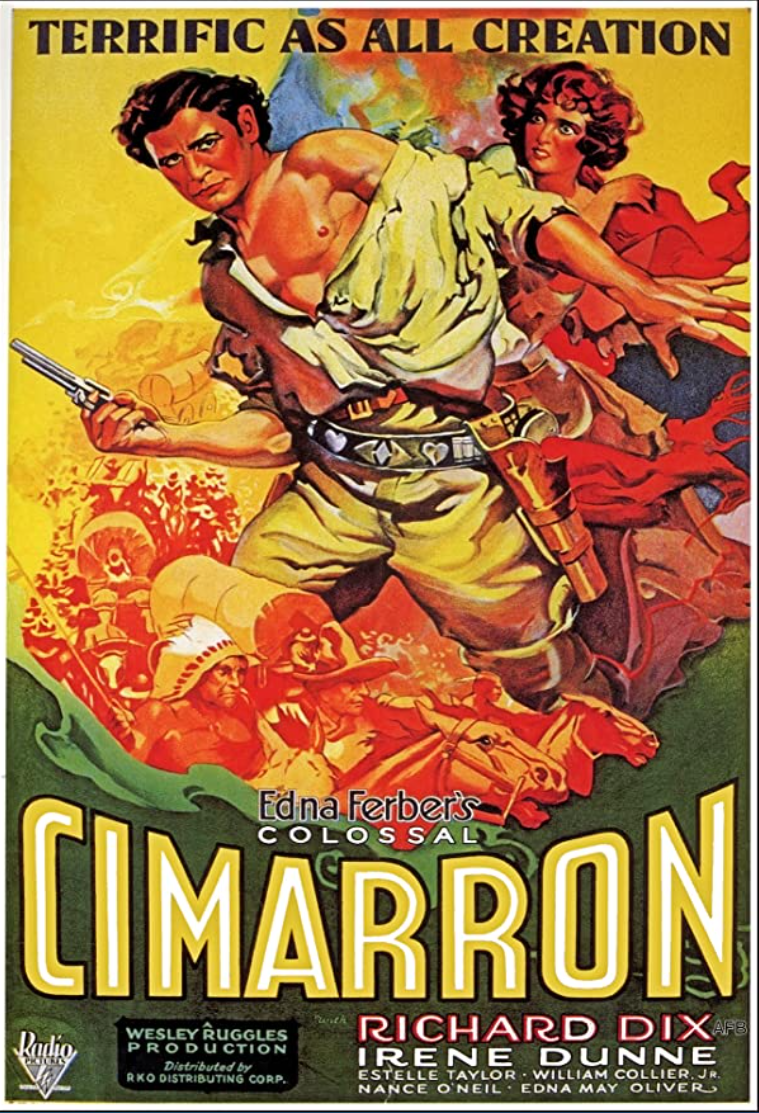
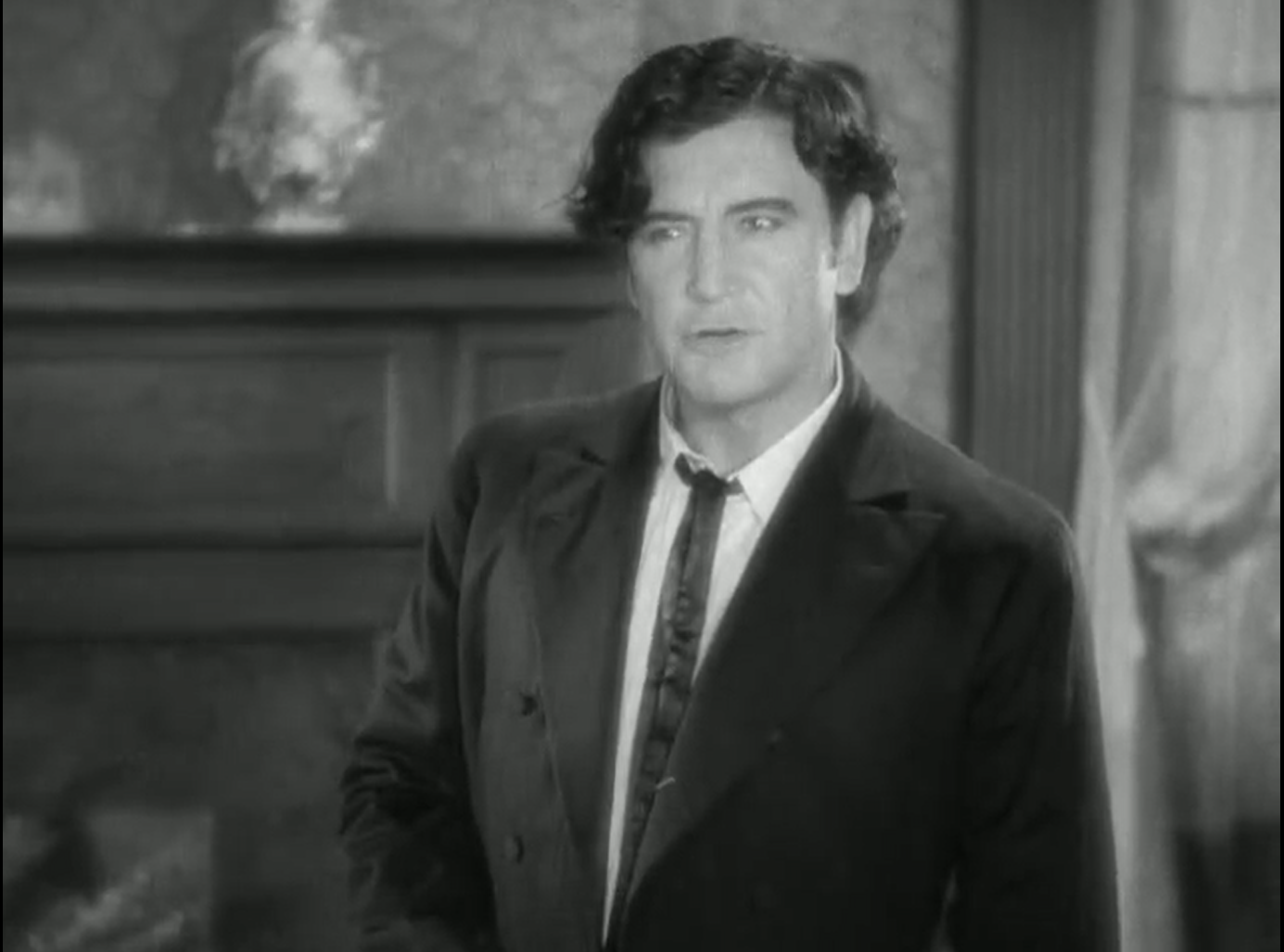
Idealistic newspaper editor Yancey Cravat (Richard Dix) settles with his wife (Irene Dunne) in Oklahoma territory, where he fights against injustice and racism. But his wanderlust soon prompts him to seek new adventures, and he leaves his family behind for years at a time. |
|
Genres, Themes, Actors, and Directors:
Response to Peary’s Review:
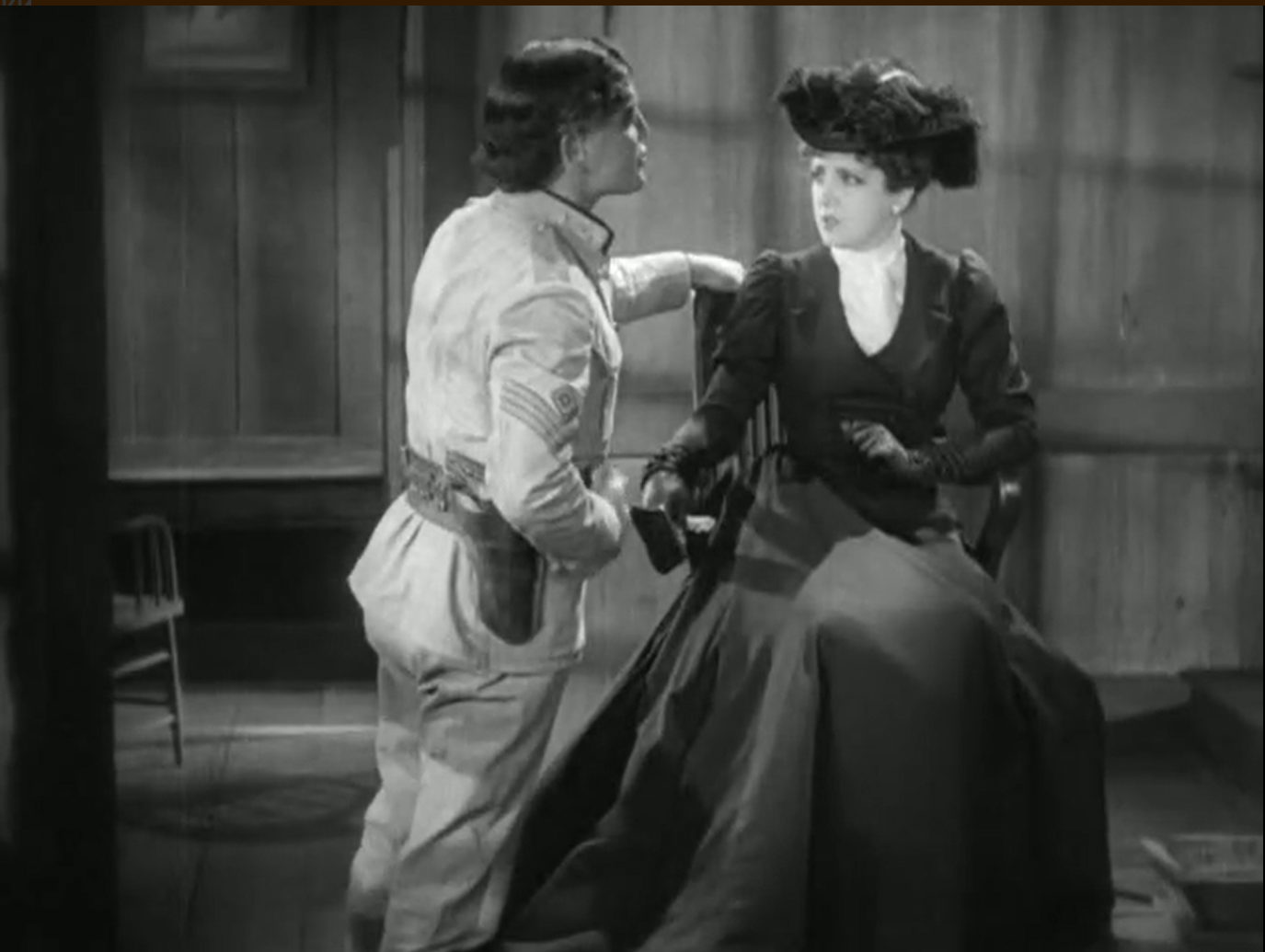
Although Peary gives faint praise to traces of “unexpected feminism” in the storyline (they’re faint indeed):
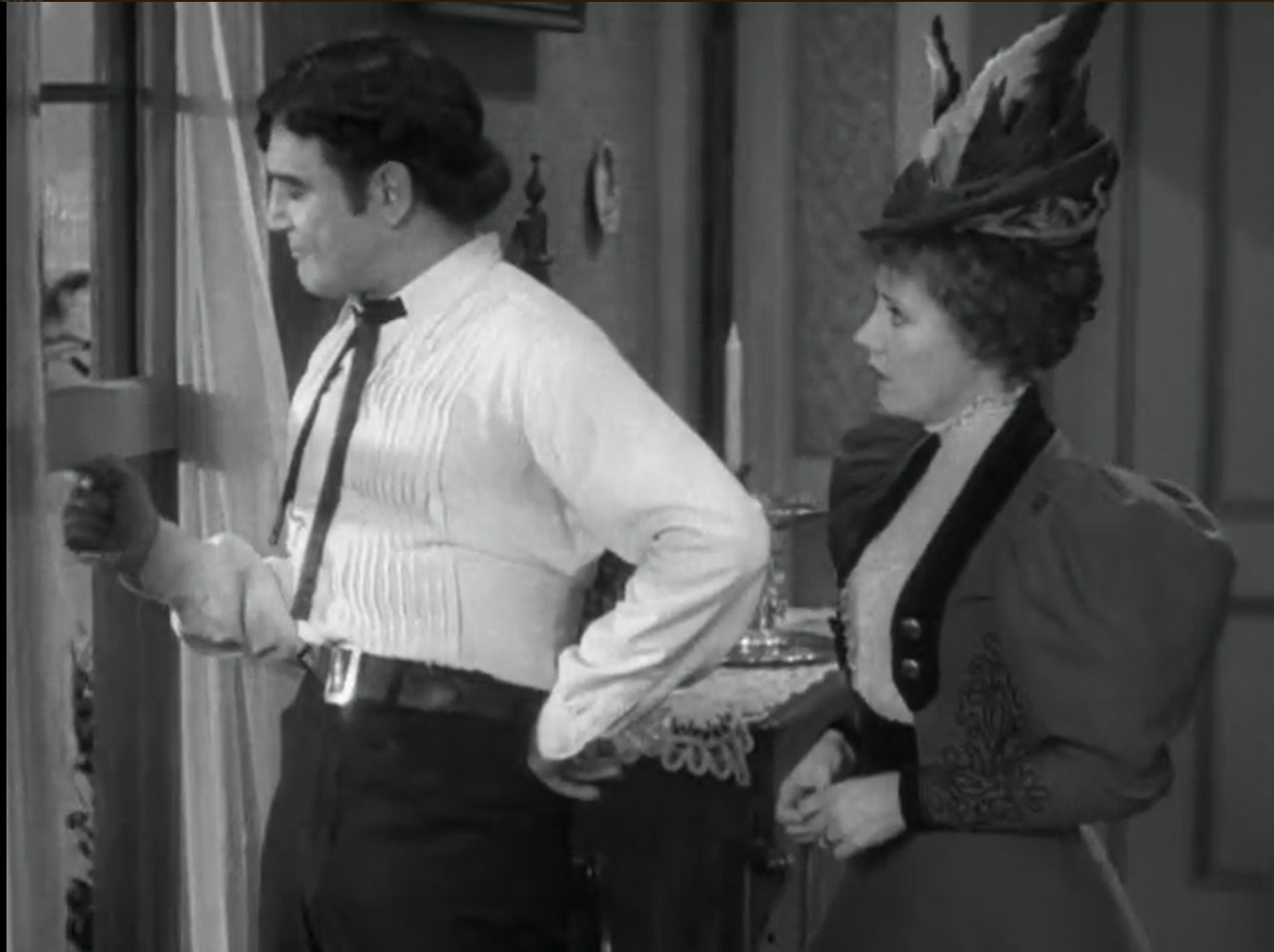
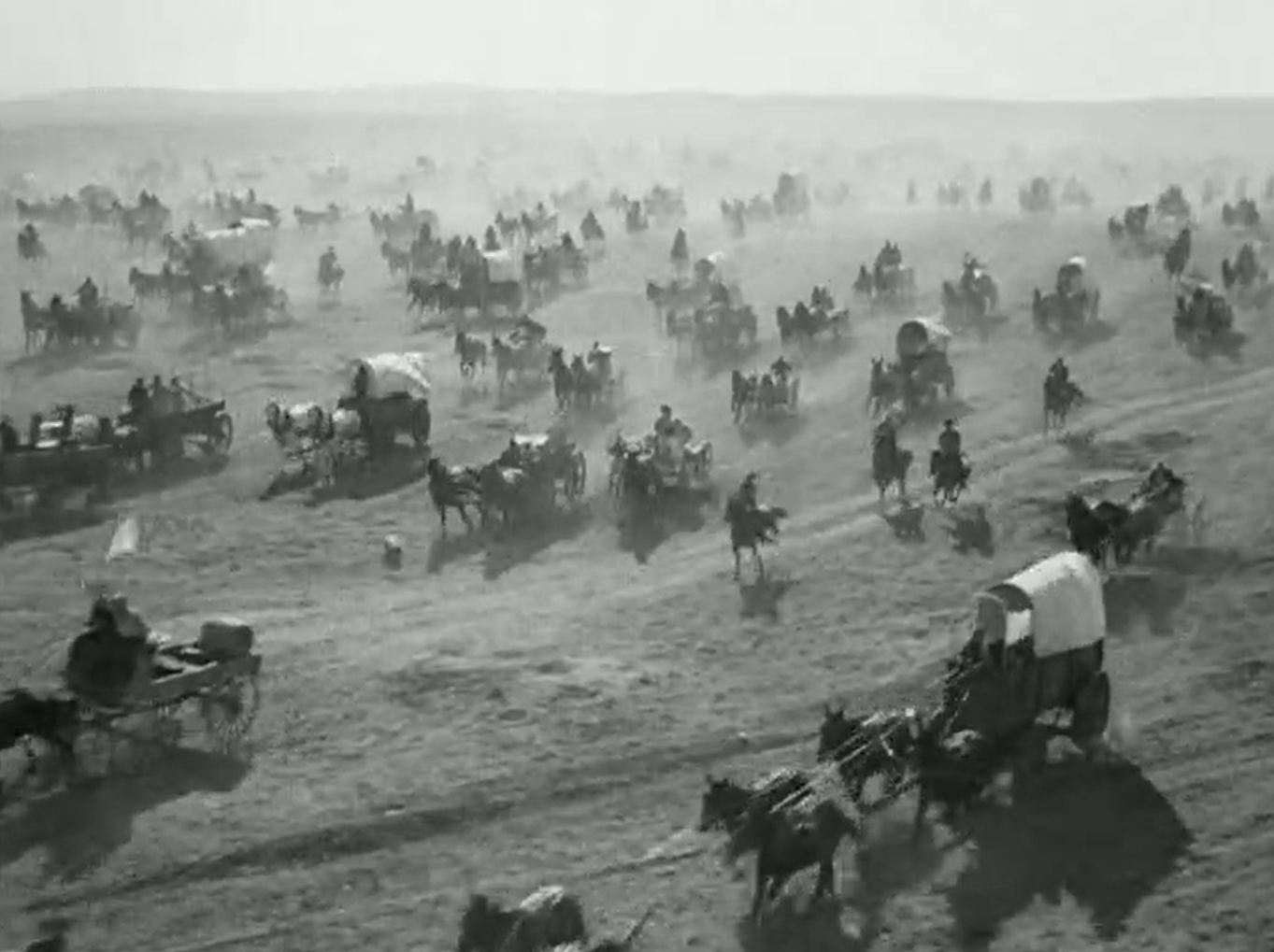
he inexplicably argues that this is “undermined by some racism” — an odd statement, given that Yancey’s fearlessly anti-racist stance is one of the film’s genuine redeeming factors. Another is the infamous opening “land rush” sequence, though it unfortunately establishes a standard of excitement which the remainder of the film can’t possibly live up to. The primary problem lies in the filmmakers’ daunting attempt to adapt an epic novel spanning 40 years: numerous life-changing events — including Yancey abandoning his family for years on end — are necessarily given short-shrift, and seriously compromise what could otherwise have been an insightful portrait of a pioneer marriage.
The rushed ending is particularly egregious, and makes little sense on any level. Redeeming Qualities and Moments:
Must See? Categories
Links: |
[Note: The following review is of a non-Peary title; click here to read more.]
“Make sure the client is completely comfortable before you take any money.”
|
Synopsis: |
|
Genres, Themes, Actors, and Directors:
Review: Redeeming Qualities and Moments:
Must See? Categories
Links: |
“Now you know why they call me Dirty Harry: every dirty job that comes along…”
|
Synopsis: |
|
Genres, Themes, Actors, and Directors:
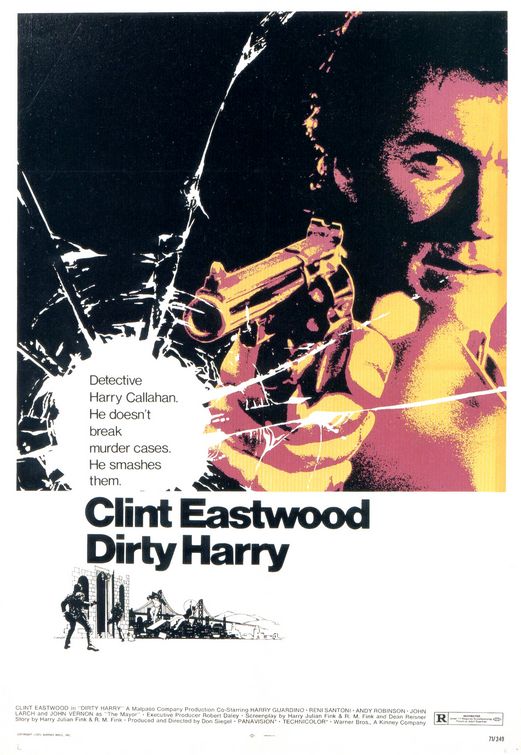
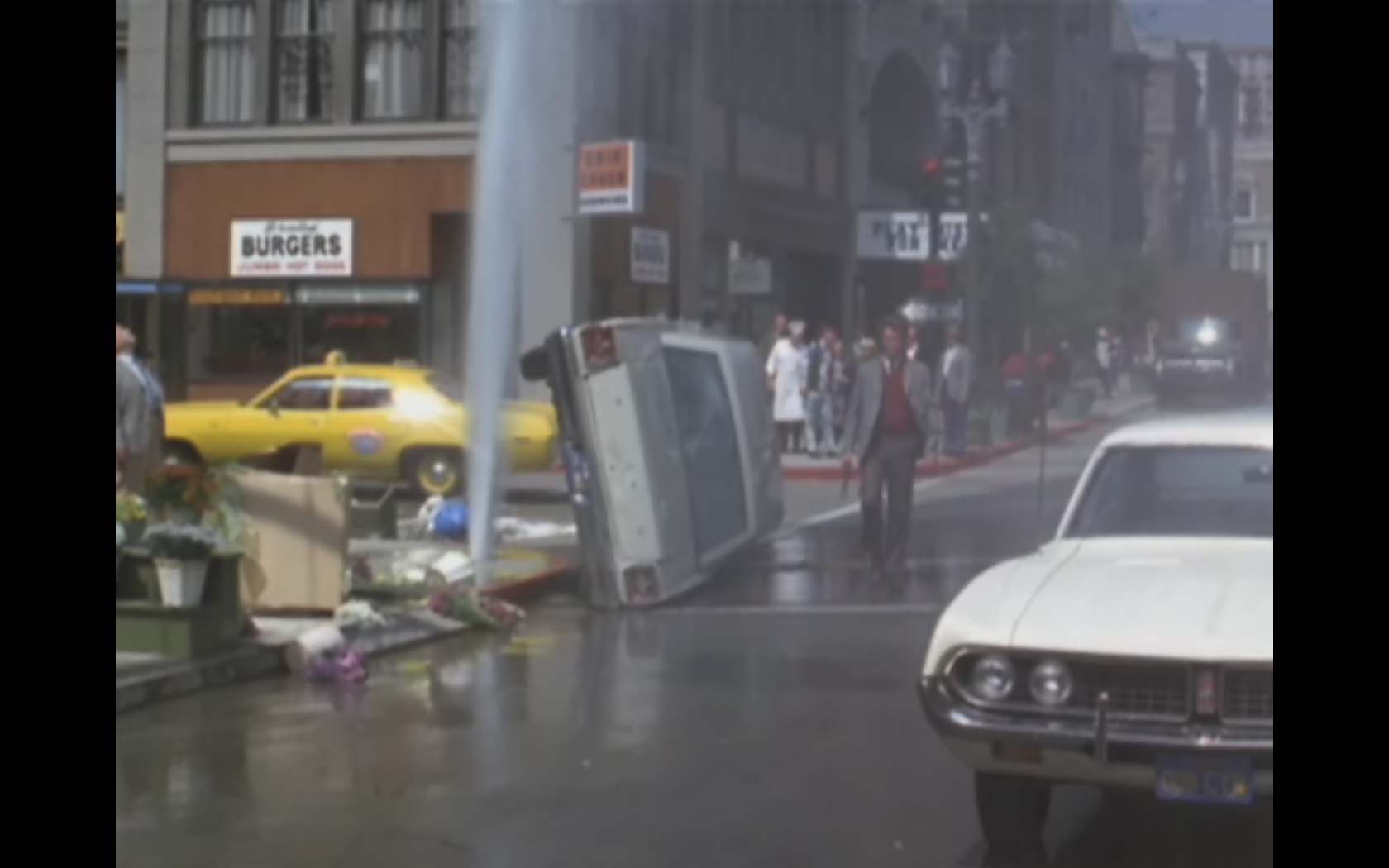
Review: While it’s unfortunate, as many reviewers have pointed out, that Harry’s superiors are painted as such one-dimensional nincompoops, and that his nemesis, “Scorpio”, is basically a distillation of every right-winger’s nightmare (longish hair, indeterminate sexuality, an ironic peace symbol on his buckle), ultimately Dirty Harry should be seen and enjoyed as simply a well-crafted cat-and-mouse police procedural. To this end, director Don Siegel makes excellent use of diverse San Francisco locales, and infuses his action scenes with a nice blend of tension and humor. My favorite early vignette has Harry pulled off the street to help talk a suicidal man down from a rooftop; his ability to do so within the space of five minutes, then walk away without being shown much gratitude, goes a long way towards establishing Harry as the independent, under-valued “doer” he remains throughout the rest of the film. “Dirty Harry”, indeed: “every dirty job that comes along” does seem to be his for the taking. Redeeming Qualities and Moments:
Must See? Categories
(Listed in 1001 Movies You Must See Before You Die) Links: |
“You felt reborn: after all your agony, life was beginning anew.”
|
Synopsis: |
|
Genres, Themes, Actors, and Directors:
Review: Redeeming Qualities and Moments:
Must See? Categories
Links: |
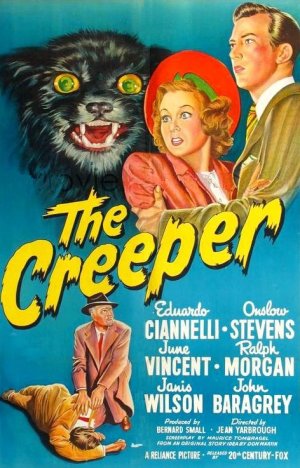
“There was blood — the old man’s blood — on her hands, under her nails.”
|
Synopsis: |
|
Genres, Themes, Actors, and Directors:
Review:
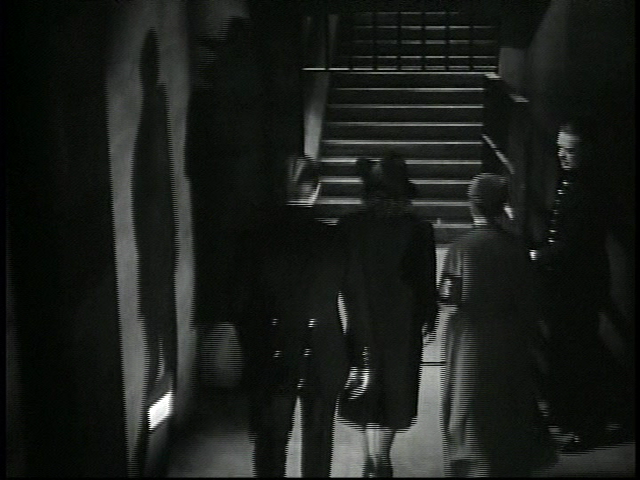
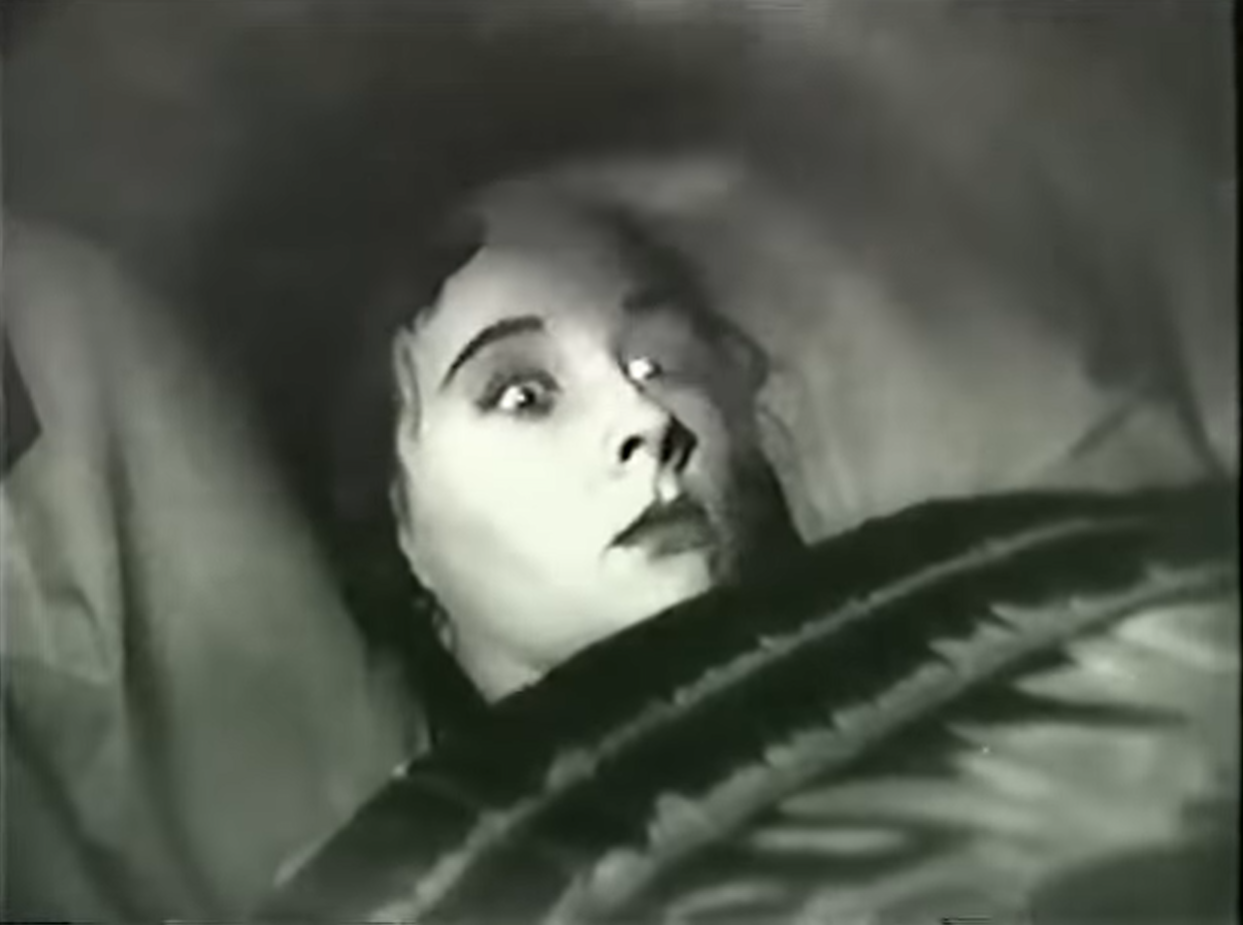
Director Jean Yarbrough and cinematographer George Robinson do manage to effectively employ shadows in their atmospheric camerawork — but ultimately they can’t lift this silly film above its nonsensical and uninteresting script. Redeeming Qualities and Moments:
Must See? Links: |