Last Metro, The (1980)
“It takes two to love, as it takes two to hate.”
|
Synopsis: |
|
Genres, Themes, Actors, and Directors:
Review:
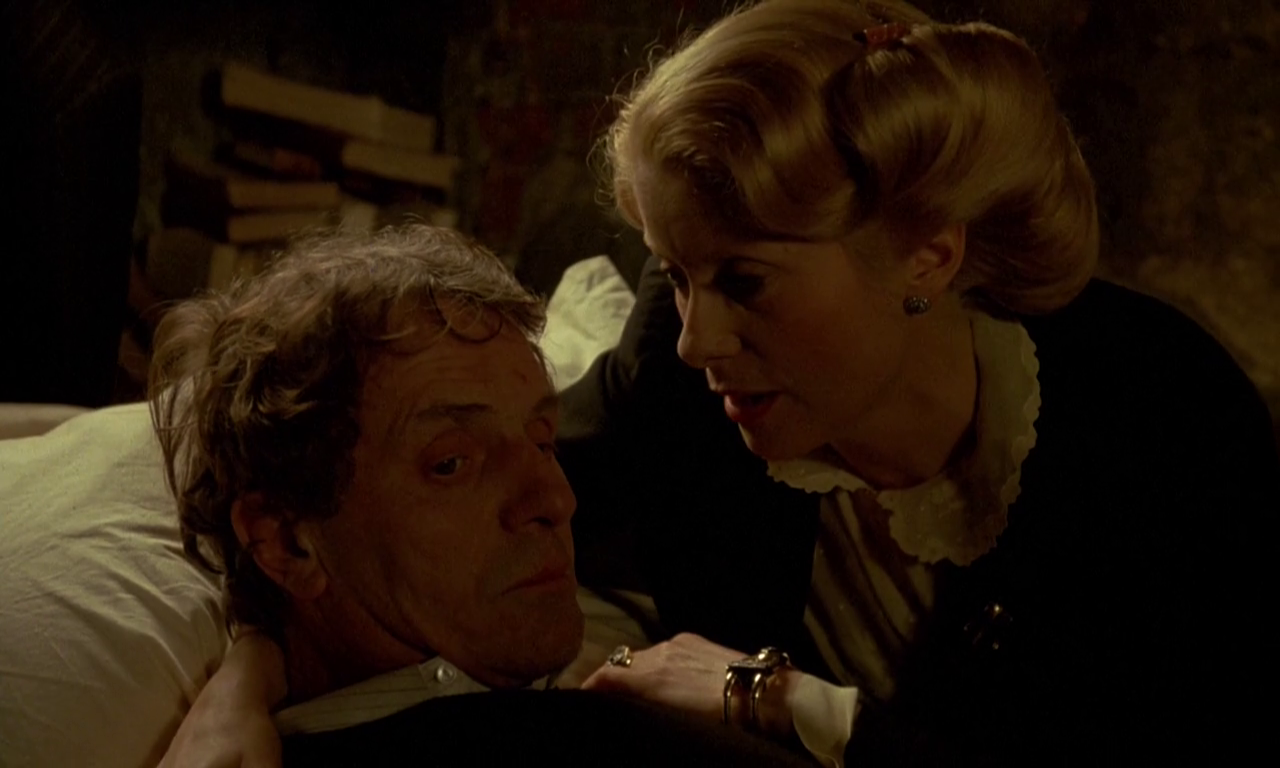
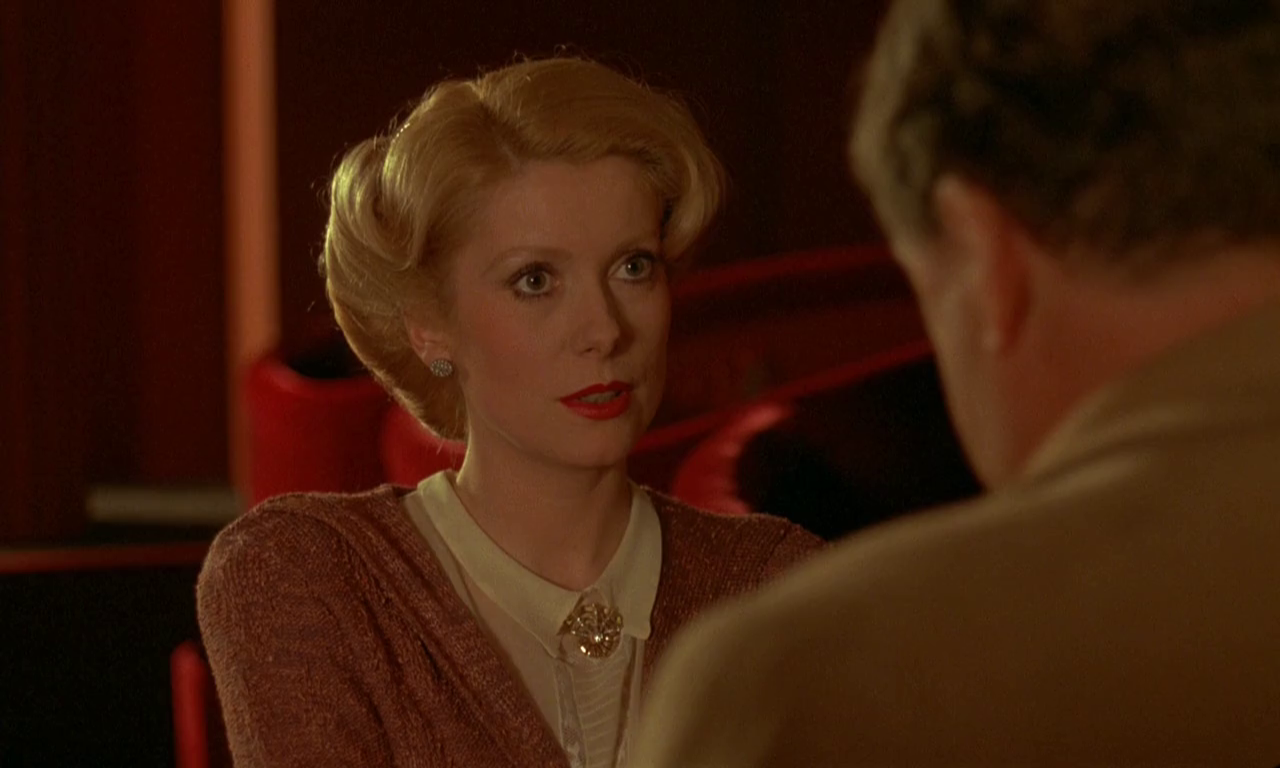
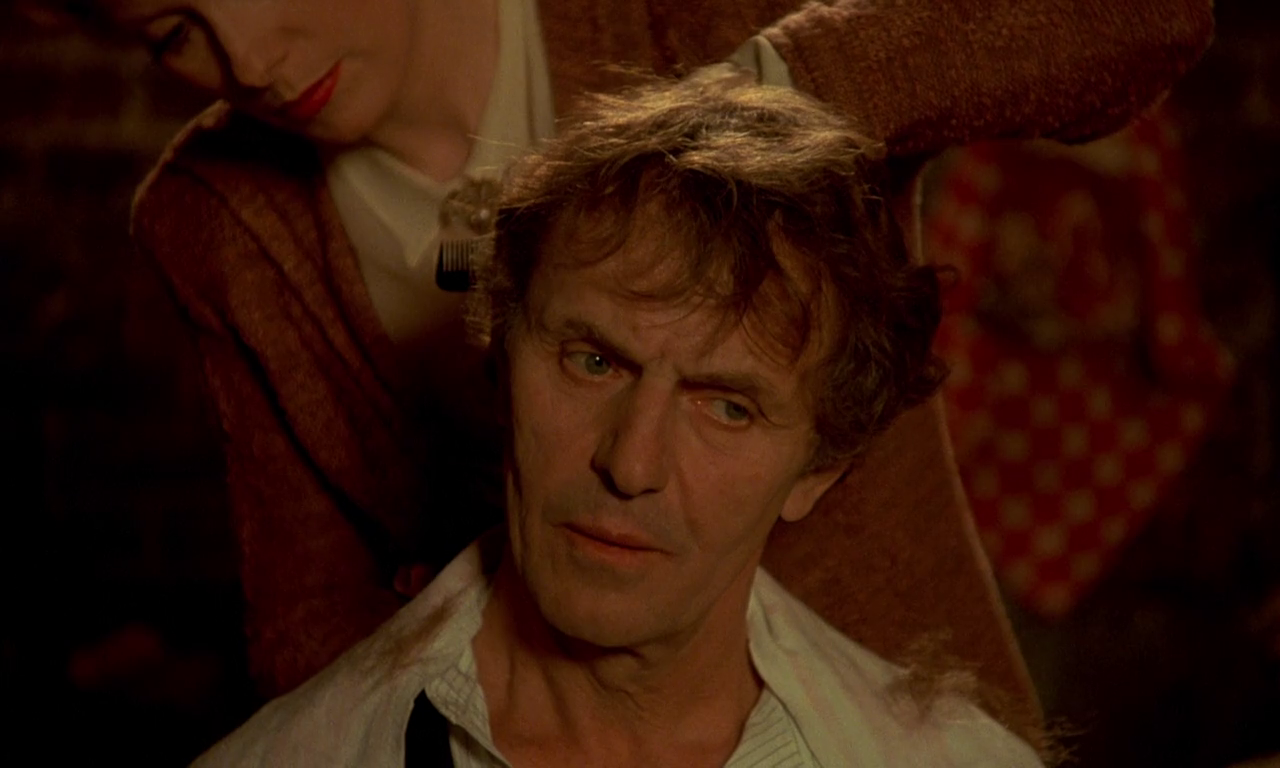
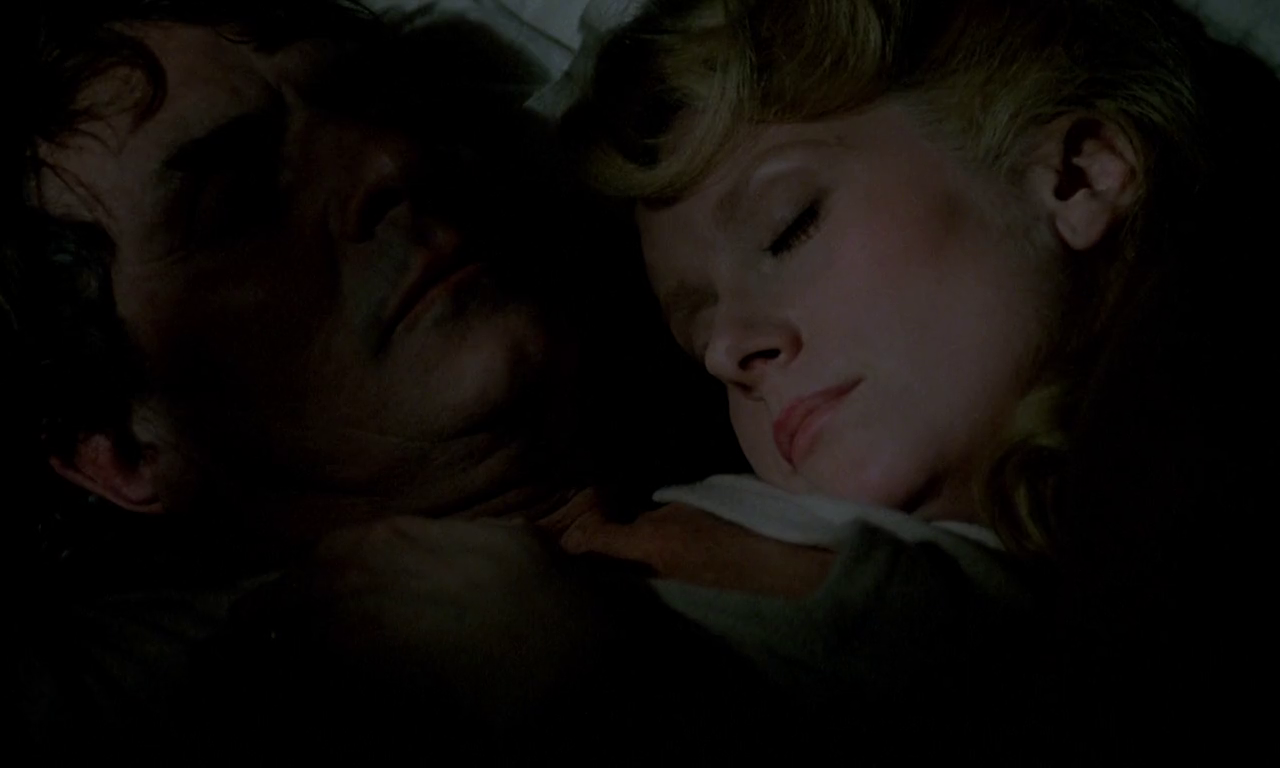
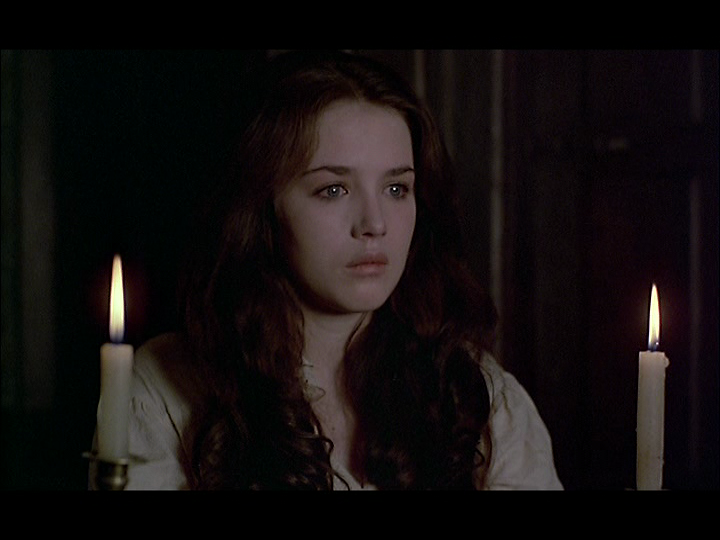
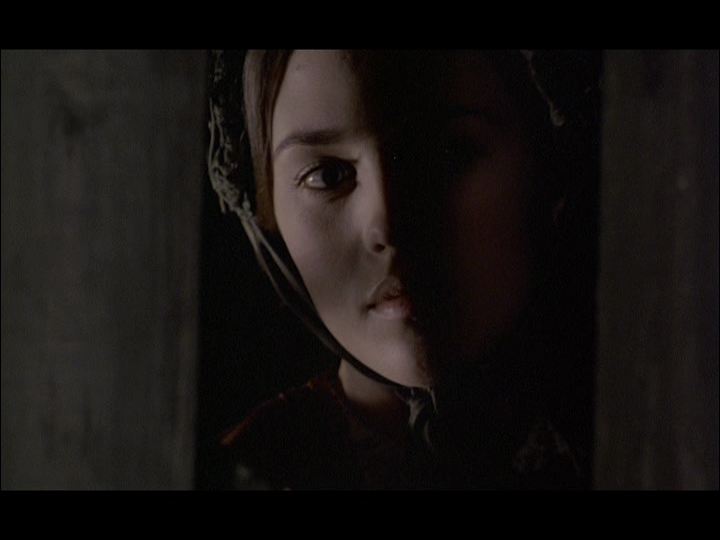
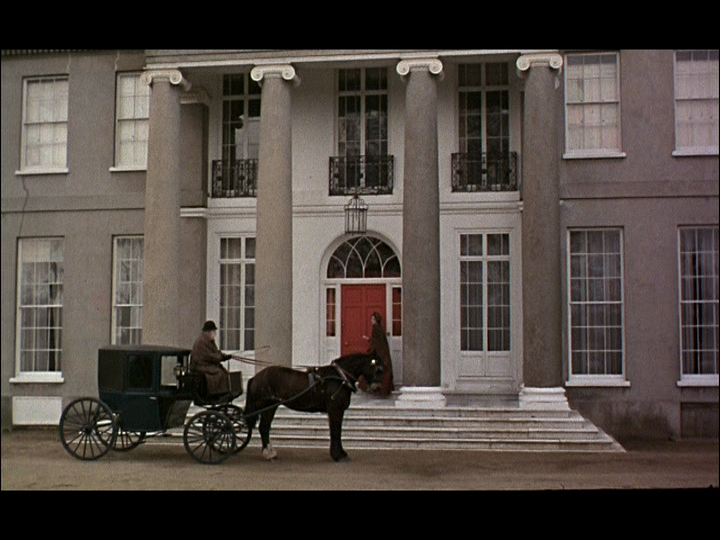
It was enormously popular with both American and French audiences upon its release, and was nominated for an Oscar as Best Foreign Film of the Year, but ultimately hasn’t held up all that well as a compelling tale of wartime occupation. Since so many other films have covered (and continue to cover) this devastating period in world history, one’s expectations can’t help but be raised — so to see Truffaut presenting the material in such a sanitized light is somewhat disturbing; as Time Out’s acerbic capsule review puts it, “Playing for cute nostalgia, Truffaut lets the realities go to hell.” According to an interview with Truffaut cited in TCM’s article, he himself admitted that The Last Metro could be seen as representing “the theater and the Occupation [as] seen by a child”, which would explain why the life-and-death “danger” risked by Deneuve and Bennent on a daily basis never feels as threatening as it should, and why both characters are seen taking ridiculous risks time and again (i.e., Deneuve slips away to visit Bennent in the midst of a post-production party!!). With that said, Deneuve and Bennent’s underground relationship remains compelling throughout; we genuinely believe that this pair is deeply in love and would do what it takes to maintain contact — which is why a sudden romantic plot twist during the final half hour of the film makes absolutely no sense at all, and truly seems to come out of left field. (Some viewers claim to sense a sexual tension between the two individuals in question throughout the film, but I just can’t see it.) Fortunately, the film is at least a visual treat throughout, thanks to Nestor Almendros’ cinematography — but film fanatics needn’t consider this one of Truffaut’s “must see” titles. Redeeming Qualities and Moments:
Must See? (Listed in 1001 Movies You Must See Before You Die) Links: |