|
Genres, Themes, Actors, and Directors:
- Francois Truffaut Films
- French Films
- Gangsters
- Musicians
Response to Peary’s Review:
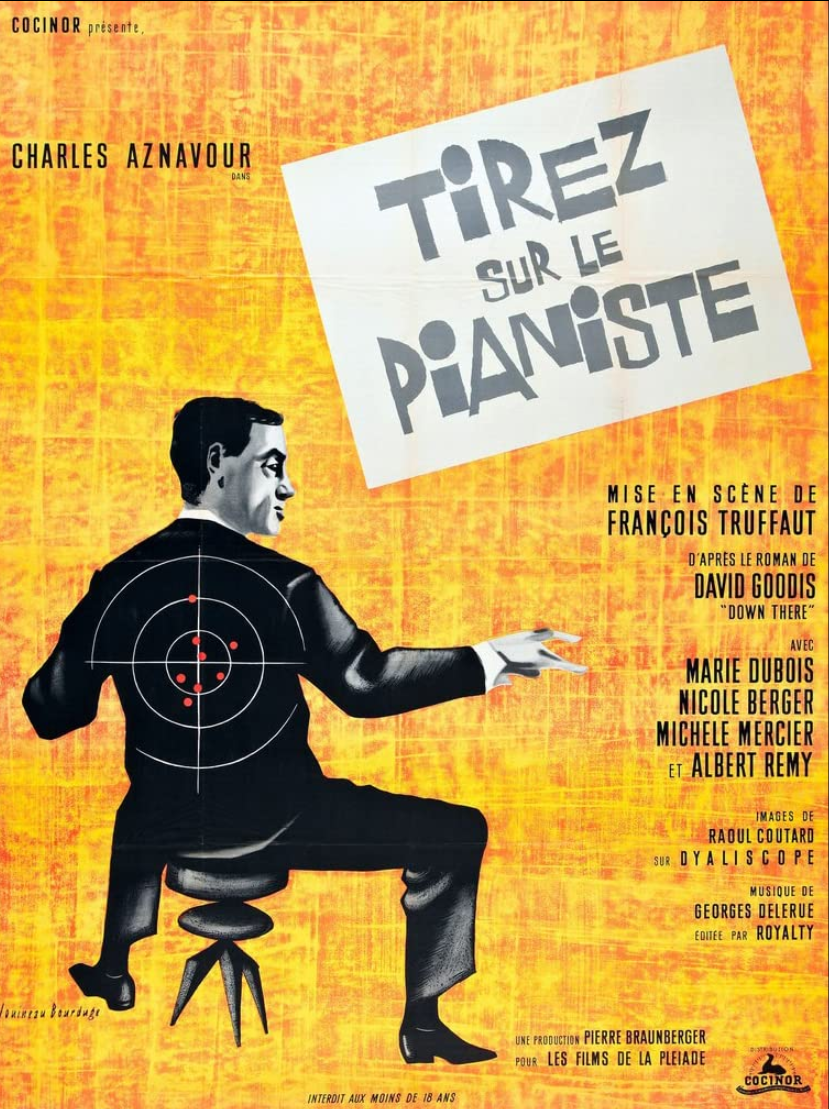
Peary is an enormous fan of this second feature by Francois Truffaut, which was adapted “from a melodramatic [American] crime novel” by David Goodis, and “borrow[s] from such diverse sources as American ‘B’ gangster pictures … [and] fatalistic noir films made in America and France.” He argues that “it is one of [Truffaut’s] finest achievements, a picture that still seems excitingly original”, “still deeply affects the true movie lover”, and is “full of unforgettable moments”. He claims that “no film better juxtaposes comedy and dark tragedy”, and that “no film is more romantic” despite making “a strong case for not falling in love”.
While I’m not sure I would agree with Peary that NO other film does any of these things better (!), his overall sentiment is well-taken — and it’s true that this remains one of Truffaut’s most cinematically innovative and provocative films. In his insightful analysis of the film’s thematic arc, Peary notes:
“In one sense the film is a comical look at a timid man trying to sneak through life in a loud, dangerous world and, if he can muster up the courage, buy a drink for or hold hands with a pretty girl… But on a sadder level it’s about the destructiveness of love, how men treat women as sexual objects, how men’s actions contradict their thoughts, and… how the continuous passivity of men like Aznavour can keep them ‘alive’ but result in [death all around them].”
Adding to the film’s enduring enjoyment is Aznavour’s “oddly moving performance” in the title role; an enormously popular French singer in real life, here he plays a “meek pianist who works in a bar”, a former “successful concert pianist” who has “withdrawn into anonymity” after the suicide of his wife (Nicole Berger). While nursing his considerable emotional wounds, he’s faced with life-threatening trouble on the homefront, given that “gangsters [are] trying to get revenge on [his] two adult brothers for double-crossing them after a robbery”. He gains temporary comfort from a friendly neighborhood hooker (Michele Mercier), and attempts a tentative romance with barmaid Marie Dubois (lovely in her first credited film debut) — but it’s clear that more trouble than joy is in store for our “timid” protagonist, whose desire for a life of simple contentment continues to elude him.
Note: Peary gives away major spoilers in his review, so be forewarned.
Redeeming Qualities and Moments:
- Charles Aznavour as “Charlie”
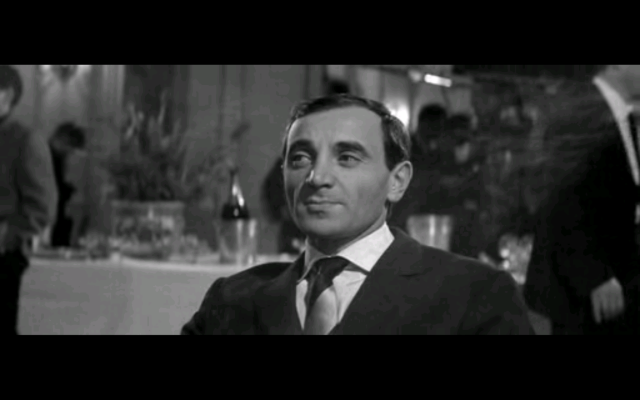
- Marie Dubois as Lena
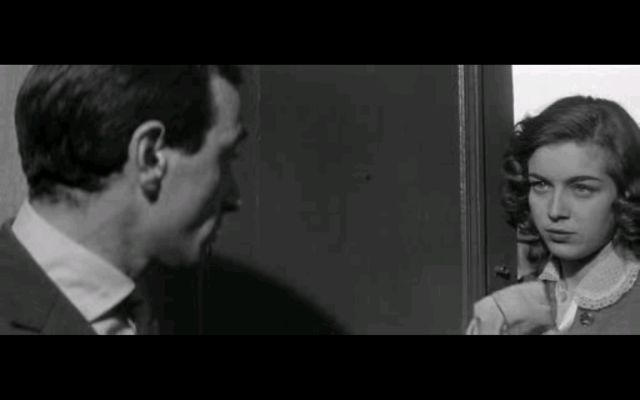
- Creative direction

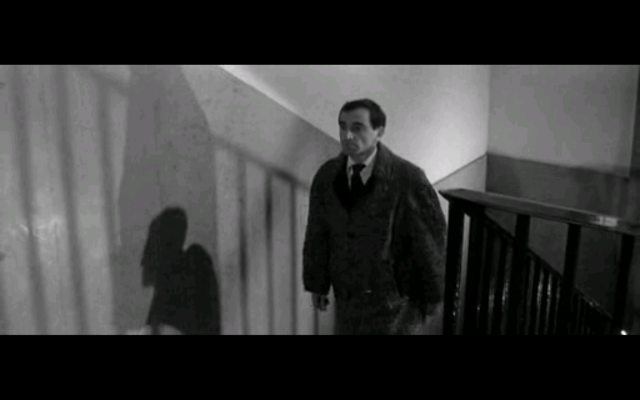
- Raoul Coutard’s cinematography
Must See?
Yes, as one of Truffaut’s most celebrated films.
(Listed in 1001 Movies You Must See Before You Die)
Categories
- Genuine Classic
- Historically Relevant
- Important Director
Links:
|