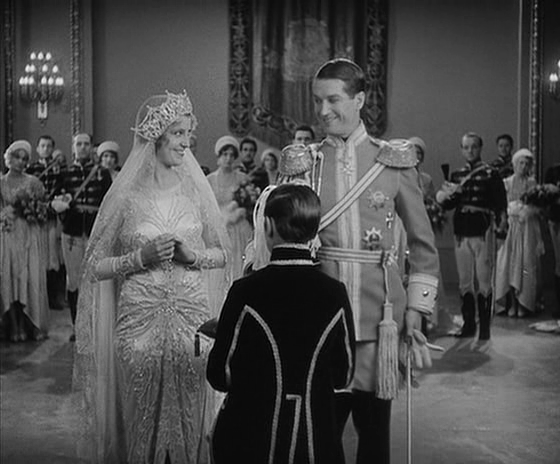
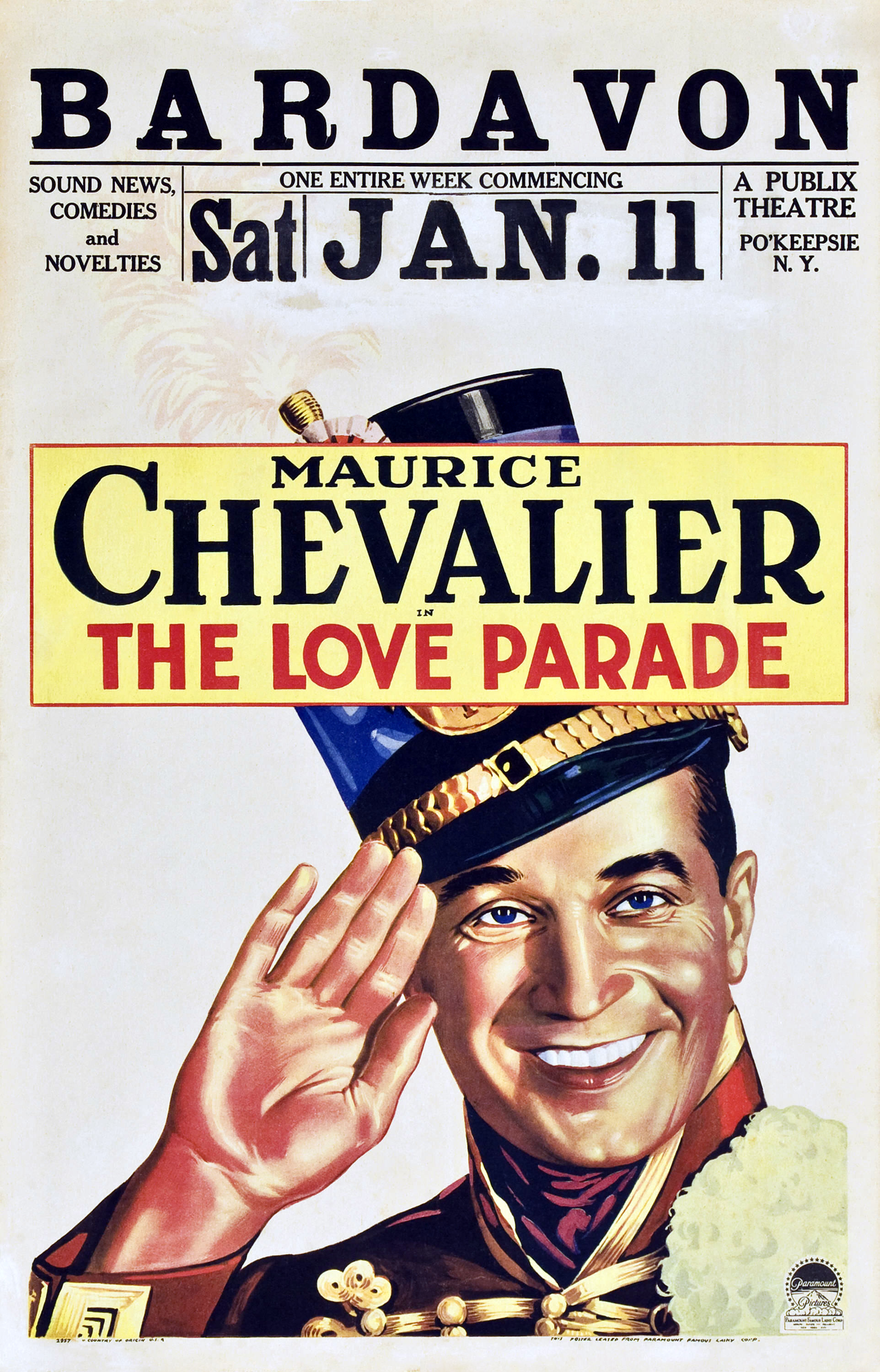
Love Parade (1929)
“I pronounce you wife and man.”
“When a man pities his rival, he’s preparing to pity himself.”
|
Synopsis: |
|
Genres, Themes, Actors, and Directors:
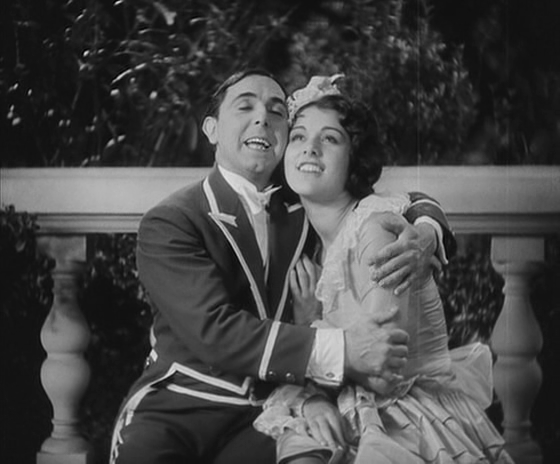
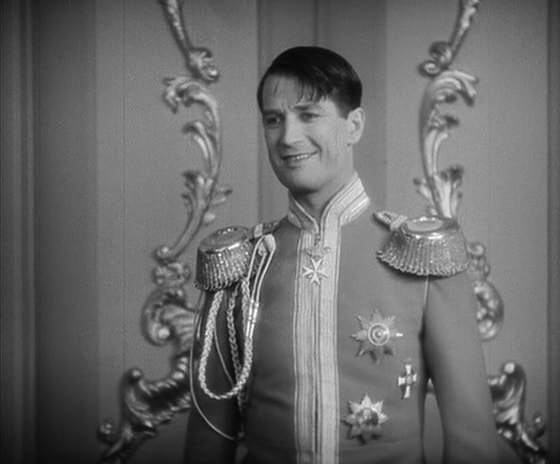
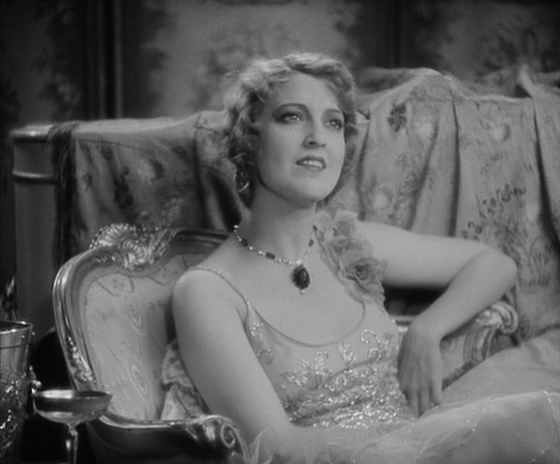
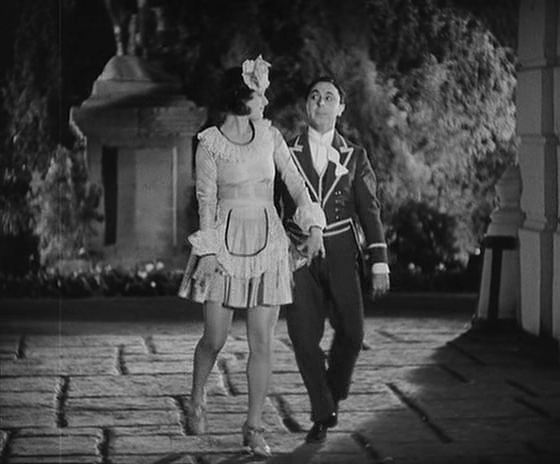
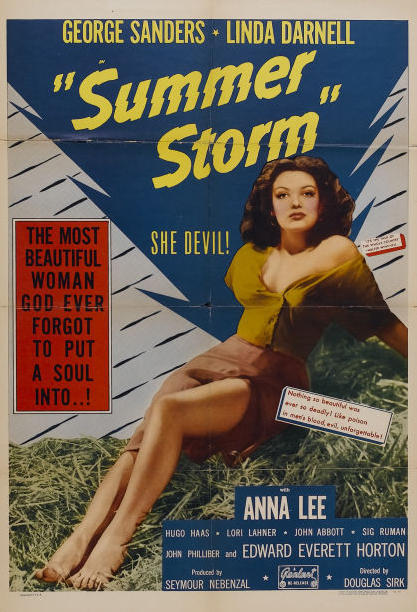
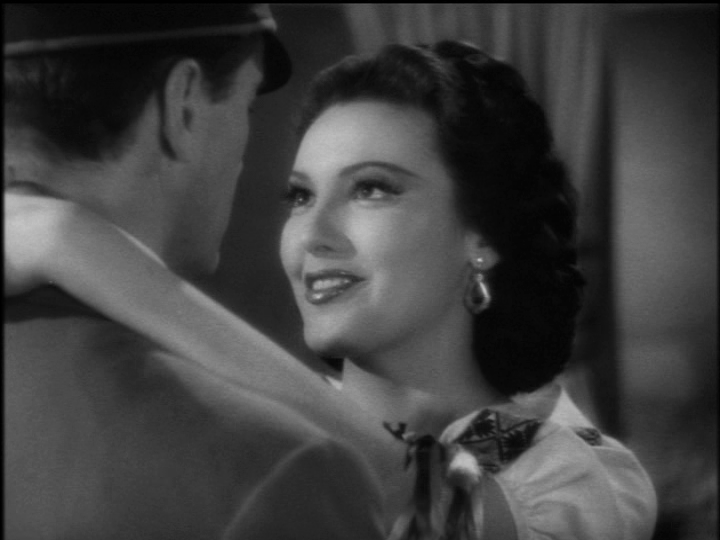
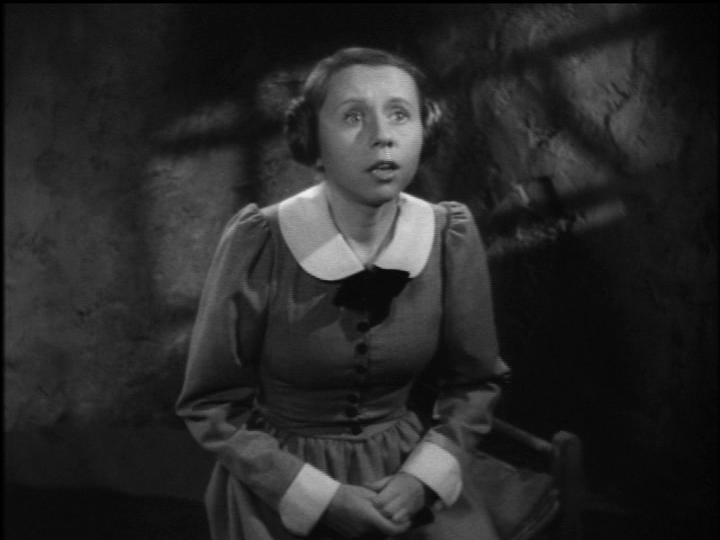
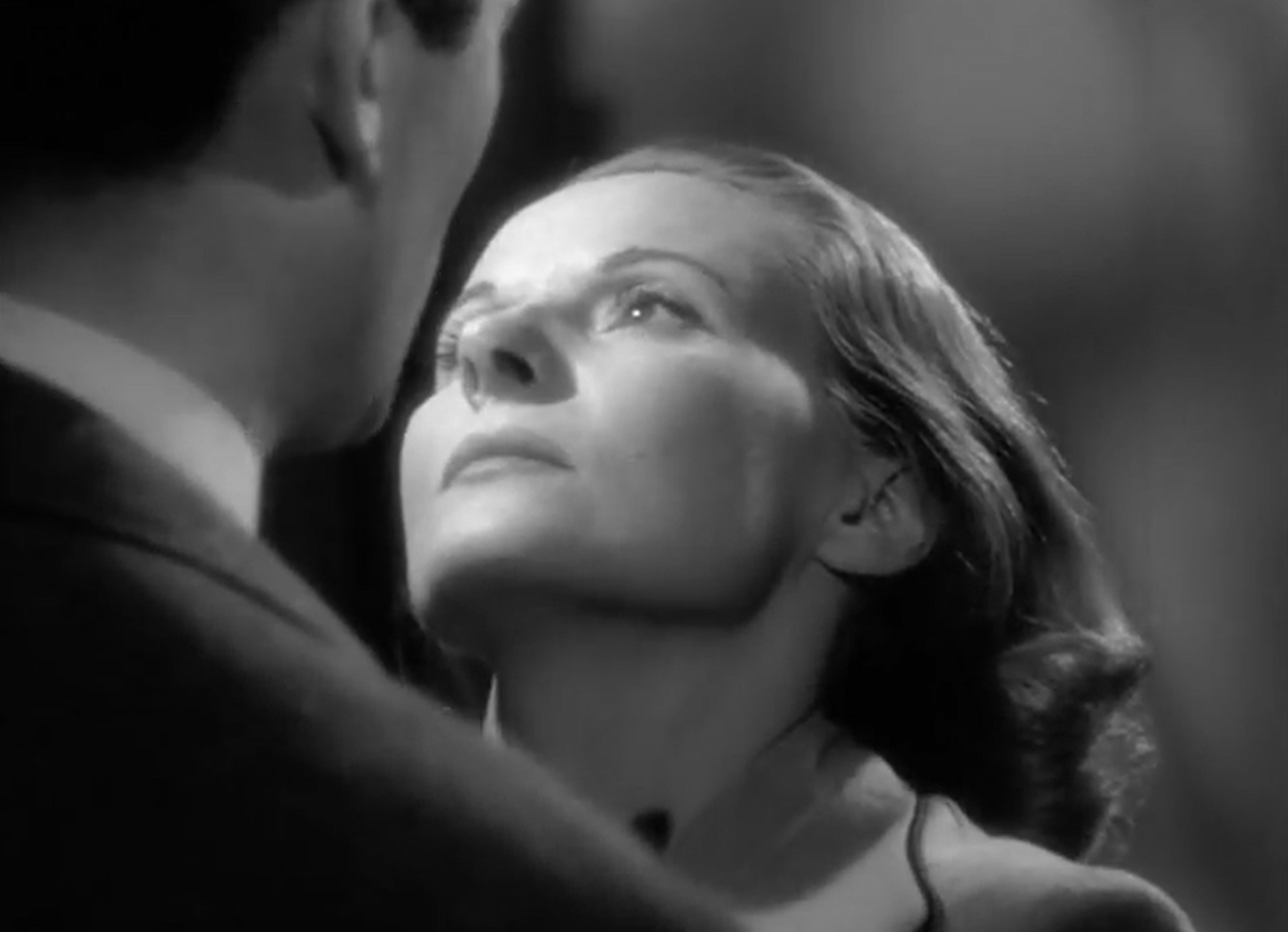
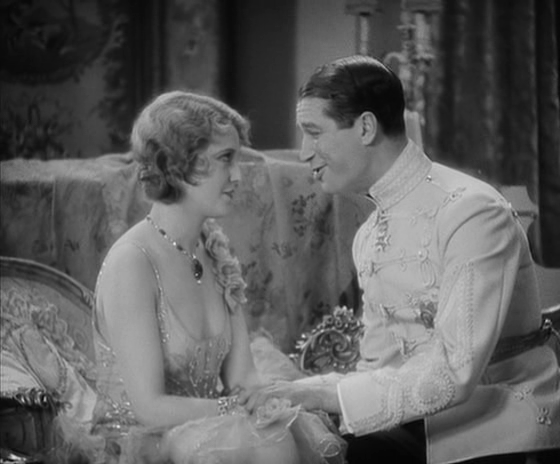
Review: Sanders is typecast in a somewhat serious role as a judge who falls head-over-heels for Darnell’s Olga; their romance isn’t particularly convincing either — though we’re meant to simply accept that Olga is such an intoxicatingly smoldering beauty she can’t help igniting the passions of all men around her. Other than the rather pedestrian “suspense” surrounding Darnell’s social-climbing romantic aspirations (and an unexpected plot twist in the final half-hour), the film’s narrative tensions derive primarily from sticky class relations; indeed, the original story’s timeline was moved up a few decades to heighten the fact that Horton and Sanders’ sense of entitlement would not last long in the face of an increasingly disenchanted proletariat. Watch for a memorable supporting performance by Laurie Lane (Lori Lahner) as a maid with a crush on Sanders. Redeeming Qualities and Moments: Must See? Links: |
“An innocent man has nothing to fear — remember that.”
|
Synopsis: |
|
Genres, Themes, Actors, and Directors:
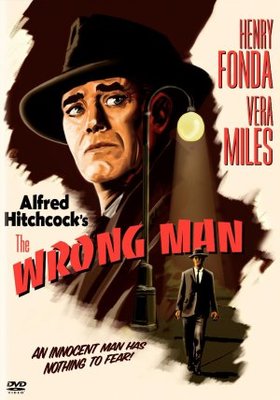
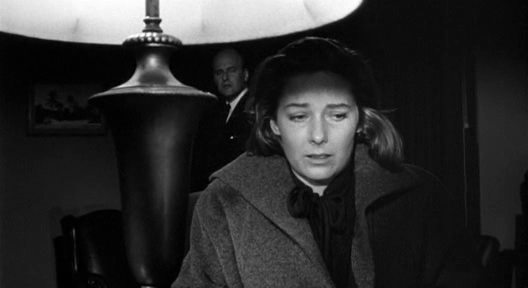
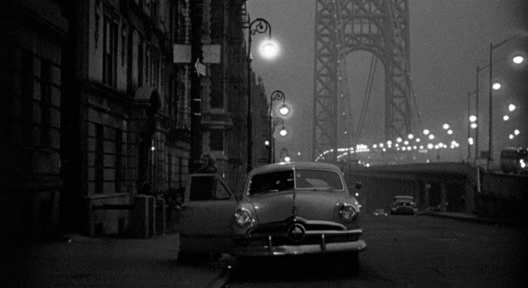
Response to Peary’s Review: Fonda is well-cast in the title role; he’s the ideal “everyman”, an “initially dull Hitchcockian hero whose every minute is planned out and whose life doesn’t vary at all from day to day” — and a rare Hitchcockian protagonist “without any sense of humor” whatsoever. Miles provides a nuanced, sensitive portrayal as his increasingly disturbed wife, and the supporting performances throughout the film — many by seemingly unknown actors — are finely rendered; note, for instance, the utter believability of the three terrified women in the Social Security office who initially accuse Fonda’s character. Meanwhile, Robert Burks’s stark cinematography perfectly captures the nightmarish noir milieu within which Fonda and his family find themselves, and fine use is made of authentic New York City locales. With all that said, I must now admit to postponing my revisit of this highly regarded Hitchcock title for as long as possible; as DVD Savant puts it, “There’s nothing wrong with this picture except that it breaks Hitchcock’s primary rule – it doesn’t please the audience.” Hitchcock’s fidelity to the real-life story he was telling results in an oddly depressing and disturbing viewing experience; while The Wrong Man is undeniably a masterful film on many levels, it’s one which most film fanatics will probably want to consider a “once and done” title. At the very least, any viewer will come away with a heightened understanding of the importance of never, ever providing information to the police without first consulting a lawyer; Fonda’s best intentions here (giving lie to the oft-repeated quote that “an innocent man has nothing to fear”) do nothing but get him even deeper into trouble. Redeeming Qualities and Moments:
Must See? Categories
(Listed in 1001 Movies You Must See Before You Die) Links: |
“I may not be the cleverest woman in the world, and there are lots of things I don’t know, but there’s one thing I know better than anyone else: I know you.”
|
Synopsis: |
|
Genres, Themes, Actors, and Directors:
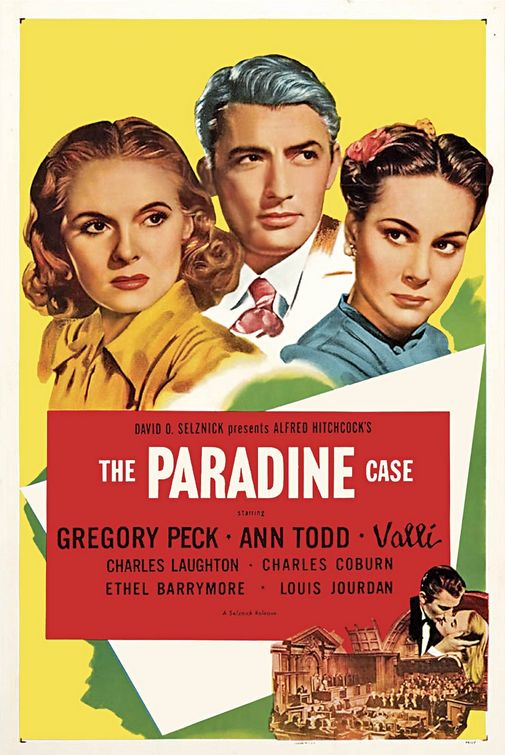
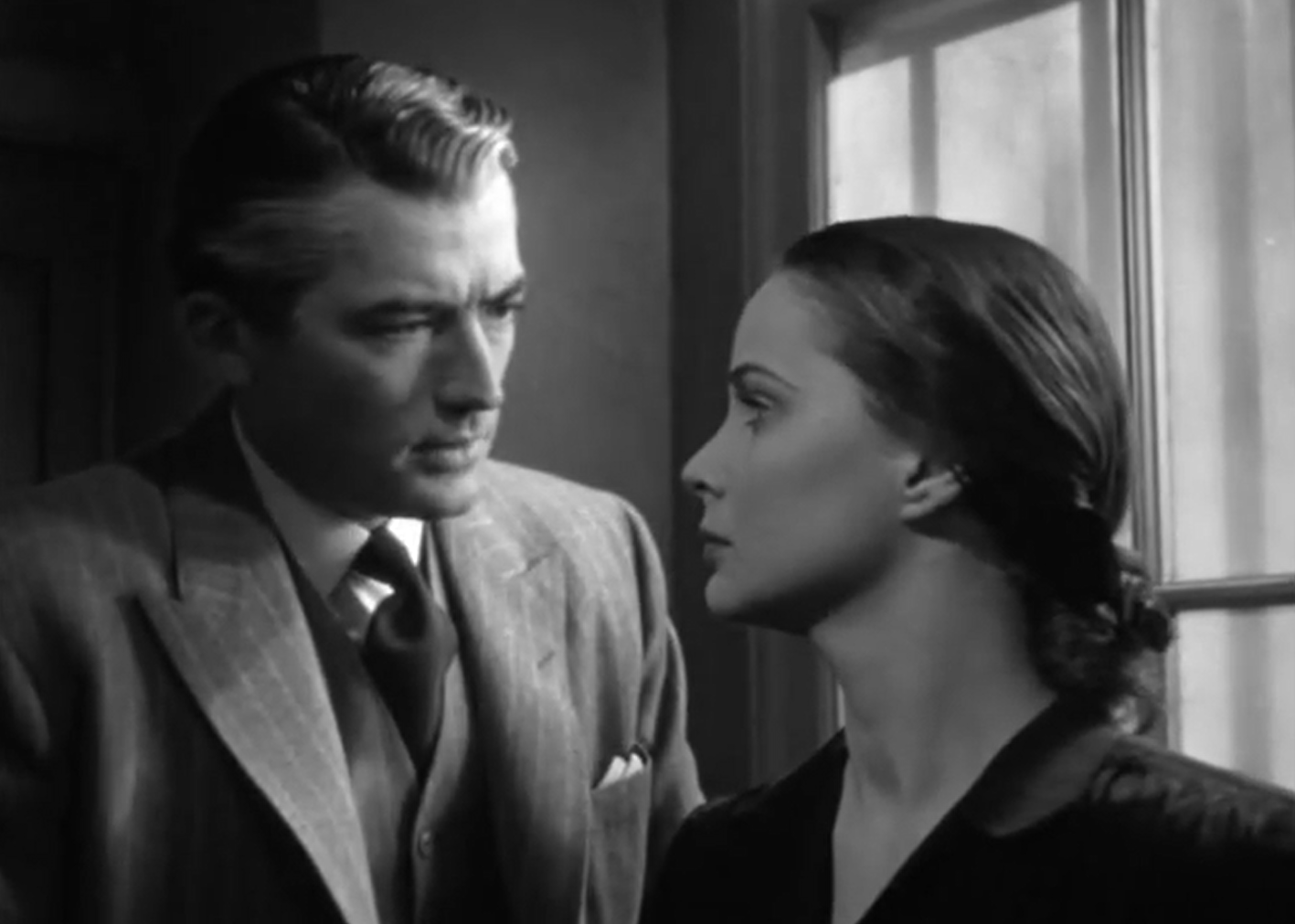
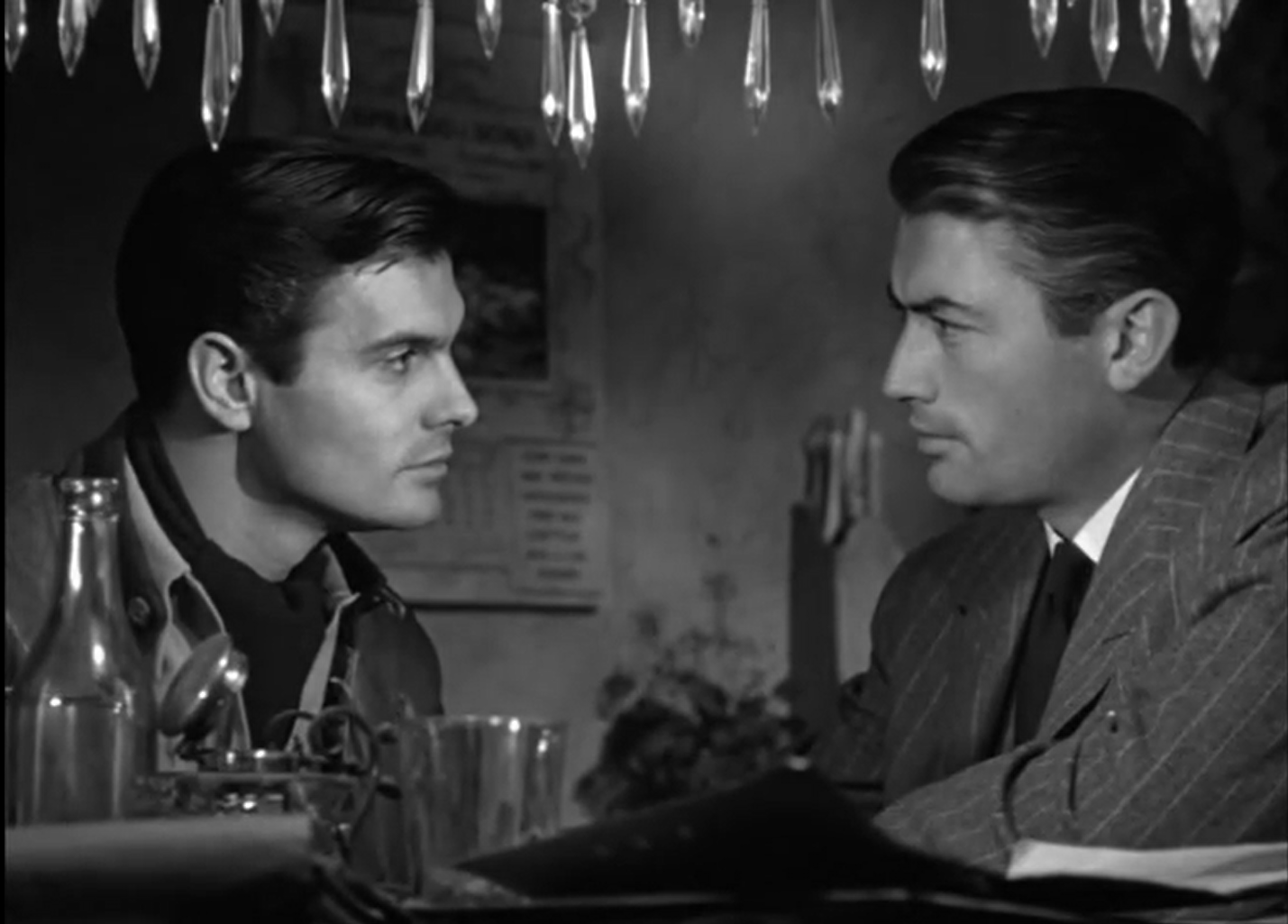
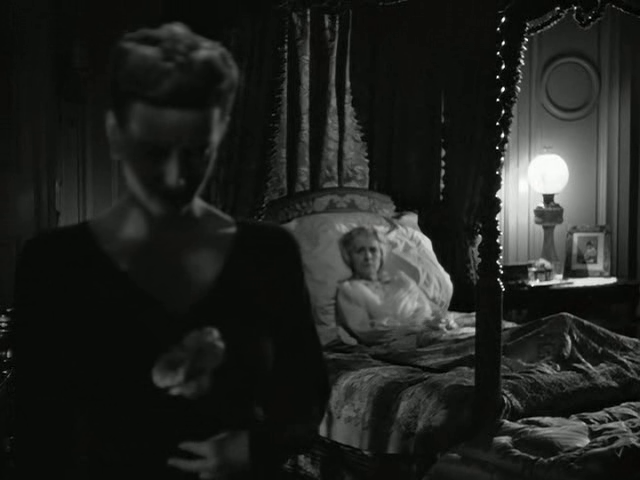
Review: Meanwhile, we’re simply exasperated by Todd’s overly compassionate approach to the “situation” she finds herself in; would any wife REALLY be quite that understanding and forgiving upon hearing her husband confess that he’s in love with another woman? Another facet of the problem may lie in the fact that the film was drastically cut (it originally ran three hours), so certain elements are necessarily given short shrift; Charles Laughton as the lecherous judge overseeing the case, for instance, presents as simply a cameo: while his interactions with his highly sensitive wife (Ethel Barrymore) seem to belong to another movie entirely. Louis Jordan does a fine job playing the valet accused by Peck of murdering Valli’s blind husband — but his critical role, too, seems to merit further expansion. Ultimately, one watches The Paradine Case from a state of odd detachment, mildly curious to learn the truth behind the murder mystery, but sadly uninvolved on an emotional level. Redeeming Qualities and Moments: Must See? Links: |
“We’ve become a race of Peeping Toms. What people ought to do is get outside their own house and look in for a change.”
|
Synopsis: |
|
Genres, Themes, Actors, and Directors:
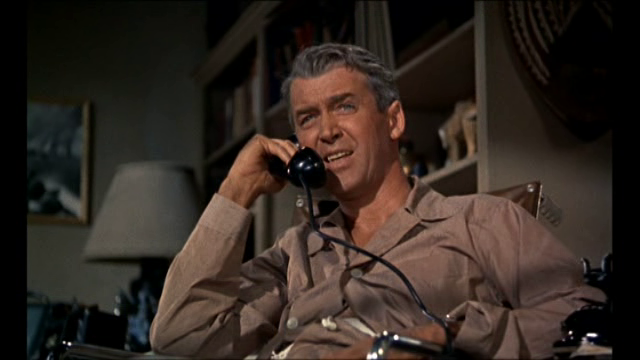
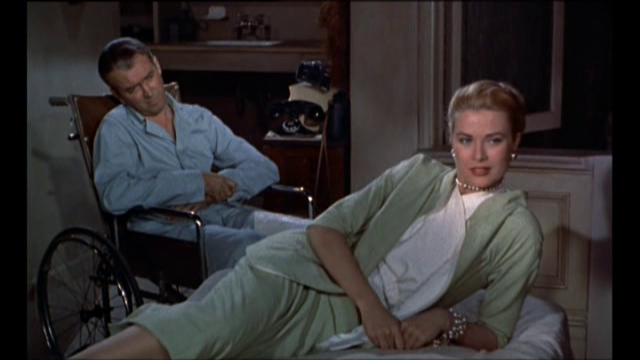
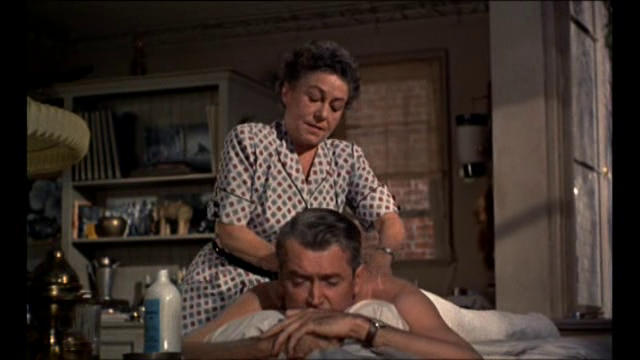
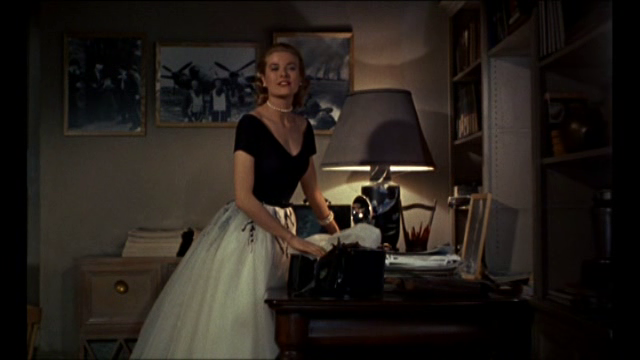
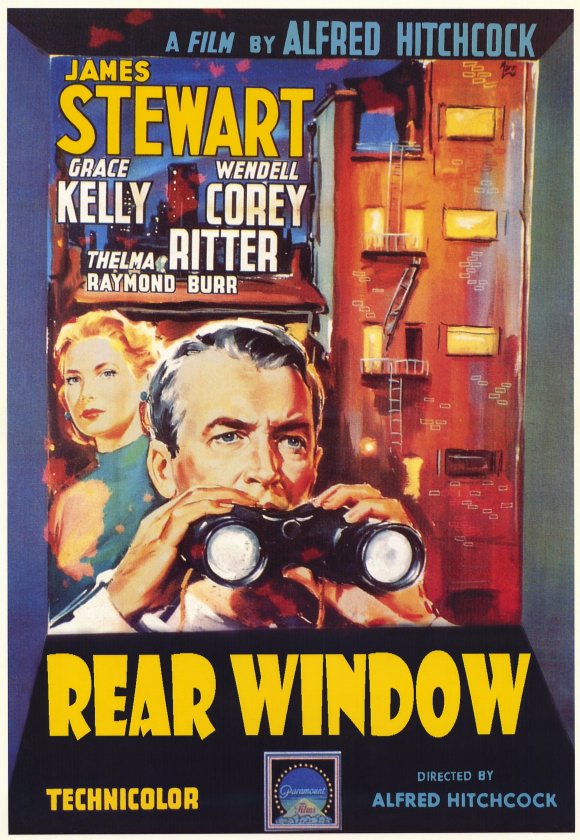
Response to Peary’s Review: As Peary notes, a “related and equally important theme (central to most Hitchcock films) is that even the most [seemingly] predictable people are capable of doing wildly unpredictable things” — demonstrated by the fact that “Kelly, who’s the type to fret over a broken fingernail, can be gallant enough to climb up a railing into a murderer’s apartment”. Speaking of Kelly, she’s not only as gorgeous as ever here (wearing “Edith Head’s lavish, sexy costumes”), but, as noted by Vincent Canby in his NY Times review of the film for its 1983 re-release, gives “probably her most successful performance, one in which the facts of her public personality and the fiction of the film become marvelously mixed”. We are actually able to have some fun with her notorious ice-princess persona, since it’s called out time and again by Stewart. Ultimately, Kelly’s impossible beauty and charm (could she BE any more perfect?) simply serve to heighten the fact that Stewart is scared to death of marital commitment (as wryly evidenced by his silently judgmental observations of various married couples in apartments across the way). As noted by Gary Mairs in his review of the film for Culture Vulture, “he fears domestication… and the stories he watches in his neighbors’ windows come to resemble projections of all his worst connubial fantasies”. To that end, Mairs picks up on the Peeping Tom theme once again by arguing that Stewart’s “desire to watch overwhelms his desire for [Kelly], and he only really becomes aroused when she joins him in peeping.” Speaking of such matters, Hitchcock and screenwriter John Michael Hayes get away with an astonishing amount of sexual subtext for the times — most notably in Kelly’s brazen assertion that she’ll be spending the night in Stewart’s apartment, followed by pulling out and donning a sexy negligee; as Jonathan Rosenbaum points out in his analysis of the film, “one suspects the censors were placated only because Jeff’s plaster cast made sex between him and Lisa seem unlikely.” Any discussion of Rear Window‘s multiple merits as a cinematic masterpiece would be incomplete without mentioning its sheer technical bravado. Hitchcock was clearly at the top of his game when planning and executing his vision for the film, given his consistently innovative approach to the material. Collaborating with DP Robert Burks — and given a truly impressive set to work with (possessing no less than 31 apartments!) — Hitchcock tells nearly the entire story from a camera “situated in the living room of [Stewart]… so we sense how trapped he feels while stuck in his apartment”. Until Stewart pulls out his camera’s zoom lens as makeshift binoculars, we’re restricted to the same limited view of his neighbors’ existence as he is; we’re never privy to anything more than what Stewart himself can see — which is what makes the finale so terrifying (though I won’t say more about that here, at risk of revealing spoilers). Redeeming Qualities and Moments:
Must See? Categories
(Listed in 1001 Movies You Must See Before You Die) Links: |
“We’re all freaks — so don’t try to steal the show!”
|
Synopsis: |
|
Genres, Themes, Actors, and Directors:
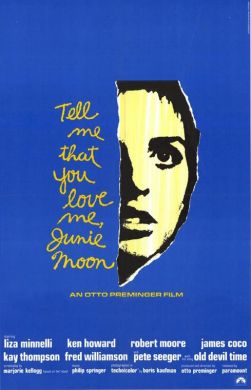
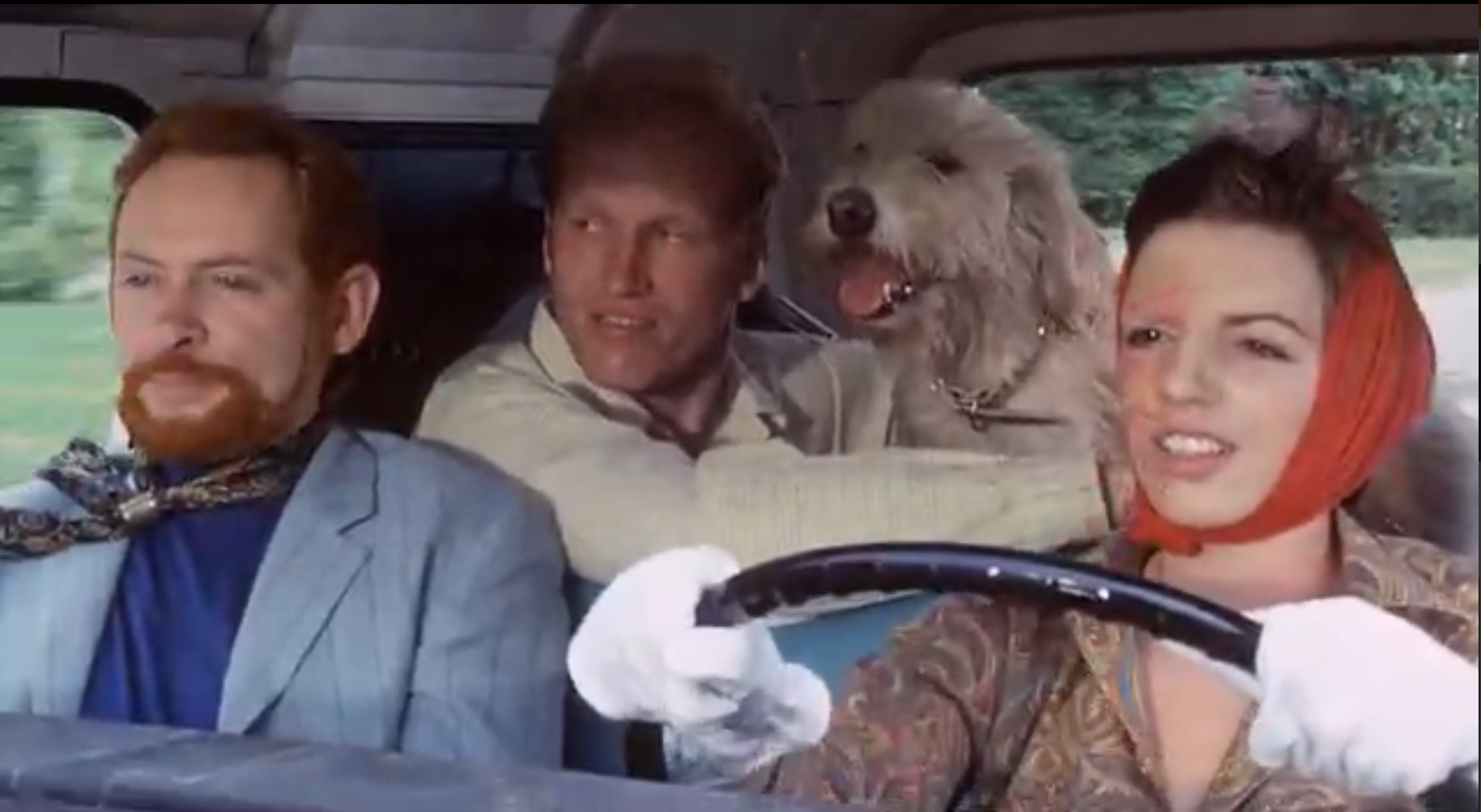
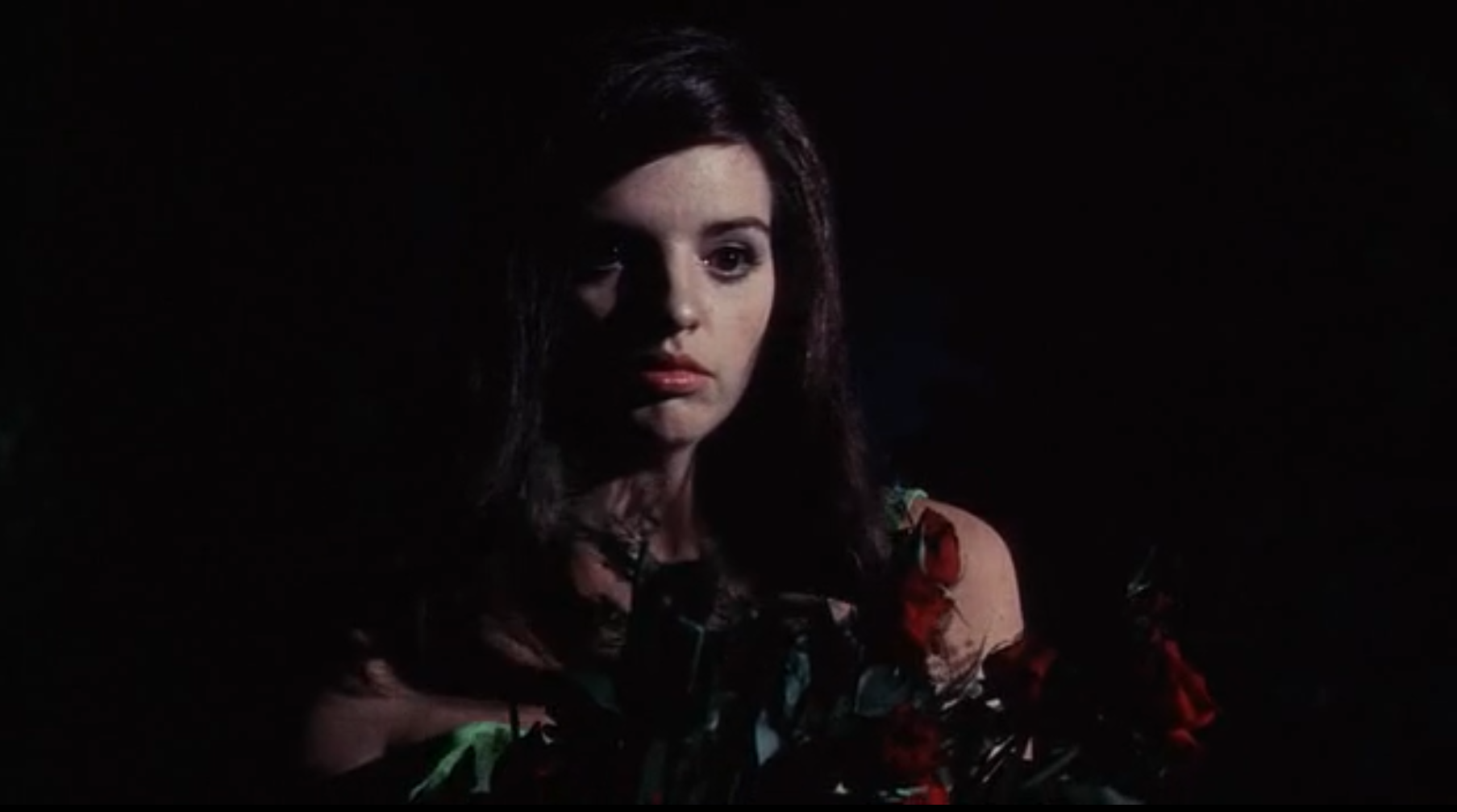
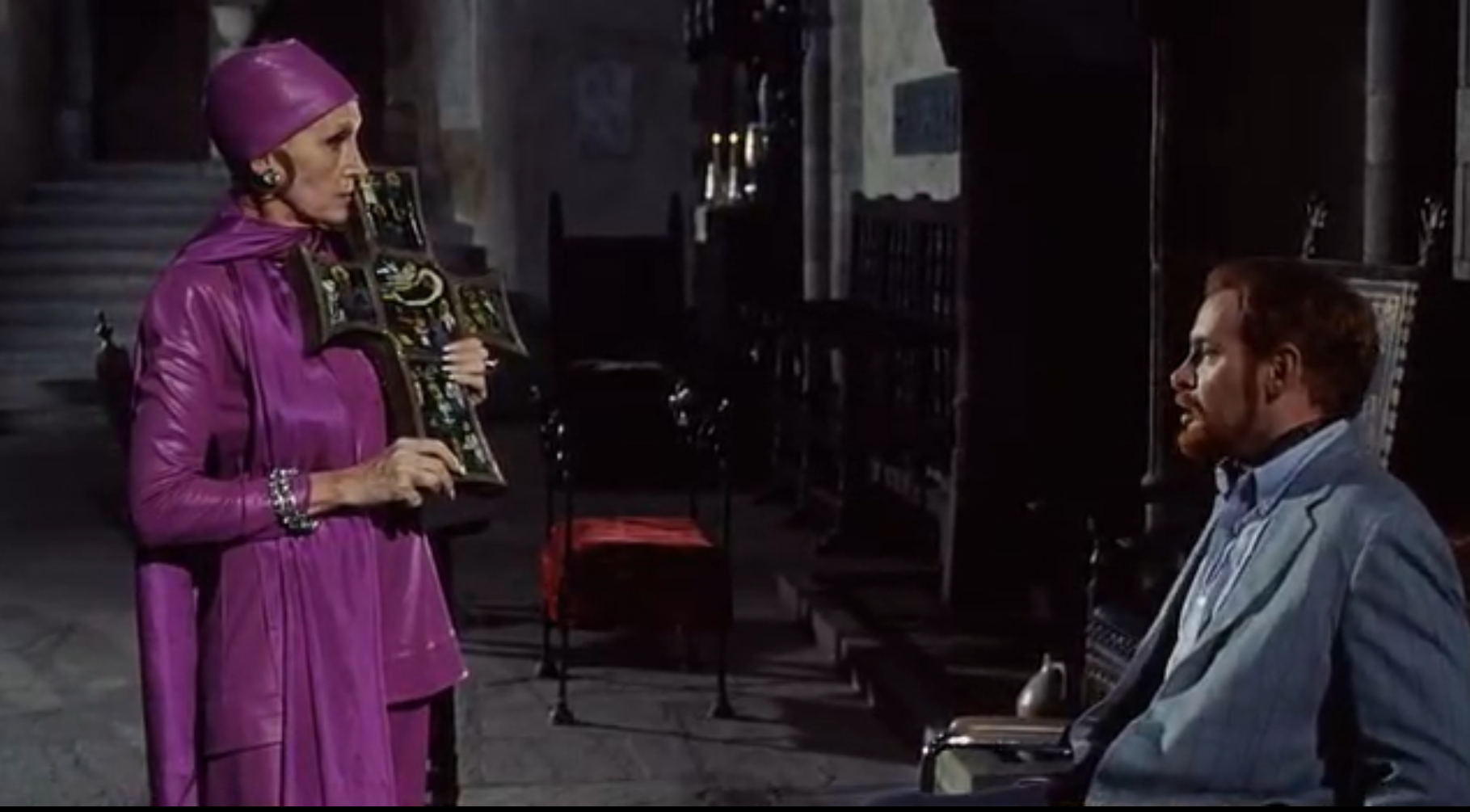
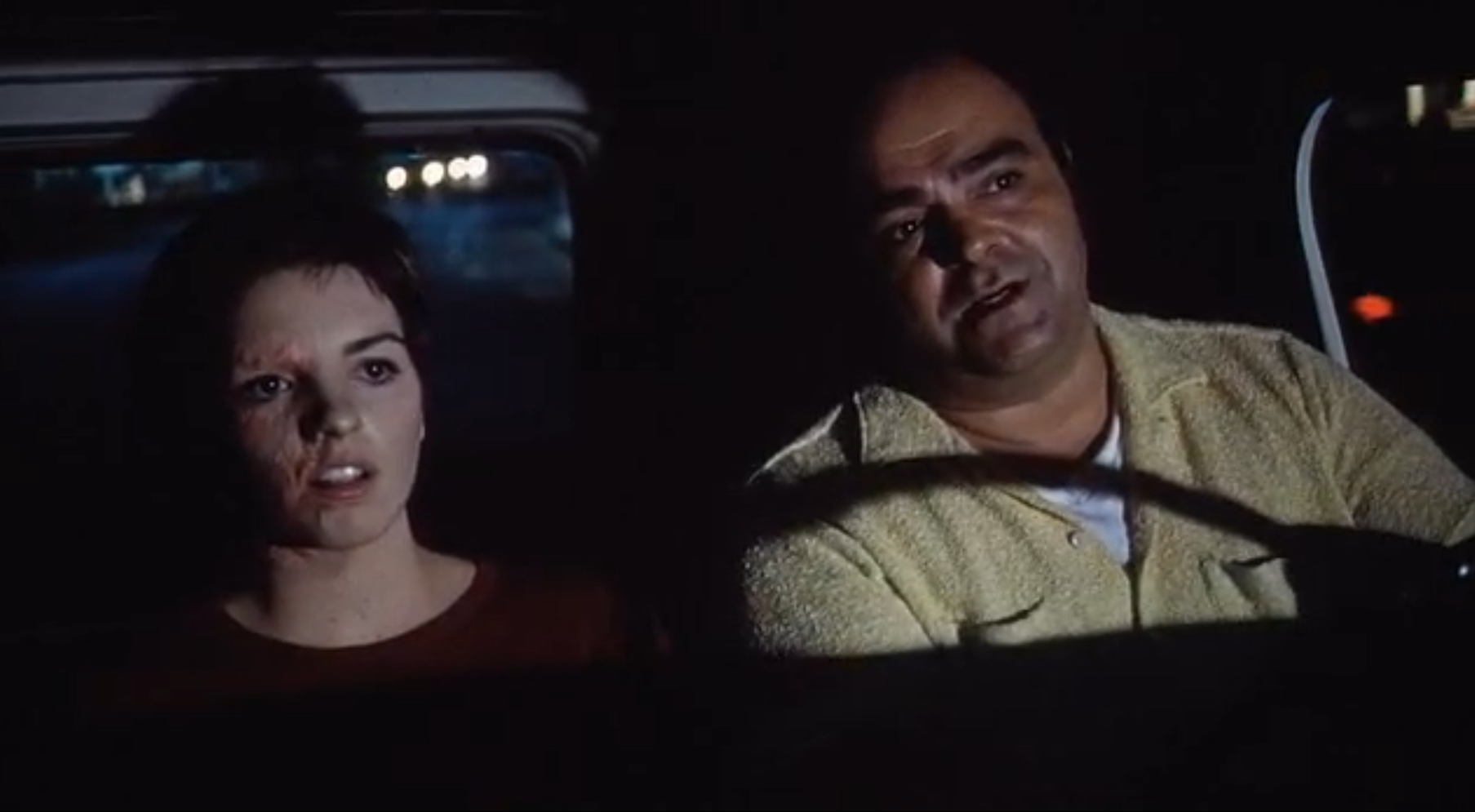
Review: We’re made privy to each character’s “sordid” background story through dramatic flashbacks (beginning with a surreally scored scene in which we see how the once-beautiful Minnelli came to receive her tragic burns): The remainder of the insipidly scripted film is simply concerned with detailing how they come to (marginally) accept themselves and find (temporary) happiness. Kay Thompson appears in near-cameo as the trio’s brusque and eccentric landlord: … while James Coco is given a pathetically underdeveloped role as a fishmonger with an inexplicable crush on Minnelli.
Must See? Links: |
“You know, SuSu, you’re a very peculiar child.”
|
Synopsis: |
|
Genres, Themes, Actors, and Directors:
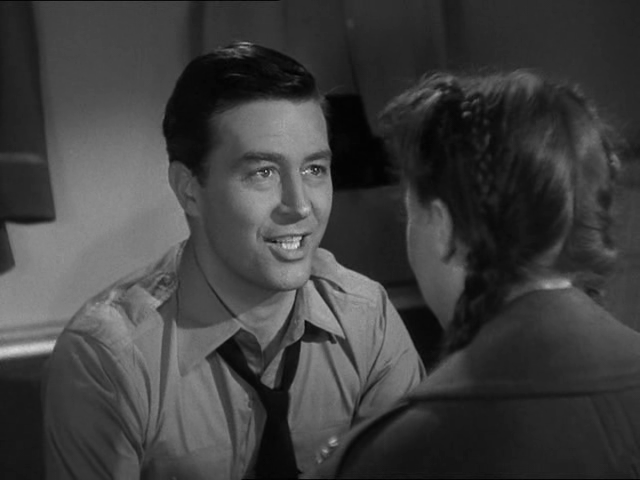
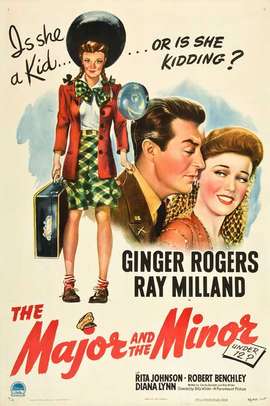
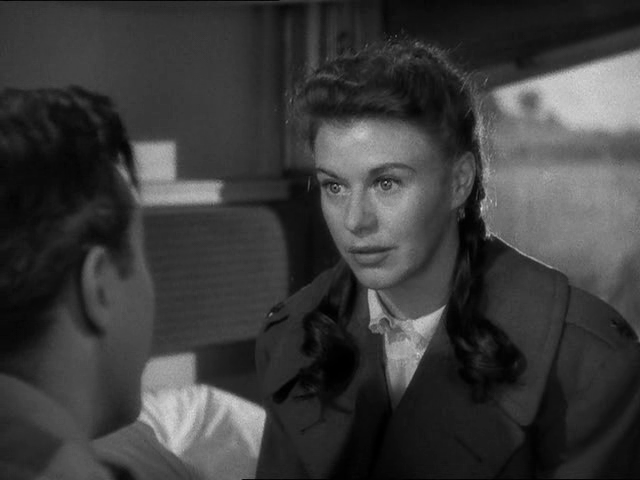
Review: In a much less showy — but equally pivotal — role, Milland is perfectly cast as the kind-hearted yet hopelessly naive military man who takes SuSu under his wing. Given that the film eventually becomes a study in thinly veiled pedophilia (!), believing in his good graces (which we do) is essential. The film’s first half-hour — in which we witness “scalp massager” Rogers reaching her breaking point while being propositioned by a lecherous client (Robert Benchley) in New York, and “meeting cute” with Milland on the train — is probably its best; but the remainder of the storyline (taking place primarily at Milland’s military academy, where SuSu copes with dozens of would-be adolescent suitors) offers enough chuckles to keep us consistently amused. As DVD Savant points out, “The irony is that Susan ditched the Big Apple to be free of unwanted advances, only to be mauled and chased by a bunch of girl crazy” military cadets; she’s simply irresistible! The subplot involving Milland’s conveniently unsympathetic fiancee (Rita Johnson), who “keeps foiling his attempts at a transfer” to active duty, is slight but forgivable as a narrative device; more disappointing is the overly simplistic ending. However, this is easy to overlook in the face of what remains an otherwise most enjoyable romantic farce. Redeeming Qualities and Moments: Must See? Categories
Links: |
“There is no sincerity like a woman telling a lie.”
|
Synopsis: |
|
Genres, Themes, Actors, and Directors:
Review: Redeeming Qualities and Moments:
Must See? Links: |
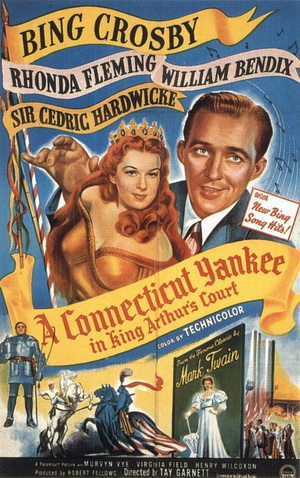
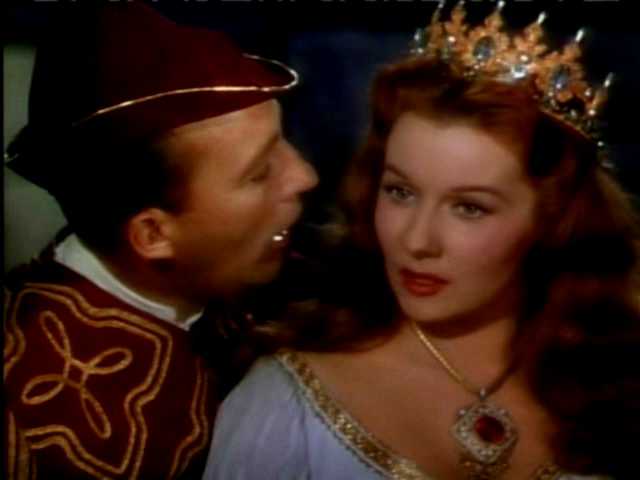
“Me thinketh I liketh Camelot — a lot.”
|
Synopsis: |
|
Genres, Themes, Actors, and Directors:
Review: Redeeming Qualities and Moments: Must See? Links: |
“I’m the maiden aunt; every family has one.”
|
Synopsis: |
|
Genres, Themes, Actors, and Directors:
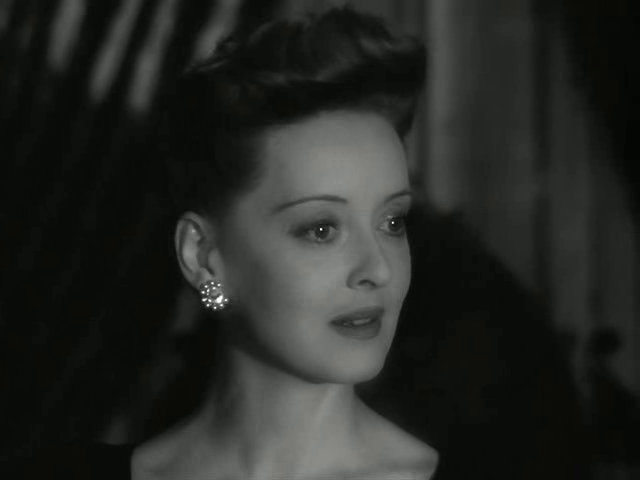
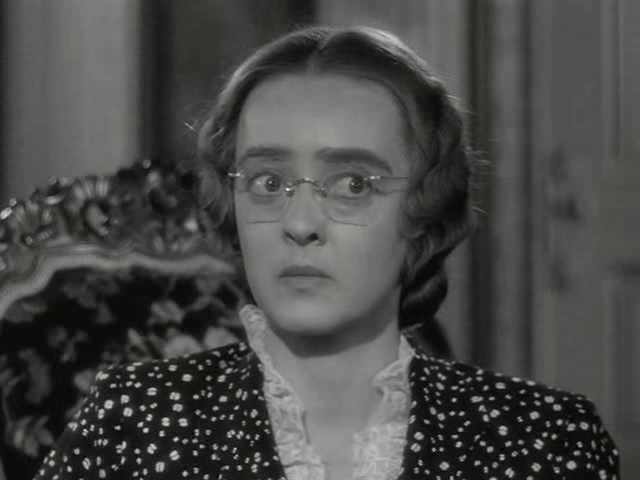
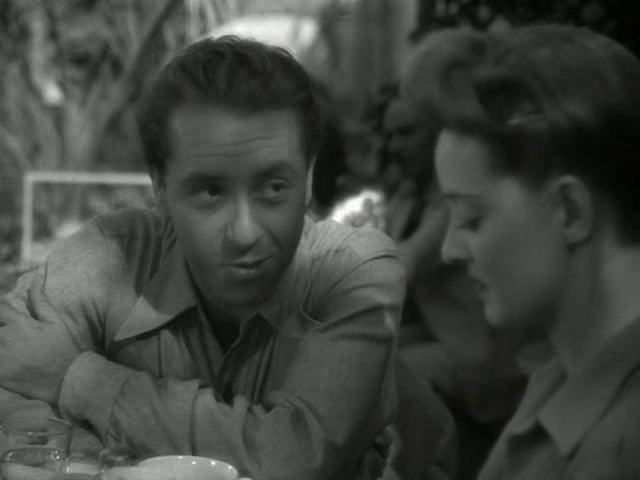
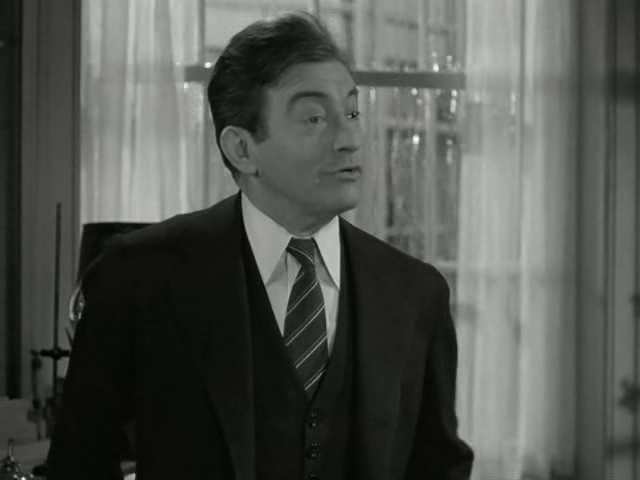
Response to Peary’s Review: The storyline for Now, Voyager is contrived beyond belief, but enjoyably so — if you’re willing to go along for the ride. A classic “women’s picture” (DVD Savant refers to it as “the perfect distillation of narrative themes and romantic elements to attract the female audience in 1942”), Now, Voyager chronicles Davis’s magical transformation from a beetle-browed, plump spinster on the verge of a nervous breakdown, to the most popular guest on board a cruise ship — a woman unafraid to finally emerge from under the crippling dominance of her abusive mother and spread her wings, exactly how she chooses. Davis, naturally, is superb in this tricky central role, while Claude Rains is top-notch in a too-small (but critical) role as her kindly psychiatrist (if only we all had such a guardian angel/father-figure waiting for us in the wings!). Henreid, despite Davis’s apparent initial misgivings, is finely cast as her illicit European “lover”, and Gladys Cooper is appropriately hiss-worthy as her villainous mother (as noted by DVD Savant, “Not until Psycho did the movies come up with as potent a horror-mother as old Mrs. Vale”). Redeeming Qualities and Moments:
Must See? Categories
(Listed in 1001 Movies You Must See Before You Die) Links: |