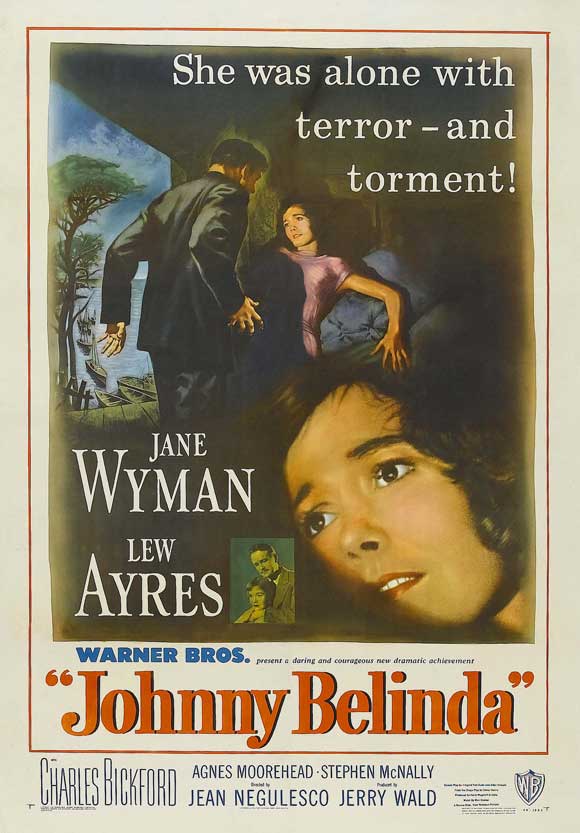
Johnny Belinda (1948)
“There’s only one shame: failing a human being who needs you.”
|
Synopsis: |
|
Genres, Themes, Actors, and Directors:
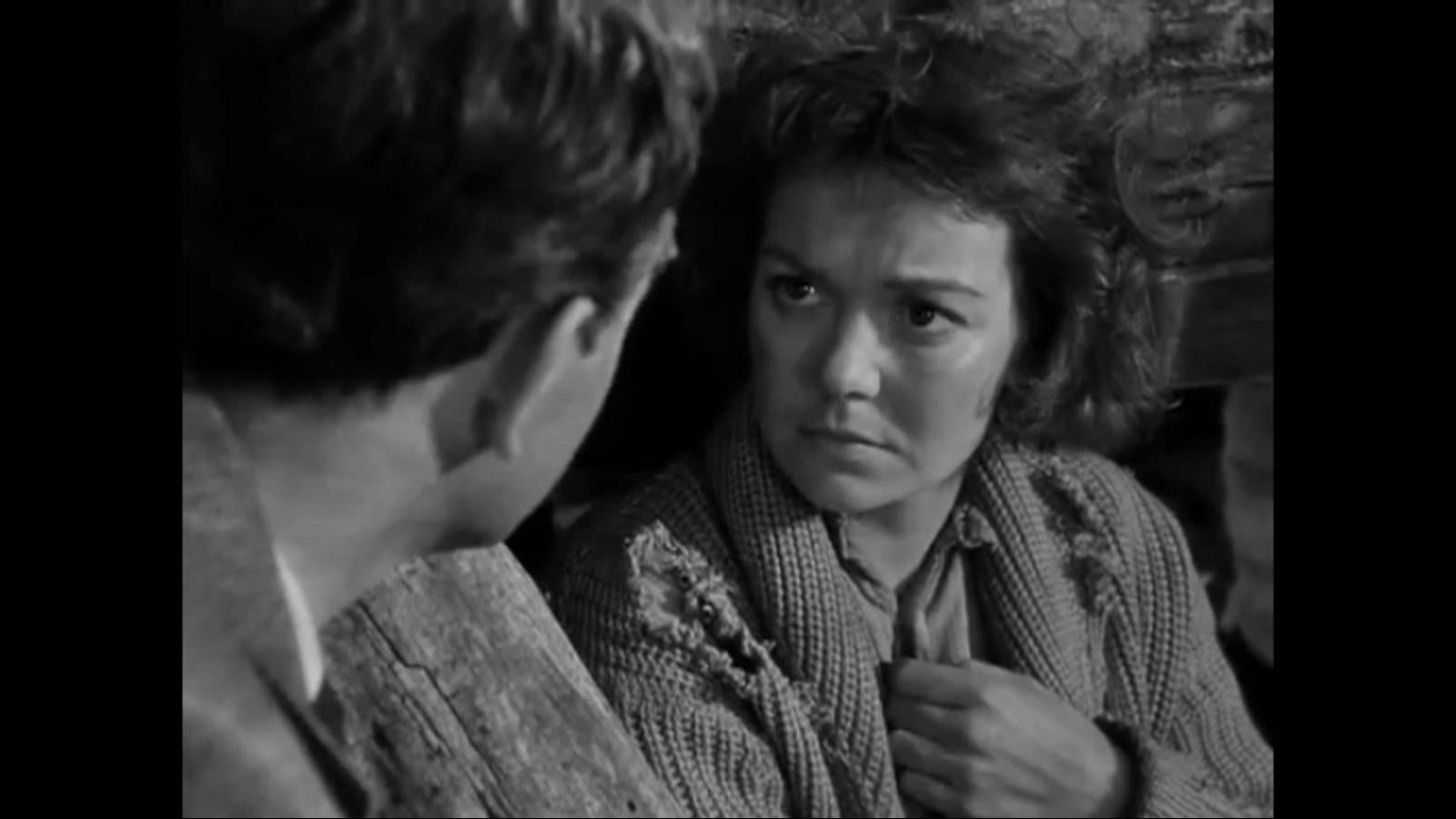
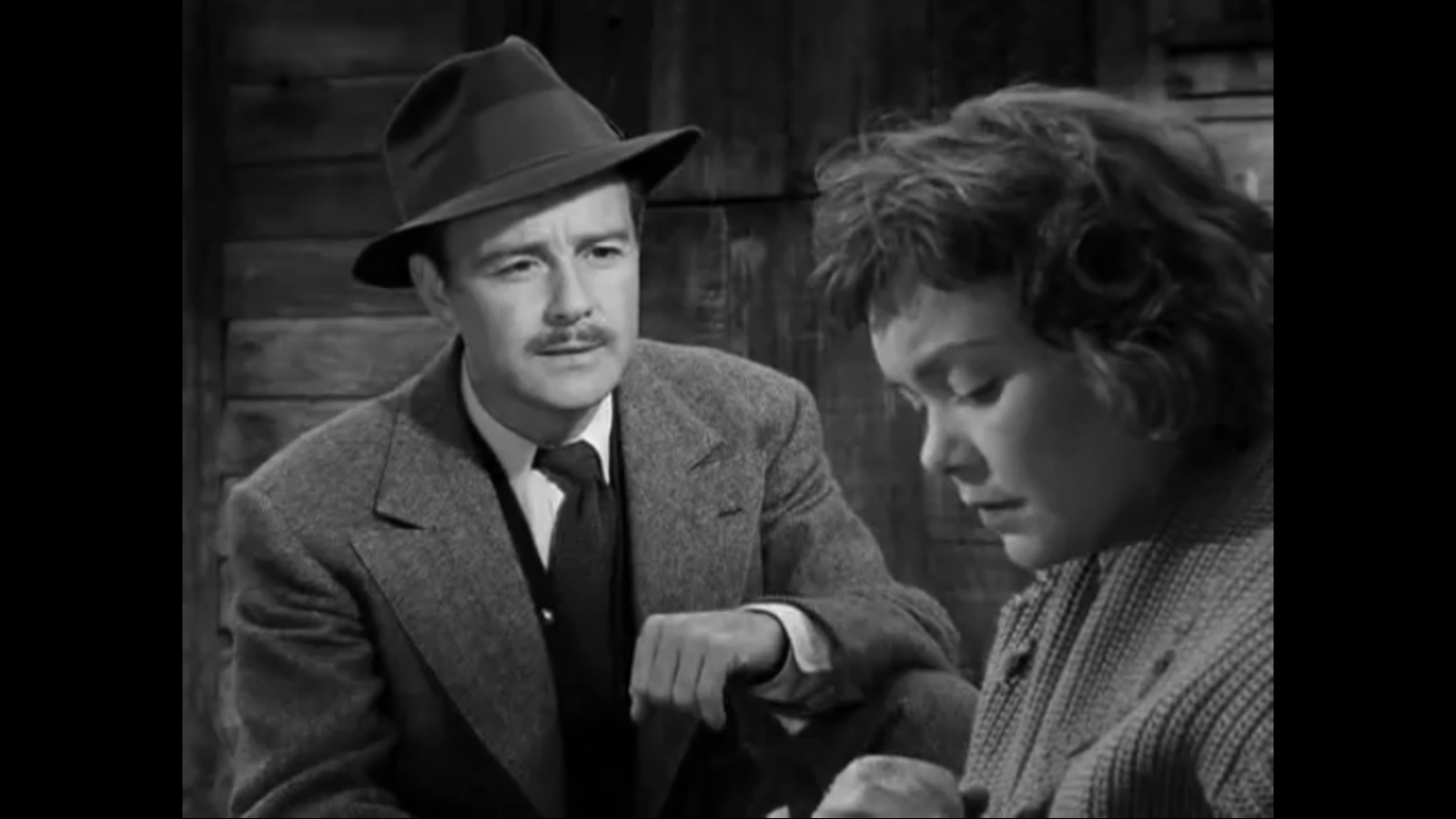
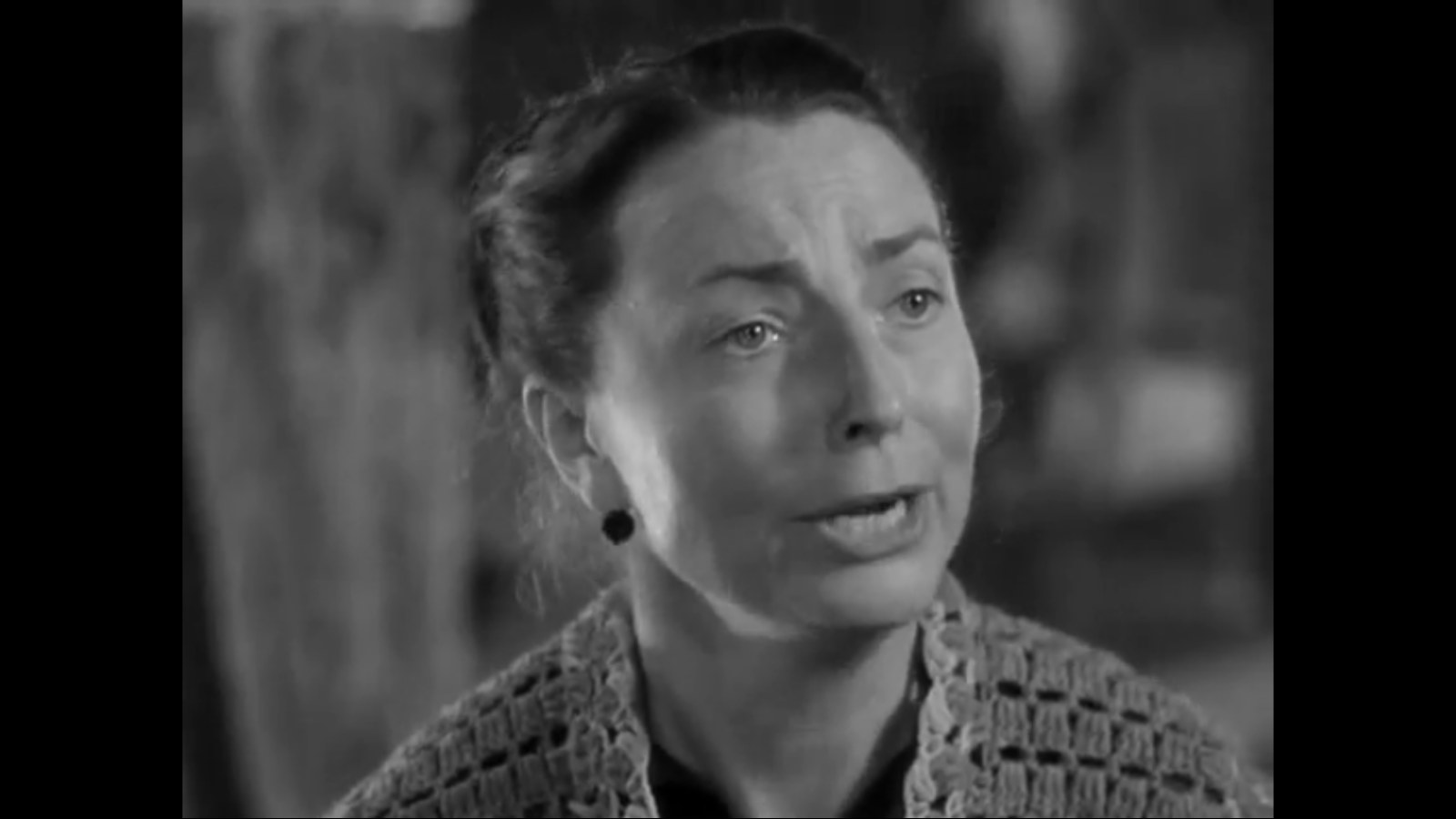
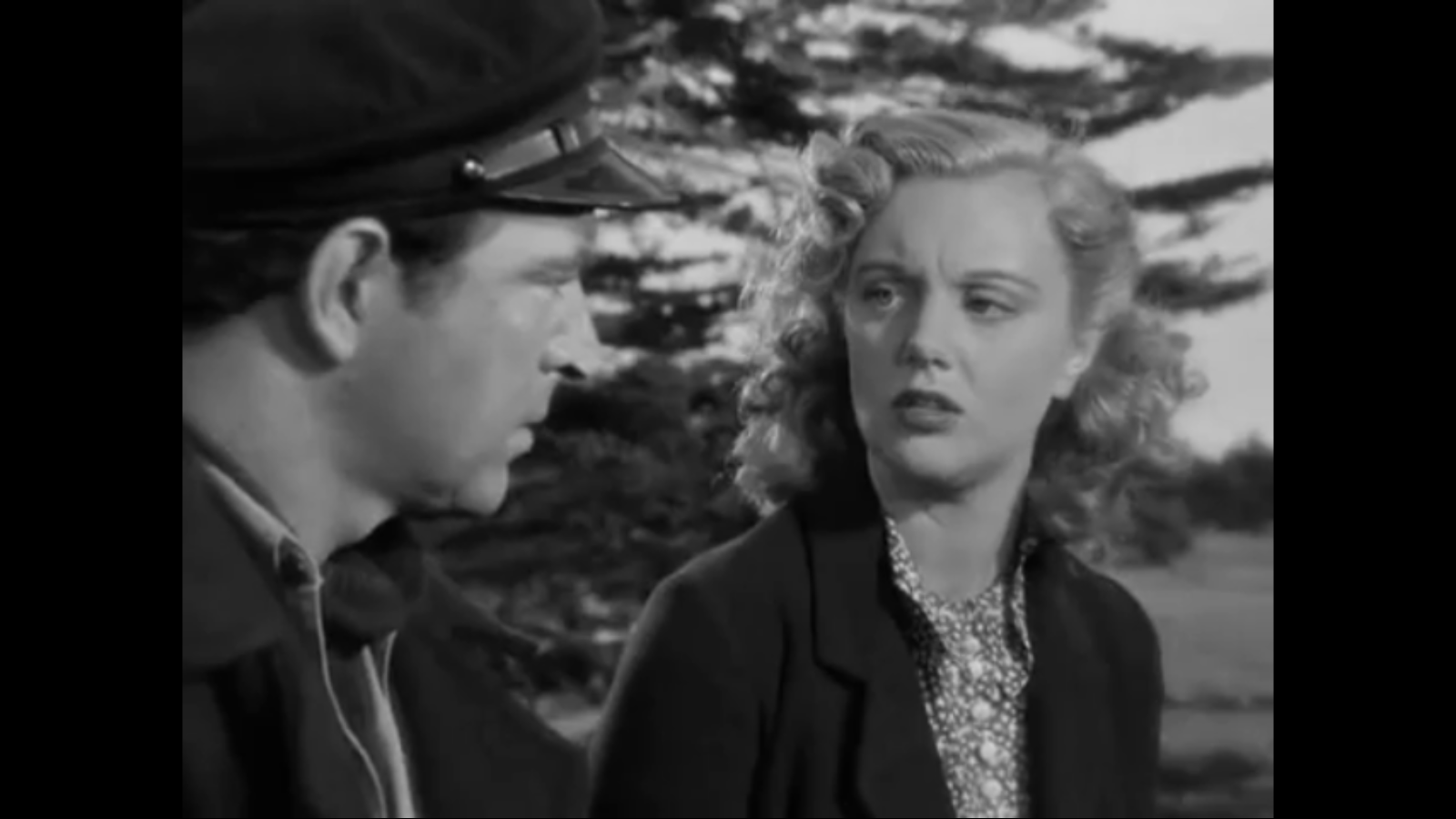
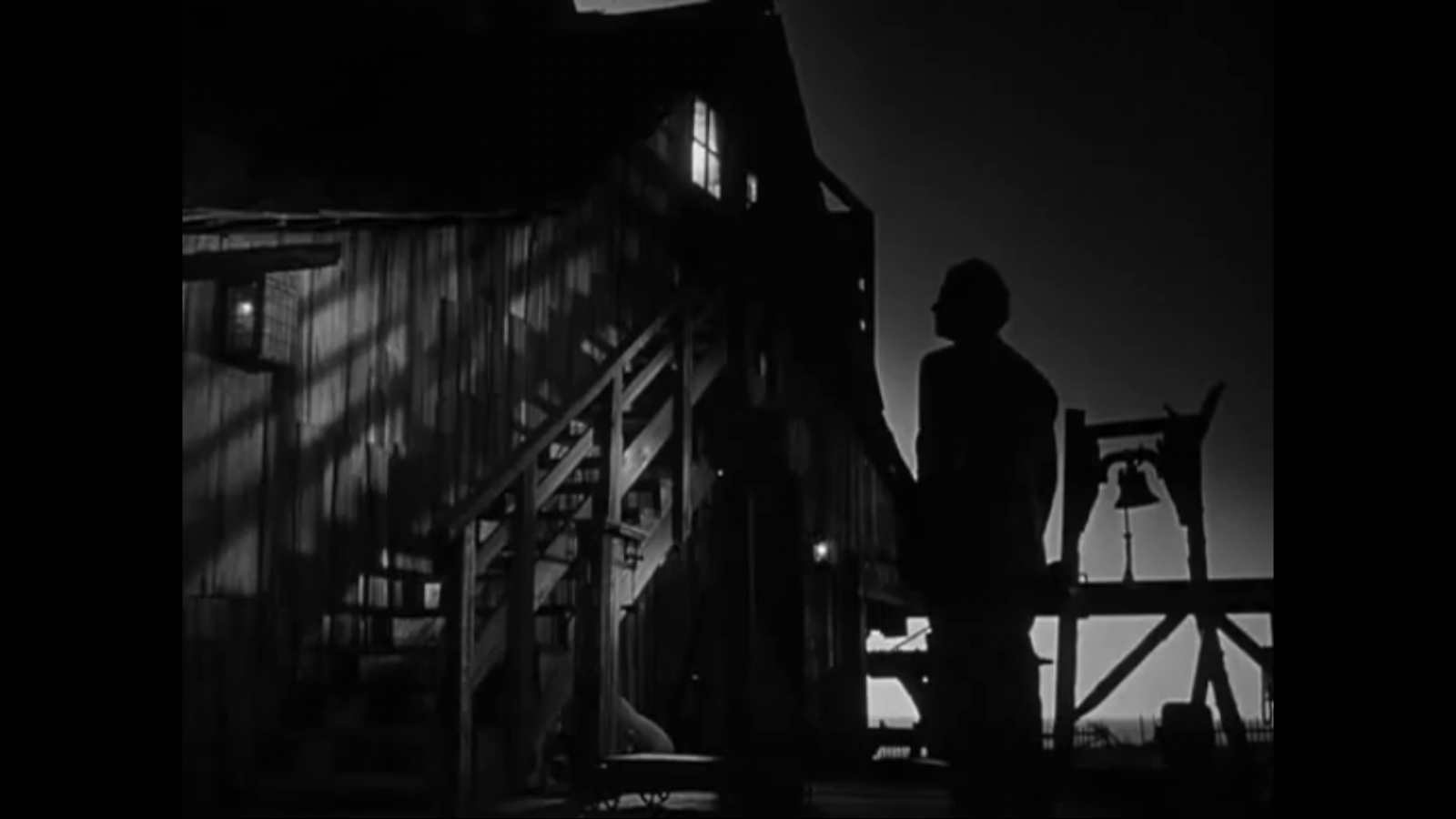
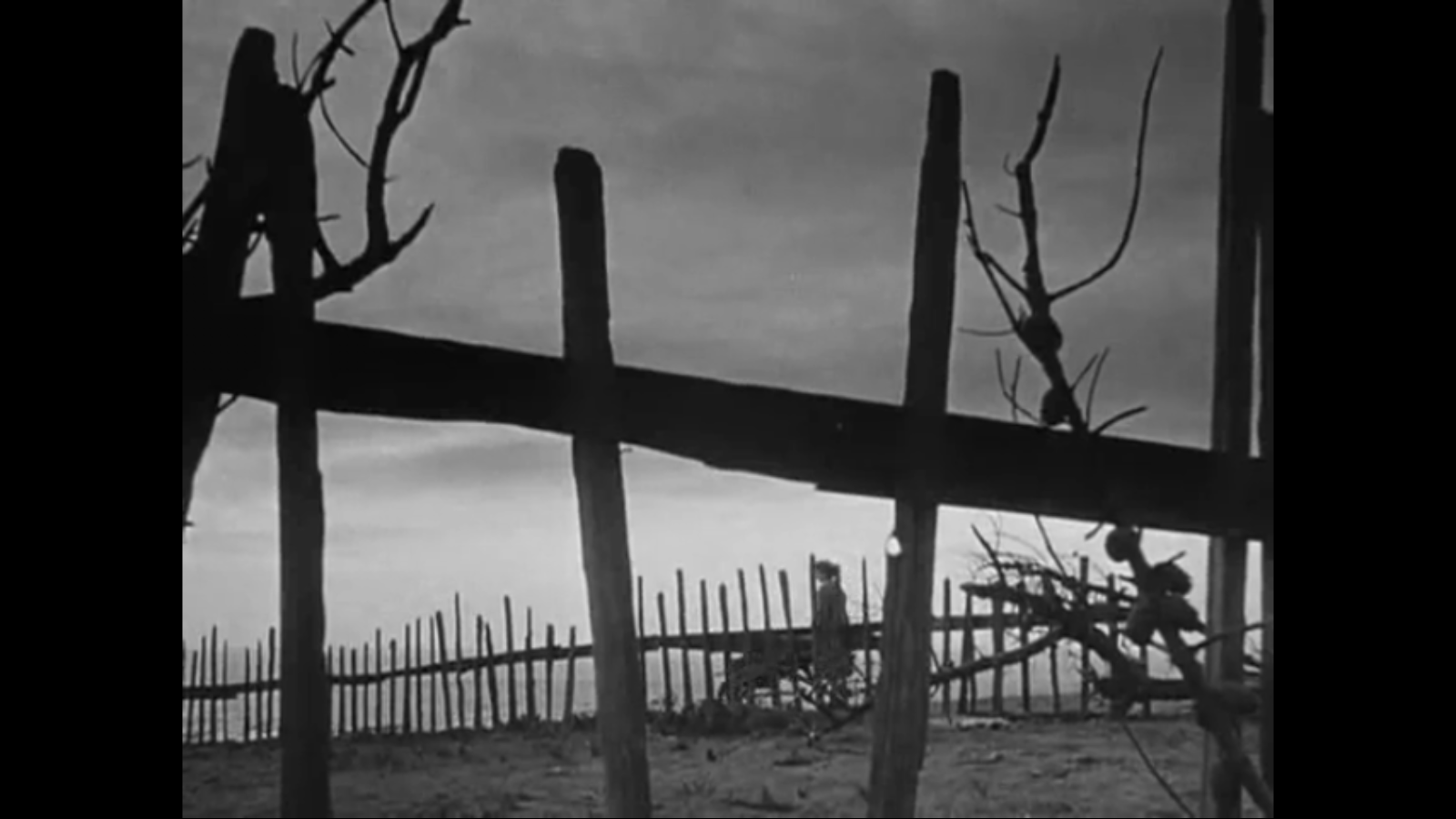
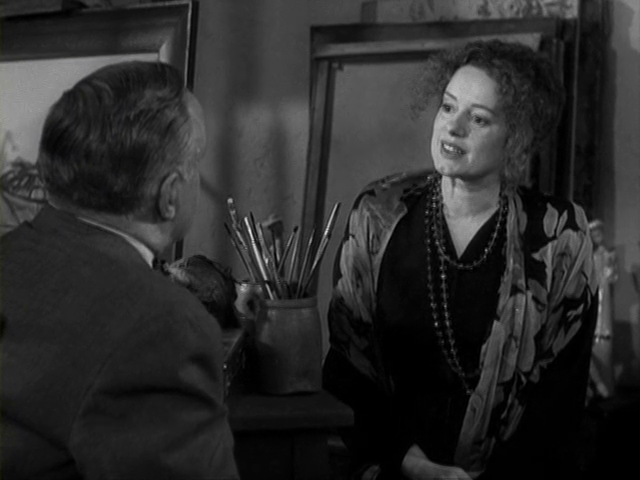
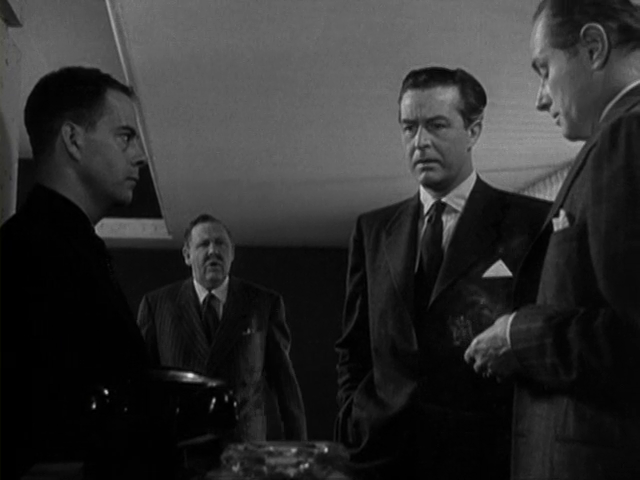
Review: I’m not particularly a fan of Wyman myself — but I do find her performance here to be note-perfect; in fact, it’s likely my favorite of all her roles. Truth be told, I’ve always thought of Wyman as a bit dowdy, and have a hard time “buying” her in more glamorous parts (i.e., in Douglas Sirk’s films); she’s what you might call a handsome woman, but not particularly beautiful — and thus, she’s perfectly suited for her role here, where her “earthier” appeal is allowed to shine. Meanwhile, she’s surrounded by a top-notch supporting cast, with several familiar character actors — Charles Bickford, Agnes Moorehead, and Jan Sterling — given meatier roles than usual (to excellent effect). What’s especially refreshing is how each of these seemingly archetypal characters — bullish father (Bickford), shrewish aunt (Moorehead), jealous townswoman (Sterling) — are allowed to transcend their initial characterizations, each tapping into a store of deeply guarded humanity. Also notable is Lew Ayres (best known for his starring role in 1930’s All Quiet on the Western Front), who — as a noted pacifist during WWII — apparently had a hard time earning meaningful roles; he’s smartly cast here, and offers a refreshingly avuncular leading-man presence. Interestingly, as DVD Savant points out, this was “one of the first Hollywood films to look at a handicapped [sic] person as a worthy subject for drama” — something we take for granted these days, when such a role almost guarantees that an actor will be nominated for an Oscar. The storyline itself, despite its undeniably harsh subject matter, is tastefully handled throughout; with the exception of a couple of key narrative twists later in the film which are handled a bit too facilely (I can’t say more at risk of spoiling), it’s a nicely balanced script, filled with plenty of local dialogue. Shot in coastal Northern California, the sets accurately reflect the windswept rockiness of Nova Scotia, and both cinematographer Ted McCord and Negulescu do a fine job presenting the tale through consistently atmospheric visuals. In sum, this one will likely surprise you as — in DVD Savant’s words — “a rare animal, a heart-warming sentimental story that doesn’t tax one’s intelligence, even if it does take a few melodramatic turns on its way.” Redeeming Qualities and Moments:
Must See? Categories
Links: |